Advancing inclusive and innovative public health research
Hosted by the University of Bristol
Welcome from the Director
Dear all,
I am pleased to welcome you to the NIHR School for Public Health Research Annual Scientific Meeting (ASM) 2025 ‘Advancing inclusive and innovative public health research’ We would like to say a big thank you to the University of Bristol, the host of this year’s event.
As we enter year four of our third quinquennium, I am excited for us to come together as a School to share research findings and impact. Our trainees and early career researchers are a key focus of this year’s ASM.
Agenda
We have a packed and varied agenda for 2025 with distinguished speakers in public health practice and policy and many opportunities for networking. You will hear from our research programmes about projects and impact, the Vol-
untary Sector Evaluation Scheme (VoySES) and our Area for Research Innovation (AfRI) on Data. We are delighted to have a pre-recorded Keynote and Q&A from Ashley Dalton MP, Parliamentary Under-Secretary of State for Public Health and Prevention in the Department of Health and Social Care. Questions for Ashley Dalton have been submitted in advance from our early career researchers (ECRs).
Capacity building
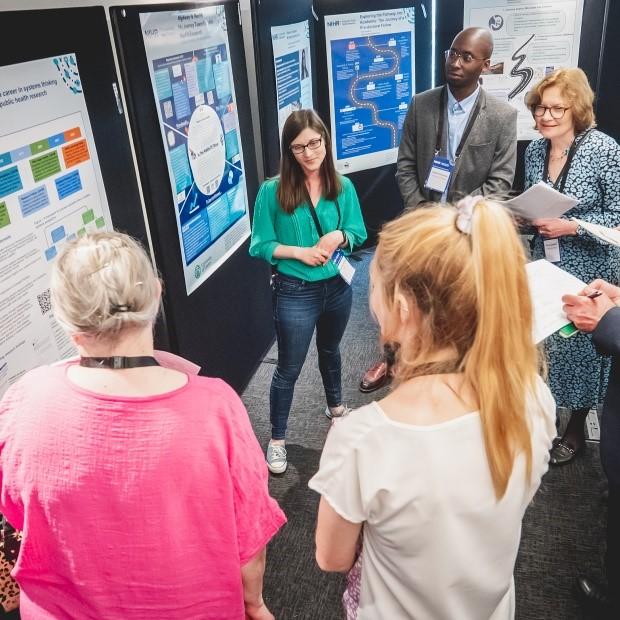
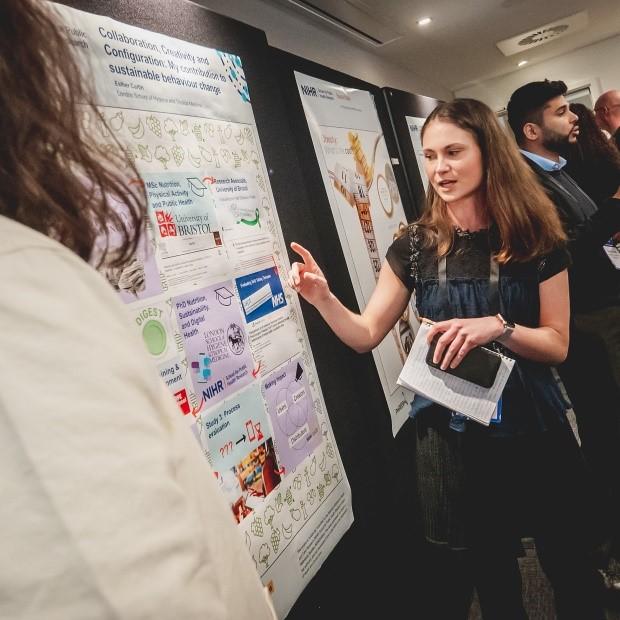
Our trainees, from pre- to post-doctoral and ECRs have prepared posters and lightning talks. In addition to this and new for this year, some trainees will be sharing digital stories. We hope you enjoy finding out about their research and career journeys. For many, it is their first experience presenting a poster or talk at a conference, so please offer your support, encouragement and ask questions.
Getting to the venue
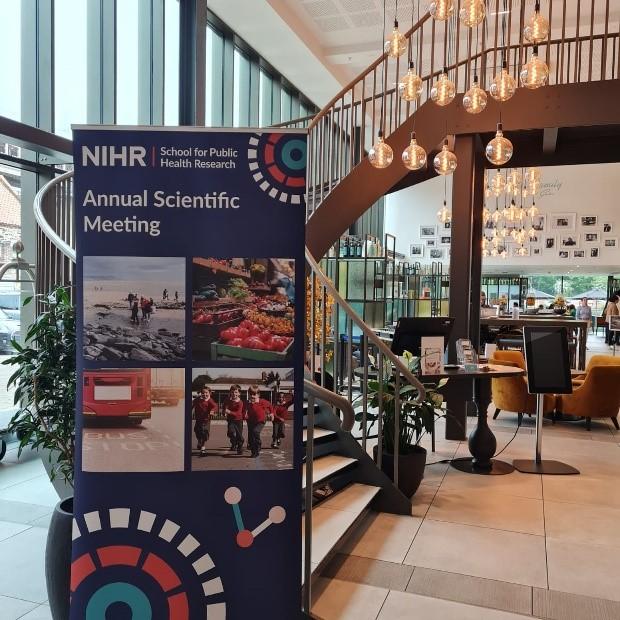
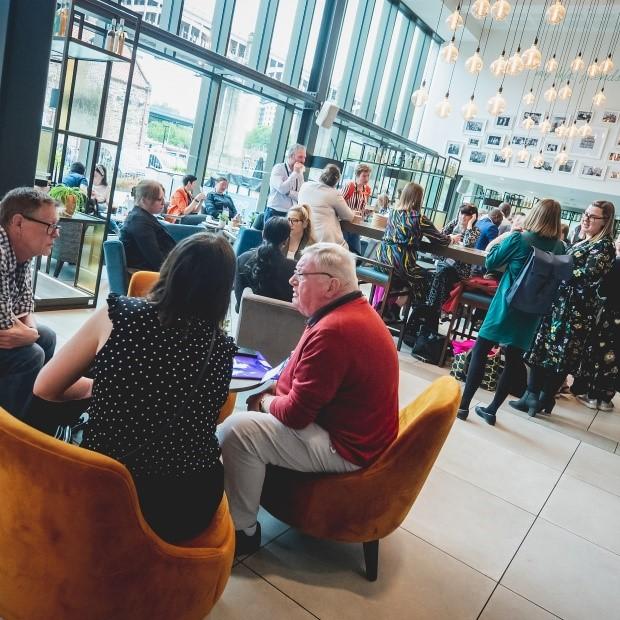
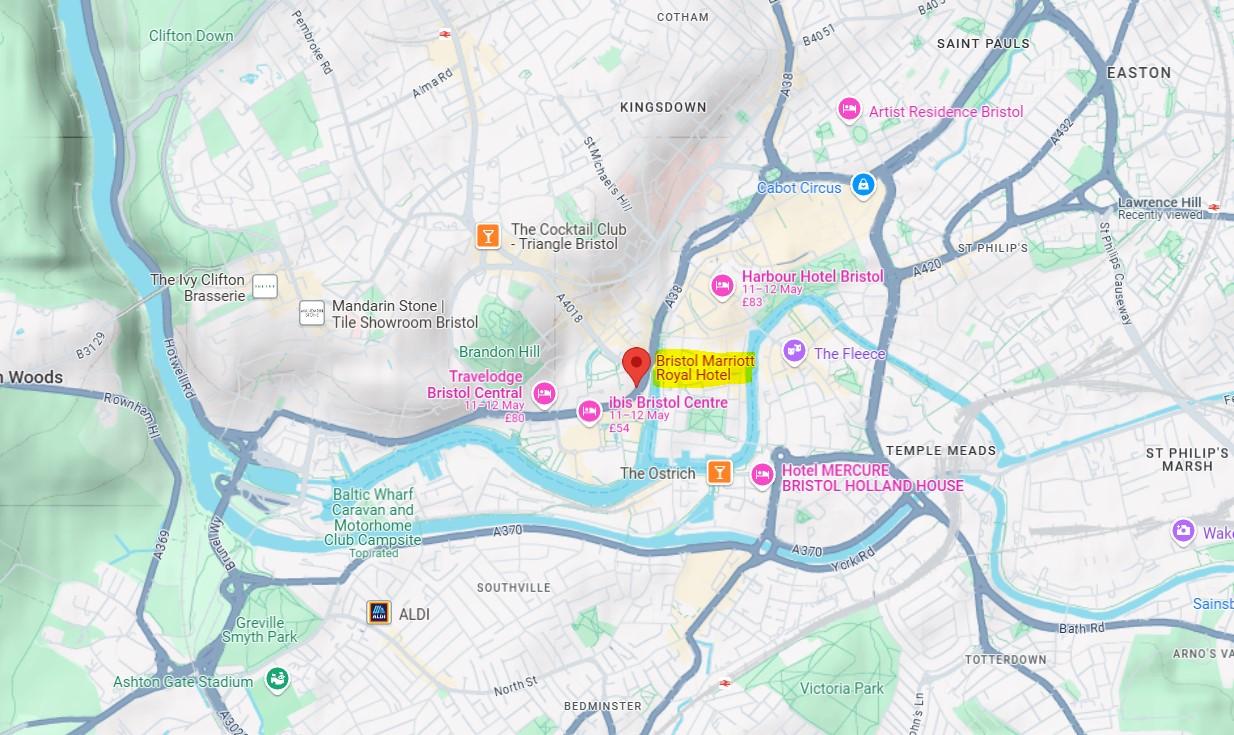
This year’s event is being held at the Bristol Royal Marriott Hotel. The closest train station to the venue is Bristol Temple Meads (approximately a 22minute walk). You can find out more about the venue on pages 5–8.
Sustainability
We are continuing to build on efforts from last year to make the ASM 2025 as sustainable as possible and working closely with our event partners BeaconHouse to do this. We will be serving a vegetarian and vegan lunch and minimising printing to reduce our environmental impact. When you registered, you told us how you would be travelling to the conference. All this information will be used to produce a carbon footprint report from the event so we can measure our impact and ways to reduce our footprint for future conferences and events.
Our public partners
We are delighted to have members of our Public Partner Network (PAN) attending this year and taking part in various aspects of the meeting including the research programme sessions. Visit the PAN stand to chat to public partners and colleagues about involvement and engagement, share your insights and take part in creative activities. The School’s PAN is a well-established group, advising researchers and helping to ensure dialogue between researchers and the public to embed public involvement into all aspects of our research.
This year, the PAN has implemented a buddy system connecting some its members with early career researchers. The goal is to provide additional support and mentorship to early career researchers around involving the public in their research. Furthermore, this year marked the introduction of a Young Person's Advisory Network (YPAN), aimed at enhancing the representation of young people's perspectives across SPHR.
National walking month
ASM 2025 falls during National walking month (#NationalWalkingMonth). This campaign asks people to #Try20 and walk for 20 minutes every day during the month. Related to this and to incorporate wellbeing into the conference, there are several walks and a run taking place, you can see these on pages 3 and 4.
Awards
The SPHR PI&E and EDI awards recognise creativity, innovation and excellence in PI&E and EDI activities across the School and aim to inspire others. We will be announcing the winners of these awards during the conference. I would like to congratulate everyone who has been nominated and thank those who submitted nominations.
I look forward to seeing you all and hope you take advantage of the opportunity to connect with each other.
Please follow #ASMSPHR2025 on BlueSky and LinkedIn to stay updated and post using the hashtag to share your thoughts and reflections throughout the two days.
Professor Ashley Adamson
Programme day 2
Thursday 22nd May
07.00
Optional early morning guided walk or run (walk led by Ruth Kipping and Laura Tinner, run led by Esther Curtin, Amy Johnson and Calum Mattocks)*
08.30 Poster session 2
Registration & refreshments
09.00 Welcome & Awards for PI&E and EDI
Professor Ashley Adamson Director, NIHR School for Public Health Research (SPHR)
09.20 SPHR Trainees – lightning talks (3)
A series of short talks from SPHR trainees
09.50 Keynote 3 – Exploring lived experience: Reflections on the benefits and challenges of using creative facilitation in public health research. Dr Florence Darling, Fuse (Gateshead HDRC)
10.30 Voluntary Sector Evaluation Scheme (VoySES)
10.50 Refreshment break
11.20 Digital stories 2
A series of digital stories from SPHR trainees
11.50 Research Programme 3 – Public mental health
12.30 Keynote 4 – Ashley Dalton, Minister for Public Health – pre-recorded presentation
13.00 Networking lunch
Short guided walk at start of the lunchbreak (led by Russ Jago and Lucy Anderson)* –food available after the walk
14.00 Emerging Public Health Priorities (EPHP) and Data linkage Area for Research Innovation (AfRI)
14.40 SPHR Trainees – lightning talks (4) A series of short talks from SPHR trainees
15.00 Research Programme 4 – Health inequalities
15.40 Trainee Awards (posters and oral presentations)
15.55 Closing remarks, Professor Ashley Adamson
NIHR SPHR Director
16.00 Meeting day 2 close
To get your SPHR branded KeepCup, don’t forget to complete feedback before you leave
Giuseppes – Italian restaurant on Market Steps, Baldwin Street.
Owwee Vegan – a popular plant-based fastfood restaurant, Baldwin Street.
Watershed café-bar – a relaxed setting at the Harbourside.
Riverstation Pontoon Bar – a relaxed space with riverside views.
Harbour House – Riverside views in a historic building.
Pasture – a restaurant well known for its steaks on Portwall Lane.
Ox – Steak restaurant in an old bank vault on Corn Street
NOAH'S – an independent fish & chip and seafood restaurant by the Cumberland Basin.
Urban Tandoor – award winning Indian restaurant on Small Street.
Nutmeg Street Kitchen – fine dining Indian restaurant, St Augustine’s Parade.
Lamaya – Lebanese restaurant in Finzels Reach.
Bocabar – good pizzas in Finzels Reach.
St Nicholas Market Street Food – a range of street food options but only open during daytime hours.
There are also many restaurants, bars and cafes in the areas of Clifton and Clifton Village – home to the Clifton Suspension Bridge. But please note, these areas are located uphill from the City Centre. A few Clifton favourites include:
Eat a Pitta – good falafel and budget friendly in Clifton Village and on Queens Road.
The Clifton Bristol – Ale & Food House – good quality food in a relaxed pub environment, Clifton Village.
Emperor Court Chinese Restaurant – Chinese cuisine in Clifton Village – the mixed hors d’oeuvres is recommended!
Giggling Squid – Thai restaurant in Clifton Village.
Browns – Brasserie and bar on Queens Road adjacent to the Wills Memorial Building.
Mangosteen – Thai tapas on Cotham Hill.
Bravas – a Spanish tapas bar and restaurant on Cotham Hill.
Pazzo – Italian-inspired restaurant with great pasta, Whiteladies Road.
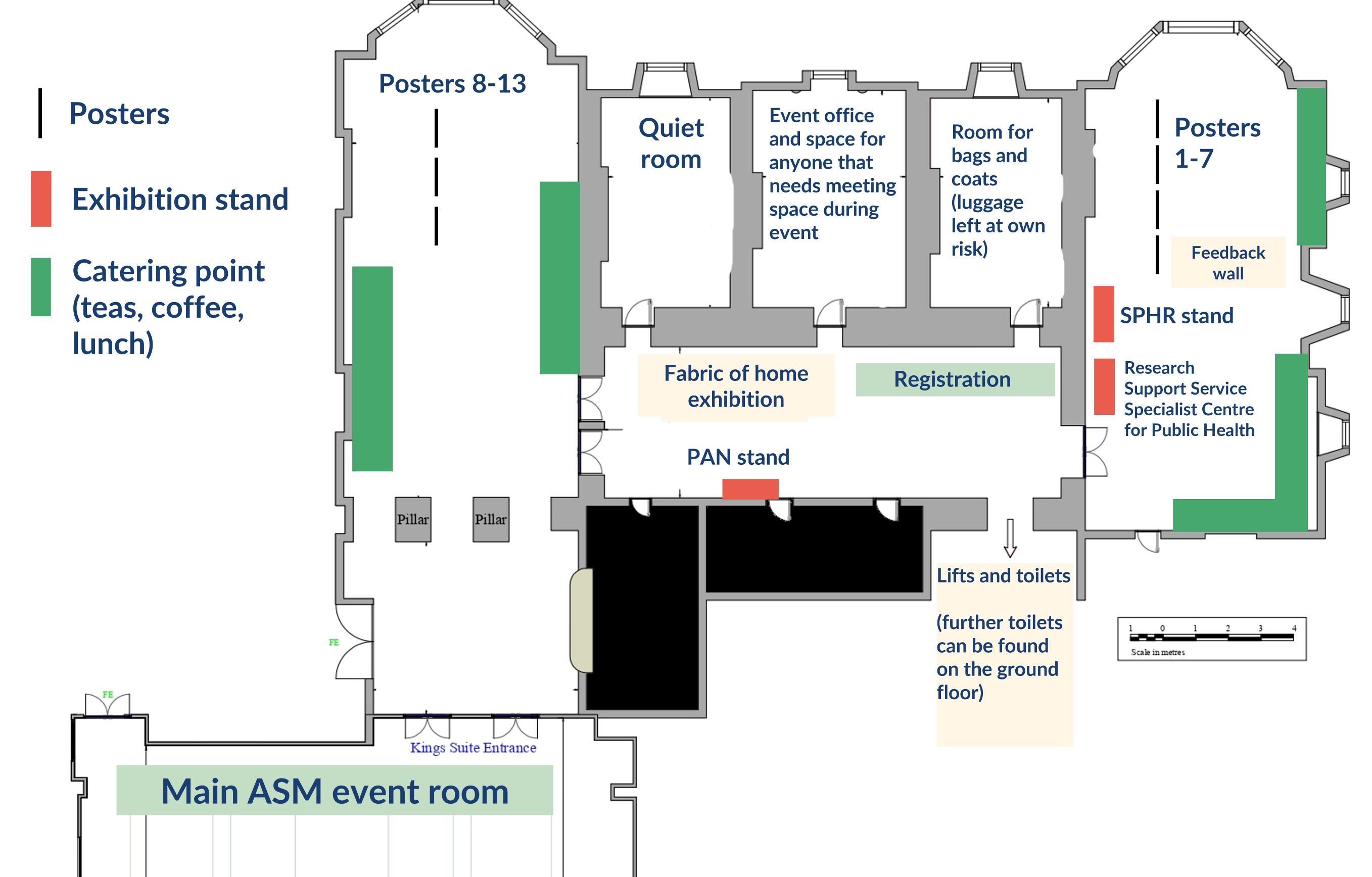
PAN stand
Join us at the Public Partner Network Stand during this year's ASM to chat about involvement and engagement, share your insights, and have fun with creative activities!
Fabric of home exhibition
Selected elements of the Fabric of Home exhibition will be on display at the ASM. The Fabric of Home word and textile exhibition, originally displayed at the Winter Gardens, Sheffield, as part of the ESRC Festival of Social Sciences. The exhibition featured findings from two recent NIHR projects on housing insecurity, alongside quilts exploring the concept of 'home' and reflecting on key themes from the research like safety, family, warmth, shelter and protection. The quilts are made from fabrics commonly found in domestic settings – literal fabrics of home such as repurposed bedsheets and tablecloths. Additionally, the pieces address issues of loss and insecurity, incorporating elements like gaps, holes, and tears in the fabric.
Research programmes
Chris Bonell
Chris Bonell is Professor of Public Health & Sociology at the London School of Hygiene & Tropical Medicine, having previously held professorial appointments at University College London and the University of Oxford.
He specialises in how school environments influence adolescent health and how interventions might modify this. He is particularly interested in sexual health, violence and mental health. He was co-PI for the INCLUSIVE trial which reported the effectiveness of a wholeschool intervention across multiple health and educational outcomes including bullying. He has developed realist trials and systematic reviews as a means of rigorously evaluating how and for whom interventions work, recently publishing a book on this with Cambridge University Press. In the Covid-19 pandemic, Chris advised the UK government and WHO in relation to schools and young people, and in communications strategies. He sits on the Department for Education Science Advisory Council.
Ashley Dalton has been the Labour Member of Parliament for West Lancashire since February 2023 and was appointed Parliamentary UnderSecretary of State for Public Health and Prevention at the Department of Health and Social Care in February 2025. She has previously served on the Labour frontbench as Shadow Minister for Women and Equalities.
Ashley Dalton, MP
Ashley Dalton
Ashley Dalton
Matt Lenny
Matt Lenny
Darling
Matt Lenny is the Director of Healthy and Sustainable Communities at North Somerset Council where he has responsibility for a wide range of functions including his role as Director of Public Health. Other areas of leadership covered by his post are regulatory services (licensing, trading standards, environmental protection and food and commercial safety), emergency planning, community safety, economy and placemaking, climate emergency and planning.
He has worked for almost 30 years in local government, the NHS and the Department of Health and Social Care mainly in the South West of England. His first career was in journalism, marketing, and communications before training to be a Consultant in Public Health and appointment as a Director of Public Health in 2019. He is a Member of the UK Public Health Register and the Faculty of Public Health and holds a Masters in Public Health, a Masters in Business Administration and is a Visiting Professor at the Faculty of Health and Applied Sciences at the University of the West of England.
Florence Darling
Dr Florence Darling is a Research Lead in the Health Determinants Research Collaboration (HDRC) at Gateshead Council. She supports colleagues in Children’s Services to use research and evidence to improve practice and reduce health inequalities.
Florence worked as a Postdoctoral Research Associate at Durham University on the SPHR funded HAF-DEFINE study, using creative methods to explore the school holiday experiences of families living on low-incomes.
Florence’s background is in participatory arts and action research. She completed her ESRCfunded PhD in Sociology at Newcastle University in 2023, which explored young people’s experiences of arts-based projects in North East secondary schools.
Alongside her doctoral research, she managed the Children and Young People’s Programme at Baltic Centre for Contemporary Art and developed a range of co-produced research projects with young people and families in collaboration with Newcastle University and as part of the BxNU Institute, Baltic’s strategic partnership with Northumbria University.
Florence
Research programmes
Posters and lightning talks
Posters
ResNet award holders
Zoe Clarke (poster number 7)
Engaging with members of the public on the commercial determinants of health
Kiya Hurley (poster number 8)
STAR-food study: Finding better ways to support temporary accommodation residents with food
Alexandra Kalbus (poster number 9)
CARO (Menu Changes Following England’s Calorie Labelling Regulations in the Out-of-Home Food Sector)
Sarah Bates and Holly Clarke (poster number 10)
Exploring the effectiveness and cost-effectiveness of Mental Health Support Teams in South Yorkshire
Gina Nguyen (poster number 11)
How does food insecurity impact on breastfeeding and infant feeding decisions and what are the support needs: a scoping study to inform public health prevention?
Lizzy Winstone (poster number 12)
#ForYou study: Social media algorithms and mental health
Nancy Gullett (poster number 13)
Evaluating the Impact of the National Funding Formula on Pupil Outcomes in England
Neha Jain (poster number 6)
If we can have a nurse, why not a dental health support worker?" Exploring oral health support in Family Hubs in North East England
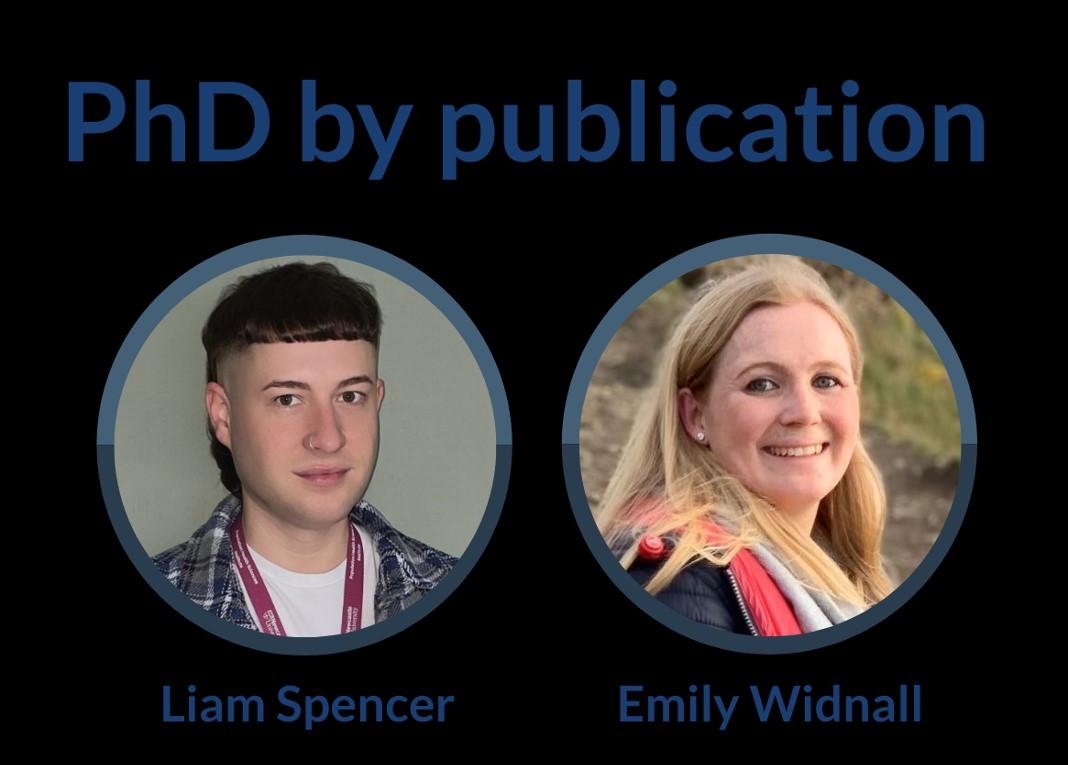
PhD by publication
Emily Widnall (poster number 4)
A public health approach to improving adolescent mental health and well-being in English secondary schools
Liam Spencer (poster number 5)
The Role of Early Intervention and Prevention in Mental Health: A Qualitative Exploration
My NIHR SPHR post-doctoral launching fellowship journey
Lizzy Winstone
Social media literacy as a schools-based public mental health intervention
Davara Bennett
Building a Fellowship
Jennie Parnham
Launching my fellowship journey
Patricia Albers
Anthropocene: the age of humans
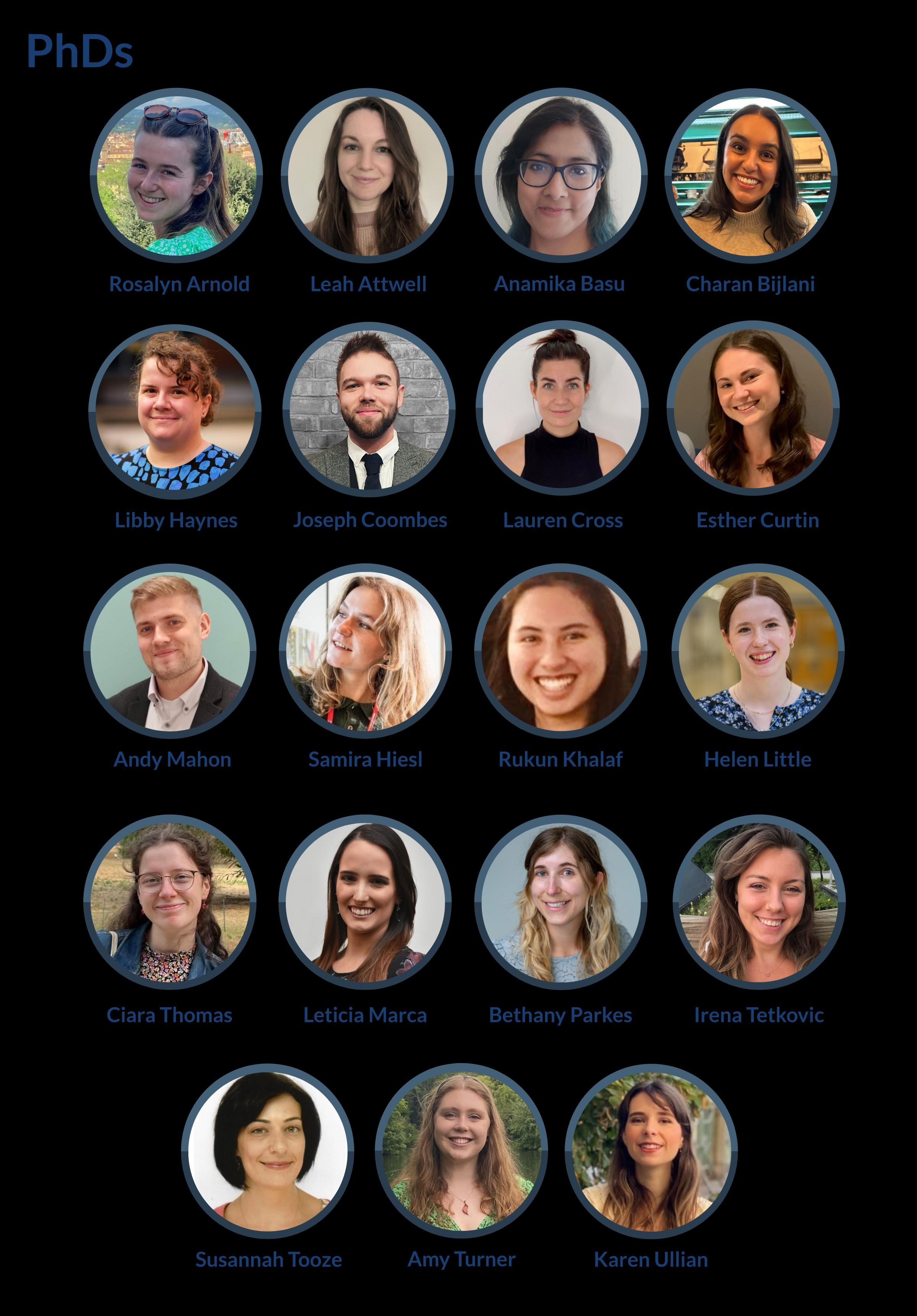
Day 2, Lightning talks 3 (09.20–09.50) – PhD students
Joseph Coombes
"I'd love to help improve the snacks and food at my school, I wish I could be involved in the discussion" – PI&E with young people around school-based research
Samira Hiesl
Collective challenges: Collective action
Rosalyn Arnold
Falling through the gaps: exploring barriers to free school meal access for food insecure children
Karen Ullian
Should we move from HFSS to UPF as the basis for UK food policymaking?
Anamika Basu
Conceptualising the Digital Food Environment
Leticia Marca
Mitigating projects impacts and increasing local resilience to climate change related outcomes: A scoping review of available decision tools
My journey towards an NIHR doctoral fellowship – the health impacts of cryptocurrency
Digital stories
Neha Jain
Leveraging my fellowship to explore policy-driven actions for better oral health
Catherine Jackson
Exploring how local authorities have used the Household Support Fund to support food insecure families
Zoe Clarke
Supporting research for local authority policy on the commercial determinants of health
Digital stories
In addition to lightning talks, this year some of our trainees are presenting digital stories. Digital stories are a powerful and creative way to communicate research.
Digital storytelling is the creation of personal, first-person narratives. They are short videos using a mix of voice, images, and simple editing. Digital stories are widely used in public involvement and engagement and provide an excellent framework for reflecting on and showcasing research.
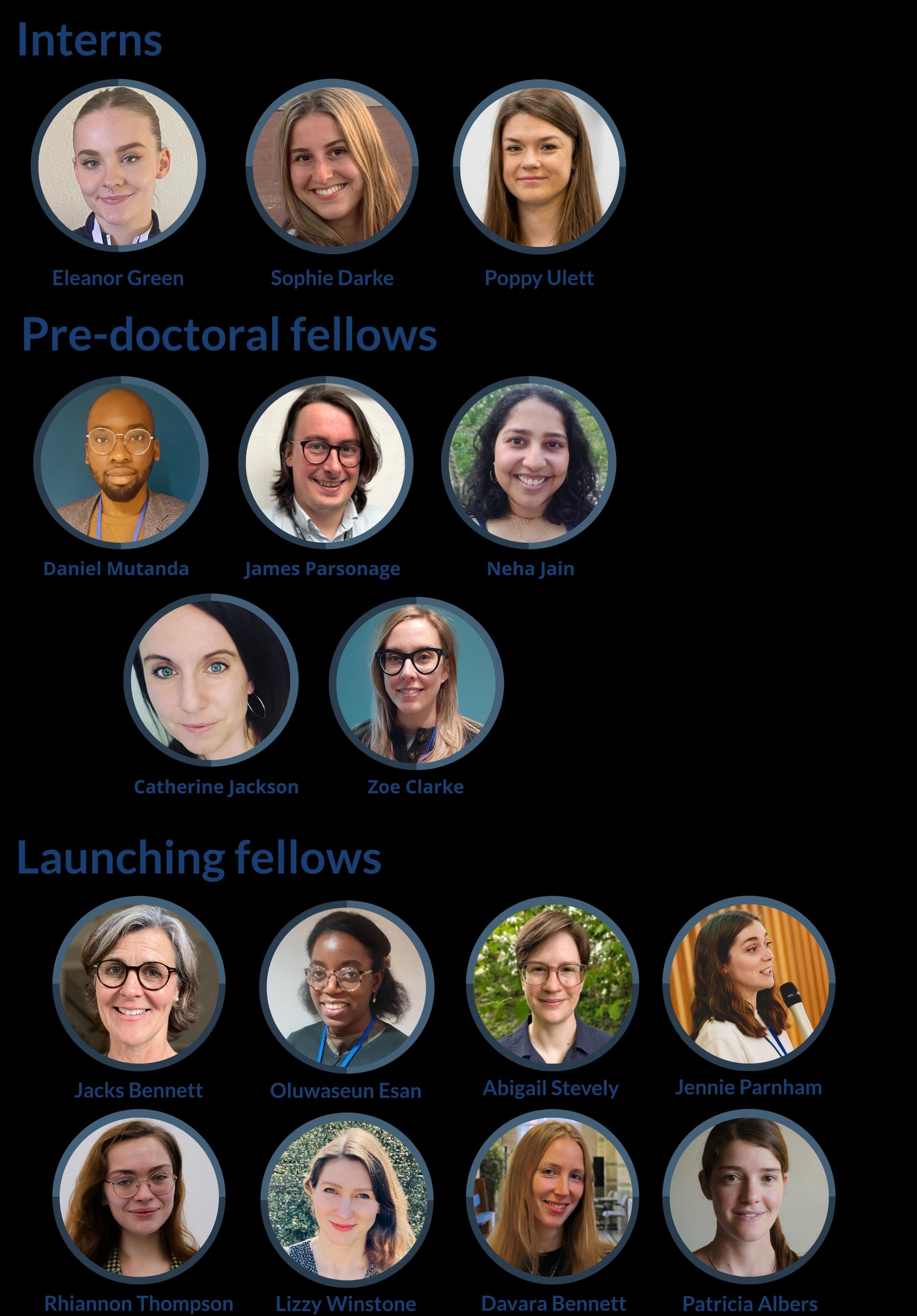
Pre-doctoral fellow
Daniel Mutanda – Listening Cities: Towards Healthy, Equitable, and Sustainable Urban Futures
Launching fellows
Abigail Stevely – My research on alcohol-free and low-alcohol drinks
Oluwaseun Esan – From Bump to Baby: Why equity in care still eludes mothers and their children
Jacks Bennett – The Student Wellbeing Study
PhD students
Irena Tetkovic – Why Sibling Mental Health Matters
Lauren Cross – Capturing All Voices: Exploring participation in school-based health research
Rukun Khalaf – The Nature of My Maternal Research
Esther Curtin – The story of Pete: how smartphone apps can kickstart healthy habits
Thomas Davies – Making nodes for network meta-analysis
Charan Bijlani – How does food insecurity impact Westminster Residents – a community-based system dynamics approach
Bethany Parkes – Understanding Non-Price Costs of Cooking at Home
Delegate list
Research programmes
AEleojo Abubakar (LiLaC, University of Liverpool)
Peymané Adab (PHRESH, University of Birmingham)
Ashley Adamson (SPHR Director)
Lateef Akanni (LiLaC, University of Liverpool)
Viviana Albani (Fuse, Newcastle University)
Patricia Albers (University of Bristol)
Olivia Alliott (University of Cambridge)
Lucy Anderson (University of Bristol)
Mirela Andreeva (LSHTM)
Philip Anyanwu (PHRESH, University of Warwick)
Rosalyn Arnold (LiLaC, University of Liverpool)
Katia Asfalto (University of Cambridge)
Chloe Asker (University of Exeter)
Matilda Attrill (University of Exeter)
Leah Attwell (University of Exeter)
BSophie Bacon (University of Bristol)
Haliyya Bakare (PHRESH, University of Birmingham)
Charlotte Bardell (University of Exeter)
Marco Bardus (PHRESH, University of Birmingham)
Rhiannon Barker (LSHTM)
Jane Barrett (Department of Health and Social Care)
Anamika Basu (LSHTM)
Sarah Bates (University of Sheffield)
Davino Beckford (The McPin Foundation)
Amina Benkhelfa (Imperial College London)
Jacks Bennett (University of Bristol)
Davara Bennett (LiLaC, University of Liverpool)
Charan Bijlani (Imperial College London)
Emma Bland (University of Exeter)
Christina Bosbach (Fuse, Durham University)
Soumeya Bouacida (PHRESH, University of Birmingham)
Susan Bowett (SPHR Directorate Team)
Gemma Brailey (University of Exeter)
Alan Brennan (University of Sheffield)
Kerry Brennan-Tovey (Fuse, Newcastle University)
Kerry Ann Brown (University of Exeter)
Ollie Brown (Department of Health and Social Care)
Andrea Burrows (Fuse, Teesside University)
CDeborah Caldwell (University of Bristol)
Rona Campbell (University of Bristol)
Julia Carey (University of Bristol)
Daniele Carrieri (University of Exeter)
Joht Singh Chandan (PHRESH, University of Birmingham)
Ruby Chandler (Public partner)
Kiara Chang (Imperial College London)
Caroline Charlton (Fuse, Northumbria University)
Floor Christie-de Jong (Fuse, University of Sunderland)
Rachel Clark (Department of Health and Social Care)
Joanne Clarke (PHRESH, University of Birmingham)
Zoe Clarke (University of Sheffield)
Holly Clarke (University of Sheffield)
Joyce Coker (University of Cambridge)
Joe Coombes (PHRESH, University of Birmingham)
Hanna Creese (Imperial College London)
Anna Cronin de Chavez (University of Exeter)
Lauren Cross (University of Cambridge)
Esther Curtin (LSHTM)
DMichael Daly (University of Bristol)
Katrina d'Apice (University of Bristol)
Sophie Darke (PHRESH, University of Birmingham)
Florence Darling (Fuse, Durham University)
Thomas Davies (University of Bristol)
Rowan Streckfuss Davis (University of Exeter)
Frank de Vocht (University of Bristol)
Tina Deinekhovska (Public partner)
Zareen Deplano (PHRESH, University of Birmingham)
Arkadeep Dhali (Sheffield Teaching Hospitals NHS Foundation Trust and University of Sheffield)
Helen Dodd (University of Exeter)
Caroline Dodd-Reynolds (Fuse, Durham University)
Fiona Duncan (Fuse, Newcastle University)
EMatt Egan (LSHTM)
Stephanie Ejegi-Memeh (University of Sheffield)
Helen Eke (University of Exeter)
Vanessa Er (LSHTM)
FKatie Fahy (LiLaC, University of Liverpool)
Hannah Fairbrother (University of Sheffield)
Laura Fenwick (SPHR Directorate Team)
Camilla Forbes (University of Exeter)
Emma Frew (PHRESH, University of Birmingham)
Leila Friar West (Northamptonshire Public Health)
GKate Garrott (PHRESH, University of Birmingham)
Shamini Gnani (Imperial College London)
Laura Goodwin (LiLaC, Lancaster University)
Victoria Goodyear (PHRESH, University of Birmingham)
Elizabeth Goyder (University of Sheffield)
Kylie Gray (PHRESH, University of Birmingham)
Judith Green (University of Exeter)
Eleanor Green (University of Bristol)
Conny Guell (University of Exeter)
Nancy Gullett (Imperial College London)
HKatalin Halasz (NHS Trust)
Lesley Haley (Fuse, Teesside University)
Lauren Hall (PHRESH, University of Birmingham)
Emma Halliday (LiLaC, Lancaster University)
Keely Hardy (Public partner)
Dougal Hargreaves (Imperial College London)
Peter Hart (Public partner)
Richard Hastings (PHRESH, University of Birmingham)
Louise Hayes (Fuse, Newcastle University)
Libby Haynes (University of Cambridge)
Laura Heathcote (University of Sheffield)
Georgia Herbert (University of Cambridge)
Samira Hiesl (Imperial College London)
Ellie Holding (University of Sheffield)
Suzie Holt (University of Exeter)
Cat Holt (University of Bristol)
Steven Hope (Imperial College London)
Sedighe Hosseini Jebeli (PHRESH, University of Birmingham)
Helen Hoyle (University of Sheffield)
Joe Hulin (University of Sheffield)
John Hume (People's Health Trust)
Kiya Hurley (PHRESH, University of Birmingham
Jonathan Ives (University of Bristol)
Catherine Jacobs (South Gloucestershire Council)
Claire Jowett (Public partner)
Catherine Jackson (LiLaC, University of Liverpool/ Imperial College London)
Catherine Jacobs (South Gloucestershire Council)
Russ Jago (University of Bristol)
Neha Jain (Fuse, Newcastle University)
Amy Johnson (SPHR Directorate Team)
KAlexandra Kalbus (LSHTM)
Rukun Khalaf (LiLaC, University of Liverpool)
Judi Kidger (University of Bristol)
Ruth Kipping (University of Bristol)
Liz Kitchin (University of Sheffield)
Peter Kraftl (PHRESH, University of Birmingham)
LLaura La (University of Bristol)
Beki Langford (University of Bristol)
Anthony Laverty (Imperial College London)
Zoe Swithenbank (LiLaC, Lancaster University)
TJessica Tanner (PHRESH, University of Birmingham)
David Taylor-Robinson (LiLaC, University of Liverpool)
Michelle Tester-Jones (University of Exeter)
Irena Tetkovic (University of Cambridge)
Rhiannon Thompson (Imperial College London)
Laura Tinner (University of Bristol)
Susannah Tooze (University of Cambridge)
Lee Towers (Fuse, Teesside University)
Amy Turner (University of Bristol)
UObioha Ukoumunne (University of Exeter)
Poppy Ulett (University of Exeter)
Karen Ullian (LSHTM) V
Esther van Sluijs (University of Cambridge) W
Tammi Walker (Fuse, Durham University)
Alana Whatmore (PHRESH, University of Birmingham)
Benedict Wheeler (University of Exeter)
Emily Widnall (University of Bristol)
Jo Williams (Bristol City Council and University of Bristol)