
Advisory board meeting October 2025

Purpose of this document
The purpose of this document is to provide the NIHR SPHR Advisory Board with some background and a written overview of SPHR research and capacity building activity since the last meeting of the Advisory Board in October 2024. Members of the SPHR Directorate will speak to this paper at our meeting on Wednesday 15th October.
General developments and updates
About the School
The NIHR School for Public Health Research (SPHR) aims to increase the evidence base for inclusive, equitable and cost-effective public health practice.
Why do we need public health research?
We all want to live in a healthy society. A healthy society is one in which people can experience physical and mental wellbeing, make meaning of their lives and have the sense of control needed to pursue life goals.
Our health is shaped by a wide range of factors including where we’re born and the places where we grow up, live and work. These are the building blocks of a healthy society and are also known as the wider determinants of health.
In England, lives are being cut short because of unfair and avoidable differences in people’s health. We don’t all have the same opportunities to live healthy lives.
Public health research investigates these differences and tries to understand how everyone in society can have the same opportunity to live healthier lives.
Within local and national government, decisions that are made about the building blocks of health – including transport, housing, education, and planning – all affect the health of people and communities. SPHR research and evidence can be used to inform these decisions so that money can be spent where it’s needed most to make a positive difference to people’s lives and benefit everyone in society.
How
does the School help build a healthy society?
The NIHR SPHR is rising to the challenge by generating the evidence needed to inform and shape research-driven decisions. This will help put in place and strengthen the building blocks
of good health that are needed for all of us to live healthier lives.
How does it do this?
Established in 2012, the School is a partnership between nine leading academic centres with excellence in applied public health research in England.
To achieve our goal of supporting the creation of a healthy society, we:
• Work together to produce evidence which can be used to address the problems people face.
• Create an environment which brings together researchers, people who work in public health, people who are experts by experience and the general public to create the right environment to produce first class evidence.
• Help people understand the benefits of using evidence, and support people to use it.
• Train the public health researchers of the future.

Our members
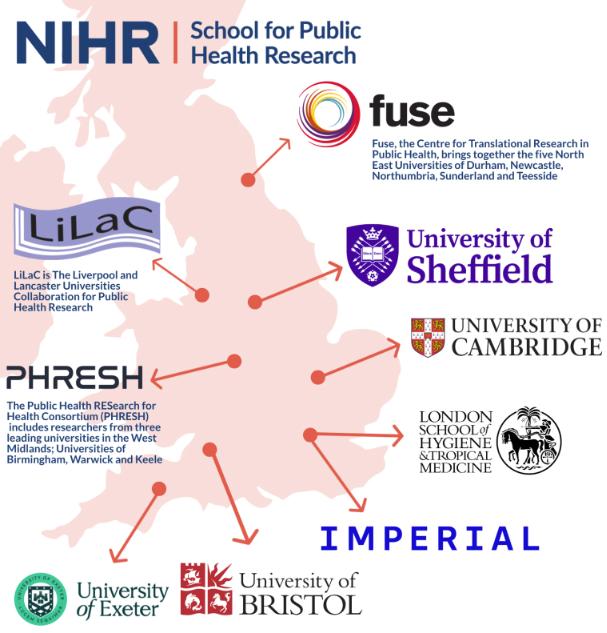
NIHR SPHR Membership 2022–2027
SPHR is a partnership between nine leading academic centres with excellence in applied public health research and evaluative practice in England. The School brings together its members’ expertise in a collaborative working relationship – to ensure emphasis on what works practically, can be applied across the whole country and better meets the needs of policy makers, practitioners and the public.
820






You said, we did
NIHR SPHR Advisory Board (AB) met on 23rd and 24th October 2024. There were a number of helpful points of feedback and action that we have been working on since the meeting summarised here.
Feedback (you said) Action (we did)
The Advisory Board welcomed the growth and maturity of the research programmes and the development of the School in general. There is obvious creativity in the approaches used, especially for capacity building and a strong approach to engagement and involvement. The Board welcomed the diverse lightning talks which brought to life the work and development of the early career researchers as well as demonstrating their energy and enthusiasm. The Advisory Board also welcomed the papers for the meeting and the new approach used in the Flip Book
The second half of the quinquennium provides an opportunity to synthesise outputs so that policy advice is provided in a timely way half way through the current parliamentary term when ideas are being formulated for future terms.
We thank the Advisory Board for their feedback. We agree that the Flip Book was a more engaging way to provide an update on SPHR activity to the Board. No action required.
The Government’s work on missions and the consultation on the 10-year health plan are current opportunities to focus the School’s outputs and to influence policy. The School has a good balance of being both strategic and responsive. This will be important over the coming year as government policy evolves. Advisory Board members would be happy to link into their networks to support and assist the School in informing policy development.
We agree, the School is well placed to ensure outcomes and evidence can be used to inform future policy. We are already doing this, in particular via our Emergent Public Health Priority (EPHP) projects. Our new Knowledge Exchange Broker is doing some work around collating evidence to inform policy, for example, during Summer 2025, Michelle has been redesigning our Research Collection web pages and has supported colleagues in responding to evidence calls on health and weight management, housing conditions, men’s mental health and the physical education curriculum review.
We thank Advisory Board members for the offer of support.
Our Research Strategy was developed during the previous Government term and aligned with their policies but was also informed by practitioner’s priorities many of which align with missions of the new Government.
We can respond quickly to new priorities and natural experiments via EPHP and other funding
The 10-year health plan has now been published. We welcome the focus on prevention throughout.
In this phase of the School, the Advisory Board would like to see a stronger focus on solutions and a growing emphasis on outcomes not only outputs.
There is a possibility of overlaps of topics and issues across the wider NIHR infrastructure. The School could play a key role in supporting NIHR to identify gaps and overlaps.
The Advisory Board welcomed the efforts to increase impact, for example, through the new website, impact accelerators etc.
We are mid-way through the current QQ. Much of our research activity has a focus on finding solutions to public health issues and is ongoing. We agree that it is important to describe outcomes as well as outputs and are working to deliver these. Therefore, we are reviewing our impact strategy in a bid to maximise outcomes as well as outputs. In addition, we plan to add a ‘how is our research making a difference?’ section to our revised Research Collections web pages.
Thank you. We will discuss this with NIHR/DHSC colleagues.
We thank the Advisory Board for their feedback.
A range of methods to influence change should be considered including social movement approaches and a stronger approach to advocacy. The School could usefully set out its approach to advocacy to support researchers in understanding the balance between objective impartiality and promoting solutions.
This is linked to the item above regarding outcomes. We discussed this at the Executive Group Meeting in October 2024 and agreed that we would add to the agenda for future meetings to explore further. There was a discussion around whether academics should be advocating for a particular policy position or whether our focus should be on the science and generating evidence. We agree there are opportunities to link with groups who have expertise and focus on advocacy.
At this point in the quinquennium, the School has an opportunity to further develop its narrative and legacy. In particular, to draw together the substantial added value of working in this way and the areas in which this model of funding demonstrates particular strengths.
We are working on this. We allocate as much of the funding we receive as possible to research activity, this means we have a lean professional services Directorate Team and staff turnover can be challenging. Our Knowledge Exchange Broker (KEB) left in July 2024, and we experienced a delay in replacing her (partly due to recruitment freeze at Newcastle University). We were able to mitigate the impact of this somewhat by recruiting an experienced researcher to manage the VoySES (0.2fte). In March 2025, Michelle Wilson Chalmers was appointed to this critical role. Michelle brings significant experience to the role. She is in the process of developing new impact case studies in collaboration with researchers and using Overton data.
The School has a powerful geographical spread and can evidence networks of research development that would not have happened ‘naturally’ without structural system support.
The programmes are making good progress. The Advisory Board particularly welcomed the innovation shown in the Health Inequalities work. It was suggested that the emerging ideas about HI framing could be used to look at the research over the quinquennium to inform future research investment. The Public mental health programme could focus more on outcomes to aid with communicating potential impact of the research
Cross programme linkages were well demonstrated and will need a continued focus to ensure information and ideas flow across the research areas.
The School model ensures members come together nationally to identify and strengthen research in priority areas and work together to produce evidence and impact for and with public, practice and policy partners. This enables us to have reach that is ‘greater than the sum of our parts’ and foster a national community which would not happen without the School. Examples of the value and impact of collaboration across the School are evidenced on our website and exemplified by the extent of the further funding members have leveraged as a result of SPHR funded work or due to a collaboration established through membership of the School. Collaboration between School members has resulted in £176M for the lifetime of SPHR (since 2012); this is collated and reported to NIHR and is available to share with Advisory Board. Questions related to this were covered in at least some of the interviews conducted by Oxentia for the NIHR review of the NIHR Schools model. We will share outcomes at the meeting on 16th October.
We thank the Advisory Board for their feedback. We have shared with the PMH programme feedback around outcomes for their consideration. Highlights of outcomes from the programme are included in this document see impact section.
We thank the Advisory Board for their feedback.
Feedback (you said)
The work on CYP was brought to life through the ‘blanket’ in an effective way though the next stage is crucial to ensure there is policy impact beyond awareness raising.
Framing of additional research questions (AfRI) that can be addressed in the remaining years of the School should emphasise the opportunity to look at emerging issues, innovations or test solutions.
The Advisory Board discussed the proposal on LA finance by Vale et al. There was concern that its application and utility at local level was unclear. It was agreed that it should not progress in its current form. Recognising that work had started, a possible way forward would be to engage with the local authority providing the data to ensure the question is reorientated so that it has practical use at a local level. Alternatively, to consider innovative methods to grasp the opportunities offered in the growing field of optimisation algorithms at the intersection of AI/Machine Learning and Operational Research. Alternatively, if that is not possible, funding could go to a new project.
Training public involvement members in formal health economics to certificate level was not thought to be appropriate – training should be less onerous for PPIE contributors. Advisory Board members highlighted the work of the MRC Biostatistics unit which is looking at PPIE in the context of understanding complex data and models where there may be some relevant learning.
The Advisory Board appreciated the extensive efforts to increase capacity and the breadth of ideas and methods at different stages of career development. The approach to transdisciplinary capacity is particularly noteworthy and NIHR could consider how to embed this way of working systematically beyond the lifetime of the current funding.
An area for consideration is support for post training career opportunities and development.
Action (we did)
We agree and thank the Advisory Board for their feedback.
Public involvement and engagement – The approach is developing well and should continue to evolve.
We agree and thank the Advisory Board for their feedback.
We thank members of the Advisory Board for their support in reviewing this proposal and also for their extensive comments. Following feedback from Advisory Board, the research team made further revisions to the proposal. The team presented to the SPHR Executive Group in April 2025. Exec were reassured that the team had taken account of the feedback and modified the planned work. Funding for the third work package (WP), has been paused contingent on satisfactory outcomes of WP1 and 2 (expected January 2026).
We agree and thank the Advisory Board for their feedback.
We agree and thank the Advisory Board for their feedback.
We are considering this point within the constraints of the funding available and in synergy with other funding opportunities offered by NIHR Academy and other funders.
We thank the Advisory Board for their feedback.
The work on EDI is progressing within the School. It was noted that the School is leading work on EDI across the NIHR infrastructure. This is welcomed and the Advisory Board would encourage NIHR to do this across all aspects of learning from the different funding streams.
The Advisory Board thought that mixed methods integration could be explored more as an innovation output from the programmes. Meta mixed methods approach could be considered across projects in order to maximise the impact of the research output.
A growing development in prevention is the role of digital solutions covering personalised or targeted prevention and the use of AI. The digital industry is developing rapidly and the School will need to consider its role and contribution to this agenda. The School is a key resource to inform the interface between prevention science and public health.
The Advisory Board enjoyed the papers via the Flip book and the presentations. They were very appreciative of the effort that goes in to making the arrangements. ‘You said we did’ was much appreciated as a means of feeding back to Advisory Board.
Thinking about the next meeting and the stage of the QQ, the recommendations are:
• Same length of time for the meeting and timings
• More selective on topics for discussion so that AB can contribute more thinking on key things that are challenges or need development
• Time to consider Advisory Board input on developing impact and use of their networks
• Further thinking about the separation of the agenda items across the 2 days so that Advisory Board members know when to make their contributions on specific issues.
• More time for Advisory Board discussion and wrap up at the end
We agree and thank the Advisory Board for their feedback. One of the EDI Small Awards has recently reported on the implementation of EDI across the NIHR infrastructure. The team have shared their findings (11 recommendations) with NIHR and some recommendations have already been fed into guidance for the recent BRC call.
We thank the Advisory Board for their feedback.
This will be an important consideration for QQ4 of SPHR or in whatever replaces the School in NIHR. We will need to consider brining in expertise in AI and digital technology to SPHR to ensure the School is prepared for future work in this area. We know that this expertise exist within School member institutions. This is also an important area highlighted in the Government’s 10-year health plan that we must be prepared to respond to. The extension to SPHR may offer an opportunity for initial work in this area.
We thank the Advisory Board for their feedback.
We thank the Advisory Board for their feedback. We have tried to ensure that plans for the next meeting incorporate these requests.
The meeting will be the same length and have similar timings. Given the extension to SPHR to 2029, much of the focus of the meeting on 16th October will be priorities and plans for the extension period.
We will ensure opportunity for Advisory Board input and time for discussion and wrap up at the end.
Research programmes
Overview
We have four main research programmes which build on our research programmes from 2017–2022. These take account of the public health research priorities, expertise and interests of our nine SPHR members.
SPHR aims for research excellence and for methodological innovation in public health improvement research including developing and applying methods for economic evaluation of public health action.
You can find out more about our research programmes in Paper 3 (Mid-term review).
Health inequalities
Health inequalities are unfair and avoidable social differences in people’s health. These inequalities are caused by interacting systems of discrimination, powerlessness, and disadvantage that intersect across social class, gender, ethnicity, sexuality, age, and disability. The last decade has seen these health inequalities become larger and they were further exacerbated by the Covid -19 pandemic. Action at a local and national level can close the gap between the most and least disadvantaged, but this is complex and there is little research about the experiences of people with multiple forms of social disadvantage.
The Health inequalities programme aims to produce high-quality evidence to support a step change in action on the social inequalities driving health inequalities. The programme is evaluating the equity impacts of national and local policy and action and using innovative approaches to move knowledge into action in a timely and effective way. It adopts an intersec-

tional equity lens which places emphasis on (i) the interactions between factors such as gender, ethnicity, social class, age, disability, sexuality and place (ii) the structural determinants of health inequalities particularly material conditions and social power structures operating via discrimination in policies and institutions and (iii) a commitment to inclusive, co-produced research with communities of interest bearing the brunt of the social and health inequalities.
Healthy places, healthy planet
Human activities can cause harm to our planet as well as our own health, the consequences of which are intensifying. Making the places we live in healthier and more environmentally sustainable are amongst the most urgent challenges we face. The government plans to reach net zero by 2050. The 10 year health plan for England aims to halve the gap in healthy life expectancy between the richest and poorest regions, shift from sickness to prevention and create a healthier country. Taken together, these agendas present the potential for double-win strategies and policies that address both our health and the environment, both of which are likely to be high on the agenda for the government.
The Healthy places, healthy planet programme aims to investigate how to make the places we live in healthier and better for the environment. The programme aims to generate robust evidence to support policy, practice and community activities aimed at improving population health, health and environmental equity, and environmental sustainability. The programme applies this aim to the following intersecting topic areas: (i) Healthy Places: Place-based levers to modify commercial determinants of health. (ii) Healthy Planet: Place-based levers to modify environmental sustainability and quality.

Public mental health
More than ever, research, policy and practice must address the mental health of populations. The Covid-19 pandemic and its associated lockdowns have threatened many people’s mental health with bereavement, ill-health, social isolation, difficult or violent domestic relationships, and mounting anxiety relating to uncertain educational and economic futures. The cost-ofliving crisis now exacerbates these challenges further – many individuals and families are facing food insecurity, rising debt and fuel poverty. Crucially, the gaps between social groups have widened in the last few years with regard to mental health outcomes. Vulnerable populations – for example those living in poverty and members of minoritised groups – are more likely to experience poor mental health and less likely to access timely support.
The Public mental health programme aims to identify ways to reduce mental health inequalities across the life course by exploring how the settings in which people live, learn and work can support good mental health and wellbeing. The programme has three inter-linked workstreams: WS1: harnessing community assets to improve mental health and reduce inequalities; WS2: strengthening systems to support groups at risk of poor mental health and WS3: supporting mental health through schools and families.



Children, young people & families
The health of children and young people in England is behind that of other wealthy countries, with poor performance in breastfeeding, vaccination uptake and obesity at age 5. There are also concerns about mental health problems and poor outcomes associated with other long-term conditions. These alarming trends are not evenly distributed across society and are more pronounced for poorer children and those from minoritised ethnic backgrounds. Without sustained improvement there is a risk that detrimental health trends may lead to generational ‘scarring’ for current and future children.
The Children, young people and families programme is adopting a multi-sectoral, multilevel approach to produce research that drives equitable, cost effective policies , practices and interventions for child and adolescent health. The programme comprises three interlinked workstreams (WS) and two cross-cutting themes. These are: WS1: Inclusive and sustainable environments for children’s, young people’s and families’ health and wellbeing; WS2: Healthy start for life for young children and families; WS3: Health-promoting and inclusive educational settings: Sustainable and inclusive research and interventions to build lifelong health. The programme also host a crosscutting data project and three small-scale public involvement & engagement projects.
Areas for research innovation
Areas for Research Innovation funding
As part of the overall SPHR Award from DHSC/ NIHR the School was awarded additional funding (£5.4m) to encourage ground-breaking innovative research (£4.4m) and to innovate in academic research capacity building (£1m). £3.4m has been allocated to fund Areas for Research Innovation (AfRI).
The SPHR AfRIs are summarised below.
Data linkage with public health perspectives
The significant health challenges being faced by the UK need data-informed strategies. There is now a considerable amount of data on our health and the things which influence it. ‘Data linkage with public health perspectives’ aims to develop methods and tools so that researchers can better use data to understand and improve our health. One issue with lots of current data systems is that they often exist alone and are difficult to link together. This is a major issue as we know that there are a huge range of factors influencing our health, from early life experiences and circumstances, to local government decisions, to a range of features of the physical and social environment. Being able to look at these in combination and use different approaches in combination will allow us to do more informative and impactful research.
Innovations in Qualitative Research Methods: Transforming Public Health Research Approaches and Perspectives (I-QUEST-PH)
The overarching aim of this AfRI is to explore and advance innovations and adaptations in qualitative research methods to better address the unique demands of public health research, policy, and practice, ultimately enhancing the relevance, inclusivity, and impact of qualitative research in these fields.
Analysis of local authority public health finance to improve economic methods for public health
This AfRI aims to innovate in the area of decision-making approaches in times of constraint across and within organisations providing health and care services to improve population and public health in the context of Integrated Care Systems (ICSs). ICSs are “local partnerships that bring health and care organisations together to develop shared plans and joined-up services” (NHS England): Local Authorities, NHS organisations (including Integrated Care Boards) and the Voluntary, Community, Faith and Social Enterprise (VCSFE) sector. The work concentrates specifically on the impact of severely constrained and ‘real-terms’ cuts in resources on public health decision-making and means by which that might be addressed, by developing formulae based on routine data for use in resource allocation, rather than time- and resource -intensive priority setting frameworks with high data requirements.
Innovation in involvement
The overall aim of this AfRI is to further the science and practice of public involvement and engagement, and to support and inform greater and more meaningful involvement in public health research by under-represented and under -served populations.
We want to know more about the best and most creative ways to engage public partners in research. We will explore how we can work with people with many different experiences and backgrounds to take part and contribute to public health research.

Emergent public health priorities
Emergent Public Health Priorities funding
In the SPHR Business Plan, we agreed to reserve £1 million in Emergent Public Health Priorities (EPHP) funding to allow us to respond to emergent opportunities such as natural experiments, including policy interventions, aligned to our expertise and interests.
Funded projects.
To date, we have funded five projects. Two focus on Ultra Processed Foods (UPF). The first project; Understanding representations of ultraprocessed foods in the UK media is in response to the increase in media coverage of ultraprocessed foods that could impact the public and policymaker’s perceptions of UPF. The second project; The cost implications of ultraprocessed and less processed food consumption in UK adults and children addresses a major gap in knowledge by evaluating the cost differences between diets with various consumption levels of UPFs and less processed foods in UK adults and children. This includes analyses according to income levels, and an exploration of the cost implications of potential strategies to rebalance UK dietary patterns towards lower UPFs and higher minimally processed foods. The research team has worked with the Chief Medical Officer’s team to map planned and ongoing research on UPFs globally to identify current directions in research and gaps (report submitted) and in Nov 2024 convened a globally leading conference (>150 attendees) to discuss emerg-
ing evidence on UPF and the scope for Government action, co-funded by SPHR. The event highlighted the urgent need for robust policy action against the rising health and societal harms posed by UPFs. Speakers included leading scientists, major health organisations and policy makers including Baroness Walmsley, Chair of the recent House of Lords Select Committee on Food, Diet and Obesity.
The third EPHP project is undertaking an evaluation of LA City of Sanctuary strategies, Sixteen local authorities developed and implemented City of Sanctuary strategies that encourage coordinated action to help people seeking sanctuary. This project will evaluate how effective these are and identify good practice. This will help inform action on public health oriented local policies for people seeking sanctuary.
The fourth project is exploring the child health and social care impacts of the two-child limit and benefit cap. This project will provide robust, population-level evidence on the health and social care outcomes of children living in families affected by welfare policies. The results from will help influence policy decisions about welfare reform.
The fifth project aims to understand how local authorities can effectively incorporate youth voices in the development of policies related to the new national tobacco and vaping legislation. This will help ensure that policies are equitable and effective.
We continue to be alert to policy priorities and evaluative opportunities emerging from new policy initiatives.


Introduction to impact and impact highlights
Introduction to impact
We have a Strategy for Impact, this has been adopted in SPHR on the understanding that everyone has their part to play in creating and supporting the impact of the School. We have an implementation plan for this strategy that contains both short- and long-term goals to ensure we maximise the beneficial impact of SPHR activity. We are continually developing the implementation plan to progress the impact we have.
Following a recommendation from the SPHR Advisory Board to ensure that we maximise the impact of work from across the quinquennia (2012–date), we established the SPHR Impact Accelerator Awards. These awards aim to support development and realisation of impact from SPHR research. We have commissioned 13 projects to date.
We continue to disseminate research findings, for example, via our website, publications, impact case studies, research briefings and at our Annual Scientific Meetings.
Read our impact case studies
Research collections
Our work continues to develop the Research collections area of the website.
Research collections can be used to find out more about the School’s research on a particular topic and see how we’re making a difference. We are working closely with the SPHR website developer to develop a new design for these pages. We are also working with the programme coordinators to create narratives that tell the stories of our research programmes.
SPHR researchers submitted evidence to three government inquiries:
• One response submitted for the Housing Conditions in England Inquiry Modelling a revised Decent Home Standard consultation
• Three responses submitted to the Food and Weight Management UK Parliament inquiry
• One responded submitted for the Men’s Health Strategy for England
Sense about Science Evidence Week
Researchers are attending the Sense about Science Evidence Week in Parliament in October. This is for ‘Restriction of unhealthy food and drink advertisements’.
SPHR researcher Davara Bennett awarded first-ever NIHR Impact Prize for life
-changing
work
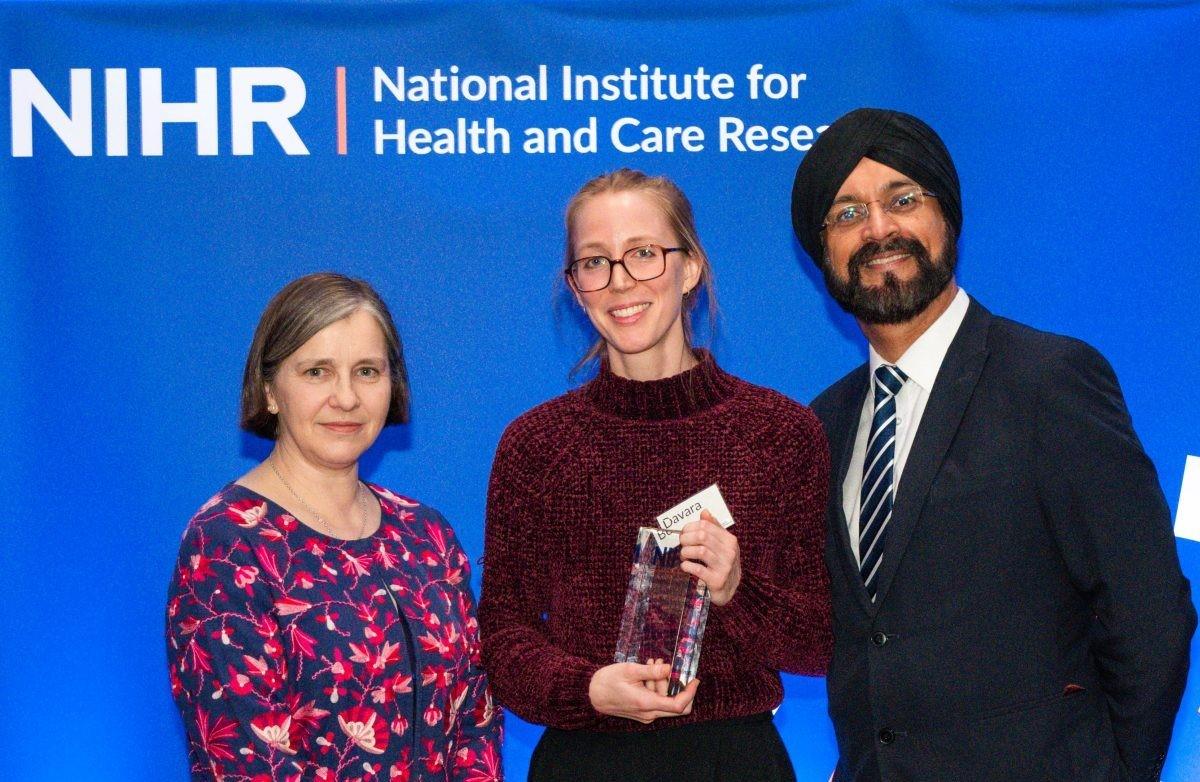
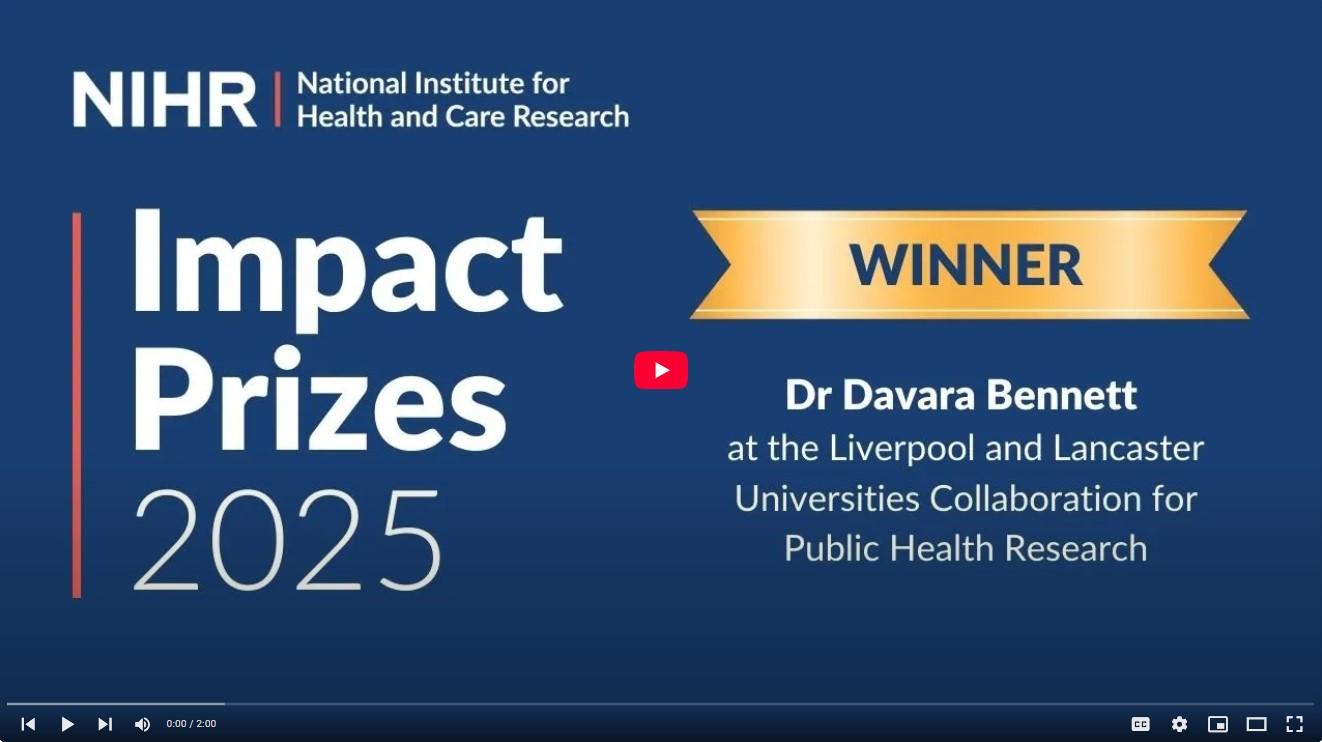
Dr Davara Bennett from LiLaC was awarded one of the first ever NIHR Impact Prizes for her work on inequalities in children entering care in England. These awards recognise major improvements in health over the last two decades, driven by research and scientific advances.
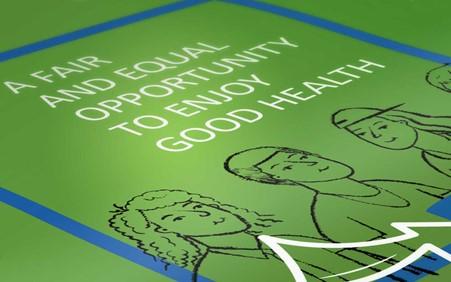
Toolkit for young people downloaded over 20,000 times
The Young person's toolkit created following a SPHR research project has been downloaded over 20,000 times.
The toolkit gives ideas about how young people can get involved in creating positive changes in their communities. Themes include safety in community places, access to healthy food and physical activities, and equal access to career opportunities and advice.
Webinars
We’ve been pleased to host two new webinar series, with most being recorded and made available online.
Health and risk communication for public health network webinar series
Creative approaches to public health research seminar series
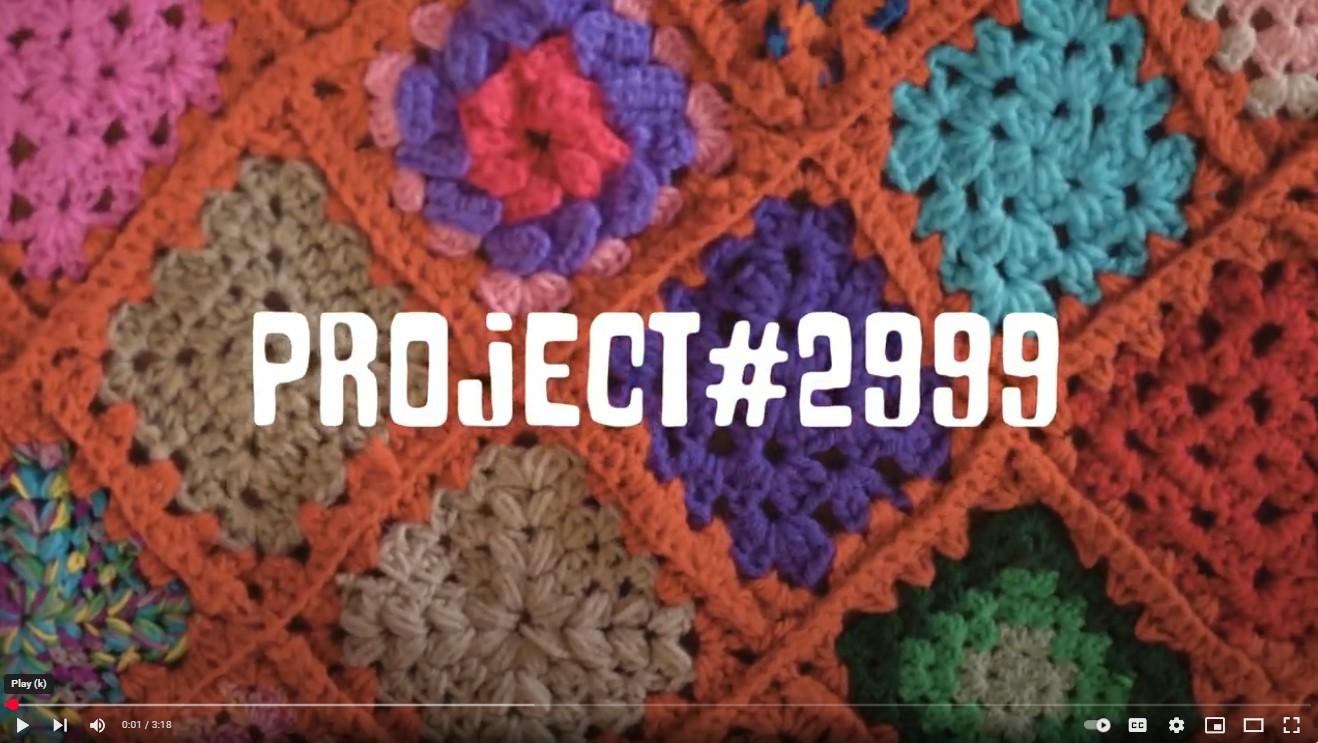
Patchwork blanket to reduce preventable exclusions from school
Work continues on this project with a new video being made to document the blanket’s journey.


Impact highlights
A guide to good school holiday provision
As part of the Holiday and activities food programme, researchers have worked with external designers to produce a suite of resources to support good school holiday provision.
The resources have been launched at a knowledge sharing event but will be launched more widely across our digital platforms later in October.
Night-time economy interactive systems maps launched
New systems maps have been launched by SPHR researchers and practice collaborators to help local authorities address inequalities in harms that develop from the night-time economy.
The maps have been developed with Derby and Swindon, however a lot of the information will be relevant for local authorities and can be adapted to different local contexts.
CLARITY+ events in the community
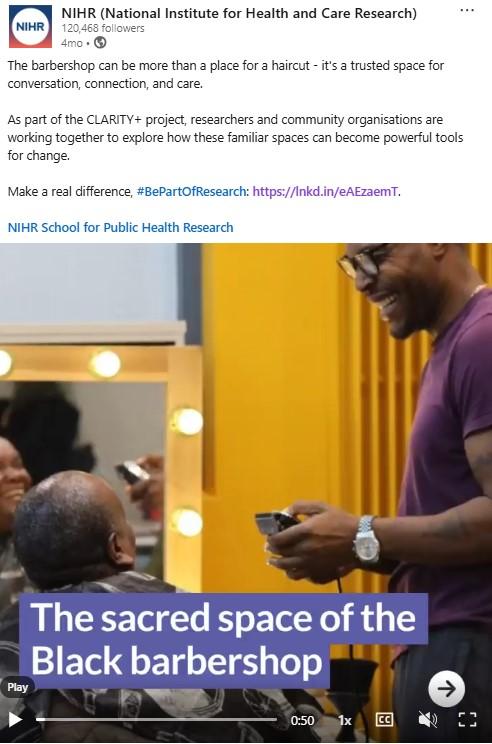
The CLARITY+ project is building partnerships with communities and organisations to address the health inequalities facing people from ethnic minority backgrounds. These partnerships are action-oriented and are producing new insights into the causes and experiences of health inequalities.
As part of this, the team have held several knowledge sharing events and documented their experience in a series of blogs on their community facing webpages.
One of the blogs featured as a case study on NIHR social media for their #BePartOfResearch campaign.


Policy impact
Overton data
The Overton Index is the world's largest policy and grey literature database. It tracks policy documents and grey literature from nearly 44,000 organisations worldwide. We have been using Overton to analyse and track the policy impacts associated with SPHR activity. You will hear more about our work using these data at the meeting on 15th October.
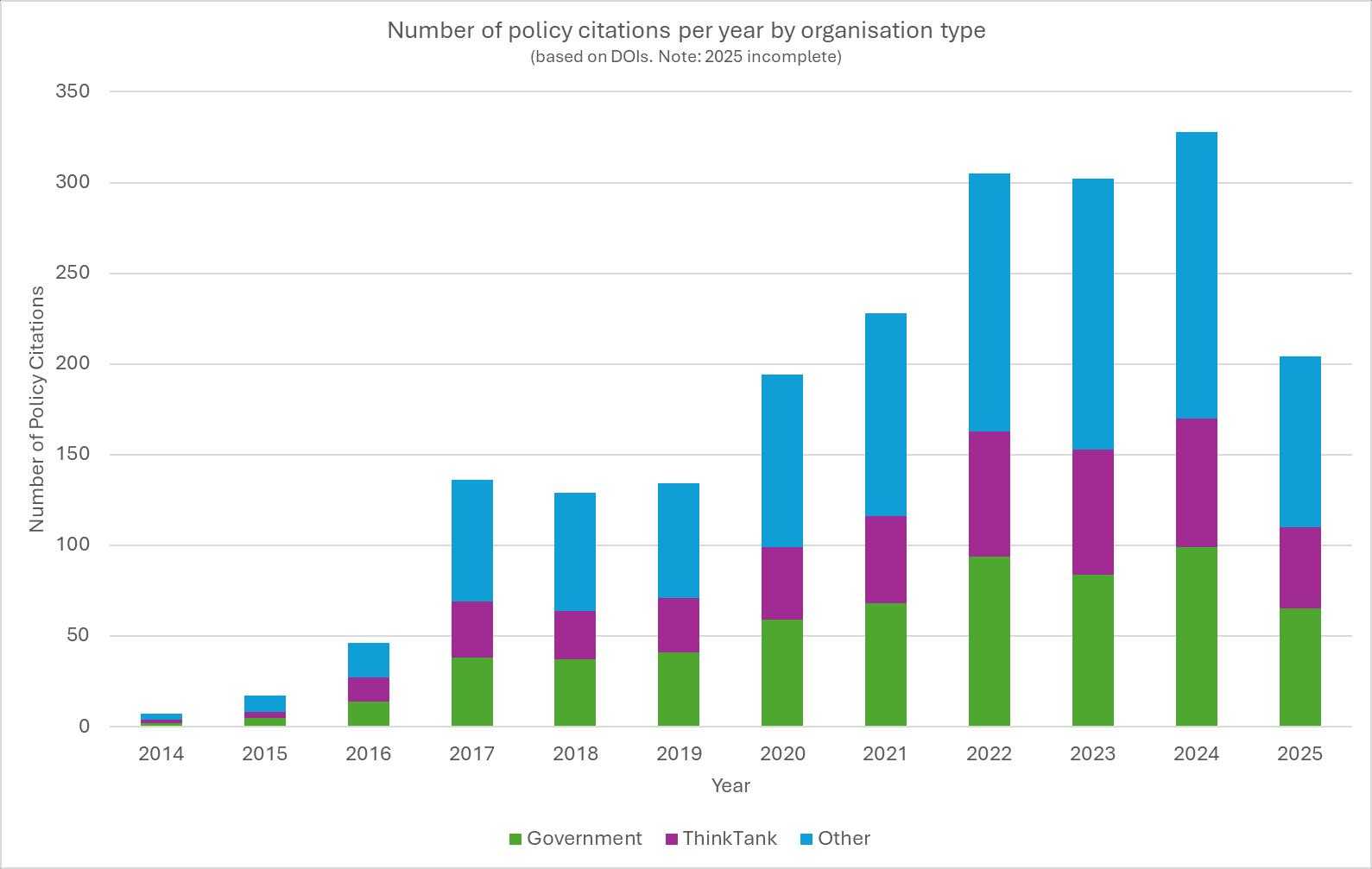
Examples of policy documents that site SPHR-funded work include...
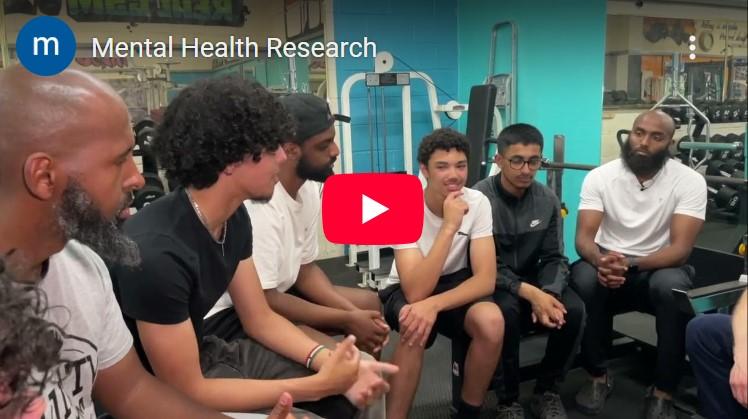
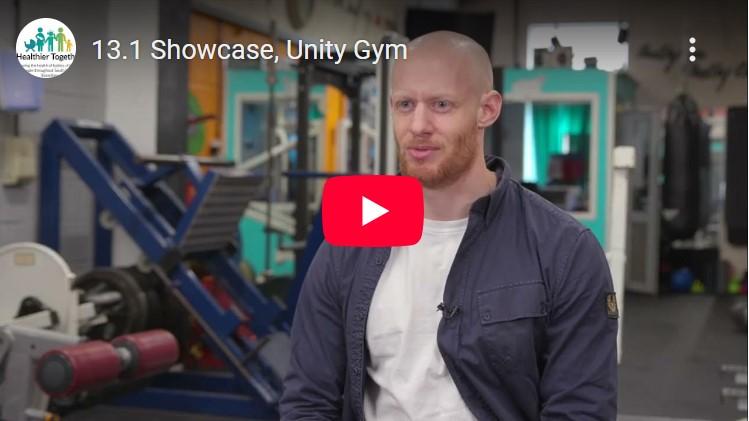
Impact — Young men and mental health
Knowledge
exchange and pathways to impact: young men, mental health and community resources
Disadvantaged young men, in the North of England, have disproportionately poor mental health outcomes (Pickett et al., 2021). Yet still little is known about how young men, particularly from minoritised groups, manage their mental health and access support within their communities.
The SPHR Young men, mental health and community services project has been working with community researchers to gather new evidence about:
1. Disadvantaged young men’s understandings and experiences of mental health and 2. How, for whom and in what ways nonmedical community resources impact the mental health of disadvantaged young men.
On Wednesday 25th June, the qualitative component of this work culminated in a knowledge exchange event, hosted in Sheffield, to share findings with the community and regional stakeholders.
The event included input from project leads, community researchers, and a panel of experts including the directors of Sheffield Youth Services, local mental health charities and Child and Adolescent Mental Health Services (CAMHS).
The ‘New Evidence, New Directions’ event offered a unique opportunity to understand young mens’ experiences and explore the limits and potential of community resources for young men’s mental health. The event received BBC media coverage on regional news, the BBC web pages and BBC Radio Sheffield.
The project lead, Dr Will Mason, said: “This was an important event for us, because it gave us the opportunity to share our headline findings and recommendations with key decision makers in the region. Ozzy and Khaliil (our community researchers) presented brilliantly,
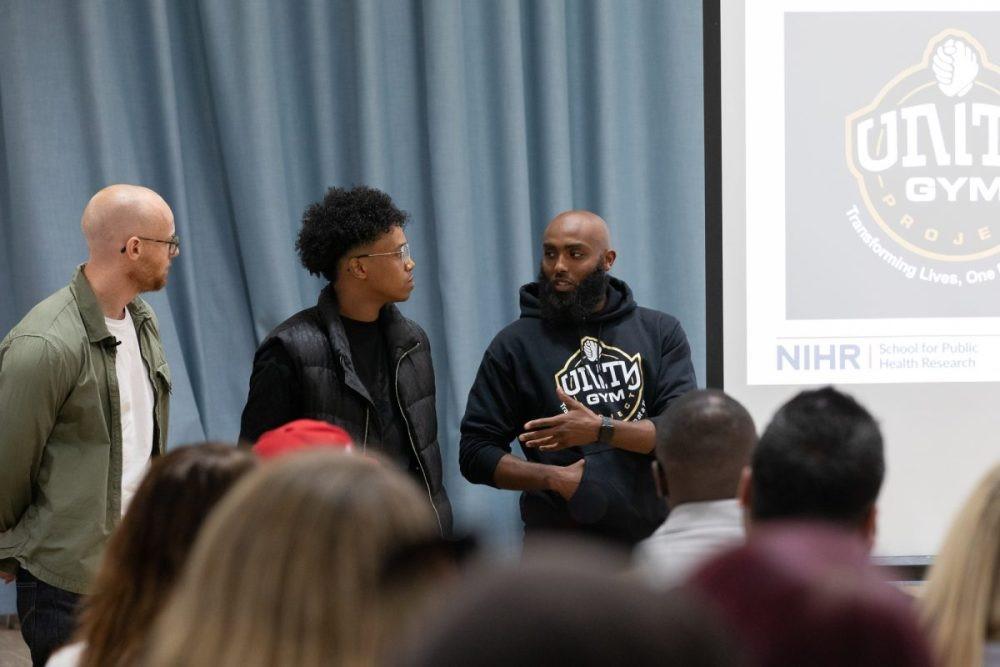
and their analysis and experience added gravity and significance to the day. This is the beginning of a longer-term plan for us, but it’s great to be in a position to be raising the profile of community resources and evidencing their value for health creation amongst disadvantaged young men. Getting a story about co-production on the news was an added bonus”
Khaliil, one of the projects community researchers, said:
“Reflecting on the research I conducted in my community about young men and mental health, I have to admit I was sceptical at first, not really knowing what to expect. However, thanks to Will, the entire experience turned out to be incredibly enjoyable and enlightening. The opportunity to give voice to a demographic often overlooked in mental health discussions was deeply rewarding. Seeing the impact of our findings on challenging preconceived notions and fostering more open conversations was truly fulfilling.
The conference itself was a highlight. It was inspiring to connect with other researchers, mental health professionals, and community leaders who are equally passionate about addressing mental health challenges.
Ultimately, both the research and the conference reinforced my commitment to advocating for mental health awareness and support within my community. Knowing that our efforts can contribute to reducing stigmas and promoting well-being among young men makes all the hard work worthwhile, especially with the support and guidance from people like Will”
In the media:
BBC News: Gym-goers quizzed as part of mental health study
BBC Sounds, Ellie Colton at Breakfast, South Yorkshire
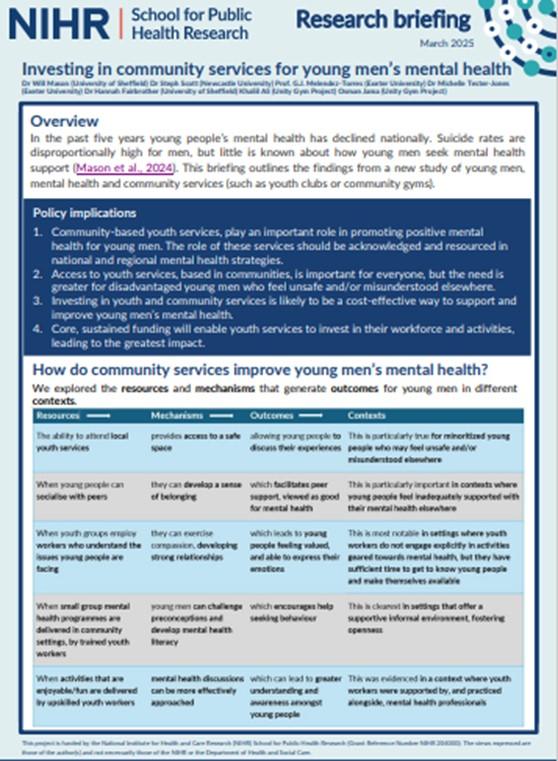
Research briefing:
Investing in community services for young men’s mental health

Impact — First dental steps
First dental steps intervention
Background
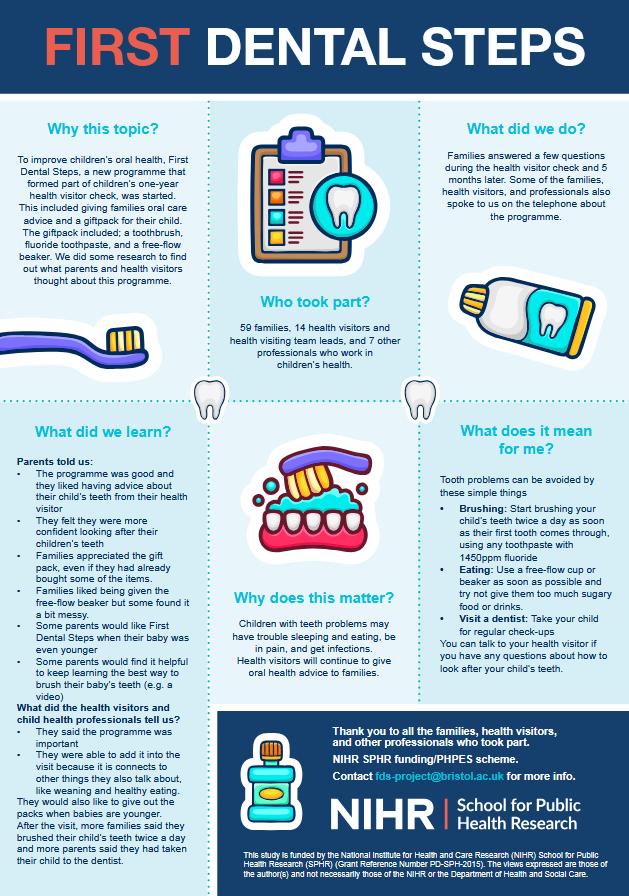
Tooth decay in children remains a significant public health problem. In 2024, over one in five children, by the age of five, had visible and obvious dental decay on examination. Often that decay can be quite extensive and may result in a child experiencing significant discomfort, pain, loss of sleep and increased self-consciousness. The ramifications of childhood dental decay also reach wider. For example, the whole family may need to make multiple dentist or hospital visits, the child will likely have poorer adult oral health too, and this all adds to the financial burden placed on the NHS.
More positively, we already know that most dental decay is preventable. There is strong evidence of simple and cost-effective interventions (e.g., regular teeth brushing, increased use of fluorides, decreased exposure to sugary drinks and regular dental checks) to both prevent tooth decay and extractions. Despite this knowledge, inequalities across our communities remain. Therefore, the First Dental Steps (FDS) Intervention was created (based on national guidance) to maximise the role of health professionals involved in early years care and aid with improving oral health.
Our work and why it’s useful
As part of a child’s one-year health check, the research team (Dr Jo Williams, Dr Ruth Kipping, Prof Zoe Marshman, Prof Frank De Vocht, Prof Chris Metcalfe, Reena Patel, Prof Robert Witton, Dr Patricia Albers) created a new programme designed to provide oral health training for health visiting teams to aid them with giving families with oral care advice. In addition, a giftpack (toothbrush, fluoride toothpaste and a free flow beaker) was given to each child. The research team then asked the 59 families and 21 health visitors, health visiting team leads and health childcare professionals what they thought about the programme, to understand if such an intervention could aid with lessening childhood dental decay.

Following on from the initial project, the research team were also awarded an Impact Accelerator Award (IAA) designed to tailor the intervention to suit the needs of different communities that are at a greater risk of dental caries, such as traveller communities, asylum seekers and refugees, minority ethnic groups such as Asian/Asian British, or families engaging with Family Nurse Partnership.
Together these projects not only aimed to improve dental health from an early age but also better tailor and target their intervention to maximise impact.
Real world impact
• The First Dental Steps Intervention was built on national guidance around improving oral health for local authorities and is now a regional programme that has been rolled out across all local authorities in South-West England.
• Initially the FDS program was targeted at high-risk groups, but it is now a universal offer, so that every child is able to access evidence-based oral health information and advice from their health visiting team.
• Project feasibility feedback highlighted all stakeholders felt that the FDS Intervention fits well into the healthy child program and all families viewed the dental giftpacks very positively.
• Research has also increased understanding around some of the barriers to improving oral health in children e.g., visitor teams can have competing priorities and high workloads leading to capacity issues, and oral health isn’t always a priority for all parents.
• Stakeholders also felt the initial FDS intervention needed to be tailored so the advice is more culturally appropriate or sensitive for different communities, so the team successfully applied for IAA funding to address this need.
• The research has already led to two academic publicationsStudy protocol for First Dental Steps Intervention: feasibility study of a health visitor led infant oral health improvement programme and Health visiting teams and children’s oral health: a scoping review. A third paper is currently in review.
• The findings have been presented to commissioners around the Southwest.
• The team have also worked with health visiting teams and commissioners in Yorkshire, extending the reach and impact of their research.
• The research team presented the FDS Intervention as part of the Innovation Zone at the Local Government Authority Conference (online) on the 3rd of April 2025. The FDS Intervention was acknowledged as ‘incredible work’ and there was a clear desire for the findings be shared even more widely.
• Potentially respond to a consultation open (closes 19th August 2025) on the quality and payment reforms for NHS dentistry in England, see: NHS dentistry contract: quality and payment reforms - GOV.UK
Related posts
• First Dental Steps Intervention: a feasibility study of a Health Visitor led infant oral health improvement programme
• Albers, P.N., Williams, J.G., El-Yousfi, S. et al. Study protocol for First Dental Steps Intervention: feasibility study of a health visitor led infant oral health improvement programme. Pilot Feasibility Stud 8, 245 (2022).
https://doi.org/10.1186/s40814-022-01195 -w
• El-Yousfi, S., Marshman, Z., Albers, P.N. et al. Health visiting teams and children’s oral health: a scoping review BMC Oral Health 22, 594 (2022). https://doi.org/10.1186/s12903022-02611-6
• First-Dental-Steps.pdf

Impact — Zine and Living with housing insecurity
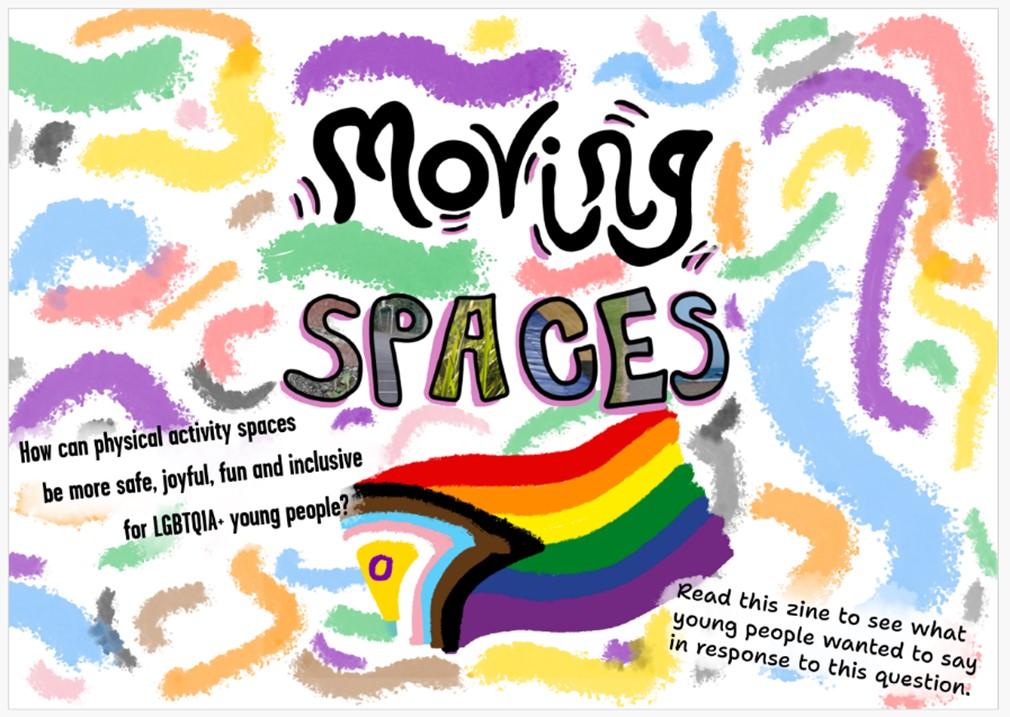
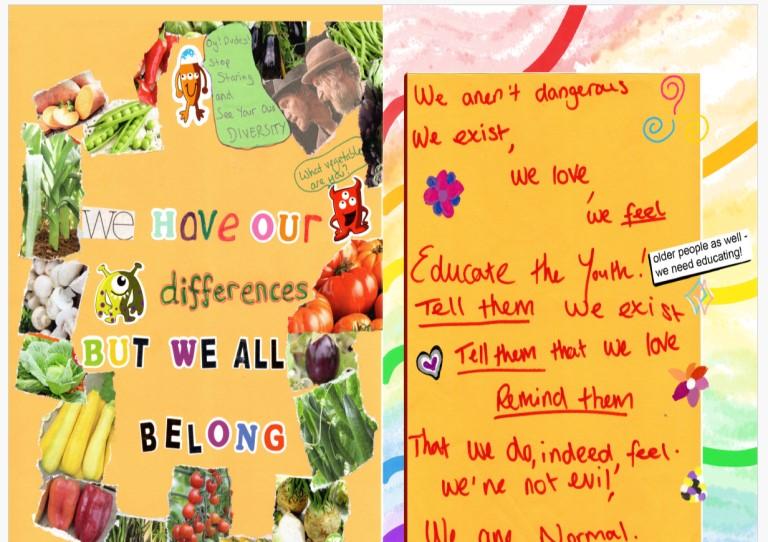
Zine made by LGBTQ+ young people explores how to create joyful and safe spaces for physical activity
How can physical activity spaces be more joyful and safe for LGBTQIA+ young people?
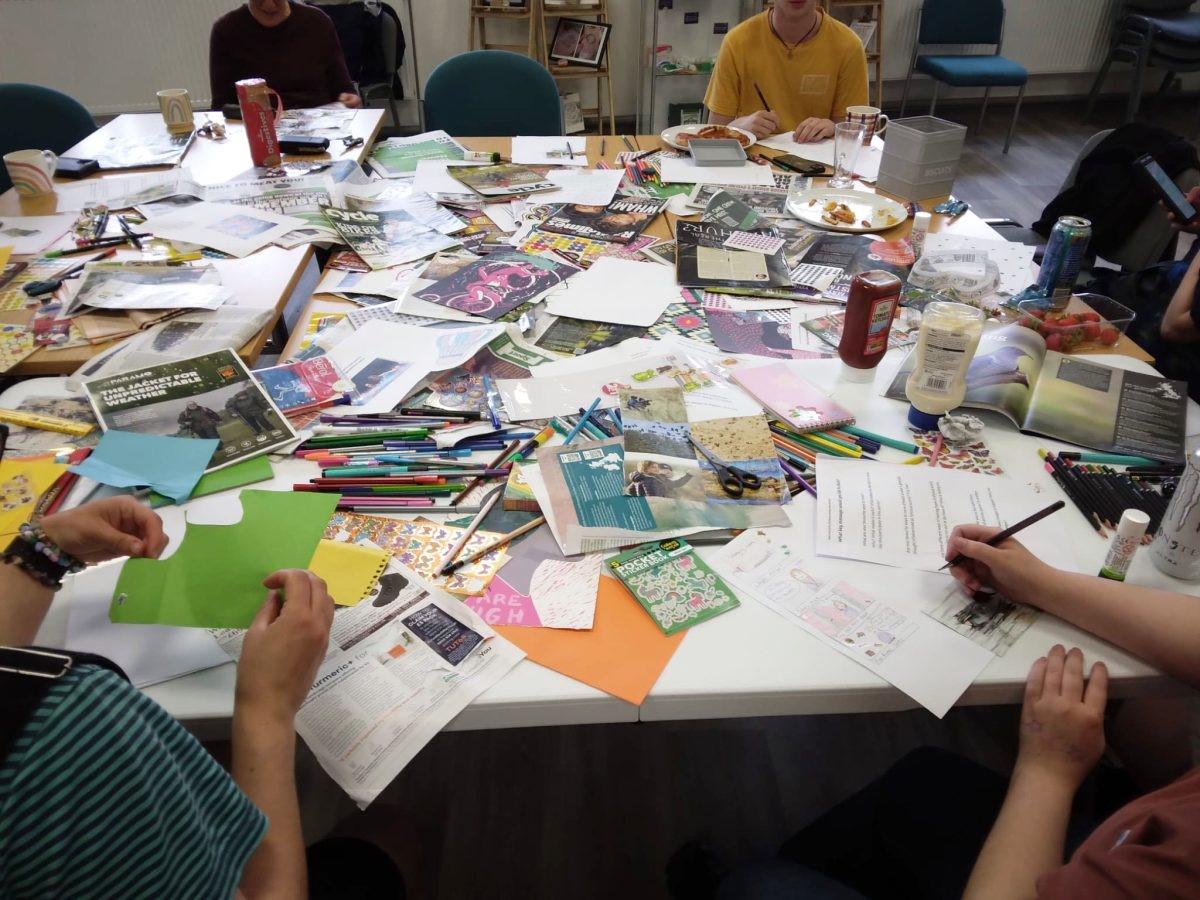
SPHR researchers have collaborated with LGBTQIA+ young people, through an SPHR project, to explore how physical activity spaces could be more joyful and safe.
As a result, they’ve co-produced a zine together – to express the young people’s perspectives and ideas and invite others into the conversation.
Explore the zine
You can view the zine:
• As an online flip book
• PDF (print ready or digital)
Related blogs
• Our experience co-producing a zine as a research output
• The impact of collaboration versus contribution
Living with housing insecurity
In the UK today, many children live in insecure housing – they have either experienced or are at risk of multiple house moves that are not through choice and related to poverty. Insecure housing and poverty can affect access to employment, education and services and have a direct impact on children’s health and life chances.
Aim
In this project, SPHR researchers worked with children, parents and professionals in local councils across three regions of England – North West, South Yorkshire and London. Our aim was to find out what information would help local authorities to provide better support to families at risk of housing insecurity, and to work out how we can assess how well current strategies are working.
Knowledge exchange and impact so far
• We contributed to a POST note about housing insecurity in the Private Rental Sector, drawing on a literature review which informed this study.
• We contributed to a panel discussion with Kieran Yates, author of ‘All The Houses I’ve Ever Lived In: Finding Home In A System That Fails Us’ at a World Homelessness Day event at The Exchange, University of Birmingham, 10th October 2024.
• We shared emerging qualitative findings at the SSM Annual Scientific Meeting 2024 and the Yorkshire and Humber Directors of Public Health Conference, 2024.
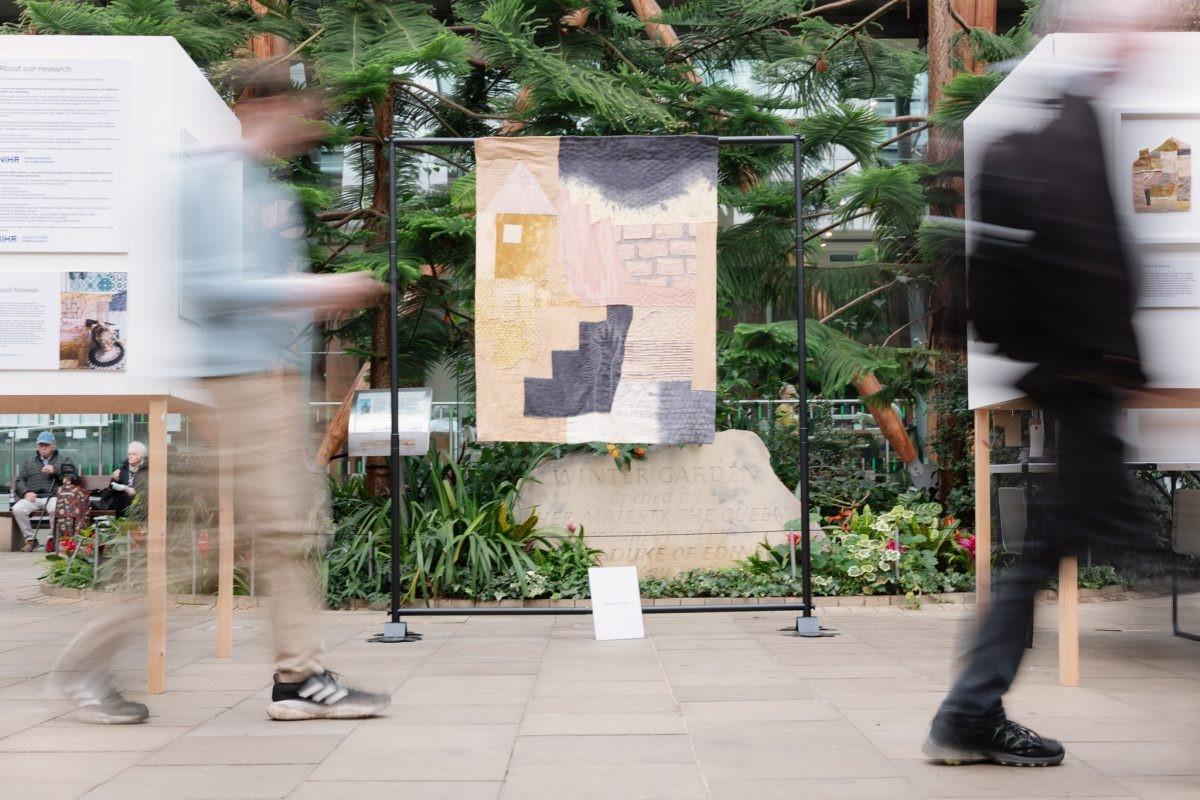
• Our Fabric of Home exhibition – word and textile exhibition, showcased in Sheffield as part of the ESRC Festival of the Social Sciences is also on display as part of the Homeless Families Conference by Shared Health in Manchester, November 2025.
• We submitted written evidence to the Public Accounts Committee’s Inquiry on Tackling Homelessness and published in their final report, Committee of Public Accounts: Tackling Homelessness. Fourth Report of Session 2024-25, HC 352, January 2025.\
• We submitted written evidence to the Housing, Communities and Local Government Committee’s Inquiry on Children in Temporary Accommodation, (2024)
• We shared our findings in relation to families’ experiences of temporary accommodation at the People, Place and Policy Conference at Sheffield Hallam University, July 2025.
Far from home resource
A new resource has been developed to share families’ experiences of housing insecurity. The ‘Far from home’ resource is being launched in early November. Researchers worked with artist Maisy Summer to produce an illustrated booklet.
Related news
• The fabric of home: a word and textile exhibition exploring families’ experiences of housing insecurity
• New project exploring how local authorities can support families experiencing housing insecurity
Voluntary Sector Evaluation Scheme (VoySES)
NIHR School for Public Health Research and People’s Health Trust partner on innovative voluntary sector evaluation scheme – VoySES
The NIHR School for Public Health Research (SPHR) and People’s Health Trust are collaborating together on a pilot scheme that aims to evaluate voluntary sector initiatives which are developed and delivered by communities. The results of the evaluation will help to identify voluntary sector initiatives that have the potential to improve public health and could be replicated in other areas.
People’s Health Trust is a charity addressing health inequalities through the building blocks of health. Their work focuses on funding and support for communities experiencing the great marginalisation and disadvantage and using evidence and learning to influence change locally and nationally.
Priority areas launched
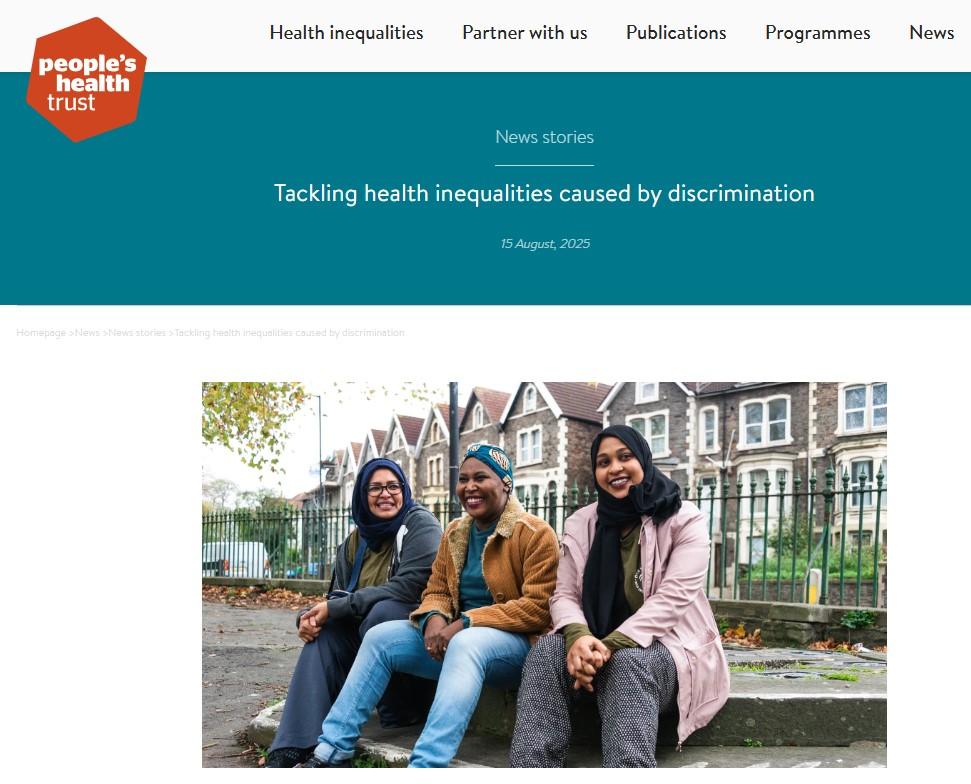
Charities to tackle root causes of discrimination that harm health
People’s Health Trust has launched a major new programme which aims to help local people experiencing discrimination – including racism, homophobia and transphobia, ableism, misogyny, and ageism – to take action and secure positive change that will benefit their health. The programme will be evaluated by the NIHR School for Public Health Research as part of its Voluntary Sector Evaluation Scheme.
John Hume, CEO of the People’s Health Trust, said:
“We know that discrimination gets under the skin and that it causes serious stress responses and has a damaging effect on health. Through this work we are trying to understand what can change to reduce or mitigate the harm by focusing not on the

individual but on the institutions and systems which contribute to the discrimination and also have the power to make a real difference to the health of generations of people.”
The NIHR School for Public Health Research evaluation team said:
“Our evaluation of this vital programme will focus on understanding how community-led action against discrimination can translate into tangible health benefits for individuals and groups. We are particularly interested in how empowering marginalised communities to challenge systemic injustices can improve health and wellbeing, contributing to a more equitable and healthier society.”
Pioneering approach to support young people five times more likely to be out of work
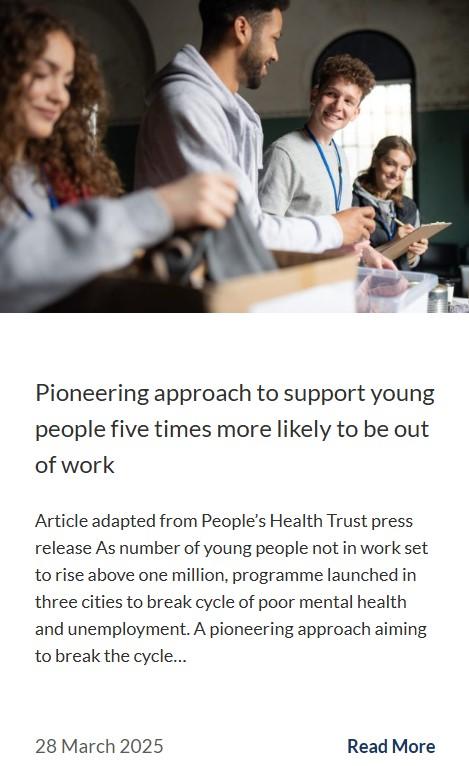
Health equity charity People’s Health Trust will introduce its Good Work for Young People’s Mental Health programme in three cities as the number of 16–24 year olds not in work in the UK rises to a decade high.
The organisations awarded grants as part of the programme support young people with mental health problems, which can be caused or made worse by a lack of work. Three trusted, expert community organisations will work to remove barriers young people face and support them to secure meaningful employment opportunities. The programme will be evaluated by the NIHR School for Public Health Research as part of VoySES.
People’s Health Trust’s Chief Executive, John Hume, said:
“Young people deserve the very best of starts to their adult lives. What many have told us is that this is far from the reality. Many feel confined to a life of anxiety and worsening mental issues with no prospects of finding good work and see their future as poverty and worsening health. Our programme will provide the very best of support to young people with mental health problems, whilst hopefully demonstrating both a cost-effective way of helping to reduce mental health problems and supporting young people into meaningful work and a positive future.”
You will here more from the two VoySES teams at the meeting on 16th October:
• Good work for young people’s mental health
• Discrimination and health

SPHR researcher Dr Daniele Carrieri is part of the team evaluating the funding programme. Daniele, speaking on behalf of a consortium of lead researchers from the University of Sheffield and Imperial College London, said:
“We are delighted to be working with People’s Health Trust and the organisations involved in the Good Work for Young People’ s Mental Health programme to capture the learning and impact that having embedded individual placement support can have in supporting young people into good quality work and improving their health.”
NIHR Three Research Schools
Introduction
The NIHR SPHR is one of three national research Schools alongside the NIHR School for Primary Care Research and the NIHR School for Social Care Research funded by the National Institute for Health and Care Research (NIHR).
Each national School is a unique collaboration between leading academic centres in England, carrying out high-quality research in their respective fields. This research can be applied across the country to meet the needs of policymakers, practitioners and the public.
We are working with the other two NIHR research Schools on three areas of work:
• Prevention Research Programme
• Mental Health Research Programme
• Dementia Research Programme
By working together, we can take a more holistic view, avoiding traditional ‘siloed’ research and generate the evidence needed by individuals, families, practitioners and policy makers. We draw on our expertise and established networks to ensure patient, carer, service user, public and community engagement and work across traditional disciplinary and sector boundaries.
Prevention Research Programme
The NIHR Three Research Schools have been awarded £10m of funding, hosted by SPHR to deliver a programme of prevention research from 2023–2027. The programme aims to develop, evaluate and understand how to implement interventions which promote health and wellbeing, treat conditions early, and manage health problems to prevent severe disease.
The programme has made considerable progress in delivering its core objectives during the last 12 months. Research Development Grant fund-
ed projects are now complete. These projects have established a strong foundation for future research and outputs are being widely disseminated. Some award holders successfully secured further funding through the programme’s research project call.
The first research project funding round generated significant interest, resulting in 11 funded projects. Most of these projects started in April 2025. Project details have been shared with NIHR colleagues to support strategic alignment and prevent duplication with other funded programmes. The Prevention Practice Evaluation Scheme has further strengthened partnerships between researchers and local practitioners, supporting six evaluations of innovative initiatives aimed at improving the health and wellbeing of underserved populations. These projects began in May 2025.
The research capacity building programme is progressing well. Two recruitment rounds have resulted in the appointment of six pre-doctoral and six post-doctoral fellows, who are now developing tailored training plans and supported through a dedicated online collaboration space. Three Career Development Awards have been made to date. The additional Pre-Application Support Fund has enabled eight early-career researchers to develop applications for fellowships, creating a clear pipeline to future research leadership roles. The launch of a new Early Career Researcher Network will further support professional development, leadership skills, and collaboration.
Looking ahead we are just about to shortlist and commission further Research Projects (40 applications received), Follow-on Research Projects (8 applications received) and additional Career Development Awards (22 applications received). Transdisciplinary Placements, and Impact Accelerator Awards are to follow later this year.
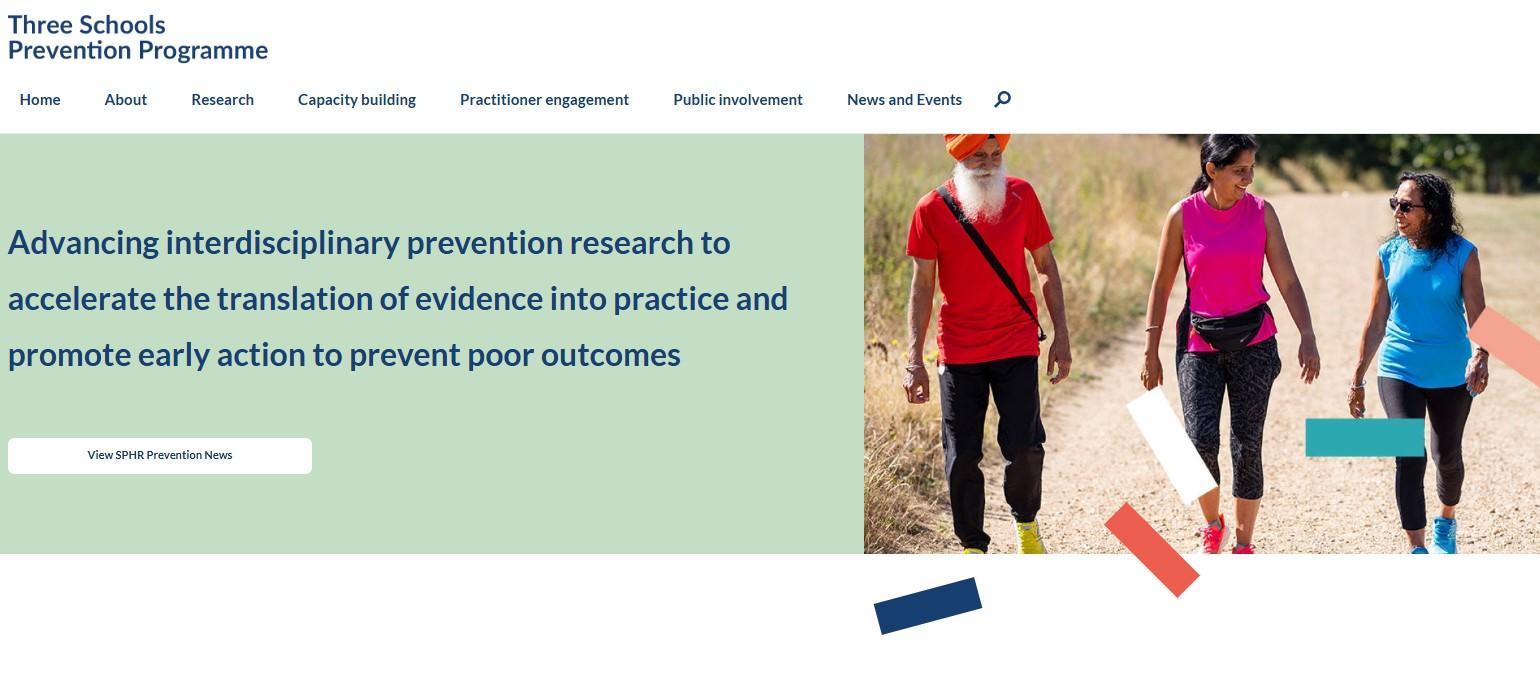
New
Prevention website!
A dedicated website has been launched for the programme, which the SPCR and SSCR websites and the cross-school programmes will link to.
Mental Health Research Programme
Improving mental health and wellbeing in underserved populations through collaborative research, the NIHR Three Research Schools have been awarded £11.8m of funding to deliver a programme of mental health research from 2021–2026.
Information on all awards is available on the website.
Dementia Research Programme
Aiming to develop the evidence base for dementia-related practice in England by commissioning and conducting high-quality research. Awarded £12.2m of funding from 2021–2028.
Information on all awards is available on the website.

Three Schools Early Career Researcher Event
The Three NIHR Research Schools are set to host a second meeting for early career researchers from across the Schools, scheduled 12th March 2026 in Birmingham.
The programme will focus on key themes such the NHS 10-year health plan, building connections, creating partnerships, and engaging with communities.
A highlight of the meeting will be a keynote address from Alice Mortlock, Head of Capacity and Growth in the Science, Research and Evidence Directorate, DHSC and Professor Kathryn Oliver, Director for the Policy Research Programme, NIHR.
Sign-up to receive the NIHR Three Research Schools Prevention newsletter
Academic research capacity building
Introduction
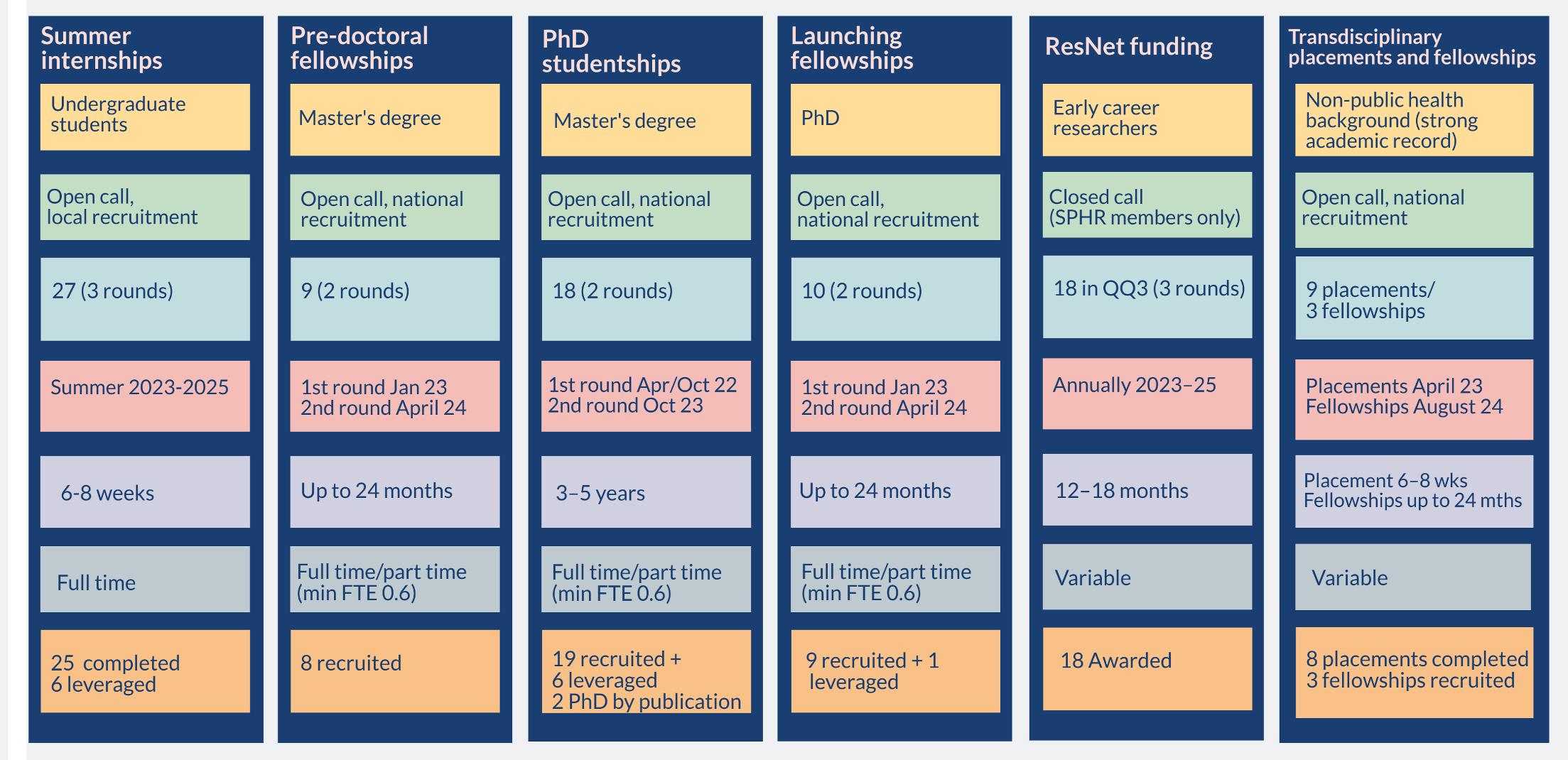
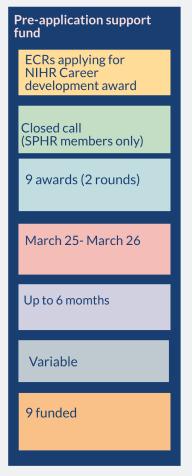
We continue to make substantial progress in meeting the aims and objectives of our research capacity development programme. This year, we were awarded additional funding to support individuals to prepare strong applications for an NIHR Career Development Funding award. This fund enabled us to fund 9 pre-application support awardees
Two-day workshop – academic writing & creative communications
Our current cohort of SPHR Predoctoral fellows, PhD students and Postdoctoral Launching fellows gathered for a twoday event aimed at enhancing academic writing and creative communication skills. The event provided an enriching environment for attendees to develop strategies, build networks, and refine their writing and communication skills.
SPHR Annual Scientific Meeting
(ASM) trainee highlights
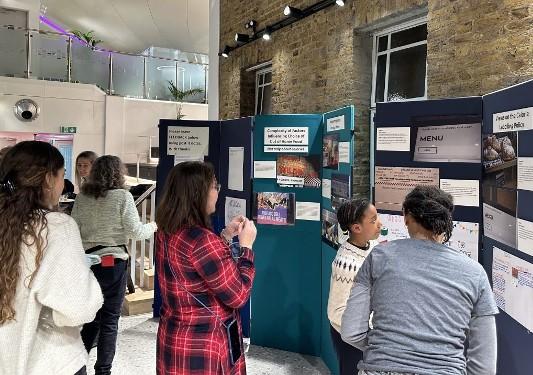
• Showcased 13 posters from ResNet holders and summer internships
• Showcased 22 lightning talks from PhD students, pre-doctoral and launching fellows
• Presented 11 digital stories from PhD students, pre-doctoral and launching fellows
• 1 ECR Keynote talk
• Read more about trainee reflections of ASM 2025
Digital stories
Training was organised for all PhD students and fellows to present a digital story at the ASM.
Digital storytelling is the creation of personal, first-person narratives using a mix of voice, images, and simple video editing. Watch some of the winning videos on the next page.
ResNet
The SPHR Researcher’s Network ‘ResNet’ has over 180 members, and they came together on 20th May at the Annual ResNet Meeting. The theme was ‘Bridging inclusion and impact’ and the day brought ECRs, practitioners and partners into the conversation about how public health research can better connect with the people and communities it aims to serve.
ResNet project funding is a dedicated development fund for ECRs within the School. 18 projects have been funded so far.
Alumni
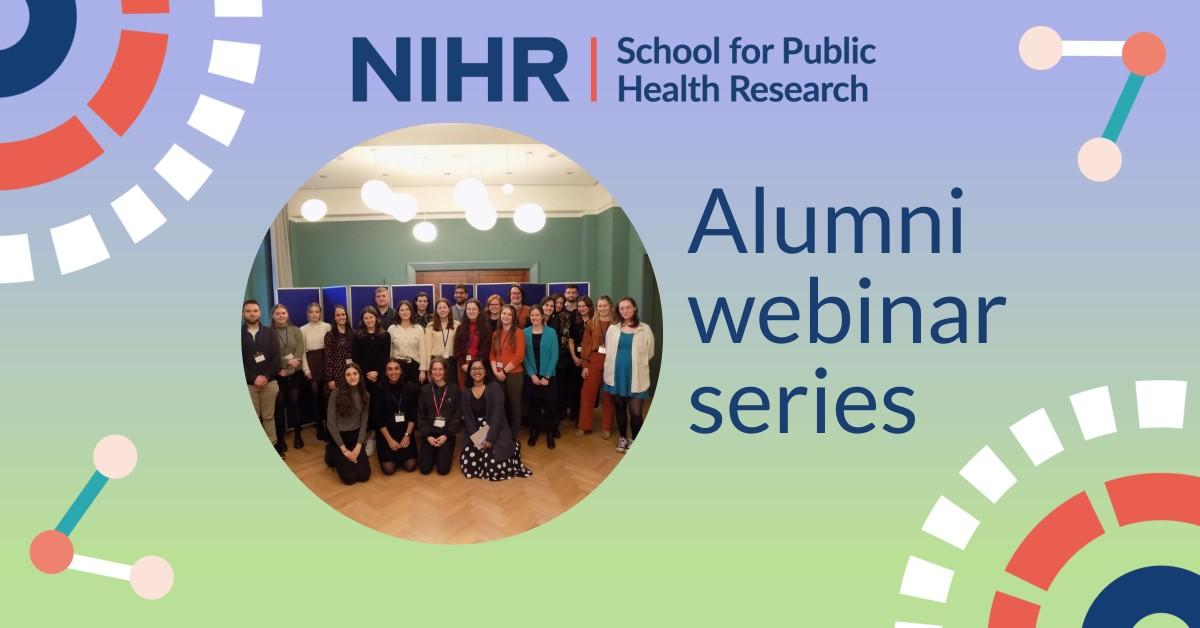
We have recently launched an alumni lunchtime webinar series. Here, SPHR alumni return to share their journeys and insights with our current SPHR researcher community.
We’re proud to have supported over 100 alumni who have progressed through the programme and gone on to make significant contributions across the public health landscape.
Sessions to date include:
• Reflections and lessons learned from the experience of undertaking a Wellcome Trust Fellowship, Dr Naoimh McMahon
• Trying to make food and health policy change happen in the UK through research and advocacy, Dr Dolly R.Z. van Tulleken
• Beyond Academia: Navigating a Public Health Career Across Sectors, Dr Tishya Venkatraman
• UPF and Local Action: Tales from a Local Authority Internship, Dr Rosie Jenkins and Karen Ullian
Podcast
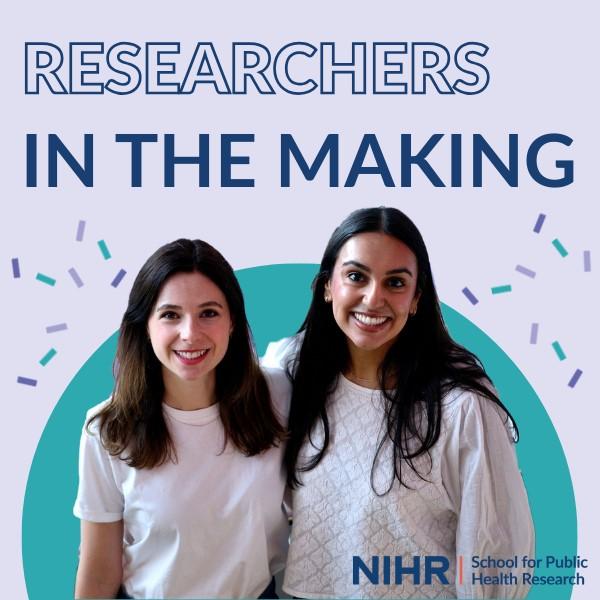
Launched this year, ‘Researchers in the making’ is a podcast by SPHR trainees Karen and Charan . This was created after our writing and creative communications training last December which included an introduction to podcasting.
In this podcast, Karen and Charan discuss the ins and outs of doing a PhD in public health research. From the intricacies of research, to the ups and downs of academic life, they share their experiences in an honest, down-to-earth way. They also welcome fellow researchers to discuss their latest discoveries, giving listeners a front-row seat to emerging public health research.
Academic research capacity building
News and highlights
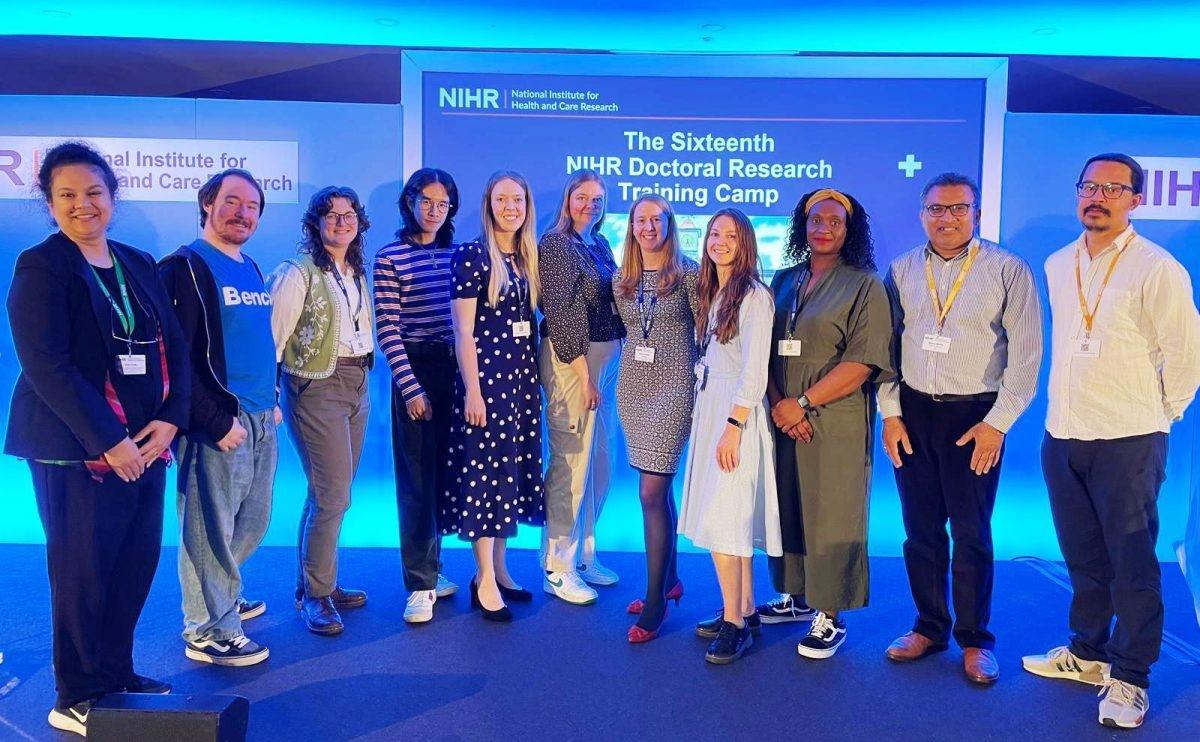
SPHR PhD student Leah Attwell was on the winning Team at the 2025 NIHR Doctoral Training Camp
SPHR PhD trainee Rukun Khalaf won 1st place at the ECR Creative Showcase during the GroundsWell Consortium 2024 retreat. For her presentation, Rukun wrote and delivered a poem titled “My research and me”
The NIHR Three Research Schools came together to host an Early Career Researcher event with networking, sessions and discussions.
Dafni Lima writes about her experience completing a transdisciplinary placement. My transdisciplinary journey: building bridges between law and public health
PhD student Rosalyn Arnold won a poster prize at the INRICH conference
SPHR Post-doctoral launching fellow Oluwaseun Esan writes about her fellowship experience in this insightful and thought provoking blog: Finding my footing – building a career, one small win at a time
Dr Helen Hoyle, SPHR Transdisciplinary Research Fellow is playing a central role in a major new national initiative to reconnect communities with nature and improve public health.
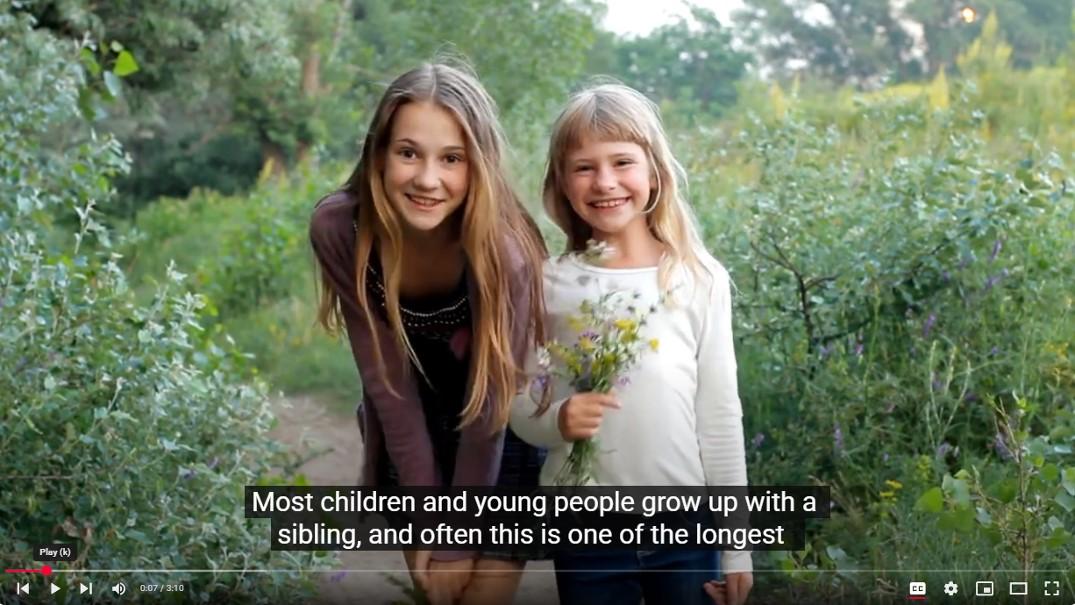
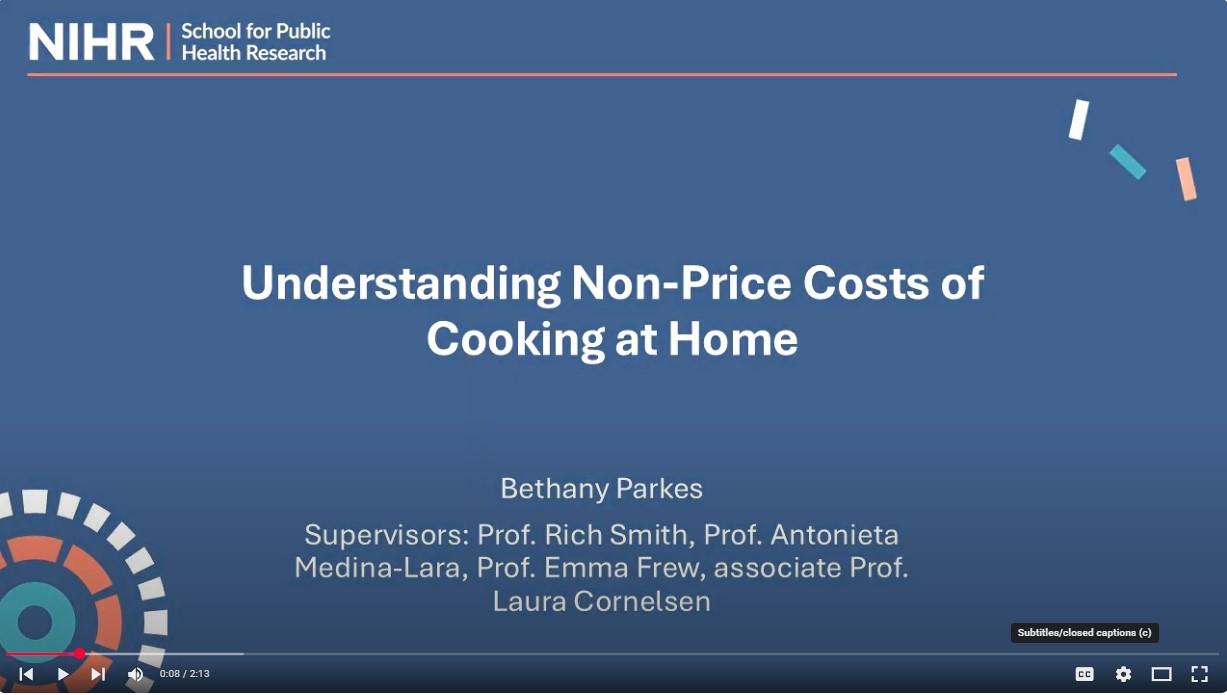
Watch more digital stories
Public and community involvement and engagement (PI&E)
Our vision is to prioritise and support the development of inclusive, equitable, and impactful public involvement and engagement in our research by working collaboratively with members of the public to share capacity in ways that strengthen research outcomes.
We continue to implement our PI&E Strategy, with work ongoing under each of the four strategy pillars:
Involving everyone, reflecting SPHR’s commitment to equity and inclusion and the need to ensure that involvement and engagement are accessible to everyone;
Involving everywhere, reflecting a renewed commitment to involvement and engagement that reaches everywhere in SPHR’s geography, including historically underserved communities;
Evidencing impact, reflecting a need both to demonstrate the impact of involvement and engagement and to ensure that these impacts are communicated to public partners; and
Impacting evidence, reflecting the ongoing drive to optimise involvement and engagement processes in support of the highest levels of impact.
Involving the public in our work improves the quality of our research and helps us to ensure it is relevant. Working with the public means our research is more likely to be transformed into health benefits for people.
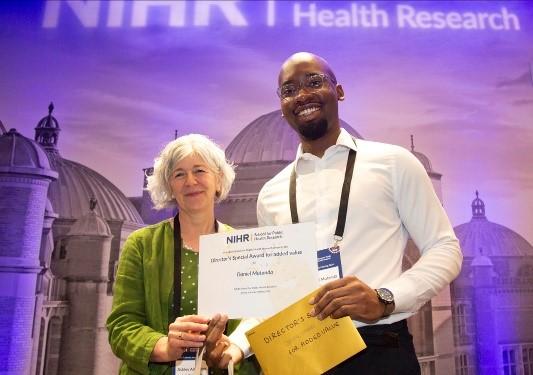
Recognition of PI&E work is ongoing through nominations for individuals or teams demonstrating good practice, with awards at the Annual Scientific Meeting.
Recent news
Launch of School for Public Health Research Young People’s Advisory Network
Creating the Public involvement and engagement Charter – A young person’s perspective
How to involve the public in your research when it’s complex and technical
Equality, diversity and inclusion (EDI)
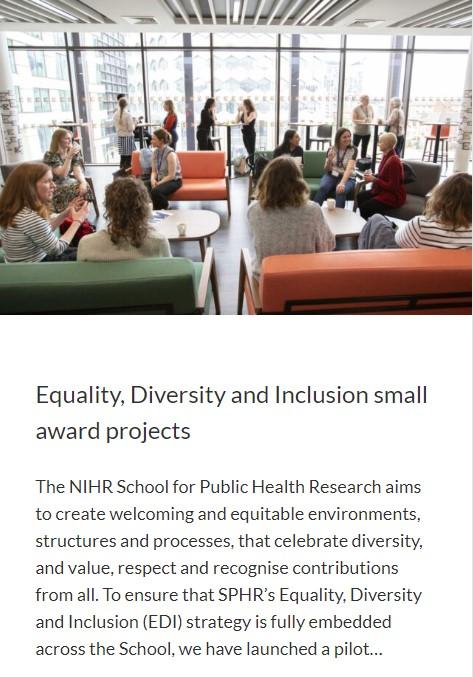
The School aims to create an inclusive, welcome and equitable research and training structure and an environment that celebrates diversity and values and recognises contributions from all. The School has an EDI committee that meet regularly to oversee implementation of the 2022–2027 EDI strategy and action plan.
We have incorporated EDI-related questions into all application and reporting forms. Responses are being reviewed to identify examples of good practice, monitor how inclusion and diversity are being incorporated within activities, as well as to identify any barriers and consistent challenges that may need to be addressed.
We have commissioned a pilot for EDI Small Awards aimed at supporting elements within the strategy. The first round led to four successful awards, including projects to support accessible and inclusive meetings, consolidation of NIHR EDI strategies, and promoting equity in underrepresented groups. These topics span many of the strategy pillars.
Recognition of EDI work is ongoing through nominations for individuals or teams demonstrating good practice, with awards at the Annual Scientific Meeting.
Other updates
Annual Scientific Meeting (ASM)
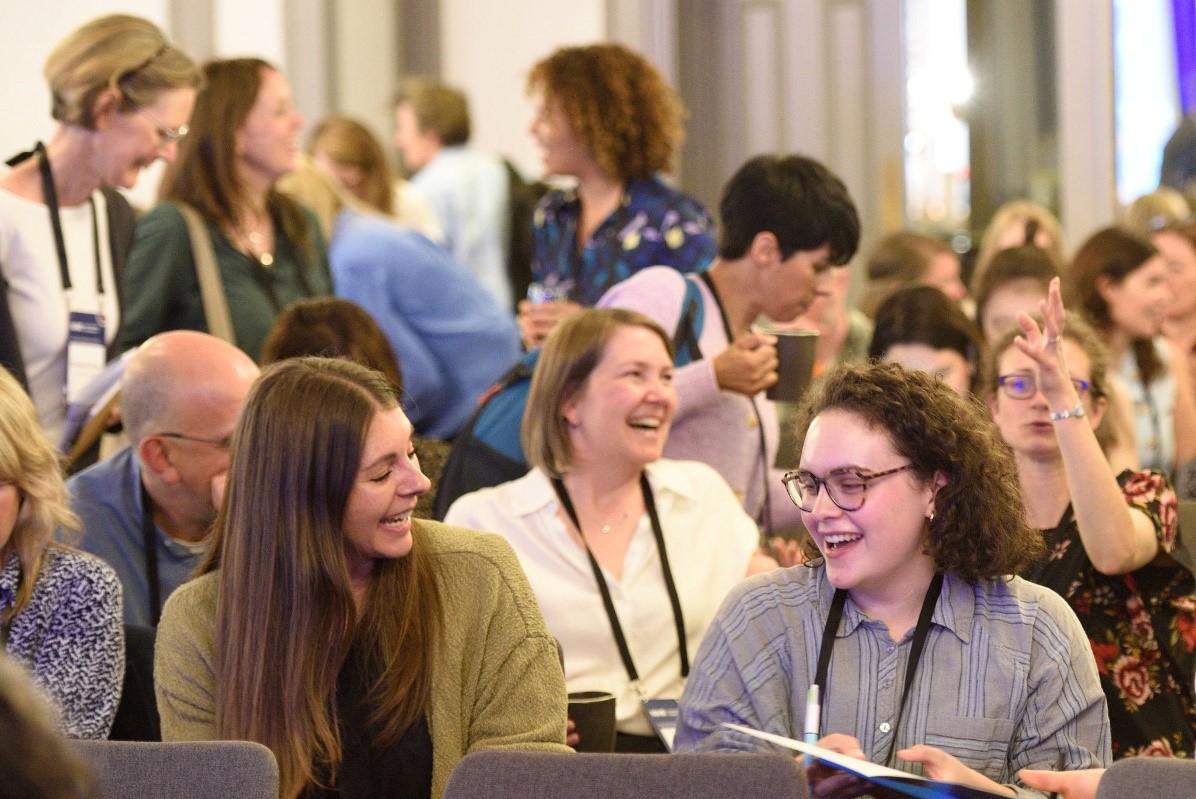
The School held its tenth Annual Scientific Meeting in May 2025. The event was held inperson in Bristol hosted by the University of Bristol.
The event had:
• More than 200 delegates in attendance (including researchers, public partners and public health professionals)
• 72 speakers
• 22 lightning talks
• 13 posters
• 11 digital stories
Recordings from the day are on the SPHR YouTube channel (timestamps in the video descriptions form chapters you can use to navigate within the sessions).
The event brought members together to collaborate and connect face to face. It provided an opportunity to welcome new School members and strengthen the School’s network of researchers and public and practice partners.
Planning is underway for ASM 2026. The meeting is being held in London 13–14th May at the British Library. Save the date
Related blogs:
• Live scribing at the SPHR ASM 2025
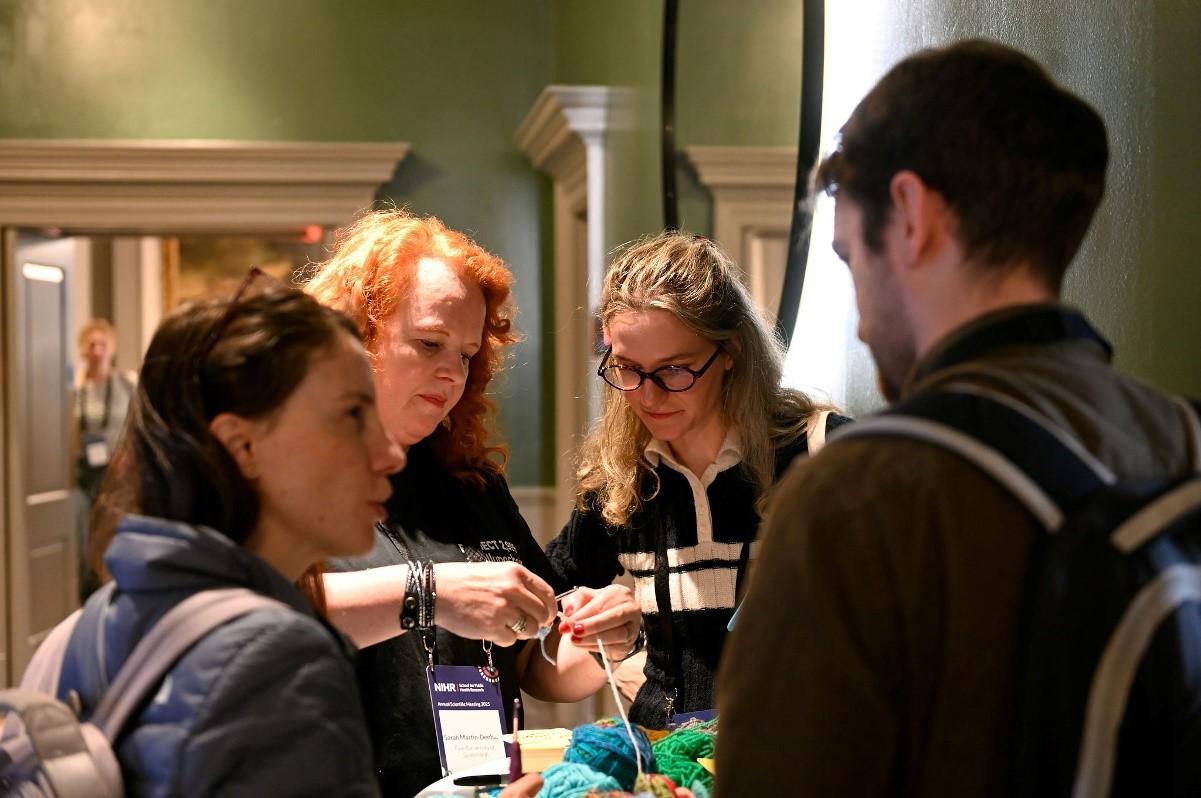
• ASM 2025: Stitching together research, people, and yarn
• Advancing inclusive and innovative public health research – ASM 2025

Finance
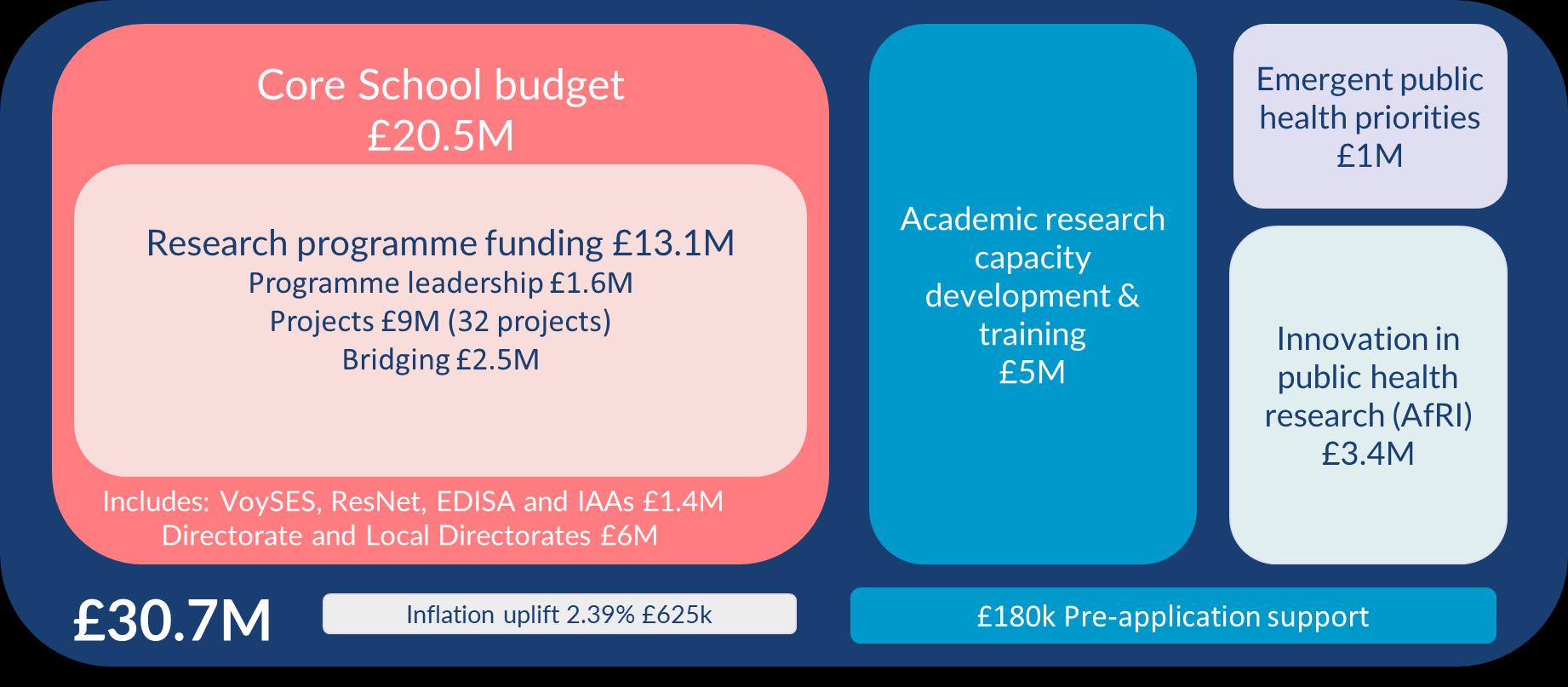
The School was awarded £29.9M from 2022–2027, allocated to activity as shown below. We have since been awarded an inflationary uplift of 2.39% (£652k) and funding for pre-application support awards (£180k) bringing total award for SPHR to £30.7M (with an additional £10M for Prevention Research Programme bringing total to £40.7M).
Communications
The School’s social media accounts (Bluesky and LinkedIn) are used to communicate what’s happening including new publications and opportunities. We currently have 852 followers on Bluesky and 1,162 on LinkedIn.
We circulate monthly newsletters within the School (275 subscribers) and externally to stakeholders (821 subscribers).
We have a training newsletter for early career researchers (228 subscribers) and have recently launched a Prevention mailing list (452 subscribers).
News highlights from the last year:
Addressing food insecurity in England
Spotlight on HDRC Newcastle: Claire Batey, Knowledge Mobilisation Lead, Newcastle City Council
Research highlights benefits of school-based mental health interventions
Highlights
YouTube viewing figures
West Midlands Knowledge and Action Partnership for Race Equity viewed 25,330 times
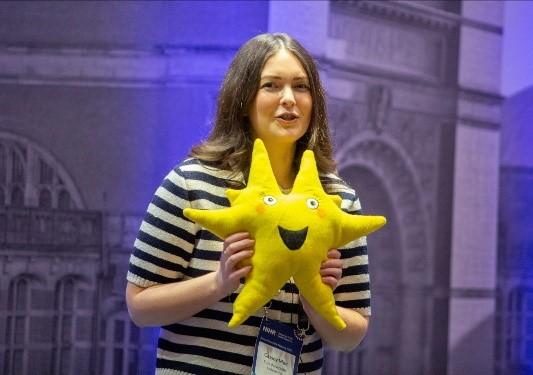
Children's story – 'Twinkle Twinkle Arti' by Danielle Slade viewed 25,320 times
Creating knowledge partnerships for Equity (CLARITY) project viewed 9,251 times
Click on the images below to find out more about other activity across the School