


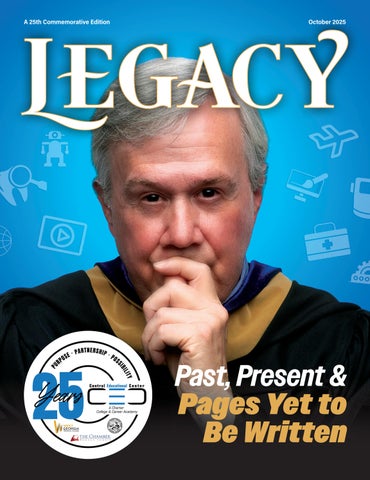






















Past, Present & Pages Yet to Be Written







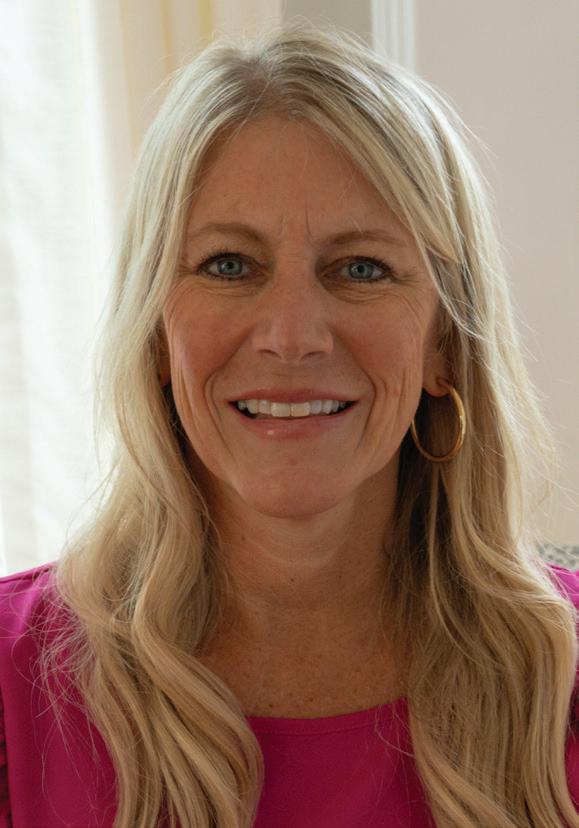



Candace Boothby PRESIDENT AND CEO NEWNAN-COWETA CHAMBER

Dear Friends,
For 25 years, the Central Educational Center (CEC) has stood as more than a school—it represents a bold partnership that reshaped the way Georgia approaches education and workforce.
As the state’s first career academy, CEC sparked legislation that launched the Georgia College and Career Academy Network, now thriving in more than 50 communities statewide. Leaders from across the country continue to visit Newnan to witness how business, education, and government unite to prepare the next generation.
CEC’s story is one of vision in action—where students develop real-world skills, employers connect with a ready workforce, and communities flourish. What began as a local innovation now commands national recognition as a model of collaboration and career readiness, proving that when Coweta leads, others follow.
This 25-year milestone not only celebrates past accomplishments but also calls us to the future. Together, let us honor the visionaries who built CEC, the students and educators who bring it to life each day, and the next generation of leaders ready to advance its mission for the next 25 years and beyond.
With gratitude,
PUBLISHER Newnan-Coweta Chamber
EXECUTIVE EDITOR
Candace Boothby candace@newnancowetachamber.org
SALES & BUSINESS
DEVELOPMENT MANAGER
Colleen D. Mitchell colleen@newnancowetachamber.org
GRAPHIC DESIGNER
Paul Lewis, Luz Design
PUBLICATION LAYOUT
The Newnan Times-Herald
WRITER/PHOTOGRAPHER
Elizabeth Melville
FRONT COVER PHOTO
Keith Brazie, Pork Pie Pictures
LEGACY is available at various locations throughout Coweta County. You can also email info@newnancowetachamber.org to request a copy.
LEGACY is a commemorative publication of the Newnan-Coweta Chamber 23 Bullsboro Dr. | Newnan, GA 30263 770.253.2270

































of a making a difference and c anging li ves! of a making a difference and changing lives!











































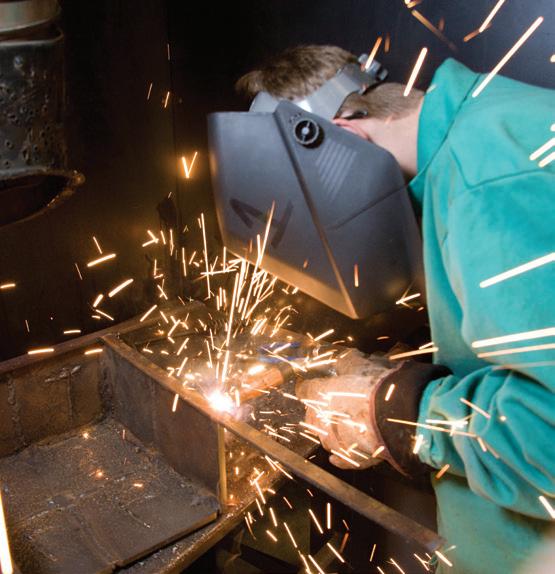



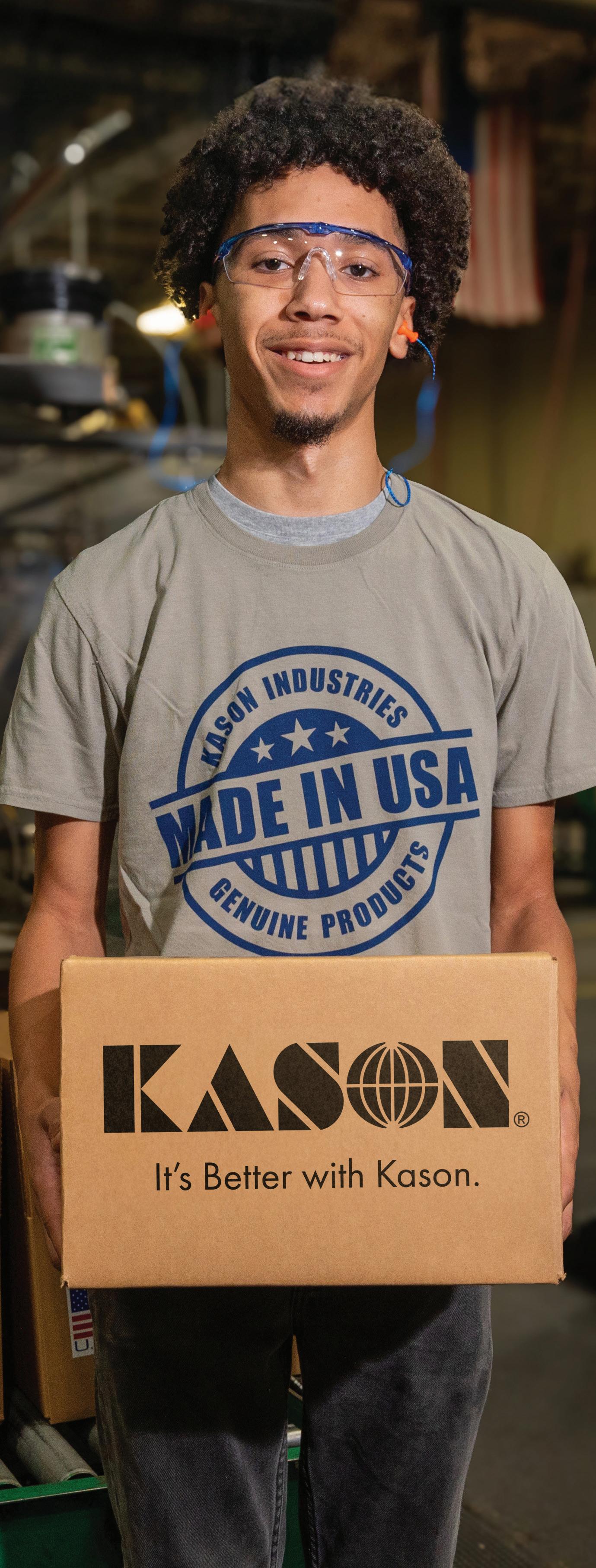

Join a globally recognized company that manufactures hardware for the commercial foodservice, truck body, and industrial markets.

Whether you’re starting your career or looking for growth, we offer a variety of opportunities.

Competitive pay, training programs, and a supportive team.

Manufacturing Operators, Manufacturing Engineers, Maintenance, Tool and Die, Assembly, Material Handlers, Customer Service

Scan below to learn more and start your journey with us!







with





QTell us why you came to work with CEC.

AI wanted to join CEC to be part of a pilot educational model that could re-shape the high school experience for students everywhere, starting in Coweta.



Mark Whitlock’s name has become virtually synonymous with Central Educational Center—and rightfully so. As founding CEO for nearly 25 years, he has championed CEC, guiding a journey both impactful and deeply rewarding.

QWhat is CEC if it’s not a “typical school,” as you say?
ACEC is a school of choice, special-purpose charter school—created by a community steering committee. Built on a public-private partnership, CEC exists to identify business needs, design relevant programs of study, implement those programs, and evaluate their outcomes. By starting with the needs of local industries, we ensure our efforts are focused, efficient, and meaningful for both students and employers. It’s our business community that creates career opportunities, and those opportunities increasingly demand a higher level of skill from every high school graduate.




ACEC was founded in the late 1990s after local businesses expressed their needs to the Coweta County School System and West Georgia Technical College. The business need was driven by an economy that increasingly integrated technology, streamlined middle management—requiring a more technically skilled workforce to operate independently—and expanded connections across communities, states, and nations to grow its supply chain and customer base. That need has only intensified over the past 25 years. Our mission is ‘to ensure competitive talent for current and future careers.’ We measure its success by the graduation rate, placement rate, and a work ethic evaluation. We appear to be developing sustainable processes that are meeting business needs. However, the scale of growth of those needs is a challenge.



QAOur students, whom we call team members—are thriving.
• Graduation Rate: 99.5 percent of students who complete multiple related technical courses graduate on time.
• College & Career Readiness: About 95–98 percent of students who earn technical college certifications in high school go on to higher education, relevant careers, or both.
• Work-Based Learning: Each year, 500–600 students work with 250–300 local employers, and over 94 percent consistently demonstrate strong traits like attendance, teamwork, and productivity.
• Dual Enrollment: Participation keeps growing, with hundreds of students earning thousands of college credit hours annually—along with in-demand technical skills that today’s employers need.





In our community and others, education is often divided into “silos,” each seen as suited for a particular “type” of student. But the truth is, all students will enter the same global economy – one that’s constantly evolving. This economy doesn’t care about background; it demands skill. If we can equip large numbers of students with those skills while they’re still in high school, we’ll reach the majority of future workers and better prepare them for success.



AFirst, I’ve been amazed by Coweta’s ability to unite a diverse group of people around a common goal: helping young people gain technical skills, often those typically reserved for adults – by the time they turn 18.

AI’m most proud of this community – one that leads with vision and understands that everyone wins when this succeeds: students, parents, schools, and employers alike.
Our great school system, outstanding technical college, and one of the most engaged business communities in Georgia have learned how to support one another. Individually, each is excellent –together, they’re unstoppable.

Second, I’m continually impressed by the quality of our teachers – whom we call “directors” – and their ability to deliver high-level skills to motivated students, or “team members,” in a relatively short amount of time.
Today, about one in every two Coweta graduates have been part of CEC.


What sets us apart is our consistent use of the ADDIE model – Analyze, Design, Develop, Implement, Evaluate – and our commitment to following it with fidelity. Buildings may change. Teachers and students will come and go. But strong, sustainable processes endure.
To truly prepare students, we must better connect education from kindergarten through higher ed – and strengthen the link between education and business. That requires us to focus on creating seamless transitions at every step. When we do that – continually removing barriers, everything becomes more efficient, effective, and impactful.



The impact of AI will be huge—and that’s exactly why we start by analyzing business needs. If we stay aligned with industry, we’ll continue to adapt our programs in step with the businesses shaping the future.
ATake HVAC, for example. As we expand to include it in our programming, we will be working directly with industry leaders – who are already exploring how to cool data center technology driven by AI. That insight will shape our curriculum, meaning our students will engage with AI in ways far beyond what we might initially expect.
AI will influence countless jobs and career paths. But history – and data – show that technological breakthroughs don’t just change jobs; they often create more of them.


AThe first thing we ask of our community is time.
May we have your time to mentor students?
May we have your time – and your company’s – to help create meaningful internships and apprenticeships?
May we have your time to learn how this kind of education benefits most students – students who will soon be working full-time, living in your neighborhoods, and contributing to your workplaces?
May we have your time to see that many CEC students are prepared for well-paying, high-demand careers right here in our local community?
And may we have your time to consider that what a child learns in Pre-K can one day shape the level of skill they bring to the workforce?
Your time can make a lasting difference.

Where teenagers love school, and Newnan shines brighter because of it. Under the visionary leadership of CEO Mark Whitlock, the CEC has become one of the very best reasons to call Newnan home.
Proud to celebrate a friend, mentor, and true leader. Congratulations, CEC on 25 years of excellence!










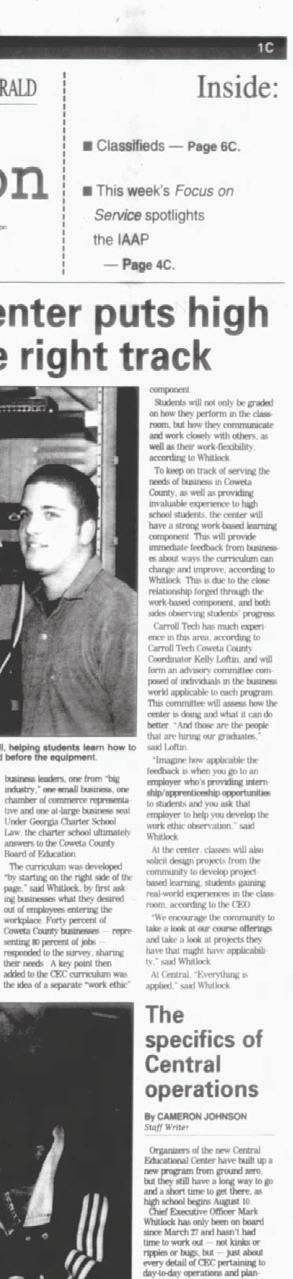
Coweta County Board of Education and State Board of Education approve CEC’s original 5-year Charter Contract.



CEC named one of 30 “replicable national high school reform models” by the International Center for Leadership in Education.















CEC assists Georgia in developing its first replication schools.
CEC Charter Contract renewed for 10 years.













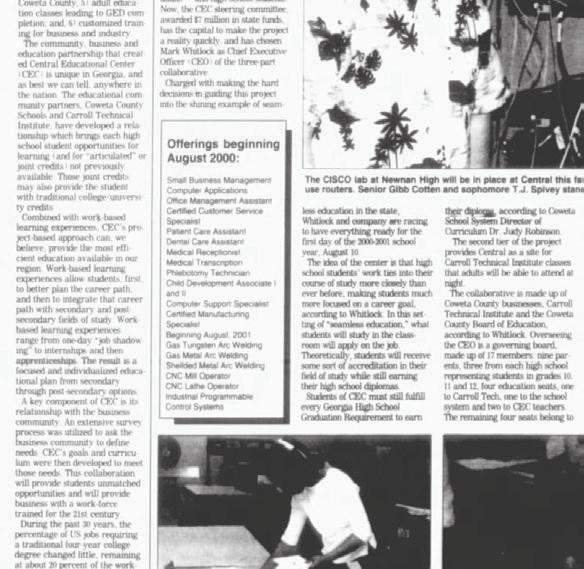
The Chamber sends 700+ surveys to local businesses on behalf of school Superintendent Richard Brooks and WGTC President Janet Ayers to assess technical education needs for the proposed Central Educational Center (CEC) . Response rate is about double the norm for mail-out surveys.



Central Middle School relocates to Smokey Road Middle School. Renovations begin at the former site to prepare for CEC’s opening on August 10.
State refines the College and Career Academy Initiative, creating the Office of College and Career Academies within the Technical College System of Georgia.





At the urging of Coweta businesses, Georgia establishes the Accelerated Career Diploma Program , expanding dual enrollment support for high school students.

CEC Charter Contract renewed by local and state boards for another 5 years.


Georgia General Assembly formalizes the College and Career Academy Initiative, modeled after CEC’s approach of linking K–12, postsecondary, and business/industry partners. The law defines a College and Career Academy as a specialized charter or waiver school formed through partnerships among schools, businesses, and postsecondary institutions to advance workforce development.








CEC Charter Contract renewed for 5 years.



CEC Charter Contract renewed for another 5 years.






CEC Board begins studying Germany’s dual-education system.















State Board of the Technical College System renames the Georgia College and Career Academy Certification process in honor of Dr. Joe Harless , Coweta resident and national expert on learning and achievement. Harless was instrumental in founding CEC, Georgia’s first career academy.









CEC launches the nation’s first Germancertified “A” Level Apprenticeship for Advanced Manufacturing Technicians that begins at age 15.









Following an EF-4 tornado , CEC houses Newnan High School’s freshman class during reconstruction. The class remains on CEC’s campus through 2023–24.










CEC begins its first facility expansion since






By Elizabeth Melville
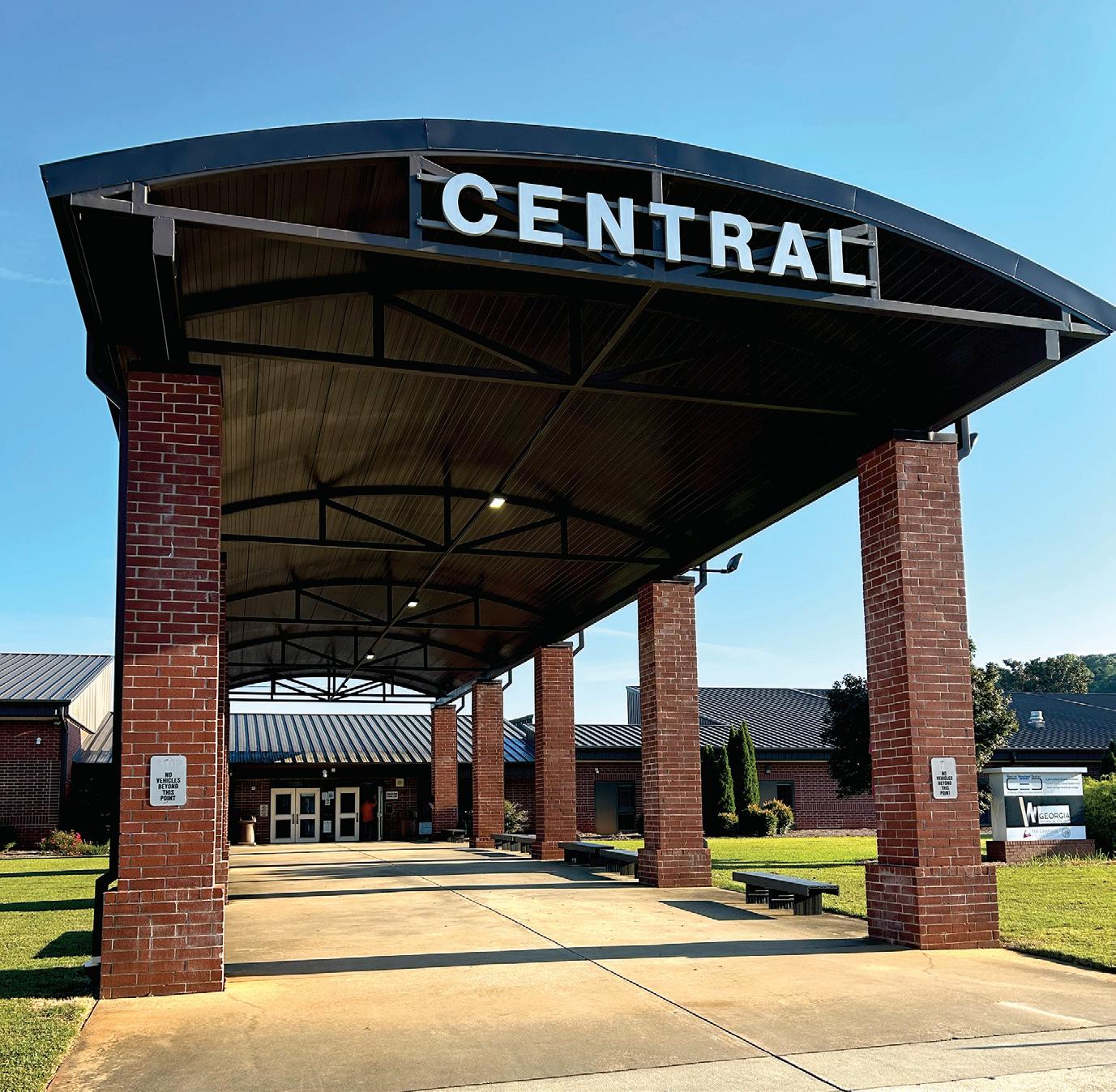
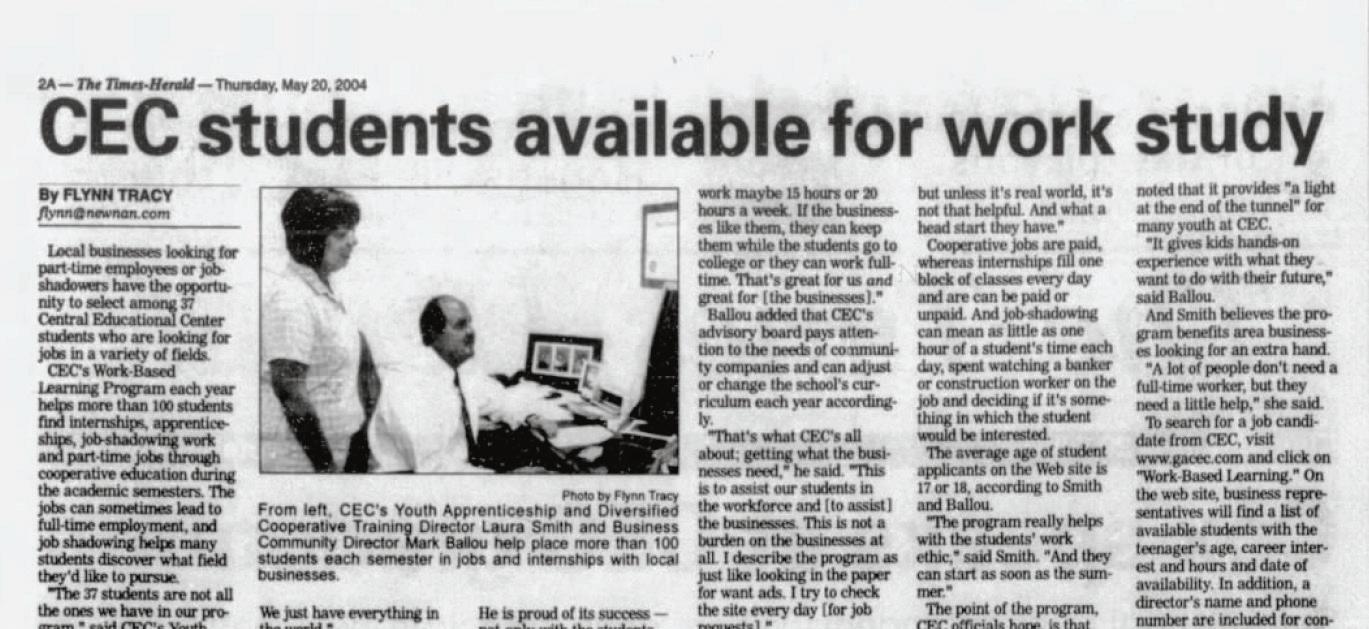
The Central Educational Center (CEC) is recognized nationally and internationally as a model of success. Often replicated but never fully duplicated, CEC continues to lead the way in connecting education and workforce needs.
As the birthplace of Georgia’s college and career academy initiative—formally launched in 2007—CEC set the standard for a statewide movement. Since then, Georgia has invested more than $170 million to replicate the model 59 times, serving more than 49,000 Georgia high school students last year alone.
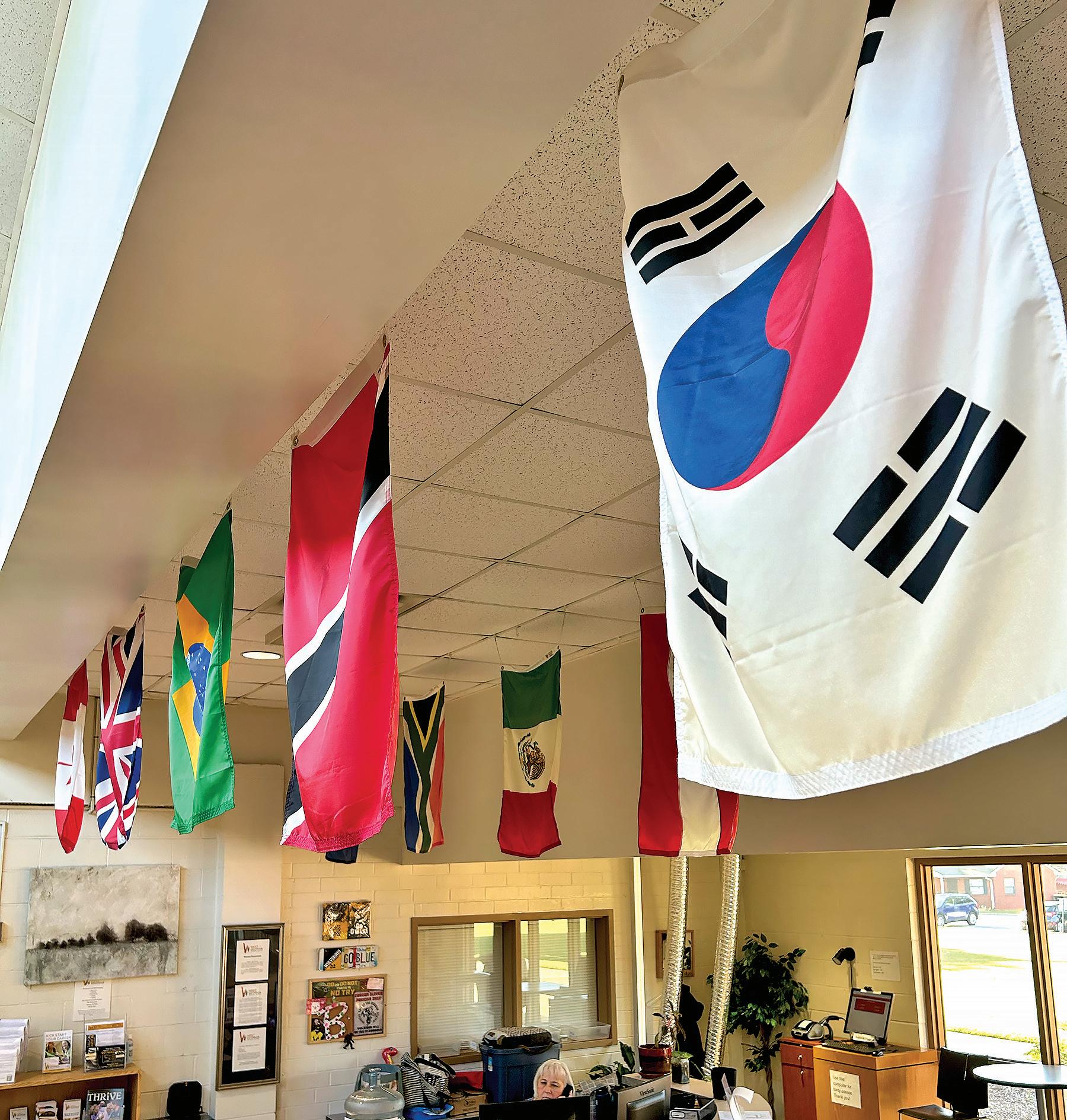
Named one of only 30 replicable high school reform models in the nation, CEC’s impact now spans the globe. Flags in its lobby represent 20 countries that have studied its integration of education and economic development. In 2024, senior European military leaders toured CEC
to, as CEO Mark Whitlock explained, “learn how U.S. communities connect the economy and education.”
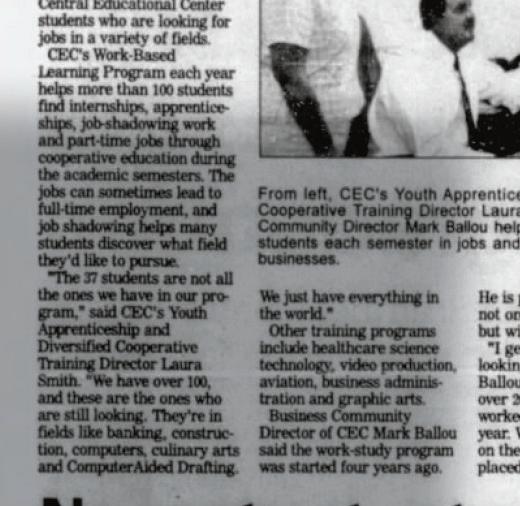
Work-based learning is a cornerstone of CEC’s success. Each year, between 500–600 students partner with 250–300 regional employers, consistently earning top marks in work ethic and professionalism.
CEC’s results speak for themselves. Students who complete at least two career pathway courses graduate on time at a rate of 99.5 percent. More than 96 percent move directly into post-secondary education, the workforce, or both—outcomes carefully tracked as a condition of state funding.
Breaking new ground internationally, CEC launched the first German-certified A-level


• 99.5% on-time graduation rate for students completing at least two career pathway courses.
• 96% move directly into post-secondary education, the workforce, or both.
• CEC has been named one of only 30 replicable high school reform models in the U.S.
apprenticeship, which begins at age 15, in the U.S. Through its partnership with the German-American Chamber of Commerce, students as young as 15 gain access to a rigorous program modeled after Germany’s celebrated dual-education system.
In 2016, CEC launched its Advanced Manufacturing Technician Program, blending precision machining and precision manufacturing skills. It was developed with the Technical College System of Georgia, West Georgia Technical College, the Coweta County School System, Georgia Tech’s Manufacturing Extension Partnership, and a consortium of local companies. The program provides apprenticeship-level training in high-demand fields. “With help from companies around the world, we can prepare students for high-tech jobs in local industries that urgently need skilled talent,” Whitlock explained.
• Flags in CEC’s lobby represent 20 nations that have studied its approach.
• First U.S. school to launch a Germancertified A-level apprenticeship for students as young as 15.
• CEC’s Advanced Manufacturing Technician Program provides apprenticeship-level training in high-demand fields, developed with Georgia Tech, West Georgia Technical College, and industry partners.
Advanced Manufacturing Technician is one of many programs within CEC’s Accelerated Career Diploma Program, which requires students to graduate from high school by simultaneously earning significant college credentials. Coweta continues to lead the state in enrollment for this program, accounting for nearly 10 percent of Georgia’s 1,400 participating students last year.
Graduates of the Accelerated Career Diploma Program earn a high school diploma by completing nine specific high school courses, along with one of the following: two technical college certificates, a technical college diploma, a program leading to state licensure, or an associate of applied science degree.
All tuition is fully covered by the state, and students remain eligible for HOPE Grant and HOPE Scholarship funding after high school. The state even provides additional tuition support during high school—covering costs through completion of an associate degree— while still preserving students’ access to HOPE funds for later use.
State leaders recognize the program’s value in using the high school years to build the skilled talent Georgia needs for the jobs of today and tomorrow, according to Whitlock. Career pathways include automotive
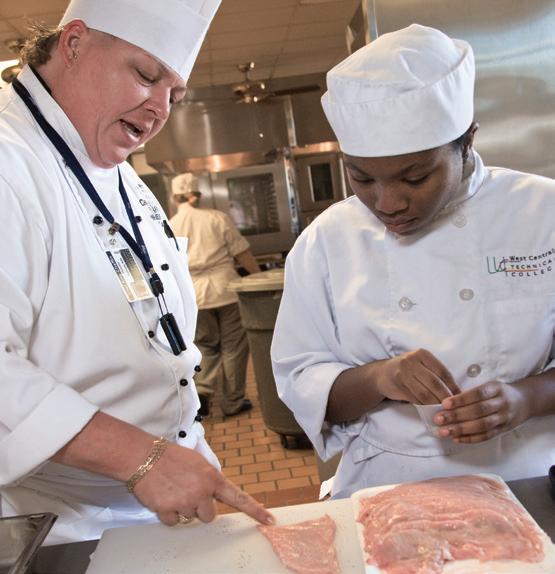
technology, cosmetology, cybersecurity, dental assisting, early childhood care and education, EMT, HVAC, nurse aide, welding, culinary arts, electrical systems, diesel technology, precision machining, and precision manufacturing, among others.
The program also gives students flexibility. “Students can complete requirements early and begin workbased learning in their chosen field,” explained Dr. Dawn Revere, CEC’s career counselor. “They can also take additional West Georgia Technical College classes to earn more certifications— opening even greater opportunities for employment.”
CEC welcomes all Coweta County high school students, with limited slots available. Interested students should connect with their school counselor to learn more.




Thanks to the support of Coweta County voters, Central Educational Center will soon undergo its first major renovation and expansion in nearly 25 years. Funded by the county’s one-penny ESPLOST, the project will modernize existing spaces and add more than 30.000 square feet of new instructional areas— ensuring that CEC remains at the forefront of preparing students for the workforce of tomorrow.
By Elizabeth Melville
“This is the normal 25-year rotation of major ESPLOST investments in our school system’s facilities,” explained CEO Mark Whitlock.
“It is very appropriate that we are able to move forward with this project during CEC’s 25th year,” said Dr. Evan Horton, Coweta County School Superintendent. “CEC has remained a crucial engine of innovation—not just for our school system, but for our community as a whole.”
The Coweta County Board of Education recently approved a $22.7 million bid from Meja Construction for the project. Renovations are scheduled to begin in fall 2025 and will
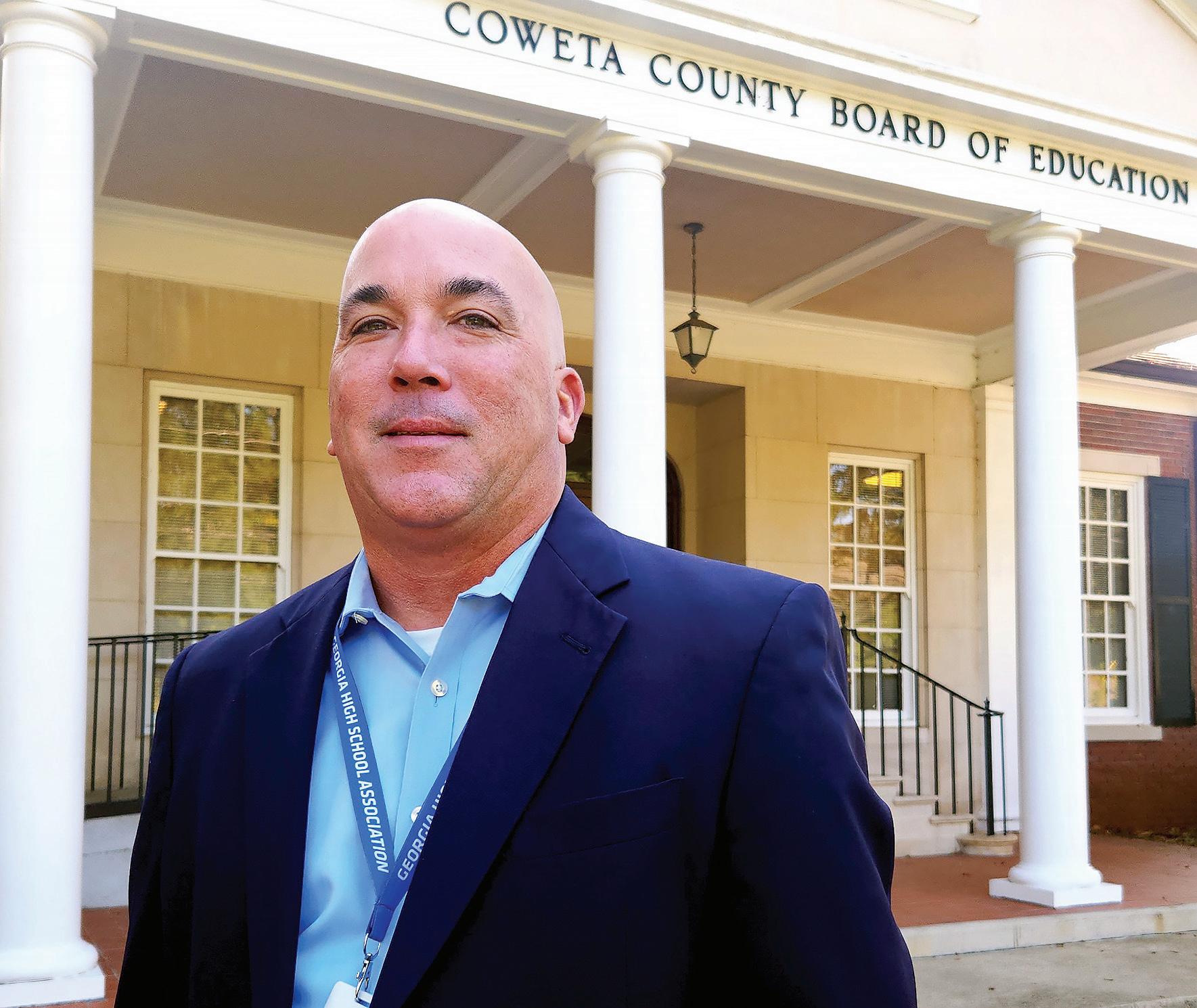




“CEC has remained a crucial engine of innovation—not just for our school system, but for our community as a whole.”
take place over an 18-month period, with completion expected by summer 2026— just in time for the start of the fall 2027 semester.
The work will include a new 33,500-square-foot classroom wing, located behind the current facility

- DR. EVAN HORTON
in the space where Newnan High School’s “Cougar Village” 9th grade classrooms were housed during that school’s rebuilding. State-of-the-art industry-specific labs and classrooms will make up the expansion.


Among the new and expanded programs:
• Mechatronics
• Diesel Technology
• Automotive Technology
• Welding
• HVAC
• Photovoltaic and Electrical Technologies
• Precision Machining
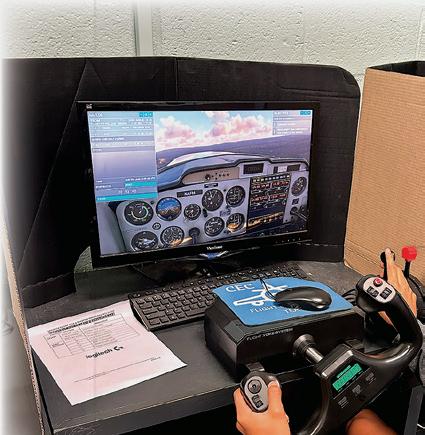
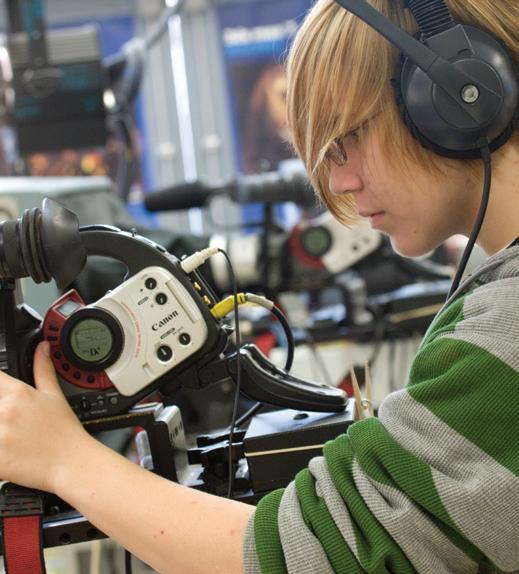
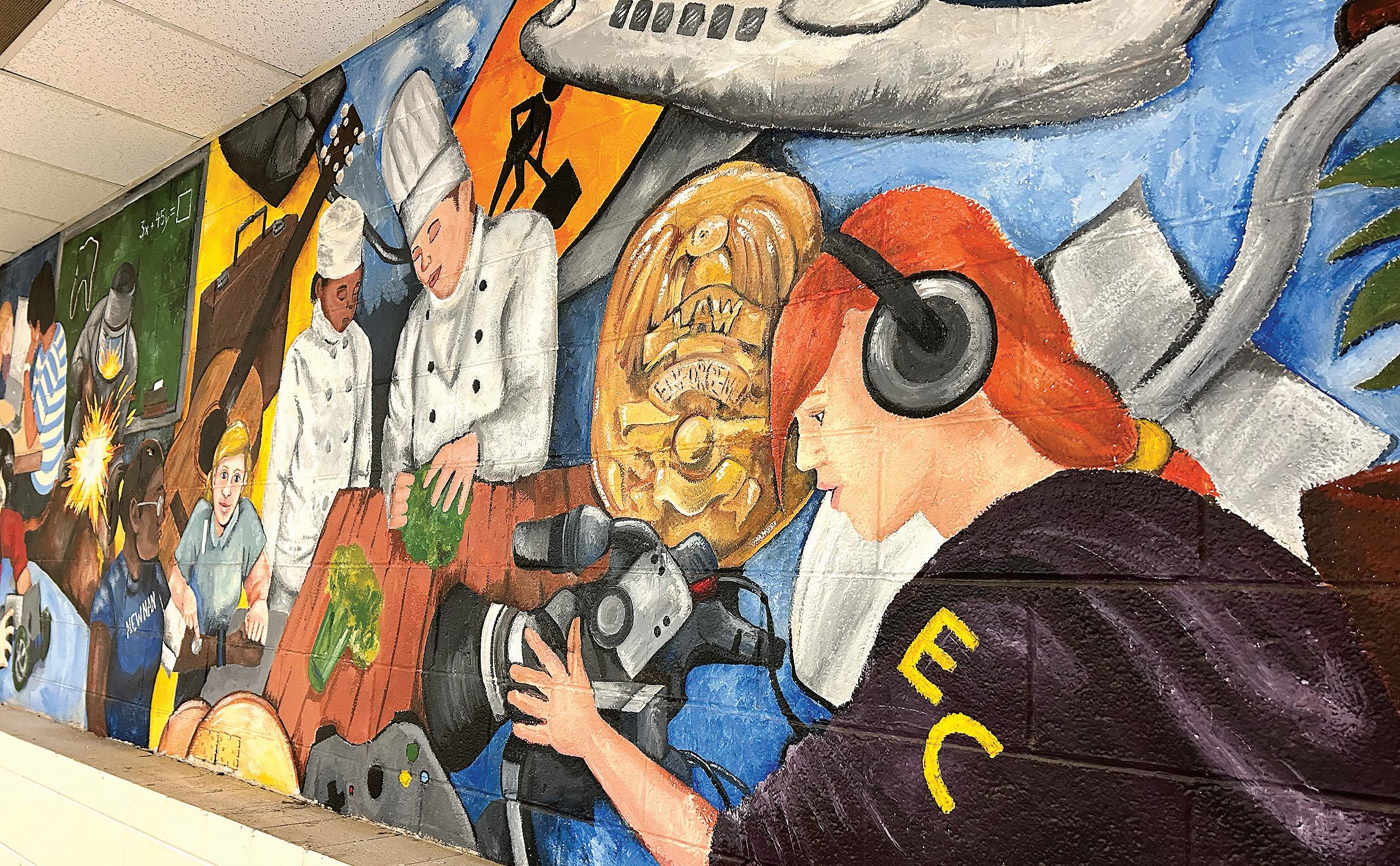
Existing spaces will also see significant updates, including renovations to culinary arts (with expanded dining areas), cosmetology, aviation, video and audio production, graphic arts, and music.
The 8th Grade Academy will move into a dedicated hallway, and enhanced security measures will be implemented campus-wide.
“The entire campus will benefit,” Whitlock said. Currently serving approximately 1,000 students daily, the expansion will allow CEC to increase enrollment capacity by about 20 percent while improving efficiency and flow throughout the building. Whitlock called the expansion both timely and meaningful. “Being able to implement this project during CEC’s 25th
anniversary is a reflection of the strong partnership our community built— connecting the Coweta County School System, West Georgia Technical College, and local business and industry,” Whitlock said.
Superintendent Horton added: “This expansion is a response to the continually growing demand for CEC’s unique programs. We have strong student demand for the same reason that our industries demand these programs—because CEC connects students with the skills they want, and industries with the skilled employees they need.”
and
Congratulate the Central Educational Center and its CEO Mark Whitlock on 25 years of excellence by Ensuring Competitive Talent for Current and Future Careers





We applaud Central Educational Center for 25 years of preparing students for success and shaping the future of our community.
Honoring 25 Years of Excellence in Learning & Workforce Development Together, building the future of education.








By Elizabeth Melville
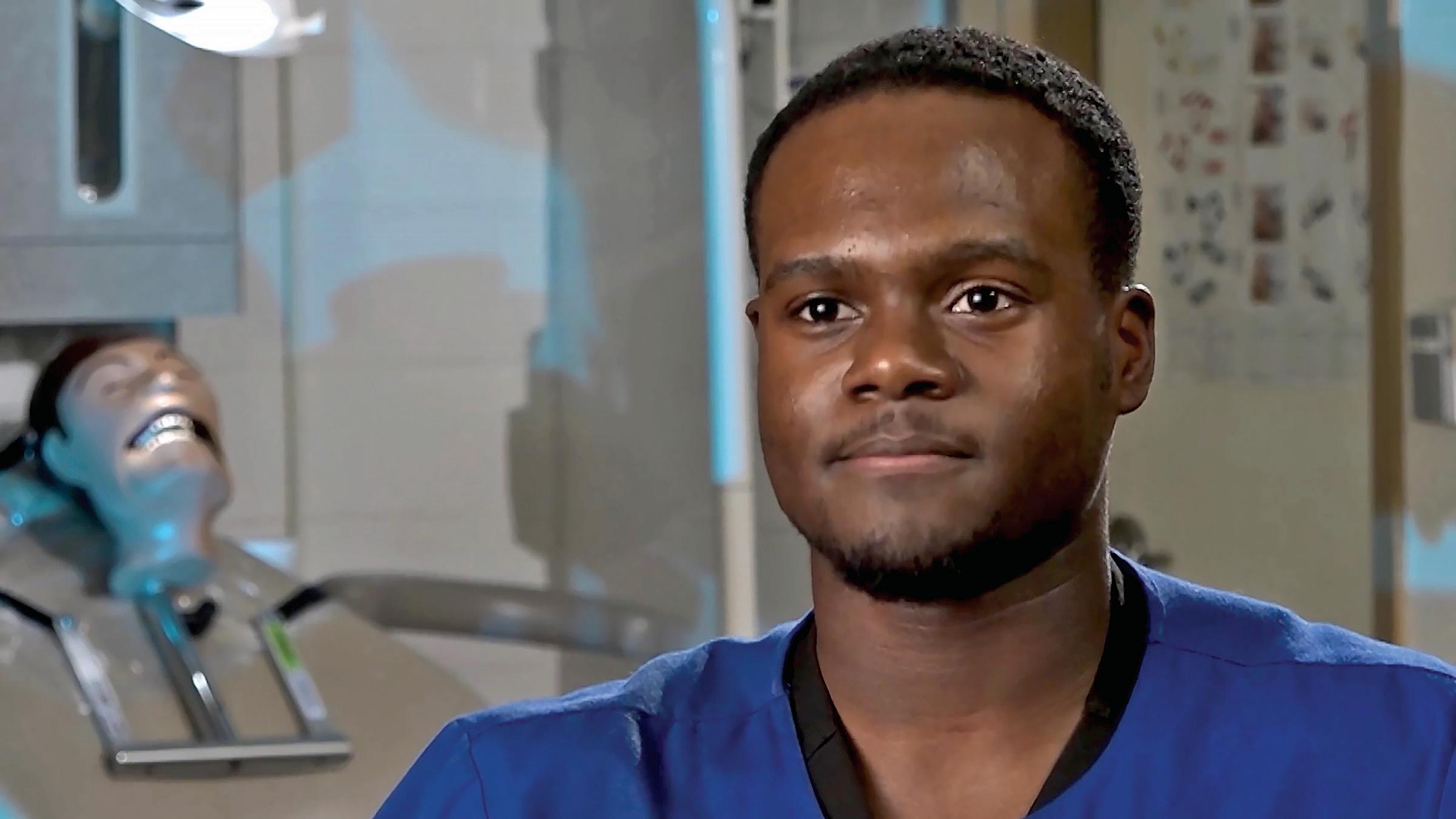
Rico Lane, a 2024 Coweta County graduate, knew from a young age that he wanted to work in healthcare. A student at East Coweta High School, he was reviewing course offerings at the Central Educational Center (CEC) when one caught his attention: dental assisting.
“I realized dentistry is where I needed to be,” Lane added.
Lane became a dual enrollment student, earning credit hours through West Georgia Technical College while attending CEC.


“A dental assistant is a care provider,” Lane explained. “It’s our job to have everything ready for that day. We are the right hand to the dentist.”
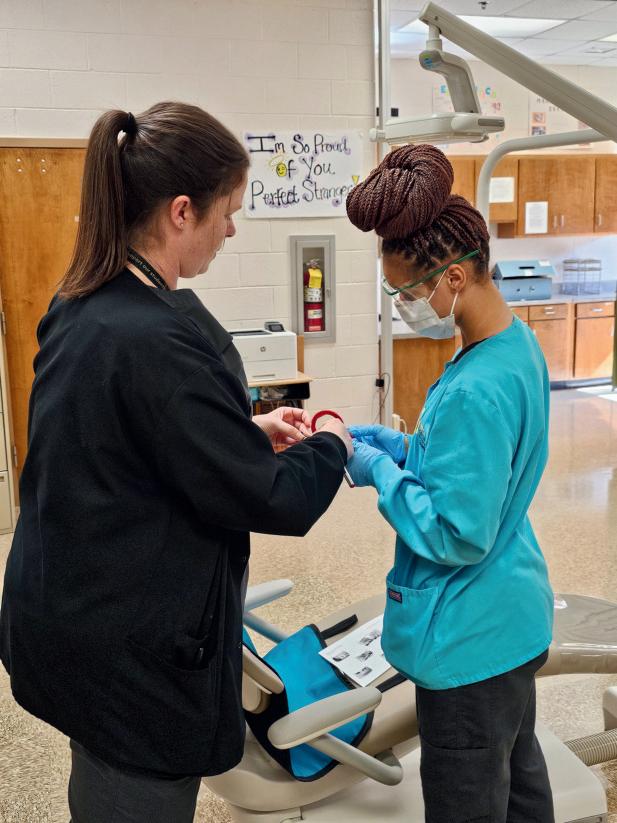
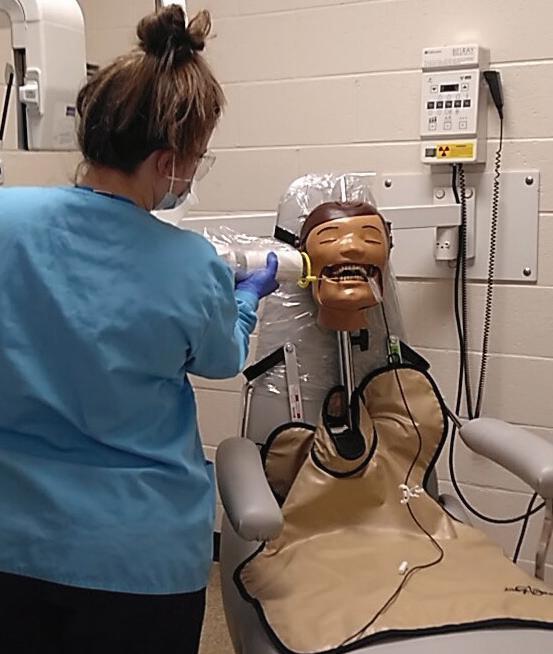
Dental assistants ensure everything is prepared before the dentist or patient enters the room so procedures can run smoothly. Students learn to
sterilize and package instruments and assist with treatments.
Lane decided to advance his training by becoming an expanded duties dental assistant. This certification allowed him to take on additional responsibilities, such as taking dental impressions and placing bands on braces.

“Now I’m coming into the office with the ability to do so much more than I would as a standard assistant,” said Lane. “This track helped me get ahead of the game. Now I not only have the freedom to do things by myself but also the knowledge to perform tasks that other dental assistants may not be able to do.”


“My favorite thing I get to be a part of is clinical rotations,” he continued. “I’m outside of CEC at a dental office, and I’m loving every minute of it,” Lane said in a taped interview before graduation.


“Research has shown that the results of poor hygiene can lead to other pressing health issues,” Crosby continued. “It’s clear that the dental care of our patients is an important piece of their overall medical care.”
“We’ve had hundreds of patient visits,” Whitlock added. “We’ve helped manage the healthcare needs of uninsured patients in our community. They’ve received everything from infection control to dentures. Many have gotten their smile back.”
Former patient Diane Starkey agrees. After being laid off and losing her insurance, she turned to the clinic for care.

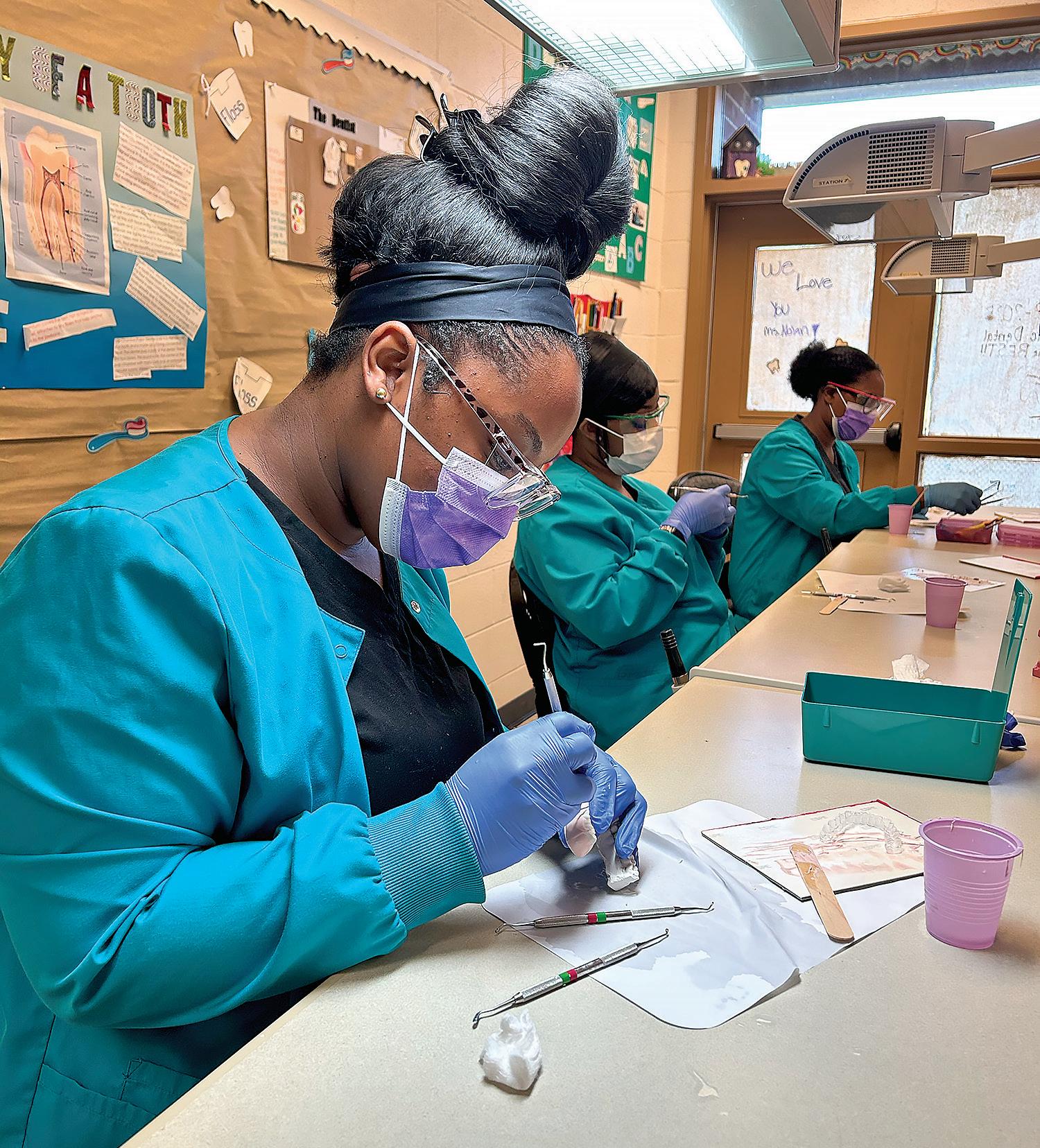
In addition to clinical rotations, Rico Lane volunteered after hours with the Coweta Samaritan Dental Clinic, which is housed at CEC. The clinic celebrated its tenth anniversary in 2024. According to school CEO Mark Whitlock, the clinic is a joint venture staffed by CEC and West Georgia Technical College (WGTC) students, volunteer dentists, and Coweta Samaritan Clinic (CSC) staff and volunteers.

“The clinic is a great way to use the skills you’ve learned in class, connect with people in dentistry, and give back to the community,” Lane said.
“I’m so grateful,” Starkey said, fighting back tears. “They took me in, and it’s just been amazing. I don’t know where I’d be without them.”
“These services have been life changing for so many of our patients,” echoed Kelly Hines, executive director of Coweta Samaritan Clinic.


Kim Nolan, Dental Assisting Program Chair at WGTC, explained that clinic volunteers assist with extractions, fillings, dentures, and hygiene services— all provided free of charge to patients.
“This program is special because we’re able to care for Coweta Samaritan Clinic’s patients—support they truly need for their health,” Nolan said.
“When we opened the Coweta Samaritan Clinic in 2011, the need for dental services became apparent very quickly,” said Dr. Kay Crosby, clinic founder and volunteer medical director.
Crosby says in 2012 they approached CEC and West Georgia Tech with the idea for this collaboration. After a couple years of planning, it launched in the 2014-15 school year.











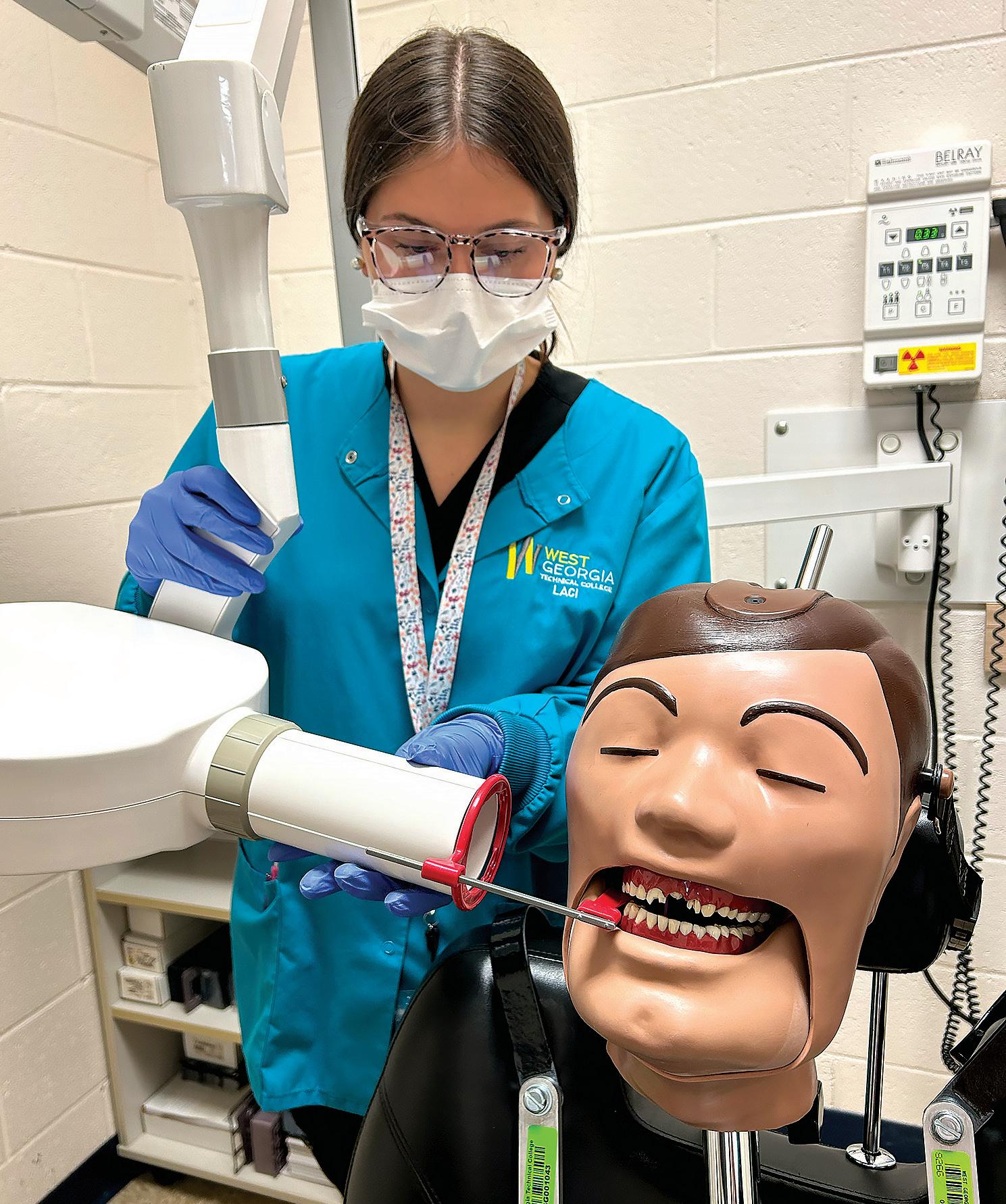
Kim Nolan, program chair of West Georgia Technical College’s Dental Assisting Program, never expected to end up in dentistry—much less in the classroom.
A frightening childhood dental experience left her terrified of dental care, yet she ultimately chose this career field.


“I fell into dental assisting,” admitted Nolan, a graduate of Northgate High School. “I took a career test in college that suggested it, and I thought, let’s just try it. When I finally got into it, it clicked. I make it my mission to be empathetic to people who are scared like me.”
Teaching was just as unlikely. School was challenging for Nolan, who is dyslexic.
“I found that I loved teaching empathy to students while at the Coweta Samaritan Dental Clinic,” she said. “Teaching empathy to my students is really important to help them grow and understand other people’s fear of going to the dentist.”
Nolan is now in her 12th year of teaching.
By Elizabeth Melville

on experience makes the difference. At the clinic, students take vitals, prep rooms, assist during procedures, manage patient care and charting, and clean up afterward—working directly under the supervision of area dentists.

“It allows students to provide care with empathy, especially for people who may be down on their luck—and without judgment,” Nolan said. “Helping the community is an amazing feeling.”
Local dentists have noticed the impact as well.
“A dentist once told me he saw a huge difference in students after serving,” Nolan said. “He said they were more engaged and less timid.”


According to her, the after-hours dental clinic at CEC fills a crucial gap in student training. Textbooks can only take students so far; hands-
The clinic and its partnerships continue to evolve. With patient waitlists often near 100 people, the Coweta Samaritan Clinic recently opened a day clinic to meet demand. Nolan now aims to host after-hours clinics at CEC at least twice a month. A new partnership with Clayton State University also expands opportunities, ensuring more students benefit from this vital community program.










Hines emphasized that this joint venture creates wins for everyone: patients benefit from improved dental health, dentists give back while connecting with potential employees, and students practice their skills in real-world settings.
Chelsea Smith, a dental assisting student and 2024 graduate, also volunteered at the dental clinic.
“I’ve always wanted to help someone in need,” Smith said. “It makes me feel accomplished, like I’ve done my part. I’ve made an impact on someone else’s life. I want to spend the rest of my life doing that.”
Lane says seeing the positive effects of this program firsthand has shown him how he can use his skills to serve others.

“It’s been so beneficial, and I’m so grateful,” Lane said. “I get to help people in the community—and people I love.”
Now, he encourages other students considering dentistry to explore the program.
“Go for it,” Lane said. “This program will definitely help you network and hone your skills for your future career.”


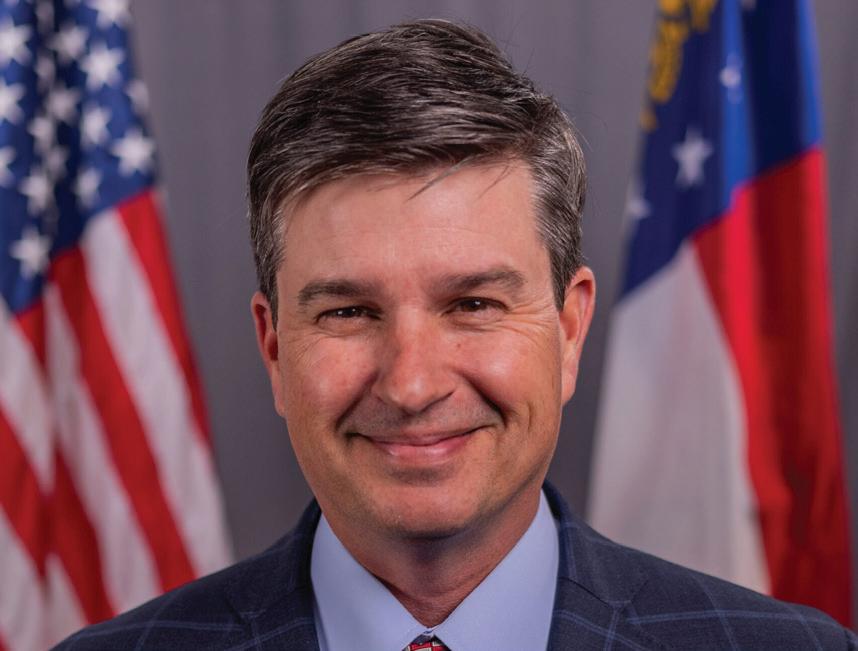
— Senator Matt BraSS



Congratulations to the Central Educational Center on 25 years of outstanding success in Coweta County! May the years ahead bring continued achievements and lasting impact.
Dr. Bob Heaberlin and Dr. Heather Turner


The Central Educational Center “means the world” to Toby Hughes, an alumnus from CEC’s first graduating class of 2000–2001.
By Elizabeth Melville
Growing up, Hughes was told to follow a “predetermined path” through traditional higher education. But he had the insight to question it – and, as he recalls, “the logic started to deteriorate.”
“I thought I had to choose between being collegeready or career-ready,” he says. “But CEC broke down that silo between those two frames of thought.”

For Hughes, the true “magic” of CEC is its staff. “What they were able to do was shift my mental paradigm.” He believes education should be “a bespoke process” with multiple layers, evolving to meet the demands of industry.
Now 42, Hughes has 27 years of IT services experience. He has worked with multiple companies, including start-ups, and today serves as COO of a $50 million tech firm. “CEC jumpstarted me on a career path,” he explains. “The staff helped lay a foundation I could build on.”
While at CEC, Hughes took computer science classes, pursued certifications, and completed more than a year of his associate’s degree before graduating high school. As an adult, he has continued to pursue business training and specialty certifications. He believes the framework laid by CEC gave him a decade’s head start—worth an estimated million-dollar difference in his career between avoided student loan debt and increased earnings. The additional career opportunities, he says, are “unquantifiable.”




Hughes also credits CEC with instilling a strong work ethic. “Having that mindset of accountability, demonstrating professional respect, collaborating with peers and instructors, and viewing your instructors as mentors to apprentice under – that mindset, and the work ethic it instilled in us, was everything,” he says. “I still lean on aspects of that to this day.”
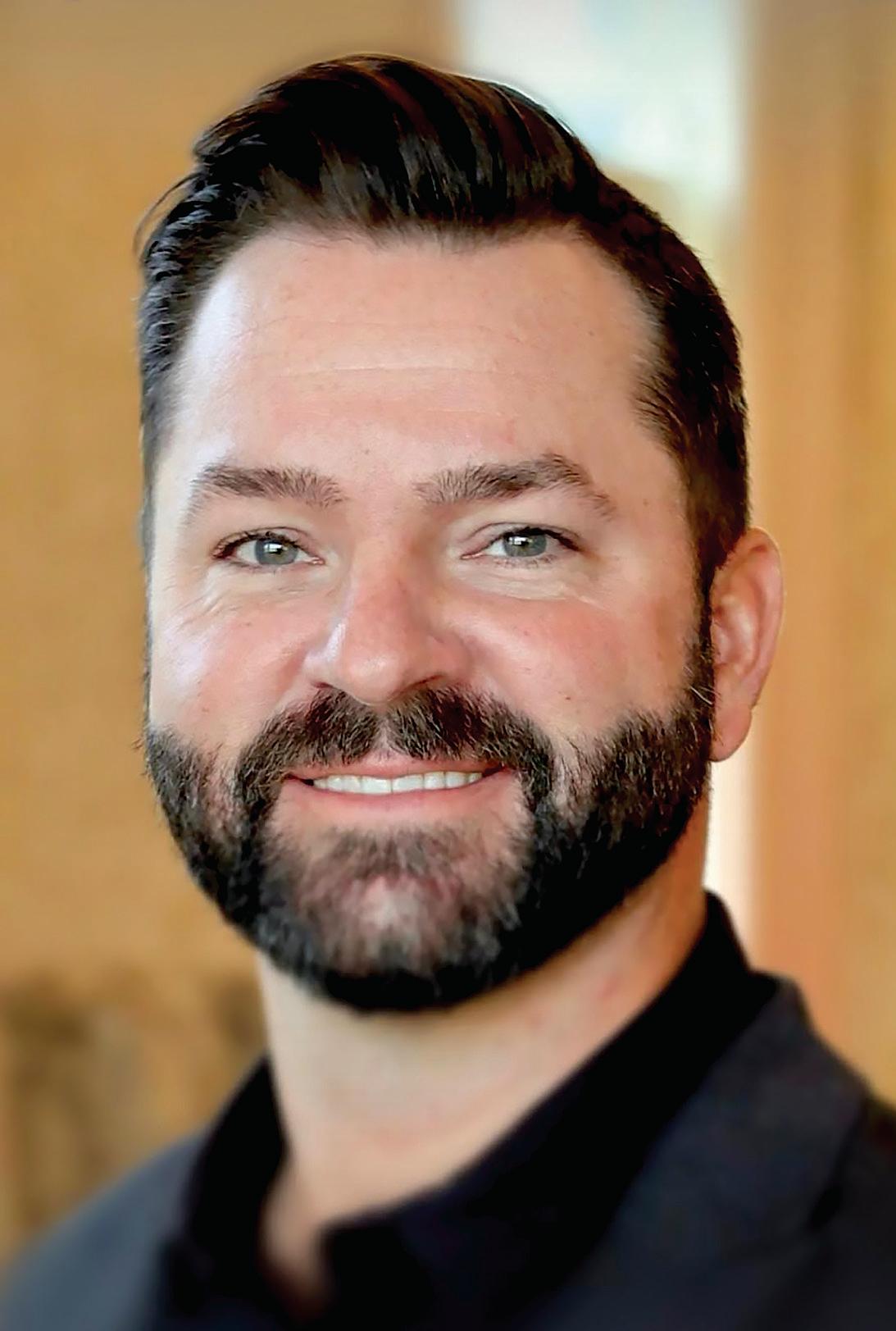






“CEC jump-started me on a career path. The staff helped lay a foundation I could build on.”













For Skylar Nicholson Bandoly, class of 2017, the Central Educational Center was, in her words, “the highlight of my high school experience.”
By Elizabeth Melville
“When I think about CEC, I think about an innovative learning environment,” she said. “As a student, you’re exposed to what the industry is really like. My time there gave me those real-world experiences while still in high school.”
CEC not only helped her discover her passion, but also ruled out career paths—something she considers equally valuable. She initially pursued nursing but quickly realized it wasn’t for her. That’s when she fully embraced the audio-video and broadcasting track.
Following her passion into journalism, Bandoly is now a social media editor at The Wall Street Journal.
“I credit my success to the foundation laid in high school at CEC,” said Bandoly. “This place helped me connect classroom learning with real-world skills— and that made all the difference. I entered the workforce prepared and focused.”
Through dual enrollment, Bandoly graduated from college early, saving both time and money. Her CEC coursework led to an internship at Georgia Public Broadcasting and eventually a full-time job in the industry.
“There’s a direct pipeline to what’s going on—not only locally but in Atlanta,” she said. “CEC built those connections and created opportunities for students to get plugged in.”
CEC’s staff actively fosters relationships with area businesses, equipping students with the skills and resources to succeed in internships and beyond.
“It’s a really great opportunity,” she added.
Bandoly also emphasizes the importance of handson learning in a safe environment where students can try different things.
“Had I not had this access, I might not have chosen this as my career path,” she reflected. “My exposure at CEC has had a lasting impact on my life.”



“I credit my success to the foundation laid in high school at CEC.”



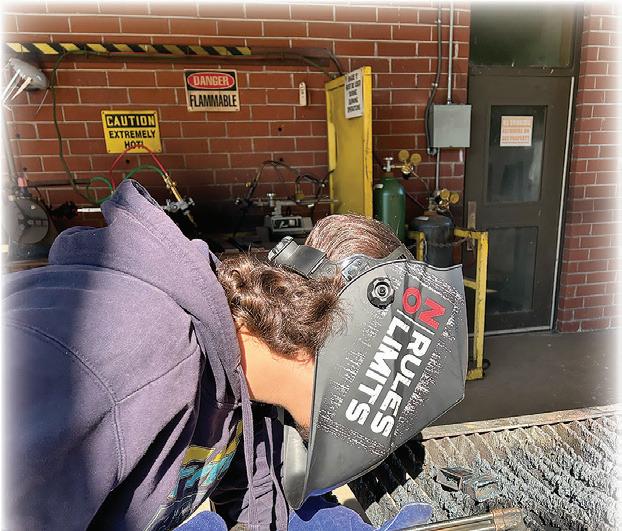
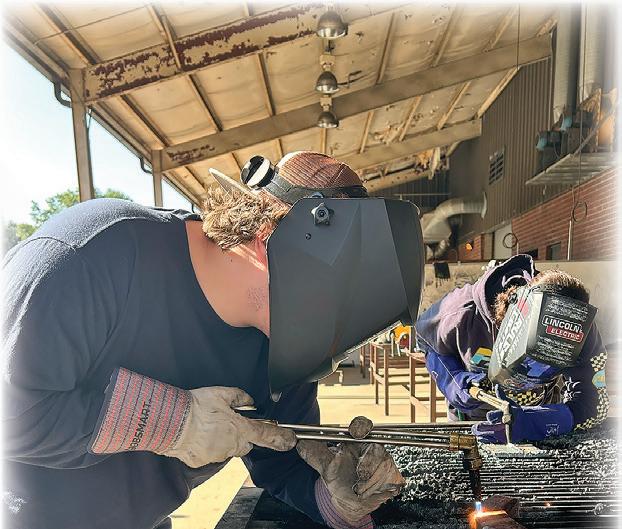



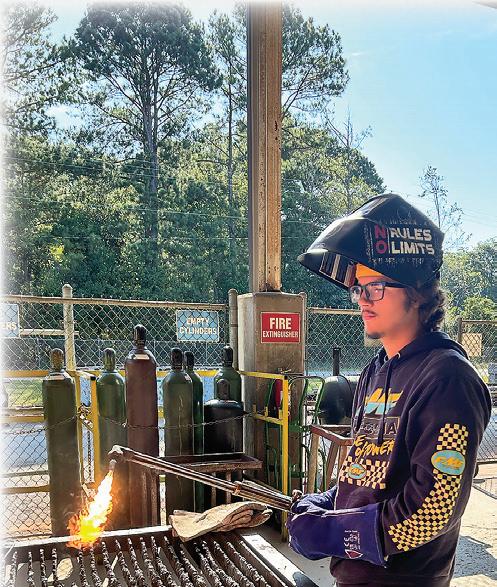
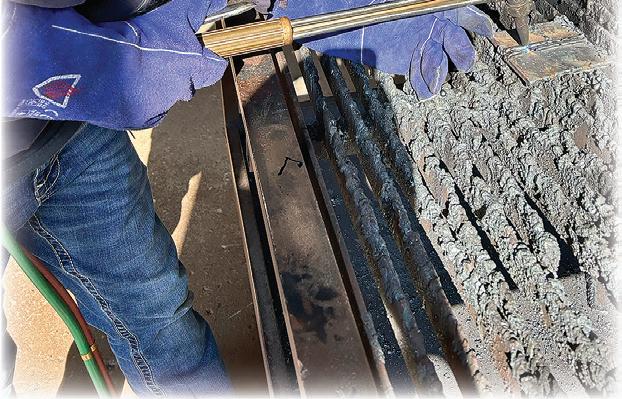
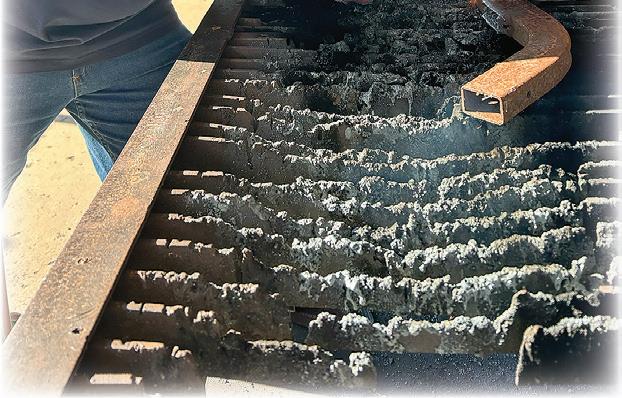
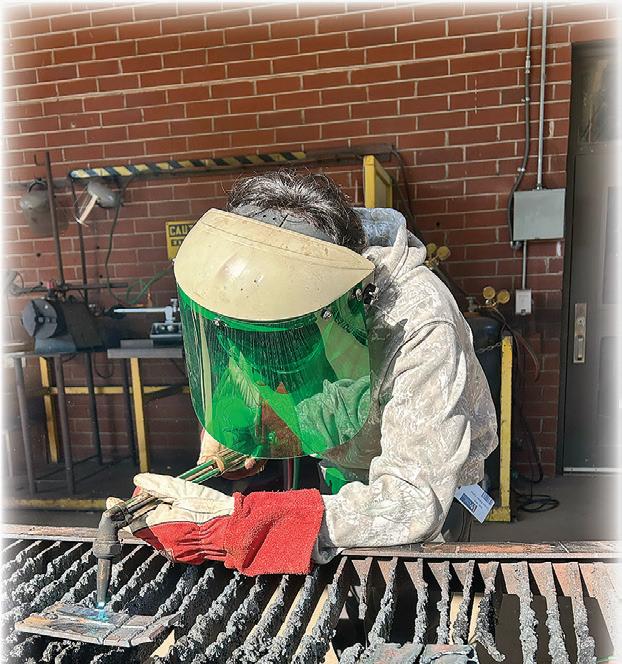
CEC student Josh Latimer practices welding techniques with a blow torch in his Introduction to Welding class.
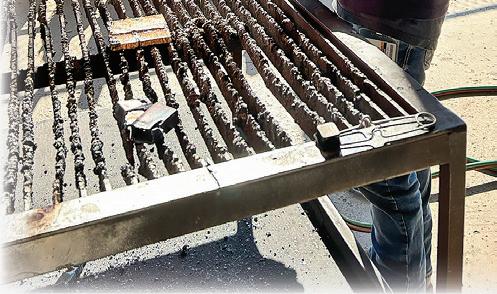

With torch in hand, CEC student Brody Wright gains hands-on experience during his introduction to welding.

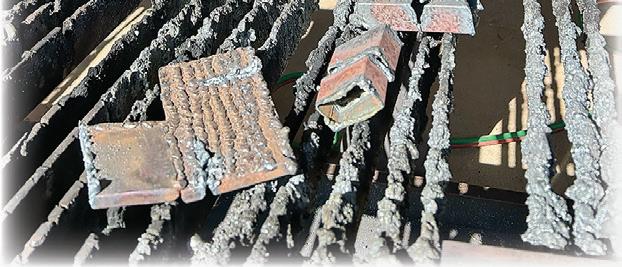
CEC student Eddie Lagunas learns the fundamentals of welding in an introductory class.







By Elizabeth Melville
At Central Educational Center (CEC), students learn from some of the state’s most accomplished and passionate educators. Directors and instructors aren’t just teachers, they’re industry veterans, innovators, and leaders who bring decades of real-world experience into the classroom. This hands-on approach puts students face-to-face with mentors who have built and shaped the very fields they now teach, turning lessons into lived experiences.
“Our CEC directors (teachers) are experts in their fields,” said Dr. Dawn Revere, longtime career counselor at CEC. “They bring a wealth of knowledge and experience to the classroom setting.”
CEC’s teaching staff is a collaboration of educators from the Coweta County School System and West Georgia Technical College, alongside professionals hired directly from industry thanks to the flexibility of CEC’s Charter Contract. This mix of secondary and post-secondary instruction creates a seamless experience for students.
“Our directors (teachers) build strong rapport with our team members (students) as they teach them skills that prepare them for post-secondary opportunities,” Revere said.
At CEC, learning is not defined by whether it happens in “high school” or “college,” but by the skills gained— skills that prepare students for today’s economy, where most living-wage careers require advanced technical ability, leadership, and communication rather than a traditional four-year degree.
• Raised millions of dollars to help develop healthcare systems in the former Swaziland.
• Contributed to the planning of the 2012 presidential debate between then-President Barack Obama and Gov. Mitt Romney.
• Trained graduates now serving in healthcare roles around the globe, from the U.S. to Japan.
The depth of talent at CEC is remarkable. Among the directors are leaders who have:
• Produced original music with legends who helped artists such as Aretha Franklin, Lynyrd Skynyrd, and Paul Simon.
• Worked with the Supreme Court of Georgia before transitioning into higher education leadership.
• Taught for more than two decades at university level before joining CEC.
• Designed systems as an industrial engineer before embarking on a career in education.
Whether their backgrounds are rooted in music, law, engineering, medicine, international development, or higher education, CEC’s instructors share a common mission: to equip students with the skills, knowledge, and confidence to thrive. They build strong relationships, model professionalism, and prepare students to step boldly into the workforce or higher education.
CEC’s teaching staff are truly “the best of the best,” according to CEO Mark Whitlock. Students are fortunate to learn from such a team of innovators, mentors, and role models who embody the future of education.



By Elizabeth Melville
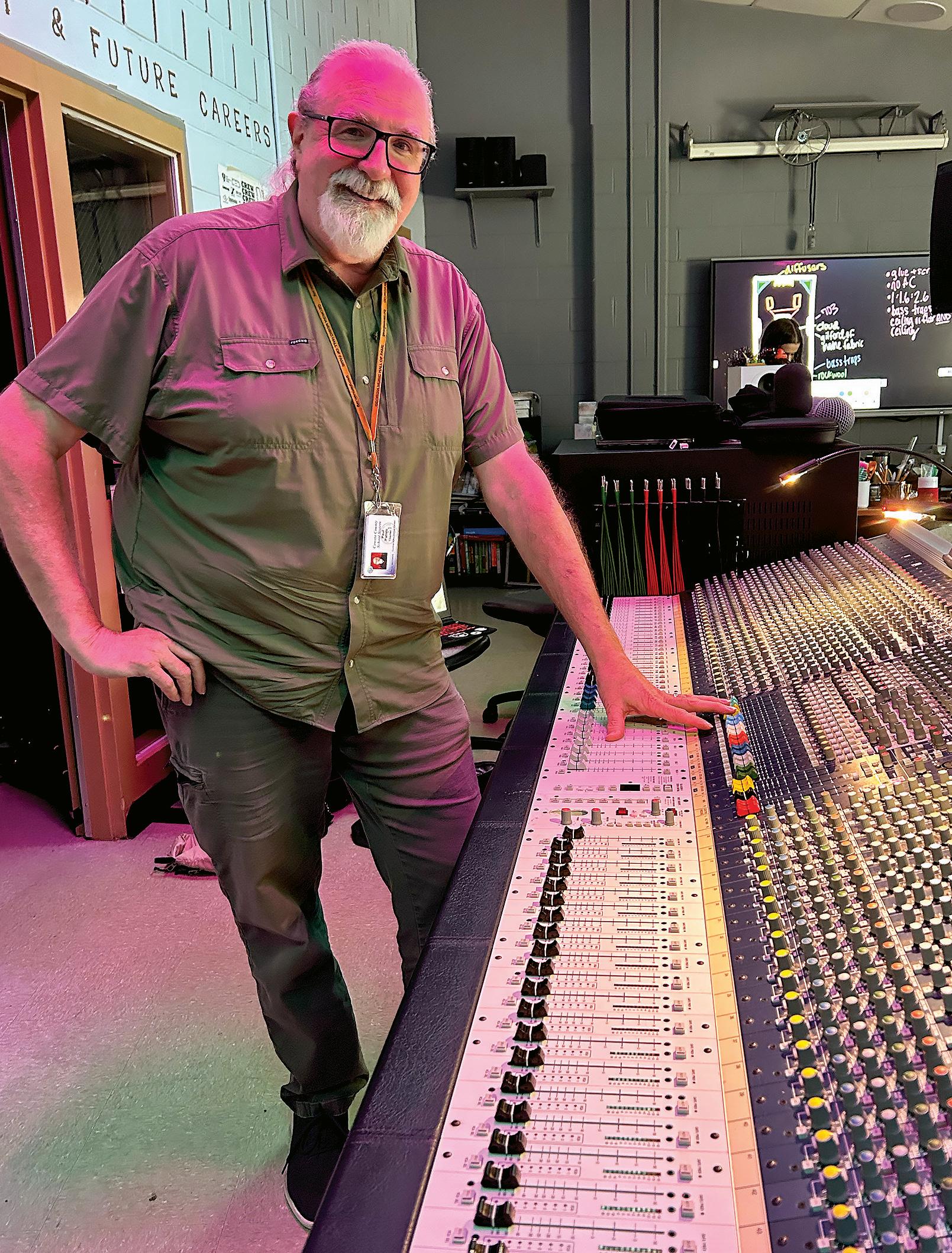
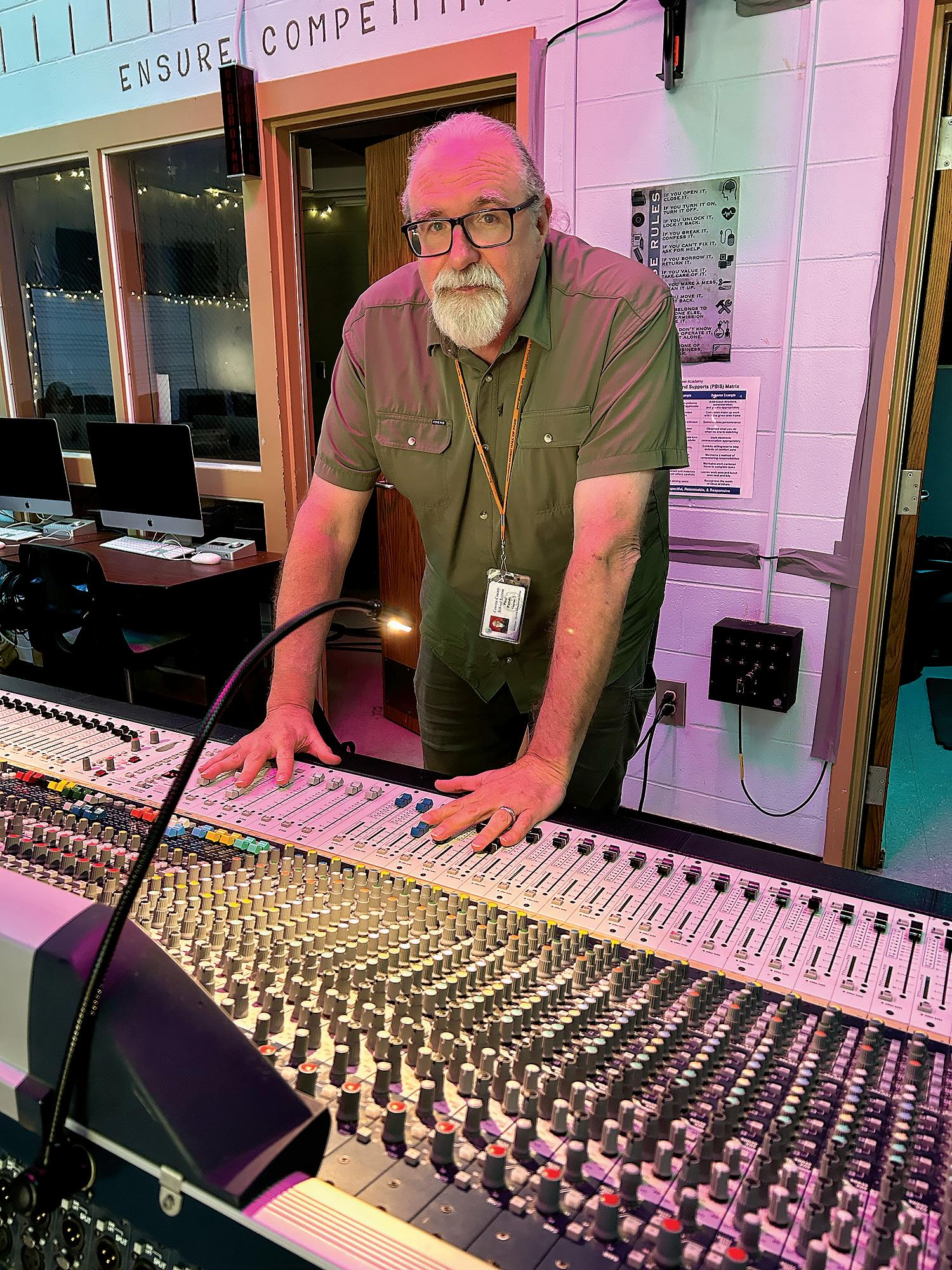
For many in this community, the name Pat Patten needs no introduction. He’s the man, the myth, the legend—the one who built Central Educational Center’s audio and recording production program, now adopted as state standards by the Georgia Department of Education.
Patten’s career spans music production, entrepreneurship, reinvention, and now teaching—where his connections to nearly every major music figure of the past 50 years enrich every lesson.



“I’m a fake teacher,” Patten insists, still trying to convince himself—even as he prepares to retire at the end of the 2025-26 school year. “I had no interest in teaching.”

































Music has always been Patten’s first love. He vividly remembers hearing The Beatles for the first time in 1964.
“They ruined my life,” he jokes. “They completely influenced me, and I knew I could do nothing else.”
Patten, a LaGrange native who still commutes to CEC, experiences music visually: sounds take on color.

“It’s the textures of sound for me,” he says. “When I hear things, I see colors. And it doesn’t matter the genre—if it sounds good, I’m all in.”

His path began in high school, when he played in a college band. His principal allowed him to skip Fridays for gigs as long as he stayed on the A honor roll. After a short stint in college and work in a retail music store, he decided at 27 to get serious. He enrolled in a recording program in Ohio where he was introduced to Barry Beckett, the legendary producer from Muscle Shoals Sound Studio who worked with Bob Dylan, Aretha Franklin, and Paul Simon.
“Barry was phenomenal,” Patten recalls. “He became a mentor.”


When Beckett needed a second sound engineer, Patten followed him to Nashville, commuting from LaGrange while balancing a wife and three young children. After his father’s death in 1985, Patten returned home to care for his mother and built a recording studio in LaGrange.
He collaborated with other legendary producers during this time, before expanding his business into video and multimedia. At its height, his company had 15 employees producing marketing and training resources for a major textile company. He even pioneered early interactive projects as the internet launched.
But success didn’t satisfy.


“I got burned out,” he admits. He sold the company and tried an internet start-up. It raised $2.5 million— before the dot-com bubble burst.
“I lost a million bucks,” he says wryly.
Patten rebounded with two successful software

ventures before returning to music. He launched Jammates Records and Jamgood Mastering, during which time he became an International Blues Awards winner and received an Independent Artist of the Year Nomination with Jammates Artists. He’s also a voting member of the Recording Academy (Grammy organization). He later shifted to mastering— preparing CDs, vinyl, and digital distribution.
“I had recorded and produced so many records, it was an easy transition for me,” he said.

In 2016, CEC CEO Mark Whitlock asked Patten to develop a curriculum to complement the school’s TV program.

“I had no interest in teaching,” Patten admits. “But I eventually agreed to try it.” Whitlock paired him with Musicology’s Doug Kees, and by the program’s third year Patten was on staff full time.
With no college degree or teaching certificate, he brought his real-world expertise and wrote both the































curriculum and a 10-year development plan. To his surprise, his varied career had prepared him well.
“I approach this like producing a record,” he explained. “Students are like a group of artists. It’s my job to understand the personalities and make it work. I know where I’ll start and where I’ll finish—how we get there changes every class.”
cited CEC as a model for audio programs statewide, leading the Department of Education to adopt Patten’s pathway standards.
Last year, students participated in 200 live productions—from concerts to political forums, cultural events, and school broadcasts.


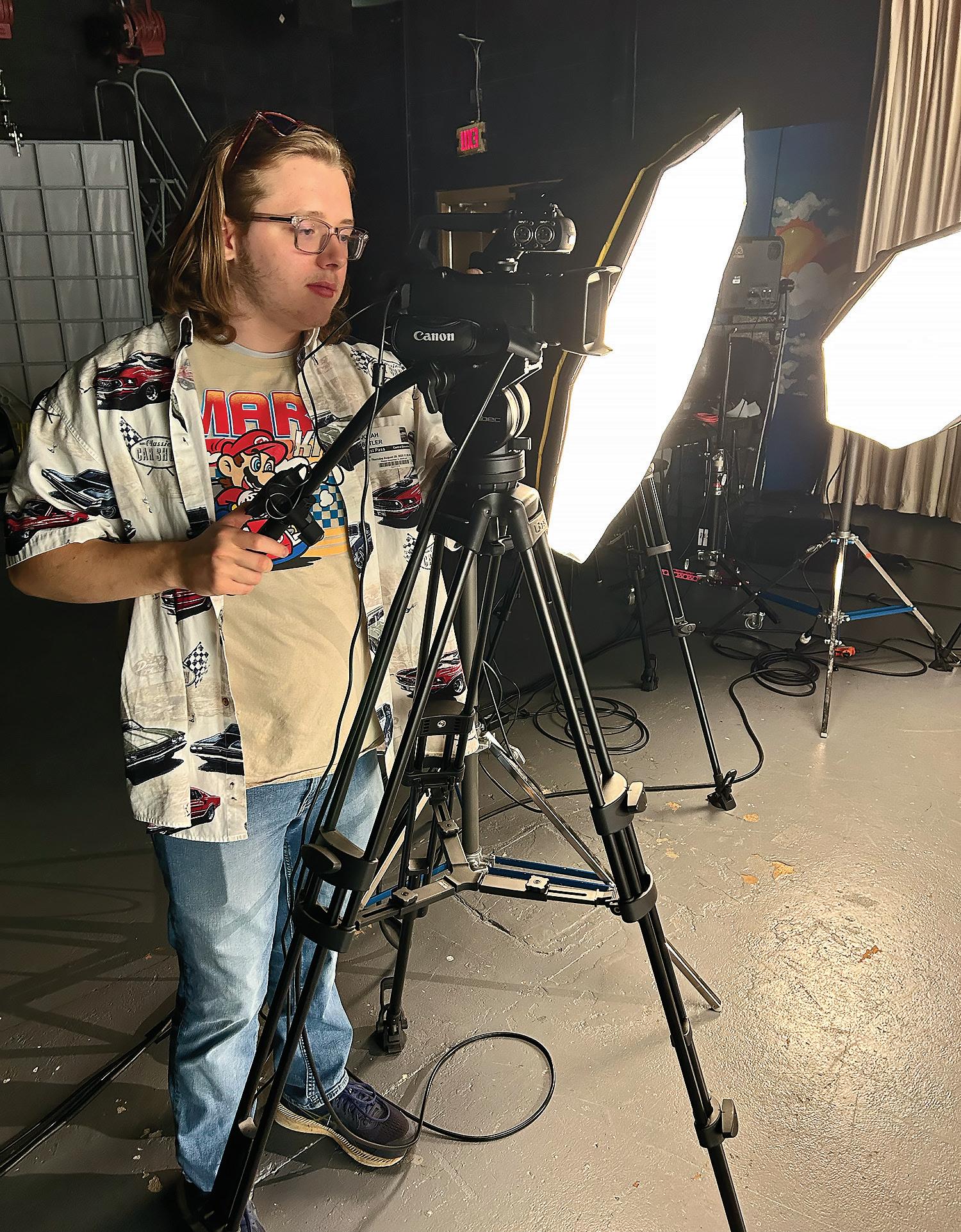
Patten takes pride in the success of former students, like 2024 graduate Jonah Butler, who recently returned to CEC for a visit. Butler was a dual enrollment student who entered college this academic year as a junior.
Patten’s students quickly found success. Under his leadership, CEC became the only high school in the nation to join the Audio Engineering Society, hosting Atlanta’s AES Pro Section’s Annual Student Workshop for the past four years—an event previously hosted at Turner Broadcasting. A governor’s taskforce later

“I’d put them up against any high schoolers in the country,” Patten says. “Even most college students don’t get this much hands-on experience.”
Patten demands professionalism from his interns. “I can teach theory,” he says, “but when you mess up— that’s when you learn.”
Patten modeled CEC’s program on Nashville’s Blackbird Academy, run by John and Martina McBride. Blackbird charges $23,000 for six months of training.
“They get it all here for free,” Patten says proudly. One Blackbird instructor even told a CEC student he’d guarantee job placement—but couldn’t guarantee the student would learn anything new.
Patten’s bond with his students runs deep. He calls them “lifelong friends” and stays in touch with many. In 2023, he hosted a reunion for his distinguished interns: 37 of 60 attended.
“This class is my baby,” Patten says. “I love it and the offspring coming out of it. I want to follow their careers—it’s their time.”
As his retirement approaches, Patten feels ready.
“I build things—sometimes successful, sometimes not. I’m about to be 70. My seniors think it’s really special that we’re graduating at the same time. The younger ones are begging me to stay.”

But Patten won’t stop creating. He plans to keep recording in his home studio and working with community events.
“I’ve done this for 50 years,” he says. “I’ll never stop.”
Unless, of course, someone tells him the music sounds bad. That, Patten insists, he’ll never tolerate.




Congratulations to the Central Educational Center (CEC) on their 25th Anniversary!
The CEC model, which started here in Coweta County, has now taken root throughout Georgia and become a model for developing practical work skills that students will need to excel both in the business world and in life.
We are grateful for the visionaries behind this program, the teachers and mentors, and especially the students who help to shape our collective future here in Coweta County and beyond.
info@blickle.us


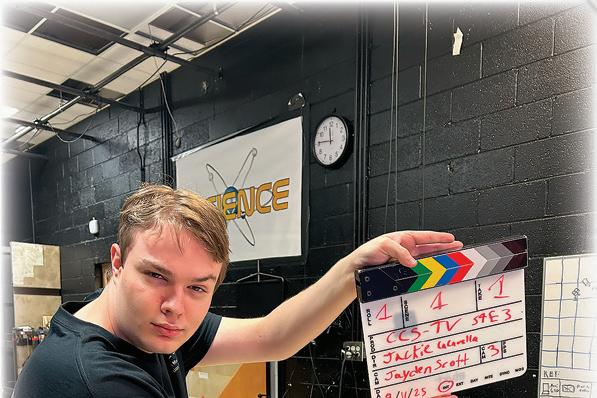


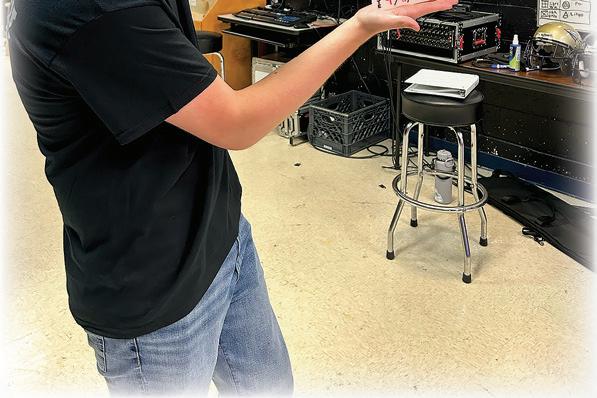
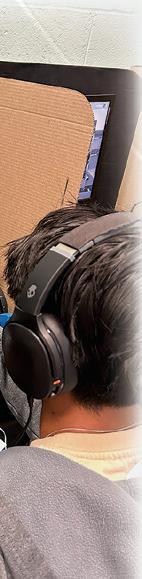
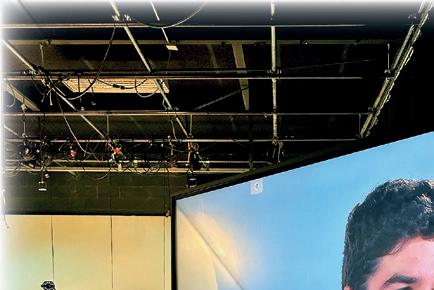
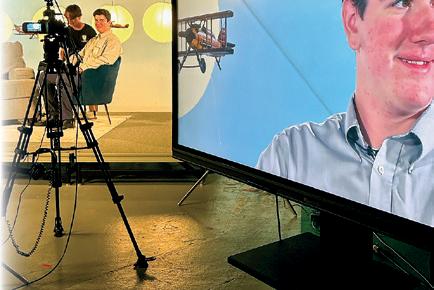
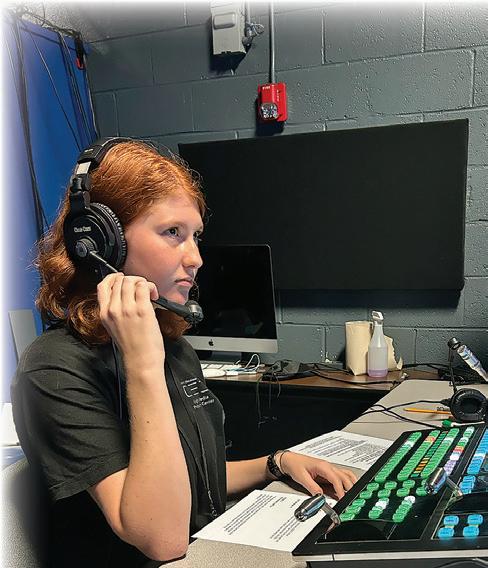
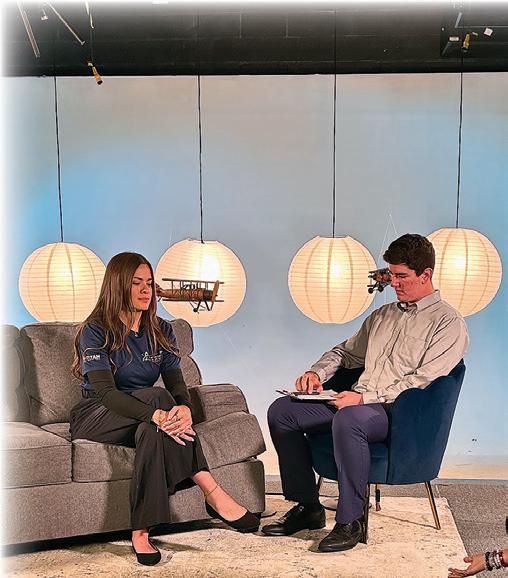
Behind the scenes in CEC’s Studio A, audio visual student Jacob Pelham steps into character during a studentdirected production in September.

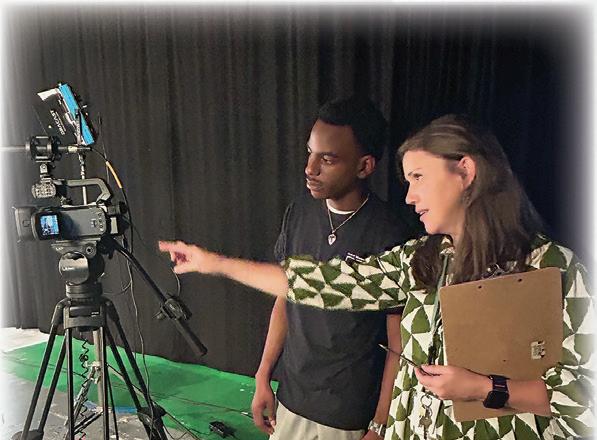

CEC Instructor Beth Hawkins, a former producer for Jeopardy, assists Jaiden Johnson as he prepares to record an interview as part of his audio visual class.

Congratulations to the Central Educational Center (CEC) on 25 years of positively impacting the lives of students in Coweta County!
We value our partnership with the CEC and appreciate the phenomenal work the students provide during our Board of Commissioners meetings, as well as our podcast, The Coweta 441.
We wish you many more years of success!


By Elizabeth Melville
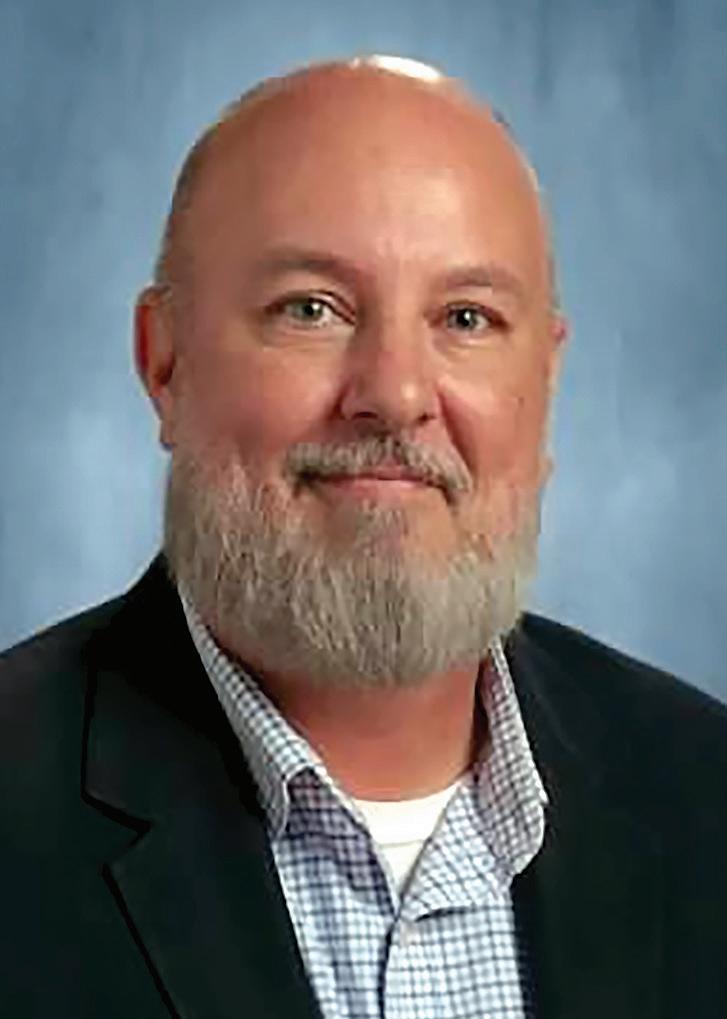

Principal (2019–23)
“CEC empowers students to graduate not only with a diploma or certification, but with a plan, a purpose, and the skills needed to succeed in today’s workforce.”




First Counselor (2000–03)
“Being part of CEC from the beginning was a unique opportunity. Students were able to take classes not offered at their base schools and gain real work experience that, for many, led to lasting careers.”

Founding Principal (2000–03)

“All students are valued for their skills and talents. Each one is guided toward a career choice that provides a lifelong path to success, built on skills identified by our business community.”



Career Counselor & ACD Coordinator (2012–present)



“CEC provides students with exposure to highdemand careers, the chance to earn technical certification, and an environment where they discover their talents and potential.”


Andy Peryam Principal (2003–04)
“It was a dream come true for many of us vocational educators.”



Principal (2023–present)
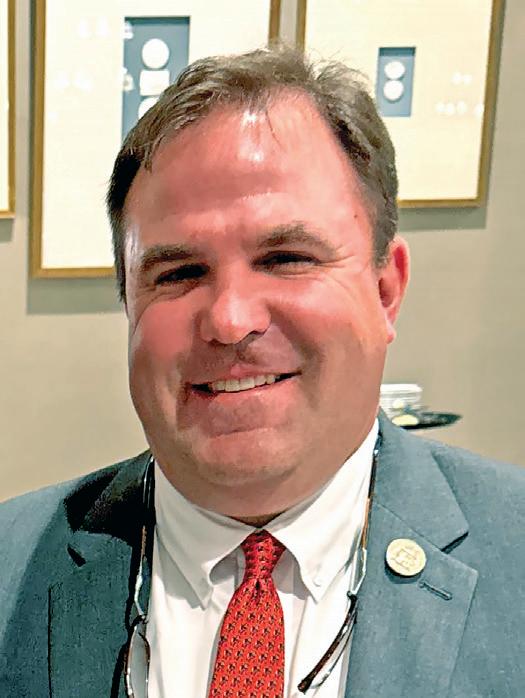


“The future of CEC is about innovative, hands-on learning environments that connect students directly to real-world opportunities and equip them with the skills to thrive in a rapidly changing workforce.”





Mark Ballou Principal (2004–19)
“During my 16 years at CEC, strong partnerships with the school system, West Georgia Tech, and the business community allowed us to stay ahead of the curve. The fantastic staff made my job an easy one every day.”





25 years of career development in Coweta County















Phil and Summer Trickey want to express their congratulations to CEC on 25 years of exceptional service to the community.

CEC’s legacy of innovation, connection with the students, faculty and community have been truly remarkable for 25 years.
Wishing you continued success as you expand, modernize and continue to innovate for the next 25!