

44 Survey responses (12% of all faith-based organisations in Tasmania)
79
C ommunity service activities
(addressing 13 of the greatest social needs)

55,774
People served in the past year (equivalent to 61% of the population of the North West Coast)
$13,670,574
Social impact value (to the North West Coast each year)
It’s with great delight that we present the results of the NAYBA Impact Audit for the North West Coast –part of the first statewide audit of its kind to ever be conducted in Australia.
We acknowledge the Aboriginal people of lutruwita / trouwunna as the traditional owners and custodians of the land, waters, and sea that comprise what is now known as Tasmania. We pay our respect to the Elders past, present and emerging. We also recognise the severe mistreatment that has characterised much of the historical relationship with Indigenous peoples in this part of the nation, and express our hope and belief that the faith community can play a significant role in the journey to reconciliation in Tassie and beyond.
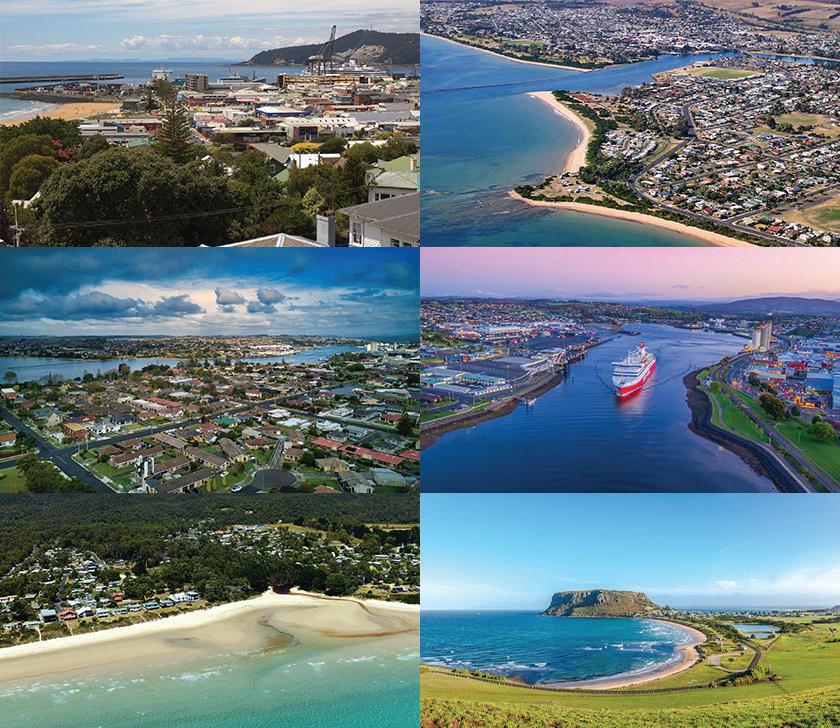
Over the past year, the NAYBA team has been privileged to spend significant time on the ground in various parts of the state. We’ve witnessed the rolling hills and glistening waters of the North West Coast; the winding roads and towering trees of the North East; the iconic sight of kunanyi/Mt Wellington as it pierces through the clouds, watching over Hobart like a sentinel.
Yet, for all its natural beauty, Tasmania’s greatest asset is its people. We’ve met countless faith and civic leaders who share a deep love for this island and a genuine desire to see all of its inhabitants flourish. We’ve spoken with individuals who have overcome enormous challenges and are now selflessly seeking to help those in similar situations. We’ve heard stories of people doing it tough – some who’ve experienced the love and provision of others in their hour of need, and some who are still very much in need.
As in every part of the state, we believe the role of the faith community on the North West Coast is absolutely critical. From small churches and places of worship to large faith-based agencies and ministries, faith groups can and should serve to strengthen the ties that bind us, lift up those who are struggling, and offer hope to all.
The data herein represents the collective efforts of the faith community across the North West Coast and includes the following impressive results:
• 44 survey responses, representing 12% of all faith-based organisations in Tasmania
• 79 community services addressing 13 of the greatest social issues
• 55,774 unique beneficiaries over the last year – equivalent to 61% of the North West Coast population
• Almost $14 million in social impact value to the North West Coast in the past 12 months alone
This report rightly offers the chance to reflect on and celebrate all of the wonderful work being done by people of faith. More importantly, however, it provides an opportunity for churches and faith groups to: come together in unity, combining the strength of their efforts and addressing gaps in service areas; open new conversations with Council and other key stakeholders about what it looks like to positively transform our local communities; and help lead the way in bringing love and hope to those who need it most.
We pray God’s blessing on every single Tasmanian and over all that is to come.

NIC MACKAY National Director NAYBA Australia
*Statistics sourced from the ABS 2021 Census Population: 91,245 For
22,525 Squar e Kilometers
(12% of all faith-based organisations in Tasmania)
RESPONDENTS BY ORGANISATION TYPE
52% Places of worship (e.g. local church, mosque, synagogue)
10% Community care organisations (linked to places of worship)
18% Faith-based agencies
20% Other faith-based organisations
RESPONDENTS BY FAITH GROUP
95% Christian
11% Anglican
6% Baptist
2% Brethren
5% Catholic
2% Multi-Denominational
17% Non-Denominational
35% Pentecostal
6% Reformed
2% Seventh Day Adventist
9% Uniting
5% Other Religions / Multifaith
Time and again, the words of scripture call Christians to live in unity with one another. It is of such importance that Jesus Himself prayed for all believers to be brought to complete unity (John 17:23).
In a world that is increasingly plagued by discord and division, the Church should stand out as a beacon of hope. But this isn’t always the case.
Disappointed by the state of disunity across the Body of Christ in Devonport, a group of church leaders from a range of denominations decided to do something about it. They agreed to meet together to eat, pray, and discuss ways they could support and learn from one another.
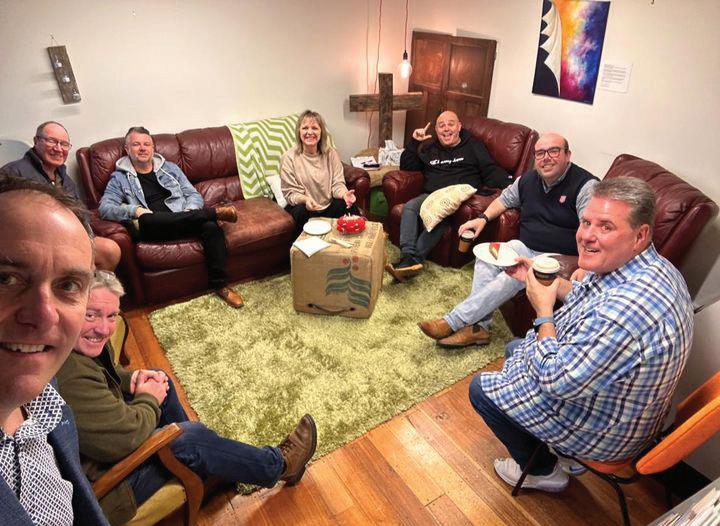
It went so well that they did it again the next week. And the week after that. And every week since then!
From this unity has emerged a shared vision for the city that extends far beyond the walls of any single church. At the core of that vision is a desire to serve as many people as possible through a collaborative approach to chaplaincy. One local school principal has certainly noticed the shift, observing:
“ What I really love about the Church of this city is the way it works together – not in competition with one another, but actually recognising the strength of each part to serve and care for our city. It’s evident because I see it every day through the work of the Chaplains.”
Andrew Hillier, CEO of Devonport Chaplaincy, echoes the words of Psalm 133 that where there is unity, God commands a blessing: “I can testify to that scripture in reality, as we have seen favour with our local council and state government. I believe that’s because the Church of this city is united and it comes together to be the hands of Jesus, with a goal to bring the hope of Christ to this region.”
The unity of churches across Devonport is a powerful testimony that challenges preconceptions and demonstrates the transformative impact that is possible when we embrace our differences and work together towards a common goal.
Embarking on a journey to a new land in pursuit of better opportunities can be a daunting experience, especially when it means leaving behind the familiar embrace of community.
For one young couple from Venezuela, their quest for a brighter future led them to Tasmania’s North West Coast, where the husband began his fly-in-fly-out (FIFO) career, leaving his wife alone with their newborn child. Isolated and without the support of friends or family, the wife grappled with loneliness. However, amidst the challenges, a warm invitation to Boat Harbour Church provided the ultimate opportunity for connection.
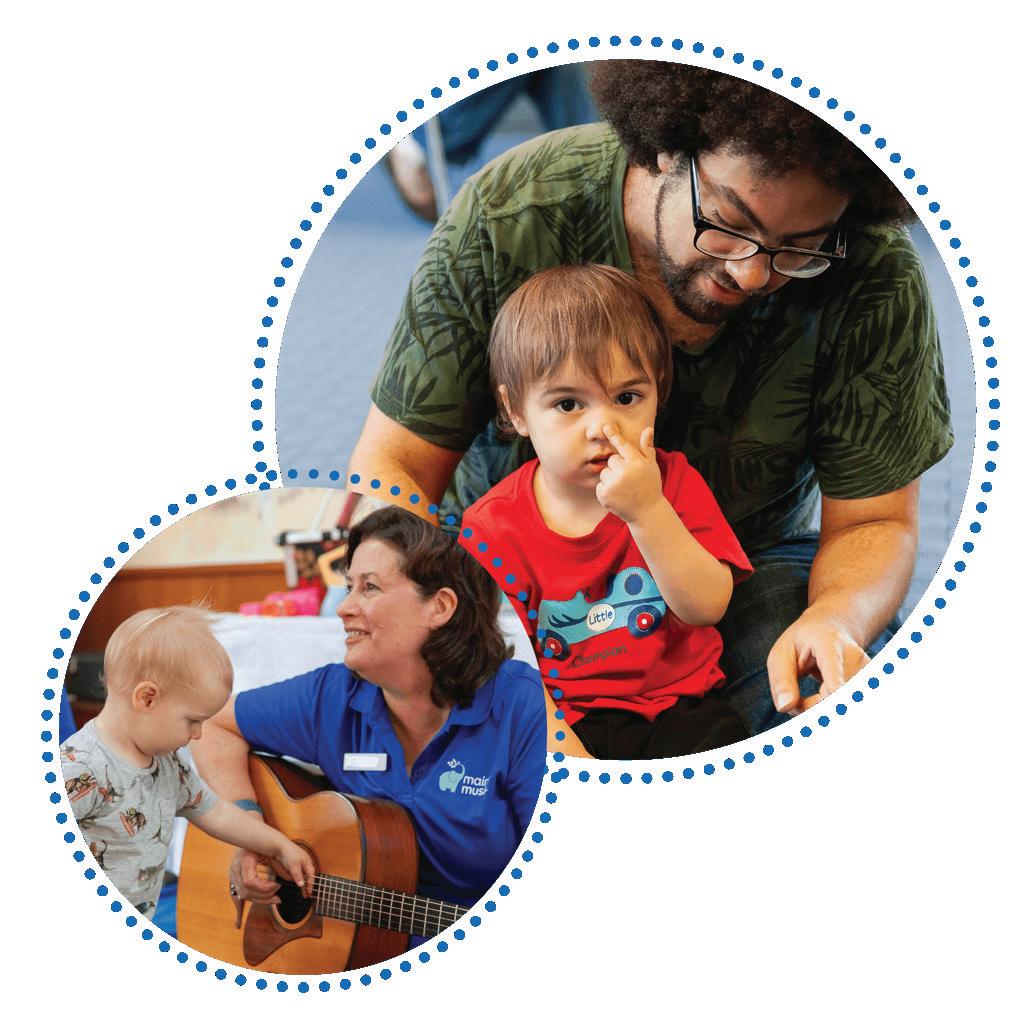
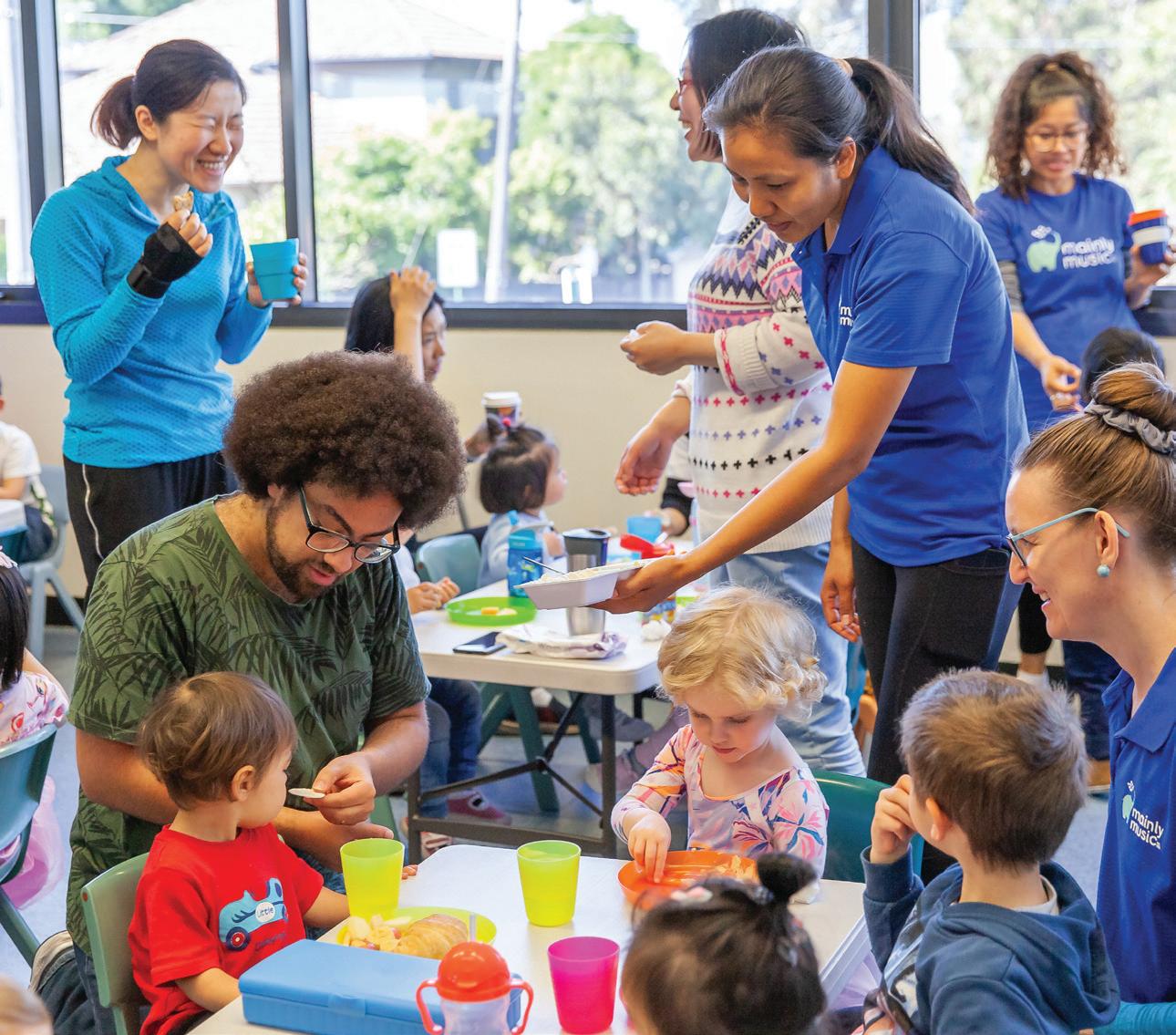
Like many churches across Tasmania, Boat Harbour delivers mainly music – a faith-based community initiative that offers a weekly playgroup for parents with young children, using music as a source of fun and development, whilst also fostering connection and relationship between families from across the wider community.
As Jo Hood, mainly music CEO & Founder puts it:
“Many young families crave engagement and a community of belonging. They want to spend time with others who understand what this crazy life is all about with its busyness and pressures! Above all, they’re looking for joy.”
As for hundreds of other women (and some men!) throughout Tassie, the opportunity to participate in mainly music became a turning point for the young mother in Boat Harbour, paving the way for meaningful friendships and a robust support network of other mums.
Through mainly music and initiatives like it, local churches can be places of hope for families in need –demonstrating God’s love for all people within a joy-filled community of belonging.
55,774
Unique beneficiaries in the last year (equivalent to 61% of the North West Coast population)
604,160
Total beneficiary interactions in the last year
Where a service is delivered across multiple LGAs, the key beneficiaries being addressed will be counted once for each of those LGAs.
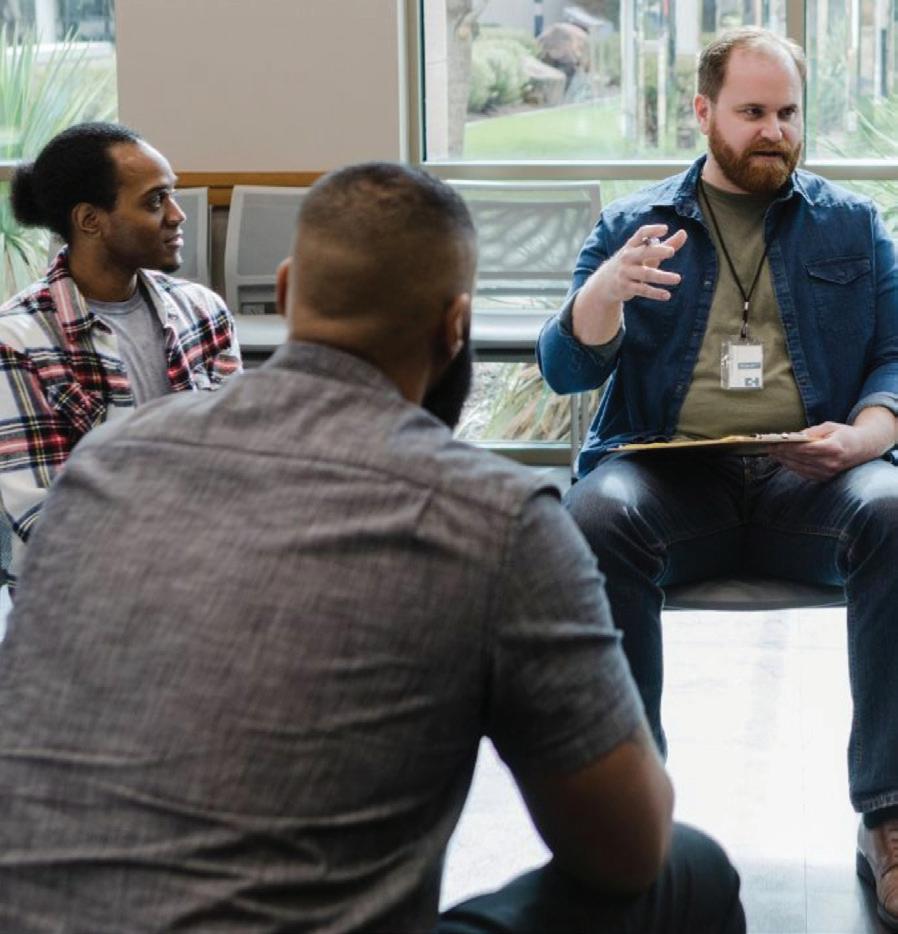
Grief is a universal human experience. It doesn’t discriminate based on age, language, or background. It can be triggered by the loss of a cherished friend, a beloved family member, a loyal pet, or perhaps even the shattering of dreams once held dear.
Many men, burdened by societal expectations of stoicism, tend to suppress their emotions around grief and loss, burying them deep within. Yet, beneath the facade lies a tumultuous sea of feelings, waiting to be acknowledged and understood.
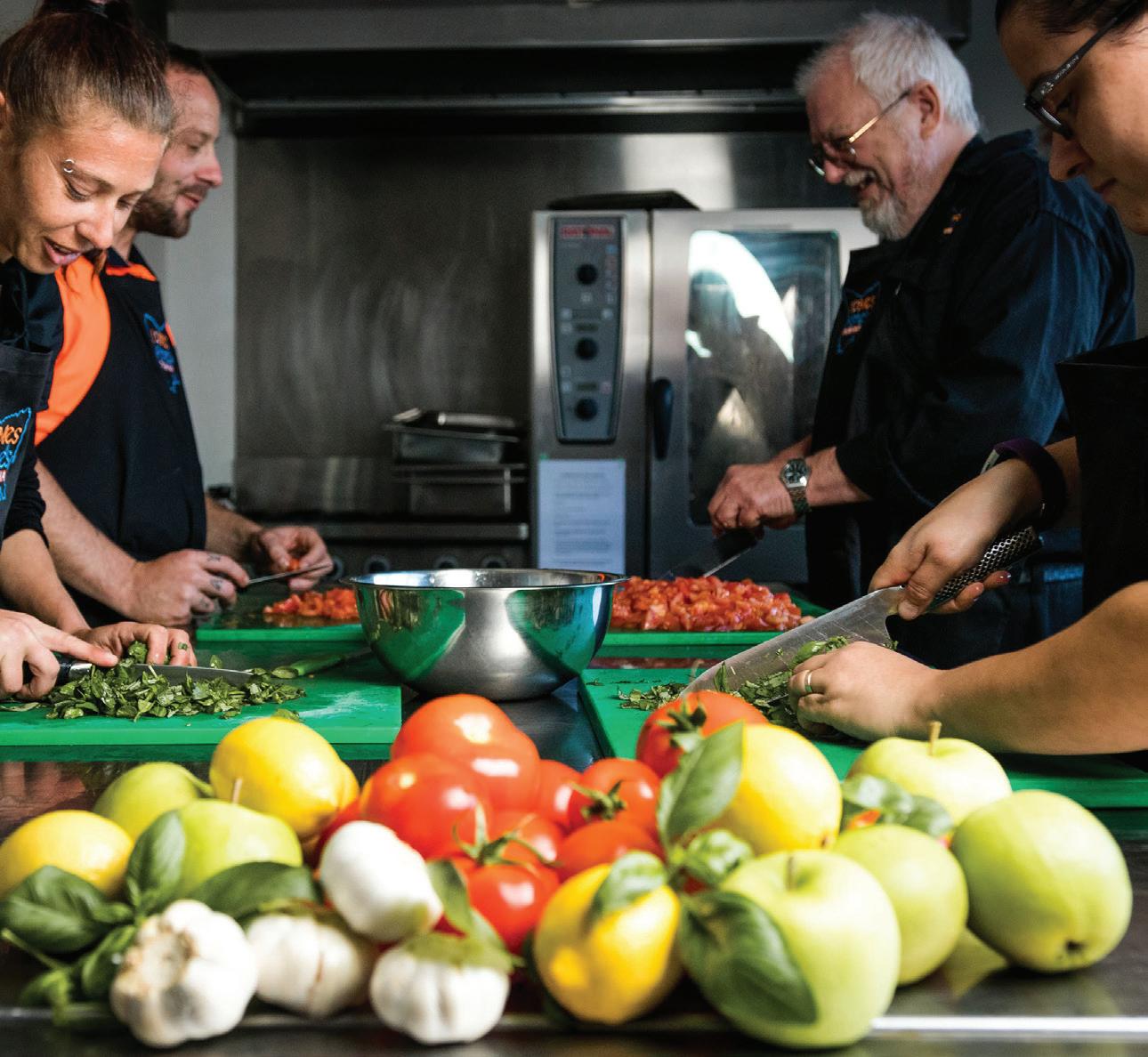
New Mornings , a Christian-based mental health organisation located in Ulverstone, saw the need to provide a nurturing space for those navigating grief – especially men. Their programs offer tailored support and expert guidance, enabling participants to navigate the complexities of loss and gain invaluable strategies for rebuilding their lives.
For one man, it was the ‘Support After Loss’ program that became a lifeline amid the darkness and despair. With no friends or family to lean on, the thought of ending his life was scarily present. But over the program’s nine-week journey, he rediscovered a reason to live.
Through shared experiences and heartfelt connections, his passion for music was reignited, infusing his life with newfound purpose. He found himself composing songs with fellow participants and creating bonds of companionship, his outlook on the world completely transforming.
“[My life] is now somewhere between great and excellent. I have re-found my joy and reason to live.”
390,321

Total paid hours per annum



$2,831,897
$13,670,574
Total social impact value to the North West Coast
SOCIAL IMPACT VALUE BY SERVICE TYPE
$3,278,215
$3,114,741
$1,998,753
$1,108,856
$935,162
$823,779
$784,539
$757,144
$435,153
$283,244
$65,925
$65,693
$12,331
$7,039
Accommodation
Food & material assistance
Disability support
Counselling
Family services
Aged care
Chaplaincy
Health & wellbeing
Youth services
Community connection
Migrant support
Education
Visiting services
Other
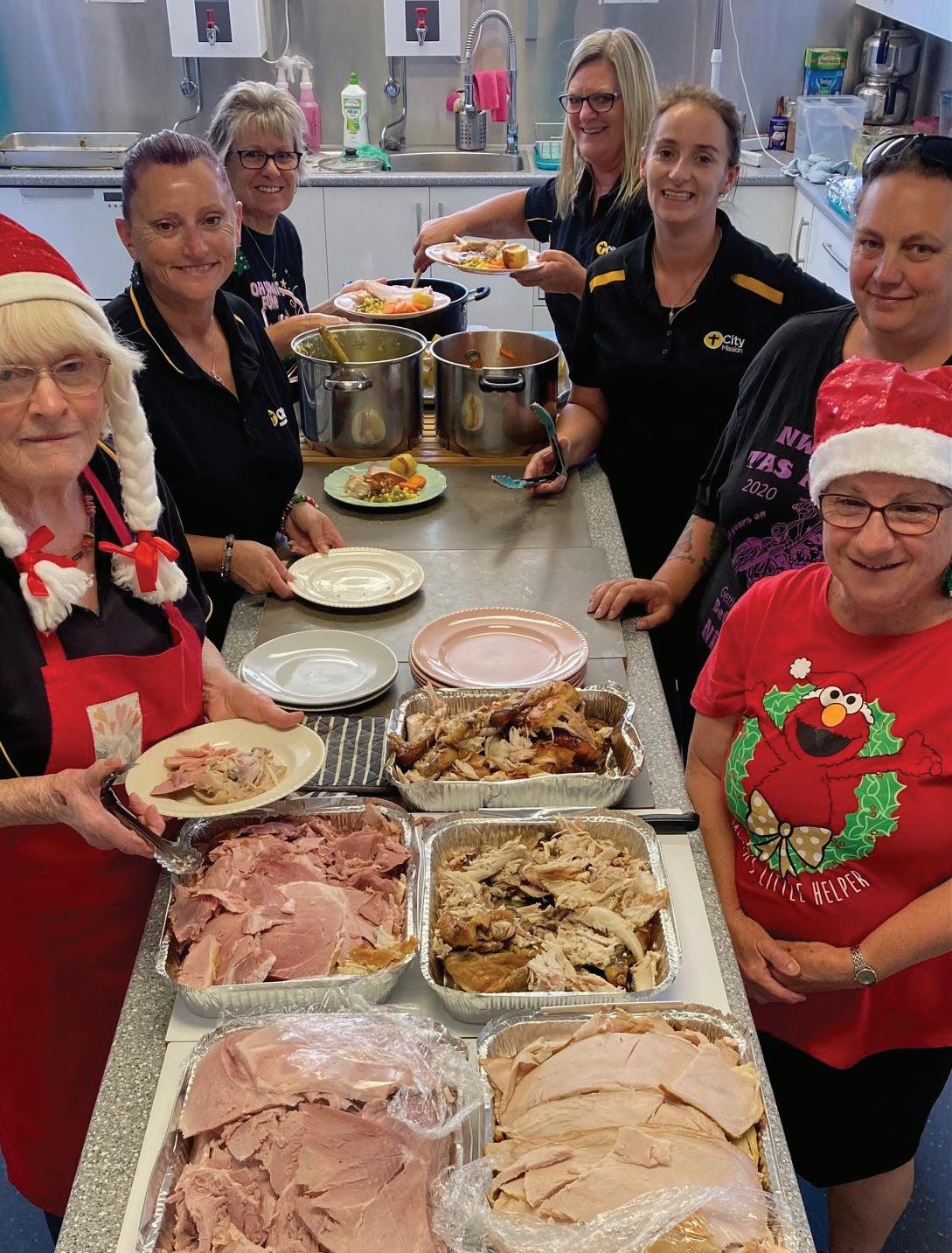
In 1854, City Mission began its compassionate pursuit to demonstrate God’s love in action by extending a caring hand to vulnerable people across the community. Almost 170 years later, it is still going strong, now reaching over 10,000 Northern Tasmanians each year.
On the North West Coast, City Mission’s work ranges from emergency relief through to drug & alcohol recovery.
The recent cost of living crisis has impacted almost every Australian, with many families and individuals navigating the profound challenge of meeting their basic needs. In places like Burnie, the demand for financial support has surged to its highest level in over a decade. In response, City Mission has sought to not just offer a ‘hand out’ in the form of basic food packages, but also a ‘hand up’ by assigning case workers to advocate for reduced utility payments and help with emergency fuel or transport needs.
For those seeking to recover from the misuse of alcohol and other drugs, Serenity House, also in Burnie, provides more than a shelter. This transitional facility serves as a safe haven, offering a place to sober up as well as a supportive environment for counselling, support, and referral services that facilitate the journey to sobriety.
While City Mission recognises the critical role of financial, emotional, and social support, its Christian identity also makes room for the ‘intangible’. Many beneficiaries are eager to participate in meaningful faith conversations, and City Mission often acts as a bridge into local churches in both the North West and Northern regions that can provide ongoing spiritual community for those who seek it.

PARTNERING
NAYBA Australia extends our deepest appreciation to all those who made this report possible.
To the funders who helped to cover the expenses of the audit, thus allowing faith groups of any type to participate at no cost.
To the local church, denominational, and other ministry leaders who took the time to meet with our team, offered countless introductions, and provided every possible encouragement.
To the community and civic leaders who caught the vision for this audit before it even began, and saw the potential for the results to positively impact the wider community.
To those who took the time to complete the audit survey and share their community service efforts, both in numbers and in stories.
And to the volunteers, staff, and supporters whose efforts underpin all of the good work that appears in this document.
May this report affirm the desire among people of faith to help address some of the greatest social needs in Tasmania.
May it inspire new partnerships and initiatives, both within and beyond the faith community, that contribute to a shared vision for the state and its people.
And, above all, may it lead to even more efforts to offer tangible love, genuine hope and new life to those who need it most.
The NAYBA Impact Audit measures the collective social impact of the faith community in a geographic region – in this case, the North West Coast.
This particular report is part of the first statewide audit of its kind to ever be conducted in Australia. The data from the whole of Tasmania has been segmented to show the specific contribution to the North West Coast, which includes the Local Government Areas of Burnie, Central Coast, Circular Head, Devonport and Waratah-Wynyard.
Many months were invested in extensive outreach to key stakeholders across the faith community, resulting in a comprehensive database of 367 contacts that included all known places of worship, faithbased community care organisations, agencies and ministries across the state.
All were invited to complete the online audit survey. The survey took approximately 15 minutes to complete and was open for four weeks from mid-September. Follow up emails and calls were made to ensure contacts had received the survey link and to address any questions or concerns.
The survey asked respondents to report on up to five (5) of their most significant types of community service over the past 12 months (i.e. 1 August 202231 July 2023) from a list of 18 options. Excluded from the audit were primarily religious activities such as weekly worship services, prayer/ scripture study groups, and Special Religious Education.
For each community service type, respondents were asked to provide information about: the main social issue(s) the service seeks to address; the local government area in which this service operated; how often they provided the service over the past 12 months; the beneficiaries of the service (numbers and
For the purpose of the survey, ‘community service’ was defined as something that is:
• genuinely accessible by people of any faith or no faith; and
• primarily aimed at people experiencing vulnerability, isolation or disadvantage; and
• provided at no (or minimal) cost to the beneficiaries
demographics); and the resources dedicated to the service (number of staff/volunteers, staff/volunteer hours, value of other resources).
While every effort was made to avoid double-counting beneficiaries, it is likely there is some overlap between the various services (i.e. individuals who were served by more than one program or organisation). Any reference to beneficiaries as a percentage of the total population is based on estimated 2021 Census data for the North West Coast of 91,245.
Finally, it is worth noting that there were many faith organisations across the state that were unable or chose not to participate. Moreover, the component of social impact value that came from human capital (i.e. hours worked or volunteered) was based on an hourly rate of $21.38, which was the national minimum hourly wage during the reportable period.
In other words, this report offers an intentionally conservative, yet deeply inspiring, snapshot of the work being done by people of faith all across the North West Coast.