NAYBA Impact Audit
OCTOBER 2021

Key Results
27
Survey responses
(over 60% of all faith-based organisations in Frankston)
53
Community service activities
(addressing 12 of the greatest social needs)
31,191
People in need served in the past year
(almost a quarter of the population of Frankston)
Social impact value
$4,281,789 (to the City of Frankston each year)
Introduction
It’s with the greatest pleasure that we present the results of the NAYBA Impact Audit for the City of Frankston – the first in Victoria and the first conducted under the new name of “NAYBA” (previously Cinnamon Network).
We acknowledge the traditional owners of the land in and around Frankston, the Bunurong people, and pay our respects to their Elders past and present. Aboriginal and Torres Strait Islander peoples possess a resilience of spirit and a strength of character that has made them the oldest living culture in the world.
This legacy of strength and resilience continues today in the Frankston region. While there are significant social issues and large numbers of people experiencing disadvantage, there is also a great sense of hope about the future.
The role of the faith community in this regard is critical.
In my first meeting with members of the Frankston Ministers Network, it was clear there was a heart to love and serve those who are struggling and a desire to build even greater unity across the City.
That’s what this report demonstrates – people of faith, not only meeting needs but building relationships of trust that have the potential to transform lives. It’s no surprise, then, that the numbers are so impressive:
• 27 survey responses, representing over 60% of all faith-based organisations in the region
• 53 community service activities addressing 12 of the greatest social needs
• 30,000+ unique beneficiaries in the last 12 months – almost a quarter of the Frankston population
• $4.3 million in social impact value to the Frankston community annually
As with every NAYBA Impact Audit, the work doesn’t stop here. In fact, it’s just the beginning.
Over the coming months, we look forward to working with faith and civic leaders to identify key priorities and find even better ways of collaborating for the benefit of those who call Frankston home.
We salute the efforts of the Frankston faith community and pray for God’s great blessing over all that is to come.
NIC MACKAY National Director NAYBA Australia
Local Partner
A well known and loved passage of scripture, found in Mark 12, is:
“Love the Lord your God with all your heart and with all your soul and with all your mind and with all your strength. The second is this: ‘Love your neighbour as yourself.’ There is no commandment greater than these.”
One day, Jesus was asked to clarify: “Who is my neighbour?”. He answered with one of His wonderful parables – that of the Good Samaritan. In it, a man who had been attacked by robbers and left to die was helped by the most unlikely of people; someone not of his faith or nation. A Samaritan. Through this startling story, Jesus is teaching us to love the outcast and those that others reject.
I have led the Frankston Ministers Network for many years, and it has been my privilege to help the churches of our city care for the lonely, the lost and the friendless.
As evidenced in this report, the church (and other faith groups) have indeed loved their neighbours, as Jesus calls all people to do.
I commend the work of NAYBA and thank Nic Mackay and the local Frankston organising team for all they have done to make this report possible.
I am so thankful for the wonderful work of faith and compassion in our great City of Frankston. Long may it continue.
MARK JULIAN WHITBY President Frankston Ministers Network
Statements of Support
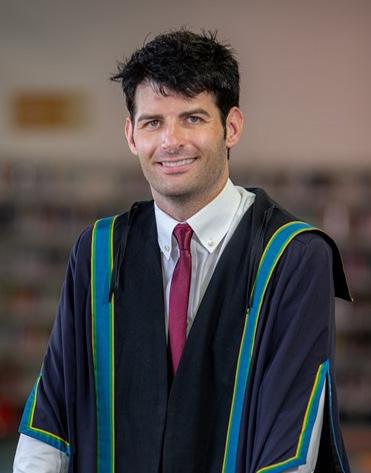
MAYOR KRIS BOLAM JP FAIM | Frankston City Council
“Frankston City is fortunate to benefit from the support and goodwill of many faithbased charity and not-for-profit organisations, who undertake incredible work within our community.
We have especially seen the positive impact of their outreach during the pandemic, with local churches and faith groups organising practical support such as food and other essentials for those in need. We have also benefited from faith-based mental health outreach and other critical programs designed to reconnect residents to their communities during this difficult time.
Frankston City Council has always enjoyed a friendly and productive working relationship with local faith groups, which predates the pandemic and will continue well into the future.”
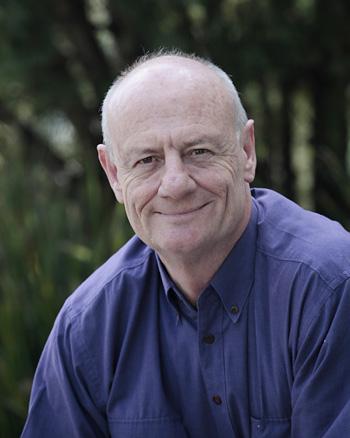
REV TIM COSTELLO AO | Patron, NAYBA Australia
“When I first moved to Frankston in 2018, I was struck by the calibre of the local churches. Over the past three years, I have only grown in my admiration for all that they do.
The results of this audit affirm and put figures to what I believed to be the case – church leaders and congregations who are grounded in their faith and committed to demonstrating the tangible love of God to those in the broader community.”
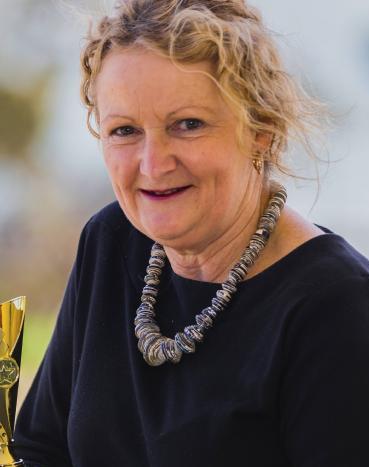
“Frankston City is very fortunate to have the contribution of faith-based organisations and churches in our city.
As a Rotarian and volunteer, I have witnessed the physical and emotional support these important organisations provide and the connection they make with the lonely, vulnerable and homeless in our community.
They come together and work co-operatively for the benefit of the city at large, and provide an essential part of the safety net for those who are most at risk.”
TRUDY POOLE | Past President, Rotary Club of Frankston
Methodology
The NAYBA Impact Audit seeks to measure the collective social impact of churches and faith-based organisations in a geographic region – in this case, the Local Government Area of Frankston.
Before commencing the audit, the Frankston Ministers Network (with support from NAYBA) engaged in significant outreach and relationship building to develop a comprehensive database of the faith-based organisations operating in Frankston. The final list totalled 44 and included churches, places of worship, agencies, ministry organisations and other faith-based entities.
All were invited to participate in the audit by completing an online survey. The survey took approximately 15 minutes and was open for 5 weeks across the months of July and August. Follow up emails and calls were made to ensure contacts had received the survey link and to respond to any questions or concerns.
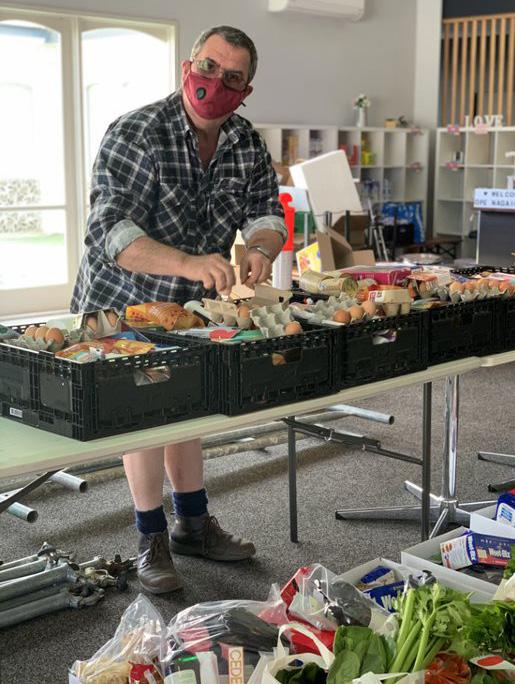
The survey asked respondents to outline their three largest forms of community service over the past 12 months, guided by a list of 17 areas of social need. In determining whether an activity should be classified as community service, respondents were given the following criteria:
1. The activity/service is genuinely accessible by people of any faith or no faith (i.e. it is faith-based but not faithbiased); and
2. The activity is best characterised as a form of service, rather than a religious activity; and
3. The activity/service is primarily aimed at those experiencing vulnerability, isolation or injustice and is provided at no (or minimal) cost.
Methodology
Thereafter, respondents were asked to detail the beneficiaries for each form of community service, as well as the number of paid and volunteer hours required to deliver the activities. To account for at least some of the impacts of COVID-19, respondents were advised to report on a ‘typical week’ (defined as one with no significant government restrictions). A separate section of the survey provided an opportunity to detail new activities launched and beneficiaries reached in response to COVID-19.
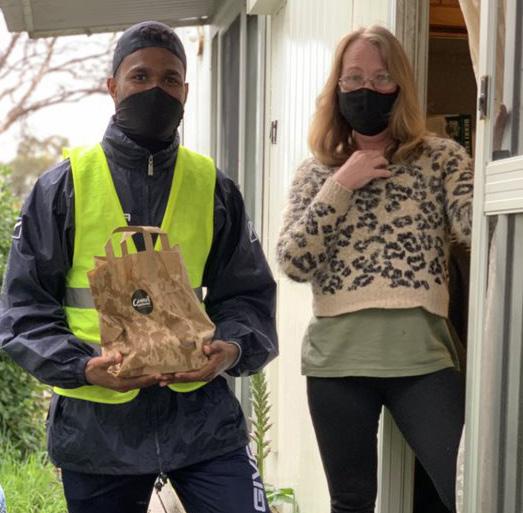
While respondents were asked to distinguish between average beneficiaries served weekly and unique beneficiaries served annually, it’s possible that the annual figure in this report includes some duplicates. It’s also possible there is some overlap of beneficiaries between the various community service activities (i.e. individuals who were served by more than one program or faith-based organisation). Any reference to beneficiaries as a percentage of the total population of Frankston is based on 2016 Census data of 134,143.
The weekly hours reported by respondents for both staff and volunteers were averaged over the year, then multiplied by $19.84 (the national minimum hourly wage as of 1 July 2020) to determine the annual social impact value to the community.
It is worth noting that, while every effort was made to capture the social contributions of faith-based organisations in the region, there were many who were unable or chose not to participate. Moreover, the dollar value of the efforts is based on human capital only (i.e. hours worked or volunteered) and does not include the buildings, goods, and other resources required to deliver the activities/services.
In other words, this report is an intentionally conservative, if highly impressive, snapshot of all that is being done to serve those in need across the City of Frankston.
Respondents
Total respondents
(61% of all faith-based organisations in the region)
RESPONDENTS BY ORGANISATION TYPE
Local Churches/Places of Worship
Ministry Organisations
Faith-Based Agencies
Other Faith-Based Entities
RESPONDENTS BY FAITH GROUP
Anglican
Baptist
Catholic
Christian (other)
Multi-Faith
Pentecostal
Presbyterian & Reformed
Sikh
Uniting Church
Material assistance (e.g. food/clothing for those experiencing homelessness or financial insecurity)
Community connection (e.g. efforts to foster social cohesion, reduce isolation, and build community)
Children or youth (e.g. support for at-risk youth, activities to connect/equip youth in the community)
Case Study
Gateway Church
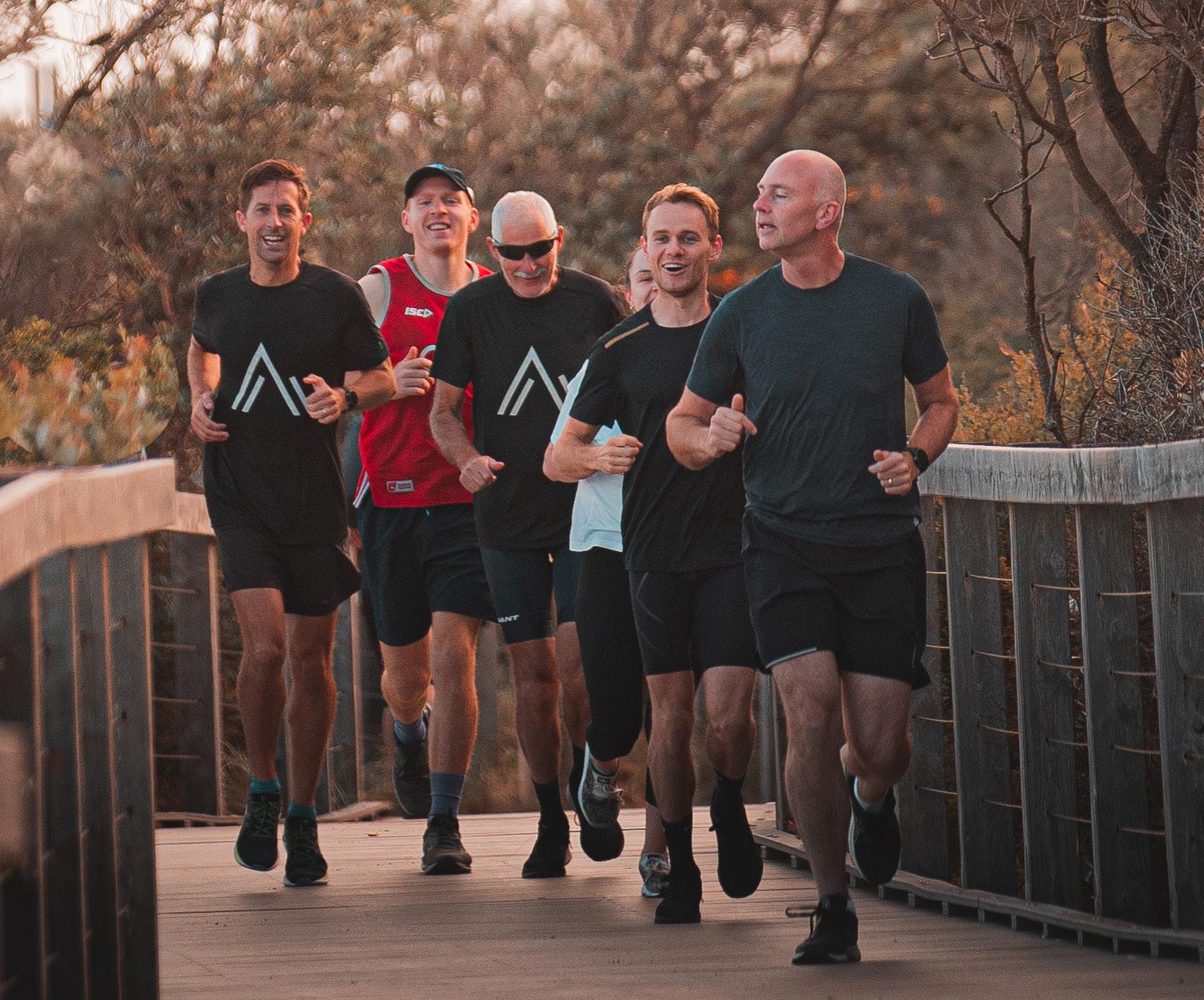
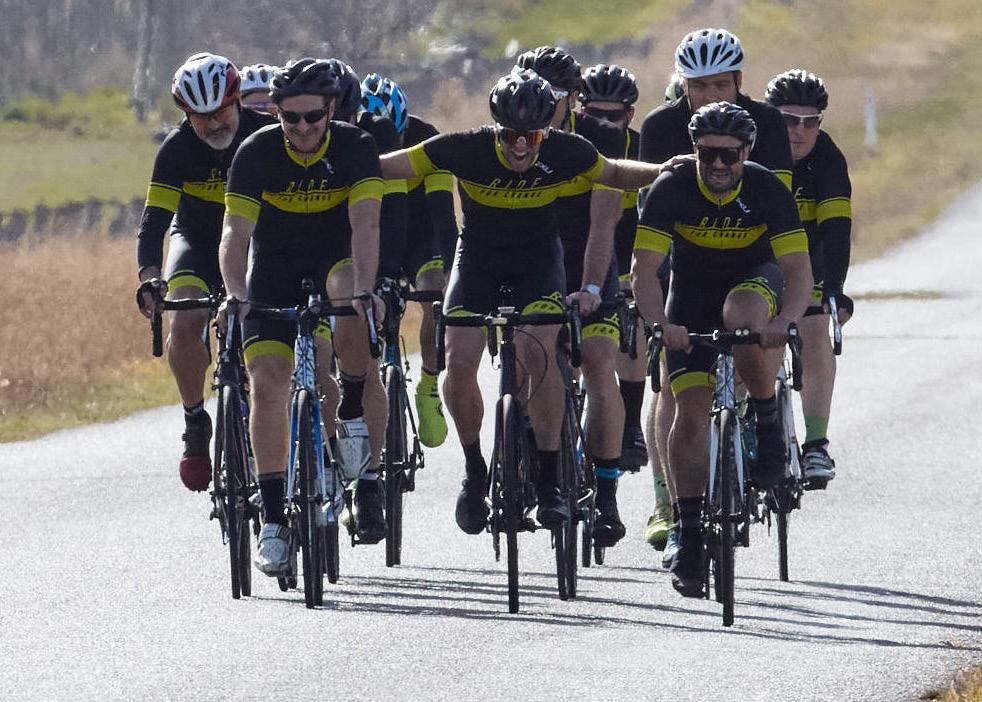
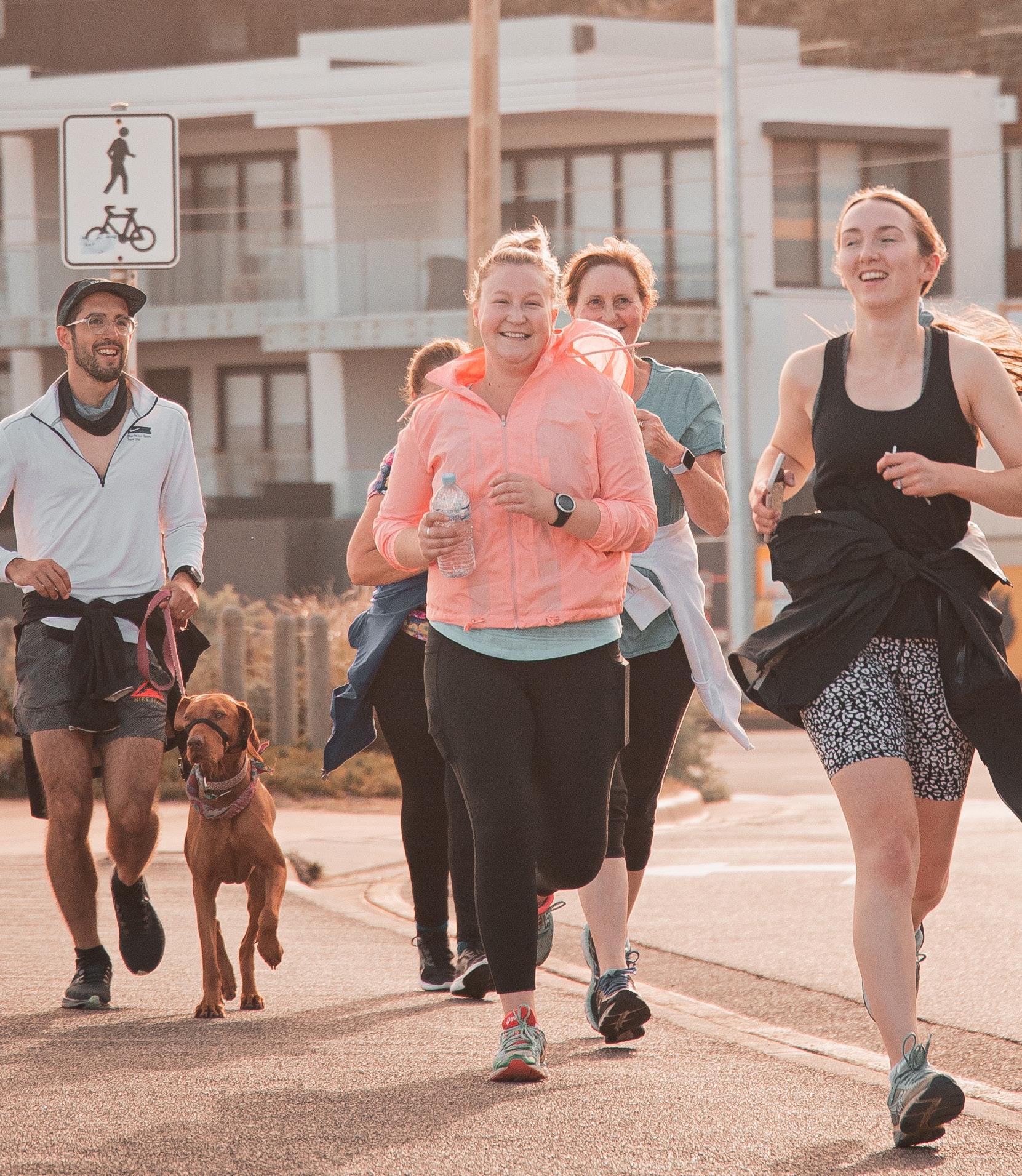
Since its establishment in 1986, Gateway Church has sought to positively impact the City of Frankston by engaging with the key drivers of culture in the region – one of which is sport. More than 30 years later, Gateway’s efforts have grown into what is now known as “ACTIVE”.
The church organises a wide range of sporting activities – including running, walking, cycling, basketball, rock climbing, and fitness classes – as well as facilitating workshops by sports professionals. At a time when social isolation is of major concern and many people are struggling with mental and other health issues, physical activity can be part of the solution.
”We believe there is a unique and critical role for Christians to play in the area of health and wellbeing. God’s desire is for human flourishing and that includes the way we treat our bodies. We see sport as a powerful way to create social connections and build a stronger sense of community.”
PASTOR RICK PAYNTER
The work of ACTIVE goes well beyond the playing field and into people’s everyday lives. Staff and volunteers are driven by a desire to build genuine relationships with those who participate in the programs. This means they often hear when people are doing it tough and can come alongside them and their families with counselling, food parcels or any other support they may need.
It’s all part of an approach to wellbeing that recognises the interconnectedness of physical, mental, emotional and spiritual health.
Average beneficiaries per week 4,074
31,191
Unique beneficiaries in the last year (approx. 23% of the Frankston population)
PERCENTAGE OF BENEFICIARIES BY AGE
Case Study
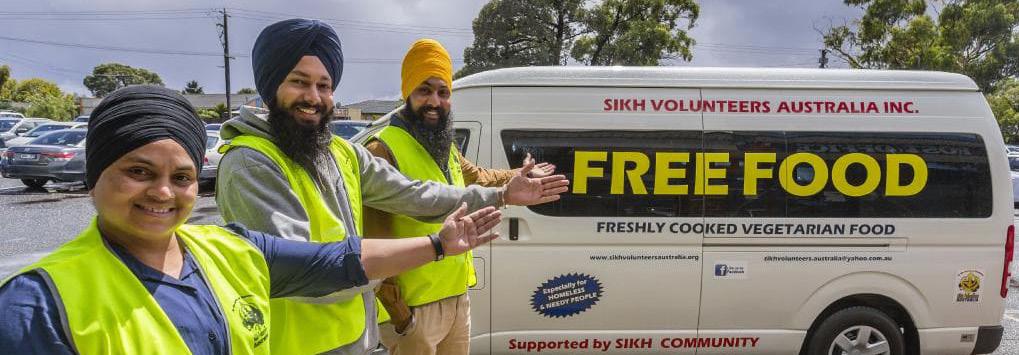
Sikh Volunteers Australia
As the extent of the COVID-19 pandemic became clear, Sikh Volunteers Australia were uniquely placed to respond.
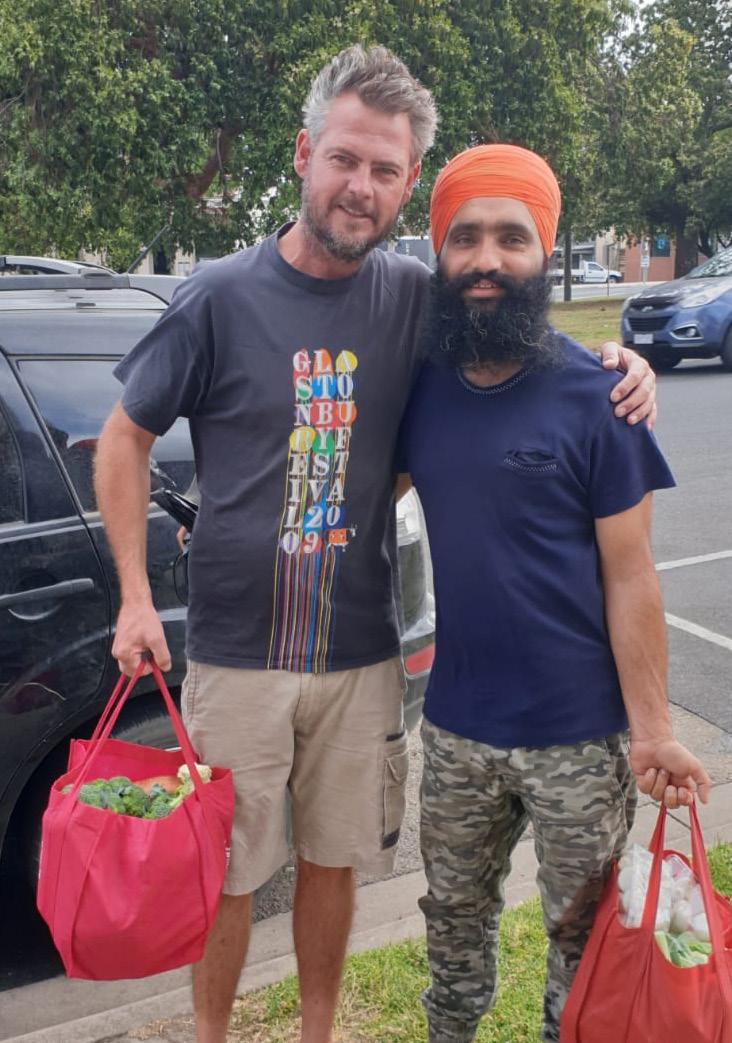
The SVA team had already taken their Frankston food van on the road to provide free food and drinking water for communities affected by the 2019/20 floods and bushfires. So, when Melbourne went into its first of many lockdowns, SVA took the next logical step and launched a full-scale home delivery service.
Over the past 12 months, SVA have delivered meals to those in need across South-East Melbourne, including more than 500 people a week in Frankston alone. When asked what has enabled SVA volunteers to give so generously of their time over so many months, the answer is simple: their faith.
”Sewa, meaning ‘selfless service’, is innate in the Sikh way of life. As SVA volunteers we embed and embrace this wholeheartedly, working to be of service to those who need help.”
JASWINDER SINGH
130,283 $19.84 85,533
Total paid hours per annum
Minimum wage per hour Volunteer hours per annum
Social impact value to the Frankston community $4,281,789
SOCIAL IMPACT VALUE BY AREA OF NEED
Material assistance $1,628,765
Education: $1,074,217
Children/Youth: $706,621
Community connection: $384,102
Health & wellbeing $119,040
Counselling: $99,041
Family services: $99,041
Pastoral care: $90,470
Other: $57,139
Visiting Services: $20,951
Support for unemployed: $1,905
Disaster relief: $496
Case Study
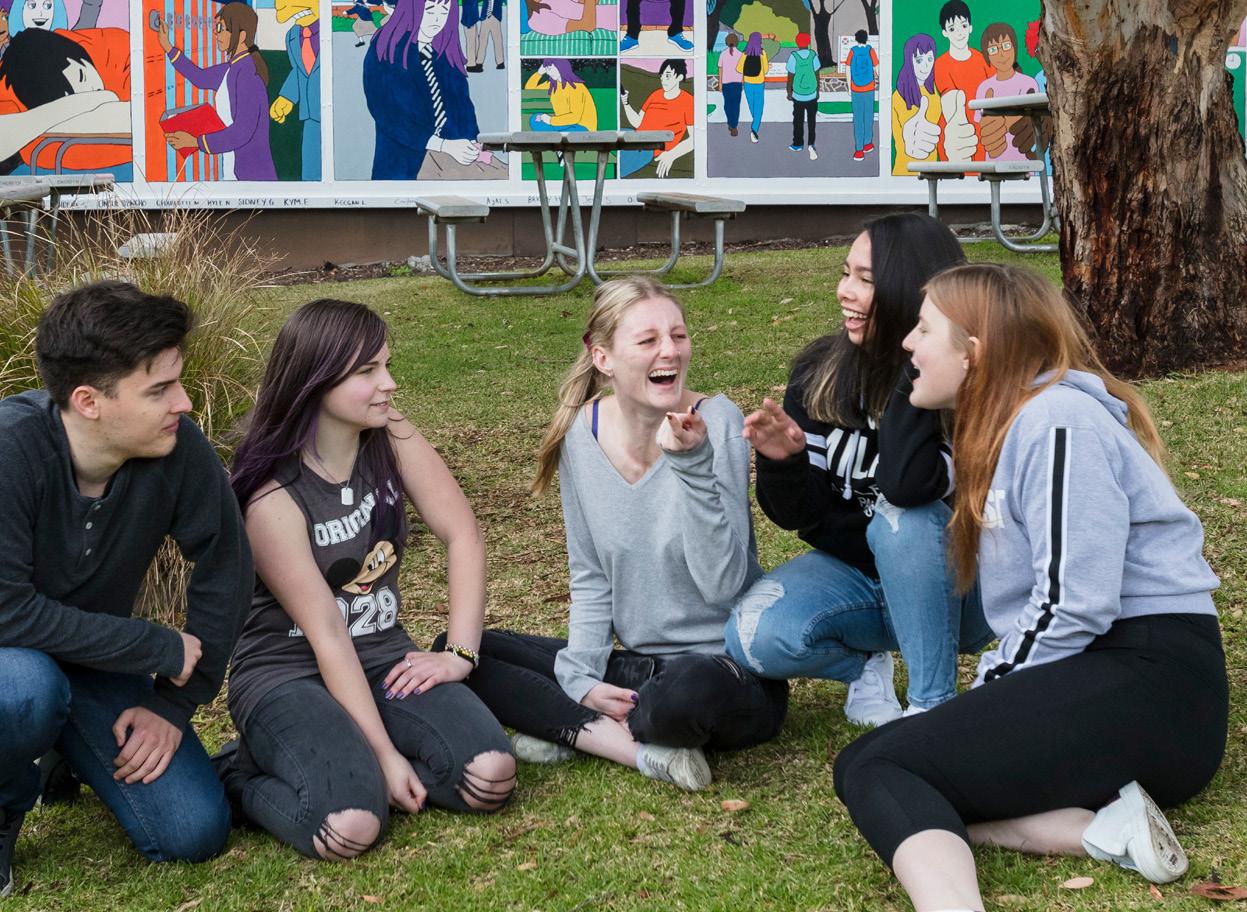
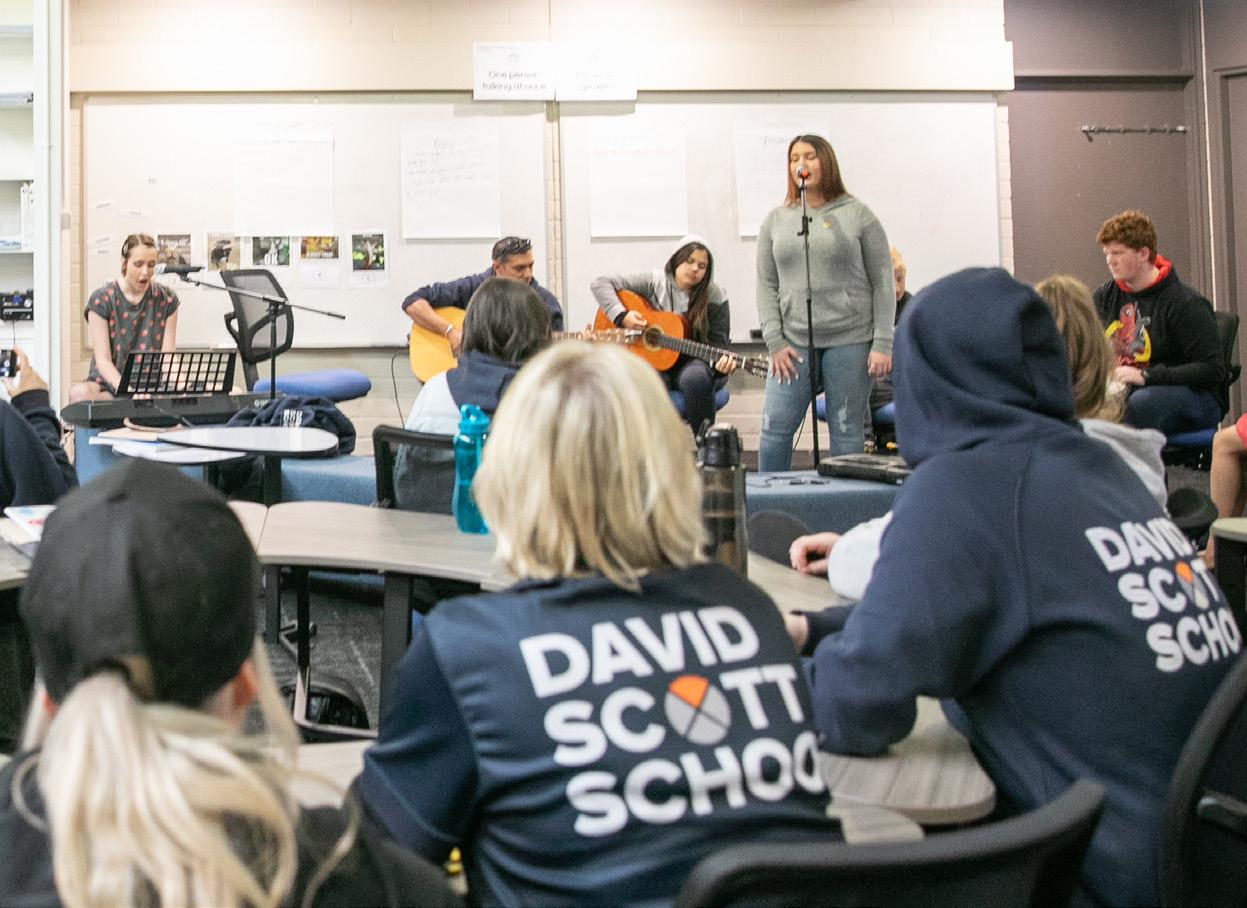
David Scott School
What began as a small-scale pilot to develop and deliver specialist assistance education for vulnerable young people at the Brotherhood of St Laurence’s Frankston High St Centre has quickly become one of the most highly regarded educational institutions in the state.
The David Scott School offers an innovative applied learning model to re-engage young people in the Frankston and Mornington Peninsula region in education and prepare them for the world of work or further study.
The School also provides integrated wellbeing support for students facing personal and social challenges –including family breakdown, substance abuse, health, housing, and financial issues – and who would otherwise slip through the cracks of mainstream education.
Now funded entirely by State and Federal Government sources, the School’s approach seeks to remove all barriers to education, meaning that students can access educational and wellbeing services at no cost – extending to vocational training, meals and excursions.
“Being a student at this school has changed my life. I love that I have been able to experience new things and that the lessons we are taught are relevant to my life outside of the school too. I want to continue being pushed outside my comfort zone, learn how to better manage my money and learn how to save to support my future.”
CAITLIN
Partnerships
Partnering
Partnering
Partnering
Case Study
Frankston Life
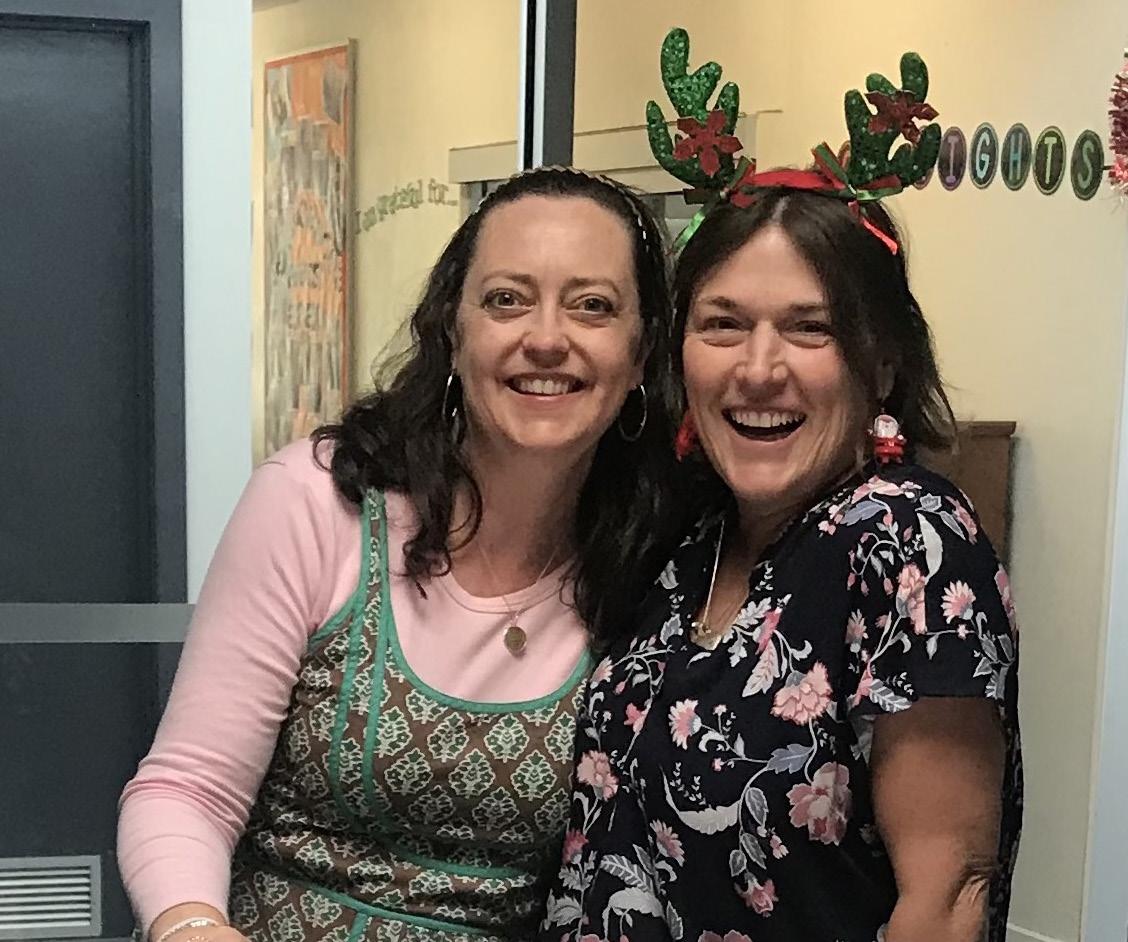
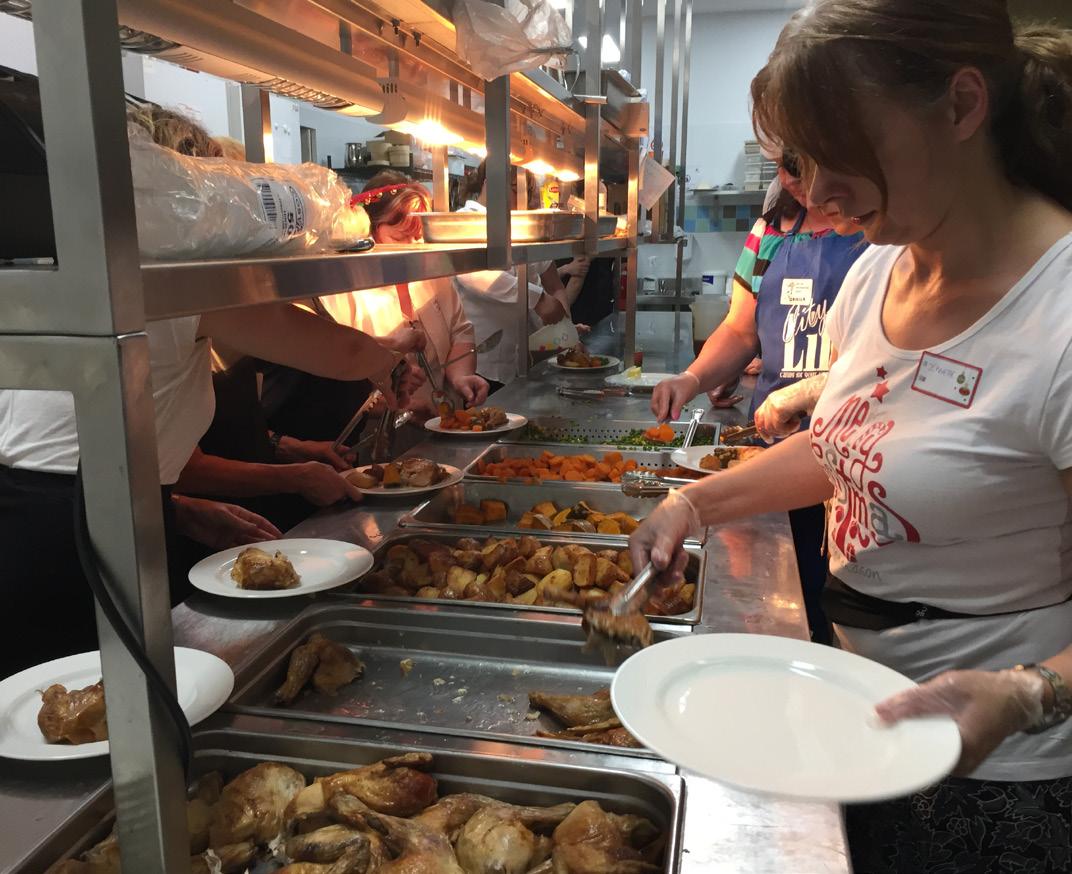
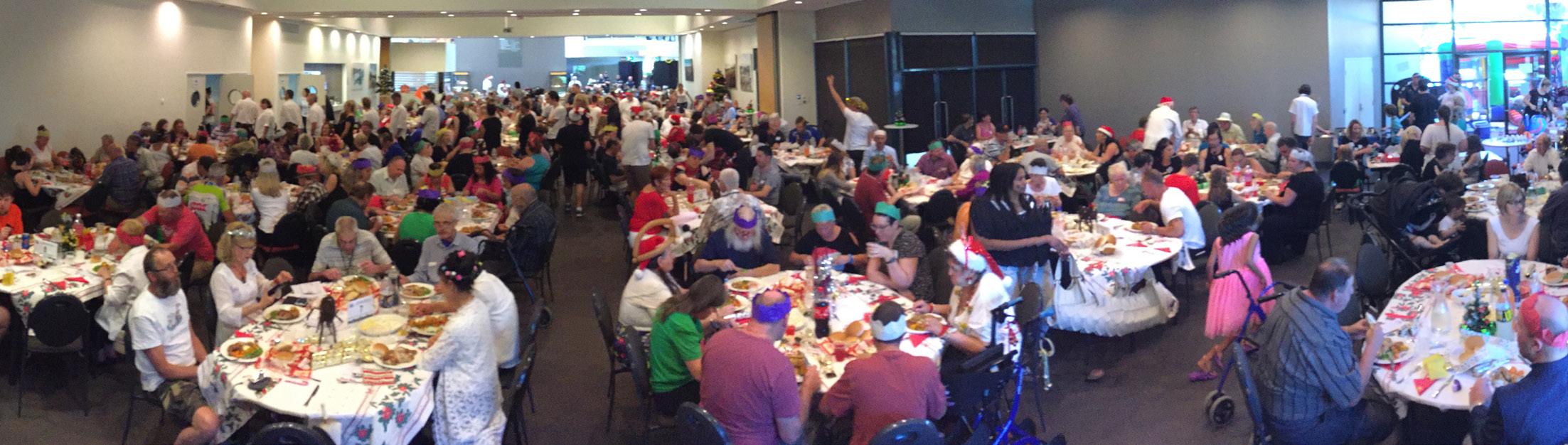
Struck by the disconnection and loneliness experienced by many people throughout the city – especially over the Christmas season – Frankston Life decided to do something about it.
The inaugural “Community Christmas Lunch” was attended by 250 people from across Frankston who just wanted somewhere to feel accepted and be blessed. Now, the lunch attracts over 600 guests every year and is a beautiful example of community collaboration in action…
Frankston Council covers the cost of the venue; the Frankston RSL donates many of the chickens for the traditional roast meal; local farmers provide the vegetables; musicians like Mark Seymour put on world-class entertainment; small businesses ensure every attendee receives a gift and kids are kept happy with jumping castles and face painting; and up to 170 volunteers give up their Christmas Day to love and serve others.
Even in the midst of COVID restrictions, the 2020 lunch went ahead outside on the local footy oval, thanks to the Frankston Football Club. A stage and marquees were brought in specially and Frankston Mayor, Kris Bolam, came to greet everyone personally on behalf of the City.
”I left home this morning alone, feeling deeply depressed and planning to suicide, but the uplifting experiences I enjoyed at your Christmas Lunch have restored my faith in good people and turned my attitude to hope for the future. You saved my life.”
ATTENDEE
Acknowledgements & Next Steps
NAYBA Australia extends our deepest appreciation to all those who made this Impact Audit possible.
To our wonderful partner, the Frankston Ministers Network, and the local organising committee who gave so much of their time and energy over many months –in particular, Rick Paynter, Mark Whitby, Luke Van Der Wielen and Glen Macrae.
To the civic leaders who lent their name and credibility to this initiative and this report – Mayor Kris Bolam, Tim Costello and Trudy Poole.
And to all those who took the time to complete the survey and share your community service activities, both in numbers and in stories.
May this report affirm the efforts of those who seek to address the greatest social needs throughout the Frankston region.
May it inspire new partnerships and initiatives, as we recognise the vision we share to see our local community flourish.
And, above all, may it lead to even more efforts to offer tangible love, genuine hope and new life to those who need it most.