
NAYBA Impact Audit
DECEMBER 2021


Key Results
65
Survey responses (46% of all faith-based organisations in Whitehorse)
94
Community service activities
(addressing 15 of the greatest social needs)
20,249
People in need served in the past year (equivalent to 12% of the population of Whitehorse)
Social impact value
$3,450,275 (to the City of Whitehorse each year)
Introduction
The initial conversations about conducting a NAYBA Impact Audit for the City of Whitehorse began more than a year ago, so it’s with great delight that we now present the final results.
We acknowledge the Wurundjeri People of the Kulin Nation, who are the Traditional Owners of the land in Melbourne’s east and outer-east, including the area now known as Whitehorse. We pay respect to their Elders past and present, and express our desire to see faith communities play a far more significant role in the journey towards reconciliation across our nation.
The general affluence of the Whitehorse region often masks the social issues that exist below the surface. The COVID-19 pandemic has brought many of these issues into sharp relief. This report shows that the faith community has not only played a critical role in responding to the increased needs of the past year, but has been seeking to serve the wider community well before the pandemic and will continue to do so long after.
The results outlined in the following pages tell a story of seemingly small actions that together result in big impact –not just in numbers but in the lives of individuals who are cared and provided for when they need it most. It’s a story of an emerging network – our local partner for the audit, Whitehorse Churches Care – that is seeking to unite people of faith for the greater good. And it’s a story of huge opportunity, with many needs still to be met and many churches and organisations wanting to do more to love their neighbour.
The key statistics are as follows:
• 65 survey responses, representing almost half of all faith-based organisations in the City of Whitehorse
• 94 community service activities addressing 15 of the greatest social needs
• 20,000+ unique beneficiaries over the last year – equivalent to 12% of the total population of Whitehorse
• $3.4 million in social impact value to the Whitehorse community annually
We look forward to seeing how these results can guide the future community engagement efforts of the Whitehorse faith community. We also welcome the discussions that will follow between faith and civic leaders from across the region, as they continue to seek better ways of collaborating for the benefit of those who call Whitehorse home.
May God’s abundant blessing be over all that is to come,

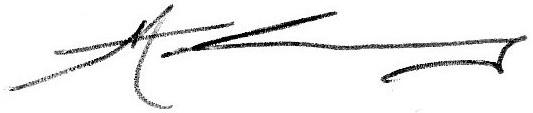
NIC MACKAY National Director NAYBA Australia
Local Partner
Whitehorse Churches Care (WCC) is a registered charity of Christian churches from across the City of Whitehorse.
WCC was formed in 2019 to foster practical unity and provide a mechanism for collaborative responses to need within the local community. While a relatively young organisation, WCC builds on a rich history of relationship between churches and Christian leaders in the area spanning many years.
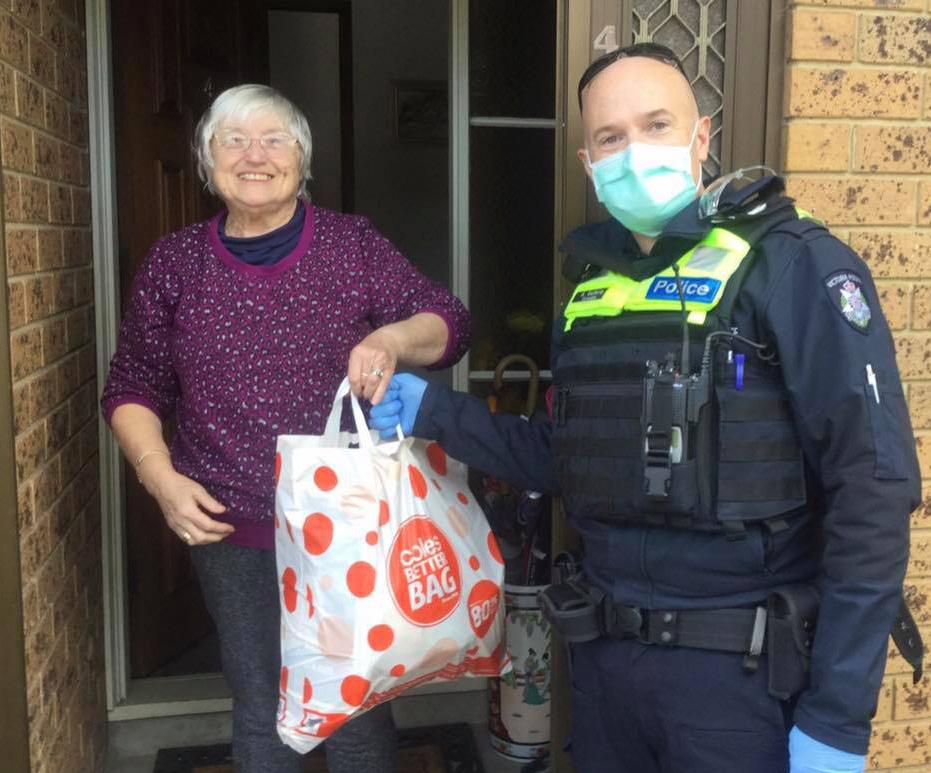
Over the last two years, much has been done to strengthen connections between faith groups, local agencies and other service providers. We have been working together to identify needs and opportunities for collaboration, learning and shared resourcing. This has led to numerous initiatives including the “Winter Shelter” program (using church buildings to offer hospitality and shelter to people experiencing homelessness) and the “Partners in Care” program (a partnership between the Whitehorse Police and the local churches to provide care packages to seniors on the Whitehorse Community Support Register). The NAYBA Impact Audit has provided an opportunity to quantify these and the many other efforts of local faith groups across the City of Whitehorse, but it has also contributed in other important ways.
The audit has been helpful in identifying areas of significant service (e.g. material assistance) as well as opportunities for increased attention. It has helped WCC to discover and connect with new activities and groups, providing an even greater appreciation of the depth and breadth of faith communities within our area. The process has also highlighted an opportunity for greater intercultural engagement and learning. We now know that almost 50% of church members in our City are from a CALD background (a figure that was captured thanks to survey input from our local City Council Staff).
The survey was conducted and all data was collected amid Melbourne’s several lockdowns and the disruptive dynamics of the global pandemic. This has undoubtedly affected the Impact Audit, but to theorise about what the effects actually are would be highly speculative. As we reflect together on this report and all the stories and information associated with it, we are grateful for the baseline data and the encouragement and challenges which this presents.
Many groups and programs are represented within the audit results. We hope all of you will be encouraged in your ongoing efforts and challenged to continue developing new initiatives to meet the various opportunities in our community. We hope you are inspired in our shared commitment to love our neighbours and journey alongside those in need.
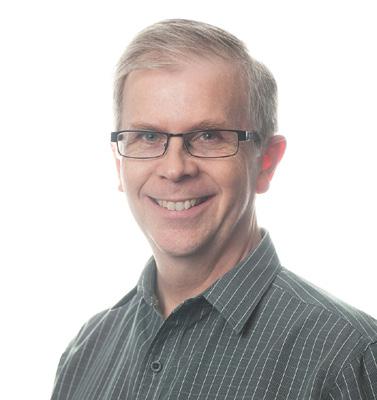
ALLAN DEMOND Chair WCC Board
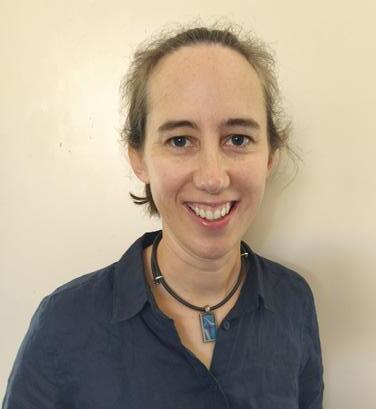
KERRYN PELL Executive Officer
Whitehorse Churches Care
Statements of Support

MAYOR TINA LIU | Whitehorse City Council
“Whitehorse City Council has always appreciated the great work and generosity of local faith organisations. Over the last 18 months we have witnessed an extraordinary commitment from the local faith sector to the wellbeing of our community.
Throughout the pandemic we have seen faith groups partnering to provide food and emergency relief on a large scale and for extended periods, and faith leaders reaching out to older and more isolated members of our community to offer emotional support and care. These groups have played an incredibly important role in keeping our community safe and informed.
Council proudly coordinates an Interfaith Network, representing more than 10 faiths. It is wonderful to see local faith organisations come together to support this positive initiative, with social cohesion and connection at its core.”
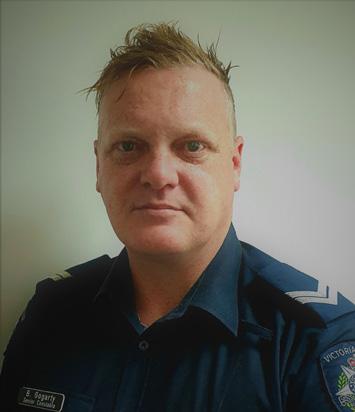
BRENDAN GOGARTY | Senior Constable, Whitehorse Police Service
“Victoria Police is a proud supporter of local churches and faith groups within the Whitehorse municipality.
Whitehorse Police Service area members and I have been delighted to assist with initiatives such as the “Winter Shelter” and “Partners in Care”. These projects have been instrumental in providing accommodation, social support and meals to the most vulnerable and isolated members of our community.
The tireless work of faith groups in the Whitehorse municipality has been invaluable in supporting less fortunate community members during one of the most difficult periods in our state’s history.”

ROB FENTON | President, Rotary Club of Box Hill Burwood
“The role of the churches in reaching out and supporting those in need in our community is and always has been vital. I know many members of my local church have been collecting and delivering food, and cooking and serving meals, through the community outreach centre.
As a Rotary club, we share the same commitment to helping those in need. Our club has had the privilege of working alongside the Burwood churches to provide food for international students, who were stranded due to Covid.
Not able to go home to their families, and unable to work due to the shutdown of various hospitality and other businesses, this food program was of huge assistance during a very challenging time.”
Methodology
The NAYBA Impact Audit measures the collective social impact of churches and faith-based organisations in a geographic region – in this case, the Local Government Area of Whitehorse.
Before commencing this audit, Whitehorse Churches Care (with support from NAYBA) engaged in significant outreach to develop a comprehensive database of 140 faith organisations operating in Whitehorse.
All were invited to complete the online audit survey. The survey took approximately 15 minutes – plus any time to gather the necessary information – and was open for five weeks across the months of October and November. Follow up emails and calls were made to ensure contacts had received the survey link and to address any questions or concerns.
Given the significant number of Chinese-speaking churches in the region, a Chinese language version of the survey was created and provided to relevant leaders with the support of the Centre for The Study of Chinese Christianity (CSCC) at Melbourne School of Theology.
The survey asked respondents to select up to three of their largest forms of community service over the past 12 months from a list of 17 areas of social need. In deciding whether an activity should be classified as ‘community service’, respondents used the following criteria:
1. The activity/service is genuinely accessible by people of any faith or no faith; and
2. The activity is best characterised as a form of service, rather than a religious activity; and
3. The activity is primarily aimed at those experiencing vulnerability and is provided at no/minimal cost.
Methodology
Thereafter, respondents detailed the beneficiaries for each form of community service, as well as the number of paid and volunteer hours required to deliver the activities. To account for some of the impacts of COVID-19, respondents were advised to report on a ‘typical week’ (i.e. one with no significant government restrictions). A separate section of the survey gave the opportunity to outline new activities launched and beneficiaries reached in response to COVID-19.
While respondents were asked to distinguish between average weekly beneficiaries and unique annual beneficiaries, it’s possible that the annual figures include some duplicates. It’s also possible there is some overlap of beneficiaries between the various services/ activities (i.e. individuals who were served by more than one program or organisation). Any reference to beneficiaries as a percentage of the total population is based on 2016 Census data of 162,078.
The weekly hours reported by respondents for both staff and volunteers were averaged over the year, then multiplied by $19.84 (the national minimum hourly wage as of 1 July 2020) to determine the annual social impact value to the community.
It’s worth noting that, while every effort was made to capture the social contributions of faith organisations in the region, there were many who were unable or chose not to participate. Moreover, the dollar value of the efforts is based on human capital alone (i.e. hours worked or volunteered) and does not include the buildings, goods, and other resources required to deliver the activities/services.
In other words, this report is an intentionally conservative, though highly impressive, snapshot of all that is being done to serve those in need in Whitehorse.
Respondents
Total respondents
(46% of all faith-based organisations in the region)
RESPONDENTS BY ORGANISATION TYPE
Local Churches/Places of Worship (comprising 22,457 members, of which 49% come from a CALD background)
Ministry Organisations
Faith-Based Agencies
RESPONDENTS BY FAITH GROUP
Anglican
Baha’i
Baptist
Brethren
Catholic
Christian - Other/Non-denominational
Churches of Christ
Latter Day Saints
Lutheran
Pentecostal
Presbyterian & Reformed
Salvation Army
Uniting Church
Zoroastrian
Material assistance (e.g. food/clothing for those experiencing homelessness or financial insecurity)
Community connection (e.g. efforts to foster social cohesion, reduce isolation, and build community)
Pastoral Care (e.g. chaplaincy services in schools, hospitals, etc.)
Case Study
Serving “The Least of These”
A passage of scripture that inspires many faith groups to engage in the wider community is found in Matthew 25:3140, where Jesus implores us all to feed the hungry, welcome the stranger, clothe the needy, care for the sick, and visit the prisoner.
Churches and faith organisations across Whitehorse are seeking to do just that…
Several churches deliver food hampers to those in need at Christmas time. In some cases, this is the only present a person receives and is seen as a highlight of their year.
St Thomas the Apostle Catholic Parish recently came together as a community to run a clothing drive for Afghan refugees. So enthusiastically supported was it that a large truck was needed to deliver all the items!
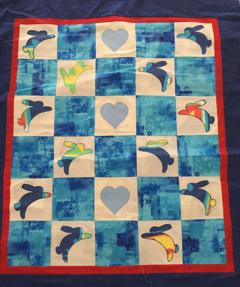
Wattle Park Chapel have joined forces with a network of quilters around the state to make and distribute 200 quilts per month to children with chronic illness. The quilts serve as a reminder to the children and their families that they are being thought of and prayed for daily.
Prison Network has been supporting women in Victorian prisons for over 75 years. More than just visiting female prisoners, Prison Network journeys with women in and beyond prison, offering a sense of hope, dignity and purpose.
”Prison Network has changed my life – I can’t stress that enough. When I became eligible for parole, they offered me transitional housing, without which all the work I did to rehabilitate could have come undone. Prison Network has provided the guidance and support that I’ve lacked all my life. They’ve shown me how my life can be within a different network and community. I have now completed my parole, started working and have a stable environment for my children to visit me.”

Average beneficiaries per week 5,976
20,249
Unique beneficiaries in the last year
(equivalent to 12% of the Whitehorse population)
PERCENTAGE OF BENEFICIARIES BY AGE
Case Study
A Heart For Women in Need
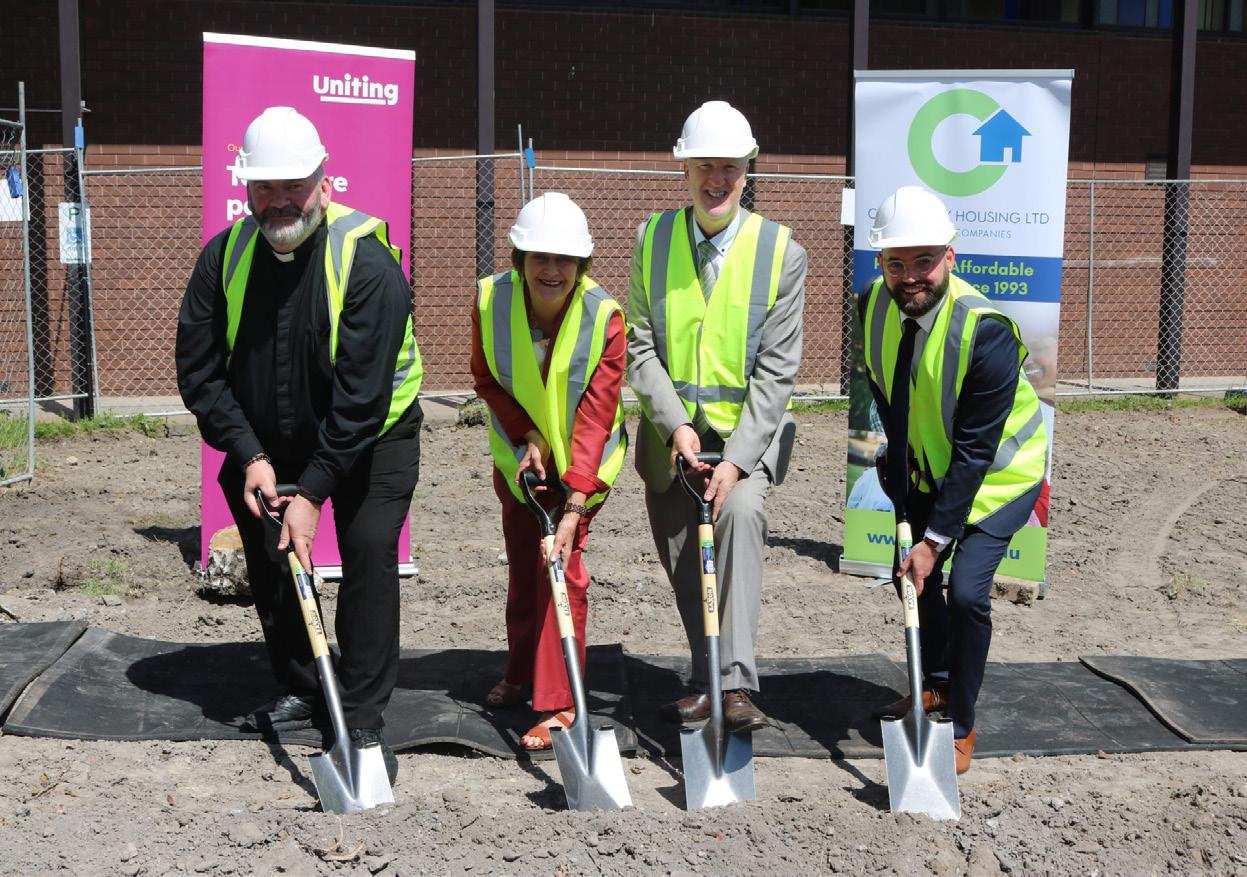
Several years ago, the congregation of the Mountview Uniting Church had a vision to give back to their community by donating land for a new crisis accommodation facility for older women at risk of homelessness.
Through a partnership with Uniting Vic.Tas, CHL and Oak Building Group, and with support from the Victorian Government, this vision has become a reality. The eight-unit facility helps residents take control of their lives and transition into sustainable, safe and long-term housing.
The church congregation continues to support the women staying in the refuge through its community outreach arm, Centre 81, providing pamper packs, food parcels, and beautiful hand-knitted rugs.
Just down the road in Burwood East, Crossway LifeCare is seeking to serve another group of women: those who have recently escaped domestic and family violence. While government and community services help women navigate the crisis of the initial weeks, without support to properly get back on their feet the likelihood of returning to the violent relationship is high.
That’s where Crossway steps in. Victim-survivors are invited to take part in a 12-month psychoeducational program called Courage to Heal – meeting weekly as a small group to eat, share their stories and undertake a collective therapy journey. The program equips participants to better understand the nature of abuse, set clear boundaries, and define what healthy relationships look like.
“This program empowered and challenged me in ways I never thought possible. Each week we would discuss topics that made me think, reflect, and most importantly heal. I found strength, wisdom, life skills and friendship and I am forever grateful for the LifeCare centre and all it represents. It really is a safe haven for us women survivors.”
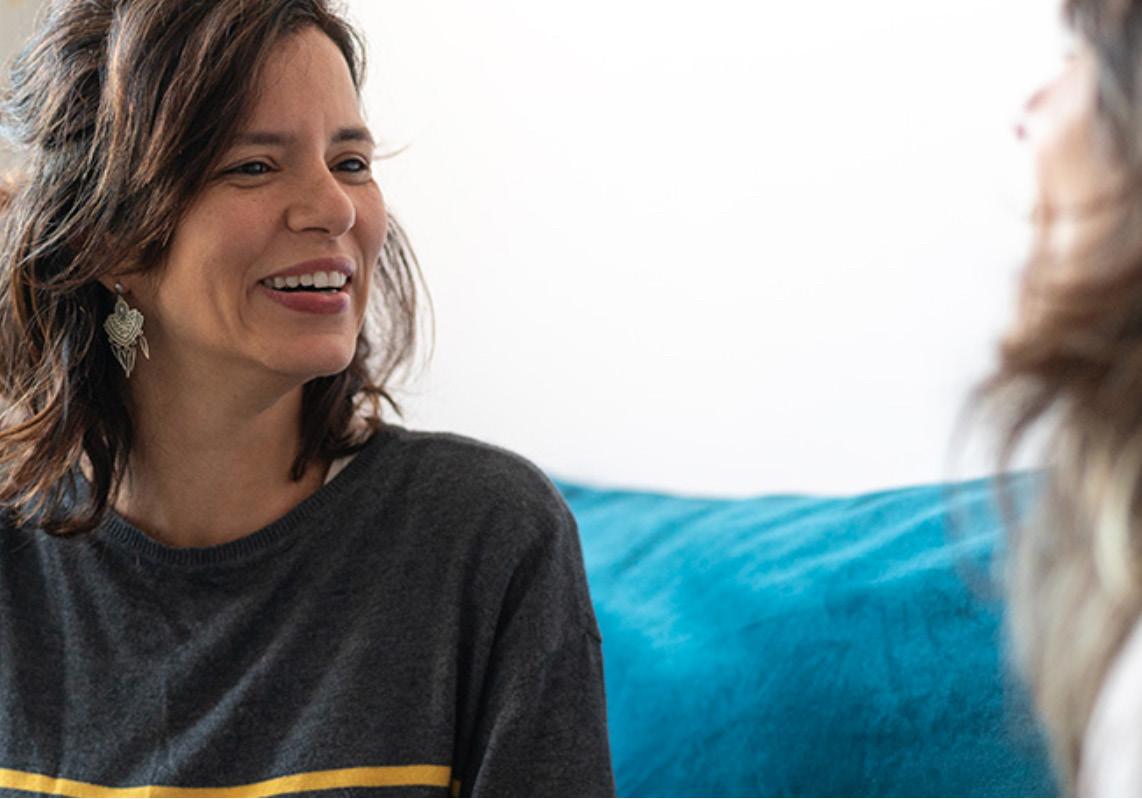
Each woman is also assigned a caseworker to assist with any ongoing court cases or custody battles, and many make use of Crossway’s other services including personalised counselling, financial mentoring, and access to the LifeCare food pantry.
95,731
Total paid hours per annum
$3,450,275
Social impact value to the City of Whitehorse (not including goods and other resources)
Material assistance: $700,352
Pastoral Care: $577,106
Family services: $465,684
Community connection: $425,251
Other: $283,236
Counselling: $281,877
Children/Youth: $205,364
Health & wellbeing: $176,179 Visiting services: $93,962 Crisis accommodation: $79,122 Migrant support: $57,139
Aged care: $37,140 Financial services: $32,379
Disaster relief: $27,855
Education: $7,618
Case Study
Going Beyond the Surface
On its face, Tailor Made – an initiative developed by the Urban Team at Stairway Church – is about helping people find a job. But, in fact, it goes much deeper. During the past two years, the course has attracted individuals experiencing unemployment due to COVID-19, as well as those who are looking for their first full-time job or returning to the workforce after experiencing some form of trauma.
Over 10 weeks, participants are empowered with the tools to create pathways for meaningful work. Critical to this is developing a greater understanding of their unique abilities, passions, and purpose.
“Tailor Made is a unique course, in that it is not purely job-centric, but rather takes a holistic approach. The course spurred me to actually sit down and consider that I had skills and talents, hopes and dreams, that I otherwise would have discounted as insignificant. It supported me to discover and identify my life and career goals, as well as my vision, values, and purpose.”
So too, the issue of mental health isn’t always visible, and yet it represents one of the greatest crises in Australia –especially for young people.
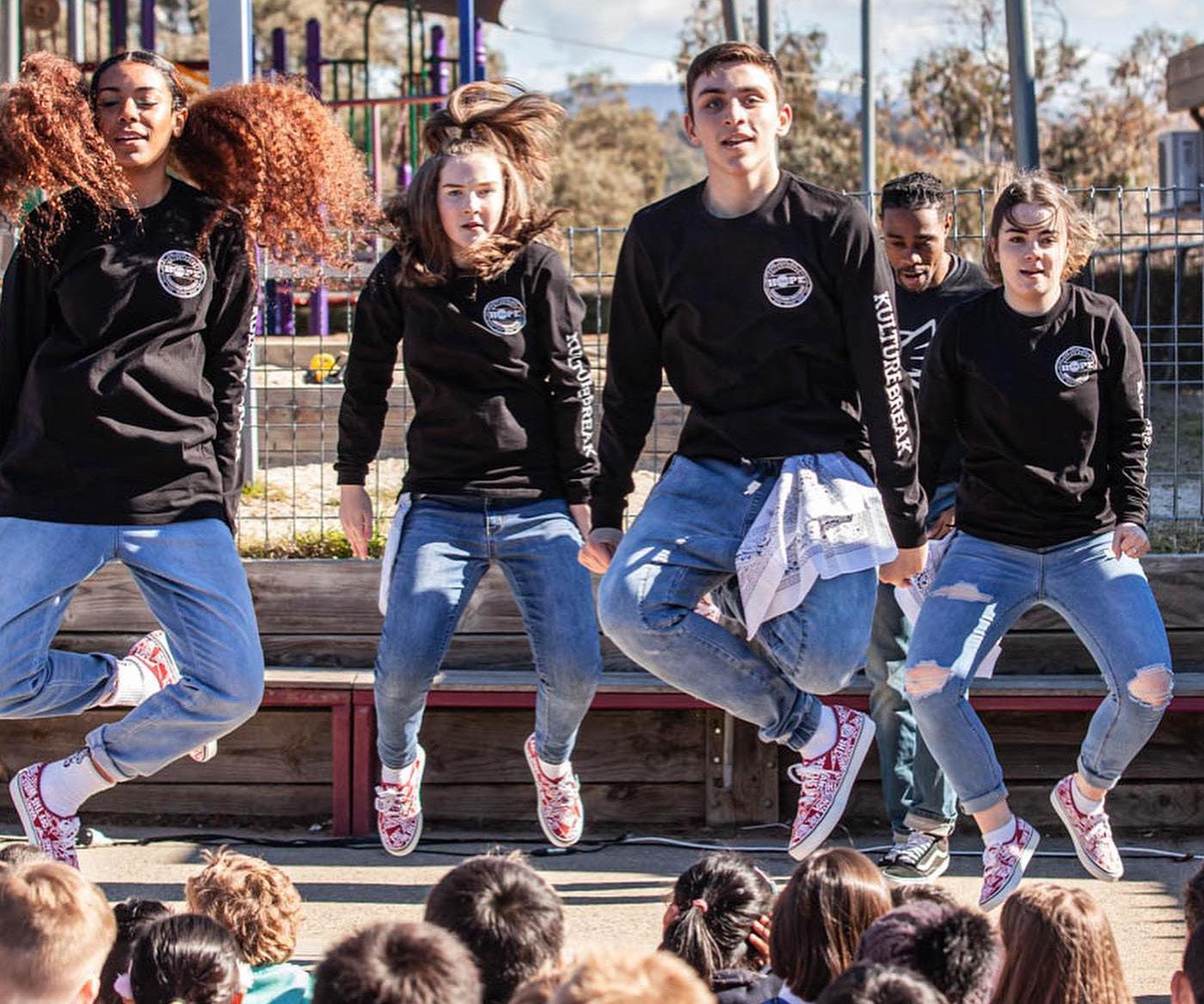
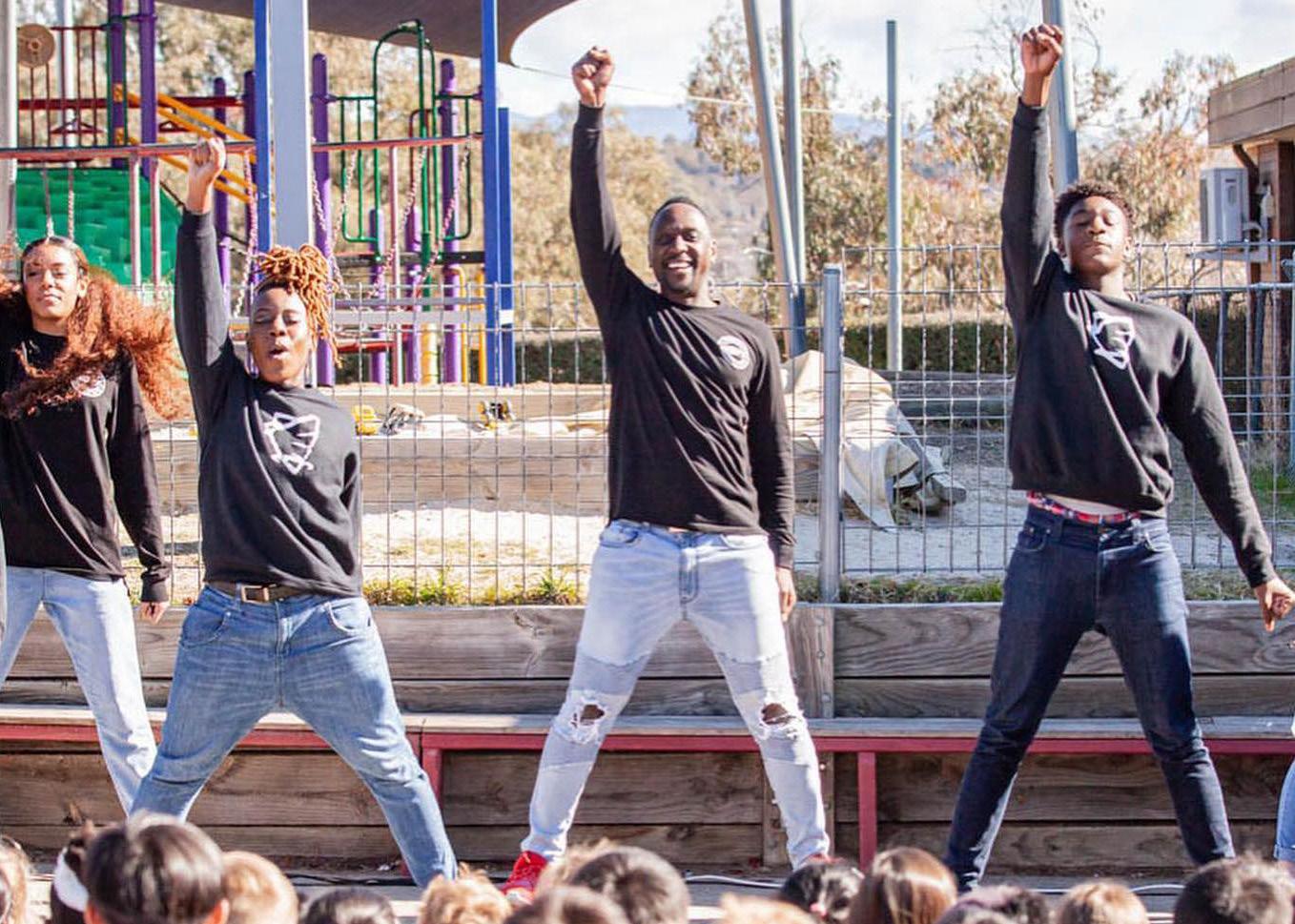
Determined to respond, UniHill Church developed the Hope Tour to promote greater self-worth and resilience among youth. Now, seven years later, the tour has visited 45 schools and seen over 50,000 students.
Hope Tour provides a dynamic and interactive assembly program that uses music, dance, and speech to convey the message that “you are worth it”. Recent acts have included dance crew, Kulture Break, and Chris Sebastian (winner of The Voice in 2020). To ensure that all young people have access, the event is entirely funded by local churches and offered at no cost to schools.

Partnerships
Partnering with other non-faith-based organisations
Partnering with local government/council/authorities
Partnering with medical or health services
Partnering with police or law enforcement
1,547
Case Study
Stepping Up in a Pandemic
In response to the challenge of COVID-19, the Whitehorse faith community has taken its community service activities to the next level.
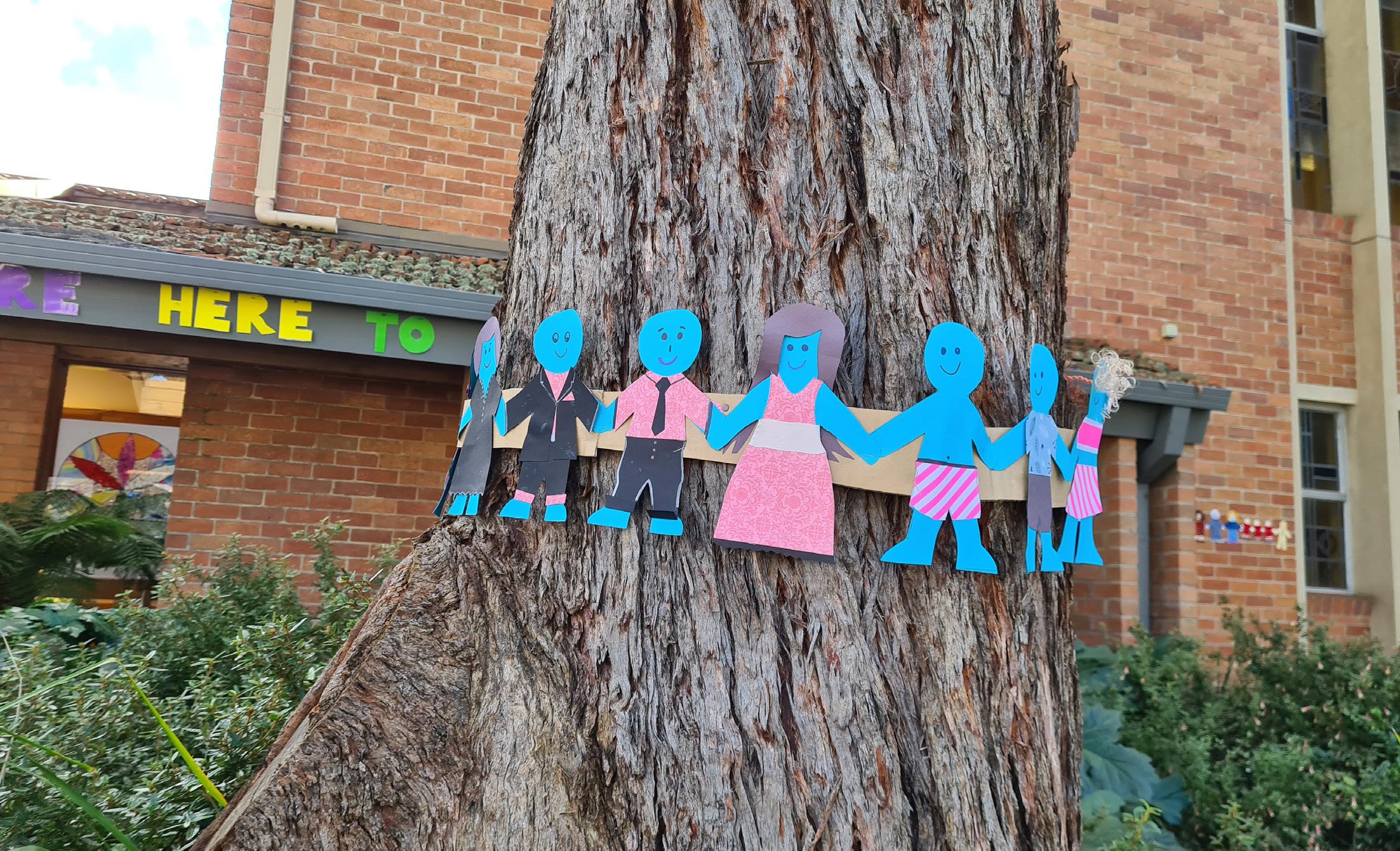
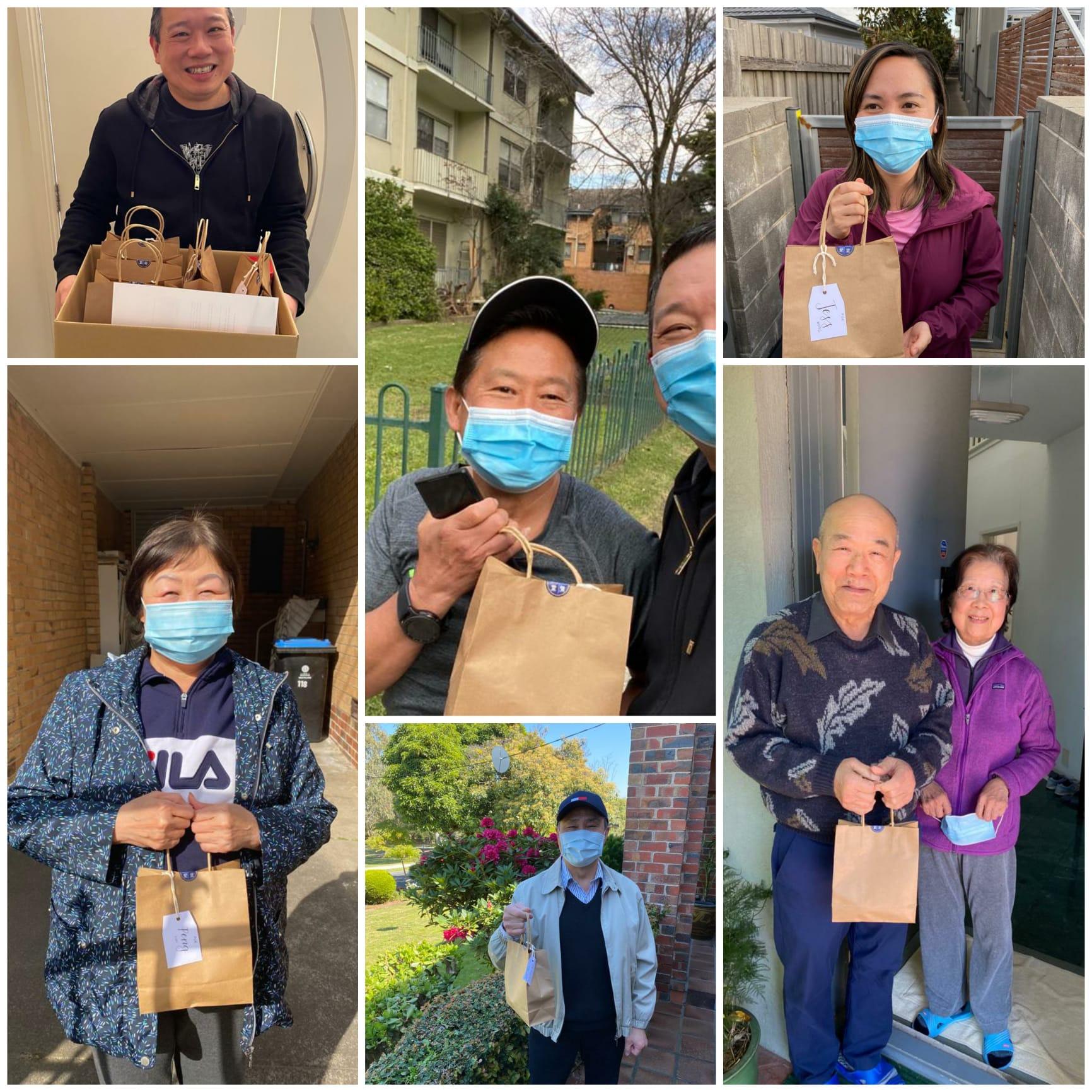
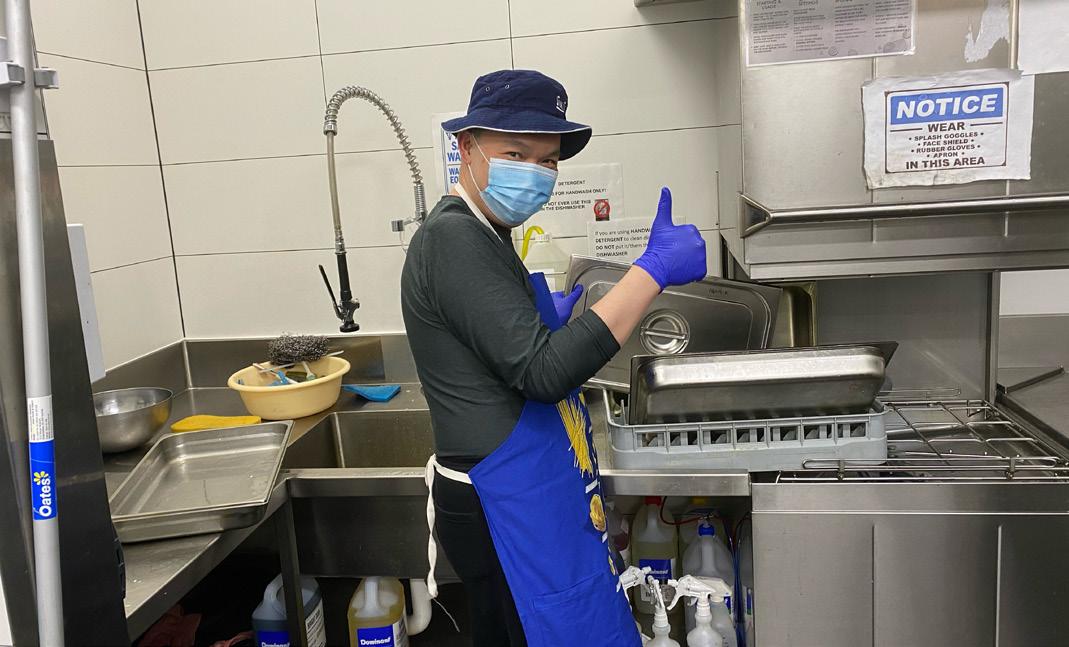
St Paul’s Lutheran Church in Box Hill moved their mainly Music program online to maintain connection with families; this included one family stranded in NSW for three months after the border closure, who deeply appreciated the ongoing form of community. The Avenue Church launched an intergenerational project that made use of their building exterior to display visual messages of hope, faith and encouragement to the wider community. And CCCV mobilised their Cantonese congregation to serve the migrant community – creating and delivering care packs to the elderly and isolated, so they could celebrate the traditional Chinese Mid Autumn Festival, even while in lockdown.
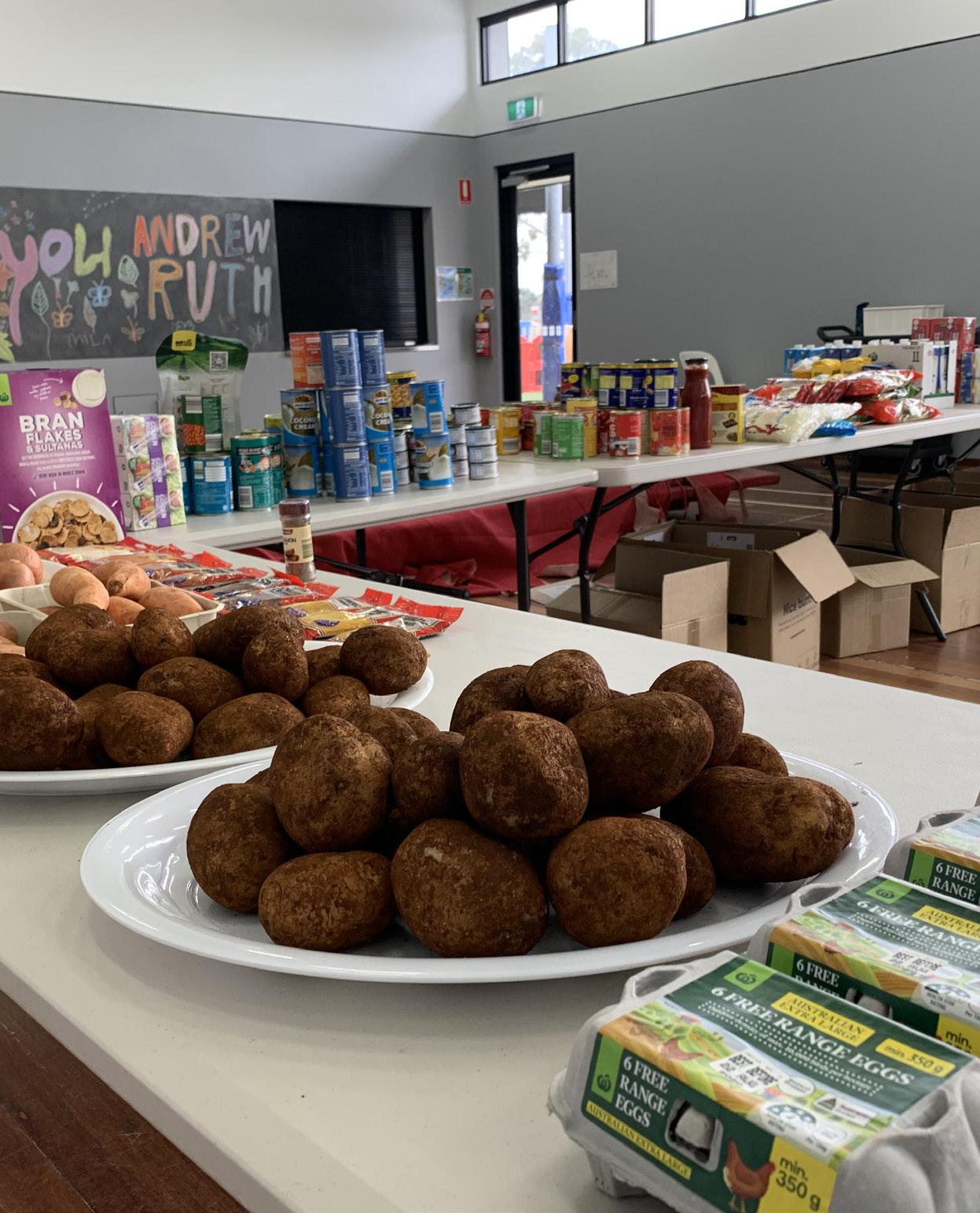
Perhaps the largest COVID-related initiative in Whitehorse came out of a desire to provide for a community of people excluded from government support packages: international students.
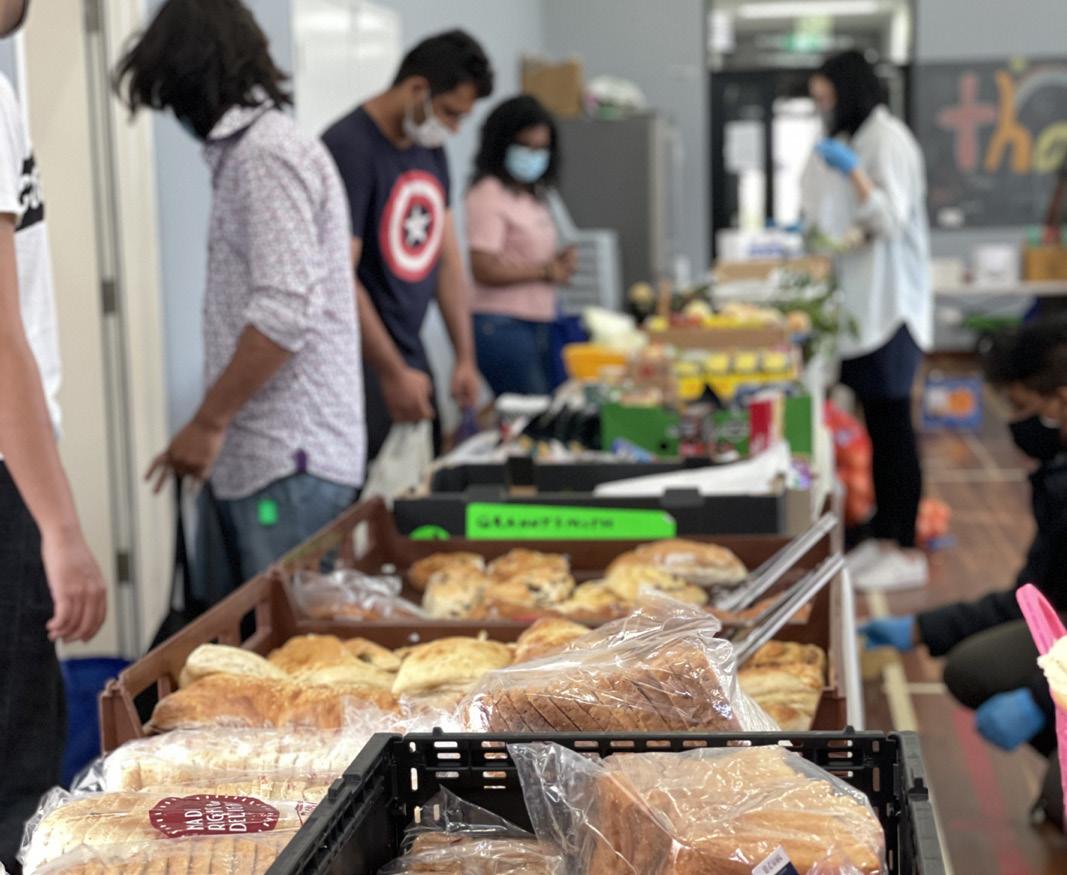
St Thomas’ Anglican in Burwood, only a stone’s throw from Deakin University, led the way. In collaboration with multiple churches, agencies, and the local council, they reached out to their local neighbourhood, asking for donations of food and home essential items. Throughout the week, church volunteers worked tirelessly to collect, sanitise, and prepare the items. Then, each Saturday, increasing numbers of students flocked to St Tom’s to fill up their Hope-Filled Bag with the items they needed.
In addition, the team from Full Gospel Assembly cooked a weekly meal, which was made available for students to collect. Said one recipient, Fiona from Taiwan:
“I really appreciate the meal that is provided by the church every Saturday. Not only is the food great but the relief of financial pressure, although only minor, is a huge blessing. It’s more than just a meal; it’s been an opportunity for us to gather and spend time together.”
Acknowledgements & Next Steps
NAYBA Australia extends our deepest appreciation to all those who made this Impact Audit possible.
To our wonderful partner, Whitehorse Churches Care, and the local organising committee who gave so much of their time and energy over many months – in particular, Ian Bunston, Bram Cassidy, Tim Horman, Jo McKenzieCrisp, Kerryn Pell and Jo Smaller.
To the civic leaders who lent their name and credibility to this initiative and this report – Mayor Tina Liu, Brendan Gogarty and Rob Fenton.
And to all those who took the time to complete the survey and share your community service activities, both in numbers and in stories.
May this report affirm the work of faith-based organisations who are seeking to address some of the greatest social needs in Whitehorse.
May it inspire new partnerships and initiatives, both within and beyond the faith community, as we recognise the vision we all share to see our local communities flourish.
And, above all, may it lead to even more efforts to offer tangible love, genuine hope and new life to those who need it most.