Preview of the MMEA General Music Fall Workshop including session descriptions and presenters.
Data-driven choral technique in action, based on the popular workshop series by choral activities coordinator, Rebecca Eaddy
New Directions coordinator, John Churchville, writes about inspiring creativity through technology.
Planning Committee representative, Melissa Stouffer, gives a sneak peak of the amazing pre-conference and headliner sessions.
Recounting Michigan’s 1976
Sounds of ‘76 tour, celebrating the bicentennial, highlighting music education, and inspiring future collaborative advocacy.
Experience NAfME National Assembly & Hill Day through the experience of MMEA’s passionate collegiate members & participants
PRESIDENT
PRESIDENT-ELECT
IMMEDIATE PAST PRESIDENT
RREASURER
SECRETARY
EXECUTIVE DIRECTOR
Denise Wilkinson, wilkidenisedoremi@gmail com
Jeremy Duby, jrduby81@gmail.com
Shannan Hibbard, hibbards@umich.edu
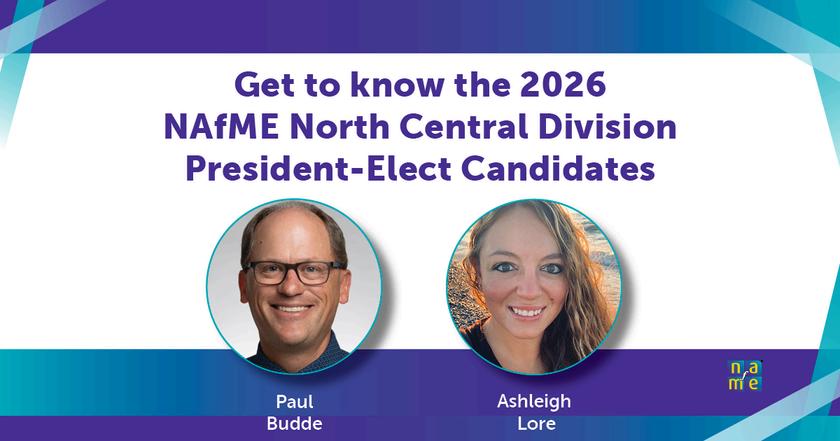
Ashleigh Lore, ashleigh.lore@gmail.com
Trisha Vickers, tvickers@mapsnet org
Carin McEvoy, executive@mmeamichigan org
Please support these businesses - they support music education throughout Michigan!
BOB ROGERS TRAVEL
CONCORDIA UNIVERSITY WISCONSIN
MEYER MUSIC

UNIVERSITY OF MICHIGAN SCHOOL OF MUSIC, THEATRE, & DANCE
We offer numerous advertising and sponsorship opportunities. Contact
MMEA Executive Director Carin McEvoy (executive@mmeamichigan org) for more information
The MI Music Educator (www.mmejournal.com) is the official publication of the Michigan Music Education Association (www.mmeamichigan.org) published twice annually (spring & fall). All correspondence related to editorial content, circulation, or advertising should be addressed to MMEA Executive Director Carin McEvoy 620 Dunbar Court East Lansing, MI 48823. The Michigan Music Education Association is the federated state unit of the National Association for Music Education, www.nafme.org.
I hope you found time over the summer to rest, recharge, and return with fresh energy to greet those smiling faces in your classroom. As we begin this new year, take a moment to reflect on your own journey—think back to when you were a student. Who inspired you? Who believed in you, both in your family and in your music classrooms? Now ask yourself: Who will you be for your students this year? Each day brings a chance to be that spark, that steady hand, that safe space where students feel seen, heard, and inspired. Let’s make this a year of meaningful moments, musical growth, and lasting impact.
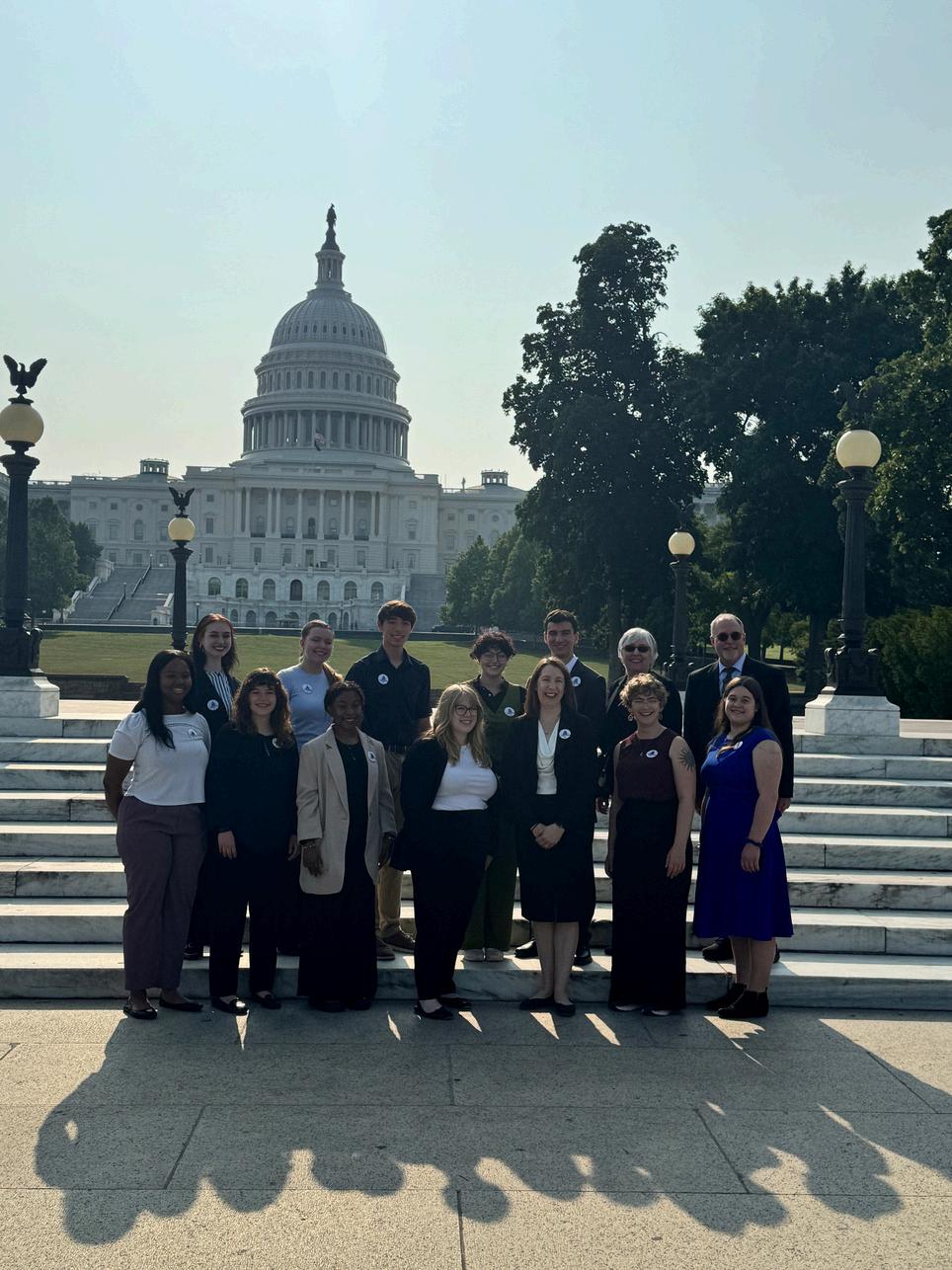
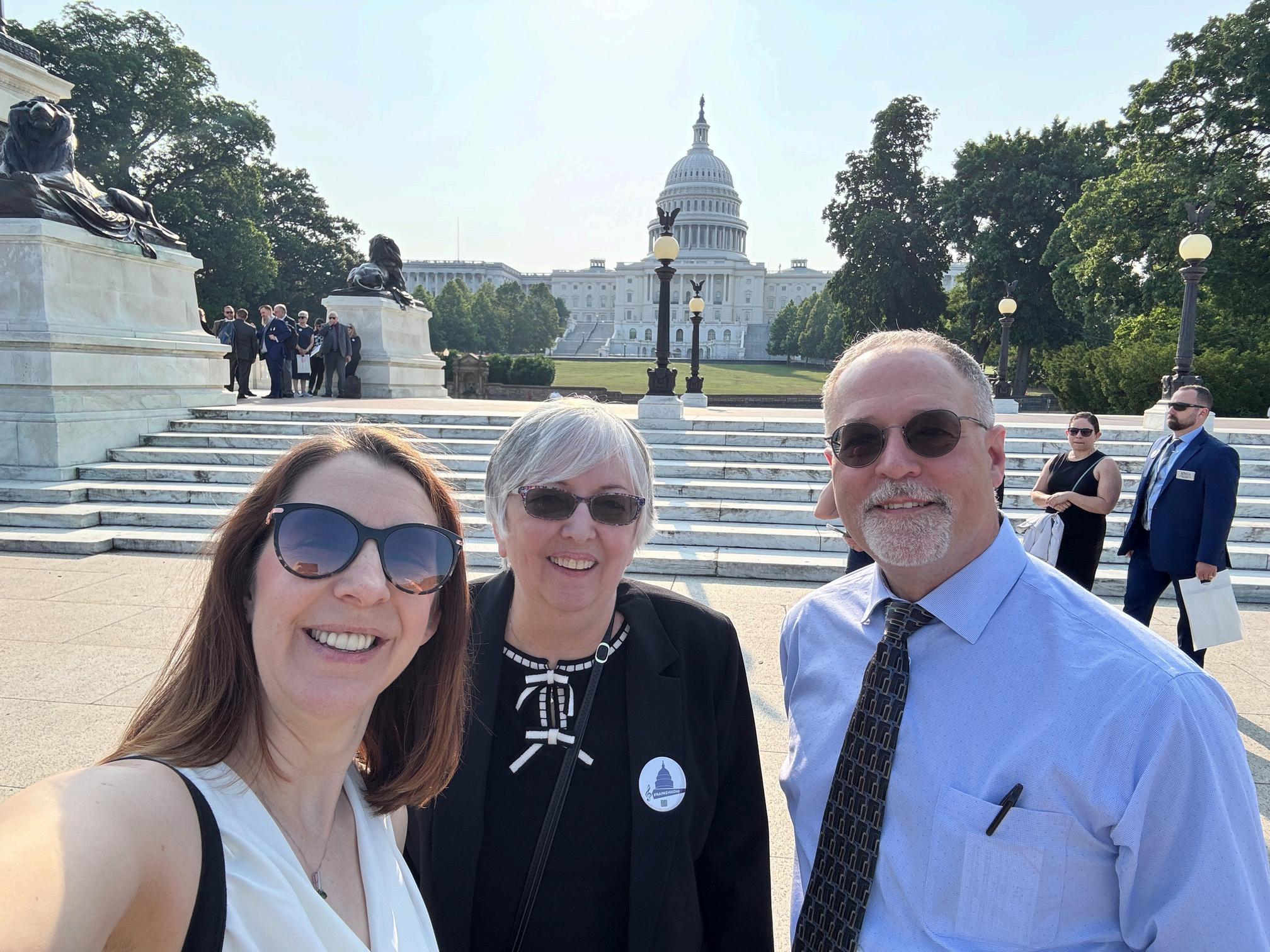
At the beginning of June, MMEA was well represented at the National Assembly in Washington, D.C. Representing MMEA were Executive Director Carin McEvoy; Ken Smith, Associate Professor at Western Michigan University and MMEA Policy Chair; and myself. Over the course of three days, we participated in valuable discussions about the future of our national organization and music education. Collegiate students were also involved, holding their own day of meetings before joining us to prepare for Capitol Hill Day.
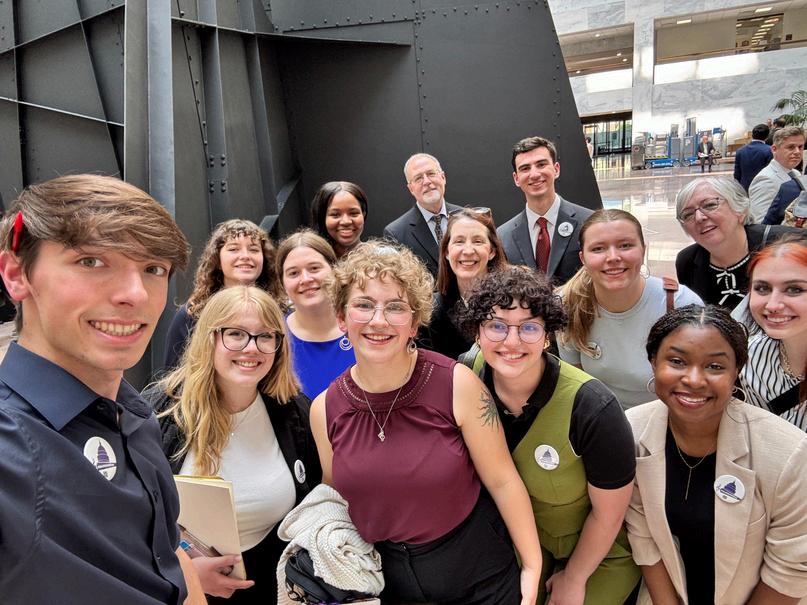
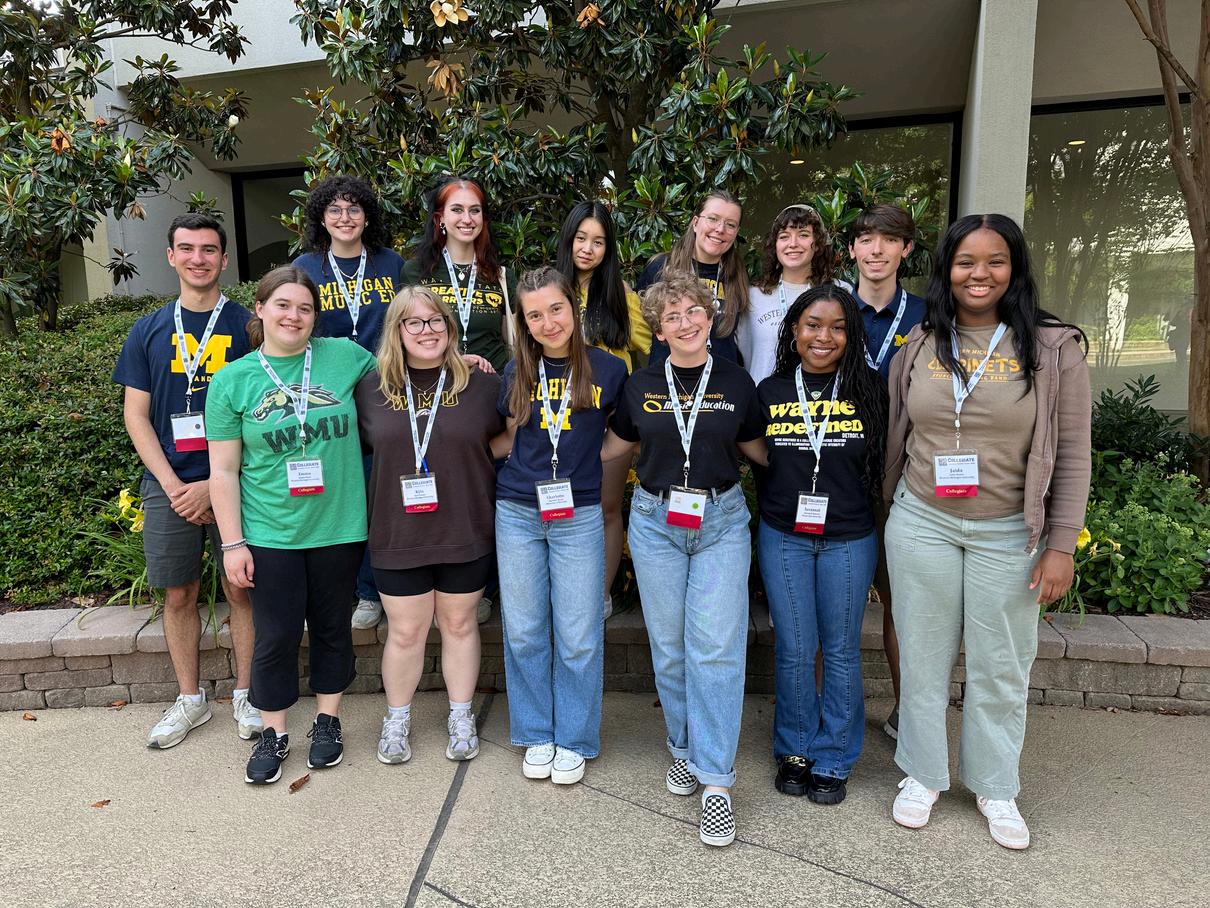
One of the most important activities of the National Assembly is the annual visit to Capitol Hill. This year, we had 16 representatives visit
congressional offices, including 13 collegiate students and future music educators from the University of Michigan (U-M), Western Michigan University (WMU), and Wayne State University (WSU), who joined me in advocacy efforts.
University of Michigan students: Bo Chenoweth, Chloe Meyer, Luke Viskupic, Sadie Holloway, Charlotte Kosek, and Shirley Han
Western Michigan University students: Madelyne Whitten, Avery Bowman, Emma Olson, Kyla Dennis, and Jaida Butler
Wayne State University students: Alex Thele and Savannah Moncrief
We divided into two groups and visited 12 congressional offices. In each meeting, we were well-prepared to advocate for maintaining current funding for a wellrounded education that includes music for all students. The tone was overwhelmingly positive, and we engaged in meaningful and productive discussions.
Ian Boynton, MMEA Professional Development Chair, continues to offer diverse opportunities for Michigan music teachers to advance their skills. The 2025–2026 MMEA online professional development schedule is now available, featuring a variety of one-hour Zoom sessions, each providing 1 SCECH credit.
The MMEA Book Study library also continues to expand. Participants purchase books independently, register for the study, and join the Google Classroom for that book. SCECH credits vary depending on the length of the book.
In addition, professional development courses through NAfME Academy are eligible for SCECH credit, based on a three-semester cycle. Upon course completion, participants receive certificates, which can be submitted via an MMEA Google Form to obtain SCECH credit. MMEA also hosts Teacher Talk Tuesday and a Digital Mentoring Program, free Zoom sessions that facilitate statewide collaboration among music educators. These sessions offer a platform to ask questions, seek advice, and exchange ideas.
We’re proud to see continued growth in our Elementary Honors Choir and Instrumental Clinic offerings each year. We’re especially excited to expand these opportunities across various locations throughout the state. Another exciting student opportunity, the Young Composers of Michigan Spotlight, is open to all K–12 students across the state. This program offers a meaningful chance for young musicians to have their original compositions heard, recognized, and celebrated.
Members of our Collegiate Chapters are not only passionate future educators, but
also dedicated state and national advocates for the power of music in schools. These emerging leaders actively participate in policy discussions, represent student voices at conferences, and collaborate with professionals to shape the future of music education. Many have taken on leadership roles in state chapters. They are demonstrating their commitment to advancing equity, access, and excellence in music programs. Through outreach initiatives, mentorship, and advocacy work, our collegiates are also making a meaningful impact in a variety of ways in their local communities.
Our Tri-M Music Honor Society is a student-led, NAfME-sponsored honor society—the only national organization recognizing secondary (grades 6–12) musicians for excellence in musical performance, academics, leadership, and service. In Michigan, Tri-M chapters are making waves by enhancing music education and community engagement. Notably, Allendale Middle School, (advisor: Adam Wurst; principal: Travis Plain), received a Tri-M grant from NAfME and NFHS to establish a chapter aimed at “building on traditions of music education for students to grow as musicians, leaders, and community members,” fostering service through performances and outreach. Through such initiatives, Michigan students are advocating for stronger music programs —leading service projects, performing in public venues, and raising awareness
about the essential role of music in education. These efforts align closely with the Michigan Music Education Association’s mission: to expand equitable access to quality music experiences across the state.
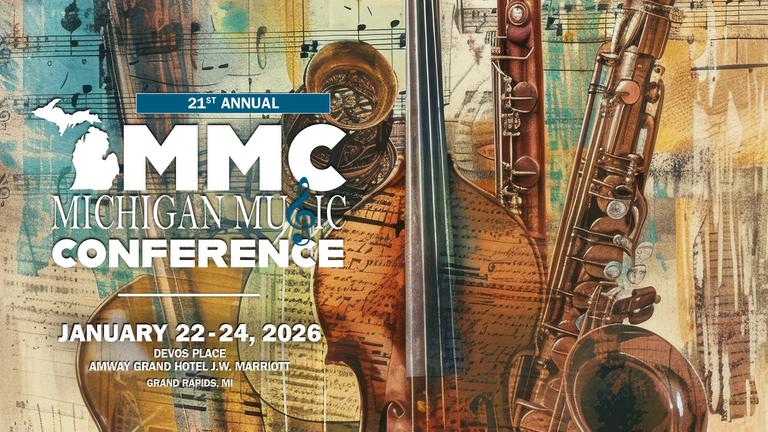
Plans are well underway for this year’s Michigan Music Conference, taking place January 22–24 in Grand Rapids. Leadership from all major Michigan music associations have been actively collaborating to ensure this year’s event is more dynamic, inclusive, and inspiring than ever.
Attendees can look forward to an exciting lineup of nationally recognized keynote speakers, high-impact professional development sessions, diverse performance showcases, and hands-on clinics tailored for music educators at every level. Whether you're looking to refresh your teaching strategies, connect with colleagues across the state, or simply reignite your passion for music education, this conference has something for everyone.
Don’t miss out on this vibrant gathering of music educators, students, and advocates. Mark your calendar now and make plans to join us for three unforgettable days of learning, music, and community!
MMEA continues to grow and thrive under Carin McEvoy’s leadership as our Executive Director. She consistently seeks new and meaningful ways to support and collaborate with music teachers across the state. And as we step into this new school year, let’s carry forward the spirit of connection, advocacy, and professional growth that has defined our shared work through the years. Whether through national representation, local mentorship, or the everyday magic happening in your classroom, each of us plays a vital role in shaping the future of music education in Michigan. Thank you for the energy, passion, and commitment you bring to your students, your colleagues, and our professional community. Here’s to a year filled with inspiration, impact, and harmony—both in music and in mission.
MMEA President
Denise Wilkinson, President of MMEA, is a retired music educator from Grand Ledge Public Schools. Her career has spanned several states, including Michigan, Kentucky, and Virginia She taught K–6 general music, 6–8 middle school choir and general music, and also spent time teaching first grade. In addition to her work in schools, Denise has served as a church music director in various congregations She holds degrees from Eastern Michigan University and The University of Olivet.
Denise grew up in the Livonia Public Schools, attending elementary and high school there, and completed junior high in Ypsilanti. She later served as a music mentor teacher for Michigan State University and Cornerstone University students, and was the MAT Site Coordinator for The University of Olivet. Her past leadership roles include serving as President of the Mid-Michigan Orff Chapter and as Professional Development Chair for MMEA
By Carin McEvoy
A workshop for active AND pre-services music educators
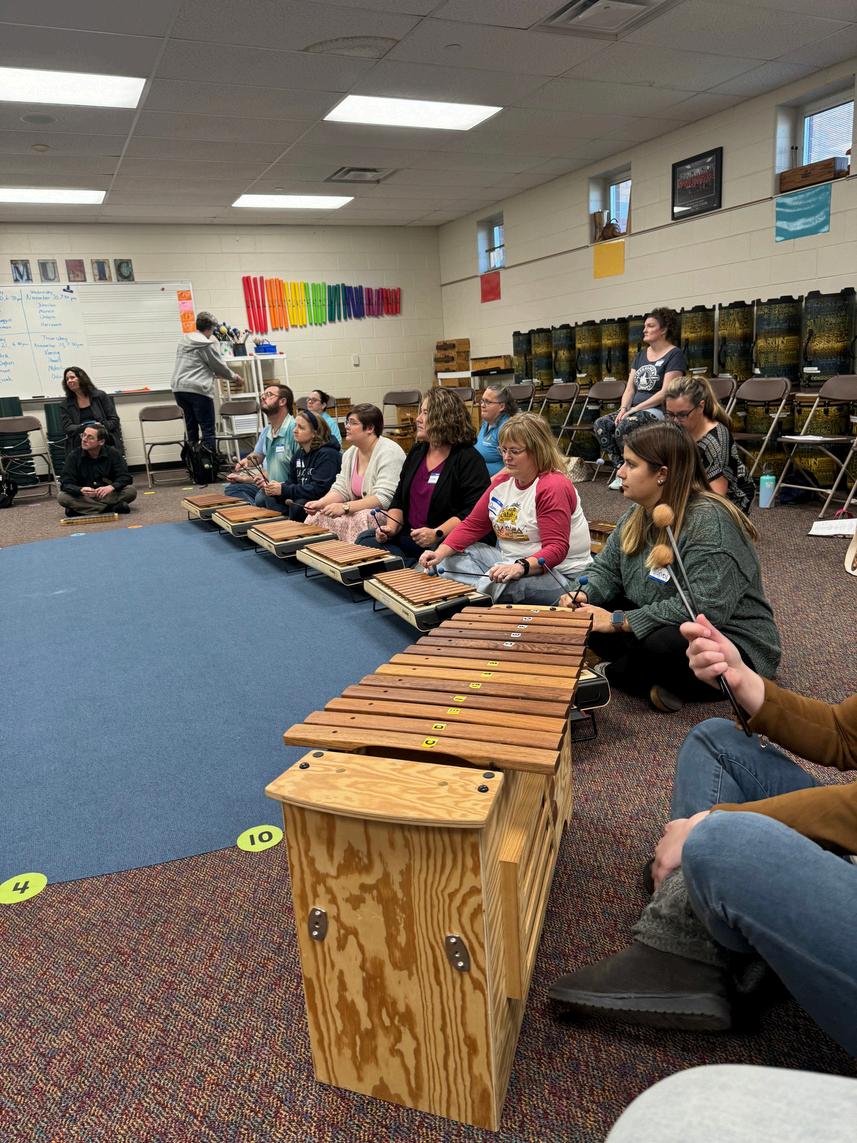
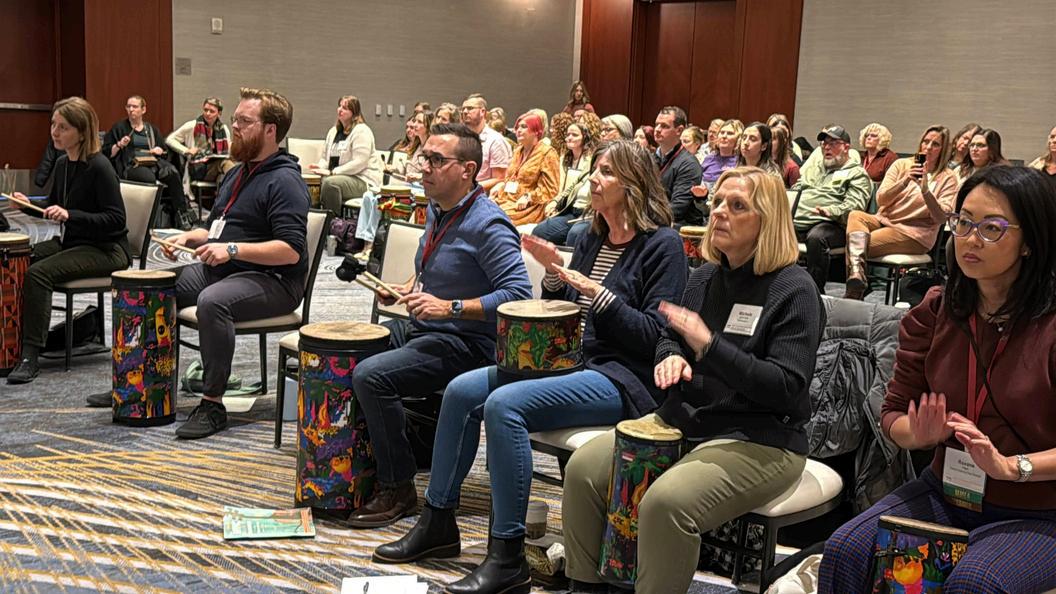
On Saturday, November 8, 2025 (10am-3pm) music educators from across the state will gather at Michigan State University for the annual MMEA General Music Fall Workshop. The workshop promises a full day of engaging sessions, professional networking, and renewed energy for the classroom. This year’s event has been carefully coordinated by Region D Representative Alex Ellul of Howell Public Schools, whose dedication to creating opportunities for professional growth is evident in every detail of the day.
The workshop opens with Step Into the Circle: Building Community Through Dance, led by veteran educator Rosalia Schultz. Her session highlights the power of folk and community dance to build belonging, foster joy, and strengthen musical skills. It is a fitting start to a day designed to bring teachers together around shared purpose and practice.
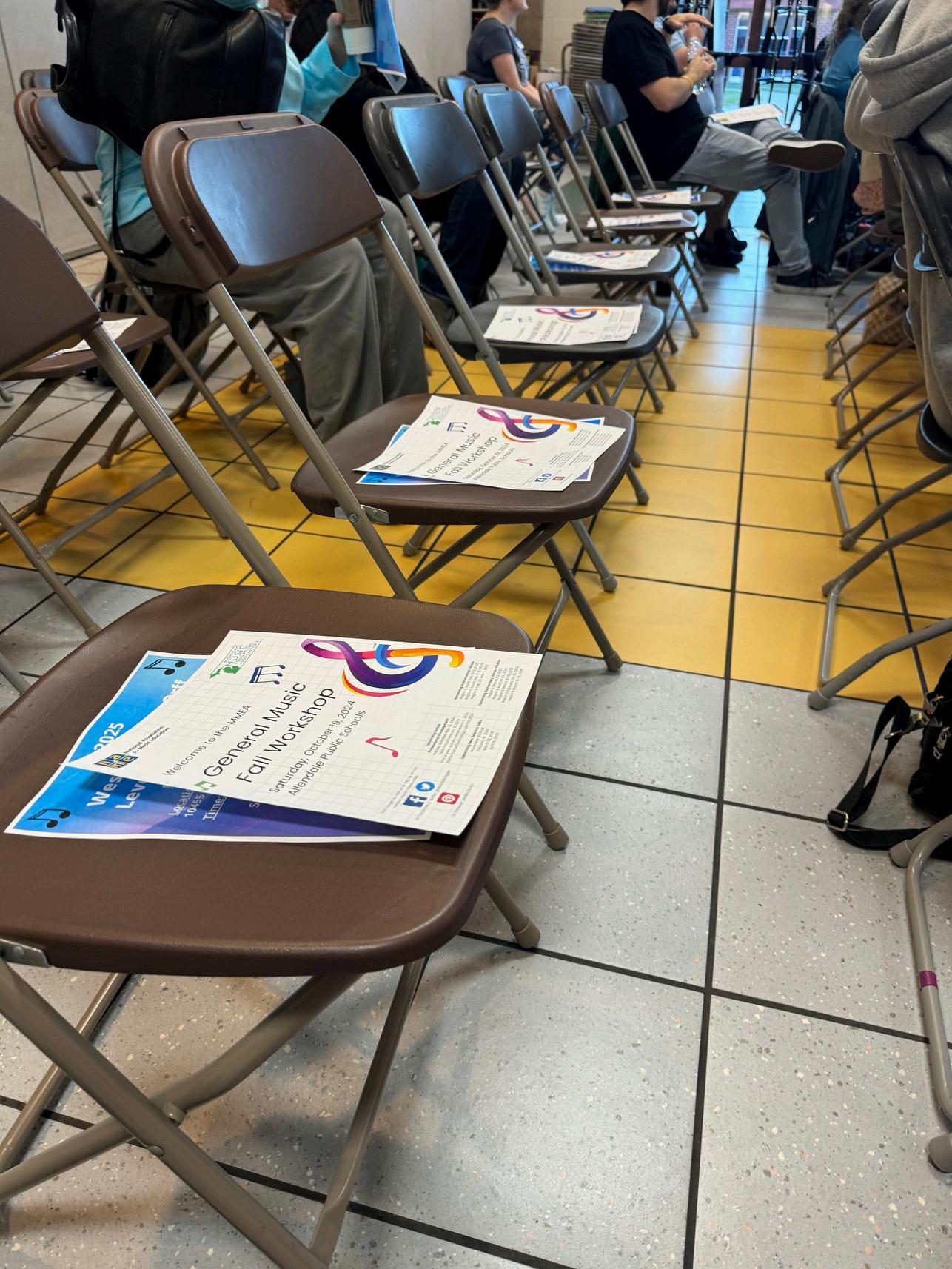
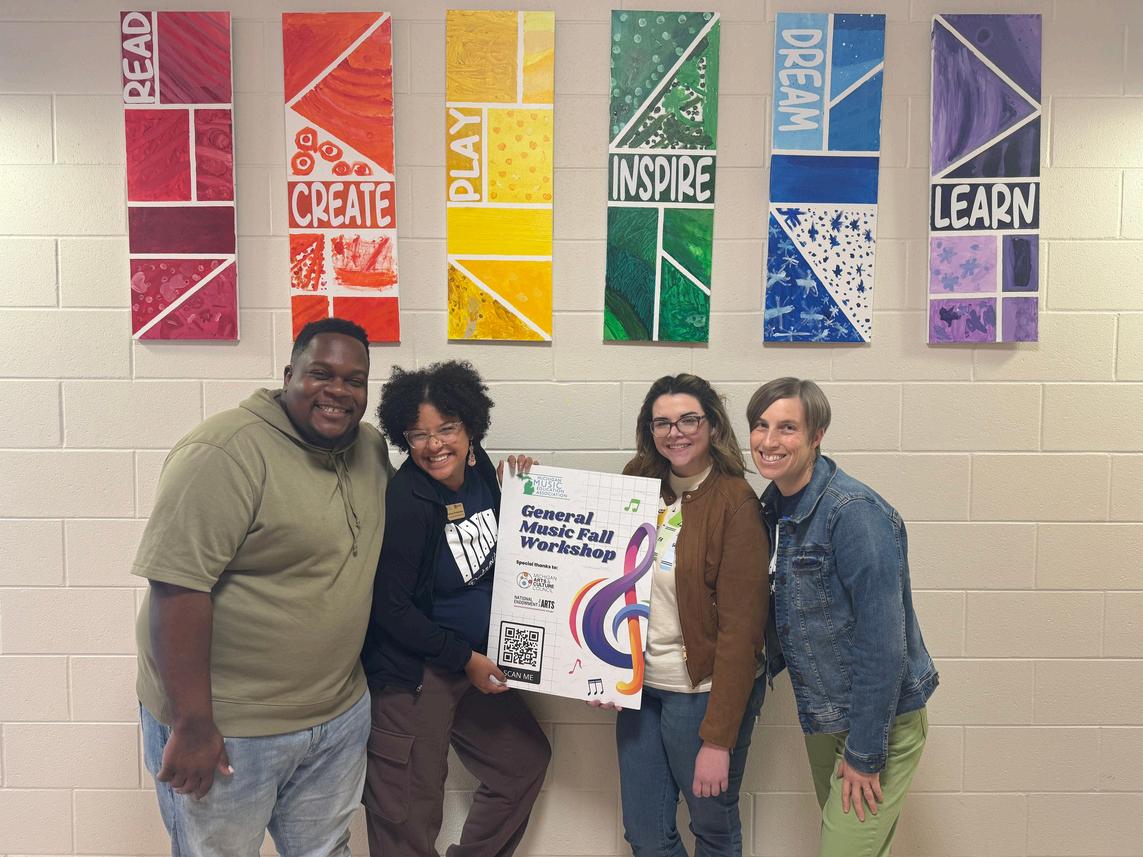
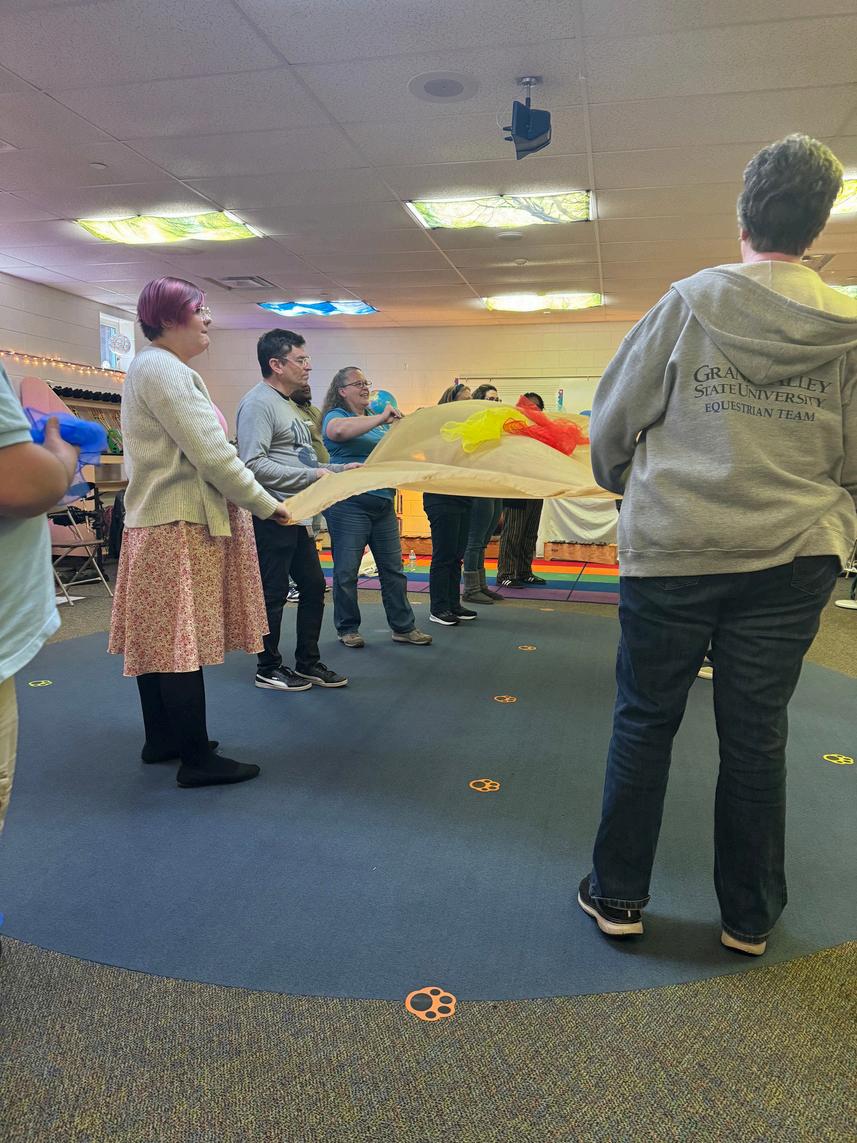
From there, participants will choose among sessions that reflect the variety of approaches guiding general music instruction today. Maria Schoon will introduce the foundations of Gordon’s Music Learning Theory in ABC’s of MLT, focusing on audiation, skill learning sequences, and sound-before-sight strategies, while Melissa Stouffer presents ABC’s of Kodály, clarifying misconceptions and sharing how this method supports child-centered and culturally responsive learning.
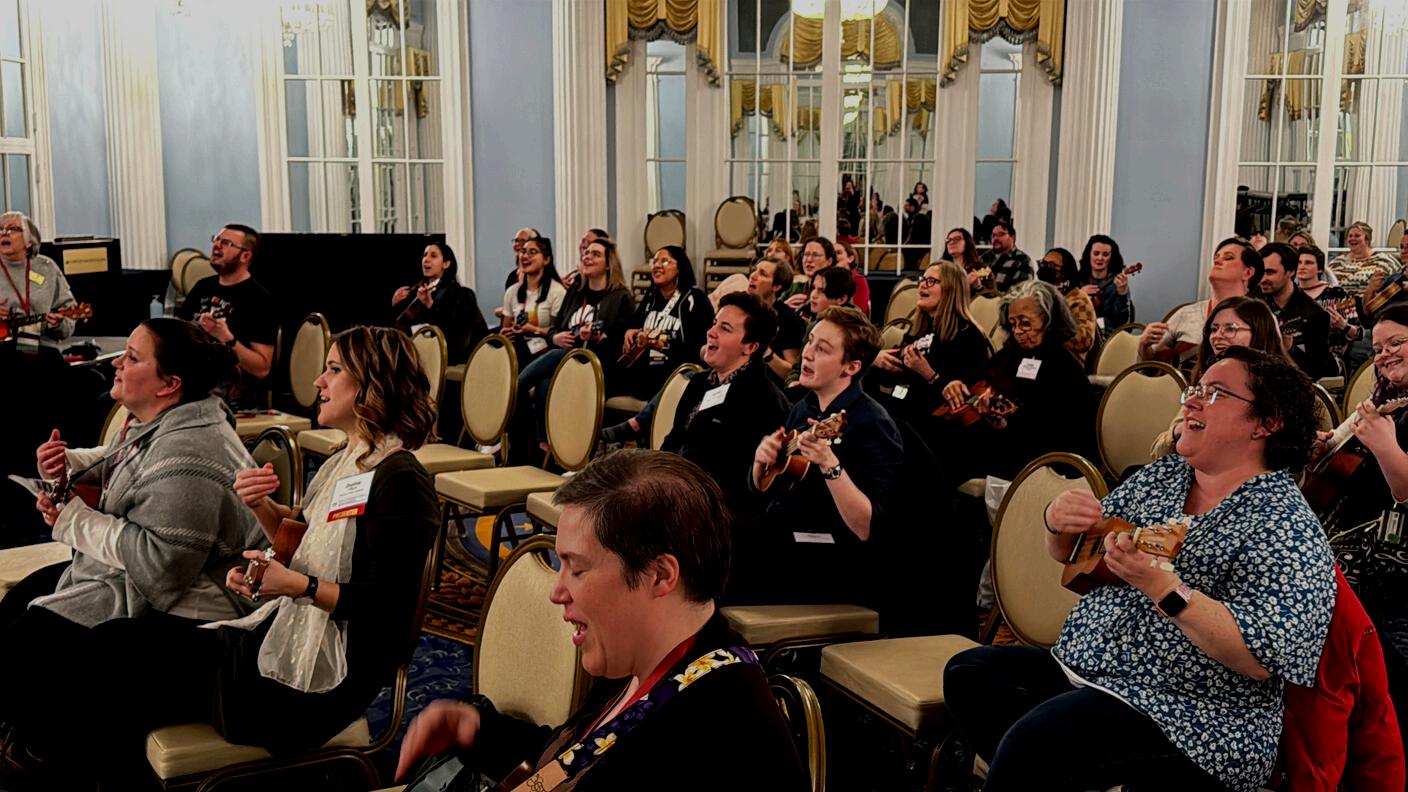
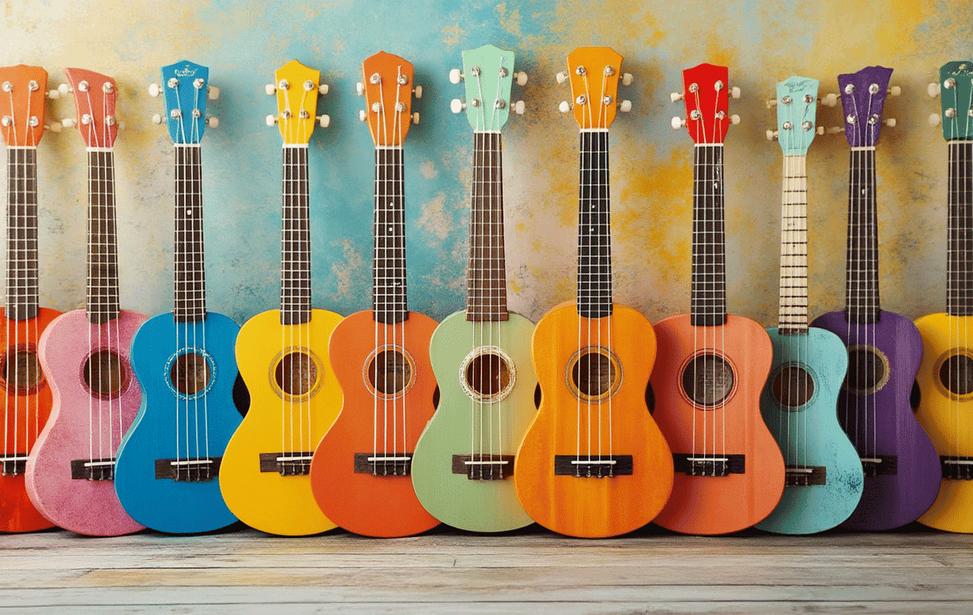
Later in the morning, educators will have the chance to explore vocal development and instrumental creativity. Rebecca O-G Eaddy will lead The Choir Before the Choir, a session offering practical strategies for helping upper-elementary students build vocal skills and confidence before joining a formal choir. At the same time, Peter Conniff will guide participants through Beyond Strumming – The Melodic Ukulele, demonstrating how the instrument can serve as a tool for melody, audiation, and creative exploration beyond basic chord work.
The afternoon continues with opportunities to step inside two influential approaches to music education. Ashleigh Lore brings her expertise in OrffSchulwerk to ABC’s of Orff, an active session centered on speech, singing, movement, and play as the building blocks of elemental music. Simultaneously, long-time educators Kris Ryskamp and Thomas Rhein present ABC’s of Education Through Music: Learn to Play, Play to Learn, sharing how ETM fosters emotional, social, and cognitive development through song and play-
based teaching.
The day concludes with sessions focused on creativity and early childhood. Kasey Julian, chair of the Young Composers of Michigan, will present Creative Composing Projects, offering strategies to structure and guide student work in composition while encouraging exploration and selfexpression. Meanwhile, Stephanie SchallBrazee will lead Voices in Bloom: Nurturing Singing Skills in Early Childhood, drawing on the First Steps in Music curriculum to help teachers support young singers in discovering their voices during critical early years of development.
Together, these sessions offer a rich cross-section of the philosophies, techniques, and practices that guide general music teachers in classrooms across the state. Each presenter brings not only their professional expertise but also a spirit of generosity, equipping colleagues with lessons and strategies that can be implemented immediately.
At its core, the General Music Fall Workshop is designed to provide meaningful professional development that supports the daily work of music educators. By bringing together practitioners with a range of expertise, the event offers participants practical tools, thoughtful perspectives, and opportunities for dialogue with colleagues. Thanks to the leadership of Alex Ellul and the contributions of this year’s presenters, the workshop at Michigan State University will serve as a valuable resource for teachers seeking to strengthen their practice and enrich the experiences of their students.
As a Detroit-based choral conductor, teaching artist, and cultural advocate, I’m deeply committed to creating supportive, identity-affirming musical spaces for young singers. My work—whether in K–8 classrooms, on the podium at Detroit Opera Youth Chorus, or through workshops across the region—focuses on music as a tool for selfexpression, healing, and cultural preservation.
In this article, I share the framework behind my recently presented workshop, More Than Just a Voice, and offer regional survey data that affirms a growing need: choir educators across Michigan and beyond want professional development that blends musicianship, representation, and emotional intelligence.
My passion for choral music began in the pews of my childhood church. By age two, I was singing in the choir, following my older brother, and later, my calling. That early immersion in gospel music,
BY REBECCA O-G EADDY
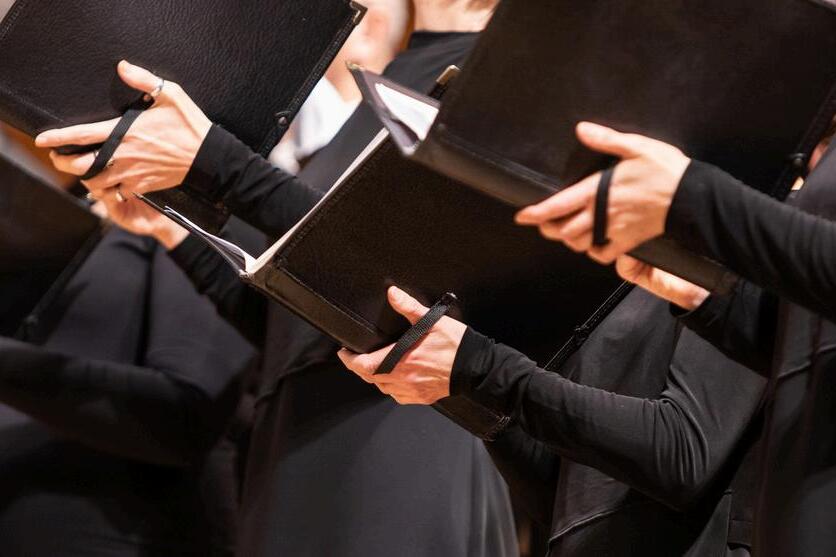
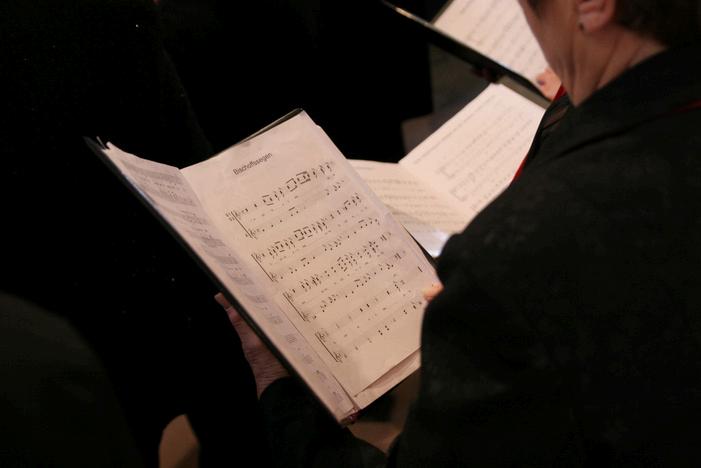
spirituals, and hymns grounded me in the expressive depth of Black choral traditions. I did not see a woman on the podium until high school, when Dr. Sandra Snow conducted the Michigan Youth Women’s Chorale; that experience showed me that music could be a lifelong path. I’d never seen a woman on the podium before! That’s when I realized music could be a lifelong path. Representation mattered. It changed everything.
In the years since, I’ve worked in Detroit Public Schools, rebuilding after emergency management, led choirs with limited resources, and witnessed the resilience of youth in systems that often overlook their voices. These experiences, as well as my own as a student, inspired More Than Just a Voice, a workshop that connects vocal pedagogy, contemporarily relevant repertoire, and identity-affirming rehearsal practices.
93% YES
Are you interested in choral workshops focused on vocal pedagogy?
Would you attend a workshop on culturally responsive teaching? 85% YES
Do you have access to mentorship or peer coaching? 64% NO
90% YES
Do you want more resources for repertoire reflecting student identity?
More Than Just a Voice is both a framework and a mindset—a teaching model that centers student voice, story, and cultural context in choral education.
The workshop explores:
Vocal technique as identity formation
Spirituals, for example, as sacred cultural texts
Repertoire as curriculum—what we choose teaches what we value
Student-led rehearsal culture and affirming classroom language
Practical tools for home practice, family engagement, and long-term growth
Each section includes interactive activities, such as emotion-based warmups, studentcreated gesture maps for phrasing, and small group discussions on cultural

“I want my students to feel like they belong in the music they sing.”
Survey respondent, high school choir director
ownership and voice change. It is designed for teachers and students alike.
These responses mirror what I’ve seen in classrooms across Michigan: teachers want authentic, usable strategies that support both artistic rigor and personal connection. In the Spring issue of the Michigan Music Educator, I’ll go into more detail about what this looks like in practice.
Rebecca Eaddy is the Principal Chorus Conductor at Detroit Opera Youth Chorus, Director of the Cathedral Choir at Hartford Memorial Baptist Church, and a former K–8 vocal music educator in Detroit Public Schools. She serves as Youth/Junior Division Chair for the National Association of Negro Musicians, Corresponding Secretary for the Detroit Chapter of The Pierians, Inc , and Choral Activities Coordinator for the Michigan Music Education Association
Contact: readdy@detroitopera.org More info: www.RebeccaEaddy.com



Help us honor the hard work and dedication of outstanding music educators and the community that supports them.

MUSIC EDUCATOR OF THE YEAR OUTSTANDING ADMINISTRATOR
HILDA HUMPHREY EMERGING LEADERS

RUTH ANN KNAPP ADVOCACY
MMEA DISTINGUIHED SERVICE
LEGACY IN MUSIC EDUCATION NOMINATE SOMEONE TODAY
https://mmeamichigan org/mmea-awards/


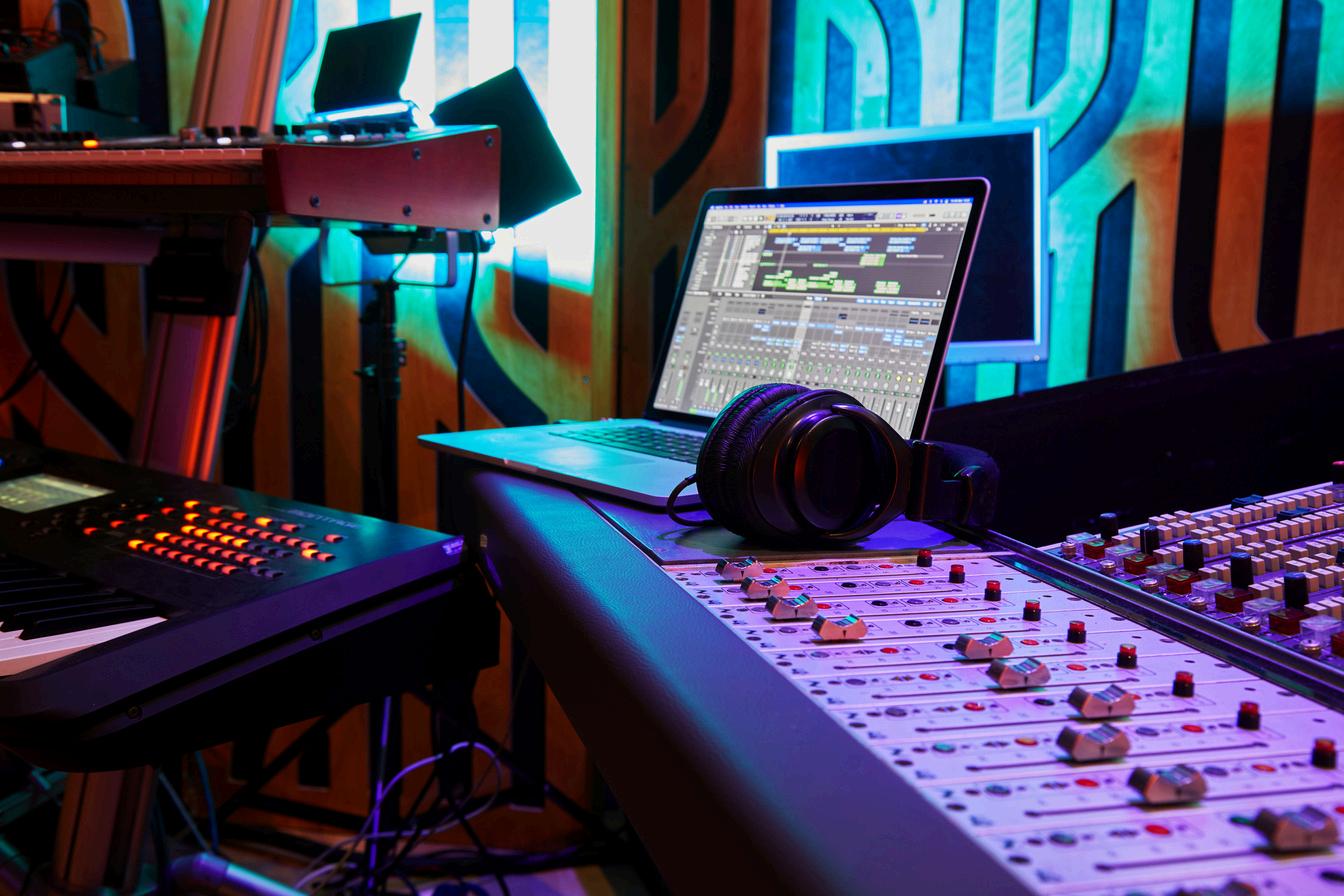
Many elementary music teachers are eager to transform their elementary music classrooms into dynamic 21st-century learning spaces through fostering music creation, analysis, and performance in today's increasingly diverse and connected student population. As educators, we must learn to embrace new tools and teaching methodologies that encourage creativity, collaboration, and a sense of ownership among our students. Furthermore, actively seeking community resources and securing funding are crucial for implementing innovative and impactful musical initiatives.
My first question to students each year — 'What music are you listening to?' — serves as more than just an icebreaker; it's a window into their vibrant and increasingly diverse musical landscapes. From pop to 8-bit, K-Pop to German video game music, their recommendations highlight genres like EDM, hip hop, R&B, and even unexpected gems like Italian opera. This explosion of diverse listening habits demands that our music education extends far beyond
Written by John Churchville
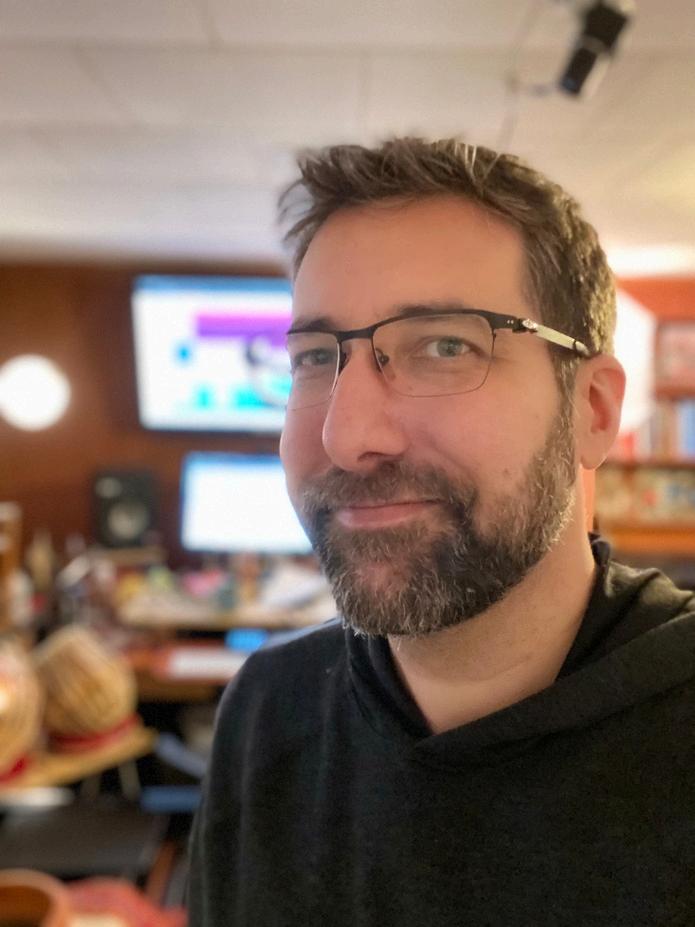
conventional song and dance. Technology, then, becomes the bridge, allowing students to not only explore the theory and skills behind these varied genres but also to take ownership of their own musical creation, moving from passive listeners to active composers and producers within the sounds they genuinely connect with.
When I began teaching in Ann Arbor Public Schools, my classroom had Orff instruments, tubanos, maracas, shakers, tambourines, a piano, a whiteboard laden with a musical staff, and a classroom set of ukuleles. Also, my district provided 1-to-1 Chromebooks and a Soundtrap.EDU account for every student. Essentially, every student had access to a personal Digital Audio Workstation (DAW), and an array of technological tools for musical creation. It was a great start, however, I wanted to transform the room into what I call a Sonic Workshop, a musical creative space for musical exploration, discovery and audio production.
First, I acquired a Public Address System (PA). A simple PA includes a couple of powered PA speakers, a small 4 channel mixing board, and a few dynamic microphones with all the cables and stands. A high quality sound system in your room is an amazing tool for listening to music, amplifying instruments, and allowing students to ‘perform’ using a microphone. A simple sound system like this can last for decades and is designed to be mobile, which makes it perfect for DJing a school dance, or other school events. Teaching the students how to use it provides real life skills that they can use in many public speaking and modern performance situations.
Next, I wanted the students to be able to utilize their Soundtrap accounts like professional musicians. By utilizing a simple two-channel Digital Audio Interface (DAI) and studio condenser microphone, you can get a “studio sound” that is clear and present. My favorite 2 channel DAI is the Scarlett 2i2’s, and I love the MXL
Condenser Microphone package. These two pieces of equipment allow the students to record directly into their chromebooks with professional quality sound. I use this system to record the class singing, and will even record my lessons into a Soundtrap session, which can easily be shared with the class. I have found that the process of recording and playing back their voices develops their self-evaluation skills. They hear themselves and become familiar and more comfortable with how they sound. As they listen to themselves, they become more aware of their sound and it becomes easier for me to guide them into healthy vocal production.
The latest and most innovative purchase for my classroom was a Silent Sound System (https://silentsoundsystem.com/). This system puts music through wireless headphones, which allows a large group of people to dance together in silence at events called “Silent Discos”. When I saw a group of 300 people all dancing together in silence, I immediately thought about utilizing the Silent Sound System in my classroom. The headphones are durable, fully adjustable, and the students absolutely LOVE using them. Classroom uses go well beyond throwing a dance party. Through my DAW, I can speak to the class through a mic in a whisper and they can hear me clearly. They can move around the room freely, and, most importantly, we can record their voices singing to music without the music playing in the room, which yields
representative for 10+ years. My representative helps me to compile wishlists that I can then take to my principal and PTO to ask for the money. They also follow up and make sure I know how to put my system together.
a recording of only their voices. With multiple channels available, I can have groups of students working on different projects at the same time. One group may be listening to an online lesson, while another group is recording or listening back to a recording. This one piece of technology has opened up a multitude of possibilities.
Of course, everything I have described costs money. The good news, especially for public schools, is that there are many opportunities for funding and grants, especially in the state of Michigan. From community sourced sites like donorschoose.org to local and national community minded organizations like Kiwanis (kiwanis.org/members/grants-scholarships/), there are many ways to find funding for your music classroom. MMEA Treasurer Ashleigh Lore wrote a must-have book called The Music Educators Guide to Grant Writing that serves as a wonderful reference to finding grants, organizing the process, and doing all the due diligence related to grant funding. There is also wonderful work being done by Michigan Arts Education Instruction & Assessment (MAIEA) to bolster Music and Arts programs in the state of Michigan (https://maeia-artsednetwork.org/ micreativepotential/). Connecting with MAIEA is what helped me to find and understand state-wide grant programs such as the Michigan Arts & Humanities Touring grant (https://www.michiganhumanities.org/ touring-grants/), which I have used yearly to bring in
artists for performances, workshops, and collaborative creation with my students. There is also the Michigan Department of Education's Section 33 Grant (https://www.michigan.gov/mde/servi ces/financialmanagement/grants/section-33), which is a large grant funding opportunity for developing music programs.
To provide an example of how a 21st century music room can function, I will highlight a project from this past year that exemplifies everything how I have used these resources., involving four 5th grade classes from Pattengill Elementary School in Ann Arbor. The classes collaborated to write a song that exemplified their experience as 5th graders as well as their feelings and thoughts about moving up to 6th grade. We took a little time each class over the course of two months to come up with the lyrics and chord structure, resulting in a song titled “Once A Puma, Always A Puma”. We then brought in professional musicians through a Michigan
Humanities Touring Grant to record the music. The recording sessions happened during class in front of the students while they listened through the Silent Sound System. Some students took on the role of audio engineer by setting mics and pressing “record”. Other students acted as producers, explaining the mood, feel, and important aspects of their piece to the recording artists, asking their guests to do take after take until it was ‘right’. The students then became the artists as we used our DAW to record all four classes singing the song. Because of the Silent Sound System’s capacity to record everyone singing all at once, the students came up with the idea to record take after take until we had a total of 1000 voices recorded! The end result was an amazing song that will forever represent the culmination of their elementary experience. As an ‘easter egg’, the students included the titles of all the songs they had composed in their third and fourth grade music classes. Have a listen here:
https://www.youtube.com/ watch?v=7SMYFtSyJDI&t=2s
Building a 21st century Elementary General music classroom requires vision, resilience, and a desire to learn new technologies. Projects like this one provide opportunities for students to play the role of artist, engineer, and producer. Successful use of technology can foster students’ creativity, bringing students into the arena of musical skill building, performance, and appreciation. Recognizing the lived musical experiences of today will foster deeper appreciation and involvement tomorrow, no matter what musical interests may develop. As you work to build your own 21st century classroom, always be sure to put the students at the center while providing the tools, time, and guidance through your musical expertise.
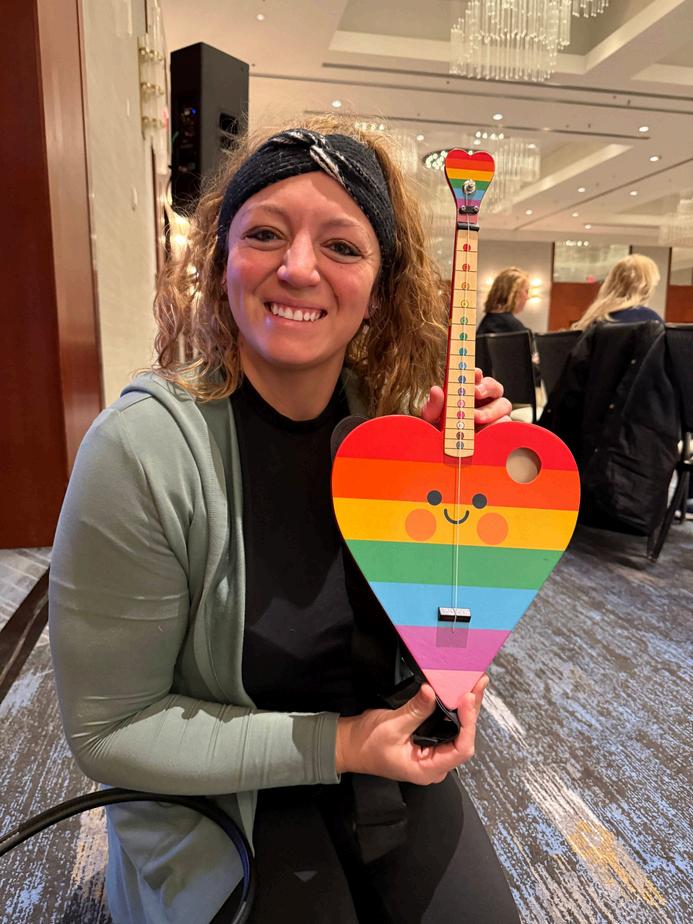
Hi Friends!
I’m SO excited to let you in on what we have in the works for the 2026 Michigan Music Conference!
First, our PreConference Headliner on Thursday January 22, 2026, is Dr. David Frego. Dr. David Frego is a choral and general music educator, specializing in Dalcroze Eurhythmics. He has taught multiple levels of music instruction, including elementary and secondary general, secondary choral, special needs populations, collegiate teacher training, and therapeutic approaches for people affected with post-traumatic stress. David is also one of the founders of and Master Teaching Artists for the American Eurhythmics Society.
January 22-24
Written by Melissa Stouffer MMC Planning Committee Representative
Our Conference Headliner on Friday and Saturday is Michelle McCauley Bobadilla (Washoe/Shoshone/ Paiute/Quinault) is a member of the Pyramid Lake Paiute Tribe in Nevada and Music Educator known for her work highlighting her culture authentically for music educators. Here’s a great article she wrote to get you excited!
https://www.decolonizingthemusicroom. org/giving-cultural-context-to-teaching
Check out her YouTube Page: https://www.youtube.com/ @MichelleMcCauley
Next up which I’m excited to let you know is that we are going to have a few Thursday night sessions this year! We will have 3 sessions between the end of the PreConference and before the start of the Exhibit Hall Welcome Reception. If you are looking for something to do, bring your own dinner, door dash or snag a later dinner on the way to the Welcome Reception. You won’t want to miss these sessions!
Friday night after the college receptions, we have more folk dancing and the ukulele jam so bring your dancing shoes and your uke!
Also, I have some BIG news. Literally. This year we have at our disposal some NEW space to use! Make sure you take a look at what rooms we are scheduled in this year. The old exhibit hall (the Steelcase ballrooms) will be split into 4 spaces that we will be utilizing this year! We are so excited to try out this new, BIG space!

Members from Michigan’s music education organizations—MMEA, MSVMA, MASTA, and June 22–23, 2025, Hotel in Grand Rapids Strategic Planning strategic planning conference occurred another in 2020, and the third of its representatives from the retreat highlighted the collaborative energy that has long defined the Michigan Music Conference (MMC). Together, participants reflected on the shared values and purpose that unite Michigan’s music educators, resulting in the adoption of a renewed mission
In keeping with my duties on the board of MMEA, it has been a pleasure to serve on the Planning Committee and Executive Board of the Michigan Music Conference (MMC) for the past 5 years. In this article, I will highlight MMC planning updates from our recent Strategic Planning Retreat, as well as a taste of what you can expect from MMEA sessions at MMC in January 2026.
Future Conference Dates: January 21-23, 2027
January 20-22, 2028
January 25-27, 2029
statement: Connecting, empowering, and inspiring the music education community through varied professional development and vibrant musical experiences.
Conference Chair Dan Scott led us in a series of conversations where we reflected on attendee feedback and reviewed the conference’s recent successes and challenges. We acknowledged milestones like the 15th anniversary and the strength of collaboration post-COVID while also tackling key areas for improvement, such as venue logistics and exhibitor retention. We brainstormed new ideas for what could be possible in the near future, and mobilized several committees to bring visions to fruition. Whether envisioning nationally recognized headliners or enhancing equitable access for students and educators, all plans were united by a commitment to musical excellence and educational impact across the state. Among the many exciting developments, the committee celebrated the news that MMC 2026 will feature the largest footprint in the conference’s history— bringing even more performances, sessions, and experiences to you in the ballrooms, performance hall, and exhibit space. The retreat reaffirmed that MMC isn’t just a conference—it’s a thriving, evolving community. With creativity and collaboration at the forefront, the future of MMC is brighter than ever.
The Michigan Music Conference (MMC) 2026 is scheduled for January 22-24, 2026 at the Devos Place, Amway Grand, and J.W. Marriott Hotels in Grand Rapids. MMEA, MSBOA, MASTA, and MSVMA is excited to welcome our Research Headliner (and Michigan native) Dr. Bridget Sweet (University of
Illinois), who will bring sessions related to her research interests in middle level choral music education, adolescent voice change, musician health and wellness, and intersections of motherhood and academia. Renowned clinicians and Dr. John and Lillie Feierabend anchor the conference with independent sessions at a new time on Thursday afternoon featuring Conversational Solfege and Family Folk Dance. Dr. Juliet Hess (MSU) brings critical insight with sessions on Trauma and Resilience in Music Education and Disability Studies in Music Education, offering frameworks to better support students’ identities and experiences. Dr. Marie McCarthy (U of M) contributes historical and cultural depth with a Historical session on the MENC in Detroit in 1926 and an interactive session blending Irish story, song, dance, and drama. These well-known presenters set the tone for a conference rooted in both academic rigor and classroom relevance.
2026 presenters will weave threads of inclusive themes throughout the program. Chelsey Pratt’s Inclusive Strategies for Elementary Music and Emily Head’s Teaching on the Spectrum offer practical ideas for meeting diverse learning needs. Abby Lewin-Ziegler’s Self-Contained? Yes, Please! and Adam Deski’s session on teaching students with cognitive disa-
bilities focus on accessibility in special education settings. Amber Cooper explores both identity development and classroom culture in her sessions You Belong Here and Identity Under Construction, while Dr. Karen Salvador’s timely topic, Teaching Through the "DEI Backlash", equips educators to maintain equity-minded practices in increasingly polarized climates.
MMC will feature practical classroom strategies designed to support instruction, organization, and student engagement. Zach VanderGraaff’s Smooth Moves offers quick transitions to keep classes flowing, while Jennifer Bailey’s What to Do on Tuesday? and Guiding Musicianship with Special Learners provide adaptable approaches for structured, inclusive planning. David Lurie’s Reinvigorate the Recorder and Rosalia Schultz’s Repetition with Variety breathe new life into recorder approaches, while David Keep uses physical movement to tackle rhythmic challenges in Tripping over Triple. Dr. Kenneth Smith’s session, Wait… Music Literacy Can Be Fun? delivers actionable ideas for reading and notation, and Steven Hu-Wideman highlights upper elementary student agency in Chart-Toppers and Game-Changers.
Beyond classroom techniques, the conference fosters broader professional growth and knowledge. Sessions like You and Your Teacher’s Union with Allie Holden and Mastering the Art of Communication by Michele Paynter Paise support advocacy and interpersonal skills. Mark Hageman’s Trauma-Informed Practices and Advocacy at the Local and State Level sessions address both student well-being and systems-level change. Other notable offerings include a presentation on children's songs and games from the Volta Region of Ghana by Godsway Dunyo and Dr. Sarah Dunyo Minette, Theresa Camilli’s work on early piano technique, and several sessions on folk dance, Mariachi, Arabic music, and EDM composition. The 2026 MMC promises a rich and engaging experience for music educators at every level! I look forward to seeing you there!
BY KENNETH J. MOORE COLLEGE OF MUSICAL ARTS, BOWLING GREEN STATE UNIVERSITY
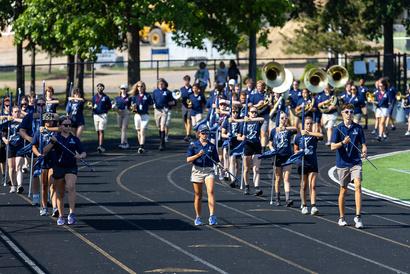
This historical article provides an account of the Sounds of ‘76, a touring production of Michigan high school musicians in the summer of 1976. The project was cosponsored by the Michigan School Band and Orchestra Association and the Michigan School Vocal Music Association with two central aims: to celebrate the American bicentennial and to showcase music education in the state. The nation’s 250th anniversary in 2026 provides a perfect opportunity for music educators at all levels to adopt the Sounds of ‘76 model for collaborative advocacy. Suggestions for joint projects are included.
The 2026 American Semiquincentennial will be a significant cultural event, with
music playing a central role. Schools at every level of instruction will call on their music programs to perform patriotic anthems and national marches at community observances, from elementary general music classes to university marching bands. There will also be an opportunity for programs to collaborate to produce special events. Such a group was assembled for the bicentennial fifty years ago, not only to help the state celebrate America’s 200th anniversary, but also to showcase music education in Michigan. This select ensemble, called the Sounds of ‘76, provides an example of what is possible when our music education associations work together toward a common goal.
In 1973, the Michigan School Band and Orchestra Association (MSBOA) appointed a Bicentennial Committee to explore ways that the organization might participate in the upcoming observances. The committee developed a plan for a 200-student touring
group that would appear at shopping malls, city squares, and public parks around the state, performing patriotic music and exhibiting the strength of music education in Michigan. The MSBOA applied for a $10,000 grant from the Michigan Council for the Arts in the spring of 1974 to help finance the tour, intending to offset the remaining expenses through corporate donations. However, the grant was later denied, and the MSBOA began formulating alternative proposals . 1
On March 31, 1975, Howard Lancour, executive director of the Michigan Bicentennial Commission, contacted the MSBOA to express the state government’s interest in having an honors band, orchestra, and marching band perform publicly around the state, but when the cost was estimated to be $60,000, the plan stalled due to budgetary concerns. A breakthrough occurred in the fall when the Michigan Bicentennial Commission awarded the MSBOA a smaller $21,000 grant. Although the amount was insufficient to fund the original proposal for a 200-student touring group, the MSBOA reworked the plan to include a smaller cast of 120 high school musicians that would perform a Broadway-revue-style show of patriotic music. The MSBOA, the Michigan School Vocal Music Association (MSVMA), and the Detroit Free Press jointly sponsored the production, calling it the Sounds of ’76. The grant provided enough funds to underwrite a two-week tour . 2
The sponsoring organizations engaged several prominent Michigan musicians and educators to direct the tour. Composer Jerry Bilik, staff arranger for the University of Michigan, served as artistic director, writing several original arrangements and the narration for the show. MSBOA members Russ Reed (Gross Pointe South High School), John Whitwell (Ann Arbor Huron High School), and Jack Pierson (Dearborn Fordson High School) directed the orchestra, concert band, and jazz band respectively. MSVMA members Roger Dehn (South Haven High School) and James Hohmeyer (Clawson High School) directed the concert choir and swing choir. MSBOA Managing Secretary Bruce Galbraith served as project director.
Using repertoire recommended by the directors that included both original material and commercially available arrangements, Bilik constructed a ninetyminute program of American vocal and instrumental music. The production featured segments for each ensemble in the following sequence :3
Introduction: Brass and Percussion
Fanfare
Orchestra
Orchestra and Choir
Concert Choir
Jazz Ensemble
Swing Choir
Small Band
Symphony Band
Band and Concert Choir
Finale – Full Cast
The production did not include an intermission and required seamless transitions from one segment to the next. Galbraith recalled the intricate staging maneuvers demanded of the Performers:
Bicentennial by assembling the Sounds of ’76 to showcase the strength of music education in the state’s public schools. As we prepare for our nation’s 250th anniversary in 2026, the same model can be applied. As education continues to be
Bilik [wrote] a continuous show [in which the] orchestra would start and then the choir would walk on in front of them, and then the orchestra kids would stand up and leave the stage. Dick Perkins from Royal Oak was the manager of all of the equipment, [giving the performers directions like], “you’ve got to pick up your chair when you leave and move it six feet to the left.” We choreographed the show. We went to all the sites ahead of time, including Kincheloe Air Force Base in the Upper Peninsula . 4
Four hundred students from across the state auditioned at Central Michigan University on May 15, and one hundred twenty-three were selected for the cast. Because of the nature of Bilik’s show, the students were expected to do “double duty” by both singing and playing an instrument; some students auditioned on as many as three instruments, as well as voice. The sponsoring organizations billed the Sounds of ’76 cast as “120 of the finest high school musicians” in the state5. After only one week of rehearsals at the Interlochen Center for the Arts, the tour began there on June 21 and concluded two weeks and twenty performances later at a Detroit Tigers baseball game on July 4.
In 1976, Michigan’s music education community leveraged the American
marginalized and scrutinized, there remains a need to bring public attention to the value of music education. Music teachers at all levels can capitalize on the American Semiquincentennial by organizing collaborative performances. Partnering with colleagues in your school or district for a community concert is a manageable way to showcase your K-12 music program. Regional projects that combine programs from different institutions can yield large-scale performances for broader audiences. Programs with more ample resources can partner with underfunded ones to promote greater equity and access. The possibilities for these projects are endless. Embrace the spirit of the Sounds of ’76 by collaborating with colleagues to celebrate our nation and the power of music education!
1. “MSBOA Committees and Committee Chairmen,” MSBOA Journal (Spring 1974): 19; MSBOA Minutes of the General Membership, Meeting of June 1, 1974.
2. Howard Lancour, personal communication to MSBOA President Gene Salamony, March 31, 1975; MSBOA Minutes of the General Membership, Meeting of May 31, 1975; Bruce Galbraith, MSBOA Managing Secretary (1969-1977), interview by the author, Ypsilanti, Michigan, March 18, 2009; “MSBOA-MSVA Bicentennial Celebration,” MSBOA Journal (Fall 1975): 14.
3. “Sounds of ’76: A New Venture in Entertainment for MSBOA,” MSBOA Journal (Spring 1976): 12; MSBOA Minutes of the General Membership, Meeting of June 5, 1976.
4. Galbraith, interview.
5. MSBOA Minutes of the General Membership, Meeting of June 5, 1976.
Kenneth J. Moore: https://orcid.org/0009-0000-7894-9863
Correspondence concerning this article should be addressed to Dr. Kenneth J. Moore, Bowling Green State University, 2131 Moore Musical Arts Center, Bowling Green, OH 43403. Email: moorken@bgsu.edu
Dr. Kenneth Moore serves as Assistant Professor of Music Education and Director of the MM in Teaching Artistry degree program at Bowling Green State University, where he teaches a variety of graduate and undergraduate courses. Before his appointment at BGSU, Dr. Moore spent three decades as a public-school educator, including twentyfive years as director of bands and music department chair at Dexter (MI) High School.
Dr. Moore holds the DMA in music education from Boston University, as well as an MA in trumpet performance and a BM in music education from Eastern Michigan University. His research and writing have been published in Contributions to Music Education, the Journal of Historical Research in Music Education, the Journal of Band Research, Teaching Music, and the Michigan Music Educator. He remains active as an adjudicator, clinician, and guest conductor.

BY BO CHENOWETH & ALEX THELE

This column highlights the ongoing work of the Collegiate NAfME Board in Michigan, offering both a reflection on recent activities and a preview of upcoming initiatives. First, we provide insight to how our board has evolved and introduce the personnel that comprise our current board. Next, we offer an overview of recent engagements, encompassing conferences, meetings, and advocacy initiatives, which collectively inform our goals and objectives as a board. Finally, we offer reminders of our yearly events while also introducing new initiatives for the year ahead, designed to expand access to NAfME materials, emphasize advocacy, and strengthen connections among collegiates in our state.
The Collegiate NAfME Board in Michigan has grown significantly over the past 25 years, expanding both its structure and its reach. What began with two collegiate representatives on the MMEA Higher Education Board has developed into the Collegiate NAfME State Board we know today. Over the past decade, this growth has included statewide efforts such as the Collegiate NAfME Conferences, hosted periodically by institutions across Michigan. Each conference has provided a platform for collaboration and community, furthering our mission of connecting and empowering music education students.
This year, the board is composed of five music education students from three Michigan universities. President-Elect Nadia Johnson (choral, University of Michigan), Secretary Kate Stienstra (instrumental, University of Michigan), Treasurer Alex Thele (choral, Wayne State University), and Social Media Chair Parker Havard (choral, Michigan State University) join me, Bo Chenoweth, serving as President.
As a board, we are committed to upholding the values that have historically grounded our work while also exploring new opportunities for music education students in Michigan to connect and grow.
Over the summer and into this fall semester, our board has prioritized creating spaces where students can collaborate, exchange ideas, and
strengthen statewide connections. In May, we hosted the NAfME Collegiate Leadership Assembly at Wayne State University. Students from Central Michigan University, Grand Valley, Wayne State, Hope College, Northern Michigan University, and the University of Michigan joined us in person and online. The event gave students an opportunity to connect and discuss everything from the role of NAfME on their campuses to recommendations for future initiatives.
In June, 13 music education students from Michigan represented our state at the NAfME Collegiate Leadership Advocacy Summit in Reston, Virginia, followed by Hill Day in Washington, D.C. There, students from Western Michigan University, the University of Michigan, and Wayne State University joined peers nationwide for leadership development, national networking, and music education advocacy. Over three days, students engaged in sessions led by NAfME’s national leadership and participated in dialogue-based discussions. The trip concluded with meetings in 12 congressional offices from Michigan to advocate for music education.
To bring this experience back to Michigan, we hosted the DC Debrief: cNAfME Fall Meeting on September 14 via Zoom. Open to all music education students, this session offered a recap of takeaways from the D.C. trip, advocacy resources, and opportunities for statewide reflective discussion.
Looking forward, our board is committed to
strengthening community and advocacy through statewide events and new initiatives. In that spirit, we are preparing for MMC 2026, where three engaging collegiate sessions are in the works. Dr. Lasch from Wayne State University, Cinderella Ksebati, a vocalist, creator, and educator, and jazz trumpet Professor Kris Johnson from the University of Michigan will serve together on a panel discussion for The Secret to Success for Artist Entrepreneurs. The panel, facilitated by cNAfME Treasurer Alex Thele, will explore strategies for building sustainable performing arts careers, covering both musical and business skills. Dave Visnaw from Oakland University will present Start Smart: Contracts, Pensions, and Your Financial Future, a session designed to give new educators practical tools for understanding contracts, retirement plans, and financial planning. Our Collegiate Resident Speaker, Bridget Sweet from the University of Illinois, will lead Healthy Music Practices: Maintaining Longevity in the Music Education Profession. Her session will focus on self-care, voice health, hearing conservation, and musculoskeletal wellness for musicians. Dr. Sweet will also join us as a guest at our Collegiate Reception. As plan the reception, we welcome input from students, whether first-time attendees returning participants, about what would make this year’s event meaningful. Suggestions may be sent to collegiate@mmeamichigan.org.
Another initiative is the Multi-Campus Regional Meetups, designed to give schools in closer proximity an opportunity to connect and collaborate. With oversight and support from the Collegiate NAfME Board, participating campuses will plan small-scale regional events,
creating space for students to build community, share ideas, and creatively collaborate.
Finally, we encourage all members to mark their calendars for Advocacy Day in Lansing on March 19, 2025. Further details for this event will be announced as the year progresses. This event offers students and professionals the chance to advocate for music education across our state. Together, these initiatives are designed to expand access to NAfME materials, place greater emphasis on advocacy, and foster stronger connections among Michigan’s collegiate members.
If you’ve read this far, thank you. Most