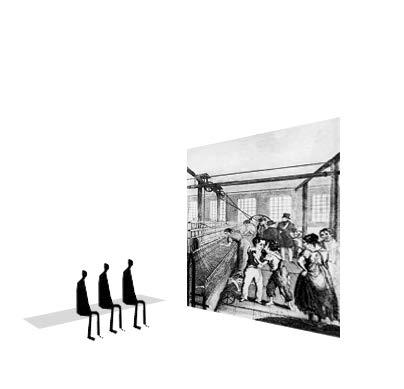
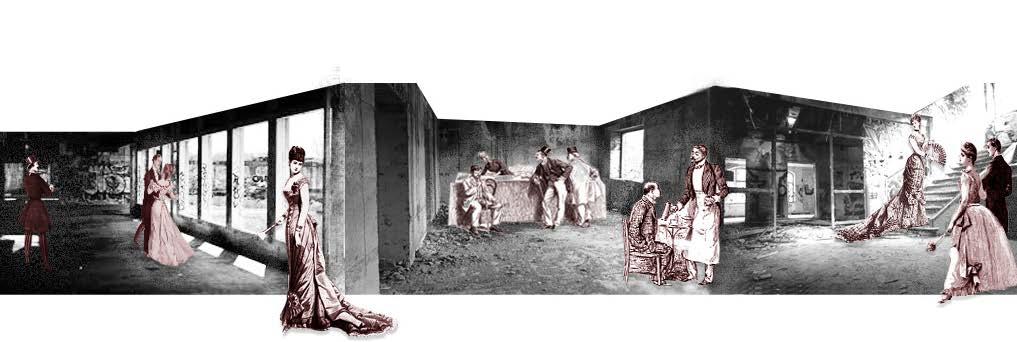
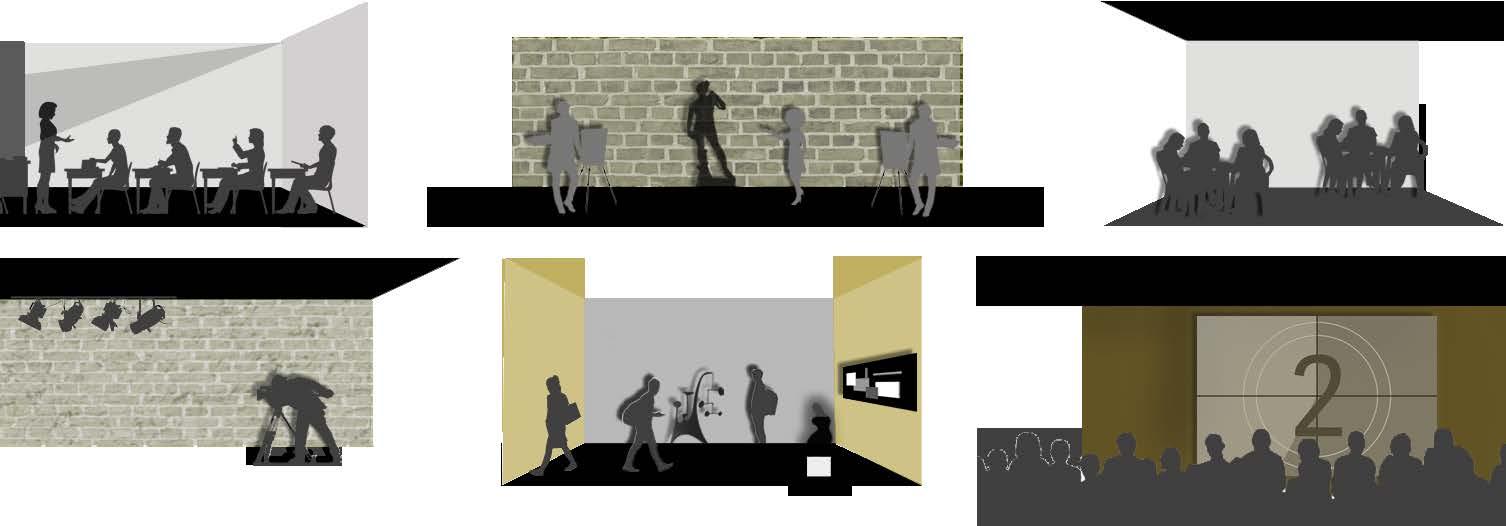
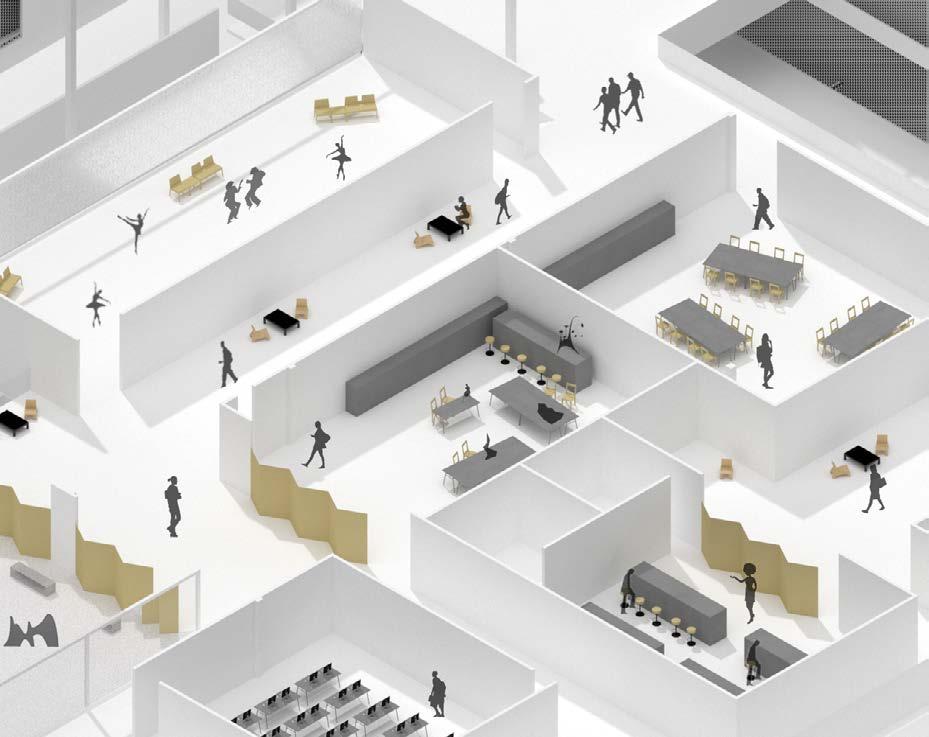
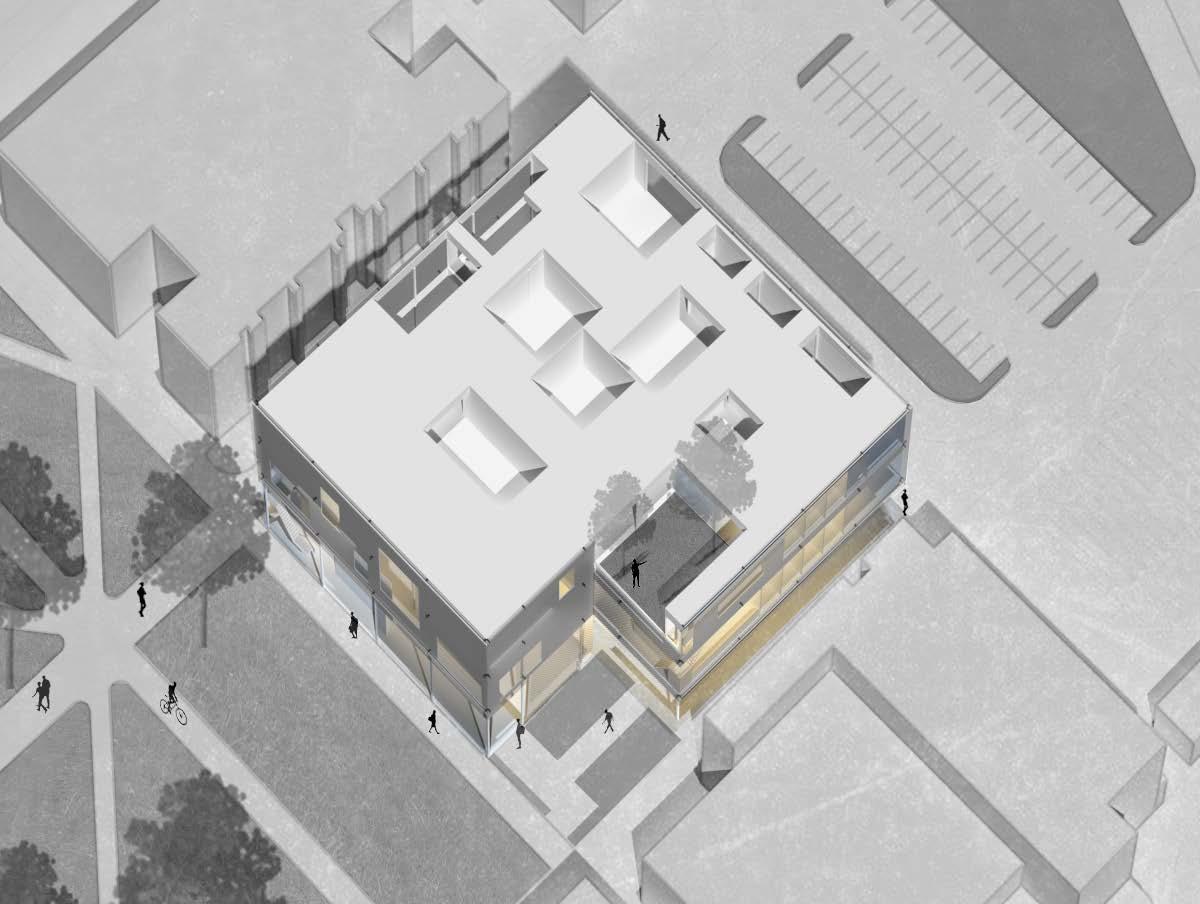
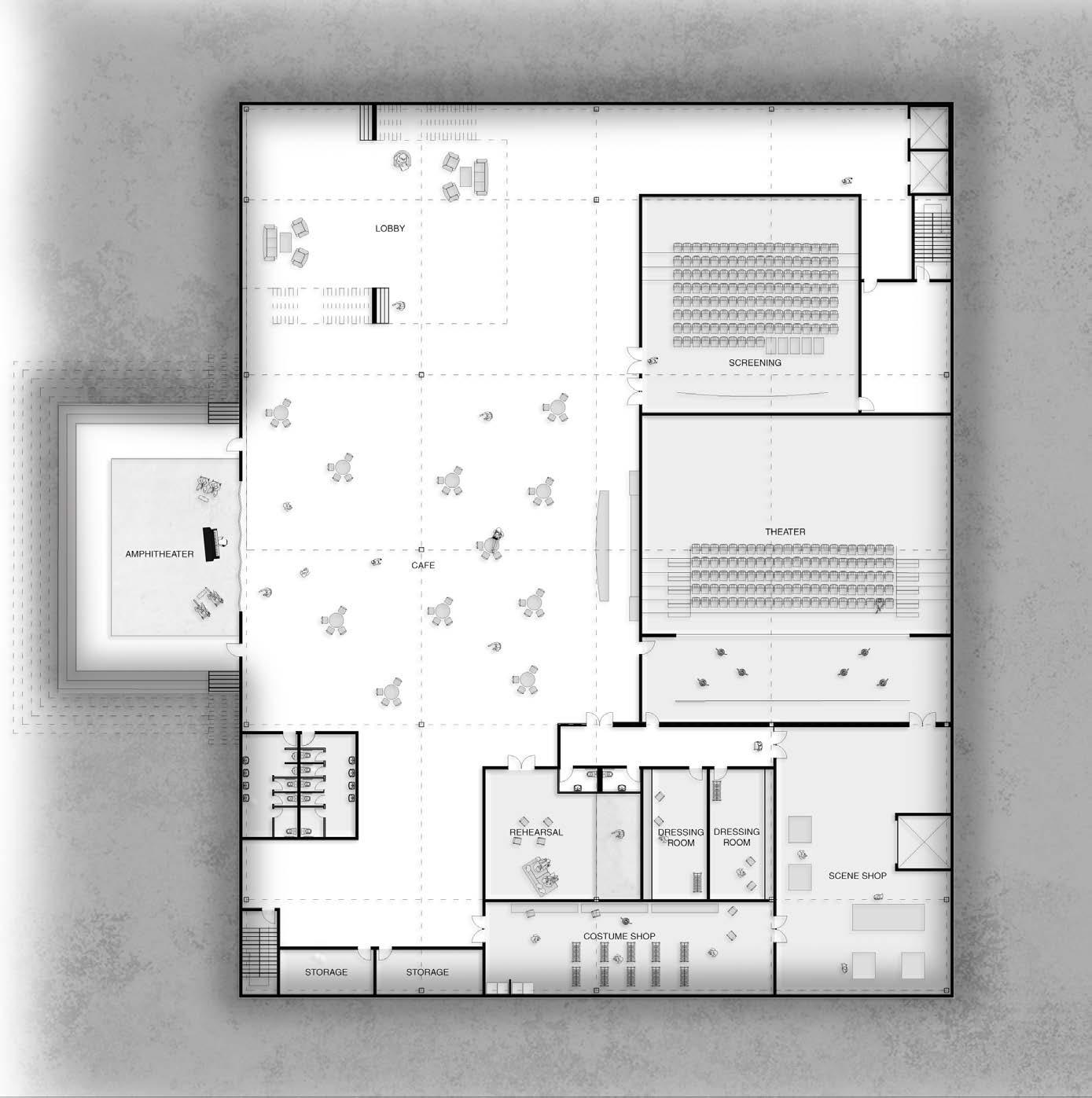
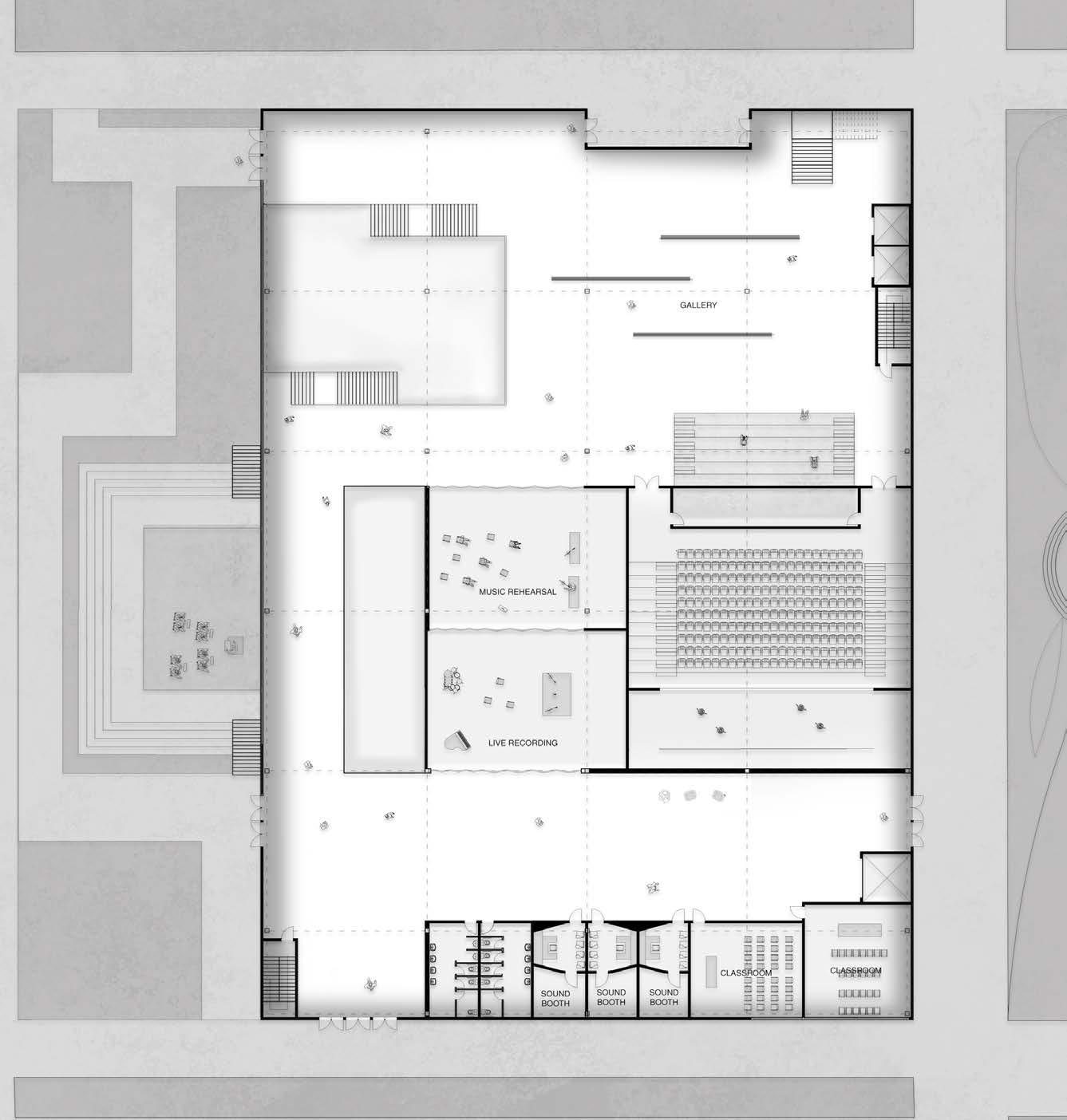
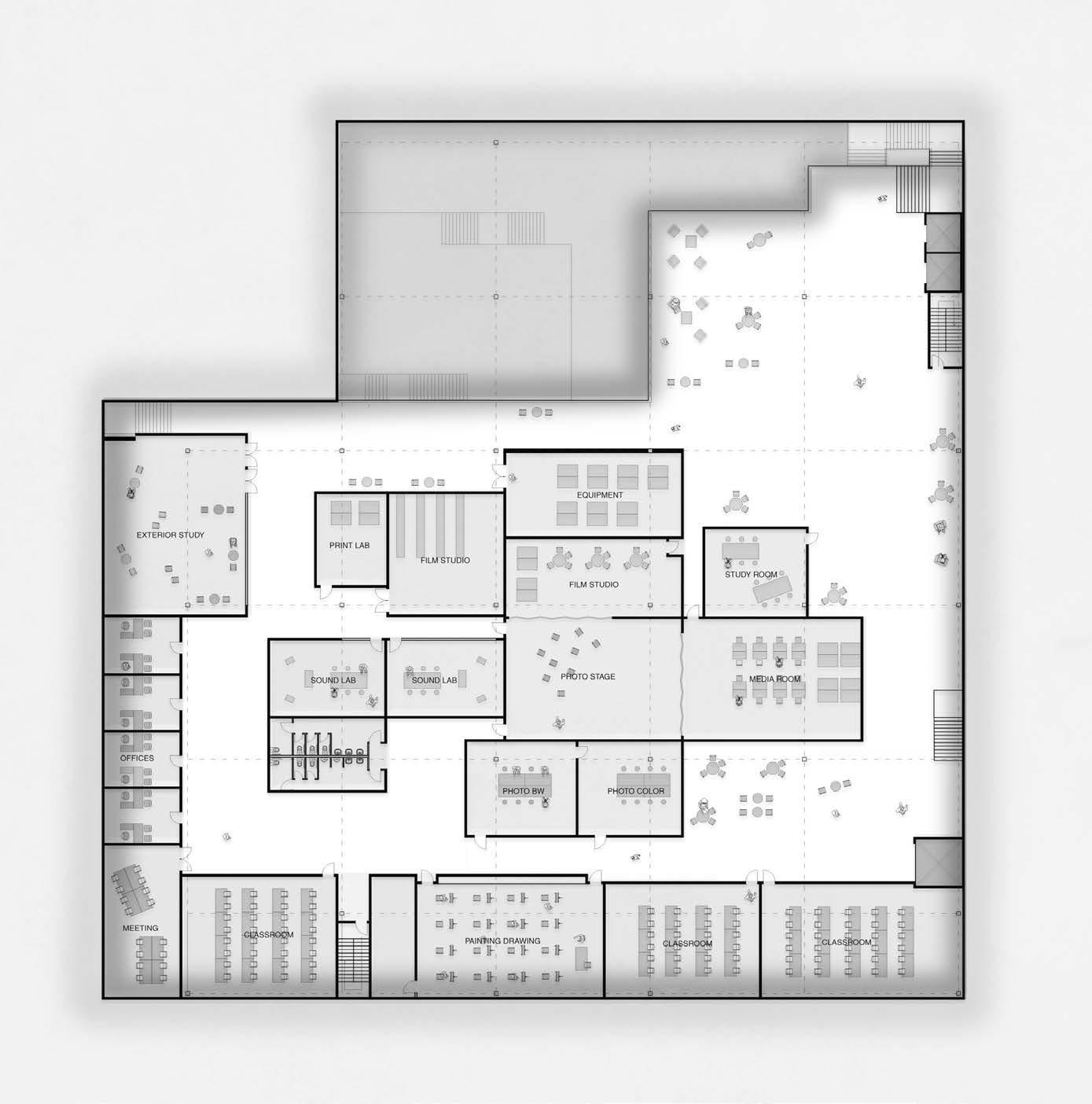
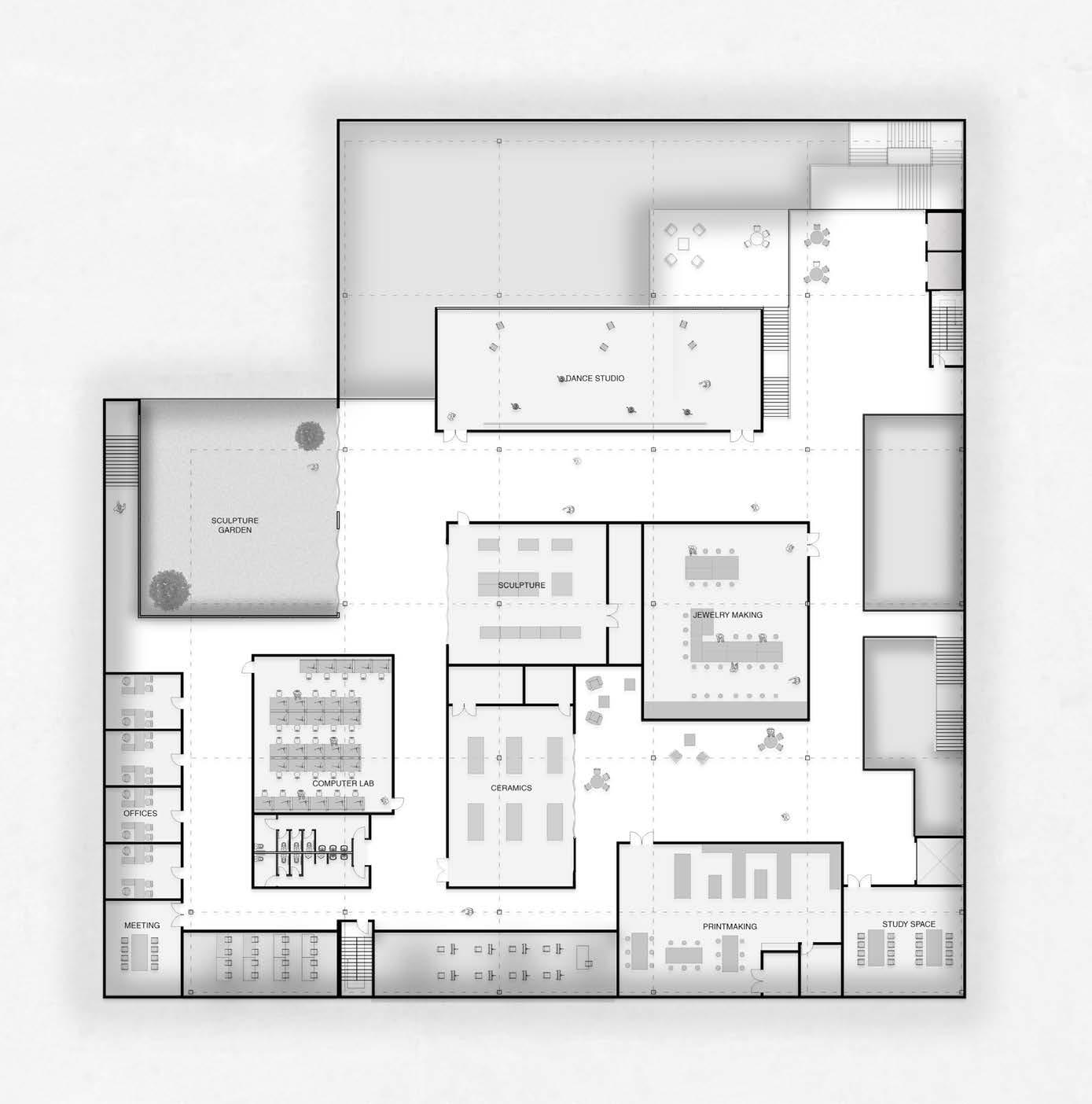
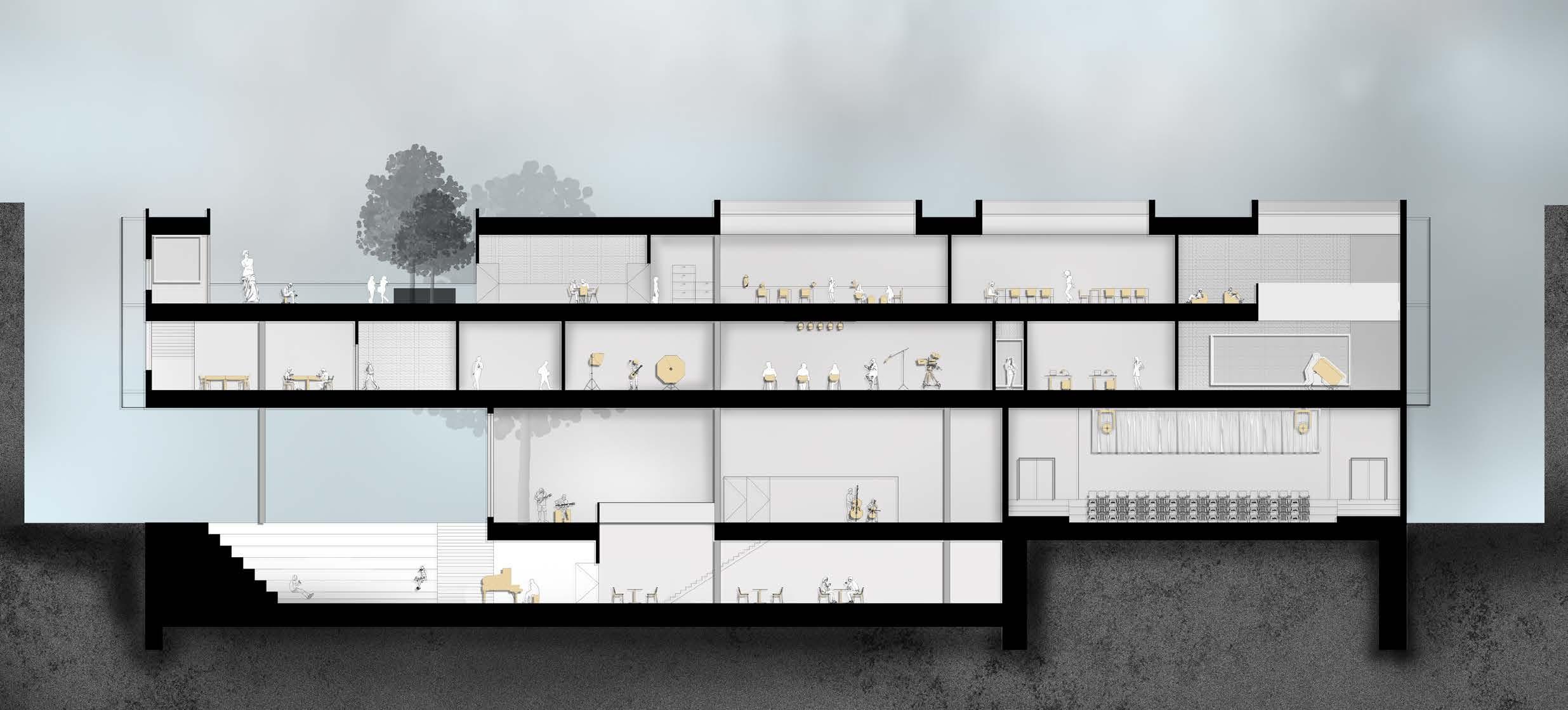
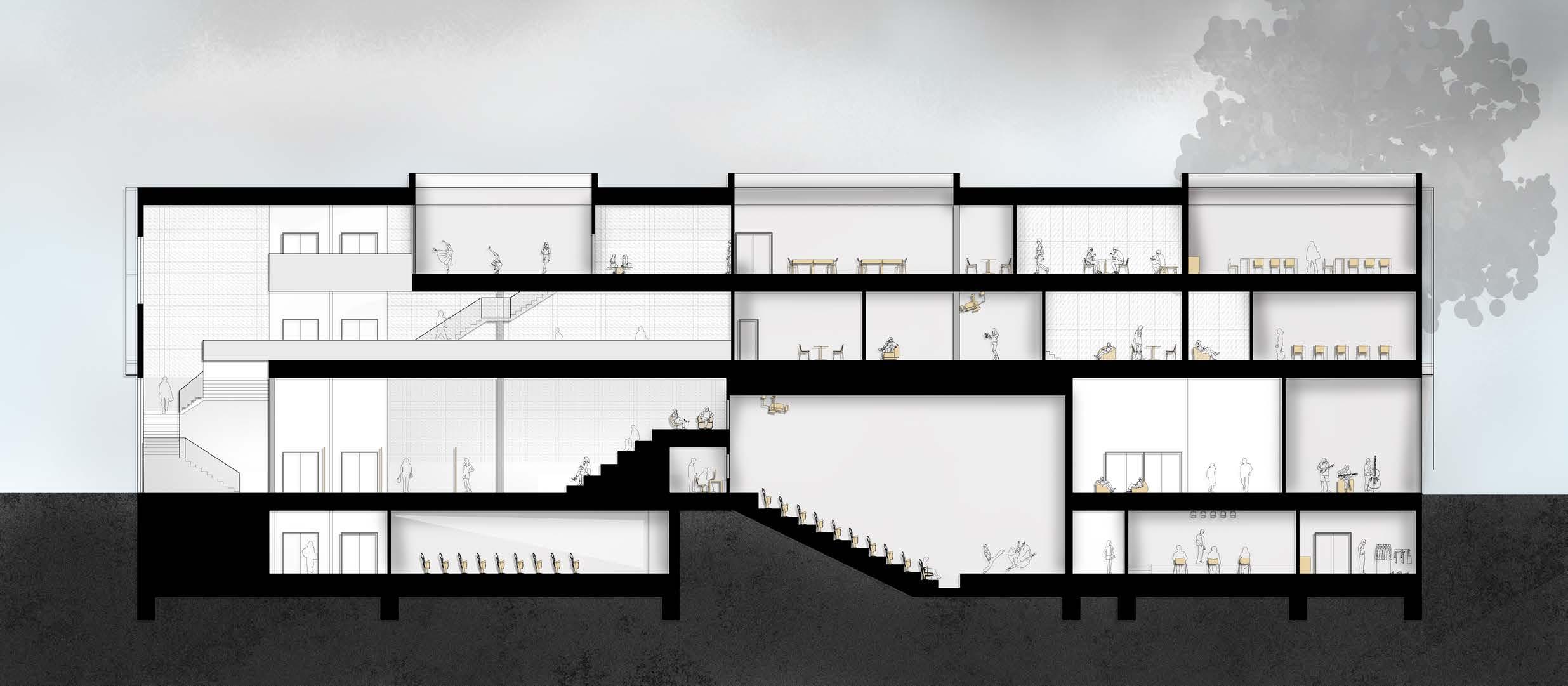
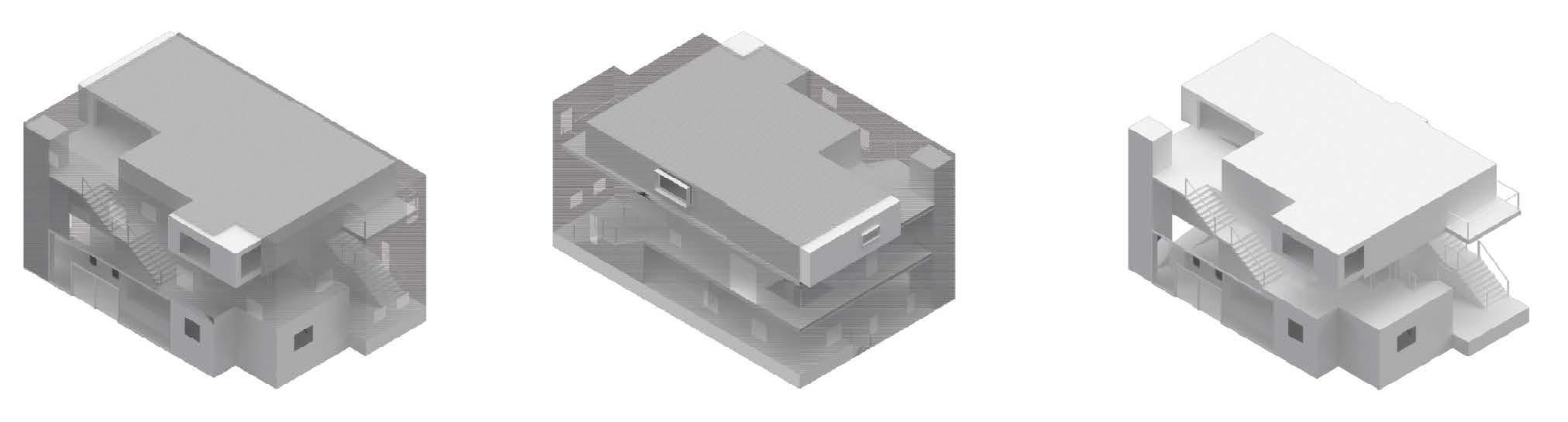
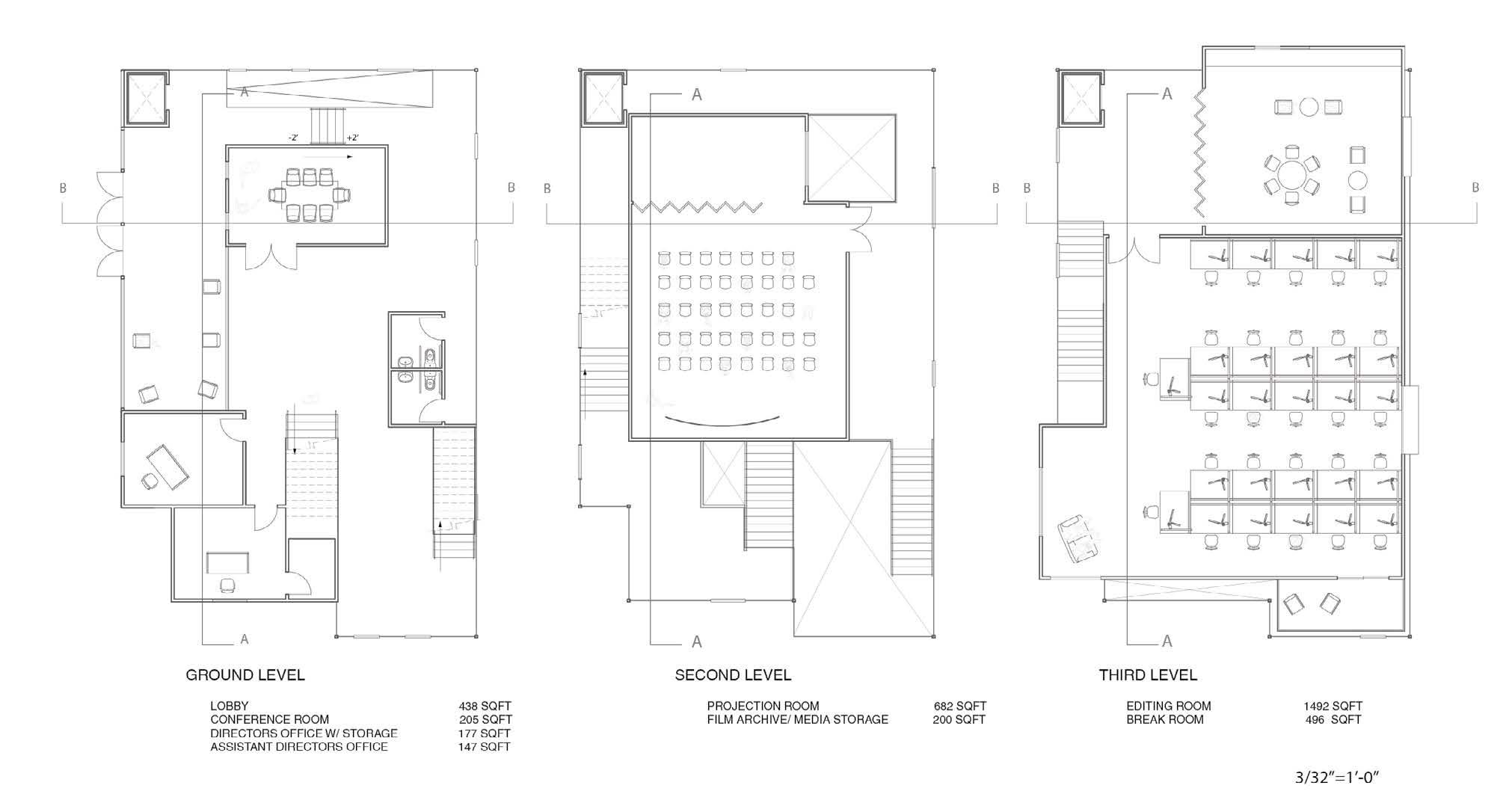
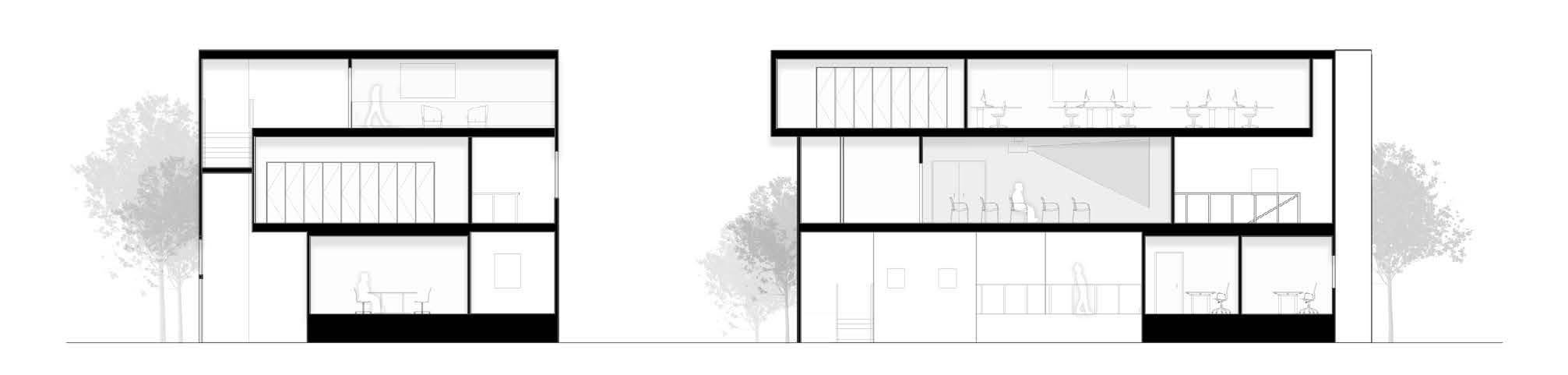
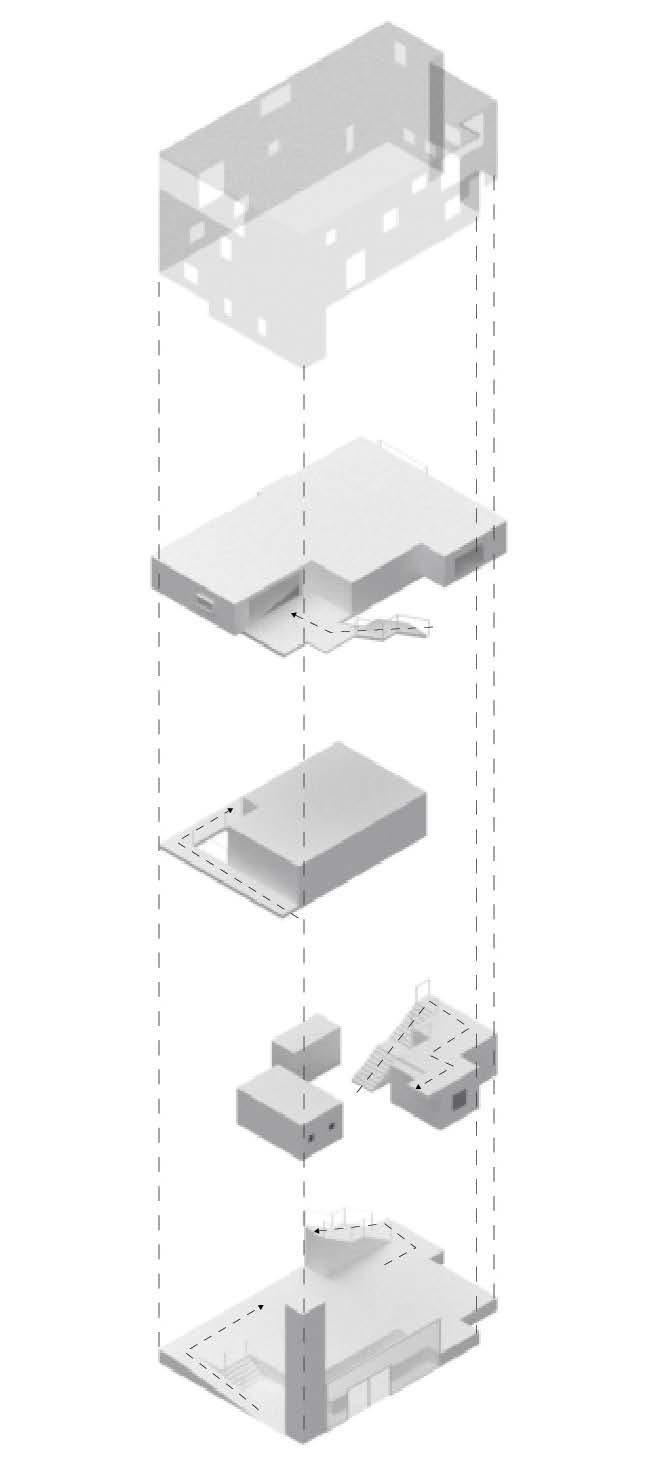
The purpose of this project was to create a collaborative environment among the various art disciplines at Compton Community College drew inspiration for this project from The Center for Postgraduate Studies at Cetys University by Studiohuerta as well as Quentin Tarantino’s style of filmmaking. The volumetric elements and skin from the Center for Postgraduate studies and Tarantino’s non-linear style of filmmaking were merged to create an artistic collaboration among students in this design. The footprint of the building sits along one side of the site creating a dramatic overhang and below the overhang exists an amphitheater allowing exterior performances and walkways for students. Certain moments of the building can be seen from the exterior giving glimpses of performances in the interior. The interior consists of a level below ground and three above. The two lowest levels house performance and exhibit program spaces, while the upper two levels are for production and learning. The formal classrooms can be occupied for traditional teaching while studio spaces and other rooms can transform and expand from smaller to larger spaces when necessary for teaching and learning. This allows for formal or informal learning spaces as well collaborative work among disciplines such as photography and film. Informal spaces for studying are also spread throughout the building for the student’s convenience. These formal and informal spaces that can transform allow for the building to perform in a variety of ways to the convenience of students and professors.
BASEMENT LEVEL: Lobby, Screening, Theater, Back of House, Cafe, Amphitheater.
GROUND LEVEL: Gallery, Recording Studios, Music Classrooms.
SECOND LEVEL: Film Studios, Photography Studios, Fine-Art Classrooms, Offices.
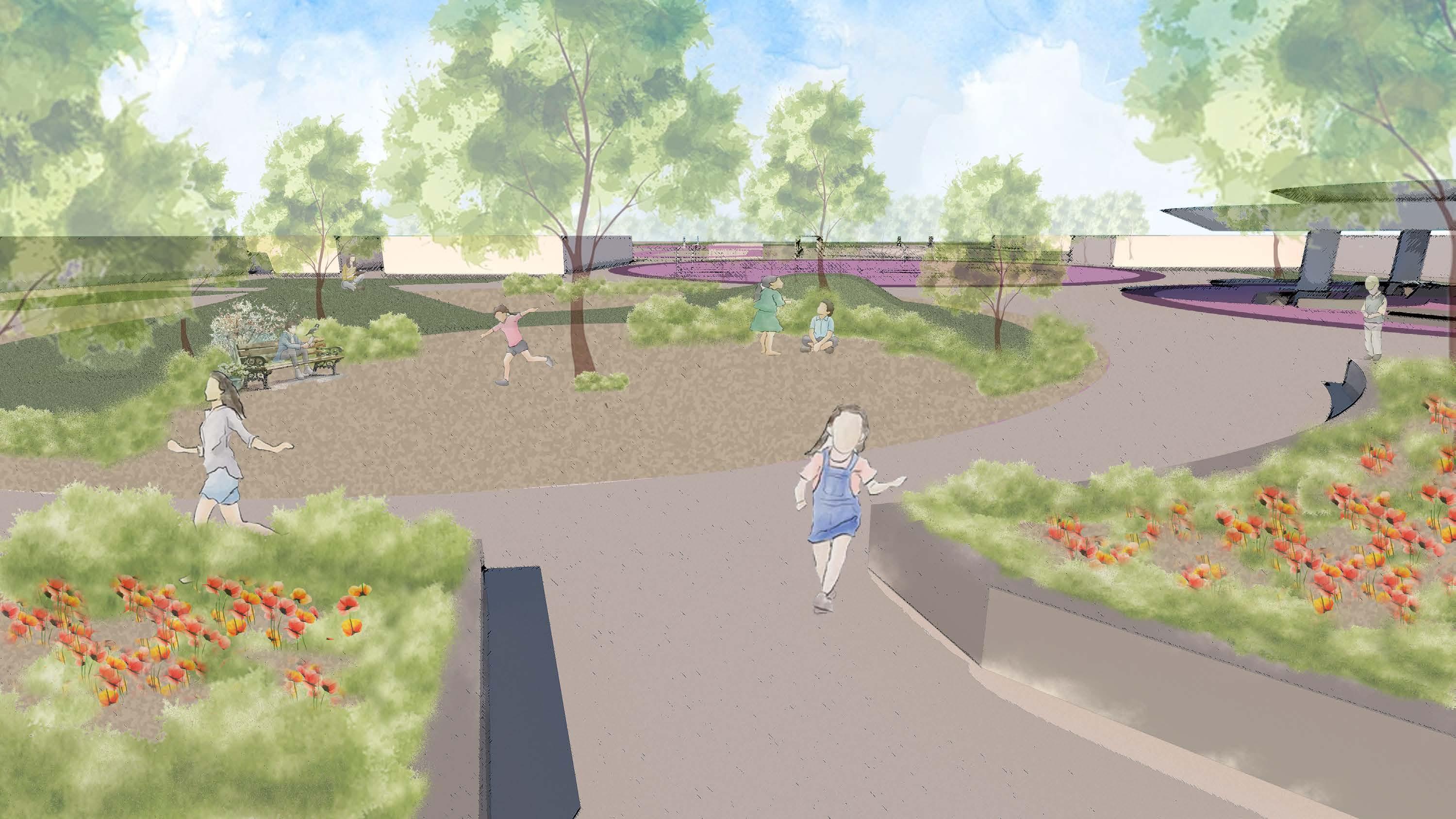
This project proposes additional means of education for Baldwin Hills elementary embracing outdoor learning environments and fostering diversity within their already existing educational settings. These approaches offer multifaceted benefits that extend beyond conventional classroom learning. Here, we explore the profound importance of integrating the outdoors and diversity into educational frameworks to increase physical, mental, social, and environmental health. Exposure to diverse perspectives challenges stereotypes and biases, promoting inclusive and creating a more equitable learning environment for all students.
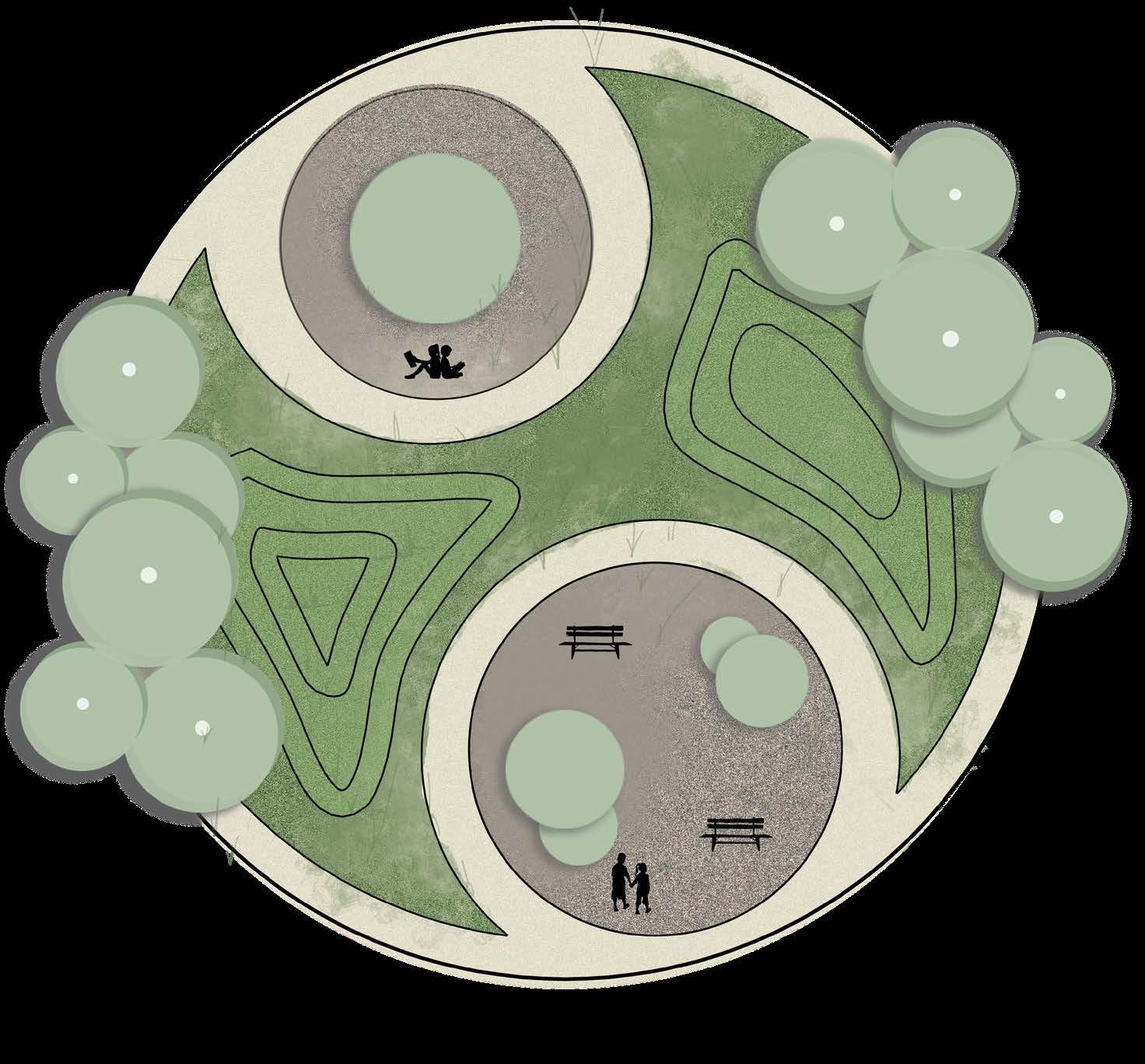
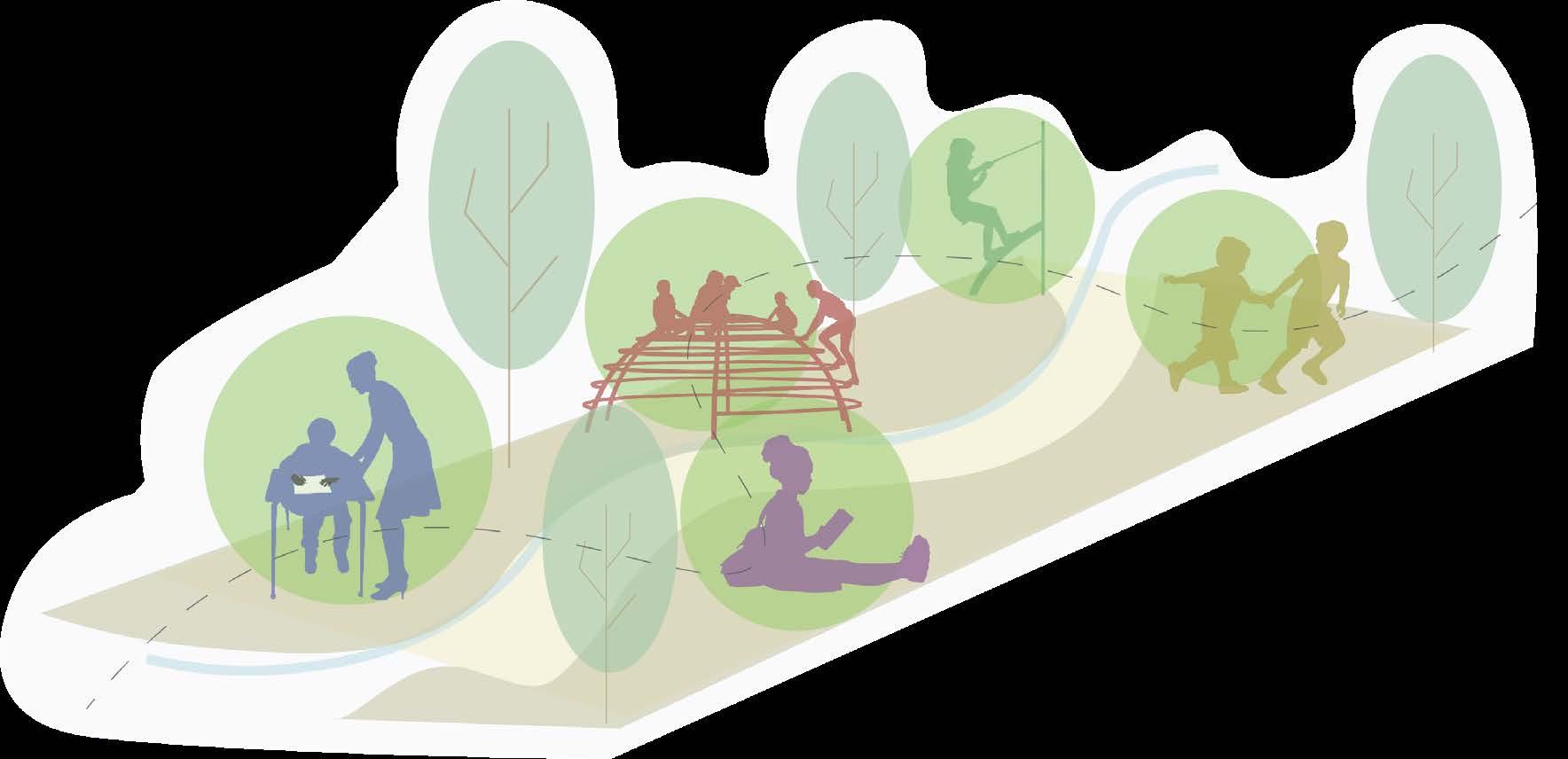
The concept of “nodes” was the driver to create a variety of spaces for students to thrive whther they find comfort in a traditional classroom setting or outdoors in nature. Whether the student prefers reading at a desk or embracing the outdoors in a garden. It’s about recognizing that each child is unique, with their own strengths, weaknesses, and ways of learning. It’s about creating environments that celebrate this diversity, that nurture every child, allowing them to grow and flourish in their own time and their own way.
Quiet Node
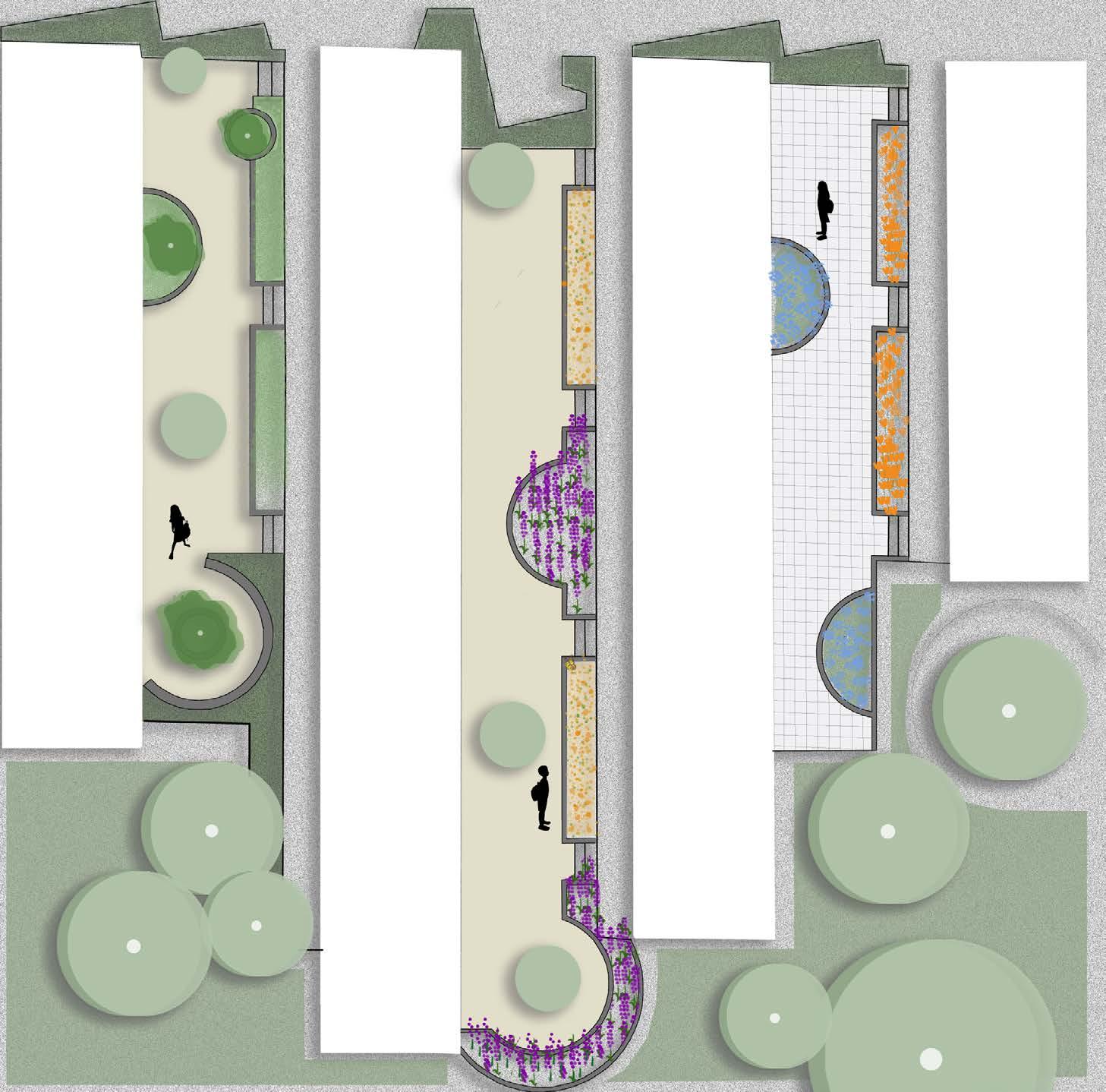
Classrooms & Courtyard Diagram
CA NATIVE GARDEN FLOWER GARDEN
Nodes Parti
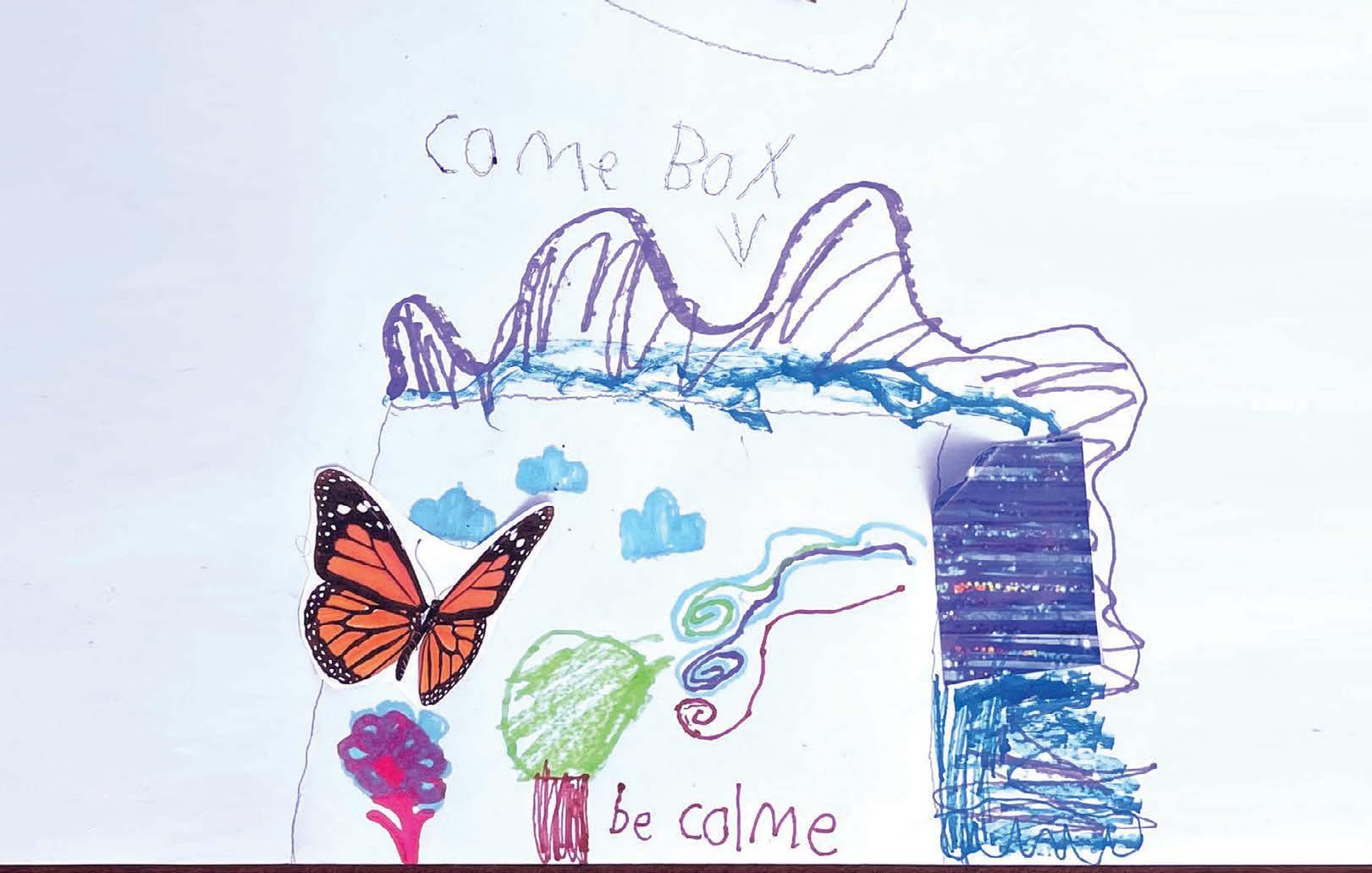
Student Inspiration
Pond Section at community center
Classrooms & Courtyards
Playground Concept
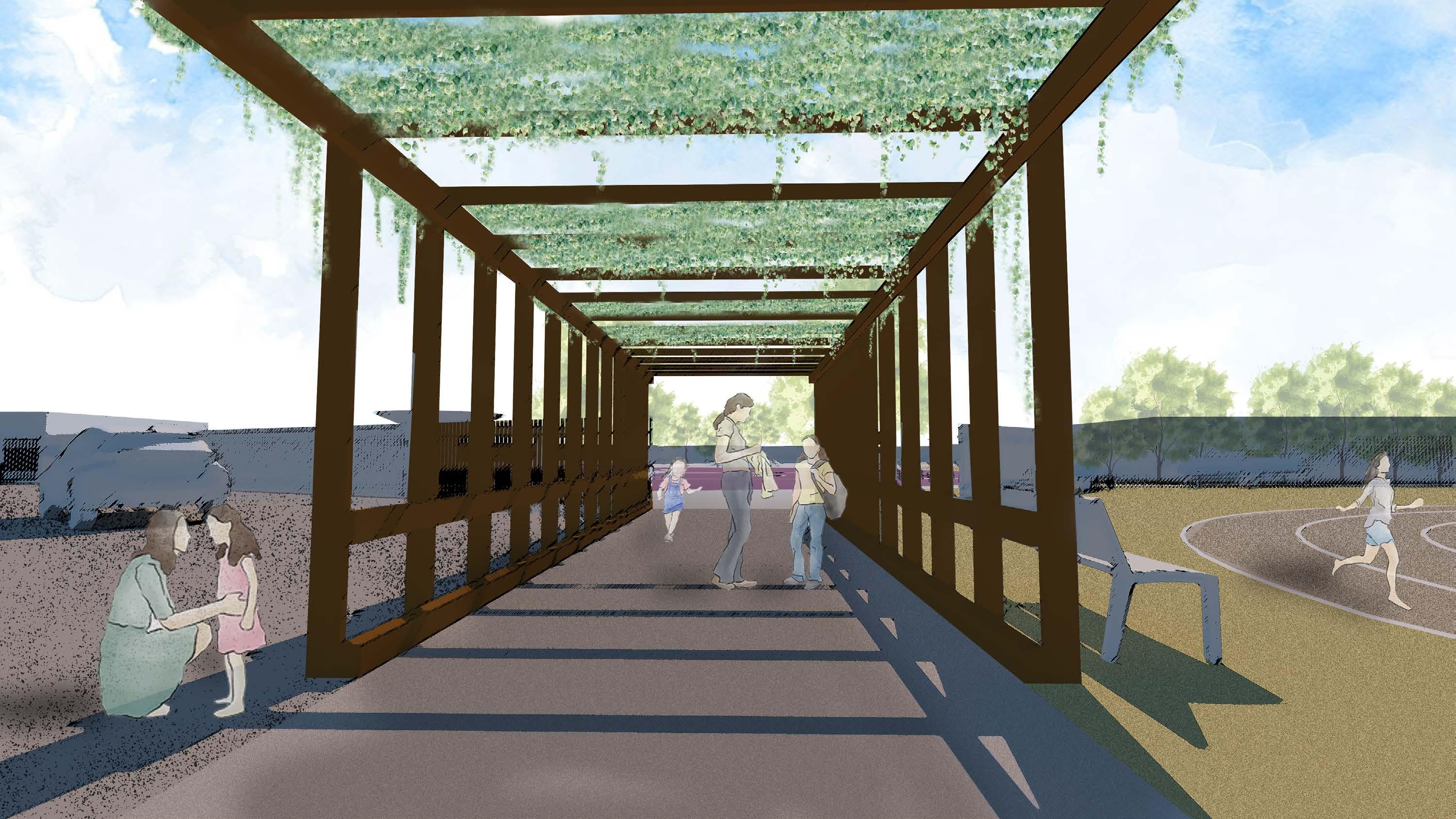
Bridge Connection from School to Recreation
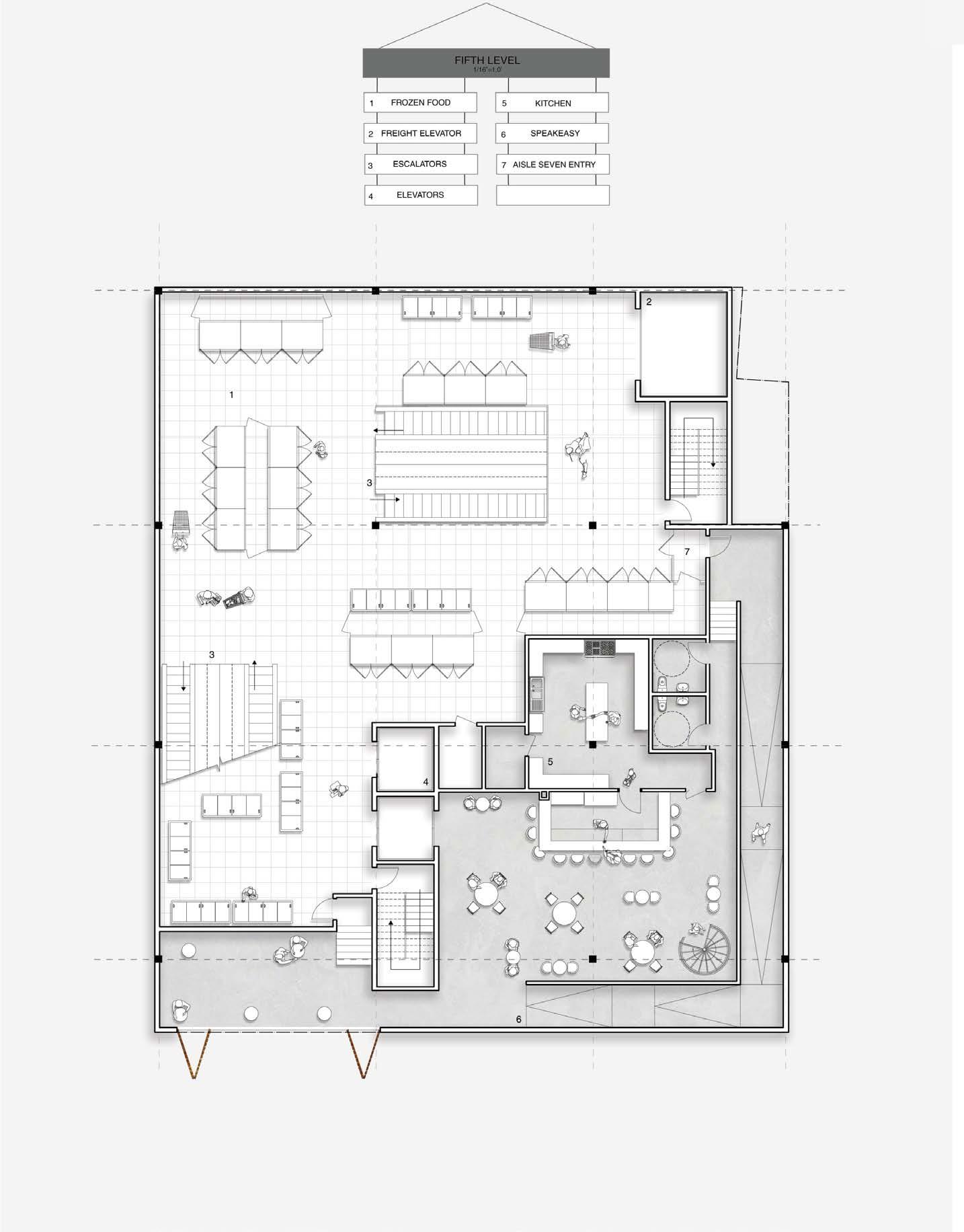
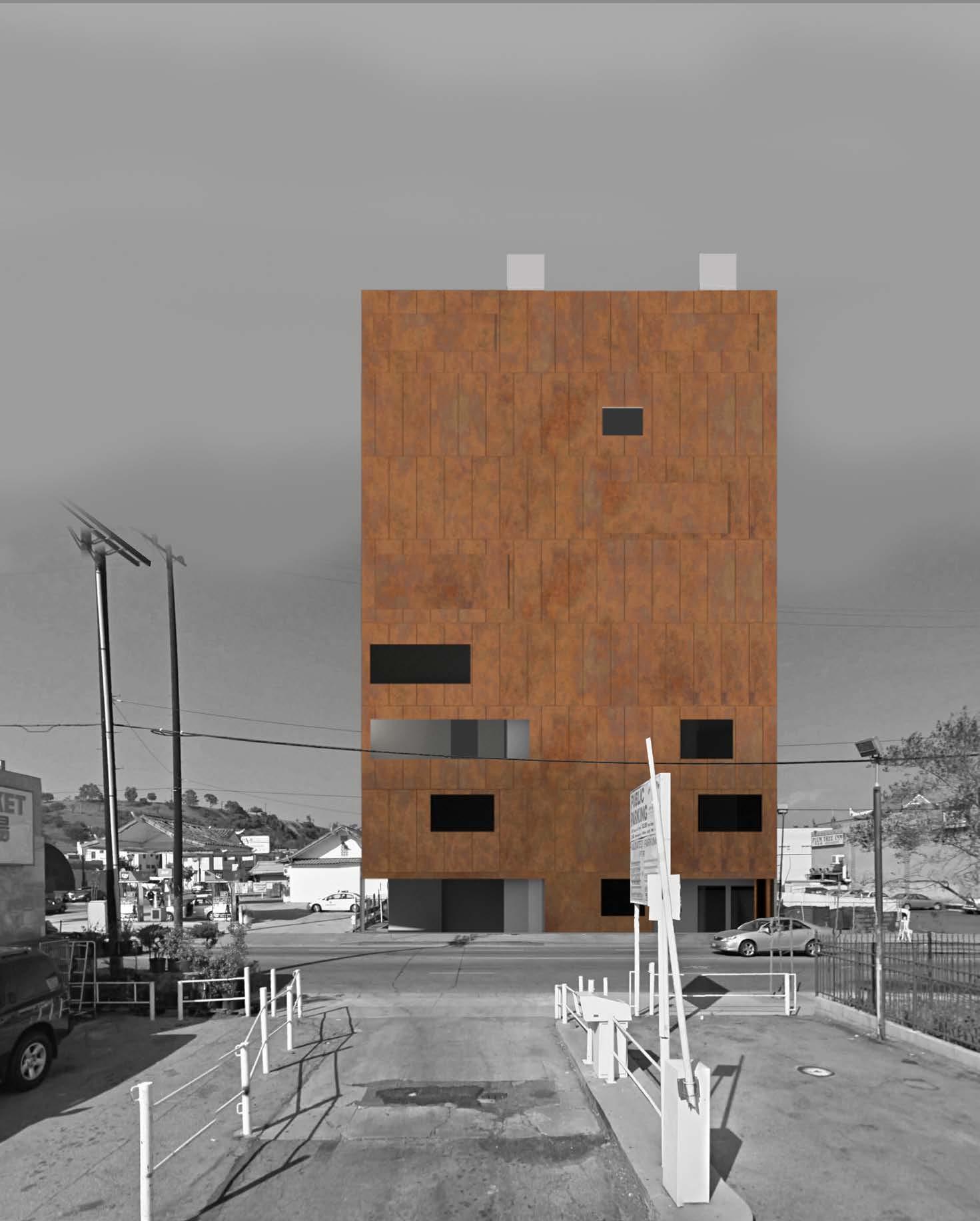
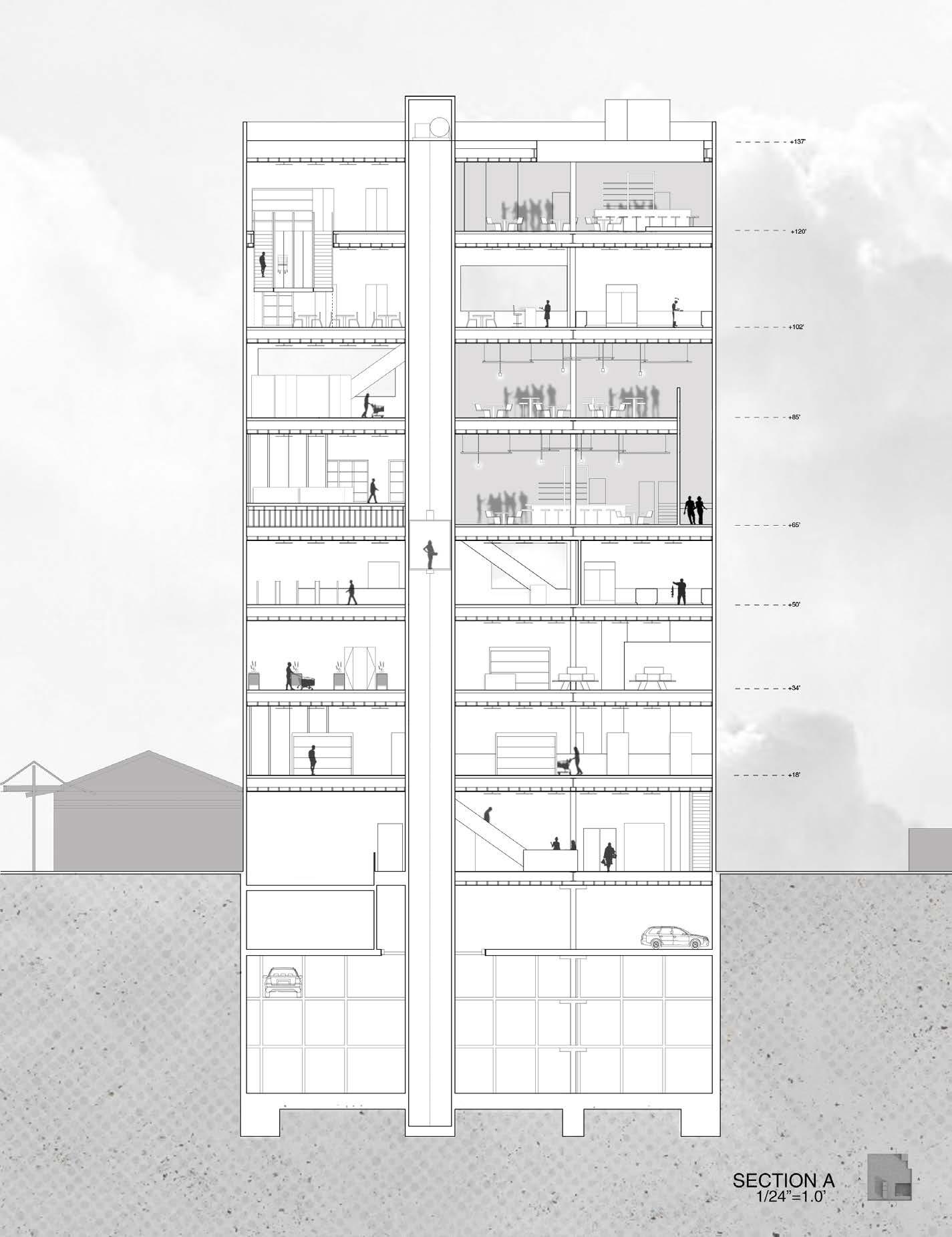
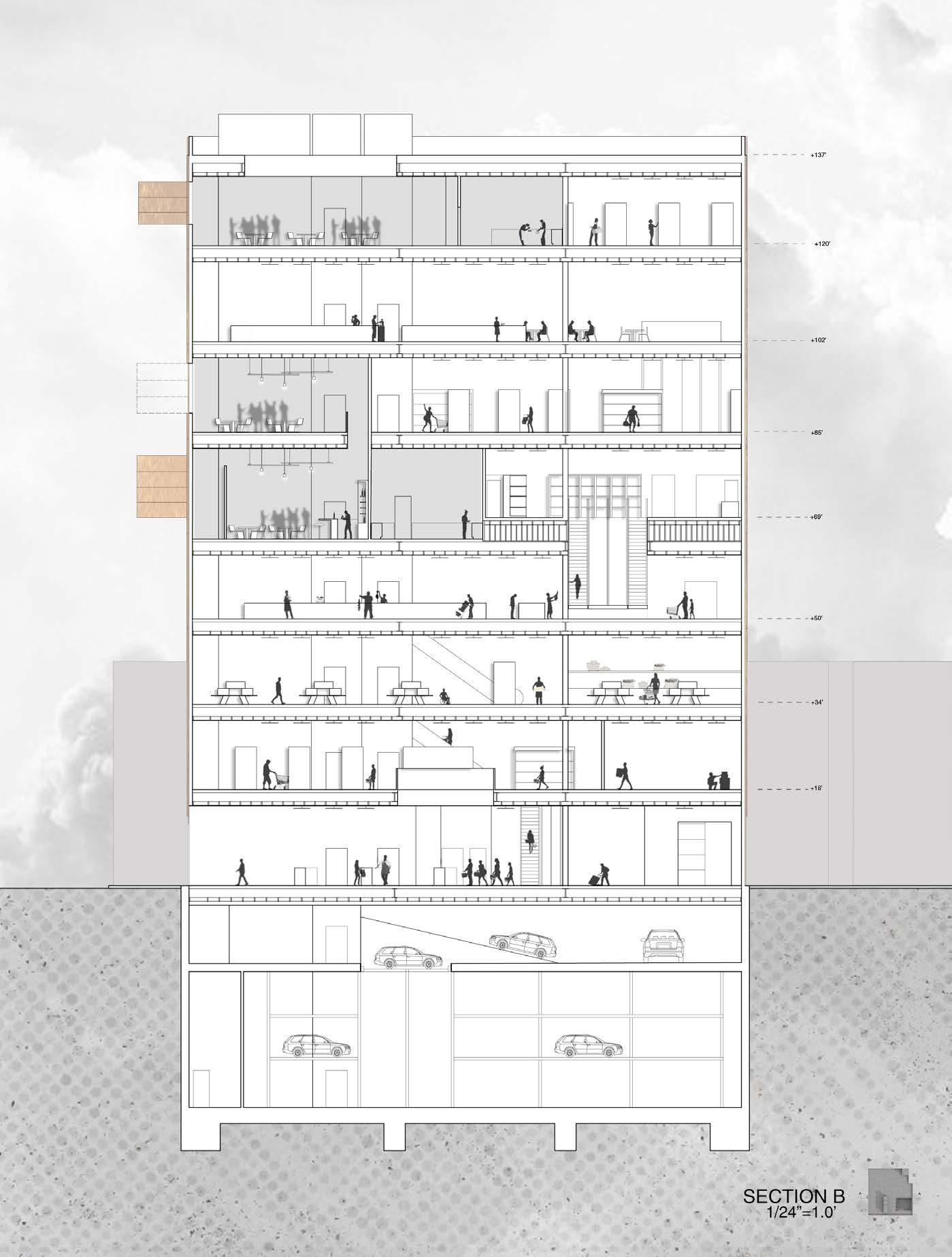
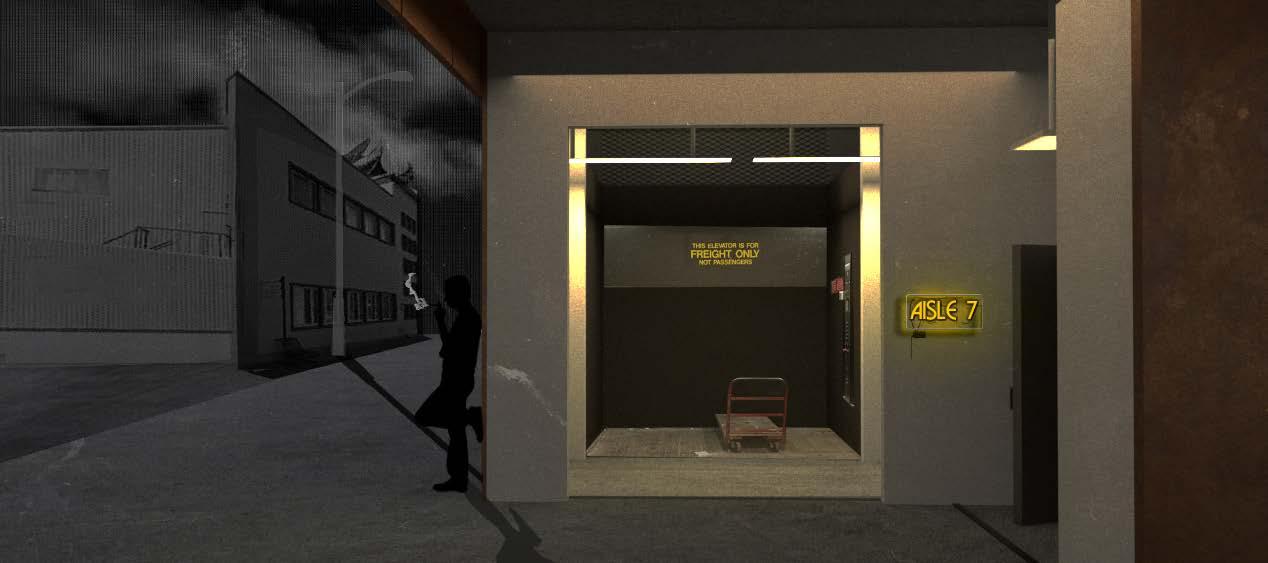
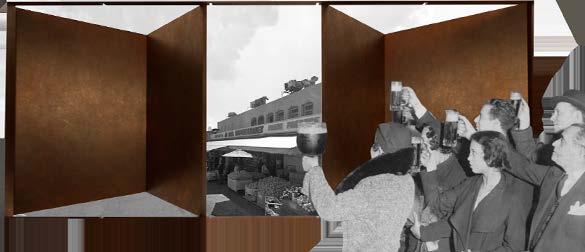
MARTINI ON AISLE 7
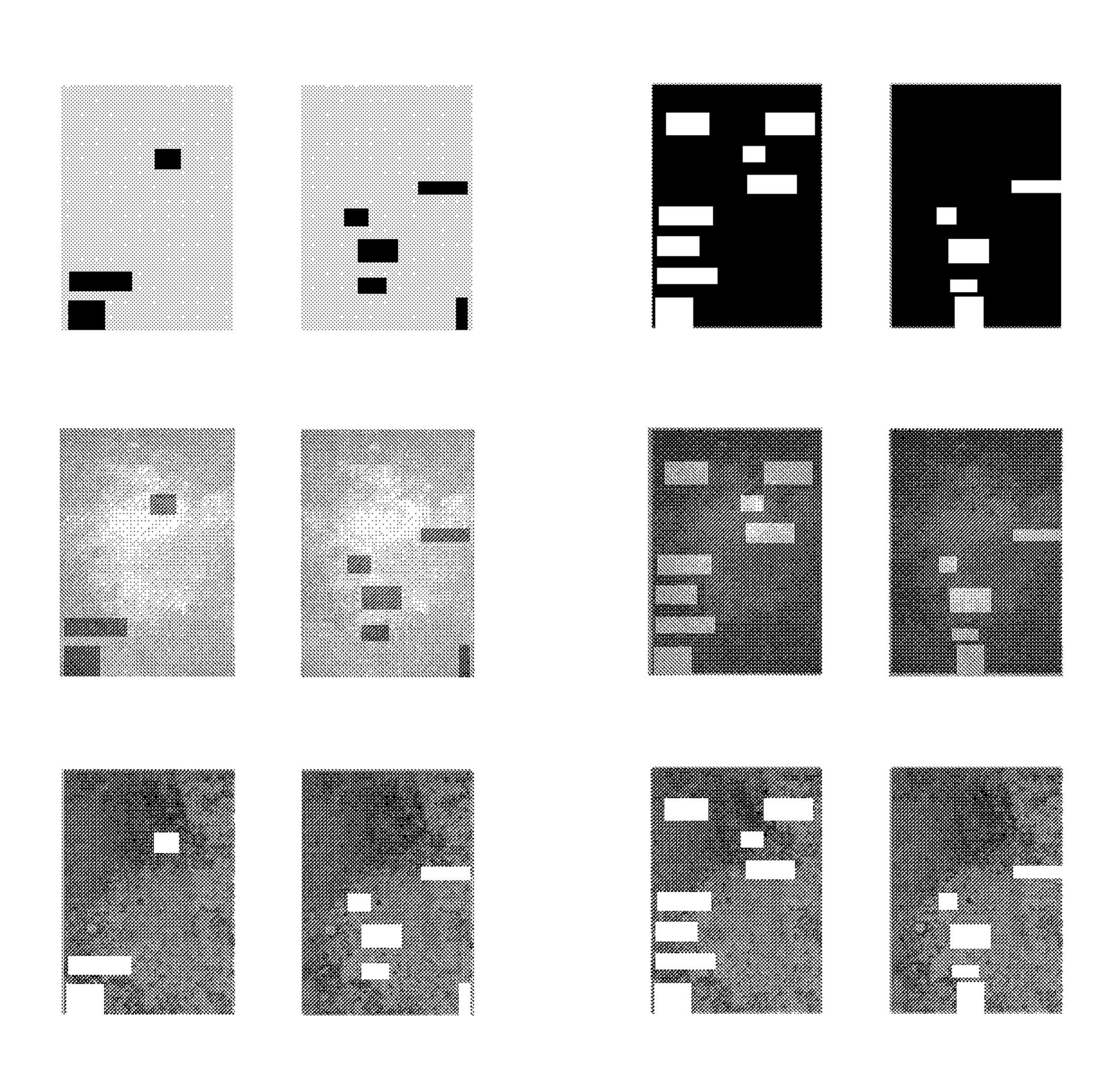
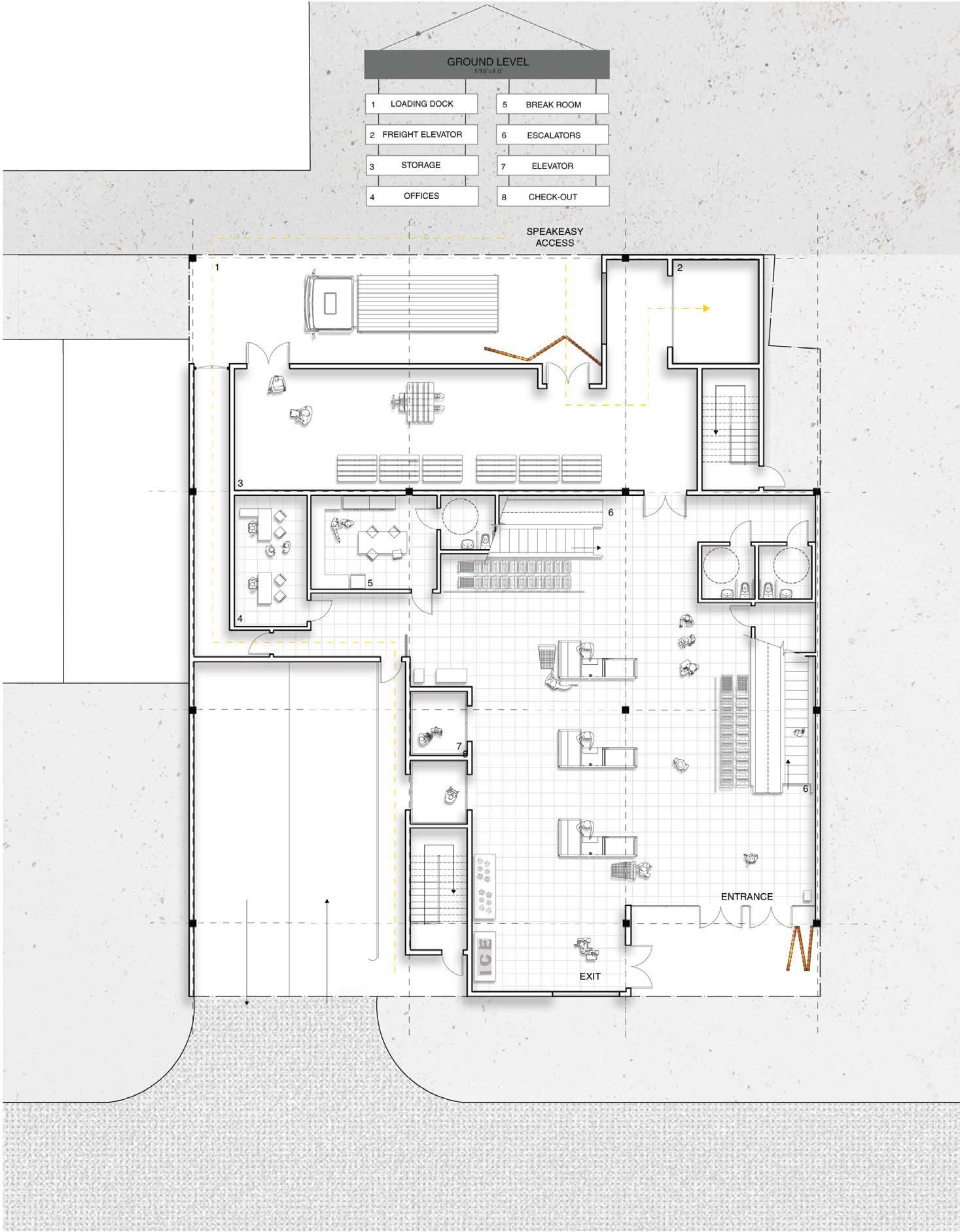
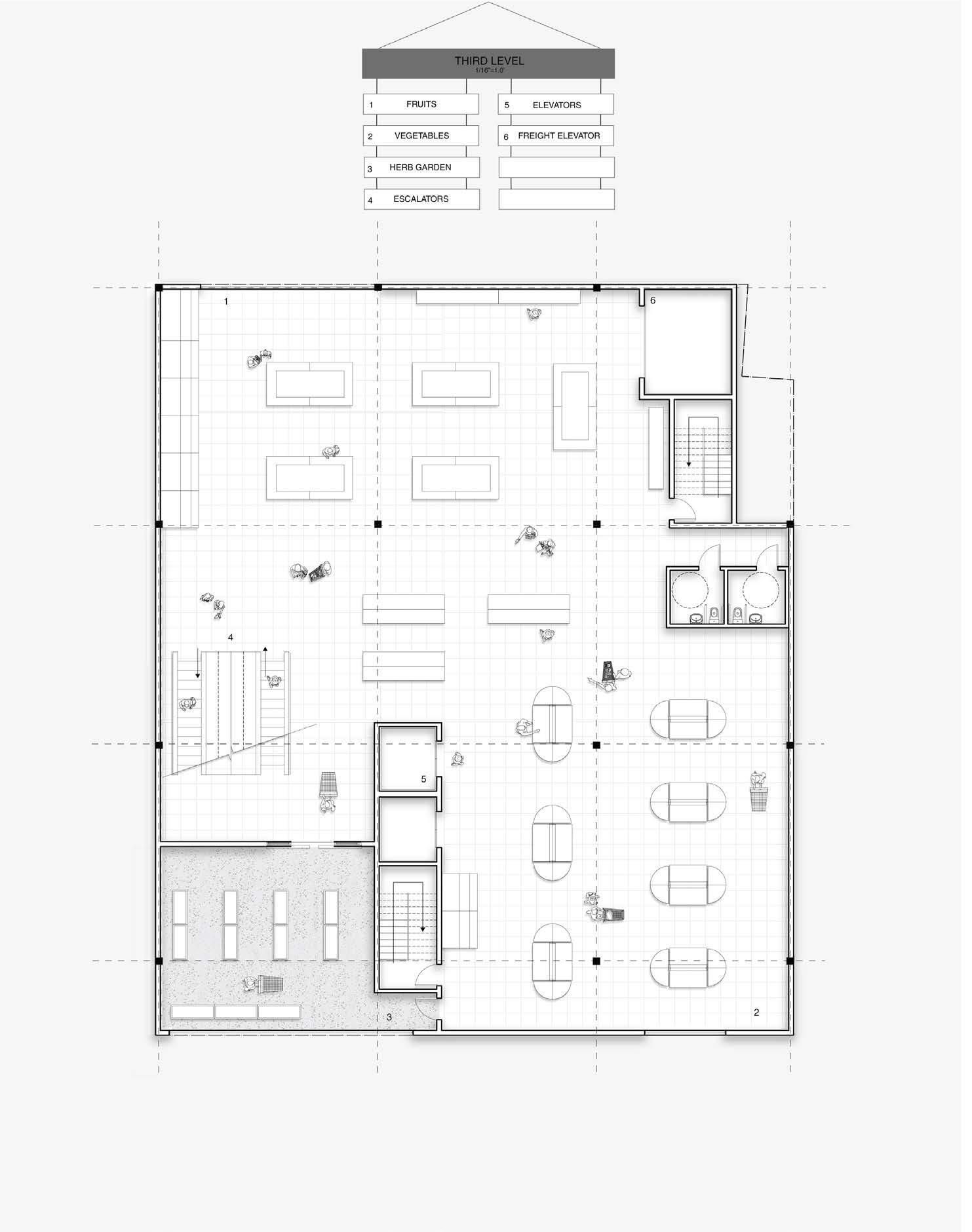
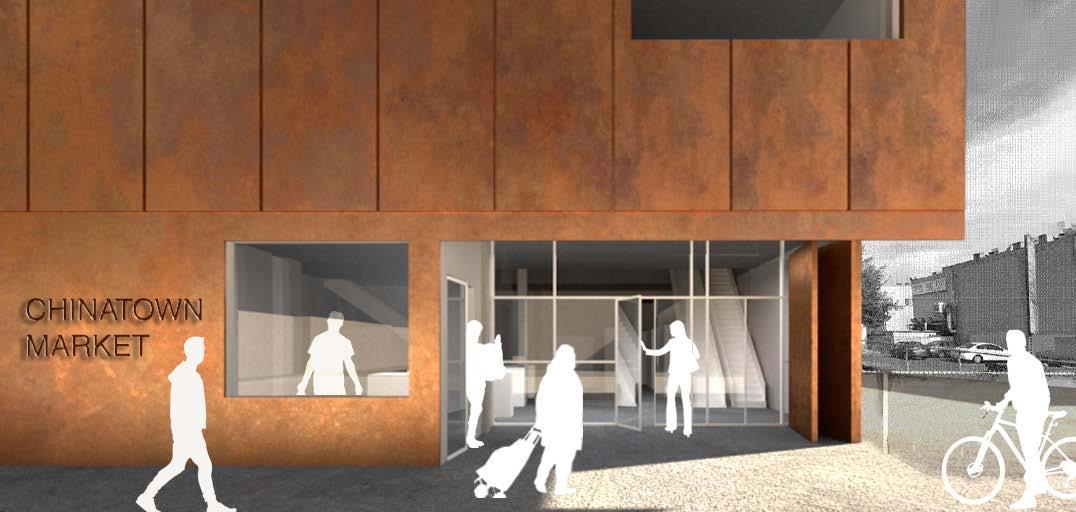
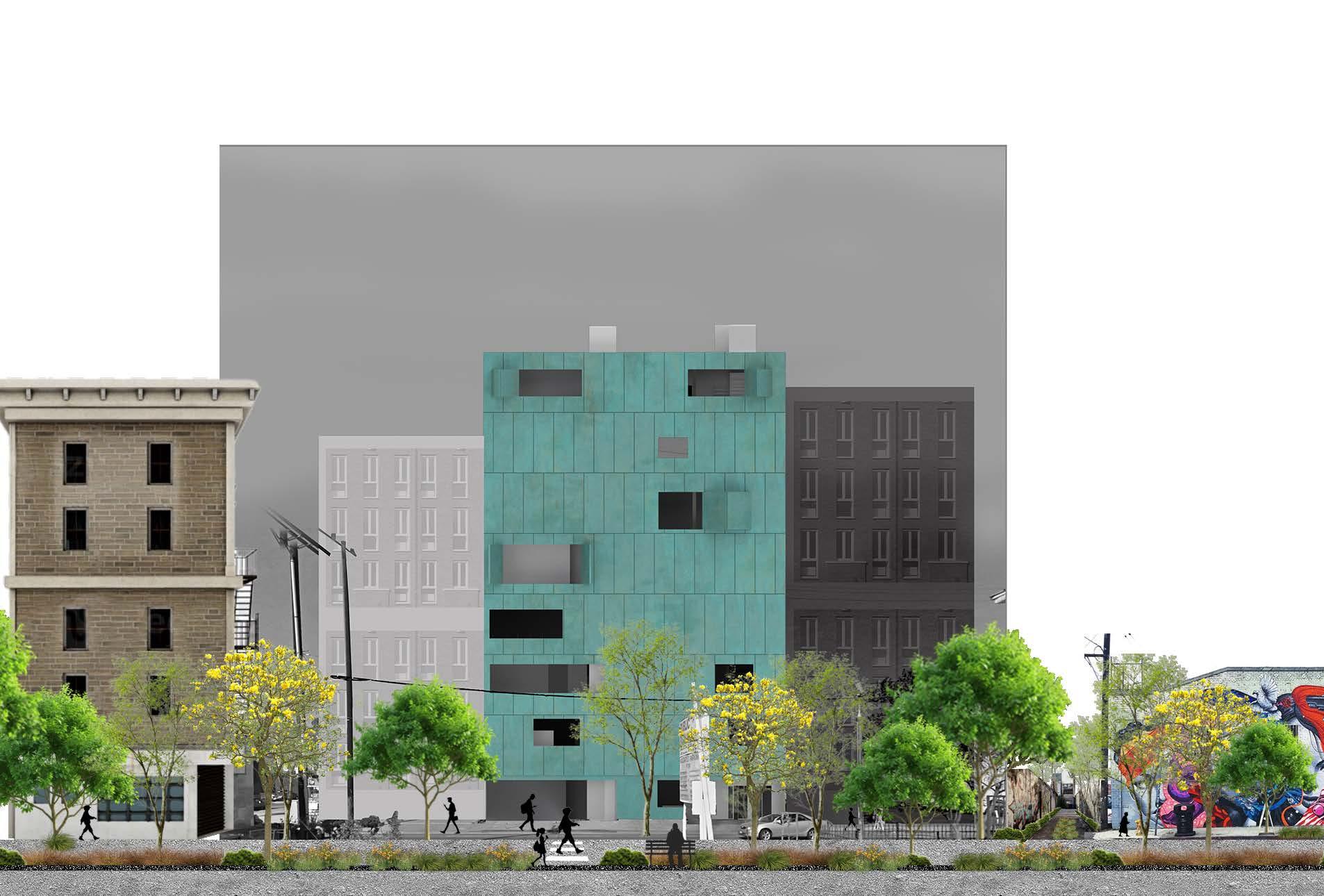
This project is a multi-level grocery store with speakeasies as an entertainment element. Co-tenants will work together to allow the grocery store to function by day and the speakeasies to function by night. This project also focuses on the element of time and transformation. Function, materiality, program, facade all transform in the project. Change is inevitable, but one can adapt to it.
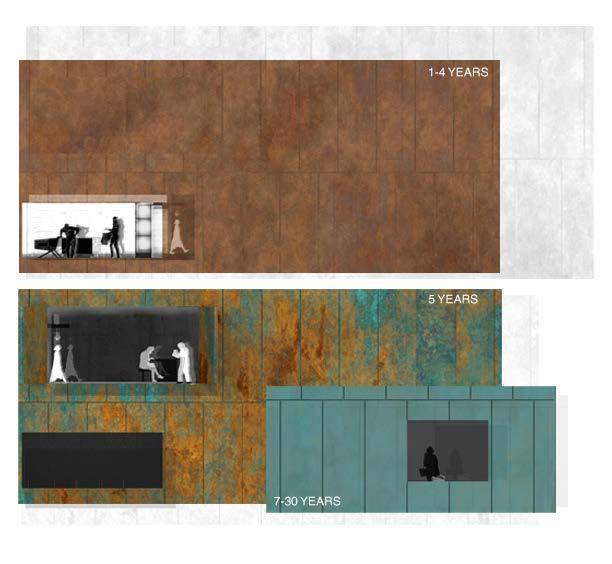
An important element of this project it the take of its play on time. The project function in a day and night function, furthermore it has two spaces in which the day and night function exists. A third layer is incorporated by telling time with the facade of the building. The fenestration of the building changes according to the function of the building. The chosen material for the facade is Corten Steel which will transform in the long span of the project.
S.T.E.P.
for vacant lots
The STEP model transforms vacant lots into active spaces for the communty that can promote environtmental health and social connection. Each vacant lot has the opportunity to become a hub for learning, wellness, and ecological resilience. These spaces can become examples of how greening vacant spaces can be of benefit to the community.
PHASING FOR THE FUTURE: VACANT LOT ACTIVATION
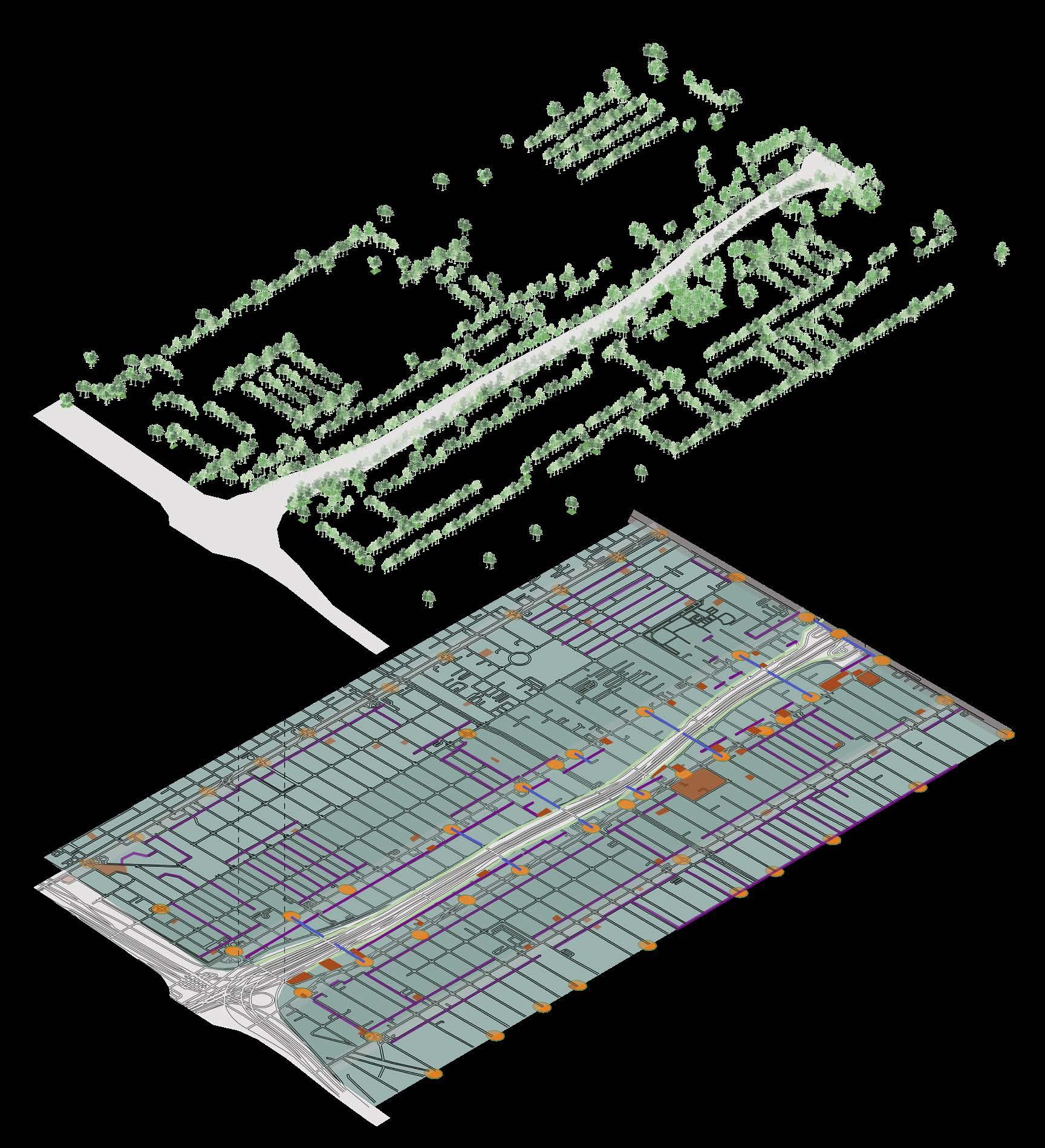
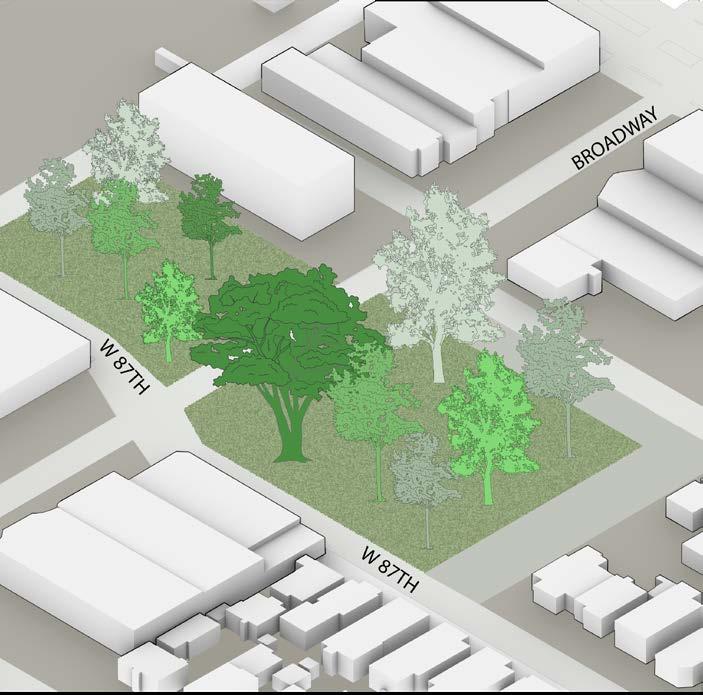
Research shows that vacant lots have an abundance of ecological and social opportunities in urban areas, although often hold an unsafe connotation (Anderson & Minor, 2017). Therefore, vacant lots can be activated for the benefit of communities like Vermont- Vista and Braodway Manchester in the city of Los Angeles in a way that promotes the urban forest. The activation for these lots will be based on their condition and necessity shaped by community needs, lots size and neighboring context that can result in the following:
Public Parks, Parking Solutions (Short Term)
Market space Community Gardens Urban Arbor Labs Training Plots.
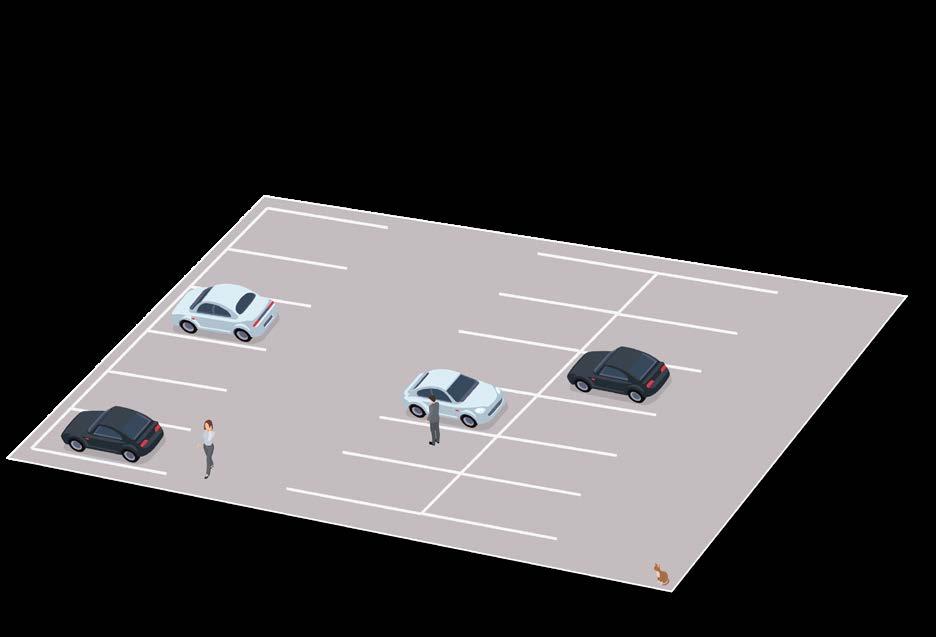
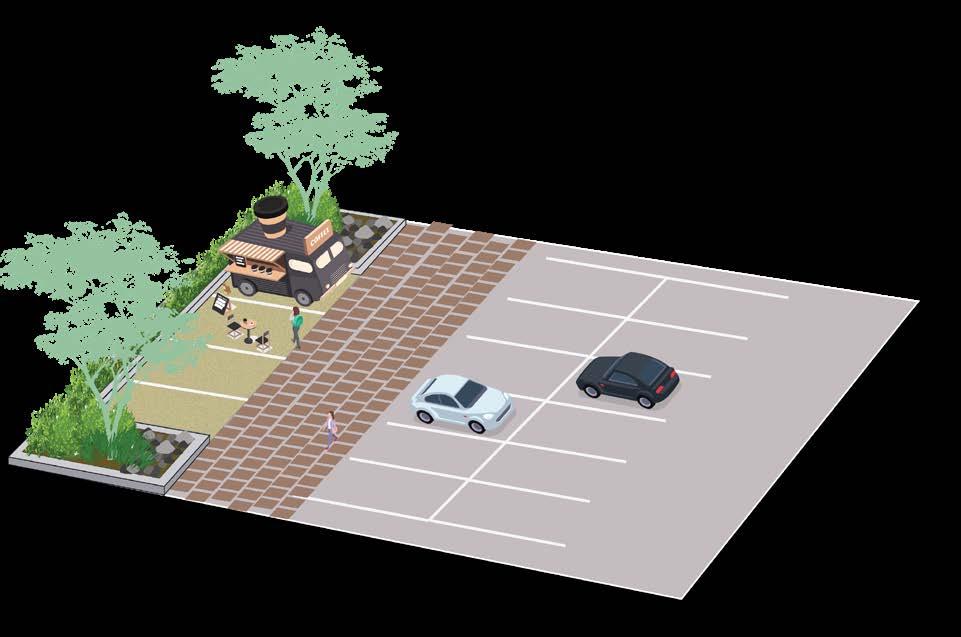
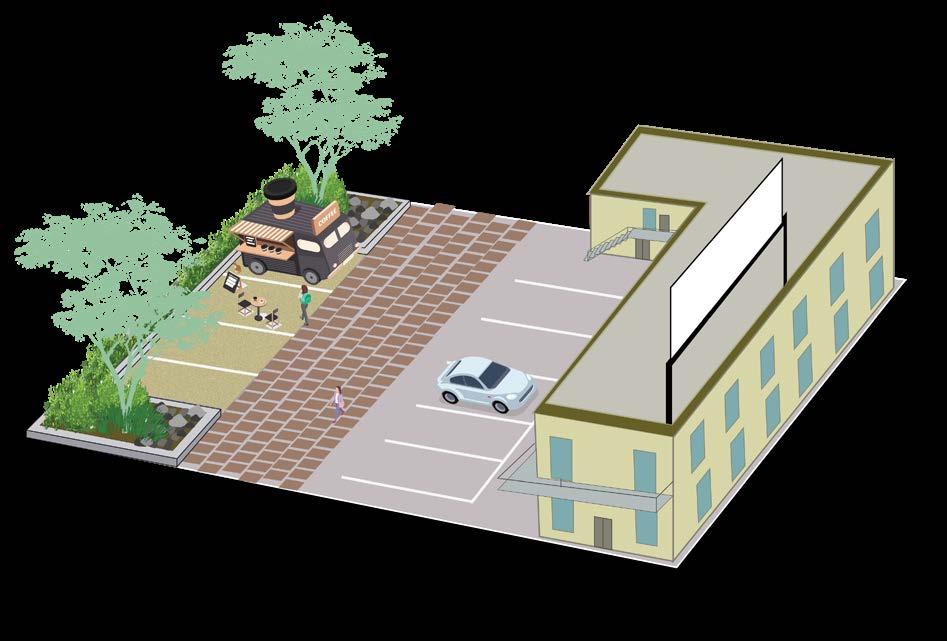
The immediate attainment of vacant lots can become a source of revenue, for the Urban Forest Ambassadors and the community, by programming the spaces as short term parking lots, with the ultimate goal of long term greening. The lots can also become rental space for farmers markets and food trucks, parking and shuttle service for major events at the Colosseum, and RV parking rental program to reduce homeless parking along the street. As part of the phasing, every acquired lot is to be greened along its perimeter with the outset goal of phasing from parking into a public park or education lots with regards to urban forestry. This allows for present day community support with the long term goal of introducing green spaces into the community.
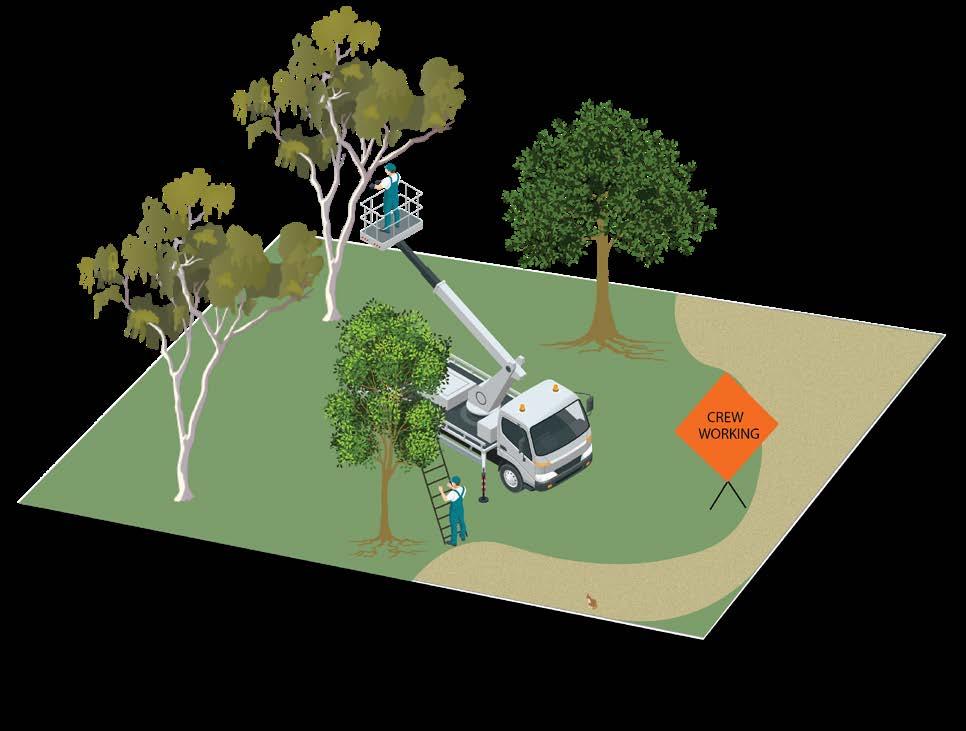
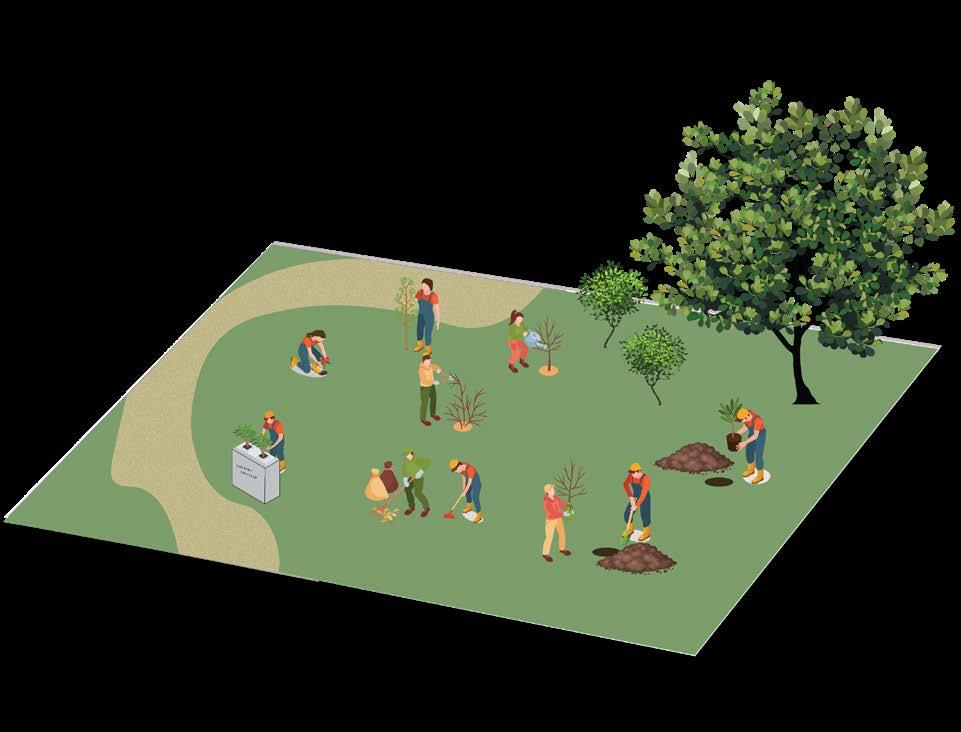
Activating vacant lots will allow for test plots and training plots, where maintenance and care of the urban forest will be fulfilled.
Volunteering and certification opportunities will be available.
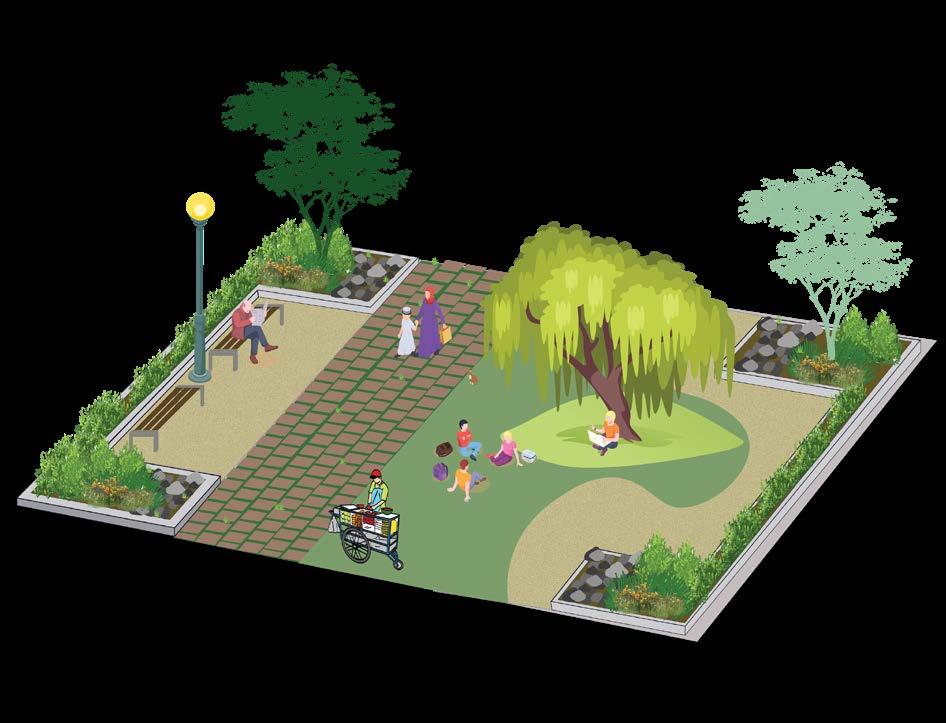
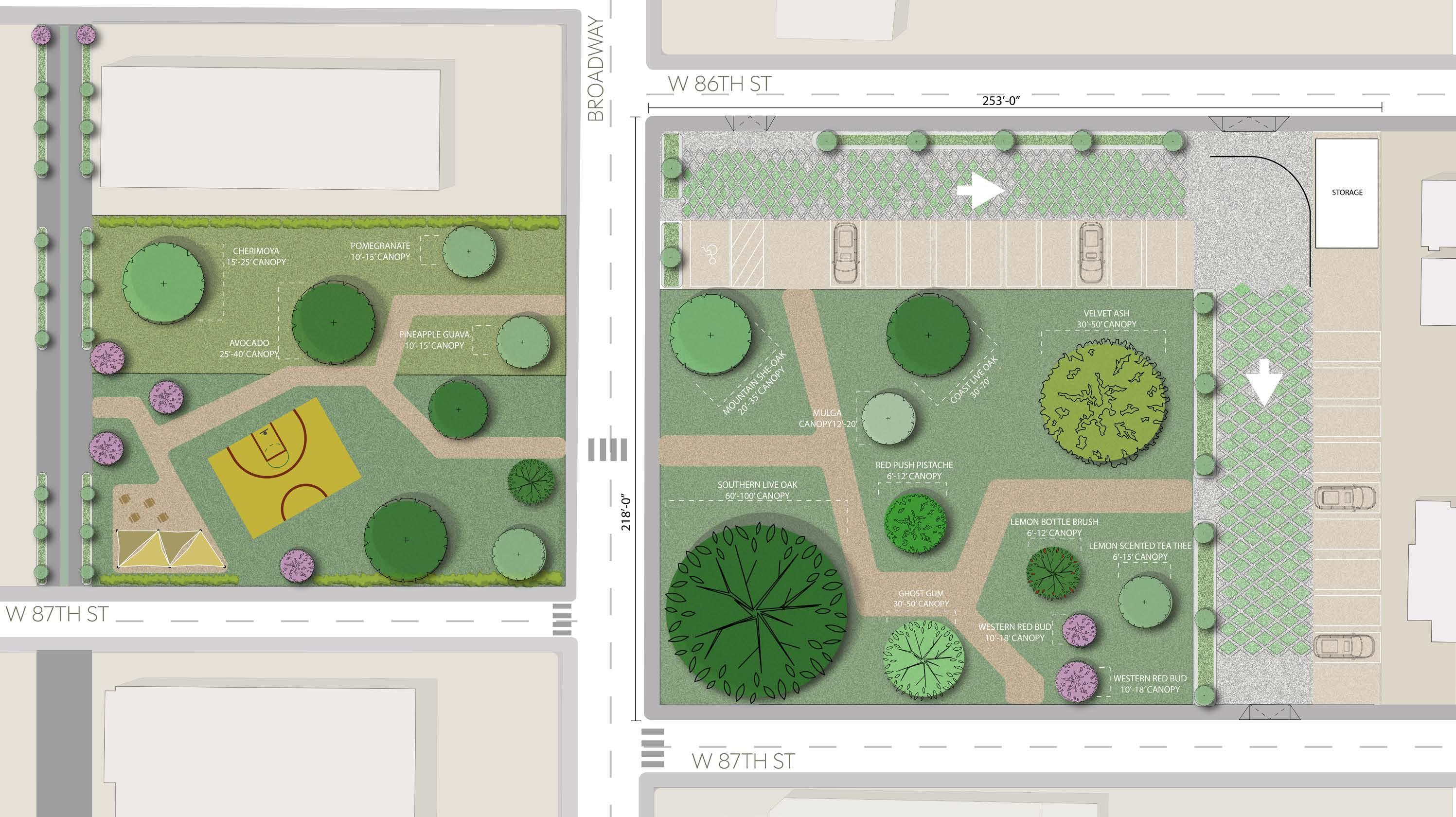
Community parks, gardens, training plots and test plots will all include various trees species fitting for the environment and necessity of the area.
Training plots and test plots will be maintained by students or trainees of the Urban Forest Ambassadors. Community gardens can host workshops and other educational opportunities.
Obtaining parking lots for interim revenue allows for financial gain while securing the space for future greening. This allows for the expansion of the urban forest.
Diagram of areas to be greened through all three phases.
The Typologies
The conceptual rule set is designed to be applied at any given empty lot: Council District 8 obtains vacant land (or potential vacant land).As the needs of the community arise the vacant lot will be
programmed into a parking lot for revenue with the intent to be phased out into a green space or a test plot/ training plot for climate ready trees and arborist certificaiton.
Typically vacant lots are poorly maintained, are a target for illegal dumping, become crime attractors and reduce community pride due to its low aesthetic value. The vacant lots typologies are to create safer conditions with their activation. Furthermore, they are to accomplish
the goald of diversifying the urban tree palette, allow for spaces to become education and training spaces, and increase pride in the community through event.
The Application Vacant
Current Conditions Beginning of Greening Process Motels: To be converted into affordable housing