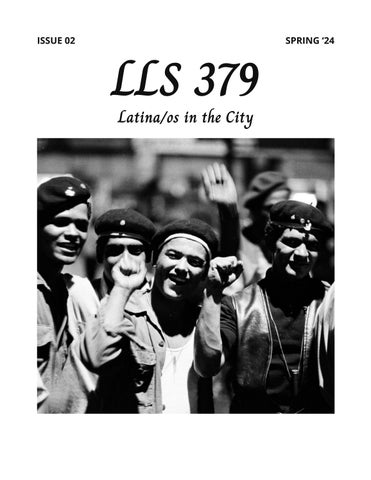
Latina/osintheCity
ISSUE 02 SPRING ‘24
TableofContents
Angel Sierra
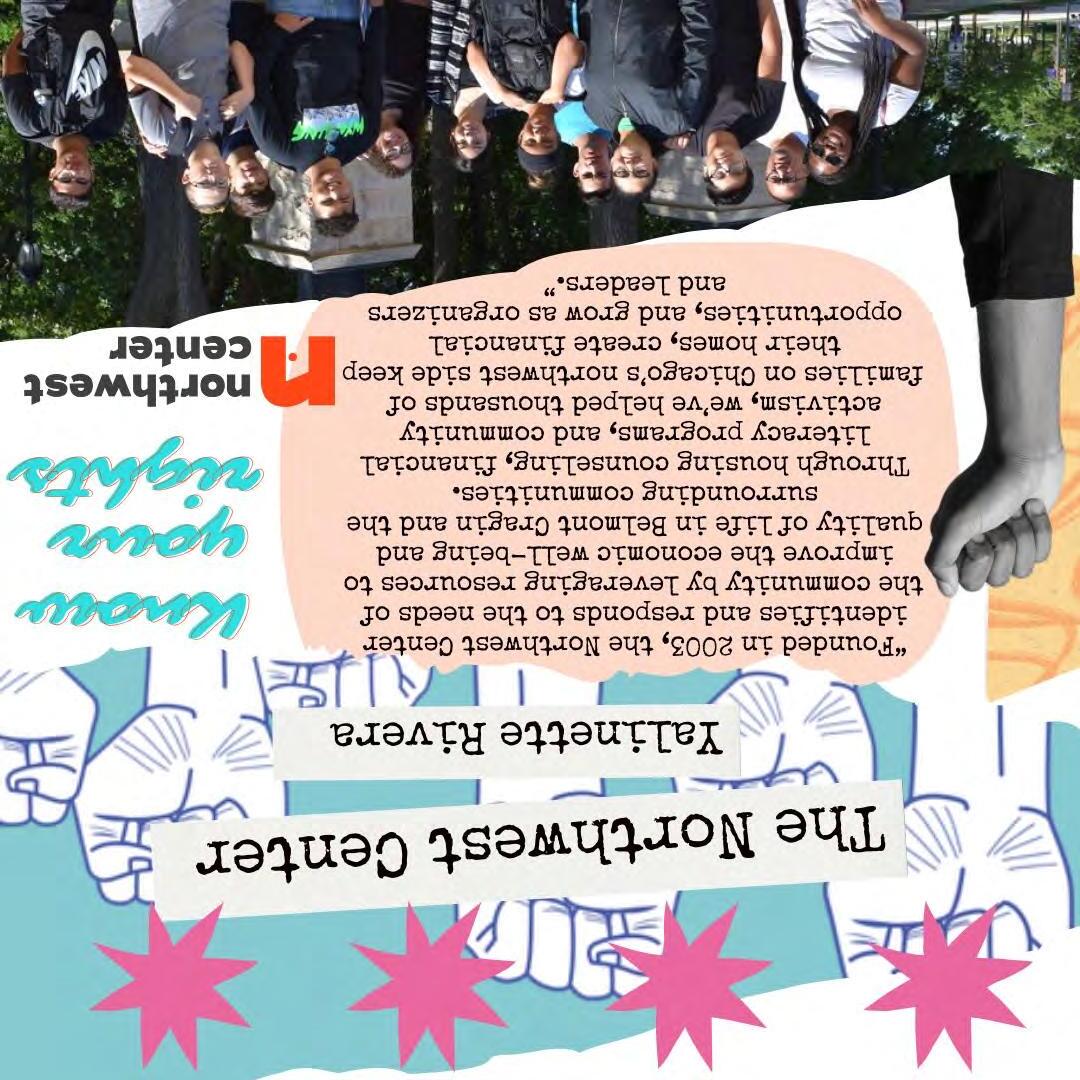
Yalinette Rivera
James Buckley Vanessa Portillo Brandon O’Keefe Judith Hernandez Irvin Diaz Jesse Carmona Emily KennedyLetterfromthe Profe...
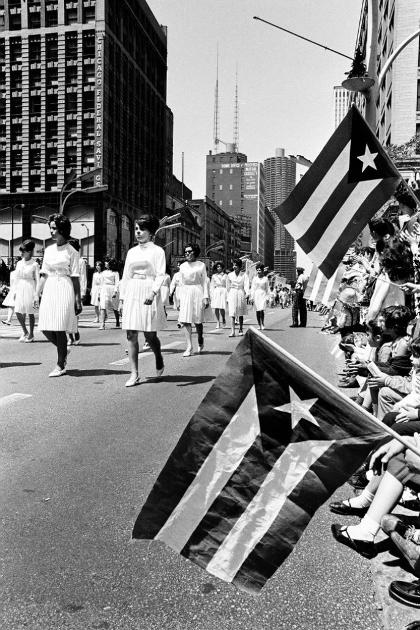
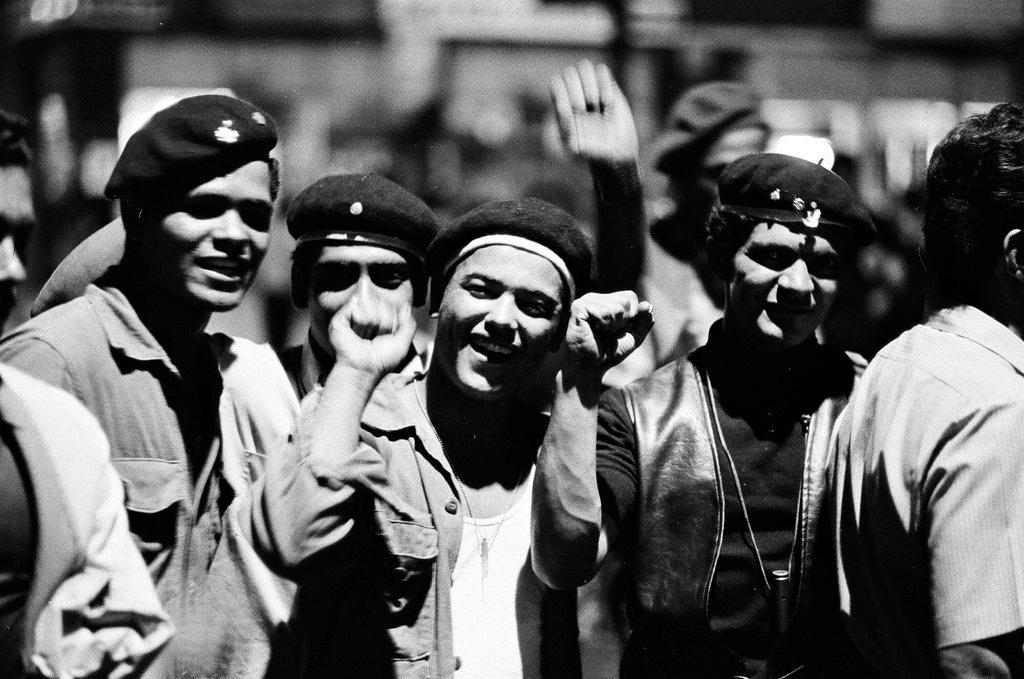
Latina/o/x communities are central to any reading of cities across the United States. From Boyle Heights to Washington Heights, Latina/o/x have been critical to transforming cities, whether as musicians, laborers, students, etc. This semester we have read texts that challenge monolithic readings of U.S. cities, whether urban or rural communities. These images and stories across this zine bring these communities out of the footnotes of history. I hope we all continue to see ourselves where history has chosen to erase us.
-ProfVelázquez



“A fundamental premise of the Eurocentric brand of Americanizers was their belief in the need to train immigrants, in this case Mexicans, to become proper Americans. Their faith in this method shaped many of the social and cultural efforts to Americanize newcomers” - pg. 83 of Mexican Chicago Race, Identity, and Nation


































“disputecenteredaroundthe establishmentofschoolsfor Mexicanchildren,butthe consulaterecordsneverstated explicitlywhatwerethesources ofconflict.Perhapsitcameout oftheCardenasgovernment's versionofattemptingto maintainaseparationbetween churchandstate,evenin "Mexicodeafuera"(theMexico outsideofMexico)”-pg.164of MexicanChicagoRace,Identity, andNation

REDLINING IN CHICAGO
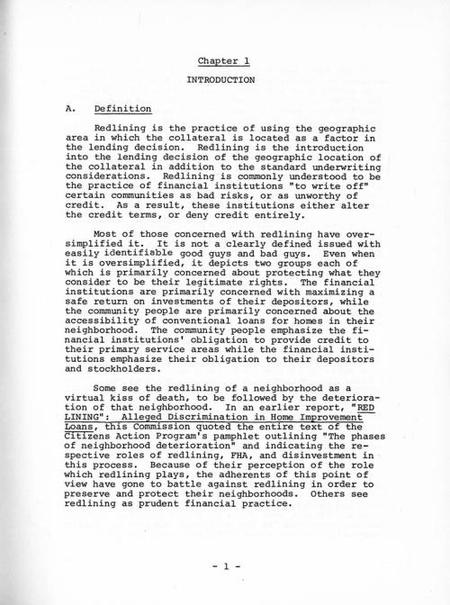
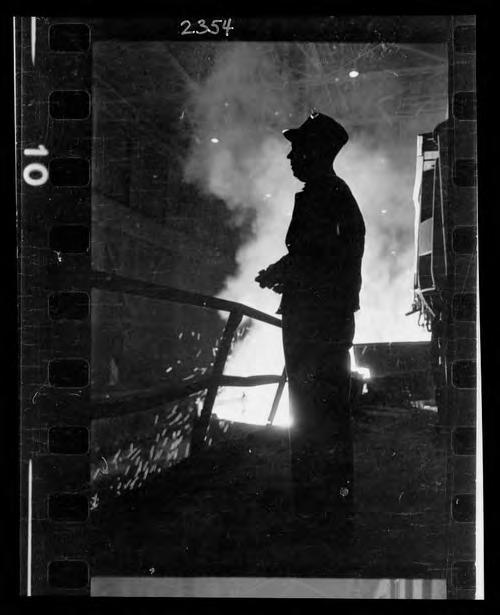
REDLINING STILL HAS LASTING EFFECTS WITH SEVERAL NEIGHBORHOODS BEING IMPOVERISHED WITH NO SIGNS OF IMPROVEMENT DUE TO LACK OF RESOURCES
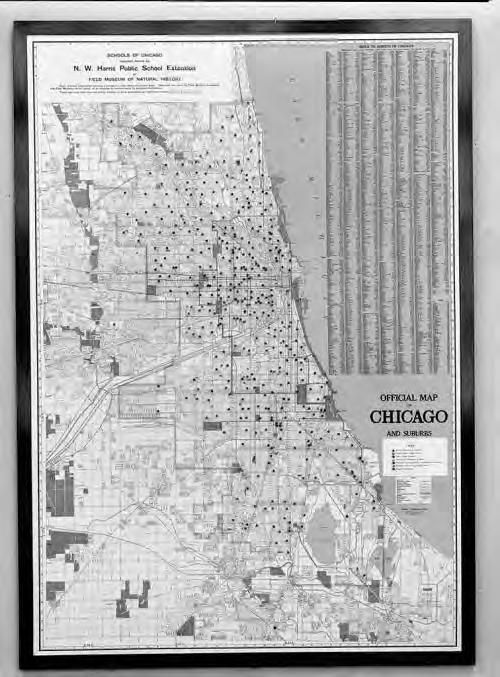
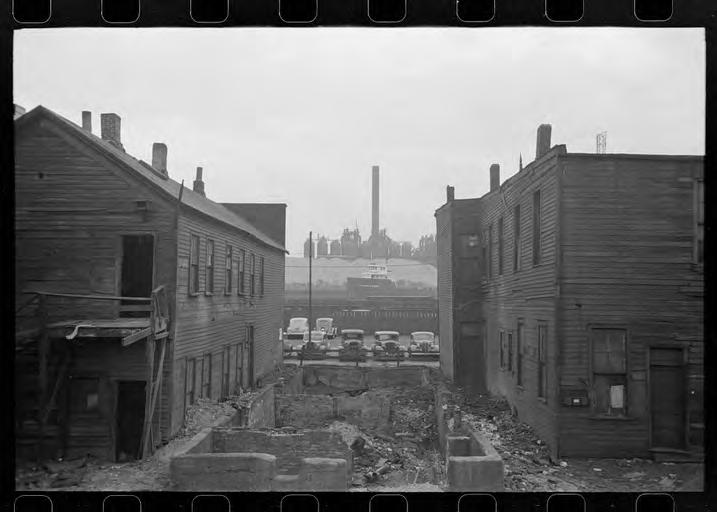
Several groups of people were segregated to different sections across the city using housing methods and policies. Many of these being people of color and immigrants
These areas are usually graded between A-D with D being the worse redlined areas, usually being severely impoverished with high crime rates.
Lee, Russell, photographer. Condemned houses in Negro section of Chicago, Illinois, with steel mills in background. United States Illinois Chicago, 1941. Apr. Photograph. https://www.loc.gov/item/2017743698/.
Field Museum of Natural History, Map of Chicago and suburbs, History of Exhibitions at the Field Museum 1921-1959 (Illinois Digital Archives), 202404-22, http://www.idaillinois.org/digital/collection/fmnh3 /id/4320
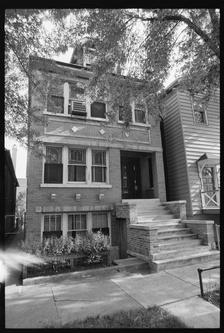
n.a.,Page1,IllinoisStateLibrary-GeneralCollection(Illinois DigitalArchives),2024-04-22, http://www.idaillinois.org/digital/collection/isl/id/33539.
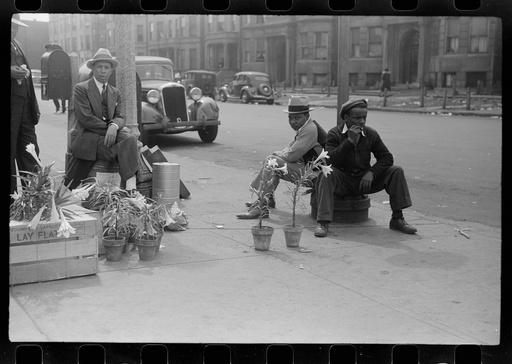
Rosskam,Edwin,photographer.LilyvendorsonEaster Sunday,BlackBelt,Chicago,Illinois.UnitedStatesIllinois Chicago,1941.Apr.Photograph. https://www.loc.gov/item/2017729485/.
Kubrick,Stanley,photographer.Steelworkerstandinginmill withsmelterinthebackground,inChicago,Illinois.Illinois Chicago,1949.Photograph. https://www.loc.gov/item/2004671598/.
Klymasz,RobertBogdan,andCarlFleischhauer.Ukrainian neighborhoodscenes,Chicago,Illinois.IllinoisChicago,1977. Chicago,Illinois.Photograph. https://www.loc.gov/item/afc1981004.b48691/.



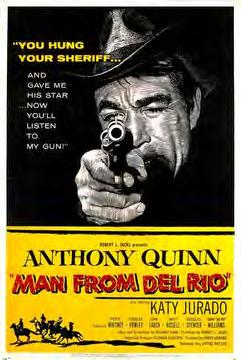
“Well, I have to get out of here. This is my country, I was born here, and I don’t want to be discriminated here. If I’m discriminated in the United States, that means I’m no American. I’m no American, but in my own country to be discriminated because I was black, I don’t want to get into that.”-
Alberto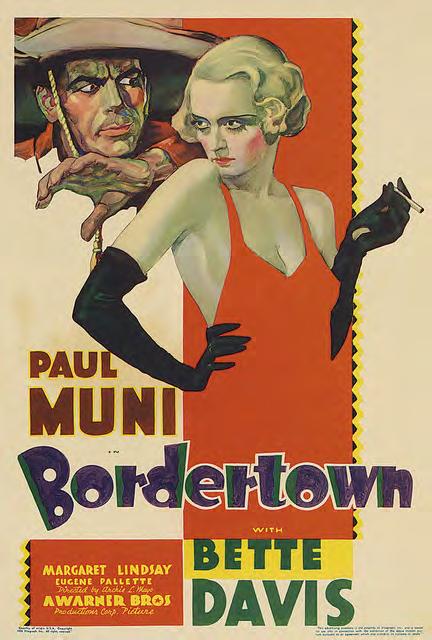

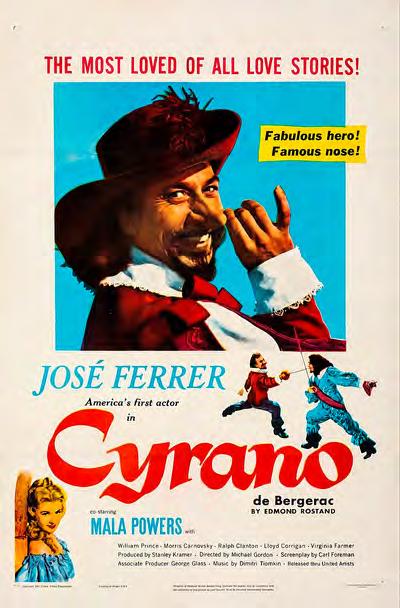
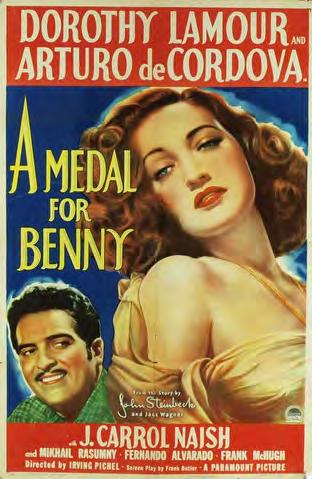

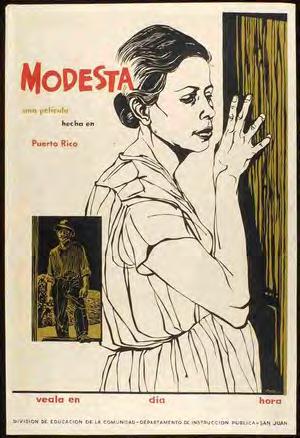
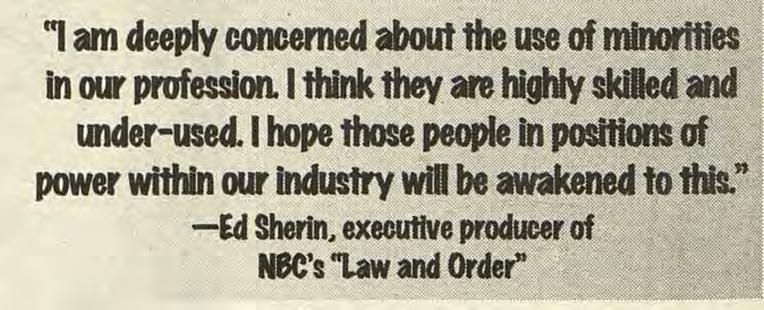
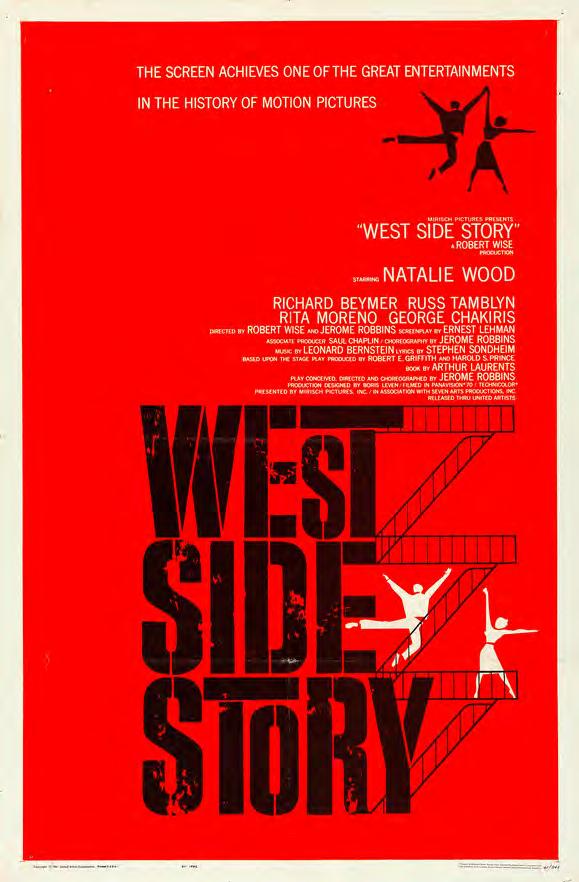
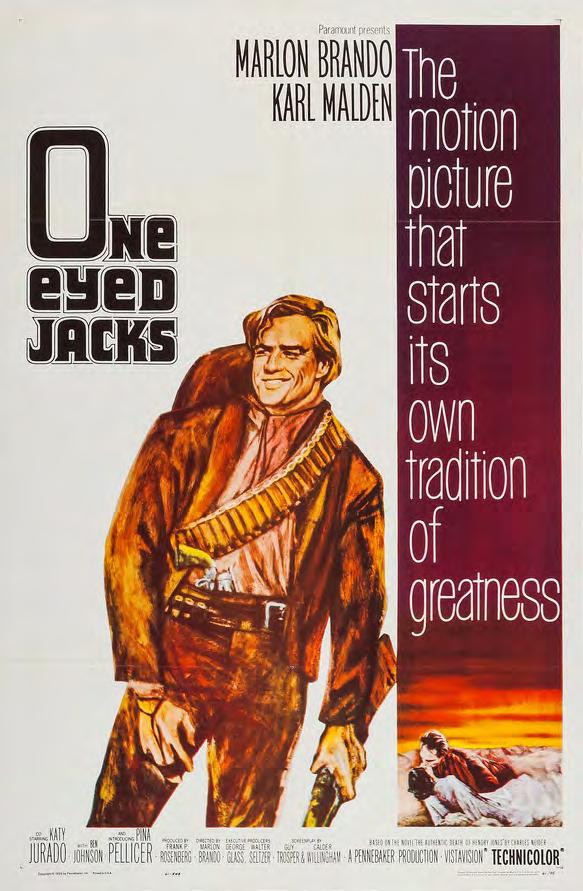
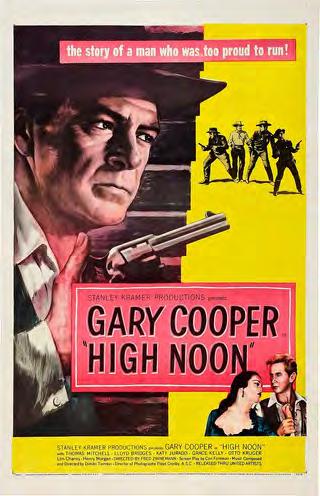

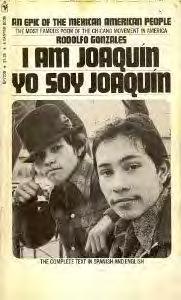

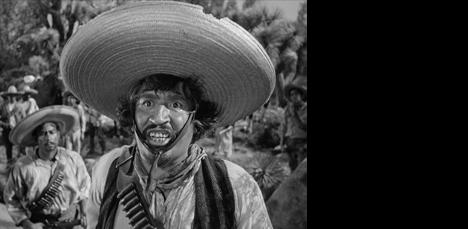
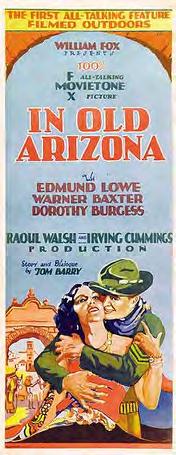
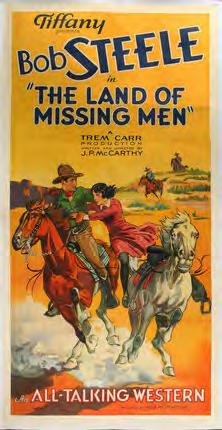
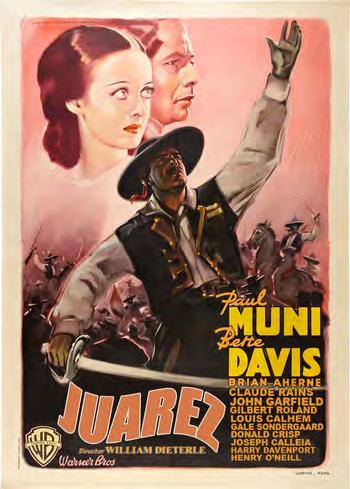
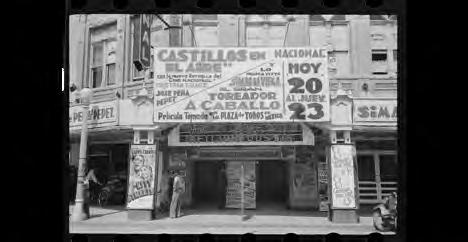
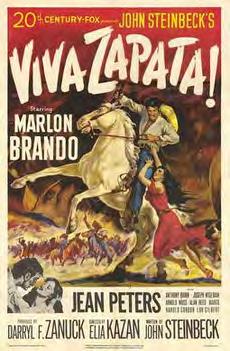
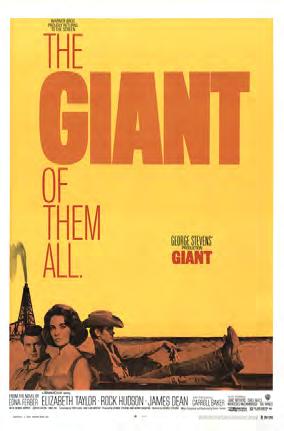
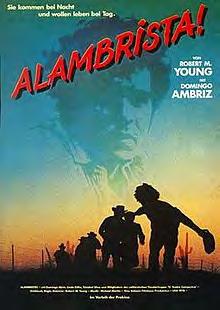
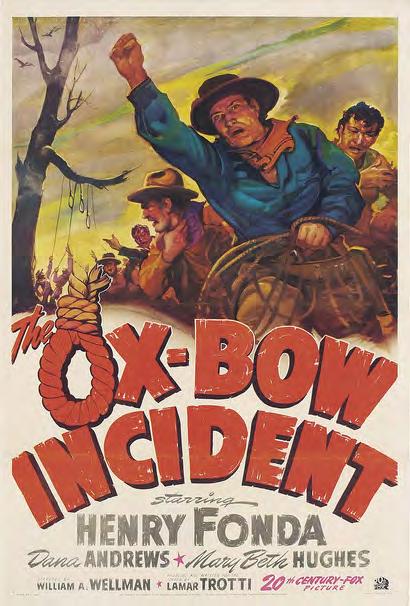
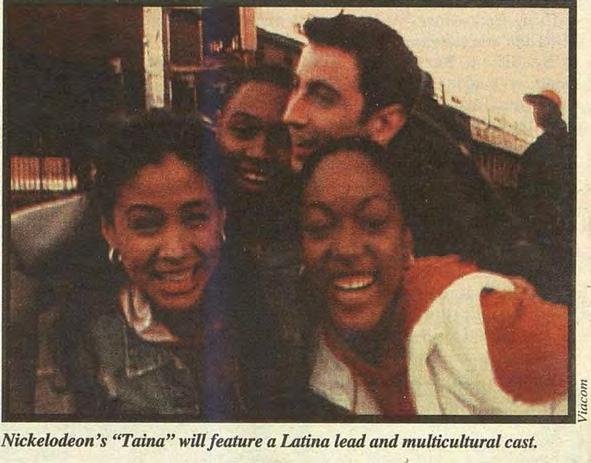
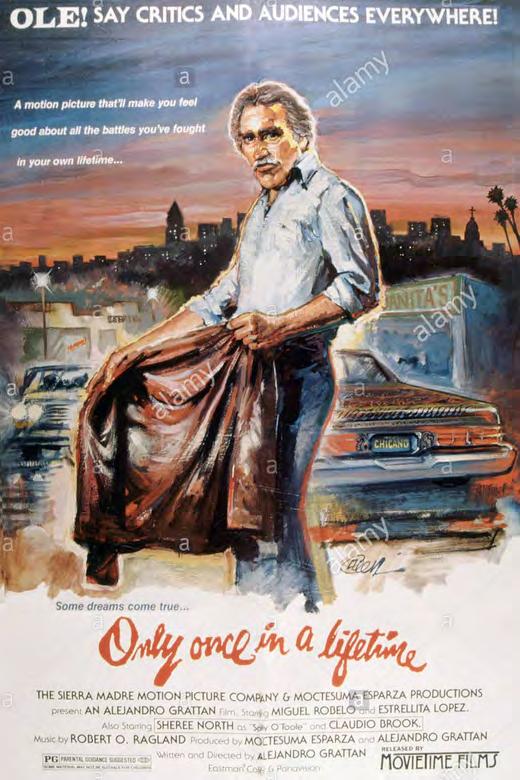
“ The existence of local Spanish-language radio and television programming also demon- strates that Latino/as had found ways to participate in the mass culture industries as both individual and collective producers and consumers.”
 Socarrás

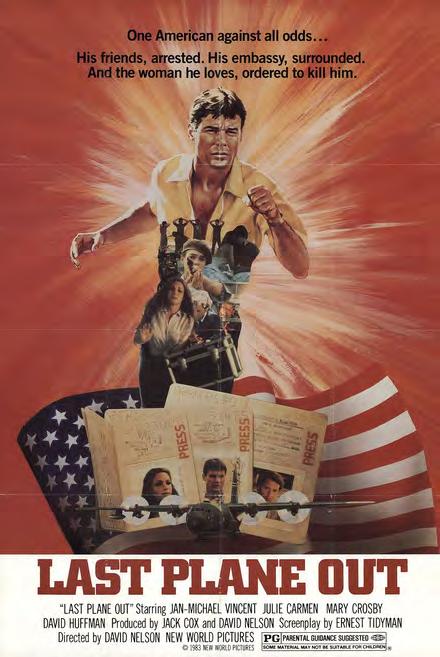
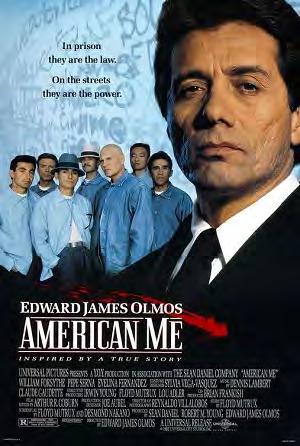
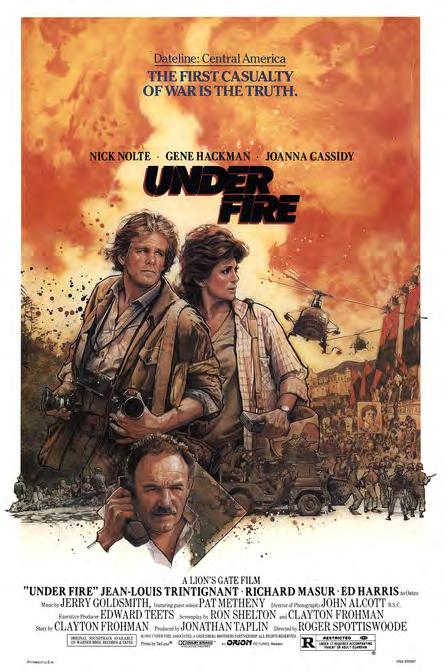
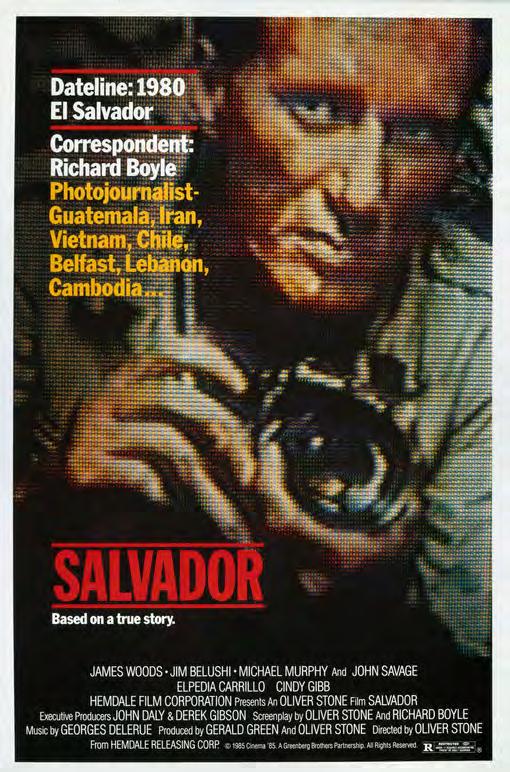
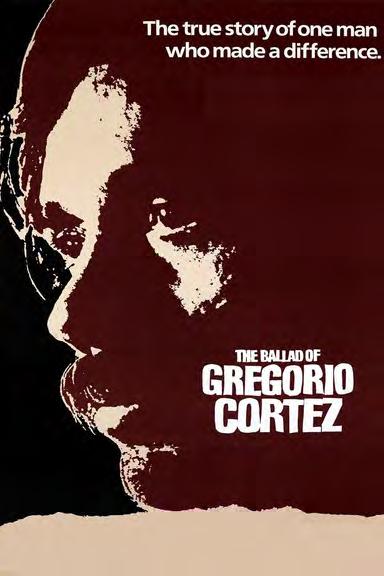
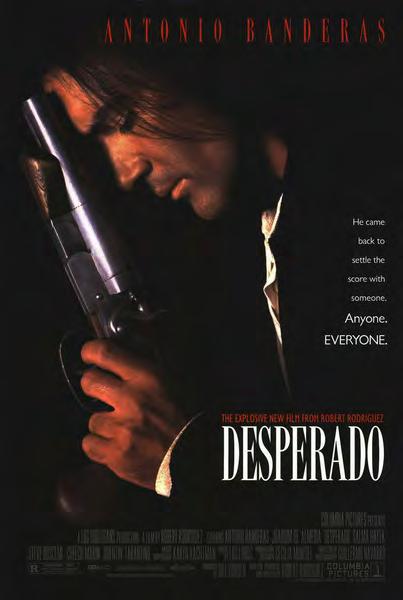
“Radio and television made it less necessary for Latino/as to come together in theaters, nightclubs, and cabarets to attend live performances by their favorite solo artists and orchestras.”
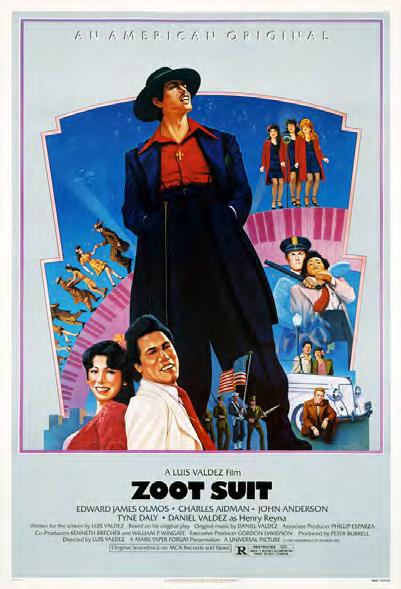
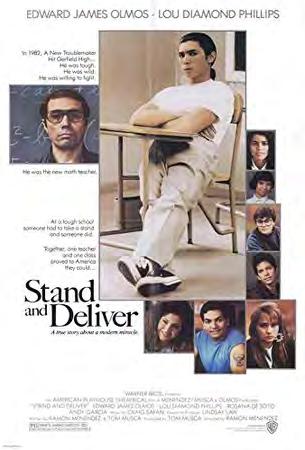

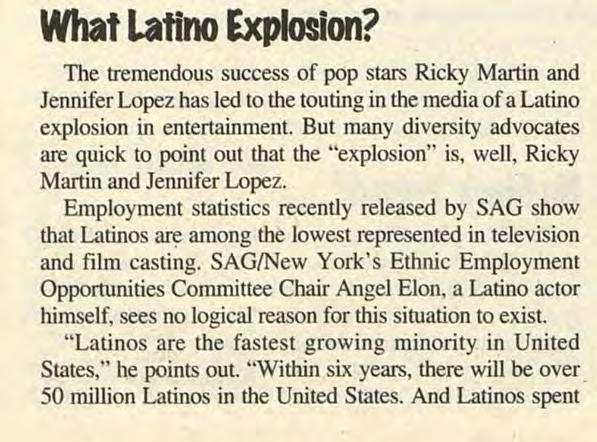


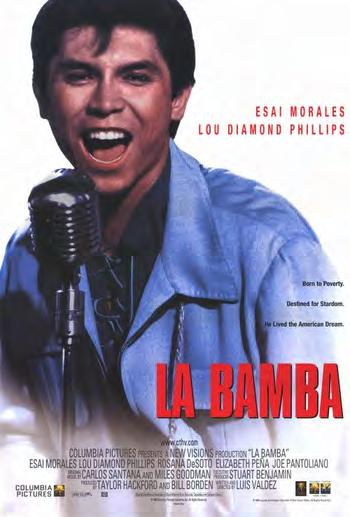
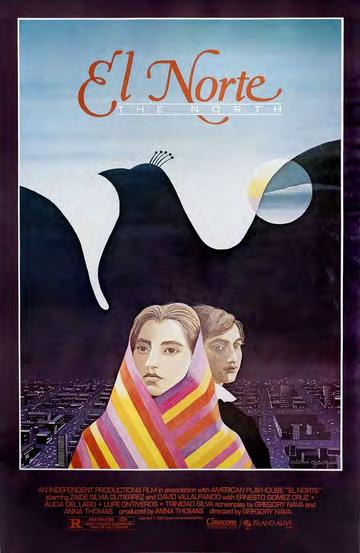

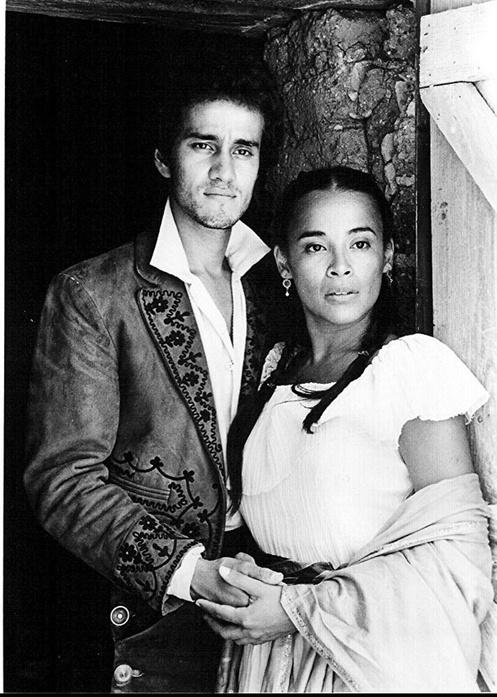
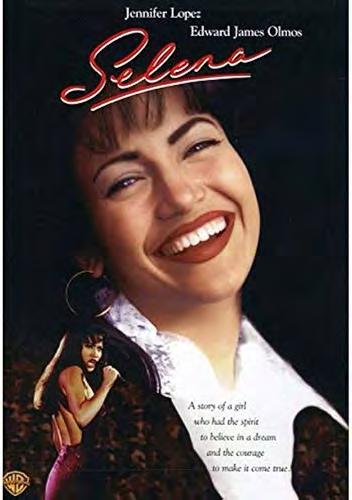
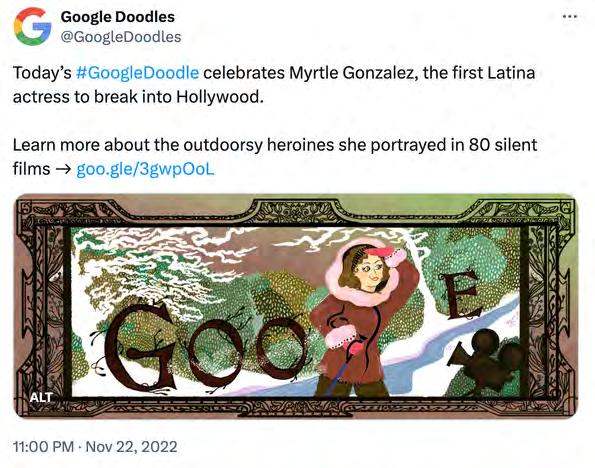
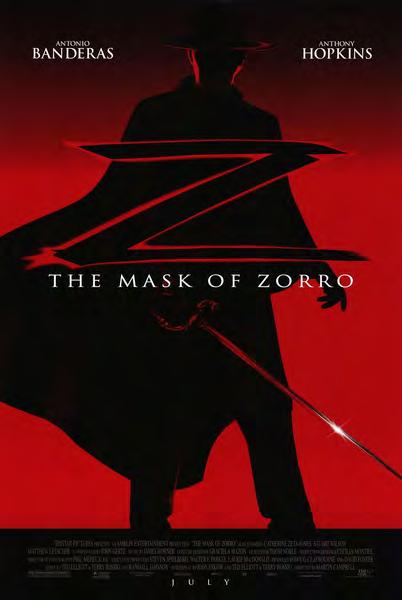

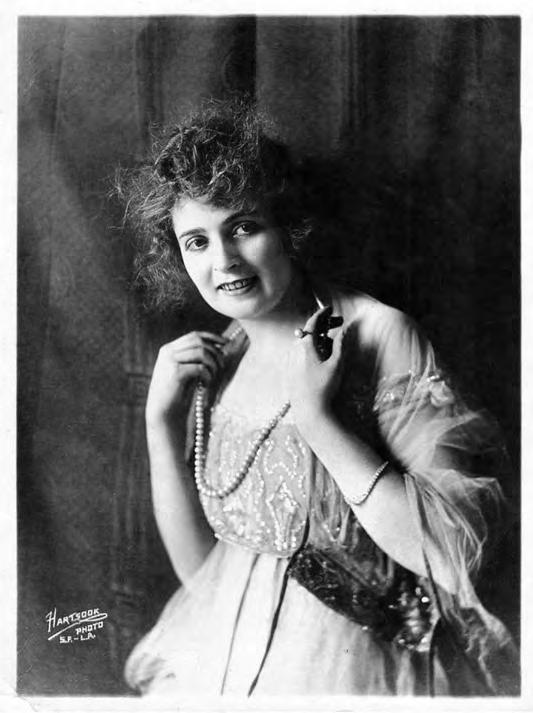
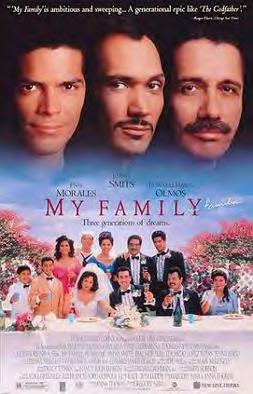
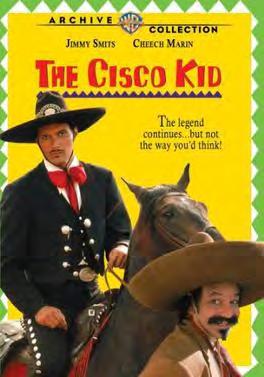
“Arnaz blamed whatever problems he encountered in the entertainment industry as a result of his Cubanness not on racism or ethnic stereo- types but on his language skills and the whims of Hollywood producers.”
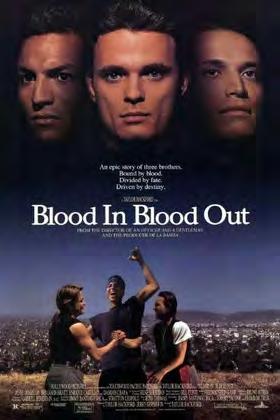
Latinx Educational Justice:


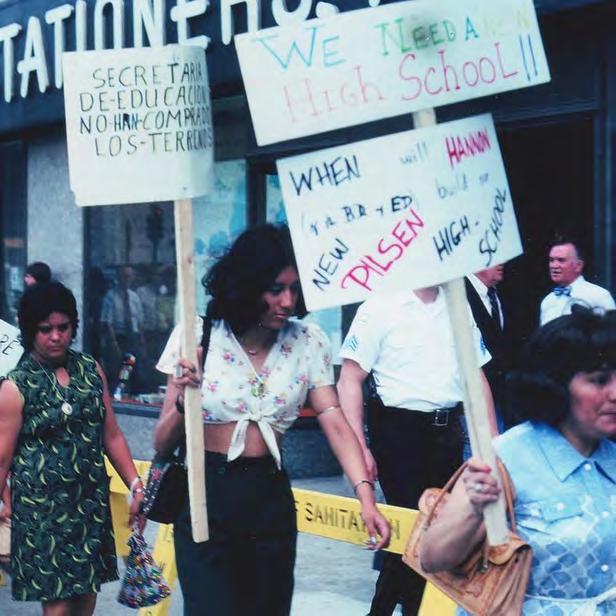
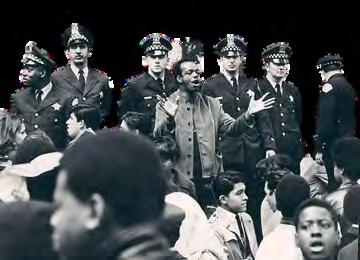

Chicago’s Youth & Mothers Leading the City’s Resistance & Activism

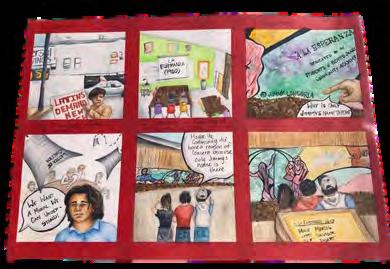
“A community who never gave up until the vision was realized” (Fraga,






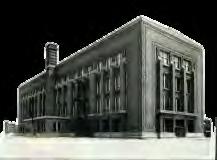
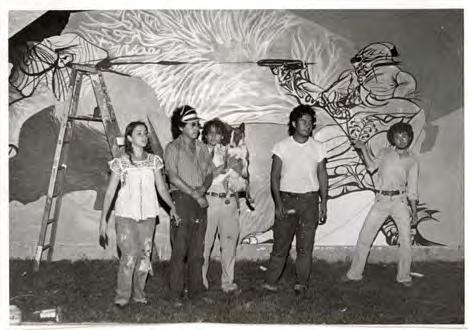
2019) Harrison

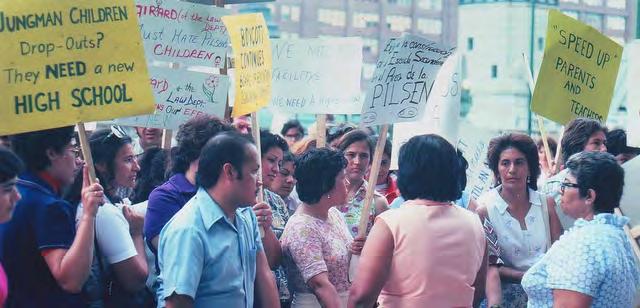

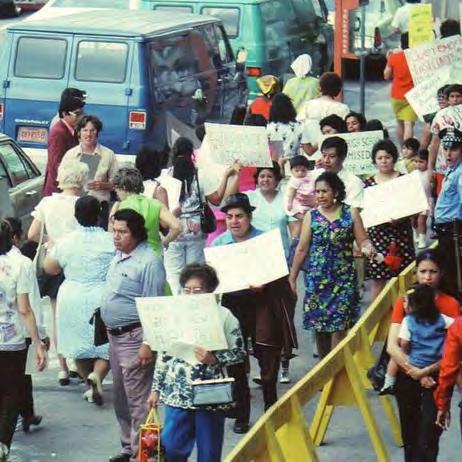

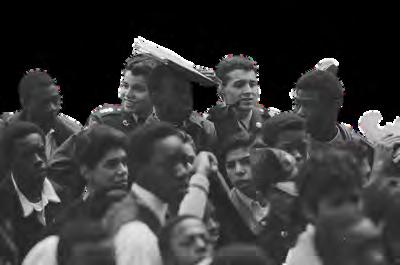

highprotest 1968 R e s i s t e n c i a
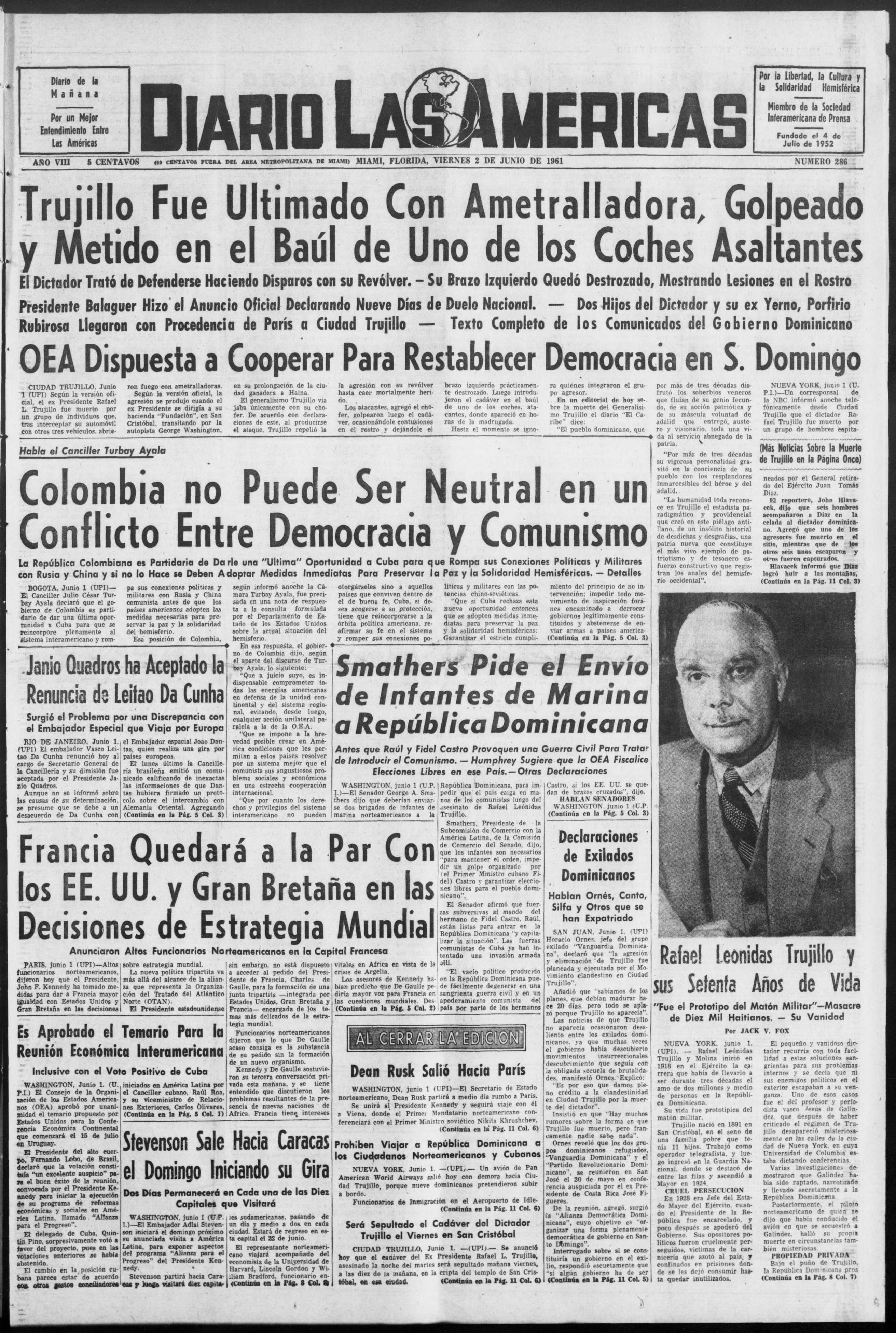
The Diario las Americas was founed in Miami, Florida in July 4th, 1953 by Horacio Aguirre. He was born in New Orleans in 1925 to parents from Nicaragua. Spent most of his early years back in Nicaragua with his parents until he went back to the United States in 1947.
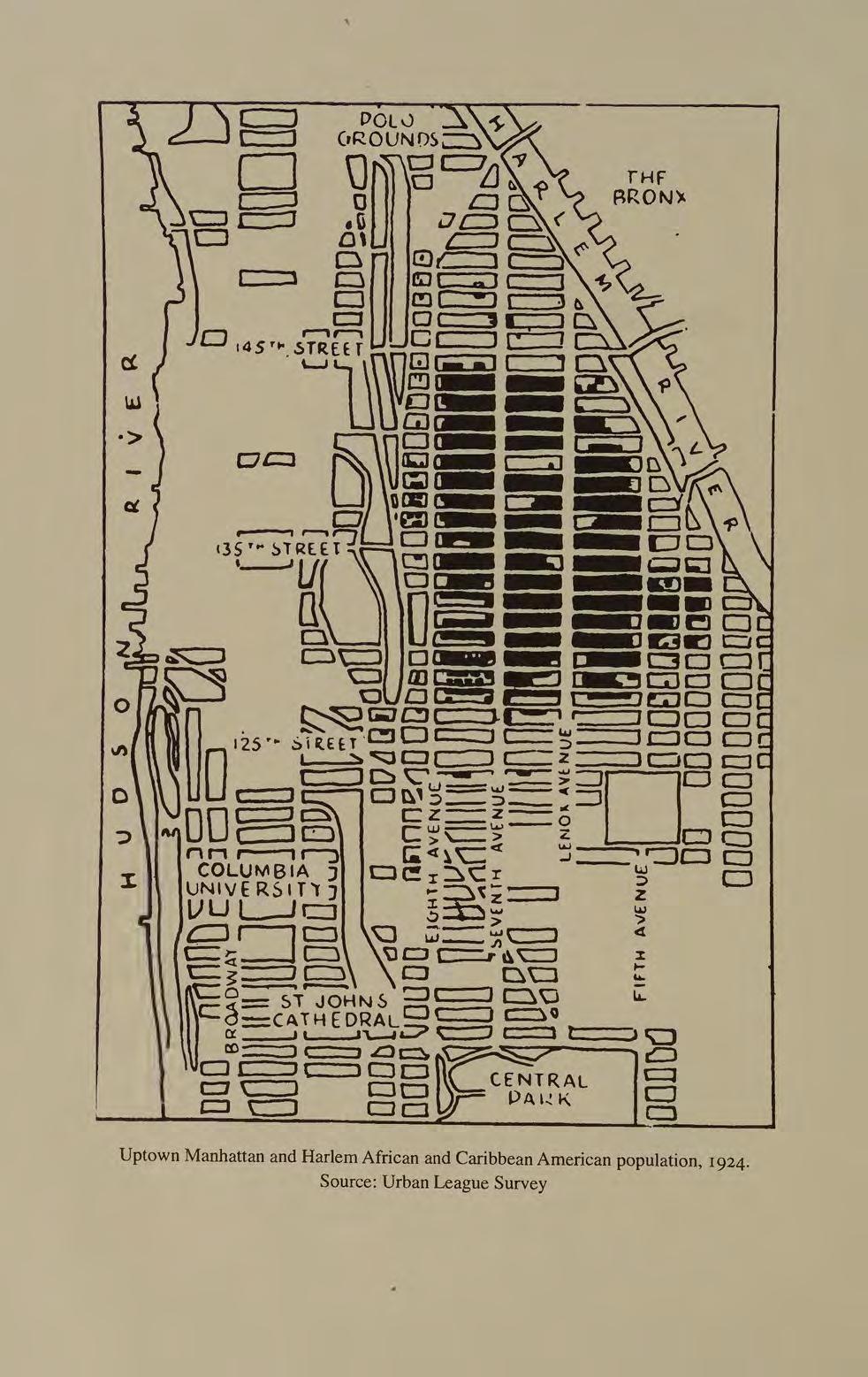
ManyLatinosthatoriginatefromCaribbeanislands havebeenlivinginurbanspacesaroundtheUnited Statesformorethanacentury,oftenblendinginwith theAfricanAmericanpopulationforthemostearlypart ofthe20thcentury(1924)
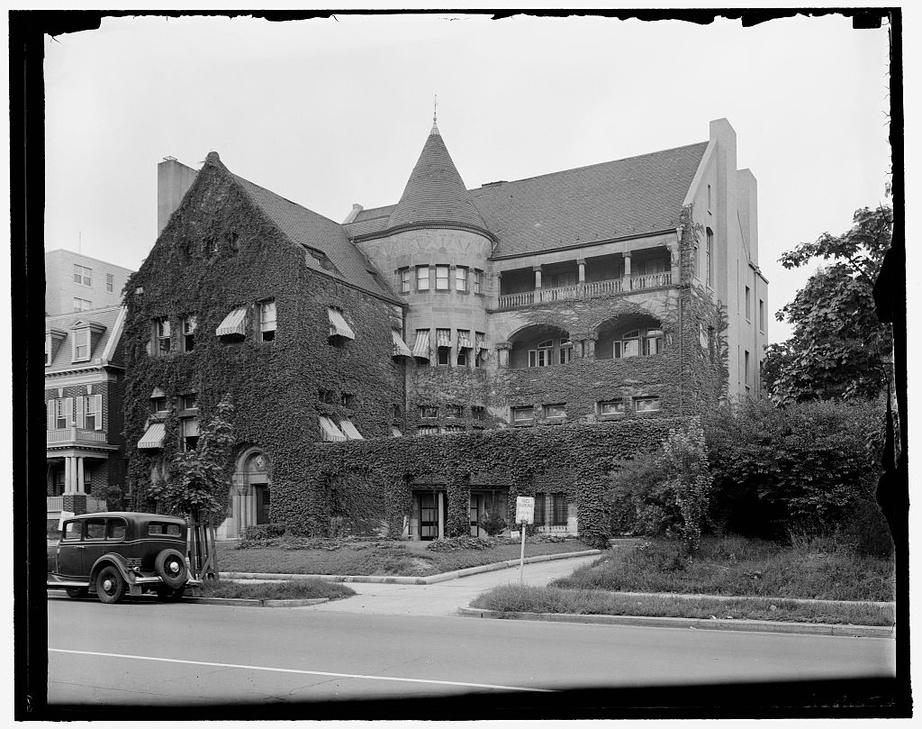
Dominican Republic Legation in Washington, D.C. (1936)

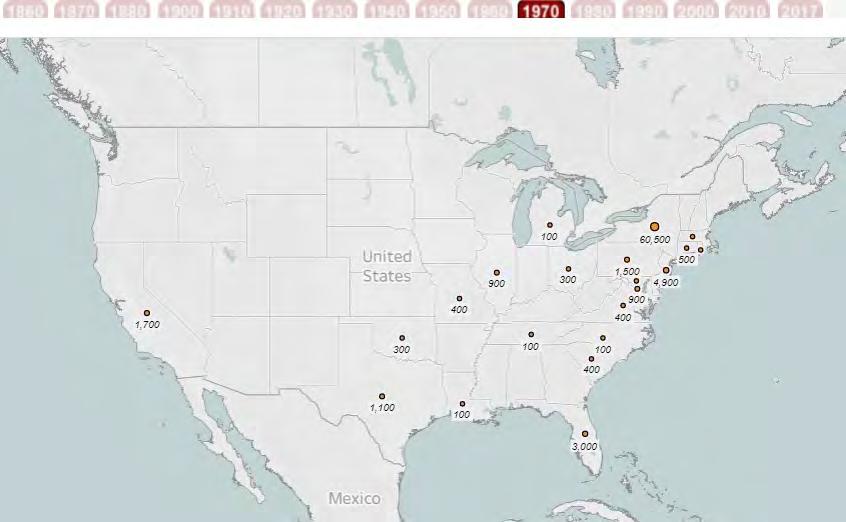
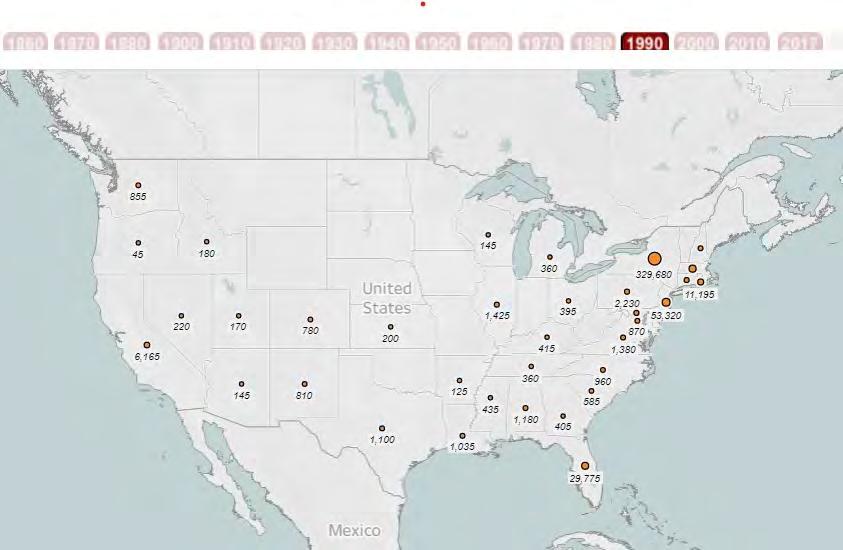
This demonstrates the contrasting paths between Latino populations in the same time period and city.
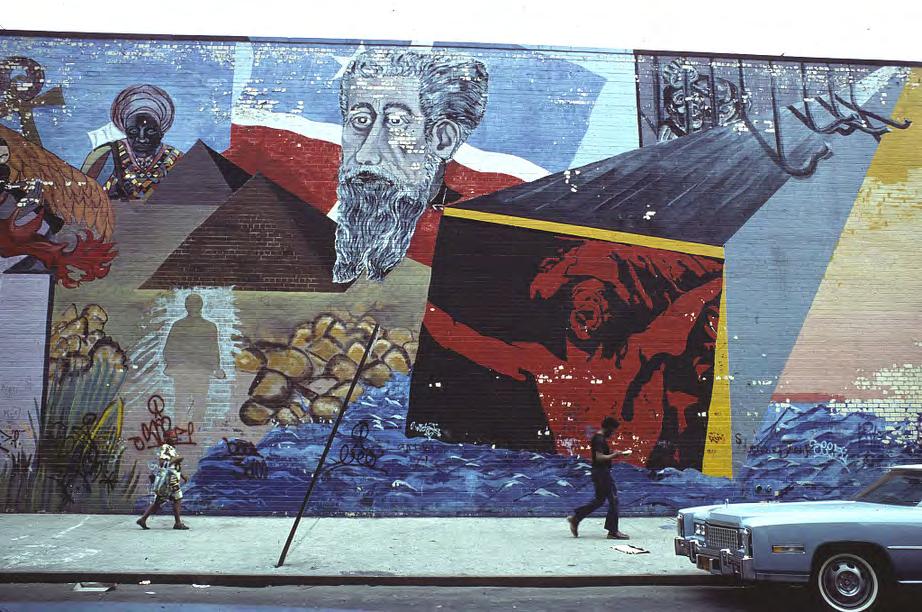
Liberation mural, with Dominican flag and portrait of Juan Pablo Duarte, Lower East Side, Manhattan, 1977
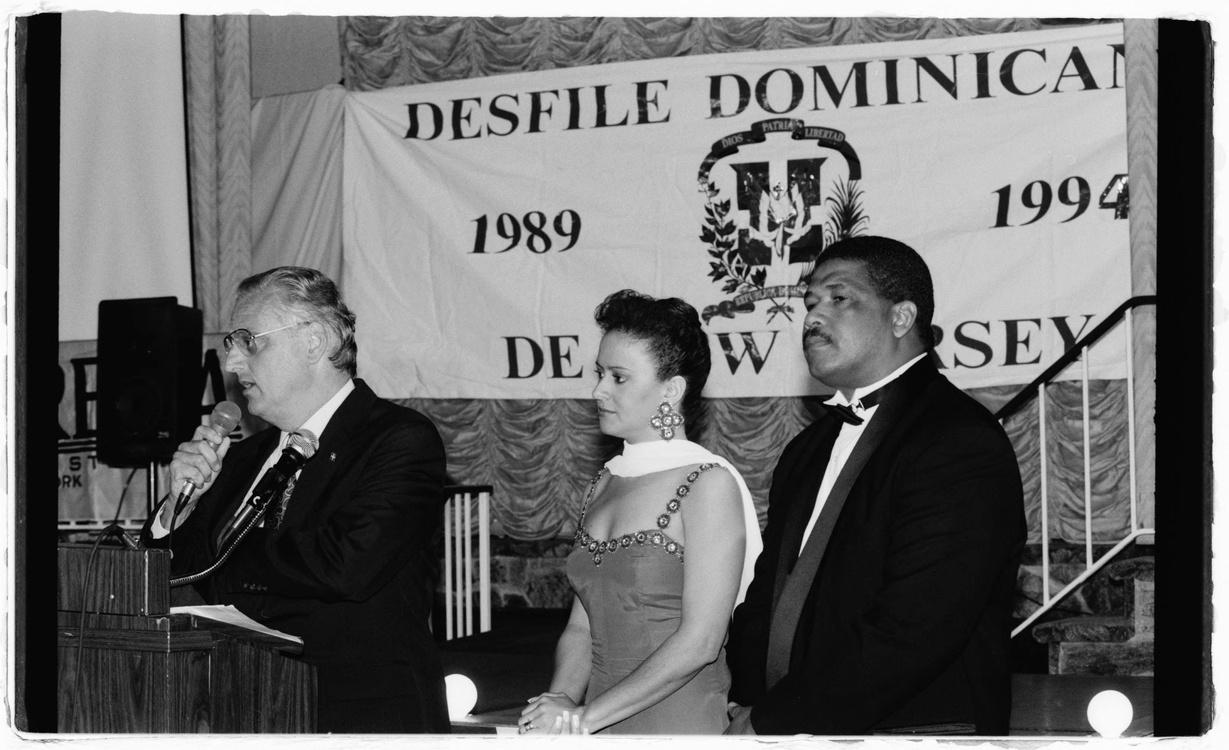
Dignitaries on stage at the annual Dominican pageant.
After the end of the Trujillo regime population of Dominicans increased from 23,400 (1960) to 485,890 (1990)

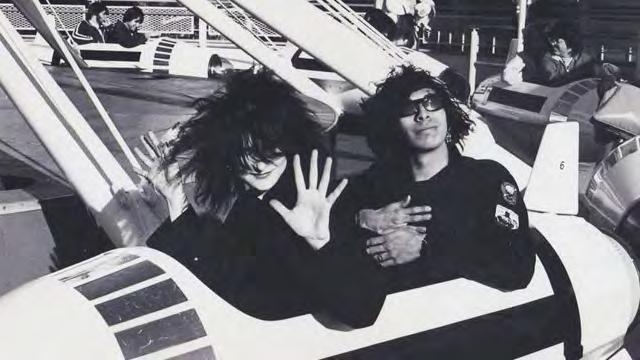
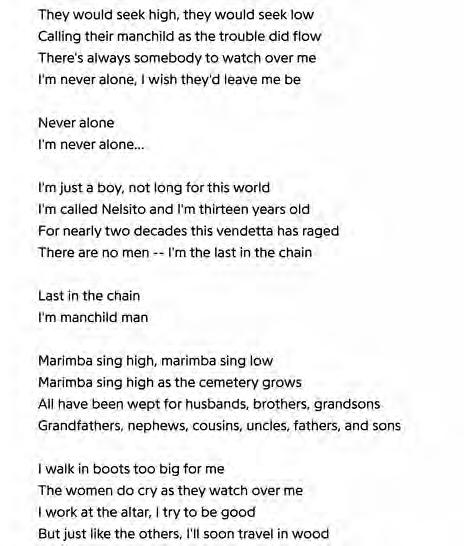
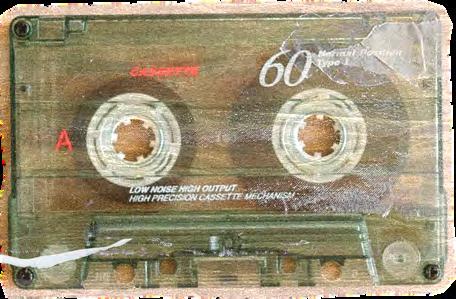
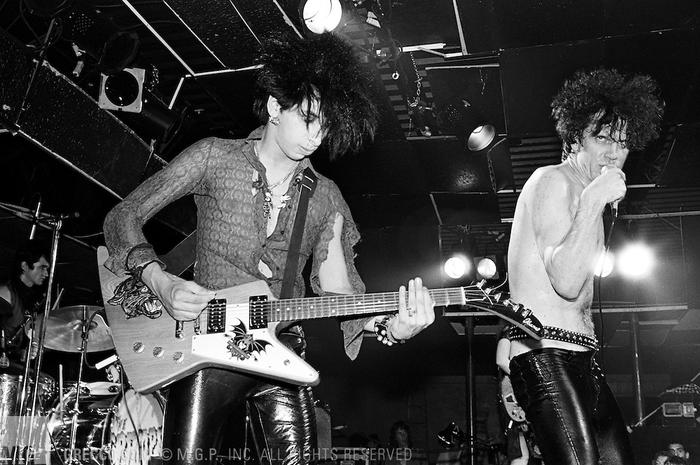
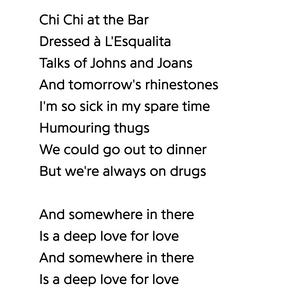
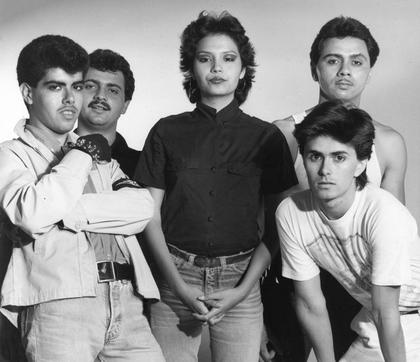
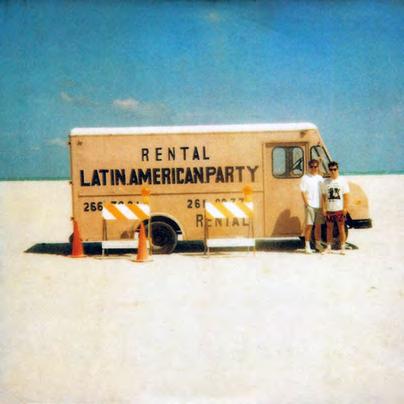
LATINX IN NEW WAVE & PUNK











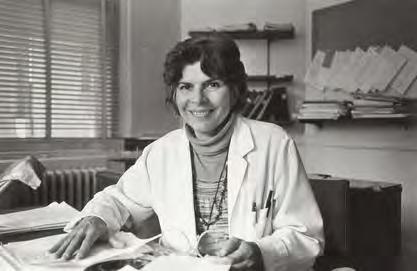
https://cfmedicine.nlm.nih.gov/gallery/photo
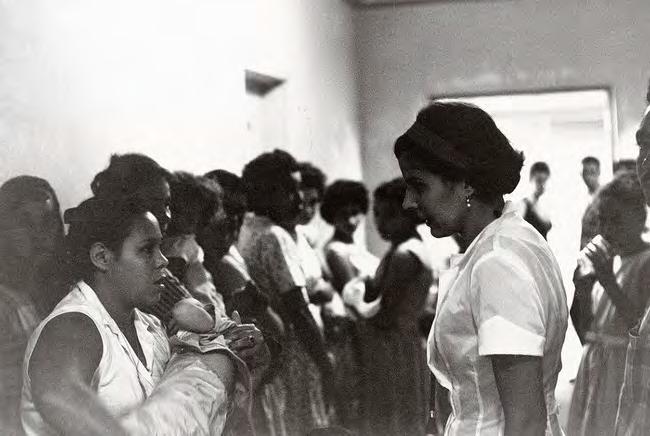
operacion “It kind of became part of the culture” Dr.. Helen rodriguez-Trias “Fighting for Women’s Health-Dr. Helen Rodríguez-Trías.” web, October 3, 2022.
La
273 5.html Emily Kennedy
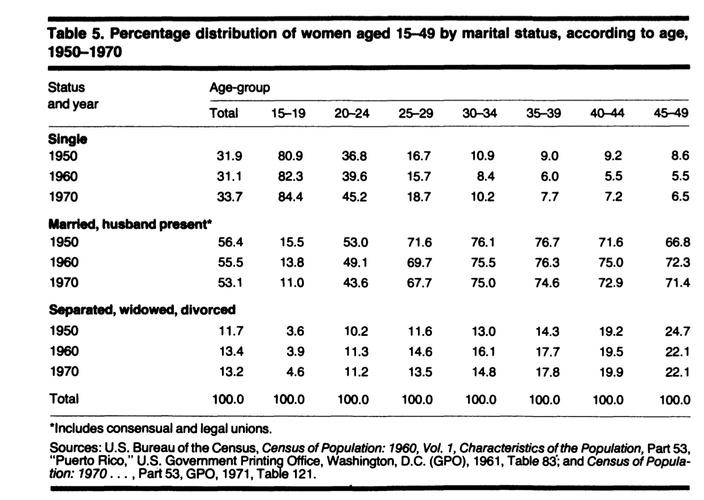
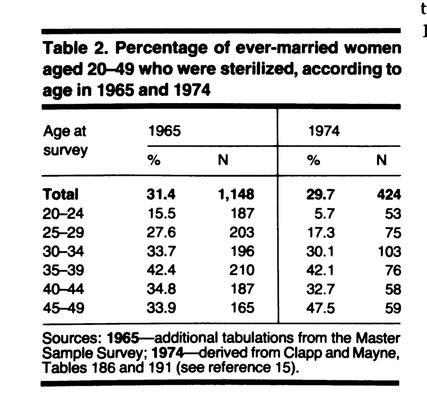
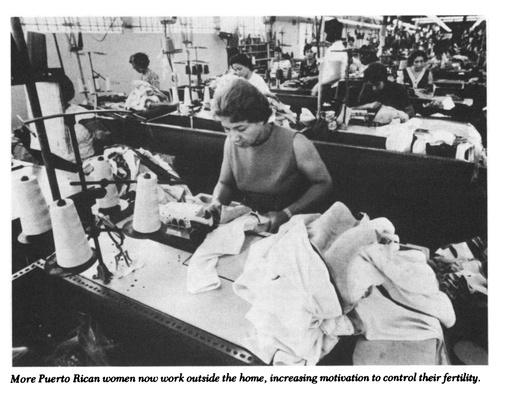
“And it was something she didn’t want, but was essentially coerced because everyone said, this is what you do.”
“Island-born
Puerto Rican women living in New York rely on female sterilization to nearly the same extent as women living in Puerto Rico (45% and 41%)”
RS;,SalvoJJ;PowersMG;Cooney.“ContraceptiveUseandSterilizationamongPuertoRicanWomen.”Family planningperspectives.AccessedApril16,2024.
Following
Disasters.”
Macias, Miguel, and Justine Kenin. “What Independence for Puerto Rico Could Look like
Natural
NPR, October 5,
2022.
Presser,HarrietB.“PuertoRico:RecentTrendsinFertilityandSterilization.” InternationalFamilyPlanningPerspectives6,no.1(March1980):20.
LLS 379 Bracero Movement in California Agriculture
 Brandon O’Keefe
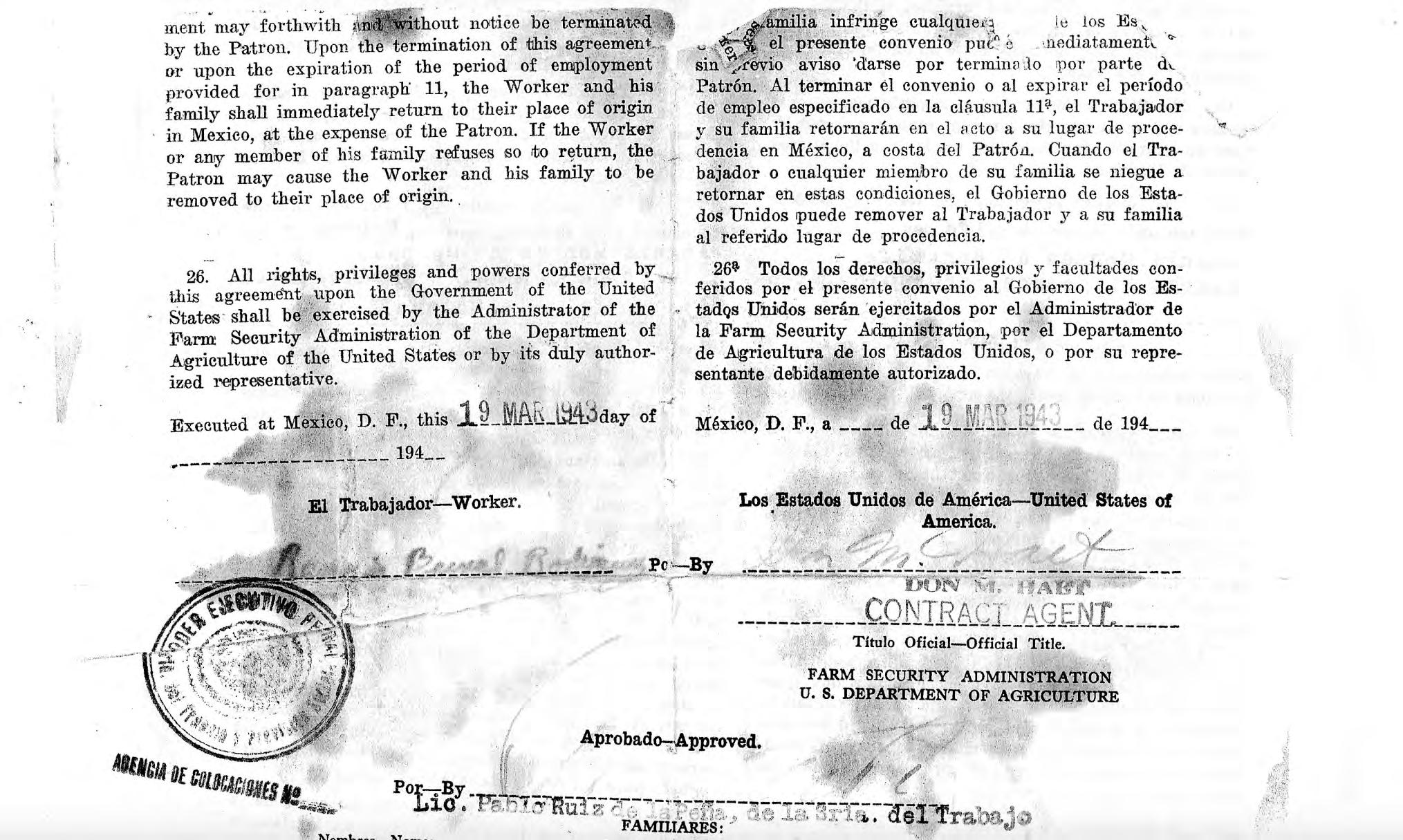
An executive order called the Mexican Farm Labor Program established the Bracero Program in 1942. This series of diplomatic accords between Mexico and the United States permitted millions of Mexican men to work legally in the United States on short-term labor contracts.
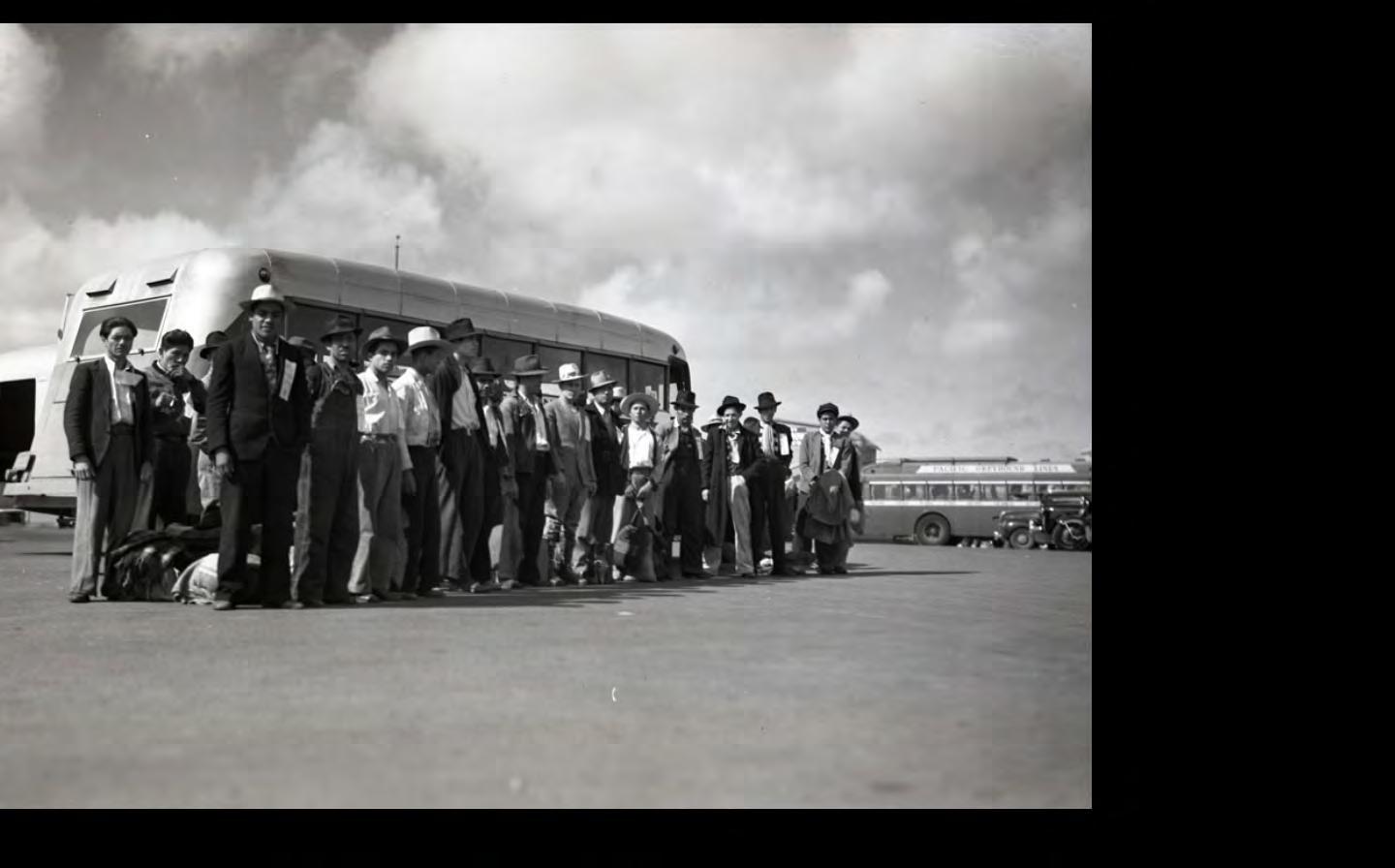
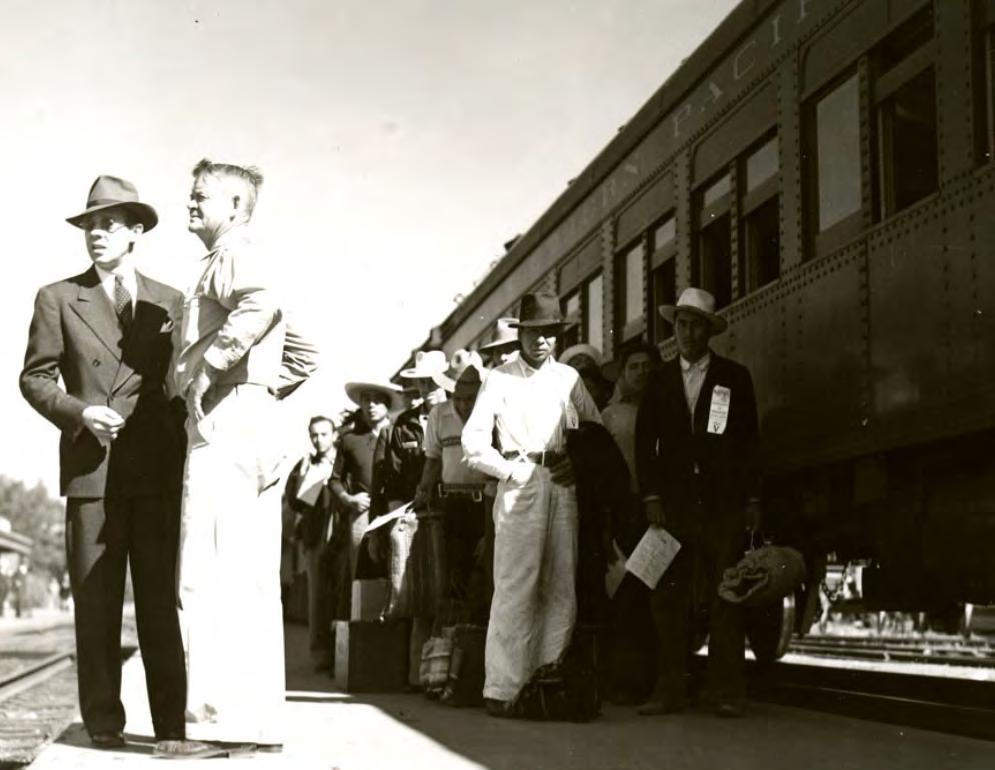
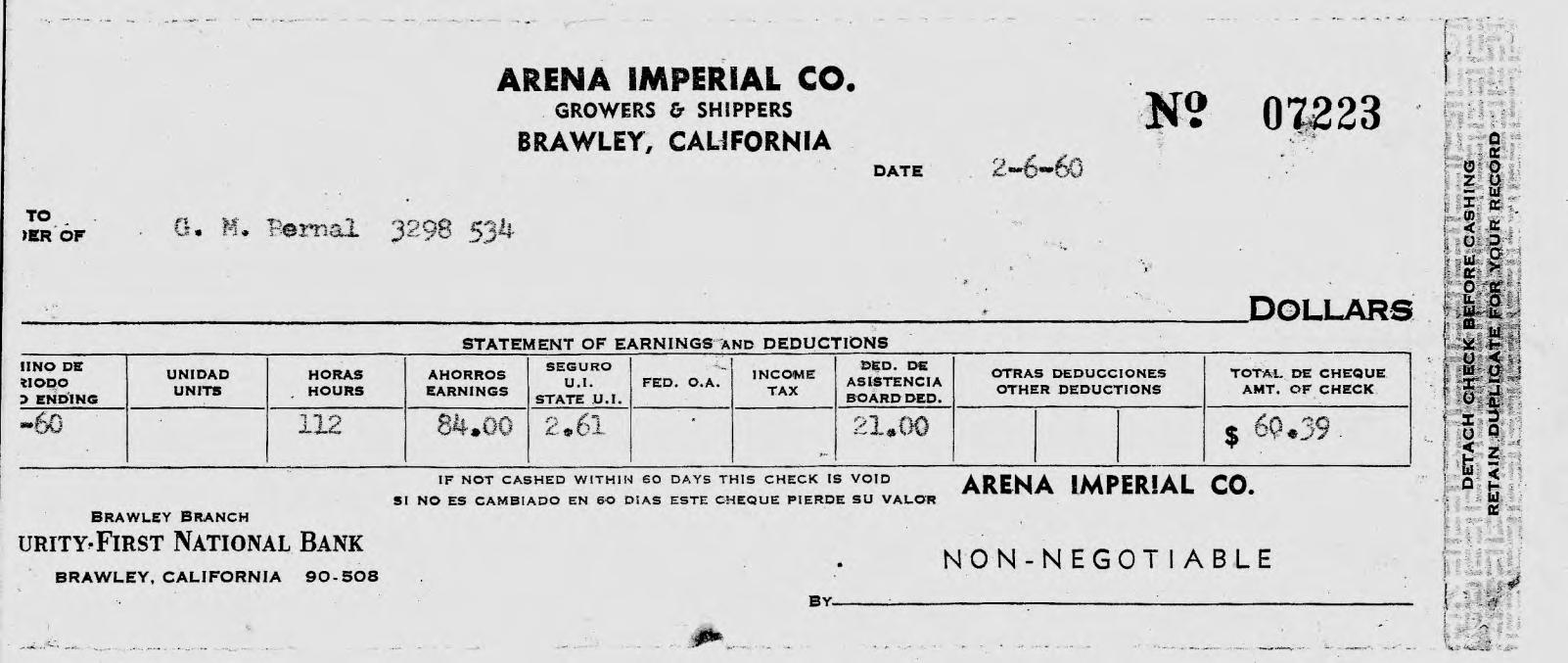
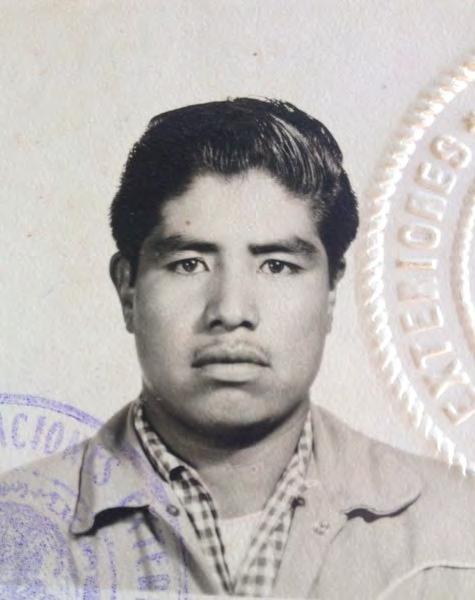
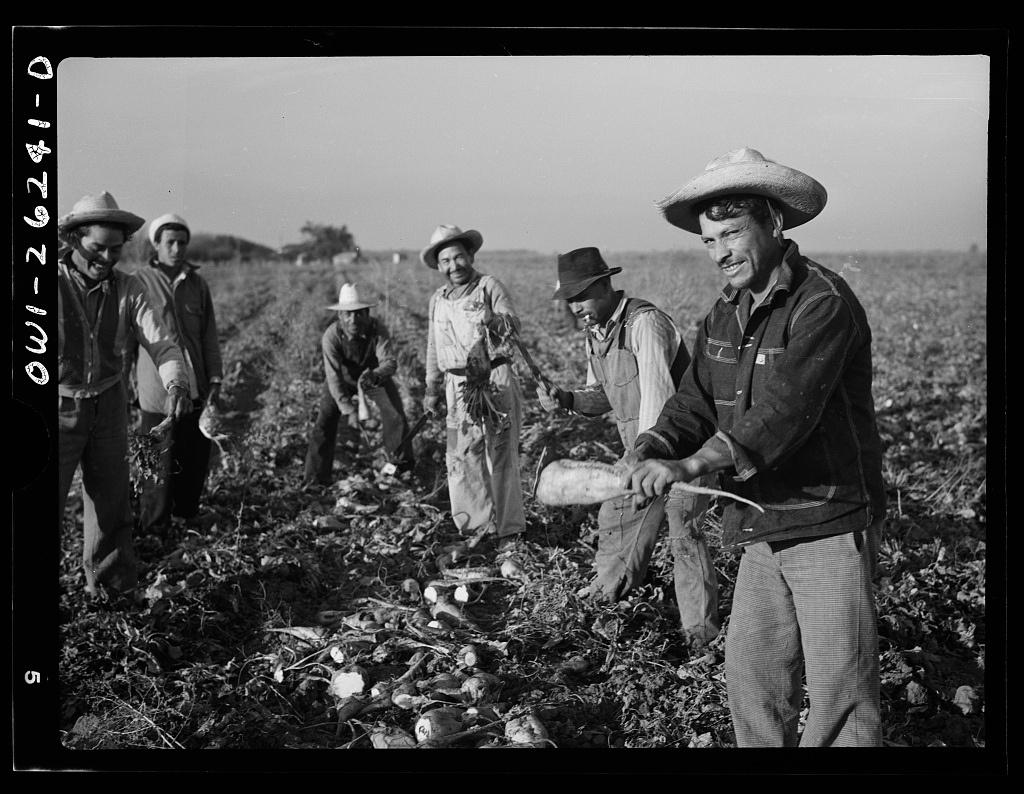
These laborers were faced with a harsh reality upon entering their new jobs in California. Not only were their jobs extremely tiring and menial, but they were paid extremely low.
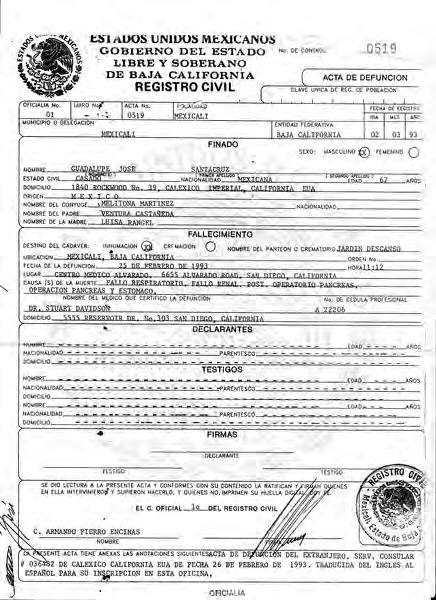
The Bracero Movement in California was required to fill the vacuum in labor created by WWII. Braceros moved to America in hopes of making money so they may provide for their families.
“They made it to California, but the harvest was over. As they stopped at sidewalk to discuss Plan B, the Border Patrol arrived and asked them for documentation. His cousin, quick to speak, responded. His cousin would go back home to get the documentation. He left and never returned. It was then this bracero realized he should have never believed his cousin.”
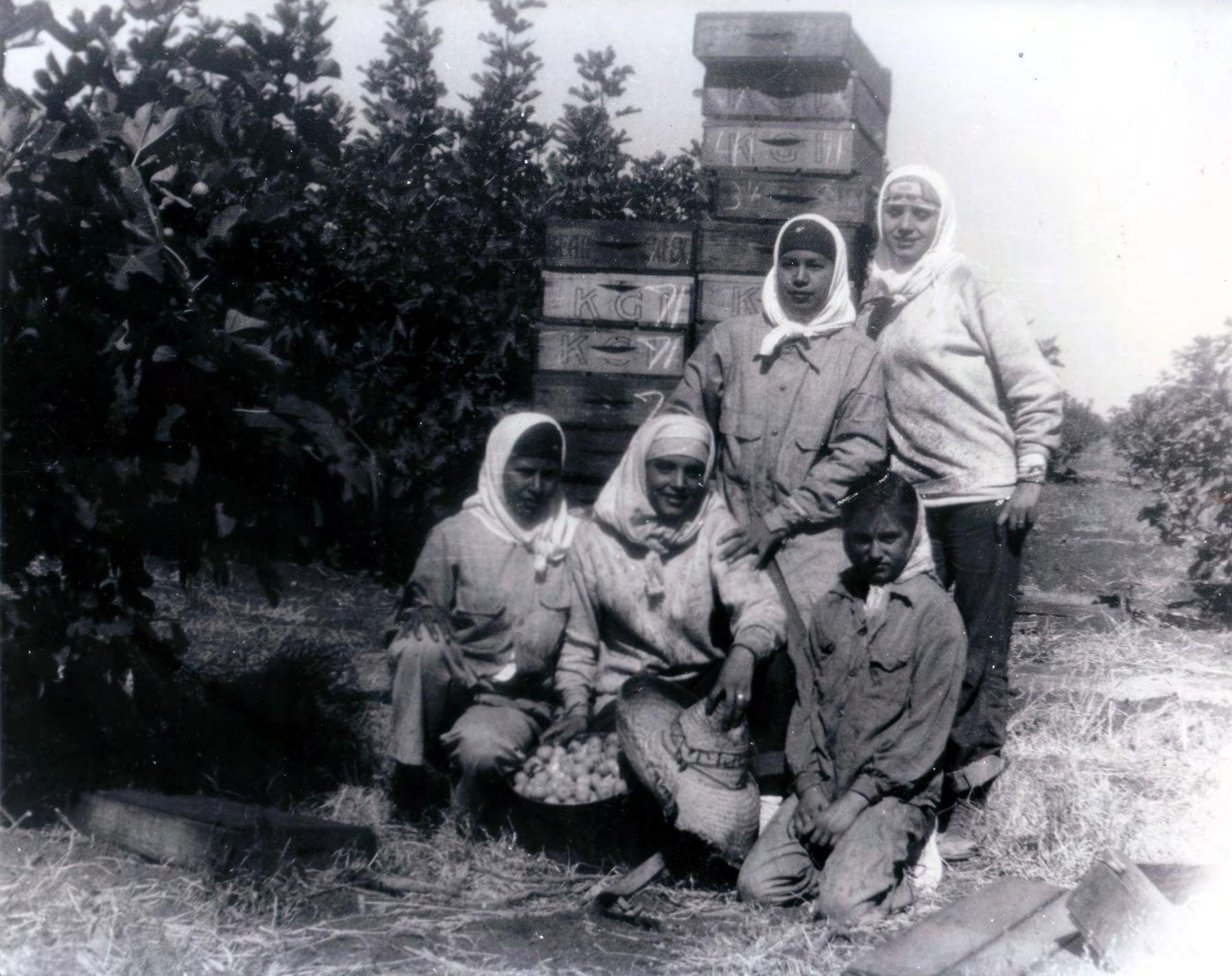 Exerpt from “Un Simple Bracero”
GraciasClase!
Shannon Warden
Jonathan Beaton
Alexa Rodriguez
Jasmin Mena
Xiuzuo Huang
Daniel Clawson
Anissa DeGiulio
Samantha Hernandez
Sandra Garcia Cruz
JackieVasquez
MarioAguilar
MichelleGutierrez
OfelioGarcia
EddyGonzalez
MaryAnaya
BrendaCamacho
ZaryGodoy
FatimaCampos
James Buckley
Angel Sierra
Yalinette Rivera
Vanessa Portillo
Brandon O’Keefe
Judith Hernandez
Irvin Diaz
Jesse Carmona
Emily Kennedy