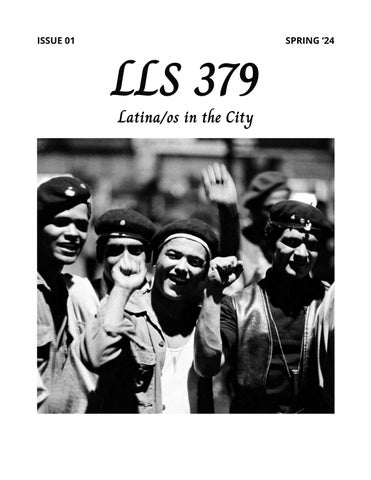
Latina/osintheCity
ISSUE 01 SPRING ‘24
Letterfromthe Profe...
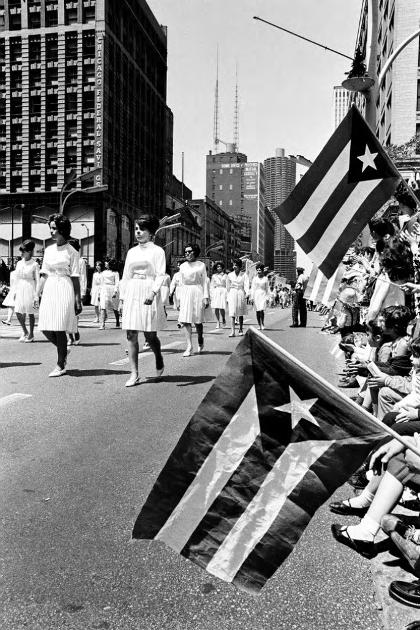
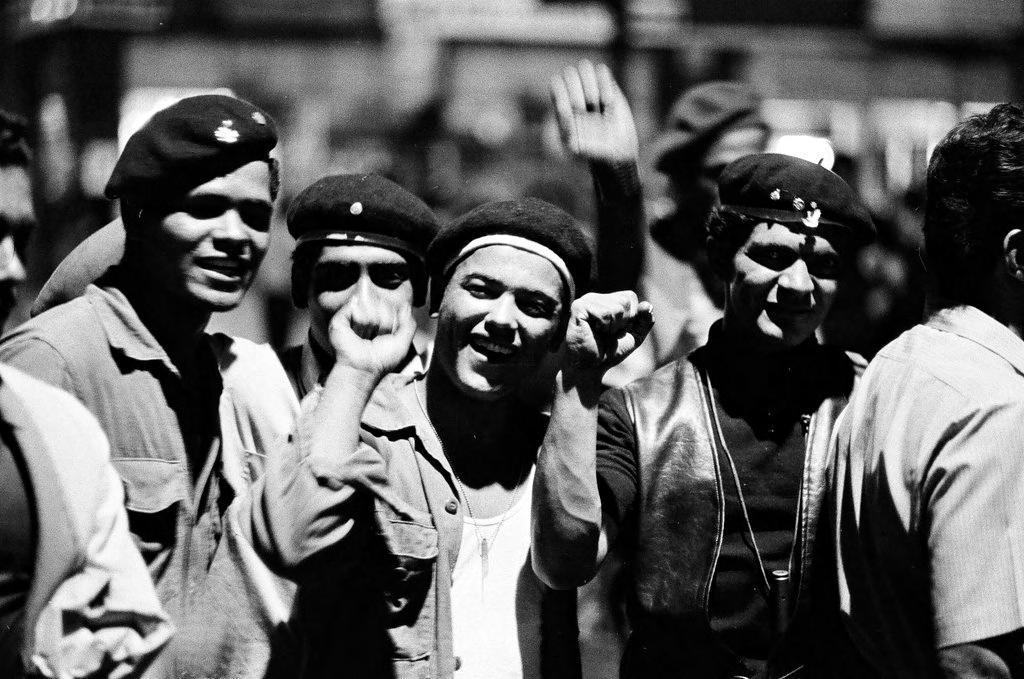
Latina/o/x communities are central to any reading of cities across the United States. From Boyle Heights to Washington Heights, Latina/o/x have been critical to transforming cities, whether as musicians, laborers, students, etc. This semester we have read texts that challenge monolithic readings of U.S. cities, whether urban or rural communities. These images and stories across this zine bring these communities out of the footnotes of history. I hope we all continue to see ourselves where history has chosen to erase us.
-ProfVelázquez
TableofContents
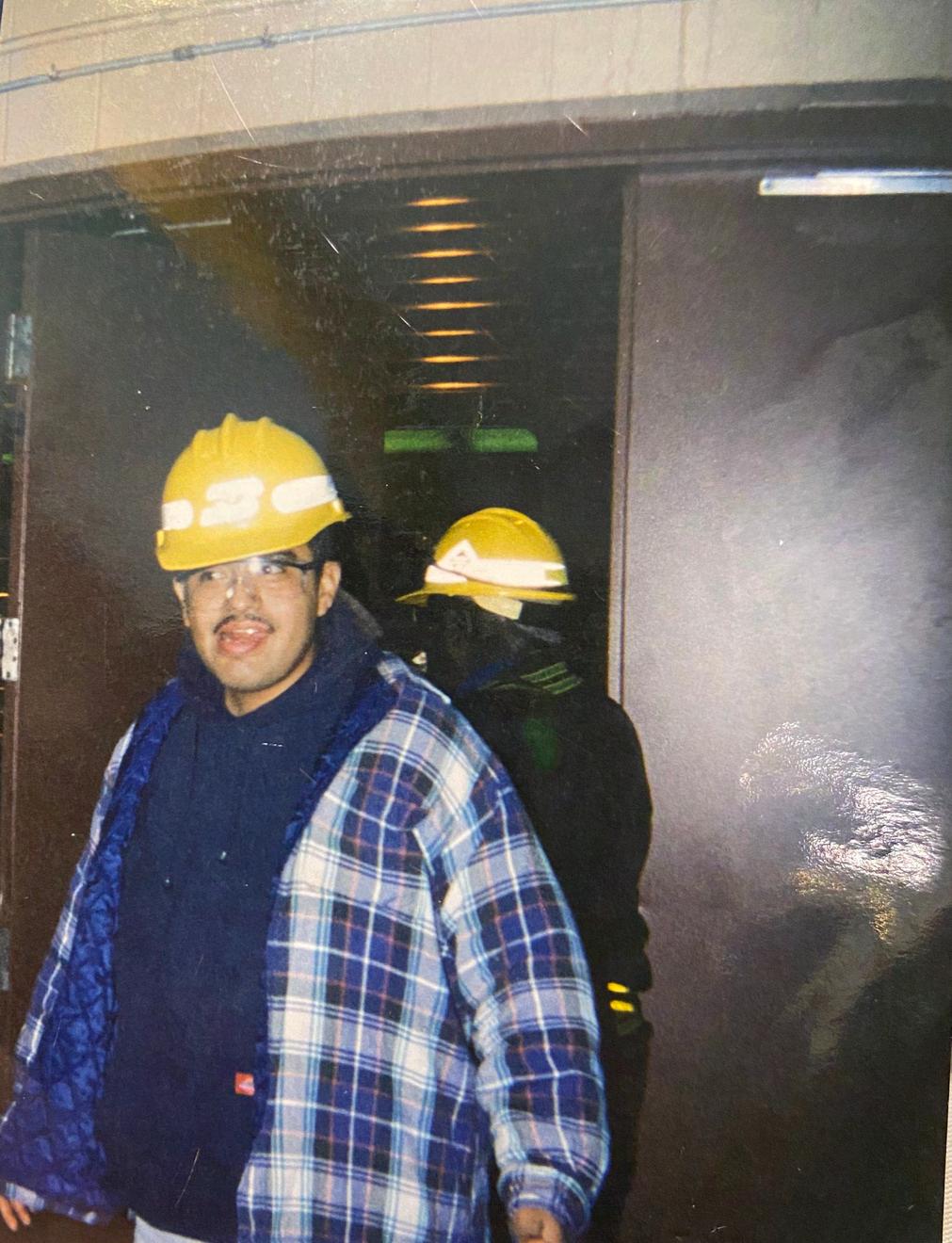
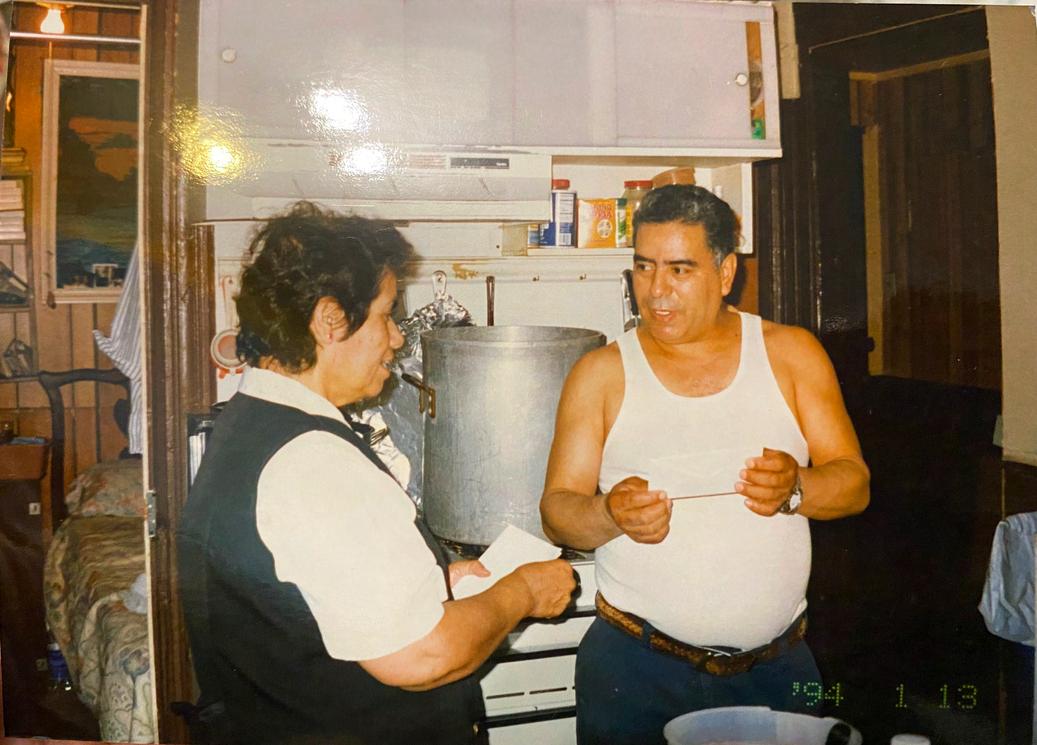
Daniel
Samantha Hernandez
Shannon Warden Jonathan Beaton Alexa Rodriguez Jasmin Mena Xiuzuo Huang Clawson Anissa DeGiulio Sandra Garcia Cruz
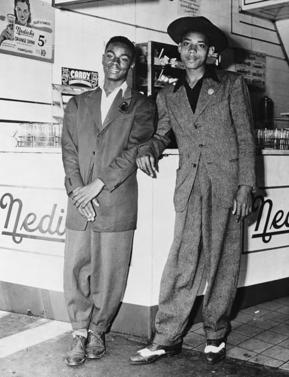
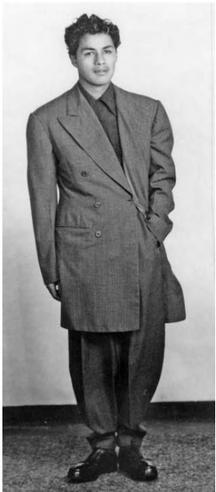
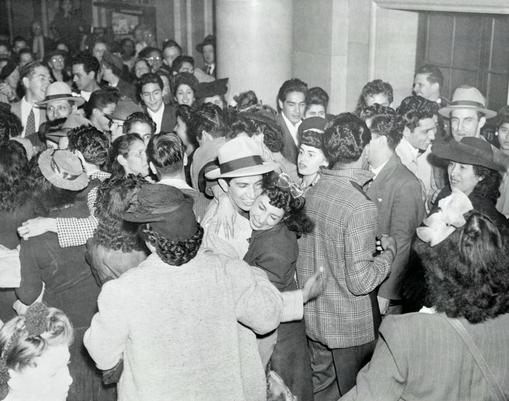
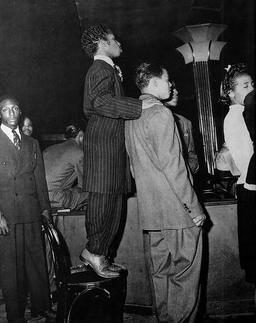
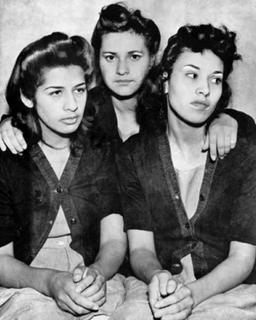
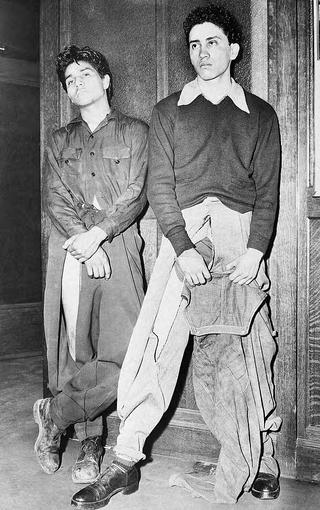
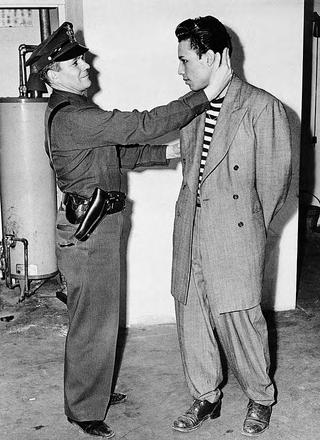
Zoot Suits
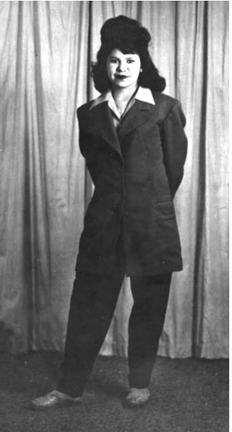
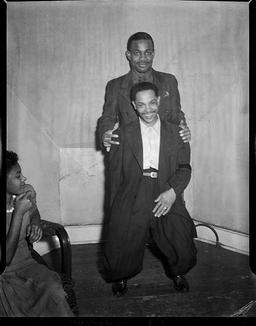
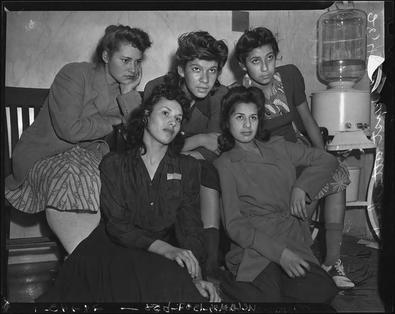
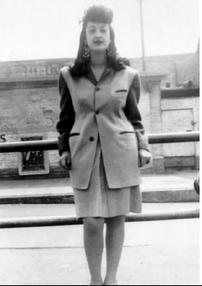
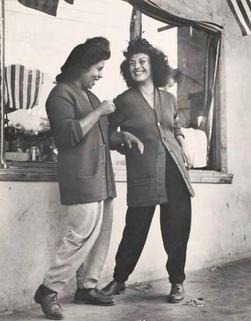
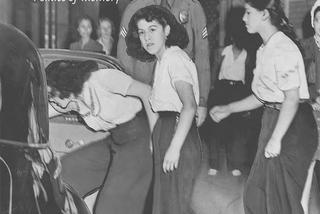
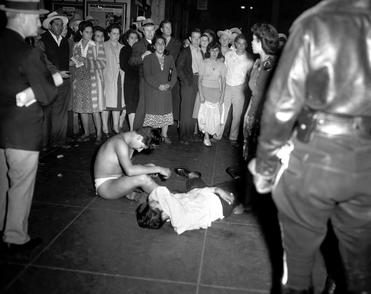
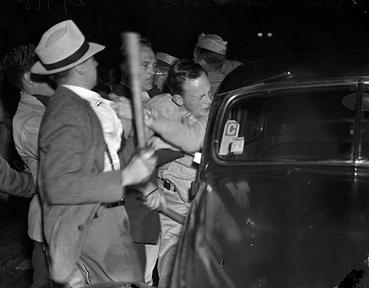
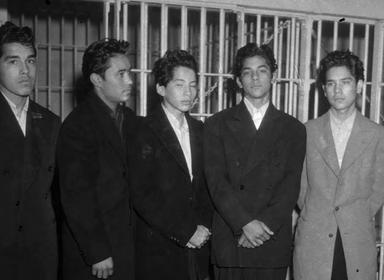
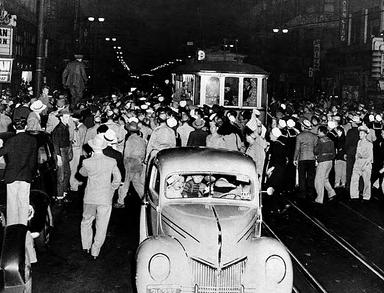
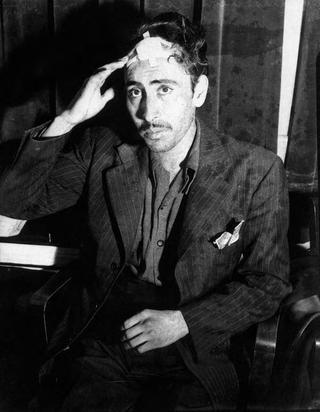
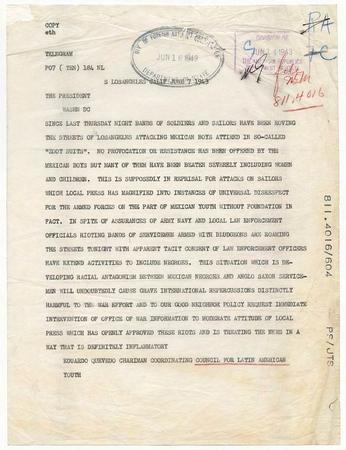
The Riots
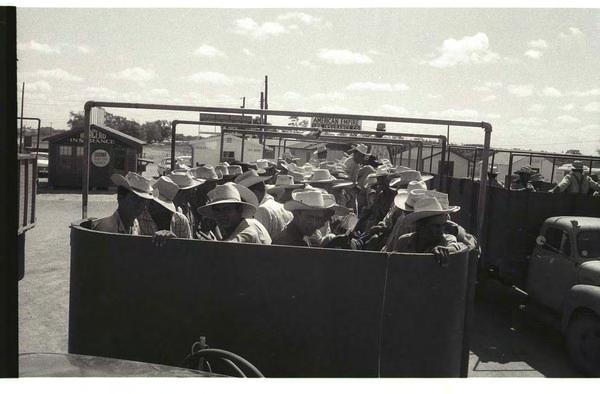
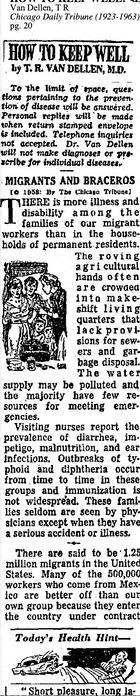
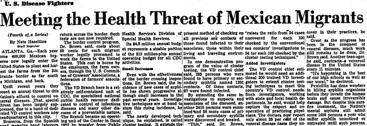
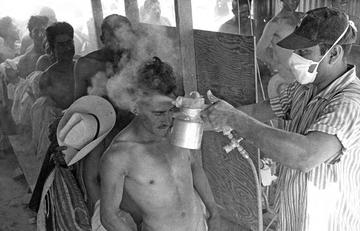
Bracerosweresolicited asasourceofcheap, exploitablelaborto addressagricultural workershortages
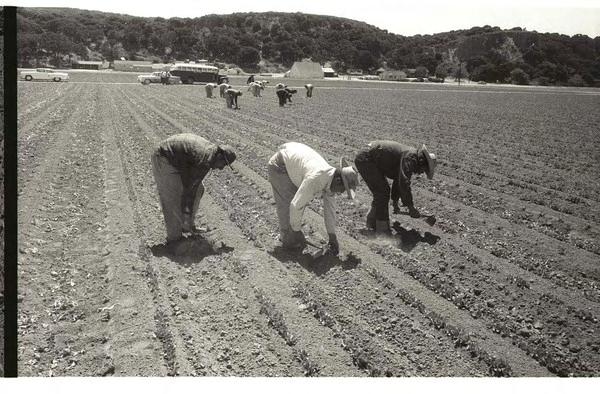
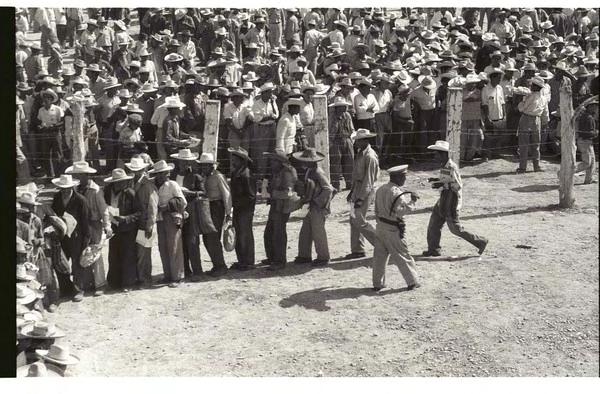
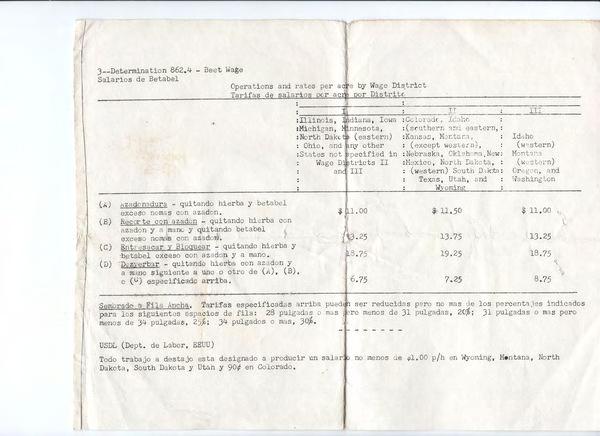
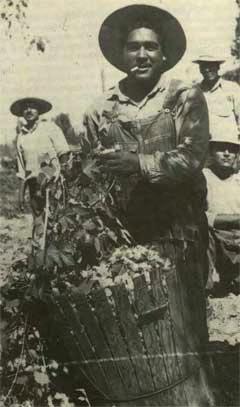
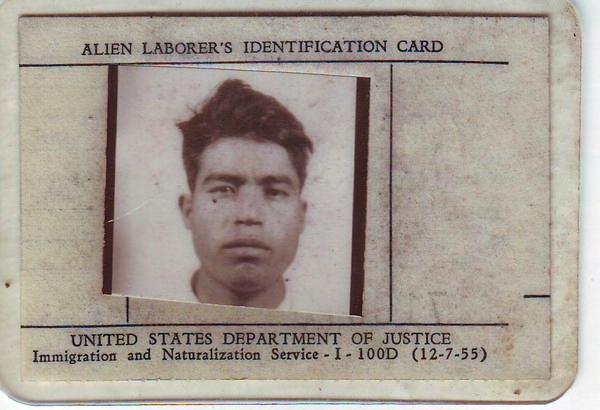

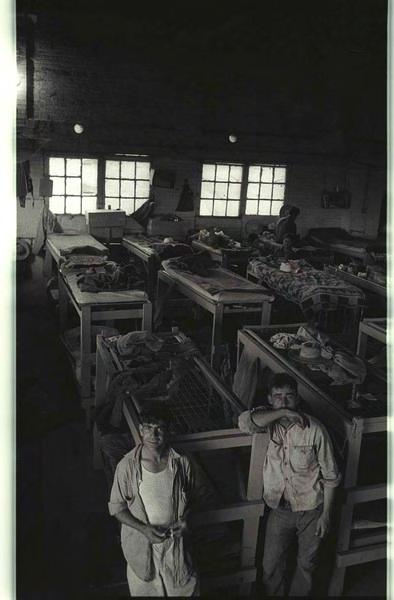
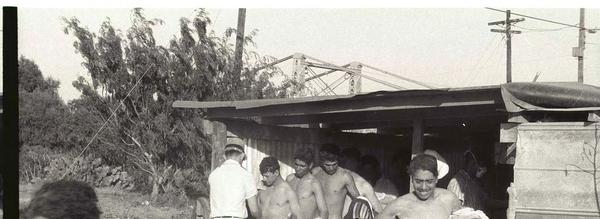
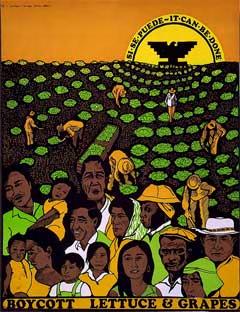
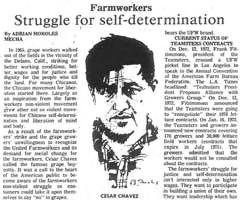
Abuse and horrid living conditions prompted labor organizing, strikes, and boycotts
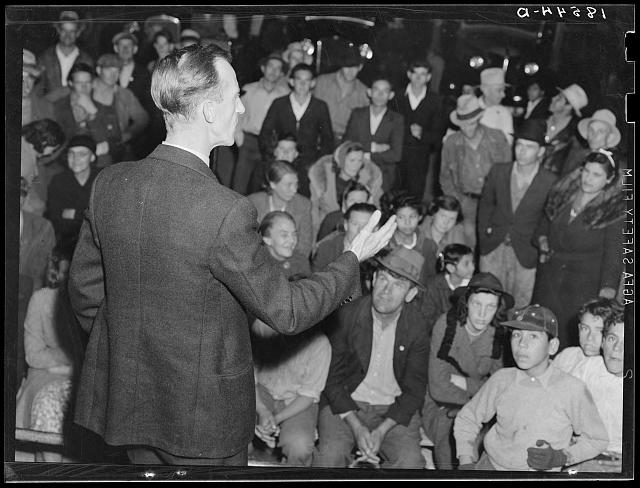


Luisa Moreno and Latino Labor movement
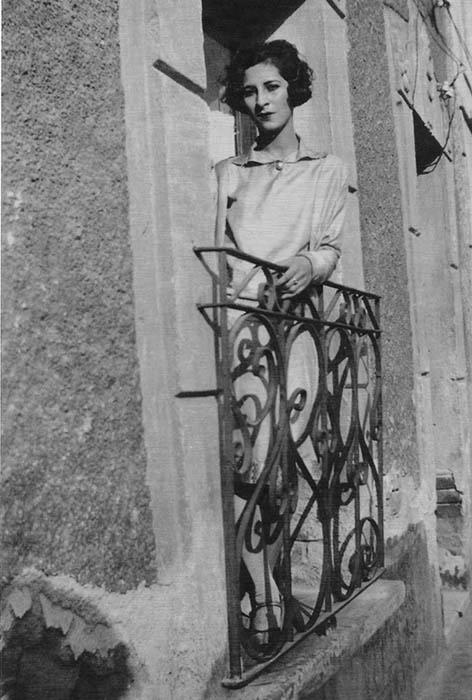
MORENO, LUISA (1907–1992)

Historical Background

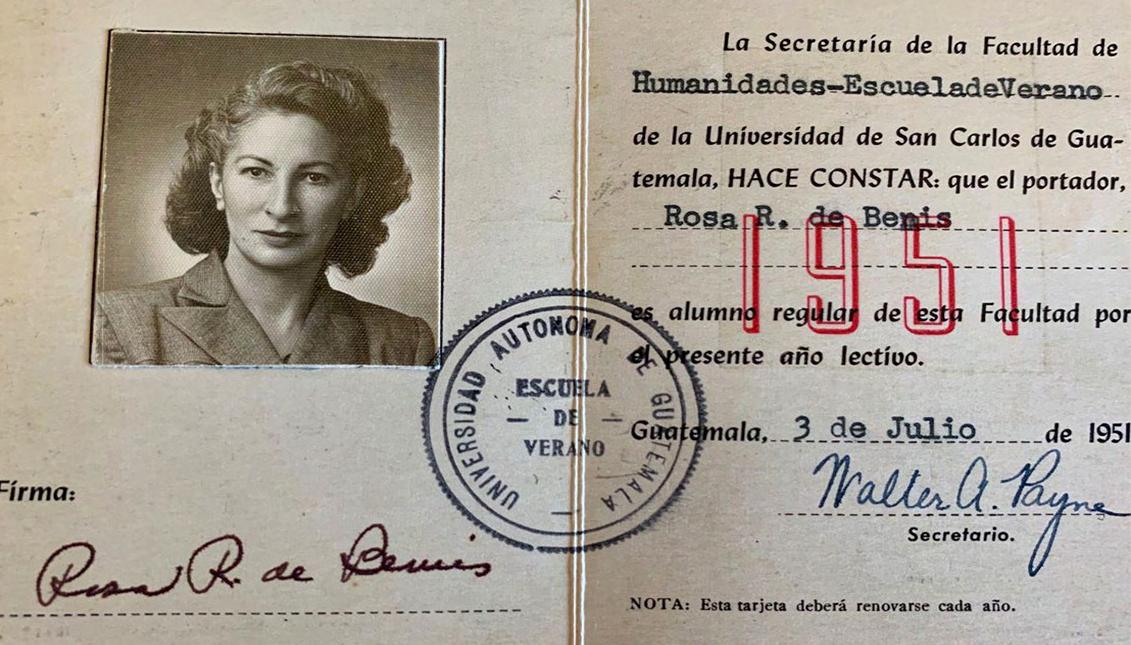
While the U.S. economy was booming in the mid-1920s, many workers emigrated from Mexico to the United States. However, when the Great Depression (1929-41), a period of high unemployment and decreased business activity through the 1930s, began, the U.S. government enforced the Mexican Repatriation Program. This program forced hundreds of thousands of Mexican Americans back into Mexico until the United States once again needed them for the work force during World War II. With the repatriation program in force after 1929, the pace of Mexican American labor organizing accelerated in order to protect the civil rights of the Hispanic community.


Luisa Moreno was one of the most prominent labor leaders in the United States. Journeyed across the United States mobilizing seamstresses in Spanish Harlem, cigar rollers in Florida, and cannery women in California. The first Latina to hold a national union of- fice, served as vice president of the United Cannery, Agricultural, Packing, and Allied Workers of America (UCAPAWA), the seventh-largest affiliate of the Congress of Industrial Organizations (CIO). Served as the principal organizer of el Congreso de Pueblos de Habla Española (the Spanish-speaking Peoples Congress), the first national U. S. Latino civil rights conference, held in 1939

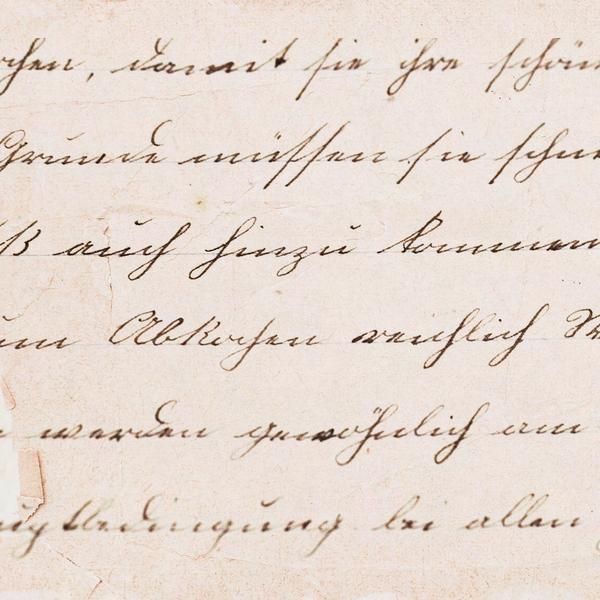
Moreno’s 1940 speech known as the "Caravan of Pain" speech
"These people are not aliens," Moreno said. "They have contributed their resistance, sacrifices, youth and work to the Southwest. Indirectly, they have paid more taxes than all the shareholders in California's industrialized agriculture, the sugar beet companies and the big cotton interests that operate or have operated with the labor of Mexican workers."
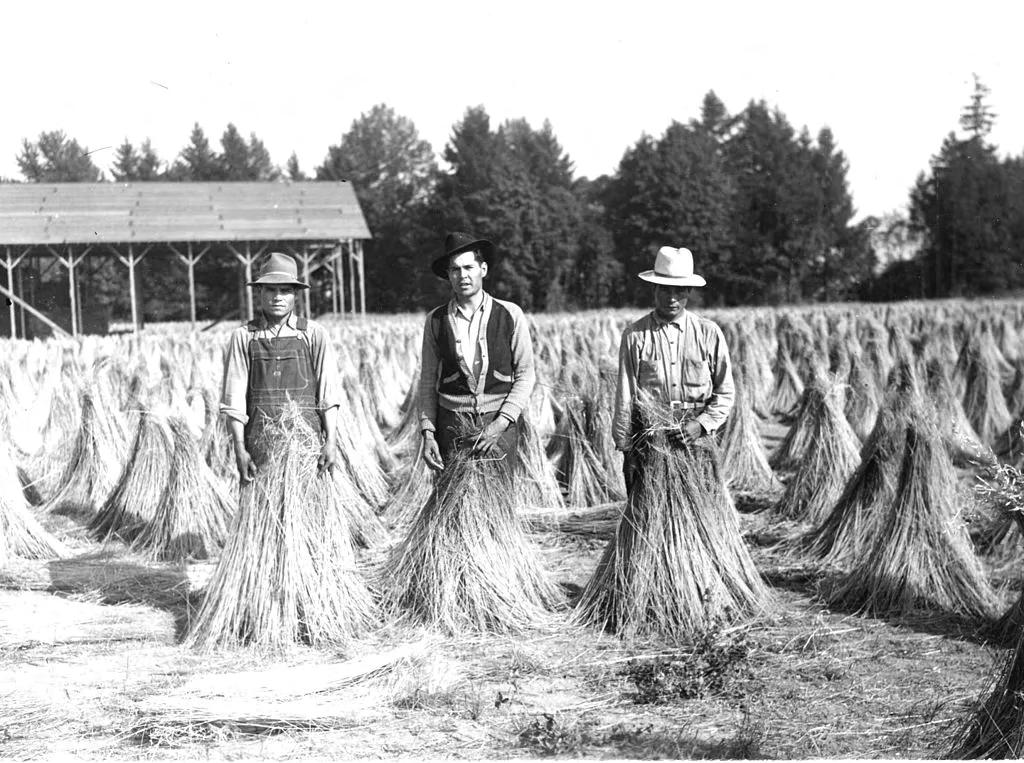
Agricultural workers in the Depression Era exerted themselves all day long for meager wages. Immigrants had it especially hard, and Luisa Moreno sought to secure them the respect they deserved.


Luisa Moreno and Latino Labor movement
Luisa Moreno involved in the Latino labor struggle
In Florida Moreno honed her skills as a labor leader. Organizing “all races, creeds and colors,” she negoti ated a solid contract covering 13,000 cigar workers.
Moreno‘s first task as a UCAPAWA representative was to take charge of the pecan shellers’ strike in San Anto nio, Texas. Moreno then traveled to southern Texas to organize Mexican mi grants. She lived among the farmworkers, sleeping under trees and sharing her groceries. Moreno organize a national Latino civil rights conference. As a group, they drafted a comprehensive platform that called for an end to segregation in public facilities, housing, education, and employment
Deported

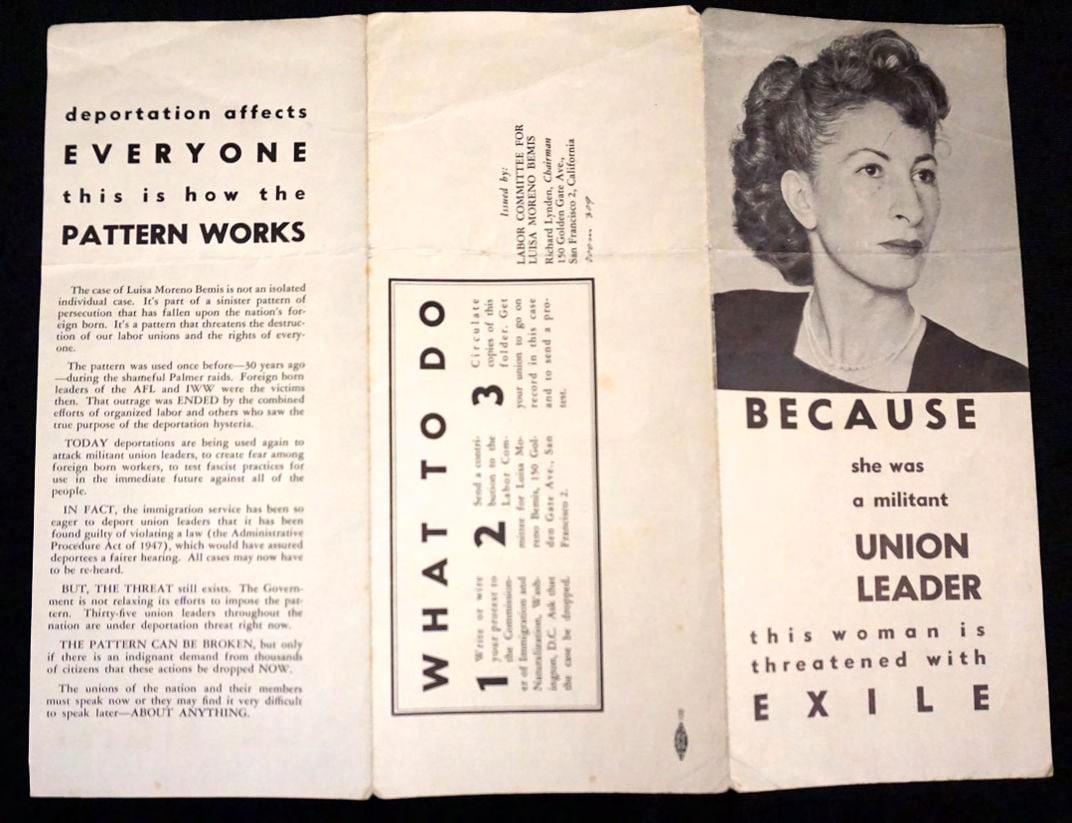
Moreno's World War II organizing efforts jeopardized her own residency in the United States. She was offered citizenship in exchange for testifying at the deportation hearing of other labor leaders. Moreno refused, and Tenney had her deported as a dangerous alien on November 30, 1950.

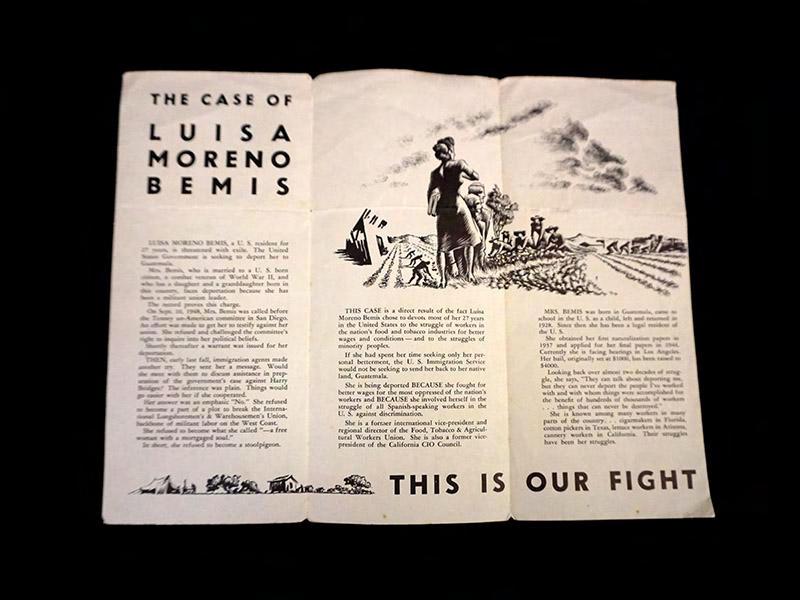
"They can talk about deporting me ...but they can never deport the people that I've worked with and with whom things were accomplished for the benefit of hundreds
workers..."

of thousands of

 Luisa Moreno
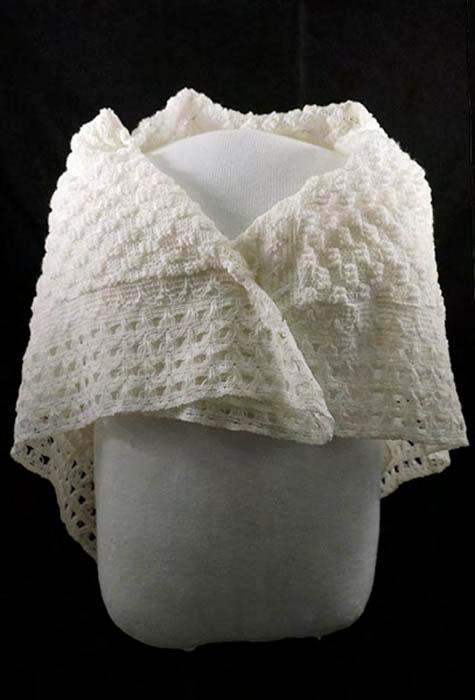
's shawl. Gift of Vicki L. Ruiz.
Luisa Moreno
Luisa Moreno's shawl. Gift of Vicki L. Ruiz.

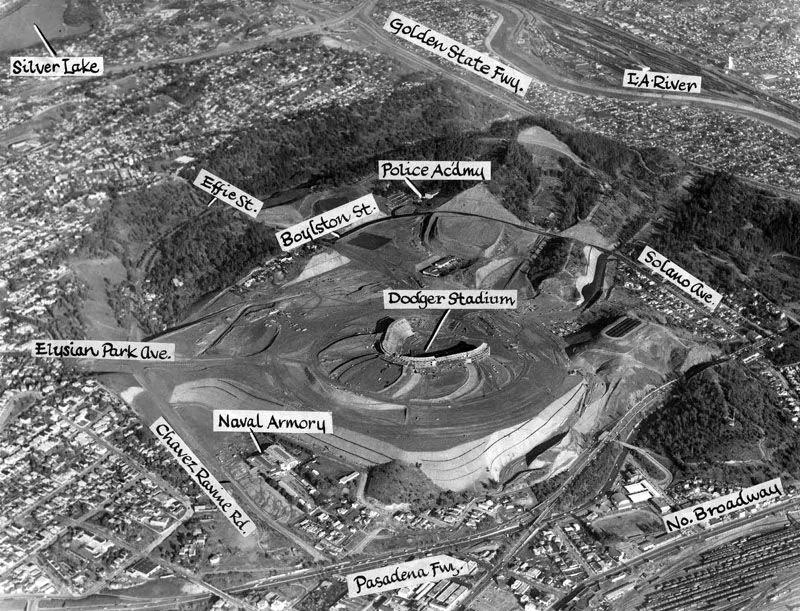
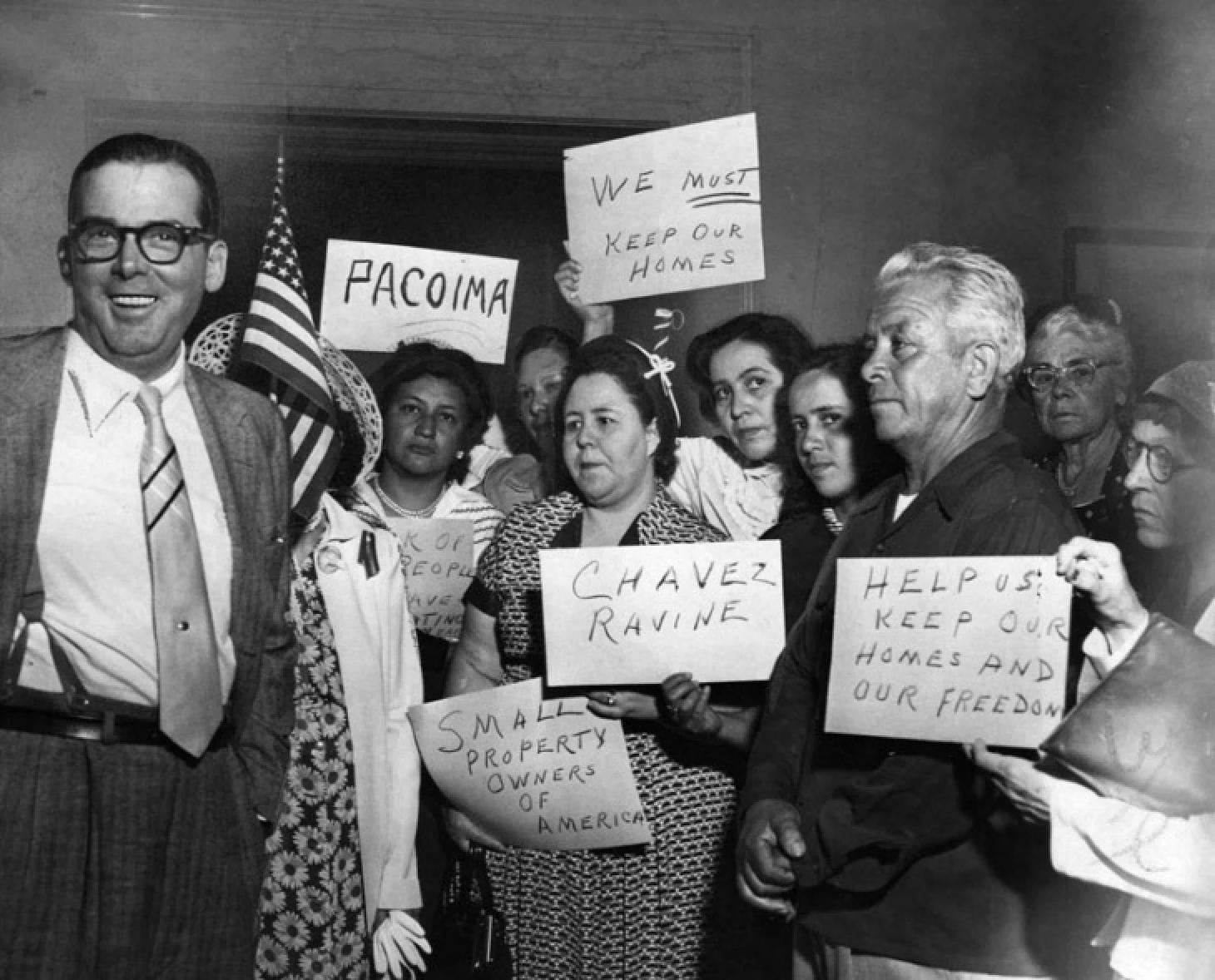
Chavez Chavez Chavez Ravine Ravine Ravine
1950-1959 1950-1959 1950-1959
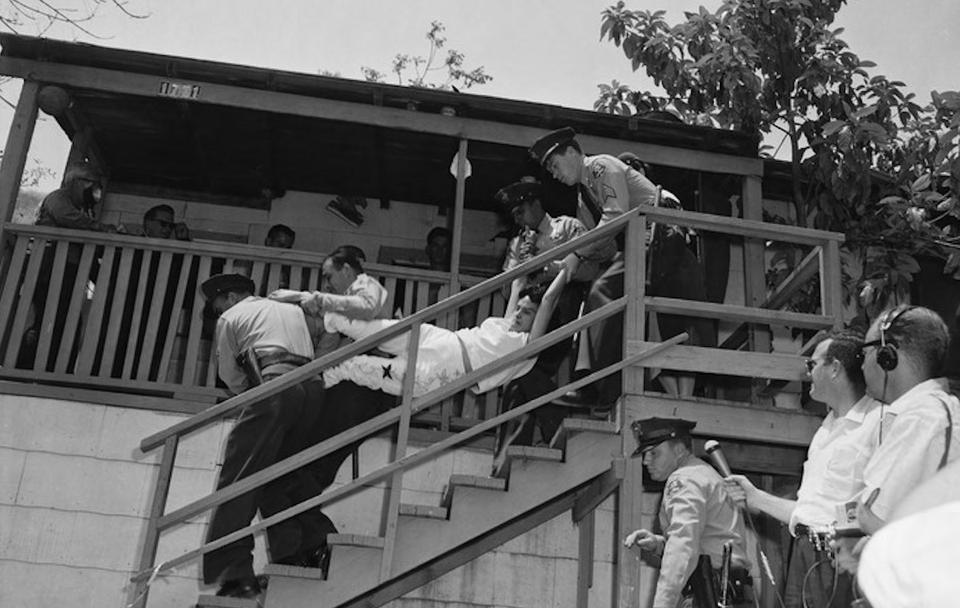
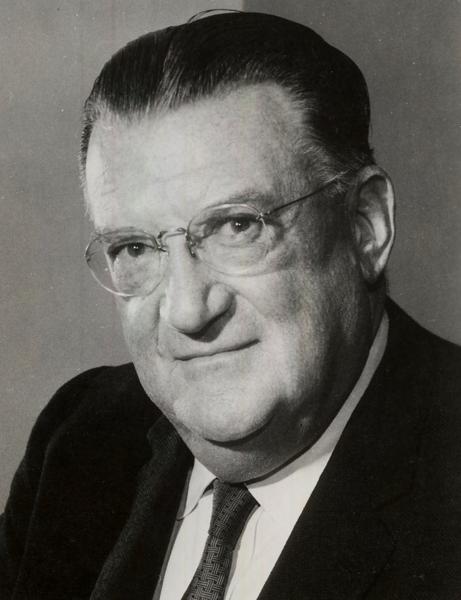
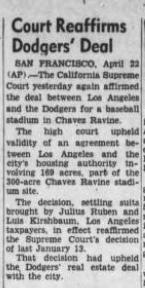
“HE EASED OUT OF THE CAR...AND WALKED UP THE “HE OUT OF THE CAR...AND WALKED UP THE “HE EASED OUT OF THE CAR...AND WALKED UP THE STEPS TO A SMALL FRAME HOUSE IN EAST LOS ANGELES. STEPS TO SMALL FRAME HOUSE IN EAST LOS ANGELES. STEPS TO A SMALL FRAME HOUSE IN EAST LOS ANGELES. HIS JOB WAS TO TELL A MIDDLE-AGED COUPLE THAT HIS JOB WAS TO TELL A MIDDLE-AGED THAT HIS JOB WAS TO TELL A MIDDLE-AGED COUPLE THE STATE WAS GOING TO TAKE THEIR HOME, LEVEL IT THE STATE WAS GOING TO THEIR HOME, LEVEL IT THE STATE WAS GOING TO TAKE THEIR HOME, LEVEL TO THE GROUND, AND POUR EIGHT INCHES OF THE GROUND, AND POUR EIGHT INCHES OF TO THE AND POUR INCHES OF CONCRETE OVER THE FRONT LAWN FOR A FREEWAY.” CONCRETE OVER THE FRONT FOR A FREEWAY.” CONCRETE OVER THE FRONT LAWN FOR A FREEWAY.”


AMERICANS AMERICANS AMERICANS
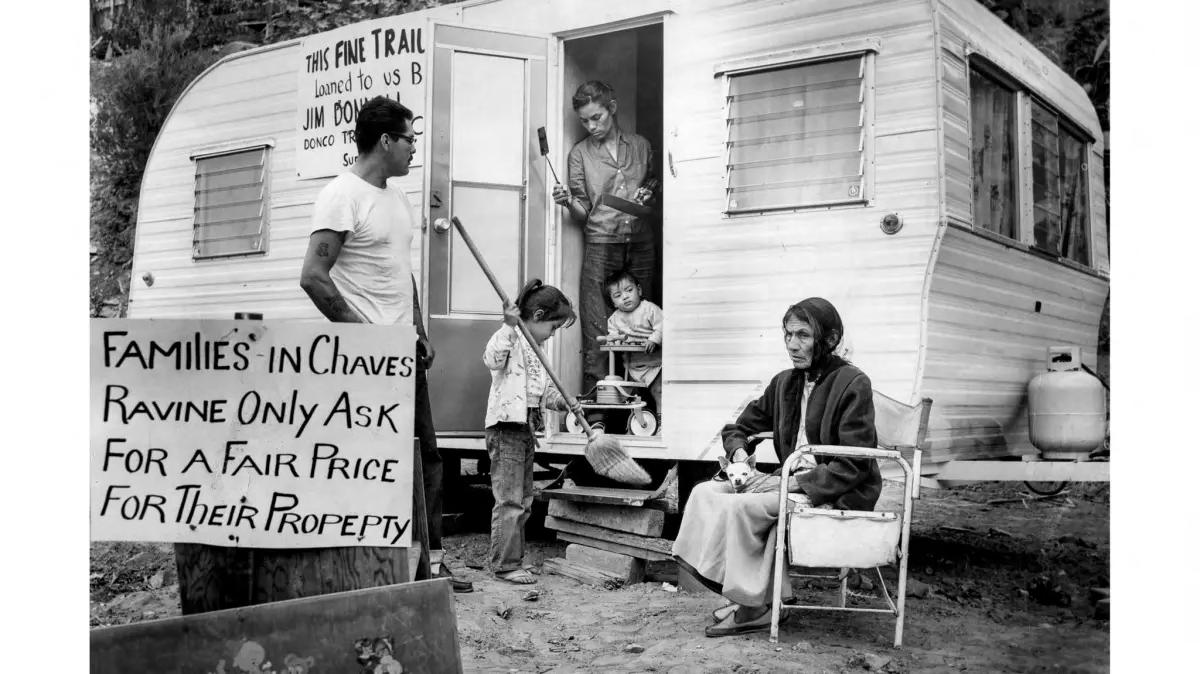
DESERVE A HOME, DESERVE A HOME, DESERVE A HOME, CHAVEZ RAVINE IS CHAVEZ RAVINE IS CHAVEZ RAVINE IS MORE THAN A MORE THAN A MORE THAN A PEICE OF LAND!! PEICE OF LAND!! PEICE OF LAND!!



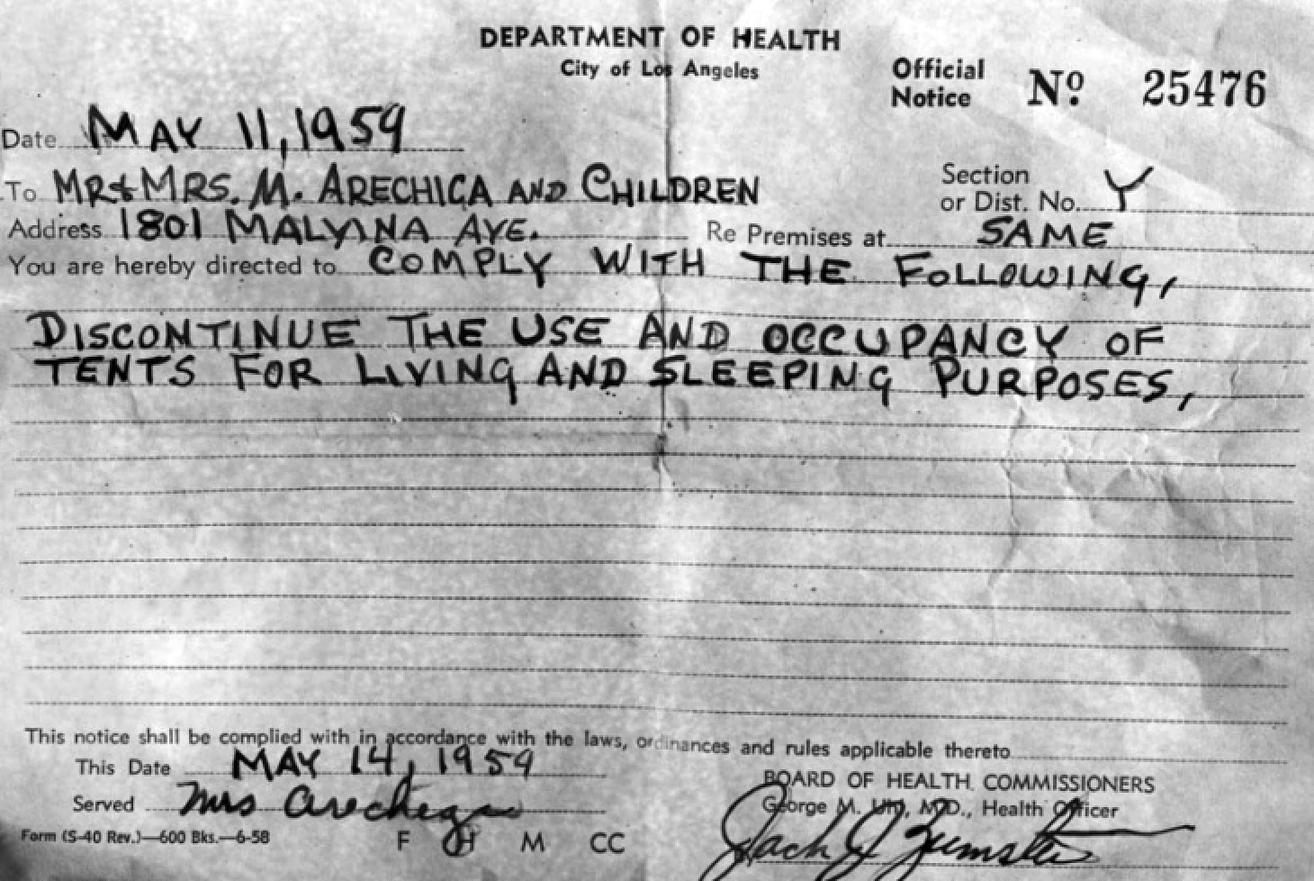
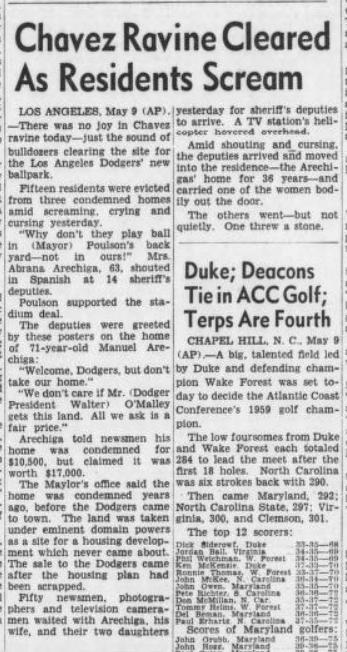
“SHERIFF'SDEPUTIESKICKEDDOWNTHEDOOROFTHE ARECHIGAFAMILY'SHOME.MOVERSHAULEDOUTTHE FAMILY'SFURNITURE.THERESIDENTSWEREFORCIBLY ESCORTEDOUT.AURORAVARGAS,36,WASCARRIED, KICKINGANDSCREAMING,FROMHERHOMEAT1771 MALVINAAVE.BYFOURDEPUTIES.MINUTESLATER,HER HOMEWASBULLDOZED.”
MEXICAN MEXICAN MEXICAN
Serrano-Gaucin Geographical History
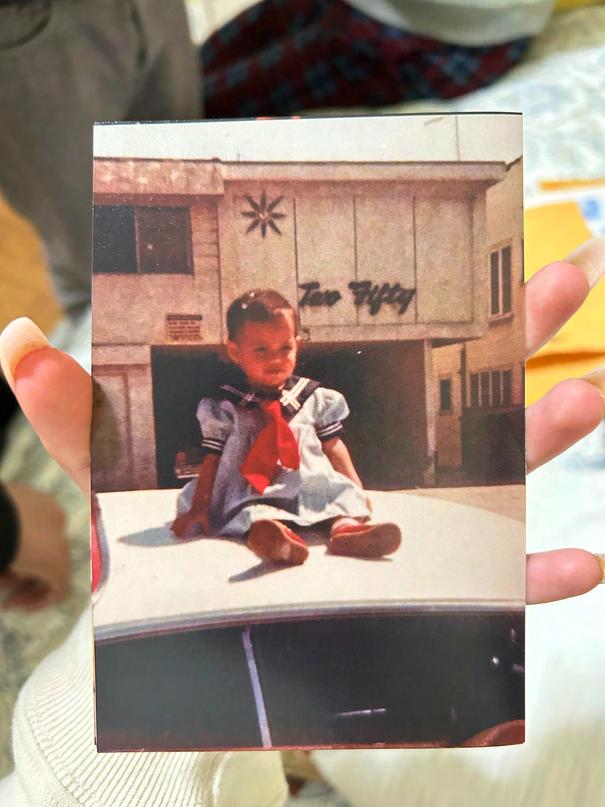
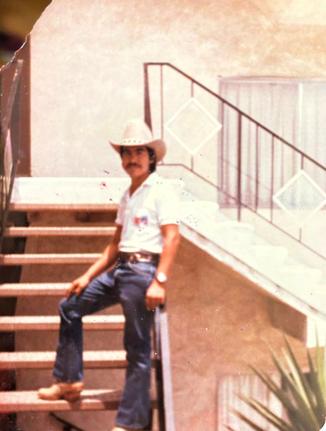

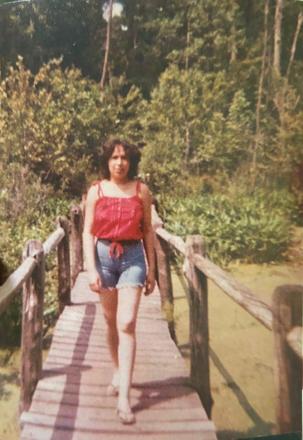
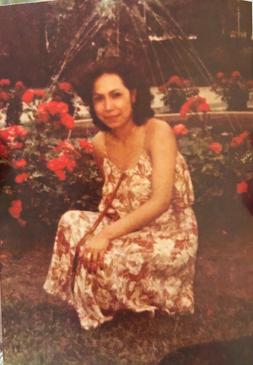









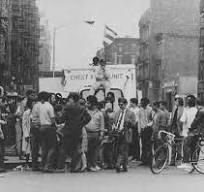
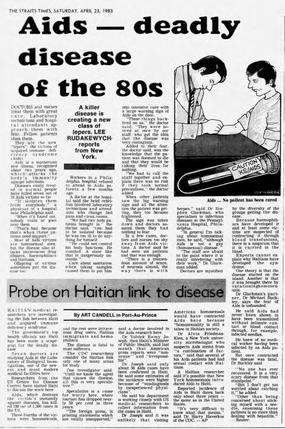
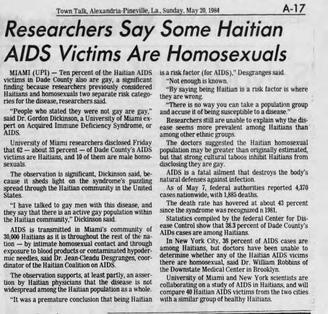
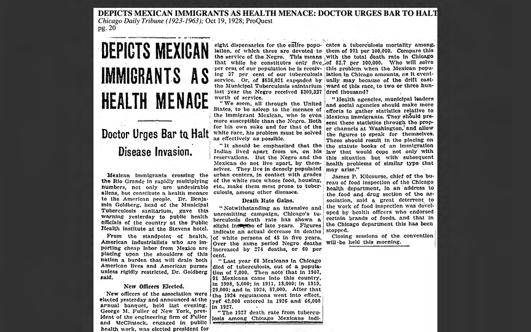
Haitians Resent AIDS Connection: All Bear Stigma That Most Say ...
Milloy, Marilyn
Los Angeles Times (1923-1995);
Sep 4, 1983; ProQuest
5





pg.
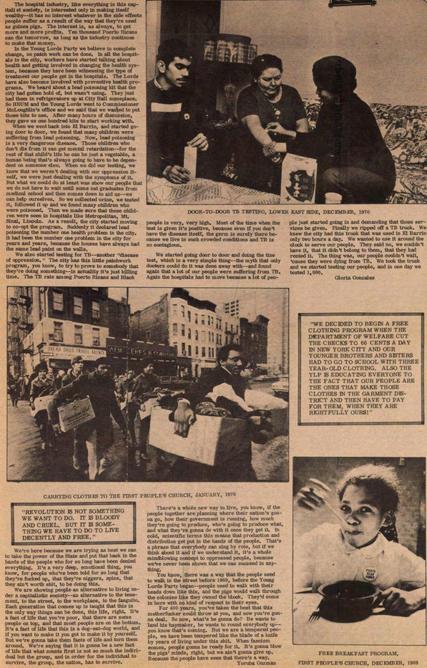
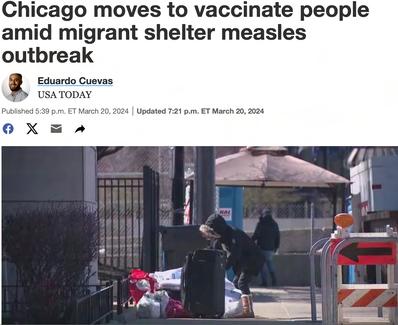

 BySandraGarciaCruz
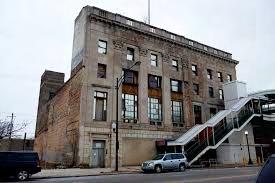

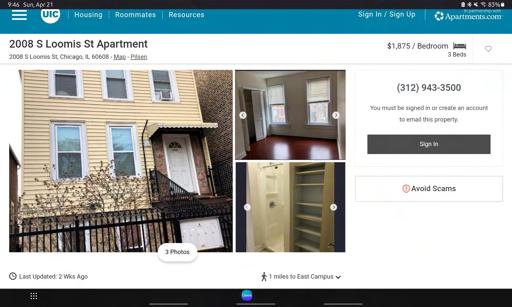
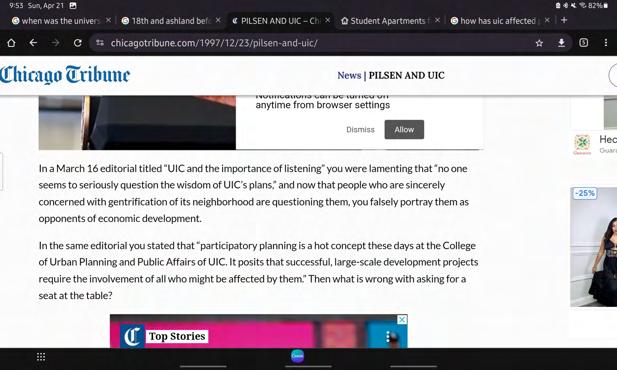
CollegeCampusesCausingDisplacement


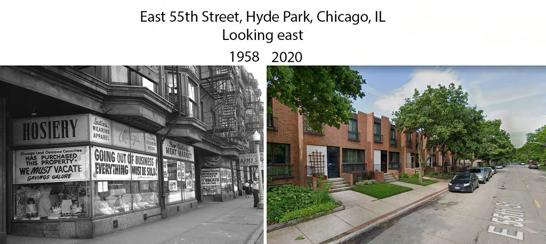

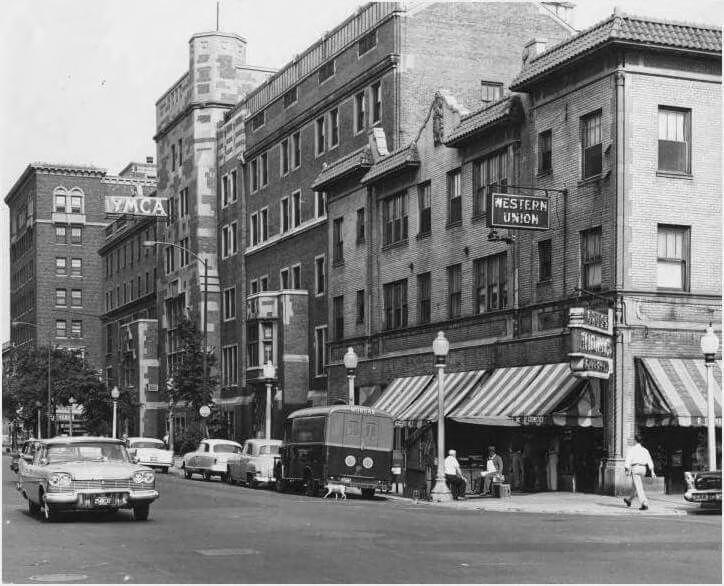
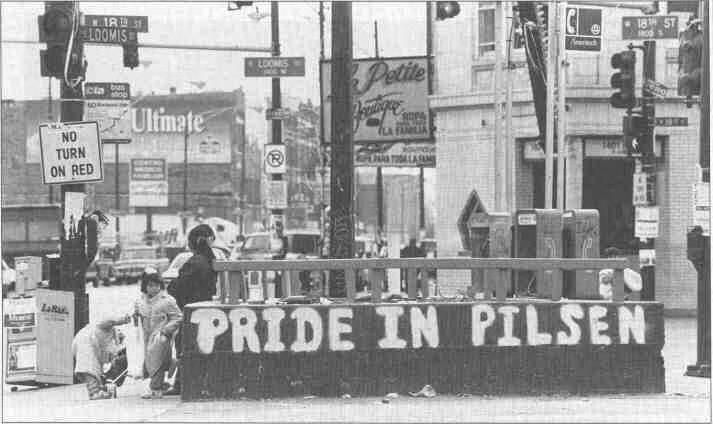
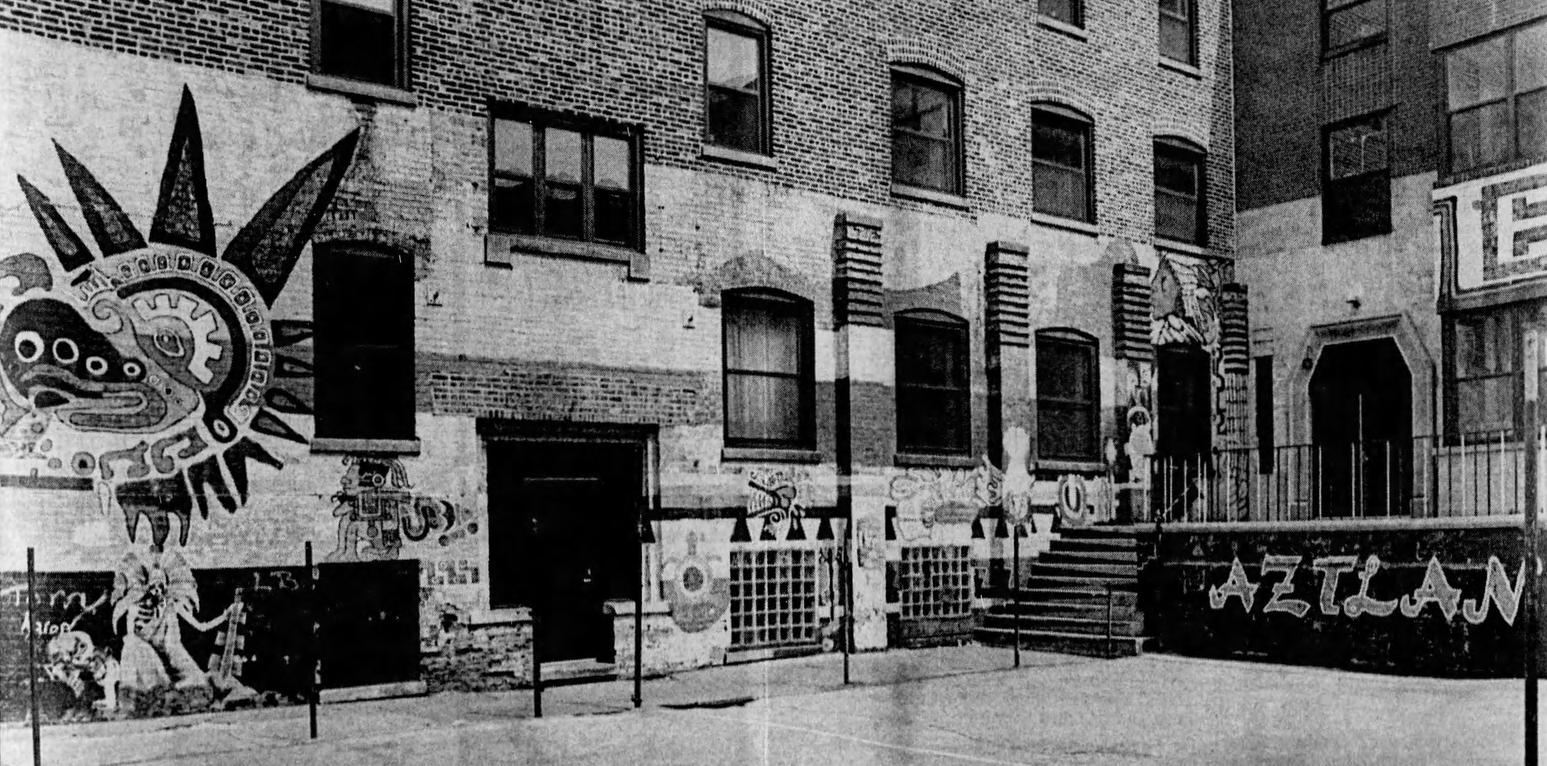
Urban Renewal 1959FederalHousing UniversityofChicago,HypePark, Woodlawn

Illinois,UniversityofChicago
Greektown,SouthLoop, WestLoop,Pilsen,Little ItalyandChinatown

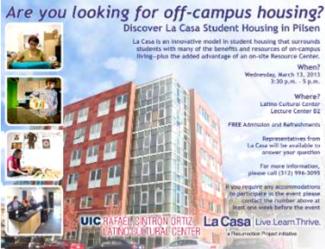
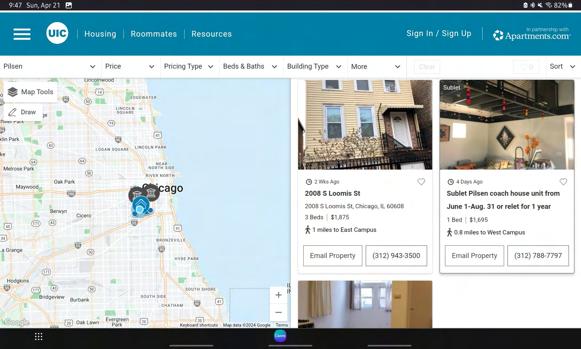

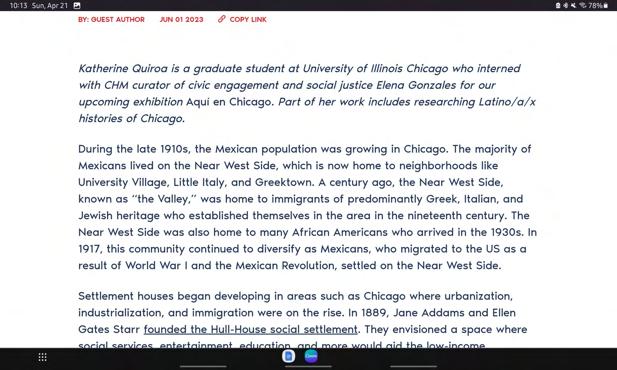

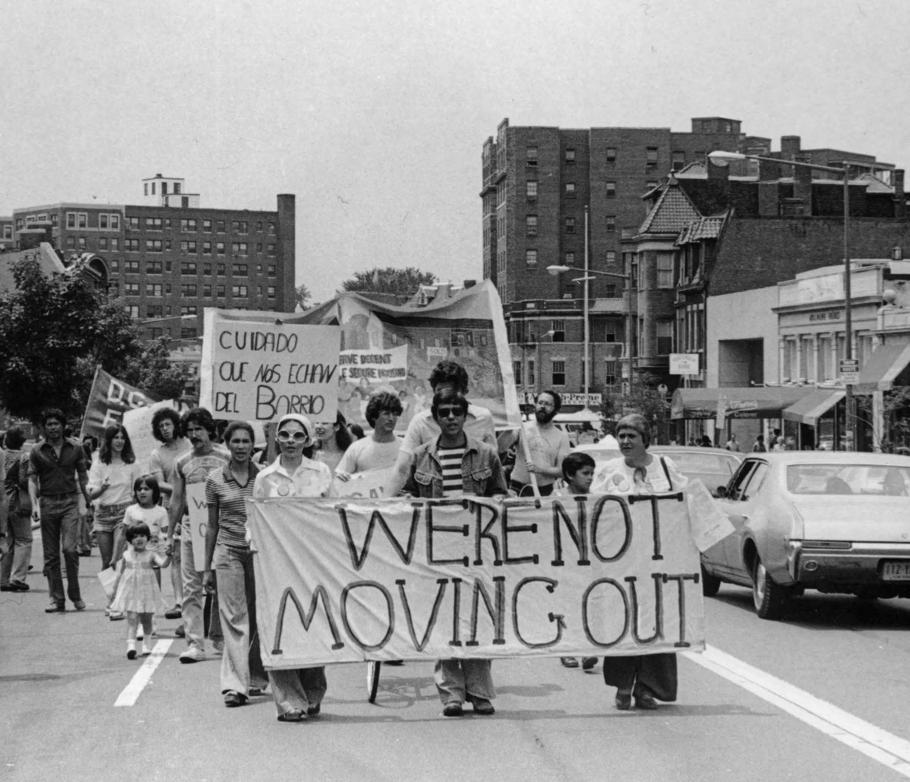
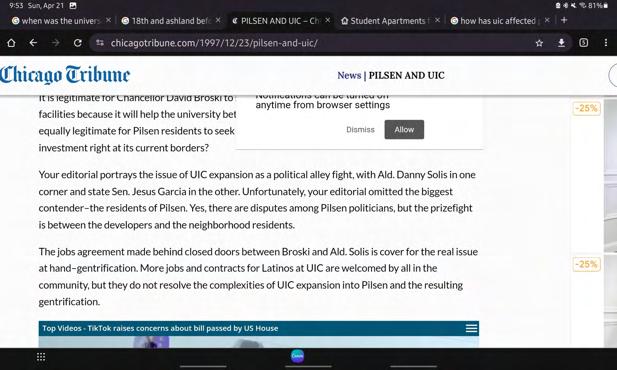
The displacement of Latinos with the idea that the university would create opportunities for latinos.




GraciasClase!
Shannon Warden
Jonathan Beaton
Alexa Rodriguez
Jasmin Mena
Xiuzuo Huang
Daniel Clawson
Anissa DeGiulio
Samantha Hernandez
Sandra Garcia Cruz
JackieVasquez
MarioAguilar
MichelleGutierrez
OfelioGarcia
EddyGonzalez
MaryAnaya
BrendaCamacho
ZaryGodoy
FatimaCampos
James Buckley
Angel Sierra
Yalinette Rivera
Vanessa Portillo
Brandon O’Keefe
Judith Hernandez
Irvin Diaz
Jesse Carmona
Emily Kennedy