ARCHITECTURE PART 1.
MIROSLAW KUSZ

I am a BA (Hons) Architecture and Planning graduate from the University of the West of England in Bristol, where I achieved First Class Honours degree.
My diverse background in retail, architecture, and hospitality has endowed me with a rich tapestry of skills and experiences that I am eager to bring to the realm of architectural design.
My work experience at the DMA Architects equipped me with proficiency in various CAD and Adobe software, amplifying my ability to translate conceptual visions into tangible creations.
While studying in Milan, I chose several modules related to the materiality and building technology. This helped me develop a critical and reflective awareness of my work, especially an appreciation of multidisciplinary practice.
September 2019 - June 2023
(BA Hons) Architecture and Planning (RIBA Part 1), First Class Honors
University of the West of England in Bristol / United Kingdom
September 2005 - June 2010 (MA) International Law
1st Class First Class Honors
University of the Nicolaus Copernicus in Torun / Poland
September 2001 - June 2005
A Levels: Mathematics (A), English Language (A), Polish Literature (A), Geography (A) and Political Science (A)
Maria Curie-Sklodowska High School of Pila, Poland
Software: Adobe Suite (ai, ps, id), AutoCad, Sketchup, Microsoft Office, Rhino, Revit, Enscape, Twin Motion, V-Ray
More than 9 years of managerial experience, including recruitment, training and opening new stores.
Languages: English fluent; Polish - native, Russian and German - beginner.
Holder of full British driving licence
Holder of British and EU Passport
Work Experiance at DMA
Architects in Exeter ‘The Cave House’ Co-living Development in Montes / Italian Alps
‘Finding Your Path’ European Library in Milan / Italy
35 St Andrews, Alphington Rd, Exeter EX2 8HP
My work experience as Architectural Assistant Part 1 included creating multiple plans for Planing Applications, such as street scenes, site layouts, sustainability plans, bin strategy plans, typology plans, and material plans. I worked alongside the senior graphic designer Kai Barnett, on 3D-modelling for the project Great Wall Park in Winkleigh. I also modelled individual 3D house types in Sketchup, later edited in Photoshop.
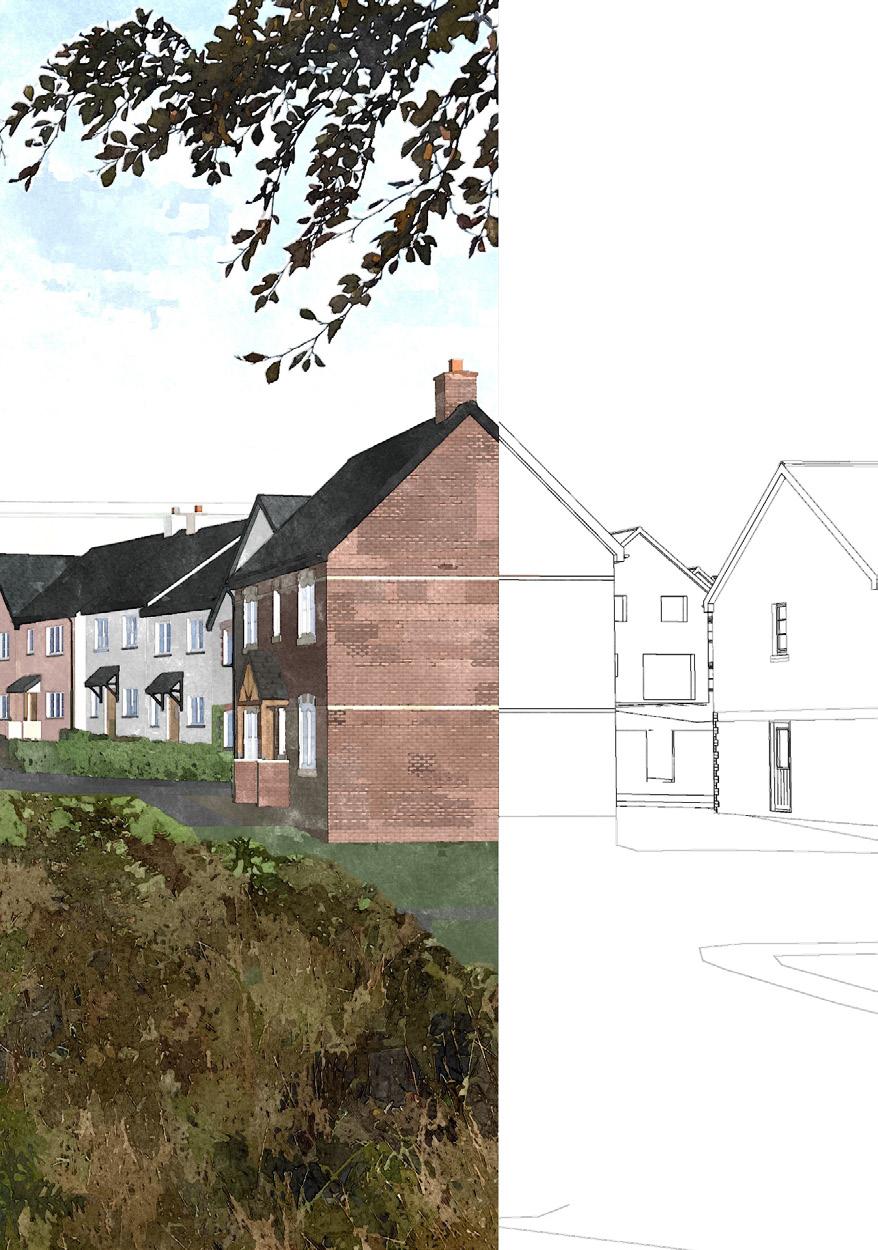
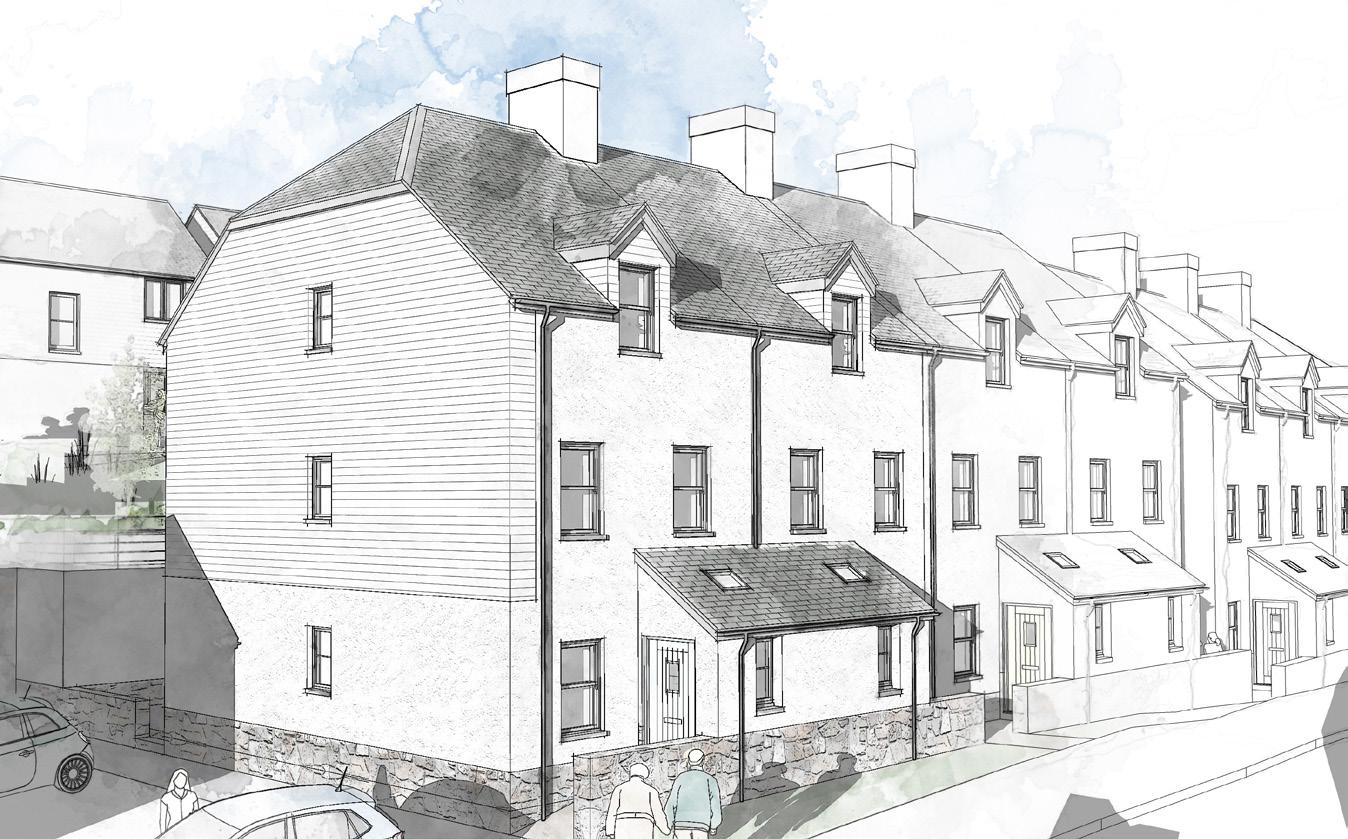
In January ‘24 I started working on plans and elevations for the different project, Alphington Parcel 3. Together with Senior Architect Ross Anderson, I analysed the Architectural Codes from Trood Valley Design Guide and proposed multiple design variations for the Key and Secondary frontages of the buildings.
After creating plans and elevations, I focused on House Revisions, Boundary and Frontage Treatments, Street Scenes, Site Modelling, House Types Modelling and creating plans (incl. External Works, Site and Typology Plans), with supervision of the DIrector David Dunn.
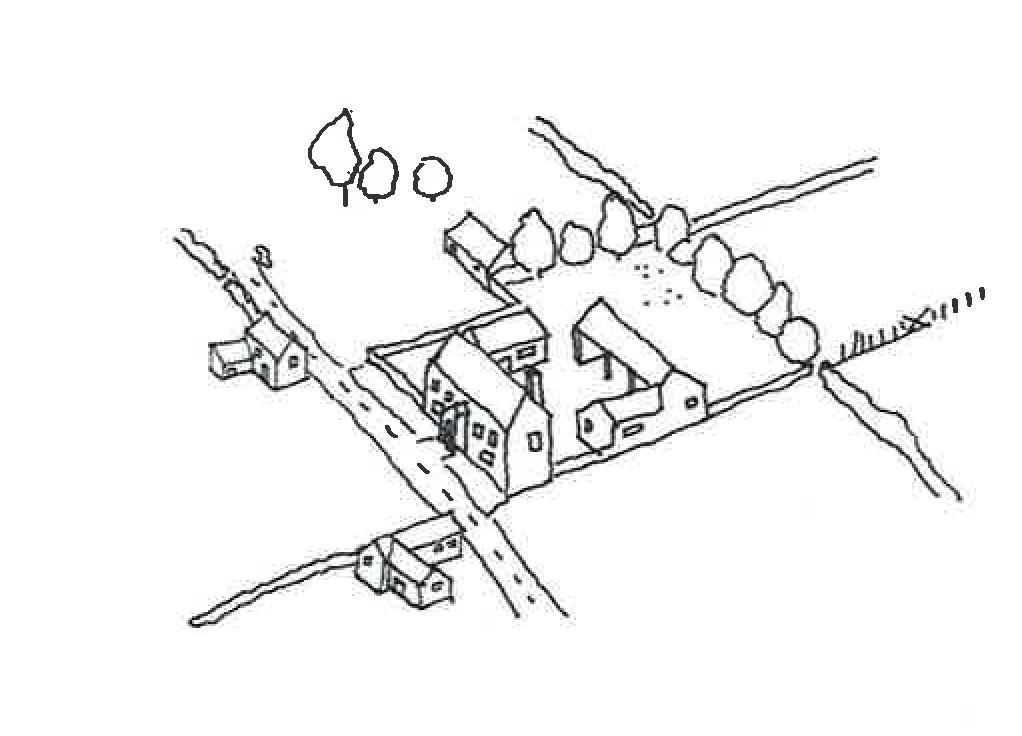
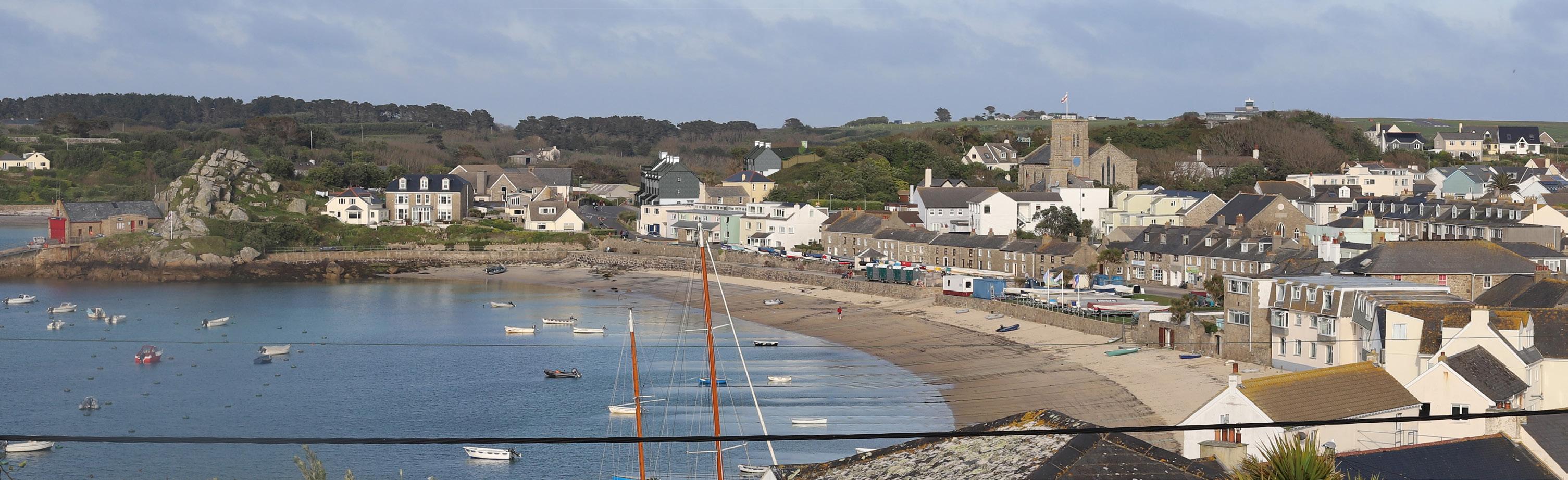
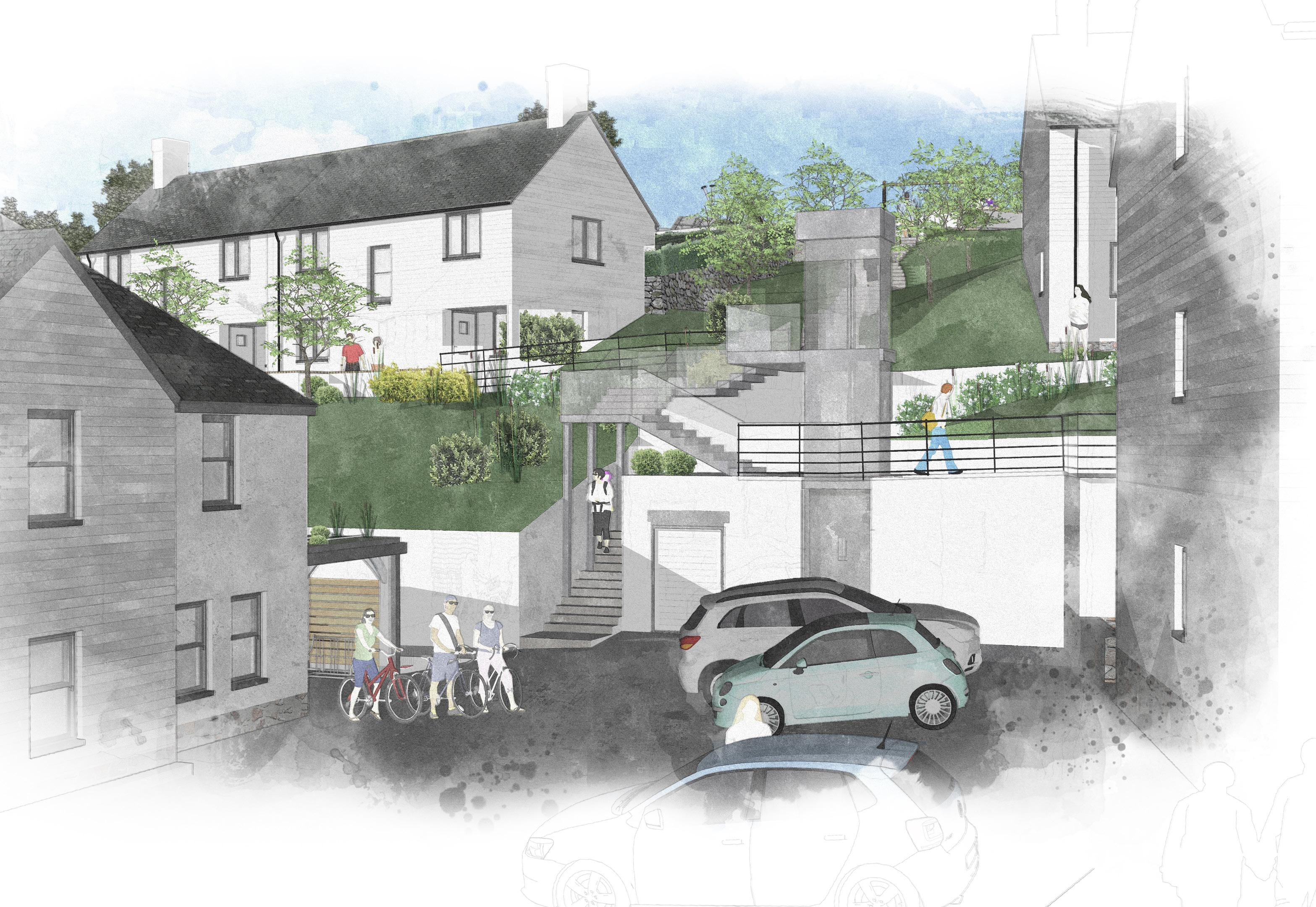
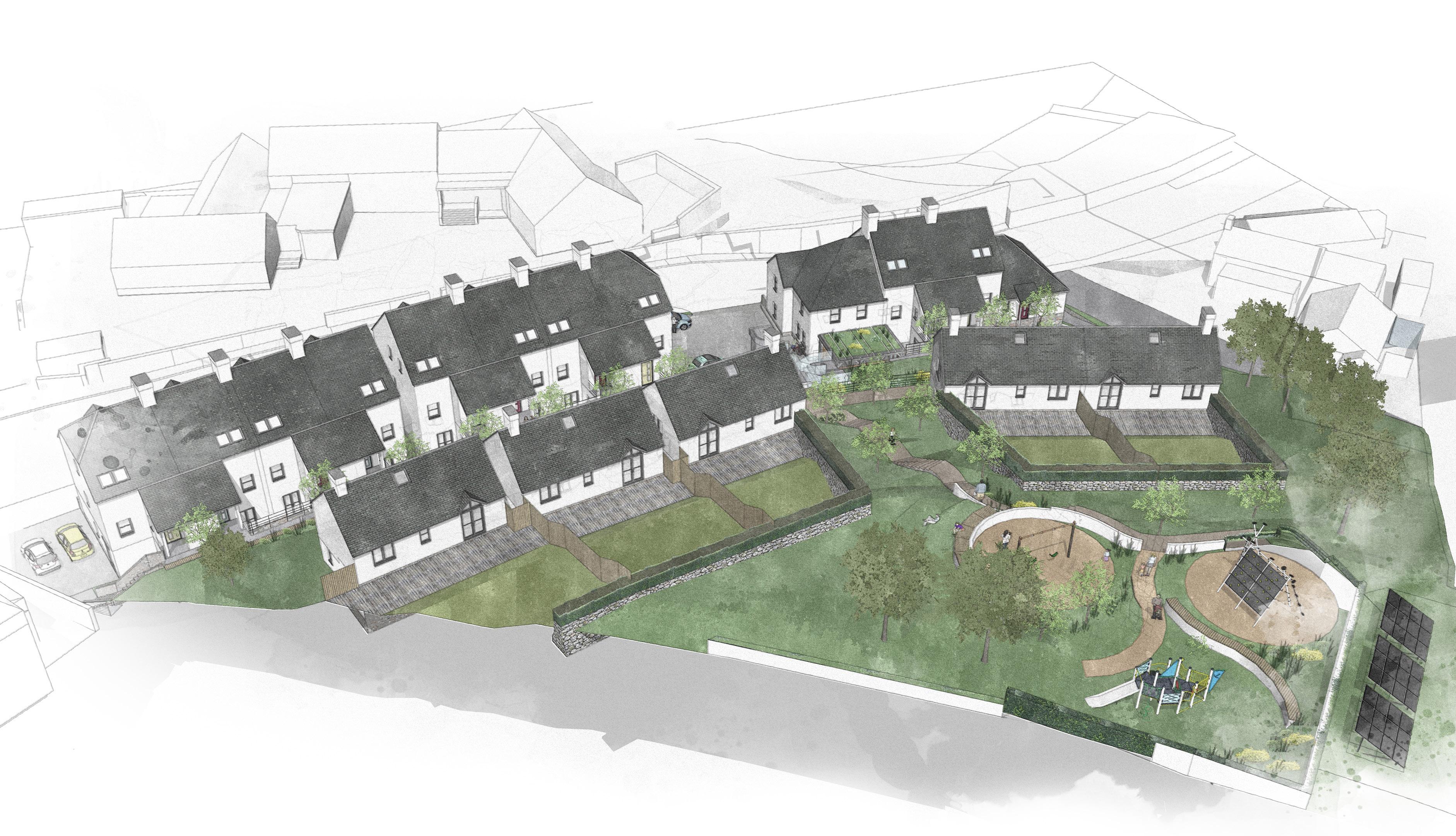
The plans for the 8.6 acre site at Great Well Park comprises of affordable homes and open market dwellings with a mix of house types, including bungalows, all of which are designed to match the local vernacular of Winkleigh, an attractive village in Devon. In addition to this the site provides a new car park for the village, a path linking the village to the Winkleigh Sports Centre and allotments and a new play area, as well as landscaped amenity spaces throughout the site. The planned development is in within a short walk of the village centre and adjoins open countryside.
Within my work experience:
-I had a chance to practise the use of AutoCad (importance of setting correctly Viewports, Layer Properties Manager and External References Tabs), Sketchup (creating Groups and Components), and Photoshop;
-I improved my communication skills, and learning capabilities through cooperative style of work prioritized in the company,
-I learned to ask for help when I get stuck, thanks to close proximity to more experienced and skilled colleagues, which leads to making less mistakes, and time saving.







































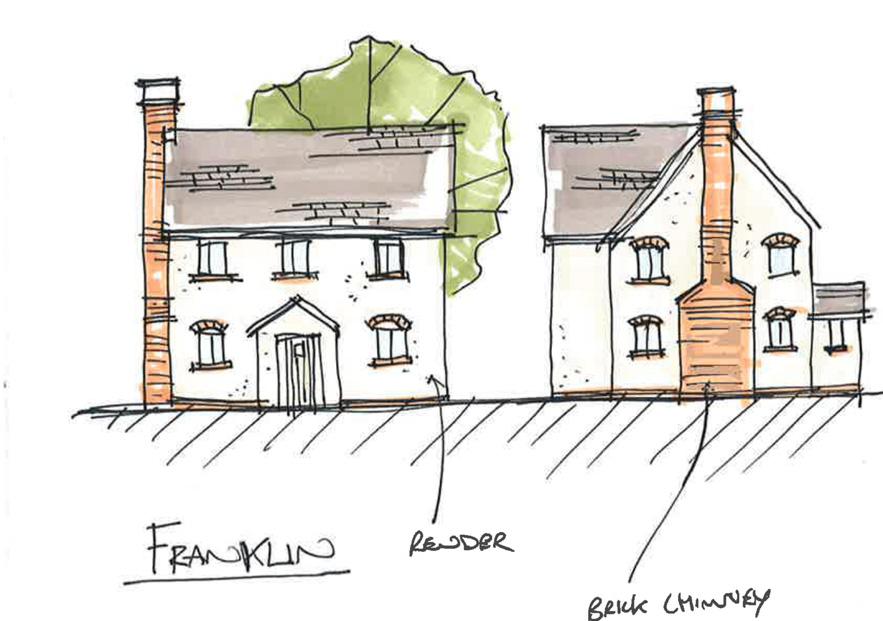
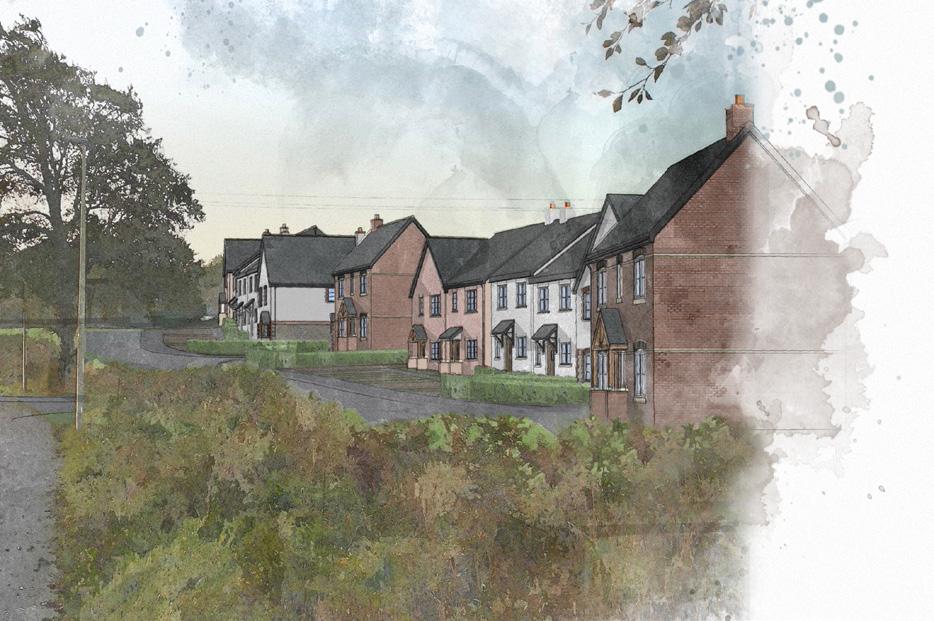
Proposed homes sit comfortably in their surroundings, have quality finishes, innovative design and energy efficiency features.
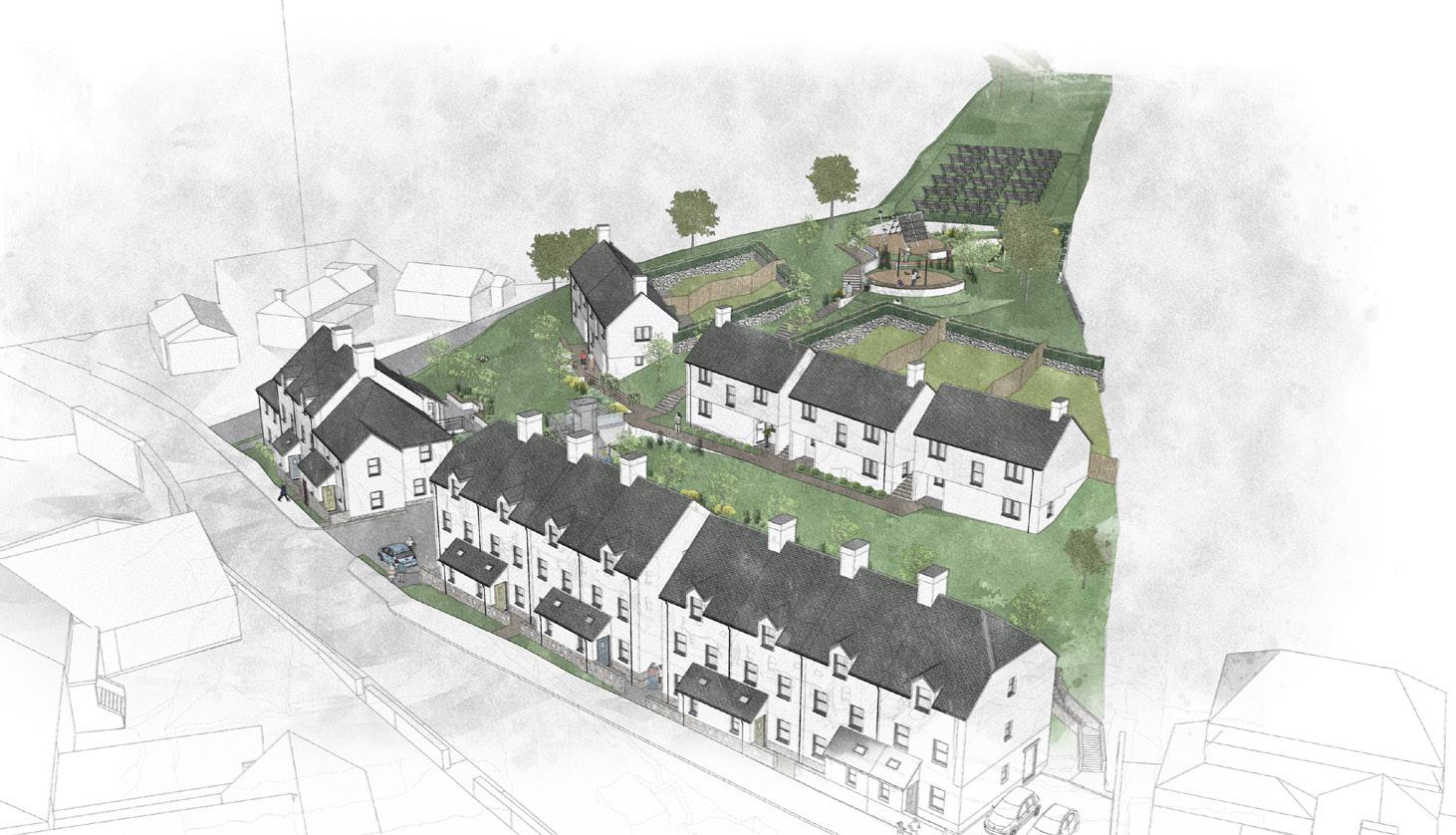
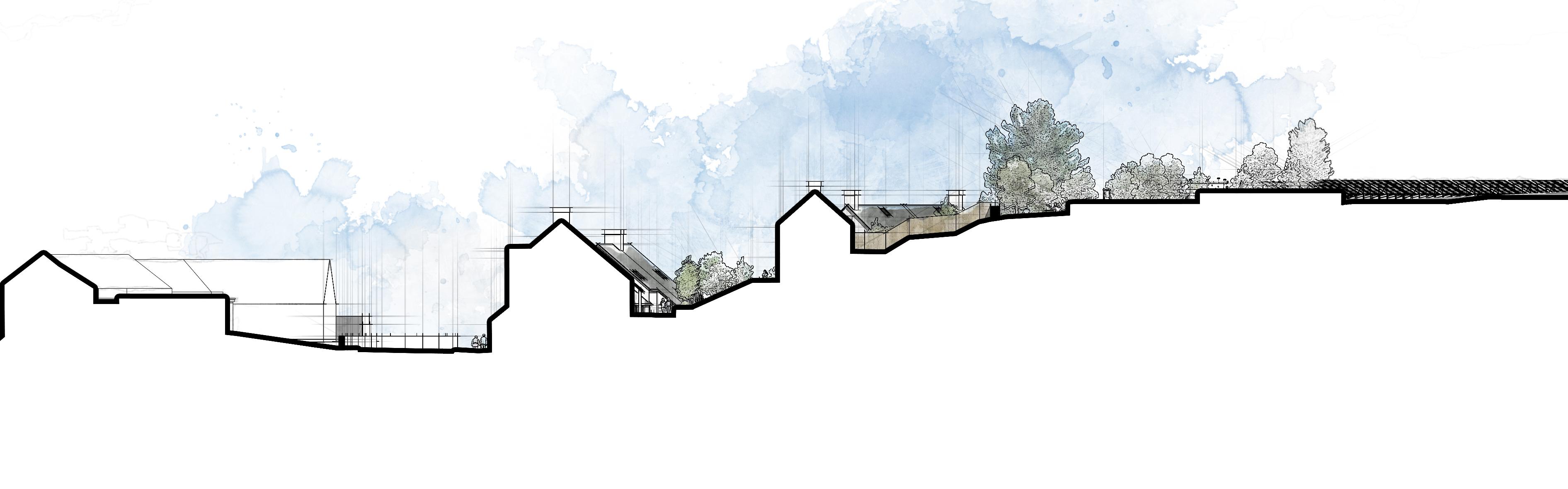
The proposed developemnt includes 27 new home, landscaping, surface water management, renewable energy, on-site road access and footpaths, vehicle parking, and provision of public open space. There is an opportunity to provide a mix of house types, that responds to the housing need lcoally (key workers, affordable housing), maximise the potential of the site working with the exisitng topography and taking advanatage of the vistas beyond into the surrounding landscape (see the sections below).
The development provides a range of outdoor and open green spaces for residents and other members of local community to enjoy, protects exisitng habitats and reinforces the site’s rural edge context.
This housing development is a collection of thoughtfully designed one-, two-, three- and four-bedroom homes in Alphington, offering something for everyone looking to make a move closer to Exeter. Brook Manor will be a charming community of 182 new build homes in Alphington, Exeter, in a selection of spacious and modern styles.
The development has been created with its rural location and convenience in mind, and will see bat and bird boxes installed as well as a children’s play area – making it perfect for family living.
















































































































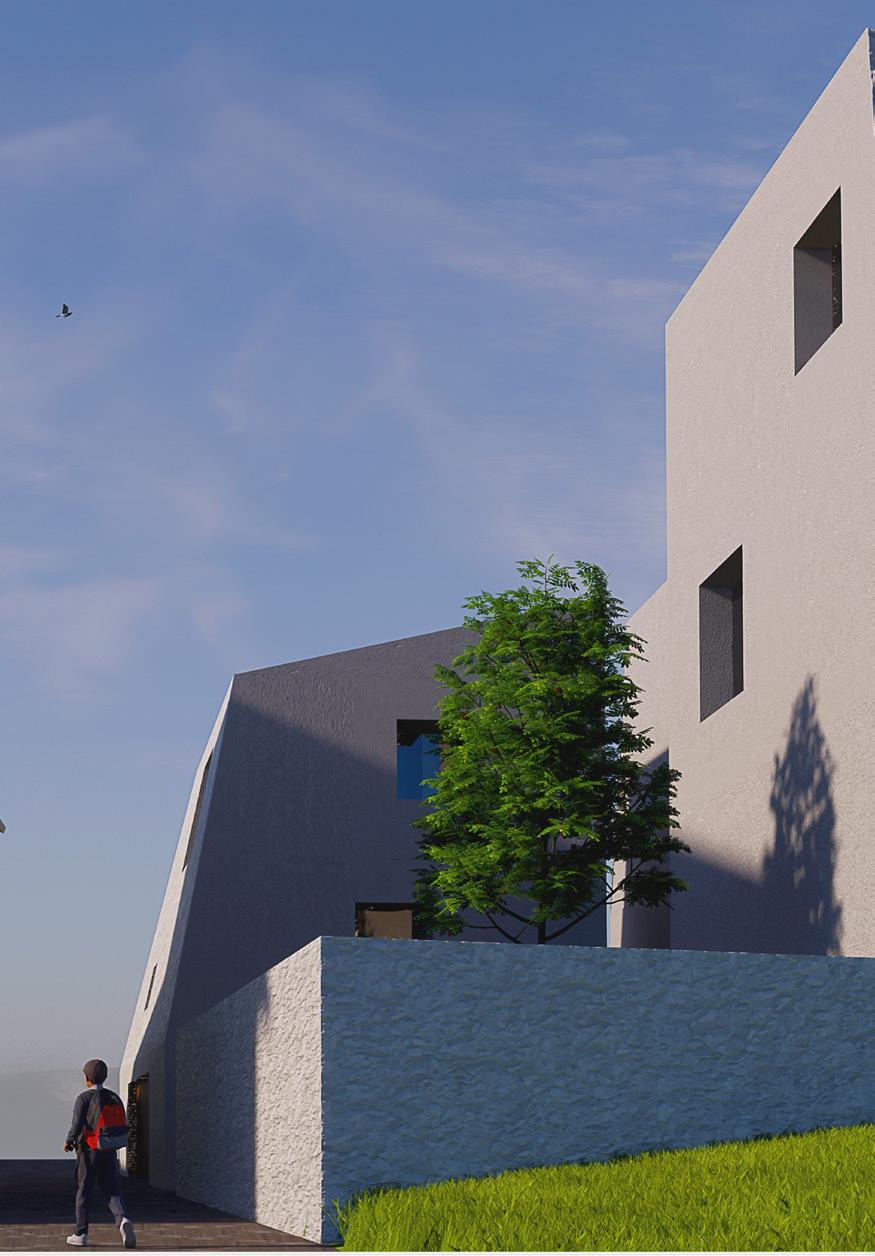
The Cave House is a regeneration scheme for the small Italian village of Montes. A new design becomes a cohesive part of the village, its community, and the landscape.
The main concept for the design was architecture by subtraction, inspired by the exhibition “Architecture Without Architects” at MOMA (1964) and sculptural design by Eduardo Chillida.
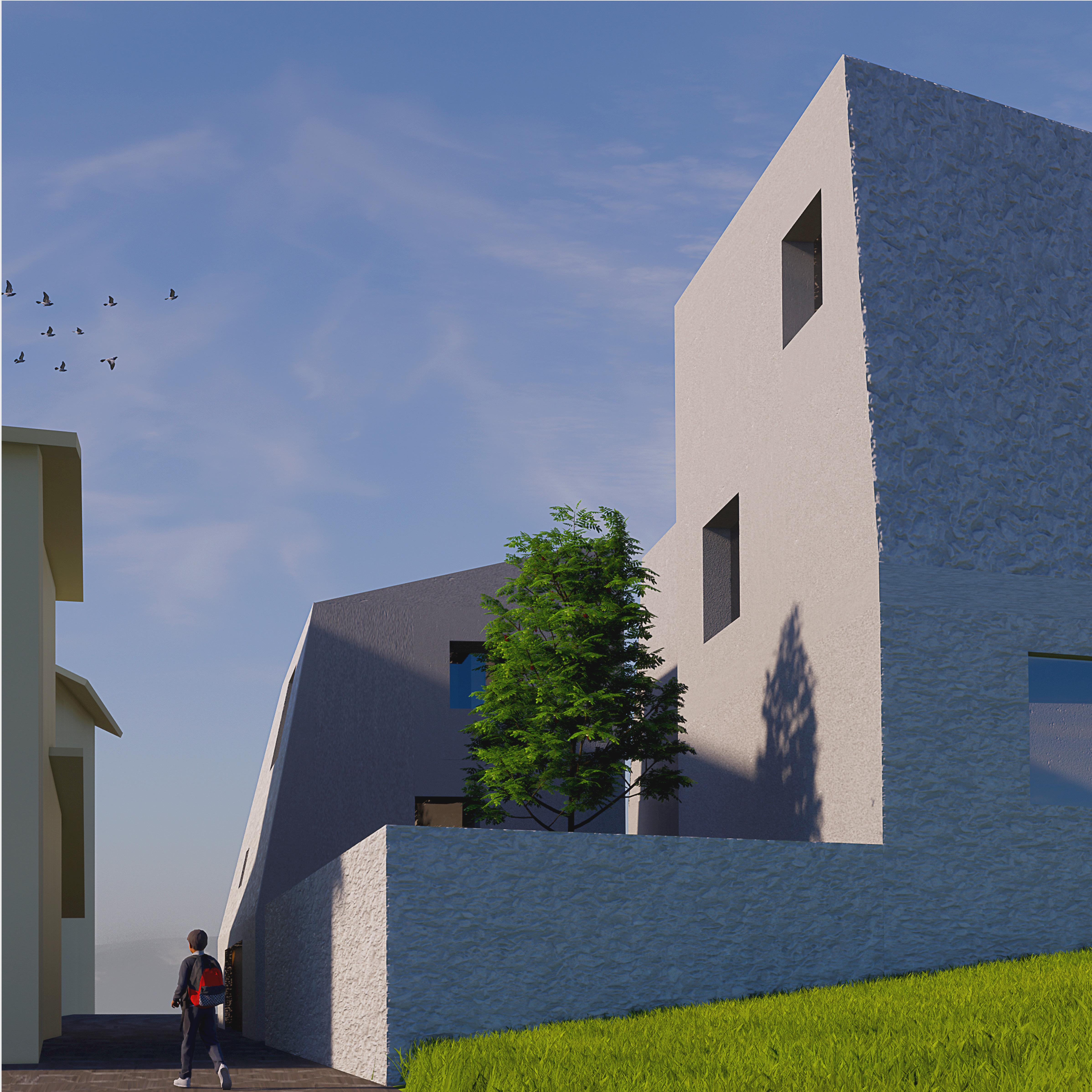











House in a mountainous area is a living entity, with the capacity to create links and refer to analogies and patterns, that are bound up with feelings and a direct identification with the place. Good houses are never detached from their surroundings. The form of the terrain is mirrored in the roof shape, creating varied heights and spatial zoning.
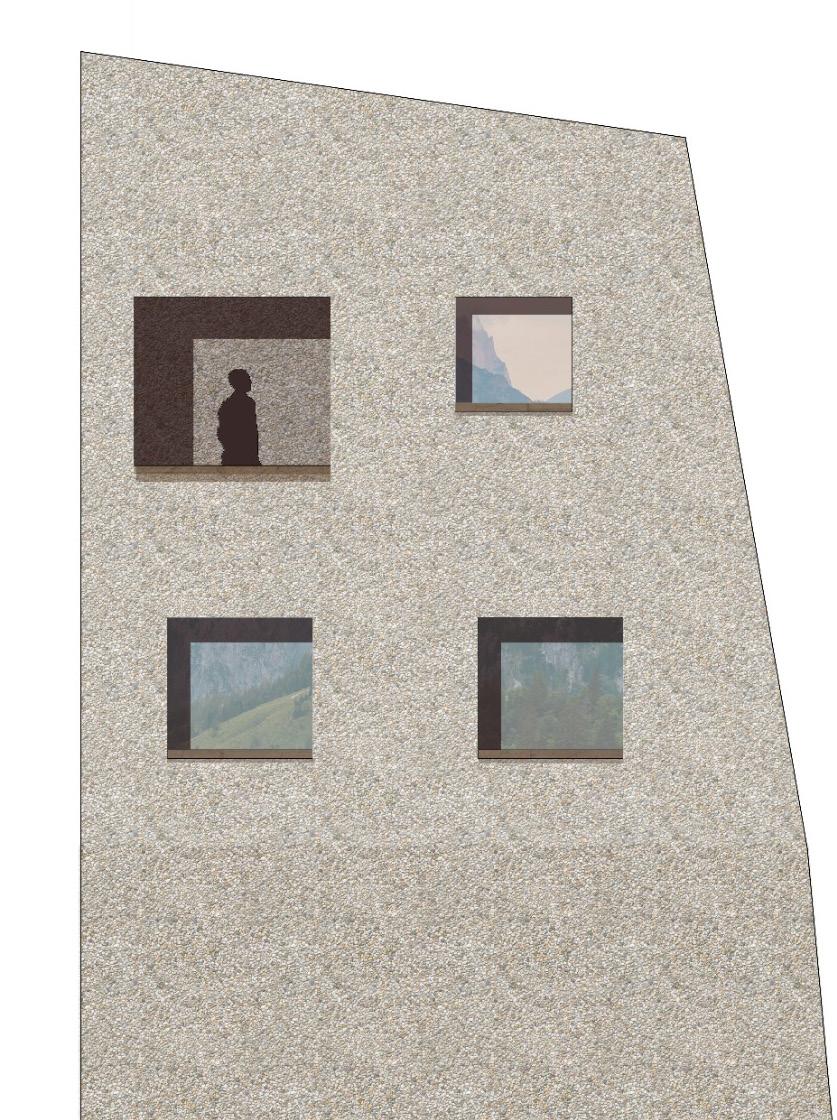
Materiality shown in model and elevation: the outer shell is rough and mountain-like, allowing for the contrast between the outside and inside.

2022 supervisor: prof. I. Paoletti, and prof. A. Rebecchi
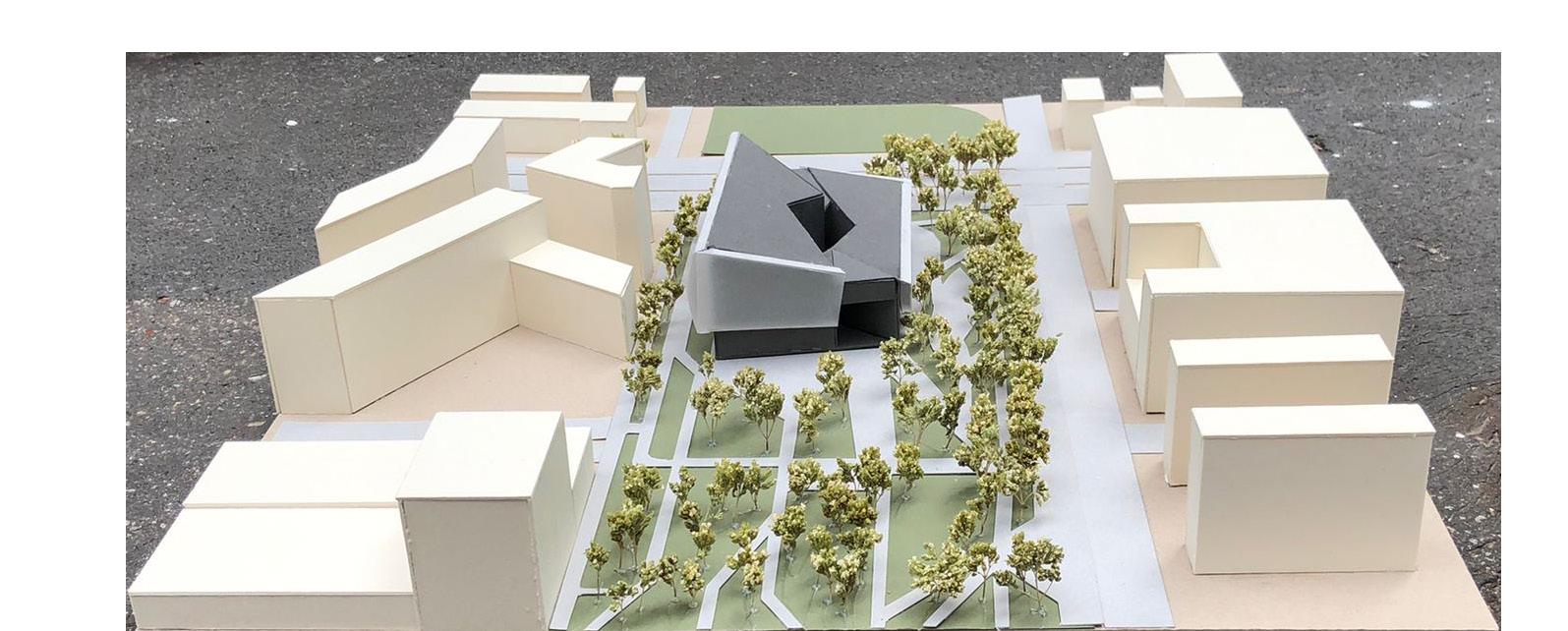
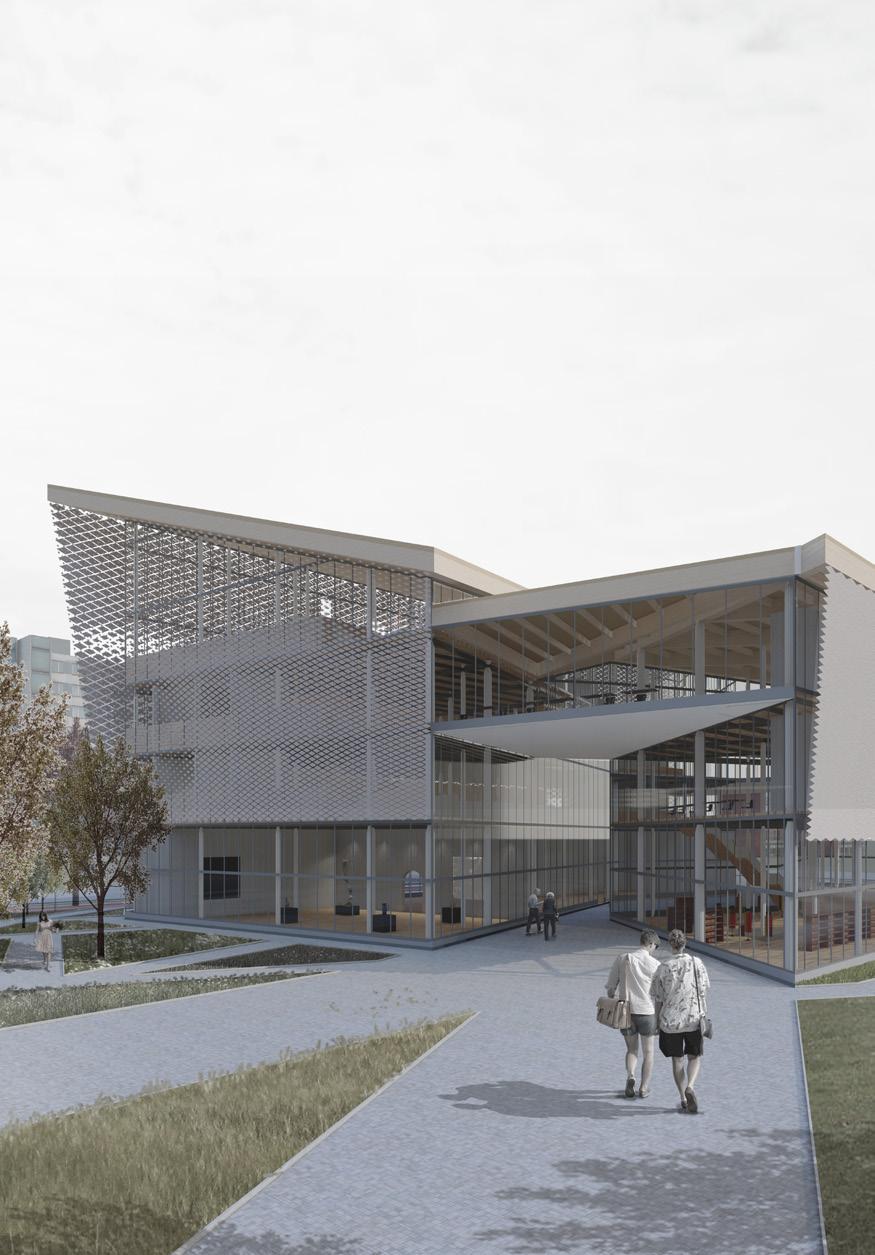
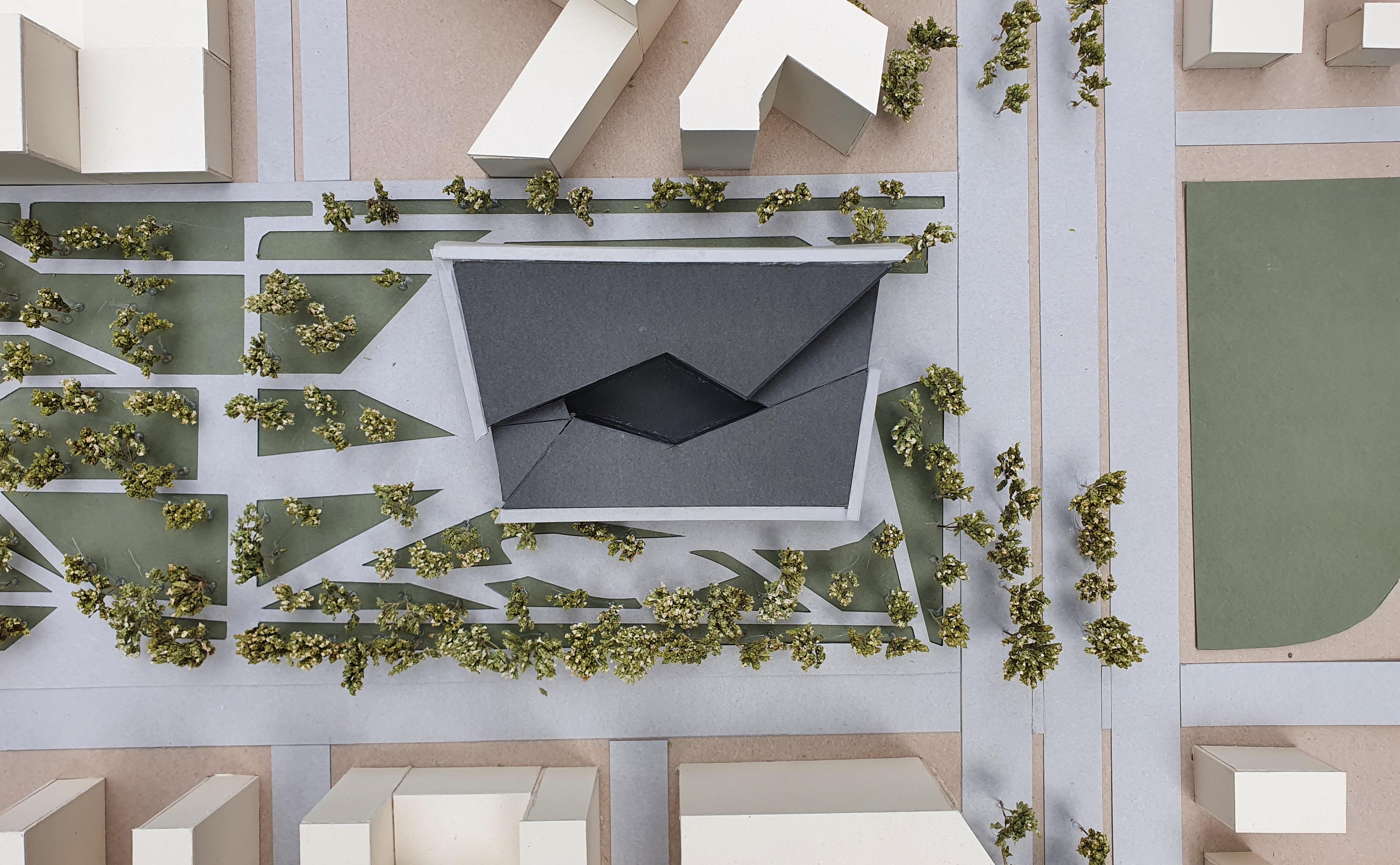
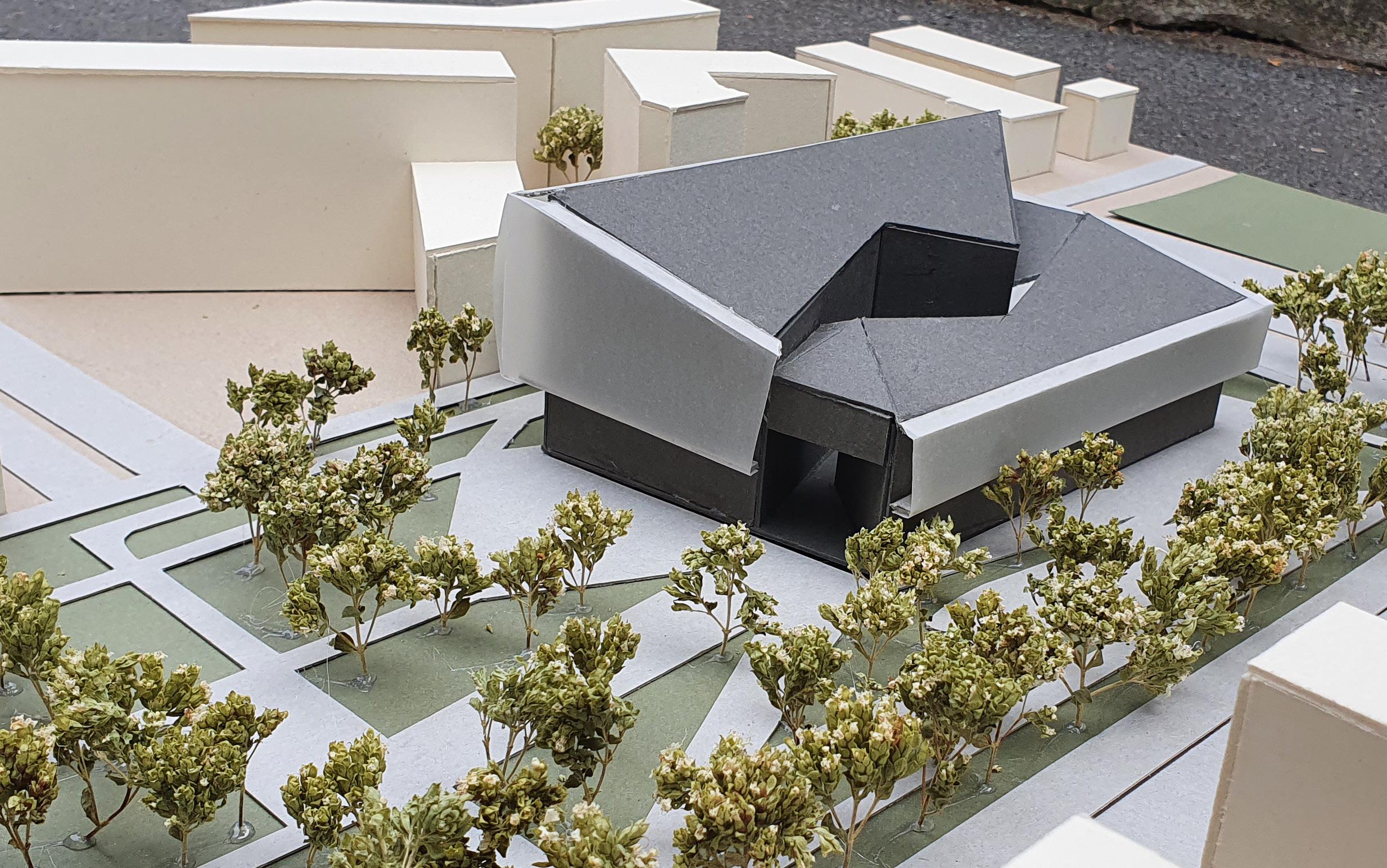
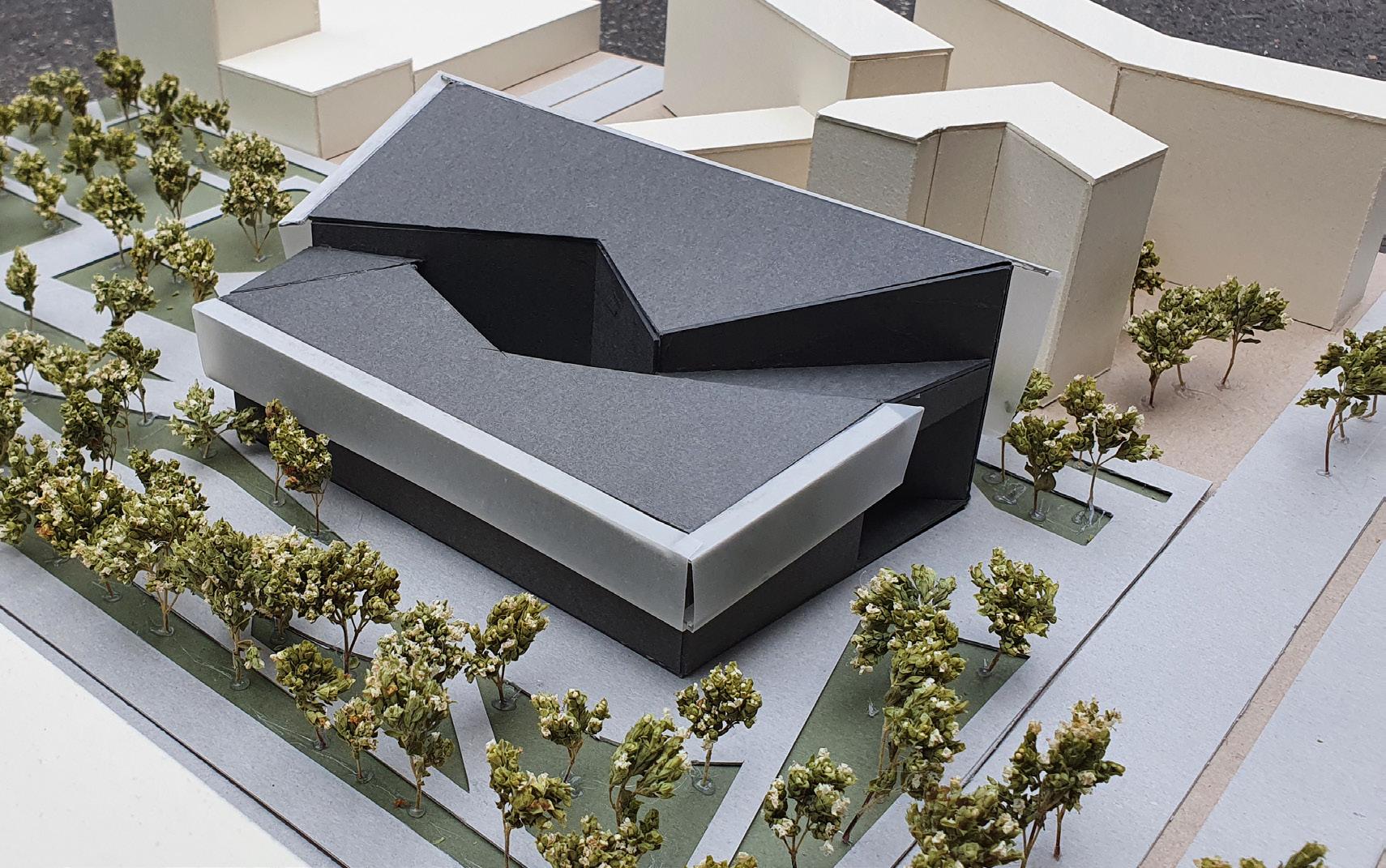
Located in the historic district of Porta Vittoria, against the backdrop of residential blocks the European Library Foundation of Information and Culture (BEIC) stands independently, rising with a minimal footprint to offer maximum surrounding green space to the local community and becoming an integrated part of the vibrant public park.
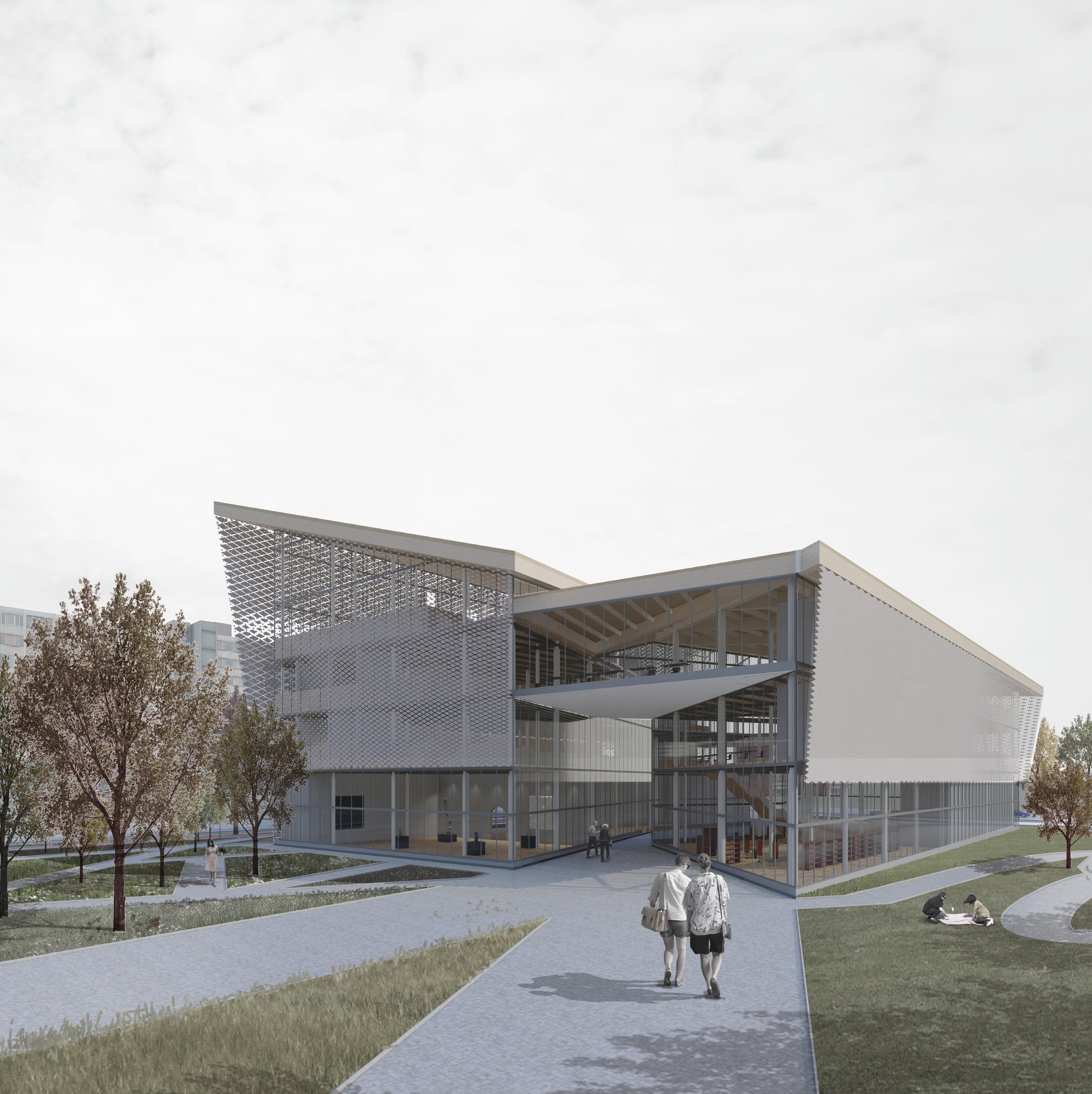


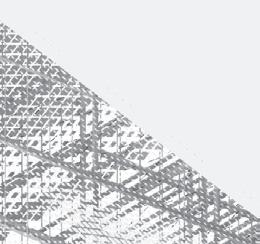
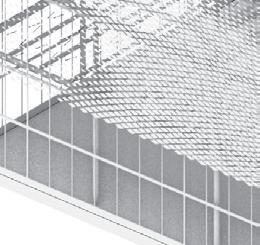




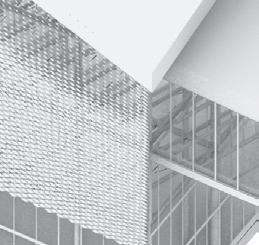


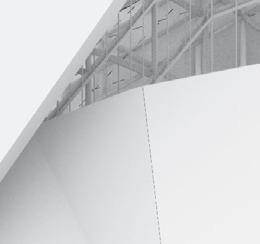
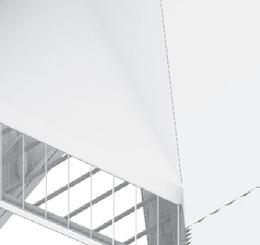
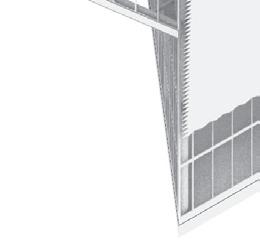


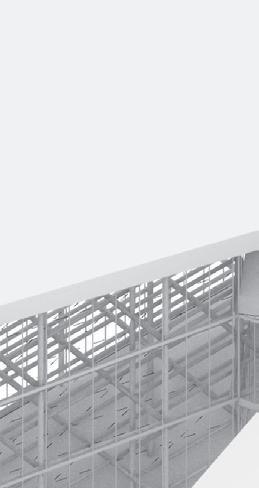

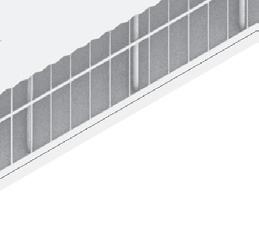




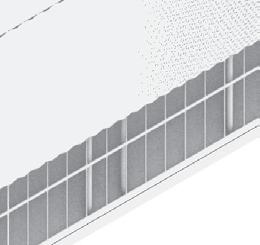


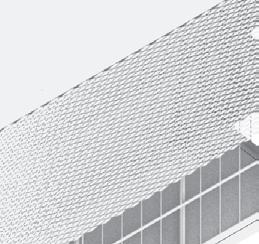
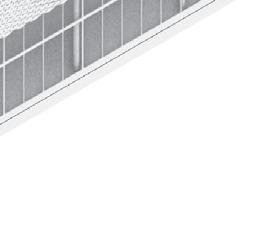

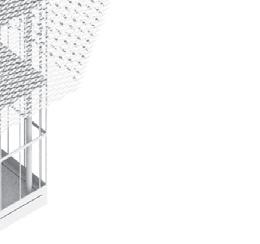
In terms of construction, the library is a skeleton building with a curtain wall, providing a lot of natural light, and great views of the park. The fluid spatial program comes from the concept – finding your path.
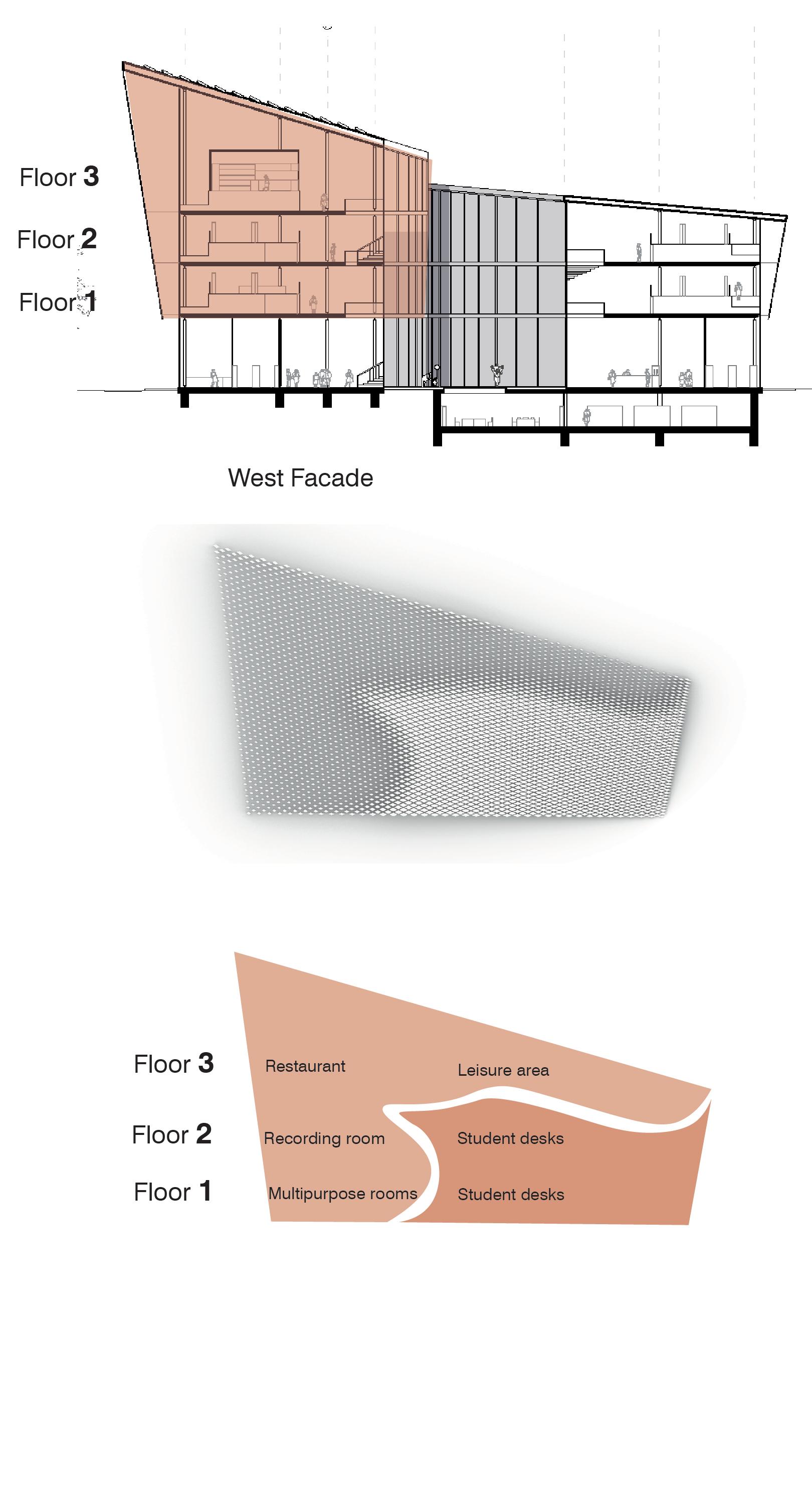
The textile façade is made with a micro-perforated material, available with different opening degrees.
THANK YOU