
PUBLISHER
James R. Baker
GENERAL MANAGER
John Rusnak
EXECUTIVE EDITOR
Andy Walgamott
EDITOR
Chris Cocoles
WRITERS
Mark Fong, Scott Haugen, Tiffany Haugen, Tim E. Hovey, Cal Kellogg
SALES MANAGER
Paul Yarnold
ACCOUNT EXECUTIVE
Janene Mukai
DESIGNER
Kha Miner
WEB DEVELOPMENT/INBOUND
MARKETING
Jon Hines
ADMINISTRATIVE ASSISTANT
Katie Aumann
INFORMATION SERVICES MANAGER
Lois Sanborn
ADVERTISING INQUIRIES media@media-inc.com
CORRESPONDENCE
Email ccocoles@media-inc.com
X @CalSportsMan Facebook.com/ californiasportsmanmagazine
ON THE COVER
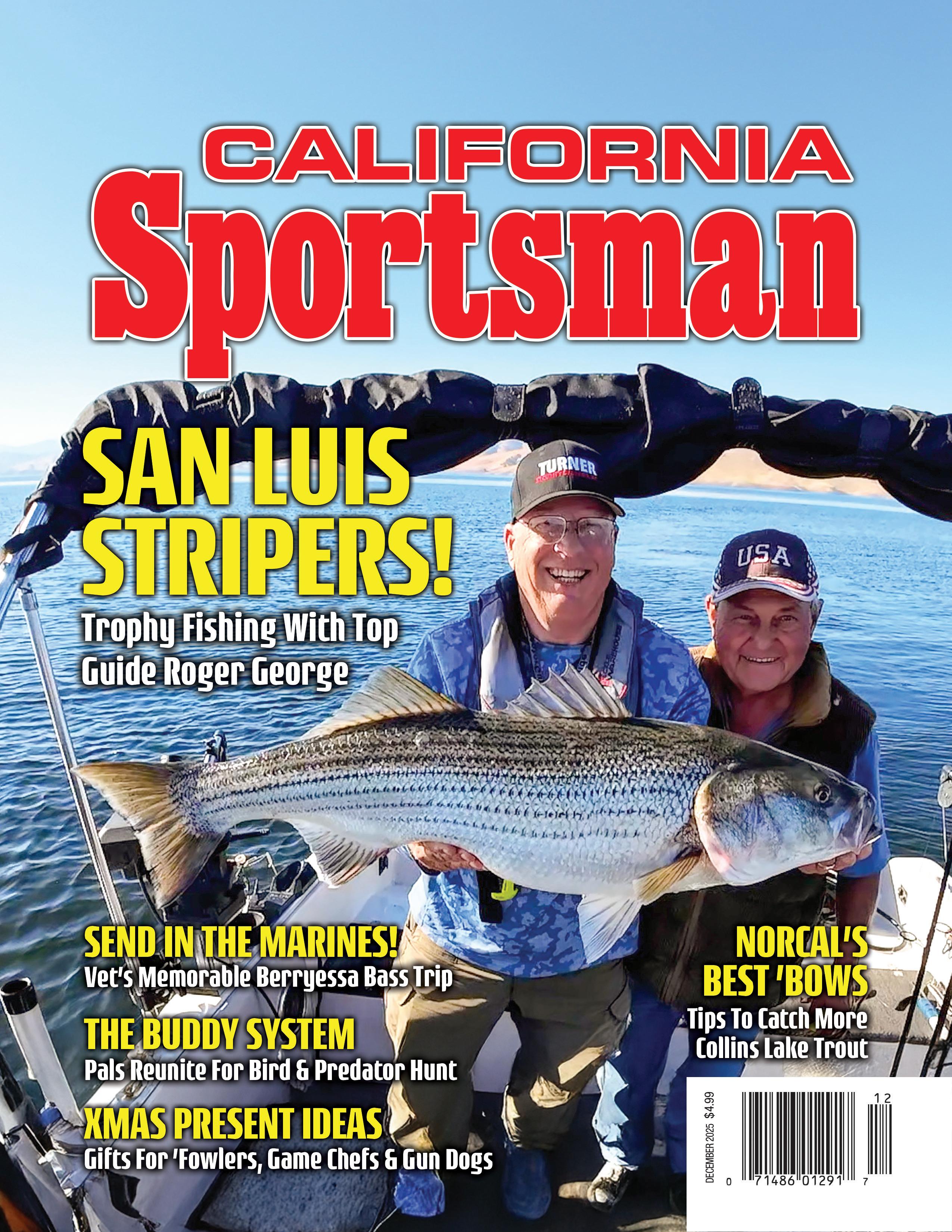
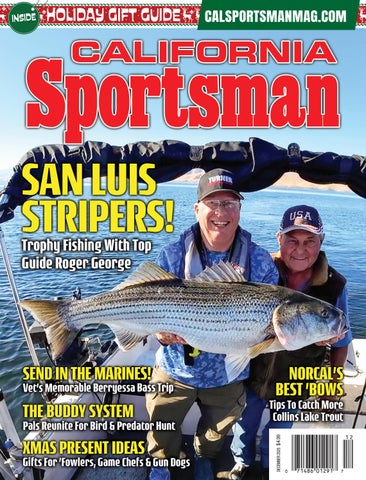
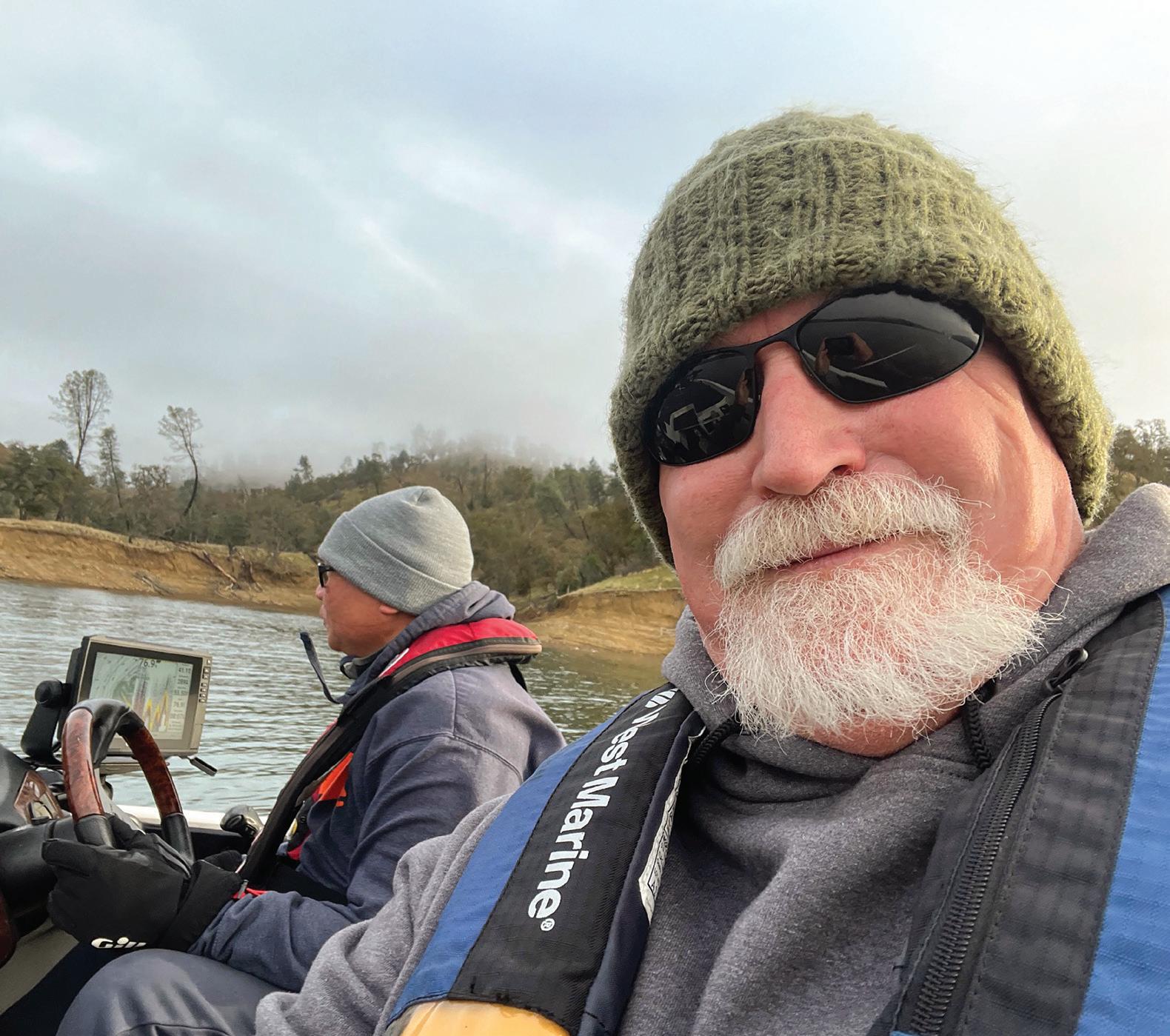
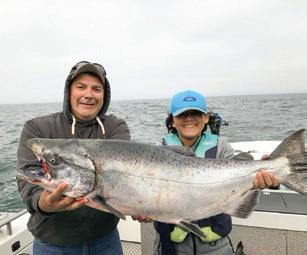
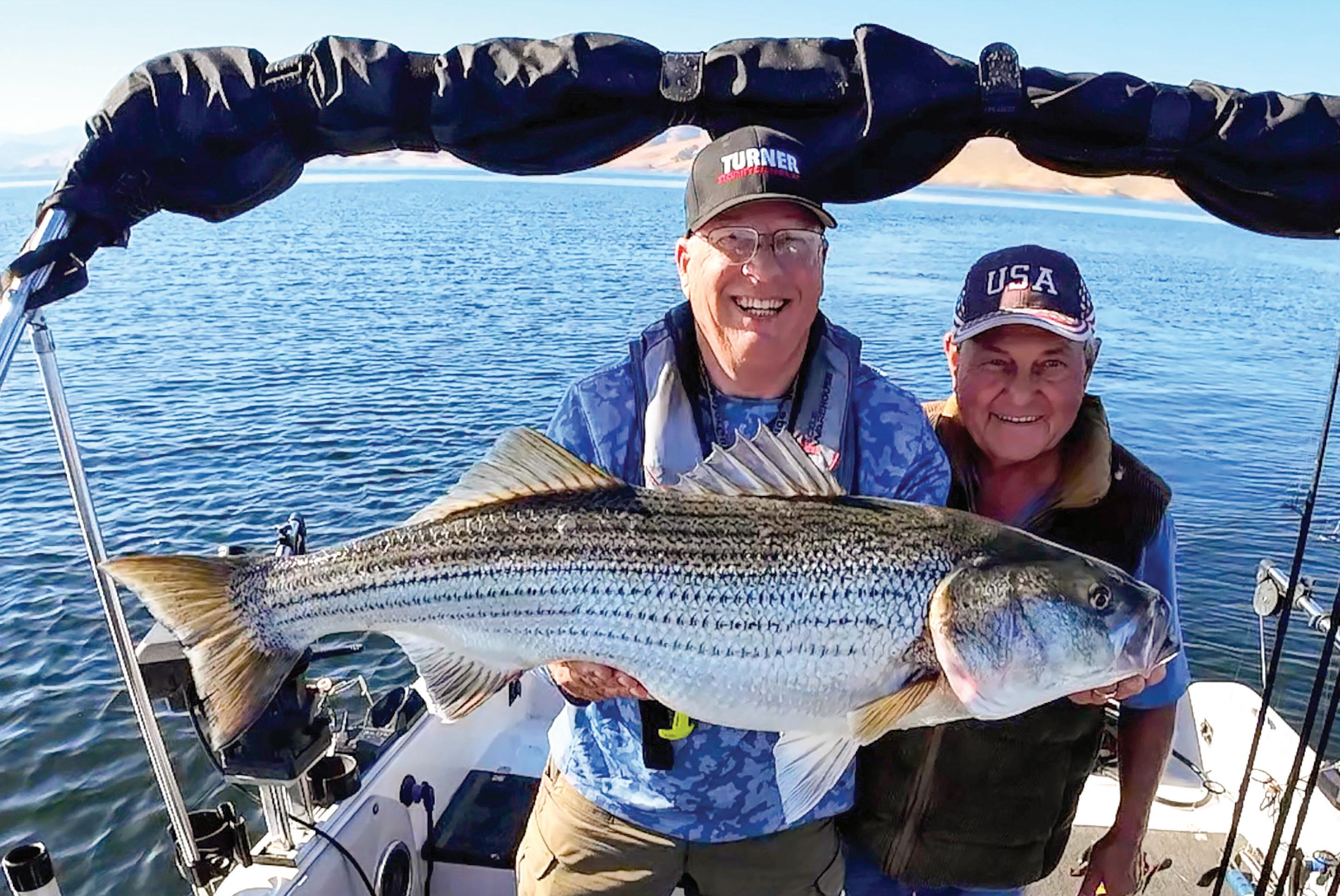
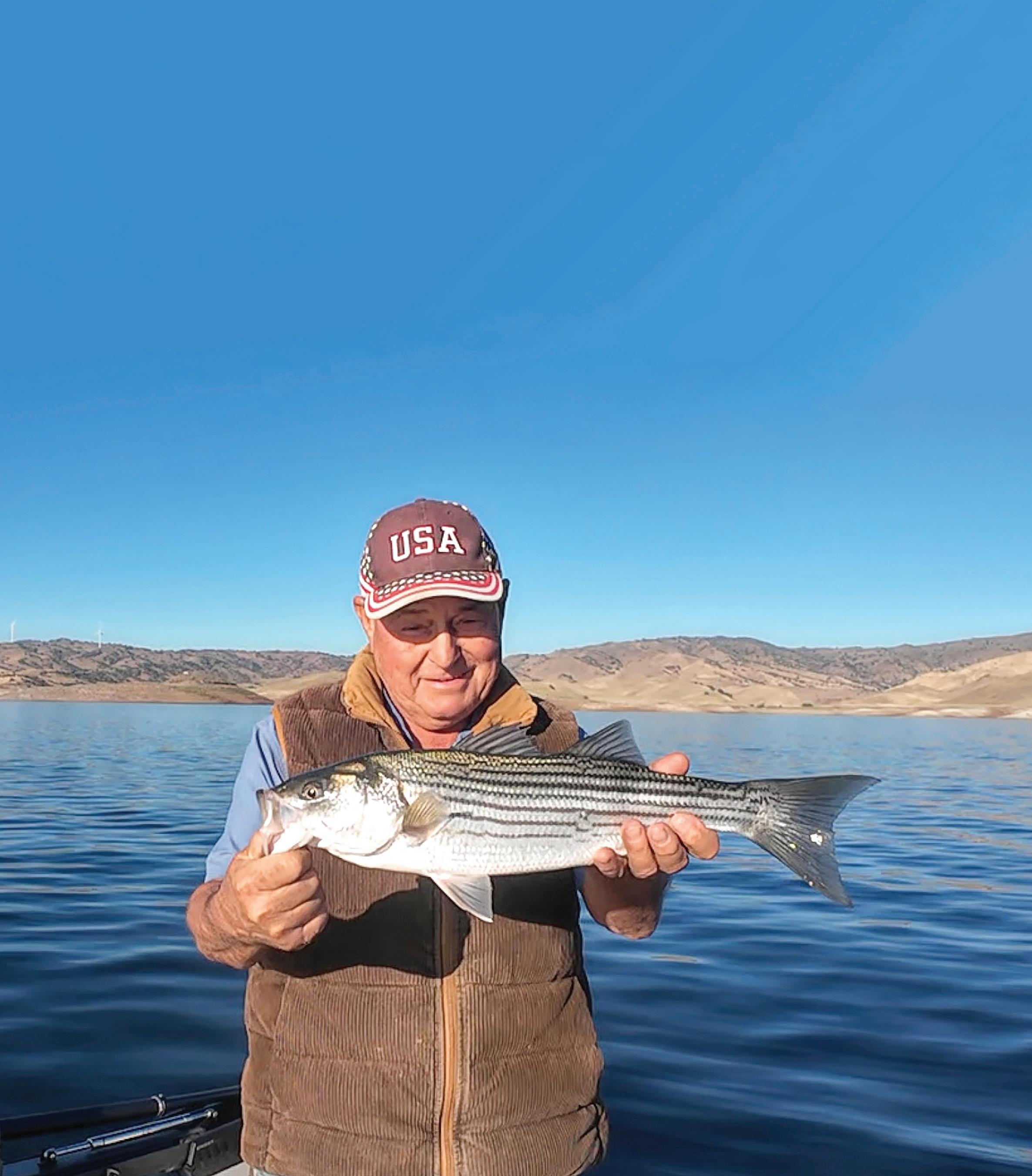
San Joaquin Valley fishery San Luis Reservoir is massive, windy conditions can make the lake treacherous, and the fish are sometimes hard to find. But prepared anglers can experience some epic striped bass fishing, as reflected in this 26-pound beauty held by guide Roger George on a recent outing with contributor Cal Kellogg and a friend. See page 25 for more details! (CAL KELLOGG)
MEDIA INC PUBLISHING GROUP 941 Powell Ave SW, Suite 120 Renton, WA 98057 (800) 332-1736 • Fax (206) 382-9437
media@media-inc.com



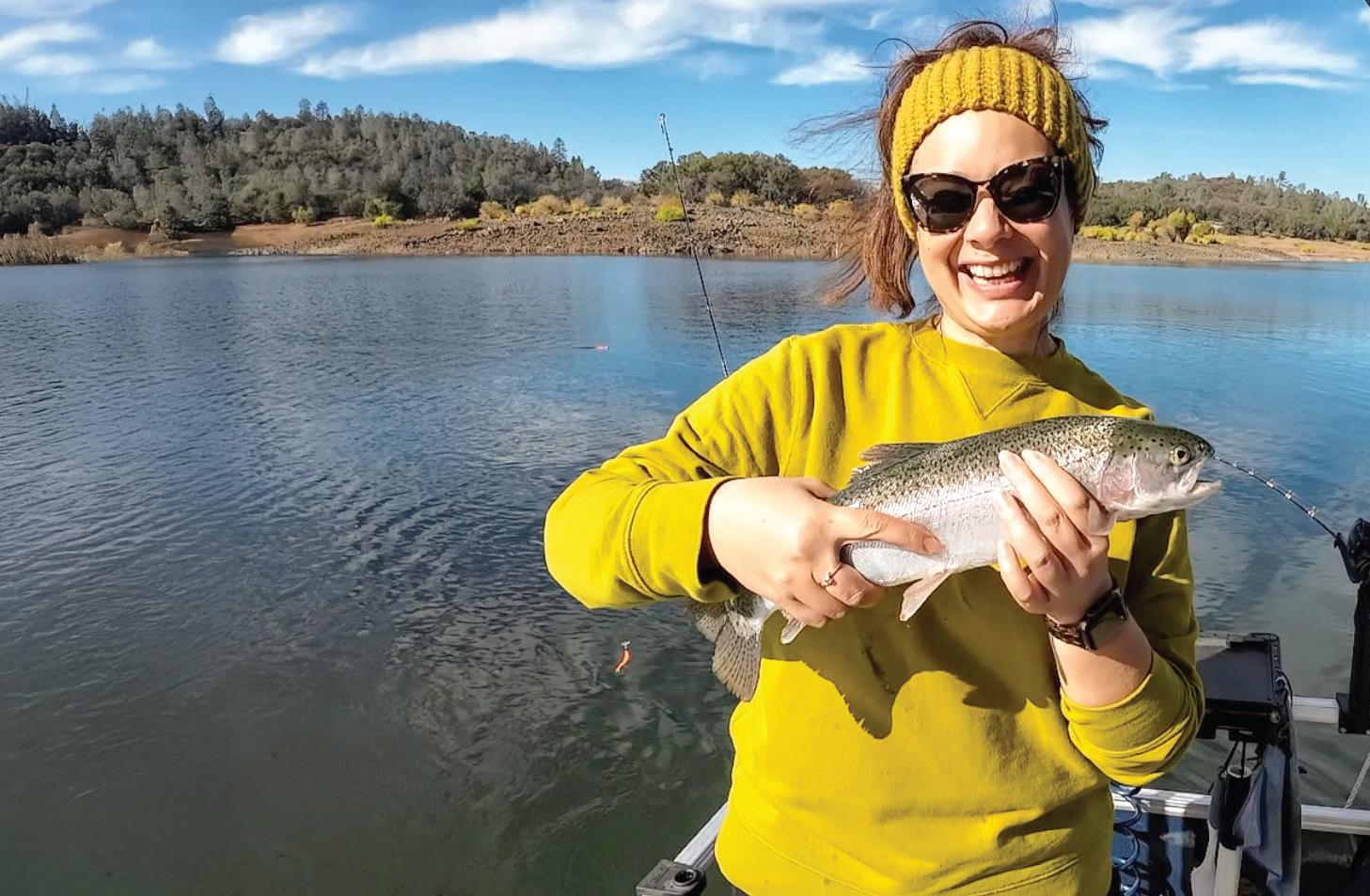
Many of Cal Kellogg’s guiding outings have brought clients to Collins Lake to fish for trout, and it’s no surprise that many anglers have left the Yuba County fishery with a stringer full of rainbows, thanks to the lake’s frequent plants and almost year-round action. Kellogg explains why Collins is arguably the state’s best trout destination, and how to fish it.
A November Lake Berryessa fishing trip was far more than just a few random casts for Mark Fong and his friend Mike Barton, a proud United States Marine Corps veteran who served a tour of duty in the Persian Gulf War. That the duo happened to fish on Veterans Day last month made it that much more special. Fong recaps the action and meaningful conversation.
Longtime Golden State hunting pals Tim Hovey and John Matilla recently reunited in the former’s new Idaho home base. “Even though I had essentially left all my hunting buddies back in California, I knew I’d see them again soon,” writes Hovey, who shares the plethora of bird, small game and predator hunting and trapping moments he enjoyed with his good friend.
Tis the season to shop for the waterfowl hunting savant in your life. Scott Haugen has you covered in his and wife Tiffany’s From Field to Fire column. First up, Scott simplifies your December list by sharing his favorite waders, apparel, decoys and more for your favorite duck and goose gunner’s holiday must-haves. And instead of her recipe of the month, check out chef Tiffany’s best gadgets to crush it in the kitchen or on the camp stove!


Our scribe Cal Kellogg recently reached out to me and asked if he could contribute a piece on Collins Lake’s trout fishery for our December issue.
The Yuba County lake located northeast of Marysville is indeed one of our state’s most productive trout factories. I’ve even had some success there, and as you’ve grown to know, I’m not always the most lucky angler at creating hookups when I fish!
“It’s fishing really well,” Kellogg told me about Collins (see page 13) as we discussed his story agenda for this month, “and it’s going to be a great winter.”
What I loved about growing up in California is that even in the dog days of winter, you could still find some of the best fishing in pleasant weather. From massive Shasta Lake to the smaller lunker bass reservoirs of San Diego County, you can get your December ho-ho-ho on in – if you desire – a T-shirt and shorts on a mild winter’s day.
In my native Bay Area, I’ve done some winter fishing when it indeed has been mild enough to take off the jacket right away. Conversely, a few years ago, my sister and I did an early-morning East Bay drive to Los Vaqueros Reservoir around Thanksgiving weekend when our car’s temperature gauge read well below freezing (as I wrote this, I was planning an outing there before my late November holiday trip to California). Still, it’s a better
alternative than Christmas in Minnesota’s Land of 10,000 (Frozen) Lakes. I’d rather fish without an ice auger and hundreds of dollars of fancy layers purchased at Bass Pro Shops to avoid hypothermia.
But speaking of other states, I just got back from what’s become an annual November college football trip with my buddy (and former California Sportsman correspondent) Chris Shaffer. We ended our adventure in slightly warmer Virginia and Washington, D.C., but we started it at Chicago Midway International Airport, where we rented a car and headed to midweek college games at Western Michigan University and then Central Michigan U.
There was a light dusting of snow over Chicago when my plane was landing. But as we headed northeast in our rental car along Interstate 94, we were amazed at how much snow there was piled atop the landscape enroute to Kalamazoo, Michigan.
There was less snow on the ground by the time we parked across the street from Western Michigan’s stadium, but it was brutally cold. We found temporary refuge in a lively sports bar and enjoyed pregame chicken tenders and a warm-your-soul stout before reluctantly heading outside again. My layers – hardly the Bass Pro Shops quality I just mentioned – were just enough to keep me engaged for most of the game, despite us sitting on frozen metal bleachers with the aisles and stairways covered in salt and slushy ice.
Just remember that visual as you can celebrate this month in the Golden State – fishing while not always freezing. Happy holidays! -Chris Cocoles
Northern California’s Collins Lake – unlike other parts of the
–
for epic winter trout
in








6 Balance of State American crow season opens
6 Most desert bighorn sheep seasons open
6 Catfish Bash Championship, Clear Lake (facebook.com/clearlakecatfishbash)
7 Last day of fall wild turkey season
18 Second Northeastern Zone scaup season opens
20-28 Southern Zone band-tailed pigeon season dates
21 Last day of statewide pheasant season
22 Second archery-only pheasant season opens
23 Fort Hunter Liggett Period 3 apprentice tule bull elk hunt season opens
23 Fort Hunter Liggett Period 3 apprentice tule antlerless elk hunt season opens
28 Last day of general bear season
1 Online harvest reporting begins for steelhead, sturgeon and North Coast salmon report cards
2 Northeastern second white and white-fronted geese season opens
10 Catfish Bash New Year Bash, Clear Lake (facebook.com/clearlakecatfishbash)
11 Last day of Canada geese regular season in Northeastern Zone
14 Last day of duck and scaup season in Northeastern Zone
15-18 Sacramento International Sportsman’s Exposition, Cal Expo (sportsexpos.com/attend/sacramento)
17-18 Northeastern Zone Veterans and Active Military Personnel Waterfowl Hunting Days
24 We Can Fish event, Lake Cahuilla, La Quinta (wecanfish.org)
25 Last day of most quail seasons
26 Falconry-only rabbits and varying hare season opens
28 Last day of waterfowl season in most zones
31 Last day of waterfowl season in Colorado River Zone
31-Feb. 1 Balance of State Zone (ducks only), Southern San Joaquin Valley Zone and Southern California Zone (same species as regular season) Veterans and Active Military Personnel Waterfowl Hunting Days
Note: General bear season opens concurrently with general deer season in the A, B, C, D, X8, X9A, X9B, X10 and X12 deer hunting zones and extends through December 28, 2025. For those portions of Zones X1, X2, X3a, X4, X6a, X6b, X7a, and X7b open to bear hunting, the general bear season opened on October 11, 2025, and extends through December 28, 2025.
For a complete list of California bass tournaments, go to wildlife.ca.gov/Fishing/Inland/Contests.

By Cal Kellogg
As I idled away from the launch ramp that morning, a flash of white caught my eye. A mature bald eagle was perched on a tall shoreline pine across the lake. Its bright head gleamed against the muted gray-green of the foothill forest as the bird watched over the water
like a silent sentry, adding a touch of wild majesty to the day before I’d even made my first trolling pass.
My electric motor hummed quietly as it pushed the boat toward the dam, giving me time to finish rigging my rods. On one outfit I clipped on a chrome-and-blue Cripplure, a proven producer on this lake. On the second, I snapped on a 3-inch minnow plug. By the time I eased into position along the face of the dam, everything was ready.
I was about halfway across my first troll when the rod running the toplined Cripplure snapped down sharply – only to spring back up a heartbeat later. The trout had swiped and missed. I barely had time to process the strike when the
rod bucked again, this time burying deeply as the hook found its mark.
Line peeled from the reel before I could get it free of the holder, and the fish dug hard, giving that unmistakable head-shake throb that only a rainbow from this fishery can deliver. After a spirited fight, the thick, bright fish slid into the net and then into the cooler.
For the rest of the morning, I worked a slow zigzag pattern along the dam, riding the light chop and covering water methodically. The action never really stopped. By early afternoon I’d hooked and played more than a dozen rainbows. I released most of them quickly, but I kept three nice trout, each right around 2 pounds, the perfect eating size.
When I finally eased back toward the ramp and nosed the boat onto the trailer, I glanced across the lake once more. To my surprise, the eagle was still perched in the very same tree, surveying the water as if it owned the place.
Between the regal eagle and a
morning full of hard-fighting trout, it felt like I’d experienced the very best Collins Lake has to offer.
It was, in every way, a morning to remember.
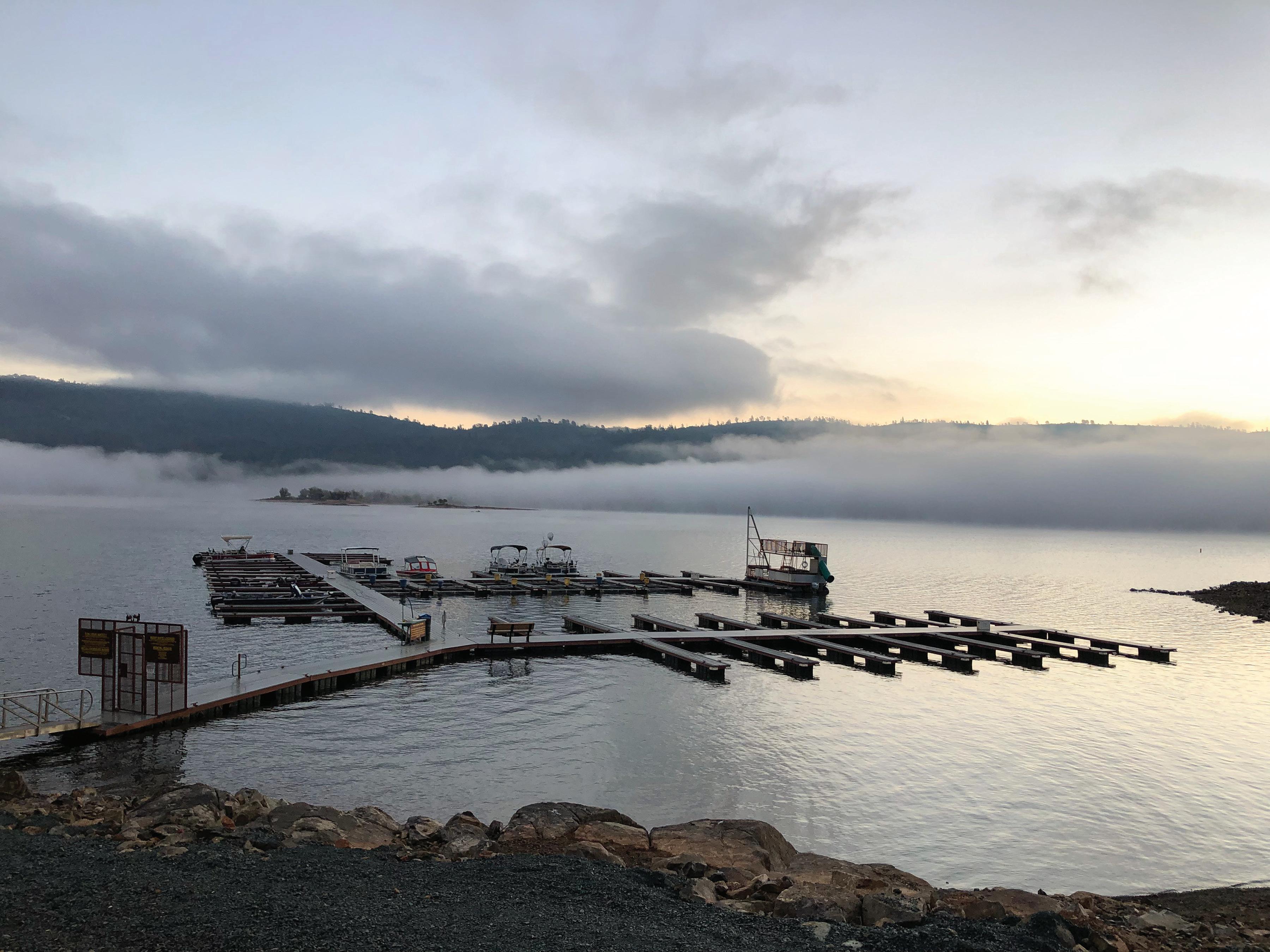
Collins Lake rests at 1,200 feet in the Sierra foothills, tucked neatly between Marysville to the north and Grass Valley to the south. When the lake is full, it stretches across roughly 1,600 surface acres and winds along more than 12 miles of shoreline.
The setting is classic California foothill countryside – rolling oakstudded hills, golden grasslands and coves carved into the landscape like natural fishing lanes. It has always been a productive lake, but in recent decades Collins has evolved into one of the finest and most reliable trout fisheries north of Sacramento.
Part of its appeal is the lake’s accessibility and comfort. Unlike many premier trout waters, which require long drives, have minimal facilities or feature rugged approaches,
Collins Lake offers a complete, familyfriendly recreation area.
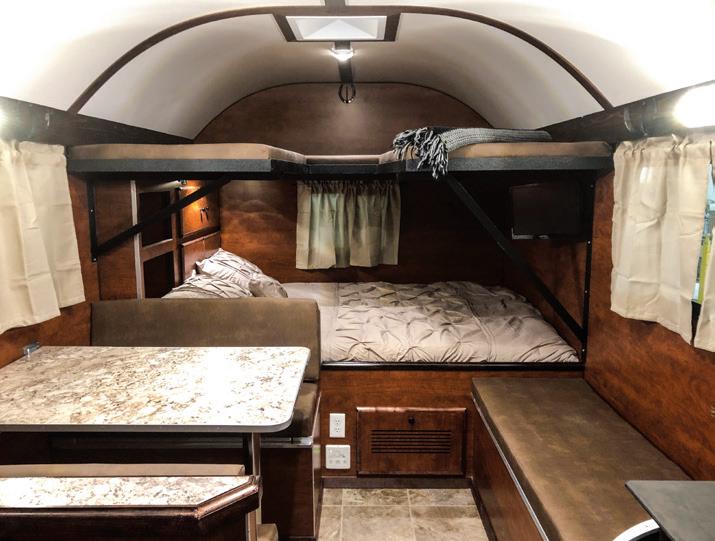
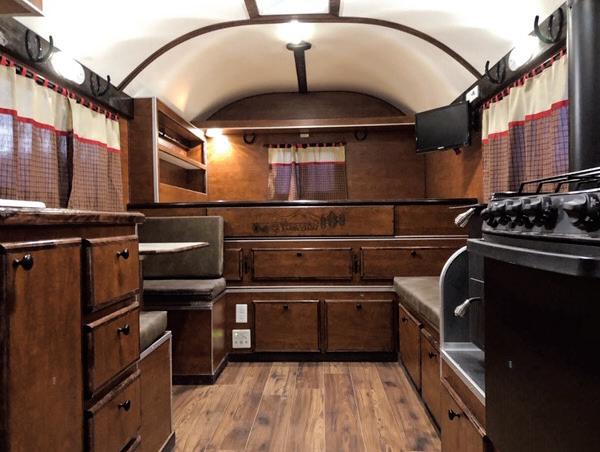
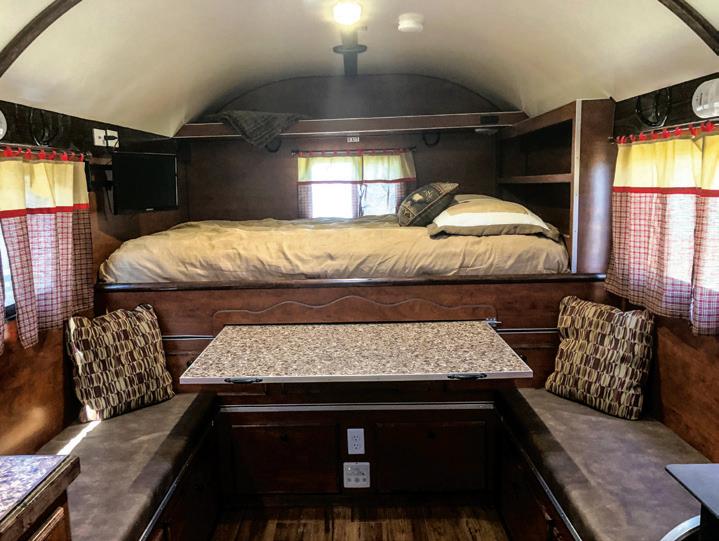
The Collins Lake Recreation Area (530-692-1600; collinslake.com) is a full-service destination with a fully developed boat ramp and marina, shaded picnic grounds, RV sites, tent camping, rental cabins, lakeside trailers, laundry facilities, hot showers, a sand swimming beach and a children’s playground.
The general store carries everything from fishing tackle to ice to snacks, along with its famous ice cream bar. If you don’t own a watercraft, the marina rents outboard fishing boats, patio boats, kayaks and more. For families and anglers alike, it’s a place where you can settle in for a weekend or a full week without sacrificing comfort.
The lake itself was formed in 1964 with the completion of what is commonly referred to as the Collins Lake Dam. Designed as part of a water supply and flood control system serving the Browns Valley Irrigation District and the Yuba


County Water Agency, Collins Lake quickly proved it had the ingredients necessary for a thriving fishery.
Fertile water, flooded foothill habitat and a warm climate allowed threadfin shad to flourish. As trout were stocked into the system, they benefited from the lake’s rich food chain and began growing rapidly. Over time, the lake matured into a balanced ecosystem with a deep
basin, productive shallow zones and a strong forage base.
Yet what truly elevates Collins is the recreation area’s long-standing commitment to maintaining a topnotch trout program. Every year from late October through late April, the lake receives weekly loads of Mount Lassen Hatchery rainbow
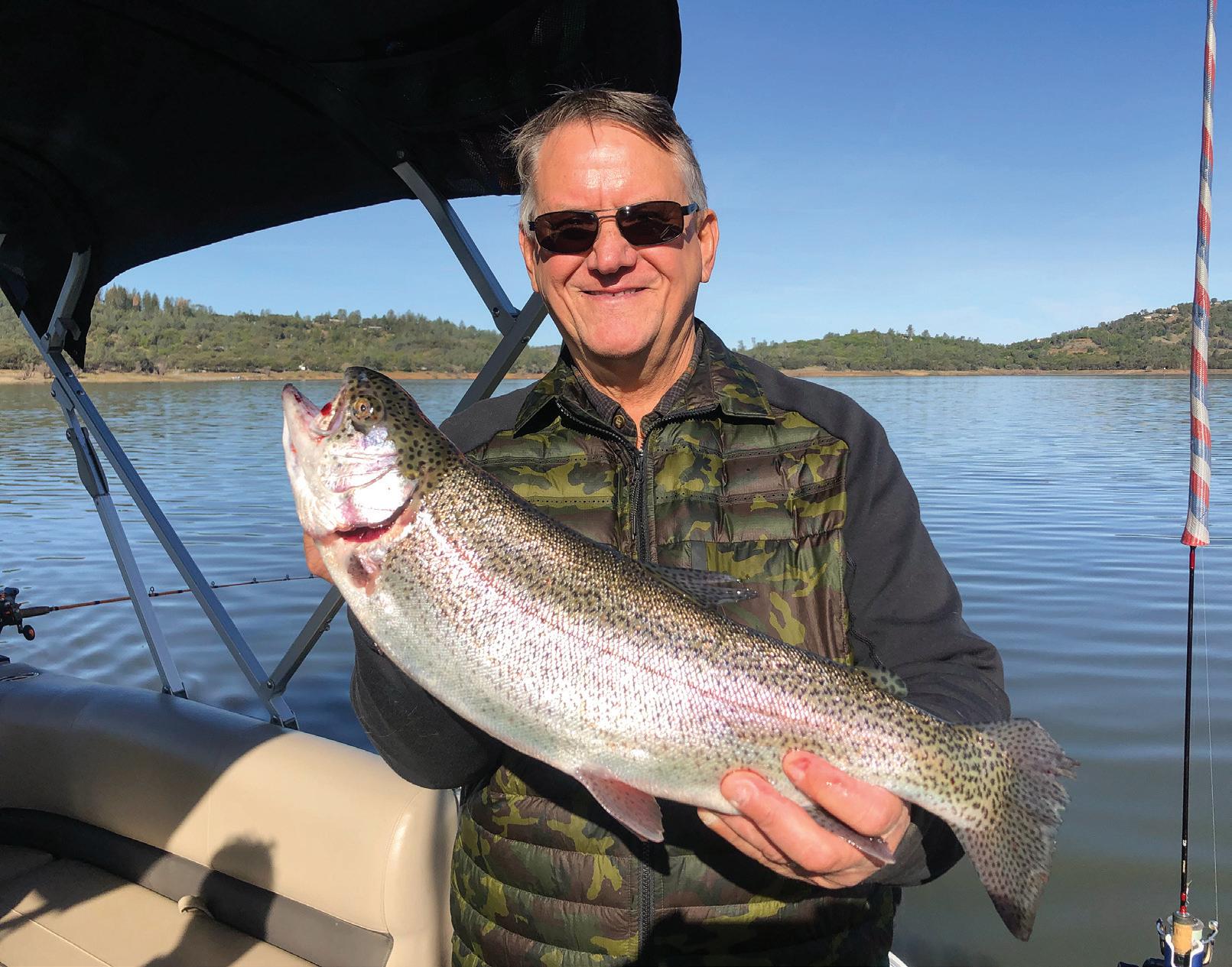
trout. The majority of these fish run 2 to 3 pounds, but trophy-class trout – fish from 3 to 12 pounds – are included in nearly every plant. These rainbows are healthy, streamlined and strong fighters raised on nutrient-rich feed and released into ideal conditions.
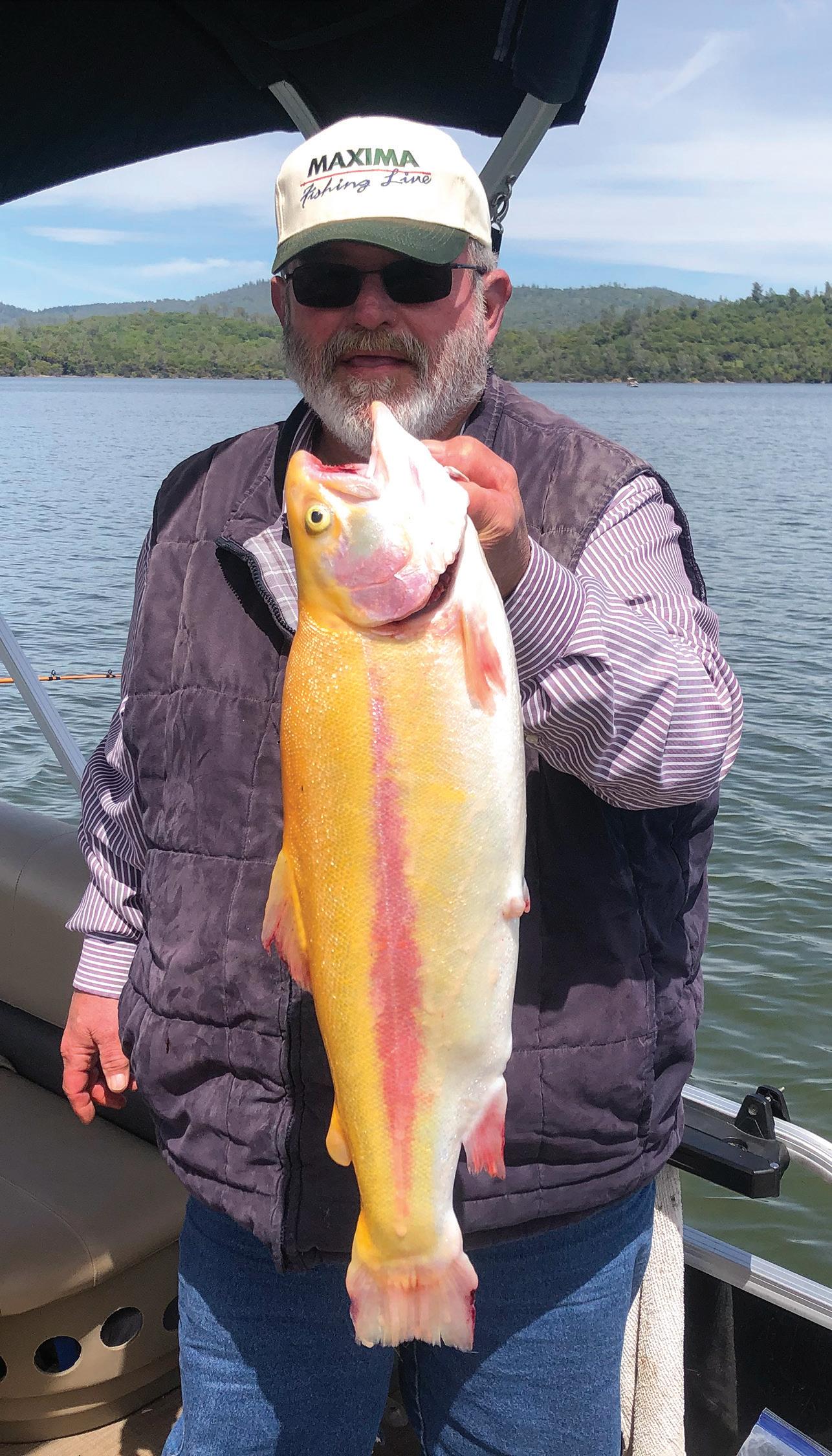
A few years ago, the fishery received a boost in the form of lightning trout from Lassen Hatchery. These golden-colored rainbows are striking to see and thrilling to catch, and they’ve become instant favorites among Collins anglers.
On top of the weekly hatchery plants, Collins Lake also raises roughly 6,000 rainbow trout annually in floating pens near the marina. These trout are fed heavily every day and grow at astonishing rates.
By the time they are released into the lake each spring, many weigh 3 to 4 pounds, and some are even larger. These pen-raised trout fight with incredible power, often rivaling holdovers in strength and stamina.
All of this makes Collins Lake one of the most predictable and productive trout fisheries in the region. Anglers know that if they come in spring, they are almost guaranteed action, and they stand a very real chance of hooking a trophy fish.
Fishing success at Collins varies depending on style and season, but fall and winter offer excellent opportunities for trollers, bank anglers and boat fishermen.
Trolling covers water efficiently and allows anglers to intercept trout as they roam the lake. The standard approach for trollers is to work the upper 5 to 20 feet of the water column. Speedy Shiners in gold and red, Hum Dingers in shad colors, Needlefish and Trigger Spoons are all proven producers.
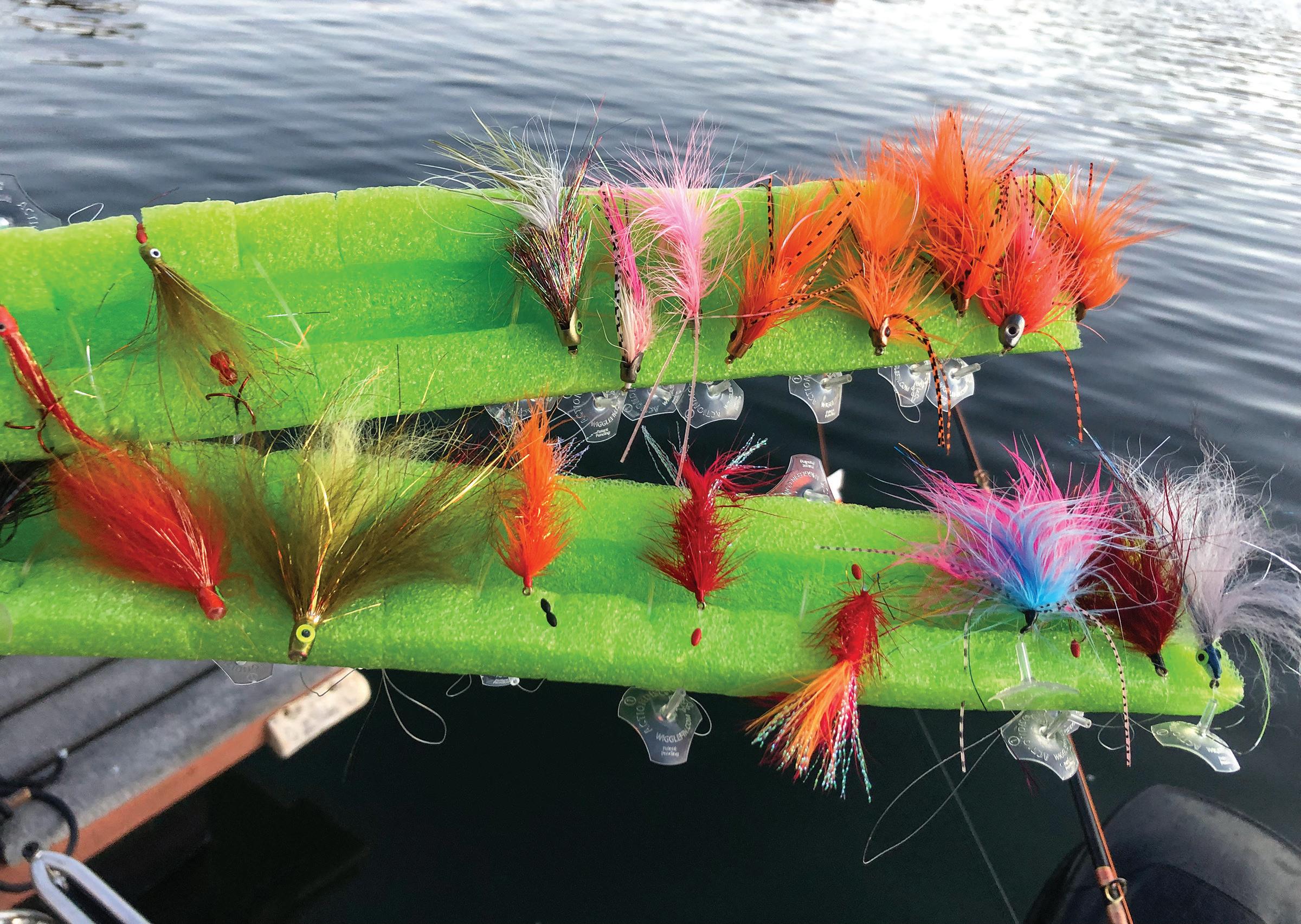
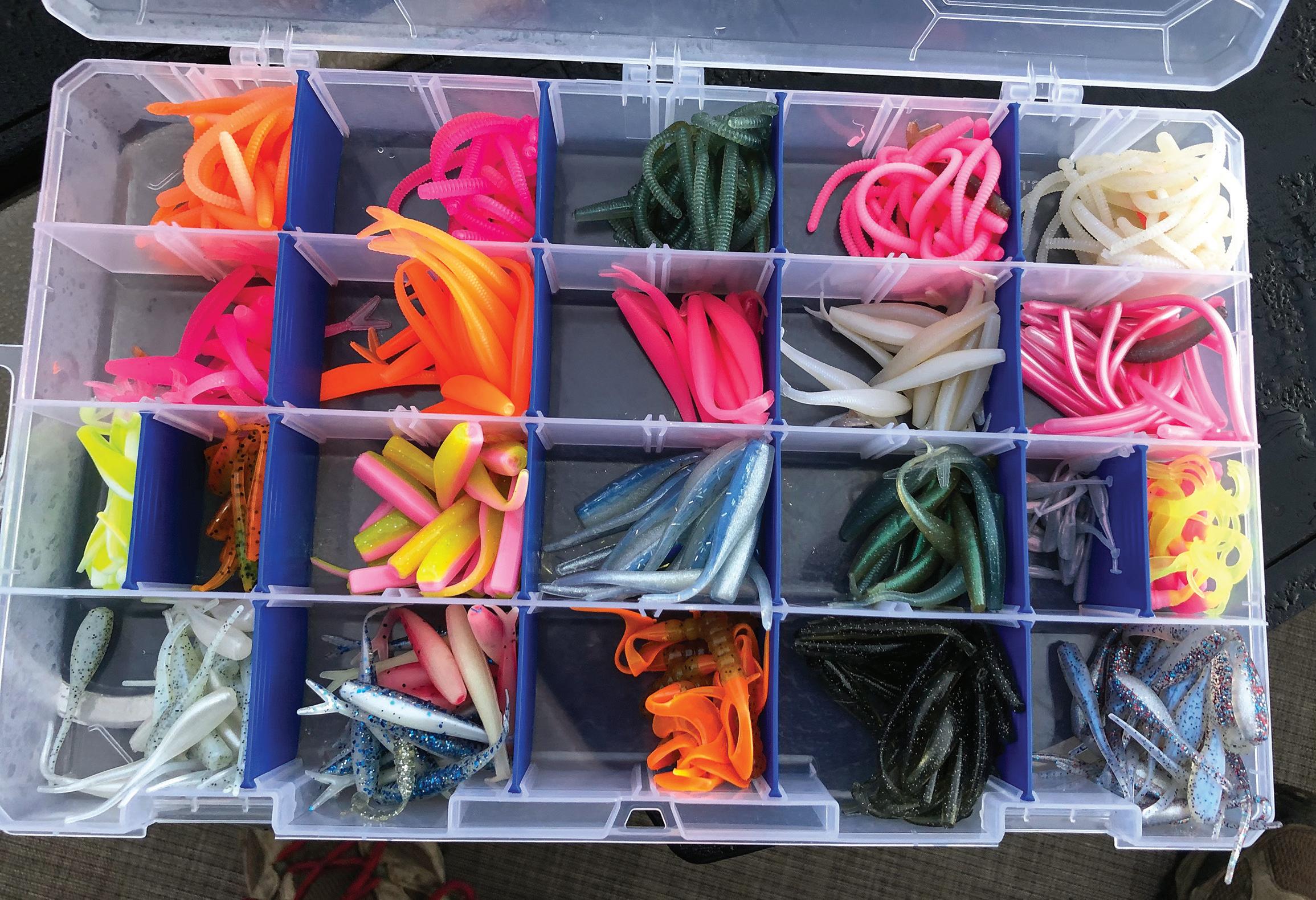
Small Rapalas or jointed minnows often excel when trout are feeding heavily on shad. Soft plastics and flies are the secret weapons of trollers in the know.
Many anglers run their lures naked, while others prefer a small dodger paired with a trolling fly or hoochie. On bright, calm mornings, long setbacks – as much as 150 to 200 feet – help entice wary trout.
Bank anglers enjoy equally productive fishing during the cold months, especially along the dam, the beach near the campground, plus the points along the western shoreline. Freshly stocked trout often linger near the marina area, making it one of the most reliable locations for anglers fishing from shore.
PowerBait remains the go-to offering for plunkers, with chartreuse, garlic, pink and rainbow mixes producing consistent action. Inflated nightcrawlers and Mice Tails also shine when trout move into the shallows. During dawn and dusk, lure casters score with Kastmasters, Thomas Buoyants and Panther Martins, especially when trout cruise close to shore looking for insects and shad.
One of the most underrated ways to catch trout at Collins is to fish bait from a boat while anchored or slowly drifting. Many families and casual anglers prefer this method because it allows them to relax while still catching fish.
Anchoring near the marina buoy line, the mouth of the north arm or any point with 10 to 25 feet of water can produce steady action. Sliding sinker rigs baited with PowerBait or nightcrawlers is standard.
A FISHERY FOR ALL SEASONS
Each season brings a different pattern to Collins Lake. Fall marks the beginning of the stocking cycle, with trout feeding aggressively before winter. Winter sees trout moving in secluded areas and becoming more sluggish.
Spring is the undisputed highlight of the year, when warming water, heavy stocking and pen releases create incredibly consistent fishing. Summer can be more challenging as trout seek deeper water, but experienced trollers who understand thermoclines, shad movements and
downrigger work still manage to put quality fish in the boat.
The lake’s long-standing popularity is rooted in more than just fishing; it’s the entire experience. The recreation area is clean, well-
organized and family-oriented. The staff understands anglers’ needs and supports the trout program with passion and precision. The lake itself is scenic and manageable, with enough structure to be interesting but not so large as to be overwhelming. For new anglers or families,
Collins is a confidence builder; it’s a place where kids can catch their first trout and adults can reconnect with the joy of fishing. For seasoned anglers, it is an opportunity to target quality fish consistently, refine trolling techniques and enjoy a setting that blends comfort with the beauty of the foothills.
If you haven’t experienced the exceptional trout fishing at Collins Lake, spring is the time to go. The combination of regular stocking, pen-raised trophies, fertile water and accessible shoreline make it one of the best trout lakes in Northern California. Whether you troll, cast from the bank or soak bait from a boat, Collins offers the chance to land fish – and often big fish – every day of the season.
It’s a foothill gem, a familyfriendly destination and a fishery that continues to get better with each passing year. Pack your rods, grab your cooler and make your way to Collins. You’ll be glad you did. CS
Editor’s note: Cal Kellogg is a longtime Northern California outdoors writer. Subscribe to his YouTube channel Fish Hunt Shoot Productions at youtube.com/ user/KelloggOutdoors.
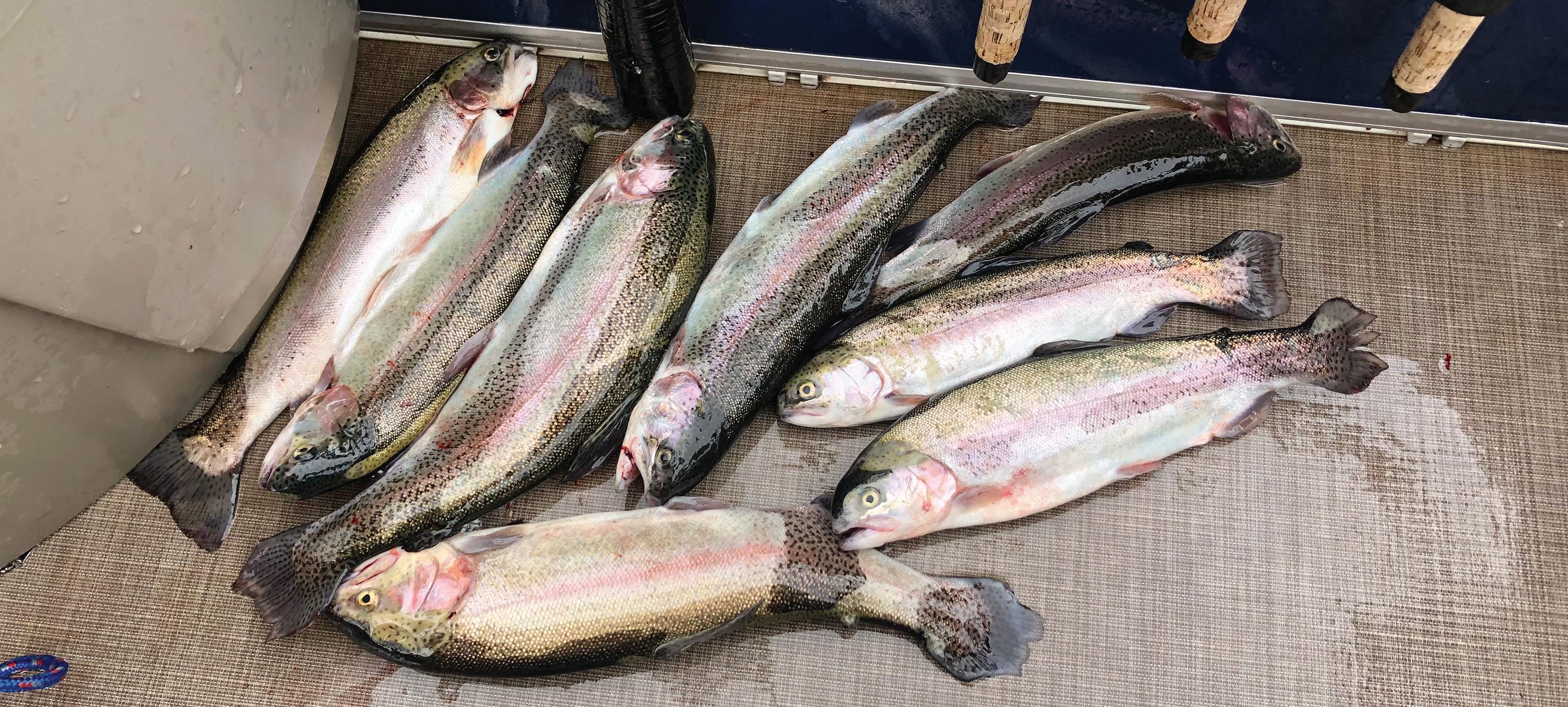
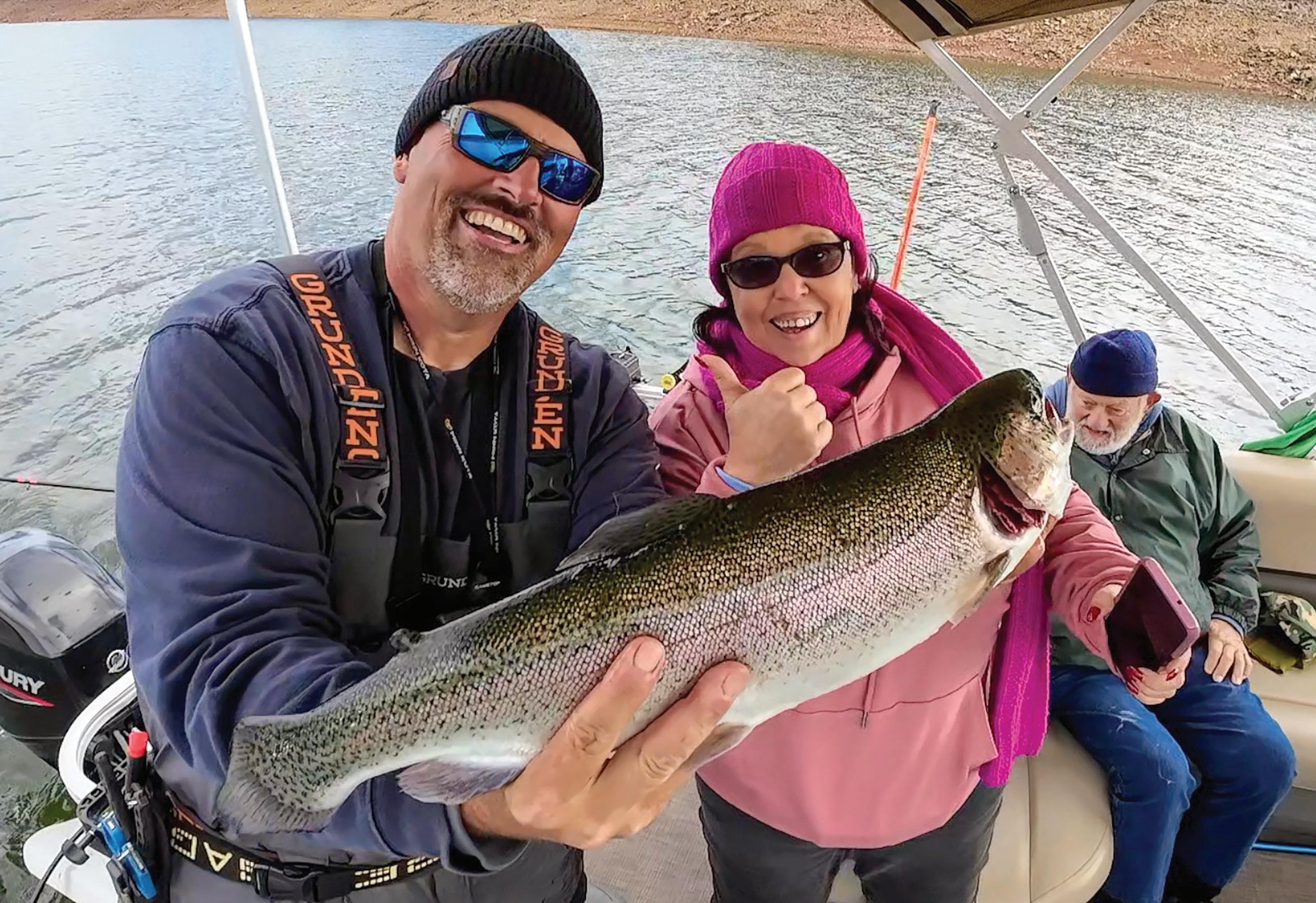
Chunky rainbows like these provide excitement on the water and great filets when the fishing trip comes to an end. Kellogg calls Collins “a foothill gem, a family-friendly destination and a fishery that continues to get better with each passing year.”


By Mark Fong
Over the last 15 years or so, I have fished quite often with my friend Mike Barton. We have fished for river salmon, wild rainbow trout, striped bass and halibut, among other species, but oddly enough, we had never spent a day on the water bass fishing – until recently, at least.
Mike is a retired Marine Corps veteran, so it made perfect sense that we should fish together on Veterans Day, which just happened to be one day after the 250th birthday of the United States Marine Corps.
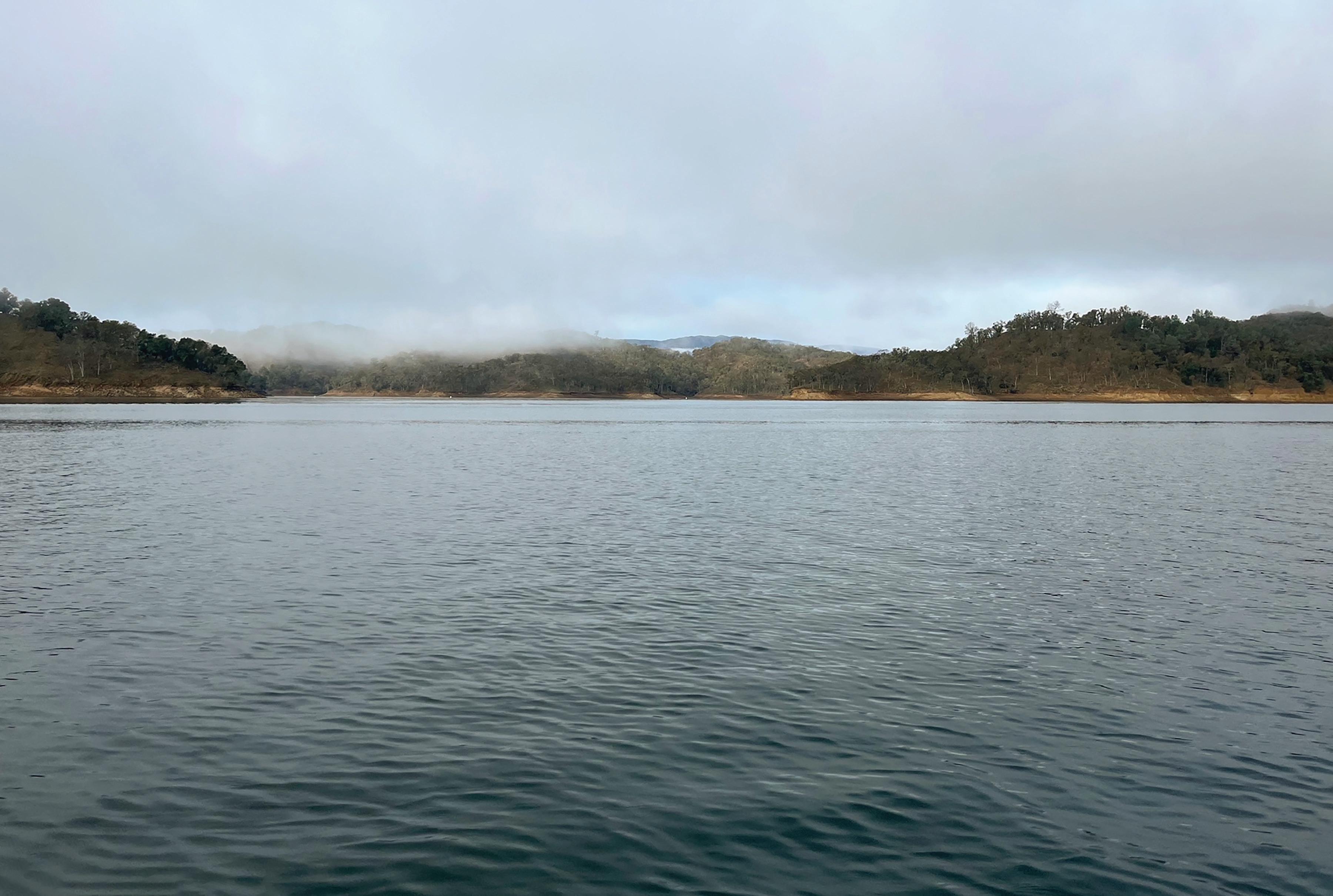
Lake Berryessa in the fall is one of my all-time favorite fisheries. During this time of year, the bass feed heavily on schools of shad in preparation for the winter. This typically means offshore video game fishing, with jigging spoons and a variety of different soft plastic offerings enticing bites. I had been into some really good schools of fish and really wanted to show Mike a good day of fishing. But in the end it was Mike who taught me a thing or two.
WHEN WE ARRIVED AT Markley Cove Resort, there were many more boat trailers than usual for a Tuesday morning. After launching my boat, Mike and I made our way towards the main body of the lake. I pulled up on a long point and began graphing around with my electronics. As I idled back and forth over the area, I did not see any signs of shad or bass, so it was on to the next spot to repeat this process.
Our third stop was definitely the charm. I began to graph pods of fish and decided it was worth a try. I dropped the trolling motor and quickly scanned the area using my forward-facing sonar. When I found what I was looking for, I pitched a 2-ounce Blade Runner jigging spoon in the morning dawn color pattern toward the target. With my eyes fixed on my graph, I watched my spoon fall in real time. Before it reached the bottom, a large fish zeroed in on it and engulfed it. I felt
a thump and set the hook hard.
It was a good fish, but something wasn’t right. The fish was not behaving like a bass. It began to sulk and I knew immediately what was going on. When the fish got within range of the surface, my suspicions were confirmed; it was a big channel catfish weighing close to 10 pounds.
After releasing the whiskerfish, Mike and I continued to work on the same group of fish. Our next hookup was a nice largemouth, followed by a big spotted bass and then a trout.
Some hardcore spoon anglers will only fish a spoon, but I like to mix it up and try to get every bite I can from a group of fish. We alternated between a jigging spoon, a dropshot worm and a jighead minnow.
And so it continued throughout the day: I would locate a group of biting fish, we would catch them for a while and then the fish would turn off. Once this happened it was off to find more active fish.
DURING LULLS IN THE action, our conversations got really interesting. Perhaps it was because it was Veterans Day, but I found myself wanting to learn more about Mike’s experiences in the armed forces. I discovered that he came from a military family; that he enlisted in the Marine Corps Reserves out of high school; and that he served in the Persian Gulf War as part of the 1st Marine Division in Saudi Arabia.
When he returned stateside, Mike continued to serve in the Marine Corps Reserves for a total of 14 years of service while working full time for the City of Roseville. Even as his Marine Corps career has ended, his dedication to service continues to this day.
According to Mike, one of his favorite activities is volunteering with Recreation 4 Veterans (Rec4Vets) to take and teach veterans about fishing and other outdoor activities. In addition to those duties, Mike is the director of operations for Placer Veterans
Stand Down, a nonprofit dedicated to giving back to veterans and their families. Their motto is “A hand up, not a hand out.” Finally, Mike is also involved with PGA HOPE (Helping Our Patriots Everywhere), an organization whose mission is to change and save veterans and activeduty military members through the power of golf.
BY DAY’S END, I had enjoyed a great day on the water with Mike. The fishing was good, but what I learned about service and commitment far outweighed all that we’d brought to the boat. It was great to be able to give a little to someone who has given so much. CS
Editor’s note: Check out the websites for these great organizations: Recreation 4 Veterans (rec4vets.com); Placer Veterans Stand Down: (placerveteransstanddown .org); PGA HOPE: Helping Our Patriots Everywhere (pgareach.org/pgahope).
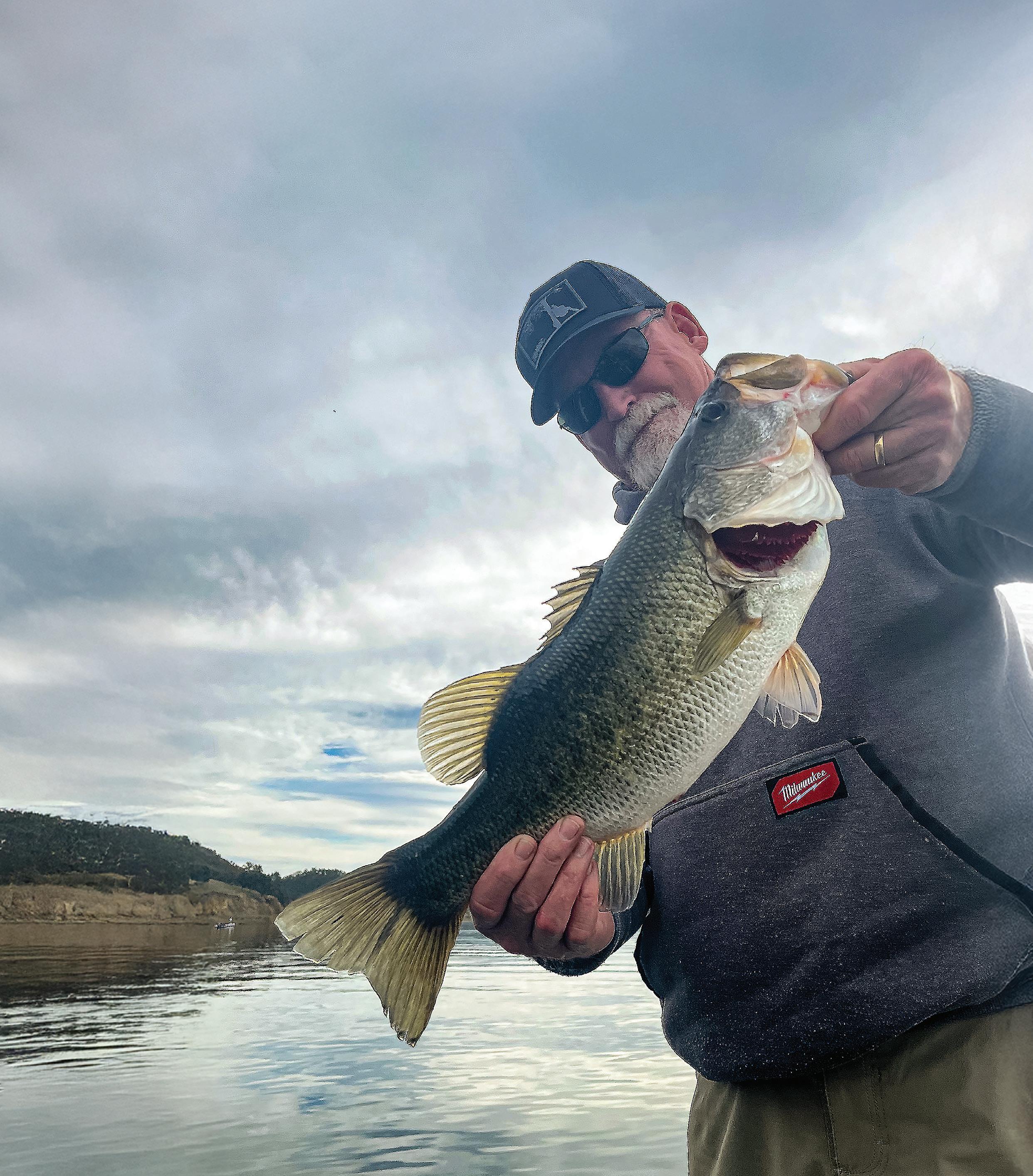
Spending a day on the water with Barton, who served in the Persian Gulf with the 1st Marine Division, offered some perspective for author Mark Fong. “The fishing was good, but for me what I learned about service and commitment far outweighed all that we’d brought to the boat,” he writes. (MARK FONG)

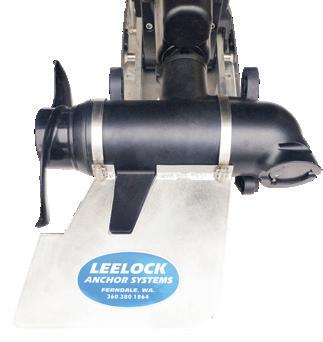
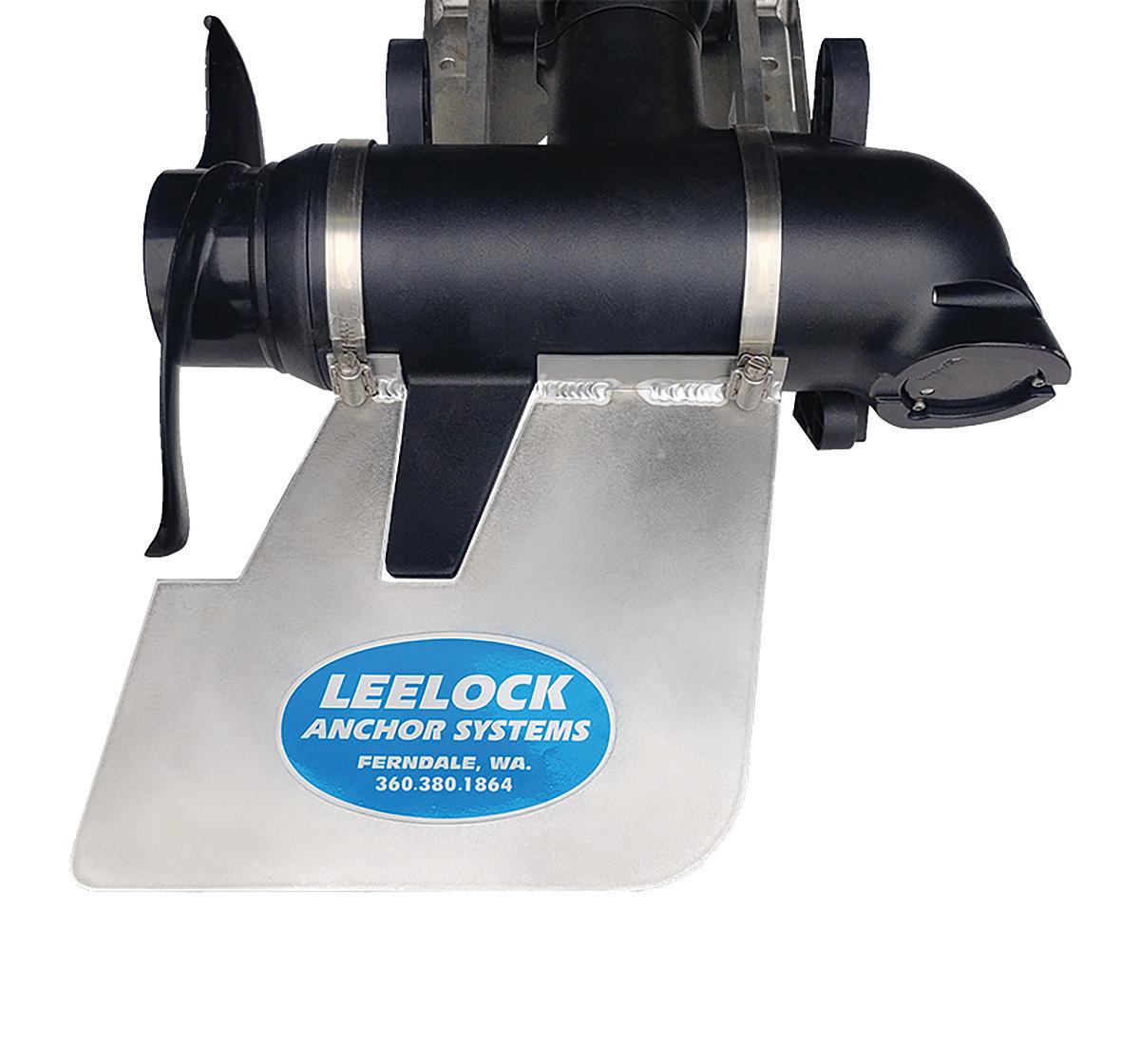
The LeeLock magnum Skeg #LMS-04 is made for Minnkota Instinct motors. It will drastically improve the steering performance and straight line travel of your bow-mounted motor. Not only does this Skeg improve your motor’s performance, it also makes it much more efficient. Your batteries will run longer on a charge. A LeeLock Skeg is a vital part of your trolling motor system. This oversized skeg is made of 5052 aluminum. The size is 8 3/4 inches high by 10 inches wide and it’s 3/16 inches thick. It comes with clear PVC coated stainless steel hose clamps.
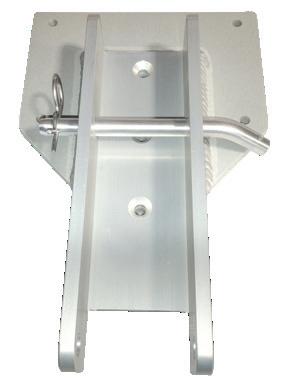

The Heavy-Duty Quick Change Base #QB-03 is like the standard Quick Change Base, but beefed up to provide a wider footprint. This provides a more secure mount. Like the standard Quick Change Base, the Heavy-Duty base allows you to easily and quickly switch between the #CRN-01 Columbia River Anchor Nest, any of the 3 Bow Mount Trolling Motor Mounts or the #BL-01 LeeLock Ladder. Simply remove the pin and slide an accessory out and slide another accessory in and replace the pin. The Heavy-Duty Quick Change base mounts to almost any power boat as long as the footprint fits on the bow area of the boat. It has 7 5/16 inch mounting holes. The Heavy-Duty Quick Change Base is handmade of aluminum. Go to LeeLock.com to order the Base alone or to add the CRN-01 Columbia River Quick Change Anchor Nest, the three Bow Mount Trolling Motor Mounts, or the LeeLock Ladder to your order.
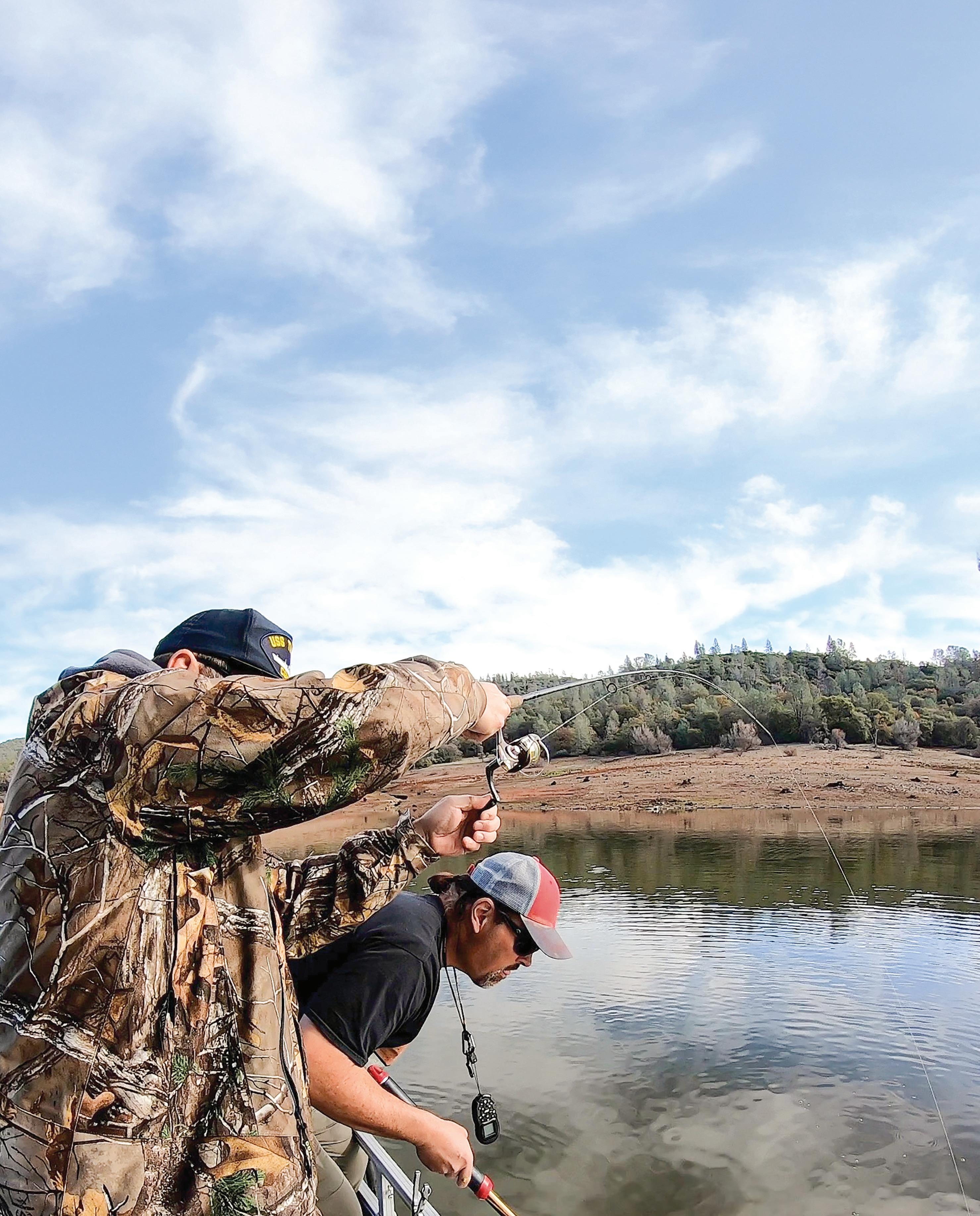
The Central Valley’s massive San Luis Reservoir is one of the state’s best striped bass fisheries, but also one of the biggest puzzles for anglers to solve. This massive 26-pound San Luis lineside shows that the challenge is worthwhile. (CAL KELLOGG)
By Cal Kellogg
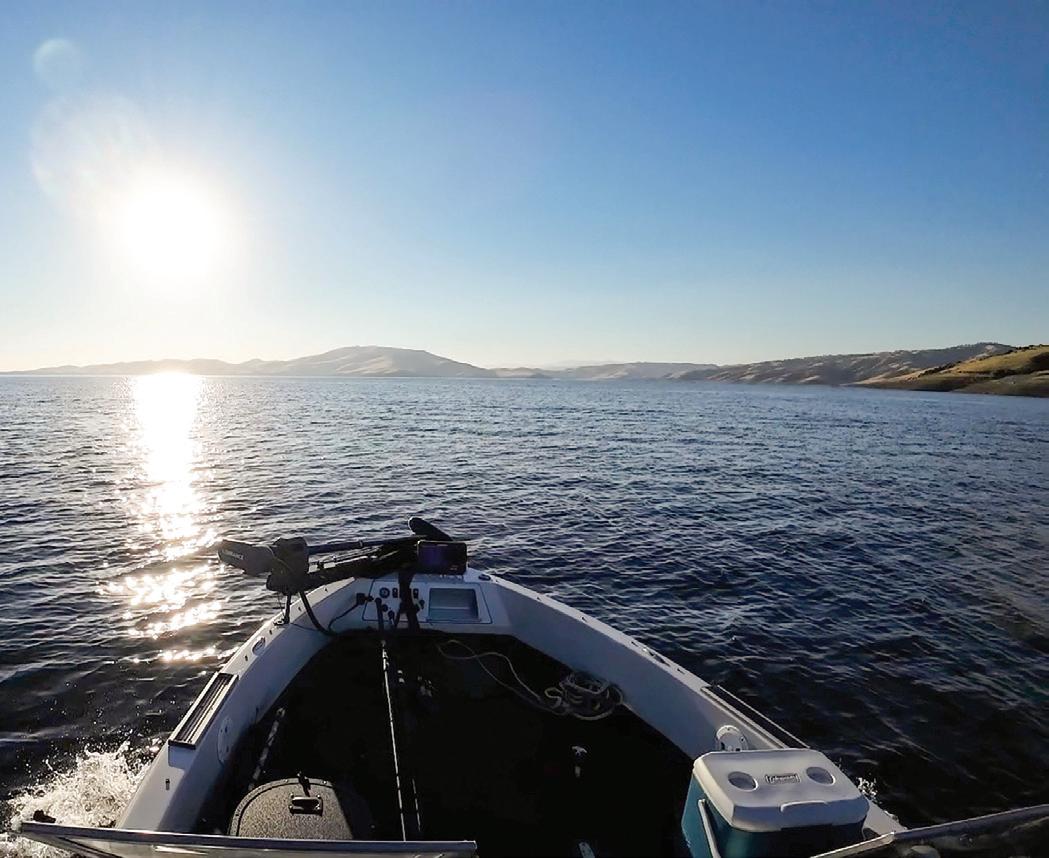
San Luis Reservoir sits out there on the west side of the Central Valley like a restless inland sea – big, wind-scarred, unpredictable and full of secrets.
Anglers who cut their teeth on Delta sloughs often arrive believing San Luis is just another striper fishery. A few hours on the water
usually cures that notion. This is a lake that humbles people. It teaches lessons quickly and doesn’t give up fish easily. But when it does – when San Luis turns on and the linesides go on the chew – there are few fisheries in California that can match its power or consistency.
SAN LUIS RESERVOIR IS one of the state’s most interesting bodies of
water, from both a biological and an engineering standpoint. It is a massive off-stream reservoir, completed in 1967 as part of the California State Water Project and the federal Central Valley Project.
Unlike most large reservoirs, San Luis is not fed by a natural river system. Instead, it’s filled almost entirely by pumping water from the Sacramento-San Joaquin Delta
through the O’Neill PumpingGenerating Plant. At full capacity it holds more than 2 million acrefeet of water, making it one of the largest artificial lakes in the country. When you’re out in the middle of it and staring at white-capped rollers marching across the surface, you feel that size. You feel the exposure. You feel the challenge.
Because San Luis is off-stream, it behaves differently than traditional
reservoirs. It doesn’t have a stable inflow and outflow pattern. Instead, it experiences what anglers often refer to as “artificial tide swings.” Pumping schedules create pulses of incoming water, and when the pumps shut off, the system settles. These fluctuations move bait, influence water temperature, stir up currents and absolutely dictate striper behavior. You can be on fish one hour, then watch the bite die completely as
the pumps cycle down. On the other hand, there are days when the pumps fire up, making it look like somebody flipped a switch. The bait lifts, the stripers rise and suddenly rods start bending across the lake.
Those pulses of Delta water also bring in the forage species that support San Luis’ striper population. Threadfin shad, pond smelt, juvenile perch, silversides, the occasional hitch and jumbo American shad all wind up in the system. Add in the lake’s own resident forage and you’ve got a buffet that allows stripers to grow fat and strong.
This is not a small-fish lake. San Luis grows stripers the way a rancher grows bulls: steady feed, lots of room and a competitive environment that shapes rugged, powerful creatures.
Over the years, San Luis has produced stripers over 50 pounds, and while fish of that size are extremely rare today, doubledigit linesides remain common enough that you always have a chance. Even the school-size fish –3- to 5-pounders – provide heartthumping thrills. It’s the constant movement, the open water, the never-ending wind. Everything is working against them except their strength and their will to survive.
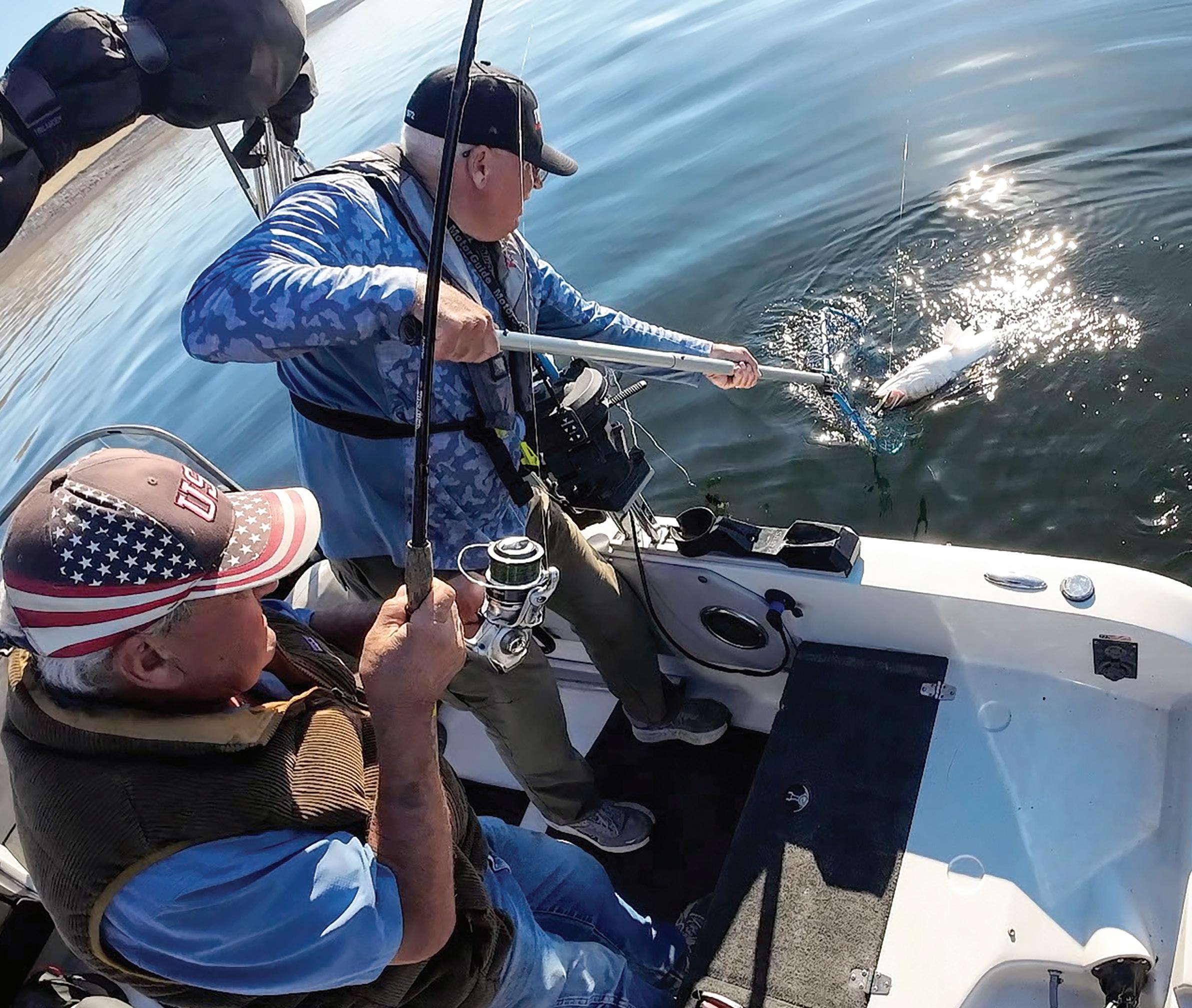
Luis Reservoir took place a few weeks ago when my buddy Robert and I teamed up with Roger George. Roger is a top-notch guide and the hands-down authority on fishing for San Luis stripers.
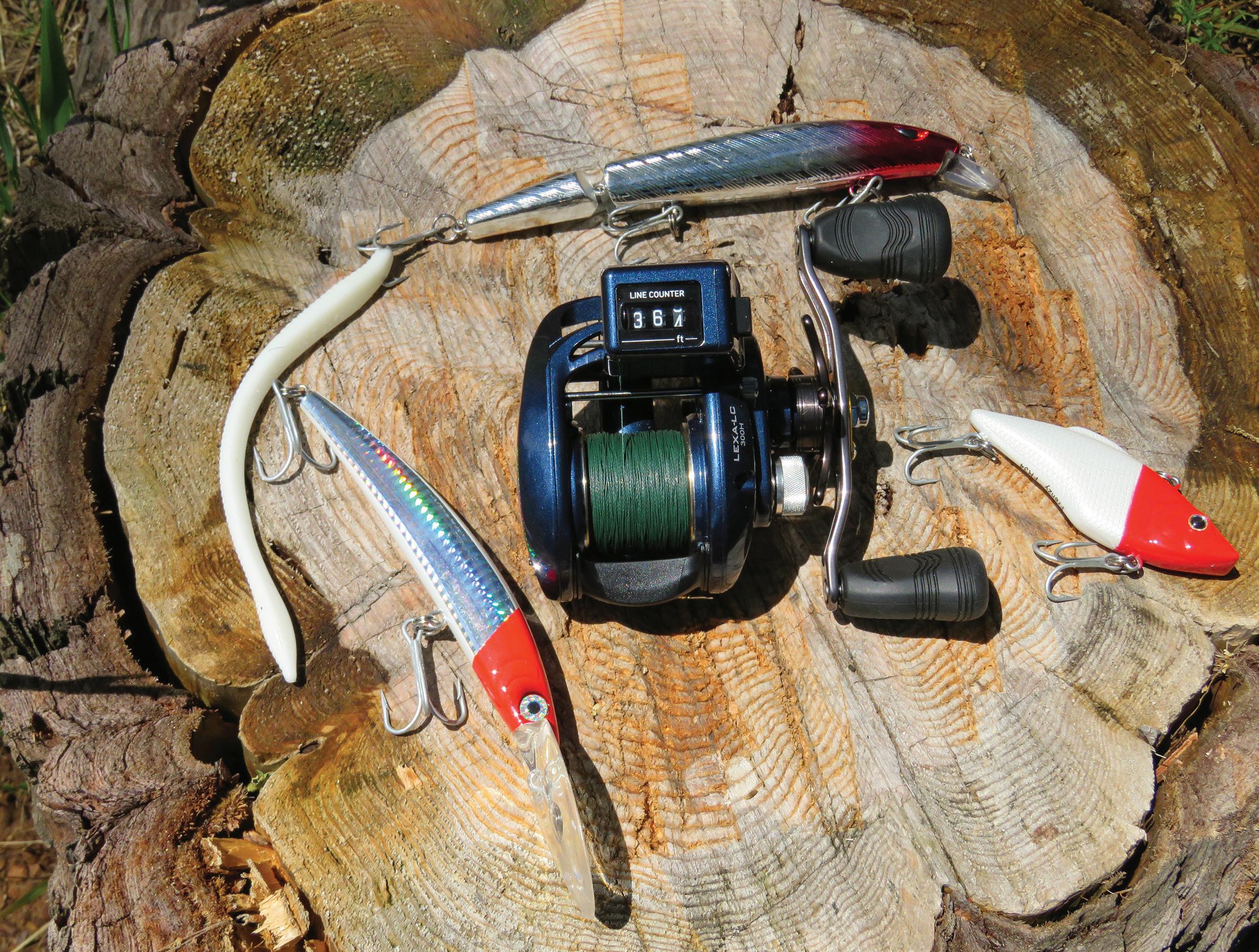
During the trip, I learned a lot about the lake, where we landed several stripers, including a massive 26-pound trophy, while trolling a variety of large minnow plugs.
If you’re the type of angler who wants a guaranteed bite, this is not your lake. But if you’re the kind of angler who loves the hunt, who thrives on patterning fish, who appreciates the reward after the struggle, then San Luis will speak to you.
Understanding this fishery begins
with understanding the lake’s layout. San Luis is big and open, but it’s not featureless.
The dam face is a major structure that holds fish throughout the year. Its deep water, broken rock and fluctuating currents provide a perfect ambush zone. The Portuguese Creek arm, with its flats and gently sloping bottom, is a classic striper feeding ground during certain times of year. The wideopen basin on the Romero side offers long underwater contours and travel lanes stripers use as they push bait. The Basalt Campground area, with its points and offshore humps, is another productive zone. Stripers use all of these areas, but the reasons for when they use them and why change constantly.
FISHING SAN LUIS REQUIRES paying attention to wind, weather, pump schedules and seasonal transitions. In winter, stripers often hold deeper. The water is cold, the bait scatters and the fish conserve energy. Vertical jigging with spoons or soft plastics can be deadly in 30 to 60 feet of water. Winter jig bites are a favorite of many anglers because the hits are violent and decisive. The trick is locating bait balls on your sonar, then dropping your lure directly into them. If stripers are around, you’ll know quickly.
As the lake warms in spring, the shad become more active and stripers begin feeding aggressively again. This is when trolling plugs or rolling shad-imitating swimbaits can pay off. The dam face and the Basalt area shine this time of year. Stripers cruise high in the water column early and late in the day, pushing bait against structure.
Some of the biggest fish of the year are caught in spring, often by anglers running big plugs like Rebels, Yo-Zuris or wooden striper plugs that push a lot of water. The fish are strong, hungry and spread through mid-depth zones.
Summer is a season most
anglers associate with topwater fishing, and while San Luis doesn’t offer consistent topwater action, expectations run high on glassy dawns, when stripers are known to crash poppers or walking baits with reckless abandon.
More often, summer fish chase threadfin shad in open water, and the best strategy is to cover ground with fast-moving lures. Casting spoons into breaking fish is a heartpounding experience. Trolling deep divers also works when fish push down into the cooler layers of water.
By fall, the lake undergoes another shift. Bait consolidates, cooling water re-energizes the stripers, and you can get some extremely consistent action. Fall fish often hold around the dam or slide up onto the Portuguese Creek flats.
Jigging continues to work, but trolling is the dominant tactic. This is also one of the best times of year for bank anglers, especially at night. Stripers roam the shoreline under calm, moonlit conditions, and casting
plugs from the bank can produce some of the largest fish of the season.
A BIG KEY TO success at San Luis is understanding that you’re not just fishing for stripers; you’re fishing for stripers that behave differently depending on pump timing.
When water is flowing in, the lake behaves like a living creature – inhaling and exhaling. The currents move bait, oxygen levels fluctuate and the entire food chain reacts. When water stops moving, everything quiets down.
Experienced anglers learn to track the pump schedule and plan their fishing around it. There are days when the lake feels completely lifeless until the pumps kick in, and within minutes shad start popping on the surface and stripers begin showing on the graph. Ten minutes later, rods can be doubled over.
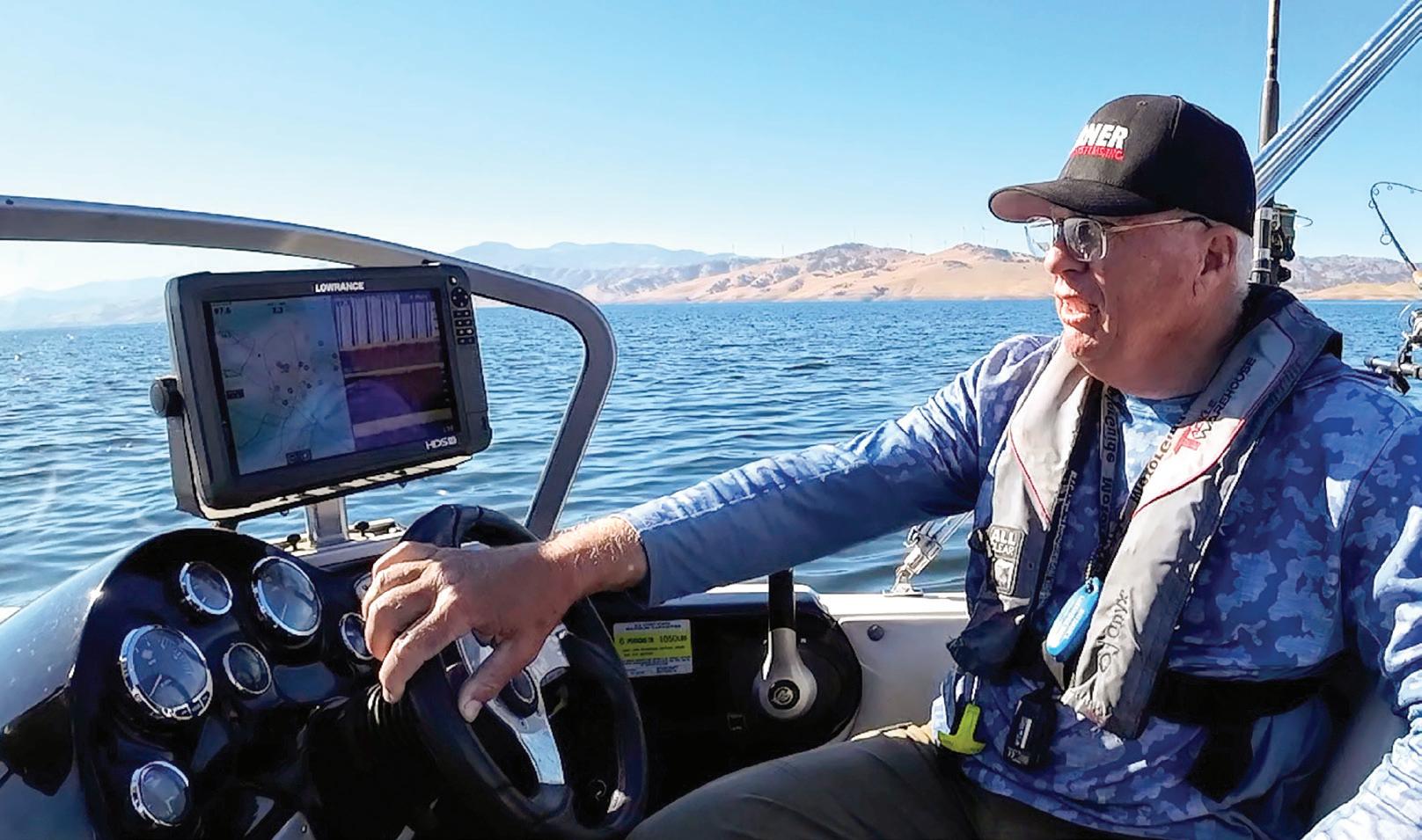
San Luis is also a lake where electronics matter. Side-scan sonar, down-scan imaging and GPS mapping are game changers here.
This is a giant bowl of water. Without electronics, you’re effectively blind. With them, you’re able to locate bait pods, find contour changes, follow underwater channels and mark schools of stripers as they move.
The lake rewards anglers who put in the time to study structure and patterns, whether that means scanning long stretches of the dam or graphing offshore humps around the Basalt area.
Another important consideration is safety. San Luis is famous for its wind. Morning calm can turn into afternoon chaos in minutes. The Romero side of the reservoir in particular can roll up brutal waves. It’s not a lake to underestimate. Good
seamanship is essential, so check the wind forecasts, watch the flags on the dam and always be prepared for conditions to turn quickly.
DESPITE ITS CHALLENGES, SAN Luis remains one of the best educational fisheries in California. Every trip teaches you something – about bait movement, lure speed, depth control, boat handling and fish behavior. It’s a lake that forces you to adapt and rewards you when you do. If you’re a striper enthusiast, it’s impossible not to appreciate that. There’s a level of satisfaction that comes from figuring out San Luis that you just don’t get from easier fisheries.
Striper fishing here is about more
than numbers. It’s about reading conditions, following your instincts and putting yourself in the right place at the right time. It’s about learning to trust the pulse of the lake – the wind, the pump hum, the shifting bait, the subtle changes in water color. The anglers who understand these rhythms consistently catch fish. The ones who don’t often leave frustrated and confused. But even then, every frustrated angler is one pattern or one insight away from a breakthrough.
For striper anglers willing to embrace the challenge, San Luis Reservoir remains a place where the lessons never stop and the rewards are always worth the effort. CS


By Tim E. Hovey
During the summer of 2020, I retired from my state job as a California fisheries biologist and moved my family to southern Idaho.
It was a planned relocation to take advantage of the lower cost of living in the Gem State. Both my daughters had been accepted to Boise State University, and despite
wondering if retiring before paying their tuition was a wise move, we were all looking forward to this new chapter for the Hoveys.
As soon as we settled in Idaho, I started exploring the public hunting opportunities in and around the Treasure Valley. It didn’t take me long to realize that there was plenty to do for the sportsman within 30 minutes of our new home.
Three weeks after our relocation, I was seated in the Idaho sage at sunrise on the September opener, waiting for the mourning doves to start flying. It was my first hunt in my new state. During a lull in the flight, I thought about how drastically my life had changed in the last month. Retiring and relocating had taken some adjustments, but my family never faltered. I heavily relied on
their strength to make this leap of faith, and I will always be grateful for their support.
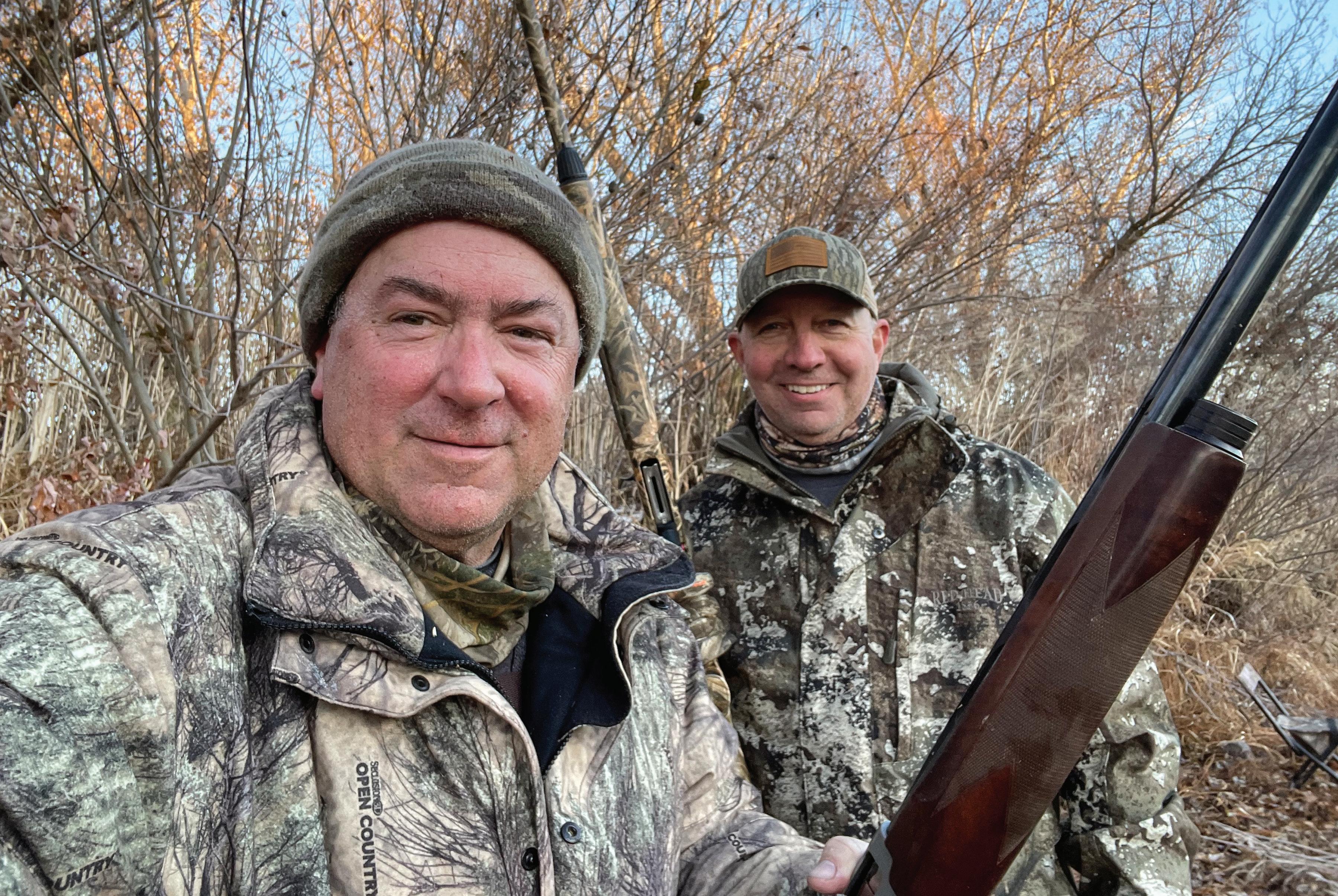
Despite hunting solo that morning, I wasn’t sad or lonely. Even though I had essentially left all my hunting buddies back in California, I knew I’d see them again soon. My small circle of outdoor friends had made it clear that once I had explored the area, they’d travel my way for a visit. With thousands of square miles of open land and plenty of room at the new Hovey home, I knew they’d be coming.
THE FOLLOWING YEAR, MY buddy John Mattila touched down at Boise Airport ready to hit the ground running for an Idaho hunt.
Knowing he’d be arriving close to noon, I picked up lunch at the Golden Arches, a gesture that is now a visiting tradition. I picked him up at the arrival area and we headed out to hunt. John had timed his visit to take advantage of several open hunting opportunities.
Heading east, I exited the highway and drove towards the foothills. I drove down a road surrounded by public land, every foot of it open to
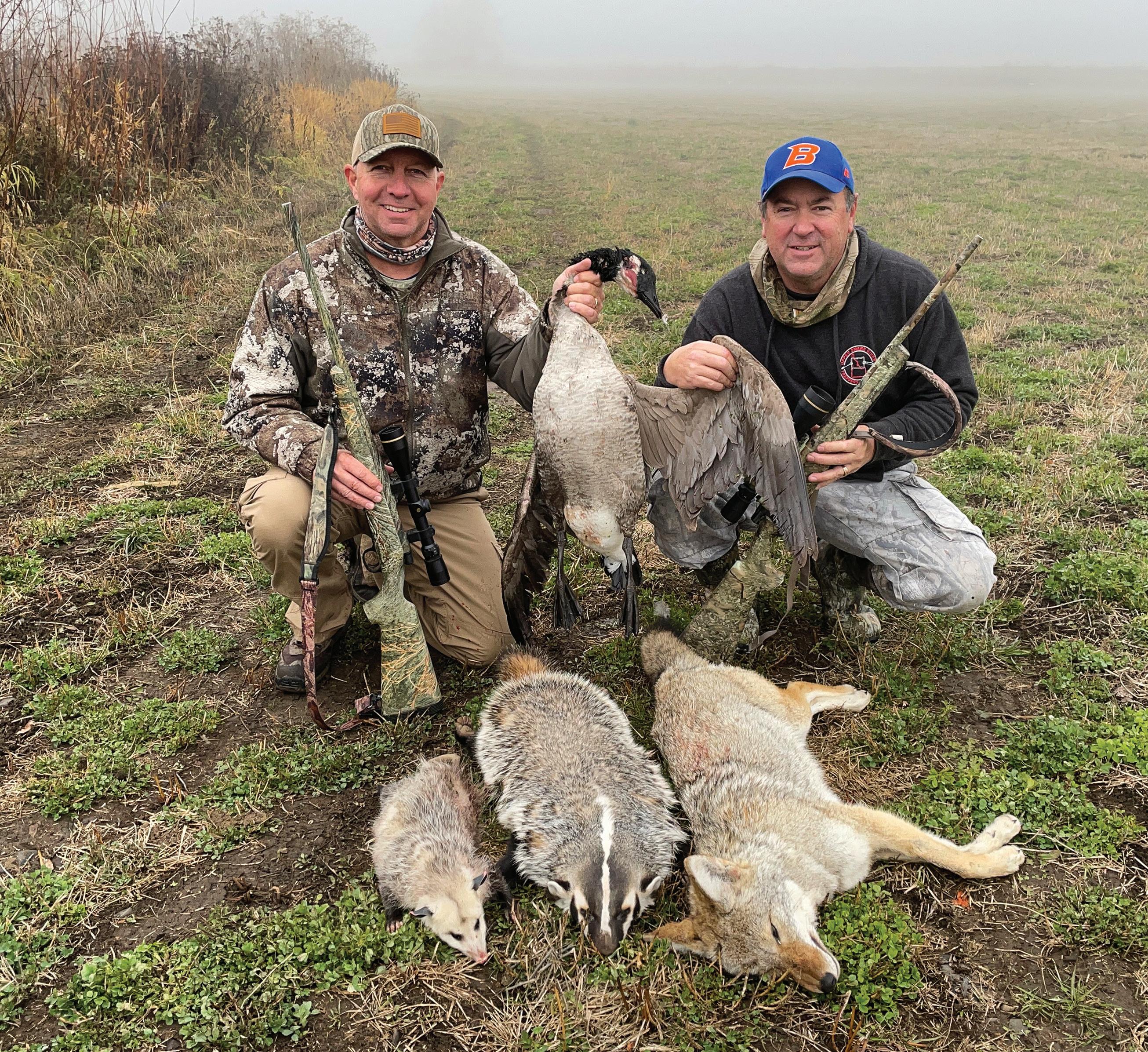
hunting. After a few miles, I pulled over and we grabbed the predator hunting gear. We eased through the low sage and set up at the edge of a dry drainage. The sun and wind were perfect, and from previous visits, I knew the area held coyotes. We settled in and I started calling. John was to my right, using one of my predator hunting rifles. We both scanned the desert terrain looking for movement. Within minutes, we both spotted a coyote standing in an opening about 120 yards out. His bright white chest was easy to spot. He began to slowly trot our way,
cutting through the vegetation. I could see John tracking him in the scope of the rifle.
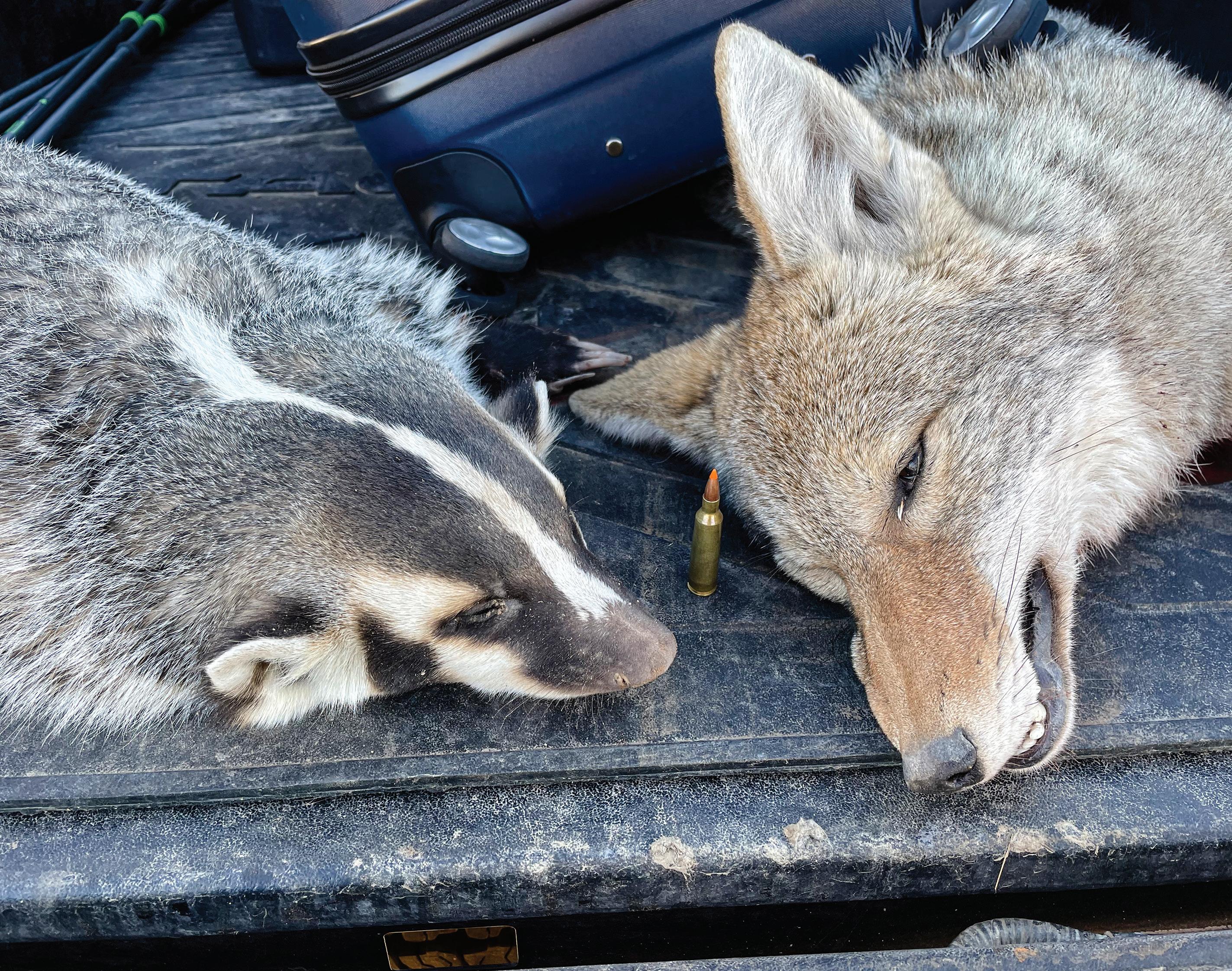
“Are you on him?” I asked. “Yep,” John stated. I let out one sharp bark and the coyote instantly stopped. John squeezed the trigger and the coyote dropped there. Less than an hour after landing in Idaho, John had his first animal on the ground.
THE NEXT THREE STANDS were blanks, but I had one more spot to try before we headed west for something a little different. We pulled into the area and got ready to call. After five minutes of screaming rodent calls, I spotted something about 300 yards out. It was moving, but it didn’t seem to be coming our way. I looked through the scope and all I could see was flying dirt. “What the heck?” I said to myself. Almost as if he heard me, the animal instantly stopped what he was doing and the black-and-white-striped face of a large badger looked my way.
Since the badger was on my side, John let me put a stalk on him. I eased into the canyon and cut the distance by 200 yards. I peaked over the sage and found him aggressively digging his hole. I snuck in a little closer and put my rifle on my shooting sticks. When I was comfortable, I whistled loudly. The badger stopped digging and looked my way. I put the crosshairs on his chest and squeezed the trigger. Less than three hours into the sportsmen’s weekend and we had two animals in the truck.
We loaded up all our gear and headed further west.
I WAS RUNNING A trapline out in Weiser, Idaho, on a piece of private property and needed to check the nuisance traps that afternoon. John mentioned that he wanted to tag along on that. The landowner had even suggested we stay on the property after the trap check and hunt one of his ponds for the evening flight of waterfowl. I figured
it would take about an hour to run the line and then we could settle in for a little duck hunting.
The trapline on the property was set for egg-eaters like skunks, racoons, opossums and feral cats. The landowner didn’t want his upland game and waterfowl harassed by these nuisance species, so he had hired me to remove them.
At the property, I drove the trap set and collected a skunk and opossum. We loaded up the animals, and with an hour left of shooting time, we
eased into the pond to see if we could end the day with a few ducks.
As the weather cooled, the fog started rolling in and settled in on the water. We could hear ducks moving around, but low visibility kept our shotguns silent. I was just about ready to call it and head back home for dinner when my phone rang. It was the landowner wanting to know how the trap check had gone. I excused myself and walked a short distance from the blind to talk. Within a minute I heard two shots
from John. The fog was so thick that I couldn’t see what he was shooting at, but I was glad he had some opportunities.
With the conversation concluded, I returned to the blind to find John holding a large Canada goose and sporting a huge smile. He told me as soon as I left that he’d heard a flock of geese dropping into the pond. As they dropped below the fog, he took a shot and dropped one. Admiring the bird, John mentioned that he had never shot a goose before.
THE NEXT DAY WE planned to chase upland birds. I had a few quail spots I wanted to check – there were three or four wildlife management areas near my house that held pheasants as well – so we loaded up the game vests and the shotguns, grabbed breakfast on the run and headed out. It was late in the upland season, and the quail were sparse and flushing out of range. We stomped around for a few hours, took some shots, but came up empty. During a lunch break. I suggested to John
that we head out to one of the game management spots and look for pheasant. Having never shot a pheasant, he was all in.
We parked in the parking area, grabbed our orange upland vests, loaded up with bigger shells and started kicking the brush. We worked a huge flatland area covered in sagebrush and low native grasses for over an hour. We crossed a small creek to access another section. As soon as we reached the brushy bank on the other side, a pheasant
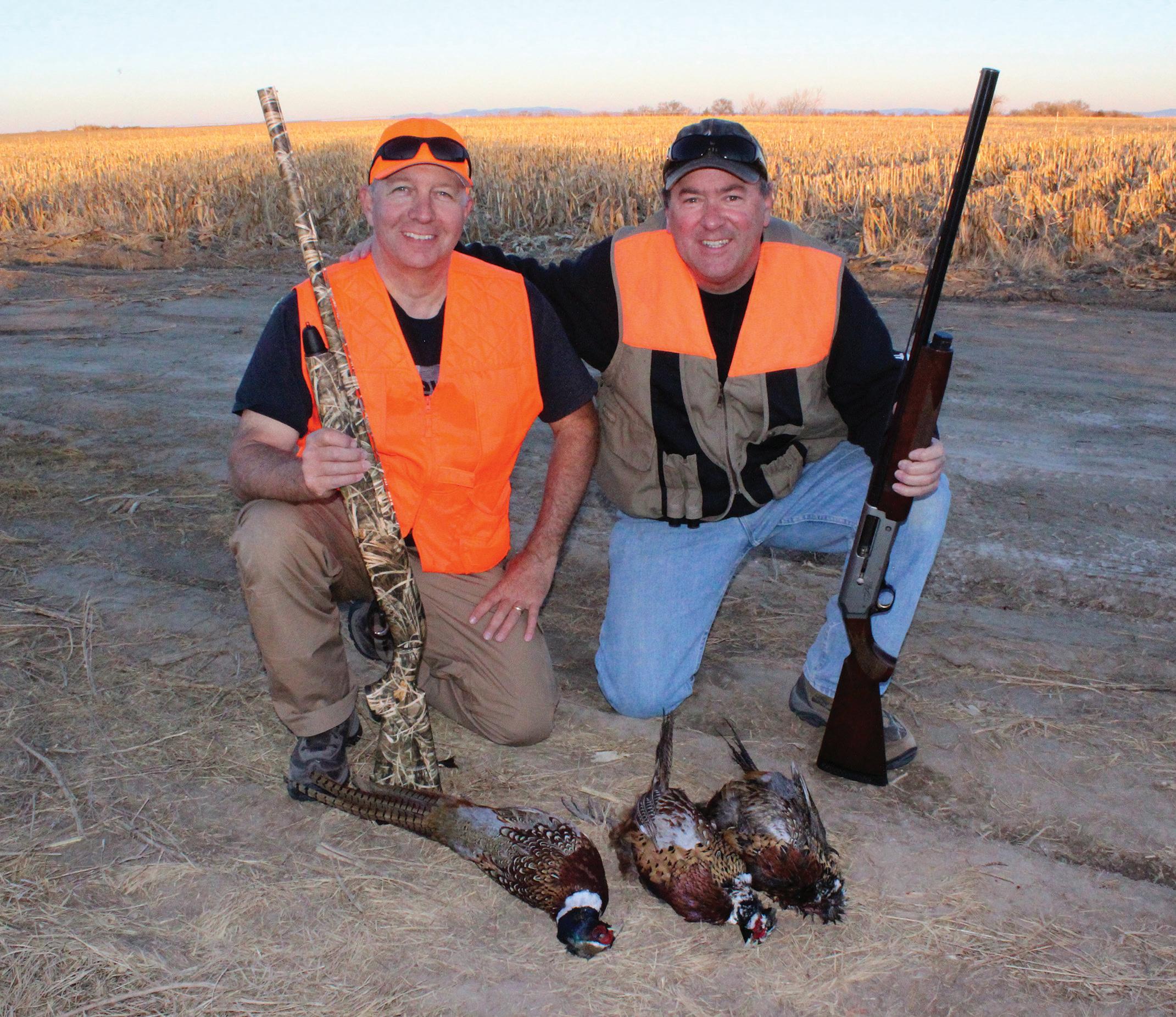
flushed loudly and headed out on John’s side. I watched him raise his shotgun and track the bird. The first shot was a clean miss. The second shot crumbled the bird in midair, and John had his first pheasant.
We ended up back at the truck in the late afternoon with three birds. We cleaned the pheasants and decided to see if we could jump shoot some
ducks at a river spot on the way home.
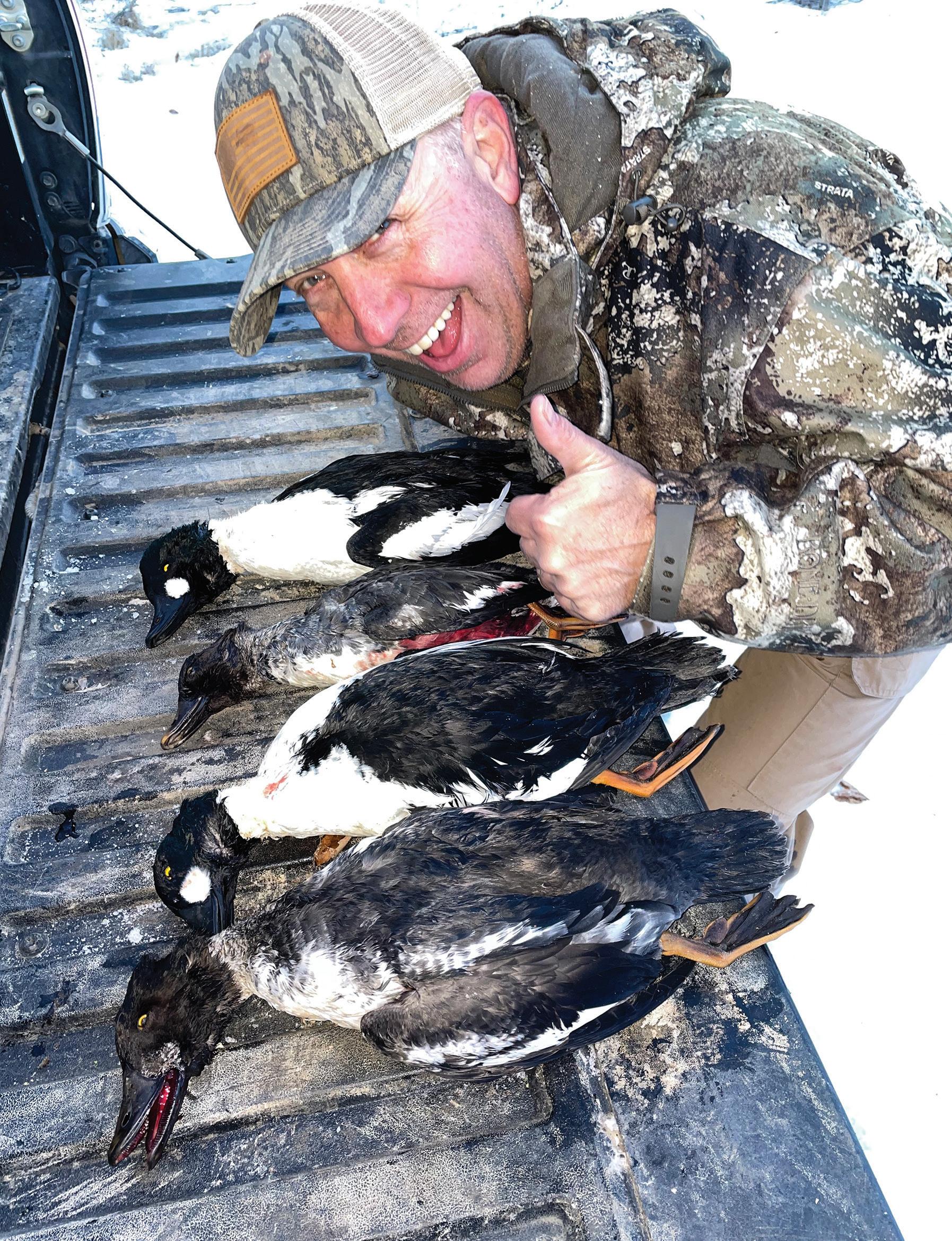
With less than an hour of shooting time left, we were able to add four goldeneye ducks to the weekend’s tally. It capped off a great quick trip for John, and he was impressed with all the opportunities that were available in Idaho.
John had an early flight the following day, so we were at the
airport an hour before boarding. He thanked me for the hunt and showing him around. He grabbed his luggage and started wheeling it towards the terminal doors. Just before he entered, he turned around and yelled, “Let’s plan a spring turkey hunt?”
I smiled and gave John a big thumbs-up. CS
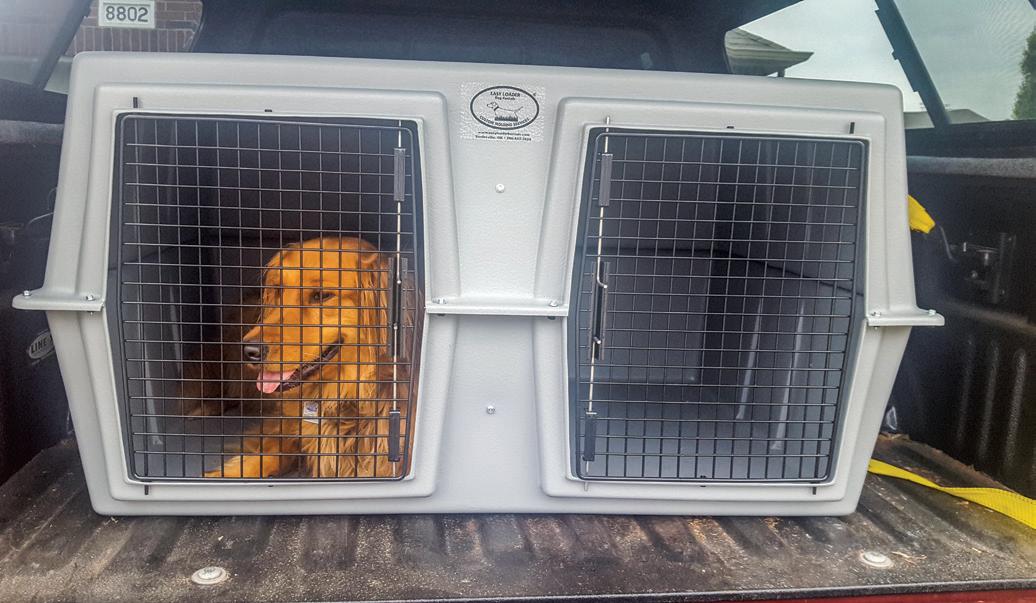
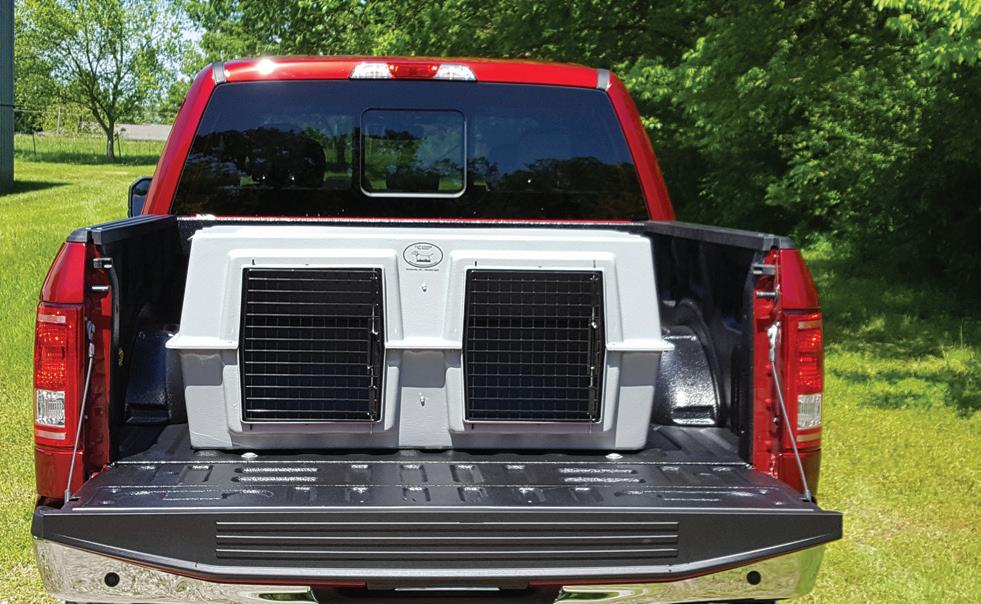
• Easy Loader & Deuce accommodate 2 dogs up to 65 lbs each
• EZ-XL accommodates 2 dogs over 65 lbs each
• Made from High Density Polyethylene with UV protection
• Easy Loader fits most full size pickups, SUVs & large UTVs
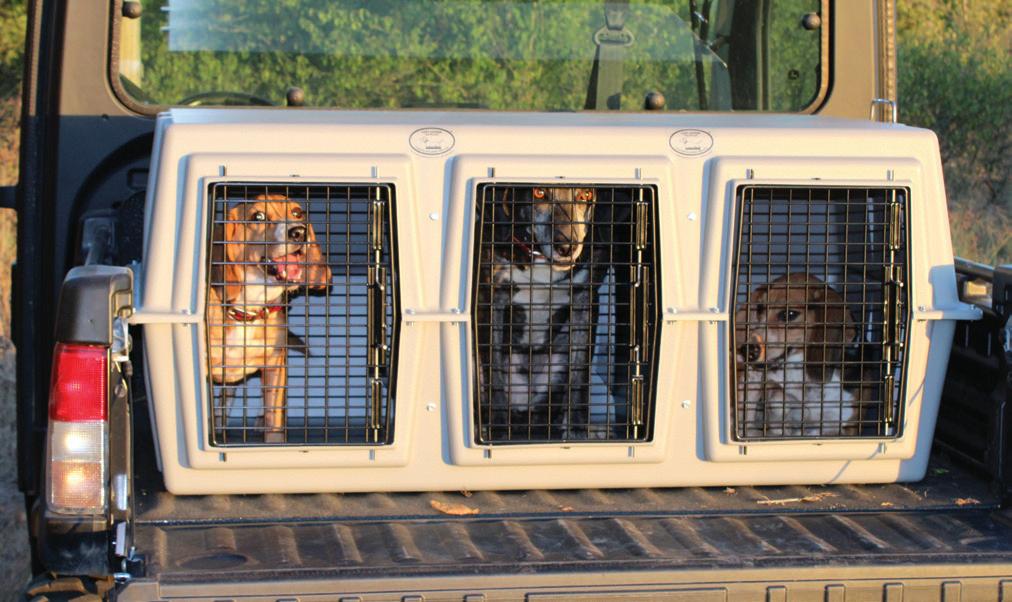
• Deuce fits smaller pickups, SUVs & UTVs
• EZ-XL is for larger breed dogs & full size vehicles
• Vents, cold weather door covers, insulated covers & custom kennel pads available

By Scott Haugen
The more time you spend hunting with and training dogs, the more you appreciate quality gear. Not only does quality gear last longer, it performs better. This equates to optimized safety and increased comfort for your dog.
Last fall, Kona was in need of a new collar. I got him an Orvis Shotshell Dog Collar. It was inscribed with a contact phone number and – above that in all capital letters – the word REWARD, should he stray off. Never inscribe your dog’s name on a collar. Thieves capitalize on this by forming a quick bond that can calm the dog, and just like that you may never see your hunting buddy again. It happens. I was pleased with the collar. I’ve
been pleased with other Orvis dog gear in recent years. This led me to getting a new dog bed – actually two.
Shortly after Echo, my female pudelpointer, turned 11 years old, I got her an Orvis RecoveryZone Dog Bed. A fellow trainer told me how much he loved this bed for his aging Lab. He was right. Soon after, I got another bed for Kona, my active, 9-year-old male pudelpointer. I’ve owned a lot of dog beds over the years. This could be the best.
First comes the heightened level of all-around support the RecoveryZone bed offers. Thanks to two solid foam layers, support is maximized across the entire bed. This means no sagging at the hips and chest. The top inch is
temperature regulating, making it comfortable on cold winter nights or hot summer days. The result is reduced pressure on joints and muscles, which equates to a faster, more complete recovery for your dog. I immediately noticed the difference following a hard hunt with Echo – she sprang from the bed rather than lethargically pulling herself out of it.
Also, no matter where your dog lays its head on the three-sided bolster, there’s full support. The gently sloped edges are specifically designed to fit the angle of your dog’s head when at rest. No matter if your dog is curled up or sprawled out, it will experience full support.
The functional design of the RecoveryZone bed is efficient and durable. The water-resistant liner is
easy to remove and machine wash. If concerned about incontinence in an aging dog, slip some puppy pads between the cover and cushion. The quilted, recycled polyester cover repels dog fur, keeping it clean and long lasting. The recessed handles make it easy to move these beds, even the largest size. Having your dog’s name embroidered on the bed is a fun touch. My dogs can’t get in these beds fast enough after dinner or following a hard day afield. And they wake up less stiff and sore, noticeably reducing their recovery time. These beds work.
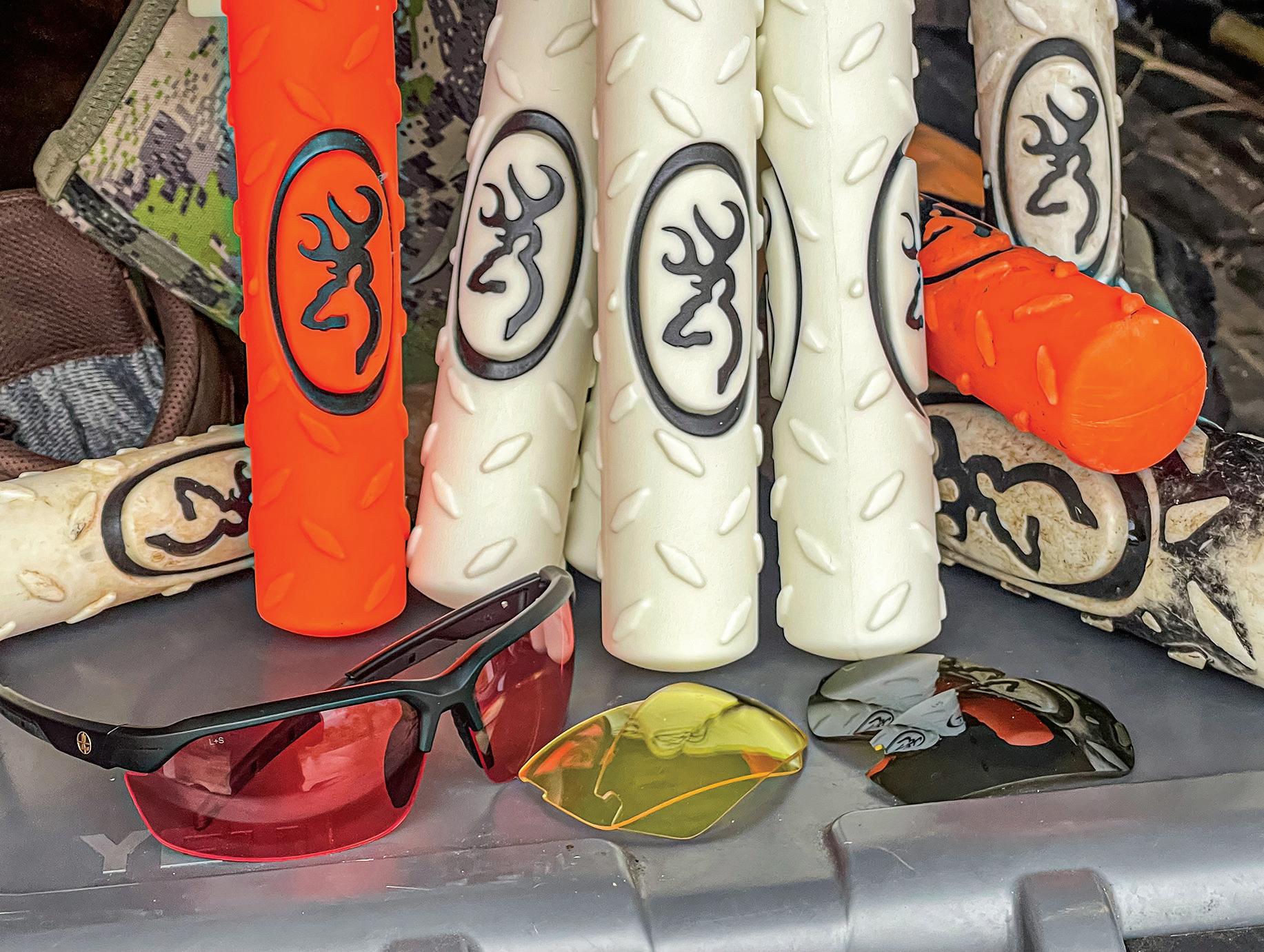
I’ve tried loads of bumpers over the years and keep coming back to Browning’s Vinyl Training Dummy. Some I’ve had for five years and they’ve seen thousands of tosses and retrieves. They’re perfect for water and field training. I have over nearly two dozen of them in orange, white and white/black. I keep some on the porch at home for quick fetch sessions, some in the shop for special training drills and some in the truck for impromptu training opportunities when we’re out and about.
I once had a gentleman say he didn’t like these bumpers because his dog chewed them up. That’s an owner/dog issue, not a bumper issue. Bumpers are training tools, not chew toys, and that’s something a dog owner must immediately get a handle on when they acquire a pup. These bumpers are tough, yet pliable enough that a dog can get a good, quick hold on them no matter the condition in which they’re being retrieved. They’re also heavy enough to toss long distances. Your pup will love unwrapping these on Christmas morning.
This gift is for you and your pup. I got Leupold’s Tracer sunglasses for eye protection when shooting. I wore them during a gun training session with my dogs, then we went to a bumper training segment. Usually I take off the shades when training because eye contact is vital. But I didn’t this time. That’s because the instant I grabbed the bumpers, both dogs were by my side, as usual, looking at my face for my next move. Through the light gray lenses they could obviously read my eyes. I was pleased, as it was a bright,
sunny afternoon.
The Tracer frame comes with either light gray-, yellow- or orange-colored lenses. The dogs will be able to see your eyes through all three of them, and you’ll be able to see better in all lighting conditions. These glasses are comfortable, hold on firm with zero slipping no matter how active you are, and they wrap around the face, offering full wind and glare protection.
Over the years I’ve advocated NutriSource food for dogs. They don’t pay me a dime to endorse them. I spent many years trying various dog food brands and researching what’s best for a hunting dog. Once I settled on NutriSource, there was no turning back. It’s extremely high-quality food and the difference in my dogs’ performance and health with this food is above and beyond what it was with other dog foods – something my vet continues to confirm with every annual checkup.
Upon initial glance, NutriSource dog food is not cheap, but because of the quality ingredients, you feed less, which means you save more. Read labels, educate yourself on what’s good and not good for dogs, and do some math. Quality dog food can add a year or more to a dog’s life.
I don’t use treats when training. I tried it and didn’t like it. I want a dog’s drive to be to achieve a task so as to please me, not for a reward. But I do give them treats at times, usually when letting them out for a late night potty, when I want to keep them close because skunks might be in our back field – Kona has three to his credit. When my folks or our sons are dog sitting, I let them give the dogs treats. This selective treat distribution excites the dogs and keeps them close and easier to manage.
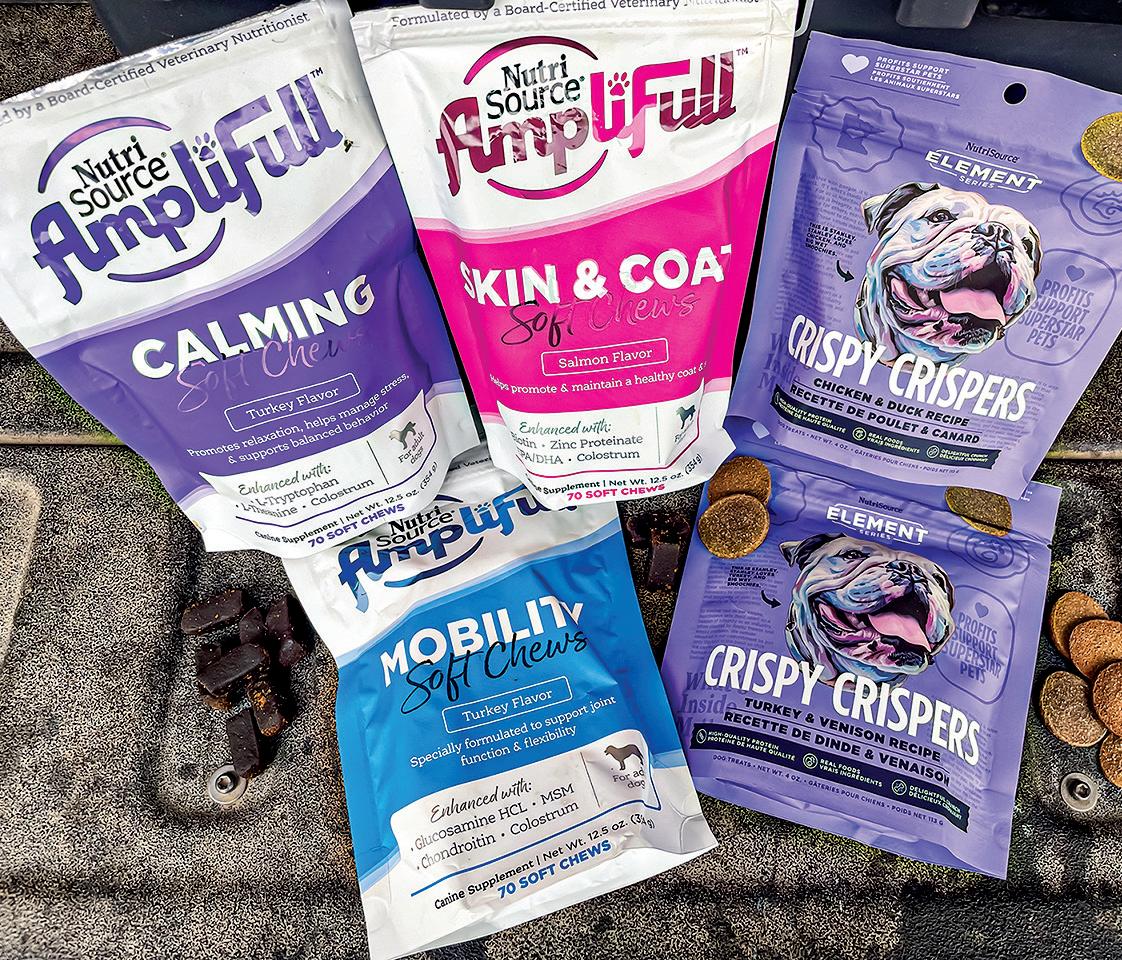
Enter NutriSource’s new line of Crispy Crispers dog treats. My dogs love these crunchy, high-protein treats. They utilize real food in order to maintain high quality. Healthy snacks are essential to a dog’s life. One bad
treat or table scrap with the wrong ingredients can make a dog very sick, even be fatal.
AmpliFull is a new health supplement developed by NutriSource specifically for dogs. Each soft chew is formulated to promote calming relief, provide digestive support, maintain joint function and mobility, promote healthy skin and coat and provide support for overall health. These are given in moderation, as situational treats in the aforementioned scenarios. Knowing the high level of nutritional bonuses these soft chews have makes it comforting to know I’m giving the right treats to my dogs. Give these treats for Christmas and your dog will want to get their paws on ’em fast.
There you have it, items you and your canine hunting companions are sure to enjoy in the years to come. Have a merry Christmas and enjoy those special days with your dog – they go fast. CS


Give them everything they need to turn their wild harvest into something unforgettable. Our Steak, Charcuterie, and Salumi kits are ideal gifts for hunters elevating their game meat this winter.
From searing venison to crafting game-forward boards or dry-curing salumi, these kits make the process as satisfying as the final bite.
Perfect for anyone who transforms wild game into something extraordinary. GIFT IDEAS
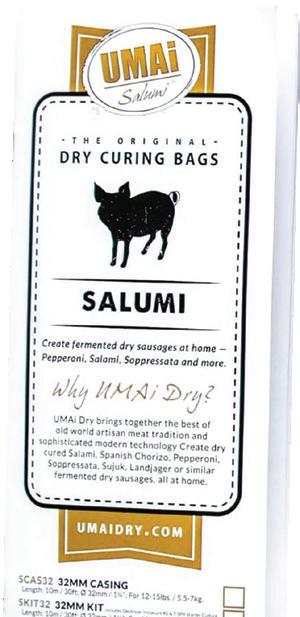

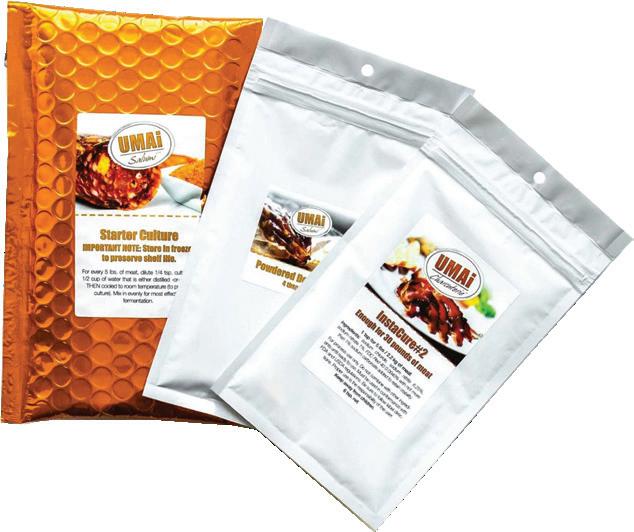


Shop complete kits and find the perfect gift fast—everything you need to elevate your next wild game!



By Scott Haugen
December in California means two things for me: Christmas and good duck hunting. With the best days of the season finally upon us, here are some pieces of gear waterfowl hunters will want to know about. These are items I’ve extensively used and will keep using.
SITKA DELTA PRO ZIP GTX WADERS
I’m certain I was the last outdoor
writer in the industry to try Sitka clothing. Once I did, three seasons ago, I had regrets, as it was a big upgrade from the attire I’d been wearing, especially their waders. New this year to the Sitka line is their Delta Pro Zip GTX Wader. I wasn’t sure they could improve on their Delta Zip Waders, which I wore on over 175 hunts the two seasons prior. Then I tried the new Pros. Oh my!
The first time I hunted in the
When it comes to quality gear, duck hunters have a lot to be thankful for this holiday season. From calls to steel shot and a speaker, there’s something for everyone who lives for winter days in the waterfowl blind. (SCOTT HAUGEN)
Delta Pro Zip GTX Waders was in Alaska, where I wore them every day for a week. The upgraded boot immediately caught my attention. An athletic design means a comfortable fit, and the boots are lightweight. The tread worked great, even on wet clay and kelp, and the new heel kicks make for simple removal.
Touted as Sitka’s most durable wader without sacrificing mobility and fit, this is what I’ll be wearing
By Tiffany Haugen
We’re forgoing a recipe this month so I can share some great gift ideas for the holiday season. These are items I used throughout the year – whether I was inside, camping or on the back porch. They’re tools I enjoy and will keep using.
For over 20 years, knives have been a big part of how I’ve made a living. From processing big game and chopping vegetables in creating hundreds of recipes
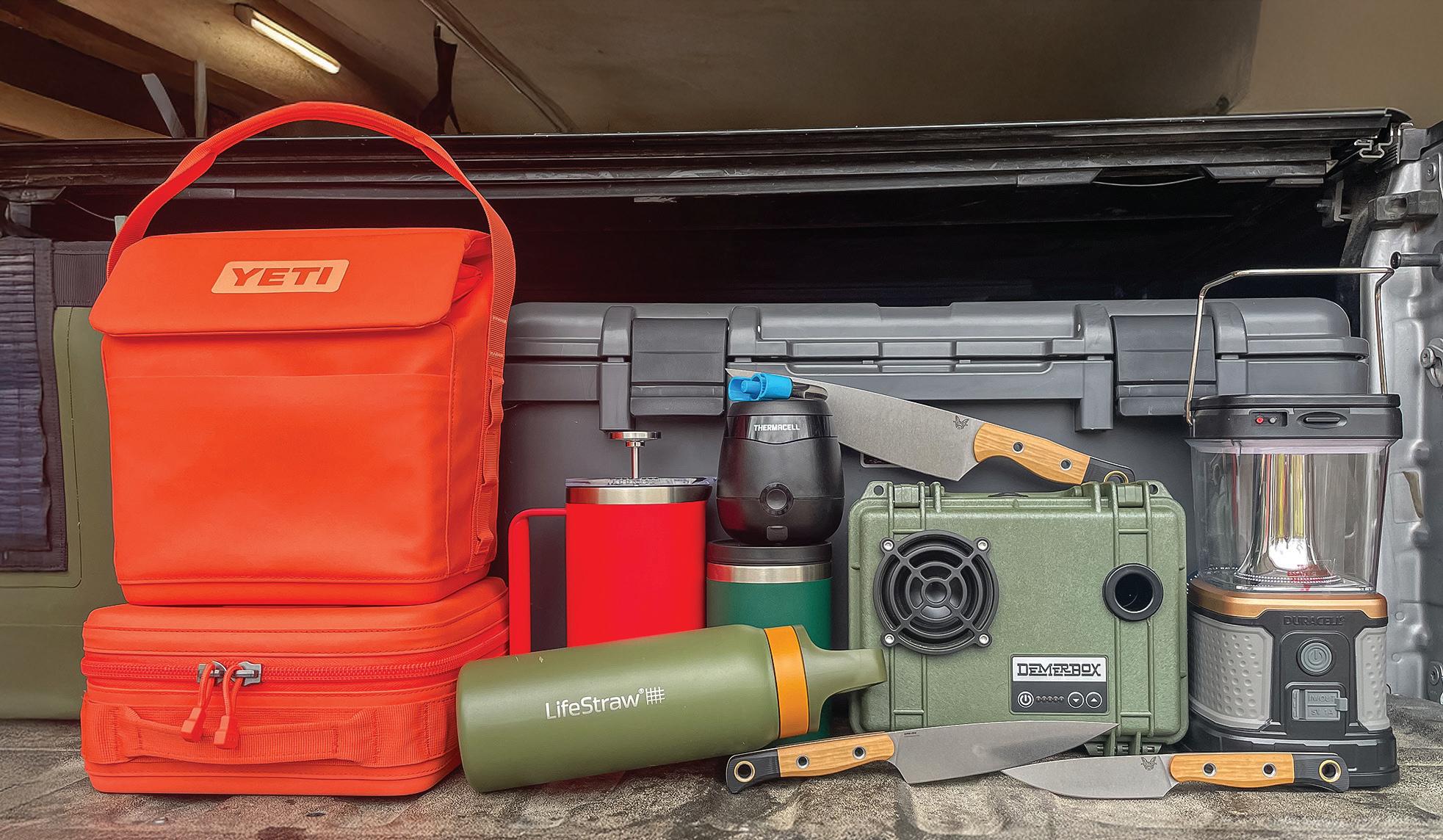
for magazines, to more than a dozen cookbooks, quality knives have always been appreciated. Enter Benchmade’s 3 Piece Set, which includes an 8-inch chef, 6-inch utility and 4-inch paring knives. Each is crafted with polished, stainlesssteel blades that feature extra-smooth edges, which not only increases their sharpness but also their ease of ability to regain an edge.
The handle designs are comfortable, no matter how long or how tough your tasks may be. If looking for a serious knife devoted to breaking down and butchering big game, check out


Benchmade’s Meatcrafter. I wish I would have had this knife over 30 years ago when Scott got stranded in another village and left me with a moose and Dall sheep to butcher. Info: benchmade.com.
When camp-cooking in the dark, there’s no such thing as too much light. I’ve used a lot of lanterns over the years, and the Duracell 3,000 Lumen Rechargeable Lantern is impressive, both in performance and price point. It’s bright beyond belief and makes chopping, slicing and handling hot items safer, and it works great outdoors as well as inside – think power outages and cooking in a dark house in the middle of winter.
This lantern is tough, weather-resistant and has a crazy-long runtime. It features multiple power options, including solar, rechargeable battery and Qi wireless charging, and it’s compatible with D batteries. Info: myproduct.duracelllights.com.
DEMERBOX DB1
I was tired of working in the garden and in camps with ear buds that prevented me from hearing others talk. And to properly keep track of our dogs, I looked for a sound system to fit my needs. I found it in the DemerBox DB1.
This single-speaker model offers ample volume for personal entertainment, and I love the fact it’s built into a Pelican case, which equates to durability and being waterproof. In camp, being able to store my phone and truck keys inside the DB1 made keeping track of them easy and worry-free. It features a built-in USB port to charge phones and other accessories, which is a great bonus. Each charge equates to an impressive run time, plus they’re made in the United States. Info: demerbox.com.
THERMACELL E65 RECHARGEABLE MOSQUITO REPELLER
Twenty years ago our family was one of two in the country who got to test and help in the development of the original Thermacell bug repellent units. We tested them extensively in Alaska, Canada and throughout the West, two years before they were released. They’re still an important part of my camp cooking setup, and I’m very pleased with their new E65 unit.
The E65 Rechargeable Mosquito Repeller is great for early-season hunting and summer fishing camp, as well as backyard barbecues.
It takes only two hours to fully charge and it runs for six and a half continuous
hours, offering a 20-foot zone of protection. The repellent cartridge burns for 36 hours. The unit is airline travel-safe; there is no butane cartridge compared with previous models. It works great for mosquitos, no-see-ums and white socks. I have two of them and will be getting more. Info: thermacell.com.
My husband Scott got a LifeStraw 24-ounce stainless-steel water filter bottle for a two-week trip to Alaska. He loved it, and I ended up taking it on a recent camping trip.
The double-wall-insulated, stainlesssteel bottle keeps water cold all day, and the integrated two-stage filter removes bacteria, parasites, microplastics, silt, sand, chlorine and odors. It makes drinking water from rivers and creeks carefree and safe. The water always tasted good too. Info: lifestraw.com.
Hot soup tastes better when you’re hunting or fishing and it’s cold and wet outside. This summer and fall I used both sizes of Yeti’s new Insulate Food Jars – 8 and 16 ounces – and loved them. Scott’s also been using them on multiple hunting and fishing trips. The double-walled vacuum insulation keeps food hot all morning – well past lunchtime. The twopiece lids mean no leaks or drips inside my backpack, and they’re easy to clean.
Yeti’s new French Press helped make mornings extra comfortable in camp. I like the 34-ounce model. It’s tough, features a DuraSip ceramic lining and double-wall vacuum insulation, and it makes great coffee.
On a summer trip to the coast I packed our lunch in Yeti’s Daytrip Insulated Lunch Box’s 3-liter version. It kept our egg salad sandwiches and freshly cut vegetables cool all day. I’ve used it many times, in many places since. Because I was putting in so many miles on the road this year, I also got their Daytrip Insulated Lunch Bag. The magnetic closure made for easy access when one hand was full. The 6-liter model is perfect for two people, and with a little ice pack the food
stayed cool all day. Info: yeti.com.
PAKA HOODIE AND THERMAL BASE LAYER
Last year, Scott got a hoodie and thermal base layer from Paka. The thermal top and bottom have become his go-to base layer that he’s worn on hunting and fishing trips around the world. He liked the hoodie, too, but our oldest son used it once and Scott hasn’t seen it since! Our son has worn that hoodie on multiple trips all over the world; he practically lives in it. Those were my excuses for getting one of each.
On a camping trip last fall, the weather forecast was wrong. I was glad I had both the Paka lightweight hoodie and thermal base layer. They kept me warm all day in the cool, windy conditions. The base layer was comfy in the sleeping bag on cold nights.
Paka apparel is crafted from 100-percent natural materials. The thermal tops and bottoms consist of 40-percent royal alpaca, 40-percent merino wool and 20-percent eucalyptus-based tencel. What I love about the base layer and lightweight hoodie is how they keep you warm when inactive, yet move moisture and prevent overheating when hiking. In addition to trying this apparel line, you must read the inspiring story behind this great product. Info: pakaapparel.com.
JETBOIL FLASH 1.0-LITER FAST BOIL SYSTEM I’ve occasionally used a Jetboil while camp cooking for nearly 20 years. It was time for an upgrade. The new Jetboil Flash 1.0L boils water fast, under two minutes much of the time. The turn and click igniter is a great touch, as are the colored grip zones that make handling easy in low light. The drink-through lid and heat indicator are convenient additions, as are the three locking points that make the pot-to-burner connection safe and easy. Info: jetboil.johnsonoutdoors.com.
With limited days of shopping until the holiday rush, these are some items worth a closer look. Happy holidays and a joyous new year!
Editor’s note: For signed copies of Tiffany Haugen’s popular books, including Cooking Big Game, Cooking Game Birds and Cooking Seafood, visit scotthaugen.com.
on a few upcoming hunts in Northern California and in the Bay Area, as well as other hunts around the country.
NEPTUNE THERMO
Last December I hunted surf scoters in San Francisco Bay. You don’t need camo on these hunts, which take place in a dark boat on gray water. I wore Grundéns Neptune Thermo Bib. Their medium-weight, polyurethane-coated, fleece-lined fabric is comfortable and stretches well, which makes getting up and down and swinging on birds easy.
Grundéns Portal Gore-Tex Wading Jacket is my jacket of choice on these hunts; it’s also a top-notch saltwater fishing jacket. The protection and warmth this jacket provides against high winds, driving rains and boat spray is exceptional. I’ve worn this set from California to Alaska, in saltwater and torrential downpours, as well as extreme winds. It’s worth every cent.
20-GAUGE SHOTGUN, CHOKE AND AMMO
I’ve taken to shooting a 20-gauge a lot the past couple years, more for the precision required to find consistent success than anything. My go-to setup is a Browning Silver Field shotgun. Hunting holes in the timber, creeks, flooded ditches or alone where I’m in control of when and where shots come is fun, and this gun just kills. It shoots a range of loads exceptionally well. I even took limits of specks and some snow geese late last season in Northern California with it.
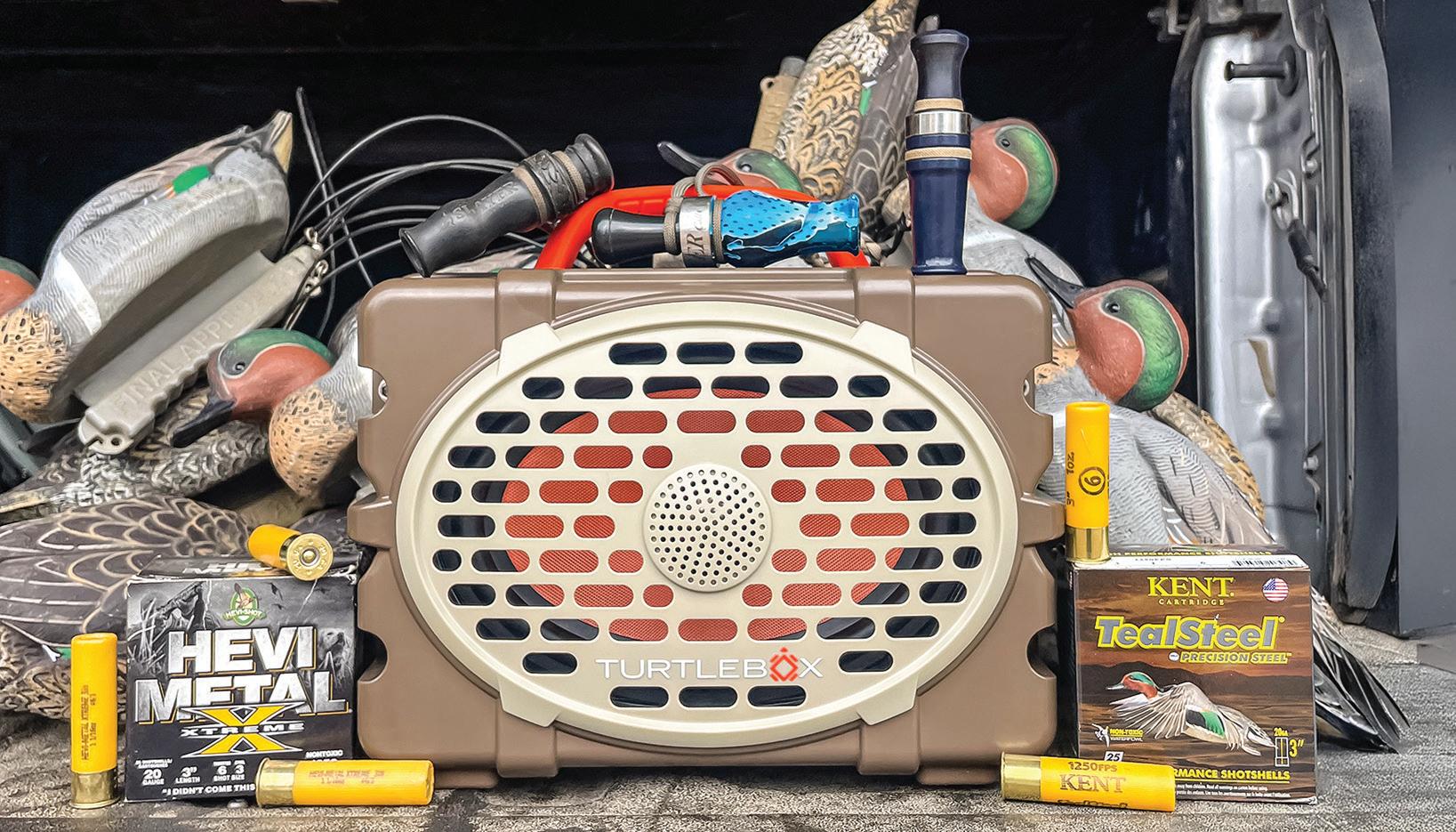
Last season I was also impressed with a Müller Decoy Choke, shooting Kent’s new TealSteel Precision Steel in six-shot. This 1-ounce load moves at 1,250 feet per second and is perfect for dropping backpedaling ducks at close range. When hunting public lands late in the season, where educated, full-feathered ducks are the target, or in high winds, the Müller Passing Choke, even their UFO, makes a big difference.
In those tighter chokes, Hevi
Shot’s Hevi-Metal Xtreme is tough to beat. The size 4 tungsten and size 1 steel are a great, lethal blend. HeviSteel in size 3 shot is also a load I like.
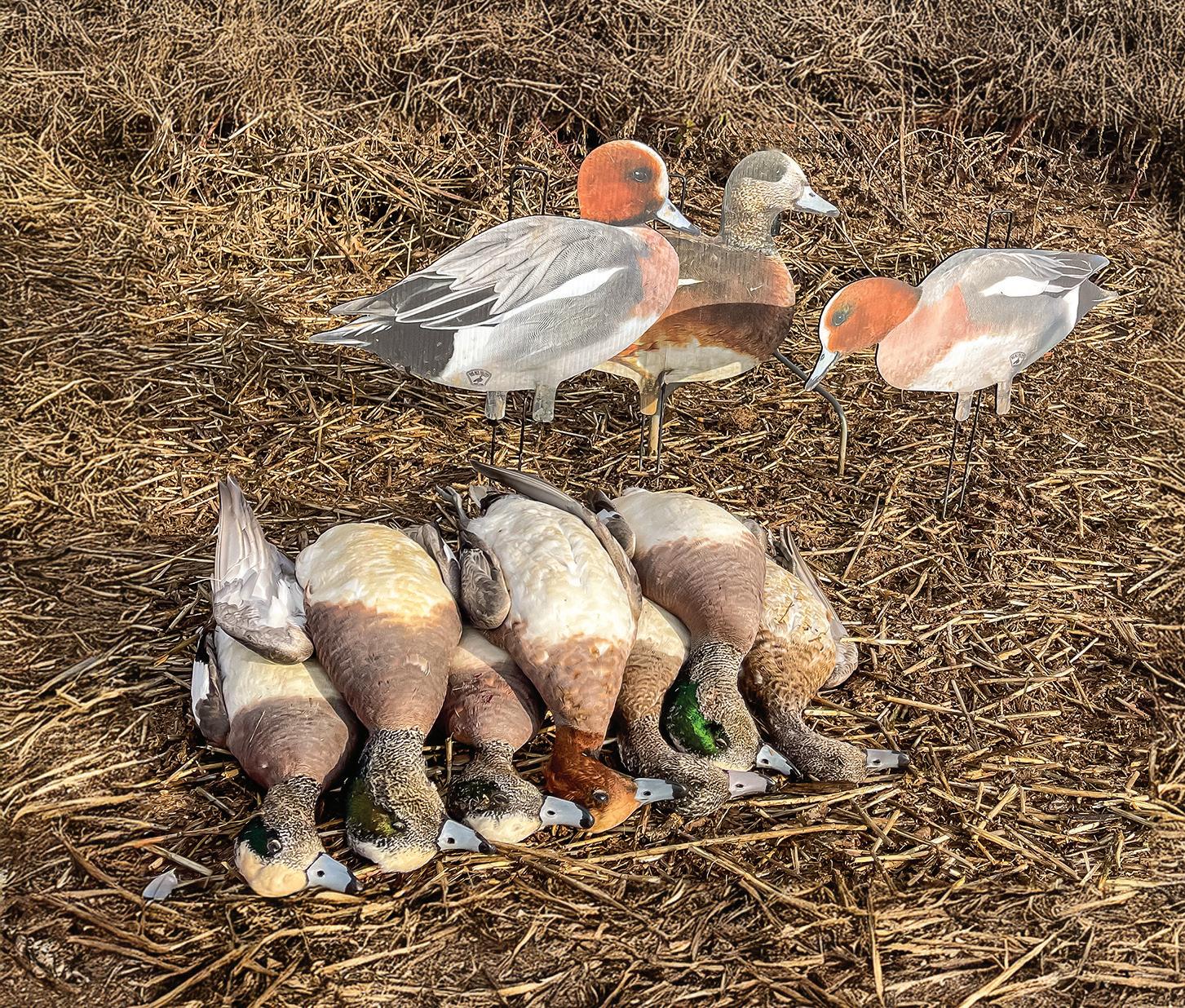
BIG AL’S EURASIAN WIGEON DECOYS
I’m a big fan of Big Al’s silhouette duck and goose decoys in many of my spreads. I like their photo-finish realism because they don’t glare, they’re easy to clean and they retain their color season after season.
I also like hunting wigeon late in the season, and with the influx of Eurasian wigeon along the coastal zones and western valleys of the Pacific Flyway, Big Al’s timing is perfect. Enter their Eurasian Wigeon Pack. They’re available in a 12-pack or five-dozen pack.
Over the years I’ve routinely watched incoming Eurasian wigeon land with their own kind amongst a flock of 5,000 or more feeding American wigeon. It’s crazy how they can pick out the other coppertopped ducks. I ran these silhouettes last season and we shot a Eurasian drake and an American/Eurasian hybrid over them. I’ll be using them in multiple spreads this season.
SLAYER CALLS YOLO BYPASS, DUBAR AND WHISTLER’S MOTHER
I test a lot of duck and goose calls, and there are many great ones out there. If you looked at my lanyards, though, you’d see they’re filled with Slayer Calls. I’m not a great caller, but these calls make me sound good. I love how easy they are to run, and their volume, clarity and sound quality is fantastic. Wherever I’m hunting ducks in the country, these are the calls I take.
If I had one duck call to use, it would be their Dubar. This double-reed call is simple to blow and offers exceptional quality and volume. It’s easy to tone down when hunting small holes, or put more air in to reach out in wideopen spaces or battle strong winds.
The Yolo Bypass is another call
your Authorized Honda Marine Dealer.
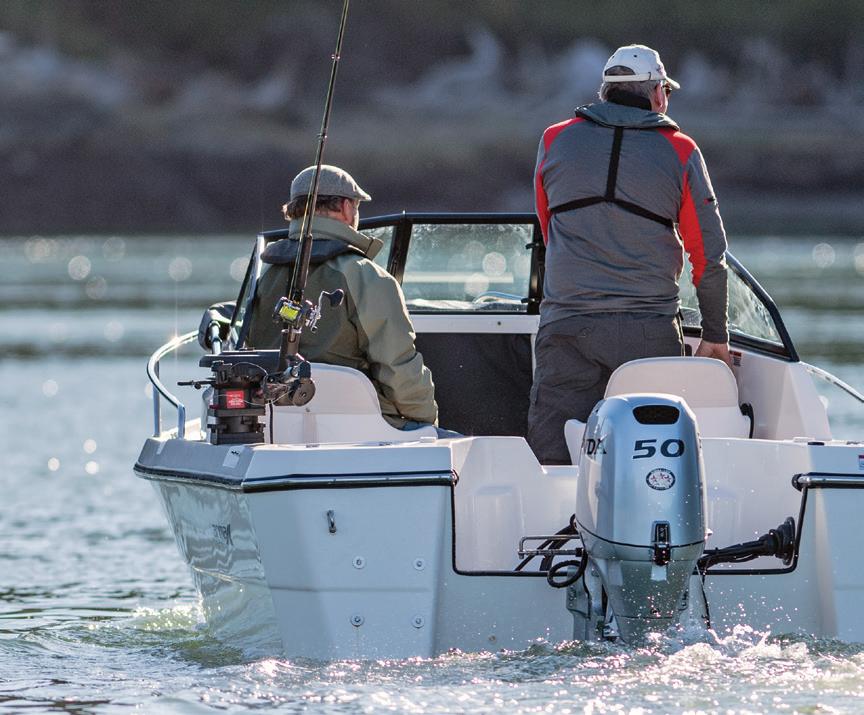

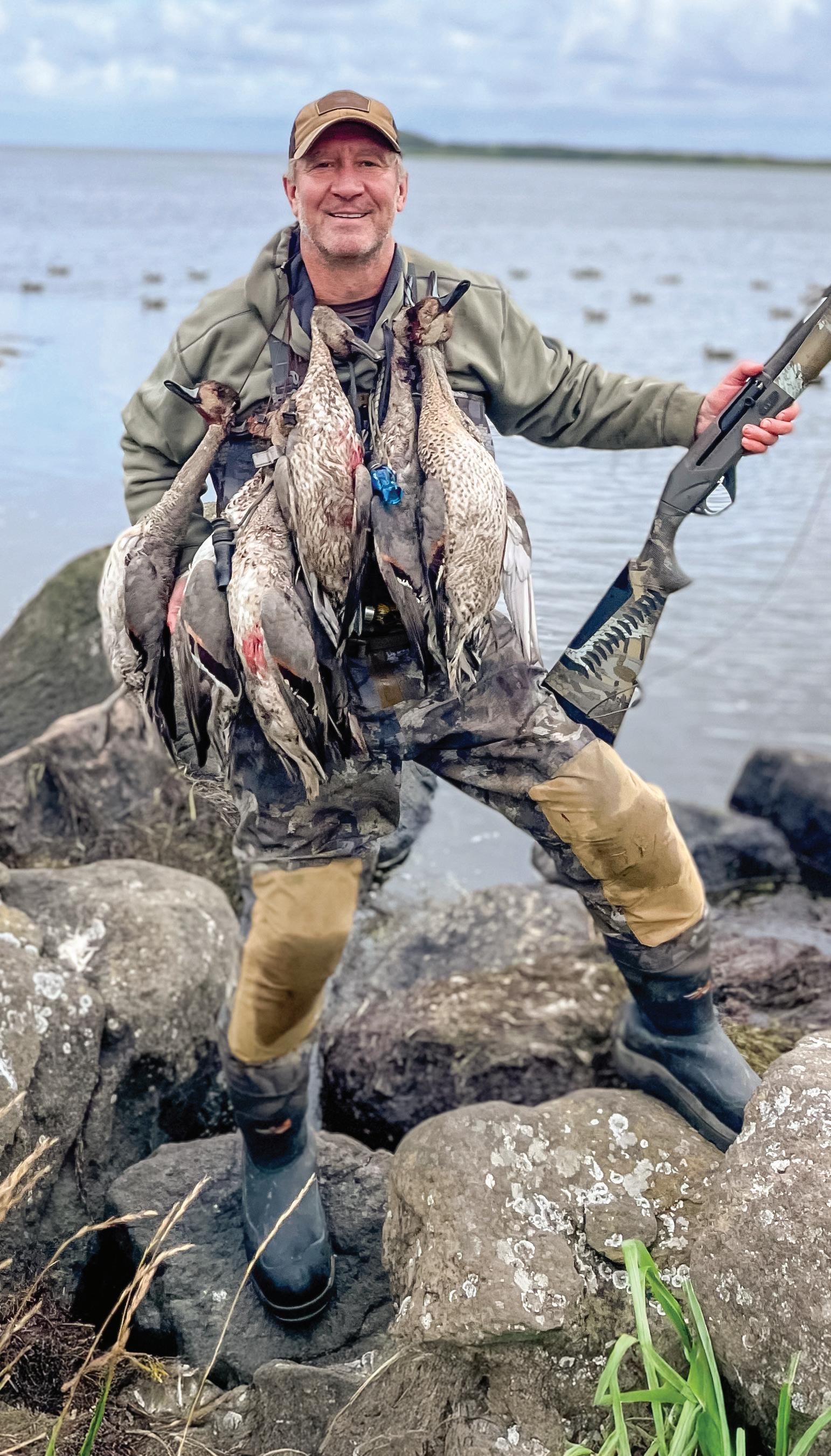
Author Scott Haugen first wore Sitka’s new Delta Pro Zip GTX Waders in Alaska. He’s since worn them on dozens of hunts in multiple states. “This is what I’ll be wearing on a few upcoming hunts,” he writes. (SCOTT HAUGEN)
you’ll find me with. It caters to a wide range of skill levels and the five interchangeable reeds mean you can find what best fits your hunting situation. From subtle quacks to loud hails to raspy hen barks, this single reed call covers it.
We get a lot of wigeon and pintail in this part of the flyway, and Whistler’s Mother is a fourin-one call I love. Its wigeon and pintail whistles are loud and spoton. It also generates very accurate drake mallard and teal calls. During the course of a season, I probably use this call more than any other.
My first experience with a Turtlebox speaker came last winter when six buddies and I started setting a massive goose decoy spread at 2:30 a.m. in Northern California. It made the laborious process fun – so fun, I had to have one. I chose their new Ranger. There are few pieces of outdoor gear I can recall enjoying this much. I use it a lot and multiple times a week.
This season I got the new Gen 3 Turtlebox. Now I can rock out to my 1980s hair band music in the shop, weight room and when doing yard work.
It’s also been fun on boats and when picking up massive spreads of goose decoys with buddies in the middle of the day.
This thing is plenty loud for my needs, is powerful, clear and simply rocks! The USB-C charging port is a nice addition. It can be paired with other Turtlebox models for a surround-sound experience. It’s easy to pack, has outstanding battery life, doesn’t take much room and it’s 100-percent waterproof.
With the holidays and duck season about ready to peak, now’s the time to shop, and then hunt. CS
Editor’s note: For signed copies Scott and Tiffany Haugen’s popular book, Cooking Game Birds , visit scotthaugen.com. Follow Scott on Instagram and Facebook.

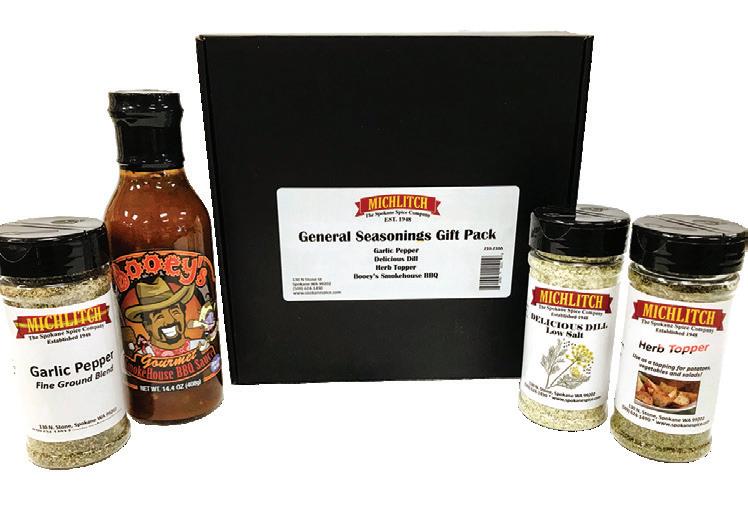
Michlitch Company spokanespice.com
Michlitch
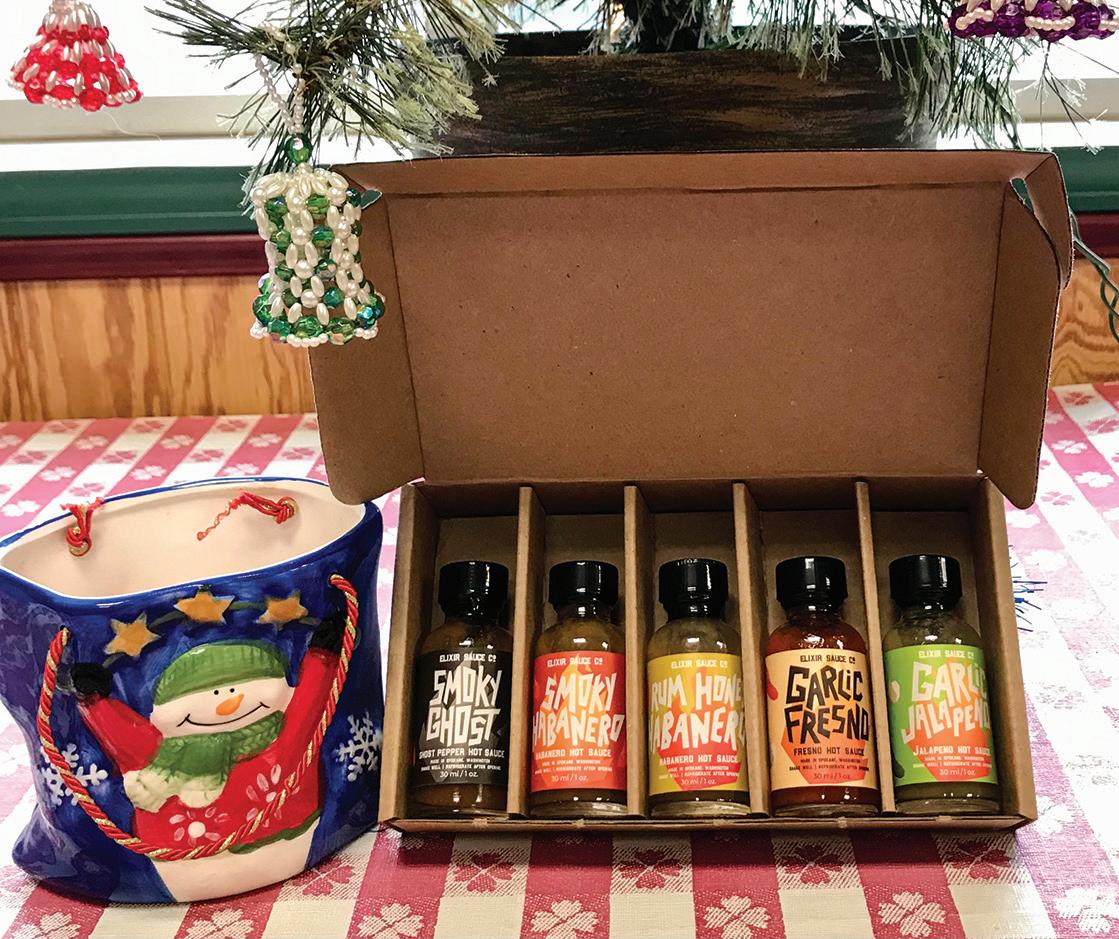
MarDon Resort mardonresort.com


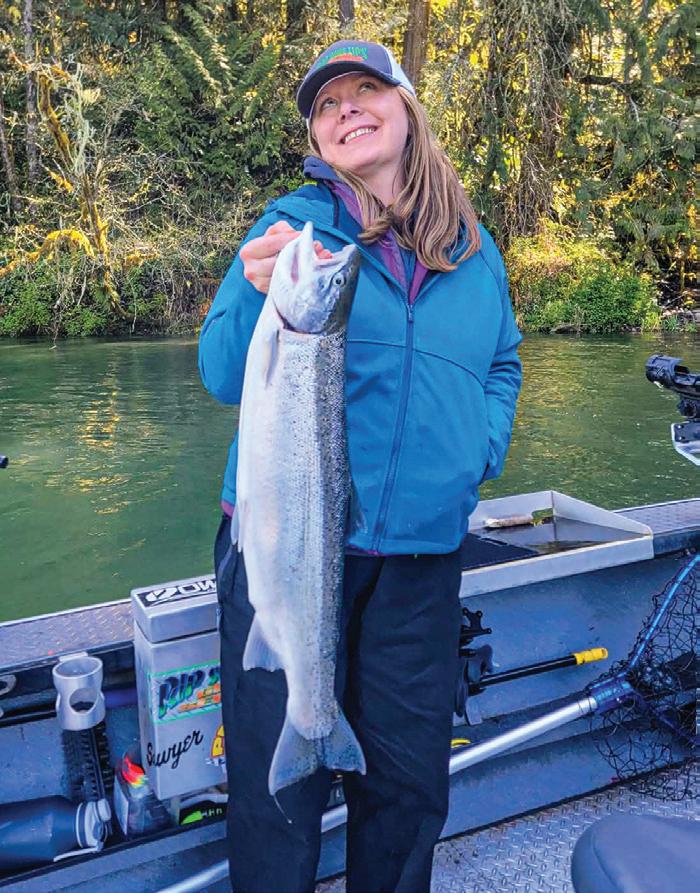



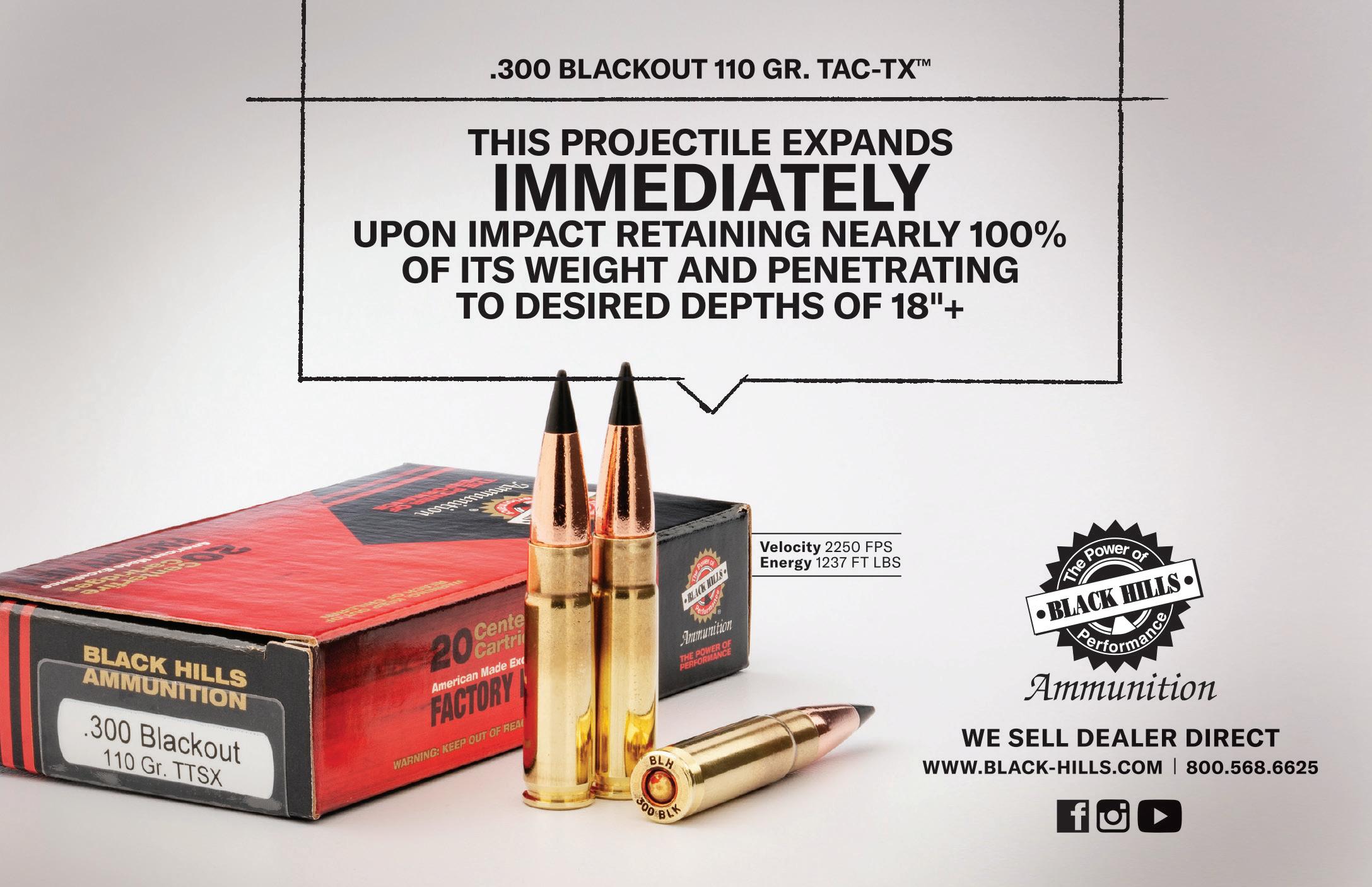
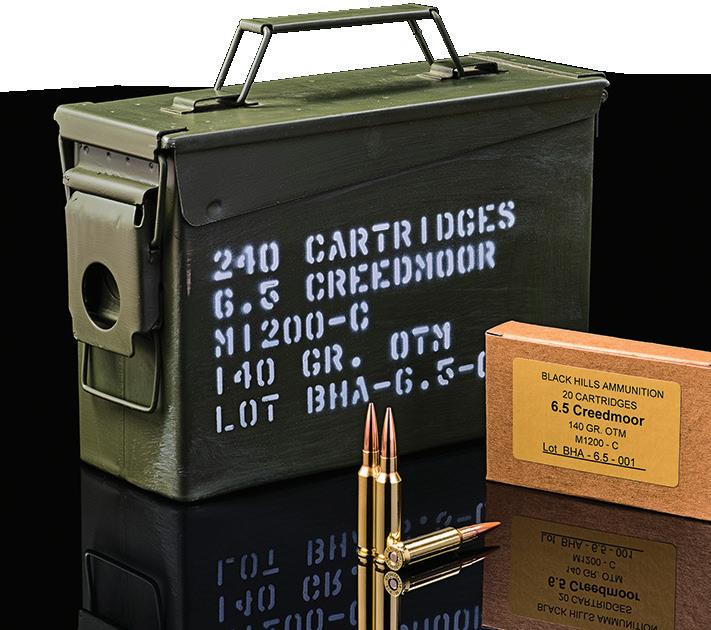
The M1200 cartridge chambered in 6.5 Creedmoor is the designated ammunition for the US military’s MRGG-S (Mid-Range Gas Gun-Sniper) weapon system.
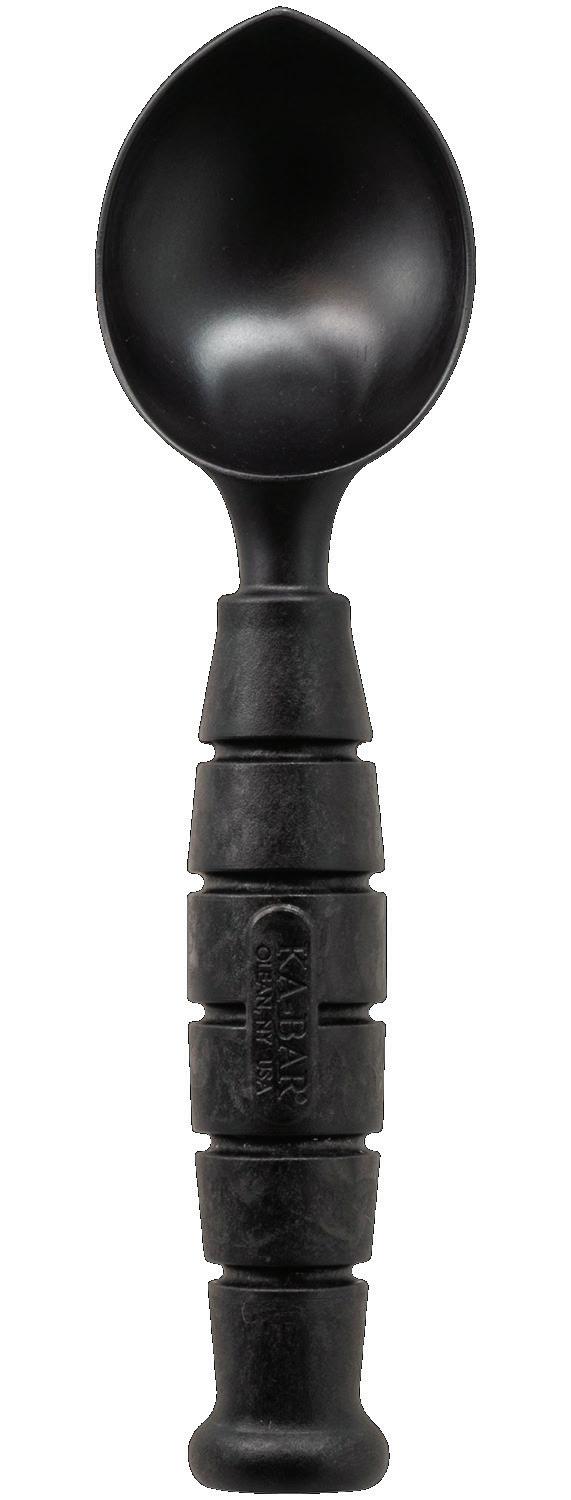
The Black Hills M1200-C (Commercial) version features a 140-grain OTM projectile loaded to 2,750 feet per second from a 22-inch barrel. The match primers are staked securely in the primer pocket to ensure flawless performance during suppressed semiauto fire. The propellant is selected for temperature stability to ensure reliability and avoid velocity variation in extreme environments. When accuracy, reliability and long-range external ballistics are required, the M1200-C from Black Hills is the answer.

Hi-Point Firearms hi-pointfirearms.com
Hi-Point Firearms offers some of the best value-pricedfirearms,andthe995,1095P and4595Pfitperfectlyintothatposition. Builtaspistols,thesefirearmsaremore compactthanthecarbinecounterparts andaddmoreversatilityinasmaller size,whileofferingthesamelegendary reliabilityandaccuracy.Multiple configurationsareavailable–findyours todayonthewebsiteabove.


PursuitUp pursuituptv.com


elkinc.com
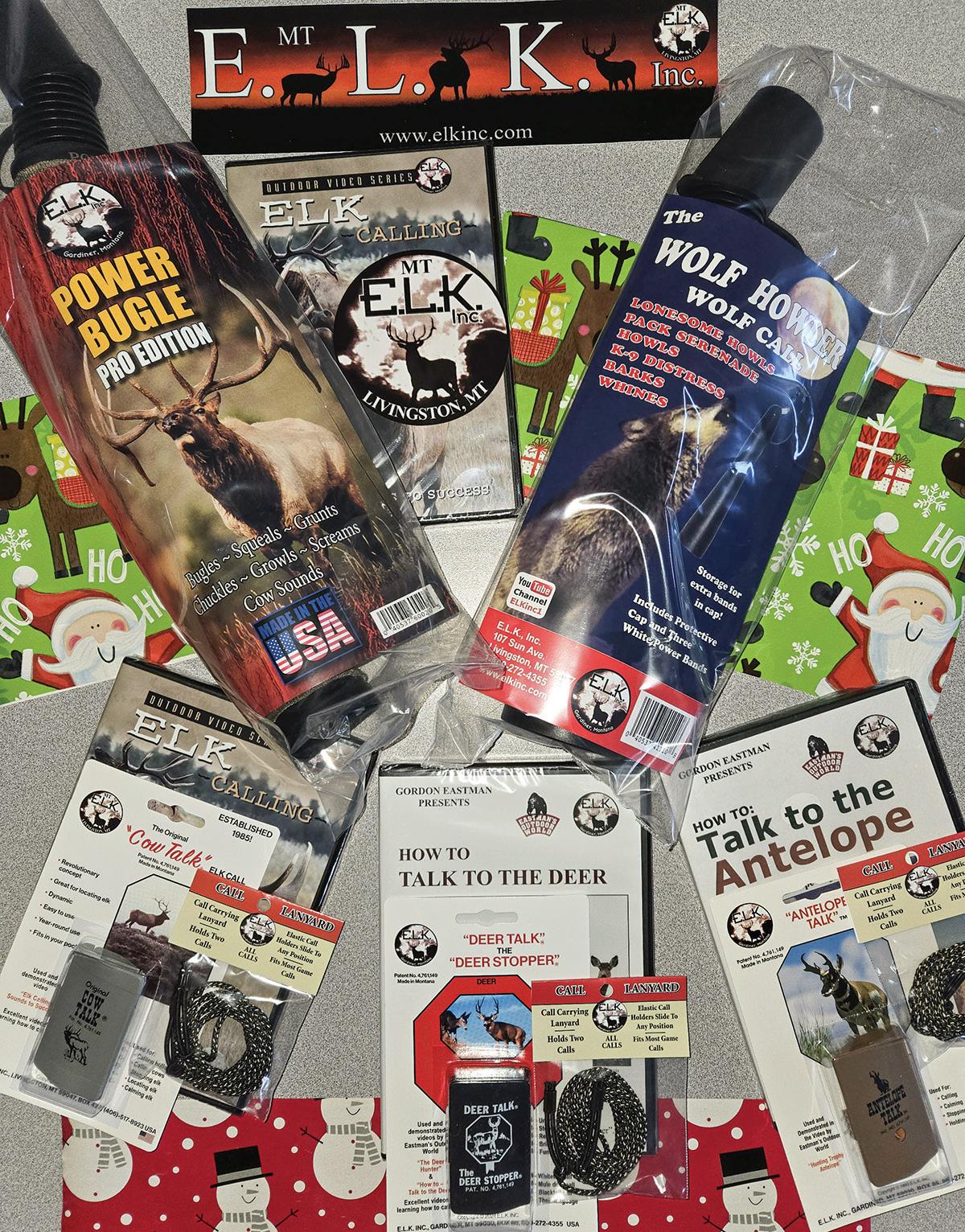
Make this Christmas legendary with MT E.L.K., Inc. hunting call packages! Searching for the perfect gift for the hunter who has it all? Look no further – the Christmas hunting call packages from MT E.L.K., Inc. bring the thrill of the wild right to their stocking!
From the electrifying bugles of elk to the heart-pounding chase of antelope, deer and predators – there’s a call for every season and every hunter. Hand-selected, field-proven and full of holiday spirit, these gift sets are built to inspire. Order now and give the gift of adrenaline, adventure and unforgettable hunts this holiday season!
Tim’s Special Cut Meats
timsspecialcutmeats.com
Alaska Butcher Equipment & Supply alaskabutcherequip.com
Hunting and fishing processing equipment. Alaska Butcher Equipment & Supply has all you need to process your own hunt or catch! Local and family-owned.


All the holiday fixins! Prime rib, tenderloin, steaks, turkeys, hams and more. Also offering gift certificates and freezer meat packages. Great gifts for the hard- to-shop-for person on your list!

PursuitUp is a premium on-demand streaming app built for outdoor enthusiasts. Watch your favorite hunting, fishing and adventure shows anytime, anywhere. For just $4.99/month or $49.99/year, enjoy unlimited access to exclusive content from the Pursuit Channel and top outdoor producers. Start your one-month free trial today –cancel anytime. Stream on your phone, tablet or smart TV and take the outdoors with you wherever you go.

Boat Insurance Agency boatinsurance.net
The Boat Insurance Agency is an independent agency representing the best marine insurance companies. They carefully compare a number of policies to find the lowest premiums and best values for your boat insurance needs. Boat Insurance Agency is owned and operated by Northwest boaters. They have the local knowledge needed to understand boating in the West, along with your special needs. Contact them for an insurance quote and to learn more about the value and service they can offer.

All Rivers & Saltwater Charters allwashingtonfishing.com


All Rivers & Saltwater Charters provides you the highest quality experience. From avid anglers to first-time fishermen, they always strive to improve your skill and technique. Whether you’re fishing in Seattle, Westport or anywhere in between, you can expect the highest quality service, boats and equipment.
Nomar
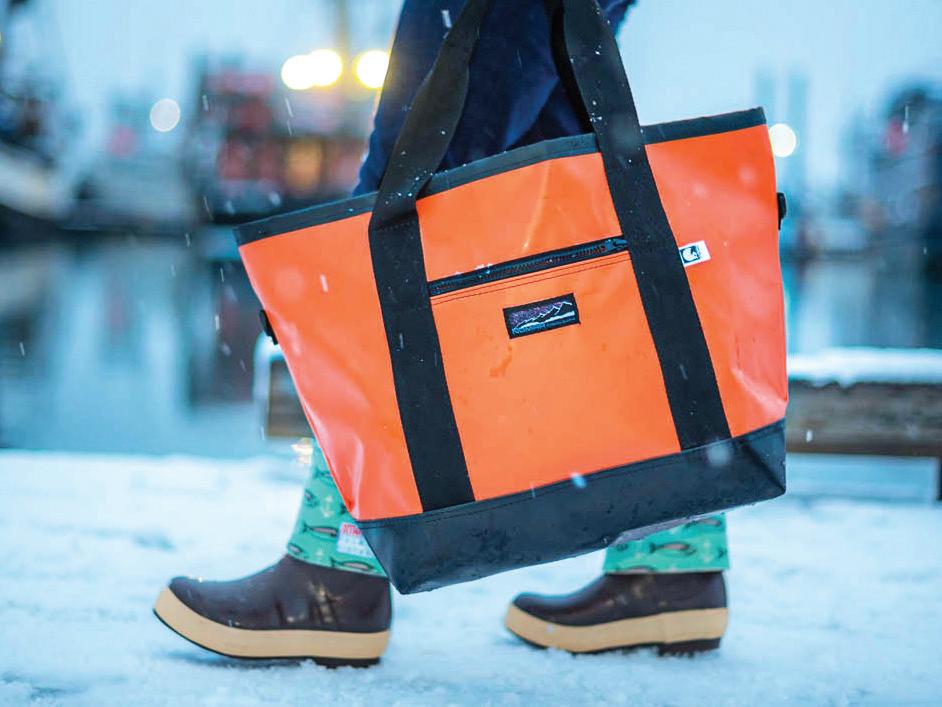
nomaralaska.com
The Nomar boat bag is a versatile splash-proof bag to tote your gear to the boat, to the beach or wherever a tough, heavy-duty bag is required. The top zips closed to protect its contents. Features heavy-duty carry handles and D-rings on the side to add a carry strap. Measures 15 inches by 10 inches by 15 inches. Available in lots of colors.

The Lodge at Otter Cove lodgeottercove.com
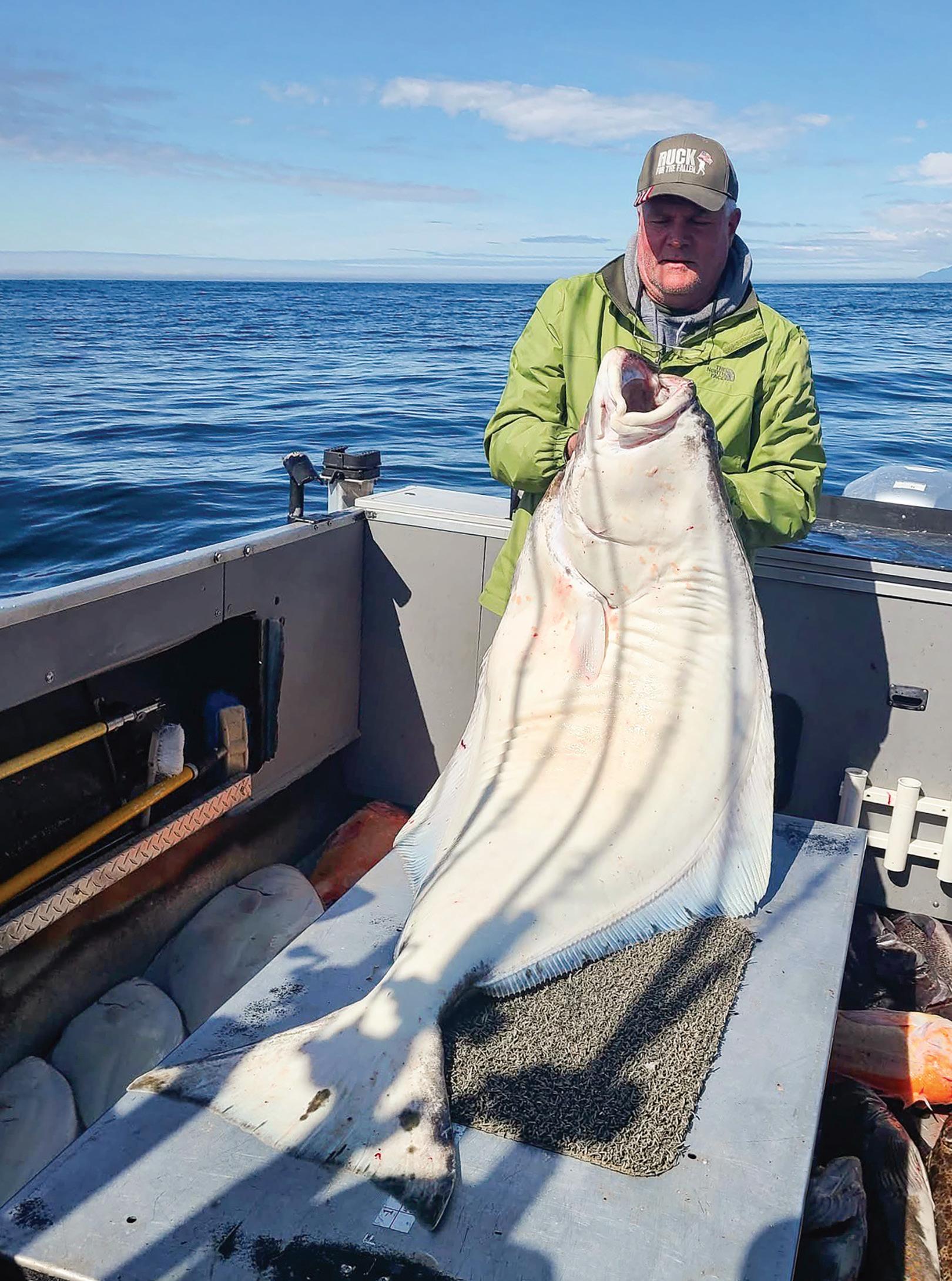
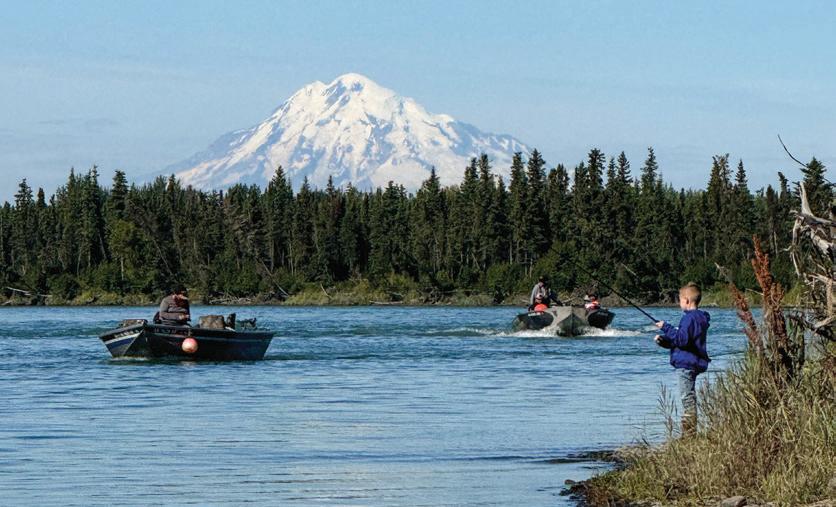
Give someone special the gift of an Alaskan adventure! The Lodge at Otter Cove’s all-inclusive three-day, fournight package includes three guided adventures, your accommodations, and all of your meals. Book before Christmas and receive 2025 pricing! Check out the website above or give Joe a call at 907-299-6450 for details.
Exquisiteknives.com exquisiteknives.com Exquisiteknives.comisoneoftheleadersinhighend custom knives. Dave Ellis, owner and American BladesmithSocietymastersmith,isalifelongcollector and sells some of the rarest and most beautiful piecesofedgedartknowntoman.Withnames like Bob Loveless, Bill Moran and MichaelWalker, Exquisiteknives.com’scarefullycuratedcollection meetstheneedsofanytop-endknifeaficionado.With friendshipswithtopartistsworldwide,Daveisableto procurethosedifficultandrareknives. PicturedisanamazingFoldingArtKnifeby Wolfe Loerchner.




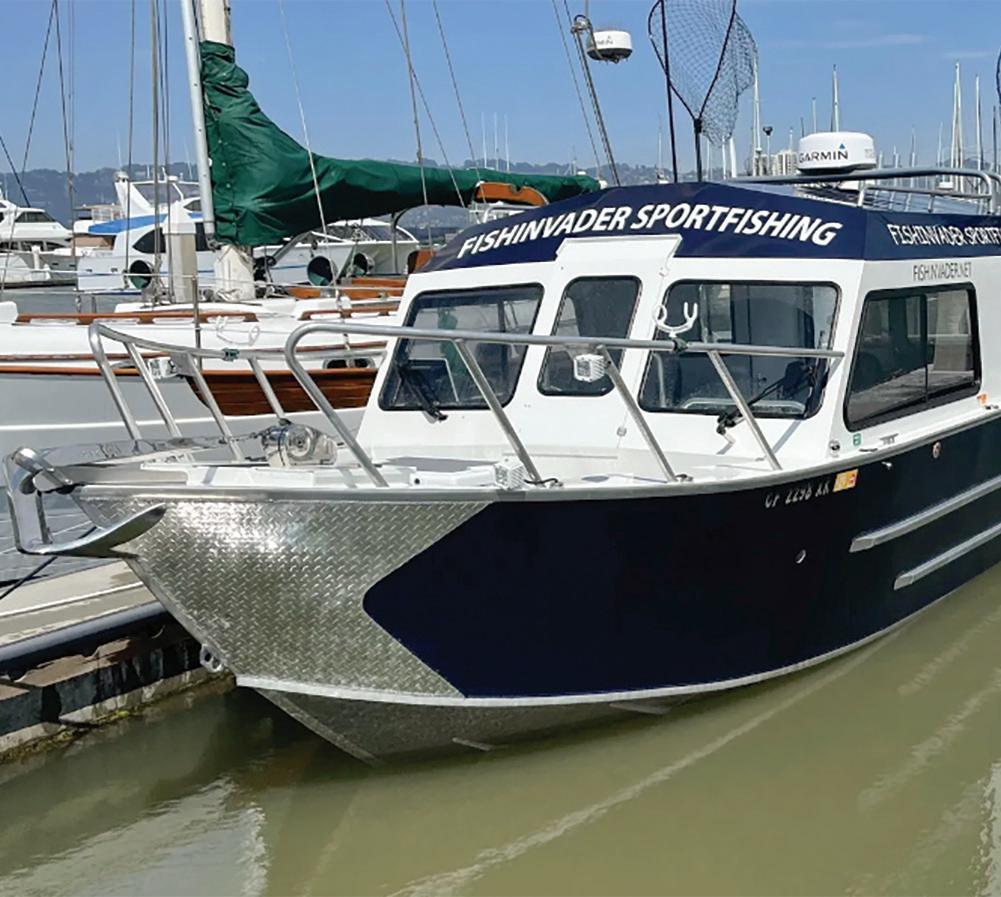
The perfect gift for the serious angler!
The LeeLock Magnum Skeg #LMS-04 is made specifically for Minn Kota Quest motors, boosting steering control, straight-line tracking and overall efficiency. Give the gift of longer battery life and better on-thewater performance this season!
Ideal for anglers running bow-mounted Quest motors. (Check out #LMS-01, #LMS-02 and #LMS-03 for other models.)
Make their fishing trips smoother, smarter and more enjoyable – a Magnum Skeg belongs under every tree!
907-513-5131
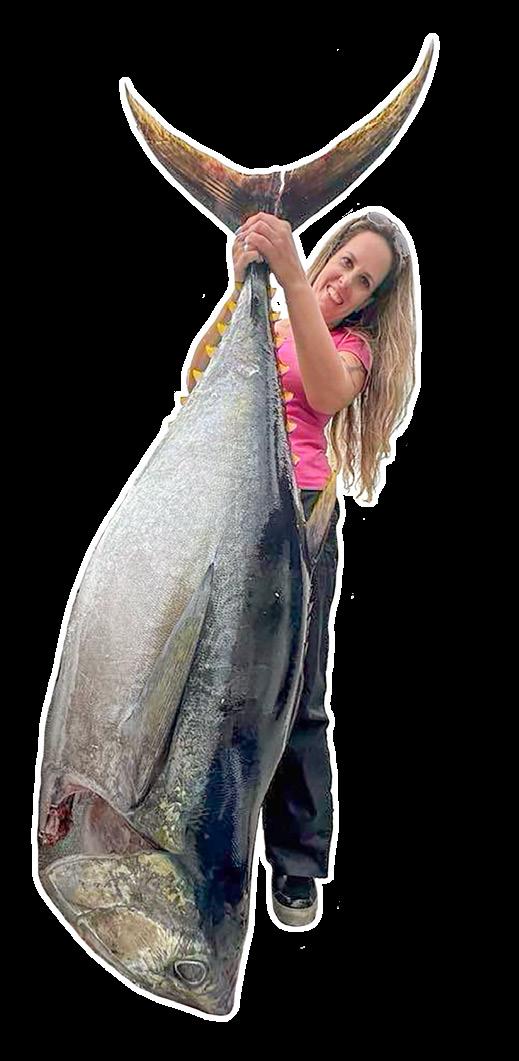
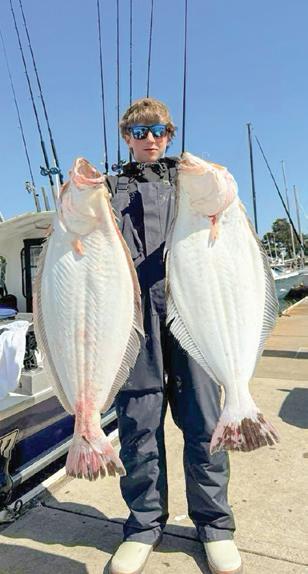
Early 2026 booking discount when booked before December 31, 2025, for any available 2026 dates. An entire day of offshore fishing for up to six people is $2,000. (Private boat for your group, drinks, light snacks and coffee included.)
For a limited time, Back 30 Outfitters is offering discounts on their whitetail hunts for the 2026 hunting season.

Coastal Marine Engine
Located in Northcentral Idaho, all their hunts include food, beautiful lodging and guaranteed outfitter tags. Spot and stalk/glassing/stands.
Normally priced at $4,500 for five days, the discounted price is $3,500 per hunter or $3,000 each for two-plus hunters. Can also upgrade your hunt to an elk/deer combo hunt! Cheaper options for semi-guided are available. Call 208-301-7050 or visit the website for more information.
Black Star Fishing Co. is a premier guide service specializing in salmon and steelhead fishing on the finest rivers in the Northwest. Spend adayonthewaterusingtop-of-the-line gear,aboardacomfortableboat,andledby afriendly,knowledgeableguidededicatedto makingyourfishingexperienceunforgettable. Now booking winter steelhead trips for 2025 and 2026. Gift certificates available!


coastalmarineengine.com
Receive 10 percent off labor on any scheduled maintenance between January 2nd and February 28th. Please use the discount code NWSM2026 when booking your service.




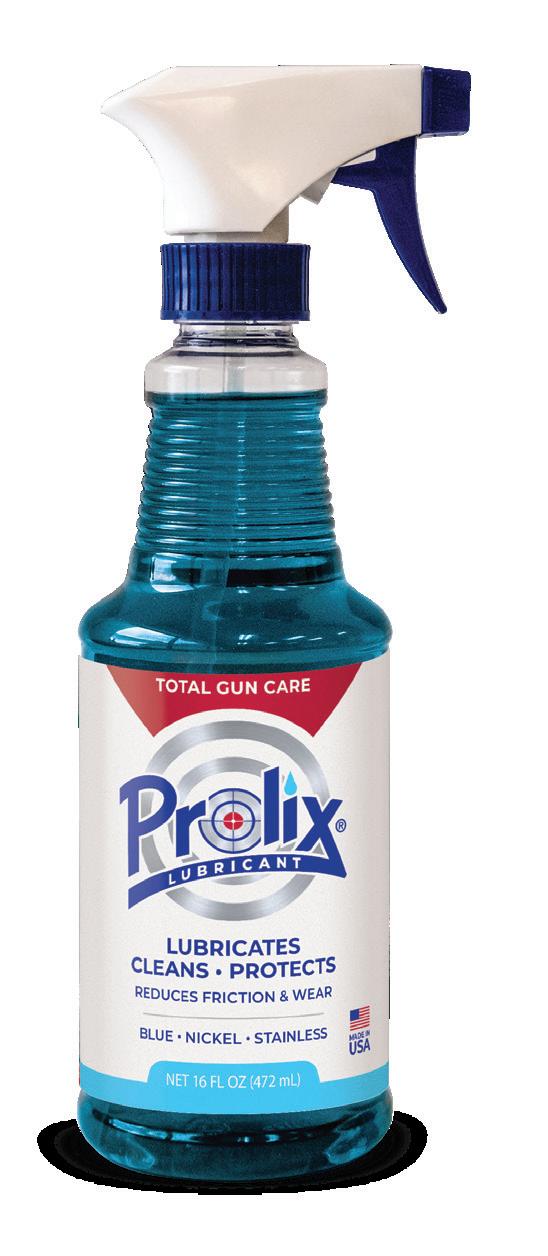
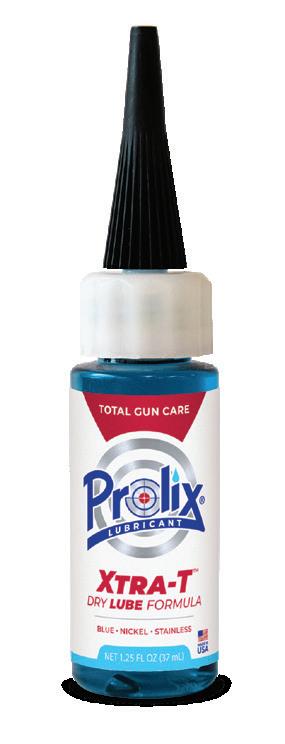
PrOlix is a penetrating solvent/dry lube product that was lab-developed and tested by law enforcement, military and commercial shooters over many years.
The citrus-based biodegradable cleaner, pioneered in 1995, is the first successful“all in one”gun care product, now deemed“Bio-Technology.”Their recyclable (strain and reuse) products are made of 89 percent or greater renewable resources, a true commitment to sustainable practices and caring for the environment. As such, the USDA has listed PrOlix as a BioPreferred Product since 2012.
The solvent“goes on wet, cleans, bonds, and the lube turns dry to the touch.”It removes carbon, copper, lead, shotgun plastic residues and black powder. PrOlix will not damage wood, freeze or flash off, and it can be used for commercial and industrial applications as well.
To complement the PrOlix Cleaner/Lubricant (Dry Tech) line, shooters can use the equally superior“gun-oil and grease replacer”PrOlix Xtra-T Lube for a total care product.


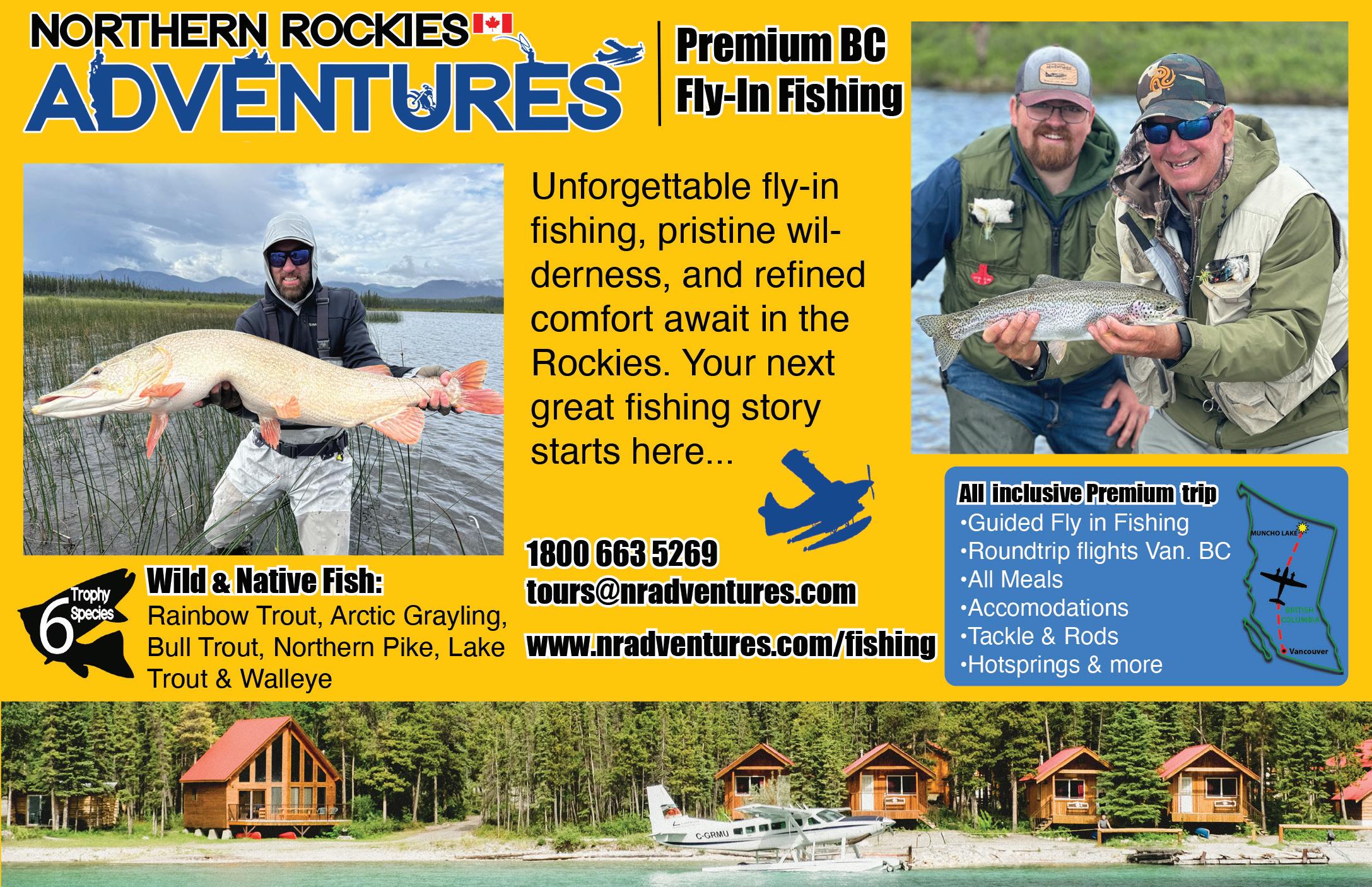
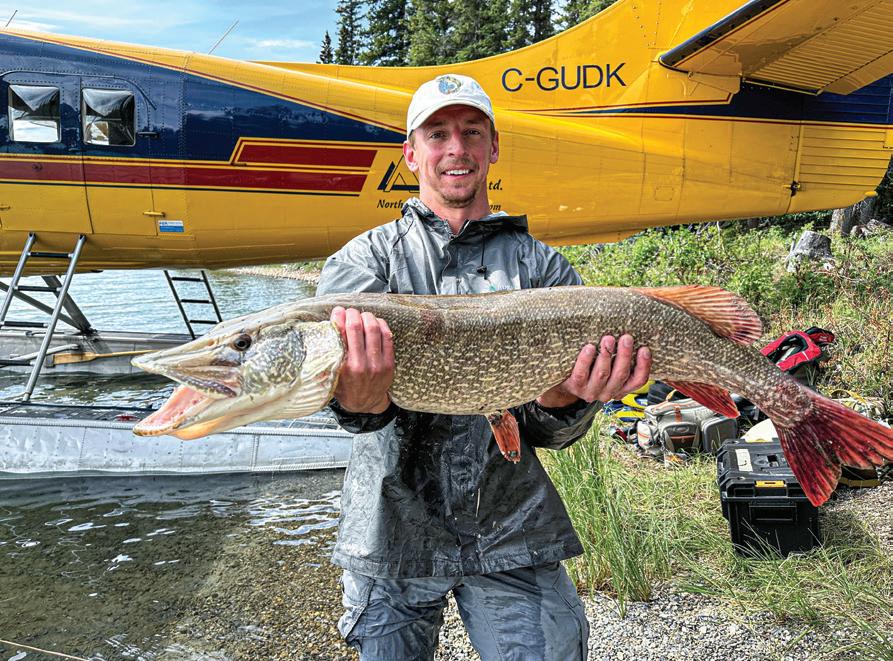
Northern Rockies Adventures nradventures.com/fishing Givetheultimatefishinggift:anall-inclusivefly-in fishingadventurewithNorthernRockiesAdventures! FlybyfloatplaneintotheheartofBritishColumbia’s pristineMuskwa-KechikaWilderness,castingforwild trout,pike,graylingandmoreacrossremoterivers, streams and lakes. Guidedbyover40yearsofexpertise,eachtrip includespremiumlodgeaccommodations,gourmet dininganddailyfloatplanefly-outstounforgettable fishingdestinations.Agiftofadventureandrefined comfort,createlastingmemoriesinoneofCanada’s mostspectacularwildernessregions.
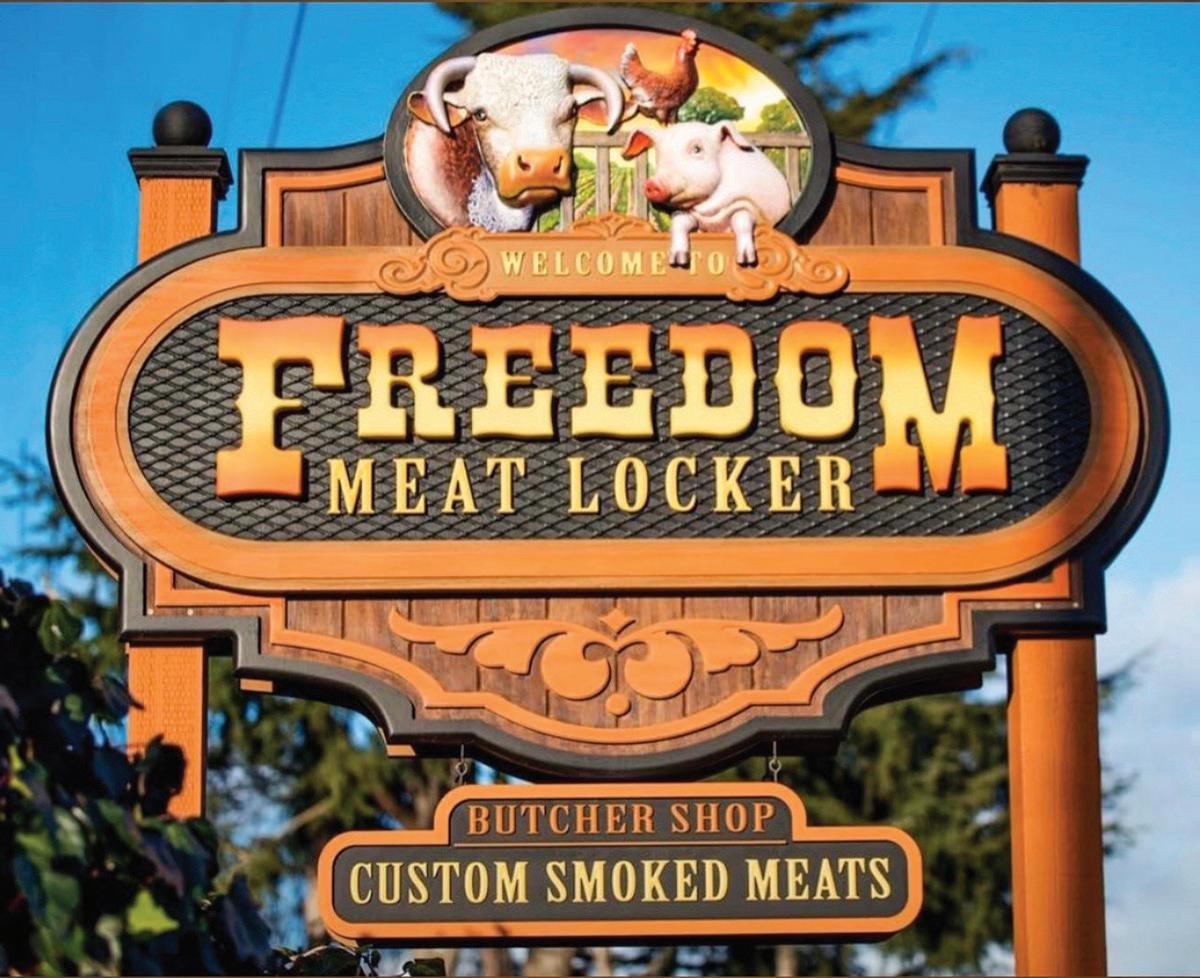
FreedomMeat Lockers freedommeatlockers.com service,FreedomMeatLockersisafullbutcherfamily-ownedand-operated shop,locatedinFreedom, servingCalifornia.Theshophasbeenproudly thecommunityfordecades.embraceAtFreedomMeatLockers,they approachatraditionalandold-school tobutchery,butcombineandthatmindsetwithmoderntools producttechnologytoensureevery isperfect.Theircommitmenttoexcellencehasearnedthem numerousstateand nationalawards.
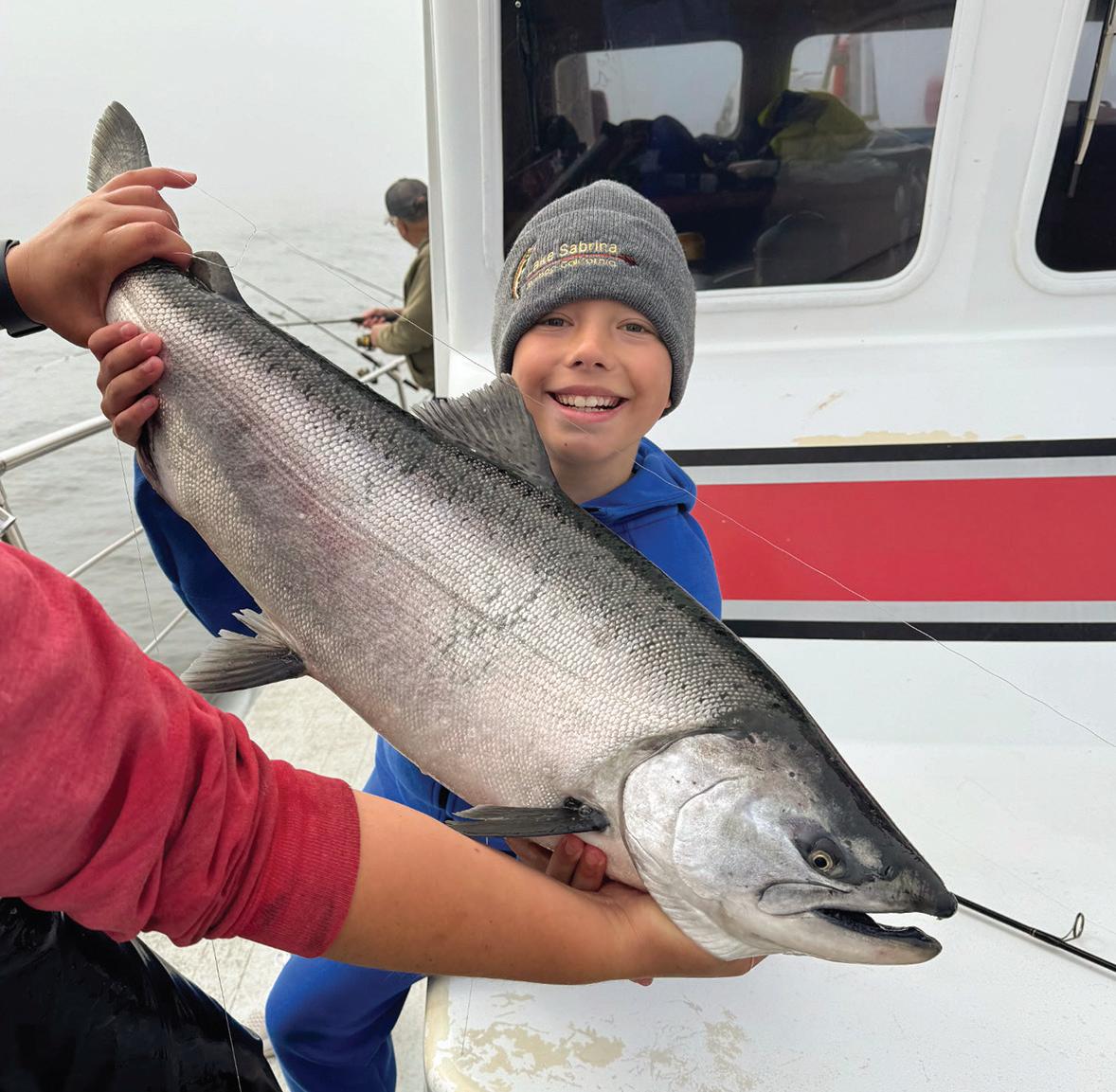
Give the gift of adventure on the Oregon Coast! A deep-sea fishing or crabbing trip in Newport is the perfect present for experienced anglers and beginners alike. Gift certificates can be used for exciting trips targeting rockfish, halibut, albacore tuna, salmon and Dungeness crab. Buy online for instant email delivery or order easily by phone.Treat someone special to an unforgettable day on the Pacific! Call 541-265-6800.

OffGrid
offgrid.co
OffGrid creates premium signal-blocking gear designed to protect your digital privacy and security. From Faraday bags to backpacks, every product is engineered to shield your devices from a wide range of invasive signals, keeping your data and location safe wherever you go. Built for modern travelers, tech users and privacyconscious individuals who value security without compromising on style.


Taylor’s Sausage Inc. taylorsausage.com
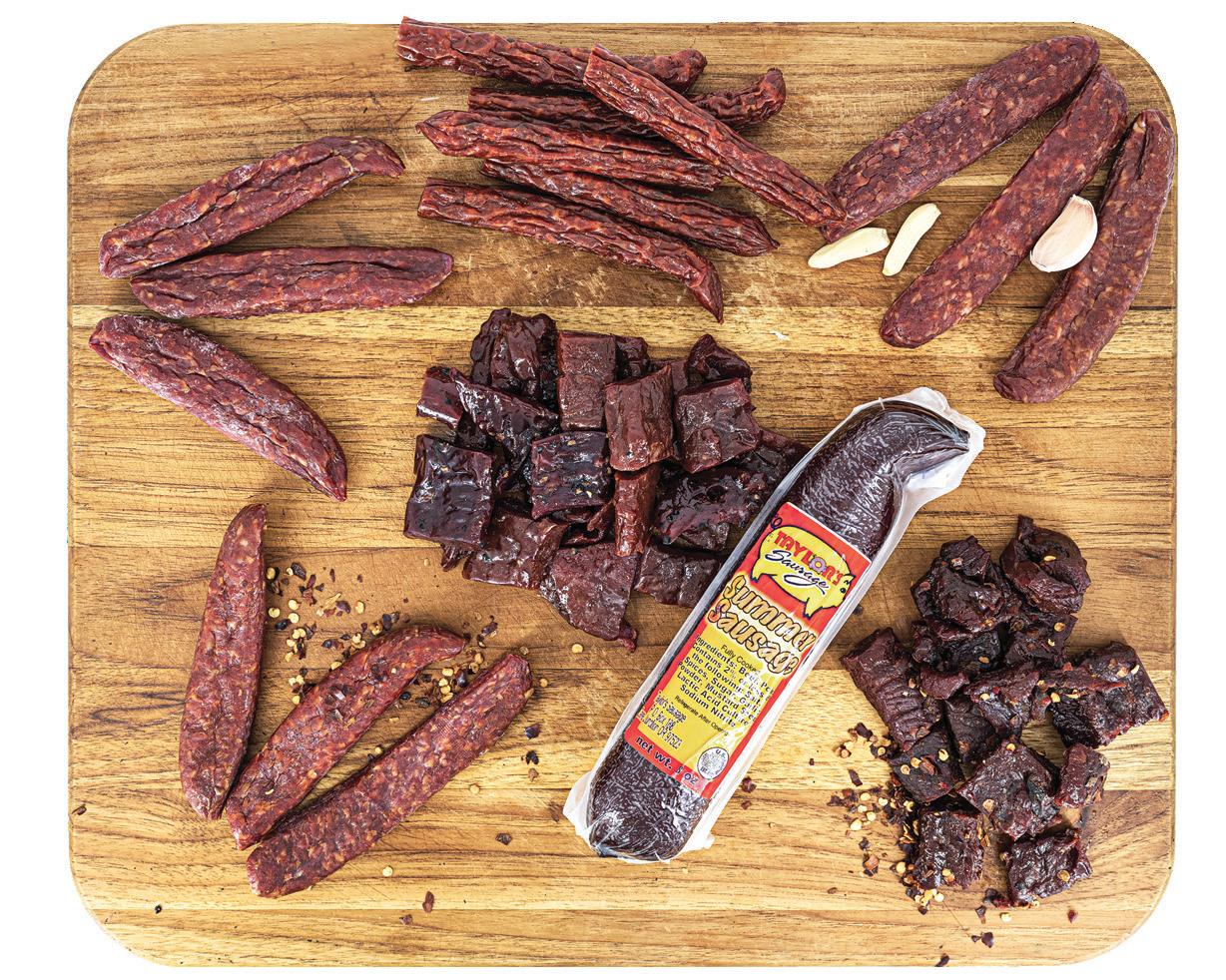
Taylor’sSausageInc.–afamilybusinesssince1924!Thecompanyhas beenmakingsausagesince1924andservingtheirgiftboxessince1982. Theyhave12flavor-filledgiftboxes.Picturedisthe#9HappyHunter, whichcontains:3countOriginalLandjaeger;3countHotLandjaeger; 3countGarlicLandjaeger;8ounceOriginalTrailbuster;8ounceHot Trailbuster;8ounceSummerSausageChub;4ounceSalamiSticks;and 3.25ounceMustard.Call541-592-4185orgoonlinetoorder!
UltiMAK, Inc. ultimak.com
The UltiMAK AK optic mounting system is legendary for its rock-solid stability, and for offering the lowest rail height which allows for co-witnessing with some optics. There are several models to cover a wide variety of AK types and configurations. Featured here is the model M2-B, which is the most versatile of their AK mounts. If you have a standard-length, standard-barrel AKM, with or without a ported gas chamber, then your AK can use the UltiMAK M2-B. Update your AK to the 21st century with an UltiMAK mount and a quality red dot sight. UltiMAK also supports: M1 Garand, M14/M1A, Mini-14 and 30, and M1 .30 Carbine.
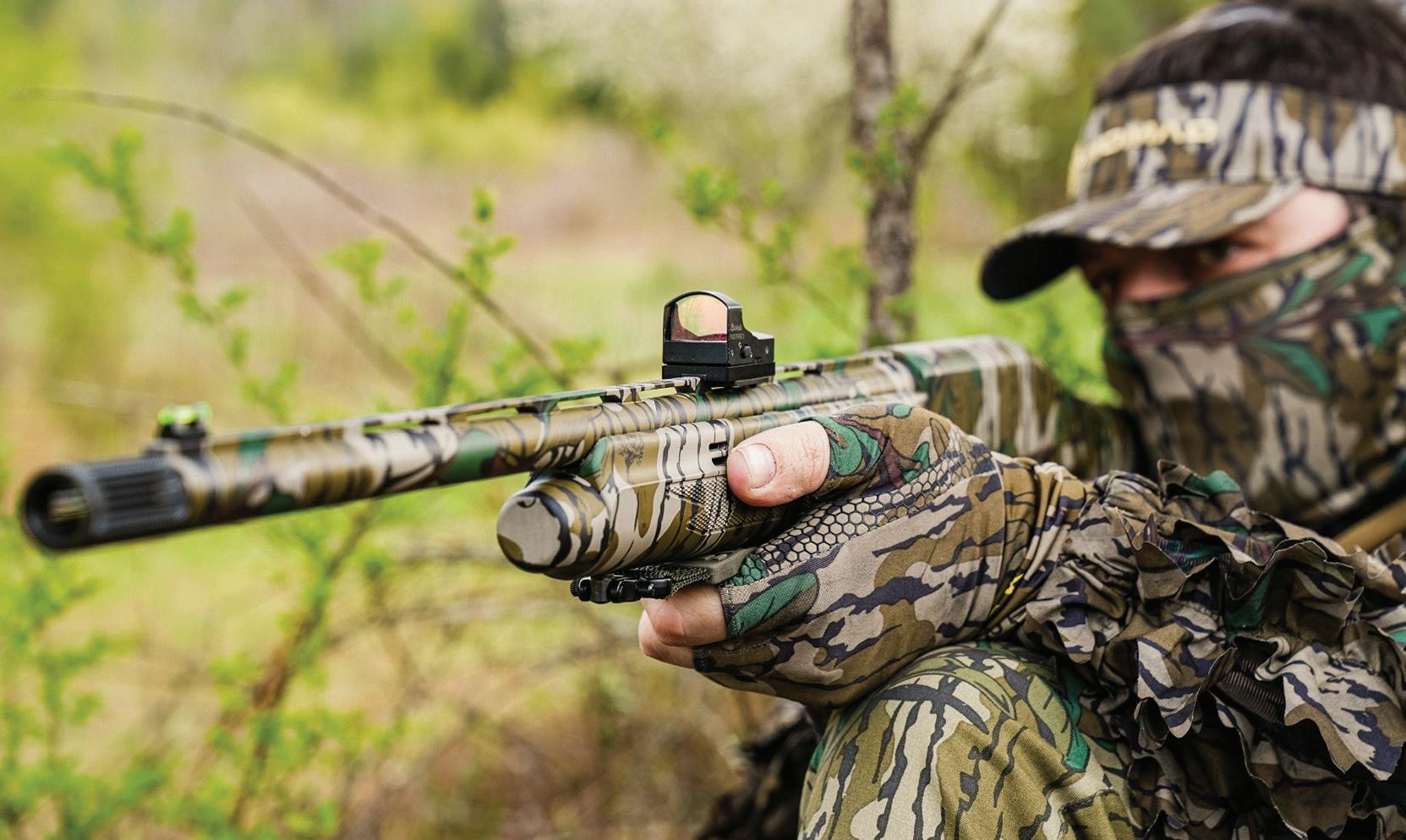
Meadow Creek Mounts makes red dot mounts for shotguns that clamp to the rib so that you don’t have to drill and tap your shotgun. Their mounts get your optic placed at the ideal distance to deliver an excellent natural field of view. By using an optic out on the rib, you’ll acquire the target more quickly and can easily shoot with both eyes open. The ease of installation will have you at the range or in the field in minutes.




whistlingmoonpress.com
What can a young boy possibly do when a moose follows him home? The main character’s attempts to hide, disguise and keep his new pet quiet are creative and fun! Quirky illustrations bring this unique story to life as it answers the question: “What do you do with a moose?”
Written and illustrated by Jo Hudson. Perfect for kids ages 2-8 and a great gift for any occasion! Order online.




Give the gift of adventure! Gift certificates are now available – the perfect holiday surprise for the angler in your life! Crabbing runs year-round, so book your trip now online or by phone. Plan ahead and reserve your 2026 fishing adventures for spring Chinook, summer ocean coho and Chinook, bottomfishing, or combo trips that include it all – salmon, bottomfish and crabbing in one action-packed day! Plus, their new boat arrives in 2026, just in time for tuna trips starting in August! Don’t miss out – book today and make unforgettable memories on the water! Call 503-812-1264 for more information.

This season, give the gift of an experience and memories that last a lifetime with Rocky Mountain Elk Ranch. Choose a three-day private hunt for either elk or bison. With meals, lodging and guide service included and a guaranteed trophy, you can’t go wrong. Scheduling is easy, as they take care of all the details so you don’t have to. Each hunter can also bring a non-hunting guest for free. So check off that bucket list, get your trophy, and fill the freezer. It’s the perfect gift for the hard-to-buy-for.


Sauvie Island Duck Club siducks.com
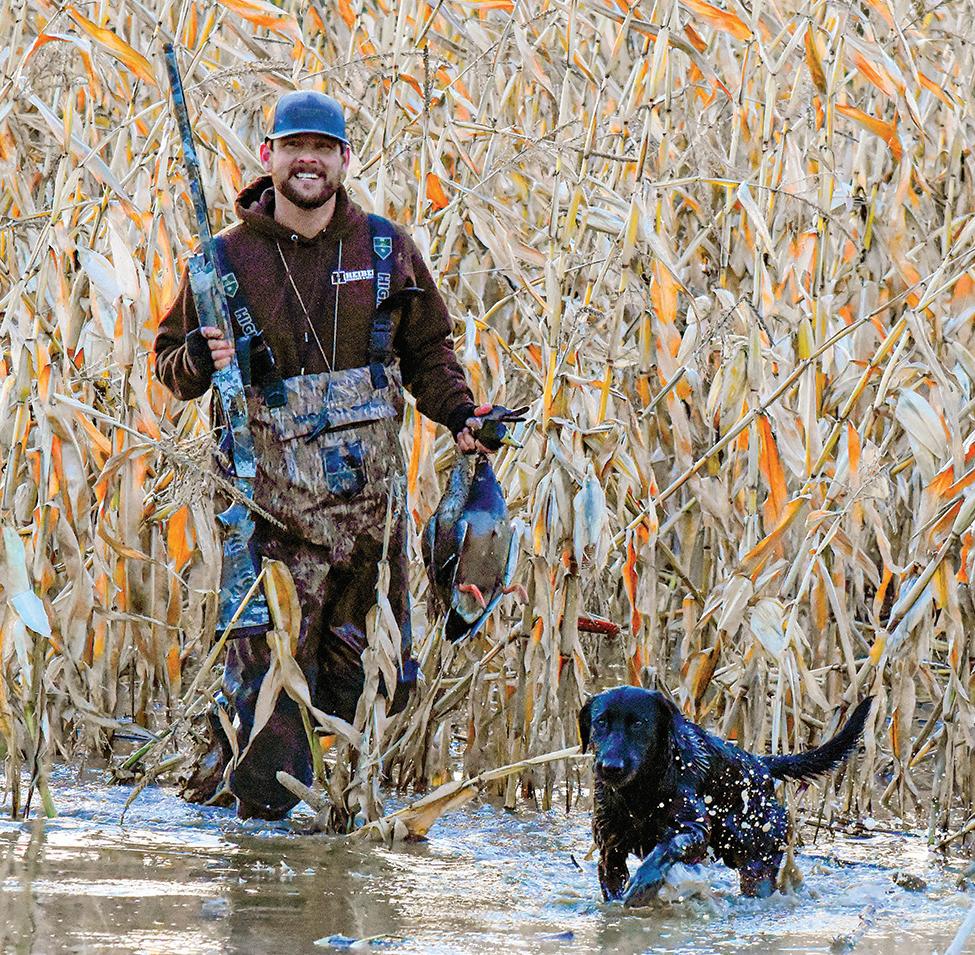
Buy a day hunt before the season ends! Located in the heart of Sauvie Island, 10 miles northwest of Portland and nestled along the Pacific Flyway, Sauvie Island Duck Club is prime duck and goose hunting real estate. The private hunting club is close to one of the largest state-run bird refuges offering waterfowl hunting.
Bear Trail Lodge beartraillodge.com
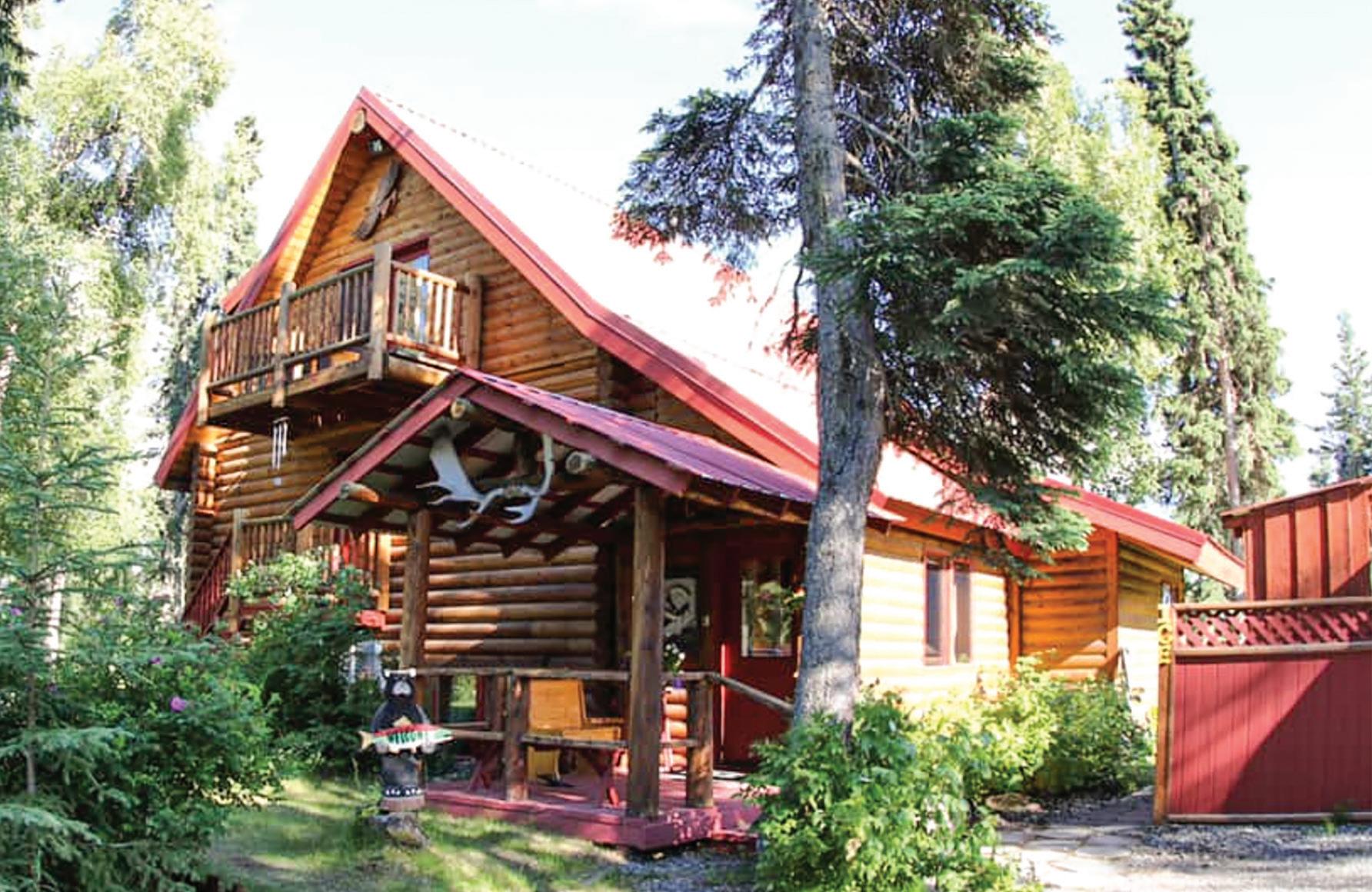
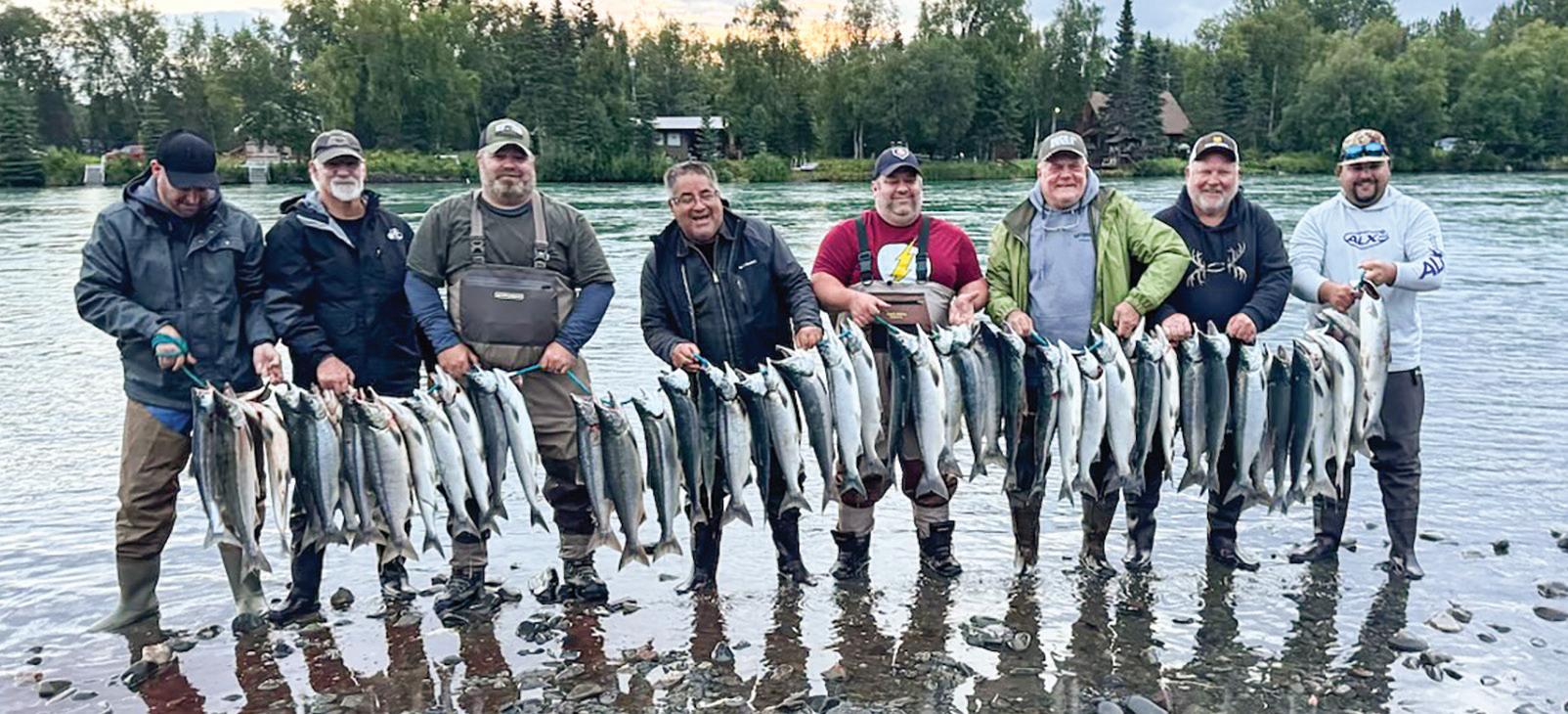
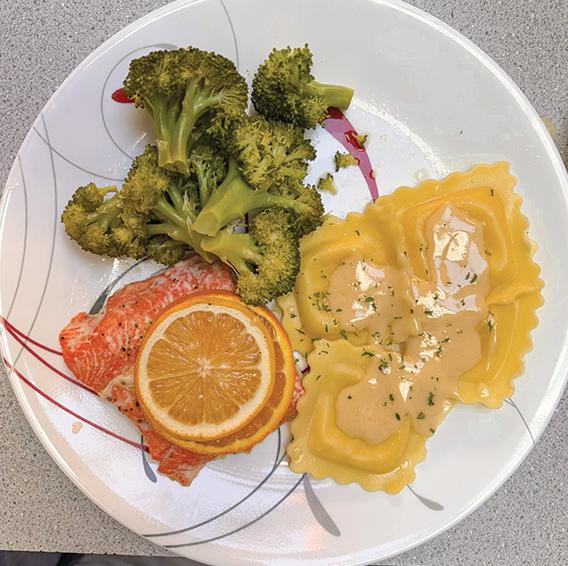
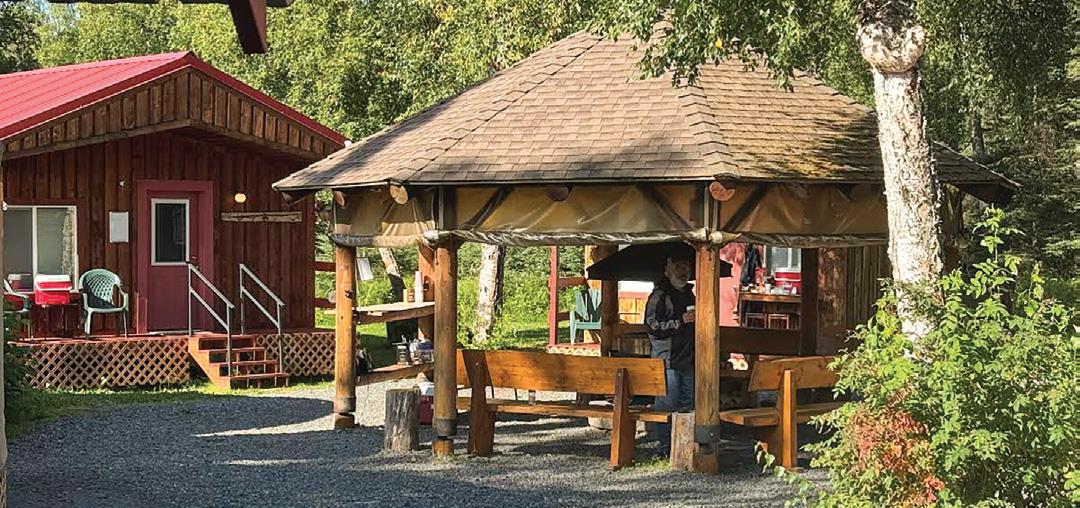
This holiday season, give something that lasts longer than the wrapping paper – give the gift of experience. Every sunrise over the river, every cast and every shared moment becomes a lasting memory. Treat someone special to the adventure of a lifetime where nature, connection and wonder meet. Join Bear Trail Lodge on the renowned Naknek River to have the Alaskan fishing experience we’ve all dreamt about.