BARBADOS’ PREMIER BUSINESS & INVESTMENT PUBLICATION 2026


Considering expansion to a safe and thriving domicile?
Consider Barbados!
BARBADOS’ PREMIER BUSINESS & INVESTMENT PUBLICATION 2026
Considering expansion to a safe and thriving domicile?
Consider Barbados!


One of the highest-ranked developing countries on the UN’s Human Development Index, Barbados has: excellent quality of life
a longstanding record of political, social and economic stability an excellent education system healthcare that’s amongst the best in the Caribbean direct connections to major international cities world-class telecommunications other reliable utilities island-wide expanding treaty network no capital gains, wealth or inheritance tax
Trident Insurance Financial Centre
Hastings, Christ Church Barbados, BB15156
E-mail: info@investbarbados.org Website: www.investbarbados.org
Barbados: 1-246-626-2000
Canada: 1-647-977-5996
The USA: 1-347-433-8942
The UK: 011-44-203-318-9036


Key Investment Opportunities
» Financial and Insurance Services
» Niche Manufacturing
» ICT
» Global Education
» Film
» Renewable Energy
» Fintech
» Medical Tourism
» Research & Development
» Life Sciences/Bio Pharma
» Special Residency Programme

Design: Neil Barnard at 809 Design Associates
Main photographer: Jaryd Niles-Morris
Assisted by: Ryan Austin, Anika Millington
Illustrations: Nicola Blades
For the latest articles, news and events check out: BusinessBarbados.com
And join the conversation on the following social networks:
Business Barbados is published annually by Miller Publishing Company Limited, 10 Stonehaven, The Crane, St Philip, Barbados
Tel: 1 (246) 421-6700
Email: info@businessbarbados.com



Deloitte in Barbados offers alternative risk solutions for captive insurance structures, primarily for clients based in North America, Latin America and the Caribbean. Services include a full suite ranging from captive insurance health checks, pre-feasibility and feasibility studies, company set-up and licensing, ongoing management, re-domiciling, run-off, to communications and even company closures.

Clarke Managing Partner | Tax & Consulting idclarke@deloitte.com
Steve Clarke Partner|Consulting & Assurance stclarke@deloitte.com

Jordan Director | Consulting kjordan@deloitte.com
BUSINESS
28-29 - Latin America and Caribbean International Economic Forum, Panama City https://www.caf.com/en/specials/international-economicforum-latin-america-and-the-caribbean-2026
SAILING
15-22 - Barbados Sailing Week roundbarbados.com
10-11 - Barbados Sailing Week Junior Dinghy Regatta 21 - Mount Gay Round Barbados Race 22 - Rum to Spice (Barbados to Grenada Race)
POLO
10 – Club Match, Barbados Polo Club
17 – Club Match, Apes Hill
24 – Soroptimist Charity Match, Barbados Polo Club
31 – Rest of the World vs Barbados
NATIONAL HOLIDAYS
1 - New Year’s Day
21 - Errol Barrow Day
BUSINESS
4-6 - World Captive Forum, JW Marriott, Orlando FL https://events.businessinsurance.com/wcf26
POLO
7 – Mervin & Bobby Barnes Trophy / Arentfox Schiff vs Barbados, Apes Hill
14 – Arentfox Schiff vs Barbados, Apes Hill
21 – Heart and Stroke Charity Match, Barbados Polo Club
28 – Andy Dowding Trophy / Canada vs Barbados, Barbados Polo Club
SURF
23-1 Mar – Barbados Surf Pro & Live Like Zander Junior Pro
TRIATHLON
15 – World Triathlon Development Cup (Youth Olympic Qualifier)
CULTURAL
15-22 - Holetown Festival • holetownfestivalbarbados.org
28-1 Mar – Agrofest – The National Agricultural Exhibition, Queens Park, Bridgetown • basonevoice.org
Barbados Surf Pro. Photo courtesy Barbados Surfing Association


Horse racing at the Garrison Savannah
BUSINESS
8-10 - CICA 2026 International Conference, Palm Desert, California https://www.cicaworld.com/international-conference/ 26-27 - BRIM 2026, Wyndham Grand Barbados - Sam Lord’s Castle brim.biba.bb
HORSE RACING
7 - Sandy Lane Gold Cup, Garrison Savannah barbadosturfclub.org
POLO
5 – Canada vs Barbados, Apes Hill
8 – Tony Archer Trophy / Canada vs Barbados, Apes Hill
14 – Club Matches, Apes Hill
21 – Andrew Philips Trophy / Argentina vs Barbados, Barbados Polo Club
26 – Argentina vs Barbados, Apes Hill
28 – Mickey Hutchinson Trophy / Argentina vs Barbados, Barbados Polo Club
POLO
4 – Kings Lane vs Barbados, Apes Hill
9 – Kings Lane vs Barbados, Barbados Polo Club
11 – Rotary / Kings Lane vs Barbados, Apes Hill
18 – Scotland vs Barbados, Apes Hill
25 – R. Gooding / T. Davis Cup, Apes Hill
FISHING
14-18 — Sir Charles Williams International Fishing Tournament, Port St. Charles Marina
NATIONAL HOLIDAYS
3 — Good Friday
5 — Easter Monday
28 — National Heroes’ Day
MAY
BUSINESS
3-6 — RIMS Annual Conference, Philadelphia, PA, USA https://www.rims.org/annual-conferences/ riskworld-2026/home
12-15 — Caribbean Travel Marketplace, Antigua & Barbuda https://chtamarketplace.com/
26-28 IDB Invest Sustainability Week, Barbados idbinvest.org/en/sustainability/sustainability-week-2026
POLO
2 – Sir Charles / Kent Cole Challenge Trophy, Apes Hill 2 – Kearns / President’s Trophy, Barbados Polo Club
SQUASH
12-17 – BCQS International Masters Tournament, Barbados Squash Club
TRIATHLON
17 – National Duathlon, Bushy Park, St. Philip triathlonbarbados.com
MOTORSPORT
23-24 — The Rally Show & First Citizens King of the Hill 29-31 – BCIC Rally Barbados rallybarbados.net
NATIONAL HOLIDAYS
1 – May Day (Labour Day) 25 — Whit Monday


BUSINESS
22-26 – Connect Barbados, Bridgetown, Barbados
CULTURAL
July-August Crop Over Festival https://ncf.bb/crop-over/
HORSE RACING
TBC (late July) — Barbados Derby, Garrison Savannah barbadosturfclub.org
SCUBA DIVING
TBC — Barbados Dive Fest divefest-barbados.com
HOCKEY
23-29 — Annual Barbados International Hockey Festival, Sir Garfield Sobers Sports Complex, Bridgetown barbadoshockey.org
NATIONAL HOLIDAYS
1 — Emancipation Day
7 — Kadooment Day
CRICKET
TBC – Caribbean Premier League Twenty20, with final in Barbados
Scan for the latest event dates and registration details throughout the year.



BUSINESS
18-21 - RIMS Canada Conference, Quebec City, Quebec, Canada
https://www.rims.org/canada/rims-canada-2026/
25-30 - BIBA Global Business Week gbw.biba.bb
CULTURAL
14-18 - Barbados Independent Film Festival barbadosfilmfest.com
GOLF
TBC – Diamonds International Rotary West Charity Golf Tournament, Royal Westmoreland
TRIATHLON
19 — BFIT National Triathlon, Mighty Gryner Highway triathlonbarbados.com
CULTURAL
5-8 – Food & Rum Festival (tentative)
GOLF
7 - Fourth Annual BIBA Charity Ben Arrindell Intl Golf Classic
SWIMMING
4-8 - Barbados Open Water Festival, Carlisle Bay barbadosopenwaterfestival.com

Senator the Honourable Lisa Cummins speaking at the launch for Global Business Week 2025
TRIATHLON
22 - National Aquathlon in association with the BiiG Games, Mighty Gryner Highway triathlonbarbados.com
CULTURAL
1 — Independence Lighting Ceremony, National Heroes Square, Bridgetown
30 — 60th Independence Day Parade, Garrison Savannah
NATIONAL HOLIDAY
30 — Independence Day
RUNNING
4-6 — Run Barbados Marathon Weekend
HORSE RACING
26 — Boxing Day the Races, Garrison Savannah barbadosturfclub.org
NATIONAL HOLIDAYS
25 — Christmas Day
26 — Boxing Day
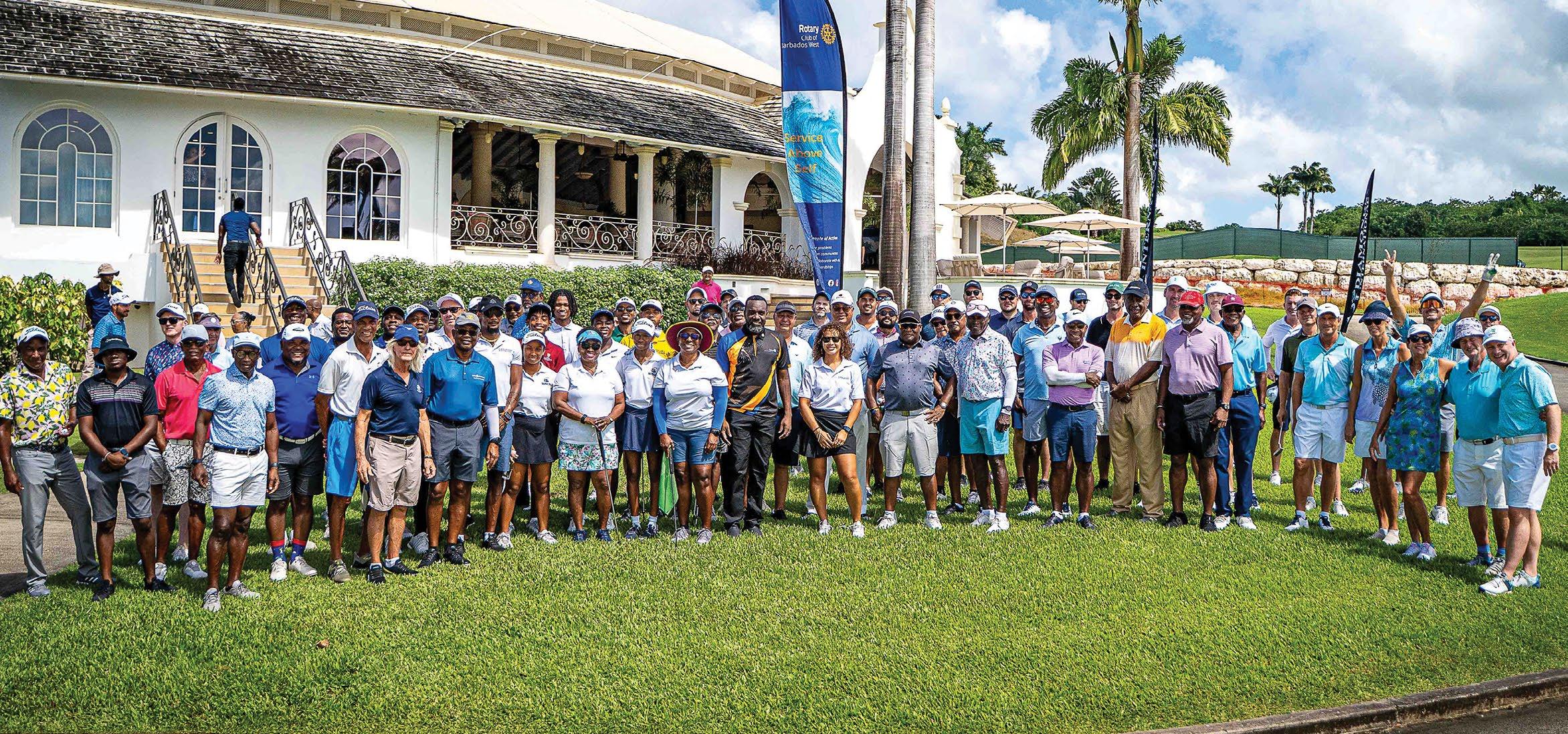
Diamonds International x Rotary Club of Barbados West Charity Golf Classic

Barbados: A Smart and Compelling Choice for Global Business
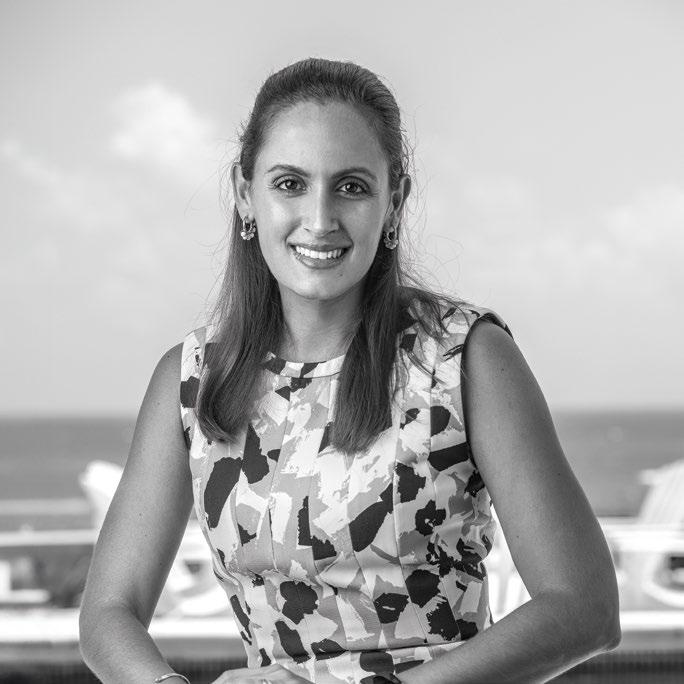
- Kaye-Anne Greenidge, CEO, Invest Barbados
Business Barbados BUZZ:
The Pierhead Barbados – An Old Soul with a New Heart
Business Barbados – Building a New Foundation for Growth
- Connie Smith, Chair, Business Barbados
Why We Chose Barbados
Investor Testimonial: Paul Doyle and John Doyle, The Crane Resort
Business Barbados BUZZ: Apes Hill Barbados – Refined Living Rooted in Nature
A Strategic Leap Toward Regional Growth and Resilience
- Connie Smith, Managing Director, Vistra Barbados
Barbados – A Maritime Nexus in the Making
- George Michanitzis, CEO, Minotaur Shipping and Project Management
Un Solo Puente: The Barbados-Panama Connection
- HE Amanda Martinez, Ambassador of Barbados to the Republic of Panama
Panama-Barbados: A Gateway to the World
- HE Xiomara Perez, Ambassador of the Republic of Panama to Barbados
Business Barbados BUZZ:
Soaring from Vision to Reality – the SCHSBM Ground School ATO
- Dr Dion Greenidge, Sagicor Cave Hill School of Business and Management, The University of the West Indies
The Land of 1000 Labs – Barbados as a Living Innovation System


- Tamaisha Eytle Harvey, Director, FutureBARBADOS
The



We are unique in the way we combine the scale and capability of a large global bank, with the continuity and genuine commitment to service of a boutique firm. Our expertise crosses three integrated service areas:
With an uncommon commitment to personalized service, we approach every challenge as an opportunity to make life simpler
Let’s connect.


Captive Insurance, ESG and the Barbados Paradigm
- Kerry Jordan, Director, Consulting (Strategy, Risk & Transactions), Deloitte
The Route to a One Billion Dollar Rum Industry
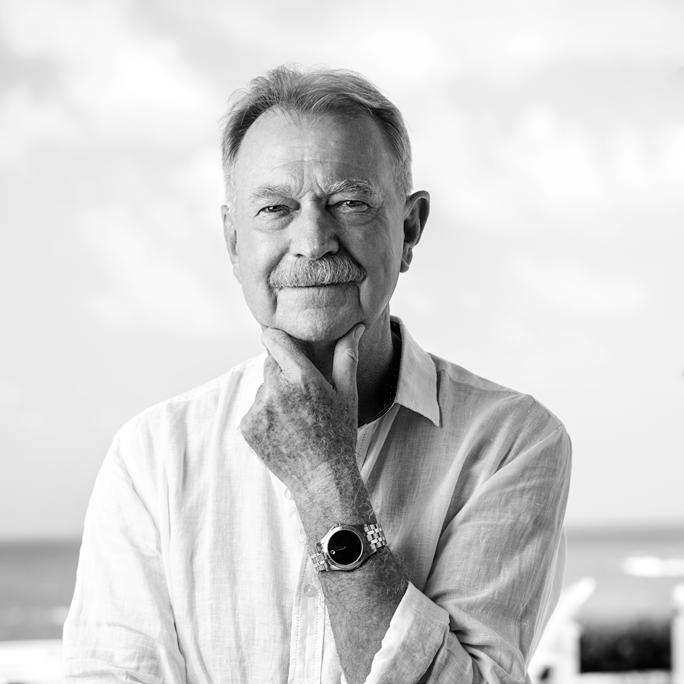
- Richard Seale, Distiller, Foursquare Distillery
BIBA
Barbados at the Crossroads – Digital and Transfer Pricing Tax Transformation
- Amanda Layne, Transfer Pricing Tax Director, PwC
Business Barbados BUZZ:
The Healthy Taste of Resilience – How the Caribbean Turned Crisis into Creation
- Dr Kim Quimby

Global Tax Reform – The Integration of BEPS 1.0 and Pillar Two
- La-Tanya Phillips, Partner, Tax, EY
Barbados: A Hub for Climate Resilient Healthcare
- Chris Brome, Office Managing Partner, KPMG in Barbados and Eastern Caribbean, Head of Advisory, KPMG in Caricom
- Dr. Lee Ann Salandy, Senior Manager, Healthcare Advisory, KPMG Islands Healthcare Centre of Excellence
Business Barbados BUZZ: BOHO Beautiful – Family, Business and Lifestyle in Harmony
Empowering SMEs, Attracting Global Capital – Barbados’ Blueprint for Inclusive Market Growth
- Marlon E. Yarde, Managing Director, Barbados Stock Exchange
Business Barbados BUZZ: COT Holdings – 50 Years of Innovation and Family Legacy
Enhancing Barbados’ Third Sector through Standard Certification
- Beatrix Holder, CEO (Interim), ASPIRE Foundation




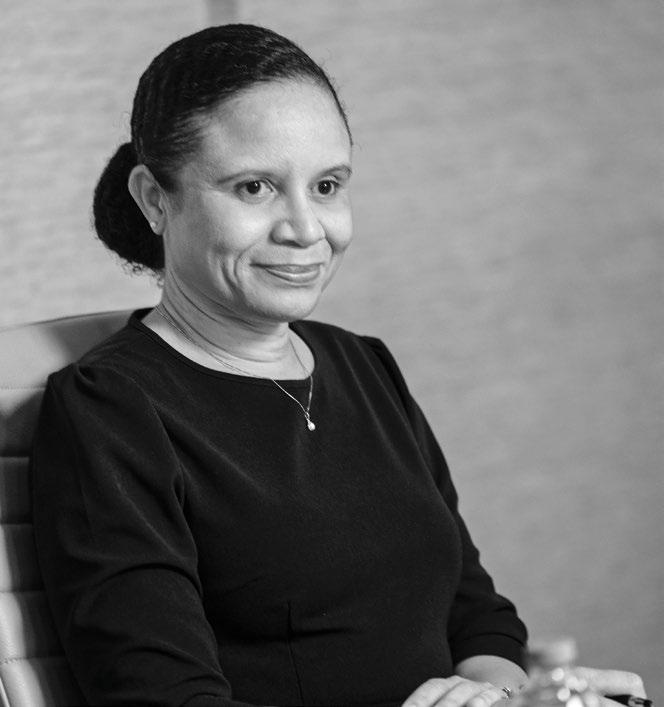
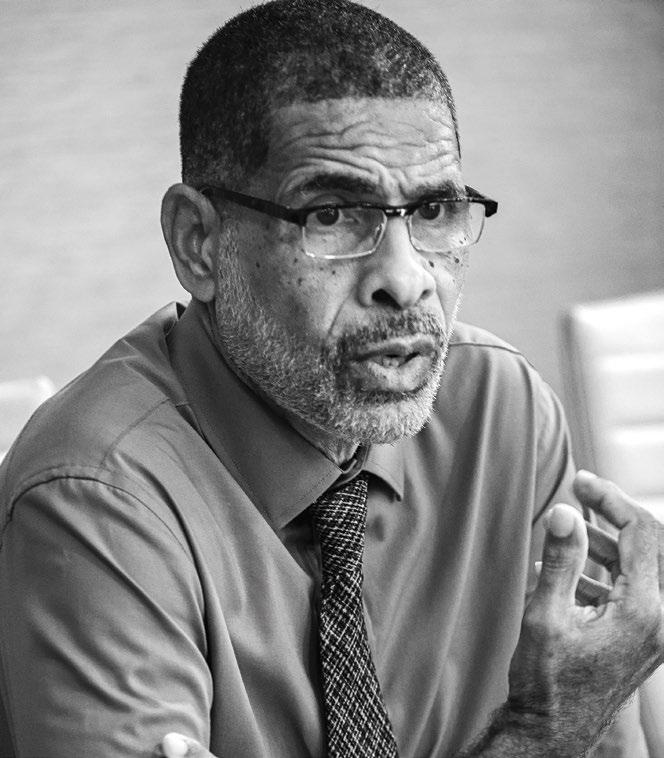
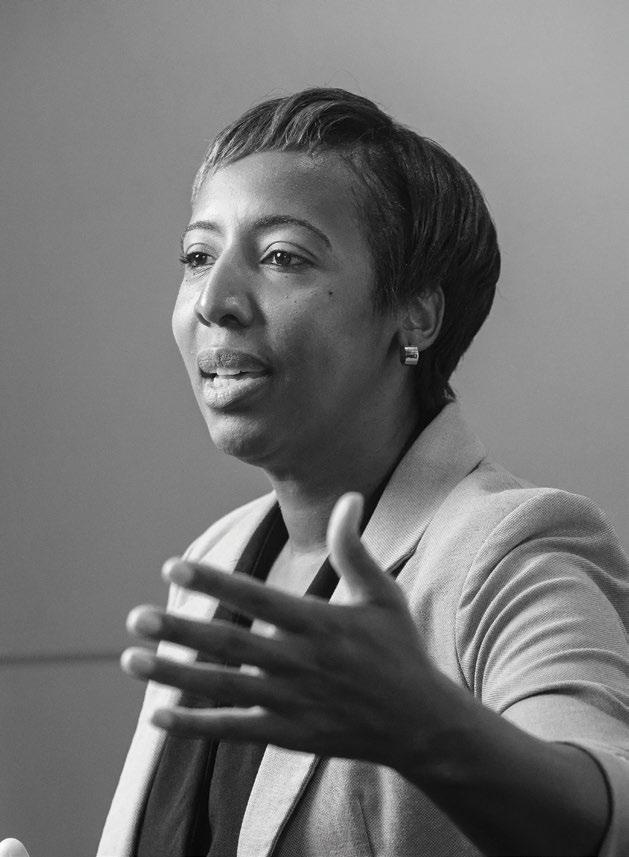
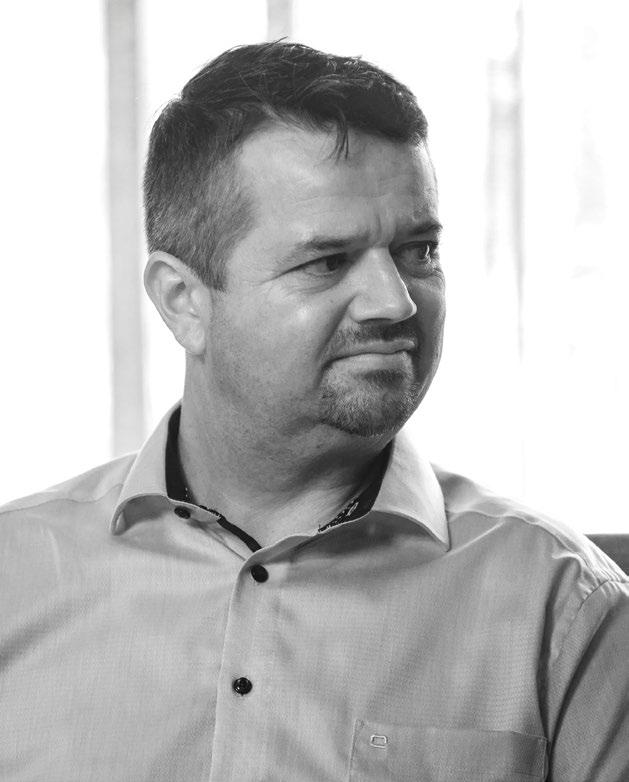
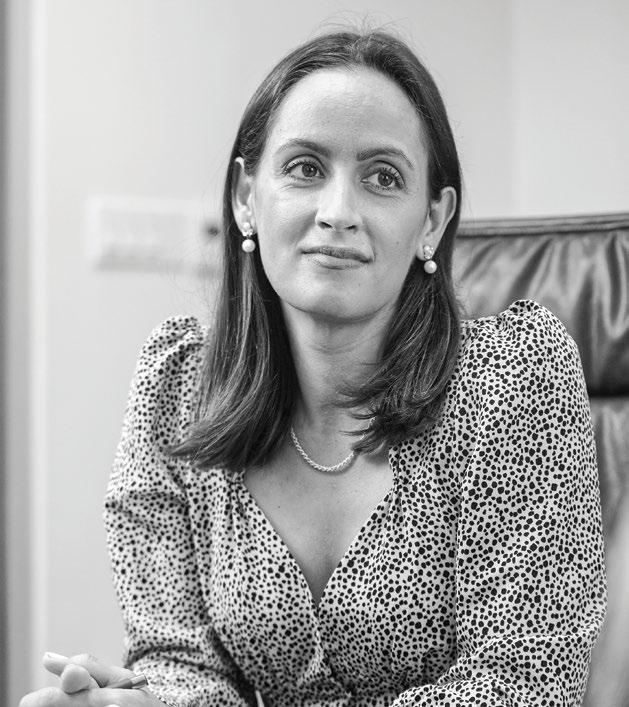



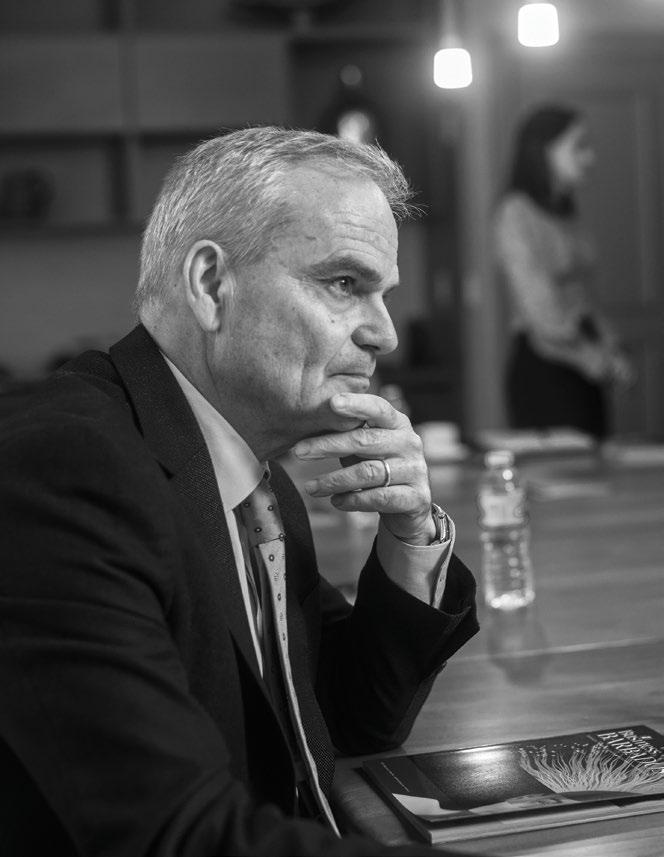
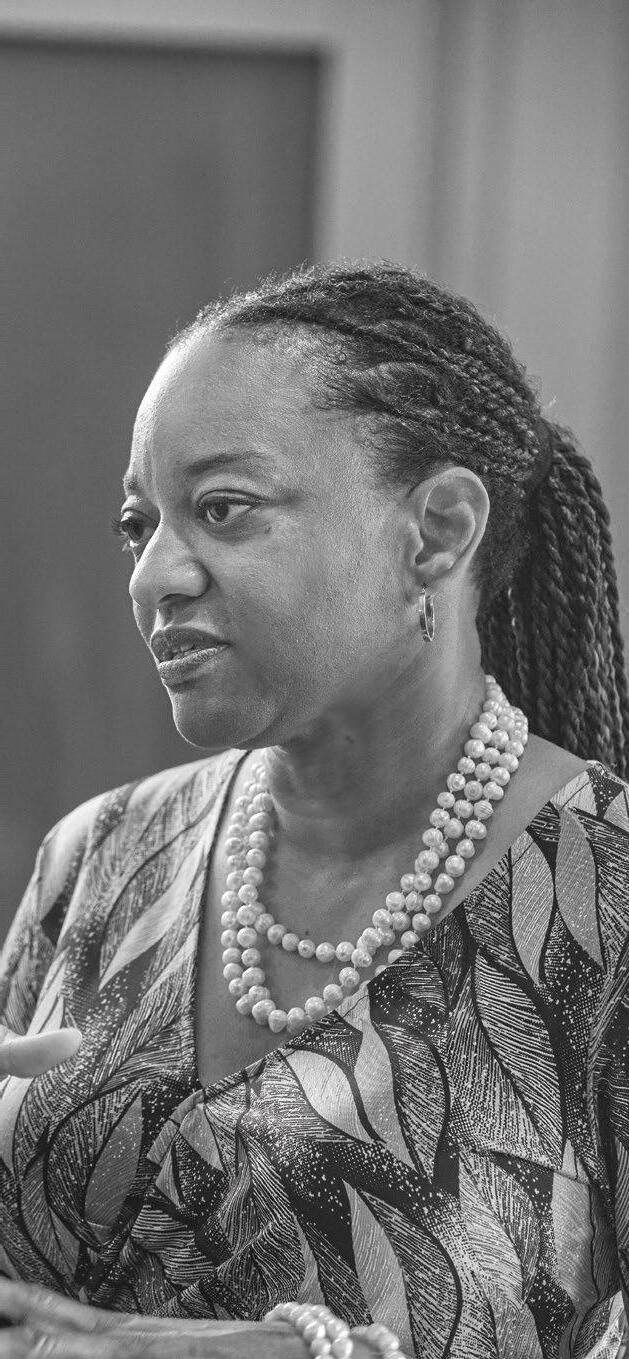
In an increasingly unpredictable world, agility has become the most valuable currency. Nations that thrive today are not the largest or the wealthiest, but those able to adapt and innovate.
When the 2026 Business Barbados Editorial Board met in The Boardroom of the Hilton Resort Barbados, the words hub and centre kept surfacing, ultimately shaping our 2026 theme “A Smart Hub”. This goes beyond the island’s digital trajectory. It reflects intelligence in every sense: how we think, how we build, how we respond to global challenges, and how we prepare for the future. Being a Smart Hub is not a slogan; it is a lived reality, shaped by our institutions, our private sector, and above all, our people.
A key part of Barbados’ evolution has been its commitment to modern, responsive governance. The establishment of Business Barbados, the new government entity dedicated to business facilitation, signals a meaningful shift toward efficiency and transparency. Our publication, Business Barbados, will support that mandate.
Reforms in digital government, cybersecurity and regulatory modernisation continue to build confidence among local businesses and international investors. From streamlined business processes to smarter tax policy frameworks around BEPS, Pillar Two and Transfer Pricing, Barbados is proving that sound governance, integrity and innovation go hand in hand. And it’s not smart to be isolationist. Barbados made a bold
move in October 2025, opening its borders with CARICOM neighbours Dominica, St Vincent and the Grenadines, and Belize for the free movement of people – and the skills and ideas they bring. Diplomatic relations have also expanded and strengthened, particularly southsouth partnerships with regions where historic ties run deep, such as Africa and Latin America. Barbados is also capitalising on its location – an ideal physical hub for trade, transport and the movement of people and resources.
Barbados as a Smart Hub is most visible in the energy and imagination of its private sector. Across industries, companies are rethinking traditional models and using technology to create new value and opportunities for entrepreneurs and investors.
We have reinsurance firms using Bitcoin as regulatory capital. Printeries are automating production lines. Hospitals – both state-owned and private – are investing in new facilities and technologies to treat the ailments of tomorrow. Property developers are designing communities that integrate sustainability, wellness and smart infrastructure. We are training pilots, reversing diabetes, and exploring how captive insurance can channel investment into ESG-focused opportunities. Even the rum industry is redefining competitiveness through quality, heritage and added value.
These stories, all featured in this edition, show that “smart” in Barbados is not just technological; it
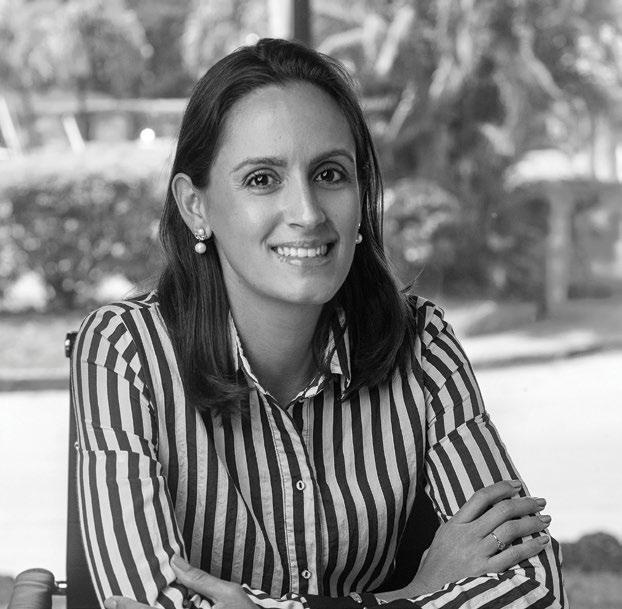
Danielle Miller Editor, Business Barbados
is strategic, purposeful and peoplecentred.
A smart nation plans not just for the next quarter, but for the next generation. Barbados’ leadership in renewable energy, climate resilience and sustainable financing demonstrates that progress and environmental stewardship must align. Our commitment to a full renewable transition and global advocacy on climate justice has earned international attention. Our Prime Minister, the Honourable Mia Amor Mottley, was once again named by Forbes as one of the 100 Most Powerful Women in 2025. And in May 2026, Barbados will host IDB Invest’s Sustainability Week, the first time this global platform comes to the Caribbean.
On 30 November 2026, Barbados celebrates 60 years of independence. In six decades, the country has built a trusted international financial services sector, a resilient democracy, strong education and health systems, and an economy increasingly defined by innovation.
As you explore this edition of Business Barbados, you will encounter stories of intelligence in many forms – digital, human, environmental and entrepreneurial. Together, they reveal a country charting its own course with confidence and clarity.
We are not just a hub. We are a Smart Hub.



Kaye-Anne Greenidge CEO, Invest Barbados
Barbados offers a compelling value proposition for investors looking to expand their global footprint from a safe, stable and progressive jurisdiction. As part of its vision to become a top-tier location for global business, Barbados actively welcomes foreign direct investment that drives sustainable development and long-term value creation. The government remains committed to attracting business that is economically viable, environmentally and socially beneficial as well as investments that bring new technologies, create high-quality jobs and contribute meaningfully to national development. Whether it be in emerging sectors or traditional industries, Barbados provides the right environment to grow and thrive.
The country has evolved into a globally respected jurisdiction for international business, underpinned by decades of sound economic management, a transparent regulatory environment, a commitment to good governance and the continuous improvement
to the ease of doing business. The legal framework, based on English common law, supports transparency and investor protection, while a well-regulated, business-friendly environment ensures compliance with global standards. Strategically positioned as a gateway to North and South American markets, Barbados presents a broad spectrum of investment opportunities across sectors such as financial services, insurance, wealth management, fintech, ICT, renewable energy, niche manufacturing, global medical schools, cultural industries, sports and research and development. But beyond its investment opportunities, the country distinguishes itself with a unique blend of professionalism, good infrastructure and an enviable lifestyle. The island also boasts a highly educated, English-speaking workforce and a deep pool of qualified professionals across legal, tax, finance and advisory services. Global accounting giants like Deloitte, EY, KPMG and PwC have a strong local presence and there are reputable international banks and expert service providers on
island, ready to support the business establishment and expansion process. Barbados not only enables seamless international operations, but also offers a high quality of life, modern telecoms infrastructure, reliable 5G connectivity and daily direct flights to major global cities. It is more than a beautiful island, it is a smart investment location.
Barbados currently offers islandwide 4G LTE coverage, ensuring businesses, residents and visitors enjoy fast and reliable mobile connectivity. Building on this strong digital foundation, the island began its 5G rollout in October 2025, taking a major step toward next-generation communication technology. With full 5G coverage expected by 2026, Barbados is set to deliver even faster speeds, reduced lag times and more stable connections, enhancing everything from mobile streaming and remote work to smart infrastructure and tourism experiences. This technological advancement positions Barbados as a regional leader in digital innovation and connectivity.
In today’s fast-evolving global market, advanced technology

infrastructure is a key consideration in selecting a location for business, and as the global economy evolves, Barbados continues to position itself as a progressive hub that embraces technological transformation and digitisation, supporting new cuttingedge opportunities for innovationdriven investments and partnerships across fintech, digital services and other smart infrastructure. By creating an enabling environment, Barbados increases its appeal to investors and makes it a compelling choice for investors seeking a safe and trusted jurisdiction.
As global business models shift toward agility, technology and impact-driven growth, Barbados’ continued emphasis on digital transformation, sustainable development and regulatory innovation ensures that investors benefit from both operational efficiency and long-term value creation.
Supporting this wave of innovation is the Government of Barbados, which continues to modernise the way business is conducted on the island. Business Barbados, the newly established government entity (formerly CAIPO), has taken significant steps toward digital transformation. By shifting key services online, including company registration, business name searches and document filings,
Business Barbados is enhancing transparency, reducing processing times and making it easier for local and international investors to establish and operate companies on the island. These advancements align with global best practices and reflect Barbados’ commitment to building a seamless, efficient and investorfriendly environment.
The island’s growing digital ecosystem is opening new opportunities within the creative and orange economies, including gaming, app and content development, digital media and software services, empowering local and international creators to build, scale and export their content faster than ever before. By combining robust infrastructure with a progressive business environment, the country offers a fertile ground for innovation and investment, where returns are driven not just by location, but by vision, capability and connectivity.
And, as Barbados continues its digitilisation journey, the adoption and integration of artificial intelligence (AI) present the next logical step. The country stands to benefit by strategically adopting AI across government, business and education, strengthening Barbados’ position as a modern, technology-driven economy. As a trusted, well-regulated and globally connected jurisdiction, Barbados
Overall, Barbados’ competitive advantages position the jurisdiction as an ideal gateway for global business, establishment and expansion.
has the capability to be a leader in the Caribbean’s AI transformation, demonstrating how small island states can harness smart technology to deliver big results.
Overall, Barbados’ competitive advantages position the jurisdiction as an ideal gateway for global business, establishment and expansion. For global investors and enterprises seeking stability, innovation and strategic market access, Barbados presents a compelling proposition. We at Invest Barbados are here to provide personalised support to investors, from offering sectorspecific guidance to coordinating business meetings and site visits. The Corporation ensures a seamless investment experience through timely, relevant information, tailored facilitation services and dedicated aftercare to help businesses establish, grow and thrive in Barbados’ dynamic and investorfriendly environment.
We welcome your business!

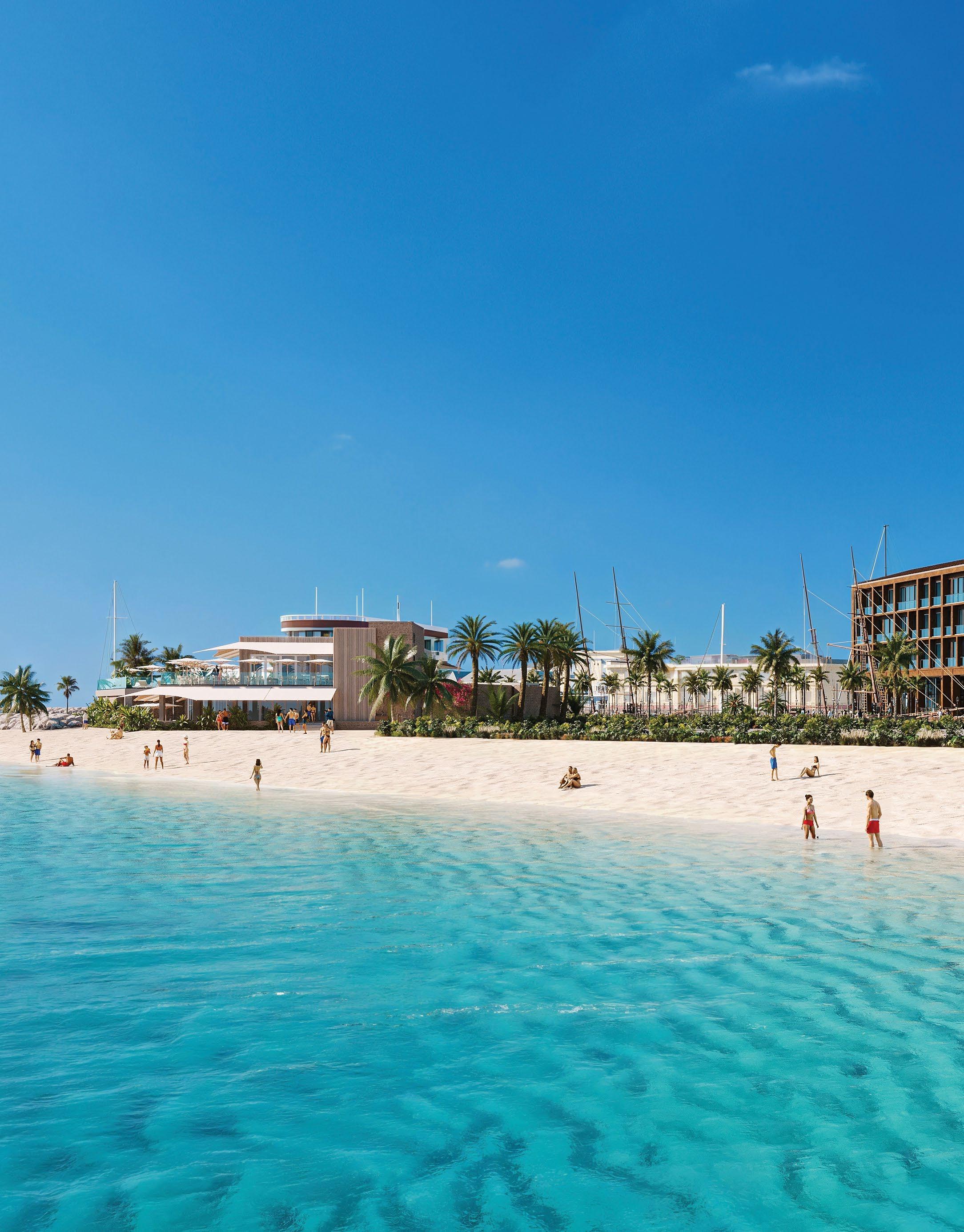
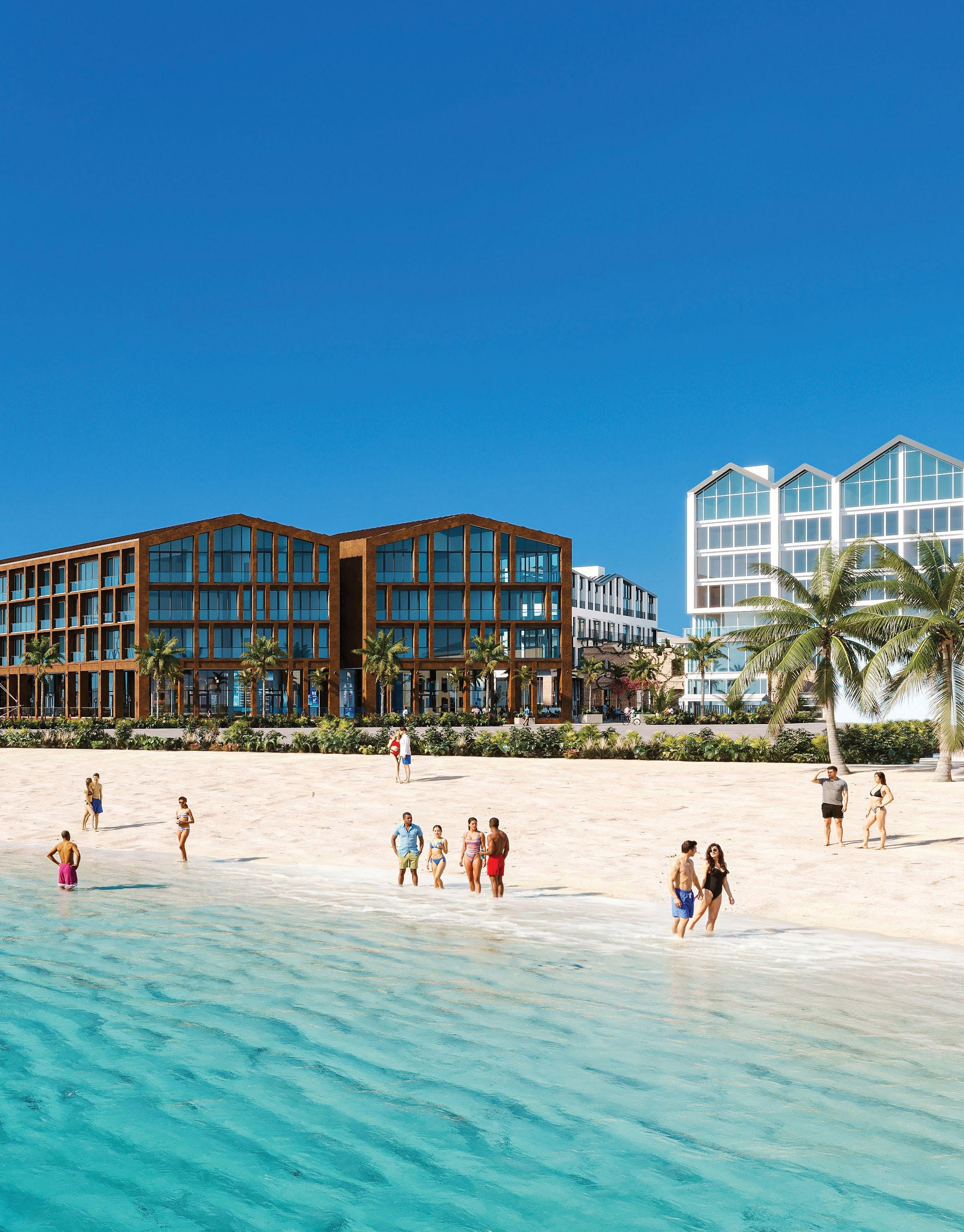
As evidenced by its UNESCO inscription as a World Heritage Site, Bridgetown is steeped in a rich and consequential history. In 1628, recognizing the ideal circumstances of Carlisle Bay as an expansive sheltered mooring, with an inlet offering a natural inner harbour, the early English settlers chose this location to be the island’s capital city. Originally named ‘Indian Bridge Towne’, Bridgetown rapidly evolved into a pivotal hub in colonial transAtlantic mercantile trade, and a strategic headquarters for the Royal Navy. The main working area of the port, always bustling with stevedores loading and offloading ships, was known as the Pierhead.
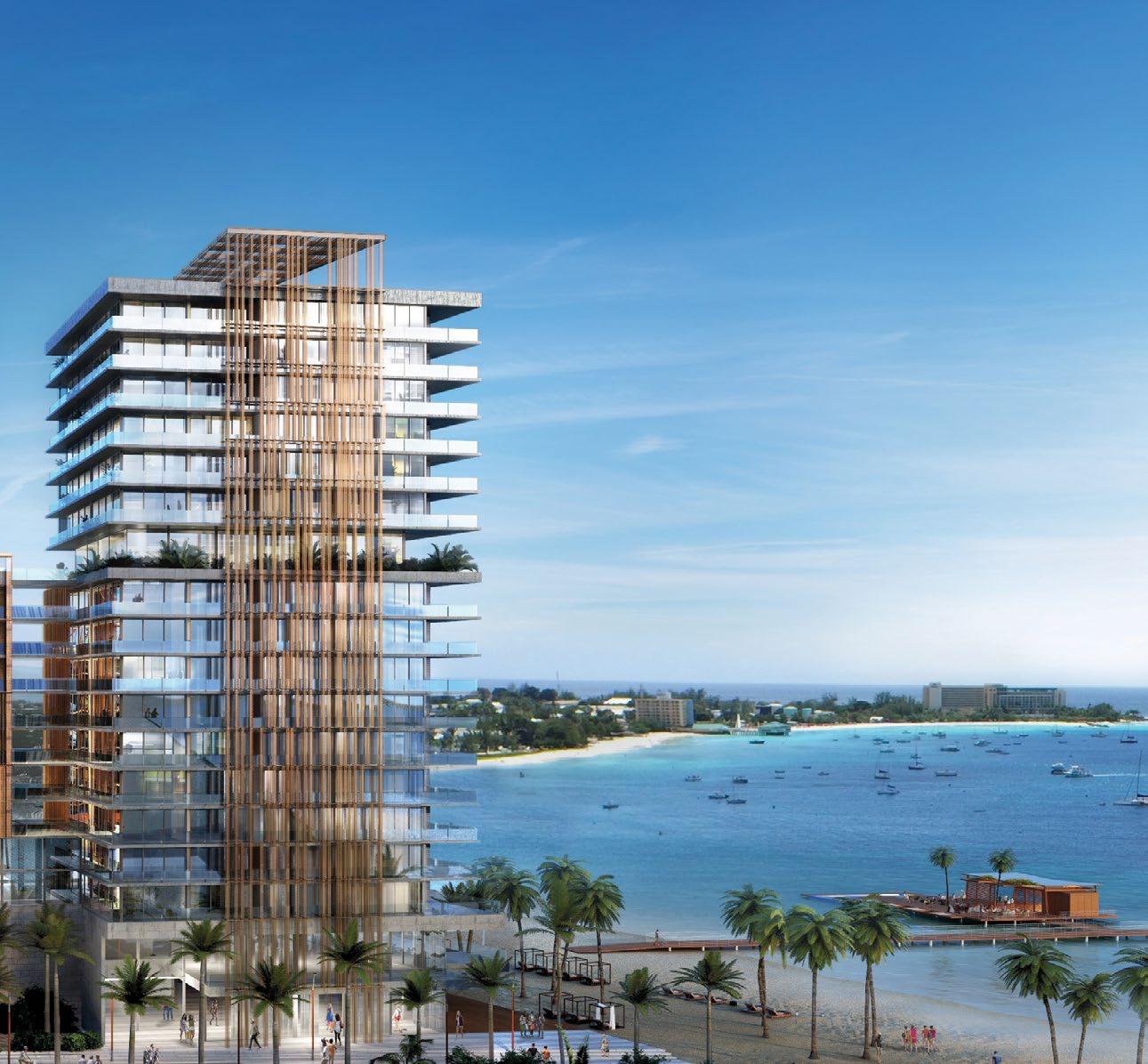
Today – almost 400 years later – that same iconic location is undergoing a landmark transformation as part of a BB$200 million urban revitalization project. With Phase One currently under construction, The Pierhead will provide a modern, vibrant, and one of a kind mixed-use development
where culture, community and commerce meet. Sensitively designed to honour the past while shaping the future, this visionary project will deliver a unique version of modern day life in a waterfront setting – a city vibe with lots of green spaces, on a magnificent beach bordering a protected marine park with shipwrecks.
Occupying some 39,000 square meters when completed, The Pierhead will feature 178 apartments, 35 food and beverage, retail and cultural spaces, a gym, a beach club, and a visitor attraction dedicated to the story of Barbados Rum, all thoughtfully integrated with shaded walkways. The historic Blackwoods Screw Dock will remain central as a proud witness to the heritage of The Pierhead.
Phase One, The Steel Building, is expected to deliver 39 apartments, dining and retail outlets, the beach club, transport links, a water taxi station, and public spaces including a heritage trail. In due course, The
House of Pillars (2027-2028) and The Bridge House (2029-2031) will complete the district, layering even more depth and character into the waterfront.
Fully endorsed by Prime Minister Mia Amor Mottley as being, “essential to the revitalisation of Bridgetown”, The Pierhead seems well poised to successfully deliver on its enormous potential.
“Years ago, sitting at the old Waterfront Café, I felt the energy of this place – alive with conversation, music, and possibility. That’s when I knew I wanted to invest here. The Pierhead was once a vibrant port, full of stories – from trade and travel to struggle and resilience. This project is about honouring all of that and giving the site the future it truly deserves.”
– Neville Isdell, Founder & Investor, Former Chair and CEO of the Coca Cola Company
www.pierheadbarbados.com @thepierheadbb
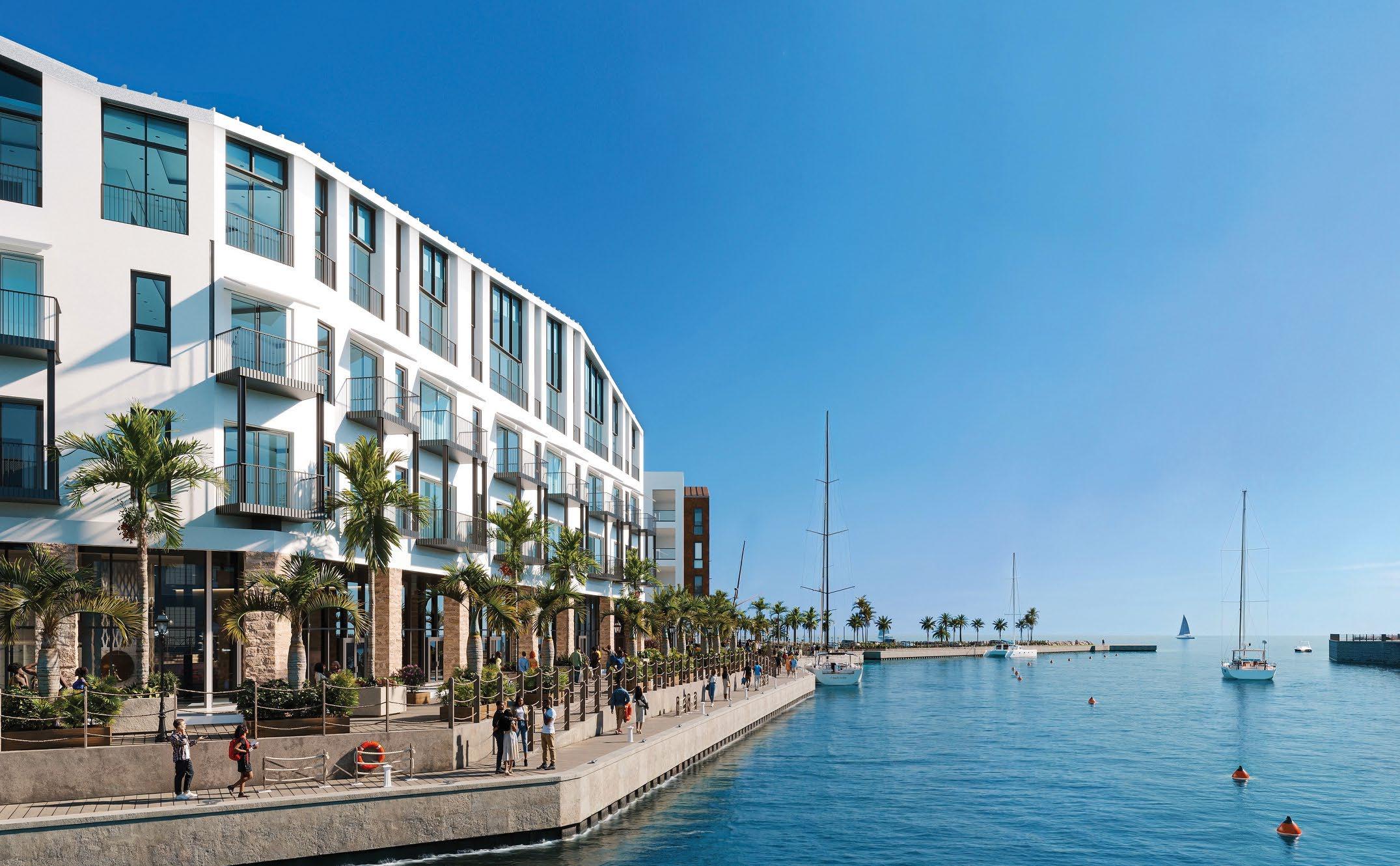
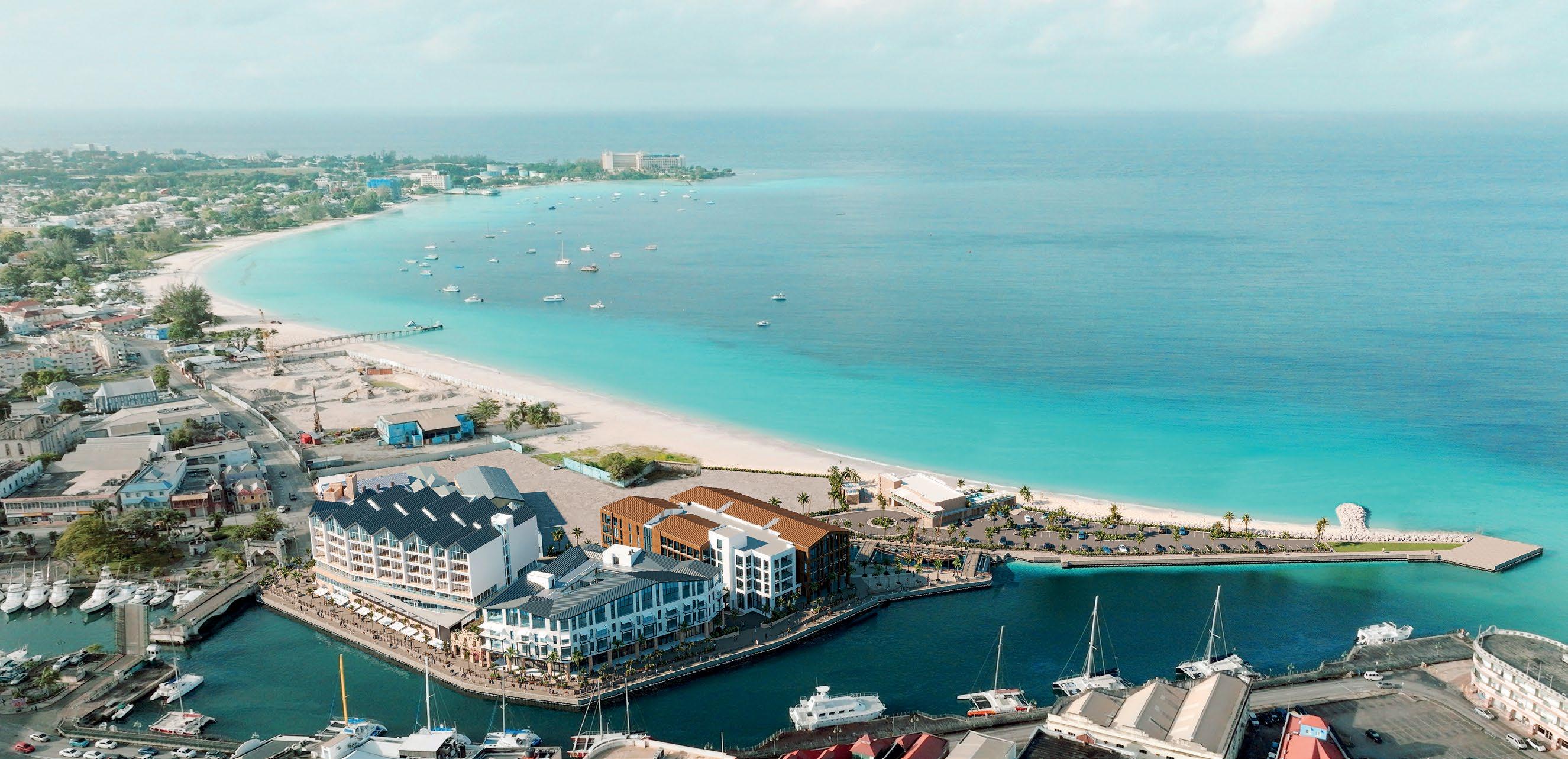
For nearly four centuries, The Pierhead has been part of Bridgetown’s story. Now, it’s shaping the next one — a vibrant new district on Bridgetown’s historic waterfront, within the island’s UNESCO World Heritage Site of Historic Bridgetown and its Garrison, overlooking one of Barbados’ most beautiful beaches.
Be part of the next chapter.

Barbados has taken a bold step toward building a stronger, more businessfriendly future with the creation of Business Barbados — a modern, customerfirst, national agency reengineered from the Corporate Affairs and Intellectual Property Office (CAIPO). Its mission is simple but transformative: to make it easier to start, maintain, grow and protect a business in Barbados, whether local, regional, or global.
Barbados has always been a hub for global business, attracting companies from around the world based on our competitive tax structures, strong talent pool, international travel links and high standard of living. Innovating to be a smart hub is a part of the constant evolution of being a jurisdiction of choice.
Business Barbados is playing its part in ensuring Barbados is the smart hub local and global businesses need to succeed. In today’s world where business is built on technology, moving our companies and intellectual property registries into a digital space is the right move to make. Building on evolving technology, making use of AI and data to drive customer focused interventions/ solutions, we are changing the way we offer services, providing a more streamlined experience with us. In 2026, we expect to see significant change, improving turnaround times and providing omnichannel access for our customers to carry out business.
For years, our predecessor, CAIPO, was known primarily as a companies’ registry, often constrained by slow, manual processes and administrative backlogs. The Government of Barbados has heard the concerns of the business community and responded decisively. Business Barbados is not a rebrand, but a complete transformation — one that expands its mandate to include investment support, regulatory improvement, and business advocacy as part of the Government’s broader modernisation agenda.
This transformation also aligns with global realities. As the world adjusts to new international tax frameworks such as the Global Minimum Tax, Barbados must compete more on efficiency, transparency, and the overall ease of doing business. Business Barbados is designed to deliver that competitive edge.
We are also proud to announce the establishment of the Business Barbados Intellectual Property Office (BBIPO) — the Intellectual Property sub-brand of the agency. BBIPO is charged with fostering a culture of innovation and creativity while ensuring that the rights of creators and innovators are recognised and protected. It will oversee the protection and administration of intellectual property rights, including patents, geographical indications, industrial designs, trademarks, and copyright.
Equally important, BBIPO will help businesses identify, secure, and commercialise their intellectual
property assets through education and outreach. It will also manage IP enforcement and disputes, working with law enforcement agencies and facilitating mediation and arbitration for IP-related conflicts. In this way, BBIPO becomes a key driver of innovation-led growth.
Business Barbados also plays a pivotal coordinating role within the wider economic ecosystem. Invest Barbados attracts and facilitates new investment to the island, while Export Barbados promotes Barbadian products and services to the world. Business Barbados bridges these two — streamlining the processes and regulatory touchpoints that make it easier for business to be done, and done well, in Barbados.
Finally, it’s worth noting that Business Barbados, the agency, is distinct from Business Barbados, the magazine. The magazine, under publisher Keith Miller, has for over 25 years highlighted Barbados as an ideal investment destination. The agency complements that legacy by making the business environment it promotes even more accessible and responsive.
As its inaugural Chair, my vision for Business Barbados is to embed a culture of service excellence, collaboration, consistency and continuous improvement. Big change begins by getting the simple things right — and doing them well. Together, we can deliver on Brand Barbados: efficient, trusted, and globally competitive.
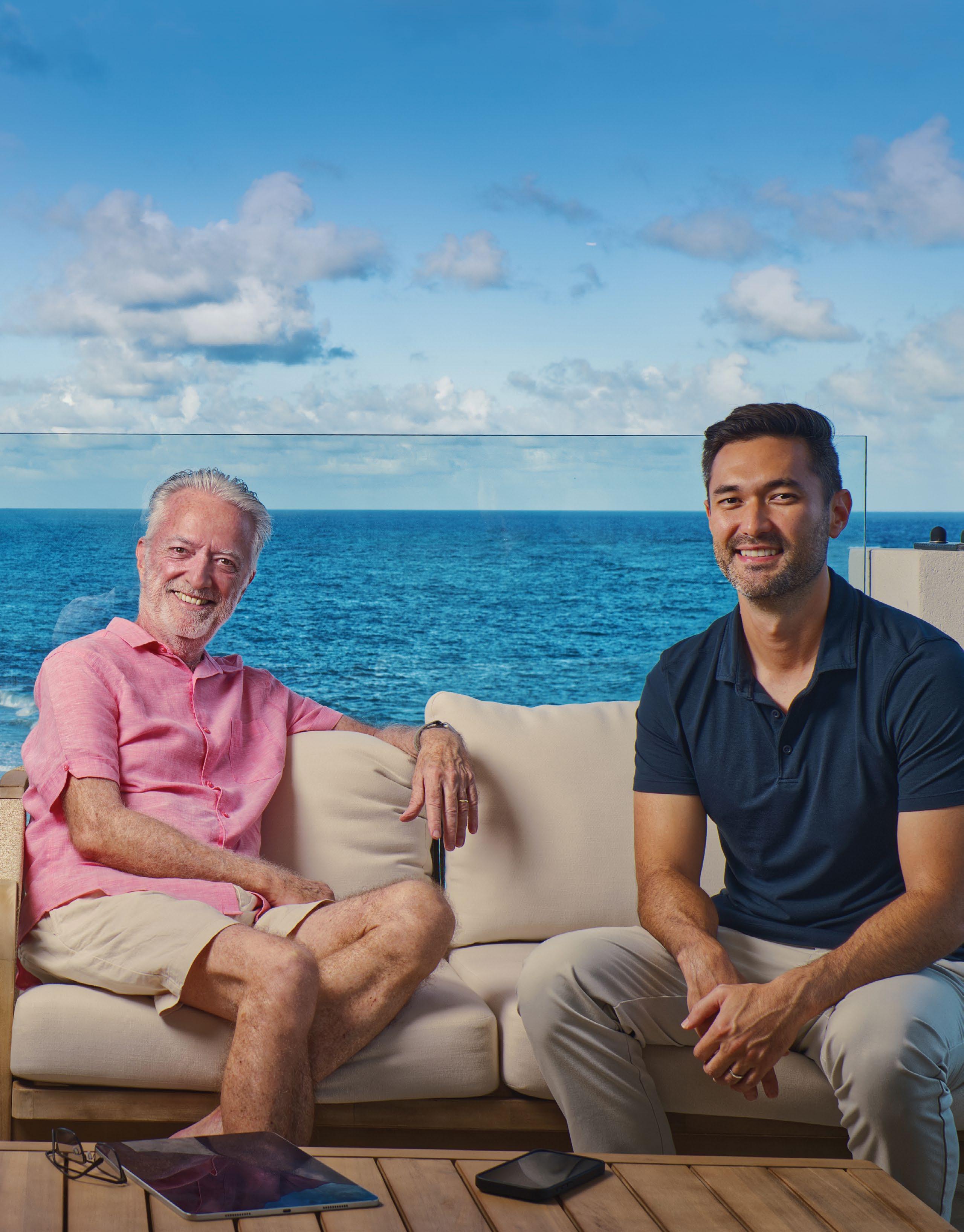
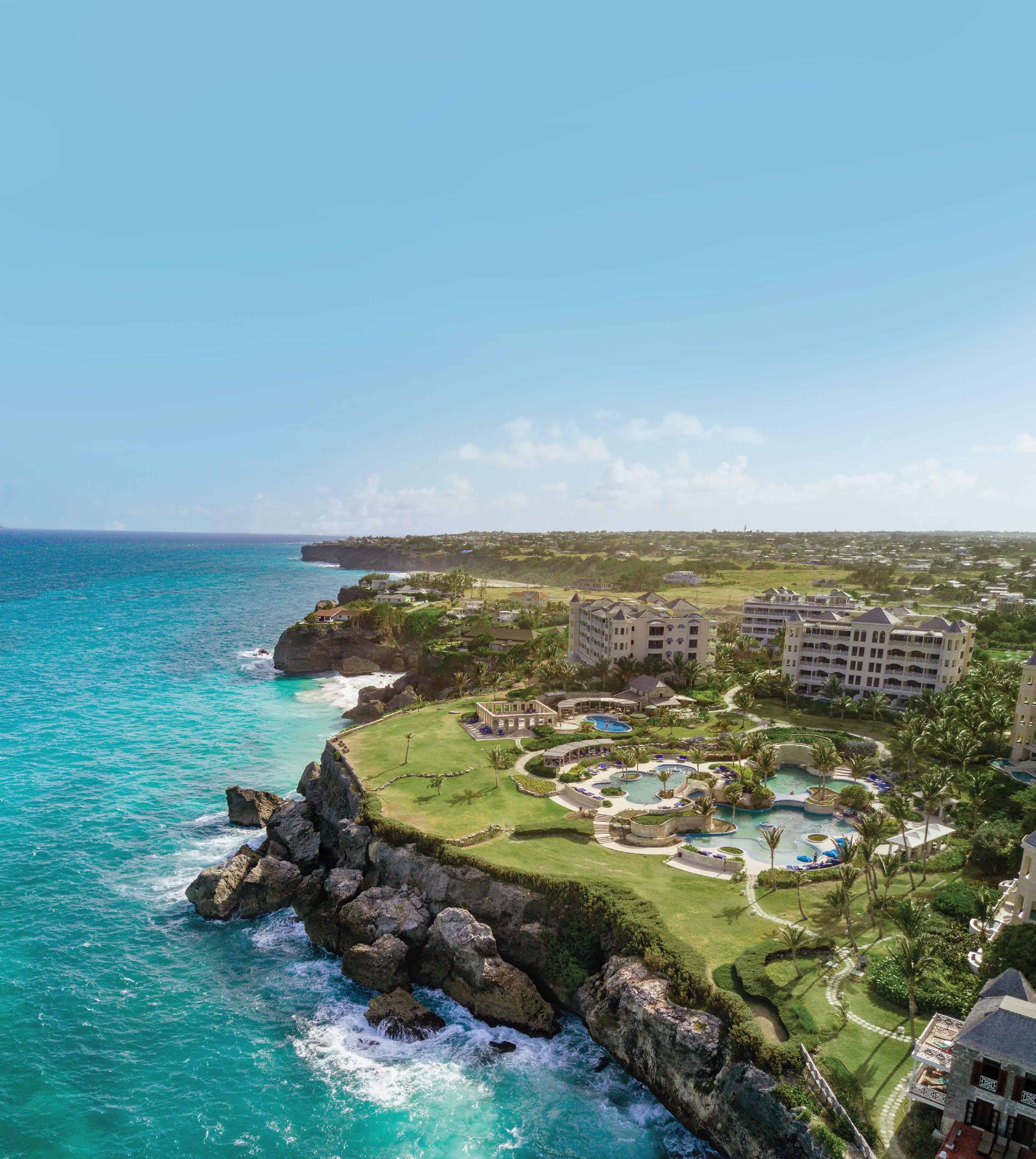
When Canadian born Paul Doyle first saw the historic Crane Hotel in 1988, it was nothing more than a tired, run-down 18-room property. But, thanks to his astute entrepreneurial instinct, Paul saw way beyond the crumbling façade and recognized a major development ‘waiting to happen’.
Suitably motivated and brimming with self-belief, he took the bold step of selling his home in Canada to raise the required deposit, purchased The Crane, then set out to transform his compelling vision into a reality.
Fast forward to 2018, by which time The Crane Resort was widely acknowledged as one of the world’s top, private residence resorts, having attained the highest global ratings for both the RCI and the exclusive Registry Collection’s fractional ownership programmes.
In September that year, Hilton Grand Vacations Inc. purchased timeshare inventory at The Crane Resort for an anticipated total transaction value of US$54.6 million. In addition to being a monumental vindication of Paul Doyle’s inspired decision to risk investing his life in a fading brand, the fact that Hilton Grand Vacations chose to invest so heavily in The Crane Resort also represented a very significant vote of confidence
in Barbados.
So, why did Paul Doyle choose Barbados in the first place? And why has his son, John Doyle, made the same decision?
Paul Doyle
In 1988 I was looking to relocate to an international business jurisdiction, so I took a sheet of paper and made a list of about 10 countries, with tick boxes for all the benefits I was looking for. These included the prerequisite business incentives, as well as security, political and social stability, law and order, wellregulated financial system, excellent telecommunications, ease of travel, good healthcare, and so on. At the end of the process Barbados stood out at the top. So, I came here for the first time and immediately felt comfortable and welcome.
This country, with its own identity and Caribbean culture, offers a rare combination of first-world civilization with the benefits of living in a beautiful tropical environment, within an integrated society.
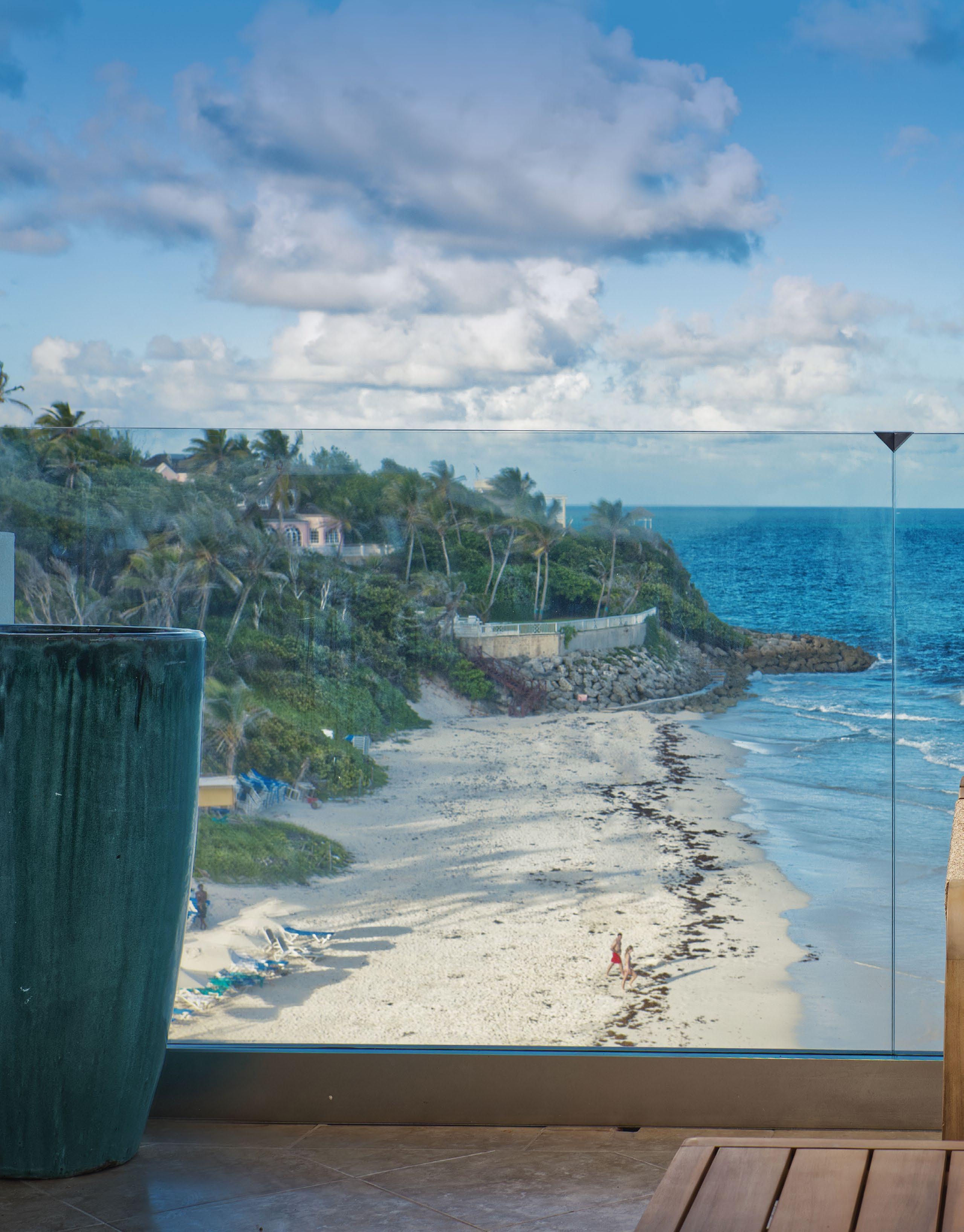
It was never my intention to get involved in the hotel sector but, at the suggestion of my Canadian attorney, I went to view The Crane which was quietly for sale. Everything just felt right. Such a stunning clifftop location, magnificent beach, incredible blue ocean, fresh sea breeze – beautiful,
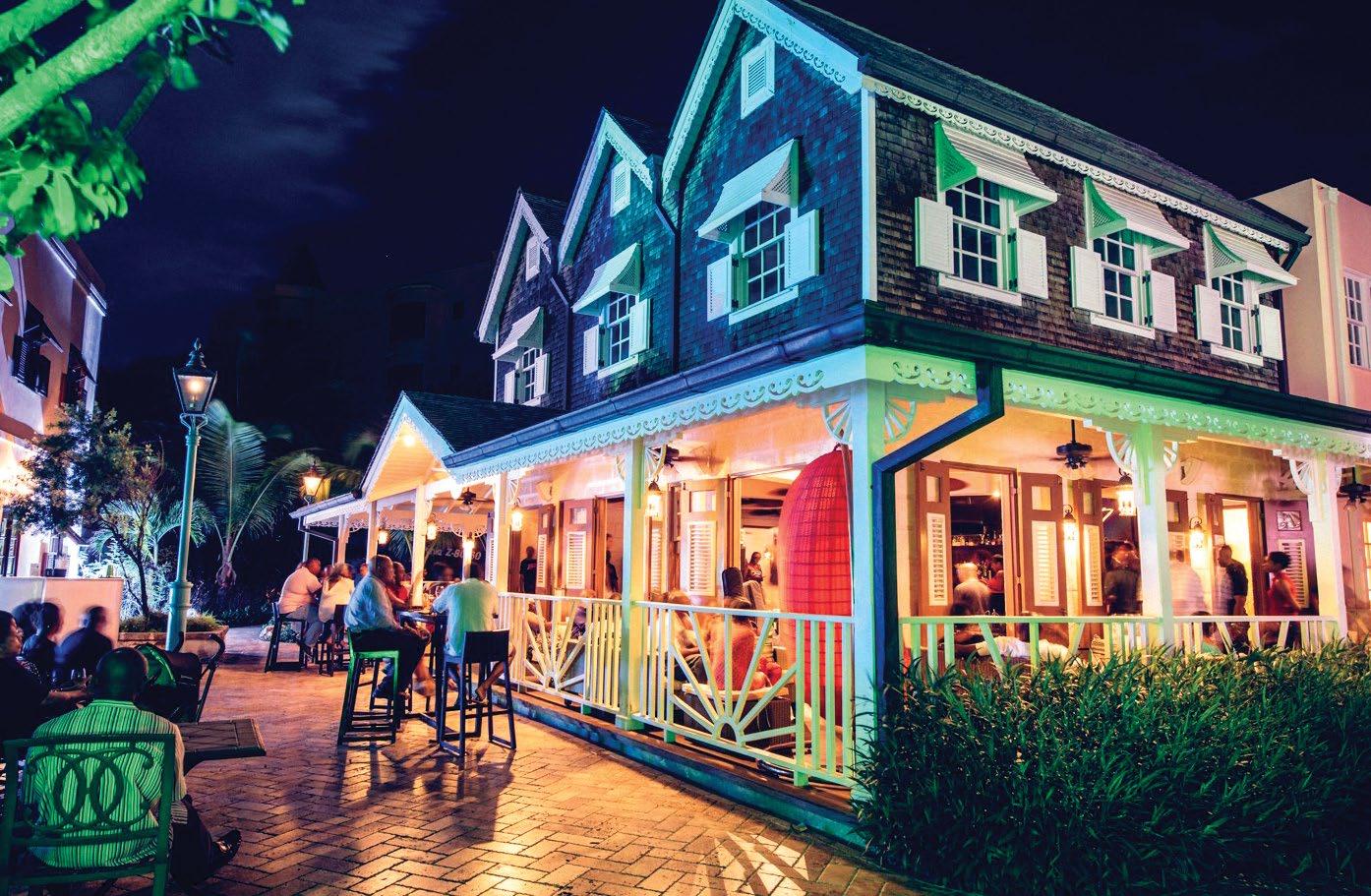
peaceful and close to nature. Even though the price was attractive, it was still a lot of money for me. But it had to be done. Four months later I relocated to Barbados, and it’s been my home ever since. Fortunately, my plans have for the most part all worked out well. Sound government management and a sophisticated business infrastructure have provided a solid platform to build and expand our operations. Thankfully, I now have my son John working alongside me as our Director of Business Development. While I have loved making Barbados my home, I never tried to influence where John would choose to live and build his career. He had his own decisions to make.
John Doyle
My big decision moment came in 2011 when I graduated from business school in Canada. Most of my friends were lined up for lucrative positions with top companies in Toronto and other financial centres around the world. Having been offered some exciting opportunities myself, a part of me was tempted to go down that route with them – but the lure of Barbados was stronger. Growing up in Barbados, I had enjoyed a very happy, activity-filled, outdoorsoriented ‘island-style’ childhood. Even when I went to high-school and university in Canada, every single vacation, I’d be on the earliest available flight back home.
When people think of Barbados, they often picture a place of relaxation and a laid-back lifestyle, not necessarily somewhere to build a serious career. But for me, it’s been both.
Choosing to develop my career within the family business in Barbados rather than pursue professional growth in the traditional corporate world abroad felt like choosing lifestyle over professional opportunity at the time. But what I found was quite the opposite — Barbados has offered far greater professional growth and business opportunity than I might have found elsewhere. It also gave me the rare chance to learn directly from my father, an entrepreneur whose vision and discipline helped shape my own approach to business.
Fifteen years on, that decision has proven strategically sound. The island remains rich with potential, with ample scope to scale our business and foster entrepreneurial ambition in ways the corporate world rarely allows. It is now much easier to get things done than when I first joined the company, and our growth trajectory is better than I once expected. Which is why we have invested in more land along the St. Philip coastline, ready for future development.
There are new expectations and greater confidence amongst investors and developers, and I see Barbados getting even better. The
country is attracting increasing numbers of entrepreneurs and highly accomplished talent in all sectors –internationally experienced people who view Barbados as a bona fide opportunity to settle, enjoy a good life and operate their business. Barbados is developing into a cosmopolitan community despite its modest size.
Even when I see how well some of my friends have done in Canada, there’s no question that Barbados is the best place for me. With a healthy attitude towards work-life balance, Bajans place great value on their leisure time, even at times to the detriment of their financial status. But it works. Here it is possible to succeed in business, while still enjoying life to the full – all of which adds up to improved health and wellbeing. I love the fact that I can finish a day’s work at 5:00 pm and still take my son to the beach for an hour’s quality time together.
Barbados is a great place to raise kids, with a wide variety of screenfree, cost-free entertainment options. The education system is strong at all levels, including several private schools that are excellent by any standards, while being remarkably affordable compared to larger countries.
Now that I have a family of my own, I am already thinking of what kind of future lifestyle would be best for my children. And I can’t think of anywhere better than Barbados.


















































For two decades, Summit Asset Management has managed wealth with intelligence, integrity, and purpose, creating tailored investment solutions for families and institutions around the world from its base in Barbados.
Founded on the principles of capital protection, prudent growth, and absolute confidentiality, Summit has evolved from its origins as a private bank into one of the region’s leading independent asset management firms. Today, it stands as a testament to Barbados’ growing reputation as a smart hub for global finance – a place where expertise, innovation, and trust converge.
For the firm’s President and Chief Investment Officer, John Howard, Barbados is both home and headquarters. Originally arriving in the mid-1990s with Coopers & Lybrand on a two-year assignment, John met and married his Barbadian wife – and never left. “With all three
children born here, I’m outnumbered at home 4 to 1 by Bajans” he jokes. “But it’s a privilege to build a global business in a country that’s also an exceptional place to live.”
John’s career spans more than 25 years across accounting, corporate finance, and asset management.
A Chartered Accountant and CFA® Charterholder, he previously served as Finance Director for Barrick International Bank Corp., the global treasury arm of Barrick Gold, and later as President of Summit International Bank, established in 2006 for a Canadian family following a major liquidity event.
Guided by three golden rules – protect capital, deliver the best risk-adjusted returns, and maintain confidentiality – the bank weathered the 2008 global financial crisis unscathed. When international tax frameworks evolved in 2014, John led a management buyout, transforming the institution into Summit Asset Management.
Today, Summit’s clients include high-net-worth individuals, trusts, family offices, captives, and institutions across multiple jurisdictions. With fifteen full-time investment professionals, including four CFA® Charterholders, it is one of the largest and most qualified investment teams in the Caribbean.
The Executive Leadership Team
John M. Howard, ACA,
CFA –President & Chief Investment Officer
As CEO and CIO, John leads Summit’s investment philosophy and client strategy. His disciplined approach has shaped Summit into a trusted, independent firm that always puts clients’ interests first.
“We view our relationships with our clients as long term partners. This spirit of partnership is forged through the alignment of having our own money invested in many of the same strategies, ‘eating our own cooking’ as Warren Buffett likes to call it.”
Claire Barker, Dip CII –VP, Client Relations
With over 25 years of experience advising high-net-worth individuals, corporates, trusts, and captive insurance companies, Claire brings a wealth of expertise. A Chartered Insurance Institute (UK) Level 4 Financial Advisor, she spent 13 years with HSBC and Lloyds Bank International, managing private client portfolios across the Caribbean, Channel Islands, and Asia. Since joining Summit in 2022, Claire has enhanced the firm’s client-first culture, grounding each relationship in understanding, trust, and personal connection.
“Our clients are our priority. We listen to their unique requirements and create tailored solutions each time – no cookie-cutter approaches here. By combining global insight with local knowledge, we support and empower our clients in making financial decisions.”
Edward Majewski, CFA –VP, Investments
Edward (Ed) Majewski leads Summit’s investment team, bringing institutional strength and global insight from his decade at Legal & General Investment Management in London – one of Europe’s largest asset managers. There, he managed relationships with major pension funds, including FTSE 100 companies and multinationals.
At Summit, he ensures portfolios are designed and managed with precision — balancing risk, opportunity, and long-term vision.
“Our open platform provides clients a gateway to ‘best in class’ global managers, with experience in diverse markets and across a range of strategies. We aim to deliver bespoke portfolios designed around our clients’ individual circumstances. We do this by ensuring we fully understand their requirements from the outset, then working with them to design and maintain sophisticated, personalised portfolios.”
Kamara Simpson, FRM –VP, Operations
Behind Summit’s seamless client experience is Kamara Simpson, Vice President of Operations. Kamara joined the company after earning her degree in Mathematics from the University of Waterloo. Now, some 15 years on, she is a Certified Financial Risk Manager, leading the investment operations team responsible for portfolio compliance, reporting, and governance. Her analytical precision ensures Summit’s infrastructure supports both performance and peace of mind.
“At Summit, we’ve invested heavily in top class institutional systems for portfolio management and robust reporting capabilities. This ensures our clients can trust that their investments are monitored meticulously, giving them confidence and a sense of security.”

A Smarter Approach to Wealth
Summit’s vision is to be the leading choice for international wealth management in this hemisphere, while its purpose remains simple yet profound –providing peace of mind to enjoy a purposeful life.
With its growing team, forwardlooking investment strategies, and unwavering values of teamwork, integrity, and excellence, Summit continues to set the standard for sophisticated wealth management for its clients.
As the company marks its 20th anniversary, it does so with the same quiet confidence that has guided it from the start – committed to prudent growth, enduring relationships, and the ability to compete on the world stage from its home in Barbados.
Summit Asset Management
+1 (246) 436-1280
info@summitassetmgt.com www.summitassetmgt.com

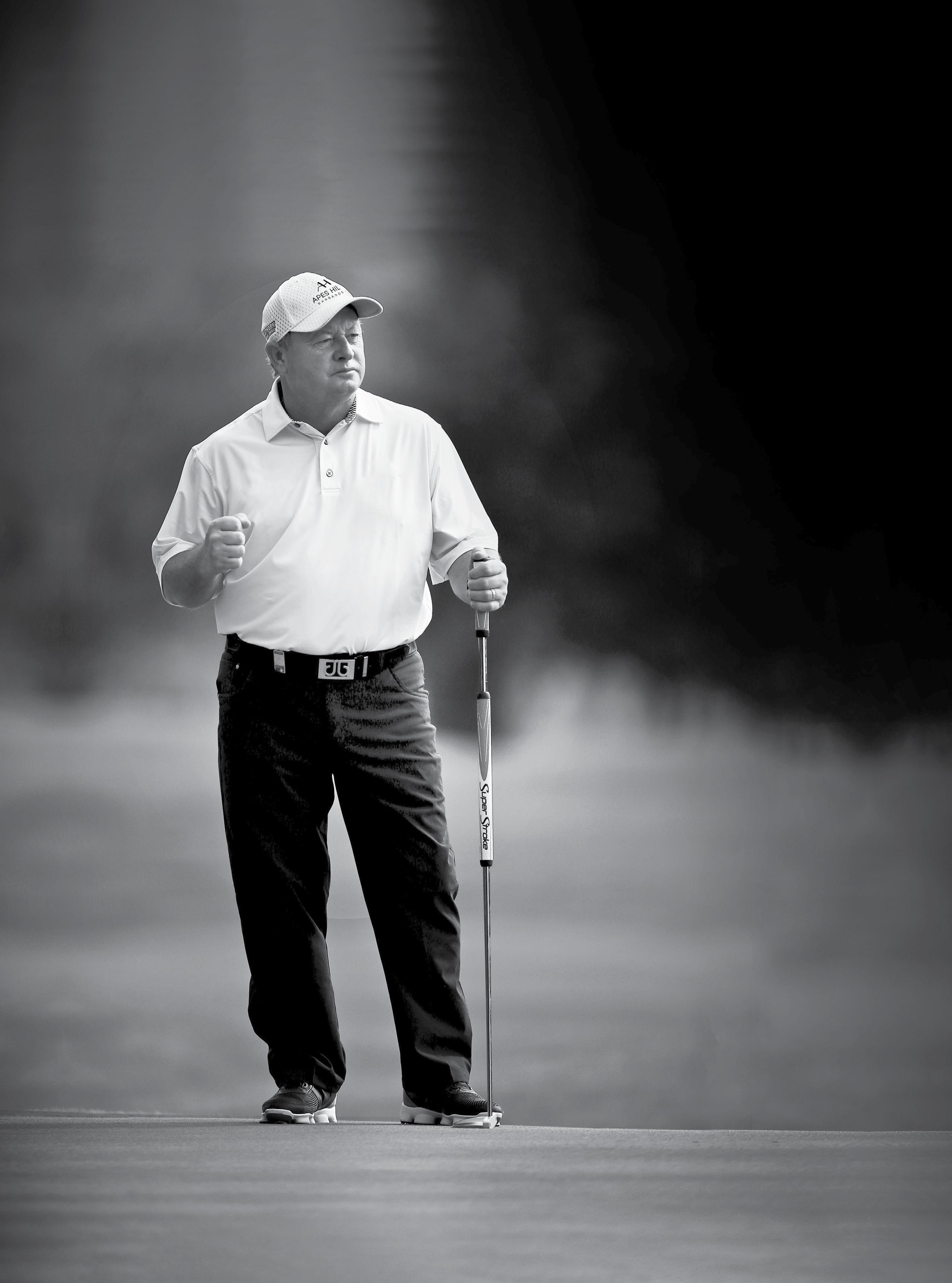
Jina Scheper General Manager, Barbados Golf Club
We live in an era where almost anything we desire can be acquired at the click of a button. The internet, smartphones, and the relentless advance of technology have delivered unprecedented convenience, efficiency, and global connectivity. Our workplaces have evolved too. Today’s offices are ‘smart hubs’ — digital ecosystems designed to let employees collaborate from anywhere in the world. Meetings unfold on screens, contracts are signed electronically, and even casual exchanges have moved online. Life has, in many ways, never been easier — or more relentless. Yet there remains one environment refreshingly different from this digital din — a space where technology enhances but does not dominate; where presence, conversation, and focus still prevail: the golf course.
While innovation has found its way onto the fairways — from swinganalysis apps and launch monitors to high-tech simulators and GPSenabled carts — its purpose is clear: to elevate the player’s experience, not overwhelm it. Golf endures as one of the few pursuits where phones are still (mostly) unwelcome and where the most meaningful connection is human, not digital.
In many respects, the golf course is the original smart hub for business. It offers a rare chance to step away from the constant ping of notifications and engage in genuine, face-to-face dialogue. Here, ideas are exchanged, partnerships are forged, and deals are shaped against the backdrop of open fairways and fresh air. Unlike the boardroom, the golf course levels the playing field — both literally and figuratively. It is neutral ground, free from hierarchy
and formality, where authenticity prevails. You can often learn more about someone in 18 holes than in 18 meetings.
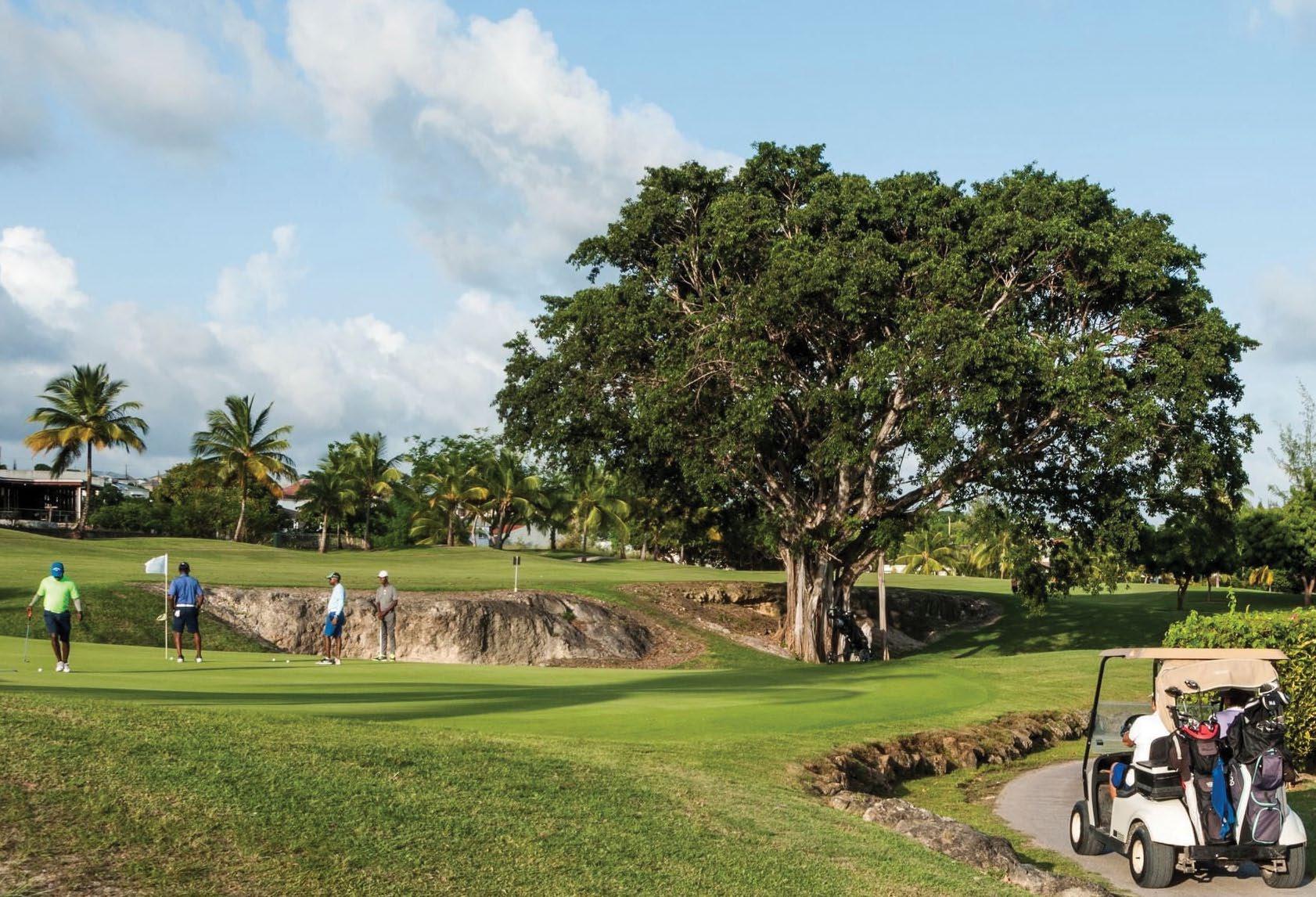
Playing golf in Barbados – with our year-round sunny and warm but breezy climate, optimum playing conditions on championship-level courses, and stunning natural beauty – can be particularly enjoyable and relaxing. While Barbadians are as keen as other golfers around the world to play well and hand in a good score, it is also important to enjoy the social experience. So, while golf etiquette and adherence to the rules remain fully intact, we also recognize the benefits of playing in an easy-going, respectful atmosphere. And, no matter what happens on the course, the 19th hole is always there for post-golf socialising.
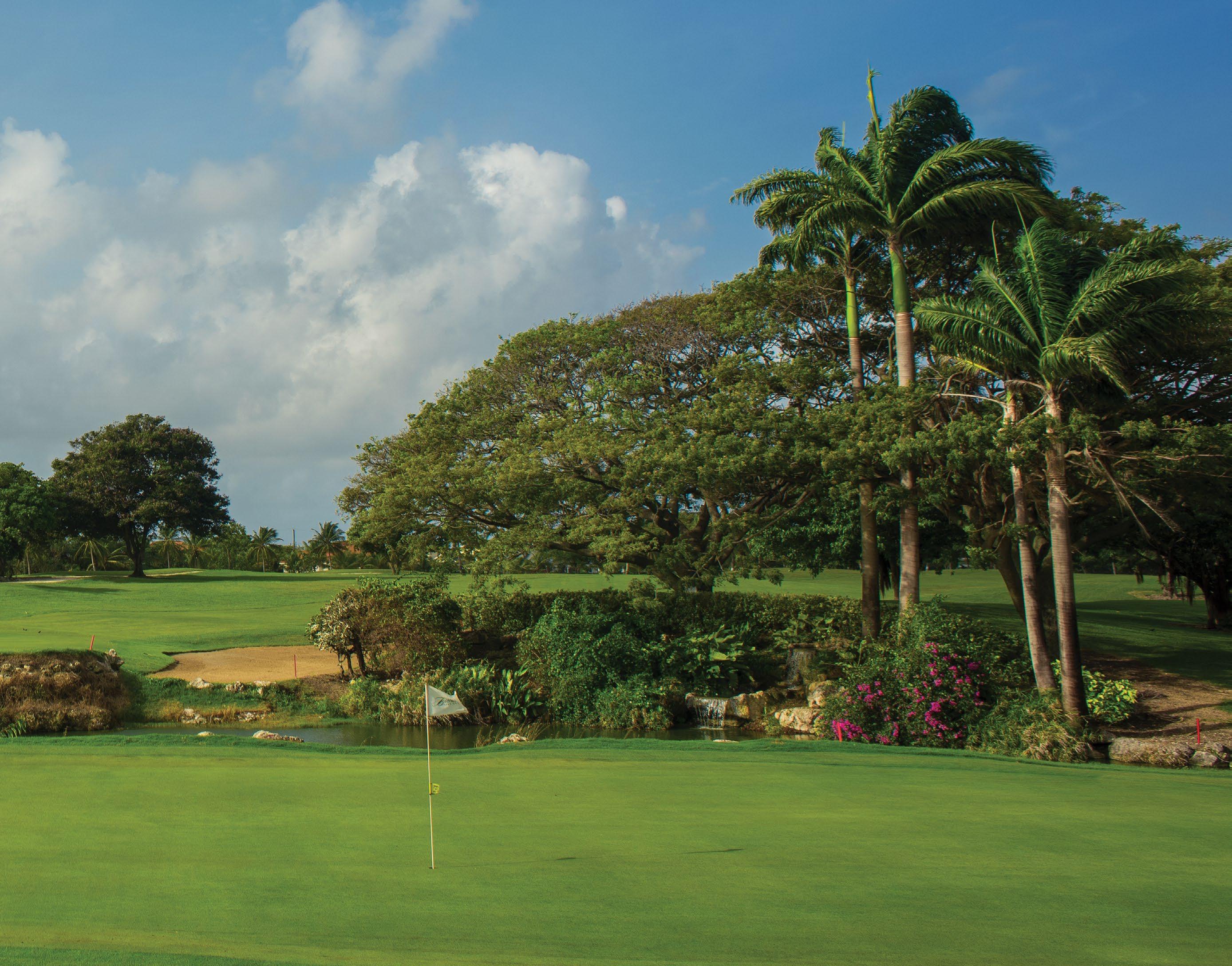
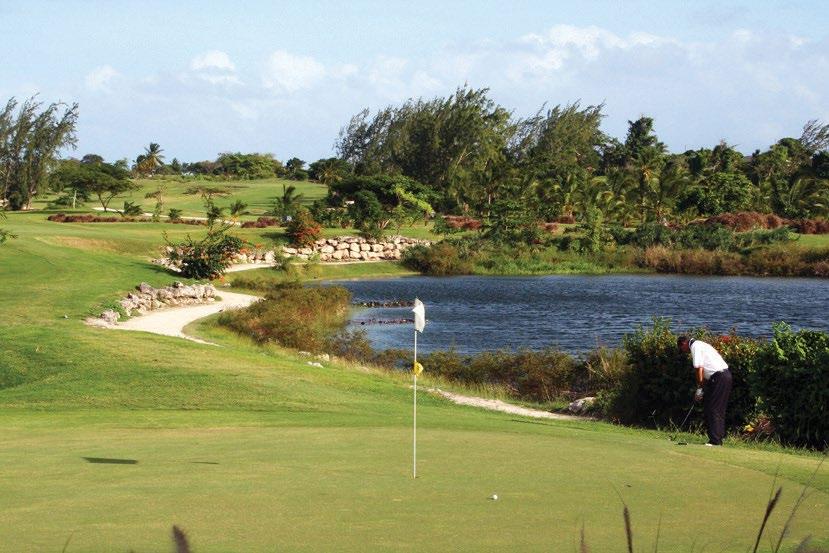

While many of the world’s most prestigious residential communities distinguish themselves through the superior quality of their architecture and facilities, and others are more renowned for their beautiful natural surroundings, Apes Hill Barbados has achieved an ideal balance between the two – a rare duality of refined living rooted in nature.
Barbados is blessed with many beautiful locations, but the moment you drive into Apes Hill you feel as if you’ve entered a different world. Located in the central highlands of the island, at the convergence
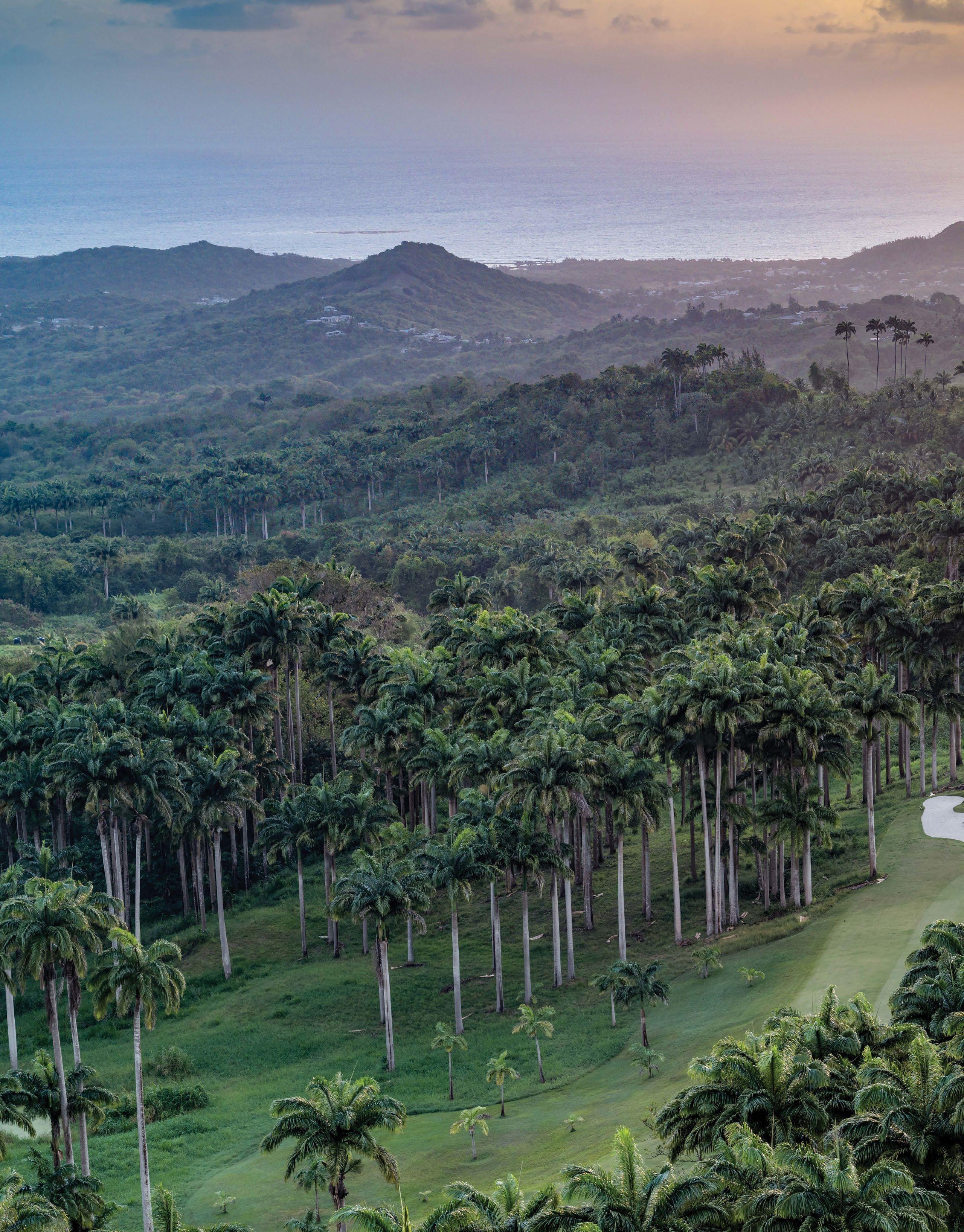
of the three parishes of St. James, St. Thomas and St. Andrew, the 475-acre property occupies an extraordinary natural environment with geologically unique landscapes. Positioned some 1,000ft above sea level, in addition to sweeping views of the magnificent scenery of both the Atlantic Ocean on the east coast and the Caribbean Sea on the west coast, Apes Hill is also blessed with refreshing cool breezes that keep daytime temperatures about 2°C lower than the surrounding lowlands. With its own micro-climate and varying topography of undulating
hills, craggy cliffs and meandering ravines, the natural vegetation ranges from open grasslands to wooded areas, stands of majestic towering palms, and lush undergrowth of tropical plants. All in all, a veritable ‘paradise on earth’. Discreetly nestled within the richness of this spectacular environment, the Apes Hill Barbados community has been sensitively planned around what is arguably the most spectacular 18-Hole Championship Golf Course in the Caribbean.
Acutely aware of their pivotal role and fundamental responsibility
as the current stewards of this remarkable national treasure, the Apes Hill Barbados development team has adopted a must-do approach to protecting and enhancing the property for future generations. Driven by a sense of pride and commitment to the vision of Apes Hill and its heritage, there is a strong emphasis on carefully controlling the extent and character of the built environment, while prioritizing the protection and sustainability of the natural environment.
In keeping with a commitment to offer residents an unparalleled amount of open green space and privacy, the designers have gone to great lengths to locate house lots and villa locations in strategically optimum positions that blend seamlessly into their surroundings. An individual home might occupy a 20,000 sq. ft. lot, but it is surrounded by 475 acres of natural beauty with stunning views in every direction.
This biophilic approach to the master planning of the community and its chosen architectural styles actively promotes the connection between nature and human wellbeing. Originating from the Greek for ‘love of life’, biophilic design incorporates natural elements into built environments – such as plants, natural light, water features, and natural building materials – all of which are known to improve our health, productivity and contentment.
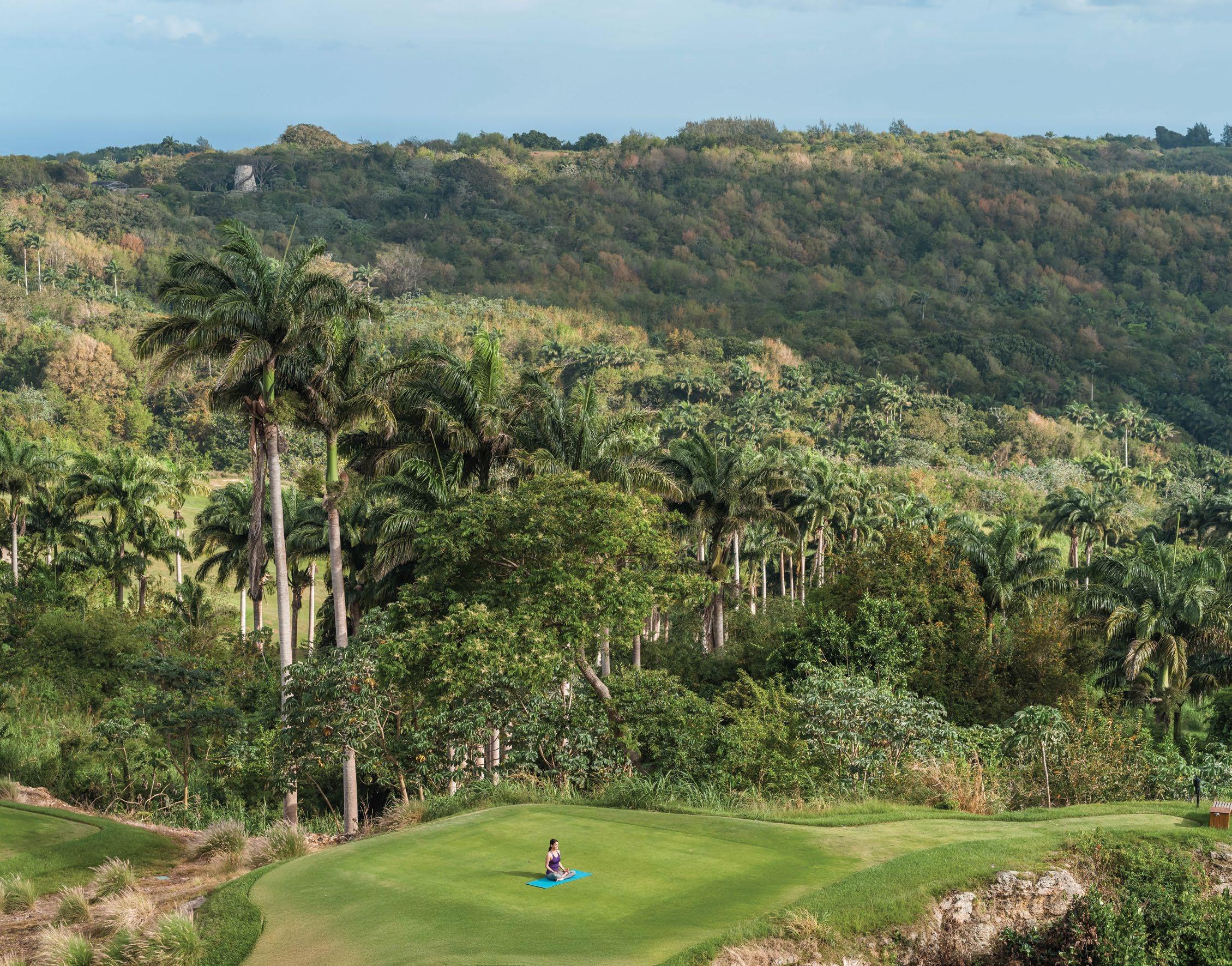
As a direct extension of that ethos, Apes Hill encourages the strengthening of community spirit through a wide range of family and nature-centric activities, such as hiking and fishing, as well as outdoor yoga and Pilates, all under the attentive care and guidance of approved professionals. Even massages and meditation can be conducted outdoors, surrounded by the peace and tranquillity of nature.
Sheer bliss!

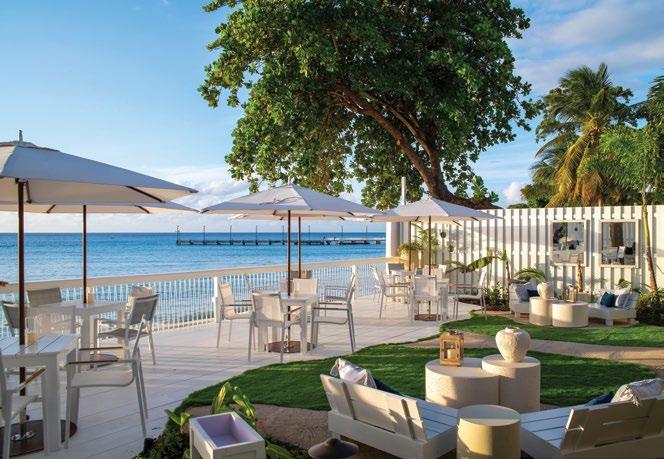

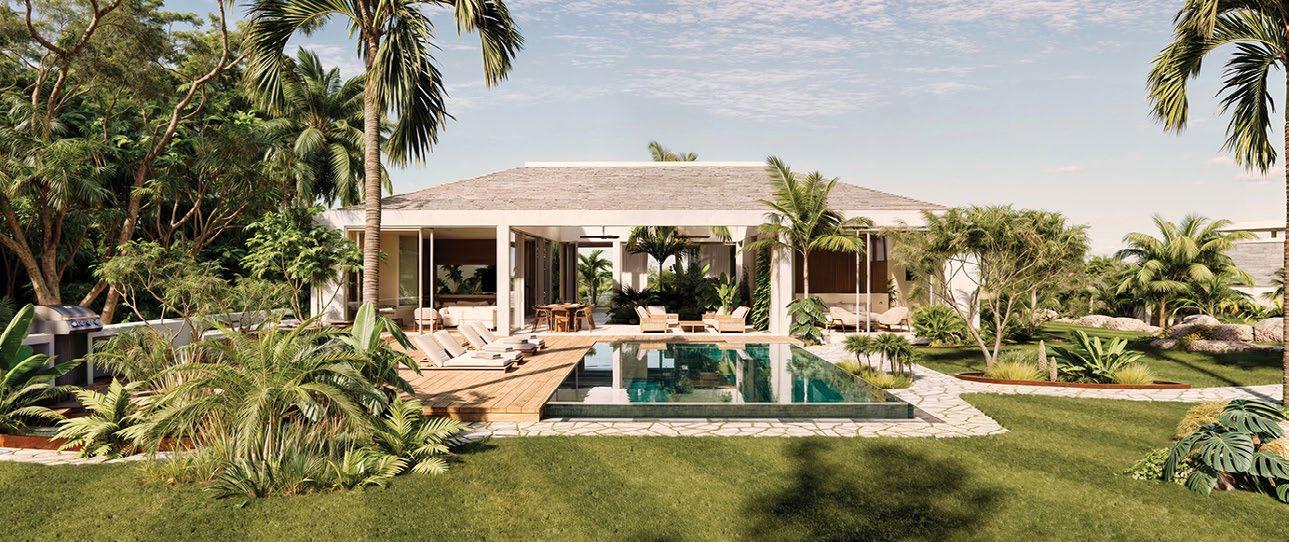
Members are also invited to participate in several ‘healthy eating’ sustainability initiatives, including farming organic produce, raising free-range chickens, and beekeeping. All of which can be great fun, educational and spiritually rewarding. With access to the Championship Course, the fun Little Apes 9-hole par-3 course, the golf Performance Centre, top of the line illuminated tennis and padel courts, and a gym, members and guests at Apes Hill have a wide choice of recreation and exercise options. For a complete change of scenery, very much in keeping with the duality of lifestyle experiences at Apes Hill, the resort’s recently opened beach facility is just a 10-minute drive down to the coast,
close to Speightstown.
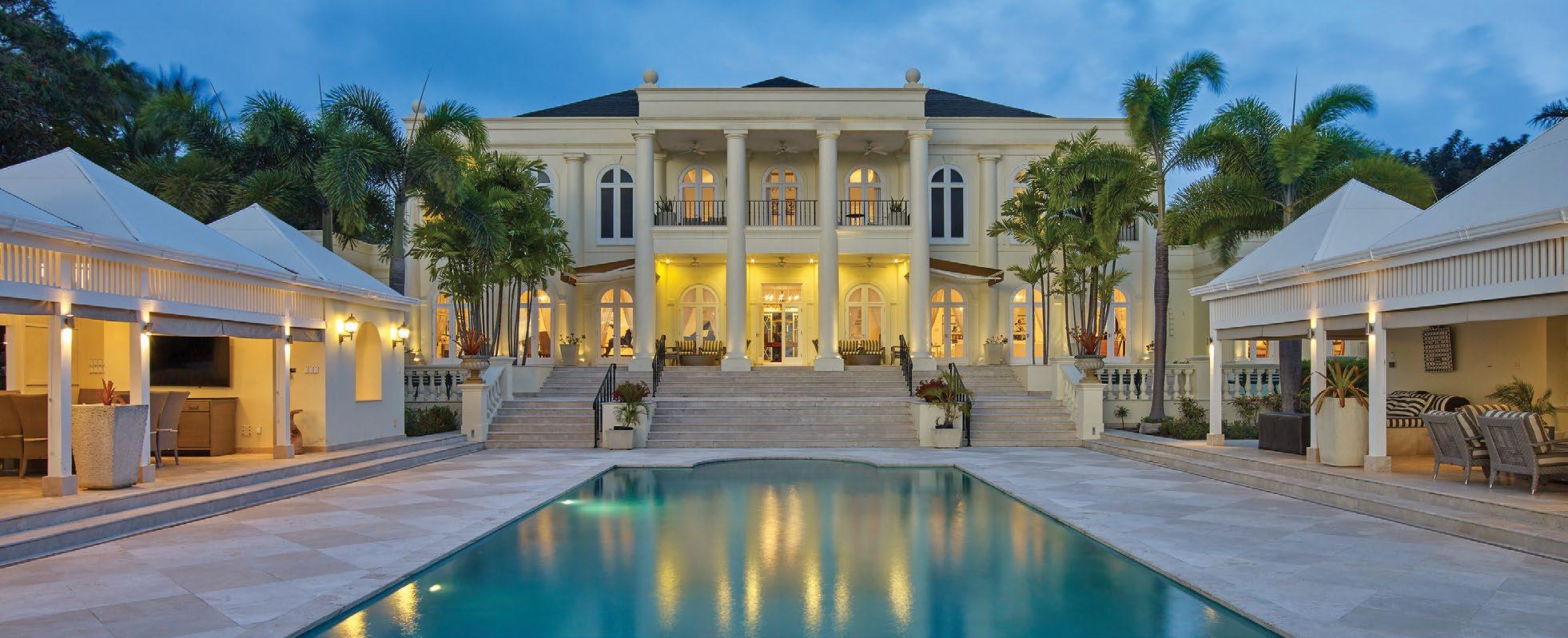
With an emphasis on maximising the pleasures of Caribbean indooroutdoor living, Apes Hill Barbados comprises a broad range of residences. In addition to luxurious individual built homes and house lots with a turn key land and build option, there is also a selection of villas available for both purchase and short-term rental.
Apes Hill Barbados offers the highest standards in architecture, golf and resort facilities, within a sophisticated yet warm, authentic and entirely unpretentious environment.
Discover life on a higher level at apeshill.com


In a market defined by opportunity and evolution, the smartest move a buyer or investor can make is choosing the right partner. With over fifty years of expertise and deep Barbadian roots that stretch back generations, Alleyne Real Estate stands as one of the island’s most trusted names in luxury sales and purchases, holiday rentals and property management.
Founded on the West Coast, this family-owned company has been at the heart of Barbados’ real estate story since the Platinum Coast first rose to international prominence. Today, the second generation of the Alleyne family continues that legacy

with pure heart and soul, while using modern, data-driven insight to help clients make confident, intelligent property decisions.
“At Alleyne, relationships are at the core of everything we do,” says Shane Johnson, CEO of Alleyne Real Estate. “Buying or selling is only one part of the journey. Our focus is on people –understanding their goals, matching them with the right opportunities, and building partnerships that last well beyond the transaction.”
A Smart, Connected Approach
Alleyne Real Estate’s success is built on a deep understanding of market data, trends, and property values across the island. This intelligence-driven approach allows the team to guide clients with precision, whether they are seeking a beachfront villa along the beautiful coast, a golf estate in Apes Hill or Royal Westmoreland, or an incomegenerating investment property in another fabulous location on the island. Their tailored offering extends from initial consultation to post sale or purchase services such as property management and holiday
rentals, ensuring every client benefits from continuity, expertise, and discretion.
Behind the company’s longevity is also a powerful network – both internal and external. Alleyne collaborates with trusted partners in law, tax, and estate planning to deliver seamless support at every stage of ownership. “Our clients appreciate that we can connect them with the right professionals across every aspect of the process,” says Mandy Mahon, Director of Sales. “It’s about giving them confidence that every detail is handled with care and integrity.”
From their offices in Holetown, Alleyne Real Estate continues to set the standard for personalised, intelligent service. Whether you’re buying, selling, renting, or investing, choosing Alleyne means choosing a partner that values insight as much as integrity – the smart choice in a smart hub.
Alleyne Real Estate
+1 (246) 432-1159
sales@jalbarbados.com
alleynerealestate.com


In an era when the tendency of many political leaders is to turn inward, Barbados’ bold decision to adopt a progressive policy of free movement with its Caribbean Community (CARICOM) partners of Dominica, St Vincent and the Grenadines, and Belize, effective October 1, 2025, stands out as a seminal moment in the island’s modern history, second only to its transition to a republic in 2021.
Guided by the forward-thinking leadership of Prime Minister Mia Amor Mottley, Barbados is again demonstrating its preparedness to lead the region through another period of transformation. It could be argued that her decision carries with it some political risks. However, the vision of deeper economic integration, and a recognition that the Caribbean’s strength lies in collaboration, serve to significantly diminish any political uncertainty or peril.
The Caribbean Community (Free Movement of Nationals) Act 2025 provides the legal foundation in Barbados for the initiative. It grants nationals of Belize, Dominica, and St Vincent & the Grenadines the right
to live and work indefinitely in any of the four countries without the need for work permits or residence authorisations. But this is part of a broader legislative transformation.
In August 2025, the Government of Barbados introduced two complementary bills: the Barbados Immigration Bill 2025 and the Barbados Citizenship Bill 2025. These are intended to modernise outdated laws and position immigration as a strategic tool for national development.
• The Immigration Bill introduces a points-based system for skilled migration, streamlines permanent residency pathways, and creates new permit categories – “Reside” and “Reside & Work” – to facilitate economic participation.
• The Citizenship Bill expands eligibility to descendants of Barbadians up to greatgrandchildren and offers accelerated citizenship pathways for CARICOM nationals after two years of permanent residency. It also enshrines gender equality and explicitly rejects citizenship-byinvestment schemes.
Together, these reforms reflect a cohesive national strategy to reverse population decline, close skills gaps, and strengthen Barbados’ competitiveness in a changing global economy. At the time of writing, these Bills are under review by a Joint Select Committee.
For policymakers and business leaders alike, the Act signals a shift from aspiration to implementation. What was once a long-discussed ideal of regional movement has become a reality, even though it does not extend to the entire CARICOM grouping. With it has come a new chapter in Caribbean economic development.
A reciprocal arrangement ensures that Barbadians will enjoy the same rights and privileges when they choose to live and work in any of the participating nations. This effectively creates a new four-country economic space within CARICOM.
At the heart of Barbados’ rationale is the need to address labour-market gaps. Like many small island economies, we face an ageing population, a low birth rate, and the continued outward migration of many skilled young workers exploring opportunities in developed nations. According to CARICOM statistics, the old-age dependency ratio—measuring the number of people aged 65+ per 100 working-age individuals—is steadily rising. The United Nations projects that the old-age dependency will rise from 14.3% in 2020 to 25.4% by 2050. This trend threatens the sustainability of pension systems, healthcare infrastructure, and labour markets.
By embracing regional free movement, the island can access a broader, more diverse Caribbean talent pool, bringing new energy, ideas, and expertise into the economy and the ability to scale operations across borders with greater ease. For employers, this translates to faster recruitment, reduced costs, and a larger base of
skilled labour.
Hospitality and tourism represent the anchor of the island’s economy, around which many other subsectors such as construction, agriculture, renewable energy, and information technology thrive and can now gain significantly. Businesses are expected to find it easier to match talent with opportunity and already the open regional market is paying dividends.
For the business community, the free-movement policy also represents a deeper integration of the CARICOM Single Market and Economy (CSME) through enhanced cooperation. By allowing this coalition of member states to move faster toward full economic integration, the four-nation bloc is creating a more unified market of almost 1 million strong.
This approach aligns with the Montevideo Consensus on Population and Development, which advocates for managed migration as a tool for sustainable development. By facilitating intraregional migration, CARICOM can redistribute human capital where it is most needed, easing pressure on overburdened systems and revitalizing underpopulated areas. Free movement is expected to encourage professionals to stay within the region, contributing to economic activity while remaining close to home. This may prove more appealing at this stage given the less than welcoming environment existing in traditional pull markets.
For our businesses, this translates into a larger and more stable talent pipeline and stronger cultural ties within teams operating across the Caribbean.
Prime Minister Mottley has framed the policy within the broader context of Caribbean resilience. The ability to marshal skilled people quickly across different borders allows the region to better respond to crises.
For companies with regional operations, free movement simply
For individuals relocating to Barbados under the new regime, the government has outlined clear steps for several key areas.
• Entry: Nationals of the participating countries will be permitted entry on a one-way ticket, reflecting their right to stay indefinitely.
• Employment: Those seeking employment must obtain a National Identification Card and register with the National Insurance & Social Security Service as well as the Barbados Revenue Authority.
• Driving: Valid driver’s licences from home countries will be accepted for up to 12 months or until expiry.
• Education: Dependent children enrolling in local schools must submit education and health records and register with the Ministry of Education.
• Residency: Citizens of Belize, St Vincent and The Grenadines, and Dominica already residing in Barbados before October 1, 2025, will no longer need to apply for extensions of their stay through the Immigration Department.
makes it easier to move talent and open offices in the four participating nations. In essence, actioning genuine free movement makes the business environment of the grouping more interconnected.
Such a major policy shift is not without its sceptics and critics. Some Barbadians worry that greater mobility might alter the social fabric or strain local resources. The government acknowledged these concerns, but it also emphasised that several administrative systems are in

place to manage the transition. Each country retains the right to refuse entry or remove individuals who pose security or publichealth risks or are likely to become a burden on public services. Additionally, data-driven monitoring will track migration flows and labour trends, thus ensuring that decisions remain transparent. The CARICOM Implementation Agency for Crime and Security (IMPACS) will play a key role in coordinating this oversight and maintaining regional stability.
For Barbados and its partners, the 2025 free-movement initiative is more than a political milestone. It is a strategic business opportunity. It opens new options for trade and investment, while strengthening our competitiveness in a period of increasing uncertainty about the global economy. As the region
moves toward full implementation of the CARICOM Single Market and Economy (CSME), the success of this pilot initiative will serve as a blueprint for broader integration. If managed effectively, freedom of movement could become one of the most powerful tools in the Caribbean’s arsenal for sustainable development.
Business Barbados readers, from corporate leaders to entrepreneurs and investors, should view this as an invitation to build partnerships, expand operations, and think regionally. The framework is in place, the policy is live, and the potential is real. The time to invest and innovate is now.
As Prime Minister Mottley remarked, the Caribbean’s future will be defined not by borders, but by bridges.
Business Barbados readers, from corporate leaders to entrepreneurs and investors, should view this as an invitation to build partnerships, expand operations, and think regionally.


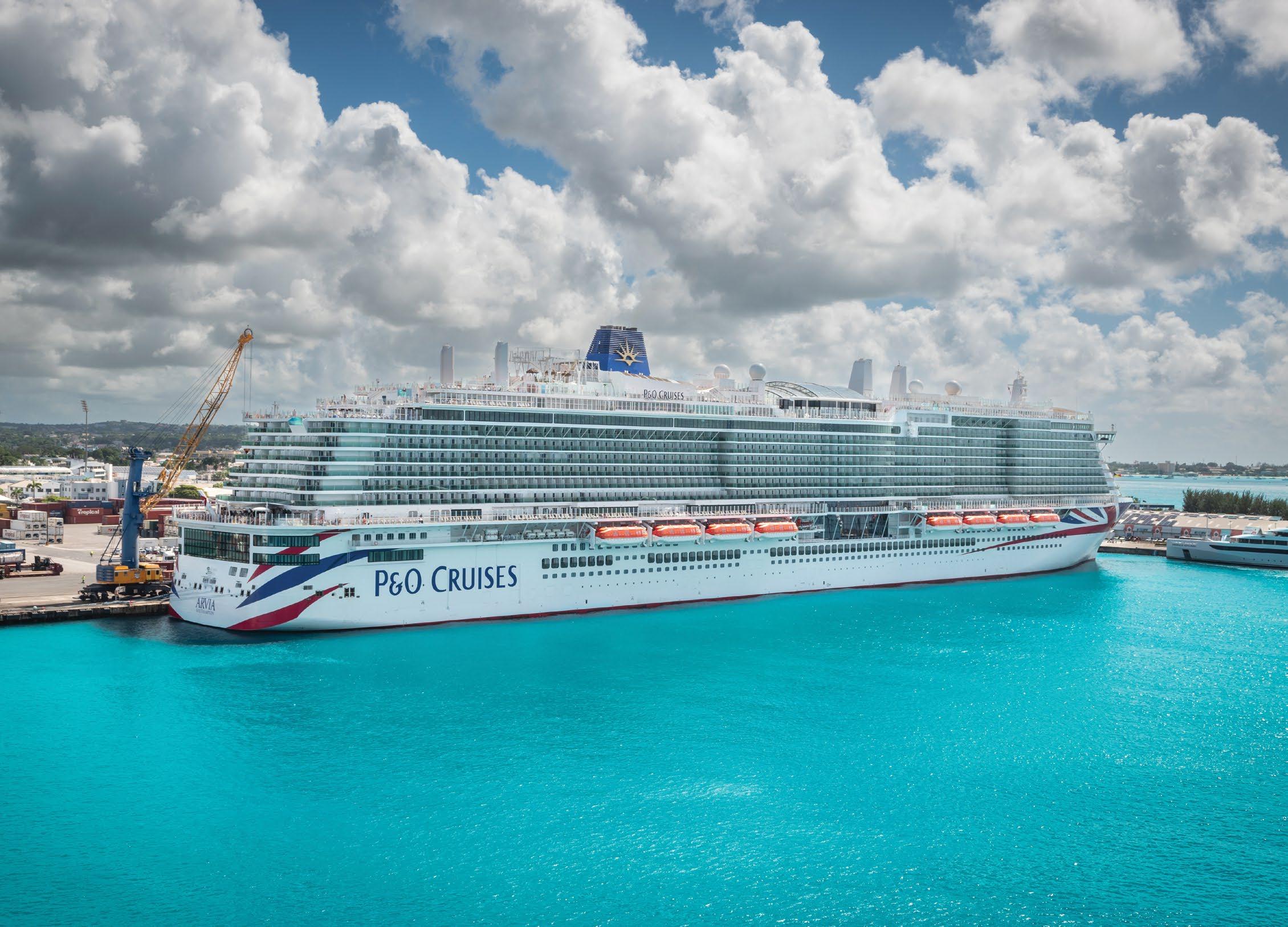
In the heart of the Caribbean, where turquoise waters cradle a mosaic of island nations, maritime connectivity is more than a logistical necessity – it is the lifeblood of regional integration, economic resilience and sustainable development. Among the many vessels that traverse these waters, liner services stand out as the unsung heroes of interisland trade, mobility, and cohesion. Liner services – meaning scheduled cargo and passenger vessels operating on fixed routes – form the backbone of maritime logistics in the Caribbean. Unlike tramp shipping, which operates on demand, liners offer predictability, frequency, and reliability. For island nations with limited land-based infrastructure and fragmented supply chains, this consistency is vital not only for Trade Facilitation and Economic Diversification, but also Disaster Resilience, by providing critical lifelines for humanitarian aid and recovery logistics.
Barbados, with its highly advantageous strategic location and rich maritime heritage, is uniquely positioned to lead a renaissance in Caribbean liner connectivity. As regional stakeholders push for ‘ferries not flights’ to reduce costs and carbon footprints, Barbados can emerge as a central node in a revitalized maritime network based on:
• Gateway Potential – with its proximity to both the Windward and Leeward Islands, Barbados can serve as a transshipment hub and feeder port.
• Tourism Synergy – integrating luxury liner services with cruise itineraries and water taxis enhances visitor mobility and experience.
• Green Logistics – Barbados can champion eco-friendly vessels and offshore bunkering stations (refuelling of ships) aligned with MARPOL and OPA 90 standards. Maritime operations hinge on the quality of port facilities and
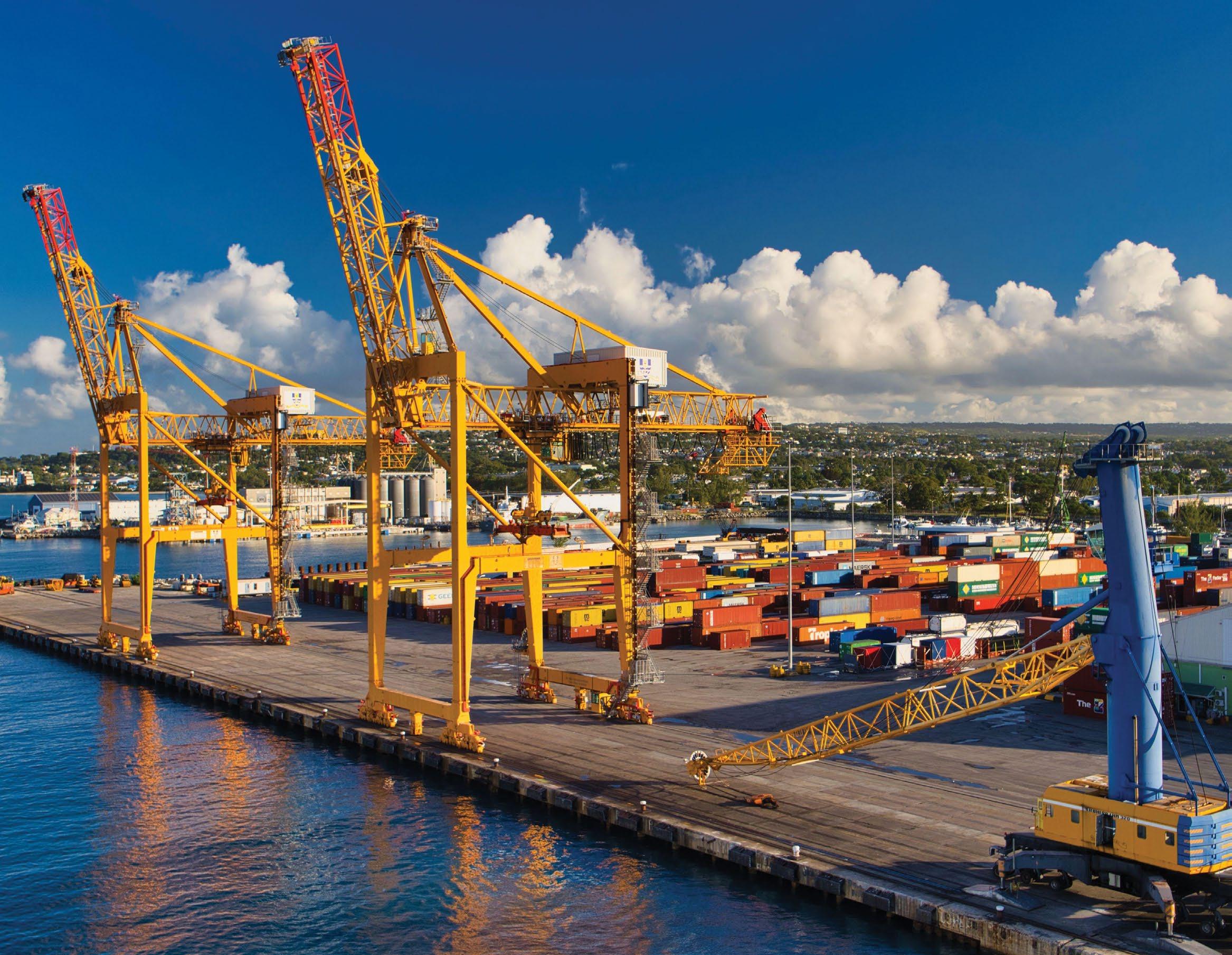
systems, so regional growth can only be achieved through the robust strengthening and modernization of each country’s port infrastructure. This would include – but not be limited to – upgrading cargo handling equipment, digitizing customs processes, and expanding berthing capacity to accommodate larger vessels and faster turnaround times.
The ongoing upgrade of the Port of Bridgetown in Barbados could mark a significant milestone in enhancing the efficiency and competitiveness of the region’s maritime operations, while potentially providing a blueprint for other Caribbean ports to follow. This initiative will feature the implementation of state-of-the-art automated systems to control port cranes, which will streamline the loading and discharging of cargo, thereby reducing turnaround times and improving overall productivity. Additionally, advanced software solutions will be integrated into port operations to optimize the management of cargo handling processes.
This project will be a collaborative effort involving both the private and public sectors, ensuring comprehensive stakeholder engagement and resource sharing. Notably, local stevedores will also be invited to participate as shareholders in the company overseeing this upgrade, reflecting a commitment to inclusive growth and investments that benefit the community as a whole.
For Barbados, investing in port infrastructure will unlock new
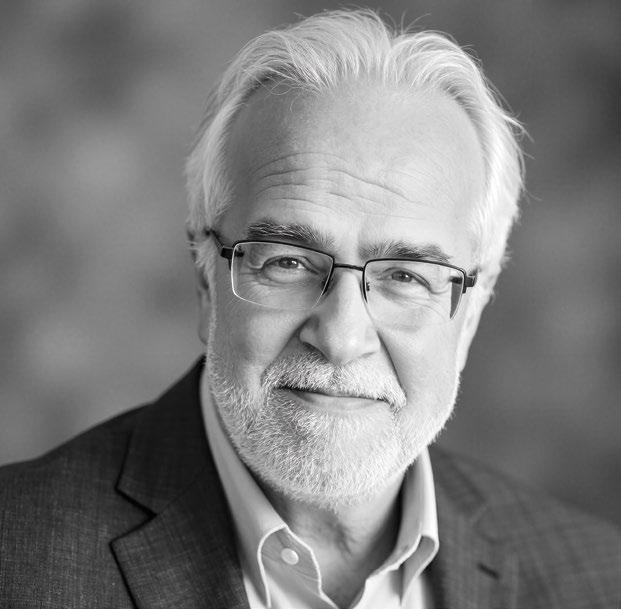
George Michanitzis
Maritime Consultant & Strategic Planner CEO, Minotaur Shipping and Project Management Ltd
opportunities in transshipment, cruise tourism and regional ferry services. It will also position the island as a leader in maritime innovation and resilience, in keeping with its declared aspirations to become a major transshipment hub for / gateway to the Americas and Africa.
While vessels and ports form the physical backbone of connectivity, true regional integration requires the free movement of people. Interstate agreements that facilitate visafree travel, streamlined customs protocols, and mutual recognition of identification documents are essential to unlocking the full potential of liner services.
The Organisation of Eastern Caribbean States (OECS), comprising Dominica, St. Vincent, Grenada, St. Lucia, Antigua & Barbuda, and St. Kitts & Nevis, has allowed free movement among its members since 2011. More recently, as of October 2025, Barbados has aligned with Belize, Dominica, and St. Vincent to implement full free movement of people and labour among themselves, whereby: (i) Nationals can live, work, and reside indefinitely in any of these countries without a work permit or visa. (ii) Access to public services such as healthcare and education is granted on par with locals. (iii) Family members (spouses, children, dependent parents) can also move freely.
This four-nation pact is seen as a pilot or ‘enhanced cooperation protocol’, that could encourage other regional countries to follow suit, thereby moving closer to
CARICOM’s ultimate goal of achieving full free movement of all nationals across all member states, as outlined in the 2001 Revised Treaty of Chaguaramas.
With such a fragmented geography, the only way to effectively bridge the Caribbean archipelago is through a cohesive maritime strategy, founded upon the full collaboration of governments, chambers of shipping, and private operators to:
• Establish regional liner corridors with harmonized schedules and tariffs.
• Invest in port infrastructure and digital tracking systems.
• Promote public-private partnerships to fund vessel procurement and operations.
• Align with international
standards to attract global registrars and superyacht traffic.
• Advance interstate agreements for seamless movement of people and goods.
As climate change and global trade dynamics continue to reshape the maritime landscape, the need increases for the Caribbean to anchor its future in sustainable, inclusive and innovative liner services. Barbados, with its visionary leadership and strategic ambition, can be the compass guiding this transformation.
*Minotaur Shipping and Project Management Ltd is the appointed Managing Consultant for the St. Lucia Chamber of Shipping
As climate change and global trade dynamics continue to reshape the maritime landscape, the need increases for the Caribbean to anchor its future in sustainable, inclusive and innovative liner services.
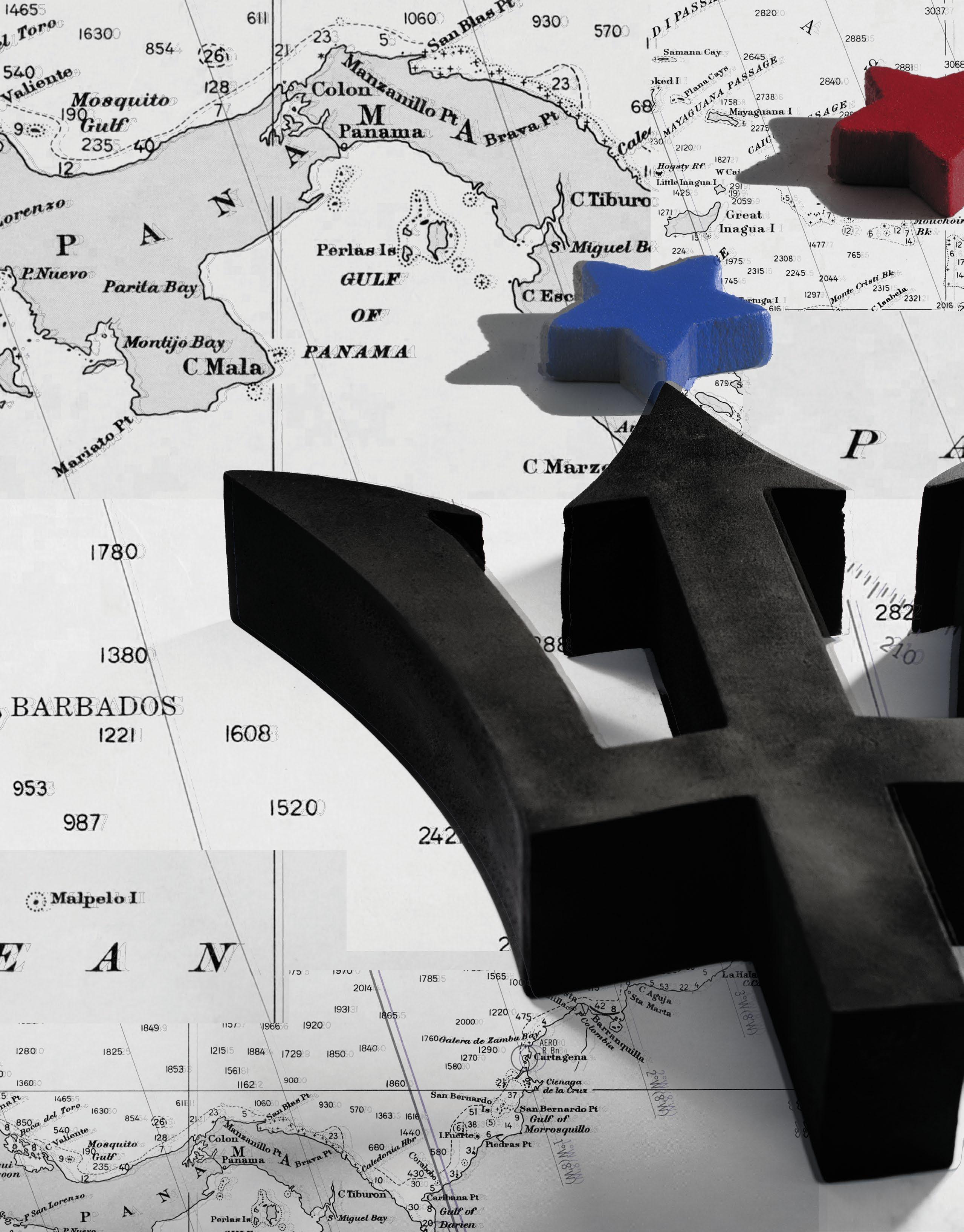
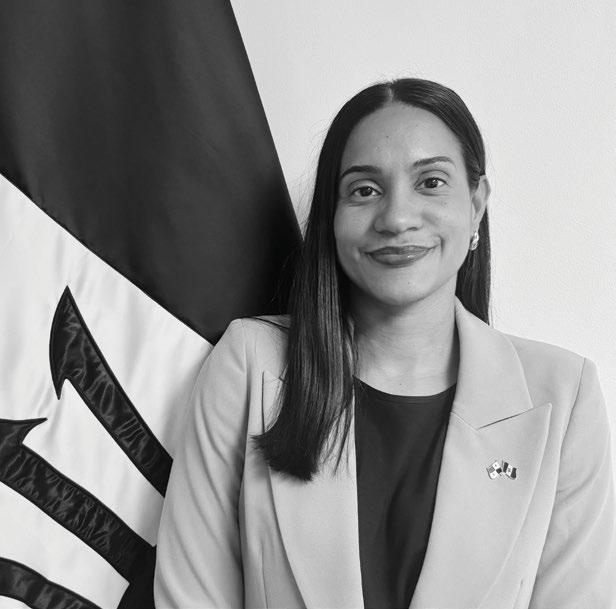
Modest in size and vast in remit, the Embassy of Barbados in the Republic of Panama is an intermediary ready to facilitate dialogue and commercial connections between Barbados and the Latin American nations bordering our shared Caribbean waters. Brimming with potential for greater bilateral commercial engagement, trade and investment, the Embassy of Barbados in Panama City maintains concurrent accreditation to eight dynamic Latin American countries: Colombia, Costa Rica, El Salvador, Guatemala, Honduras, Mexico, Nicaragua, and, of course, Panama. The Barbados Mission first opened its doors in 2019 with two broad objectives: first, to engage the large and diverse community of Panamanians of Barbadian descent, whose ancestors travelled from Barbados more than a century ago to assist in the construction of the Panama Canal and Railway. These
Barbadians, estimated at roughly one-quarter of the island’s total population at the time, departed their homeland and helped lay the literal foundation for the development of the multicultural society and commercial hub that modern-day Panama has become. Secondly, the Mission sought to advance commercial relations and deepen South-South cooperation among Barbados and the countries within its jurisdiction.
Early on, the Government of Barbados saw the strategic importance of expanding its diplomatic footprint in Latin America. Hemispheric neighbours with shared values and similar challenges, the eight nations within the Embassy of Barbados’ remit are non-traditional trading partners to whom our doors and shores remain open for business amidst evolving global challenges and changing geopolitical landscapes.
Barbados and Panama – two distinct smart hubs in their own
right – seemingly lie at the centre of a regional commercial relationship defined by untapped potential and promise. Serviced by four direct passenger flights a week via Copa Airlines, increasing to five weekly in January 2026, the jet bridge connecting Barbados and Panama, and consequently the wider Caribbean and Latin America, continues to expand. These flights bring thousands of Barbadians and other Caribbean nationals, largely from our Eastern Caribbean sister isles, to Panama seeking to discover ancestral connections, shop and sightsee, and transit onward to other Central and South American destinations. Similarly, this air service brings scores of Latin American visitors to Barbados’ beautiful shores, eager to explore
an unrivalled tourism product and keen to tap into our nation’s growing economy, welcoming climate, desirable lifestyle and bold vision for a more resilient and sustainable future. Increased airlift between Barbados and Latin America, namely a daily passenger flight between Bridgetown and Panama City and the launch of direct flight options to other Latin America markets like Colombia, remain priorities for Barbados in the year ahead. With the September 2025 addition of a weekly Copa Airlines Cargo flight, Barbados-Panama air connectivity continues to trend in the right direction, as trade by airfreight presents myriad new possibilities for Barbados’ commercial sector and the expansion of trade ties across the Latin American region.
Over the past year, Barbados has fortified its relationships with key Latin American partners bilaterally and through multilateral fora. In August 2025, both Panama and Colombia officially opened (or reopened in the case of Colombia, having closed its previous Embassy in 2002) their diplomatic missions in Barbados with formal ceremonies attended by high-level dignitaries, including Panama’s Minister of Foreign Relations and the Vice President of Colombia. Within the same month, the Barbados Port Inc. and the Panama Maritime Agency finalized a Memorandum of Understanding intended to create new opportunities for economic growth, promote technical cooperation and knowledge exchange, encourage sustainable
maritime practices, and position Barbados as a vital transshipment hub, connecting Latin America with Africa. Moreover, the Barbadian government, through the Caribbean Community (CARICOM), remains actively engaged in discussions with Colombia on strengthening trade relations and the expansion of preferential market access under the CARICOM–Colombia Trade Agreement, with Barbados hosting the third round of these negotiations in November 2025.
In the years ahead, Latin America’s diplomatic footprint in Barbados is poised to expand further –undoubtedly bringing with it new trade and investment opportunities – with the Cabinet of Barbados approving Mexico’s request to establish a diplomatic mission in 2024. As the second largest
economy in Latin America prepares to enhance its physical presence in the Caribbean, Barbados, once again, serves as a strategic hub for deepening hemispheric engagement, demonstrating, as Minister of Foreign Affairs and Foreign Trade, the Hon. Kerrie Symmonds, M.P. once stated, “a growing of confidence and interest in doing business in Barbados and with Barbados”.
Increasingly, Barbados is looking towards non-traditional partners, including its closest Latin American neighbours, to address the current challenges and unique vulnerabilities it faces as a small island nation, such as supply chain disruptions, unstable prices, and rising shipping costs. To this end, the Embassy of Barbados in Panama City continues to work closely with diplomatic counterparts, government agencies, and private
sector associations. The Barbados Mission remains intent on exploring new connections with local, regional and international innovators, influencers and changemakers with the aim of strengthening existing commercial ties; fostering innovative academic partnerships, language exchange programs and cultural cooperation agreements; and identifying new, mutually beneficial trade and investment opportunities across targeted sectors.
Now in 2026, the year in which Barbados celebrates its Diamond Jubilee, the Embassy of Barbados in the Republic of Panama does so with a renewed commitment to advance the Government of Barbados’ commercial diplomacy mandate, serving as a single bridge – Un Solo Puente – between Barbados, the Caribbean and Latin America.
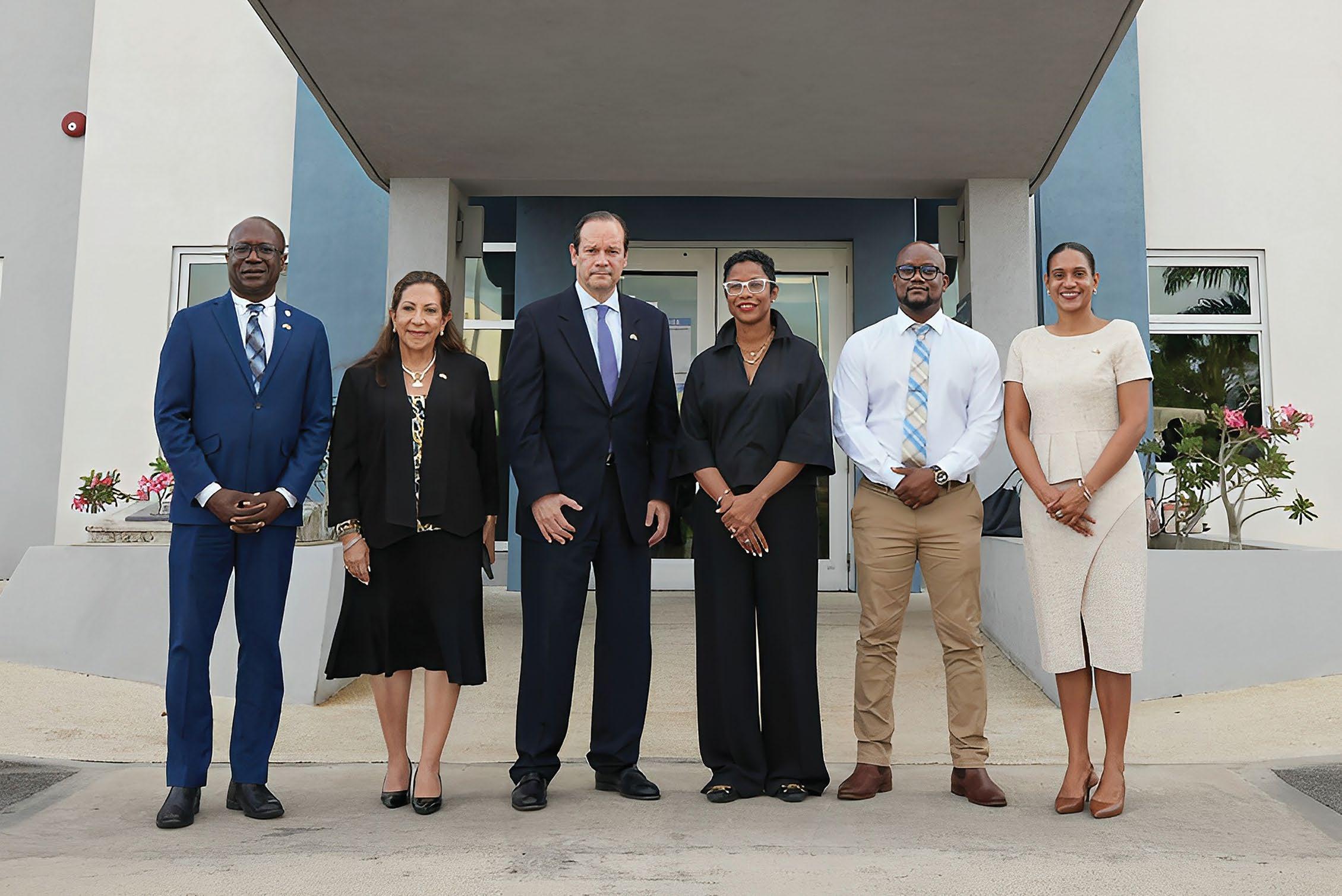
Below: Barbadian and Panamanian delegations following the ceremonial signing of the Memorandum of Understanding between the Barbados Port Inc. and the Panama Maritime Authority. L-R: Mr. David Marie-Jean (CEO, Barbados Port Inc.), H.E. Xiomara Pérez (Ambassador of Panama to Barbados), H.E. Javier Martínez-Acha (Minister of Foreign Affairs of Panama), Senator the Hon. Lisa Cummins (Minister of Tourism and International Transport of Barbados (Ag.)), Mr. Jamar White, (Permanent Secretary (Ag.), Ministry of Tourism and International Transport), and H.E. Amanda Martinez (Ambassador of Barbados to Panama)



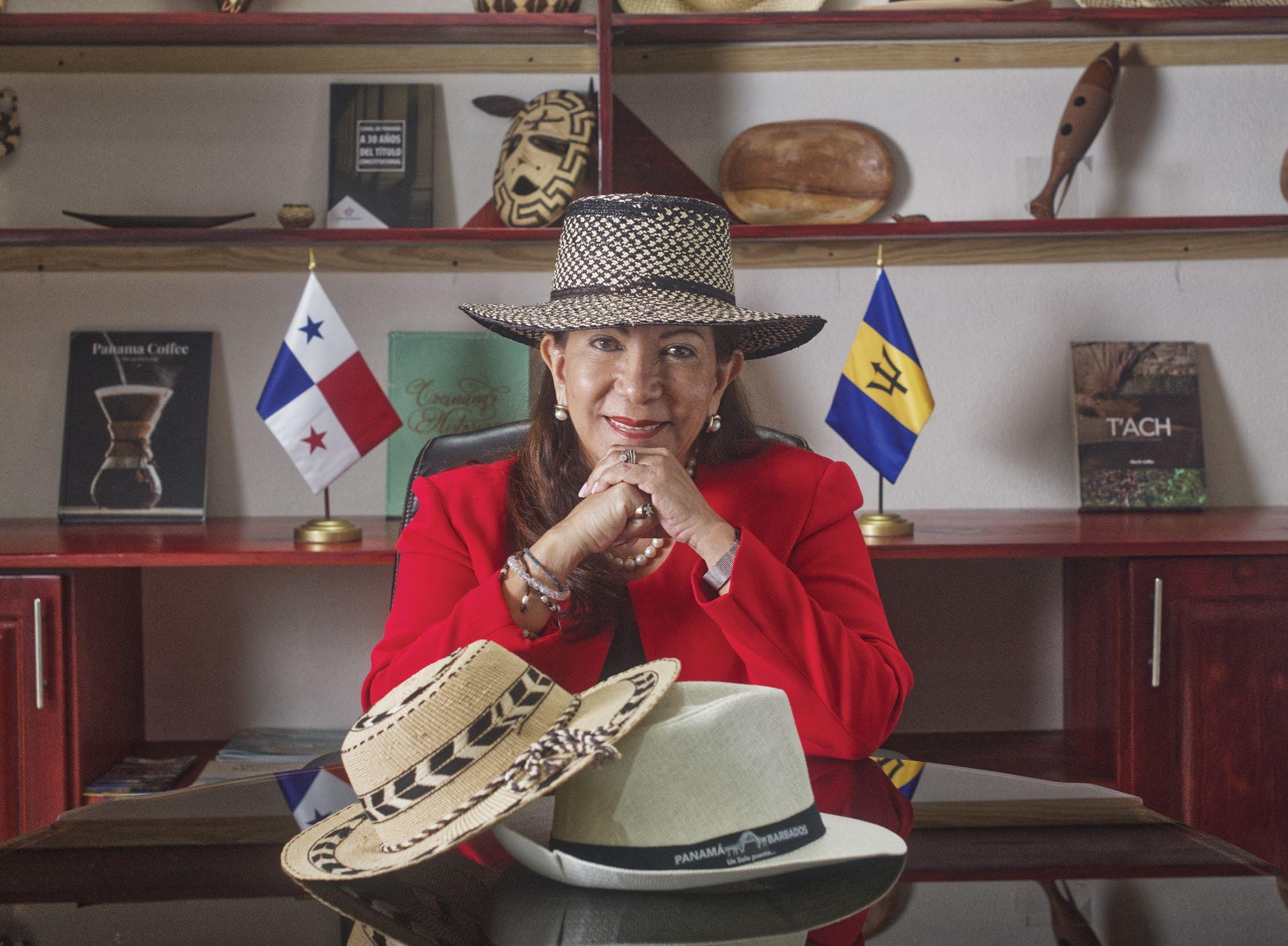

Why Panama in Barbados?’ is a question that many people ask in both countries. The answer is simple and obvious: the Government of Panama has chosen to strengthen its strategic position alongside Barbados because it is an important country and a vital partner in the region. This step strengthens bilateral ties and projects Panama as a reliable and dynamic ally. Today, with Panama being an associate member of Mercosur and on the verge of joining the OECD, it can offer many useful benefits to Barbados and the entire Eastern Caribbean.
The presence of our President, José Raúl Mulino, and our Foreign Minister, Javier Martínez-Acha, at the opening of the Panamanian Embassy in Barbados in August 2025 underscored the importance
of strengthening Panama’s presence in this country. In line with our government’s foreign policy strategy that seeks to expand Panama’s reach beyond Central America and Latin America, towards the Eastern Caribbean, this strong relationship can provide a bridge between two continents.
The shared history between Panama and Barbados is living proof of the ties that unite our people on a human and cultural level that have existed for more than a century. It is well documented that more than 20,000 Barbadians travelled to Panama during the construction of the Canal, leaving an important mark on Panamanian identity. Today, that bond has been strengthened with the opening of embassies in both countries.
Throughout the period when approximately one-third of the population of Barbados emigrated to Panama to work on the Canal, many of them sent remittances back home to financially support their families on the island. This economic flow, often referred to as ‘Panama Money’, was fundamental in the creation of a solid and successful middle class in Barbados. This historical link is a reminder of how economic cooperation can transform societies. Today, by strengthening commercial and political ties, Panama and Barbados honour that memory and project it into the future. ‘Panama Money’ symbolises the ability of both nations to build shared prosperity, and its legacy must continue to be strengthened with new initiatives in investment, trade and cultural cooperation.
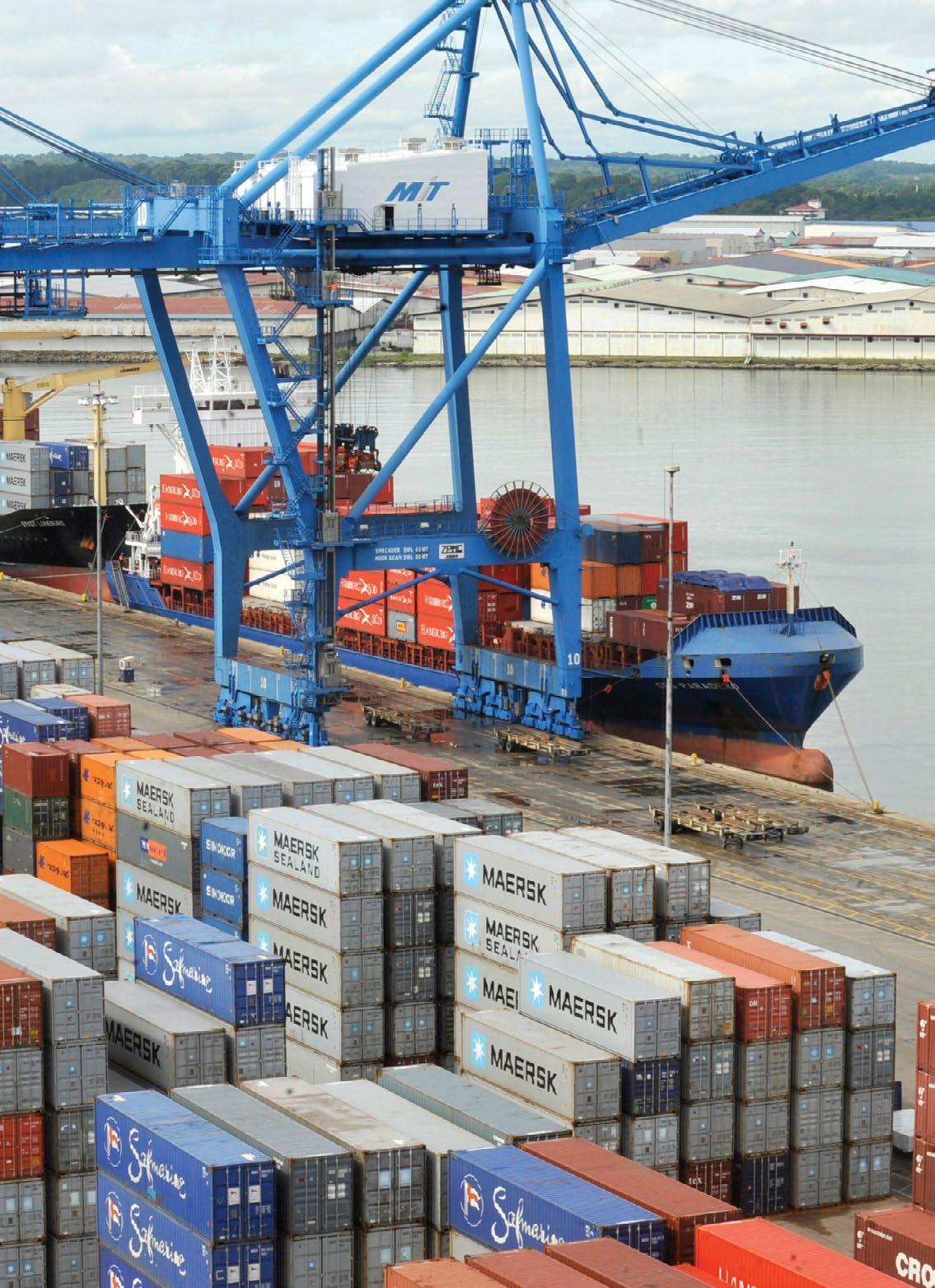
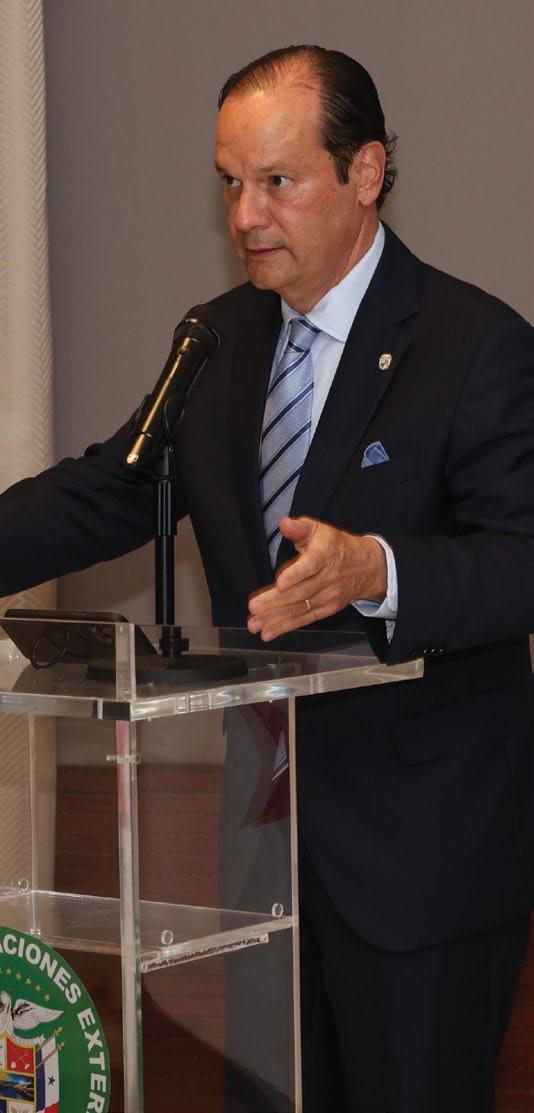
“The opening of the diplomatic headquarters in Bridgetown is not only a symbolic gesture, but also a strategic decision that will allow Barbadians to learn more about Panama, a Caribbean sister country that offers opportunities for business, investment, and cooperation. The Caribbean is part of our identity. From Barbados and the Eastern Caribbean, Panama presents itself as a gateway, bridge and port for those who wish to approach Latin America and the world.”
- H.E. Javier Martínez-Acha, Panama Minister of Foreign Affairs
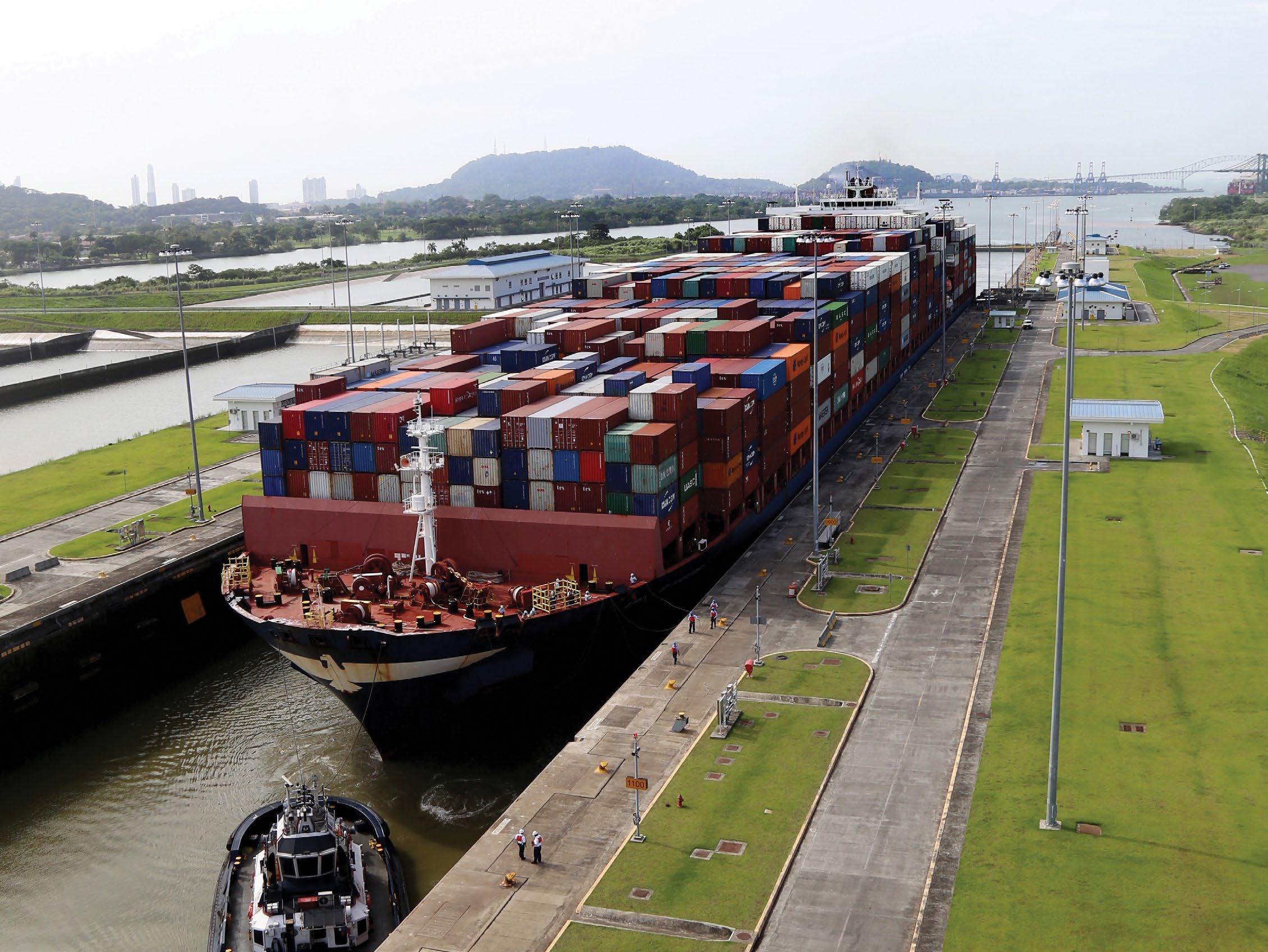
The relationship between Panama and Barbados is undergoing a period of strategic renewal. The opening of Panama’s first embassy in Barbados and the Eastern Caribbean marks a milestone that transcends diplomacy: it opens the door to economic and trade cooperation that will bring tangible benefits to both countries and their citizens.
The Benefits for Barbados include:
• Access to a global hub: Panama offers Barbados the possibility of connecting with Latin America and the world through its logistics and financial platform.
• Economic diversification: The alliance with Panama makes it possible to attract investment and expand sectors such as tourism, financial services and international trade.
• Business strengthening: Barbados can now explore ways to leverage Panama’s experience in infrastructure and logistics.
• International projection: From Panama, Barbados can expand its ties to Latin America through joint cooperation and attending major international trade fairs held in Panama, such as EXPOCOMER.
Benefits for Panama include:
• Political and regional consolidation: Strengthening economic and trade ties not only generates material benefits but also consolidates the bonds of friendship. Barbados’ cooperation and leadership open the door to a closer relationship with CARICOM, allowing Panama to establish itself as a relevant player in regional integration. From this platform, both countries can project their interest towards the African continent, broadening their diplomatic and commercial horizons.
Reaching out to Africa and Beyond Panama’s strategic vision includes
not only the Caribbean and Latin America, but also Africa. Barbados, with its history and cultural ties, can serve as a platform for Panama to strengthen commercial, diplomatic and cultural relations with African countries. This outreach multiplies opportunities for cooperation, trade and investment, positioning both Barbados and Panama as relevant players on the international stage. Working together from Barbados will allow Panama not only to show the entire region the benefits we have mentioned as the Hub of the Americas, but also to strengthen Barbados as a reliable partner and a point of connection to new horizons through the unique bridge that unites us. The bilateral relationship thus becomes an engine of regional integration and openness to the world.
From Panama’s Logistics Hub to Barbados’ Smart Hub
A particularly interesting aspect of the bilateral relationship with Barbados is how an extraordinary path, full of possibilities, is being forged to unite our two countries. Panama is positioning itself as the ‘Hub of the Americas’, while Barbados is moving forward to become a ‘Smart Hub’ in the Caribbean. The synergy between these two goals opens up space for innovation and modernisation of our economies. In this field, Panama can offer its experience in logistics, transport and financial services, while Barbados contributes its commitment to digitalisation, sustainability and technological innovation, as well as its expertise in tourism. Together, they can build a model of cooperation that combines physical infrastructure with digital infrastructure, creating a business ecosystem capable of competing on the global stage.
As a member of Mercosur and the OECD, which we are hoping
to join soon, Panama can be considered the most convenient and appropriate trading partner for Barbados. Panama is a leading Logistics and Maritime Centre. The Panama Canal connects the Pacific and Atlantic Oceans and thus their markets. The ports on both coasts are of great importance to world trade. We have dynamic free trade zones, including the Colon Free Zone, and a world-class airport system. This makes our country a vital link in global supply chains. In addition, beyond the transit of goods in Panama, Barbados can find companies that provide added value, such as assembly, distribution and customisation services, which consolidates our role as a strategic logistics hub.
It is also important for anyone wishing to invest in Panama to be aware of the country’s financial stability and dollarization, both of which inspire confidence in investors. Furthermore, Panama’s extensive trade network – more than 23 agreements granting preferential access to almost 60 markets – opens doors around the world.
Panama also offers special regimes that attract large-scale entrepreneurs, such as the SEM (Multinational Company Headquarters), with tax and immigration incentives, or the EMMA (Manufacturing and Assembly), which boosts the country’s industrial capacity.
In conclusion, it should be noted that the great advantage of Panama is that our country combines stability, connectivity and opportunity. It is not just a crossroads for trade routes, it is a platform for growth, innovation and regional expansion.
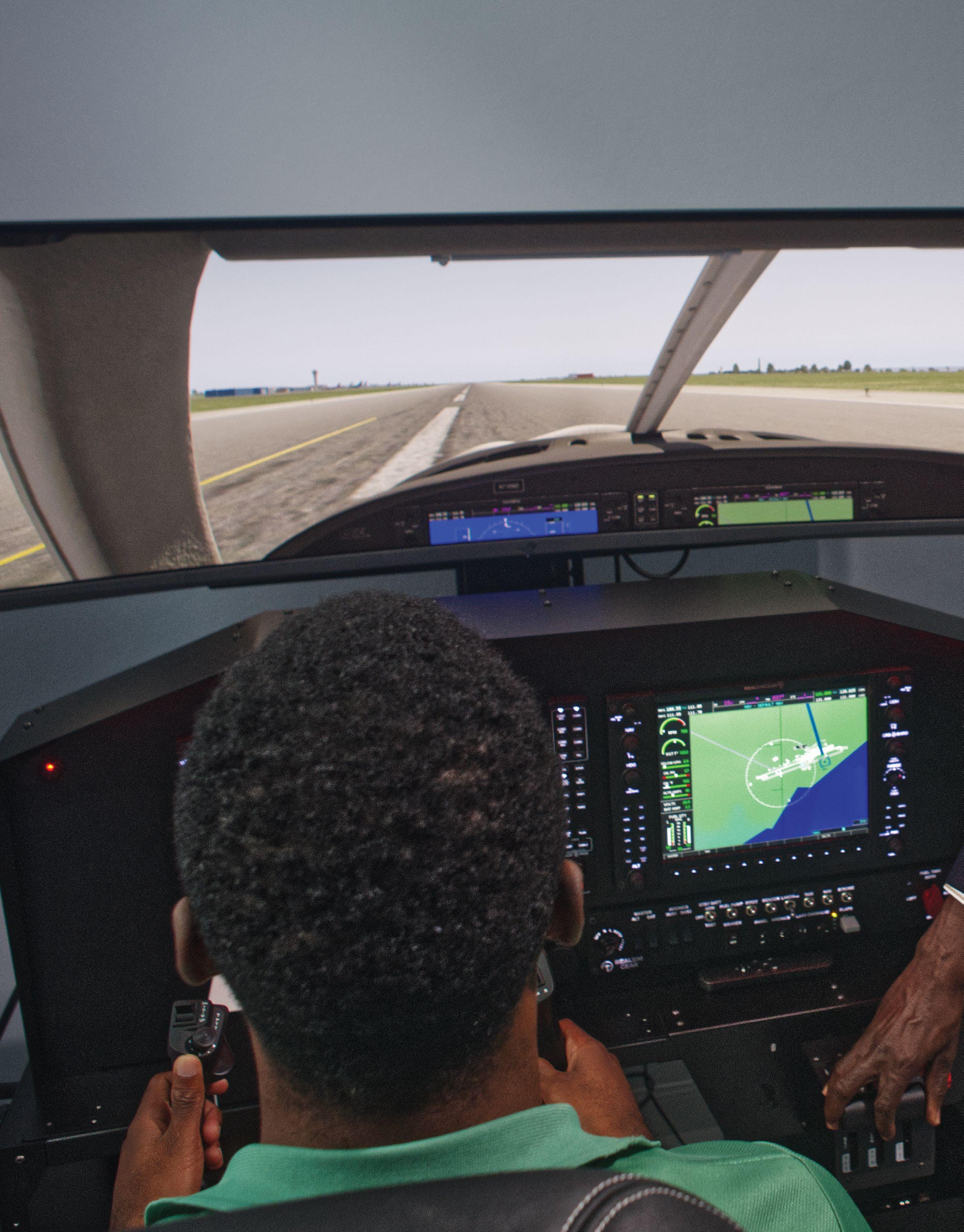

Every great flight begins with a vision. When I first imagined establishing an aviation training hub at the Sagicor Cave Hill School of Business and Management (SCHSBM), The University of the West Indies, Cave Hill Campus, that vision was to transform how the Caribbean learns, leads, and lifts itself toward the future. For too long, the dream of developing a Caribbean-based aviation training hub seemed distant—a goal reserved for nations with larger economies and infrastructure. I wanted to change that, and as with every bold innovation in our region’s history, this idea found a home in determination, partnership, and belief that the Caribbean could chart its own skies.
Our journey began with a simple yet powerful realisation: the Caribbean lacked a fully certified aviation training institution that could integrate globally competitive academic instruction with the attainment of a Commercial Pilot Licence (CPL). Aspiring pilots across the region have long been compelled to travel abroad—often at great personal and financial cost—to pursue their dreams. This challenge represented more than an economic burden; it underscored a critical gap in our region’s capacity to develop local talent and sustain an industry vital to trade, connectivity, and longterm economic resilience.
For SCHSBM, an institution long recognised as the engine of leadership and innovation in the Caribbean, this challenge became an opportunity. The vision was clear: to establish an Approved Training Organisation (ATO) that would bring world-class aviation education home, right here at The University of the West Indies, Cave Hill Campus.
Turning that vision into reality required foresight, technical collaboration, and persistence. We sought not merely to teach aviation theory but to embed aviation education within a larger ecosystem of innovation, management, and professional development.
From the start, two of our strategic partners – Barbados Aircraft and Aviation Services Company (BAASeC) and CAE, a global leader in aviation training based in Canada – were instrumental in shaping the project’s direction.
BAASeC’s local expertise and regulatory insight guided us through the technical requirements of the Barbados Civil Aviation Authority (BCAA), ensuring that every detail aligned with international aviation
standards. CAE, with decades of experience in advanced flight simulation and training systems, provided the global framework –offering guidance on programme design, course structuring, and the integration of future simulator training modules.
Reflecting on this collaboration, Ms. Diane Shurland, CEO of BAASeC, shared:
“BAASeC, remains committed to building strategic alliances that propel the growth of a skilled domestic aviation workforce and support the Government of Barbados’ expansionary efforts in civil aviation. The vision to provide a pathway for flight training at the Cave Hill Campus presents a unique opportunity for the region to leverage aviation to catalyse economic growth, job creation, and social development across our small island economies. As the programme was developed to blend academic instruction with commercial pilot training, it ensures that future pilots develop a stronger understanding of the various operational realities that shape airline and wider industry management. In the Caribbean region in particular, thin markets, short operational sectors and constrained fiscal space often magnify the difficulties of sustaining viable airline operations. It is therefore critical that pilots understand not only the dynamics of flight but also the broader business and industry complexities that both influence and are affected by the decisions they make on the flight deck. The programme, therefore, serves as an excellent complement to the buildout of the Barbados Aviation Centre of Excellence and is structured in a way that is responsive to the current and evolving realities of the Caribbean aviation industry.” Together, these partnerships represented the perfect balance:

Dr. Dion Greenidge
Executive Director and CEO, Sagicor Cave Hill School of Business and Management, University of the West Indies, Cave Hill Campus
local grounding and global reach. They demonstrated what can happen when regional ambition is supported by international collaboration. Every step demanded precision –curriculum design, safety protocols, infrastructure investment, and strict compliance with the BCAA’s regulatory framework. But amid the technical rigour was inspiration: the belief that our Ground School would symbolise Caribbean capability and self-reliance.
As plans took shape, we began the physical transformation of the lower level of the SCHSBM building. What had been traditional classroom and office space evolved into a modern aviation learning hub, equipped with flight simulation areas, interactive classrooms, and digital tools designed for technical mastery.
This transformation was driven by people as much as by blueprints. Our Sonics and BBS partners executed the installation and design phases with precision, ensuring that each element—from ergonomic workstations to safety specifications—met global aviation standards. Their work reflected our culture of teamwork, excellence, and purpose-driven innovation.
Throughout construction and compliance review, the BCAA provided steady regulatory oversight, ensuring the programme met every technical requirement for ATO status. Our collaboration with BAASeC, CAE, and the BCAA embodied a unified commitment: to position Barbados as a regional centre of aviation excellence.
Approval for Ground School Training
The moment we received BCAA’s official approval for Ground School training was a defining one. This was more than a regulatory milestone – it was the first major step toward achieving our ultimate goal of becoming the first institution in the Caribbean certified to train and issue Commercial Pilot Licences (CPLs) with an academic degree. This achievement signified the convergence of academic vision, technical guidance, and regional determination. It validated the countless hours invested in design, documentation, and inspection. For the University, it reaffirmed its role as a driver of national innovation; for Barbados, it marked a new era of aviation self-sufficiency.
The establishment of the Ground School is far more than an institutional success; it is a regional transformation catalyst. It enables Caribbean students to
access internationally recognised pilot training through a world-class institution built by the Caribbean, for the Caribbean, and supports Barbados’ 2030 Carbon-Neutral Vision by advancing sustainable, high-tech learning environments.
The Approved Ground School also represents our commitment to economic diversification and skills development. By integrating aviation training with management, analytics, and technology, we are cultivating a new generation of professionals who can lead in both the cockpit and the boardroom.
Moreover, the guidance of CAE and BAASeC continues to shape future phases. Their support ensures that our aviation programme remains aligned with global standards, while nurturing a distinctly Caribbean identity grounded in excellence, safety, and innovation.
No great achievement is born in isolation. I am deeply grateful to the UWI leadership, our dedicated staff, and supportive partners who worked tirelessly to make this vision a reality.

From strategy sessions to technical audits, every contributor – academic, regulatory, and technical—played a crucial role.
I often describe the project as a symbol of what Caribbean institutions can achieve when determination meets collaboration. It is proof that when institutions and partners unite around a shared goal, they can redefine what is possible for a region and its people.
Today, our Ground School stands as a beacon of Caribbean innovation and self-determination. The next phase of our journey includes achieving full ATO approval and status, expanding regional partnerships, and establishing a Centre for Aviation Leadership and Management – a pioneering initiative for the Caribbean and Latin American region.
As our first cohort of students prepares to enter the facility, they carry the hopes of a region ready to own its skies. The SCHSBM Ground School is not just a place of learning; it is the manifestation of a collective promise: that the Caribbean can lead, build, and thrive on its own terms.
Our Ground School Approval story is one of vision, resilience, and shared purpose. It proves that even in small islands, great ideas can take flight –and that education, when powered by partnership and purpose, can transform economies and futures. From the ground up, SCHSBM has built more than a training centre. It has built hope, opportunity, and Caribbean capability. The runway is ready; the foundation is strong – and the future of Caribbean aviation is airborne.

BARBADOS AS A LIVING INNOVATION SYSTEM

Barbados is quietly emerging as one of the world’s most compelling innovation platforms, not through size, but through community. A society rooted in shared values, openness, and global connectivity is becoming the testbed for bold, responsible, and scalable ideas. “The Land of 1000 Labs” is not about volume, it’s a mindset shift. One that embraces experimentation, values-led innovation, and long-term systems change.
This evolution began with a call from Prime Minister Mia Amor Mottley to identify the young people capable of tackling the country’s biggest challenges. That call led to FutureBARBADOS, a national innovation experiment born in the Prime Minister’s Office. Its mission was clear: unlock talent, build infrastructure for emerging ideas, and accelerate real-world problemsolving. By 2025, the initiative became a formal part of government through its integration into the Ministry of Industry, Innovation, Science and Technology (MIIST). That transition embedded innovation into the national development framework and strengthened Barbados’ capacity to design, test, and scale interventions that matter. No longer just a pilot programme, Barbados is building an innovation system, one that blends education, regulation, capital, and international partnerships.
The country’s size makes it willing to test and move faster than larger economies. But Barbados’ real differentiator is its ability to do so within a values-driven ethical framework, where risks are taken, but lives and livelihoods remain protected. A forward-leaning regulatory culture is taking shape, not adversarial to innovation, but enabling it. This includes rethinking how intellectual property is protected, and exploring shared ownership models that reflect community participation in value
creation.
Talent is central to this transformation. Barbados is not importing innovation, it’s building it from within. This shift is being embedded through education.
The University of the West Indies now offers an MSc in Health Tech Innovation, and secondary schools are expanding their focus on science and technology readiness. Importantly, this is paired with entrepreneurship training, positioning young people not just as future employees, but as solution designers and venture builders.
The financial architecture behind this ambition is also evolving. Barbados is developing a blended capital framework to de-risk early-stage ventures and crowd in private investment for public-good innovation. The idea that venture capital alone will fund this future is outdated. What’s needed now is a national risk-capital strategy that brings together public, philanthropic, and commercial capital into catalytic investment vehicles. Because if Barbados is serious about becoming the Land of 1000 Labs, the financial question must be asked: where is the one billion dollars needed to back them? Innovation of this scale will require at least one million dollars per lab and that capital must be mobilised upfront or as close to immediately as possible, not gradually. A bold vision demands bold financing.
These ideas are not theoretical. Concrete ventures are already underway. FutureBLUE, through the Starlight Initiative, will be seeding marine innovators across the Eastern Caribbean in collaboration with Conservation International, UNIDO, Export Barbados, and Blue
Tamaisha Eytle Harvey Director, FutureBARBADOS
Action Lab out of the Bahamas. FutureHEALTH, funded by IDB Lab, is anchoring the country’s push into biotech and digital health, while building local capacity through academic-industrial partnerships. While initiatives in ocean and health are already underway, Barbados is not limited by sector. It is becoming an innovation-agnostic testbed, a place where even the problems we haven’t fully defined can be designed for. This is an open invitation: if this is what’s possible already, what else could be solved here?
The Land of 1000 Labs is not a branding slogan. It’s a serious commitment to build a distributed system of experimentation, where real-world testing, regulation, and community involvement converge. Here, innovation isn’t defined by shiny infrastructure or imported tech. It’s defined by outcomes: healthier people, more resilient systems, stronger economies, and wider access to opportunity.
For global funders, researchers, entrepreneurs, and institutions seeking a launchpad for impactful work, Barbados offers something unique. A pipeline of ventures across ocean, health, and climate. A collaborative regulatory environment. A highly connected diaspora. And a society ready to test, refine, and scale what the world urgently needs.
The future isn’t waiting. It’s already being prototyped, in classrooms, clinics, farms and coastlines across Barbados. This is a country choosing to innovate not because it is fashionable, but because it is essential. Barbados is becoming not just a site of inspiration, but of implementation.
And the most exciting part? It’s only just beginning.




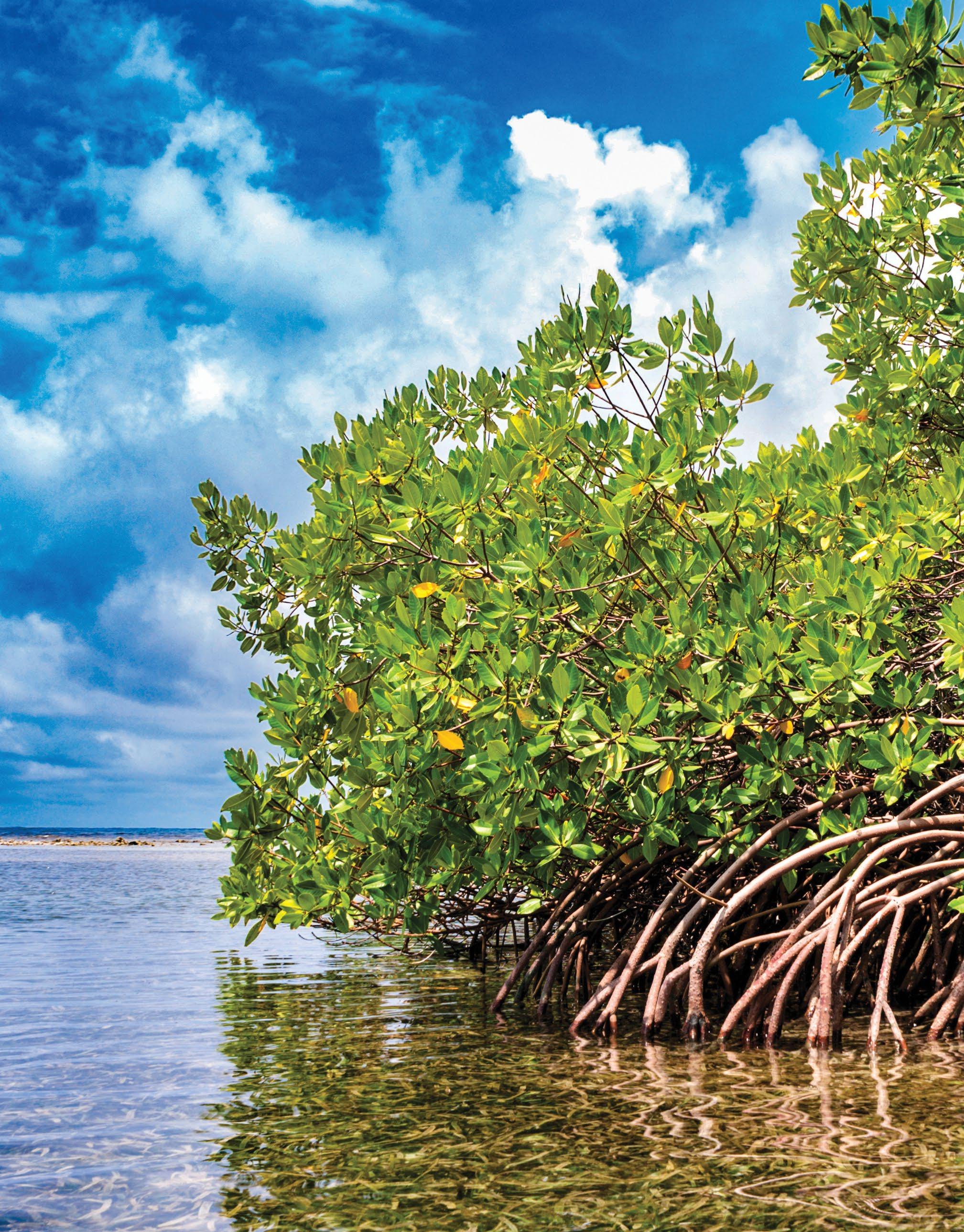

Along the quiet beaches of the south and west coasts of Barbados, just beyond the early light, the first tracks appear before the sun does. A sea turtle has come ashore in the night to lay her clutch of eggs. Her journey is slow, deliberate and exacting. The future she protects will hatch months later and move out into a world that looks nothing like the one she entered as a hatchling.
Turtles are often described as ancient navigators. Yet they are also markers of something far more present. Their survival depends on the stability of coastlines, the health of nearshore waters, and the rhythms of seasons that are no longer predictable. When turtles struggle, coastal economies follow. When ecosystems struggle, economies fail and people suffer. This is also true throughout Latin America and the Caribbean, from the Andes to the Amazon, from the Chaco to the Darién and into the Mesoamerican Reef.
This is the quiet truth Latin America and the Caribbean offer the world. The forces that shape nature also shape markets. The systems that endure are the ones that adapt early. The future opportunities are intrinsically linked to resilience, innovation, inclusion, and above all, effective action.
From May 26-28, 2026, IDB Invest’s Sustainability Week (SW26) will advance this conversation in Barbados. For the first time, this global platform comes to the Caribbean. It is a venue for people who recognize that waiting for ideal conditions is no longer a viable strategy. It is a conversation that shapes partnerships and new business opportunities that result in long-term impact.
The Investment Gap Beneath the Tide Line
Latin America and the Caribbean require more than one hundred and fifty billion dollars each year for sustainable infrastructure. Only a fraction of this amount is actually
invested. The rest becomes a tide of good intentions that never reach ground.
This gap is not theoretical. It determines whether a community in the Amazon basin can build a viable economy on bio-factories instead of deforestation. It decides if a new green hydrogen facility in Chile can secure the long-term financing needed to build a new energy export market. It dictates whether a fishing cooperative in Peru can access the capital to invest in technology that proves its practices are sustainable, unlocking new, premium markets.
These shifts do not happen alone. They happen when capital, ideas, and risk appetite are in the same room long enough to convert intentions into action. The capital exists. The appetite exists. The opportunity is to build the bridge between them: a pipeline of bankable projects and financial structures that match a range of global investors’ expectations. Projects must be sound. Risks must be shared. Scale must be achieved.
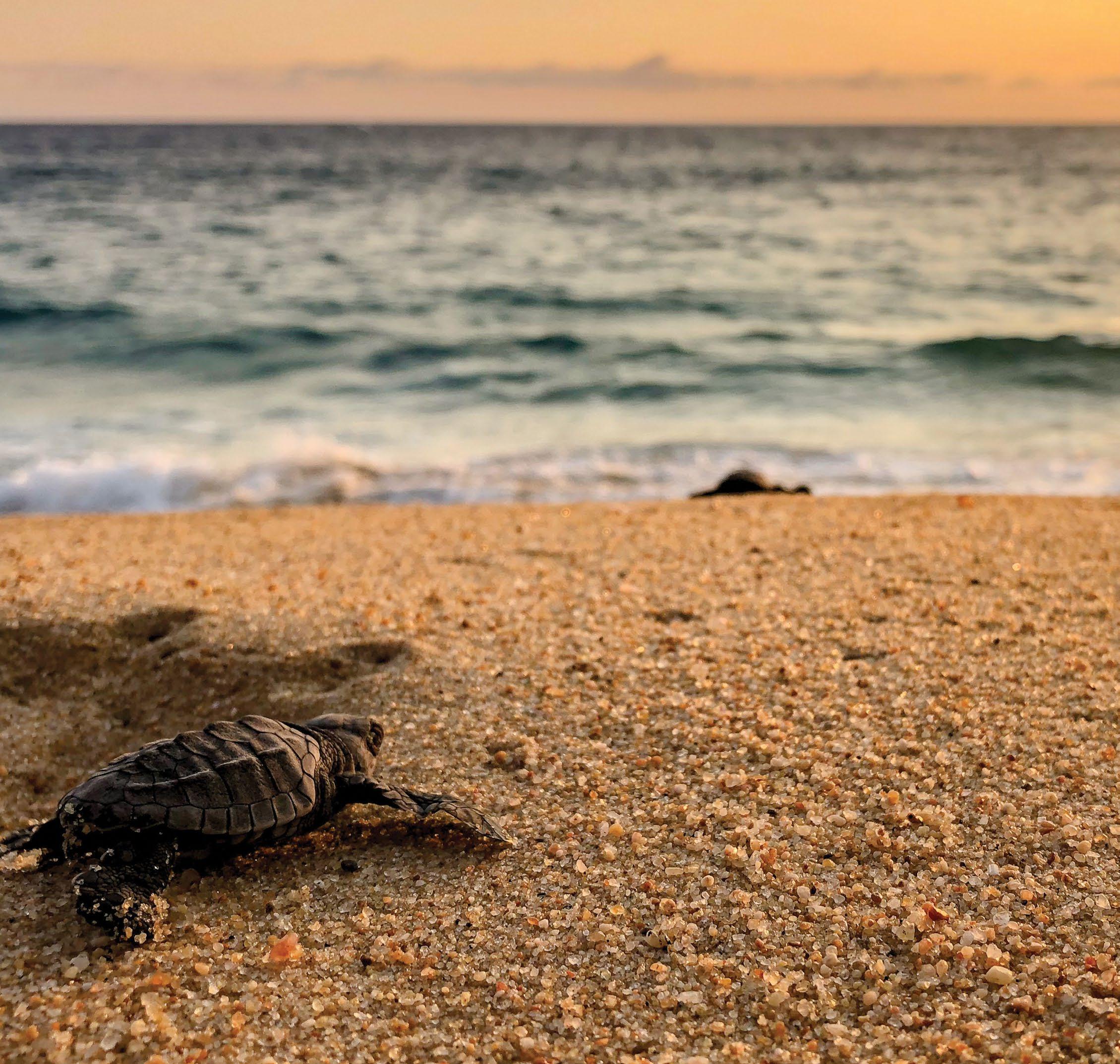
A Flagship Moment for the Americas
Sustainability Week brings together investors seeking differentiated opportunities, corporate leaders dealing with complex supply chains, and regional business-builders whose modern systems match the realities of emerging markets.
For four days, the conversation will move beyond simple ideas into the difficult work of promoting actions—moving from the “what” to the “how.” This includes building
new asset classes, like financing the “missing middle” of small and medium-sized enterprises by bundling their needs into diversified, attractive assets. It means treating Natural Capital as a productive asset, where investments in biodiversity in Mexico or Colombia directly strengthen supply chains for global corporations.
By hosting Sustainability Week here, conversations grounded in place rather than theory will take hold. The stakes are evident. The urgency is shared. For Barbados and
the rest of Latin America and the Caribbean, these are not abstract concepts. They are lived realities.
What Remains After Barbados
Success is measured by what happens after the final session. Capital deployed. Projects advancing. Partnerships that move from concept to implementation. Latin America and the Caribbean will define the next wave of sustainable growth. The question is who will help build it and who will watch from elsewhere.
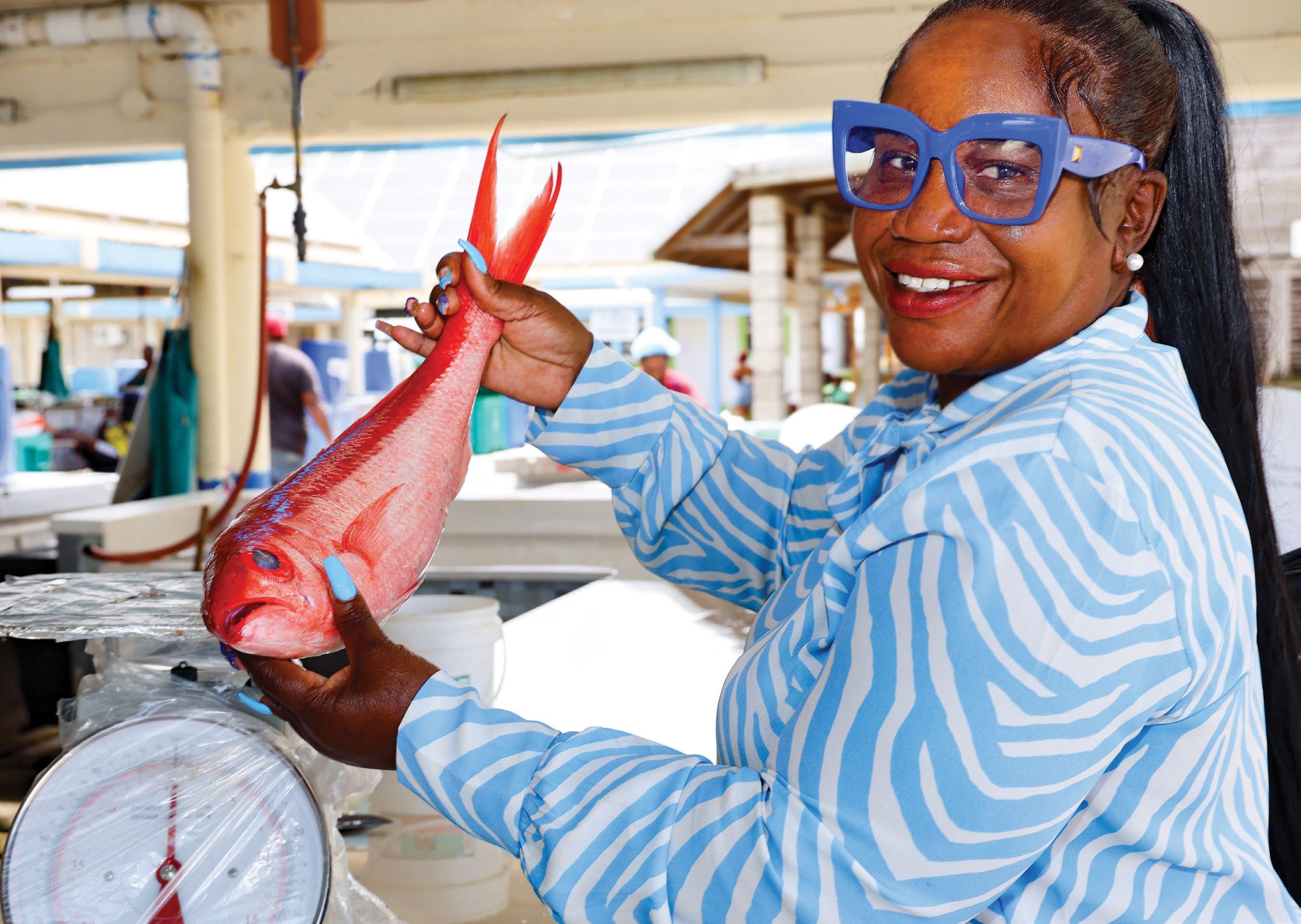

Sustainability Week • 26-28 May 2026
Success is measured by what happens after the final session. Capital deployed. Projects advancing. Partnerships that move from concept to implementation.
Find out more and be part of SW26
Perched along Barbados’ coveted west coast in St. James, Ocean Blue Barbados reimagines contemporary island living. This new luxury condominium development offers an elegant collection of one-, two-, and three-bedroom residences, each designed to embrace the island’s light, breeze, and effortless rhythm. Open-plan layouts flow seamlessly between indoor and outdoor spaces, while expansive balconies frame views of the turquoise Caribbean Sea. The development combines
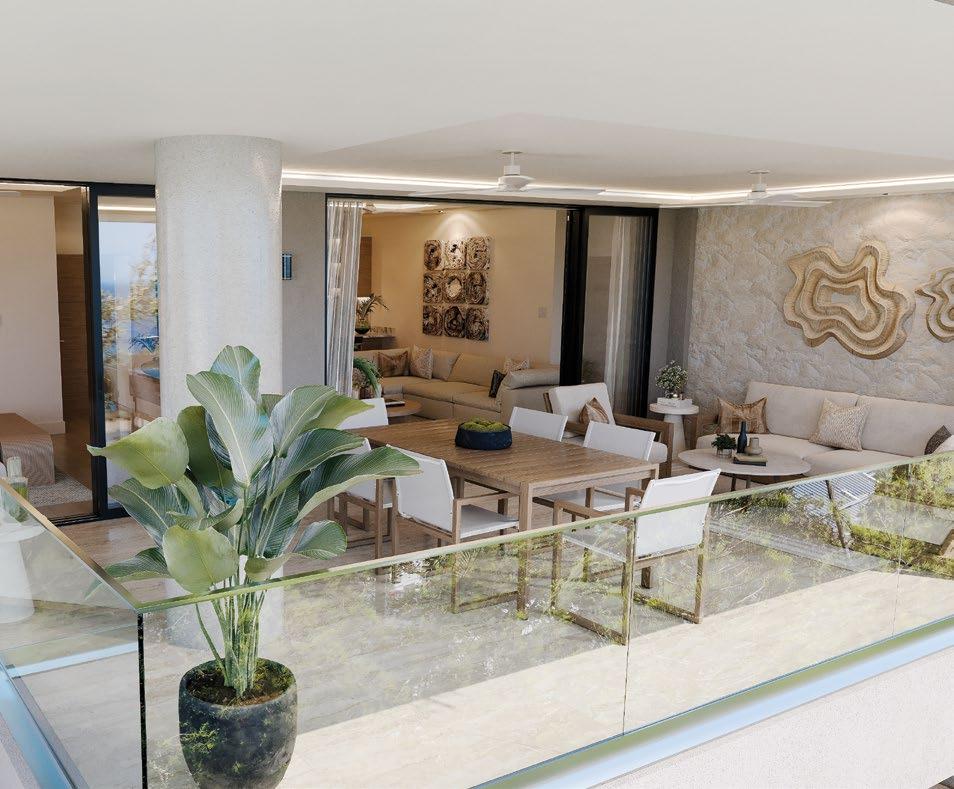
thoughtful design with modern comfort. Residents enjoy access to a communal swimming pool, fitness and shower facilities, a reception area, secure parking, and a breathtaking rooftop lounge – an elevated escape where the sea and sky meet in uninterrupted harmony.
At the helm of Ocean Blue is James Johnson, a name well known across Barbados’ hospitality and business landscape. With over two decades of experience, including his role as one of the partners behind the renowned Lucky Horseshoe restaurant group, James brings a passion for quality and a deep understanding of what defines the Barbadian lifestyle. The son of the late Ralph “Bruggadung” Johnson, a respected entrepreneur and sportsman, James continues a family legacy of vision, integrity, and community spirit. His experience in short-term rental management has also shaped the project’s dual focus – serving both as a serene personal
retreat and as a high-performing investment opportunity.
Ocean Blue Barbados brings together an accomplished team of local talent. Architect Michael Gomes has designed spaces that balance sophistication with the relaxed charm of island life. Jada Construction Group delivers the build quality and craftsmanship for which they are renowned, while interior designer Karin Trudesson of Walkers World infuses each residence with an inviting, contemporary aesthetic. ACI Engineers ensure every structural and mechanical element is fine-tuned to the island’s environment. Ideally located just steps from Payne’s Bay beach and west coast amenities, Ocean Blue presents an exceptional opportunity for discerning buyers and investors alike. Beyond its luxurious design and prime location, it promises the kind of effortless, sun-drenched living that has made Barbados one of the world’s most desirable destinations.
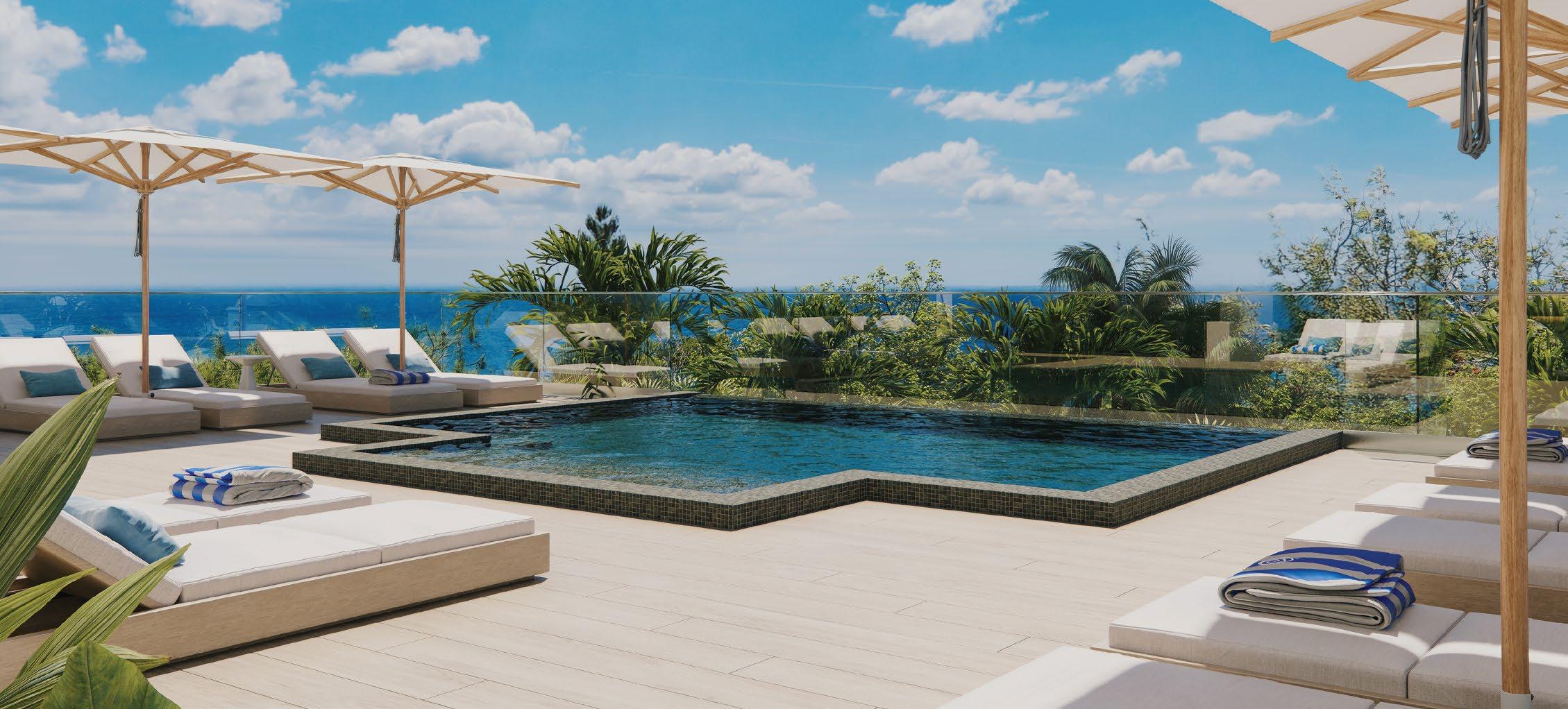
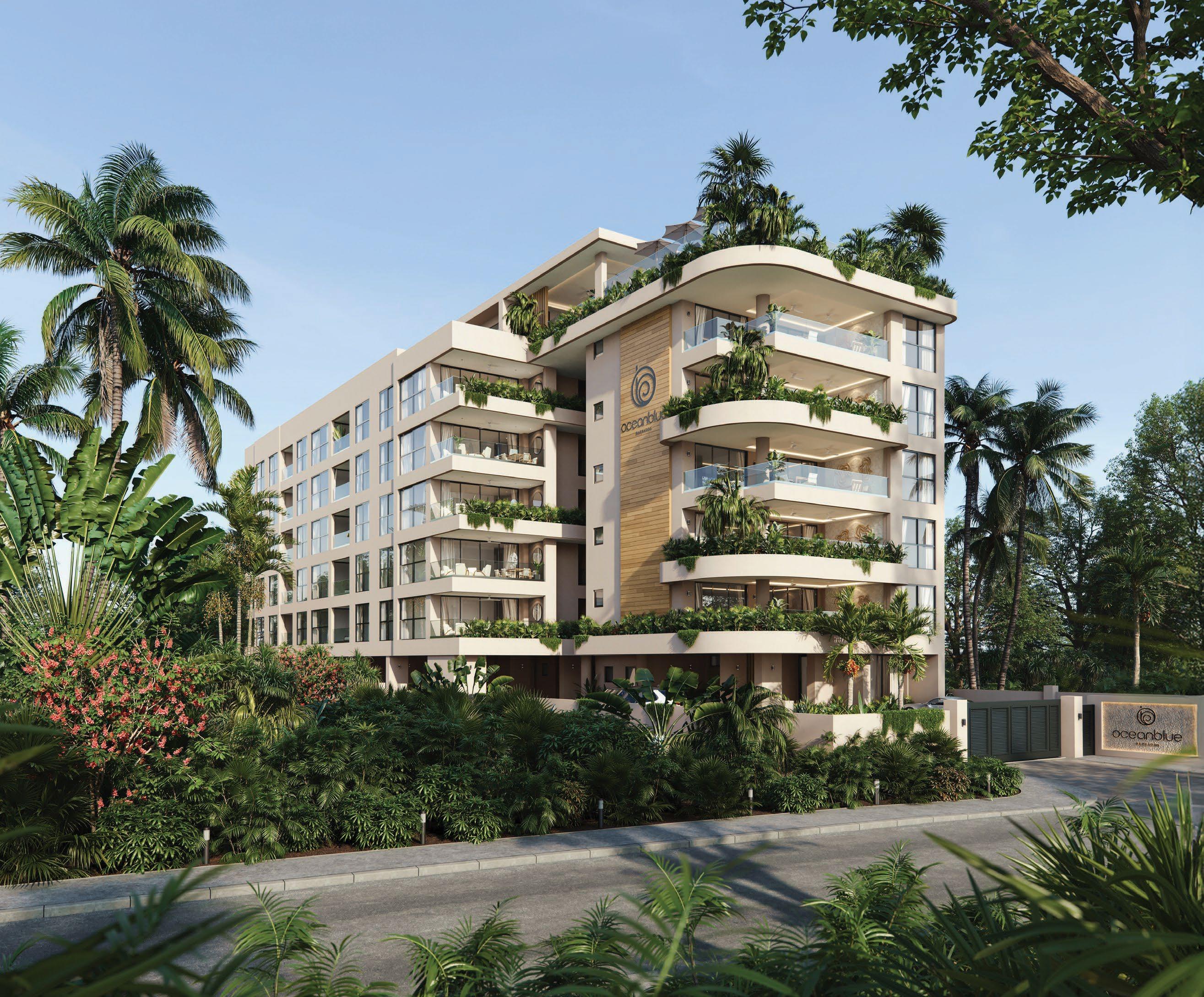






Mark Hill Chief Executive Officer, Export Barbados (BIDC)
Barbados is on the cusp of an industrial and investment revolution. Through the Green Industrial Gateway Advantage (GIGA), powered by Export Barbados, the island is redefining what it means to be a small state in the global economy. We are building a platform where industrialisation, exports, and carbon monetisation converge – making Barbados not just a place to visit, but a place to invest, innovate, and grow.
At its core, GIGA positions Barbados as the world’s first Green Industrial Gateway: a hub where exports are sustainable, infrastructure is climate-aligned, and carbon is treated as a national asset. For regional and international investors, this means access to industrial returns paired with verified carbon outcomes, a unique dual revenue stream in the emerging climate economy.
The global transition to netzero is creating unprecedented
opportunities in voluntary carbon markets (VCMs). GIGA leverages this shift by treating carbon not as a liability, but as currency. Every solar panel installed, every factory retrofit, and every clean energy upgrade in Barbados is designed to be a tradable asset.
For investors, this translates into:
• Carbon Credit Aggregation & Trading: Barbados is establishing itself as the regional hub for carbon accounting and exchange, with plans to launch the Barbados Industrial Carbon Exchange (B-ICE) in 2026.
• Carbon-Linked Financing: Businesses in GIGA zones will be able to collateralise their emissions reductions, opening pathways for carbon-backed loans and ESGaligned investments.
• Product Integrity with Carbon Value: Exports manufactured in Barbados carry traceable carbon credentials, offering buyers and investors assurance of sustainability alongside profitability.
In short, Barbados offers a rare investment proposition: the ability to earn financial returns from industrial

growth while simultaneously monetizing verified emissions reductions.
As part of the build-out of the GIGA strategy, Export Barbados is developing a National Industrialisation Dashboard that will track the island’s industrial and green transition performance in real time. This forthcoming platform will provide data-driven visibility into manufacturing output, export growth, carbon savings, investment inflows, and innovation indicators. It will serve as the evidence base that investors, policymakers, and partners need to measure the progress and profitability of Barbados’ industrial transformation.
Once launched, the Dashboard will convert signals from expanding industrial output, new green factories coming online, and clean energy integration into transparent, verifiable metrics, ensuring that every investment in the Green Industrial Gateway is tracked, valued, and visible to the world.
Barbados is investing heavily in next-generation industrial infrastructure to anchor this strategy. Key initiatives include:
• Newton Science Park: Home to the Carbon Verification Lab and the upcoming 100,000 sq. ft. Cleanroom Campus, enabling advanced life sciences and medical device manufacturing
with net-zero certification.
• Bloom CleanTech Zone: A cluster for solar, battery, and renewable energy industries, designed as a carbon-negative production space.
• Green Industrial Innovation Hub: The headquarters for industrial emissions monitoring, carbon accounting, and AI-driven GHG inventory systems.
Each GIGA zone is designed not only to produce goods, but also to embed carbon value directly into exports. This approach makes Barbados the ideal platform for investors seeking alignment with both industrial returns and climate commitments.
1. Dual Value Creation - Barbados offers investors a portfolio where every dollar works twicegenerating returns from industrial expansion while unlocking monetizable carbon credits.
2. First-Mover Advantage in SIDS - As the first Small Island Developing State (SIDS) to launch a carbon-integrated industrialisation strategy, Barbados is positioning itself as the regional carbon custodian economy. Early investors gain priority access to this emerging pipeline.
Export Barbados is not just inviting investment - it is inviting partnership in shaping a new model of development for the Global South.
3. Robust Governance & Stability - With political stability, strong legal frameworks, and alignment with global standards (FDA, EMA, ISO), Barbados offers a safe, transparent, and regulated environment for foreign investment.
4. Global Market AccessBarbados’ strategic location connects investors to the Americas, Africa, and Europe, with preferential access through Commonwealth membership and trade agreements.
5. Scalable Green Growth –Projections indicate that GIGA could double industrial exports by 2028 while contributing over $190 million annually to GDP from cleanroom-enabled sectors alone.
Export Barbados is not just inviting investment - it is inviting partnership in shaping a new model of development for the Global South. With GIGA, Barbados demonstrates that industrialisation and decarbonization can go handin-hand, unlocking prosperity for generations while meeting the climate demands of today. Investors, ESG funds, and industrial partners have a unique opportunity to be part of this transformation. Your engagement with GIGA can secure a stake in the world’s first carbon-accountable industrial gateway, where innovation meets integrity, and profit meets purpose.
The Carbon Age is here - and Barbados is ready to lead it. The question for investors is simple: are you ready to join us?


Kerry Jordan Director, Consulting (Strategy, Risk & Transactions), Deloitte

It is often said internationally that Barbados ‘punches above its weight’. Since the coining of this phrase by former UN Secretary-General Kofi Annan, the operating environment and the global financial sectors have seen seismic shifts, ranging from financial crises and pandemics to the everpressing climate agenda. Despite its small size, Barbados continues to demonstrate resilience and innovation, adapting to challenges while maintaining its reputation as a globally-respected financial centre and its top tier ranking. The climate agenda and sustainability discussions have been one of the hallmarks of where Barbados has created global attention. ‘The Bridgetown Initiative’ has highlighted its efforts. This initiative embodies the country’s commitment to equitable and sustainable finance, especially for vulnerable nations confronting climate change. It is a call for urgent and decisive action
to reform the international financial architecture (IFA).
Although ‘The Bridgetown Initiative’ is named after the capital city of Barbados, it is not an isolated initiative pertaining to Barbados alone. Similarly, Captive Insurance isn’t practiced in Barbados alone, but it is a mature and well-established domicile for captive formation and by extension risk financing creativity. How can this maturity and expertise be harnessed to provide advantages for companies and by extension Barbados?
Beyond thought leadership, Barbados has built tangible financial infrastructure. Barbados is the 3rd largest captive domicile in this region after Bermuda and the Cayman Islands – and the 7th largest globally. This mature regulatory framework, sound governance and strong human capital have
positioned Barbados as a trusted jurisdiction for captive insurance.
As sustainability becomes a boardroom imperative, the interaction between Captive Insurance and Environmental, Social and Governance (ESG) principles offers a powerful synergy. By using its assets and strengths, Barbados has the potential to provide through the connected sustainability themes and frameworks such as ESG, an avenue for companies to domicile and align their risk financing strategies, whilst considering their sustainability goals.
The social dimension of ESG lends to a natural expression to the Captive Insurance space. Barbados and businesses can connect on a meaningful level to unlock the full potential around these key issues. Therefore, the Captive Insurance industry and the marriage of ESG principles provide the platform for ethical and synergistic opportunities.
ESG looks past financial performance and delves into the realm of sustainability and a company’s ethical impact. Its environmental frameworks consider how a company performs and expresses its relationship with nature.
The Social component of the framework considers how the company manages and interacts with its supplier, employees, customers and community or supply chain network. Meanwhile, the aspect of governance considers key areas of leadership and transparency – it takes into account issues around executive pay, shareholder rights, audits and internal controls.
Environmental Environmental advantages can be illustrated through supporting the sustainable and climate goals articulated within ‘The Bridgetown Initiative’. A Captive Insurance
company created in Barbados can provide coverage for climate-related and emerging environmental risks alongside parametric insurance.
The utilization of Carbon Credits is a great tactical addition for companies exploring Barbados as an option. According to a Zurich 2023 article, “Captives smooth the transition to a low-carbon world”. The article, which touches on utilisation of Carbon Offset and Carbon Credits by companies, cites that using self-insurance ahead of traditional markets, which are slowly being brought into the market, can aid companies to “increasingly use carbon offset and removal certificates in their de-carbonisation efforts, they will be able to retain the associated carbon credit risks, such as invalidation or shortfalls in produced credits, using selfinsurance”. Practically a company “may own land for biodiversity regeneration and opts to finance and retain the associated risks via selfinsurance through the captive.”
Captives can therefore be utilised as a carbon management system and offsetting mechanism. A Barbados based captive can underwrite or fund the measurement, reporting, and offsetting of the parent’s carbon footprint.
By establishing a Captive Insurance company in Barbados, a business can underwrite employee benefit plans and wellness programs. This ties into and aligns with Barbados’ Health Tourism and Life Sciences (pharmaceuticals) push. Furthermore, companies can explore Insurance of telehealth and coverage of pandemic-related workforce continuity or vaccine programs. These measures promote the social aspect and deliver stakeholder and community impact which can also cover supply chains and various risk protections.
Strong governance has long been a hallmark of the Barbados captive sector. Captives naturally require enhanced governance and provide key data insights, reporting disclosures and transparency. By pursuing a Barbados based Captive Insurance strategy, companies can potentially strengthen governance oversight as well.
What more can be done to benefit from these frameworks?
a. Regulatory Incentives – reduced fees and fast-track licensing for green/ESG captives
b. PPPs – Potential for participation in national resilience funds
c. A Barbados ESG certification framework for Insurers – as per the example in Guernsey, which guides Insurers and Insurance Managers on how to manage ESG opportunities and risks and follows the UN recommended approach on incorporating ESG to align with development goals
d. Barbados could develop a “Green Captive Charter”
The next decade presents an unprecedented opportunity for Barbados to anchor global sustainable finance in the Caribbean. Companies can reinvest their reserves in Green Bonds and ESG Funds which can be measured and noted within their Captive IPS Statements. Barbados must then ensure that good financial formulation and governance is upheld, which bodes well for promoting the domicile as a sustainable finance ecosystem. Barbados clearly has all of the right tools at its disposal to create the framework for companies to consider a path towards growth by utilising its available expertise and established assets and risk financing to improve efficiencies.
An affiliate of Chancery Chambers, Chancery Corporate Services Limited offers corporate managerial services and guidance on all aspects of doing business in Barbados.
An affiliate of Chancery Chambers, Chancery Corporate Services Limited offers corporate managerial services and guidance on all aspects of doing business in Barbados.
We offer a seamless professional service to our local and international clients, facilitating your business needs from incorporation to dissolution, and everything in between.
We offer a seamless professional service to our local and international clients, facilitating your business needs from incorporation to dissolution, and everything in between.
Chancery House, High Street, Bridgetown, Barbados +1 (246) 434-3400 | contact@ccslbb.com
Chancery House, High Street, Bridgetown, Barbados +1 (246) 434-3400 | contact@ccslbb.com chancerycorporateservices.com
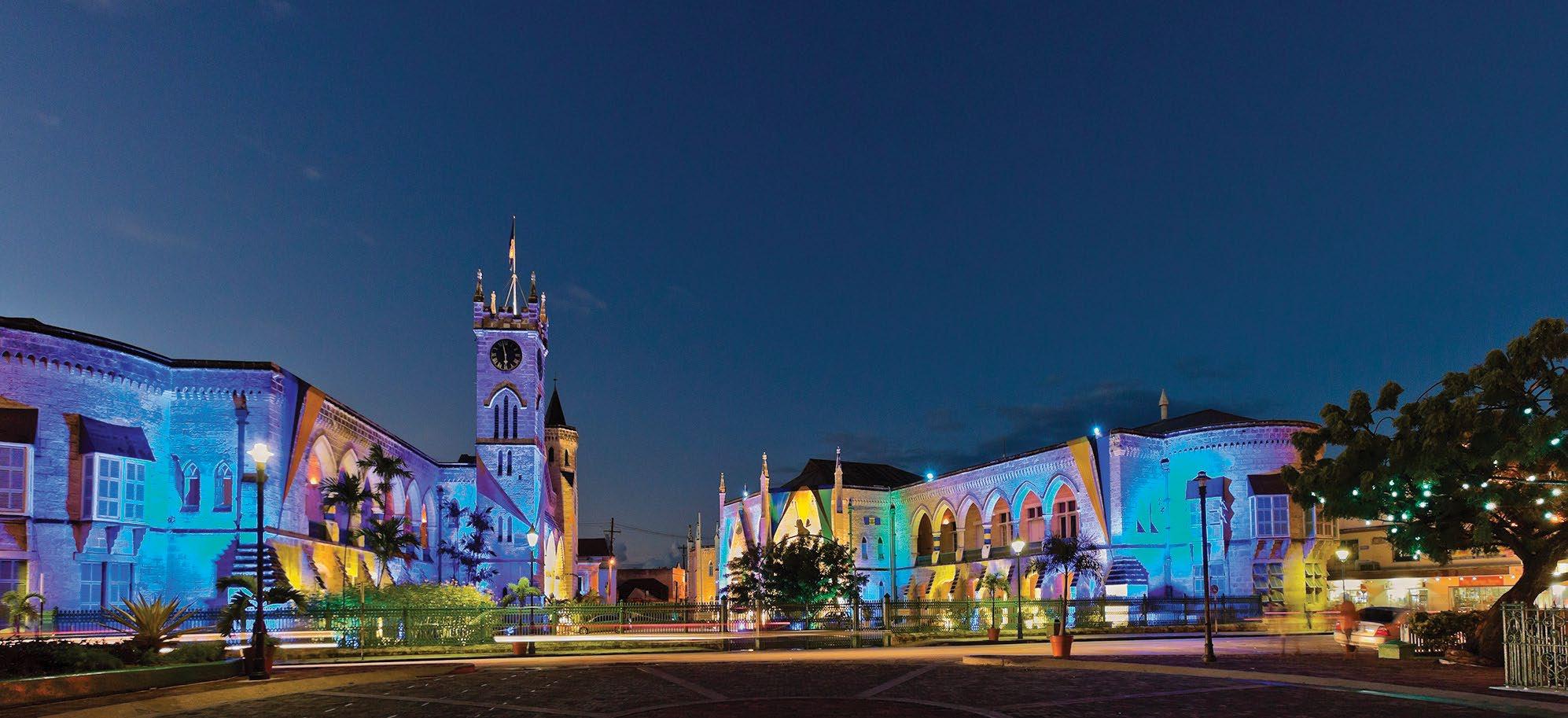
Barbados has long been known for its stable, sophisticated and forwardthinking approach to finance. What’s less widely known, however, is that the island is fast emerging as the world’s next global hub for (re) insurance. As the CEO of a global (re)insurance company, I’ve seen firsthand why Barbados is leading the way, and how it’s redefining the future of financial resilience.
What is Reinsurance and What It’s Missing
Reinsurance is insurance for insurers. It provides a vital financial safety net that allows insurance companies to recover from catastrophic events such as hurricanes, earthquakes or largescale cyberattacks. When disasters strike, reinsurers step in to absorb part of the losses, ensuring the insurance ecosystem remains solvent and stable.
However, despite being one of the world’s oldest and most important financial mechanisms, the core mechanics of the (re)insurance industry remain largely intact. While the nature of global risks has grown more complex, such as climate change, cyber threats and pandemics, the industry continues to
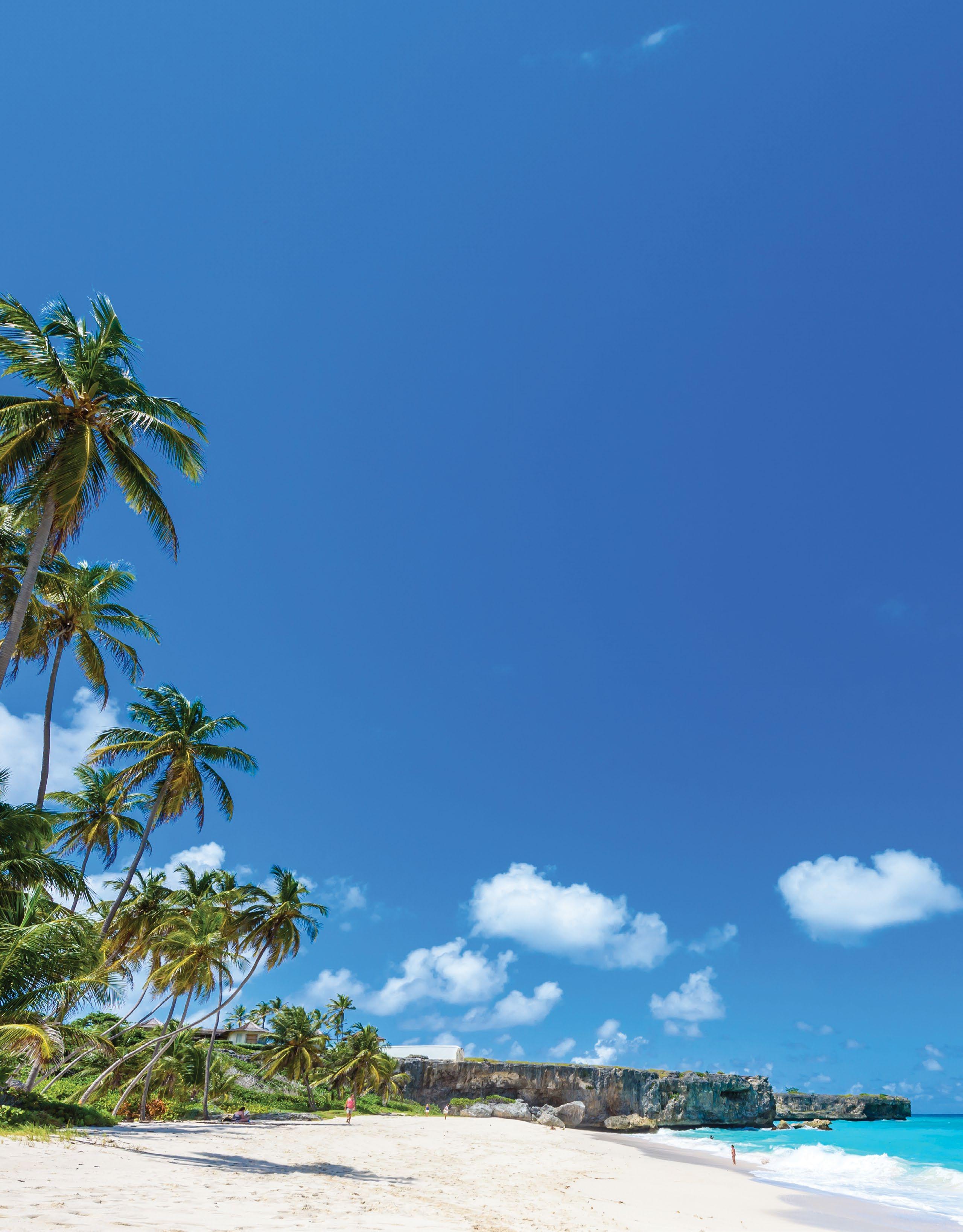
compete for the same limited pool of U.S. dollar capital. The result is a capital bottleneck that constrains capacity and innovation.
The model has become outdated, leaving the industry struggling to meet rising global demand for protection.
The Solution: Digital Assets as a New Source of Capital
To break this cycle, the industry needs a new source of liquidity. This can be found in the multi-trilliondollar digital asset market. This is an untapped reservoir of capital that, if integrated safely and responsibly, could revolutionize how risk is financed.
There are clear headwinds supporting the digital assets industry. Large institutional investors, such as pension funds and sovereign wealth funds, are increasing allocations to digital assets. Given the pro-crypto U.S. administration, and the introduction of a more favorable and clearer regulatory environment, the most well-known crypto firms are going public, with more to come. Even large financial institutions are adding Bitcoin as a treasury asset.
The challenge lies in bridging
two very different worlds: the conservative, regulated framework of traditional finance and the fastmoving, decentralized landscape of digital assets. Many countries have struggled to create the right environment for this convergencebut Barbados has succeeded.
Why Barbados is Leading the Way Barbados has become home to hundreds of licensed insurers and reinsurers serving clients across the globe. Its reputation for regulatory sophistication, transparency and stability has made it one of the world’s most respected domiciles for international insurance entities. Several factors set Barbados apart. Larger than many other surrounding islands, the island boasts a highly educated workforce supported by a strong university system and a thriving culture of innovation. Significantly, its regulators have adopted a progressive yet prudent approach to digital assets, underpinned by the Class 2 licensing regime and the Solvency I framework. Together, these frameworks strike the ideal balance between regulatory rigor and flexibility.
The Class 2 License: Global Reach with Local Oversight
Barbados’ Class 2 insurance license allows companies to insure or reinsure risks of both related and unrelated parties. This provides a robust framework for international operations while maintaining high regulatory standards - an essential feature for firms, such as Tabit, that operate at the intersection of traditional finance and digital assets.
Maintenance of Captives’ Financial Strength and Adequacy in Barbados Under Solvency I, insurers must maintain sufficient capital to meet policyholder obligations, but the framework is more certain than Europe’s Solvency II. This allows greater clarity and transparency in how capital requirements are met while still ensuring financial strength.
Crucially, Barbados recognizes Bitcoin and other digital assets as admissible forms of capital. Its regulatory framework enables robust leverage, meaning that for every dollar of capital held, a reinsurer can support a significant amount of coverage. This responsible leverage enhances the ability to meet contingent claim obligations, improves liquidity and expands the

global availability and affordability of coverage - both under expected conditions and in stressed scenarios.
The Convergence of Traditional and Digital Finance
By integrating digital assets into regulated (re)insurance structures, Barbados is closing a four-decade innovation gap in the insurance industry. It’s fostering a compliant, forward-looking environment where traditional finance and digital assets can converge.
By recognizing digital assets as real capital and offering a regulatory ecosystem that promotes flexibility and trust, Barbados is setting a new global standard for how the world protects itself against risk.
Barbados isn’t just keeping pace with financial innovation, it’s defining it. The island is rapidly becoming the epicenter of (re)insurance innovation, and a model for the future of global finance.
Tabit Insurance info@tabitinsurance.com tabitinsurance.com



With the formation of the Barbados Industrial Board (forerunner to today’s Export Barbados) in the 1950s, successive Barbados Governments have sought to establish the manufacturing industry in Barbados as a means of diversifying the economy and providing an alternative to agricultural employment within the sugar, molasses and rum industries.
To this end, numerous industrial estates were established, and the Government pursued a policy of ‘Industry by Invitation’ offering taxfree incentives to companies setting up in Barbados.
The initial success of this policy saw rum exports at just $3.5 million in 1980, which lagged far behind exports of sugar, molasses, margarine, food & beverages, chemicals, electrical components,
clothing and even sports equipment. However, by 2005, rum surpassed the shrinking sugar industry and by 2010 rum exports had reached $66.8 million and surpassed all of those hitherto mentioned categories, several of which have failed completely. This was achieved without any incentive from Government. Barbados Rum is a success story against the odds. Rum’s success finally earned attention but, regrettably, the approach is little different to the approach to the sugar industry for the last 50 years. Government remains largely fixated on rum as a generic commodity. Like sugar, to be expanded by volume expansion. Every purported solution to the declining sugar industry over the last 50 years was simply more of the same, whether it was commodity ethanol or more recently commodity electricity. If we had cultivated
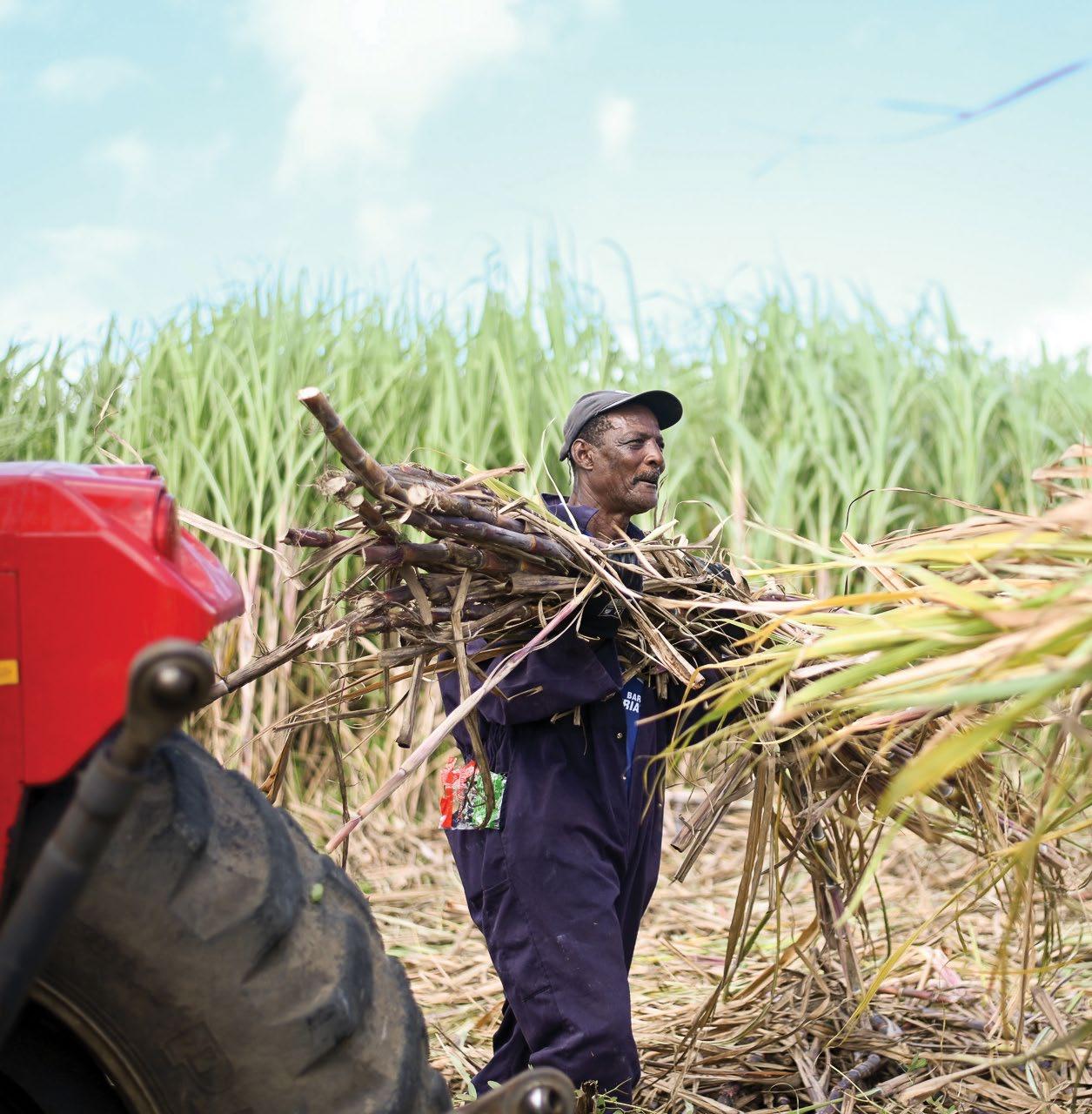
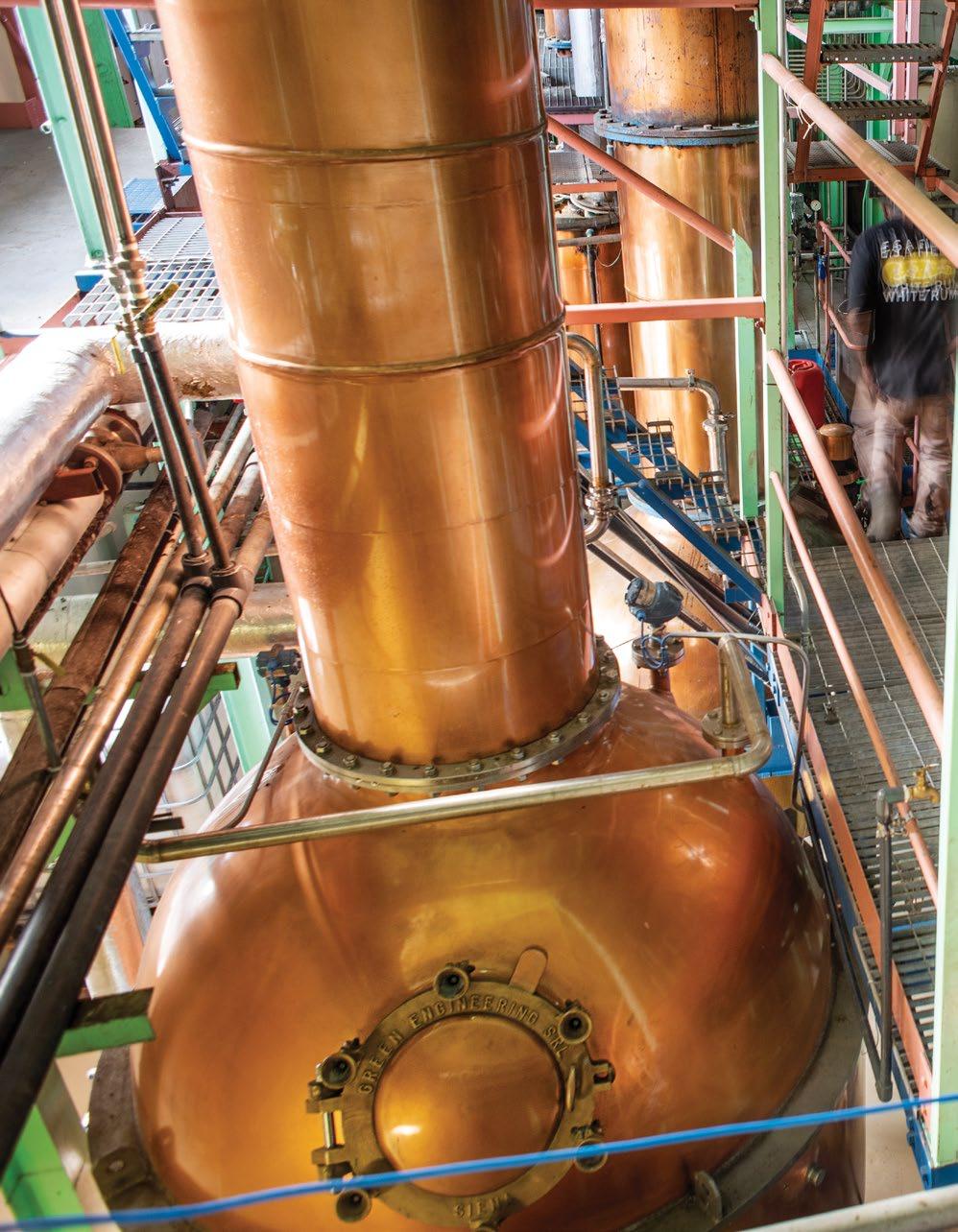
value-added industries 50 years ago, those nascent industries might be rewarding our economy today. Sadly, we chased one panacea after another. It is imperative that we do not make the same mistake in rum.
Regrettably, recent claims that we can build a one billion dollar business in bulk commodity rum exports inevitably attracted (and distracted) our Government. The sole advocate of this neocolonial business model claimed that “the contribution of rum to the Barbados economy could leap from the estimated $80 million currently, to reach $1 billion by 2030”.
The fact is a one billion dollar bulk trade led rum industry is no more realistic than a one billion dollar commodity raw sugar export industry. Our lone bulk export distillery would have to grow in size by a factor of twenty. It would be the biggest distillery ever built and would have to produce singlehandedly a volume that is almost half the output of Scotland where there are 152 distilleries. Barbados currently produces less than 10% of the molasses required and so more
than 99% of the molasses for a one billion bulk rum industry would need to be imported. Nominal exports are not net income.
Neither the production capacity nor the infrastructure exists to support such an industry. The net margins from bulk are so low that the net benefit to the island after infrastructure investment would be marginal. Moreover, exactly like the sugar industry, bulk products are commodities, and demand can be impacted by external factors such as fuel costs or unexpected hazards like tariffs. Bulk commodity exports are not robust exports.
There is no successful spirits industry that is led by bulk exports. Bulk rum is nothing more than a colonial legacy.
The route to a one billion dollar industry is via the development of value-added rum exports. Rather than focus entirely on the nominal value of exports, we should be looking to create an industry that delivers an economic contribution of one billion to our GDP. Value-added, branded rum exports bottled in
Barbados supports local agriculture (to grow the cane) as well as multiple support industries, including production of packaging materials.
The Scotch Whisky Industry exports £5.4 billion per year and is estimated to contribute £7.1 billion to gross value-added to the UK economy. To do this it has £41.5 billion in maturing whisky stock in 22 million casks. While the industry employs more than 41,000 people, it is thought that over 25,000 jobs across the UK are supported by the industry. It attracts more than 2 million visitors and the synergy between rum and our tourism business should be patent.
The spirits industry is a long horizon business which requires not only investment in production capacity but in maturing stock. It is not a question of simply doing better marketing, you need to have the maturing stock to sell. Growth of sales can only happen against a growth in reserves.
To develop and expand our industry, you cannot change our globally recognised artisanal producers into high-volume mass producers. It would destroy the very nature of the entity. To expand the
value-added industry, there needs to be an expansion of the number of producers. Expanded sales come from expanded stock, which comes from expanded investment. Scotland has 152 distilleries, most of which are small artisanal operations. It is illegal to export Single Malt Scotch in anything but a bottle.
The Cognac area may only be 6 sq. miles, but it contains 4,289 individual wine growers and over 3,000 stills in production. The large number of stills in Cognac reflects the legal limitation in the size of the still. Mass production of Cognac is legally prohibited.
The success of Barbados Rum has in fact attracted new inward and external investment in value-added rum production. St. Nicholas Abbey was established in 2006, Hopewell Distillery was established in 2025, and just recently a notable Scotch Whisky producer secured land and
planning permission to build a new distillery at Bentley plantation. The seeds of a billion dollar industry are there. We have to cultivate them.
To attract more producers, a Protected Geographical Indication (PGI) is one of the most important tools. It sends a globally recognised message that Barbados represents excellence, and our location gives rums unique qualities that cannot be obtained elsewhere. It provides an analogous protection to investment in our geographic identity, as a trademark does for investment in a brand.
Barbados cannot compete on a cost basis, nor should it. We do not and should never compete with the labour costs in Central and South America. We can compete on our famous 400 year provenance, our global reputation – built by the likes of Foursquare and Mount Gay – and our centuries old, local know-how.
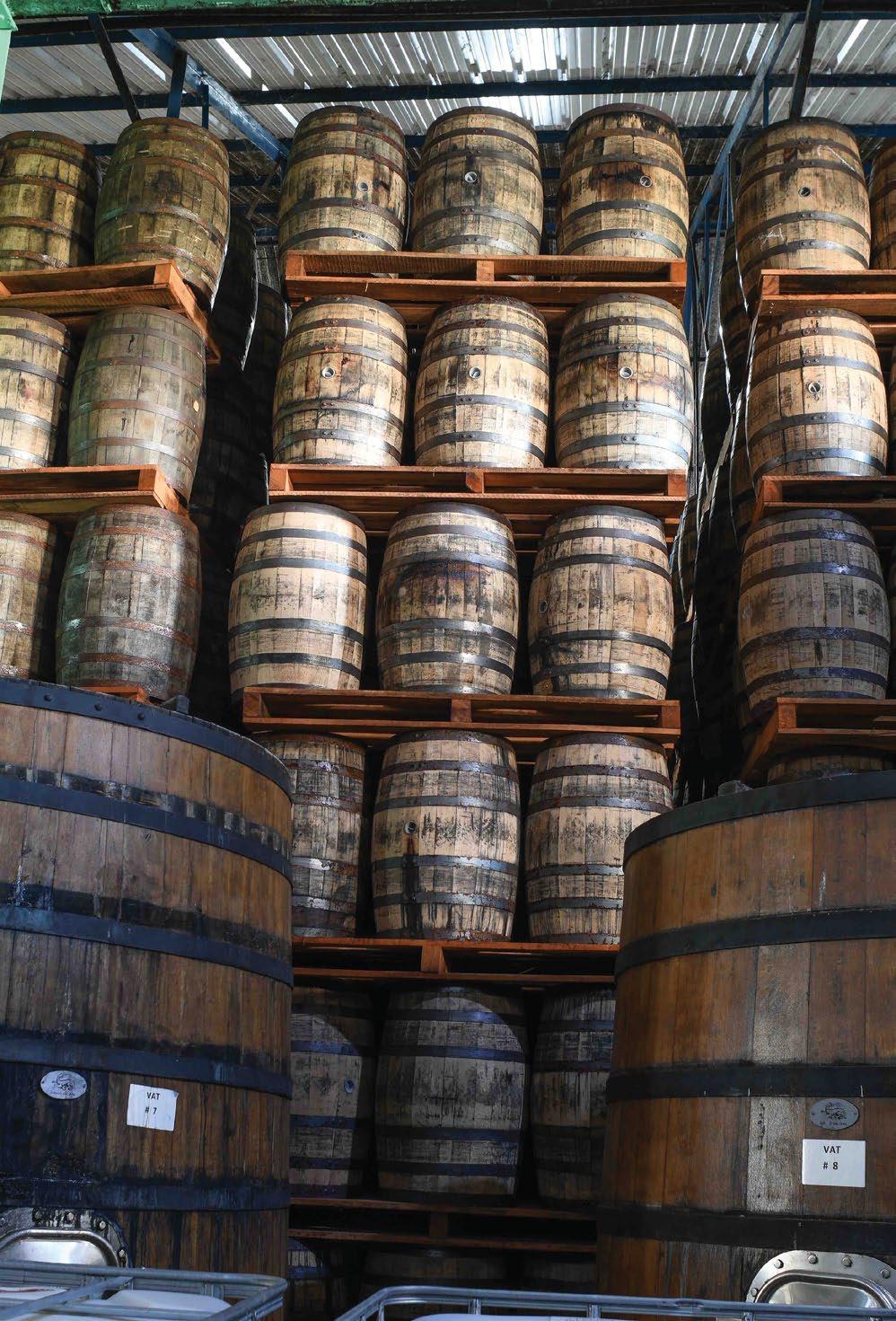
We can compete on our famous 400 year provenance, our global reputation – built by the likes of Foursquare and Mount Gay – and our centuries old, local know-how.
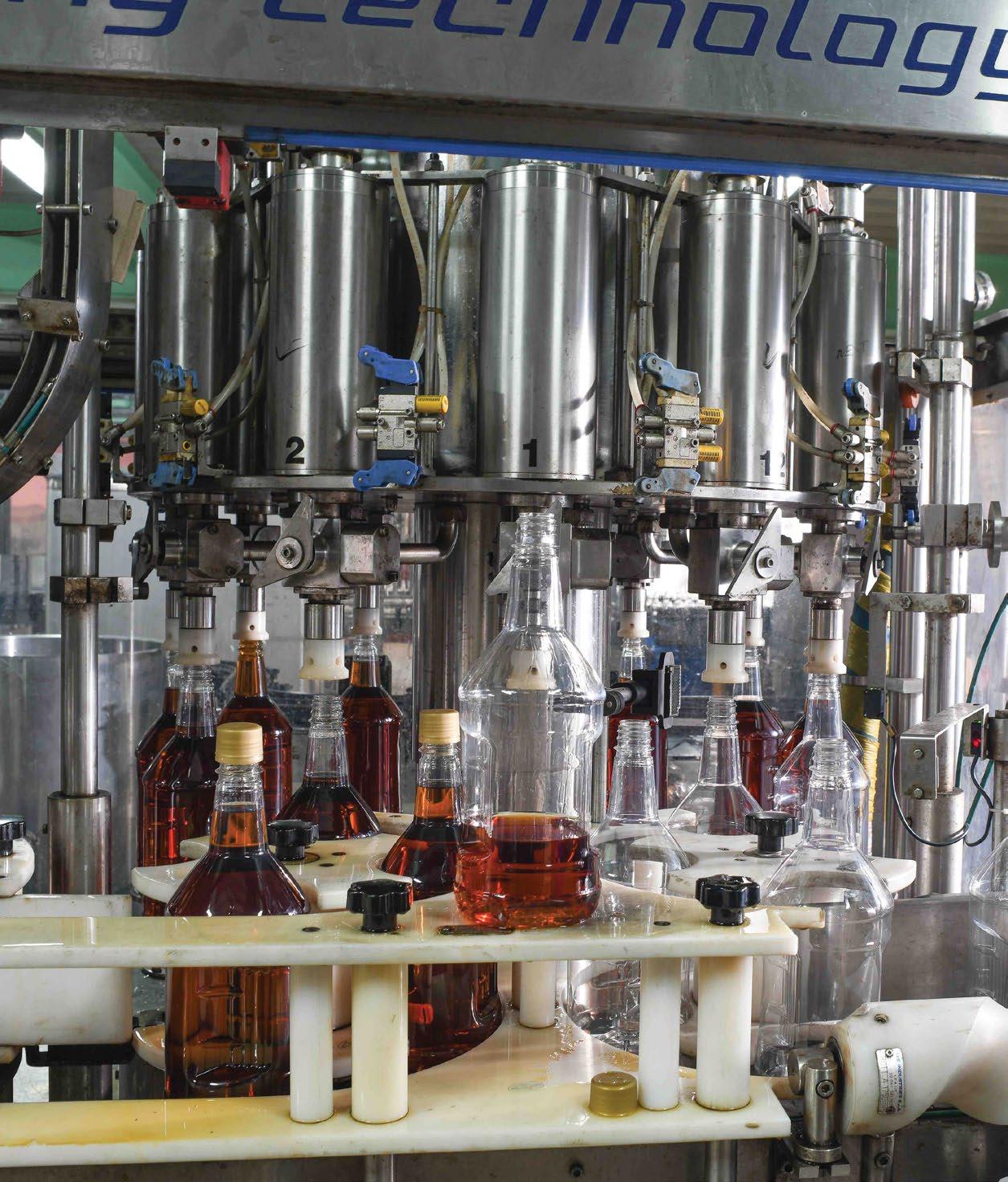
In 2020, the Barbados International Business Association rebranded as BIBA, the Association for Global Business to reflect its inclusive support of all companies in Barbados – domestic and international –that serve global markets. The change also aligns with Prime Minister Mottley’s vision of Barbados as a global business hub. BIBA’s mission is “to work, as a trusted strategic partner of members and stakeholders, for the advancement and sustainability of global business conducted in and from Barbados.”
BIBA represents around 140 member companies from Canada, the US, the UK, Latin America, Europe, and Barbados, spanning sectors such as banking, insurance, fintech, manufacturing, logistics, law, accounting, and corporate services.
As the voice of global business in Barbados, BIBA gives members a platform to influence legislation, regulations, and policy decisions that affect the sector. Members also gain access to timely information, industry analysis, networking opportunities, and professional development events at preferential rates.
Other benefits include inclusion in the online members’ directory, eligibility for a group health plan, the ability to advertise job vacancies and corporate updates on BIBA’s website, and discounted rates for advertisements. Membership demonstrates meaningful engagement in the local business community and offers opportunities to serve on BIBA committees, vote at general meetings, and stand for election to the Board of Directors.
BIBA’s objectives are to represent the industry to government and the wider community, provide a forum for the exchange of ideas, and ensure members’ professional and personal interests are served. We also aim to promote public–private sector collaboration, liaise with regulatory bodies, and assist new investors by providing guidance and orientation.
GBW 2026: 19-25 October
Each October, BIBA hosts Global Business Week (GBW)—a national event highlighting the sector’s role and contribution to Barbados. The Business Conference features regional and international leaders sharing insights on global markets, while outreach activities engage students, helping prepare them for future careers in the industry.
BRIM 2026: 26-27 March
BIBA also organises the annual Barbados Risk & Insurance Management (BRIM) Conference each March, along with professional development sessions, networking evenings, and charity events throughout the year.
Membership details, subscription fees, and application forms are available on our website. We look forward to welcoming you to the BIBA family.
+1 (246) 537-2422 • biba@biba.bb • www.biba.bb

Chancer y House High Street Bridgetown, BB 11128
Barbados, West Indies
Tel: +1 (246) 434-3400
contact@ccslbb.com
ChanceryCorporateServices.com
Dawn G. Stevenson Head
(ag)
International Corporate Banking
CIBC CORPORATE BANKING
Ground Floor
Michael Mansoor Building
Warrens, St. Michael BB22026 Barbados
Tel: 246 367-2035
Cell: 246 230-0191
dawn.stevenson@cibccaribbean.com






daveking@caribsurf



Colin Mitchell - President
Great Pacific Insurance Management Limited
Great Pacific Management Limited. Warrens, St. Michael, BB22026
Barbados, W.I.
Tel: 1 (246) 417 3405
Fax: 1 (246) 425 1133
Email: CMitchell@GreatPacificGroup.com
A Jim Pattison Group Company


Alicia Skeete – Vice President
Great Pacific Insurance Management Limited
Great Pacific Management Limited


T +1 (246) 434 3907 M +1 (246) 243 8709 cbrome@kpmg.bb
Melanie Jones Managing Partner
Legal Services GROUP
Corporate Services
Listing Sponsor Services (traditional and tokenized listings)
246 539 1000 246 539 3797
The Goddard Building, Haggatt Hall, St. Michael BB11059, Barbados melanie.jones@bb.lexcaribbean.com www.lexcaribbean.com
PricewaterhouseCoopers SRL
The Financial Services Centre
Bishop’s Court Hill St. Michael BB14004 Barbados
T 1 (246) 626 6841
ross.parker@pwc.com
Ross Parker Territory Leader PwC East Caribbean
Darren Treasure, CA, CFA
Client Director, Head of Caribbean Office darren.treasure@w1m.com
D +1 246 537 4182
W1M Caribbean Limited One Welches Welches, St Thomas Barbados, BB22025
Copyright © 2025. Incorporated in Barbados.
Stefan Hinds GENERAL MANAGER BBD & CAPTIVES
+507 275 5750 shinds@ocean-re.com
St. James House, 2nd Street, Holetown, St. James, Barbados
6466 Connie.Smith@Vistra.com
K. A. Connie Smith Managing Director FCG, TEP vistra.com
Vistra (Barbados) Ltd Ground Floor
One Welches, Welches, St Thomas BB22025
P.O. Box 5130, Warrens, St Michael BB28000 Barbados


Amanda Layne Transfer Pricing Tax Director, PwC East Caribbean
As global tax rules and digital technologies reshape the business landscape, transfer pricing has become much more than a compliance requirement – it’s now a strategic lever for growth and innovation.
In Barbados, this evolution is accelerating. The country’s steady economic expansion and its ambitious “Vision 2030” digital strategy are driving major investments in ICT and fintech, positioning Barbados as a regional leader in digital business services.
To keep pace, the government is modernising its tax framework, updating transfer pricing regulations to align with the OECD’s Base Erosion and Profit Shifting (BEPS) standards. For businesses, this means rethinking how cross-border transactions are managed and how digital assets are valued. As a PwC Transfer Pricing Director working across the Caribbean, I see firsthand
how integrating transfer pricing with digital transformation is essential –not only for regulatory compliance, but also for unlocking new opportunities in a rapidly changing market.
Barbados’ Transfer Pricing Landscape: Developments and Market Maturity
Barbados requires that related party transactions adhere to the arm’s length principle under the Income Tax Act. Historically, the absence of dedicated transfer pricing legislation or formal guidance – coupled with the country’s low tax rates – meant that transfer pricing received limited attention from both businesses and regulators. This landscape began to change after Barbados adopted the BEPS Inclusive Framework in 2017. Since then, the government has demonstrated a strong commitment to aligning with international tax standards through tax reform.
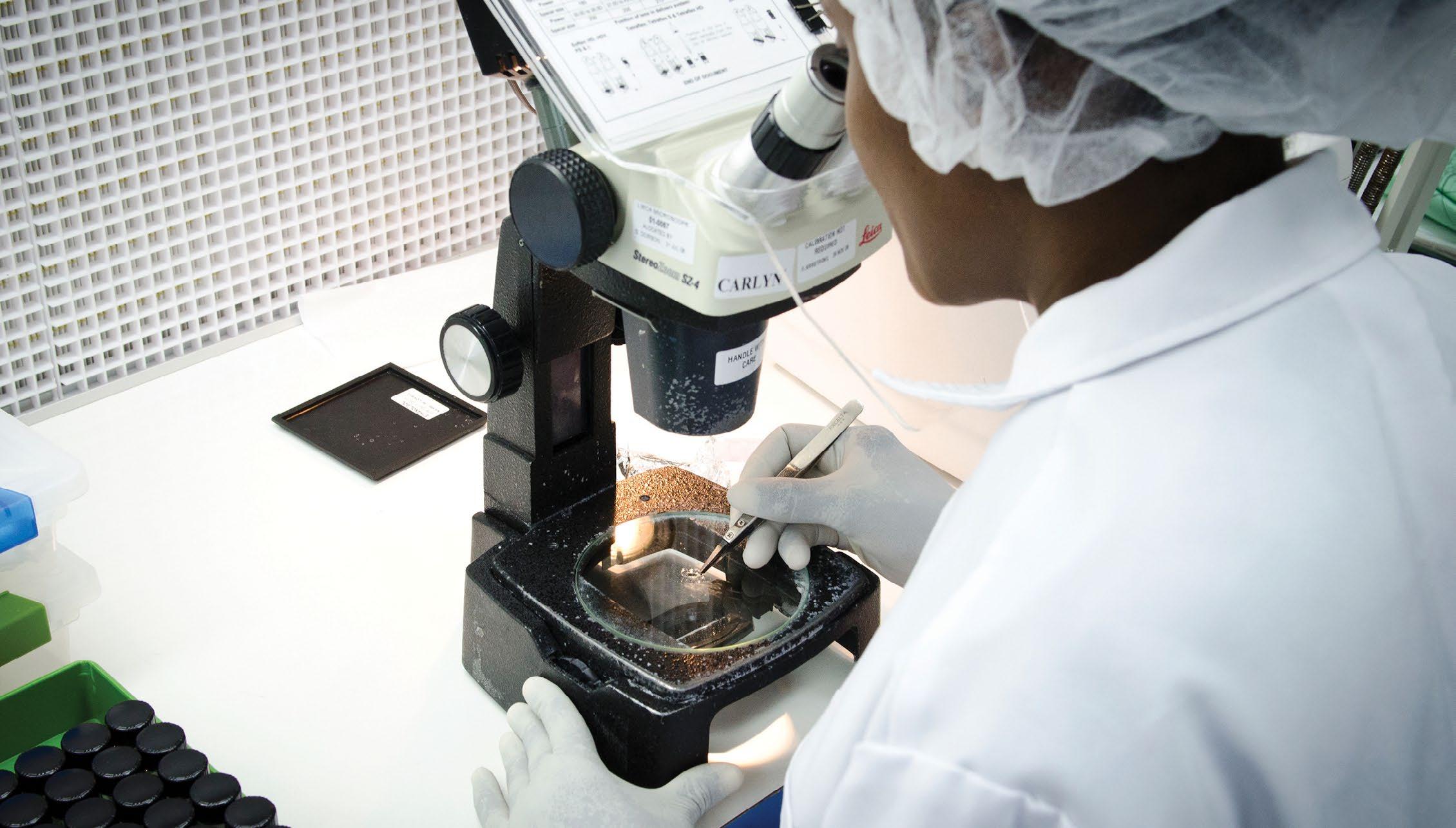
Why is Transfer Pricing Now in Focus?
The Barbados government has announced draft transfer pricing legislation set for enactment soon. There are three key objectives we expect to be addressed:
• Ensuring Fair Taxation: Enforce the arm’s length principle to prevent profit shifting and ensure profits are properly attributed, protecting tax revenues.
• Promoting Transparency and Compliance: Require multinational enterprises to maintain detailed documentation, enabling effective verification by tax authorities.
• Aligning with International Standards: Adopt OECD Transfer Pricing Guidelines for a consistent tax framework.
From the taxpayer’s perspective, the introduction of specific transfer pricing regulations brings several advantages:
• Certainty and Predictability: Defined rules and documentation reduce audit risks and clarify tax obligations.
• Operational Efficiency: Defined policies streamline intercompany pricing and support better integration with global corporate strategies.
• Trust and Reputation: Demonstrating compliance and transparency builds stronger relationships with authorities and enhances corporate credibility.
Barbados is undergoing digital disruption in multiple sectors.
According to the Barbados Statistical Service, internet penetration exceeds 80%, and businesses increasingly rely on digital platforms for sales, marketing, and internal processes. Cloud computing adoption, AI and automation technologies have also accelerated.
It’s a key vision of the Barbados government to develop Barbados as a centre for innovation through introduction of tax incentives, e.g. the patent box regime offering low preferential tax rates to qualifying intangible income and non-tax incentives e.g. investment in a major
digital and health tech facility for life science research.
For Barbados entities engaged in intercompany transactions, this digitalisation changes how value is created and measured. Consider the following:
• Valuation of Intangibles:
Digital businesses depend on software platforms, customer data, and proprietary algorithms. Accurately attributing value to these intangibles is crucial. Strategic planning should align value creation with Barbados’ tax policies and incentives to avoid transfer pricing risks and penalties.
• Real-time Data and Transparency: Utilisation of automation and integrated TP software enable continuous monitoring and efficient data collation for reporting.
• Compliance Risks Amid Evolving Standards: With transfer pricing legislation pending in several jurisdictions in the region e.g. Trinidad and Tobago and Antigua and Barbuda. Taxpayers will need to withstand not just local but multijurisdictional scrutiny.
Risks include:
• Regulatory Non-Compliance and Penalties: The BRA has demonstrated readiness to issue tax adjustments, especially where transactions lack economic substance or where digital intangibles are undervalued. Penalties and interest on tax shortfall given the increase in tax rates, make compliance a highstakes priority.
• Data and Process Deficiencies: Without investing in integrated systems, Barbados companies risk gaps in documentation quality and responsiveness during audits – especially as BRA adopts more data-driven approaches supported by digital analytics.
• Complexity in Navigating Economic Substance Rules: Understanding how digital activities fit into economic substance requirements is vital to avoid tax base erosion. Robust transfer pricing documentation can serve to support economic substance. Even as certain compliance requirements around economic substance are repealed in Barbados the need to demonstrate sufficient substance under the arm’s length principle remains.
Opportunities lie in:
• Strategic Transfer Pricing Alignment: The convergence of digital transformation and transfer pricing offers Barbados businesses a chance to revisit their value chains and commercial models, supporting sustainable tax-efficient outcomes.
• Leveraging Technology for Governance: Integrating tax and finance functions through ERP systems and advanced transfer pricing tools enhances transparency, reduces compliance risks, and prepares businesses for future tax audits.
• Regional Hub Advantages: With its favourable tax treaties (over 40 bilateral agreements) and a business-friendly environment, Barbados is well positioned to attract digital and fintech multinationals seeking a compliant but strategically advantageous base.
1. Conduct a Transfer Pricing Risk and Digital Readiness Assessment: Gauge how your transfer pricing policies align with digital business functions
2. Update Transfer Pricing Policies and Documentation: Clearly delineate how intangibles, digital services, and data are valued and compensated across your group. Reflect these changes in intercompany agreements.
3. Invest in ERP and Automation: Digitise transfer pricing processes by adopting integrated IT systems that enable transaction-level monitoring, real-time reporting, and robust documentation.
4. Engage Early with Tax Advisors: Collaborate with local specialists and international experts, like PwC Barbados, to interpret new OECD guidelines contextually for your business model and sector.
5. Build Sustainable Governance: Create transfer pricing frameworks that are adaptable and scalable, supporting compliance with current regulations and new measures such as Pillar Two.
Embracing Digital and Tax Synergies for Growth
Barbados is creating a tax environment suited to digital business. By anticipating regulations, using technology, and adopting a strategic approach to transfer pricing, Barbados businesses can turn challenges into growth catalysts. PwC Barbados is here to help clients navigate this dynamic tax and technology landscape confidently.
Barbados is creating a tax environment suited to digital business. By anticipating regulations, using technology, and adopting a strategic approach to transfer pricing, Barbados businesses can turn challenges into growth catalysts.
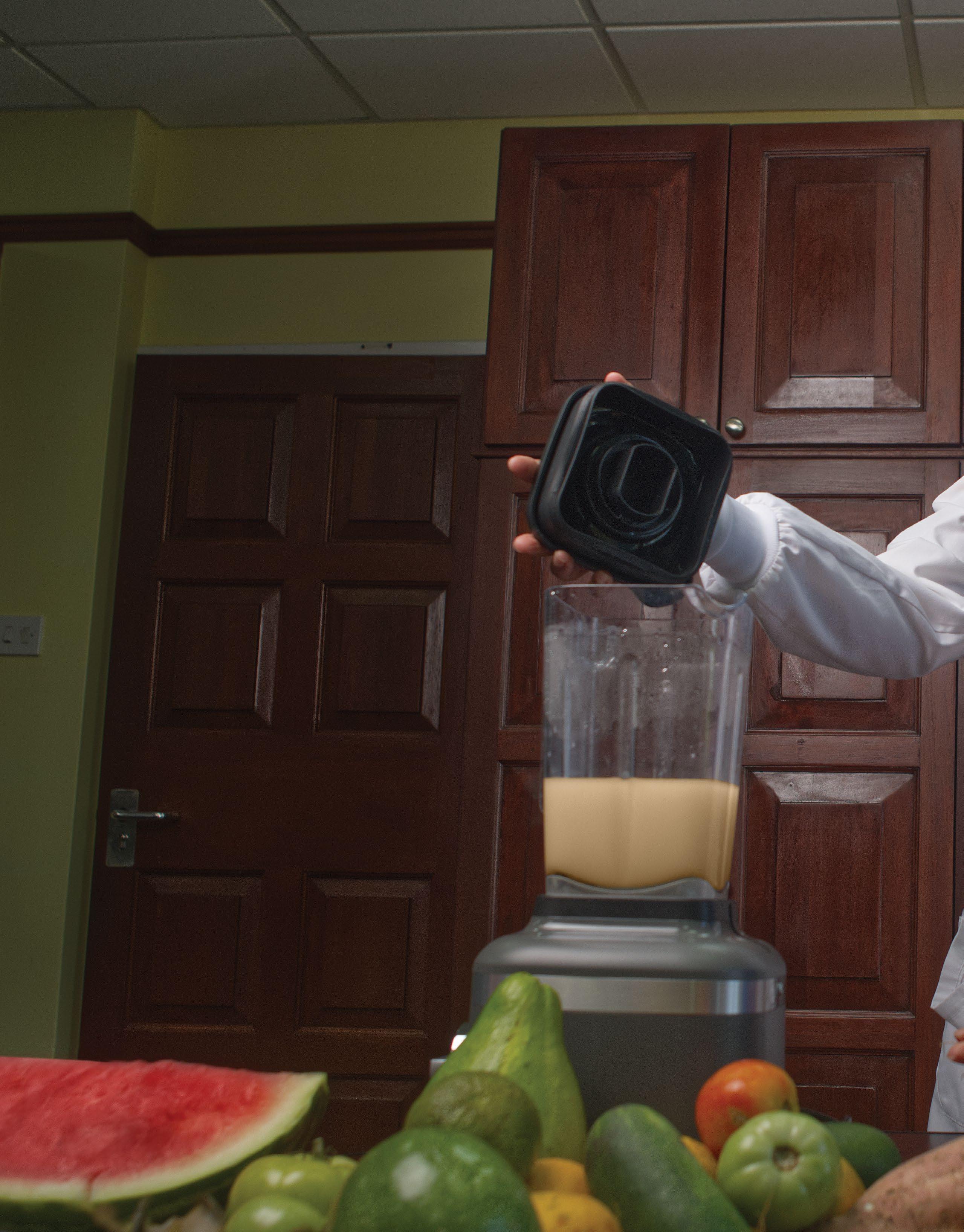
I am a medical practitioner and a research scientist whose career pathway has been forged by faith, discipline and ‘happenstance’ – that is, the art of capitalising on unexpected circumstances. The COVID-19 period was one such circumstance. This was a difficult time for many, but during that time many of us also built resilience, took risks, and created solutions. In short, we brought to life the classic tale of “when life gives you lemons, make lemonade.” As the lead scientist of the Barbados Diabetes Remission Study-2 (BDRS2) – a research project with the George Alleyne Chronic Disease Research Centre (GACDRC) of The University of the West Indies (The UWI) – I had the responsibility for guiding clients with type 2 diabetes through a structured weight-loss programme designed to achieve diabetes remission. This was
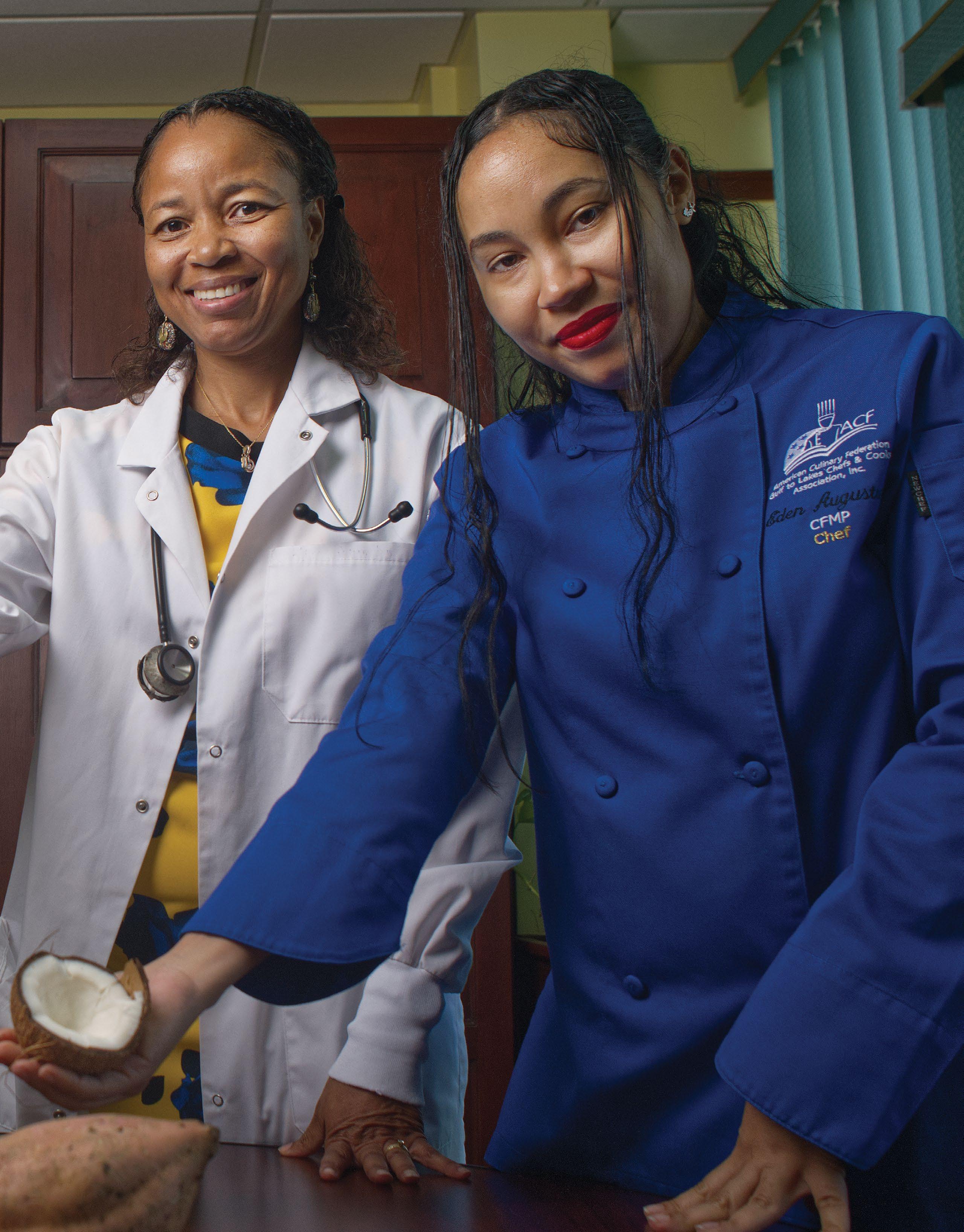
an extremely rewarding time for me not just because of the results, but because of the human stories that unfolded as I worked with and through persons in the community, equipping them with tools to either manage their own health or to support persons along their journey. Then came the national shutdown which disrupted the supply chain for the low-calorie drink that formed the base of our clients’ weight-loss regimen.
While many studies opted to discontinue operations, I was motivated by this challenge, spurred on by the interest of my clients in their own transition, and determined to fill the gap. I reached out to a colleague, Mrs Eden AugustusRocke, who I was confident would be both willing and able to lead the charge on creating menus that fit the nutritional profile using readily accessible produce. Hailing from the twin island Republic of Trinidad and Tobago, Eden is a Nutritionist and Certified Chef who had recently embarked on her PhD journey with the GACDRC family. Eden recalls, “During this time, I taught clients within the BDRS2 how to eat well within a budget, while maintaining their weight loss and glucose control. I challenged them to take ownership of their health journey by integrating the nutritional principles they had learned to create their own recipes. Together, we explored ways to prepare healthier versions
of traditional dishes, turning Bajan cuisine into a source of inspiration rather than a challenge”.
Simultaneously, Eden was experimenting with local ingredients to develop a replacement low-calorie drink for participants; her vision for the product was that it would be affordable and could both nourish and delight the Caribbean palate. Drawing inspiration from the island’s agricultural richness, she focused on combining low-glycaemic foods and complex carbohydrates which avoid blood sugar spikes, with fruits and vegetables for taste and nutritional balance. Guided by the honest feedback of her children and husband, she refined the formula until the prototype drink was ready – it was delicious, nutritious, and unmistakably Caribbean.
We realised we had an opportunity to not only meet the immediate needs of our clients but to impact the market by expanding the availability of our nutritionally balanced, meal replacement shakes, which were suitable for persons who wanted to achieve or maintain a healthy weight, whilst also introducing new and exciting flavours that reflected the Caribbean identity and taste. However, we reached a hiatus – we had an excellent product but needed the right partnership to advance to the next level. We are deeply grateful to the leadership of The UWI at the Cave Hill Campus – Principal
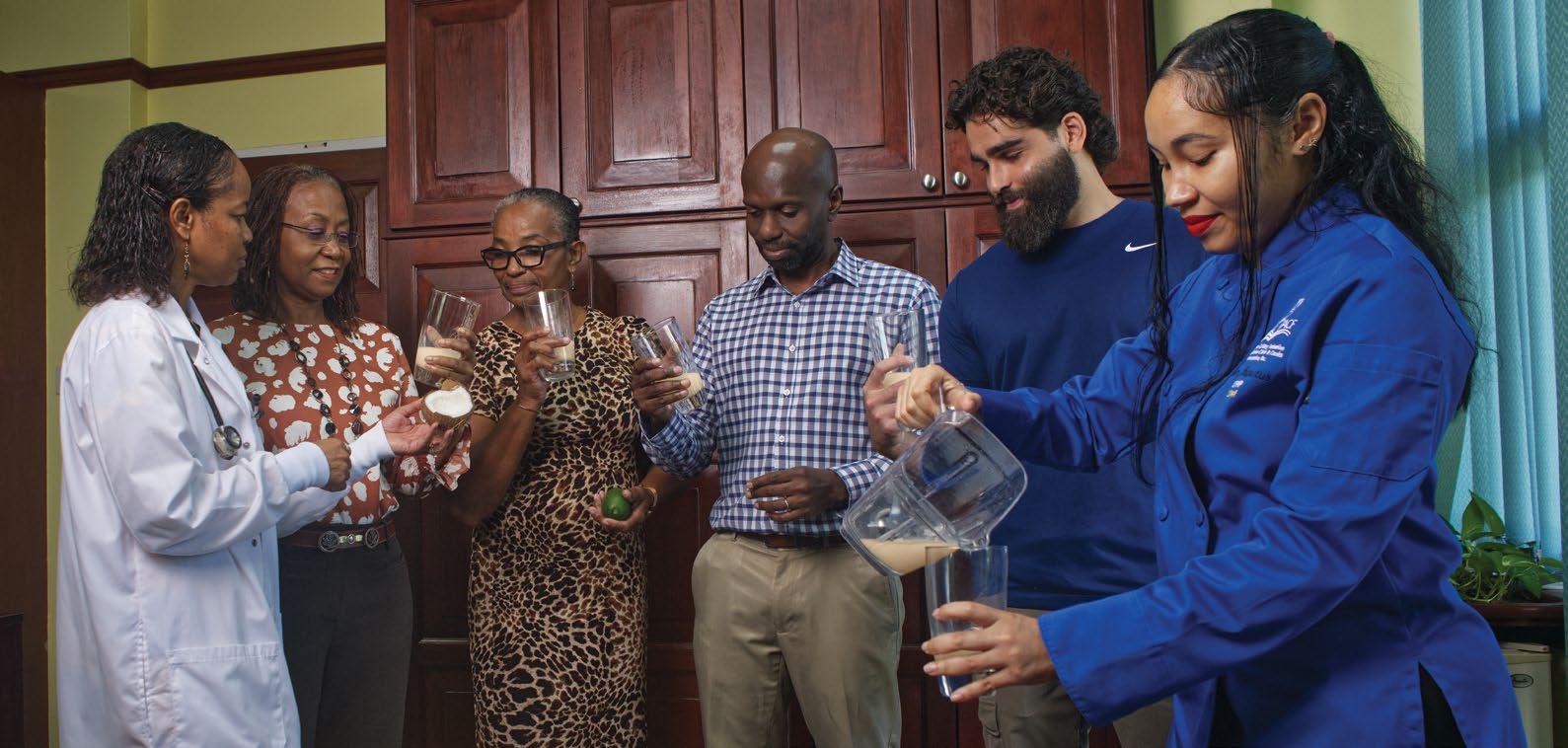
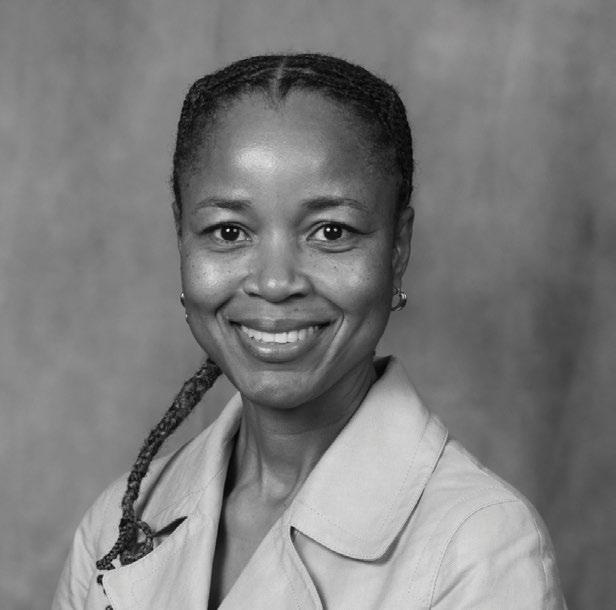
Dr. Kim Quimby
Senior Lecturer in Immunology at the Chronic Disease Research Centre, Caribbean Institute for Health Research
Professor Clive Landis and Deputy Principal Professor Winston Moore – who recognised the potential of our work, trusted in its scientific and nutritional underpinnings, and invested in the development of the product. Their belief in a homegrown innovation was instrumental in moving the needle from an idea conceived out of need and incubated in a research kitchen, to the delivery of a commercially viable product. With the business acumen of Dr. Dion Greenidge, Executive Director and CEO of the Sagicor Cave Hill School of Business and Management, and the legal knowledge of Dr. Yolande Cooke, Senior Programme Officer, we successfully navigated a licencing agreement with our industry partner, Pine Hill Dairy, a trusted name in Caribbean nutrition and beverage manufacturing. This collaboration represents more than a business transaction; it highlights what can be achieved when innovation is grounded in community, supported by science, and driven by purpose. The formula of entrepreneurship backed by academia and operationalised through industry is a model for success – one that merges three distinct silos of expertise into a functioning and dynamic whole, adept at solving real-world health problems using local resources and knowledge.
Today, we are perched on the cusp of the production line. Each bottle will represent resilience, science and the spirit of innovation and collaboration that describes who we are as a people. And as the saying goes, the rest is about to make history ….
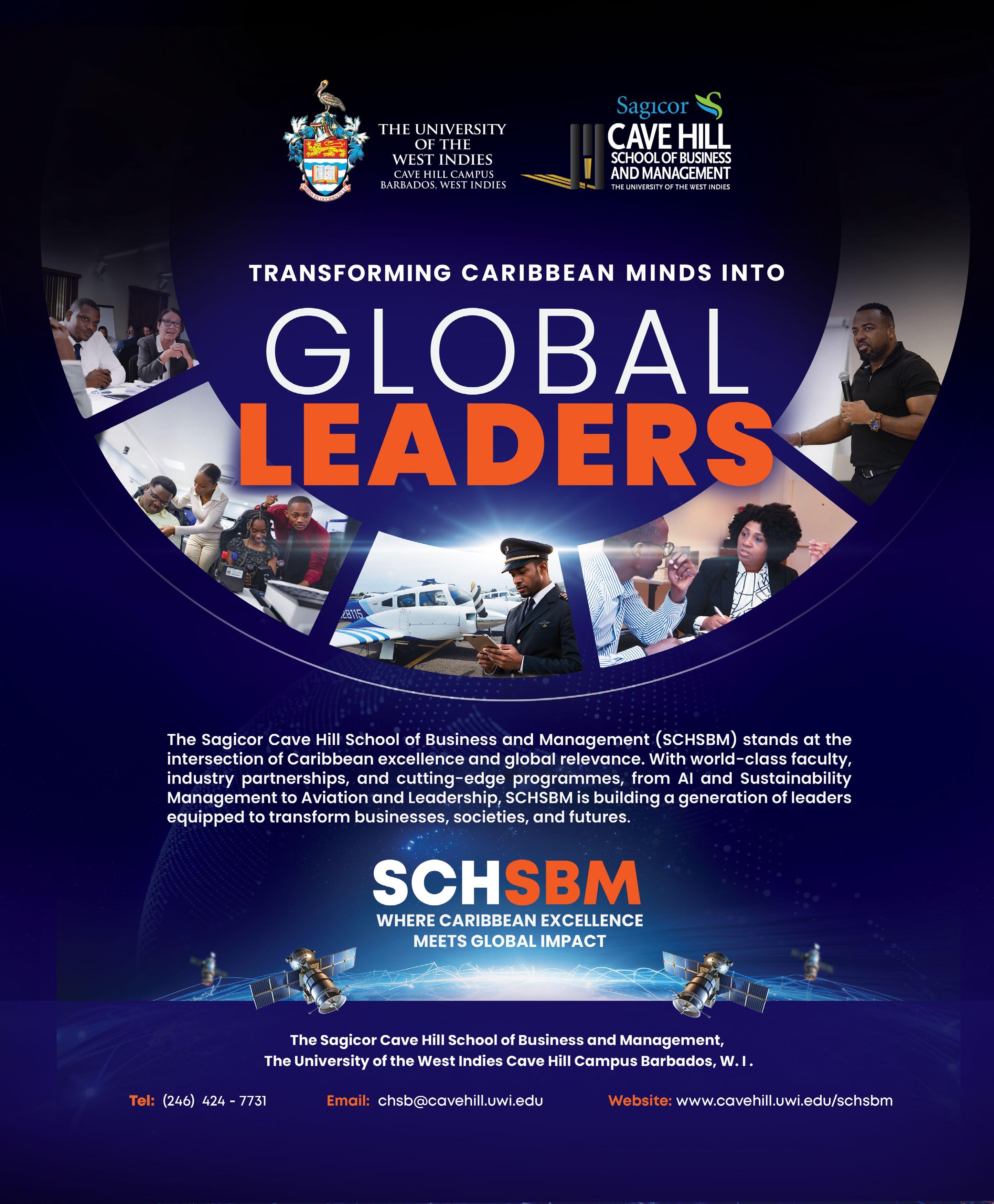



La-Tanya Phillips Partner, Tax, EY
As the global tax landscape continues to evolve, the Organization for Economic Cooperation and Development’s (OECD) Base Erosion and Profit Shifting (BEPS) Action Plans and the Pillar Two framework represent significant steps toward ensuring that multinational enterprises (MNEs) pay taxes where they conduct economic activities and create value. It is therefore crucial to understand how these frameworks interconnect and the implications for businesses navigating this complex environment.
The BEPS Action Plans, developed by the OECD in response to the G20’s call for a coordinated international tax response, aim to address tax avoidance strategies that exploit gaps and mismatches in tax rules. The 15 action items cover a range of issues, including transfer pricing, tax treaty abuse, and country-by-country reporting.
Pillar Two, on the other hand, introduces a global minimum tax
rate for MNEs, aiming to ensure that profits are taxed at a minimum level regardless of where they are earned. This initiative seeks to curb the race to the bottom in corporate tax rates and enhance tax certainty and fairness.
For developing economies like Barbados, which have long positioned themselves as competitive, well-regulated international financial centers, the challenge lies not only in adopting these standards but in integrating them effectively into domestic policy in a way that sustains investment appeal, fiscal stability, and international credibility.
The Intersection of Key BEPS Action Plans with Pillar Two
1. Alignment of Objectives:
Both BEPS and Pillar Two share a common goal: to ensure that profits are taxed where economic activities occur and value is created. The BEPS Action Plans lay the groundwork for addressing tax avoidance, while Pillar Two
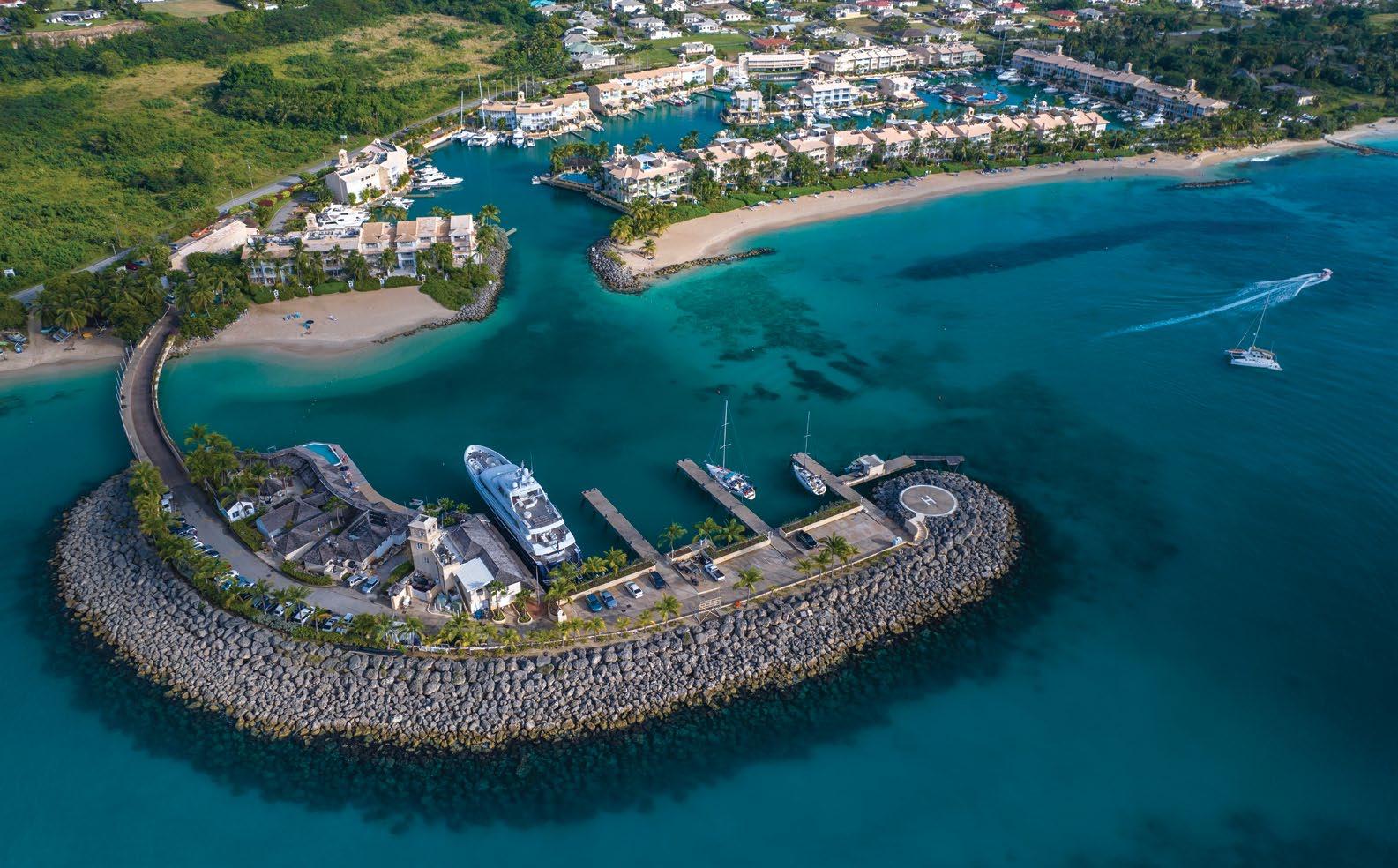
provides a mechanism to enforce a minimum level of taxation.
2. Transfer Pricing Rules: One of the core components of the BEPS Action Plans is the establishment of robust transfer pricing rules. These rules are critical in determining how profits are allocated among different jurisdictions. Pillar Two complements these rules by ensuring that even if profits are allocated to low-tax jurisdictions, they will still be subject to a minimum tax rate. This integration is intended to prevent the manipulation of transfer pricing to shift profits to low-tax environments.
3. Country-by-Country Reporting (CbCR): The CbCR requirements under BEPS provide tax authorities with critical information about the global allocation of income, taxes paid, and economic activity. This transparency is essential for the effective implementation of Pillar Two, as it allows jurisdictions to assess whether MNEs are meeting the minimum tax requirements and to identify potential tax avoidance strategies.
4. Dispute Resolution Mechanisms: The BEPS Action Plans include measures to improve dispute resolution among tax
authorities. As Pillar Two is implemented in more countries, effective dispute resolution will be vital to address conflicts arising from the application of a global minimum tax. This will help ensure that MNEs can operate with greater certainty and reduce the risk of double taxation.
For MNEs, the integration of BEPS Action Plans and Pillar Two presents both challenges and opportunities. Companies must reassess their tax strategies while also considering the reputational risks associated with aggressive tax planning.
1. Tax Compliance and Reporting: MNEs will need to enhance their tax compliance frameworks to meet the requirements of the BEPS Action Plans and Pillar Two. This includes investing in robust data management systems to ensure accurate reporting and transparency.
2. Jurisdictional Variability: Different jurisdictions may adopt varying interpretations of the Action Plans and Pillar Two, leading to inconsistencies in enforcement and compliance expectations. MNEs must be prepared to navigate this variability and adapt their
strategies accordingly.
3. Strategic Planning: Companies should consider the implications of the global minimum tax on their operational structures. This may involve reevaluating supply chains, financing arrangements, and the location of key functions to optimize their effective tax rates.
4. Engagement with Tax Authorities: Proactive engagement with tax authorities will be essential as jurisdictions implement these frameworks.
MNEs should seek to build collaborative relationships to navigate the complexities of compliance and dispute resolution.
Administrative Readiness and Investor Confidence
A critical aspect of the integration is administrative capacity. The rules are highly data-driven, requiring detailed information on global income, taxes, and deferred tax movements. Barbados and other developing jurisdictions are necessarily investing in systems to manage these requirements.
For investors, this underscores the importance of robust governance and data systems within their own organizations. Multinationals operating in or through Barbados will need to ensure that financial reporting aligns with the requirements, that tax computations are transparent, and that intra-group transactions can be substantiated.
An integrated approach between government, tax administrators, and the private sector will be essential to maintaining investor confidence and ensuring smooth compliance.
As the global tax framework converges, success for developing economies like Barbados will depend not on avoiding all change, but on integrating it strategically – to protect national interests while remaining a trusted hub for crossborder investment.

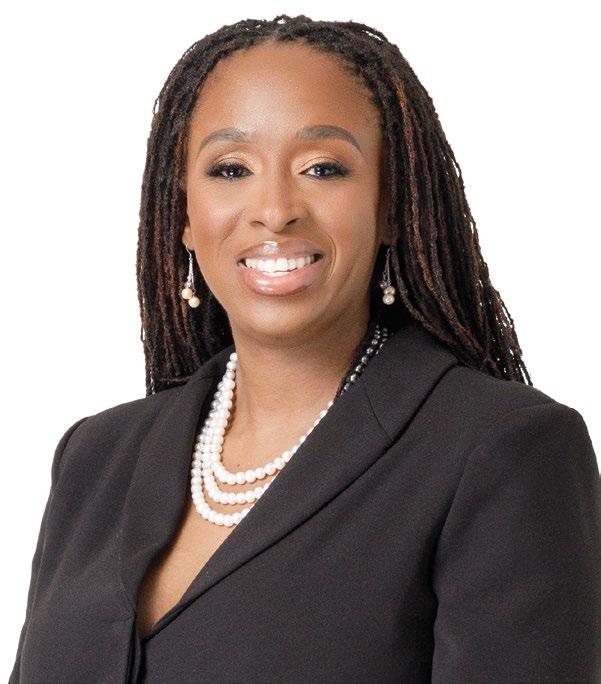
For Geneva International Insurance, 2025 was not defined by rapid disruption but by deliberate evolution, strengthening the frameworks that sustain confidence and enable growth. In a financial world reshaped by digitisation, heightened regulation, and shifting asset preferences, our mandate remained constant: to evolve with purpose, ensuring that progress aligns with our commitments to governance, solvency, and client trust.
In 2025, Geneva advanced the digitisation of our policy administration and client service systems, enhancing access, visibility, and decision-making for introducers and clients alike.
At Geneva, we are building an ecosystem that allows policyholders, advisers, and partners to operate with confidence and clarity. This is being designed and developed with Barbadian software engineers and technology architects, demonstrating that the island’s innovation capacity extends far beyond its shores.
Our commitment to robust governance frameworks has
deepened. In 2025, we undertook key internal reforms to strengthen oversight, risk management, and compliance readiness – ensuring that regulation is not a constraint but a catalyst for better business.
Across the jurisdiction, the digitisation of corporate processes is redefining the ease of doing business, most notably with CAIPO being reengineered into Business Barbados. This is part of a wider national effort to create a smart state, one where digital government, transparent governance, and private-sector innovation converge to support global enterprises operating from Barbados. Geneva’s own transformation mirrors and benefits from this environment: the smarter the jurisdiction becomes, the stronger our ability to serve international clients with speed, security, and credibility.
In a year marked by shifting regulations and market recalibrations, Geneva’s philosophy of proactive compliance proved its worth.
The complexity of global investment markets has increased, particularly the rise of private credit, infrastructure, and alternative assets. Geneva has enhanced its investment governance frameworks to ensure that as allocations expand, transparency and diversification remain uncompromised. This discipline is the foundation of longterm resilience and client protection.
Strategic partnerships continue to shape Geneva’s evolution. In 2025, we expanded our international relationships to widen our client reach and diversify asset opportunities, positioning the company to meet the growing demand for sophisticated, flexible insurance structures. These partnerships also strengthen our capacity to deliver tailored solutions that align with the dynamic needs of global high-net-worth and
institutional clients. Looking ahead, our AI-driven Client Relationship Management (CRM) system, to be rolled out through 2026, will represent the next leap in personalisation and efficiency. Enhanced analytics will support faster decisions and reinforce the transparency that defines the Geneva standard.
Geneva will complete the digitisation of all major operational processes, from policy onboarding to in-force maintenance. The result will be a seamless, digitally integrated ecosystem that balances automation with oversight and enhances both client experience and internal control. Product and policy innovation will remain central, from greater liquidity flexibility, to improved integration of private-market investments, ensuring our structures evolve in step with market opportunities and regulatory expectations. Through disciplined innovation, we continue to position Geneva as a trusted platform for building and protecting cross-border wealth in a compliant, forwardthinking manner.
Barbados: A
Barbados’ evolution into a smart financial hub is no longer aspirational, it is in motion. The integration of digital infrastructure, progressive regulation, and knowledge-driven service providers has created a jurisdiction that competes on substance, not just structure. Geneva’s journey reflects this transformation. Our ability to innovate, digitise, and deliver sophisticated global solutions from Barbados stands as proof that the island’s smart-hub vision is both real and scalable.
In every sense, Geneva is evolving with purpose, not merely to keep pace with change, but to help define the future of doing business in and from Barbados.



Chris Brome Office Managing Partner, KPMG in Barbados and the Eastern Caribbean, and Head of Advisory, KPMG in Caricom
Dr Lee Ann Salandy Senior Manager, Healthcare Advisory, KPMG Islands Healthcare Centre of Excellence
The intersection of climate change and human health has been recognised as a significant global threat to human wellbeing and considered one of the biggest health challenges of the 21st century, according to the World Health Organization (WHO). Climate change harms health directly through events like extreme weather, and indirectly through deteriorating air quality, the spread of diseases, and increased strain on health systems. Small island developing states (SIDS), such as Barbados, experience environmental concerns including rising temperatures, more frequent extreme weather events, and shifting patterns of vector-borne diseases. These public health threats place significant strain on national healthcare systems.
In response to these health concerns, Barbados is positioning itself as a regional leader in climate resilient healthcare with its Health National Adaptation Plan (HNAP). This plan focuses on strengthening healthcare
infrastructure, transitioning to renewable energy, enhancing disease surveillance, and integrating climate considerations into health policies. Through regional collaboration and knowledge-sharing, Barbados aims to safeguard public health and ensure healthcare continuity even in the face of environmental disruptions.
Realising this vision demands not only strategic planning, but also sustainable financing. Traditional funding models often fall short of the scale and flexibility needed to address complex, climate related health risks. Barbados has an opportunity to explore innovative financing mechanisms, including outcome based funding, debt for health swaps, and blended finance solutions. These tools can help diversify funding sources, align investment with measurable health outcomes, and encourage cross sector collaboration.
In September 2025, KPMG hosted a roundtable discussion during New York Climate Week titled - Climate & Health: Moving
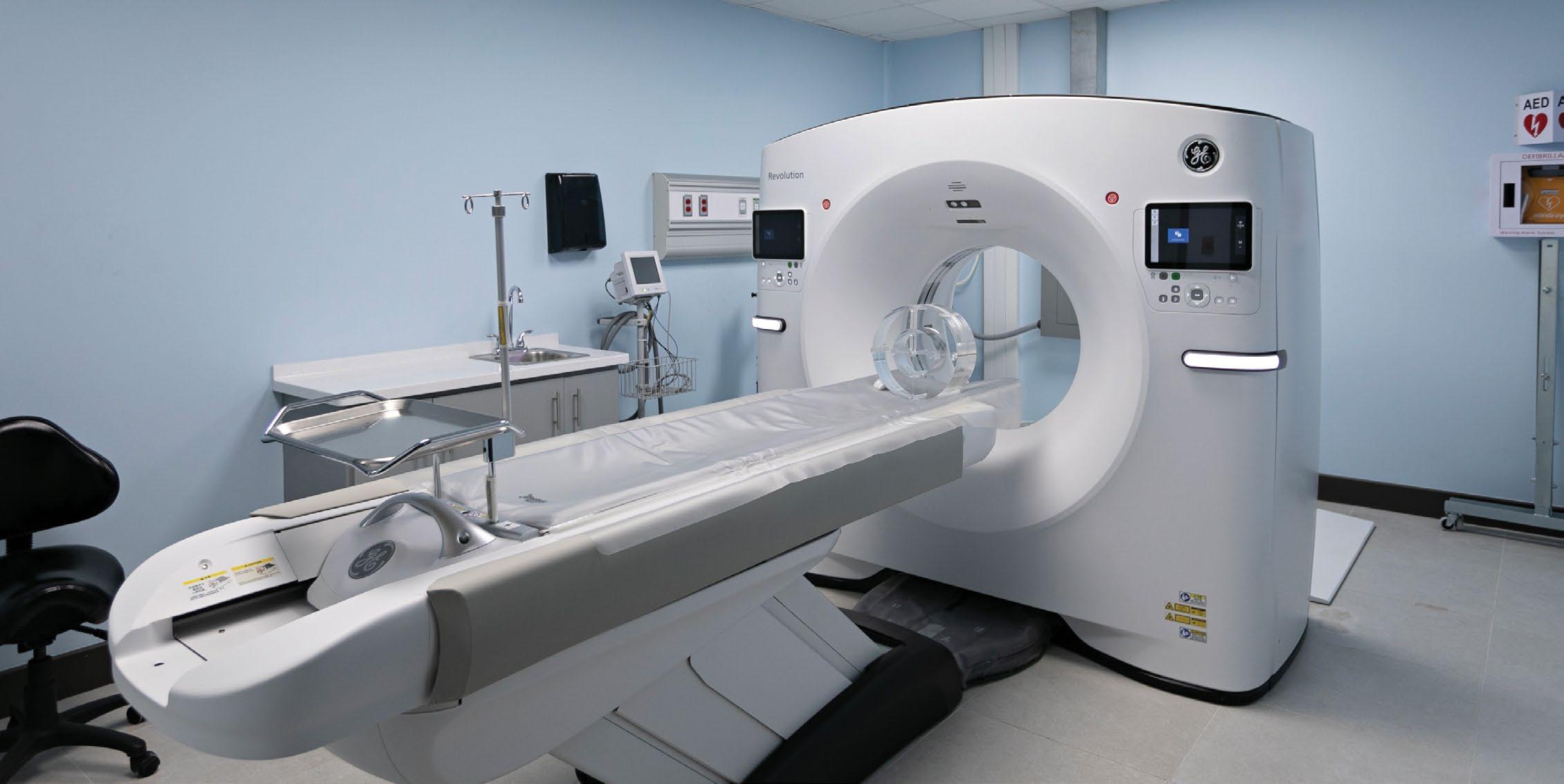
from Challenges to Transformation, which highlighted the potential for innovative financing mechanisms to be a game-changer in tackling the nexus between climate change and healthcare. Beyond infrastructure challenges, access to financing was highlighted as a key barrier, with government resources stretched thin and limited access to climate finance or innovative financing mechanisms within healthcare.
“Building resilient healthcare facilities and climate-proof health systems will take a substantial portion of the healthcare budget, however the return on investment can be realized through better population health outcomes and could deliver exponential savings in the future. The difficulty is not just financing projects, but ensuring systems integrate resilience across all aspects of healthcare. This includes not just infrastructure, but also care delivery, workforce, and supply chains – all accompanied by community engagement to ensure inclusive planning, education on the risks and mitigations, and empowering communities to address their social determinants of health so that they are best prepared to meet these challenges together,” noted Dr. Ed Fitzgerald, Head of Healthcare, KPMG Islands Group.
While innovative financing
mechanisms for SIDS may be constrained by limited resources, relatively small populations, and vulnerability to external shocks, it was noted that traditional, fragmented approaches to financing no longer fit the scale of the problems being addressed. This may require SIDS like Barbados to increasingly leverage publicprivate partnerships and consider financing options that are context specific, sustainable, and resilient to economic and environmental challenges.
Meanwhile, with the assistance of international loans and national budget allocations, Barbados is making significant investments in its healthcare infrastructure to increase resilience and capacity. These efforts will enhance the country’s ability to anticipate, absorb and recover from climate-related stressors. Upgrades and expansion of the Queen Elizabeth Hospital (QEH), including modernised equipment and expanded services, are strengthening the island’s lone tertiary care facility. In addition, there is progress in digital health transformation with the expansion of electronic medical records, telemedicine, and real time health data systems. Private sector health institutions, such as Bayview Hospital, are increasing capacity, introducing
advanced medical technologies, and improving patient care standards. These advancements in both private and public healthcare services will improve the efficiency and responsiveness of national healthcare delivery.
The Government is laying the foundation for a resilient, technologically advanced, and inclusive health system, one that not only meets the current demands of its population, but also anticipates and adapts to future challenges. By integrating climate resilience into health policy, exploring innovative financing, and expanding digital infrastructure, Barbados is taking a proactive approach to navigating the complex intersection of climate and health. This positions the country to potentially become a regional hub for healthcare excellence in a climate affected world. Healthcare services on the island are delivered through a mix of public providers which is complemented by private providers. The government’s climate resilient initiatives extend to both public and private health sectors, encouraging a unified response to climate-related health threats. This integrated approach is key to building a health system that can protect the wellbeing of all Barbadians—now and in the future.
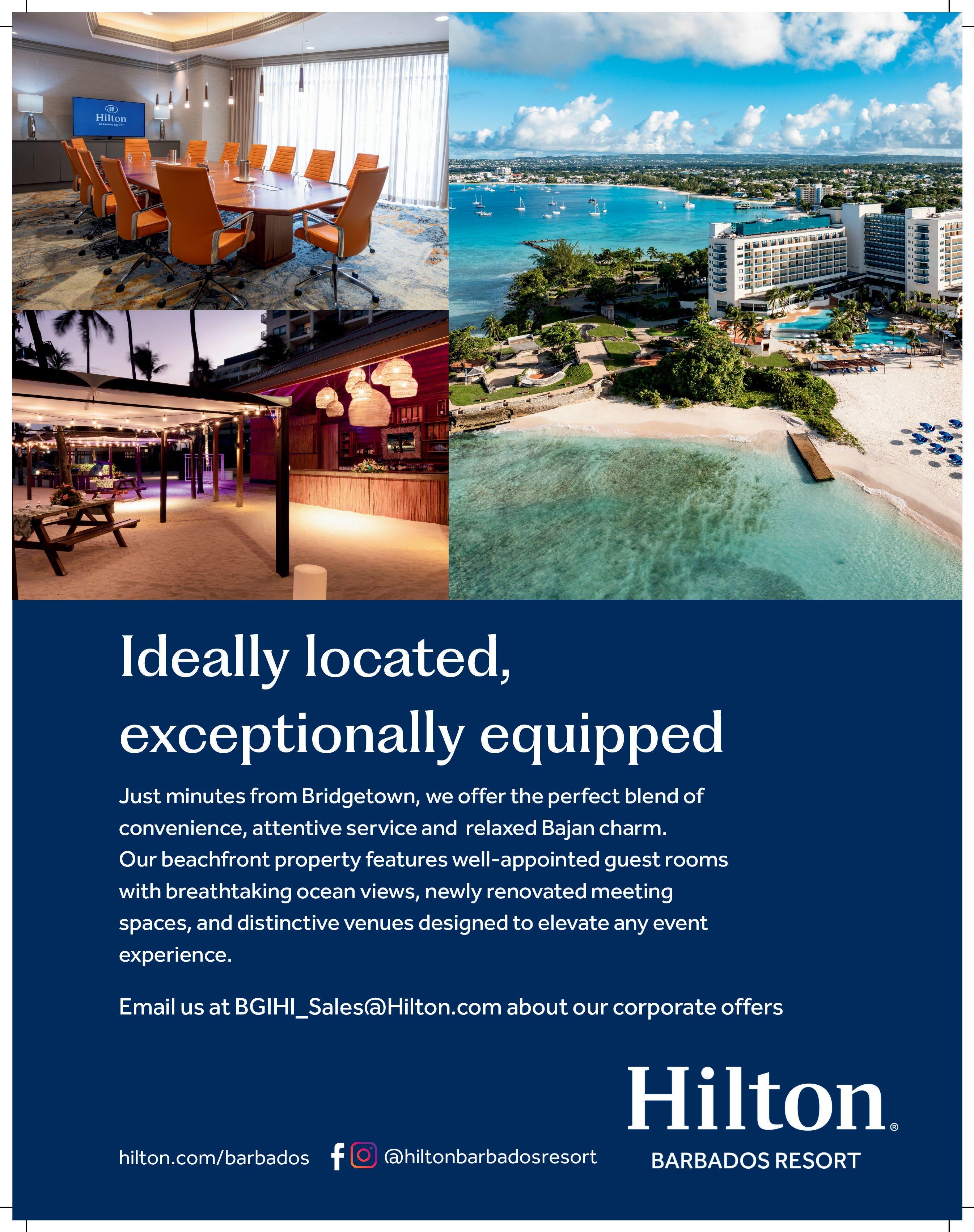
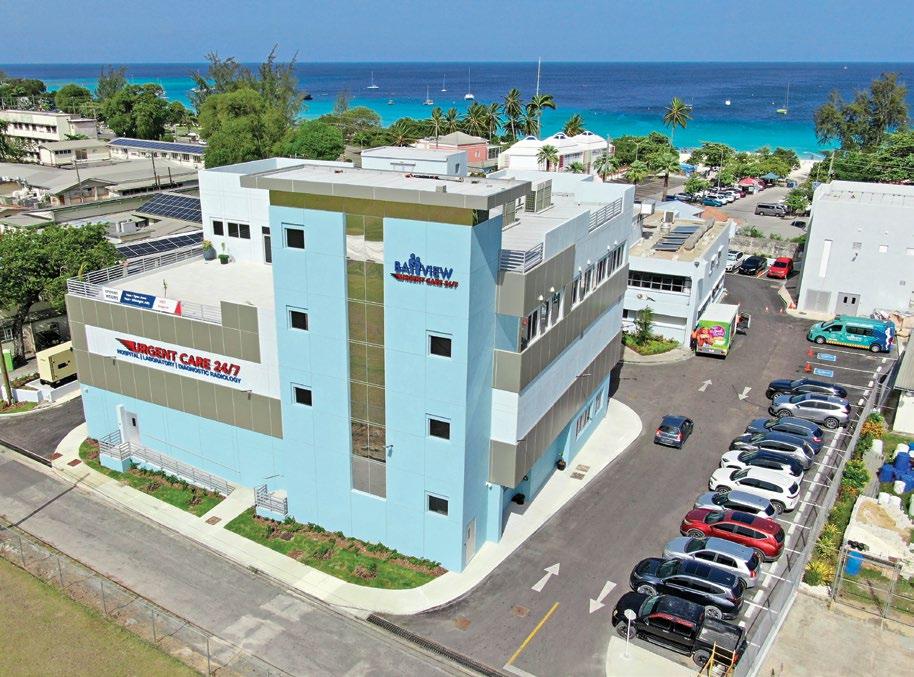
For generations, Bayview Hospital has been synonymous with healthcare innovation. From pioneering minimally invasive procedures for fibroids and kidney stones to launching its state-of-theart urgent care centre, Bayview has evolved into a true healthcare hub, serving not only Barbados but the wider Caribbean region and beyond.
Conveniently located just minutes from Bridgetown’s commercial centre and the vibrant south coast, the investment in Bayview Urgent Care marked a historic milestone, opening its doors to anyone seeking quality healthcare. The introduction of an emergency ambulance and a non-emergency, wheelchairaccessible patient shuttle further complemented this essential service, removing barriers to care. These vehicles provide transportation to and from Bayview Hospital and Urgent Care and can be easily booked via reception.
What distinguishes Bayview from traditional urgent care centres is its holistic, patient-centered approach. The hospital integrates urgent care, diagnostic imaging, laboratory testing, and admissions onto the patient ward for further care and management, all under one roof. Bayview also boasts a Level 2 ICU, maternity and labour wards, fully equipped operating theatres, and a
network of over 80 physicians with practising privileges.
At the heart of Bayview Urgent Care lies its compassionate team of nurses and physicians, along with a comprehensive suite of diagnostic imaging technology operated by sister company Diagnostic Radiology Services. The department features advanced equipment, including digital X-rays, a CT scanner, fluoroscopy units, 3D mammography, and ultrasound systems, meeting international standards and enabling nearly every diagnostic need to be addressed on-site.
“We have all modalities able to scan the body at any time,” explains Andrianna Gonzales, Medical Engineer Manager, who helped source and install the advanced equipment. “This allows patients to fully utilise diagnostic imaging capabilities without visiting multiple locations.”
The facility’s CT scanner, the Revolution Maxima 64-slice, is a significant advancement for Barbados. Capable of both 2D and 3D imaging, it provides detailed visualisation of bone and soft tissue, enabling radiologists to detect tumours, vascular conditions, and other abnormalities with exceptional precision. The system also supports contrast agents to enhance visibility, particularly useful in cancer tracking, biopsy guidance, and monitoring treatment effectiveness. Diagnostic Radiology Services has expanded into cardiac studies, including calcium scoring and the upcoming launch of CT cardiac angiograms.
Another highlight is the AIpowered 3D mammography unit – one of only three on the island. Designed by women engineers for comfort and safety, the system delivers minimal radiation while producing exceptionally clear 3D breast-tissue images. Its AI capabilities enable precise tissue reconstruction, reducing examination time and discomfort while improving diagnostic accuracy. Gonzales notes,
“This unit is designed for a woman’s comfort. It’s a turning point for mammography in Barbados.”
Bayview’s Diagnostic Radiology Clinic also offers fluoroscopic studies, providing real-time moving X-ray images that allow physicians to observe internal functions in motion—crucial for gastrointestinal and musculoskeletal assessments. Complementing these imaging services, the on-site lab operated by Bayview Laboratory provides rapid testing for kidney and liver function, diabetes, cholesterol, and other key markers. The lab has partnered with Bermuda-based CariGenetics to bring full genetic testing to the island, including paternity, nutrition, skincare, and fitness DNA tests. As part of its drive toward a Smart Healthcare Hub, Bayview offers Executive, Immigration, and Insurance Medicals, streamlining access to full diagnostic and medical evaluation in one location. This programme delivers comprehensive health assessments tailored for professionals and organisations seeking to proactively support wellness.
Bayview Hospital & Urgent Care is more than a medical institution; it’s a symbol of Barbados’ commitment to modern, accessible, and integrated healthcare. By combining advanced imaging, laboratory diagnostics, urgent care, and executive health services, Bayview has transformed into a next-generation healthcare hub, embodying the island’s smart, forward-looking vision for 2026 and beyond.
Bayview Hospital & Urgent Care
+1 (246) 433-9999
info@bayviewhospital.com.bb





When Juliana and Mark Spicoluk first came to Barbados to film yoga and wellness content, it was meant to be a brief work trip. Today, it is home – for their family, their business, and their global wellness brand, Boho Beautiful.
For the uninitiated, Boho Beautiful creates yoga, meditation, fitness, and mindful living content that reaches millions across more than 190 countries. But the company’s growth – from a camera in a living room to an internationally recognised wellness platform – has always been guided by one principle: service and authenticity first.
“We never set out to build a global brand,” Juliana explains. “We wanted to create content that was meaningful to us and that could inspire and help others on their wellness journey, whether existing yoga enthusiasts, busy professionals or people facing stress and burnout. Barbados has enabled us to do that in a way that feels grounded and sustainable.”
Why Barbados?
Barbados emerged as the perfect environment as a base, and the location for their first physical space for users. Their initial visit revealed an island that combined inspiring landscapes with the infrastructure and services needed to run a growing international business.
Barbados’ natural diversity is particularly important for their content, which relies on immersive and visually engaging locations. “You can go to a pristine beach, and then drive 10 minutes to dramatic cliffs or a lush rainforest,” Juliana notes. “For our community, it’s not just joining a yoga class online, it’s a chance to feel transported to a place of beauty and energy, even from their living room.”
“And everything we need to run our business is here – professional services, connectivity, tools for production,” Mark says. “It just made sense to build our base here.”
Beyond logistics and locations, Barbados presented an opportunity to make a genuine impact. While global wellness hubs like Bali or Costa Rica are saturated, Barbados’ wellness tourism sector is still emerging. This “blue ocean” environment allows Boho Beautiful to contribute meaningfully, offering transformation and value for their community, while promoting the island as a wellness destination.
The decision to base themselves in Barbados was equally about family. Their children are thriving in a community aligned with their values, enjoying a lifestyle that emphasises nature, creativity, and wellbeing. “It really takes a village,” Juliana notes. “The people around our children here in Barbados share our values, which is so important in these formative years.”
Barbados also offers diverse educational options outside of the mainstream – they have found a school with a philosophy that allows Mark and Juliana’s
children to grow in a creative and holistic environment, perfectly complementing the family’s lifestyle. The island’s natural beauty and safety add another layer of appeal. Calm, child-friendly beaches, lush landscapes, and a variety of filming locations all within a short drive make daily life productive, enjoyable, and inspiring. “We can film content at sunrise on a pristine beach and be at the office to continue at 9am.” Mark says.
Boho Beautiful exists to support people on their wellness journey — to help them slow down, reconnect, and rediscover balance in their everyday lives. Whether through the different styles of yoga offered, meditation, breathwork or mindful living practices, Juliana and Mark create content that encourages a sense of peace, presence, and self-awareness. The Boho Beautiful app is designed as a ‘healing tool in your pocket’ – an antidote to the demands of modern life, for stress relief, burnout prevention and mental clarity. It’s accessible wellness for busy professionals and everyday people, not just experienced yoga practitioners.
Their new studio at Haymans Market, St Peter, combines production and community
engagement. It allows the team to create high-quality video content to broadcast and share worldwide, while hosting local and visiting practitioners. “Having a physical space for the first time lets us connect in person with our audience,” Juliana says. “It’s a chance to bring the online community to life while maintaining professional production standards.”
As Boho Beautiful continues on their journey, Barbados remains central. It is their creative base, operational hub, and family home. Beyond producing content for millions, the focus is on the impact they have on their community, whether they’re in boardrooms in Barbados or scattered around the world. At the same time, they are helping put Barbados on the global wellness map, showing that it can compete with established destinations in health, mindfulness, and experiential tourism.
“We came here to work, but we stayed because it felt right for our hearts and our family,” Juliana reflects. “Barbados supports our business ambitions while letting us thrive as a family. That’s a rare combination, and it’s why this island is home for us.”
www.bohobeautiful.life


Barbados is fast establishing itself as a hub for innovation – and Manna Advanced Aesthetics is leading technology-driven aesthetic medicine and wellness in the Caribbean. With advanced VISIA skin analysis, regenerative therapies, and holistic wellness solutions, the clinic blends cutting-edge technology with results-driven, personalised care.
Meet Dr. Nadia Manna
Founded by Dr. Nadia Manna – Medical Director and Aesthetic Physician – whose own journey with chronic acne inspired a career focused on science-first, resultsoriented skin health. Trained under leading global experts, Dr. Manna is a Key Opinion Leader for international aesthetic and longevity brands, a master injector and trainer, and a sought-after speaker at global conferences. She has trained physicians across the Caribbean and Latin America in ZO Skin Health protocols and led hands-on Cynosure Potenza laser workshops at IMCAS Brazil.
“Barbados is the perfect environment for us to combine advanced technology with personalised patient care,” says Dr. Manna. “Our approach is resultsdriven but also holistic – we use
technology to understand each patient’s skin at a deeper objective level, then create tailored plans that support overall wellness and longevity.”
Since opening in 2023, Manna Advanced Aesthetics has grown rapidly, largely through word of mouth. “People come to us because they see real change in friends or family,” says Christopher Clarke, Dr. Manna’s husband and business partner. “That trust has been the foundation of our success, and it’s why we’re expanding our discrete but central Warrens clinic, both physically and in terms of the services we offer.”
The clinic’s comprehensive suite of services includes Botox and dermal fillers, luxury facials, laser hair removal, microneedling, exosome therapy, hair restoration, and advanced medical-grade skincare.
VISIA skin analysis sits at the heart of the patient journey, guiding bespoke treatment plans that maximise results. VISIA uses AI to analyze high-resolution images of your skin to identify issues like wrinkles, spots, and texture by comparing them to a large database of other users. This allows the system to provide a detailed, data-driven report, create percentile scores for key skin features, and simulate future aging to help skincare experts develop personalized treatment plans.
Nutrition and wellness also feature prominently, with food sensitivity testing and tailored nutrition plans supported by a dedicated health coach. Manna
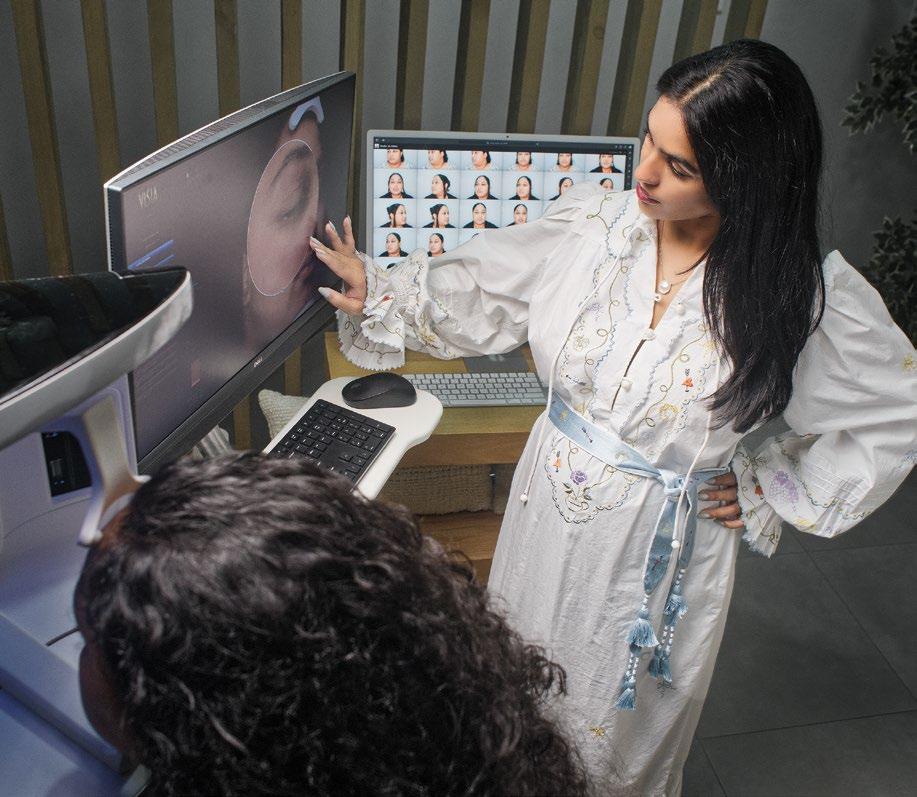
Advanced Aesthetics is also the first clinic in the Caribbean to offer IM8, a clinically-tested longevity supplement co-founded by David Beckham, boosting energy, immunity, cognition, and skin health. “We want to offer patients evidencebased options that enhance not just appearance but overall vitality,” Dr. Manna explains.
The clinic’s philosophy marries advanced technology with the human touch. Every plan is customised, with concierge services available for treatments delivered directly to homes, villas, or hotels. Dr. Manna and her carefully selected team ensure that each patient’s journey is discreet, supportive, and results-focused.
Dr Manna adds, “Our goal is to provide world-class aesthetic medicine, but also to showcase that Barbados can be a hub for innovation and expertise. Patients don’t have to travel abroad to access the latest technologies and evidence-based protocols –it’s all right here, supported by a highly-qualified team dedicated to excellence.”

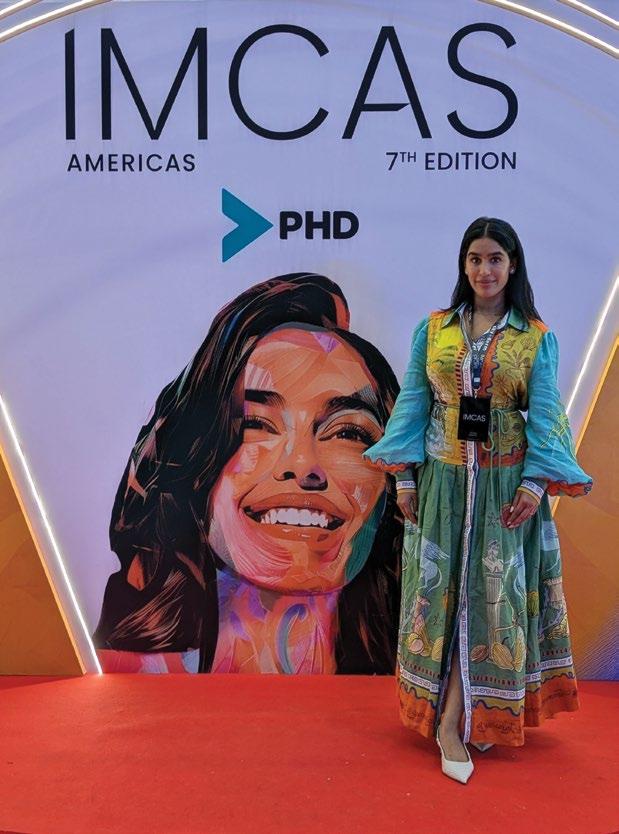
Manna Advanced Aesthetics +1 (246) 236-SKIN (7546) info@mannabarbados.com mannabarbados.com



Marlon E. Yarde Managing Director, Barbados Stock Exchange Inc.
Barbados is redefining its financial landscape.
Once seen primarily as a jurisdiction for international business and financial services, the island is now positioning itself as a dynamic centre for capital-market innovation and inclusive growth. At the heart of this transformation is the Barbados Stock Exchange (BSE), which has developed two complementary platforms that form the cornerstone of the country’s capital-market strategy: the Innovation and Growth Market (IGM) and the International Securities Market (ISM). Each serves a unique purpose — one empowering small and mediumsized enterprises (SMEs) to scale their ambitions, and the other connecting Barbados to global investors and cross-border capital flows.
These developments support the Government’s strategic agenda to build a smart, sustainable, and inclusive economy under Vision 2030 Barbados, positioning the island as a leading financial-services hub in the Caribbean.
The Innovation and Growth Market (IGM): Fuelling Local Entrepreneurship
For many entrepreneurs, access to
financing remains a major barrier to turning potential into performance. Traditional lending often requires collateral or personal guarantees that small business owners cannot easily provide. The IGM was therefore conceptualized by the BSE as a purpose-built platform for SMEs seeking equity financing as an alternative to debt.
The IGM offers growth-oriented enterprises a practical entry point to raise capital, build investor confidence, and adopt sound corporate governance. With streamlined listing requirements, lower costs, and capacity-building support, the market reduces barriers that have traditionally kept SMEs on the sidelines of capital markets.
A powerful partnership underpins the initiative — involving the Ministry of Energy and Business, the Small Business Association (SBA), the Caribbean Development Bank (CDB), and the BSE. Through the IGM200 initiative, SMEs are guided through a three-phase journey: Education and Sensitization, Diagnostic and Capacity Building, and Capital Raising and Listing. The programme aims to prepare up to 200 SMEs for listing by strengthening their financial reporting, governance, and investor readiness.
“The IGM is more than a
market. It’s a mindset shift — from debt dependence to equity empowerment.”
Beyond capital raising, the IGM encourages small firms to formalize operations and adopt transparent governance structures that attract investment and improve long-term sustainability.
While the IGM nurtures local enterprise, the International Securities Market (ISM) extends Barbados’ reach to the global financial stage. Established as a listing and trading platform for international issuers, the ISM enables companies, funds, and other entities to raise capital in a well-regulated, tax-neutral environment.
The ISM has been granted “designated recognised stock exchange” status by HM Revenue & Customs (HMRC) in the United Kingdom under Section 1005 of the Income Tax Act 2007 — a milestone that underscores its credibility and strengthens Barbados’ appeal as a premier destination for crossborder listings. This recognition allows securities listed on the ISM to be eligible for inclusion in certain UK investment portfolios, thereby enhancing investor confidence,
expanding market access, and elevating the visibility of Barbados’ capital markets.
Through the ISM, Barbados offers a unique value proposition: a globally compliant yet competitively efficient jurisdiction. The market operates under the same regulatory framework as the BSE’s domestic market and adheres to international standards such as the IOSCO Principles of Securities Regulation and global AML/CFT and OECD BEPS requirements.
“The ISM positions Barbados as a bridge between regional enterprise and global opportunity.”
Barbados’ extensive network of bilateral investment treaties and double-taxation agreements with more than 40 countries further enhances its appeal as a listing domicile. Combined with OECDaligned transparency standards, this framework assures investors that Barbados offers both opportunity and oversight — a gateway for responsible capital flow.
A key pillar supporting Barbados’ financial system is the Financial Services Commission (FSC), which regulates the non-bank financial sector, including securities, insurance, and pensions. The FSC has strengthened the country’s framework through risk-based supervision, corporate governance, and AML/CFT compliance, aligning with international standards set by the IOSCO, OECD, and FATF.
Collaboration between the FSC and the BSE continues to modernize market rules, disclosure standards, and enforcement practices — ensuring a transparent, wellregulated, and trusted environment for investors and issuers alike.
The Barbados Central Securities Depository Inc. (BCSDI), a wholly owned subsidiary of the BSE, forms the backbone of the post-trade infrastructure. It provides centralized registration, clearing, and settlement of securities in a fully dematerialized environment, ensuring timely and secure transactions that meet international best practice.
Its subsidiary, BCSDI Custodian Trust Services Inc. (BCTSI) — regulated by the International Business Unit (IBU) of the Ministry of Energy and Business — provides professional custodial and trust services that safeguard client assets and support both local and international transactions. Together, the BSE, BCSDI, and BCTSI form a vertically integrated ecosystem that promotes efficiency, integrity, and investor protection.
The BSE and BCSDI also operate under a Delivery Versus Payment (DVP2) settlement model and a T+1 settlement cycle — key risk-mitigation mechanisms that reduce counterparty and systemic risk while aligning Barbados with global settlement standards. This framework enhances market efficiency and strengthens investor confidence among local, regional, and international participants.
At a Glance – The BSE Group Ecosystem
• Barbados Stock Exchange (BSE): Facilitates primary and secondary market listings and trading.
• Barbados Central Securities Depository Inc. (BCSDI): Provides secure post-trade settlement and registry services.
• BCSDI Custodian Trust Services Inc. (BCTSI): Offers custodial and trust services regulated by the IBU, Ministry of Energy and Business.
• Financial Services Commission
Beyond capital raising, the Innovation and Growth Market (IGM) encourages small firms to formalize operations and adopt transparent governance structures that attract investment and improve longterm sustainability.
(FSC): Regulates the securities market, ensuring investor protection and adherence to international standards.
The story of Barbados’ capitalmarket development is one of collaboration and conviction — reflecting a shared belief that sustainable growth requires both innovation at home and credibility abroad. The IGM and ISM provide the mechanisms — and the mindset — to achieve both.
Looking ahead, the BSE Group remains committed to deepening Barbados’ capital markets through innovation, digital transformation, and regional collaboration. The next phase will focus on fintech integration, cross-border listings, and enhanced ESG disclosures, ensuring Barbados remains competitive, credible, and connected in a dynamic global financial landscape.
“Barbados’ markets are open — not just to capital, but to possibility.”

A
With a 165-year legacy of innovation, Lynch Caribbean is redefining what it means to be a modern insurance broker — blending deep client relationships with digital transformation, artificial intelligence, and regional expansion. Chairman Gregory Rose shares how the company is building a smarter, more connected Caribbean insurance hub from its base in Barbados.
“Lynch began as a commission agency in 1859, with several lines of business from sugarcane and hurricane insurance to imports and exports. Over the decades, we’ve adapted to each new era, moving from agents to brokers, to our evolution as Trusted Risk Advisors for both our commercial and private clientele. What’s remained constant is our commitment to helping clients manage risk intelligently and personally. Technology isn’t a ‘strategy’ – it’s simply how business is done. But for us, it’s always been about leveraging technology to improve our client relationships, communication, and efficiency. For example, we have automated
the majority of our invoicing using “bots” and API integration with local partners such as SurePay. This is improving turnarounds in processing and collections. Throughout our value chain we are in various phases of exploration or implementation of automation and AI for claims analysis, policy checking, and risk modelling. These efficiencies free up our people to do what they do best — provide advice, empathy, and insight. That’s where the human value remains strongest.
At a Group level we are investors in two digital insurance platforms with global developers, SCG Partners. The first, Aggregate8, is an online quote aggregation platform that provides quick quotation application and comparisons. Lynch’s regional brand BestQuote uses this platform to provide clients with the ability to compare and bind multiple insurance quotes instantly. The second platform being offered by SCG is ApplyOn, a CRM (Customer Relationship Management) platform built for finance and insurance and now used by several insurers, brokers, banks and credit unions across the region to deliver modern operations. These technologies are improving customer experience while positioning Barbados as a centre for insurance innovation.
Our parametric Regional Economic Agri-insurance Programme (REAP), captures weather and satellite data to trigger automatic payouts when conditions like drought or excess wind/rainfall are met. Through our partnership with our associates Marsh and Raincoat we utilized their global expertise and tech resources to enable claims payments to reach affected farmers directly. It’s a realworld example of how data and digital systems can make insurance faster, fairer, and more accessible. We continue to build on this platform and improve our technological capabilities in Barbados. The Caribbean is sharply in focus with recent expansion into
St. Vincent and the Grenadines, Saint Lucia and presently St. Kitts & Nevis.
The goal is to build a truly Caribbean network that offers consistent, technology-enabled service across markets, while respecting each island’s unique culture and regulatory environment.
Barbados is an integral part of the regional insurance sector, and we are proud to play a role in bringing together the best the Caribbean has to offer. With a highly educated workforce, strong regulatory foundations, and a government committed to digital transformation, the island continues to strengthen its role as a hub for innovation. The Ministry of Innovation, Industry, Science and Technology and the Financial Services Commission are both taking steps to modernise frameworks around data protection and technology, and Lynch is committed to sharing our regional experience and collaborating closely with stakeholders to help guide and shape the Barbadian digital landscape. From a business standpoint, our Barbados operation is a solid partner in our regional network, backed by a sound digital policy framework.
Change is the only constant. We’re moving from traditional, paperbased policies to smart contracts and AI-assisted underwriting. The younger generation pushes the envelope demanding the convenience of online quotes and instant payments, while older clients still value face-to-face service. Our goal is to tailor services in respect to our key segments and relationships, using technology to deliver to best effect. For digital transformation to successfully happen the insurance industry needs to evolve faster, adapt to new kinds of risks like cyber and digital fraud, and collaborate more across borders. At Lynch, we will continue to lead change — to help build the systems, partnerships, and trust that make Caribbean insurance truly world-class.”


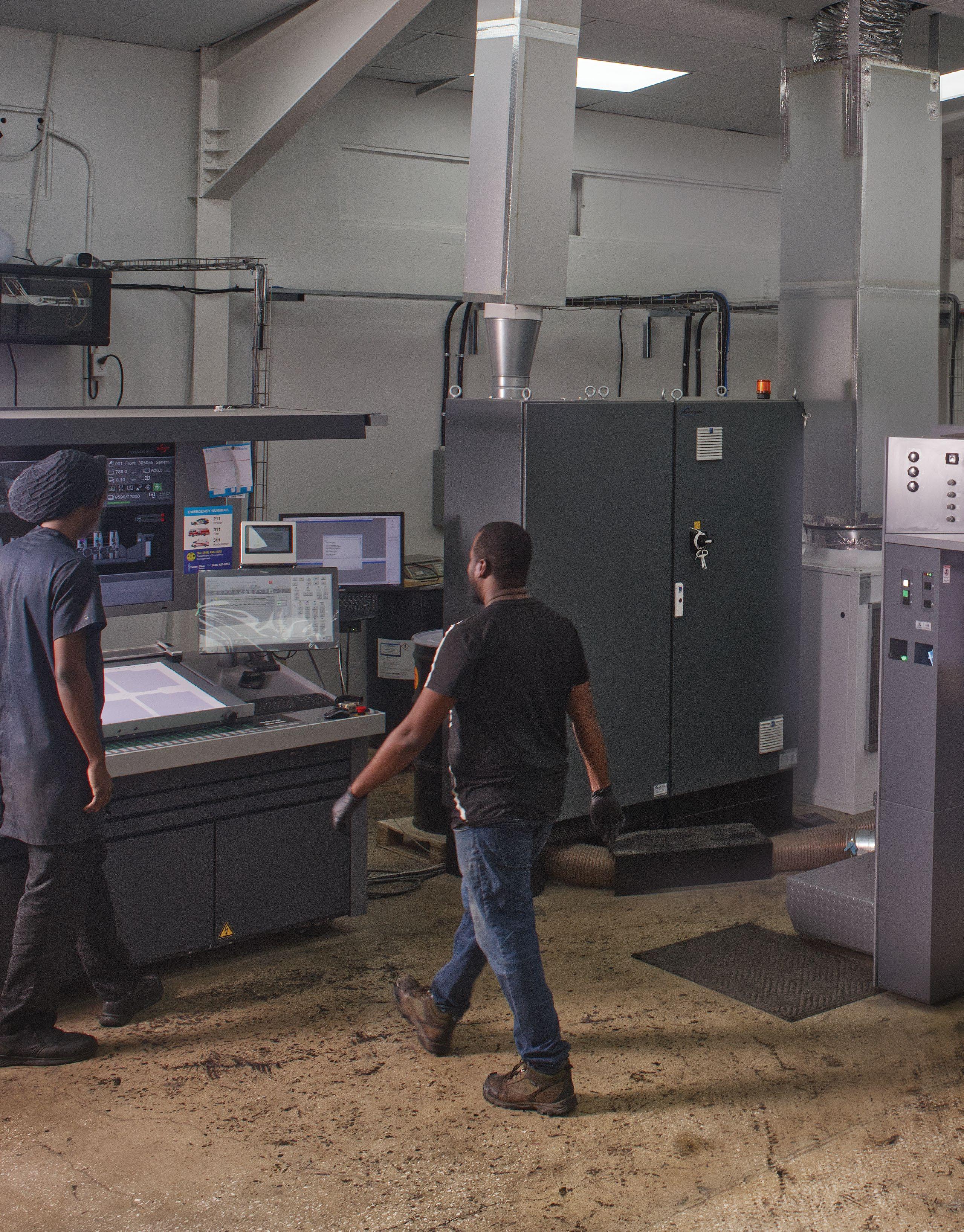
50 Years of Innovation and Family Legacy
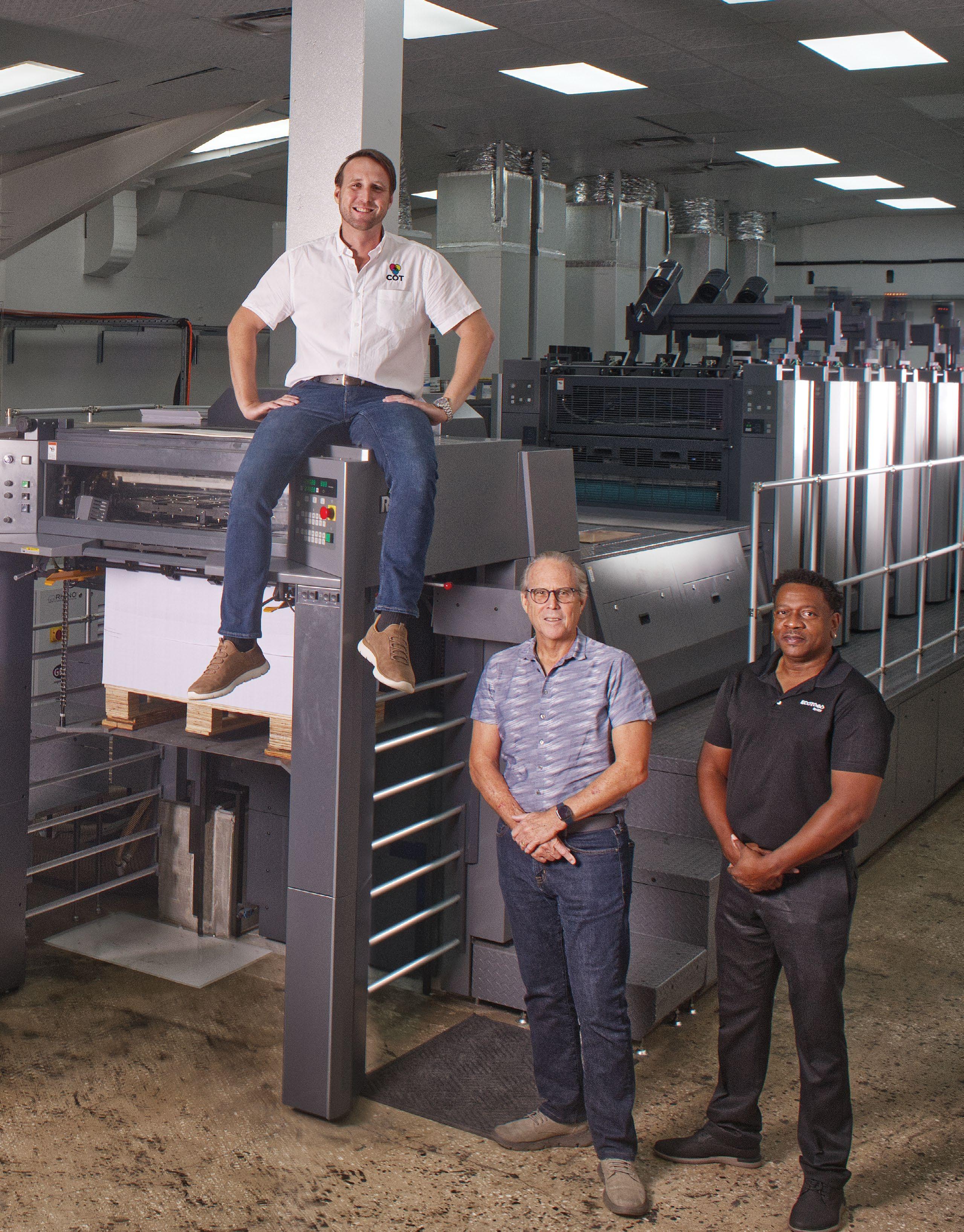
From humble beginnings under the family home in 1975, COT has grown into a Caribbean-wide leader in printing, packaging, and smart manufacturing solutions. Founded by Dennis Everard Worme, COT has grown and evolved under the leadership of his son Nigel and more recently his grandson, Michael, continually adapting to changing technologies, markets, and customer needs. Today, as it celebrates its 50th anniversary, the story continues with bold ambition.
Nigel Worme, Executive Chairman
“COT was started in October 1975, just after the Advocate newspaper in Fontabelle burned down. My dad salvaged some equipment, brought it home, and set it up underneath our house on Cot Road, near Accra Beach. I left school at 16 and joined him in April 1976, so I was in the business from the first year of operations. We stayed under the house for almost four years before moving to Balmoral Gap in February 1979. Sadly, in September that year, my father died in a car accident, and I took over at age 19.
It’s been a long journey, with a lot of change along the way. We’ve continuously invested in equipment, and technology. We were the first in the English-speaking Caribbean to install a full five-colour, sheet-fed offset press in 1987, and that’s when we went into high end commercial printing, always staying ahead of the curve. Now you can source almost anything in the world via the internet, but before that we attended trade shows, joined North American printing associations, and met the heads of suppliers like Fuji, Agfa, Heidelberg, and Mitsubishi. That helped us bring the best solutions to Barbados and stay competitive. But at the end of the day, it’s about knowing your home market and convincing customers to give you a chance. That understanding has guided our growth for decades.
Now 50 years later, seeing Michael take over is incredible. I’ve seen other family businesses crumble without
a succession plan, so that’s been something we’ve worked on for over a decade. I wanted to ensure the business continues to thrive, and that Michael would gain hands-on experience managing all aspects of operations. Now I get to work with him every day, discuss the big issues together, and watch him grow the business. Also, my daughter, Ella, has joined the business – she’s leading marketing and the rebrand for our 50th anniversary. The next generation is taking things forward –that’s a dream for any parent.
My hope for COT for the next 50 years is that it remains a privatelyowned family business, continuously evolving, pivoting when necessary, and embracing smart technologies to grow successfully for future generations. The future is in good hands.”
Michael Worme, CEO
“I studied automation technology and robotics, which really shaped my approach when I returned to Barbados, joining the family business. We’ve seen a lot of our business evolve – postcards, printed annual reports, tourism marketing materials – these were main staples that have largely disappeared as the internet took off. But we have remained agile and pivoted. That shift opened doors for us in packaging and labels for frozen foods, beverages, pharmaceuticals, fast food, and much more. With my engineering background I started developing the products and configuring the equipment to make the processes work.
I’ve now been running the day-today operations at COT since 2020. In that time, we have introduced significant new technology and systems. In 2023 we installed the region’s first highly automated seven colour, LED UV press. This allows us to achieve a much broader gamut of colour, shortens our changeover and make-ready times, and significantly increases throughput, while requiring less input from the operator. This really ups our game and allows
us to compete with regional and international counterparts on highend commercial printing, including this publication – Business Barbados – which is actually printed on the press I’m sitting on in the photo.
In the perpetual quest to become more efficient, we have invested heavily in digital integrated workflows that automate order processing, file handling and processing, production control, and quality management. When we complete phase one, the time from order placement to production will be reduced from weeks to minutes, and that’s just phase one!
A lot of what we do is repeat business, so eliminating non-valueadded steps through intelligent automation (IA) is crucial. It frees up the team to engage their clients in more meaningful conversations, rather than just acting as order takers. And for customers, it makes ordering seamless through PrintCloud, our web-based ordering solution.
Our strategy has always been to evolve with the market. You have to be dynamic and be ready to expand and contract. For example, when Styrofoam was banned in Barbados, we saw an opportunity to create an ecofriendly alternative for the fastfood industry, launching ECOTOGO, our line of sustainable, biodegradable food containers. We are also in the process of becoming certified for as a Safe Quality Food (SQF) Packaging facility. While this is not yet a requirement for the industry here in Barbados, it’s only a matter of time, and we want to be ready. This allows us to work with global brands who require their products to be of the highest standard.
Most recently, in January 2024 we took a big leap, acquiring Moore Paragon Caribbean Ltd., which has expanded our operations to Grenada, St Lucia, and Trinidad. Nigel, my dad, has been an incredible mentor through this process, and his guidance, combined with these systems, gives us a strong foundation for the future of COT as a truly smart hub in the Caribbean.”

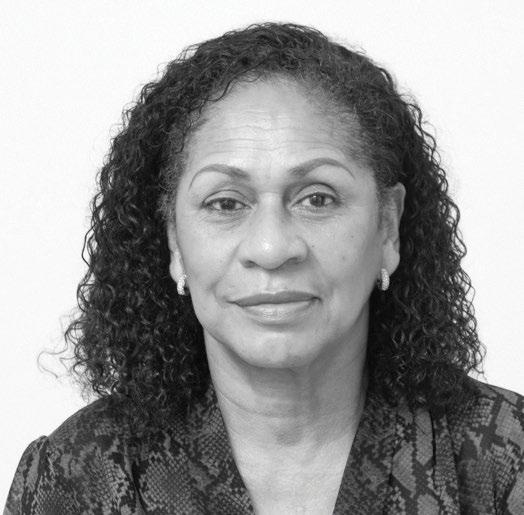
Beatrix Holder CEO (Interim), ASPIRE Foundation
Across Barbados, charities and NGOs are quietly transforming lives, doing remarkable work – often in challenging circumstances – to meet social needs, build communities, and enhance lives. Yet behind every success story lies a shared challenge: how to sustain impact and prove accountability in a rapidly changing world.
ASPIRE Foundation (B’dos) Inc
ASPIRE is a non-profit organisation established in Barbados in 2015 to be a change agent for strengthening the institutional and operational capacity of civic sector organisations (CSOs). Their tagline, “Helping Charities Help” captures the essence of ASPIRE.
The lack of sustainability of CSOs and capacity within the sector has been a major roadblock to continued contribution to, and greater involvement in, local and regional development. Problems include gaps in administration and governance, lack of permanence, duplication and wasted resources due to organizational silos, inequitable and fragmented access to funding and funding partners, and volunteer and staff burnout.
According to the Ministry of
Labour and Third Sector Relations, over 1,000 civic organisations operate in Barbados. Yet fewer than 10% have formal governance systems. ASPIRE’s certification programme aims to help address this critical gap.
ASPIRE’s mission is therefore to strengthen the sustainability of the CSOs (non-profits, NGOs, charities, and social enterprises) that change lives.
The Foundation’s goal is to empower individuals and communities to make a positive impact through the education of, and advocacy and support for, CSOs. It seeks to empower them to enhance their results and sustainability and to showcase their legitimacy and accountability to stakeholders. This not only fosters public trust but also positions these organisations favourably to potential funders and partners.
Its Incubator Programme, which is designed to equip CSOs with the tools, knowledge and systems to strengthen their operations resulting in good governance, sound management and measurable impact boasts 21 alumni.
ASPIRE’s primary focus is:
1. On charities and nonprofits supporting Health and Wellness, Youth, Education,
Creative Industries, Community Development and the Environment.
2. An Enabling Environment for civic sector sustainability; increased public awareness and sensitisation to the challenges faced by civic sector organisations and the problems they tackle.
3. To assist civic sector organisations with developing resource-sharing partnerships, access funding, and solve problems for their target groups. As expectations for transparency and accountability increase, so too does the need for clear, credible standards that demonstrate trustworthiness, competence and excellence.
That is why ASPIRE took the step to develop the ASPIRE Standard for Certification — a home-grown framework designed to strengthen the capacity of CSOs through the following six certification standards as core tools for this process:
1. Governance and legal compliance
2. Business, strategic and impact planning
3. Financial management
4. Human resources
5. Resource mobilisation and
proposal writing
6. Branding and communications.
The Barbados National Standards Institution (BNSI) as the official national certification body has partnered with ASPIRE to develop the standard, providing quality support in the form of development of ASPIRE’s certification scheme as well as expert guidance, ensuring that this process is recognized, rigorous, and in line with international best practices.
The BNSI stated, “it is a commitment to increased relevance, capacity building and long-term impact. It reflects our dedication to nurturing non-profit leaders who are agile, accountable and deeply mission-driven”.
At the conclusion of the certification process, CSOs will be certified to the National Standard.
The overall impact desired at ASPIRE with this certification is to strengthen the Third Sector in the following ways:
1. Enhance credibility among stakeholders such as donors and funding agencies with the overall goal of attracting and receiving more funding
2. Attract more high-quality volunteers with increased retention
3. The proper utilisation of knowledge
4. Greater sustainability.
Certification, is the next step in making CSOs more resilient in a competitive sector.
It provides independent validation that these organisations meet recognised standards of accountability, transparency, and effectiveness. In other words, the incubator programme helps build capacity — certification
proves it. The ASPIRE certification, through the BNSI is based on the International Standards Organisation (ISO) 17000-17065-17067 series which provide definition for conformity assessment. Simply put, it provides a seal of approval by our nation’s national representative of the ISO in Barbados.
This collaboration between ASPIRE and the BNSI represents a milestone — not just for their organizations, but for the entire sector. It signals that CSOs can operate with the same level of professionalism, accountability, and integrity expected in any other industry or sector. It also provides funders and stakeholders with confidence that their support is going where it will make the greatest difference.
Together with the BNSI, ASPIRE is laying the foundation for a stronger, more trusted, and more sustainable non-profit sector in Barbados.
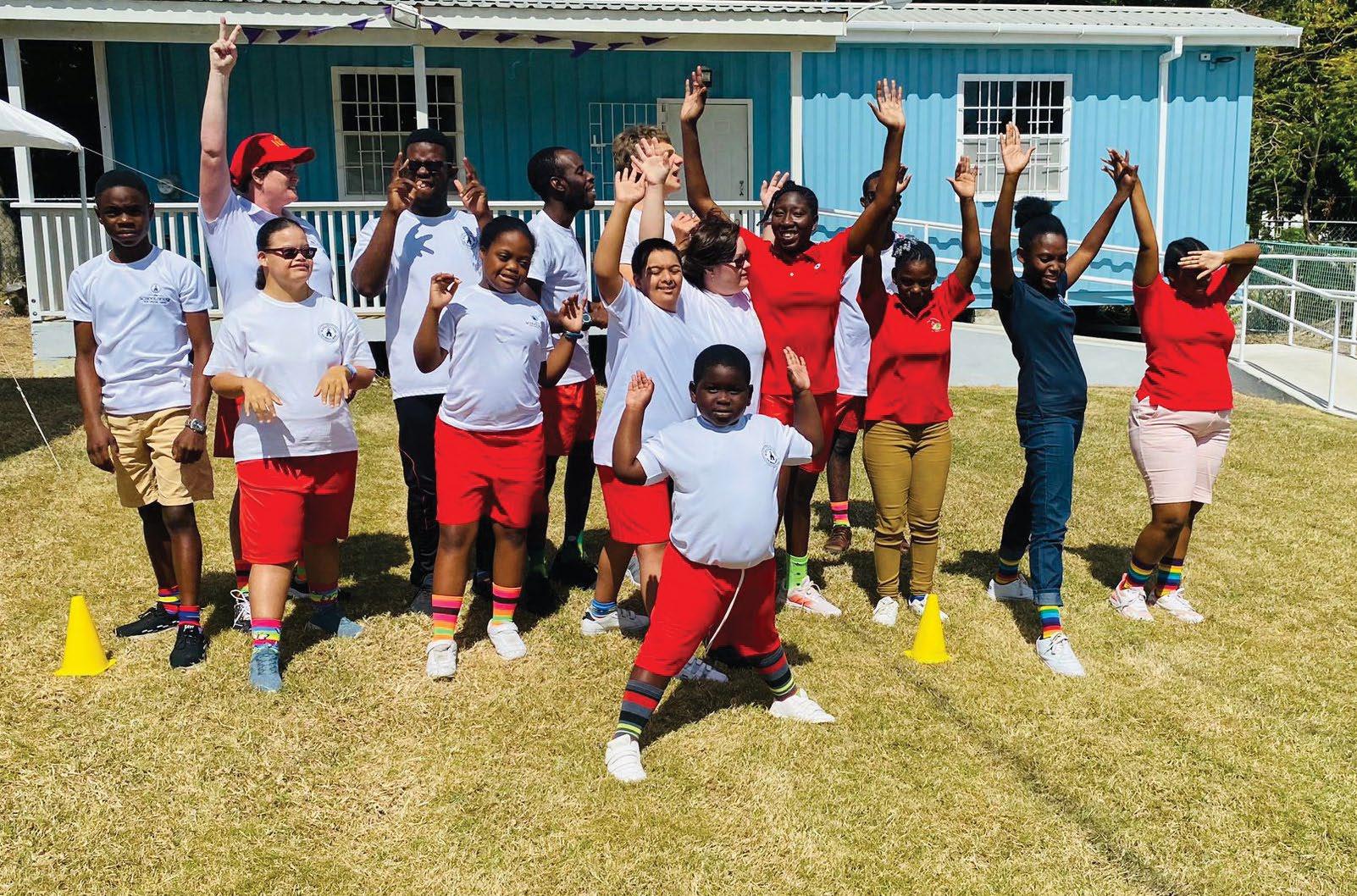
For almost 30 years, Diamonds International has demonstrated that corporate responsibility can deliver both community impact and national development. While the company is known for diamond jewellery, luxury brands and watches, its sustained investment in youth, health, and sports has reshaped lives across Barbados.
Through two major charity golf tournaments – the Substance Abuse Foundation Charity Golf Tournament and the Diamonds International x Rotary Club of Barbados West Charity Golf Classic – more than BDS $6 million has been raised for local causes. Funds have:
• Supported rehabilitation and recovery services at Verdun House and Marina House
• Modernised critical care facilities at the Queen Elizabeth Hospital
• Enabled breakfast programmes and specialised teacher training for schools
• Provided early-intervention support for at-risk youth
• Delivered hearing aids and financial literacy education for vulnerable families.
“Our focus is on initiatives that deliver real and lasting value,” says Jacob Hassid, Managing Director, Diamonds International. “When business, sport, and community come together, everyone wins.”
Diamonds International recognises sport as both an economic driver for Barbados and a path for young people to excel. Its sponsorship of
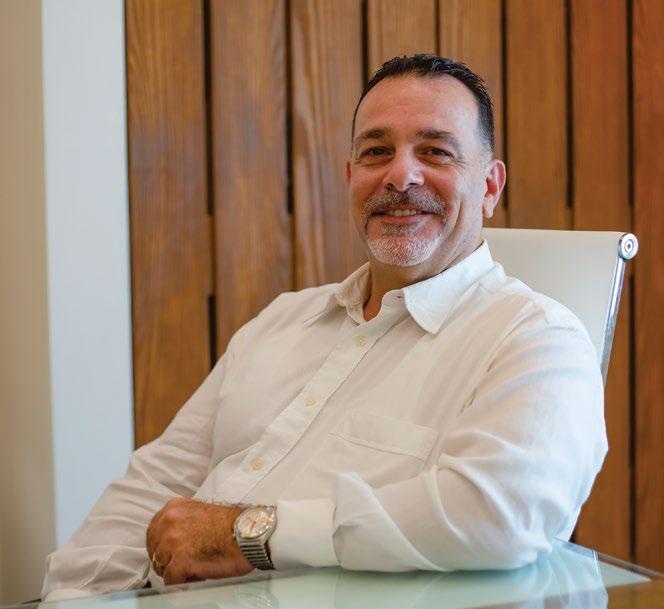

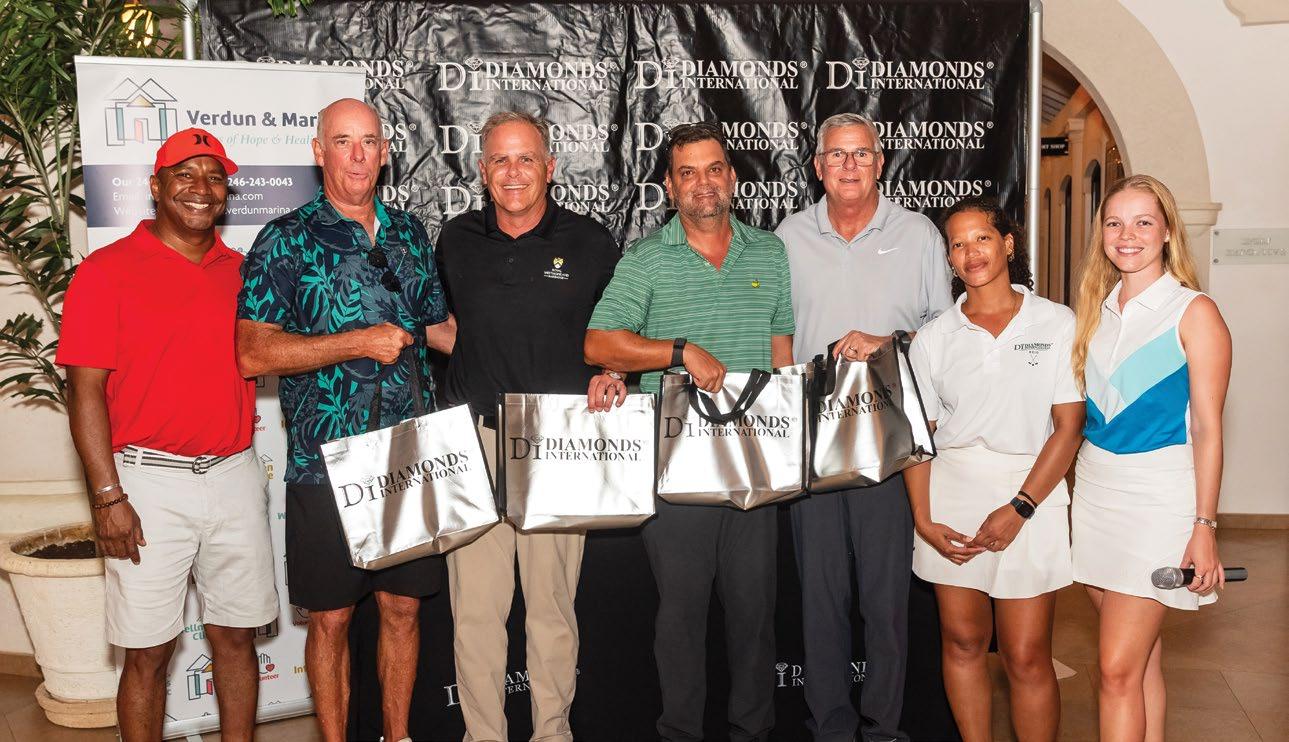
the Barbados Surf Pro has elevated the island’s profile on the World Surf League circuit. The event draws hundreds to Barbados each year with thousands following online and through social media, and gives local surfers the opportunity to compete in an international event at home.
The company is also a longtime supporter of local polo and horseracing, with the annual Diamonds International Boxing Day at The Races – a longstanding holiday tradition for both visitors and locals. This support boosts employment and positions Barbados as a premier sports tourism destination.
In 2025, Diamonds International was honoured by the National Sports Council for its “outstanding contribution to sports and community development”recognition of its long-term commitment to building a healthier, more inclusive society.
“At Diamonds International, our success is tied to the wellbeing of the communities we serve,” says Hassid.
“We are proud to contribute to Barbados’ future - on the field, in the classroom, and throughout the community.”
Our Fast Facts Guide is independently checked and verified each year by EY Management Ltd. All the information in this guide has been carefully collected and prepared, but it remains subject to change and correction. Use these contents for general guidance only and seek assistance from a professional advisor regarding specific matters.
Location
Barbados, the most easterly of the Caribbean islands, is located to the east of the Windward islands and 460km (285.7 miles) northwest of Venezuela. By air it is about 4.5 hours from New York, 5 hours from Toronto and 8 hours from London. The island’s geographic location makes it very convenient for doing business with North America.
The topography is relatively flat and composed mostly of coral. The highest point on the island is Mount Hillaby, at 336m (1,104 ft) above sea level. Barbados has lovely sandy beaches and a pleasant tropical climate that attracts visitors and investors alike. The average daytime temperature ranges between 84-86 degrees Fahrenheit (29-30 degrees Celsius). Barbados has used these resources effectively to develop a viable tourist industry, which now serves as the base for a stable and buoyant economy.
Settled in 1627 by the British, Barbados remained a British colony until its independence on November 30, 1966. A voluntary member of the British Commonwealth, Barbados’ constitution is based on the British style of parliamentary democracy, with elections being held every five years. The island has one of the oldest Westminster-style Parliaments in the western hemisphere, which has been in existence for over 375 years. Barbados has two houses of Parliament, a Senate and a House of Assembly. Barbados became a republic on 30 November 2021. The President is Head of State while executive authority is vested in the Prime Minister and Cabinet who are collectively responsible to Parliament.
The legal system is derived from English common law and statutes. The courts administer the laws of Barbados, which consist solely of local legislation. The judicial system comprises lower Magistrates Courts and the Supreme Court, which includes a Court of Appeal and a High Court. The Attorney General is responsible for the administration of the legal and judicial system. In February of 2001, the Heads of Government of the Caribbean Community signed an agreement to form a Caribbean Court of Justice (CCJ). The inauguration ceremony took place on April 16, 2005. At present, final appeal from Barbadian courts is to the CCJ, which is based in Trinidad. Prior to 2005, final appeal was to the Privy Council in England.
The resident population of Barbados is estimated at 263,900 as at September 2024. The ethnic mix consists of 93% of African descent, 3.2% European, 2.6% of mixed race and 1% East Indian. The population density is high, with 85% of the population living in urban areas.
Barbados’ high standard of education has produced an easily-trained workforce, with an adequate supply of professional as well as skilled and unskilled labour. As of June 2025, the labour force was estimated at 135,700.
The weekly working hours for office personnel vary between 35 to 40 hours, while a 40-hour work week is normal for manual workers. Work undertaken in excess of the basic work week and during public holidays normally attracts premium rates of pay.
Several pieces of legislation are in place to govern labour relations including the Employment Rights Act, the Severance Payments Act and the Holidays with Pay Act. The National Insurance and Social Security Act provides medical assistance for employees in the event of illness, maternity leave and accidents. It also makes provision for unemployment, disability and pension benefits. For further information visit www.nis.gov.bb.
The labour movement is represented by four major unions. There have been few work stoppages in recent years, primarily due to the existence of good labour relations.
Barbados has twelve paid public holidays. In addition, all workers have a statutory right to twelve weeks of maternity leave and three weeks of annual vacation with pay, which increases to four weeks after the fifth year of steady employment.
THE 2026 PUBLIC HOLIDAYS:
New Year’s Day – January 1
Errol Barrow Day – January 21
Good Friday – April 3
Easter Monday – April 6
National Heroes Day – April 28
May Day / Labour Day – May 1
Whit Monday – May 25
Emancipation Day – August 1
Kadooment Day – August 3
Independence Day – November 30
Christmas Day – December 25
Boxing Day – December 26
The Barbados educational system is modelled after the British system and is considered to provide one of the highest standards of education in the English Caribbean. The educational system ranges from pre-school to university. School is compulsory up to age 16 and government schools are free at the primary and secondary levels. Educational institutions at the post-secondary level include colleges, a university, vocational and technical training schools. There are also special schools for the mentally and physically disabled.
Health
Barbados is recognised as having the most modern medical facilities in the Eastern Caribbean. The life expectancy at birth is 75.83 years for males and 79.73 years for females.
Medical services are provided by two major hospitals and several wellequipped clinics, health centres and nursing homes. The government-run 600-bed Queen Elizabeth Hospital provides several specialist services along with a 24-hour casualty service. The second major hospital, Bayview Hospital, is a private health facility that also provides a variety of medical services. Bayview Hospital has opened a 24-hour medical services and treatment center, Bayview Urgent Care.
Queen Elizabeth Hospital - (246) 436-6450
Bayview Hospital - (246) 436-5446
Bayview Urgent Care – (246) 433-9999
FMH Emergency Medical Clinic - (246) 228-6120
Sandy Crest Medical Centre - (246) 419-4911
Coverley Medical Centre - (246) 627-1000
Urgent Care – (246) 538-3838
Island Care Ambulance - (246) 537-9425 or (246) 537-9315
Barbados has a market-based economy with both the private and public sectors actively involved in determining the goods and services made available to consumers. The Barbadian economy has diversified over the last five decades, with emphasis shifting from agriculture towards the provision of services. The economy is driven primarily by the following sectors: tourism, business, financial and general services, agriculture, and manufacturing.
Tourism
Tourism provides the main source of foreign exchange, economic activity,
and employment. The major elements of Barbados’ tourism product are its solid historical and cultural legacy, varied entertainment, and its natural physical attributes. The four major markets for the Barbados tourist industry are the UK, USA, Continental Europe, and Canada.
Accommodation facilities in Barbados include a wide range of hotels, apartments, luxury villas, cottages, and beach houses. Barbados receives just over one million visitors per year, with cruise ship arrivals narrowly surpassing long-stay arrivals in recent years.
Competitive tax rates, double taxation agreements and exchange of information treaties, have provided Barbados with an ideal environment for its development into a major global business and financial services centre. The key components of this sector are the banking and financial institutions and other global services and trading businesses.
The manufacturing sector comprises mainly of light industry which includes the production of cement blocks, clay tiles, garments and textiles, paint, paper products, furniture, electronic components, chemicals, pharmaceutical products, edible oils, soap, and food products.
Sugar continues to be the principal agricultural product. Most of the sugar produced is sold to the European Community at a guaranteed price. Other products from this sector include root crops, vegetables, dairy products, chicken, and fish.
The Central Bank of Barbados is the main regulatory financial institution in Barbados, and is responsible for formulating, in association with Government, monetary and fiscal policies to assist with local economic development.
Barbados has taken advantage of the expansion in global business, in particular the financial services sector that is now the country’s second major foreign exchange earner. A robust telecommunications infrastructure, a well-trained and English-speaking workforce, and a stable political environment give the country an additional advantage over other, similar destinations. Barbados has also done well from the increased scrutiny and regulation of financial services by international organizations such as the Organization of Economic Cooperation and Development (OECD).
In addition to the above, a number of key factors help keep Barbados relatable to the North American market, thereby increasing opportunities to drive capital into the country. These include an exchange rate tied to the U.S dollar and a roster of regular flights to key North American business centres including Miami, New York, and Toronto.
The Barbados Securities Exchange was established in June 1987 to create a market to promote trading in financial securities and to encourage investment by the public in business enterprises. Since 2001 this organization became known as the Barbados Stock Exchange.
A company wishing to be listed on the exchange must meet certain criteria established by the Exchange, after which it must submit a prospectus compliant with both the Companies and Securities legislation of Barbados for review. A new Securities Act was passed in 2001 to facilitate the establishment of a securities commission with better provision for the regulation of the securities market, the capital market and investors.
Currently there are over 13 listed securities on the regular market on the Barbados Stock Exchange including cross-listed securities belonging to issuers from within CARICOM. There are six companies listed on the International Securities Market. Mutual funds are reported and captured on the Exchange. The Securities Exchanges of Barbados, Trinidad & Tobago and Jamaica work closely together, and nationals are eligible to cross trade in each market.
Mutual funds in Barbados are governed by the Mutual Funds Act of 2002. The Act stipulates that authorised Mutual Fund operators require a licence to operate in Barbados and must have a registered office in Barbados.
The Barbados Stock Exchange is responsible for the regulation of both domestic and foreign mutual funds. Exempt or foreign mutual funds can conduct business in Barbados provided they are registered with the Barbados Stock Exchange and have paid an annual registration fee. The minimum number of shares that can be purchased by a prospective investor must be BB$100 (US$50) or its equivalent in any currency. Local investors are also exempt from stamp duty and property transfer tax with respect to transactions involving the ownership or transfer of shares.
The Government has a liberal policy toward foreign exchange controls and is committed to moving towards the elimination of all foreign exchange controls. The Exchange Control Act of Barbados provides for:
• Registration and repatriation of foreign investment.
• Remittance of dividends, profits, interest, and rentals from real estate to non-residents.
• Transfer of land and buildings situated in Barbados.
It is possible to buy foreign currency directly from the commercial banks however the Government, through the Central Bank, has imposed limits on the amount of foreign transactions available to residents and nonresidents. A 2% foreign exchange fee is charged on purchases of foreign currency and payments related to foreign currency transactions, provided the transaction is not made from a foreign currency account. Residents are allowed US$10,000 for personal travel, and a higher limit for business travel. Foreign nationals working in Barbados may operate an external account, which can be credited with foreign currency from specific sources, provided that they are not classified as residents.
The Government is seeking to liberalize the Exchange Control regime with a phased approach. As a part of this process, in August 2019 the Central Bank of Barbados issued guidance allowing all resident individuals and companies to open foreign currency denominated bank accounts locally, and to hold foreign currency which they have earned in Barbados or abroad.
The Barbados Companies Act, which came into effect in 1985, is modelled on the Canada Business Corporations Act. The procedure for incorporating a company is simple and efficient. A company can be established by either residents or non-residents without a license or other authorisation, unless one is seeking to obtain a Foreign Currency Permit or intends to become licensed as an insurance company or financial institution. There is a minimum of one director required. The names and addresses of the directors must be filed at the Corporate Registry. There is no limit on the amount of authorised share capital and shares are without par value. A company can carry on any type of legal activity, unless its articles of incorporation specifically provide otherwise.
The Government has established a separate Ministry to facilitate the development and expansion of the global business sector.
In addition to incorporated entities, people can organize another legal entity known as the Society with Restricted Liability (SRL). While not a “company” the SRL has many characteristics similar to the limited liability company.
An SRL has the characteristics set out below:
• Limited liability
• Perpetual duration
• The rights, powers and privileges of an individual
• Stipulation that the transfer of quotas in a society will not confer on the transferee the right to become a member or participate in the management of the society without the written consent of all the members.
Beginning in October of 2017 the OECD, through its Forum on Harmful Tax Practices (FHTP) required Barbados to revise its tax regime in several ways. In addition to abolishing the special incentive vehicles previously offered to conduct exclusively offshore business, there have been requirements to implement economic substance requirements as a result of the reduction of the country’s standard domestic corporation tax rate.
The Companies (Economic Substance) Act (“The Act”) took effect from 1 January 2019. The Act and its accompanying guidelines require a resident entity that earns income from carrying on relevant activities (see list below) to satisfy an economic substance test in relation to that activity. Note that these economic substance rules took effect for grandfathered international entities (e.g., IBCs and ISRLs) on 1 January 2021.
In order to meet the economic substance requirements, entities, including a partnership formed in Barbados which is carrying on one or more relevant activities, will be required to show that, for each relevant activity that it carries on, the core income generating activities of the entity are conducted in Barbados and the company is directed, managed and controlled in Barbados in relation to that activity. This takes into account various factors such as the number of employees, premises used in the business, etc.
Entities that conduct relevant activities must demonstrate compliance by filing an annual economic substance declaration with the Ministry of International Business. Entities that do not conduct relevant activities are not required to comply with the legislation but are however required to file a declaration which is limited to confirming that the entity conducts no relevant activities.
The list of relevant activities currently includes:
• banking business
• insurance business
• fund management business
• finance and leasing business
• headquarters business
• shipping business
• holding company business
• intellectual property holding business
• distribution and service centre business
• such other activities as may be prescribed
During Global Business Week 2025, Senator Lisa Cummins of the Ministry of Energy and Business, indicated that the [new] Economic Substance Bill is undergoing consultation and changes to the Act are underway. At the time of completing this guide, no changes had been made.
Effective 1 January 2019 all entities which earn 100% of their income in foreign currency are entitled to receive a Foreign Currency Permit (FCP) allowing them the following benefits where certain requirements are met:
• Exemption from exchange control
• Exemption from payment of ad valorem stamp duty and property transfer tax
• Exemption from payment of value added tax and duties on importation of plant, machinery and raw materials
• Income tax concessions for specifically qualified individuals TAXATION
Companies and individuals who are resident and domiciled in Barbados for tax purposes are subject to income tax on their worldwide income whether or not the income is remitted to Barbados. People who are resident but not domiciled in Barbados are taxed on their income derived from Barbados and on any overseas income remitted to (or from which a benefit is received in) Barbados. Non-residents are taxed only on income derived from Barbados.
On 24 May 2024 the Income Tax (Amendment and Validation) Act, 2024 and the Corporation Top-Up Tax Act, 2024-16 was enacted, effecting the following corporate tax changes:
The standard corporation tax rate has been increased to 9% with effect from income year 2024, commencing 1 January 2024.
International shipping entities will be subject to tax at the graduated rates below:
The graduated rates above are applicable to some in-scope MNEs1 in income year 2024, with the corporate tax rate of 9% being applicable to all companies in 2025.
In addition, a company that is registered as a small business under the Small Business Development Act and has a gross income below USD$1 million will be subject to a corporate tax rate of 5.5%.
Insurance companies continue to be taxed in accordance with the table illustrated below based on the Class of licence which the company obtains.
Barbados has joined the two-pillar plan to reform international taxation rules. Under Pillar 2, the inclusive framework members have agreed to introduce a global minimum corporate tax rate of 15%, and Global Anti-Base Erosion (GloBE) rules provide for a coordinated system of taxation intended to ensure that MNEs with global revenue exceeding EUR750 million pay a fair share of tax in each of the jurisdictions where they operate. It does so by imposing a top-up tax on profits arising in a jurisdiction whenever the effective tax rate, determined on a jurisdictional basis, is below the minimum rate. The GloBE rules are not mandatory but have been agreed to as a “common approach.” This means that jurisdictions are not required to adopt the GloBE rules, but if they choose to do so, they agree to implement and administer them in a way that is consistent with the agreed outcomes set out under those rules. Even if they do not implement the rules, agreement on a common approach means that one jurisdiction accepts the application of the GloBE rules by another with respect to MNEs operating in their jurisdiction. Other provisions of the corporation tax regime in compliance with Pillar Two as follows:
1. From Income Year 2024, with effect from 1 January 2024, Barbados imposed a Qualifying Domestic Minimum Top-Up Tax which brings the effective tax rate applicable to in-scope multinational enterprises to 15%.
2. There are qualifying refundable credits available including a “Qualified Job Credit” and a “Research and Development Credit”.
3. From 1 January 2024, in-scope multinationals transitioned to a tax prepayment system which require monthly prepayments. Remaining entities with the exception of qualifying “small businesses” will move to this system of monthly prepayments from 1 January 2025.
are subject to income tax at the rate of 12.5% on taxable income up to and including US$25,000, and 28.5% on taxable income exceeding US$25,000. Resident individuals earn the first US$12,500 (and
first US$ 22,500 in case of individuals 60 years of age or over and in receipt of a pension) of their annual income tax free as personal allowance.
Property transfer tax applies to the transfer of property situated in Barbados at a rate of 2.5%. This includes real estate as well as certain leasehold interests and shares. Stamp duty is also payable on instruments executed in Barbados, which relate to any property situated in Barbados or to any matter or thing done or to be done in Barbados. Generally, stamp duty at the rate of approximately 1% is applied to instruments executing the sale of real estate.
There are no capital gains taxes levied in Barbados, and gift, inheritance, and estate taxes are not applicable.
Barbados introduced a value-added tax on January 1, 1997. Generally, value-added tax is levied at the rate of 17.5% on all goods and services supplied in Barbados, and on goods imported into Barbados. However, there is provision for specific zero-rated and exempt goods and services that do not attract the value-added tax. VAT is included in the final price the consumer pays for goods and services. Effective 1 January 2020 the VAT rate for hotel accommodation and certain supplies related to tourism, increased from 7. 5% to 10%. Additionally, the supply of mobile services of voice, data, and text messaging attracts an enhanced VAT rate of 22%.
In 2019 The Value Added Tax Act was amended to apply VAT to online purchases from overseas vendors where the good or service purchased will be consumed in Barbados. Effective 1 December 2019 these overseas vendors are required to charge and collect VAT and remit it to the Barbados Revenue Authority by 21 January, April, July and October of each year. Official guidance on the application of this process has not yet been issued by the Barbados Revenue Authority.
In July 2018, a room rate levy was imposed on all tourist accommodation including apartments, guest houses, hotels, vacation rental properties and villas.
Effective April 1, 2019, the room rate levy is as outlined below:
Barbados has entered into Double Taxation Agreements (DTAs) and bilateral investment treaties with the countries as indicated in the table below.
Austria Italy* Seychelles
Bahrain Luxembourg Singapore
Botswana Malta Slovak Republic
Canada* Mauritius* Spain
CARICOM Mexico Sweden
China Mainland* Netherlands Switzerland*
Cuba* Panama United Arab Emirates
Cyprus Portugal United States
Czech Republic Qatar United Kingdom*
Finland Rwanda Venezuela*
Iceland San Marino
TThe Barbados/Slovak Republic DTA was signed on 28 October 2015. Barbados and the Slovak Republic have completed their ratification procedures. Barbados is awaiting official notification from the Slovak Republic on the determination of the date for entry into force of the Agreement.
The Protocol to the Barbados/Republic of Mauritius DTA was signed on 6 December 2017. Barbados and Mauritius have completed their ratification procedures. Barbados is awaiting official notification from Mauritius on the determination of the date for entry into force of the Agreement.
Awaiting ratification
Two (2) DTAs and one Protocol await ratification and are outlined below:
The Protocol to the Barbados/Botswana DTA. This was signed on 4 September 2014. Barbados has completed its ratification procedures and awaits official notification from Botswana on the status of its ratification procedures.
The Barbados/Kenya DTA was signed on 11 December 2019 and is awaiting ratification.
The Republic of Ghana did not complete the ratification process of the 2008 signed agreement and has asked to negotiate a new DTA.
Awaiting signature
Four (4) initialled DTAs with Malaysia, Belgium and Vietnam and Curacao are awaiting signature.
In January 2018, Barbados signed on to the Multilateral Convention to Implement Tax Treaty Related Measures to Prevent Base Erosion and Profit Sharing (MLI). Barbados has deposited its Instrument of Ratification for the Multilateral BEPS Convention which has entered into force on 1 April 2021.
A 10% Shared Accommodation Levy also applies to all fees charged for shared accommodation by providers of such (e.g. AirBnB, Home Away, and others).
Product Development Levy
In July 2018, a product development levy was introduced and applied to direct tourism services. Effective 1 April, 2019 the levy is applied at the rate of 3.75% of the cost of the Direct Tourism Service.
Countries indicated with an asterisk (*) above are also signatories of a Bilateral Investment Treaty (BIT) with Barbados. This combination of double taxation, investment treaties and tax incentives make Barbados unique within the Caribbean and particularly attractive to foreign investors.
As indicated in the previous table, in addition to its extensive network of DTAs, Barbados also has BITs with several important jurisdictions. These BITs provide benefits and protections for cross border investments including:
• Investment promotion and protection
• Provision of compensation for losses
• The granting of most-favoured nation and national treatment provisions
• Protection from unfair expropriation and nationalisation of investment
• Procedures for the fair and equitable settlement of disputes arising
• Procedures for the timely repatriation of investment and returns
• Procedures for prompt transfer of funds
• Subrogation.
Note that Barbados has also entered into a BIT with Germany. BITs are also pending with Luxembourg and is awaiting ratification.
Special trading arrangements have been entered into with other jurisdictions. These can be summarised as follows:
Allows products manufactured in Barbados and other CARICOM member states to be exported among member countries free of customs duty, provided all qualifying conditions are met. In addition, CARICOM has already signed or is currently negotiating trade agreements with the Bahamas, Colombia, Costa Rica, Cuba, Dominican Republic, and Venezuela.
Economic Partnership Agreement
Among other things this agreement removes all quotas and tariffs from Caribbean exports to the EU, with the exception of sugar and rice, both of which will be liberalized over time. The EU has also agreed to open up new markets for Caribbean companies and professionals offering services to Europe, and to permit young services professionals to gain work experience in the European market.
Caribbean countries which are signatory to the agreement have agreed to gradually open their markets to European exports over the next 25 years.
Caribbean Basin Trade Partnership Act (CBTPA)
Duty free export of some products to the USA market. CaribCan (Caribbean-Canada)
Duty free export of some products from the Commonwealth Caribbean into the Canadian market.
Buying and selling property in Barbados
There is no restriction on the purchase of property in Barbados by persons who are not citizens or permanent residents. These funds must be registered with the Central Bank of Barbados and the permission of the Exchange Control Authority obtained for the sale or purchase of property by a non-resident whether such non-resident is a Barbadian citizen or not.
The sale of property by all persons including citizens or permanent residents is subject to a property transfer tax of 2.5% plus approximately 1% stamp duty. However, the first US$75,000 of the sale proceeds is exempt from Property Transfer Tax provided that there is a building on the property. Attorney’s fees for both the seller and the purchaser are on a sliding scale generally ranging between 1% and 2% depending the sale price of the real estate.
Note that this is only the minimum fee that may be charged.
Note that in the case of registered land the minimum fee for the sale of
depending on if acting for vendor or purchaser. However, the vast majority land on the island is not registered as yet.
The real estate agent’s commission fees are normally 5% of the sale. Both fees are subject to 17.5% VAT. A deposit of 10% is typically due upon the signing of the purchase agreement with the balance payable on completion of the purchase.
Electricity
Barbados has a reliable supply of electricity. The domestic and commercial supply voltage in major residential areas and in all new developments is 115/230 volts at 50Hz. In Bridgetown and some other areas, the supply voltage is 115/200volts at 50Hz.
The Barbados Water Authority, a Government statutory corporation, is the sole provider of water services. Water service can be connected within 48 to 72 hours. A monthly payment for continued service is based on a meter system, with garbage and sewage contribution fees also being collected on this monthly bill. The water service in Barbados is reliable and tap water is safe to drink.
Barbados is equipped with a modern telecommunications infrastructure with the latest in digital technology and fibre optics systems including international direct dialling, facsimile transfer and satellite telecommunications which allows for the efficient transmission of electronic data. Internet and e-mail services, as well as express mail and courier delivery, are also available.
Local cell-phone operators are divisions of international telecommunications providers with service offerings that the global business traveller has come to expect, such as the ability to easily roam and the availability of high-speed 3G and 4G data networks island-wide. The International direct distance dialling code for Barbados is (1-246), followed by a seven-digit local number.
Barbados has an extensive road system of about 1,475 km of paved roads. Highways link the north and south of the island, as well as the west coast and the airport on the south-east coast.
The Grantley Adams International Airport, located about 15 minutes from the capital city Bridgetown, plays an important role as a vital centre and link for international air traffic in the Eastern Caribbean. The main passenger terminal handles in excess of 2 million passengers each year and has been upgraded to accommodate increases in traffic. There are three FBO facilities offering services to private jets.
Barbados has one of the most modern ports in the Caribbean with both a deep-water harbour and a shallow draught facility. There are regular freight sailings to North America, Europe, and the Caribbean. The Bridgetown port is well equipped with container-handling and berth facilities for oceangoing freighters and passenger vessels, including major luxury liners and has undergone recent upgrading to expand its berth and customs facilities. The port has won awards for the most improved port facility and the most receptive destination.
registered land is 2/3 or 1/3 of the cost for a normal conveyance (above)
Barbados has non-stop daily scheduled airline services to major business hubs including New York, Miami, Toronto, London and the Caribbean islands. There are also regular non-stop scheduled airline services to other major markets including Frankfurt, Charlotte and Panama. Airlines that fly to Barbados include American Airlines, Air Canada,
British Airways, Caribbean Airlines, Copa Airlines, Jet Blue, Virgin Atlantic, West Jet, Lufthansa, Intercaribbean Airways and several charter flights companies. The Ministry of Tourism has been working on increasing airlift to the island including the introduction of new airlines such as KLM and Aer Lingus and return of some old ones such as West Jet. Airlines including American Airlines, JetBlue and Air Canada have expanded flight services to Barbados.
The Barbados Immigration Act allows non-citizens to work on the island only if they have been granted a work permit. Certain CARICOM skilled nationals may live and work in Barbados without a work permit. The person has to possess a degree, diploma or professional accreditation and an offer of employment or plan to undertake employment as a self-employed person. There are no statutory restrictions on the number of foreign employees on the payroll of a company at any time. Foreign workers contribute to and are entitled to social security benefits on the same basis as Barbadian nationals. A work permit is usually processed in about six to eight weeks.
The forms and list of required documentation is available from the Immigration Department in Bridgetown.
Barbados offers Special Entry and Reside Permits (SERPs) to enter and reside in Barbados with little or no restrictions. These SERPs may either be granted for an indefinite period or for a fixed period, depending on the particular category the individual falls under.
Barbados introduced a free movement agreement with Belize, Dominica and St. Vincent and the Grenadines effective 1 October 2025. Nationals of these countries may now reside and work in Barbados, indefinitely, without a visa, CARICOM Single Market and Economy (CSME) skills certificate, or work permit. The agreement also extends entry rights to dependents, spouses, dependent children and wholly dependent parents, who gain access to public services, including healthcare, education and other social benefits.
On 30 June 2020 the Barbados Government introduced the Barbados Welcome Stamp. This is a remote work initiative which allows non-nationals employed outside of Barbados to work remotely from Barbados without the need to obtain a work permit. Applications for the initiative are made online. After the application is approved and the requisite fee is paid, the applicant and their spouse and dependents can live and work in Barbados for a maximum of 12 months.
Suitable applicants must have a valid passport and health insurance and earn a minimum annual income of US$50,000 from a source outside of Barbados. Additionally, the applicant and their family cannot take up employment in Barbados other than the employment sanctioned by the Welcome Stamp.
Welcome stamp residents are not deemed to be tax resident. Additionally, although the Stamp expires after 12 months, there is an option to renew.
A valid passport is required by all visitors to Barbados. All visitors are required to have onward or return tickets. Citizens of certain countries will require a visa to visit Barbados. Contact your nearest Barbados Tourism Authority office, one of the Invest Barbados offices or visit https:// immigration.gov.bb/pages/Visa_Requirements.aspx for further information. Visas are not required for passengers on cruise ships subject to certain exceptions.
Ministry of Agriculture and Food and Nutritional Security
Graeme Hall, Christ Church, Barbados
Tel: (246) 535-5100
Fax: (246) 535-5257 / 5258
Email: minister@agriculture.gov.bb Website: agriculture.gov.bb
Ministry of Education, Technological and Vocational Training
Elsie Payne Complex, Constitution Road, St. Michael, Barbados
PBX: (246) 535-0600
Fax: (246) 436-2411
Email: info@mes.gov.bb Website: mes.gov.bb
Ministry of Energy & Business Development
Trinity Business Centre, Country Road, St. Michael, Barbados
Tel: (246) 535-2500
Email: info@energy.gov.bb
Websites: energy.gov.bb / smartenergybarbados.com
Ministry of Environment and National Beautification
10th Floor Warrens Tower II, Warrens, St. Michael, BB1200, Barbados
Phone: 1 (246) 535-4350
Fax: 1 (246) 535-4377
Email: ps.menb@barbados.gov.bb
Ministry of Finance, Economic Affairs & Investment
Government Headquarters, Bay Street, St. Michael, Barbados
Tel: (246) 535-5300
Fax: (246) 535-5344
Website: bdsfinance.gov.bb
Ministry of Foreign Affairs & Foreign Trade
1 Culloden Road, St. Michael, Barbados, BB14018
Tel: (246) 535-6620
Fax: (246) 429-6652
Email: barbados@foreign.gov.bb Website: foreign.gov.bb
Ministry of Health & Wellness
Frank Walcott Building, Culloden Road, St. Michael, Barbados
Tel: (246) 536-3800
Email: ps-secretary@health.gov.bb Website: health.gov.bb
Ministry of Home Affairs and Information
Ground Floor Jones Building, Webster Business Park, Wildey, St. Michael, Barbados
Email: homeaffairs@mha.gov.bb
Tel: (246) 535-7260
Fax: (246) 535-7286
Ministry of Housing, Lands and Maintenance
National Housing Corporation, Country Road, St. Michael, Barbados
Email: pshousing@barbados.gov.bb
Tel: (246) 536-5000
Ministry of Industry, Innovation, Science & Technology
4th Floor Baobab Tower, Warrens, St. Michael, Barbados
Tel: (246) 535-1200/1201/1202
Fax: (246) 535-1284
Email: psmist@barbados.gov.bb
Ministry of Labour, Social Security and Third Sector
3rd Floor West Wing, Warrens Office Complex, Warrens, St. Michael, Barbados
Tel: (246) 535-1400
Fax: (246) 425-0266
Email: ps@labour.gov.bb
Website: labour.gov.bb
Ministry of People Empowerment and Elder Affairs
4th Floor Warrens Office Complex, Warrens, St. Michael, Barbados
Tel: (246) 535-1600/1/2/3
Fax: (246) 535-1694
Email: socialcare@barbados.gov.bb / ps.people@barbados.gov.bb
Website: socialcare.gov.bb
Ministry of the Public Service
E. Humphrey Walcott Building, Cnr. Collymore Rock and Culloden Road, St. Michael, Barbados
Tel: (246) 535-4500
Email: PRC@mps.gov.bb
Website: mps.gov.bb
Ministry of Tourism & International Transport
Tourism: Lloyd Erskine Sandiford Centre, Two Mile Hill, St. Michael, Barbados
International Transport: 8th Floor Baobab Tower, Warrens, St. Michael, Barbados
Tel: (246) 535-7500
Fax: (246) 436-4828
Website: gov.bb/Ministries/tourism
Ministry of Transport, Works and Water Resources
Pine East/West Boulevard, The Pine, St. Michael, Barbados
Tel: (246) 536-0000
Fax: (246) 536-8133
Email: psmtwm@barbados.gov.bb
Website: mtw.gov.bb
Ministry of Youth, Sports and Community Empowerment
Sky Mall, Haggatt Hall, St. Michael, Barbados
Tel: (246) 535-3835
Email: ps.mysce@barbados.gov.bb
Office of the Attorney General & Legal Affairs
Jones Building, Webster’s Business Park, Wildey, St. Michael, Barbados
Tel: (246) 535-0467
Fax: (246) 535-0559
Email: ps@oag.gov.bb
Website: oag.gov.bb
Prime Minister’s Office
Government Headquarters, Bay Street, St. Michael, Barbados
Tel: (246) 535-5300
Fax: (246) 535-5659
Email: pspmo@barbados.gov.bb
GOVERNMENT CORPORATIONS, DEPTS. & STATUTORY BODIES
Barbados Investment & Development Corporation
Export Barbados
Pelican House, Princess Alice Highway, Bridgetown, St. Michael, Barbados, BB11000
Tel: (246) 427-5350
Fax: (246) 426-7802
Email: bidc@bidc.org
Website: exportbarbados.org
Barbados Port Inc.
University Row, Bridgetown, St. Michael, Barbados
Tel: (246) 434-6100
Fax (246) 429-5348
Email: administrator@barbadosport.com
Website: barbadosport.com
Barbados Revenue Authority
4th Floor Weymouth Corporate Centre, Roebuck Street, St. Michael, Barbados
Tel: (246) 429-3829
Fax: (246) 535-8075
Email: bramail@bra.gov.bb
Website: bra.gov.bb
Barbados Tourism Investment Inc.
Ground Floor, Old Town Hall Building, Cheapside, Bridgetown, St. Michael
BB11142, Barbados
Tel: (246) 426-7085
Fax: (246) 426-7086
Email: btii@tourisminvest.com.bb Website: barbadostourisminvestment.com
Barbados Tourism Marketing Inc.
2nd Floor, One Barbados Place, Warrens, St. Michael, Barbados
Tel: (246) 535-3700
Fax: (246) 535-3799
Email: btmiinfo@visitbarbados.org Website: corporate.visitbarbados.org
Barbados Tourism Product Authority
1st Floor, One Barbados Place, Warrens, St. Michael, Barbados
Tel: (246) 535-3700/467-3600
Fax: (246) 535-3799
Email: btpainfo@visitbarbados.org Website: visitbarbados.org
Business Barbados +1 (246) 535-2101
evolve@businessbarbados.gov.bb businessbarbados.gov.bb
Central Bank of Barbados
Tom Adams Financial Centre, Spry Street, Bridgetown, St. Michael, Barbados
Tel: (246) 436-6870
Fax: (246) 427-9559
Email: info@centralbank.org.bb Website: centralbank.org.bb
Corporate Affairs & Intellectual Property Office (CAIPO)
7th Floor, Baobab Towers, Warrens, St. Michael, Barbados
Tel: (246) 535-2401
Email: general@barbados.gov.bb Website: caipo.gov.bb
Customs & Excise Department
2nd Floor West Wing, Warrens Office Complex, Warrens, St. Michael, Barbados
Tel: (246) 535-8700 / 535-8701
Fax: (246) 421-2029
Email: comptroller@customs.gov.bb
Comptroller of Customs: owen.holder@customs.gov.bb Website: customs.gov.bb
Financial Services Commission
#34, Warrens Industrial Park, Warrens, St. Michael, Barbados
Tel: (246) 421-2142
Fax: (246) 421-2146
Email: info@fsc.gov.bb Website: fsc.gov.bb
Immigration Department
BTI Corporate Centre, Princess Alice Highway, Bridgetown, St. Michael, BB11093, Barbados
Tel: (246) 535-4100
Fax: (246) 535-4183
Email: immigration@barbados.gov.bb Website: immigration.gov.bb
Invest Barbados
Barbados Head Office
Trident Insurance Financial Centre, Hastings, Christ Church BB15156, Barbados
Tel (Local): (246) 626-2000
Tel (From Canada): 1-647-977-5996
Tel (From UK): +44 (0) 203-318-9036
Tel (From USA): 1-347-433-8942
Fax: (246) 626-2099
Email: info@investbarbados.org Website: investbarbados.org
Town & Country Development Planning Office
Ground Floor, West Wing, Warrens Office Complex, Warrens, St. Michael, Barbados
Tel: (246) 535-3000
Fax: (246) 535-3093
Website: townplanning.gov.bb
Embassy of Barbados – Belgium
166 Avenue Franklin D. Roosevelt, 1050 Brussels, Belgium
Tel: (011 322) 737-1170
Tel 2: (011 322) 7371171
Fax: (011 322) 732-3266
Email: brussels@foreign.gov.bb
Embassy of Barbados – Brazil
SHIS Q1 13 Conjunto 10 Casa 03, Lago Sul, Brasilia, D.F. Cep: 71 635 100, Brazil
Tel: (+55) (61) 3526-8310
Tel 2: (+55) (61) 3526-8210
Fax: (55 61) 3546-8310
Email: brasilia@foreign.gov.bb
High Commission of Barbados – Ottawa, Canada
55 Metcalfe Street, Suite 470 Ottawa, Ontario KIP6L5, Canada
Tel: 1 (613) 236-9517/8
Fax: 1 (613) 230-4362
Email: ottawa@foreign.gov.bb
Consulate-General of Barbados – Toronto, Canada
110 Sheppard Avenue East Suite 205 North York Ontario M2N 6Y8 Canada
Tel: (1 416) 214-9805
Fax: (1 416) 214-9815
Email: torontoinfo@foreign.gov.bb
Embassy of Barbados – China
Villa 09-02 Block A, Liang Ma Qiao
Diplomatic Compound, No. 22 Dong Fang
Dong Lu Chaoyang District 100600, Beijing, People’s Republic of China
Tel: 86 010 8532 5404
Tel 2: 86 010 13439791691
Fax: 86 010 8532 5437
Email: beijing@foreign.gov.bb
Embassy of Barbados – Havana, Cuba
Calle 18 # 715e / 7ma y 31 Miramar, Playa, La Habana, Cuba
Tel: (+53) 7 212-5894
Tel 2: (+53) 7 212-5895
Fax: (+53) 7 212-5897
Email: havana@foreign.gov.bb
Embassy of Barbados – Ghana
10 Klotey Crescent, Labone, Accra, Ghana
Tel: +233 59 699 2942
Email: accra@foreign.gov.bb
Embassy of Barbados – Ireland
5 Mount Street Upper, Dublin 2
Tel: (+353) 1903 6143
Email: dublin@foreign.gov.bb
High Commission for Barbados in Kenya
7th Floor, South Towers, Two Rivers Office Complex, Runda
Tel: +254 11 268-9665
Email: nairobi@foreign.gov.bb
Embassy of Barbados – Panama City, Panama
Ofc 22D, Oceania Business Plaza Torre 2000, Punta Pacifica Cuidad de Panama Panama
Tel: +(507) 6099-7071
Email: panamacity@foreign.gov.bb
High Commission for Barbados – United Kingdom
1 Great Russell Street, London WC1B 3ND, United Kingdom
Tel: (011 44 207) 299-7150
Tel 2: 0207 299 7150
Fax: (011 44 207) 323-6872
Email: london@foreign.gov.bb
Embassy of Barbados – Washington, DC, USA 2144 Wyoming Avenue N.W. Washington, D.C. 20008, USA
Tel: (1 202) 939-9200
Fax: (1 202) 332-7467
Email: washington@foreign.gov.bb
Consulate-General of Barbados – Miami, Florida, USA 2121 Ponce de Leon Blvd, Suite 1300 (PH), Coral Gables, Florida 33134, USA
Tel: (1 786) 515-1201
Fax: (1 305) 455-7975
Email: miami@foreign.gov.bb
Consulate-General of Barbados – New York 820 Second Avenue, 5th floor (Between 43rd and 44th Streets), New York, N.Y 10017, USA
Tel: (1 212) 551-4325
Fax: (646) 329-6591
Email: newyork@foreign.gov.bb
Embassy of Barbados – Caracas, Venezuela
Edificio Los Frailes, Oficina 501, Piso 5, Avenida Principal de Chuao Chuano, Caracas, Venezuela
Tel: (+58) 212-710-2180
Fax: (+58) 212 9910333
Email: caracas@foreign.gov.bb
Embassy of Barbados in Abu Dhabi, UAE
Villa #6, Salalah Street (Muroor Road)
Al Nahyan
Abu Dhabi
United Arab Emirates
Tel: +9715513113699
Email: abudhabi@foreign.gov.bb
Permanent Mission to the United Nations’ Office & Other International Organisations at Geneva, Switzerland
18 A Chemin Francois-LehMann, 1218 Grand Saconnex Geneva, Switzerland
Tel: (011 41 22) 791-8500
Fax: (011 41 22) 791-8509
Email: geneva@foreign.gov.bb
Permanent Mission of Barbados to the United Nations, New York, USA 820 Second Avenue, 9th Floor, (Between 43rd and 44th Streets), New York, NY 10017, USA
Tel: +1 (212) 551-4300
Fax: (1 212) 986-1030
Email: prun@foreign.gov.bb
BUSINESS ASSOCIATIONS
Barbados Bar Association
“Leeton”, Perry Gap Roebuck Street, St. Michael, Barbados
Tel: (246) 537-7316
Fax: (246) 538-1739
Email: admin@barbadosbarassociation.com
Website: barbadosbarassociation.com
Barbados Chamber of Commerce and Industry (BCCI)
Braemar Court, Deighton Road, St. Michael, Barbados
Tel: (246) 434-4750
Fax: (246) 228-2907
Email: bcci@barbadoschamber.com
Website: barbadoschamberofcommerce.com
Barbados Coalition of Service Industries (BCSI)
Unit 2B, Building #3, Harbour Industrial Estate, St. Michael, Barbados
Tel: (246) 429-5357
Fax: (246) 429-5352
Email: info@bcsi.org.bb Website: bcsi.org.bb
Barbados Estate Agents and Valuers Association Inc. (BEAVA)
P.O. Box 130, Worthing, Christ Church, Barbados
Tel: (246) 836-0650
Email: admin@beavainc.com Website: beavainc.com
Barbados Hotel and Tourism Association (BHTA)
4th Avenue Belleville, St. Michael, Barbados
Tel: (246) 622-5041
Fax: (246) 429-2845
Email: info@bhta.org Website: bhta.org
BIBA – The Association for Global Business
19 Pine Road, Belleville, St. Michael, Barbados
Tel: (246) 537-2422
Fax: (246) 537-2423
Email: biba@biba.bb Website: biba.bb
BIBA – Canada
Thomas C. Sears, Chairman
Tel: (905) 800-0548
Tom.Sears@Rogers.com
Barbados Manufacturers Association (BMA)
First Floor, James Fort Building, Hincks Street, Bridgetown, St Michael, Barbados
Tel: (246) 426-4474
Fax: (246) 436-5182
Email: info@bma.bb Website: bma.bb
Barbados Private Sector Trade Team (BPSTT)
Goddards Complex, Fontabelle, St. Michael, Barbados
Tel: (246) 430-6541
Email: info@tradeteam.bb Website: tradeteam.bb
Barbados Small Business Association (SBA)
Suite 101, Building 4, Harbour Industrial Estate, Bridgetown, Barbados
Tel: (246) 228-0162
Fax: (246) 228-0613
Email: theoffice@sba.bb
Website: sba.bb
Institute of Chartered Accountants of Barbados (ICAB)
Room 29, Hastings Plaza, Hastings, Christ Church, Barbados
Tel: (246) 429-5678
Fax: (246) 426-0970
Email: admin@icab.bb
Website: icab.bb
Barbados Stock Exchange (BSE)
8th Avenue, Belleville, St. Michael, BB11114, Barbados
Tel: (246) 436-9871
Fax: (246) 429-8942
Email: info@bse.com.bb Website: bse.com.bb
Caribbean Development Bank (CDB)
P.O. Box 408, Wildey, St. Michael, Barbados, BB11000
Tel: (246) 539-1600
Fax: (246) 426-7269
Email: info@caribank.org
Website: caribank.org
Caribbean Export Development Agency (Caribbean Export)
Baobab Tower, Warrens, St. Michael, Barbados
Tel: (246) 436-0578
Fax: (246) 436-9999
Email: info@carib-export.com
Website: carib-export.com
Caribbean Tourism Organization (CTO)
7th Floor, Baobab Towers, Warrens, St. Michael, BB22026, Barbados
Tel: (246) 427-5242
Fax: (246) 429-3065
Email: ctobarbados@caribtourism.com
Website: onecaribbean.org
Delegation of the European Union to Barbados, the Eastern Caribbean States, the OECS and CARICOM/CARIFORUM
Palm Beach Corporate Centre, Hastings, Christ Church BB15156, Barbados
Tel: (246) 434-8501
Email: delegation-barbados@eeas.europa.eu
Website: eeas.europa.eu/delegations/barbados_en
Office of Trade Negotiations (OTN)
1st Floor, Sky Mall, Haggatt Hall, St. Michael BB11063, Barbados
Tel: (246) 430-1670
Fax: (246) 228-9528
Email: communications@caricom.org
Website: caricom.org
Inter-American Development Bank (IDB)
“Hythe”, Welches, Maxwell Main Road, Christ Church BB17068, Barbados
Tel: (246) 627-8500
Fax: (246) 429-8869
Email: idbbarbados@iadb.org
Website: iadb.org
Pan American Health Organization (PAHO)
Dayrells Rd & Navy Garden, Christ Church, Barbados
Tel: (246) 426-3860
Fax: (246) 228-5402
Website: paho.org/ecc
United Nations (UN)
UN House, Marine Gardens, Hastings, Christ Church, Barbados
Tel: (246) 467-6000
Fax: (246) 429-2448
Email: communications.bb@undp.org
Website: un.org
NON-GOVERNMENTAL ORGANIZATIONS
Barbados Entrepreneurship Foundation Inc. (BEF)
Lex Caribbean, Worthing Corporate Centre, Worthing, Christ Church, Barbados
Tel/Fax: (246) 435-3308
Email: info@barbadosentrepreneurshipfoundation.org
Website: barbadosentrepreneurshipfoundation.org
Future Centre Trust
Little Edgehill, St. Thomas BB22118, Barbados
Tel: (246) 625-2020 or 836-6187
Fax: (246) 620-2021
Email: info@futurecentretrust.org
Website: futurecentretrust.org
Tourism Development Corporation (TDC)
BHTA Building, 4th Avenue, Belleville, St. Michael, Barbados
Tel: (246) 228-8900
Email: tourismdev@caribsurf.com
Website: tdcbarbados.com
Berrys Attorneys & Arbitrators
Nicola A. Berry
Principal, Attorney-at-Law & Arbitrator
First Floor, Prior Park House
Prior Park, St. James
Tel: + 1 (246) 823-2377 / +1 (246) 438-1522
nicola.berry@berrysattorneys.com www.berrysattorneys.com
Chancery Chambers
Giles Carmichael
Managing Partner
Chancery House, High Street, Bridgetown St. Michael, Barbados
Tel: (246) 434-3400
gcarmichael@chancerychambers.com www.chancerychambers.com
Clarke Gittens Farmer (CGF) Attorneys-at-Law
Gillian M.H Clarke, SC Partner
Parker House, Wildey Business Park Wildey Road, St. Michael BB14006, Barbados
Tel: (246) 436-6287
Fax: (246) 436-9812
Gillian.Clarke@cgf.law www.cgf.law
David King & Co. Attorneys-at-Law
Heather Tull
Attorney-at-Law
Suite 101, Lauriston Building, Lower Collymore Rock, St Michael, Barbados
Tel: (246) 427-3174
daveking@caribsurf.com www.barbadoscorporatelaw.com
Fraser Law
Debbie Fraser
Attorney-at-Law/Principal Upstairs “Ingleside”, Crn. 7th Ave. Belleville & Pine Road, St Michael, Barbados
Tel: (246) 427-4340
Fax: (246) 427-4341
debbie.fraser@dfraserlaw.com www.fraserlawattorneys.com
FT Legal Attorneys-at-law
Tara E. Frater LL.B. (Hons), TEP No. 1 Mango Drive, Porters, St. James, Barbados, BB24033
Tel: (246) 422-6482
tara.frater@ft-legal.com www.ft-legal.com
Harridyal Sodha & Associates (Liza Law)
Liza A. Harridyal Sodha, LLB (Hons), LLM, TEP
Attorney-at-Law
The Grove, 21 Pine Road Belleville, St. Michael, Barbados BB11113
Tel: (246) 228-9888 ext 222
Fax: (246) 228-9382
Cell: (246) 231-9609
liza@lizalaw.com www.lizalaw.com
Hastings Attorneys-At-Law
“Chelsea House” Chelsea Road, St Michael, Barbados, BB14022
Tel: (246) 228-9420
Fax: (246) 429-8056
Barry L.V. Gale S.C. bgale@hastings-attorneys.com
Jacqueline R.M. Chacko jchacko@hastings-attorneys.com
Laura F Harvey-Read lread@hastings-attorneys.com
Anna-Lee Bayley abayley@hastings-attorneys.com
Sharesa Dottin sdottin@hastings-attorneys.com
KA Legal, Attorneys-at-Law
Kathy-Ann M. Christian, LL.B. (Hons.) F.C.I.S. (UK) Dip (Int. Comp). Acc. Dir. (Can) Principal #48 Warrens Court, Suite 202, Warrens, St. Michael, Barbados Tel: + 1 (246) 424-7242 / +1 (246) 826-7242 k.christian@kacorpserv.com
LEX Caribbean Group
Melanie Jones Managing Partner
The Goddard Building, Haggatt Hall, St Michael, BB11059 Barbados Tel: (246) 539-3797 melanie.jones@bb.lexcaribbean.com
Peter G. Symmonds, S.C., J.P. Attorney-At-Law Newton House, Battaleys, St Peter BB26094 Barbados, W.I. Tel: (246) 419-4196 Fax: (246) 419-4188 pgsymmondslaw@gmail.com
Versus Legal Attorneys-at-Law
Anthony Francis-Worrell Attorney-at-Law Graeme Brathwaite Attorney-at-Law River Road, St Michael Tel: (246) 622-1972 info@versuslegallaw.com www.versuslegallaw.com