2nd Year Portfolio
Miles Godfrey
Table of Contents
- Capturing Volume through physical modelling & photography
-Museum of volumetric spaces
-Material Study through fragmented physical modelling

-Exploration of materiality through confined geometry
-Residency & Restaurant Hybrid project
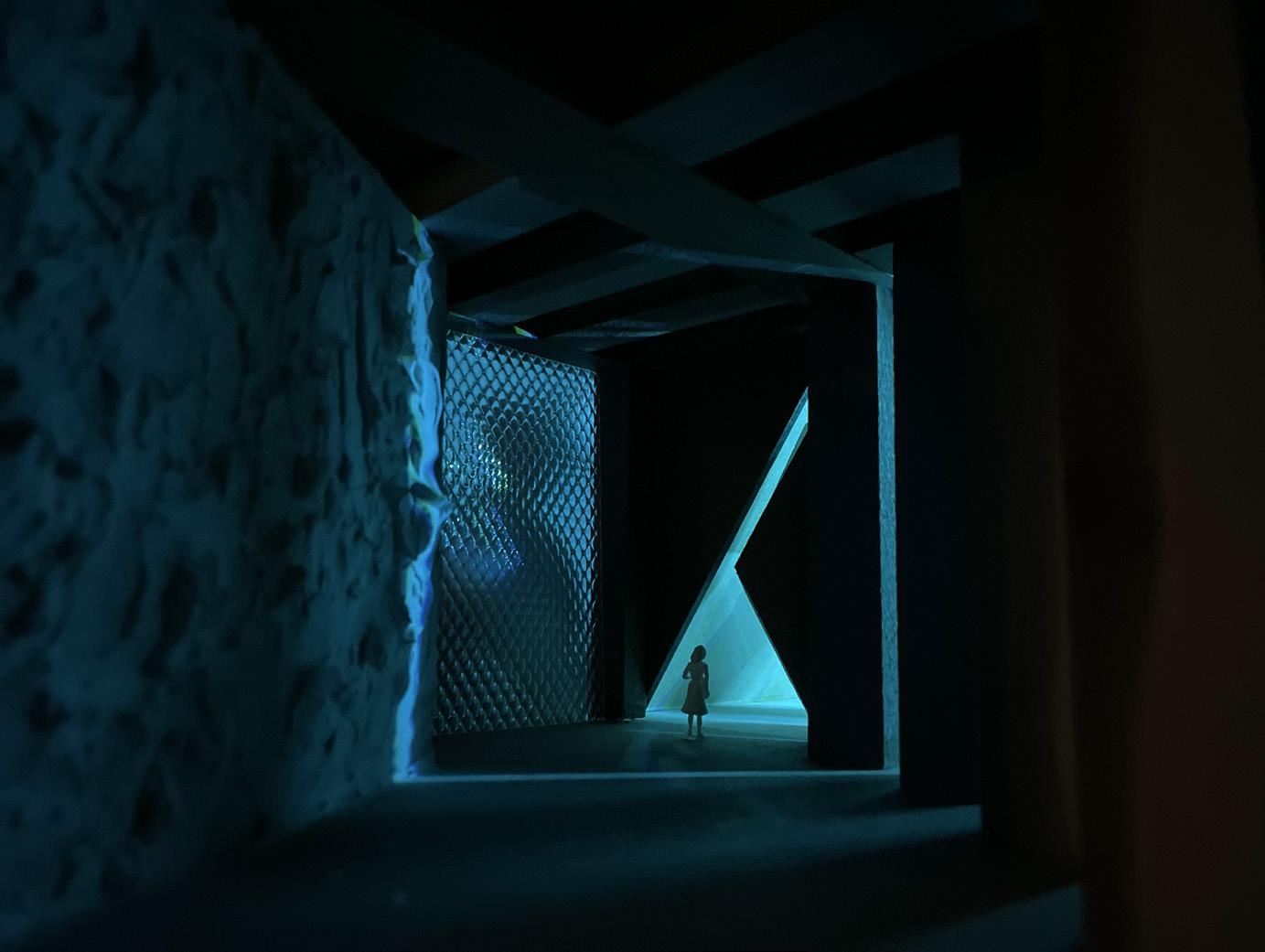
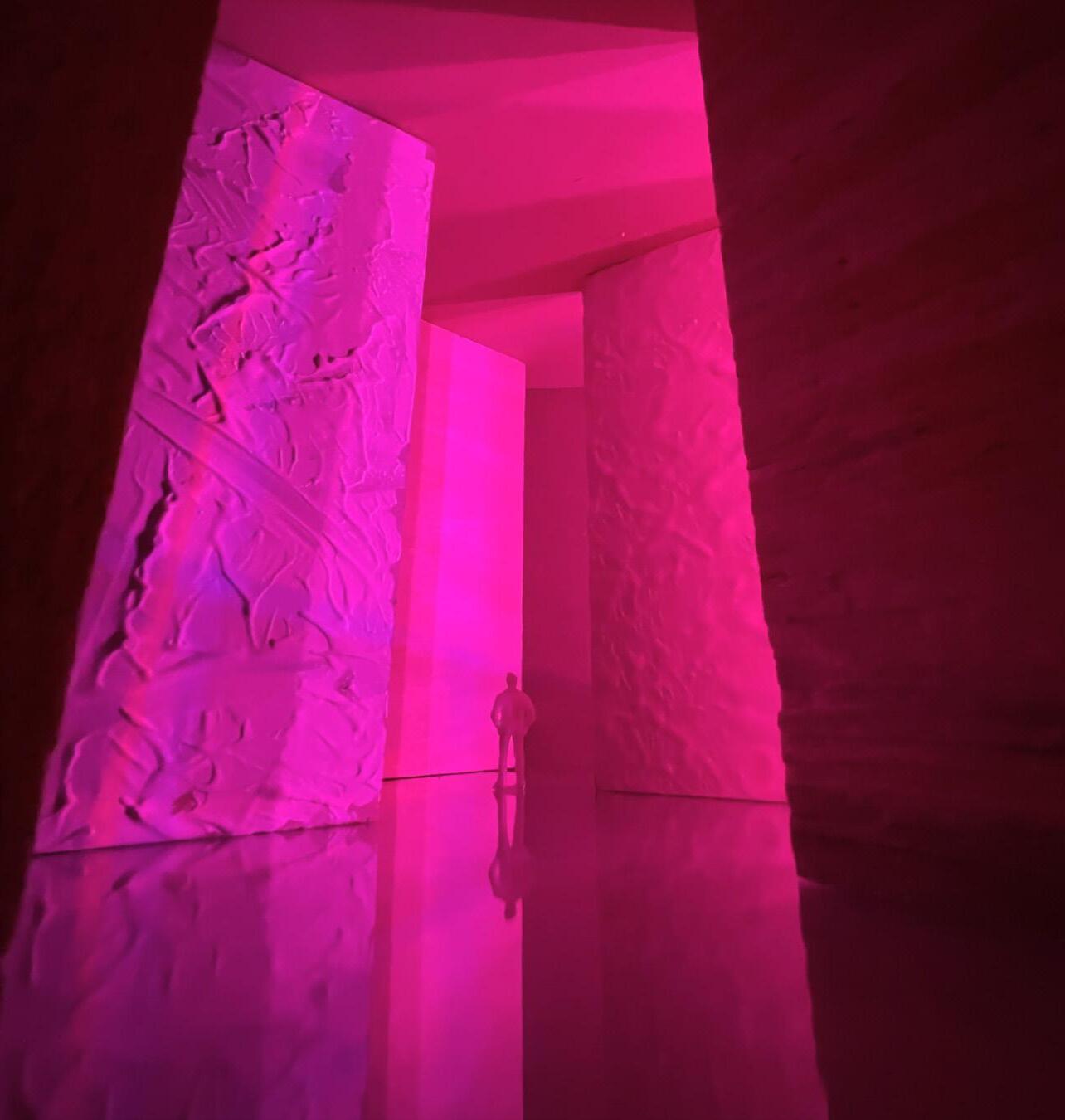
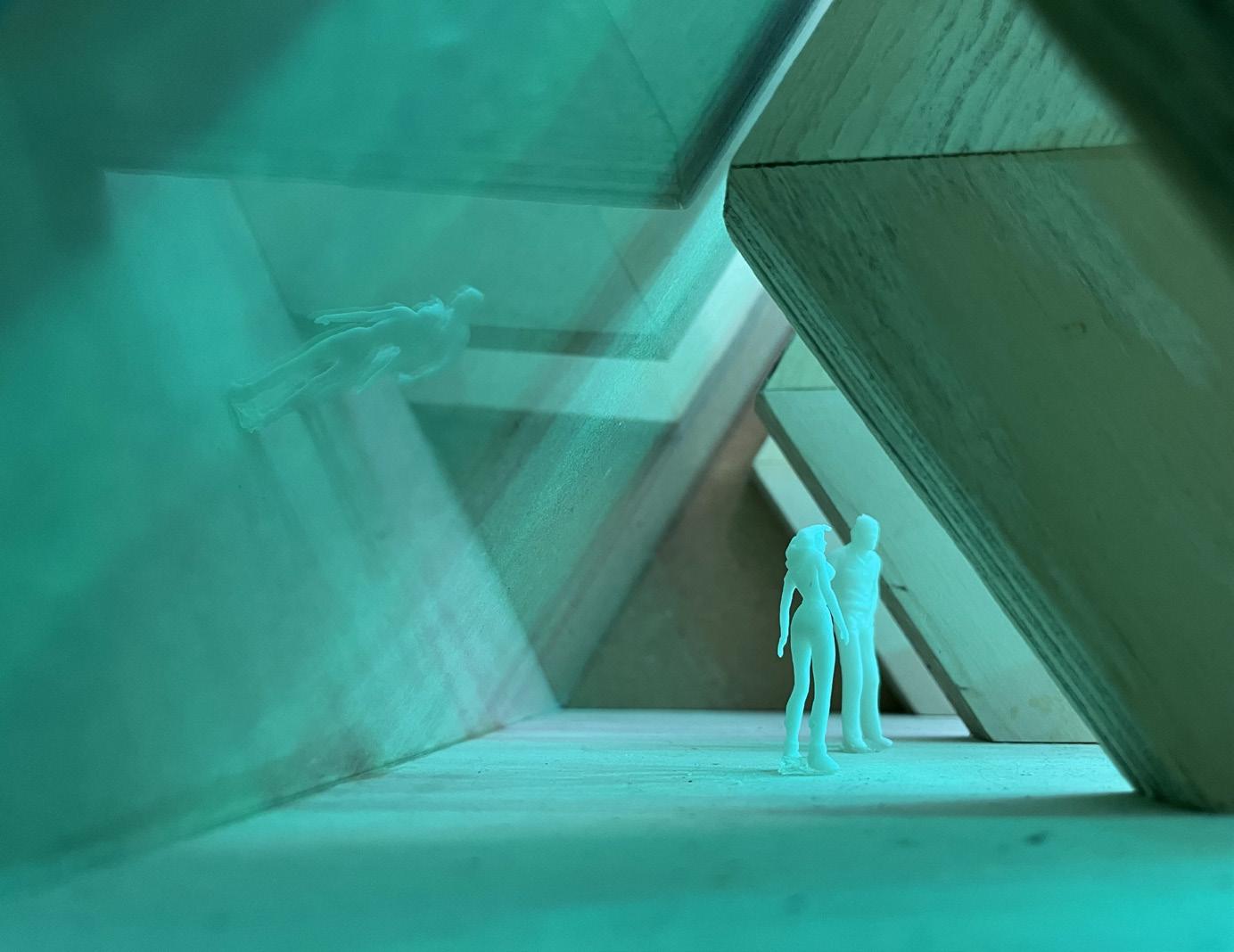
To differentiate from the standard method of thinking, when it comes to establishing a volume, this project removed the help of any and all digital aid. No 3D Modelling, photoshop, or postprocessing filters, instead the goal was to craft a small scale model that invites the sense of a much larger scale. I found that the use of texture played a huge role in establishing the atmosphere of a given space. To directly contrast with this, the use of mirrors disturbs what would be a confined place, and expands what could be expected around the next corner. To complete a scene, particular lighting conditions provide a continuity across multiple rooms, while eliminating any sense of familiarity in others. This project was extremely helpful in that it forces a unique paradigm in the way that you approach any given idea, therefore placing all the focus on the extent of your creativity.
For the final project in the first semester, we were given the opportunity to approach the design of a museum through the lense of interconnecting volumetric spaces. Previously in the semester, there was a heavy emphasis on establishing particular volumes by redefining what it meant to be a volume. In this case, there is a focus on providing a communication between multiple floors and separate spaces. Furtheremore, there is an overarching movement throughout the building and it expands to the exterior, as the building immitates a cascading waterfall, visually directing the eye to the entrance. This project introduced a few challenges, managing wherein to place fire excapes, how to manage the interior circulation, and most of all, where to fit the communicative stairs.


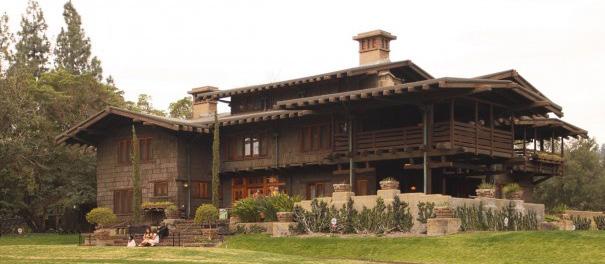
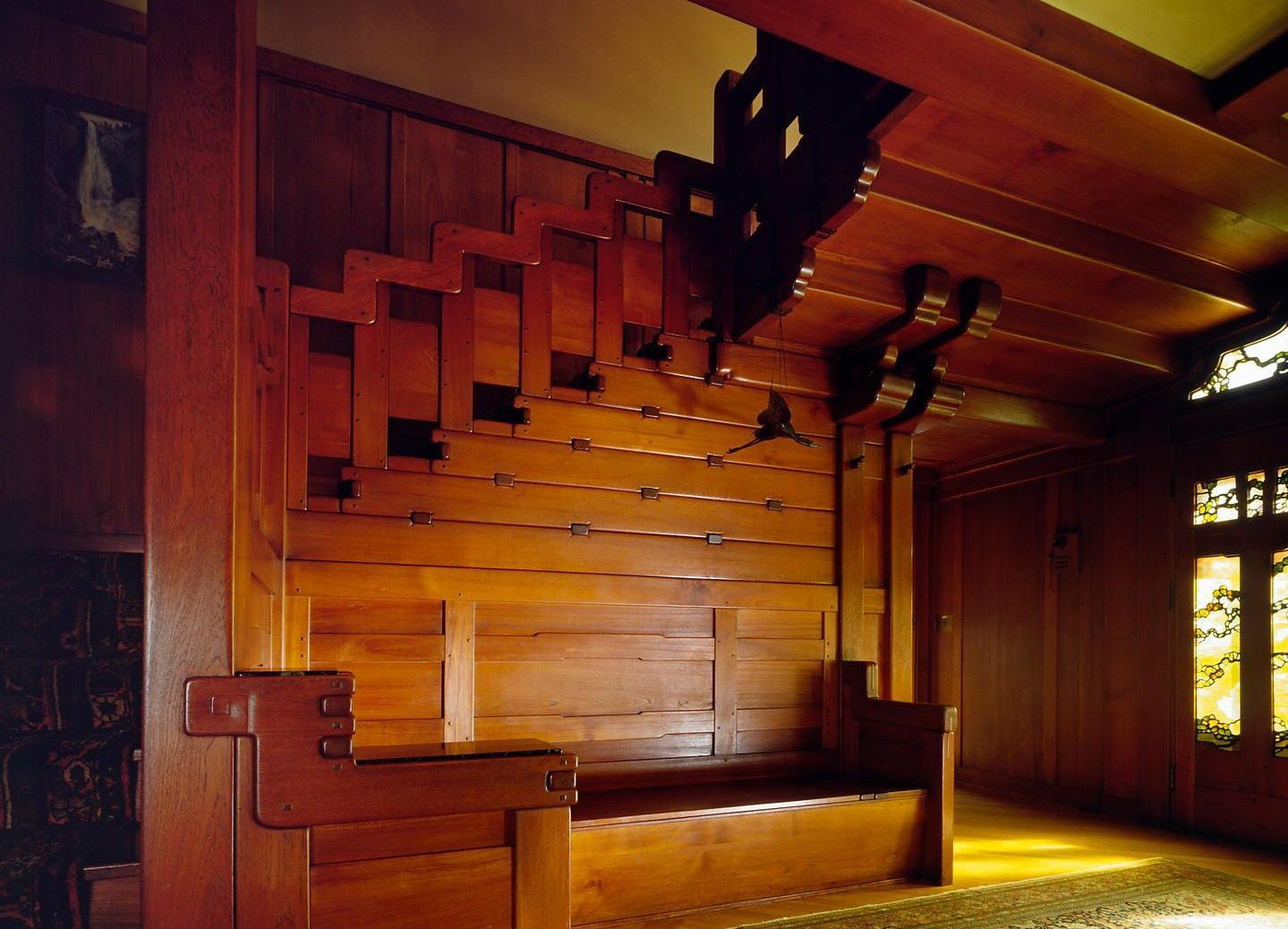
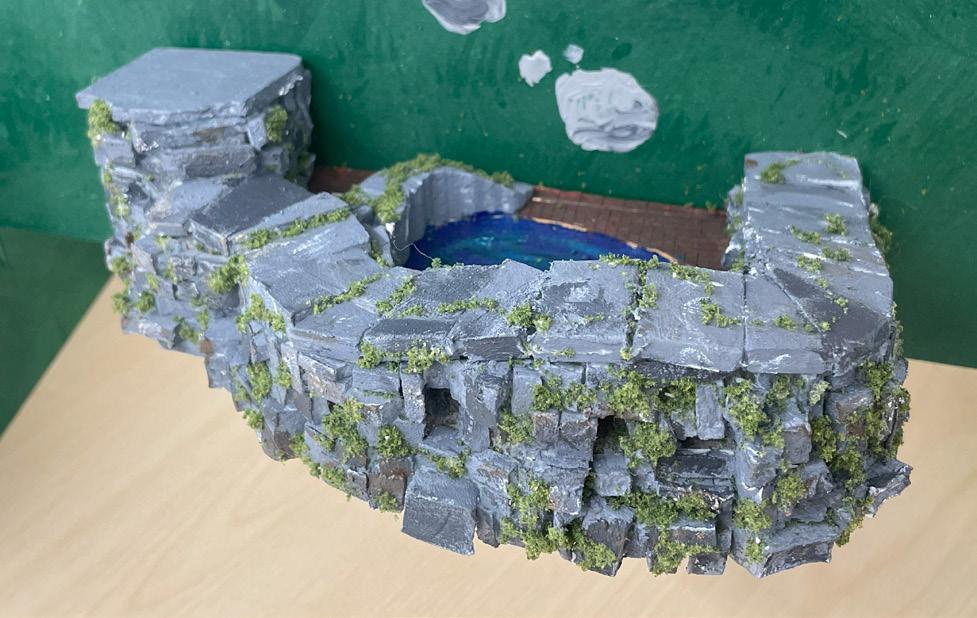
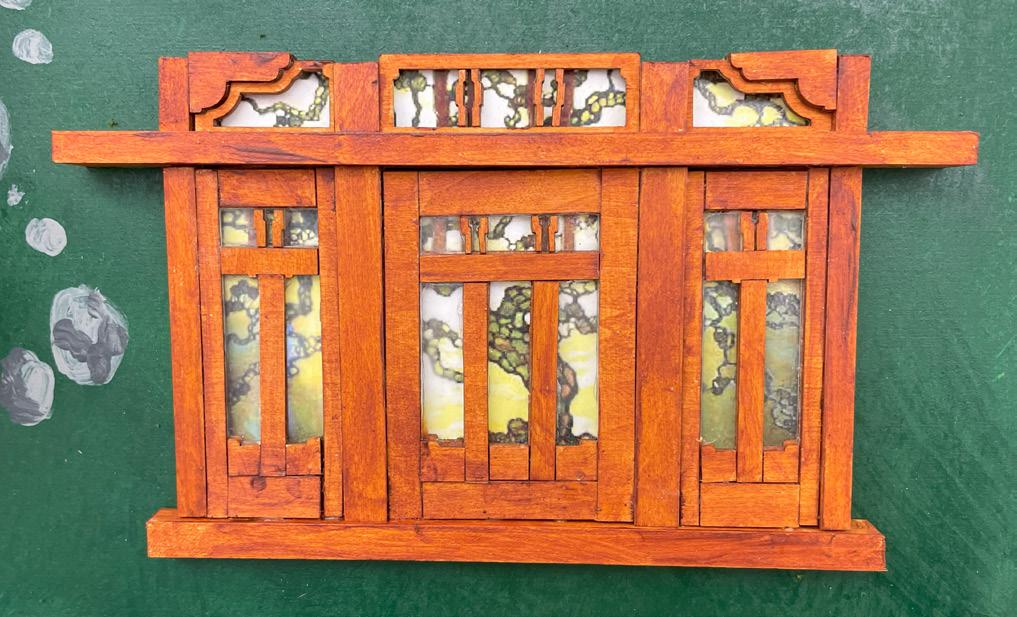
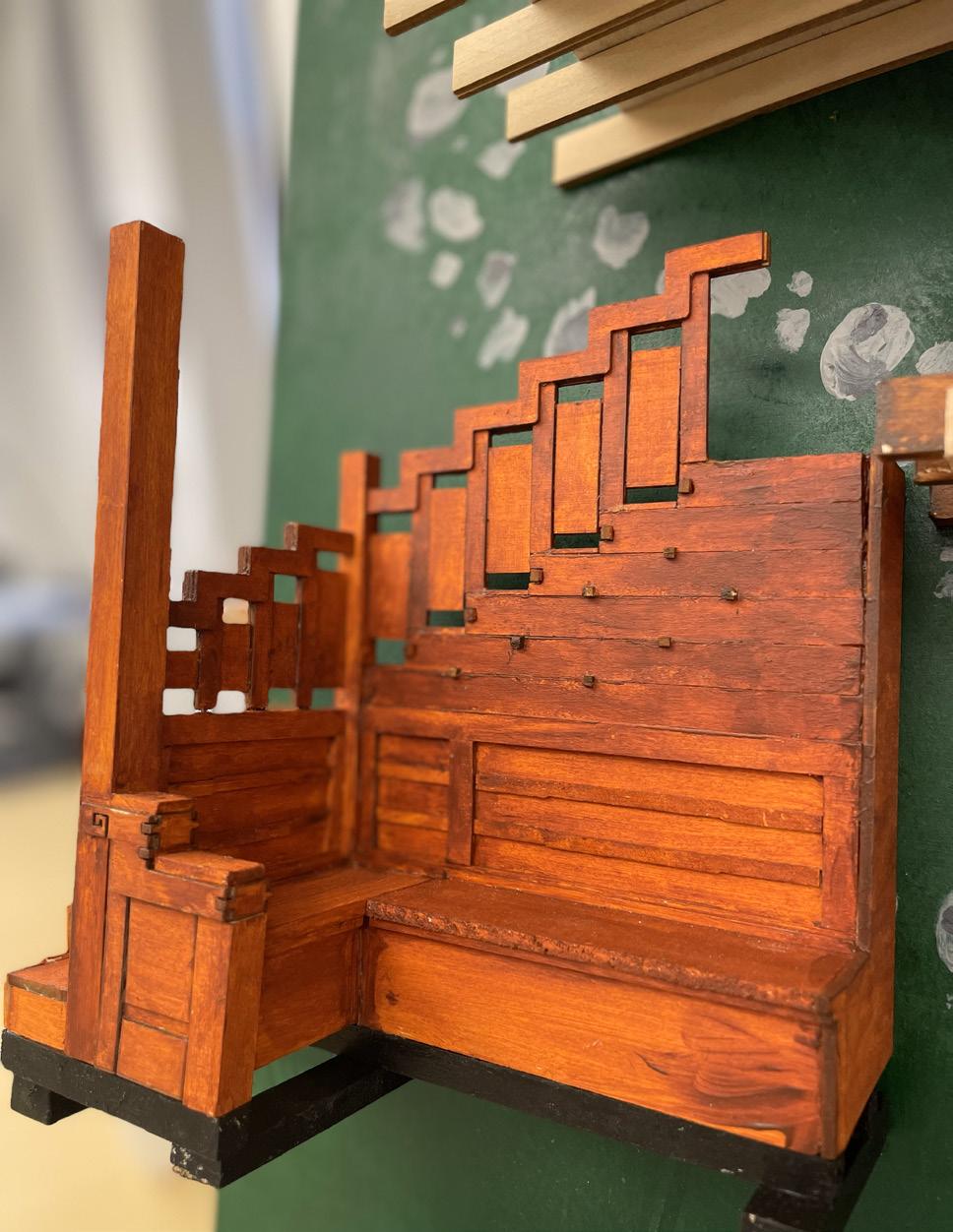
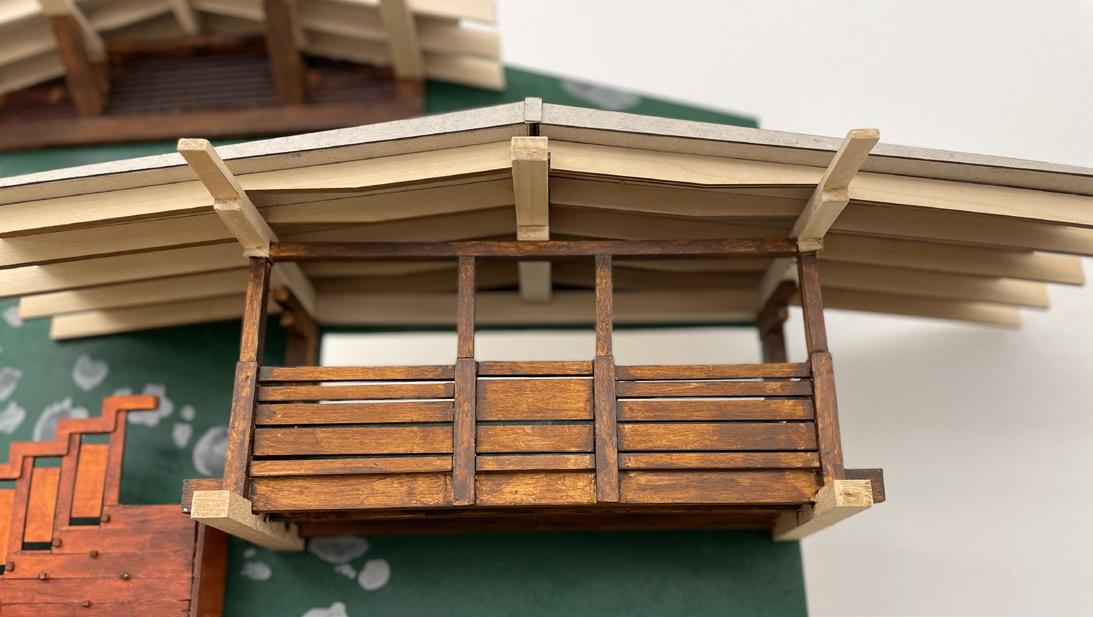
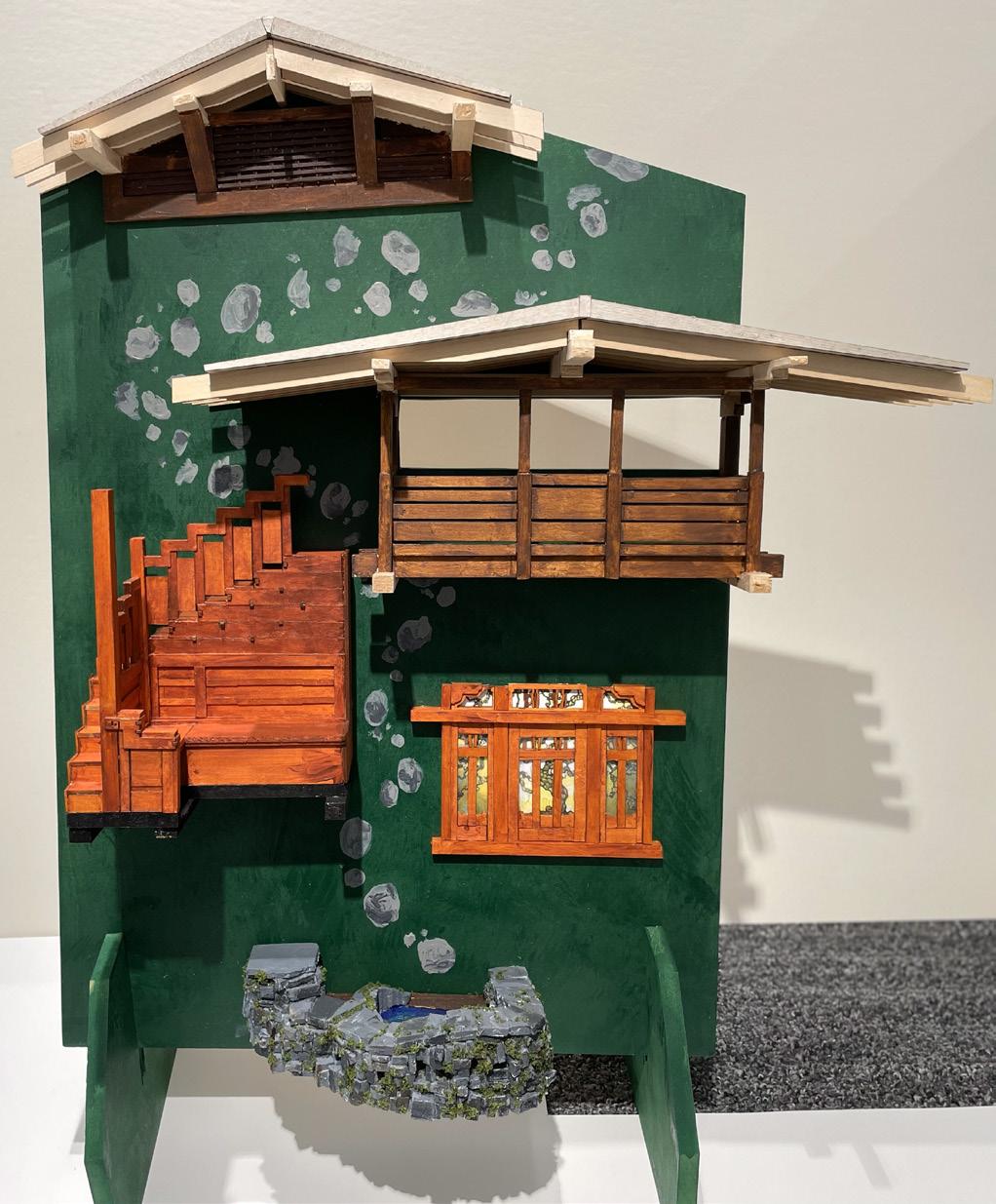
This project is a collection of hand-modelled fragments of the Greene & Greeme Gamble House. In this exercise I utilized a wide variety of techniques including laser cutting of basswood and acryllic, using a heated foam cutter, and several woodshop powertools (Bandsaw, disk sander, & compressed air brad nailer). I found that this project invited an exploration of the style of woodworking utilized in the origional Gamble House, as such I correlated my process directly. In this project I was able to use previous carpenty experience to properly achieve the correct construction of the two roof structures. Precutting notches into the structural joists to fit into the perpendicular beams, and layering two different sets of foundational bracing underneath the decking of the porch. A new process I encountered was in the stone walled patio fragment, wherein I created the base out of MDF and used a large variety of handcut foam bricks to create a solid impression that closely resembles the original prescedent.
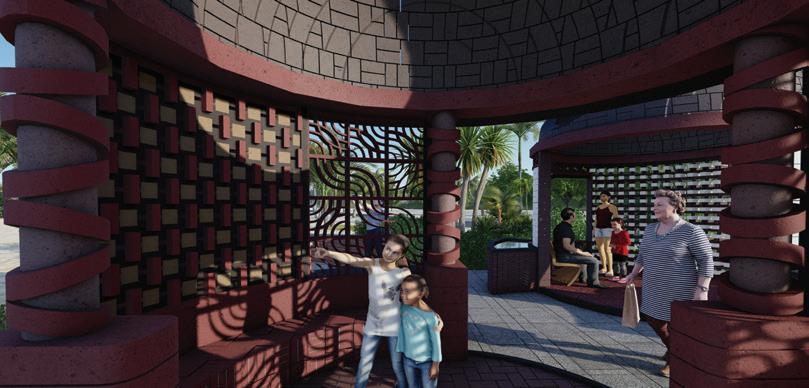
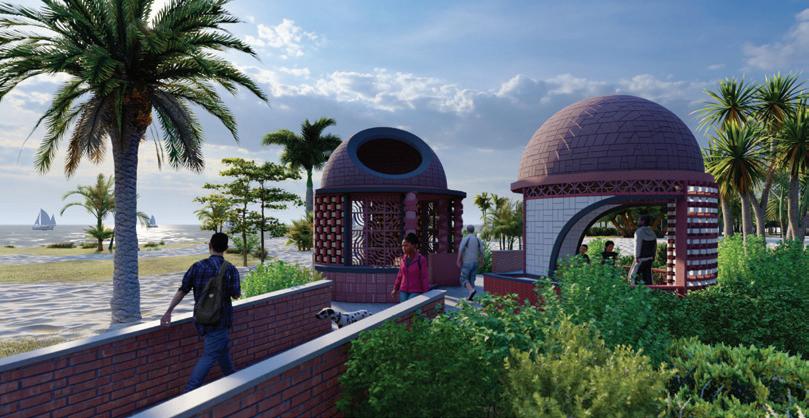
This project entailed isolating the core geometric shape and the specific material composition in order to create a unique exploration of the two in the form of a public pavilion. For my project I was given a Masonry Sphere, as such it provided an opportunity to expand upon the parameters of masonry. Creating round forms with orthogonal units allows for a distinct emphasis on the gaps that form between the bricks. The contrast between different masonry styles creates an incentive to explore, as well as develops a transcendental unity in the variety of styles. This project engages with a wide varity of brick and tile forms, in particular I was able to reflect the overall plan of the pavillion into the pattern of a modular tile composition. In the end this project was an opportunity to understand the flexibility of a material and grasp at the principle effectiveness of particular geometric parameters.
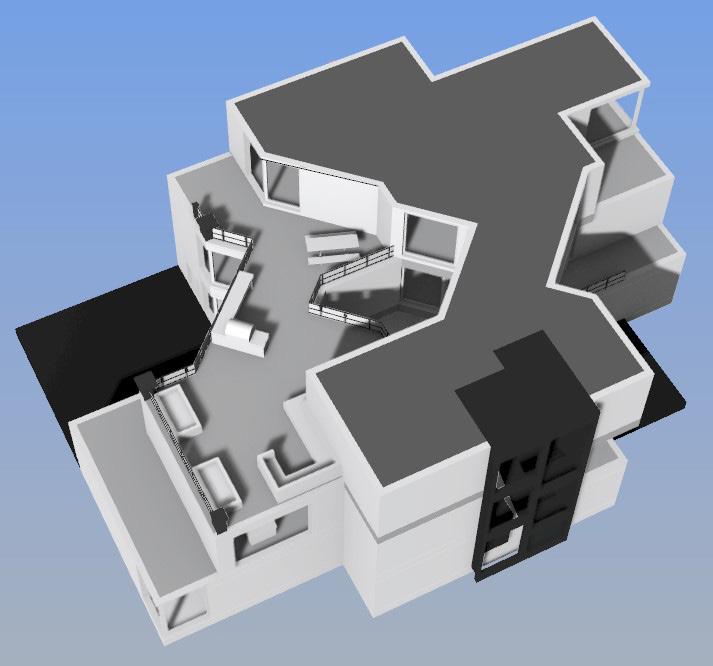
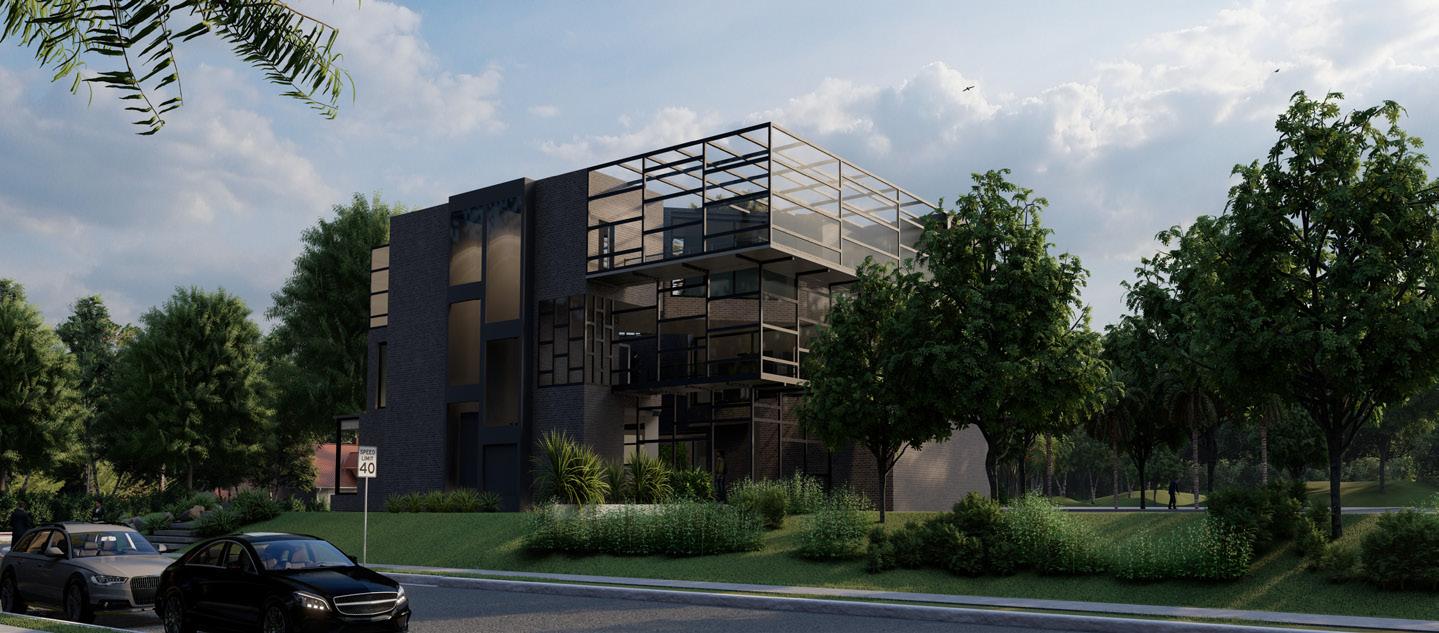
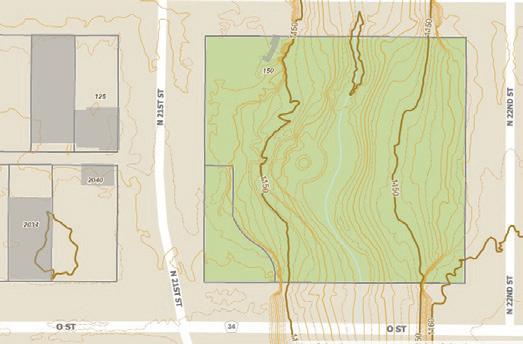
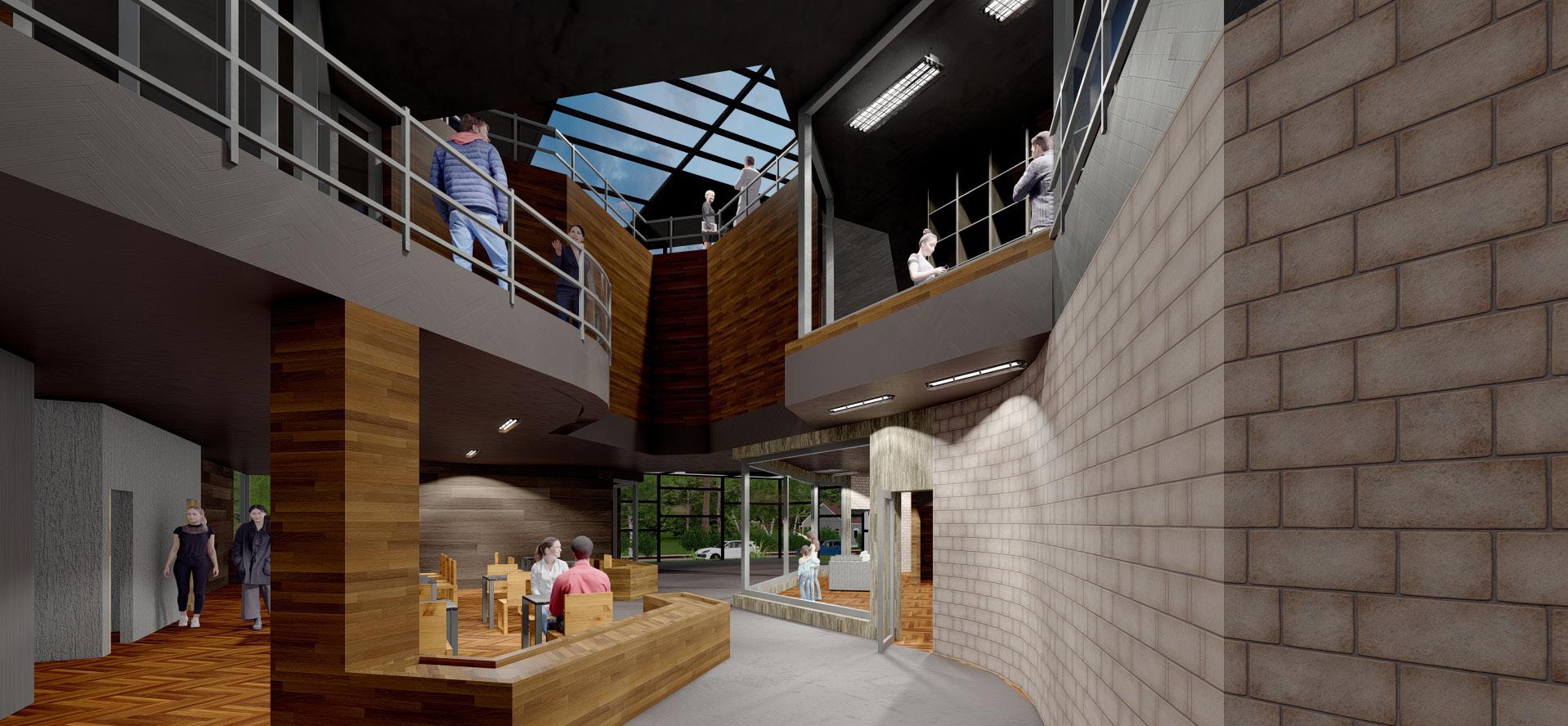
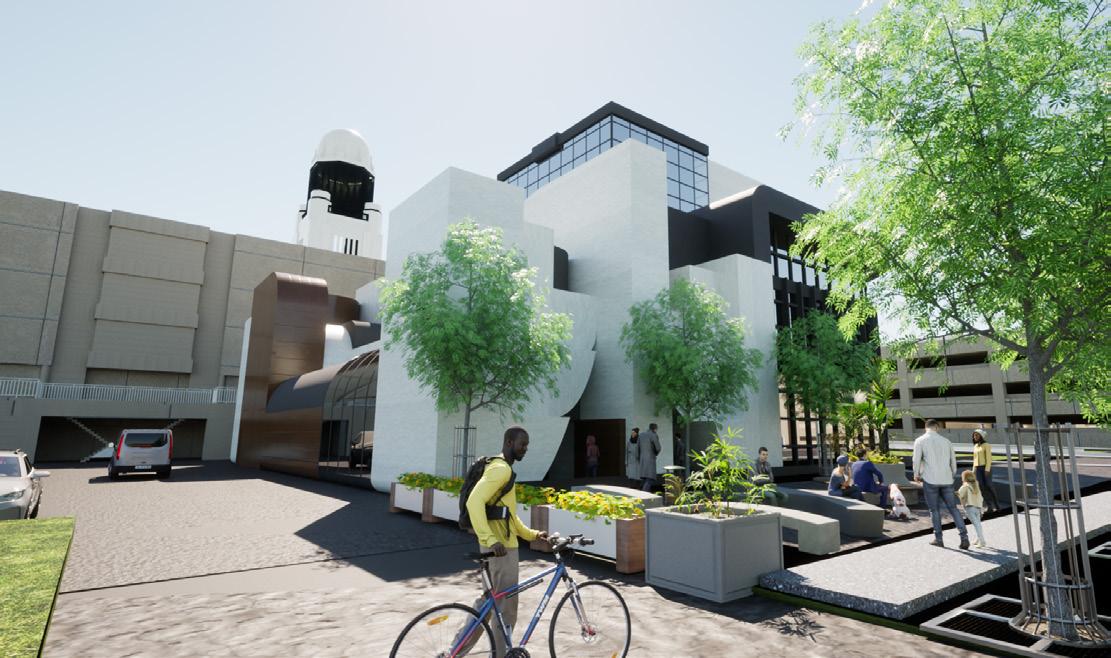
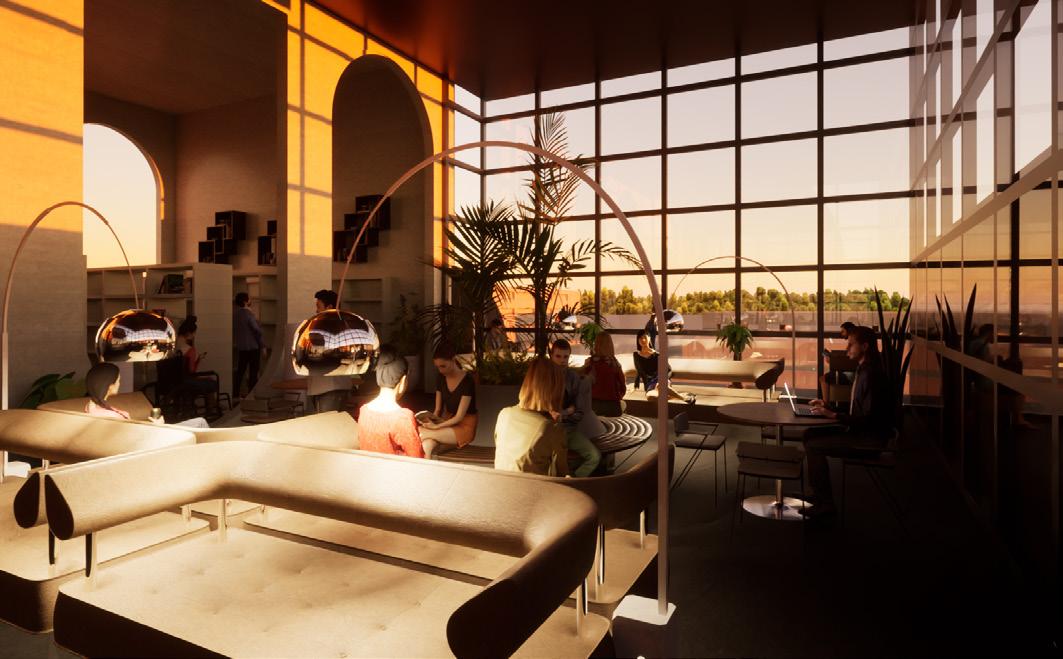
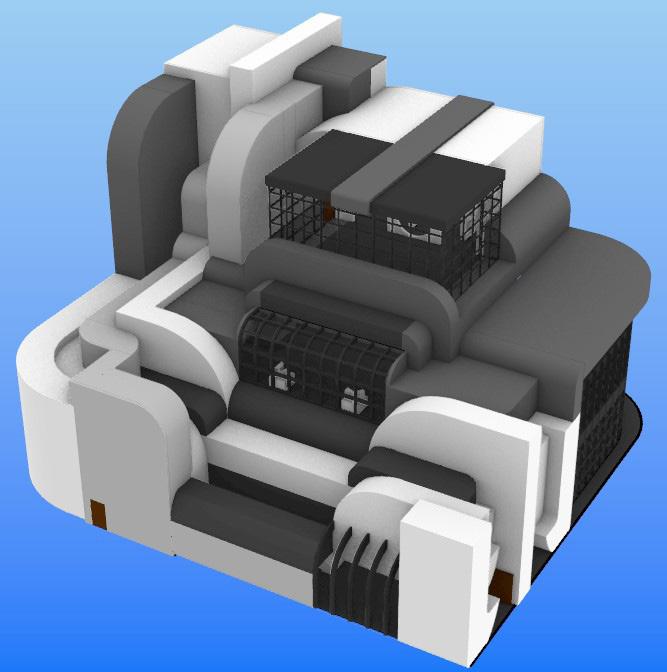
In this project, our goal was to add value to the site, while retaining the identity that already existed. This entailed finding a balance between the publicity of restaurant culture and the serenity desired in a place of residence. As the site exists at the crossroads between a major street and a large public park, we developed a route diagonally across the first floor, providing a direct line of sight from the street to the park. By providing a place for pedestrian traffic to diverge into the park, we are drawing the attention of those seeking refuge from the noise of the city. On the other side, our building protrudes towards the park, acting as a relaxing conclusion to the trails of the Antelope Valley Creek. The contrast between urban and nature can be seen through the form of the building itself.