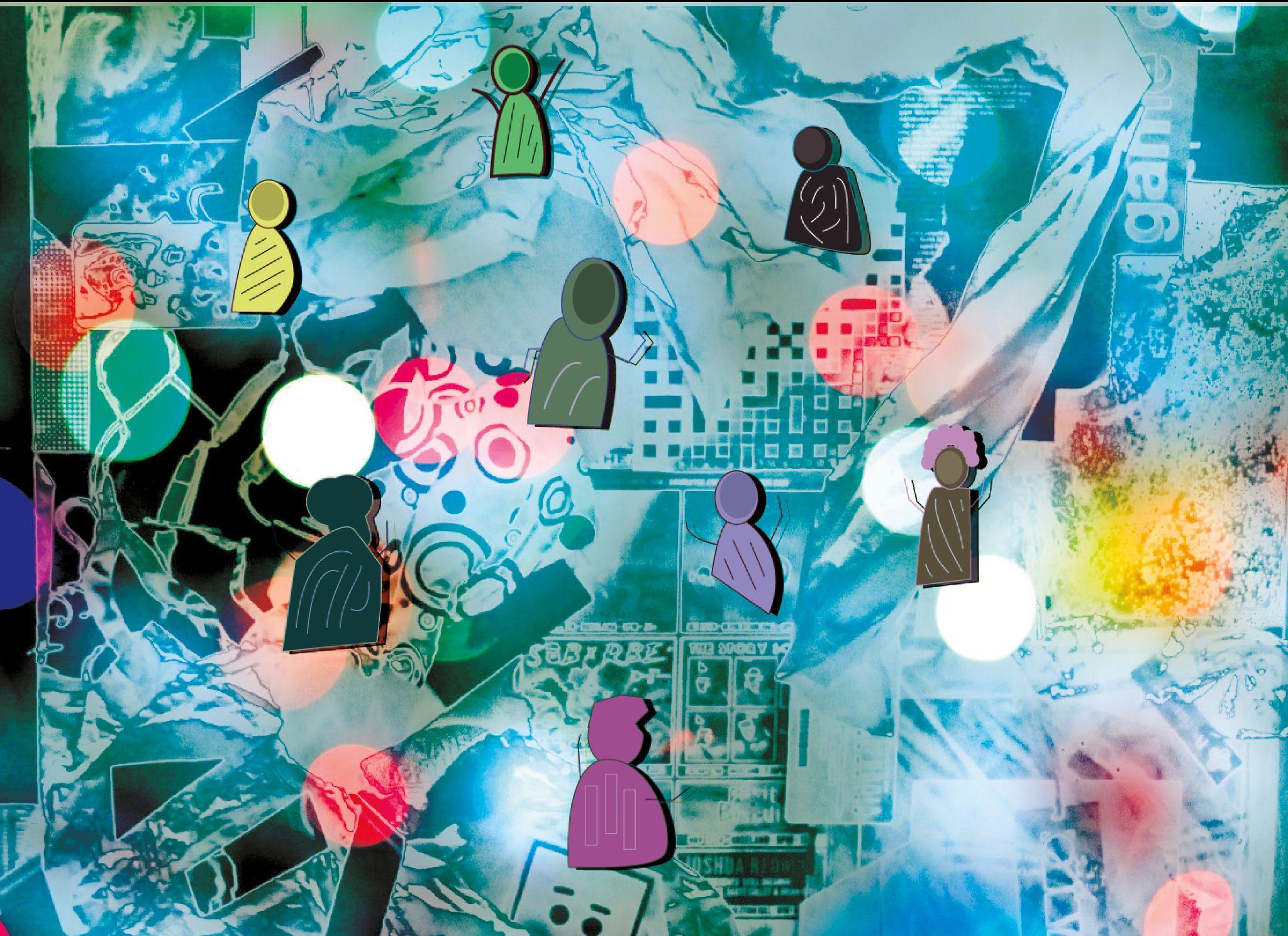
SharingOurStoriesThroughArt-DesignWorkshopPartIbyMikeFirm
DesignWorkshopforPSU’sDREAMerResourceCenter
BuildingDreamsandShapingFutures:DACA’sAnniversary

SharingOurStoriesThroughArt-DesignWorkshopPartIbyMikeFirm
DesignWorkshopforPSU’sDREAMerResourceCenter
BuildingDreamsandShapingFutures:DACA’sAnniversary
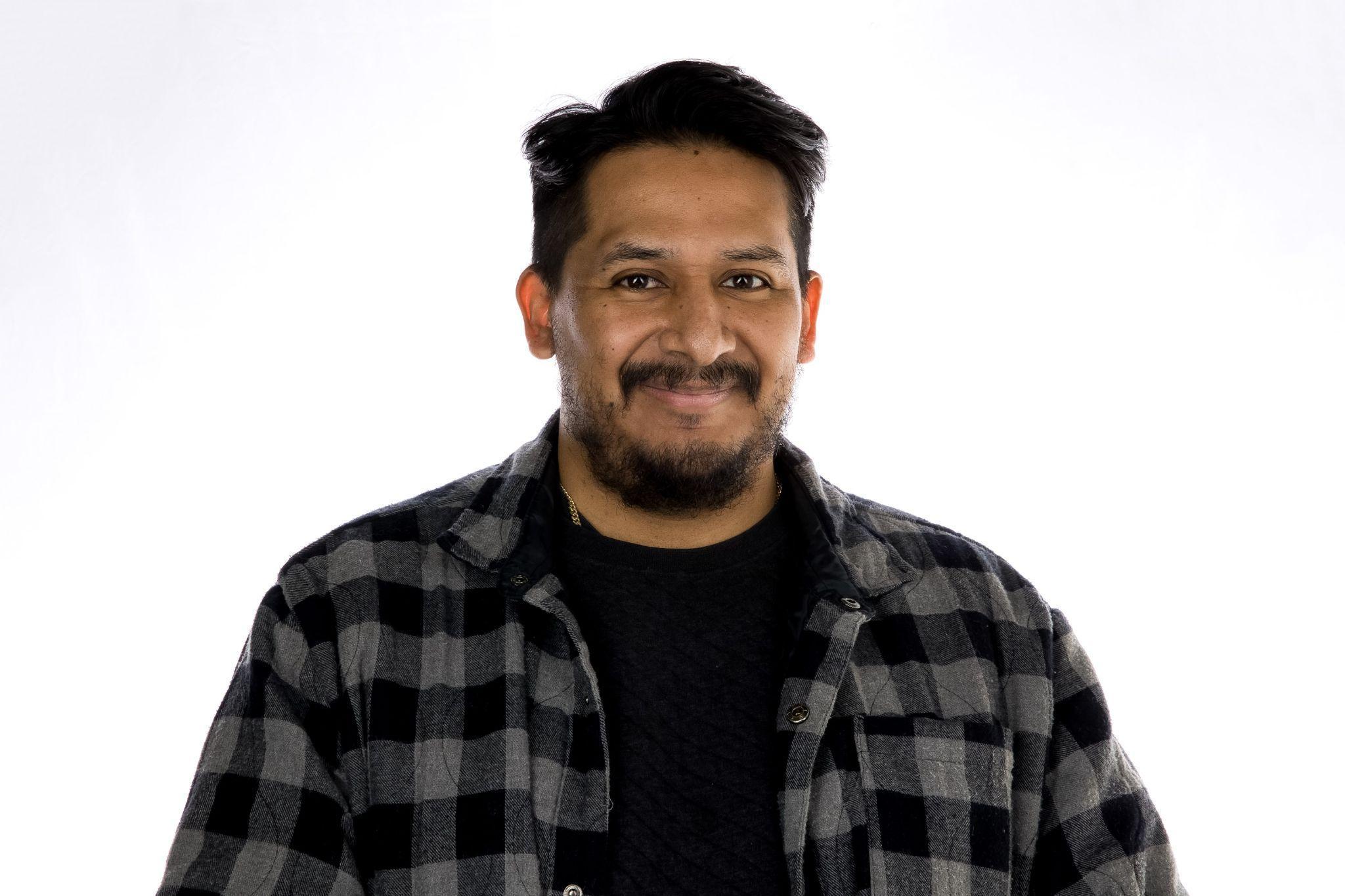
MiguelRodriguez(akaMikeFirm)isaPortland-basedcreativewitha focusonmultimedia,storytelling,andcommunitybuilding.Duringthe past10+yearshehasworkedinsecondaryandhighereducation,aswell asthemuseumandnonprofitsectors.
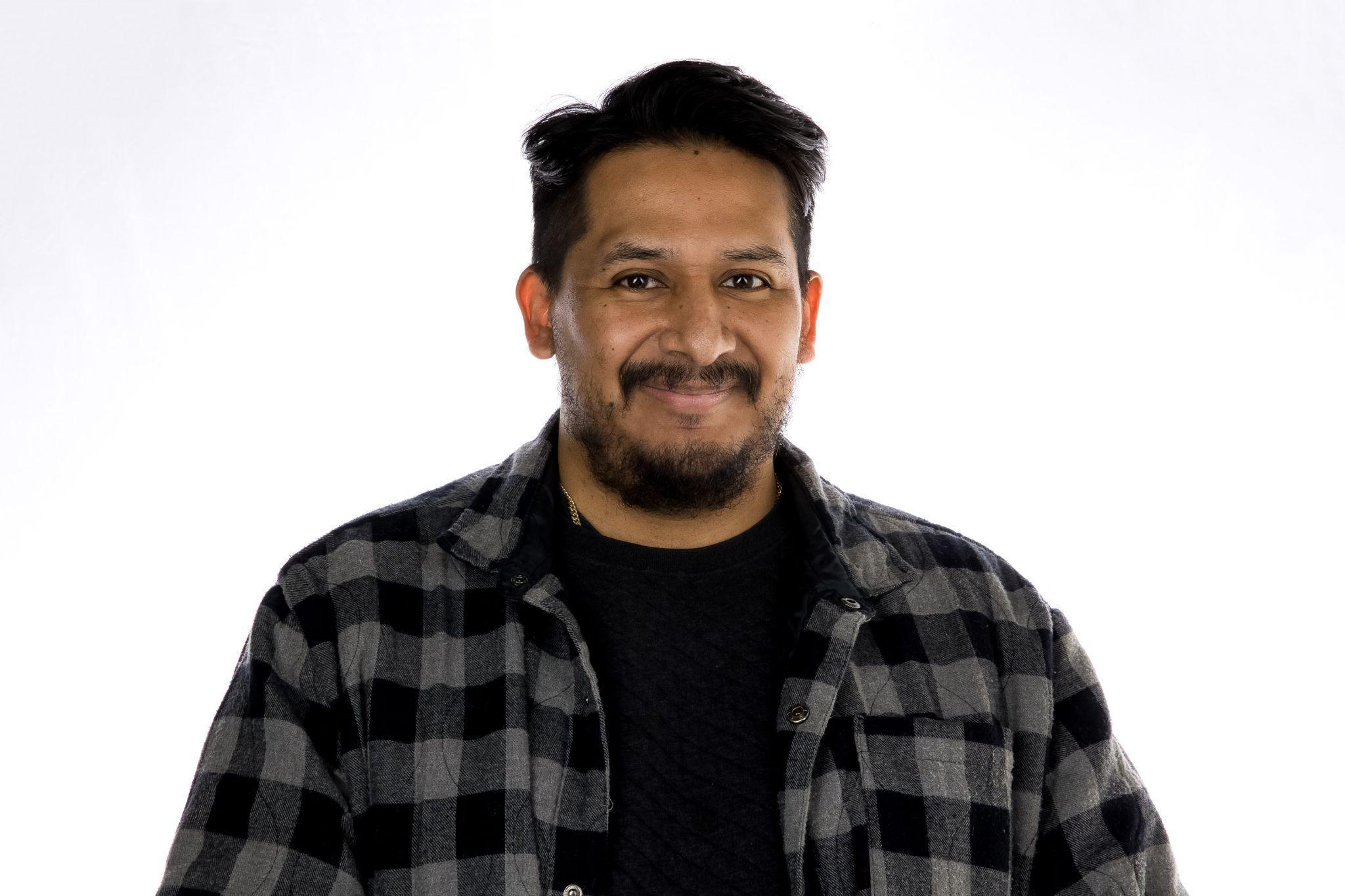
Heleadshisworkwithsystems-level,community-led,and relationship-basedpracticesandvalues.Miguel’sroleasadesigneristo notonlyhighlightthepervasivesystemsthatadverselyimpactour conditions,buttoalsotakeactionablestepstowardscreatingnewand justfutureswithhiscommunities.Thisrequiresaninterdisciplinary, collaborative,andpeople-centeredapproachthatcentersdesign justiceandparticipatoryframeworks.
MiguelcurrentlyworksattheOregonMuseumofScienceandIndustry (OMSI)asaTalentDevelopment&InclusionStrategist,andhehasanMFA inCollaborativeDesignfromthePacificNorthwestCollegeofArt(PNCA) andBSinMathematicsfromPortlandStateUniversity.



So… what’s the point?
● I’m not the exception to the rule…
So… what’s the point?
● I’m not the exception to the rule…
● My support systems held me down through my toughest days and times…
● I’m not the exception to the rule…
● My support systems held me down through my toughest days and times…
● I stayed true to my convictions, and centered and prioritized my communities whenever and wherever, all the time…
● I’m not the exception to the rule…
● My support systems held me down through my toughest days and times…
● I stayed true to my convictions, and centered and prioritized my communities whenever and wherever all the time…
● Opportunities came and went, but things eventually fell in place - trust the timing…
● I’m not the exception to the rule…
● My support systems held me down through my toughest days and times…
● I stayed true to my convictions, and centered and prioritized my communities whenever and wherever all the time…
● Opportunities came and went, but things eventually fell in place - trust the timing…
● Great design is collaborative, iterative, and should not be reliant on one individual…
● I’m not the exception to the rule…
● My support systems held me down through my toughest days and times…
● I stayed true to my convictions, and centered and prioritized my communities whenever and wherever all the time…
● Opportunities came and went, but things eventually fell in place - trust the timing…
● Great design is collaborative, iterative, and should not be reliant on one individual…
● Our stories are important to share, but trauma dumping should not be the vehicle…
● I’m not the exception to the rule…
● My support systems held me down through my toughest days and times…
● I stayed true to my convictions, and centered and prioritized my communities whenever and wherever all the time…
● Opportunities came and went, but things eventually fell in place - trust the timing…
● Great design is collaborative, iterative, and should not be reliant on one individual…
● Our stories are important to share, but trauma dumping should not be the vehicle…
● We can’t lose hope: these systems, policies, and conditions can be changed. We don’t have to do it alone - ask for help, organize, fight, and rest as we shape the future….
● Using the blank postcards, use one side for drawing and the other for writing.
● For the drawing: use the materials provided, and be creative! It can be whatever you want e.g. self-portrait, abstract of your emotions, doodling, landscape, etc.
● For the writing:
○ Write out your draft on a separate piece of paper if you want feedback or suggestions.
○ If you don’t want feedback, just go ahead and write what you want; use the prompts on the right for inspiration!
○ You can sign with your name OR leave it anonymous. Either one is okay! :)
● For both formats: You can make it all about the undocu/DACAmented or mixed status experience OR not at all OR somewhere in between. Up to you!
● What is something you want people to know about the undocu/DACAmented and/or mixed status family experience (so that you don’t have to keep explaining)...?
● What advice would you give others for navigating PSU as an undocu/DACAmented student, staff, or alumni?
● What does a just and validating future look like for you?
● In what ways can PSU as an institution support you?
● In what ways can fellow PSU peers show up for you?
● What would liberation mean for you in an individual context? Interpersonal? Societal?
● What do you like to do for fun, and why is it important to you i.e. drawing, hanging with friends, going to new coffee shops, etc.?
● What things give you hope / what refuels your cup, and why?
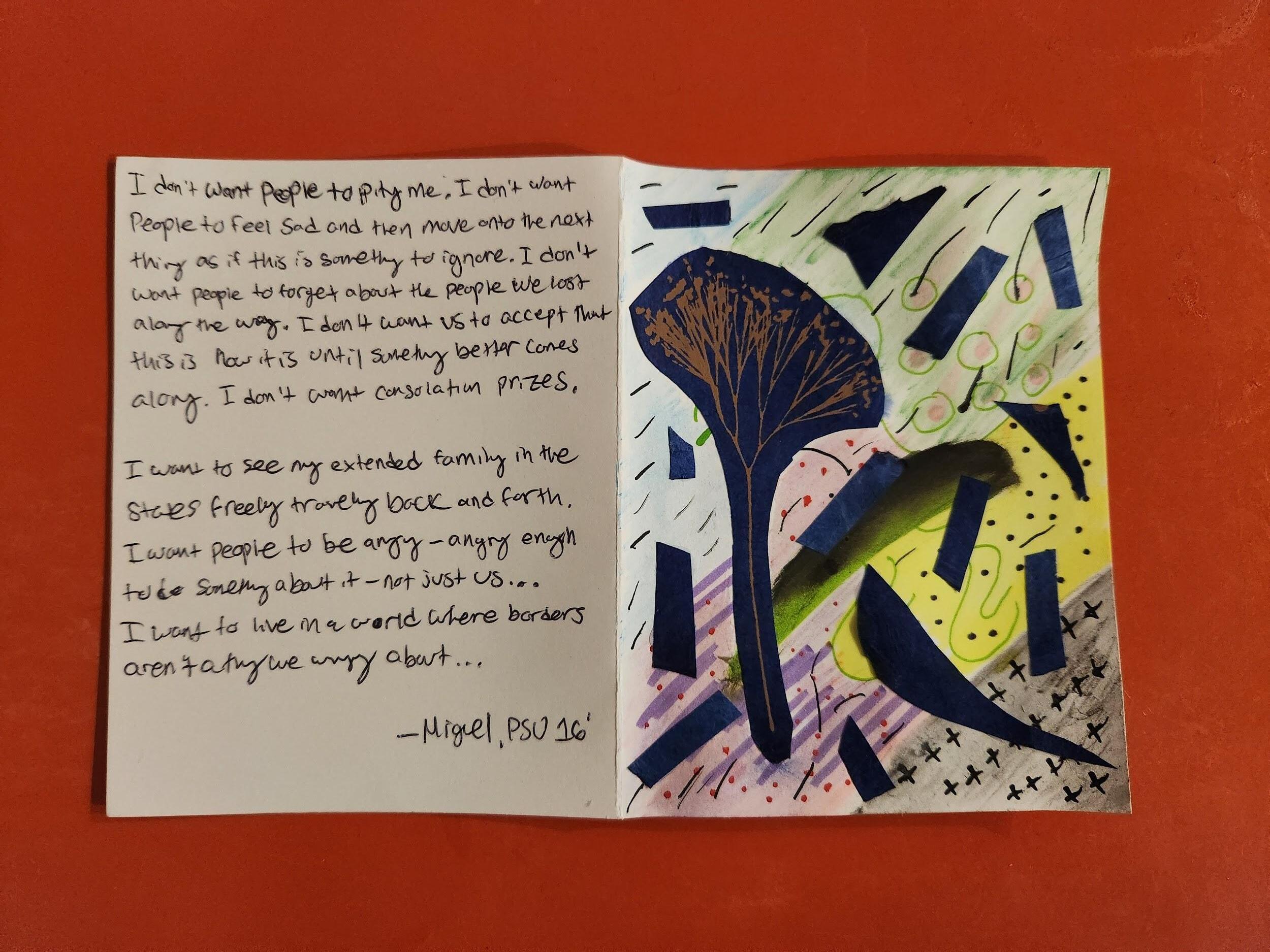
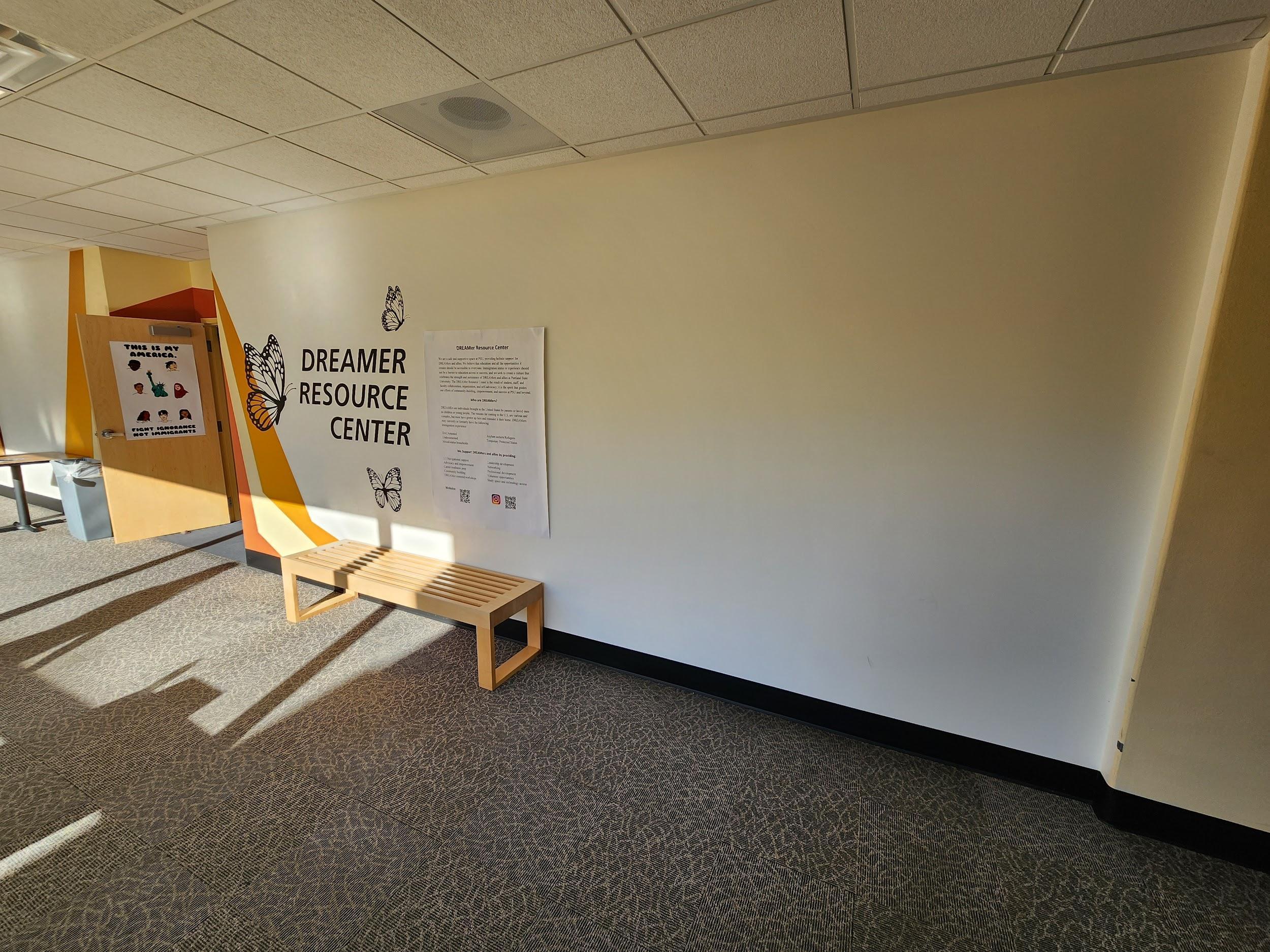
Where will these be placed? One idea is the space right outside the center - will coordinate with Joanna and others to see if this makes sense! :)
● Using the blank postcards, use one side for drawing and the other for writing.
● For the drawing: use the materials provided, and be creative! It can be whatever you want e.g. self-portrait, abstract of your emotions, doodling, landscape, etc.
● For the writing:
○ Write out your draft on a separate piece of paper if you want feedback or suggestions.
○ If you don’t want feedback, just go ahead and write what you want; use the prompts on the right for inspiration!
○ You can sign with your name OR leave it anonymous. Either one is okay! :)
● For both formats: You can make it all about the undocu/DACAmented or mixed status experience OR not at all OR somewhere in between. Up to you!
● What is something you want people to know about the undocu/DACAmented and/or mixed status family experience (so that you don’t have to keep explaining)...?
● What advice would you give others for navigating PSU as an undocu/DACAmented student, staff, or alumni?
● What does a just and validating future look like for you?
● In what ways can PSU as an institution support you?
● In what ways can fellow PSU peers show up for you?
● What would liberation mean for you in an individual context? Interpersonal? Societal?
● What do you like to do for fun, and why is it important to you i.e. drawing, hanging with friends, going to new coffee shops, etc.?
● What things give you hope / what refuels your cup, and why?
PlacemakingasDesign-DesignWorkshopPartIIbyMikeFirm
DesignWorkshopforPSU’sDREAMerResourceCenter
TheDream.USNationalScholarshipOrientation

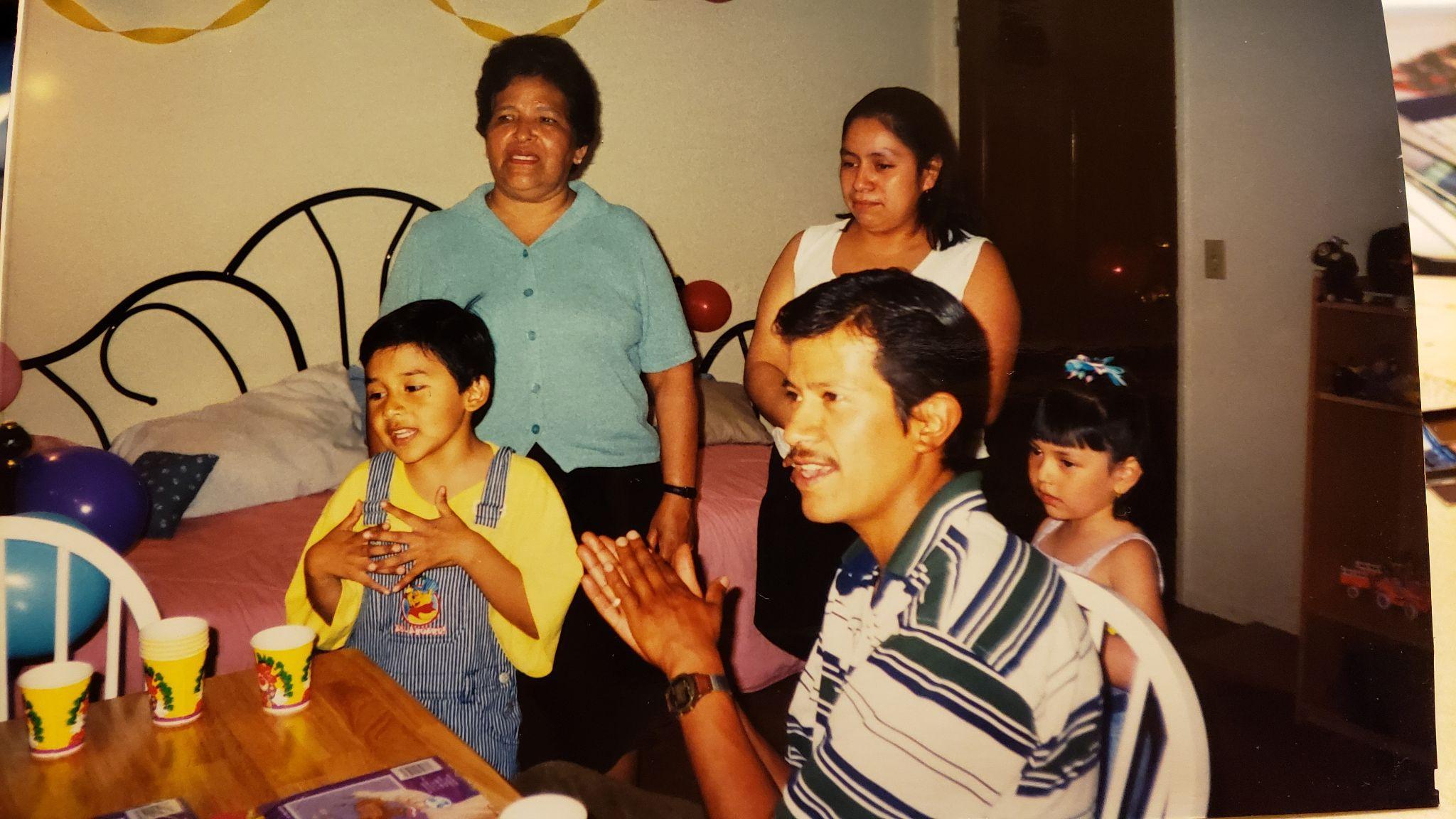
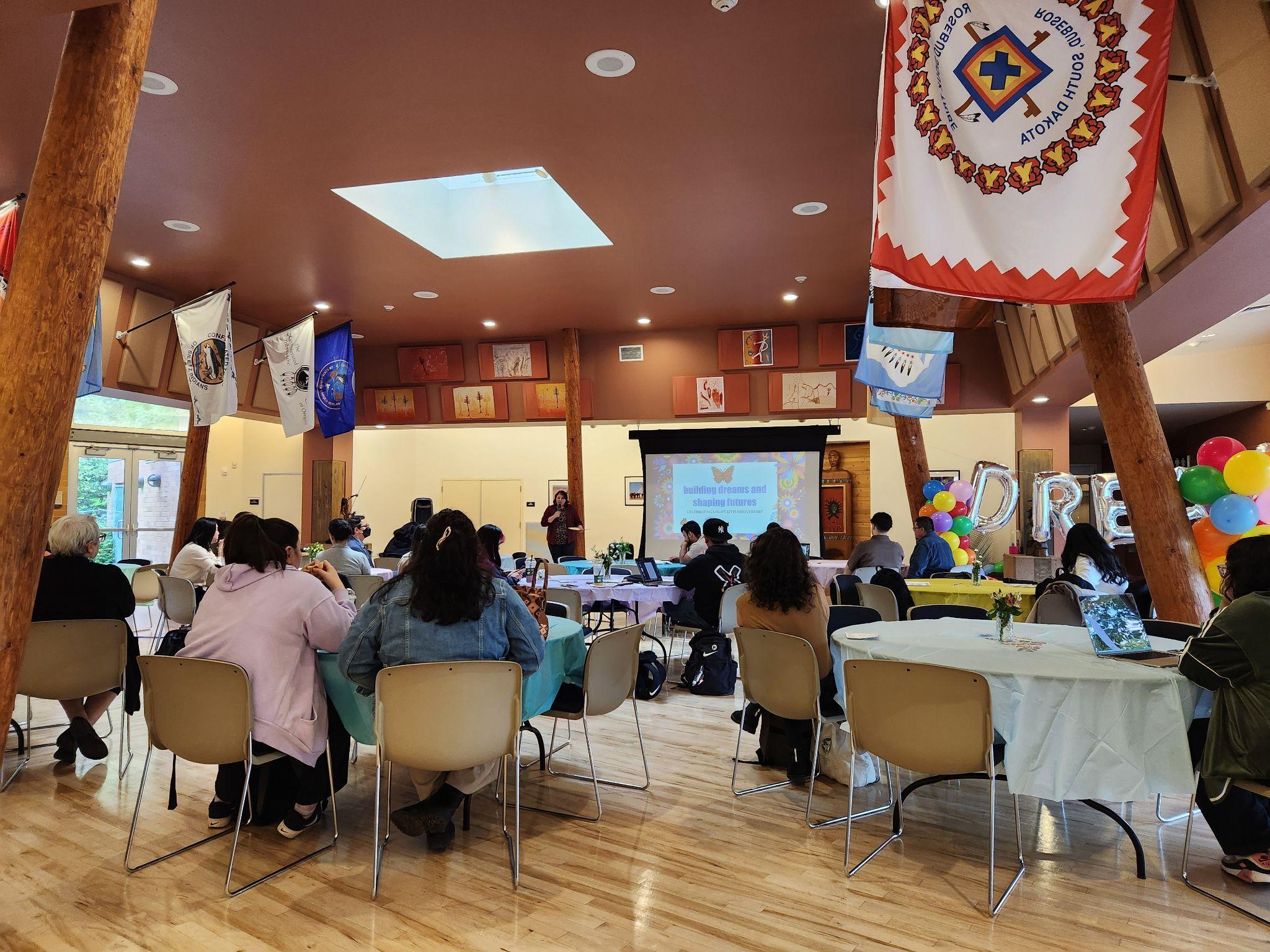
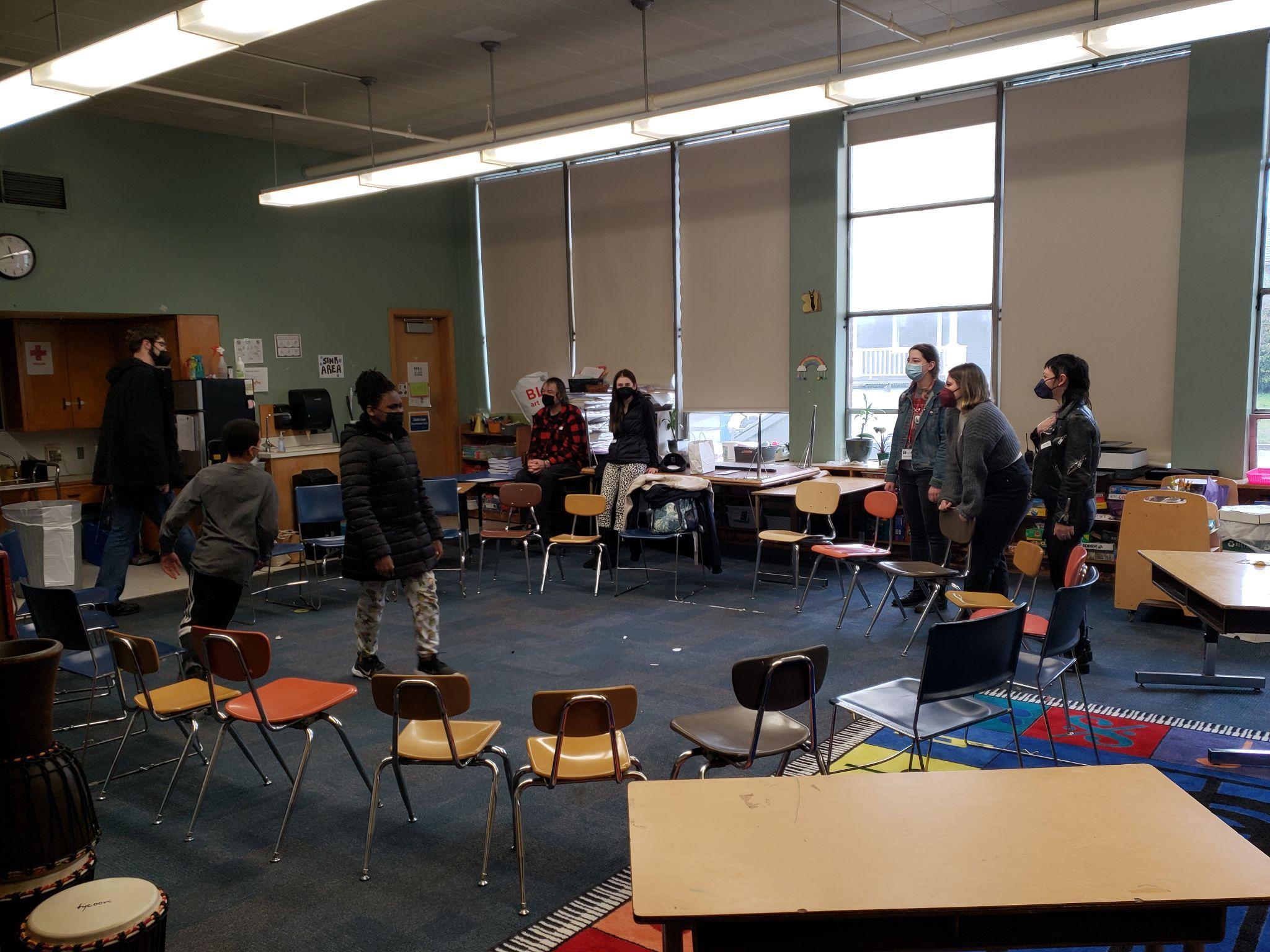
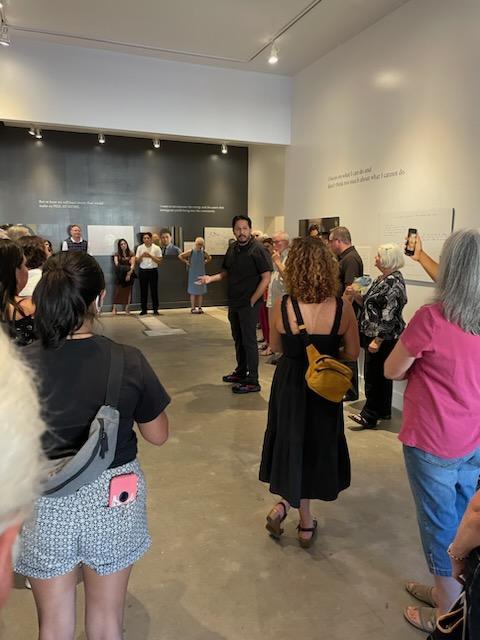
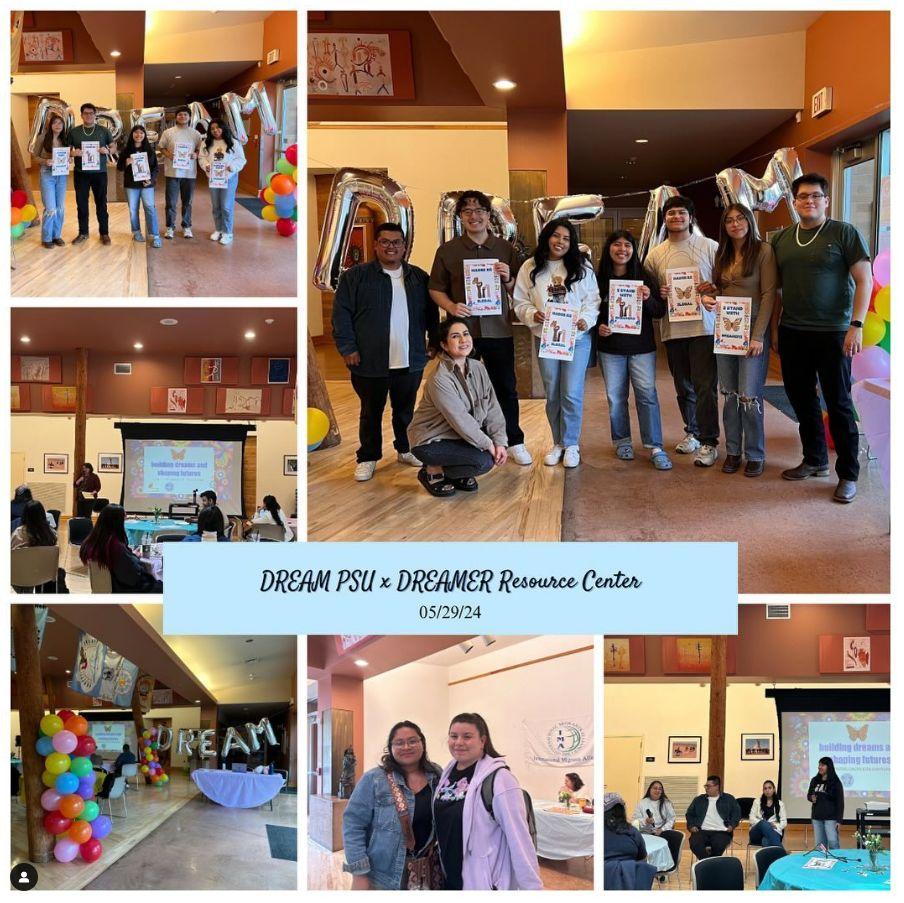
I shared my own undocu/DACAmented journey, while highlighting the power of community, social justice, and design to bring people together.
I shared my own undocu/DACAmented journey, while highlighting the power of community, social justice, and design to bring people together.
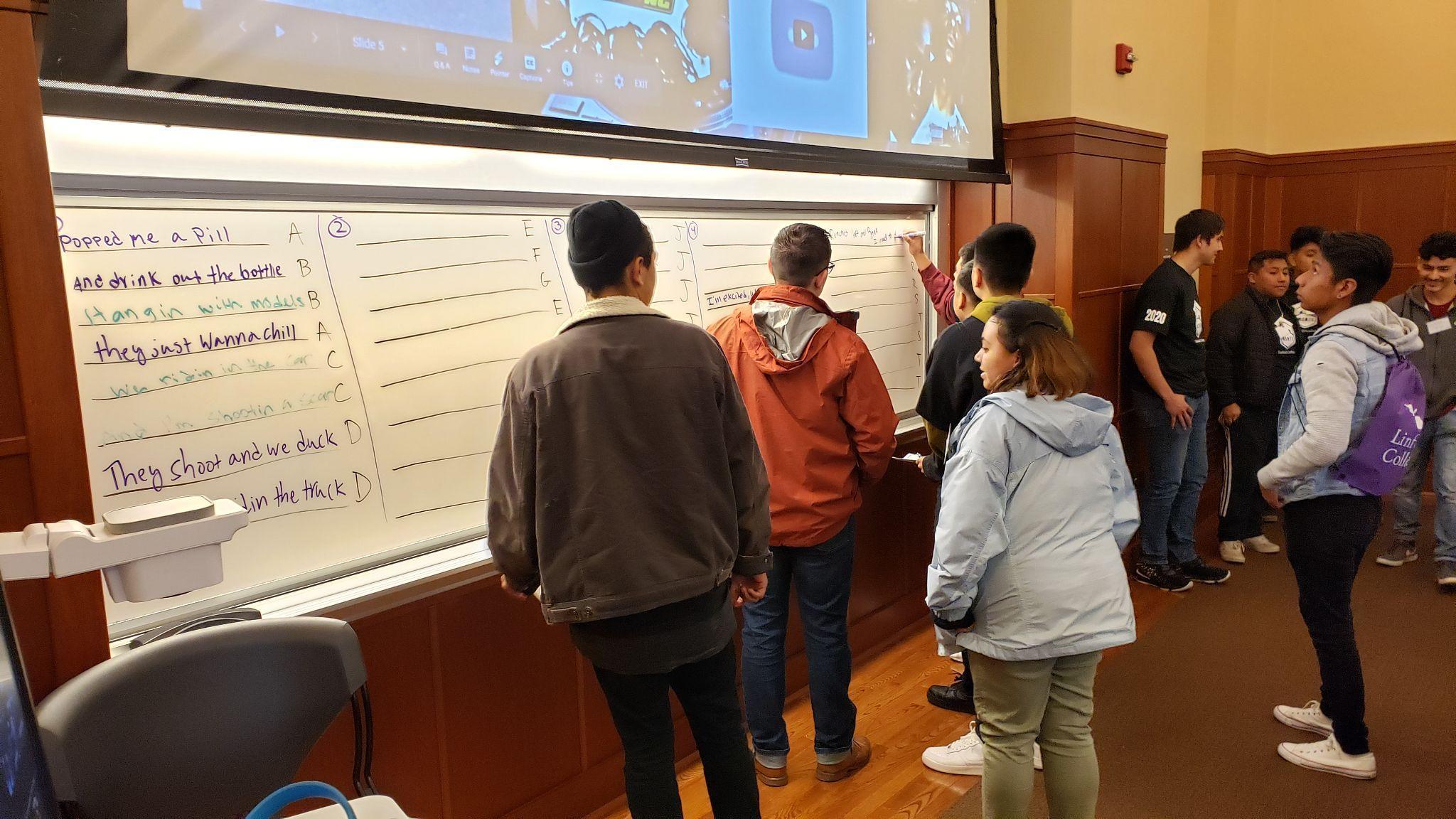
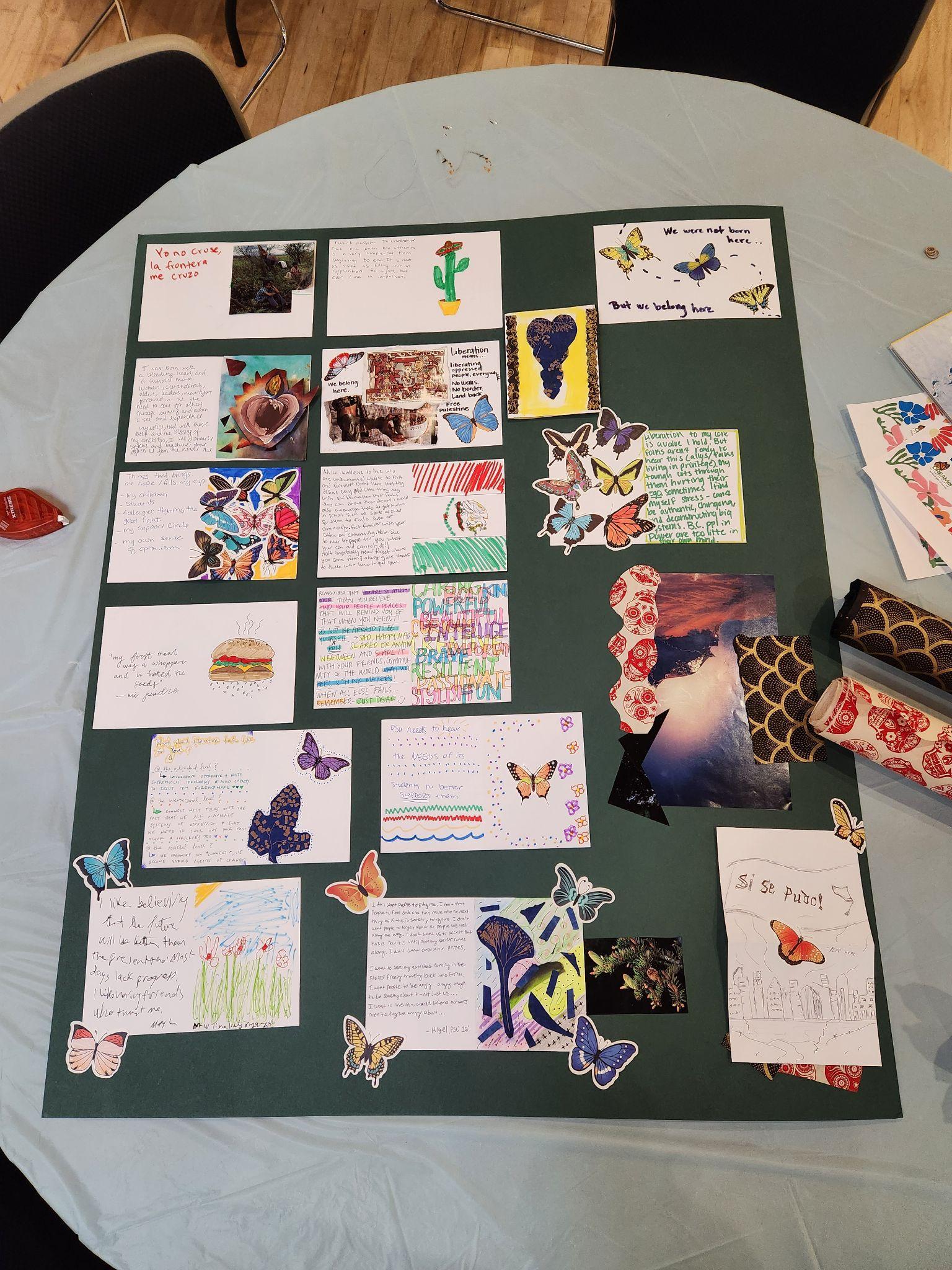
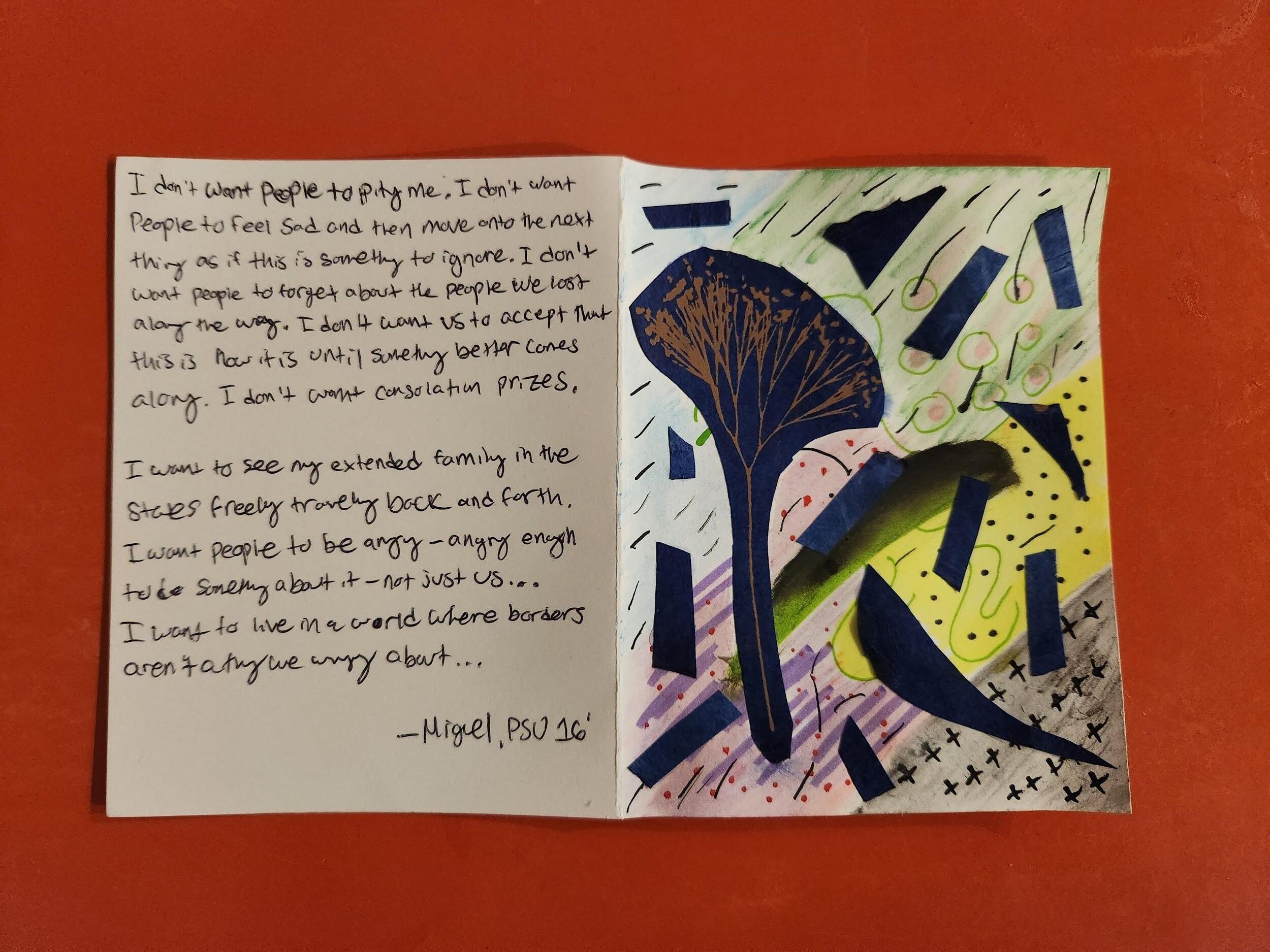
Using a reflective approach, attendees selected from a list of prompts to share their reflections, ideas, or answers to questions about navigating life as an undocu/DACAmented individual or coming from a mixed status family.
● I shared my own undocu/DACAmented journey, while highlighting the power of community, social justice, and design to bring people together.
● Using a reflective approach, attendees selected from a list of prompts to share their reflections, ideas, or answers to questions about navigating life as an undocu/DACAmented individual or coming from a mixed status family.
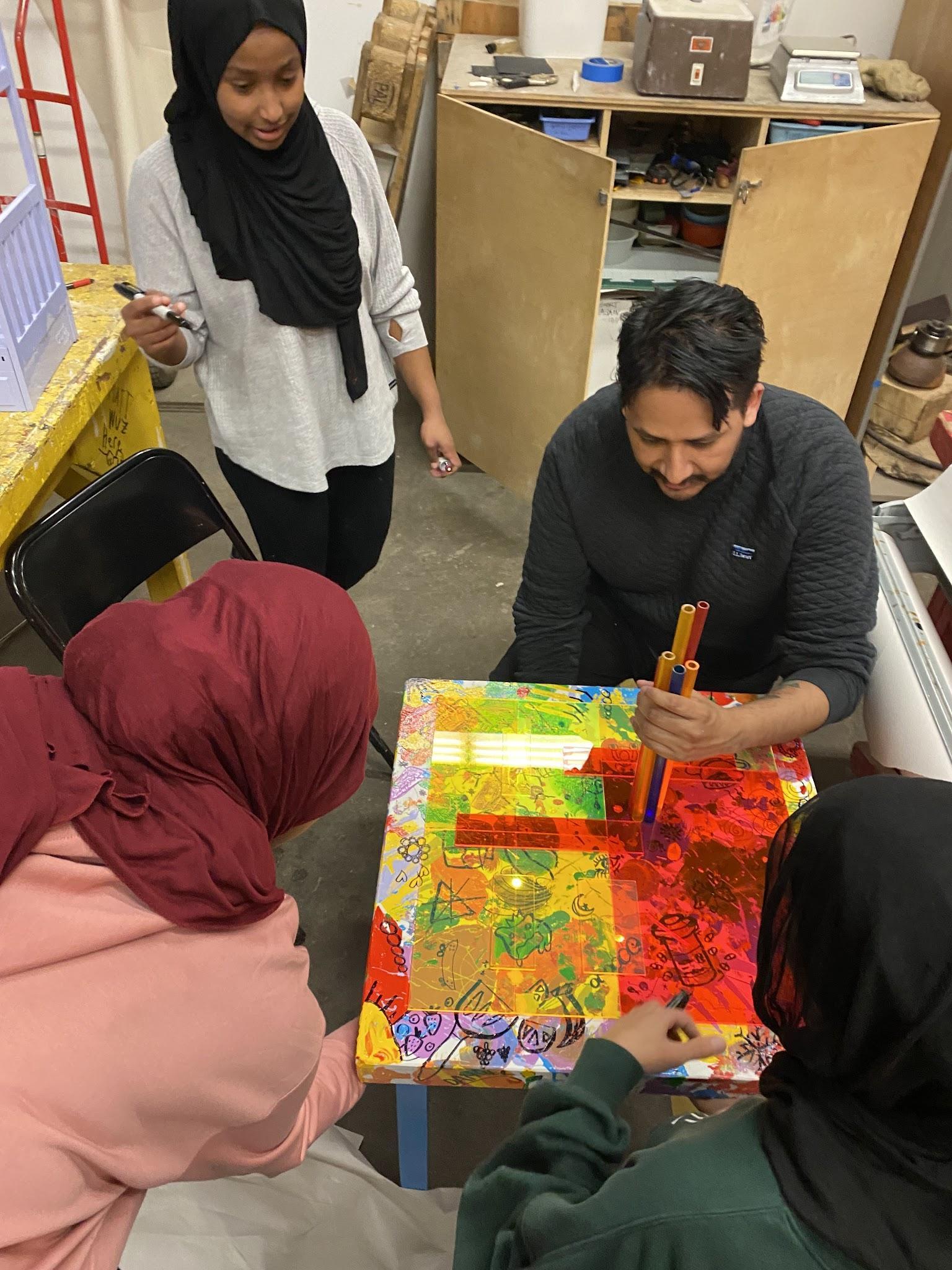
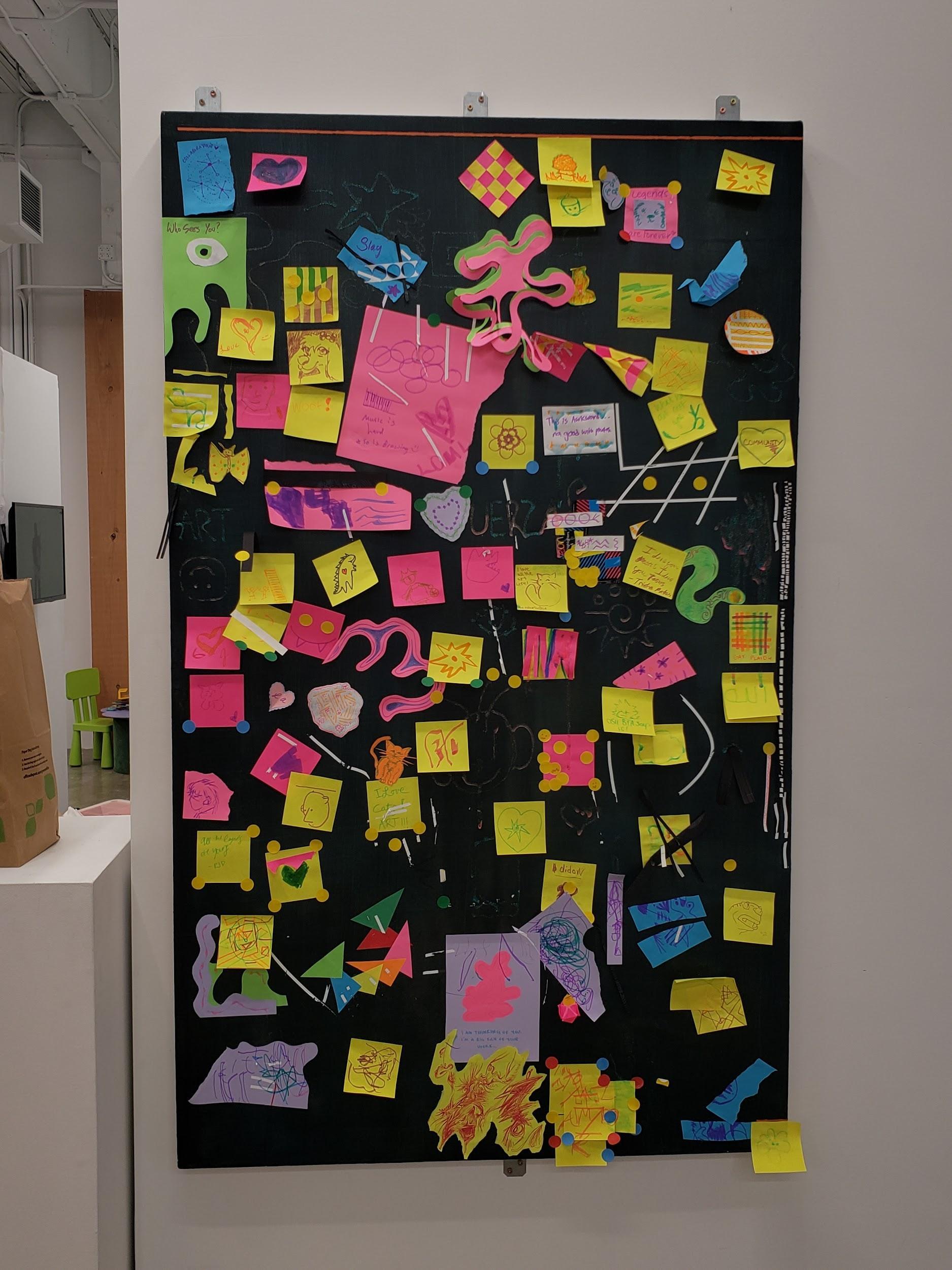
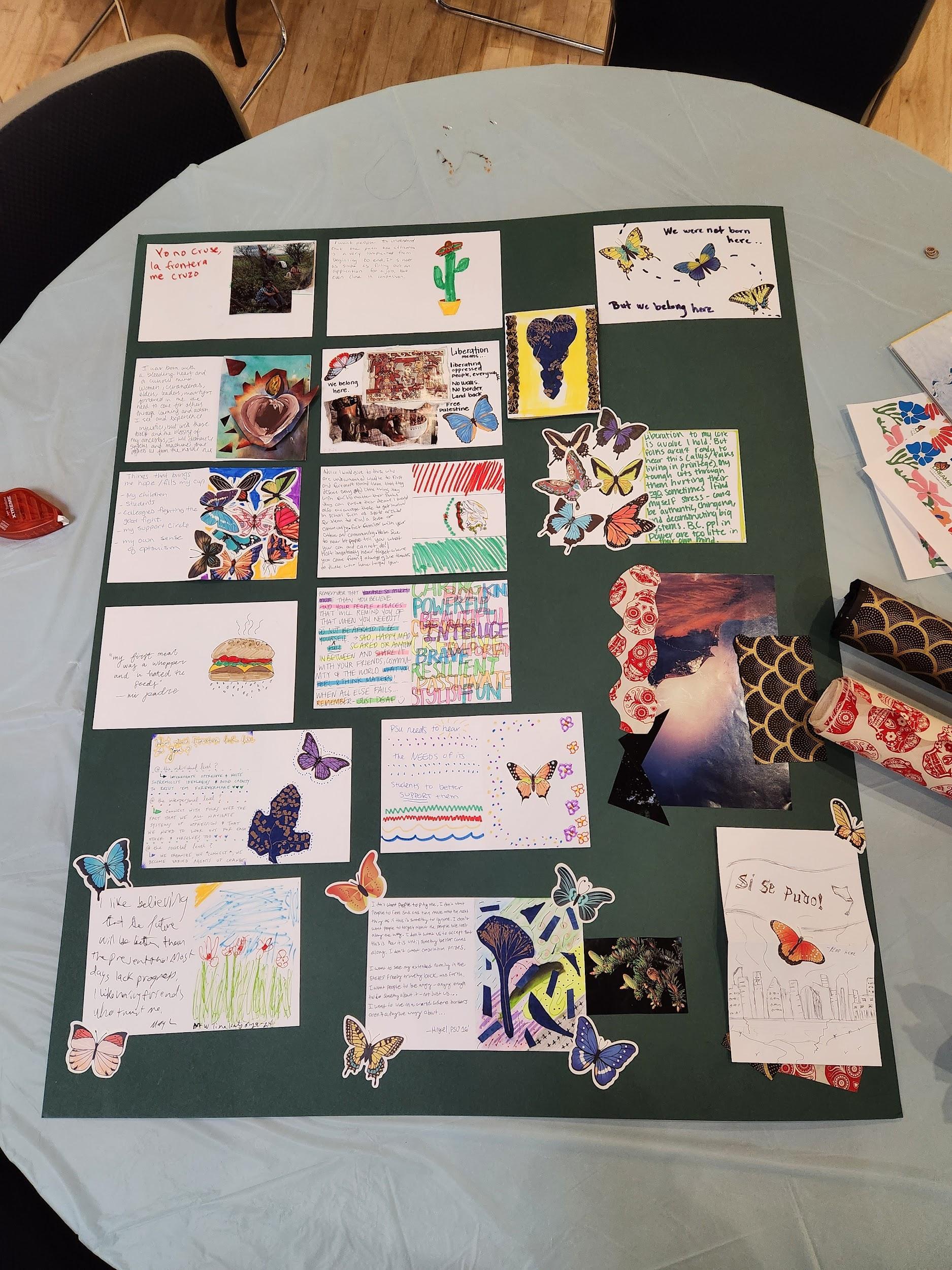
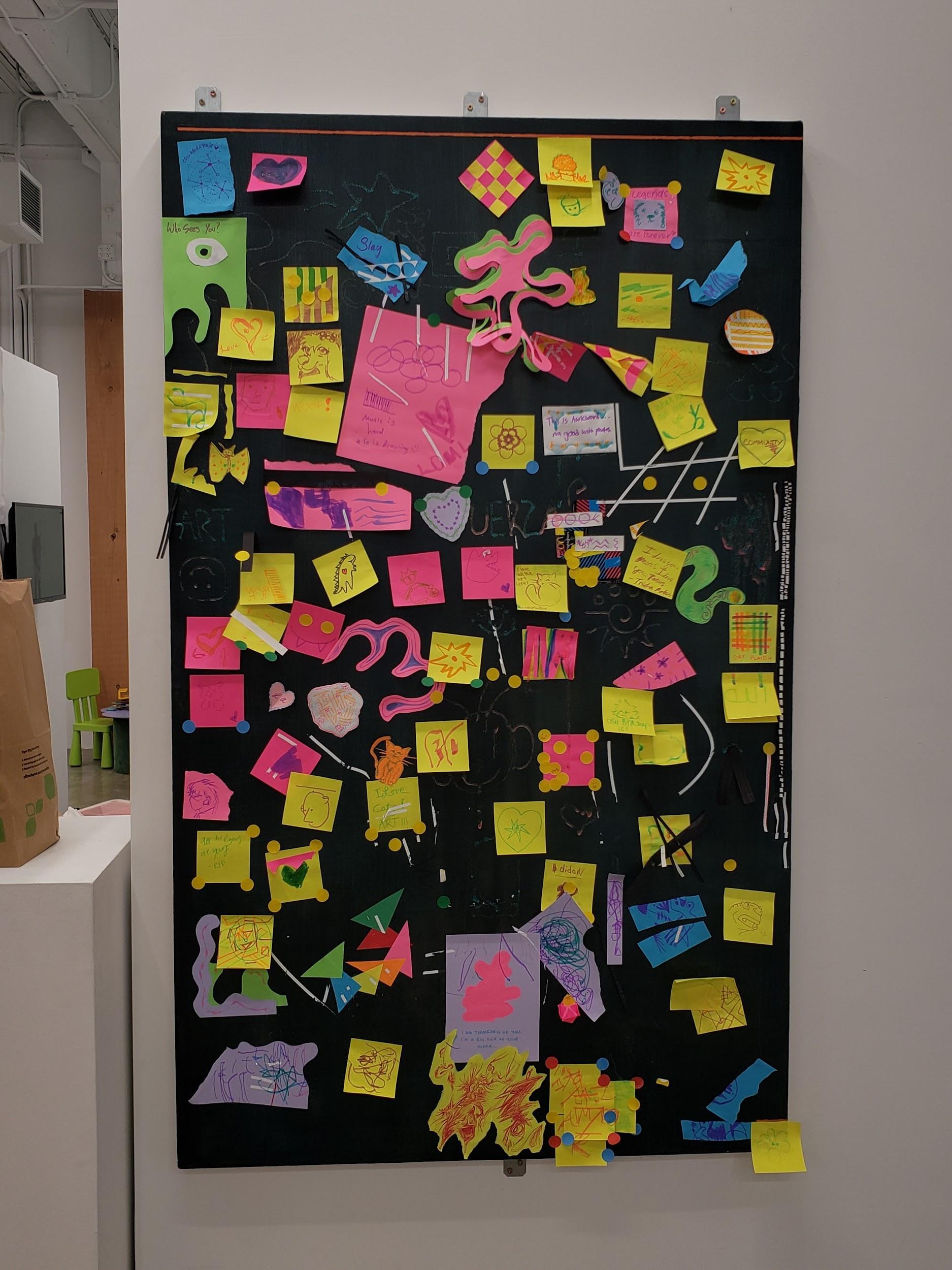
● Using a collaborative approach, attendees created an art piece / collage that combines the written word + visual elements to showcase the breadth of experiences within our community.
● We are not the exceptions to the rule…
● We are not the exceptions to the rule…
● Our support systems hold us down through our toughest days and times…
● We are not the exceptions to the rule…
● Our support systems hold us down through our toughest days and times…
● Stay true to your convictions, and center and prioritize your communities whenever and wherever, all the time…
● We are not the exceptions to the rule…
● Our support systems hold us down through our toughest days and times…
● Stay true to your convictions, and center and prioritize your communities whenever and wherever, all the time…
● Opportunities come and go, but things eventually fall in place - trust the timing…
● We are not the exceptions to the rule…
● Our support systems hold us down through our toughest days and times…
● Stay true to your convictions, and center and prioritize your communities whenever and wherever, all the time…
● Opportunities come and go, but things eventually fall in place - trust the timing…
● Great design is collaborative, iterative, and should not be reliant on one individual…
● We are not the exceptions to the rule…
● Our support systems hold us down through our toughest days and times…
● Stay true to your convictions, and center and prioritize your communities whenever and wherever, all the time…
● Opportunities come and go, but things eventually fall in place - trust the timing…
● Great design is collaborative, iterative, and should not be reliant on one individual…
● Our stories are important to share, but trauma dumping should not be the vehicle…
● We are not the exceptions to the rule…
● Our support systems hold us down through our toughest days and times…
● Stay true to your convictions, and center and prioritize your communities whenever and wherever, all the time…
● Opportunities come and go, but things eventually fall in place - trust the timing…
● Great design is collaborative, iterative, and should not be reliant on one individual…
● Our stories are important to share, but trauma dumping should not be the vehicle…
● We can’t lose hope: these systems, policies, and conditions can be changed. We don’t have to do it alone - ask for help, organize, fight, and rest as we shape the future….
A discipline of study and practice focused on the interaction between a person — a ‘user’— and the man-made environment, taking into account aesthetic, functional, contextual, cultural and societal considerations.
As a formalised discipline, design is a modern construct.
- International Council of Design (link)
TYPES:
● Graphic Design
● Product Design
● Fashion Design
● Architecture
● Animator (e.g. Videography)
● Branding (e.g. Marketing)
● Wayfinding
● Experience Design (UX)
● Interface Design (UI)
● Web Design
● Environmental Design
● Urban Design
- American Institute of Graphic Arts
[AIGA] (link)
Space Activation and Placemaking:
“Placemaking means creating places and focuses on transforming public spaces to strengthen the connections between people and these places. Placemaking is a process centered on people and their needs, aspirations, desires, and visions, which relies strongly on community participation.” - archdaily (link)
“Placemaking is an approach to urban design that prioritizes people over infrastructure” - Urban Design Lab (link)
Examples:
● Event pop-up in the park
● Murals in neighborhoods
● Renovating an alleyway with art
● Repurposing a side street as a gathering place
● Miniature “museums” across the city
● Community workshops in an esplanade
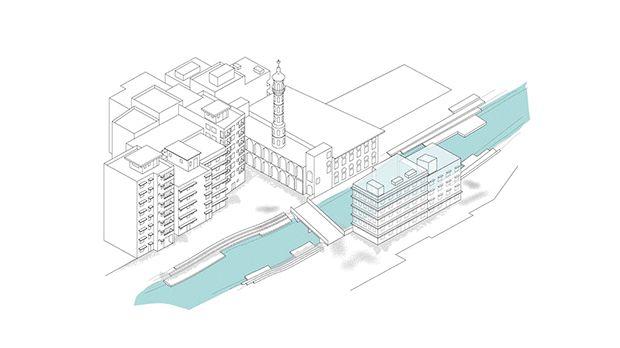
Rethinking Public Spaces in Dhaka: an Urban Design Scheme (link)
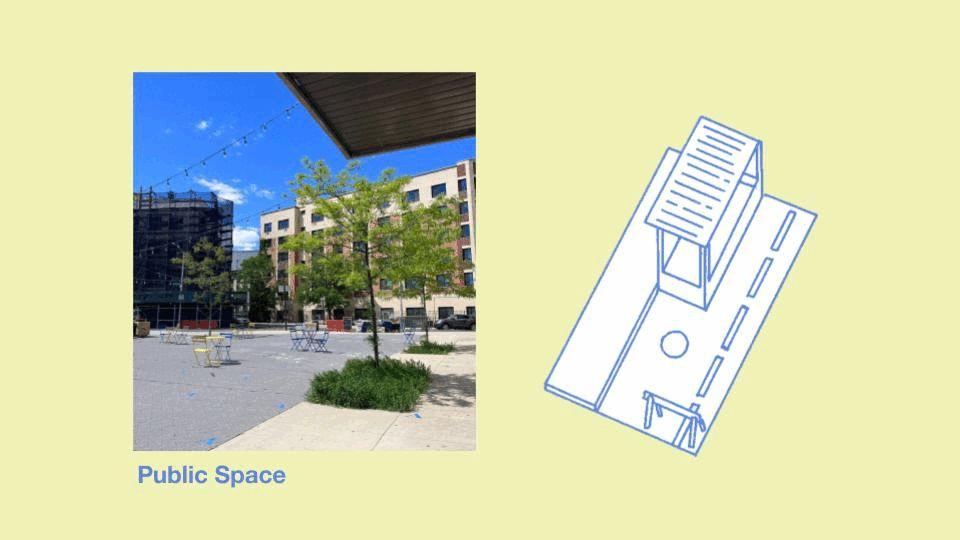
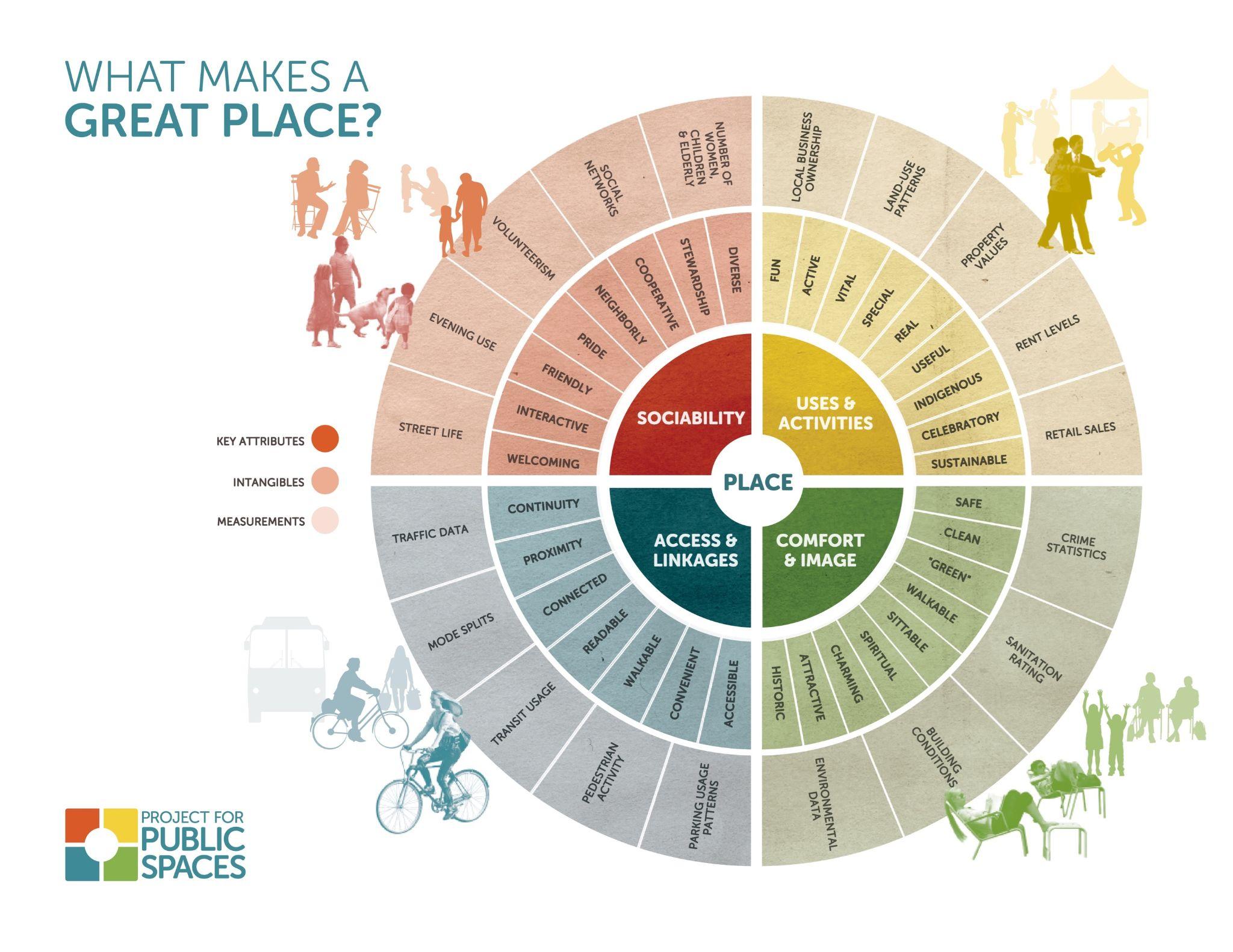
Project for Public Spaces (link)
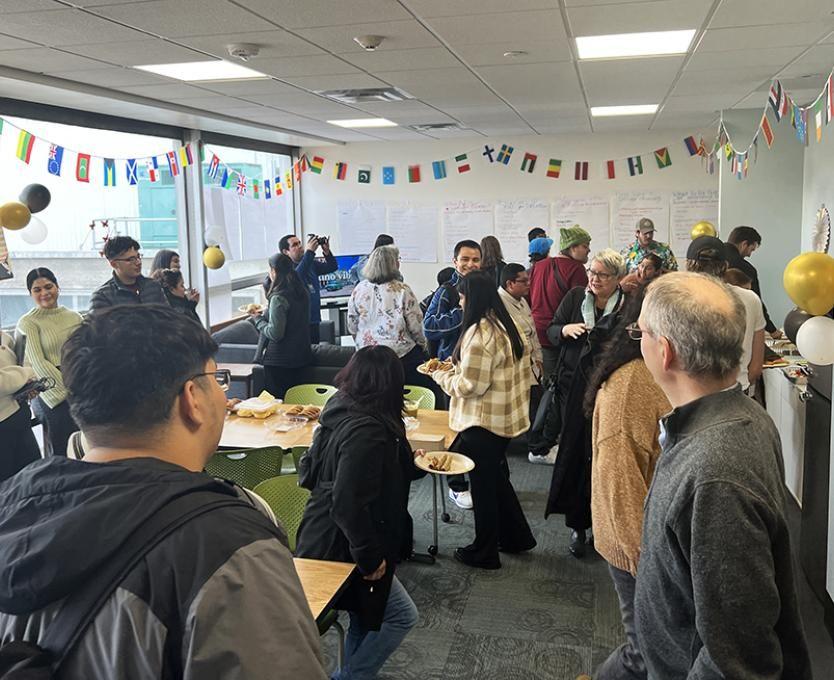
PSU’s DREAMer Resource Center:
It’s an activated space that is ever-changing and a strong example of placemaking in progress.
Questions to Consider:
What do you want this space to feel like?
How can design be incorporated? How can more people access it?
What are the norms of the space?
Group 1:
Draw, paint, design the gaps / beautify the collage art piece.
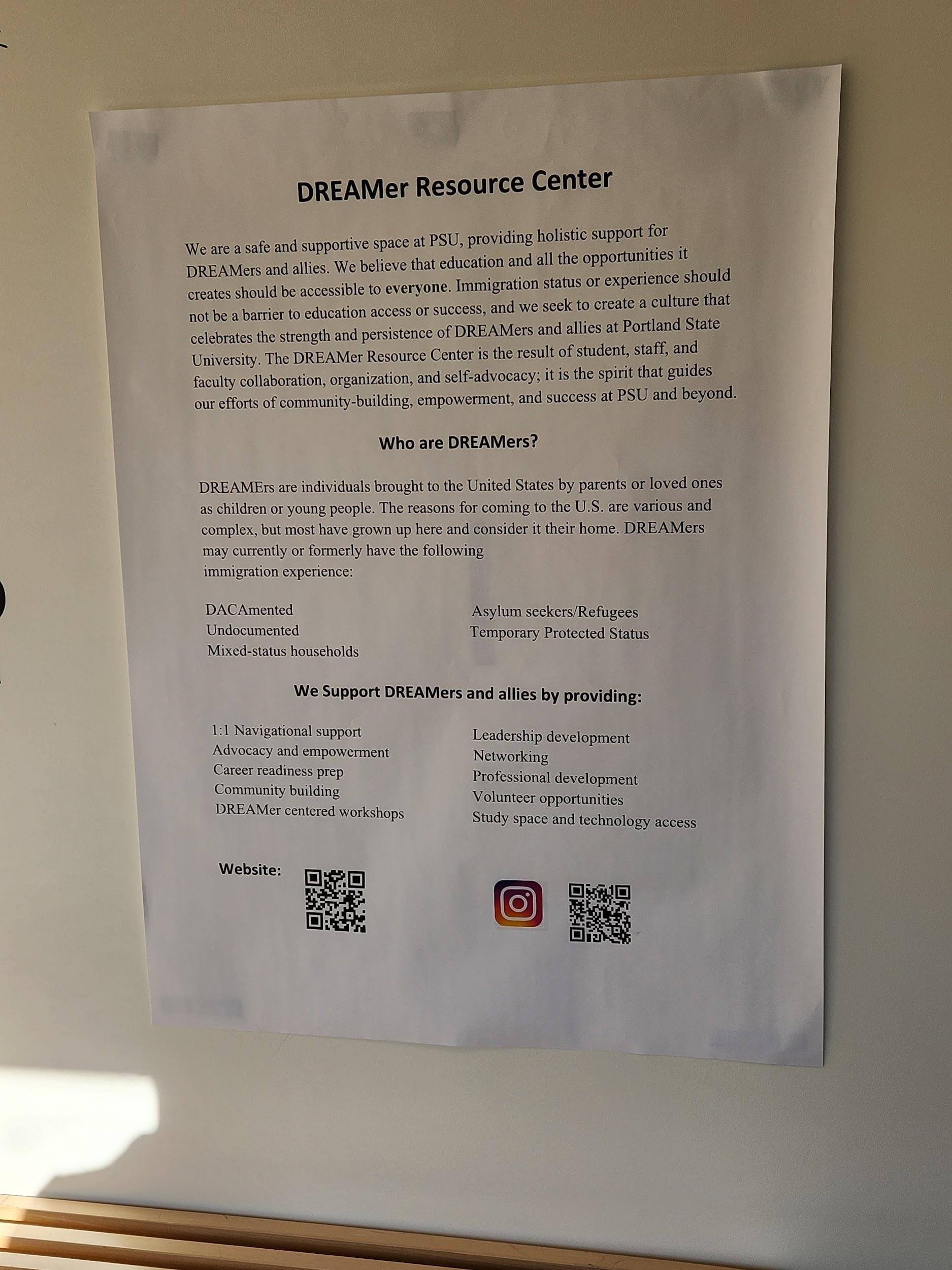
Group 2:
Draw, paint, design the gaps / beautify the DREAMer Center description, mission, vision, whom and how we support DREAMers.
Group 3:
Coordinate the location, spacing, and preparation of the wall for the two pieces to go up.
Tips and Tricks
● Visual hierarchy
● Are there poems, song lyrics, or quotes you’d like to share? (make sure to properly attribute)
● Sketching before committing
● Asking a friend (or someone else)
● Text legibility
● Materiality (cardstock vs. glue, who wins…?)
● Inclusion and accessibility (what does it look like for people different than you?)
● What story or stories do you want to tell, and whose should be prioritized?
● Time management and managing ambition / scope creep
● Do you want consistency, chaos, or a blend of artistic styles? (requires communication…)
● Are there particular artists, design styles, etc., that you want to emulate, reference, or pay homage to?
● Could you incorporate textures and other dimensions into the process?
● What’s something you’ve wanted to explore creatively but haven’t had the chance to try out. Now’s the time to experiment!