mihaivasilescu10@gmail.com ; 51 Goodwood Road, Southsea, United Kingdom, Zip:PO5 1NN Mihai Ionut Vasilescu PORTFOLIO MIHAI IONUT VASILESCU
Valley garden 3D printing
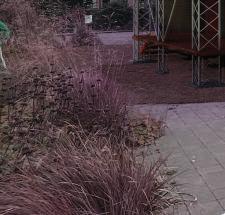
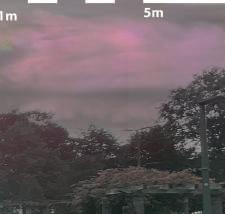
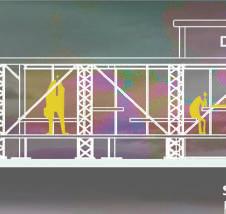
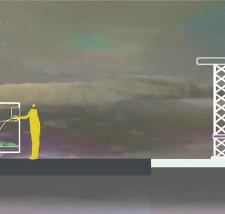
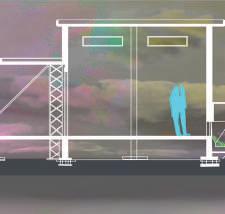

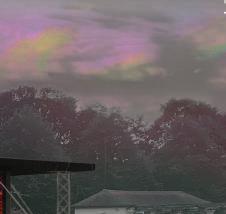
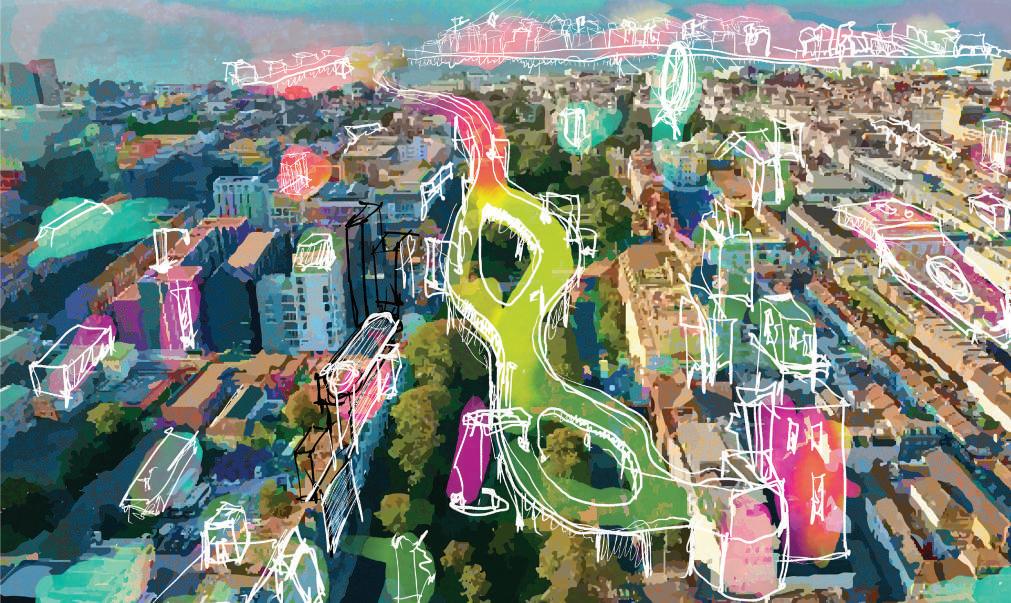
The project is focused on a large scale in Valley Garden, Southampton. The proposal is a fictional multi-step advancement of 3D printing technology in the city that uses recycled waste to generate structure while rewarding the community.
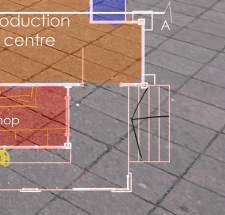
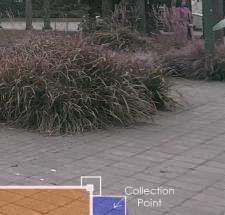

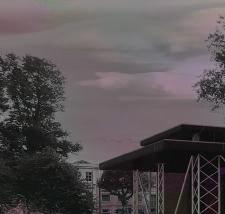
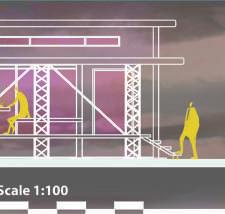
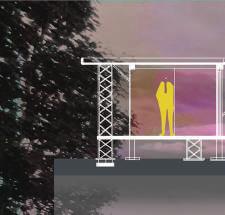
3D printers are versatile pieces of technology, shaping almost any type of material with no need for personnel. The idea focuses on the community giving away their plastic waste in return for 3D printed items based on the quantity of material they brought in. The rubbish will be processed into recycled filament, giving it a new purpose in the future. The concept revolves around expansion, from small items printed at popups to new types of recycled materials used for building construction. This fictional proposal focuses on ways to reduce waste from a realistic point of view to utopian/dystopian urban strategies.
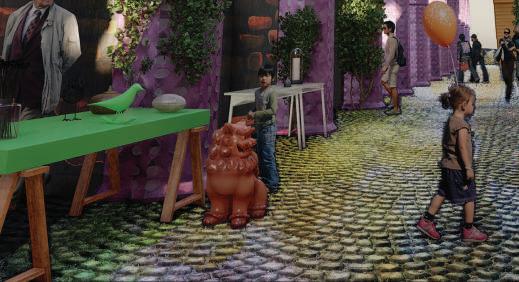
(3D printing pop-up)
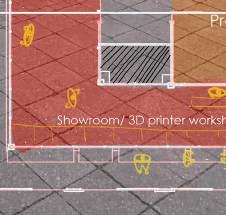
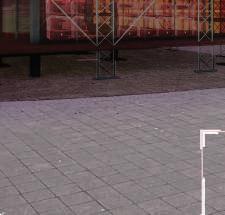
STEPS:
The project takes three steps:
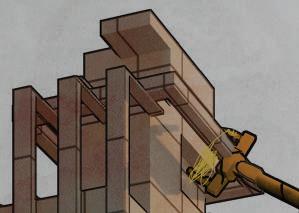
-Step 1
Introducing people to the topic: Organising workshops into small pop-up pavilions to generate attraction. (limited production)
-Step 2
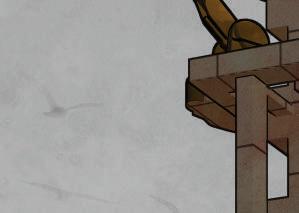
Expanding the proposal: Adding collection points throughout the city and expanding by opening more pavilions and production centres
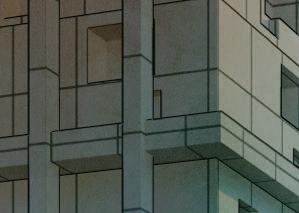
-Step 3
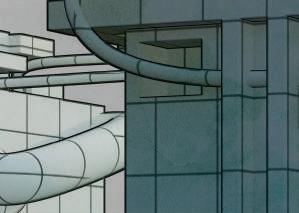


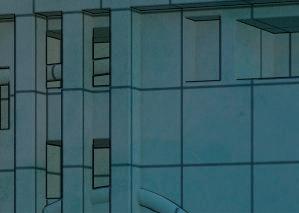
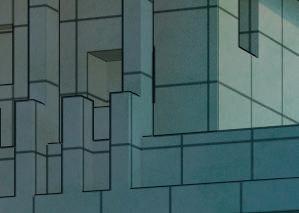
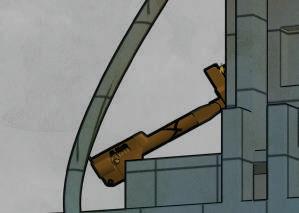
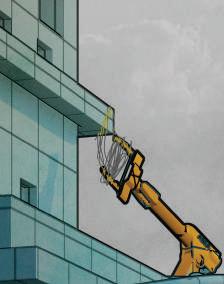
Making it part of the city
Future stages:
This stage of the project is fictional and focuses mainly on storytelling. The next stage of the project is the “Brighton 3D Printing community centre” project
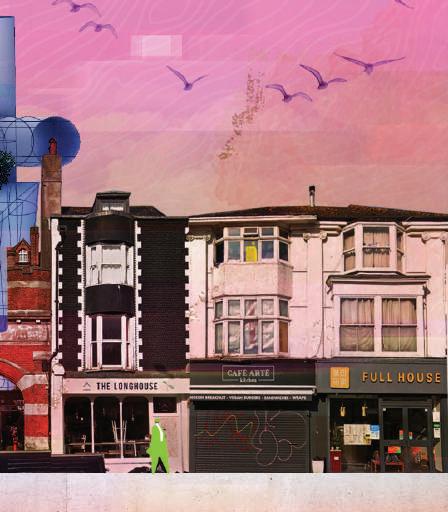
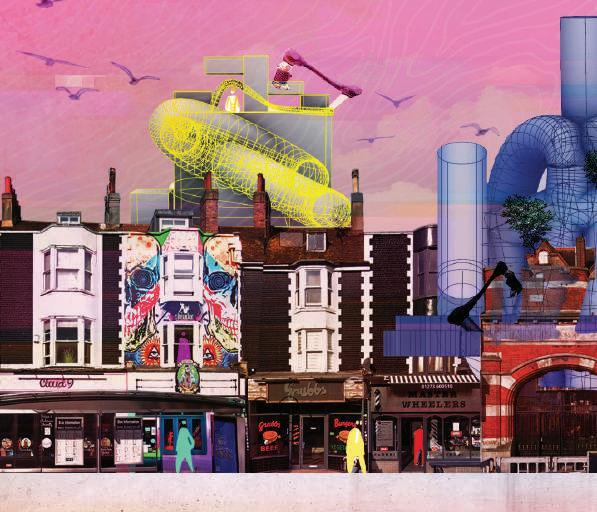
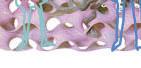
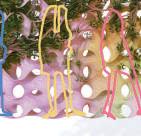
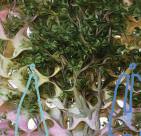


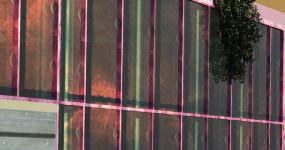
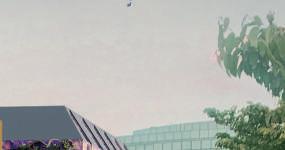
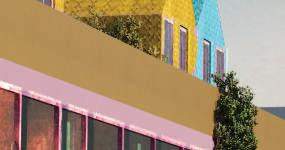

Designing a large scale hybrid building in the hearth of Brighton, Valley Gardens. The structure should be benneficial to the community and taking in consideration UK building regulation and sustainable design strategies.





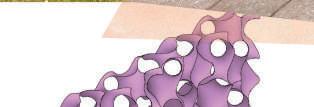



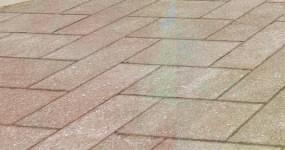
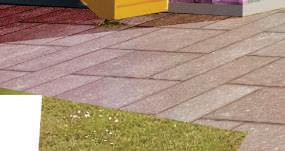
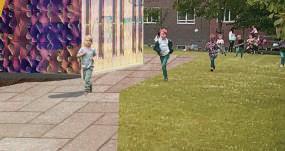
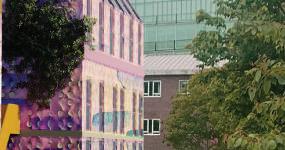
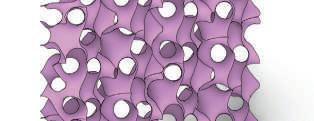
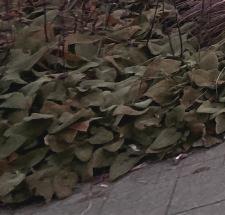
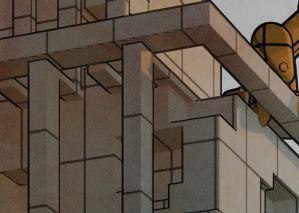
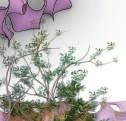
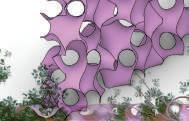
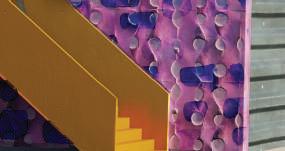
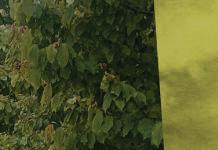
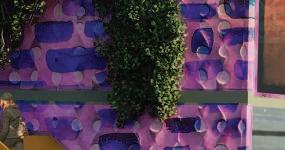
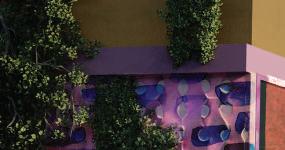
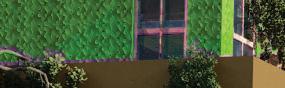
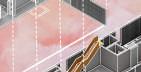
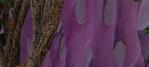
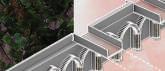
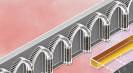
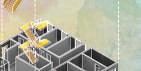
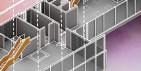
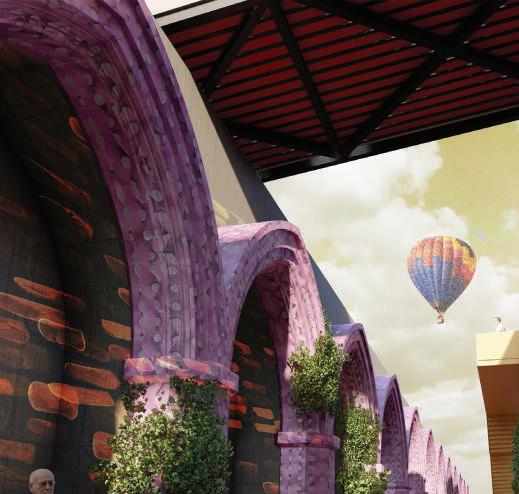
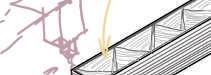
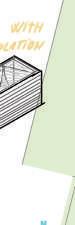
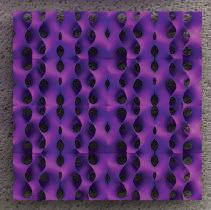
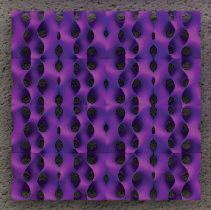
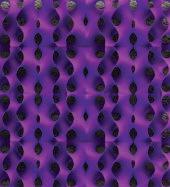
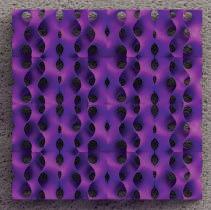
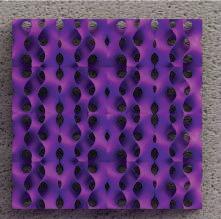
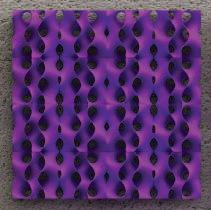
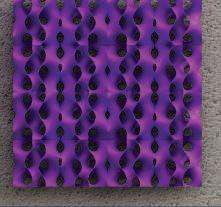
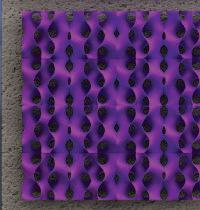
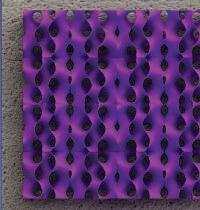
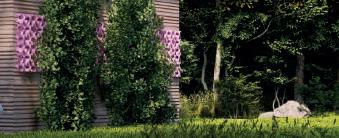
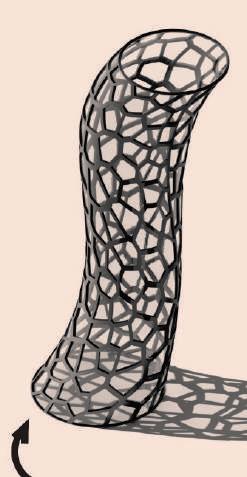
The featured axonometric is part of the facade. A 3D printed Gyroid out of PLA will allow ivy and other hanging species of plants to grow. The Gyroid was designed using Grasshopper for an accurate representation of organic shapes. The facade must be prefabricated and then attached to the wall to achieve printable angles. All possible failed components can be molten and extruded back into filament with no waste.


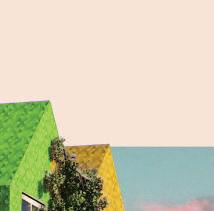
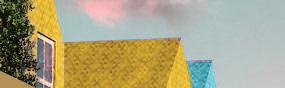








3D printing has been seen recently as a cheap and easy solution for many industries, but never for personal use. By building cheap pop-ups around Brighton featuring 3D printers and recycling spots, the residents would be able to trade in their recyclables in exchange for 3D printed goods they desire. The plastic collected gets turned back into filament, ready to be used for the 3d printers, giving back a new purpose to it.
To fulfil such a demand, a large production centre would be needed. Although the task of recycling is the main aim, the centre has to evolve to be part of the community. To achieve the task, a hybrid building design has to be considered.

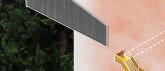





Besides small-scale printing, the bigger target is the architectural side of 3D printing by tackling housing and environmental issues.

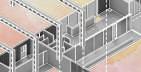
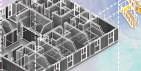
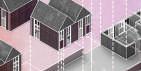
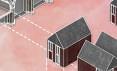
Printing homes comes with challenges, but overall, the lack of material waste and almost no workforce needed offers a unique take when designing.

Another benefit of 3d printing is the portfolio of materials that can be used, such as recyclable or recycled plastic, concrete, insulation, metal and anything that can be “extruded.”












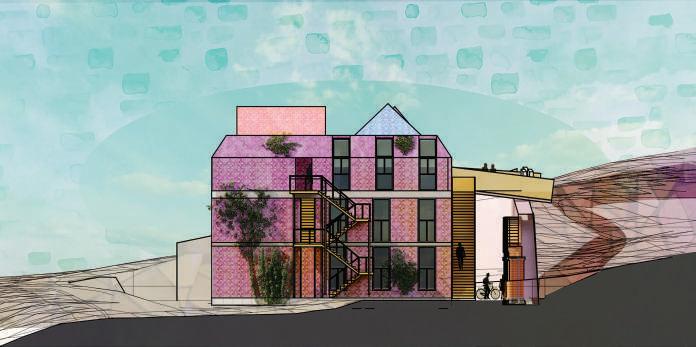
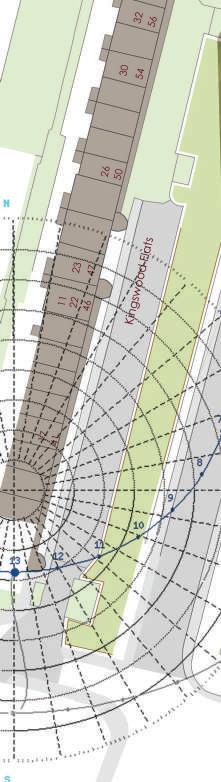
The following design was my final year major project and as means of presentation, I directed an open exhibition with my faculty studio to showcase our work. The project was presented breefly within an A2 sheet, physical model of the site and model and in VR representation using enscape.



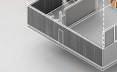
The model is a hybrid of laser cutting and 3d printing techniques on a 1:500 scale, fitting the entire site within an A3 while maintaining a high level of detail.
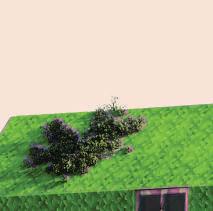
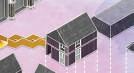
The 3d printed houses are a diagrammatic representation of volumetric possibilities that could take place on the rooftop, as the concept of experimental and cheap 3D printed homes would imply relocation and redesigning at all times.




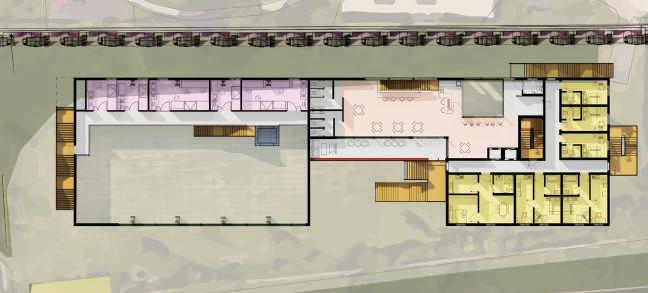
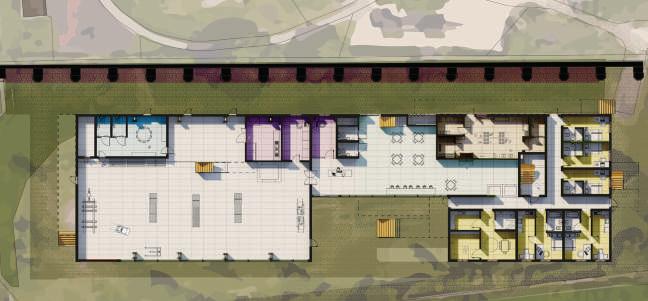
Production / industrial area activities:

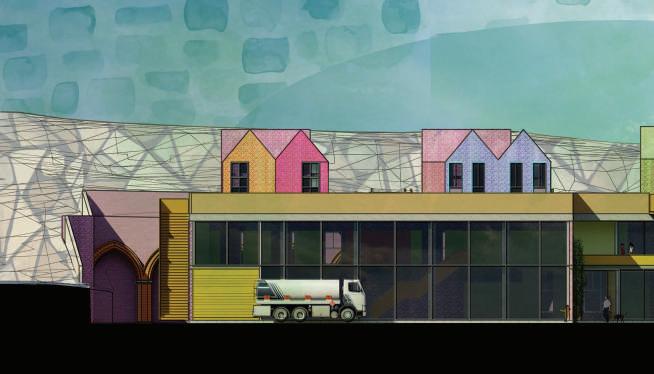



-Production centre for 3D printi ng construction using concrete and recycled plastic
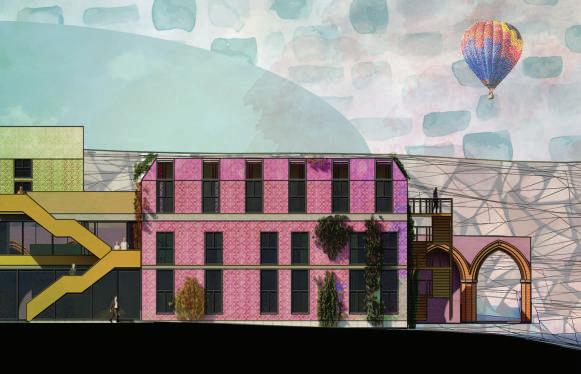

-Recycling centre (to upcycle plasti c into 3D printing filament -Laboratories (For researching diff erent purposes of the materials recycled and different uses o of the 3D printers)

-Boutique for public 3D printing using recyclables

Street Market:
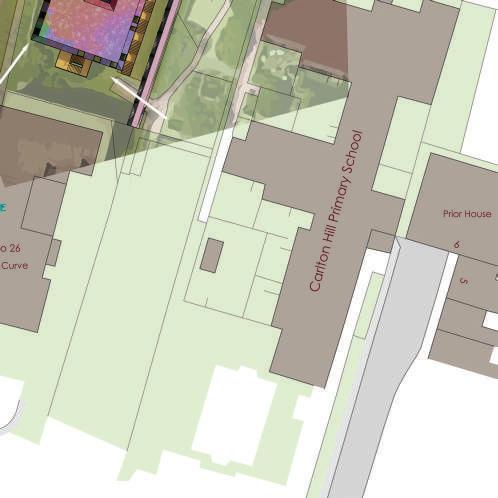
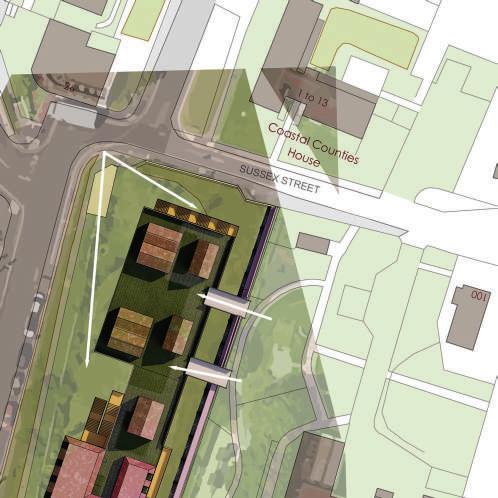
-Behind the building, situated within the retaining wall under the connecting bridges.
-Provides easy access to collection of rubbish, fire escape routes and a smart way to blend all the uses of the building.
-Promotes local businesses and recycling
Residenti al area:
-Block of 25 fl ats
-Single Studios and hotel oriented double rooms for delegates
-Access to the experimental rooft op area

Experimental Rooftop:
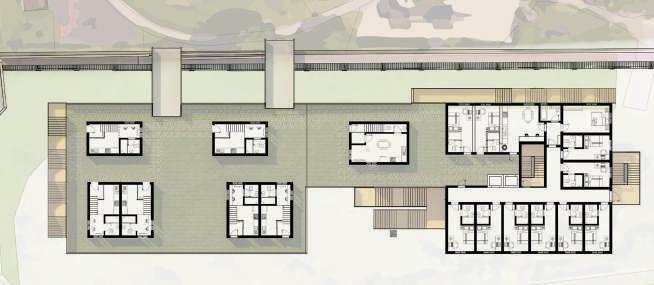

-Fully 3D printed experimental houses made out of concrete and plastic cladding.

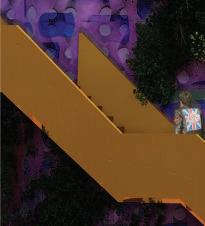
-Accesible routes to exit the site (bridges over the retaining wall and fire escape staircases)
Common area / Restaurant:
-Restaurant
-Reception -Terace
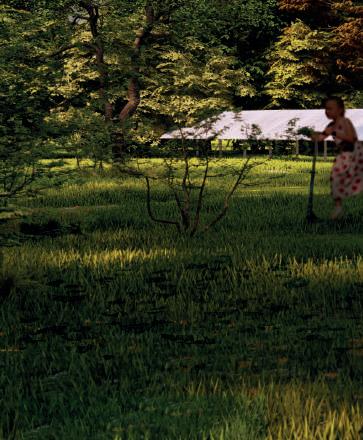
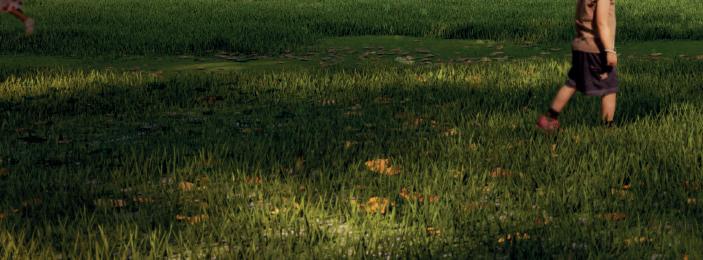
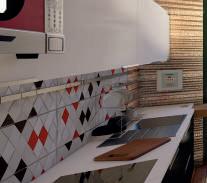
Micro-homes have been a trend over the past decade due to affordability, longer commutes, and smaller families. This new trend got traction worldwide through social media and various blogs, raising interest in a new way of living in a short amount of time.
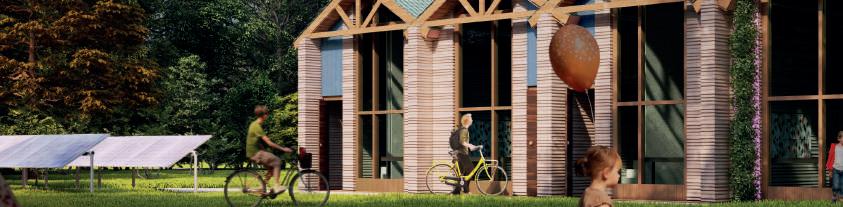
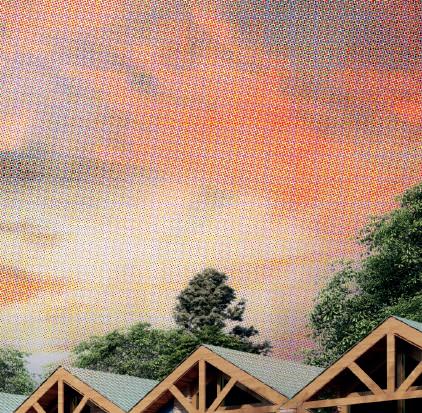
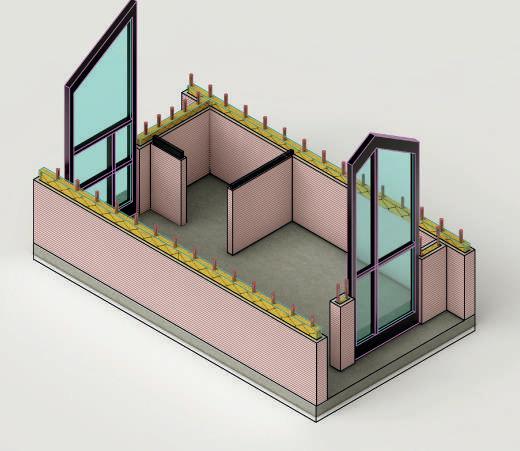
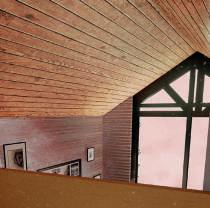
The featured design concept is a one-bedroom micro-home using traditional and conceptual construction.
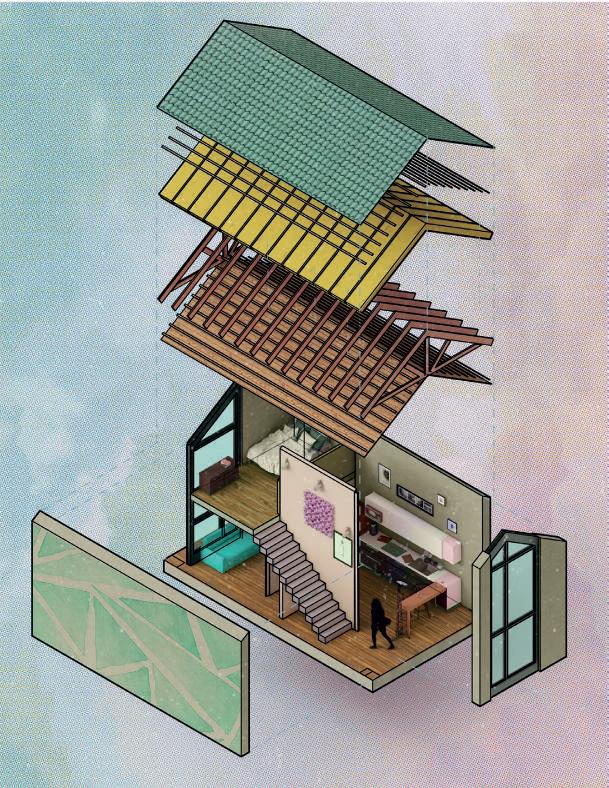
The substance of the design and reasoning is experimenting with the structure of the design and generating a cost-effective
and energy-efficient construction method.

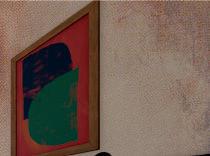
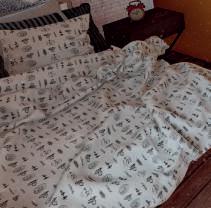
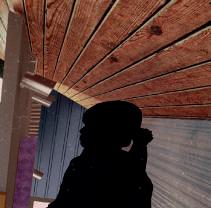
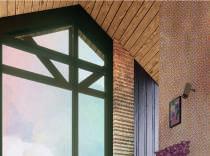
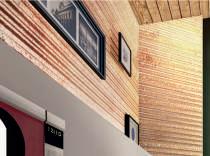
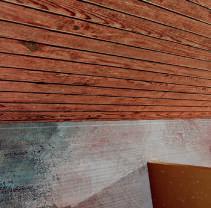
Additional elements (roofing system) have a traditional method of construction using timber to accommodate building regulations and material specifications and comprehensively present the project due to current 3D printing limitations.


The dissertation covers the method, materials and resource use of 3D printing technology as a construction method.
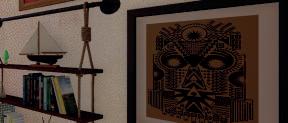
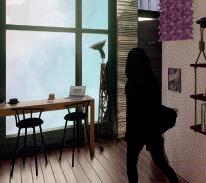
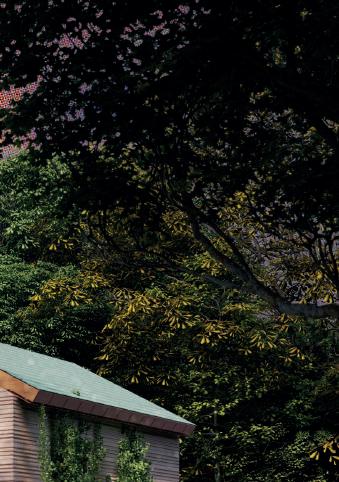
Design a small volume kindergarten given Foxes Forest in Portsmouth as an open site.
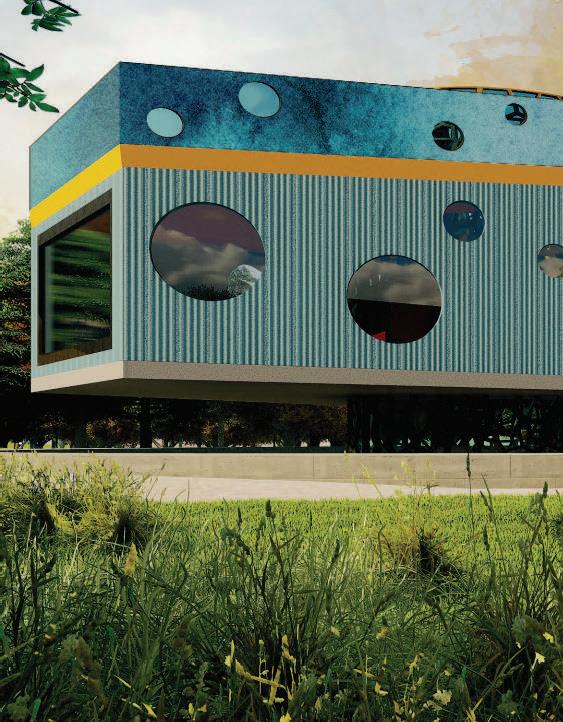
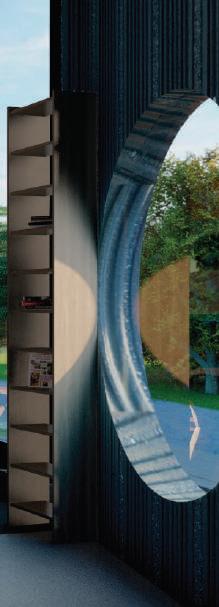
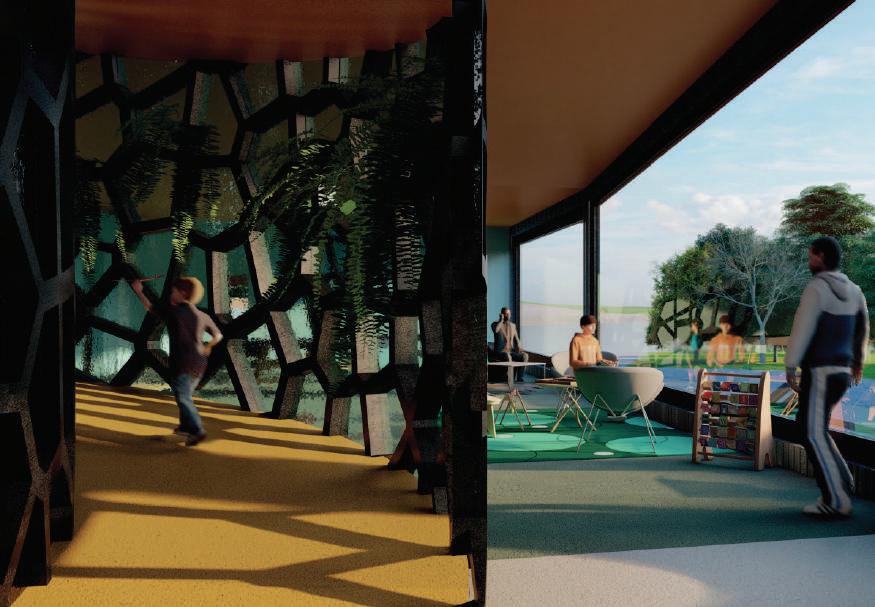
The attention to detail came first when rendering the final images. After that, all additional steps to ensure the quality of the project are taken from planning integrity to the environment, resulting in a solid and clear design idea.
“One of the most important and joyful parts of your life should be your childhood, so why not make it the best for today’s children?” The design is heavily driven by the site’s history, a bastion from the second World War from “The Home of the Navy” situated next to the site. The fluent stacked boat shape reminds heritage and tradition and is a creativity booster for the youth.
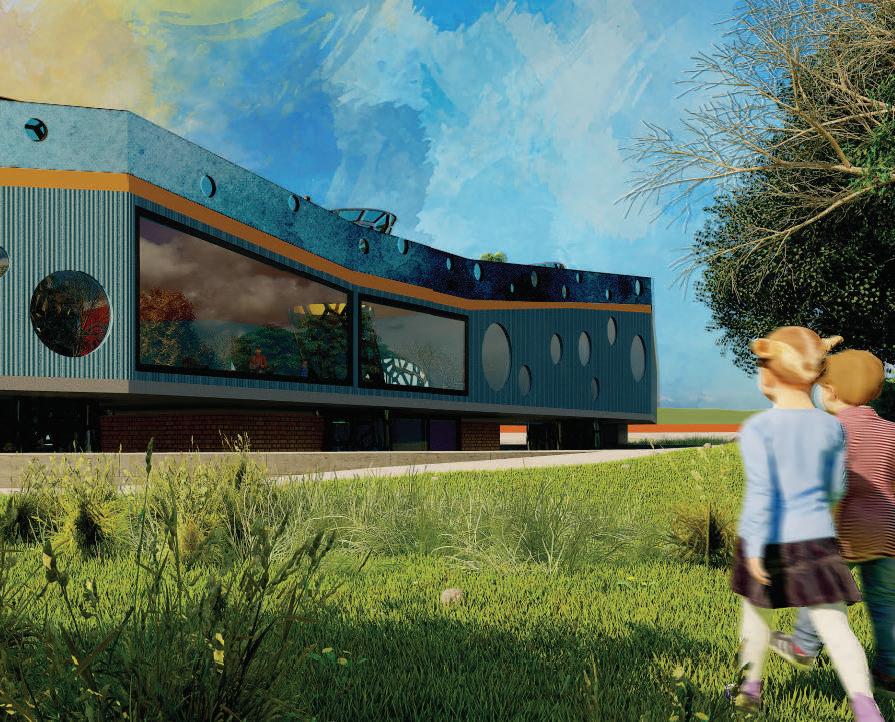
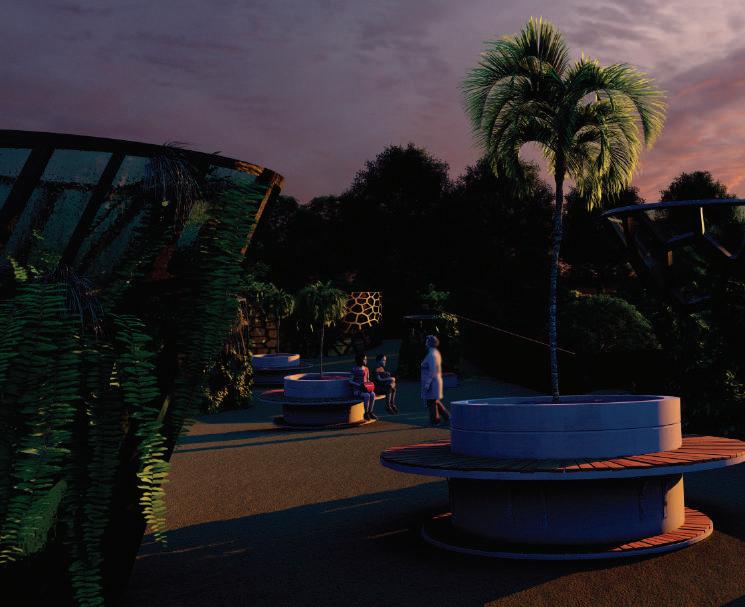
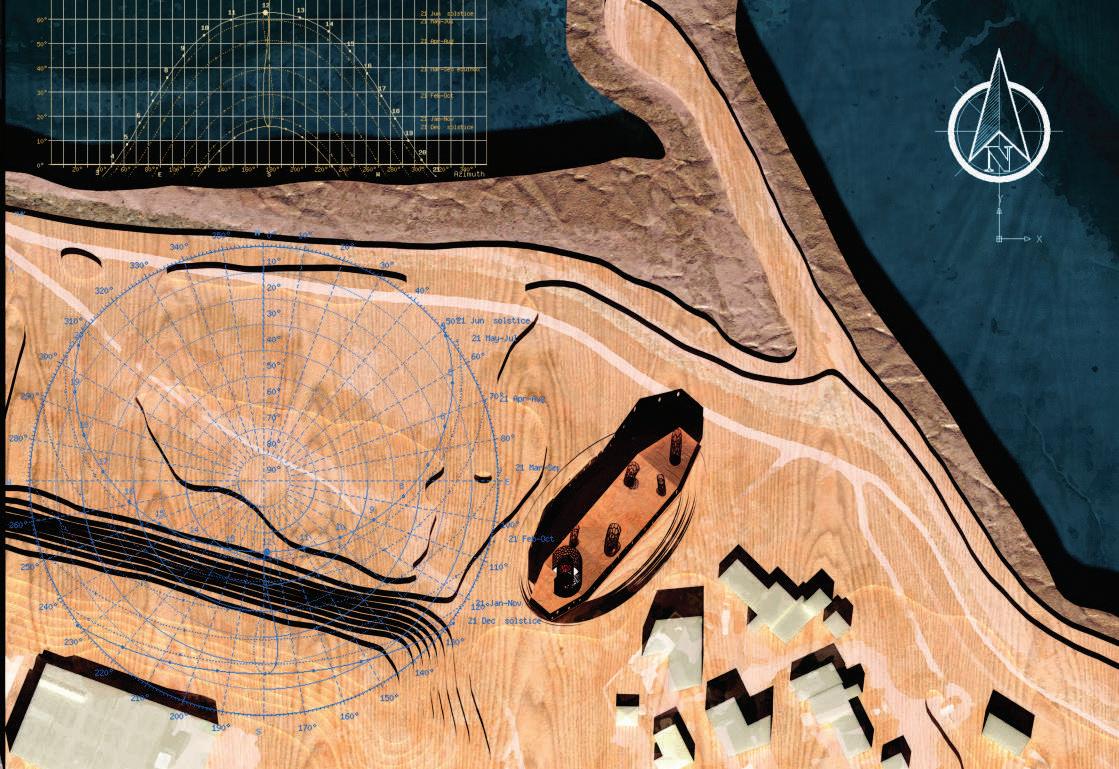
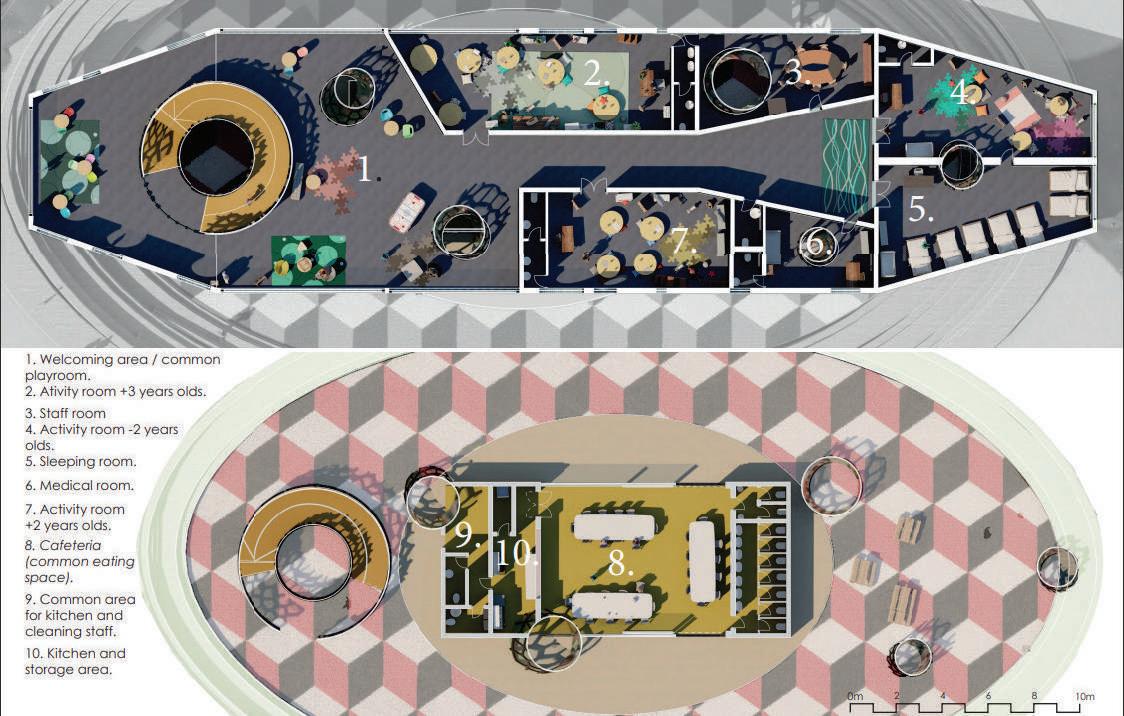

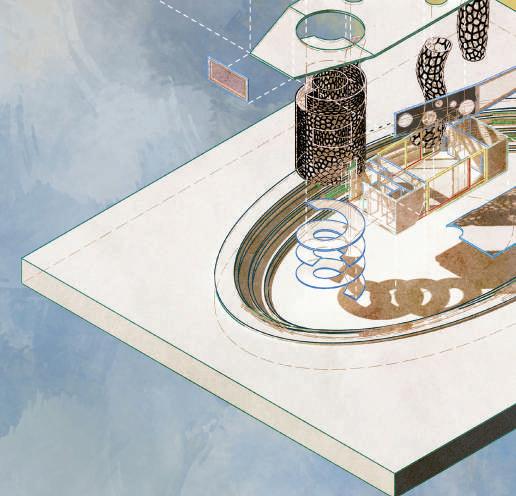
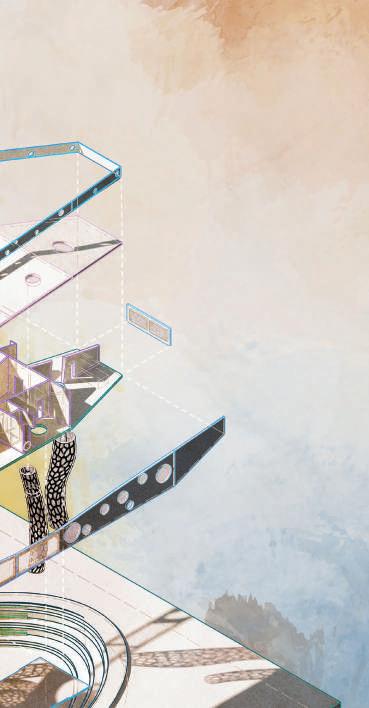
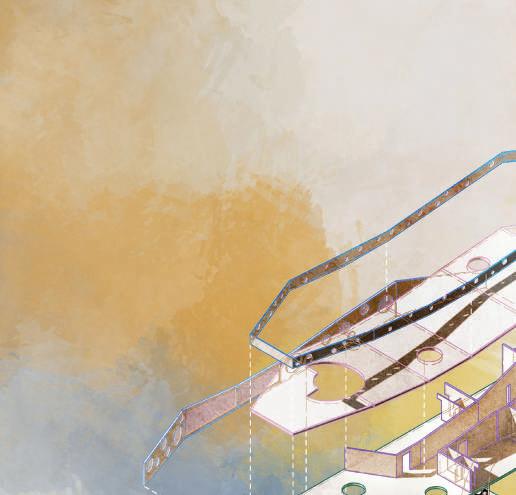

Two-storey buildings perforated by the metal frame* all under a green roof. The structure is situated a few meters under the ground level, so the oval staircase could achieve an atrium effect. The functions are separated by the levels. Food area on the ground floor, activities on the second and outdoor activities on the third.
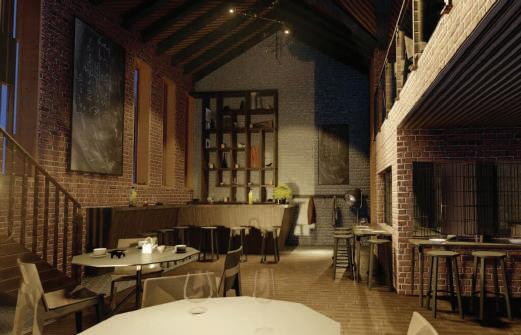
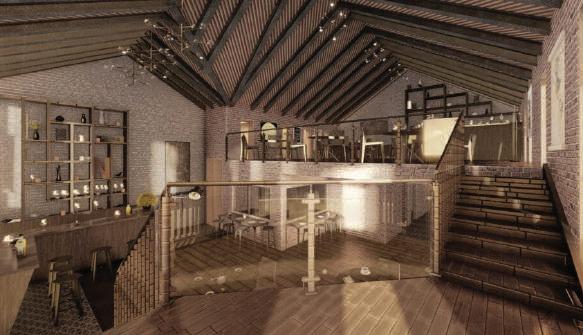
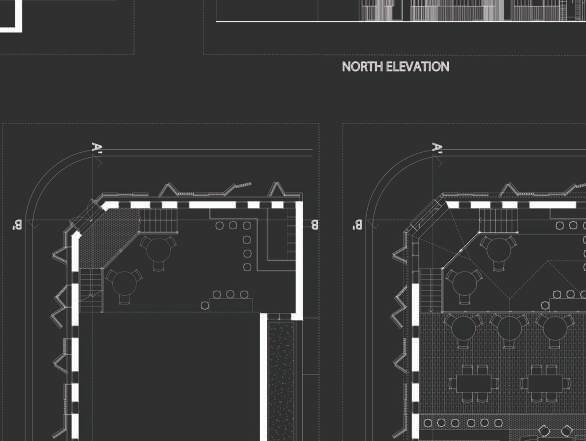
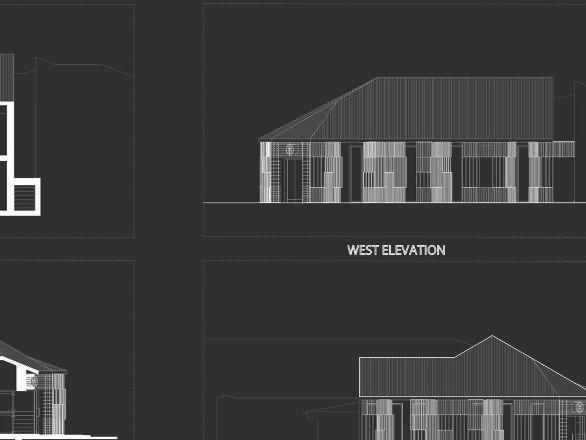
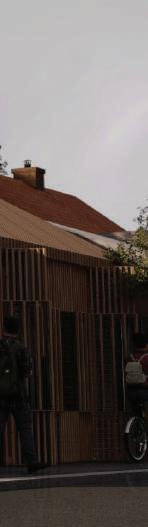
I chose the site in Craiova, Romania, on “Horia Street” is an old house that I decided to restore. The function of the building was established after surveying the area (between a park and the local school) The surveying was done by retrieving the original plans from the house owner.
My design principle stands on using the material; timber for the frames and the original masonry exposed to the public. The house’s interior has been wholly repurposed, the ground floor removed (keeping the entrance area), and the basement extended so an extra floor could be added, almost doubling the usable space.
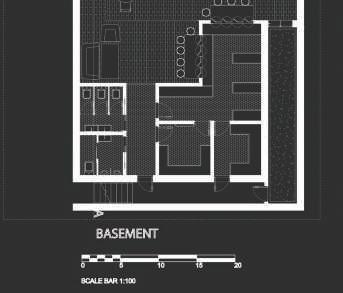
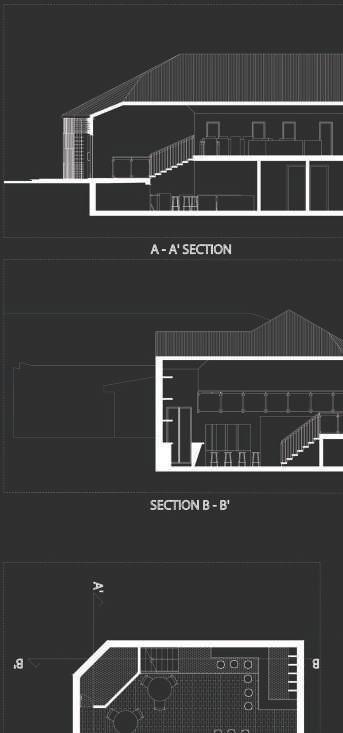
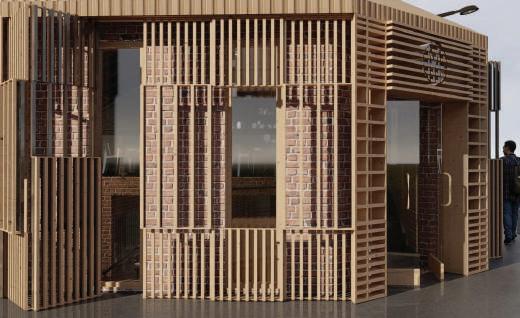
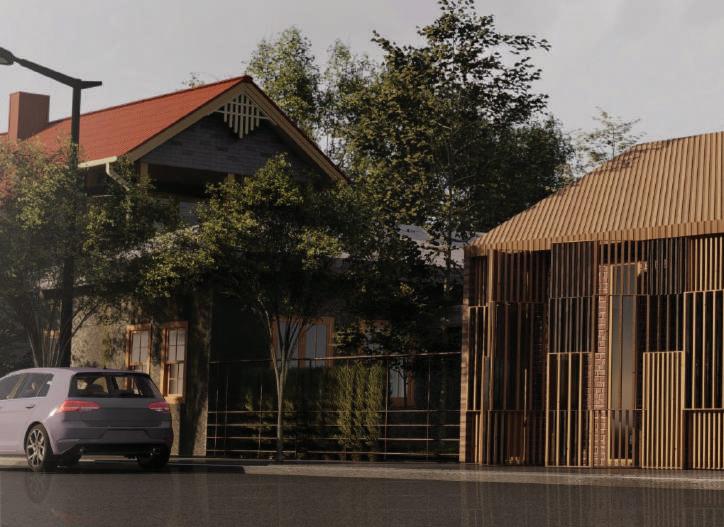
-PLANS - SECTIONS-ELEVATIONS-

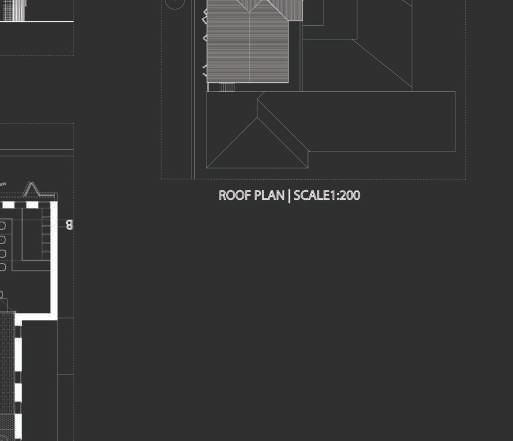
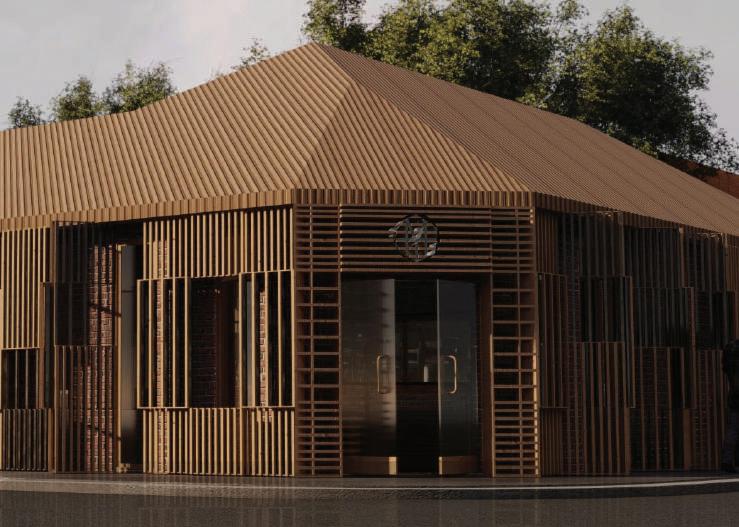
Design an accessible pavilion on Albert Road, Portsmouth.
The proposal showcases a public space for the community with easy access for bicycles.
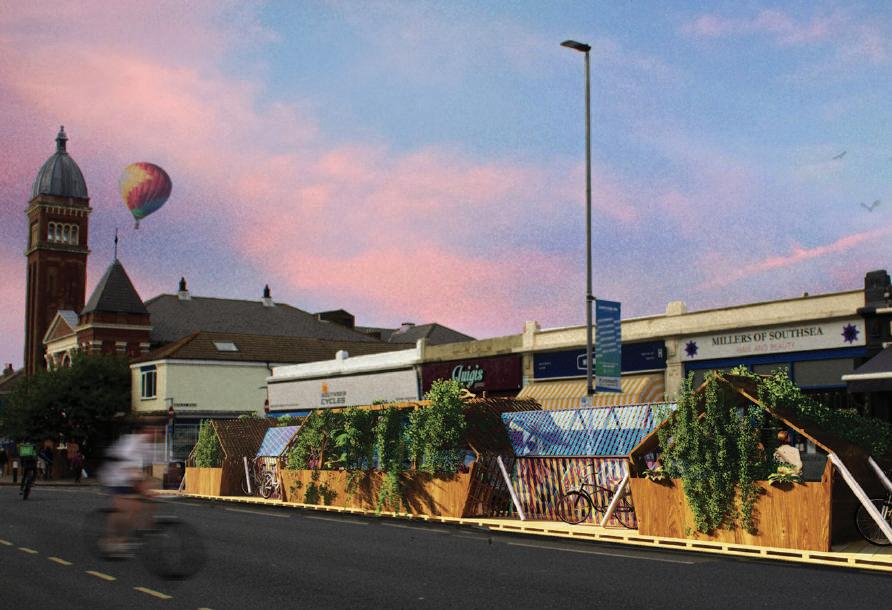
The concept is wrapped around a tranquil space surrounded by greenery.
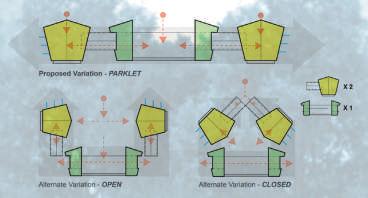
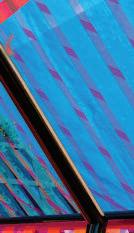
The design is driven by 3 modules connected through a colourful corridor used as a small exhibition for locals.
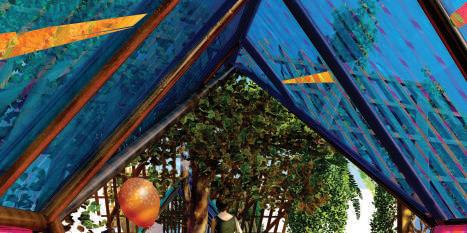
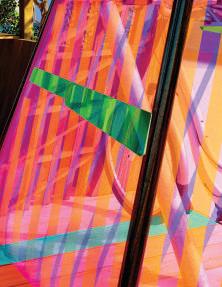
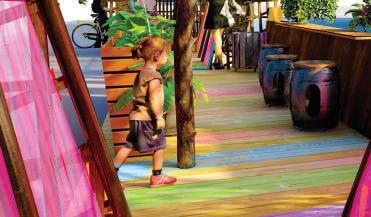
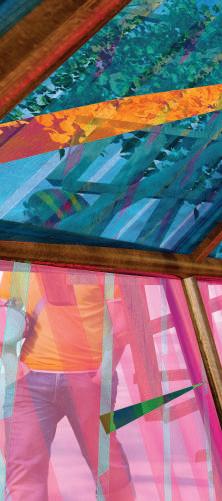
The corridors connect the 3 modules. The middle module is an open garden, and the other two are for the sitting area. The site is on Alber Road, Portsmouth, surrounded by local shops, so the module’s primary purpose is leisure, either a peaceful place to drink your coffee or simply enjoy the surroundings.
Oak shingles
10 mm Rigid insulation
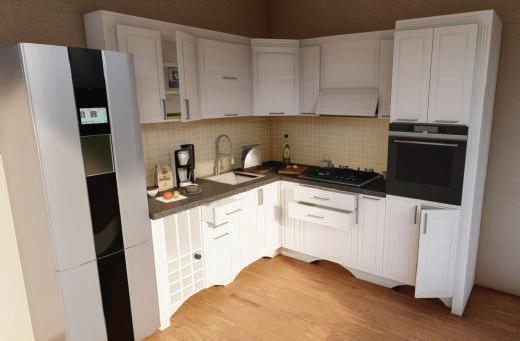
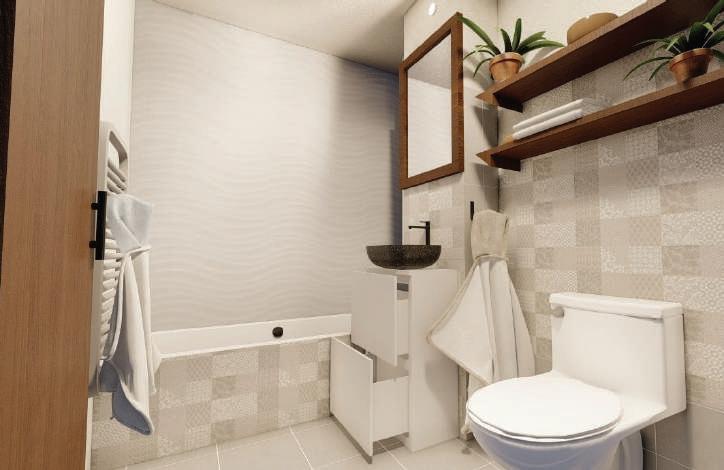
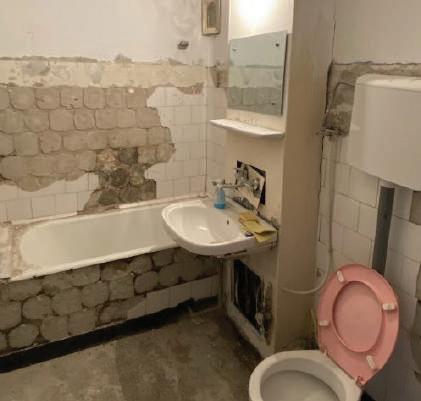
Consulted with the client to determine interior preferences to meet the overall design goals. Also managed the client’s budget and kept track of the project’s costs.
Timber studs
70x70mm Timber collumn
Textile blind roll attached between collumns

Designed furniture and manufactured it with a CNC machine for individual clients and offered interior design consultation for the firm that hired my services.
My tasks were to design the furniture for the manufacturing team and generate detailed renders for the clients.
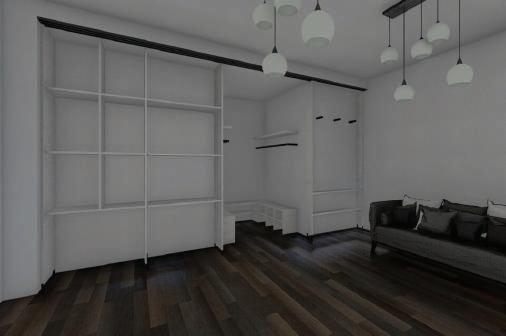
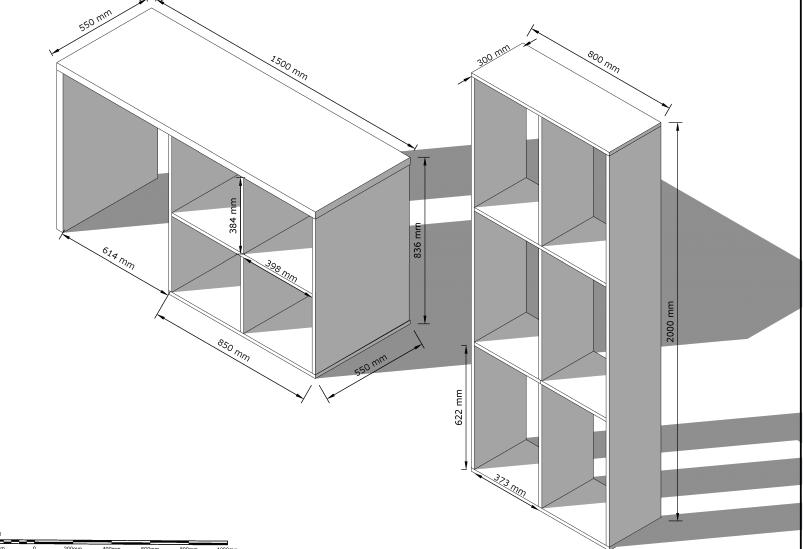
Sophisticated tech was being used in the work environment, such as CNC machines, laser cutters and 3D printers.
Technical drawings and detailing bridge inspiration and reality because strong ideas come with proof and explanation. Having detailing skills, studying materiality became a hobby as I always wondered how to better design and blend materiality and technology into my structures in a symbiotic
Appointed to design the new masterplan of the estate; designing a series of food-production related buildings, also suitable for visitors to showcase to their brand.
My role was to develop, revise and design multiple structures at multiple stages from 1 to 6.
During this project, I have assisted or designed the following:

-Butchery (Stage 5 - 6) - Rendering CGIs and conforming the project with building control. My role was to develop multiple options for the butchery visitor’s area, considering all the amendments required.
-Food Factory (Stage 5) - �is project heavily relied on multiple consultants due to its complex mechanical and electrical requirements. My role was checking the M&E clashes between consultants’ received information, producing quality details and issuing drawings for construction. Designing was also a part of my role, as reissuing a series of options for the first �loor’s rearrangement was entirely my responsibility
- Juicing Facility (Stage 2) - Proposed multiple design options to the client for repurposing a storage hanger that was rarely in use. �is project has its design planned and developed by myself with feedback from colleagues and my mentor.
- Salad Preparation (Stage 5) - site visits, design amendments, revisions in detailing and scheduling
Option Studies:
Design Proposal:
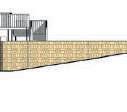
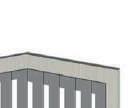
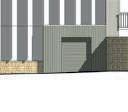
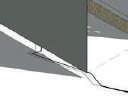
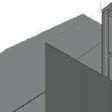
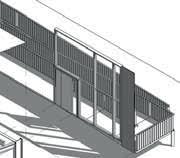
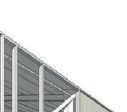
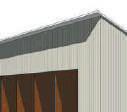
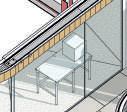
�e brief implied reusing one of the storage hangers on site and repurposing it into a hyperbaric chamber for smoothies and juice production. �is project was assigned to me from stage two a�ter receiving surveys and equipment specialists’ requirements.

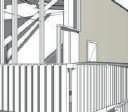
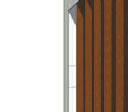
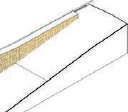
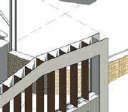
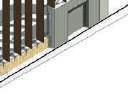
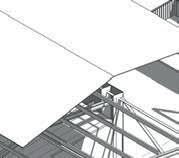
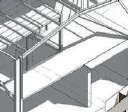
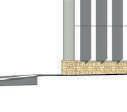
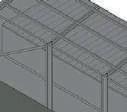
�is is proposal showcase is one of the 5 options the client received, but it became one of the highly anticipated designs to be used.
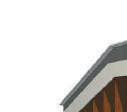
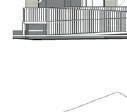
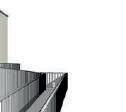
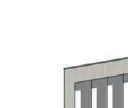
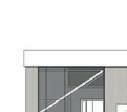
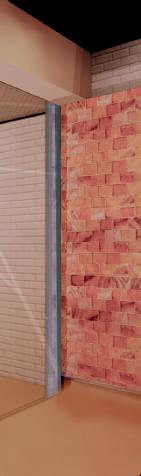
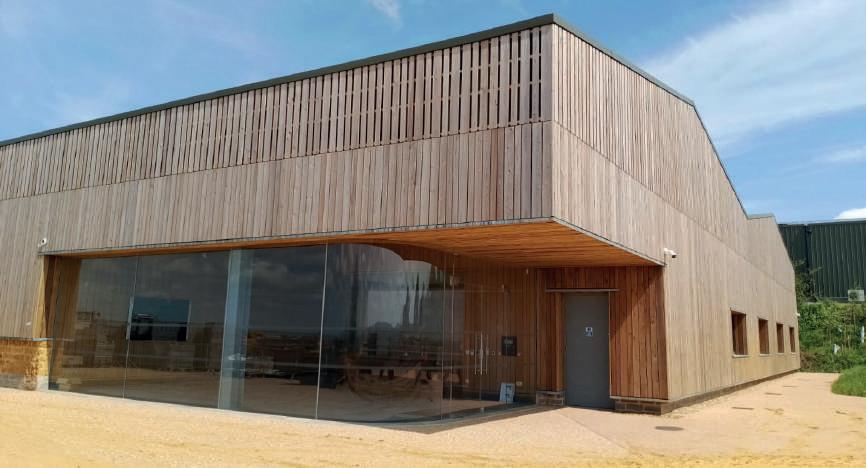
�e client is well known for appreciating curtain-glazed walls, but one of the design challenges was the low temperatures in which the building had to operate. For this requirement, Cor-ten steel sheets are being used as shades for the the visitor’s gantry.



Brief:

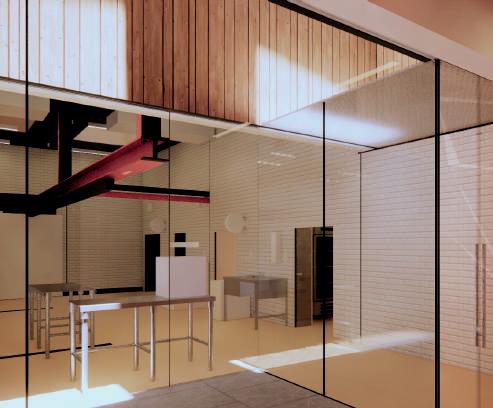
While in stage 5 construction, building control has assessed that the butchery cannot operate without having a connection between two meat processing stations isolated from the visitor’s area.
�ese changes were suggested months before the completion of the construction, so careful detailing and approaches have been made for the contractors. �e client ultimately chose the showcased option, but it has additional challenges as the glass corridor uses laminated heated panels to avoid condensation.
Further meetings with the glazing specialist were held to be able to cra�t details for construction issuing having a superficial loss of material, low costs and an easy to-build approach.
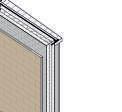
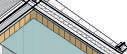
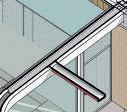
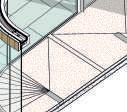
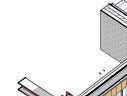
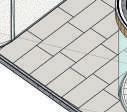
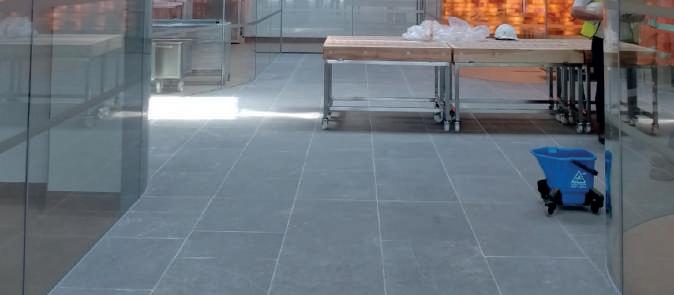
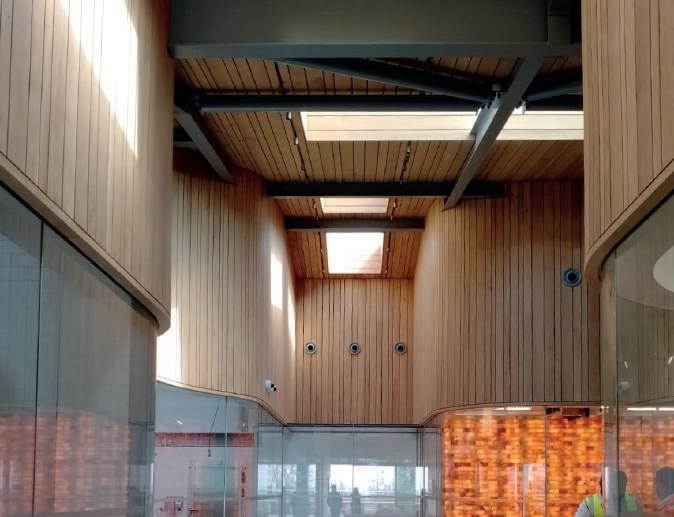
Detailing has been a significant part of this job since everything has to follow building control and the specialist’s advice.
Having gained experience from past projects, I have learned to better use precedents and communicate my concerns to my team regarding di�ferent aspects of the buildup for better coordination .
�e following details were issued for information and construction, focusing mainly on the glazing systems.
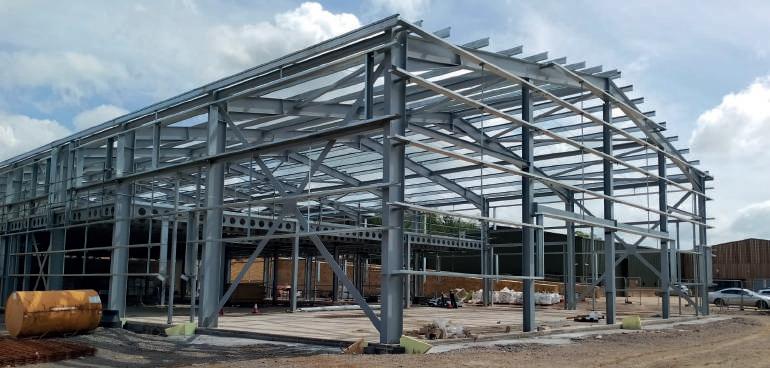
Design Proposal:
Its brief implied reusing one of the storage hangers on site and repurposing it into a hyperbaric chamber for smoothies and juice production.
�is project was assigned to me from stage two a�ter receiving surveys and equipment specialists’ requirements.
�is is only one of the 5 options the client received, but it became one of the highly anticipated designs to be used.
�e client is well known for appreciating curtain-glazed walls, but one of the design challenges was the low temperatures in which the building had to operate.
For this requirement, Corten steel sheets are used as shades for the massive glazing attributed to the visitor’s gantry.
Brief:




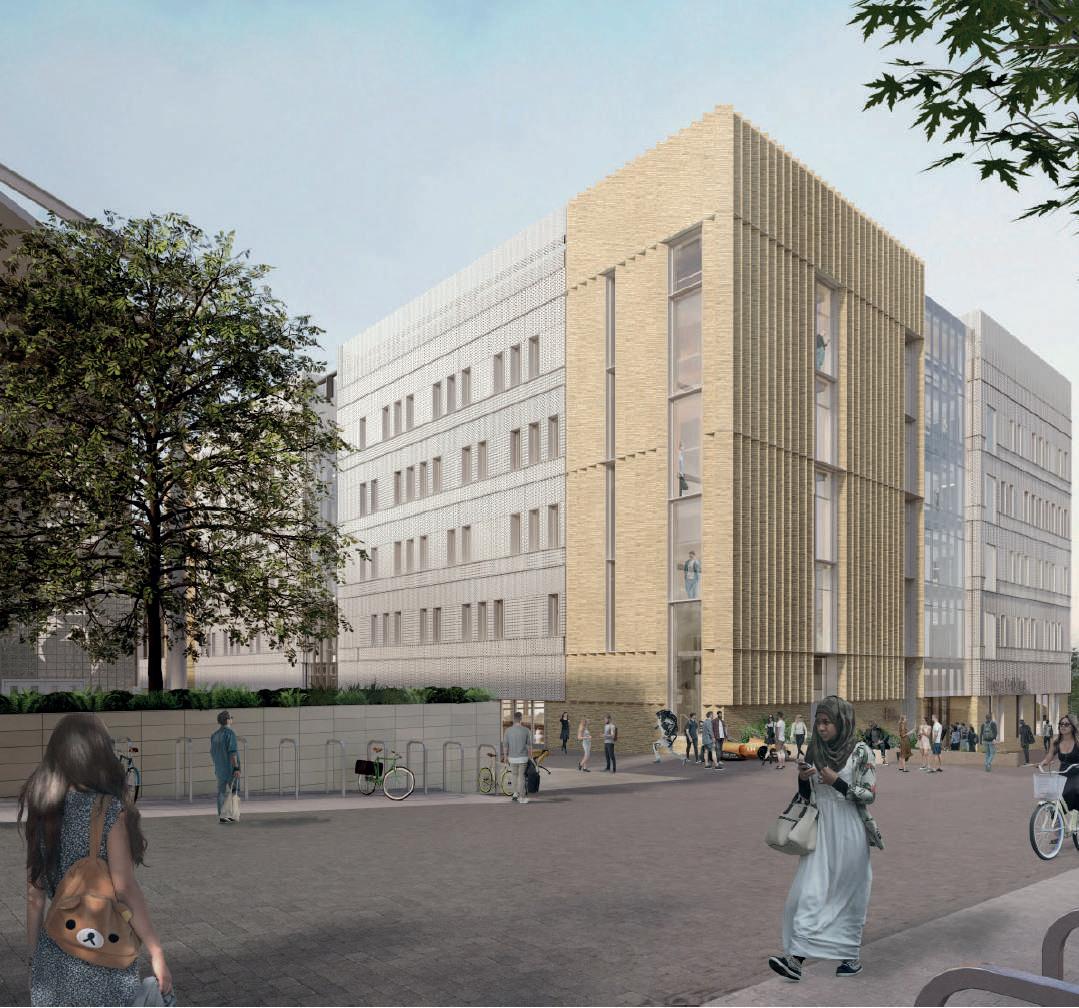
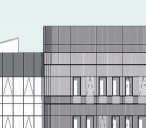
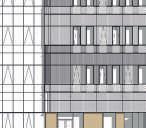
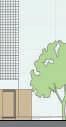
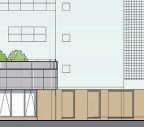
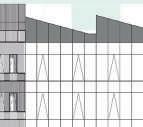
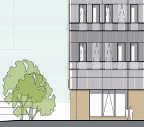
ADP has been commissioned by the University of Hertfordshire as delivery architects for Stage 4 Technical Development and Stage 5 Construction.
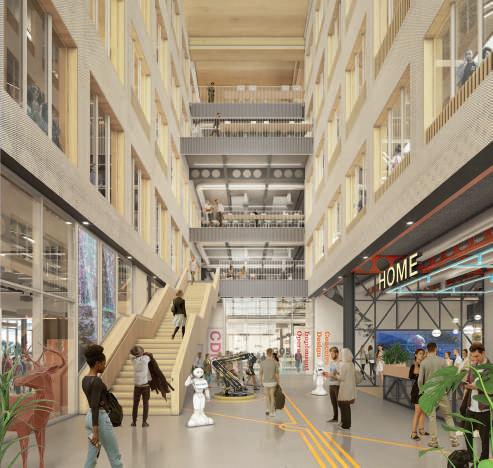







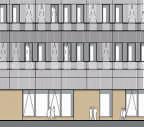

�e concept design has been delivered to BDP Architects and NHA Architects’ interior design team.
ADP has to take a sensible approach to the proposed design, delivering highquality details and strategies.

My Role:


















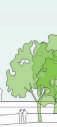

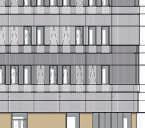
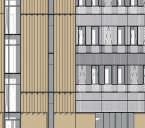
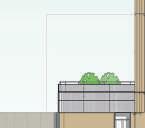
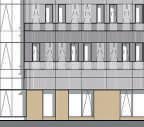
Rendering a range of details where the feasibility would be questioned, contractors demand specific information or building regulations to be achieved and proven. Such details include column and beam casings (firerated and acoustic insulated), fire stops and movement joints, interior walls buildup and fire lining, finishes and contractor coordination.
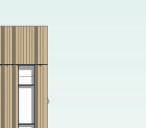
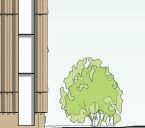
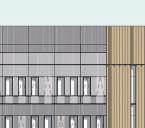
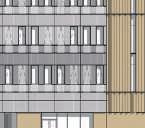
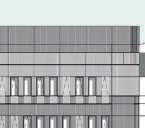

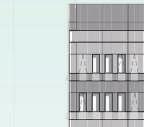
T-Clarke to stop cable tray and fitting to dryline partition
T-Clarke to stop cable tray and fitting to dryline partition
Brief:
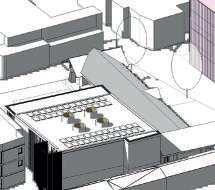
ADP has been commissioned to redesign the University of Bristol’s veterinary Campus Masterplan.
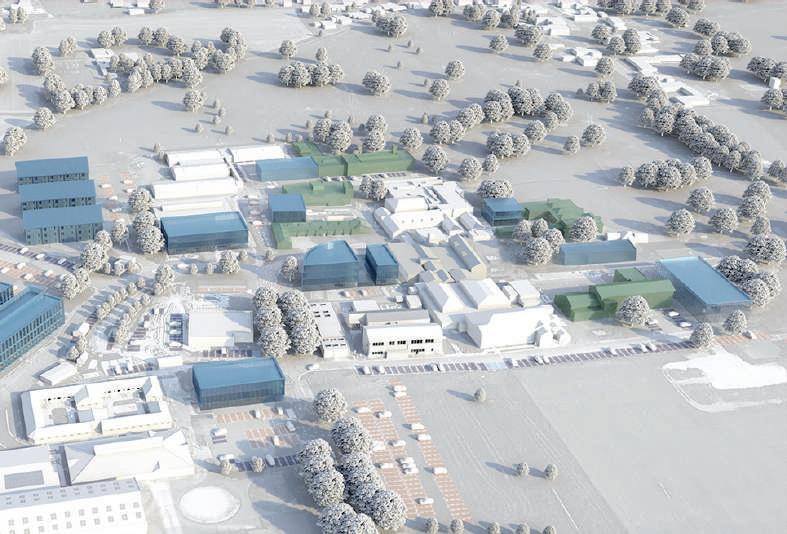
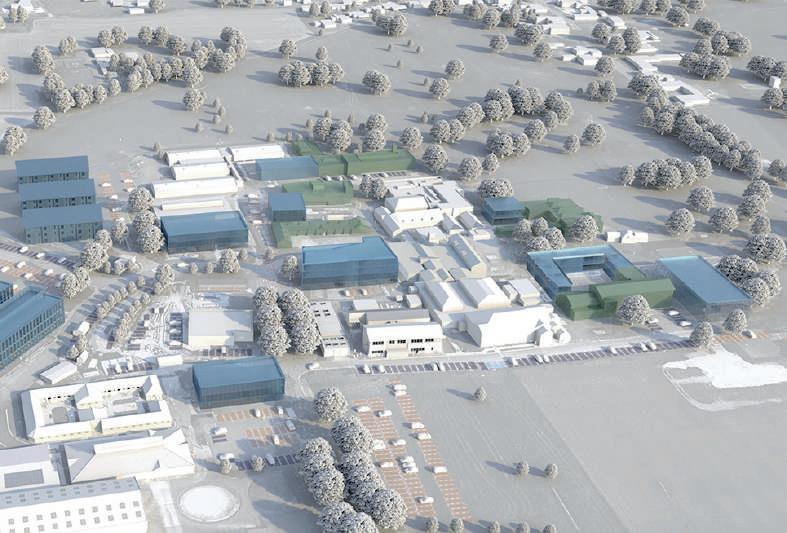
�e highlighted Magenta building has been recently given to a private veterinary practice, putting into question the previous masterplan �low and use.


Role:
�e task of redesigning the area around the vet practice has been given to me, rendering several options for the clients.
Design Proposal:
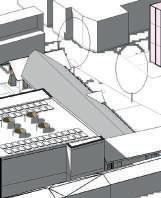
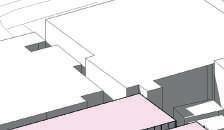
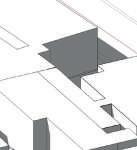
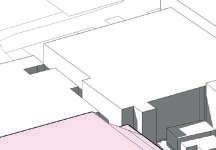
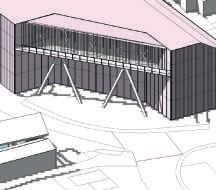
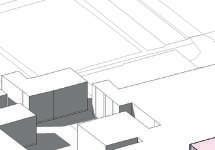
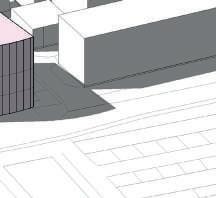
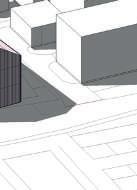
�e First option consists of a new building and an extension of the student union’s building. �is option improves the overall �low between the two buildings improving the social space.
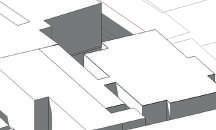
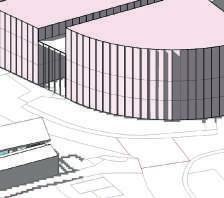
�e second option consists of two new buildings with a sensible and cursive approach to the site’s �low.
Outcome:
�is exercise gave me essential experience in master planning by exploring options and site research on current use and biodiversity and how to improve them.
Option 1
Option 2
New Buildings’ suggested functions:
A. Lecture Building
B. Social SpaceExtension
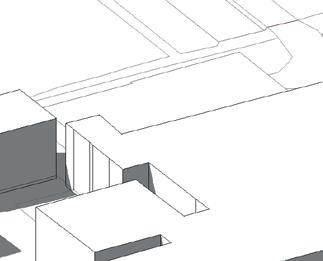
C. Teaching Space with Social Atrium
D. Library
PROS:
A. -Instinctive Circulation
-Large Teaching Area
-Social Space
B. -Private outside social area
-Re-purposing and renovating existing building
-Undisrupted dog walking area
-Can be completed in multiple phases
CONS:
A. -Confusing plan -Limited social area
B. -Temporarily shutting down an existing building for construction work
PROS:
C.
-Improving circulation Fluid Plan



-Great purposeful social atrium area
-Multi Purpose
D. -Ease of access -Standalone new building

CONS:
D. - Reduces open social area



















































































































































































































































































































































































































































































































































































Brief:
Ethos (now merged with ADP) has been appointed to design the master plan for 19 a�fordable houses using Top Hat’s modular construction strategy. �e houses are prefabricated and delivered directly on-site, reducing labour and transport costs.
Tasks:













































































































- Recently received the client’s approval for the scheme, but awaiting the consultants’ responses.

























- Producing drawings and CGIs for planning applications.