EducationProgress 2026
*By KOLLEEN TAYLOR
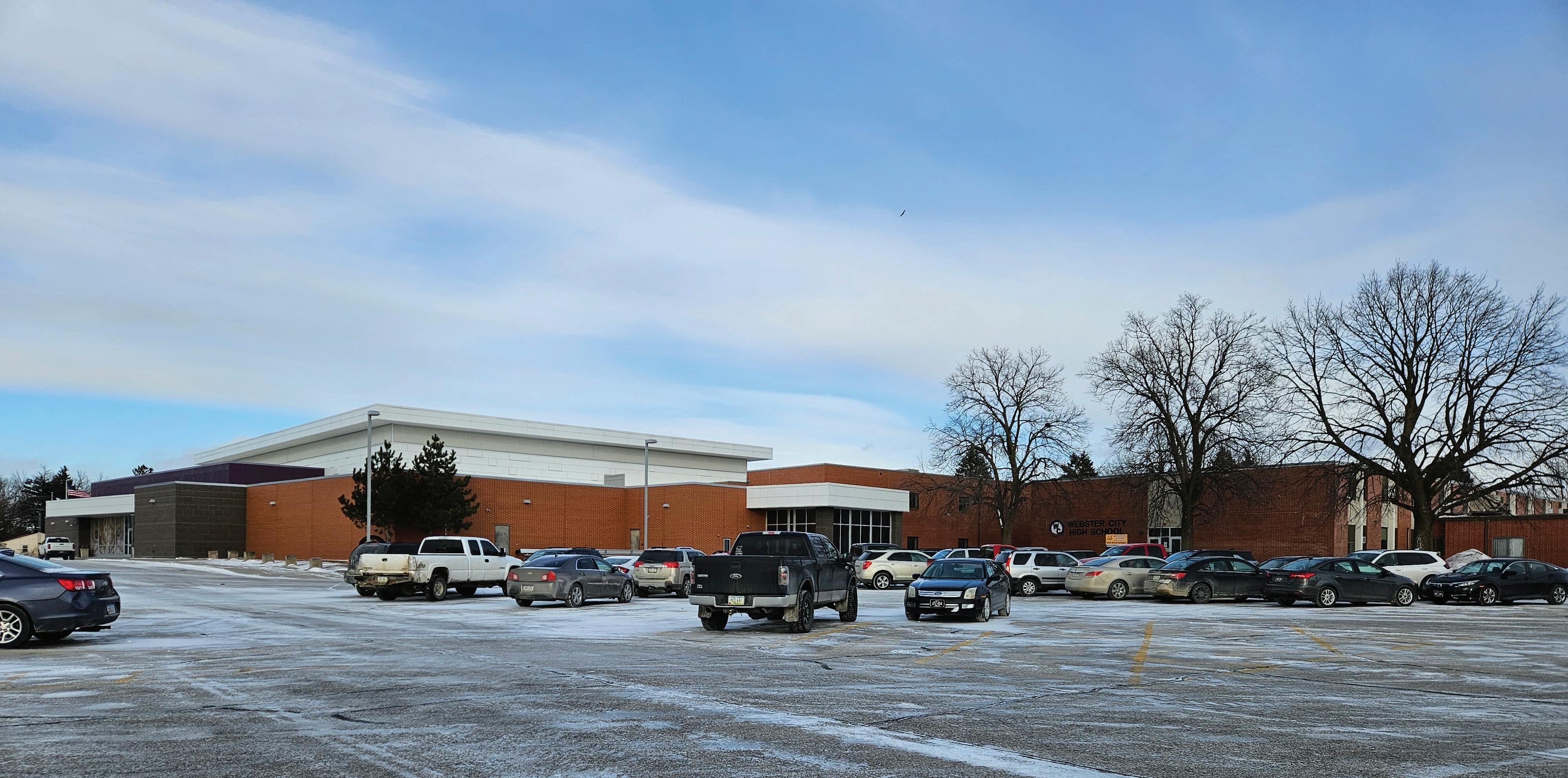
The Webster City Community Schools have overcome some challenges during the last few decades as teachers, administration, even school boards have faced many changes, and shifts in procedure.
But the school system has overcome the worst of the issues, and the teachers are working hard to stay on top of the changes and studies that have shifted during the past 20 years.
Diane Bahrenefuss is one of the teachers who has changed her role in the Webster City schools from a third grade classroom teacher to a Title I teacher, or an “interventionist.” She works with students who are struggling with reading in the second, third and fourth grade classrooms.
“We are being trained on science of reading,” said Bahrenfuss, “Now they can see the different parts of the brain that light up when a person is reading.”
That scientific approach to studying reading has changed the way teachers have approached reading skills for young children.
“We went for a lot of years not using phonics, recognizing the whole word,” she explained. “We now understand this is not the way to do it, they need a lot of instruction in letters and sound.”
Bahrenfuss began teaching at Sunset Heights in 2009. At that time they were told to teach reading by the word, not using phonics. This phonological awareness has made a big difference in the past few years, and this change in the approach began in 2021, but most recently in Webster City, in just the past few years.
“We are seeing a lot of improvement because the kids are learning; they are not missing any pieces now. It’s a very systematic, explicit teaching, one lesson builds on the next,” Bahrenfuss said.
“It will be interesting to see how long it takes for all the changes. I hope it’s fast,” she said. “You need reading to do anything else, but I also think kids can learn by what
the content is. If they are interested in a topic they are interested in, they are more willing to do the effort.”
Bahrenfuss’ job is as a Title I teacher. There is also an English Language teacher in each building, and in Sunset Heights, that is Michele Dyvig.
These changes are part of the strategy that has helped the school system address some of the challenges they faced resulting from both the years of disruption due to Covid and the influx of more non-English speaking families.
∫
The interest in the school board races last fall and large turnout at the school board forum indicate that the community wants to understand better what has been happening inside local schools.
That interest reflects both pride and concern. Statistics provided by the Iowa State Assessment report card with Jama Hisler, director of teaching and learning, and Webster City High School Principal Jason Wedgbury highlighted the district’s ongoing efforts to address challenges raised by the community — many of which are also reflected in the Iowa State Assessment report card which came out last fall.
Overall, Webster City schools performed above the state average in most measured areas. English language performance was the one category that fell below the state benchmark, an area district leaders acknowledge is foundational to student success across all subjects. While younger students have shown steady improvement over a five-year period, educators continue to face a significant challenge: a growing population of English Language Learners.
The district currently serves 1,805 students, with ELL enrollment increasing steadily over the past four years:
2022: 256 students
2023: 288 students
2024: 314 students
2025: 333 students
Today, 16.4 percent of Webster City’s
“We’re focusing on internships and career pathways. When students see a purpose — whether through careers or college coursework — school has more value.”
population identifies as Hispanic or Latino, compared to just 1.32 percent reported by the U.S. Census 25 years ago. That demographic shift is clearly reflected in school enrollment. While teachers are using a variety of instructional tools to meet students’ needs, a shortage of bilingual educators remains a significant obstacle.
“Hiring teachers in general is difficult,” Wedgbury said.
In October, Hisler presented a detailed report to the school board outlining both the successes and the ongoing challenges across the district. Principals from each building contributed to the presentation, offering school-specific perspectives. Those principals include Rachel Chamberlain at Pleasant View, Sarah Nacahzel at Northeast Elementary, Teresa Van Epps at Sunset Heights, Rob Brecht at Webster City Middle School, and Jason Wedgbury and Ayn Eklund at the high school. Despite the challenges, their assessments were notably optimistic.
Hisler emphasized collaboration as a cornerstone of district improvement efforts. Approximately 95 percent of teachers participate in collaborative teams, and every school has a leadership team focused on sharing strategies that work and ensuring continuity as students progress through grade levels.
“We want to have multi-tiered levels of support in our classrooms,” Hisler said.
A key strategy discussed repeatedly was targeted intervention. Students are temporarily grouped into specialized classrooms based on individual needs, whether academic, behavioral, or skillbased — such as math or reading difficulties. While this approach is heavily used in elementary schools to strengthen foundational skills, it plays an important role at all levels.
That intervention is part of what Bahrenfuss is doing, addressing
How
For comparisons, the Iowa School Performance Profiles which are evaluating all the school districts on various levels summarized the following schools in near proximity to Webster City as follows: Eagle Grove Elementary: Acceptable
Eagle Grove High School: Needs Improvement
Robert Blue School (Middle School): Acceptable
South Hamilton Elementary: High performing
South Hamilton Middle and High School: Acceptable
The Fort Dodge School district: Butler Elementary: Priority Cooper Elementary: Priority Duncombe Elementary: Priority Early Childhood Center: Needs Improvement
Feelhaver Elementary School: Acceptable
Fort Dodge High School: Needs Improvement
Fort Dodge Middle School: Needs Improvement
Webster City Community School District: Northeast Hamilton Elementary School: Commendable
Pleasant View Elementary School: Commendable
Sunset Heights Elementary School: Commendable
Webster City High School: Acceptable
Webster City Middle School: High performing

By BILL SHEA
Every time a driver pulls up to a fuel pump in Iowa, they’re purchasing ethanol, gasoline or diesel fuel that has been quality checked in Fort Dodge.
Those checks are conducted at the Iowa Central Community College Fuel Testing Laboratory. That lab debuted in 2025 in one of the year’s major developments for the college.
Also in 2025, voters in nine counties approved an extension of a borrowing authority, which will enable the college to launch a series of building projects, with the largest being a new Center for Ag Science.
Fuel lab
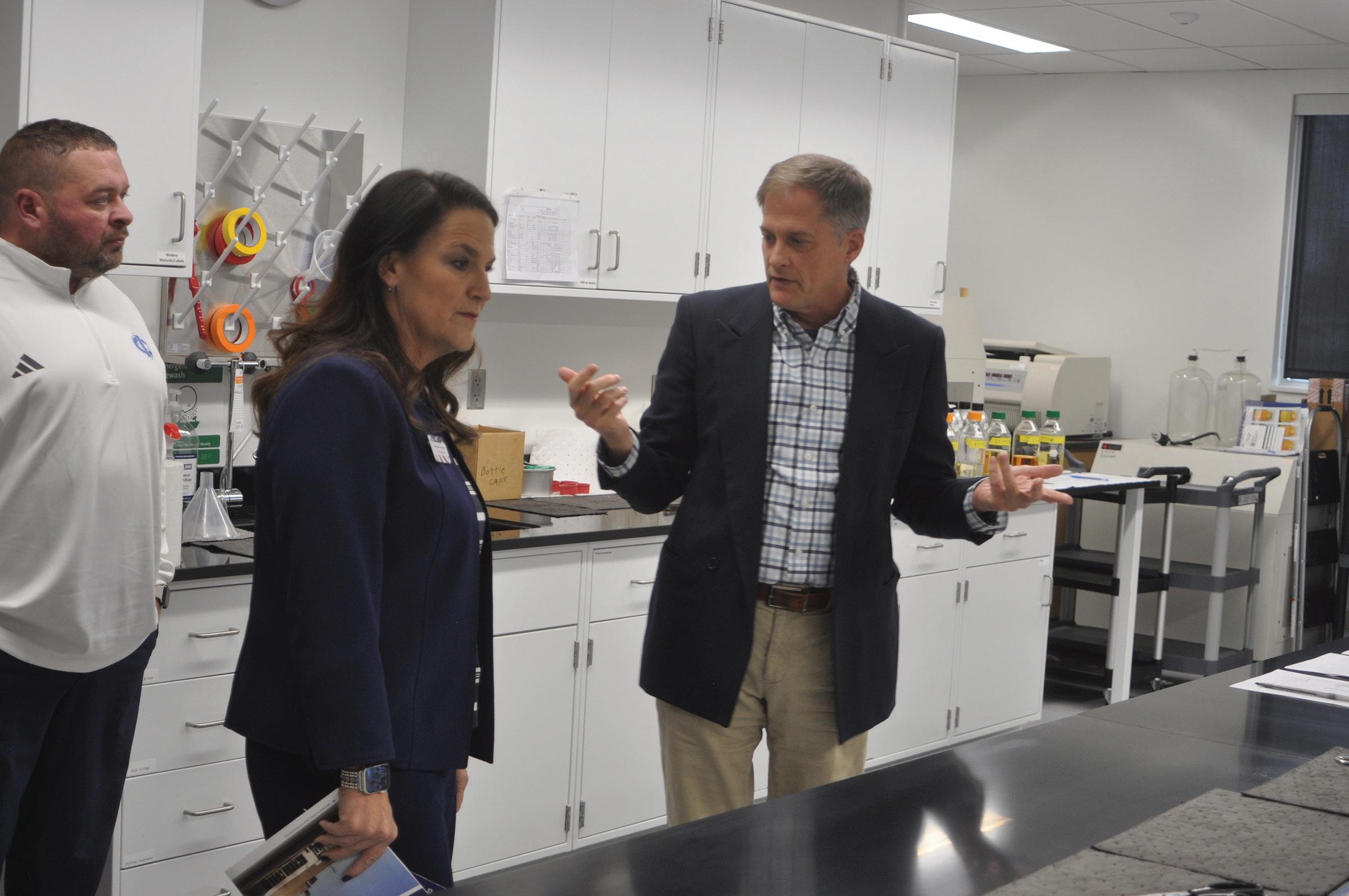
“This lab will drive innovation in one of Iowa’s most important industries,” Gov. Kim Reynolds said during a February ribbon-cutting ceremony marking the debut of the new lab on A Street West.
College President Jesse Ulrich said the facility is the nation’s only independent fuel testing lab.
It is also the official fuel testing lab for the state Department of Agriculture and Land Stewardship. Ensuring the purity of fuel sold in the state is one of that department’s many responsibilities.
“Secretary Mike Naig and his department have been in constant communication with us,” Ulrich said, referring to Iowa Secretary of Agriculture Mike Naig.
The concept of a fuel lab emerged in 2018. It started in an old greenhouse on the college’s main campus, moved into the Bioscience and Health Sciences Building and finally to the new building, which was specifically designed and constructed to be a fuel testing lab.
The new lab is across U.S. Highway 169 from the main campus, on land donated by Casey’s General Stores and the owners of the property where the Colonial Inn once sat.
The lab concept grew from a partnership between the college and Decker Truck Line Inc. based in Fort Dodge. The trucking company wanted to check the efficacy of biodiesel. The resulting test was called the Two Million Mile Haul.
Reynolds described it as “a groundbreaking study” that showed biodiesel was every bit as good as its petroleum based counterpart.
When the Two Million Mile Haul made the need for a testing lab apparent, college leaders began working with public and private entities to make that happen. Jim Kersten, the college’s former vice president for external relations and government affairs, was key in the effort.
Bond issue
The borrowing measure was approved in November by a 61.55 percent majority. A 60 percent majority was needed for passage.
“We’re just honored and we’re just humbled that the voters in the nine counties entrusted us with this money to create more plumbers, more HVAC workers, more dental hygienists and more nurses,” Ulrich said.
“We’re grateful,” he added.
The extension of the borrowing authority will not cause a property tax increase, college leaders have said.
Property taxpayers will continue to pay a levy of 33 cents per $1,000 of taxable value, a levy which has been in place since 2008.
The levy costs the owner of a typical Fort Dodge home about $2 a month or about $25 a year, according to the college.
The $35 million will be invested in buildings and equipment needed to train more people for high demand jobs in the area. Ulrich has said the college currently doesn’t have the physical capacity to train more people. The investments that are planned will alleviate that problem, he said.
A significant part of the money, about $18 million, will be spent to build a new Center for Ag Science on the Fort Dodge campus.

construction manager and general contractor for the job.
When the new building is complete, the football team will move out of the space it currently occupies in the Applied Science and Technology Building.
Moving that team out will clear the way for bond issue-funded renovations in the building many people may know by its old name, Voc-Tech.
Other 2026 initiatives
A new restaurant, to be open to the general public, is expected to open on the Fort Dodge campus this fall. It will be operated by the college’s culinary arts students.
The restaurant will be in the northwest corner of the Hansen Center. Ulrich said it will be called Circle One, which is a reference to the college’s address of 1 Triton Circle. It will replace the college’s Willow Ridge property on Madison Avenue northwest of Fort Dodge. Ulrich said the Willow Ridge property, which years ago was the American Legion Golf Course, will be sold.
academies at area high schools.
The Applied Science and Technology Building, one of the oldest buildings on the Fort Dodge campus, will be renovated to create more space for the dental hygiene, plumbing and heating, ventilation and air conditioning programs.
The college’s Webster City Center will get an updated heating, ventilation and air conditioning system. New windows and insulation will also be installed.
Bond issue money will also be spent to purchase new equipment for programs at all of the college’s centers and career
The center will house the agribusiness, ag science, animal science, precision agriculture and veterinary technician programs. It will be located on the northeast side of the intersection of U.S. Highway 169 and Kenyon Road.
The first step in implementing the improvements to be paid for with the bond money will be completed this year. That step will involve construction that will not be paid for with bond issue money.
Ulrich said a new Center for Sports Performance will be built near the practice field on the south end of the campus near Kenyon Road. He said the building will house the football team and sports science classes.
It will be paid for with donations and money from housing, according to Ulrich.
He said construction will start this spring and be completed by the end of the year.
Jensen Builders Ltd, of Fort Dodge, is the
Also this year, Ulrich will be lobbying the state legislature to permit community colleges to award baccalaureate degrees.
Those degrees would be awarded in a limited number of fields that are in high demand, specifically nursing, advanced manufacturing, accounting and education.
Ulrich said Fort Dodge is in a kind of “education desert” in which people have to go somewhere else or take classes online in order to get a bachelor’s degree. Those two options aren’t good ones for many students.
But offering a limited number of baccalaureate degrees, Iowa Central could support the local workforce and reduce the “brain drain” of people leaving the area, Ulrich said.

By LORI BERGLUND
If it seems like the new Career Ag Academy at the Hamilton County Fairgrounds went up quickly, just ask any of the board members who have been working toward this goal for more than 10 years. A small group of agri-business leaders began meeting and brain-storming as early as 2014 on the possibility of a place to educate high school students on career opportunities in agriculture.
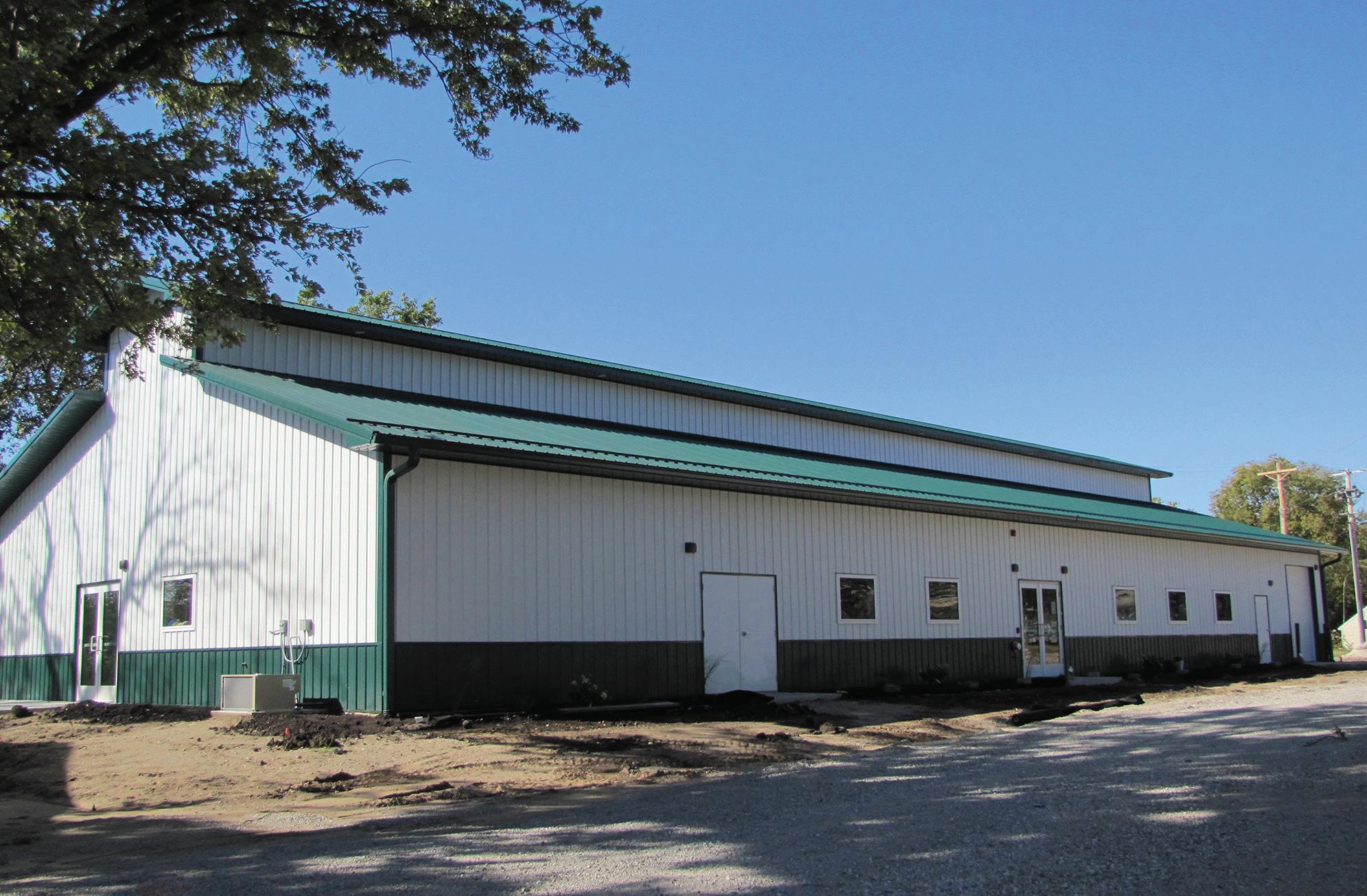
The new academy opened at the start of the 2025-2026 school year in a brand-new building that includes modern classrooms, a live animal area, a meat lab and meat cooler, on the northwest side of the fairgrounds.
“We’re still on a learning curve,” said Gene Gourley, life-long Hamilton County pork producer and board member for the academy. “Our goal is to give students exposure to all kinds of careers.”
Growing good citizens is a philosophy often reiterated by supporters of the academy. Since its inception, the board has included a cross-section of producers and business people who see the careers available and want to foster an interest in agriculture in a new generation.
The late Webster City Mayor Phil Voge, who built his own successful business career in animal agriculture at Webster City Custom Meats, was an early promoter who saw the value of such an effort. Other board members have included such notables as another former Webster City Council member, Dean Bowden. Others who have been active over the years include Adam Richardson, Zach Sukraw, Gerry Gourley, Holly Weisberg, Steve Stokes, Kurt Veldhuizen, Matt Berninghaus, Afton Holt, Kyle Swon, Zach Chizek and Shayla Troendle, secretary.
The project has required cooperative efforts from a multitude of agencies,



including the Hamilton County Fair Board, Webster City Community Schools and the Career Ag Academy board. The Academy operates as a 501(c)(3) entity, owning the building and leasing the land from the Hamilton County Fair Board. In turn, the Academy leases the facility to Webster City Schools, which provides the programming for students.
Veldhuizen is the agriculture instructor and FFA advisor who oversees the program for Webster City High School.
As the veteran teacher has explained previously, the curriculum for the academy begins with basic veterinary science classes for the lower high school grades. Upper class levels study Advanced Animal Production and learn responsibility by taking on the work of daily chores, during the school week and even on weekends.
It is not strictly about animal agriculture production, but the whole sea of careers that support the industry that puts affordable protein on the table in the United States, and even throughout the world. Bankers, lawyers, veterinarians, and so many more careers are touched by animal agriculture. But few students in today’s world have access to hands-on experience with live animals. The academy is a game-changer in that area.
The Ag Academy creates that connection and seeks to inspire an interest for the future.
Throughout the year, a variety of animal species will be part of the curriculum, from sheep to hogs, to poultry and more.
“We just moved in two sows and those will be ready to farrow very soon,” Gourley said.
Upper classrooms will also learn biosecurity measures that could apply to any area of scientific research. The academy

















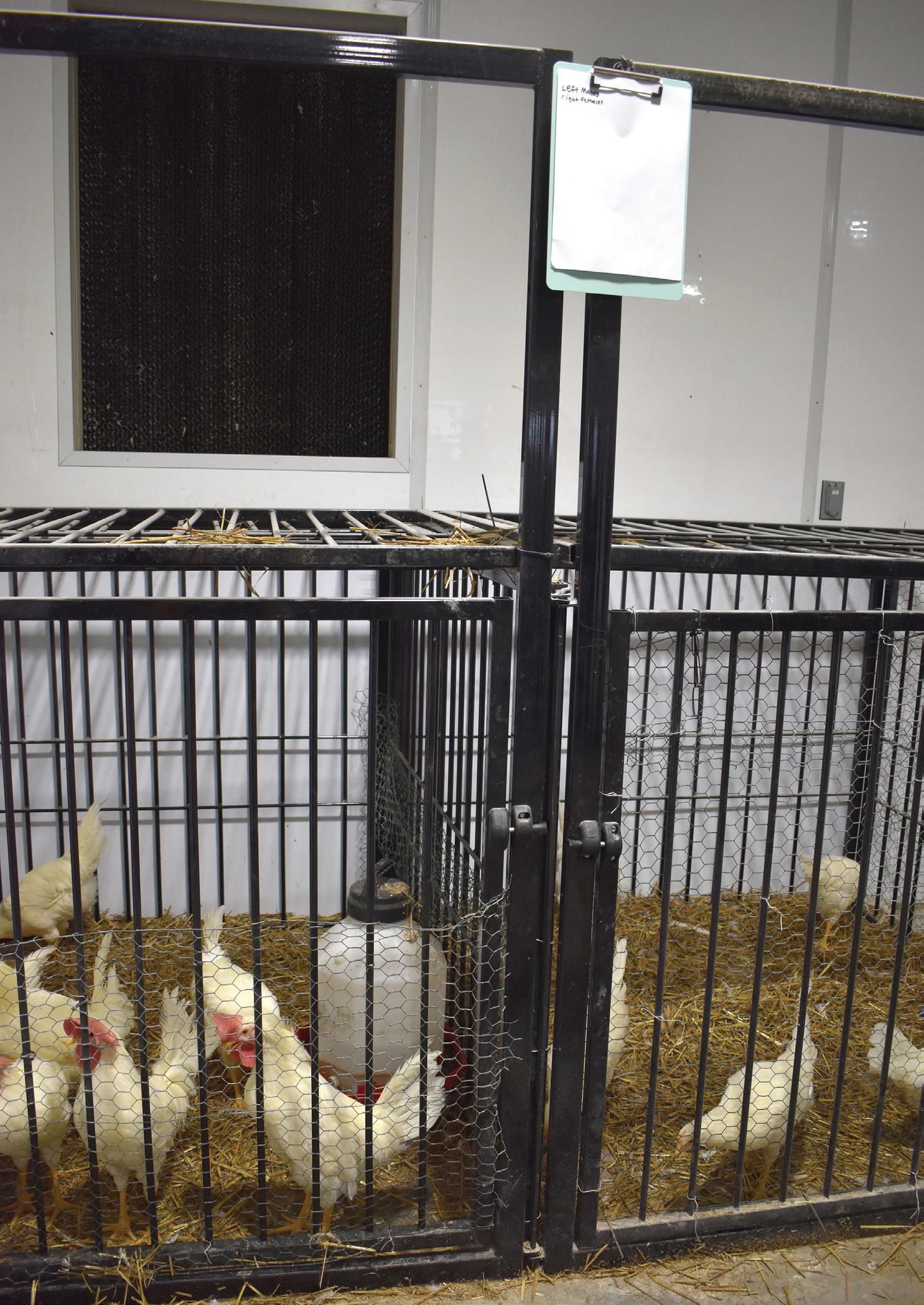
The students are responsible for the chores needed to sustain the animals in the building. Two groups of chickens are separated in the cages; Students made sure to label the two sets, Left: male, right: female. This underscores the need for educating the youths in basic farm knowledge, by showing the difference in appearance of the male rooster, versus an egg laying hen.





More than $70,000 expected to be awarded
By KOLLEEN TAYLOR
Even though we are in the dead of winter, it’s just a few short months before students will be done with the 2025-2026 school year. For high school seniors, the next few months will be a whirlwind, these last days of school will be just a memory soon. This is also a final stretch where decisions are critical.
Succeeding after high school graduation takes many forms. All require money on one level; whether it is some form of continuing education or finding a job, the next steps in life are important ones. The cost of continuing education in any form has continued to rise, and determining a path is often based on the finances.
Can I really afford to continue my training?
Many of the graduating class will be looking at some form of continuing education, whether it is through a trade school, a community college or a university.
According to information through the Iowa Board of Regents, annual tuitions are nearing $10,000 per year even for the state colleges. The base undergraduate tuition rates proposed by the Iowa Board of Regents for 2025-2026 is as follows: $9,565 for Iowa; $9,530 for Iowa State and $8,792 for the University of Northern Iowa. Non residents pay nearly three times as much to attend these schools.
Iowa Central Community College and other community colleges base their fees on the credit hours that enroll with them. According to the Iowa Department of Education, the average cost per credit hour is $228.72 for 2026.
The tuition alone is not the only expense of any additional education. Room and board, books and materials charges also adds to the cost of additional education. Choosing to attend any type of school has many hidden expenses, and very few families are able to write a check to pay for it all at once.
Webster City is unique in many ways, with over 50 different scholarships available to their graduates. In several cases, more than one applicant can be awarded a scholarship. These are local scholarships — not scholarships from colleges or other institutions. There are many memorial scholarships, and there are scholarships that encourage continuing education in a specific field.
Some of the largest scholarships take a bit more effort, but every dollar counts when students are facing an enormous bill at the end of their post-graduate studies. More than $60,000 in financial assistance will be awarded this spring, usually with the checks written directly to the institution where a student is attending.
“Local scholarships exist because our generous community believes in students,” Katie Sonsalla, Webster City High School
guidance counselor said. “The advice?
Apply even if you’re unsure, take your time on applications, and let others help you along the way ... and students, don’t forget to write a thank-you note.”
Some of the scholarships are specific to professions, some require affiliations of some sort; that criteria is spelled out on the applications. There are a number of scholarships which can be used for any type of career choice, any trade school; such as electrical, plumbing, auto repair, cosmetology and many others.
The Cessna Scholarship is one of the few scholarships that will help any student who wants to continue their education. This scholarship was established by William Cessna in 1975. Every student who applies, regardless of their grade point average, can use the basic Cessna Scholarship towards their continuing education. In addition, those with grade point averages above 3.4 can get an additional scholarships awarded, in addition to departmental scholarships. The basic Cessna Scholarship can be also awarded up to eight semesters after graduation, but it doesn’t have to be consecutive.
William Cessna was a journalist who grew up in Webster City, but never finished high school. The Cessna scholarship involves filling out a new application each year. Students do need to be a full-time student wherever they attend.
Several large scholarships are more specific
The A.J. Julian Memorial Scholarship is a $4,000 scholarship awarded each year to a male graduate of Webster City High School. Applicants must demonstrate a combination of high academic achievement, financial need, and leadership as demonstrated through community involvement and participation. The A.J. Julian Scholarship Fund is managed and administered through the Greater Kansas City Community Foundation. It was established by Velda E. Klamet as a memorial to her family. This scholarship requires an application and an essay. The Cleo Taylor Graham Art scholarship is a $5,000 scholarship, which can be reapplied for each year up to four years of college. The student must be majoring in an area which involves visual art. Examples are graphic design, architecture, art education, art museum management, photography, theatrical set design, fashion and merchandising and interior design amongst others. Cleo Graham was a selftaught artist, who graduated from Webster City High School in 1932, and used art in the one-room schools where she taught to help students understand other concepts in education. This scholarship requires an application and samples of artwork (photographs of work). There are several scholarships that
support students entering the medical field. The Van Diest Medical Center Auxiliary Scholarship Fund gives six scholarships of $1,000 per person for students pursuing careers in health-related fields.
The Charmaine Sharon Withers Book Scholarship also is focused on medical professions in addition to the Cynthia Warland Eddy which is to go toward nursing.
There are also three scholarships specific to the auto mechanics field: Those include the Doug and Troy Youngdale scholarship, the Logan Baldwin scholarship and the Whit Hemingway scholarship.
In addition, Iowa Central Community College has additional scholarships for students who choose to attend their campus in either Webster City, Eagle Grove or Fort Dodge. The link to that site is: https://www. iowacentral.edu/financial_aid/general_ scholarships.asp.
The list is long for available scholarships and is still in the process of being verified. Below is a partial list, and seniors need to access this with their Google password for the Guidance Classroom. Updates are still being made to the applications and amounts of scholarships and the deadlines vary from mid-March to mid-April.
A.J. Julian Scholarship
American Legion Auxiliary Scholarship
Anderson Family Scholarship
Annetta Woods/Winslow Stark
Scholarship
Bev Oppold-Blessman Scholarship
Blairsburg Community Improvement
Scholarship
Bob and Dorothy Hudson Scholarship
Bob Doerning Memorial Scholarship
Christensson Family Foundation
Scholarship
Cleo Taylor Graham Memorial Art
Scholarship
Conklin Family Scholarship
Cooperative Telephone Exchange
Scholarship
Cynthia Warland Eddy Scholarship
Dorothy Englehart Scholarship
Dorothy Hill Scholarship
Doug and Troy Youngdale Scholarship
Effie McCollum Jones Scholarship
Halsne Memorial Scholarship
Hamilton County Conservation
Pheasants Forever Bernie (Red Dog)
Memorial Scholarship
Helen Richardson Wehrheim Memorial
Scholarship
Jordan Leeper Scholarship
Joy Middletoon Niklasen Scholarship
Julie Eggers Memorial Scholarship
Kamrar Lions Club Scholarship
Kent Harfst Memorial Scholarship
Larry R. Nielsen Scholarship
Larry Ross Memorial Scholarship
Logan Baldwin Scholarship
Lynx Scholarship
Mason Family Farms Scholarship
Nick Seamonds Scholarship
Northeast Hamilton Foundation
Scholarship
Oliver Gore Memorial Scholarship
Patricia Gatewood Memorial Scholarship
Paul Johnston Memorial Scholarship
Pioneer Brand Carden Seed Scholarship
Sons of American Legion Scholarship
Spencer Lane Scholarship
Stanley Mark Withers Scholarship
Stratford Lions Club Scholarship
Stratford Mutual Telephone Scholarship
The Messenger Scholarship
Town and Country Garden Club
Scholarship
Van Diest Medical Center Auxiliary
Scholarship
Webster City American Legion Post 191
Scholarship
Webster City Education Association
Scholarship
Webster City High School Class of 1971
Scholarship
Webster City Community Theatre
Scholarship
Webster City Women’s Club Scholarship
Whit Hemingway Scholarship
Williams Lions Club Scholarship
Many of the scholarships above are in memory of teachers and graduates of the Webster City Schools, others are scholarships that are specific to where students live.
If you are a student or a parent, take the time to look through the list. Every scholarship has been established to ensure the students of Webster City have the best chance to study whatever field that they are interested in. Many are given in honor of a loved one. And if there is a family or a group which wants to establish a scholarship, or have given one in the past and it isn’t on the list, be sure to notify the Webster City High School Counselors office at 515-832-9210, and speak with either Katie Sonsalla or Shelly Powers.
Seniors can access the full list of scholarships and the application form that is required for each of them on the Google Guidance Classroom, according to Shelly Powers, Webster City High School counselor.
“By applying, seniors are able to decrease their costs for their post-secondary education and training.” said Powers. “ It’s important to remember that these scholarships are made possible due to the generosity of our local businesses and organizations.” If students need assistance, both Sonsalla and Powers can assist students in accessing and understanding the application process.
And remember, the efforts to update the scholarship list is still in process, but some of the application deadlines are as early as March 16. Recipients will be announced during Senior Night which will be held in









By JORDAN JOHNSON
Special to the Daily Freeman Journal
Creativity, connection, and a deep sense of place come together in the work of Legacy Learning Boone River Valley, a nonprofit organization serving the Boone Forks region and the communities connected by the Boone River.
Founded on the belief that learning happens best through shared experience, Legacy Learning Boone River Valley creates opportunities for people of all ages and abilities to gather, learn, make, and connect. Its programs are rooted in arts education, creative placemaking, and informal community learning — often taking place outside traditional classrooms and within everyday spaces where people naturally come together.
From hands-on workshops and artistled demonstrations to public art and community-centered projects, the organization emphasizes access, inclusion, and belonging. The Boone River and surrounding landscapes are not simply scenic features of the region, but active influences on how people understand place, history, and community.
That mission is now being advanced through the recent award of an Arts & Culture Grant supporting “Sitting on Seneca: Finding Friends.”
A street with history, a space for community
“Sitting on Seneca: Finding Friends” takes its name from Seneca Street, the historic street where the Legacy Learning art studio is located. For generations, Seneca Street has been a place of movement, work, and exchange. Today, it is also becoming a place to pause — to sit, talk, play, and connect.
The project is inspired by the concept of a “third space” — a place that is neither home nor work, but where people naturally gather. In smaller communities especially, these informal spaces play an important role in building relationships and strengthening a sense of belonging.
Rather than creating something entirely new, Sitting on Seneca: Finding Friends intentionally builds on creative investments already present along the street.
Building on a proven creative investment
One of the most visible examples of this success is the colorful public art bench located in front of the Legacy Learning art studio, created through a previous Arts & Culture Grant.
Local sculptor Tim Adams designed and fabricated the bench using a repurposed propane tank, transforming an industrial object into a functional and welcoming piece of public art. The bench’s vibrant painted surface was developed through a collaborative process led by visual artist Patrick O’Loughlin, who worked
alongside participants from Friends Forever, a local social program serving persons with disabilities. That same collaboration also resulted in hand-painted street games, including checkers, tic-tactoe, and cornhole boards. These interactive elements invite people of all ages and abilities to play together in public space— encouraging conversation, participation, and shared experience.
The bench and games have become informal gathering points on Seneca Street, demonstrating how thoughtful design and collaboration can transform an ordinary streetscape into a welcoming community place.
Expanding the invitation
The new Arts & Culture Grant will support planning, design, and community engagement activities that expand these ideas further. Through additional seating, creative elements, and opportunities for public participation, Sitting on Seneca: Finding Friends will continue to shape Seneca Street as a flexible and inclusive “third space.”
Community input will play a central role as the project moves forward, ensuring the space reflects local voices and evolves organically over time.
“Sometimes community doesn’t need a big event — it just needs a place to sit, play, and be present together,” said a representative of Legacy Learning Boone River Valley.
Supported by statewide arts & culture investment Funding for “Sitting on Seneca: Finding Friends” is provided by the Iowa Department of Economic Development through the Arts & Culture Grant Program, which supports creative placemaking projects that strengthen community identity, accessibility, and vitality across Iowa.
A continuing commitment to placebased learning Legacy Learning Boone River Valley continues to develop programs that reflect the character, history, and natural beauty of the Boone Forks region. By grounding learning in local places — from river corridors to historic streets — the organization encourages deeper connections between people and the landscapes they share.
As “Sitting on Seneca: Finding Friends” moves forward, the project stands as both a continuation of past success and an invitation to imagine what shared spaces can become when creativity, inclusion, and community guide the way. For more information, visit LegacyLearningBRV.org, and follow Legacy Learning Boone River Valley on Facebook and Instagram.
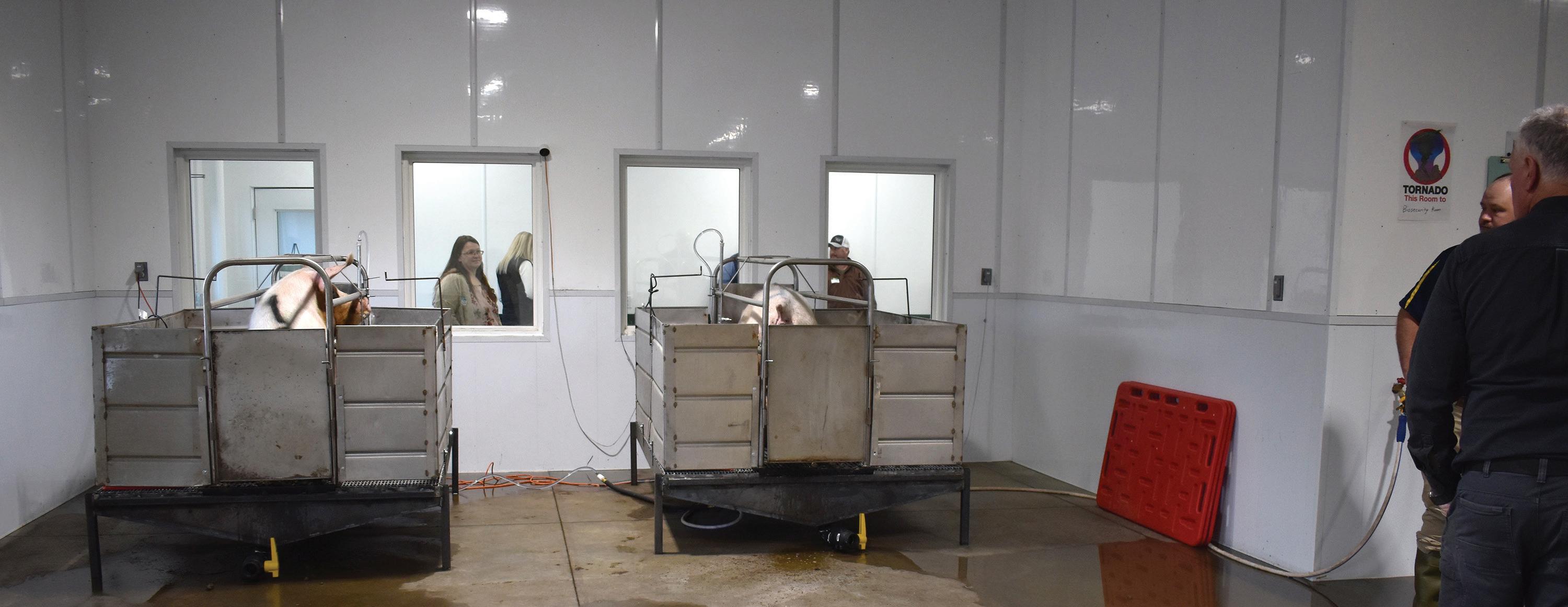
Two very pregnant sows are in farrowing stalls in the livestock area, with birthing expectations to be soon. The
on them that allow students and the instructors to monitor them while not in the facility.
uses a Danish system for biosecurity. A bench divides the live animal areas and students sit on the bench to remove their street shoes. They then swing their legs over the bench, don coveralls to protect their street clothes and put on boots that are worn only in the live animal areas. Students reverse the process to maintain biosecurity as they leave the live animal area. A shower is also available if a student so
wishes before returning to school.
With guidance from their instructor, students care for the animals and hopefully learn the full life cycle, even including the business cycle that includes sale of the animals as they become part of the food chain, offering affordable protein.
“This gives students exposure to live animals that teaches so much more than a picture on a screen,” Gourley sai. “We can hopefully build a passion, show them the
different jobs available, and keep as many kids local as possible.”
Through education, students of the Ag Academy will learn more than just how to care for animals. They will learn the role of animal agriculture in the Iowa economy and the family table.
“We want all of these students to become good citizens,” Gourley added.
The goal of the Career Ag Academy is to show students that a full range of
“This gives students exposure to live animals that teaches so much more than a picture on a screen.”
careers is available and that they don’t have to move far away to make a good living. Through this effort, the Career Ag Academy is fundamentally seeking to grow the community for the long-term future. A grand opening is expected in the spring, so that the public can get a better look at the new Career Ag Academy, according to Gourley.






Cost: $40 pay in person
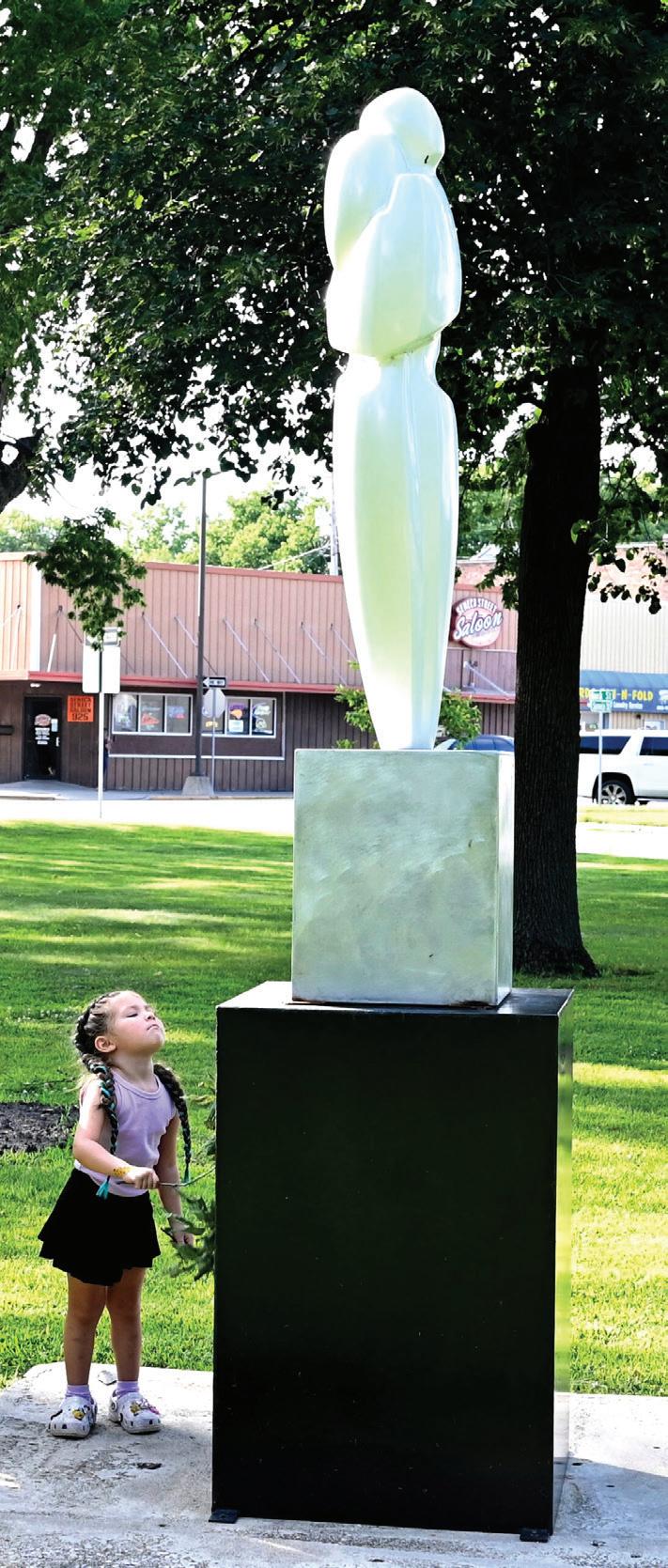
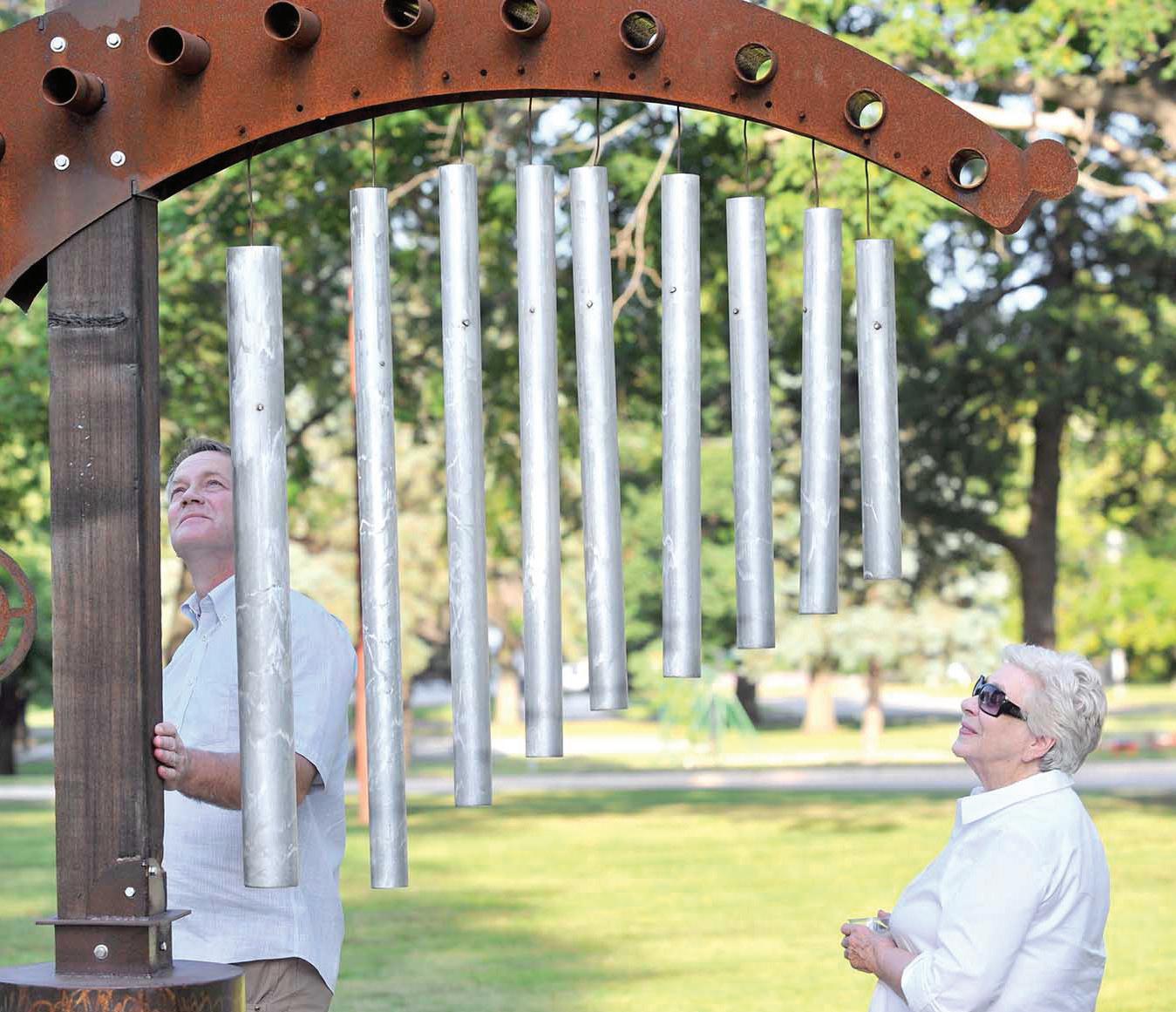
Public art is for Everyone, Everywhere — Educate, Encourage, Enjoy!” is the mission statement of Arts R Alive in Webster City, IA. The group is in its 16th year of bringing sculptures to Webster City. It evolved from the Pride in Webster City community group beginning in 2010. Since 2023 the group has been a member of the SculptureOne group which includes the cities of Eau Claire, Wisconsin; Mankato, Minnesota; and Mason City. Each year Webster City exchanges thought provoking sculptures with these cities. The pieces are created by artists from around the United States.
Events
∫ May 12: Afternoon — Installations of sculptures for 2026-2027
Evening — 5:30 to 7:30 p.m. — Artist reception with artists and community
∫ Aug. 6: 5:30 to 7:30 p.m. — Art in the Park Sculpture Event in West Twin Park with music and refreshments
∫ Dec. 13: 12 p.m. Ol’ Fashioned Christmas Dinner at the Jane Young House
The group’s funding comes from private donations, grants, and Hotel Motel grants. The group's webpage is artsralive.org.
—
David Borer
LEFT: Leilani Lucero, of Webster City, looks up at "Tenderness," one of the sculptures in West Twin Park during the Art in the Park sculpture event in August 2024 hosted by Arts R Alive.
Continued from Page 1B
specific problems with reading skills, which translate into overall education performance.
The district’s overall report card painted an encouraging picture, particularly at the middle school level. Webster City Middle School was designated as a high-performing school.
“We were a top 25 middle school,” Hisler said. “None of the top contenders had the same demographics.”
Factors that negatively affected district rankings included chronic absenteeism, attendance growth, and graduation rates — issues administrators believe are closely tied to the challenges faced by students navigating language barriers.
Wedgbury outlined steps being taken at the high school to address
engagement and outcomes, including expanded work-based learning opportunities.
“We’re focusing on internships and career pathways,” he said. “When students see a purpose — whether through careers or college coursework — school has more value.”
Advanced Placement courses for high-achieving students have also been added, alongside a renewed emphasis on structure, order, and discipline.
The Iowa School Performance Profiles rank schools statewide using categories ranging from Exceptional to Priority/Comprehensive.
Compared with nearby districts, Webster City schools fared well, with all three elementary schools rated Commendable, the middle school rated High Performing, and the high
Di t M di l C


school rated Acceptable.
While the broader community may not always see the daily realities educators face, the data suggest dedicated teachers and administrators are making a meaningful impact. As families consider educational options, the district’s efforts to adapt to changing demographics and student needs provide reassurance.
Not long ago, Webster City lacked diversity and faced criticism for it. Today, the district’s classrooms reflect a more diverse community — one that better prepares students for life beyond graduation. Schools serve as the starting point for shaping young adults with varied experiences, skills, and perspectives.
That progress is something many in the community are encouraged to see.


By KOLLEEN TAYLOR
Music makes the world go round, but in the Webster City Community Schools, the music helps connect the students with the classroom work, opens the brain, and supports the sports and students in all other aspects of the school.
Music programs have come under scrutiny for years, with school boards and other elected officials looking at these costs as an unnecessary part of the school curriculum.
But they have been proved wrong.
Starting as young as kindergarten, music instruction and performance are introduced to the children of our community. Regardless of talent, music brings out the best in our children, helping them understand rhythm, counting and sound combinations.
A study from the Brain and Creativity Institute at the University of Southern California shows that as little as two years of music instruction has multiple benefits. Music training can change both the structure of the brain, which carries signals through the brain, and gray matter, which contains most of the brain’s neurons that are active in processing information.
The study of music and its impact on the brain has rejuvenated and returned many programs across the country. But it’s not a promise. Just recently the Boone school system eliminated its string program, which had been running continually for over 100 years due to the economy. But it’s been proven that music can lengthen the life of a healthy brain. The admission from experts along multiple levels of study has kept the music programs in most of the schools in Iowa.
The two high school music instructors
Aaron McCullough and Kaitlyn Abens are new to Webster City as they have taken over the vocal and band instruction for the 20252026 school year.
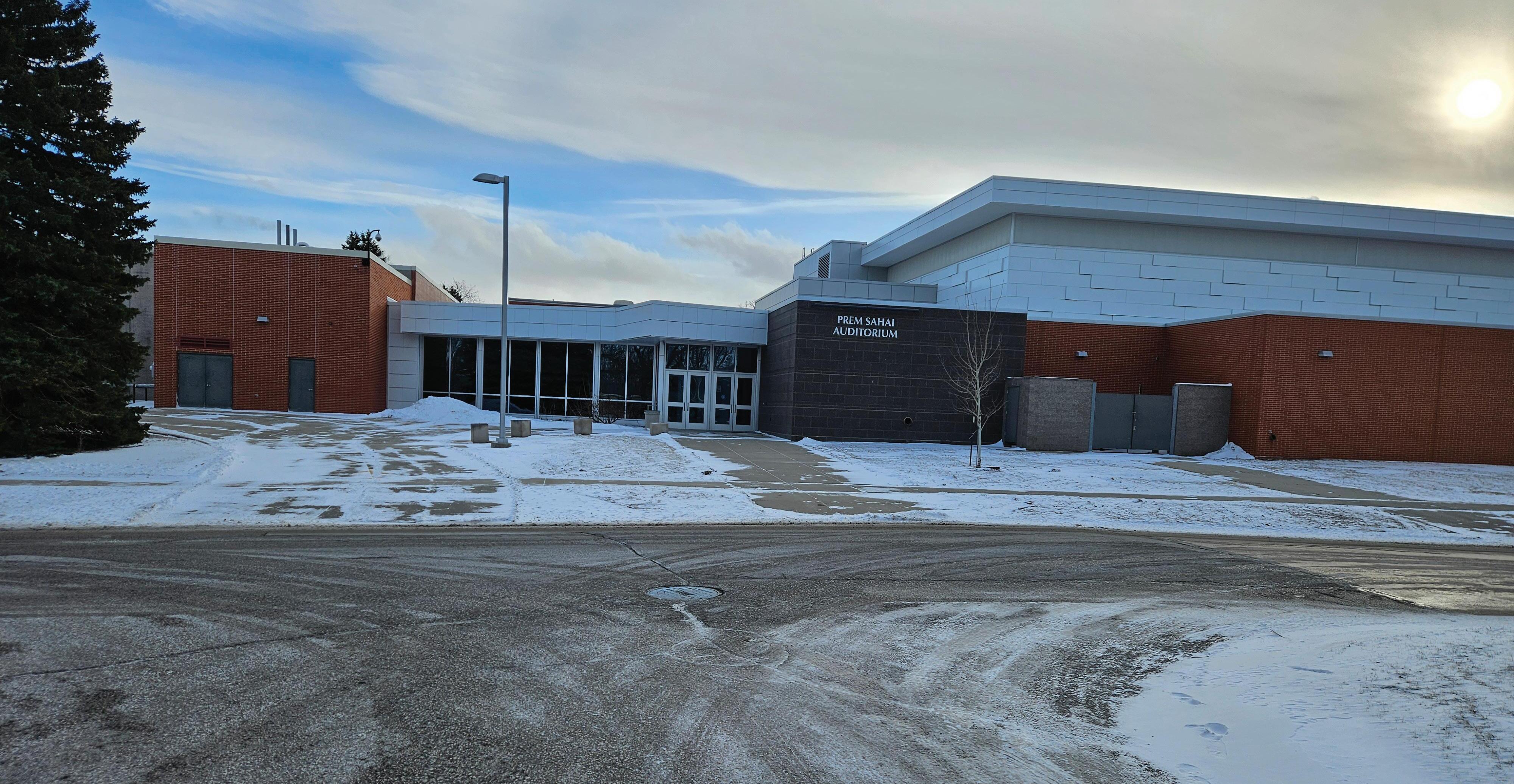
Their classrooms sit at the end of the north hall of the high school, nestled behind the stage as a constant reminder that their performances are important. Those rooms have not changed much in the 60-plus years since the building was built.
Serious music students and novices both consider the area a sanctuary, where they can rehearse, study and hone their skills. Both the band and choir rooms are considered safe spaces, welcomed by the directors.
McCullough teaches the vocal music program. He graduated from Iowa State in 2000 with a bachelor’s degree in music education, teaching at Woodbury Central for several years. He also spent one year in a professional program in Creston, and received his masters degree in 2009 in Ohio. He took a full-time church music position at St. Luke Lutheran Church in Columbus Ohio before coming back to Iowa, where he taught for three years at Pocahontas, prior to Webster City.
His experience in Webster City has been very positive.
“Overall, personally I have to give kudos to Greta Nelson for the culture that she has created at Webster City,” he said. “I have been thrilled with the kids in Webster City. They love to sing and work together. That in itself has been a great joy in coming to Webster City.”
He feels that today’s kids have added challenges of technology and more information than any era of students has ever had before and it is continually changing.
McCullough currently teaches four periods, a music theory class and each choir has its own period.
“During my free periods, those are reserved for teaching private lessons to individuals and small groups. Some students who have a full schedule don’t always have a free period that aligns with my schedule. Ideally I would be able to meet with each student 10-15 minutes a week.”
“I have been welcomed so warmly by the community,” he said. “Having a strong music program takes support from the parents, the community. It takes a lot of fundraising to keep the programs going.”
Abens is the band instructor, who is inviting students to join the band.
“It’s never too late to join the band. You can start at any time,” she said. “My job is






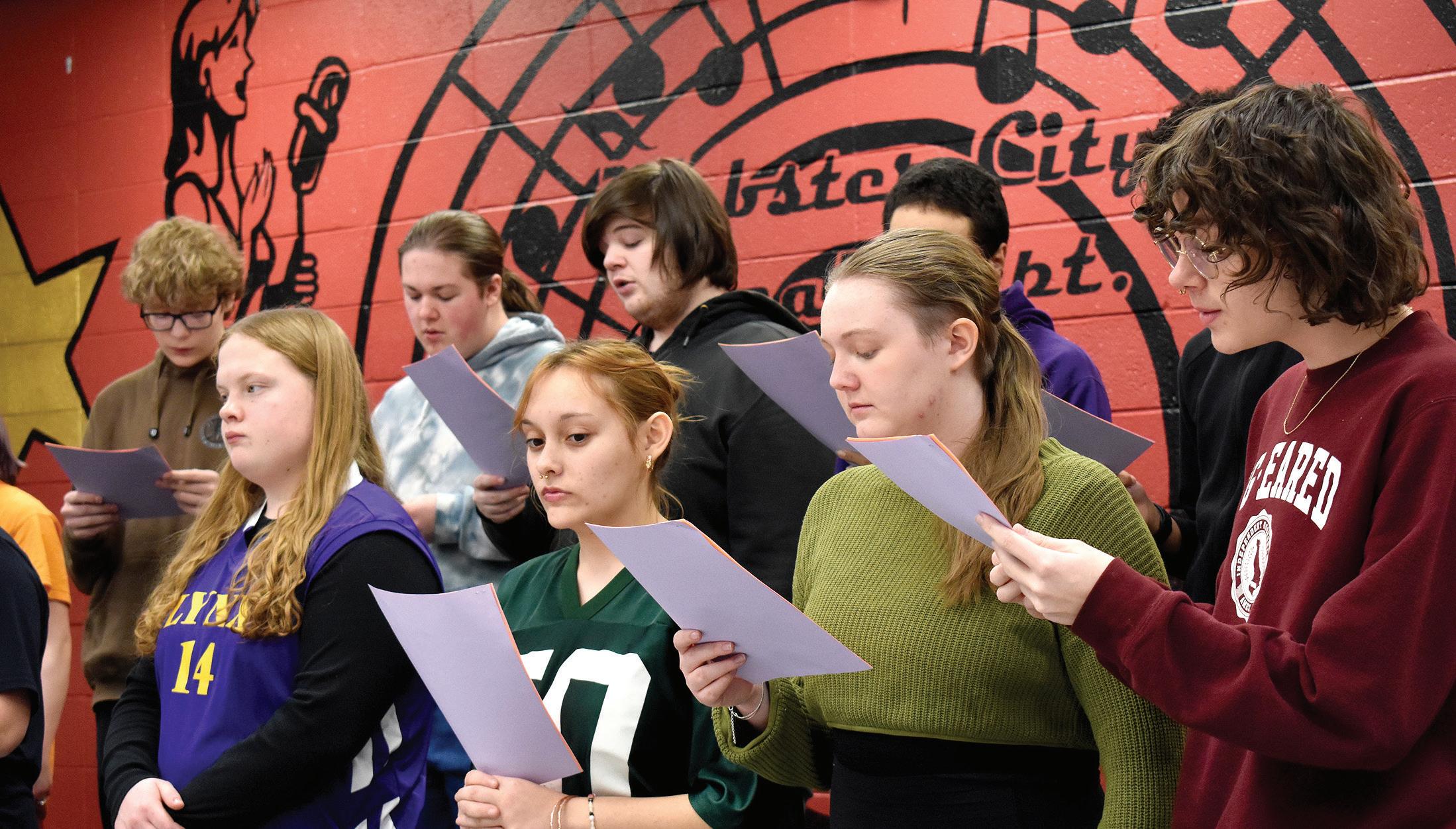
While the boys sing, the girls in the varsity chorus wait, watching for their chance to join in. From left to right, front row: Amanda Lahr, Ash Tinoco, Rinoa Raygor, and Jackson Meyer. Back
Geerdes, Gryffan Stevens and Connor
—Daily Freeman-Journal
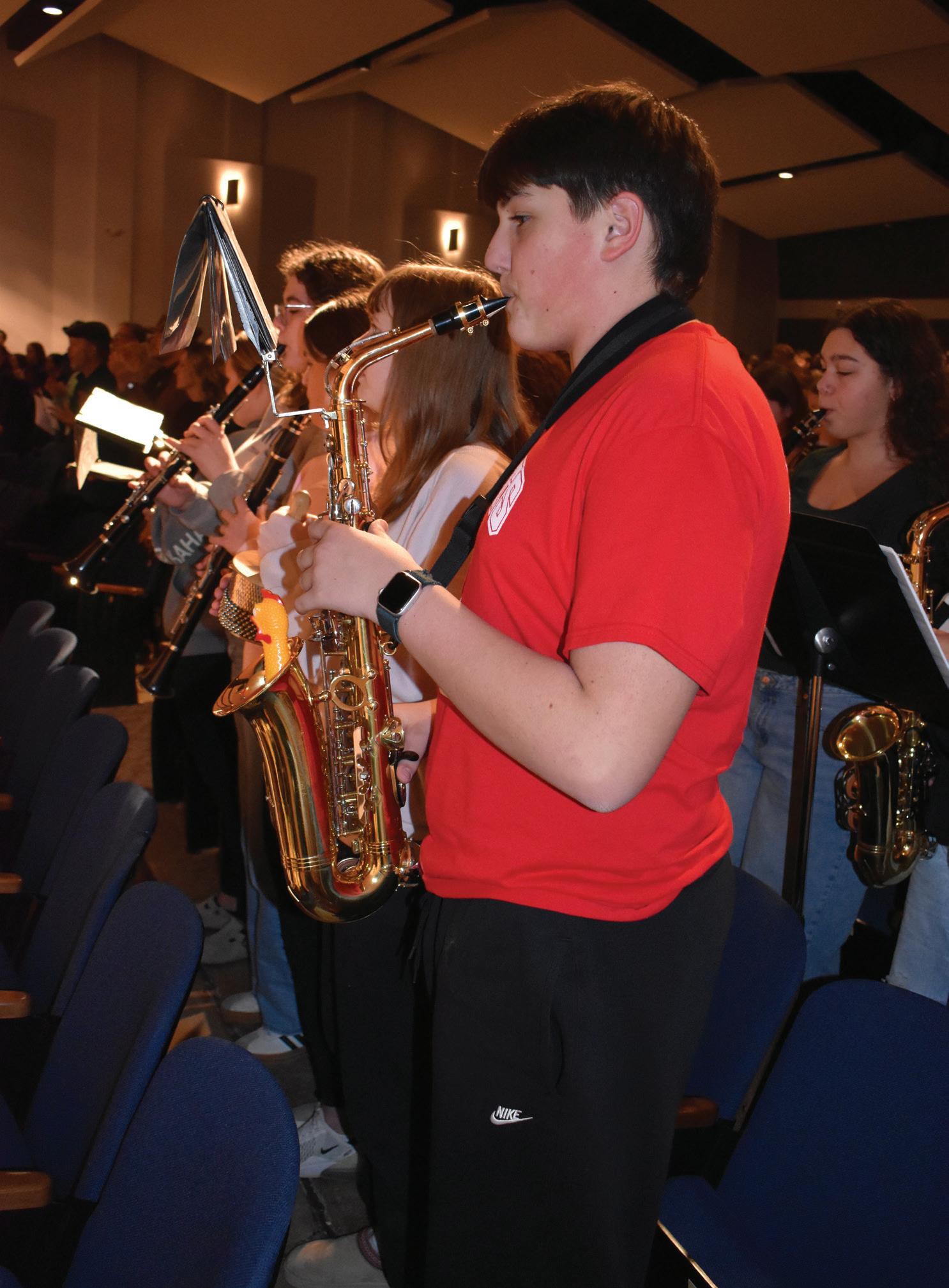
The Webster City High School band is also the pep band, performing at assemblies and games. Students in the woodwind section who are playing the school song are Max Anderson in front on the saxophone, behind him is Ava Orr. Standing beside Anderson are Kyla VandeMark on the cabasa, Ava Otteros on clarinet and Reagen Blaisdell on clarinet.
to teach.” Abens is a graduate of Webster City High School, after spending early years in Ohio. She attended Iowa State University, graduating in 2023. Abens started working with elementary students at Northeast Hamilton two years ago. Beginning band students begin working on skills often in the fifth grade. She said she is excited to realize she will see them through to the end of high school, and is seeing them progress through the middle school band programs now.
She noted that the biggest loss of students in the band program is usually between eighth grade and high school.
“Marching band is a bit overwhelming,” she said, but she encourages students to give it a shot. She acknowledges it is work, but it’s fun work. And if you are in one band, you are in them all.
“Bring your friends, once you try it, everyone enjoys it,” she encouraged. “We have a bunch of students who are new.”
She also encourages adults to pick up an instrument and learn how to play.
Music programs in the schools also help students develop meaningful relationships. Like a sports team, the members of a band or chorus have to work together, to blend, to hit the correct notes, to learn the intervals and assist each other to make music work. According to the National Association for Music Education, schools that priority music education have higher attendance rates than those without music programs.
“One thing I’ve noticed in my own kids and students, that would be echoed in Webster City, I certainly notice a difference in students dealing with anxiety,” he said, “There is certainly an uptick. Maybe it is the result of the pandemic, or maybe it is social media.”
McCullough feels the music helps reduce that anxiety.
“One thing I’ve grown to appreciate is the looks on the kids’ faces when they are singing,” he said. “You can sense the joy they have from making music. It definitely adds value to their lives and helps them cope with what they are dealing with for sure.”
The American Psychological Association found that students who participated in music programs also scored significantly higher in math, science and English than those who did not, indicating that music education improves all-around academic achievement.
“The arts; drama, theater, art, music are all important that show the need for our schools,” said McCullough. “We know we have some good things happening; without continued support, it’s not guaranteed. The support our community gives is vital to keeping our programs strong.”

















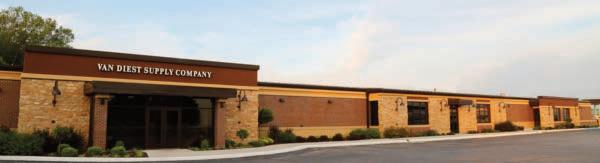
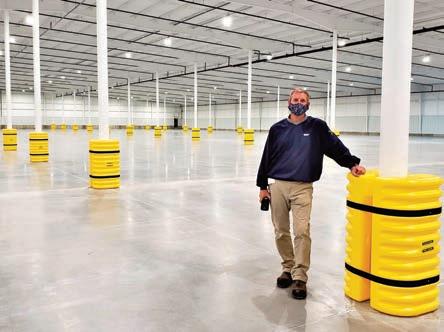
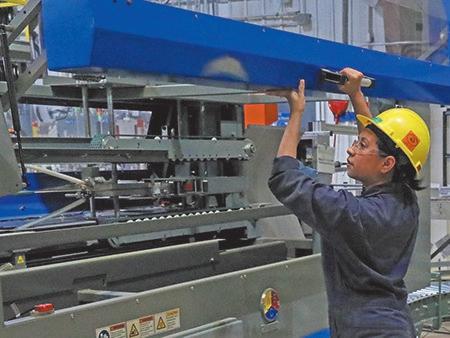
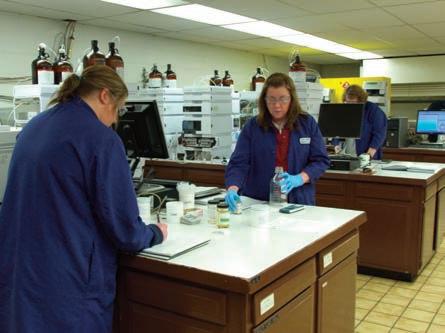
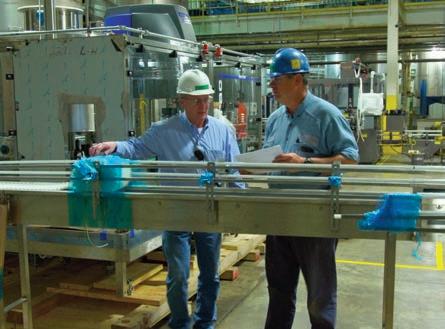
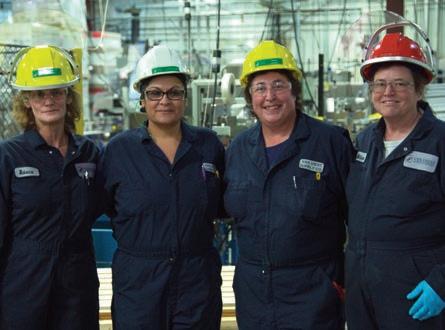
At Van Diest Supply Company, people make the difference. We have a sincere interest in our customers’ business and a genuine desire to help. We strive for long-lasting relationships with our customers, suppliers and Team Members.
At Van Diest Supply Company, people make the difference We have a sincere interest in our customers’ business and a genuine desire to help. We strive for long-lasting relationships with our customers, suppliers and Team Members.
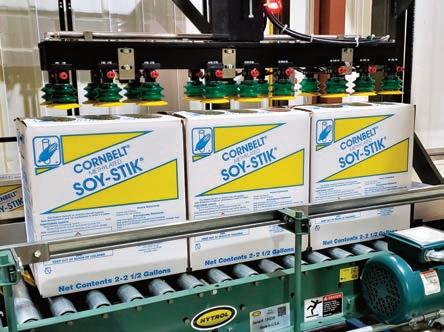
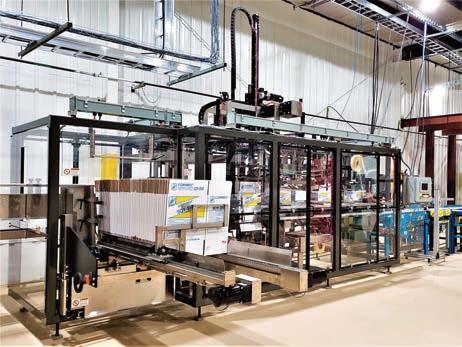
Our tradition revolves around providing products and services that consistently exceed expectations. Serving Agriculture since 1956, a three generation family owned business, we are know for our longevity, stability and continued growth.
Our tradition revolves around providing products and services that consistently exceed expectations. Serving Agriculture since 1956, a three generation family owned business, we are known for our longevity, stability and continued growth.
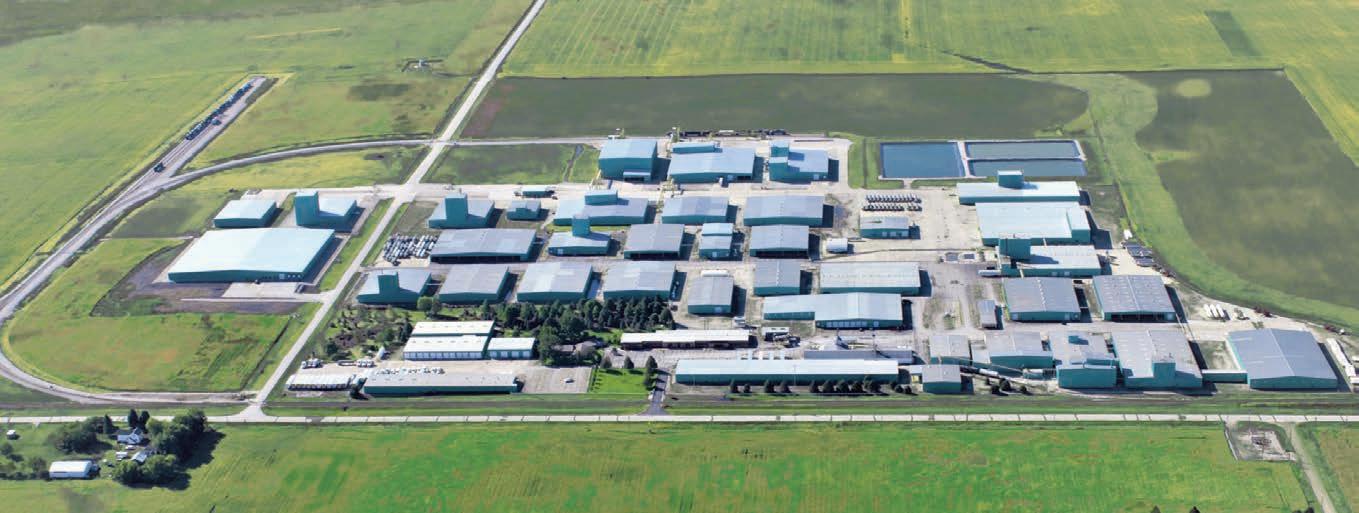
Van Diest Supply Company employs over 600 people, has 55 buildings on approximately 270 acres in Webster City, Iowa, has 20 outlying Distribution Centers and serves over 6,000 customers across the Midwest. Join us a part of our Winning Team by filling out an application today!
Van Diest Supply Company employs over 600 people, has over 55 buildings on approximately 270 acres in Webster City, Iowa, has 20 outlying Distribution Centers and serves over 6,000 customers across the Midwest. Join us as a part of our Winning Team by filling out an application today!