Daily Freeman-Journal
“We take pride in living in, and taking care of Webster City, and we hope our friends and neighbors never need our services. When they do, we go to work to get there quickly and protect as much life and property as possible.”

By ROBERT E. OLIVER
When you talk to Webster City Fire Chief Chuck Stansfield you can’t miss his enormous pride in the department. But it would be wrong to conflate that with complacency. When we recently asked him to summarize his department’s mission, he was clear: “prevent, prepare and perform.” More than a slogan, it guides the department every day.
Prevent The Webster City Fire Department uses Fire Prevention Week each year to
remind the public of the dangers of fire, and steps everyone can take to prevent it.
This year it will be the week of Oct. 4-10. During that week, the Webster City fire fighters visit elementary schools to instruct students in basic fire safety. An evening open house at the firehouse features a fire safety house, a simulated home showing fire hazards and how to avoid them, and a chance to learn how to use fire extinguishers. There will also be an appearance by Oreo, the department’s firedog mascot. A free dinner is usually served to attendees.
According to Stansfield, many home fires start in the kitchen. Smoking in the home and simply turning on the furnace can also be a major cause of fire. If concerned that there are unsafe conditions in a residence, anyone can phone the WCFD at 515-832-9131 to schedule a free home safety survey. Dangerous conditions, obvious to a firefighter, may escape your attention. Homes that do not have smoke detectors may qualify for a free home
Camp Ignite Her taught fire and rescue safety to young women
Inspiring the next generation
By KOLLEEN TAYLOR
Fighting fires, and keeping residents safe.
“It’s not just for men,” said Webster City Fire Chief Chuck Stansfield.
After last summer’s camp for young women, where 14 girls attended Camp Ignite Her, the interest in fire fighting has increased. This first-ever female fire camp offered by the Webster City Fire Department was so successful, the Webster City Fire Department plans to repeat it during the summer of 2026.
Amanda Staley, Webster City’s only female firefighter, led the program.
For the past five years, Staley has been a member of Webster City Fire. She worked in Duncombe as an EMT and firefighter previously.
Staley initiated the idea of establishing a camp to encourage women to take a role in firefighting.
“She has always had a passion to try to encourage young girls to get involved with the Fire Department,” Stansfield said. “When she asked if we could try the camp, I said, ‘Let’s do it.’” Staley was pleased with the outcome.
“It went really, really well,” she said.
“They learned a lot and hopefully we will get some in the cadet program.”
The cadet program has been in place for the last three or four years. Up until last summer, only boys participated. After Camp Ignite Her one of the participants decided to join the cadets, and has been participating this year.
“She comes to training and assists, and is learning how to become a firefighter,” Stansfield said.”There are a couple of other gals that we expect to join in the next few years.”
The girls who attended the camp ranged from ages 13 to 18. The training gave them a glimpse into the roles and skills needed to become a firefighter.
Cadets have to be between the ages of 14 and 18. The cadets start assisting with fire calls and even, though they are young, there are things they are allowed to do. During the initial program, Staley and
Webster City Fire Captains Jeromy Estlund and Andy Sowle, Lieutenants Don Zehner and Don Wills, and firefighters Dakota
Photo courtesy Webster City Fire Department
The Fred M. Fuller Hall Trust members continue to look to the future with vision and hope to add an additional gym (or gyms) and a walking track.
Fuller Hall: Fulfilling the dream
By ANNE KNESS
I never knew Fred Fuller; however, I feel he would be amazed and proud at how his dream lives on in Webster City at Fuller Recreational Hall. It lives on in people like Kent Harfst, Larry Flaws, Breanne Lesher, Mark Glascock, Bron McKee, Fuller Hall Trust, Park and Rec Board, employees, Webster City city manager, City Council and countless volunteers who keep Fuller Hall alive and active.
All Fuller wanted was a place with free restrooms and recreational facilities for youths, adults and families. Rumor has it, growing up he had to pay to use the restroom in Chicago.
Fuller’s vision dates back to 1929, when he had a dream of building a community center in Webster City. He stated this in his will drafted by attorney Max M. Hemingway. In his will, he established a trust to oversee the funds used for construction.
Fuller wanted this community center to have the following: a gymnasium for
public gatherings and athletic events, a swimming pool, an area for banquets, including a kitchen, and a place to conduct meetings. It would be a center for all ages. Fuller had a passion for children and wanted to make sure children of disadvantaged people who could not pay were able to use the facility at no charge.
Fred Fuller died in 1932, and his wife, Minnie, in 1953. It was then that the Fred M. Fuller Hall Trustees were formed to oversee the construction of Fuller Hall.
In 1956, Fred Fuller’s dream became a reality and the Fuller Recreational Hall was built.
In 2002, approximately 47 years after Fuller Hall was opened, a huge renovation project was completed. Fuller Hall was made an ADAaccessible building. Yes, Fuller Hall has an elevator. This project also included in the lower level, a 25-meter indoor swimming pool, fitness room for cardiovascular workouts, and a strengthening-weight conditioning room. Both rooms have up-to-date equipment. There are locker rooms as well.
On the main floor you will find the Sampson multipurpose room. This modern meeting room includes a kitchenette, and is equipped for technology presentations. It also hosts a very active, dedicated BASE — Balance, Aerobic, Strength and Endurance — exercise group that meets three times a week.
Fuller Hall also has a game area on the main floor that consists of pool tables, ping pong, shuffleboard and air hockey. There is also a television lounge.
During the morning, there is an indoor park so little kids can come play and burn off energy with their parents. There is a cost for this, but it is well worth it.
Adults come and go, getting their workouts in. There are several ways to pay for the use of the facilities. A punch card or pass can be purchased to use the facilities. Whether it is in the cardio room, weightlifting room or swimming laps, aquasize or Zumba aquasize in the pool. In the summer the indoor pool is closed for maintenance and the outdoor pool is open for lap swimming, swim lessons, swim team and pool parties. This is also supervised by Fuller Hall staff.
Fuller Hall is the center for recreational activities for both adults and kids. Pickleball is played at Fuller Hall as well as at East Twin Park. The employees create activities for kids. This is where all seasonal recreation is born. Kids’ softball leagues, tennis lessons, swimming lessons, basketball teams, volleyball teams, track, flag football and more. Through these programs, kids learn the fundamentals of sports, good sportsmanship and how to have fun. There are fees to swim at Fuller and to register for the various youth sports leagues. The staff at Fuller are constantly planning on how to keep kids active and involved as well as adults.
The Fred M. Fuller Hall Trust members continue to look to the future with vision and hope to add an additional gym (or gyms) and a walking track.
Thank you Fred Fuller for making your dream come true. Webster City is very blessed to have Fuller Hall Recreational Center.
Anne Kness is a member of the
Hall Trustees. She is a retired teacher who lives in Webster City.
It is a hot spot after school for many kids and is a safe haven for them. You can feel the energy of the kids as you enter the building. The hustle and bustle of kids shooting pool, dribbling basketballs and meeting up with friends keeps the facility a favorite for students and parents. There are also many special afterschool activities planned. It is not a quiet place.

Fuller
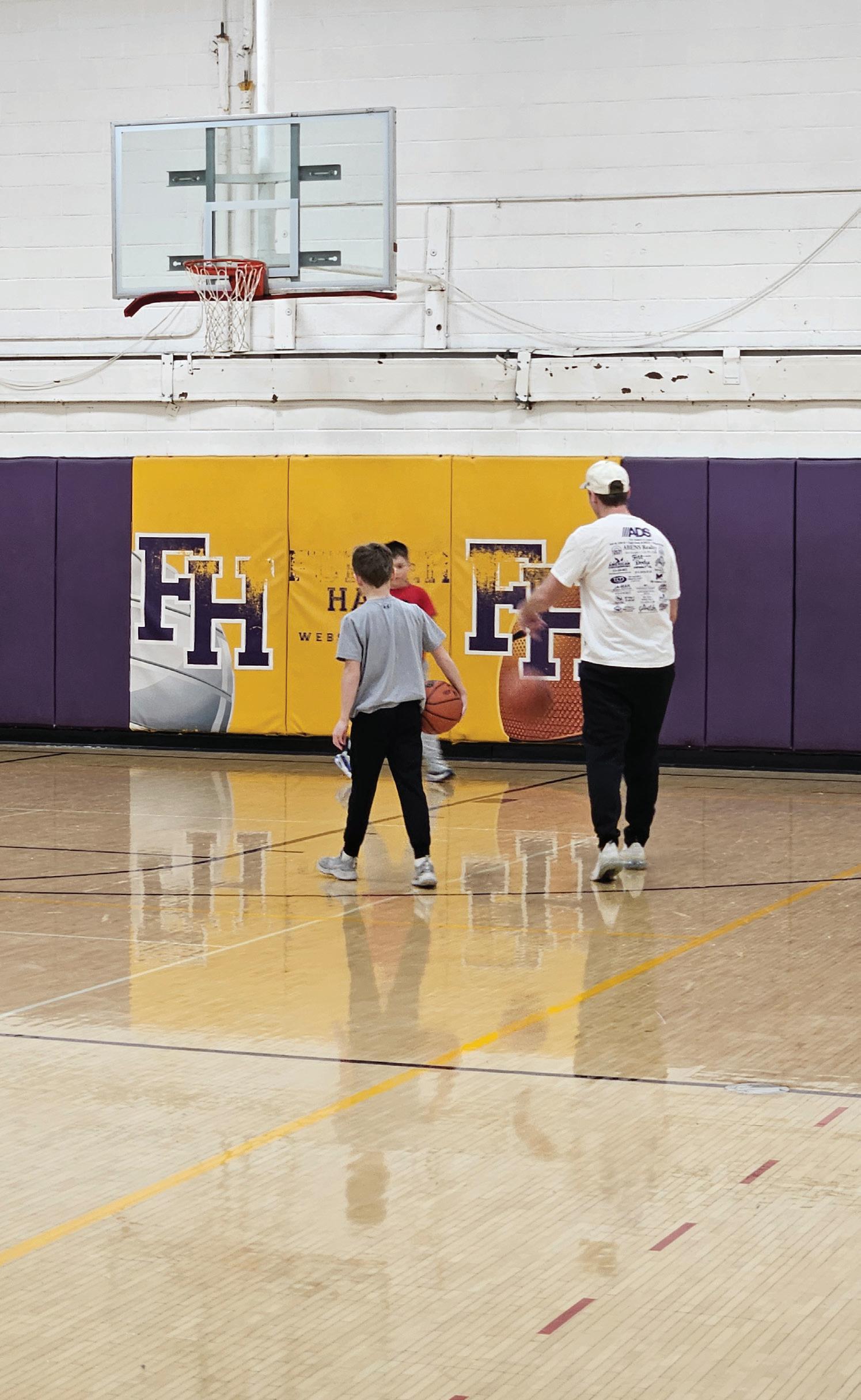
Playing basketball after school in the Fuller Hall gymnasium are Jeremy Rachu, with his son Macklin Rachu and Henry Rolffs.
—Daily Freeman Journal
photo by Kolleen Taylor
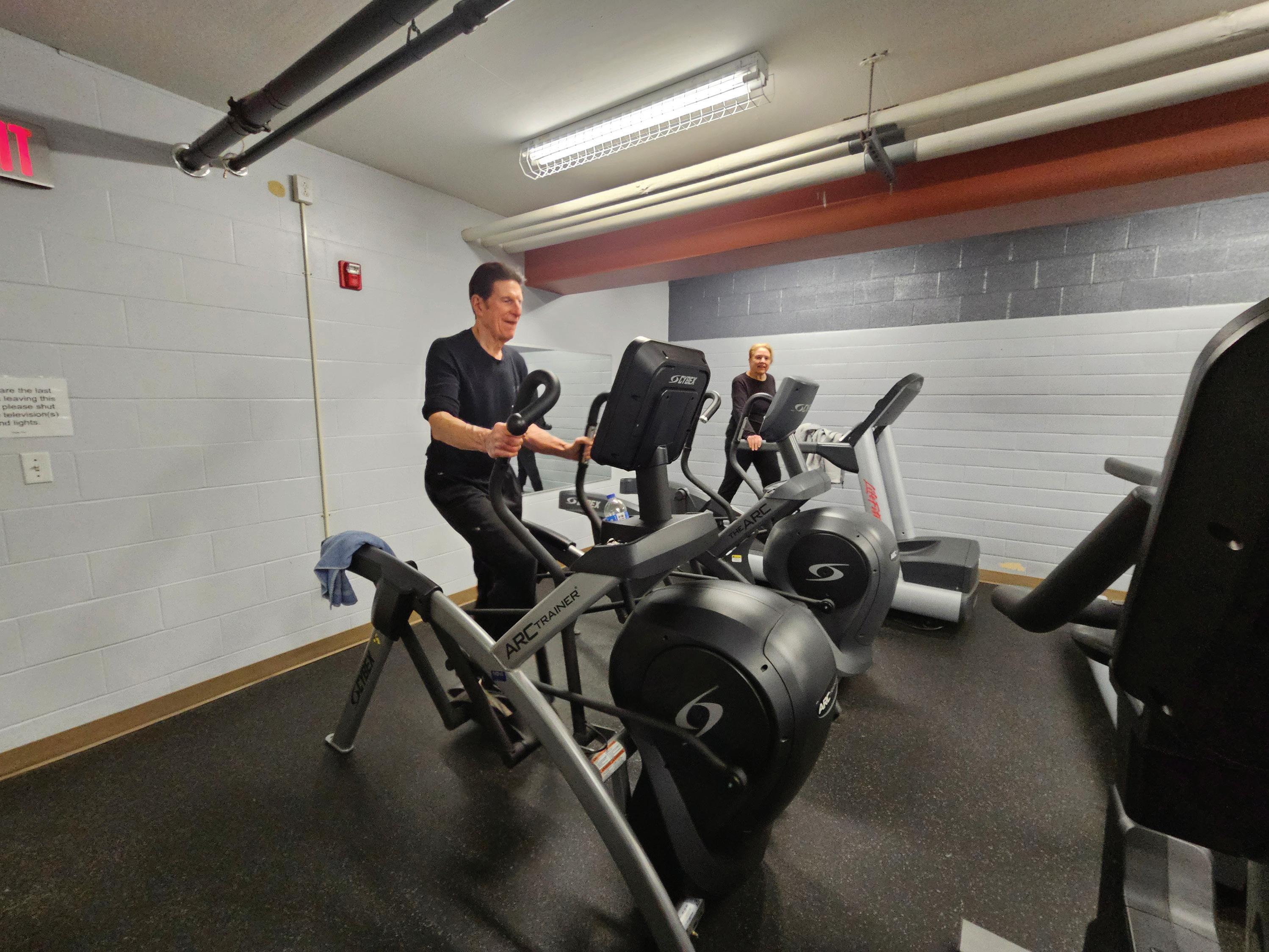
Jerry Malloy, left, and his wife Marilyn Malloy, use the bicycles in the cardiac exercise room at Fuller Hall.
—Submitted photo
Amy McCollough, left, and Ashley Bubeck will be teaching the classes
“Better Choices, Better Health” at the Van Diest Medical Center for those dealing with chronic illness.
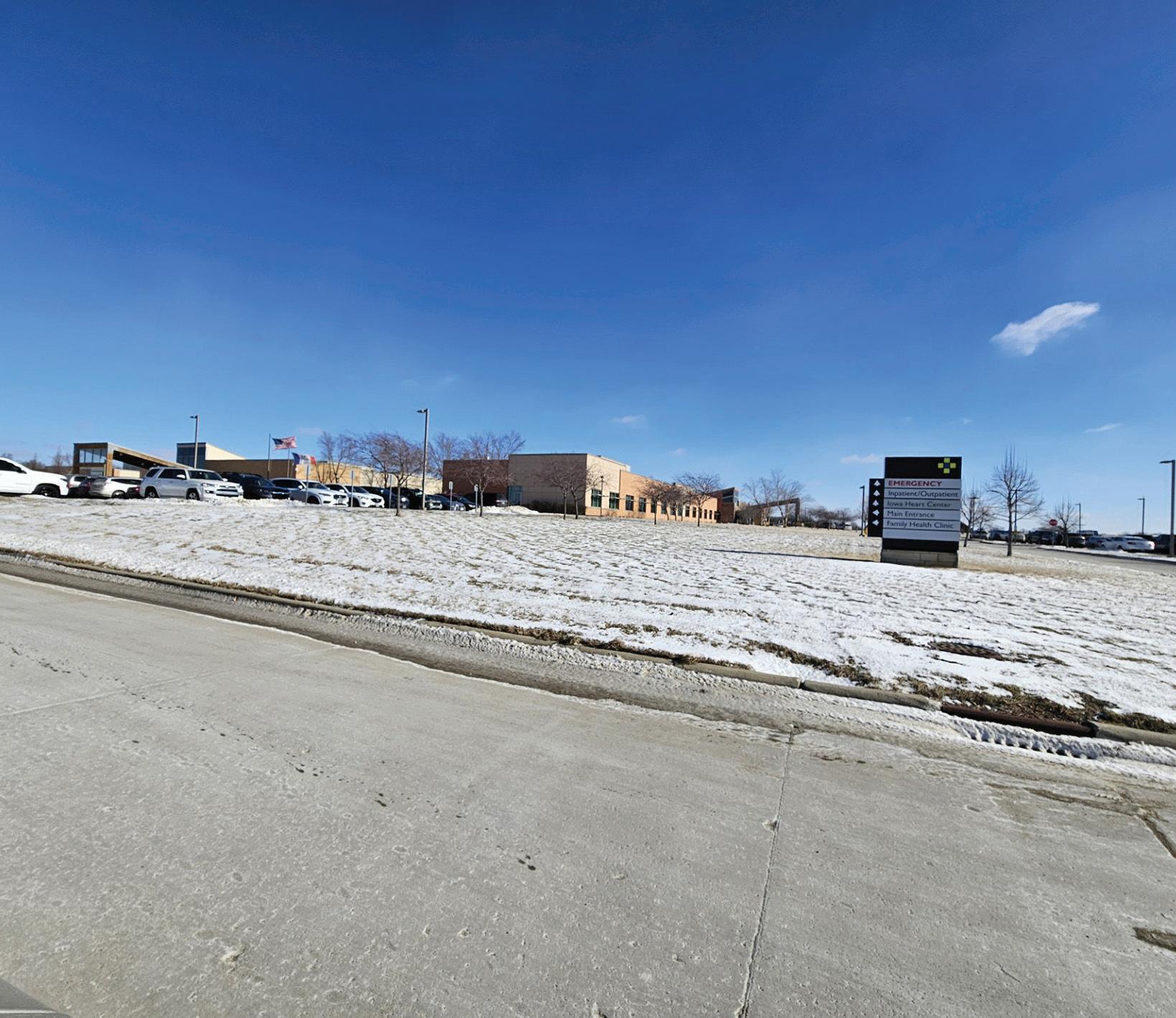
view shows both the emergency entrance, rehab entrance
the
The classes are held in the Van Diest Medical Center board room, located north of the rehabilitation center. It has an outside door access, and is used often for blood drives.
More than just a class
“I
would certainly recommend the course to others. The instructors were informative as they have also taken the class themselves. This session has helped me be more aware of the food and exercise and choices that I make in life.”
Better Choices, Better Health empowers participants through education, support
By ANNE BLANKENSHIP
Special to The Daily Freeman-Journal
Living well with a chronic condition is about more than managing symptoms — it’s about connection, confidence, and support.
The Better Choices, Better Health program, sponsored by the Van Diest Medical Center, is led by health coaches and instructors Amy McCollough and Ashley Bubeck, helping participants do just that. Following a highly successful program last fall, new spring classes will be forming soon, offering not only practical evidence-based health and wellness information but also a welcoming, supportive environment where participants build friendships and encourage one another along the way.
Better Choices, Better Health is an Iowa Health and Human Services, evidence-based, small-group workshop designed to help adults and caregivers build practical skills for living well with ongoing health conditions. McCollough first learned about the program through an email from IHHS and immediately recognized its potential impact.
“I thought it sounded like a great idea, and I went to our managers here at VDMC to see if we could host the program. We thought it would be beneficial for the health of our communities,” McCollough said.
To lead the workshops, both McCollough and Bubeck first experienced the program as participants themselves before completing additional training.
“So, it’s a train the trainer kind of thing,” McCollough explained. “We took the course itself and then we learned how to teach it.”
The six-week course meets for two hours each week and covers a wide range of practical topics. Participants learn strategies for symptom management, healthy eating, and appropriate exercise for strength and flexibility, along with relaxation and breathing techniques. The program also emphasizes effective communication with physicians, health care providers and family members.
“One of the big topics we discuss is food labels. That’s a huge topic for a lot of people and most of them find that interesting,” Bubeck said.
In addition to education, the instructors demonstrate movement techniques and approaches for pain relief and relaxation that participants can easily incorporate into daily life.
A key component of the program is action planning, where participants identify areas they want to work on and take small, achievable steps.
“That’s a big part of it too — learning to set small realistic goals and breaking down the steps for achieving those goals,” Bubeck explained.
“And if they are confident they can meet those goals, they will do it,” McCollough said. “We want participants to have success and once they do, they’ll get more confident and be able to do more things.”
According to the instructors, those goals vary widely and are tailored to everyone’s needs — whether related to nutrition, movement, or mental wellbeing.
“It’s not just about weight loss, everyone’s focus is different, based on what they want to work on personally,” Bubeck explained.
At the end of each class, participants are asked to share their goal for
the coming week with the group, helping foster accountability and encouragement.
“The next week, they report on how they did during the week with their action plans,” McCollough said.
Through those weekly check-ins, a strong sense of camaraderie begins to develop among participants. Over time, the group often becomes a supportive network, cheering one another on and, in many cases, forming lasting friendships.
Former participant Loretta Moon, of Eagle Grove, said the supportive nature of the group made a meaningful difference in her experience.
“First of all, it was nonjudgemental. Everyone contributed,” Moon said.
“I would certainly recommend the course to others. The instructors were informative as they have also taken the class themselves. This session has helped me be more aware of the food and exercise and choices that I make in life,” she said.
With new sessions forming soon, Van Diest Medical Center’s Better Choices, Better Health program continues to offer more than education — it provides connection, encouragement, and practical tools that empower participants to take charge of their health. For many, the program is not just a class, but a community that supports lasting, positive change.
For more information on Better Choices, Better Health, contact Amy McCollough at 515-832-7730 or email amcollough@vandiestmc.org, or Ashley Bubeck at 515-832-7885 or email abubeck@vandiestmc.org. Participants do not need to be patients of Van Diest Medical Center.
The Flexsteel® Zecliner™ is built for football weekends. With customizable comfort and performance cushioning, it’s the ultimate way to relax from pregame to postgame.
Test it out today at Interior Spaces, Inc.















-Daily Freeman Journal photo by Kolleen Taylor
This
to
Van Diest Medical Center.
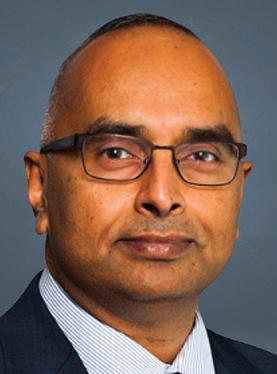
“There is nothing more rewarding than seeing an immediate, positive outcome — restoring a patient’s mobility, relieving their pain, and returning them to the life they love.”
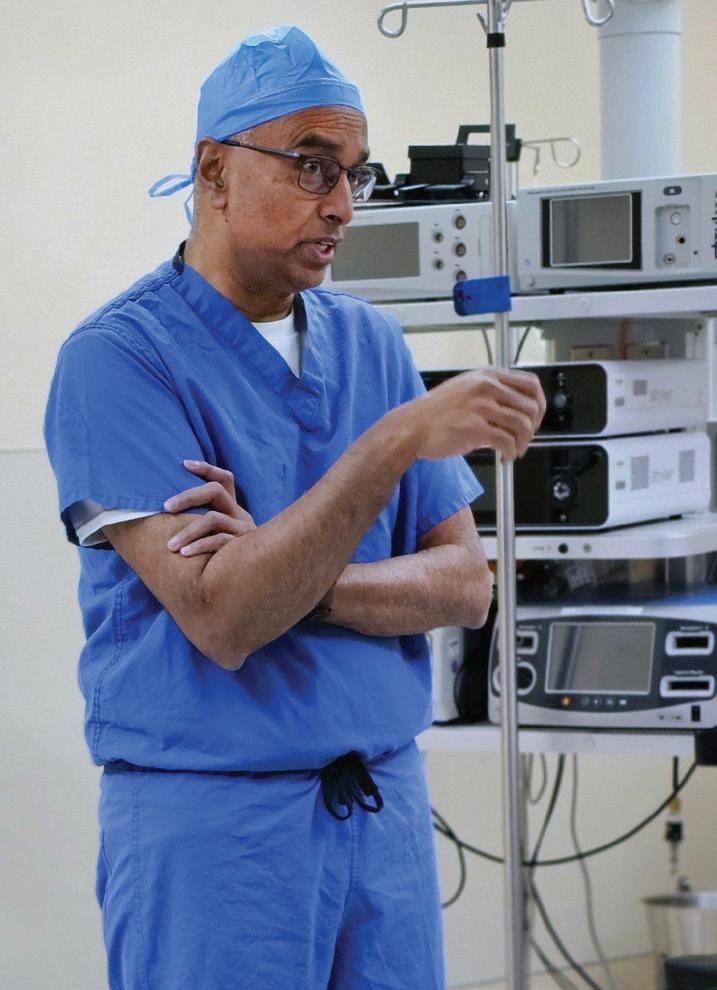
Dr. Sreedhar Somisetty wants his surgical team to understand clearly what he is proposing, as he makes an important point during his work at the hospital.



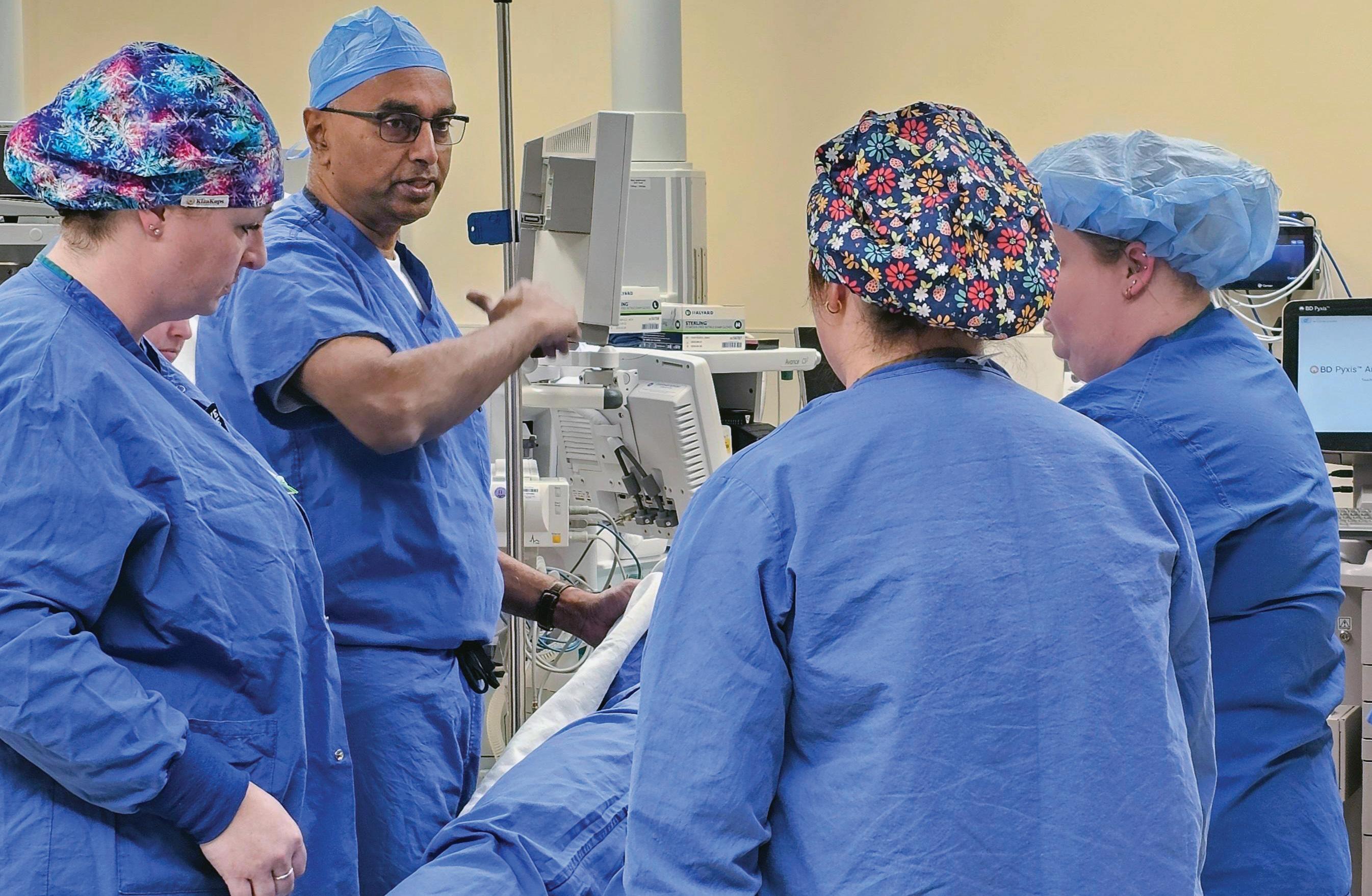
Dr. Sreedhar Somisetty and his team is ready for surgery, dressed in scrubs and thoroughy prepared for whatever they face once the procedure begins.
A surgeon who listens
By ANNE BLANKENSHIP
Special to the Daily Freeman-Journal
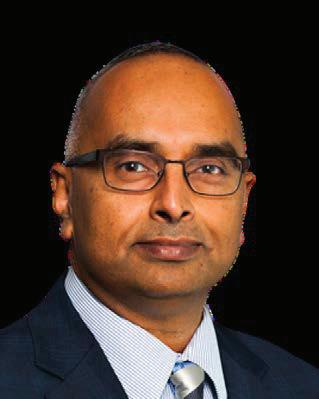
For Sreedhar Somisetty, M.D., orthopedic surgery has never been just about fixing bones — it’s about restoring lives. With more than 25 years of experience across academic medical centers, urban hospitals, and rural communities, Somisetty has built a career grounded in skill, precision, and one essential principle: taking the time to truly listen. That philosophy is now guiding his work as the new full-time orthopedic surgeon at Van Diest Medical Center, where he joined the surgical team at the beginning of January.
Raised and educated in Hyderabad, India, Somisetty was drawn early to orthopedics for its unique blend of medical science, critical thinking, and practical problem-solving.
“There is nothing more rewarding than seeing an immediate, positive outcome — restoring a patient’s mobility, relieving their pain, and returning them to the life they love,” he said.
Somisetty earned his Doctor of Medicine degree from Osmania Medical College and completed his orthopedic surgery residency at Nizam’s Institute of Medical Sciences, both in India. His training then took him across the United States, where he completed four years of fellowship training in orthopedic subspecialties at some of the nation’s most respected institutions, including the University of Texas Medical Branch in Galveston, Massachusetts General Hospital/Harvard Medical School in Boston, SUNY Stony Brook in New York, and Boston University Medical Center.
After completing his training at Harvard, Somisetty returned to India briefly to practice, but he found himself drawn back to the United States.
“But I could not really reconcile to the fact the quality of care that I was able to learn and provide here. So, my heart was always here,” he said.
He returned to the U.S. to join the faculty at the University of Arizona, where he served as clinical assistant professor and chief of Orthopedics at the Southern Arizona VA Health Care System in Tucson. In 2003, Somisetty made a pivotal decision — one that would













define much of his career — by moving to Iowa to practice rural medicine. At Mahaska Health Partnership in Oskaloosa, he provided full-spectrum orthopedic care for 16 years, performing between 175 and 200 joint replacements annually.
Most recently, Somisetty served as staff orthopedic surgeon and section chief of Orthopedics at Broadlawns Medical Center in Des Moines, beginning in 2019. He said his motivation for joining the hospital was rooted in access to care — ensuring patients who might otherwise struggle to receive treatment had an option close to home. When that practice was shut down and privatized, Somisetty returned to what he calls his long-standing dream: serving patients in a small rural community hospital.
He said he chose rural medicine specifically to offer his patients quality time.
“I’ve learned that the best medicine happens when a doctor has the time to truly listen,” he commented. “I believe in spending quality time with my patients to explain their conditions, explore all available options and to ensure they are making an informed decision.”
Now working full-time at Van Diest Medical Center — where orthopedic care had previously been provided by visiting specialists — Somisetty sees an opportunity to build something lasting. “I’m not going to practice anywhere other than Van Diest and our hope is to see as many patients as we can and to keep them here to care for them locally,” he said.
Somisetty, along with a mid-level provider, will hold clinic days on Tuesdays and Fridays, while surgical days will be Mondays and Thursdays.
Somisetty treats a wide range of orthopedic conditions and performs numerous procedures, including carpal tunnel surgeries and endoscopic carpal tunnel procedures; wrist, hip, and shoulder fracture care; hip, knee, and shoulder replacements; rotator cuff repairs; knee arthroscopic surgeries; select shoulder arthroscopic procedures; and treatment for certain sports injuries.
His patient-centered approach begins well before the first appointment. Somisetty carefully reviews patient charts, imaging, and MRI results, frequently consulting with radiologists and referring physicians to ensure a thorough understanding of each case. When patients arrive for their visit, his team completes chart preparation so he can focus entirely on the conversation.
“I don’t want to be carrying a computer with me. I want to see them in their eyes
and see what exactly the problem is,” he explained. “And I think that’s where most of the care can be lost if you’re not spending time with the patient and listening.”
He begins each visit by understanding how a condition is affecting a patient’s daily life — and what they hope to achieve through treatment.
“I start with asking them what brings them to the appointment and how the condition is affecting their life. And we also ask what their expectations are, because I may be thinking about an injection, and they may be thinking surgery,” he said.
For Somisetty, honesty and trust are central to rural healthcare.
“The fact is patients want honest answers. They’re not coming to the rural hospital just because they have no other option. I want them to come to this rural hospital because we have quality surgeons who will spend time with them and give them the best advice they can,” he added.
When he’s not in the clinic or the operating room, Somisetty enjoys unwinding with a competitive game of ping pong. He is also actively involved with the Hindu Temple in Madrid and treasures opportunities to visit family and friends in India whenever time allows.
Somisetty said he has been impressed with the cordial and helpful nature of his team at VDMC as well as the other staff members.
“I’m thrilled and very happy to be here. I feel like I’m back to my roots, and this where I anticipate continuing to practice until I retire from practice,” he said.
Looking ahead, Somisetty’s vision extends beyond individual patient visits. His goal is to establish a strong, enduring orthopedic program at Van Diest Medical Center — one that supports both patients and the future of rural medicine.
Somisetty’s goal for his practice at VDMC is to build a “lasting foundation for orthopedic excellence at Van Diest Medical Center.”
“I look forward to collaborating with the University of Iowa to bring orthopedic residents to this facility, ensuring that the next generation of surgeons understands the vital importance of rural healthcare,” he said.
In a time when access to care can feel increasingly distant for rural communities, Somisetty’s presence brings something invaluable to Van Diest Medical Center: experience shaped by the world’s leading institutions, delivered with patience, compassion, and a commitment to listening — right here, close to home.

Sreedhar Somisetty
By LORI BERGLUND
It’s been decades in the making, but seemed to come together at the last minute, in the blink of an eye. For Hamilton County Sheriff Alex Pruismann, Communications Director Luanne Paper, and Lead Dispatcher Susan Burke, the transition to a complete, countywide dispatch center in the last few months has been at times challenging, but always rewarding.
“It happened in about six months total,” Pruismann said. “That’s a very quick amount of time for the amount of work that had to go on behind the scenes.”
Six months ... and about three decades, for those familiar with the long-haul story of bringing Enhanced 911 — E911 — service to Hamilton County, beginning in the early 1990s. The late Jerry Farnham was Hamilton County Sheriff. Mike Petricca was chief of police for the city of Webster City, and a countywide board worked through a long series of intense sessions to bring the vital service to all of Hamilton County.
Seamless transition for countywide dispatch
After a long road, finally a reality
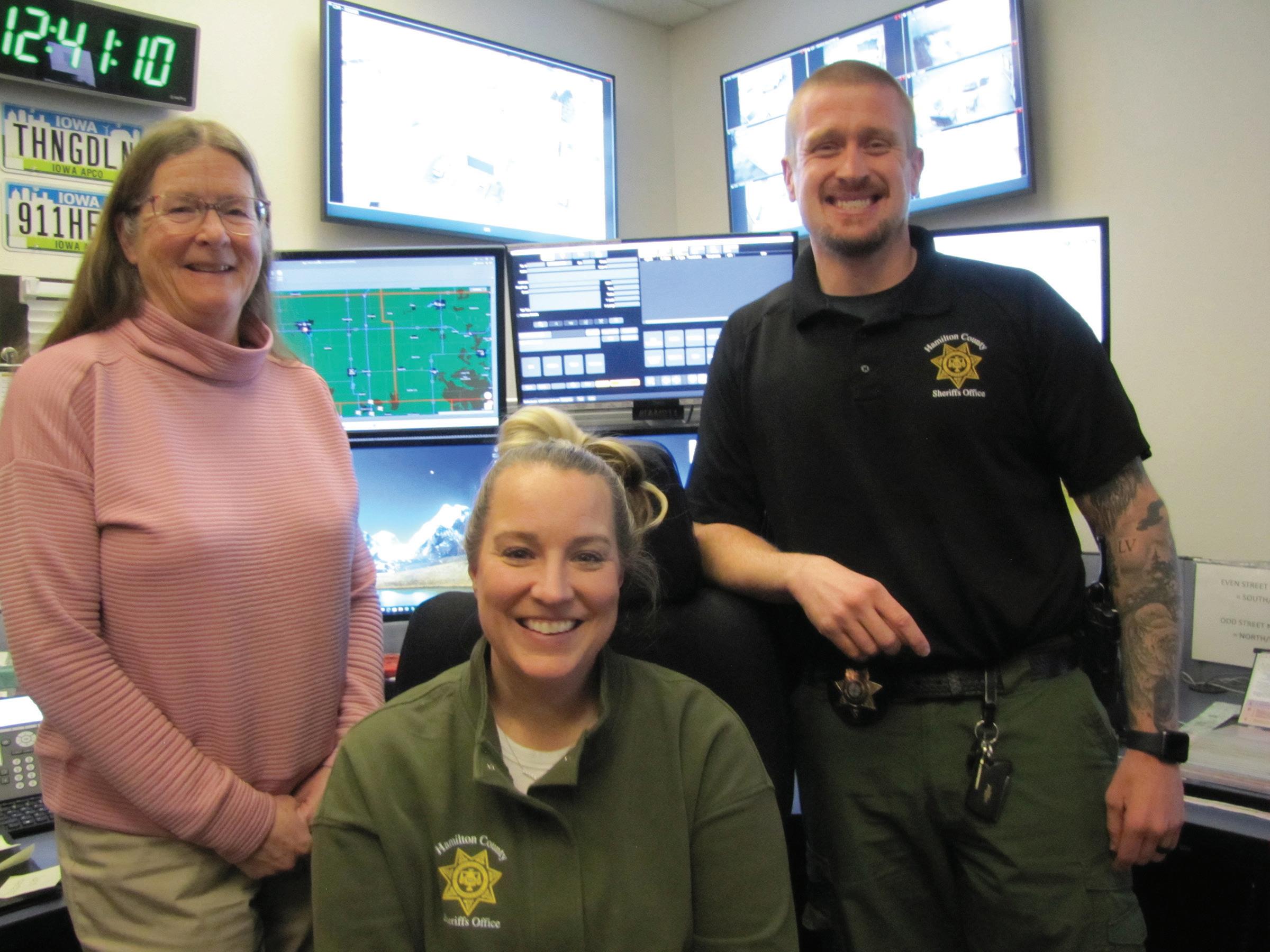
Dispatchers cannot leave this small space during their eight-hour shifts. In front of them are at least five screens, along with additional screens mounted higher in the county-wide dispatch center at the Hamilton County Courthouse. Checking out the space, from left, are Communications Director Luanne Paper, Lead Dispatcher Susan Burke, and Hamilton County Sheriff Alex Pruismann.
E911was ground-breaking at the time because it was not just a quick way to call for help. It gave the dispatcher on the other end the Automatic Number Identifier and Automatic Location Identifier. With this technology, even if the caller could not speak for whatever reason, the dispatcher knew exactly where to send help. This enhancement is the “E” behind E911 and revolutionized emergency response capabilities nationwide.
It was the job of the Hamilton County E911 Board to bring that service to county residents. The debate was where to put the technology and where to locate the dispatch center.
With five successful elections behind him as Hamilton County Sheriff, Farnham had the experience and political clout to know that the best location at the time was not at the sheriff’s office, but at the Webster City Police Department.
“It belongs down there (at the police department), because that’s where the jail is,” Farnham, in his very succinct manner, told the press at the time.
Basic dispatching services were already handled for both the city and county out of the police department. Deputies were on duty 24/7, but the sheriff’s office was not staffed 24 hours, so the first countywide dispatch was actually at the Webster City Police Department many years ago.
The jail was a bare-bones, 24-hour,
Ignite Her
five-cell holding facility and it was the only place in Hamilton County to hold prisoners. The jail had to have a 24-hour staff, hence the logic of putting 24-hour dispatch in the same location.
The construction of a full-service jail in 2004 would prompt the move of the E911 dispatch center from the city to the county. Scott Anderson was Hamilton County Sheriff during this pivotal time. Working with county supervisors and the E911 Board, he led construction of the jail and organization of the dispatch center, and then handed it off to incoming Sheriff Denny Hagenson in 2005.
“Everything was in place, but the key wasn’t turned until Hagenson came in,” recalled Anderson.
It was Hagenson who opened the facility in March 2005. Paper, who had been hired by Farnham in 1978, was there for it all, and is still there today, shepherding yet another major transition for the sheriff’s department. In the intervening years, Sheriff Doug Timmons put in his time at the helm and then welcomed Pruismann as sheriff at the beginning of 2025.
But while E911 service moved to the sheriff’s office in 2005, the city maintained its own 24-hour dispatch center at the police department. All 911
Continued from Page 1B
Feickert, Michael Lehman and Connor Hanson all helped create Camp Ignite Her.
Joleah Stuhr, from Duncombe Fire, was an instructor for both days.
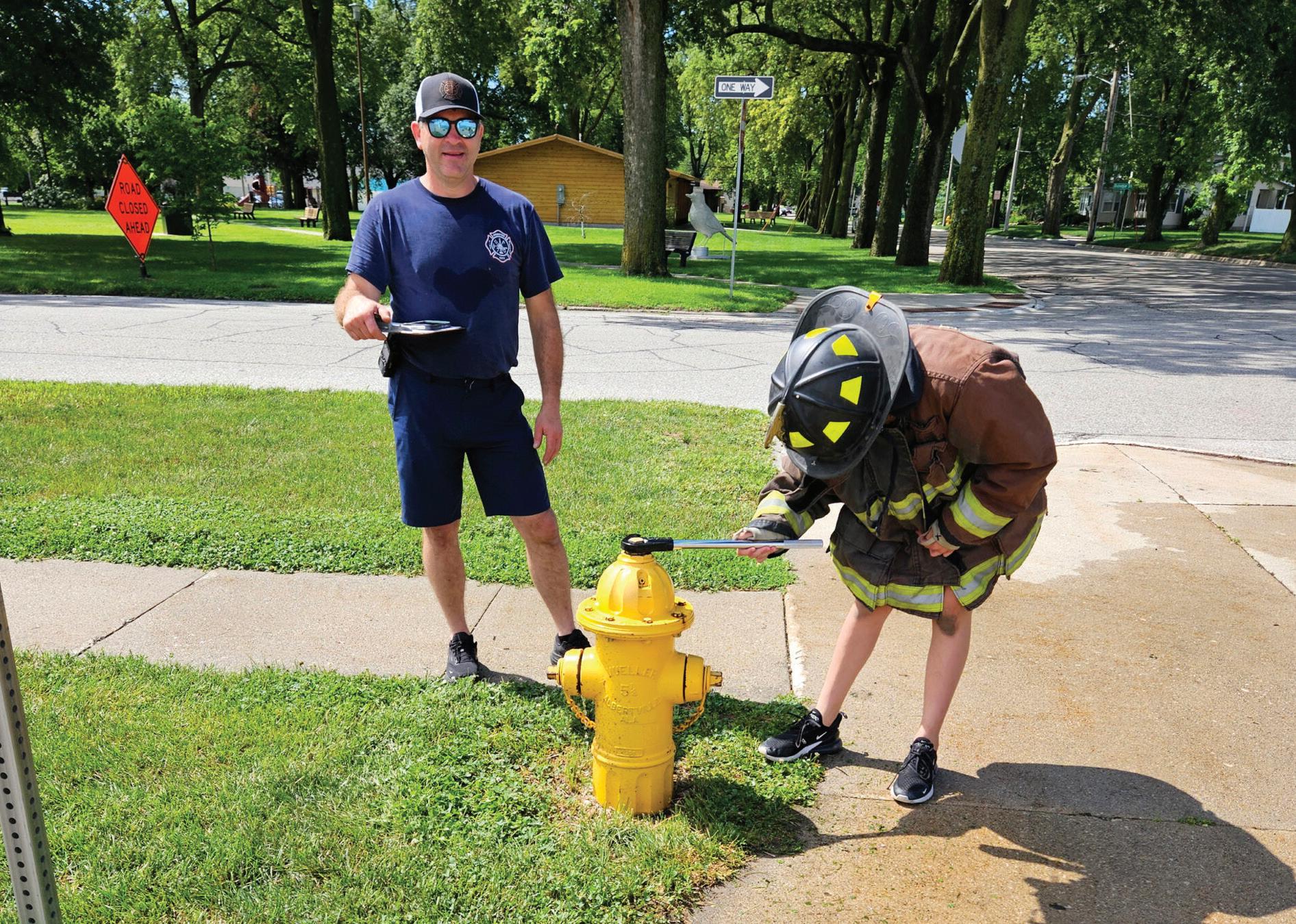
The girls learned hands-on experience in addition to safety instruction. They were taught during a live fire demonstration how fire reacts to air and the lack of it. They learned about search and rescue calls, how to put a fire out with an extinguisher, how to drag someone out of a home, how to force a door for getting into a home with an axe and halligan and how to flow a real fire hose.
In addition, they experienced what it is

calls were answered at the county, while non-emergency lines were answered by city dispatchers. It was an independent consultant brought in to review and look for efficiencies with the Webster City Police Department who recommended the consolidation of all dispatching at the Hamilton County dispatch center.
“The police department was going through a transition with their leadership,” Pruismann noted. “They brought in a consultant and one of the recommendations was to combine dispatch because it was redundant. At that point in time, Acting Chief (Eric) McKinley and I started talks and I brought Luanne (Paper) in because she had been through this in prior years. We got the ball rolling, and once Chief (Steve) Hanson was hired he continued it.”
Both Pruismann and Hanson were in their first year in their respective positions, but with the assistance of people like Paper and Burke were able to make the transition run smoothly.
Paper makes the important distinction that the county facility has actually answered all the 911 calls since 2005. It is only the non-emergency, administrative calls that were added to the workload, but that’s not a small number of calls. Burke estimated that call volume has as much
like to have an SCBA breathing apparatus on and they attempted the Webster City Fire physical agility test. The camp was held for two days. At the end of the second day, they all rode the fire truck and met Webster City’s City Manager John Harrenstein. Each girl who completed all the events received
as doubled since the changeover on Sept. 15, 2025.
Not only is it a larger number of calls, but they are also different types of calls. In the city, a typical animal call is a problem dog. In the county, a typical animal call may be a cow on the road. Both can pose dangers to the public, but dog calls are more frequent, according to Pruismann.
“We have about 15,000 people in the county, of which about 7,500 people are in the city, we are just adding their calls,” Pruismann said.
While call volume has doubled, the staff has grown only slightly, from eight fulltime dispatchers previously, to a new staff of 10 full-time dispatchers. The goal is to always have two dispatchers on duty.
“They are trained completely differently,” Pruismann explained. “Our dispatchers are trained on 911 and EMD, which is Emergency Medical Dispatching. They essentially have to learn a whole new job out here.”
EMD is a card system that allows dispatchers to flip through a series of cards and walk callers through almost any medical emergency until help arrives.
The accomplishment of successfully moving countywide dispatch under one roof is not lost on Paper, who has seen it all in more than 40 years at the Sheriff’s Office.
“It should have happened a long time ago,” she said. “I am really surprised that we were able to get this done as fast as we did. I would have said it would take a year, just because of all of the procedural changes and getting people trained.”
As for the future, Pruismann, Paper and Burke agree that renovations will be needed to the now 20-year-old dispatch office. The L-shaped room is surprisingly small and windowless.
“A lot of people don’t realize that once dispatchers are in that room, they can’t leave,” Pruismann said. “Two people are in there with two full computer systems. It’s tiny, there’s a bathroom and refrigerator. Eventually we will need to remodel and somehow give them more room.”
While work behind the scenes has taken place in a flurry, county leaders are pleased that, by and large, the public hasn’t noticed the difference. That was the goal, to provide a seamless transition, saving taxpayer dollars and streamlining services under one roof.
“It’s not perfect, but we’re getting there,” Pruismann concluded.
a certificate.They now have a chance to become fire cadets with Webster City Fire.
So what was the best part of the camp?
Staley had a quick answer.
“Middle school girls can be mean to each other,” Staley said, “but they worked together really well. It was fun to watch some younger girls doing what I love.”

—Daily Freeman Journal photo by Lori Berglund
By ROBERT E. OLIVER
Steve Hanson was named chief of police of the Webster City Police Department, the last week of June this past year. Although new to the WCPD, Hanson is a veteran police officer and investigator with nearly 25 years of experience.
Hanson grew up in Burnside, and has lived in Webster City since 2017, so his credentials are truly local in scope. Although on the job just six months, he’s clearly focused on the long-term.
Hanson is personally heading up two administrative projects that will have a wide-ranging effect on the operation of his department.
Last Sept. 2, the first project was introduced.
Taking charge
2025 saw a new chief and new directions for Webster City Police
The City Council of Webster City adopted resolution #No. 2025076 establishing fees and fines for local services and violations. Most had not been revised since 2005. By establishing its own schedule of municipal fees and fines, the city will have police officers write tickets for these, rather than simply charging violators fines set by the Iowa Legislature. This will allow 100% of fines collected to remain in Webster City. Previously, practically all the money collected here went to the state of Iowa.
The new fees range from a low of $25 to have police unlock your car, to $645 if you’re involved in a car accident and don’t have insurance. The highest fine is $1,285, the amount charged for driving 25 mph over the posted speed limit in a road construction zone.
In the second project, Hanson is rewriting the department’s policy manual “from cover-to-cover.” He’s being assisted in this work with help from a consultant, Lexipol, of Frisco, Texas.
The firm continually monitors changes in Iowa law, and advises Hanson how local law enforcement should interpret and realign its operating procedures to be in harmony with state statutes. The project has a targeted
Fire Department
smoke detector. The department installed 200 of them in Webster City homes in 2025.
“These are high-quality detectors with a 10-year life. We especially like to see them go to homes without any smoke detection capability today,” Stansfield said.
Prepare
Anyone who thinks there’s nothing new in firehoses would be wrong. Holding a firehose is hard work, and if doing it for hours on end, fatigue will take a toll. New low-pressure nozzles put into service at WCFD in 2025 are a great improvement.
“They take less strength to control, reduce fatigue, and allow a firefighter to work longer,” according to Stansfield. Training and retraining, is something WCFD has long practiced. The department budget insures it is adequate for both basic and advanced training annually. Two new firefighters joined WCFD in 2025 and are enrolled in Firefighter 1 training. This involves months of study — learning about topics that include the behaviour of fires, building construction materials, safe equipment handling and WCFD’s
completion date of Dec. 31, 2026.
An up-to-date policy manual is one step toward one of Hanson’s long-range goals: having Webster City’s police department accredited by a standards review organization. According to the Commission on Accreditation for Law Enforcement Agencies Inc., “the accreditation process focuses on standards that focus on best practices related to life, health and safety procedures.”
Only a few Iowa police departments are accredited at present. Currently only Des Moines, Waukee and Sioux City have accredited departments. Having an accredited department would place Webster City among an elite group of agencies in Iowa, and bring a new level of contemporary policing to the city.
With the blessing of both Webster City Community District’s Superintendent Matt Berninghaus, and City Manager John Harrenstein, Webster City police officers are now regularly visiting Webster City schools.
The objective is simple, said Hanson, “It’s to increase
Continued from Page 1B
operating procedures.
Certification as a Firefighter 1, the entry level for anyone who wants to become part of the fire department, involves demonstrating 26 different skills. This includes the knowledge and ability to quickly and correctly put on gear and selfcontained breathing apparatus. The SCBA allows a firefighter to breath good air and safely work a fire. Those in training must also know how to force the entry into a burning building, how to rescue a fellow team member, and how to safely exit a fire.
One of the first duties on reaching a fire is to turn off a building’s utilities, such as water, electrical and gas. This requires an understanding of where each of these utility shut-offs would be located and quickly find them to shut them off.
Once a fire is contained, firefighters must know how to clean and check ladders, vent equipment, hand tools, and clean, inspect and return hoses to service.
Recruiting new firefighters has become increasingly difficult. There are many reasons people are reluctant to volunteer. Fighting fires is dangerous and stressful
Whether you come with friends, a partner, or treat yourself to a creative night out, this class is the perfect way to celebrate the

Register by calling (515) 835-1264 Or send us a Facebook message Spots are limited save yours today!
our presence, especially in the morning, at the start of the school day, and in the afternoon, as the school day ends.”
After a year’s absence, Drug Abuse Resistance Education has returned to fifth- and sixth-grade classrooms in Webster City.
Founded in Los Angeles in 1983, DARE grew rapidly in the remainder of the 1980s and throughout the ’90s. At one time 75% of schools in the U.S. had DARE instruction. The program, funded with federal dollars, has always been seen as part of the U.S. government’s wider “war on drugs” effort.
Webster City officers Steve Thumma and Dave Turpin have been designated DARE officers for the 2025-26 school year.
Probably the biggest change for the WCPD in 2025 was consolidation of its dispatch services with Hamilton County at the County Courthouse.
“It was a transition for our citizens, who were used to having 24/7 access to a police dispatcher at City Hall,” Hanson said, “It was literally possible to ask for a report, pay a dog license fee, or talk to a police officer in person at 2 a.m. under that system, but the change to the new center has gone very well, and it’s resulting in improved public safety as well.”
The consolidation of the two dispatch centers was underway when Hanson arrived, but since he’s always operated under a single dispatch center model throughout his career, he was able to lend his support to the move with the benefit of long experience.
He realizes some in Webster City might see the move as a reduction in services. He disagrees with this assessment, making the point, “we’re still answering the Police Department phone number we’ve used for decades— 24 hours a day. That number is 832-9166, and we’re also available on the new, preferred number — 8328636, as well. What’s important to remember is that all we changed is the way you can reach us, but the level of police protection remains the same.”
work, and it requires learning new skills. Lifestyle changes are also required. Since most WCFD firefighters are volunteers, they must be ready to answer calls at all hours, regardless of weather or disruption to family life. WCFD’s standard is to answer every call four minutes or less after it’s received. This takes staff who know their jobs, equipment in readiness at all times, and a commitment to quick response.
Stansfield proudly points out “firefighting is no longer an exclusively male occupation.” In July 2025, WCFD successfully ran a two-day “Camp IgniteHer” training for 14 area girls, ages 14-18.
“It’s a way to include youth, and show them a career path they may not know existed,” said Stanfield. The idea for the camp came from Amanda Staley, WCFD’s only female firefighter.
Because the work requires top physical condition, WCFD maintains a small fitness center at the fire station.
“It’s available 24 hours a day so our staff can use it when it fits their schedule,” Stanfield said.




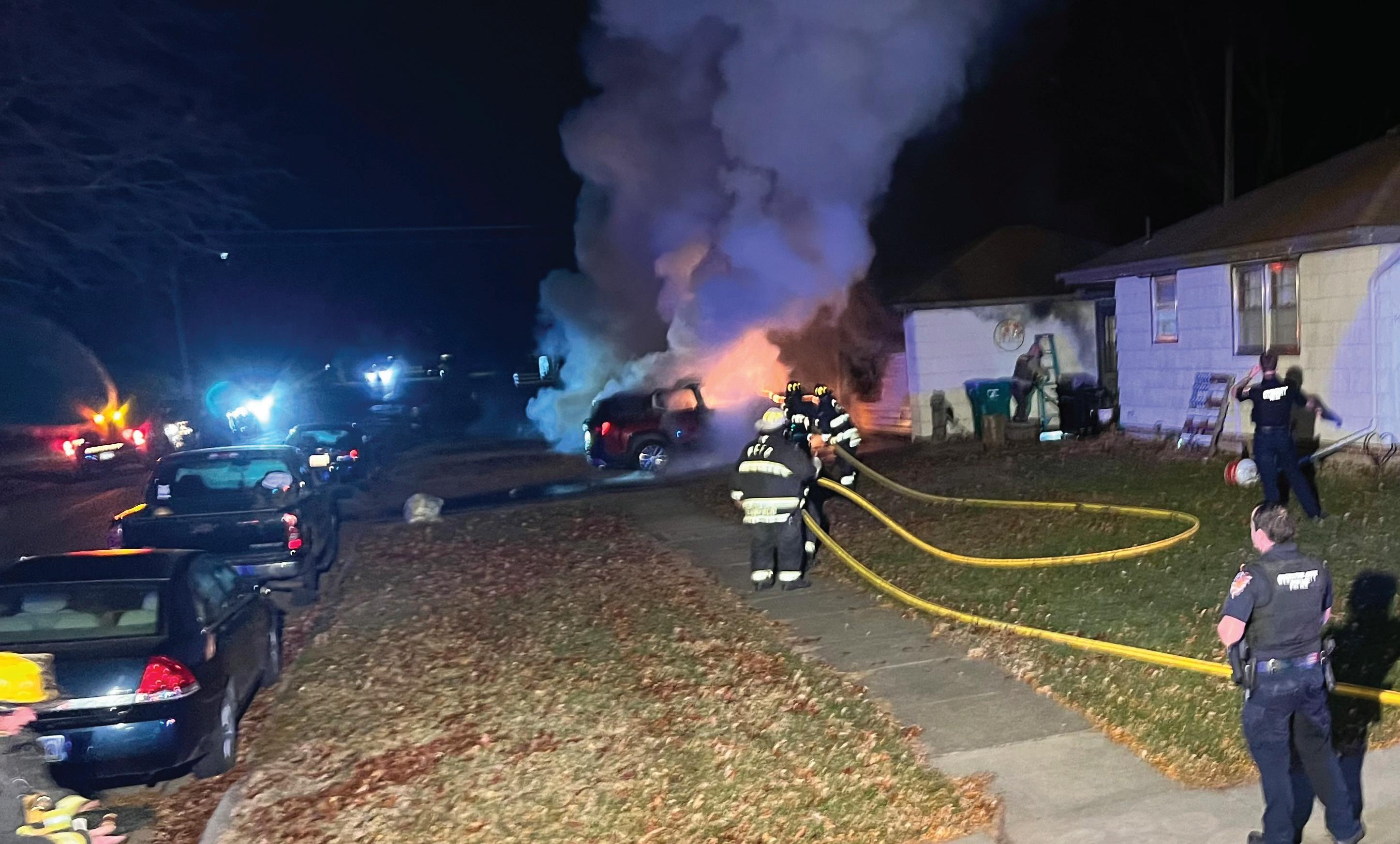
Perform Prevention and preparation are clearly valuable, but the final test of a fire department’s effectiveness is performance. In 2025, the department answered 145 total calls, which included everything from vehicle fires, gas leaks and cooking fires, to assisting EMS personnel on rescue missions.
Stansfield believes performance extends beyond preventing, preparing for, and performing fire protection. Firefighters volunteer for the Webster City Area Chamber of Commerce, the Webster City Rotary and Hamilton County Fair Board projects. Some are business owners, and two coach sports teams at Webster City High School. In short, they’re engaged in the town they love and serve.
“We take pride in living in, and taking care of Webster City,” Stansfield said,
“and we hope our friends and neighbors never need our services. When they do, we go to work to get there quickly and protect as much life and property as possible. We work diligently to provide a strong, professional, prepared response.”



—Daily Freeman-Journal photo by Robert E. Oliver
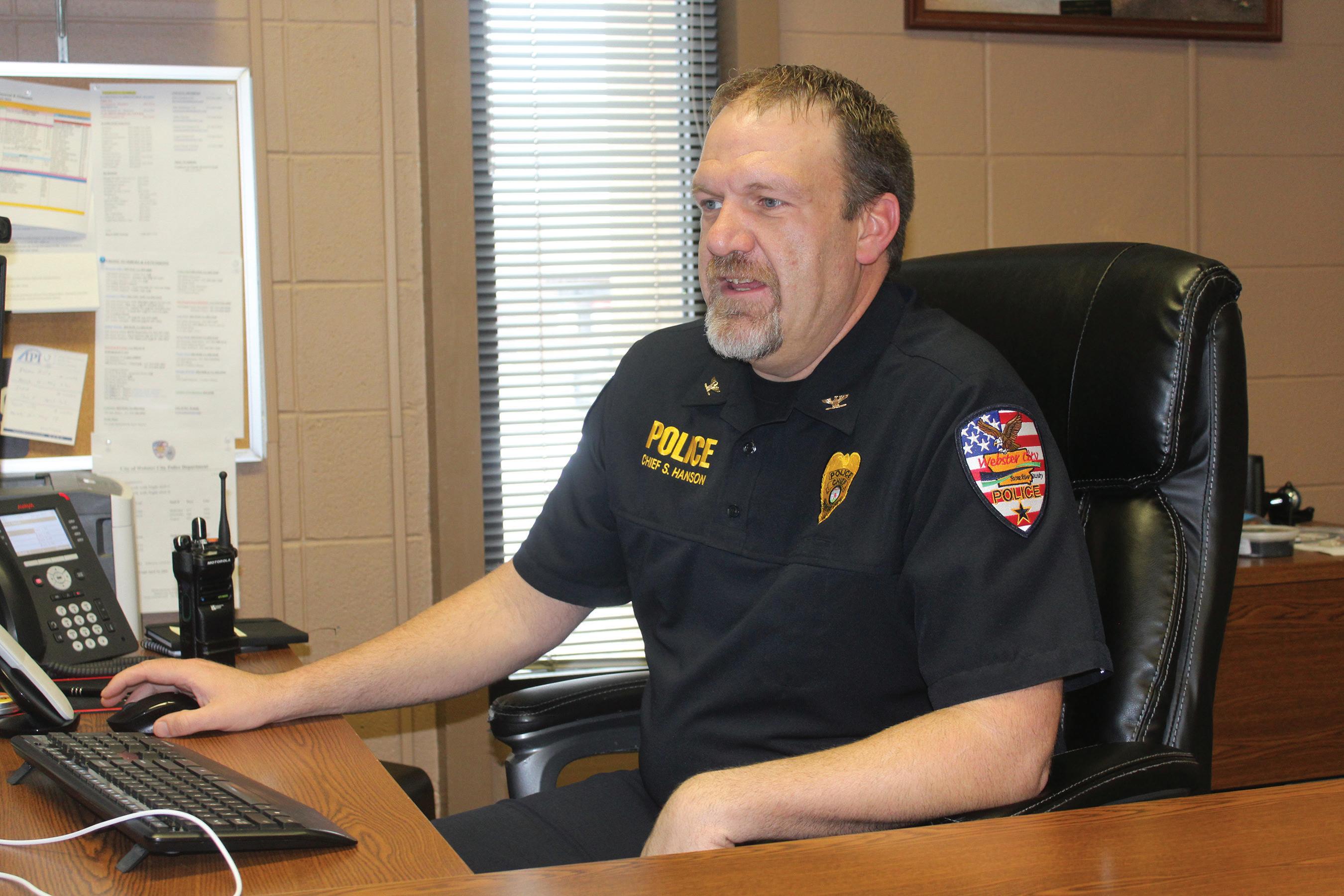
Steve Hanson, Webster City Police chief, is shown in his office at City Hall in Webster City.
“We want every part of our organization to feel valued. ... Every department plays an important role in patient care and in giving back to our community.”
VDMC celebrates women in leadership
Six leaders share their journeys and advice
By ANNE BLANKENSHIP
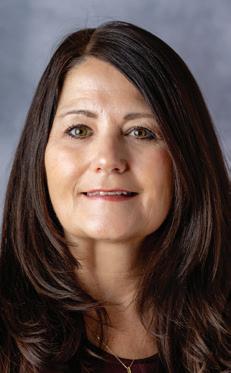
Van Diest Medical Center’s culture of collaboration, trust, and service begins at the top — and that leadership was recently recognized on a national stage. VDMC was named a Top Workplace for WomenLed Organizations, an honor based entirely on employee feedback. For Chief Executive Officer Lisa Ridge, RN, MSN, the recognition reflects years of intentional work to build a culture where every team member feels heard, valued, and empowered.
Ridge has spent 35 years as a registered nurse and began her healthcare career even earlier, working in various roles starting at age 14. Over the years, she has served as a certified nursing assistant, unit secretary, staff nurse, charge nurse, house supervisor, assistant manager, manager, operations director, chief nursing officer, and now chief executive officer.
“That experience gives me a strong understanding of how each role functions within the hospital,” Ridge said. “If you understand the roles of an organization, you can better lead the organization.”
As CEO, Ridge emphasizes shared leadership and collaboration, relying on her administrative and management teams when making decisions.
“I’m not a leader who is going to make a decision on my own and then tell my team what it is without their input — and most of our leaders here are the same way,” she said. “It’s really important for leaders to ask their teams what they need and empower them to speak up. We want to ensure we have a safe culture to do that, and ultimately, I think that’s what we’ve built here.”
The Top Workplace for WomenLed Organizations award holds particular meaning for Ridge because it came directly from VDMC employees through a confidential, research-backed engagement survey completed earlier this year.
“The fact that our team took the survey and decided that we are a very successful women-led organization is special for all of us,” Ridge said. “I think it shows the level of trust they have in leadership — and that they value our opinions just as much as we
Ridge also stresses that patient care extends far beyond clinical roles.
“We want every part of our organization to feel valued,” she said. “It’s not just those who touch the patients or prescribe the medicine; it’s patient access, business office, finance, marketing, dietary, housekeeping. Every department plays an important role in patient care and in giving back to our community.”




Over the past year, VDMC has earned numerous recognitions, including Top 100 Critical Access Hospital, a five-star patient satisfaction and overall experience rating from the Centers for Medicare & Medicaid Services, and multiple Top Workplace honors.
“We celebrate those awards because they mean something to our frontline and ancillary staff,” Ridge said. “But ultimately, we don’t do this for the awards. We do what we do for our patients and our employees. We’ve spent the past several years working hard on our culture, making sure our employees feel heard and valued so they can continue delivering excellent, fivestar care.”
That commitment to inclusive, values-driven leadership is reflected throughout VDMC’s leadership team. Alongside Ridge, five women leaders from across the organization bring deep experience, diverse perspectives, and a shared dedication to service, each helping to shape a workplace where people thrive and where patients come first.
Leading with experience and empathy: Chief Nursing Officer Amy McDonough
“Leadership has its challenges,” she added, “but with good conversation, the ability to build trust, and strong interpersonal skills, success can be achieved.”
Leading with empathy and data: Chief Financial Officer Ashley Allers
For 14 years, Ashley Allers has grown with VDMC, moving from business office manager to Revenue Cycle director and Privacy and Compliance officer before assuming the role of Chief Financial Officer. Her credentials include fellow status with the American College of Healthcare Executives and multiple professional certifications including Certified Healthcare Financial Professional, Certified Revenue Cycle Representative, Center for Health Care Strategies, and Certified Revenue Cycle Executive.
Allers encourages women leaders not to underestimate their readiness or their power.
“Trust what you bring to the table and don’t wait until you feel ‘perfectly ready,’” she advised. “Building relationships and networking is critical. Keep learning and speak up for yourself. Lead with empathy and data, and challenge bias when you see it. Use your voice to make space for others. That’s how real change happens.”
Building relationships at the core: Human Resources Director Amy Porter
Human Resources Director Amy Porter celebrates six years with VDMC in January. She also worked for 14 years as the Human Resources Director at Friendship Haven in Fort Dodge. In between those two jobs, Porter served five years in a government human resources position and two years in manufacturing. She holds two respected certifications: Senior Professional in Human Resources and Society for Human Resource Management — Senior Certified Professional.
Her guidance for women aspiring to move into leadership is simple and practical: Build strong relationships and stay visible.
”It’s really important to build relationships with everyone, not just who you supervise or who supervises you,” Porter said. “Strengthen your communication and coaching skills and be visible, look for opportunities to make a positive impact.”
Wickham is certified in Advanced Cardiac Life Support, is a Certified Critical Care Nurse, and holds Informatics Nursing Certification through the American Nurses Credentialing Center.
Her advice to future leaders centers on authenticity and integrity.
“Be yourself,” Wickham said. “Be open to hearing others’ thoughts and ideas and strive to influence others with honesty and integrity.”
Elevating the organization through storytelling and strategy:
Senior Director Lori Foster
With 23 years of healthcare experience, over 17 of them with VDMC, Lori Foster has played a pivotal role in shaping the hospital’s public presence and community relationships. She joined VDMC in 2008 as Foundation Coordinator, leading the highly successful building campaign for the replacement hospital that opened in 2010. That experience helped establish her as a key voice in both philanthropy and organizational communication.
With an education in business administration, marketing, and international business, Foster transitioned into the marketing director role prior to the hospital’s opening, while continuing to guide the foundation’s efforts.
Today, she serves as the senior director of Marketing and Public Relations, while also continuing in her dual roles as VDMC Foundation coordinator and VDMC Auxiliary liaison. Her work blends strategy, storytelling, and relationshipbuilding, all essential to strengthening the hospital’s connection to the community.
Foster believes strong leadership in healthcare begins with trust and purpose.
“Healthcare leadership embodies dedication and a passion for improving lives. We are in the business of helping people; creating trust and building relationships are key to our success,” Foster said. “I believe in leading by example. This demonstrates your integrity and creates a space to foster trust and excellence.”
“This award exemplifies the emphasis we have placed on making connections with our communities and with each other, which ultimately has elevated our culture and delivery of care,” she added. “It’s an honor to have our work recognized on a national level.”


With 27 years in healthcare, eight of them at VDMC, Amy McDonough credits her bedside nursing experience with shaping the leader she is today. She has served as an Intensive Care Unit nurse, house supervisor, med/ tele manager and ICU/Telemetry/ Med director.
A career spanning care and technology: Senior Director Vickie Wickham



Drawing from her years at the bedside, McDonough says that hands-on clinical experience has given her a deeper understanding of the challenges staff face and has shaped her into a more effective and empathetic leader.
She believes flexibility, strong communication, and reliable followup are essential to supporting clinical teams.
With more than 44 years in healthcare and over a decade at VDMC, Vickie Wickham’s career bridges two critical worlds: clinical care and healthcare technology. She began as a nurse, holding roles in cardiac and surgical intensive care, clinical education, and telemetry. Her path later led her into informatics and information systems, where she has served as an Electronic Health Record implementation specialist, clinical informaticist, regional chief nurse informatics officer and now senior director of Information Systems.
Together, these six leaders reflect the heart of Van Diest Medical Center — a culture grounded in trust, collaboration, and service. The Top Workplace for Women-Led Organizations recognition is more than an award; it is a testament to the relationships built across departments, the voices valued at every level, and a shared commitment to excellence in patient care. At VDMC, leadership is not defined by title alone, but by the daily actions that support teams, strengthen the community, and ensure every patient receives compassionate, high-quality care.
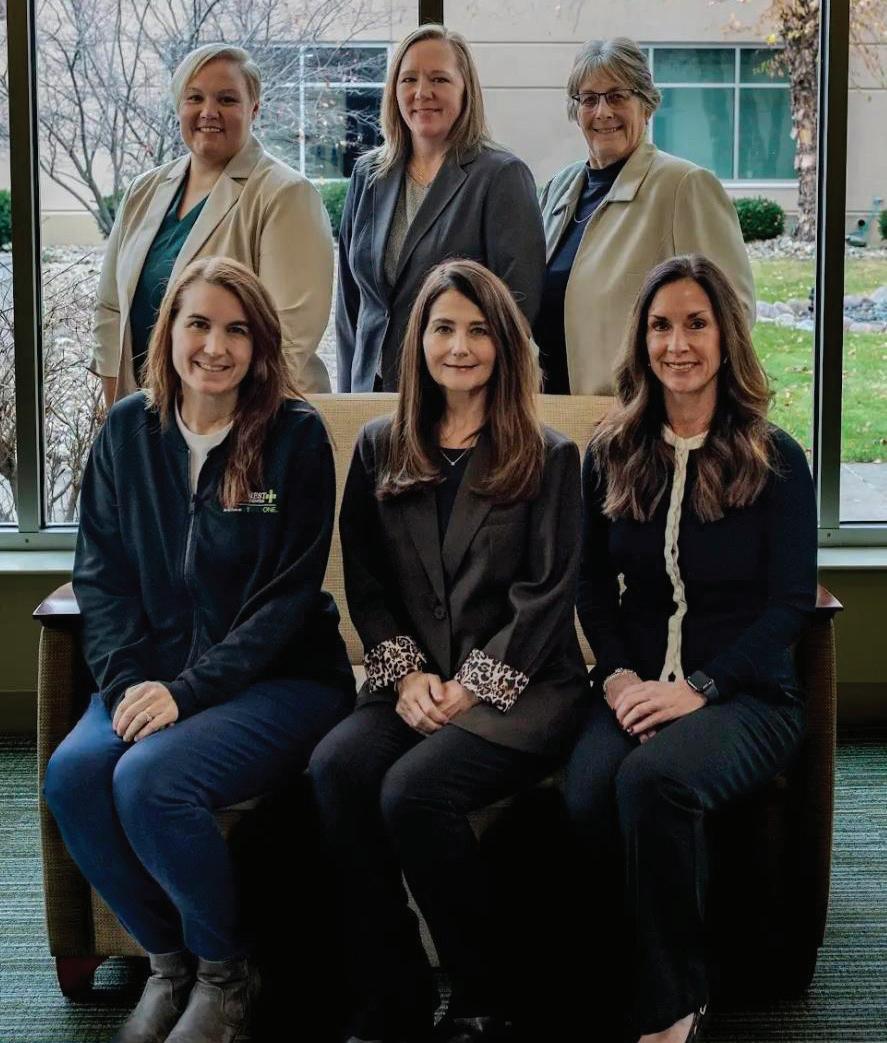
The Van Diest Medical Center’s administrative team is made up of these six women. Pictured from left in back are Ashley Allers, Amy McDonough and Vickie Wickham. In front from left are Amy Porter, Lisa Ridge and Lori Foster.

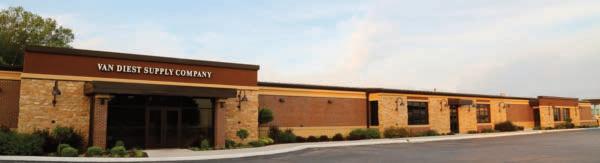
At Van Diest Supply Company, people make the difference. We have a sincere interest in our customers’ business and a genuine desire to help. We strive for long-lasting relationships with our customers, suppliers and Team Members.
At Van Diest Supply Company, people make the difference We have a sincere interest in our customers’ business and a genuine desire to help. We strive for long-lasting relationships with our customers, suppliers and Team Members.
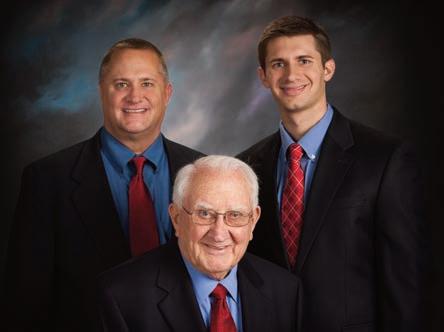
Our tradition revolves around providing products and services that consistently exceed expectations. Serving Agriculture since 1956, a three generation family owned business, we are know for our longevity, stability and continued growth.
Our tradition revolves around providing products and services that consistently exceed expectations. Serving Agriculture since 1956, a three generation family owned business, we are known for our longevity, stability and continued growth.
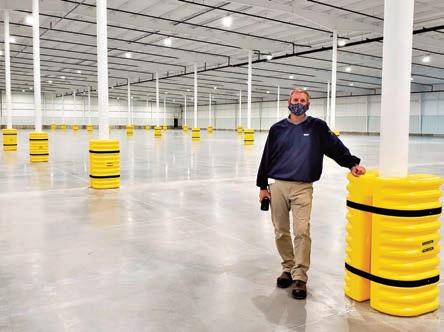
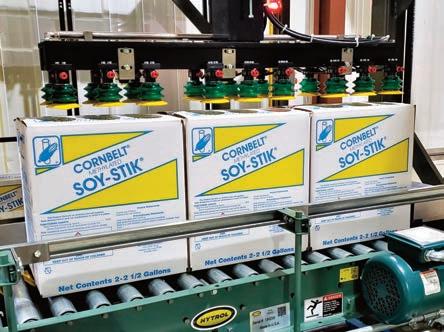
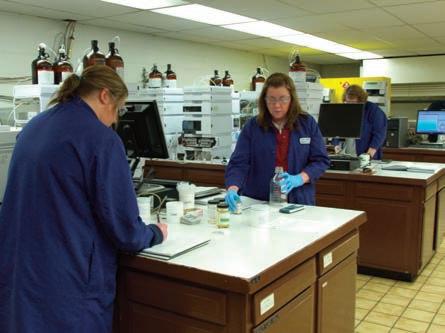
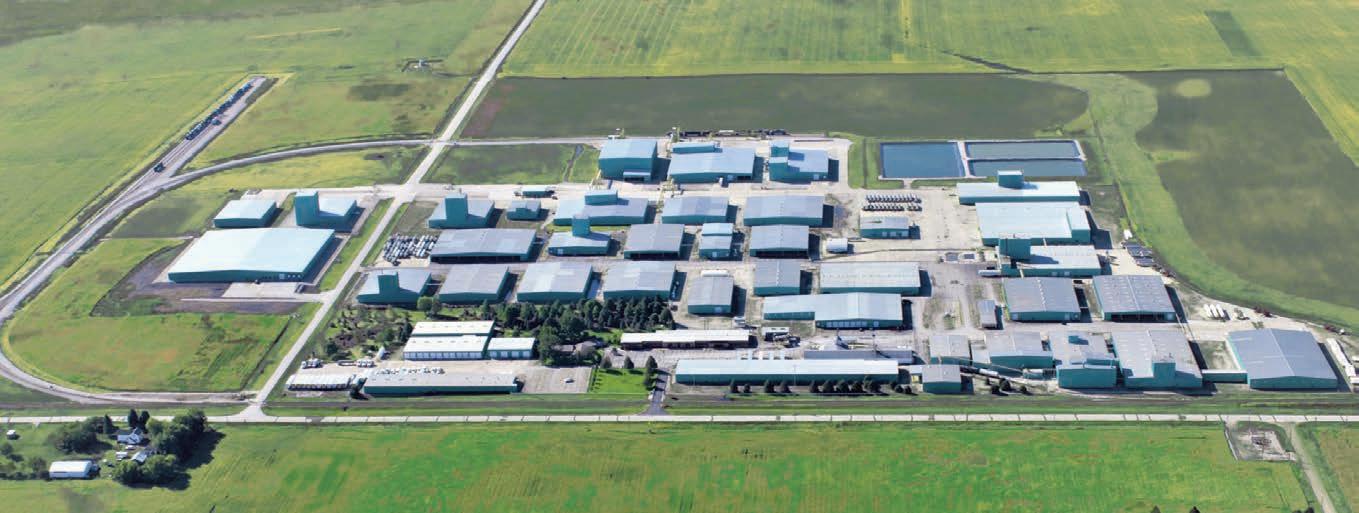
Van Diest Supply Company employs over 600 people, has 55 buildings on approximately 270 acres in Webster City, Iowa, has 20 outlying Distribution Centers and serves over 6,000 customers across the Midwest. Join us a part of our Winning Team by filling out an application today!
Van Diest Supply Company employs over 600 people, has over 55 buildings on approximately 270 acres in Webster City, Iowa, has 20 outlying Distribution Centers and serves over 6,000 customers across the Midwest. Join us as a part of our Winning Team by filling out an application today!