

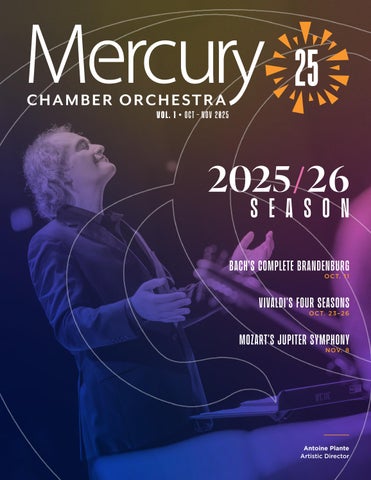
Antoine Plante Artistic Director
Jonathan Godfrey, Concertmaster
Anabel Ramírez, Assistant Concertmaster
Oleg Sulyga, Principal Second Violin
Joanna Becker
Lucinda Chiu
Laura Cividino
Andrés González
Jackson Guillen
Hanna Hrybkova
Marisa Ishikawa
Kana Kimura
Ela Kodzas*
Matt Lammers
Maria Lin
Mann-Wen Loh
Sean O’Neal
Emily Richardson
Jacob Schafer
Annemarie Schubert*
Ervin Luka Sešek
Rachel Shepard
Ariya Tai
Jaya Varma
Nadia Witherspoon
Kathleen Carrington, Principal
Amber Archibald
Matthew Carrington
Matthew Weathers
Rainey Weber
Molly Wise
Eunghee Cho, Principal
Matt Dudzik
Mairead Flory
Ellie Traverse Herrera
Kristiana Ignatjeva
Caroline Nicholas
Antoine Plante
Herlane Smith
Joy Yanai

Deborah Dunham, Principal
David Connor
Paul Ellison
Erik Gronfor
Austin Lewellen
Antoine Plante
Héctor Torres González, Principal
Dani Zanuttini-Frank
Immanuel Davis
Alaina Diehl
Andrea LeBlanc
Mei Stone
Bethanne Walker
David Dickey, Principal
Andrew Blanke
Curtis Foster
Pablo Moreno
Sarah Schilling
Thomas Carroll, Principal
Elise Bonhivert
Nate Helgeson, Principal
Stephanie Corwin
Allen Hamrick
Clay Zeller-Townson
Todd Williams, Principal
Megan Hurley
Rachel Nierenberg
Nate Udell
Lucas Balslov
Matt Gajda
Amanda Pepping
Perry Sutton
Greg Ingles, Alto
Erik Schmalz, Tenor
Mack Ramsey, Bass
Alex Belser
Jesús Pacheco, Principal
Craig Hauschildt
Mario Aschauer, Principal
Bryan Anderson
Martin Jones
Kathleen Carrington, Viola
Andrés González, Violin
Ricardo Jiménez, Violin
Daphnee Johnson, Cello
*Mercury-Juilliard Fellow

Dear Friends,
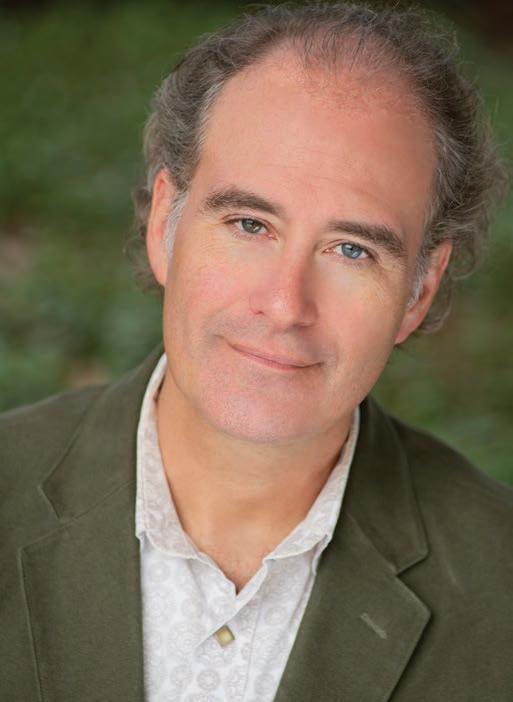
It is with great excitement that we are here this fall to open Mercury’s 25th season of concerts. This milestone is both a celebration of our past and a promise for the future: twenty-five years of music shared together and many more to come.
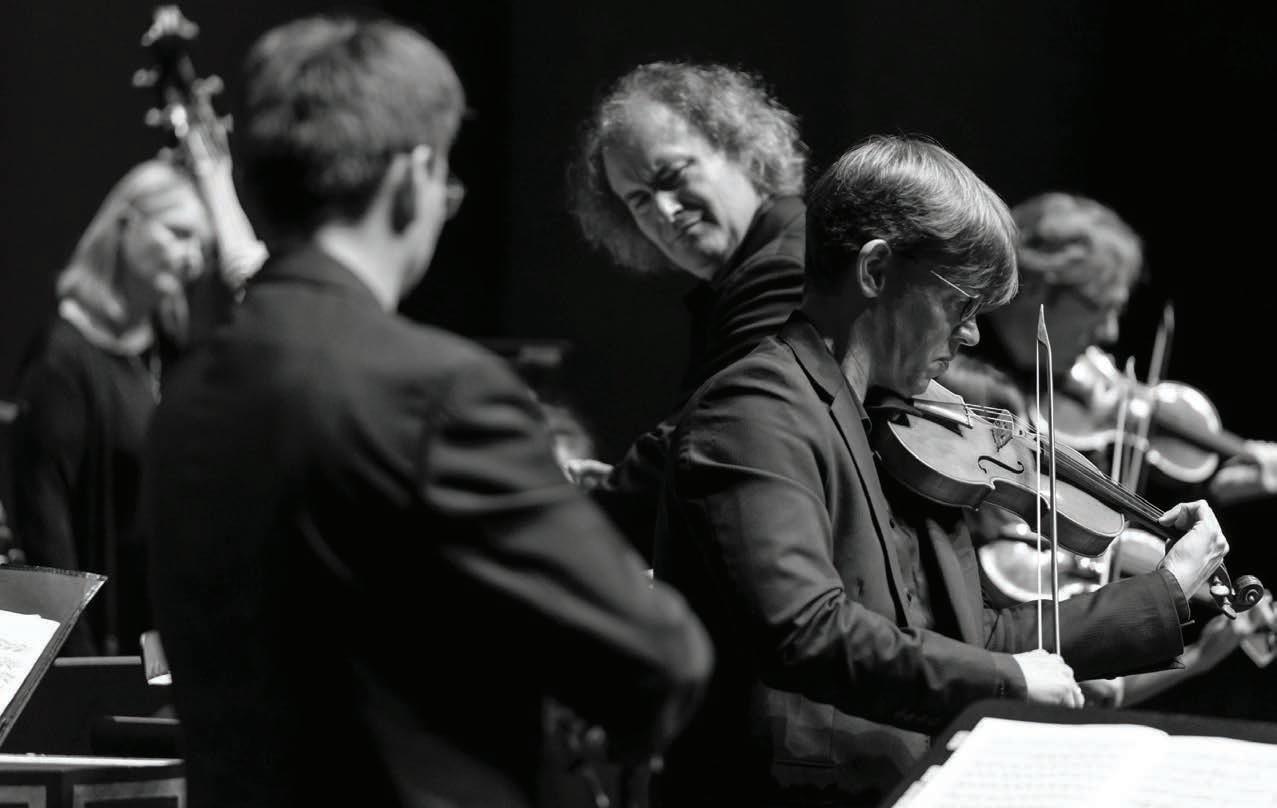
To begin the season, we bring to life Bach’s complete Brandenburg Concertos. These six works, masterpieces of the Baroque era, were originally offered to impress a potential patron rather than for Bach’s own performance. And Bach held nothing back: each concerto explores a unique combination of instruments, expanding both form and color. Performed on period instruments, they reveal a freshness and brilliance that continue to astonish three centuries later.
For our first Neighborhood Series concert, we celebrate the 300th anniversary of Vivaldi’s Four Seasons , first published in Amsterdam in 1725. These concertos, vivid with natural imagery—from birdsong to summer storms —remain among the most popular works ever written. In Mercury’s hands, presented with an intimate chamber approach, they will take on new character, familiar yet renewed, full of surprises and imagination.
Our second Downtown Series concert turns to Mozart, presenting two of his most beloved works. Written for the basset clarinet (an extended version of the clarinet with a deeper range), his Clarinet Concerto sings with elegance and its slow movement is among the most touching melodies he ever composed.
We close with his final symphony, the mighty “Jupiter”. This radiant score, full of grandeur yet alive with wit and lightness, culminates in a finale where Mozart tips his hat to Bach with a brilliant fugue of joyful counterpoint.
I want to thank you, our Mercury audiences and supporters, as well as the musicians and staff of this wonderful organization, as we look back on 25 years of music and forward to a rich future, bringing beauty and the magic of music to our community for many years to come.
With gratitude,
Antoine Plante Artistic Director
Antoine Plante, Conductor
October 11 • 8 PM
Wortham Center
Cullen Theater
JOHANN SEBASTIAN BACH (1685 – 1750)
Concerto No. 5 in D Major, BWV 1050
I. Allegro
II. Affettuoso
III. Allegro
Jonathan Godfrey, Violin
Andrea LeBlanc, Flute
Mario Aschauer, Harpsichord
Concerto No. 2 in F Major, BWV 1047
I. Allegro
II. Andante
III. Allegro assai
Jonathan Godfrey, Violin
Andrew Blanke, Oboe, Curtis Foster, Recorder
Perry Sutton, Trumpet
Concerto No. 3 in G Major, BWV 1048
I. Allegro moderato
II. Adagio
III. Allegro
Intermission
Concerto No. 6 in B-flat Major, BWV 1051
I. Allegro
II. Adagio ma non tanto
III. Allegro
Kathleen Carrington and Matthew Carrington, Viola
Concerto No. 1 in F Major, BWV 1046
I. Allegro moderato
II. Adagio
III. Allegro
IV. Menuet – Trio I – Polacca – Trio II
Jonathan Godfrey, Violin
Andrew Blanke, Curtis Foster, and Pablo Moreno, Oboe
Nathanael Udell and Rachel Nierenberg, Horn
Concerto No. 4 in G Major, BWV 1049
I. Allegro
II. Andante
III. Presto
Jonathan Godfrey, Violin
Curtis Foster and Andrew Blanke, Recorder
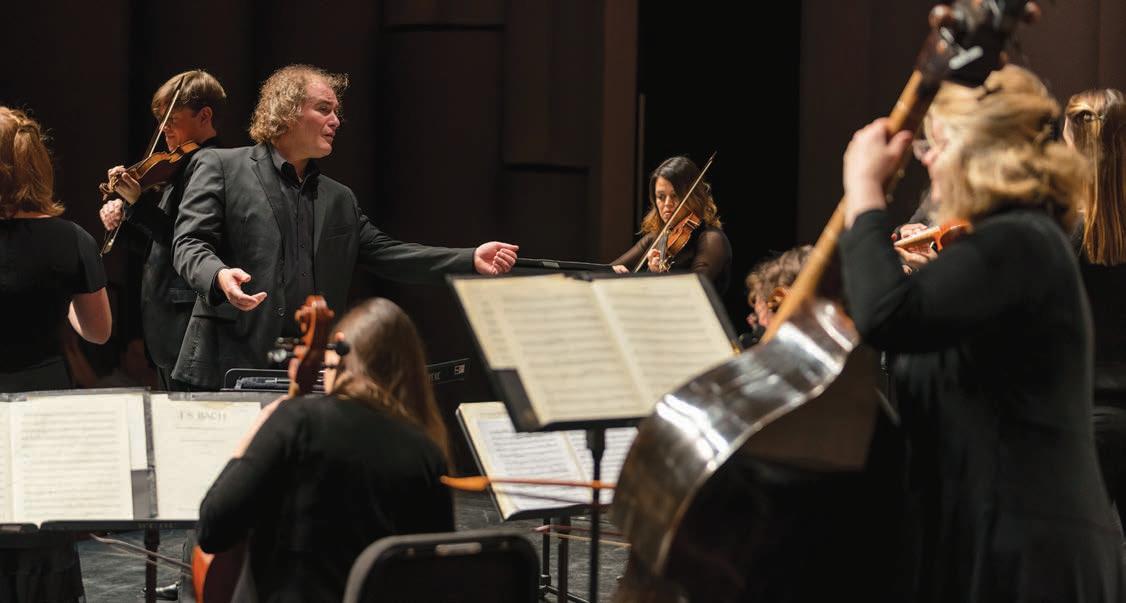
The period between 1717 and 1721 may have been the most professionally satisfying of Bach’s career. Although his personal losses were considerable with the death of his first wife, Maria Barbara, in the summer of 1720 and of his older brother and one time keyboard teacher, Johann Christoph, in early 1721, his work as Kapellmeister to the musically talented Duke Leopold of AnhaltCöthen resulted in the completion of some of his most significant instrumental works: the Clavier-Büchlein compiled for his son Wilhelm Friedemann, the Six Sonatas and Partitas for Unaccompanied Violin, (most likely) the Six Suites for Unaccompanied Violoncello, and the six Brandenburg Concertos . As Kapellmeister to a Calvinist Duke, Bach had no obligation to compose liturgical music, so that his focus lay in works that were useful at court. The Brandenburg Concertos fulfilled that role as some of the most sophisticated and virtuosic compositions whose instrumental requirements are a near match for the retinue of musicians assembled by the Duke some years earlier for performances at his court.
And yet, these pieces are known as the Brandenburg Concertos instead of the Cöthen Concertos, because they were assembled as a set for Christian Ludwig, Margrave of Brandenburg. The Margrave had heard Bach perform in early 1719 when Bach came to Berlin to pay for and inspect a new harpsichord (the one he had in mind for the Fifth Brandenburg Concerto). This must have been a happy meeting, because we know from Bach’s dedicatory note, dated 24 March 1721, that the Margrave had expressed an interest in the composer’s music. Bach’s response may simply have been the fulfillment of an obligation, but it is possible that he was looking for new employment by this point: his formerly happy relationship with Duke Leopold was now somewhat less happy, since the Duke
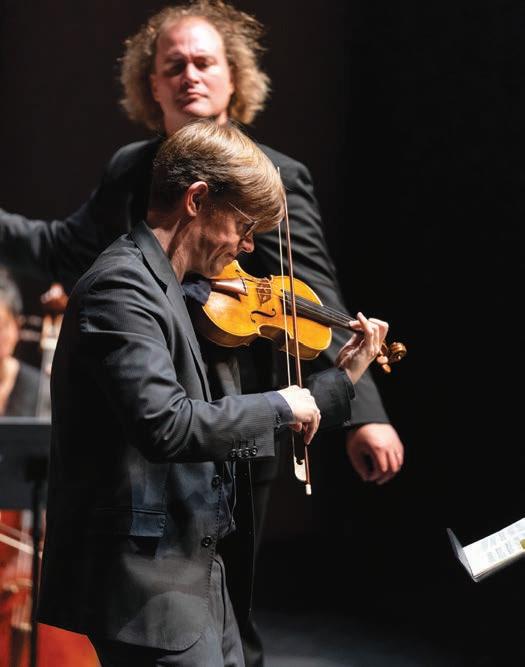
had married a woman whom Bach described laconically as “amusa” (unmusical, or more literally, without music). If moving on to the Brandenburg court had been Bach’s aim, it never came to pass. The Margrave’s reception of the six concertos, moreover, is wholly unknown: there is no record of his having acknowledged, performed, or even paid for the concertos, the original manuscript of which was sold off after the Margrave’s death in 1734. We take for granted the definition of a concerto as an instrumental work that pits a soloist (or sometimes soloists) against a larger, orchestral ensemble, but the instrumental concerto was a relatively new and unstandardized genre in Bach’s time, having emerged in Italy only in the 1690s and bearing a variety of formal and scoring plans. The old ideas inherent in the meaning of “concerto” – cooperation, competition, and contrast between distinct musical voices –manifest themselves in different ways among the Baroque-era subgenres of concerto grosso, solo concerto, and ripieno concerto. In the Brandenburg Concertos, more than his others, Bach seems to have set himself the task of working systematically through different combinations of soloists, ensemble
Bach’s Complete Brandenburg
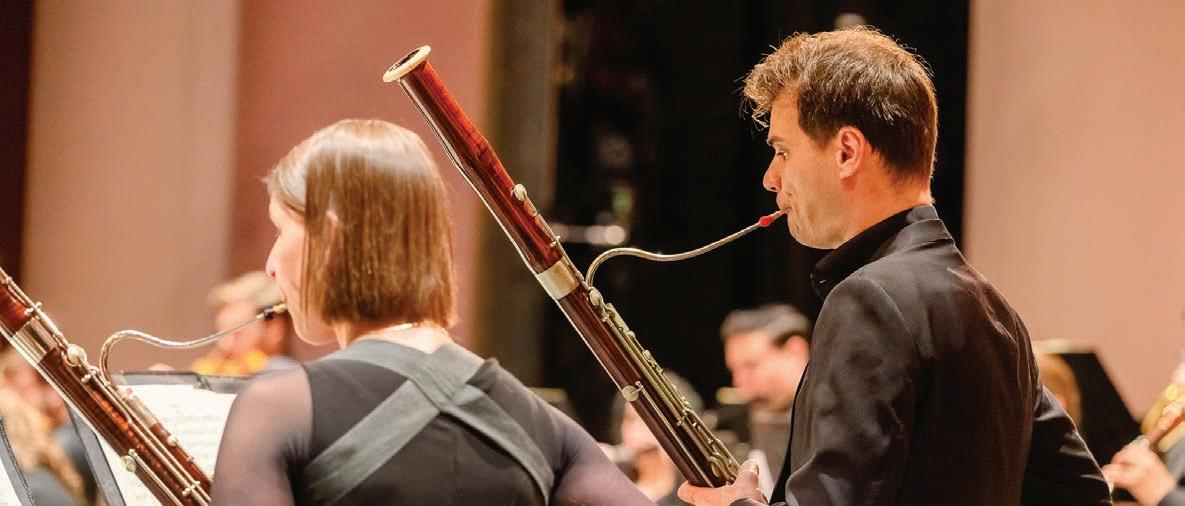
sizes, timbres, and textures, so that his idea of the genre is spread across the widest array of possibilities. We get an idea of Bach’s comprehensive approach just in the differing combinations of soloists he used:
Nº 1 – two horns, three oboes, bassoon, violino piccolo
Nº 2 – trumpet, r ecorder, oboe, violin
Nº 3 – thr ee violins, three violas, thr ee violoncellos
Nº 4 – violin, two recorders ( fiauti d’echo )
Nº 5 – flute, violin, harpsichord
Nº 6 – two violas, two violas da gamba, violoncello
Note that the soloists of Concerto Nº 3 are, except for the accompanying basso continuo, identical to the full ensemble within this concerto for tutti as soloists. Moreover, the harpsichord, normally an accompanying instrument in Baroque ensembles, receives solo treatment in Concerto Nº 5; in the first movement of that concerto, the harpsichord pushes the other soloists aside to play a florid cadenza that lasts several minutes.
Beyond the connecting thread of general concerto principles, the more specific influence at work in the Brandenburg Concertos is that of Antonio Vivaldi. Bach knew the Italian
composer’s concertos from having transcribed them for keyboard, beginning in 1713. The discovery of this Venetian style of concerto was a revelation to Bach, who, according to the recollections of his son, Carl Philipp Emanuel, “soon began to feel that the eternal running and leaping [music] led to nothing; that there must be order, connection, and proportion in the thoughts, and that to attain such objects, some kind of guide was necessary. Vivaldi’s Concertos for the violin, which were just then published, served him for such a guide. He so often heard them praised as admirable compositions that he conceived the happy idea of arranging them all for his clavier. He studied the chain of ideas, their relation to each other, the variation of modulations, and many other particulars.”
What Bach observed in Vivaldi, and took as his point of departure, was a type of movement known as ritornello form (refrain form). In ritornello form, the alternations between soloists and full ensemble (tutti) are coordinated with a tonal plan, in which the movement circulates through several related keys (each appearing with the tutti), and a thematic plan, in which the main theme that returns throughout the movement – the ritornello – is played by the tutti. Vivaldian solos, by contrast, comprise virtuosic, non-thematic passagework that plays out over changes of key.
Bach retained some of Vivaldi’s plan, so that the opening and closing ritornellos of his movements are played by the tutti in the main key. Beyond that, he explored as many variations of solo/tutti instrumentation, thematic treatment, and tonal plan as his extraordinary imagination permitted. The results encompass a vast range of possibilities. These include the perceptibly Vivaldian, but with a greater wealth of thematic contrast and coloristic detail (Nº 1, first and third movements; Nº 3 and Nº 6, finales); or skillful incorporations of fugal procedure into ritornello form (Nº 4 and Nº 5, finales). Some movements demonstrate tour-de-force reimaginings of Vivaldi’s plan, in which that plan is inverted (as in Nº 6, first movement, where soloists are assigned the principal themes while the tutti performs soloistic episodes), or its synchronized contrasts of tutti/solo, thematic/nonthematic, and tonally stable/unstable are de-synchronized and recombined within uniquely integrated ritornello forms (Nº 2 and Nº 3, first movements).
In addition to these movements, the slow movements of the Brandenburg Concertos –poised, elegiac, and aria-like – demonstrate Bach’s unfailing inspiration throughout. And finally, the exertions of the soloists bear special mention, such as the violin that must compete to be heard against the horns in Nº 1, the trumpets playing in a stratospheric tessitura in Nº 2, the virtuosic and contrapuntally integrated cellos and violone in Nº 3, the light and spirited recorders in Nº 4 (eventually overtaken by the wild passagework and bariolage of the violin), the exhibitionist harpsichord in Nº 5, and the uniquely concertato violas (usually unnoticed players) in Nº 6.
Gregory Barnett ©
Discover the incredible potential of your IRA to make a profound impact on Mercury Chamber Orchestra. Through legacy giving, you will be making a gift to support symphonic music in our community for future generations.
Share the love with your heirs by leaving them less tax-burdened assets while giving the gift of your IRA to MCO. By doing so, you’ll not only reduce their tax obligation but also leave a lasting impact by supporting the timeless beauty of classical music for generations to come.
Age 70 ½ or older with a Traditional or Roth IRA? You can directly transfer up to $100,000 annually from your IRA to MCO while reaping remarkable tax benefits. This transfer counts toward your Required Minimum Distribution (RMD) and offers you the unique advantage of not paying federal income taxes on it.
For more information about how you can make a gift that endures for future generations, contact Chloe Bruns, Development Manager, at chloe@mercuryhouston.org.
*401(k), 403(b), SEP IRA accounts, and other retirement accounts do not qualify.
ConocoPhillips takes pride in being an engaged member of the communities where we live and work. This long-standing commitment to building and strengthening local partnershipsis exemplified by our proud support of the Mercury Chamber Orchestra and this year’s ConocoPhillips Neighborhood Series.
Mercury redefines the orchestra experience with historically informed performances that place audiences at the heart of the music. With a mission to enrich and entertain, Mercury champions music education, cultural awareness, and meaningful community connection across Houston.
www.conocophillips.com
ConocoPhillips Neighborhood Series
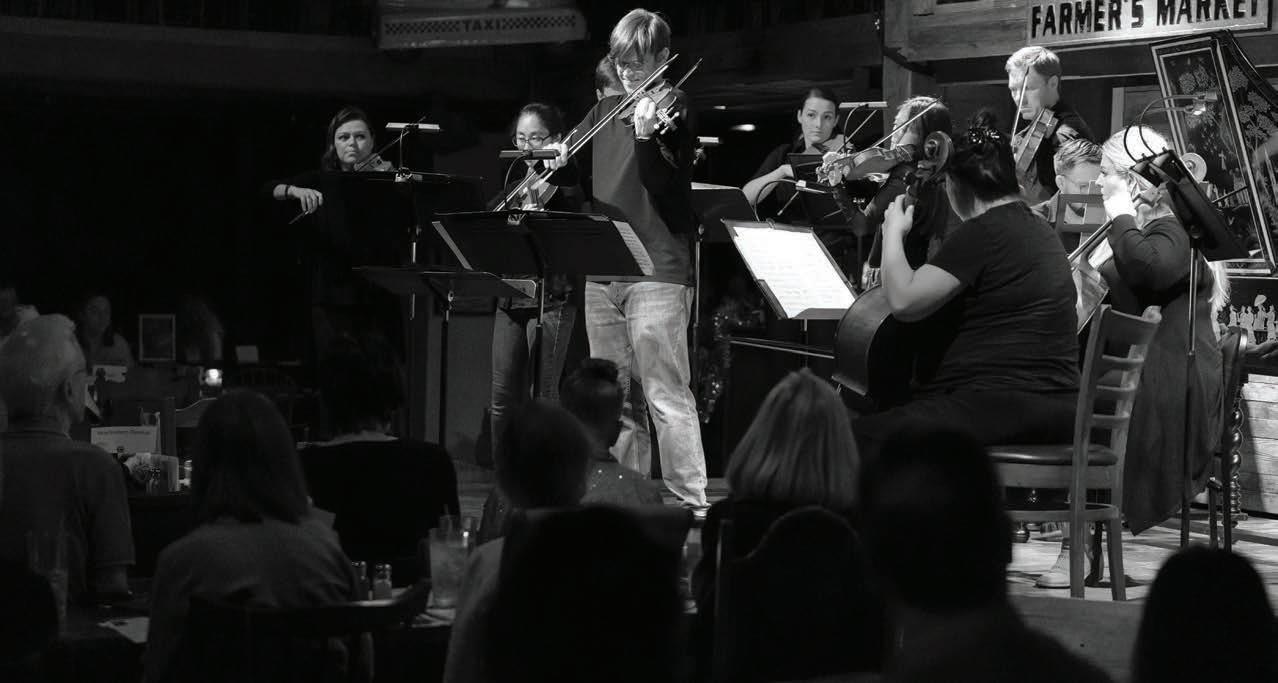
October 23 • 7:30PM
Heights Saengerhalle
October 24 • 6 PM & 8 PM
Museum District
MFAH
October 25 • 2:30 PM
Memorial
MDPC
October 26 • 7 PM
The Woodlands
Dosey Doe
(1678-1741)
Concerto in E major, Op. 8, RV 269, “Spring”
I. Allegro
II. Largo e pianissimo sempre
III. Allegro pastorale
Concerto in G minor, Op. 8, RV 315, “Summer”
I. Allegro non molto
II. Adagio e piano – Presto e forte
III. Presto
Concerto in F major, Op. 8, RV 293, “Autumn”
I. Allegro
II. Adagio molto
III. Allegro
Concerto in F minor, Op. 8, RV 297, “Winter”
I. Allegro non molto
II. Largo
III. Allegro
Jonathan Godfrey, Soloist & Leader
Mann-Wen Lo, Violin
Emily Richardson, Violin
Kathleen Carrington, Viola
Eunghee Cho, Cello
Austin Lewellen, Bass
Stephanie Corwin, Bassoon
Dani Zanuttini-Frank, Theorbo/Guitar
Martin Jones, Harpsichord
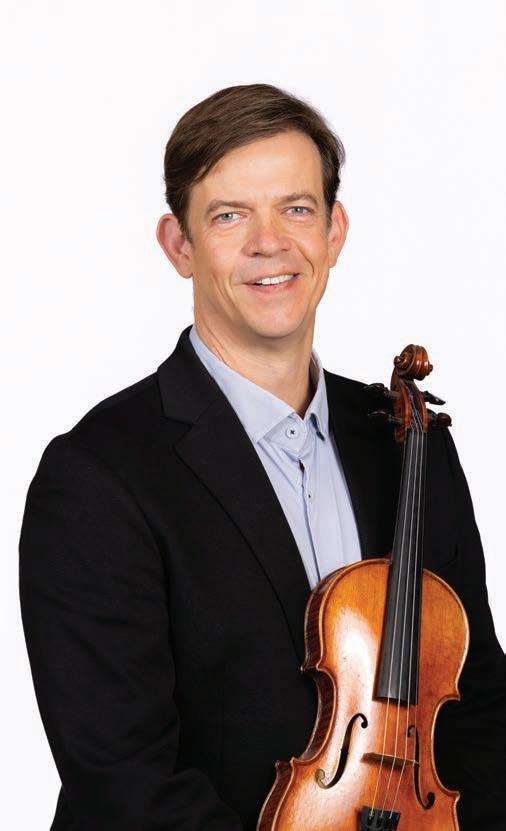
Violinist Jonathan Godfrey is a founding member of Mercury Chamber Orchestra, where he performs as Concertmaster and featured violin soloist. A graduate of Rice University and the Cleveland Institute of Music, Godfrey formerly served as Assistant Concertmaster of the Houston Grand Opera Orchestra and the Houston Ballet Orchestra. He has appeared with the Houston Symphony, River Oaks Chamber Orchestra, and IRIS Orchestra, and has led as guest concertmaster with the Kansas City Symphony, the American Radio Chamber Orchestra, the Arizona Bach Festival Orchestra, the Houston Bach Society, Sinfonietta Cracovia, and the Pacific Music Festival Orchestra.
He has given solo and chamber recitals throughout the United States and abroad, including performances in Ecuador, France, Japan, Mexico, and Poland.
An educator for more than twenty-five years, Godfrey has taught at Interlochen Arts Camp and the Rocky Mountain Summer Conservatory. He serves as Executive Director and co-founder of the Prelude Music Foundation, and co-directs Prelude Music Classes for Children, organizations that partner with schools and families to help young children sing, move, and learn through music.
Antoine Plante, Conductor
Thomas Carroll, Clarinet
November 8 • 8 PM
Wortham Center
Cullen Theater
FRANZ JOSEPH HAYDN (1732-1809)
Symphony No. 88 in G major, Hob I:88
I. Adagio — Allegro
II. Largo
III. Menuetto: Allegretto
IV. Finale. Allegro con spirito
WOLFGANG AMADEUS MOZART (1756-1791)
Clarinet Concerto in A major, K. 622
I. Allegro
II. Adagio
III. Rondo: Allegro
Intermission
WOLFGANG AMADEUS MOZART
Symphony No. 41 in C major, K. 551, “Jupiter”
I. Allegro vivace
II. Andante cantabile
III. Menuetto: Allegretto – Trio
IV. Molto allegro
Mercury is pleased to welcome guests from LPL Financial as well as students and families from the Timberwood Middle School Orchestra to tonight’s performance.
The three pieces on this program, all composed within a few years of one another in the late eighteenth century, exemplify what is known as Viennese Classicism or, more broadly, the Classical Style within European art music. Music historians have attributed classic status to this music (and with Haydn and Mozart particularly in mind) to connote a transcendent standard of quality in the same way we typically do when referring to works of art, literature, or even a particularly zesty one-liner as “classic.” The musical qualities of Viennese Classicism that define its style center on proportion and balance within its melodic phrases and the clarity of its forms, all of which are supported by the
perceptible syntax of its harmonic language. But in spite of these strong and persistent qualities, “classic” doesn’t capture the whole of Haydn and Mozart’s style because it implies a sort of polished perfection that obscures the novel and often experimental nature of their works in their own time: for example, Mozart’s Clarinet Concerto showcases a solo instrument whose rapid development continued up to the moment he composed the piece, and the scoring of Haydn’s and Mozart’s symphonies reflect their similar interest in writing for bigger orchestral ensembles and international audiences. In the case of Haydn’s Symphony Nº 88 (1787), the influence of the Parisian public’s taste for
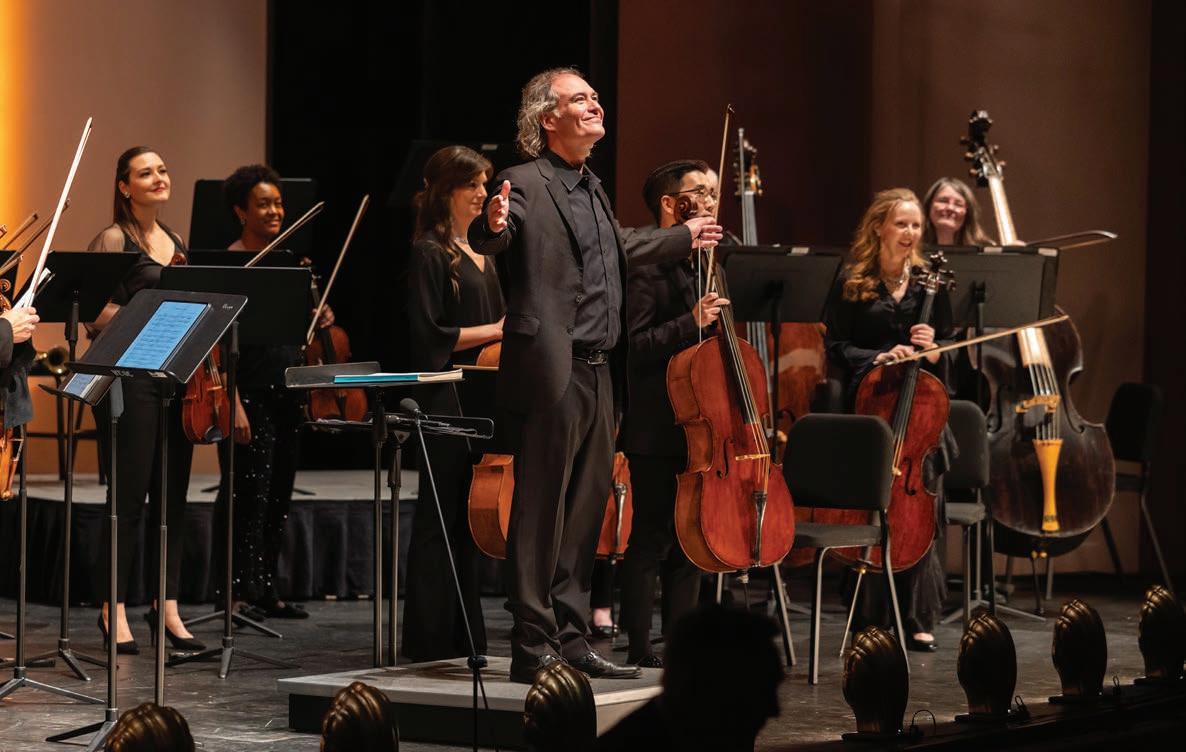
showy concert pieces changed his symphonic style during the mid-1780s. In those years and at the moment he was moving on from the Sturm und Drang style, Haydn was commissioned to write six works for a Parisian orchestra (Nº 82 - Nº 87). Symphony Nº 88, although premiered at the Esterhaza court, where Haydn had been employed since 1761, also found its way to Paris as the first of three more symphonies to be published there. A feature of its grandeur lay in adding trumpets and timpani to the orchestral ensemble, something Mozart would likewise do in his Symphony Nº 41. Yet experimentalist that he was, Haydn saved the trumpets and timpani for the second movement where they would have been less expected. Thus, as a means of creating an imposing opening, Haydn wrote an introduction whose proclamatory dotted rhythms capture and majestic phrases our attention and allow him to begin the Allegro portion with a gentle theme in the manner of a contredanse. The movement that follows shows Haydn’s abiding interest in monothematicism – that is, the use of a single theme throughout a movement, rather than the more typical two or more themes – in this case centering on a pervasive motif: DOT-dot (pause) dot- DOTdot. We see monothematicism in three of the symphonies four movements: the first movement deploys its single theme within a sonata form; the second movement presents variations on its single theme (one of them at last introducing the trumpets and timpani!); and the finale uses its main theme as the refrain in a rondo form. In each case, the compositional challenge lies in creating variations and developmental motifs on the single tune so that the music is ever varied in spite of the persisting single idea.
The second movement’s theme, introduced by solo oboe and cello, is a masterpiece of hymnlike lyricism that not only sustains the entire movement in its variations, but also garnered the praise of Johannes Brahms, who exclaimed, “I want my Ninth Symphony to sound like this!”
The Menuetto and Trio of the third-movement contrast a vigorous minuet (with trumpets and timpani), whose grace-note theme propels
the piece forward, with a gentler trio, whose bagpipe-like drones create the effect of a pastorale. The gist of a rondo form lies in its alternations between the rondo theme and contrasting developmental episodes, which is the territory of audience expectations that Haydn manipulates ingeniously. The theme itself sets up our expectations based on its predictable rounded binary form, but Haydn plays upon our predictions by using the rondo theme’s main motive in the episodes, where we don’t expect them, so that we aren’t always sure of how the form is unfolding.
Near the end of his life, Mozart’s fruitful collaboration with the virtuoso clarinetist Anton Stadler (1753-1812) produced the masterful Clarinet Concerto in October of 1791. As in Haydn’s symphony, song and dance inspirations pervade the thematic material of this concerto. Both first and second movements (a substantial sonata form and a seamless da capo form, respectively) center on cantabile principal themes, while the rondo-form finale bears the running and spirited character of a contredanse. The songful themes of the first two movements, however, amount to a point of departure in Mozart’s writing for the solo instrument. That instrument, known as the basset clarinet (i.e., low clarinet), had a range that extended below that of the standard clarinet by two notes (down to A’, which is the pitch notated at the bottom space of the bass staff), while keeping all of the upper range. The full range of the instrument in Mozart’s concerto is therefore a remarkable three-and-a-half octaves, from the low A’ up to a high e’’ (or, in music notation, three ledger lines above the treble staff).
The result is a lyricism made intense and even uncanny by its superhuman extension from the lowest tenor to the very highest soprano notes. Mozart showcases that range by having the clarinet run or even leap from one extreme to the other. A second characteristic of the basset clarinet (and true of all clarinets) is its smooth agility, which again recalls the qualities of the singing voice. Particularly in the first and third movements, the clarinet’s legato but rapid
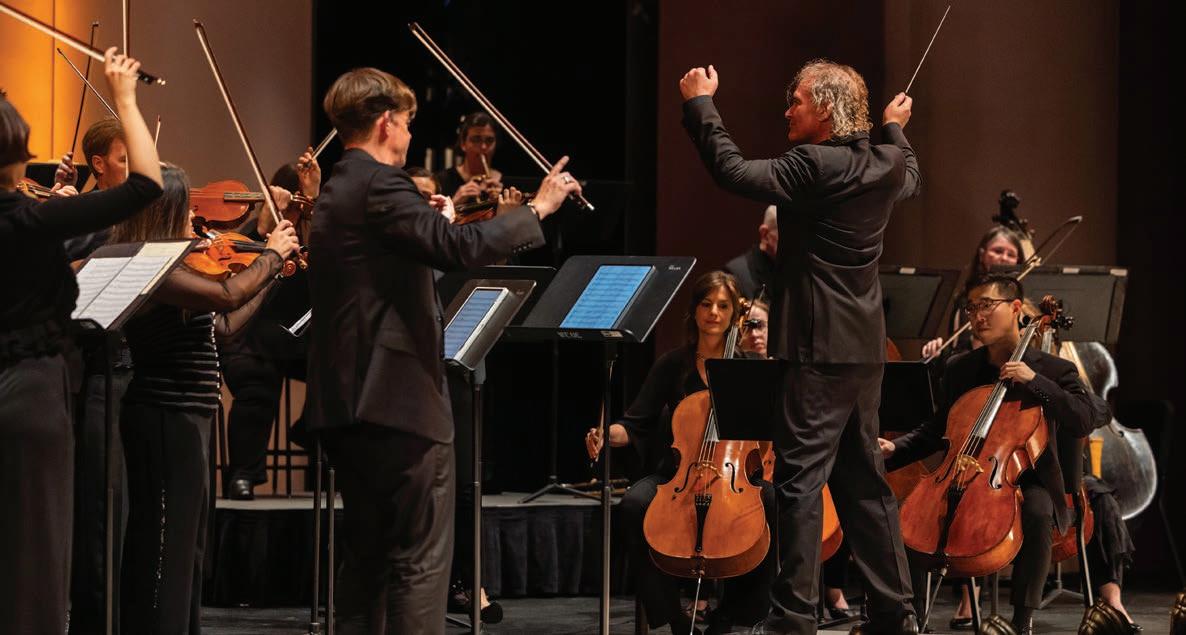
scales and arpeggios evoke the virtuoso singer’s passagework while exceeding actual human ability. The immediate effect of this extendedrange instrument and of Mozart’s writing for it – operatic but unprecedentedly virtuosic – is thrilling, but beyond technical display, the solo part in Mozart’s concerto captures a broad expressive range: nimble, darting, comic at one end; plaintive, soulful, and brooding at the other.
In 1945, the eminent music historian, Alfred Einstein, published Mozart, His Character, His Work and set forth the mystery of Mozart’s apparently uncommissioned final symphonies:
“We know nothing about the occasion for writing these works. It is strange that Mozart should have written symphonies during the summer. Perhaps he hoped to be able to give some ‘academies’ during the winter of 1788-9, and these plans fell through just as those for the following years did... It is possible that Mozart never conducted these three symphonies and never heard them... But this is perhaps symbolic of their position in the history of music and of human endeavor, representing no occasion, no
immediate purpose, but an appeal to eternity.” Einstein’s speculation about Mozart’s final symphonies as having been composed for no occasion but for “eternity” alone has endured in our collective imagination. And although there is a strong Romantic appeal to the idea of Mozart transcending his immediate circumstances and composing for posterity, more recent scholars have revised our understanding of the composing circumstances and early history of Mozart’s final symphonies.
The most tangible facts are the dates of composition that Mozart recorded in the catalog of his works that he began keeping in 1784. From that catalog, we know that he completed these three longest and most complex symphonies of his entire output at a rate of one per month during the summer of 1788: June 26 (Nº 39); July 25 (Nº 40); and August 10 (Nº 41). The external force behind Mozart’s amazing productivity of that summer, as Einstein noted, is unknown, but we have a scattering of biographical details that makes a circumstantial case for what Mozart likely intended with these works. By the
summer of 1788 Mozart’s lucrative concertizing in Vienna had evaporated due to the outbreak of war between the Austrians and the Turks at the beginning of that year. The array of nobles who had formerly patronized the composer were now away fighting this war or hiding from it, and Mozart’s straitened circumstances were one result.
The composer’s first reaction was to attempt to organize new large-scale, public concerts in 1788 and 1789, and his symphonies would have provided attractive new material for them. But such concerts amounted to a strategy that was no longer lucrative in Vienna, so Mozart made plans to tour abroad. His first choice was London, a plan that would have anticipated Franz Joseph Haydn’s successful concert series there in the mid-1790s, but that never materialized. Instead, in 1789, Mozart concertized in Dresden, Leipzig, and Berlin, and the programs for those concerts included symphonies (although we do not know which ones!). In 1790, he journeyed to Frankfurt and Mainz for the same purpose, but the overall results were disappointing: in a letter to his wife Costanze, he wrote, “I am famous, admired, and popular here; on the other hand, the Frankfurt people are even more stingy than the Viennese.” In a letter from Mainz, he lamented that he earned “only the meager sum of fifteen carolins” in spite of the presence of the Elector Palatine. One further occasion saw the performance of a Mozart symphony, but this time back in Vienna: on April 16 and 17, 1791, the Viennese Tonkünstler-Societät (Society of Musicians) performed a “grand symphony” by Mozart for its annual benefit concert, which was conducted by Antonio Salieri.
The distinctive mood of Symphony Nº 41 –noble, confident, and powerful – earned it the subtitle of “Jupiter.” That nickname originated in early 19th-century concert programs and published editions from Great Britain, possibly suggested by the violinist and impresario of Haydn’s London concerts, Johann Peter Salomon. Apart from its origins, “Jupiter” rings true for this symphony from its first bars, which sound a forte hammerstroke theme that is played by the full orchestra in unison. The second movement, marked Andante cantabile and featuring muted strings, creates a different mood, but preserves the same regal character by evoking the courtly world of the sarabande. This particular sarabande at once reflects power in its sudden forte afterbeats and lavishness in the intricate embellishments of the melodic line. Trumpets and timpani, absent in the second movement, return in the third to create a martial-sounding minuet, in contrast to which the trio begins with delicate restraint before pouring out a rising melodic line and driving accompaniment of dramatic pathos. There is plenty more drama to come in the finale of Symphony Nº 41, whose most famous moment is its masterful coda, which summarizes the whole of the movement by combining five of its different motifs into a fugue. That fugal treatment is presaged in the development section of this sonata-form finale, and before that, in the extended transition between its two main themes. This display of compositional virtuosity has made Mozart’s final symphony one of the most praised in the whole of the orchestral repertory.
Gregory Barnett ©
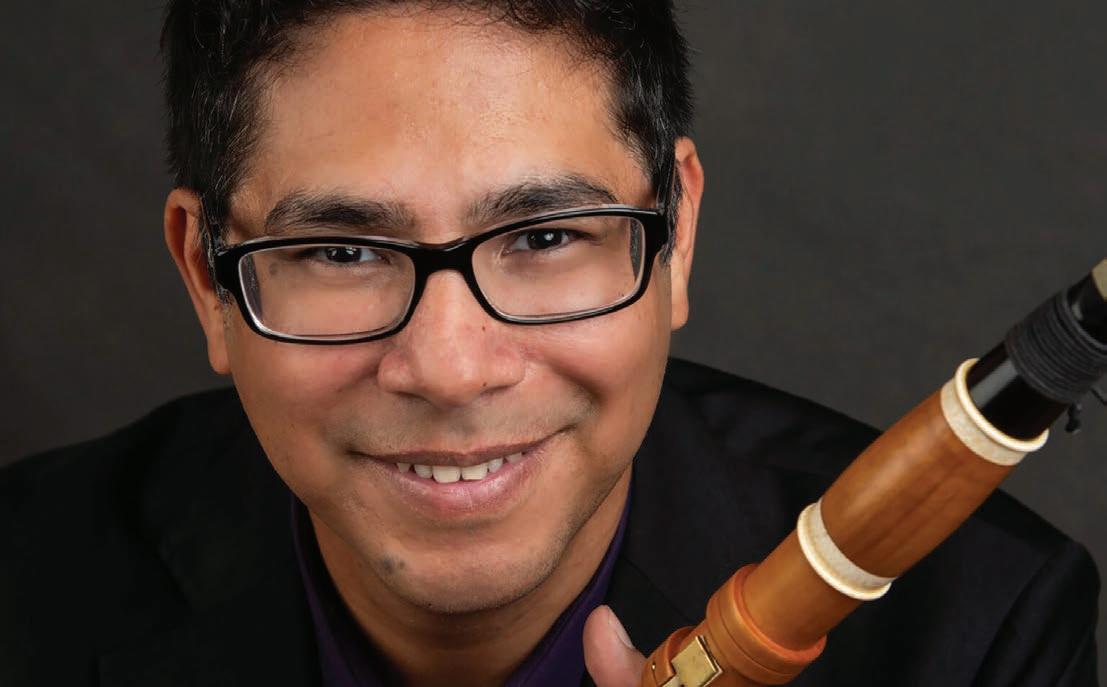
With a sound described as “beautifully warm” (Herald Times) and “sweet and agile” (New York Times), clarinetist and instrument builder Thomas Carroll performs extensively throughout North America and Europe on historical instruments. He holds degrees from Oberlin Conservatory, Indiana University, and The Royal Conservatoire of The Hague.
Thomas has performed as principal clarinet in venues ranging from the Kozerthaus in Berlin to the Concertgebouw in Amsterdam. He has been featured as a soloist with Philharmonia Baroque, American Bach Soloists, Mercury Chamber Orchestra, Lyra Baroque, Ensemble ad Libitum, Boston Baroque, and Grand Harmonie to critical acclaim. Thomas currently performs as principal clarinet with Philharmonia Baroque, Mercury Chamber Orchestra, Boston Baroque, Philharmonie Austin, and Germanbased L’Arte del Mondo. His wind transcriptions have been performed by Grand Harmonie, On
Site Opera, and the Atlanta Opera. Eager to combine active scholarship with performance, Thomas is the co-founder with flutist Andrea Leblanc of Arpeggione, a chamber ensemble taking inspiration from the celebrated history of Boston’s Mendelssohn Quintette Club, performing transcriptions and arrangements of large-scale works as they were originally heard on the American stage in the second half of the 19th Century.
An interest in instrument mechanics and acoustics has led Thomas to a secondary career as an instrument builder and extensive research into 18th and 19th century wood treatment and seasoning. He builds chalumeaux, baroque, and classical clarinets, and basset instruments for use in historically-informed performance ensembles in his Boston workshop, which are played throughout North America, Europe, Japan, and Australia.
Celebrating the power of music through teaching, sharing, and performing with passion, intimacy, and excellence.
• Be the most welcoming and innovative arts institution in Houston.
• Become an exemplary period instrument ensemble for the Nation.
• Transform the lives of a diverse audience through music.
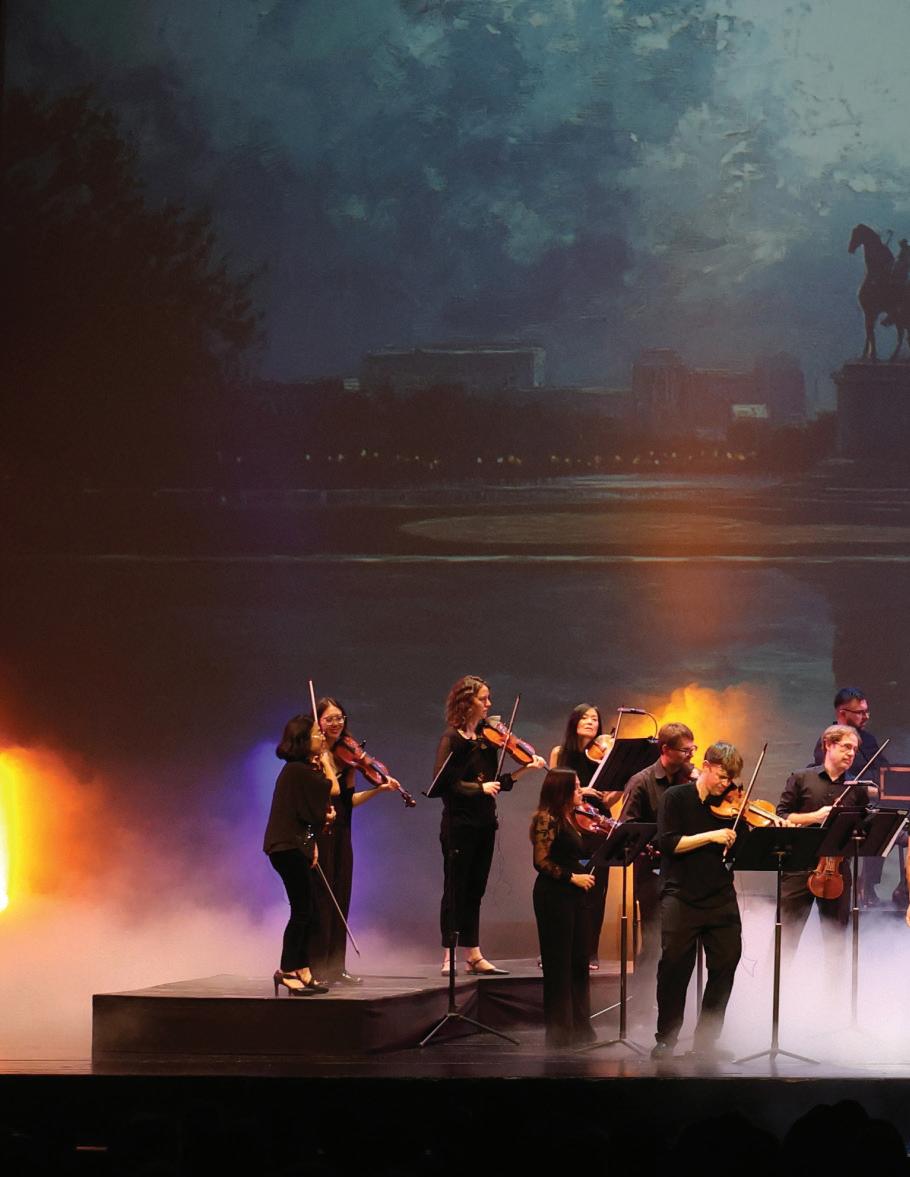

Mercury Chamber Orchestra performs on period instruments to capture the authentic sound of composers from the Baroque, Classical, and Romantic eras. These instruments differ from their modern equivalents by featuring gut strings, wooden flutes and oboes, valveless horns and trumpets, and leather-skinned drums. This versatility with instruments and performance-style offers you a singular listening experience.
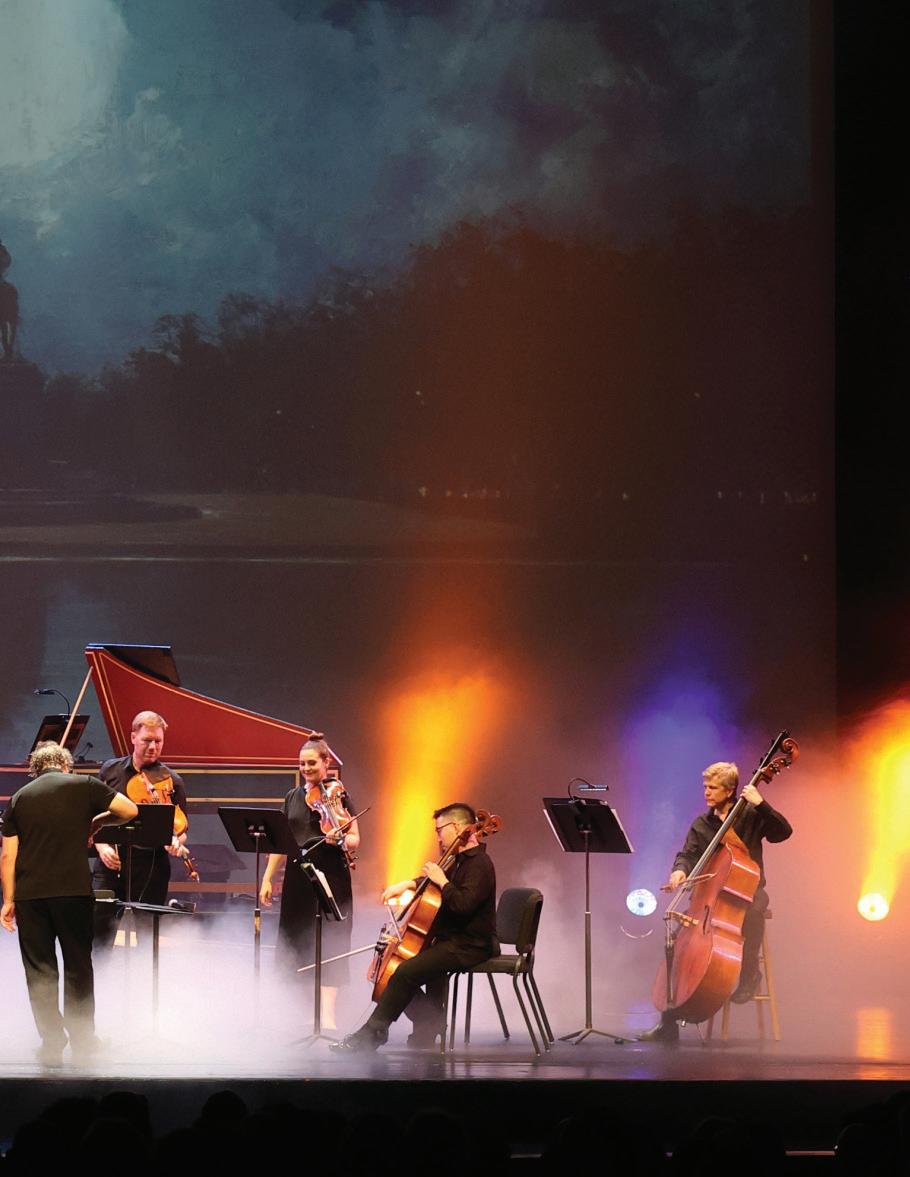
Mercury Chamber Orchestra
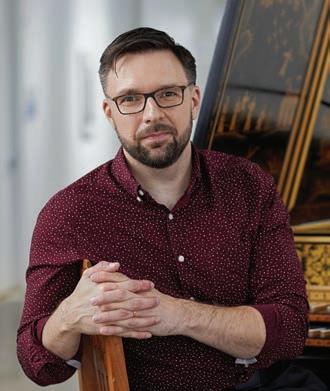
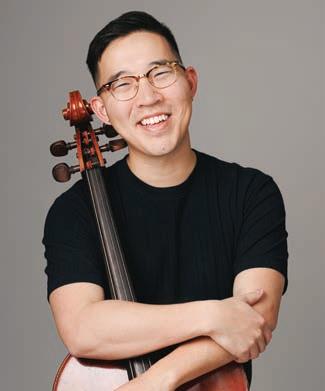
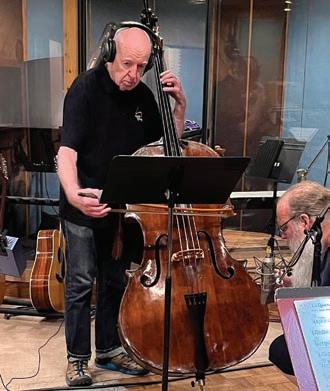
What’s the most memorable concert you’ve played with Mercury?
A Neighborhood Series that had me play the Bach D-Minor concerto six times in three days.
Do you have a favorite Houston venue?
First Lutheran Church in Midtown. It’s got the most exquisite acoustics, two of my favorite organs, and with my group Harmonia Stellarum I get to have the best of times there when we make music.
What’s a hobby or talent people might not expect from you?
I’m an amateur weight lifter and can deadlift 500 lbs.
What drew you to your instrument?
My parents bought a cello at a garage sale and signed me up for lessons.
Who has influenced you most as a musician?
Every one of my students.
What’s your favorite piece to perform and why?
It changes constantly with my mood and circumstances, but the most memorable performances are when the music’s story sharply contrasts with my own life in that moment.
What was the first concert you ever attended?
My older sister’s first piano recital.
Who has influenced you most as a musician?
My maternal grandparents who, in New York City, where I grew up, had been professional theater musicians for the silent movies. My grandmother was the first female to play all the keyboards with the union musicians.
What’s a hobby or talent people might not expect from you?
Even though it’s still bass playing - my love for laying down funky jazz baselines, even making Bach swing, is something I do regularly.
One word to describe playing with Mercury? Joyful.
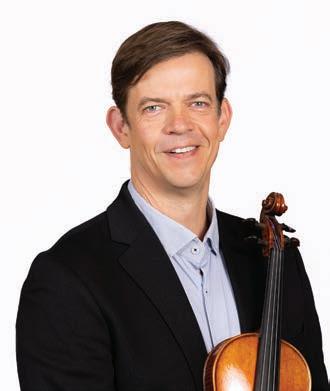
What drew you to your instrument?
When I was 5 years old, my montessori school teacher’s daughter came and played the violin for our class. I went home and told my mother that I wanted to play the violin that day.
What’s your favorite piece to perform and why?
I love performing Johann Sebastian Bach’s music. His work is both intellectually complex and emotionally profound, with a combination of harmony and counterpoint that never ceases to amaze me no matter how many times I read it.
What’s the most memorable concert you’ve played with Mercury?
Performing Beethoven’s Violin Concerto was definitely a musical highlight for me.
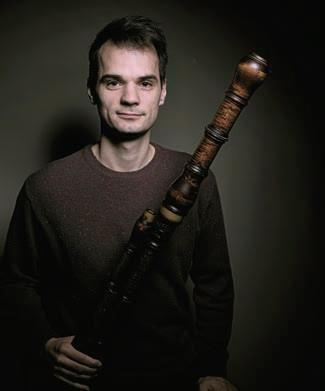
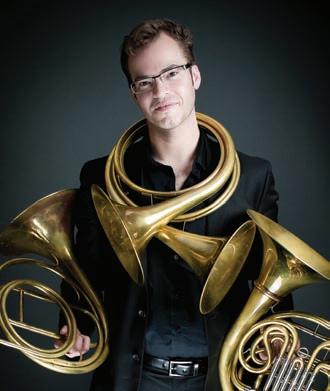
What’s your favorite piece to perform and why?
One of my favorite pieces to play are operas by JeanPhilippe Rameau. If you haven’t heard of Rameau, I highly recommend you check him out. Castor and Pollux is a great one to start with.
What’s the most memorable concert you’ve played with Mercury?
St. Matthew’s Passion. There were some spectacular and touching moments in that show.
What do you like to do when you’re not performing?
I like to cook, garden, go hiking and backpacking, and spend time with my family.
One word to describe playing with Mercury? Friendship.
What was the first concert you ever attended?
My father was conducting a performance of Handel’s Messiah on the 24th of December, 1977. My mother sang in the choir. She was pregnant with me at the time. Shortly after the performance, they rushed to the hospital. I was born the following morning, around 6am. You could argue that that Messiah was the first concert I ever attended!
Who has influenced you most as a musician?
I can’t name just one, but my father certainly was a major influence in my life early on. He studied music at Indiana University. I knew I wanted to follow in those footsteps. When I was young, he gave me a book on how to play the horn, “The Art of French Horn Playing” by Philip Farkas. Farkas taught at Indiana while my father was a student there.
As Mercury celebrates its 25th Anniversary we take a walk through our archives to look at special events in our past. Each program book will cover a portion of our history.
2ooo–2oo1
In the beginning
Mercury is founded by Antoine Plante & Lori Muratta and Jonathan Godfrey & Ana Treviño-Godfrey over dinner at Star Pizza in the year 2000.
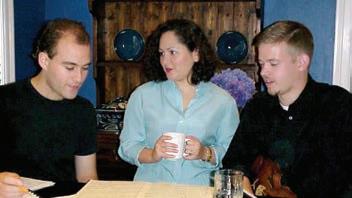
November 14, 2000 – Images of Passions: A Baroque Experience at the Chapel of St. Luke’s United Methodist on Westheimer featuring music of Purcell, Telemann, Vivaldi, and more.
2oo1–2oo2
The first “official” season of Mercury Baroque Ensemble featured several special summer concerts at St. Luke’s and five concerts with music by Bach, Corelli, Pergolesi and Handel, moving to the Lowe Theater at St. John’s School.
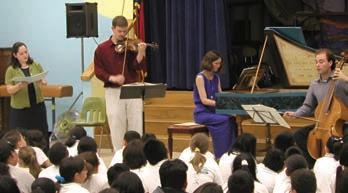
One of our earliest education performances in April 2002 at Harvard Elementary. Our founders have always held music education as a core value of Mercury: connecting through music changes lives.
Early Musicians:
Jonathan Godfrey (violin), Ana Treviño-Godfrey (soprano), Molly Hammond (harpsichord), Antoine Plante (gamba)
2oo2–2oo3
A year of growth
New members are added to the ranks to take on works like Bach’s Brandenburg Concertos, Handel’s Gloria, and Pergolesi’s La Serva Padrona.
8 SEASONS
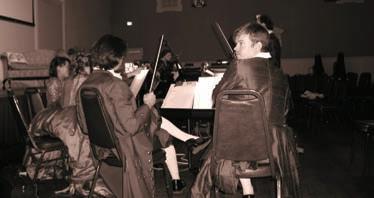
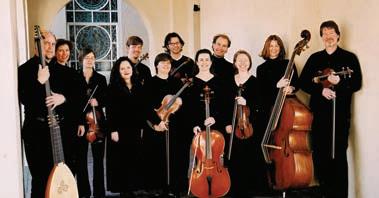
Our first performance juxtaposing Vivaldi’s Four Seasons with Piazzolla’s Four Seasons.
2oo3–2oo4
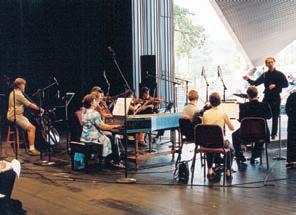
Our first performance at Miller Outdoor Theatre, October 5, 2003 with A Day in Mexico: 1764
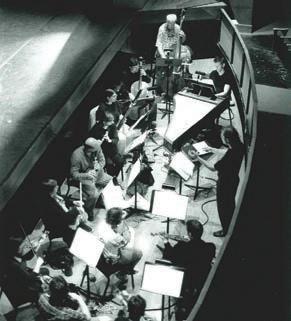
Mercury’s operations move from the founders’ living room to an official office at Allen Parkway and performances move to Zilkha Hall at the Hobby Center to accommodate growing audiences.
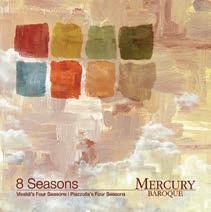
First CD Recorded and Released
2oo4–2oo5 2oo5–2oo6
Expanding our reach
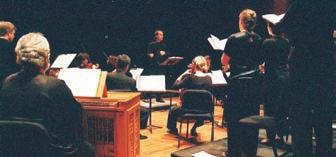
Mercury presented popular works like Vivaldi’s Gloria and Bach’s Goldberg Variations to the stage but also shared the stage with new partners Dominic Walsh and CORE Dance - pairing traditional Baroque music with dance for new experiences – and closed out the season with Telemann’s Don Quixote at Zilkha Hall.
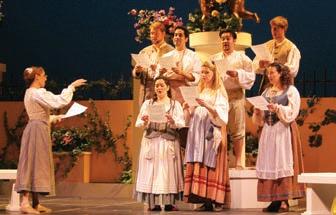
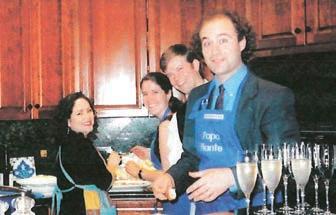
Developing our craft Music and a meal 2005
Our four founders preparing food for a donor reception. Mercury is a family and it has become tradition to gather each season with our supporters sharing food that is often hand prepared by Antoine and family.
Mixed in with classics, we also created new productions like Romeo and Juliet featuring the music of Vivaldi, presented with Dominic Walsh Dance Theater, and a staging of Handel’s Acis & Galatea.
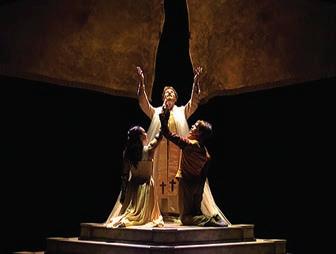
Expanding outreach
In education we presented in-school shows Animalia and Gulliver’s Travels and also welcomed students to Zilkha Hall for special concerts. Musicians also toured to Ecuador with several performances and masterclasses.
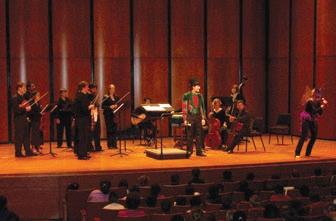
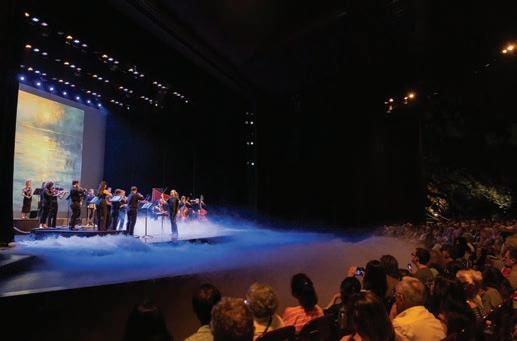
Mercury begins each season with an annual free community concert at Miller Outdoor Theatre over Labor Day Weekend. Thousands of Houstonians joined us for a spectacular performance of Handel’s Water Music, featuring our talented early music specialists on winds and horns, and also Vivaldi’s Concerto for Four Violins in B minor.
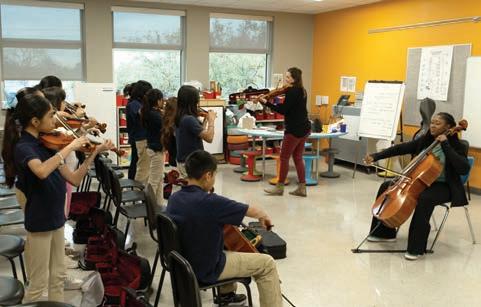
It’s the beginning of the school year and Mercury’s team of Teaching Artists are hard at work! We’ve kicked off the year strong with the young musicians of Scarborough Elementary School and our afterschool program with Edison Arts Foundation. Students lined up to take their auditions for a spot in their respective ensembles and all were eager to get back to their instruments. Our great team of Teaching Artists this year includes principal violist Kathleen Carringiton, cellist Daphnee Johnson, violinist Ricardo Jiménez, and Mercury’s Education Manager Andrés González.
As the academic year starts, new students will receive comprehensive guidance from Mercury’s team. They will ensure that new fiddlers are provided with all necessary technique to begin their musical journey. For our seasoned students, we will brush up on some basic skills and introduce them to new repertoire. To provide our young musicians with a diverse range of musical experiences, Mercury will incorporate both classic and popular compositions that will resonate with their interests.
We would like to recognize and thank the dedicated leaders of both institutions: Miriam Medina, Principal of Scarborough Elementary, and Charity Carter, Executive Director of the Edison Arts Foundation. Both are strong believers in the transformative power of music education and continue to entrust Mercury with supporting their students’ musical journey.
Mrs. Medina says, “she can’t imagine what her school would be like without the sounds of the Huskies Ensemble permeating through the school’s hallways.”
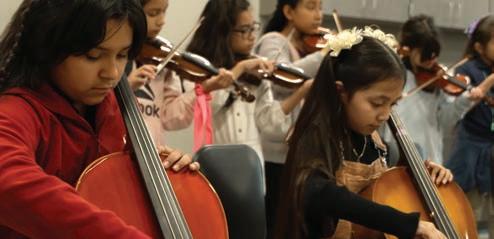
Mercury addresses educational needs by providing access to high-quality music education through in-school residencies which offer private lessons, coaching, mentorship, and group instruction to underserved students within the community.
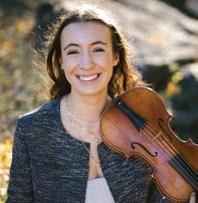
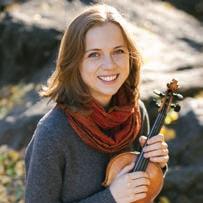

Schubert
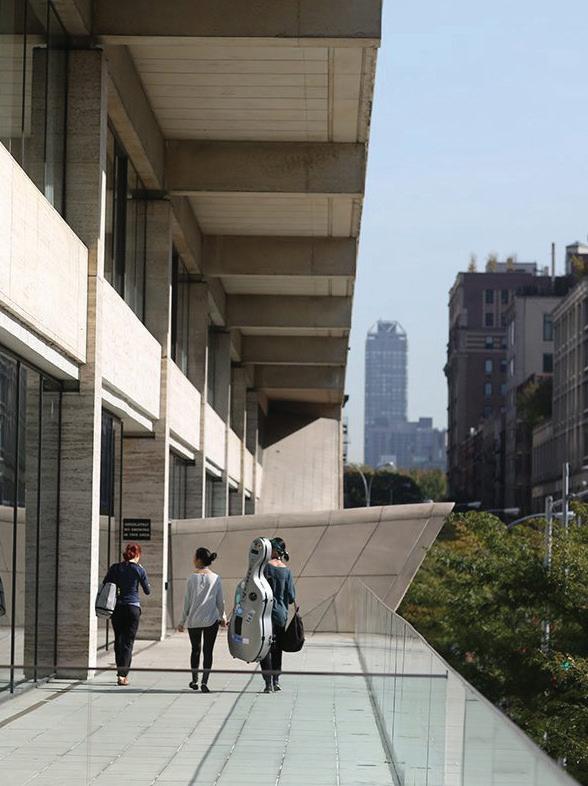
This initiative, a collaboration between The Juilliard School of Music Historical Performance Program and Mercury Chamber Orchestra, encourages the development of talented young instrumentalists and fosters a strong relationship between two major players in America’s period instrument performance scene.
Each spring, Mercury holds auditions at Juilliard, selecting two post-graduate students to participate in a one-year fellowship with the ensemble. Fellows will perform with Mercury during the season, gaining valuable performance experience while introducing Houston to the next generation of great period performance musicians.
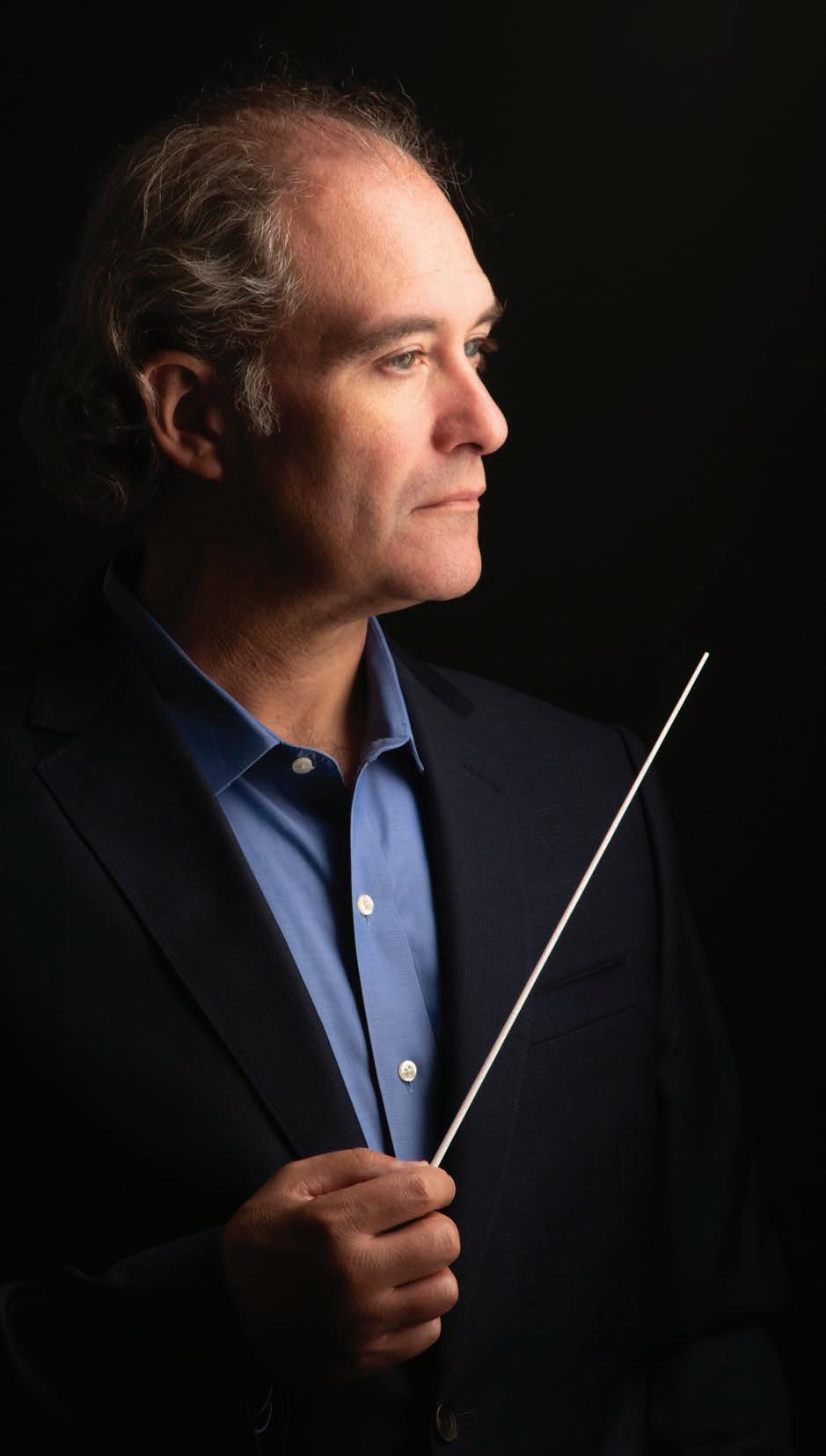
DIRECTOR, LYNN WYATT CHAIR
Praised for his conducting vigor and innovative programming, Antoine Plante has captivated audiences and musicians alike with his ability to bring music to life. Charles Ward of the Houston Chronicle lauded him for leading “an impressive account of the Mozart’s Requiem: authoritative, vigorous, emotionally intense, at times utterly gripping.”
As the founder of Mercury Chamber Orchestra in Houston, Texas, Plante has played a pivotal role in the orchestra’s remarkable growth over its 24-year history. Known for his skillful programming of great classical works like Mozart’s 41st Symphony and Mendelssohn’s Reformation alongside lesser-known gems, he has helped Mercury gain a rapidly growing audience. In 2022, he further extended Mercury’s artistic reach by founding the Mercury Singers, the orchestra’s vocal ensemble.
A versatile conductor, Plante excels across a wide repertoire. Equally at home with romantic and modern composers, he also specializes in performing classical and baroque works with period instruments. His expertise extends to staged productions, having conducted numerous operas and ballets. In collaboration with French director Pascal Rambert, Plante produced a modern, critically acclaimed staging of Lully’s Armide in Paris and Houston. He also worked with Dominic Walsh Dance Theater to create the score for Walsh’s ballet Romeo and Juliet. His innovative spirit shone in the multimedia creation of Loving Clara Schumann, a fully staged work featuring orchestra, dancers, and vocal soloists in a compelling dramatic performance.
Plante is a passionate advocate for classical music education. He leads Mercury’s educational outreach program, which brings classroom music education to underserved schools, offers master classes for student orchestras, and provides live performances for schoolchildren.
Under Plante’s leadership, Mercury has grown into a vital cultural institution in Houston, presenting over 40 concerts per season in a variety of venues, making music accessible to the entire community.
Plante has served as guest conductor for esteemed ensembles, including the San Antonio Symphony, Oregon Bach Festival Orchestra, Chanticleer, Houston Grand Opera, Ecuador National Symphony Orchestra, and Atlanta Baroque.
Antoine Plante grew up in Montréal, Québec, Canada and lives in Houston, Texas.
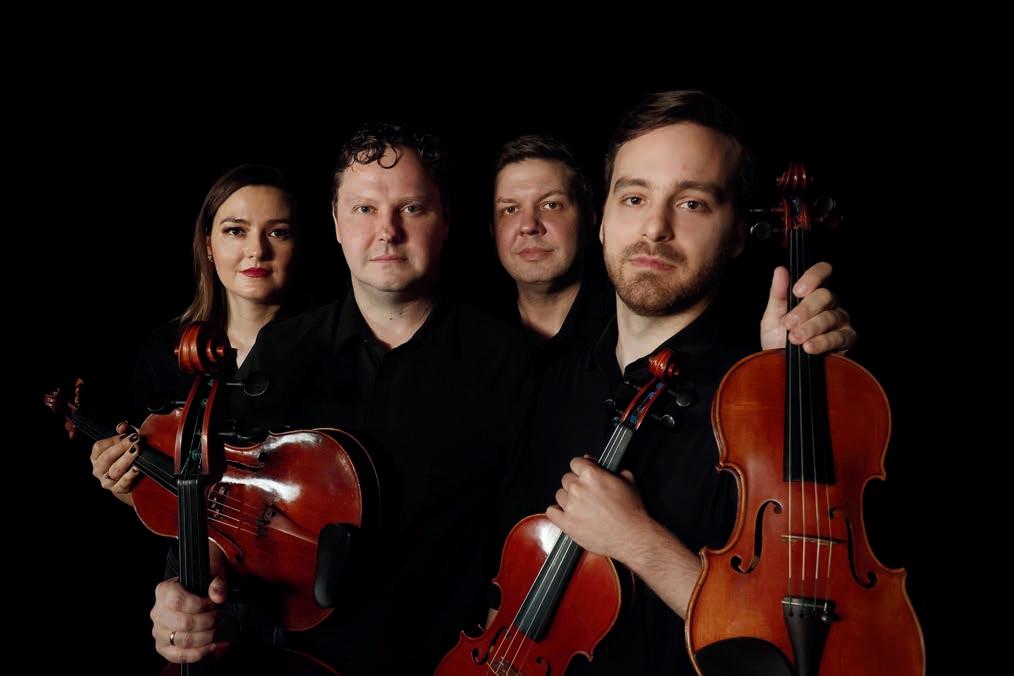
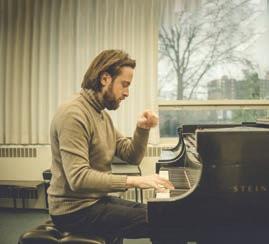
Wed., October 29, 7:30 PM Cullen Theater, Wortham Theater Center
All-Schubert program Titans of the classical world, renowned for their interpretive mastery as both soloists and collaborators.




Mercury’s Patron Society recognizes individuals making annual leadership gifts of $2,500 or more. Patron Society members receive complimentary valet parking at Downtown concerts, Green Room access at intermission and after the concert, invitations to private concerts and events, and other exciting benefits.
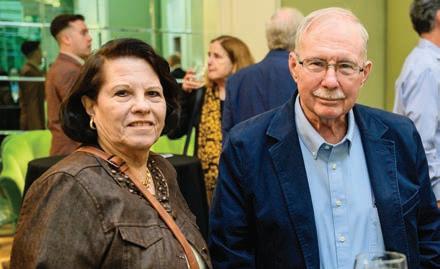
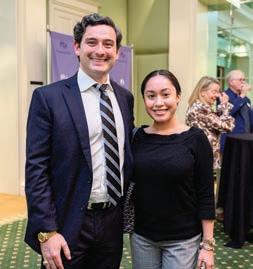
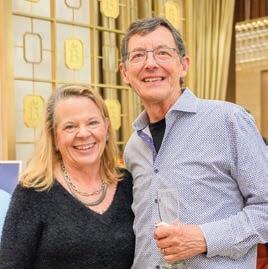
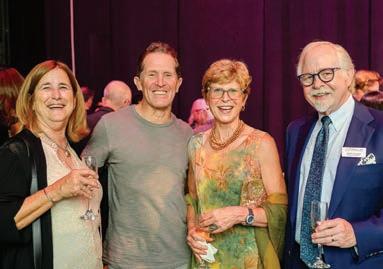
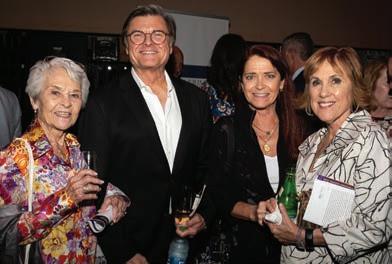
Mercury Chamber Orchestra gratefully recognizes the following individuals for their leadership support of our artistic, educational, and community engagement programs through generous annual gifts and participation in special events. For more information about joining the Patron Society, please contact Chloe Bruns, Development Manager at chloe@mercuryhouston.org or 713-533-0080.
($25,000 and above)
June & Steve Barth*
Patricia Branton & William Gould*
Cristela & Bill Jonson*
Kirsten Jensen & David Kerley*
Dr. & Mrs. Christopher Prince*
Kristine & Stephen Wallace*
Lynn & Oscar Wyatt
Anonymous
($15,000-$24,999)
Mollie & Wayne Brunetti*
Martha & Blake Eskew*
Mary Foster & Don DeSimone*
Mariko & John Jordan*
Mrs. Warren Kreft*
Rosemary Malbin*
Rose Ann Medlin & William E. Joor III*
Gaby & Kenny Owen*
Ally Shell & Martijn van Koolwijk
($10,000-$14,999)
Michael & Marsha Bourque*
Donna & Mike Boyd*
Rebecca Fieler*
Lloyd Kirchner*
Antoine Plante & Lori Muratta
($5,000-$9,999)
Joe Caruana & Kim duClair
Robert N. Chanon*
Kevin & Meghan Downs*
Sofia & Tyler Durham
Marcia & Thomas Faschingbauer*
Marissa & Shane Gilroy*
Peter & Chris Godfrey
Debra & Mark Gregg
Virginia Hart & Robert Navo*
DM Marco*
Carol & Joel Mohrman*
Neil Sackheim & Stephen Voss*
Robert Sartain*
Linda & Tom Sparks
Ralf van der Ven
Courtney Williams MD*
Nina & Michael Zilkha* Anonymous*
($2,500-$4,999)
Thomas Bevilacqua & Karen Merriam*
Richard Brown*
Mindy & Josh Davidson*
Carmen Delgado & Duane C. King*
Nan Earle*
Marilyn & Bill Eiland*
Caroline Freeman
Connie & James Garson*
Nancy & Carter Hixon*
Janice & Tim Howard*
Lili & Hans Kirchner*
Julie & Keith Little*
Forrest Lumpkin*
Angelika & Michael Mattern*
Dr. Maureen O’Driscoll-Levy
Ruth & Michael Pancherz*
Melissa Patin*
Jackie & Roy Perry
Lalana Pundisto & Michael Fortwengler*
Lisa Rich & John McLaughlin
Kelly & David Rose*
Andrew J. Sackheim*
James E. Smith & Sasha Van Nes*
Ann Tornyos*
Amy Waldorf
Betsy & Rick Weber
Douglas & Carolynne White*
*Mercury Season Subscriber As of September 9, 2025
Mercury Chamber Orchestra gratefully recognizes the following individuals who support our artistic, educational, and community engagement programs through generous annual gifts and participation in special events. For more information, please contact Chloe Bruns, Development Manager at chloe@mercuryhouston.org or 713-533-0080.
($1,000-$2,499)
Dr. Thomas Beach*
James & Barbara Becker
John Robert Behrman*
Dr. Joan H. Bitar*
The Carl & Phyllis Detering Foundation
Dr. Bill Donovan
Rena & Richard D’Souza
Gary Gardner & Peg Palisin*
Ed Garrett*
Leonard Goldstein & Helen Wils
Heimbinder Family Foundation
Nancy & Michael Henderek
Mary & Rodney Koenig
Bert Medley & Susan Taylor*
Candice & Roger Moore*
Steve & Elaine Roach*
Deborah M. Wagner*
Anonymous*
($500-$999)
Joel Abramowitz & Rita Bergers*
Jessica & Jay Adkins
Clarruth Seaton & Greer Barriault
D. Bentley*
Dr. Caroline Christensen
Zed Choi
Jonathan Godfrey & Ana Treviño-Godfrey*
Deborah Lugo & Andrés González
Claire Halloin*
Molly & Hugh Rice Kelly
Mrs. Laura Leib*
Penny & Sean Lewis*
Jim & Ellana Livermore*
Melanie L. Rogers*
Tricia & Steve Rosencranz*
Merry Schooley
Brian Smyth
Ann Tornyos*
Chuck Bracht & Cheryl Verlander
Anonymous (2)
($250 - $499)
Dr. Keith Anthis
Margaret Preston & Robert Baumgartner*
Becky Browder*
Dottie Burge & Vic Driscoll*
Barbara & Jim Carney
Valerie Cramer*
Dana Dilbeck*
Frank & Mariam Dumanoir
Rev. Paul F. English
Mr. & Mrs. Peter Ferenz*
Sebastian Gobel*
Beth & Kenneth Green*
Richard Hickman
Ashley & Chris Hotze*
Cheryl M. Katz
Edward Kenny*
Dennis & Casey Kiley*
Georgia & Stephen Kimmel*
Dr. Nora Klein
Candy & Weir Kyle*
Victoria & Alex Lazar
Juan Ignacio Mangini
Nancy Wynne Mattison*
Kenneth Moore Jr.*
Robb & Audrey Moses
Julie & Chip Oudin*
Lois Pierson*
Patricia de Groot & Marc Puppo*
Patricia Rathwell*
Natalie Riley
Robert & Rosanne Romero*
Jurgen Schroder
Kathleen & Sean Shannahan*
Barbara & Michael Smith*
Phylis Tomlinson
Kent & Bonnie Whitten*
Dr. Denise Wilborn*
Dr. Robert K. Wimpelberg & Peter Hodgson*
Anonymous (3)
(up to $249)
Vanessa Abahashemi
Raju Adwaney*
John & Kathy Agee*
Carol & Glen Anderson*
Tonia Ayres
Maria Paloma De Arizon & Nelson Bacalao*
Ann Behravesh
Robert & Nancy Benjamin
Sara Blumenfeld*
Bradley Blunt
Dr. Jerry L. Bohannon*
Dr. Sarah J. Bottomley
Kathy & Walker Brickey*
Christine Brown
Leslie Brown
Michael & Michaele Brown*
Rustin Buck*
Ian & Patricia Butler
Leone Buyse & Michael Webster
Bronwyn Campbell*
Jacques Christoffel*
Camille Converse
Steven Cowart
Chris & Delia Cowles*
Lis & Alex Crabtree*
Erick Cruz
Lesa Curry*
Benée & Chris Curtis*
Allan & Bente Davies
Dr. Ken Davis*
Clarice Droughton*
Julietta Ducote
Todd & Emma Edwards*
Kellie Ekeland
John & Judy Fagg
Karen Findling
Miguel Fuentes
Terry Gardner
Judith Gersh
Vernon Gillette*
Guillermo Gomez Aguilar
Lindsey Harper
Peggy Hart*
Tamara Haygood*
Mark Hempton
Kirk Hickey & William Maguire*
Lai Ho
Mark Hoose*
Luke Howe*
Andrew Hubbard*
Maryann Ingersoll*
Brad & Alida Johnson*
Michele Joy & Tom Shahriari
Frank & Lynda Kelly*
Brian Knapp*
Weldon Kuretsch*
Guy Langelier
Erwan le Gall
Kimberly Leishner
Max Macias
William & Nancy Mahley*
Yvette Mayes
John H. Meltzer*
Michelle
Susan Moore
Familia Calvo Chacon Morales
Carol & Barry Myones
Rebecca Novelo
Joan O’Leary
Dr. Stacy & Mr. Ronan O’Malley
Susan & Ed Osterberg
Janwin Overstreet-Goode & John Goode
Linda Pancherz*
Jehan-Francois Paris*
Jose Pastrana
Bonnie Phillips*
Ava Plummer*
Mrs. Jovan Popovich*
Maria-Martha Powell
Robert Power*
Claudia Reyes*
Frank Rigsby
Elena Lexina & Brian Rishikof
Jim Robin*
Stephen Ronczy*
Rachel Rose*
Leslie Saia*
The WS Family
Terri Siegel
Carlton Singleton
Carol & Tom Sloan*
Taylor Smith*
Richard & Joan Spaw*
Meredith & Ralph Stone
Mary Anne Stoner
Karen Sumner
Barbara J. Taake*
Boris & Vita Taksa*
Artem Tarasenko
Jose Troconis
Beatriz & Peter Varman*
Alejandra Viloria Rincon
Andrew Wallace
Paul & Melinda Westphal
David Wheeler
Neal & Cristina Wiley
Kathleen Wilson
Edith A. Wittig
Paul & Andrea Yatsco*
Monica & Larry Ziemba
John & Helena Zodrow
Anonymous (67)
*Mercury Season Subscriber
As of September 9, 2025

Barbara & Jim Carney, in honor of Betty Jo Diller
Carl A. Detering Jr., in honor of J. Michael Boyd
Dr. Bill Donovan, in honor of Sharon Donovan
Rev. Paul F. English, in honor of Fr. John F. Robbins, CSB
Lindsey Harper, in honor of Susan Reed
Nick Jameson, in memory of Karin Fliegel Jameson
Rosemary Malbin, in loving memory of Michael Malbin
Mrs. Audrey Moses, in honor of Robb Moses
Robert Power, in memory of William H. Power
Robert Sartain, in memory of Margaret A. Reinke
Andrew Wallace, in honor of Stephen Wallace
John B. Zodrow, in honor of The Kirchner Family
Anonymous, in honor of Chandrakanta
Anonymous, in honor of Robert A. David
We greatly appreciate each gift and have made every effort to ensure the accuracy of this listing. Please notify us of any inaccuracies or omissions at chloe@mercuryhouston.org.
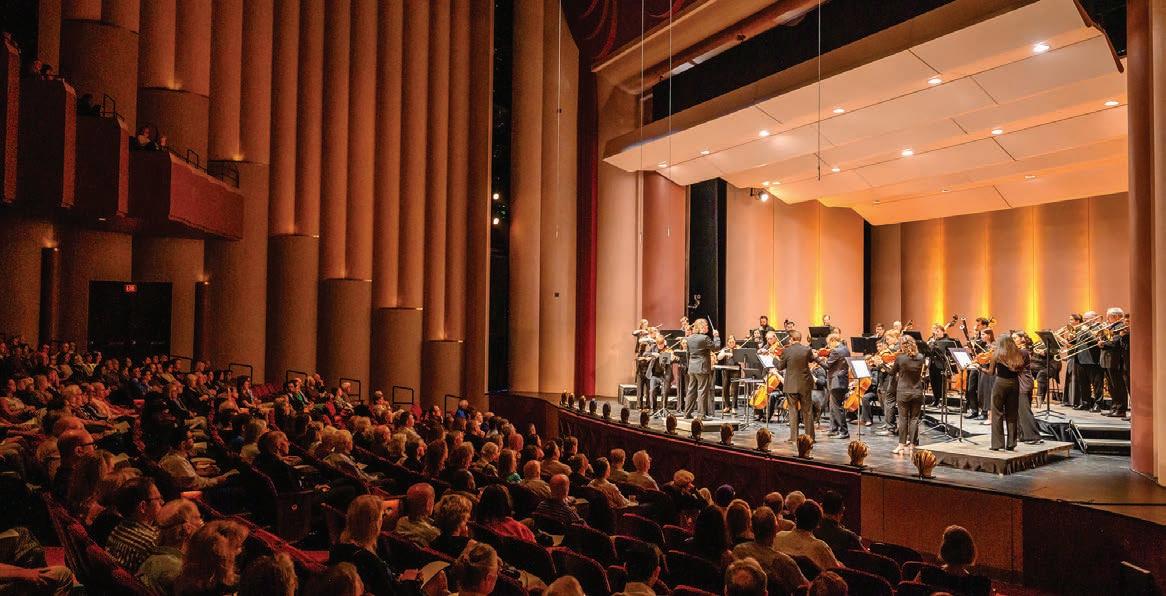
Mercury Chamber Orchestra gratefully recognizes the following foundations, corporations, and government entities that support our artistic, educational, and community engagement programs through generous annual grants and sponsorships. For more information, please contact Chloe Bruns, Development Manager, Institutional Giving at chloe@mercuryhouston.org or 713-533-0080.
($75,000 +)
Houston Endowment Inc.
Anonymous
($50,000 - $74,999)
The Brown Foundation, Inc.
The Cullen Trust for the Performing Arts
Houston Arts Alliance
($25,000 - $49,999)
ConocoPhillips
South Bow
Texas Commission on the Arts
The Wyatt Foundation
($15,000 - $24,999)
De Boulle Diamond & Jewelry
Miller Theatre Advisory Board
National Endowment for the Arts
Shell Oil Company Foundation
($10,000 - $14,999)
Lucius & Eva Eastman Fund
South Coast Terminals
($5,000 - $9,999)
Acretio Consulting & Investments
Albert & Ethel Herzstein Charitable Foundation
Arts Connect Houston
Bp Foundation
Haynes Boone
Neal Hamil Agency
OneLNG Inc.
The Sartain & Tamez Family Trust Fund at the Chicago Community Foundation
Spotlight Energy, LLC
Truist
Out of respect for the musicians and your fellow audience members, please be sure to silence your mobile devices and refrain from texting or talking during the performance. Disruptive patrons will be asked to leave.
Late seating is often available during the first convenient break in the performance and is always at the discretion of the ushers. Always allow plenty of time for traffic, parking, and getting to your seat.
Recording of Mercury performances by camera, audio, or video equipment is prohibited. You are welcome to take pictures before or after the orchestra performs. Please share your experience on social media.
At our venues, outside food and drink are not allowed. Wortham Center performances have food and beverages for sale in the Grand Foyer and Prairie Lobby. Drinks may be brought into the Cullen Theater for the performance.
Subscribers may exchange their tickets to any performance at no cost. Single tickets are not eligible for exchange or refund. If you are unable to make a performance, your ticket may be donated prior to the concert for a tax-donation receipt. Donations and exchanges may be made in person, over the phone, or online.
Follow us!





Mercury is funded in part by grants from the City of Houston and Harris County through the Houston Arts Alliance and the Texas Commission on the Arts.
@mercuryhouston
Administrative Offices
2900 Weslayan Street, Suite 500
Houston, TX 77027
Phone: 713.533.0080
Hours: 9 AM – 5 PM Monday-Friday
mercuryhouston.org
As part of its 25th anniversary season, Mercury seeks to raise $3 million to support artistic expansion, community connection, and financial agility over the next ten years. Mercury is grateful to the following who have already made commitments above their annual giving to support the Beyond 25 Campaign.
June & Steve Barth
Marsha & Michael Bourque
Patricia Branton & William Gould
Mindy & Josh Davidson
Meghan & Kevin Downs
Sofia & Tyler Durham
Martha & Blake Eskew
Marcia & Thomas Faschingbauer
Marissa & Shane Gilroy
Kirsten Jensen & David Kerley
Lloyd Kirchner
Julie & Keith Little
Gaby & Kenny Owen
Elizabeth & Christopher Prince
Kristine & Stephen Wallace
For more information about the campaign and to make an impact, please contact Executive Director Brian Ritter at brian@mercuryhouston.org or 713-533-0080.
Steve Barth
President
Keith Little
Treasurer
Rebecca Fieler
Secretary
Blake Eskew
Immediate Past President
Antoine Plante
Artistic Director
Brian Ritter
Executive Director
Marsha Bourque
Mindy Davidson
Kevin Downs
Sofia Gomez Durham
Marcia Faschingbauer
Shane Gilroy
Ginny Hart
Kirsten Jensen
Lloyd Kirchner
Forrest Lumpkin
Rose Ann Medlin
Ken Owen
Ally Shell
James E. Smith
Ana Treviño-Godfrey
Ralf van der Ven
Stephen Wallace
Lynn Wyatt
Special Advisor
Antoine Plante Artistic Director, Lynn Wyatt Chair
Brian Ritter
Executive Director
Chloe Bruns
Development Manager, Institutional Giving
Brittany Schroeder
Marketing & Revenue Manager
Nicholas Gerling Audience Experience Manager
Katie DeVore Operations Manager
Matthew Carrington Personnel Manager & Music Librarian sponsored by Rebecca Fieler
Andrés González
Education Manager
Sectorlab LLC Marketing Consultant
Tyler Starkel YPTC Accountant
BEND Productions and Ben Doyle Videography
Melanie O’Neill and Melissa Taylor Graphic Designer
BEND Productions, Melissa Taylor, Quy Tran, Si Vo Photography
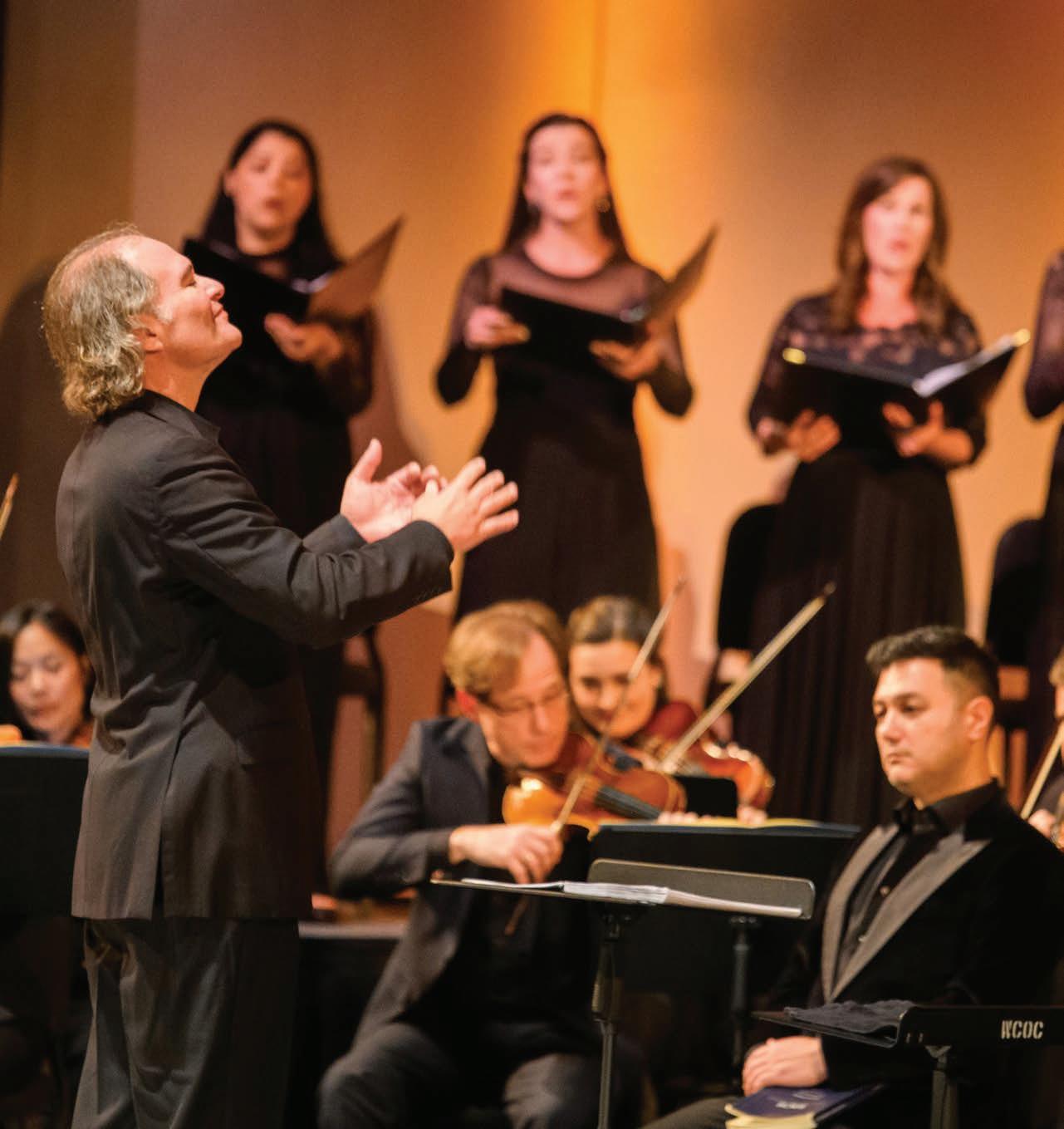
Downtown Series
Bach’s Christmas Oratorio
Wortham Center, Cullen Theater
December 13 • 8 PM
Neighborhood Series Songs of the Virgin: An Italian Baroque Christmas Venues around Houston
December 18–21

Bach’s Complete Brandenburg OCT 11
Mozart’s Jupiter Symphony NOV 8
Hémisphères JAN 10
Birds, Bees, and Beethoven 6 FEB 14
Love MAR 20 & 21
Vivaldi’s Voices MAY 16
WORTHAM CENTER | HOBBY CENTER SAENGERHALLE (HEIGHTS) | MDPC (MEMORIAL) MFAH (MUSEUM) | DOSEY DOE (THE WOODLANDS)
Vivaldi’s Four Seasons OCT 23-26
Bach’s Christmas Oratorio DEC 13 Songs of the Virgin: An Italian Baroque Christmas DEC 18-21
Bolero Querido APR 16-19