Aspiring architect with a focus on sustainable design, seeking to further develop my skills in the Master of Architecture program
Relevant Skills:
• Conceptual Design
• Site Analysis
• Sustainable Design Practices
• Digital and Physical Modeling
• Visualization
Professional Work:
El Palacio de Monterrey 4
Gibson Dunn LLP Headquarters 5
Studio Work
Mission District Art Incubator
UCSB Performance Venue
Two Family Duplex
Orthographic Drawings
Other Schoolwork
Cantilivered Structure
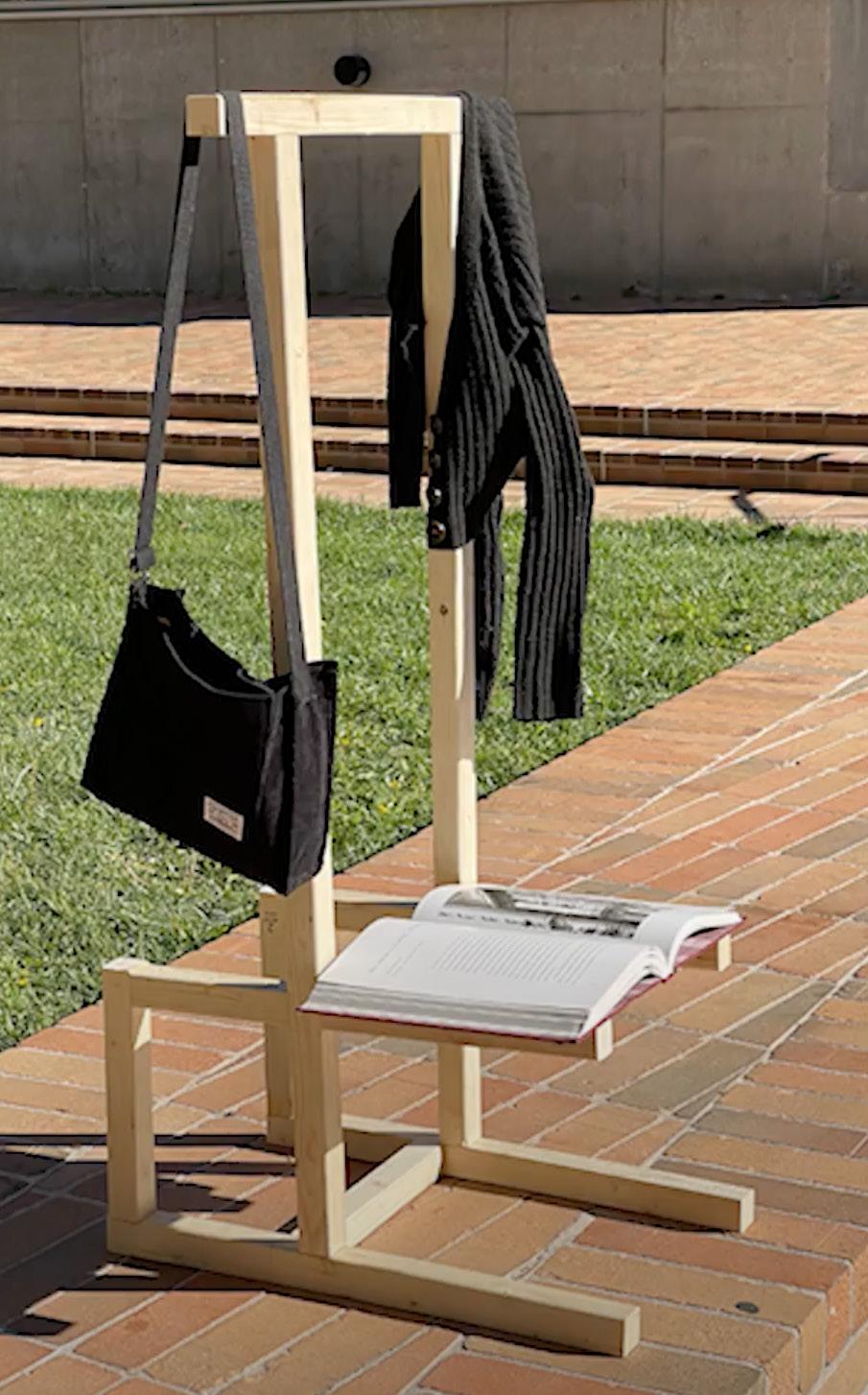
Wooden Hall Organizer
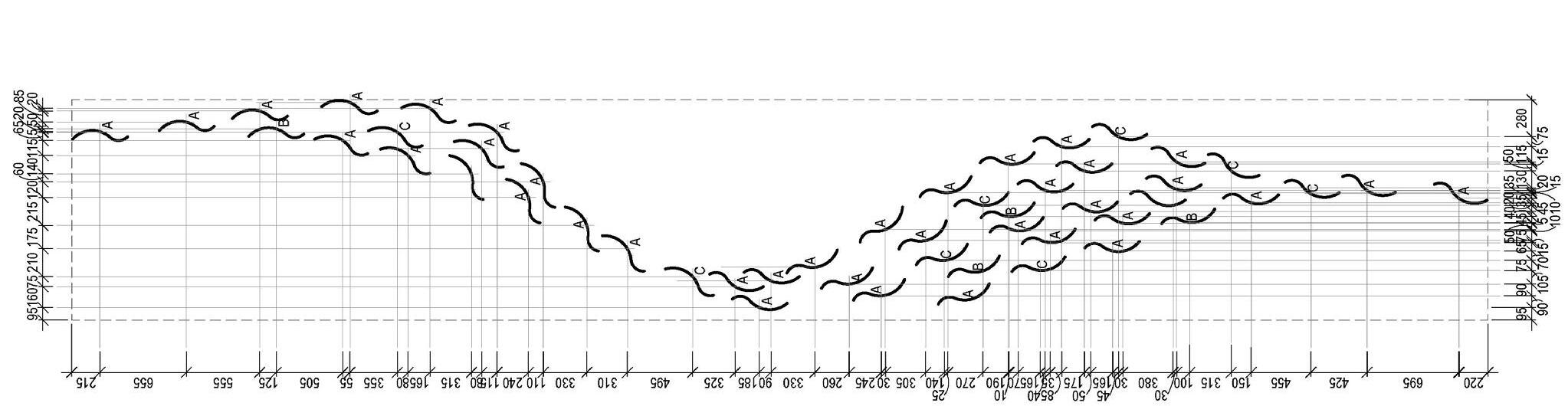
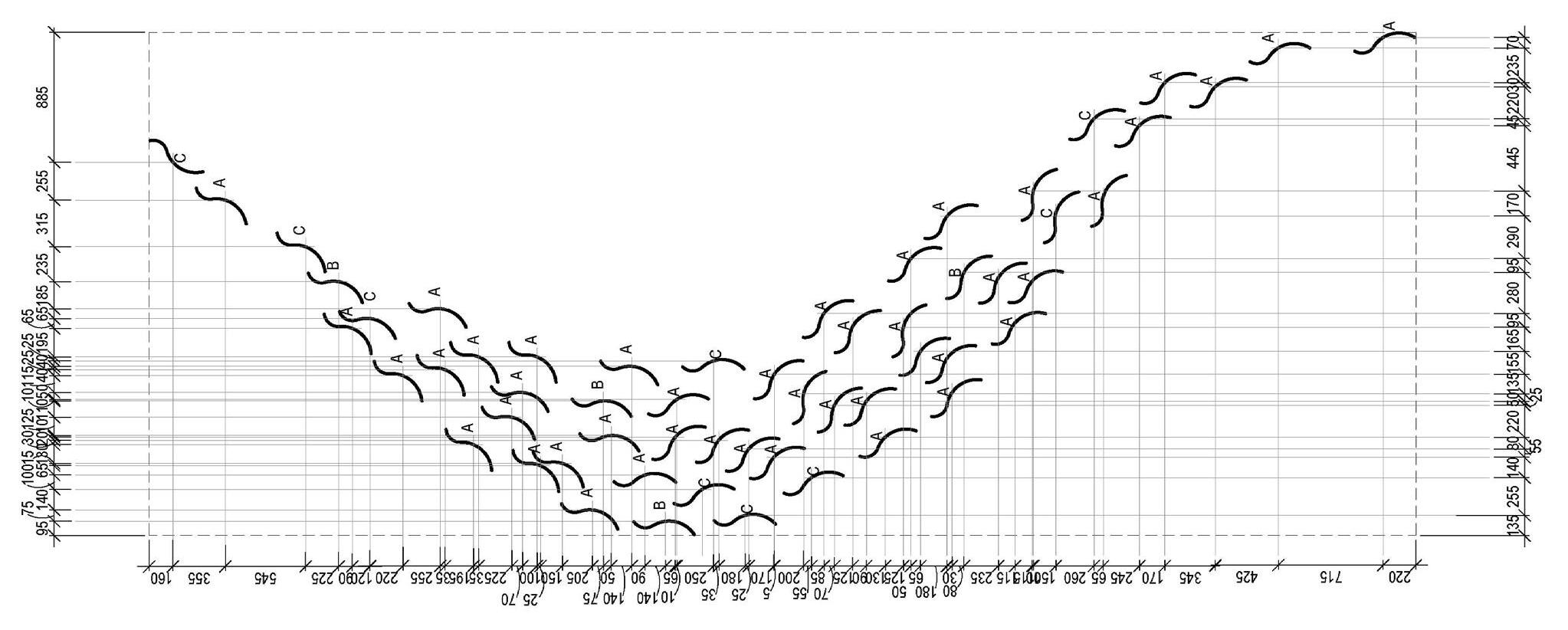
Elevation drawing of the custom designed lighting fixture, showcasing the fixture’s curvature and dimensions
EL PALACIO DE MONTERREY
Monterrey, Mexico
Project Overview:
Project Title: El Palacio de Monterrey
Architecture Firm: TPG Architecture
Client: El Palacio de Heirro
Location: Monterrey, Mexico
Sector: Luxury Retail Design
Role: Junior Designer
Softwares Utilized:
• AutoCad
• Enscape
• SketchUp
• Photoshop
• Illustrator
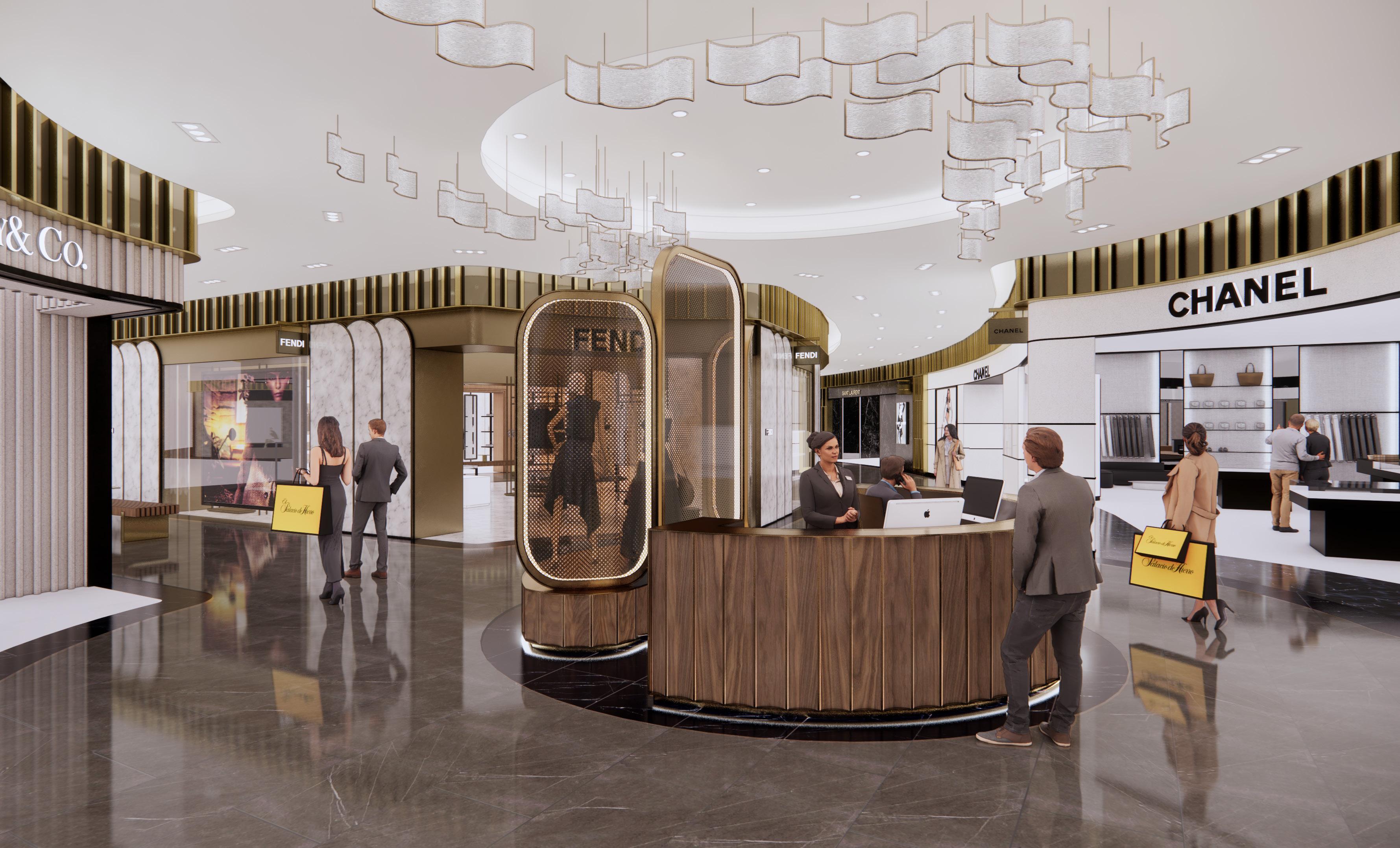
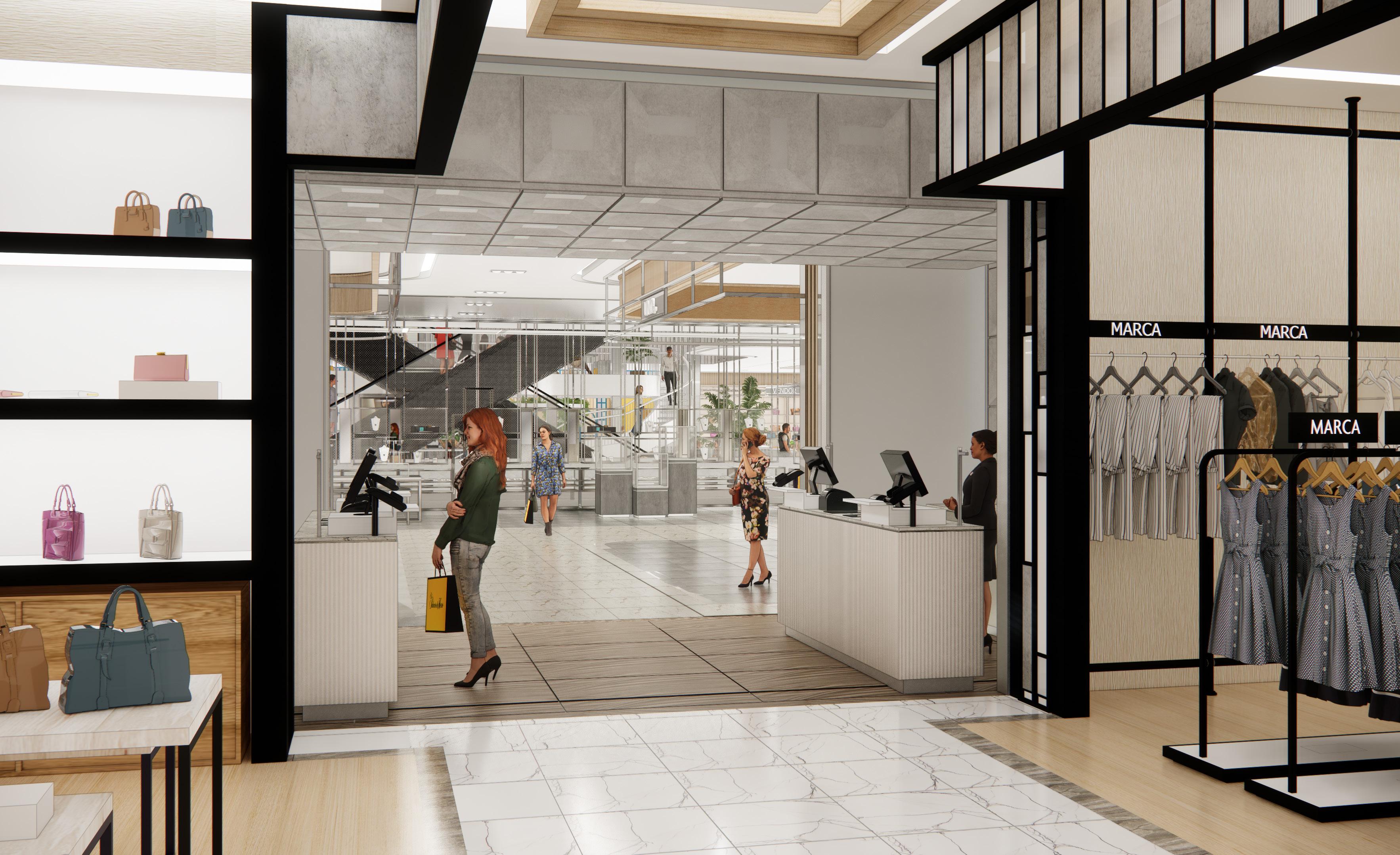
El Palacio Monterrey is a luxury retail project designed to elevate the shopping experience with a modern aesthetic. As a Junior Designer at TPG Architecture, I compiled vendor specifications and created technical drawings to meet project requirements. I contributed architectural plans, material boards, and 3D models for client presentations, collaborating with teams in New York and Argentina. This project helped me refine my design skills in a high-profile retail setting.
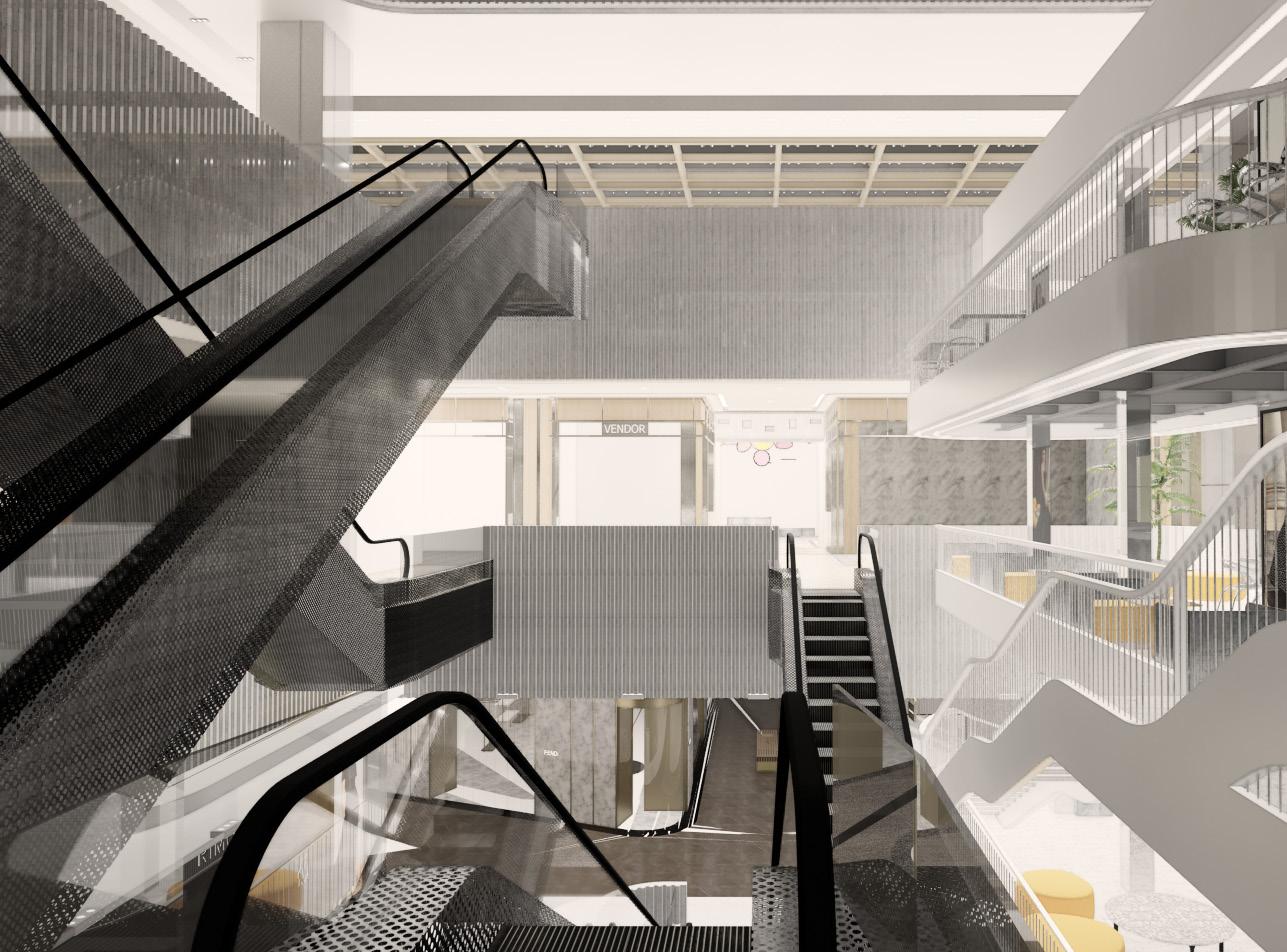
Render of custom designed escalator featuring integrated branding elements
Rendered view of central circulation area, featuring custom lighting fixtures and high-end storefronts
Render of the retail storefront, featuring branded display cases designed for a sleek and inviting shopping experience
GIBSON DUNN LAW OFFICE RENOVATIONS
Manhattan, New York
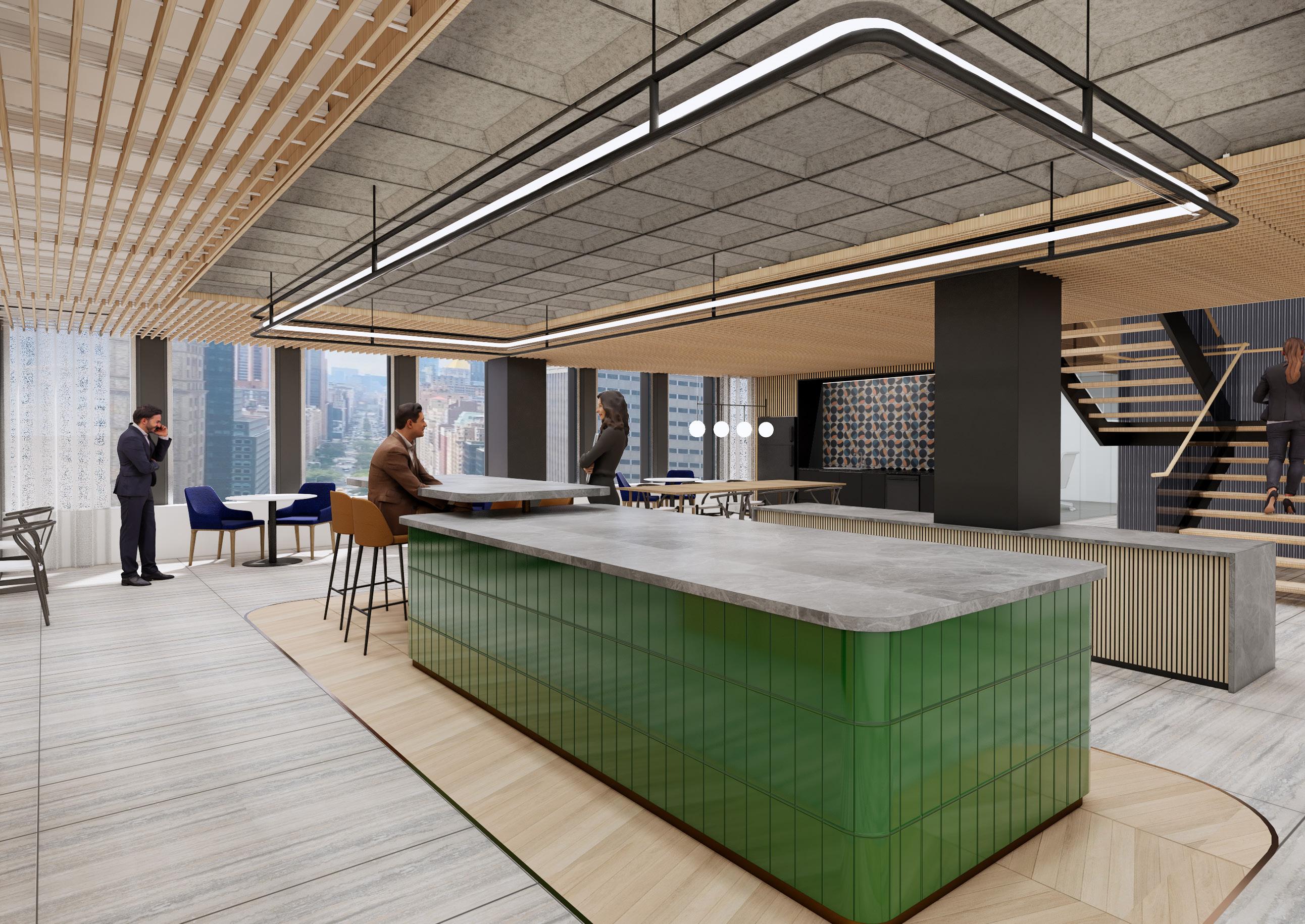
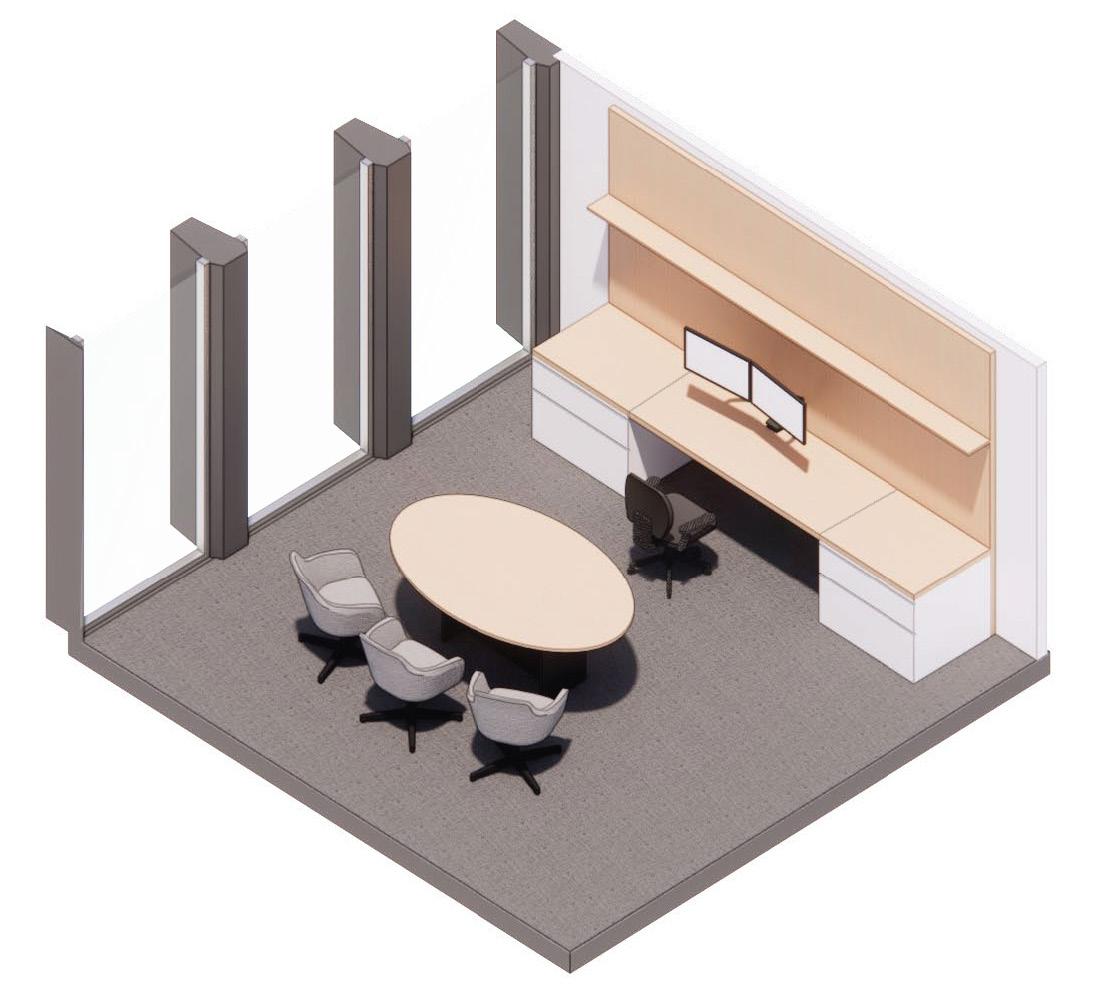
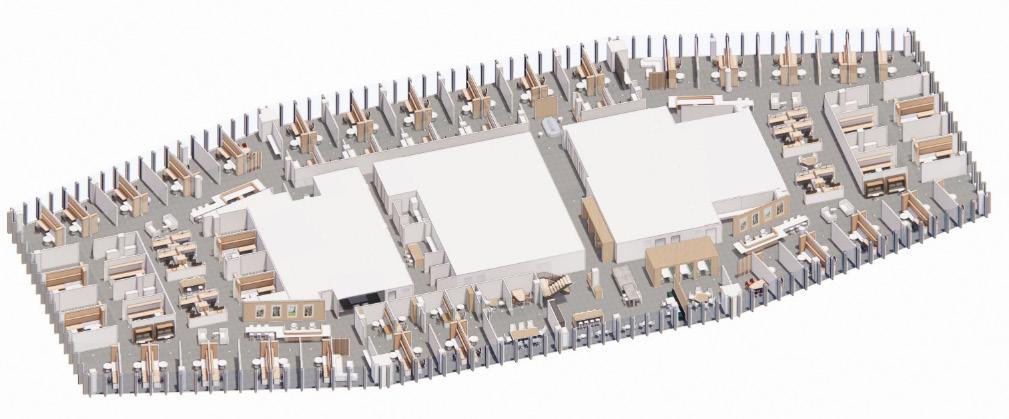
The renovation of Gibson Dunn’s law offices aimed to modernize the workspace and better reflect the firm’s identity and values. As part of this project, I modeled various floor plan options in Revit and produced renderings in Enscape. Through iterative design reviews, I actively analyzed feedback from stakeholders to refine my models, ensuring they closely aligned with the firm’s objectives and vision for the space while addressing their specific needs.
Proposed interior rendering of a collaborative open-space area in the renovation, featuring a green-tiled central island counter designed for meetings
3D perspective of a private office setup, displaying a desk area with seating for collaborative work or client discussions
Isometric floor plan view showcasing the Gibson Dunn office layout, highlighting individual workspaces, meeting rooms, and communal areas
Project Overview:
Project Title: Gibson Dunn Law Office Renovations
Architecture Firm: TPG Architecture
Client: Gibson Dunn
Location: Manhattan, New York
Sector: Commerical Interior
Role: Junior Designer Softwares Utilized:
• Revit `
• AutoCad
• Enscape
• SketchUp
• Photoshop
• Illustrator
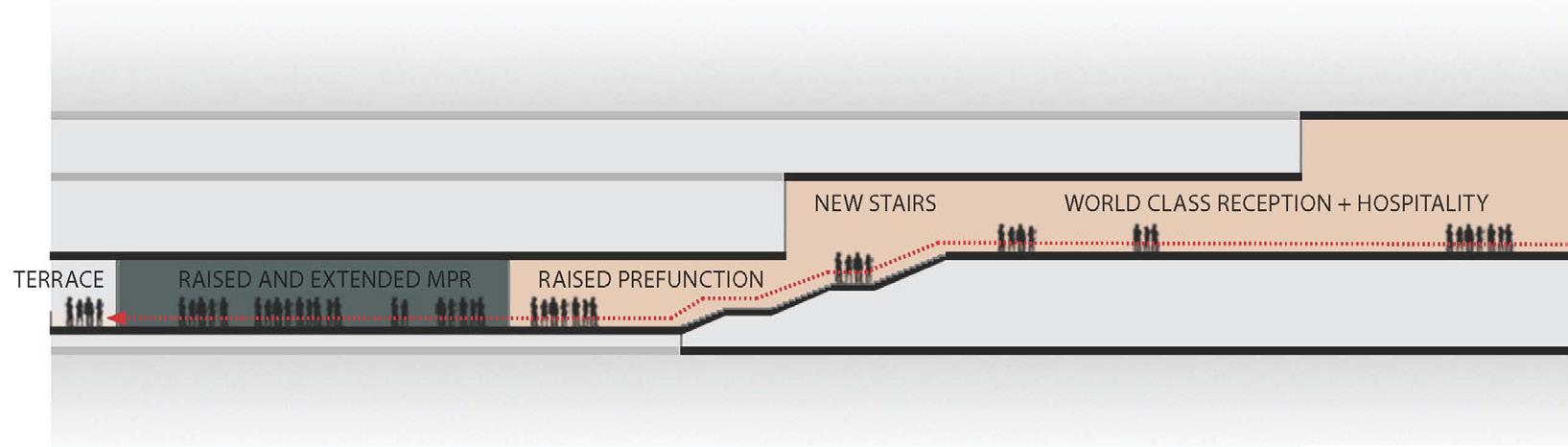
Longitudinal section view, illustrating the spatial arrangement of key areas, including the reception, hospitality zones, and newly added stairs
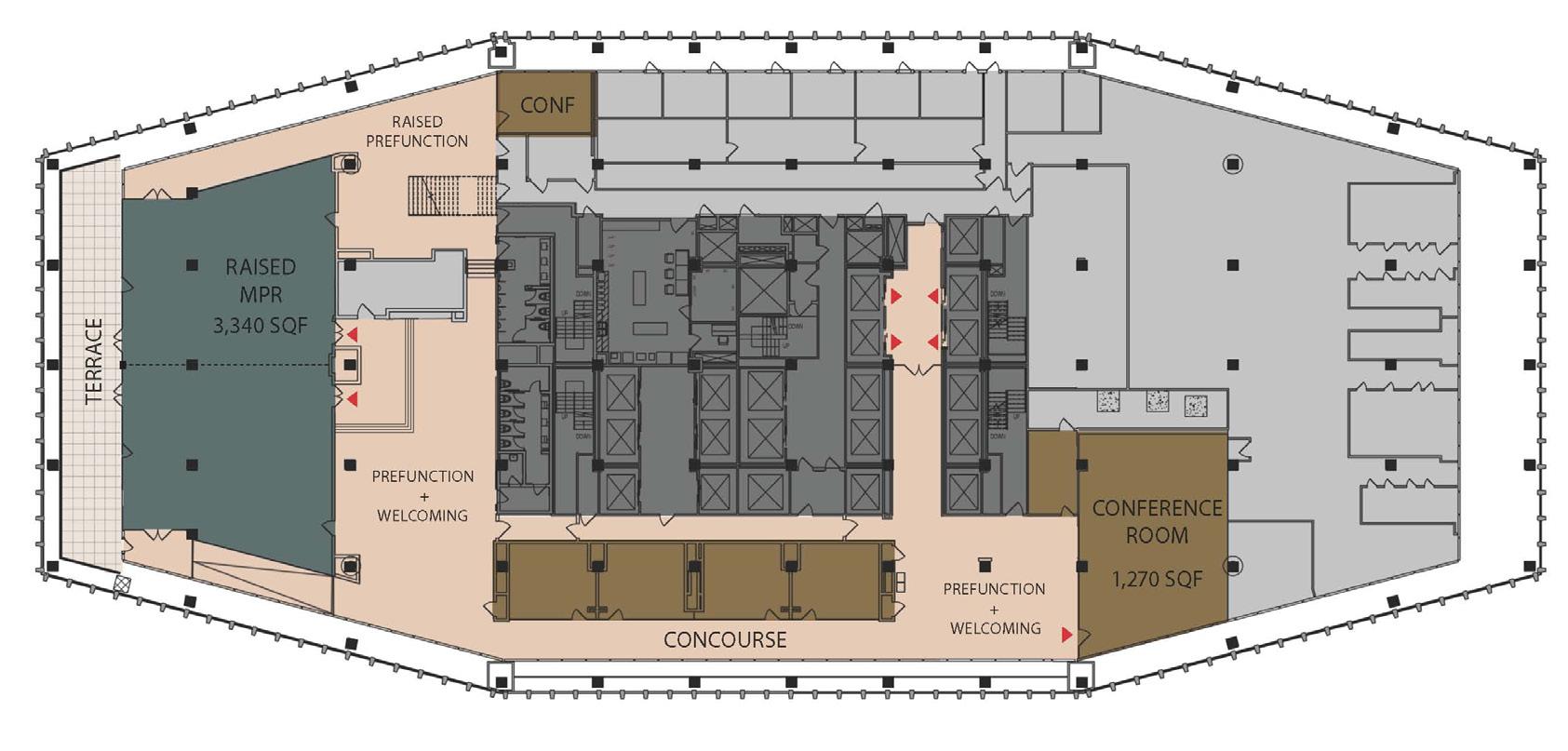
Detailed floor plan, outlining designated areas such as conference rooms and work stations, airmed at improving workflow and accessibility throughout the space
UCSB PERFROMANCE VENUE & LECTURE HALL
Santa Barbara, CA
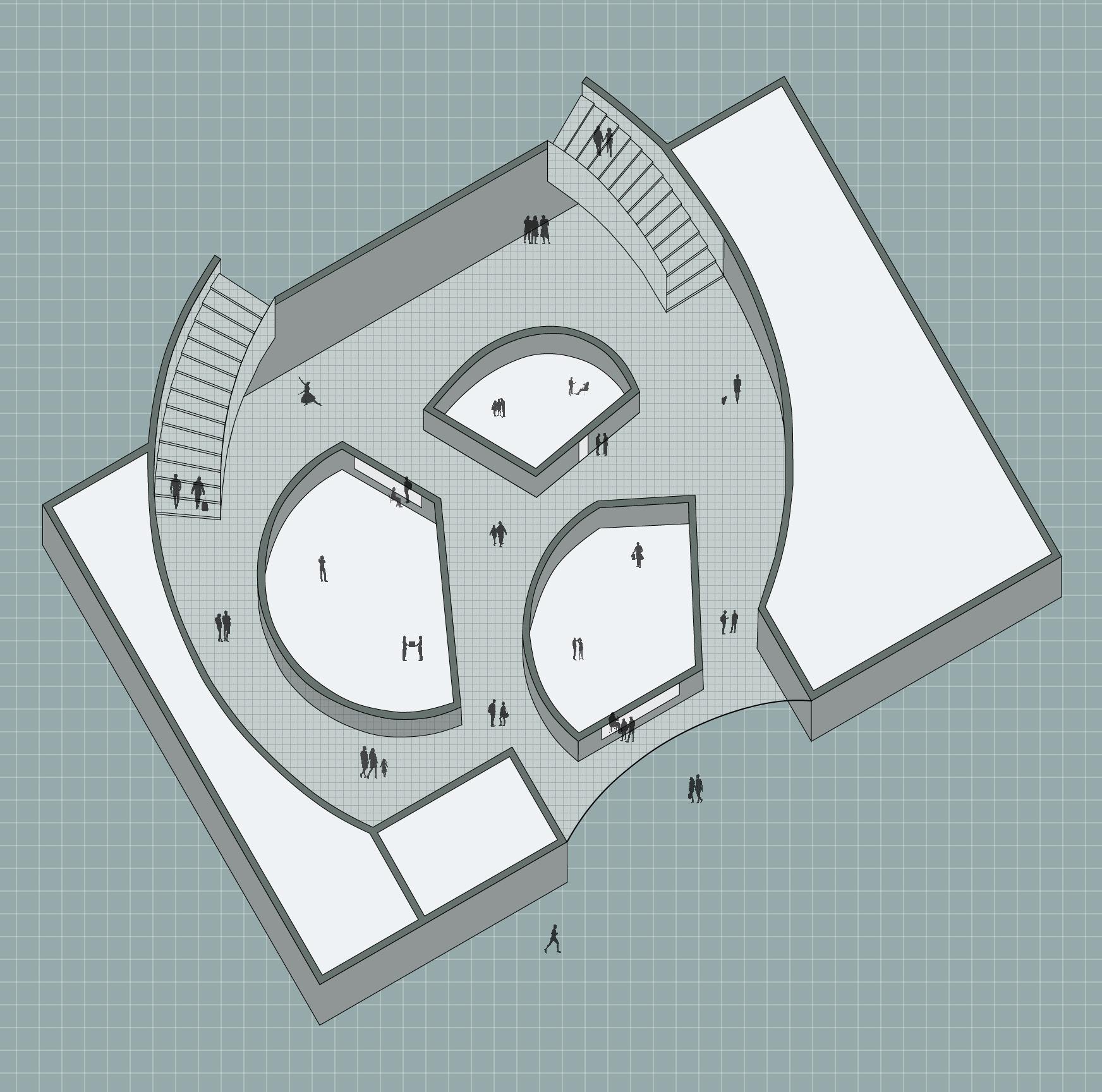
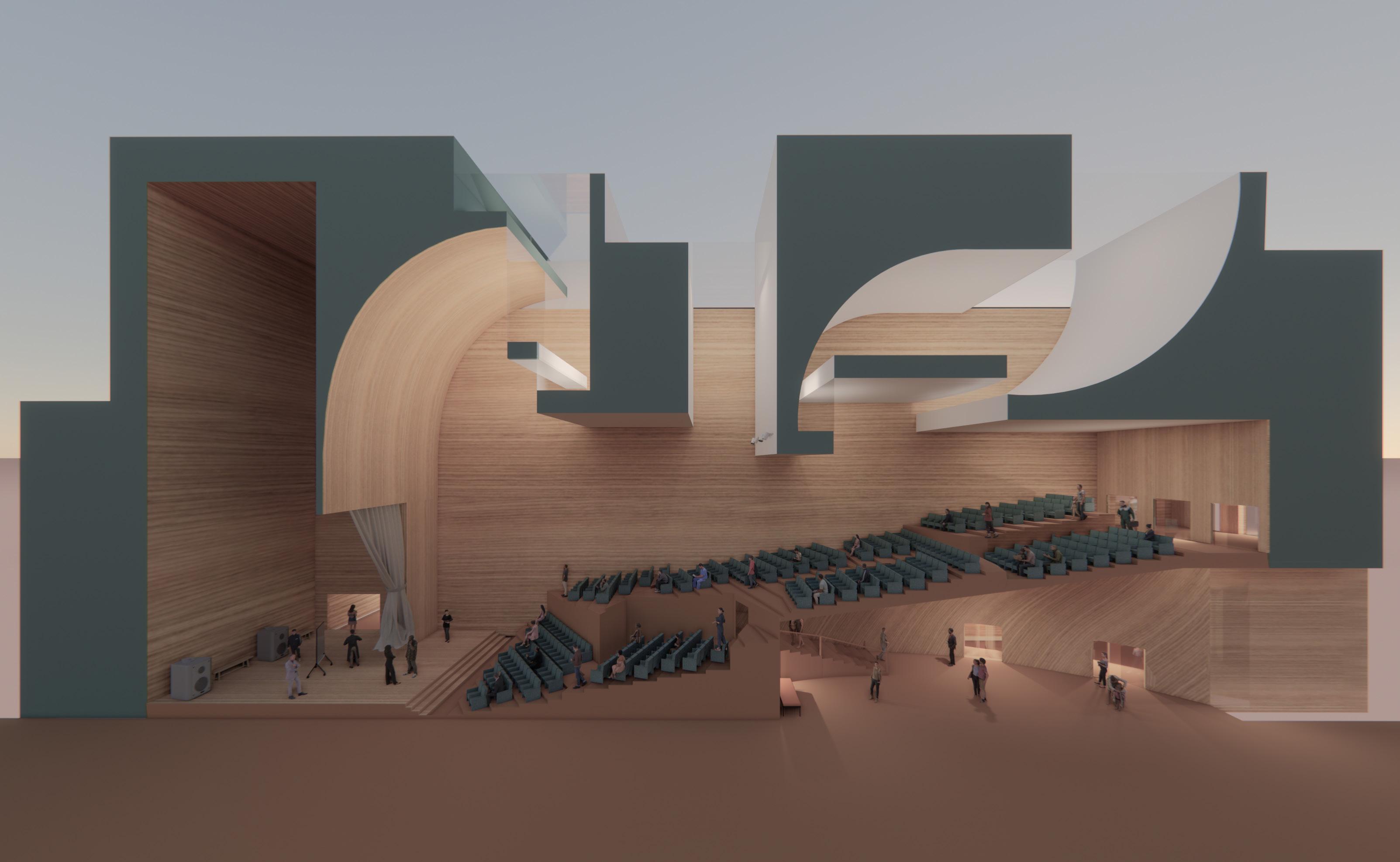
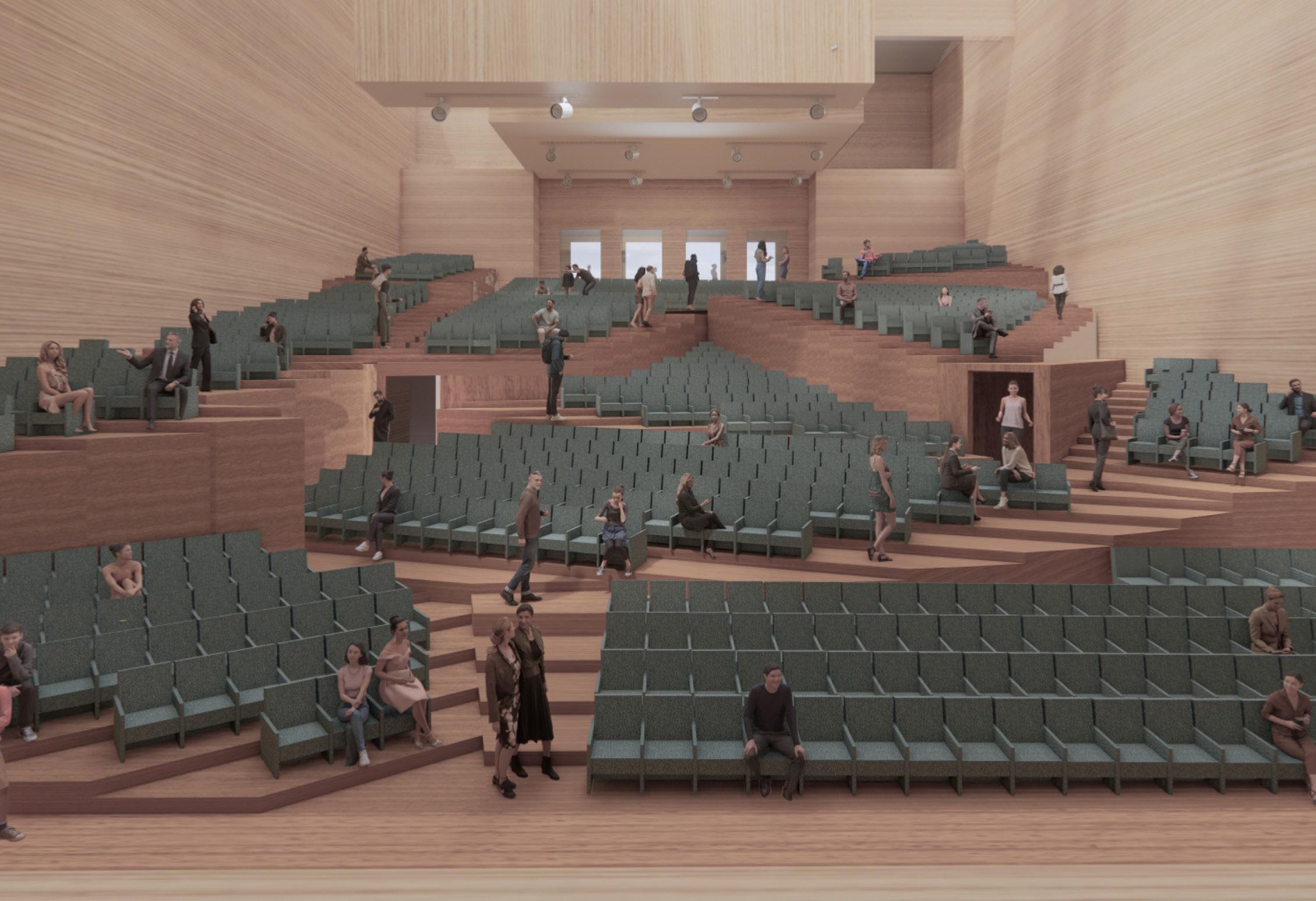
The UCSB Performance Venue emphasizes natural daylight and a welcoming atmosphere for diverse performances and lectures. In this studio project, I focused on user flow and aligning the design with the university’s identity. My layout incorporated curves in seating and circulation paths, evoking a city-like vibrancy and encouraging interaction. This approach fostered community and curiosity by breaking from traditional linear movement. I explored materials and finishes to enhance aesthetics and acoustics, creating an optimal environment for both audiences and performers. This project strengthened my skills in designing dynamic, community-centered spaces that inspire engagement and creativity.
Dissected circulation diagram, illustrating pathways for audience movement and access points within the space
Cross-section perspective view of the performance venue, showcasing the seating arrangement and curved ceiling design
Project Overview:
Project Title: UCSB
Performance Venue & Lecture Hall
Course: Architectural Design IV
Semester: Spring 2023
Instructor: Ryan Keern
Site Location: Santa Barbara, CA
Softwares Utilized:
• Rhino
• Enscape
• Photoshop
• Illustrator
Interior render view of the performance hall, featuring tiered seating, natural lighting, and wood finishes to create a warm atmosphere
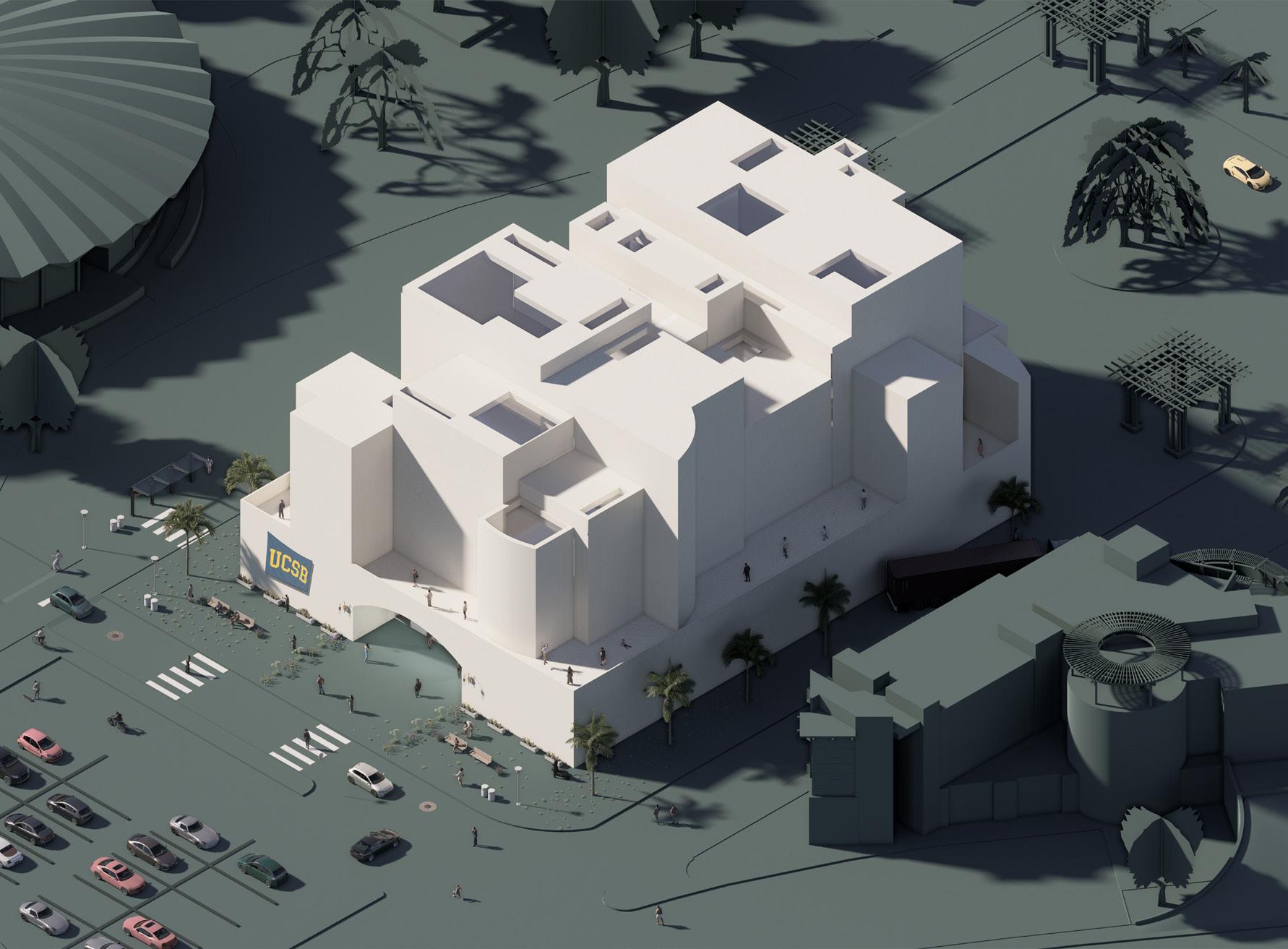
Ariel model view showcasing the venue’s placement on campus
MISSION DISTRICT ART INCUBATOR
San Francisco, CA
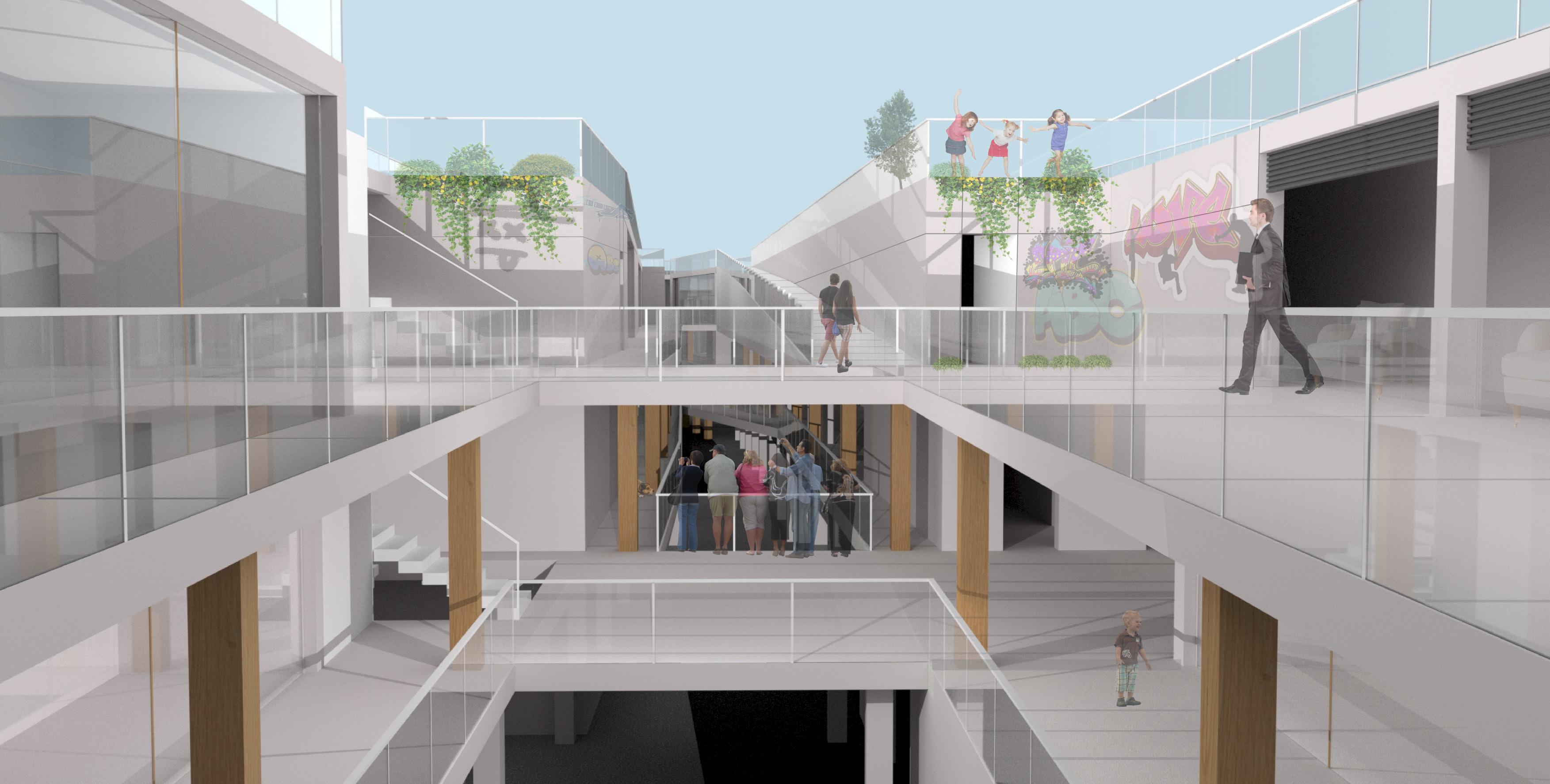
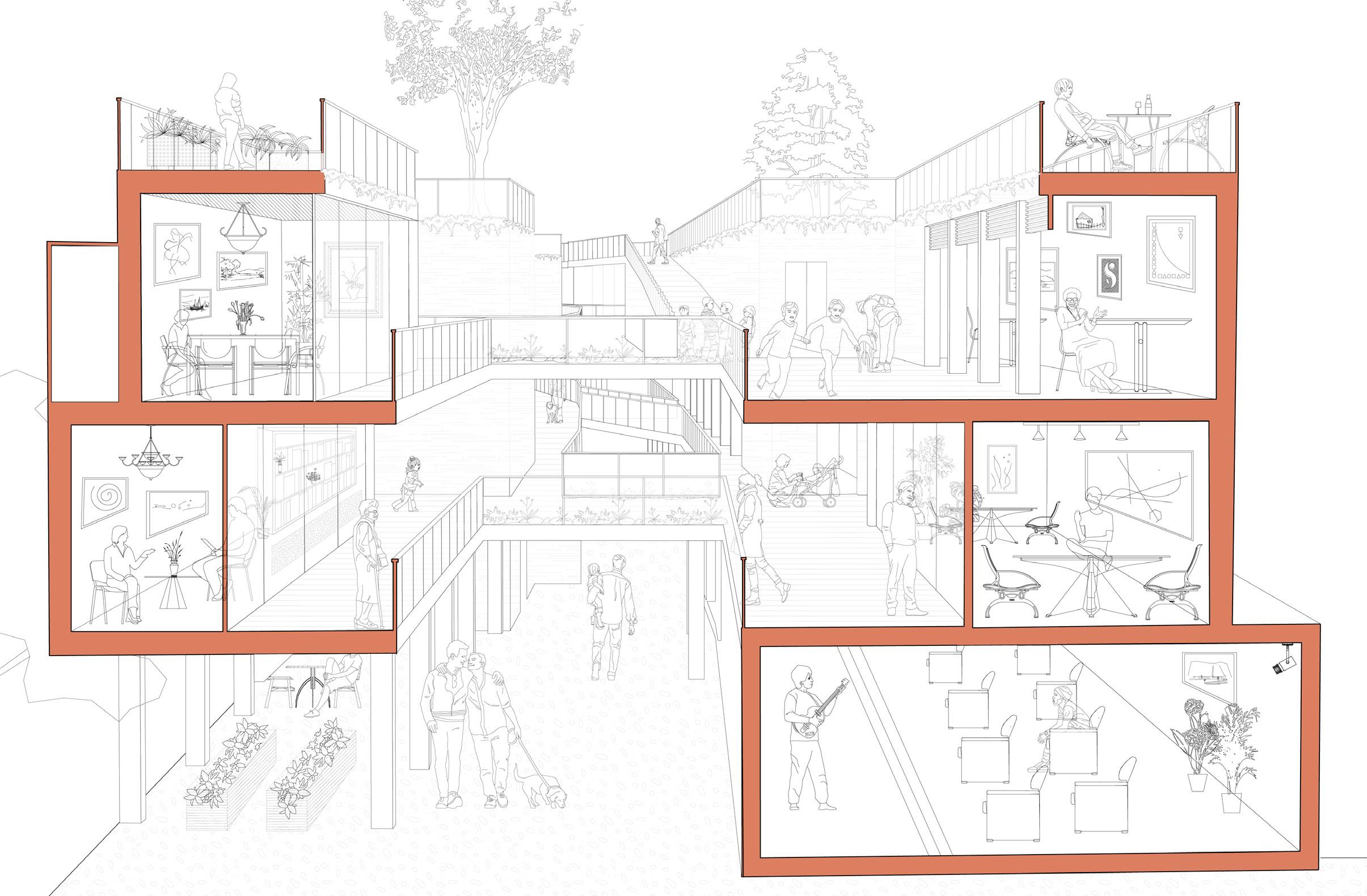
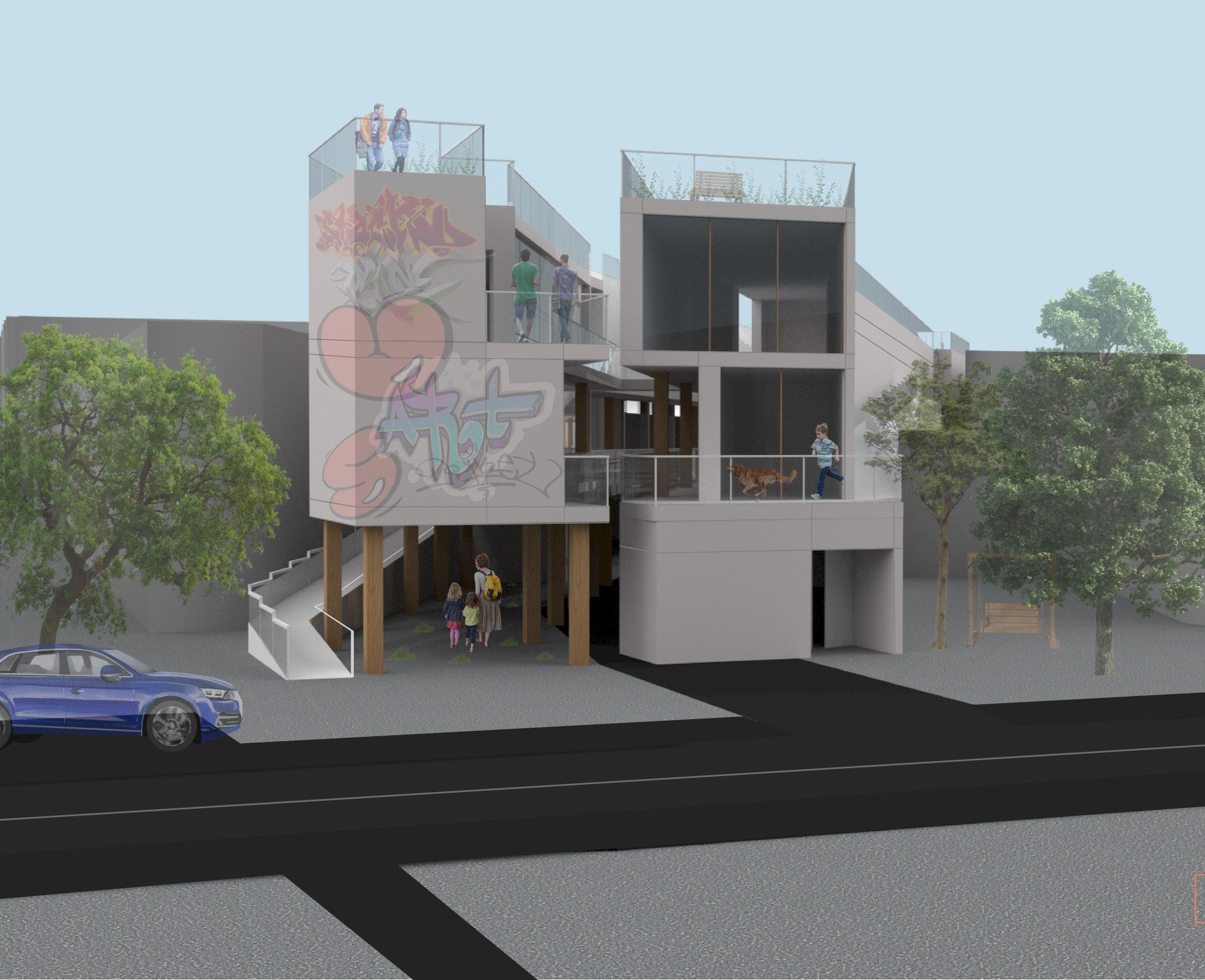
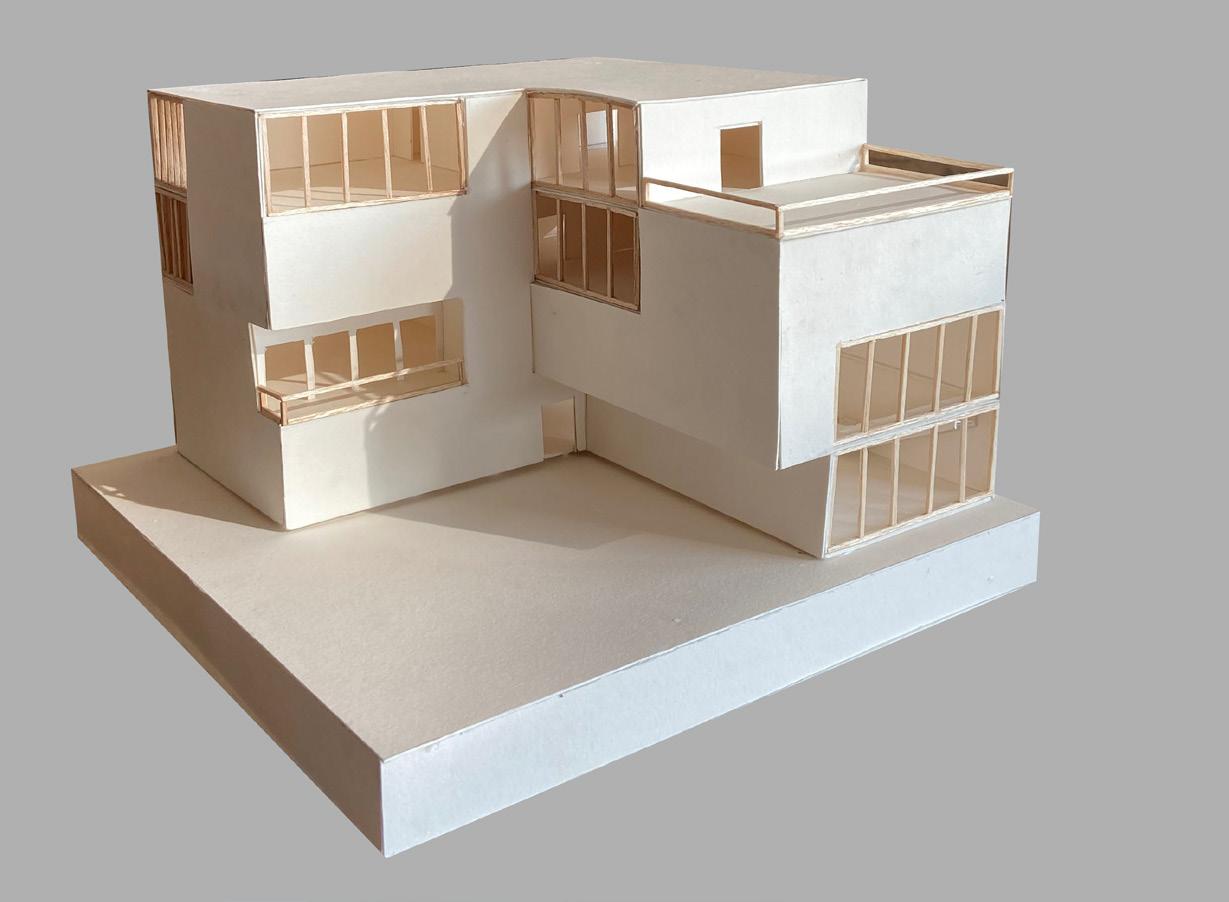
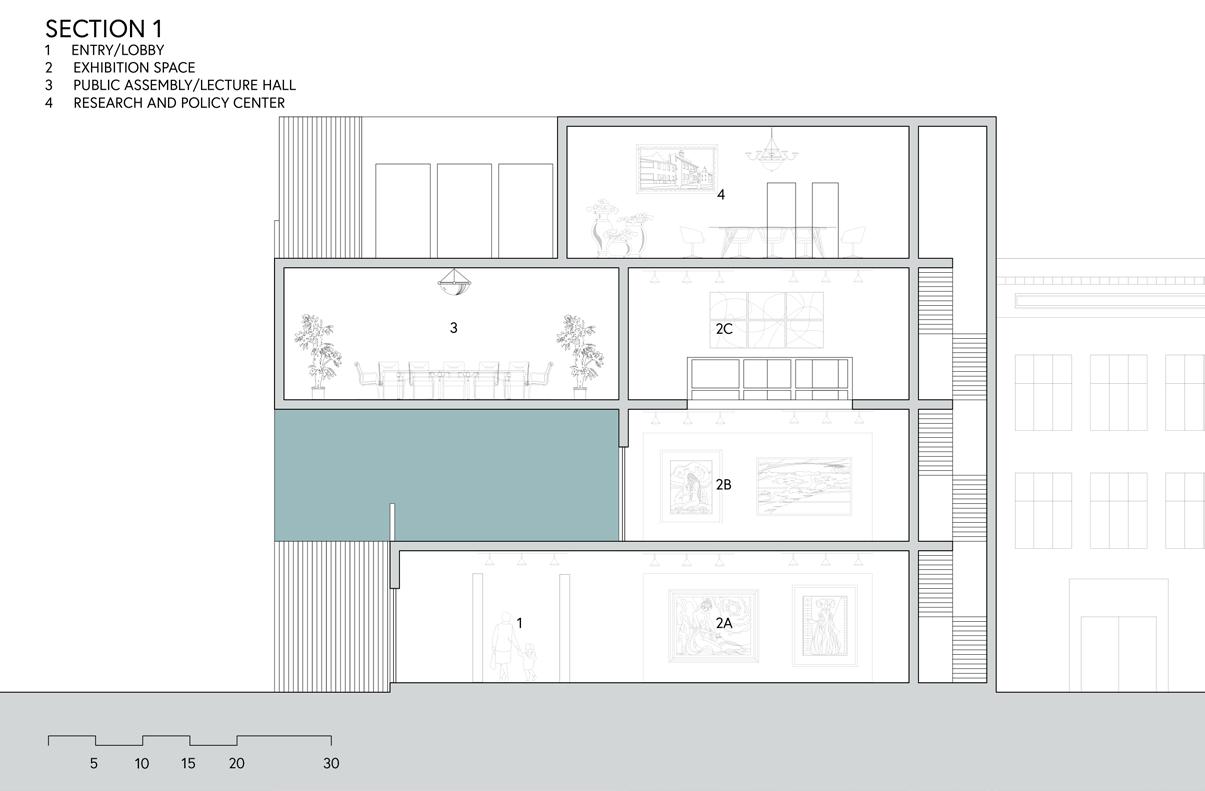
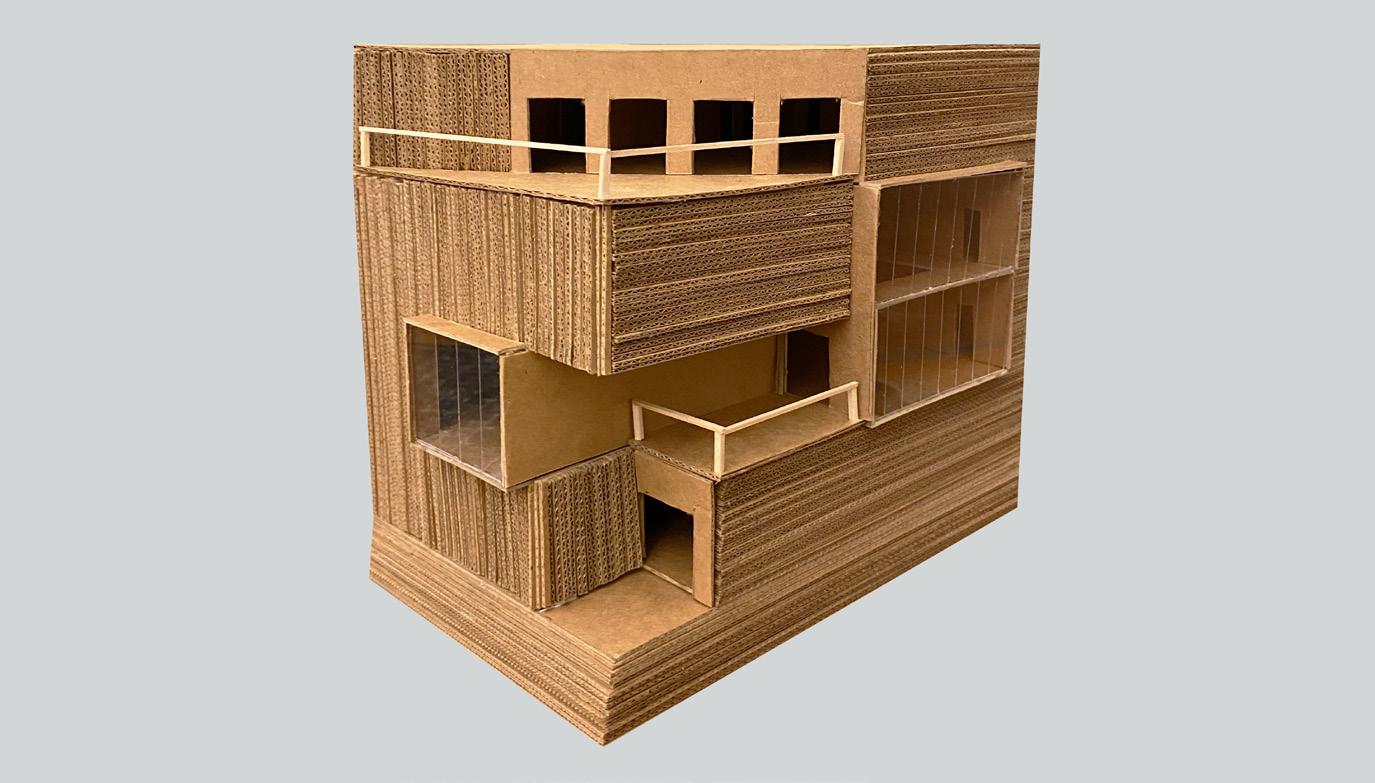
The Mission District Art Incubator project focused on creating a collaborative, community-driven space in the heart of the Mission District. This initiative aimed to provide vital resources and support for artists, addressing the rising cost of living in the Bay Area and the challenges faced by the creative community. My goal for the project was to design a museum space that reflects and integrates with the dynamic character of the Mission District. By exploring concepts of collaging and randomness in design, I embraced impermanence, resulting in a building that blends into the surrounding urban fabric. The design subtly integrates with the skyline, fostering interaction with the neighborhood. This approach speaks to the area’s adaptive nature, ensuring the building remains a flexible space that evolves with its community. The project ultimately showcases my ability to balance architectural expression with community-focused design.
Render of central atrium. Serves as the heart of the incubator, connecting multiple levels and promoting interaction among the artists and the community
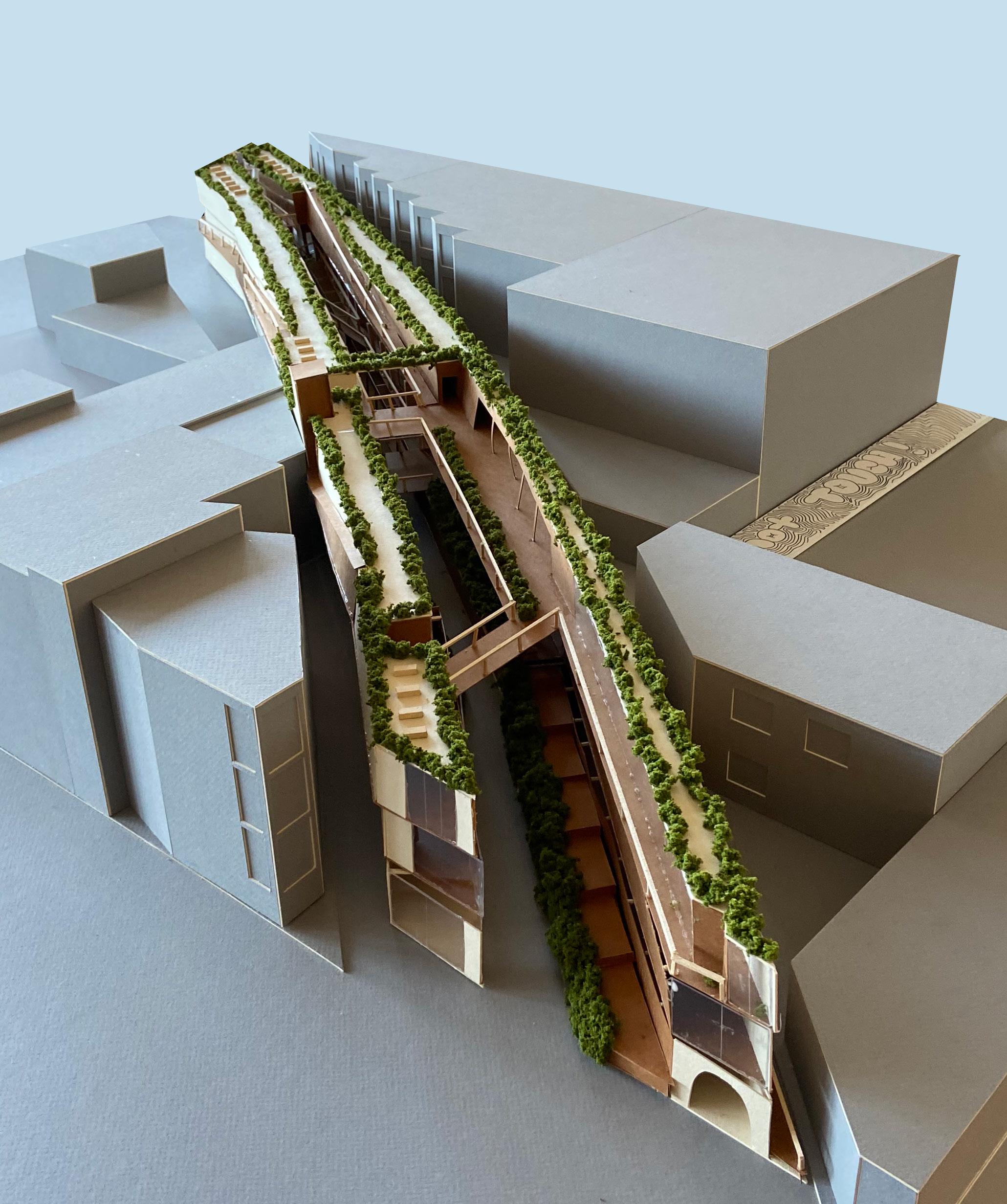
Physical model capturing the dynamic architectural forms and the green roof
Section cut through, highlighting the layered and interconnected public and private spaces designed to foster collaboration
Project Overiew:
Project Title: Mission District Art Incubator
Course: Architectural Design III
Semester: Fall 2022
Instructor: Nastaran Mousavi
Site Location: San Francisco, CA
Softwares Utilized:
• Rhino
• Enscape
• Photoshop
• Illustrator
Rendes illustrating the incubator’s street level presence and its integration into the vibrant Mission District
COMMUNITY CENTER
Oakland, CA
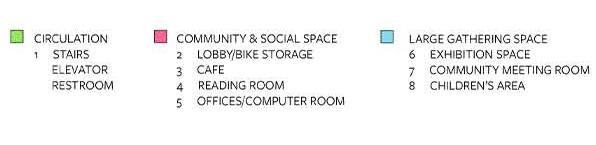
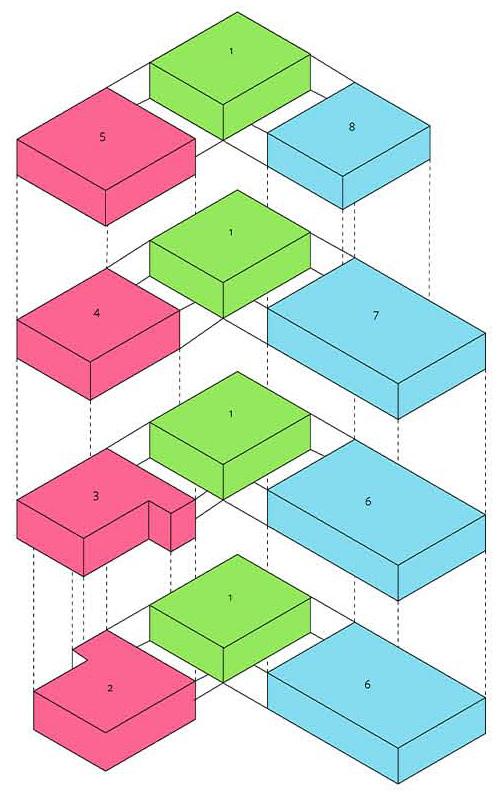
The Oakland Museum project was my first exploration into museum design, combining the challenge of creating a museum with the goal of designing an accessible community center. My approach involved a deep site and program analysis and exploring what it means to merge different functions within a cultural space. I aimed to expand the museum’s art-focused program to include community meeting spaces and a library, transforming it into a vibrant community hub. The design promotes inclusivity, inviting diverse groups of people to feel connected to the space beyond its function as a museum.
Exploded axonometric diagram of the building, illustrating its structure and spatial configuration
Project Overiew
Project Title: Oakland Community Center Course: Fundementals of Architectural Design
Semester: Fall 2021
Instructor: Jasmit Rangr
Site Location: Oakland, CA
Softwares Utilized:
• Rhino
• Enscape
• Photoshop
• Illustrator
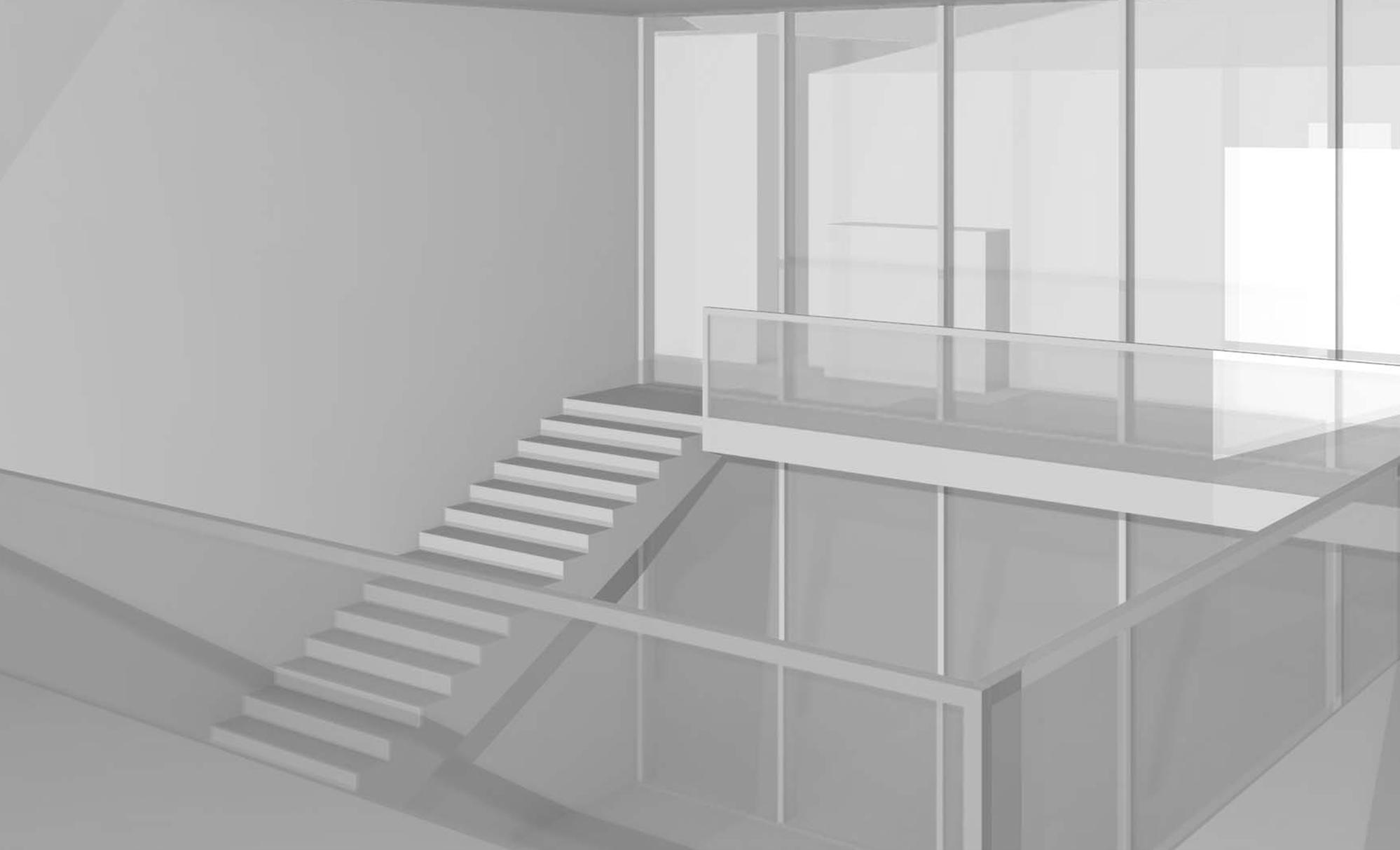
Interior render of the double-height space illustrating natural light and spatial organization
THE URBAN INSTITUTE
Santa Barbara, CA
The Urban Institute project envisions a collaborative hub for architecture and urban design. In this project, I focused on integrating diverse programmatic elements into a cohesive and harmonious design. My goal was to ensure each space supported interaction, engagement, and a strong sense of community. I coordinated these functions to create a unified environment that promotes collaboration and innovation, reflecting my approach to thoughtful and intentional design.
Project Overiew
Project Title: The Urban Institute Course: Fundementals of Architectural Design
Semester: Fall 2021
Instructor: Keith Plymale
Site Location: Oakland, CA
Softwares Utilized:
• Rhino
• Enscape
• Photoshop
• Illustrator
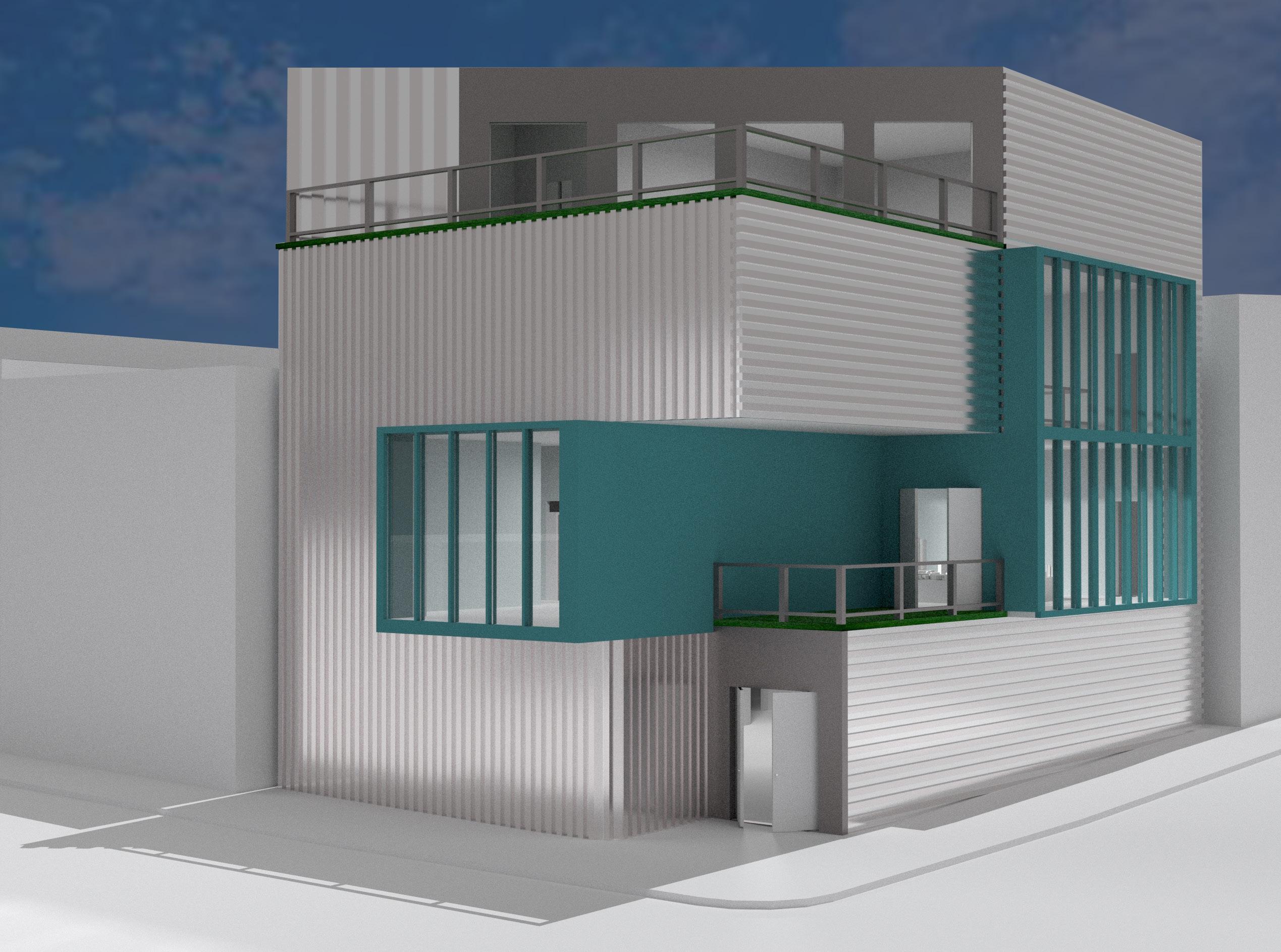
Exterior corner render showing the building’s facade
Physical model of the building displaying overall form and massing
Longitudinal section illustrating the interior spatial layout and structural elements
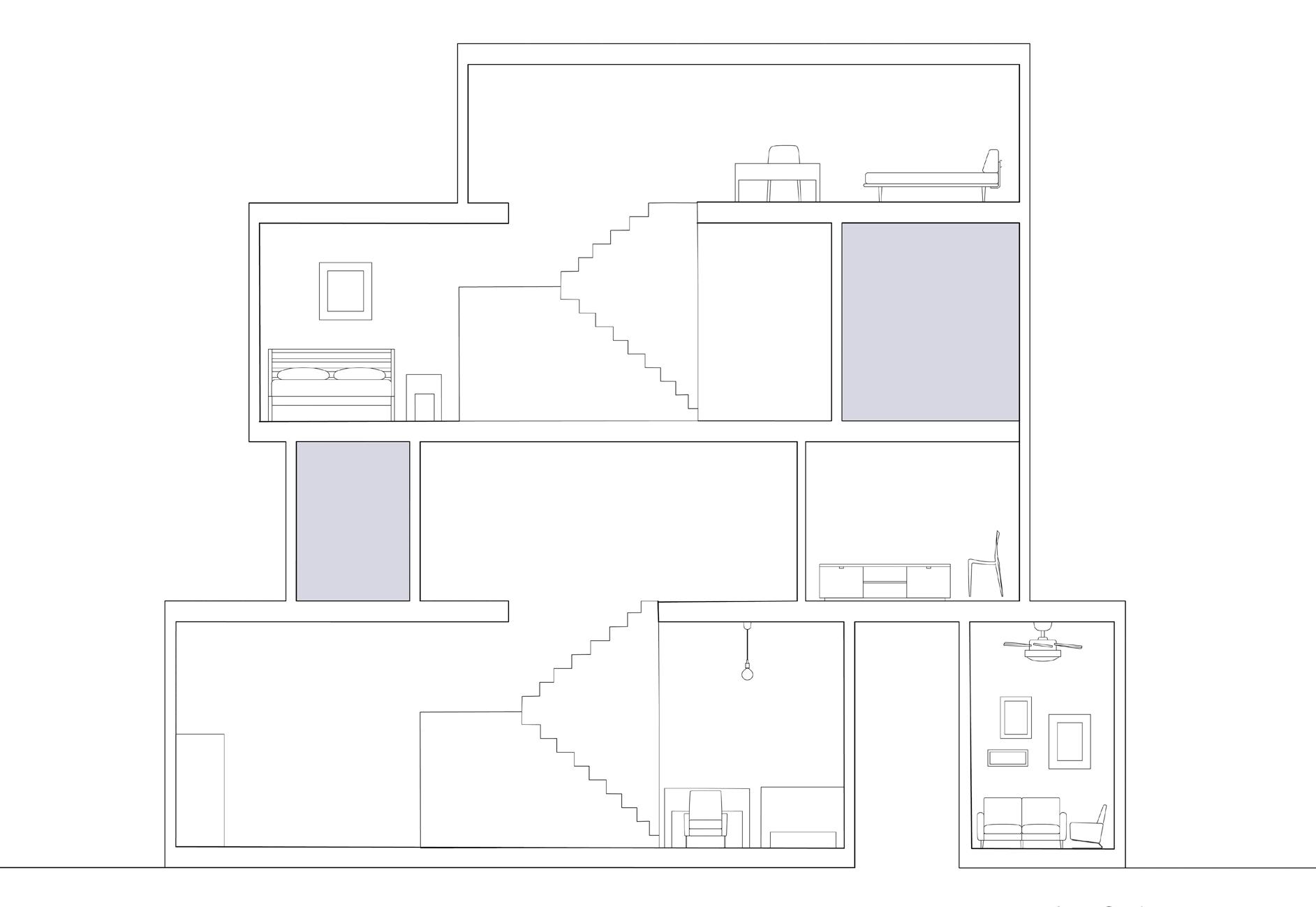
Longitudinal section cut illustrating the layout each unit
Project Overview: Course: Introduction to Design Semester: Spring 2021
Instructor: Rudabeh
Pakravan
Softwares Utilized:
• Rhino
• Photoshop
• Illustrator
TWO FAMILY DUPLEX
Los Angeles, CA
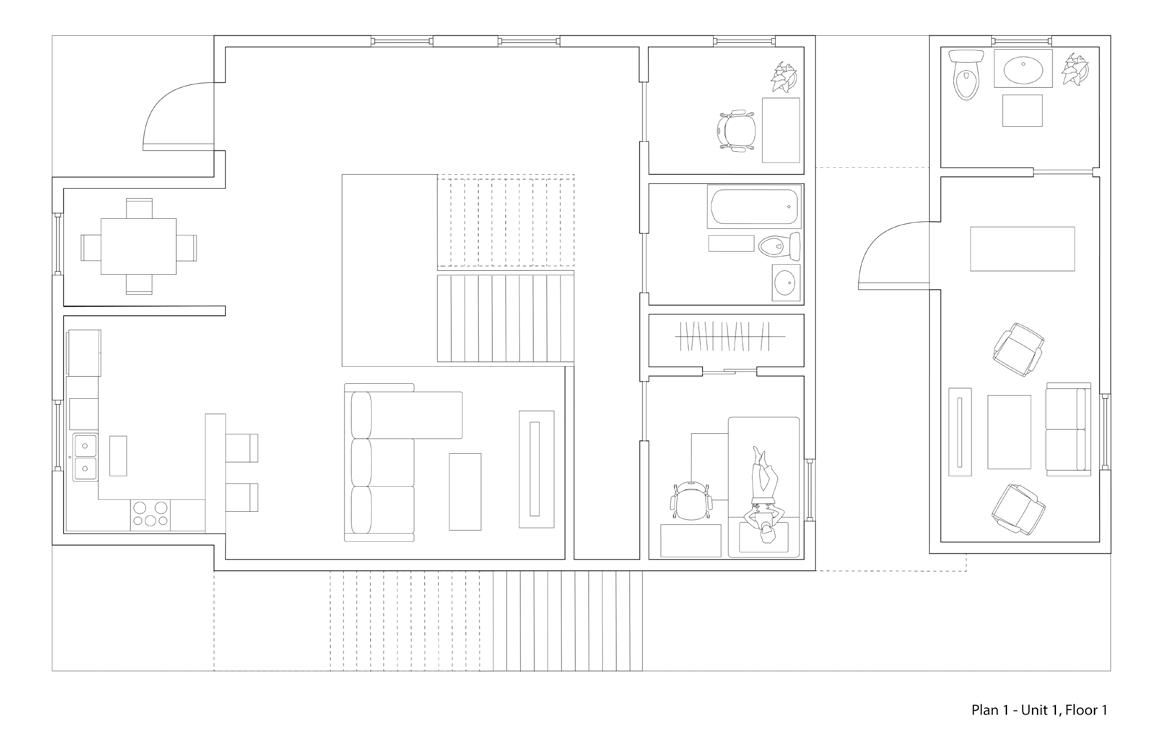
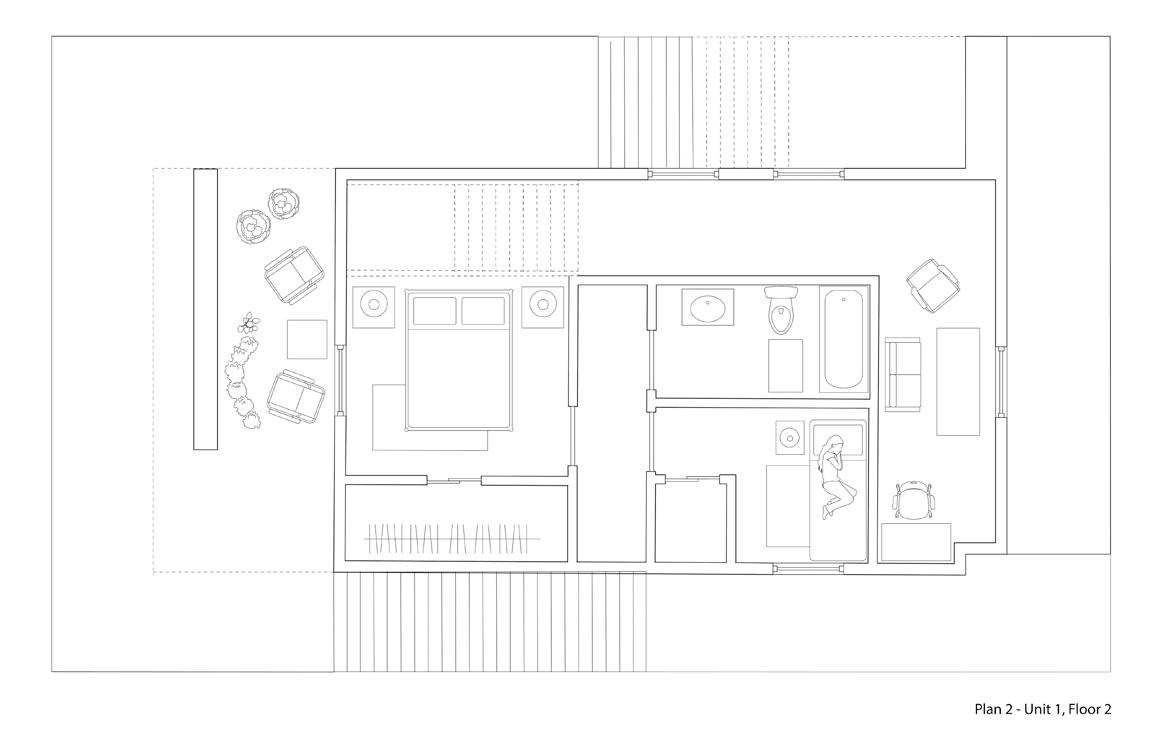
The project entailed designing a duplex to cater to the distinct needs of two separate families: Unit 1 for a young couple with two young children, and Unit 2 for a couple and an elderly relative. This studio course marked my initial experience in creating a space within specified space and program requirements. entral to my design approach was the emphasis on establishing an exte- rior circulation system that would enable each family to navigate the duplex without encroaching on each other’s privacy. This thoughtful consideration aimed to ensure a harmonious coexistence while preserving personal space.
Floor plans of the duplex, showing layouts for each unit
ORTHOGRAPHIC DRAWINGS
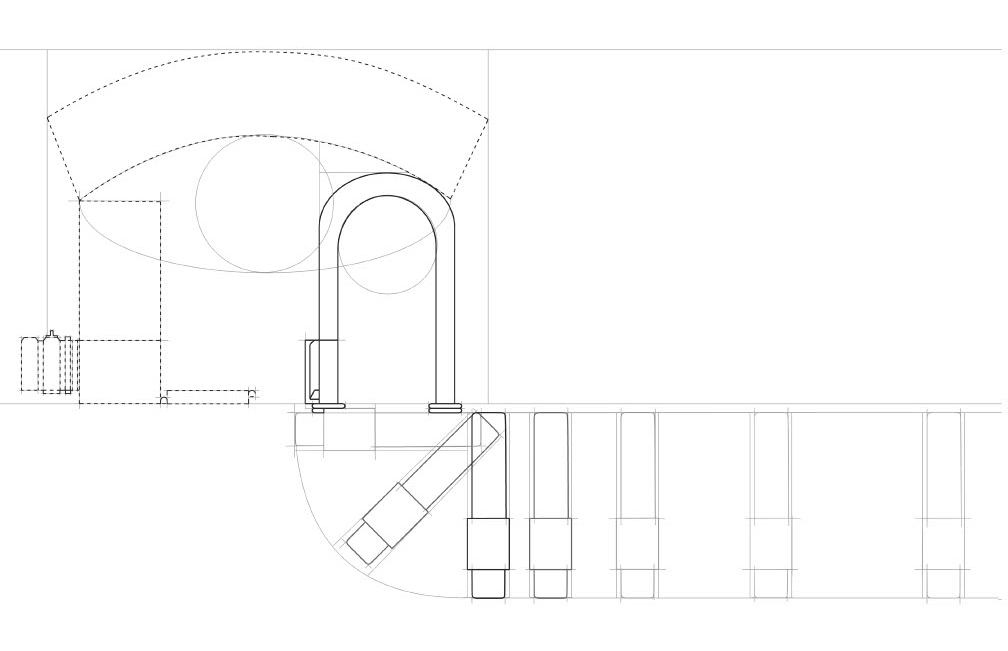
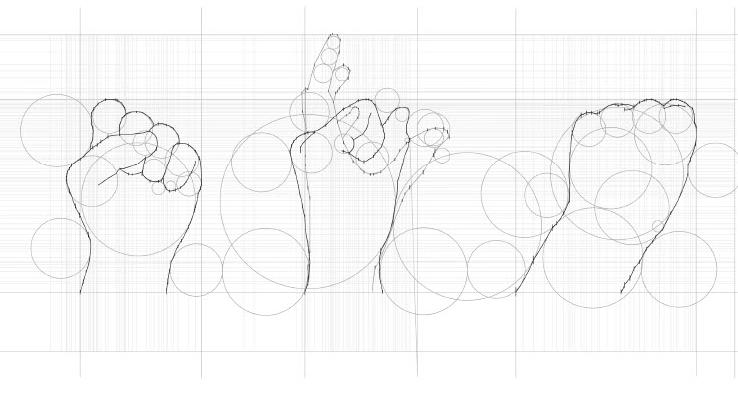
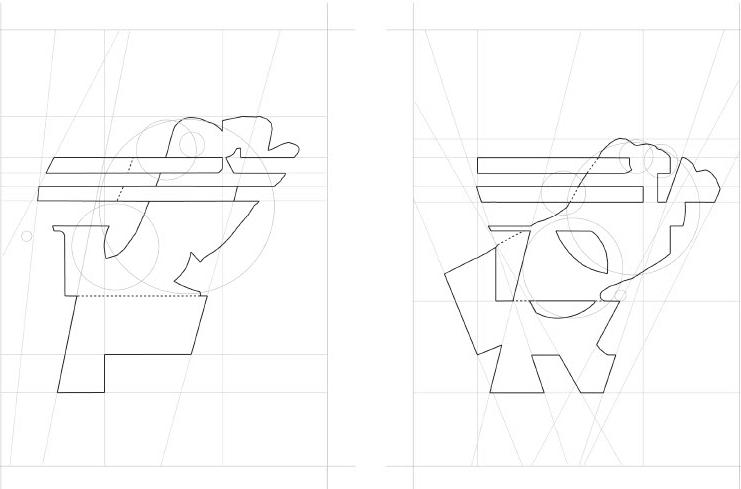
The Orthographic Drawings project served as a foundational exercise in architectural representation. I focused on mastering orthographic representation techniques to accurately convey spatial relationships and design intent. My work involved analyzing spatial hierarchies and developing skills in architectural visualization. This project enhanced my understanding of how to effectively communicate design ideas through clear and precise drawings, establishing a strong foundation for future architectural work.
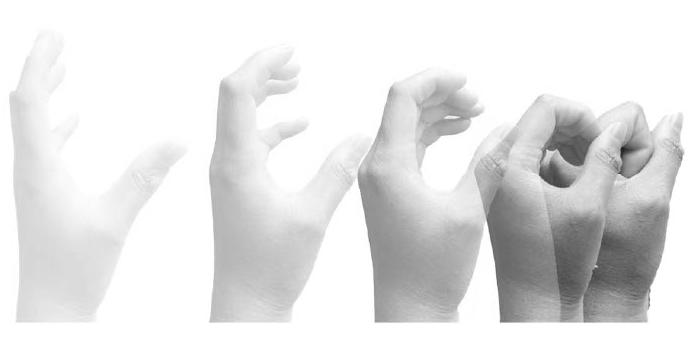
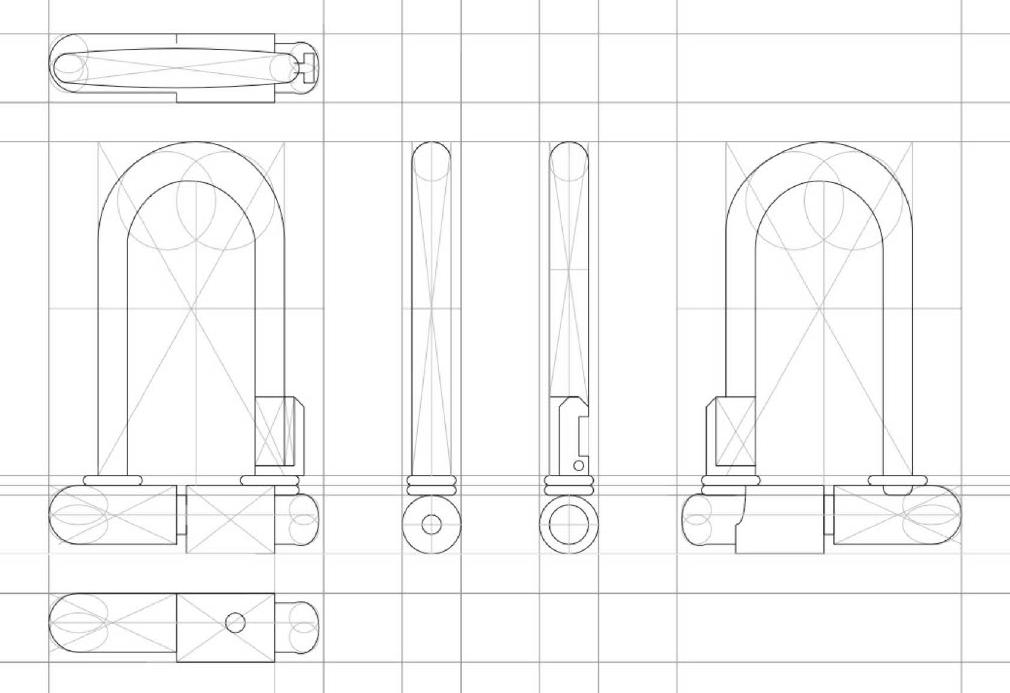
(Above) A project that involved surveying a mechanical item (bike lock), resulting an orthographic action drawing that depict the mechanisms and processes involved in its operation (Below) A comprehensive project that involved surveying a selected body part and translating that data into three orthographic elevation views, revealing both its apparent and hidden geometries
Project Overview:
Course: Introduction to Visualization & Architectural Representation
Semester: Fall 2020
Instructor: Maria Paz Gutierrez Softwares Utilized:
• Rhino
• Photoshop
• Illustrator
Orthographic studies depicting the hand in conjunction with the bottom of a staircase, illustrating five phases of movement captured from profile and frontal views
Orthographic studies of hand movement captured in image. Developed technical drawing skills in capturing complex forms from multiple perspectives and lens
This drawing showcases a design study that explores the t ransformation of two-dimensional spatial conditions into three-dimensional space through the use of folding techniques, focusing on the interplay between voids and solids in creating complex geometries and surfaces
CANTILIVERED STRUCTURE
Course Overview:
Course: Introduction to Structures
Semester: Spring 2023
Instructor: Andrew Rastetter
Skills Developed: Structural analysis, model construction, load-bearing and weight distribution testing, material behavior analysis
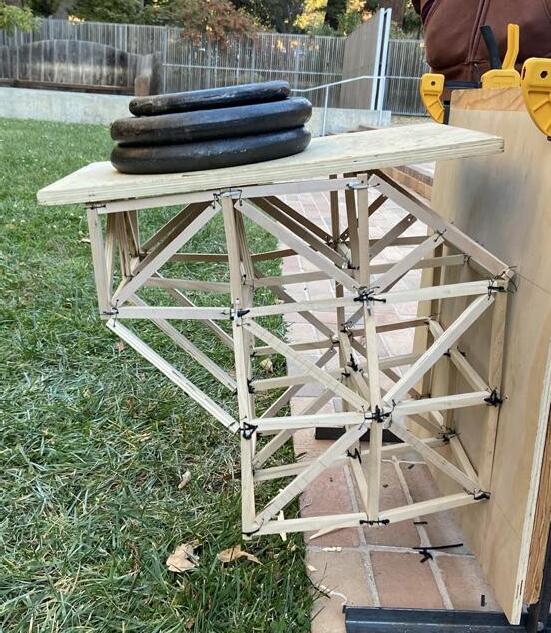
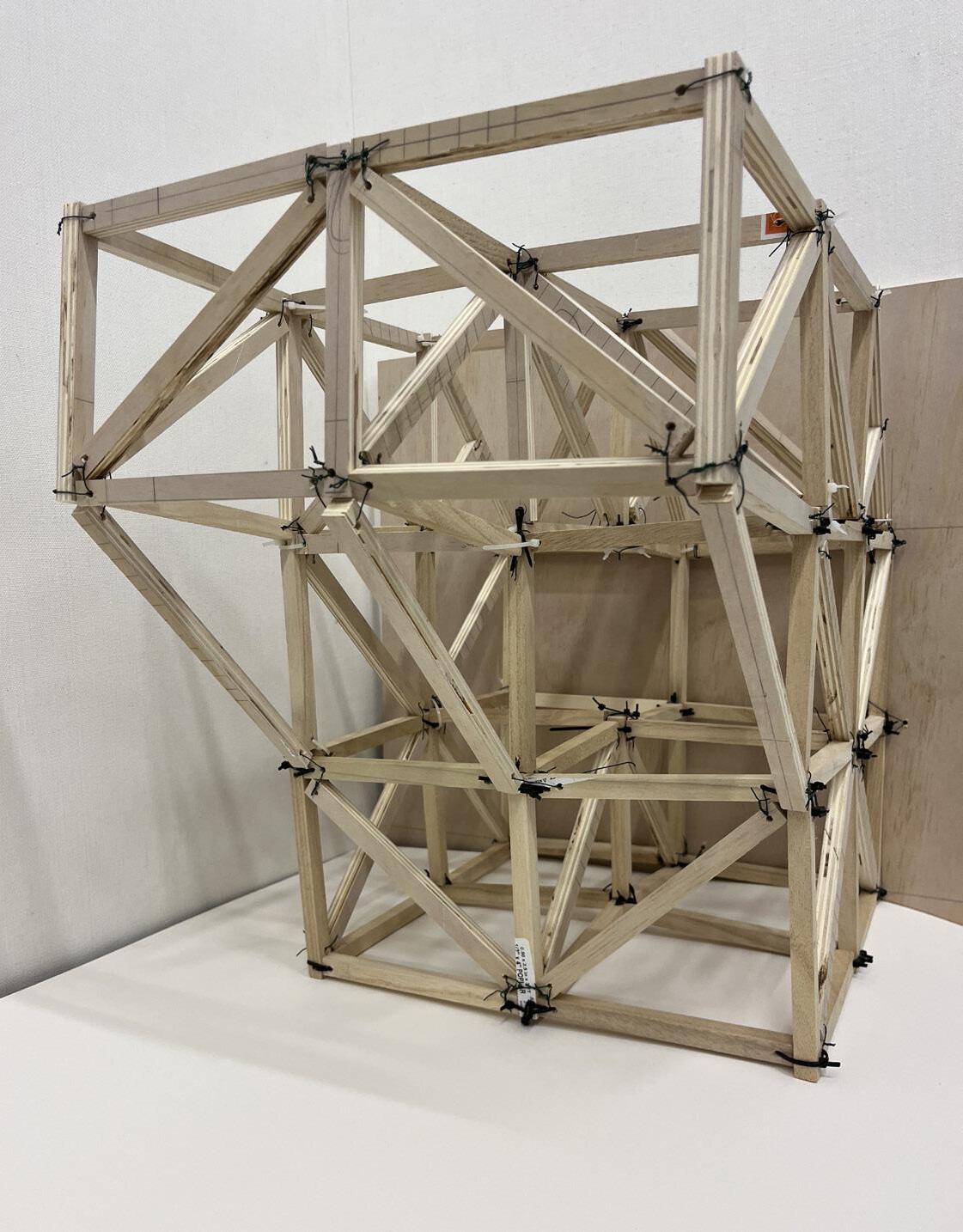
This project involved designing a conceptual cantilevered camping structure, with the primary focus on creating a form that could withstand weight and balance tests. The model, built at a 1½” = 1’ scale, was constructed using wooden sticks to simulate the structural components. Program requirements included space for a sleeping area, storage, and an observation deck. Through digital and physical modeling, I tested the design’s ability to support weight while maintaining stability, honing my understanding of structural behavior.
WOODEN HALL ORGANIZER
Project Overview:
Course: Introduction to Construction
Semester: Spring 2022
Instructor: Dana Buntrock
Skills Developed: Joint construction, material selection, structural integrity assessment
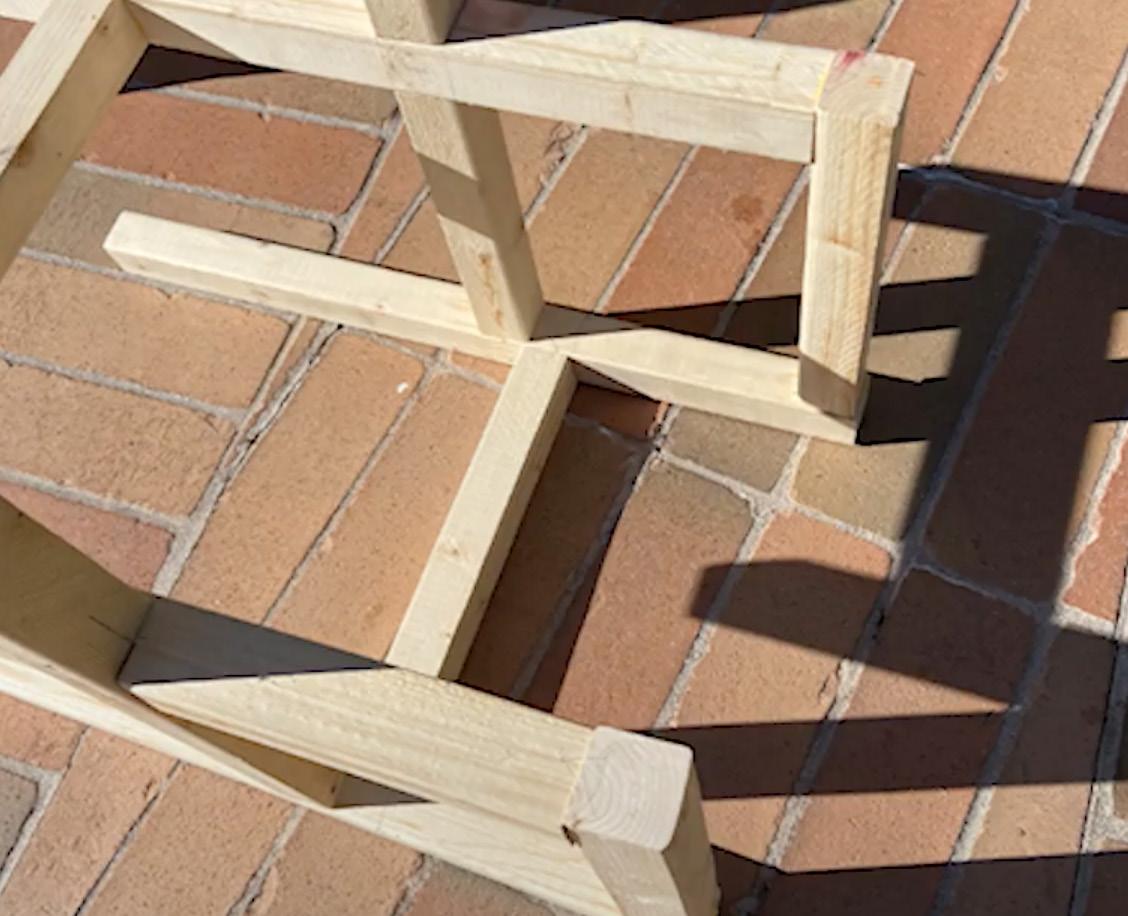
The project involved designing a freestanding structure to function as an entrance hall organizer, providing space for at least one coat, a bag, and a text book. Collaborating with my partner, we developed a detailed digital model using Rhino software. The construction utilized dowel joints and half-lap joints for optimal strength and efficiency. This process enhanced my skills in woodworking techniques and taught me how to create connections in wooden structures.