Table of Contents
In the Design Studio
Mission District Art Incubator
UCSB Performance/Lecture Hall
The Urban Institute
Oakland Community Center
Two Family Duplex
Orthographic Drawings
Other Schoolwork
Cantilivered Camping Structure
Wooden Hall Organizer
Design Proposal: Walk/Bikeable Streets
A Greener City: Graphic Storyboard PSA
Professional Work
Architectural Designer
Gelfand Partner Architects
Multimedia Associate
Othering and Belonging Institute
Berkeley Law School
UC Berkeley College of L&S
Personal Work
YouTube and Blog
Hand Drafting Sketches
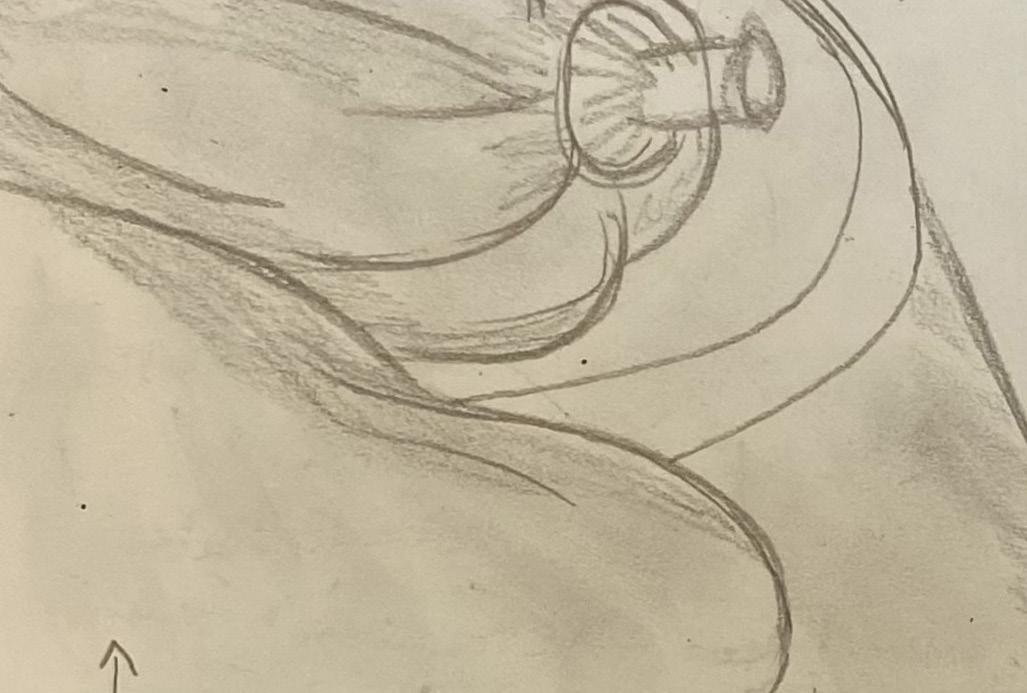
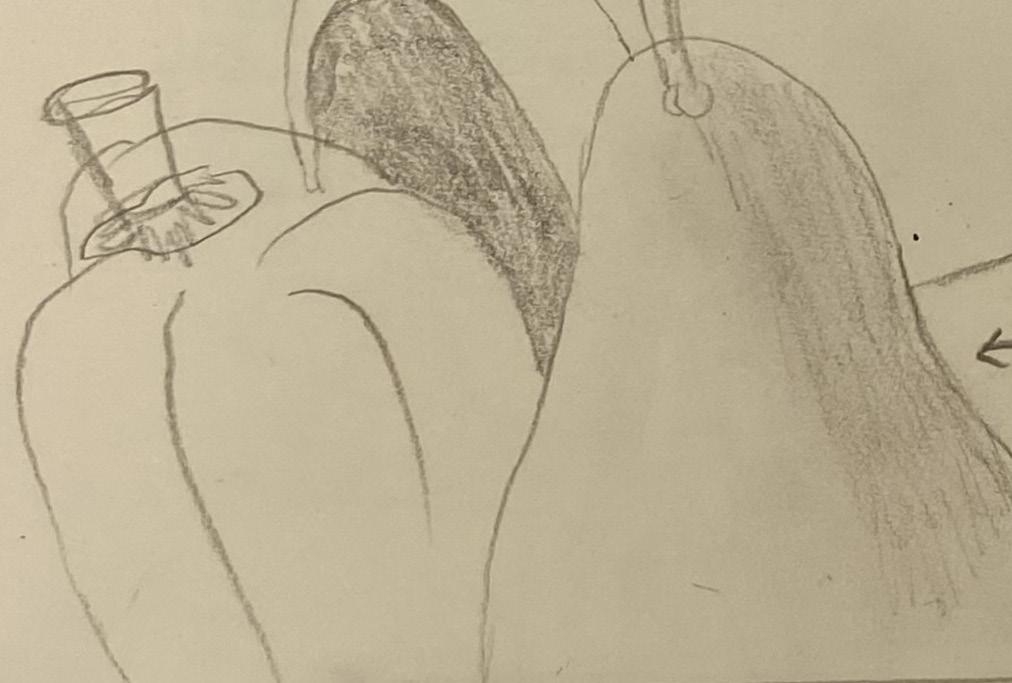
Object Sketches
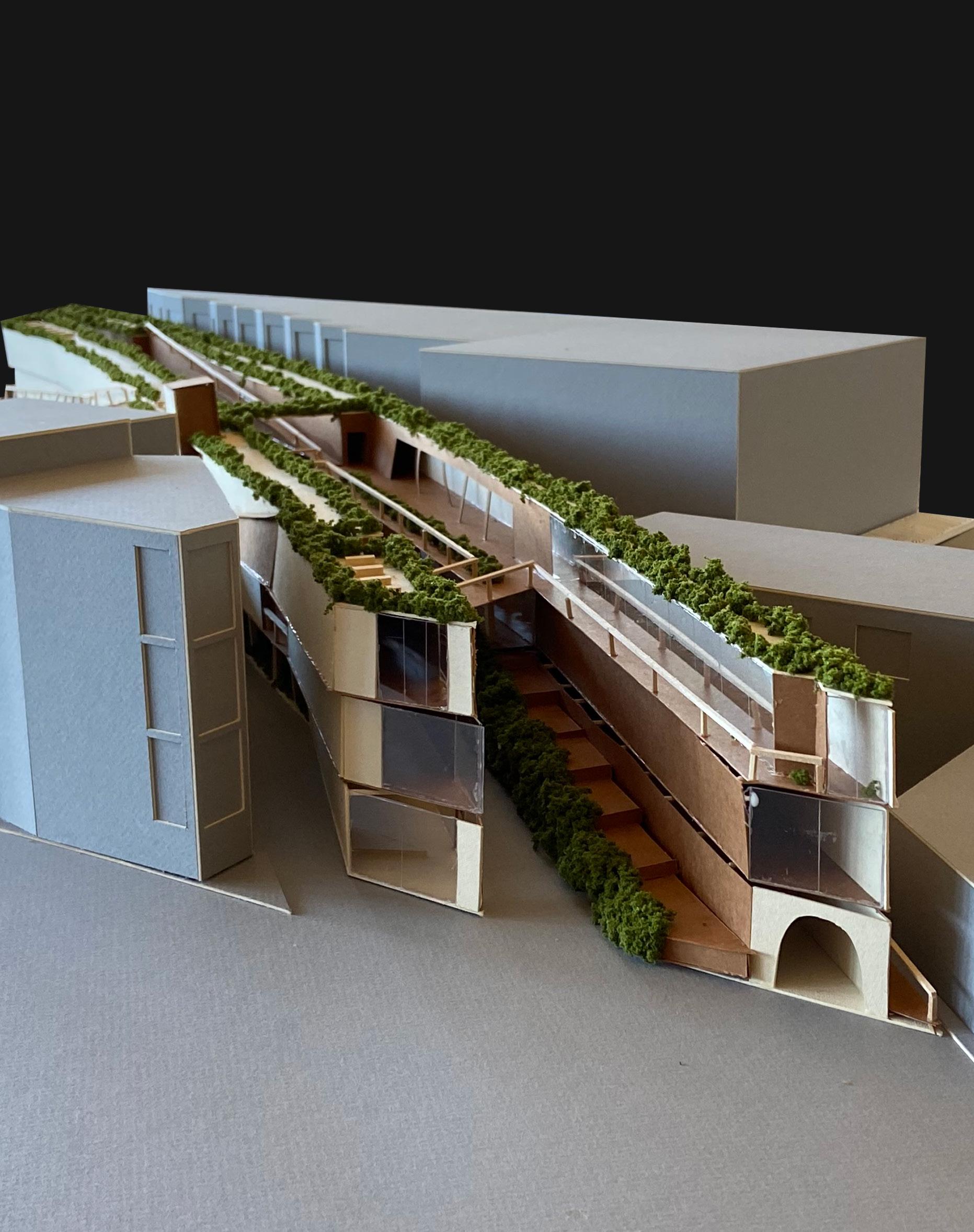
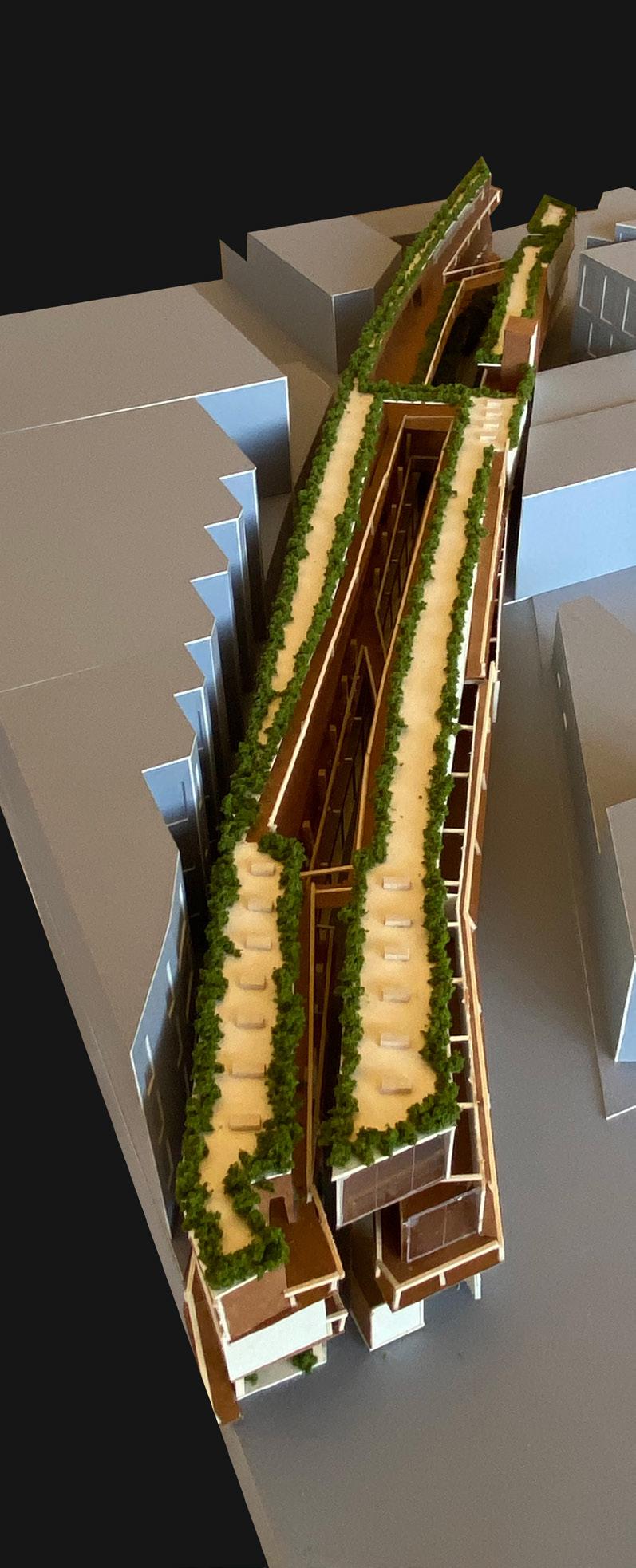
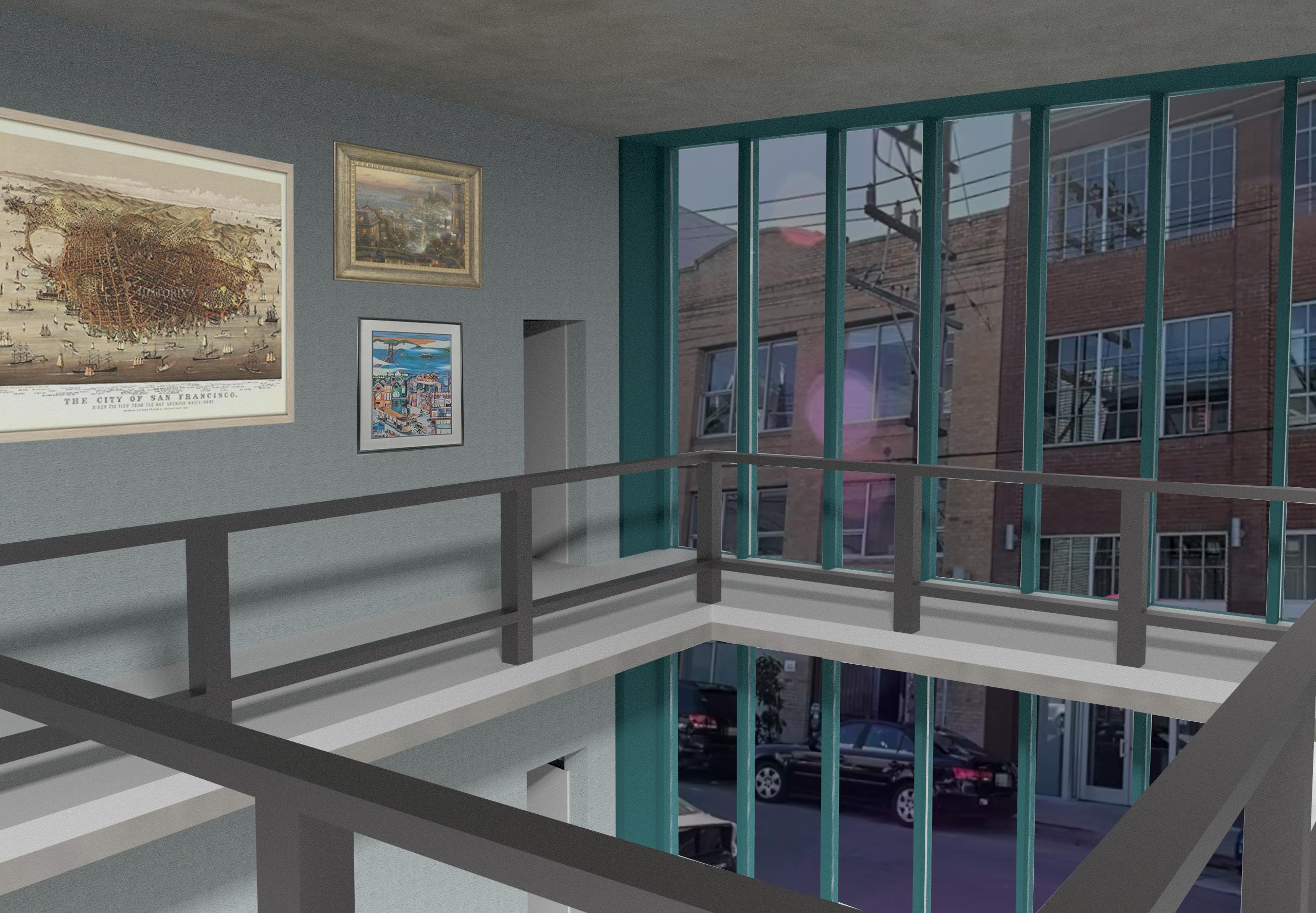
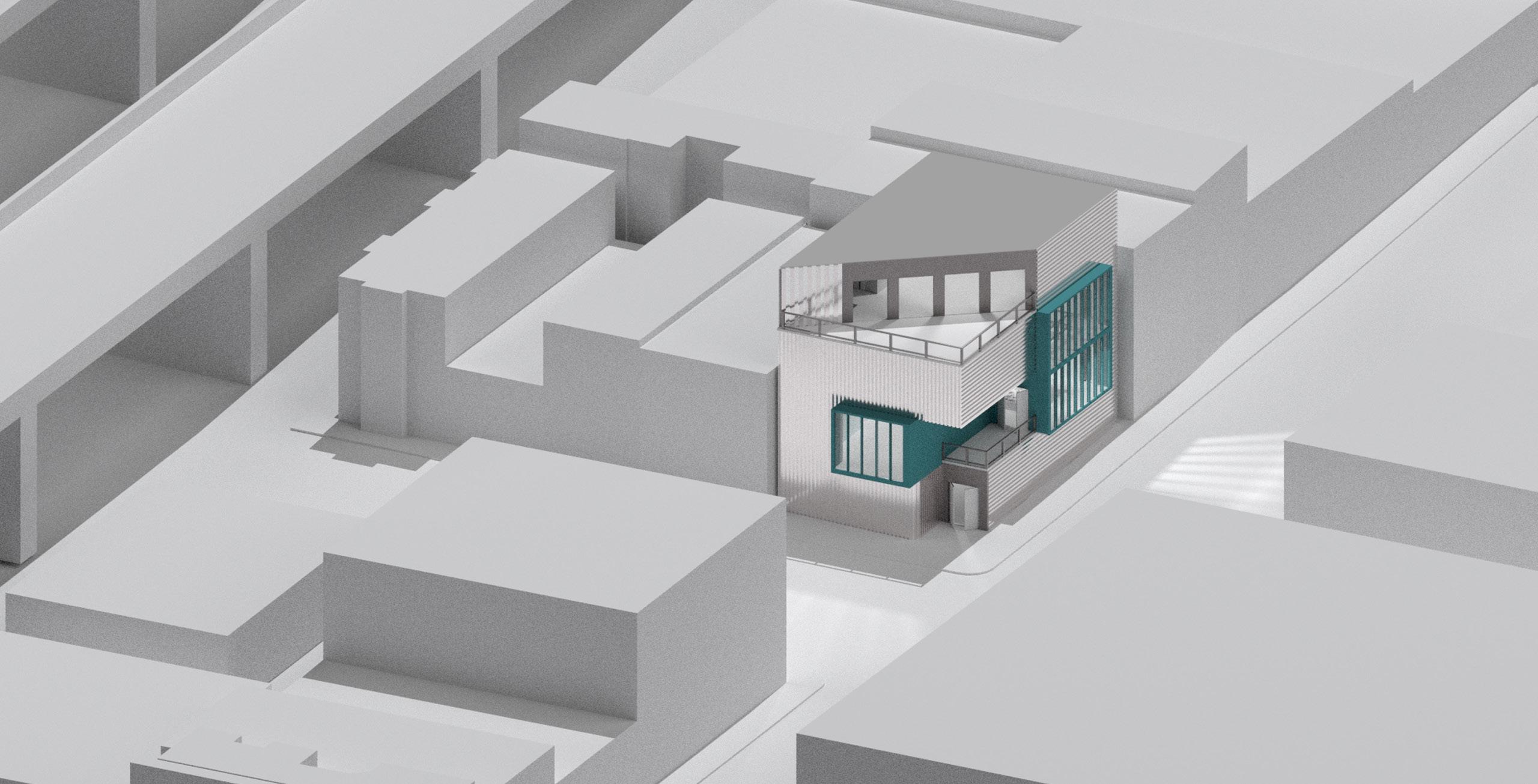
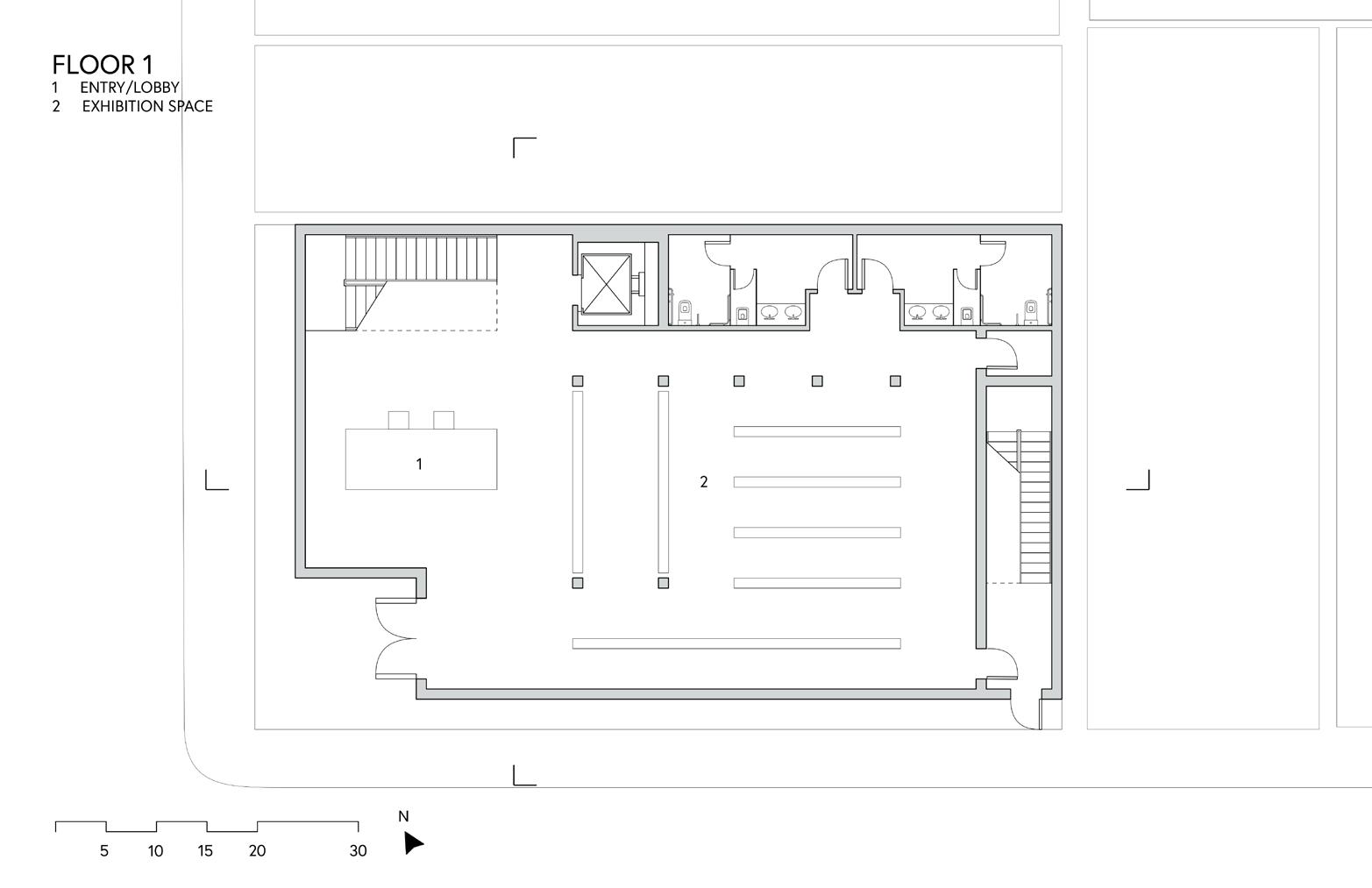
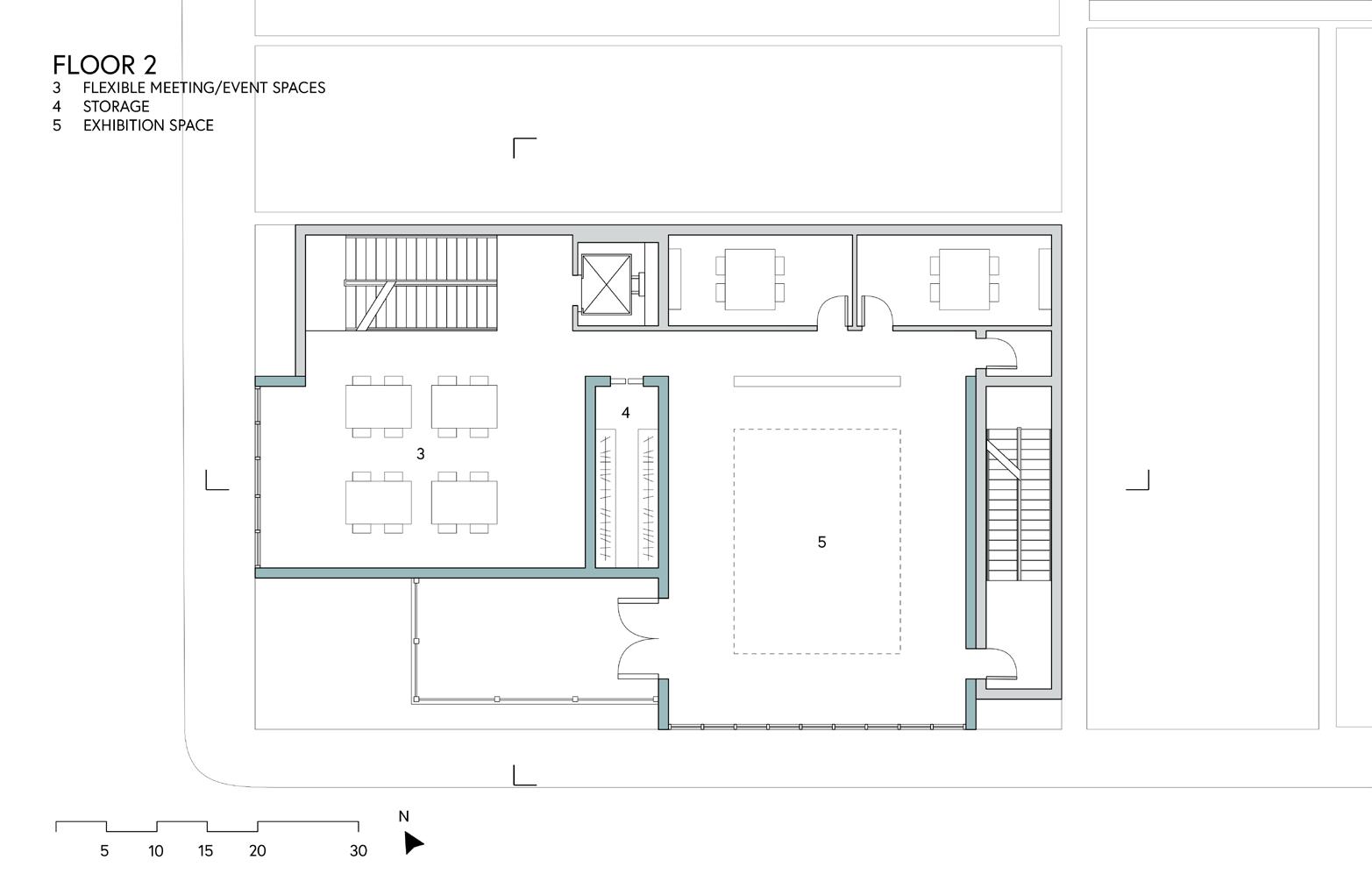
Mission District Art Incubator and Community Based Collaboration Space
San Francisco, CA | Nastaran Mousavi Architectural Design III | Fall 2022
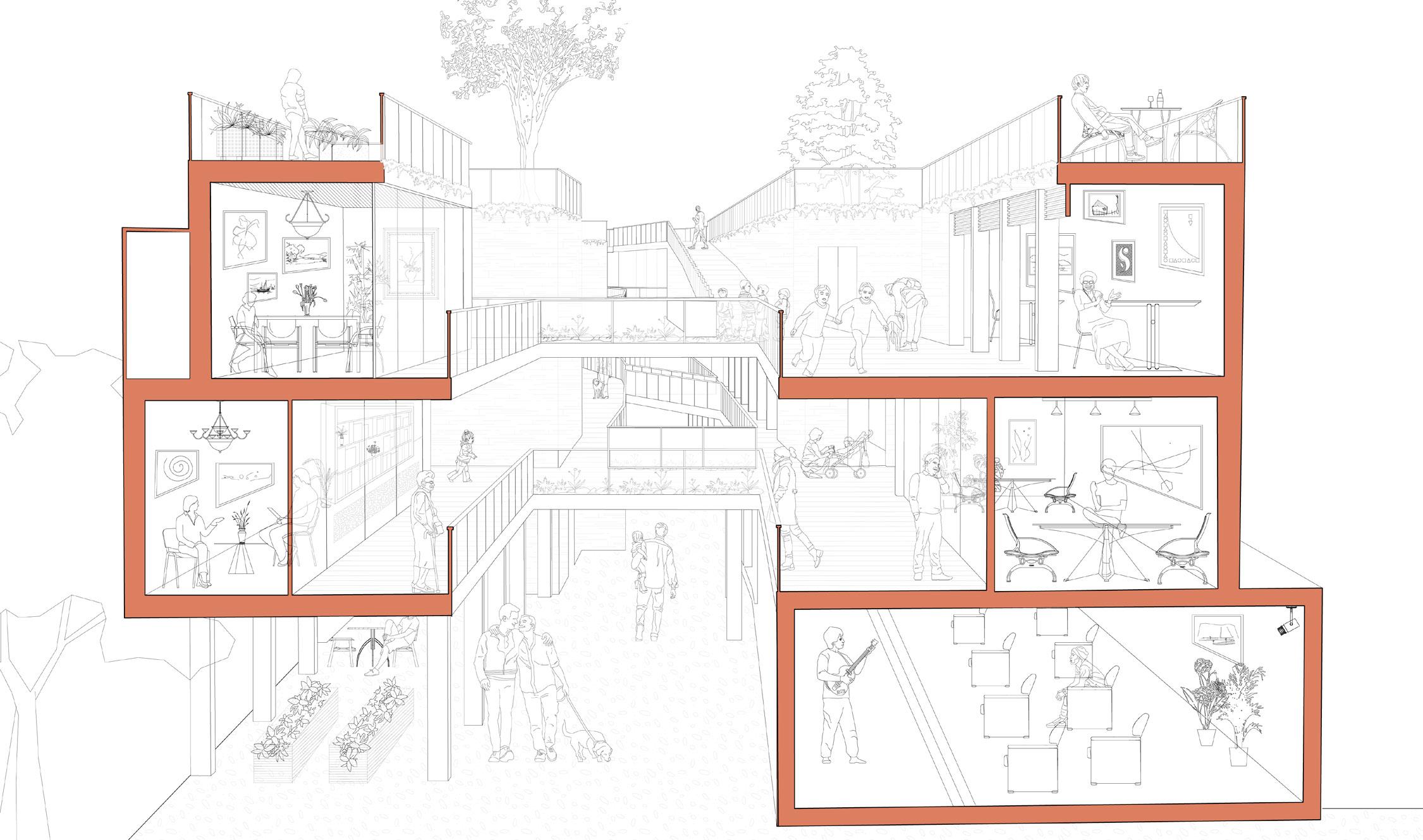
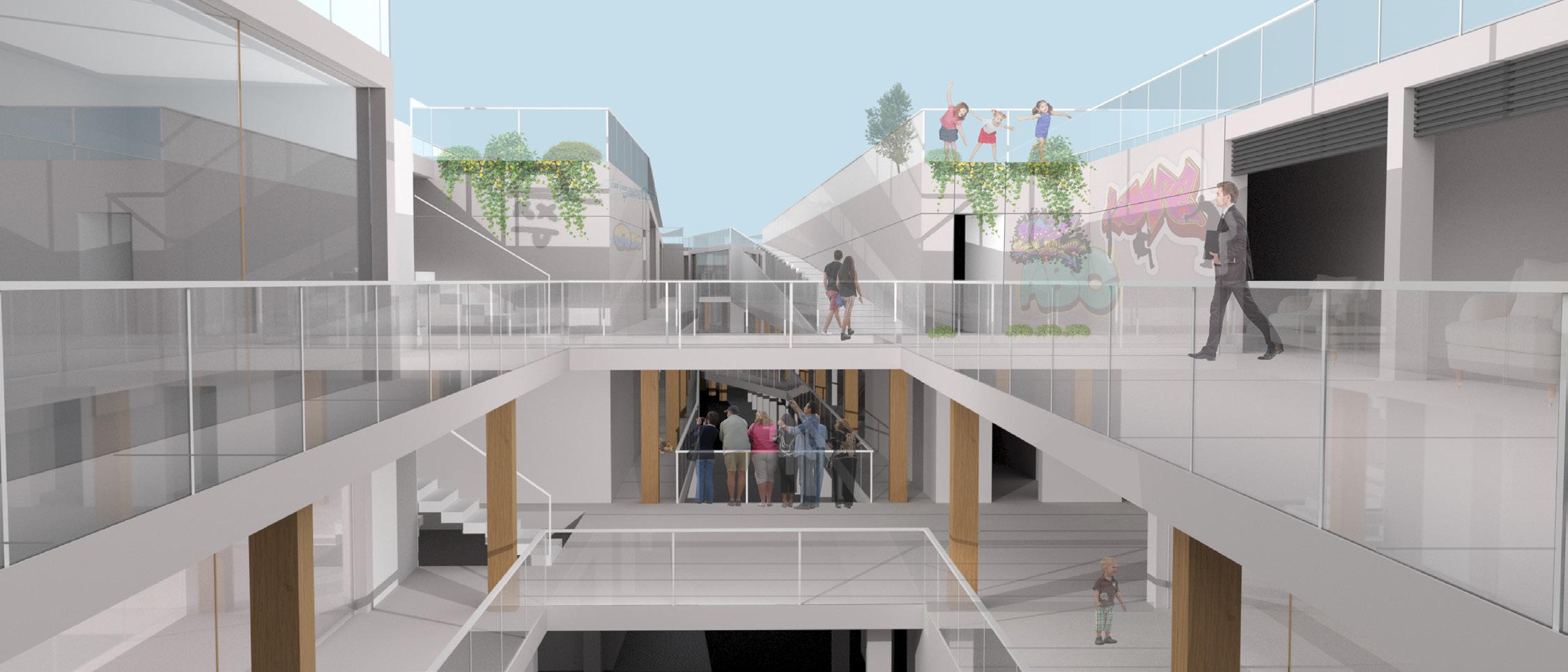
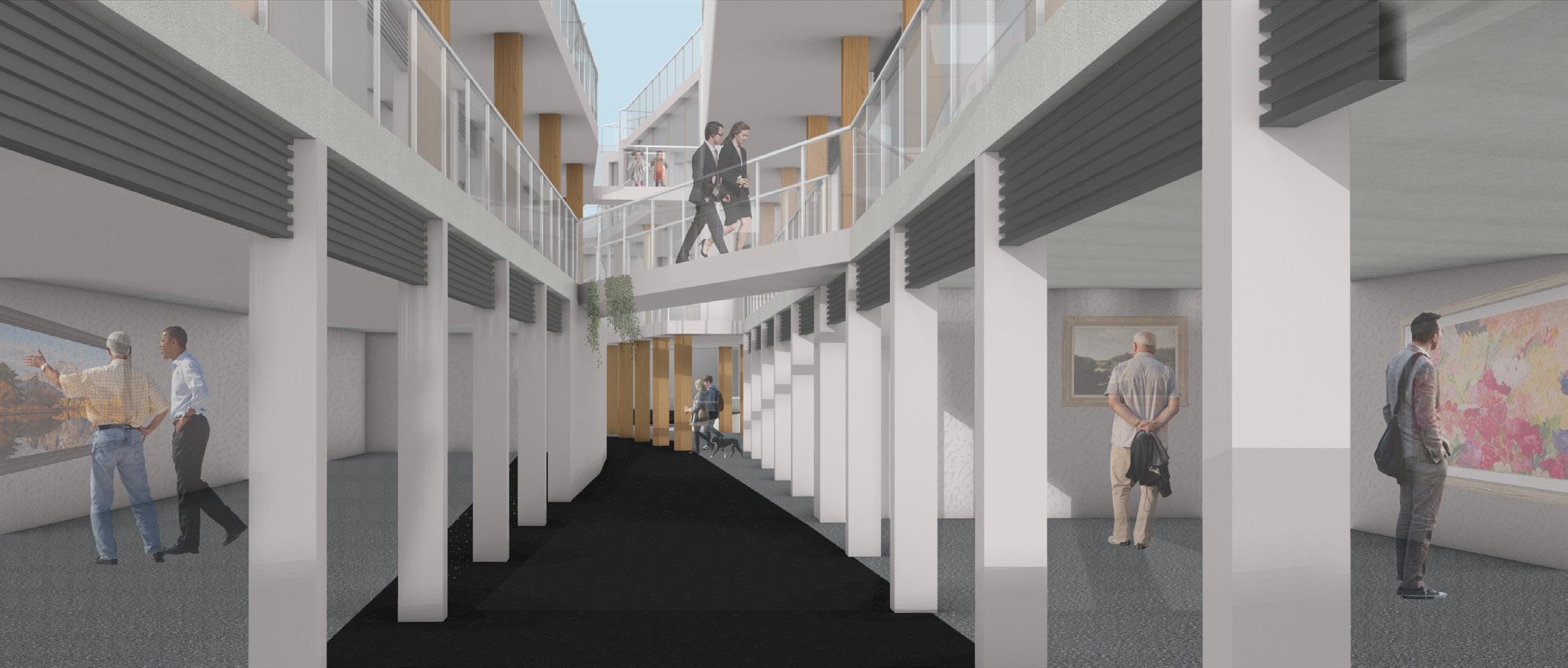
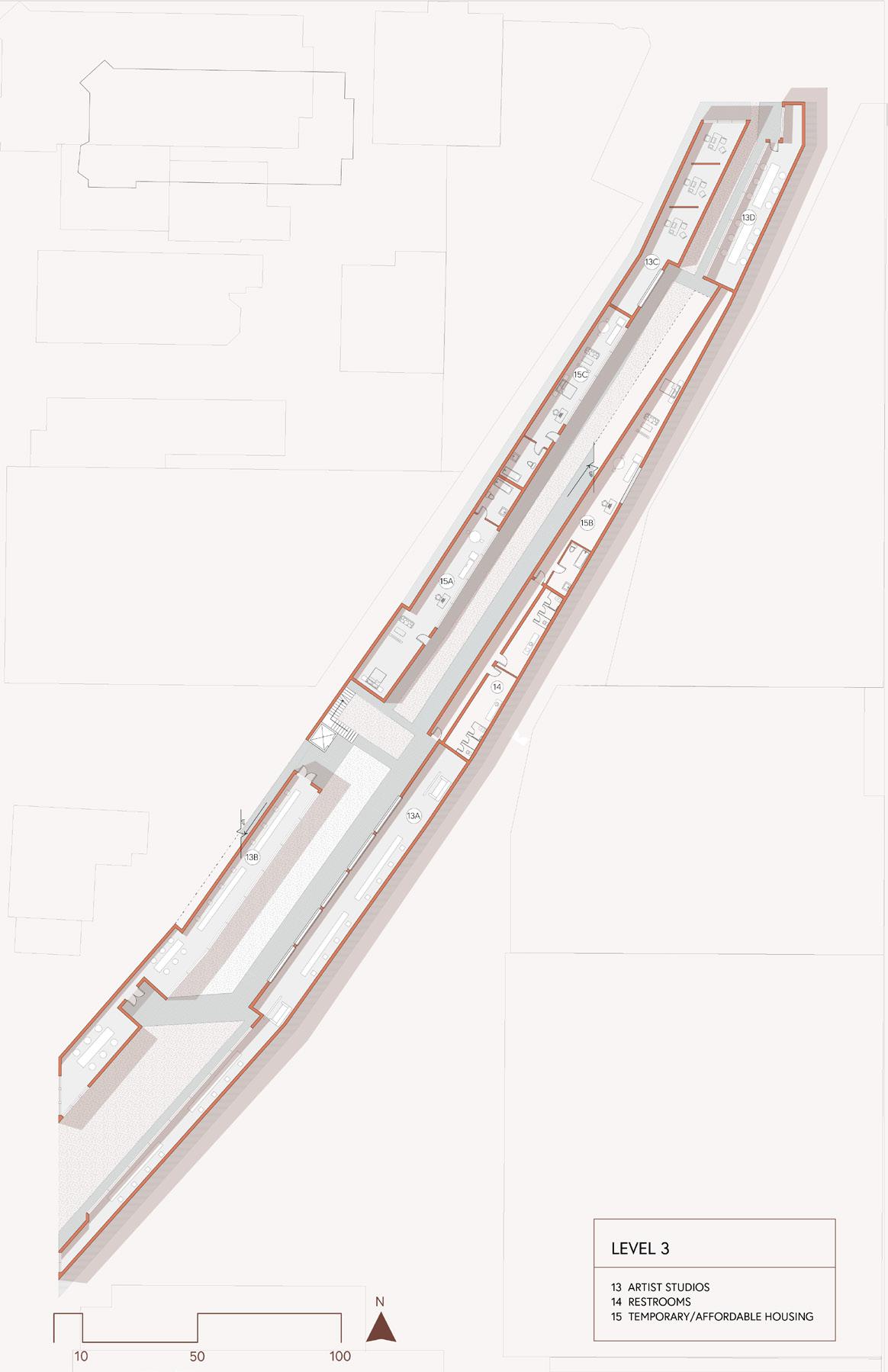
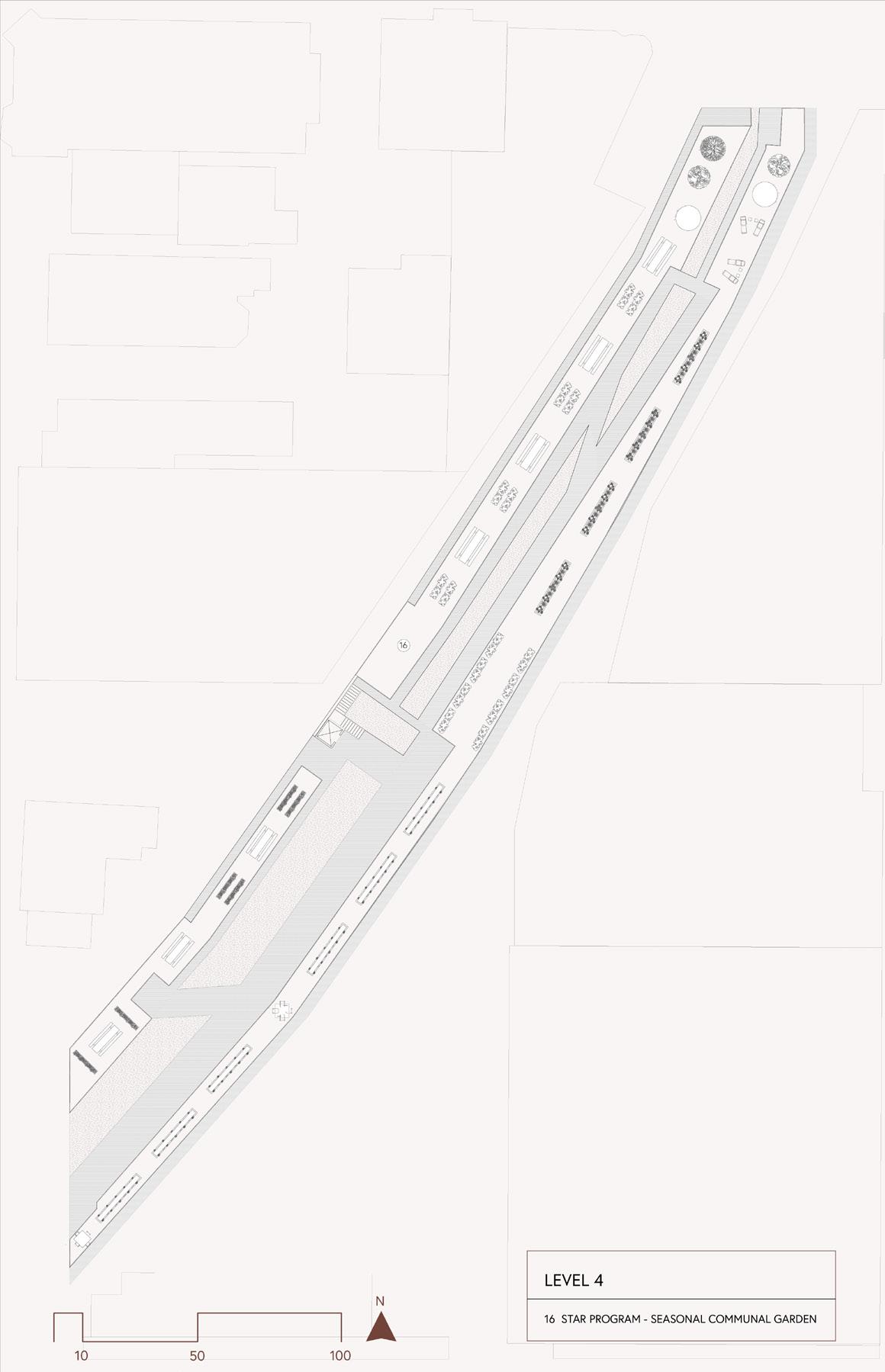
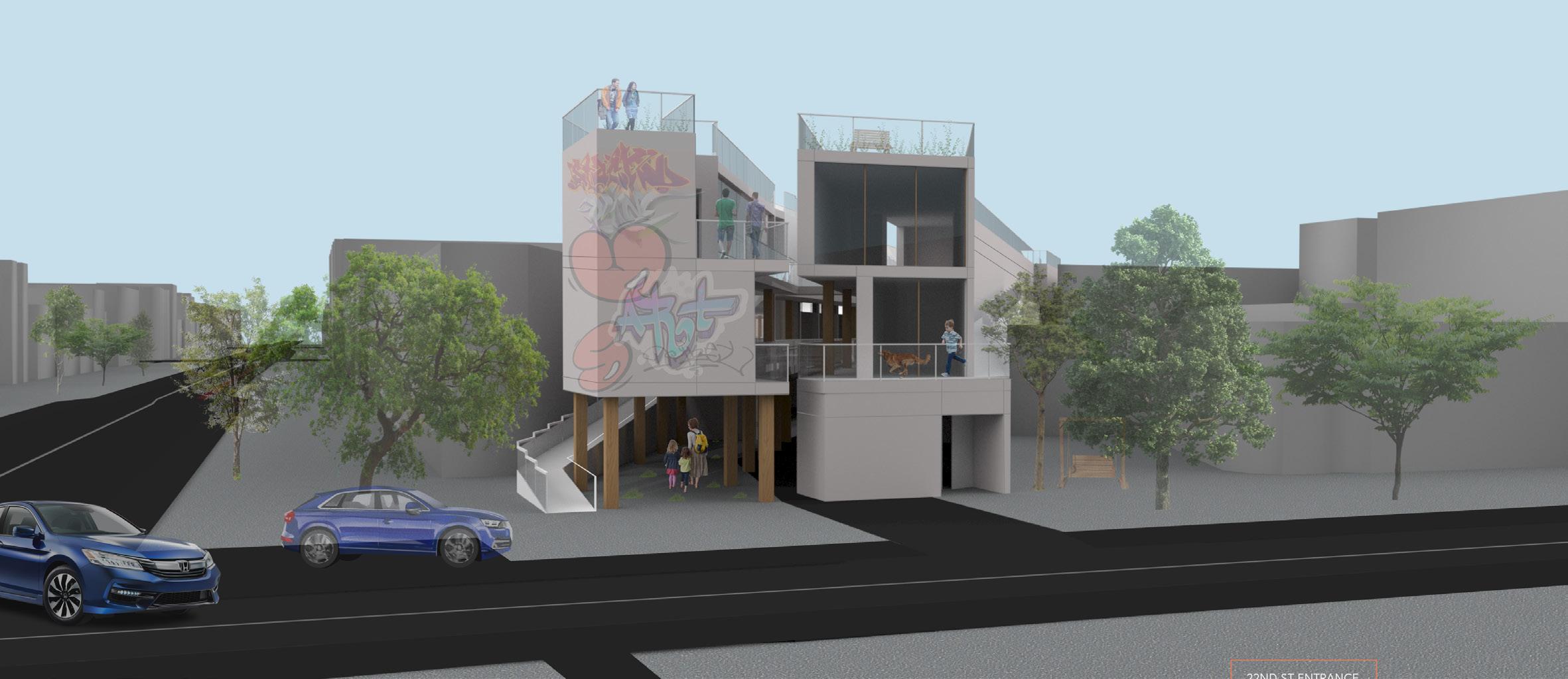
This class project focuses on creating an art incubator and community-based collaboration space in the Mission District of San Francisco, with the aim to support diverse artist communities who have been impacted by the rising cost of living in the Bay Area. The art incubator will provide a place for artists to create, showcase, and sell their work while living within a community of like-minded individuals and utilizing common and shared resources, recognizing the importance of art and creativity in our cities.
My project specifically focuses on a museum building that embraces impermanence and uses the technique of collaging to redefine its spaces. By building with randomness, diversity of design, versatility, and variation, the museum blends into the current skyline of Mission District and allows itself to disappear in a sense. The project is based on the fact that nothing is permanent in Mission District, and the museum’s design reflects this truth.
Above: Perspective cut through alleyway
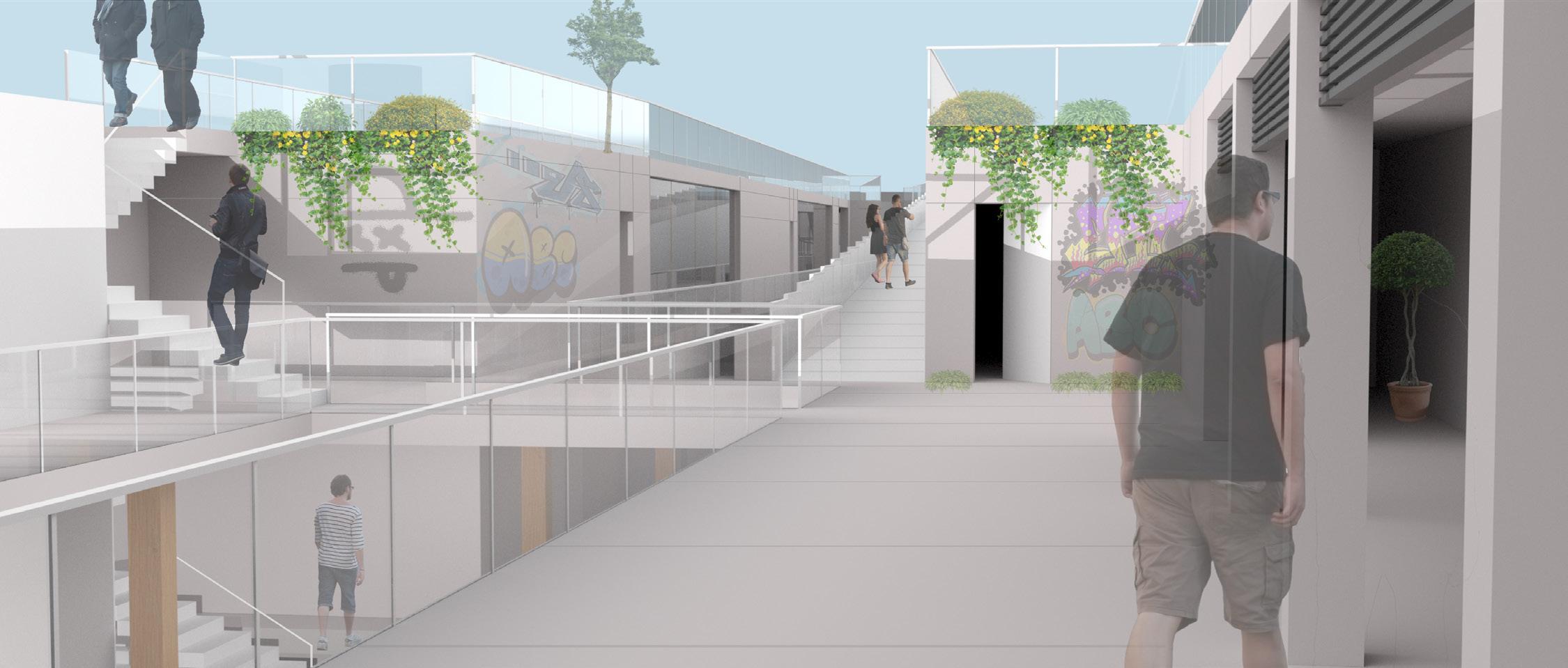
Right: Alleyway renders: (Top) third floor, (Middle) second floor, (Bottom) ground floor
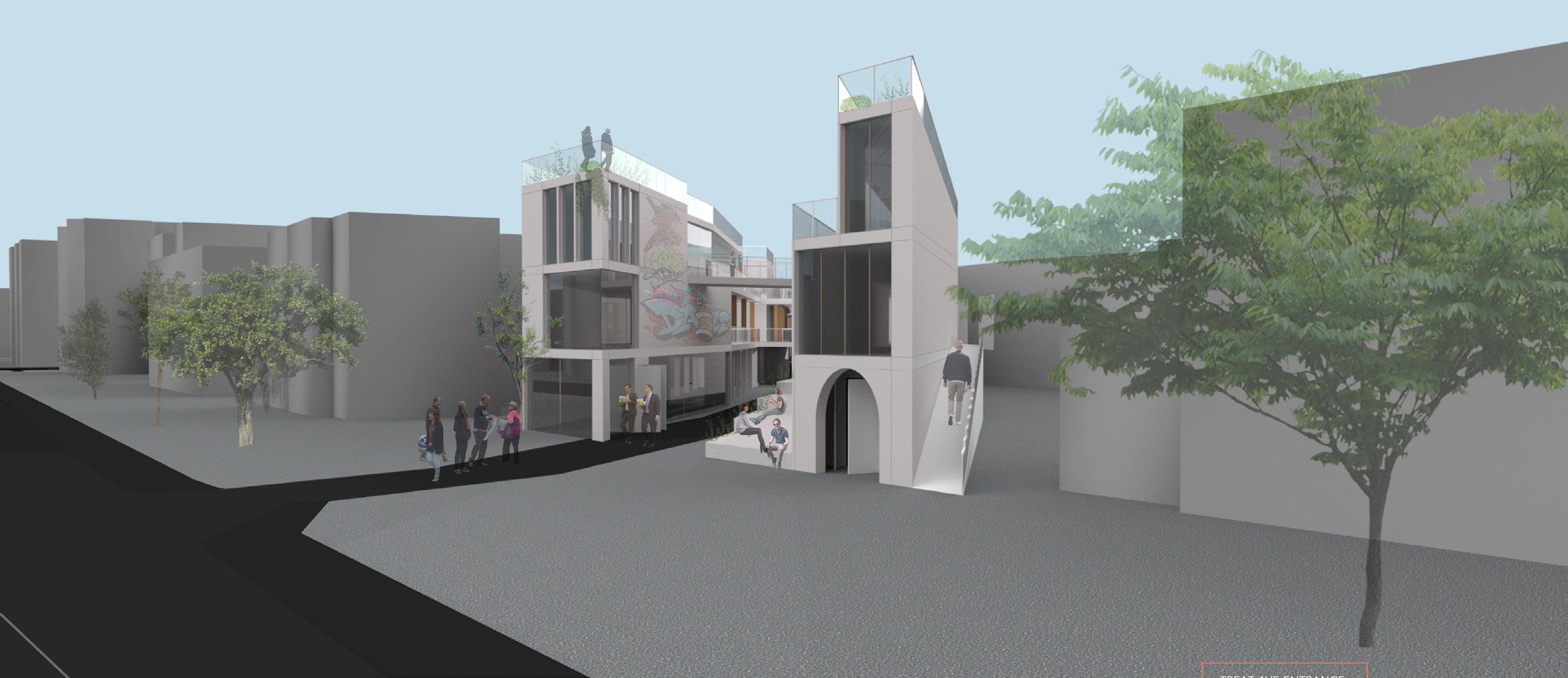 Top: Entrance renderings: (Left) Treat Avenue entrance, (Right) 22nd St. entrance
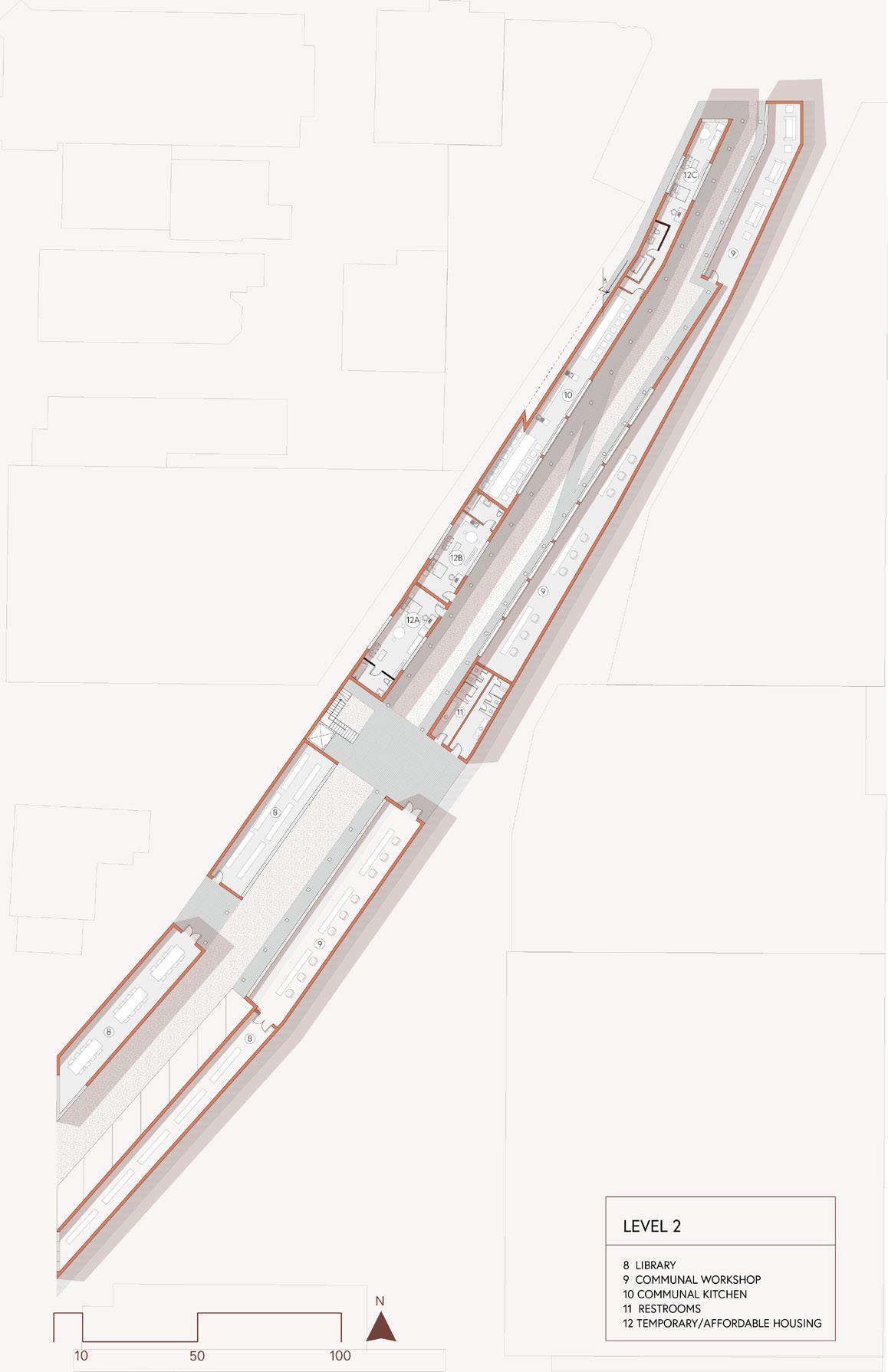
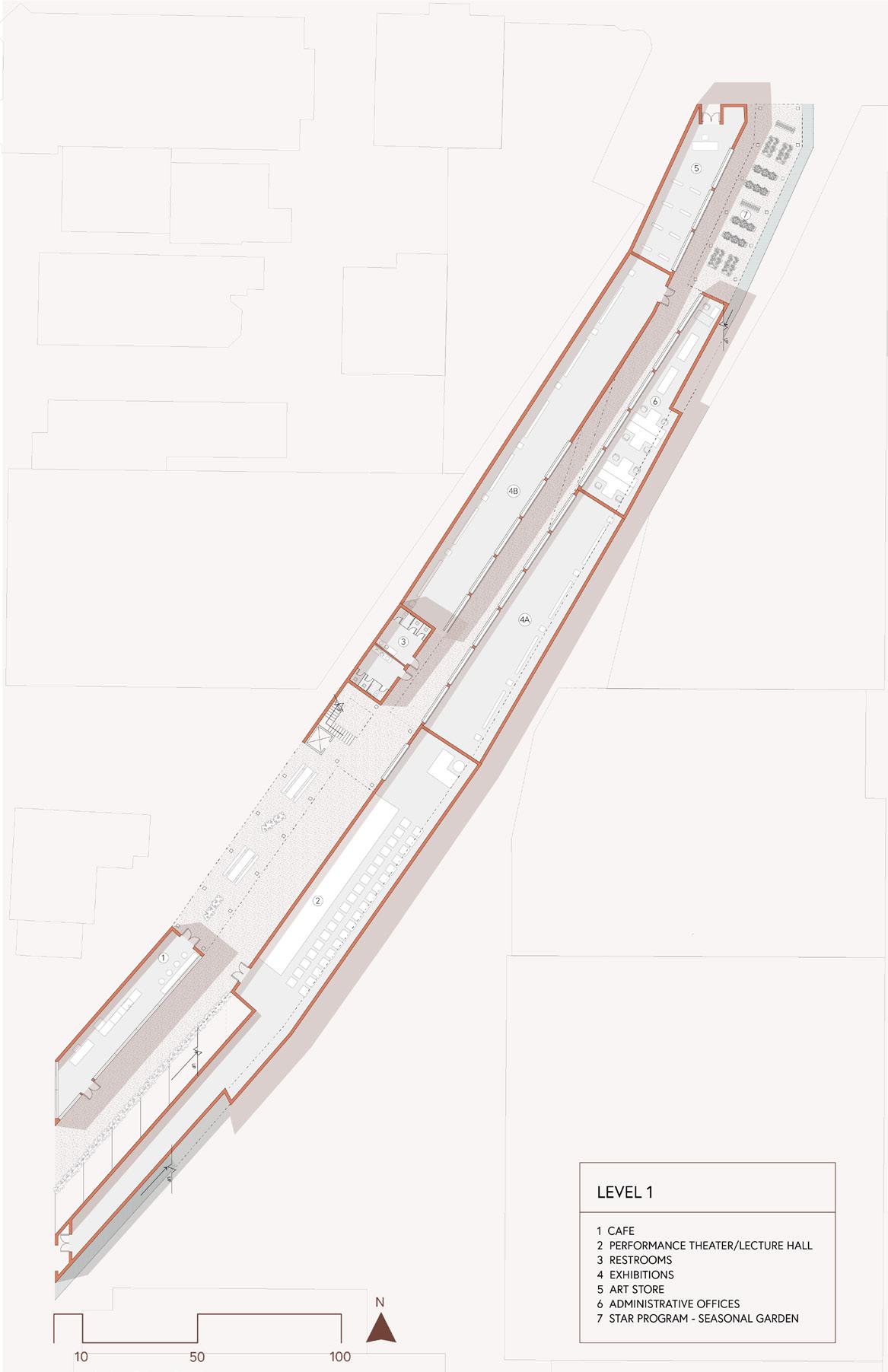
Bottom: Plans
Top: Entrance renderings: (Left) Treat Avenue entrance, (Right) 22nd St. entrance
Bottom: Plans
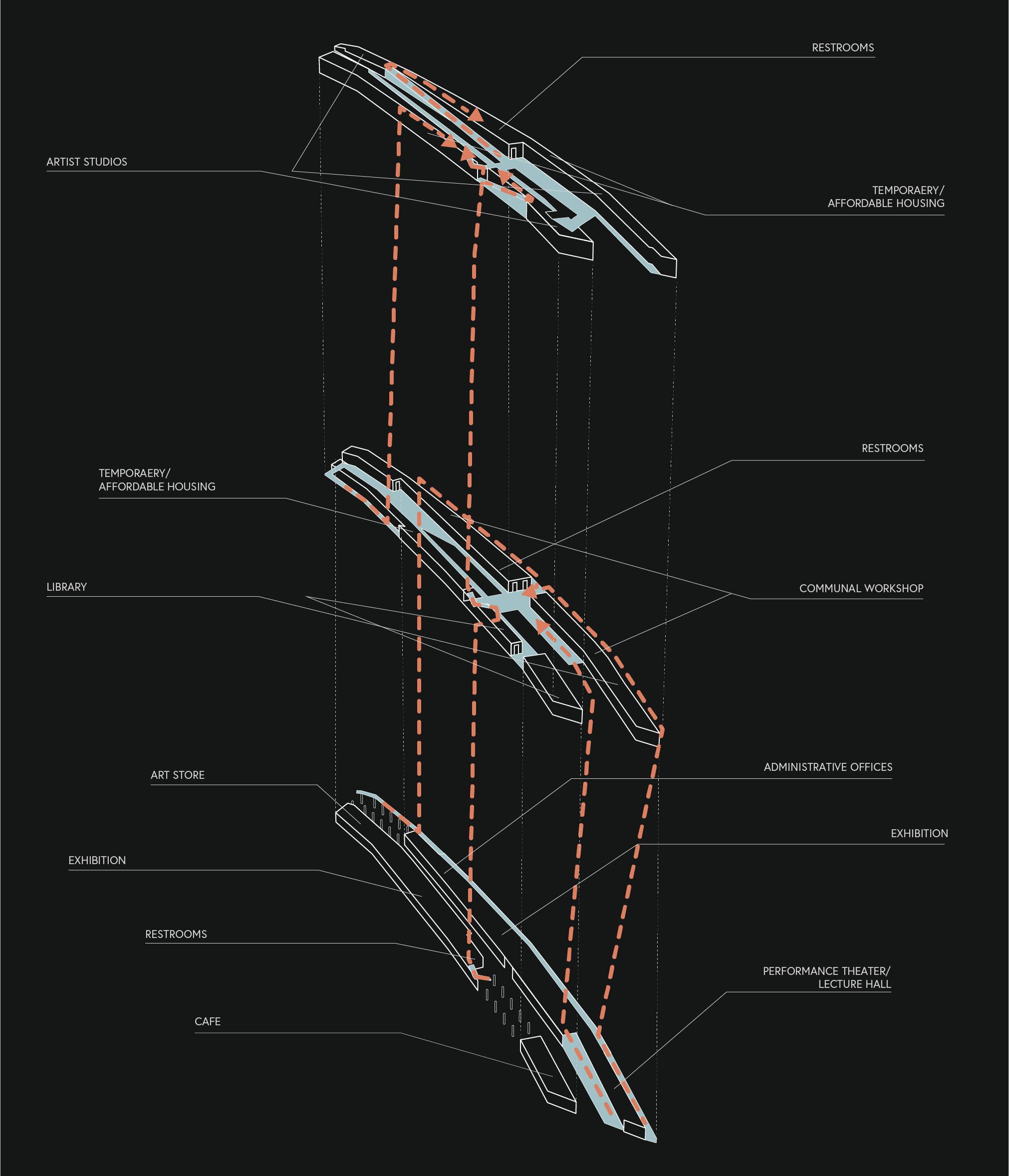
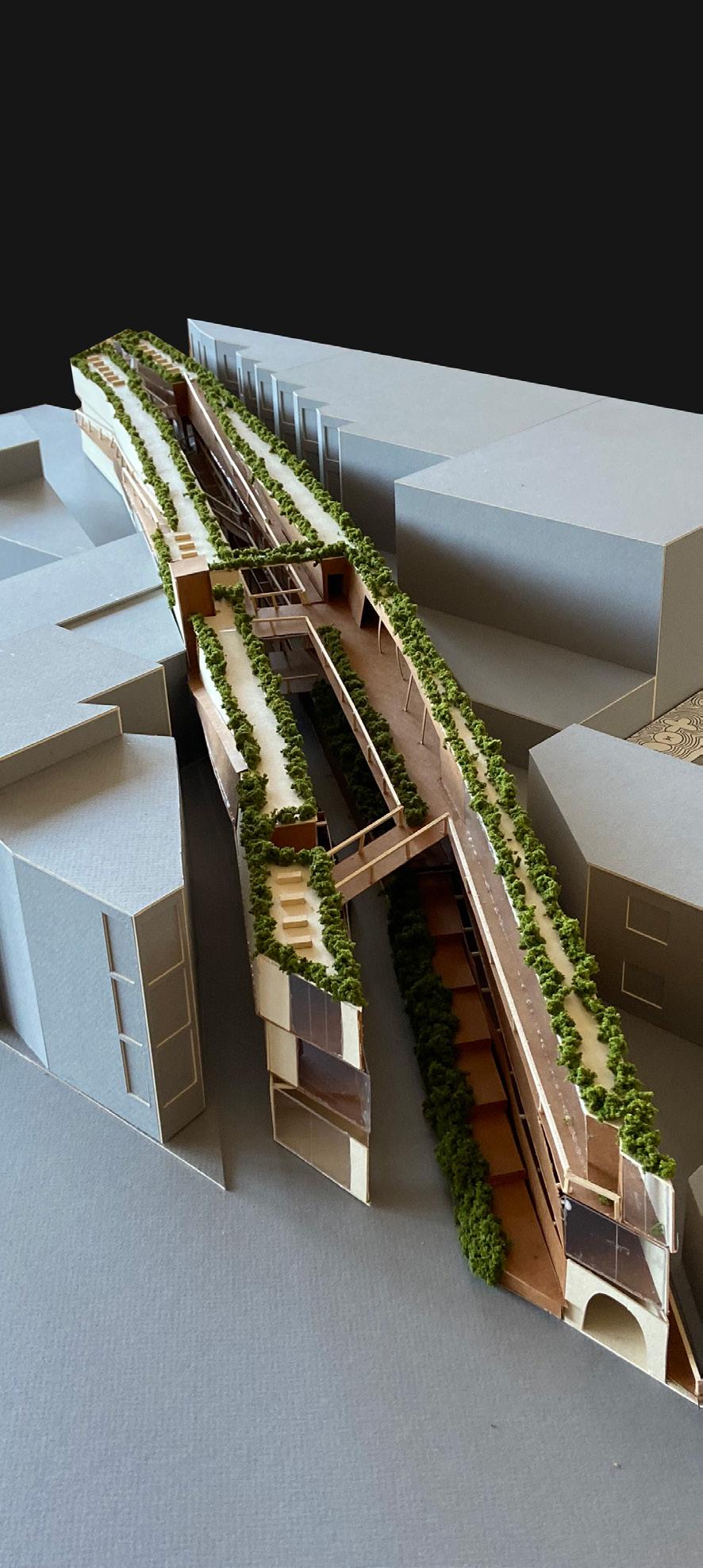 Top: Circulation diagram, (Right) final physical model
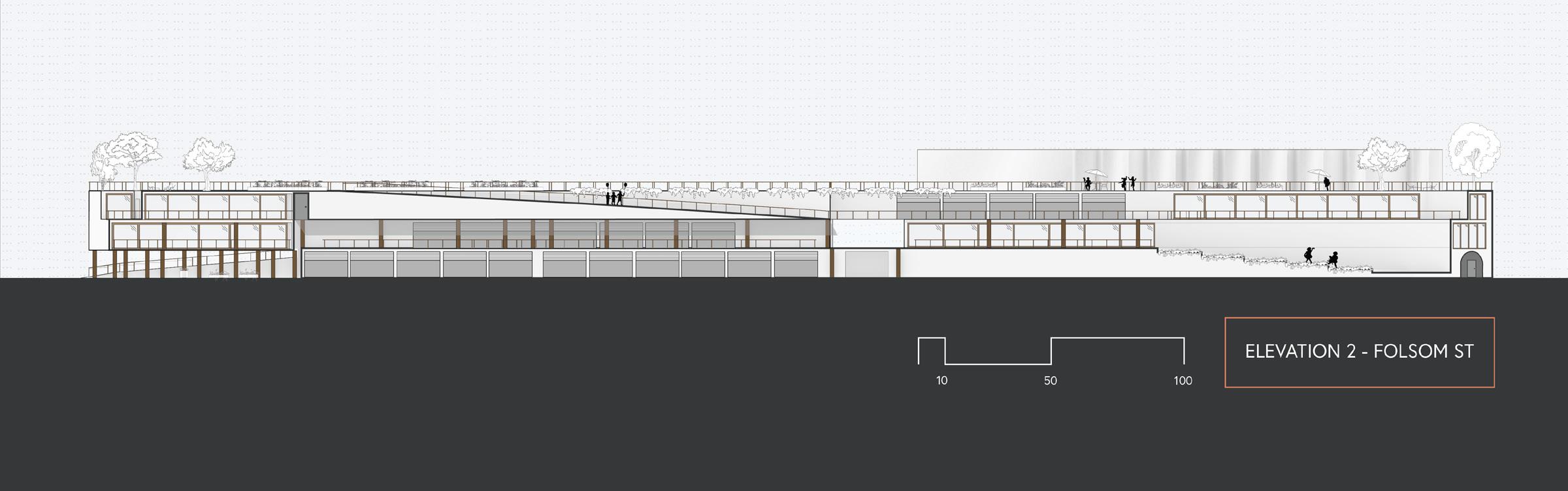
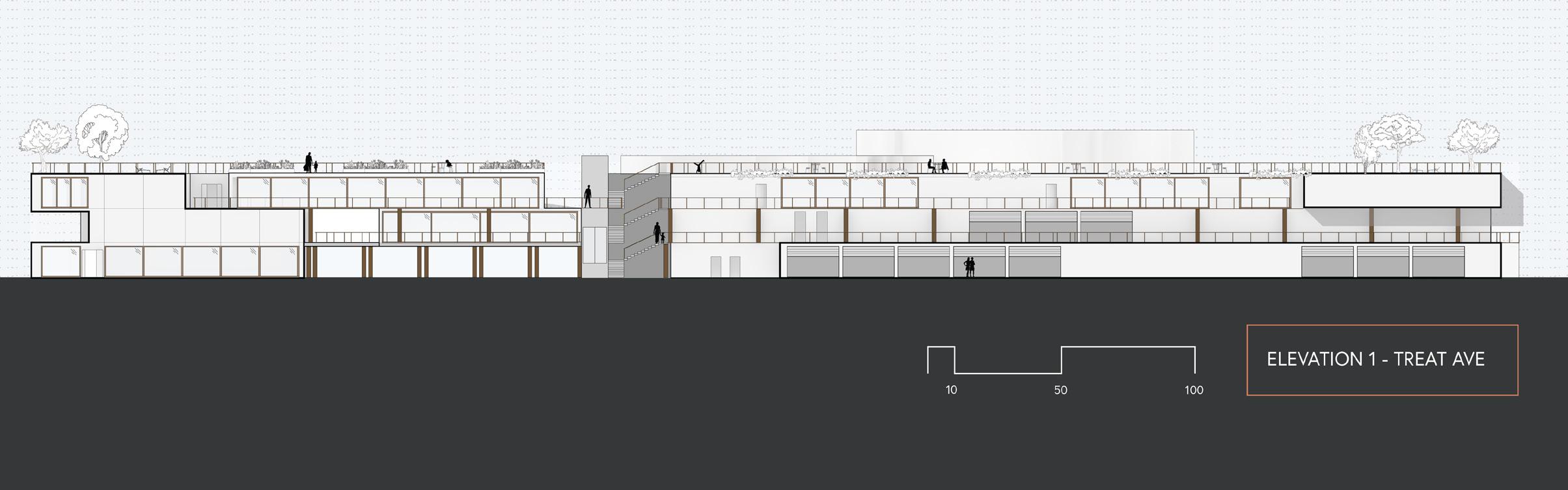
Right: Elevations
Top: Circulation diagram, (Right) final physical model
Right: Elevations
University of California, Santa Barbara Performance Venue and Lecture Hall
Santa
Barbara, CA | Ryan
Keern
Architectural Design IV | Spring 2023
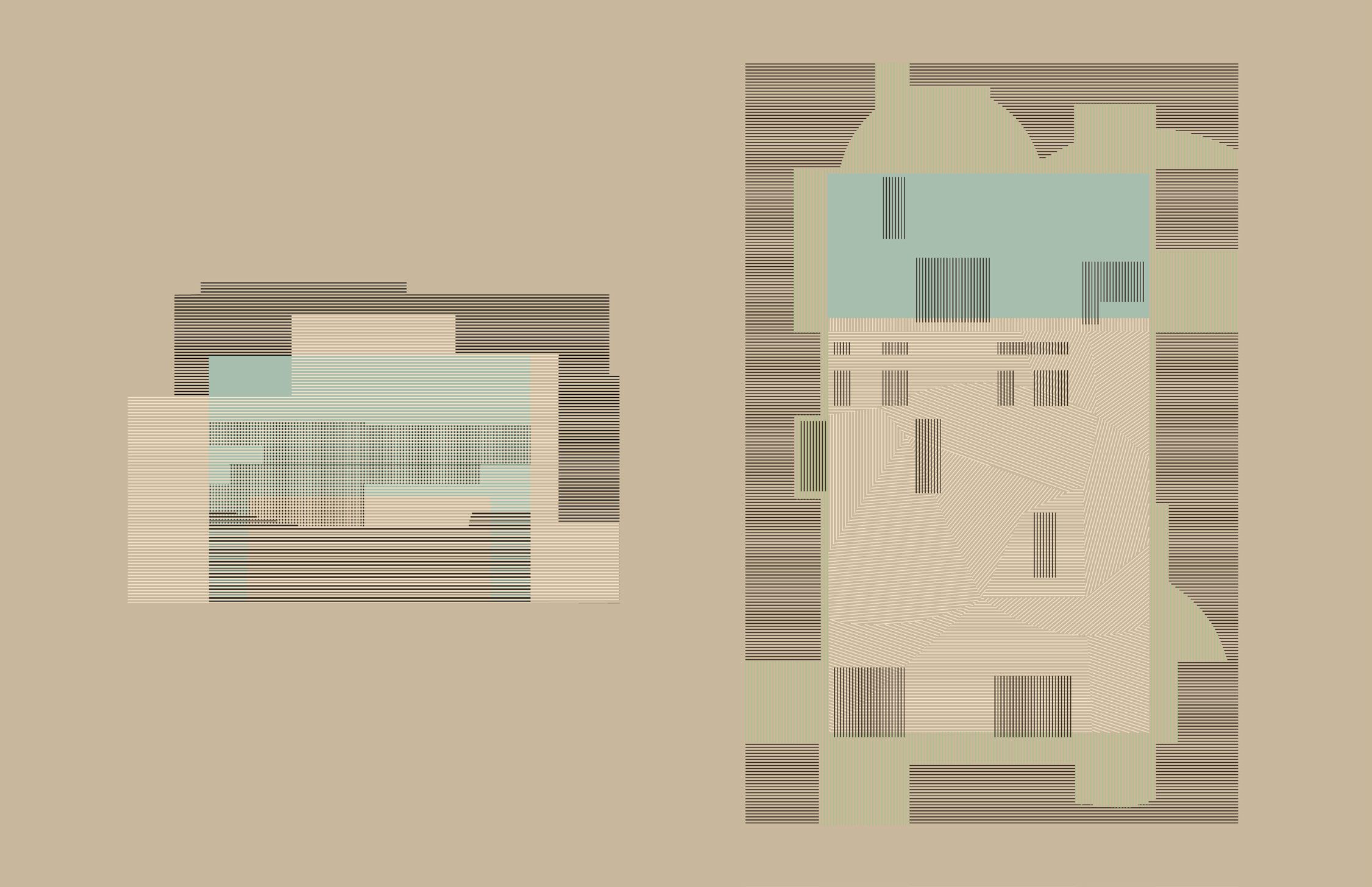
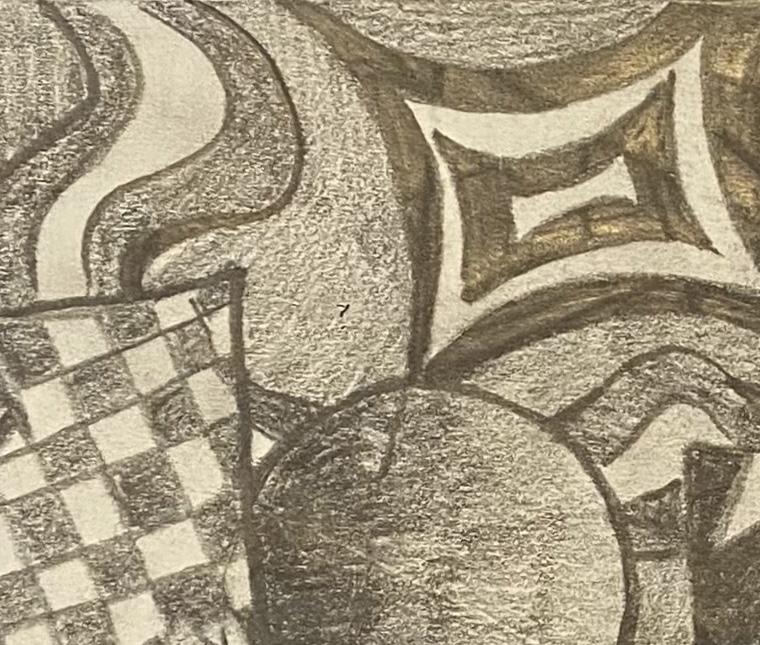
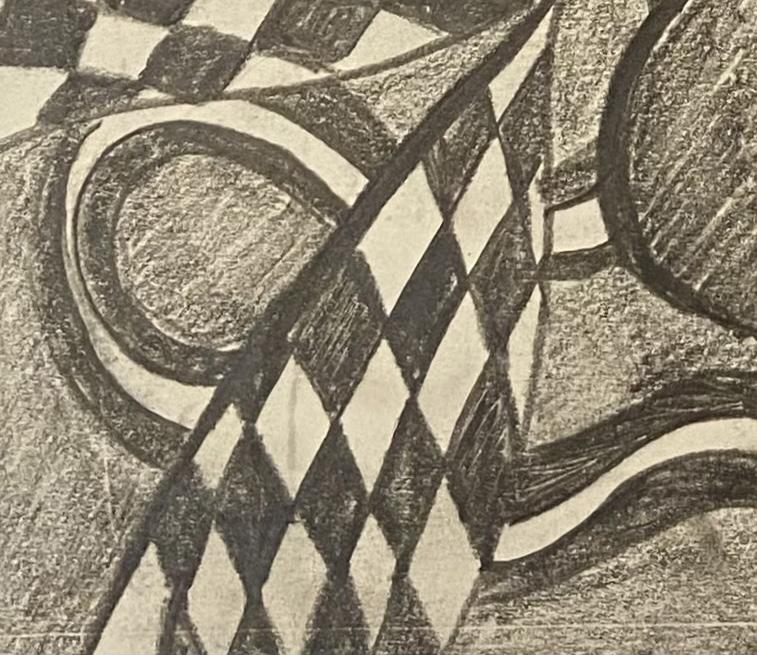
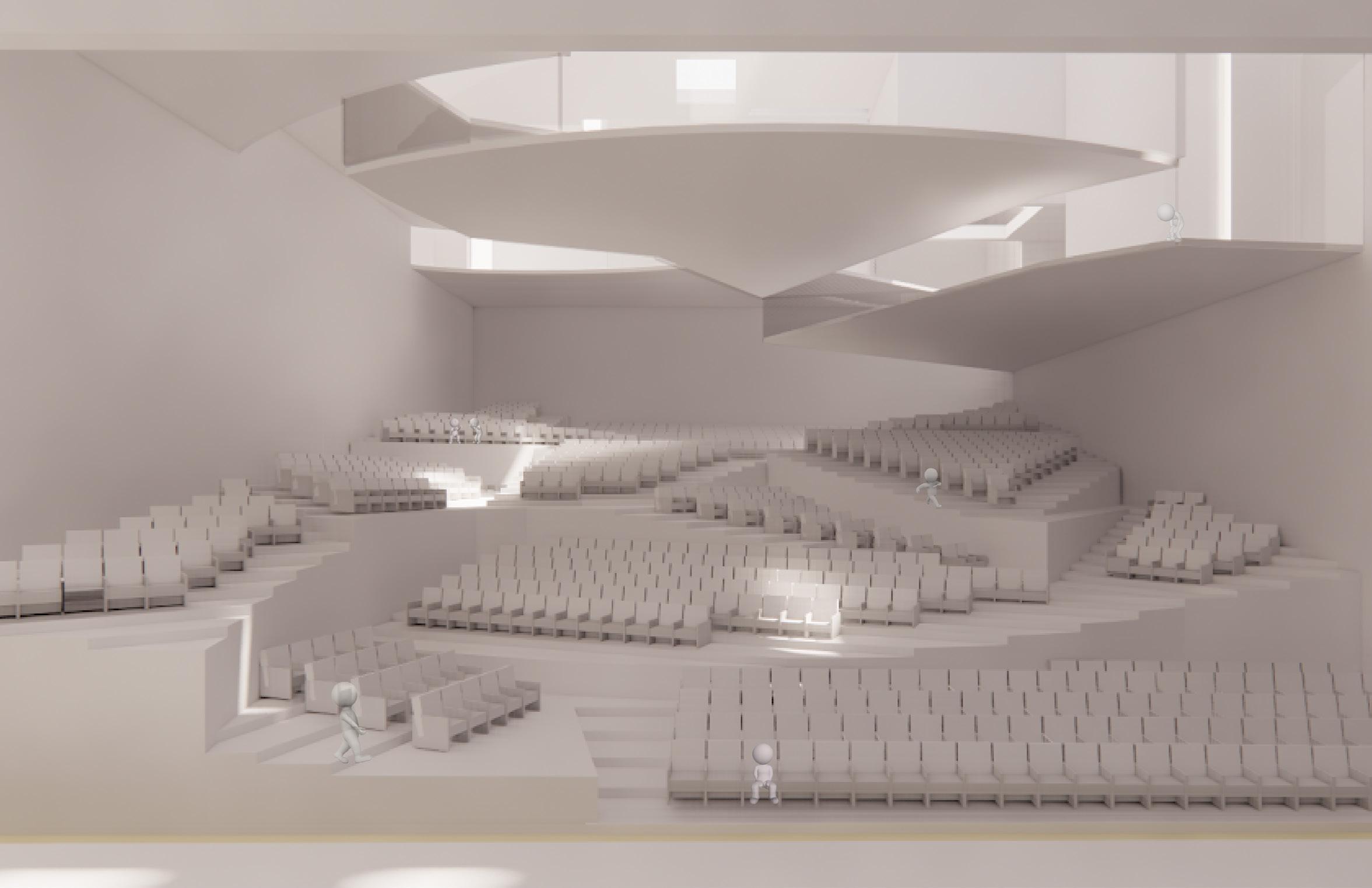
In the class, (per)forming arts: order and uncertainty, I developed a catalog of figures, seams, and patterns that create a tension between the standard and the specific / the stable and the unstable in art practices.
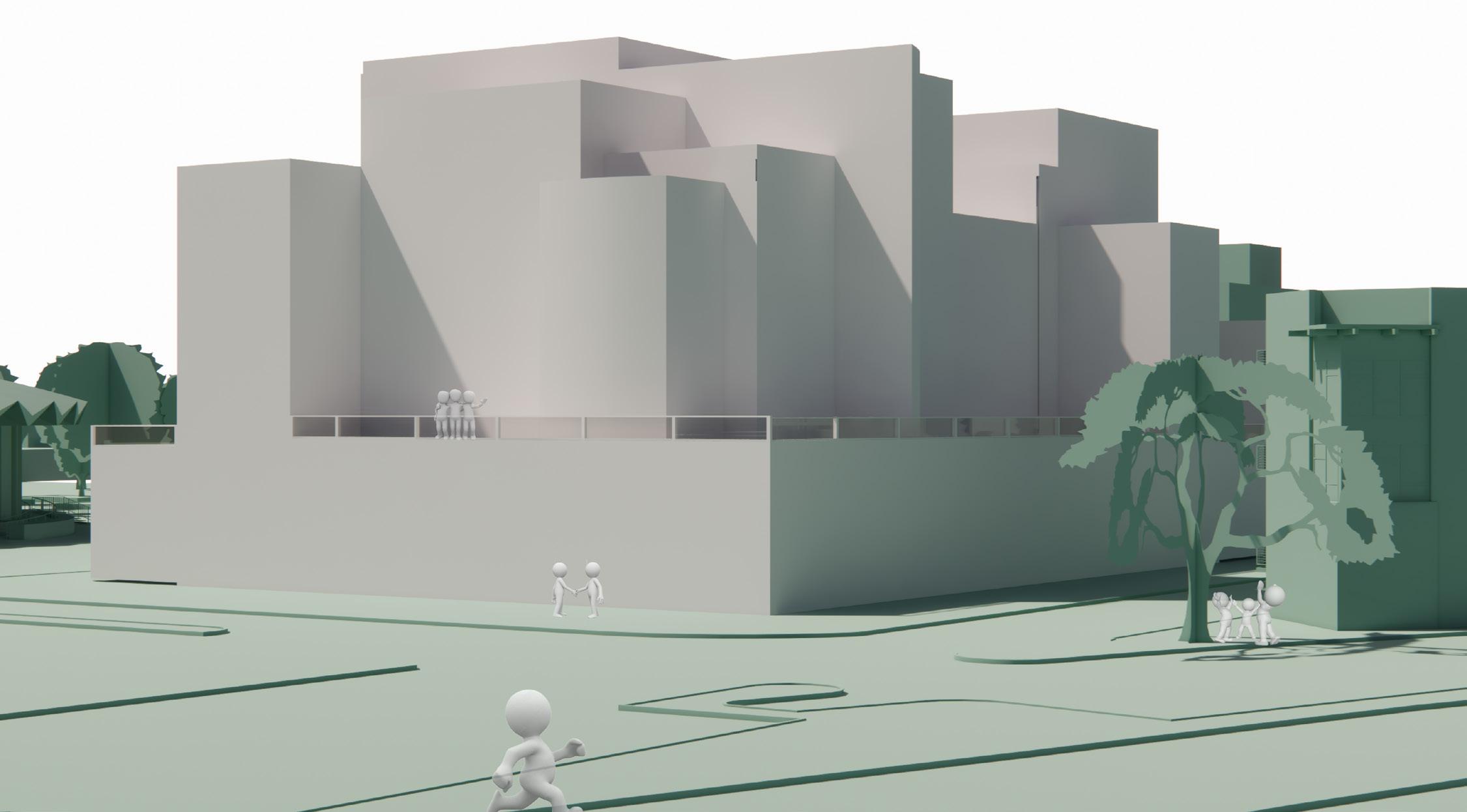
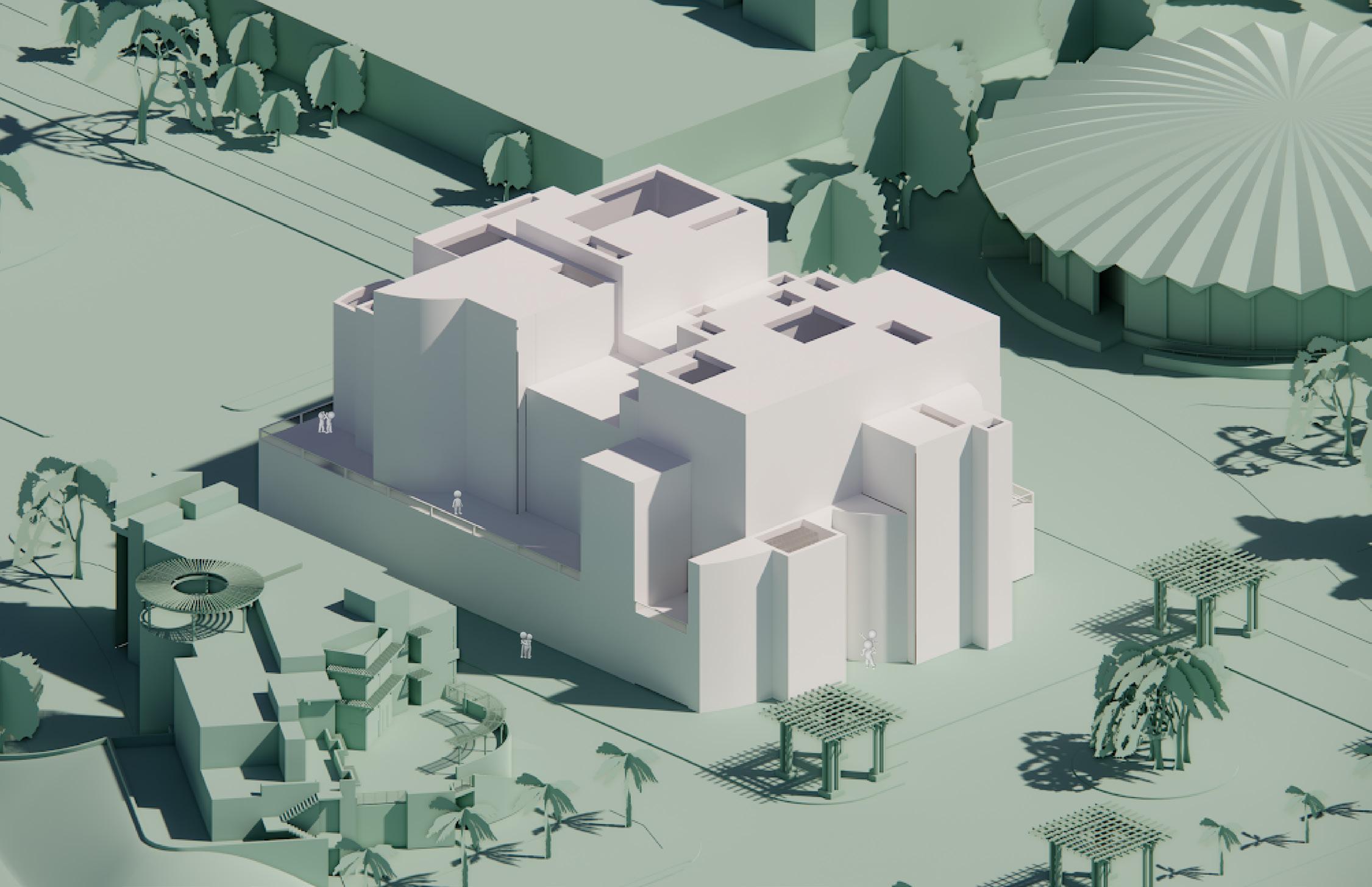
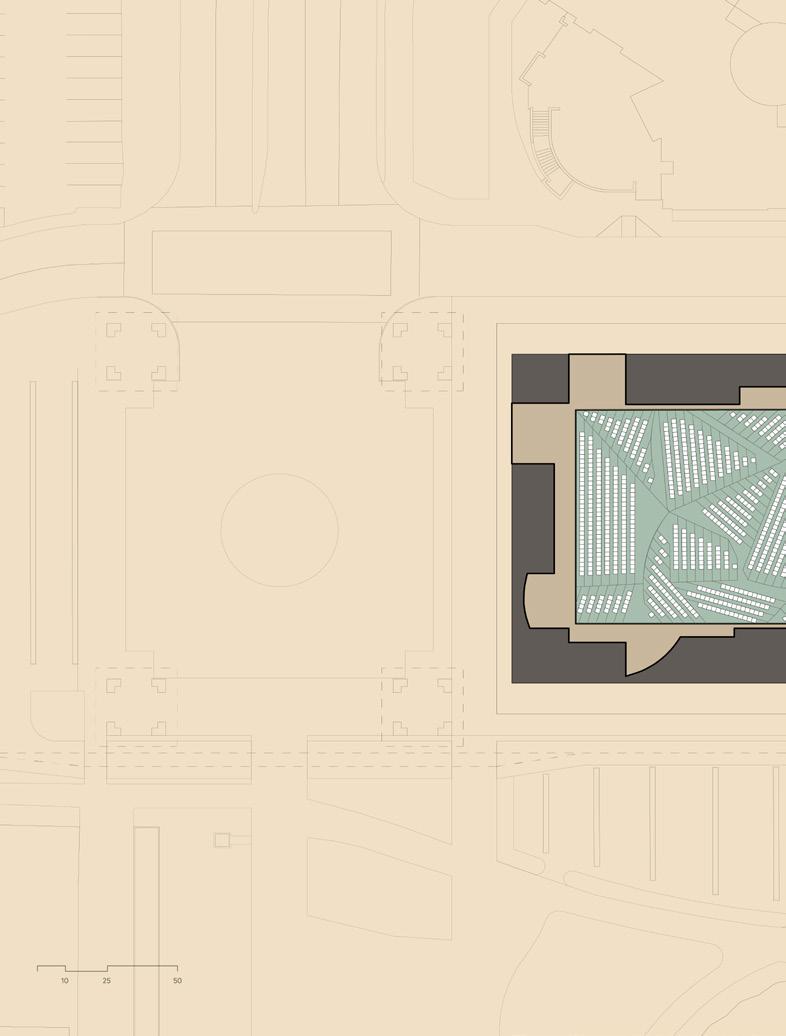
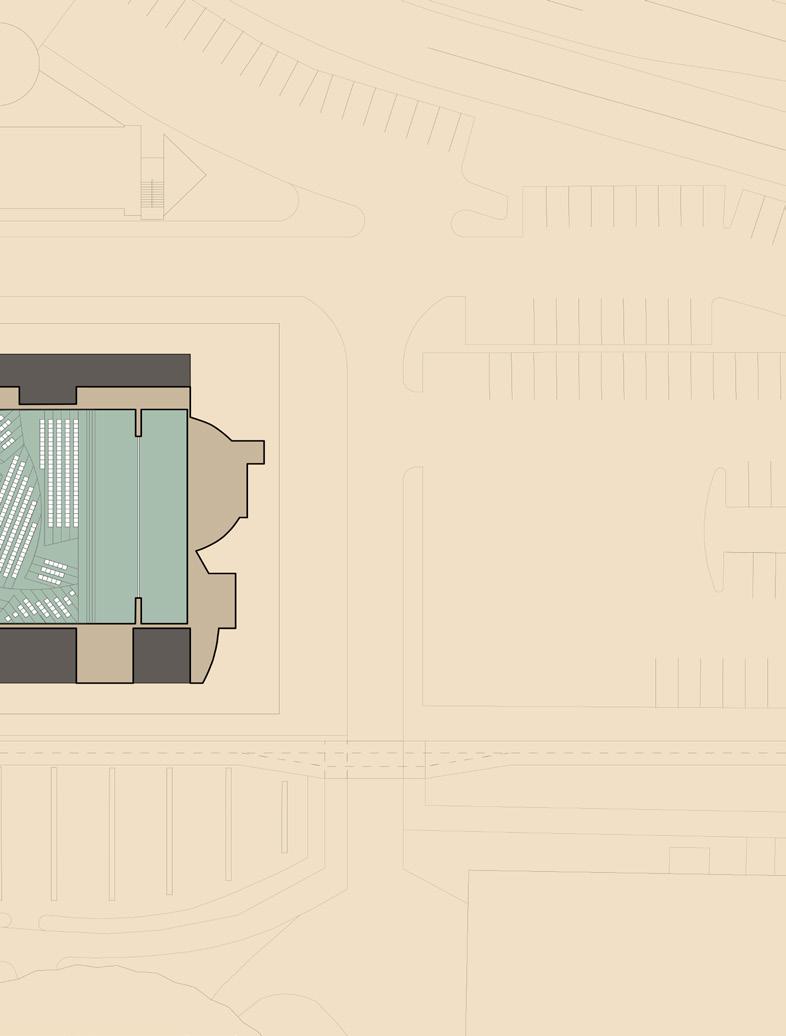
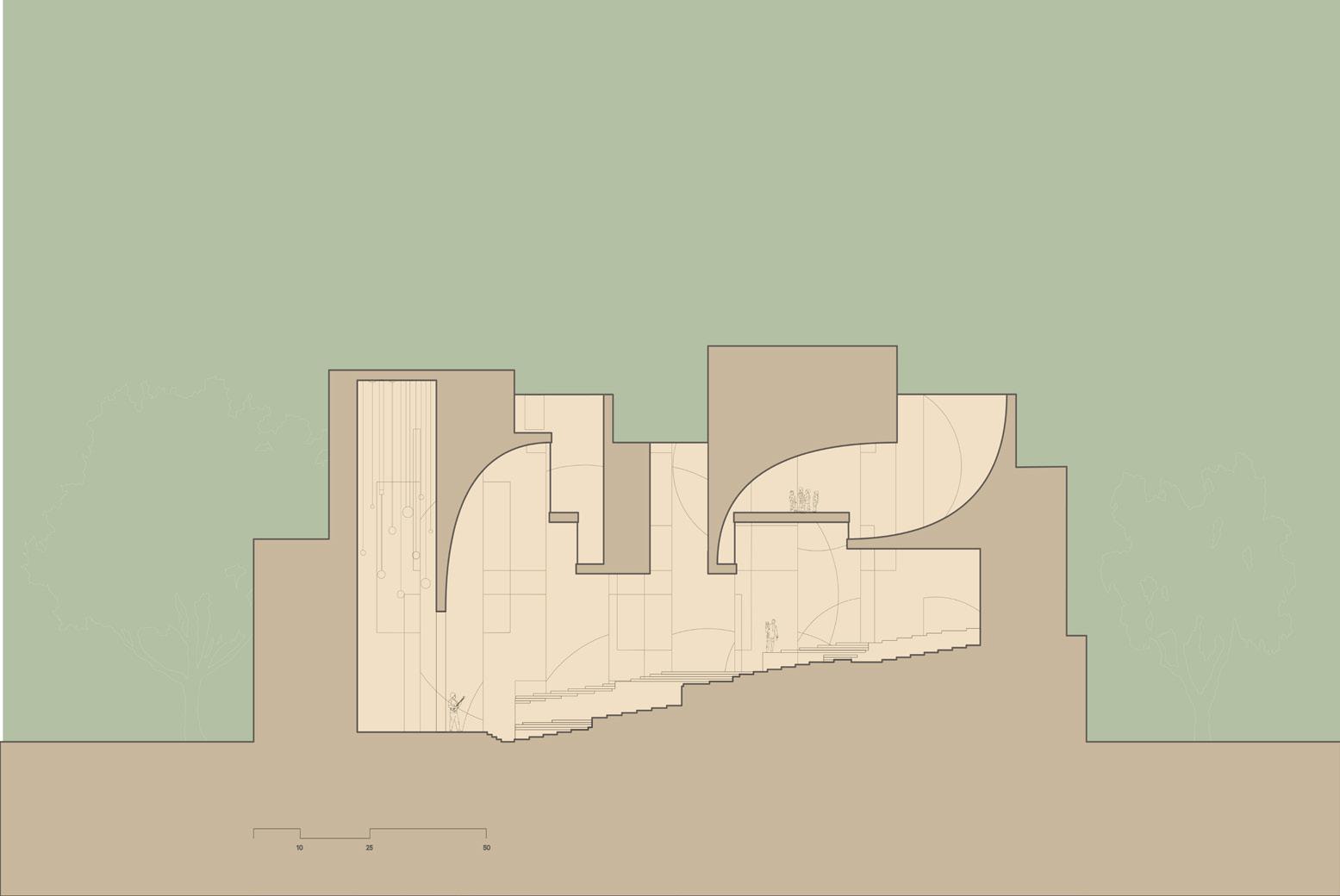
For the project iself, I was tasked to design a new 850 seat performing arts and lecture venue on a gateway site to the University of California, Santa Barbara campus, utilizing the catalog of affects developed in the first part of the studio. The learning objectives of the studio include developing logics for the flow of people, institutional identity, complex spatial experience, natural daylighting, and exploring novel drawing techniques to see and evaluate the work differently.
Above: Plan subdivision diagram
Right: (Top) Ariel exterior render, (Bottom) approach exterior render
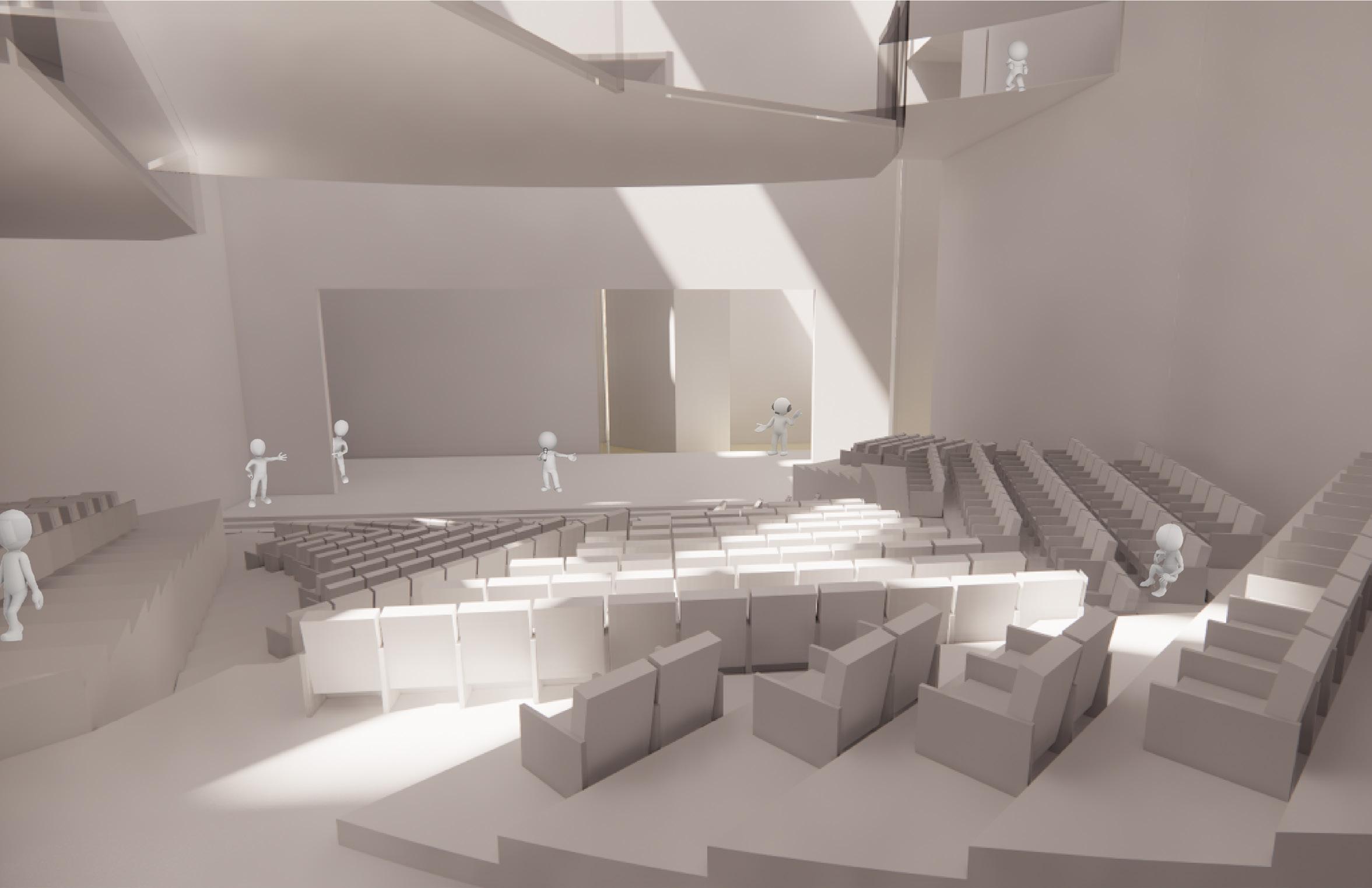
 Top: Interior renders
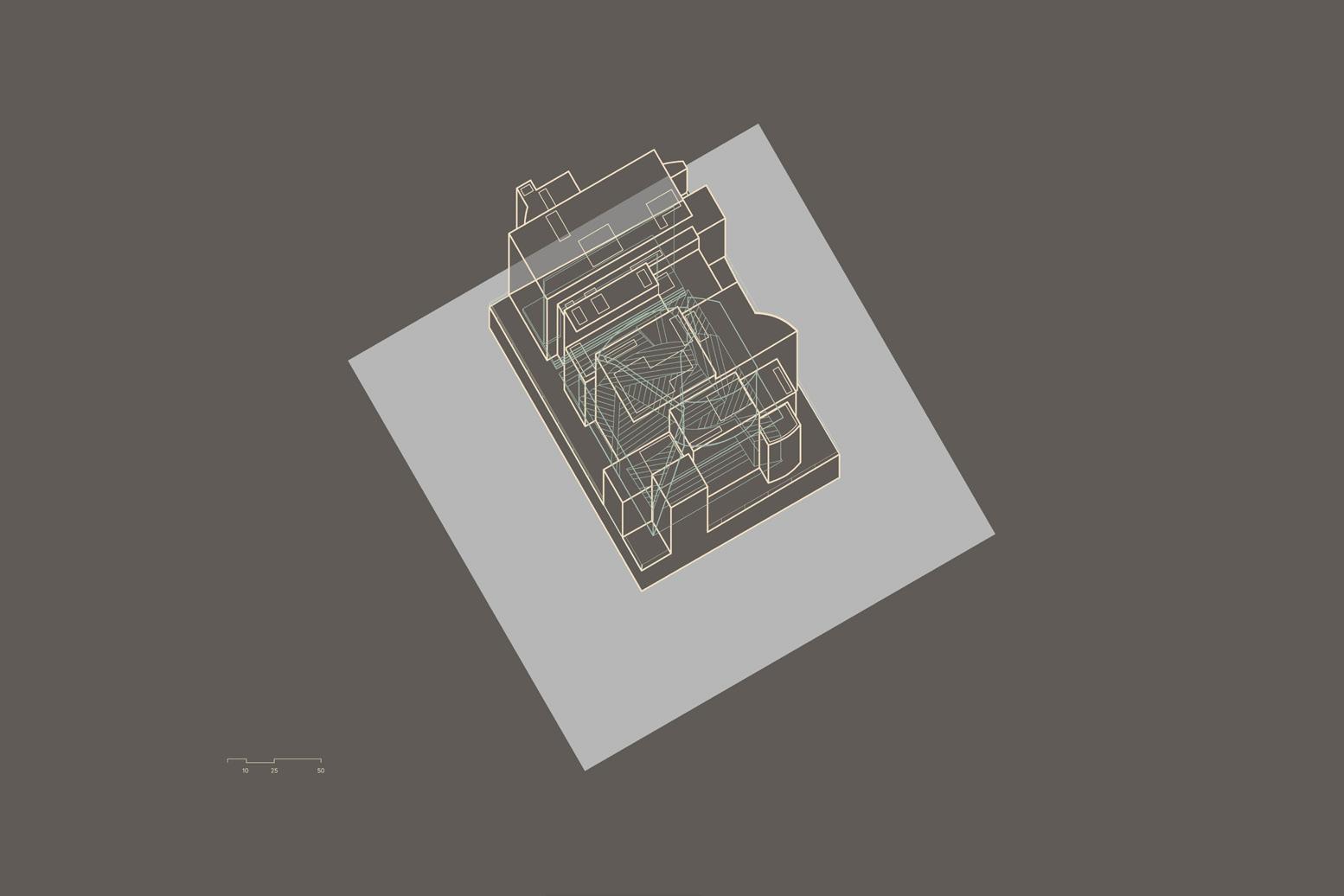
Bottom: (Left) Plan oblique massing wireframe, (Middle) plan subdivision diagram, (Right) section
Top: Interior renders
Bottom: (Left) Plan oblique massing wireframe, (Middle) plan subdivision diagram, (Right) section
The Urban Institute
San Francisco, CA | Keith Plymale
Fundementals of Architectural Design | Spring 2022
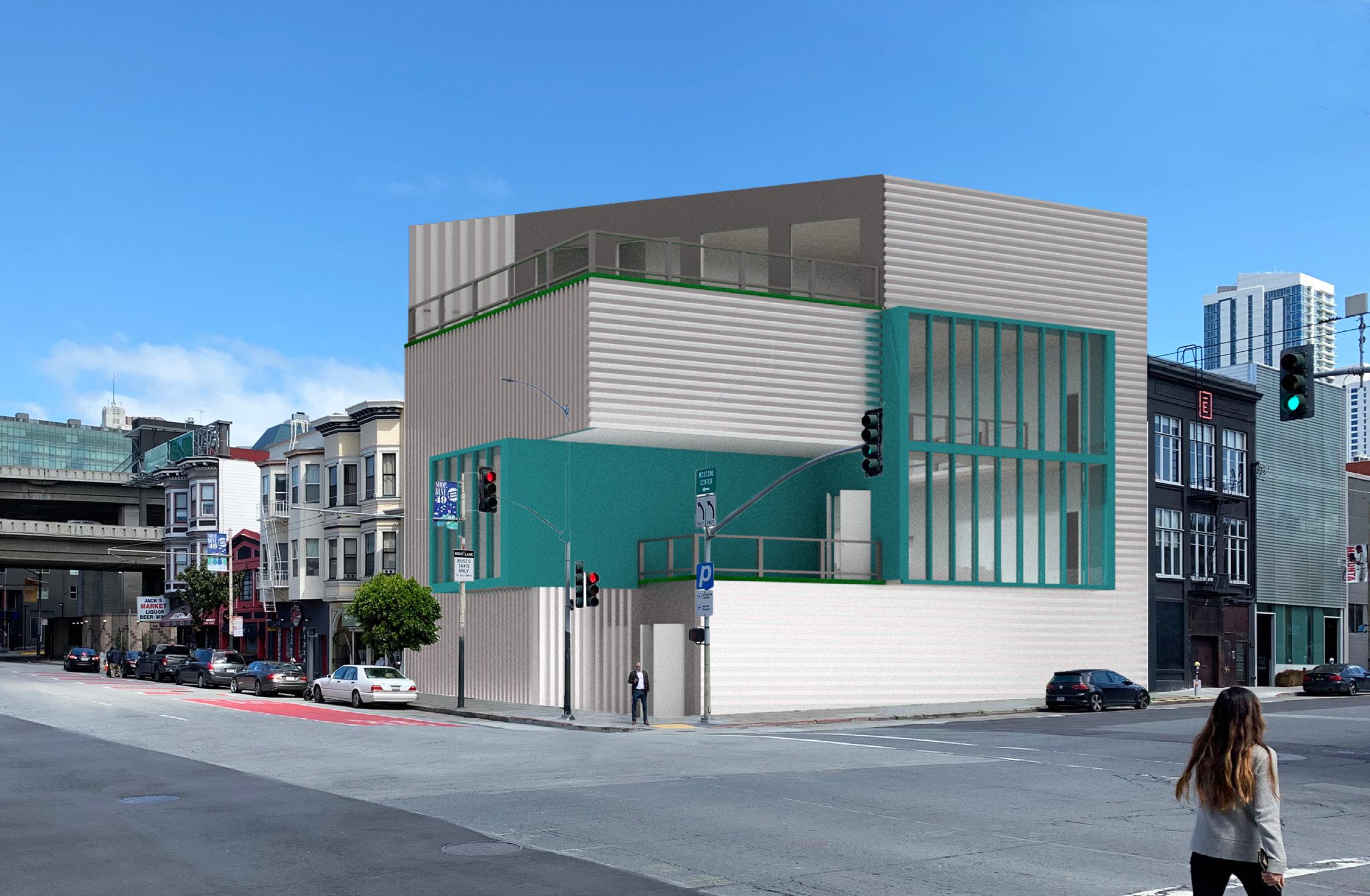
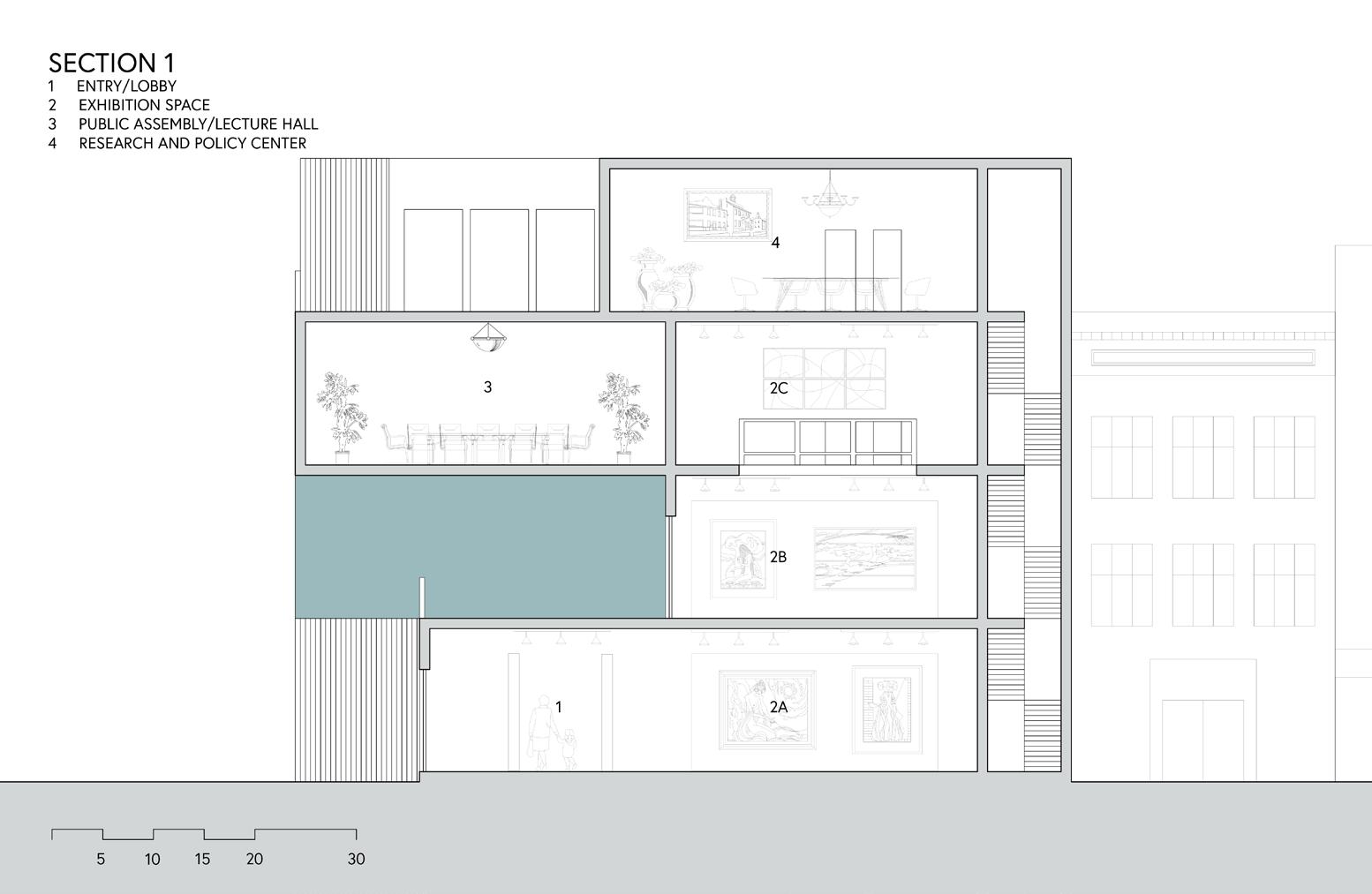
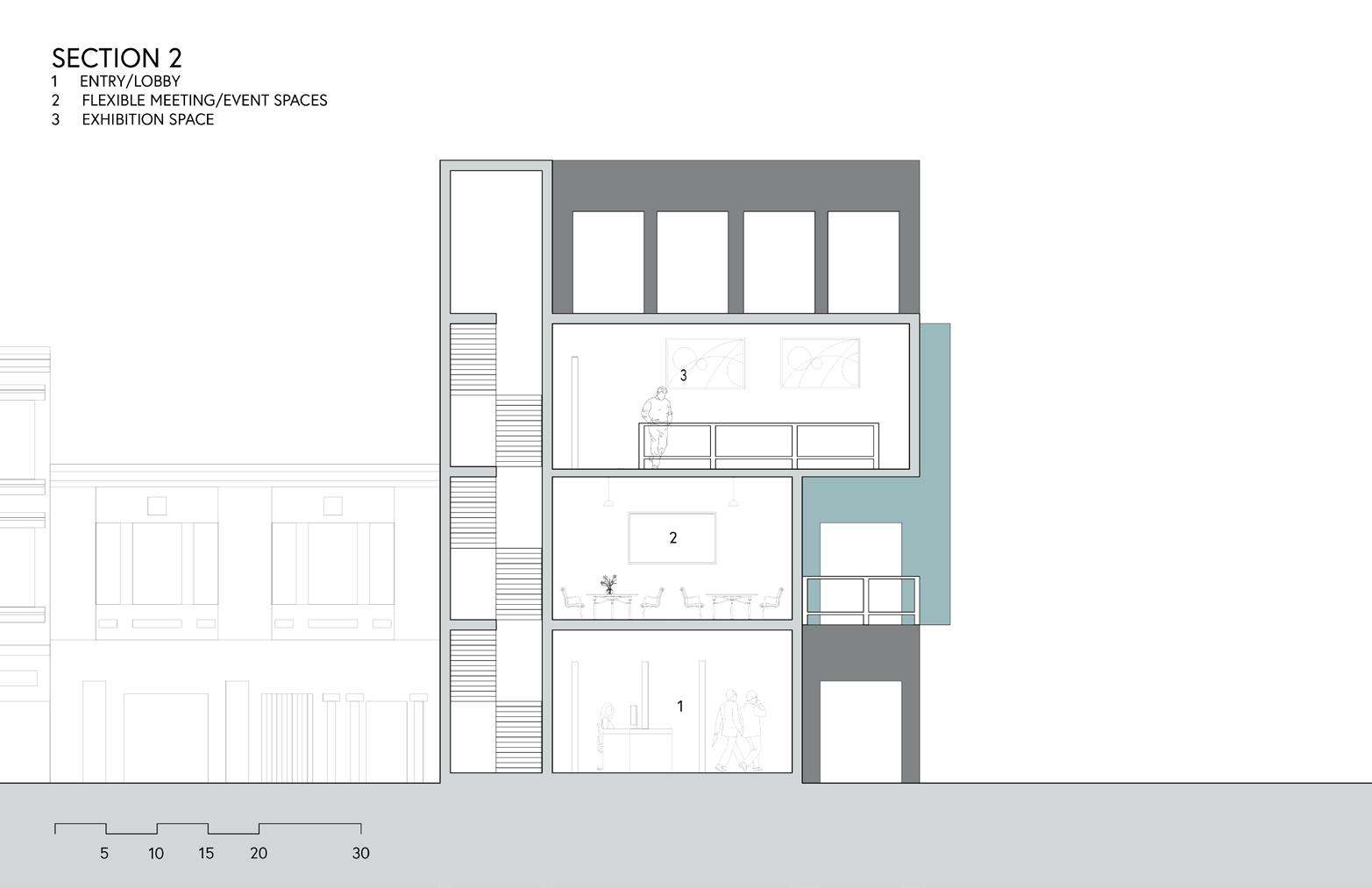
The Urban Institute is a building constructed by programs with a common set of interests: improving architecture and urban design in the Bay Area. Through interwoven tracks of research, education, and advocacy, the premise of this project is that a better quality of urban life can be supported through design. The institute relies an economic model that is an increasingly popular and necessary tool to support non-profit ventures, which is to use various parts of the building as flexible rental space for social events and business purposes, both creating and celebrating an urban tableau of continually varied users, constituencies, needs and expectations.
The productive merger and interaction of different programs and their particular spatial conditions was a central agenda for the project. The precedent I studied for this project - the Shanghai Modern Art Museum in China - heavily influences and inspired my building design which was to draw users’ focus toward the street corner. The interlocking shapes created a dynamic design which provides outdoor spaces and shade.
Above: Corner exterior render Right: interior render, (Bottom) bird’s eye view
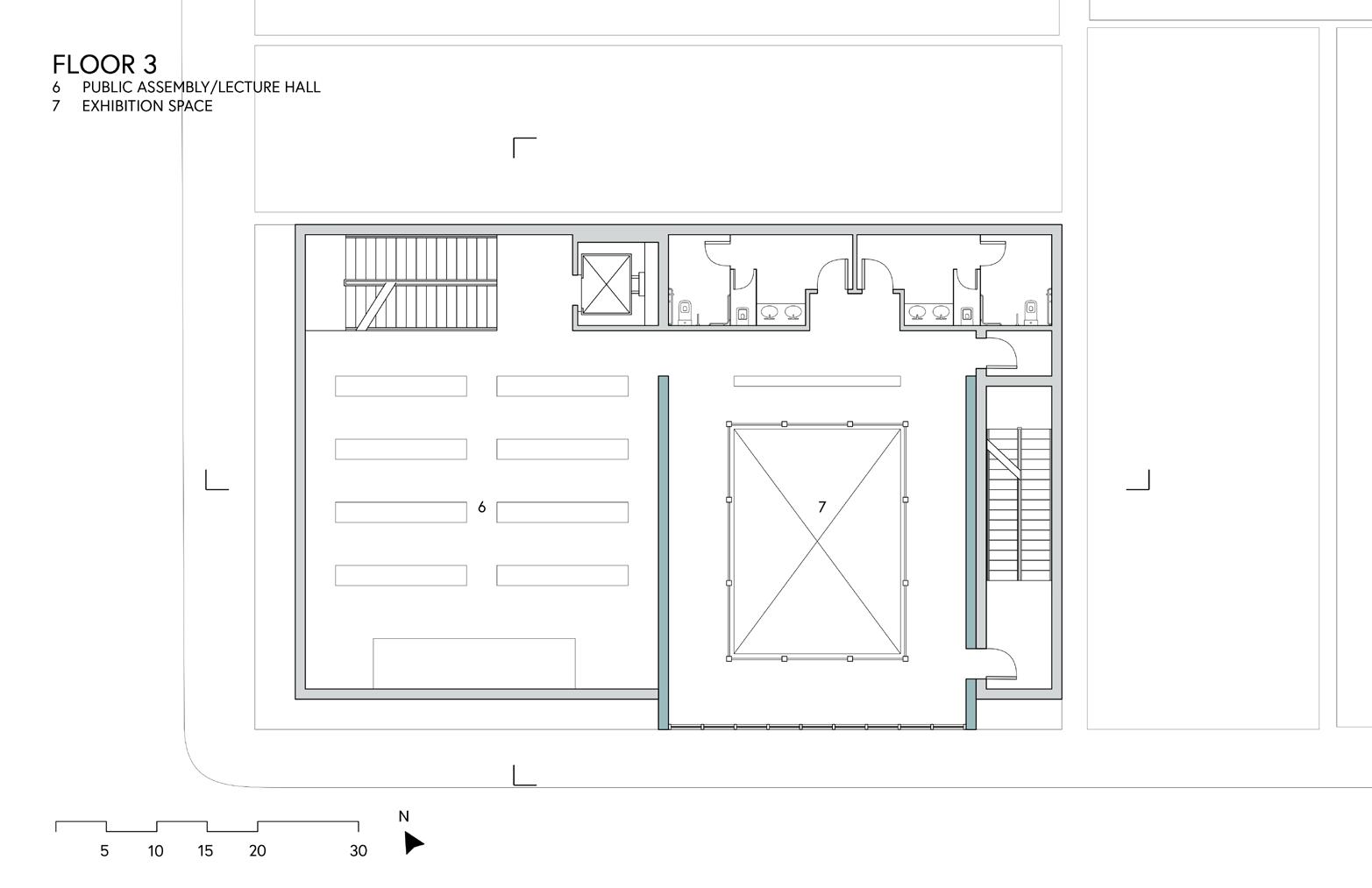
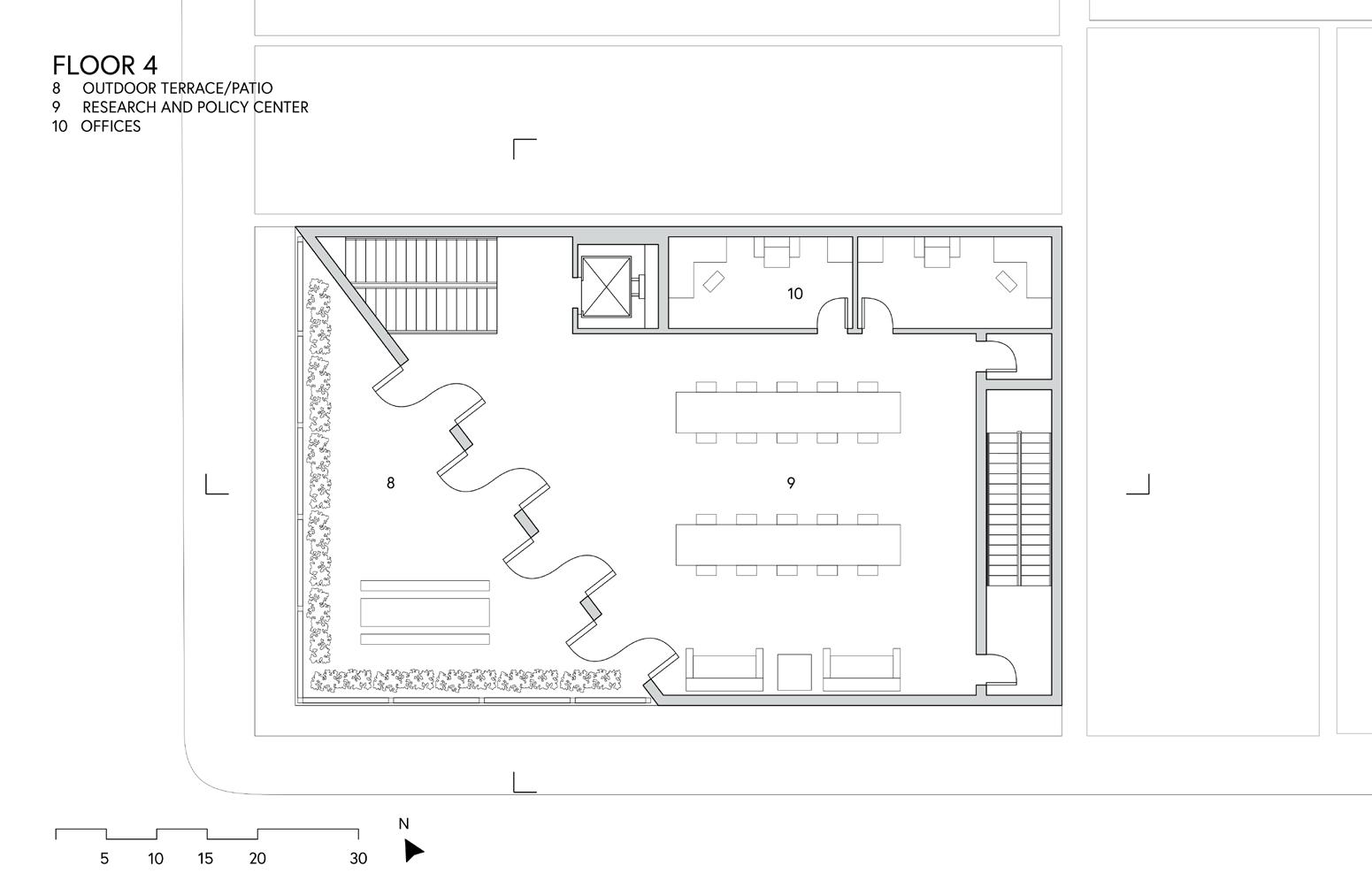 Left and Middle: Plans
Right: Section cut elevations
Left and Middle: Plans
Right: Section cut elevations
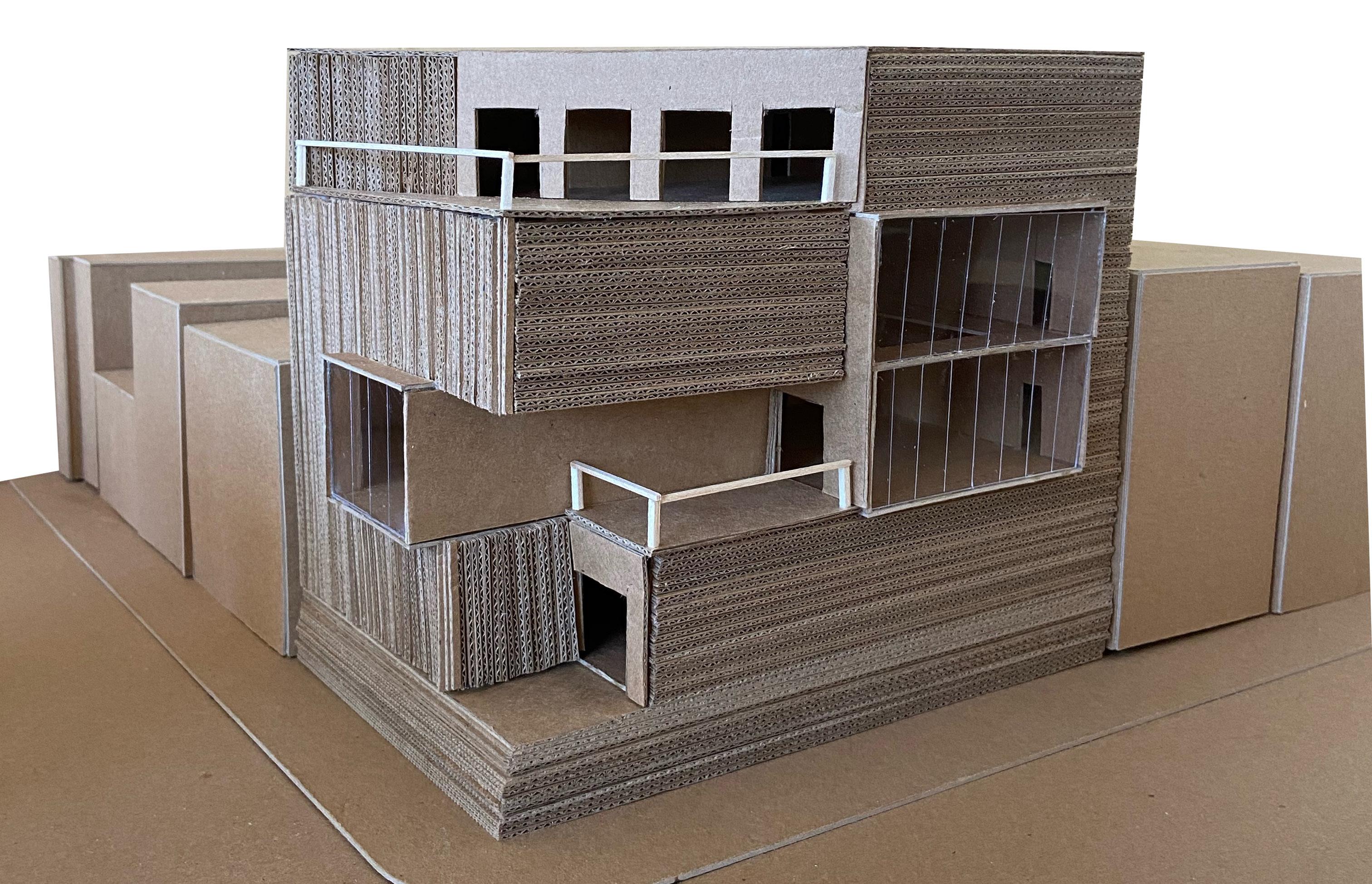
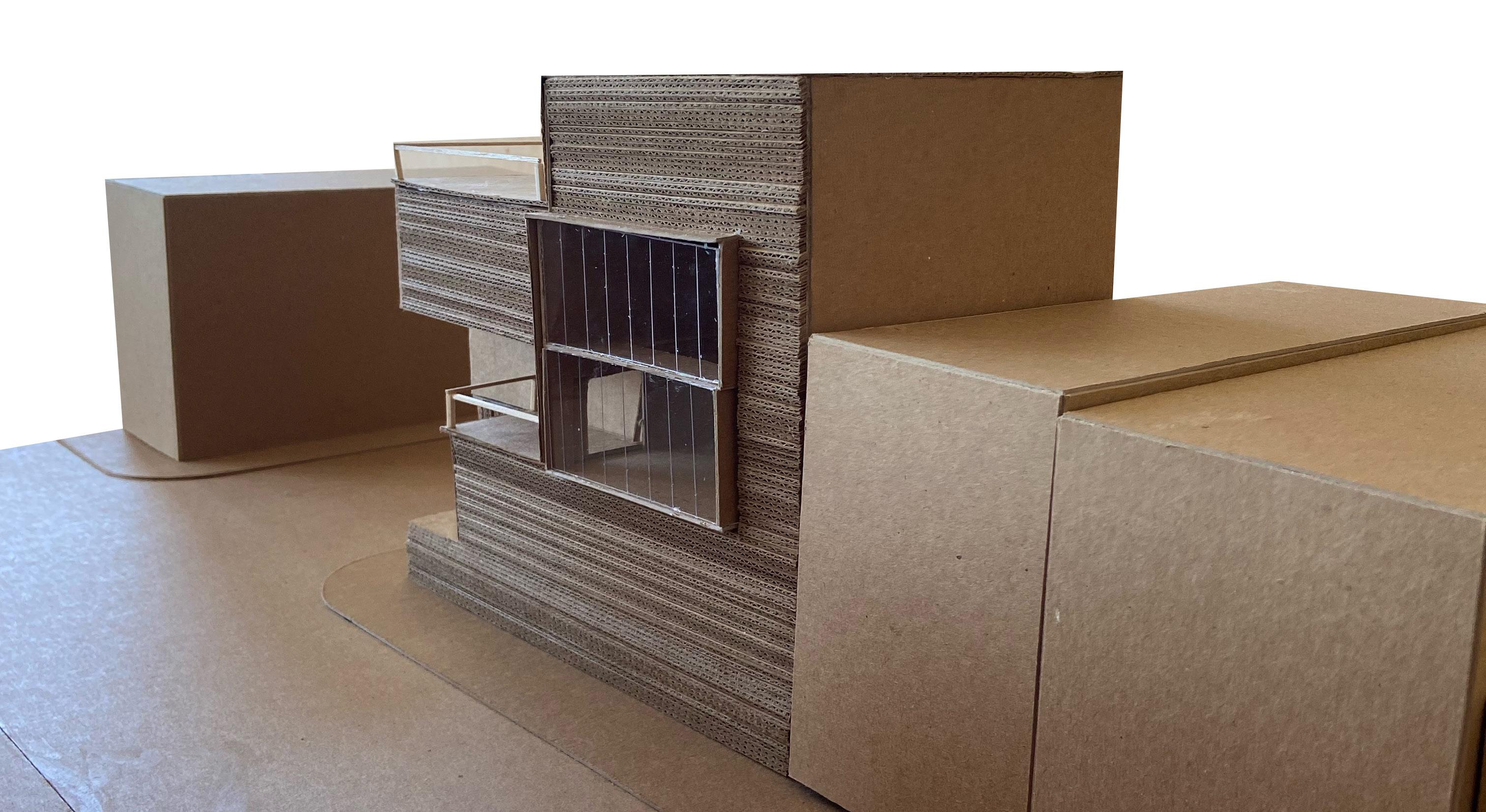 Top: Final physical model
Right: (Top) Conceptural premise/primary intent diagram, (Bottom) programmatic strategy of the project
Top: Final physical model
Right: (Top) Conceptural premise/primary intent diagram, (Bottom) programmatic strategy of the project


Oakland Community Center
Oakland, CA | Jasmit
Rangr
Fundementals of Architectural Design | Fall 2021
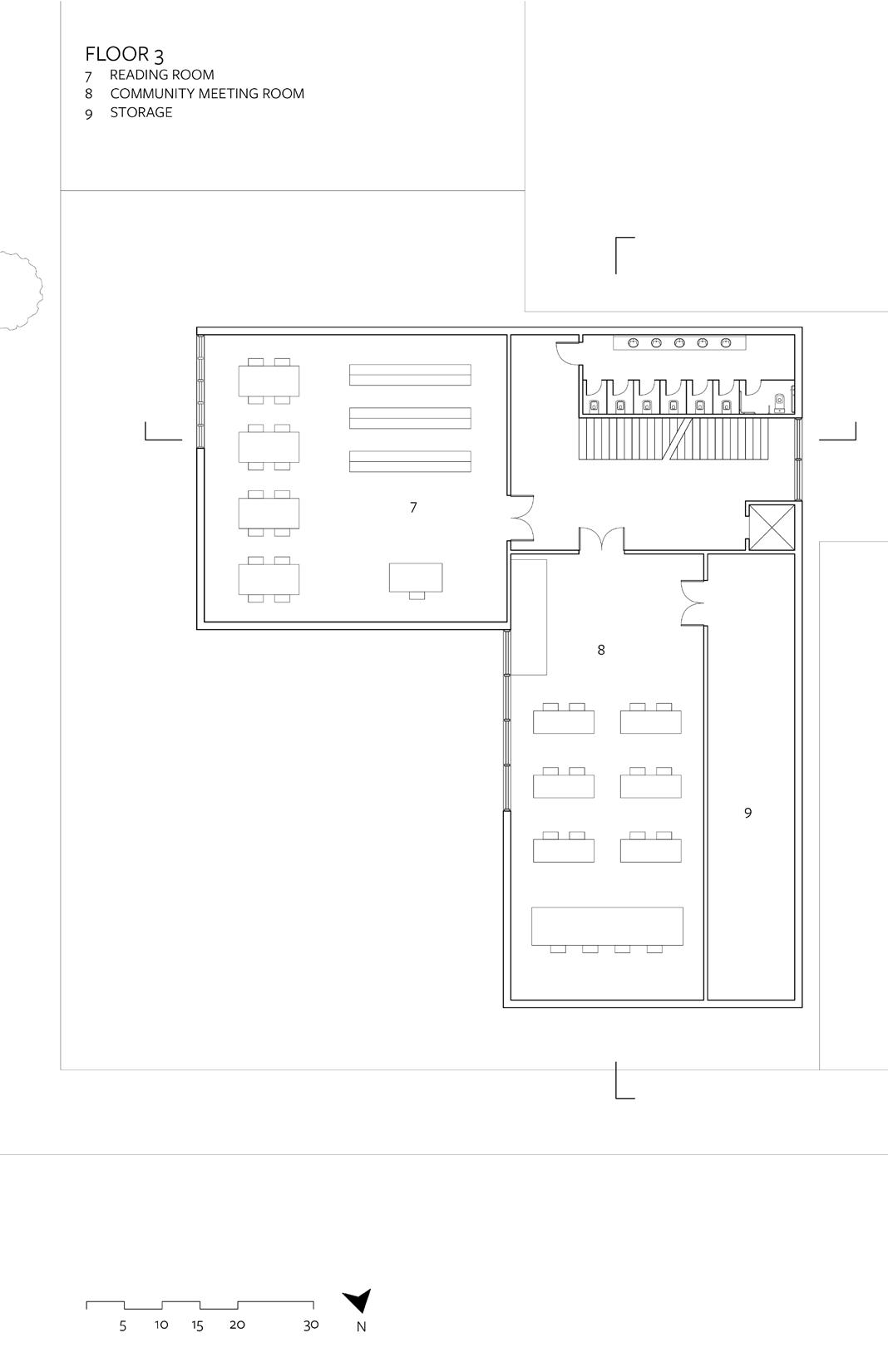
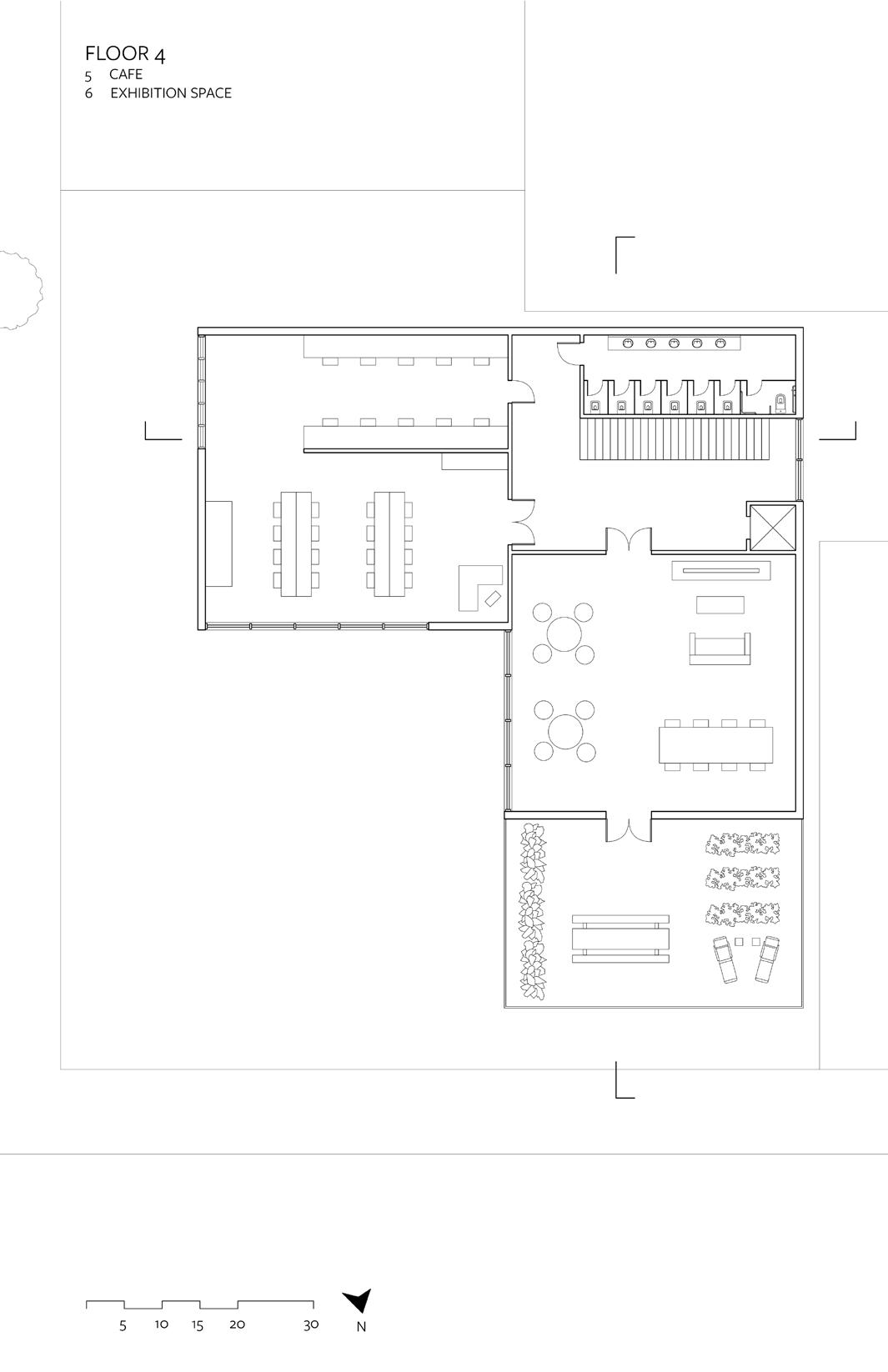
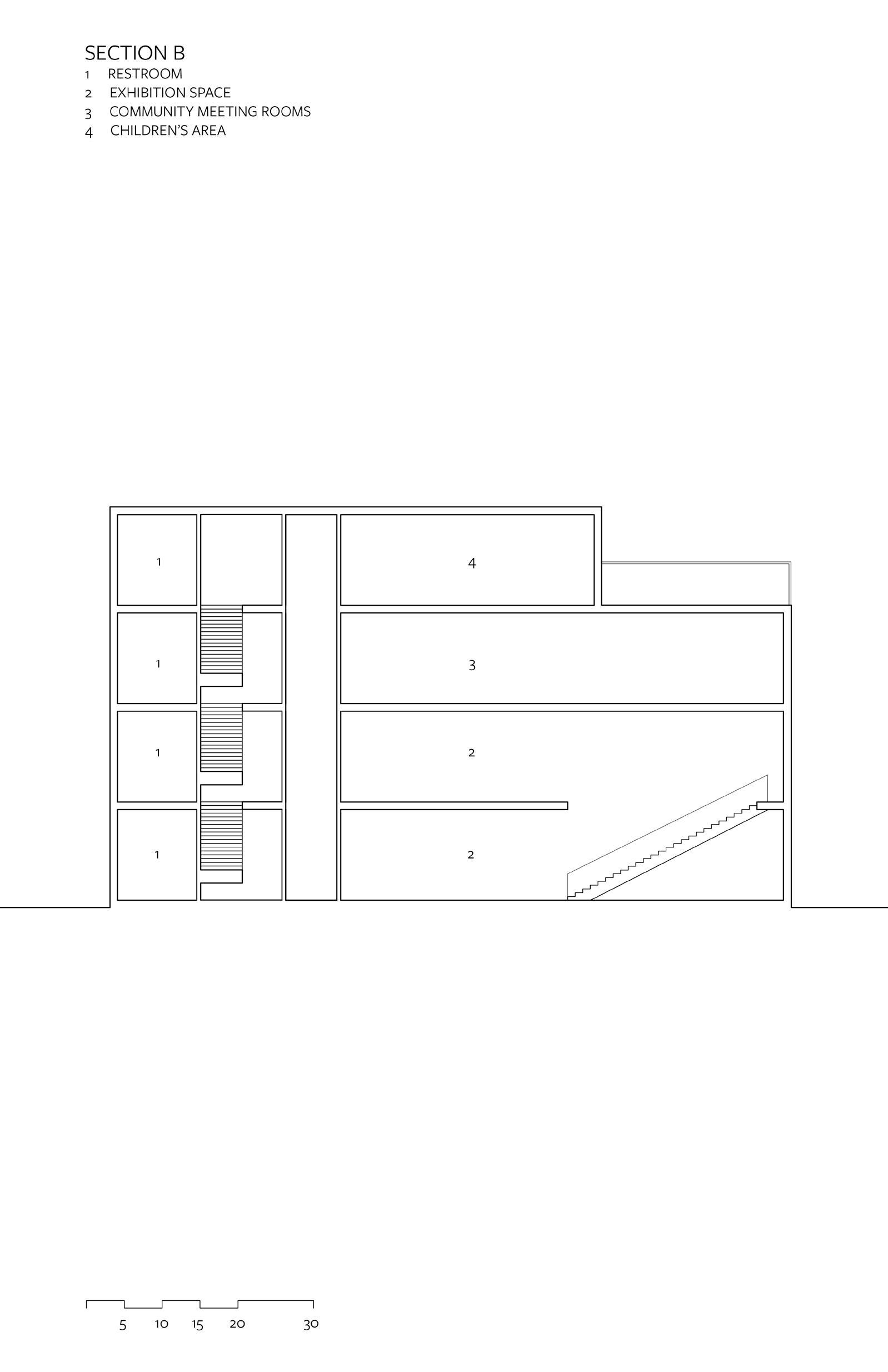
This project was my first attempt at designing a museum, attempting to incorporate design concepts at the intersection of material, program and form while introducing issues of site, order, color, and circulation. I also had to consider questions such as: what is a museum? What should a museum be? What does “part museum” mean? What about “part something else”?
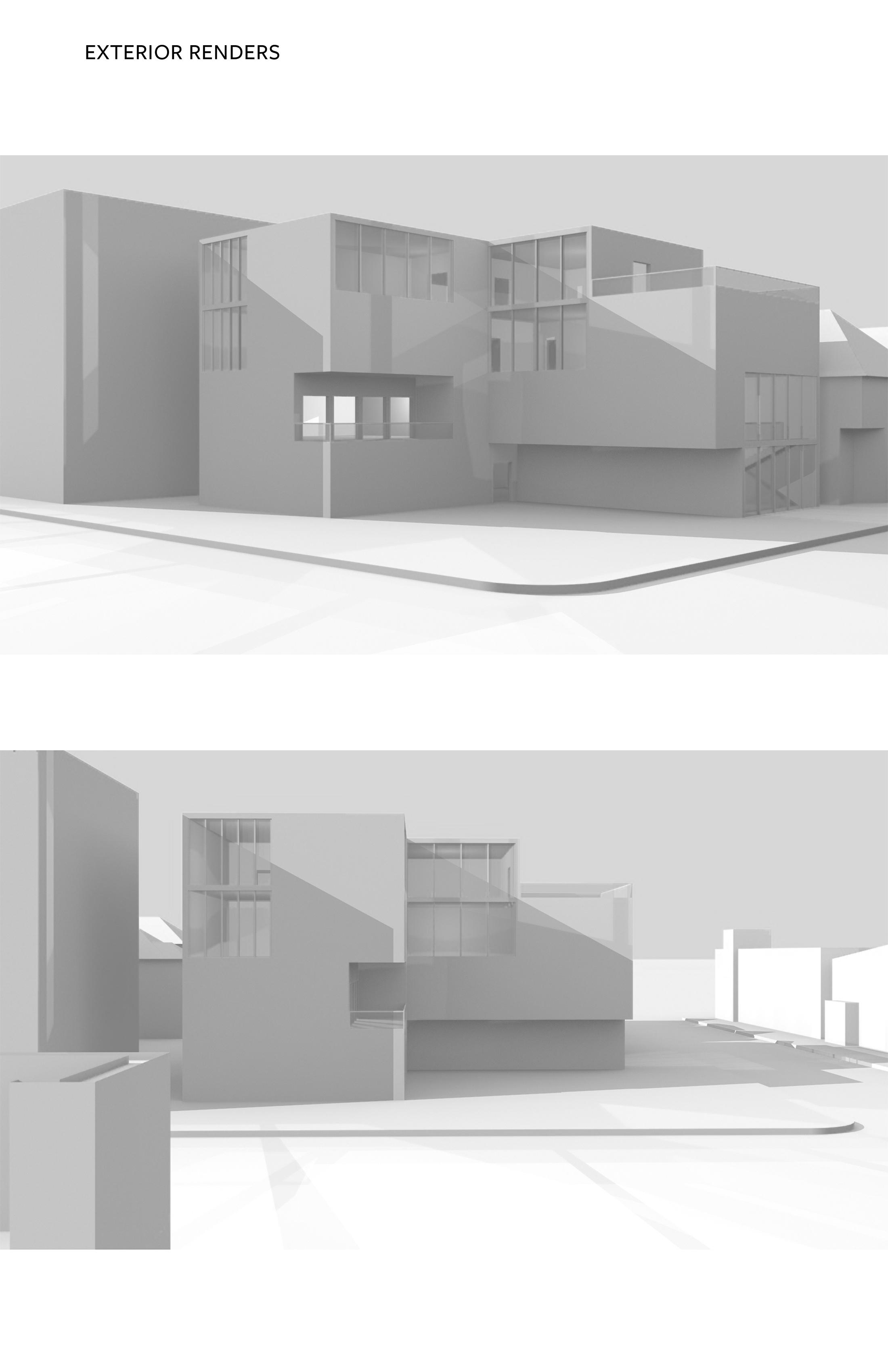 Top: Corner render
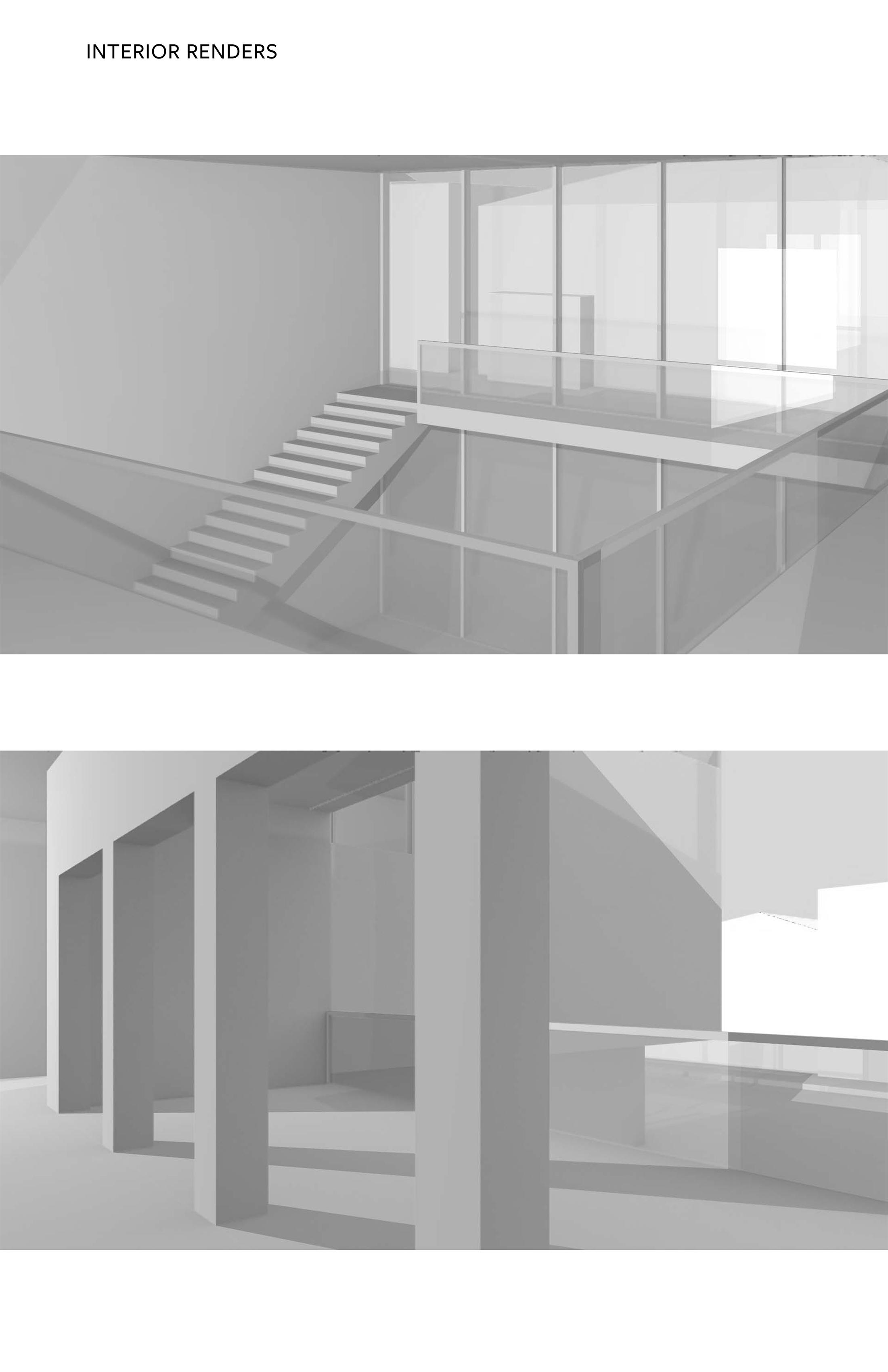
Right: (Top) interior render, (Bottom) exterior render
Top: Corner render
Right: (Top) interior render, (Bottom) exterior render
Top:
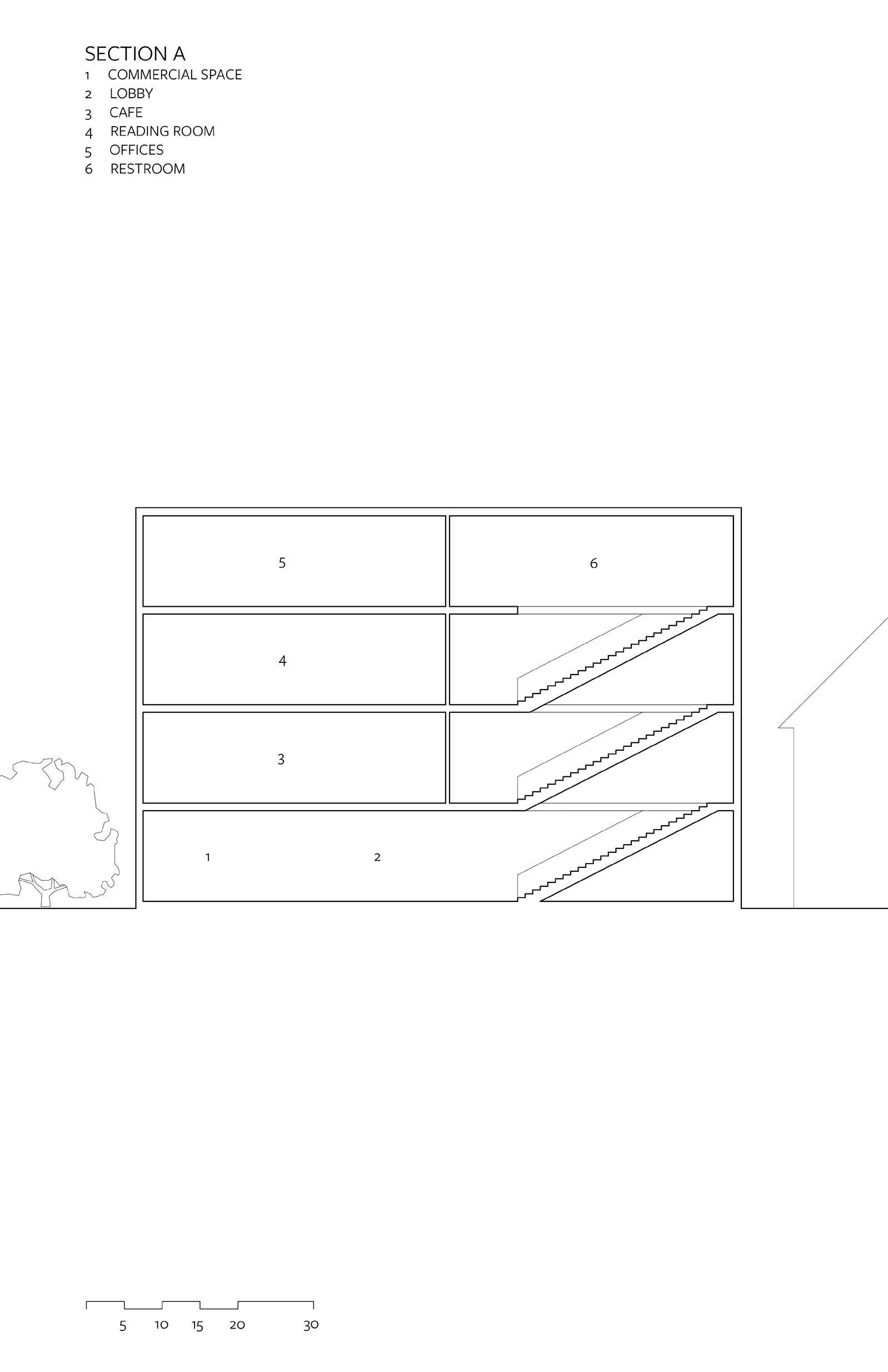
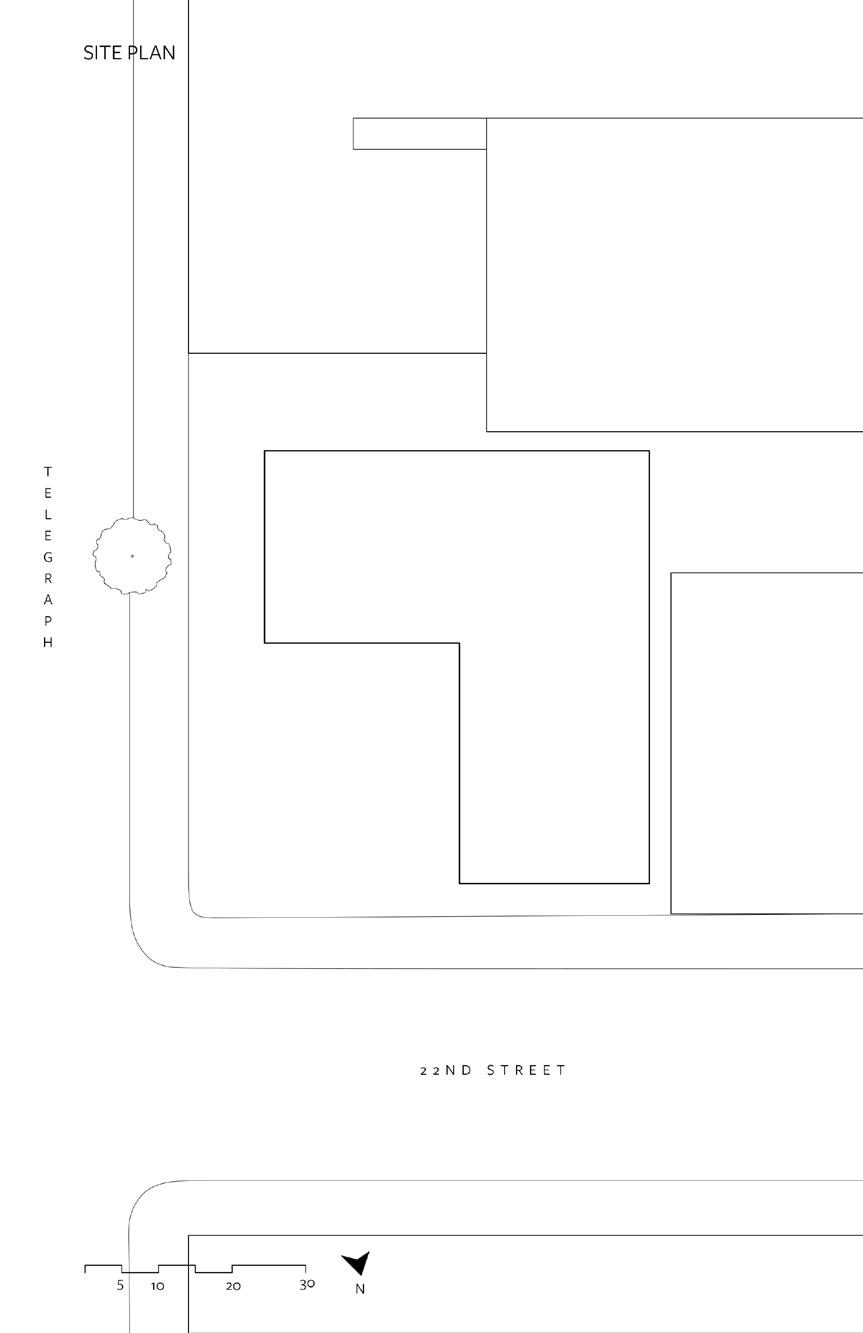
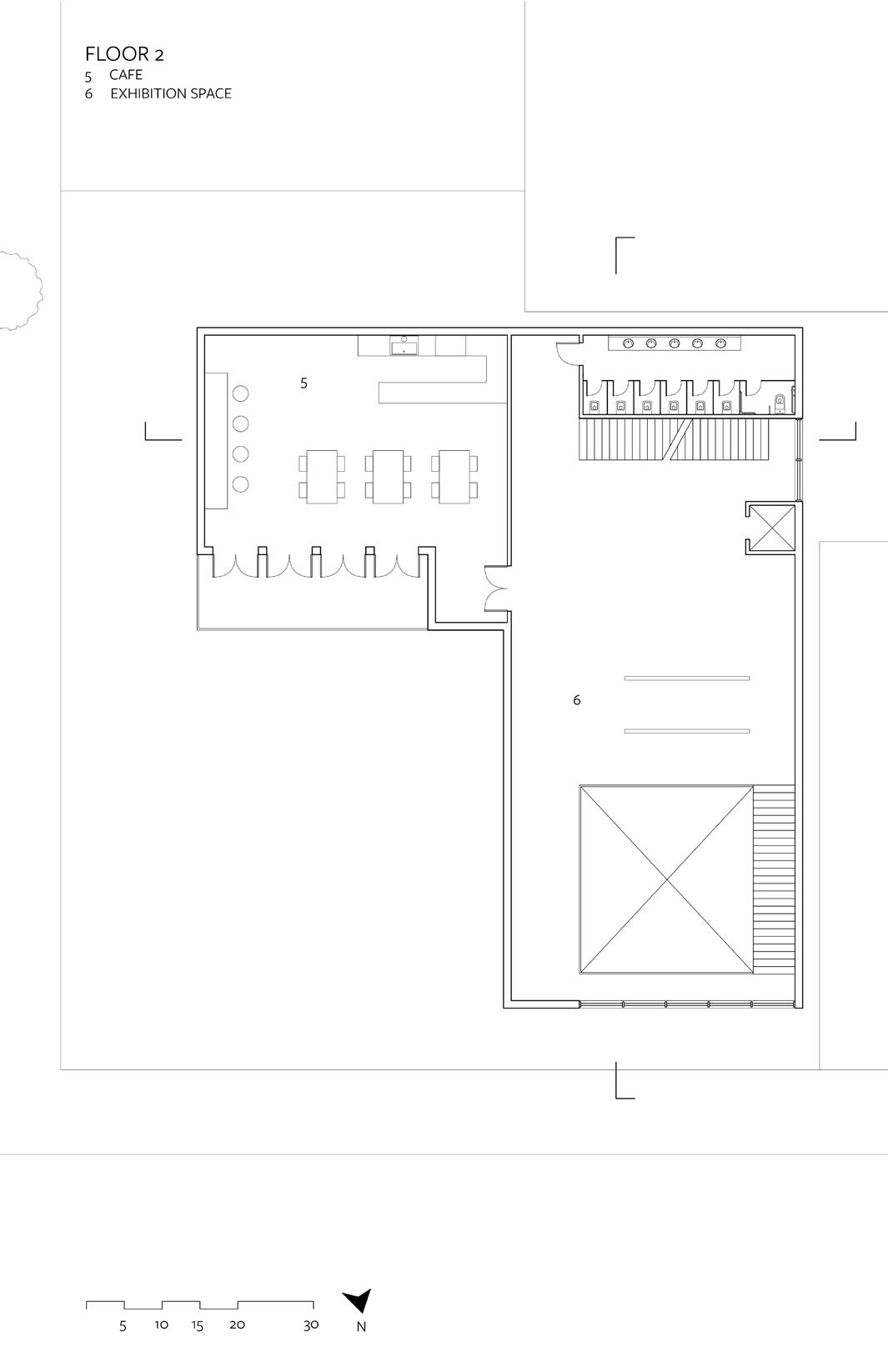
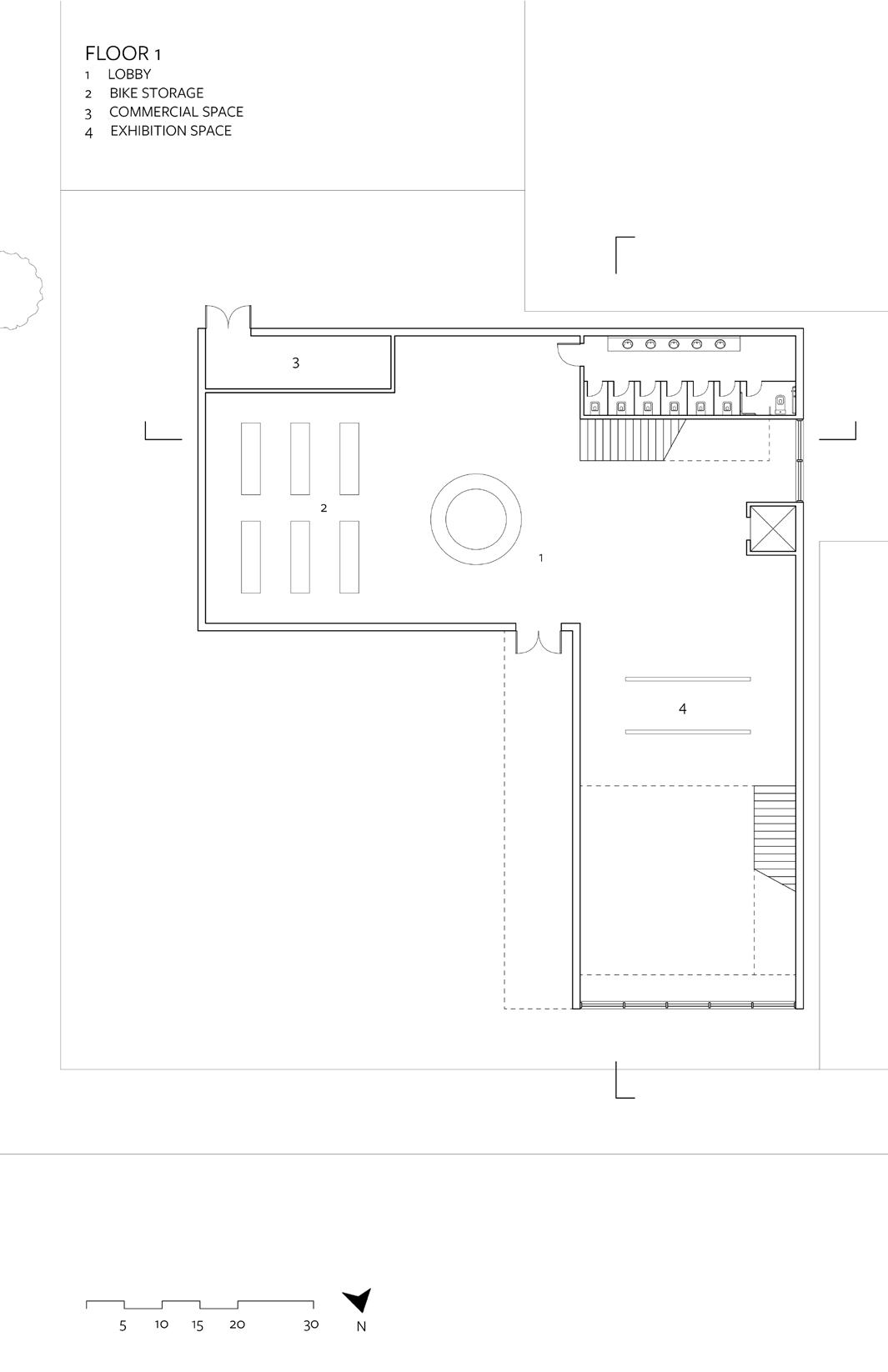 Plans
Bottom: Site plan, (Right) Section cut elevations
Plans
Bottom: Site plan, (Right) Section cut elevations
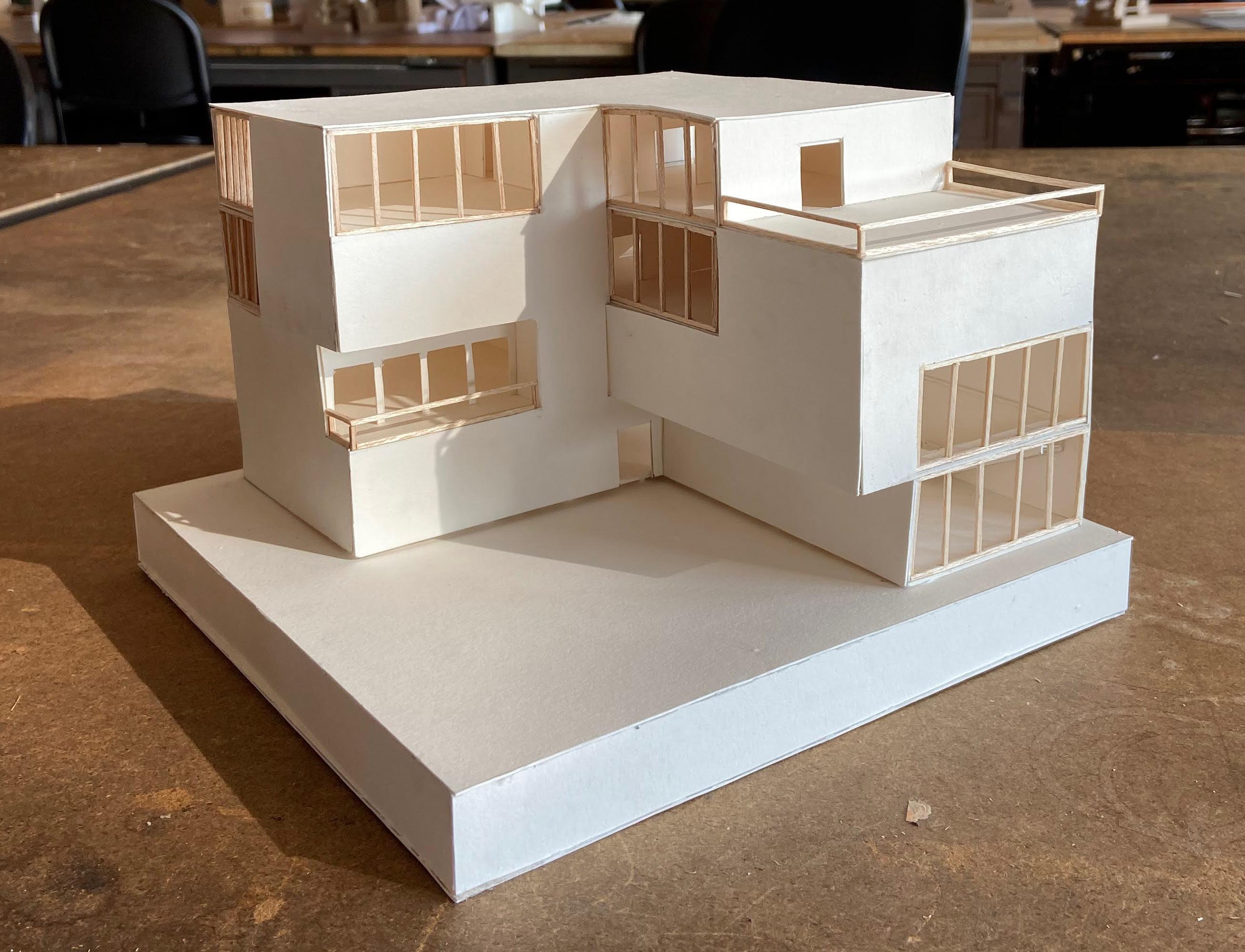
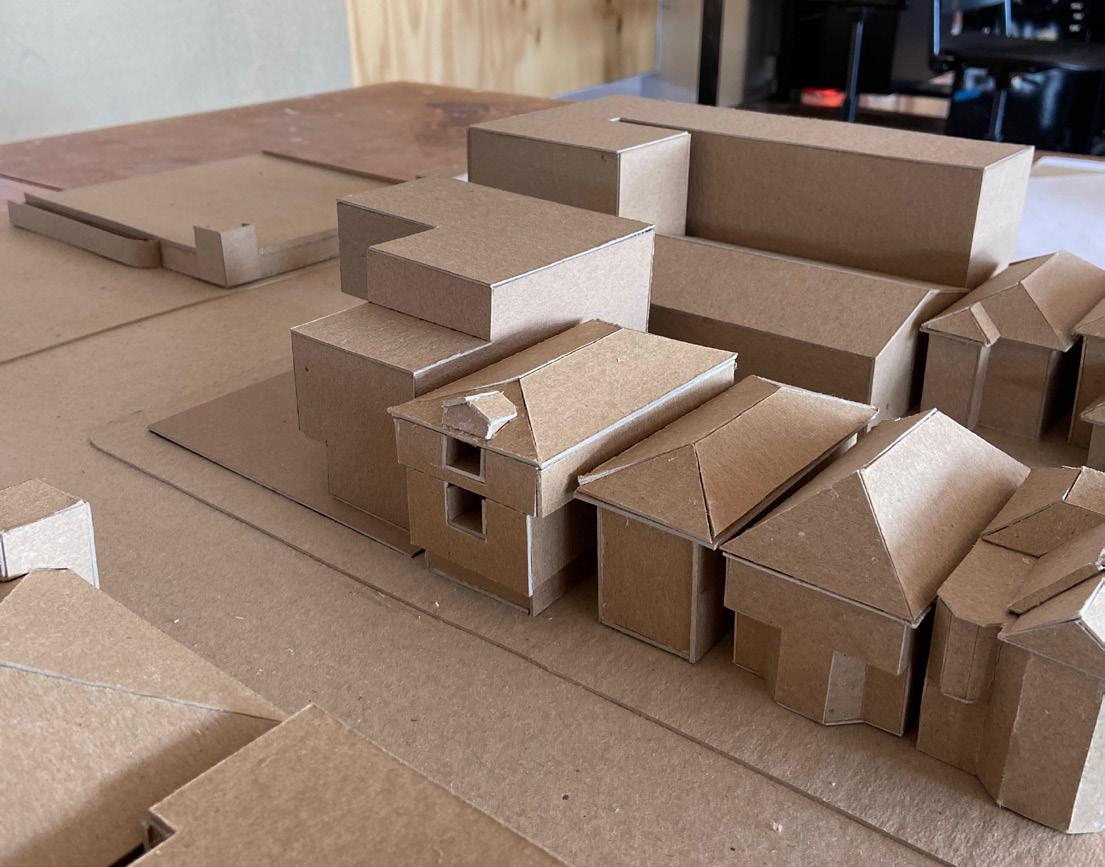
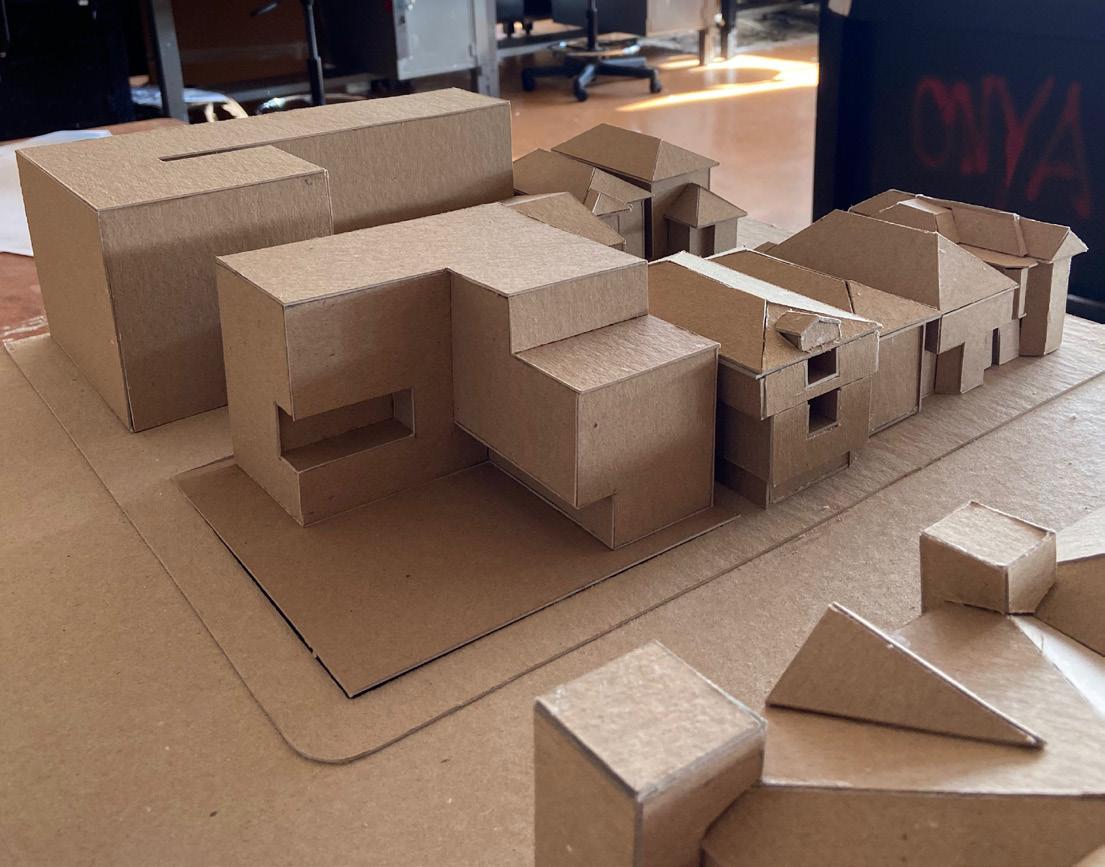 Top: Final physical model
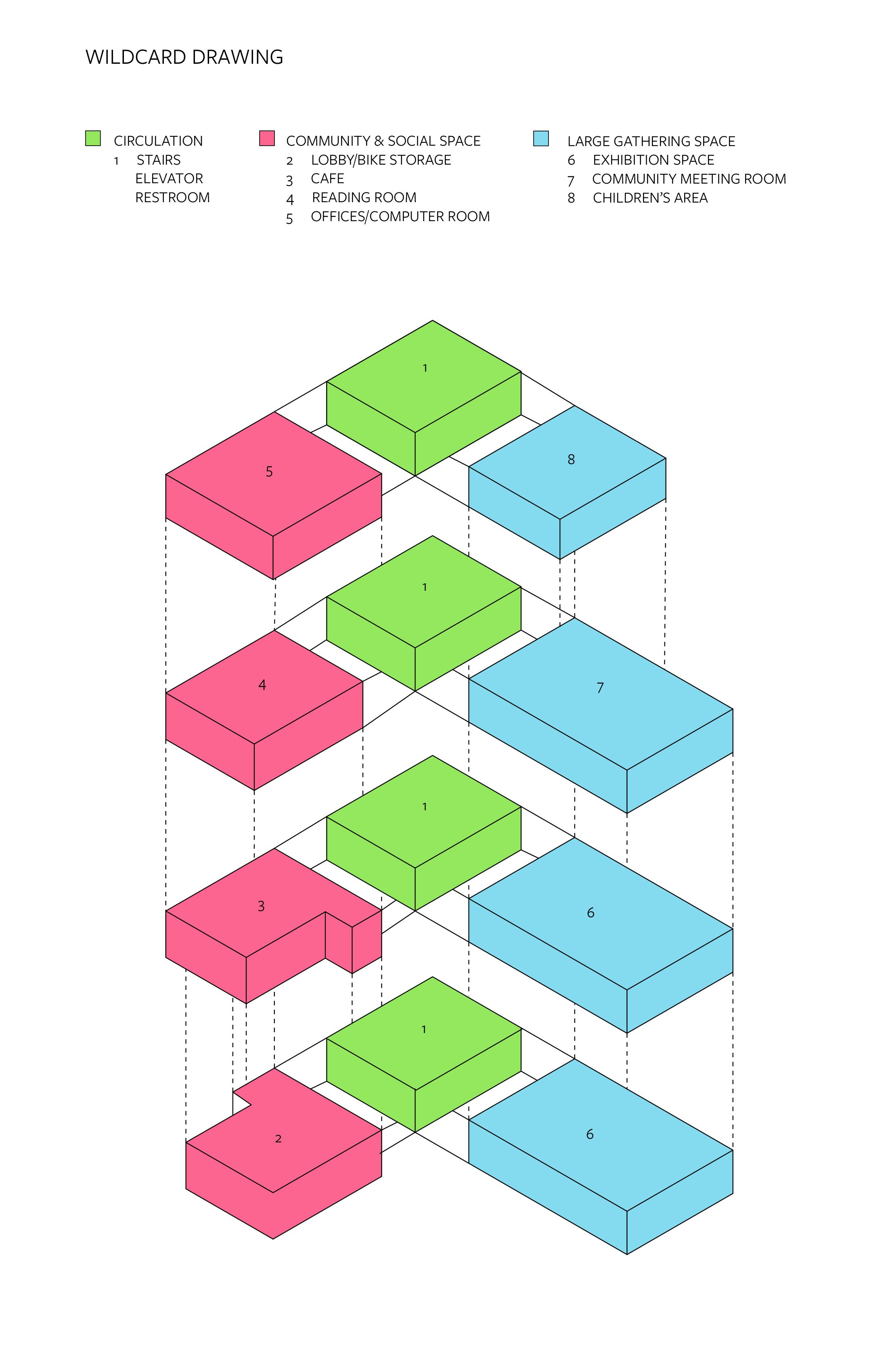
Right: Circulation diagram
Top: Final physical model
Right: Circulation diagram
Two Family Duplex
Los Angeles, CA | Maria
Paz Gutierrez
Introduction to Design | Spring 2021
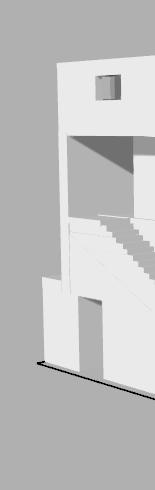
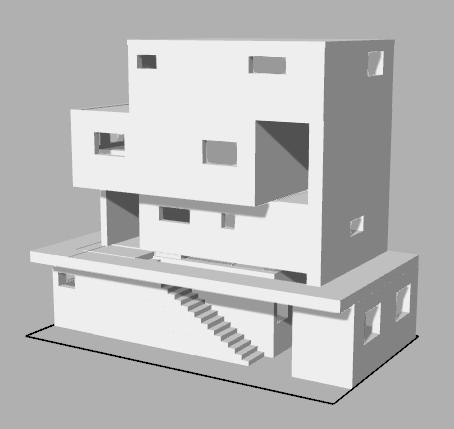
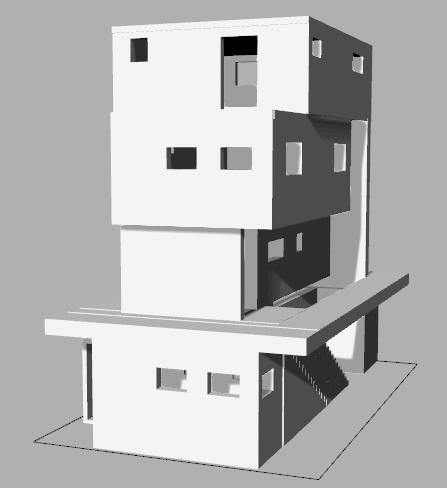
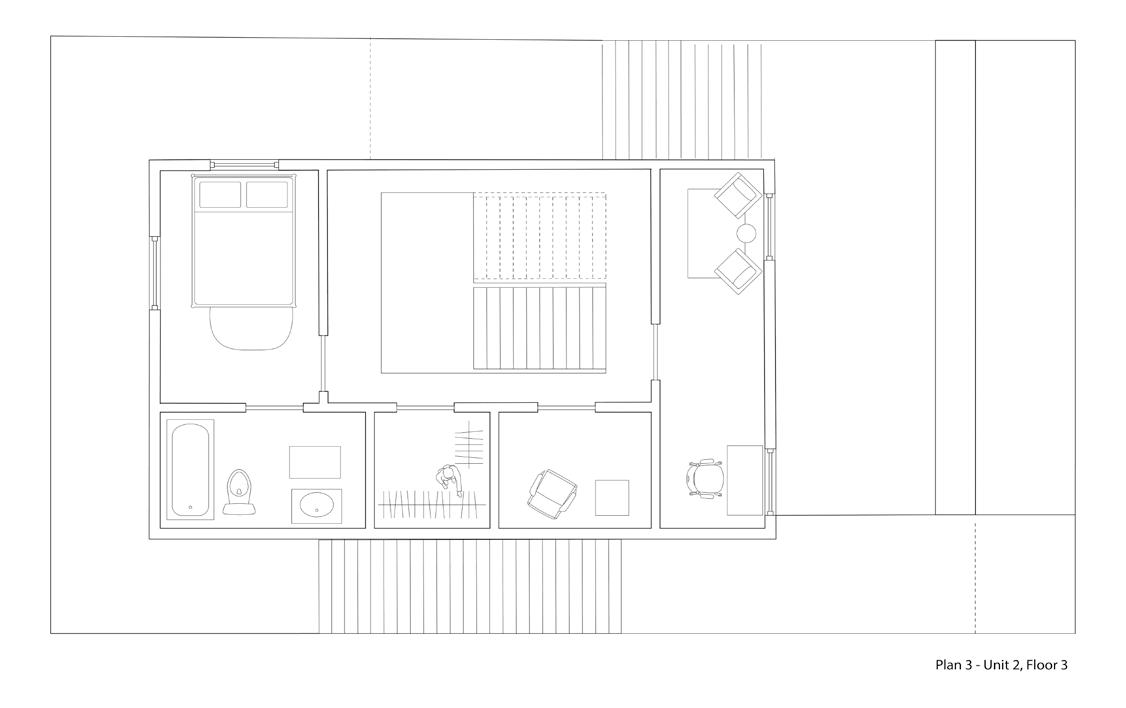
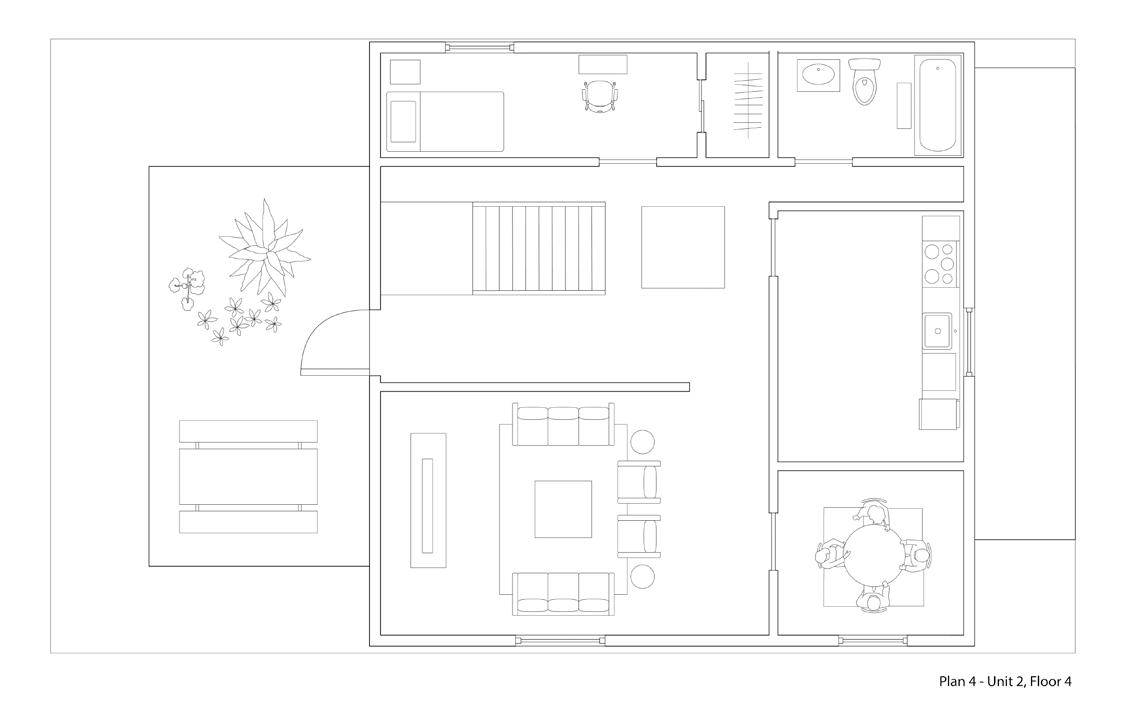
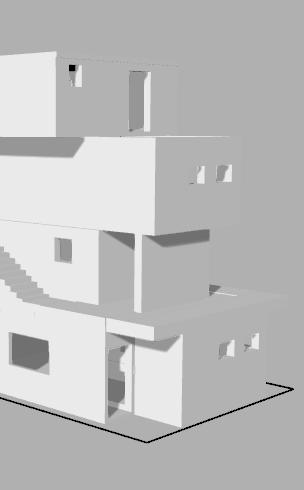
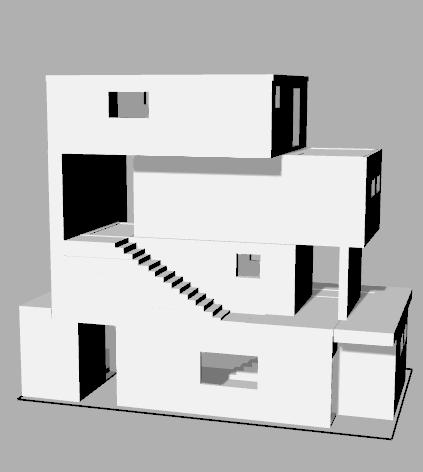
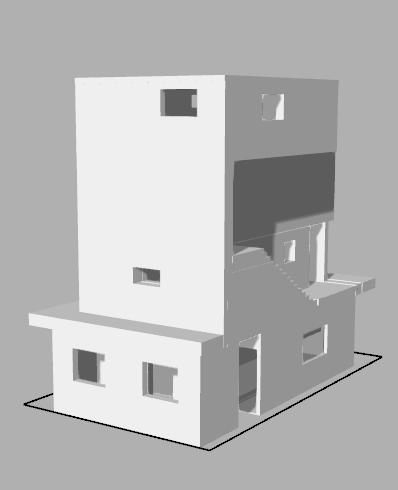
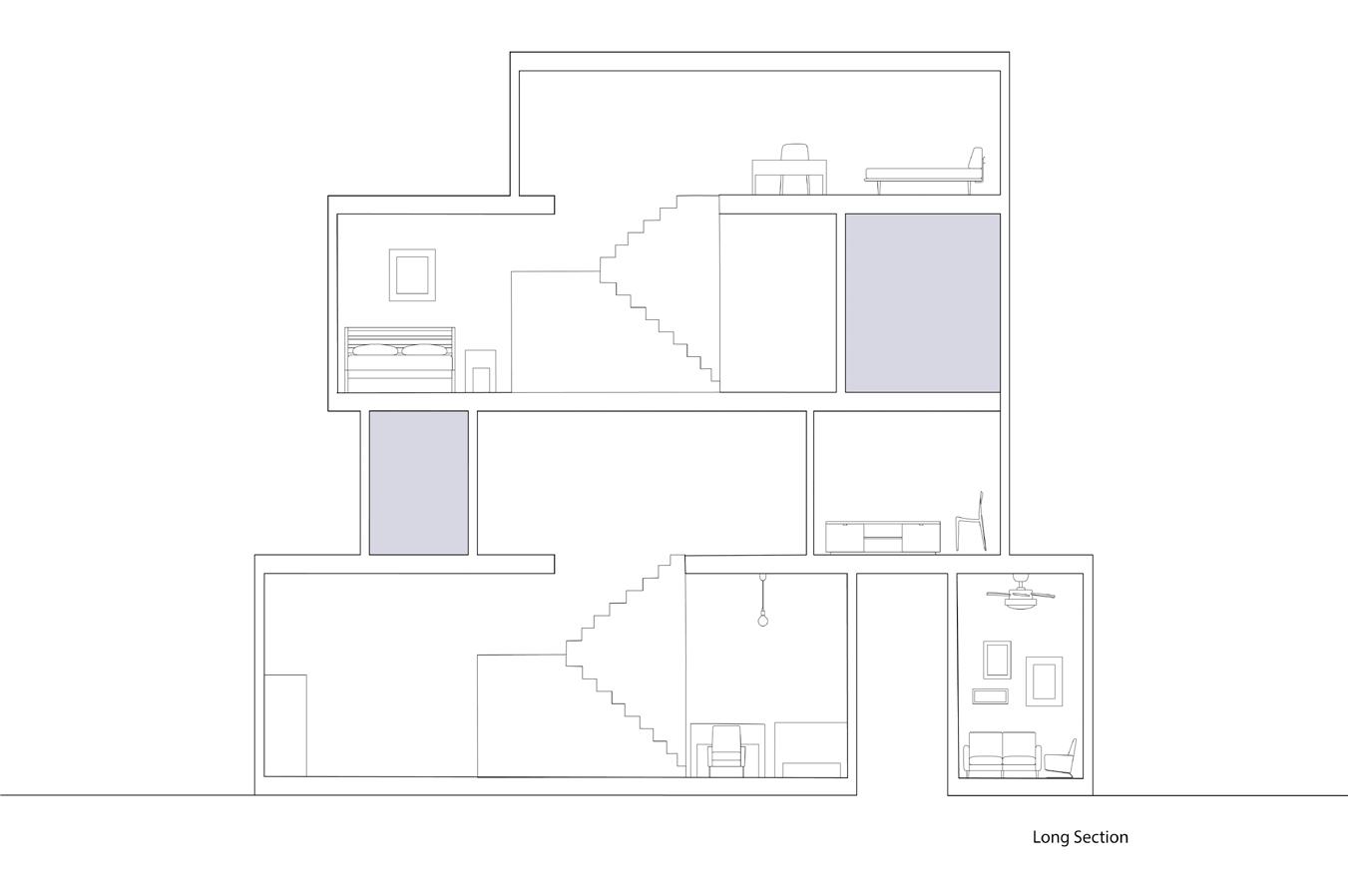
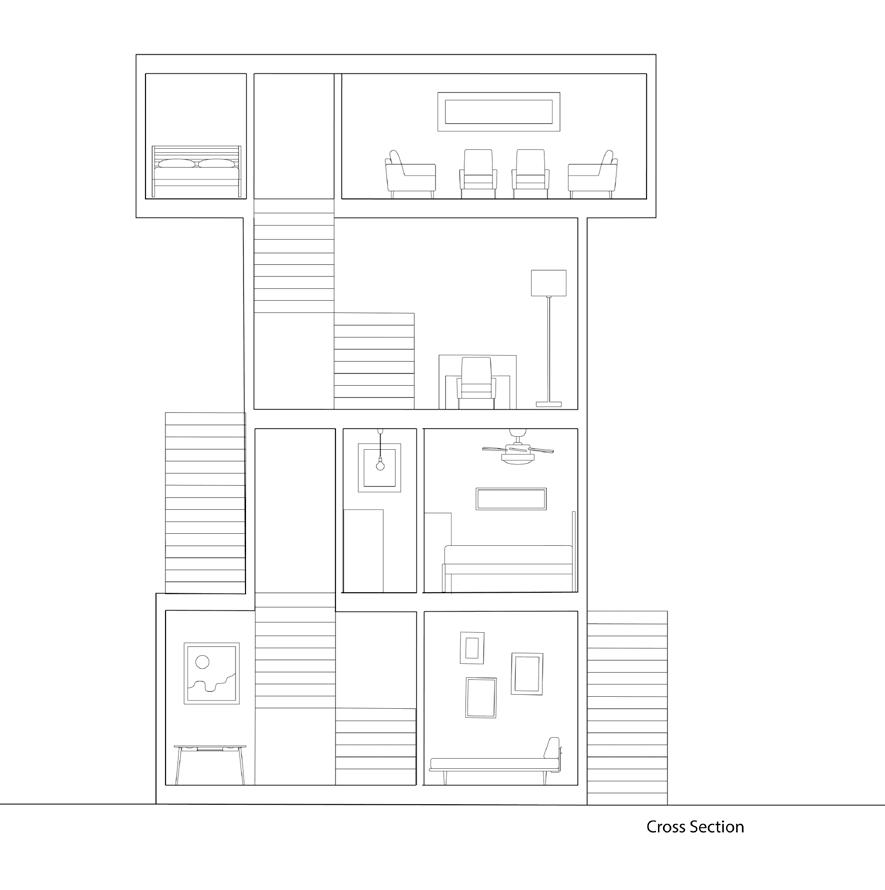
The requirements of this duplex included a duplex to accomodate two seperate units for two different families: Unit 1 is for a young couple with two young children and Unit 2 is for a couple and one older relative. This was my first studio course creating a space with given space and program requirements. The main focus of my design was to create an exterior circulation so that the different families would be able to move around the duplex without bothering one another to maintain privacy for themselves. I also wanted to work within the context of the site - Los Angeles - and create a sleek and modern design.
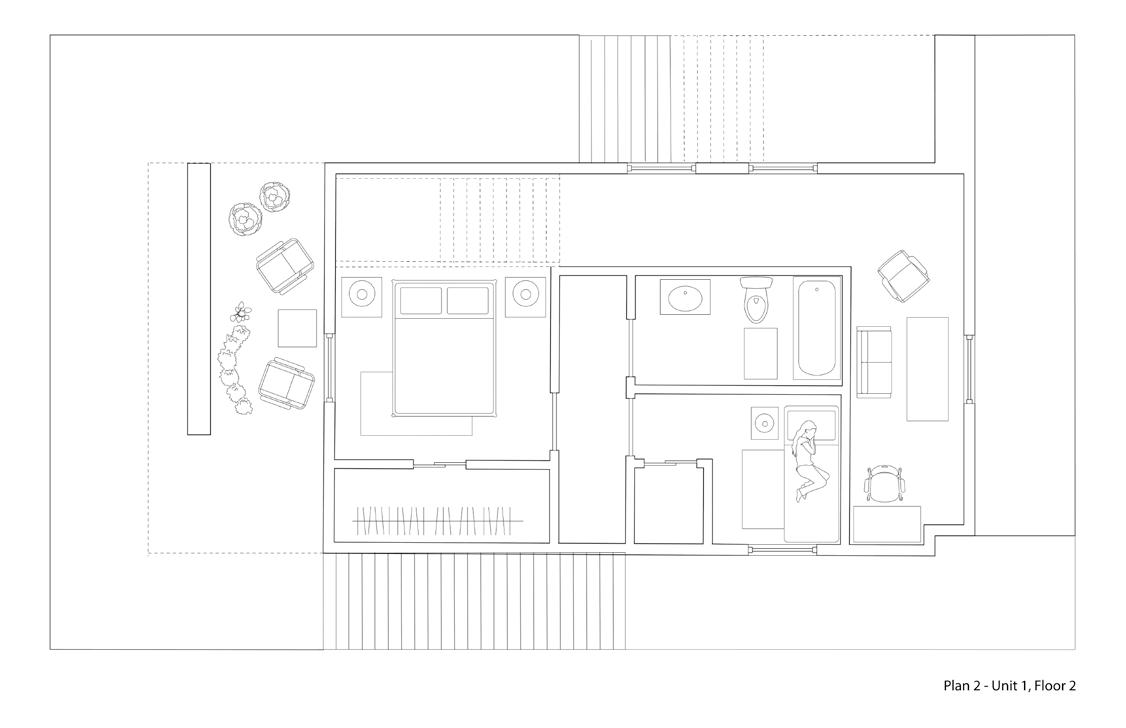
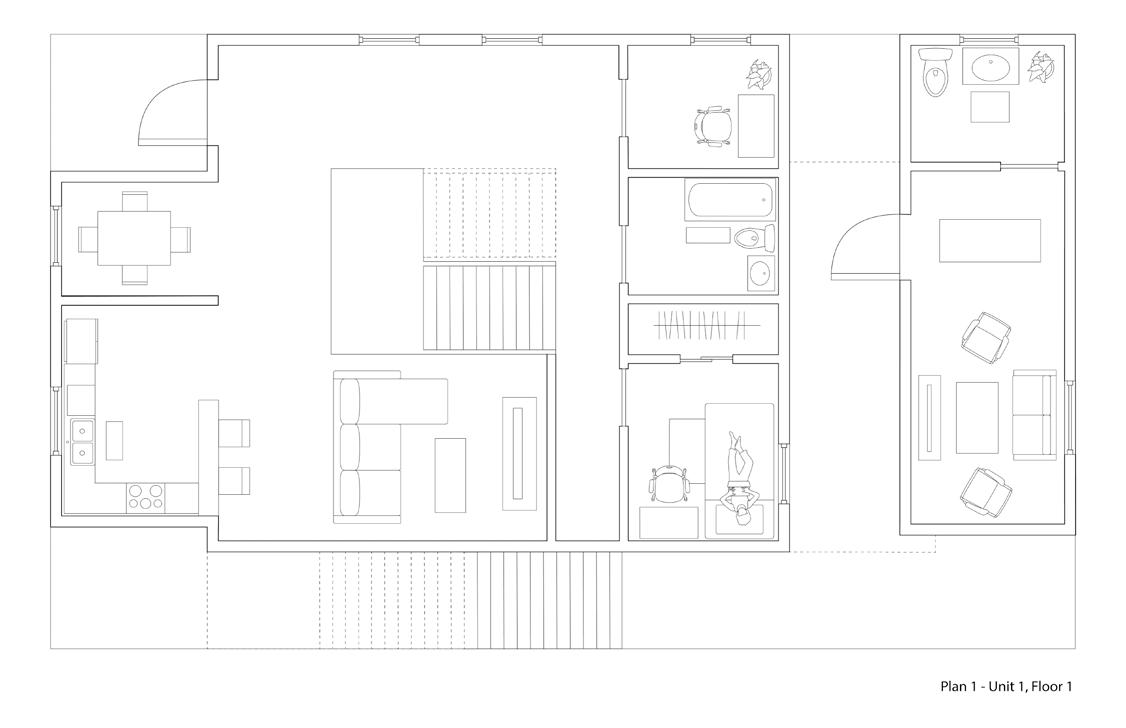 Top right: Section elevation
Middle: Plans
Bottom: Model
Top right: Section elevation
Middle: Plans
Bottom: Model
Orthographic Drawings
Berkeley, CA | Maria Paz Gutierrez
Introduction to Visualization & Architectural Representation | Fall 2020
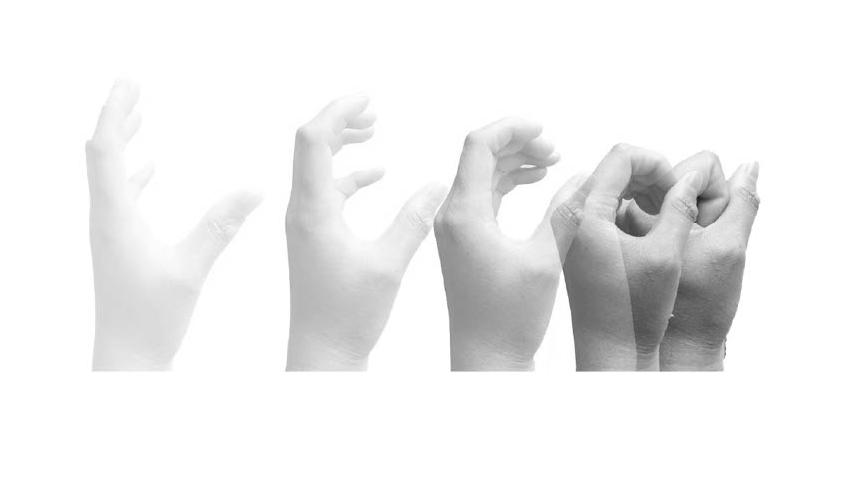
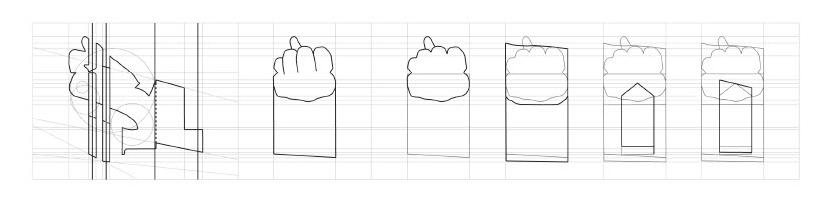
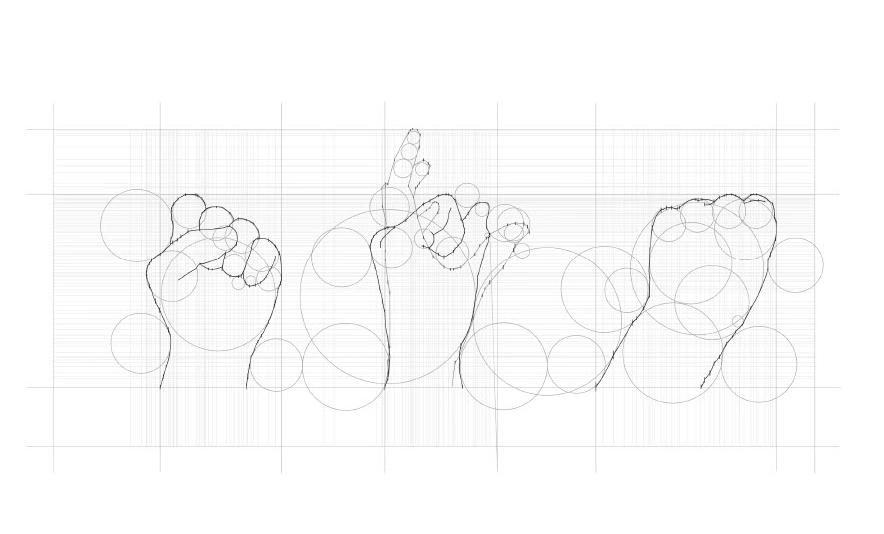
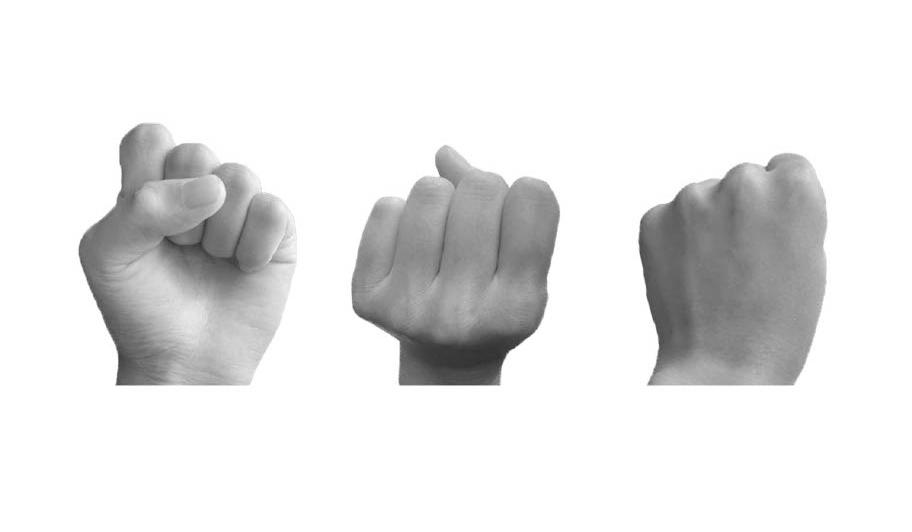
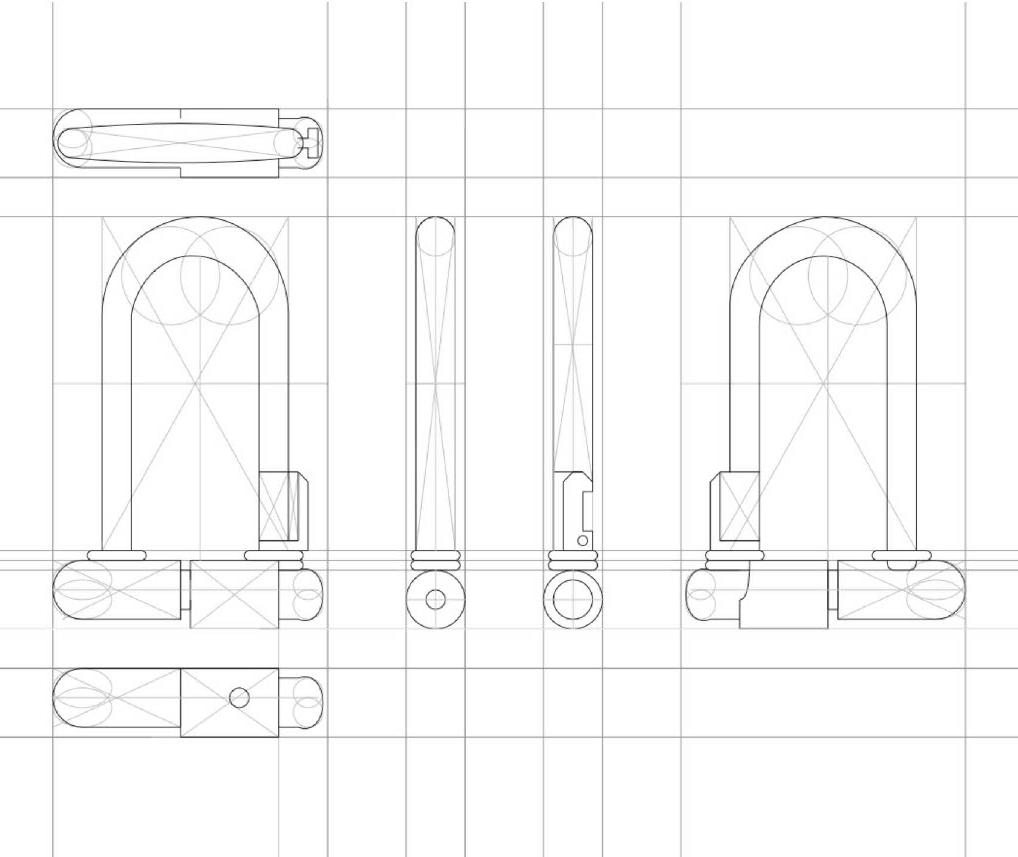
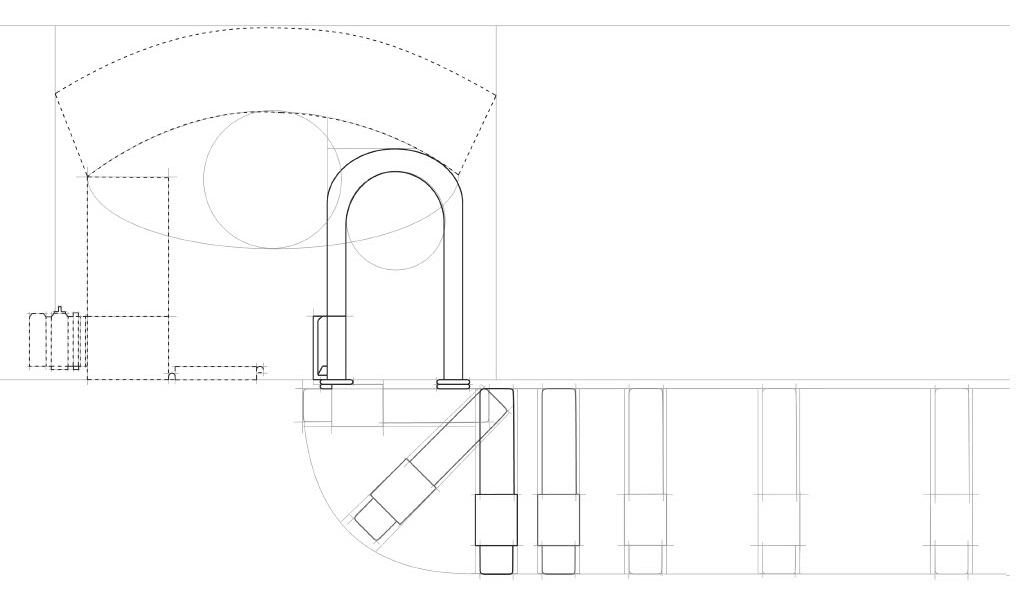
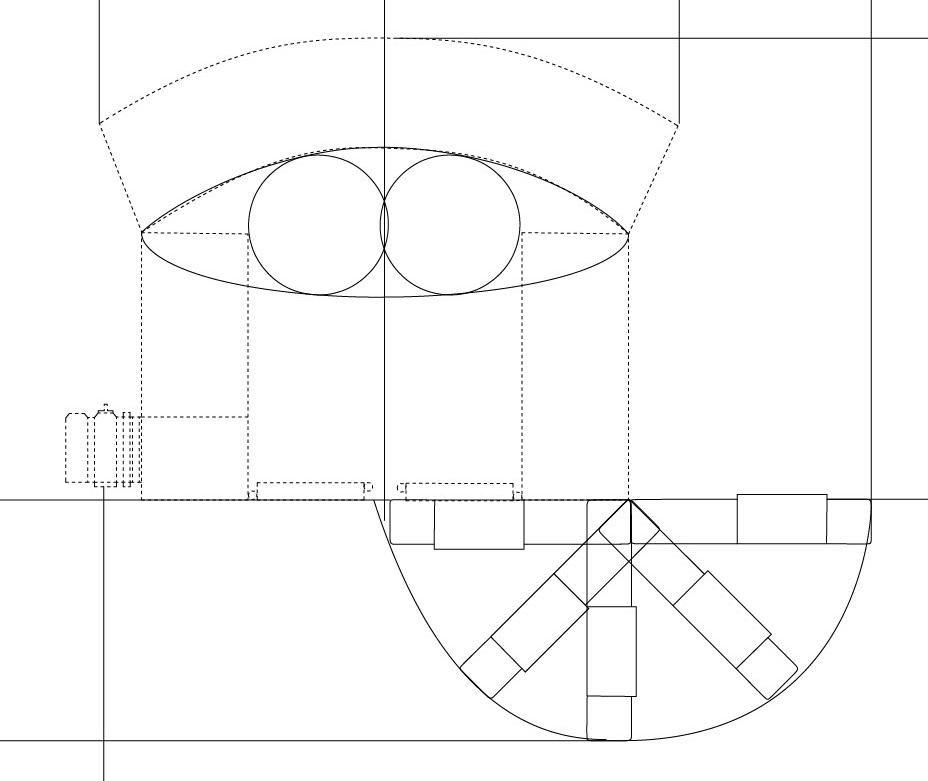
For my first studio, I learned how to rigorously describe and analyze spaces through architectural orthographic representation. The lessons learned from this course helped me better understand how to critically calibrate the hierarchies and time-based donations within a given representational media. Above: Surveying of intricate geometry in the form of a body fragment and its transcription
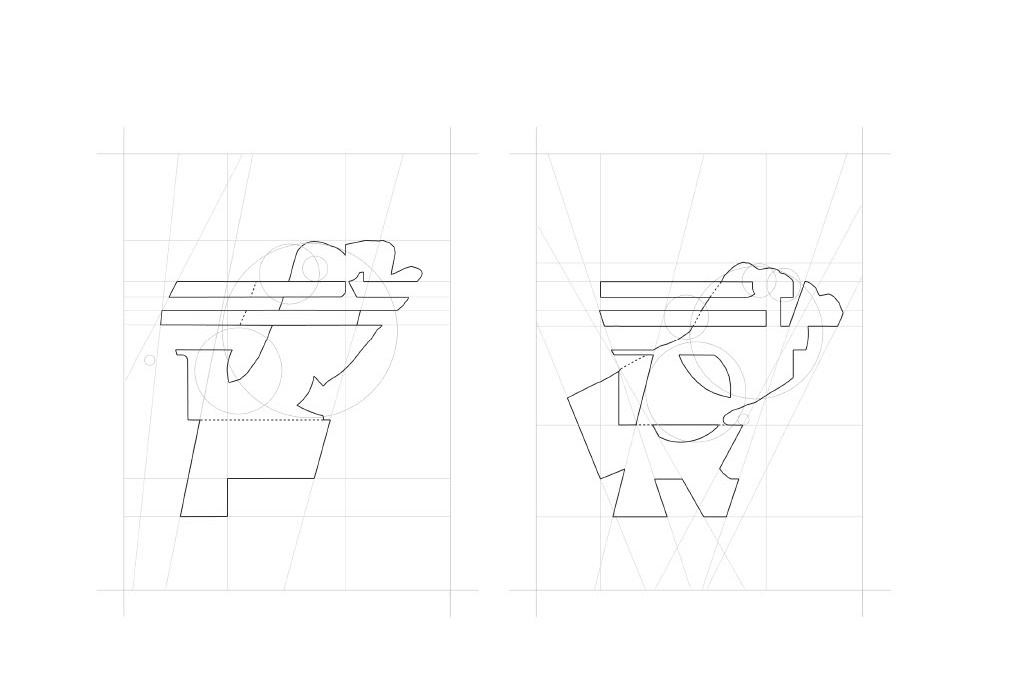
Right: Drawing of an unfolded mechnical object (bike lock) and its movement
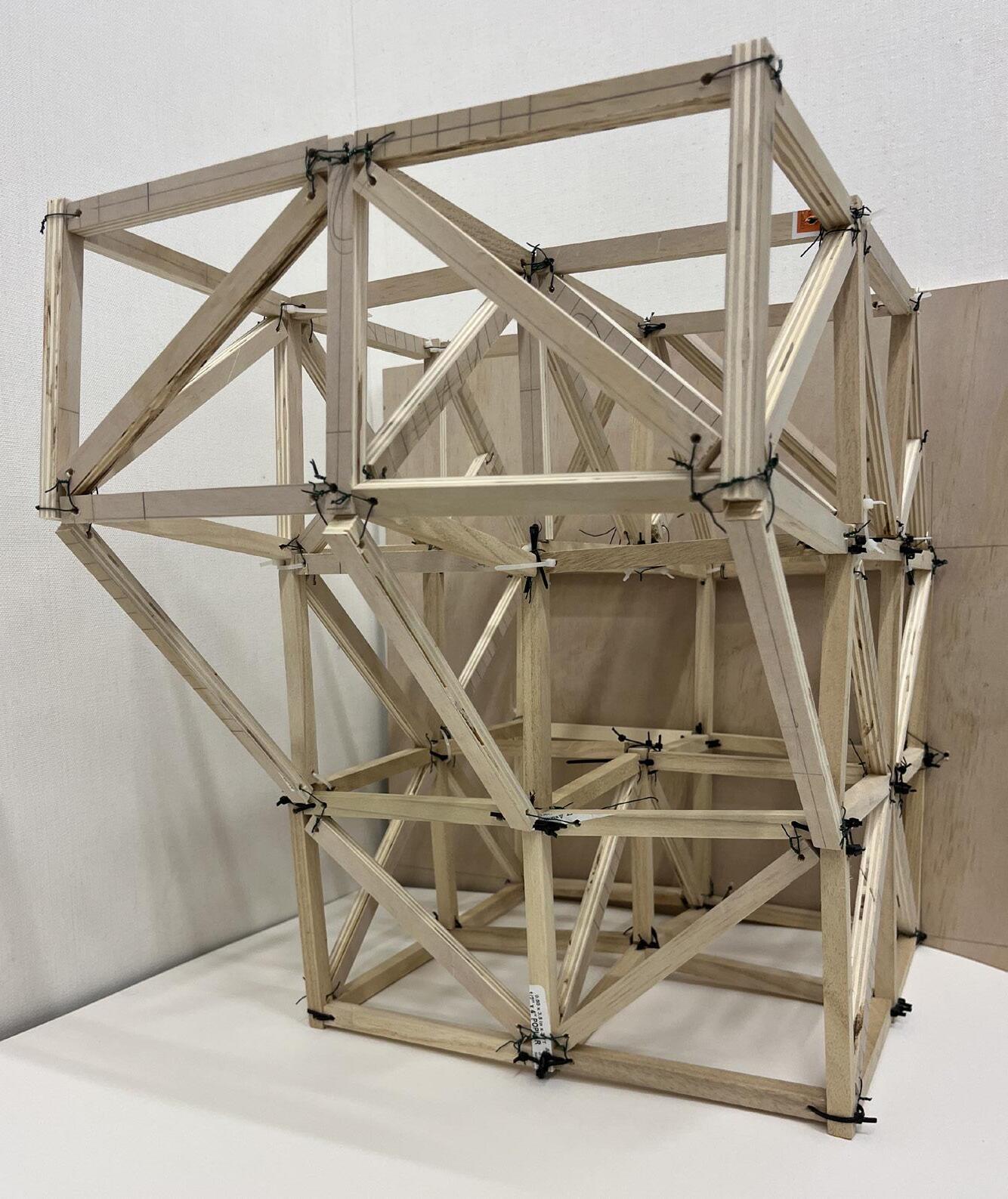
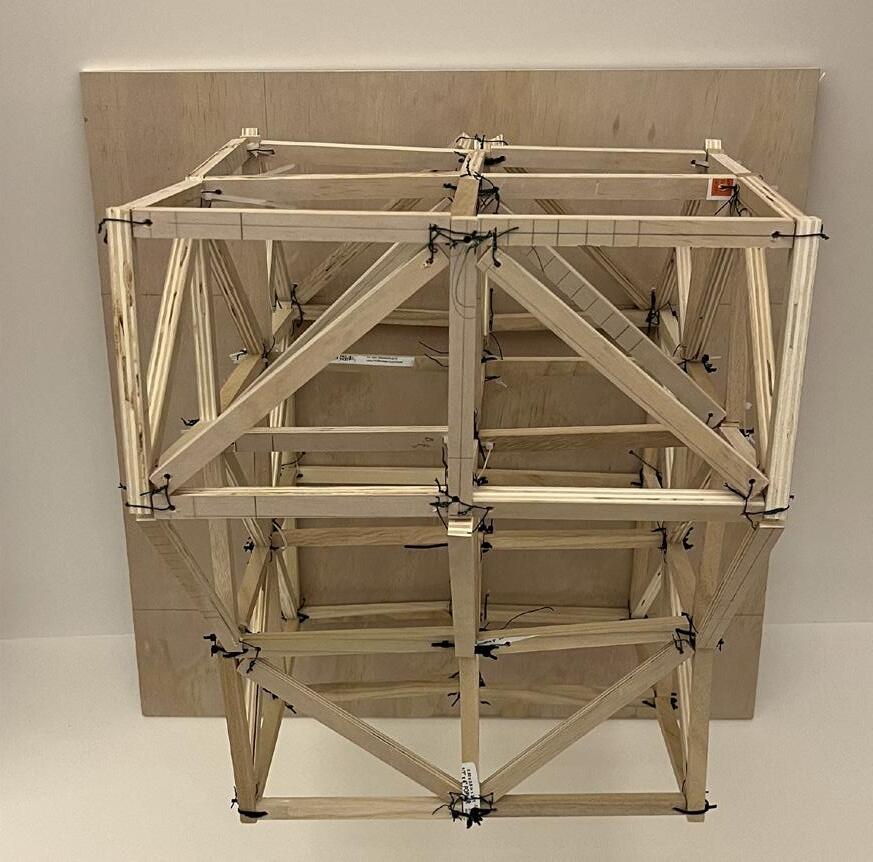
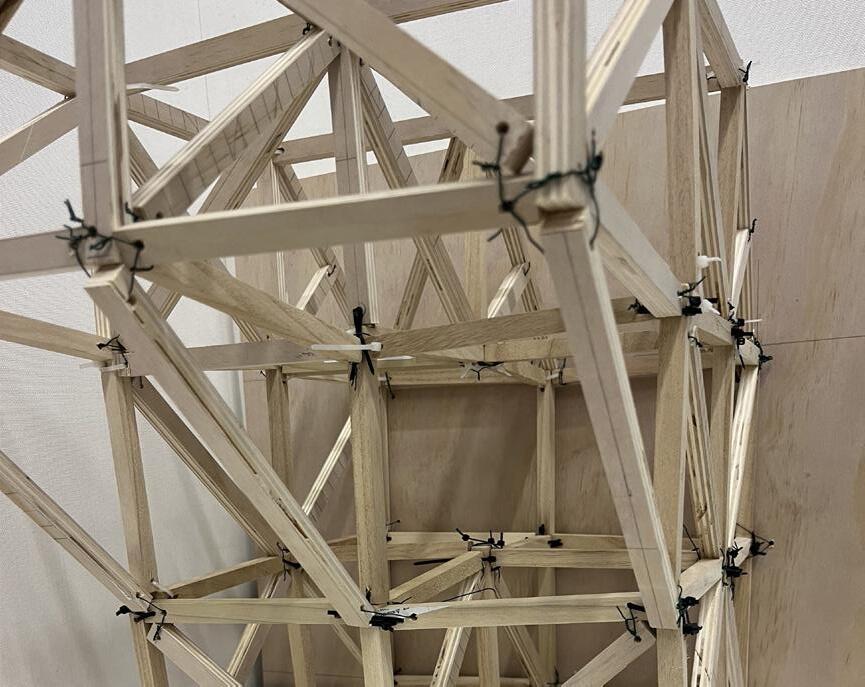
Cantilivered Camping Structure
Berkeley, CA | Andrew Rastetter
Introduction to Structures | Fall 2022
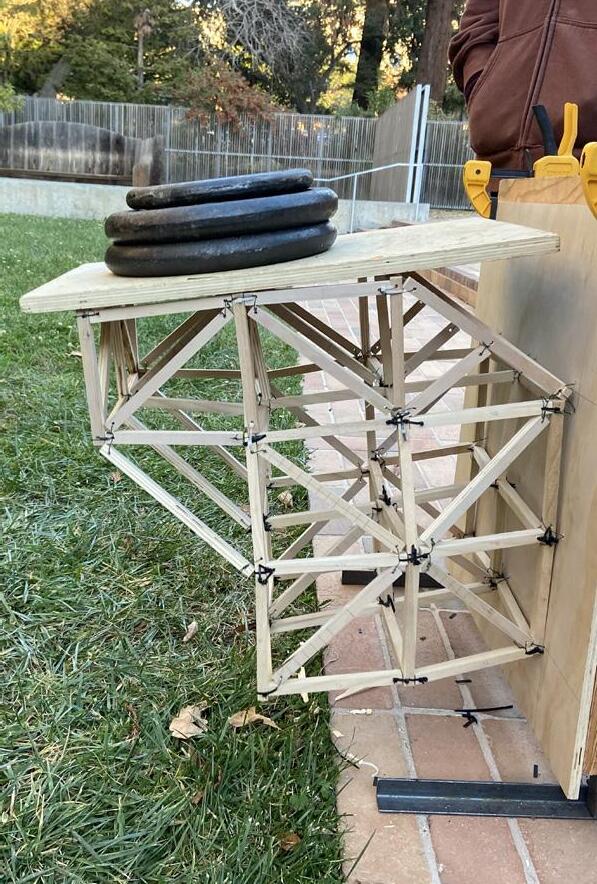
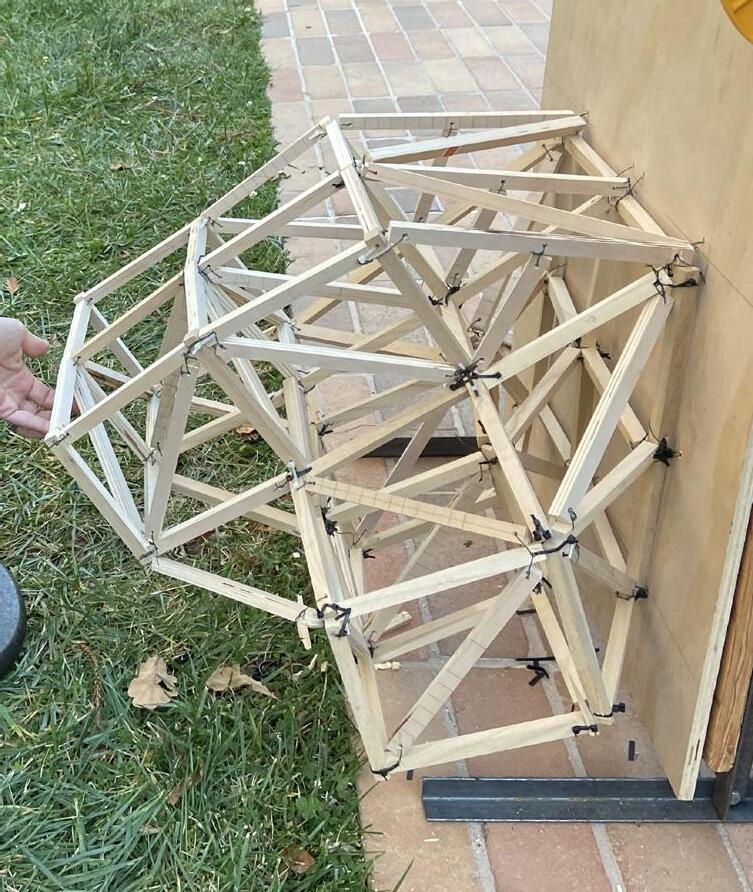
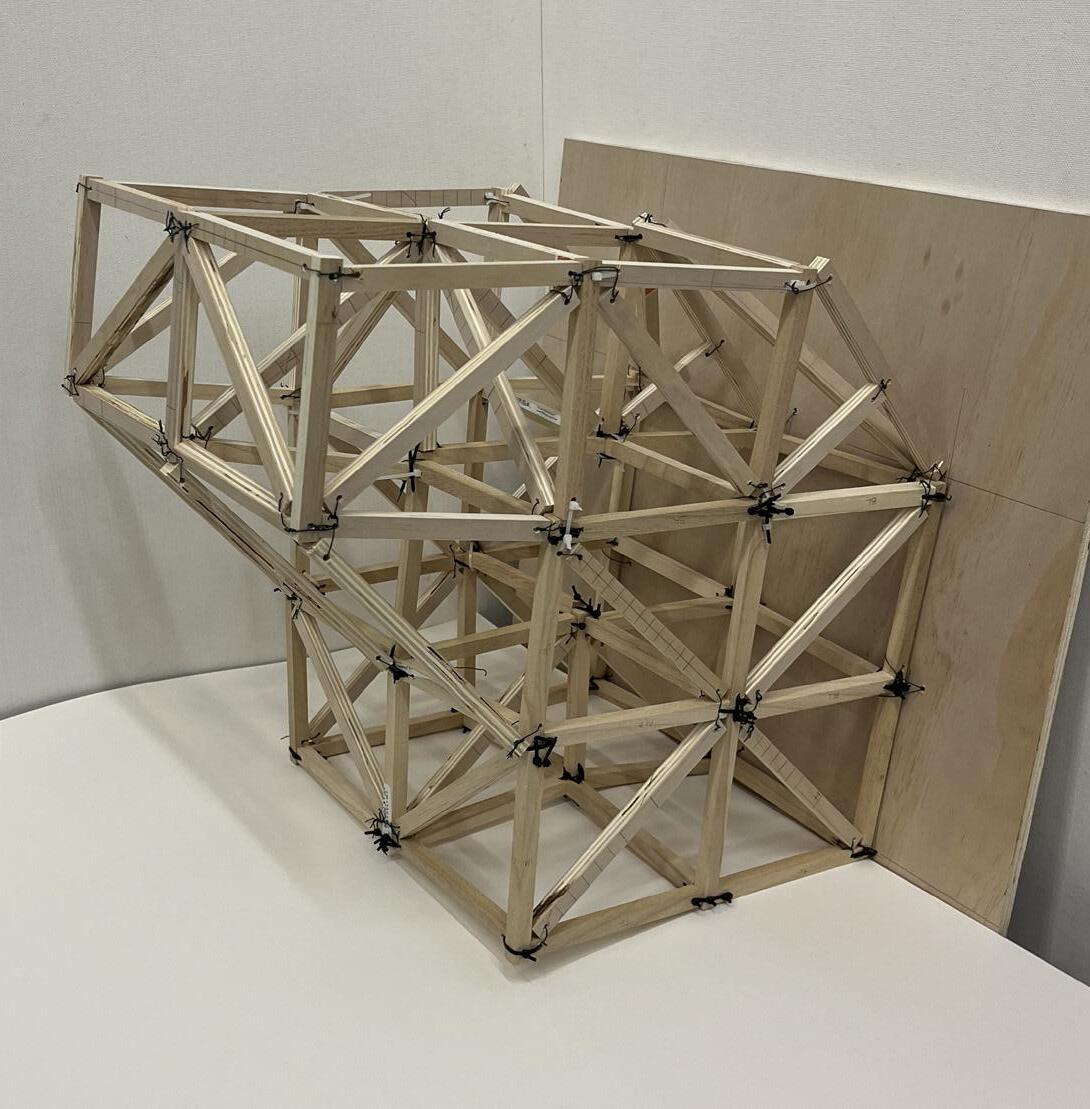
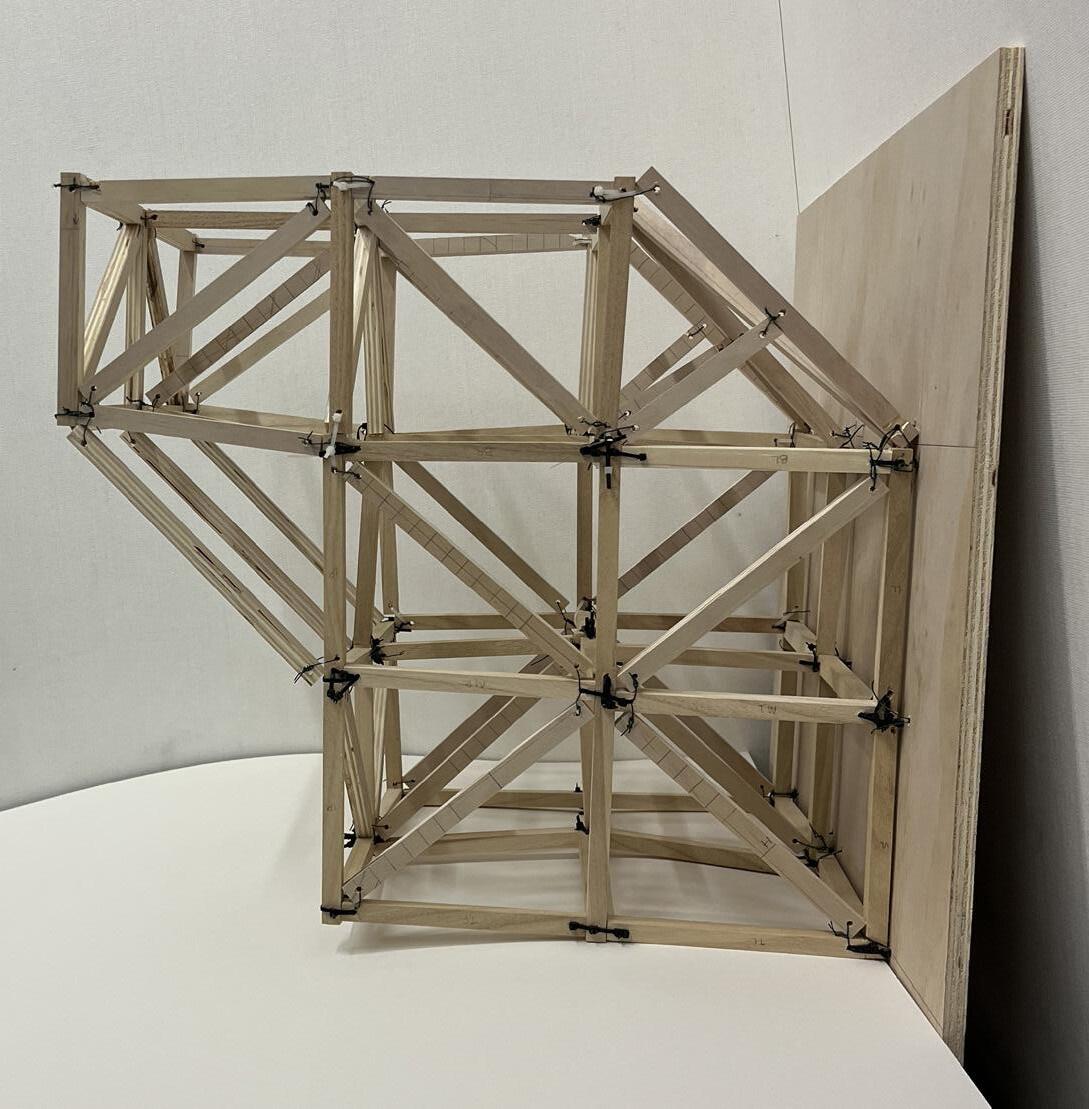
The purpose of this project was to create a structure to support a luxury adventure camping experience on a cliff face. The structure must enclose a sleeping space large enough for a queen bed (80” x 60”), a bathroom space to accommodate a dry toilet and water basin, and a space to store backpacks, safety gear and other supplies. The top of the structure must accommodate a 8’ x 8’ observation deck. The physical model was to be made at a 1½” = 1’ scale.
Through this prohect, I gained a better understanding of structural behavior through a combination of digital and physical modeling and testing and to investigate relationships between architectural design and structure. Through the design of a camping pod cantilevered from the side of a cliff, I learned to translate an architectural concept into a structural model which can be manipulated to meet programmatic and structural performance criteria.
Above: Testing of structure (held 65 pounds)
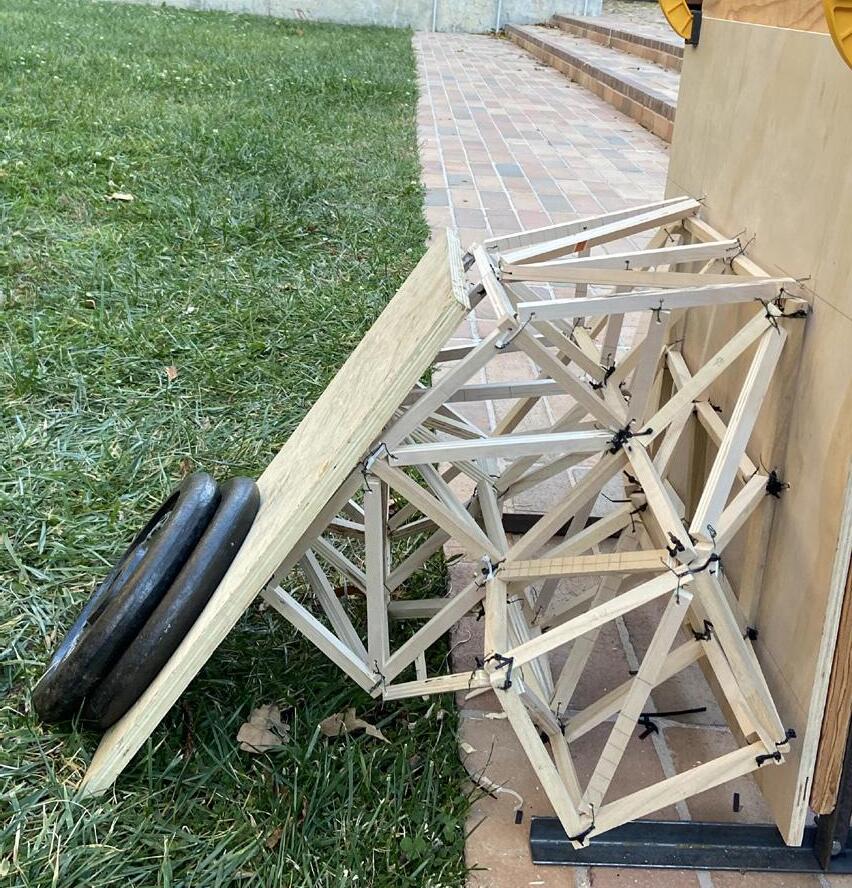
Right: Final structure. This structure was porduced as a group project of three students.
Wooden Hall Organizer
Berkeley, CA | Dana Buntrock
Introduction to Construction | Spring 2022
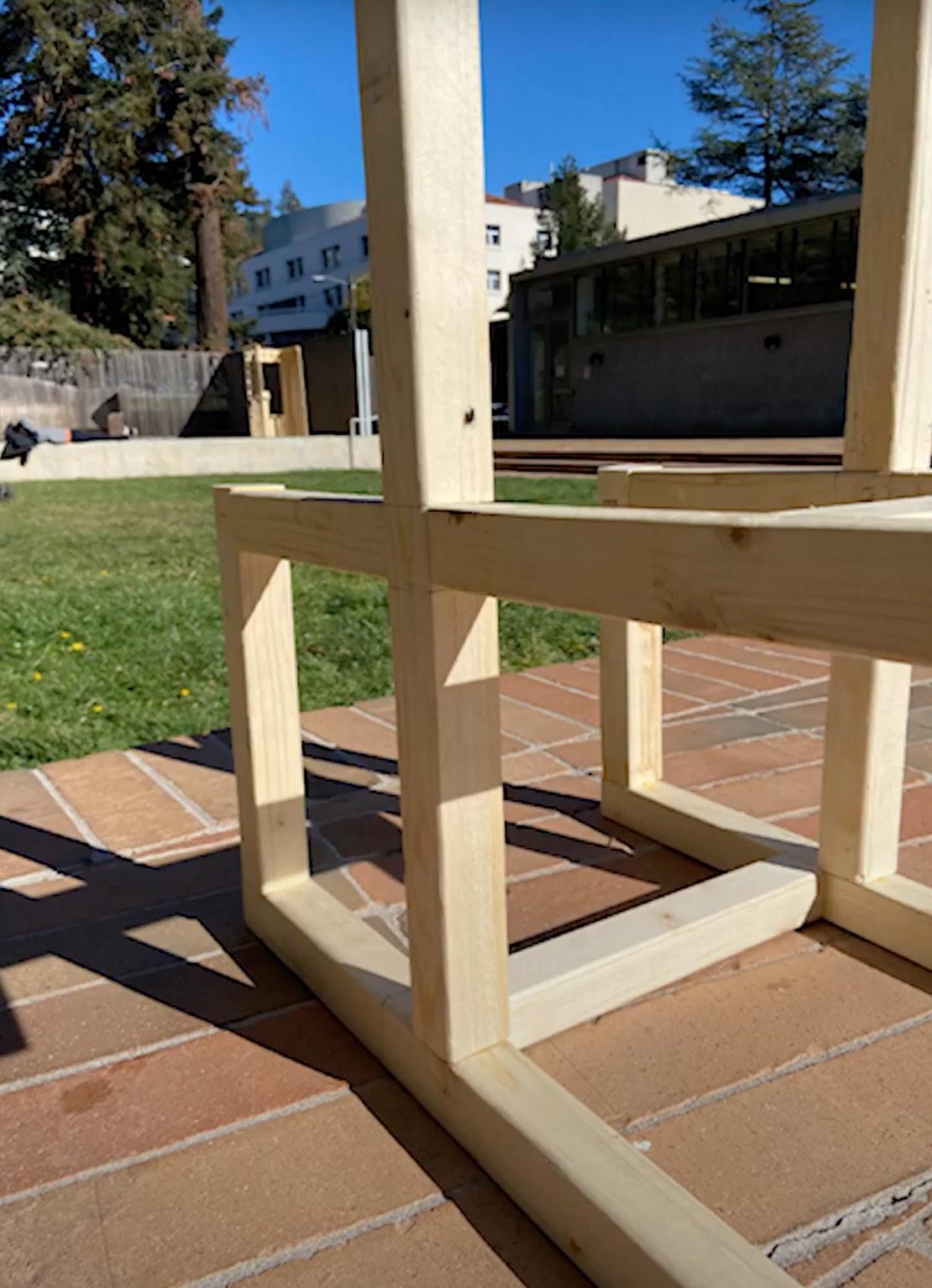
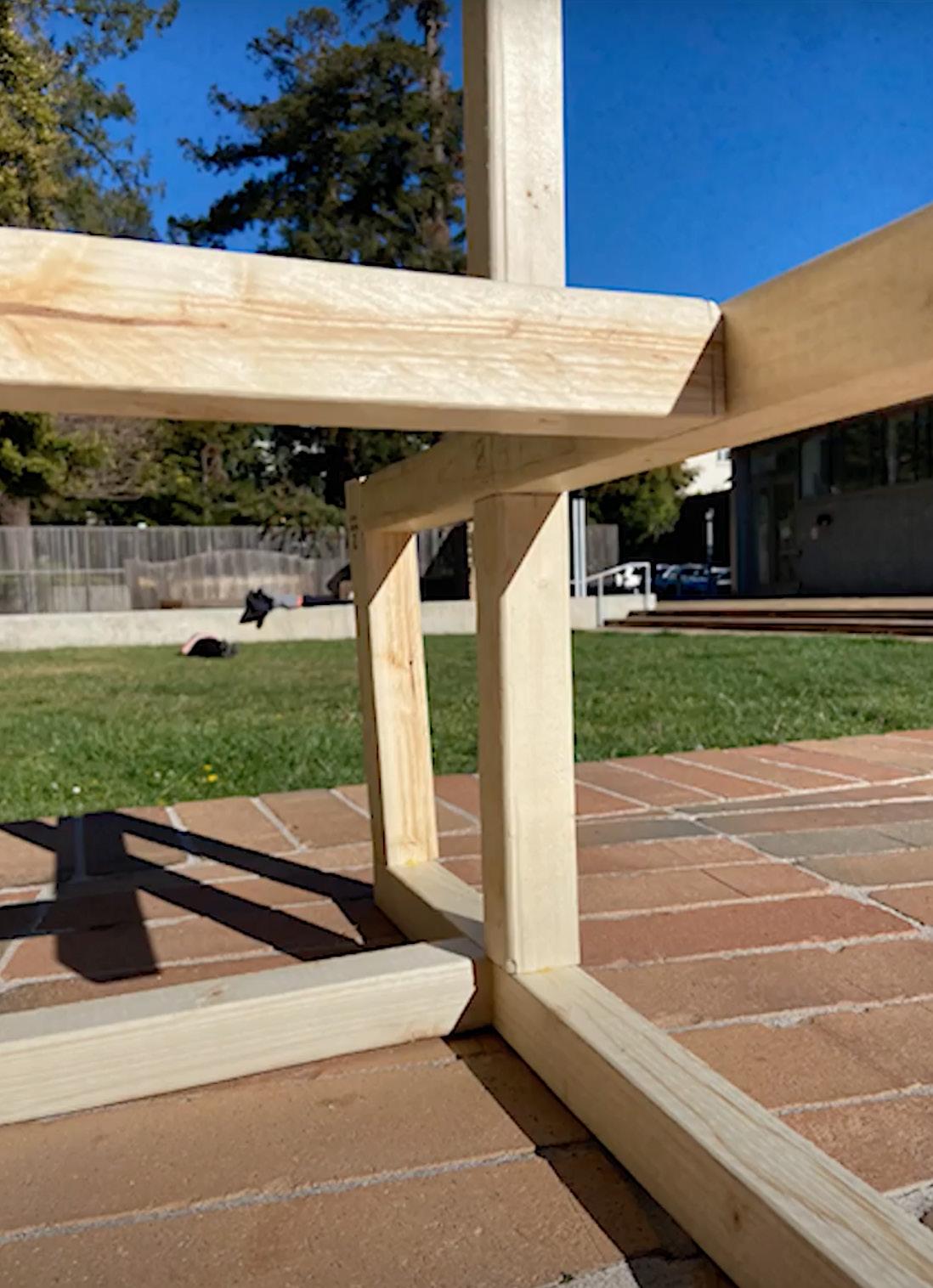
For this assignment, students were asked to build a simple, elegant, free-standing structure in wood, one that is both an entrance hall organizer or coatrack. The organizer was to be made to be able to hold at least one coat, a hat, and a pair of shoes.
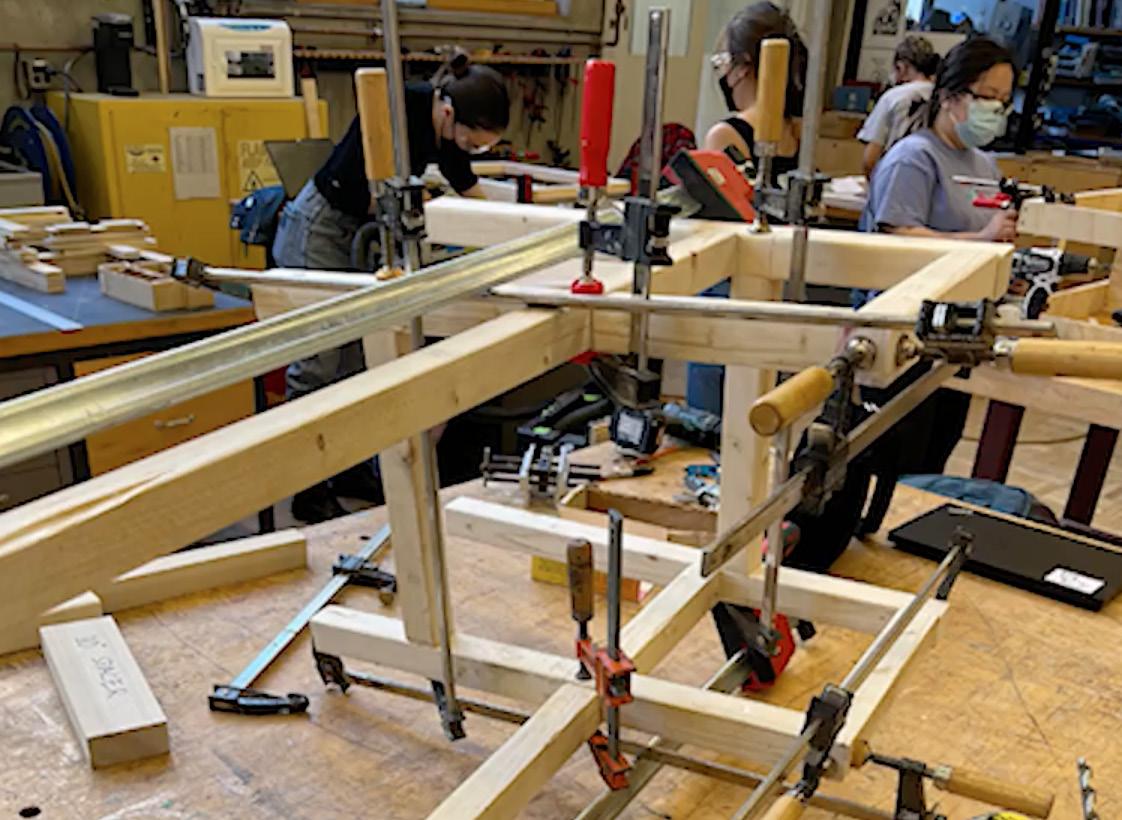
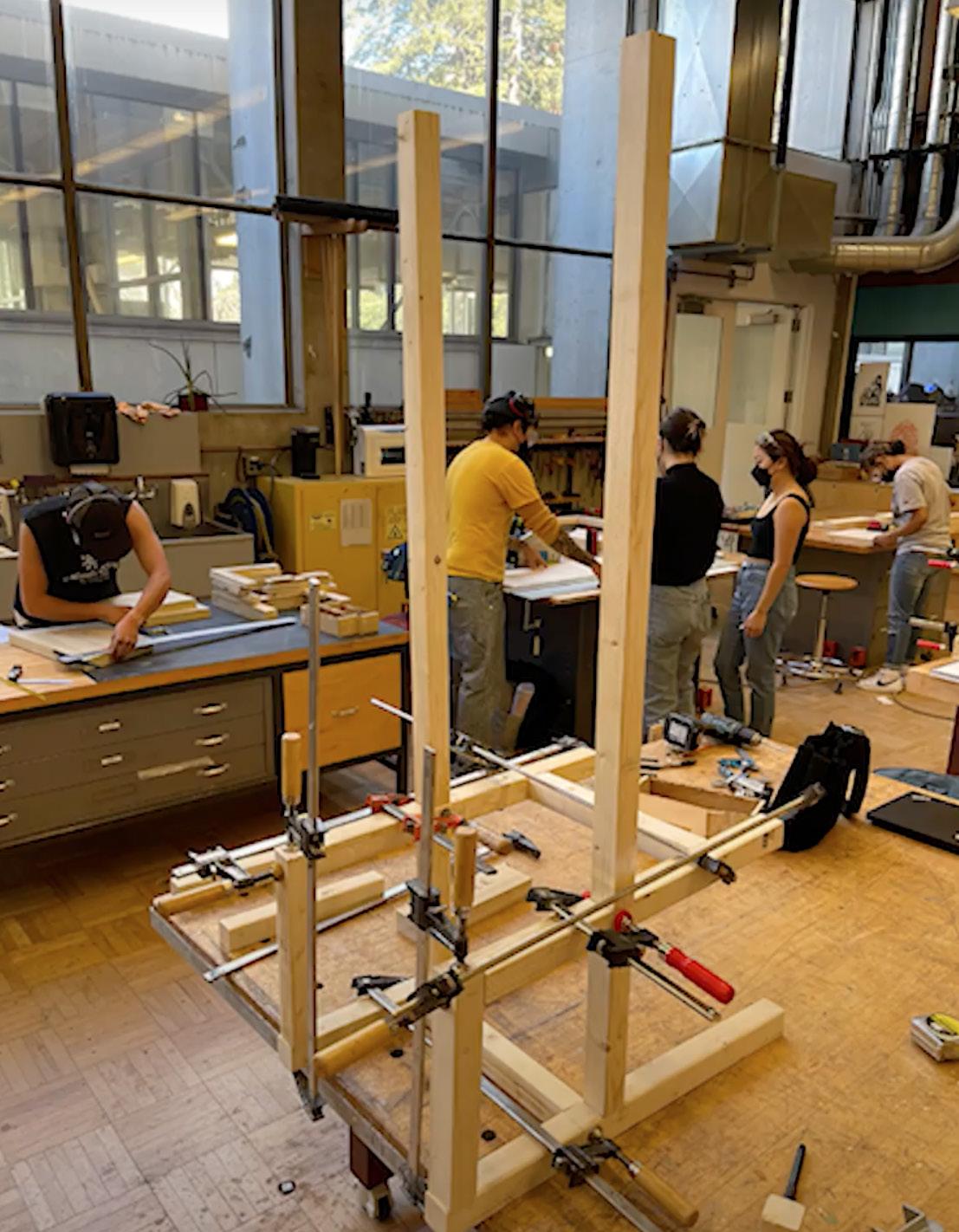
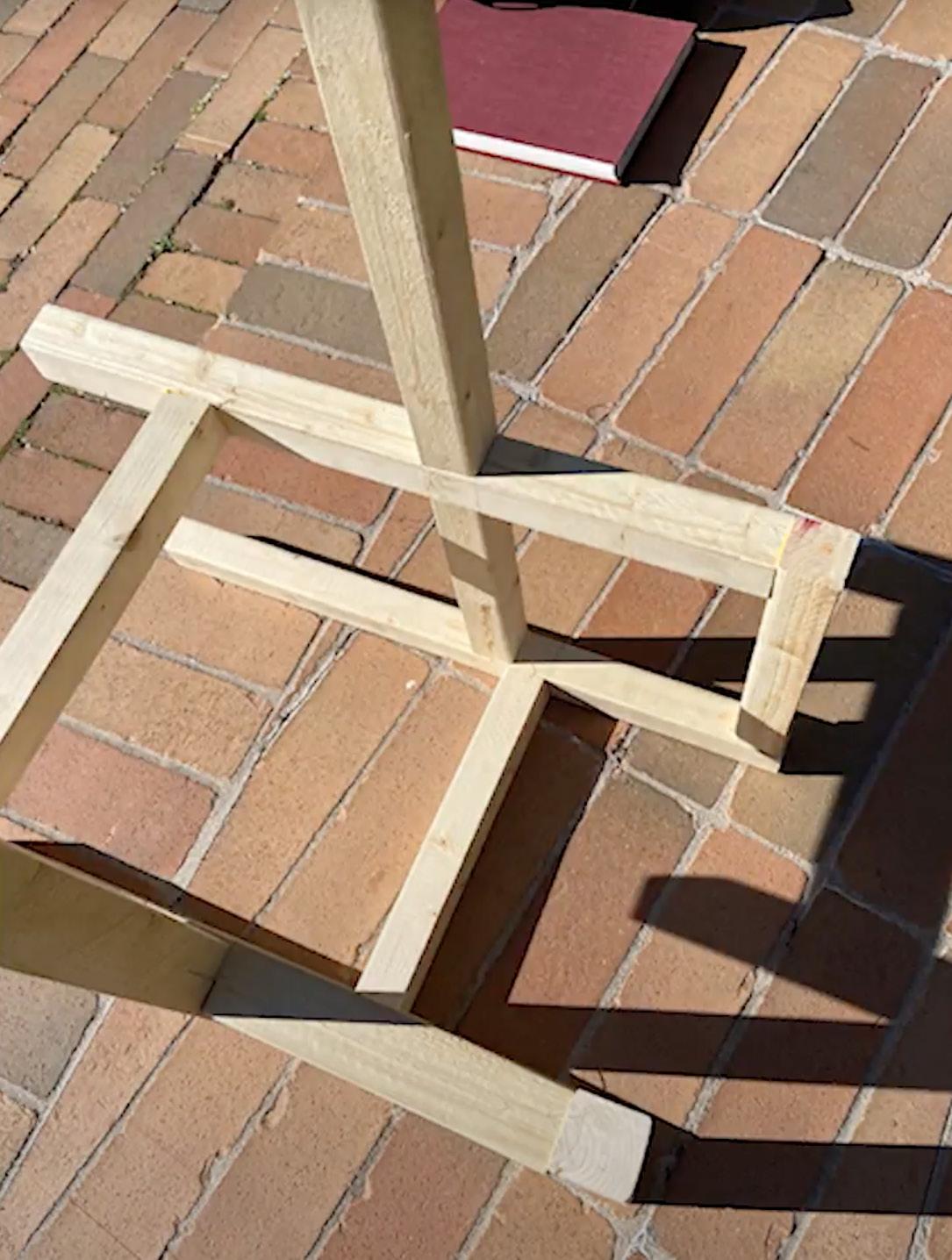
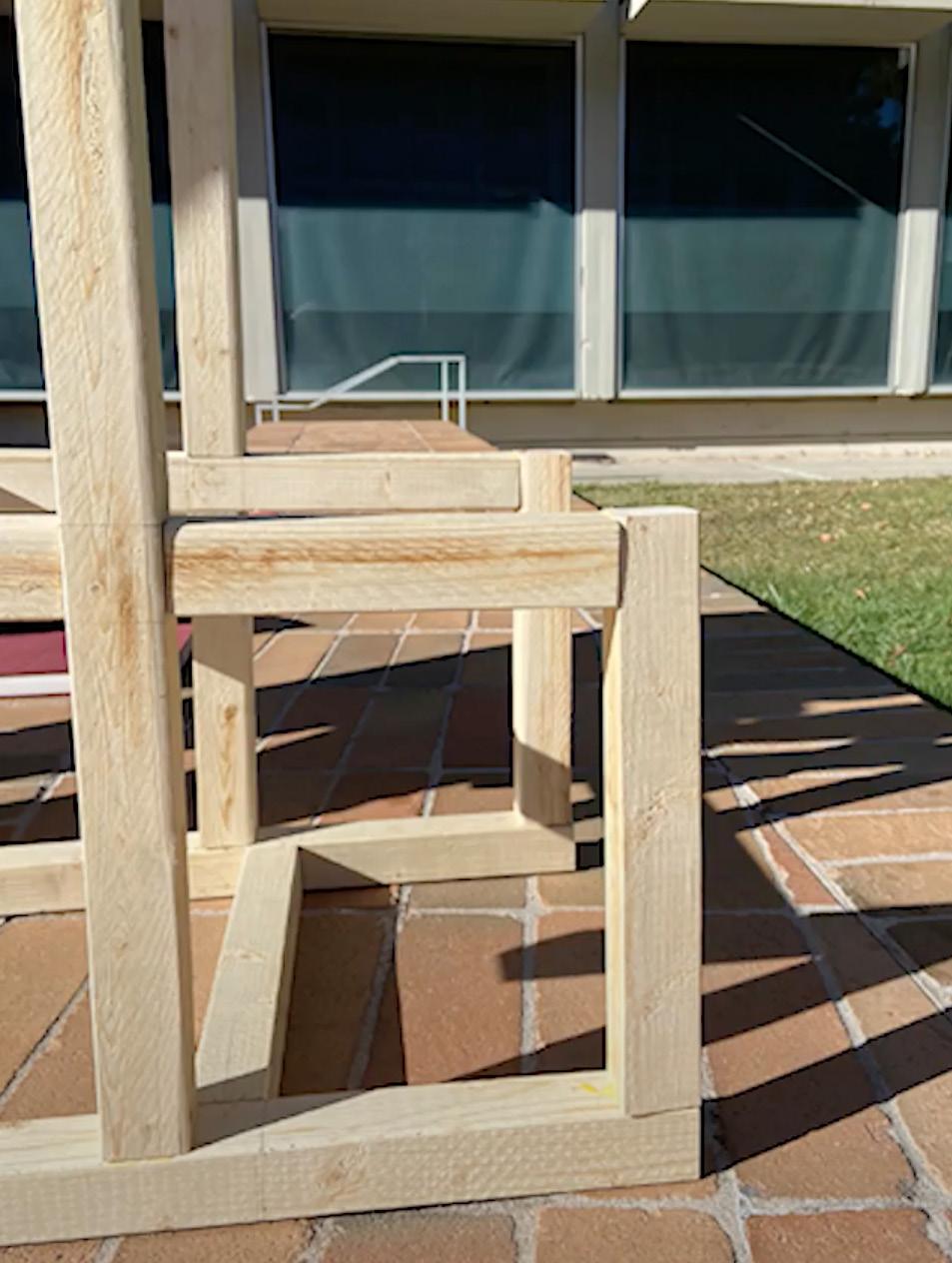
My partner and I first modeled the structure out in Rhino. We used dowel joints and half lap joints to join the pieces together as we found that was the most efficient and effective way to do so with our wooden long pieces. Throgh the construction of this hall organizer, I learned more about how to make strong connections and work with wood.
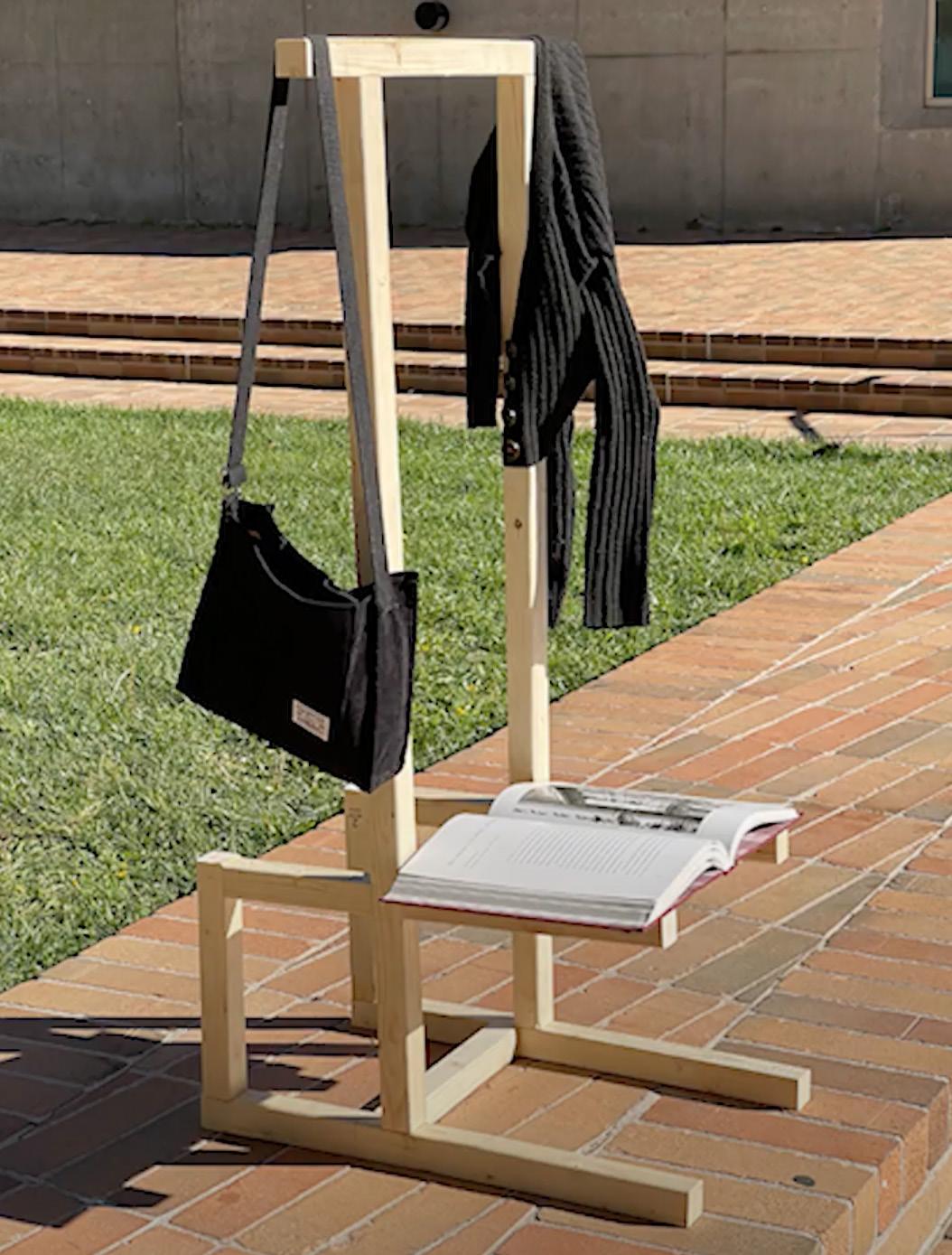 Above: Final project being displayed with materials, (Right) construction of structure in woodshop
Right: Close up images of joints
Above: Final project being displayed with materials, (Right) construction of structure in woodshop
Right: Close up images of joints
Design Proposal: Walkable/Bikeable Cities
Berkeley, CA | Kimberlee Stryker
Sustainable Landscapes and Cities | Spring 2021
Walking and biking are popular modes of transportation in Berkeley. In fact, almost fifteen percent of employed Berkeley residents commute by foot and roughly ten percent by bicycle. Nevertheless, there are a plethora of safety problems for those who travel these ways in Berkeley. For that reason, it is important to start designing safer streets and making significant improvements to existing street access for those who walk and bike in Berkeley. By doing so, we can create a culture that makes biking and walking easier, more accessible, and a part of everyday life.
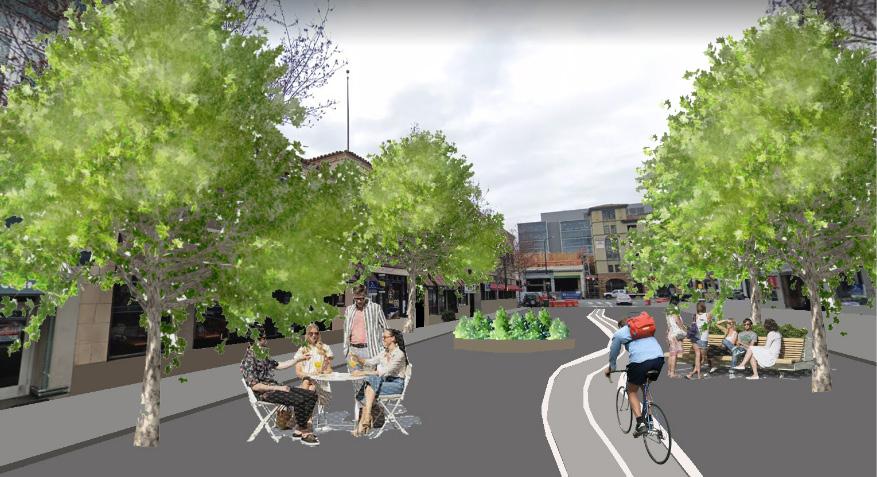
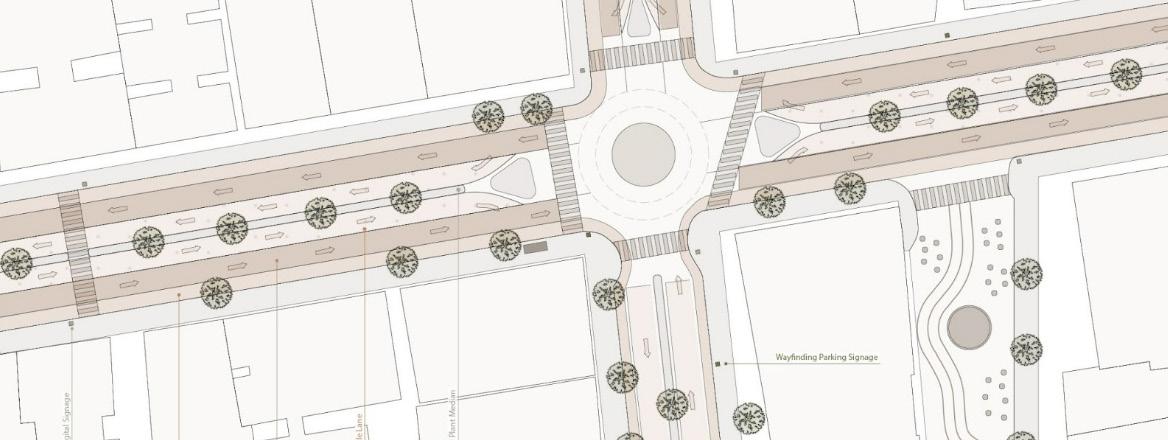
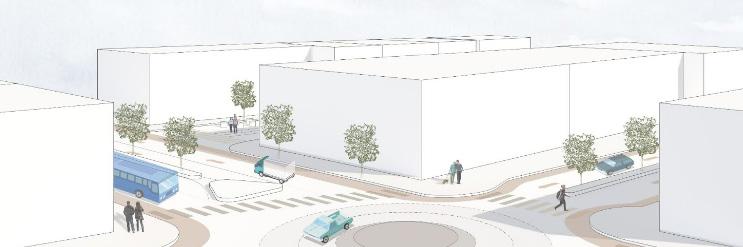
For this project, my group and I selected the intersection of Shattuck and University to focus on, where many accidents occur. Through our research and design, we proposed a design solution to make this intersection of Berkeley more walkable and bikeable, helping pedestrians and cyclists feel safer, and encouraging more people to choose to walk and bike.
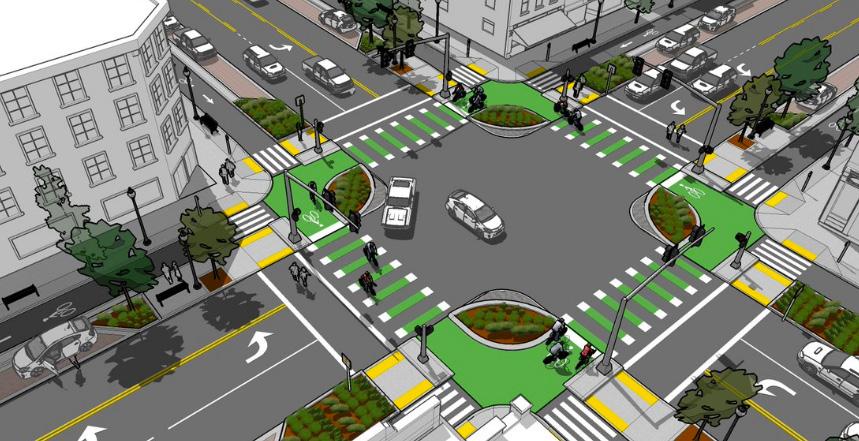 Above: Final production image of idealized intersection
Right: Renders and drawings to showcase proposed intersection
Above: Final production image of idealized intersection
Right: Renders and drawings to showcase proposed intersection
A Greener City: Graphic Storyboard PSA


Berkeley, CA | Greg Castillo
Design and Activism | Fall 2020
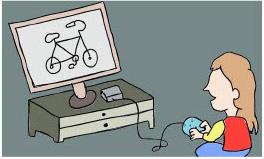
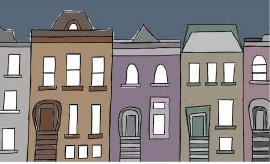
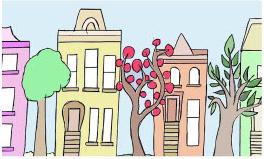
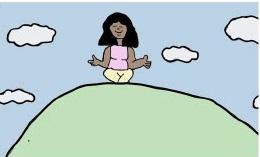
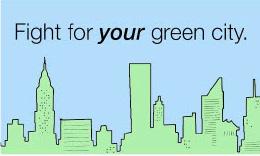
America’s rapidly growing population and overcrowding has led to a decrease of green space in many cities. The Garden City Movement responded to the problem of overcrowding and congestion. This new design methodology fought to bring greenery into cities, fostering a healthier and more humane urban environment. For this project, I was asked to create a storyboard urging public action - I contrasted images of New York City with and without added green space to show how they can improve the city for its residents to convey the importance and necessity of green spaces in the city, motivating viewers to push officials to support green space initiatives.
Above: Storybaord pages 1-4
Right: Storyboard pages 5-10
1: New York city is currently failing to provide its residents with adequate green spaces.
2: Apartments are desperately close.
3: Residents are seriously deprived of outdoor space.
4: And children are sadly forced to play inside.
5: The Garden City movement is a method of design with the purpose to improve quality of life by incorporating green spaces into cities. It is time for NYC adopts this design.
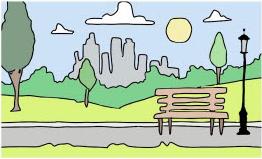
6: This is what present day NYC could be with the proper incorporation of green space...
7: Residents are now able to go outside to complete their activities while connecting with nature.
8: And kids can actually play and congregate outdoors.
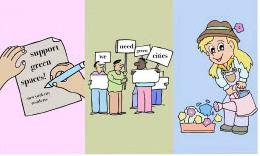
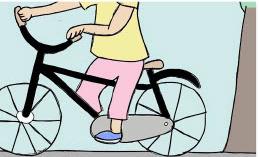
9: Petition, protest, and plant to build a greener, clearer New York City.
10: Fight for your green city.
Architectural Designer
San Francisco, CA | Gelfand Partners Architect
May 2022 - Present
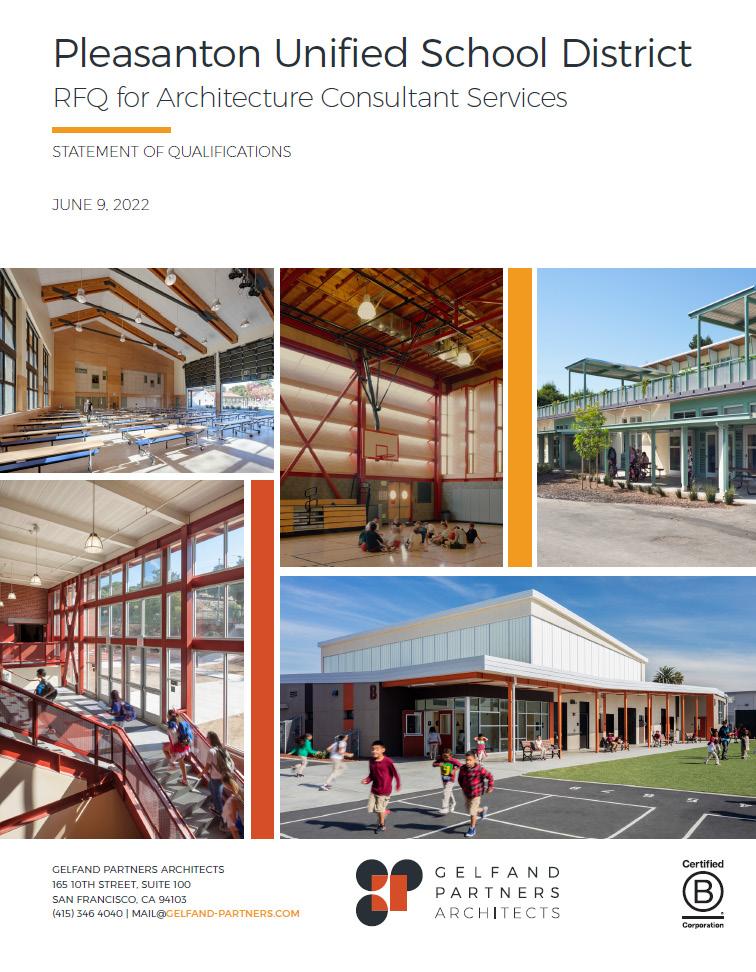
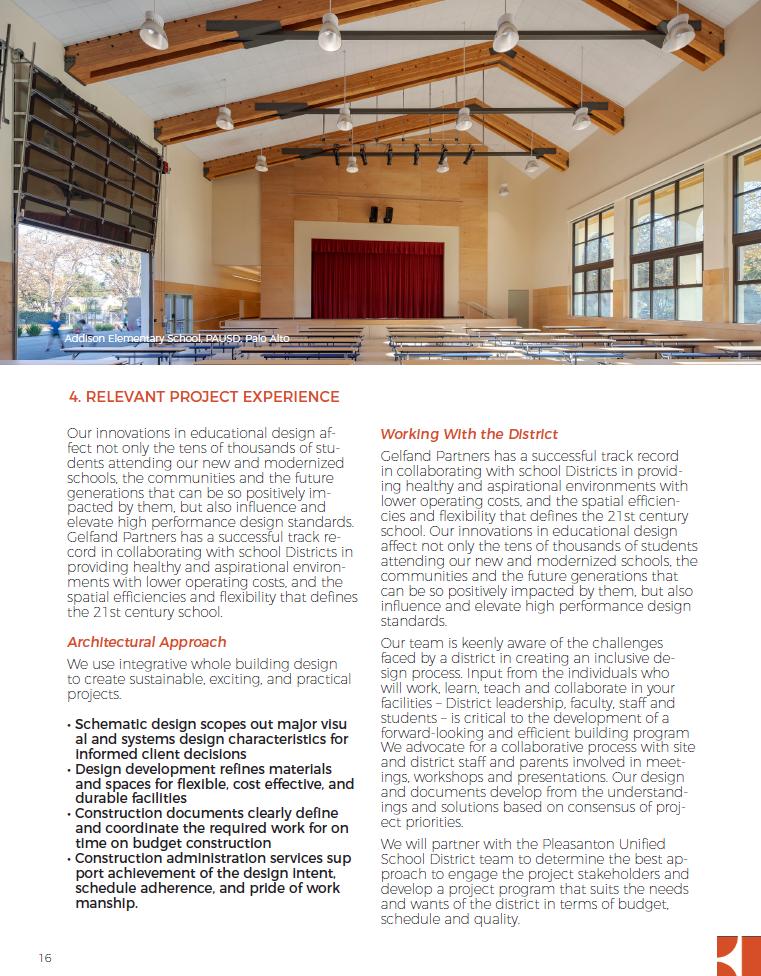
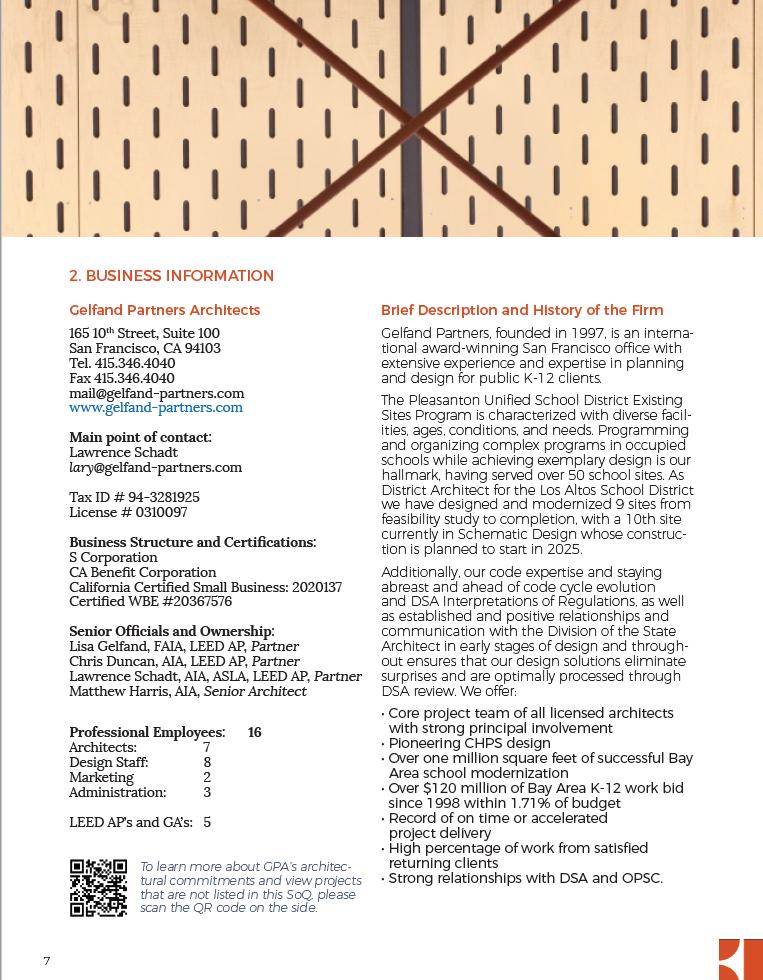
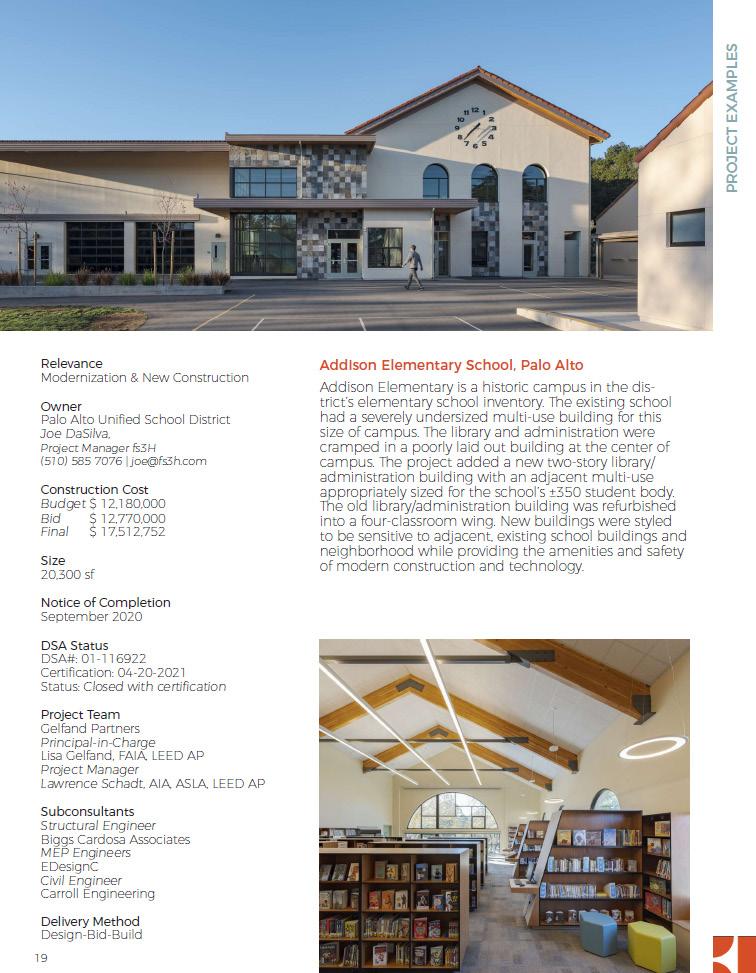
In May 2021, I was hired as an Architectural Intern to work at Gelfand Partner Architects. After the summer, I was brought on to continue working as an Architectural Designer at the firm. I am invovled with projects for public and nonprofit clients in the Bay Area (TIs and K-12 schools rehabilitations). Additionally, I am part of marketing efforts, branding, social media, and qualification packaages for RFQs and clients, as well as community outreach initiatives and workshops.
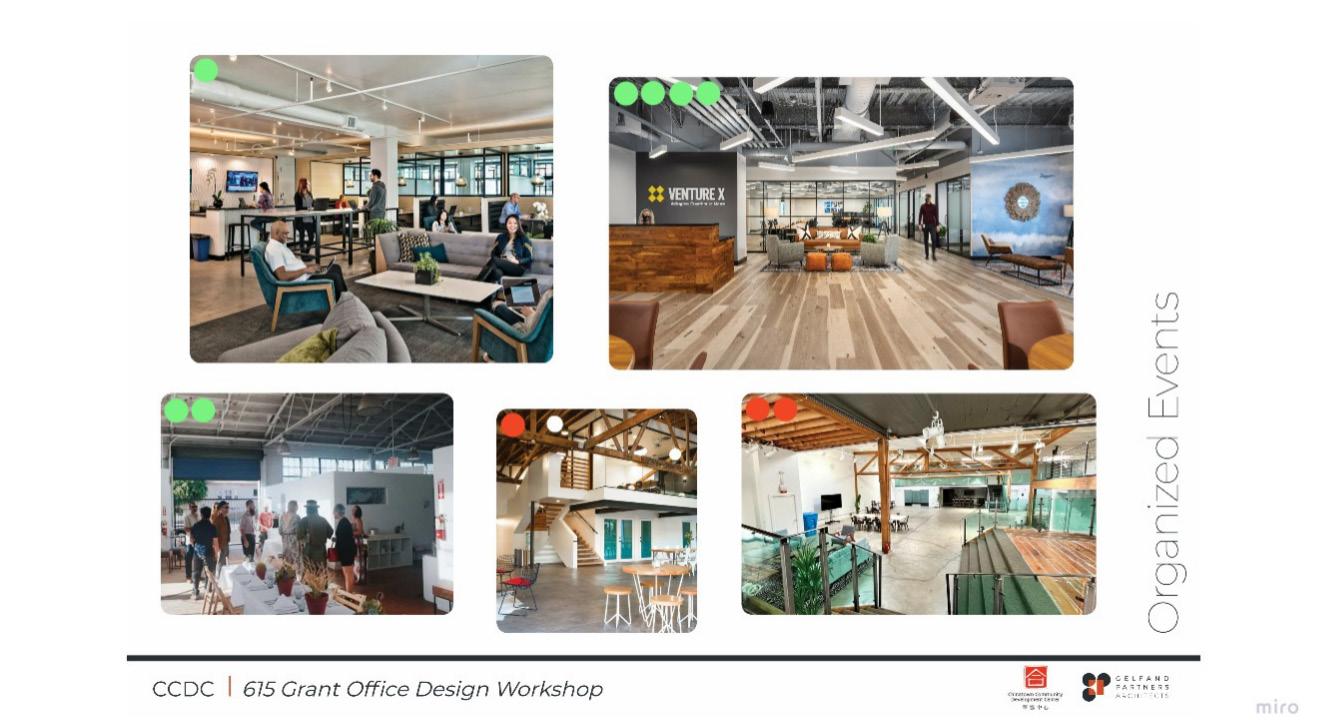
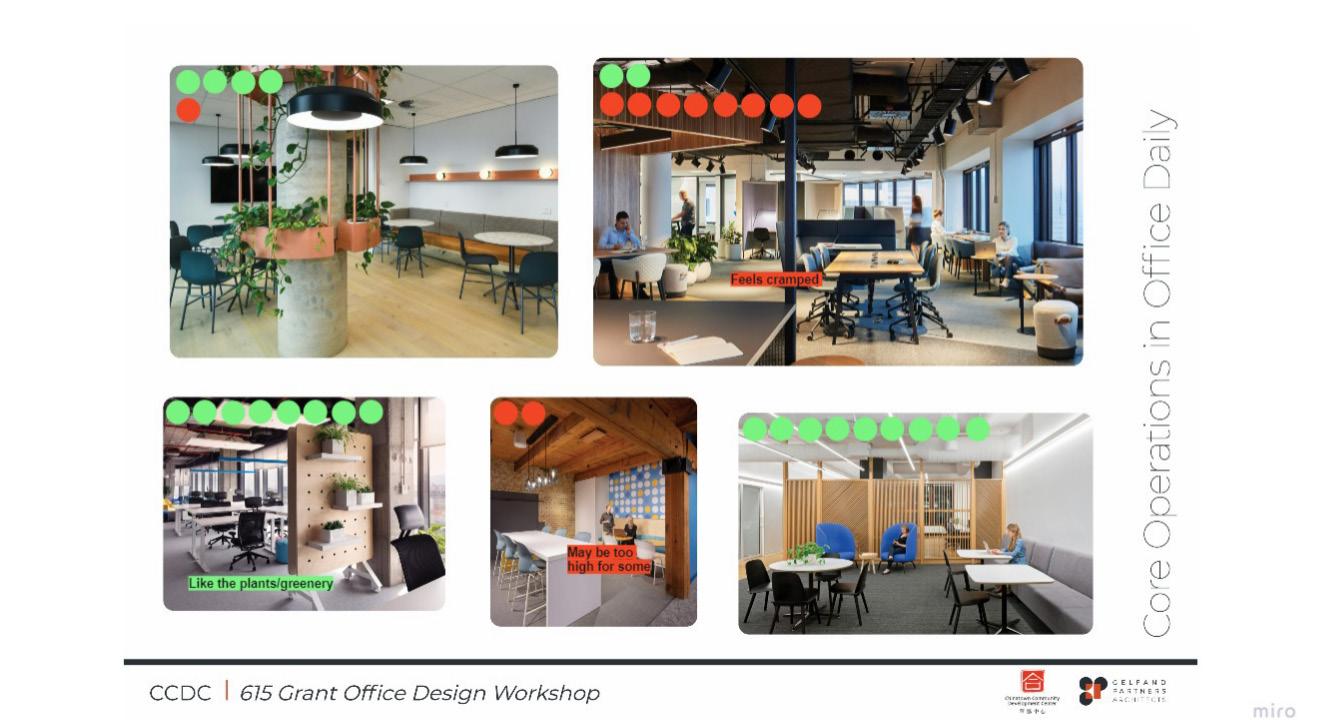 Above: Client workshop design feedback presentation boards
Right: RFQ proposal pages
Above: Client workshop design feedback presentation boards
Right: RFQ proposal pages
Multimedia Associate
Berkeley, CA | Othering and Belonging Institute, Berkeley Law School, UC Berkeley College of L&S
February 2020 - August 2022
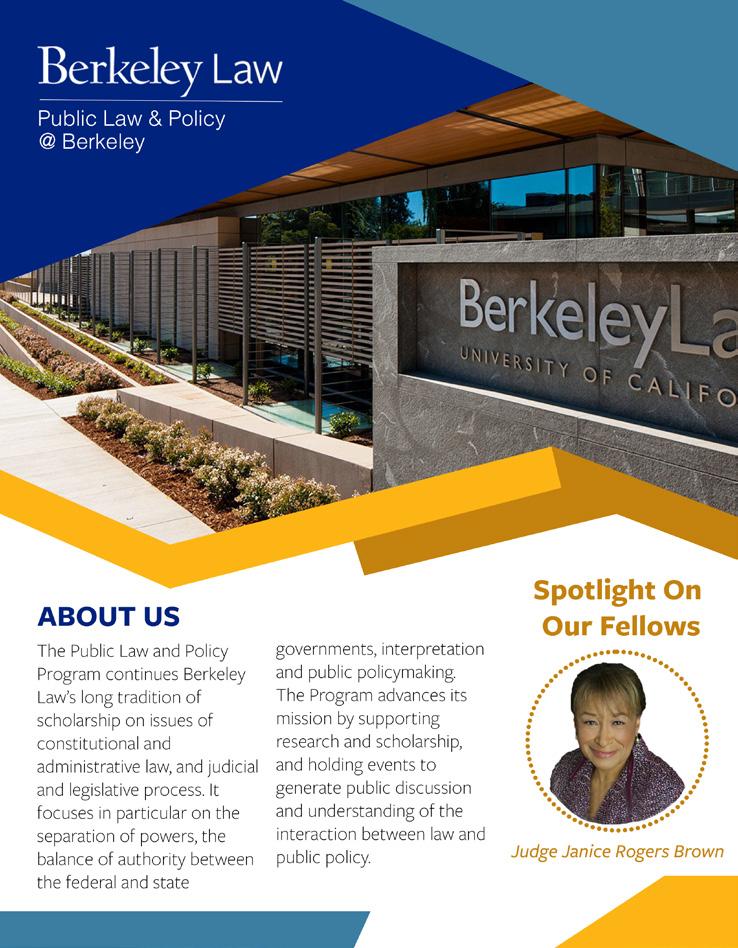
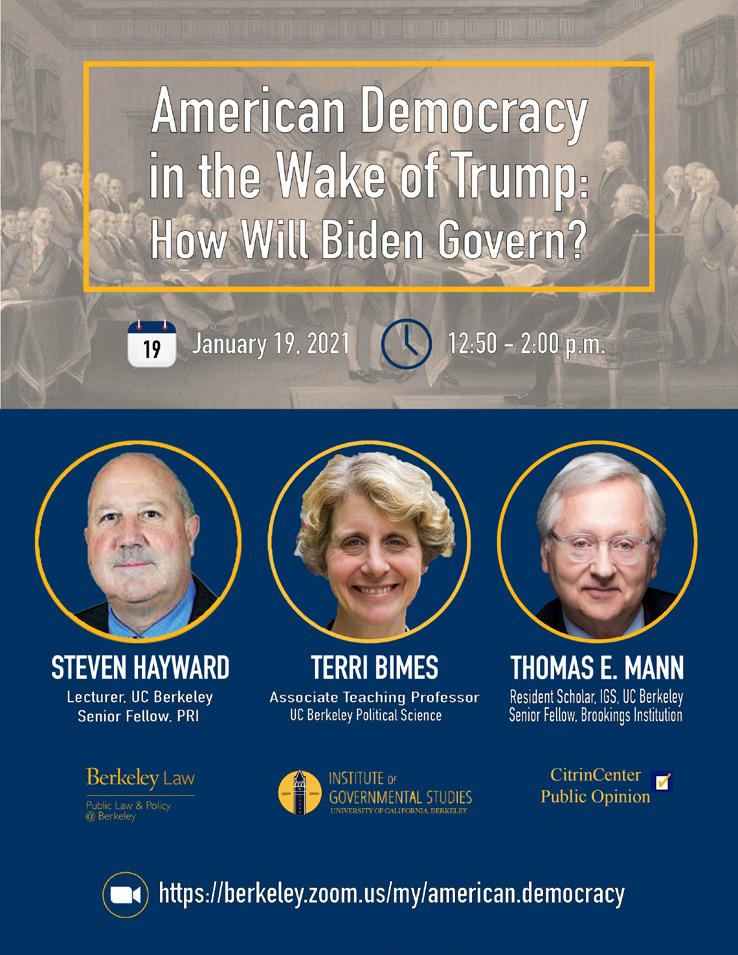
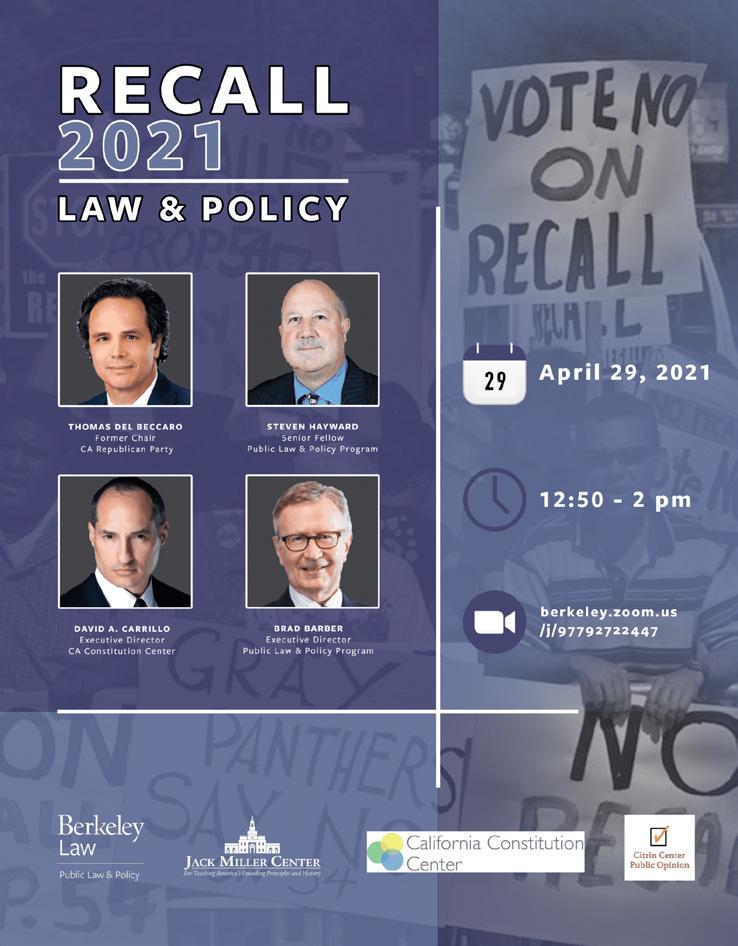
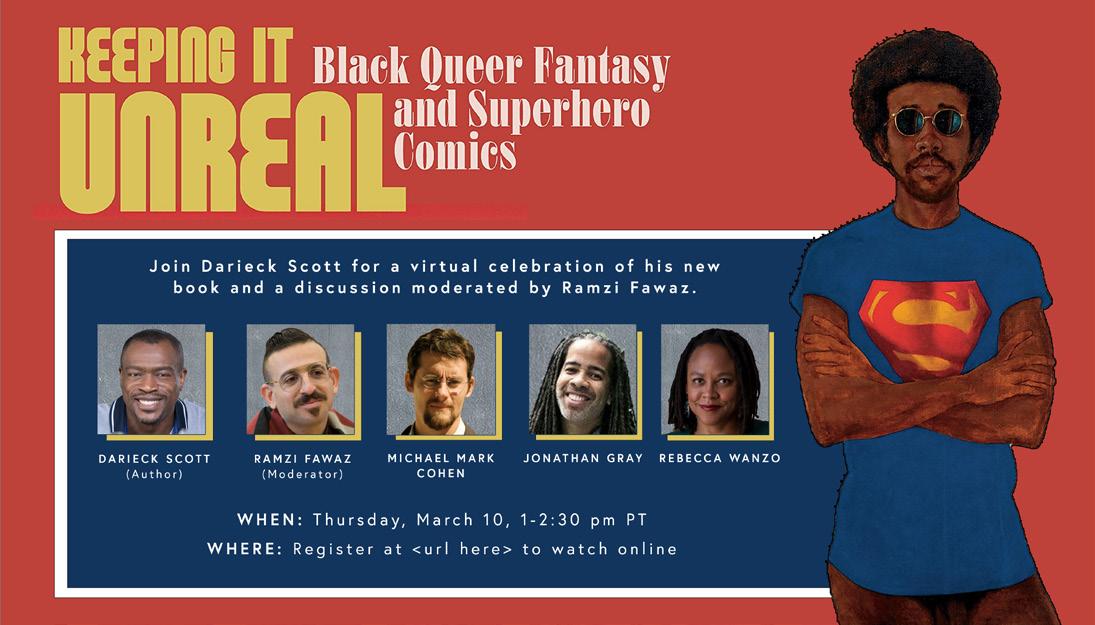
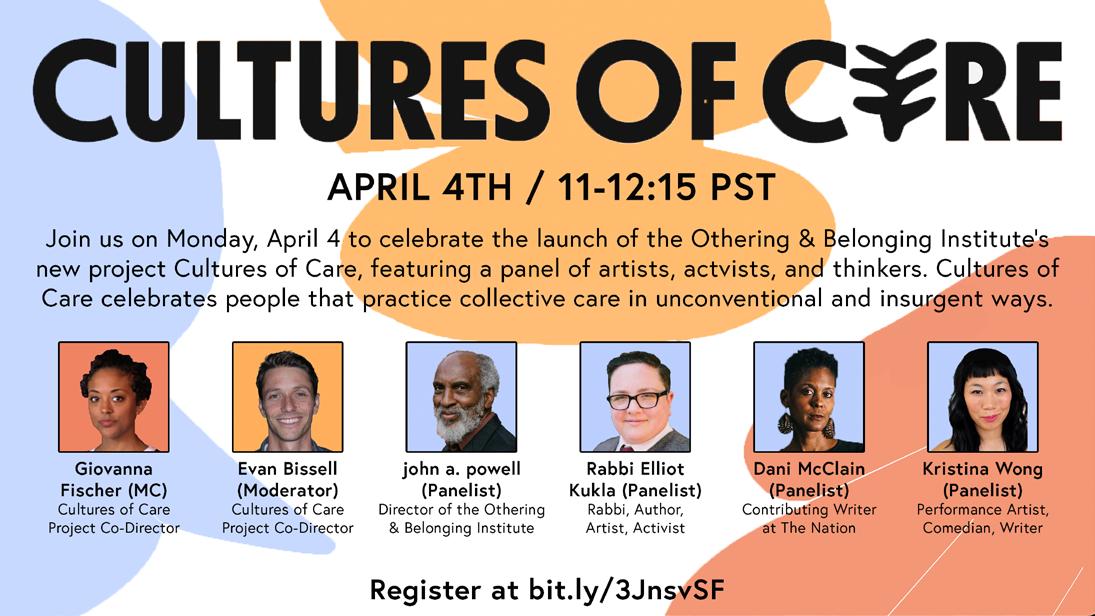
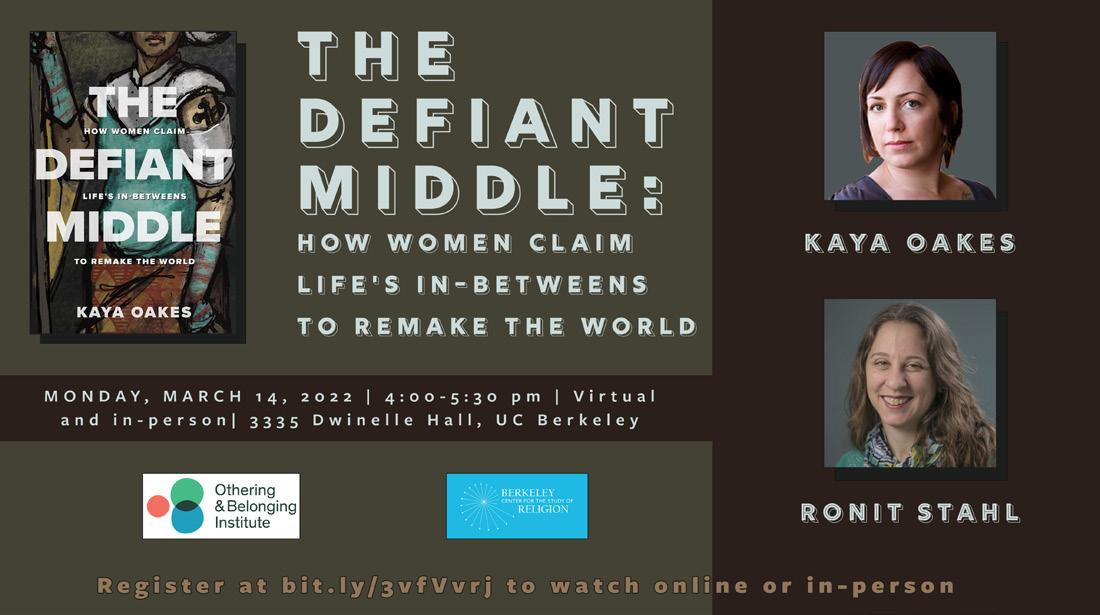
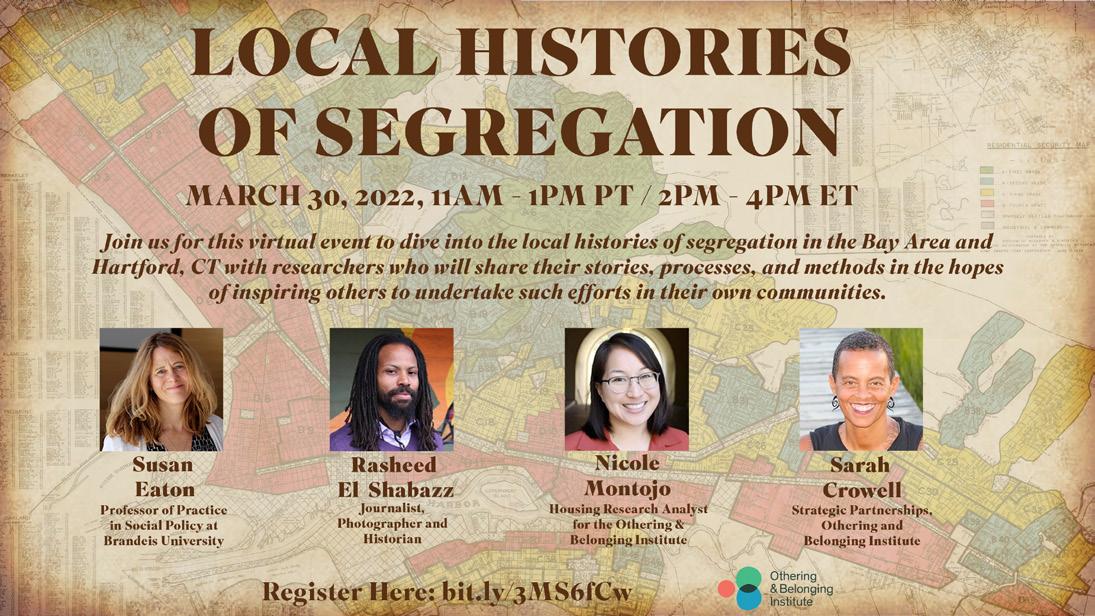
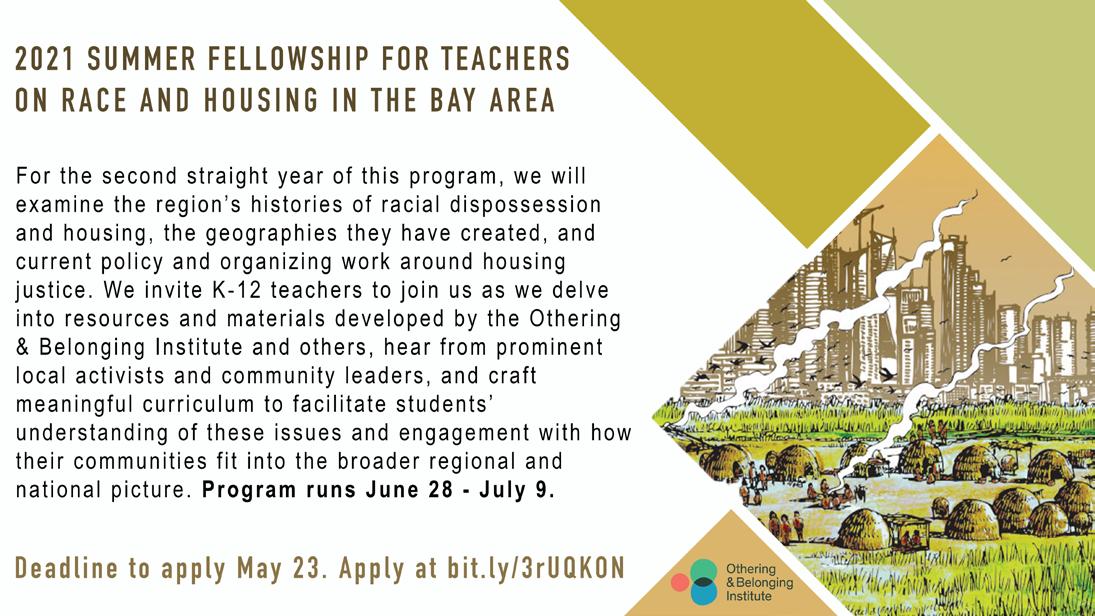
With my roles as the Digital Content Manager at UC Berkeley Law School, Multimedia Associate at the Othering and Belonging Institute, and Digital Content Strategist for UC berkeley Letters & Science Media Studies Department, I design and layout many promotional materials. This includes marketing flyers, event programs, and informational guides. The graphic programs I use to create these matrials include Photoshop and Illustrator.
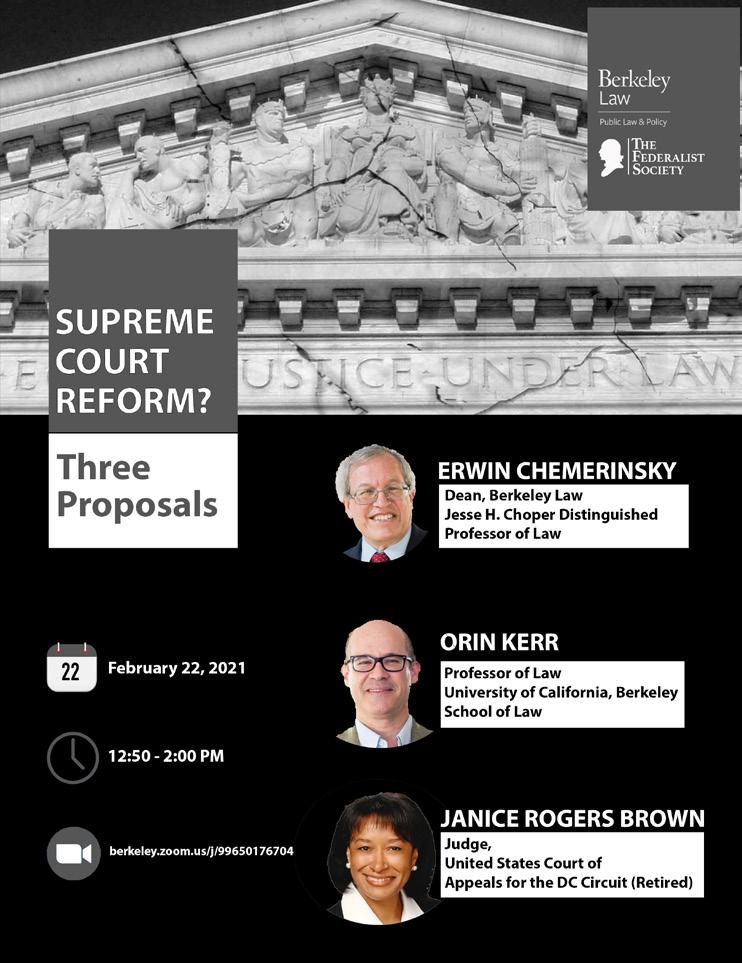
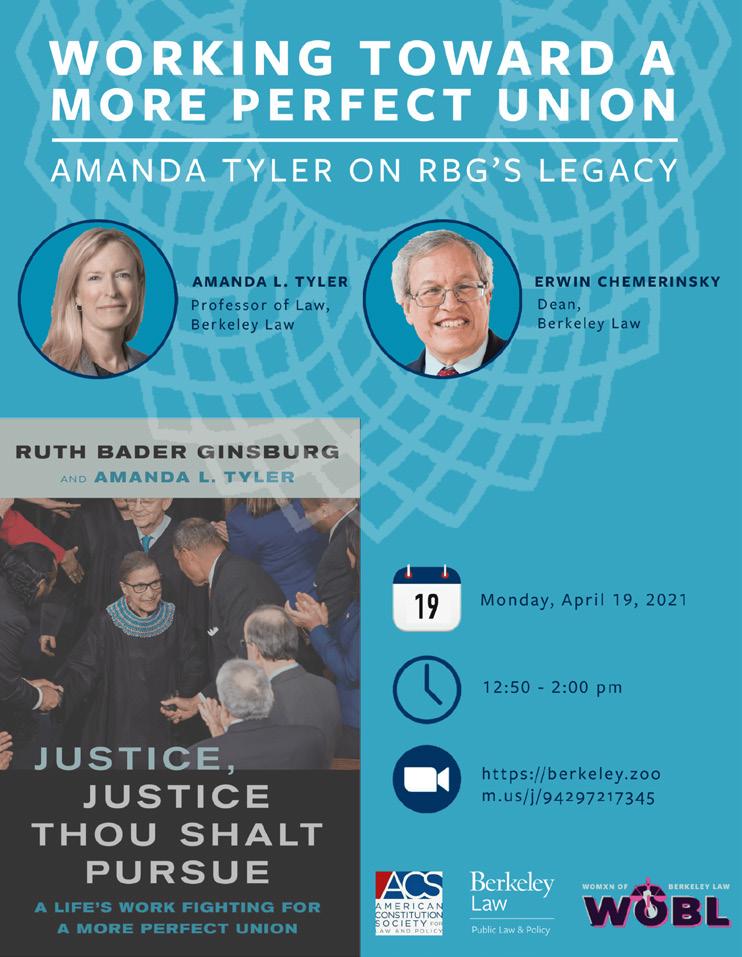
Above: Berkeley Law flyers
Right:
 Othering and Belonging Institute flyers



YouTube and Blog
YouTube: youtube.com/c/MeganDang Blog: type1mind.blogspot.com
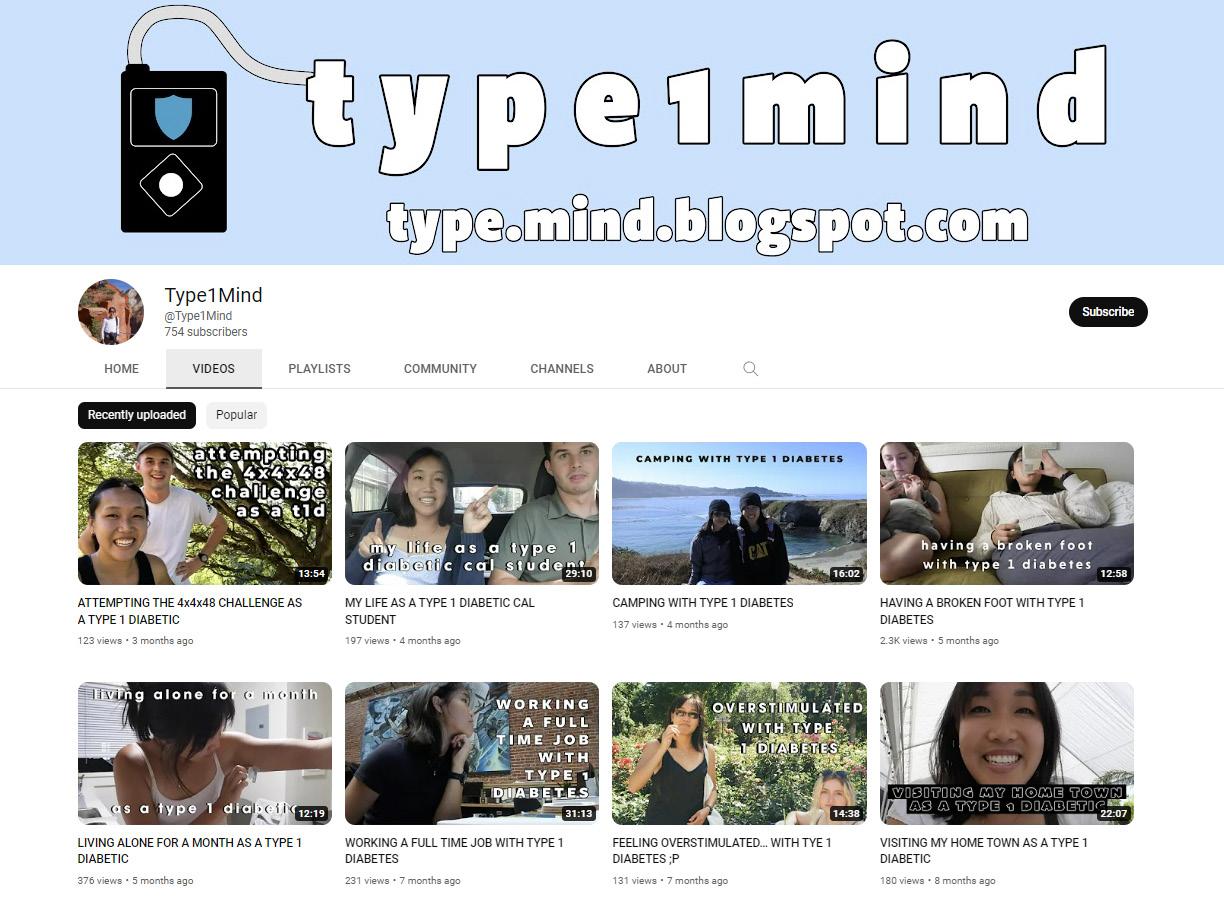
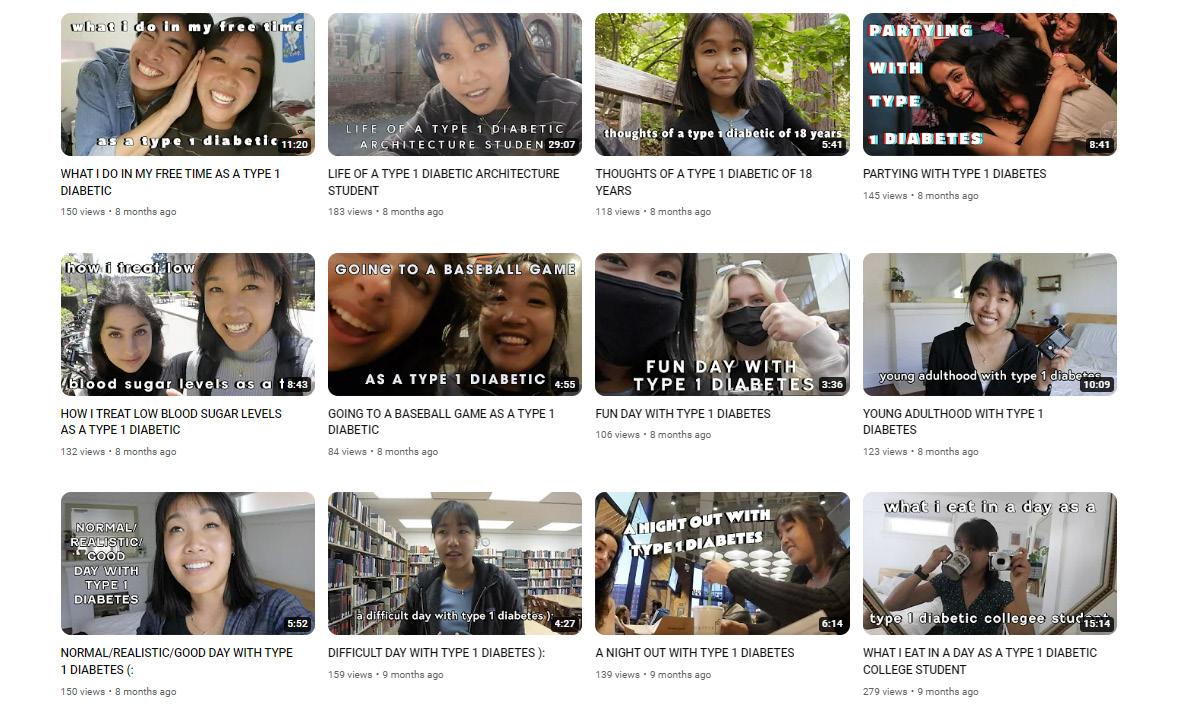
Diagnosed at age three, diabetes has always been a big part of my life. Diabetes opened my eyes to new possibilities, new friends, and new experiences. Nevertheless, it has also shown me the bad that can come from an unwanted and undeserved disease - from causing me to go low during an important soccer game, to shooting up my blood sugar during an important test! As a diabetic of seventeen years, I feel that I have a lot of experience with this disease and want to share my story with non-diabetics, as well as connect with my fellow diabetics out there. Dealing with a 24/7 condition that occupies the most part of my life, I found that one of my main goals is to help other like me, as well as educate others willing to learn more about it!.
Since high school, I have managed and produced diabetic content for my personal YouTube and blog. On these platforms, I share informational guides, tutorials, and advice to fellow diabetics to help them with any concerns and obstacles they come across dealing with this disease. Above:
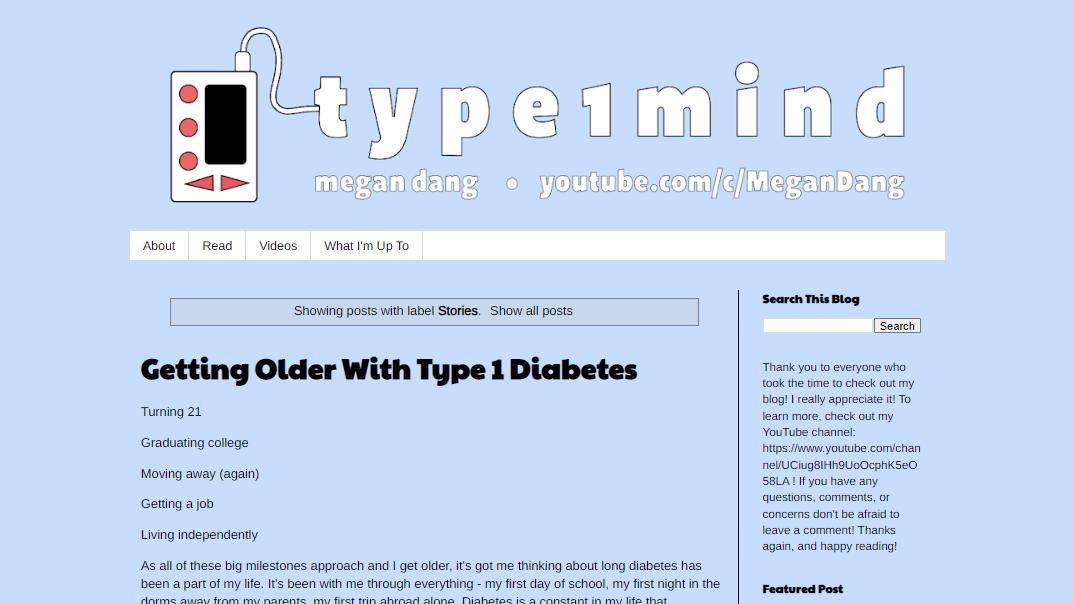
Blog Right: YouTube channel
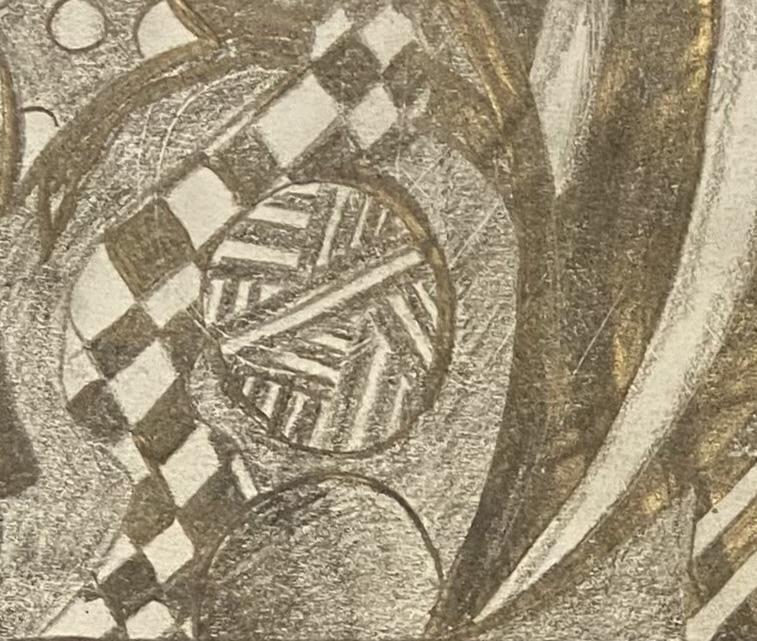
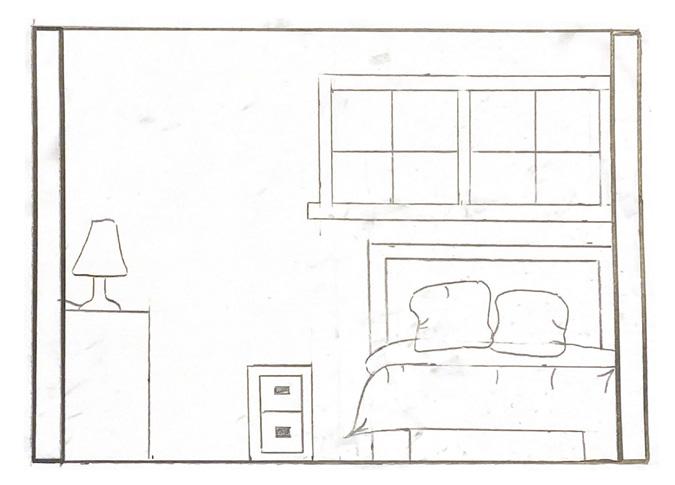
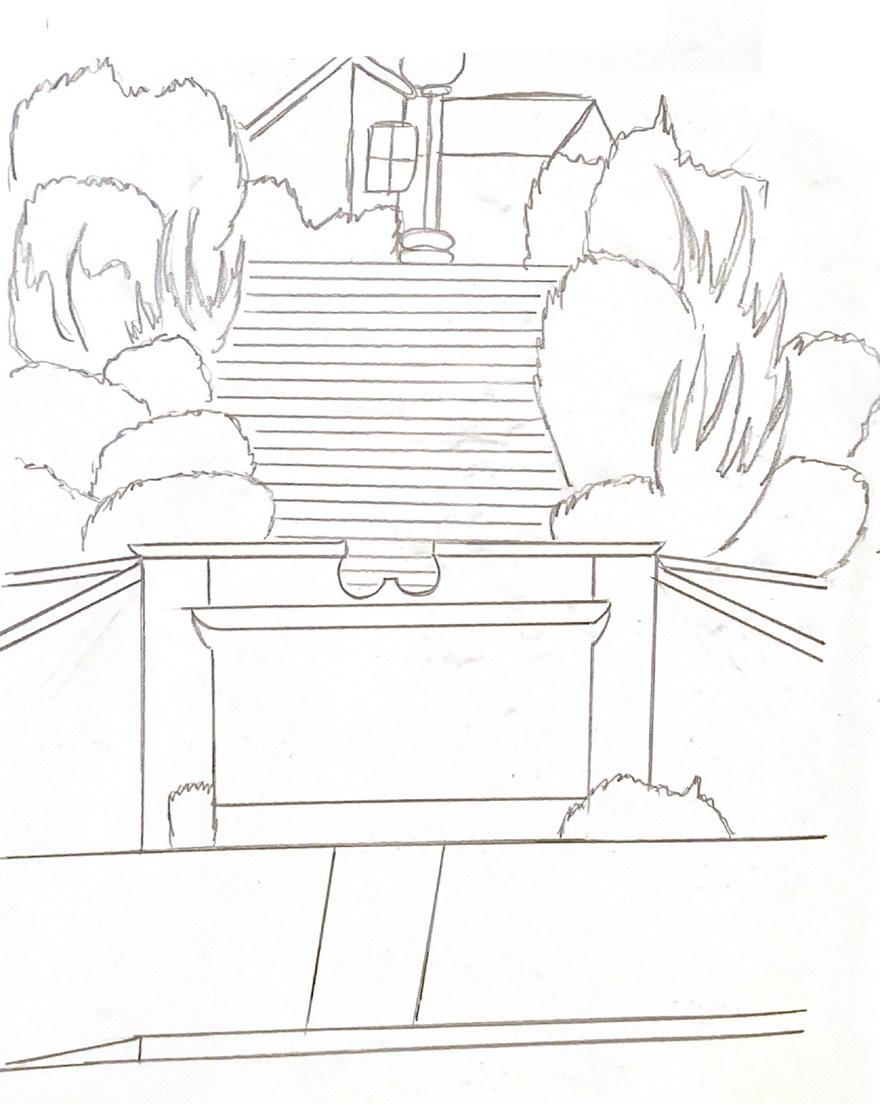
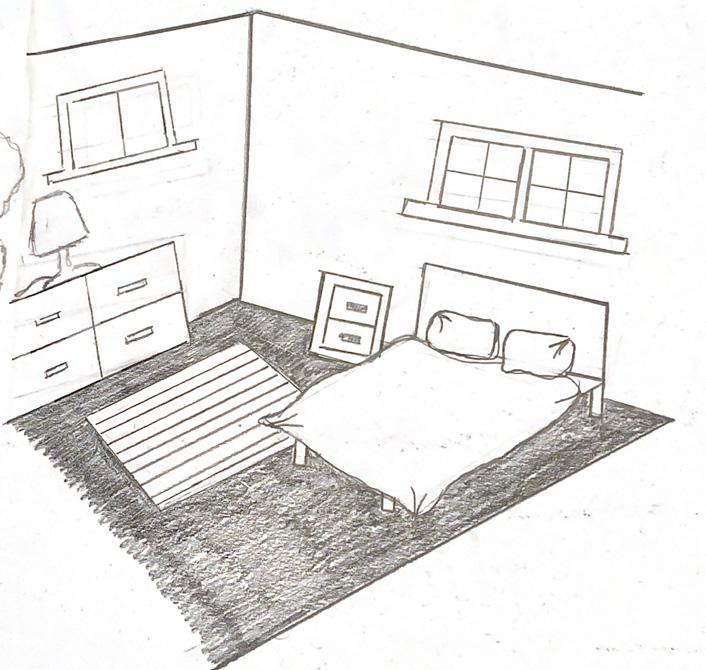
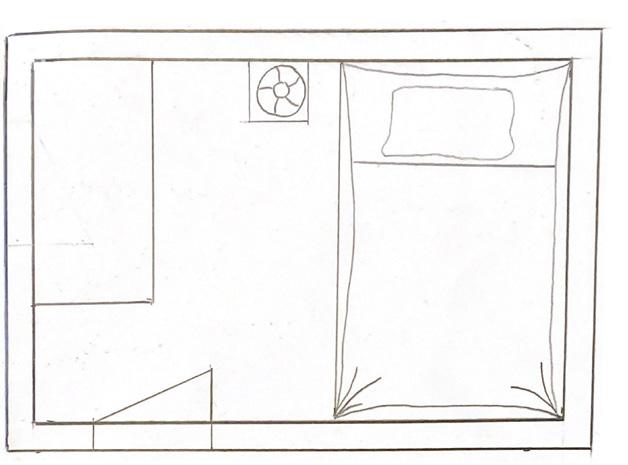
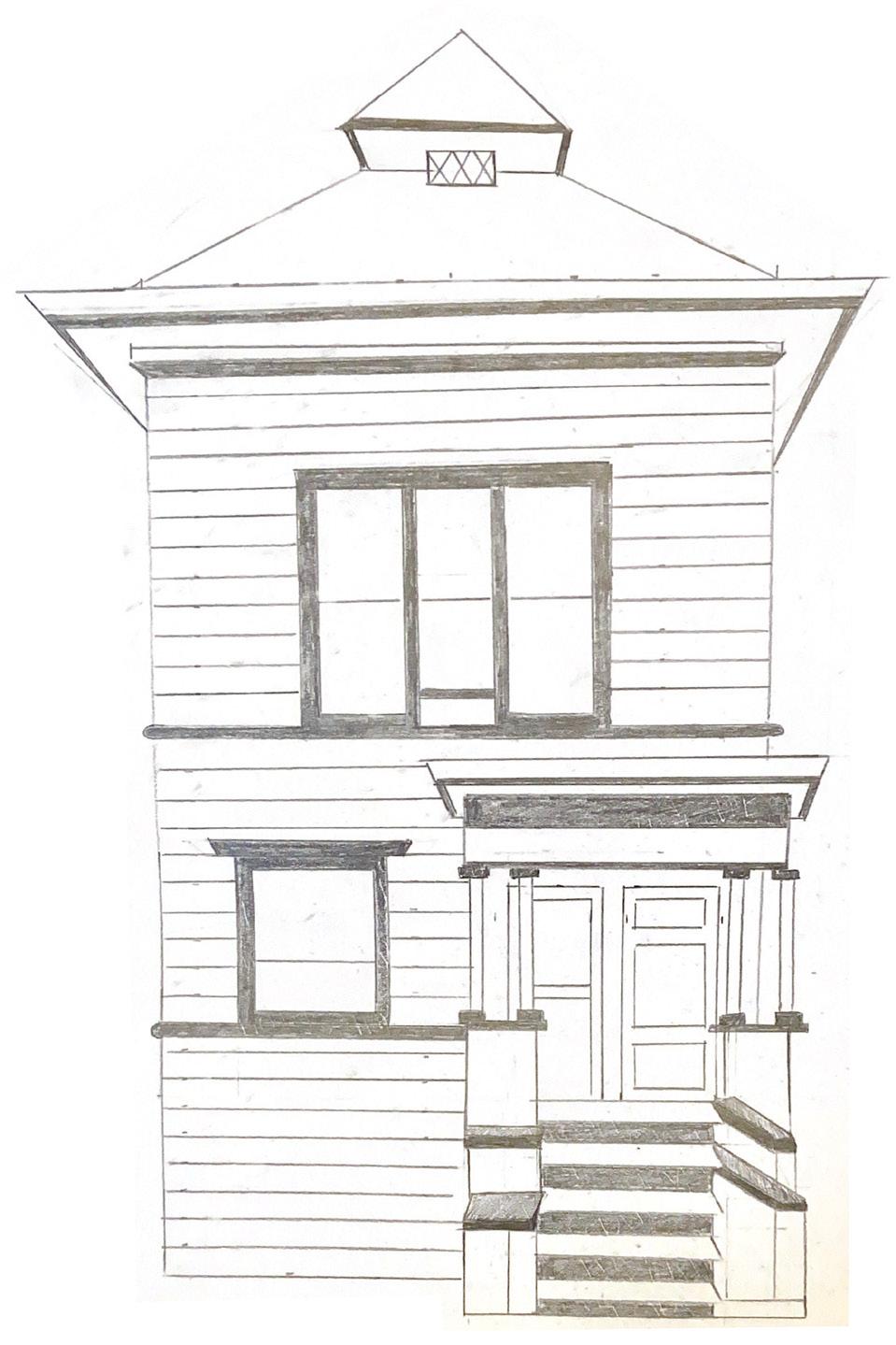
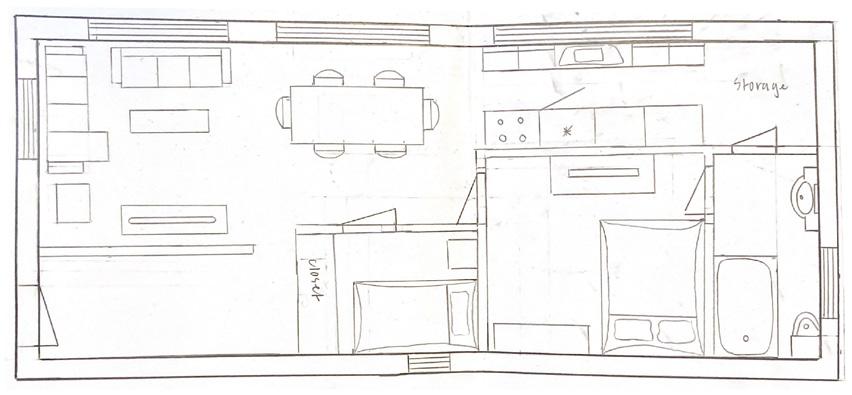
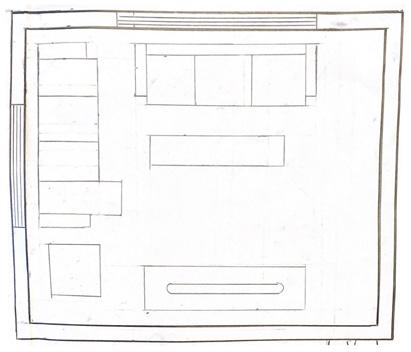
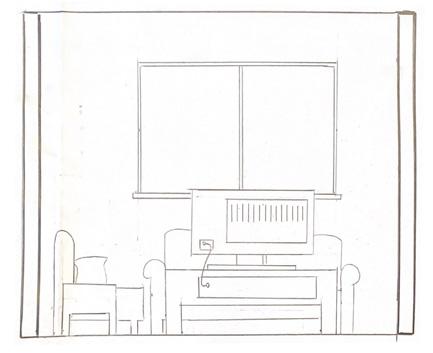
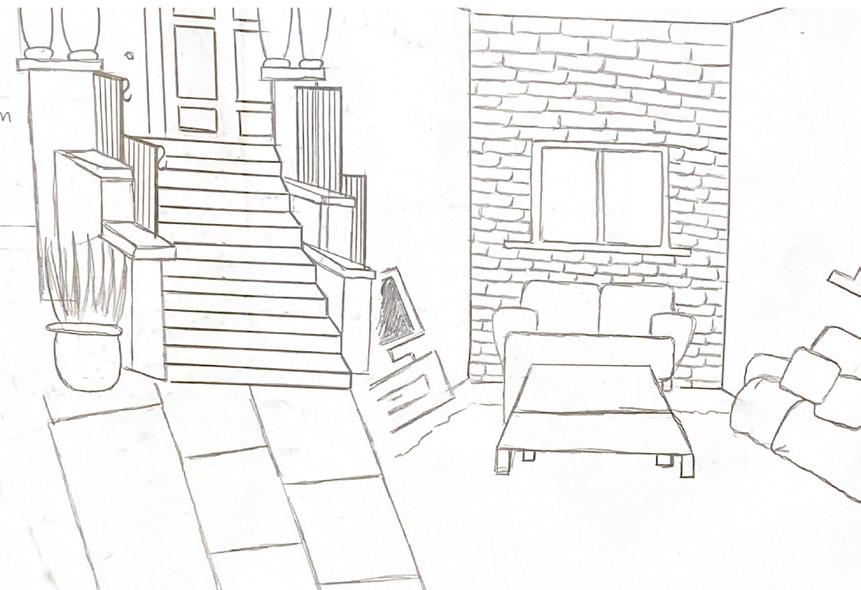
Hand Drafting Sketches
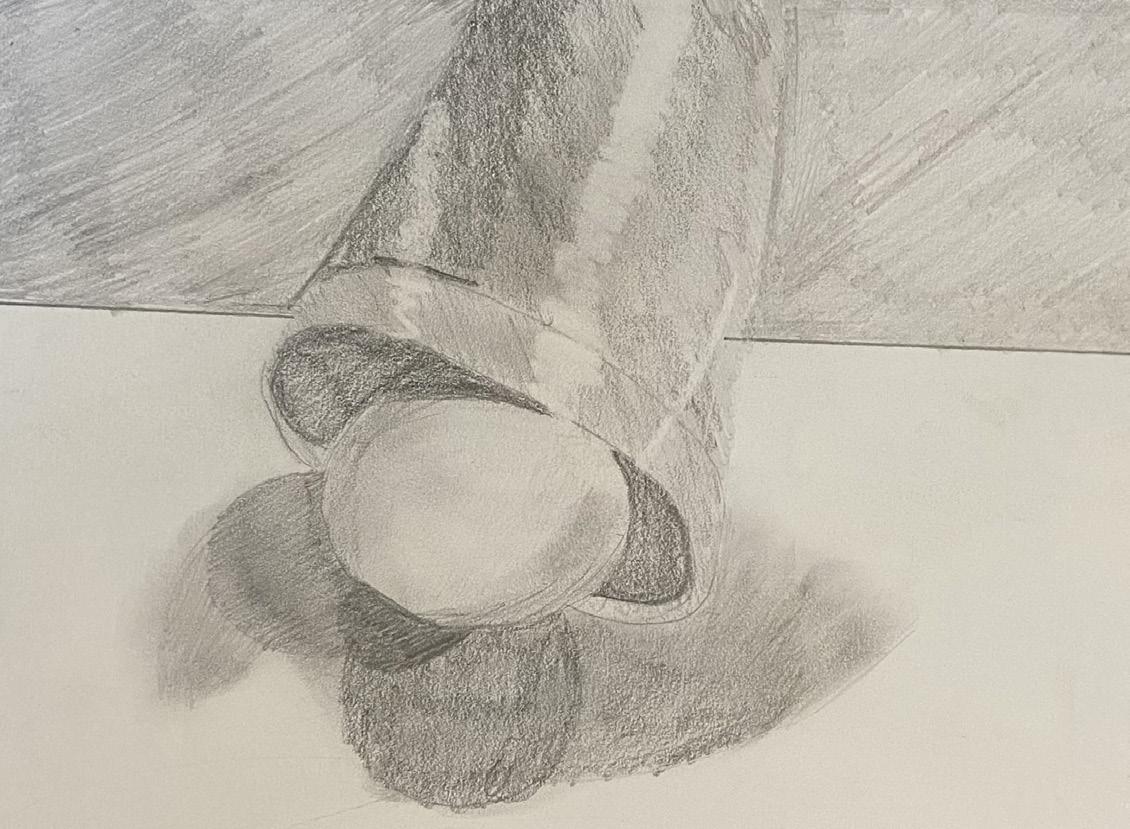
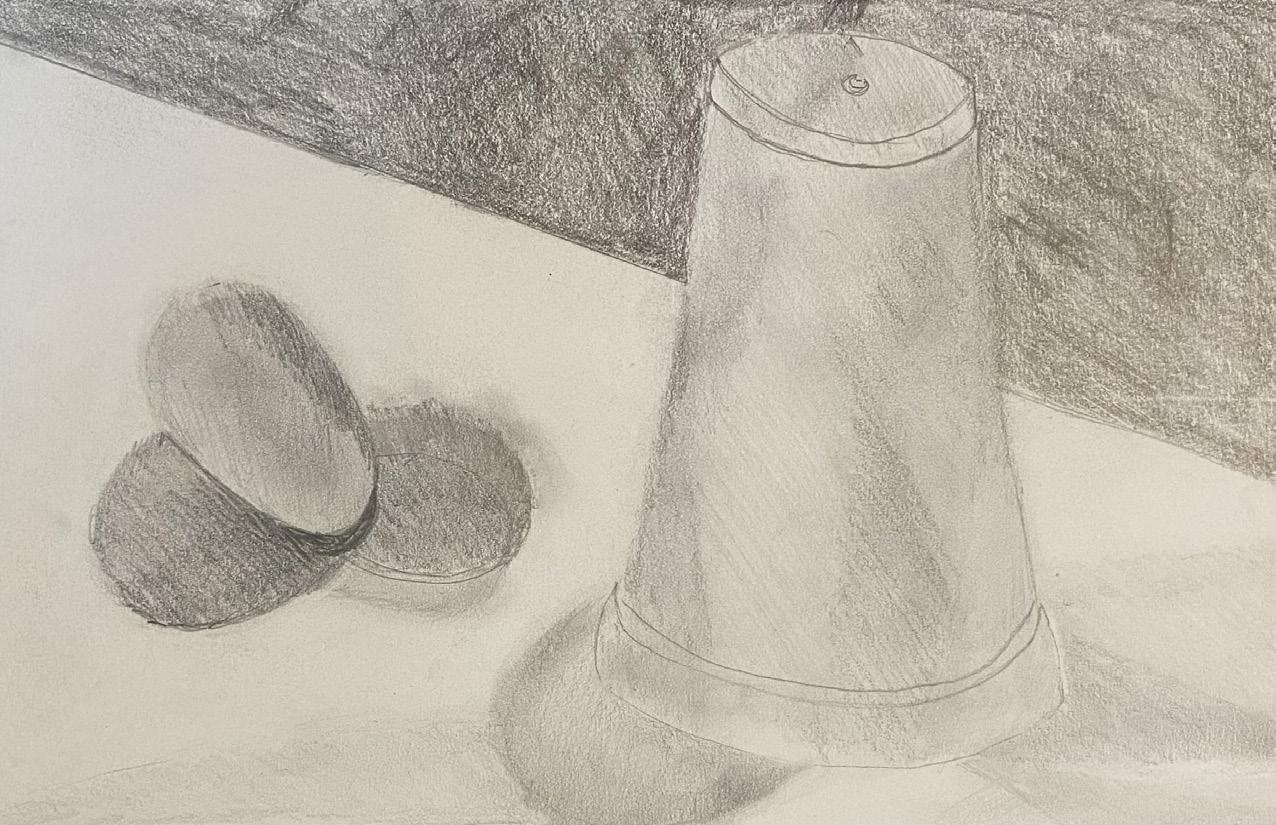
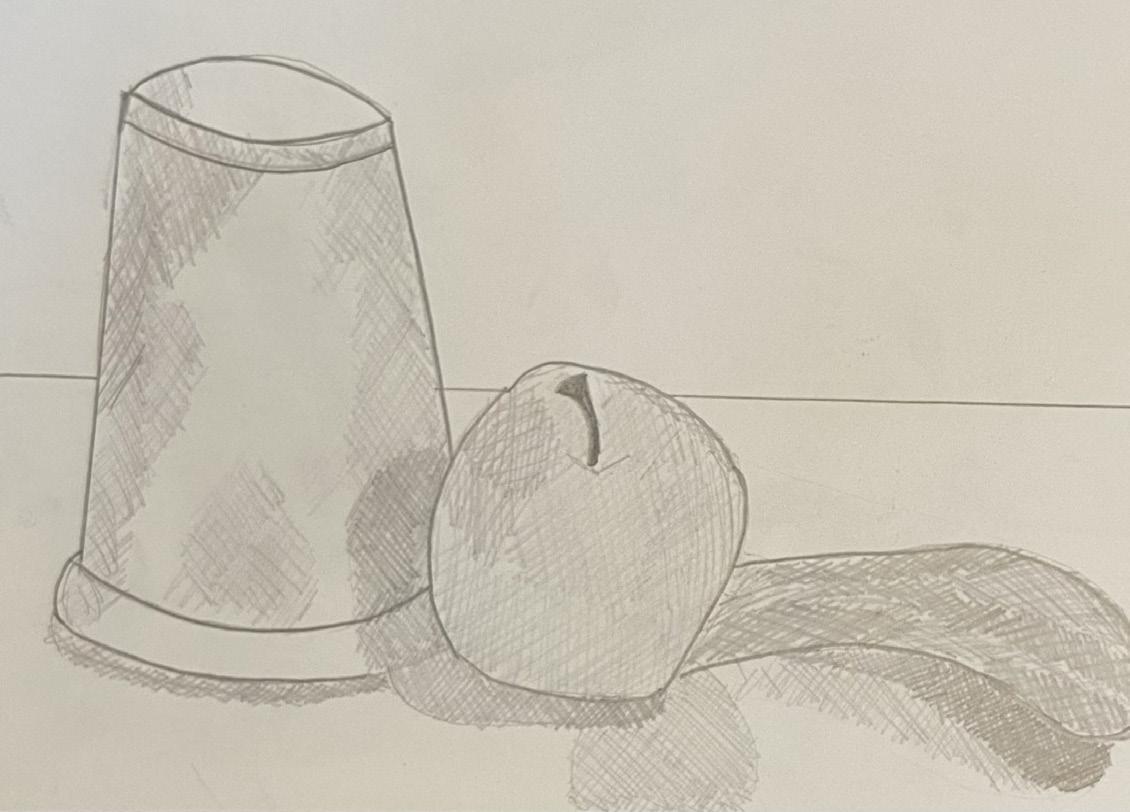
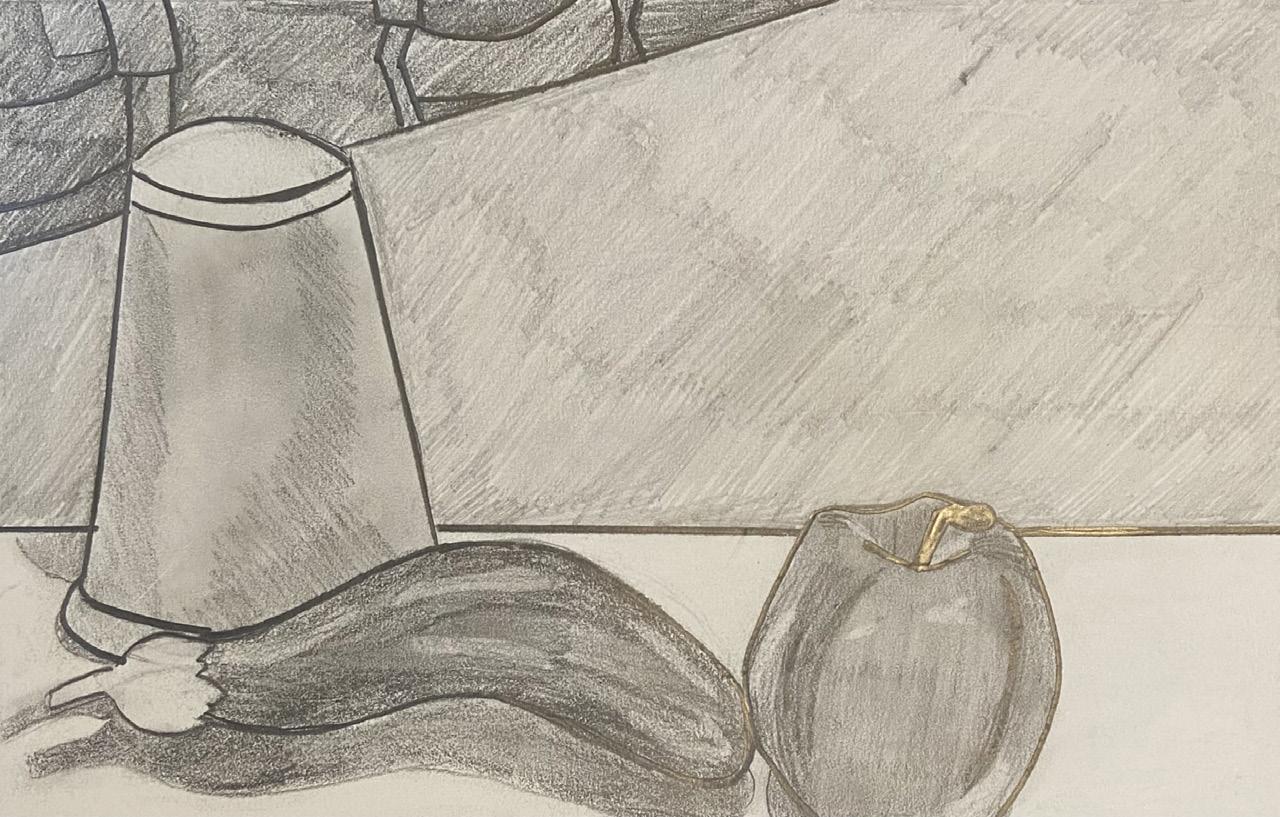
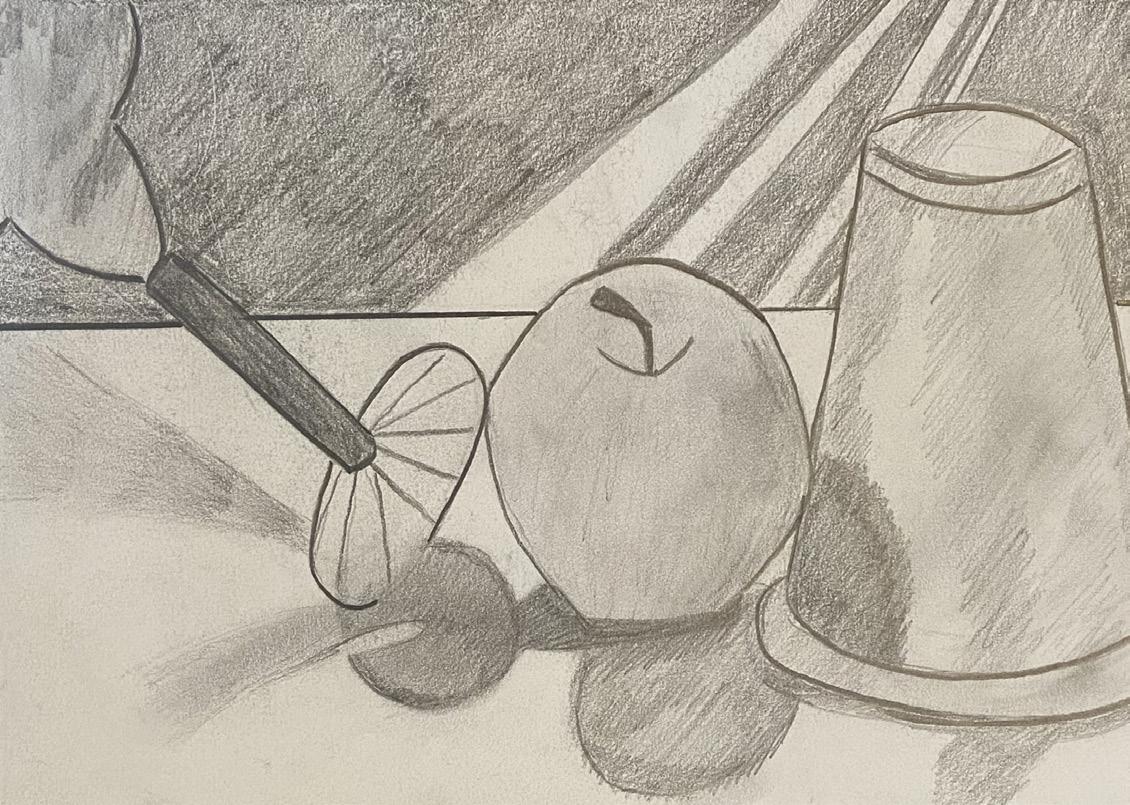
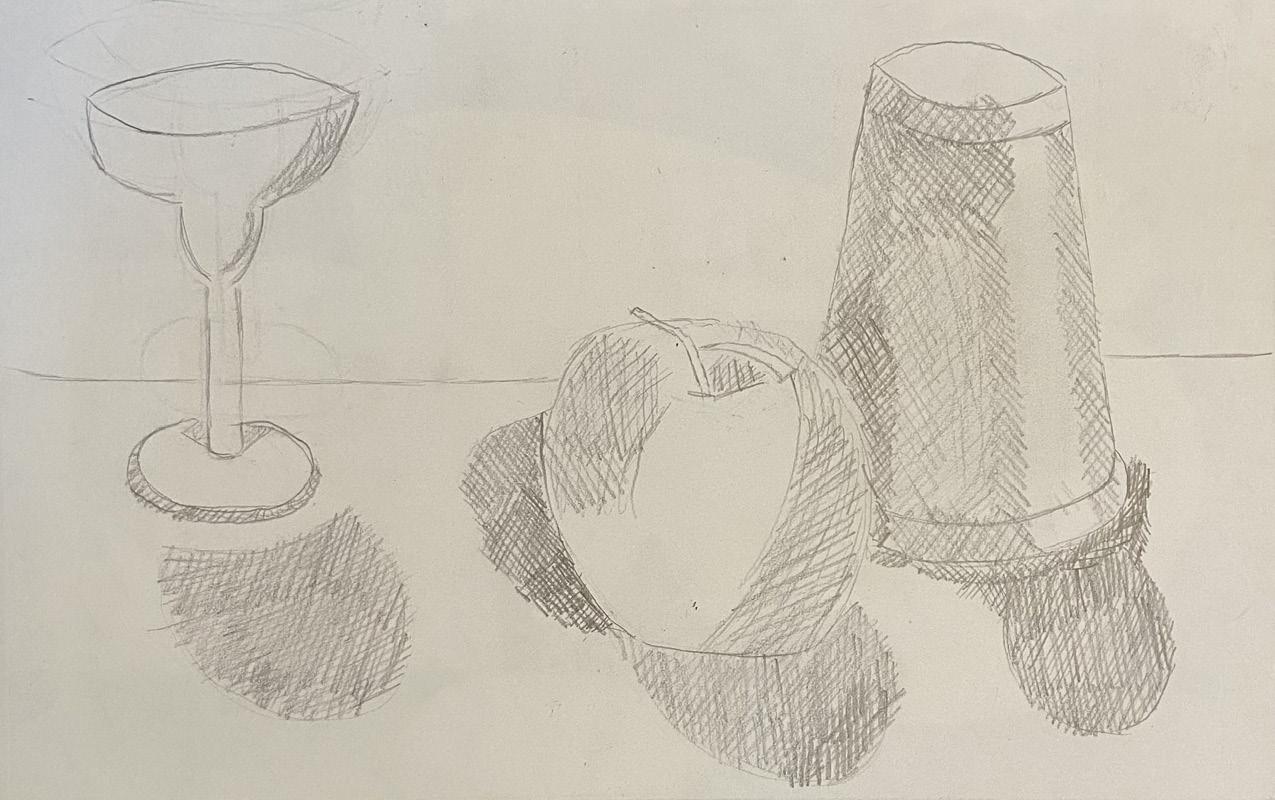
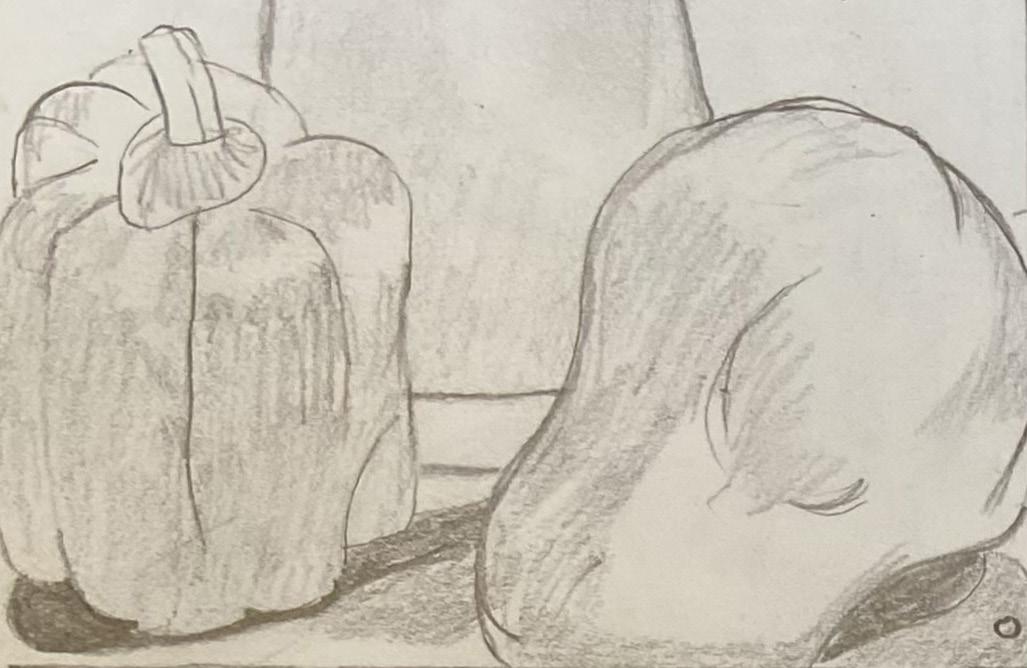
Object Sketches