MEGAN PAVLOWSKI ARCH 220-03
2021 DESIGN STUDIO PORTFOLIO

The intentions of this study are to assist the understanding of practice and use of architectural precedent in the design process. Rather than subjectively select images of precedent that you ‘like’, you will be conducting an examination of an iconic piece of domestic architecture, for future translation into a design project. You will be examining basic formal elements that have been deployed in very specific ways to identify architectural solutions to design problems that transcend time. Careful analysis of the precedent’s relationship to the context/site and its use of tectonic elements to develop a unique sensory experience will be critical for the successful development of forthcoming assignments. Formative patterns and geometric principles alone do not in and of themselves constitute a ‘good design’, but can act as a point of departure, or a framework against which to test ideas.
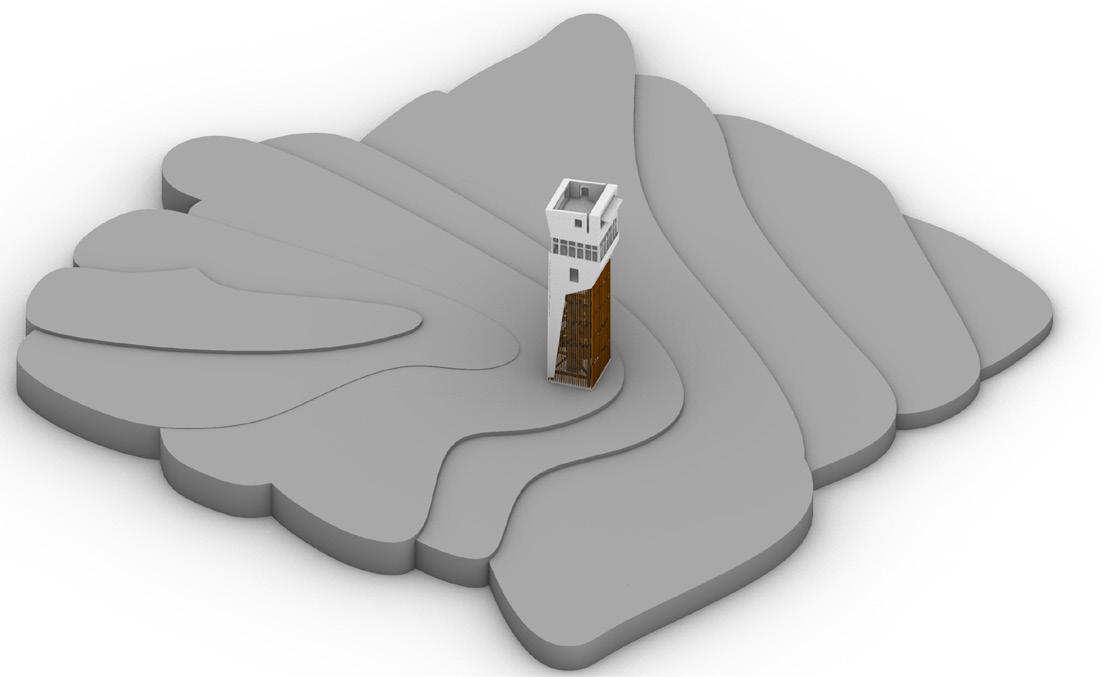
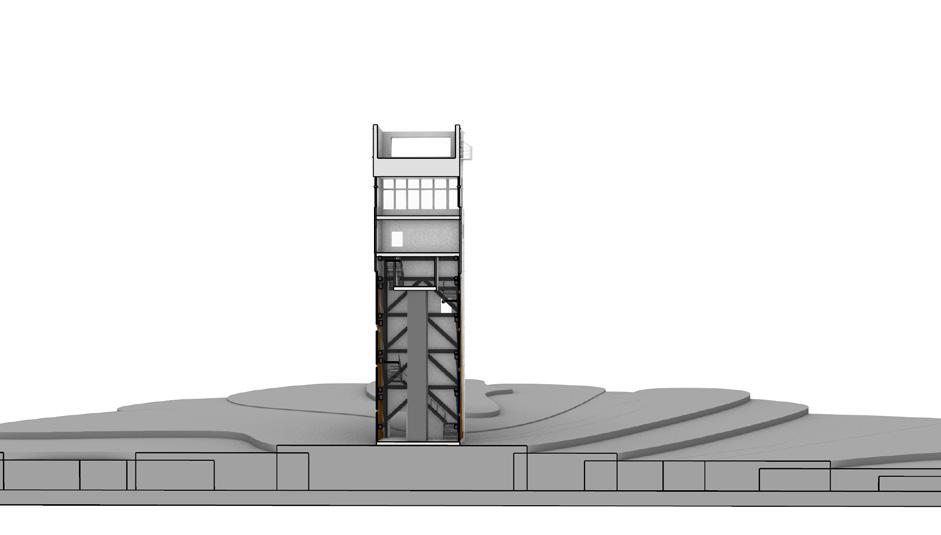
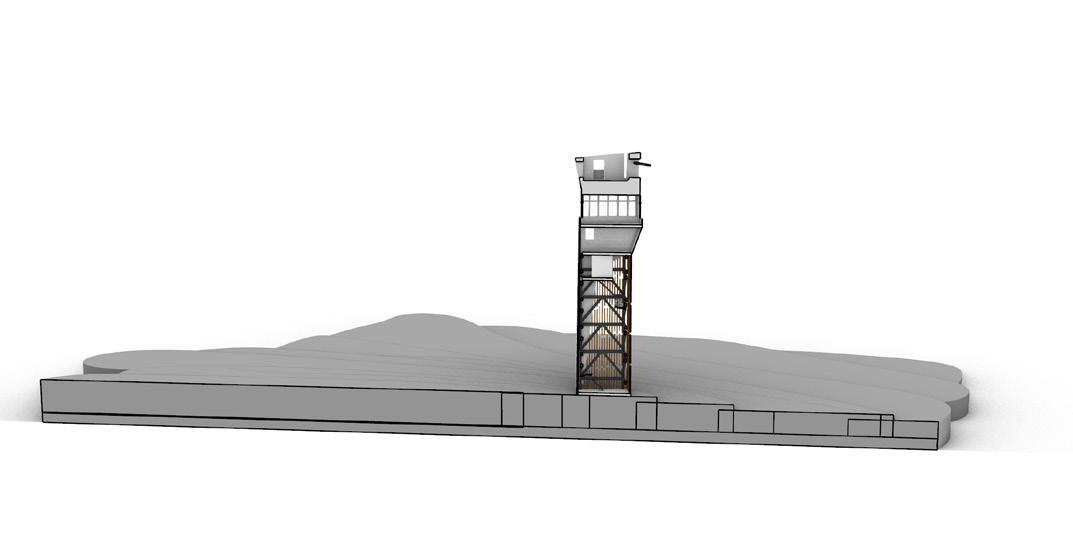
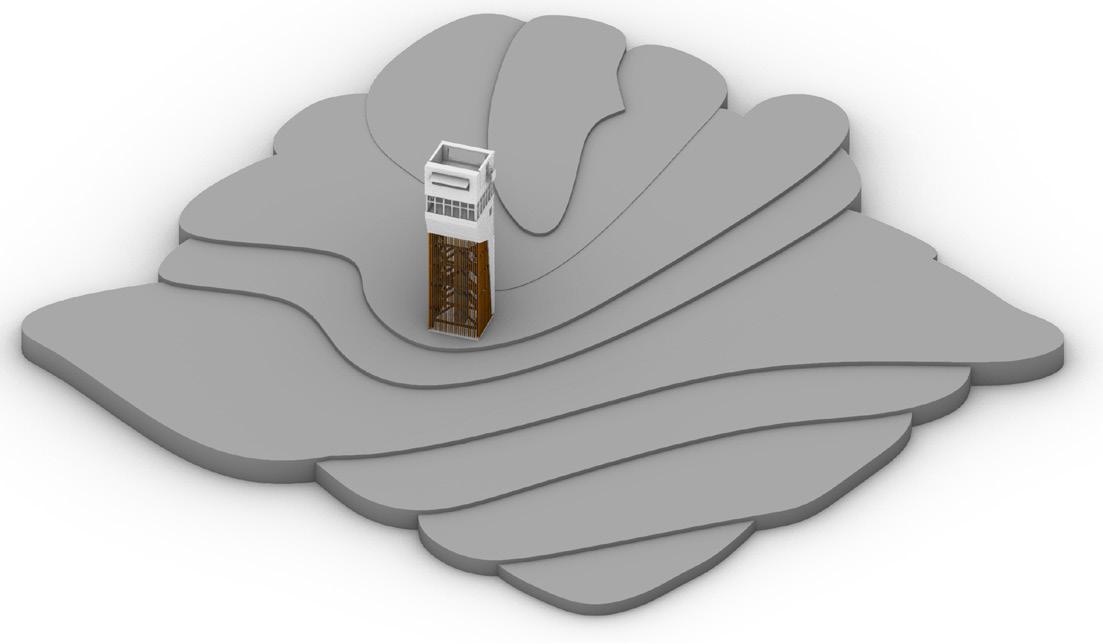
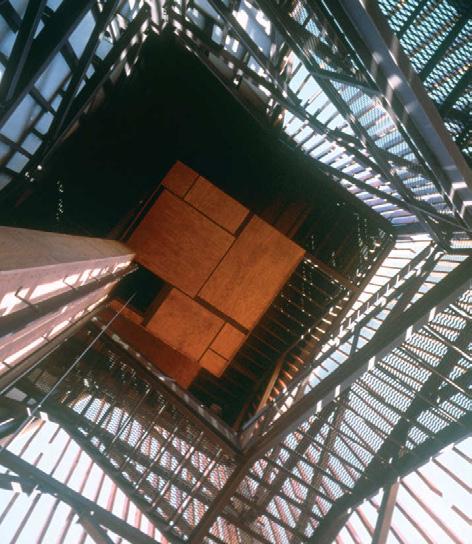
The Keenan TowerHouse was designed for a man who spent an abundance of time as a child in a tree house that was built by his grandfather. He longed for what he described as a “live-in tree house”, where he can soon spend an abundant amount of time in. On fifty-seven acres of land, the TowerHouse was built. The uniqueness of the design allowed for only one singular tree to be uprooted in the building process. The tower consists of living and sleeping rooms both with three hundred and sixty degree viewing of the landscape. There is also a sky court for dining which allows for vertical viewing. The house is “among the trees” and allows one to soar through them. It is said that the tower allows visitors to “carve the view of the sky” when looking out the windows. The Keenan TowerHouse is one and a million, allowing for all visitors and guests to appreciate the surrounding views and to enhance those views from an extraordinary height.
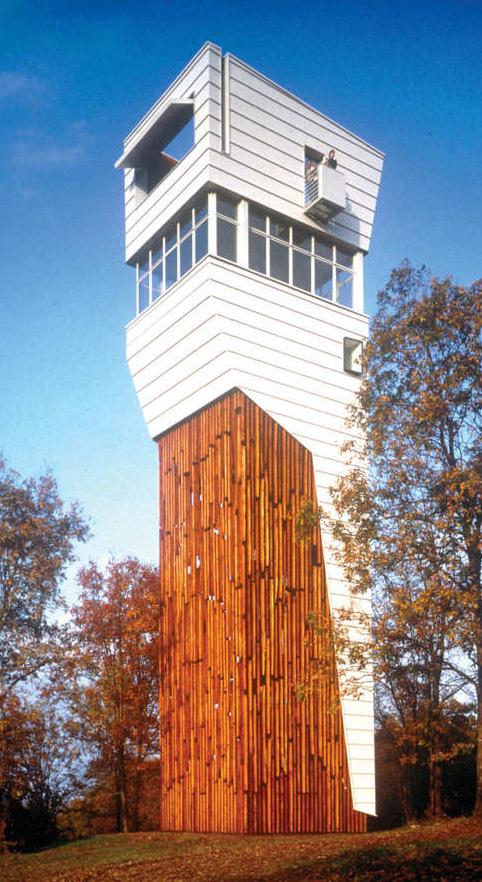
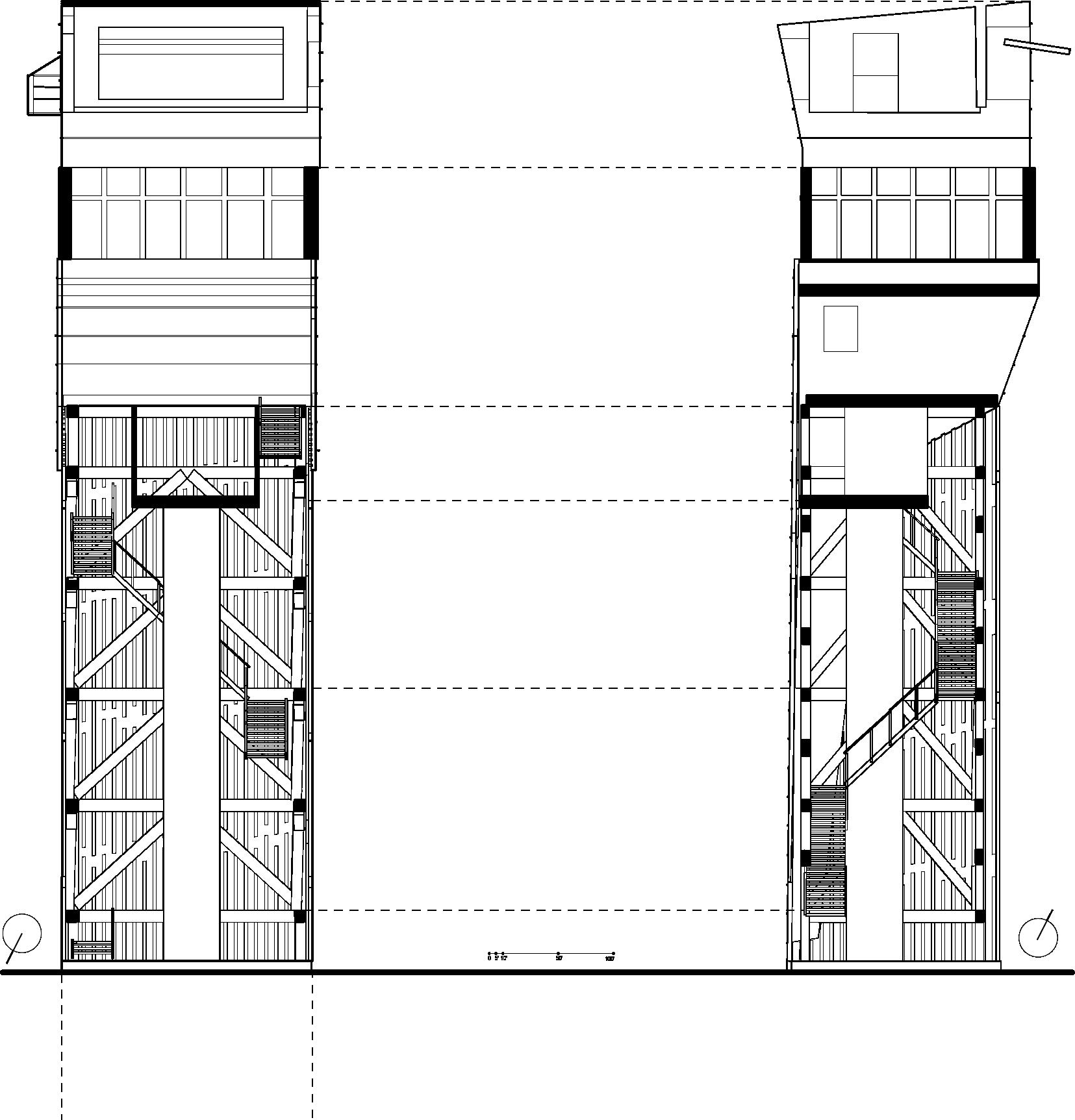
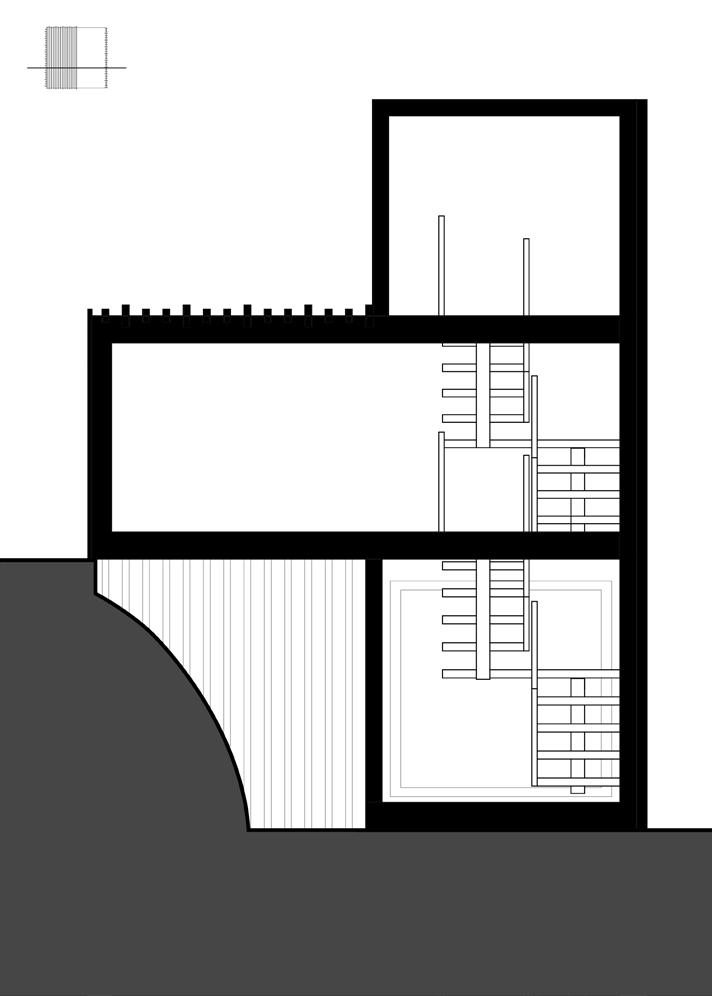
CROSS SECTION: 01
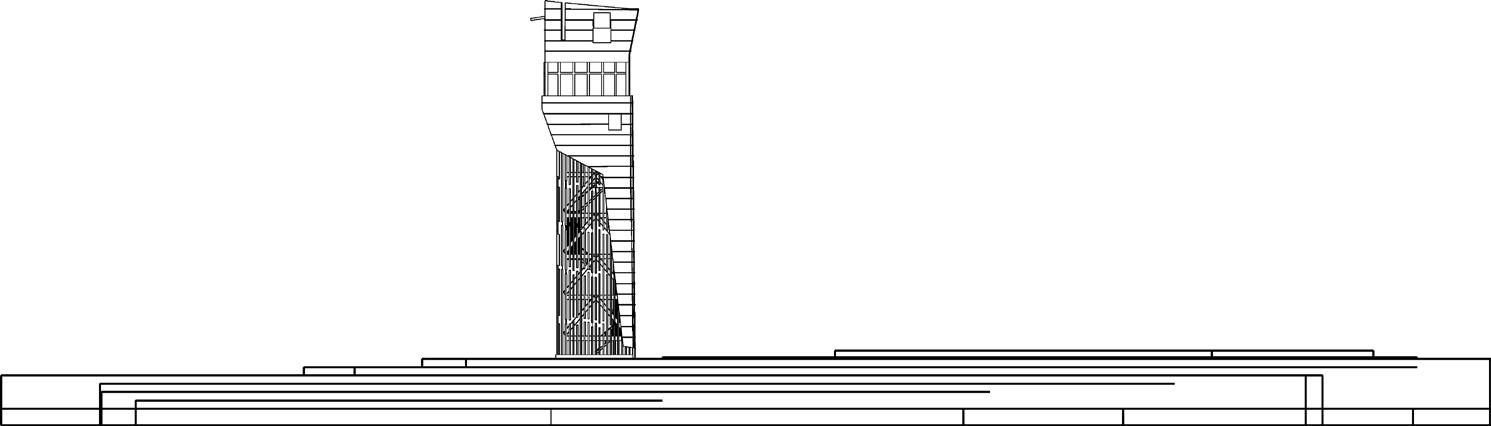
SITE PLAN: 01
SITE SECTION: 01
CROSS SECTION: 02
FLOOR PLAN: 01
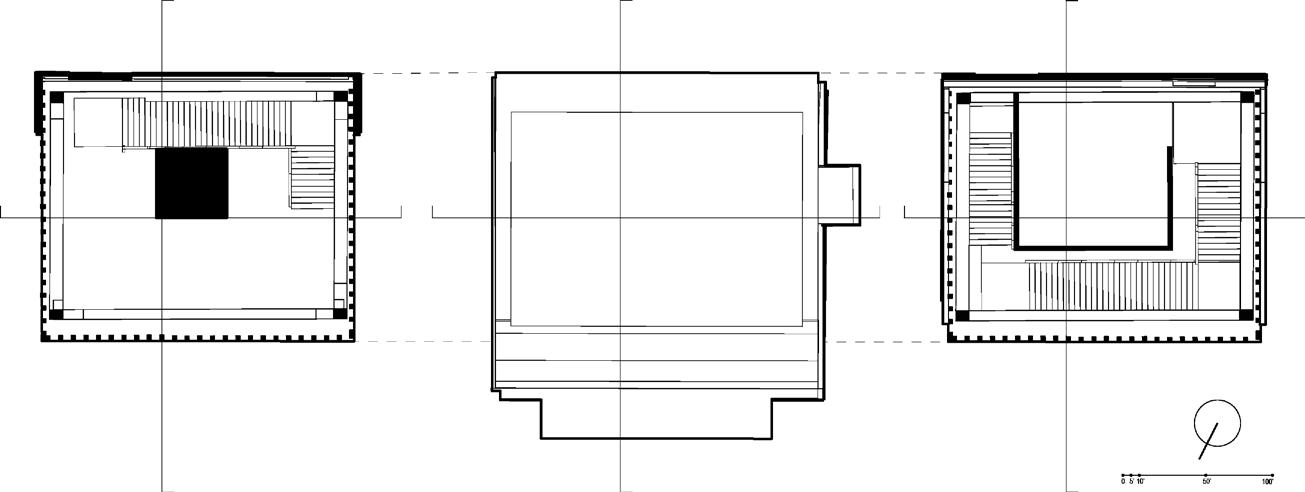
FLOOR PLAN: 02
FLOOR PLAN: 03
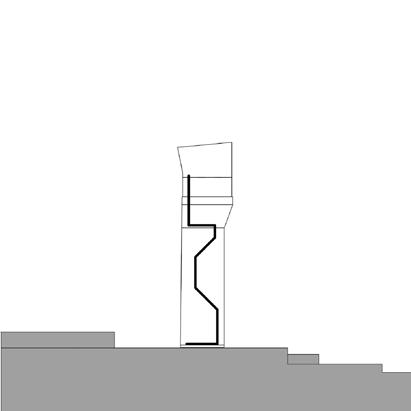
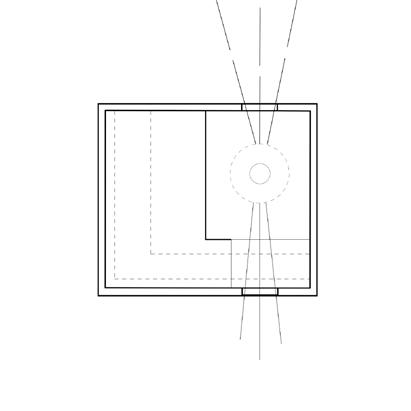
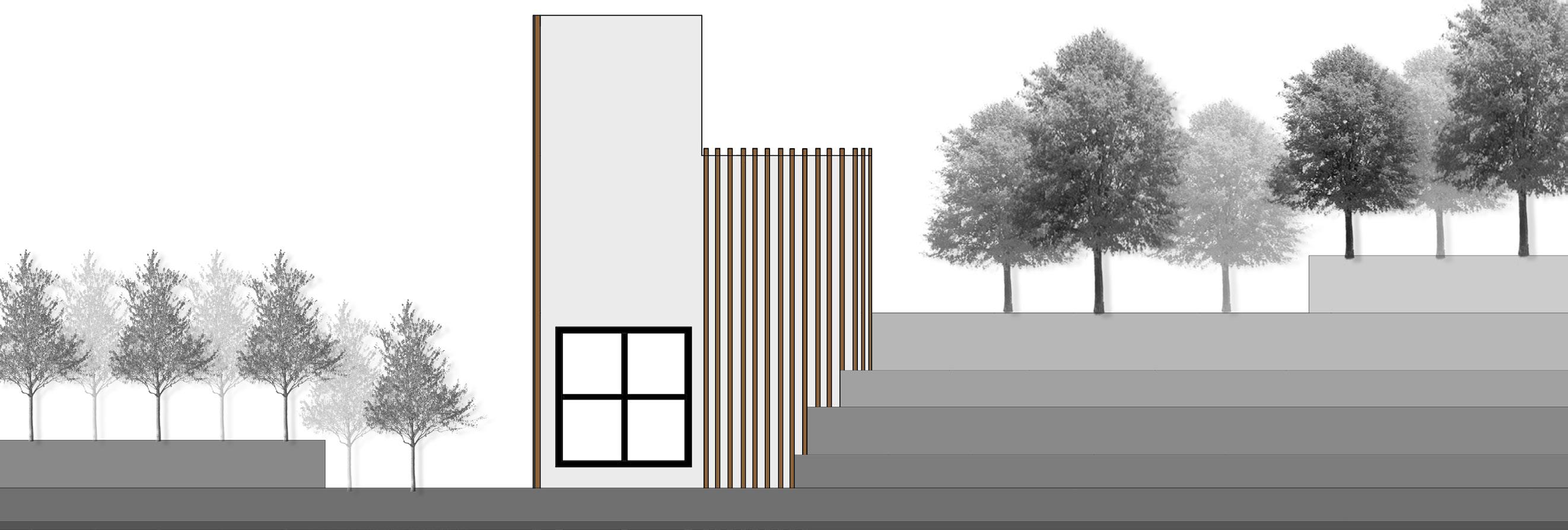
Orthographics were created by utilizing both Rhinoceros and Adobe Illustrator to help generate a better idea of the layout and construct of the house. They showcase the inner workings and inner structure of the tower, while providing a generalized image.
CIRCULATION SYMMETRY SOLID / VOID
CIRCULATION SYMMETRY SOLID / VOID
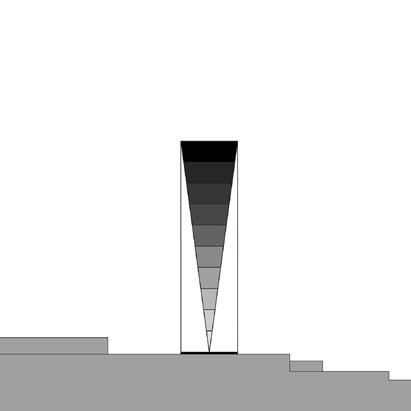
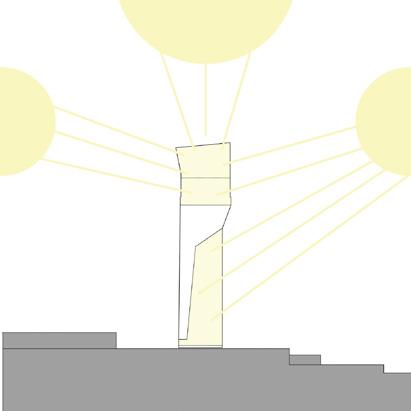
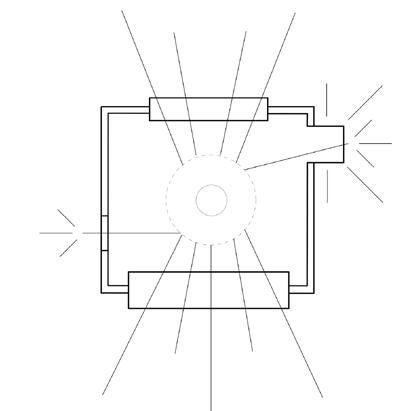
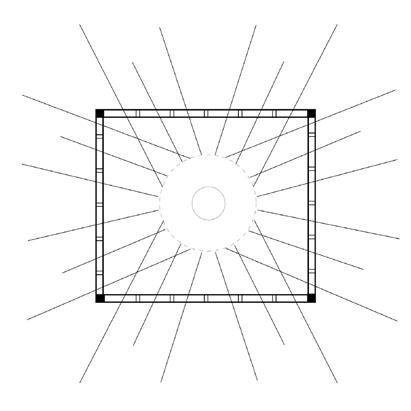
3 D P L A N & S E C T I O N
D I A G R A M S
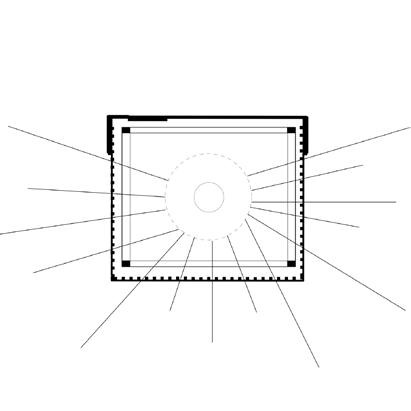
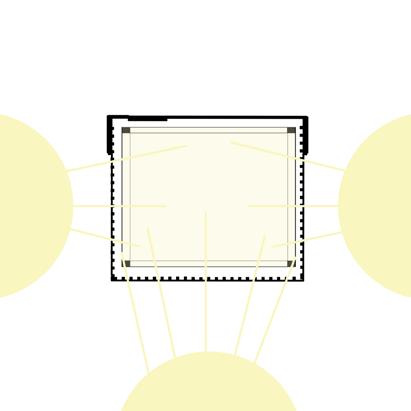
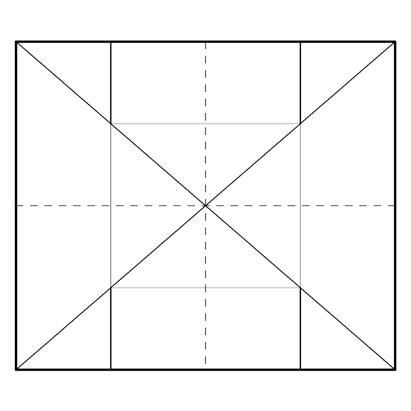
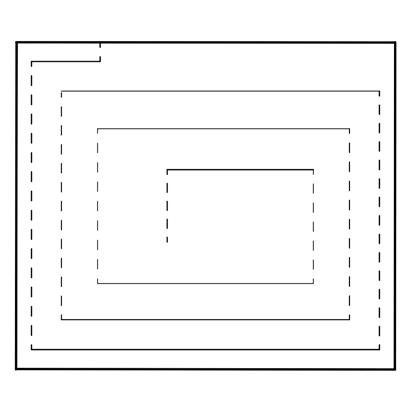
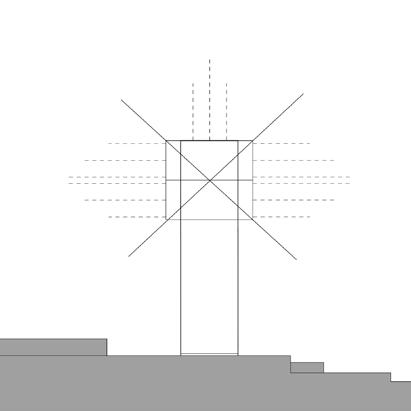
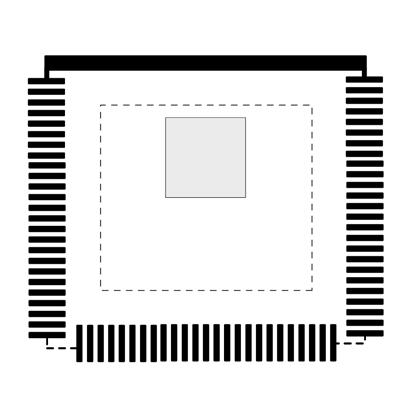
The diagrams above helped understand the structure as a whole, while understanding its inner workings and pieces as individuals. Each diagram goes into depth on a particular aspect of the house that analyses its uniqueness in design and intent.
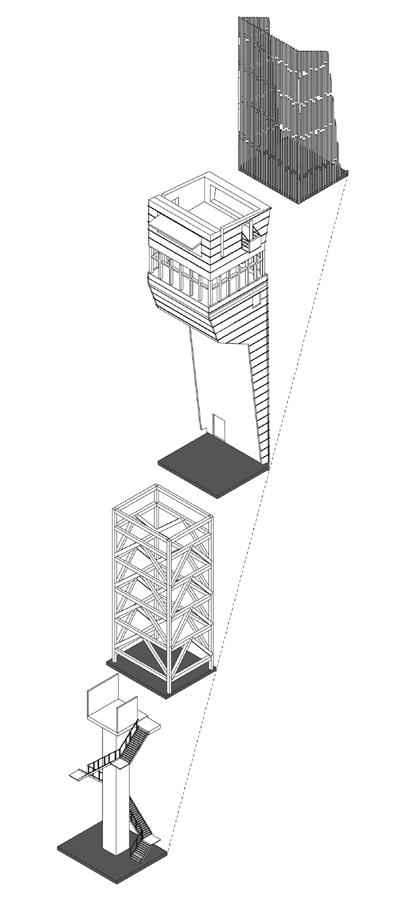
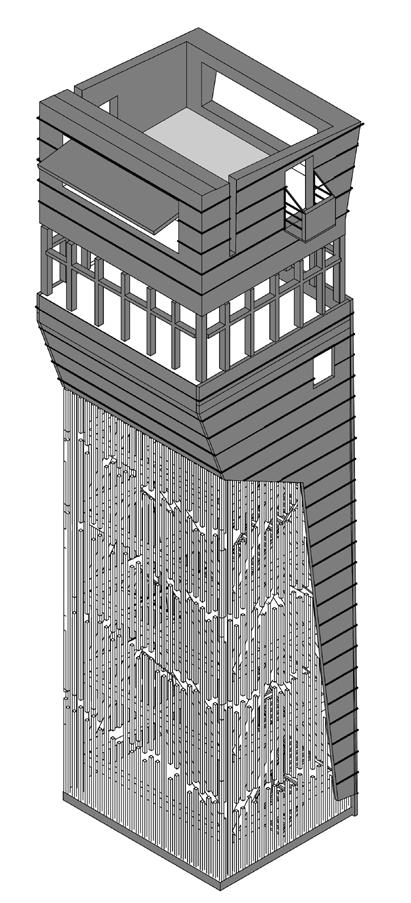
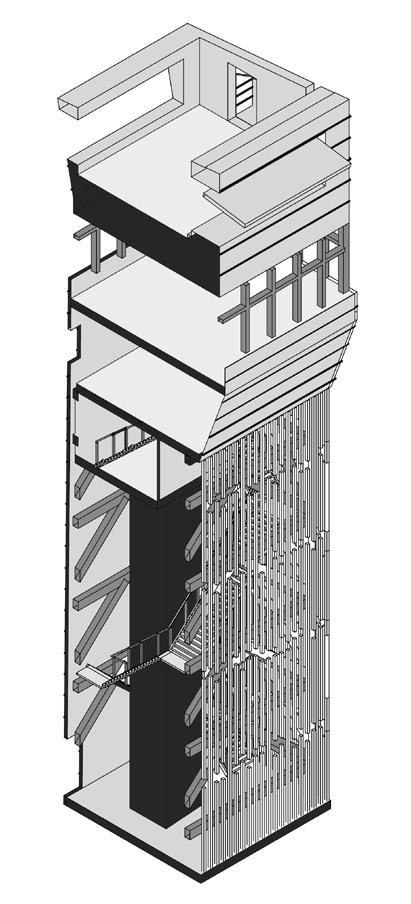
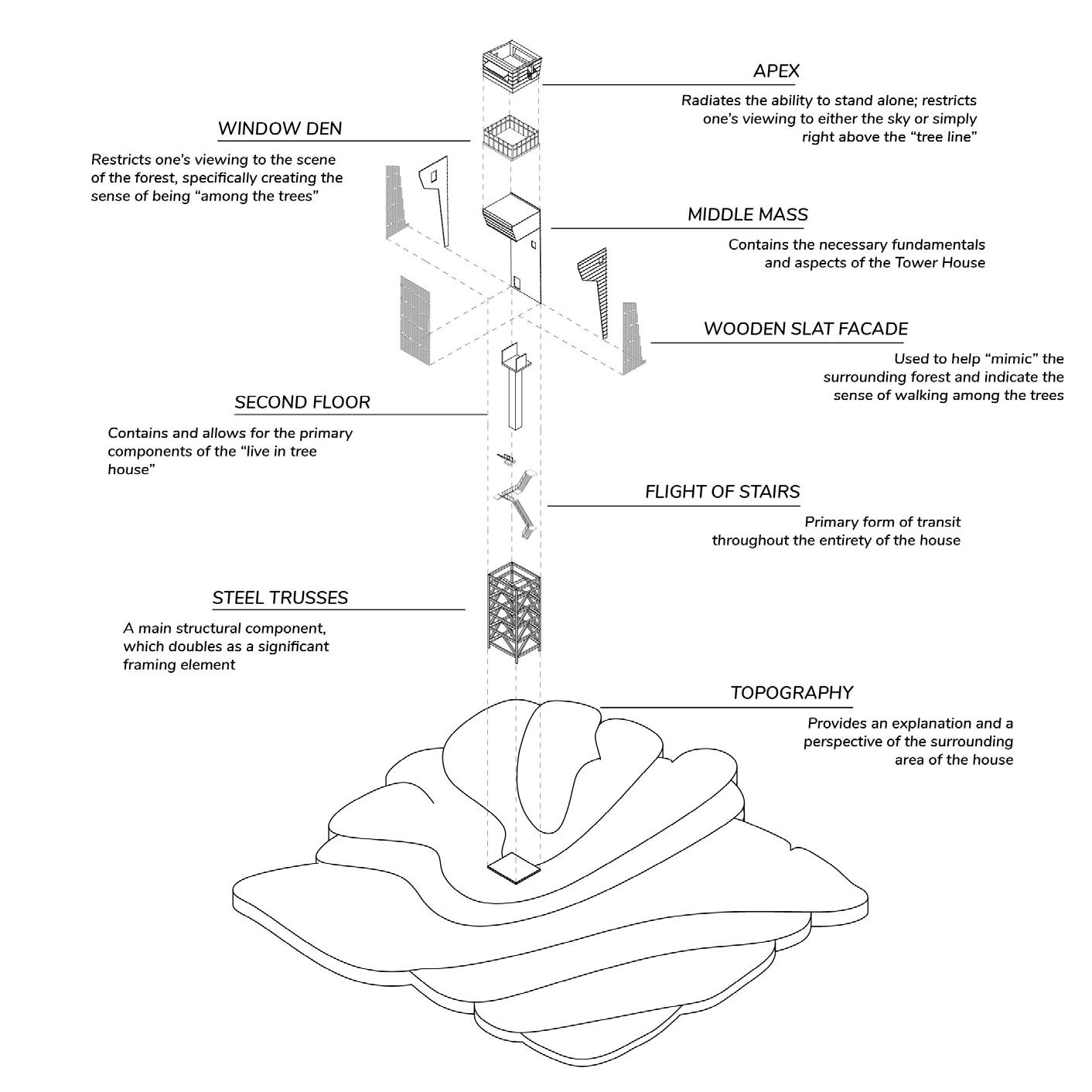
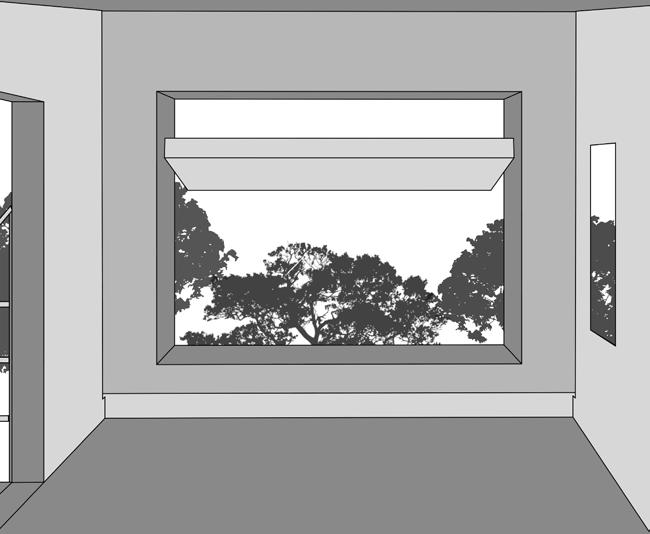
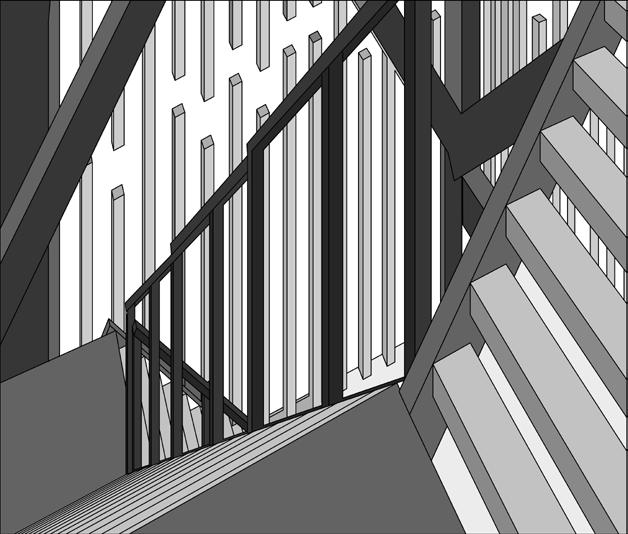
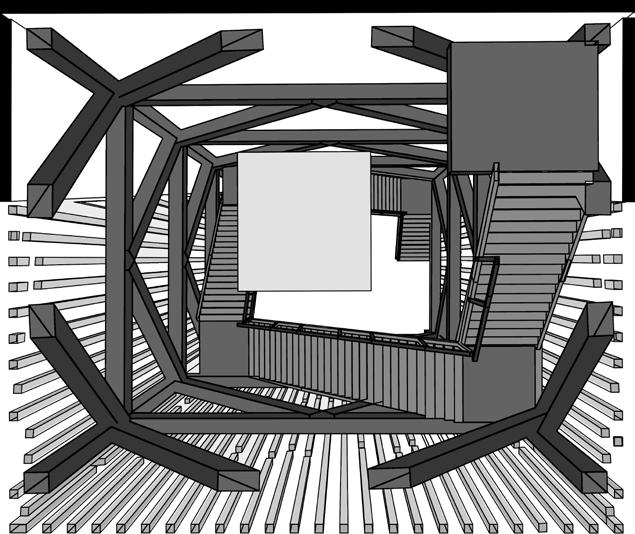
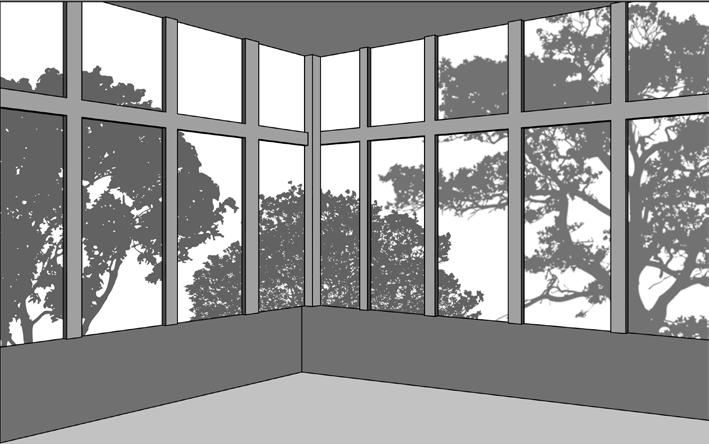
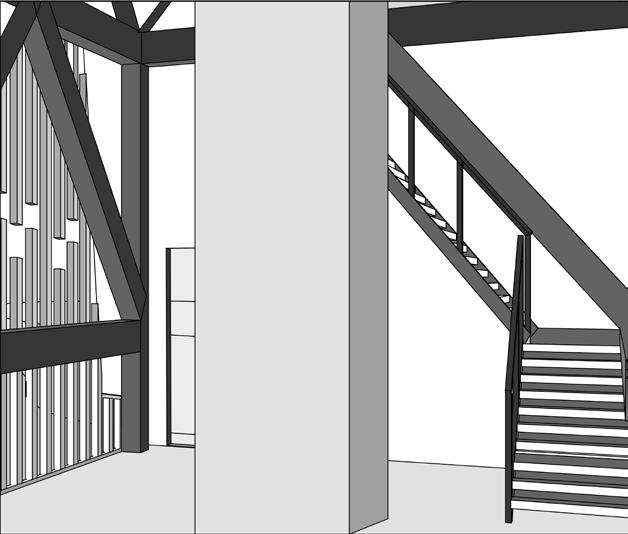
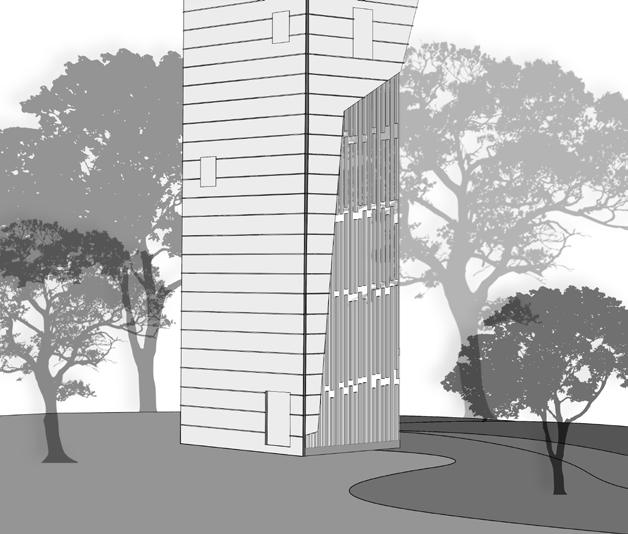
The sensory vignettes allow for a better interpretation of the interior and exterior of the TowerHouse. The exploded axonometric diagram showcases the interpretation of the individual pieces of the house, while analyzing them as a whole as well.
The intentions of this study are to assist the understanding of the landscape as a contextual source from which to draw; orientation, measure, utility, history, cultural significance and inspiration. You will be creating an abstract landscape, imbued with a specific utility, therefore possessing a specific formal, social, cultural, economic and environmental context.
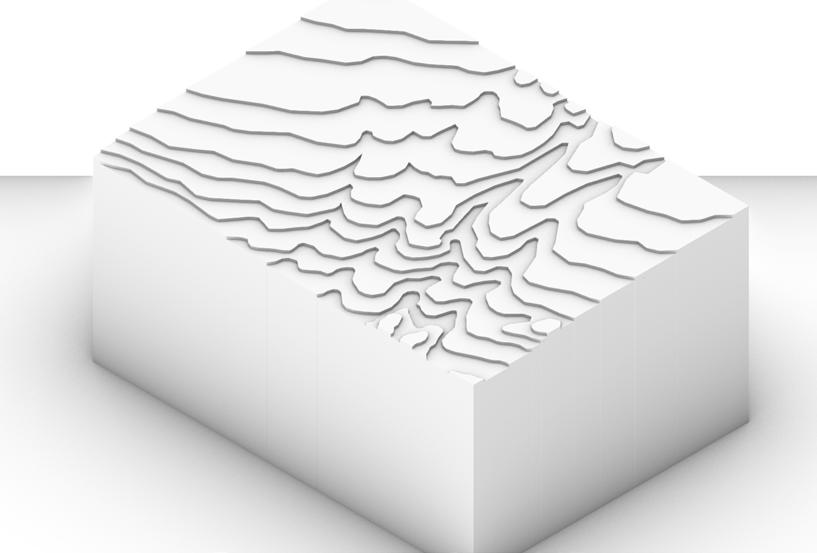
RIBBON METHOD
ITERATION 01
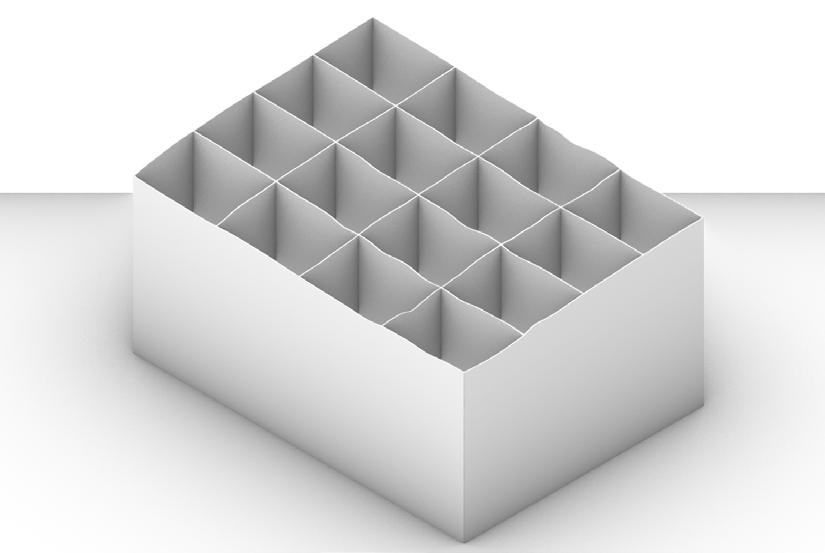
EGG CRATE METHOD
STACKED METHOD
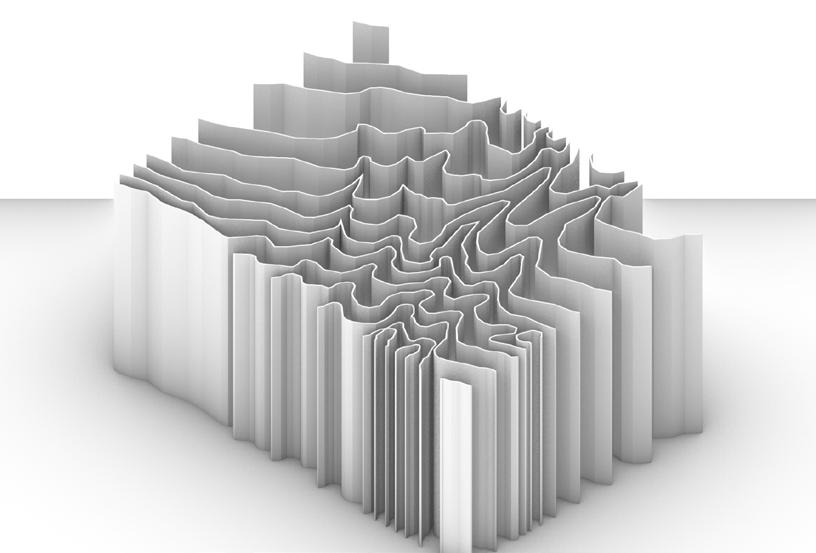
ITERATION 02
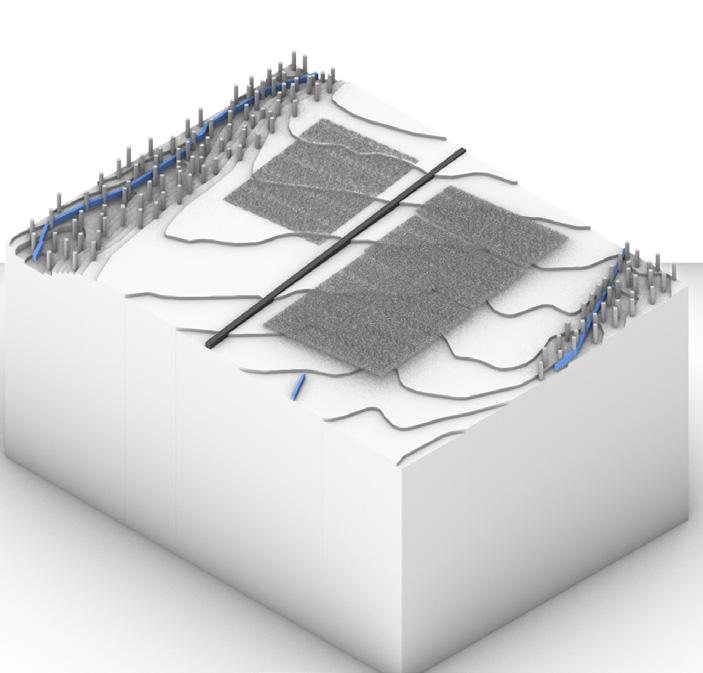
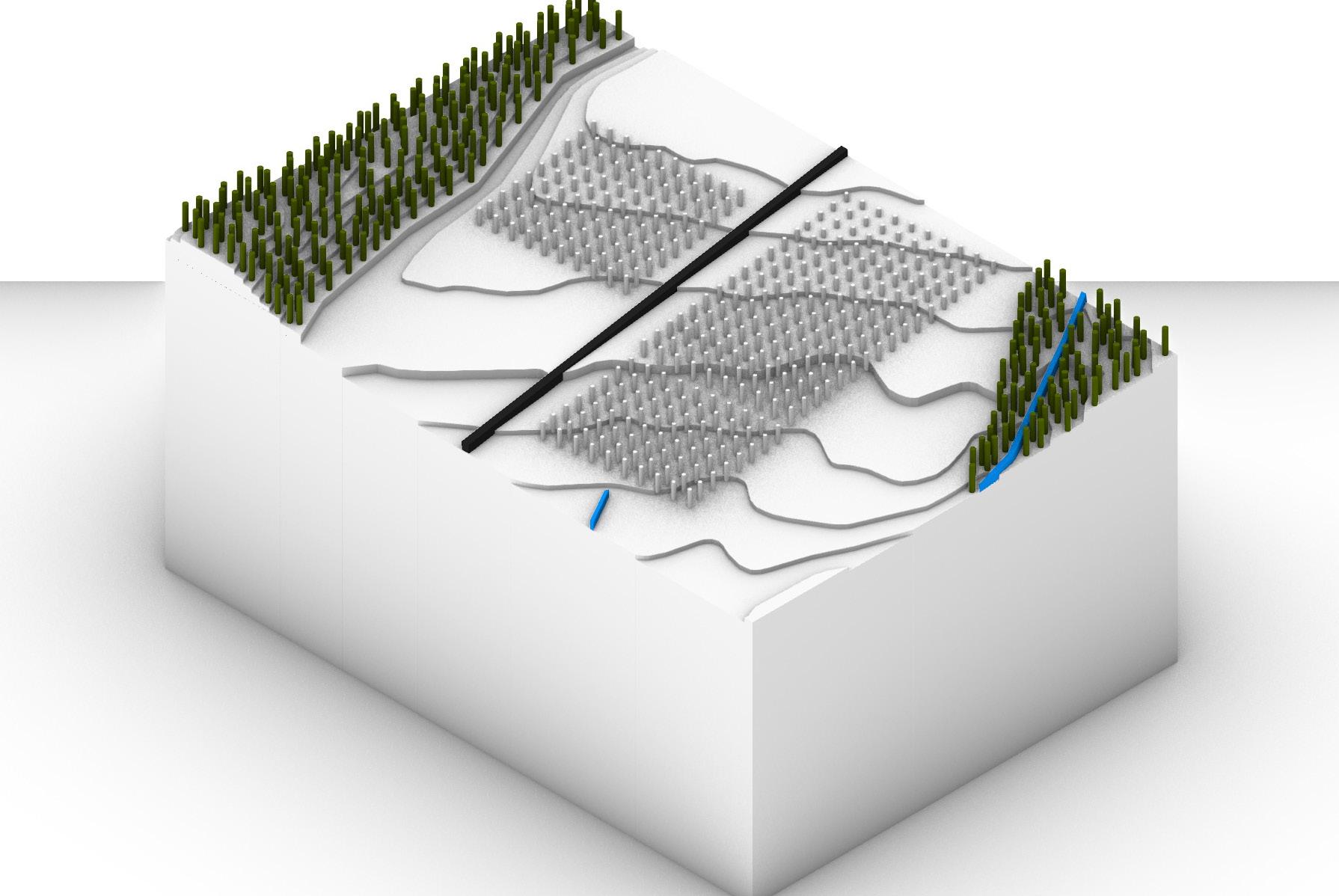
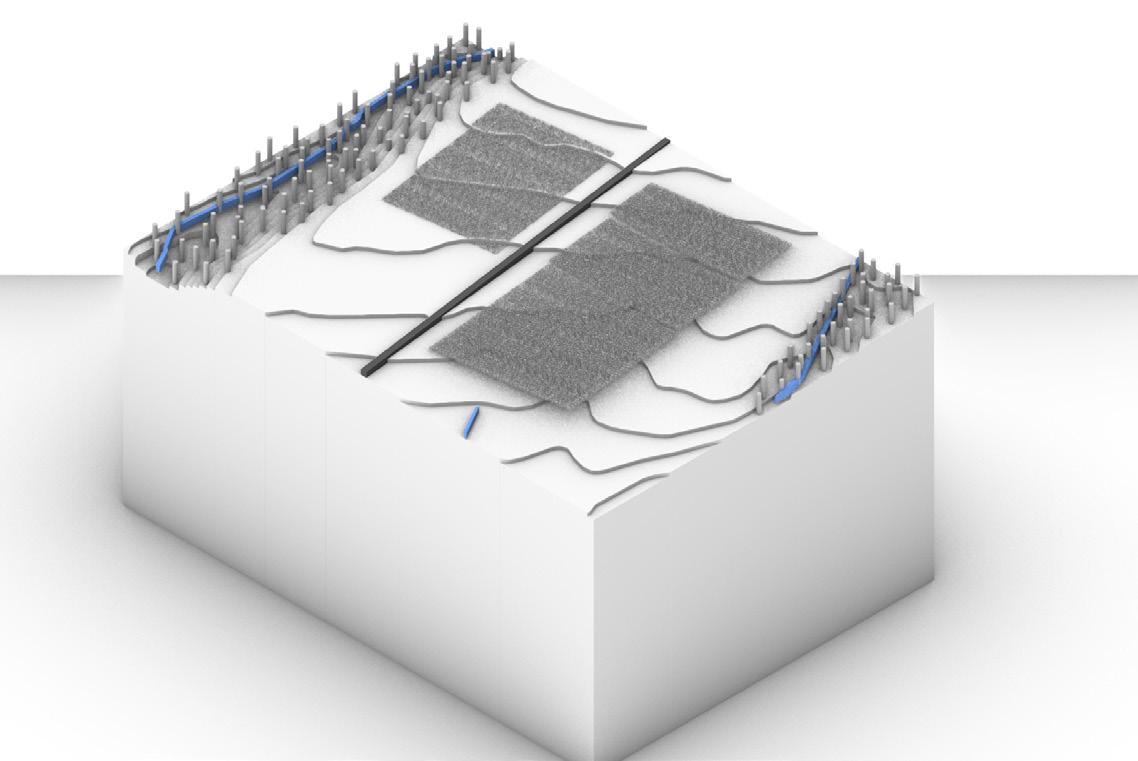
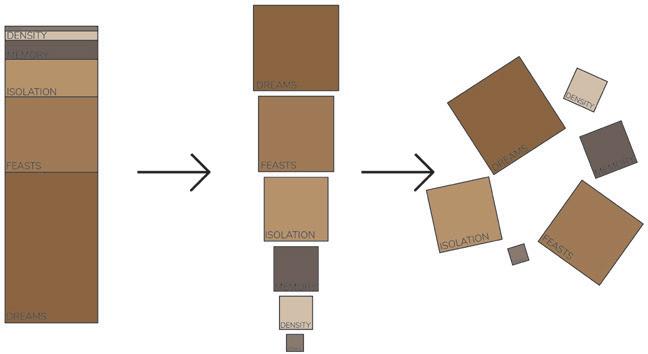
This portion of land was located in Hector, New York. The plot assigned was originally had three typologies on it; orchard, vineyard, and forest. After iterations the plot shown above was transitioned into an orchard plot, with minimal forest on the outskirts. There were various methods used to model the topography of the site, which allowed for a better interpretation of the land.
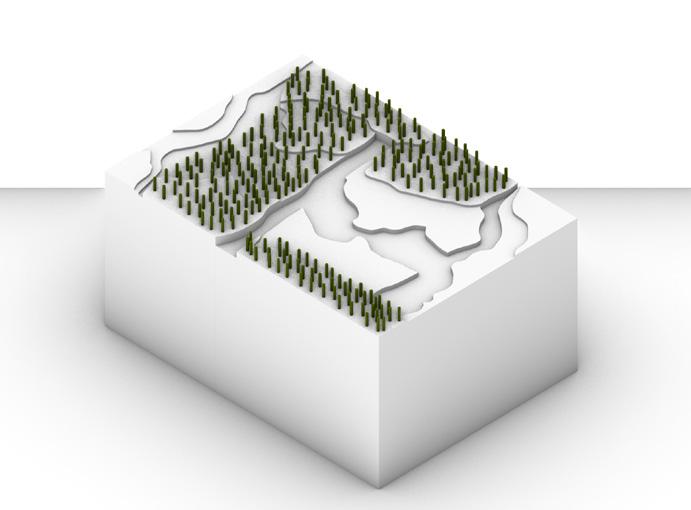
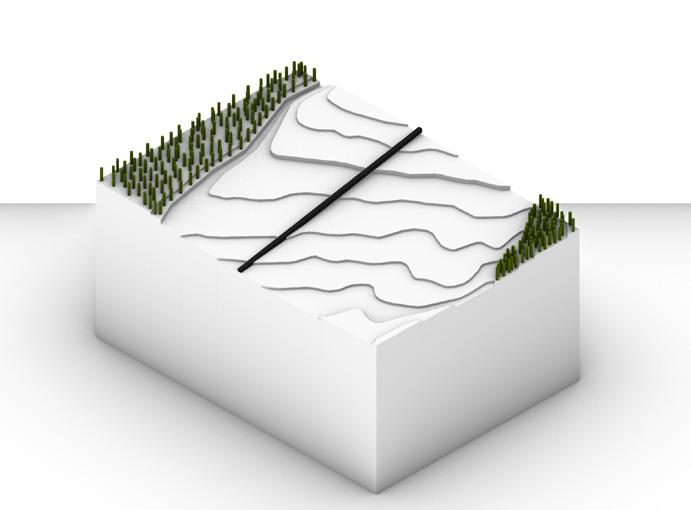
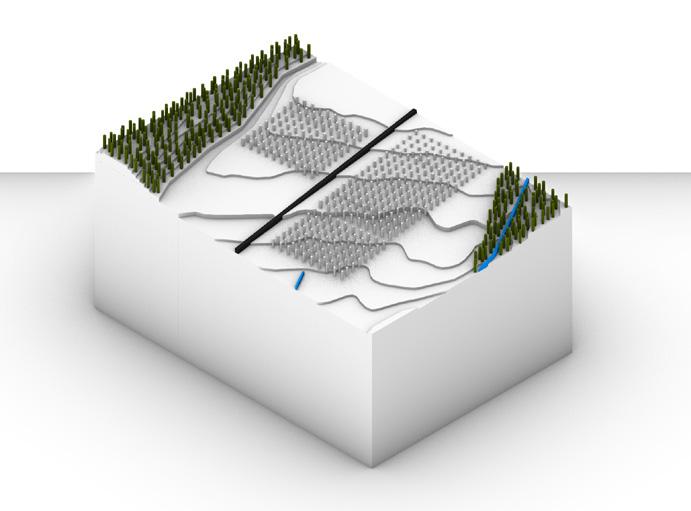

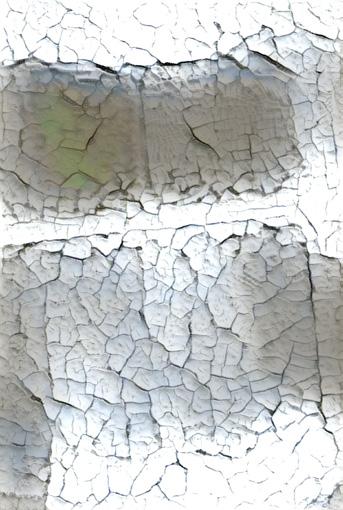
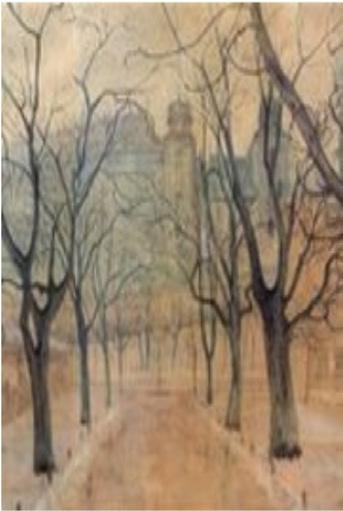
The images above were cerated utilizing an AI generated program called OSTAGRAM which allowed me to combine an image with a filter and generated my final result. This process allowed the creation of three new topographies to be constructed.
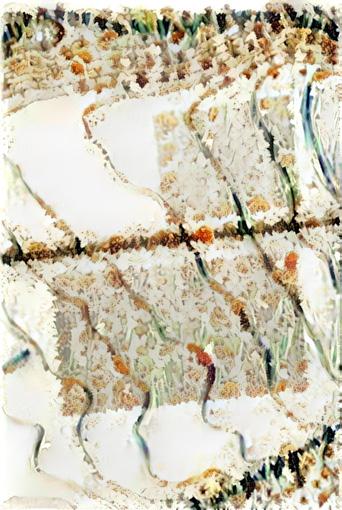
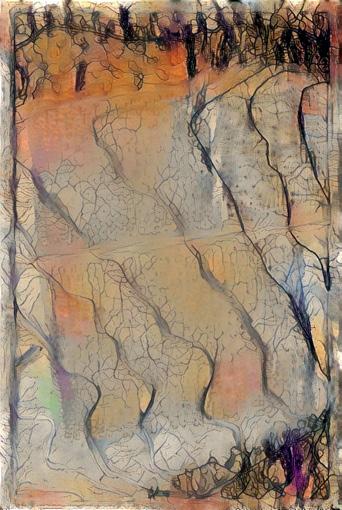
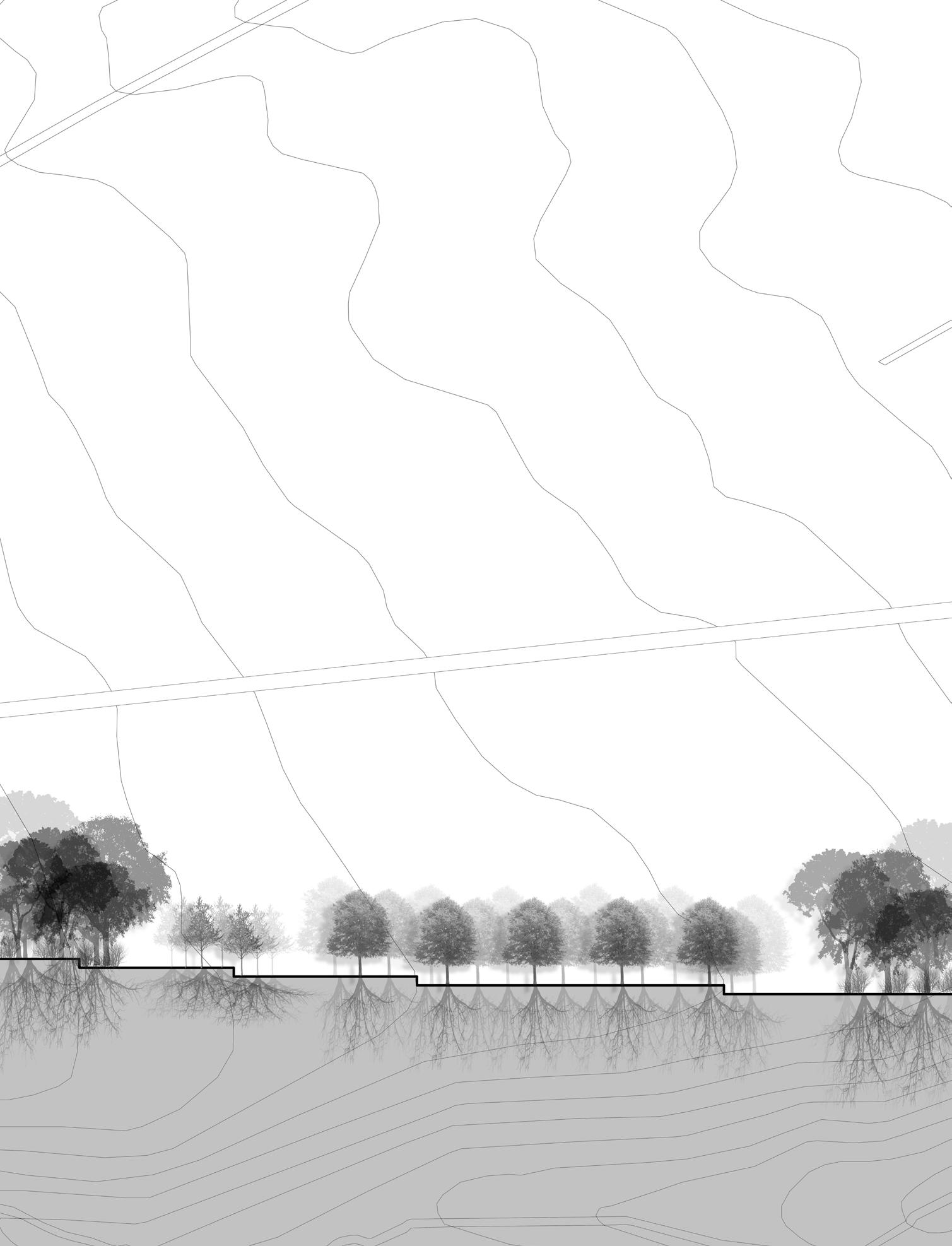
Both the site plan and the site section were created to help understand the topography and the landscape better. Each allow for a greater interpretation of the site to help improve our strategies and intents throughout further iterations and projects.
What is a house? This question may be answered in as many ways as there are people to ask the question. What a house is has changed over the last few centuries, and has different meanings across the face of the Earth, and perhaps, beyond. A house may be civilizations’ most culturally charged artifact. The house is a physical, formal, spatial register of our social, cultural, political, economic and environmental values. Raimund Abraham’s 1972, “The Elements of the House,” proposes the house as a junction of elements; dreams, illusions, conflicts, absurdity, earth, flames, clouds, rivers, the wind, the sun, the stars, transparencies, transcendence, among many others. The intentions of this study are to continue to develop an understanding of the practice and use of architectural precedent in the design process. Your previous precedent analysis will provide formal and tectonic strategies for you to translate into a dwelling structure that will accommodate one migrant farmworker on your vineyard or orchard landscape.
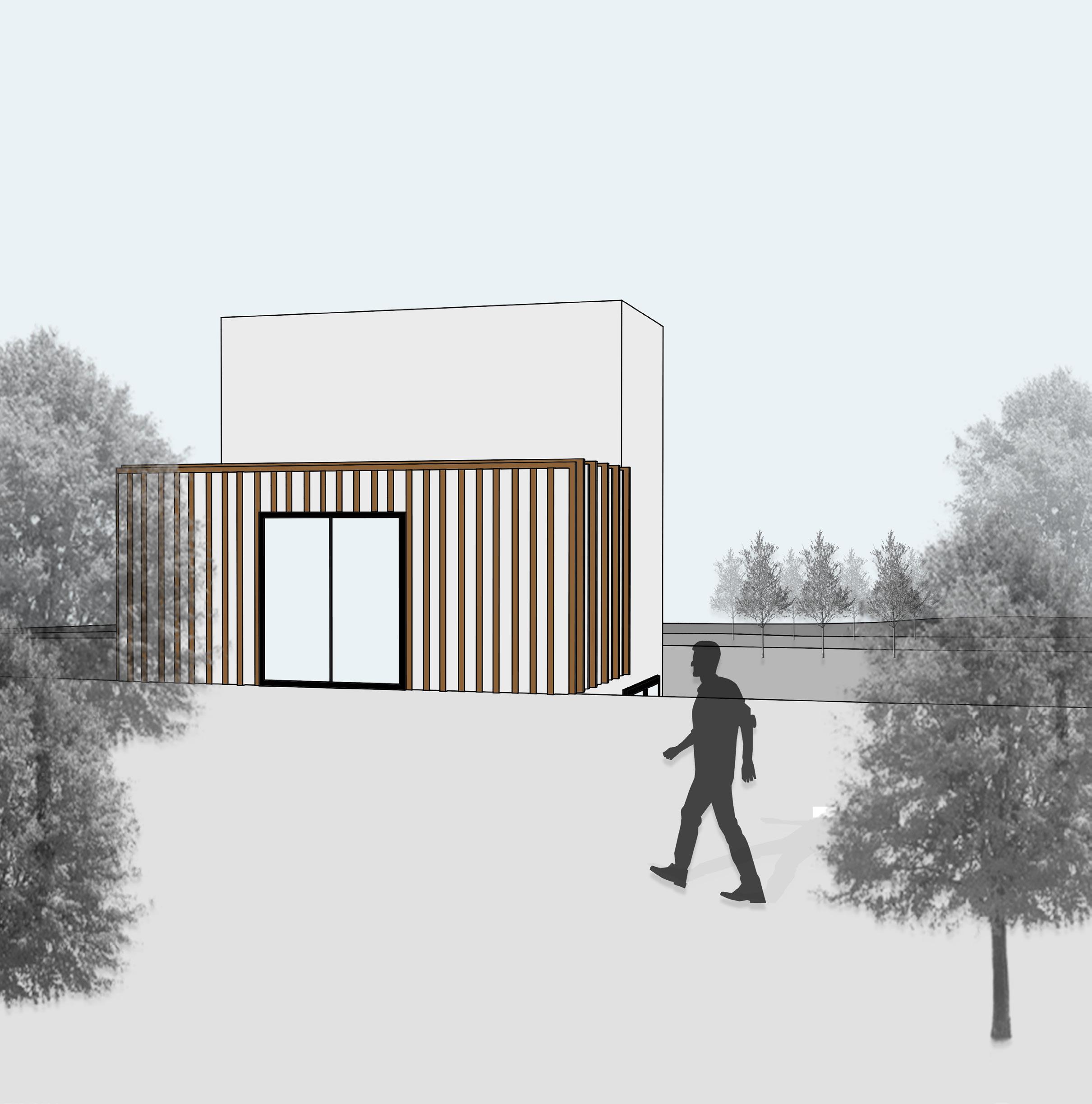
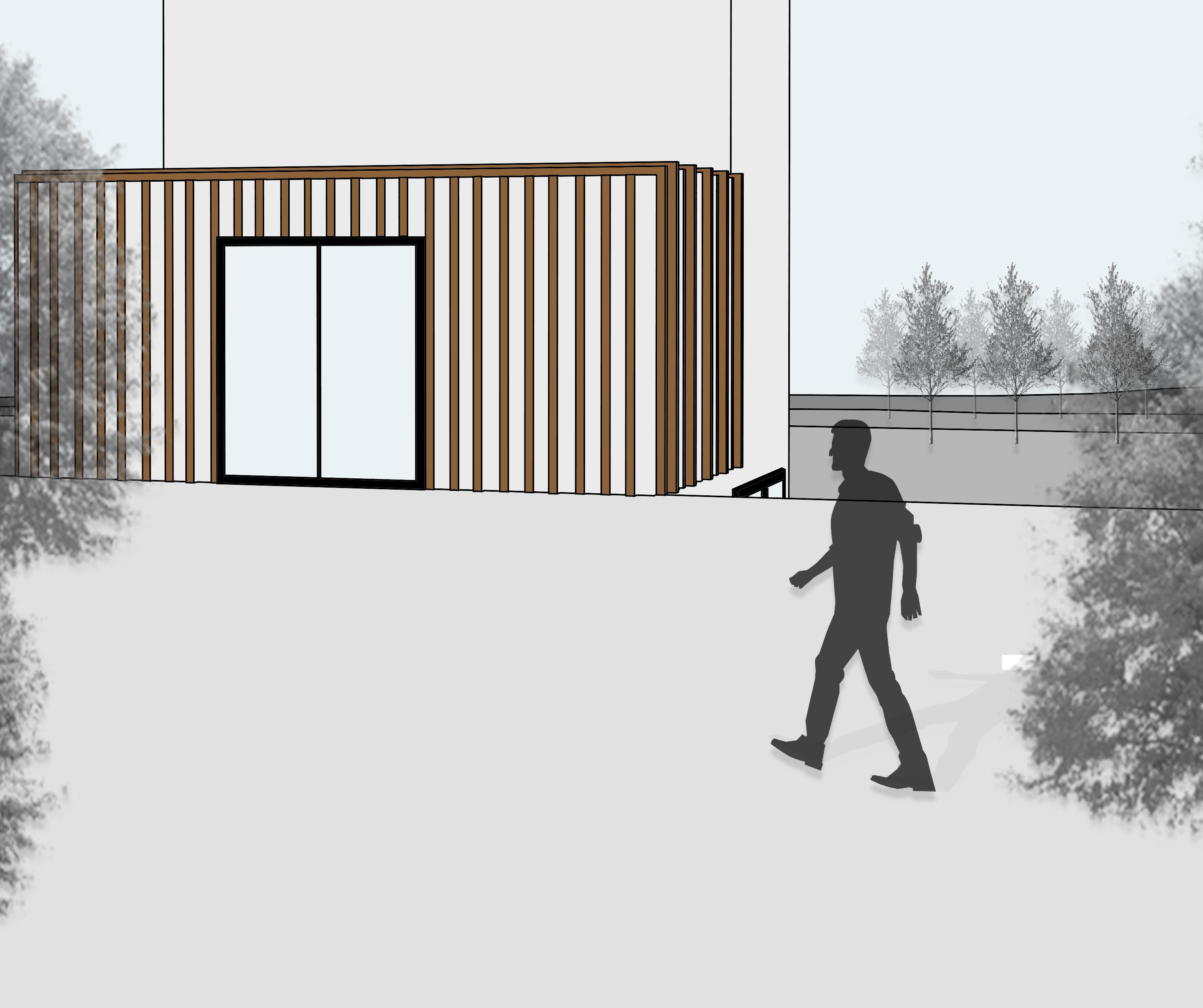
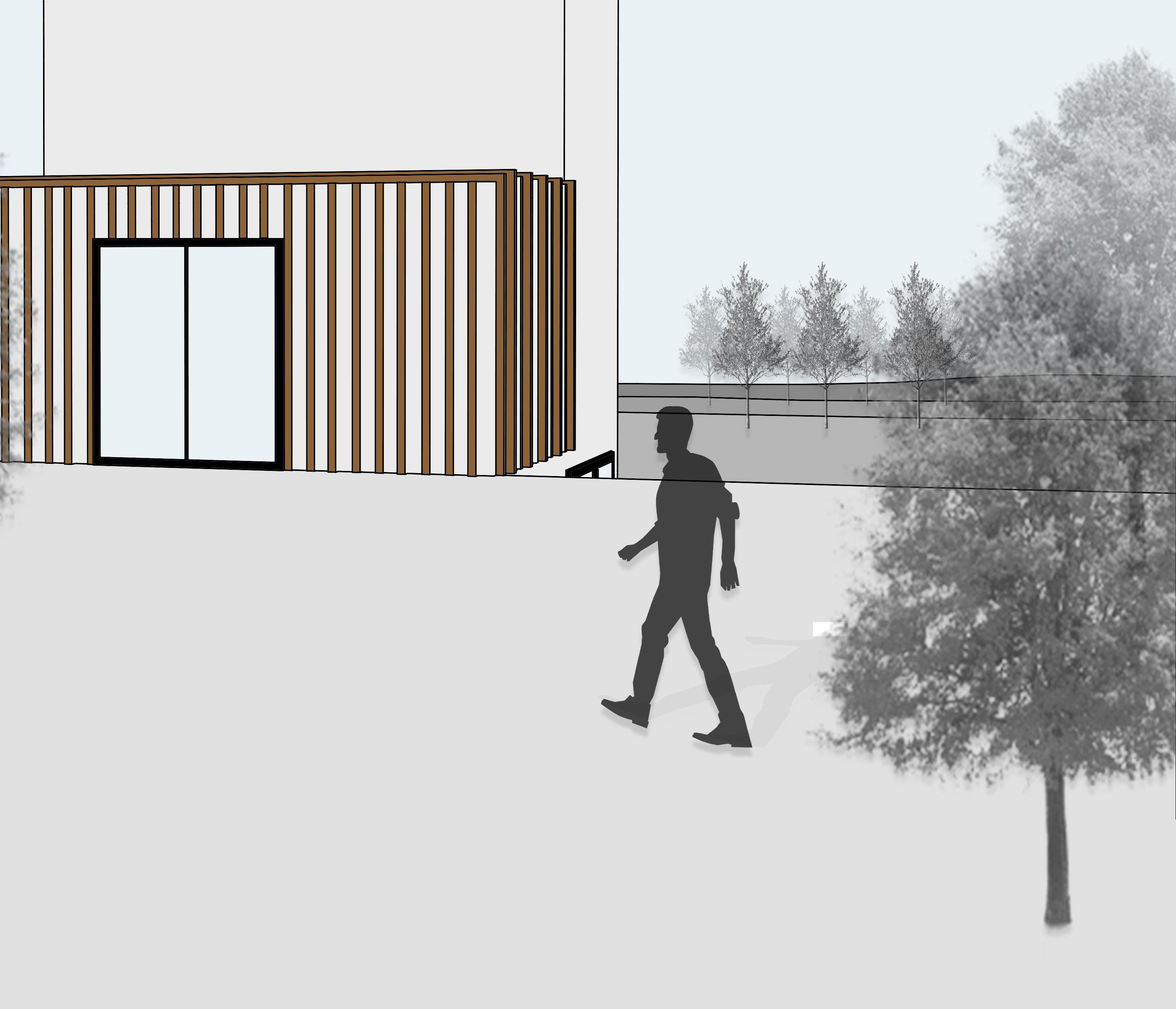
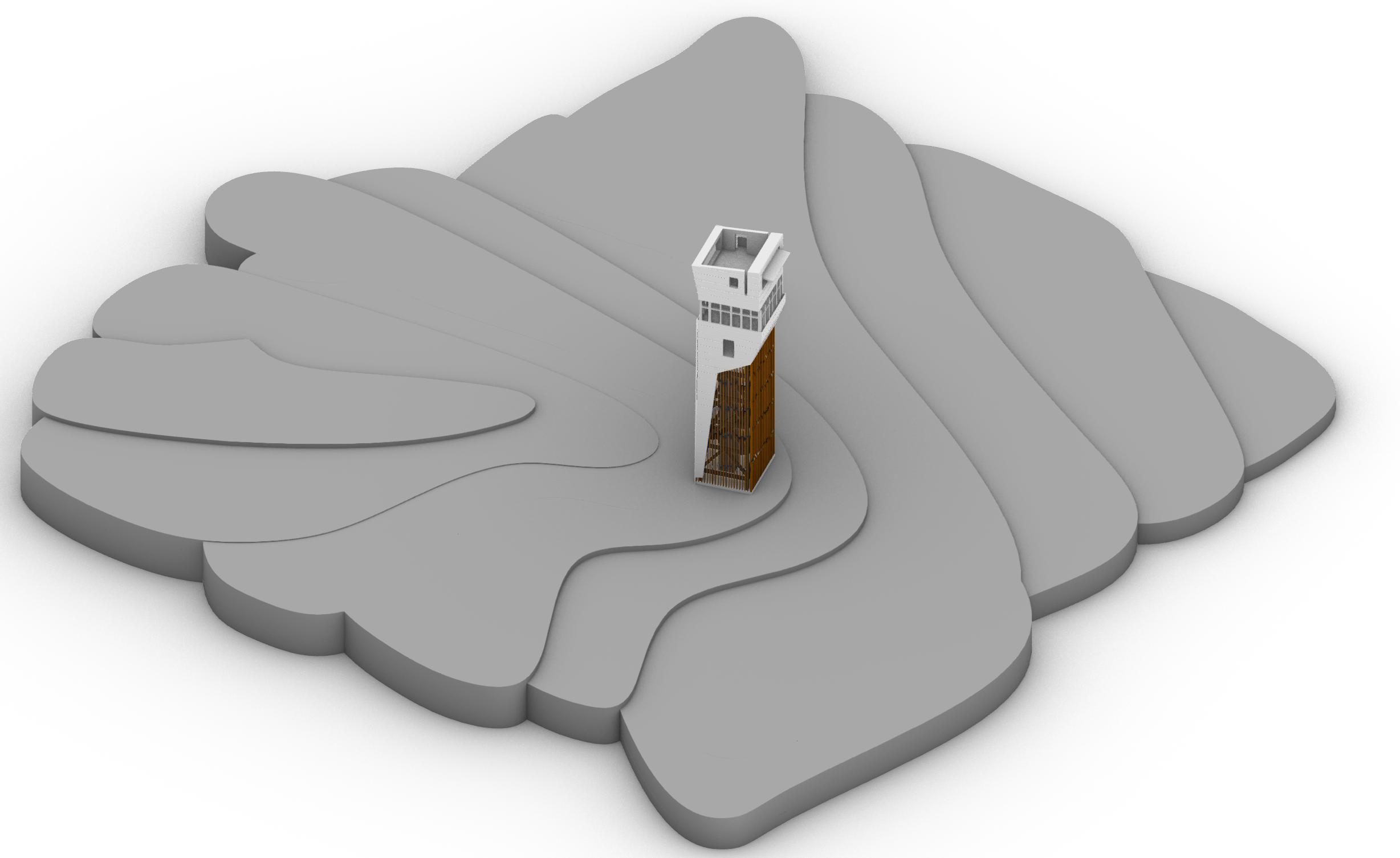
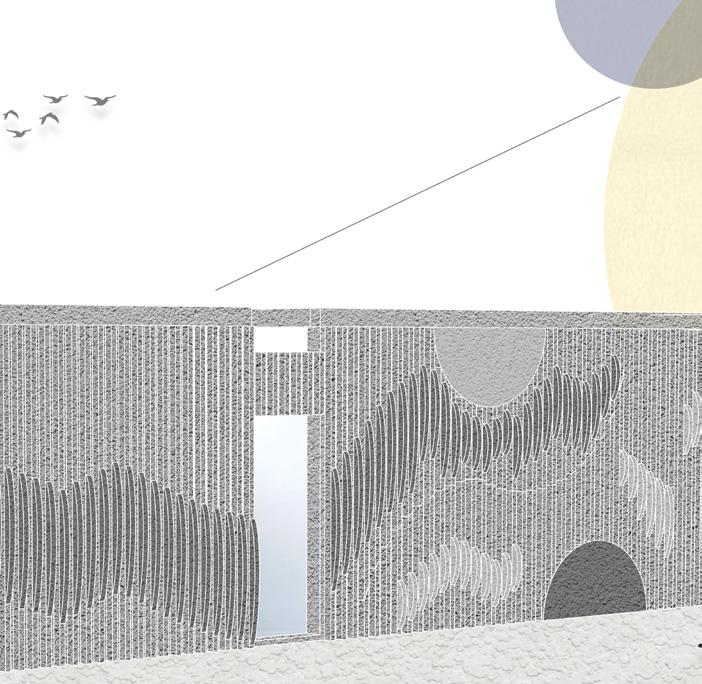
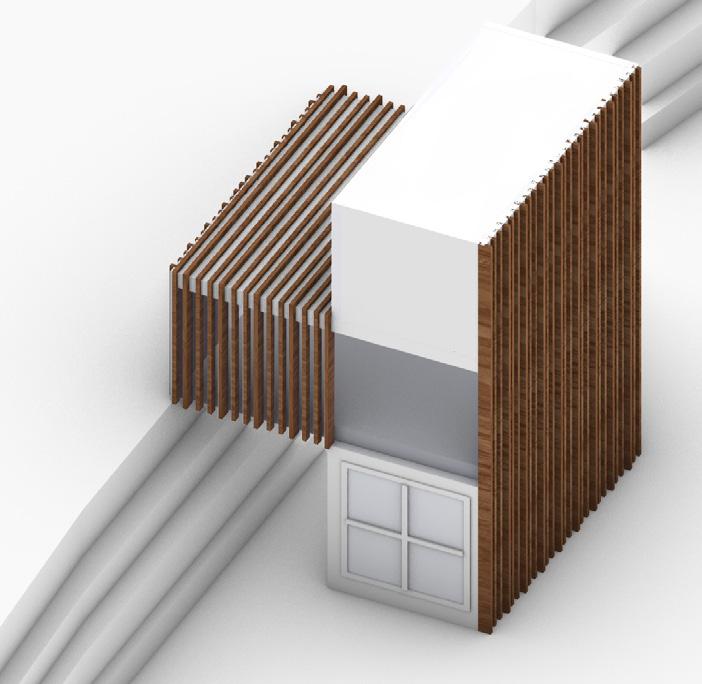
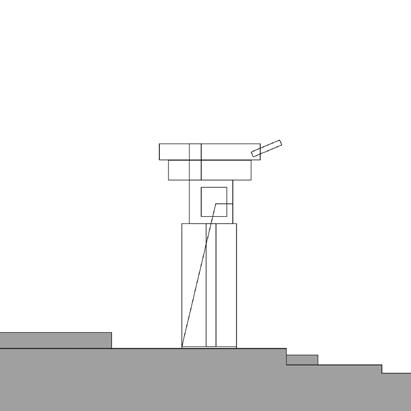
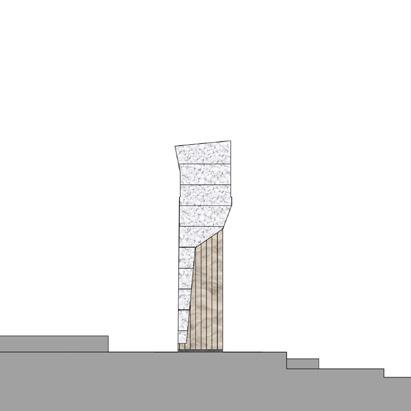
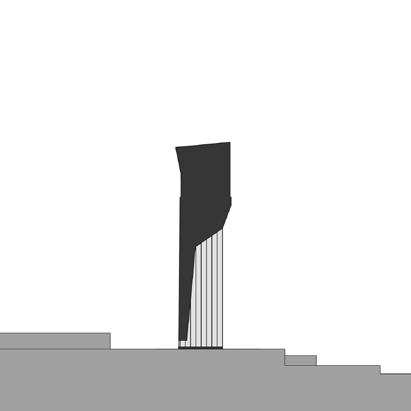
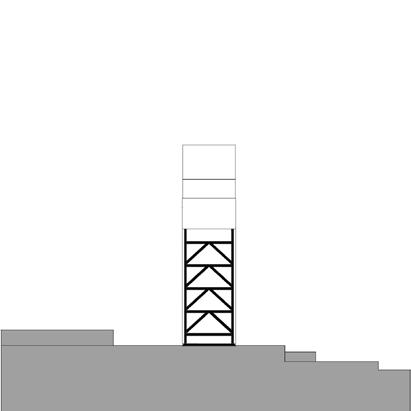
The diagrams above were created to help understand the concept and idea of 400 square feet. Following that is when the first iteration massing models were created. I was assigned with the tectonic element FRAMES, in regards to the TowerHouse. Model 03 was the most successful, therefore showcasing my final dwelling in the four final views. The dwelling sits on the end of a hill allowing for there to be interaction with the site.
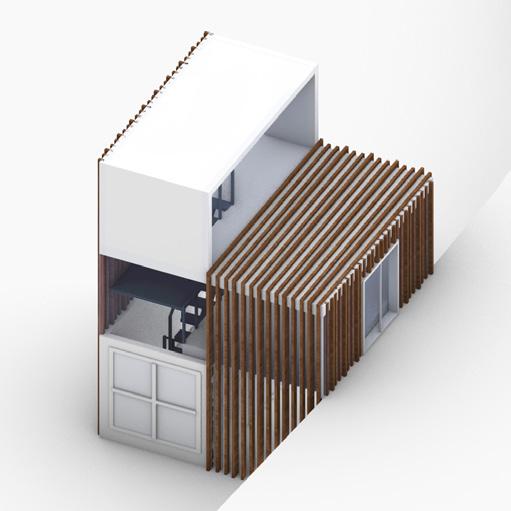
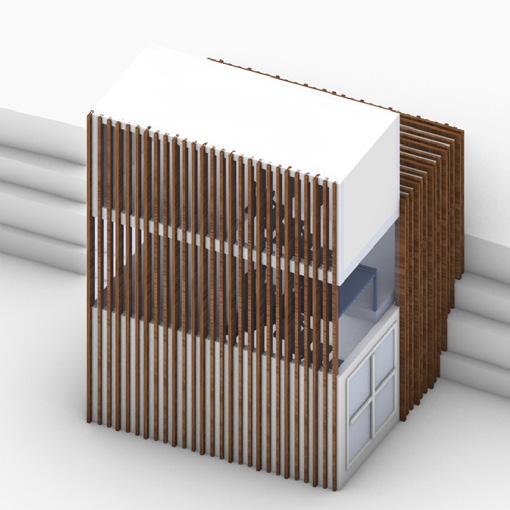
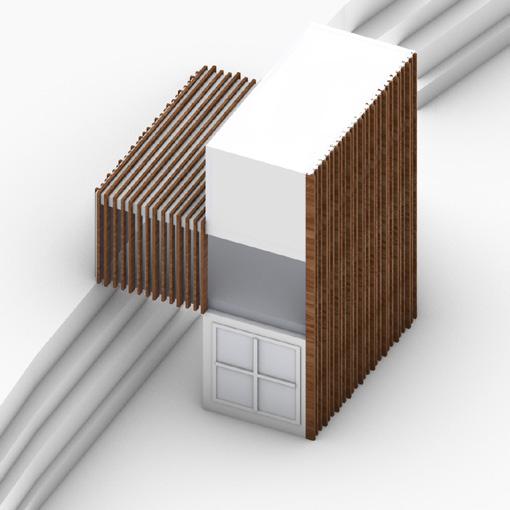
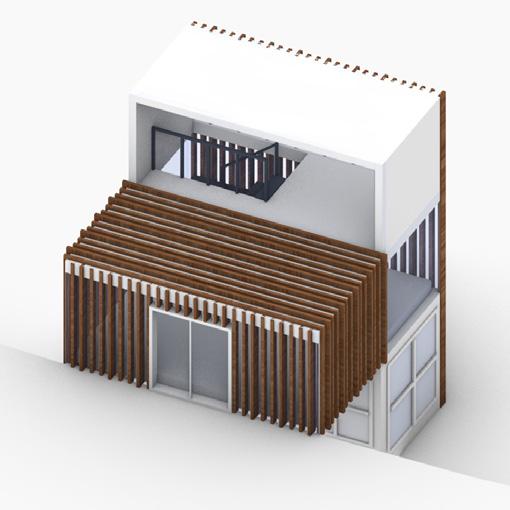
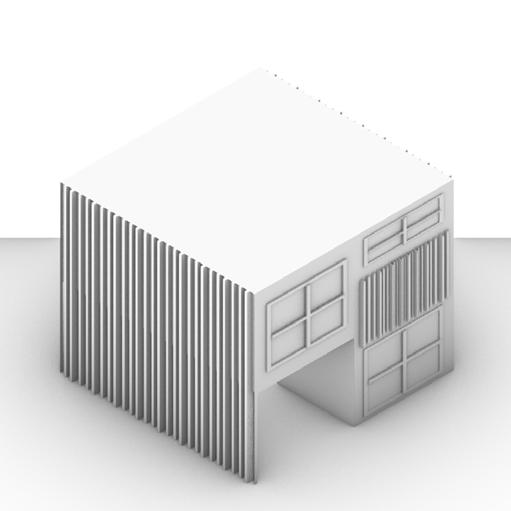
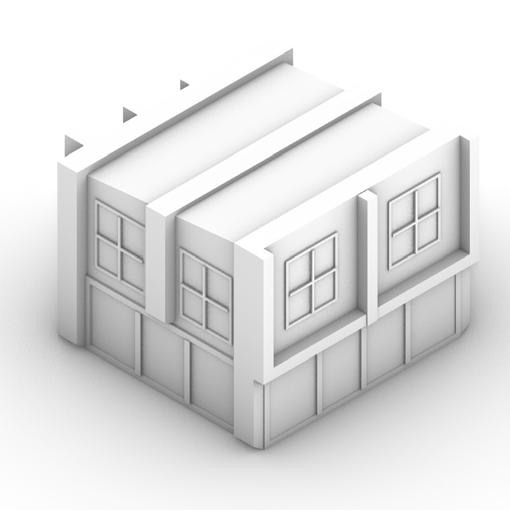
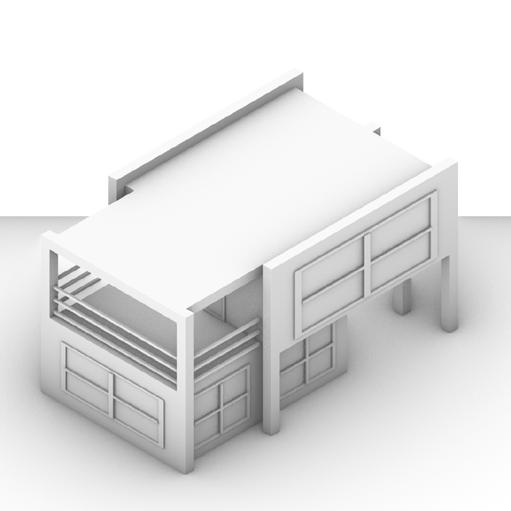

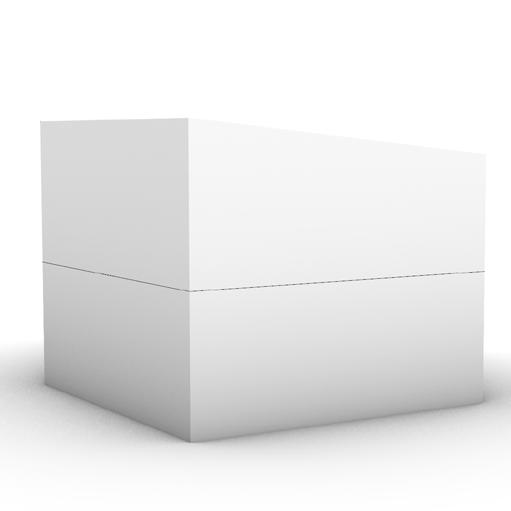
The perspective views allow for a better interpretation and visual of the interior and exterior elements of the dwelling. They showcase the idea of being “AMONG THE TREES” in relation to the TowerHouse. The plans generated allow for the layout of the 400 square foot dwelling to be analyzed. The site plans showcase where in relationship the dwelling is in the site.
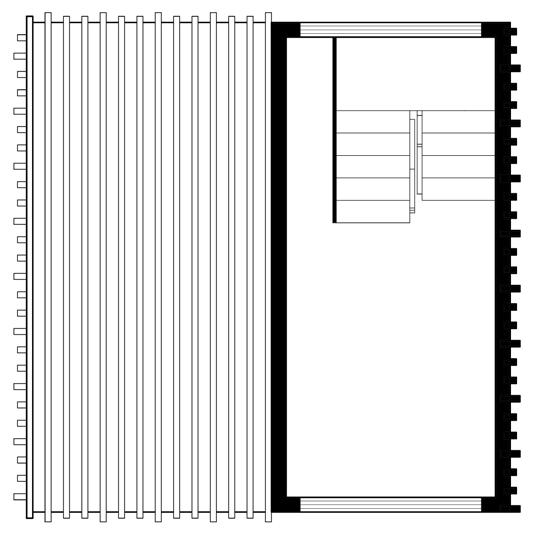
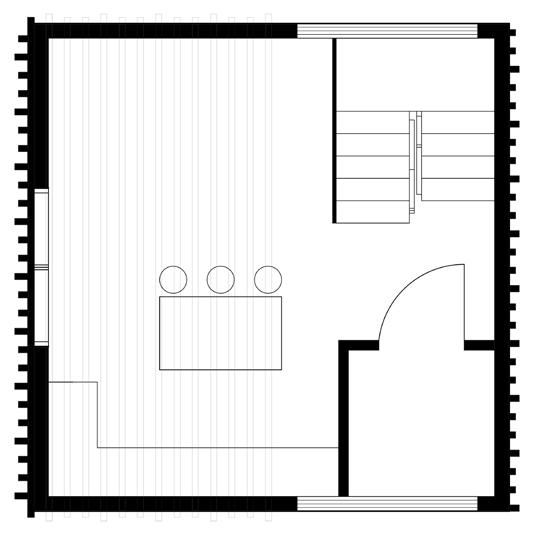
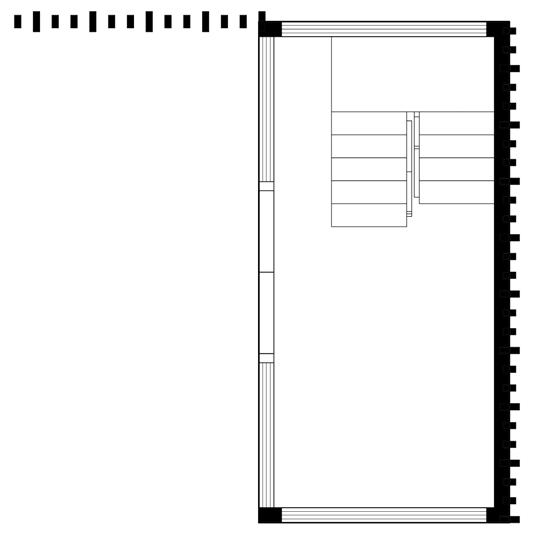
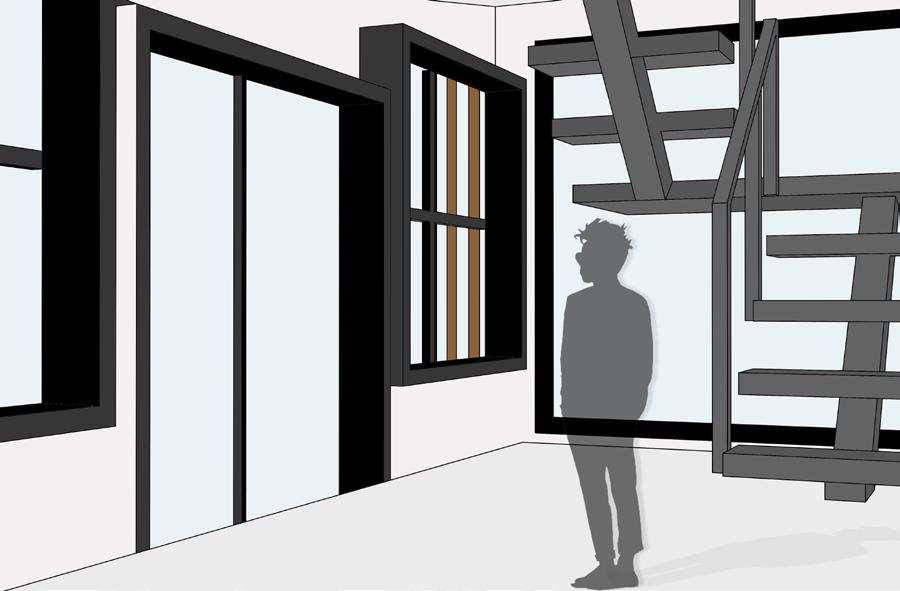
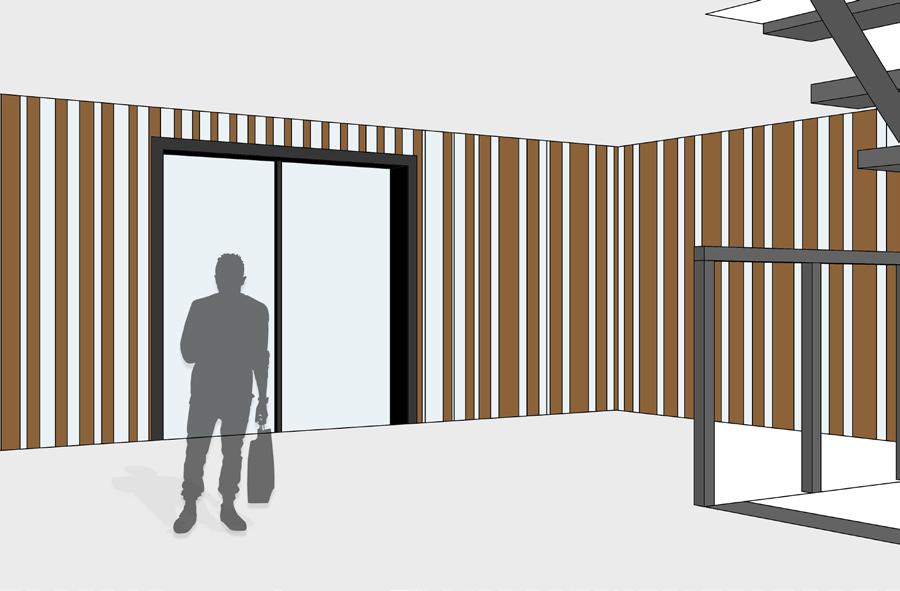
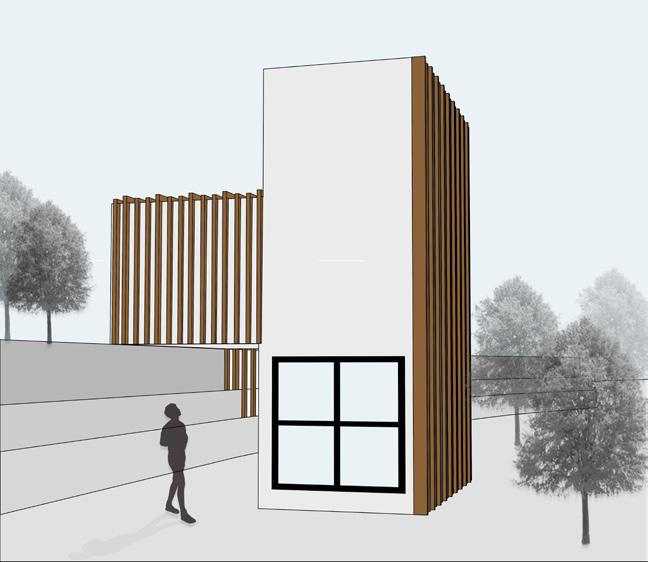
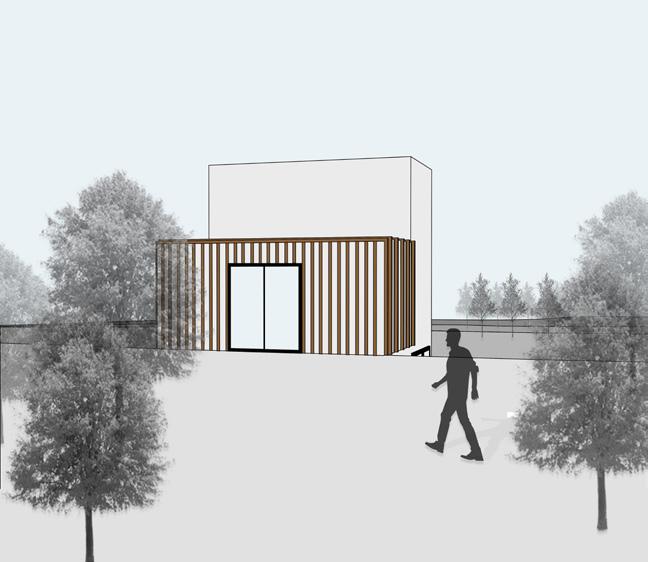
The drawings showcased allow for a better interpretation of the inner works and the outer workings of the dwelling. It creates the idea of being “AMONG THE TREES” with the utilization of the framing elements. The interaction of the dwelling and the site is demonstrated in these drawings as well to connect the relationship between the TowerHouse and the newly designed dwelling.
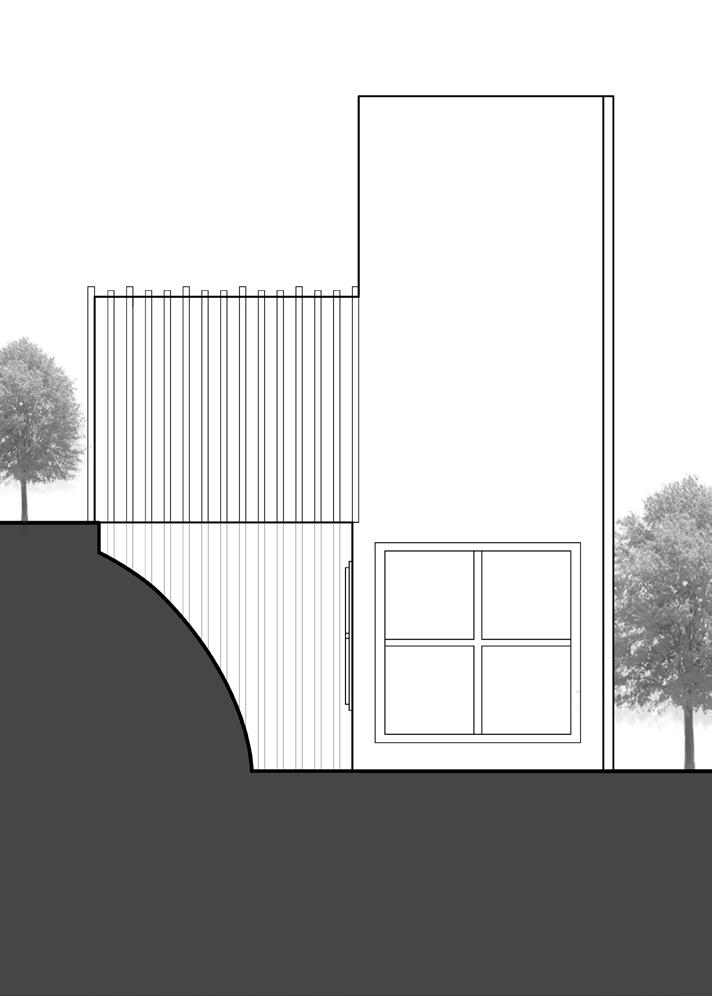
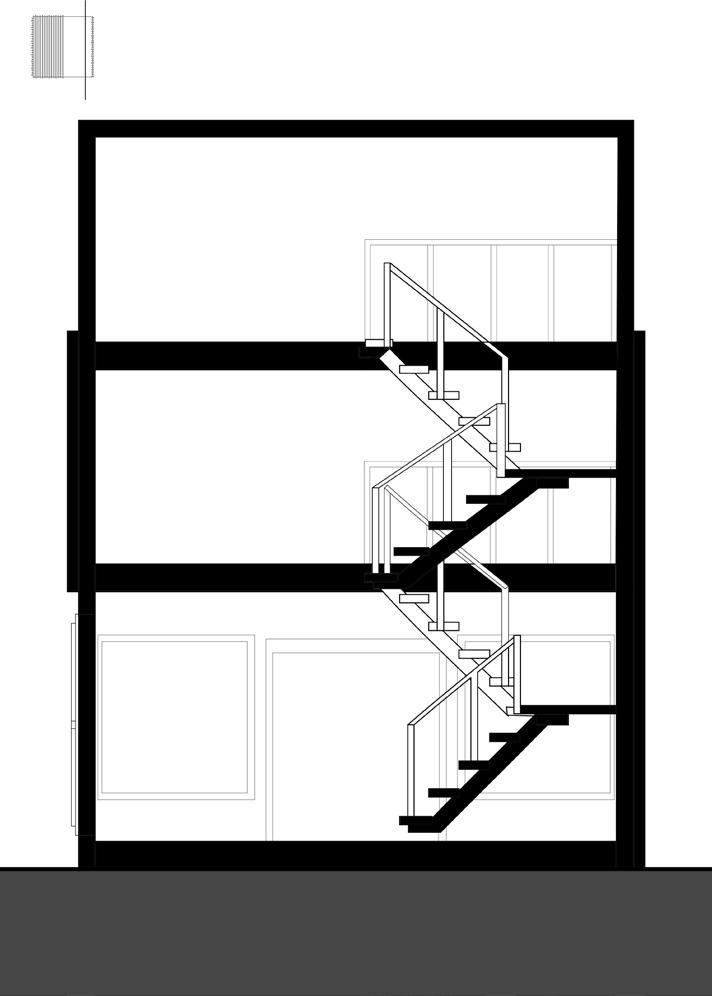
Throughout extensive research, the implementation of the Fengying Stone Art Museum design will be utilized throughout the diagramming, modeling, and rendering precess. This will allow for a better understanding and interpretation of particular programs such as Adobe Suits and Rhinoceros. The art museum will hold the prior developments of the “history of telephone” models you once created in a previous project. The models will be “displayed” throughout the produced model in specific views allowing one to see the interior aspects of the structure.
Began by researching and diagramming particular elements of the case study museum, Fengying Stone Art Museum. By creating these, it allowed for a better understanding of the structure to allow for a model to be produced in Rhinoceros in full scale.


 DIAGRAM 01
DIAGRAM 02
MODEL VIEW 01
MODEL VIEW 02
DIAGRAM 01
DIAGRAM 02
MODEL VIEW 01
MODEL VIEW 02
To finalize the project, a series of renderings were created to showcase particular exterior and interior elements of the museum. Such as the three major enclosures which hold trees and grass and the front facade which consists of protruding elements. The interior of the structure was completed with the addition of the evolution of telephones completed in a previous project.


