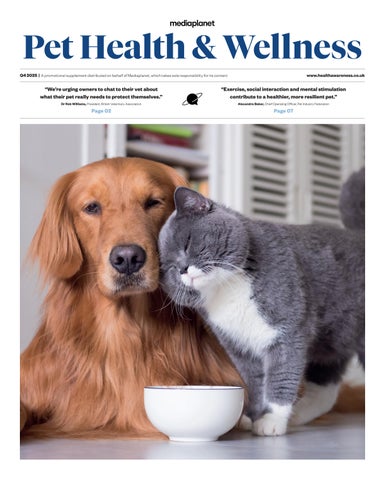

Pet Health & Wellness
“We’re urging owners to chat to their vet about what their pet really needs to protect themselves.”
Dr Rob Williams, President, British Veterinary Association Page 02

“Exercise, social interaction and mental stimulation contribute to a healthier, more resilient pet.”
Alexandra Baker, Chief Operating Officer, Pet Industry Federation Page 07
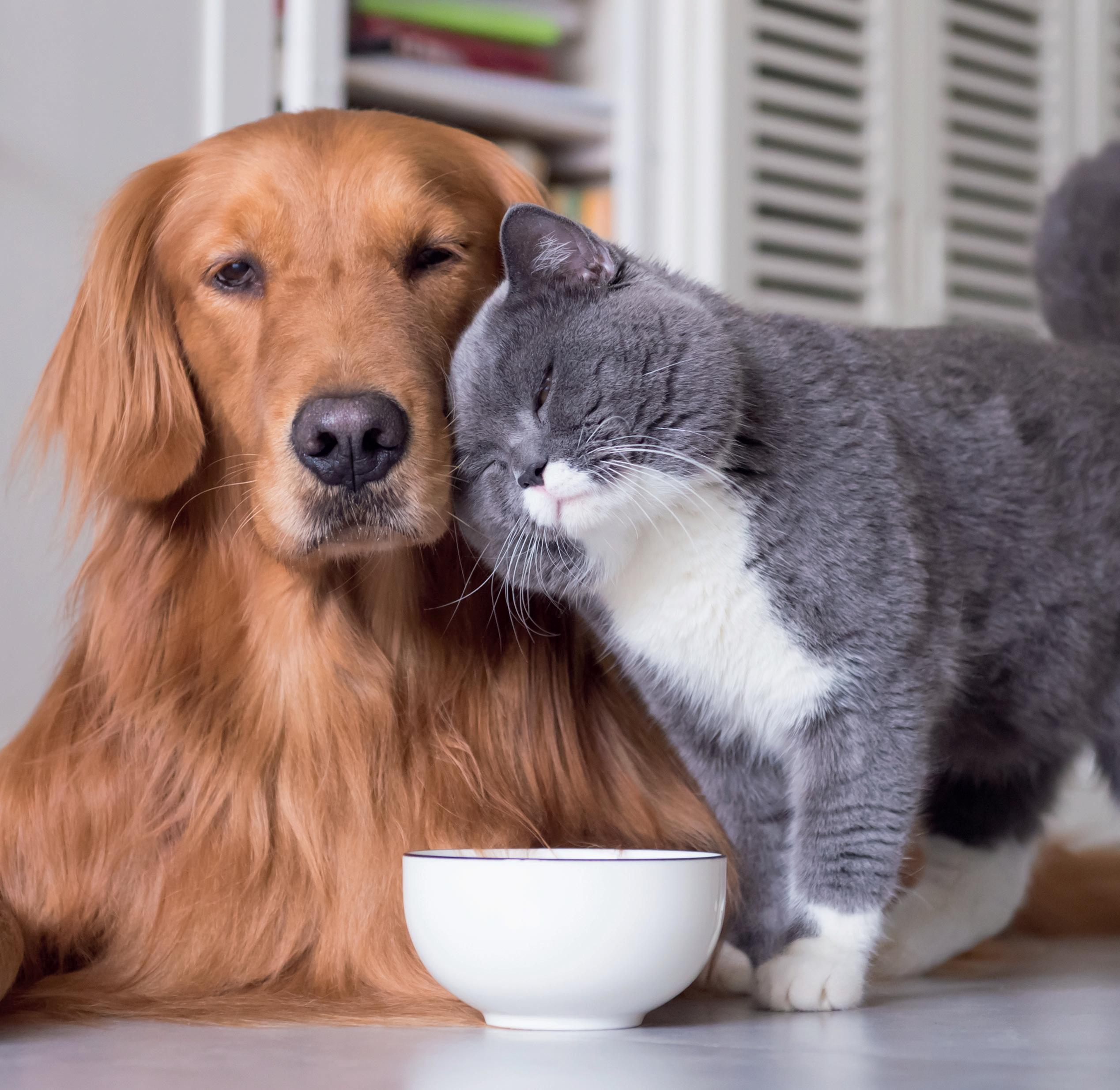
Recognising animal sentience in a shared world
Animals and humans live in intricate interdependence, and understanding animal sentience is key to supporting this relationship.
From companion animals that share our homes, to livestock that sustain our food systems and wildlife that enrich our ecosystems, the connection between people and animals is profound and ancient. Central to this relationship is the growing recognition of animal sentience — the understanding that animals are capable of perceiving positive and negative feelings. Because this connection is so close, emerging scientific methods can be used to assess the degree to which different animals experience sentience and how human actions can positively influence, support or show consideration for their wellbeing.
Coexistence shaped by science and history
Humans and animals have evolved side by side for thousands of years, forming relationships that have influenced the survival and development of both. Through shared environments and companionship, each has shaped the other’s behaviour, biology and ways of life. This long history of coexistence has deeply influenced human and animal physiology, psychology and cultures alike.
Modern science continues to reveal the effects of the human-animal bond. This relationship is not one-sided; it’s reciprocal, bringing measurable benefits to human wellbeing while reinforcing our appreciation for the value of animal life. Companion animals provide psychological comfort, reduce stress and foster social connection. Likewise, people who work closely with animals — whether in farming, research, conservation or clinical settings — often develop deep emotional ties that motivate responsible care and stewardship.
How veterinarians can advance understanding of animal sentience
Through their expertise and advocacy, veterinary professionals can bridge science and compassion, guiding society towards practices that respect the physical and emotional lives of animals. By promoting humane treatment, informed policy and public education, veterinarians help to ensure that the human-animal bond remains one of empathy and mutual benefit.
Recognising the growing body of scientific evidence and ethical reflection on animal sentience, the World Veterinary Association (WVA) is preparing a Position Statement on Animal Sentience. This document will outline the WVA’s commitment to advancing global understanding of animals as sentient beings and will help support policies, education and practices that safeguard their welfare.


Protecting your pet, people and the planet
British Veterinary Association President Dr Rob Williams, MRCVS, explains why it is important to tailor the use of parasiticides to your pet’s needs to help protect the environment.

British Veterinary Association
When pets catch fleas and bring an infestation home, it can be unpleasant for the animal and their owners, causing huge inconvenience as they are difficult to get rid of and cause great physical discomfort. That’s why parasiticides, like spot-on flea treatments, are so important: they help prevent and treat parasites in animals, which, if left unaddressed, can cause serious ongoing health issues for animals and people.
Parasiticides: helpful for pets, but may be harmful to the environment However, it’s also important to make sure these treatments are used safely and responsibly to help minimise their impact on the environment. Recent research has shown that chemicals commonly used in flea treatments are contaminating rivers and lakes, and it’s been suggested that this happens when pets swim or are bathed after being treated with a spot-on flea treatment.
With this in mind, the British Veterinary Association (BVA), alongside the British Small Animal Veterinary Association (BSAVA) and British Veterinary Zoological Society (BVZS), encourage pet
owners who are likely to swim or be bathed to consider using alternatives to topical spot-on products wherever possible, to help mitigate this negative impact on UK wildlife.
Finding the right treatments for every type of pet
We know that watching your dog have fun in water or getting muddy on a walk can be enjoyable, and in those cases, another form of flea treatment may be more appropriate. Indeed, every pet’s needs are unique, and not all pets will need to be treated for parasites in the same way: a house cat will be less likely to need regular treatment, whereas a dog walked in the countryside will be at more risk.
Rather than continuing to treat with spot-on treatments in the same way as always, we’re urging owners to chat to their vet about what their pet really needs to protect themselves — and you — from parasites, and how to use any treatments responsibly and safely.
WRITTEN BY
Dr Rob Williams President,
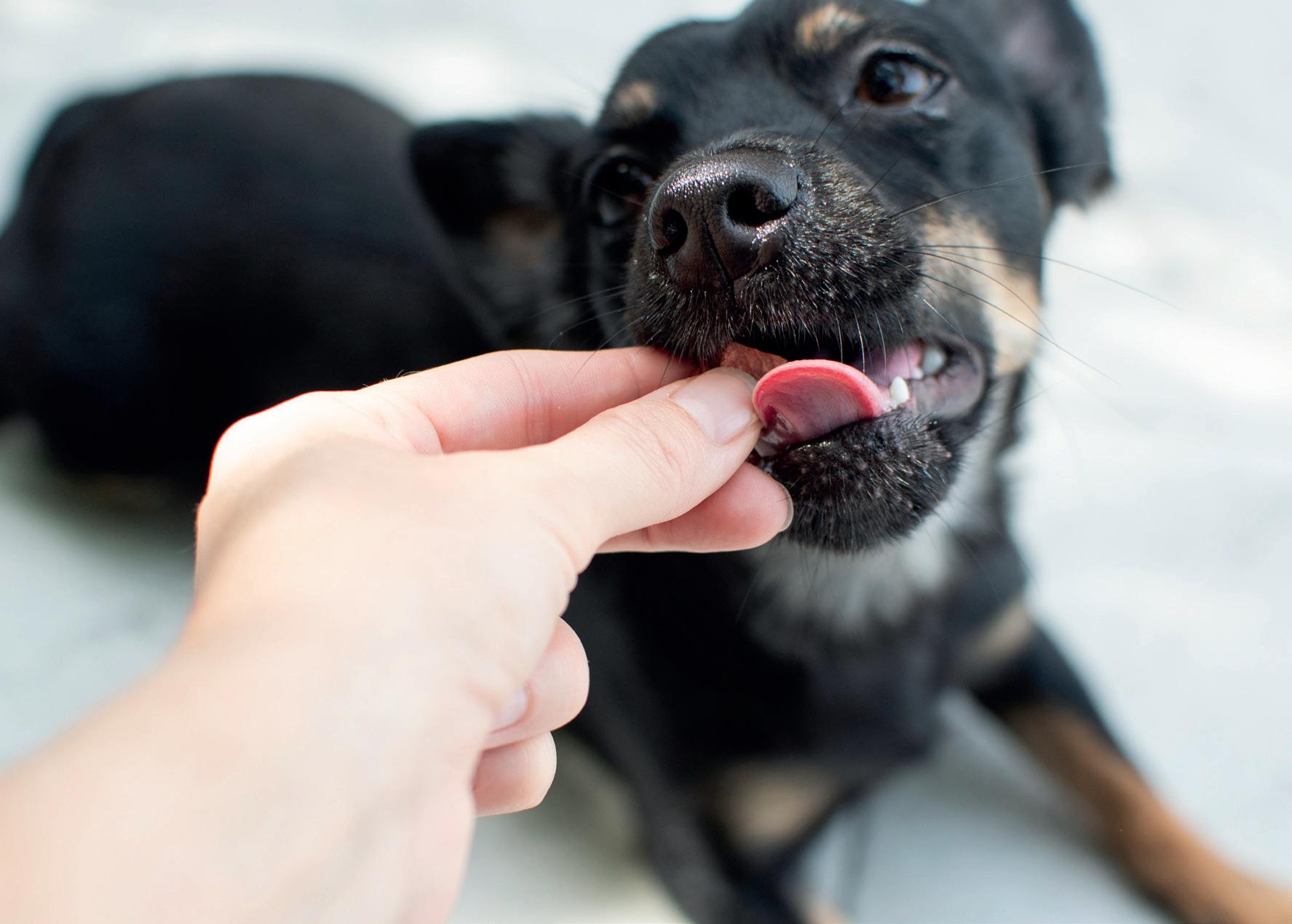
Despite veterinary recommendations, studies show that many owners don’t administer antiparasitic treatments regularly or correctly.
Empowering pet health with user-friendly solutions
Grounded in a ‘One Health’ approach, one of the leading generic pharmaceutical companies is committed to producing antiparasitic and other products for animals, to enhance compliance with vital treatments.

As human health is closely connected to the health of animals, animal health is central to the ‘One Health’ concept, which is driving innovation in disease protection beyond traditional generic medicines.
‘One Health’ and parasitic control
One Health is a collaborative approach, which recognises the deep connections between people, animals, plants and our shared environment. While this concept isn’t new, it’s become even more important in recent years, with emerging infectious diseases like COVID-19 originating from animals.
Achieving this vision, however, requires addressing real-world challenges, including inconsistent parasite control among pet owners. Studies from Germany and Croatia show that many owners don’t administer antiparasitic treatments regularly or correctly despite veterinary recommendations. This compliance gap can lead to increased parasite transmission, zoonotic risks and environmental contamination, undermining both animal welfare and public health.
Innovation improves compliance Innovative formulations are becoming integral to the response to non-compliance, namely, easyto-use, animal-friendly solutions that make caring for animals easier. Krka, has developed a range of antiparasitics and other products for animals, showcasing highly
palatable chewable tablets, spot-on formulations, oral suspensions and injectable solutions.
“We’re truly proud to have developed spot-on solutions and chewable tablets recognised with ‘Easy to Give’ certification,” highlights Rok Hrženjak, Director of Animal Health. “These products make compliance and care easy for pet-owners, while maintaining full protection and clinical efficacy for animals.”
“Our oral solutions and watersoluble powders are designed to be stress-free for animals, with simple once-daily dosing,” he adds. Krka’s leading veterinary antiparasitic in tasty chewable tablet form remains the only dewormer in its category with scientifically proven palatability for dogs based on EMA testing guidelines, referenced in the SmPC.
One of the leading generic pharmaceutical companies
Once a small laboratory of nine pioneers in 1954, Krka is now one of the world’s leading generic pharmaceutical companies. Today, they remain committed to advancing animal health, following global trends and setting high standards in veterinary care guided by the principles of quality, efficacy and safety.
“Our portfolio is made up of around 83% prescription medicines, complemented by over-the-counter products and a strong animal health portfolio, allowing us to remain uniquely diversified,” explains
Hrženjak. “It’s rare to find a company with both human and animal health expertise — that dual focus gives us a tremendous advantage in terms of our resources, infrastructure and capabilities.”
Advanced manufacturing, research and sustainability
Krka, which has been expanding operations for over seven decades, boasts next-generation laboratories following significant investment across its European manufacturing base.
Krka’s innovations are designed with user needs and requirements in mind — facilitating therapy, improving patient adherence and optimising treatment outcomes. They develop and manufacture advanced pharmaceutical forms, including 15 different ones for 15 different animal species. Additionally, Krka also prioritises sustainability in areas like product quality and patient safety.
Environmental health aligns closely with the ‘One Health’ concept, which is why Krka has placed sustainability as a core value. The company believes that we are truly successful in life only when our success has a positive impact on others as well. That is why Krka’s actions are focused on animal and patient care, employees and the broader society. They invest in various initiatives in healthcare, science, education, sports and culture. These initiatives are guided by their goals of helping people and animals worldwide live a healthy life.

INTERVIEW WITH Rok Hrženjak Director of Animal Health, Krka
WRITTEN BY Bethany Cooper
How to raise happy, healthy pets


From daily routines to diet, two pet lovers share simple secrets to exceptional pet care.
What are the most important pet care habits?
JD: Routine seems to be the key to everything that makes a dog happy and secure. If walks and feeding times are followed, they can confidently cope with variation. Humans are basically the same — probably why we have an affinity with dogs
SW: We’ve developed a daily schedule for Mildred’s first and last trip into the garden to do her business. The same applies to her three meals and two walks: the ‘big walk’ and the evening walk — ‘the mini walk.’
What are your tips for keeping pets healthy?
JD: Read up on basic dog care. There are loads of good books. I’d start with the basic ones from Dorling Kindersley. If you have a particular breed, specialised material will be helpful, as your dog may have needs that a general brief won’t cover. The more you know, the better your chances of keeping your pet healthy.
SW: Mildred is a cockapoo, and they tend to have sensitive stomachs, so it’s best to stick to the same foods if you can. I tend to feel guilty because you want to delight your dog with treats and bits of your food. It’s hard to resist, but it’s for their own good. (Sometimes, I’ll let her lick my plate when I’m done.)
Love them madly, feed them wisely: why good nutrition matters
Show your love through responsible feeding. Learn how balanced, science-based nutrition can support your pet’s health and wellness.
Pets are family, and one of the best ways to show love is by giving them the right care and nutrition. Getting their diet right from the start helps set them up for long, healthy lives.
Nutrition is the foundation of wellness
Dogs and cats need a wide range of essential nutrients to stay in good shape: 37 for dogs and more than 43 for cats. ‘Complete’ pet foods are designed to provide this balance, with the right mix of proteins, fats, carbohydrates, vitamins and minerals.
By contrast, following human food trends, like home-cooking for pets or cutting out certain ingredients without veterinary advice, can
How do you choose pet food?
JD: We tend to go on ingredients and whether the food is eaten up or not. Increasingly, we’re cooking chicken for Dolly as our vet suggested for oral health (which she had anise with) — freshly cooked sticks less to their teeth. But homecooked isn’t always practical, so a good-branded dog food is essential.
SW: We’ve been recommended several times on Oh My Dog to try and feed home-cooked. It can be difficult in the current climate, not just financially but also with time. People can also be exhausted at the end of the day. I think the answer is, always do what you can, what you can afford and your best. There’s lots of good advice online.
What does ‘pet wellness’ mean to you?
JD: I haven’t the foggiest.
SW: Sara is going to let you know what this means to me.
Sara: On Oh My Dog, we’re probably a bit guilty of treating our dogs in a similar way to our children, so often, ‘pet wellness’ means prioritising them in ways which are frankly unnecessary. But at the end of the day, they bring us so much joy, so why not?
pose risks. Our pets have different nutritional needs from our own. Feeding them wisely is one of the most important ways to support their long-term vitality.
Maintaining a healthy weight
Keeping pets at a healthy weight is a leading challenge owners face today. Around half of dogs and cats in the UK are overweight or obese (UK Pet Food, Pet Obesity Report 2024 1), which can lead to health problems and reduce quality of life. Fortunately, pet obesity is both preventable and treatable. Simple steps, like measuring portions, limiting treats, monitoring body condition and keeping them active, can make a difference to pets’
overall wellbeing.
Smart, sustainable choices
Wellness also means thinking about the bigger picture. Feeding pets responsibly can support not only their health but also the planet’s. Safe, nutritious animal byproducts, such as organ meats, are widely used in pet food, helping to reduce food waste and lower the environmental footprint of livestock production. Looking ahead, alternative proteins, including plant-based, insect-based and cell-cultivated ingredients, may also play an important role in sustainable pet nutrition.
Informed choices based on fact and science
Social media can be a great place for engaging with pet content, but it’s also full of opinions and everchanging fads. Owners need clear guidance from reliable sources. The UK Pet Food website is a onestop resource for independent, trusted advice, offering more than 100 factsheets and guides for pet owners, vets and pet care professionals.
Reference: 1. https://www.ukpetfood.org/spotlight-on-obesity/ new-uk-pet-food-obesity-report-2024.html

Jack Dee and Seann Walsh of Oh My Dog! podcast share tips for happier and healthier pets.
WRITTEN BY Sarah Hormozi Head of Science and Education, UK Pet Food
WRITTEN BY Jack Dee
Comedian Oh My Dog Podcast
WRITTEN BY Seann Walsh
Comedian Oh My Dog Podcast
Feeding tips to help cats thrive
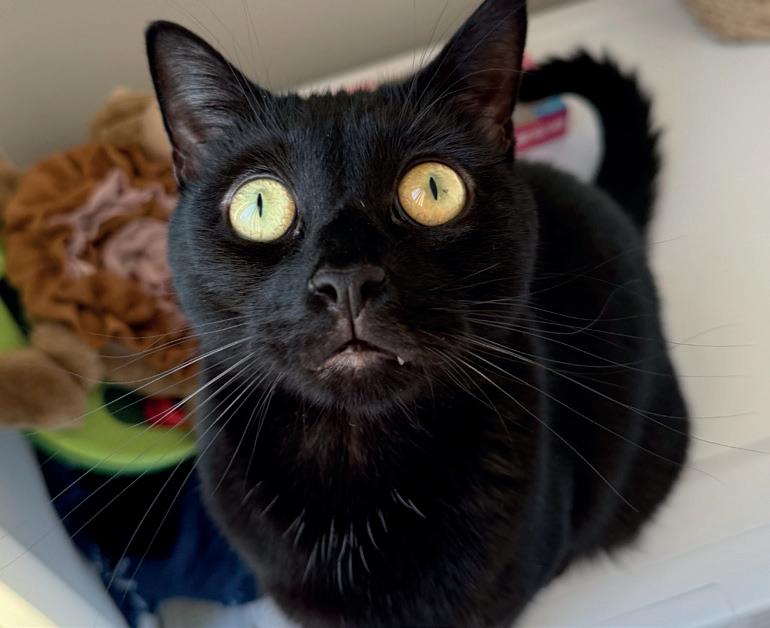
cat parent to Marmite, Toast and Dumpling, shares feeding tips her boys love.

Learn how small habits — like steady mealtimes and simple ingredients — keep cats happy and healthy.
What feeding habit has made the biggest impact?
Keeping a consistent feeding schedule has made a big difference. It helps me easily keep track of their health and notice any small changes in behaviour or appetite. Their internal clocks are spot on — they all gather in the kitchen right before feeding time.
Do you include supplements in their diet?
I add a couple of pumps of cold-pressed salmon oil to my boys’ food every day, and it’s made such a difference — their coats are so shiny now. Marmite used to suffer with dry skin and dandruff, but salmon oil has really helped keep that under control.
How do you manage portion sizes?
Their portions depend on breed, weight and activity. Dumpling’s the most active, so he gets a bit more, while Marmite’s activity levels are lower, meaning a smaller serving. I also keep an eye on the feeding guidelines from

whichever food brand we’re using.
How do you encourage them to stay hydrated?
For the past couple of years, I’ve been feeding my boys a fully wet food-based diet, and the results have been wonderful and great for their health. I also like to add a bit of extra water to their meals — it’s an easy way to make sure they’re staying hydrated and helps me keep an eye on their water intake. And let’s just say, the litter box confirms they’re getting plenty!
What ingredients do you prioritise or avoid?
There are so many unnecessary ingredients that end up in pet food. I like to keep things as simple as possible: if meat isn’t the first ingredient, it doesn’t make it into my cats’ bowls. I also steer clear of terms like “animal derivatives.” The same applies to treats: freeze-dried is my go-to since they’re usually 100% pure meat. Chicken and tuna are big favourites in our house, and a sprinkle of meat topper always comes to the rescue when my boys’ appetites need a little boost.
Why natural nutrition helps cats thrive and stay curious

MAs the natural feeding movement grows, cat owners want tasty recipes with simple, recognisable ingredients that reflect their own values: transparency, quality and sustainability.
any cat parents notice subtle but meaningful changes when switching to a natural diet, changes Audrey Mulhall, Global Brand Director of MPM Products Ltd, has seen in her 12-year-old cat, whose soft, glossy coat and bright eyes reflect the difference natural nutrition can make.
Why is the food we feed our cats important?
Pet owners are becoming more interested in their pets’ longevity than ever before, and switching to natural food can impact this. People are looking more closely at what goes into their pet’s bowl, discovering that a natural, minimally processed diet can
make a difference to their wellbeing. What we choose to feed them has a lasting impact on their health, happiness and curiosity.
What changes might happen when switching to a natural diet?
Transitional feeding is important when changing your cat’s diet, helping their digestive system adjust. Many cat parents notice subtle but meaningful changes when switching to a natural diet. Their fur may become softer and glossier, their eyes brighter and their digestion more settled. These are often signs that their body is getting the nutrients it needs, in a form that’s easier to absorb.
How does natural feeding connect to sustainability?
At Applaws, we believe doing right by pets should go hand in hand with doing right by people and the environment. As a proud B Corp and Icon member of the Pet Sustainability Coalition, we meet high standards of social and environmental performance, from responsibly sourced ingredients to sustainable packaging. We’re dedicated to making a purposeful, lasting impact on our people, pets, communities and planet. Our team members get a Giving Back Day each year to volunteer with charities and community projects, from cat shelters to tree planting. It’s an important part of who we are as a company.
What makes your products unique?
Cats naturally thrive on a diet rich in animal protein, which is why at Applaws, every recipe is made with high-quality meat or fish, with no fillers or unnecessary additives. Feeding natural means feeding as nature intended — no nasties, no nonsense, just honest ingredients you can see and trust. We keep things simple, developing wholesome recipes that provide a natural source of taurine, arginine and essential amino acids to support your cat’s health and wellbeing, giving them exactly what they need and nothing that they don’t.
Wiktoria,
INTERVIEW WITH Audrey Mulhall Global Brand Director, MPM Products Ltd
WRITTEN BY Wiktoria
Parent of Marmite, Toast, and Dumpling, @marmiteandtoastie
WRITTEN BY Bethany Cooper
Imageprovidedby MPM
Images of Marmite and Toastie provided by Wiktoria
The benefits of a strong human-dog relationship
The human-dog bond can be one of your most significant relationships. This connection can positively impact emotional and physical wellbeing for both.
At Dogs for Good, we witness daily how happy, healthy dogs bring a myriad of positive outcomes for the people we support. We also know that if you don’t get it right for dogs, you’re not going to get it right for humans.
How important is the human-dog bond?
Learning how a dog communicates and being able to understand their language is just as essential to their wellbeing as food, exercise, enrichment and rest.
We believe that the human-dog bond should create a place of safety for a dog. A dog that lives life alongside humans who understand, meet and advocate for their needs has the best chance to thrive and feel happy and healthy.
How important is it to people?
Its benefits aren’t only voiced in the stories you hear from owners but also backed by research, which shows that dogs can play a role in increasing our health and wellbeing. This means that every dog owner has a potential ‘natural health service’ living with them.
For the people we support with complex needs such as autism, dementia, physical disabilities and mental ill health, the bond with a dog can be life-transforming. For society, the possibilities are far-reaching.
What if you don’t have a dog full-time?
Even if you don’t have a dog full-time, the human-dog bond can still be present. We know from working with people we support in the community, short sessions with our handler-supported dogs can bring life-changing outcomes such as confidence, resilience and social reconnection.
Most people don’t regret spending a few minutes playing with an enthusiastic labrador! The positive connections a dog brings can spread far and wide, sparking joy and bringing positive impacts to all.
How do you achieve it?
Be non-judgmental, patient, kind and open to listening to your dog. Get help if you need it — talk to your vet, as most have links to people they can recommend — and enjoy learning what your dog can teach you as you build your bond.

TJ the Frenchie’s wellness routine
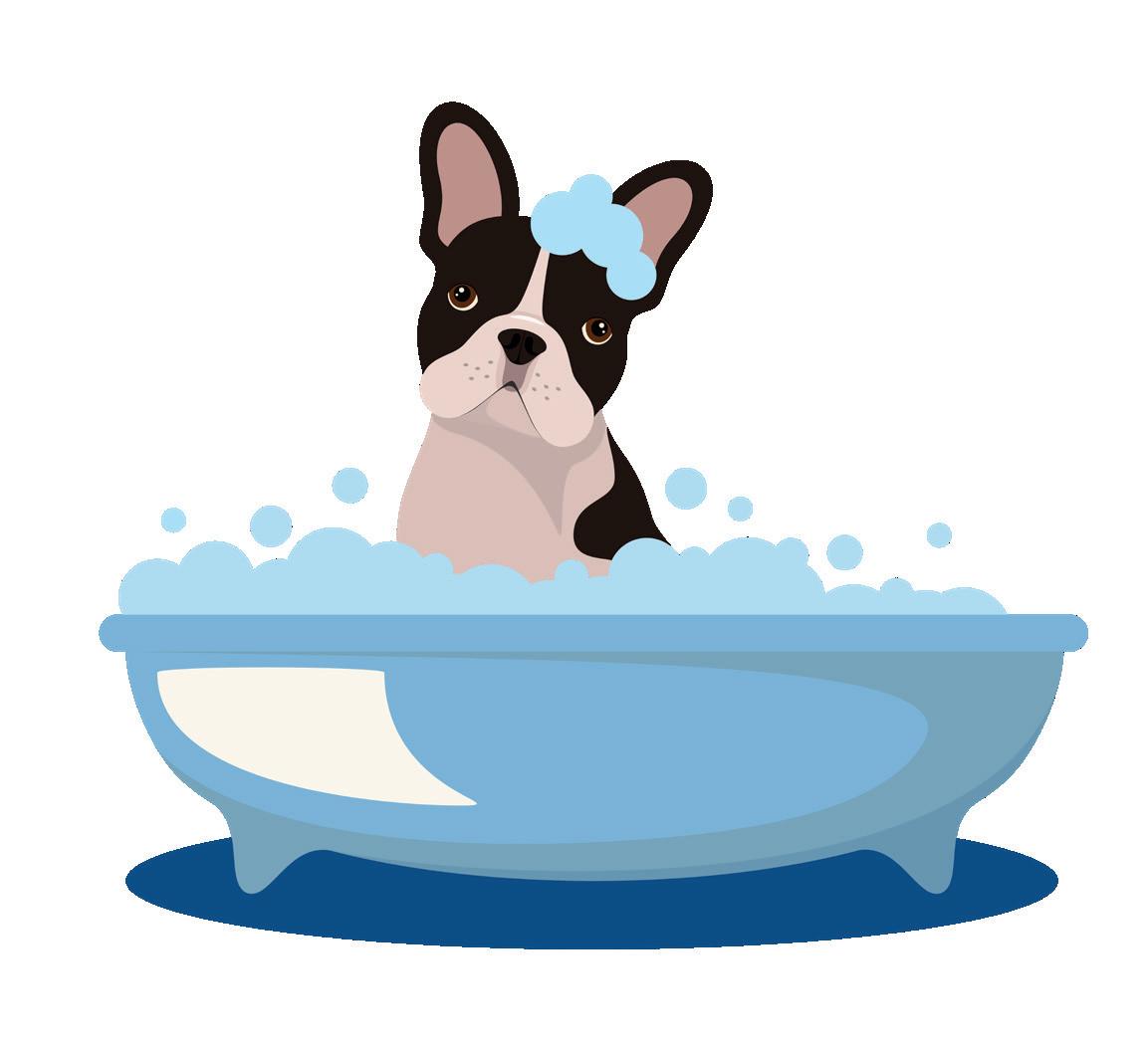

Learn how diet, supplements and mental stimulation keep TJ the French Bulldog in peak condition — plus the three everyday products we can’t live without.
Discover our key must-haves to keep TJ in tiptop condition and ready for adventures.
Diet
It took us a while to realise that the majority of well-known dog food brands are full of junk and fillers. We spent some time looking into this as TJ kept having skin and tummy issues, and it turns out that he’s really sensitive to lots of foods –gluten, chicken, white fish etc. From this point, we took control of everything we fed him, and focused on a meat and superfood diet and frozen fruit treats. He hasn’t had any issues since and always gets compliments on his shiny coat.
During the summer months, it can get too warm to walk him much, so we focus his energy more on mental stimulation.
Supplements
WRITTEN BY Helen McCain Director of Operations,
Even with a good diet, supplements still play a huge part in TJ’s diet. We wanted to take a proactive, rather than a reactive, approach if he developed an issue. We focus on probiotics (Frenchies are known for their gas!) and these made a huge difference for TJ. We’ve also always given him a joint supplement to ensure his joints are as strong as possible, especially while he was still growing.
Mental stimulation
TJ is really energetic for a French Bulldog — he absolutely loves going on adventures, walking and playing. During the summer months, it can get too warm to walk him much, so we focus his energy more on mental stimulation – things like puzzle games, frozen treat bowls and lick mats. He has one toy — scented bags you can play hide and seek with and has a strong scent. We love watching him find it in increasingly difficult hiding spots.
Desert island products – if we only had three products to give him
We’d say:
• Coconut oil – this is a really accessible everyday item that not only works well in his food, but also topically – perfect to keep his nose and paws crack-free or even to run through his coat to keep it shiny.
• Blueberries – they’re a great bitesize treat – you can freeze them, put them in water for a game or just feed them straight to your dog. They’re one of TJ’s favourites (and he’s fussy with fruit and veg!)
• Kefir – a natural probiotic, which is an easy meal topper that’s easier to digest than cow’s milk and also supports skin/coat health. TJ loves a few spoonfuls over his dinner (and usually ends up with it all over his face!)

WRITTEN BY Duncan Owner, TJ the Frenchie

Building strong bonds and better pet health
Beki Smith reveals the habits that keep her dachshunds feeling their best.
Has your pet faced health challenges?
Digit developed IVDD two years ago. We’d done everything to prevent it, but it came completely out of the blue. It was Stage 2, but we noticed it early and managed with conservative care, avoiding surgery. It taught me patience, resilience and trust — qualities she showed throughout her journey.
How do you support wellbeing?
I make time daily to be fully present. Sometimes that’s cuddles on the sofa (no distractions), other times, it’s one-on-one activities. Pip loves agility and obedience training, while Digit’s daily physiotherapy sessions have become our special bonding time.
How is your role evolving?
I’ve learned to read my dogs more closely and adapt to changing needs. They’ve inspired a passion for pet wellness, from nutrition and movement to emotional support. Living with IVDD has shown me how much dogs rely on us to be their voice and advocate. It inspired me to support others facing similar challenges, showing that with patience, love and the right care, dogs with neurological or orthopaedic issues can live happy lives.
What are your preventative health routines?
Preventative health is especially important for dachshunds. I prioritise regular teeth cleaning to avoid dental issues, claw trimming to prevent balance problems / joint strain and supplements to support
Supporting pet wellness together
Pet wellness isn’t only shaped at home. A community of professionals helps owners spot issues early and support the animals they love.
Poverall health. I keep them active without overexerting (especially Digit with his IVDD), so we’re always mindful of keeping things balanced. I also use couch time to check for lumps, bumps or anything unusual, while monitoring their weight. It’s a simple way to bond while also checking on their wellbeing.

Any tips for good nutrition? Give your dog what they truly need, not what you assume they do. I focus on balanced meals, sometimes adding supplements and adjusting portions based on activity. Food doubles as a tool for training or physiotherapy, keeping them mentally engaged without overfeeding. Treats are just that — a treat. Using balanced meals for other activities ensures they get the nutrients they need, without filling up on extras. Maintaining this balance and monitoring weight is especially important for a dachshund’s back health.
ets shape our lives in quiet but powerful ways. They give comfort, routine and companionship, so we want to do everything we can to keep them healthy and happy. But caring for a pet is rarely something we do alone. Across the UK, a network of professionals supports owners at every stage of a pet’s life, helping spot issues early and guiding families through choices that keep animals happy and healthy.
Small signs that make a big difference Your groomers can be the first
to notice when something isn’t right. A change in the skin, new lump, sore joints or a shift in behaviour can all surface during a regular appointment. These early observations can prompt owners to seek veterinary advice before a problem becomes more serious. Specialist pet retailers play a similar role. Pet food can be confusing, especially for new owners, and knowledgeable retailers help people understand feeding options, ingredients and what might work best for their pet. Good nutrition is a foundation for
long-term health.
Exercise, social interaction and mental stimulation contribute to a healthier, more resilient pet. With over half of UK dogs and almost half of cats now overweight or obese, supporting pets to move has never been more important. Daycares, walkers and boarding establishments offer routine, enrichment and positive experiences that build confidence and reduce stress. These services complement the love and care provided at home.
Community committed to welfare
Driven by a commitment to animal welfare, businesses join the Pet Industry Federation (PIF), a voluntary membership association that supports pet professionals and helps raise standards across the sector. PIF members put welfare at the centre of their work and invest in learning to stay up to date with good practice.
For owners, knowing where to turn makes a difference. The ‘Find a Pet Business’ tool on the Pet Industry Federation website helps people locate responsible, welfare-focused businesses in their area, creating a supportive circle of care around the pets who mean so much to us.

WRITTEN BY Alexandra Baker Chief Operating Officer, Pet Industry Federation
WRITTEN BY Beki Smith Owner of @digitdax
Image of Digit and Dax provided by Becki Smith
Choose a happy Christmas by choosing your new pet wisely

In the festive excitement and optimism, it’s all too easy to overlook practicalities and get swept away with the idea of a cute new family member. So, what can we do, practically, to set ourselves and any new family pet up for success; to ensure a long and happy life for our new pet; and to ensure all members of the family, especially children, remain safe over the coming years?
This year, WSAVA launched our collaborative position paper on behaviour and training in companion animals and drawing on the evidence base that informed this position, we’ll be looking at what you can practically do to achieve success when choosing a new family pet.
The dark side of mass ‘pet production’
Popular breeds are at risk of commercial ‘farming’ — a practice which is often well disguised by slick marketing,
How science-backed pet supplements are shaping the future of pet health
Global Research Director speaks to the growing body of science driving innovative pet supplements, showcasing vet-led formulations and quality-driven products that result in tangible, real-world benefits in pet health.

When it comes to pet wellness, the science is finally catching up with what pet owners have known all along — a healthy gut is the backbone of a happy, healthy dog.
Pet wellness and the gut-brain axis
“So much of our overall health starts in the gut,” Greg Weatherhead, Innovation & Research Director at H&H Group, explains. “A healthy gut drives a healthy immune system, and research into the gut-brain axis shows how closely mood, digestion and overall wellbeing are connected. This is just as central to the wellbeing of pets as it is humans.”
(Willard, Simpson et al. 2000, Pinna, Vecchiato et al. 2018)
Science-backed pet wellness
Shaping the next wave of pet wellness,
“A dog is for life, not just for Christmas” — the 1970s Dogs Trust campaign tagline aims to remind us that a dog, or indeed any pet, is a lifelong commitment.
but has horrific implications for the welfare of the animals involved. Dogs from commercial breeders have worse behavioural outcomes, more health problems and are more at risk of experiencing chronic anxiety and demonstrating aggression towards family members.
Choose wisely
So, when choosing your new pet, choose wisely — choose health-tested and home-reared. Choose a pup whose parents you’ve met or a pet from a responsible rescue that’s been evaluated by experts. Choose to bring your new pet into a calm and well-planned home environment — not one full of festive toxins and unpredictability. These things are the best way of ensuring your new family member will bring you years of companionship and joy.
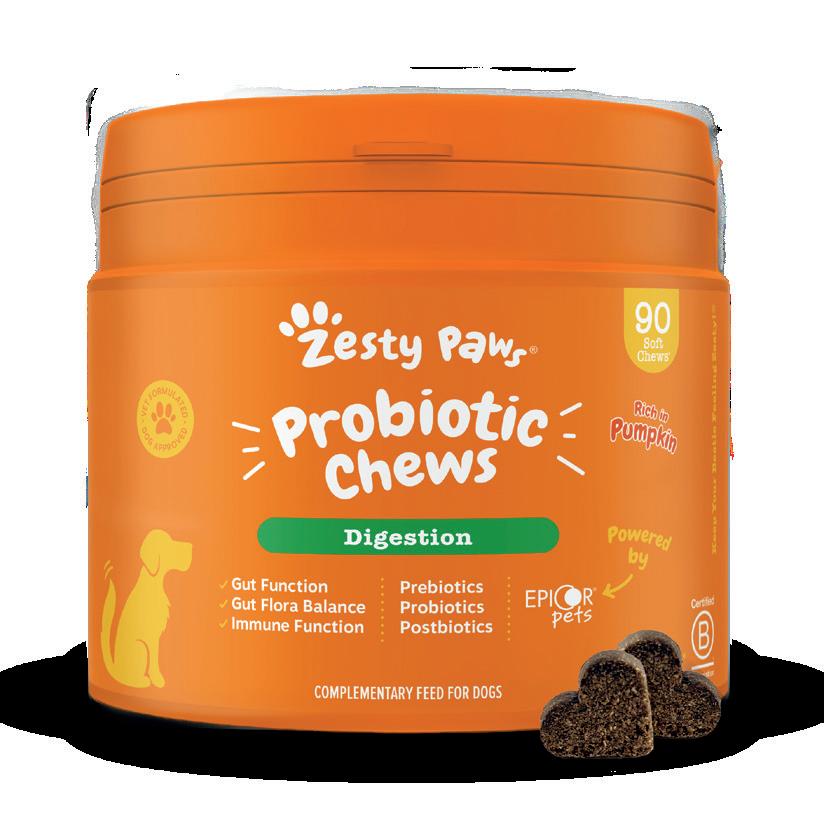
leading global supplement development powerhouse H&H Group is driving research, investment and product development in its pet health brand, Zesty Paws, which is B Corp certified.
“What started as a category built on the understanding of human gut health,” explains Weatherhead, “is now backed by a growing body of research conducted specifically in dogs.”
This scientific focus has resulted in the development of a scientifically formulated probiotic, prebiotic and postbiotic combination supplement for dogs, designed to support healthy digestion and overall wellbeing.
“Our formulations use clinically verified ingredients, specifically researched in pets and developed through vigorous vet-led processes,” continues Weatherhead. “We partner with the industry’s top ingredient
brands to make high-quality pet supplements that not only taste great, but are scientifically designed with your pet’s health in mind.”
Proven palatability and real-world impact
A recent study conducted in over 38 dogs highlighted high product satisfaction, with an over 95% acceptance rate leading to wellestablished supplement regimes.1
“We make supplements that are fun for pets and easy for pet parents, without compromising on scientific integrity,” says Weatherhead. “It’s scientifically proven that easy-to-use products improve compliance, and this is helping dog owners to see real, tangible benefits, including healthy digestion, improved stool consistency, healthier-looking skin and fur and better breath.”
Looking ahead, Zesty Paws is dedicated to developing products tailored to the needs of the consumer, expanding into key ‘need states’ such as mobility, calming, anti-itch and immune health. With a strong heritage as a category-leading pet supplement brand for over a decade, certified B Corp status and a pipeline of continual product development, Zesty Paws continues to flourish in its goal to make premium, science-backed pet wellness that is truly accessible. Reference:



WRITTEN BY Heather Bacon Chair, Animal Welfare Committee, WSAVA
for by Zesty Paws
INTERVIEW WITH
Greg Weatherhead Innovation & Research Director, Product Development & Technology, Zesty Paws
WRITTEN BY
Bethany Cooper
Image provided by Zesty Paws