MARTA MATTIOLI
Internship Sustainable Architecture and Design

MARTA MATTIOLI
Internship Sustainable Architecture and Design
Design and Construction
Studio - Politecnico di Milano
Professors:
Arch. Ingrid M. Paoletti, Eng. Elena Mola. Tutor: Arch. G. Castellano.
Team work: Marta Mattioli, Aurora Crocicchia, Carlotta Assirelli e Li Youting (China)
Period: Febr. - July 2024
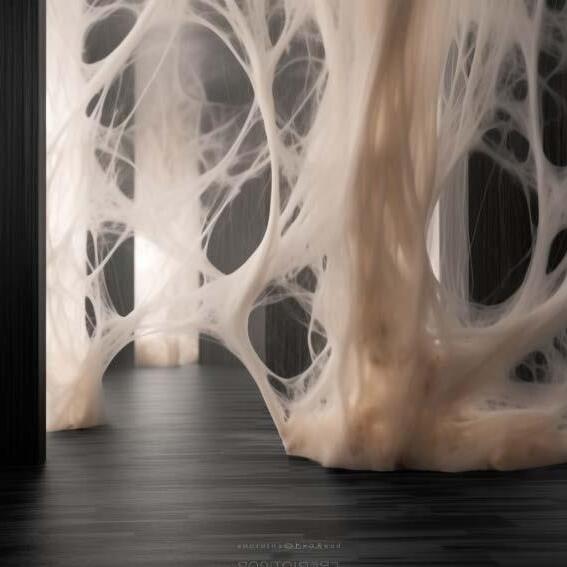
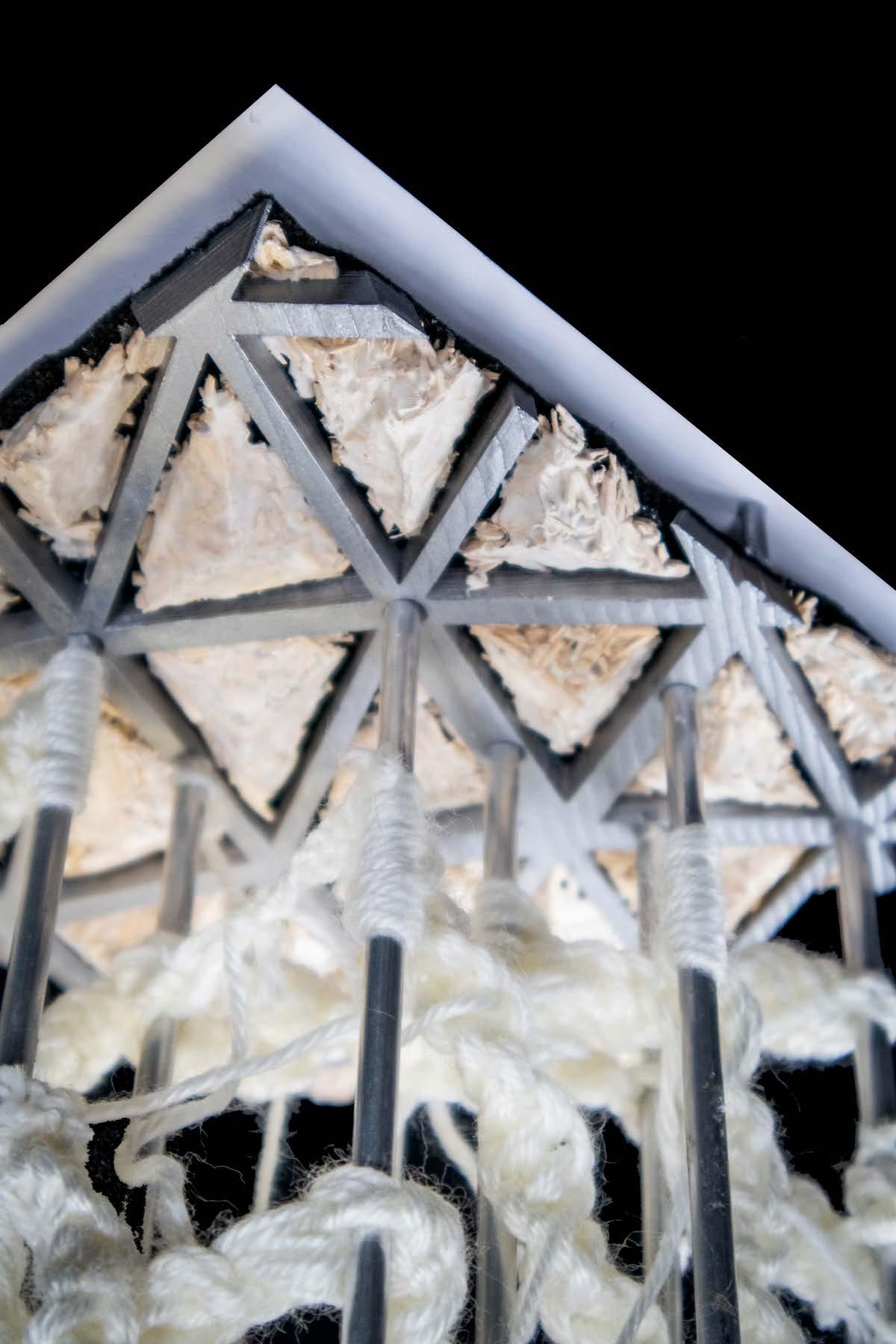
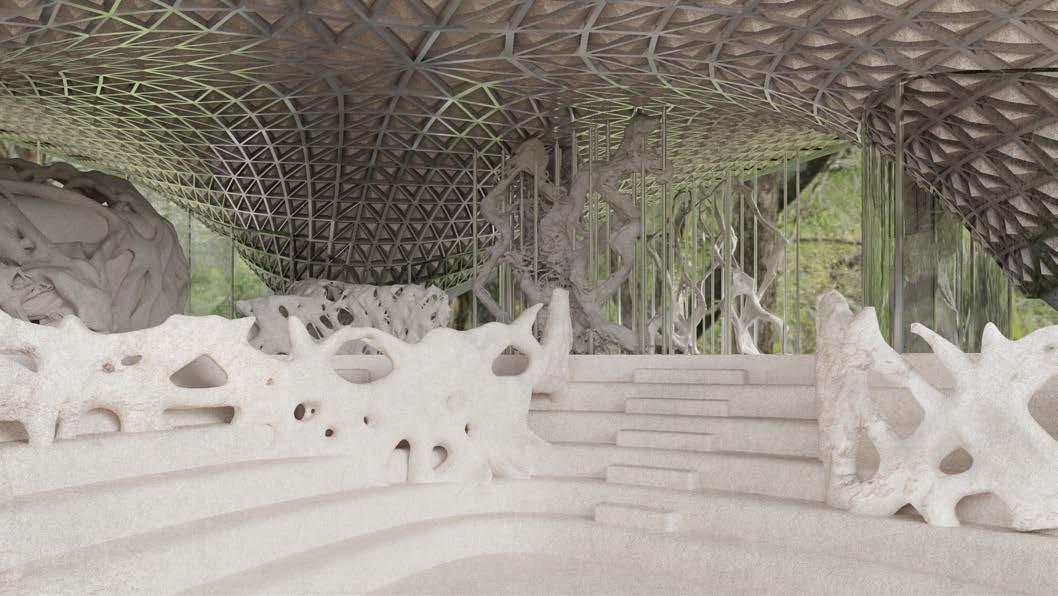
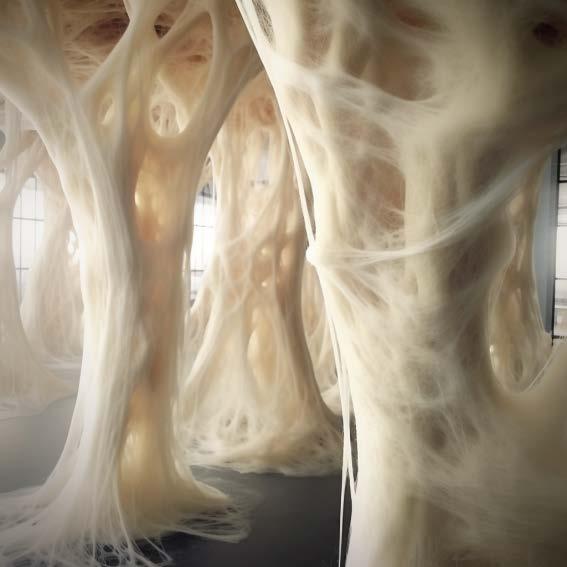
Myco-Lab is a research center dedicated to exploring the potential of mycelium as a sustainable building material. Designed within a forest setting, the structure itself integrates mycelium to reduce environmental impact and enhance architectural performance.
The building features a steel framework enveloped in myceliumbased cladding, improving acoustic insulation and adding a unique aesthetic. Inside, mycelium is extensively used—from partitions to furniture — to demostrate its versatility, biodegradability, and comfort properties.
Strategically placed mycelium-clad pillars serve both as loadbearing elements and spatial dividers, creating a seamless transition between research labs and communal areas. The project emphasizes mycelium’s role in reducing embodied carbon, enhancing energy efficiency, and promoting circularity.
Environmental and Sustainable Benefits:
Utilizing mycelium in construction offers several environmental advantages:
Low Embodied Energy: The production of mycelium-based materials requires minimal energy compared to traditional construction materials, reducing the overall carbon footprint of the building process.
Biodegradability: At the end of its lifecycle, mycelium materials are fully biodegradable, contributing to waste reduction and promoting a circular economy in the construction industry.
Thermal and Acoustic Insulation: Mycelium exhibits excellent insulating properties, enhancing the energy efficiency of buildings and improving indoor environmental quality.
The programs used for this project were: Autocad, Rhino, Miro, Cura (for 3d printing), Midjourney AI), Illustrator, Photoshop and Indesign.
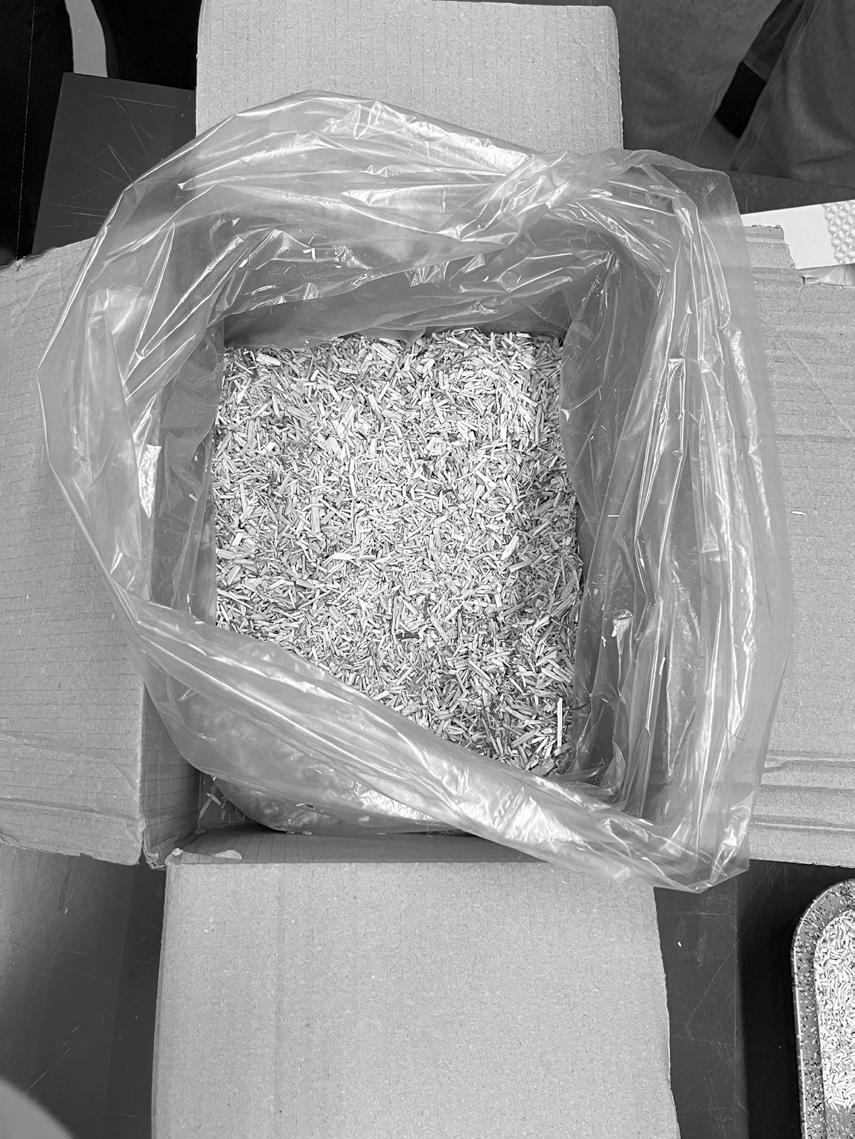
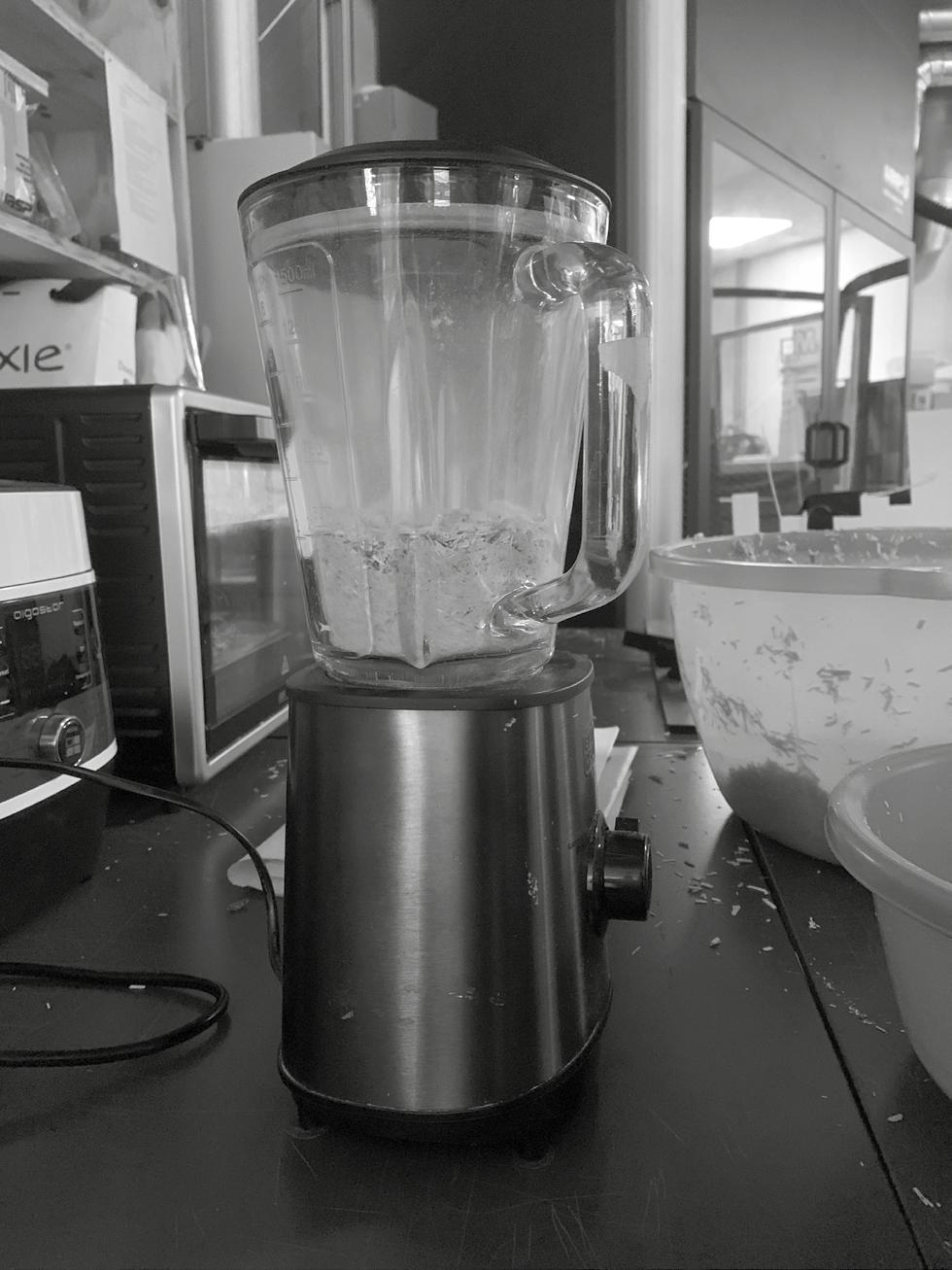
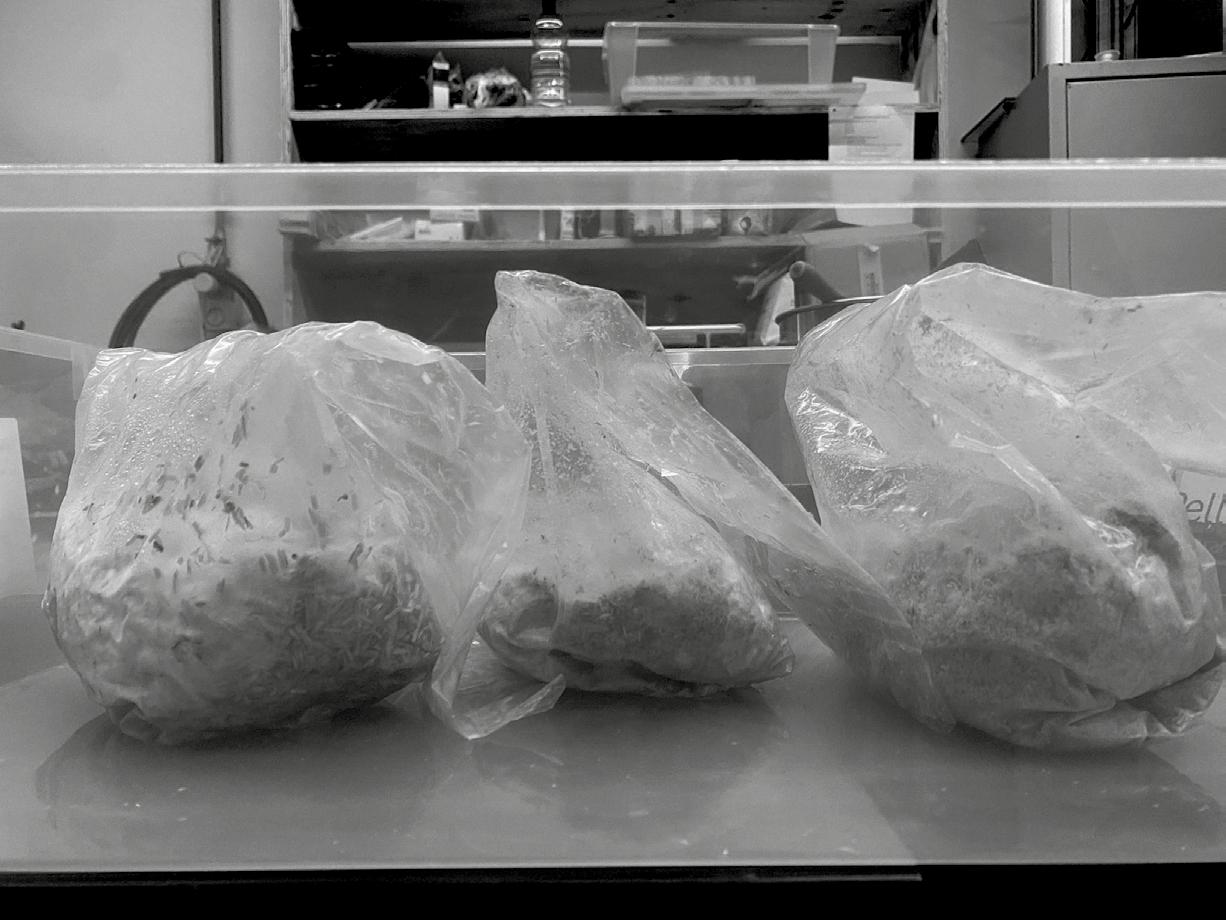
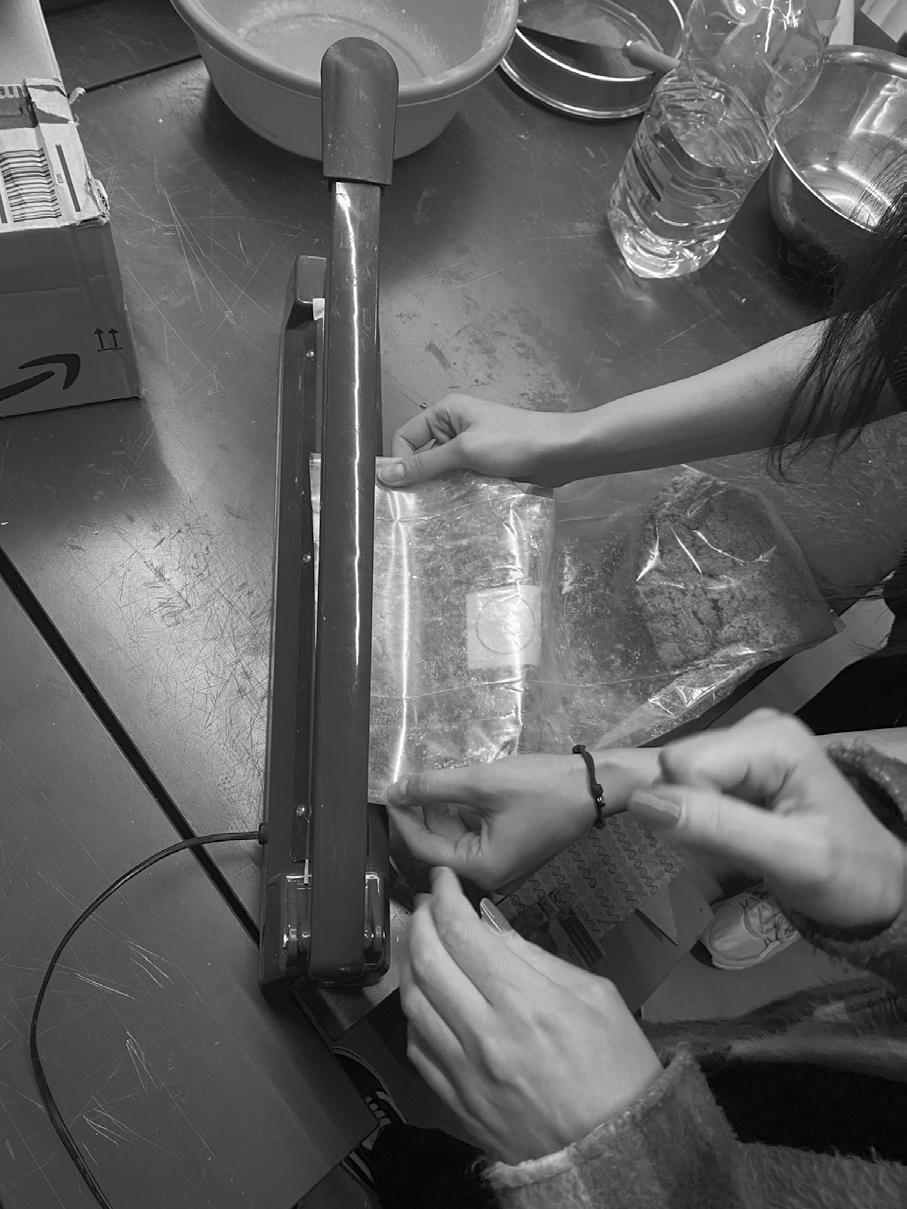
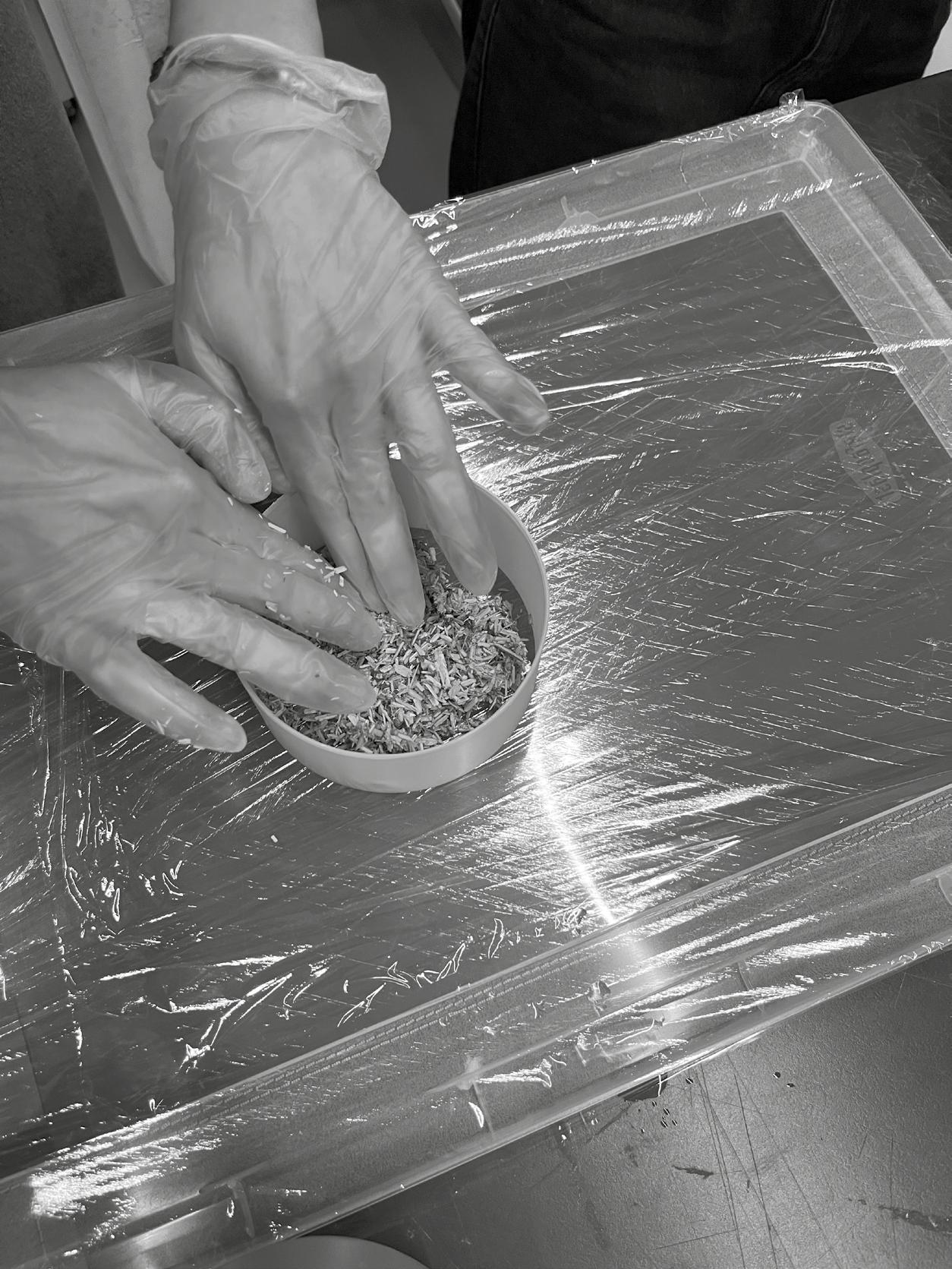
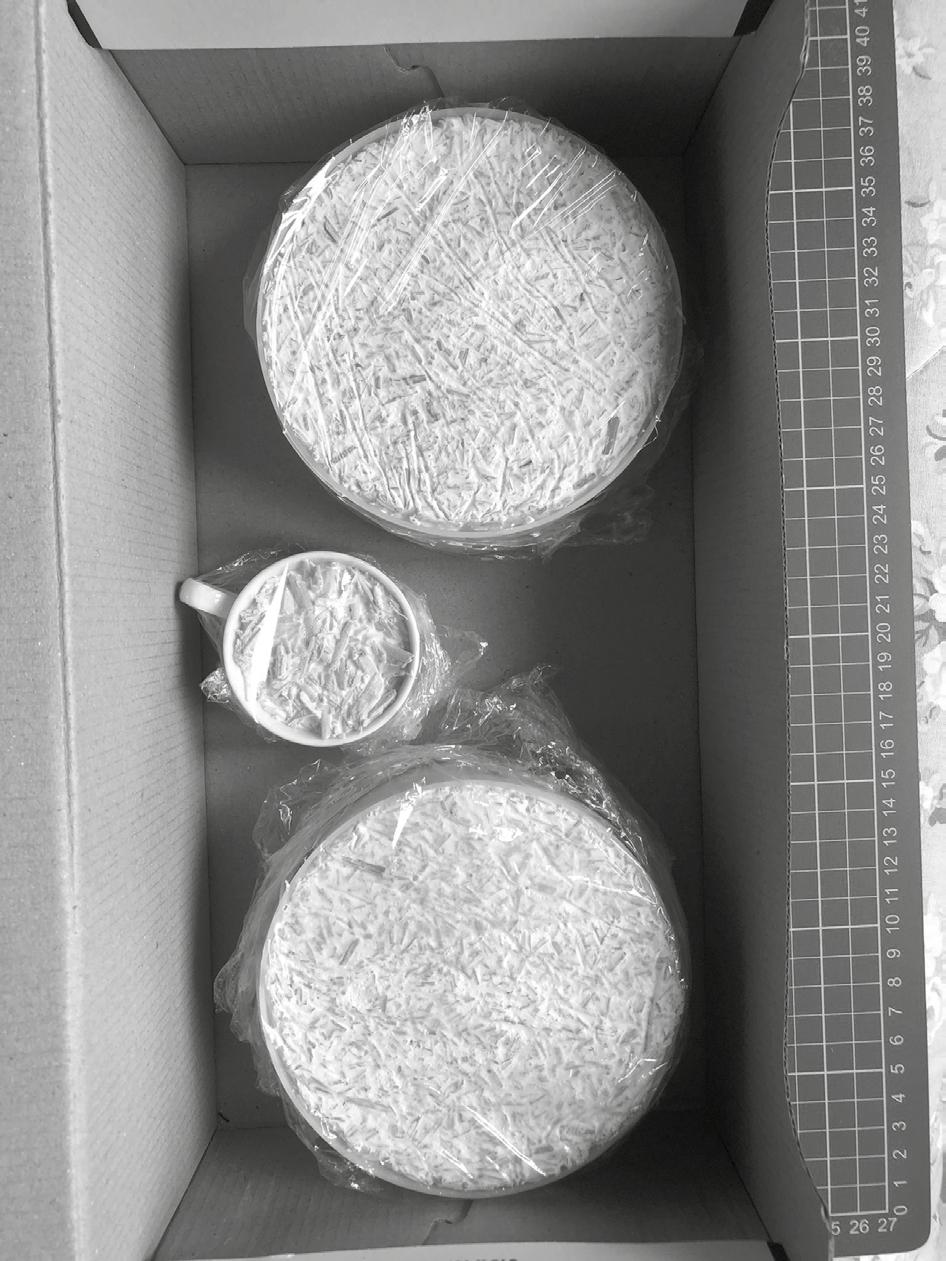
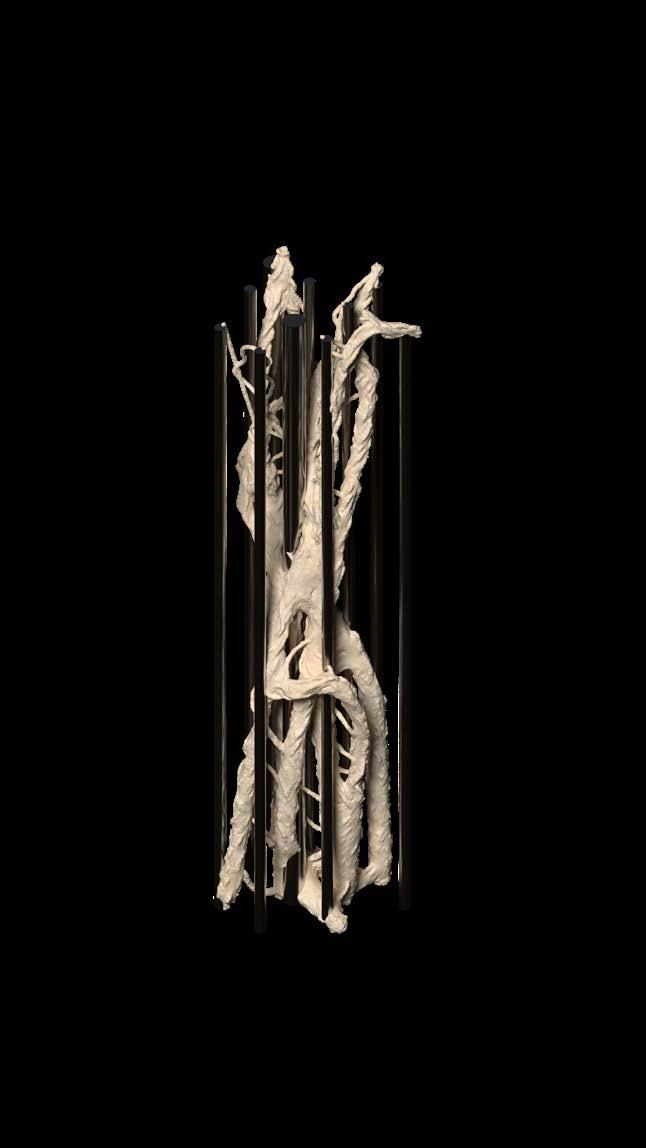
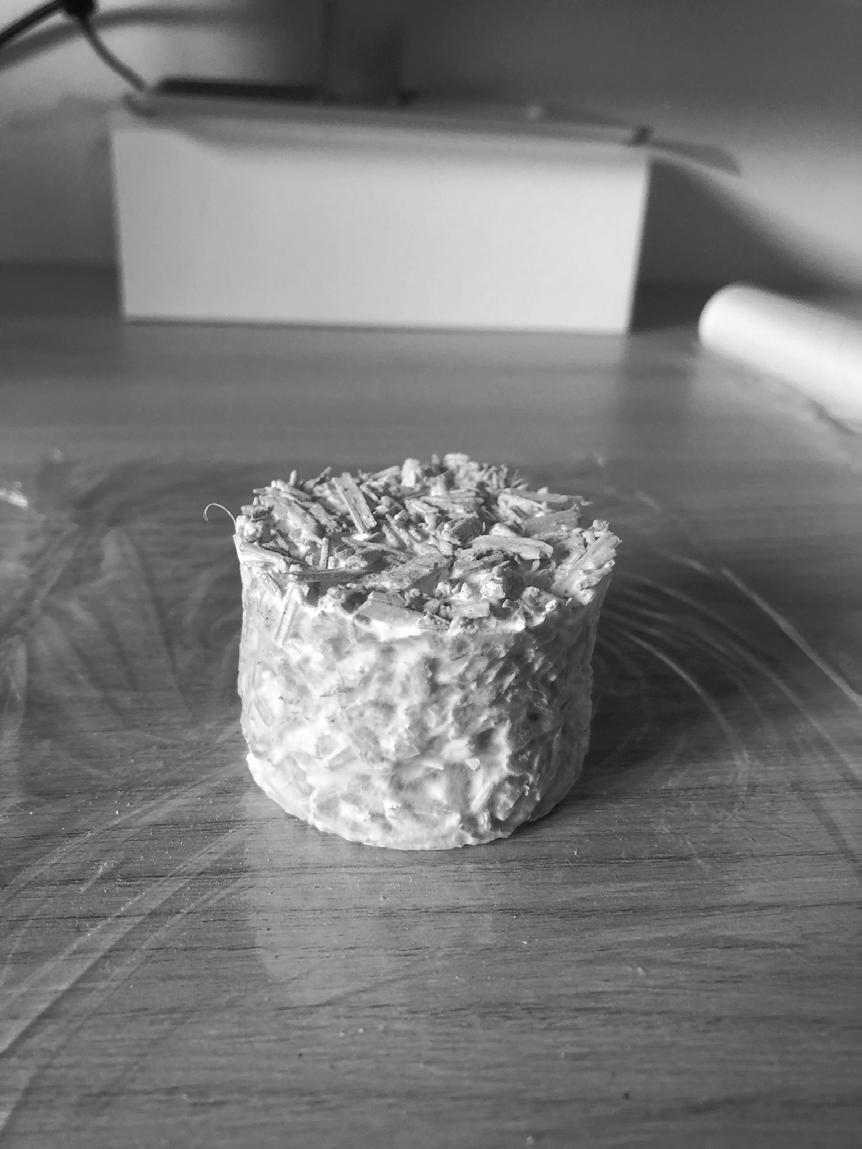
Technological Design: Materic Tests
Materic Test 01
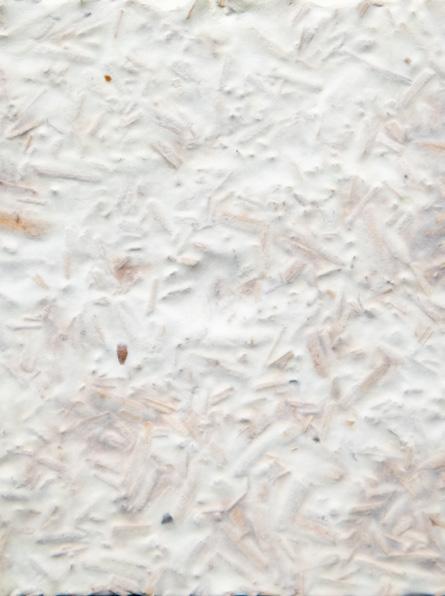
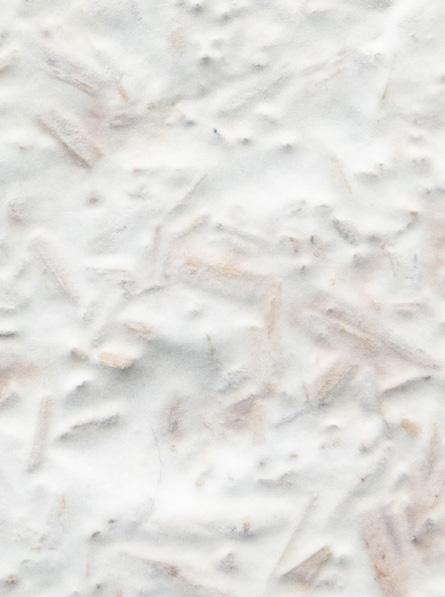

Materic Test 02
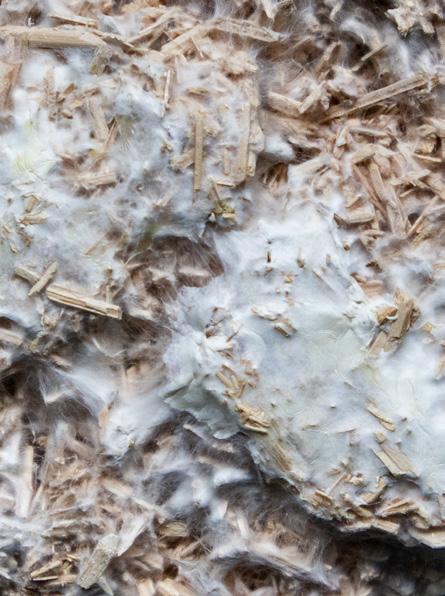
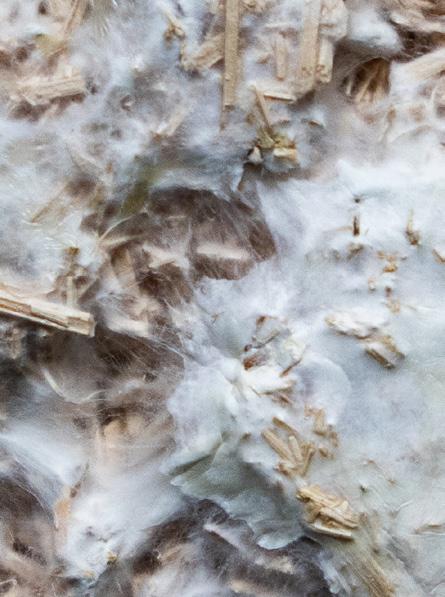
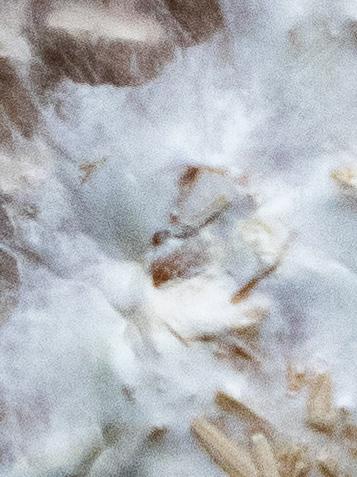
Materic Test 03
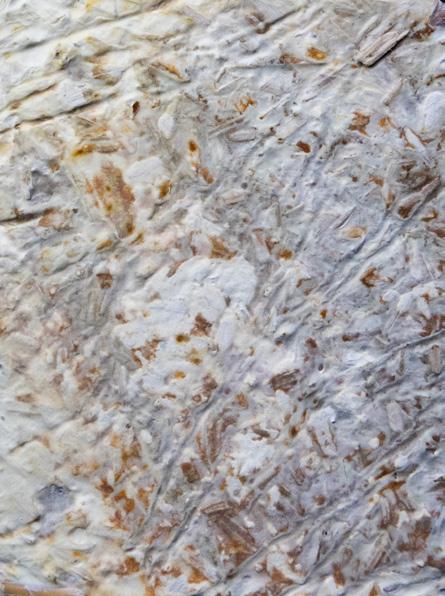
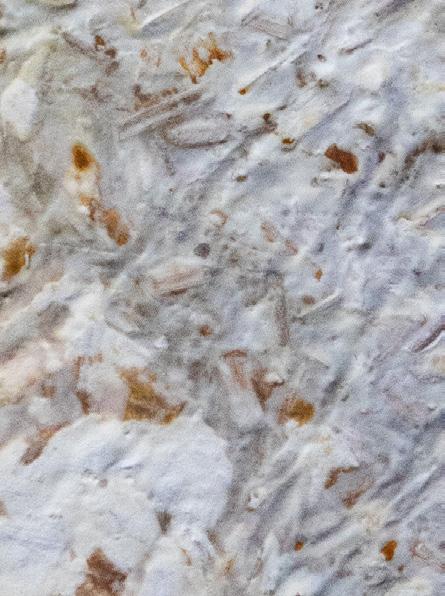

Materic Test 04
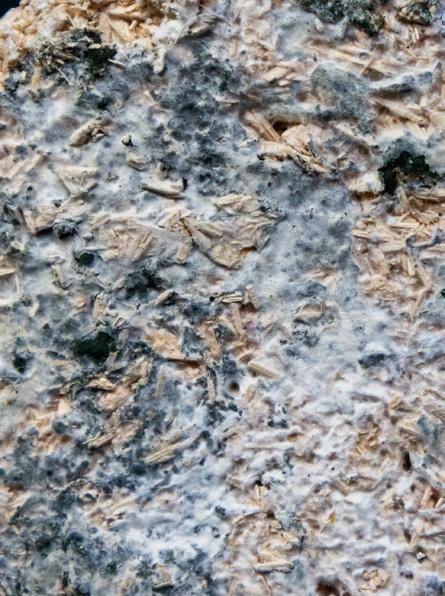
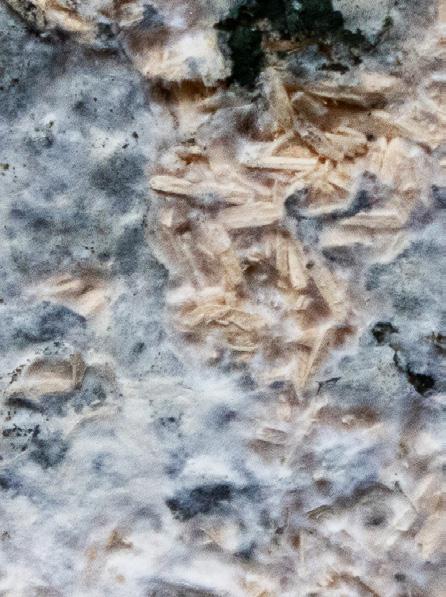
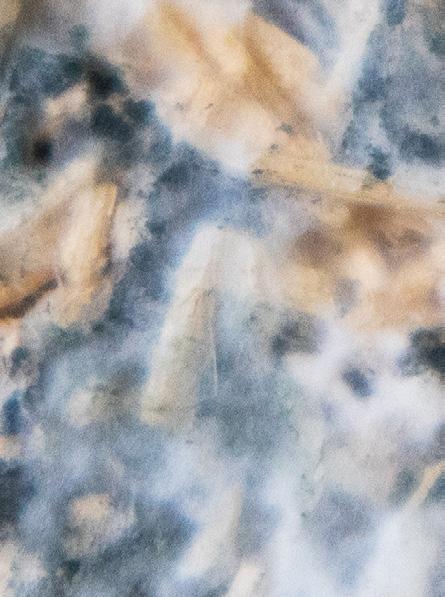
test



Architecture of interior design
Studio - Politecnico di Milano
Professors:
Arch. Gennaro Postiglione, Prof. Paola Briata, Arch. Barbara Brollo.
Team Work: Marta Mattioli (Italy), Priyanka Salunkhe (India), Barbara Screk (Croatia).
Period: Sept. 2024 - Jan.2025
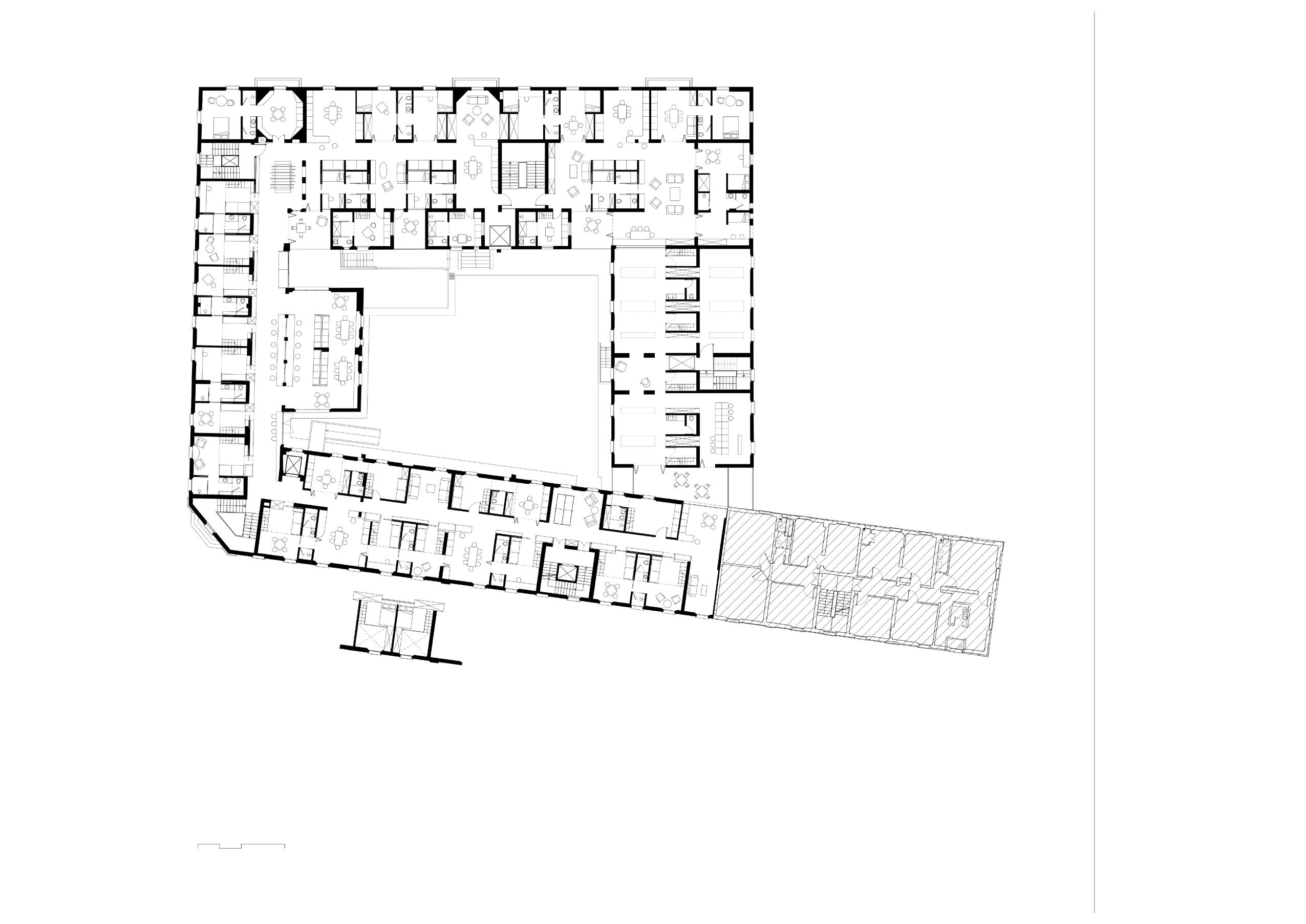
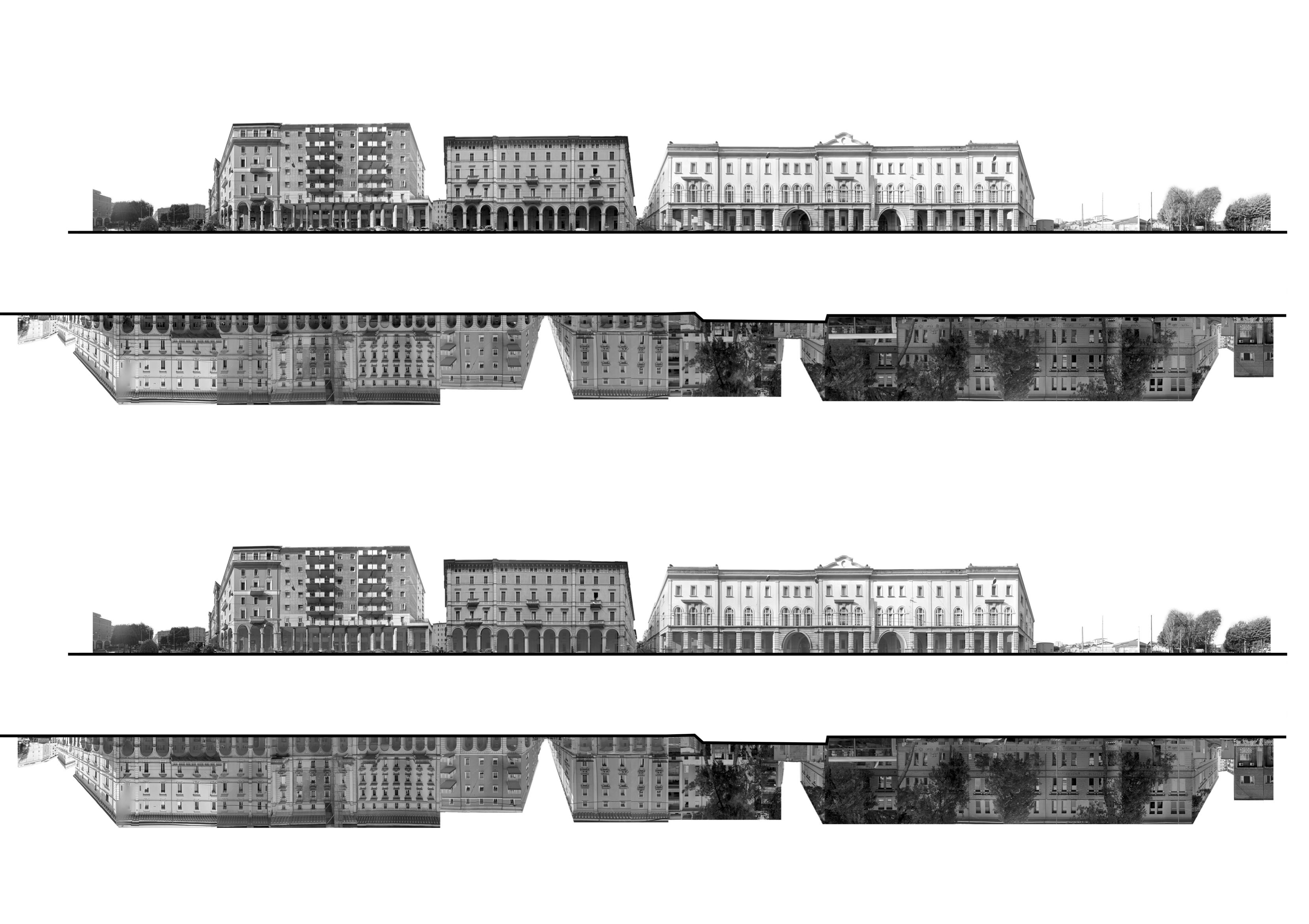
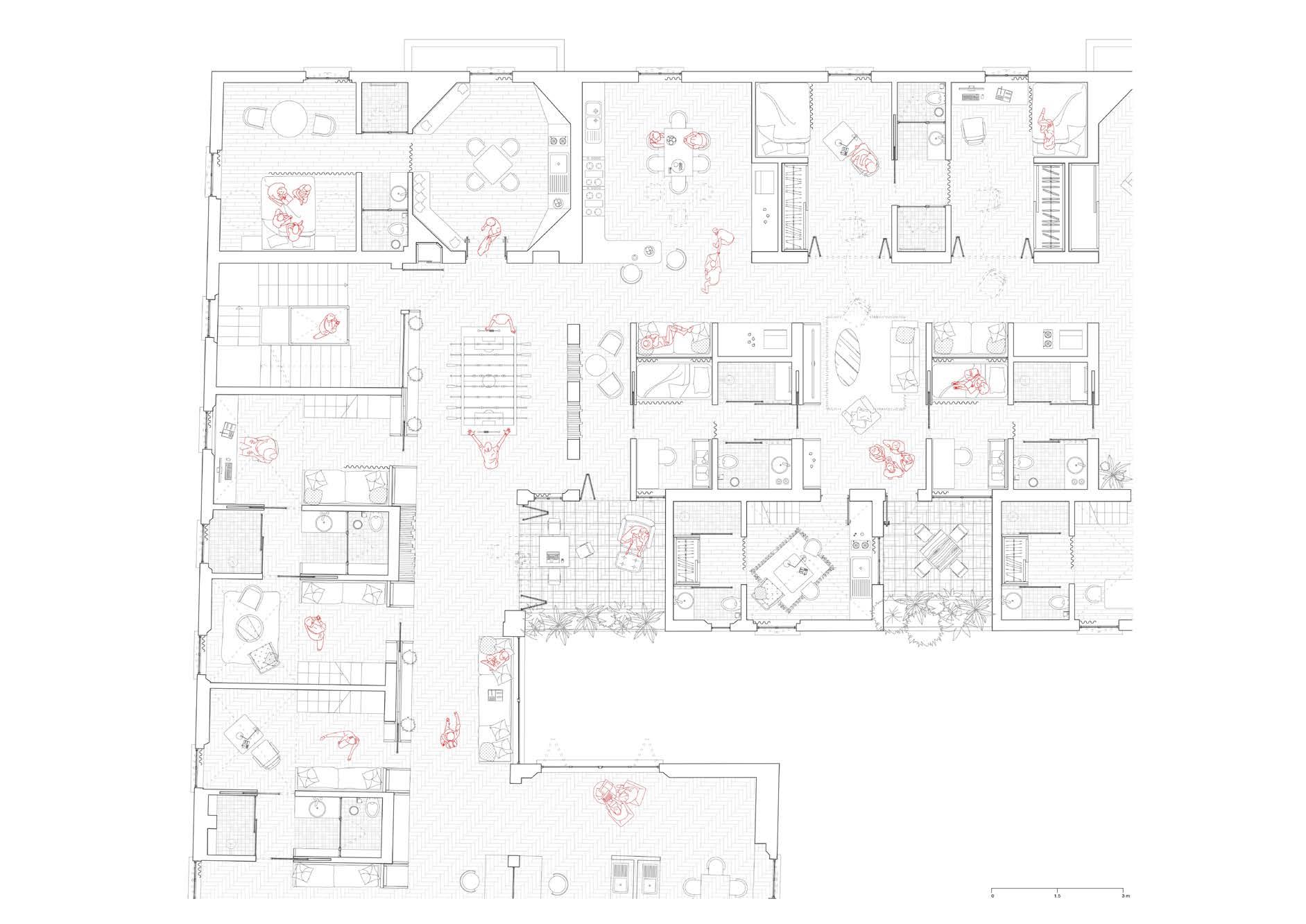
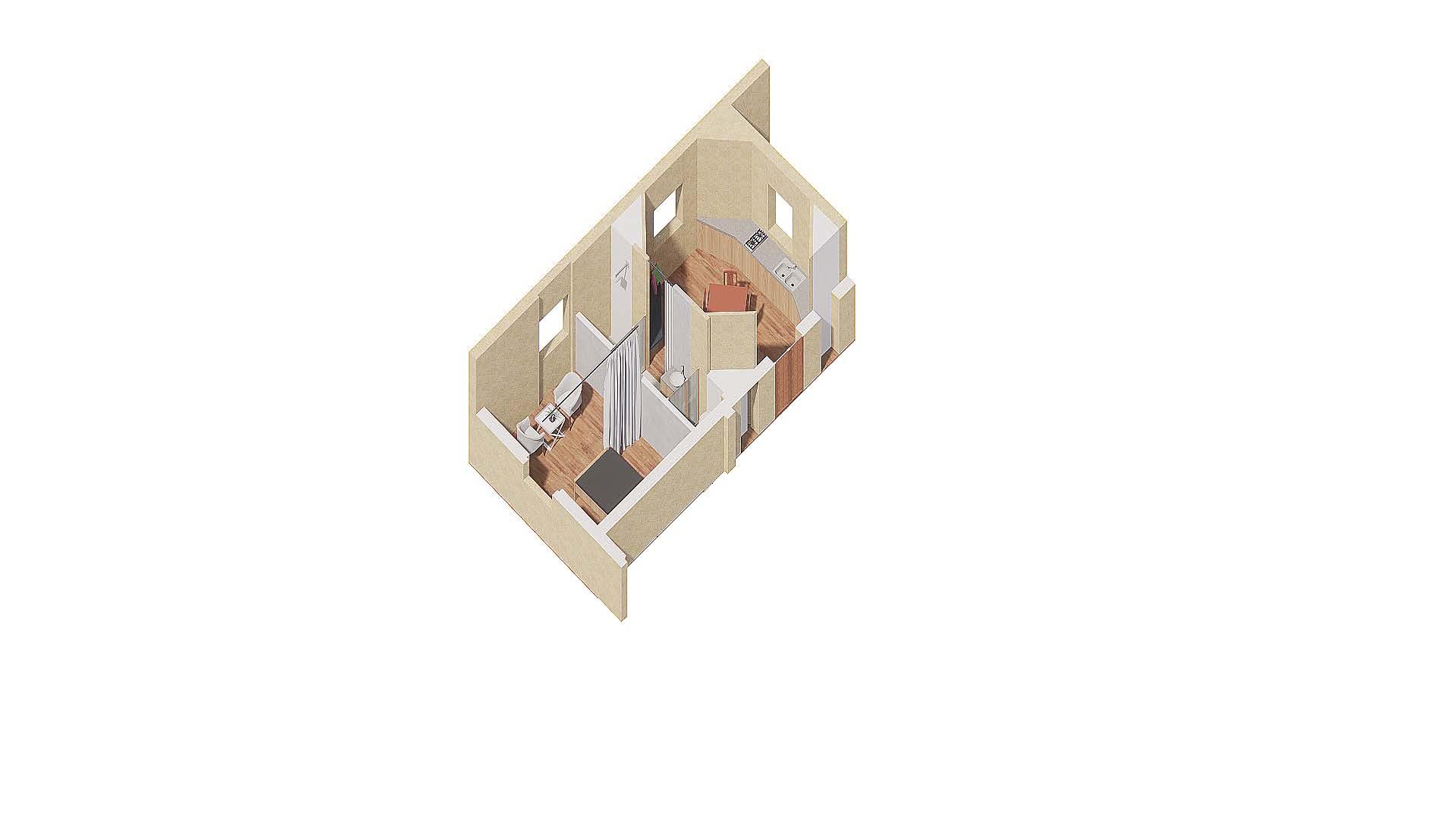
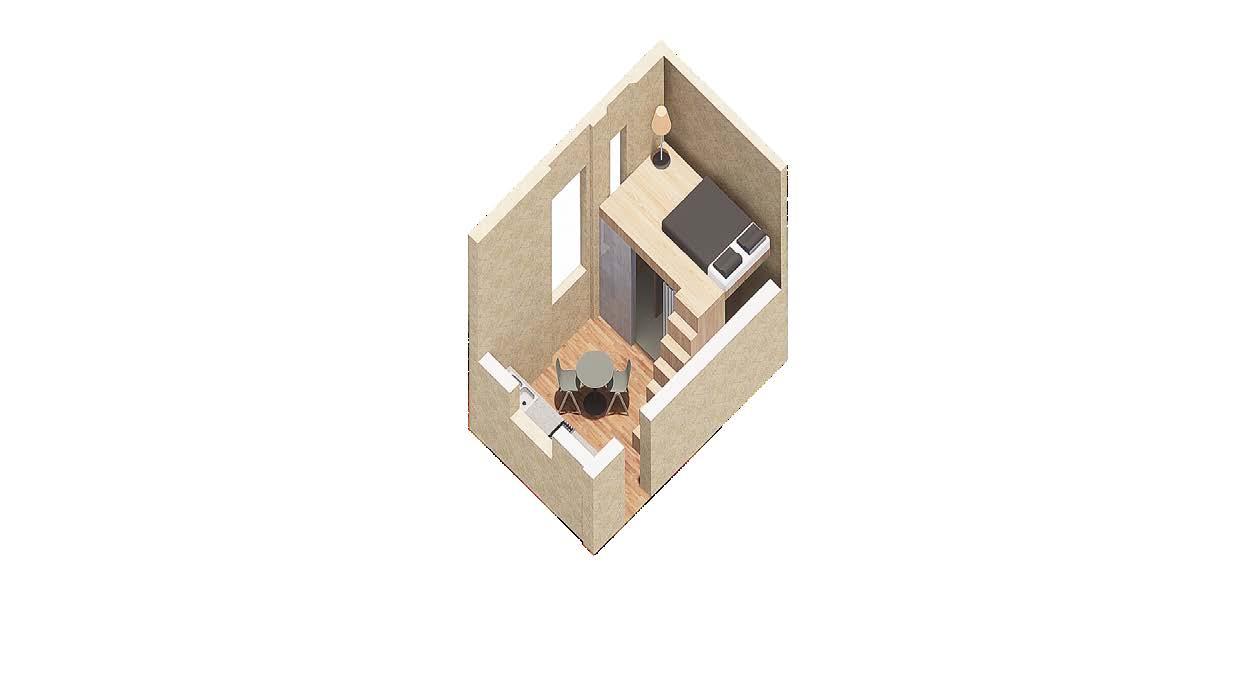
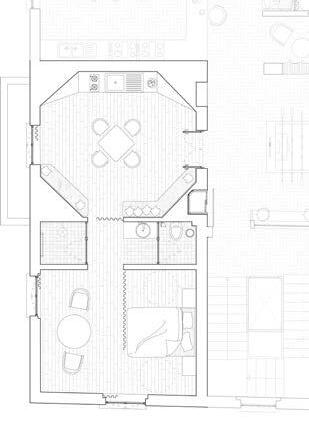
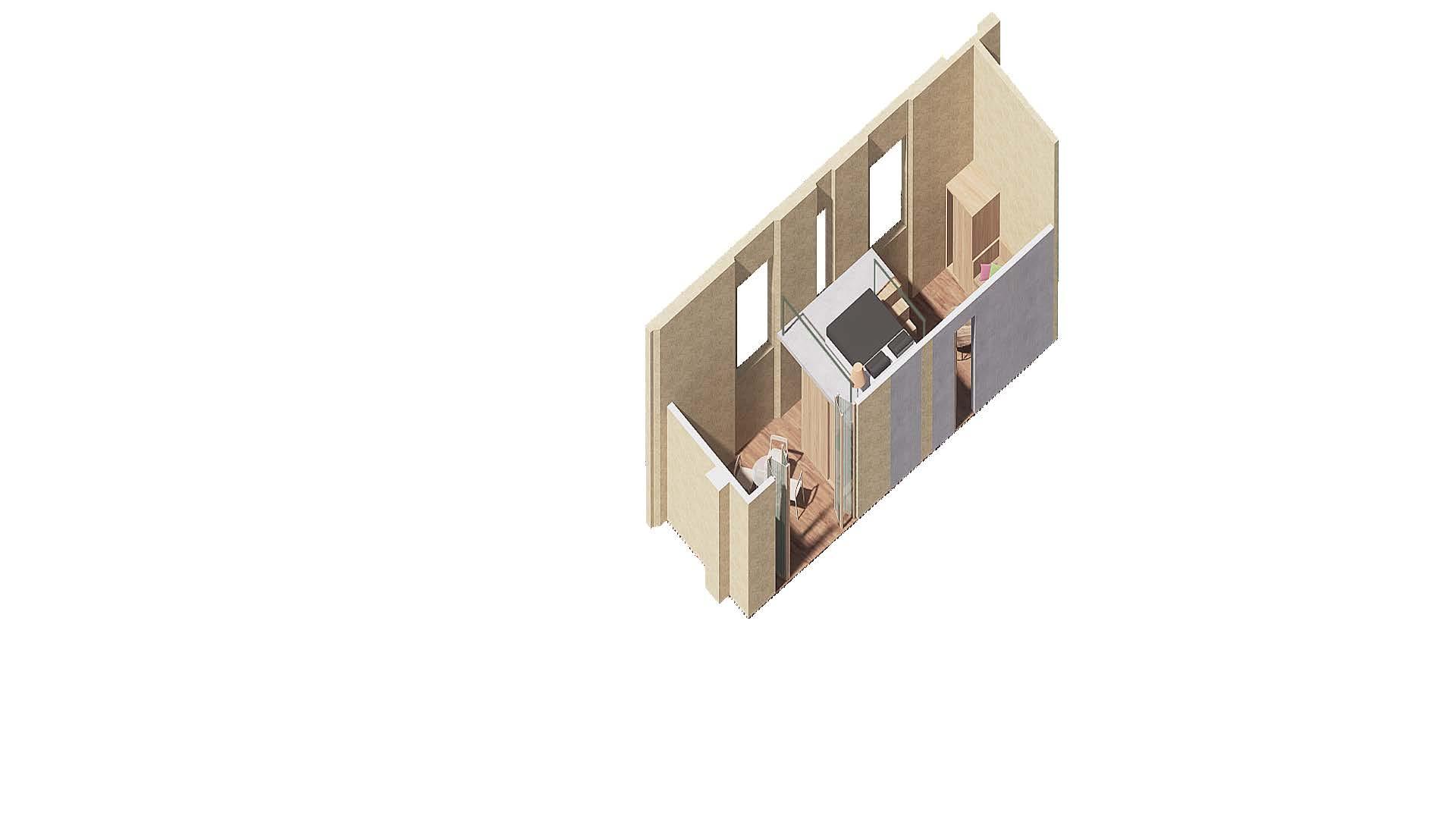
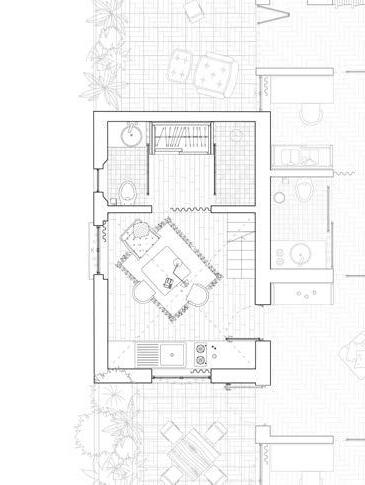
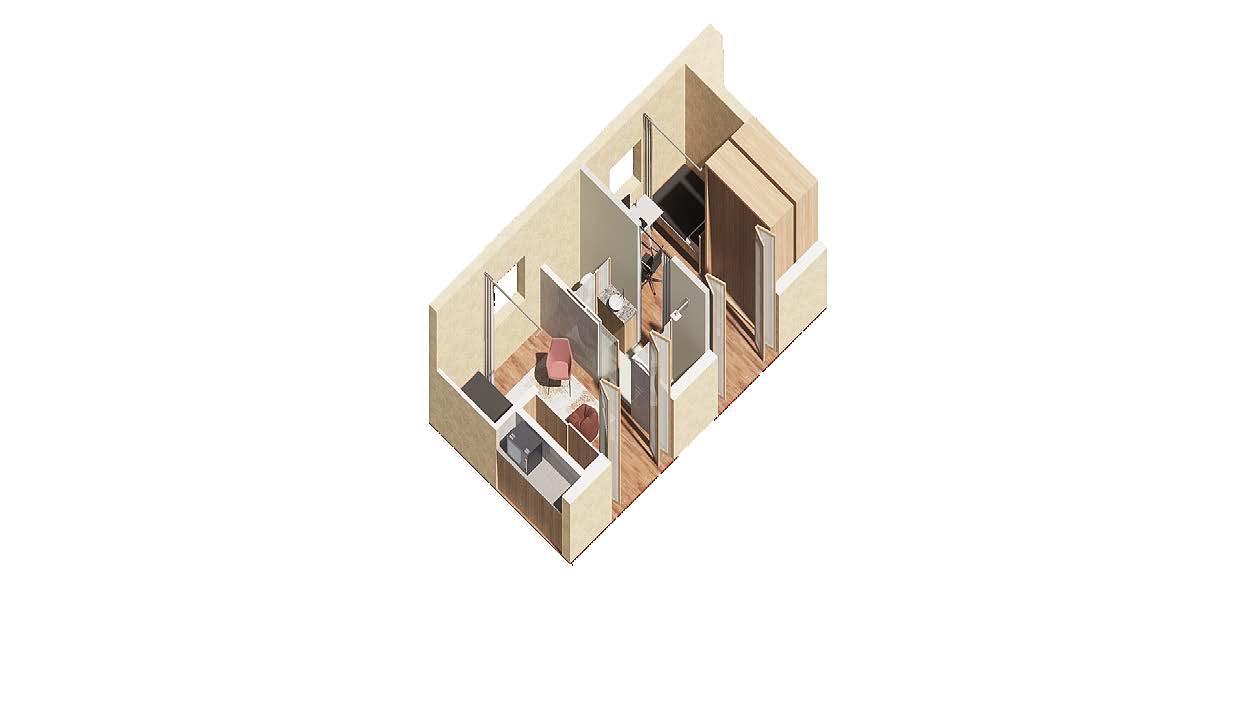
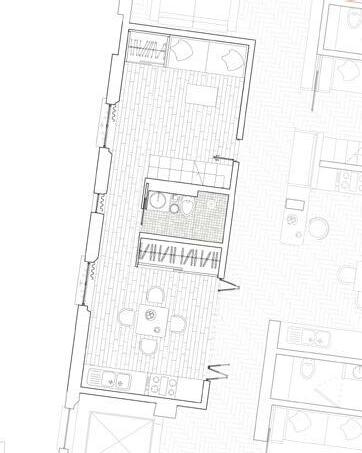
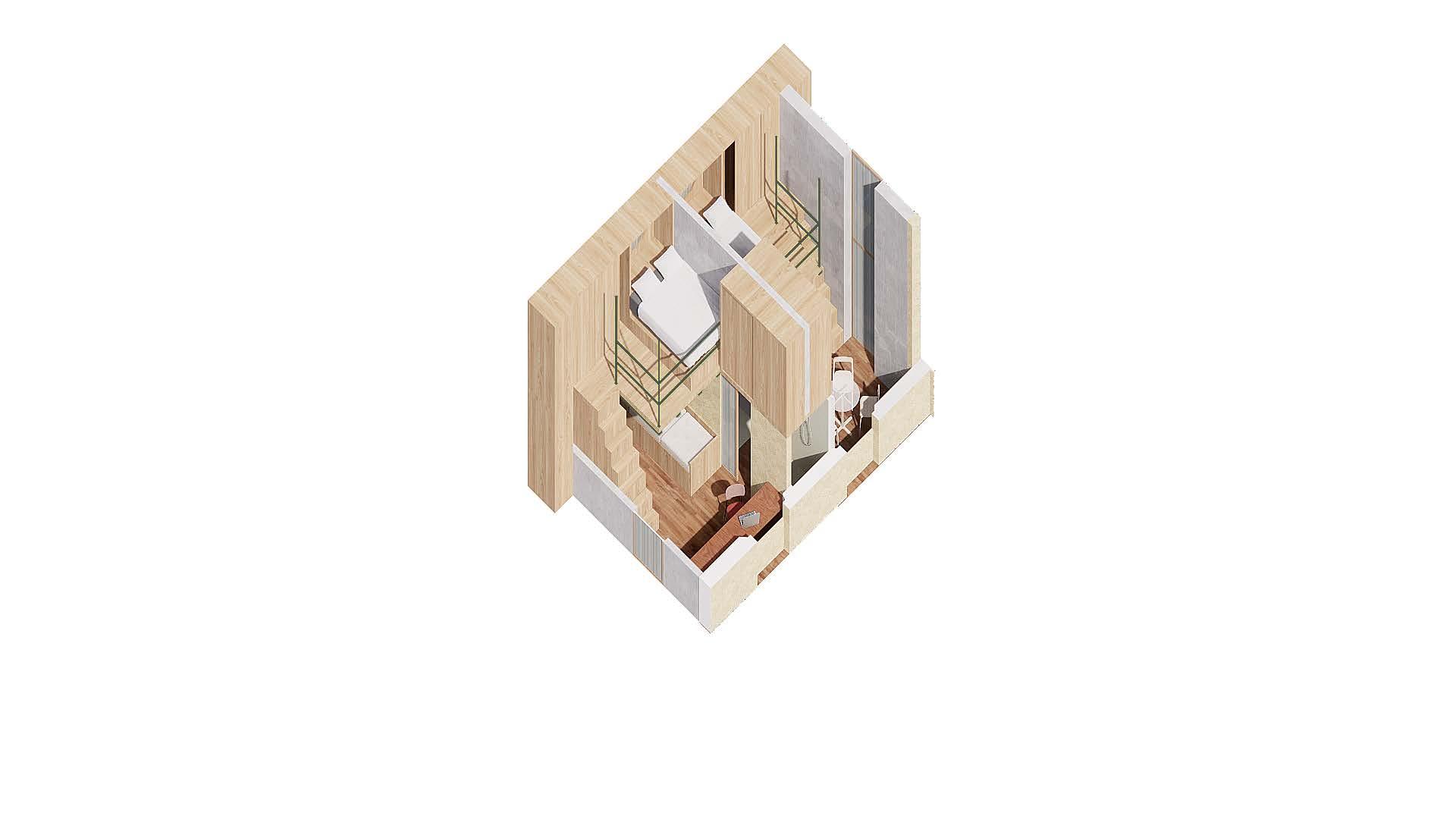
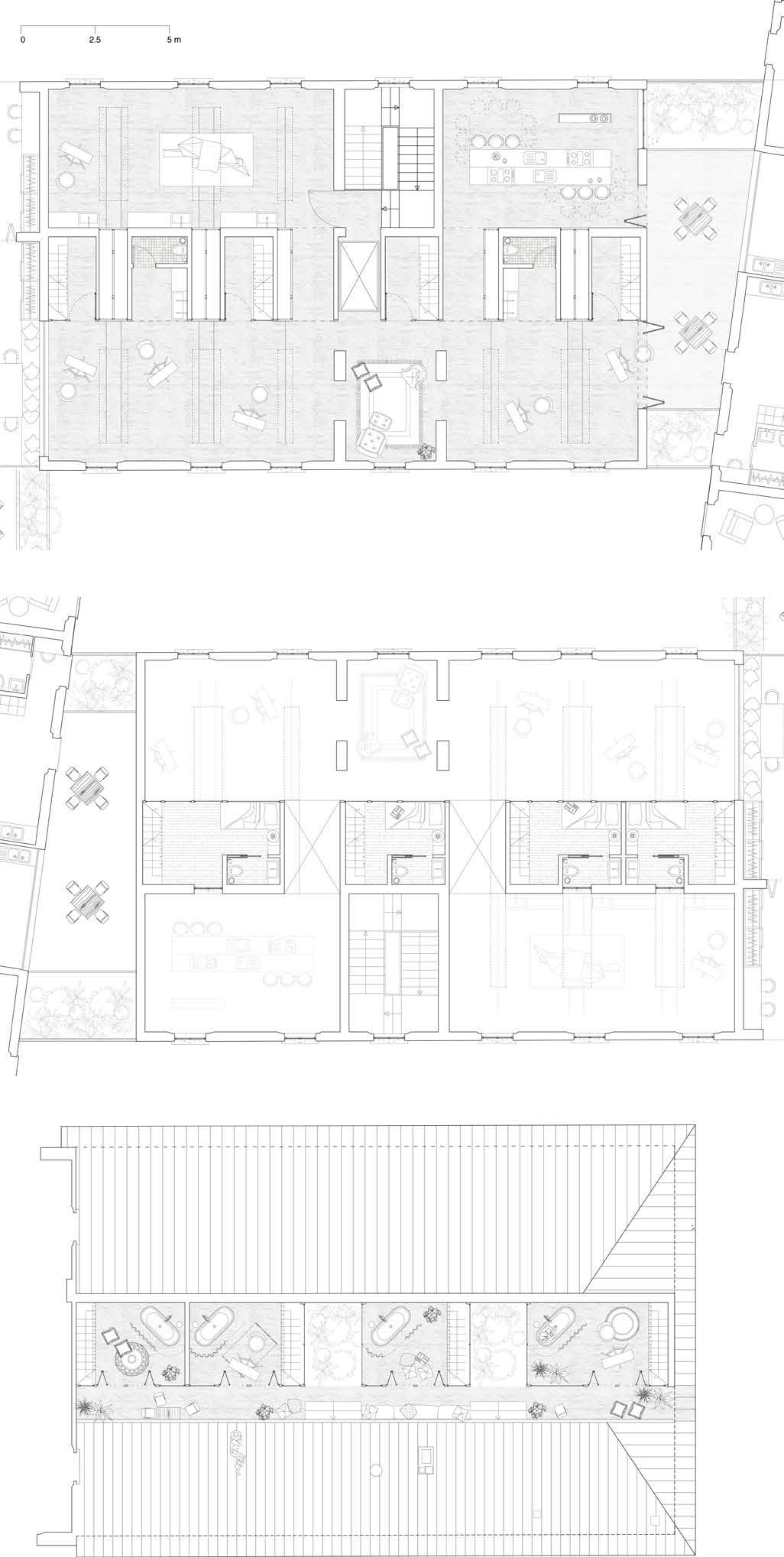
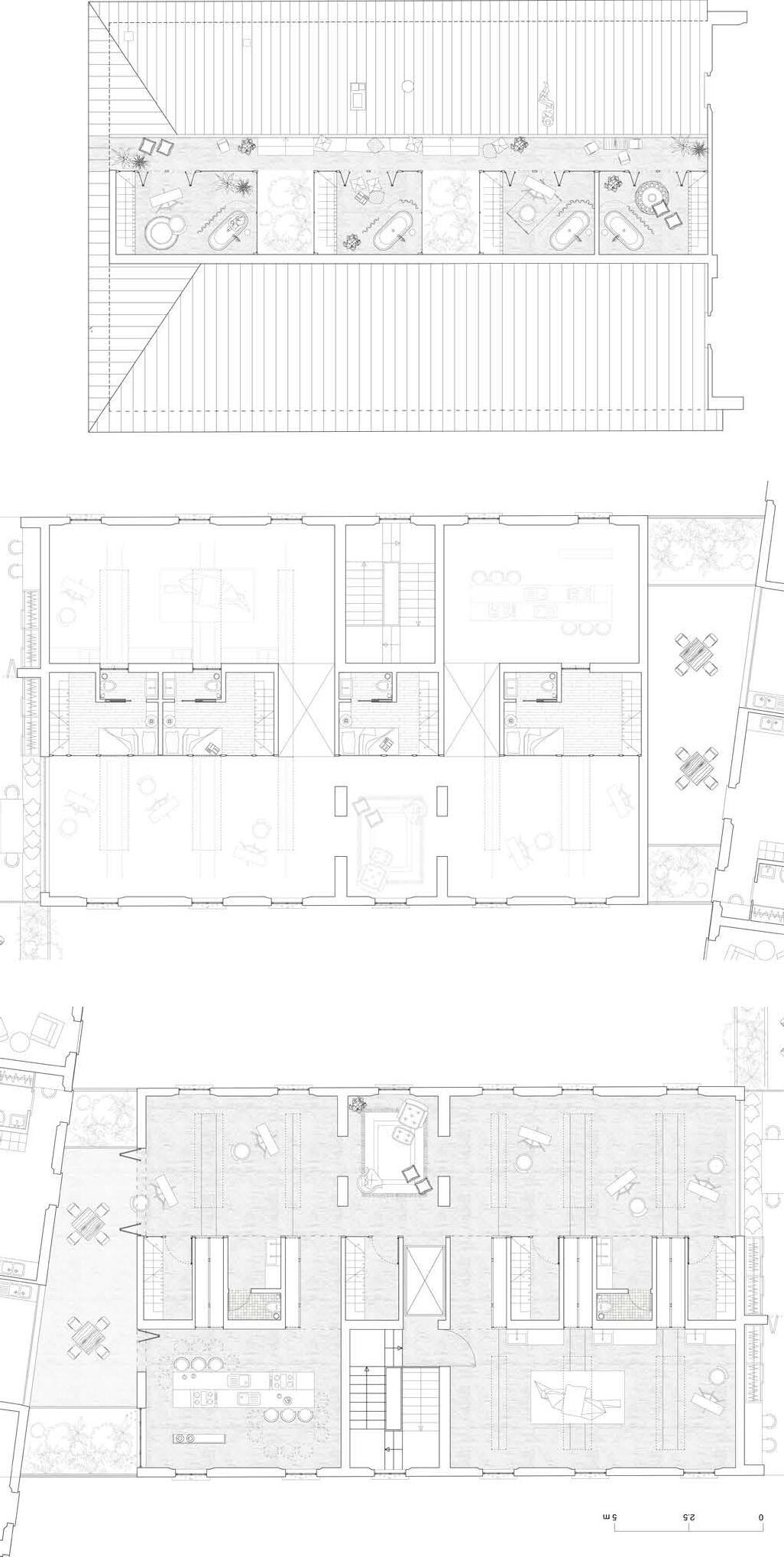
Located in Via Don Minzoni, Bologna, this project preserves an ancient building while integrating innovative elements to create adaptable living units. By repurposing rather than demolishing, the design promotes sustainability while fostering a dynamic residential model that accommodates diverse needs and encourages shared living experiences.
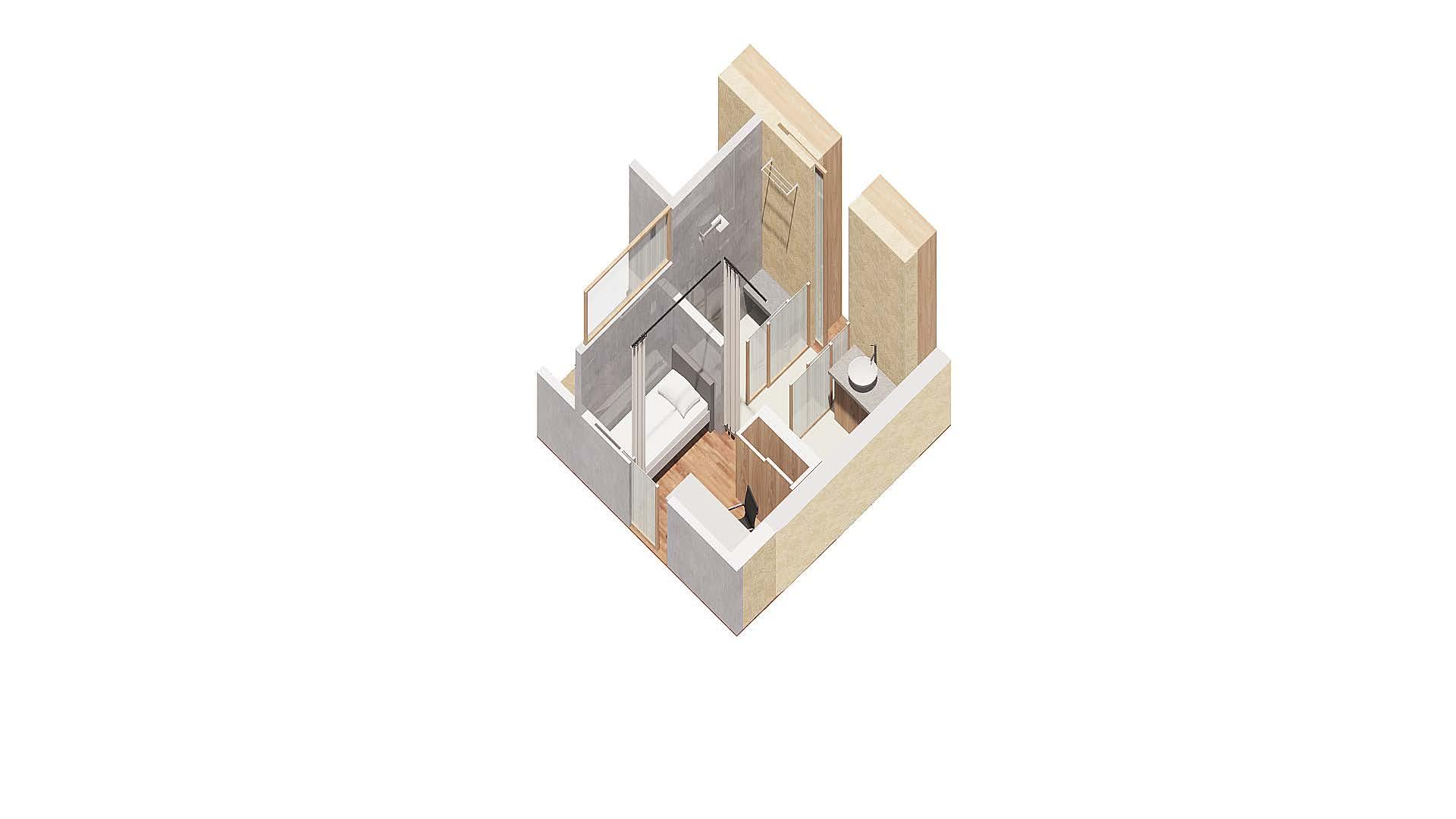
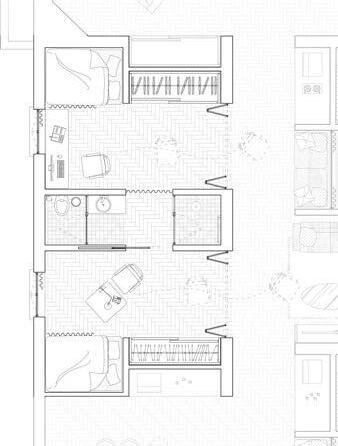
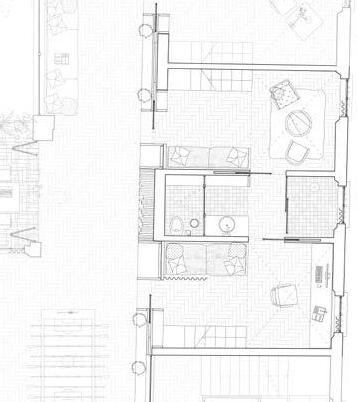
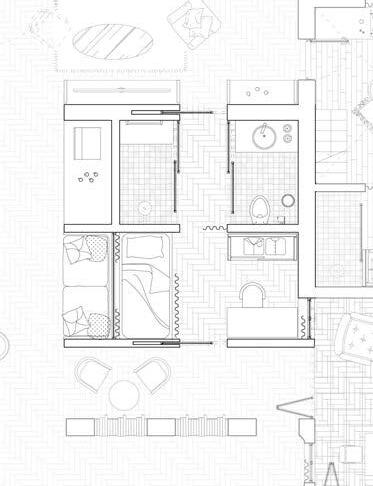
The structure is organized into three unit types: Fortress, Fence and Trace. Fences are independent apartments with private amenities, ensuring maximum privacy while remaining connected to shared communal spaces. Fence are semi-private units with a shared bathroom and adaptable partitions, allowing residents to extend their living space into common areas as needed. While Trace are open, multifunctional spaces designed for artists-in-residence, blurring the line between private and communal living.
Sustainable solution:
This project embraces sustainability by preserving the existing structure, minimizing waste, and avoiding the carbon emissions associated with demolition and new construction. Additionally, eco-friendly materials such as wood, a renewable and lowcarbon resource, are extensively used for the interiors
Although Roche is not directly involved in co-housing projects, my experience in this field could provide valuable insights into integrating sustainable solutions into the company’s future initiatives.
The programs used for this project were: Autocad, Rhino, Enscape, Miro, Cura (for 3d printing), Illustrator, Photoshop, and Indesign.
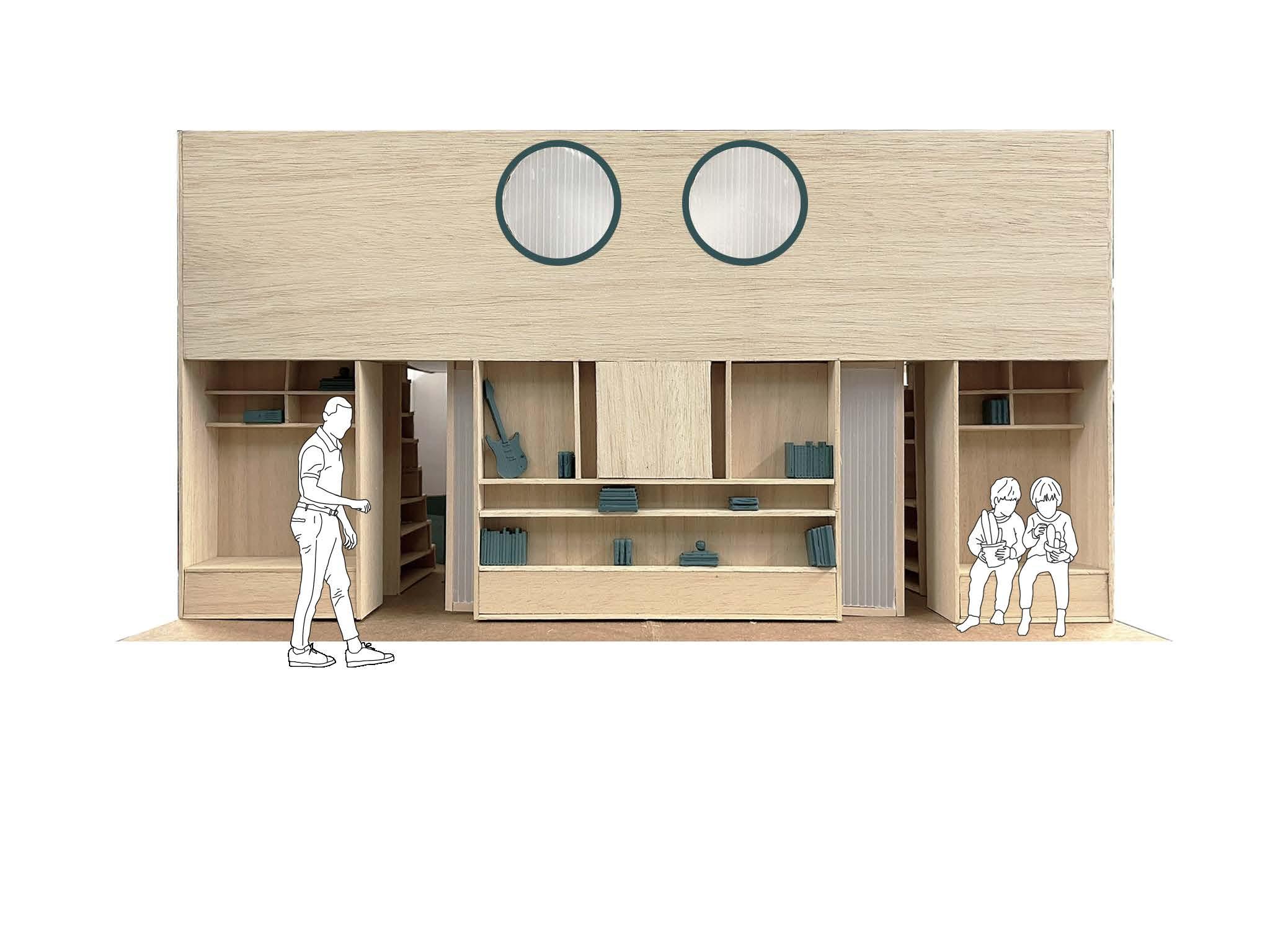
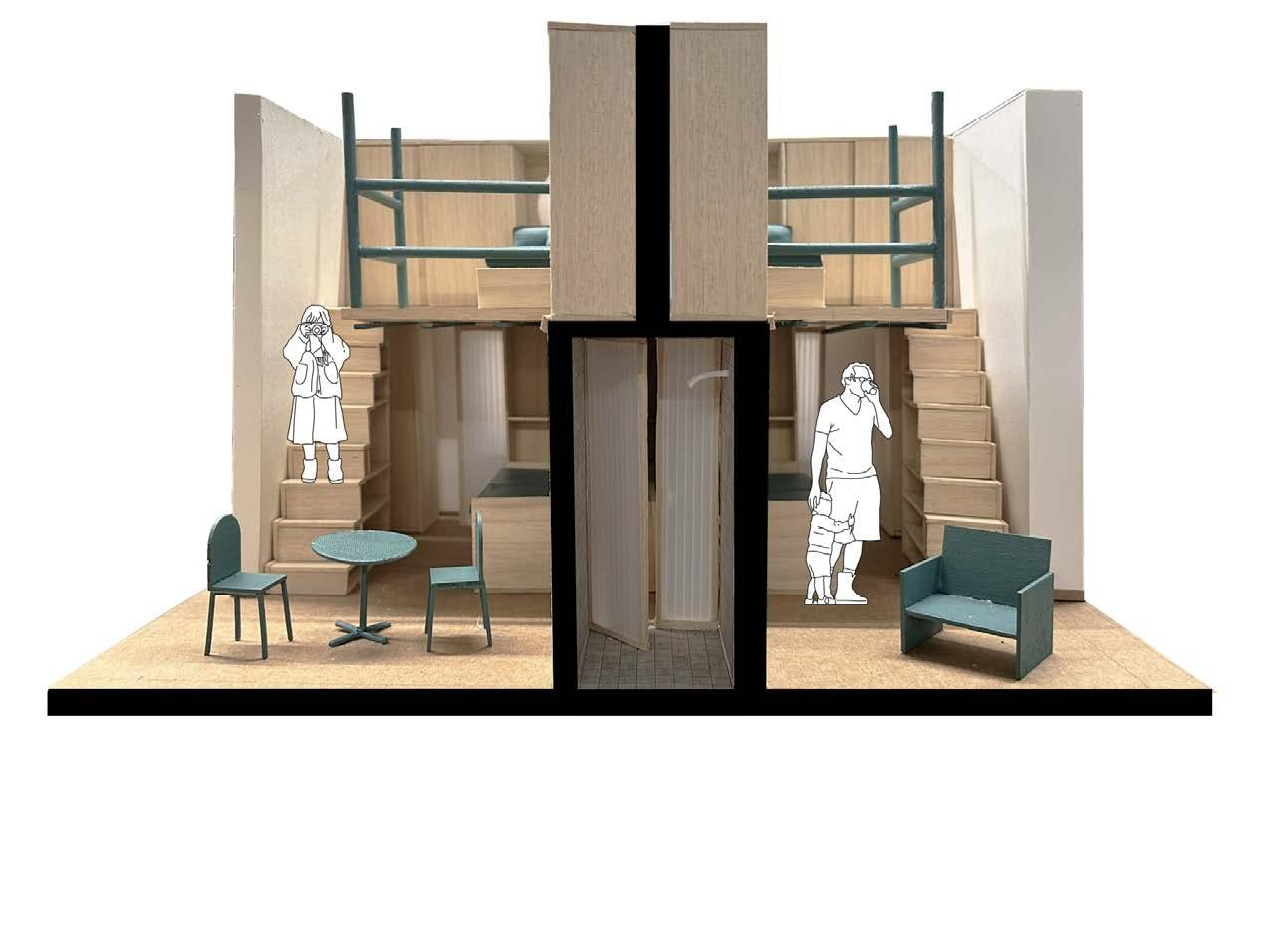
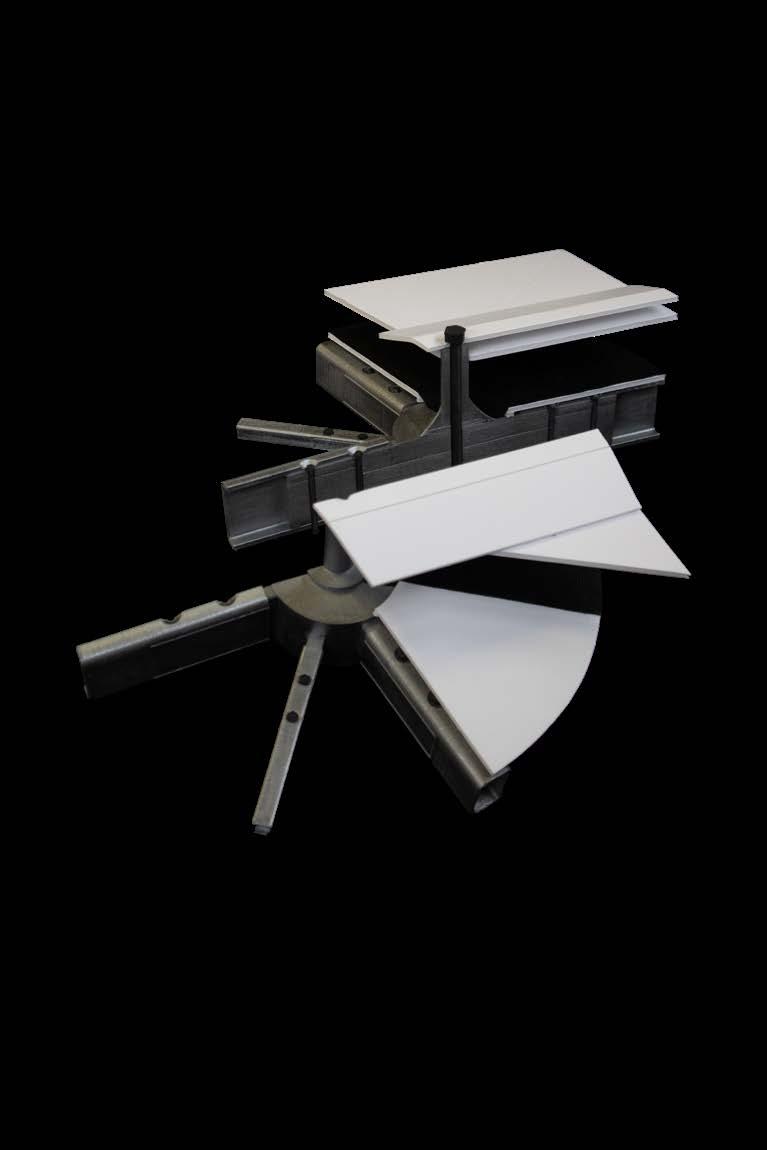
Model - Fence room - Scale 1:20
Thank you!