Role:
Project:
Scope:
Year:
Architect and Environmental Designer
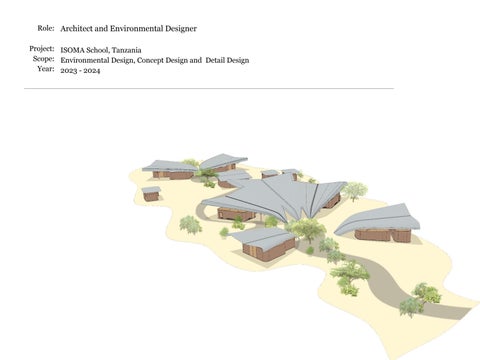
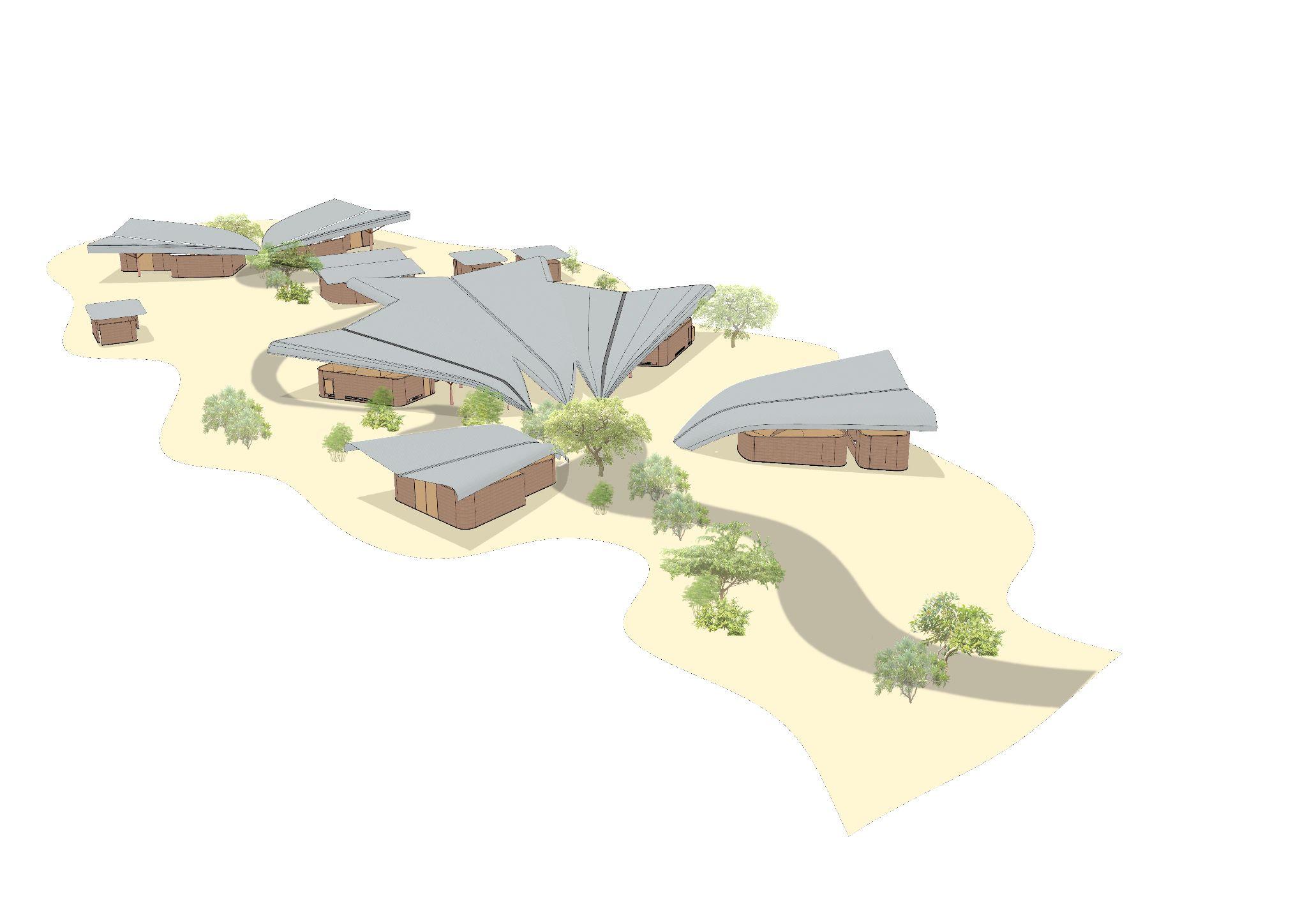
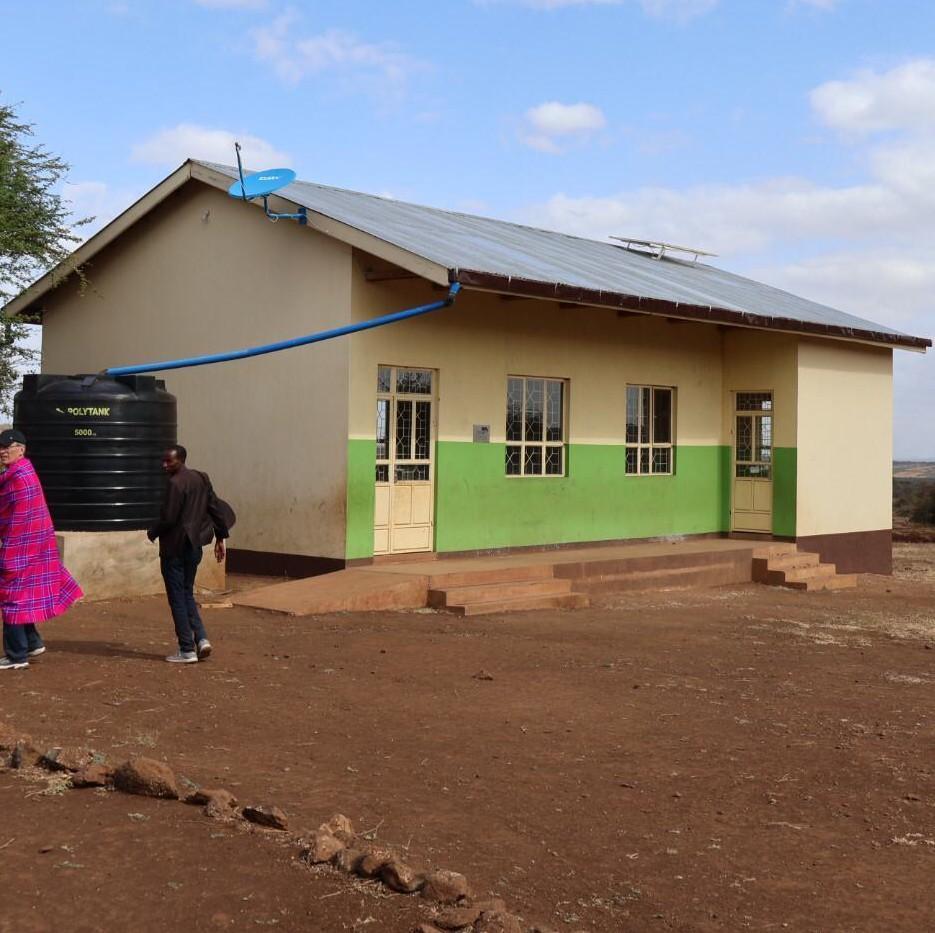
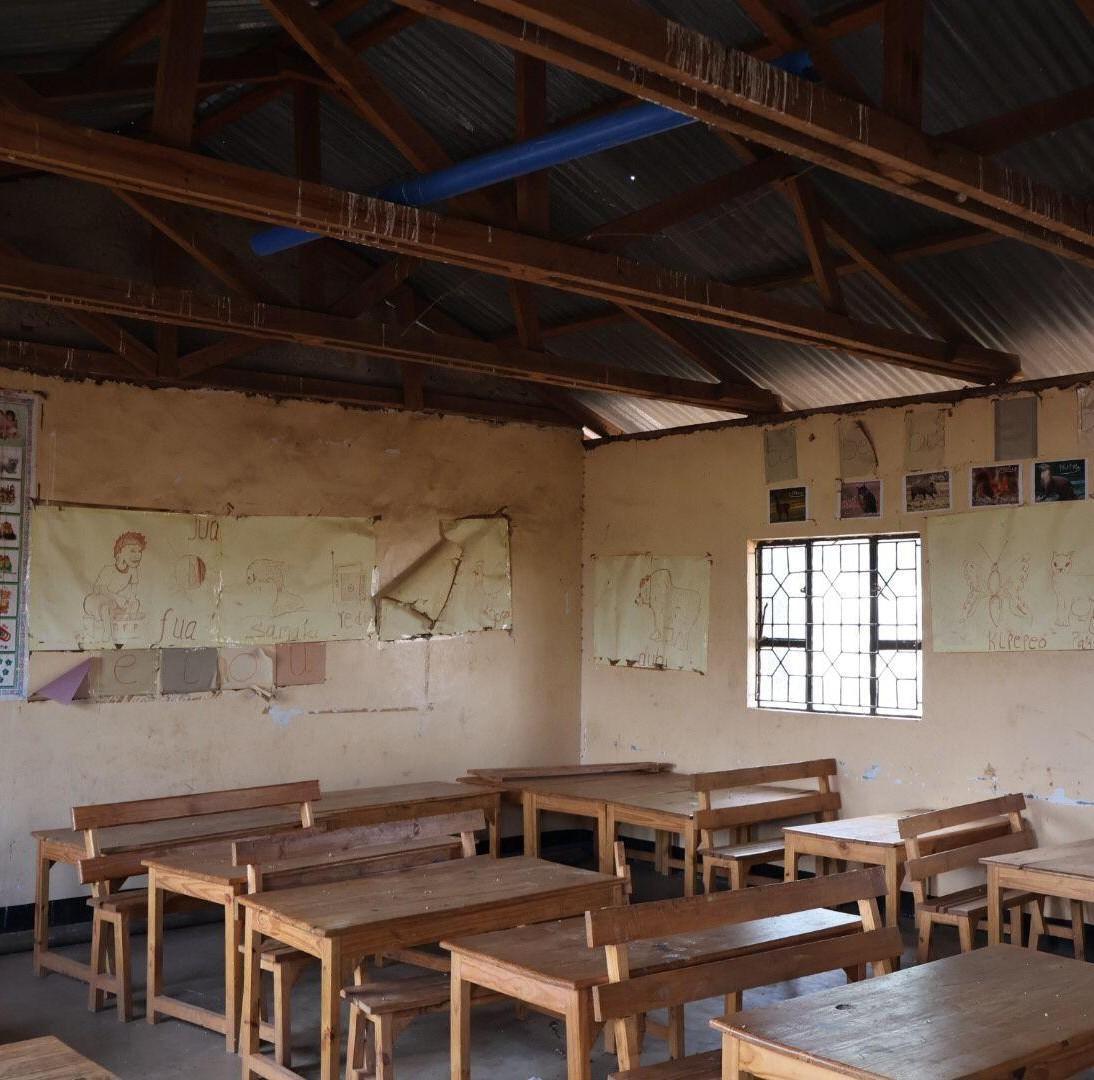
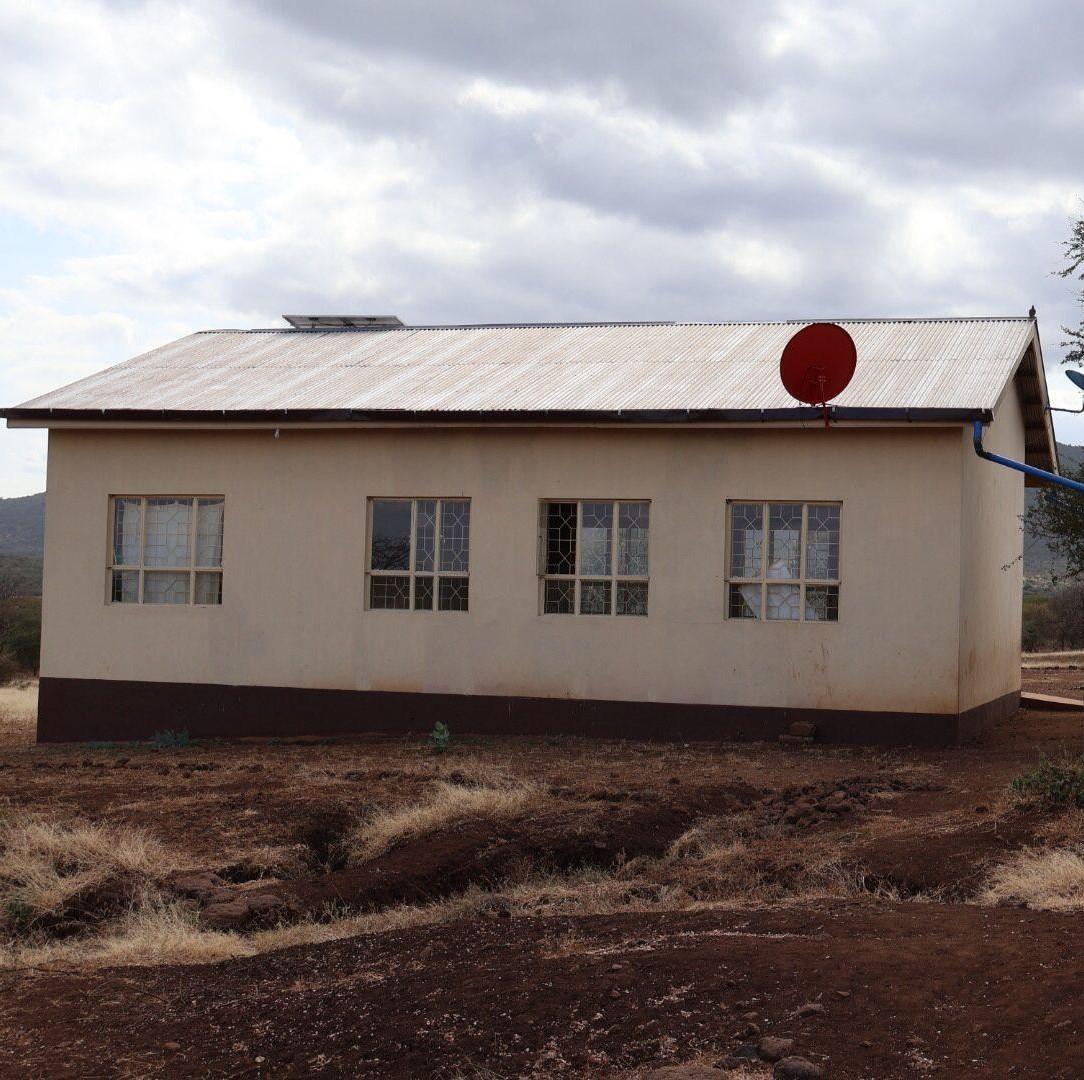
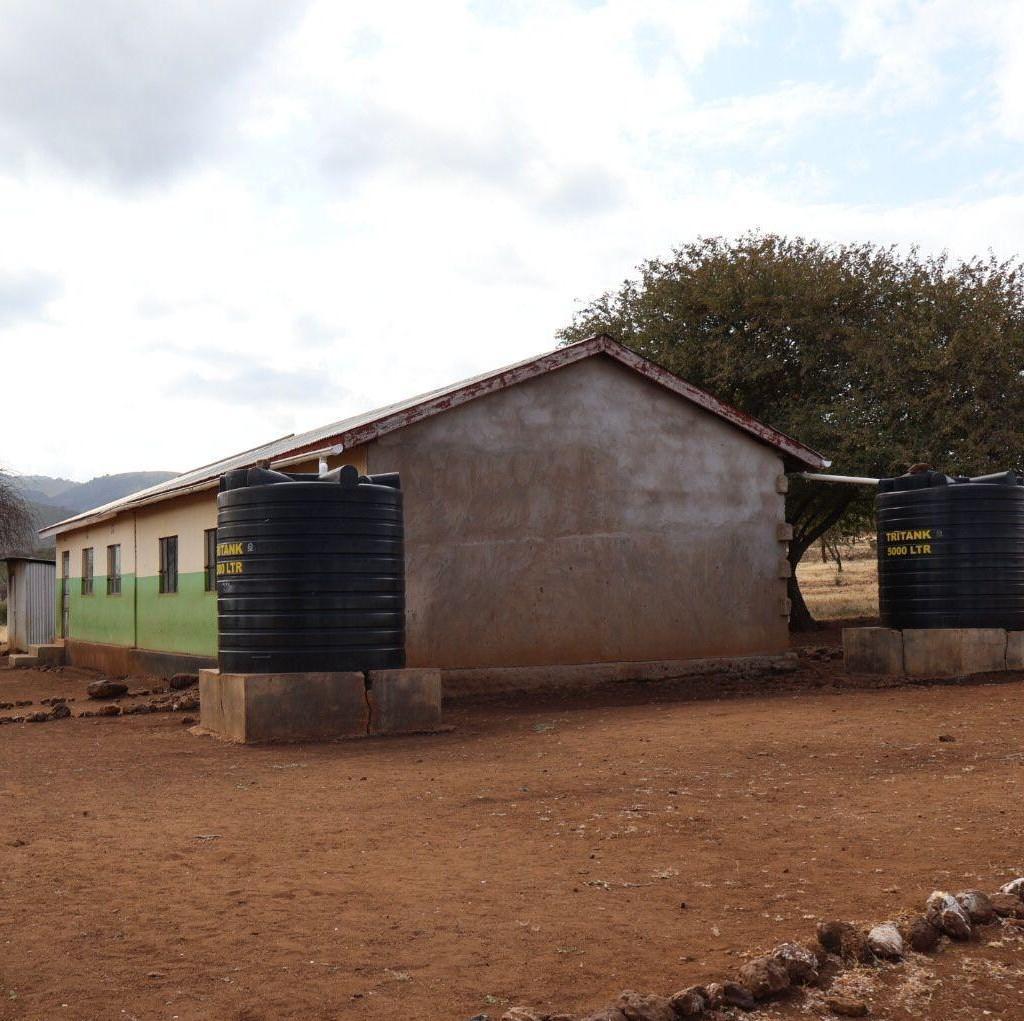
ISOMA School, Tanzania
Environmental Design, Concept Design and Detail Design
2023 - 2024
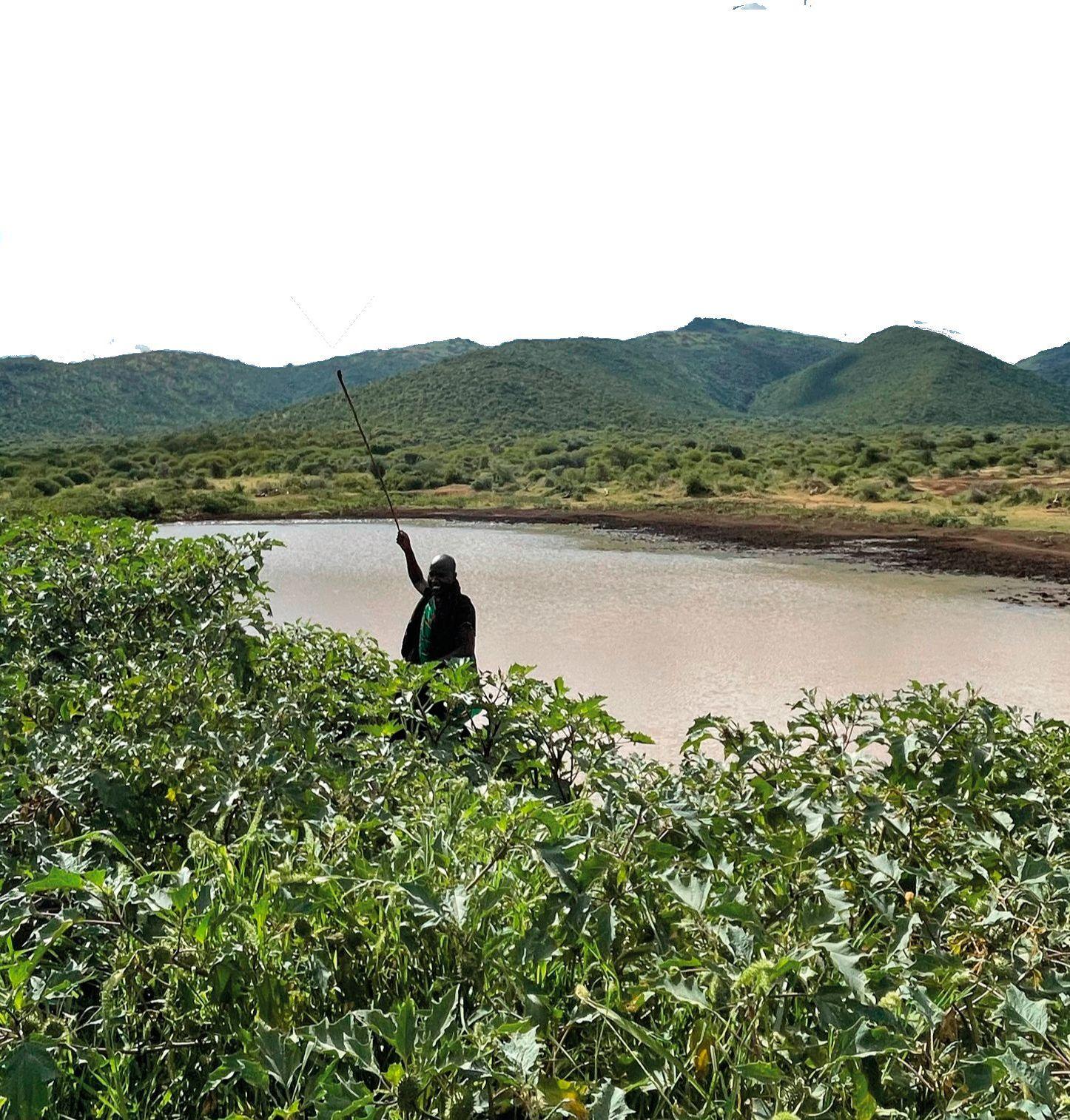
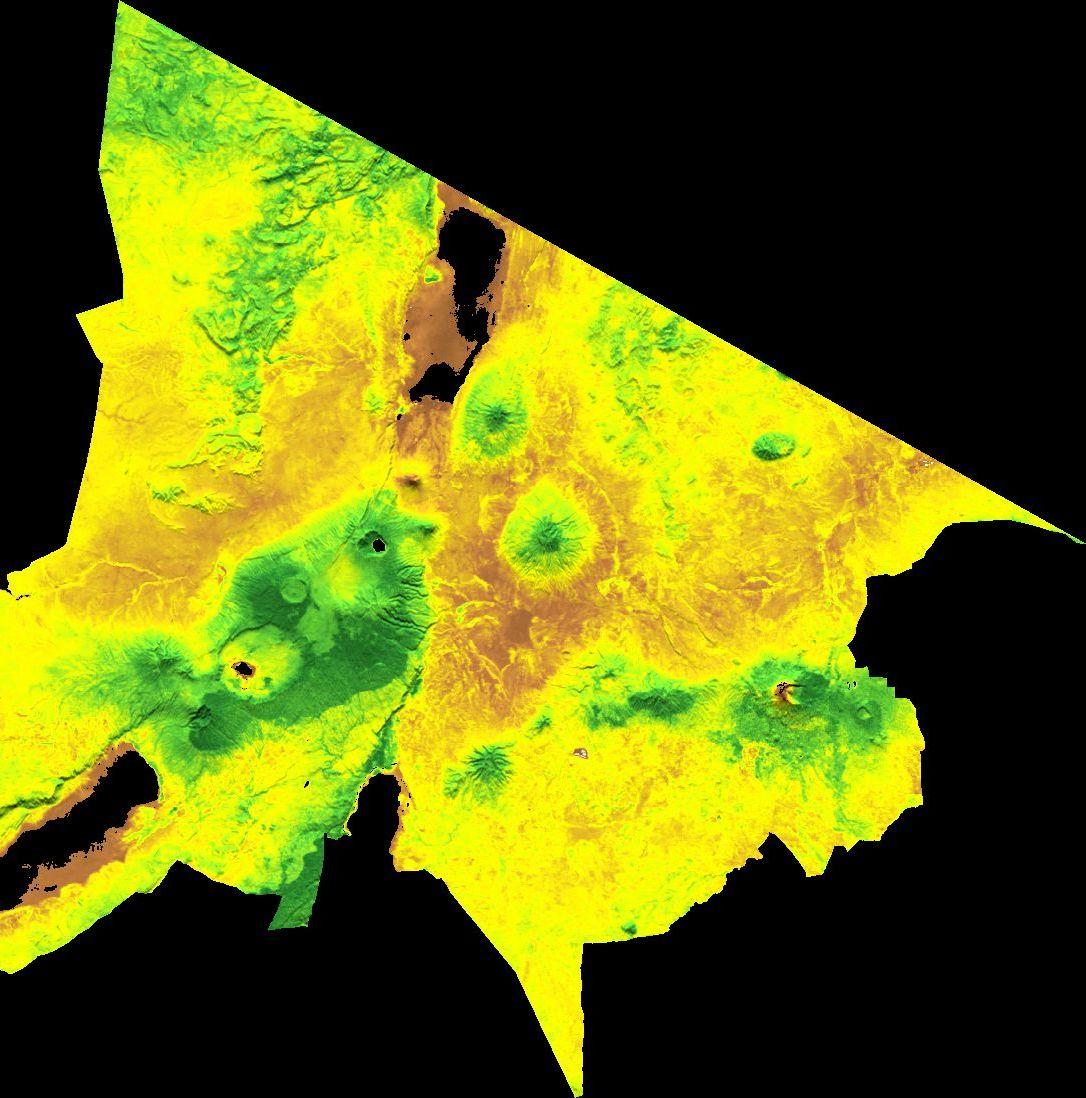
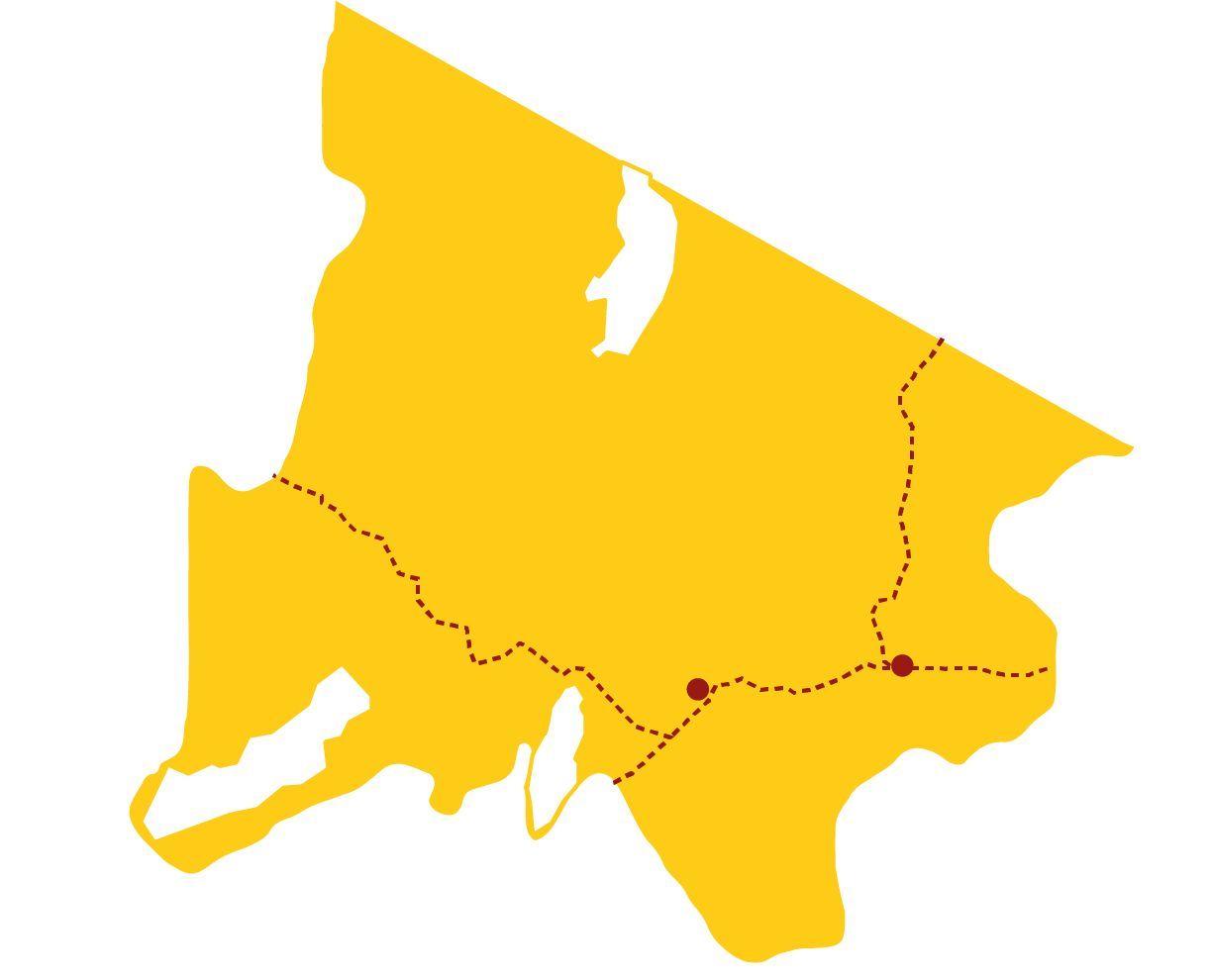
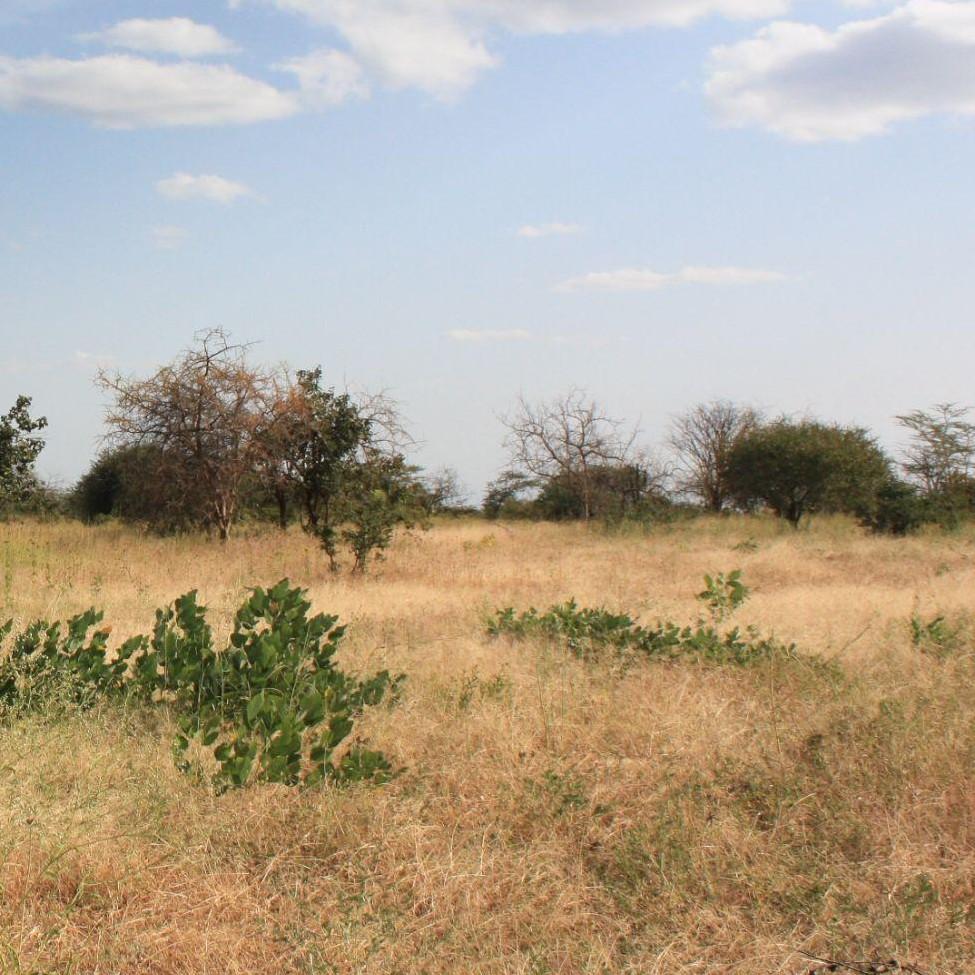
Arusha Region

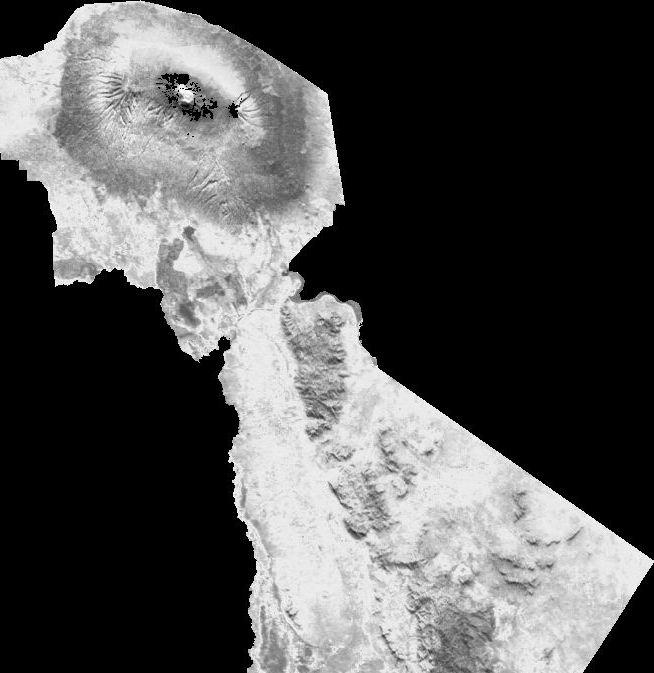
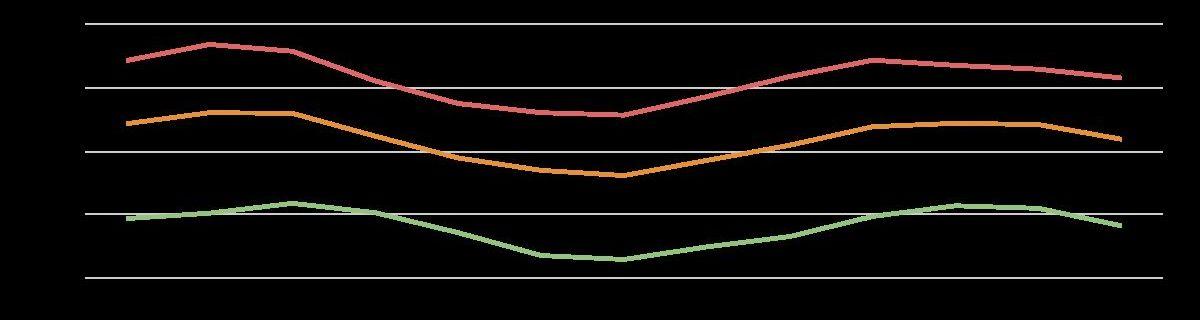
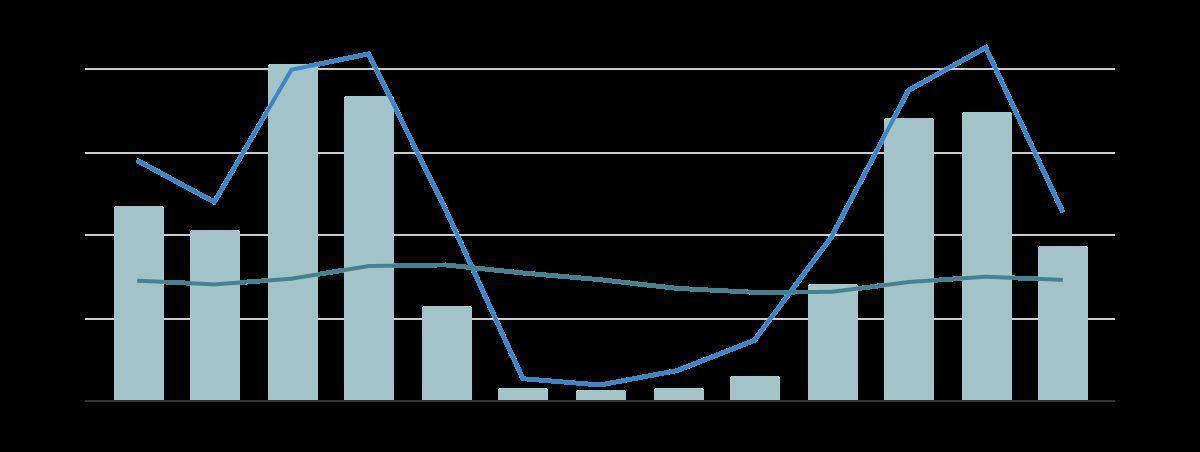
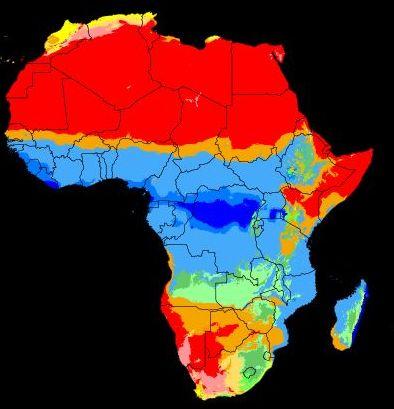

Aw - Tropical, savannah
BSh - flot semi-arid


Cfa - flumid subtropical
Csb - Temperate mediterranean

Cwb - Temperate highland tropical
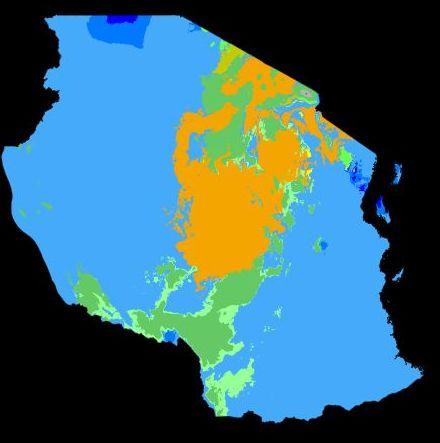


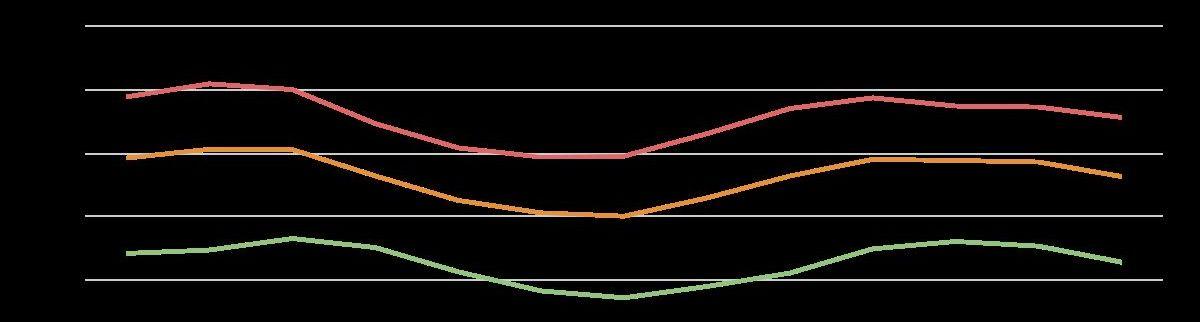
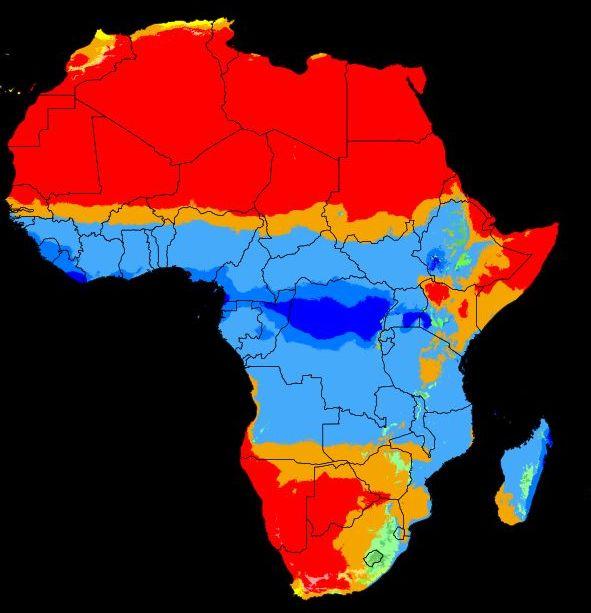
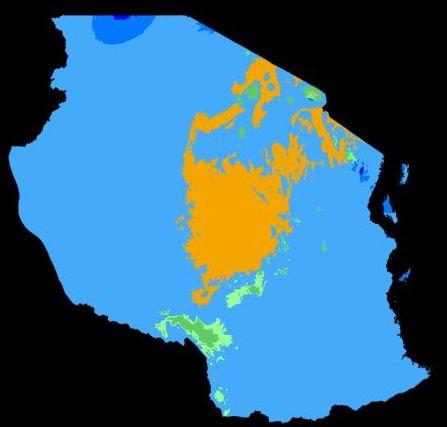

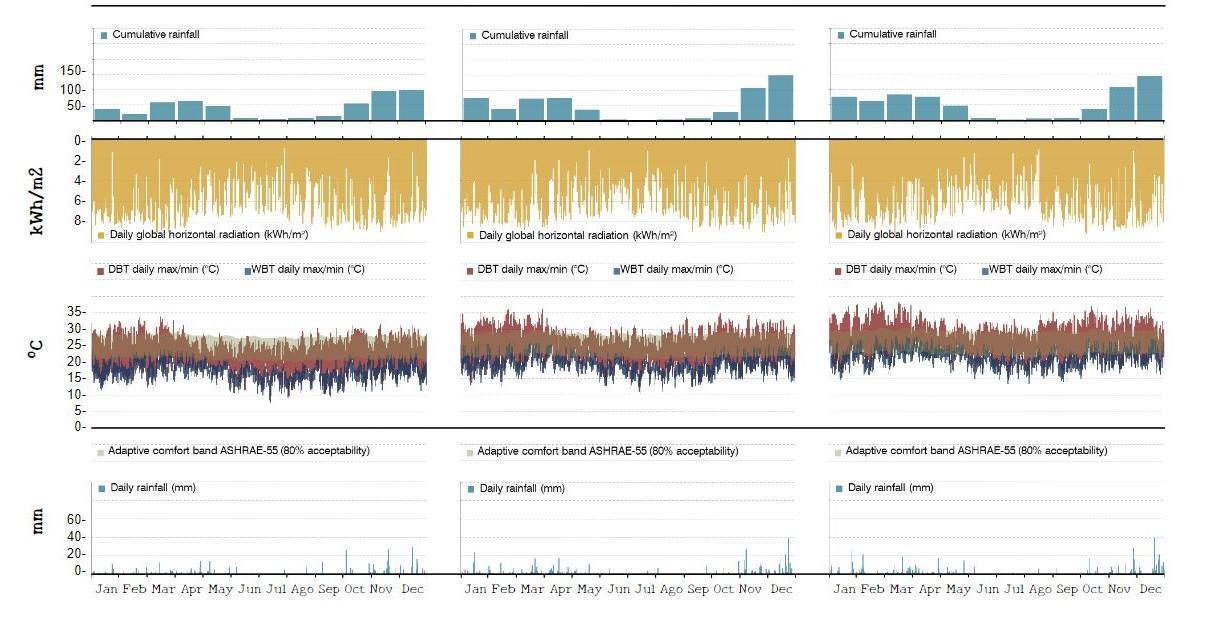
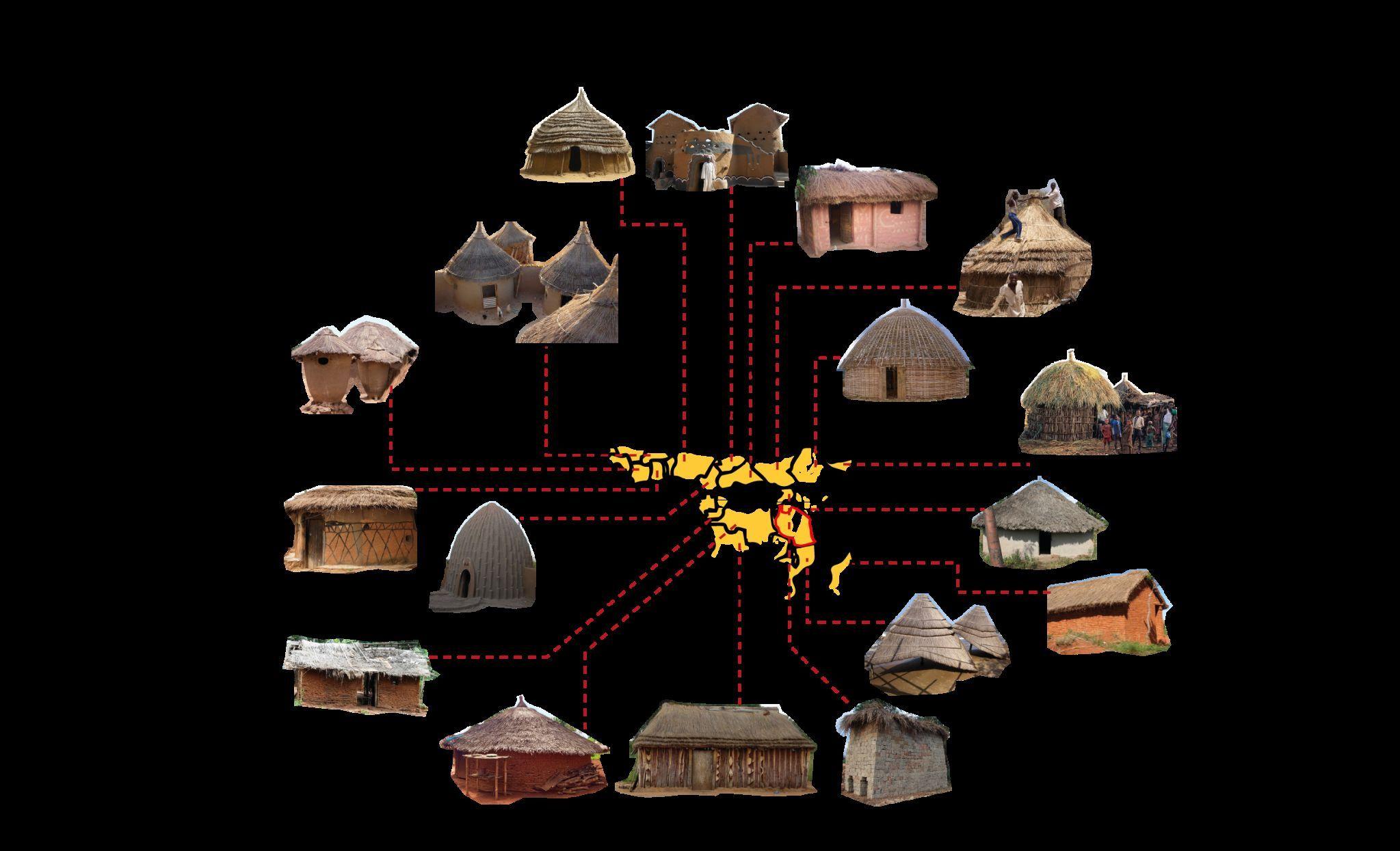

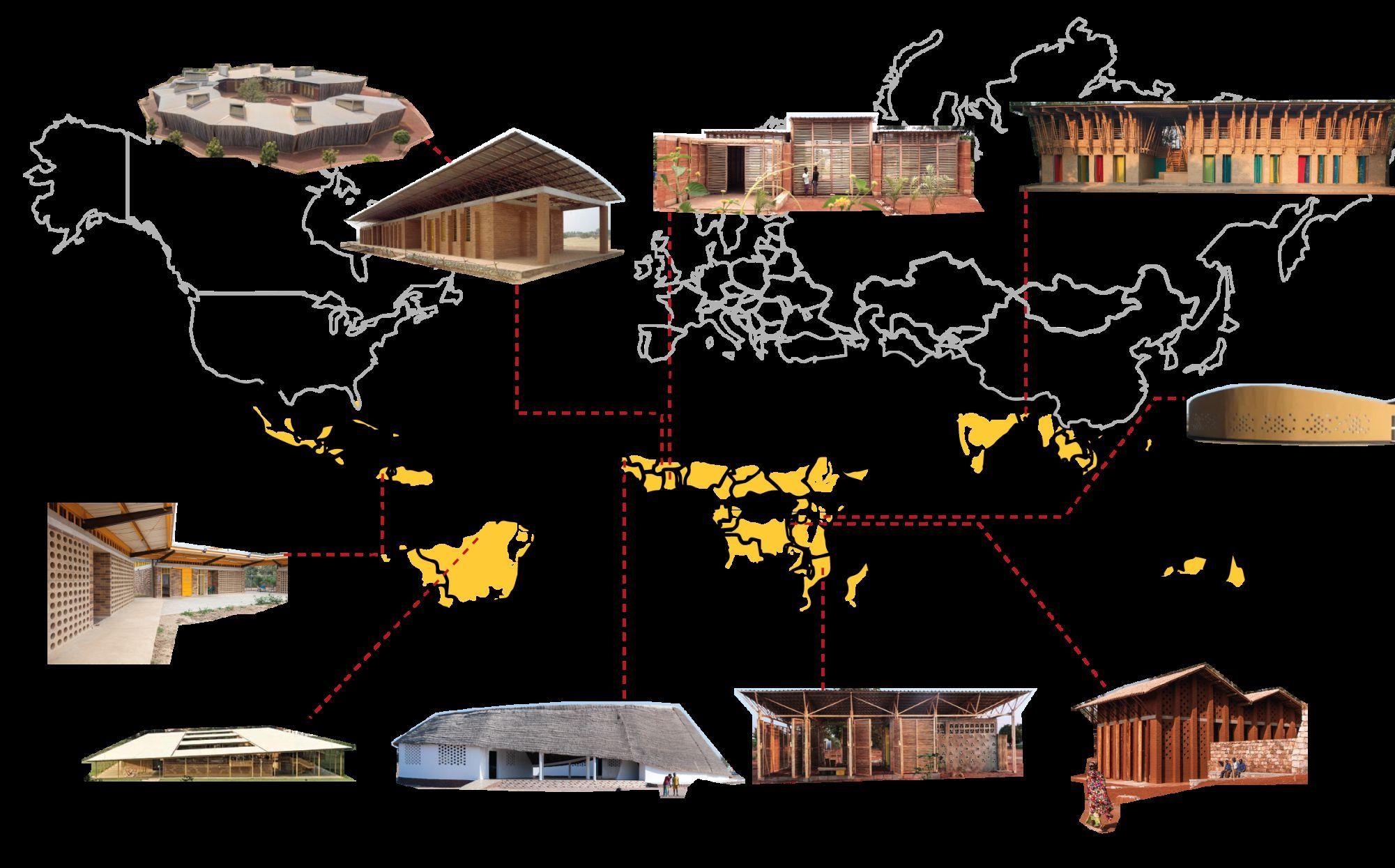
Image References: Vernacular Architecture (2023) Africa vernacular architecture. Available at: http://www.africavernaculararchitecture.com/ (Accessed: 08 June 2023).
Map Reference: Beck,

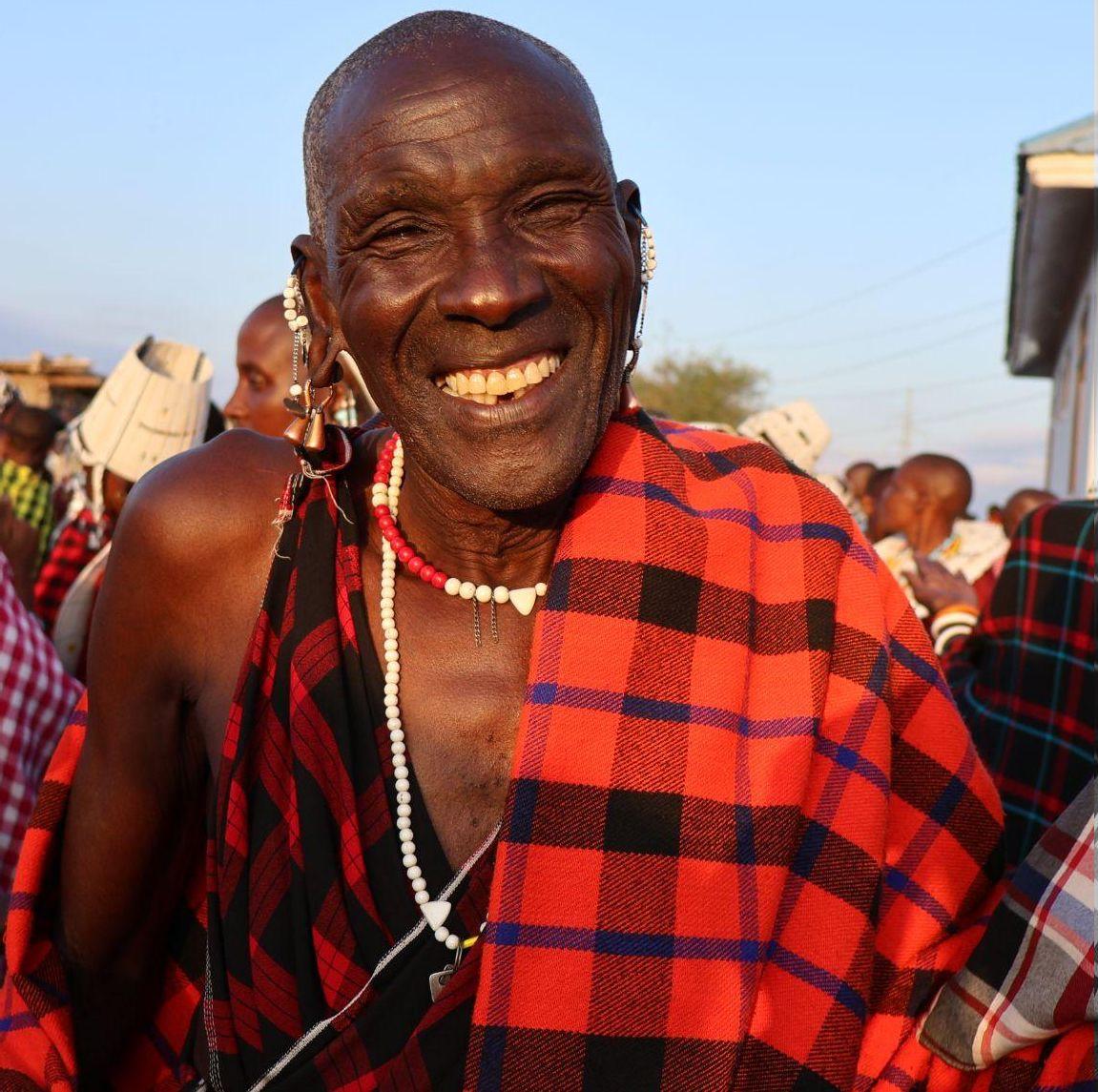
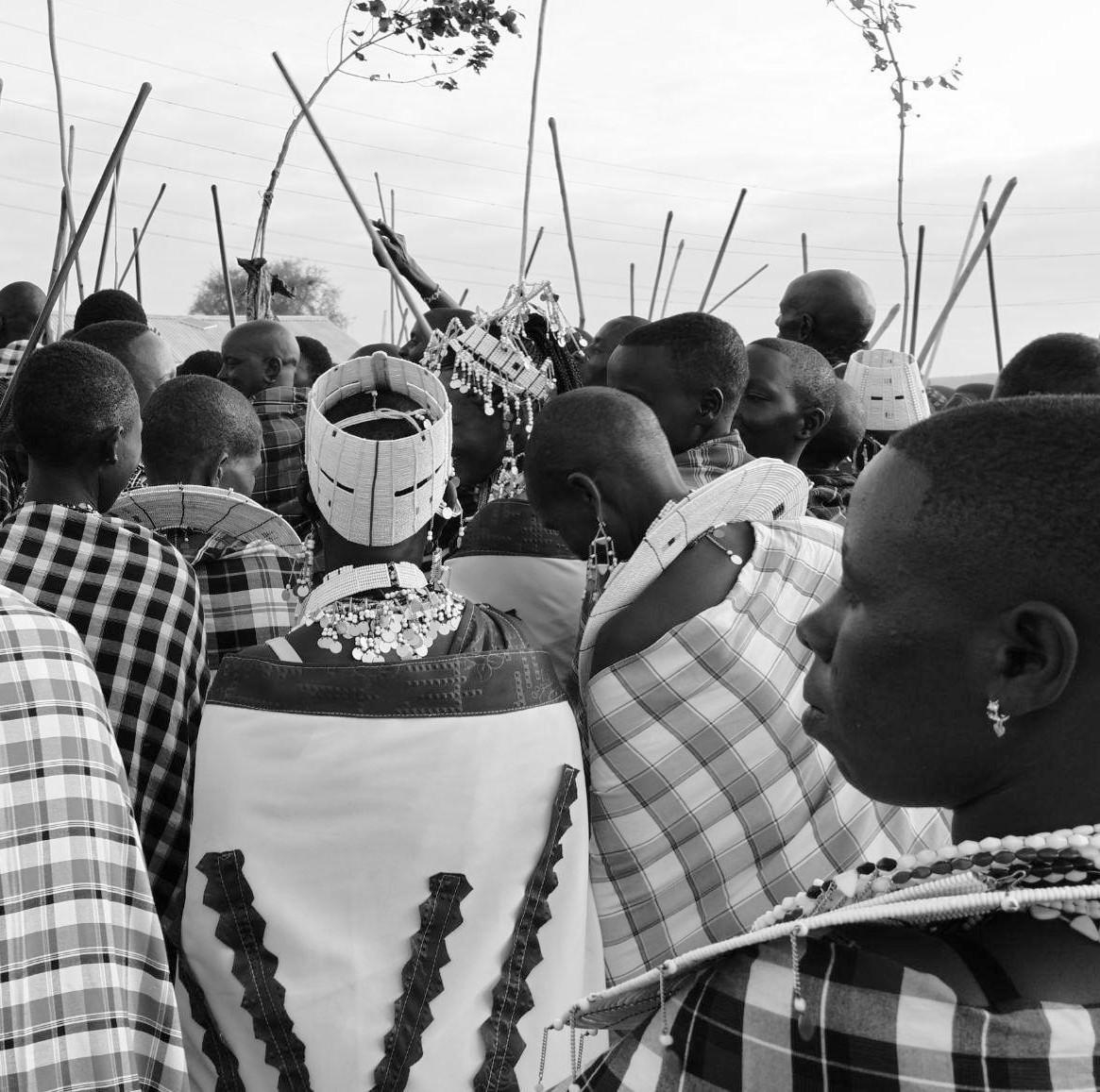
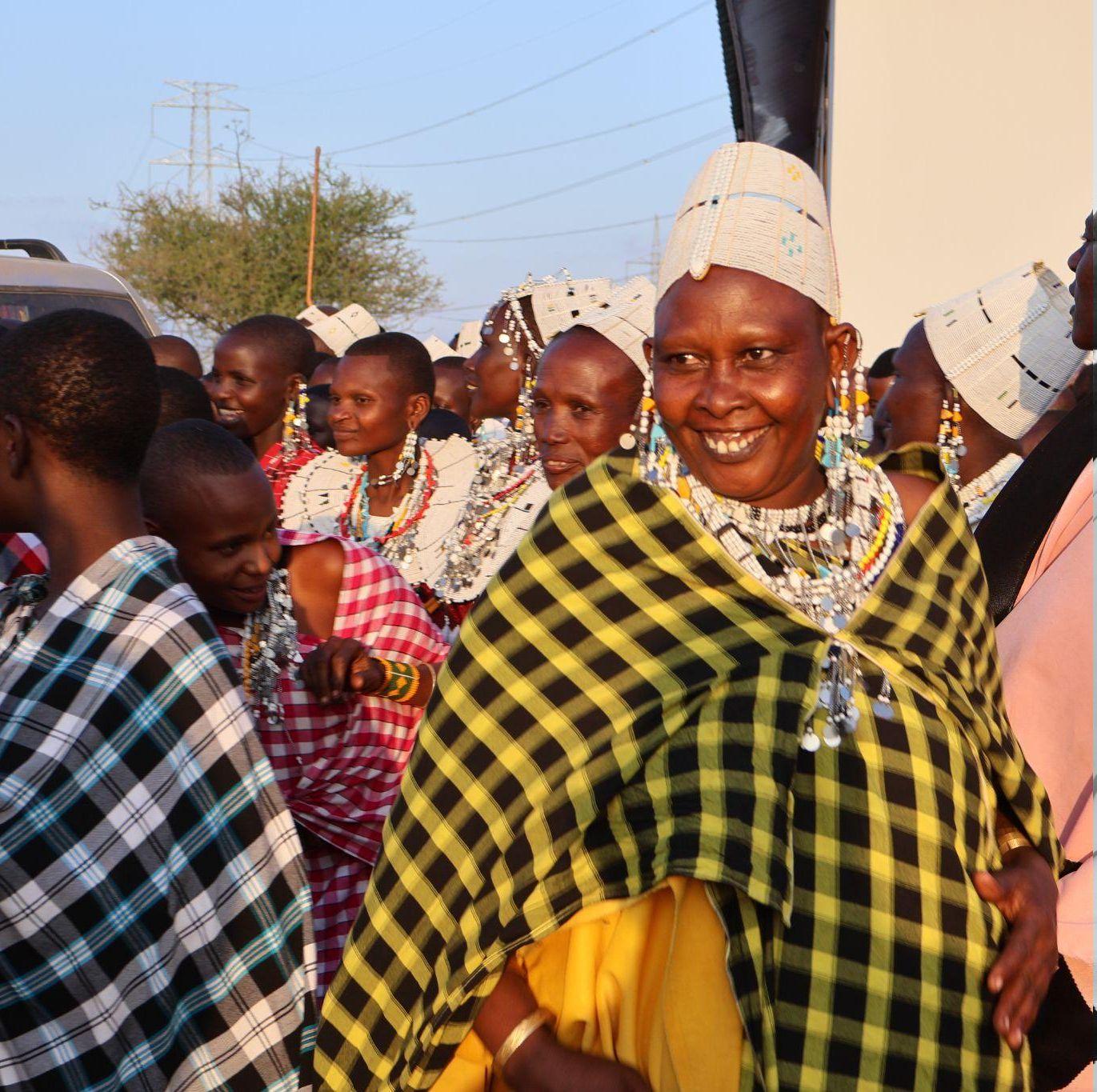
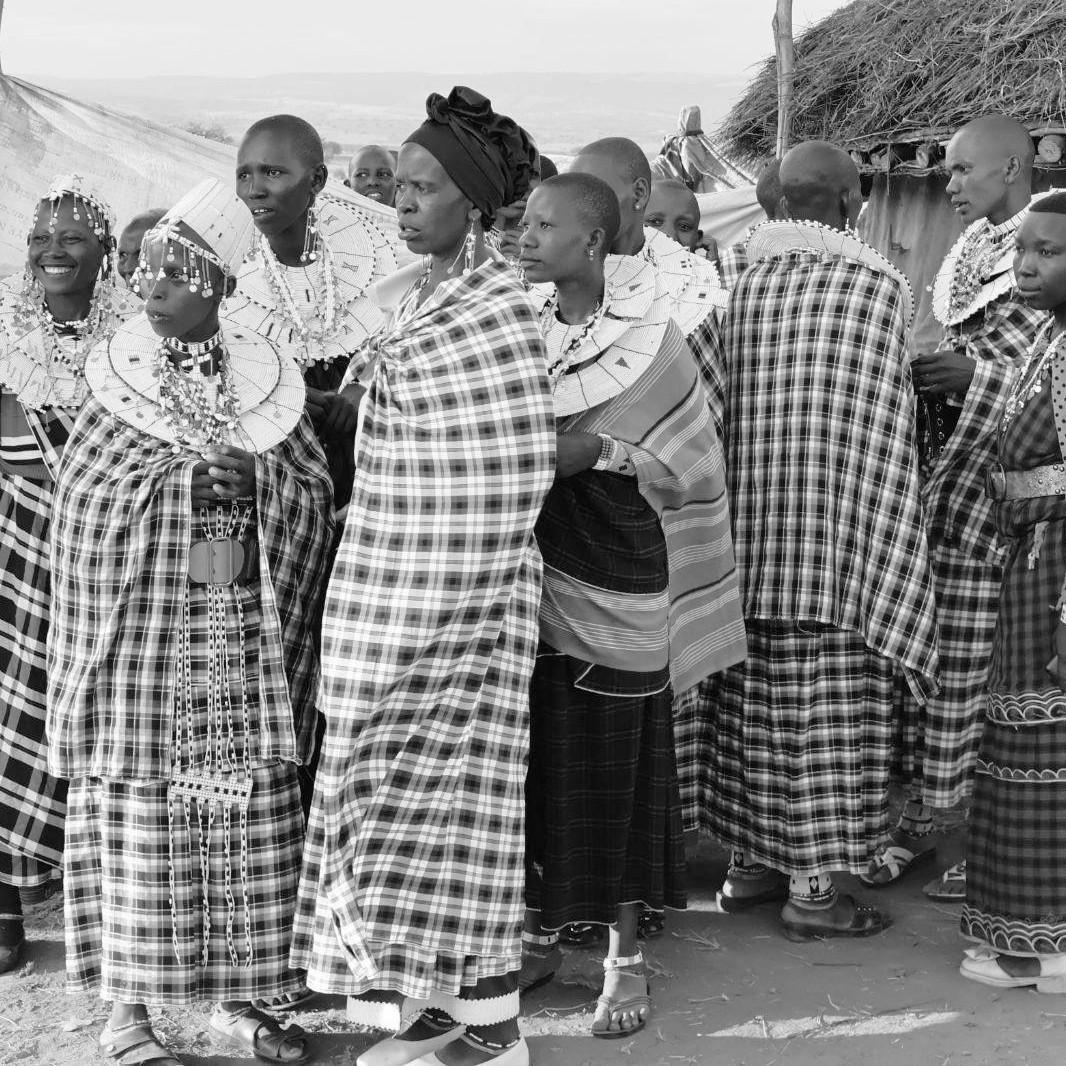
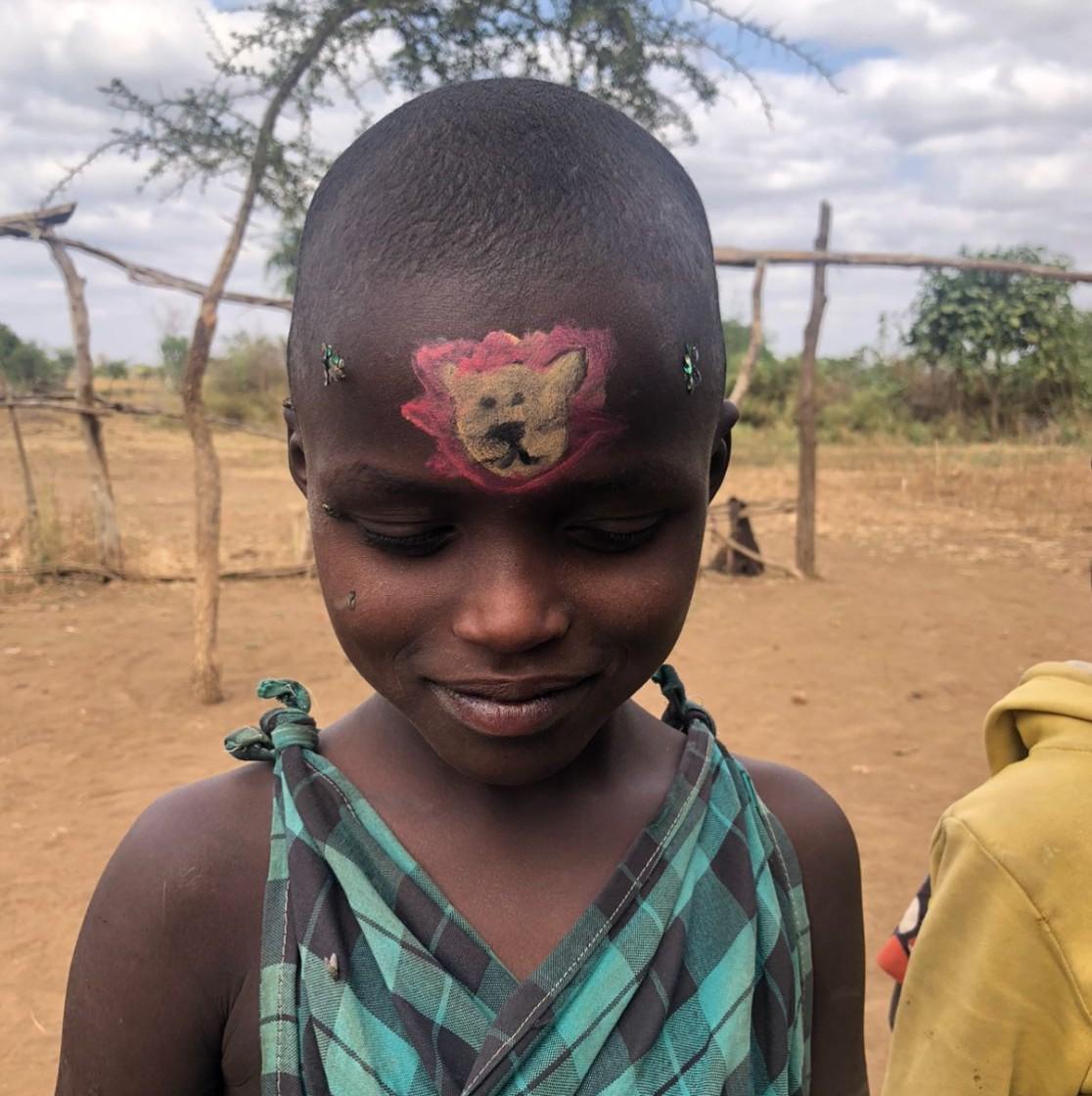
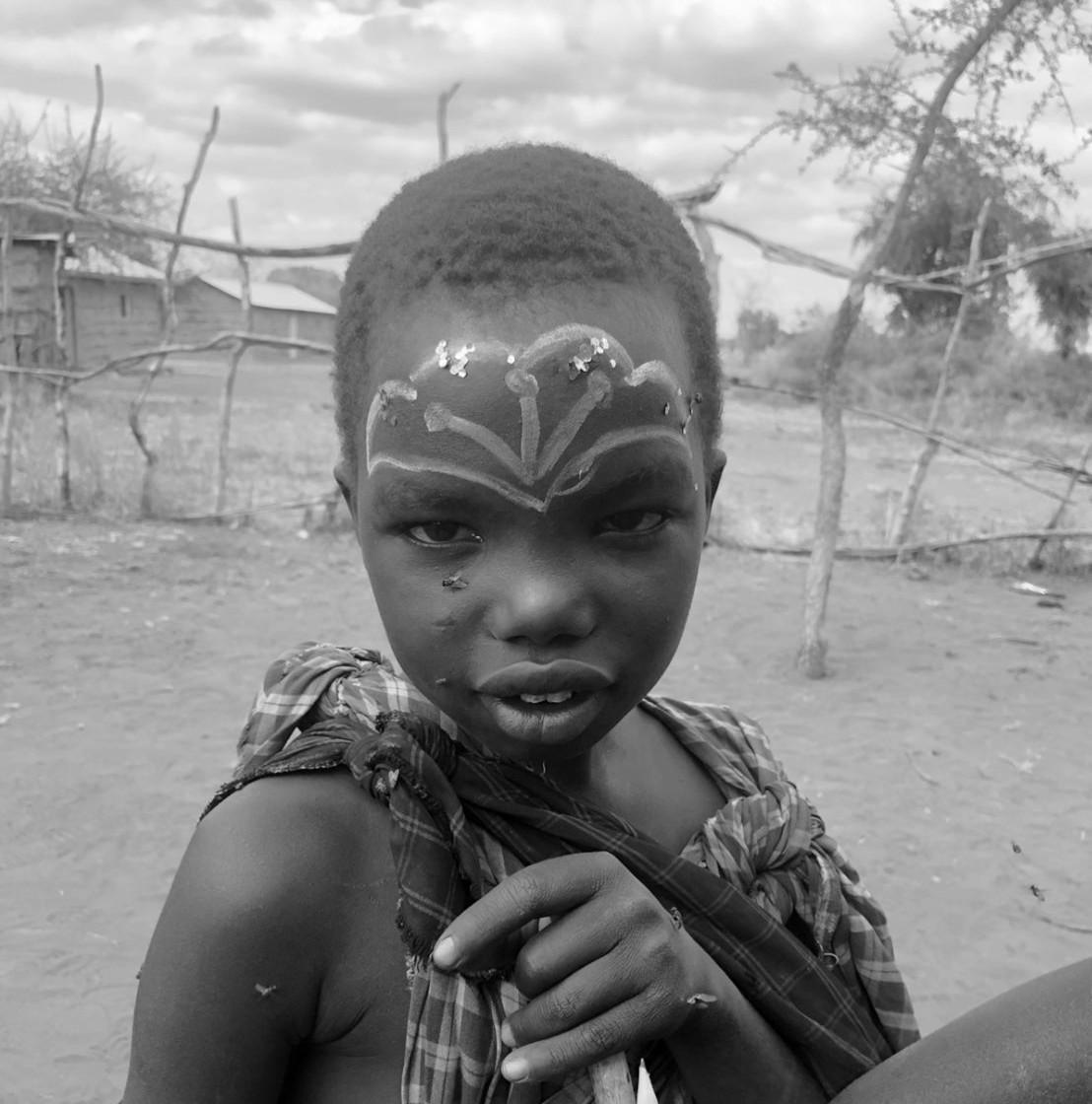
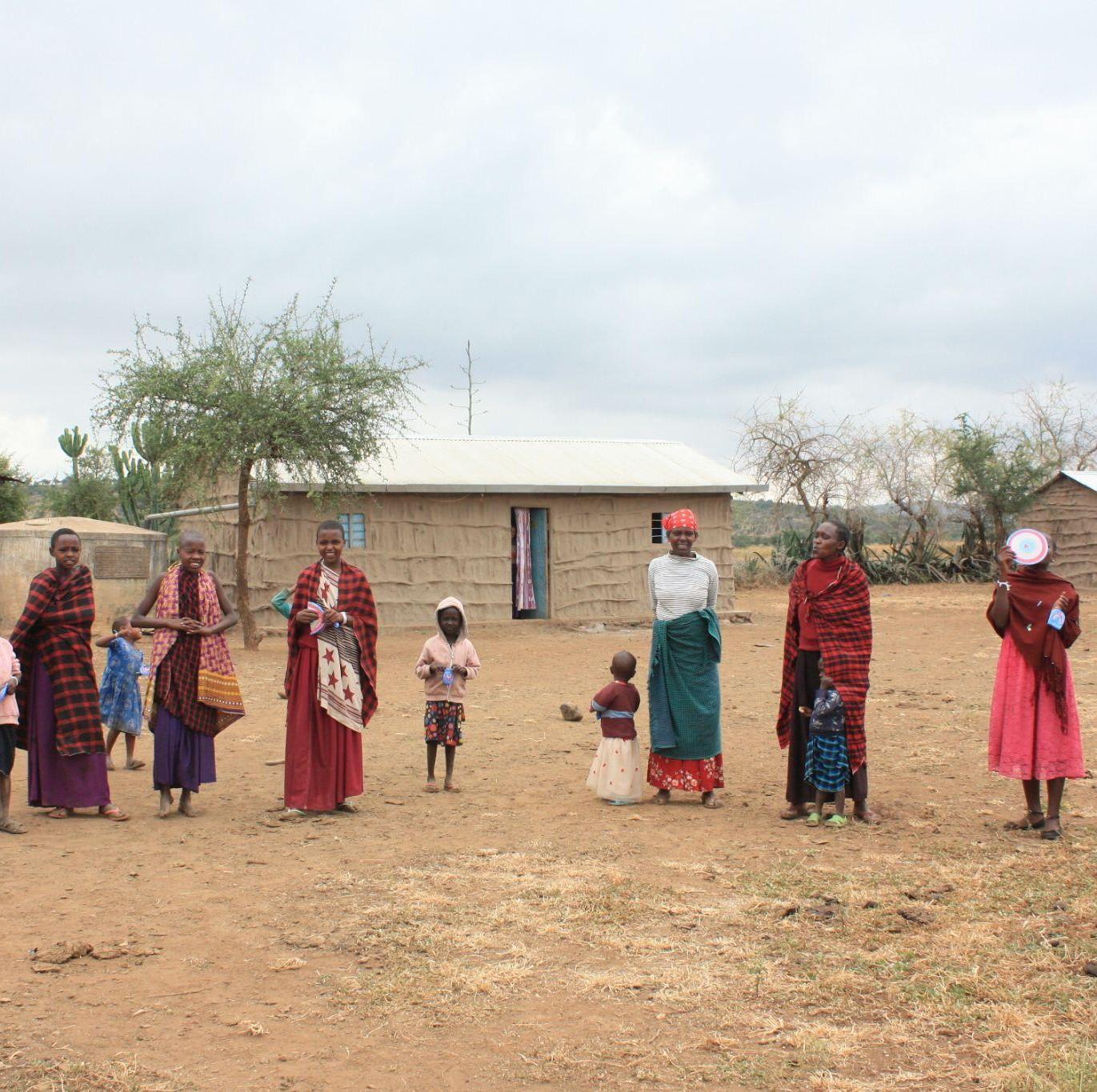
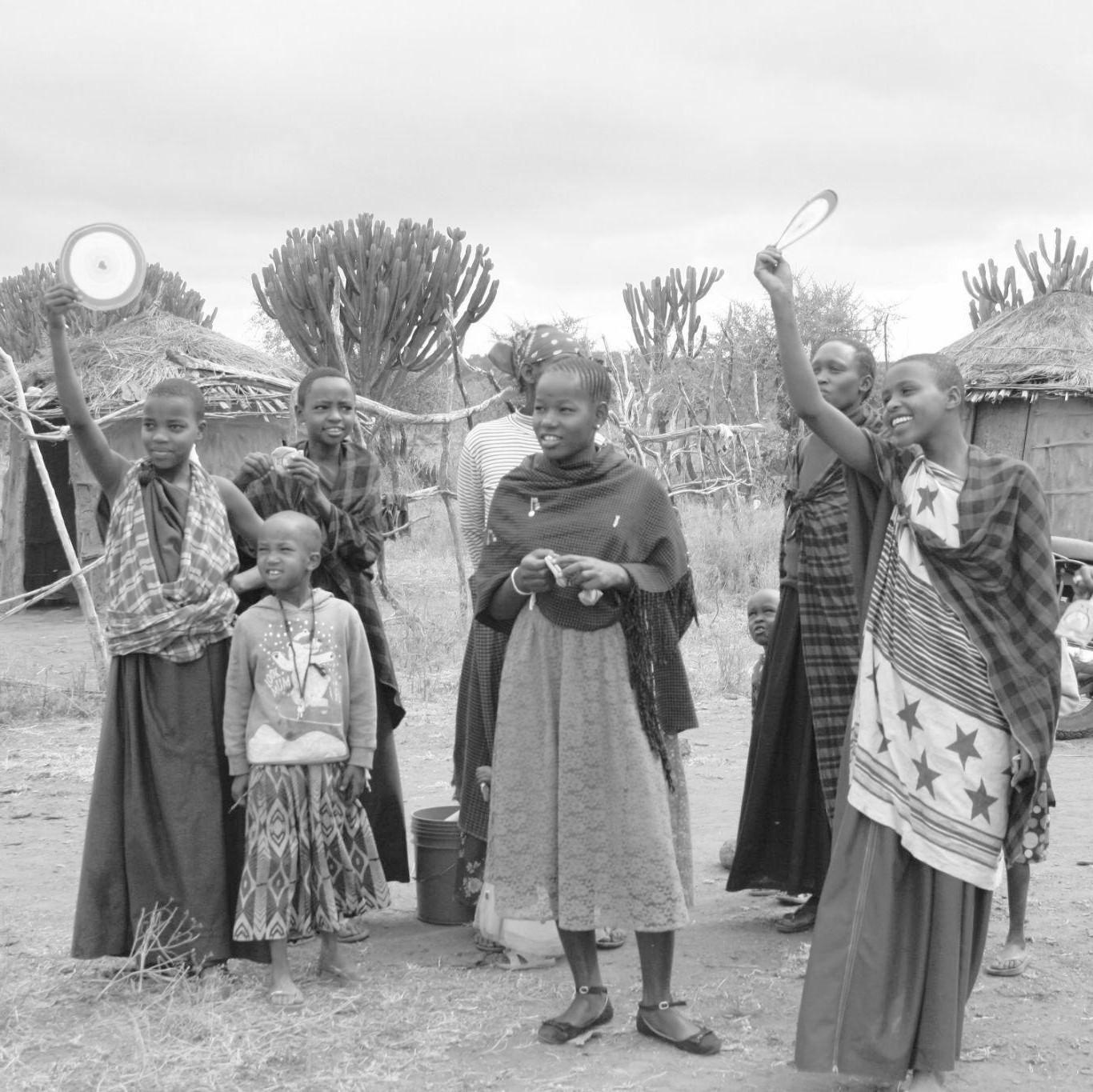
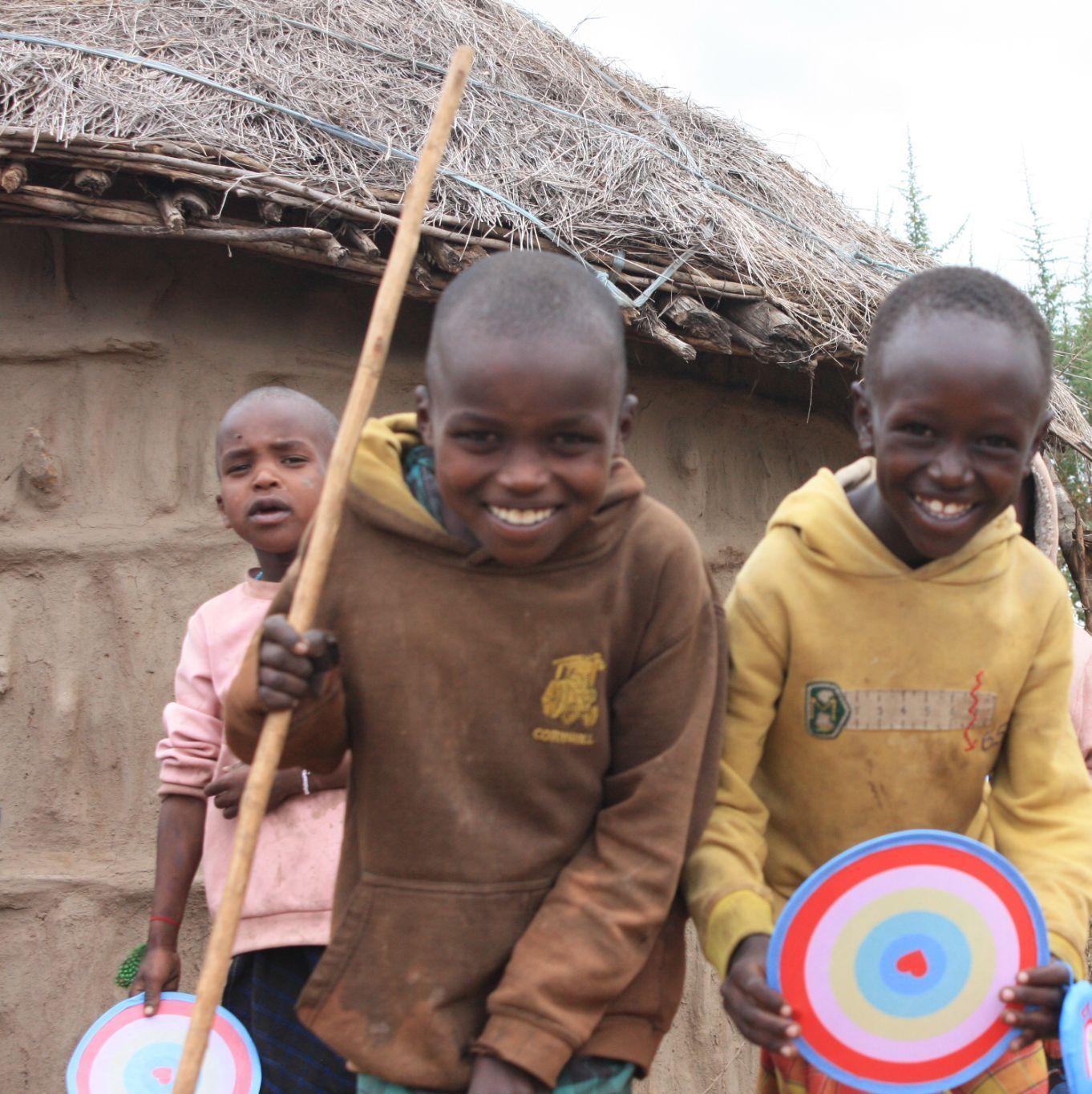
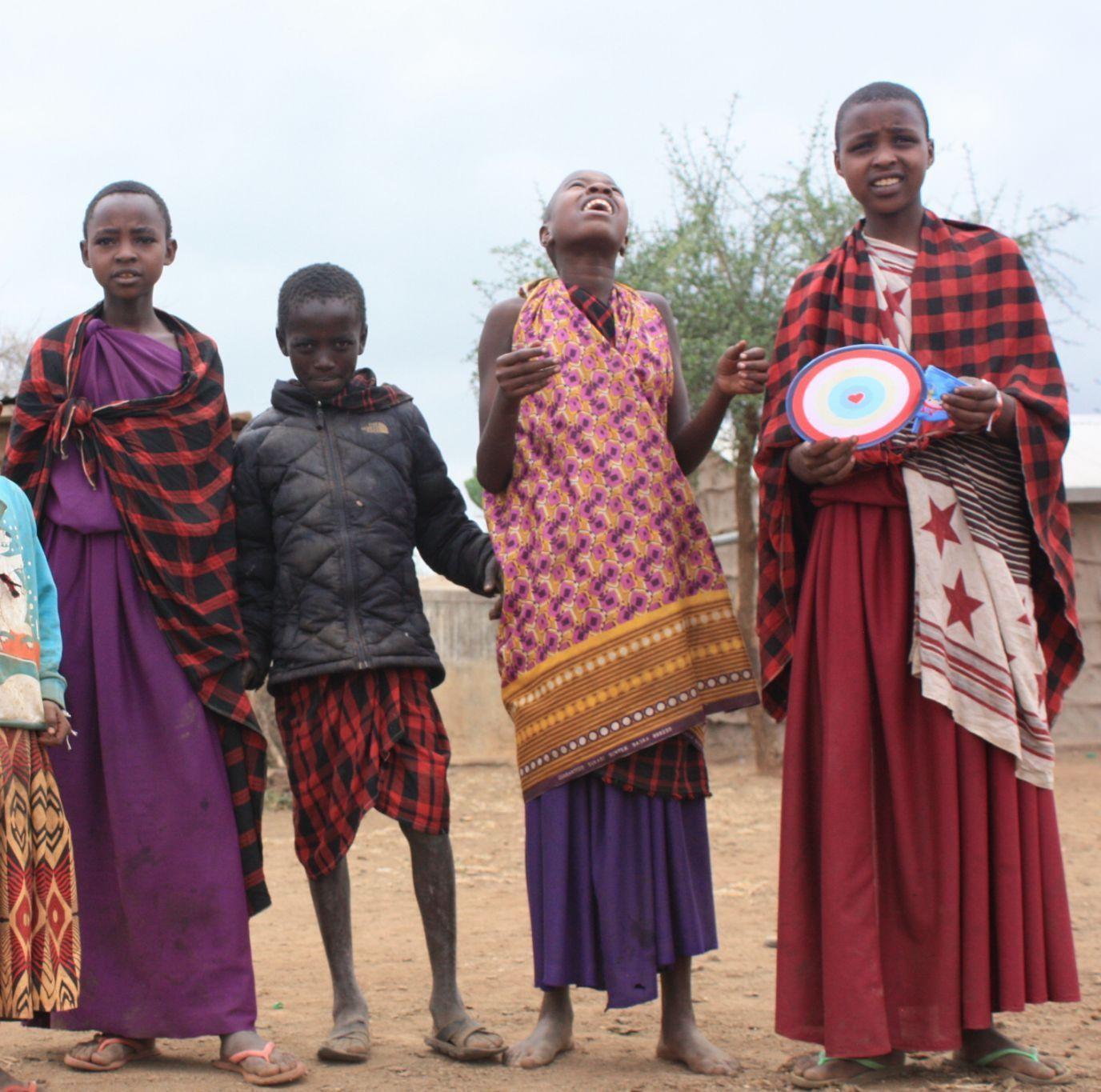
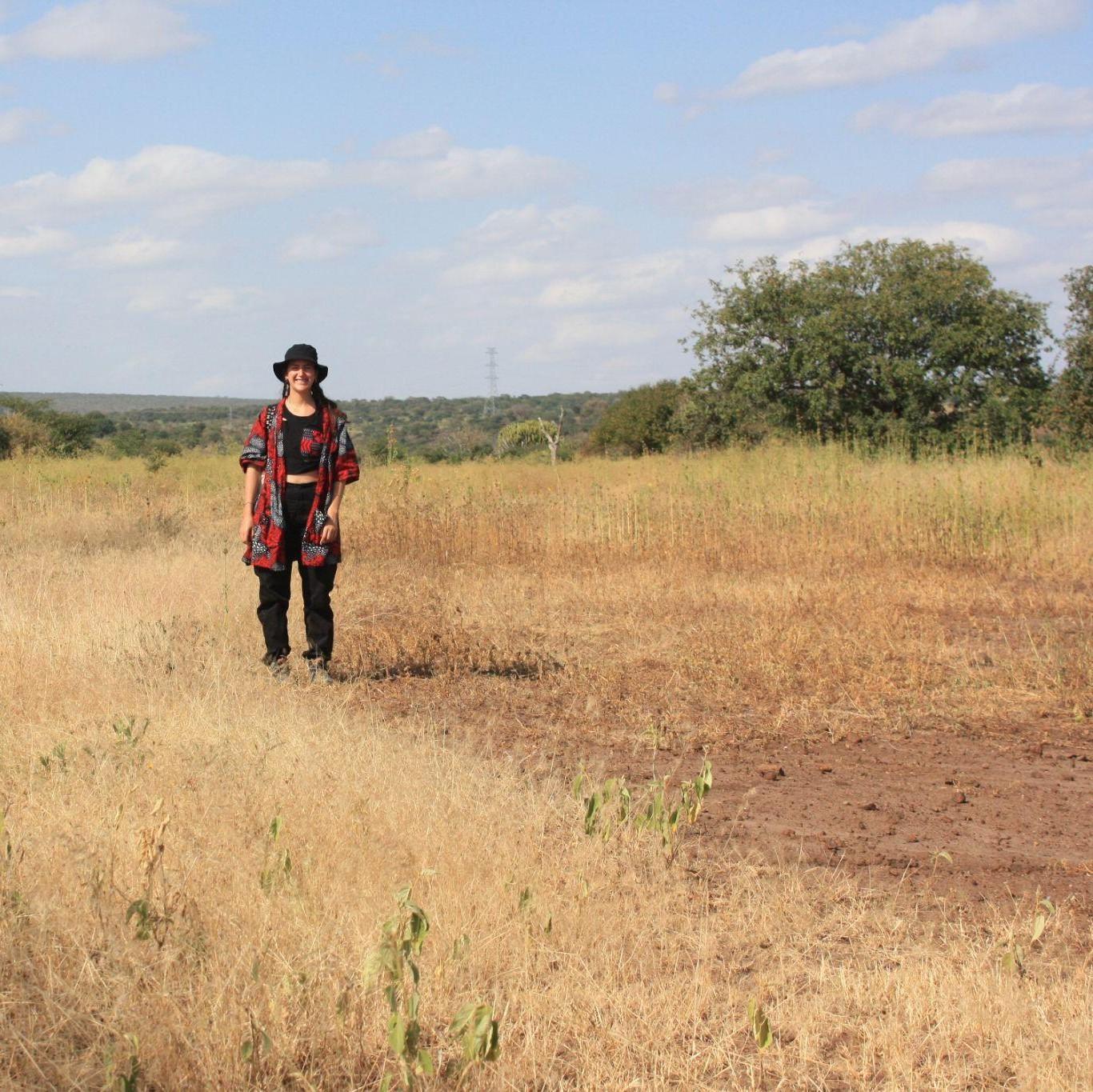
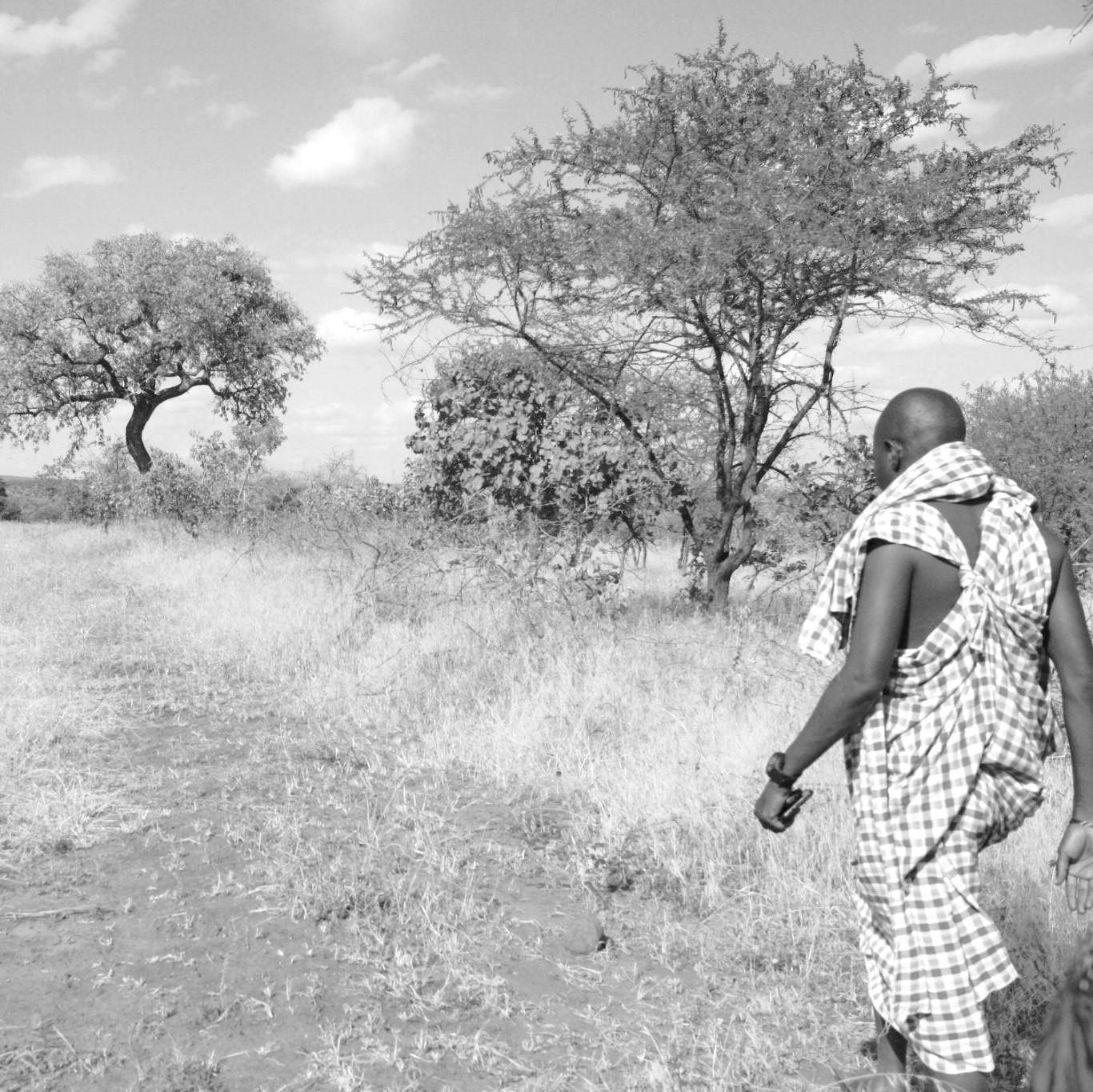
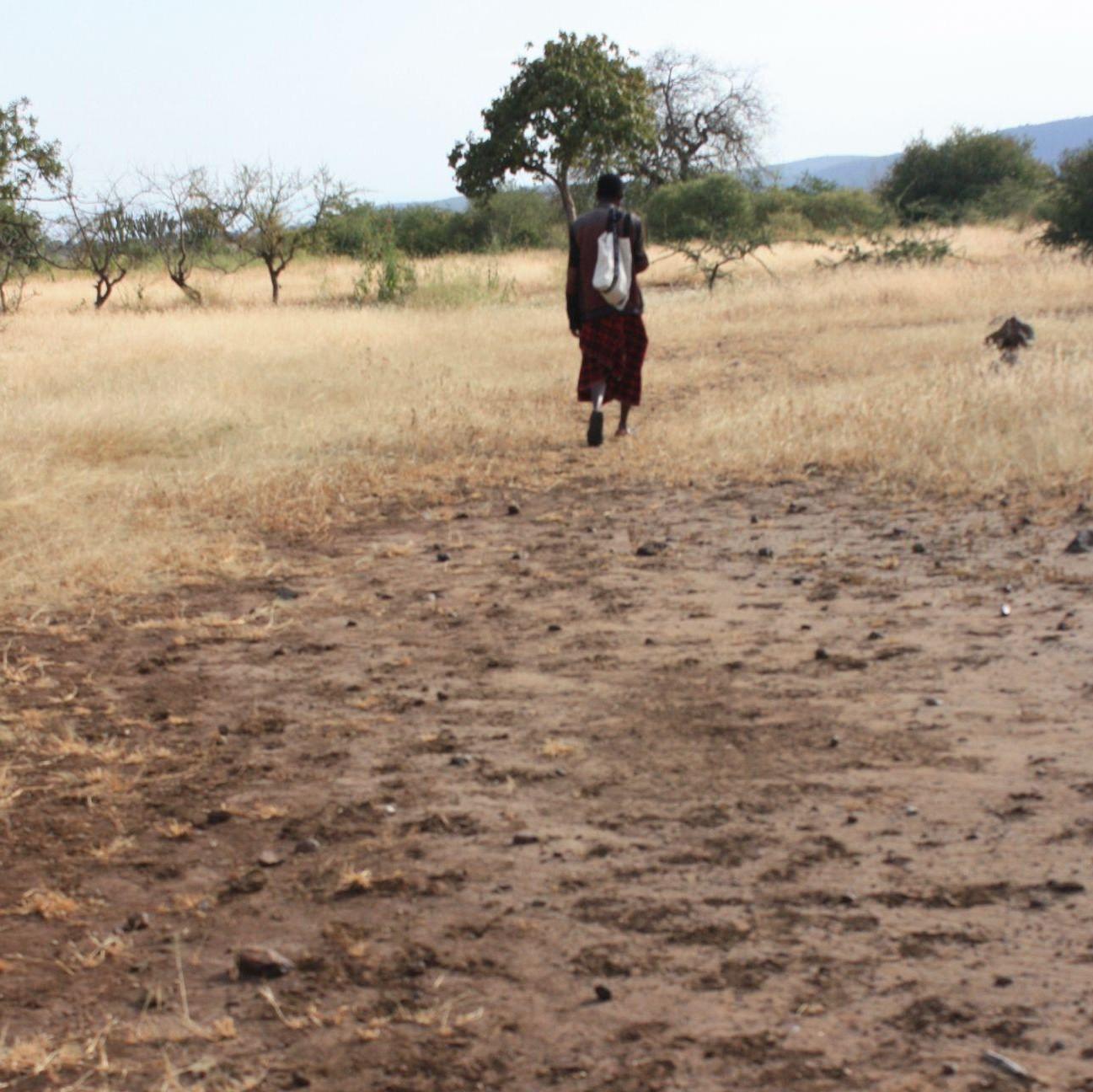
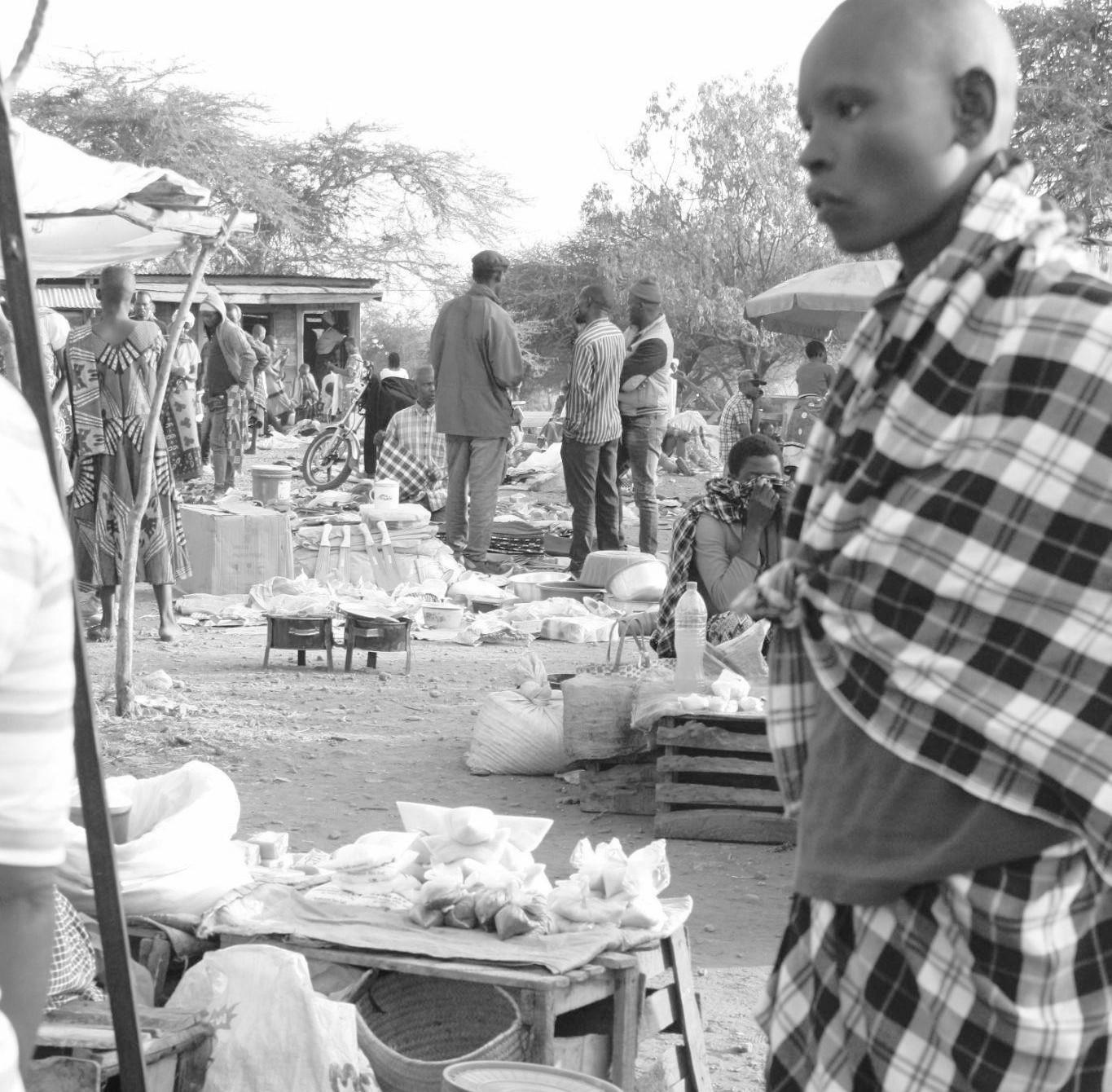
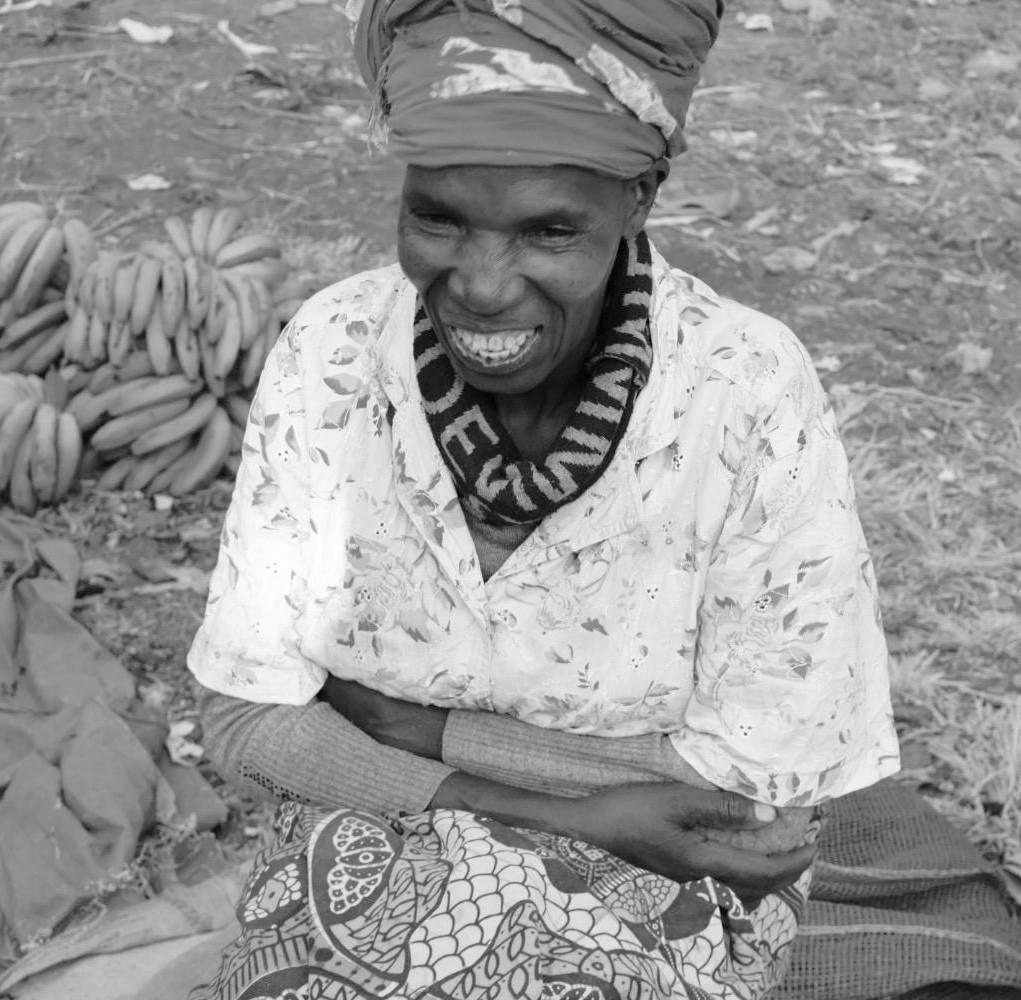
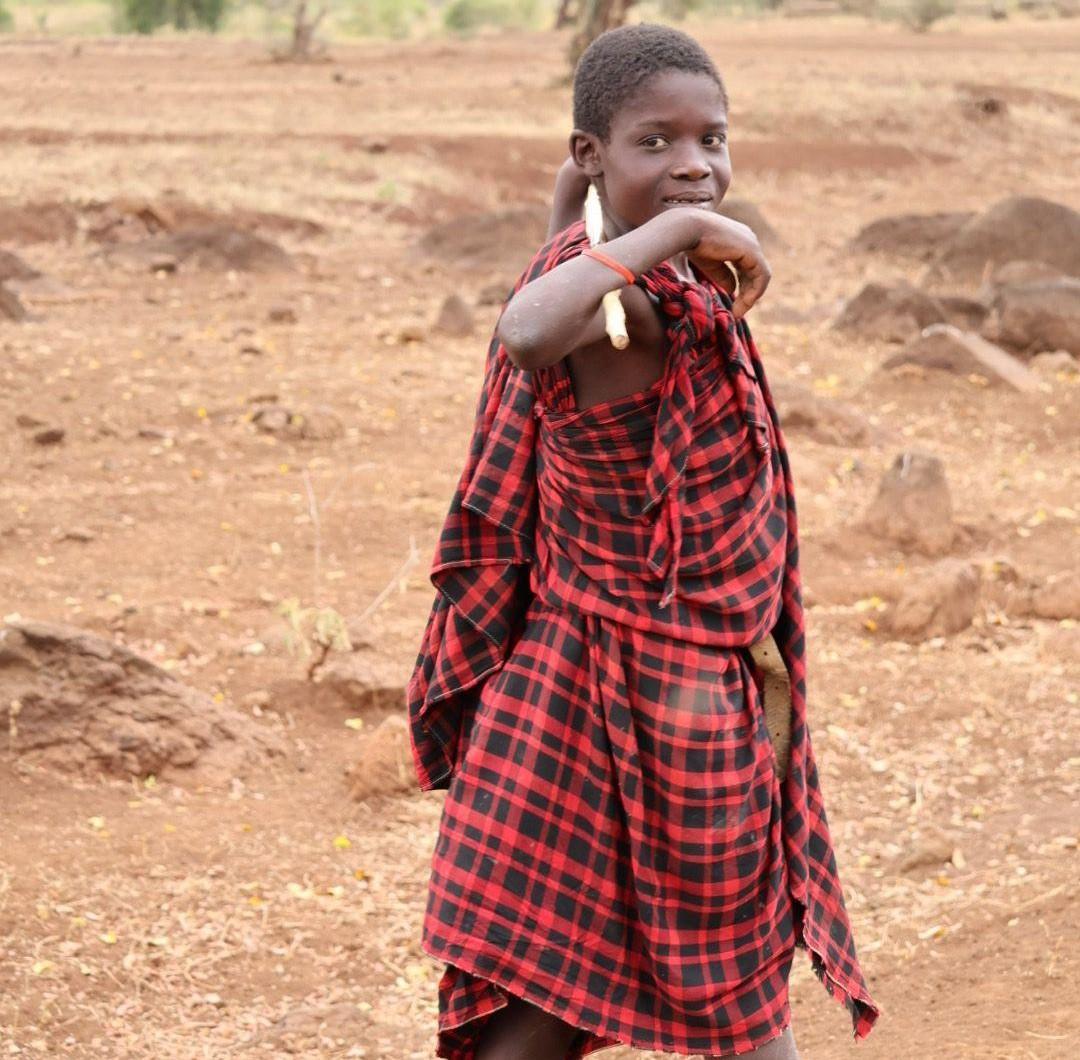
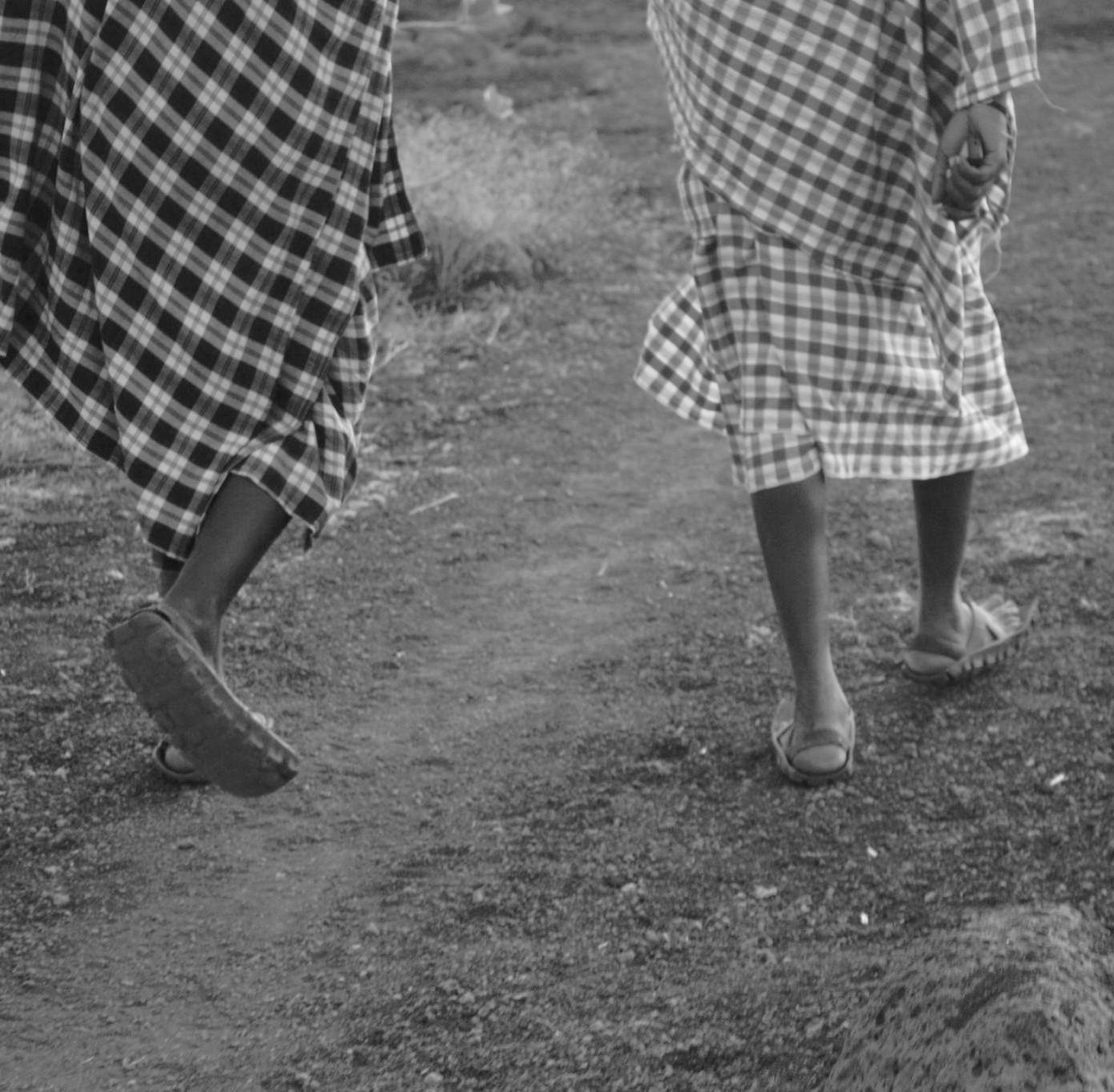
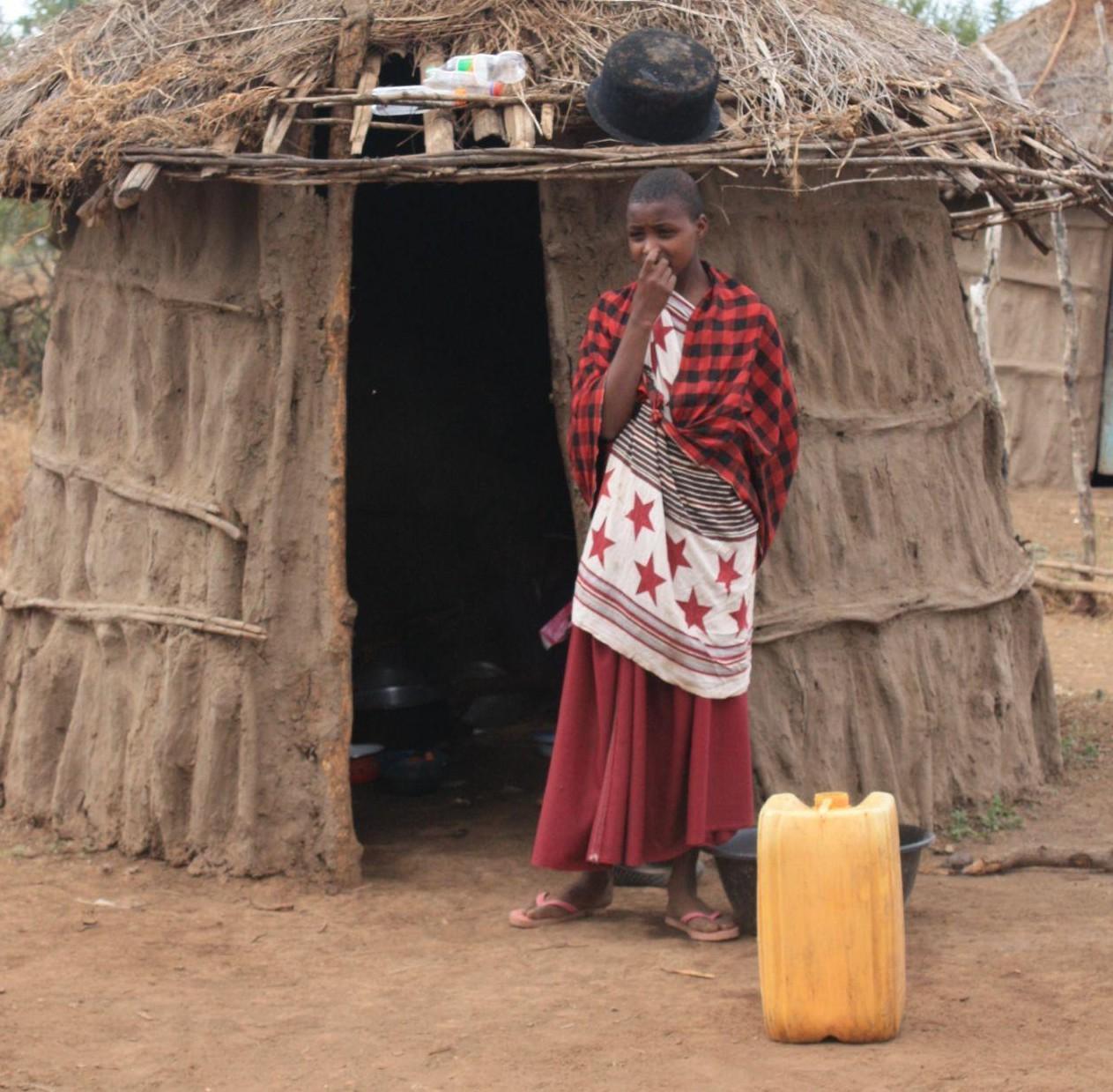
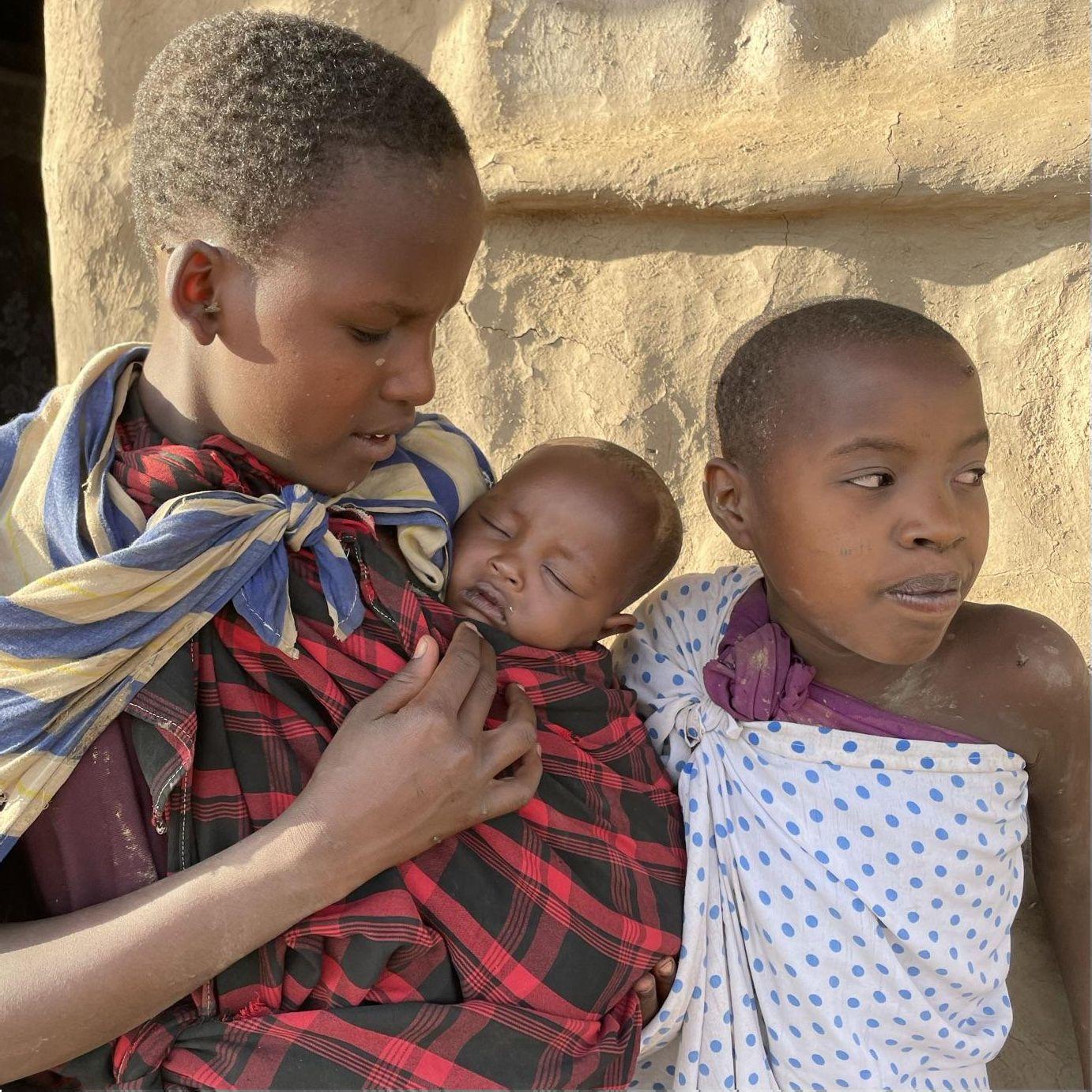
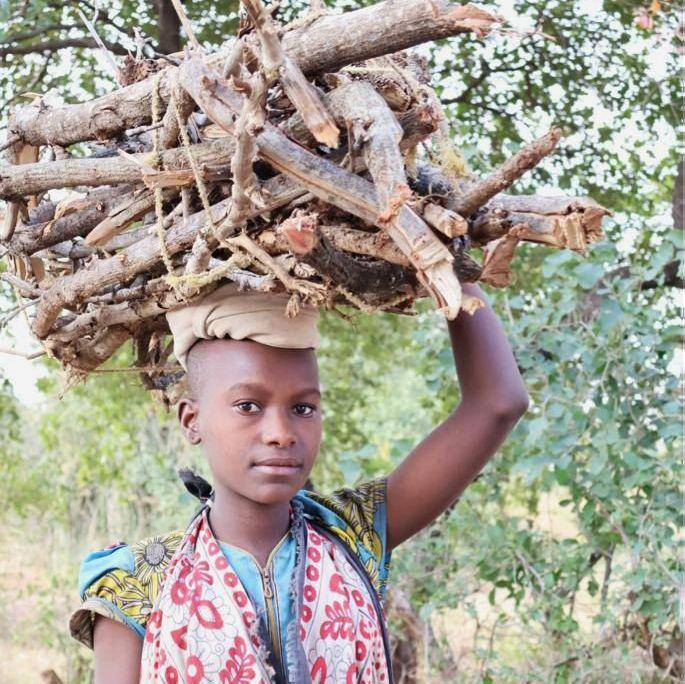
What is your dream?
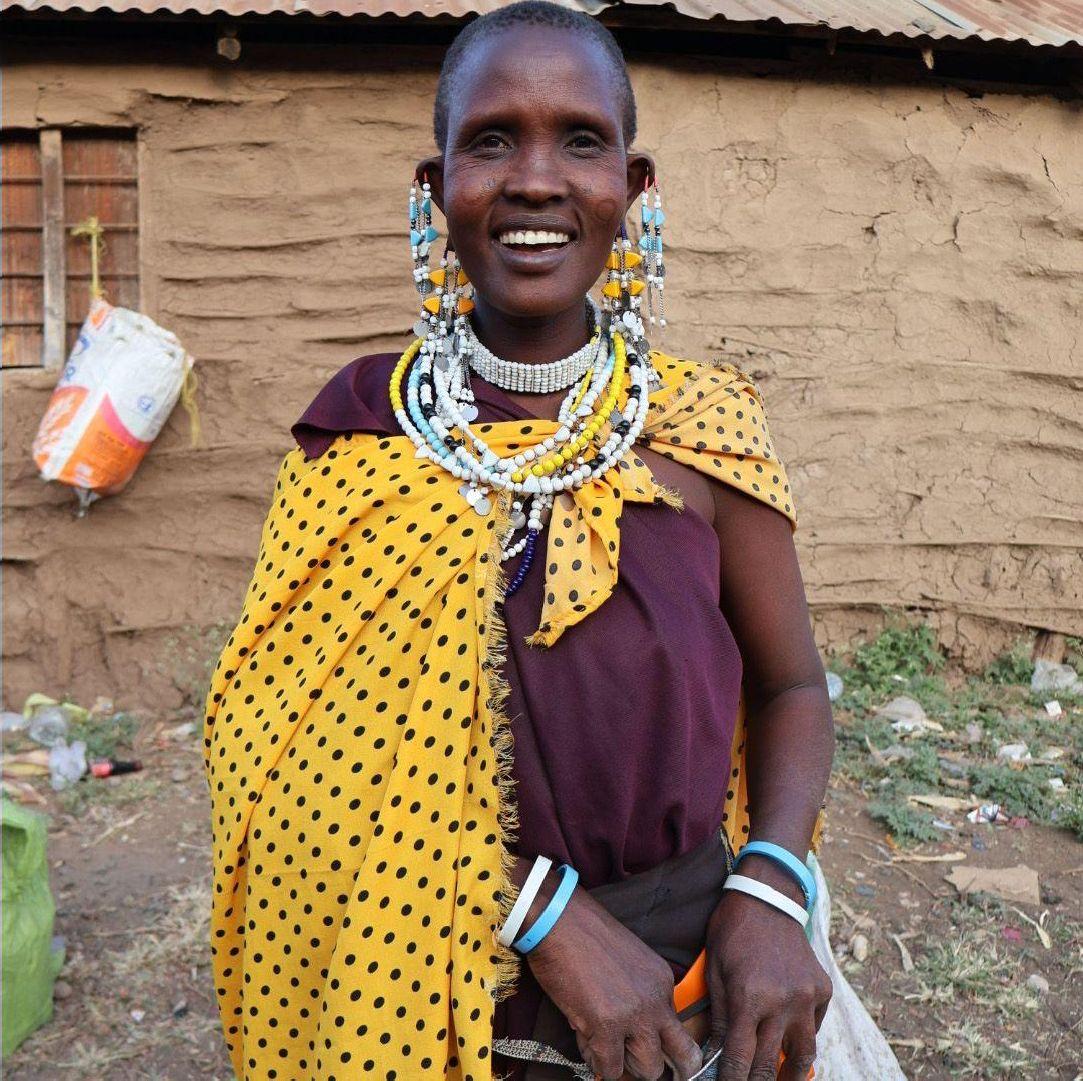
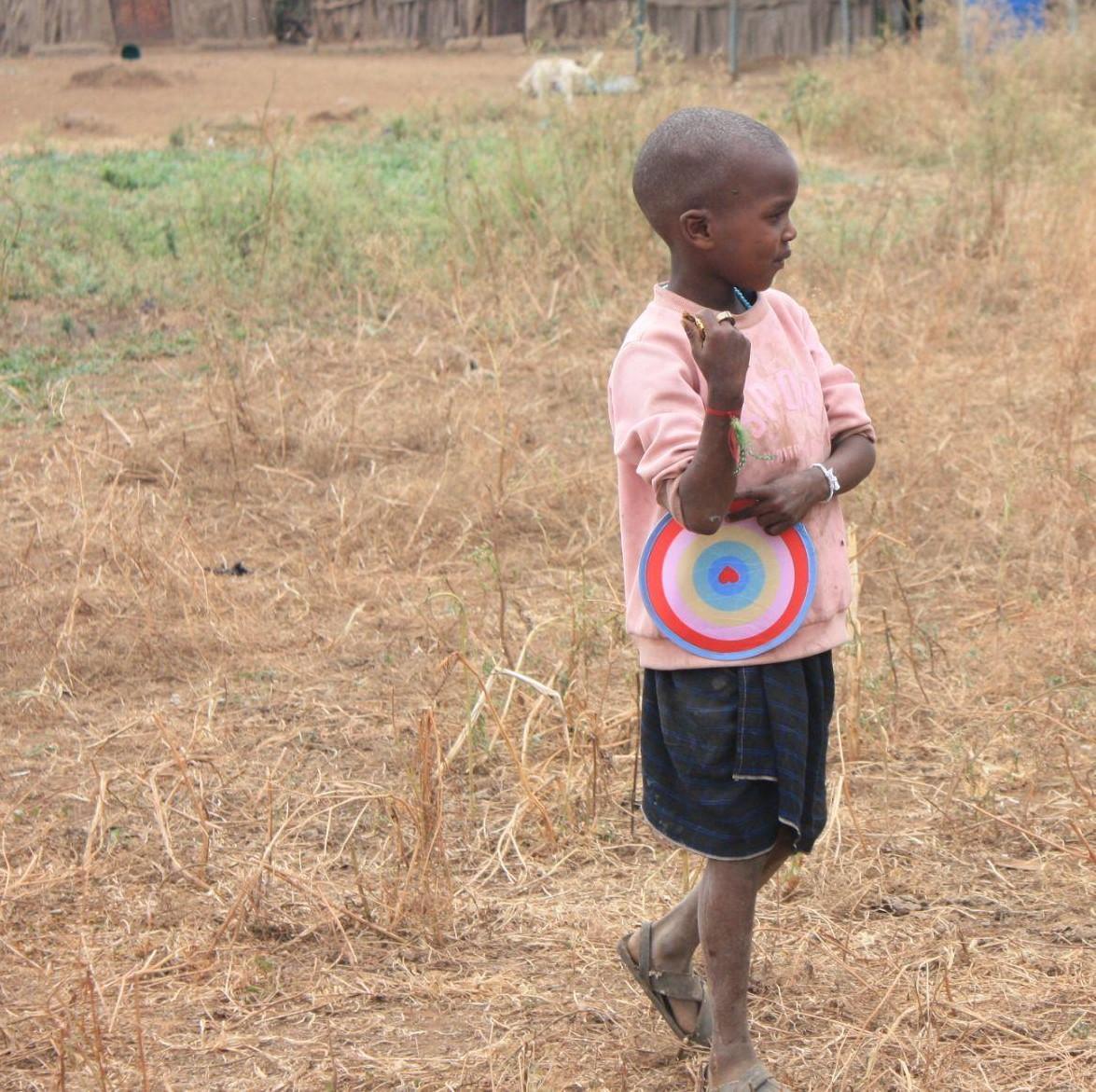
Would like to become a veterinarian and come back to help the community
What are your daily activities?
flelp my mom clean the house and the clothes, I also cook with my mom and go fetch water with her, which takes one hour.
What do you like most about being Maasai?
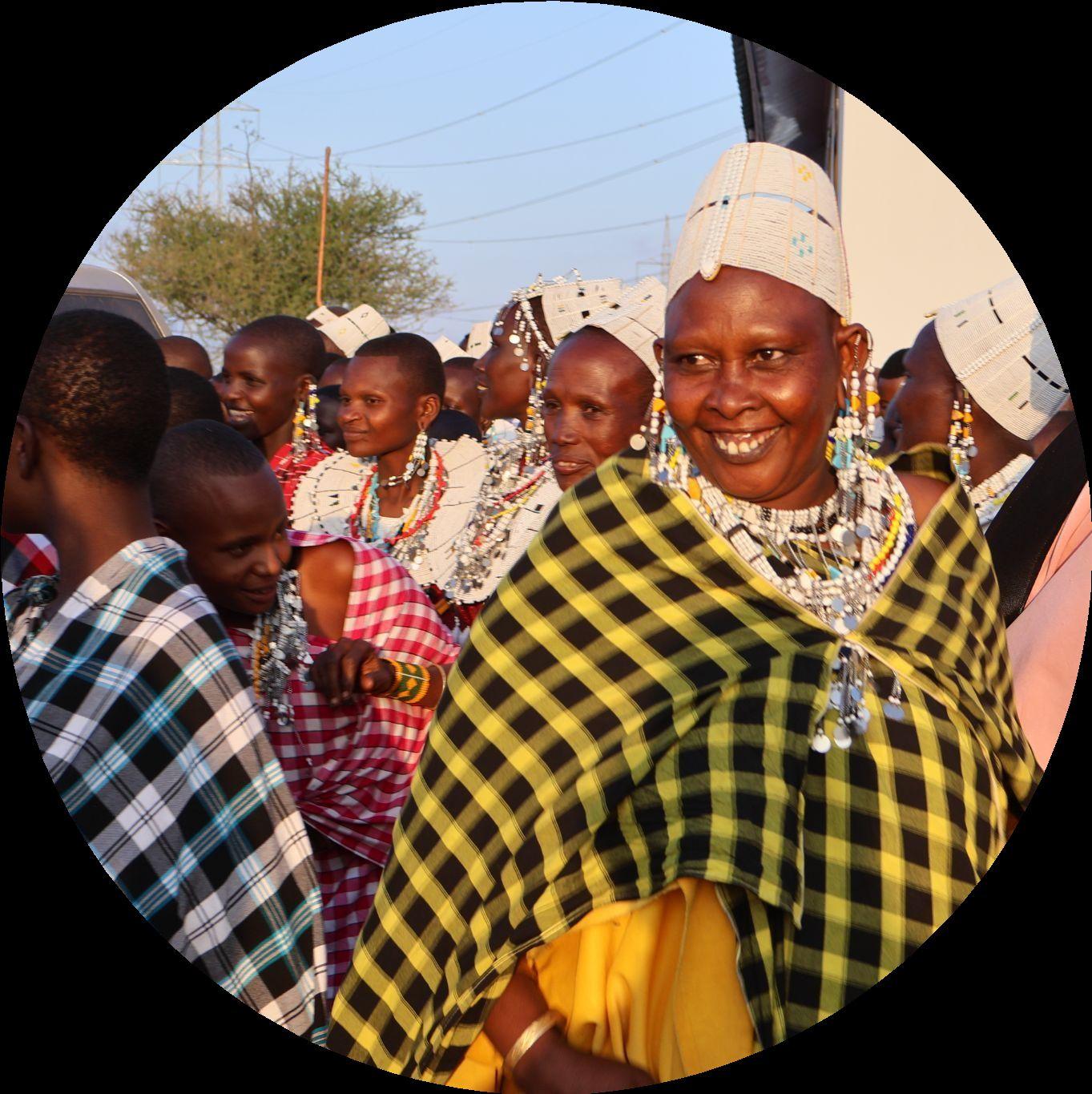
I born in my village as a Maasai and I would love to continue as Maasai
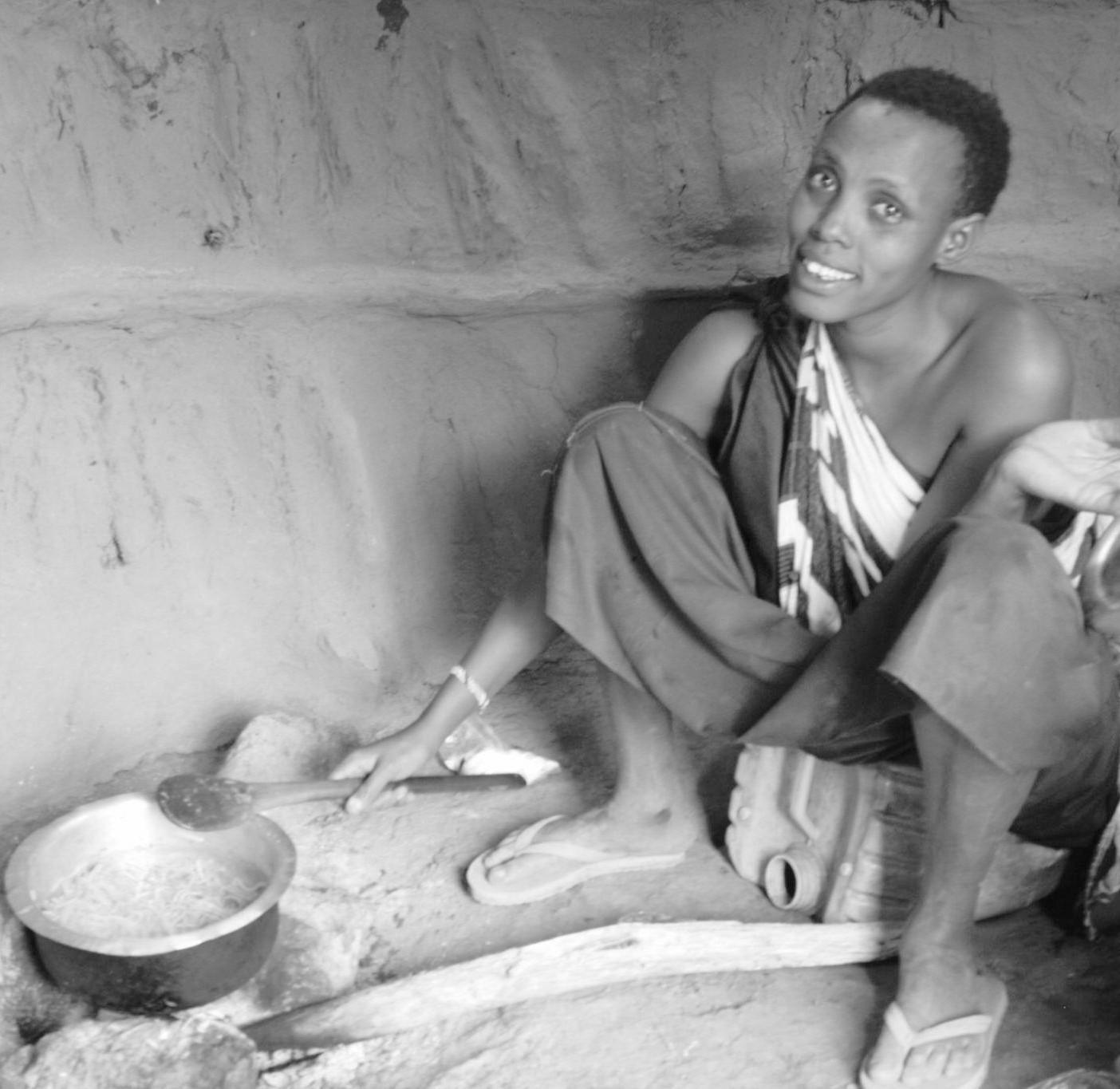
Lifestory
I went to school but I haven't completed the last level, the plan is to finish this year.
I have three brothers and three sisters.
I like to study because here in Orkisima we have a lot of challenges. The school is very far away and health centre very far as well
What is your dream? My dream is to finish school and then I will go secondary then college and then I want to become a doctor in order to help my family.
Come back after completing school and help my mother
My mother she has nothing to do just sitting at home. That is why after being a doctor I want to come back and help my mom all day, fetching the water, swiping the house and cleaning.
What do you like most about being Maasai? When I grow up and after being a doctor I want to have many cows and goats
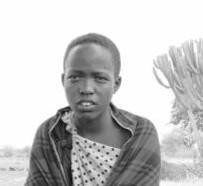
Lifestory
I am a girl, i go to school.
But i did not complete primary school because in in Tanzania we have 7 years of primary, and it were too many years. I have three brothers and three sisters, they don't go to school either because they need to help raise the cows.
What are your daily activities?
I help my mom cleaning the house and fetching water.
What is your dream?
My dream is to become a teacher because I can help other children get education.
What do you like most about being Maasai?
I like to be a Maasai because we have lots of cows and goats that can allow us to have education.
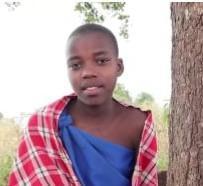
Lifestory
Everyday I study in order to get education and for my parents to understand me.
What are your daily activities?
At home I wash clothes, cook and help my parents. For example to go fetch water one time a day and it takes around 2 hours.
What is your dream? My dream is to be a teacher in order to help me, to teach the youngs and to get money.
What do you like most about being Maasai? I like being Maasai because my parents are Maasai, its my culture.
What is your parent´s dream? The dream of our parents is for us to go to school.
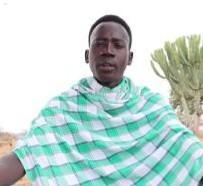
Lifestory
My life story is all about to be a teacher, it was my plan, that is why i went to primary school, then to secondary after that I went to college to study teachers certificate.
What is your dream? I am pending to get my diploma on the upcoming year. I want to be a teacher because it was my plan since I was born. Yes it was difficult for my parent to send me to school, the school was very far in Arusha.
To be teacher is very important because our community here in Losimingore most of the kids need a teacher that is why we need to bring education to the village.
What do you like most about being Maasai? It's our tribe, I was born Maasai, thats is why I need to behave as Maasai. That is how I been educated and will bring education to the kids in the future.
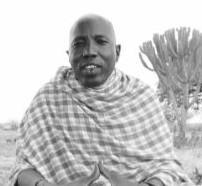
Lifestory
I studied primary here and I am a teacher in my community I got opportunity to go to primary, secondary and college. This education impacted me to come back to my village and help kids get education and raise our community. It's important because that way everybody opens their dream for their life.
Education is the key for every human being to develop and grow well.
When I grew up in my community school was very far and because we are pastoralist,
Where did you learn Maa?
I didn't learn Maa at school but at home
The language is getting lost with the new generations, because the young go far away.
What do you like most about being Maasai?
I love being Maasai, its my lifetime and culture.
What is your dream? Is for my community and children to get education and health, for them to grow, to get different dreams for our kids, that is my dream.
To have a school in our community where we can protect our language and traditions.
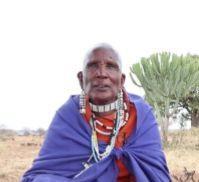
Lifestory
I have six children and forty grandchildren. I didn't have the opportunity to go to school but my children did.
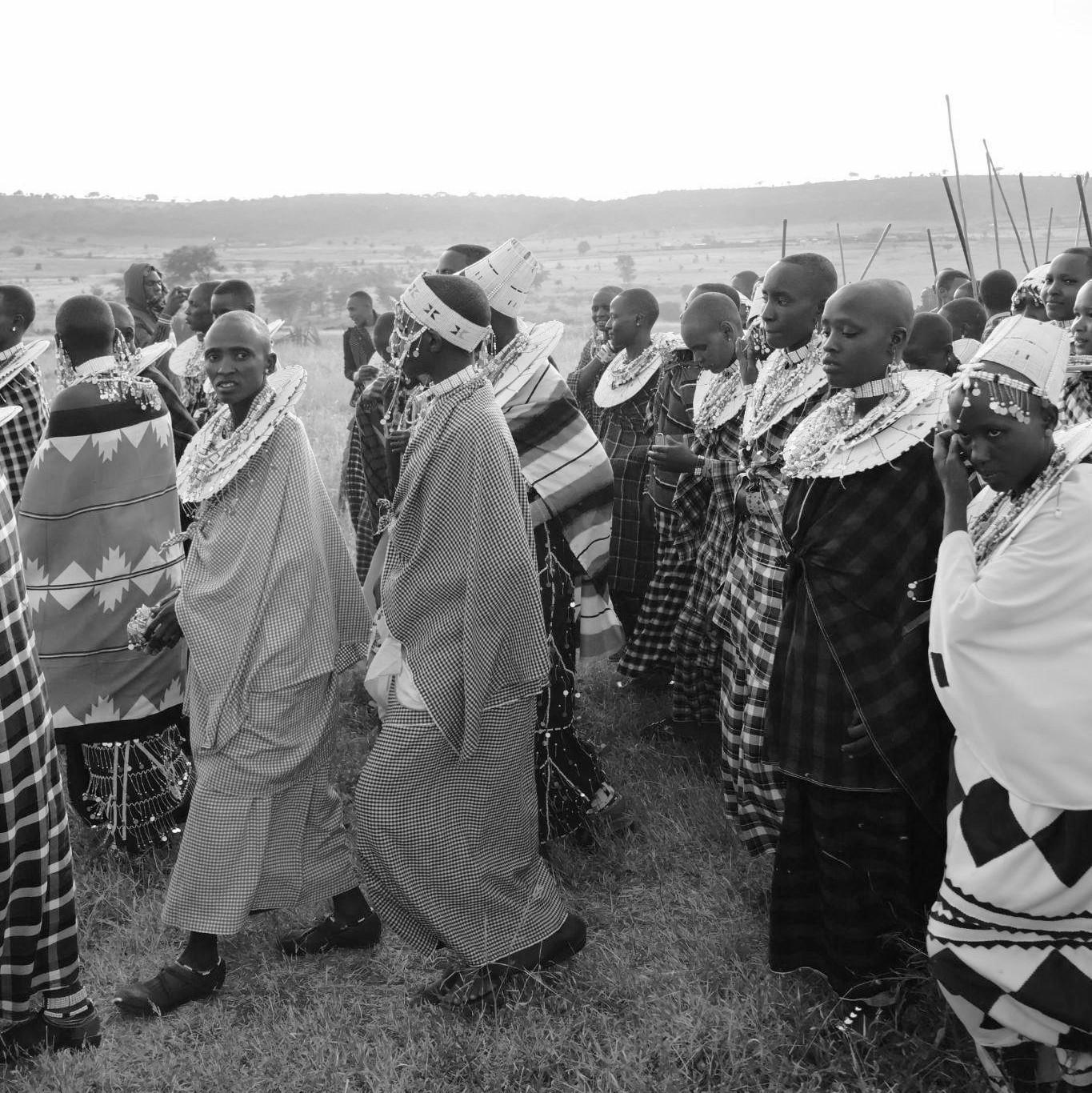
flow has the village life changed over the years? when I was young life was very different, there was no school, we had to do more activities at home, that is why now we see more children going to school.
What are your daily activities?
Being a woman is to do many activities, like go fetch water, look after the cattle and having kids.
What is your dream? The most important thing for the future of this village is when the community has water, then education will go well.
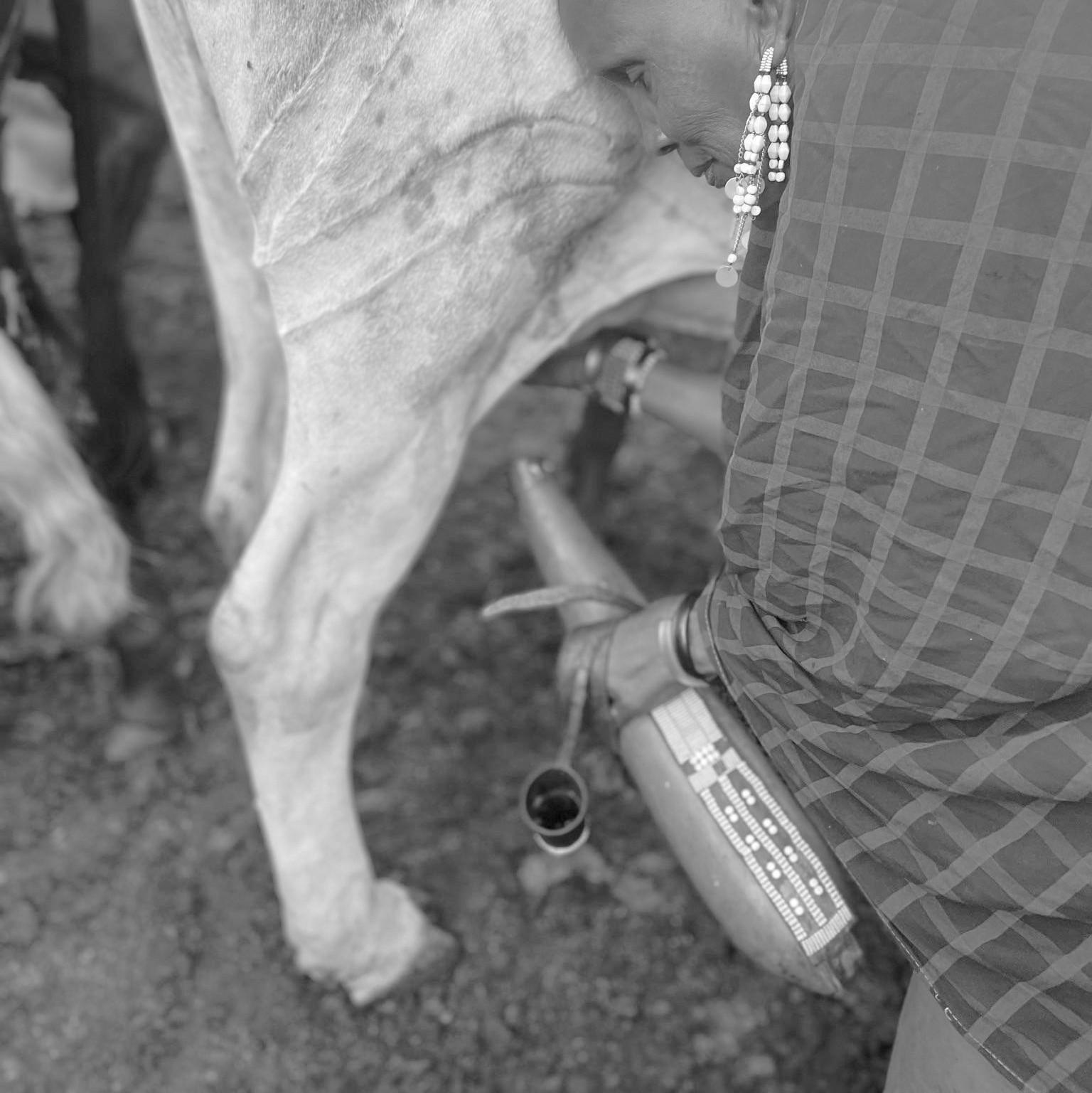
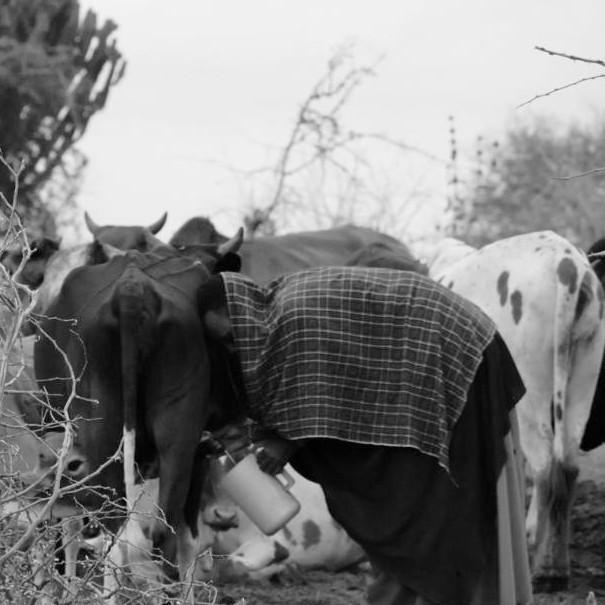
What is like being a women in the village? Only women go fetch water, we milk the cows twice a day and raise the kids in the community
What do you like most about being Maasai? I love when I have cows and kids in the community
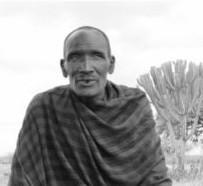
Lifestory
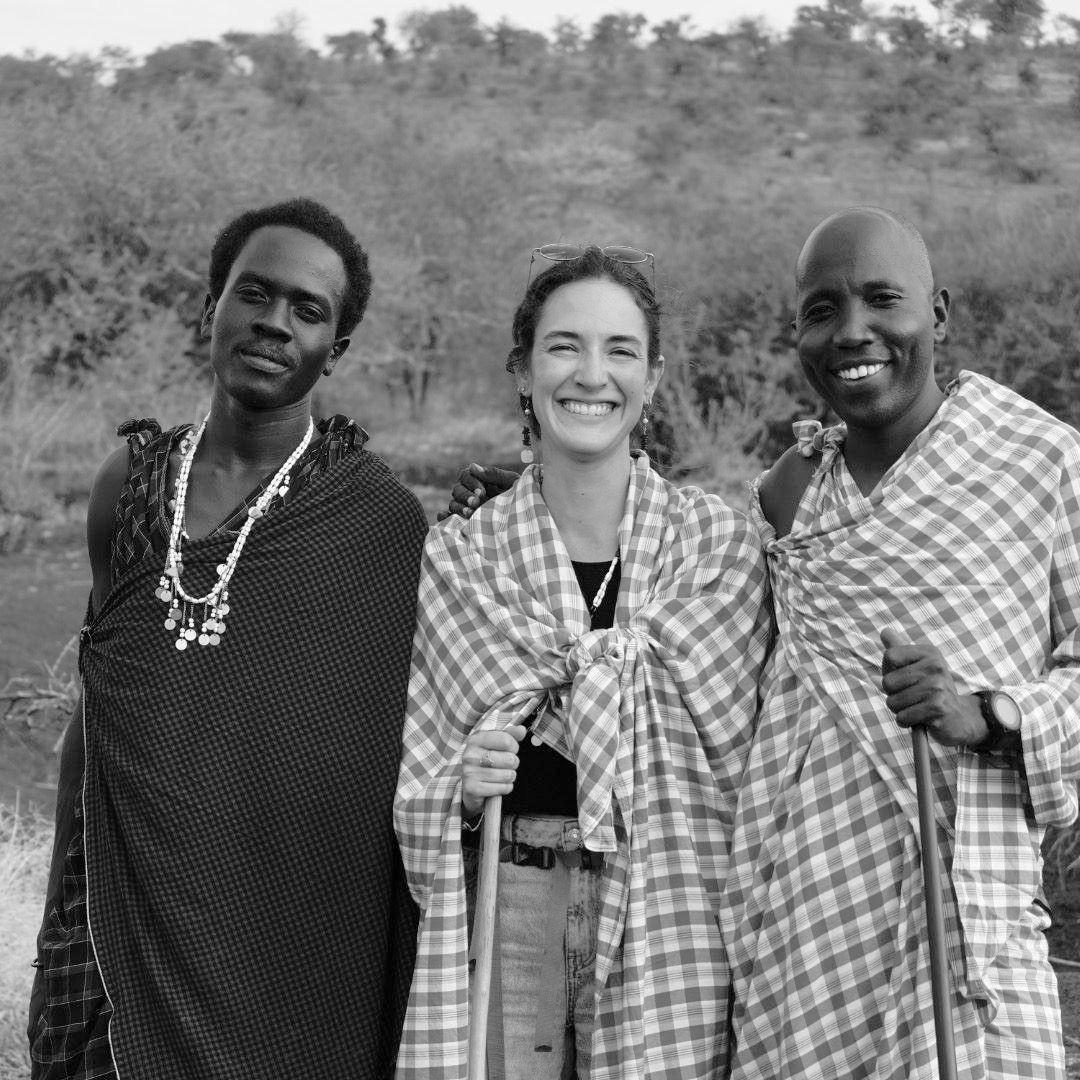
I have two wives. Seven children with one and 5 children with the second, so twelve in total.
My firstborn didn't go to school because he needed to take care of the cows. But now I have one girl at college and a few boys in primary and secondary.
What is your dream? My dream for my children is to attend school so they can depend on themselves.I am trying to find a way to get the kids education
flow has the village life changed over the years?
In the village now kids go to school, but many years ago, Maasai were hiding kids to go to school because if you go to school you would get lost .But now we see that education is very important.
Do you think the Maasai tradition is being lost? Yes, when they go they lose the tradition it a little bit.
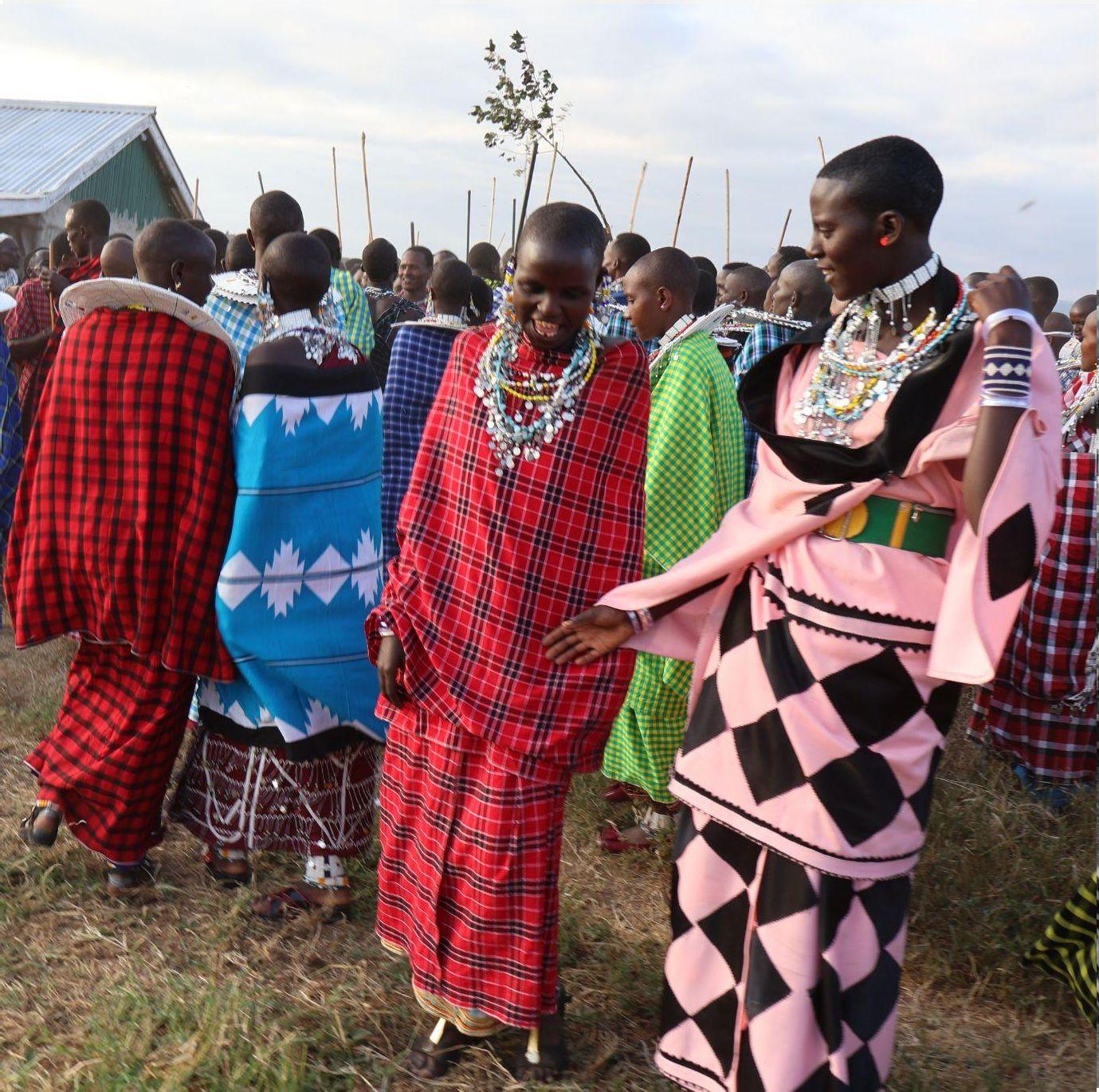
What do you like most about being Maasai? I love the respect the Maasai have, also they help one another and kids respect the older and each other. To be Maasai is to respect one another, to love one another, and to help one another.
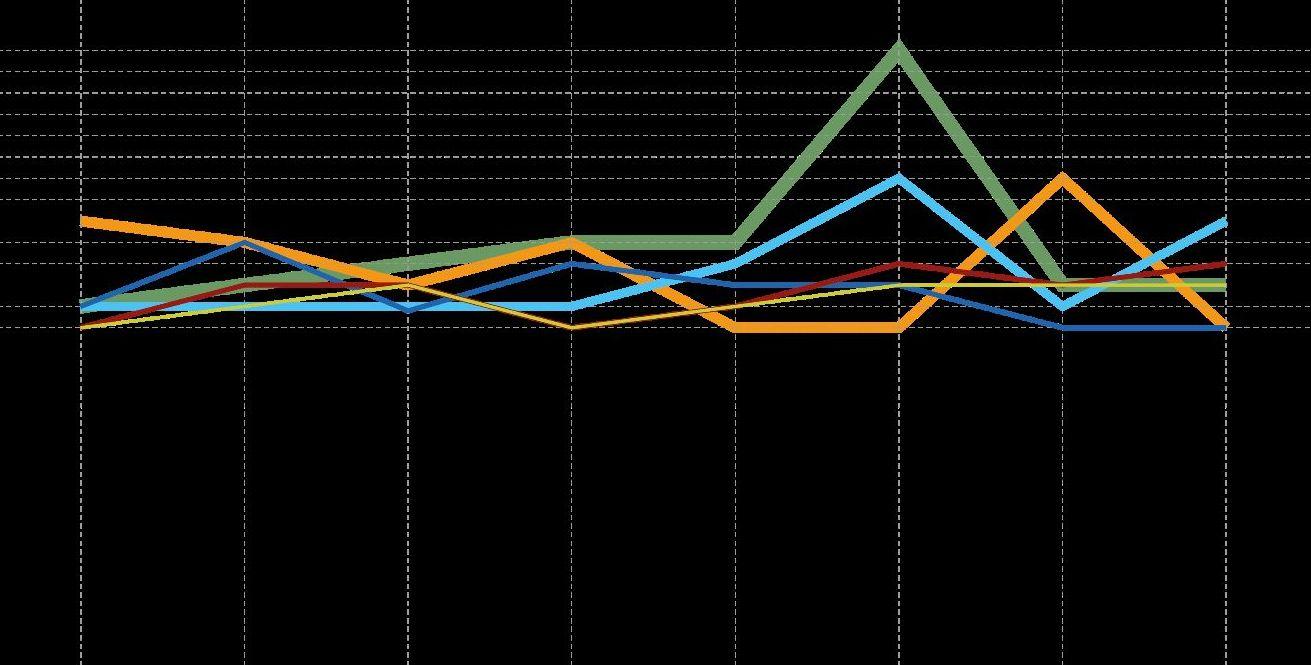
veterinarian come back to help flelp mom clean wash clothes cook fetch water continue as Maasai
haven't completed school a lot of challenges school very far health centre dream is to finish school doctor help my family help my mother come back fetching the water clean the house doctor many cows and goats
not complete school 7 years too many years brothers don't go to school raise the cows fetching water teacher help other children lots of cows allow us to have education
study understand me wash clothes cook help my parents fetch water teacher to help me teach to get money my culture go to school
teacher my plan difficult school very far kids need a teacher bring education our tribe born Maasai behave as Maasai future educator

I am a teacher education come back raise our community opens dream key school very far pastoralist cows and goats couldn't go to school learn Maa at home lost with new generations go far away culture warrior enjoyed being a warrior share my ideas elder health different dreams protect language “ Let all our kids study” natural resources wildlife keep our Maasai traditions
forty grandchildren didn't go to school very different no school more activities fetch water cattle having kids future community with water only women fetch water milk the cows raise the kids cows and kids
two wives firstborn didn't go to school girl at college dream to attend school independence get the kids education Maasai hide kids lost no school lose the tradition respect love help












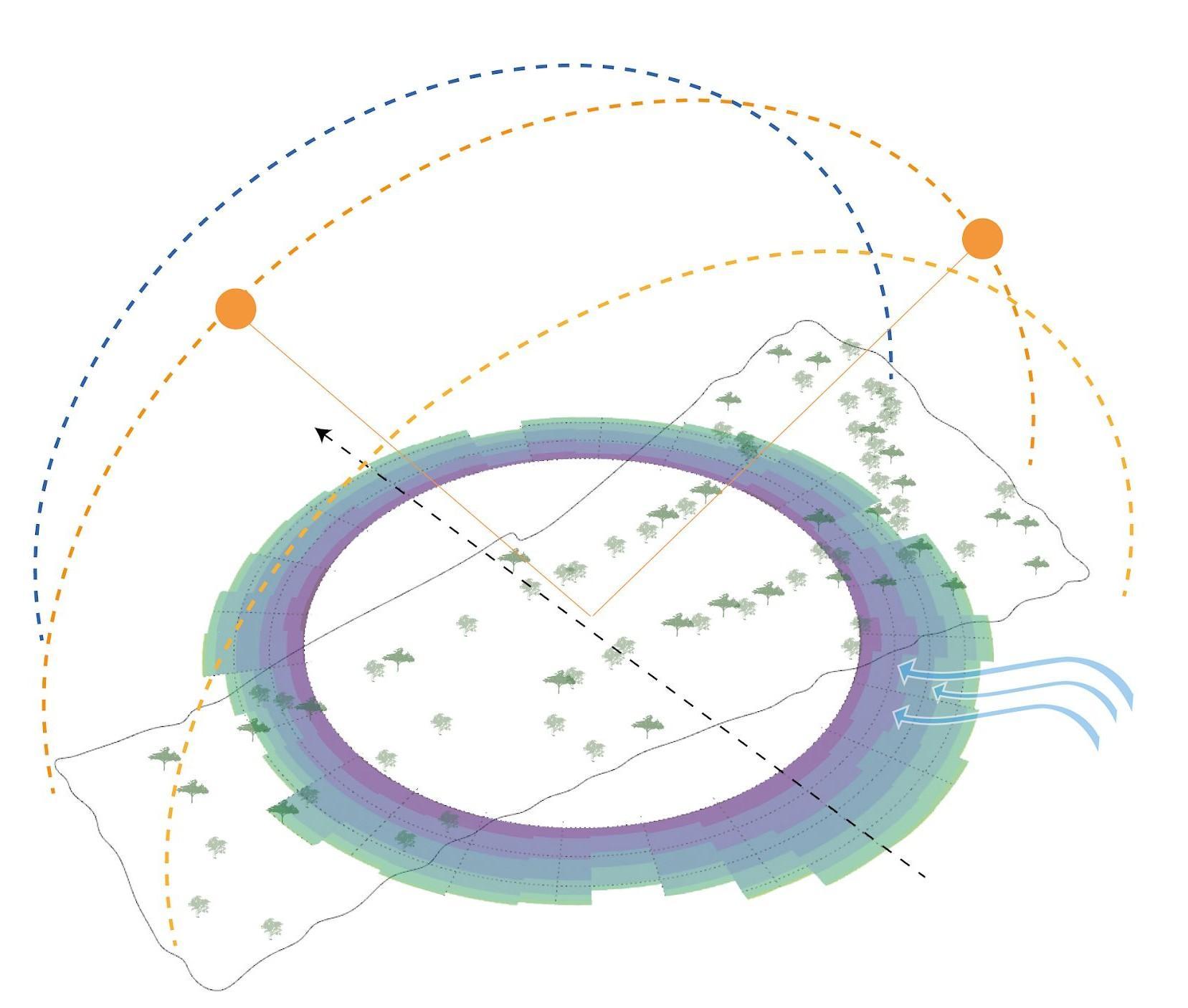
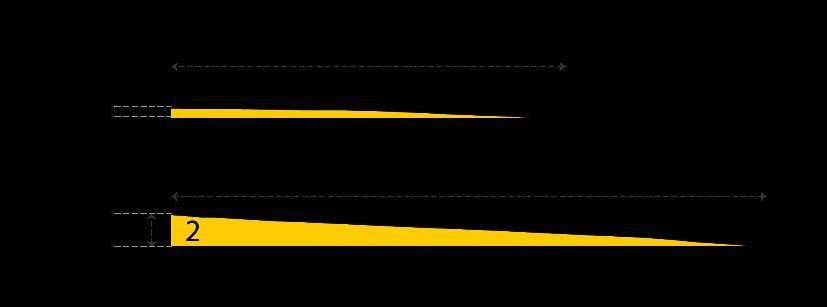
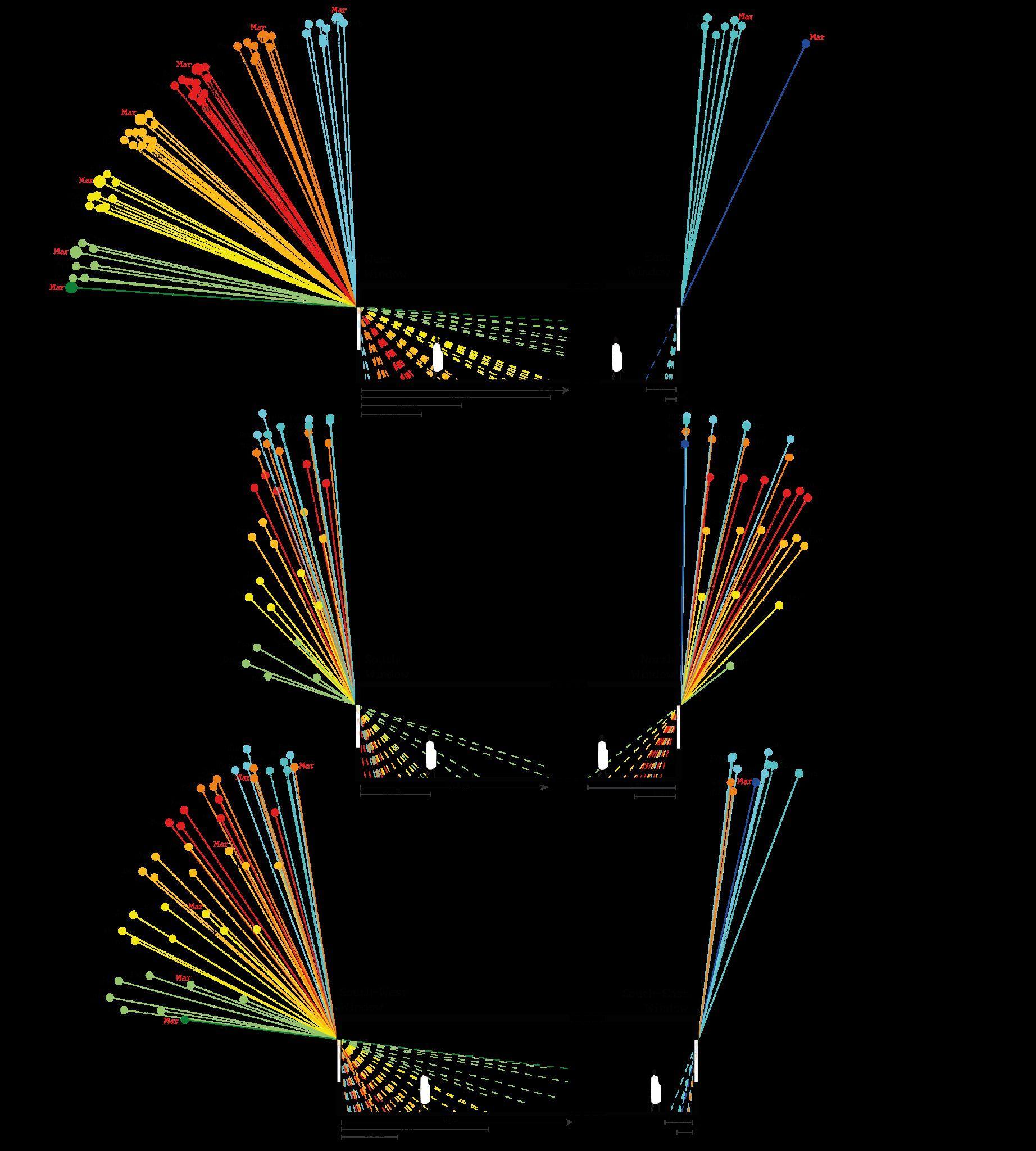
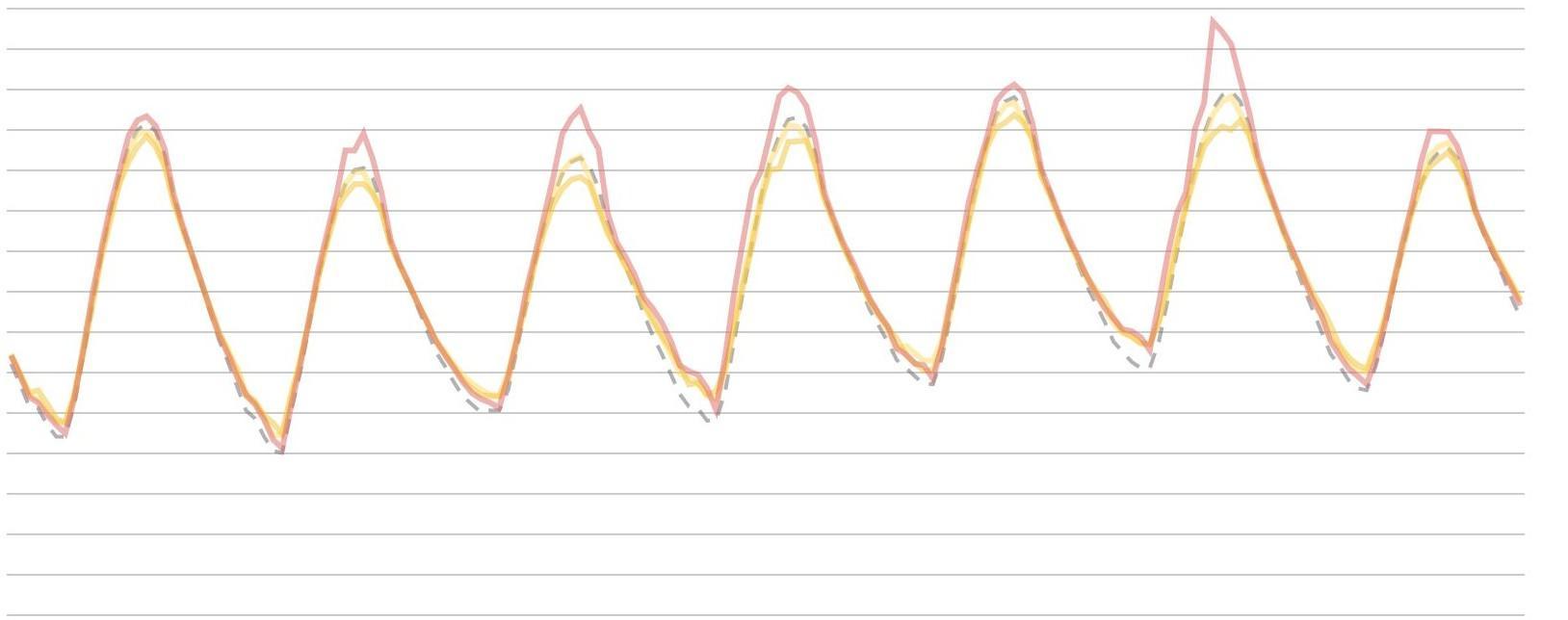
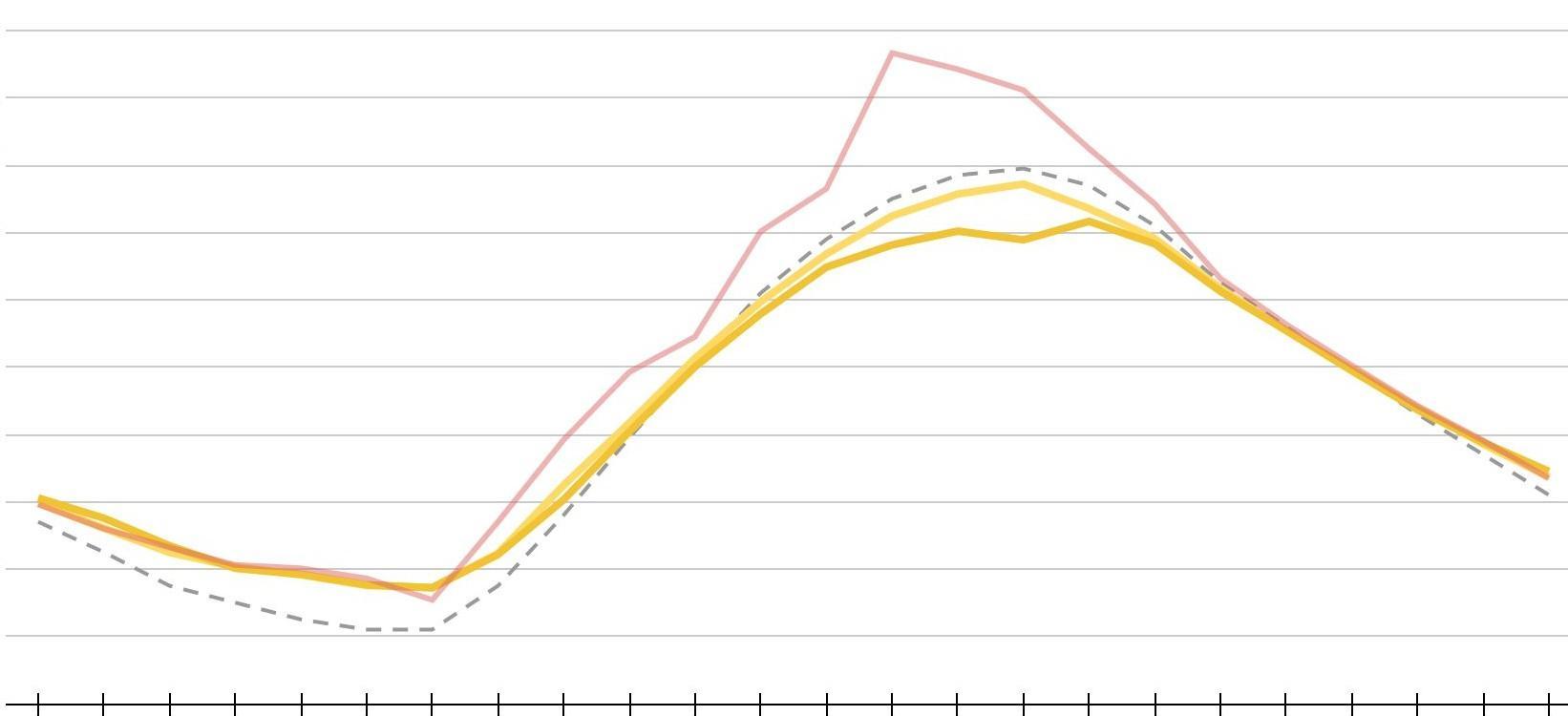
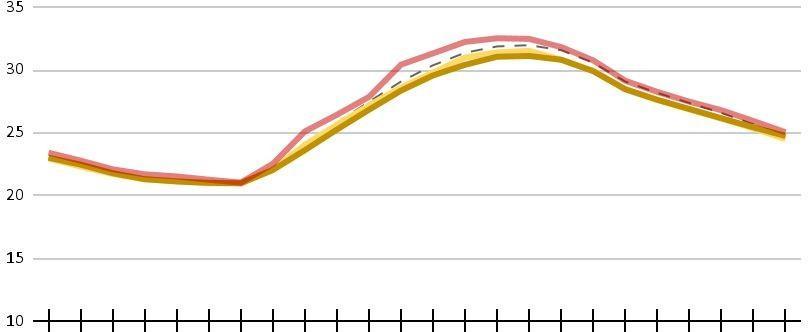
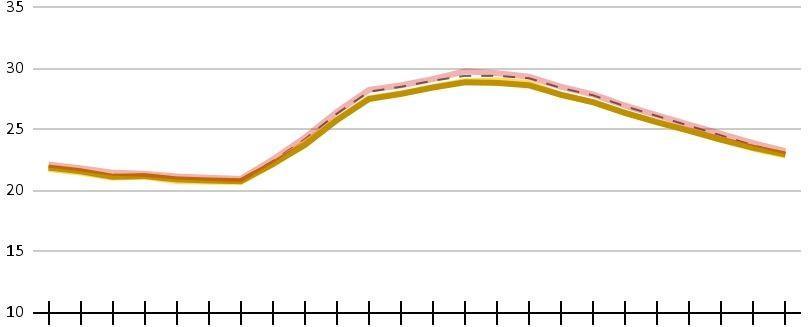
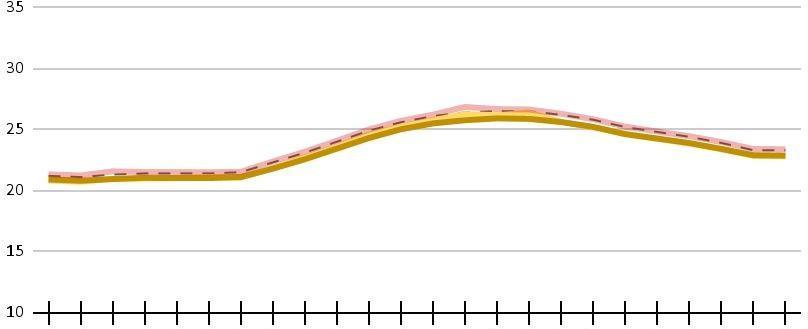
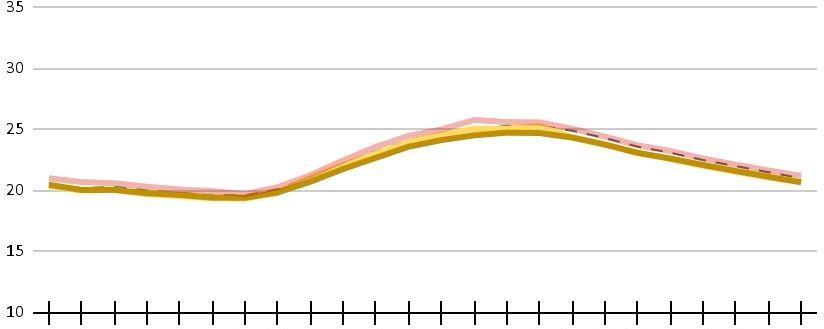
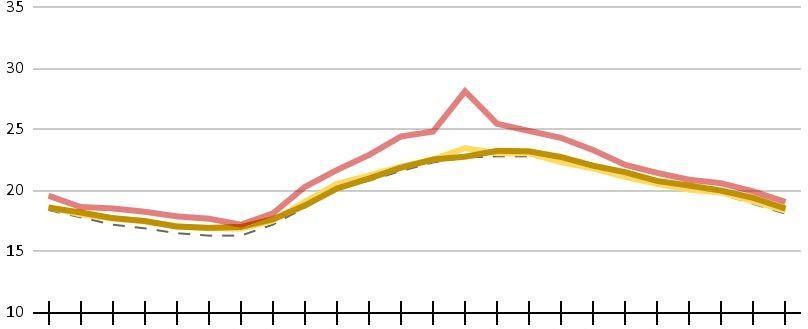
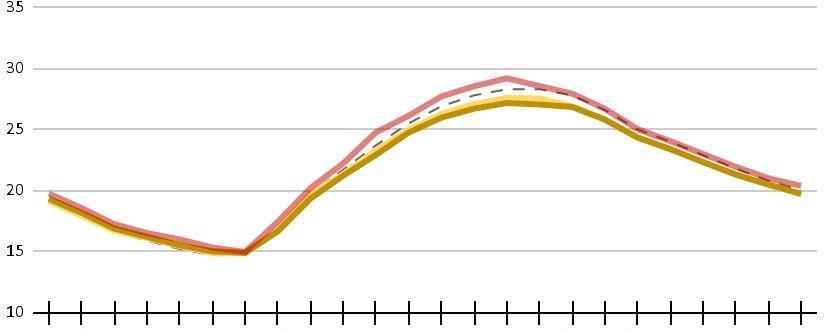
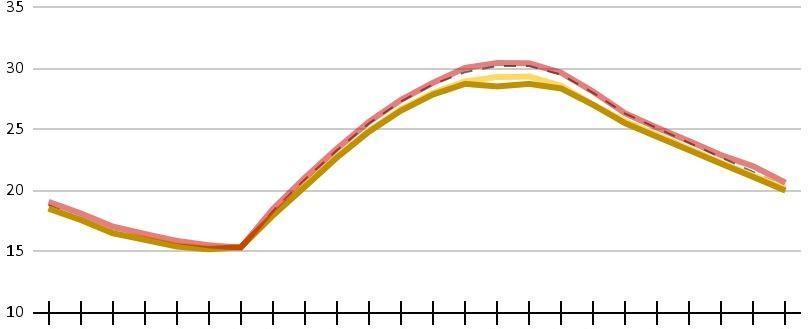
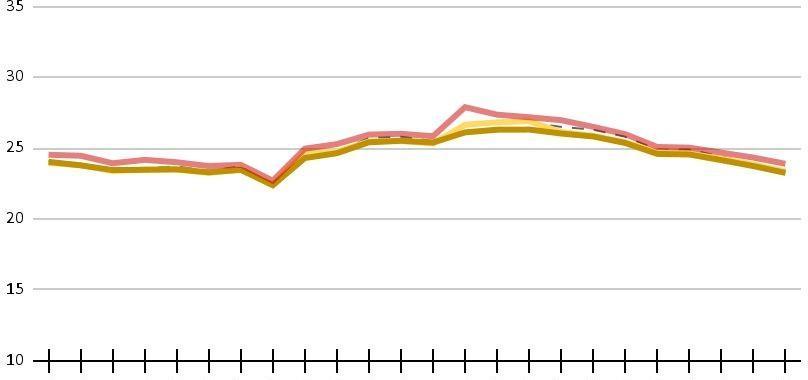
Vernal Equinox 3 pm
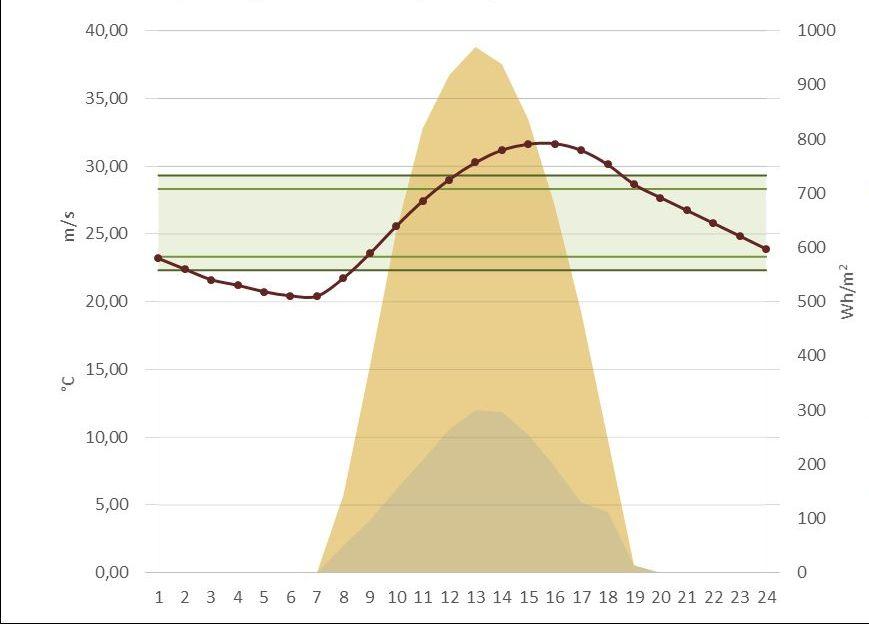
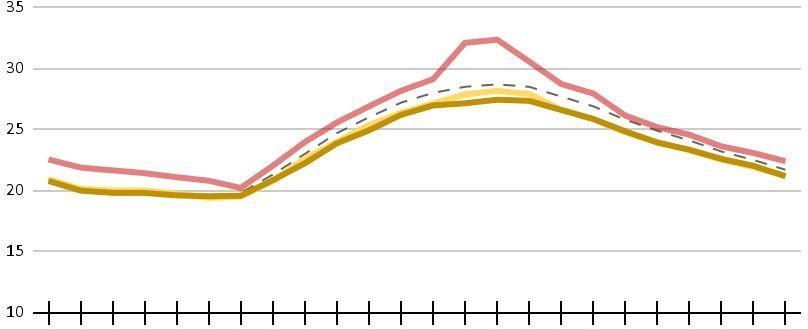
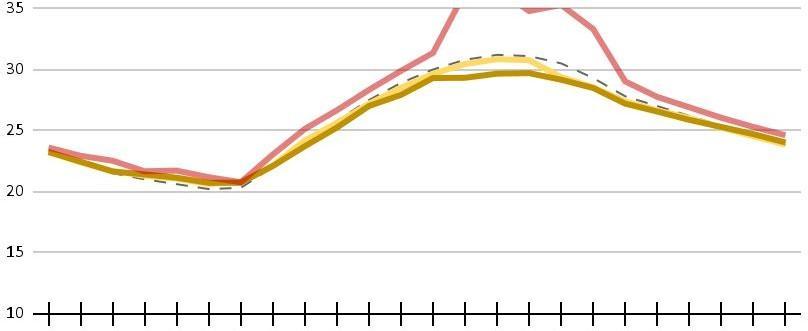
Hottest month March
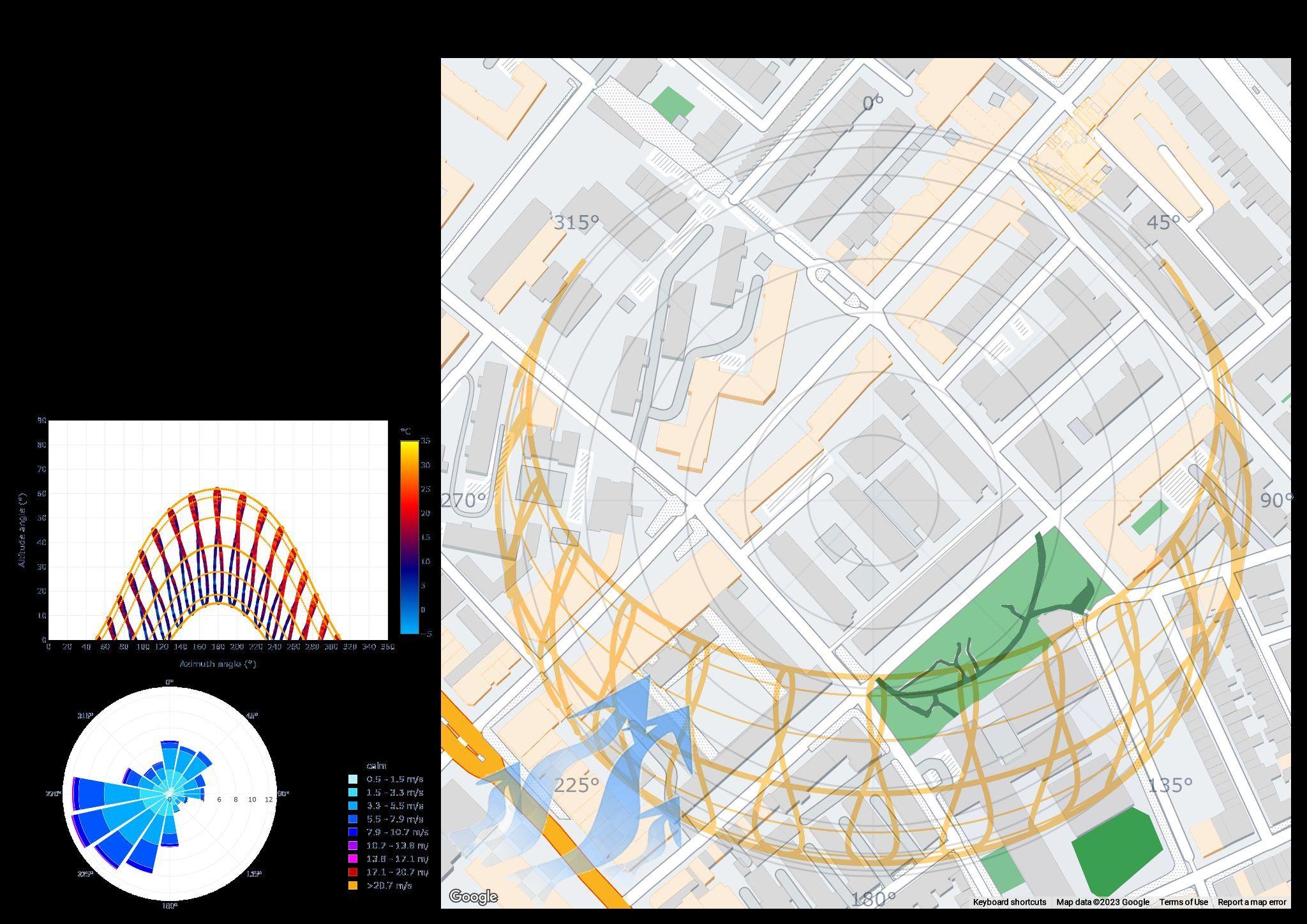
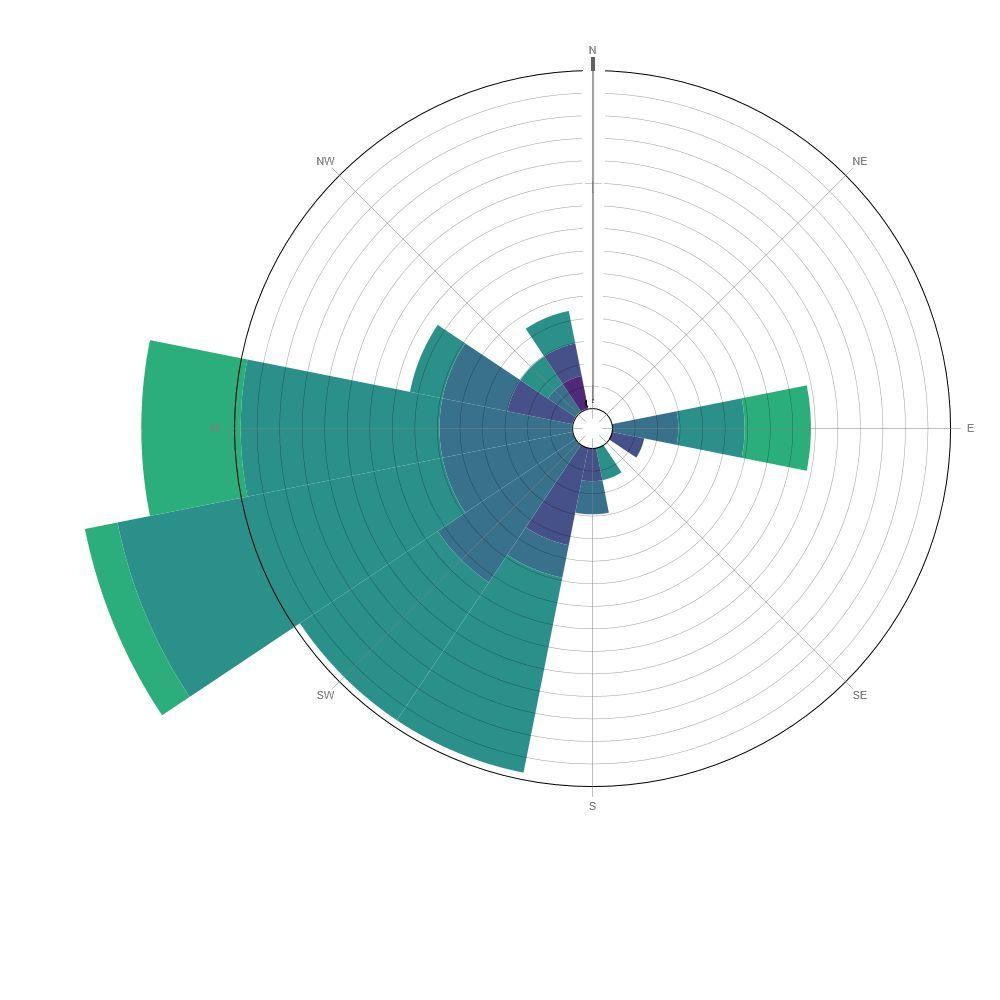
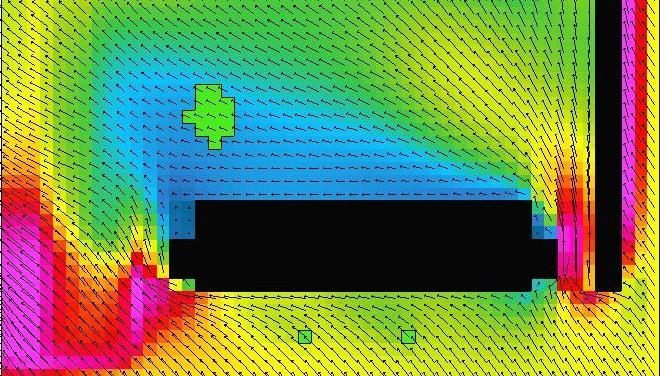
Vernal Equinox 9 am 2. Wind Rose


Summer Solstice (21 Jun) Vernal Equinox (Mar 20)
Solstice (21 Dec)

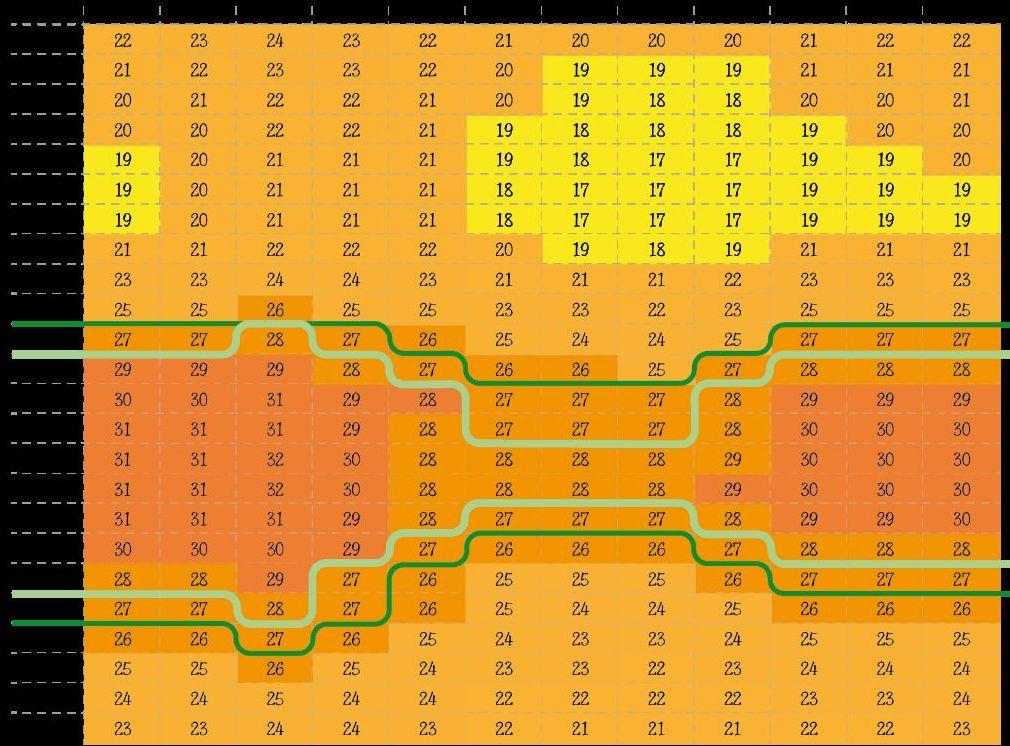
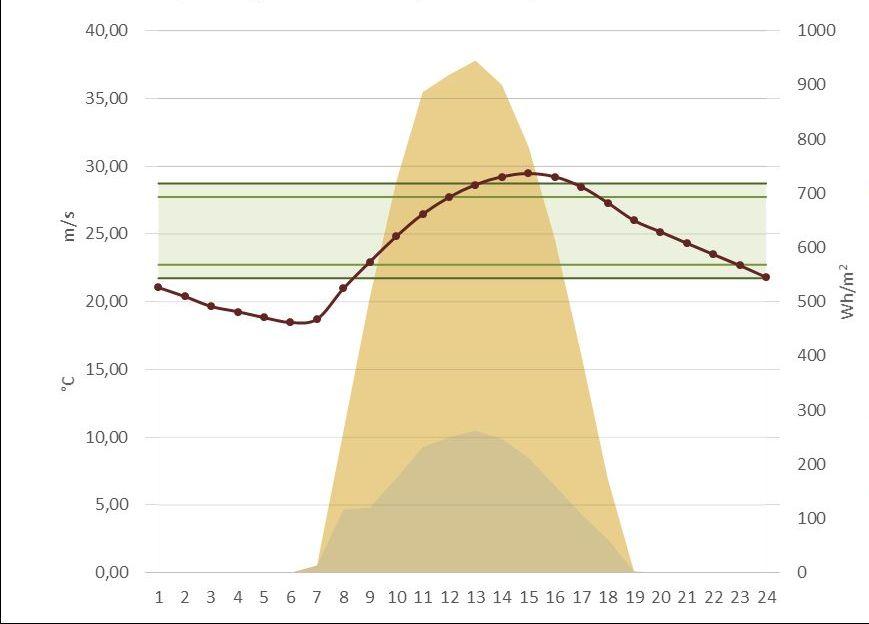
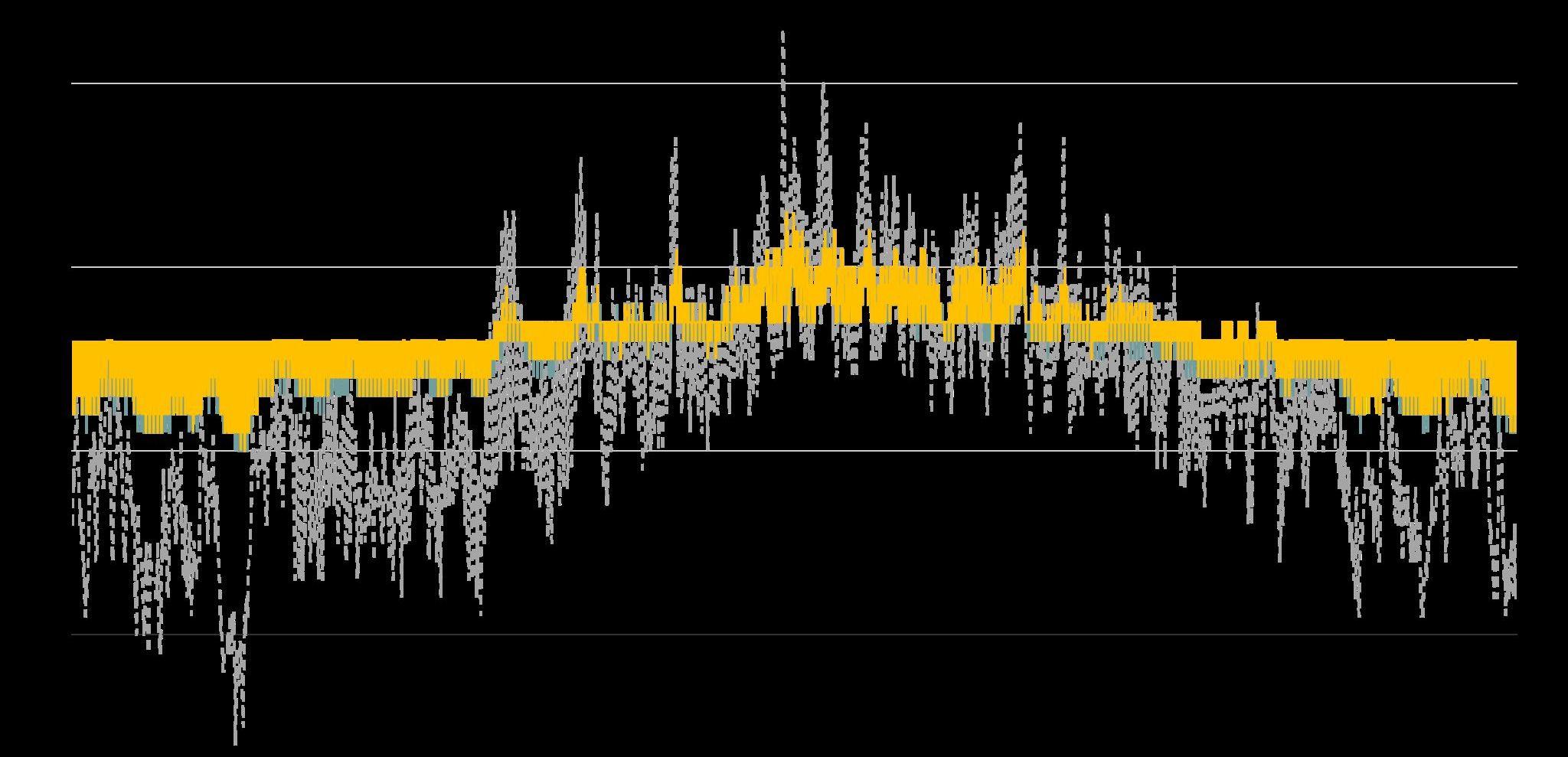
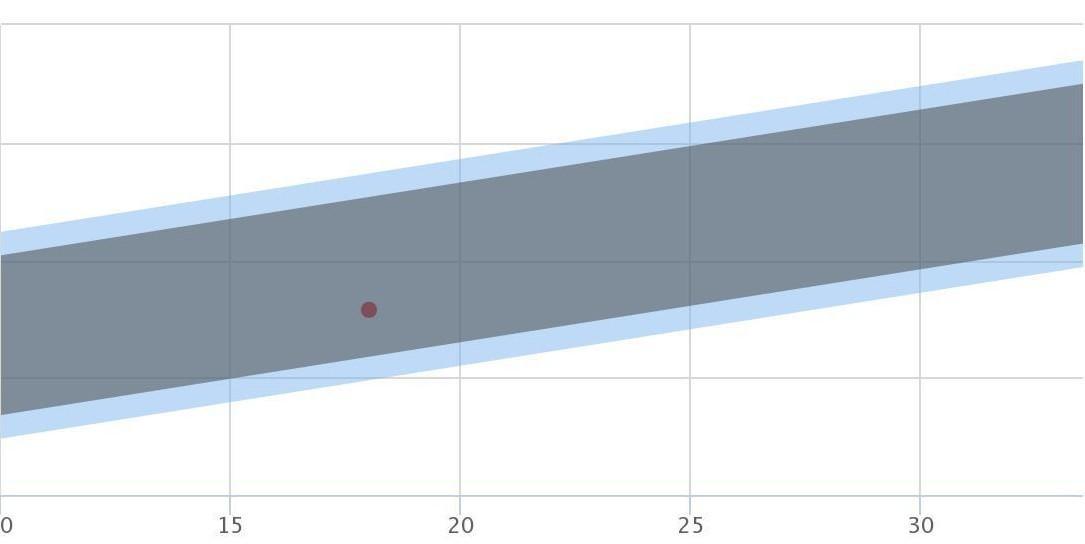
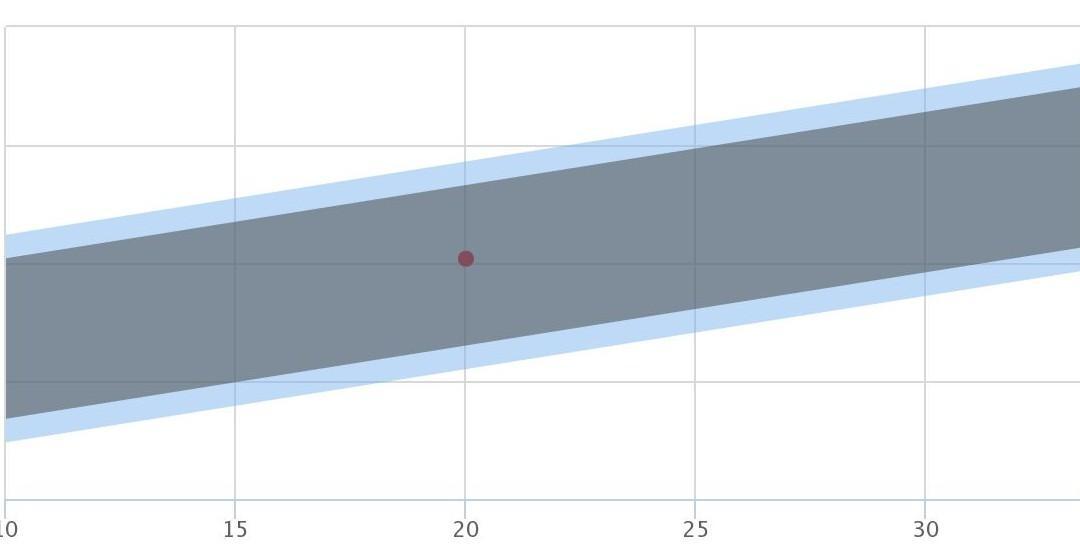
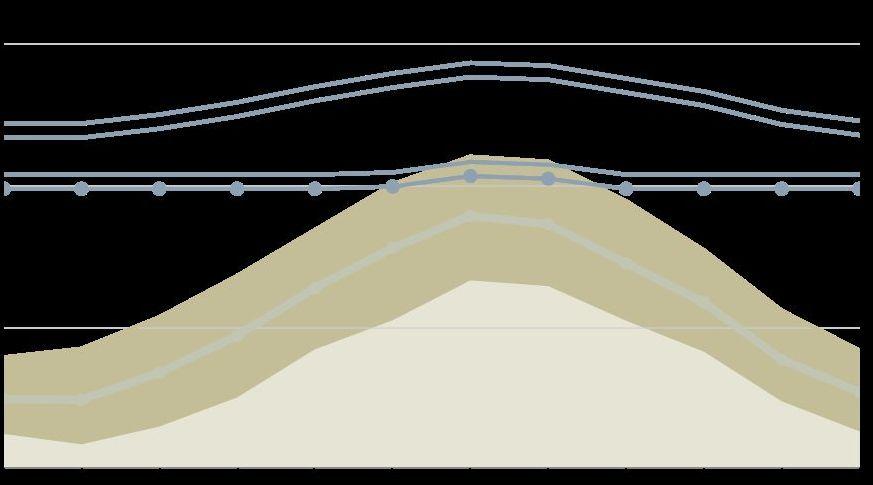
ASHRAE-55 Adaptive comfort 80%
ASHRAE-55 Adaptive comfort 90%
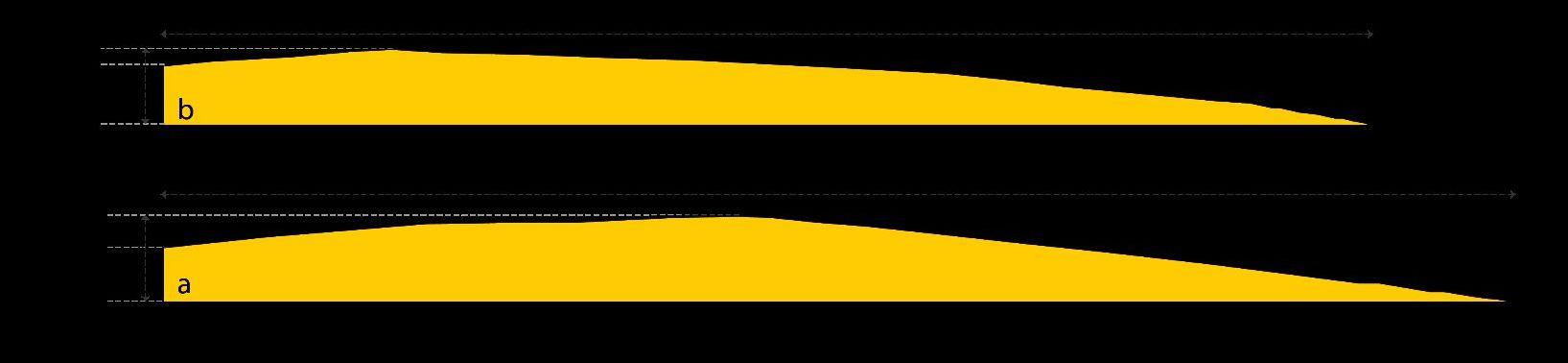
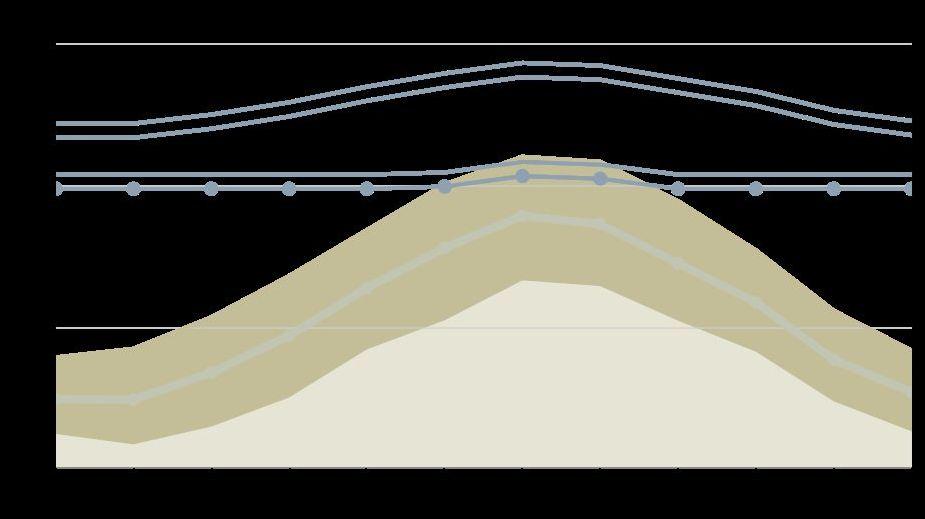
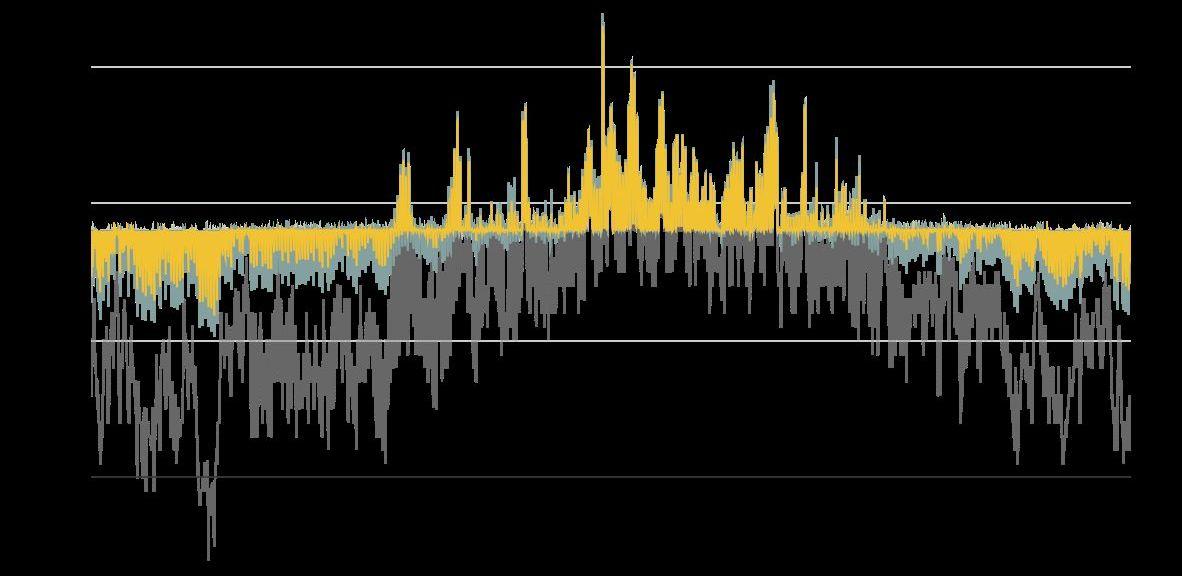
Global horizontal radiation
Diffuse Horizontal radiation
Dry bulb temperature Maximum global horizontal radiation
global horizontal radiation


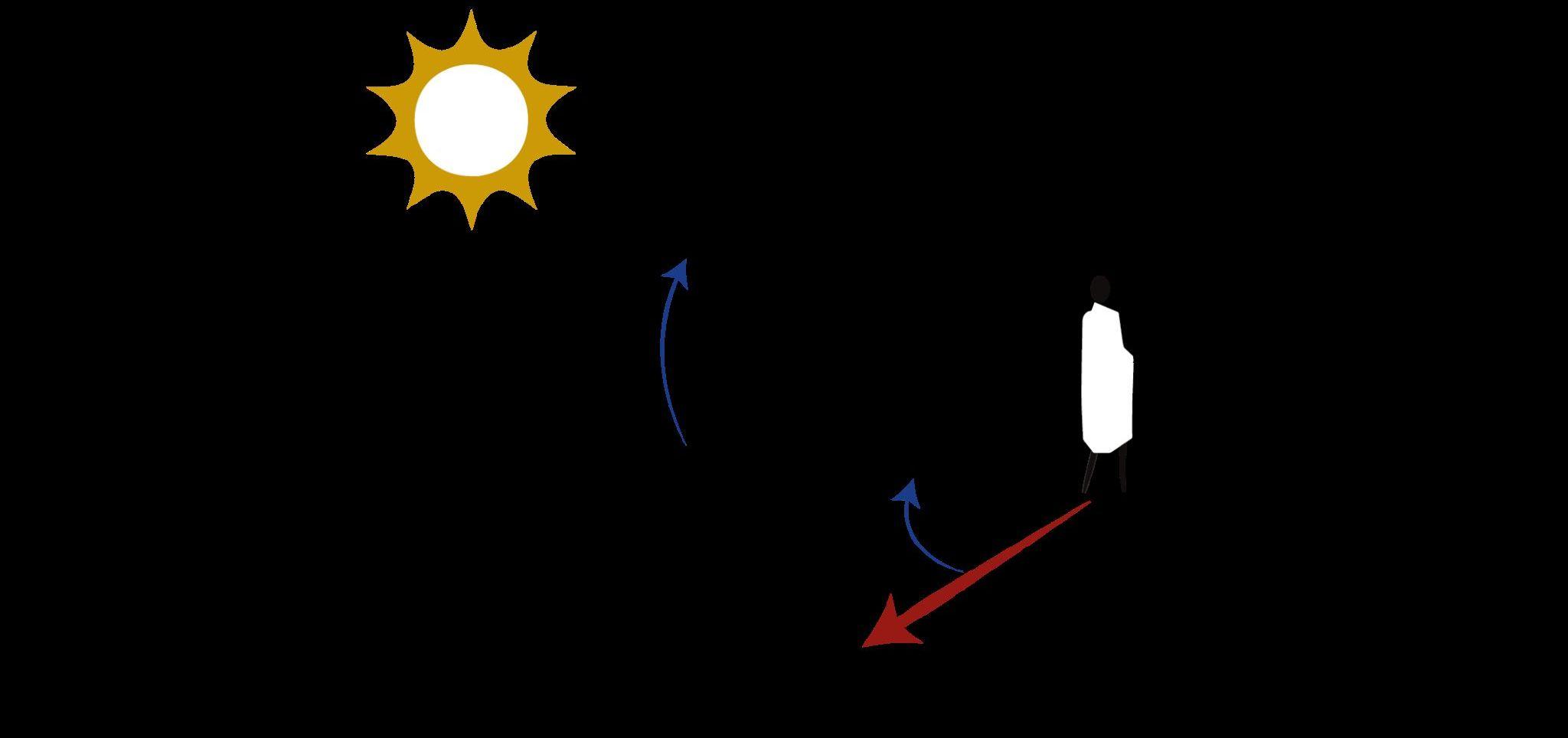








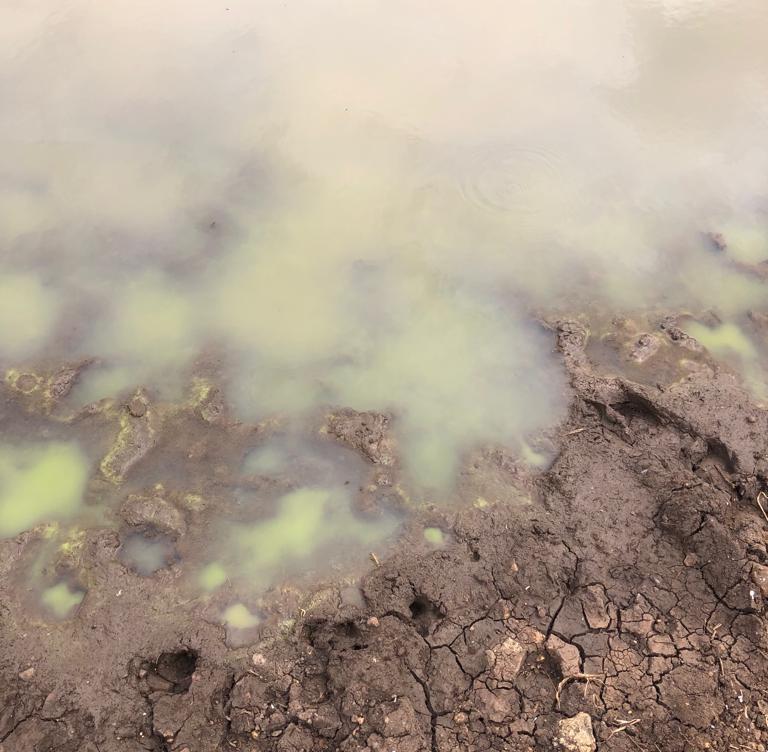
Proposed water source: Girls attending school
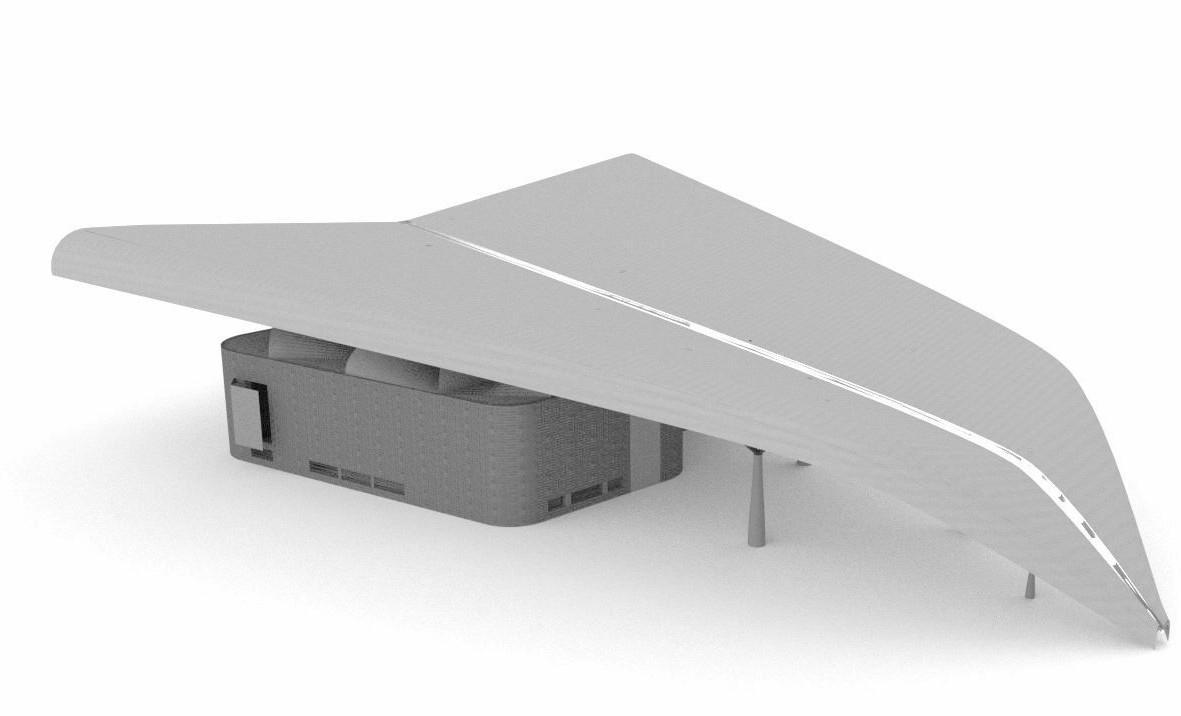
5.3 liters per students/day
Current water source: Girls fetching water
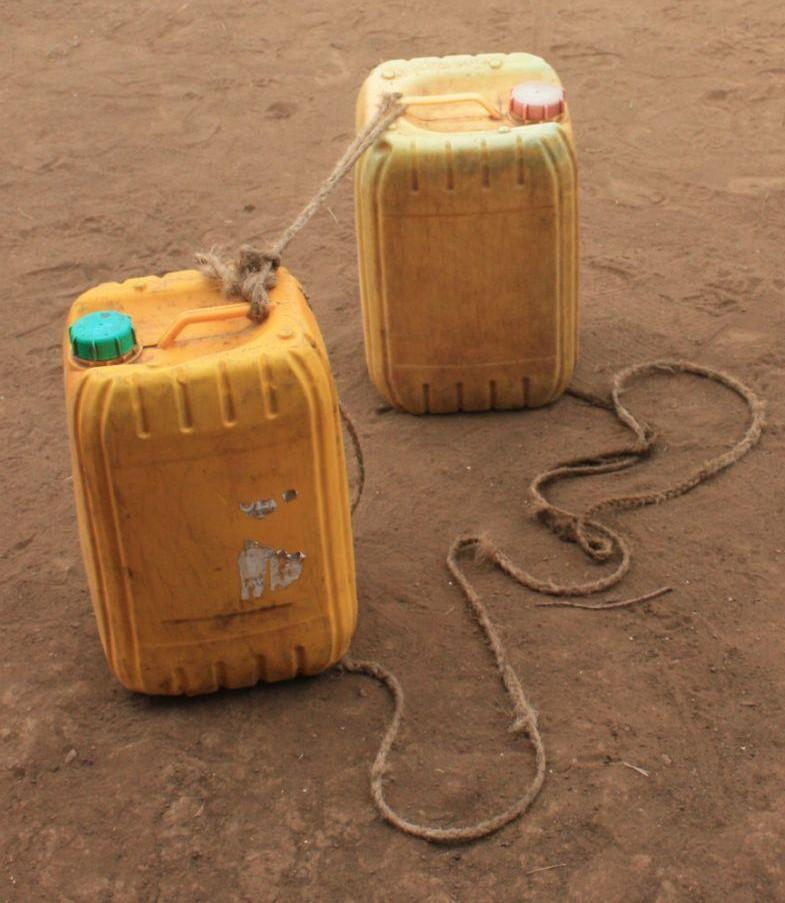
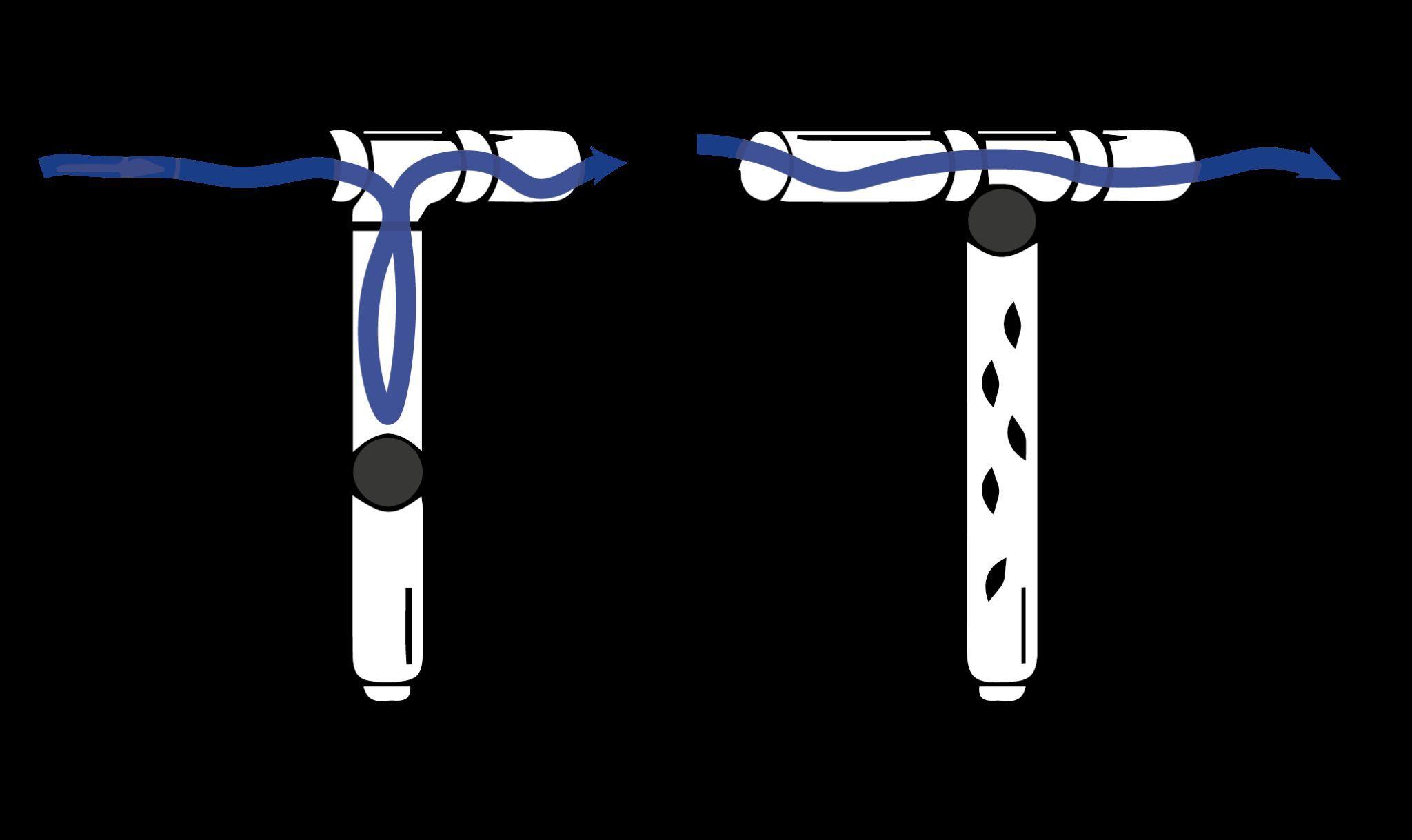
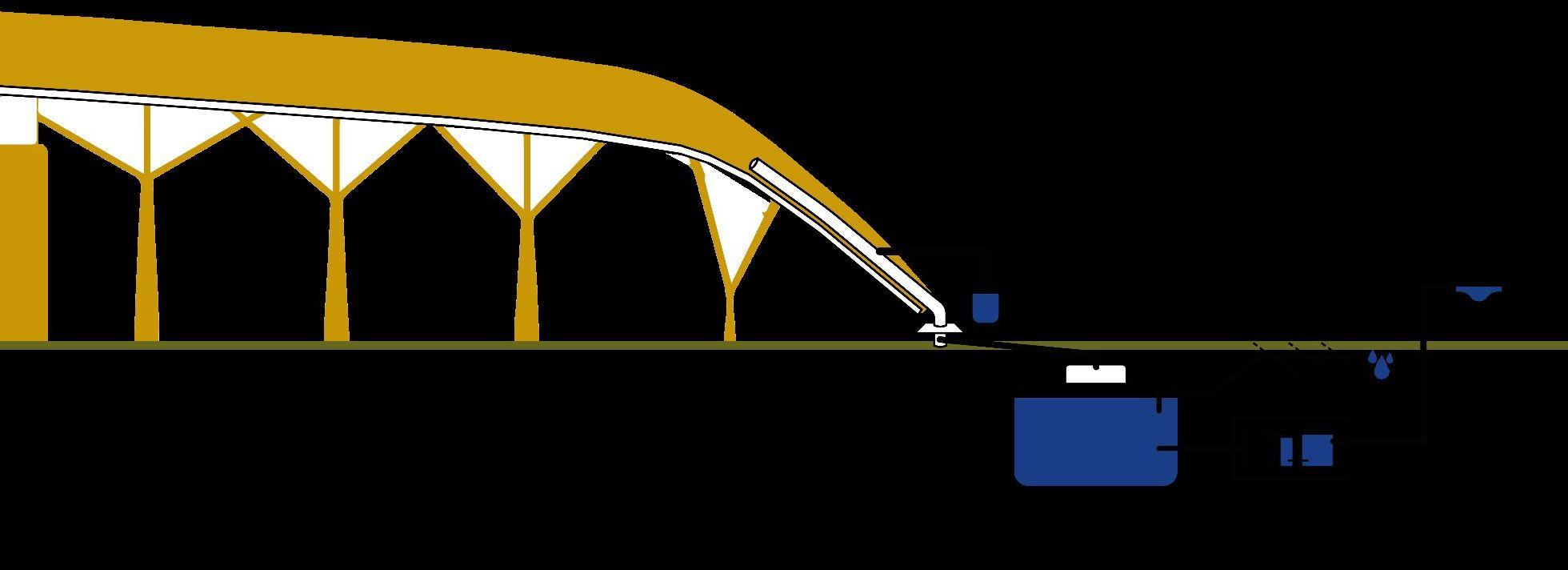

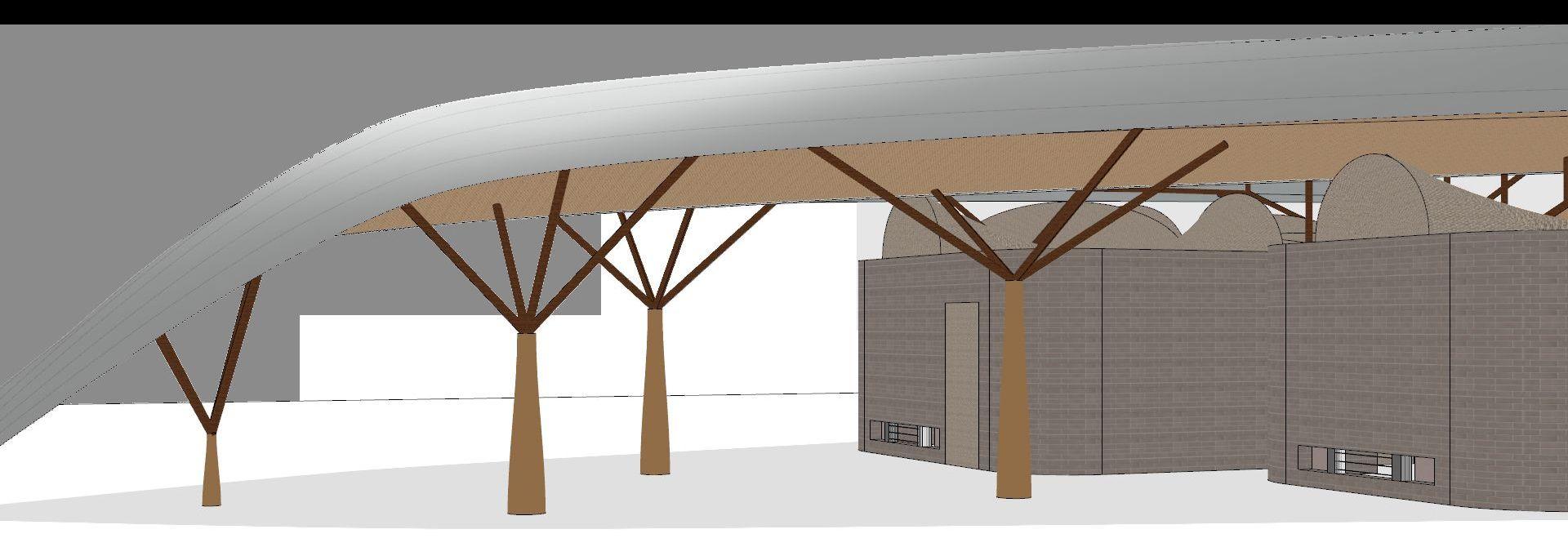
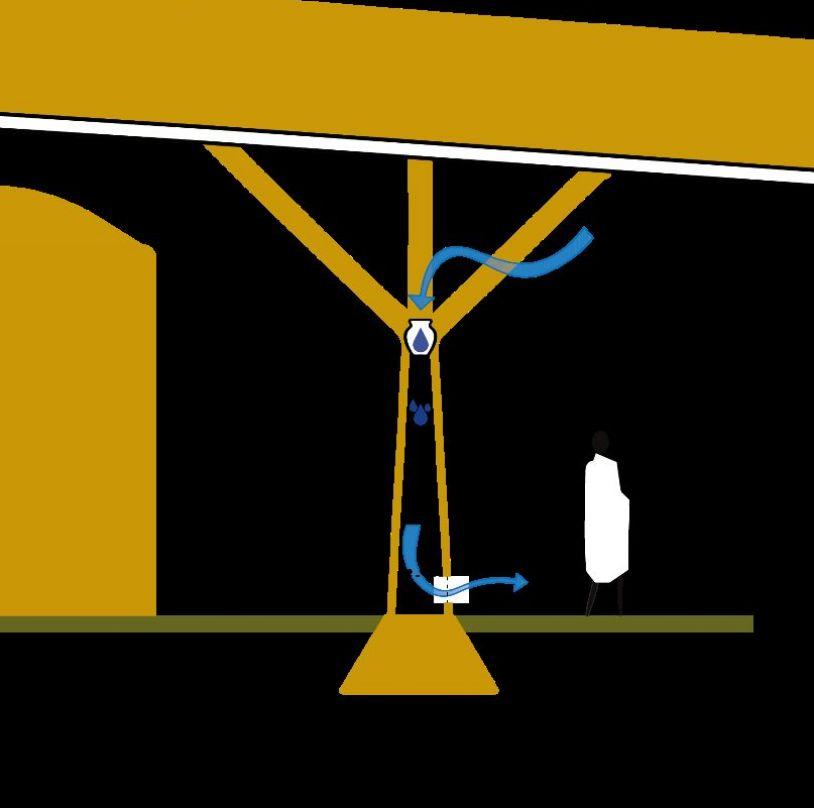
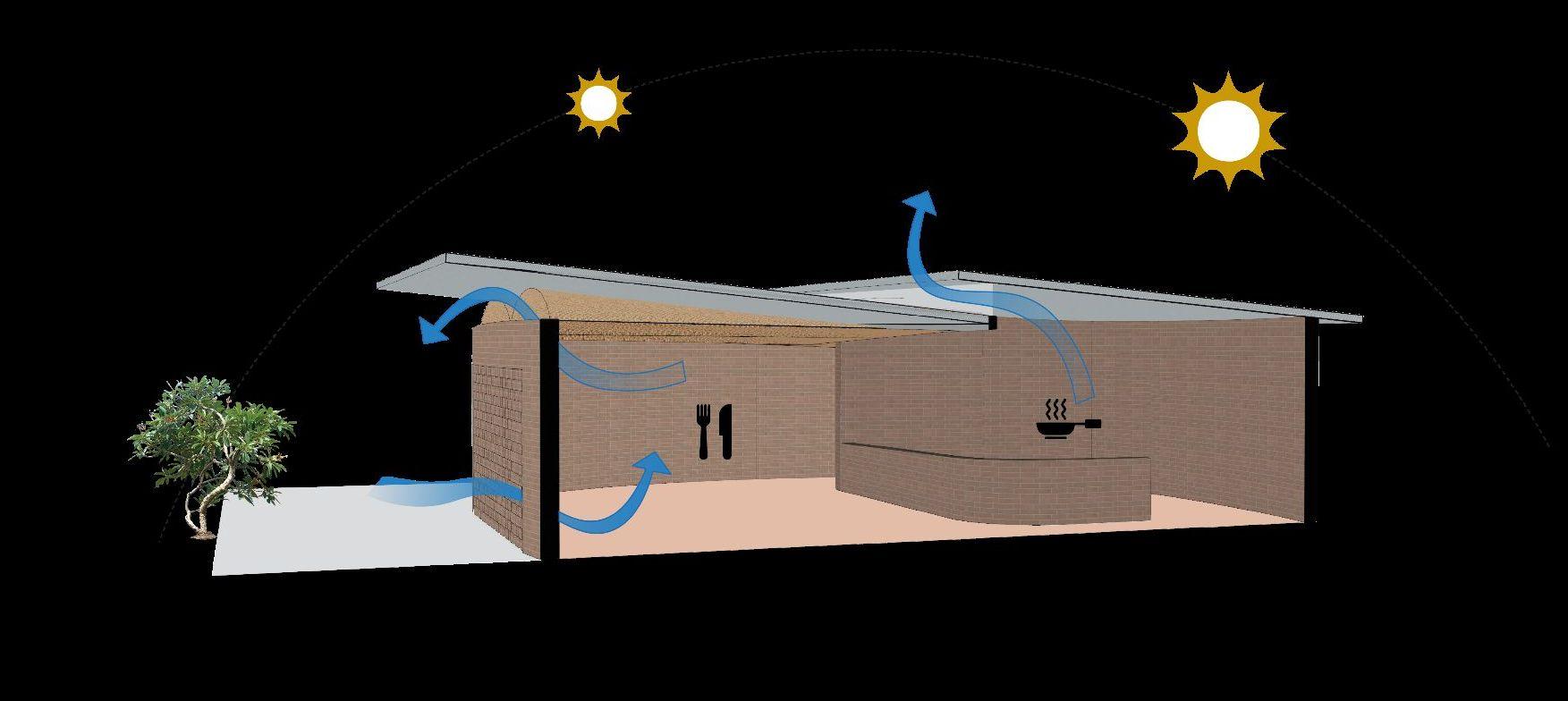
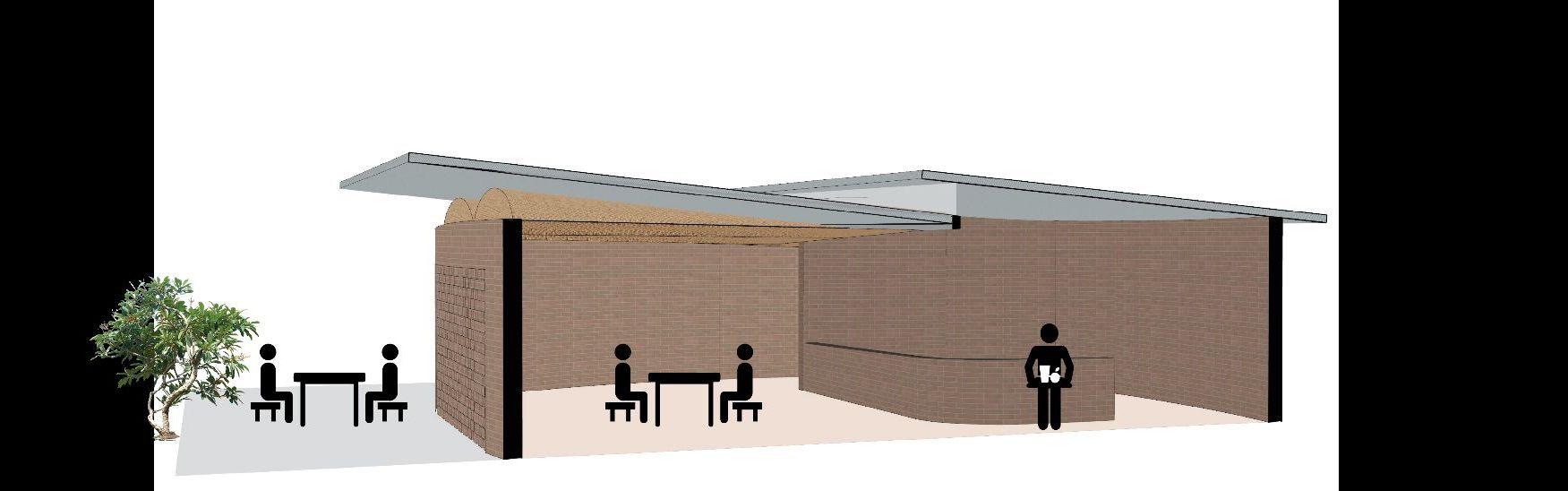
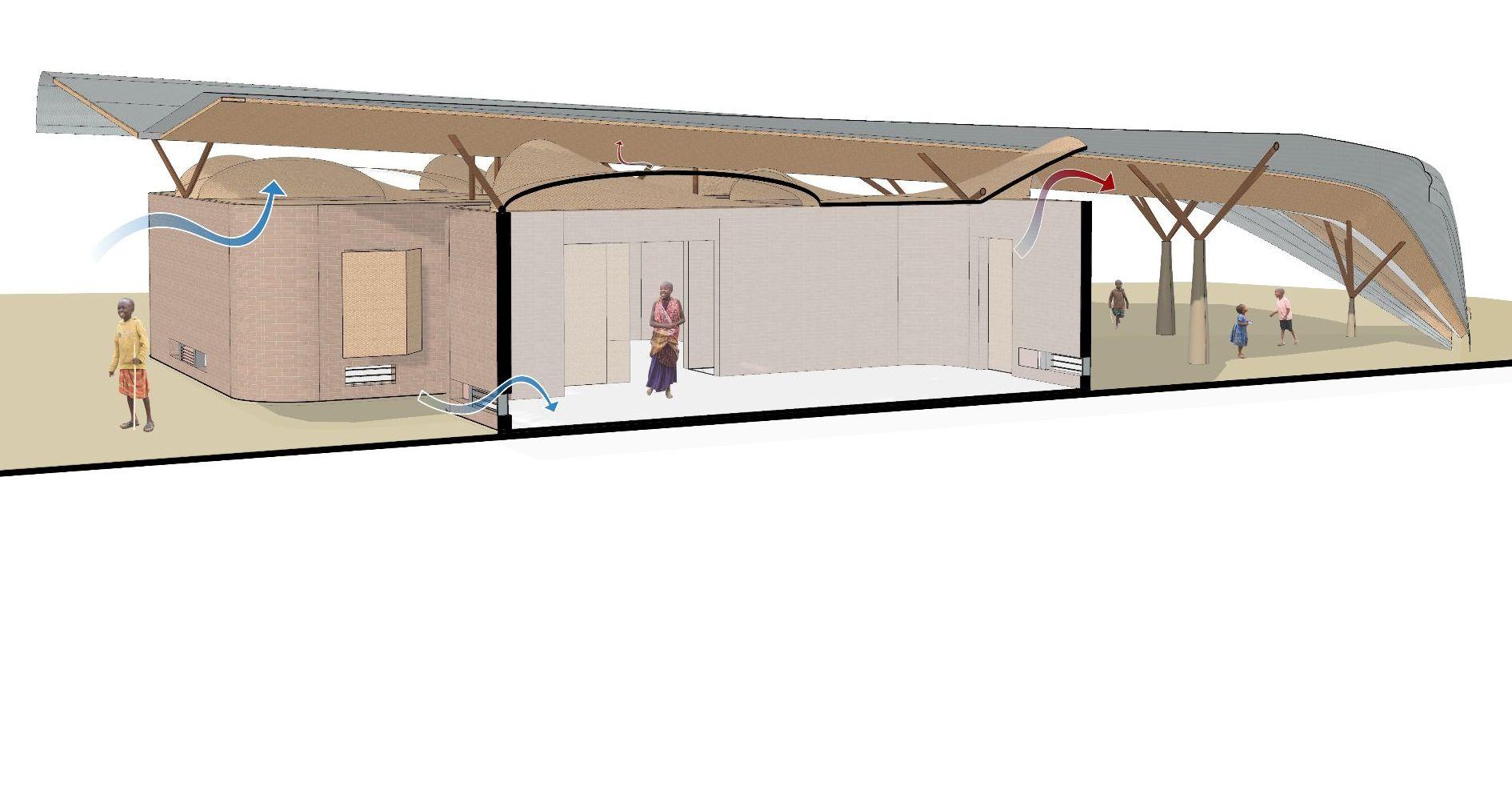
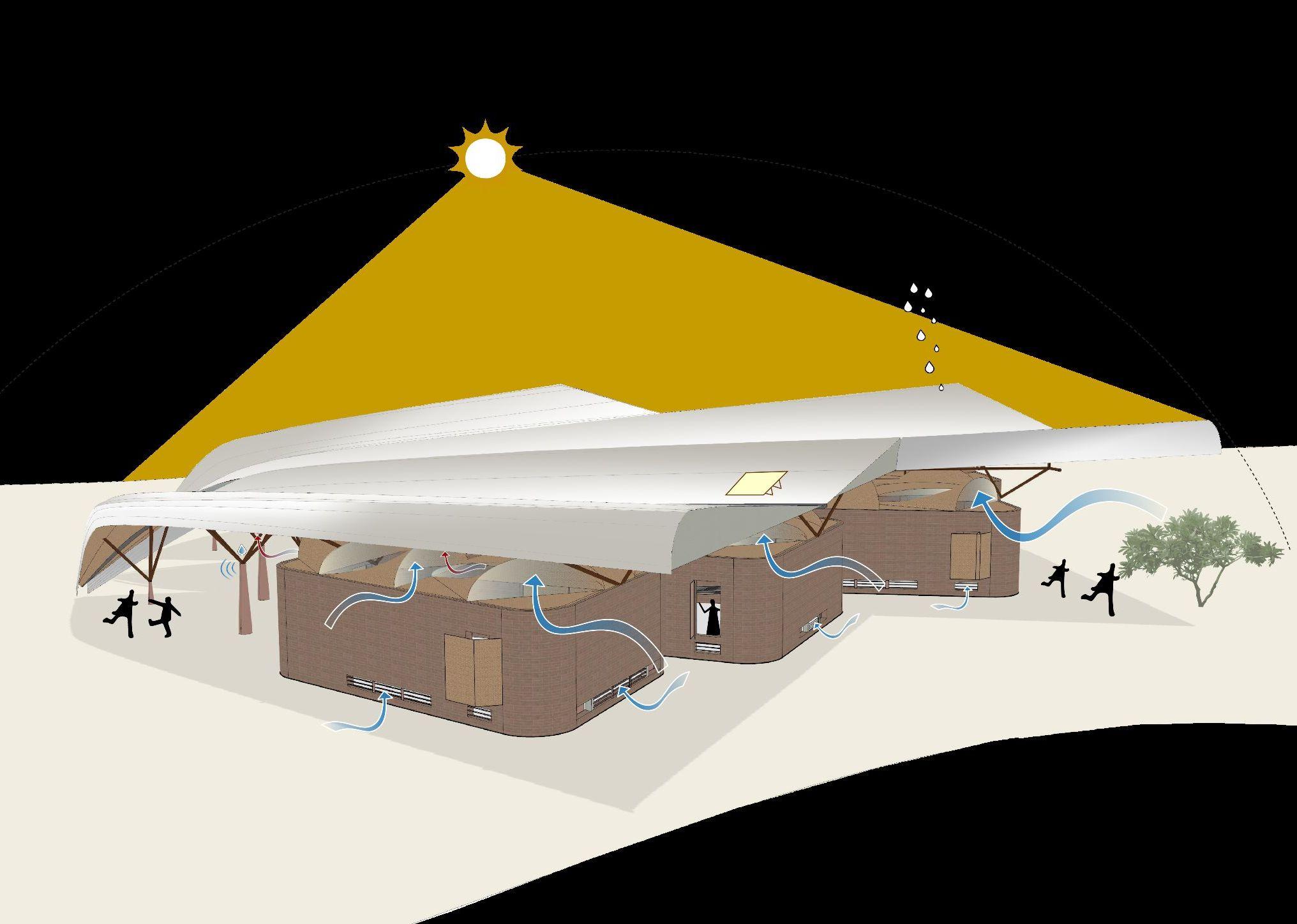
Evaporative cooling integrated into the column in the middle of the yard.
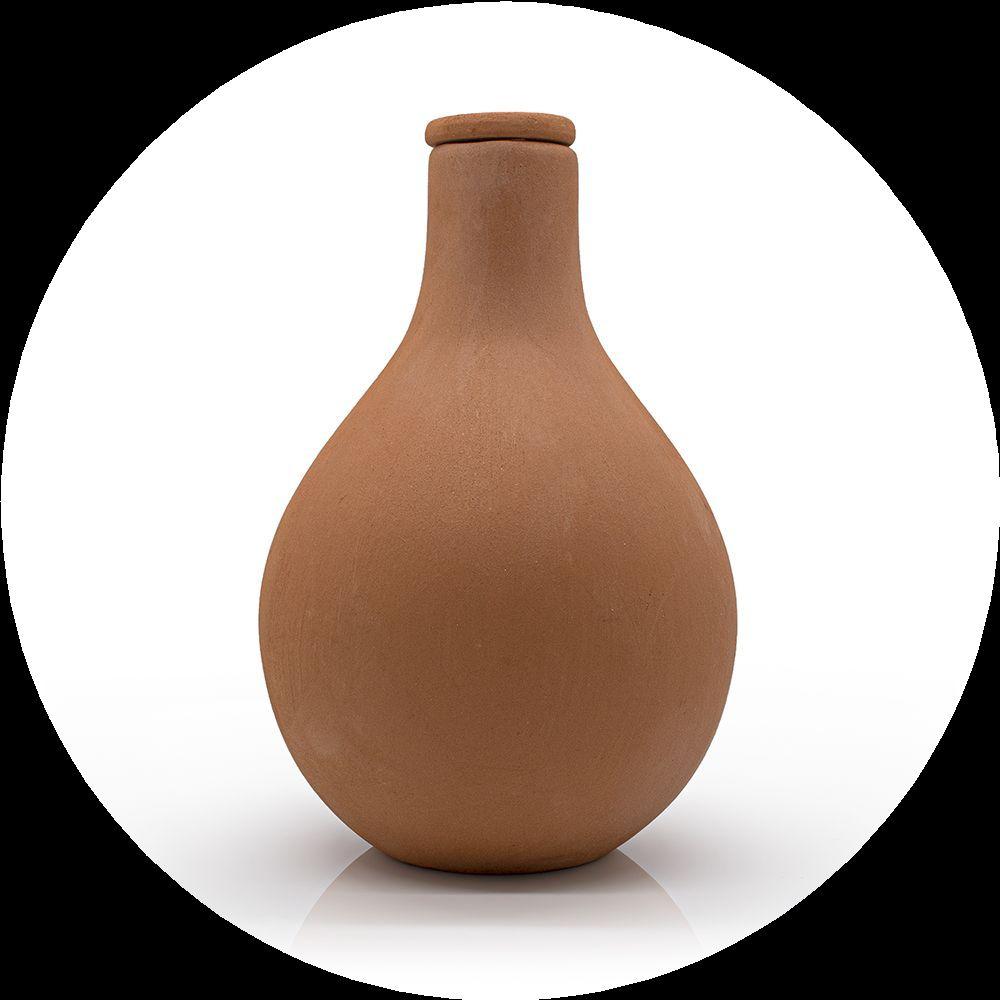
Porous clay jars with water
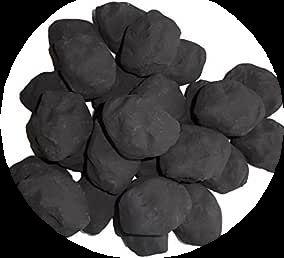
Charcoal on grating
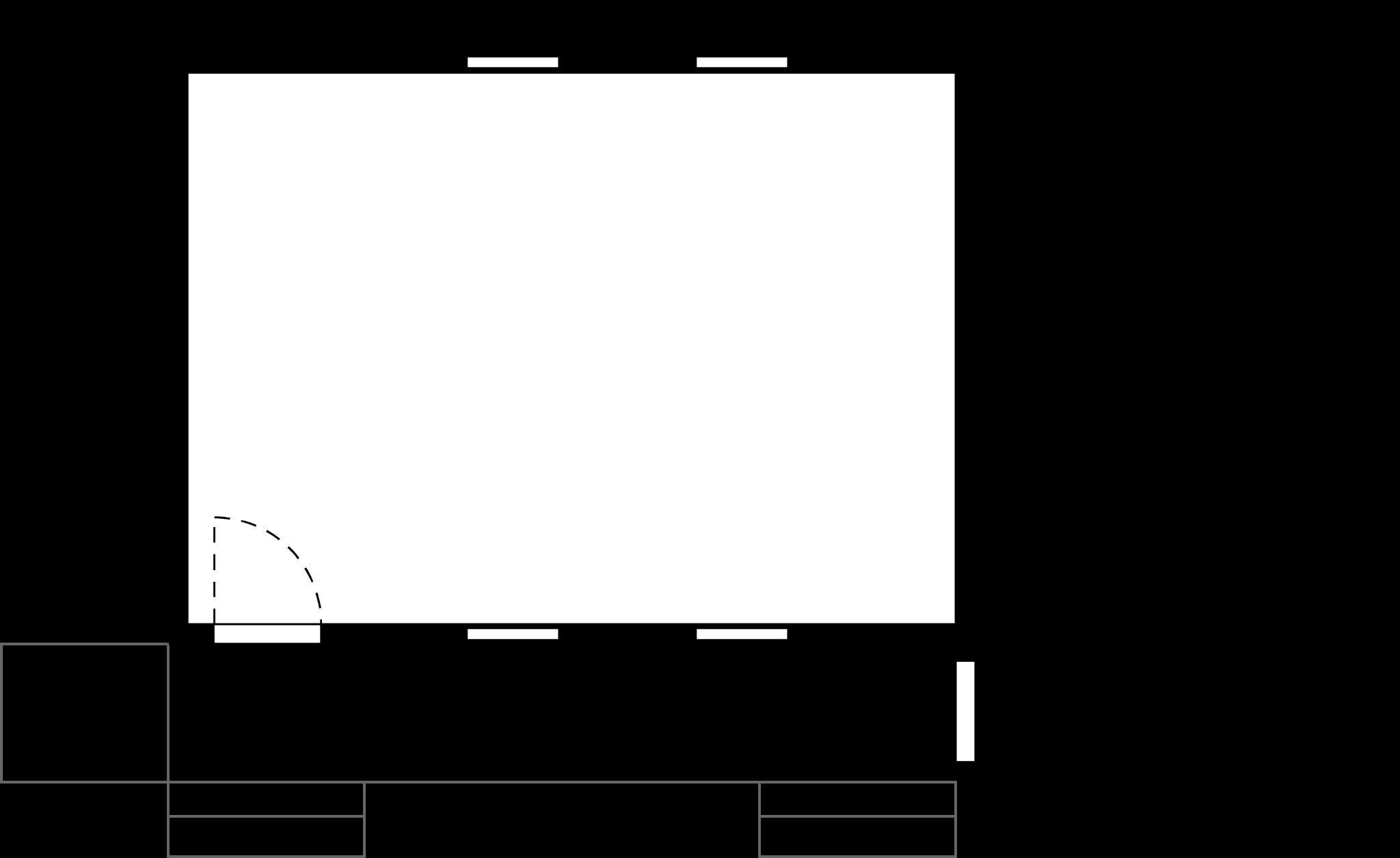
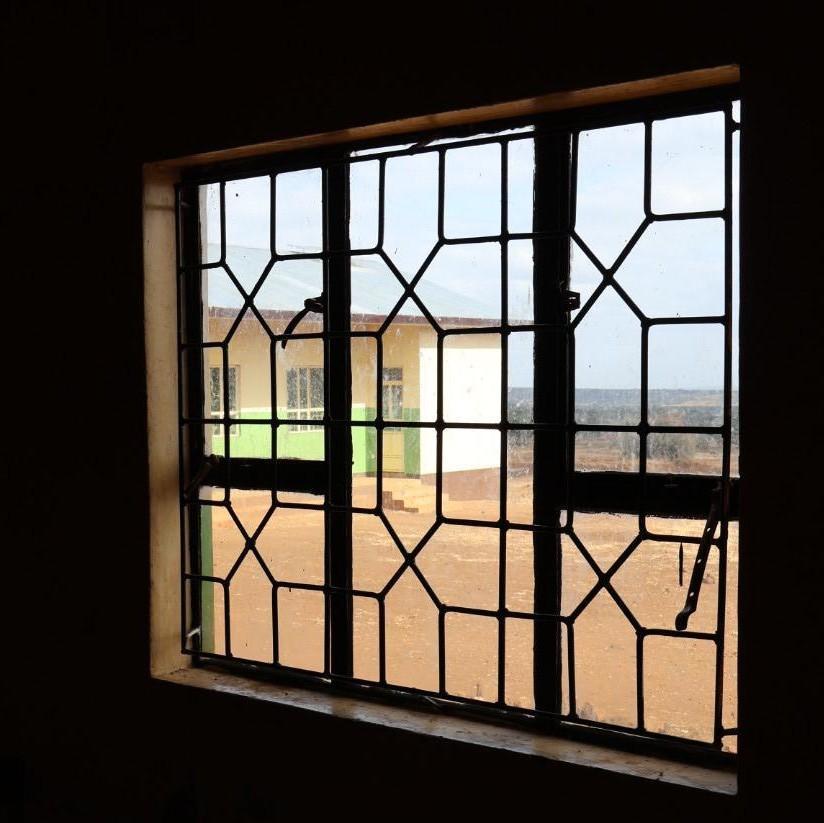
Opening with mesh
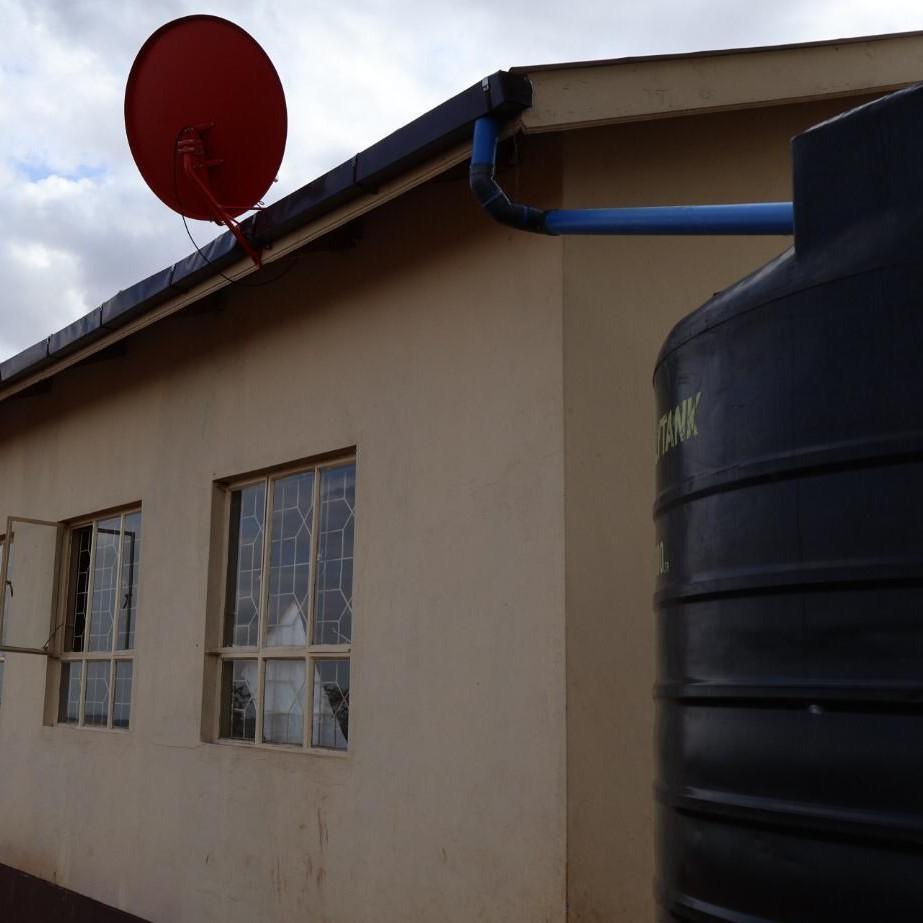
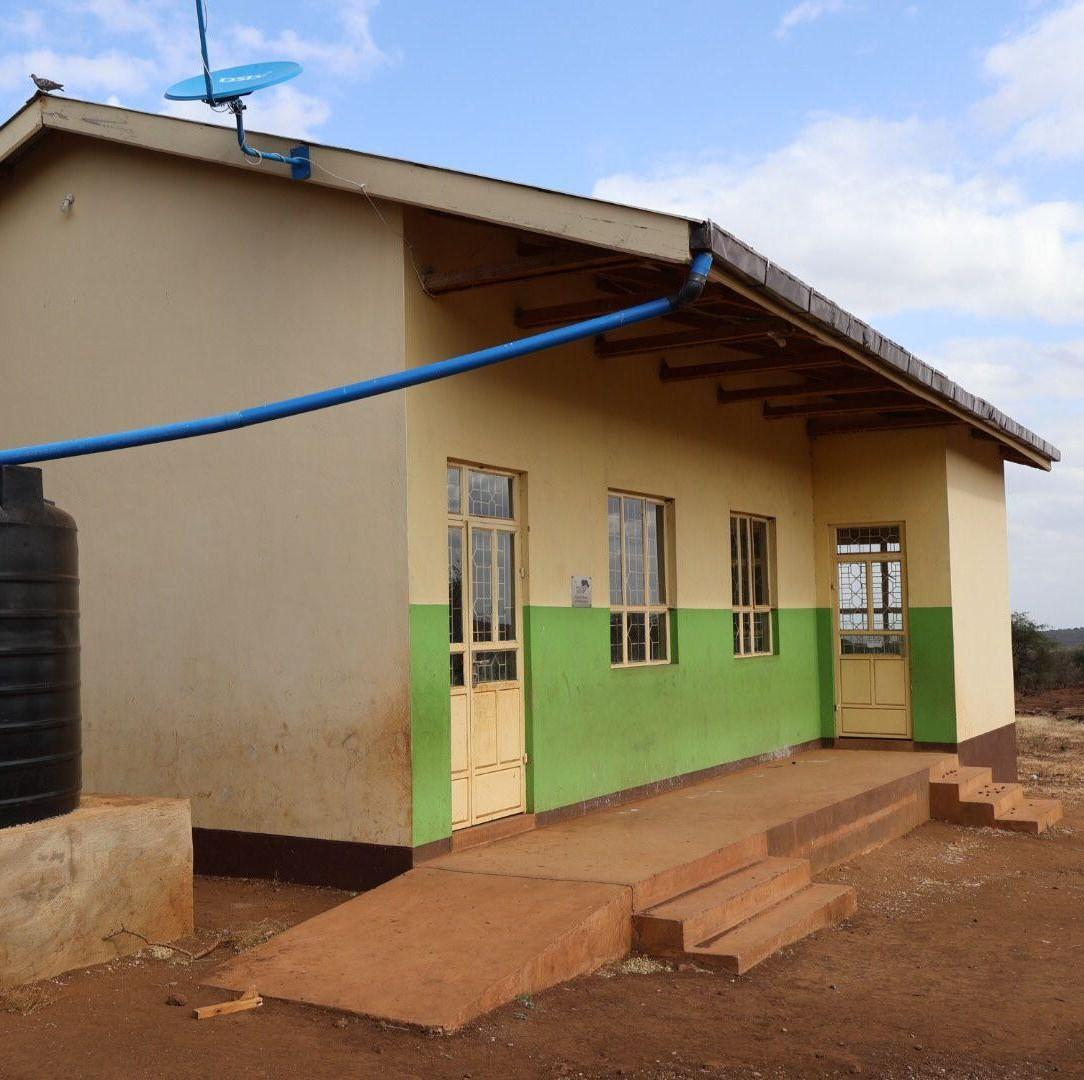
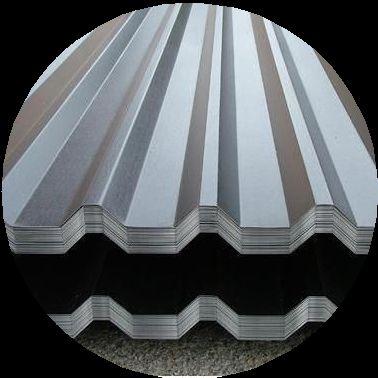
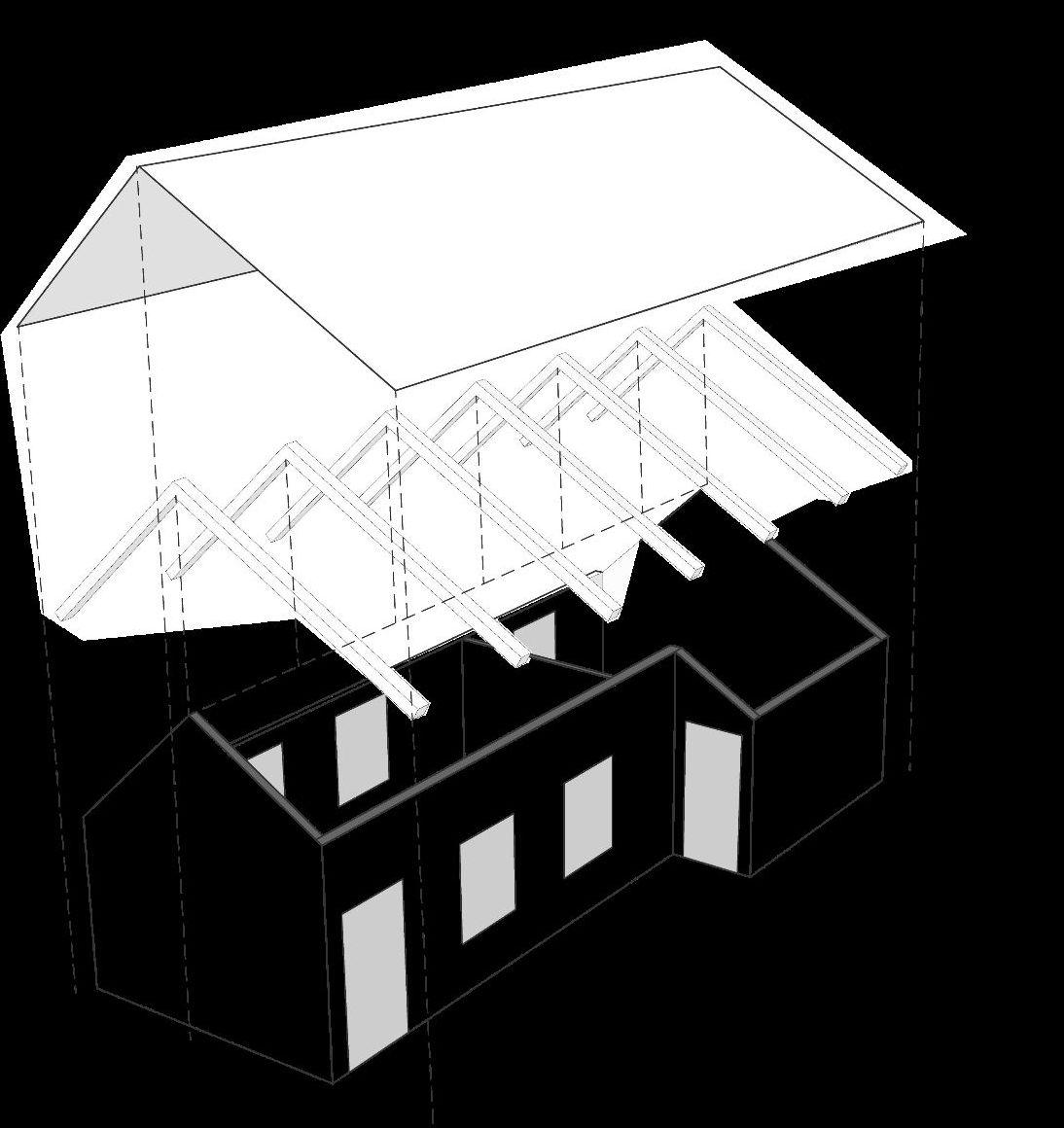
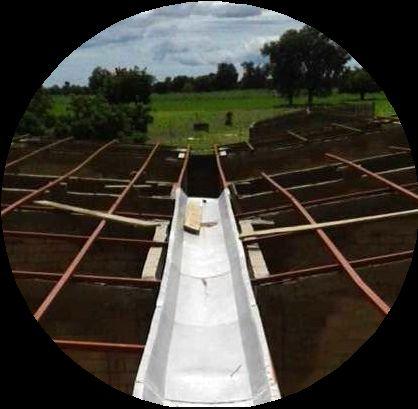
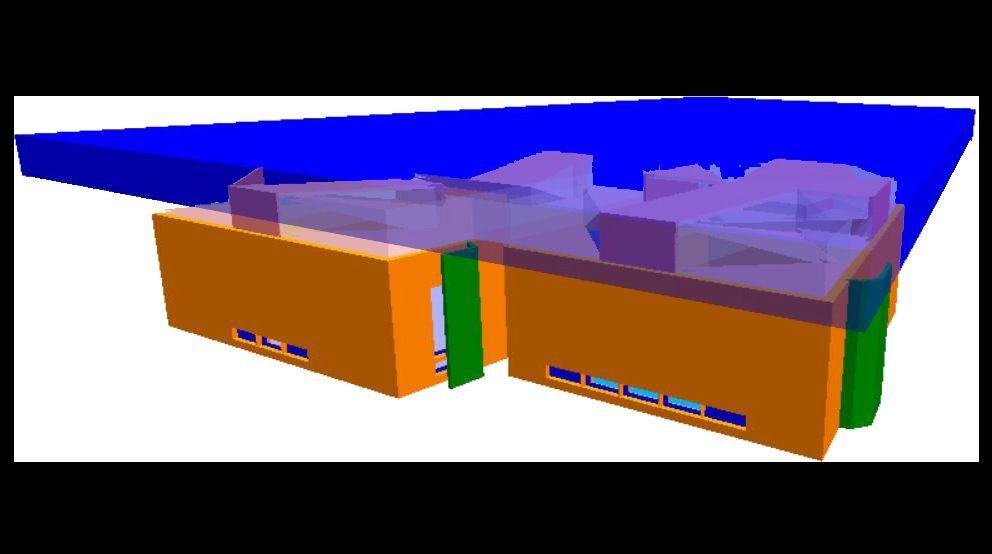
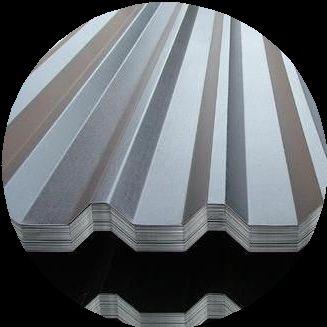
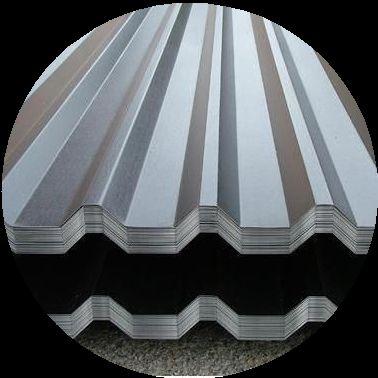
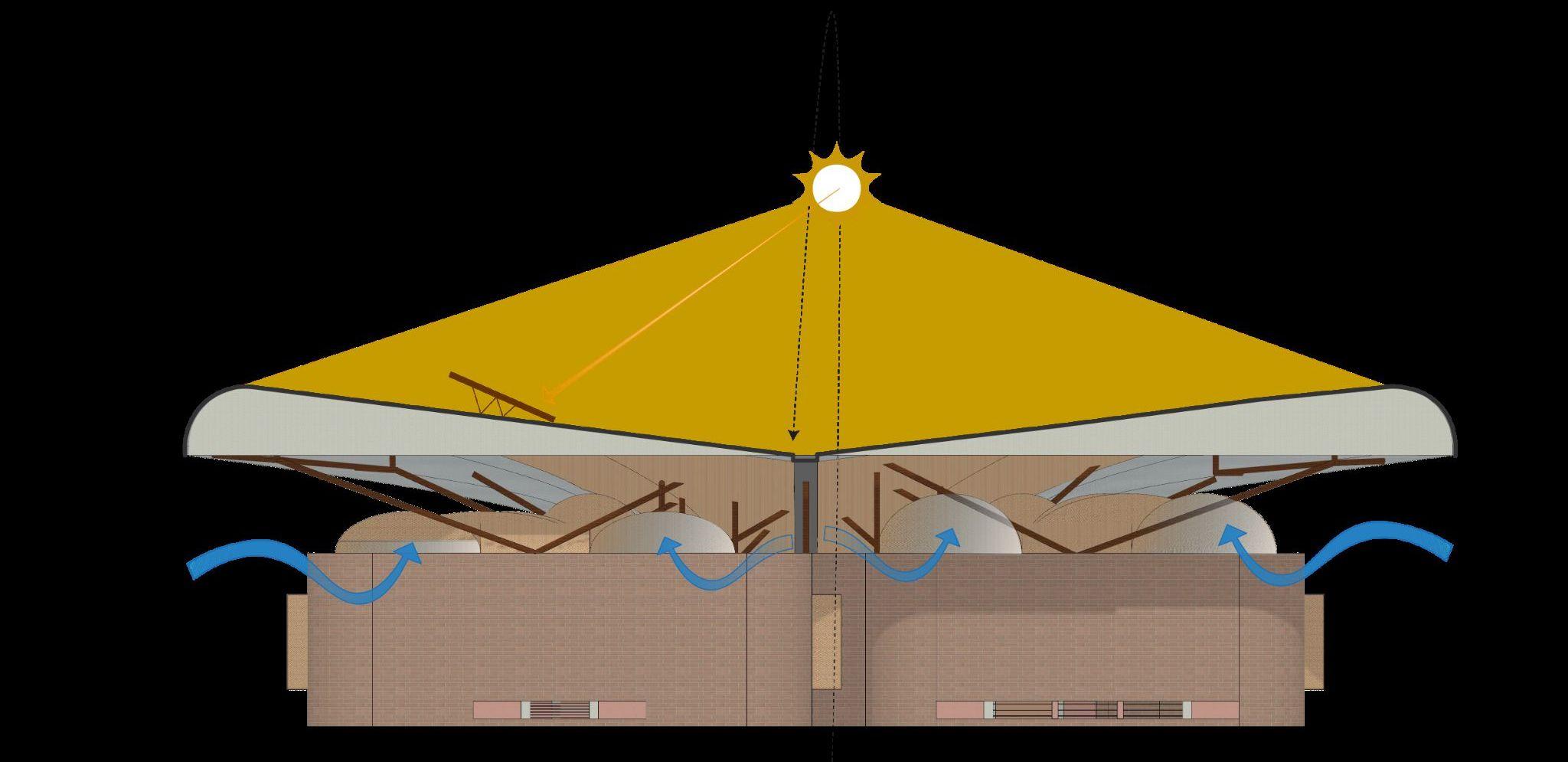
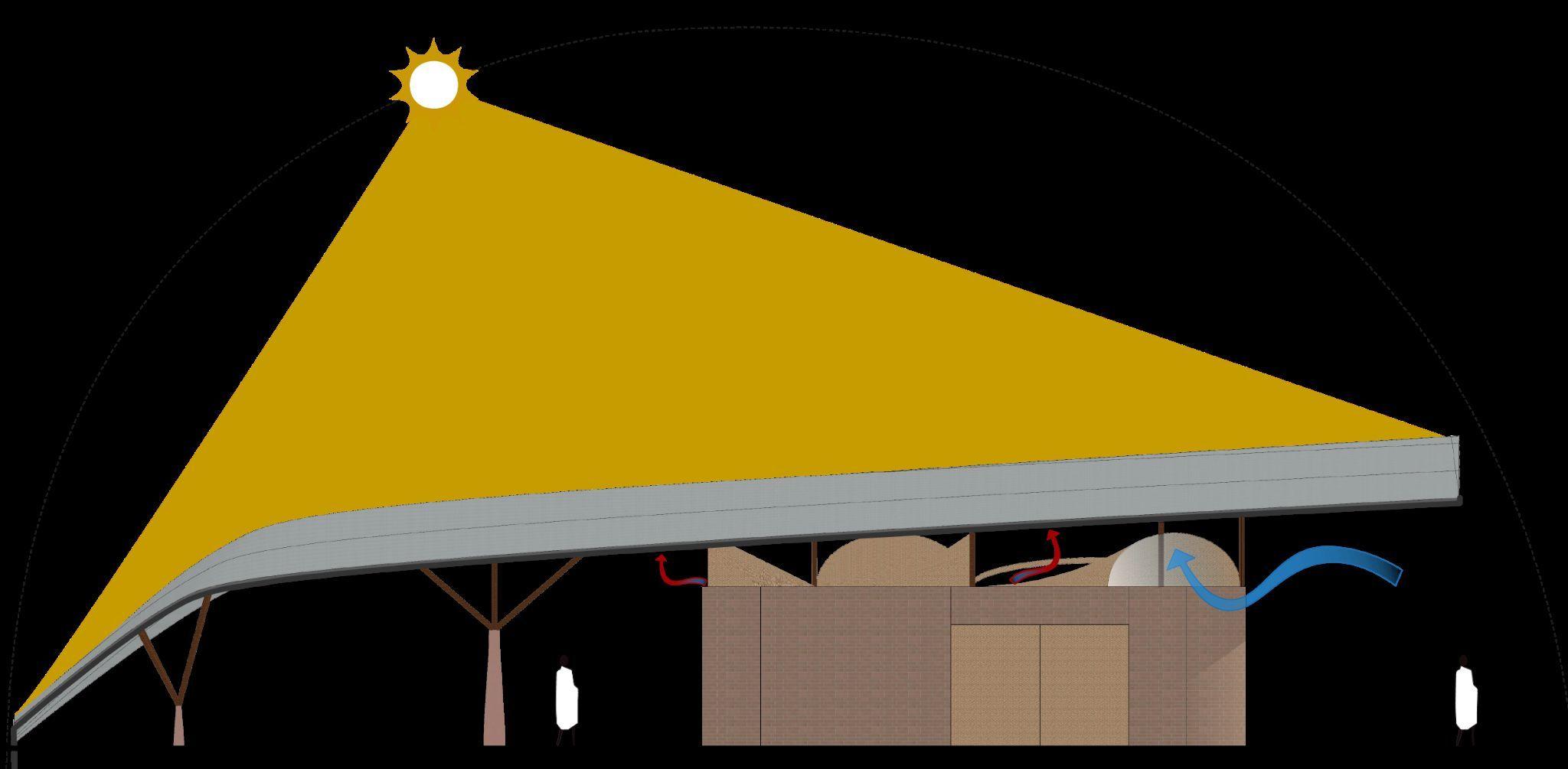
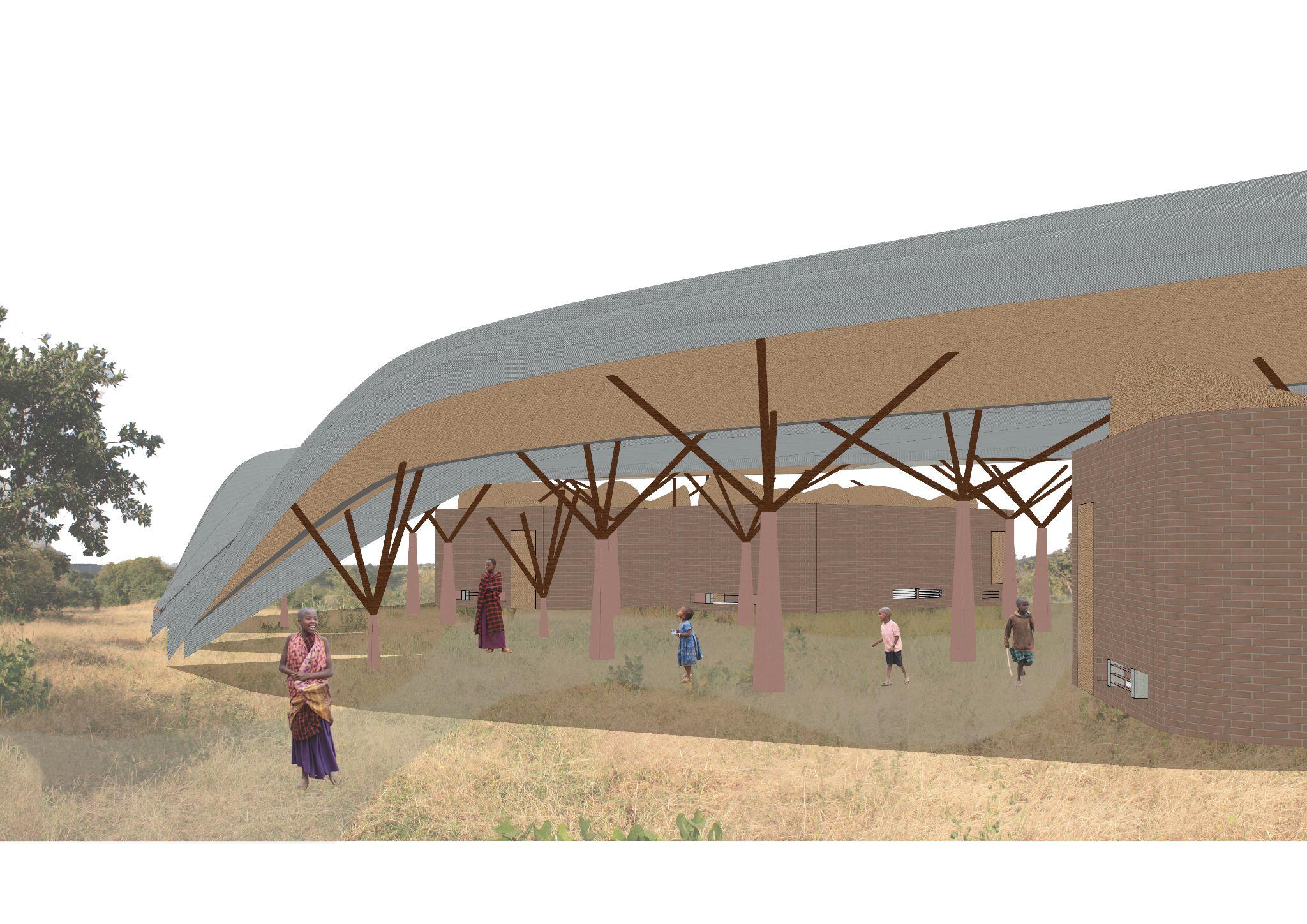
Corrugated sheet to allow maximize water harvesting
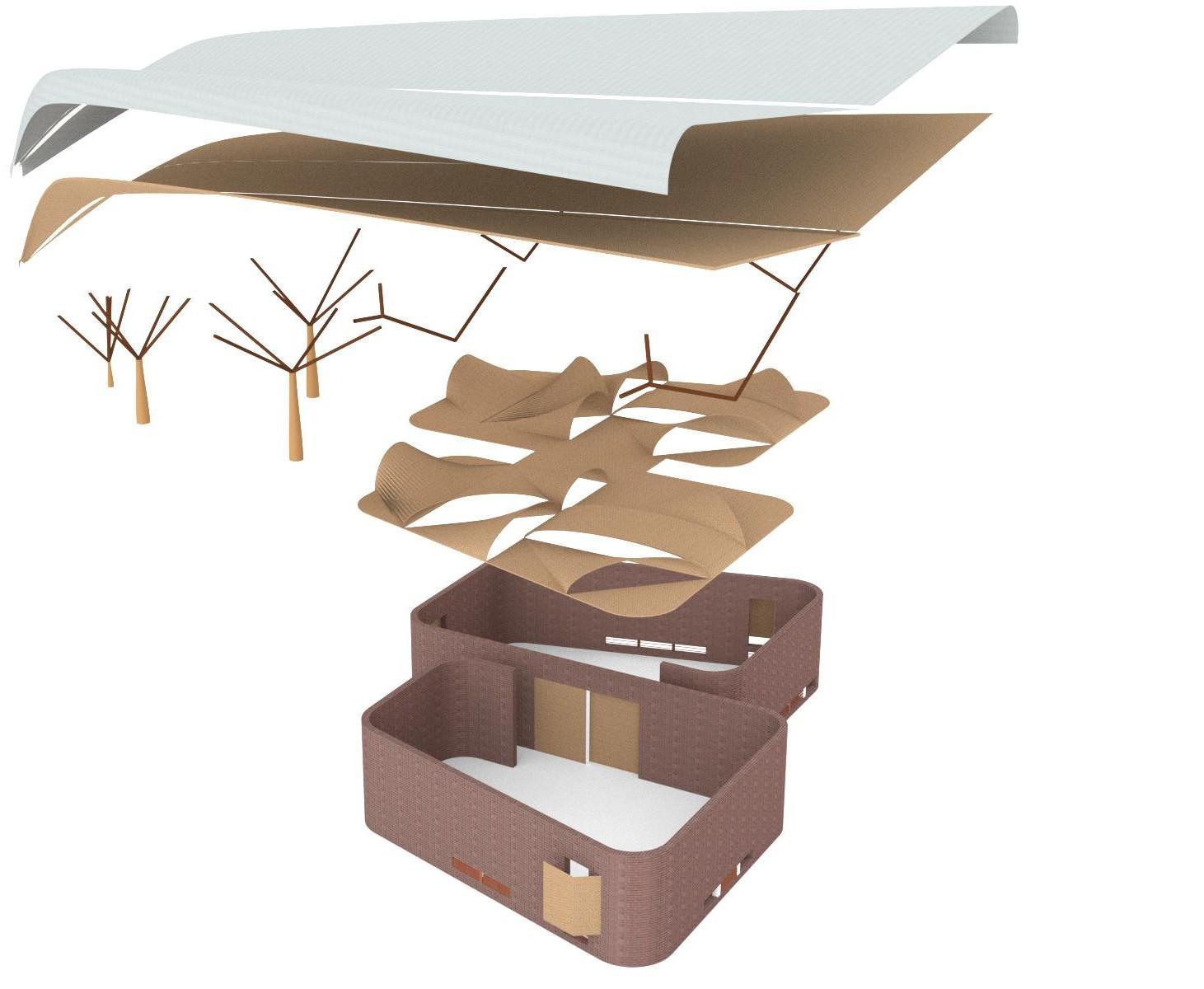
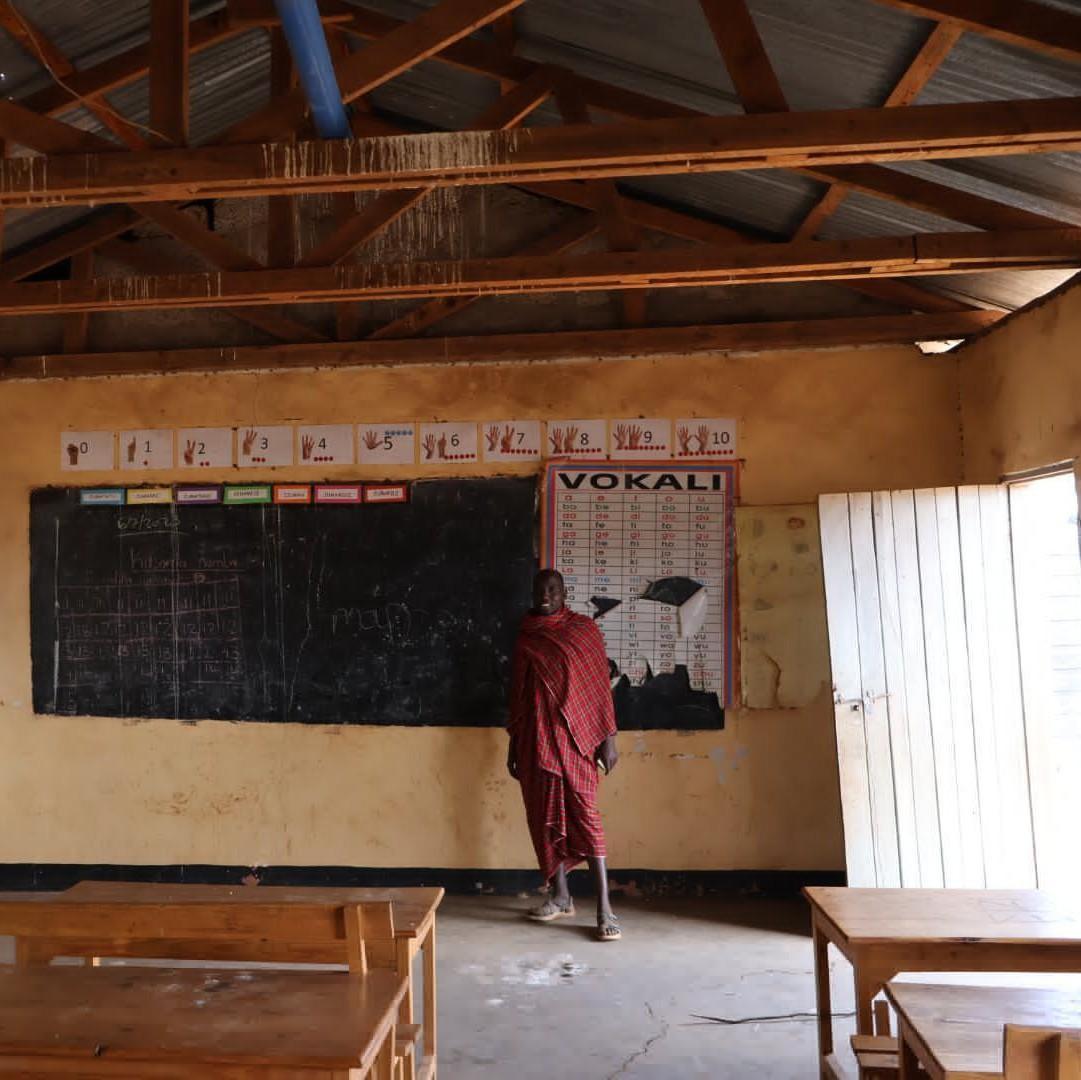
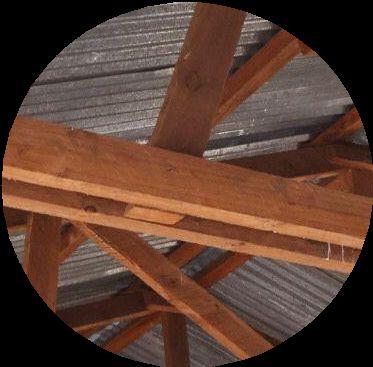
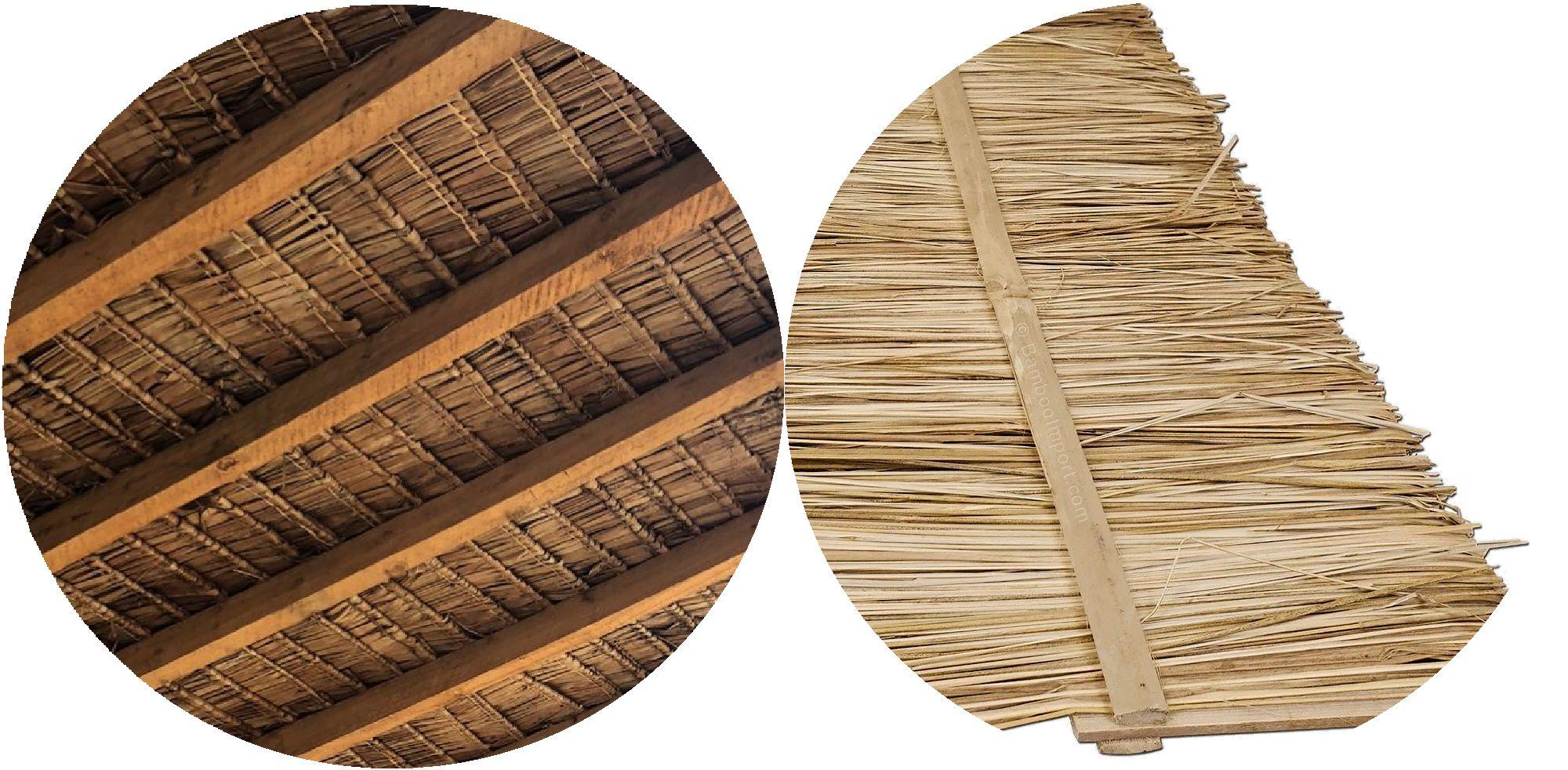
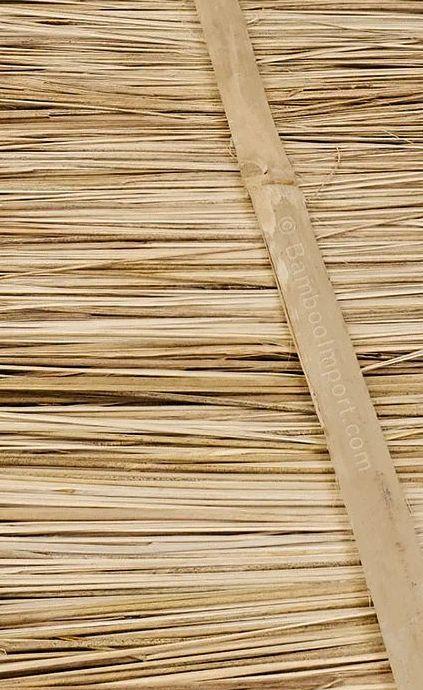
Thatched or bamboo fiber finish under laminated roof as insulation
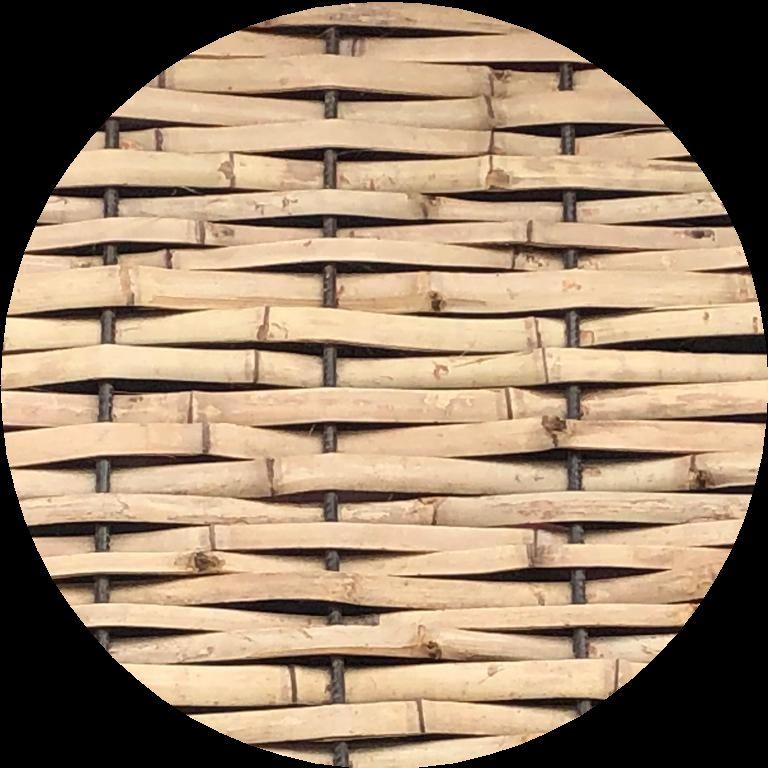
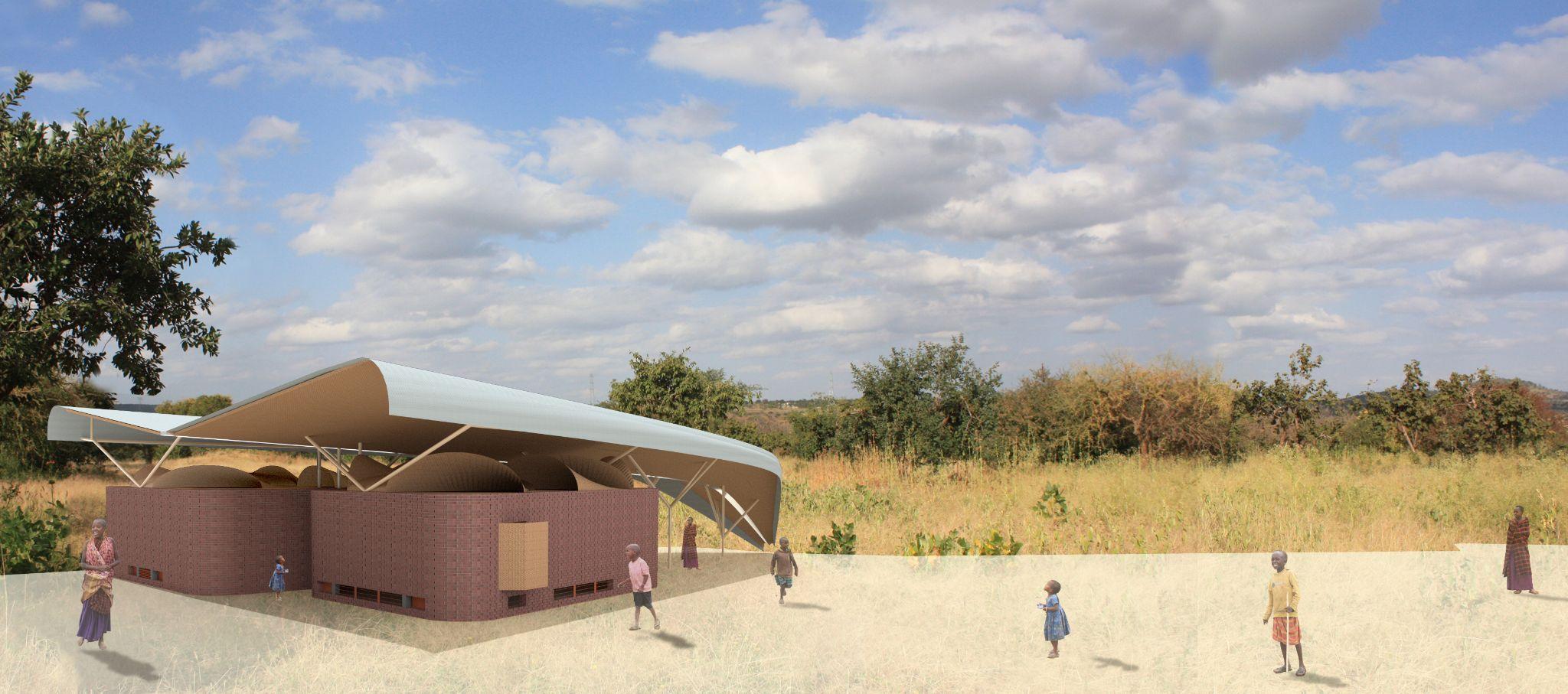
Bamboo columns replicating “the bush” from context
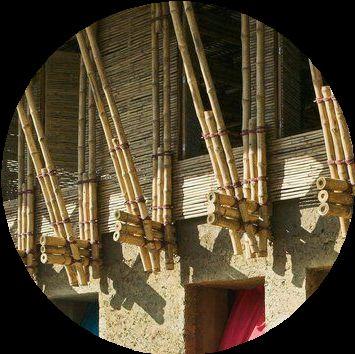
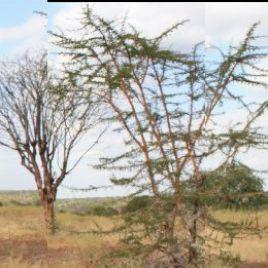
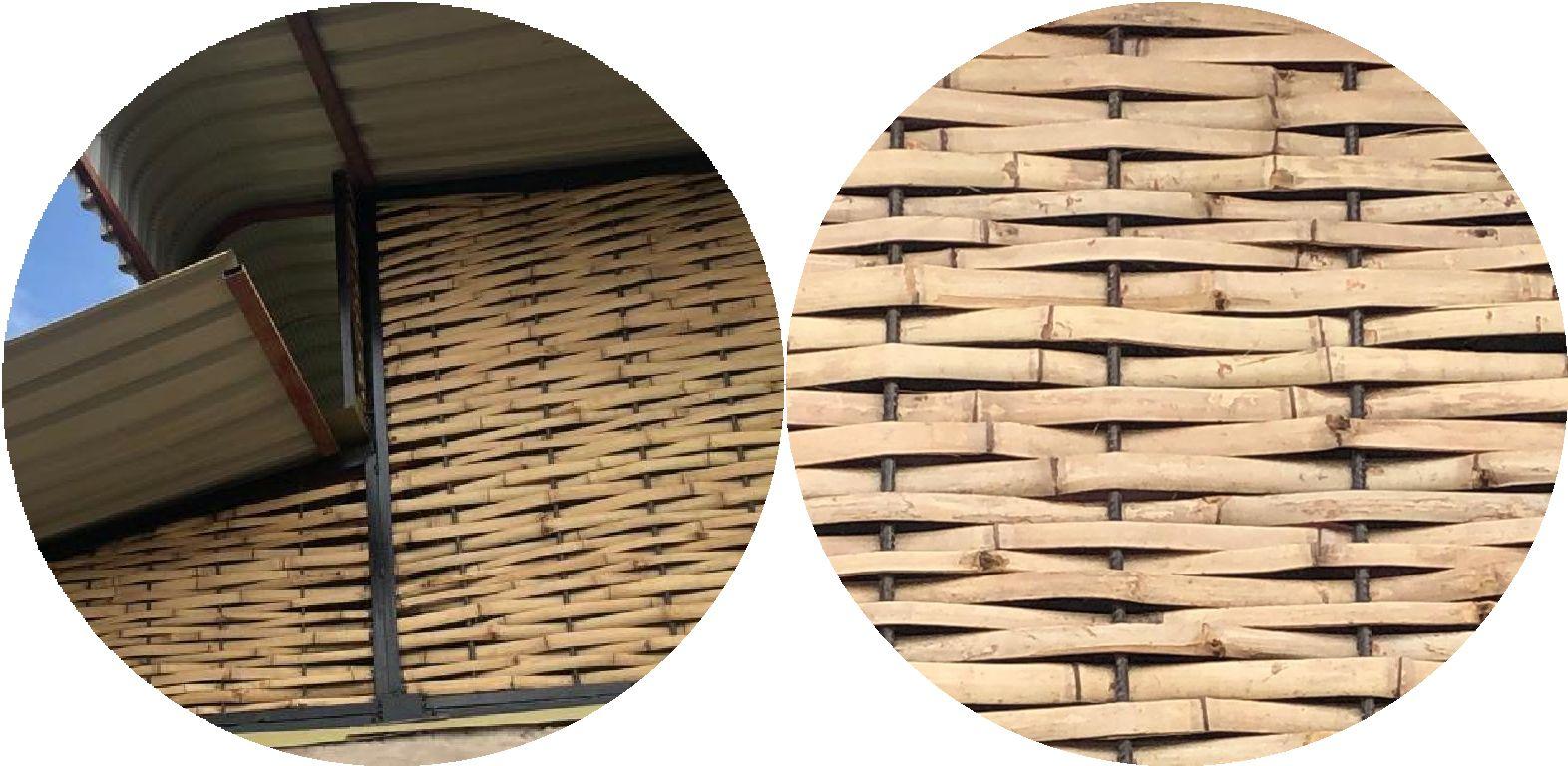
Bamboo fibre produced locally for insulation and veutilatiou
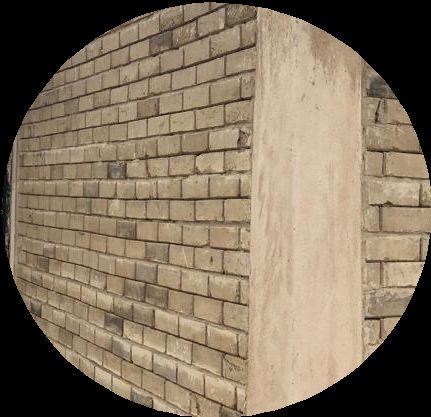
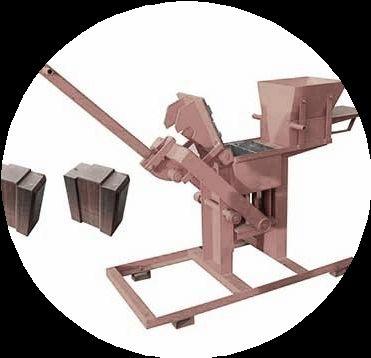
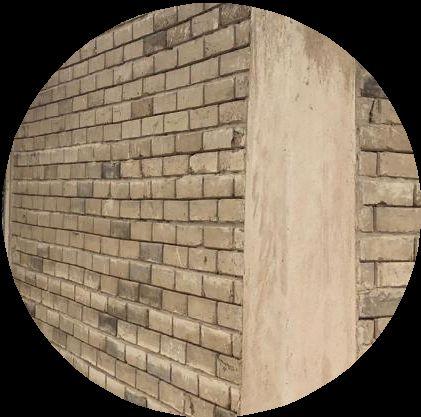
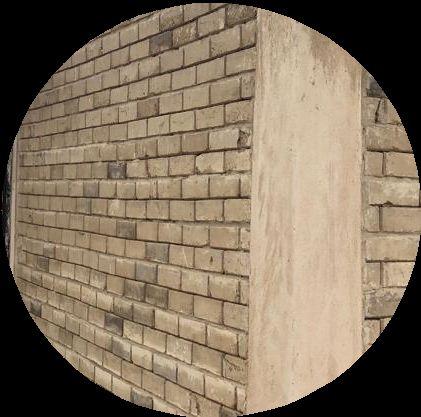
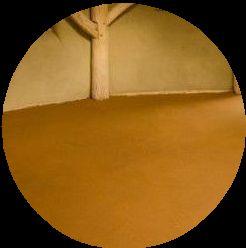
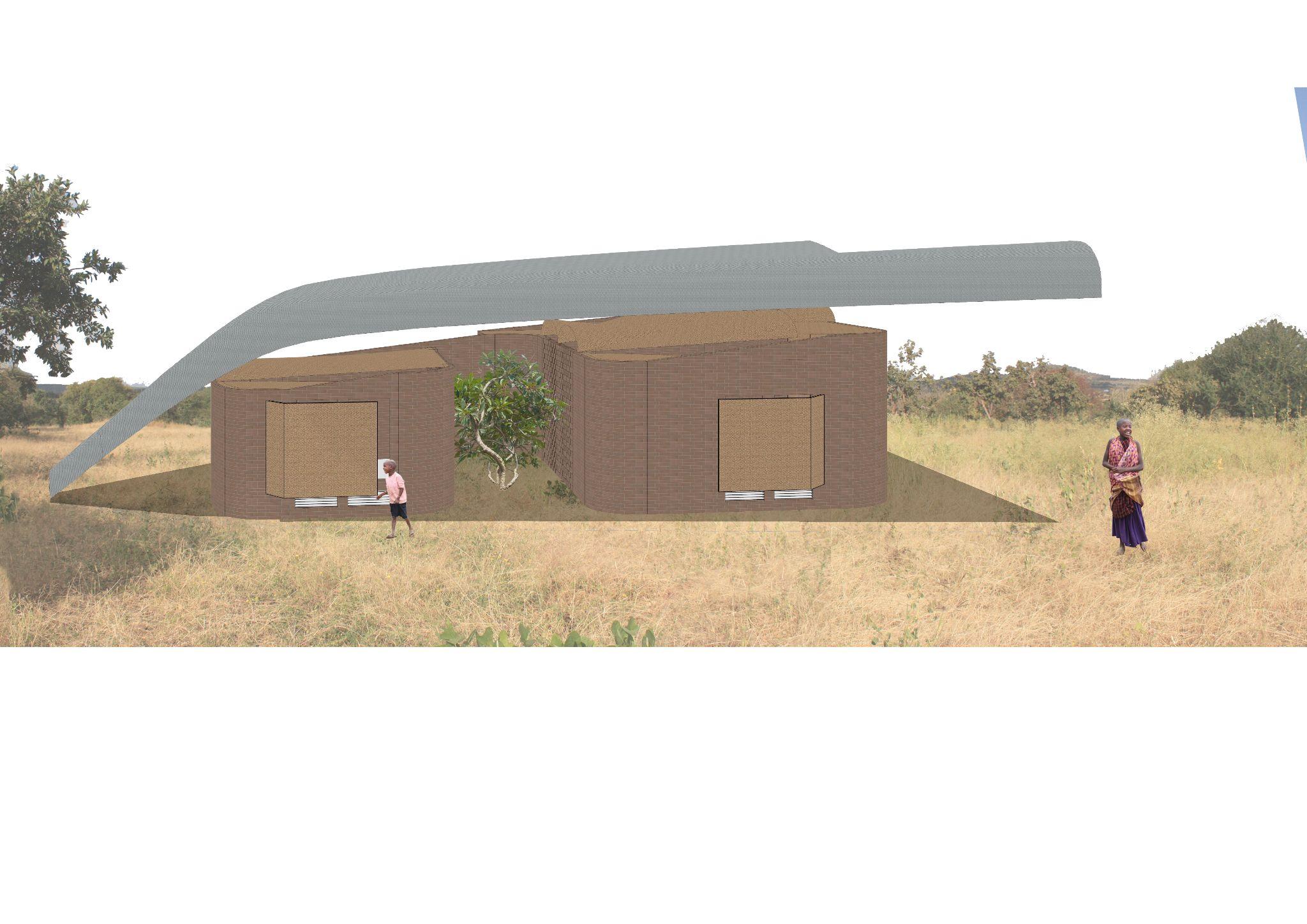
CEB for thermal properties, made on site xith from local materials
Lower grills to allow stacked ventilation through the classroom
External shading for windows



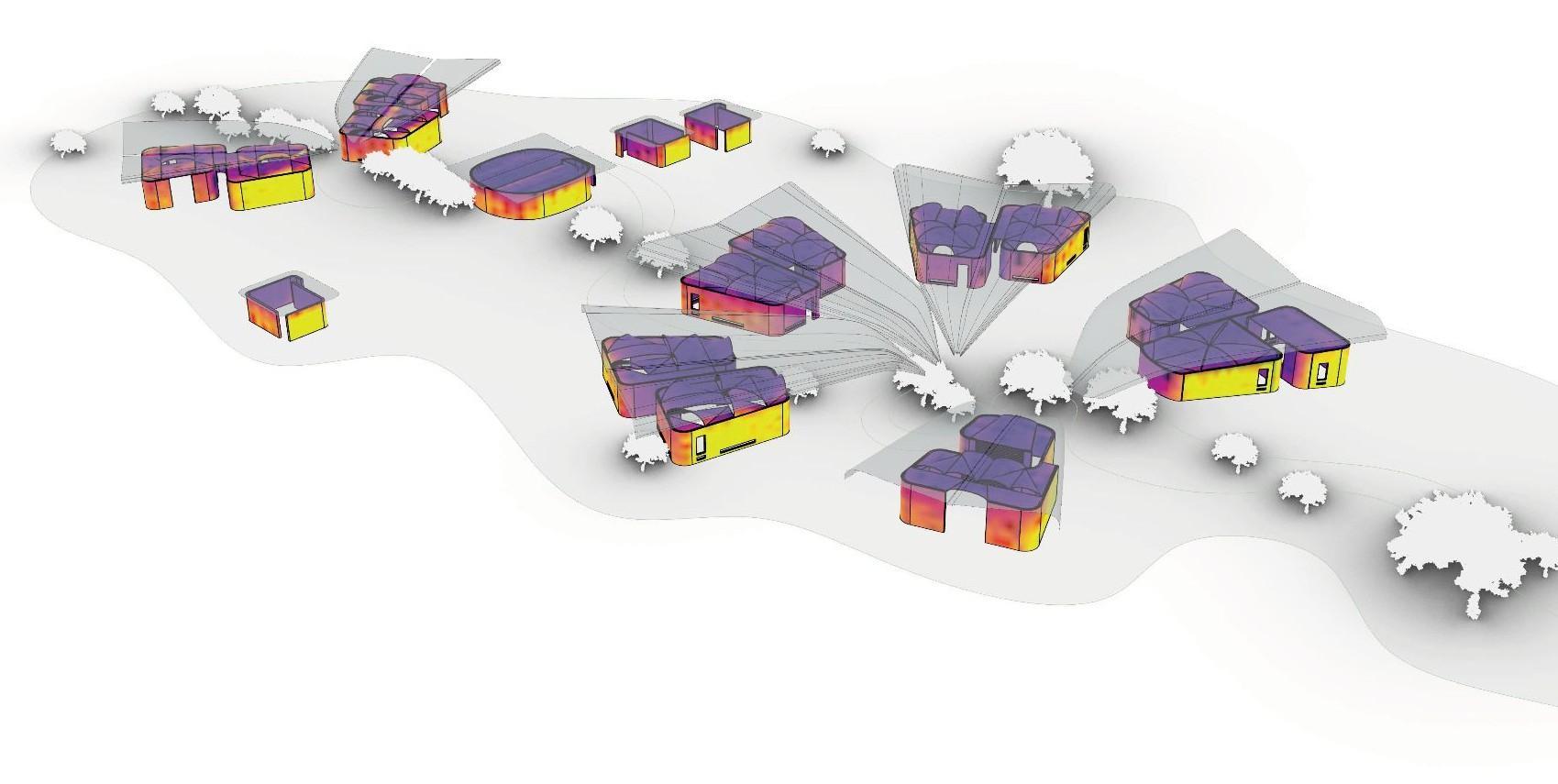

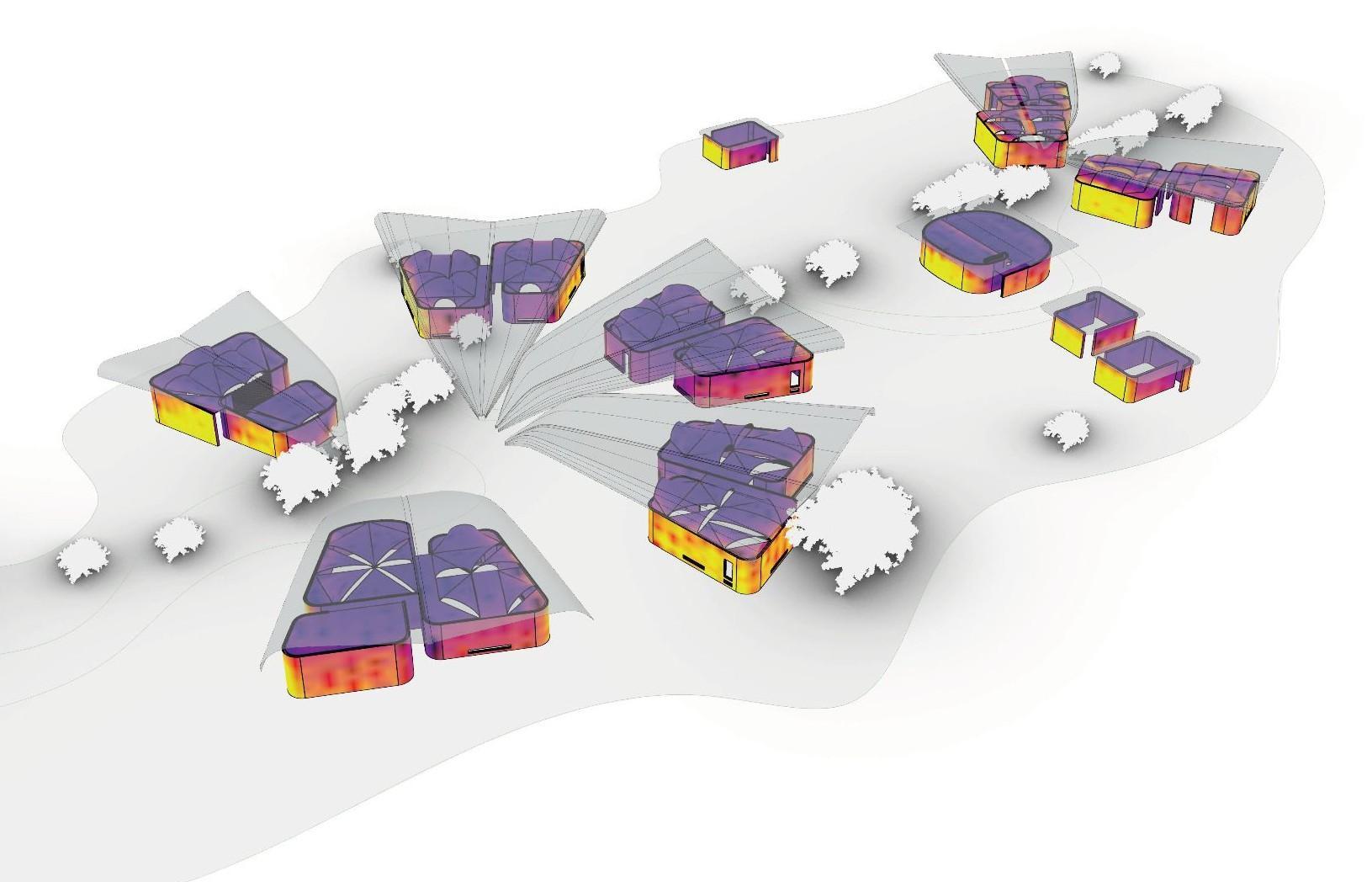
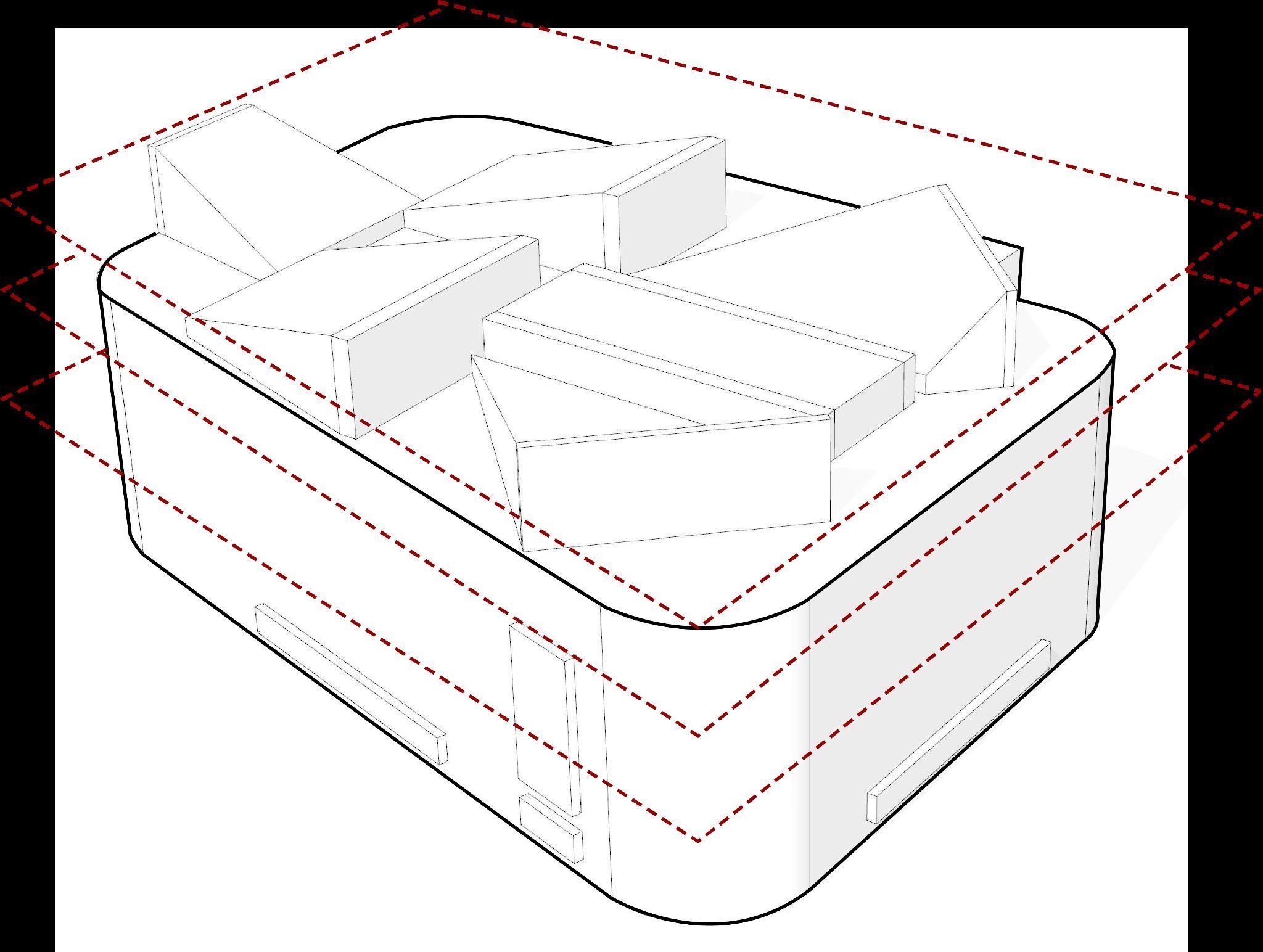
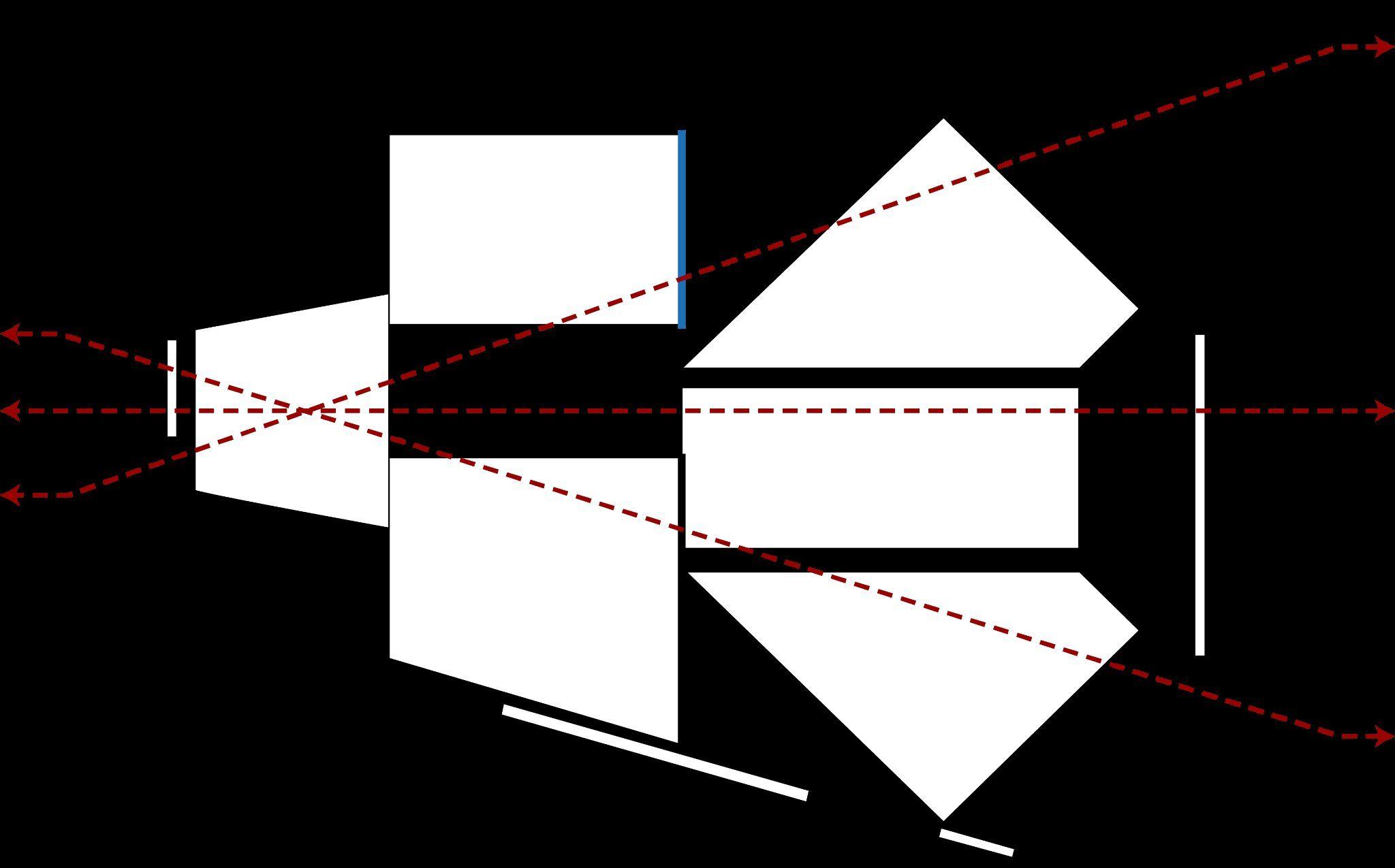
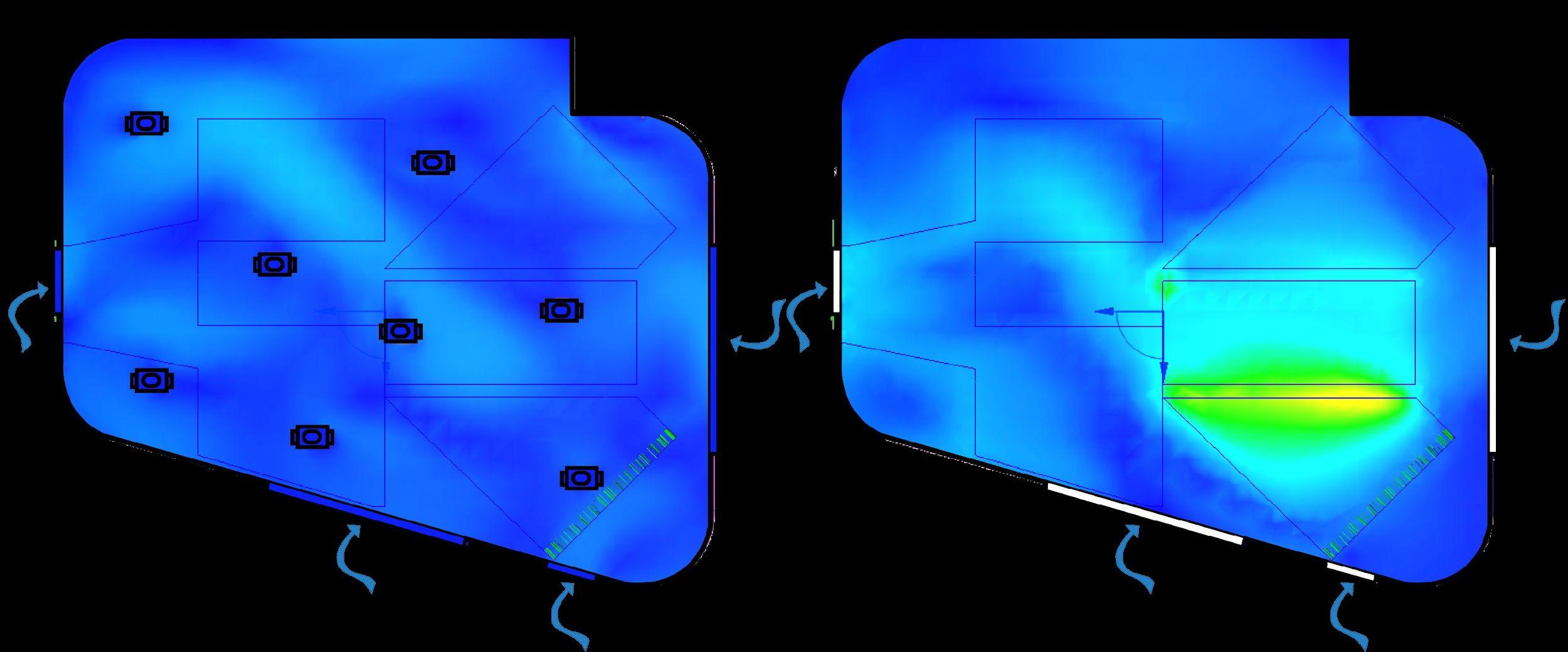
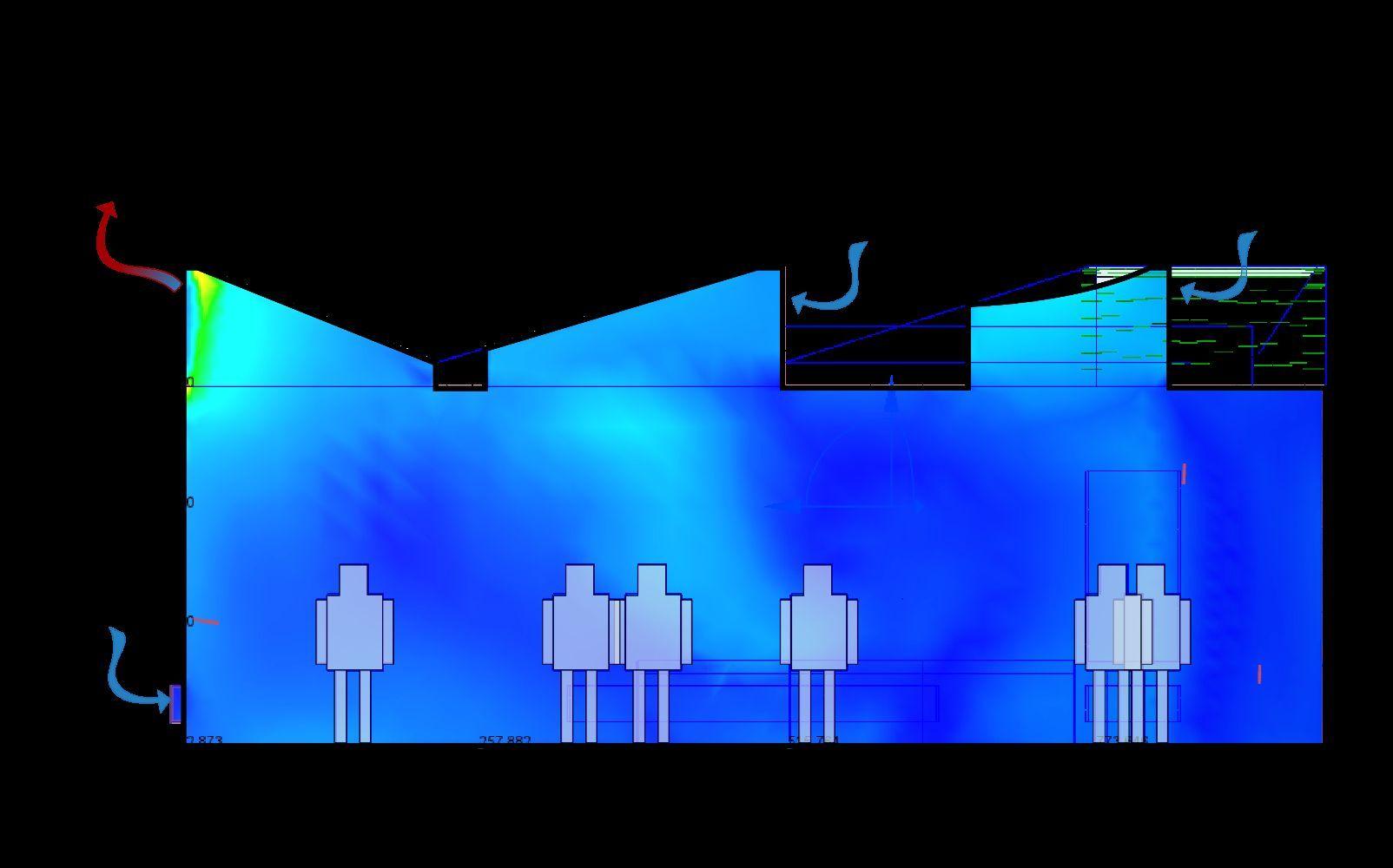
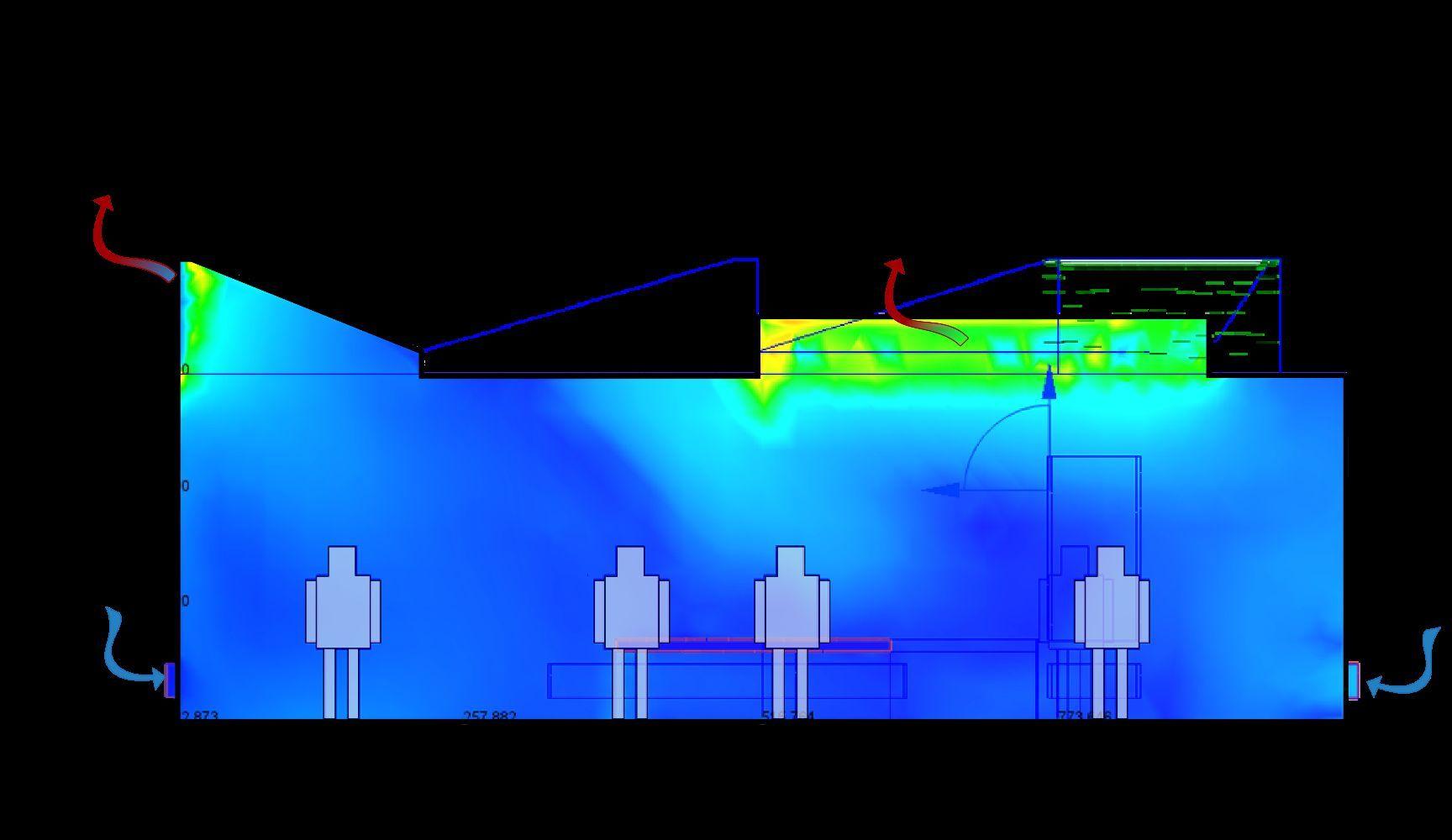
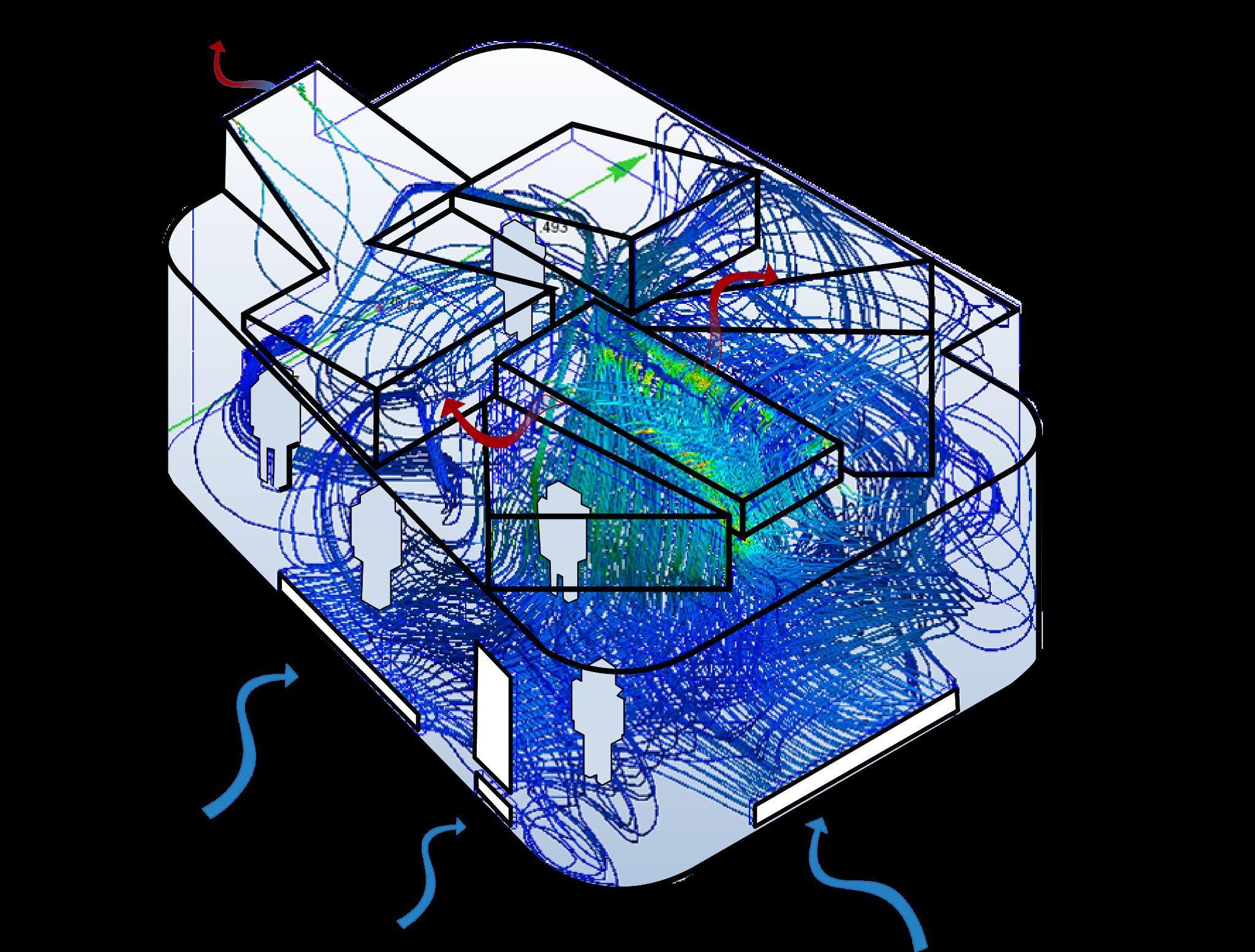
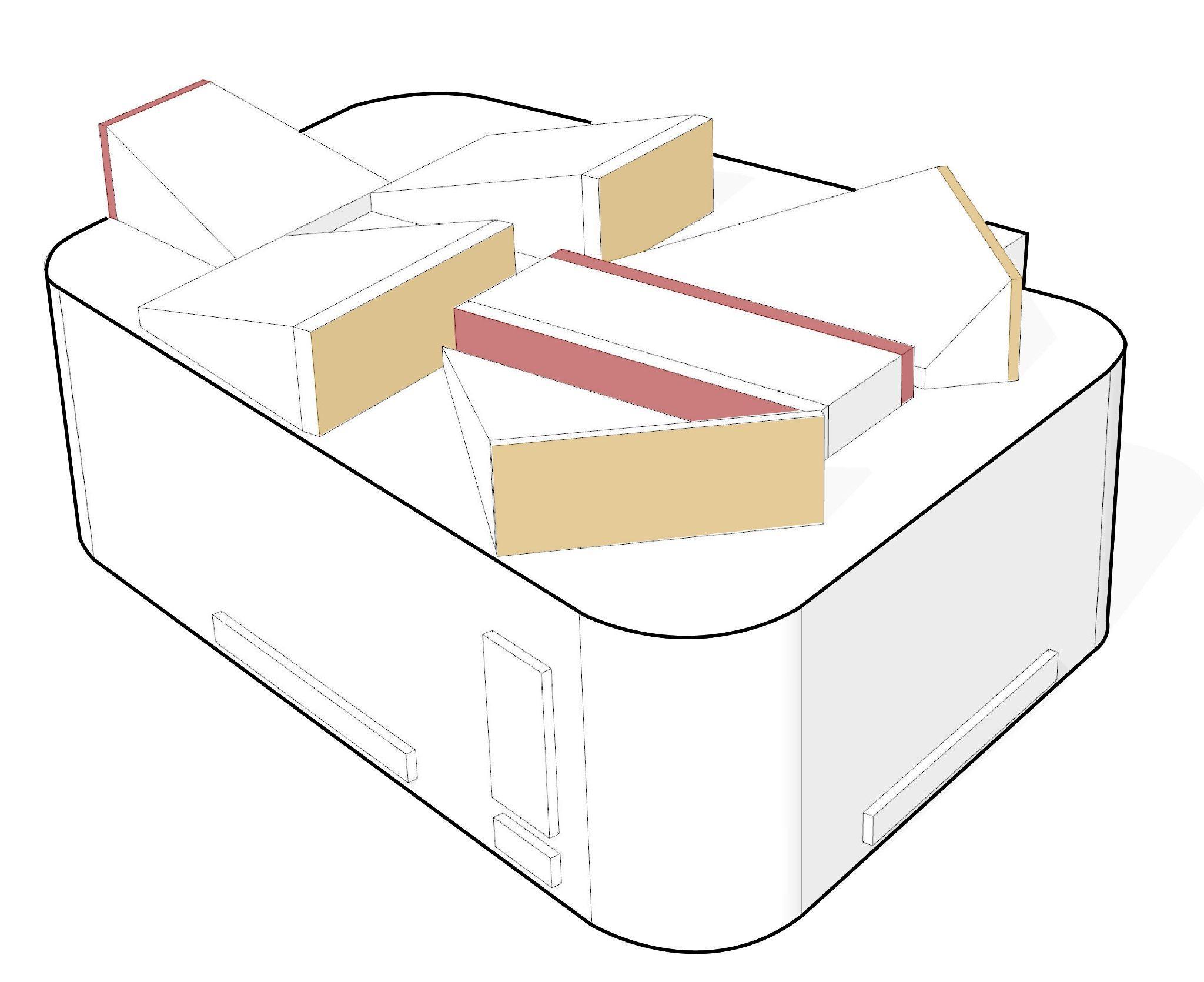


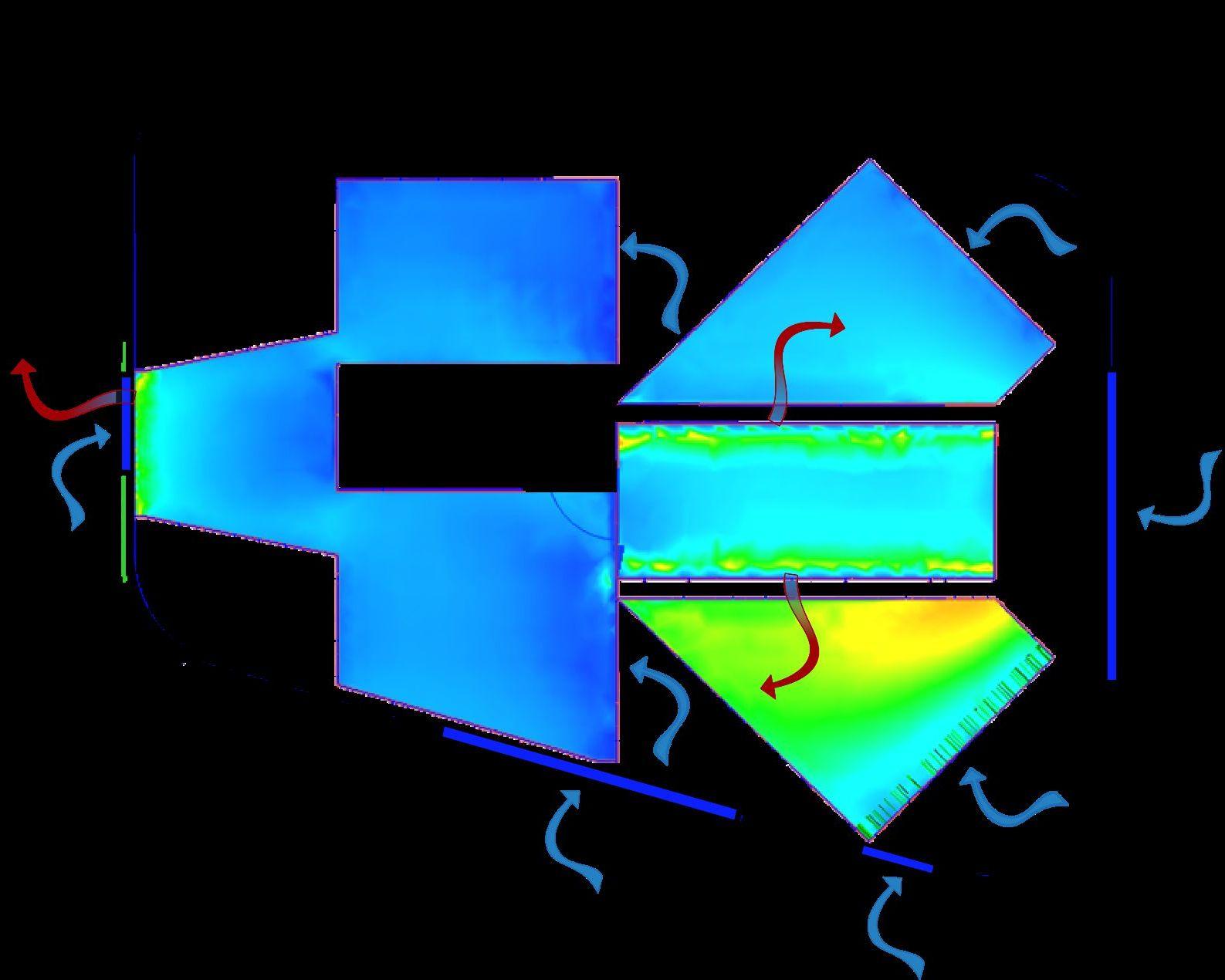
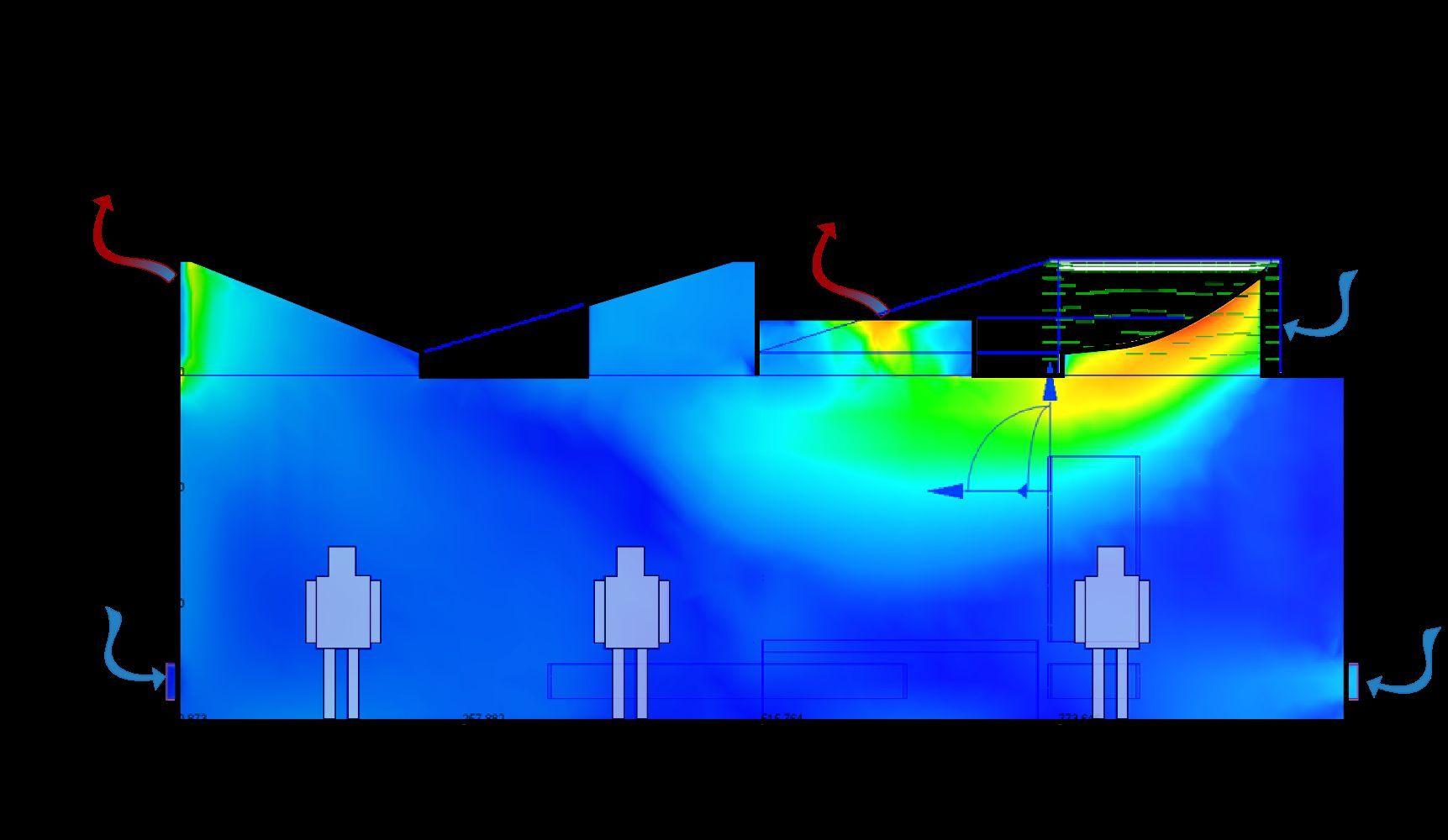
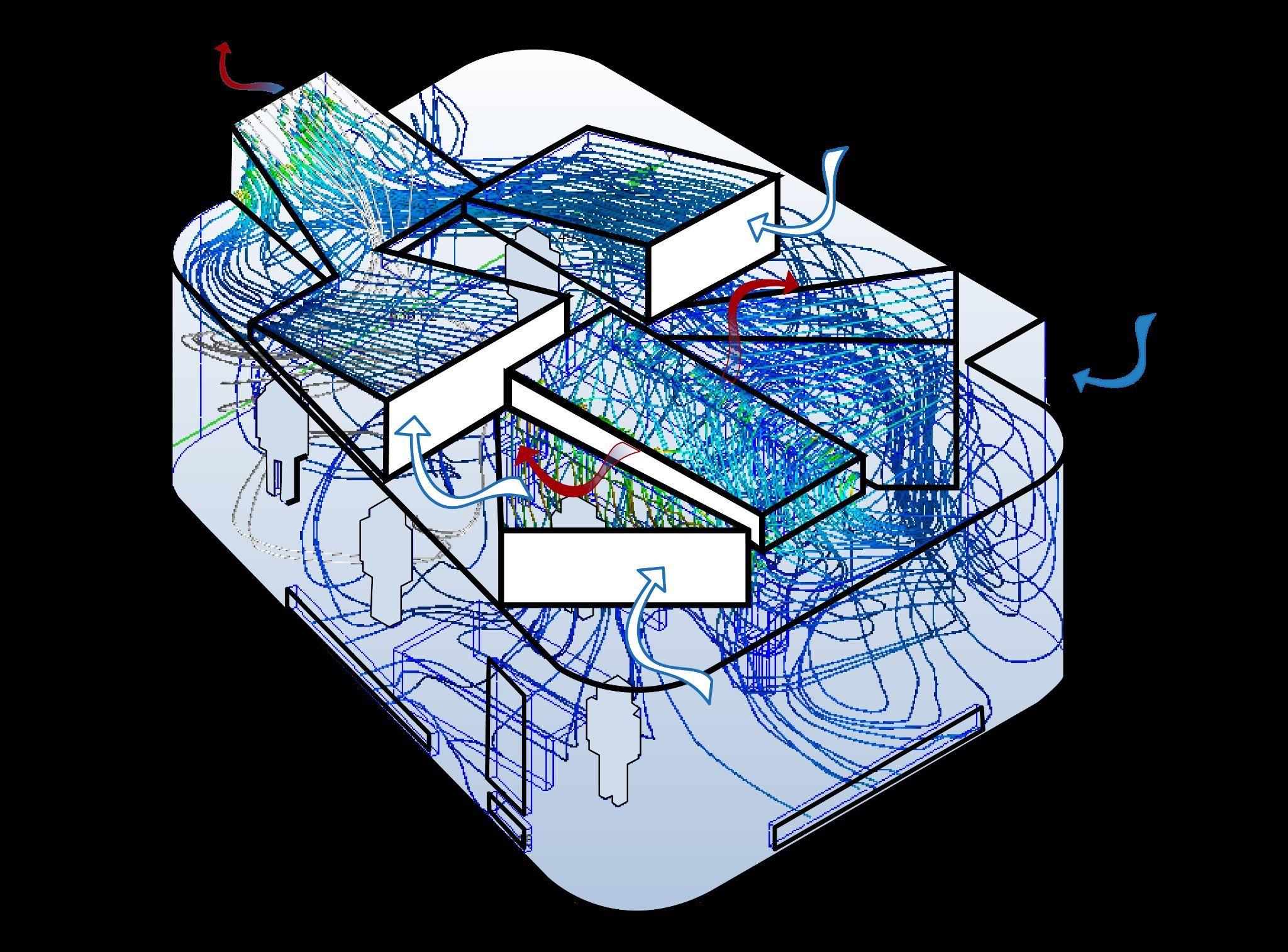
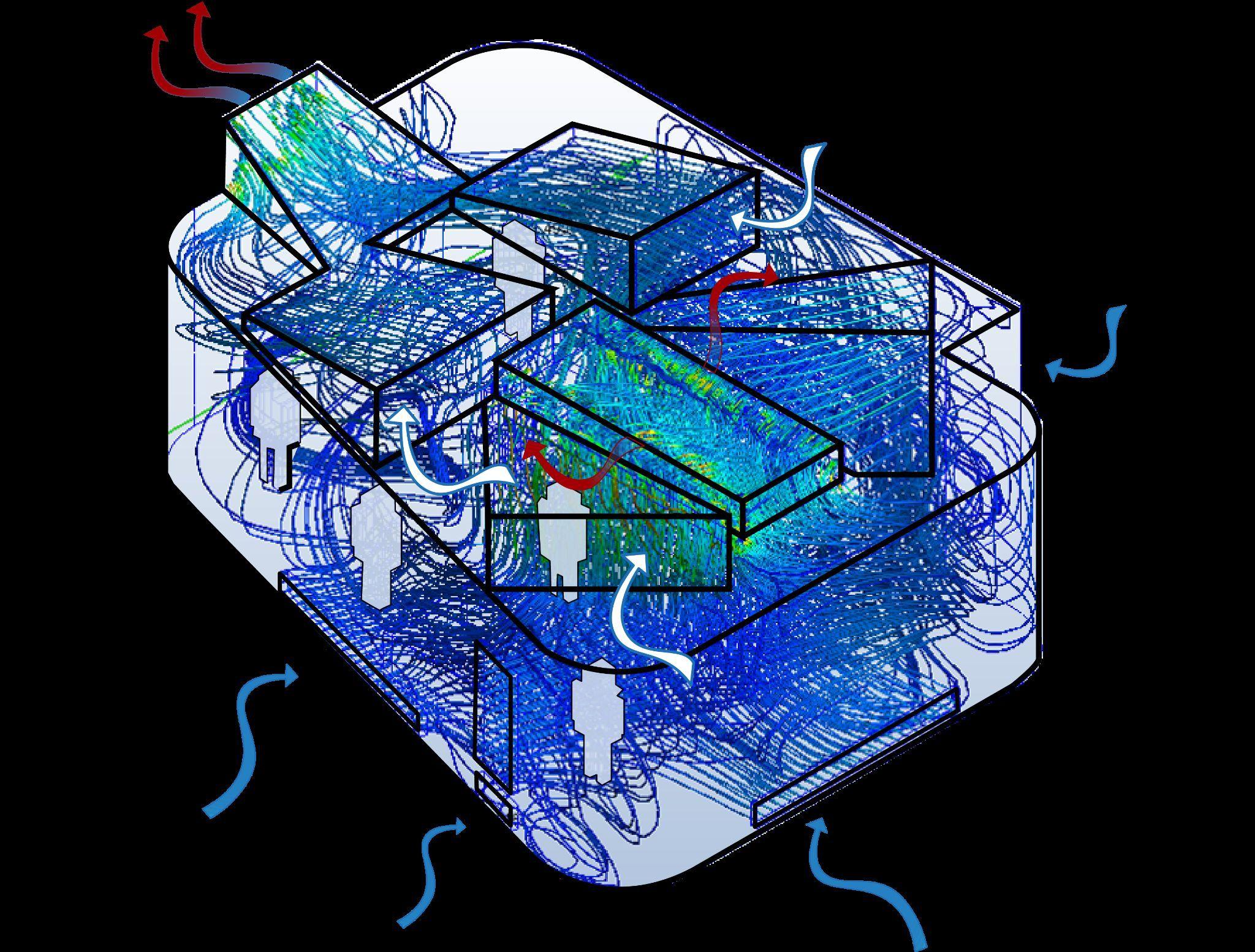


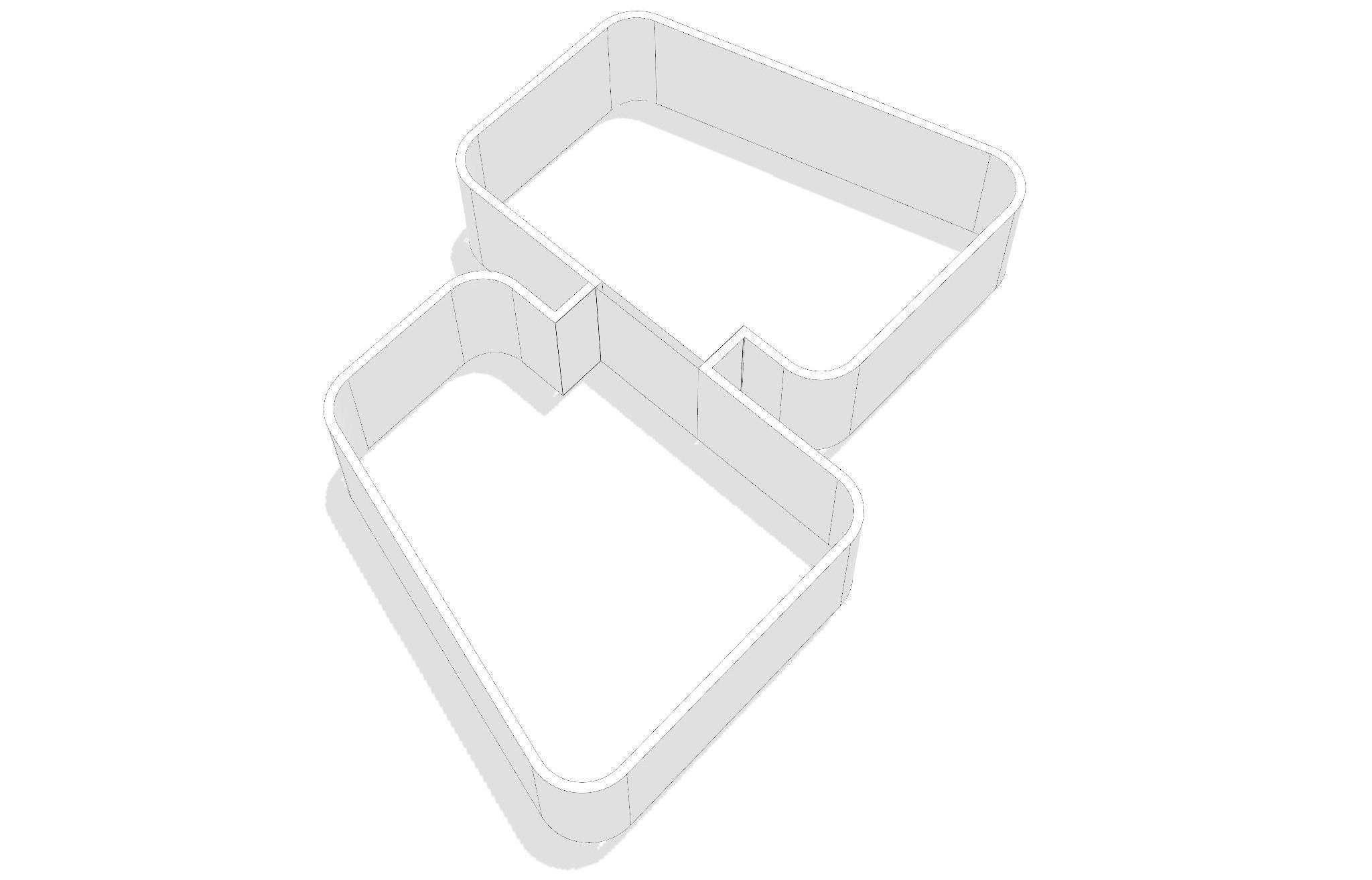
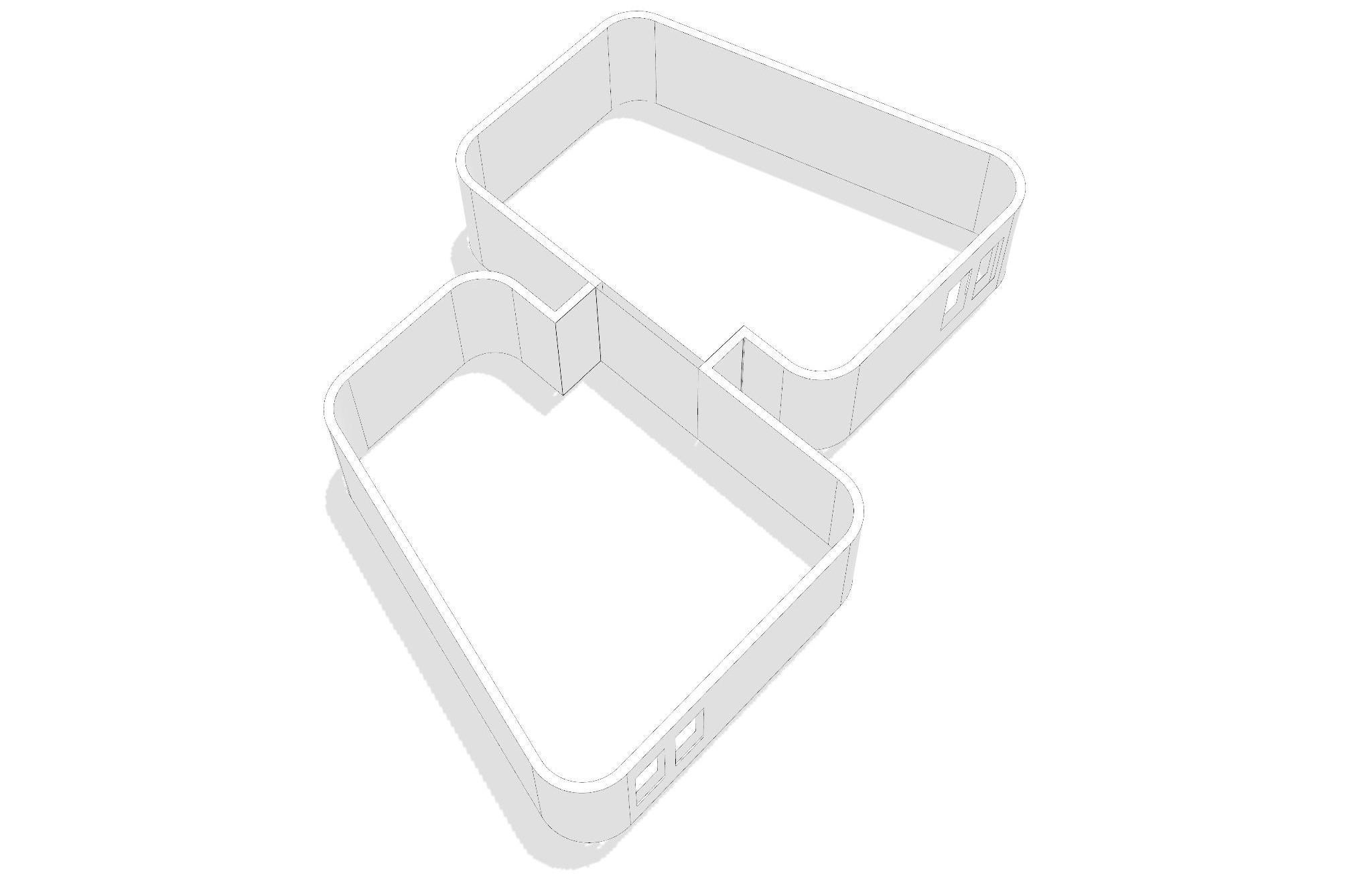
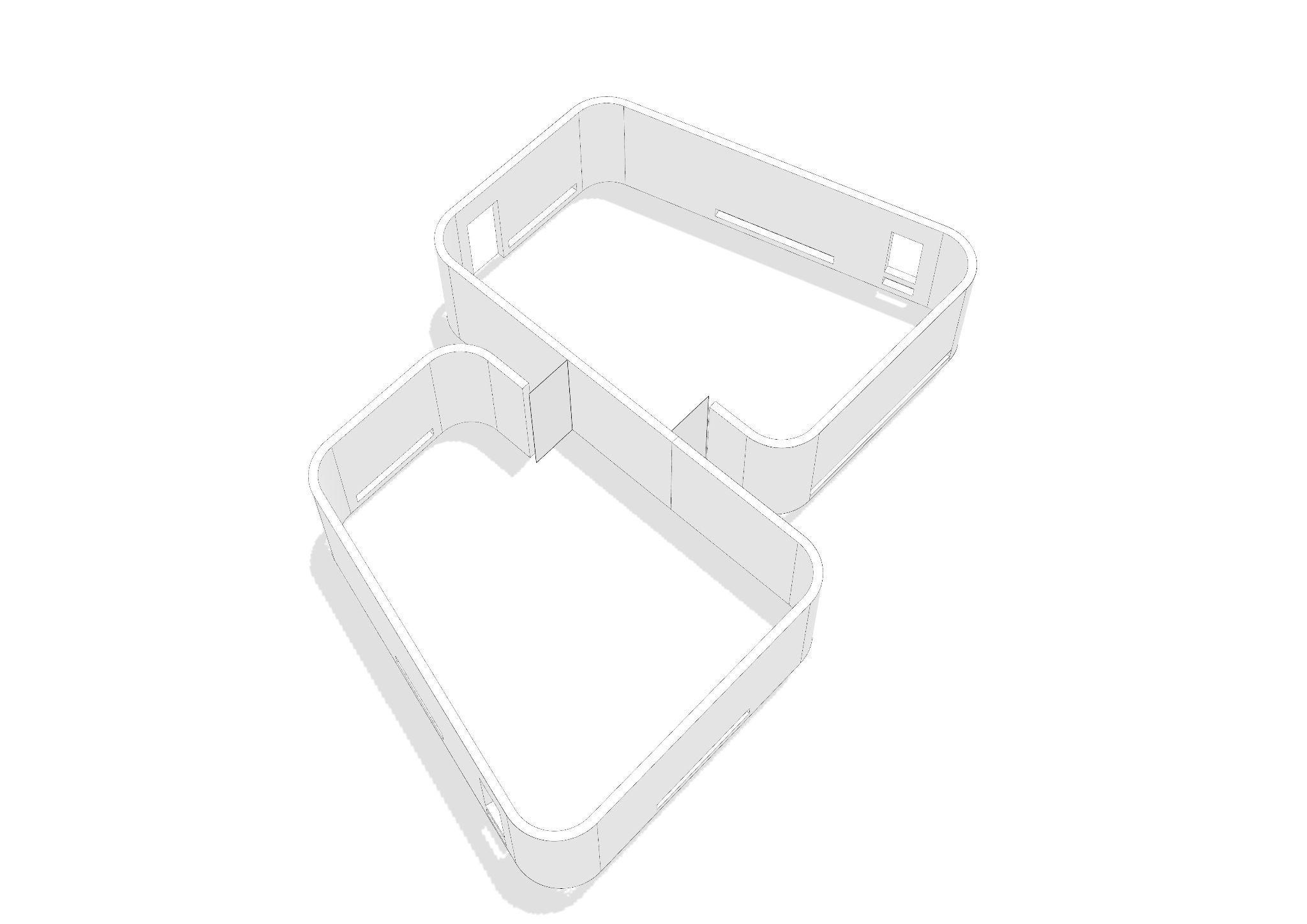
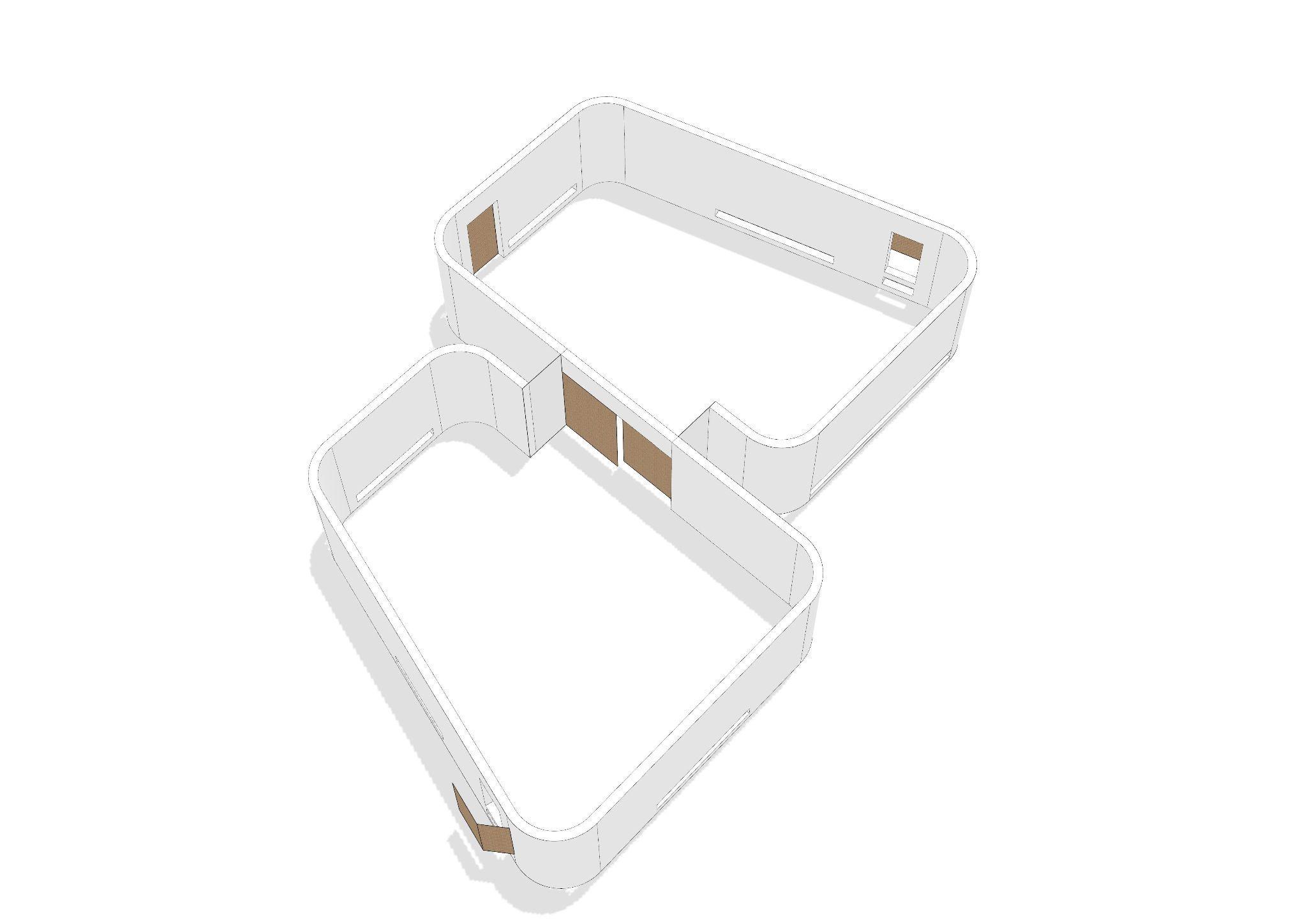
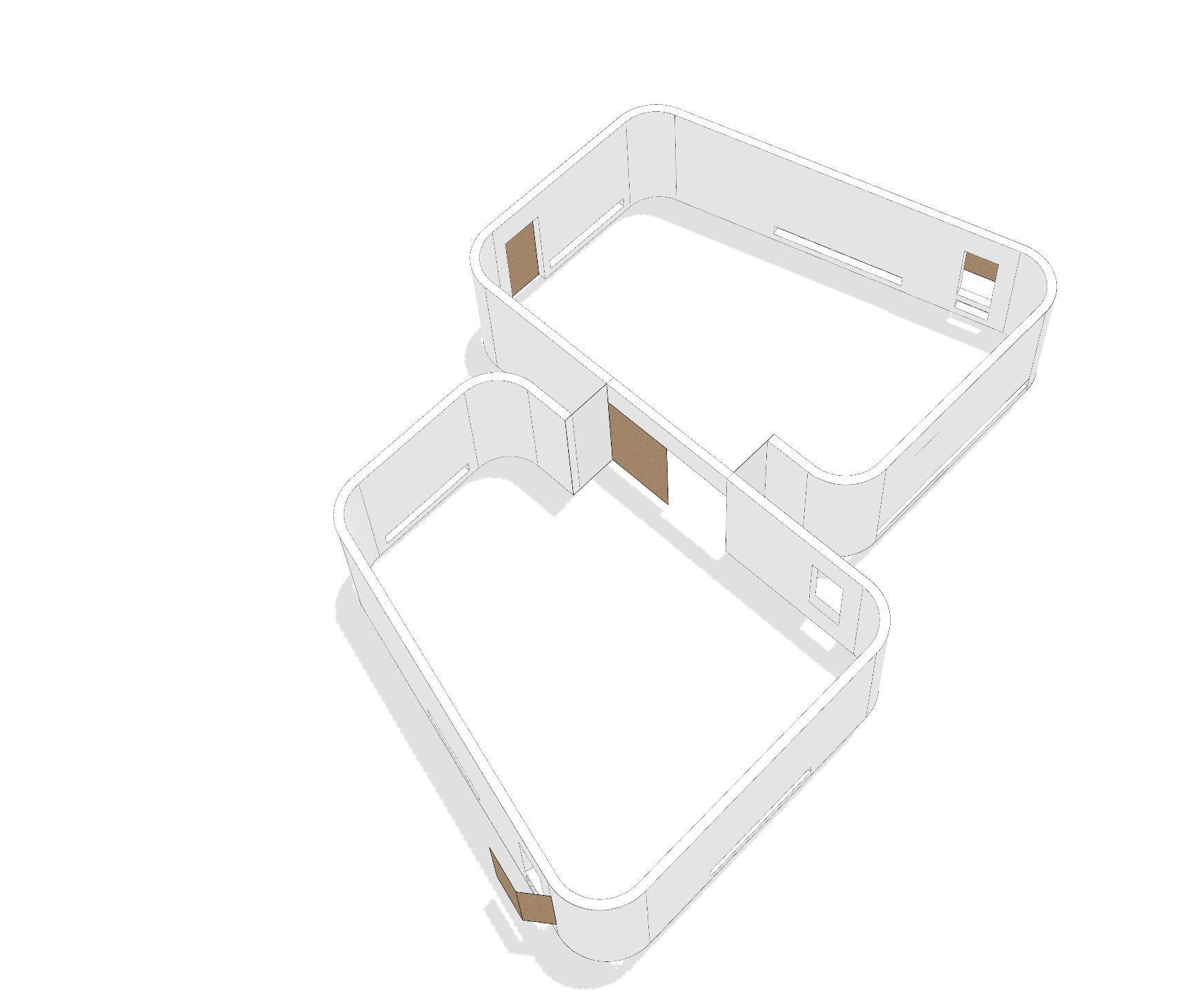


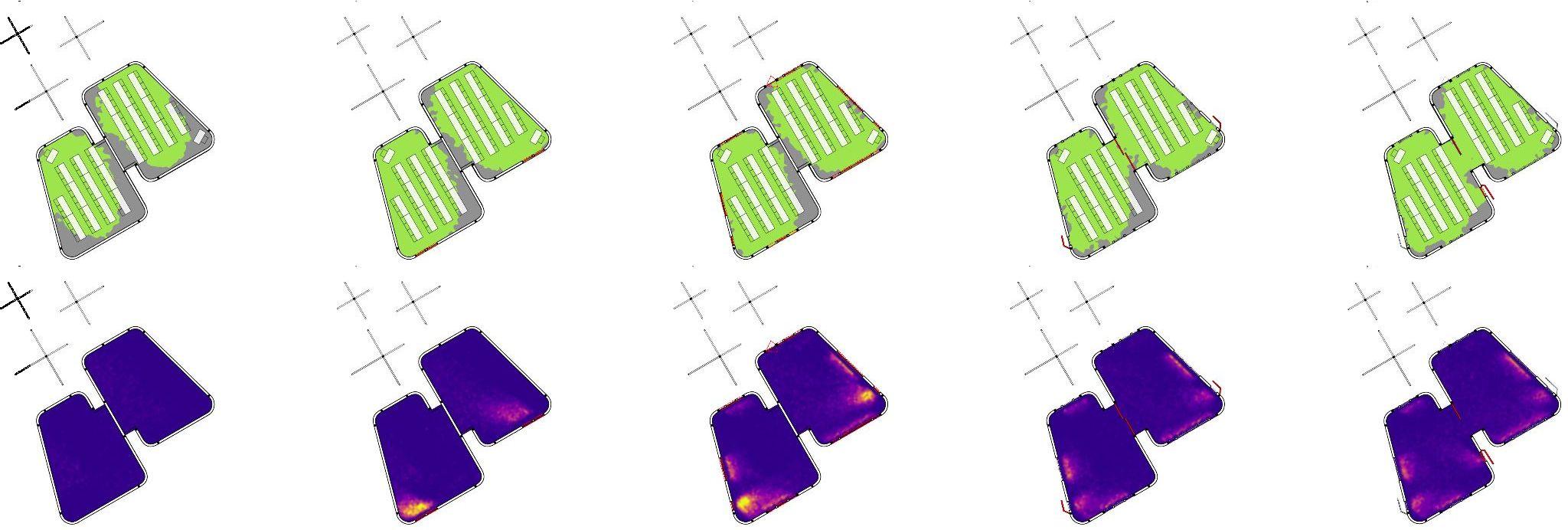



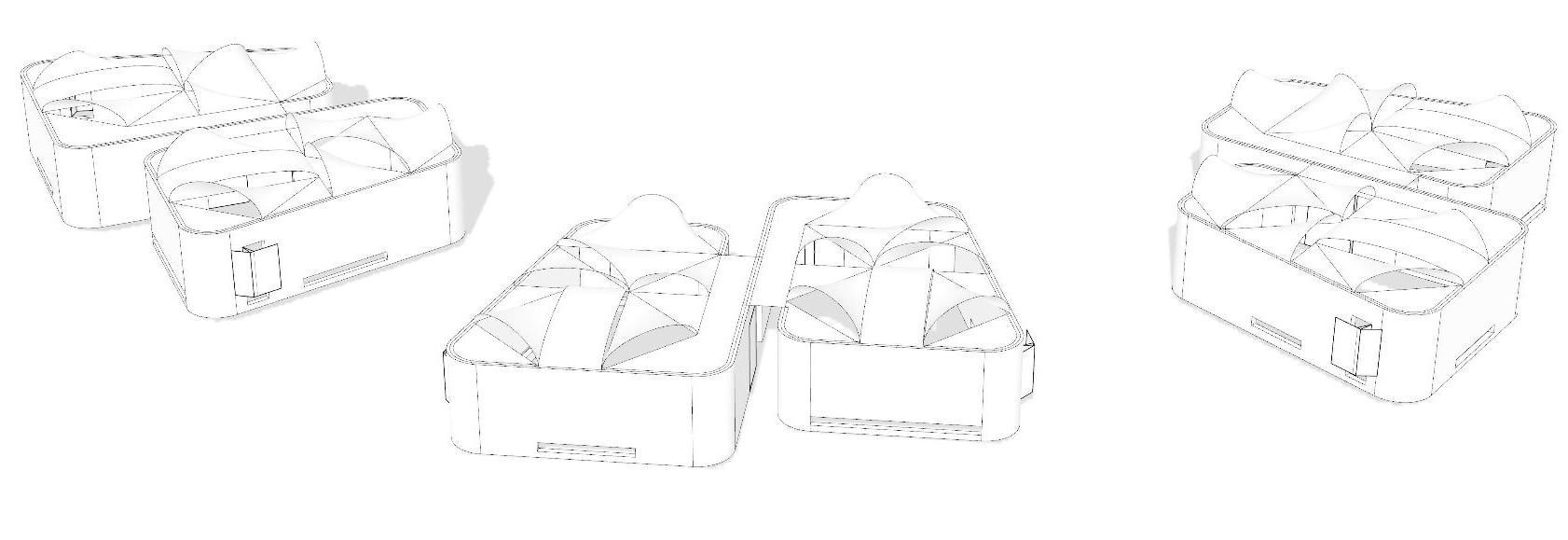



Design differences
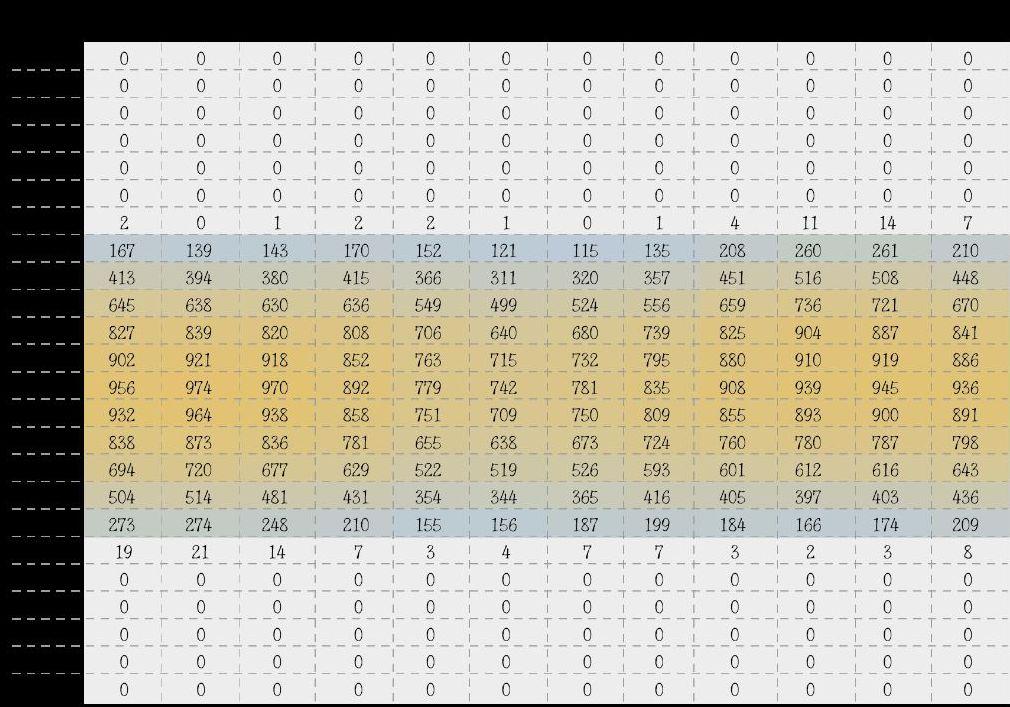
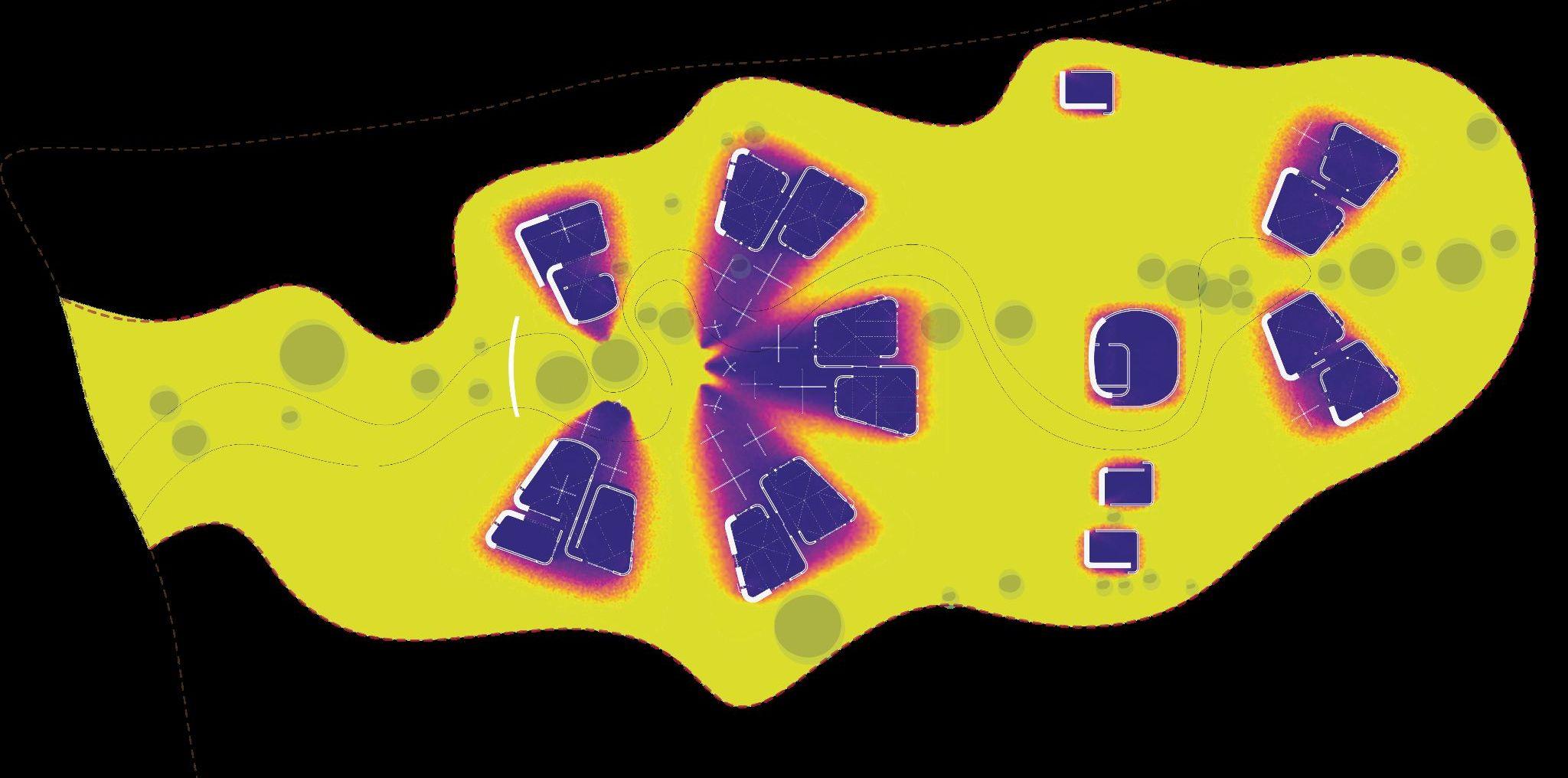
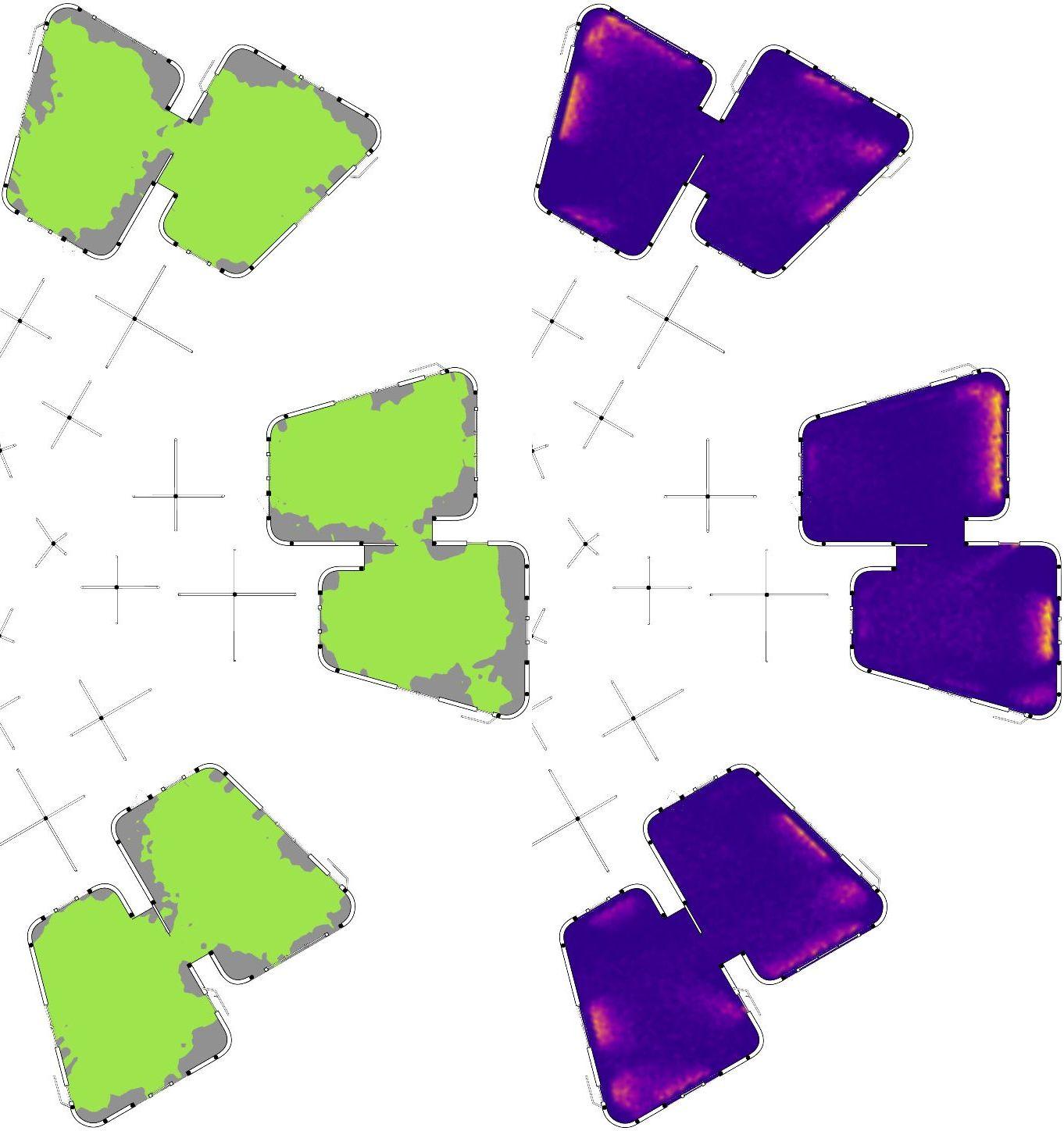
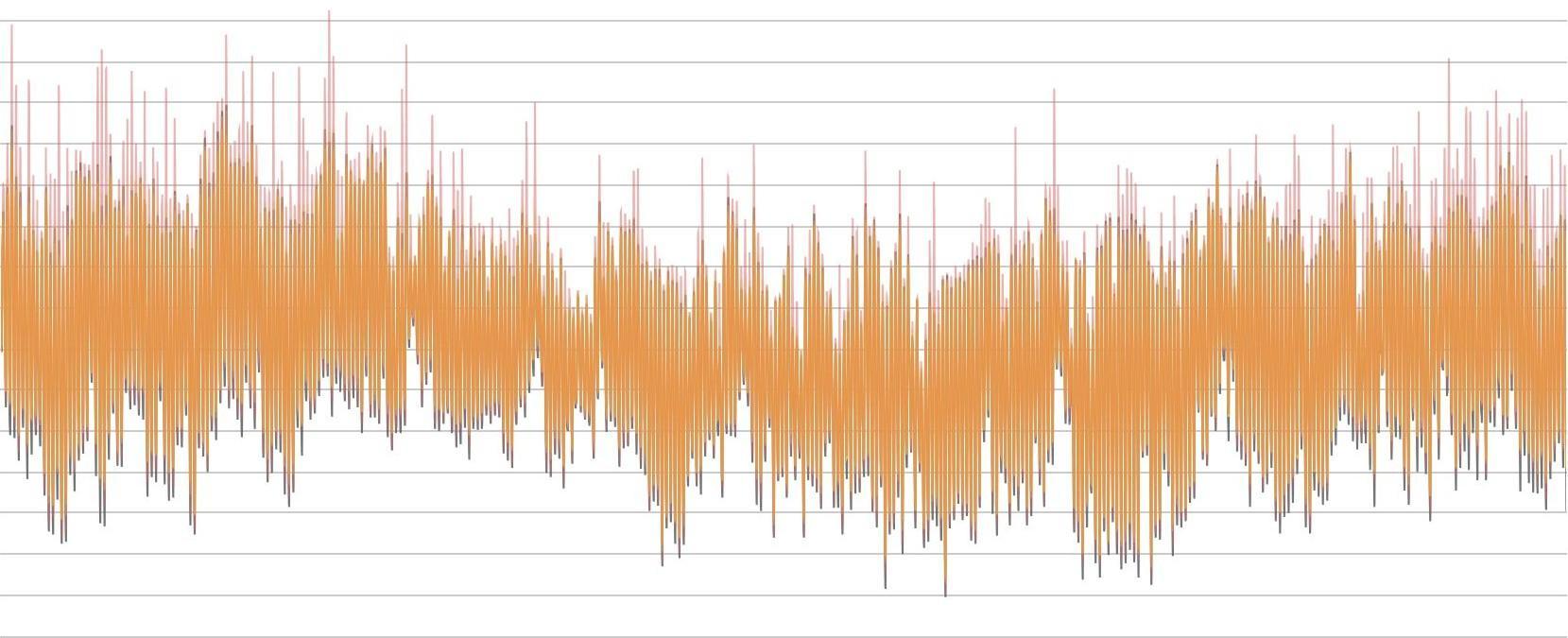
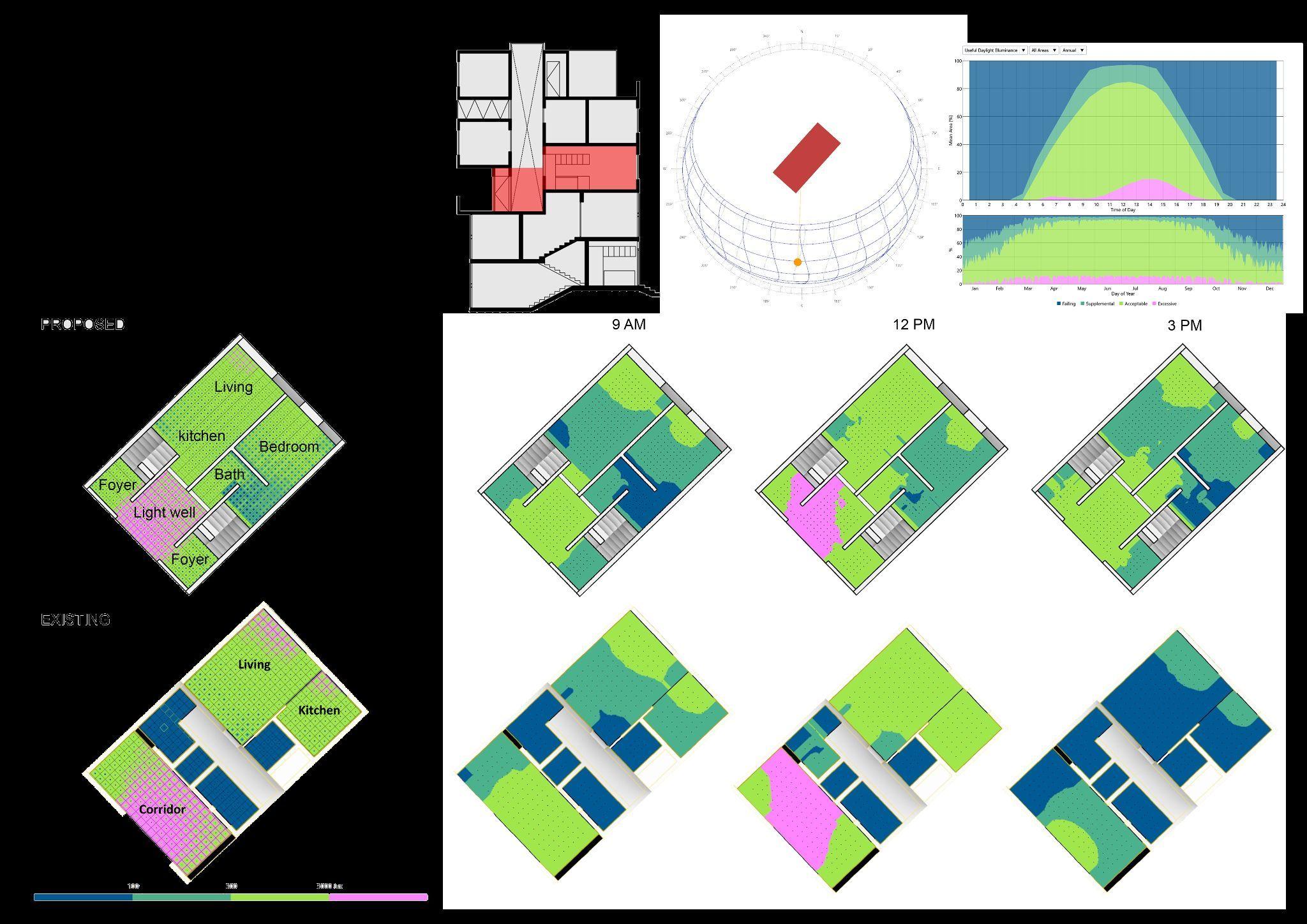
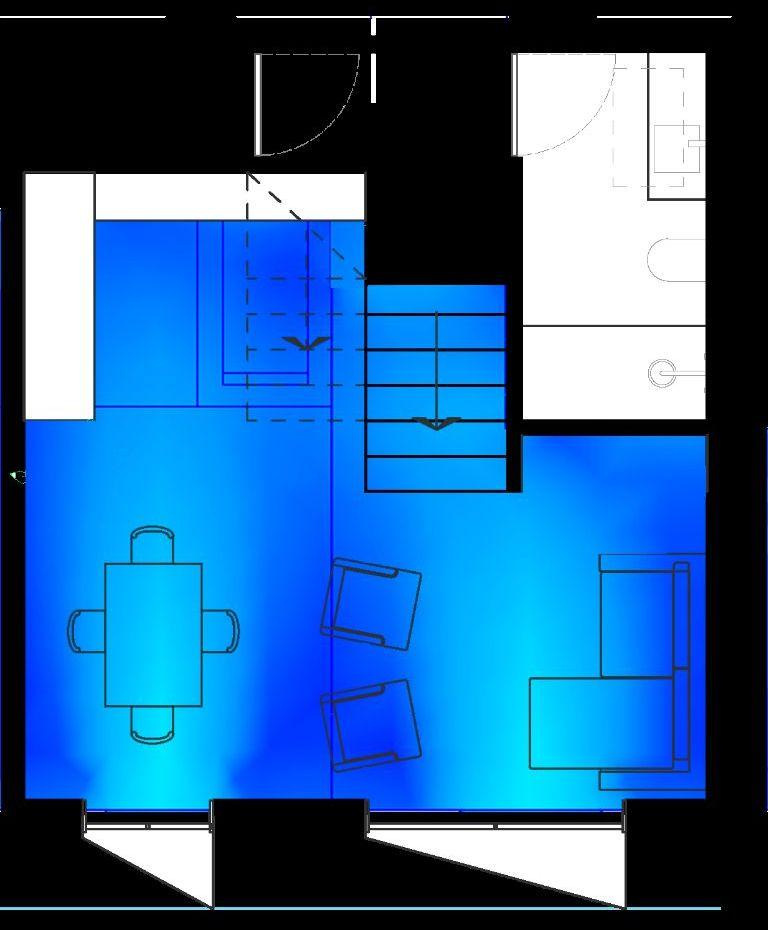
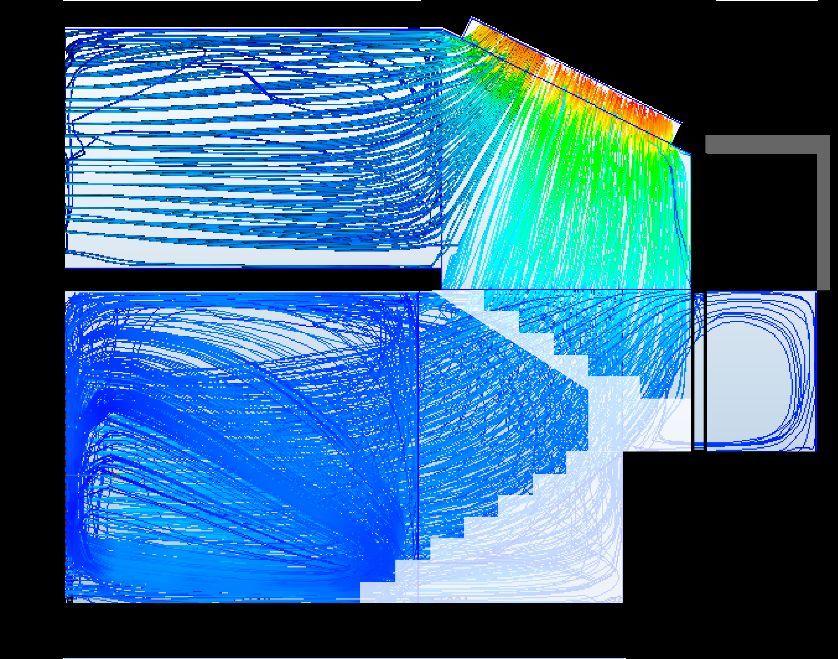
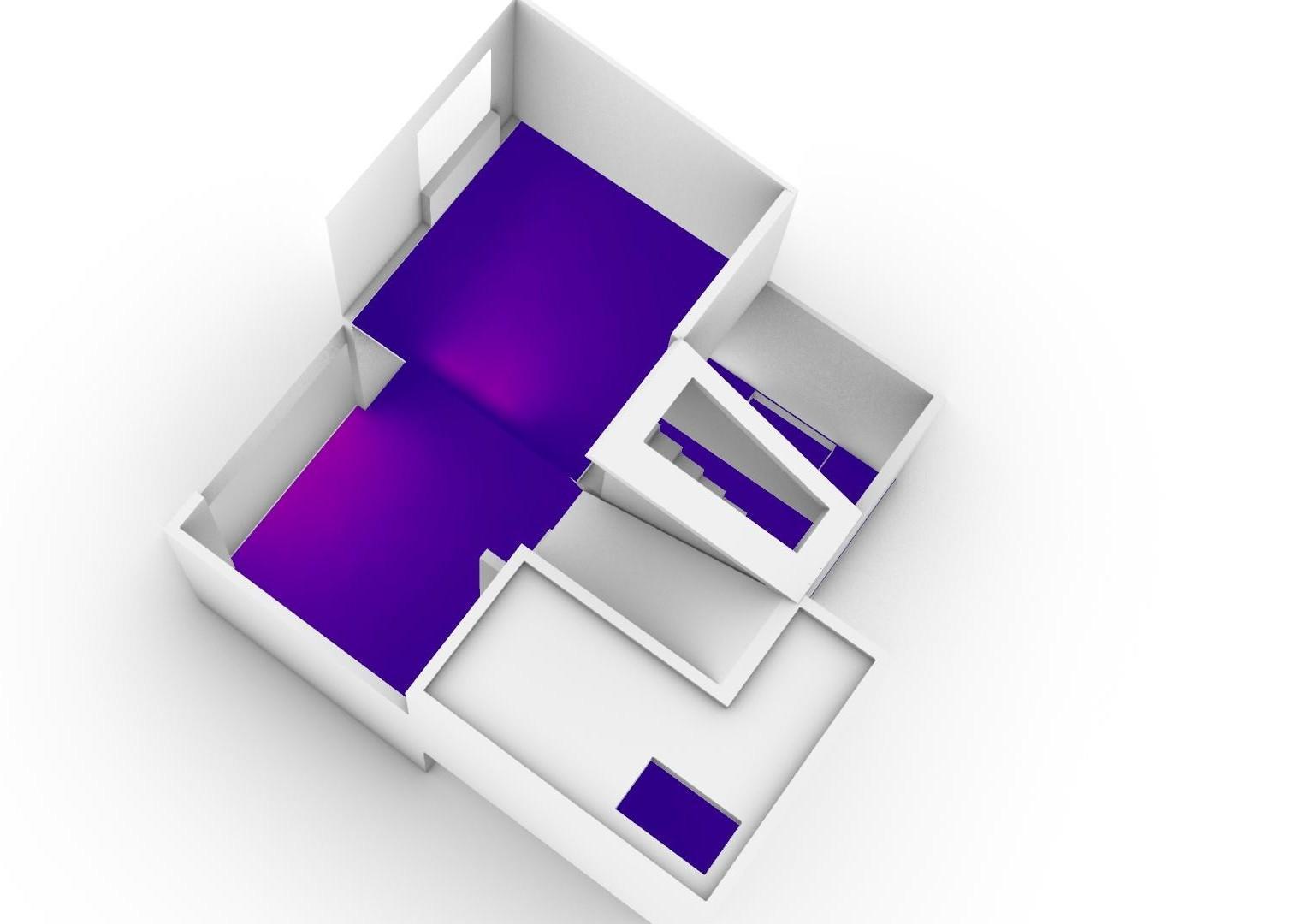
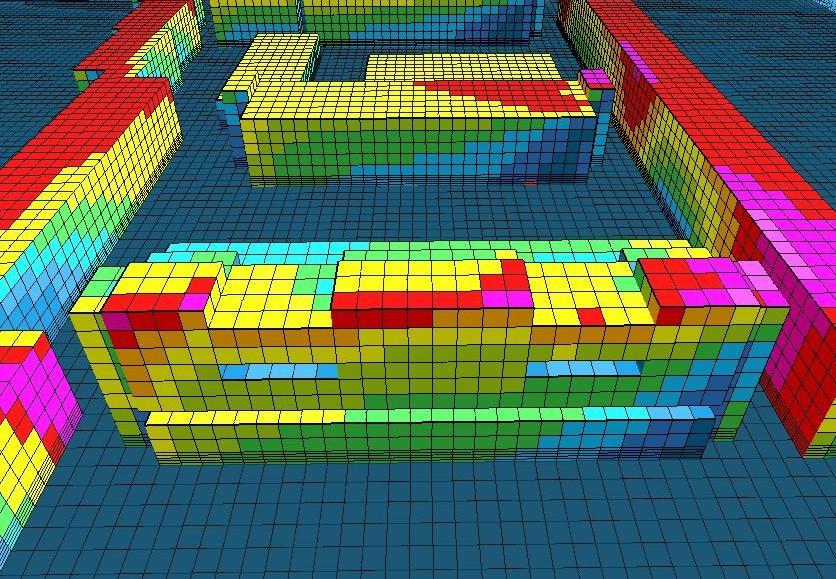
Input - Daylight Availability aud Total Solar Exposure
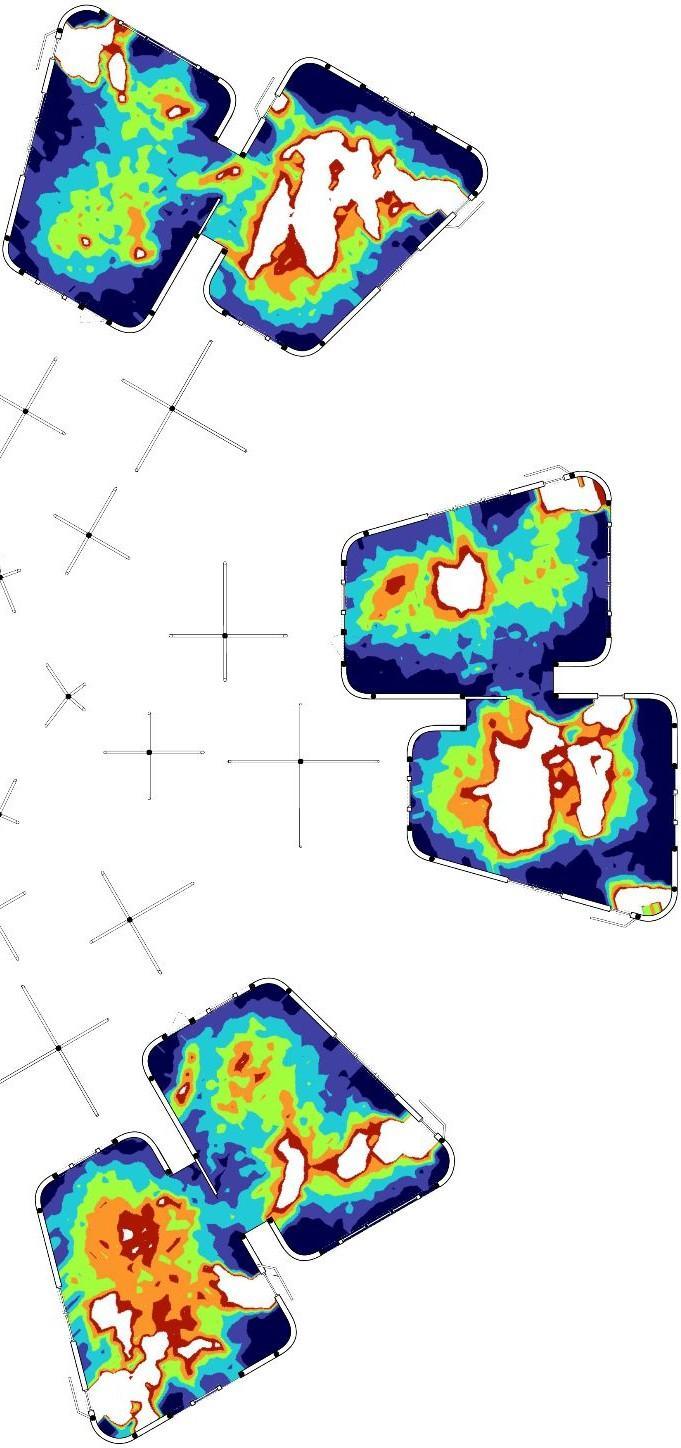
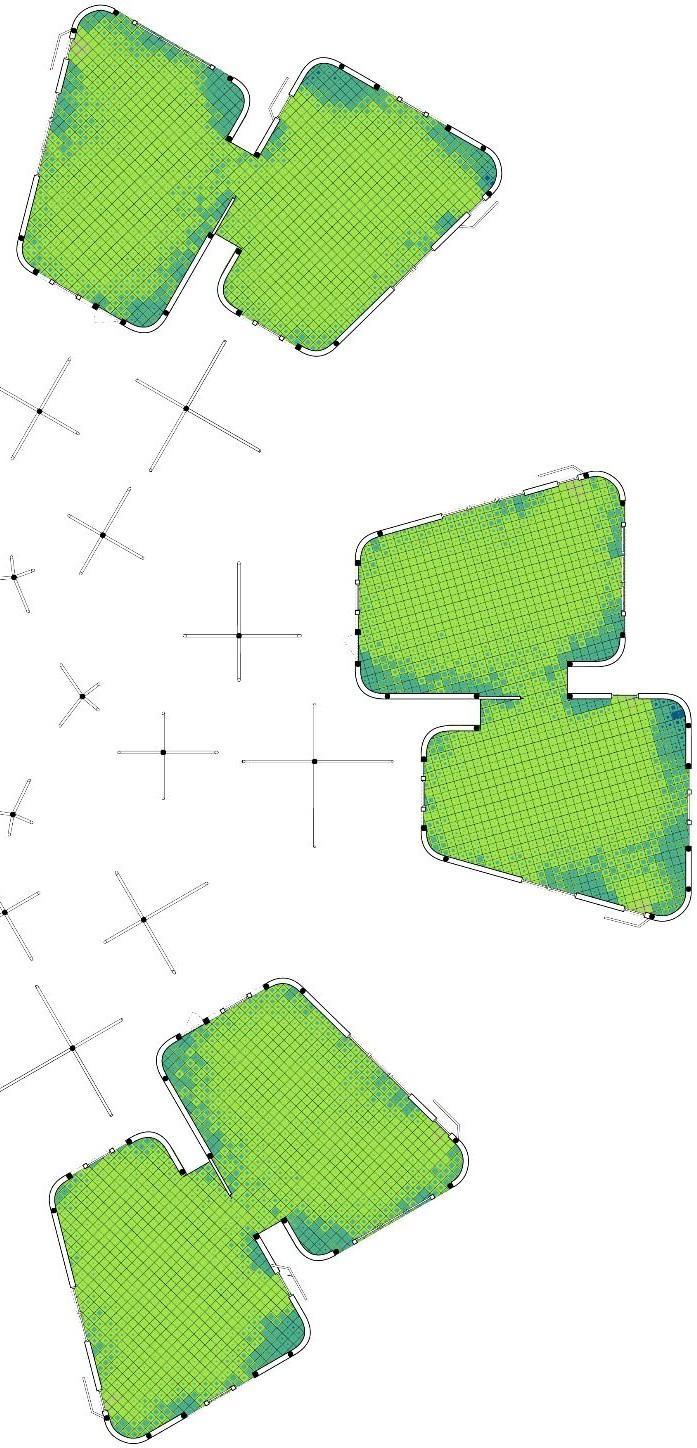







15th


Role:
Institution:
Project:
Scope:
Year:
MSc Architecture and Environmental Design
University of Westminster
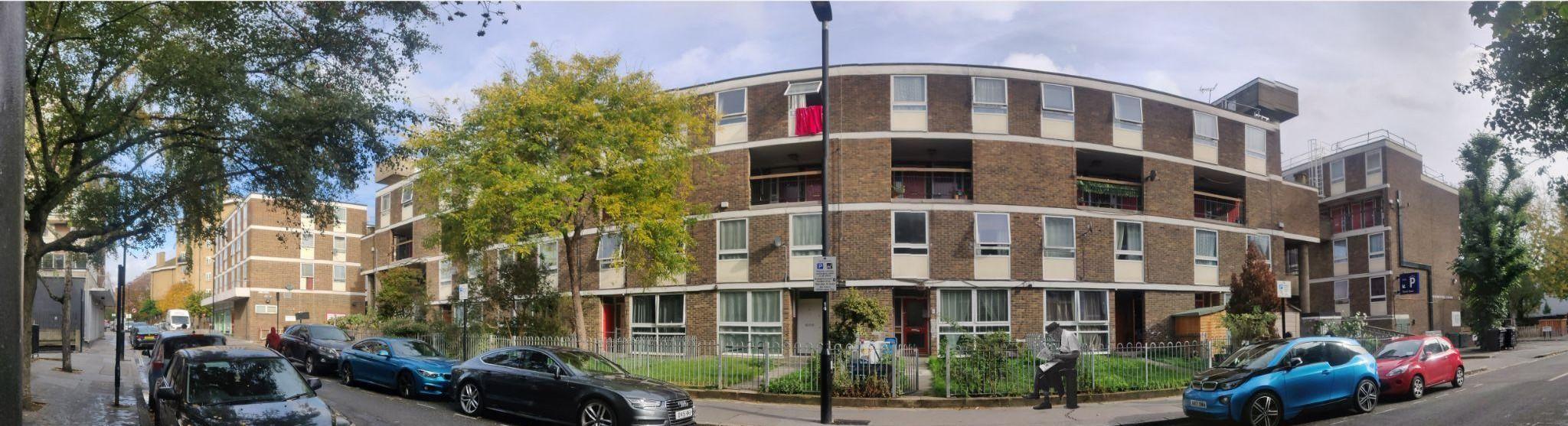
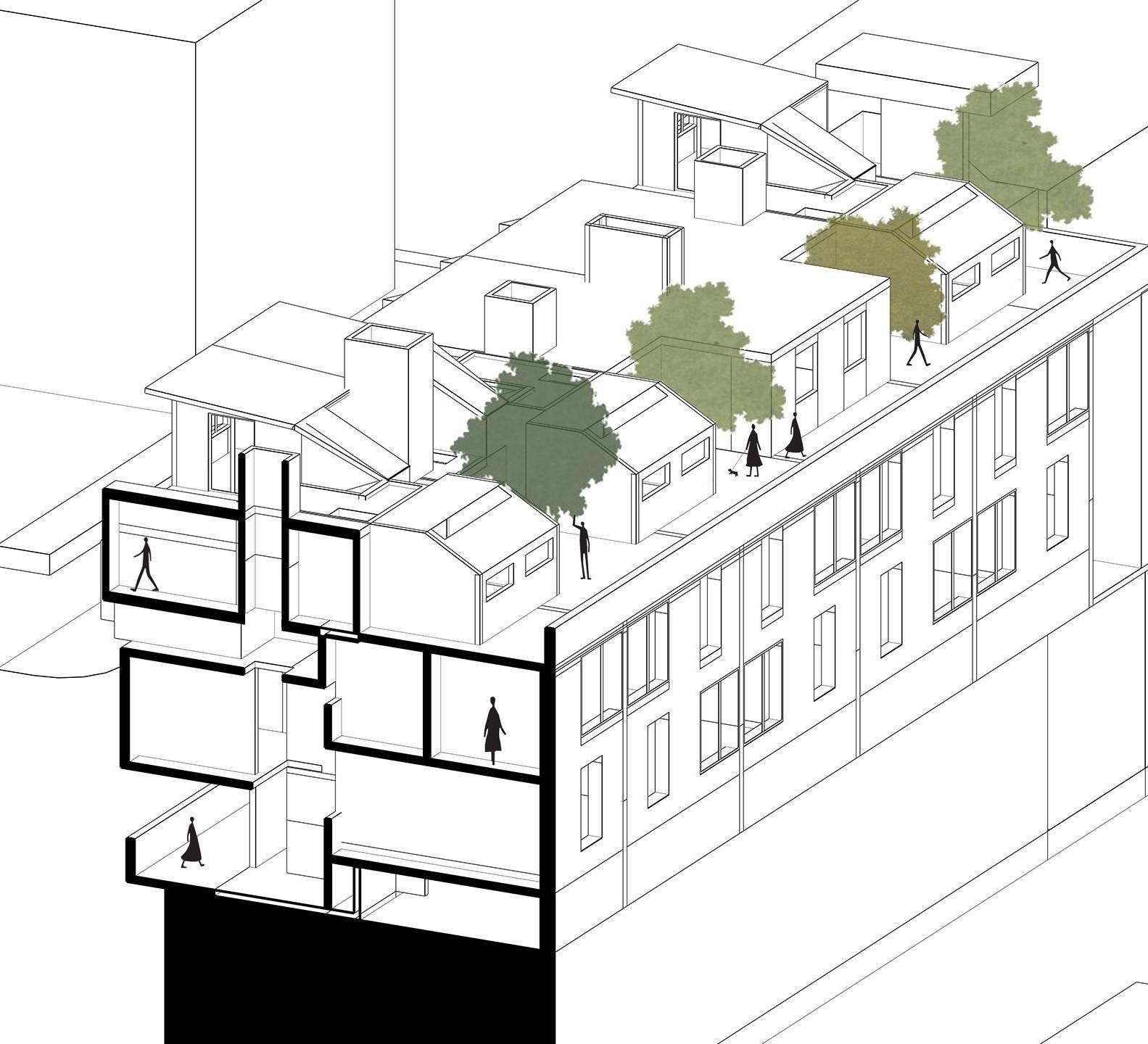
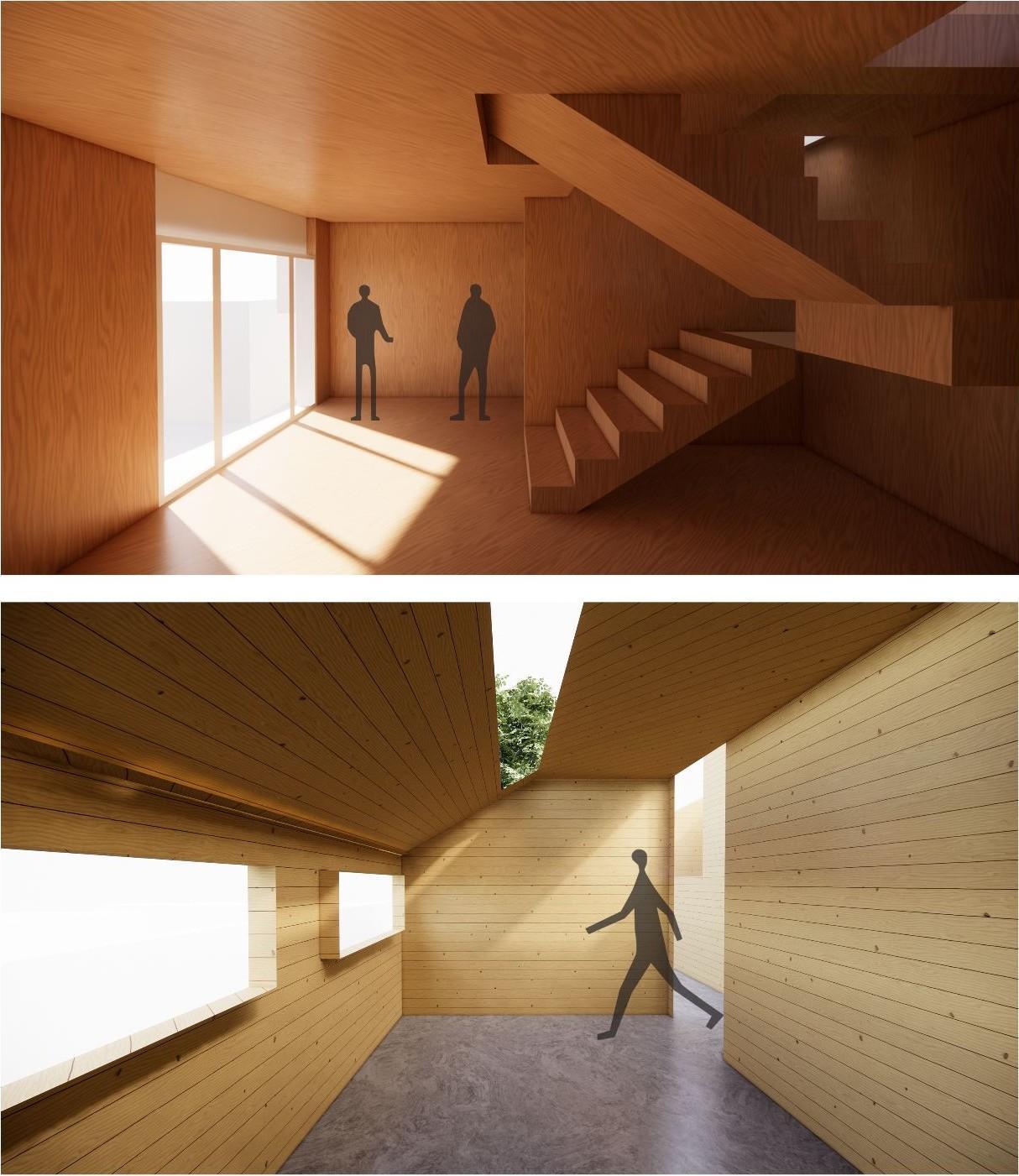
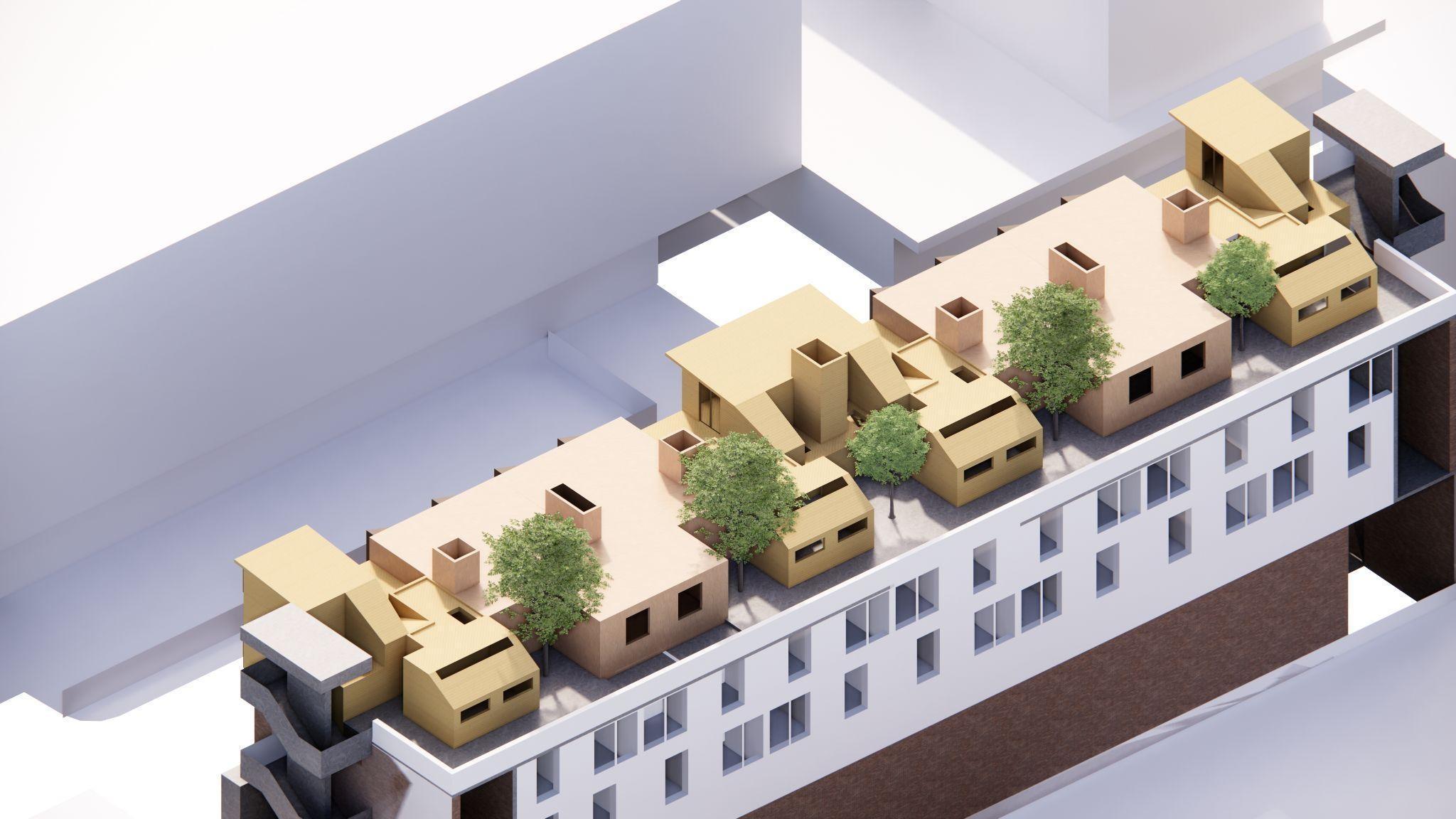
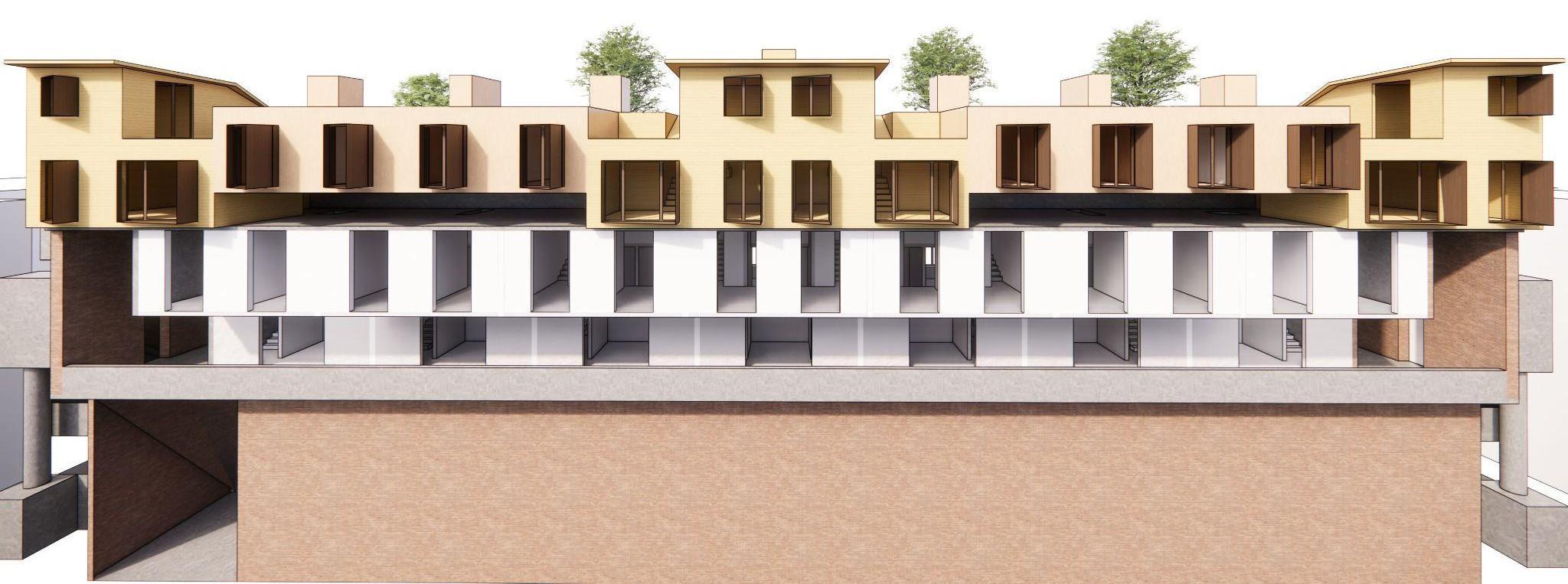
Case Study - Refurbishment and Extension Design Project
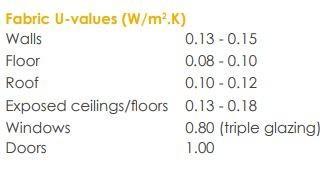
Passive House Guidelines
2022 - 2023
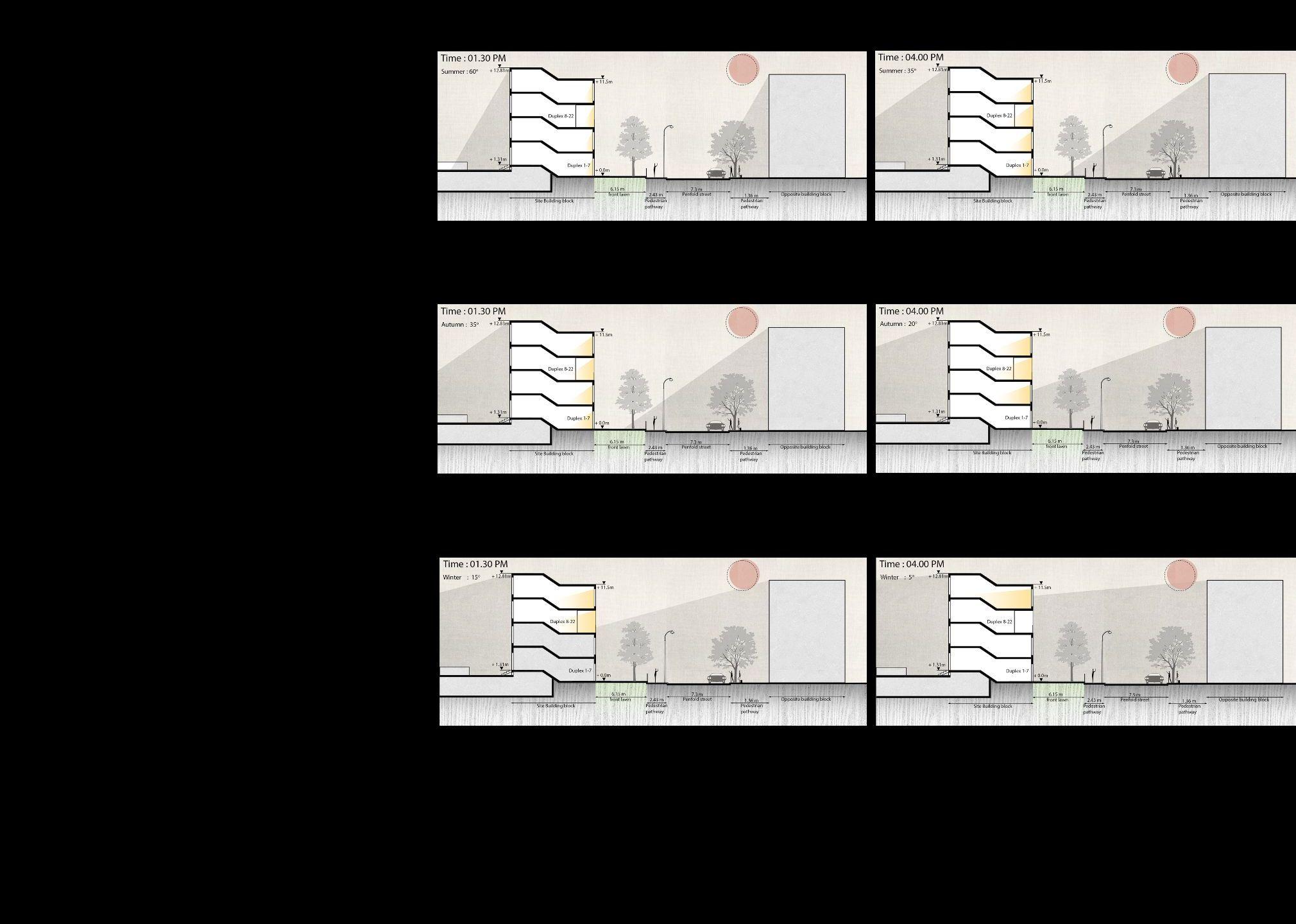
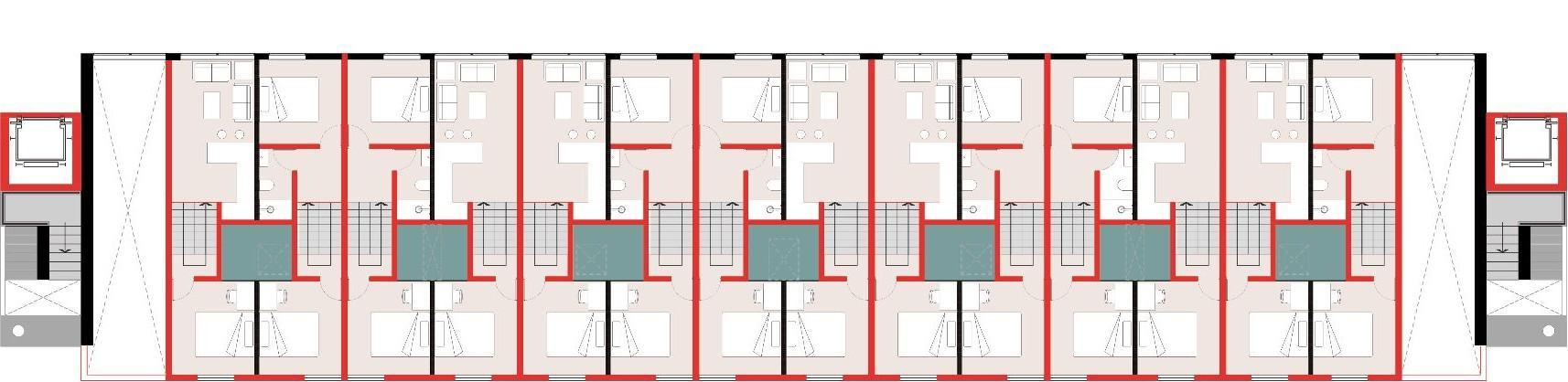
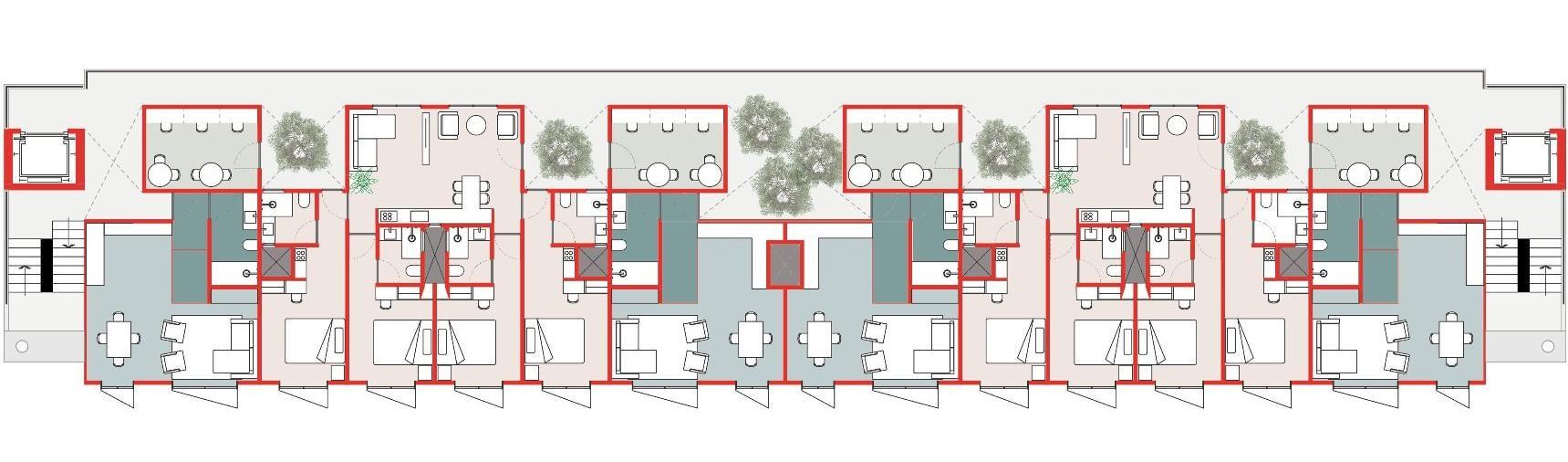
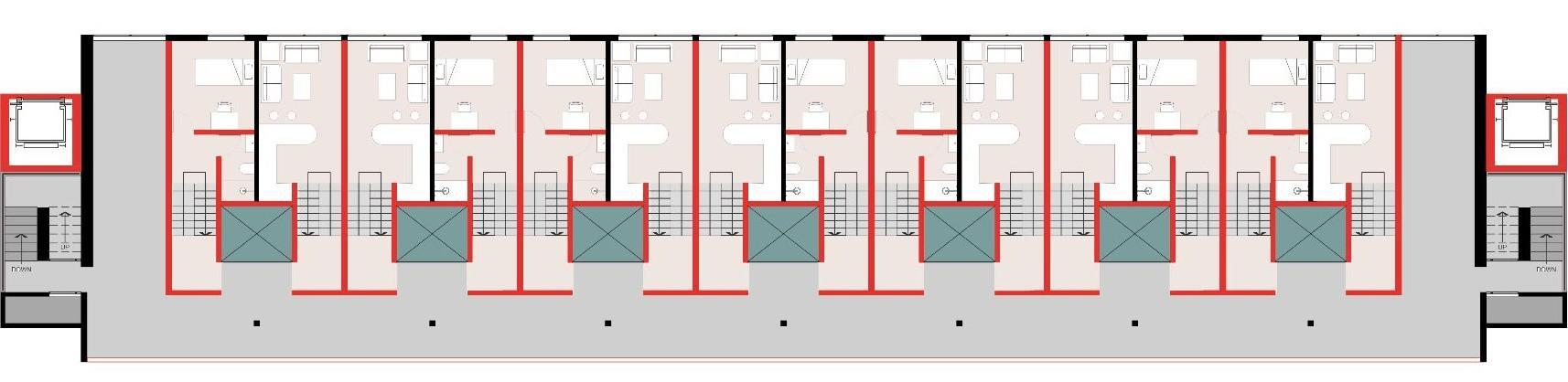
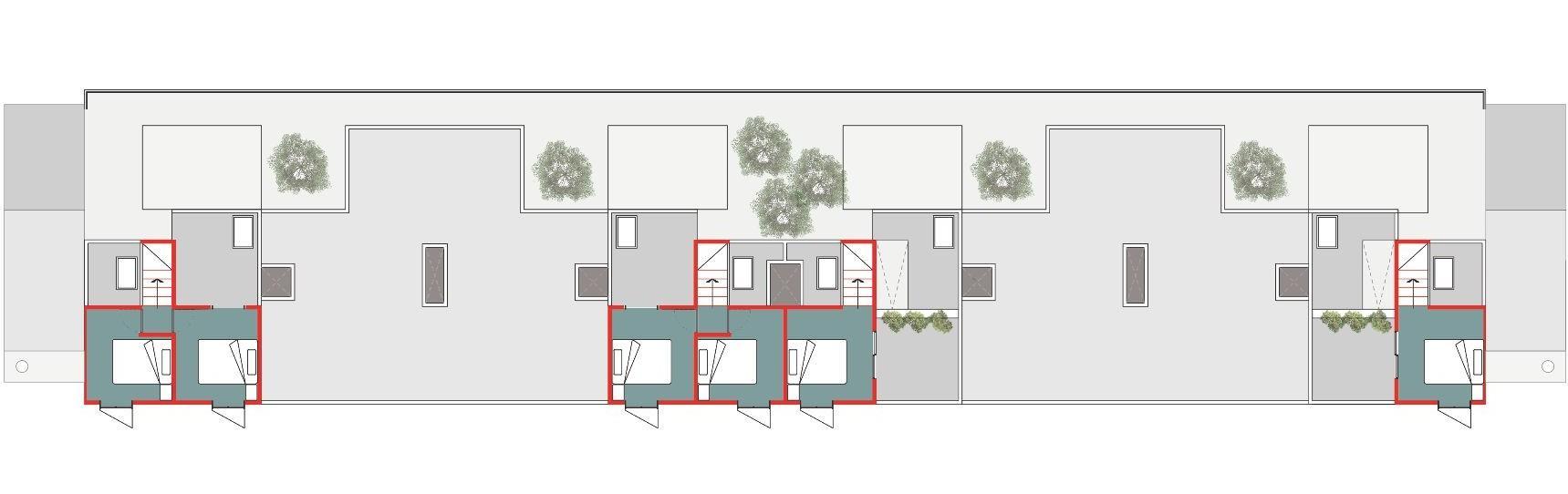
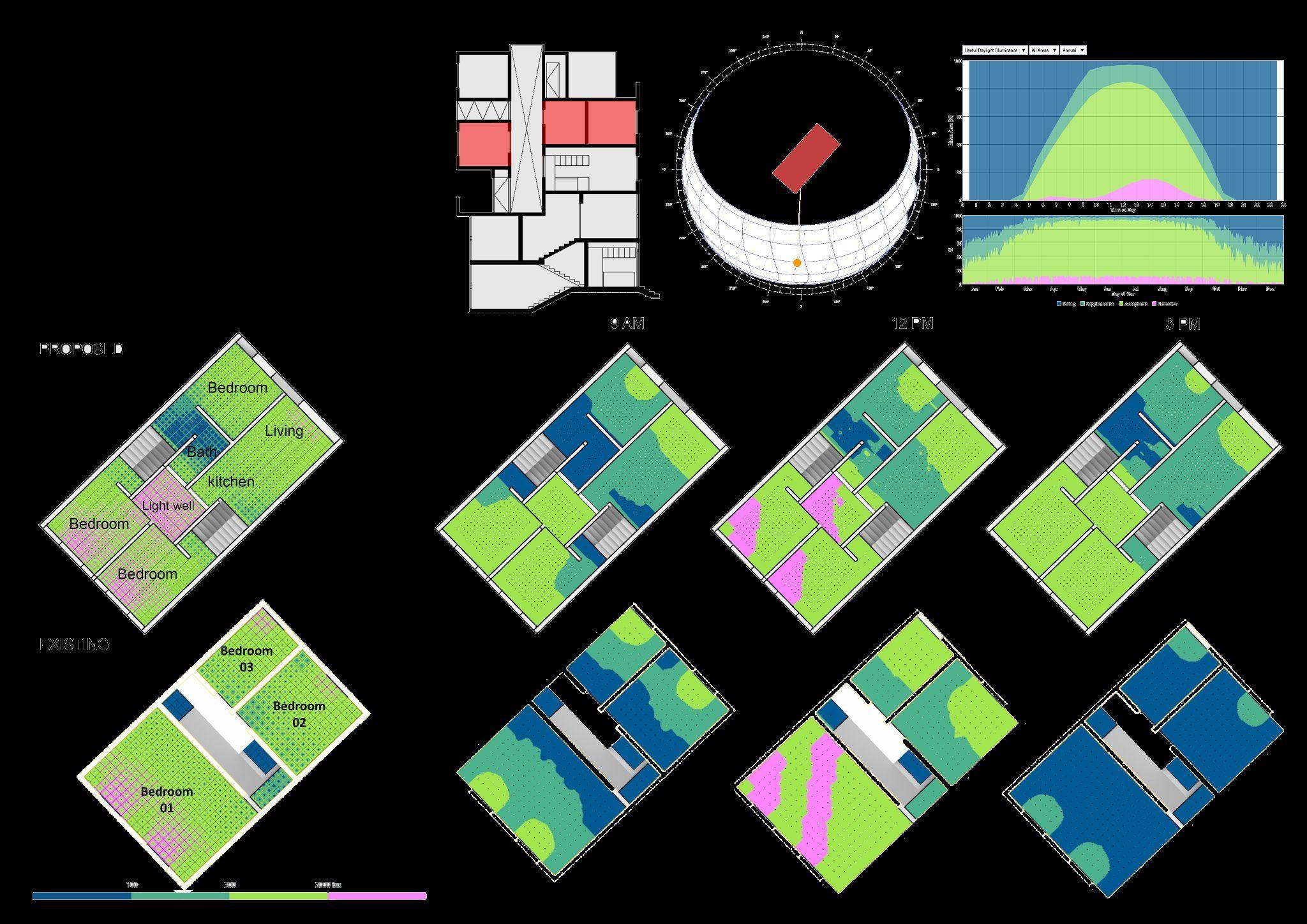
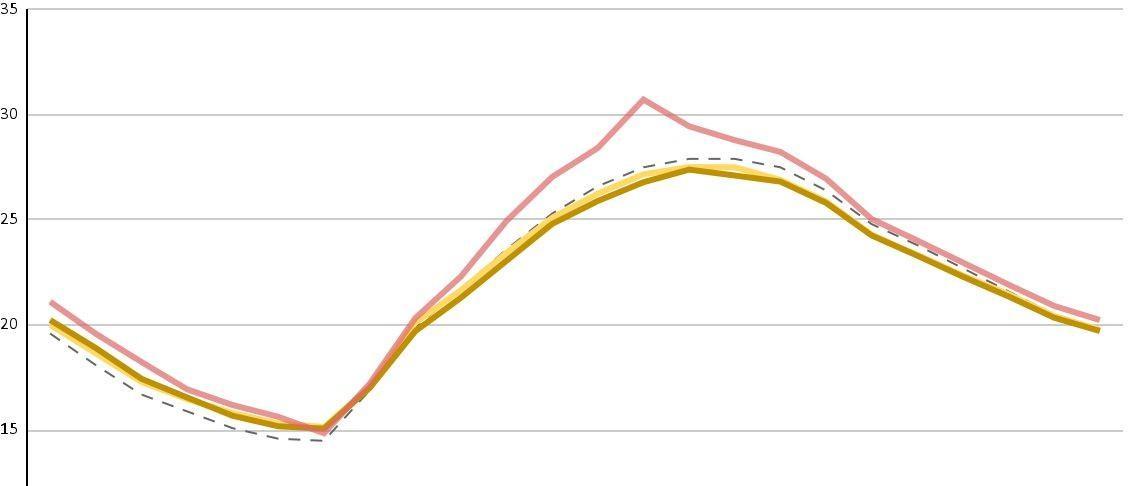
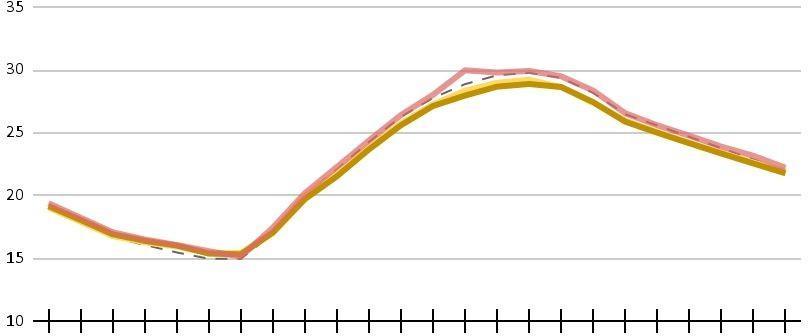
(Winter- Dec 21)










Applied Values
Wall - 0.275 W/m2.oC
5/8 in. gyp board
R-11,3-1/2 in. batt insulation
1/2 in. fiberboard sheathing
R-5, 1 in. insulation board
Wall air space resistance
4 in. brick
Glazing - 1.274 W/m2.oC 6mm SG planilux clear 12mmArgon
6mm SG cool-lite
Infiltration rate - 0.1 ach
Ventilation - 0.06 ach
Recommended Value (as per LETI guideline)



Glazing - 1.00 W/m2.K


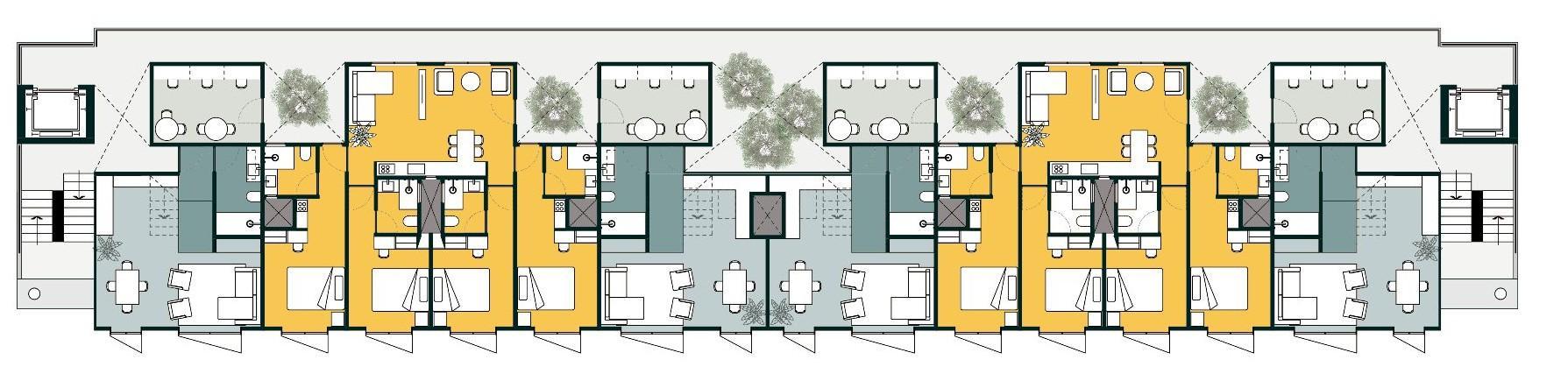




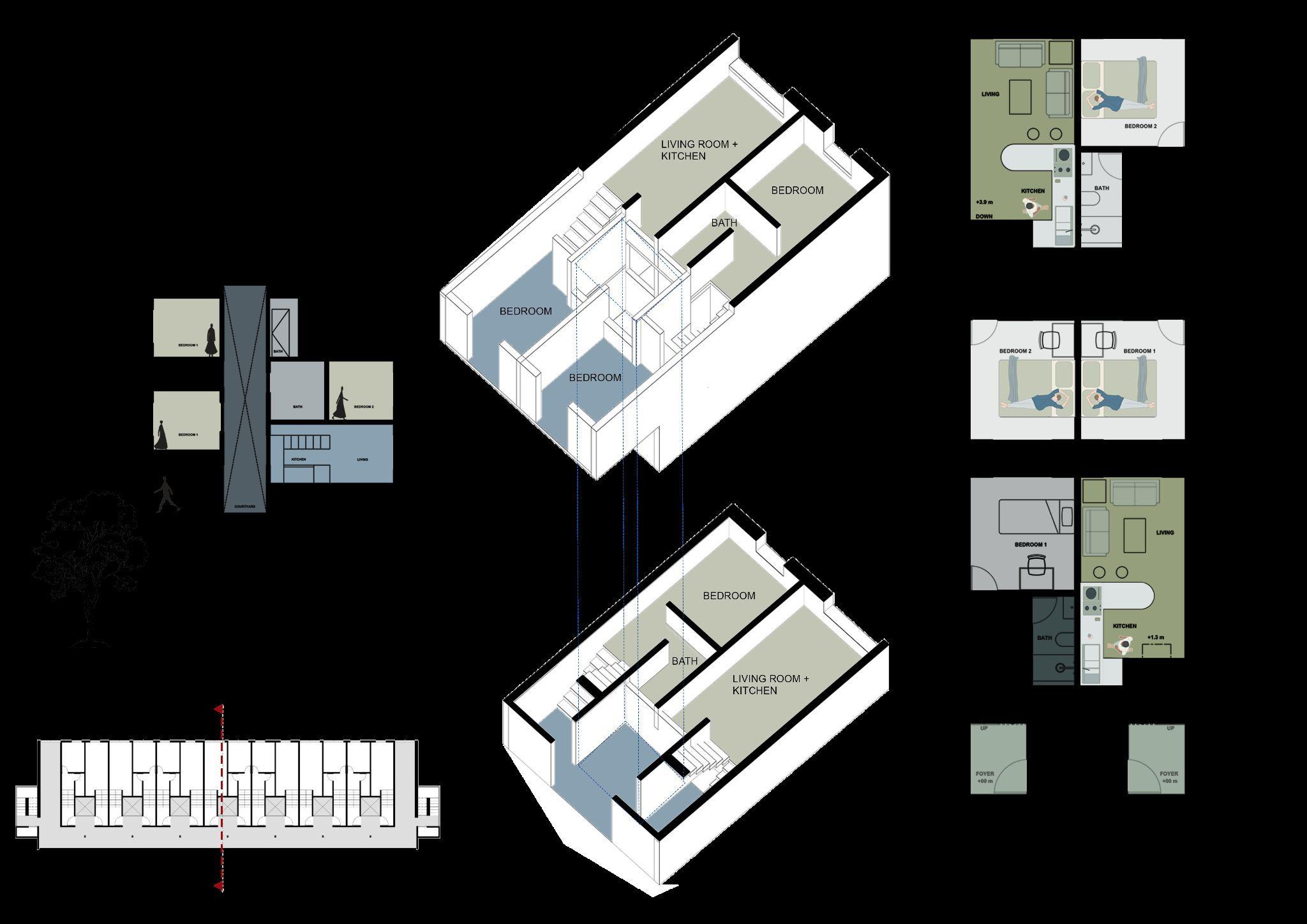
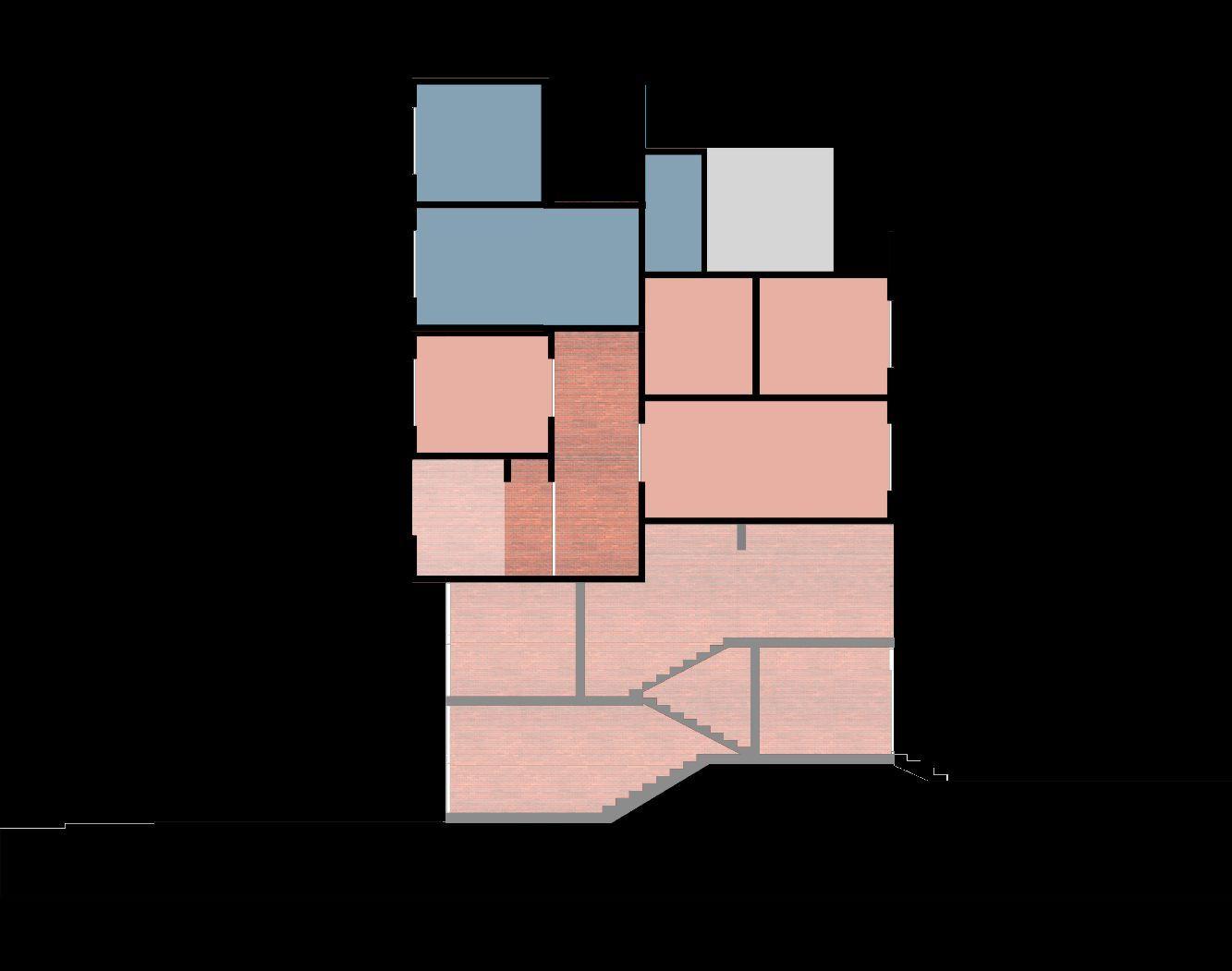
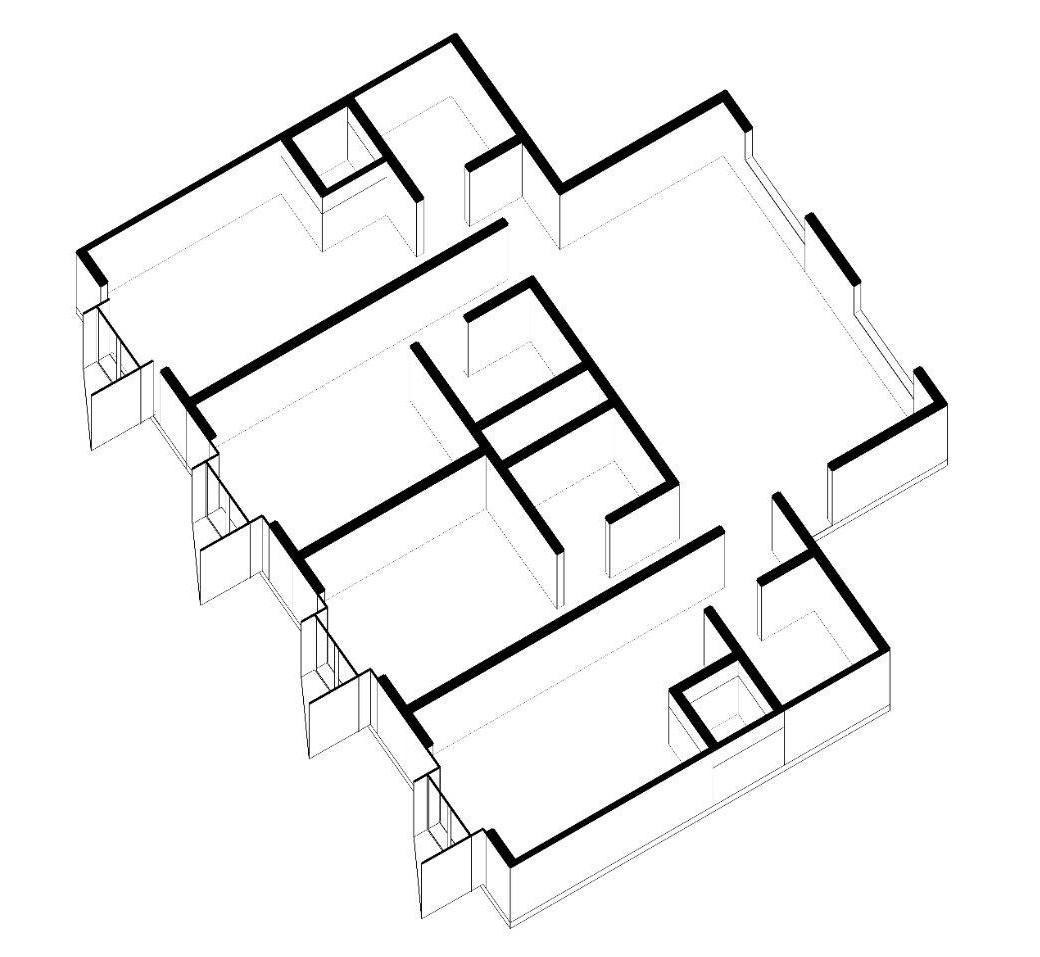
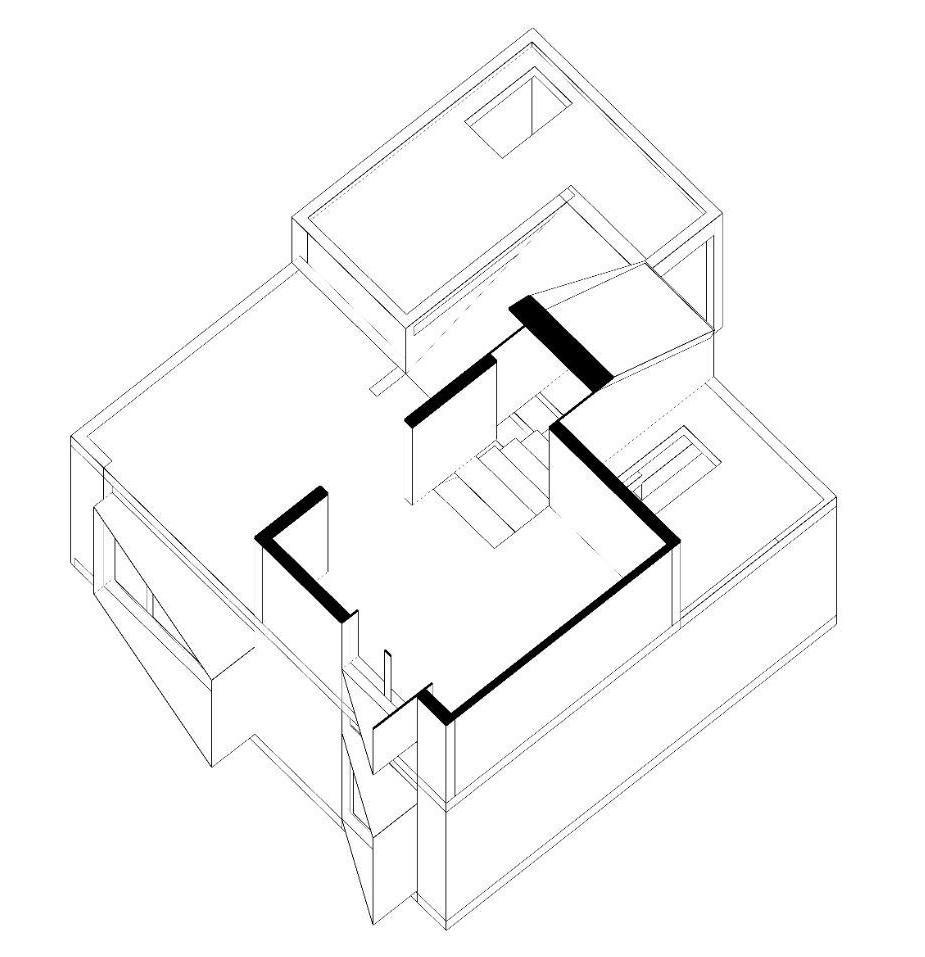
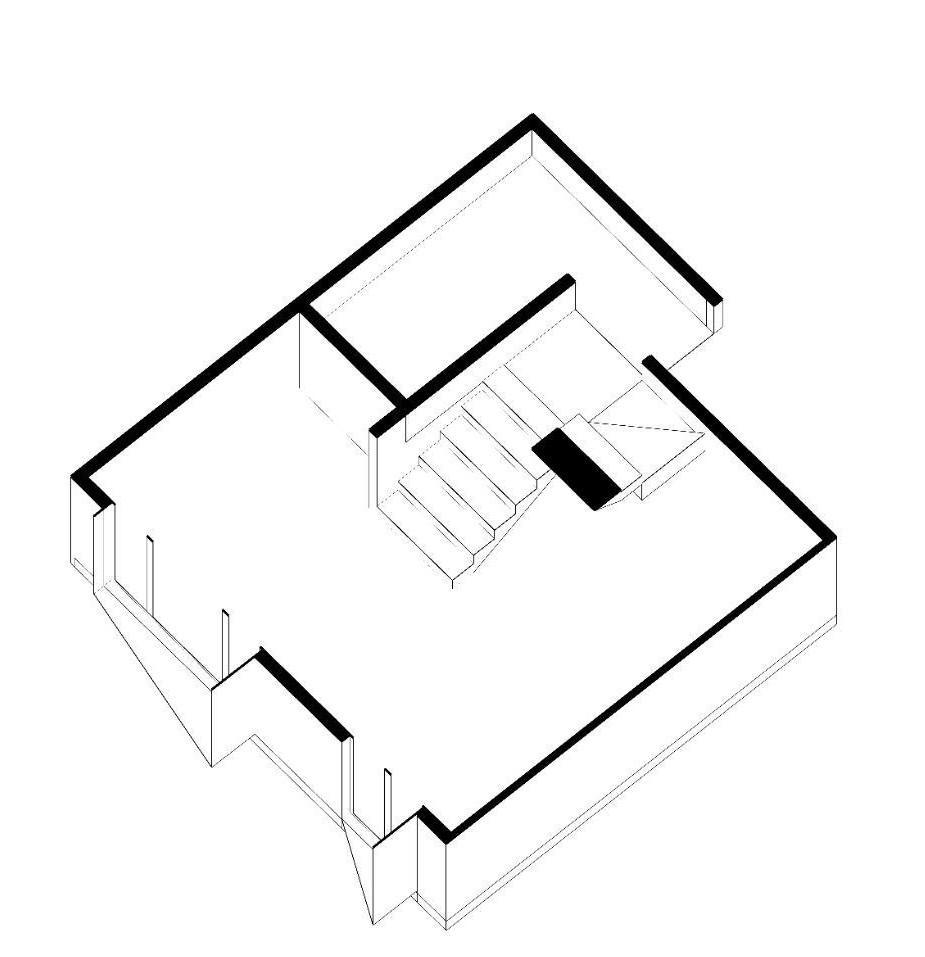
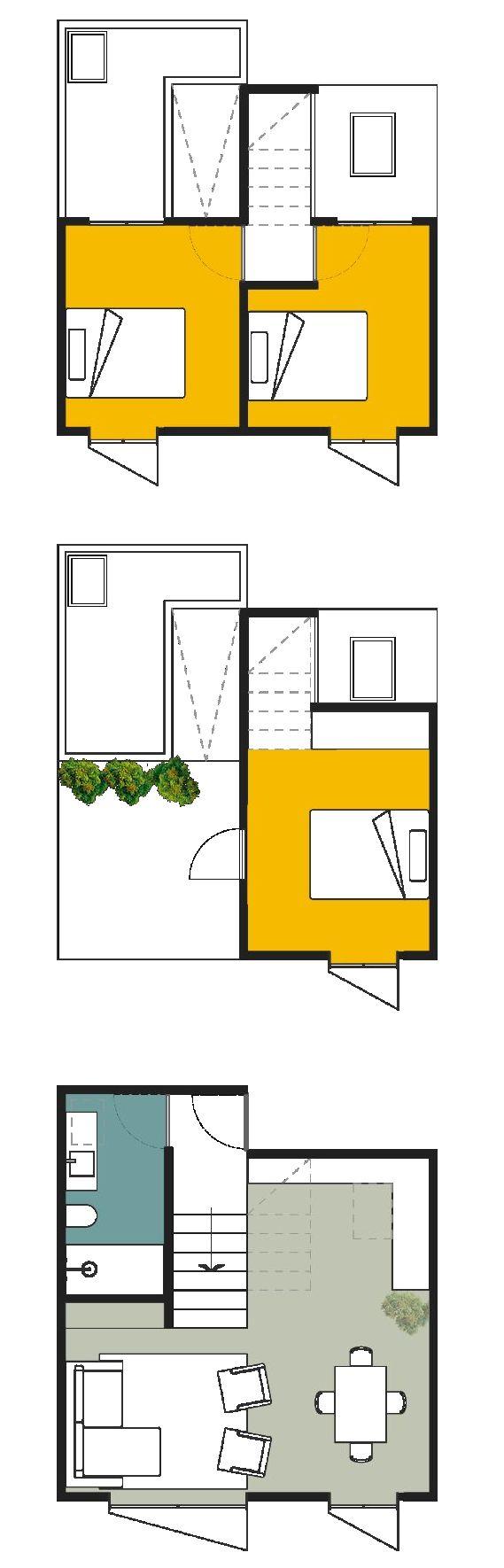
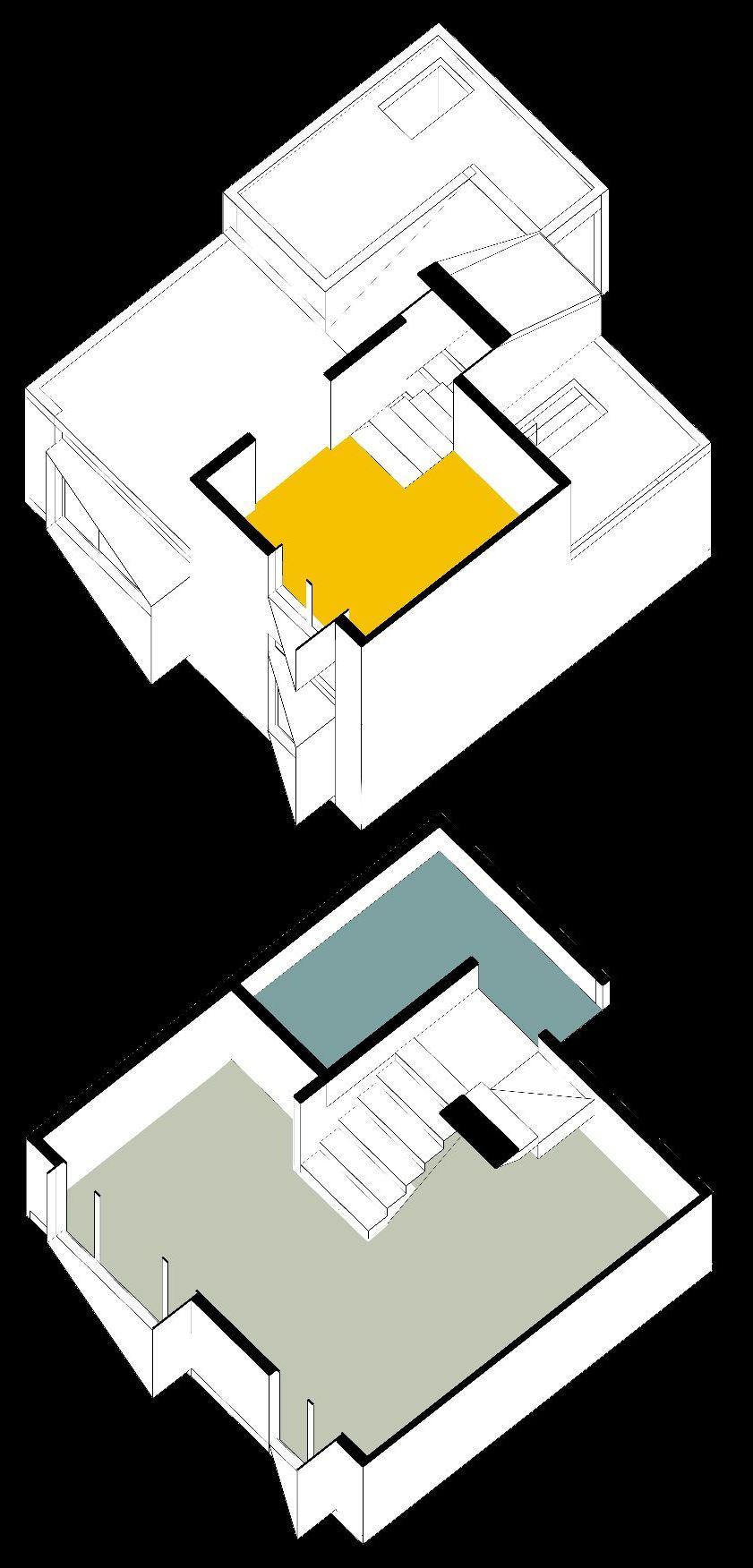
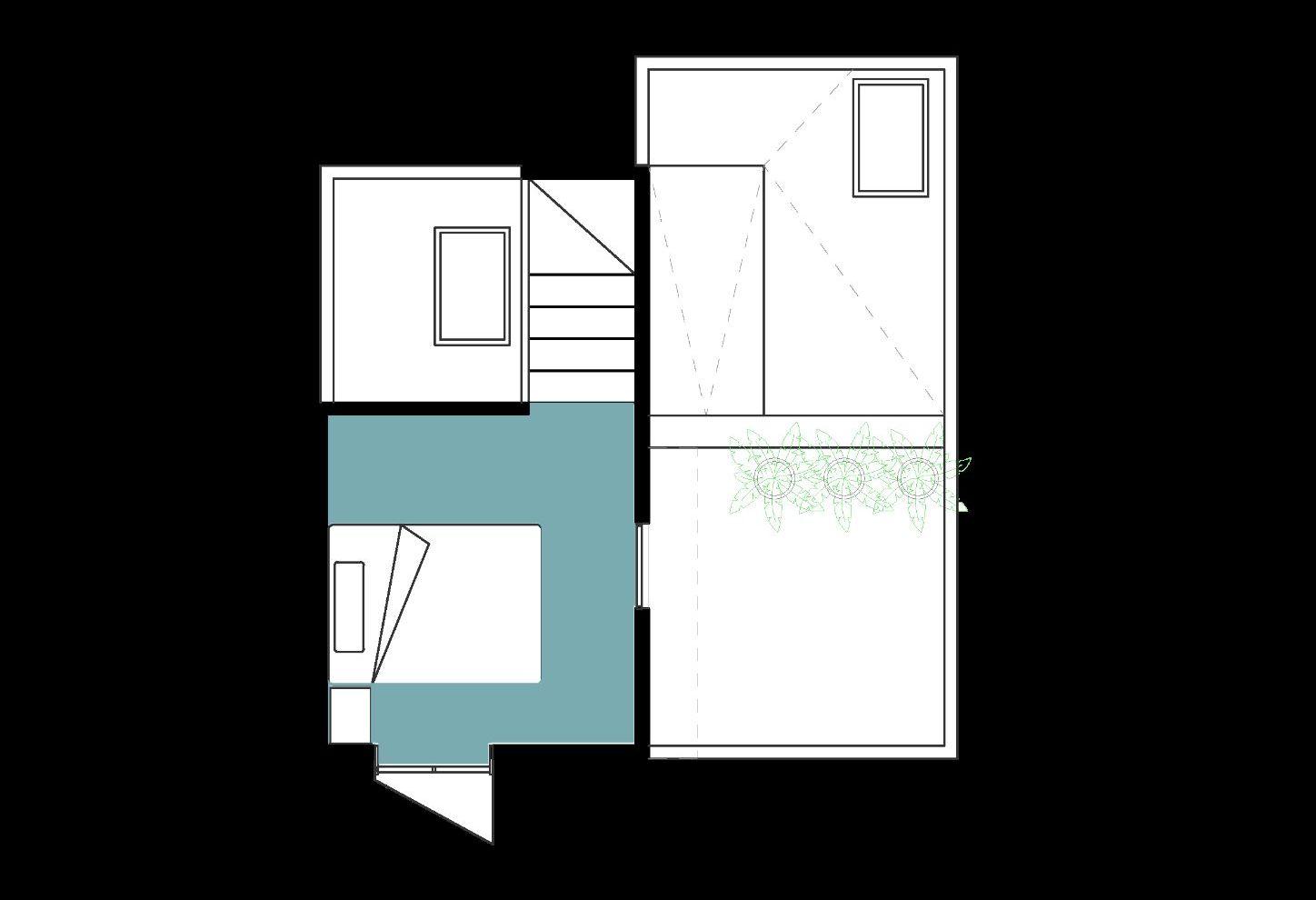
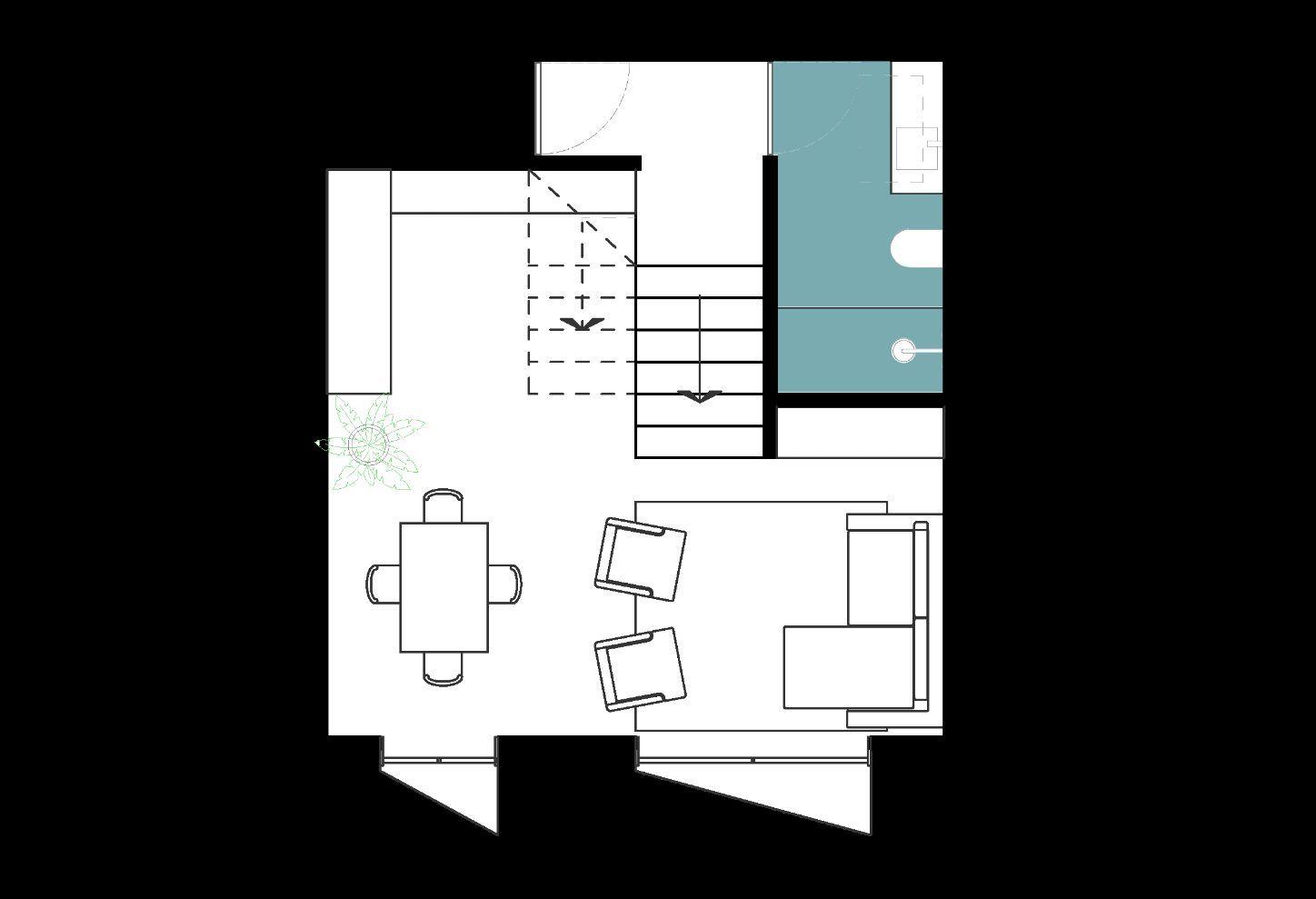
Co- Living



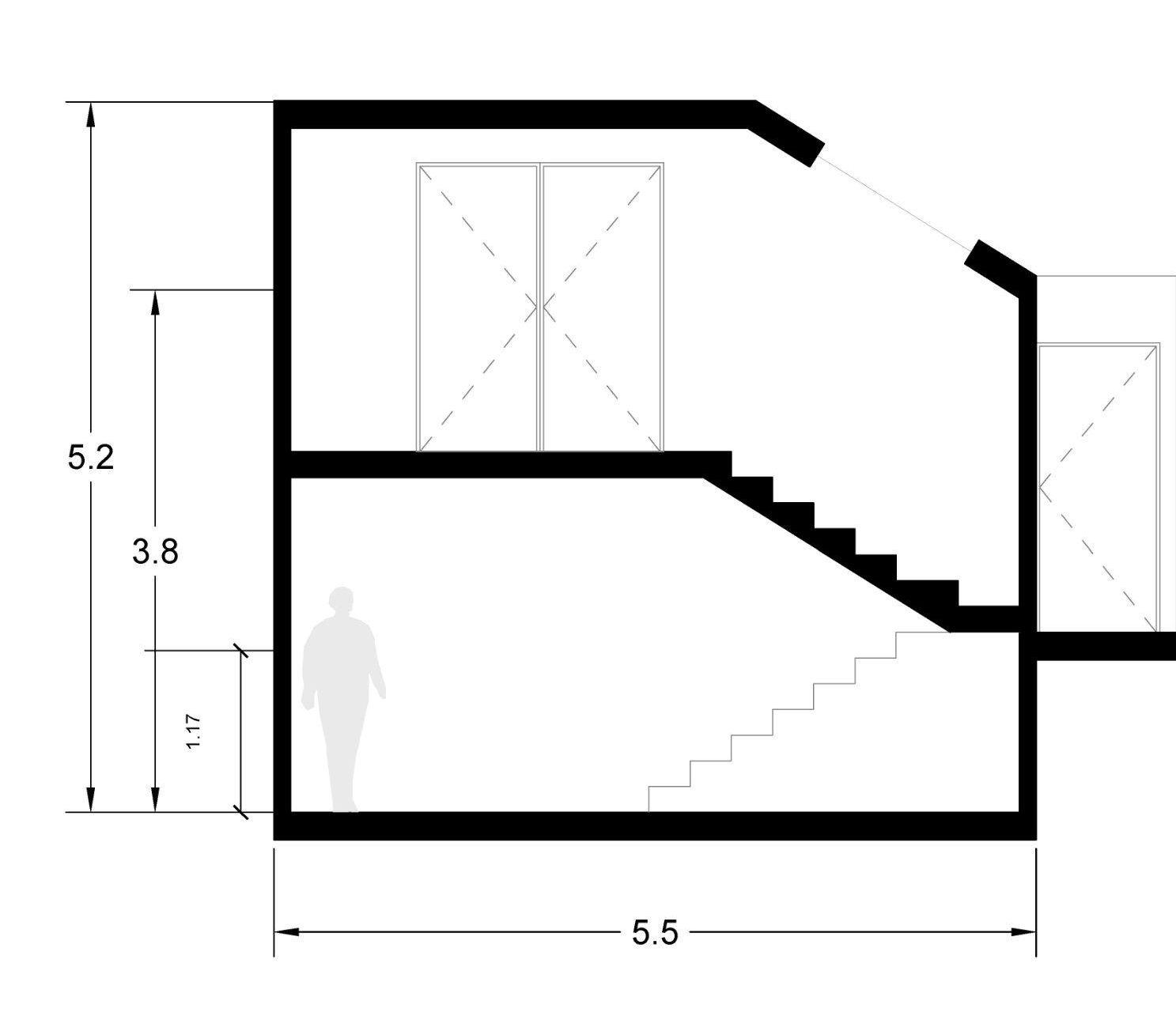


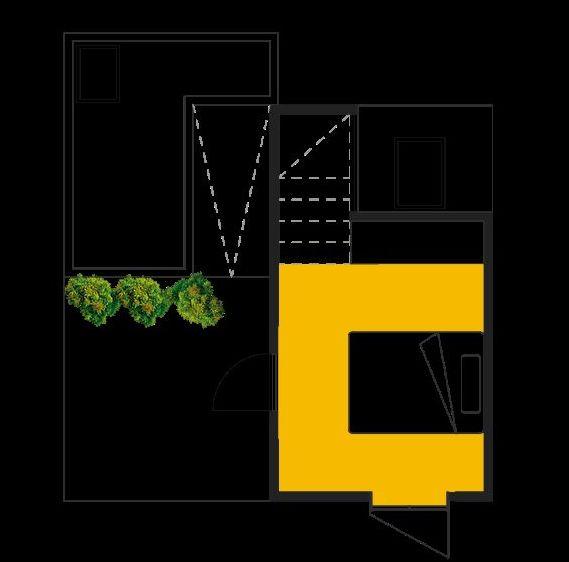



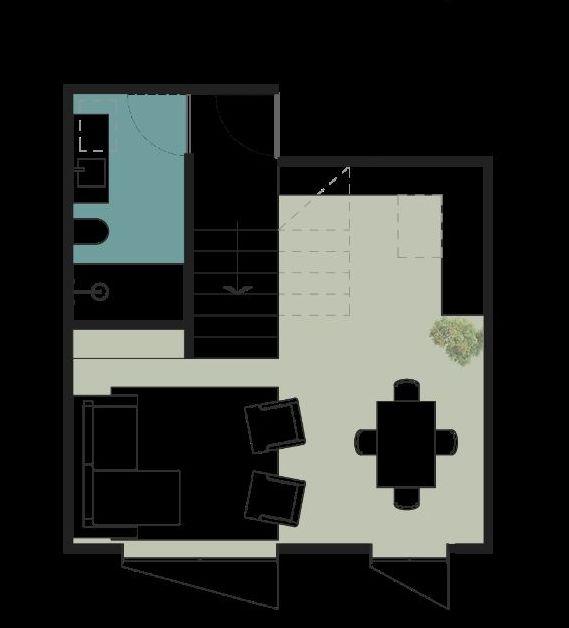
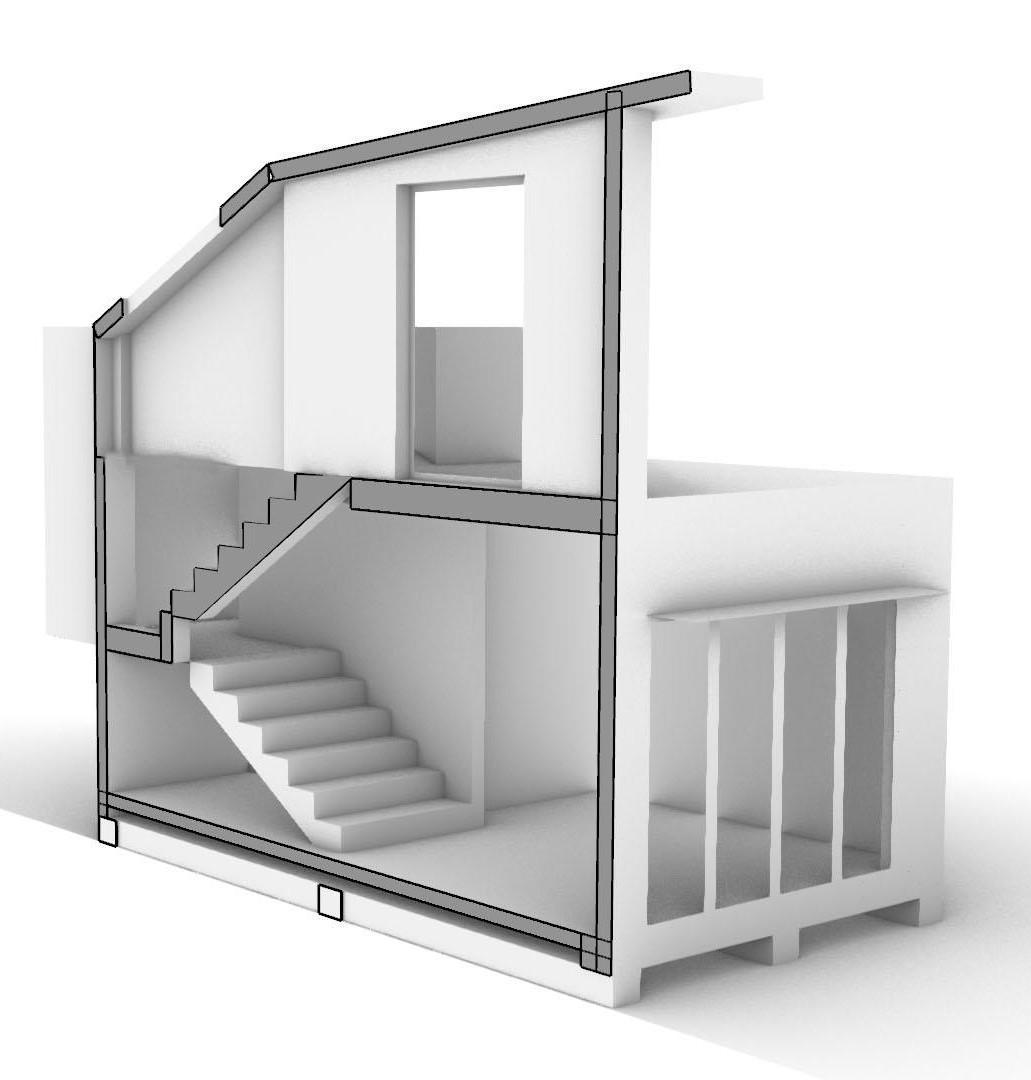



Wall - 0.125 W/m2 °C
Gypsum
Glass fibre
R-30 Insulation
Gypsum board
Stucco
List 2. Recommended building U- Values Common area Occupancy sensible
Floor - 0.08 W/m2 °C
Plywood
Batt insulation
R-30 Insulation
Wood joist floor
Plywood joist floor
Roof - 0.06 W/m2 °C
Plywood
Batt insulation
R-30 Insulation
Wood joist floor
Insulation board
Roof build up
Plywood joist floor
Glazing - 1.2 W/m2 °C
Triple glazing

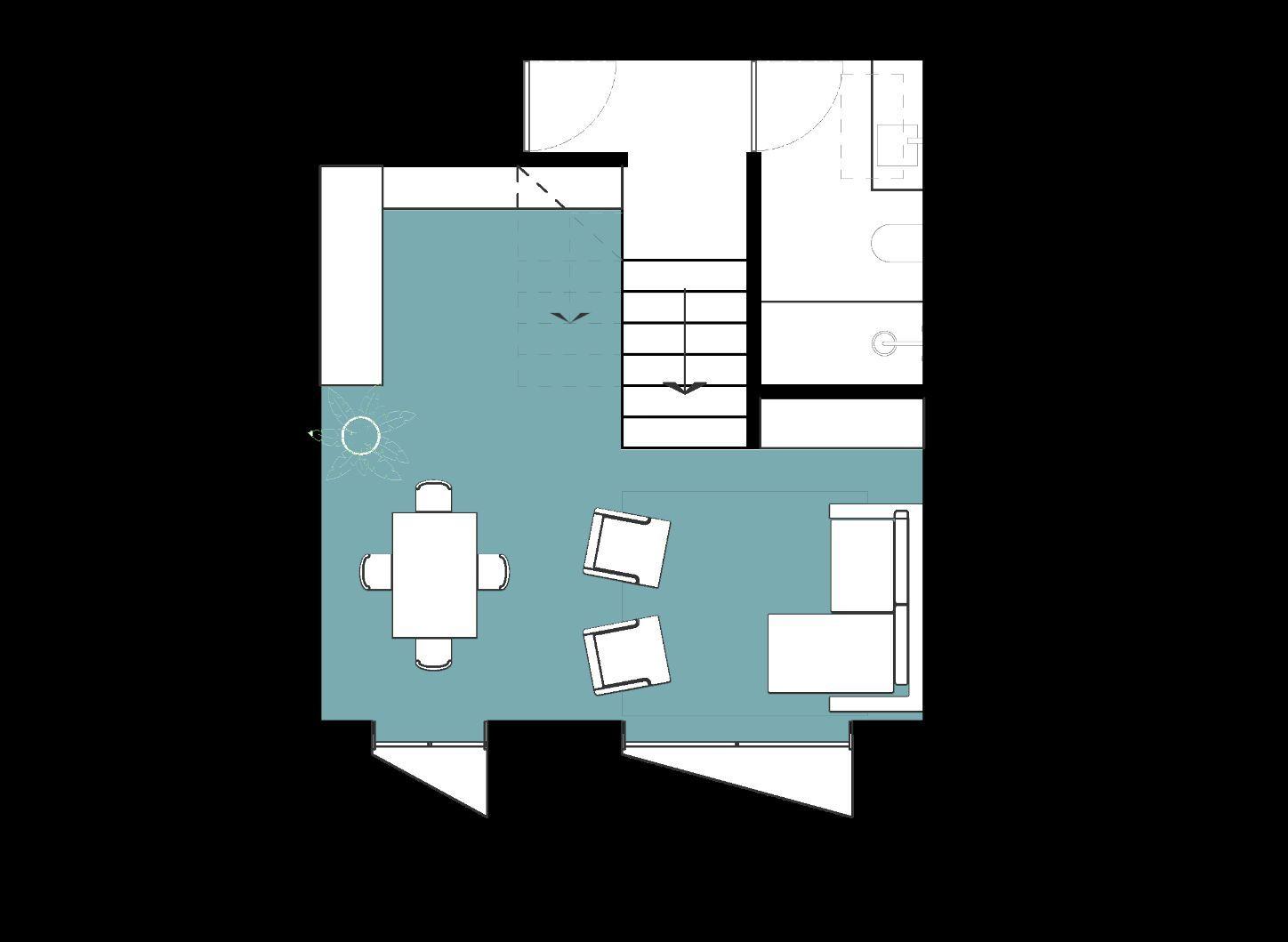
Occupancy sensible gain - 5.0 W/m2
Occupancy latent gain - 1.0 W/m2
Equipment sensible gain - 5.0 W/m2 Bathroom
Occupancy sensible gain - 15.0 W/m2
Occupancy latent gain - 2.0 W/m2
Equipment sensible gain - 0.0 W/m2


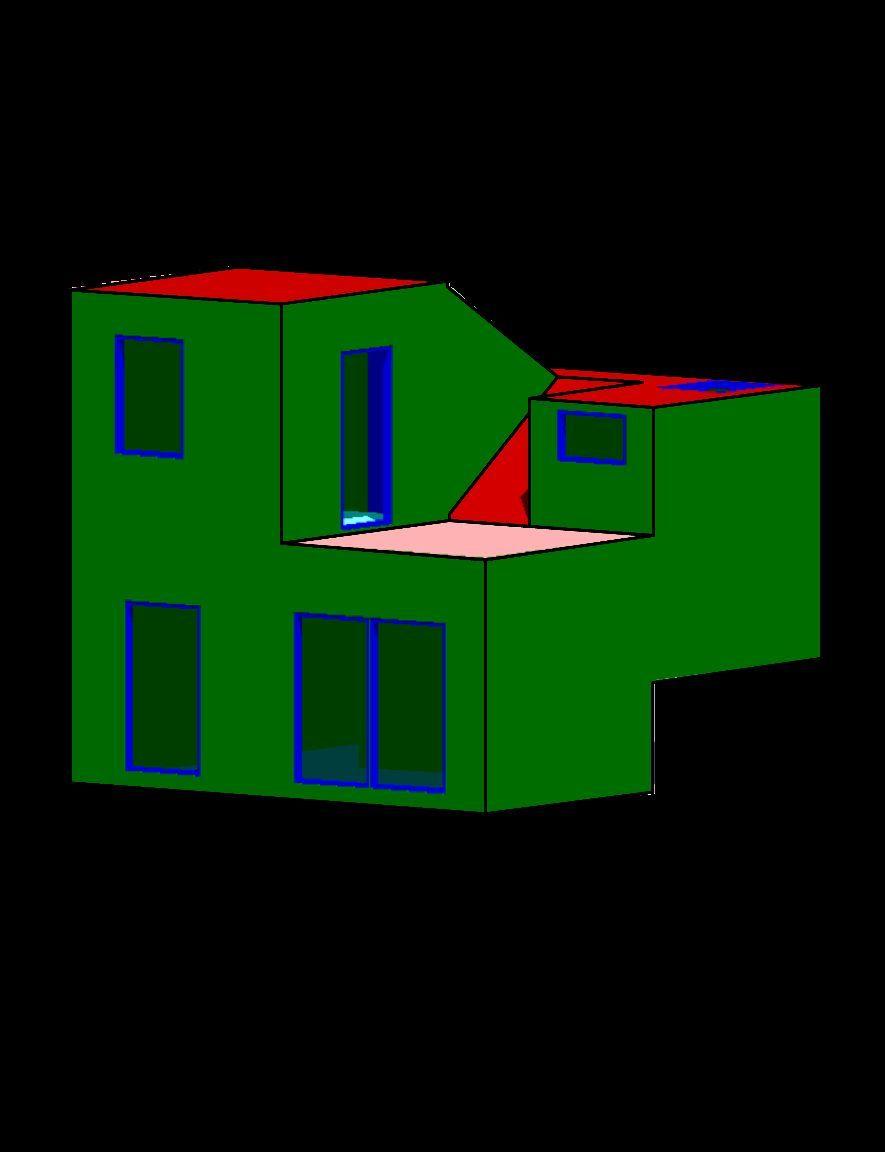
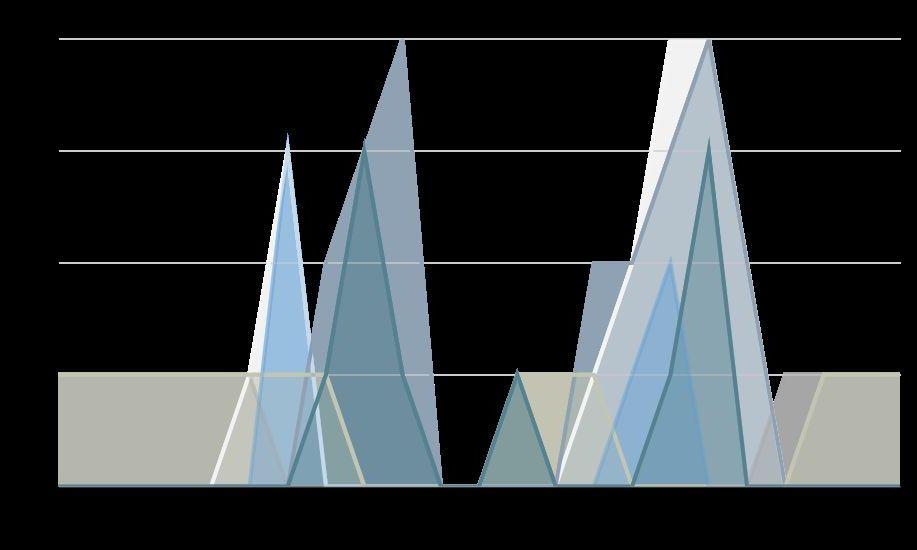


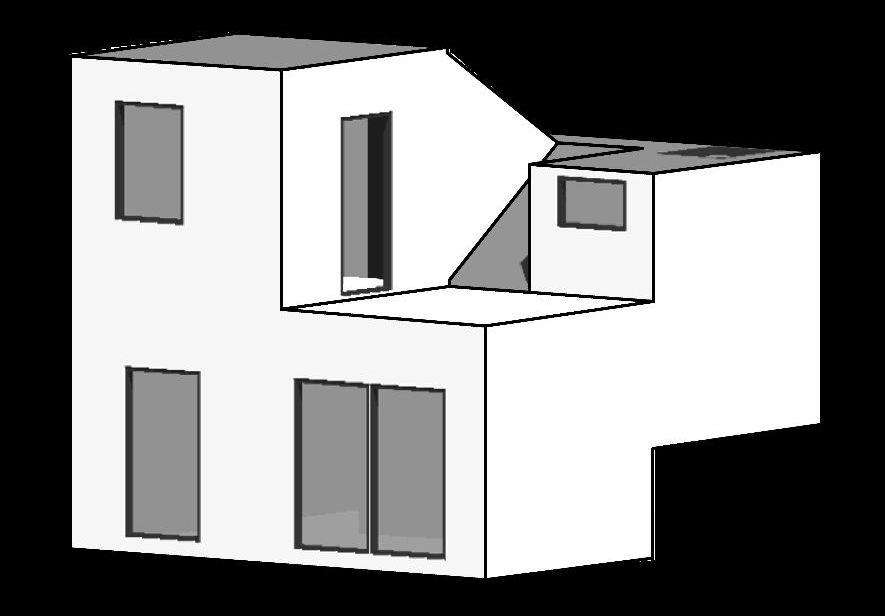


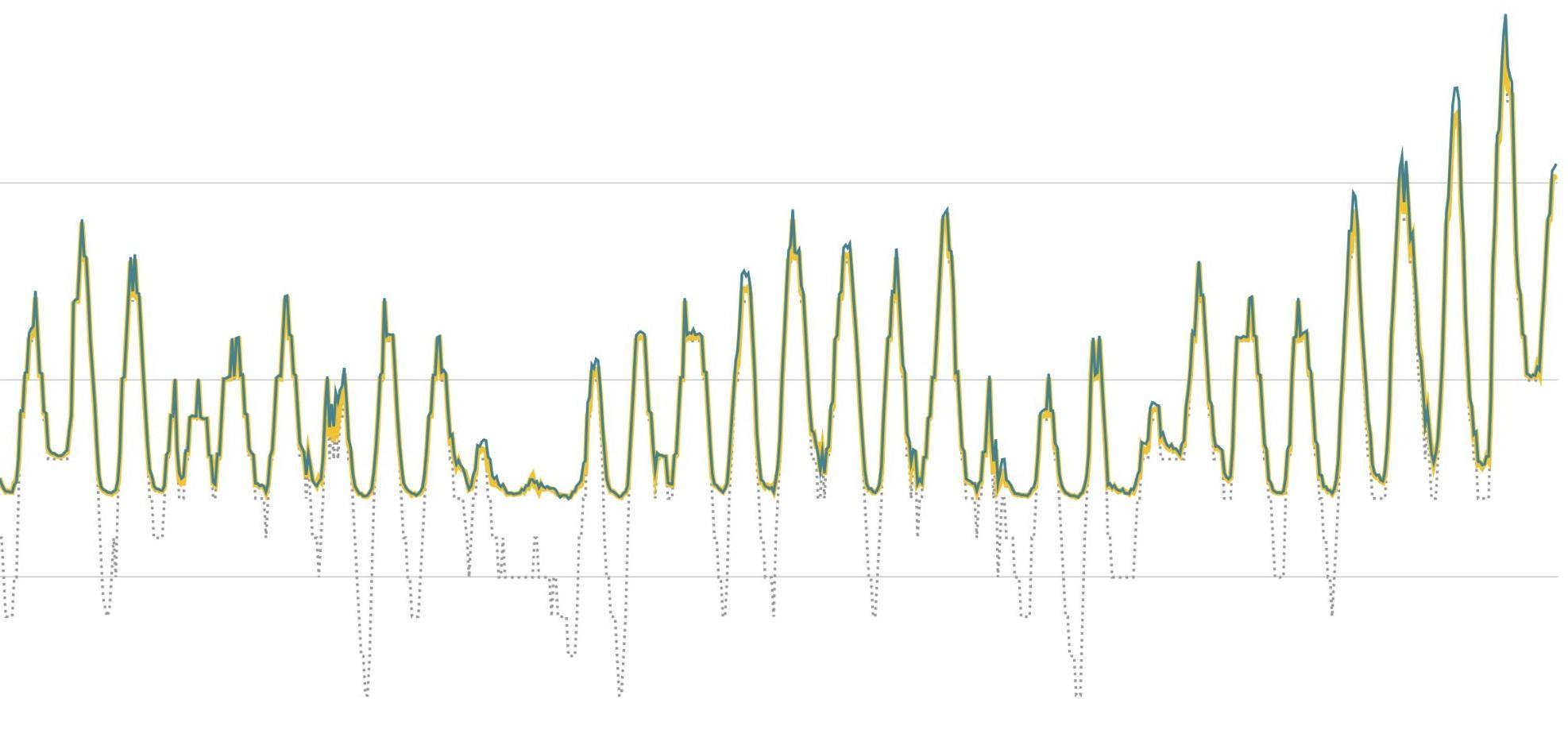
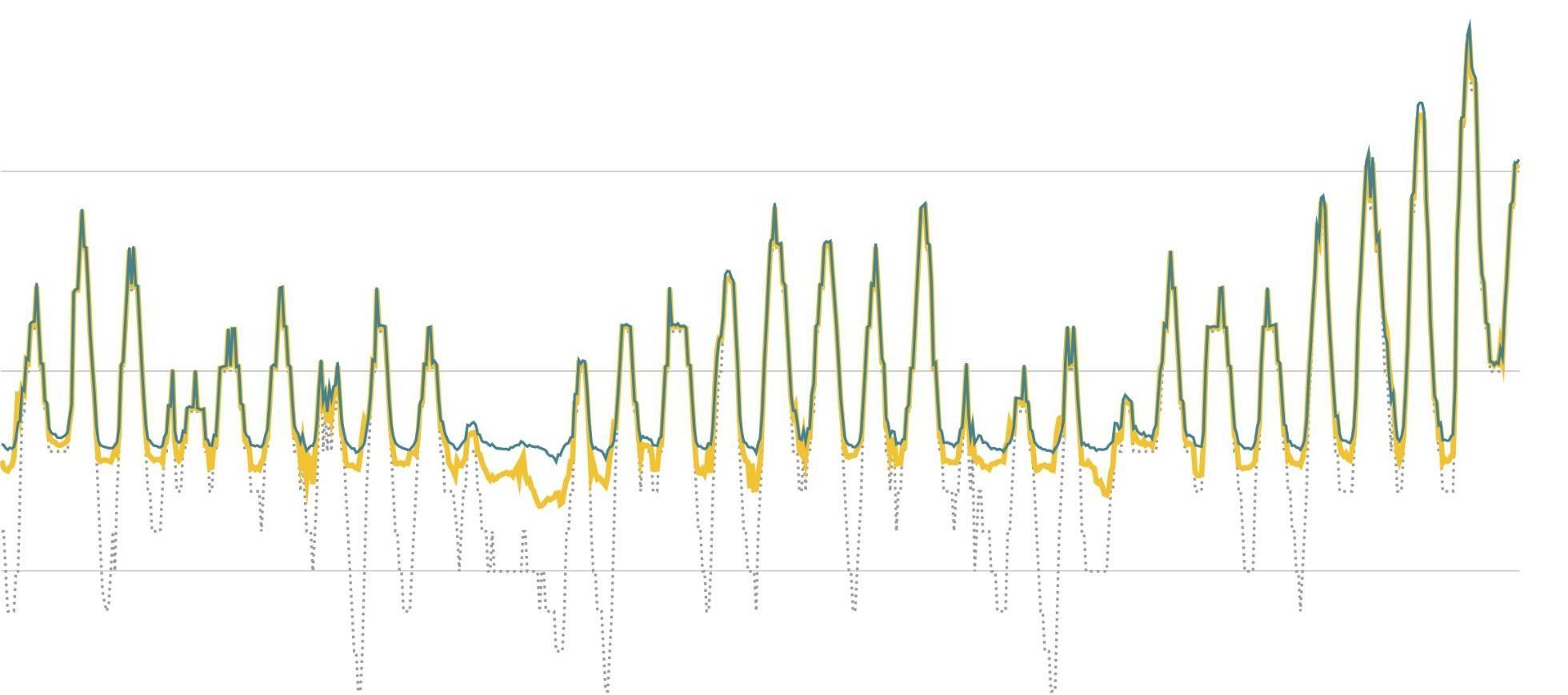
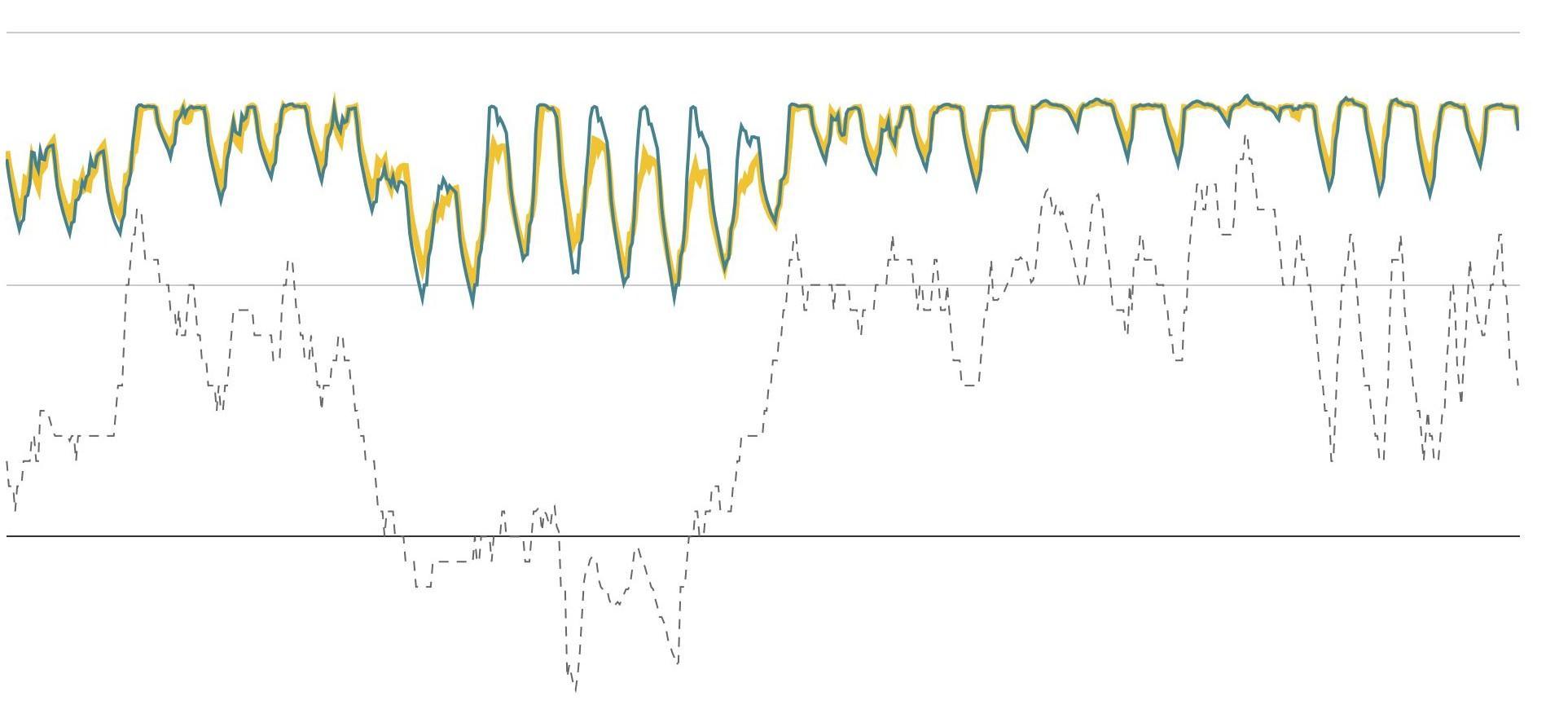
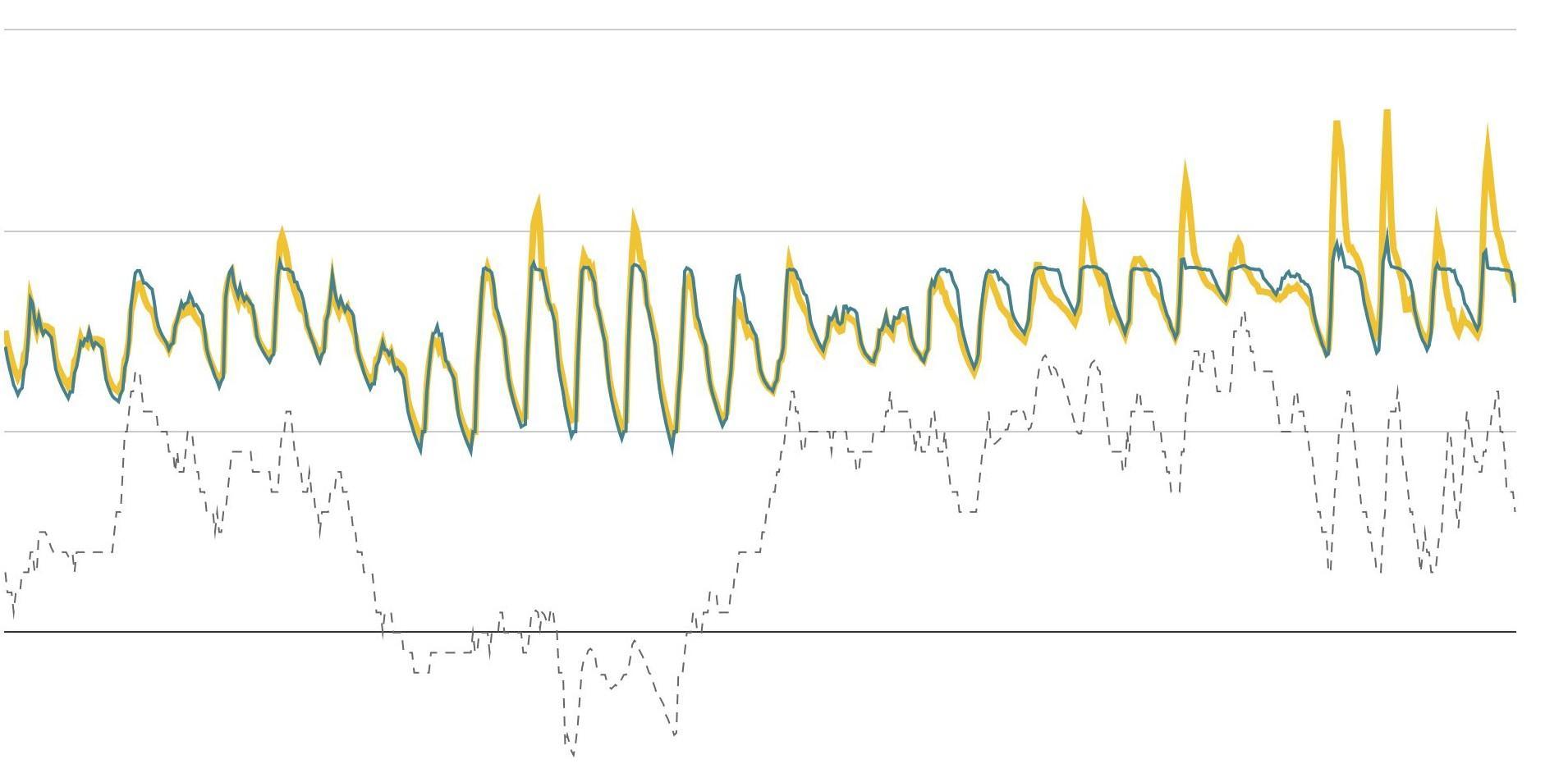

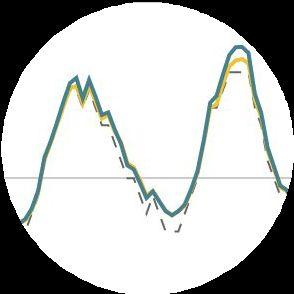
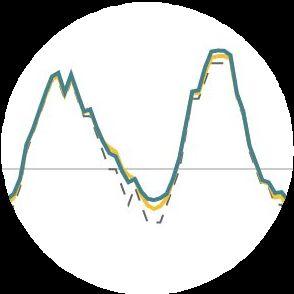

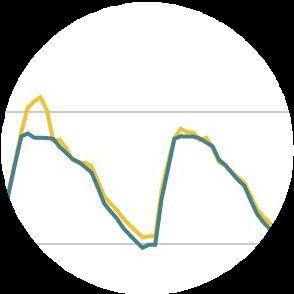
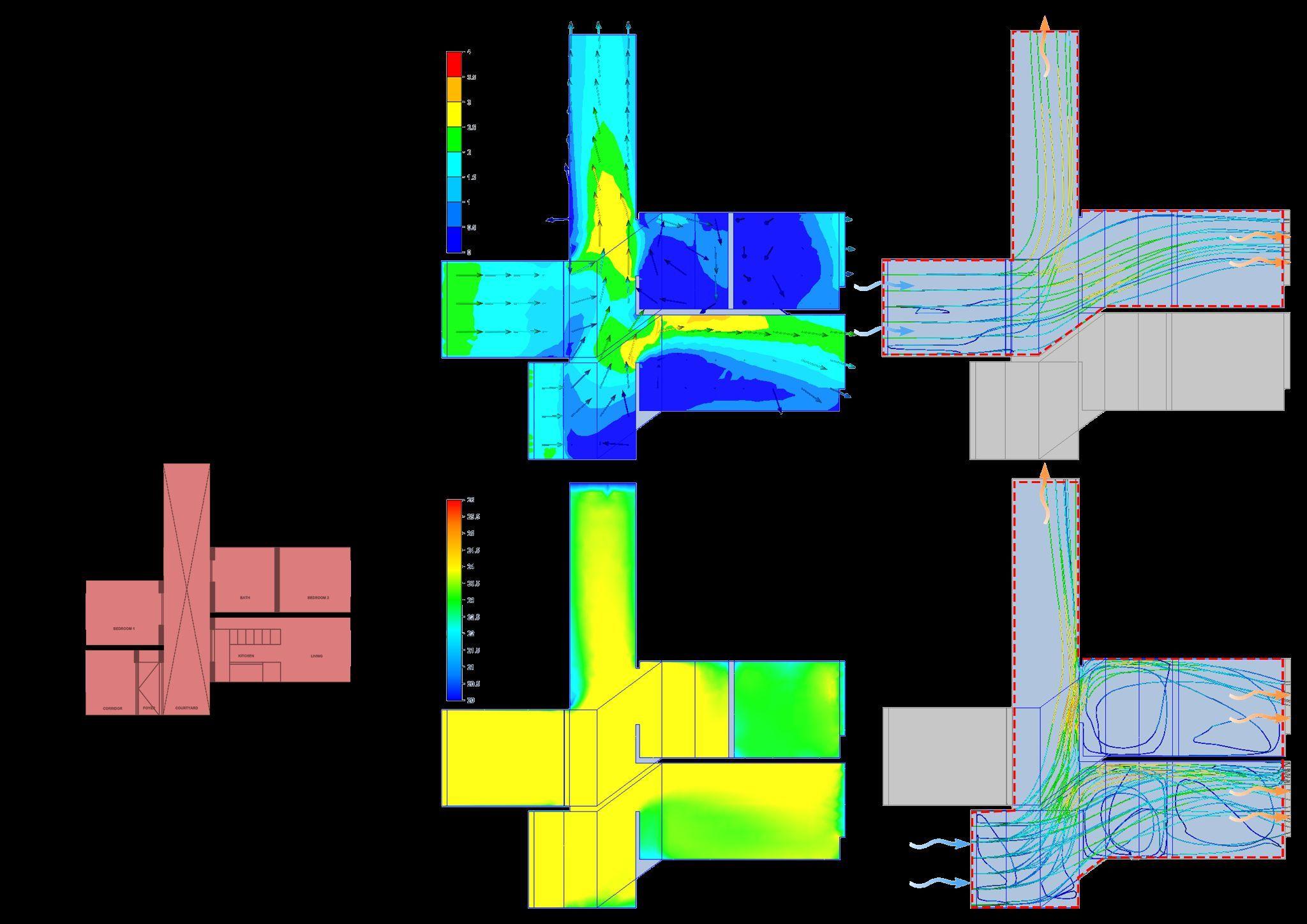
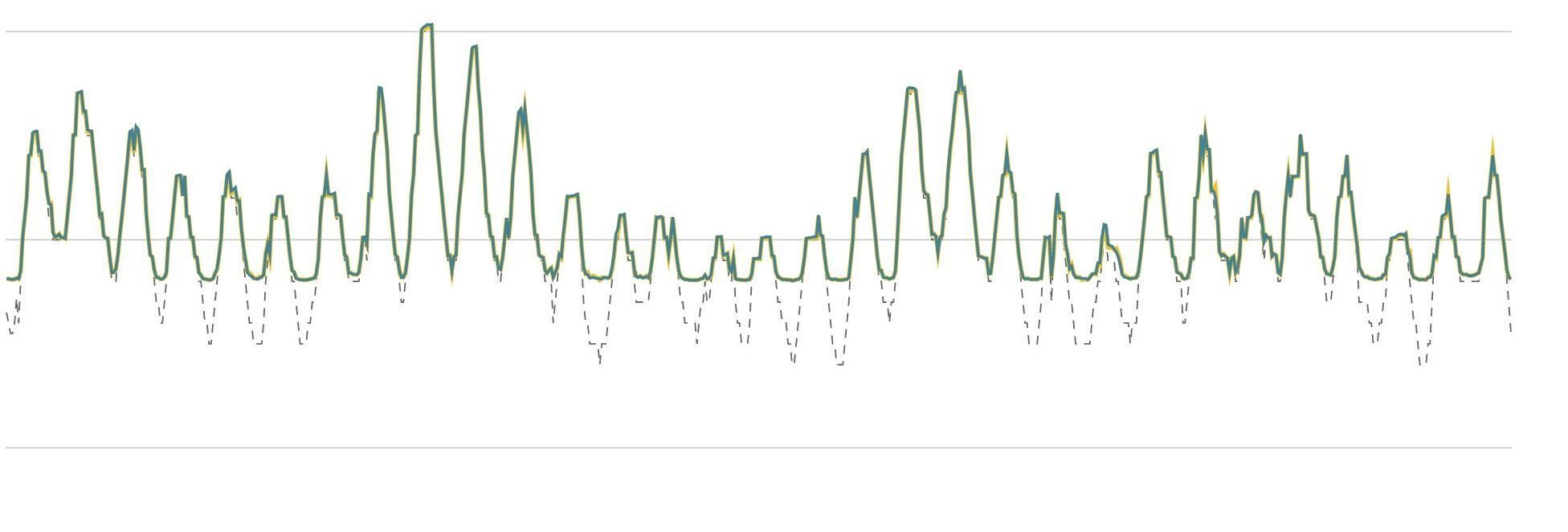
Cold - February (day 40-47)
Warm - July (day 185-192)
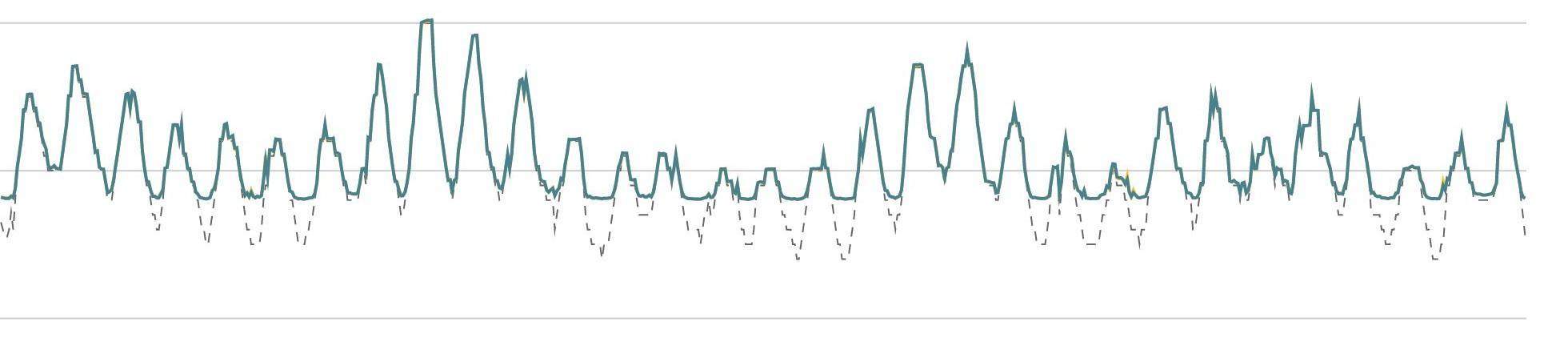
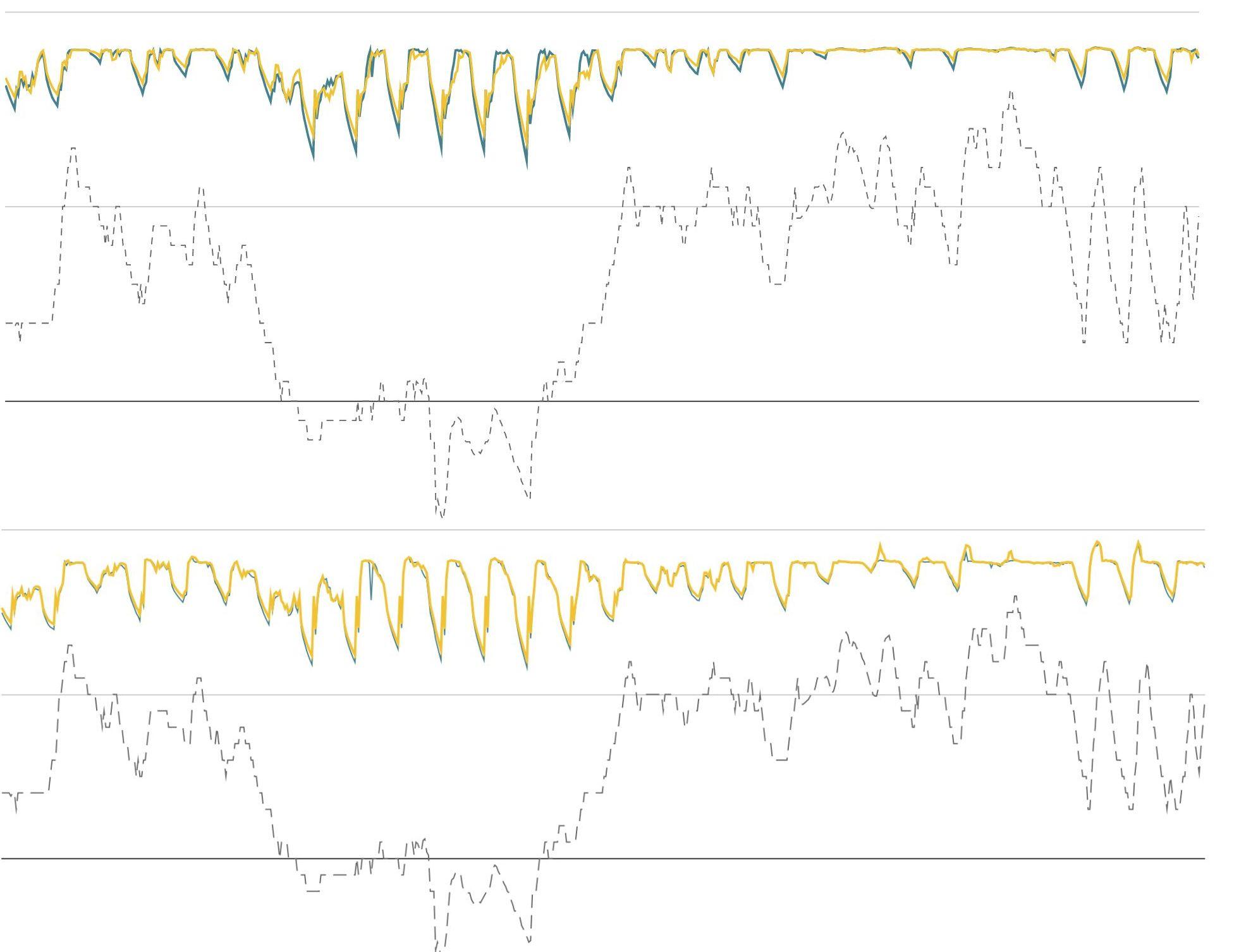
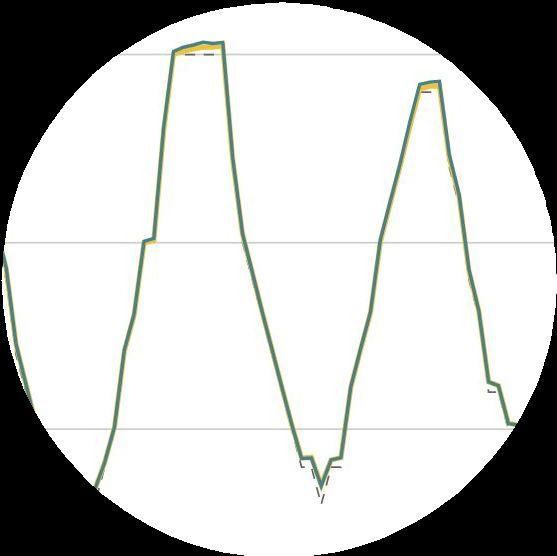
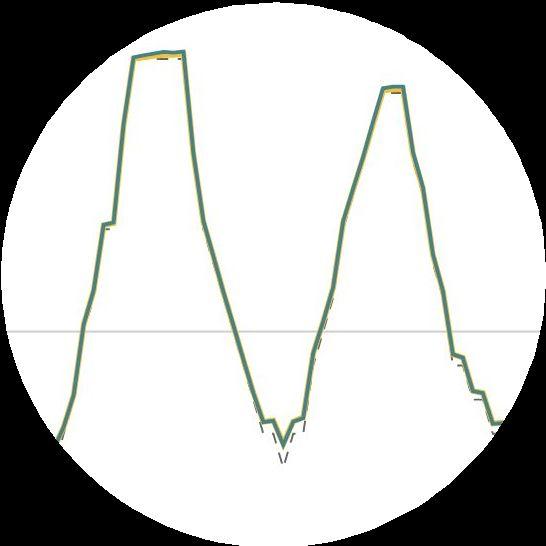










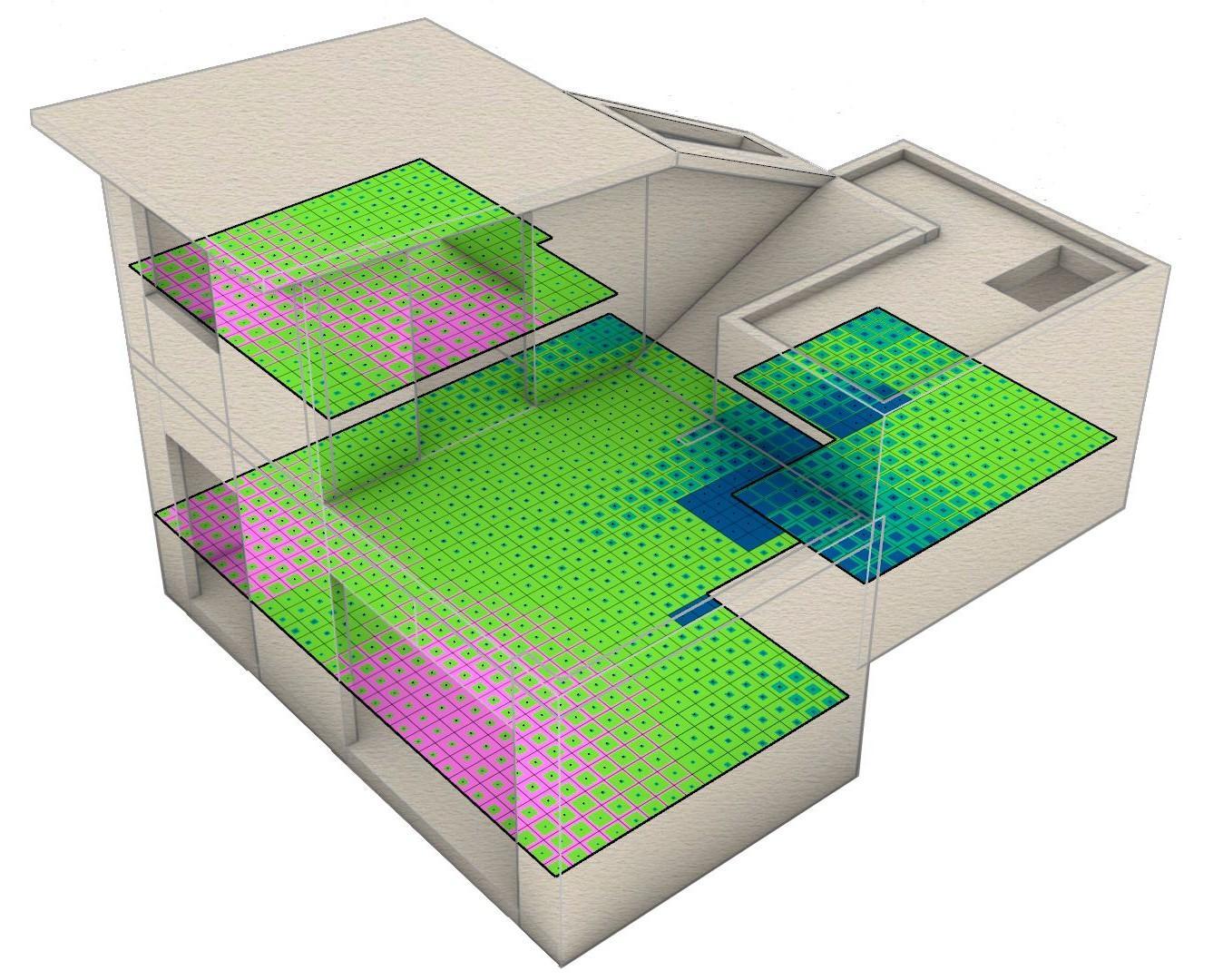

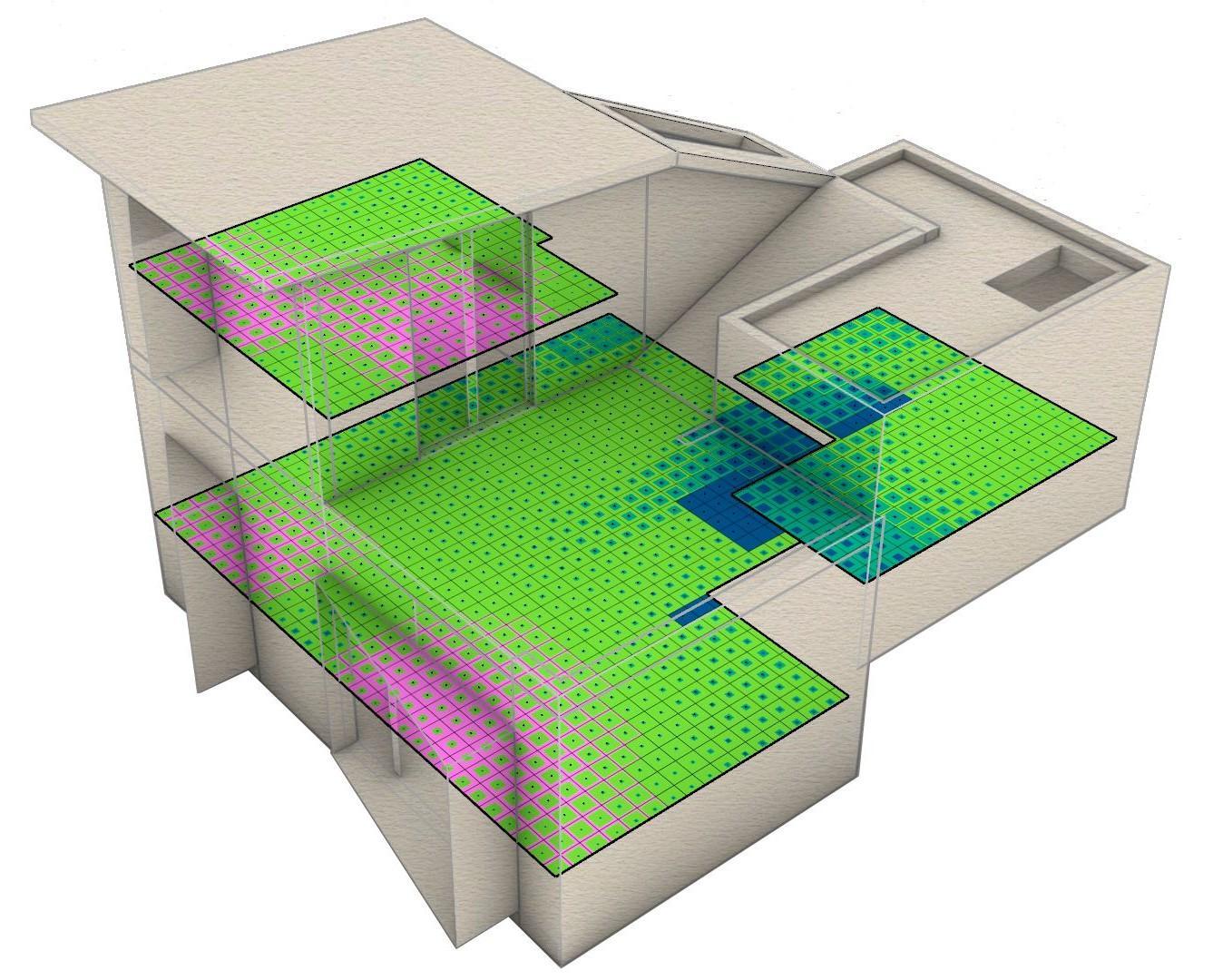
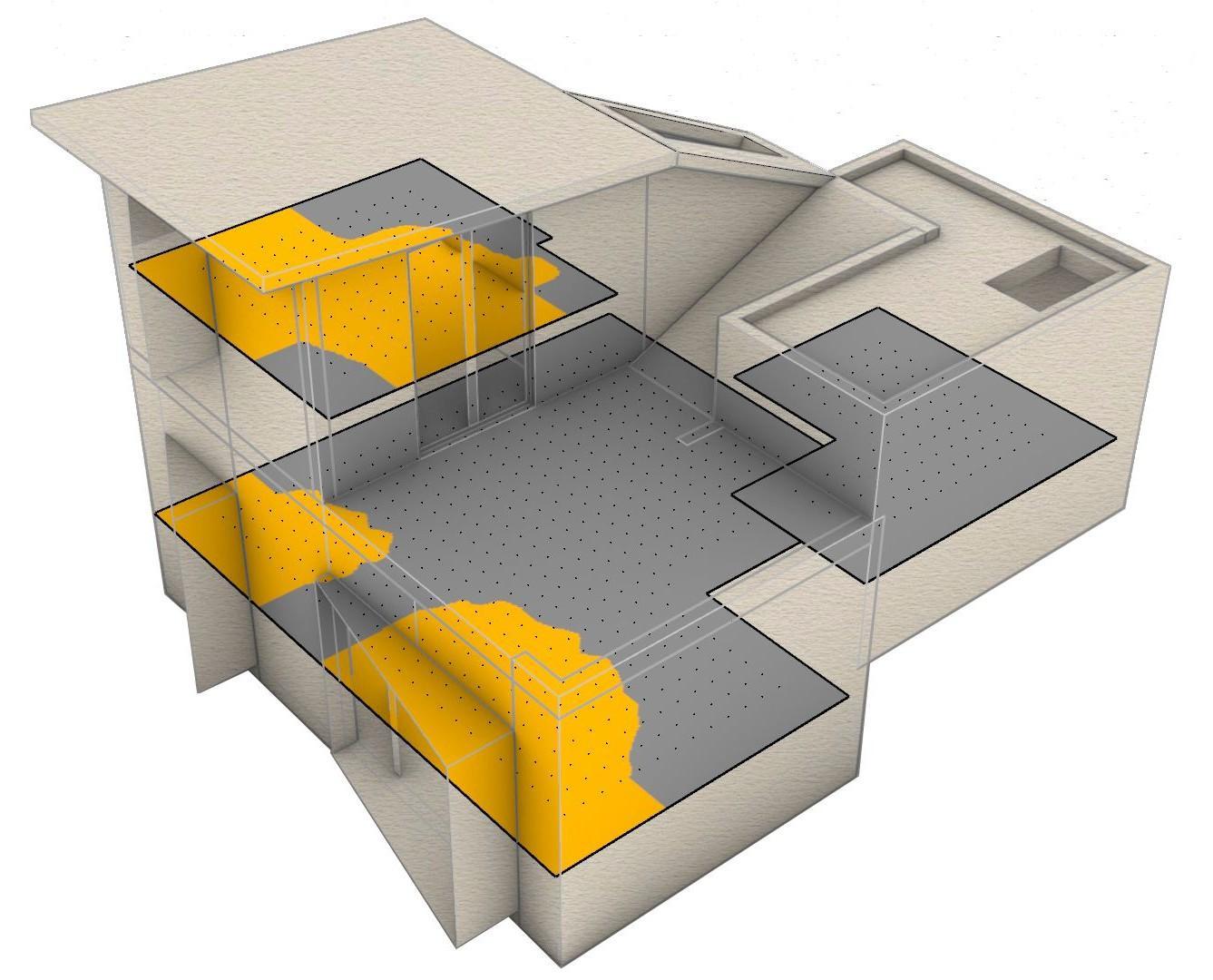


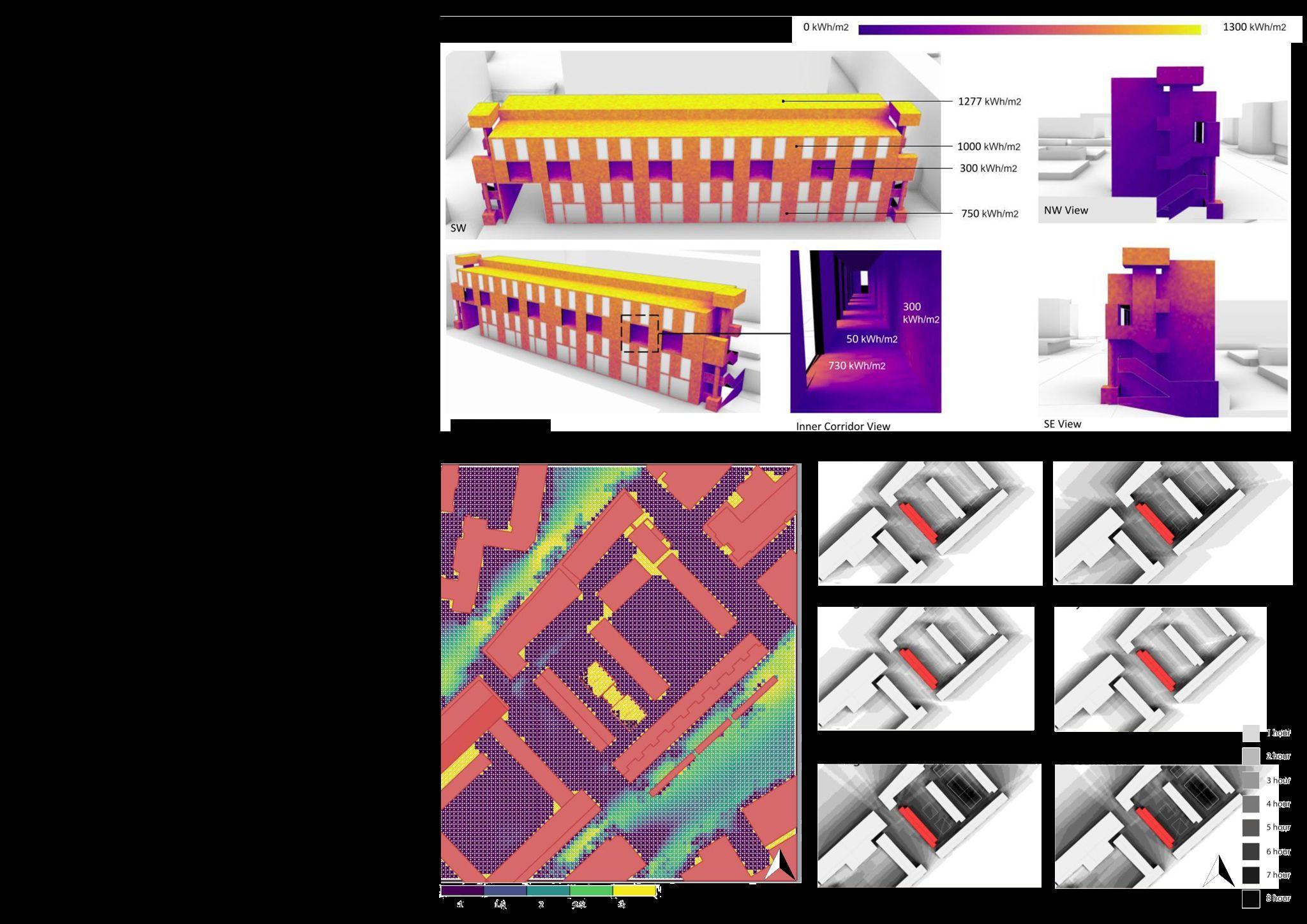
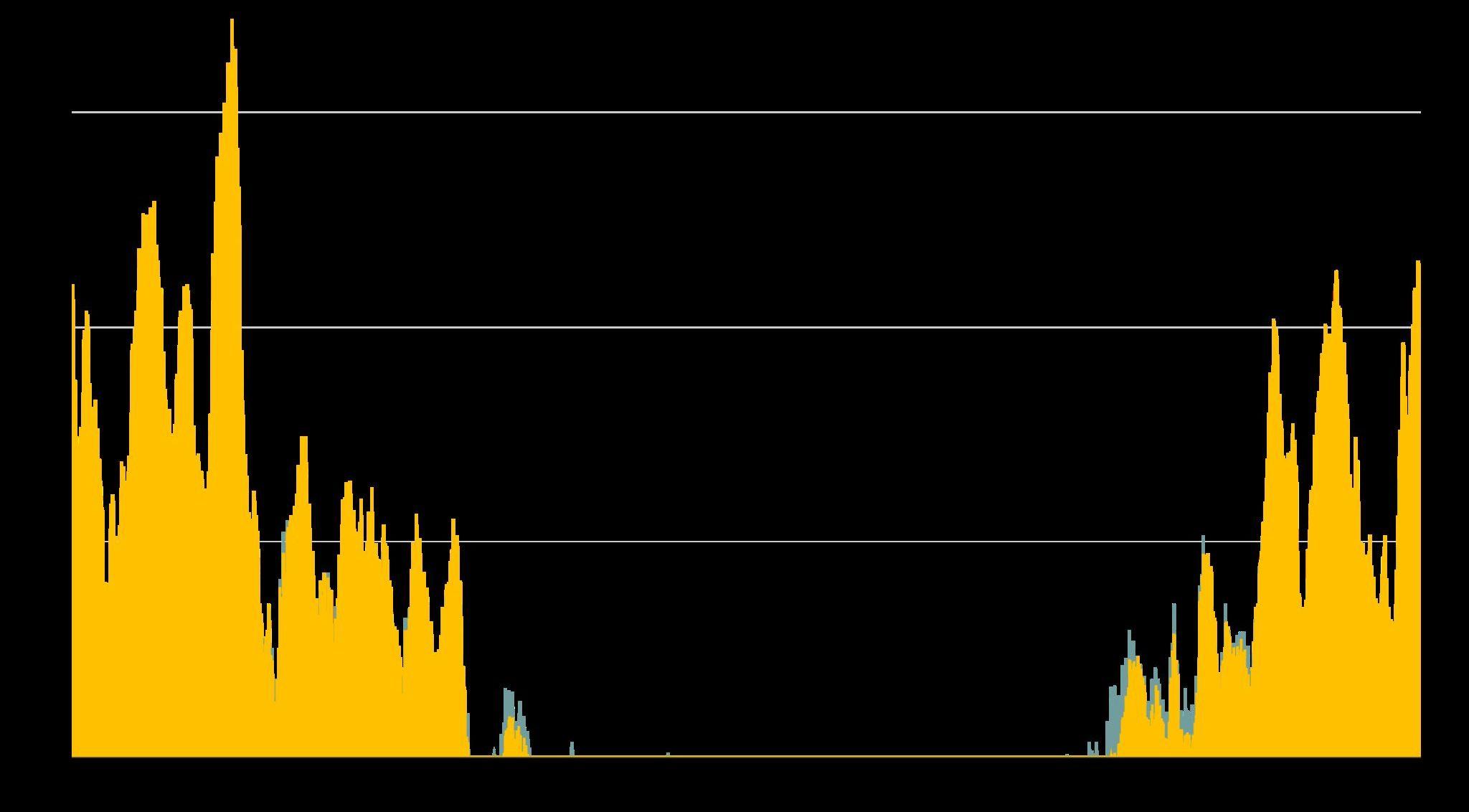
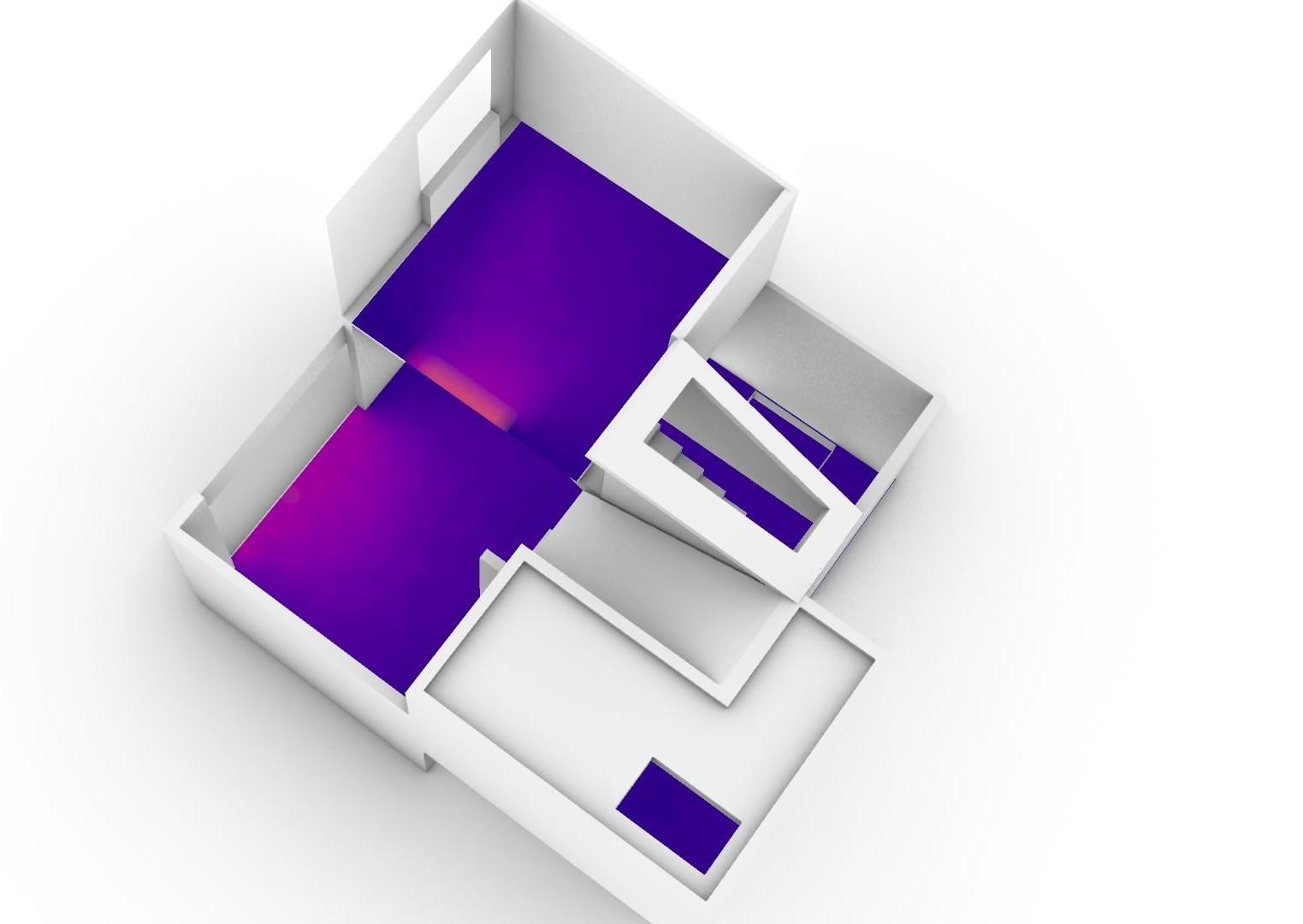
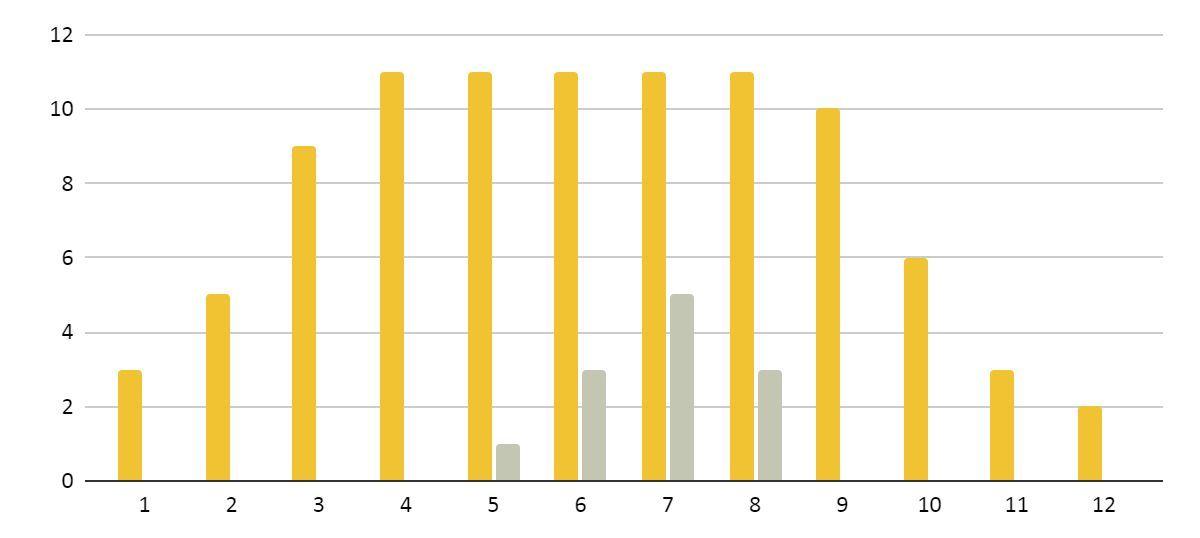
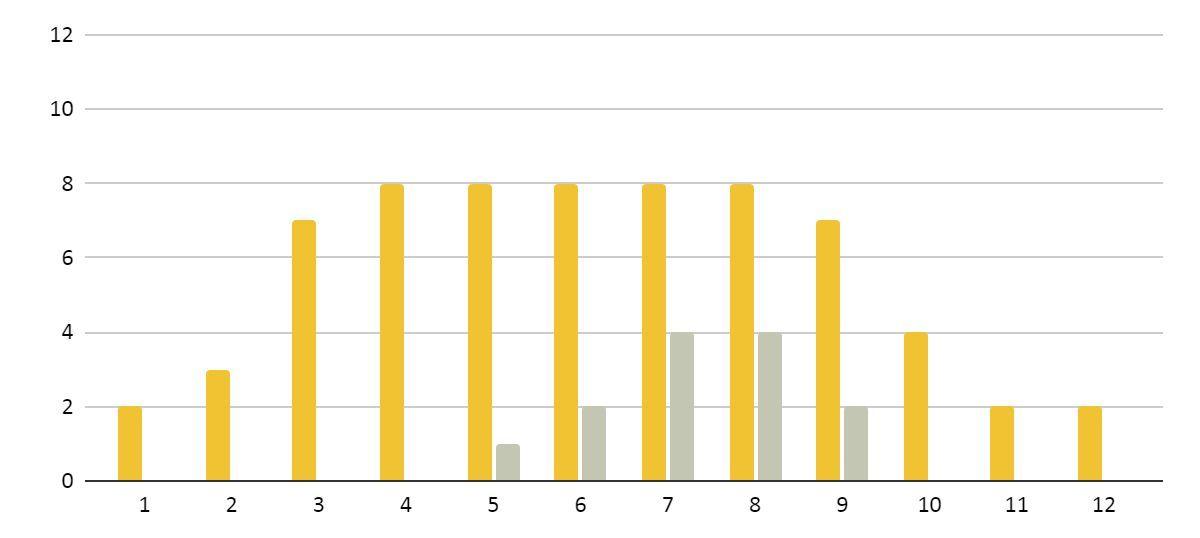
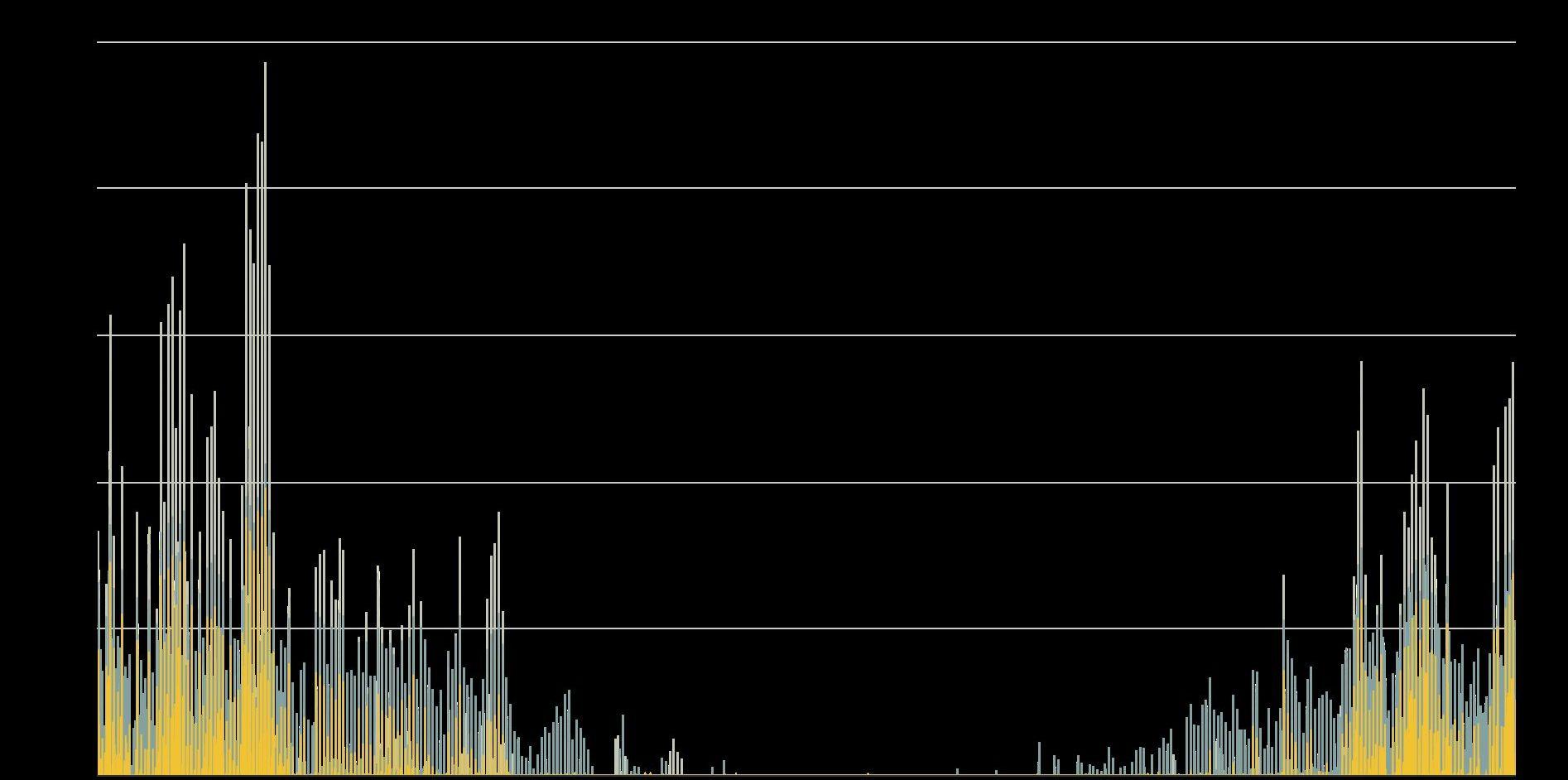
Solar exposure -Total hours
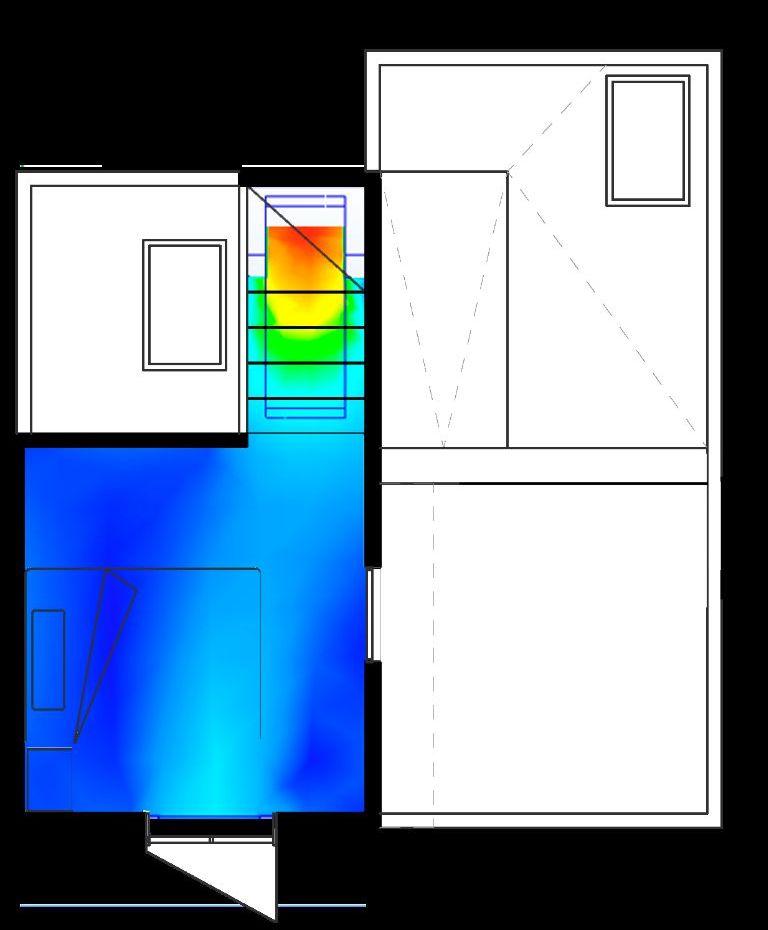
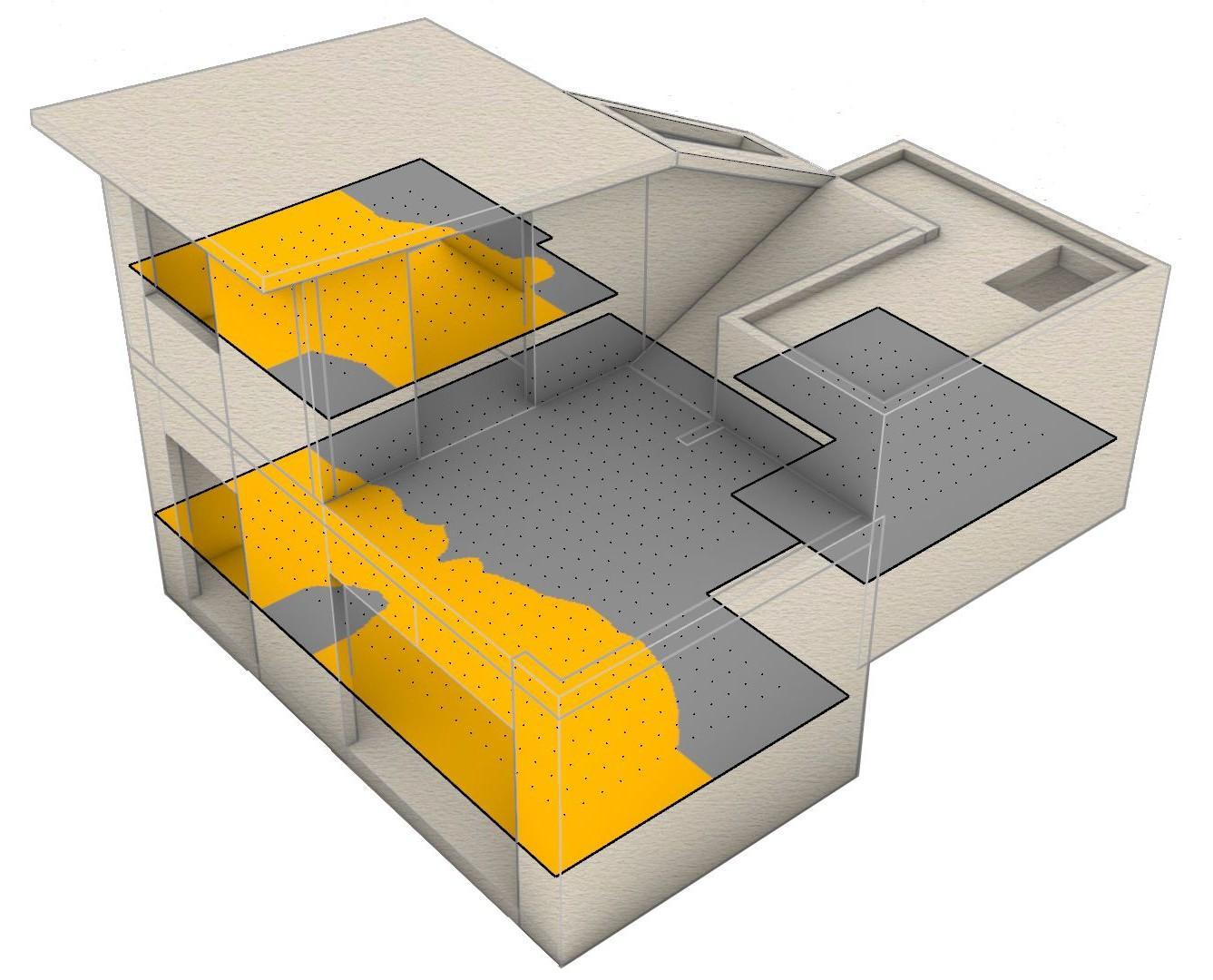
Solar exposure - Warm hours (>20°C)























ISOMA Children
Orkisima Village, Tanzania +44 7423793906
www.isomachildren.org

MSc Architecture and Environmental Design
London, UK 2022 - 2023