













Ronald Friedman
Nick Antonian
Lenny Gordon
Brian Rabinovitz

















As one of the nation’s leading providers of factoring and financing, we match our 100-plus years of experience with flexible solutions and actionable insights. Our team has the financial savvy to help companies unlock liquidity and manage credit risk so they can fulfill business demands and keep growing stronger. Let’s explore how we can put our experience to work for you.






At Dynamic Worldwide, we provide direct-to-consumer shipment services to help companies move products around the world faster — with more flexibility and more visibility.
Dynamic Worldwide Drop-Ship Services Include:
• 24-Hour Order Fulfillment
• Custom Packaging and Gift Wrapping
• Promotional Pack Slips Available for Holiday and Flash Sales
• Expedited Returns Processing






EDITORIAL
Editor
Rose Leveen
Editorial Consultant
Debra Hazel
Associate Editor
Penelope Herrera
Southeast Editor
Shanna Forrestall
Director of Communications and Marketing
Penelope Herrera
Graphic Design
Caroline Thomas
Director of Newsletter Division
Cheri Phillips

PRESIDENT/CEO
Jeff Mann
COVER PHOTOGRAPHY ART
Caroline Thomas
Darren Friedman
CONTRIBUTORS
Ronald Friedman
Marshal Cohen
Paul Magel
Michael Sacco
Kaleigh Kemmerly
Dan Jablons
Trever Acers
Merilee Kern
Michael Serwetz
Dora Lau
David Harouche
Debra Hazel
Charles Klein
Maxime Patte
Rabbi David Laine
BUSINESS
Technology Consultant
Joshua Fried
Distribution Mitchell’s Delivery Service
California Distribution MD Service
West Coast Advisor
Ilse Metchek
DIGITAL MEDIA
Caroline Thomas
Web Developer
CS Designworks
West Coast Office: 578 Washington Blvd., Suite 827 Marina Del Rey, CA 90292 866-306-MANN (6266) mannpublications.com


East Coast Office: 450 7th Ave, Suite 2306 New York, NY 10123 212-840-MANN (6266)
April is probably the biggest month for Fashion Mannuscript, as we have CBIZ’s seventh annual Consumer Products and Retail Symposium in Los Angeles, California. My dearest friend of 25 years is Ron Friedman of CBIZ, who manages the Retail and Consumer Products division in California. About 10 years ago, we had the idea to create a symposium that could bring key people in the fashion industry from the East and West coasts together.

The symposium has grown to about 300 attendees, with a full day of speakers, networking, cocktails and a magnificent dinner. We put together a great team, and our main speaker is Marshal Cohen, a world-renowned retail analyst who is featured in the Wall Street Journal almost weekly along with contributing to the New York Times, CNN, and other major newspapers and networks, where he gives insight on the market conditions.
This year’s focus is on tariff s and how they affect the markets. If you’re able to come to the symposium, it’s happening on April 24, where you will meet the who’s who in the fashion industry.
I was lucky enough to attend so many events over the past month, and I’m starting this month with the Fashion Institute of Technology (FIT) Gala at The Glasshouse. This event honors the legendary Dr. Joyce F. Brown, who’s taken FIT to new heights, as she gets ready to retire. It’s an unforgettable evening where the whole industry shows up to support and thank her.
There’s so much going on in the coming weeks, but I will save it for the upcoming issue, where you’ll read about it and I’ll be able to tell you more in detail. I’ve also spent quite some time in Palm Beach, Florida, where I’ve gotten to reconnect with friends and meet new people.
I hope to see many of you at the symposium and all the events in New York. I wish you all a happy spring as we present the most positive of changes and newest innovations in the industry. Enjoy the issue!
“The secret of change is to focus all of your energy, not on fighting the old, but on building the new”
—Socrates

Hi everyone! It’s officially spring, which means it’s time to present the April 2025 issue of Fashion Mannuscript. The theme of this issue is Evolution; the fashion industry is constantly evolving, whether it be through emerging designers or fundamental changes to business and manufacturing best practices. To be at the forefront of this industry, embracing evolution is critical—and Fashion Mannuscript is here to keep you on the pulse of progress.
In this issue, we’re featuring designers like Her Royal Highness Princess Sirivannavari Nariratana Rajakanya, whose namesake brand celebrates Thai craftsmanship. Sirivannavari’s Autumn/Winter 2025-26 collection reimagines equestrian heritage, finding harmony between power and grace.
We’re also telling you about cutting edge, pioneering events in the fashion industry. hiTechModa—a fashion platform known for innovation—returned to Paris Fashion Week for the fourth season. Its exclusive event, held at Hotel Plaza Athénée, showcased diverse collections from both upcoming and established designers.
For this month’s cover feature, we’re spotlighting the CBIZ Consumer Products and Retail Symposium, coming up on April 24 in Los Angeles. In this issue, Ron Friedman discusses the history and evolution of the Marcum (now CBIZ) Consumer Products and Retail Symposium. Following the historical overview, we’re featuring articles by contributors from CBIZ and sponsors of the symposium.
April’s issue is a special one, packed with more expert insight on fashion industry logistics than ever—something you can only find at Fashion Mannuscript.
Happy spring and happy reading!



















































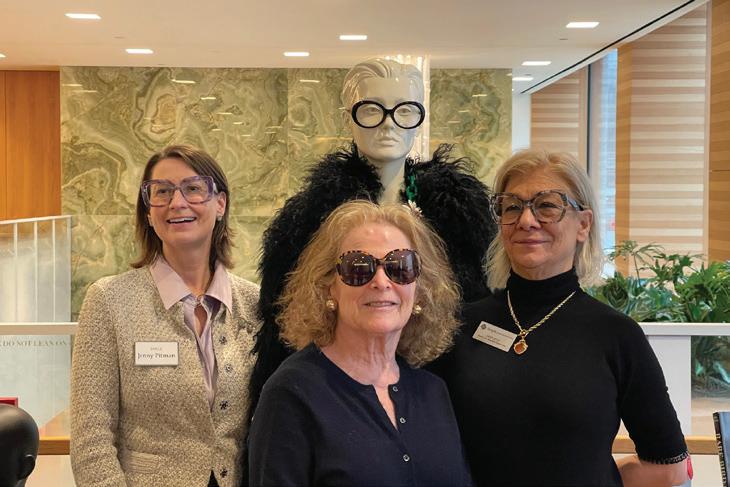
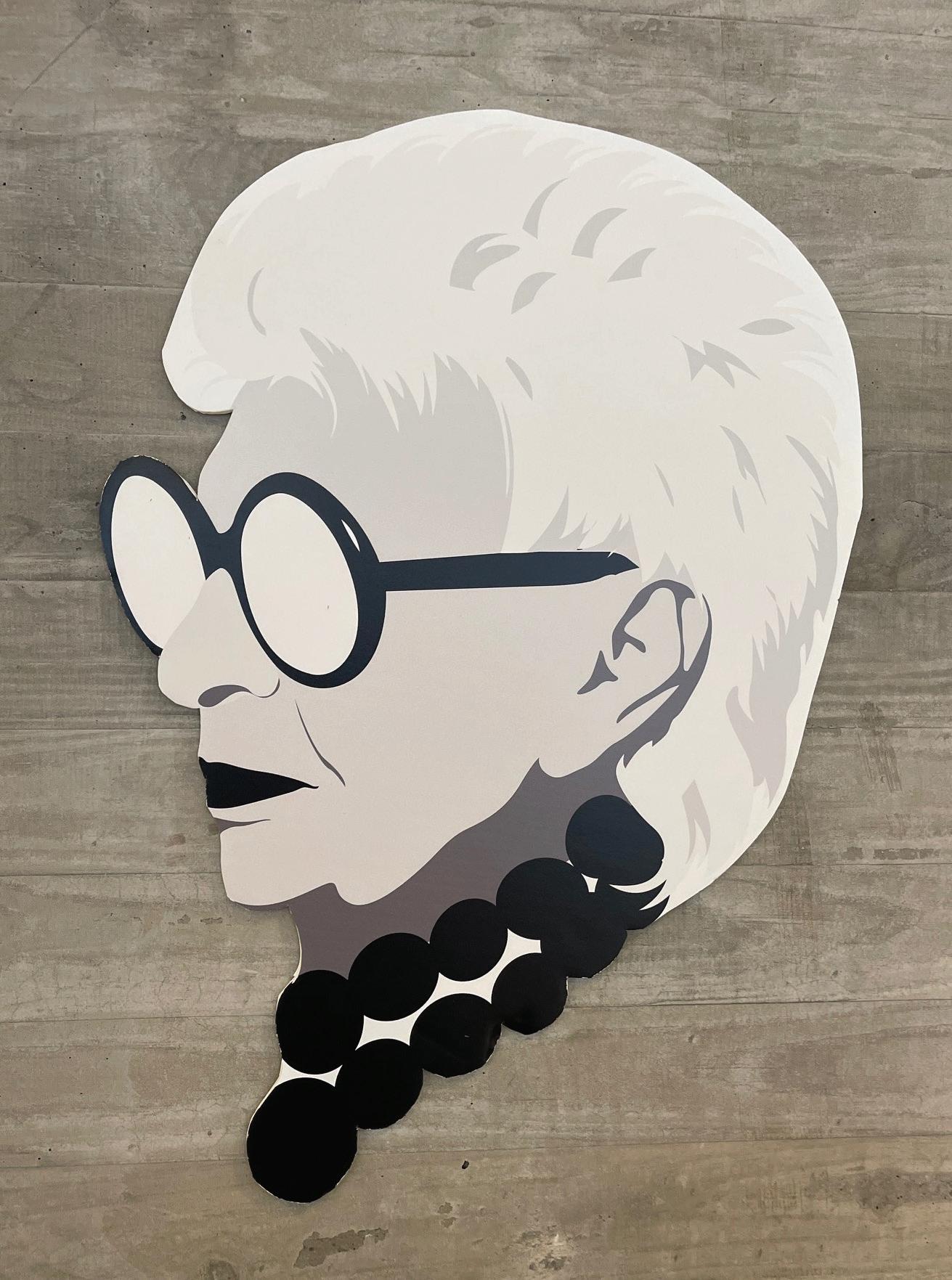
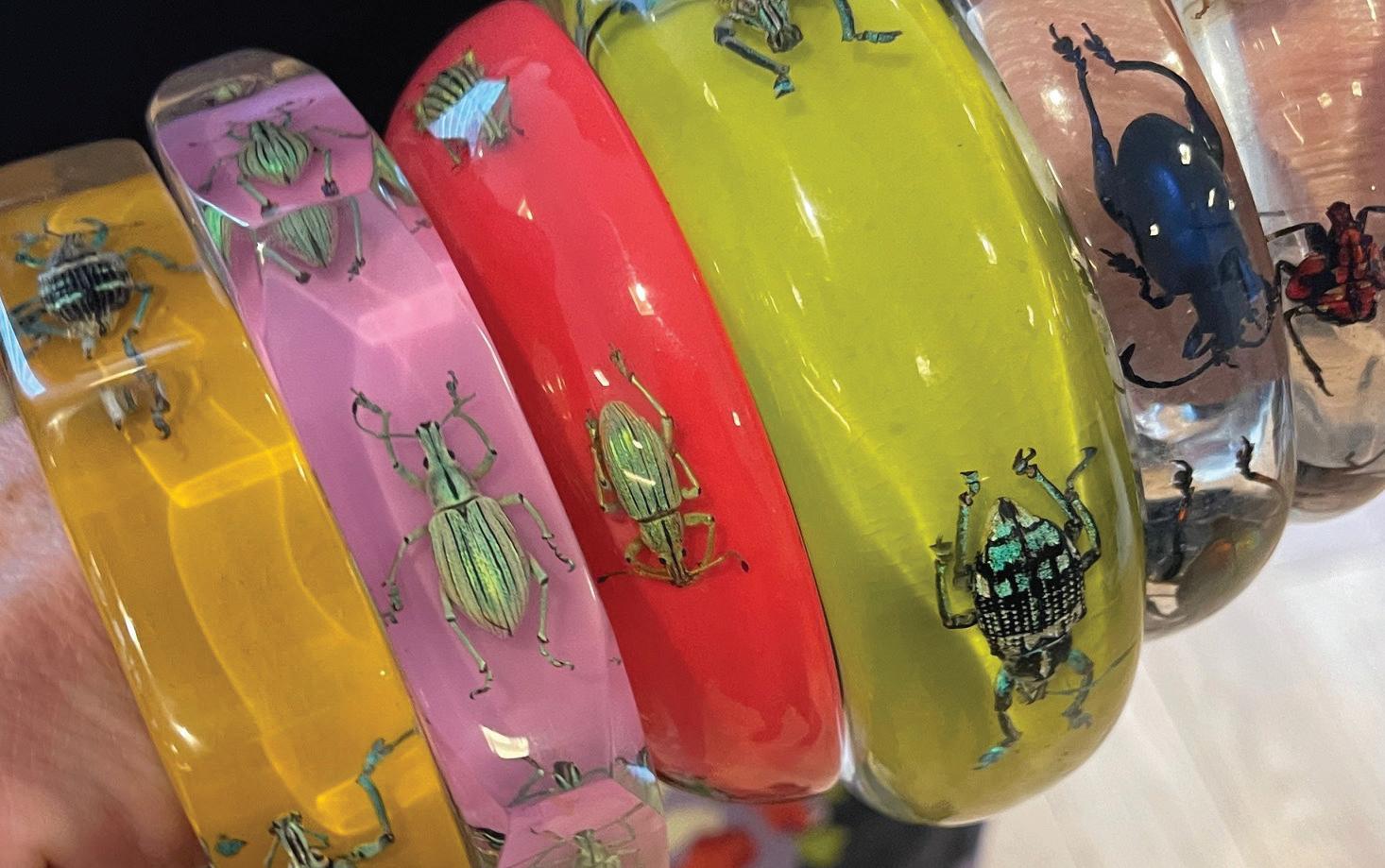
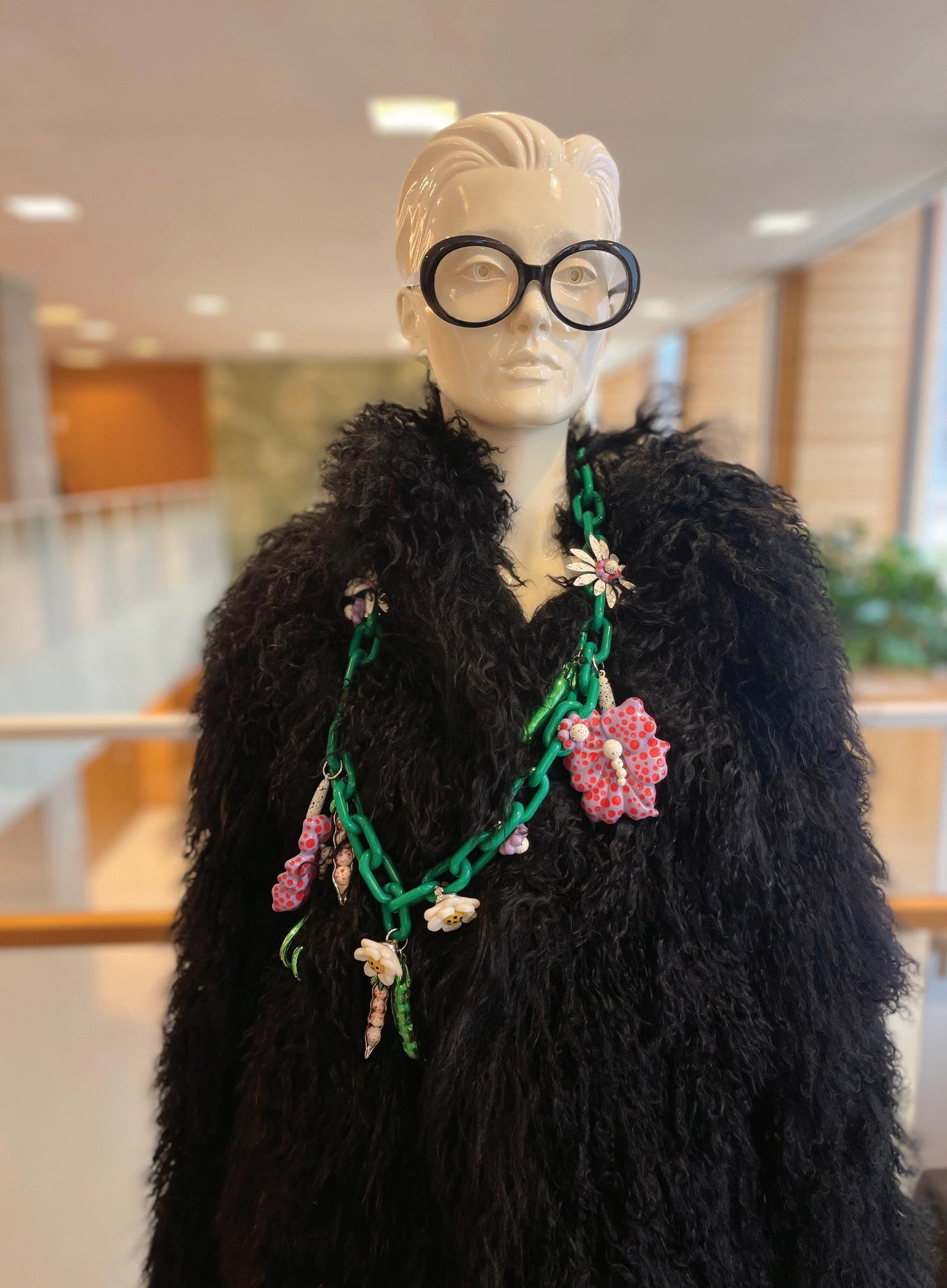
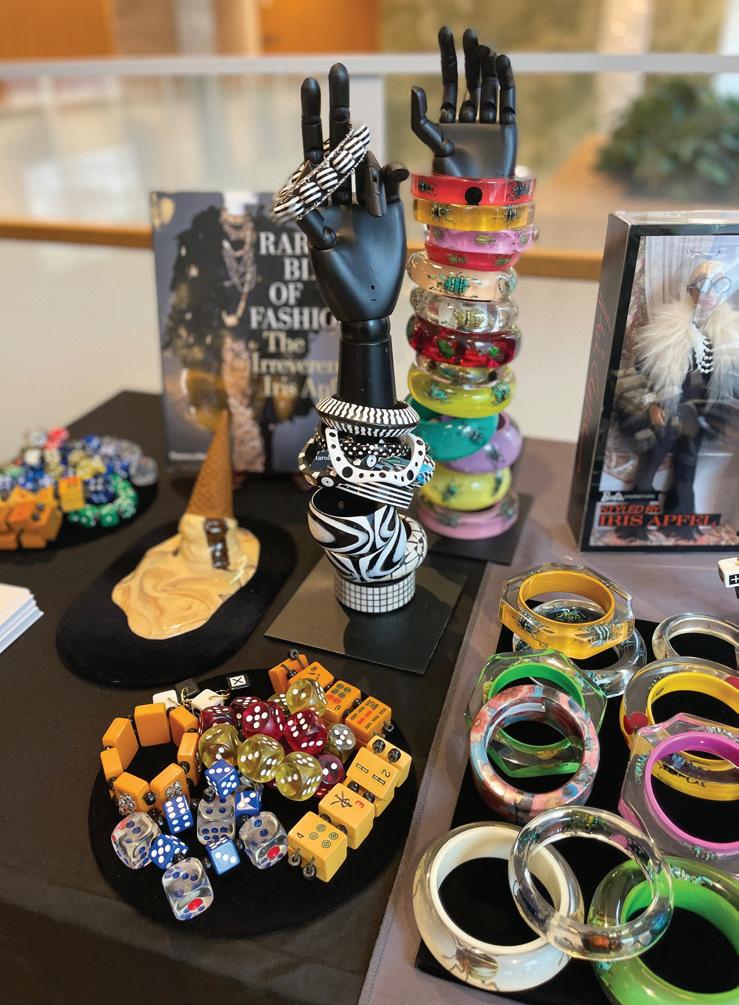
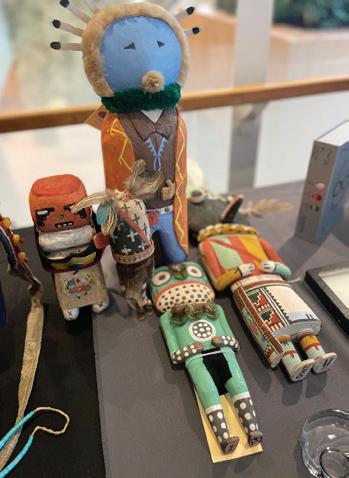
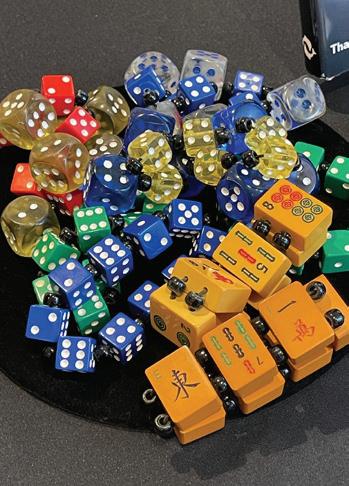
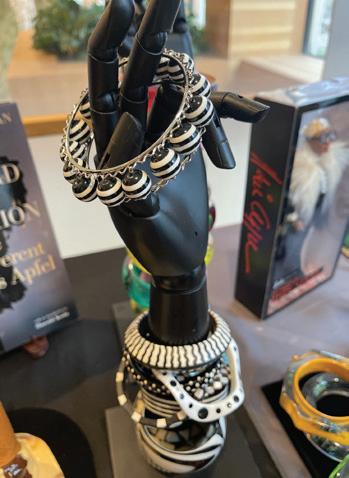
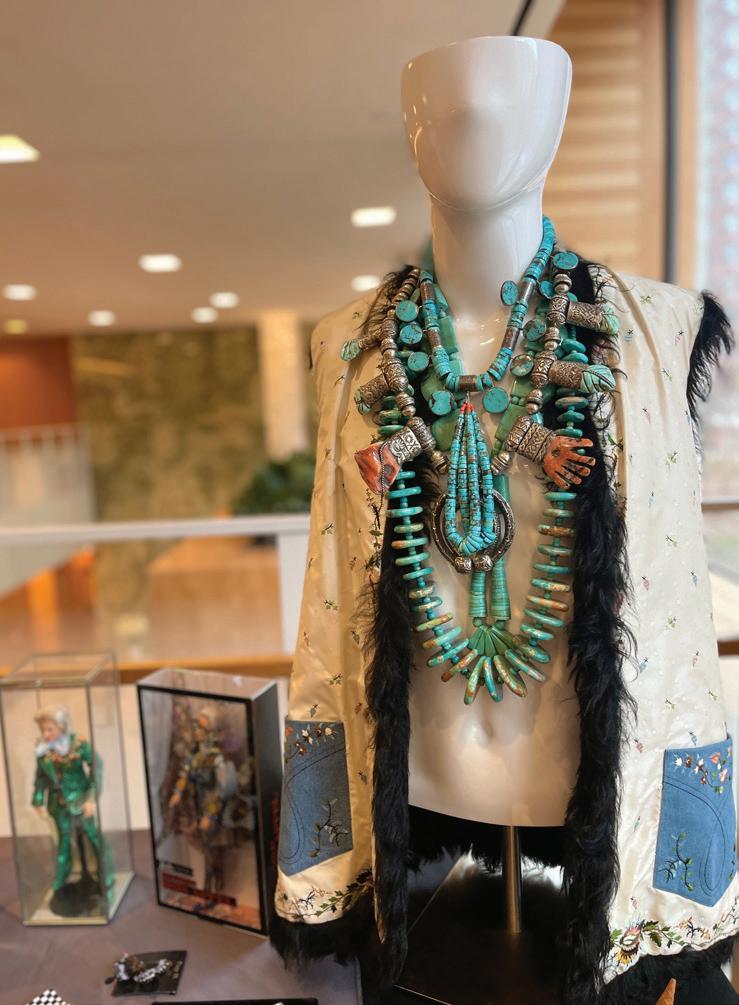
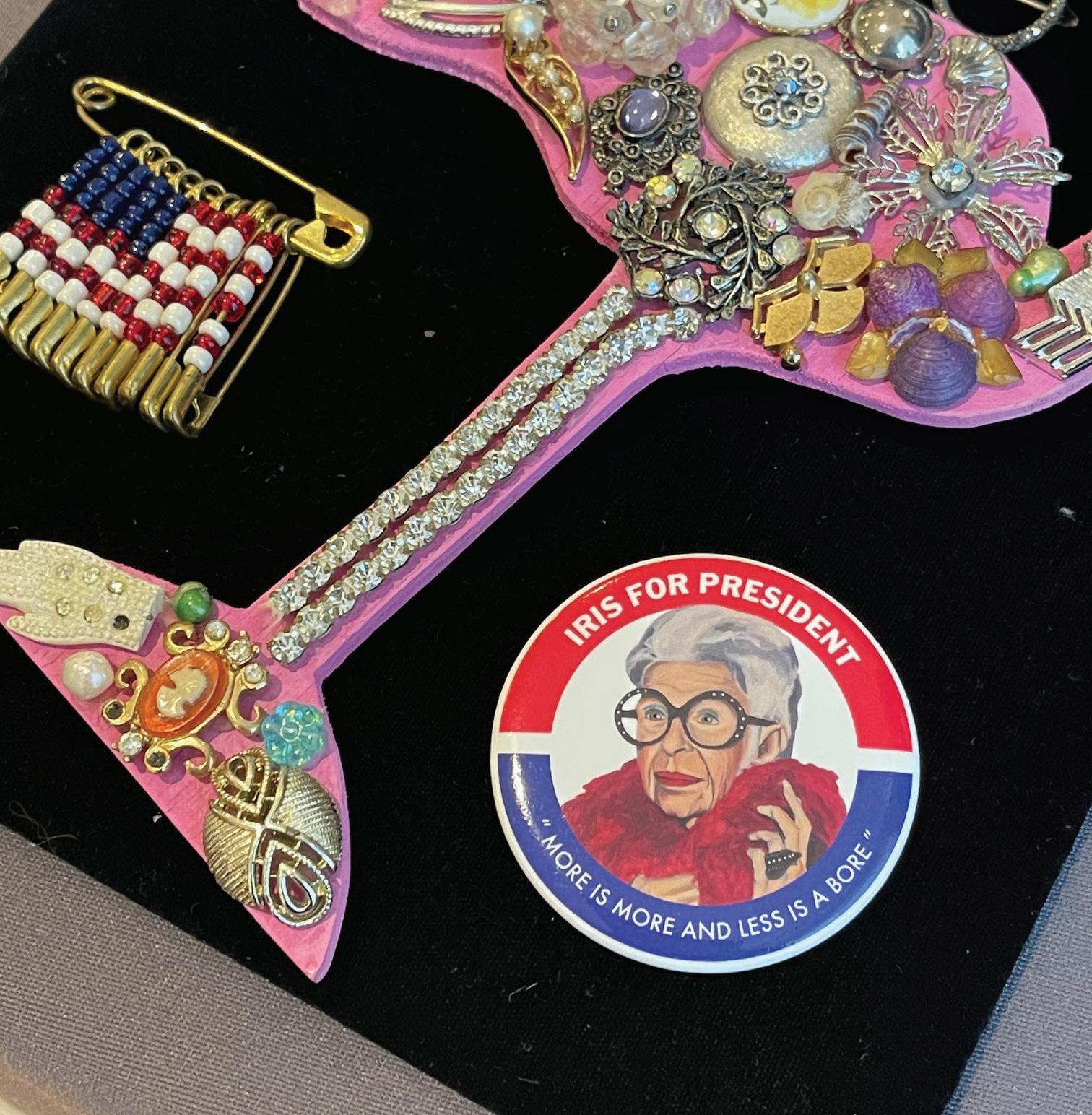
Inspīr Carnegie Hill, a modern luxury senior living community located on the Upper East Side, hosted a private event, “More is More and Less is a Bore,” for its residents in coordination with Doyle Auctioneers & Appraisers. The event highlighted fashion icon Iris Apfel’s vast fashion, jewelry and furnishings collection. The Iris Apfel collection was up for auction at Doyle’s Upper East Side location on Tuesday, March 4, with a live event and Wednesday, March 5, with an online event. Over 600 lots were available, including unique apparel, jewelry, furniture and decorative arts kept by the fashion icon in her beloved Palm Beach home.
Items were sourced mainly from her legendary residence in Palm Beach, where she passed away last year at the age of 102, in addition to her New York home. A kaleidoscope of bold color, playful glamour and unapologetic maximalism, the “More is More and Less is a Bore” auction was titled after her trademark mantra.
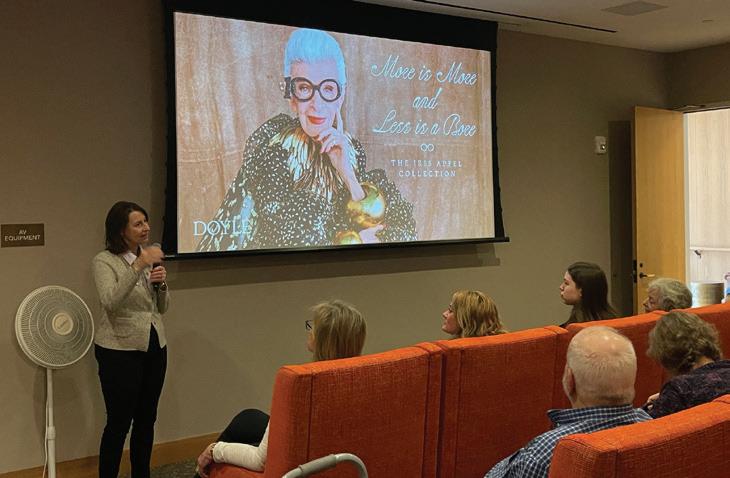
Inspīr hosted a presentation for its residents given by Doyle about the life and times of this fashion maven and displayed some of the more iconic pieces up for auction from her collection. Thirty Inpsīr residents attended the event.
This event is part of an ongoing collaboration with Doyle that was sparked in the summer of 2024 and has been highly successful and popular with Inspīr residents. Doyle’s reputation and expertise has been part of the community on the Upper East Side for over 60 years. The collaboration offered a unique way for Inspīr residents to connect with the auctioneers.
Inspīr Carnegie Hill is modern senior living at its finest, dedicated to helping residents live a vibrant, meaningful life. The residence offers bold, open spaces, exceptional care, intelligent technology and immersive experiences. The event is an example of the type of environment the community fosters, which supports a philosophy of intentional living, holistic health and wellness.
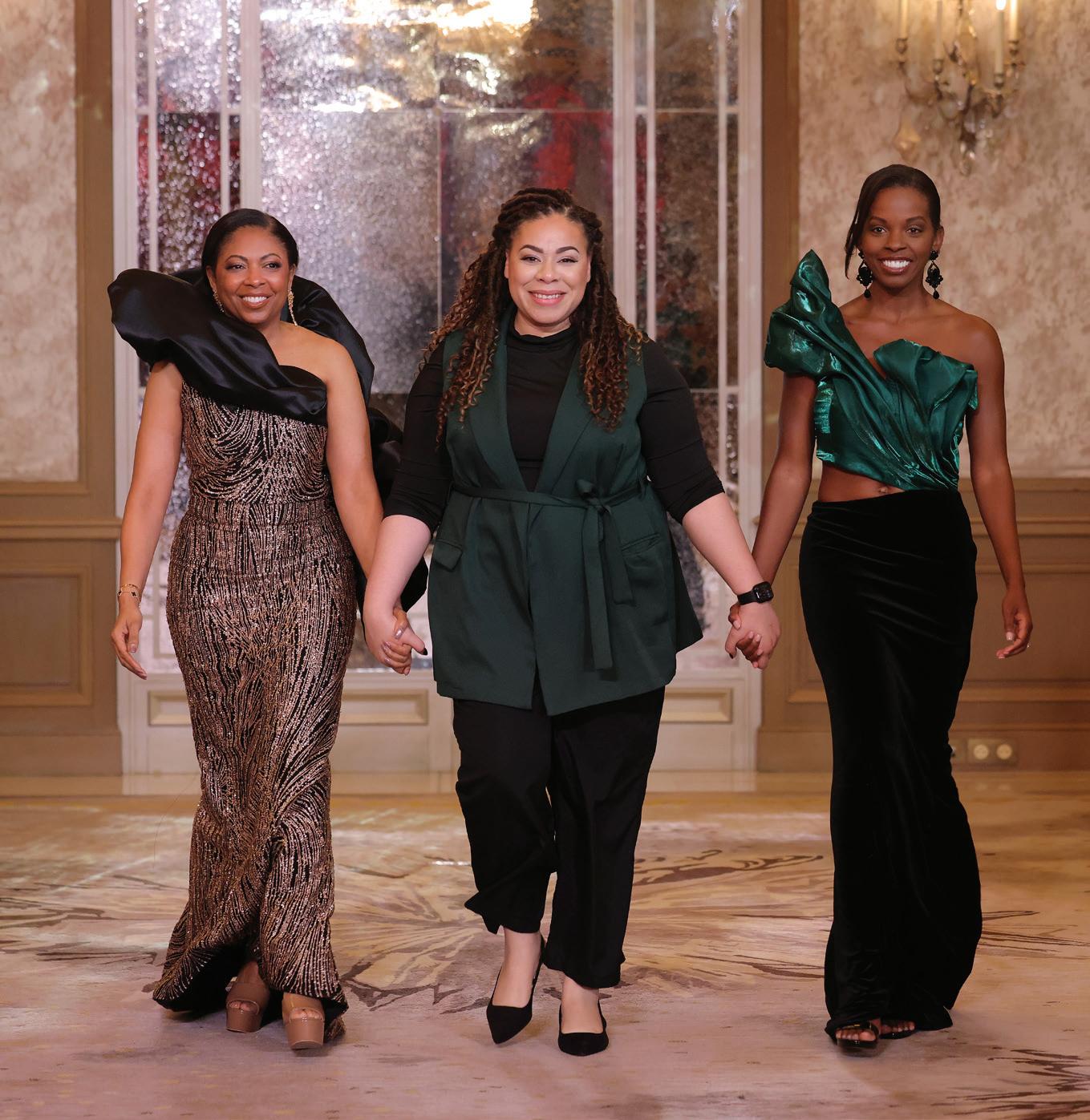

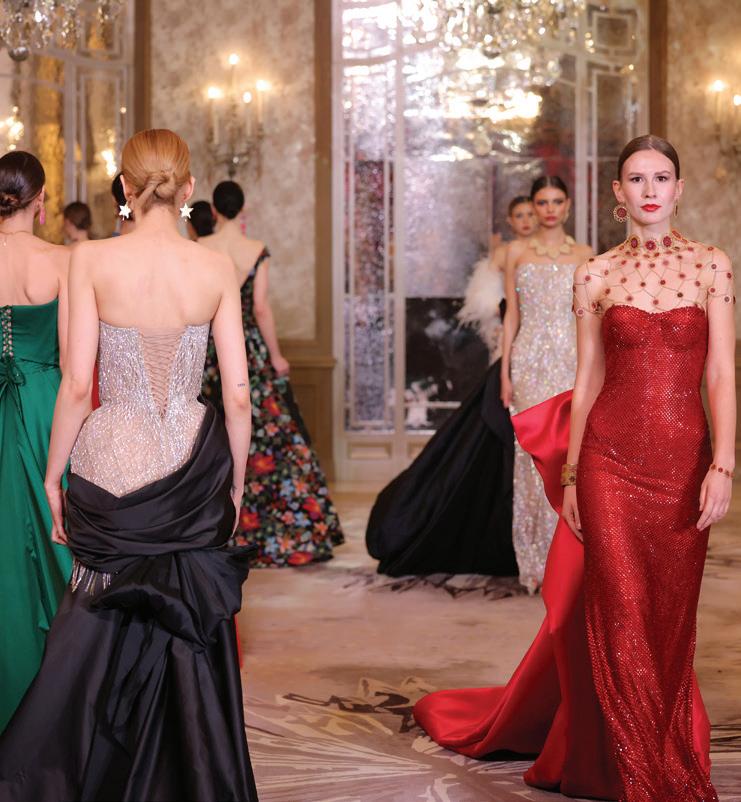
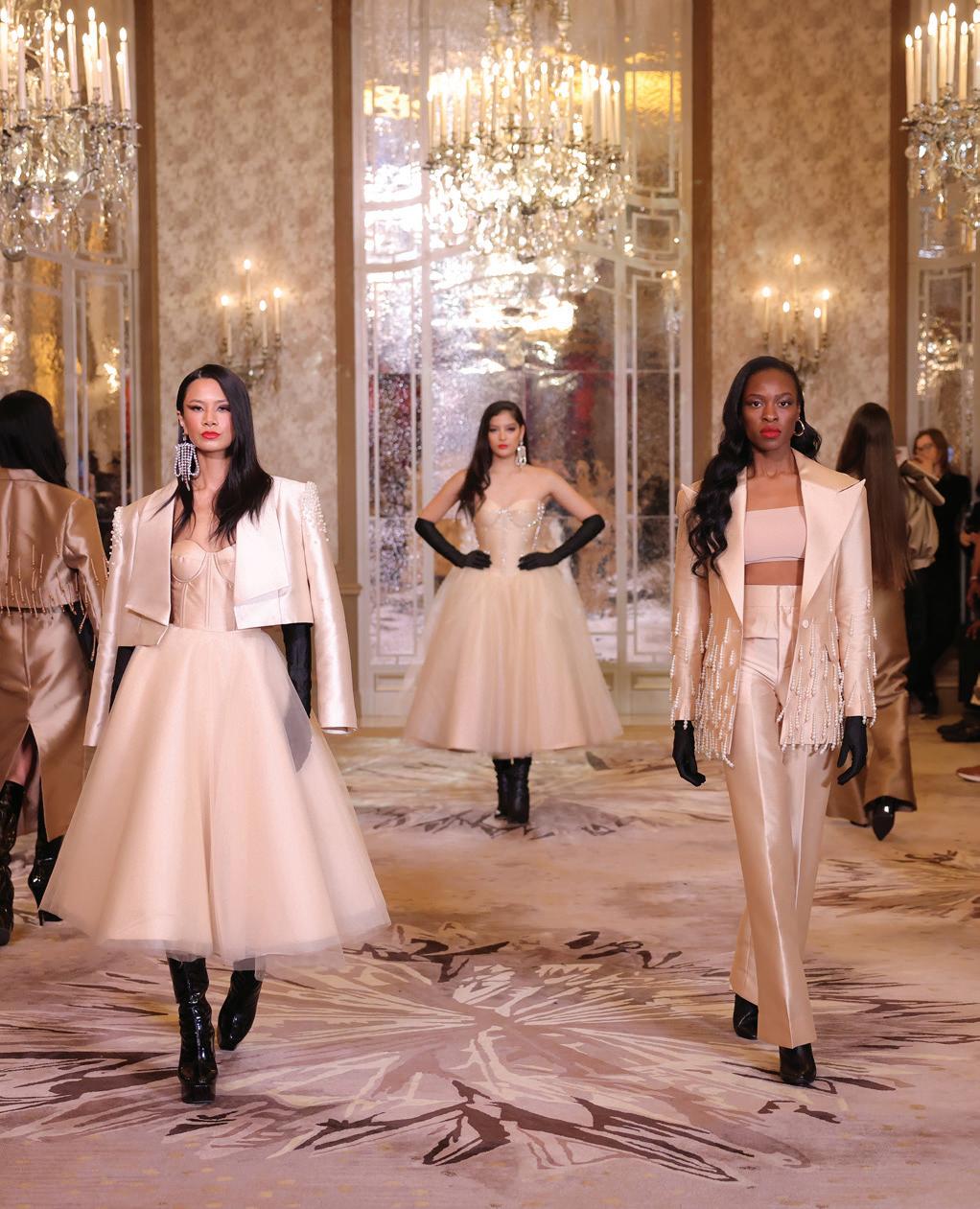
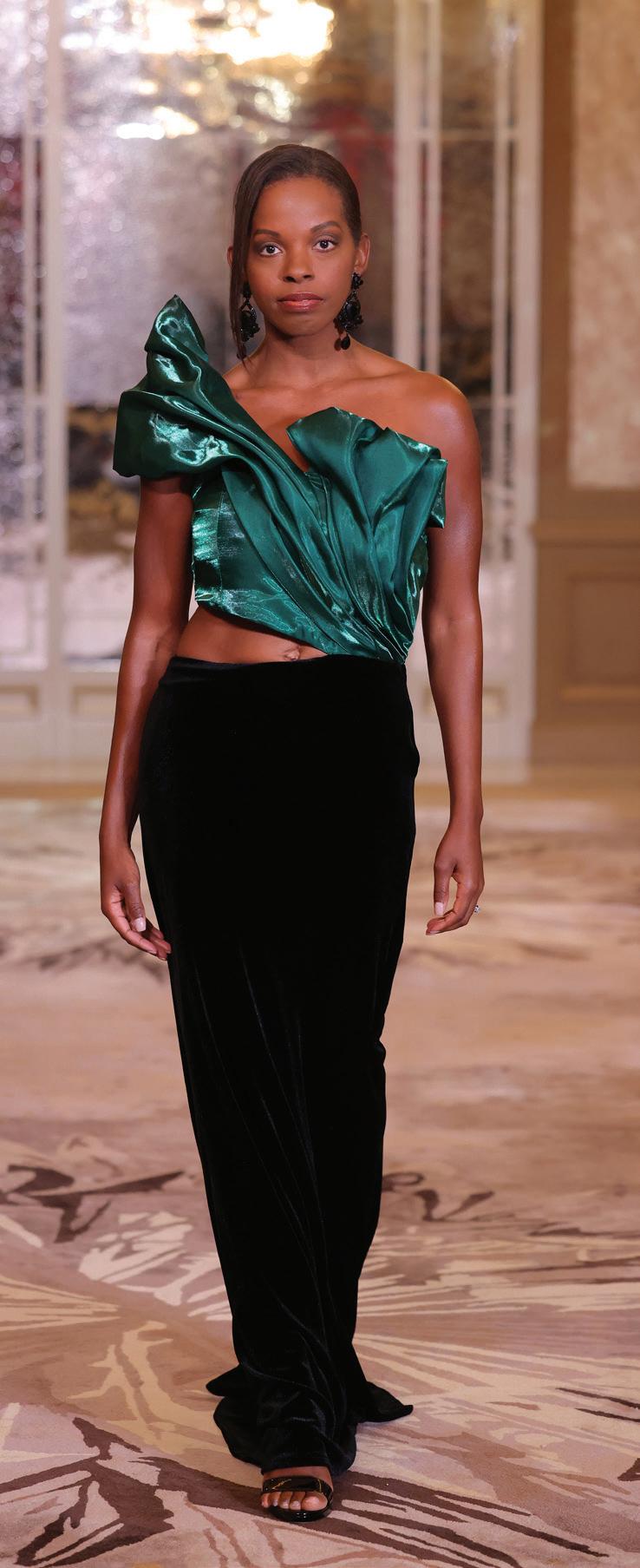
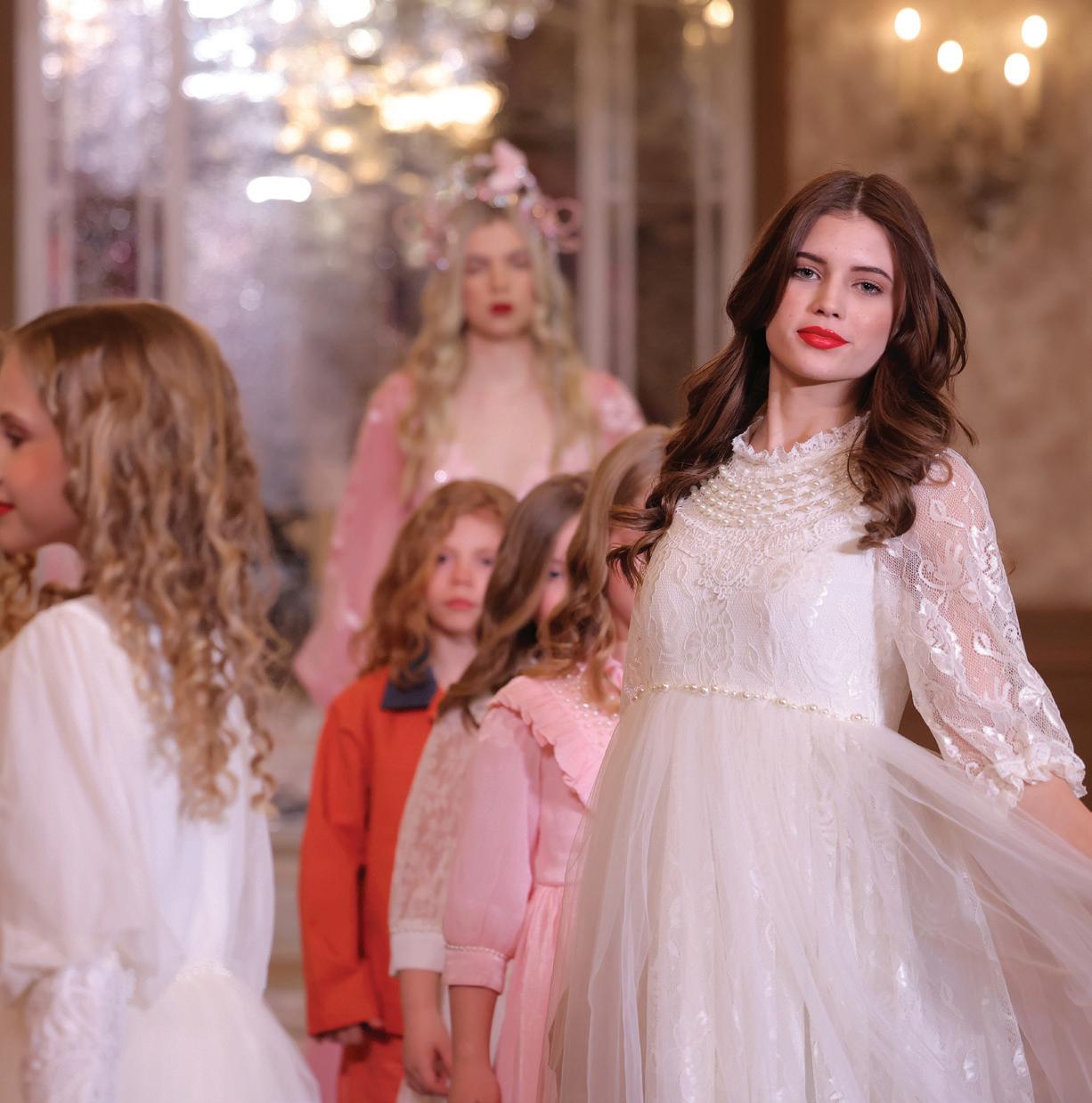
hiTechModa, the globally acclaimed fashion platform known for merging innovation with high fashion, made a stunning return to Paris Fashion Week for the fourth season. Its exclusive event took place at the legendary Hôtel Plaza Athénée, one of the most prestigious venues in the heart of Paris, bringing together an elite roster of designers, models and industry leaders. hiTechModa Paris once again redefined the standards for fashion presentations on the global stage.
With a bold fusion of technology and artistry, the event featured diverse collections, luxury craftsmanship and sustainable fashion initiatives, set against the backdrop of one of the world’s most prestigious fashion capitals.
The event at the Hôtel Plaza Athénée included presentations from fashion designers including Agape Kidz Couture, La Belle Kidz, SCI PH, Ronica Marie Couture, Norman Malagueño Acuba and Iann Dey.
hiTechModa has earned a reputation for curating groundbreaking shows that celebrate diversity, sustainability and next-generation design. Paris Fashion Week is the pinnacle of high fashion, and hiTechModa’s presence at the Plaza Athénée solidified its position as a force in the industry, offering a platform for emerging and established designers to showcase their visionary collections in front of international buyers, media and fashion connoisseurs.
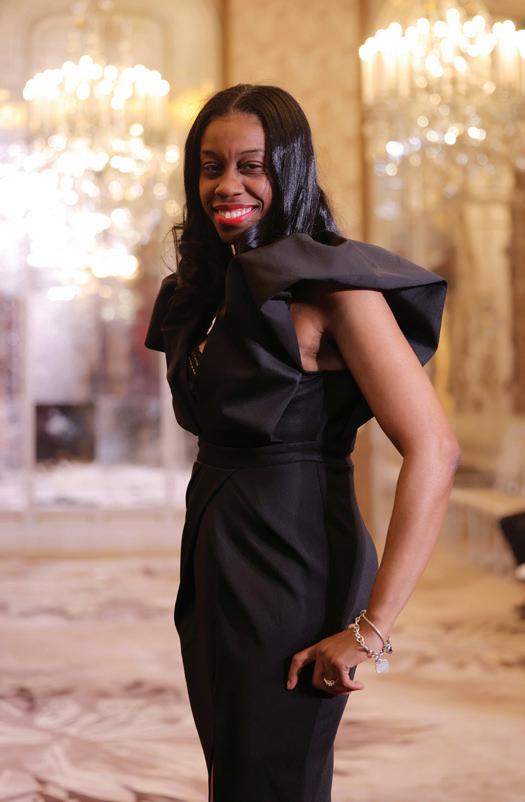
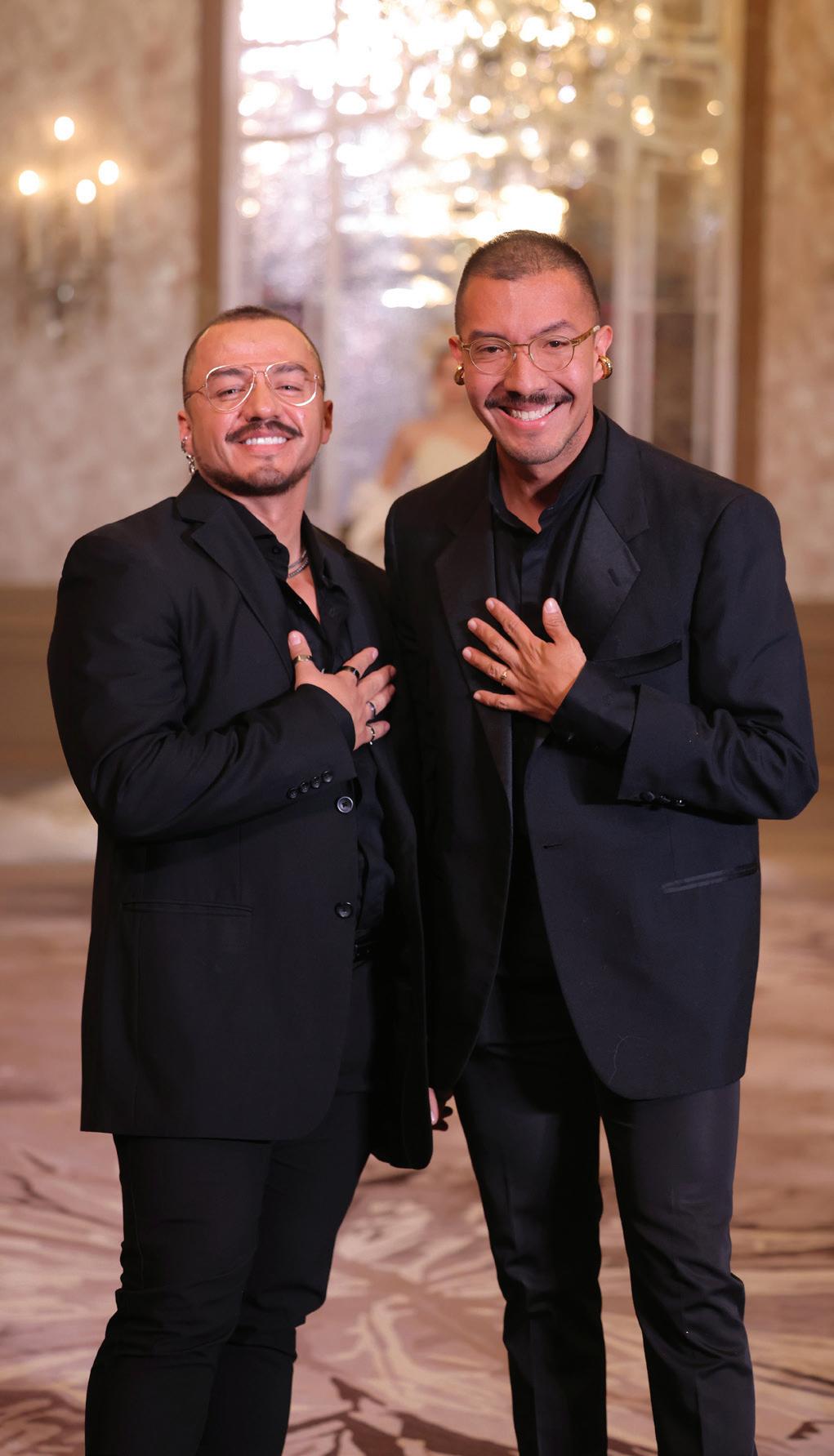
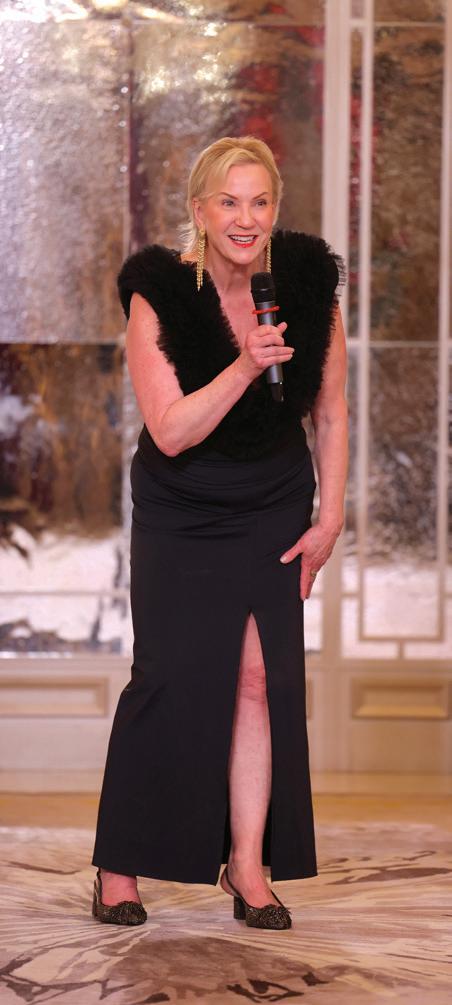
“Our mission is to push boundaries and elevate independent designers on a worldclass platform,” said Pamela Privette, executive producer of hiTechModa. “Paris is synonymous with fashion excellence, and by hosting our event at the iconic Plaza Athénée, we are providing our designers with an unparalleled opportunity to be seen and celebrated in the fashion capital of the world.”
Such is the popularity of the Paris shows produced by hiTechModa that Season 5 is already scheduled for the InterContinental Paris, Le Grand Hotel on Friday, Oct. 3, 2025.
Malan




A coll
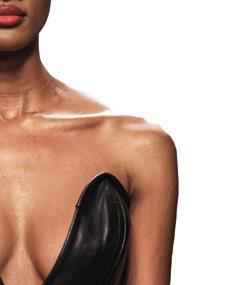
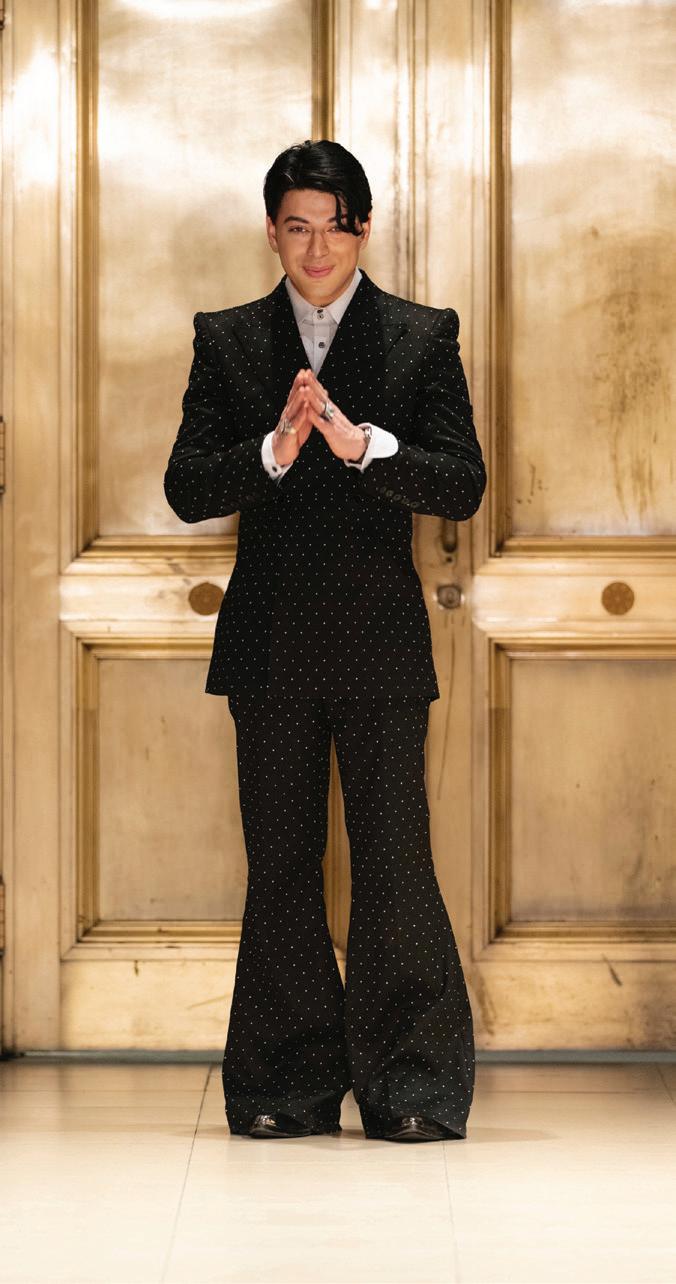
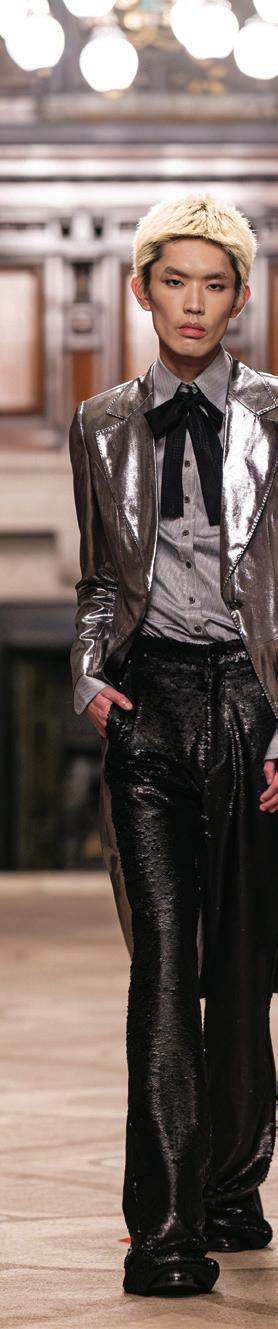
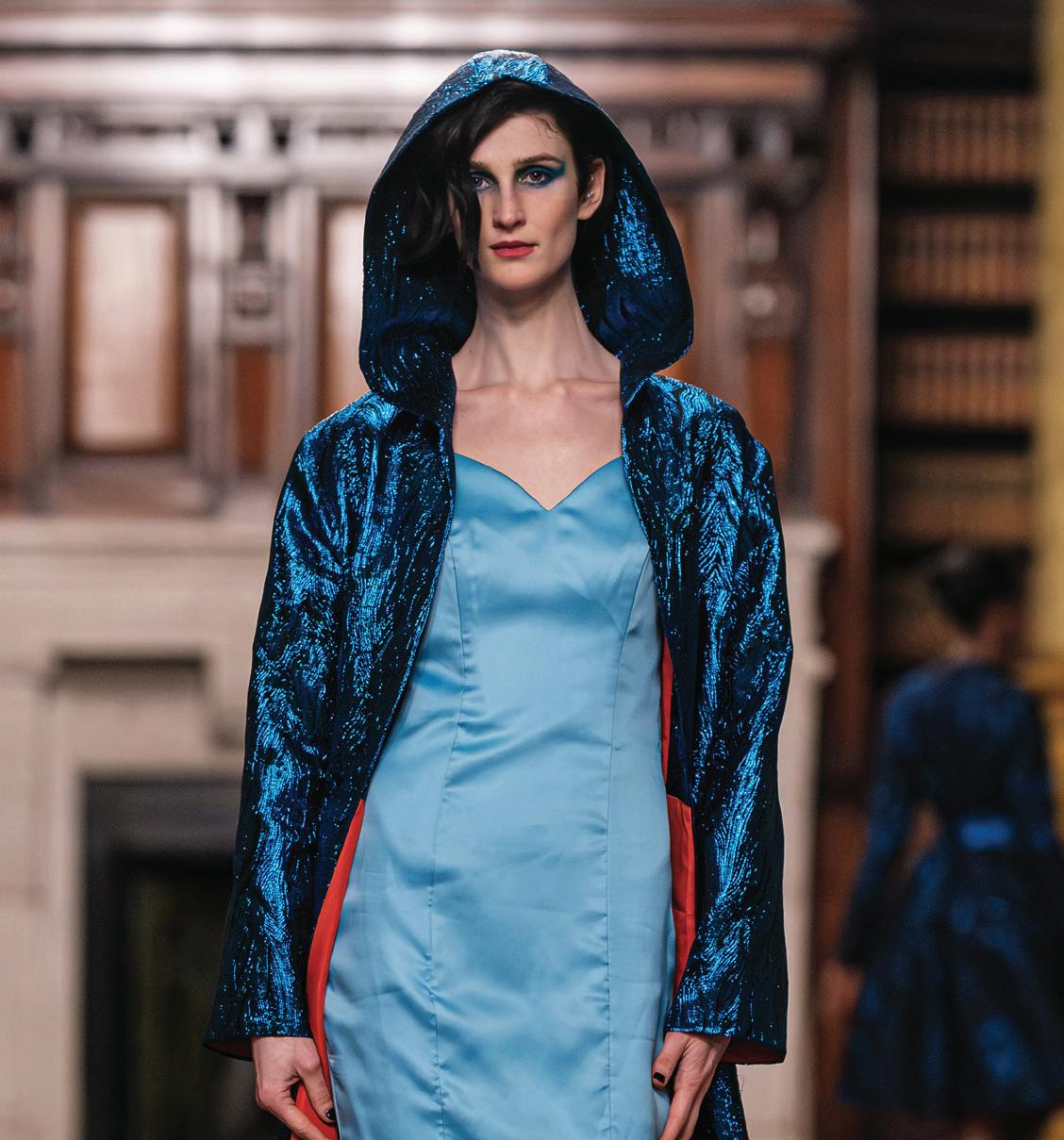
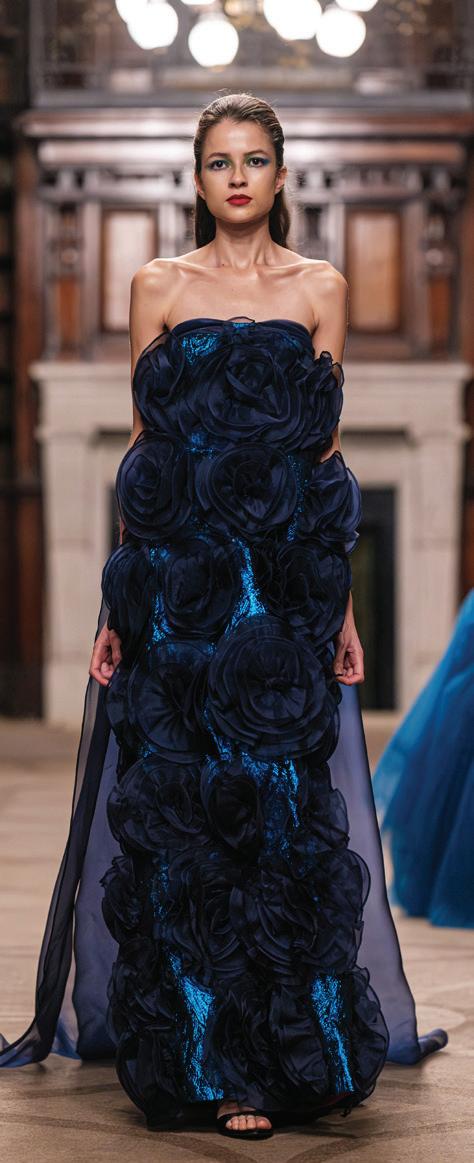
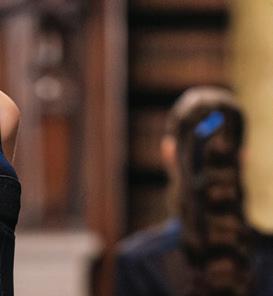
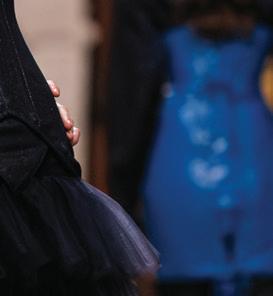
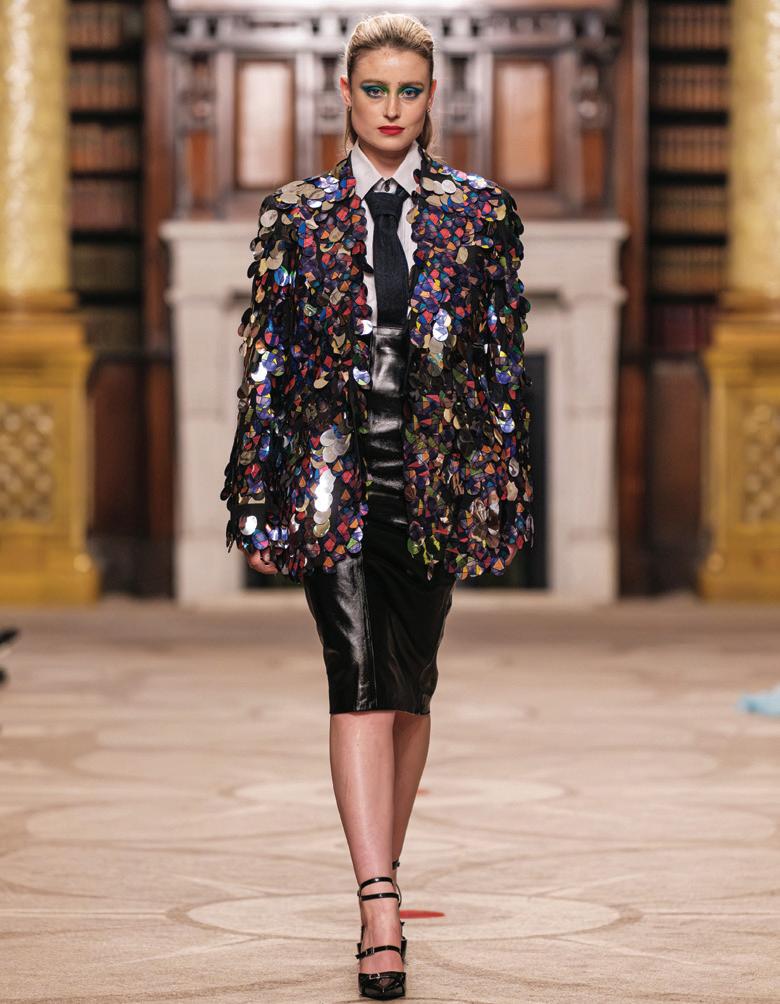
Malan Breton presented his A/W 2025-26 collection, based on the themes of mystery and Eastern mythology, at The Royal Horseguards Hotel during London Fashion Week.
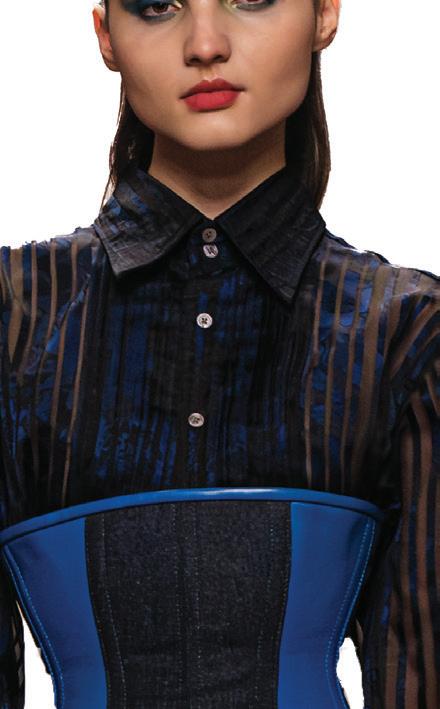
As the world stepped into the Year of the Snake, Malan Breton’s collection slithered onto the London Fashion Week stage, weaving together the mysticism of Eastern mythology, the opulence of Victorian couture and the ethereal fl uidity of Asian silks. A hypnotic interplay of transformation, wisdom and rebirth, the collection unfolded like a living legend—where past and future, fantasy and reality, collide.
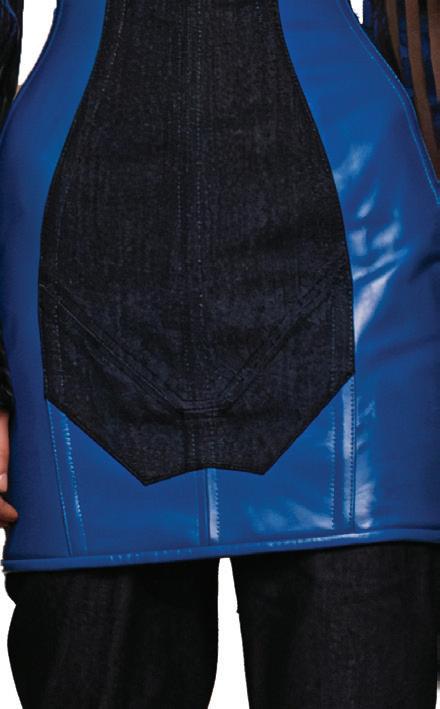
Drenched in high-shine metallics, sumptuous silks and intricate embroidery, each piece embodied serpentine seduction, evoking the celestial power of the snake in Asian culture. Unlike its Western portrayal as a symbol of temptation, the snake in Eastern mythology is revered— an emblem of evolution, intuition and immortality. Breton channeled this essence through silhouettes that exude both strength and sensuality, with corseted waists, sweeping trains and a tactile juxtaposition of rigid structure against liquid movement.

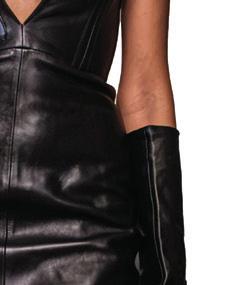






A mesmerizing live performance by Johnny Hates Jazz set the tone, their hauntingly romantic melodies echoing the collection’s narrative of nostalgia, transformation and modernity. Inspired by the legendary White Snake—Bái Sùzhēn, an ethereal being who takes human form for love—the collection embraced fluid femininity and commanding masculinity, fusing Victorian grandeur with Eastern elegance.
This was more than fashion; it was mythology, reborn in silk and embroidery, whispering a story of power, beauty and reinvention.
Notable attendees included Malan Breton, Clark Datchler of Johnny Hates Jazz, Lady Victoria Hervey, Jeetendr Sehdev, Alistair Guy, Samantha Reynolds, artist Emma Taylor, Hanna Liubinskaya, Delia Grace Noble, author Tyne O’Connell, celebrity hairstylist Walter Stojash and concert pianist Melissa Harrison.
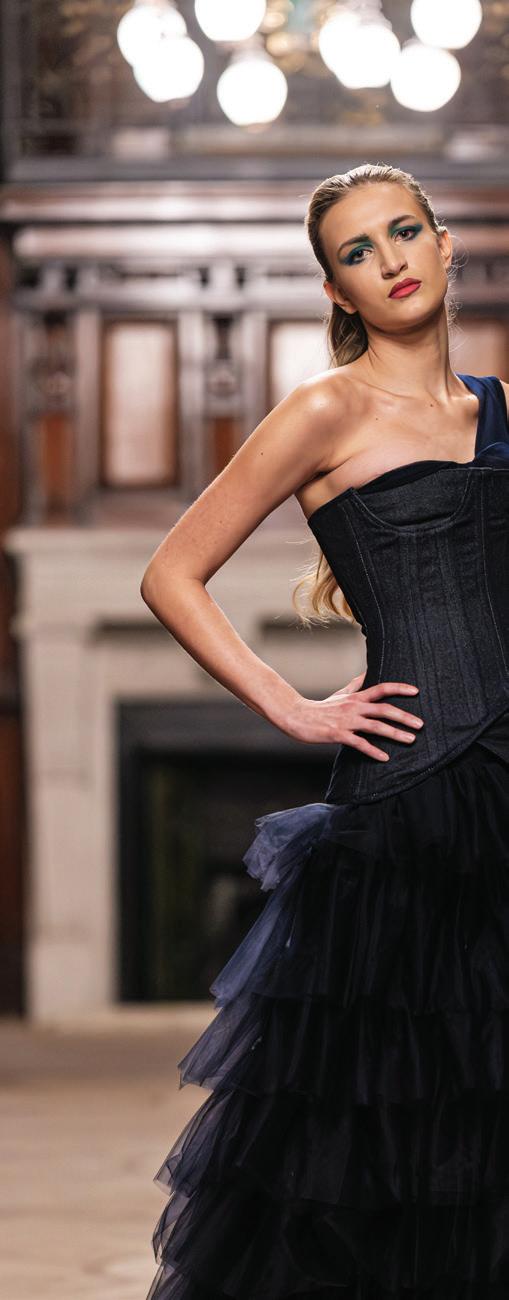









“ Th e master ofelega







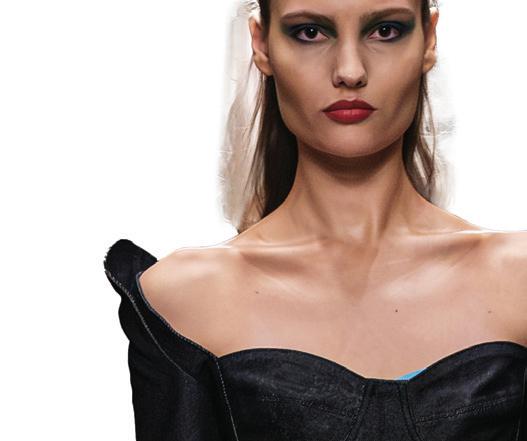
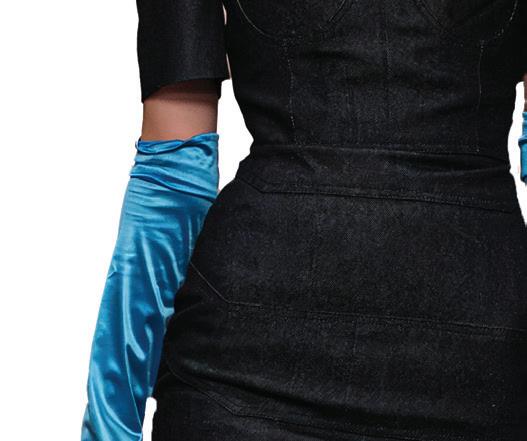
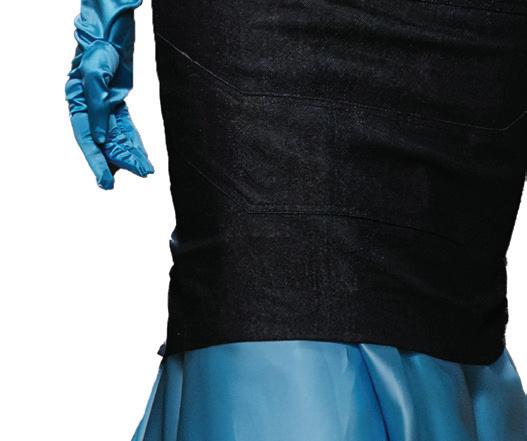








Malan Breton is a multitalented fashion designer, singer, actor, costume designer, film director, TV producer, writer, musician, songwriter and government-appointed ambassador to Taiwan. The collection has been worn by Emma Thompson, Priyanka Chopra, Janelle Monáe, Fantasia, Hannah Waddingham, Minnie Driver, Saweetie, Raye, Duran Duran, Liza Koshy, Kylie Minogue, Michael Bublé, Vivica A. Fox, Paula Abdul, Sean Young, Brenda Song, Meagan Good, Bebe Rexha, George Takei, Lea Salonga, Law Roach, Aishwarya Rai Bachchan, Emmett J. Scanlan, Wyatt Oleff , Shirley Ballas, Kat McNamara, Róisín Murphy, Lorde, Little Mix, Crystal Waters and many others.
Breton has been the star of “The Malan Show” on Bravo TV and a guest host fpr the “Top Model” franchise, “Project Runway,” and others. He has also been featured in the iconic fashion fi lm “Zoolander.”
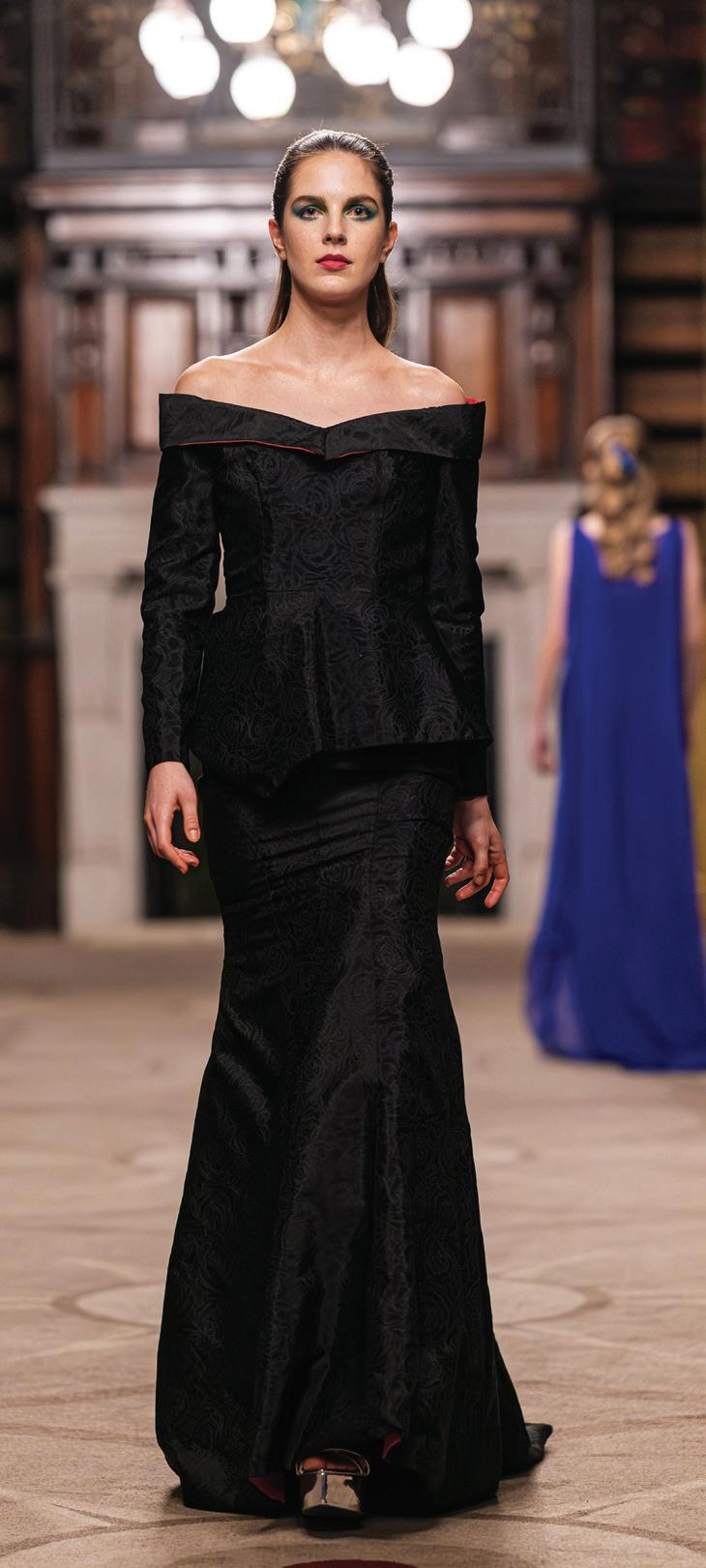


Mad Engine announced the appointment of Dominic Farrell as its next chief executive officer, effective April 1, 2025. Farrell succeeds Danish Gajiani, who will transition from his role as CEO to executive chairman. Gajiani will continue to work closely with Farrell and the company to ensure a seamless transition for all key stakeholders.
Farrell brings over two decades of experience in the licensing world, with an extensive background in licensed apparel, including a notable tenure at Adidas. Most recently, he served as president and chief operating officer of ’47, where he successfully implemented strategies for domestic, international and e-commerce growth.
“We cannot emphasize enough how excited we are to welcome Dom as the new CEO of Mad Engine,” said Gajiani. “Dom’s depth of experience in licensed apparel and accessories, combined with his proven track record of driving growth and innovation, make him a perfect fit for Mad Engine. He understands the business and culture, and we are confident that his leadership will unlock new levels of growth for the company while staying true to its core values.”
“It is an honor to join Mad Engine,” said Farrell. “Having spent years in the sports licensing world, I am extremely familiar with Mad Engine and have admired the company’s track record of success, including recent accolades such as receiving the Walmart Customer Excellence award, and the Target Apparel and Accessories Vendor of the Year award. I look forward to working with Danish and Mad Engine’s talented creative, sales and operations teams to drive continued value.”
About Mad Engine:
Mad Engine is a global leader in apparel and accessories. Headquartered in Los Angeles, the company is known for its expansive portfolio of licensed, private label, branded and influencer/celebrity products. Serving all genders and sizes, the company delivers high-quality merchandise through a dynamic and ever-evolving omni-channel distribution strategy, encompassing direct-to-consumer, e-commerce, mass retail, mid-tier, department stores and specialty retail. With facilities around the world dedicated to design, innovation, customer service, sales, sourcing, quality assurance and distribution, Mad Engine continues to drive growth on a global scale. For more information, visit madengine. com.




In celebration of the 100th anniversary of the Harlem Renaissance, Renaissance New York Harlem Hotel and Myrdith Leon-McCormack, founder of World Bride Magazine (WBM), will present the Legacy Ball of Harlem, a grand evening of culture, fashion and history. The celebratory event will take place on Monday, May 5, 2025, from 6-11 p.m. at the iconic and recently reimagined Renaissance New York Harlem Hotel.
The goal of the event is to celebrate Harlem’s timeless influence on global art, music and fashion. Resilience is central thread of the story of Harlem—once farmland, later home to migrants during the Great Migration, and eventually a beacon of Black excellence that continues to inspire the world today.
“Few truly understand, I mean ‘TRULY’ understand the rich, deep history of what Harlem means to the creative legacy of not only this great city but the country, and I’d say the world as a whole,” said Myrdith LeonMcCormack. “My goal in presenting this event is not only to celebrate the past but launch the next century and beyond of contributions from this legendary center of culture and creativity—Harlem.”
The centerpiece of this celebration will be the Legacy Ball of Harlem, where guests will come together in the vibrant epicenter of Harlem nightlife, the Renaissance New York Harlem Hotel. Located directly next door to the globally celebrated Apollo Theater on West 125th Street, the Renaissance New York Harlem Hotel, with its modern facilities, opulent accommodations and awardwinning culinary offerings, not to mention some of the best nightly entertainment in the city, is a natural setting for such a celebration. Serving as the guest of honor for the ball will be A’Lelia Bundles, the descendant of Madam C. J. Walker, who will be previewing the release of her latest book.
The historic legacy of the location includes names like Langston Hughes, Josephine Baker, Zora Neale Hurston, James Baldwin, Madam C. J. Walker, Zelda Barbour Wynn Valdes and Duke Ellington, all of whom flourished in their eras on this very piece of real estate. The Legacy Ball of Harlem, being held on this spot, is a natural launching pad for the future of Harlem creative influence. Guests will be treated to an immersive experience where the magnificence of the past will meet the splendid promise of the future. The carefully curated evening will include cocktails, lounges, gifting suites, dinner, dancing and cultural celebration, all themed to highlight the various milestones of the past century of history.
The U.K. jewelry brand Astrid & Miyu launched its latest collection: Destiny. Find love forever and ever with unexpected heart crystals set in vintageinspired designs, perfect for the people you cherish most.
Destined to land in your jewelry collection, Astrid & Miyu takes a sculptural approach on its fanfavorite infinity motifs with bezel-set stones and molten shapes. Add the sparkling Heart Bezel Tennis Bracelet ($115) or Necklace ($180) to your everyday stack for the ultimate luxe look. Show a little love to your ears with the Hidden Heart Molten Hoops ($115), for a statement look with a unique edge. What’s meant to be will always find a way, and this new collection is sure to show it.
Astrid & Miyu’s Destiny collection is available exclusively online at us.astridandmiyu.com and within Astrid & Miyu storefronts.
About Astrid & Miyu:
Astrid & Miyu is a direct-to-consumer jewelry brand leading the way in community building and experiential retail. Known for being a purposedriven brand, A&M was set up in 2012 by Founder and CEO Connie Nam from her flat in Notting Hill. After she struggled to find contemporary jewelry at affordable prices, Nam had a mission to revolutionize how people experience jewelry. Astrid & Miyu’s product offering is all designed in-house in its London studios, offering dainty yet stackable pieces, which has quickly built up cult status among the fashion world.


Untuckit and Hari Mari’s first-ever collaboration launched on March 4. This exclusive partnership brings together Untuckit’s always-sharp style with Hari Mari’s industry-leading comfort technology, offering a fresh take on warm-weather footwear.
Designed with the modern adventurer in mind, the Untuckit x Hari Mari flip-flop blends both brands effortlessly. The footbed includes Untuckit’s iconic colors and logo for a bright, polished and clean look while including Hari Mari’s patented MemoryFoamToe post for instant comfort without the painful break-in period.
The flip flops feature premium materials like soft, water-resistant nubuck leather straps lined with memory foam for luxurious all-day wearability. The pebbled nubuck leather footbed adds a soft, premium touch, while firm arch support and a cupped heel ensure proper foot positioning. A durable crepe-textured, non-marking rubber outsole provides superior grip and is even boat-safe. Decorative stitching and colorful midsoles add a playful touch, making these flip-flops the ultimate companion for spring and summer adventures.
Each pair of flip-flops comes in custom packaging featuring a unique haiku celebrating the collaboration: “A comfortable truth: Flip-flops are just untucked shoes. Try them on and see.”
“We’re excited to partner with Hari Mari to create a product that perfectly aligns with the Untuckit lifestyle—relaxed, stylish and versatile,” said Chris Riccobono, founder of Untuckit. “These flip-flops bring together the best of both brands, delivering a truly unique product precisely created and crafted for our customers.”
“Collaborating with Untuckit has been an incredible experience,” said Jeremy Stewart, founder and CEO of Hari Mari. “By combining our expertise in comfort with their expertise in craftsmanship and their signature style, we’ve created a flip-flop that feels as good as it looks.”
The Untuckit x Hari Mari flip-flops are available for $90 online at untuckit.com and at select Untuckit retail locations.












As advisors to the fashion industry, we have experienced the global and local issues that affect the way you do business and are well-positioned to help you deal with changing conditions.
We help you turn challenges into opportunities through innovative and insightful thinking. Cash flow planning, gross profit by product line, chargeback analysis, assistance with access to capital, and operational improvements are just a few ways we help fashion companies gain an edge.
We provide a wide range of financial reporting, tax and advisory services to make your business and finances stronger.

Marc Federbush, CPA, CGMA Partner and Fashion Industry Group Leader marc.federbush@anchin.com


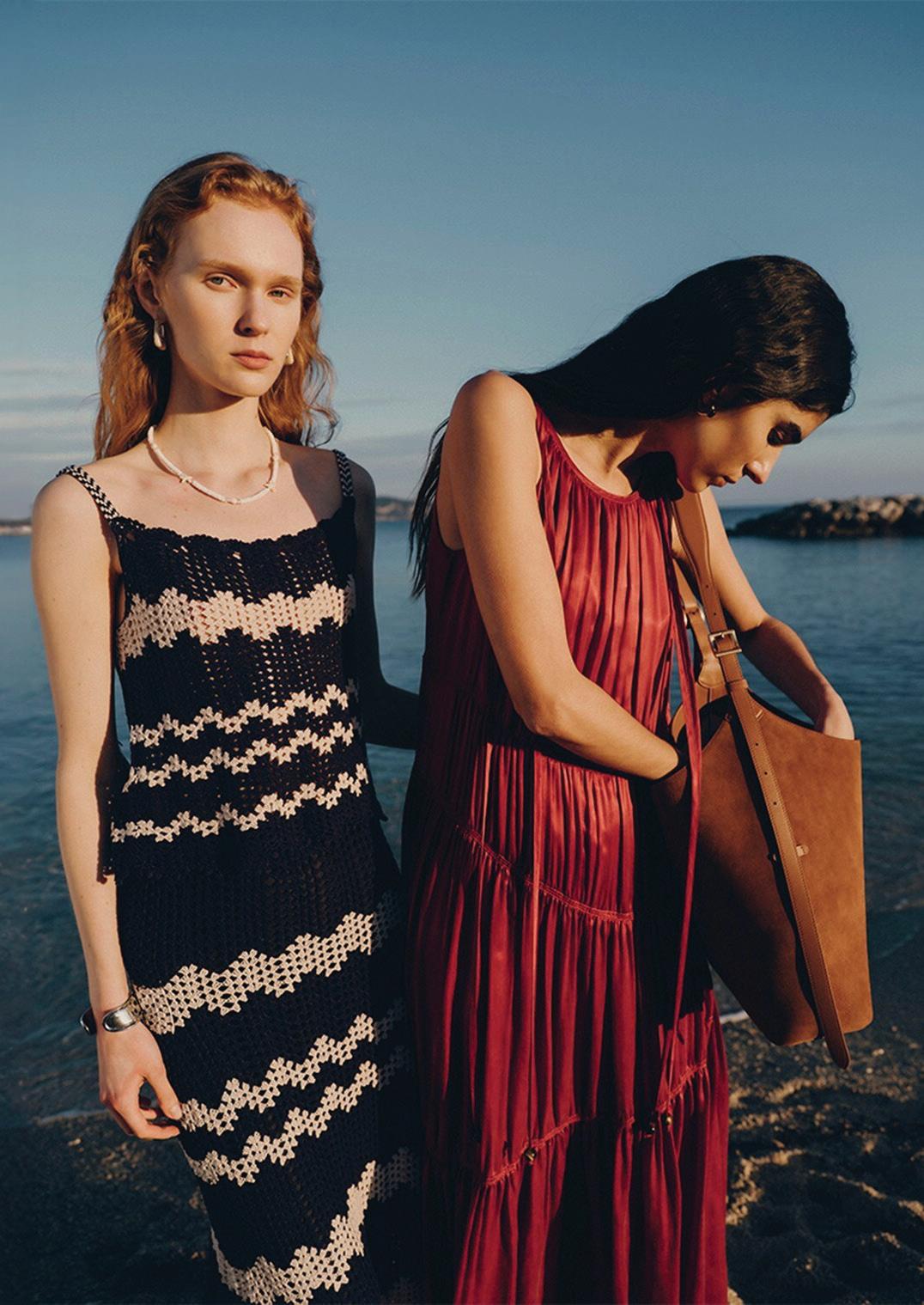

Fabrique, a collective designer brand that collaborates with over 300 exceptional designers worldwide to create exclusive pieces catering to diverse styles, has officially launched in the Singapore market, offering a distinct wardrobe for tastemakers.
This marks a milestone in the brand’s global strategy, involving the implementation of more dynamic and diverse channels and the expansion of its footprint in global markets. This not only brings accessible high fashion to consumers but also sets new industry trends by championing high quality and design aesthetics.
“We are dedicated to fostering meaningful connections between designers, craftsmen and customers,” said Fabrique’s team. “We believe in the power of design and celebrating fashion that lasts. We position our designers at the helm of creation, placing significance on respecting and appreciating each of their unique tastes and creativity as individuals rather than working with brands.”
As an international metropolis bridging East and West, Singapore exemplifies the inclusive and diverse style that Fabrique holds dear. Fabrique emphasizes the significance of creativity, design and craftsmanship capturing our imagination, ensuring that each garment mirrors its dedication
to distinctive style, superior quality and attention to detail.
The alignment of design accessibility with Singaporean consumer preferences seamlessly integrates with Fabrique’s mission to revolutionize the high-end fashion scene. By eliminating traditional retail markups, Fabrique makes designer pieces that are luxury yet accessible to a wider array of fashionistas, catering to individuals seeking a harmonious blend of affordability while staying at the forefront of fast fashion trends.
Fabrique cultivates a dynamic community to connect designers, artisans and audiences, fostering a thriving network. By introducing initiatives such as designer documentary videos, Fabrique enriches the emotional value of each purchase, fostering deeper connections between consumers and the creators behind their favorite pieces. This digitally driven brand experience aligns seamlessly with the consumption habits of the Singaporean market.
Fabrique curates a global roster of over 300 leading designers, featuring esteemed names like two-time British Fashion Awards “Designer of the Year” winner Hussein Chalayan, minimalist master Damir Doma, denim pioneer Adriano Goldschmied, Hollywood red carpet favorite Reem Acra, and haute couture luminary and official member of the French Federation of Haute Couture and Fashion, Stephane Rolland. This collective effort is dedicated to crafting a diverse array of distinctive and stylish fashion designs.
In the future, Fabrique will persist in crafting fashion products that blend international perspectives with personalized expressions. Following the opening of the independent station in the United States in 2024, the brand plans to gradually introduce new locations worldwide in 2025, expanding its global footprint and offering consumers in various regions an even wider range of choices.





e CBIZ (formerly Marcum) Consumer Products and Retail Symposium takes place at the E-Central Hotel in downtown Los Angeles on April 24, 2025. e event will feature a great list of distinguished speakers, including Marshal Cohen, Robert Krieger and a panel of entrepreneurs in consumer products. e discussion will be focused on current industry issues, from the economy to new trade tari s and the required reporting standards to U.S. customs. Ron Friedman (CBIZ) will rst explain the history and evolution of the Marcum Consumer Products and Retail Symposium. Featured guest articles from Michael Sacco (CBIZ), Kaleigh Kemmerly (Hub), Dan Jablons (Retail Smart Guys) and Trever Acers (Objective, Investment Banking & Valuations) will follow.
By Ronald S. Friedman
The Consumer Products and Retail Symposium, which you’ve come to know as a Marcum event, is continuing under a new name. Now, hosted by CBIZ, the seventh CBIZ Consumer Products and Retail Symposium will take place on April 24, 2025, at the E-Central Hotel in downtown Los Angeles.
CBIZ, one of the largest public accounting and advisory services firms in the United States, recently acquired Marcum LLP, bringing together two industry leaders. While the symposium’s name has changed, it remains the premier gathering for industry leaders, experts and businesses to explore key trends shaping the consumer products and retail sectors.
This article will examine the symposium’s history and evolution, its impact on the industry and what to expect in its next chapter under the CBIZ banner.
The inception of the Marcum Consumer Products and Retail Symposiums can be traced back to 2016 when Ron Friedman and Jeff Mann (Fashion Mannuscript) met in New York to create something meaningful for the industry. Recognizing the rapid changes and challenges in the consumer products and retail sectors, Marcum and Fashion Mannuscript sought to create a forum where industry professionals could collaborate, exchange ideas and stay ahead of trends. The goal was to bring together thought leaders, executives and experts from various industry segments to foster an environment of learning and innovation.
The first symposium was modest in scale but ambitious in its vision. It featured Robin Lewis as the keynote speaker and panel discussions focusing on pressing issues such as supply chain management, consumer behavior and technological advancements. The panel included Debra Gunn Downing, Louis Mastrianni and Andrew Rotondi. The initial success and positive feedback from participants set the stage for future events.
As the consumer products and retail sectors continued to evolve, so did the Marcum Consumer Products and Retail Symposiums. Over the years, the symposiums grew in both size and scope, attracting a wider audience and featuring a more diverse range of topics. Each year, the event lineup expanded to include more keynote speakers, panel discussions and Q&A sessions covering various aspects of the industry.
One key factor contributing to the symposium’s growth was its ability to attract high-profile speakers and industry experts. These individuals brought valuable insights and expertise, making the events more informative and engaging. Notable speakers over the years have included CEOs of major retail companies, leading economists and influential thought leaders in consumer behavior and technology. A special thank you must go to Jeff Mann for his relationships with industry leaders and his ability to provide many of our speakers and panelists.
Throughout its history, the Marcum Consumer Products and Retail Symposiums have addressed numerous key themes and topics that reflect the industry’s dynamic nature. Some of the recurring themes include:
Technological advancements: With the rapid rise of e-commerce, digital marketing and data analytics, the symposiums have consistently explored the impact of technology on consumer behavior and retail strategies. Sessions on artificial intelligence, big data and omnichannel retailing have been particularly popular.
Consumer trends: Understanding consumer preferences and behavior is crucial for success in the retail sector. The symposiums have featured discussions on changing consumer demographics, the shift toward sustainability and the influence of social media on purchasing decisions.
Supply chain management: Efficient supply chain management is vital for the success of consumer products companies. Topics such as logistics optimization, inventory management and the impact of global trade policies have been central to many symposiums.
Economic outlook: The symposiums often feature sessions on the economic factors affecting the consumer products and retail sectors. This includes discussions with Marshal Cohen, Circana’s chief industry advisor, on macroeconomic trends, inflation and the impact of global events on consumer spending.
Innovation and entrepreneurship: Companies must innovate continually to stay competitive. The symposiums have highlighted the success stories of innovative startups and provided a platform for entrepreneurs to showcase their ideas and products.
The Marcum Consumer Products and Retail Symposiums have significantly impacted the industry, serving as a catalyst for knowledge sharing, networking and collaboration. Several key aspects of this impact include:
Knowledge sharing: By bringing together experts and industry leaders, the symposiums have facilitated the exchange of valuable insights and best practices. Attendees gain a deeper understanding of emerging trends, challenges and opportunities, helping them make informed business decisions.
Networking opportunities: The symposiums provide a unique platform for professionals to connect and build relationships. This networking aspect has led to collaborations, partnerships and business opportunities that might not have been possible otherwise.
Thought leadership: The symposiums have elevated the conversation around critical industry issues through keynote speeches and panel discussions. Marcum’s ability to attract high-caliber speakers has ensured attendees receive cutting-edge information and thoughtprovoking perspectives.
Industry recognition: The success and influence of the Marcum Consumer Products and Retail Symposiums have solidified

Marcum’s, and now CBIZ’s, reputation as a thought leader in the industry. The firm is recognized not only for its accounting and advisory services but also for its commitment to advancing industry knowledge and innovation.
As the consumer products and retail sectors continue to evolve, the CBIZ Consumer Products and Retail Symposiums are poised to remain a vital platform for industry professionals. The symposiums will continue to explore emerging trends, such as the impact of artificial intelligence, sustainability’s role in consumer decision-making and the integration of new technologies into retail strategies.
Furthermore, the symposiums will continue to serve as a barometer for the industry’s health and direction. By addressing current challenges and forecasting future developments, the events will help attendees stay ahead of the curve and adapt to the ever-changing landscape.
The Marcum Consumer Products and Retail Symposiums have a rich history of fostering collaboration, innovation and knowledge-sharing within the industry. From its humble beginnings to its current status as a premier industry event, the symposiums have played a crucial role in shaping the consumer products and retail sectors. As Marcum and CBIZ have come together, they will continue to provide valuable insights and facilitate connections. The future of the symposiums looks promising, with the potential to drive further advancements and growth in the industry.
Ronald S. Friedman, CPA, is an advisory and assurance partner in the Los Angeles office of CBIZ (formerly Marcum LLP) and a retail practice leader in the firm’s Consumer and Industrial Products group. Contact him at ronald.friedman@cbiz.com.
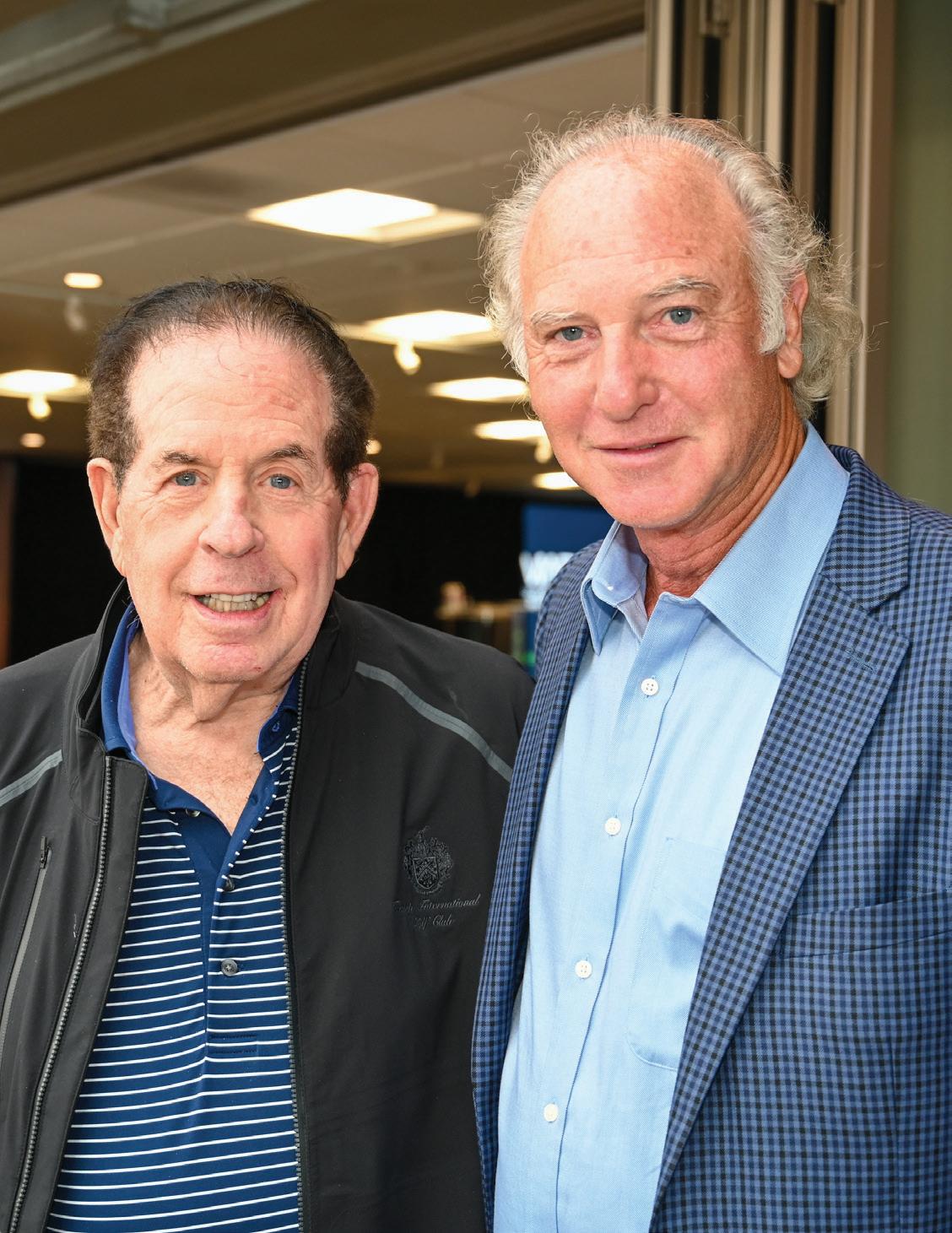


By Marshal Cohen
If you recall in the movie “The Perfect Storm,” the convergence of multiple storms created a devastating impact. We are witnessing the same scenario developing in the world of retail.
The headwinds facing the consumer are mounting, with tariff concerns and implementation, as well as the impact of severe weather on rebuilding homes, wardrobes and pantries. Inflationary prices with the elevated cost of food and other necessities continue to erode spending power. Add in job losses and concerns with the government layoffs and you have the largest sector of the U.S. workforce on edge. Credit card debt is at all time highs with default rates increasing, making consumers have less spending power. Now, add in the volatility in the stock market and the lack of emotional wealth the consumer feels with their portfolios and retirement funds feeling less valuable.
All these concerns, and the pullback in spending by the fastest growing population of Hispanic consumers, and we have a potential retail pullback.
Many people talk about consumers buying now, before tariffs, but the headwinds they face are much more powerful in delaying or eliminating purchases for the time being. The state of the consumer is at a fever pitch high of confusion and concern. What is needed is some stability and desire. We are in a period of retailers pulling back guidance on expected sales, which
means lower expectations and less purchase commitments. That creates less orders for manufacturers and less inventory and product produced. We are likely going to see a shortfall of product when demand kicks back in, so that will create higher prices yet again when demand exceeds supply down the road.
All of this uncertainty and concern about what and when is the right time to buy paralyzes the consumer. We need to get past this period quickly or we will see a prolonged period of challenges continue in retail.
Retail sales of food remains steady as we consume the same amount of food but spend more money on it. Dining out continues to decline with it costing more, but casual and fast food restaurants continue to try to combat higher costs with value meal offerings. Even the ever-growing beauty business has shown signs of slowing, with growth rates dropping to low single digits. Apparel and footwear continue to struggle to find gains as consumers prioritize purchases.
So what is the path to success? Convincing the consumer they need this product. Innovation, replenishment and upgrades are all part of this pitch. It is up to both retailers and manufacturers to convince the consumer they need this product—how it will enhance their lives and is worthy of the investment. Otherwise, they will just put off the purchase until things feel better and more stable.
By Michael Sacco, CPA Managing director, Consumer and Industrial Products national leader CBIZ
For business owners, deciding to sell their company or seek investment is a pivotal moment. The stakes are high, and financial outcomes hang in the balance. While traditional financial statements provide a snapshot of historical performance, they often fall short of revealing critical risks and nuances that potential buyers or investors need to know. Enter the sell-side quality of earnings (QoE) report—an essential tool that not only informs buyers but also safeguards value, streamlines transactions and minimizes surprises.
This article will explore the importance of a sell-side QoE analysis and why it should be a top priority for business owners looking to sell.
A sell-side quality of earnings report provides an independent and objective assessment of a company’s earnings. It is a critical tool during the due diligence phase of a sale transaction. Here’s why it matters:
• Credibility and preparedness: A sell-side QoE signals to potential buyers that the seller has credible financials and is well-prepared for a sale.
• Thorough financial review: Working with an external team, the seller thoroughly reviews financial numbers and incorporates necessary adjustments. This process paints a clear picture of the company’s financials, especially its profitability.
• Accurate representation: The report confirms that the reported earnings are representative of the company’s actual income. It ensures that the earnings before taxes, depreciation and amortization (EBITDA) and add-back amounts are accurate and traceable to source financial information.
When you go the proactive route and decide to engage for a QoE report before selling your business, you will need to bring in several key members of your broader business team to help anticipate which details to include and uncover the history that is necessary to make the report accurate and meaningful for potential buyers. That includes:
• The business owners or CEO: As the business owner or CEO, you have valuable insight and information about the company’s history, operations, financials and growth potential.
• An M&A advisor or investment banker: An M&A advisor or investment banker can help guide the QoE process, identify potential buyers and negotiate the sale of the business.
• An accountant: An accountant can perform the QoE analysis, provide comments on the company’s financial statements and identify any adjustments or add-backs to the financials (generally EBITDA) that may be necessary to reflect the company’s true earning power more accurately.
• An M&A lawyer: A lawyer can help review and manage any legal or regulatory compliance issues that need to be addressed before the sale.
• A tax specialist: A tax specialist, either an accountant, a lawyer or both, can help structure the deal tax-efficiently and model your aftertax proceeds, that is, what cash you will walk away with.
Several industry challenges often affect the value of a consumer product company. So many variables come into play as a company looks at its own financial position, projections and valuation, such as:
• Supply chain disruptions and volatility: The industry grapples with supply disruptions caused by shifting demand, rising tariffs, material price volatility and geopolitical factors. Consumer product companies must carefully manage costs while maintaining product quality and meeting demand.
• Adaptation to inflation: Inflationary pressures squeeze companies between rising supply chain costs and consumer confidence declines. To protect margins, companies need multifaceted approaches, including pricing adjustments, merchandising strategies and supply chain optimization.
• Shifting consumer behaviors and demands: Empowered consumers demand personalized digital experiences. The acceleration of online shopping and tailored delivery methods continues beyond the pandemic.
• Latest technology: Consumer product companies, despite their size, must recognize the significance of adapting to new technology. Well-operated companies are all looking at technology enhancements that enable faster decision-making, streamlined processes and quicker responses to market shifts.
The benefit of a sell-side quality of earnings report is to provide a consumer product company with the following:
• Investor confidence: A robust QoE report instills confidence in potential investors. It demonstrates transparency and reliability, making the company more attractive.
• Higher valuation: A thorough QoE analysis can uncover hidden value drivers and identify areas for improvement. By addressing these, the company can enhance its valuation.
• Risk mitigation: Buyers and investors want to minimize risks. A QoE report helps identify any financial irregularities or red flags, allowing the seller to address them proactively.
• Streamlined due diligence: A readily available QoE report streamlines the due diligence process. It eliminates surprises and ensures a smoother negotiation phase.
In summary, a sell-side QoE report is a strategic asset for companies aiming to attract investors or prepare for a sale. It provides clarity, credibility and a competitive edge in the marketplace. A sell-side QoE can increase the value of a transaction for the seller and help clarify the seller’s position on key risk areas such as inventory, customer concentration, revenue streams, seasonal revenue fluctuations and other significant industry-specific business areas. In the dynamic world of consumer products, where market trends shift quickly, a QoE report provides stability—guiding companies toward sustainable growth. So, whether preparing for a sale or attracting investors, embrace the power of QoE to unlock value and navigate a transaction confidently.
By Kaleigh Kemmerly
In the fast-paced and globally connected fashion industry, manufacturers and textile producers face a range of risks that threaten operations, profitability and long-term sustainability. Natural disasters, supply chain disruptions and equipment failures can cause significant financial losses, making it essential for businesses to have a comprehensive risk management strategy in place.
DRS—Delivering Results and Solutions (drsconsults.com), Hub International’s disaster recovery services division, specializes in helping businesses prepare for and recover from loss events. By offering both preloss preparedness and post-loss financial recovery services, DRS ensures that fashion manufacturers and textile producers can minimize downtime, expedite insurance claims and maximize financial recovery.
A proactive approach to risk mitigation can mean the difference between minor business interruptions and catastrophic losses. DRS works with fashion manufacturers and textile producers to develop comprehensive risk management strategies that help businesses withstand unforeseen events.
One of the key elements of DRS’s pre-loss preparedness services is the Managed Vendor Partner (MVP) program. This program aligns businesses with top-tier vendors specializing in emergency response, restoration and mitigation, among others. By pre-vetting service providers, DRS ensures that its clients have immediate access to qualified professionals who can respond quickly to a loss event, reducing downtime and financial impact.
Benefits of the MVP program include:
• Faster response times: Pre-established vendor relationships ensure a rapid response in the event of an emergency, minimizing operational disruptions.
• Quality assurance: DRS only partners with vendors who meet strict compliance and service standards, guaranteeing reliable mitigation services.
• Streamlined recovery process: By handling vendor coordination, DRS allows businesses to focus on operations while experts handle loss recovery.
When a loss event occurs, navigating the complexities of insurance claims can be overwhelming. DRS acts as a trusted advisor to manufacturers and textile producers, ensuring that they receive the maximum insurance recovery possible.
Key aspects of DRS’s post-event claims preparation services include:
• Comprehensive financial loss documentation: DRS meticulously assesses property damage, lost inventory and operational downtime to create a clear and compelling claim submission.
• Business interruption analysis: DRS specializes in calculating lost revenue due to production delays, supply chain breakdowns and facility closures.
• Negotiation and advocacy: Insurance policies can be complex, and insurers may challenge claim valuations. DRS works with Hub claims advocates on behalf of clients to secure fair and timely settlements.
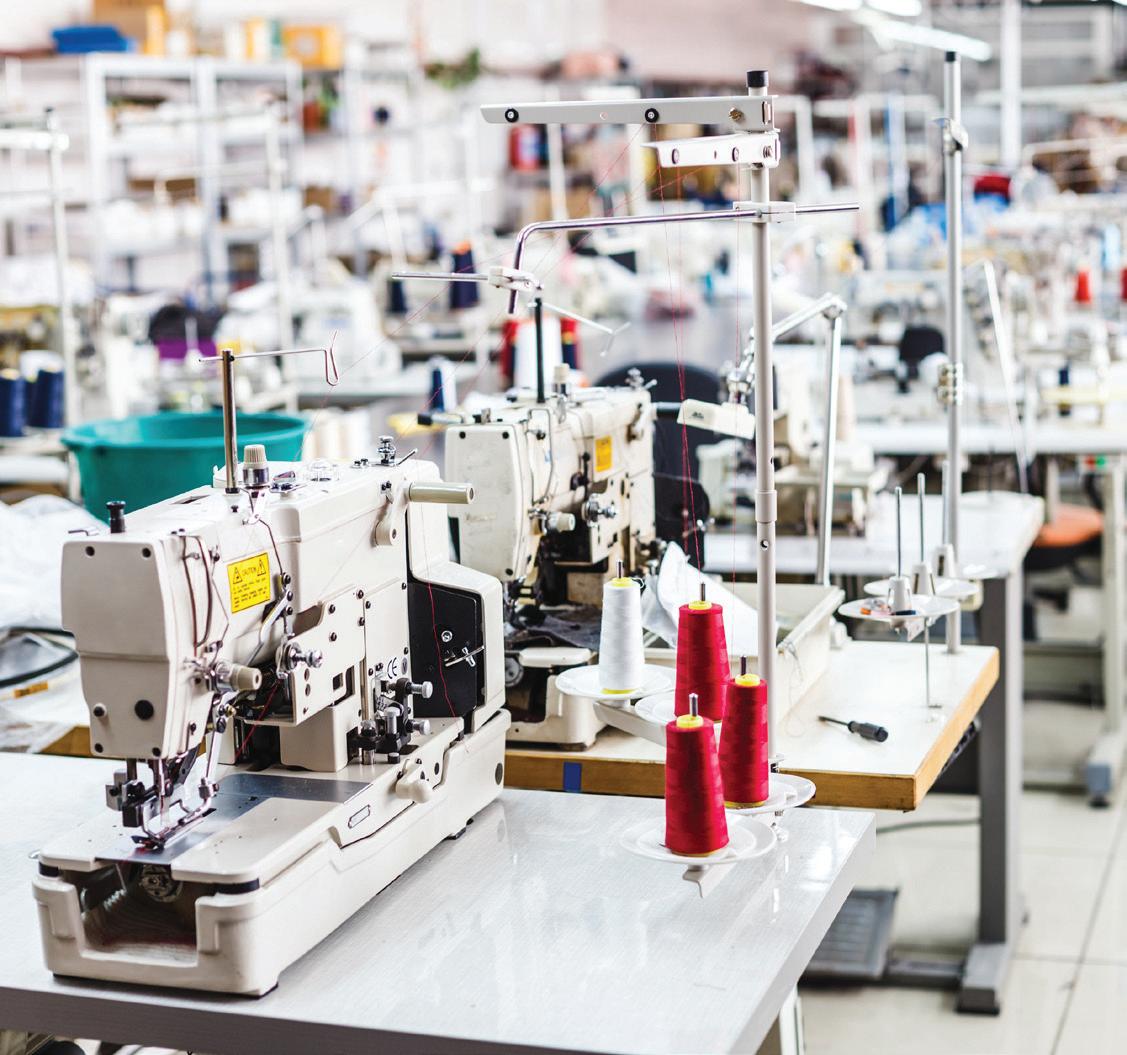
Consider a manufacturer that suffered extensive damage due to flooding in its flagship production facility. With an immediate response from the MVP program, DRS had vetted restoration teams on-site within hours, removing damaged materials, minimizing further building damage and salvaging critical equipment. All MVP efforts were planned and aligned with the insurer’s adjuster, building consultants and equipment consultants, providing the client with assurances of incurred cost recovery through insurance. What the insurer estimated would take four months to restore took only five weeks, and the manufacturer resumed partial production only six weeks after the loss. In addition, DRS’s forensic accountants quickly documented property and business interruption losses, securing a multimillion-dollar payout (80% of the claim paid in 90 days) that allowed the company to rebuild and recover without long-term financial strain.
For manufacturers and textile producers in the fashion industry, the ability to mitigate risk and recover quickly from loss events is crucial. By leveraging DRS’s pre-loss preparedness strategies, including the MVP program, businesses can ensure resilience in the face of adversity. Additionally, DRS’s post-loss financial recovery services provide expert guidance in navigating complex insurance claims, securing the financial resources necessary to resume operations efficiently.
In an industry where timing and continuity are everything, partnering with DRS, Hub’s disaster recovery services division, provides a clear competitive advantage. Whether preparing for potential risks or recovering from a catastrophic event, DRS is the trusted partner that fashion businesses need to protect their bottom line.
Kaleigh Kemmerly is a senior vice president risk management advisor in the Los Angeles, Orange County region of Hub International, specializing in the Consumer Products industries. Contact her at kaleigh.kemmerly@hubinternational.com.
By Dan Jablons
We’re already seeing that 2025 has come with its share of surprises and challenges. So many retailers, and businesses in general, are trying to navigate tariffs, tax increases, neighborhood changes, inflation, reduced traffic and a myriad of other obstacles that seem to diminish cash flow. Now, more than ever, finding the best tools and techniques to maximize cash flow has to be a big priority. Here are three of our favorites:
First, a definition. “Selling cost” is defined as the percentage of your sales that go to pay for your salespeople. The formula for this is “total cost of sales” (which includes salaries plus commission) divided by “total sales” (without tax). For example, if you have an employee whose payroll cost for last month is $1,700 and that employee sells $12,500, then the selling cost for that employee is $1,700/$12,500, equaling 13.6%.
Now, take that hourly goal and multiply it by the number of hours that person works in a week. If he/she works 30 hours, the goal is $3,330. As soon as they hit that goal in the week, you can pay them 9% of all sales above the $3,330. This gives them incentive to sell, helps them earn great commissions and keeps your selling cost low.
We did that in a store whose annual sales were $750,000. Look at the results below:
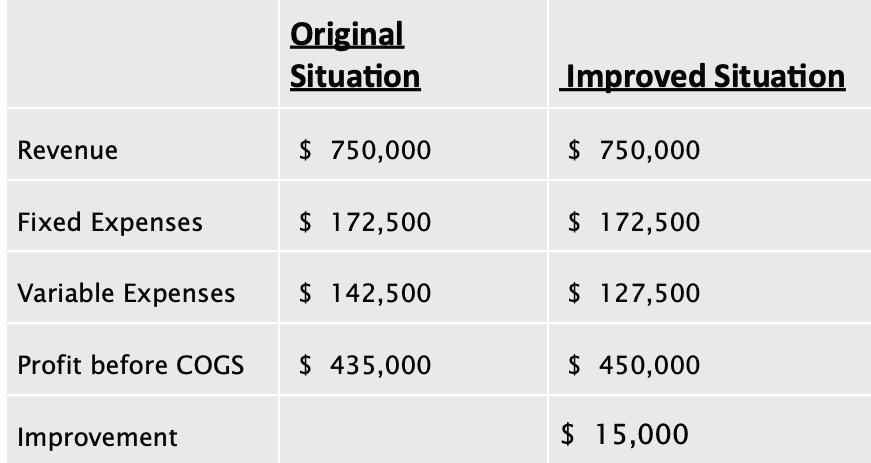
You can see that by implementing this strategy, we lowered their selling cost by 2%, which resulted in an extra $15,000 in cash to the bottom line. But wait, we’re not done. That’s only the first tweak!
This one almost seems too easy, but watch the math. We took a store and found ways to lower their inventory purchases by 2%. Look at the results:
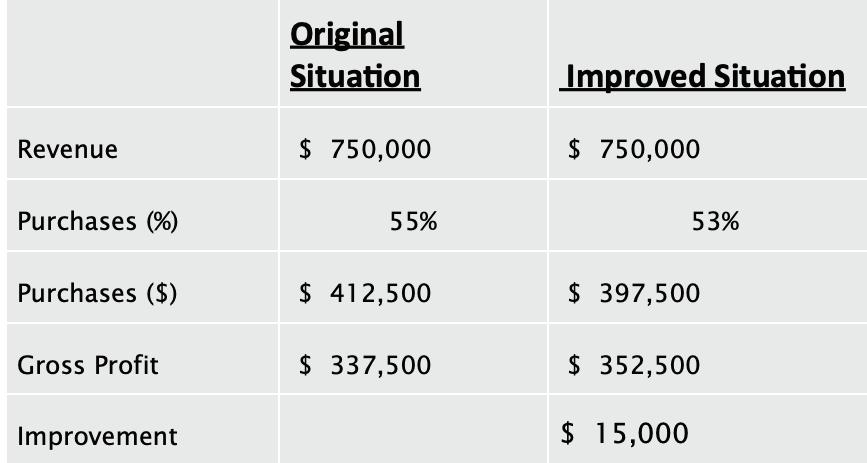
Yes, it’s another $15,000 improvement. This was done systematically, using all the tools that open-to-buy planning (definition: open-to-buy is a great sales forecast by class, accompanied with an inventory plan that prevents you from overbuying or underbuying). Our overall goal was to cut purchases by 2%, but we had to figure out precisely how and where. If you aren’t using an open-to-buy plan to do this, you should investigate getting on to one.
Most independent retailers do not have a solid markdown strategy, but first we need to figure out what causes them. Markdowns are usually caused by the following:
• Receipt of late goods
• Overbuying beyond demand
• Inadequate department/class structure
• Bad forecasting
• Bad buying
• Too broad of an assortment
• Not reacting to early poor sellers
• Bad performance on the sales floor
We can develop strategies and measurements to reduce or control all of these. Here’s a simple one—if vendors ship late, we either get free shipping, markdown money or we return the goods. Remember, shipping past a cancel date is something you do not have to permit. Cancel dates are the terms of the agreement, and if the vendor violates those, you have the right to either extra compensation or to cancel the agreement.
Here’s the tweak for this one—let’s lower the markdowns by 2%. Here are the results:
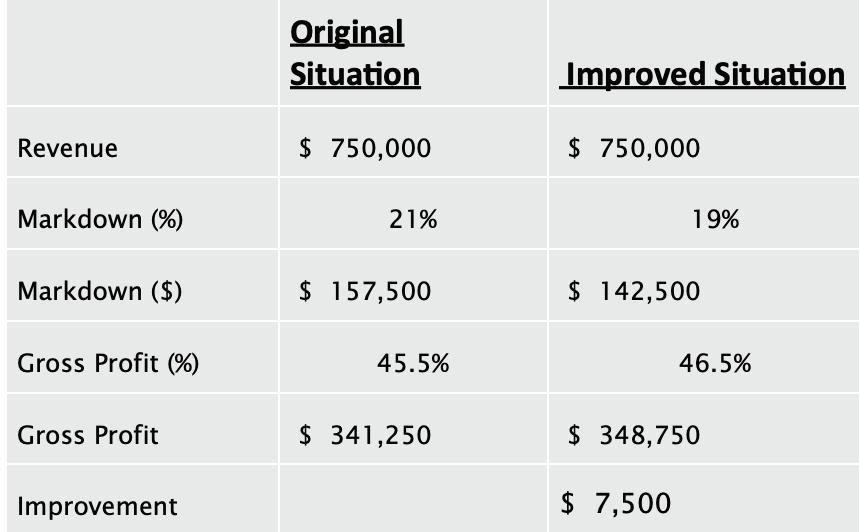
Let’s review the tweaks, as well as the benefits:
• Lowered selling cost by 2% = $15,000
• Lowered purchases by 2% = $15,000
• Lowered markdowns by 2% = $7,500
We produced $37,500 on a $750,000 business. What if this was applied to your store? It’s worth a shot.
Dan Jablons is the president of Retail Smart Guys, a consulting firm that works with independent retailers in 18 countries. Dan and his company are focused on merchandise planning, open-to-buy, cash flow and many other services that help retailers thrive in this or any economy. You can reach him at dan@retailsmartguys.com, or call 818-720-2585.

By Trever Acers
As the broader apparel mergers and acquisitions (M&A) market faces turbulence, one sector is standing tall: activewear. While e-commerce apparel deals have plunged since 2021, acquisitions of athleisure and wellness-driven brands are climbing steadily. Investors are doubling down on this space as consumer demand for comfort, performance and sustainability continues to surge.
After a slow period, global M&A is recovering, with deal values reaching approximately $3.4 trillion in 2024, approaching pre-pandemic levels. Apparel and footwear M&A is following suit, driven by strategic buyers seeking acquisitions to expand brand portfolios. However, improving market conditions are attracting a broader mix of investors, increasing competition and strengthening valuations for high-performing activewear brands.
While e-commerce apparel M&A has been significantly decreasing since 2021 due to market saturation and shifting consumer behaviors, activewear M&A has been steadily climbing. Investors see long-term potential in brands that integrate wellness, functionality and sustainability, fueling ongoing deal activity in the segment. With deal volume rising, the timing is opportune for activewear brands seeking an exit or strategic partnership. As acquirers look for growth-oriented brands, those with strong consumer engagement, innovative product lines and scalable business models are commanding premium valuations.
Despite economic challenges, apparel spending remains strong, particularly in the activewear and athleisure categories. Women’s apparel spending rose 3.2% year over year in Q3 of 2024, reflecting a lasting shift toward comfortable, functional fashion. Hybrid work, fitness-conscious lifestyles and the integration of wellness into everyday wear continue to support consumer demand.
This resilience signals strong investment potential, reassuring buyers that wellness-driven brands have enduring consumer appeal. Given this robust demand, both strategic and financial investors are positioning themselves to capitalize on these tailwinds through acquisitions and roll-ups.
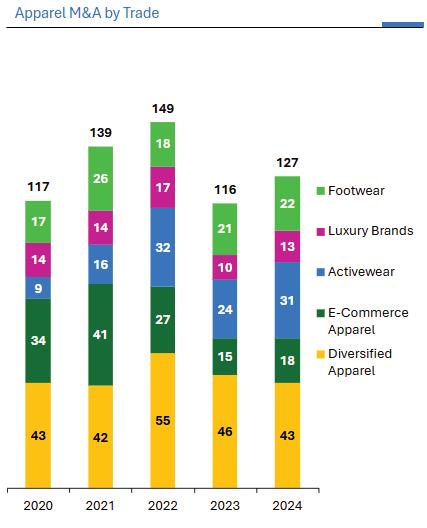
Strategic acquirers continue to dominate apparel M&A, leveraging deals to capture new customer bases and expand market presence. However, private equity (PE) firms are increasingly attracted to the athleisure segment due to its scalable, asset-light models and strong direct-to-consumer strategies.
Activewear’s fragmented landscape also presents roll-up opportunities, where investors consolidate smaller brands into larger, high-value platforms. With increased competition for acquisitions, a structured sell-side process can help maximize valuations and attract multiple bidders. The ability to differentiate a brand’s positioning and highlight key growth drivers is critical for securing an optimal deal.
Insights from the Magic Las Vegas trade show reaffirmed why activewear remains a hotbed for M&A. Key themes included:
• Sustainability and ethical sourcing: Consumers demand greater transparency in supply chains and sustainable material innovation, reinforcing the investment case for brands with strong environmental, social and governance (ESG) initiatives.
• Performance and functionality: Activewear brands are focusing on high-performance fabrics that enhance comfort and durability, providing an opportunity for investors to acquire differentiated product lines.
• Tech-driven apparel: Smart textiles, AI-assisted design and 3D manufacturing are reshaping product development, signaling a shift
toward efficiency and innovation.
• Lifestyle crossover: The merging of athleisure with streetwear, workwear and wellness-focused fashion is expanding brand appeal, creating new acquisition opportunities in the space.
These trends indicate strong growth opportunities for brands wellpositioned in sustainability and innovation—key drivers of investor interest. As consumer preferences evolve, brands that proactively embrace these shifts will remain highly attractive to both strategic and financial buyers.
Activewear and athleisure brands stand at the intersection of consumer demand and investor appetite. As M&A activity rebounds, brands with strong financials, compelling growth stories and sustainable practices can attract premium valuations. Investors are prioritizing businesses that have a clear brand identity, diversified distribution channels and a loyal customer base.
Sell-side advisors play a crucial role in crafting narratives that resonate with investors, running structured processes to secure competitive bids. By leveraging deep industry expertise, strategic advisors ensure that activewear brands not only ride the wave of investor interest but maximize their value in a competitive market.
Trever Acers is the founder and managing director of Objective, Investment Banking & Valuation, where he draws on over 20 years of investment banking, acquisition and strategy experience advising middle-market companies on transaction execution and strategic growth. Connect with him on LinkedIn at linkedin.com/in/treveracers.





Everyone knows there are no guaranties in life. When it comes to business, business owners can take concrete steps to secure their current operations while facilitating growth. This is exactly what the attorneys of Goetz Fitzpatrick LLP and Platzer, Swergold, Goldberg, Katz & Jaslow LLP did by joining to form Goetz Platzer LLP on Jan. 1, 2025.
Goetz Platzer doubled the size of each firm to a total of 40 attorneys, propelling growth and collaboration in their core practice areas of construction law, finance, real estate, commercial litigation, commercial collections, bankruptcy, and trusts and estates.
Goetz Fitzpatrick LLP (Goetz) was founded in 1967 as a boutique law firm focusing on construction law, building a practice that served national and international owners, contractors, subcontractors, lenders and design firms in dispute resolution and litigation. Founders Peter Goetz and Gerry Fitzpatrick grew the law firm, with continued expansion through the years, including bringing on Donald J. Carbone in the 1980s. Goetz died in May 2024, and Carbone remains an active pillar of the firm today.
Platzer, Swergold, Goldberg, Katz & Jaslow LLP (Platzer), also a boutique law firm more than 50 years old, had focused on bankruptcy law, secured transactions, general corporate law, litigation, commercial collections and more. The firm had established a reputation for excellence in the fields of bankruptcy law, debtor and creditor rights, insolvency, secured transactions, general corporate and commercial law, litigation and related legal matters.
“We have an opportunity to exponentially expand the platforms of the firms,” said
Aaron Boyajian, co-managing partner of the newly combined law firm and equity partner of Goetz since 2018. “We have the ability to really grow.”
Platzer’s Cliff Katz serves as co-managing partner of Goetz Platzer together with Boyajian.
The law firms had much in common despite offering client services in different practice areas, Boyajian said. Both firms were about 50 years old, Manhattan-based and served the New York metropolitan area. And both law firms faced the challenges of boutique firms in terms of efficiency and offering full services to their clients.
“We started talking with Howard Jaslow and Cliff Katz about two years ago,” Boyajian said. “They helped clients navigate finance issues, particularly clients in the garment industry. We found that their focus and ours were very complementary. There was a great potential integration there.”
Previously, Goetz would need to refer a client elsewhere for certain financing matters; Platzer would do the same on construction matters. Now, Goetz Platzer can simply bring someone in from down the hall at One Penn Plaza, Goetz’s longtime headquarters, which welcomed the Platzer team in late 2024. “Now we can keep it all under one roof and keep all
our expenses under one roof.”
“While we’ve been attending to the succession of our own business, we are simultaneously helping our clients with their own business succession planning,” said Alison Arden Besunder, chair of the Trusts and Estates and the Fiduciary Litigation practices. “Business succession requires intentionality of its owners. My partners and I have applied that to grow Goetz Fitzpatrick to the second generation, and now to a third act as Goetz Platzer. Our own experience with business succession informs our advice to our valued clients.”
Howard Jaslow, the senior equity partner from the original Platzer firm, agreed with both Boyajian and Besunder. “There was a clear synergy between the two firms, which we hope will benefit the new entity and both existing and new firm clients,” he said.
“We went from a construction law boutique to a well-rounded law firm doing things outside construction law,” Boyajian recalled. A 1999 merger with another law firm had brought in labor and employment practices to Goetz Fitzpatrick LLP. That was the last real growth until 2019, when Besunder

joined Goetz Fitzpatrick as an equity partner after founding her own firm, Arden Besunder PC, in 2009. Besunder added a significant expansion to the existing trusts and estates practice.
“We have a full team of attorneys and staff, offering services from basic planning to very thorough advanced succession needs,” Boyajian said.
Succession planning is a key component of estate planning for business owners and has resonance with nearly all of Goetz Platzer’s clients.
Planning for what happens to a company when current ownership or management retires or dies is never easy, Besunder noted. It is not as simple as directing that a business be left to the next generation. A business owner must consider how to maintain the continuity of business operations, maintain key employees and continue the flow of servicing the clients and customers. These are complexities that need to be resolved for owners who are too busy running their core businesses to become experts in other fields. “We help business owners navigate the maze of business succession so that they can focus
on their business and have peace of mind that their business will continue,” she said.
“The approach to business succession depends on the core business. A real estate holding company can easily be left to second- or third-generation heirs who then hire people to manage it for them. They can remain largely hands-off if they wish,” Boyajian observed.
The fashion industry, which manufactures tangible goods and has direct relationships with textile providers and more that cannot be outsourced, is different.
“There is tangible product,” Boyajian said. “There are more personal touches on the manufacturing side than on the real estate side. A fashion company may not make it to the next generation unless the owner fosters the continuity of the relationship to the next generation.”
Because the personal business relationships matter, succession planning is as much an art as it is applying the law, Besunder observed. It can be a very emotional process for a business owner, as with many estate planning clients. This is especially true of companies that may be small entities without sophisticated business coaching.

to the client what is possible in the law. There are also special considerations to elicit from the client by asking questions that the client might not think of that may affect the plan. Does the business have special certifications? Are they minority-owned businesses? What are real estate regulations now and what may change that could impact the plan?”
The power of Goetz Platzer’s combined practice areas adds value to this process.
“Platzer’s real estate practice focuses on the residential side. However, they also perform a lot of bank work, servicing the banks and other types of lenders,” Boyajian said. “I do a lot of office leasing, and we’re certainly growing that practice. With lease amendments, keeping the buildings occupied and changing deals, there’s never a dearth of opportunity.”
Platzer’s expertise in the financial industries, along with its more than 50 years of banking relationships, is another tool in the arsenal, while the former Goetz side can help garment industry and building owners deal with energy efficiency, leases, compliance and more.
The depth of expertise also allows Goetz Platzer LLP to compete with much larger law firms, Boyajian said.
“As a business owner myself, I try to meet the client where she is,” she said. “It doesn’t have to be complicated. All clients process information differently.”
There may also be serious tax implications for a business owner if they lack the liquidity to satisfy estate taxes that may result from the value of the business.
“A lot of people think that estate planning or any succession planning is simply pushing a button and generating a one-size-fits-all document,” she said. “The notion that this is a do-ityourself project is dangerous. Lawyers add value by translating the clients’ objective to a legal document that lays out a road map for the plan and translating
“We had debt expertise before the merger and good attorneys,” he said. “With the Platzer side bringing the same level, we can offer what the big firms do with the debtor-creditor workouts.”
There are some areas that the combined law firm still doesn’t serve, including criminal and matrimonial matters. But clients are starting to learn about the expanded services that the Goetz Platzer attorneys can now access—a substantial construction and commercial litigation practice, for example.
“We are excited to join with dynamic attorneys who are passionate about the law and who have a positive impact on each other’s existing cultures. Bringing new people into the mix brings new expertise, new perspectives,” Besunder observed. “And there are a lot of cross-marketing opportunities so that we can help each other help our clients.”
Jaslow agrees and suggested that, “Our combined years of experience, now under one roof, allows us to offer more streamlined, comprehensive representation to current and future clients.”

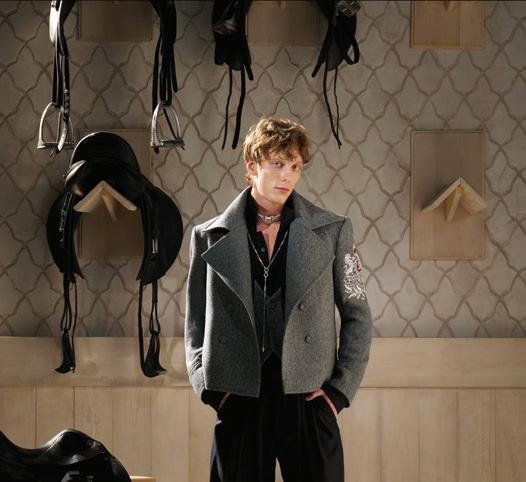
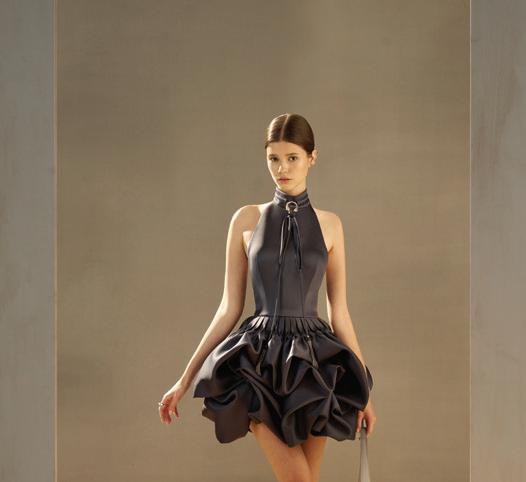
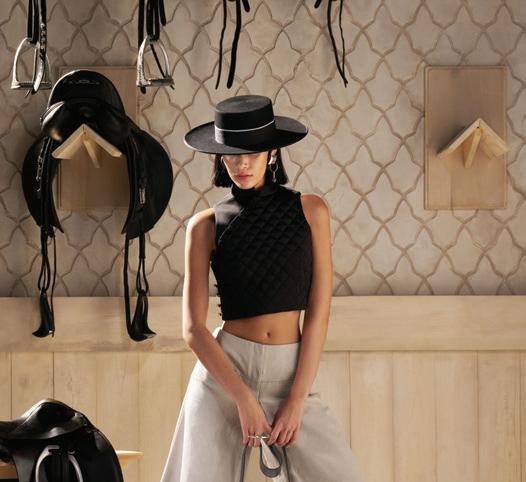





































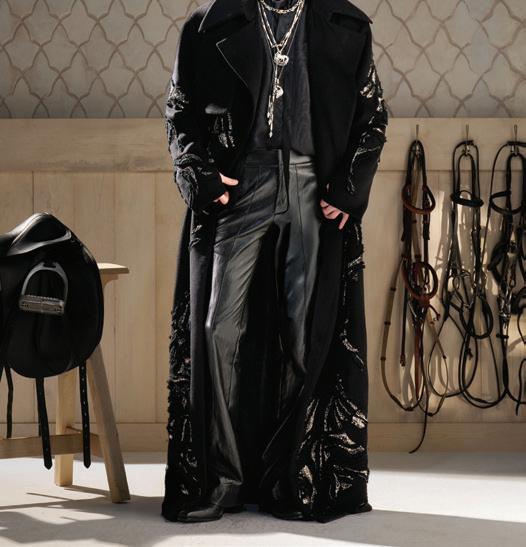
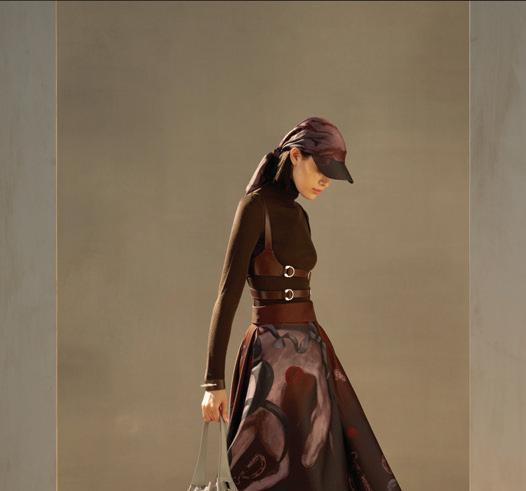
















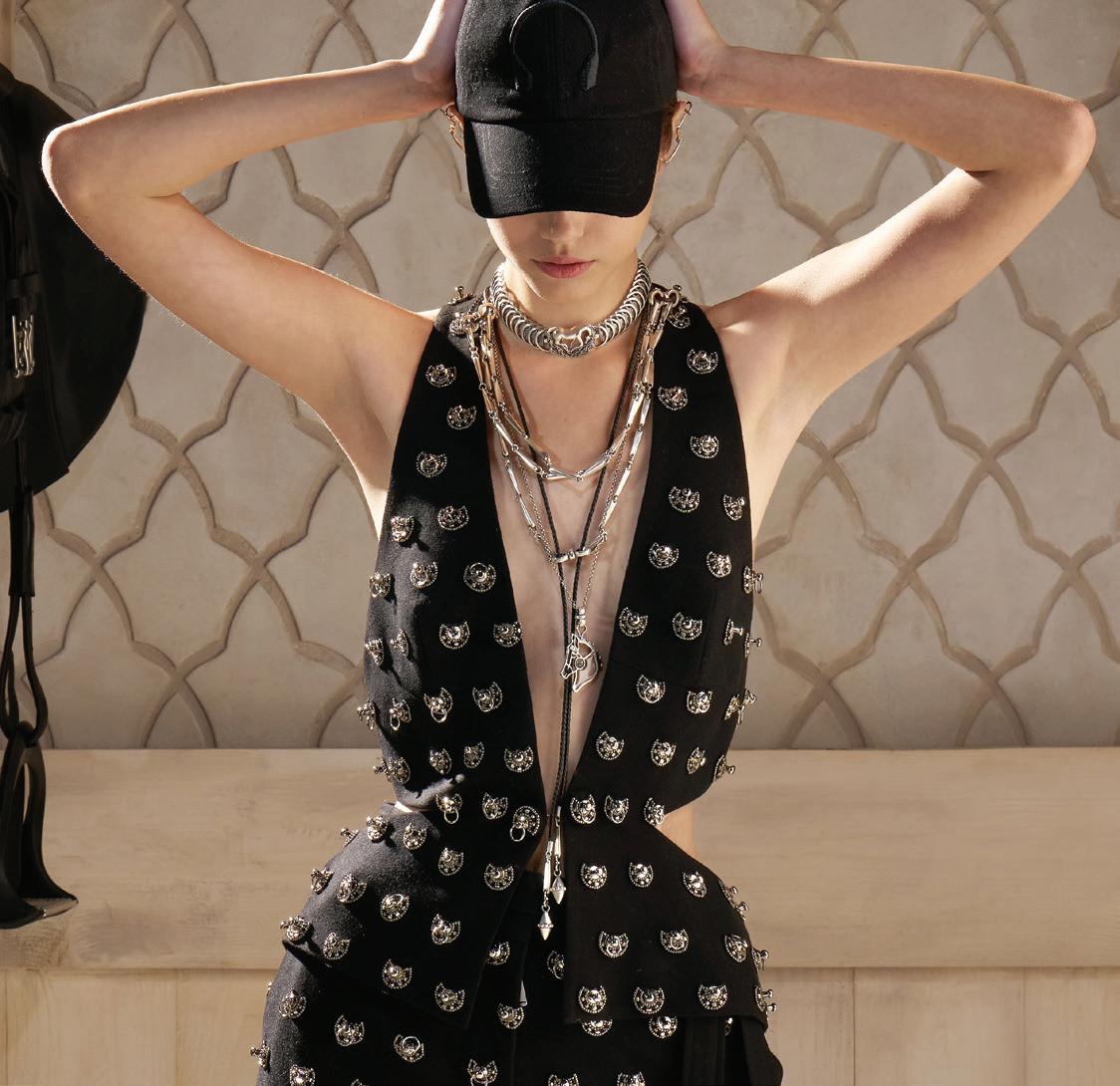













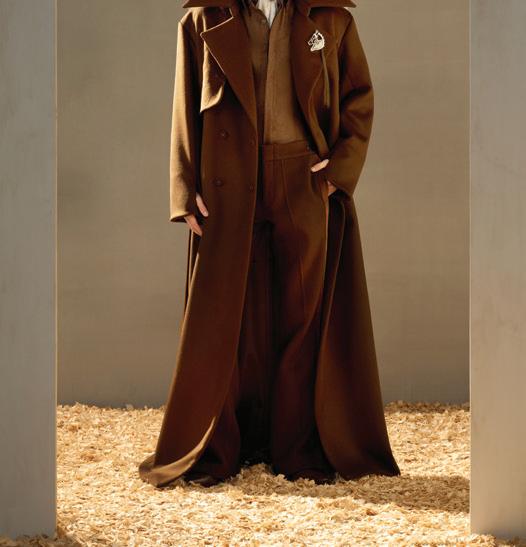
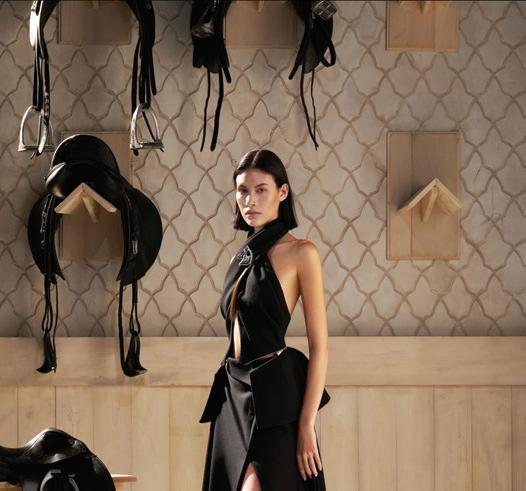






















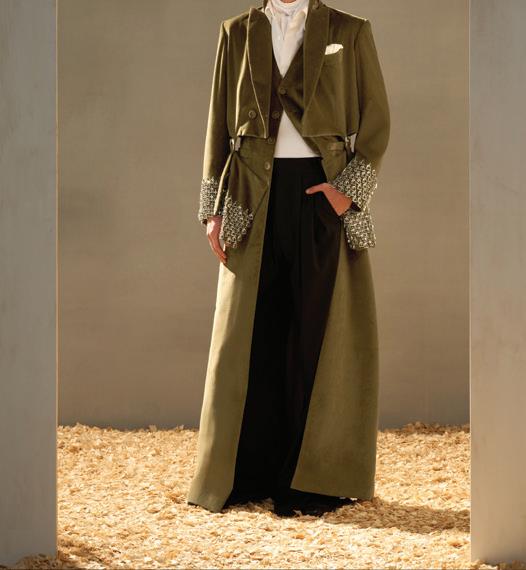





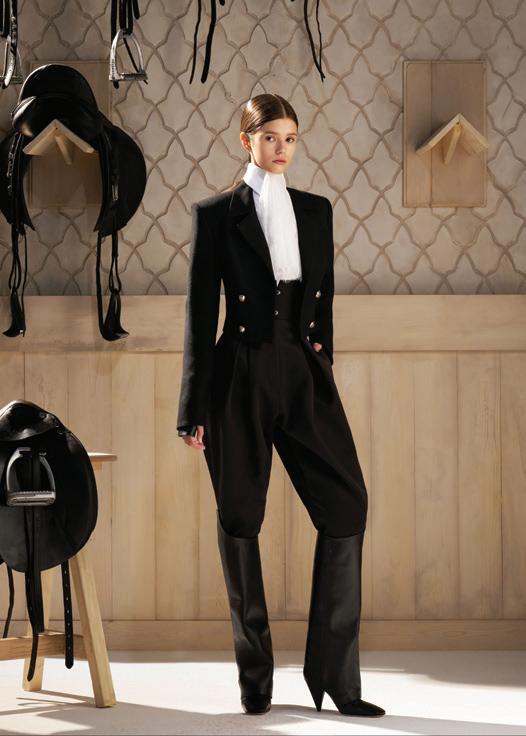









For Autumn/Winter 2025-26, Sirivannavari has reimagined the commanding presence of equestrian attire through an avant-garde lens, combining heritage with artistic rebellion. Strength is present in every detail, complemented by a touch of poetic grace. This season, sharp athletic silhouettes are paired with couture craftsmanship, striking a fine balance between structure and fluidity.
“Equestrianism is not merely a sport. It is a world of elegance, discipline and artistry that has deeply inspired me. From the rider’s graceful style to the horse’s powerful beauty, every element, bits, bridles, saddles and stirrups, tells a story of heritage and refinement. This collection is my homage to that world, reinterpreted through couture craftsmanship and modern sensibility,” said Her Royal Highness (HRH) Princess Sirivannavari Nariratana Rajakanya, founder and creative director of Sirivannavari.
The Collection: A Bold Reimagining of Equestrian Heritage
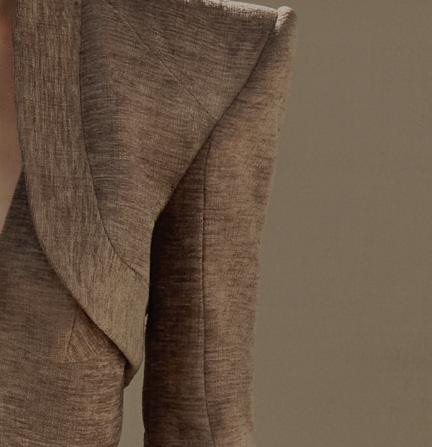
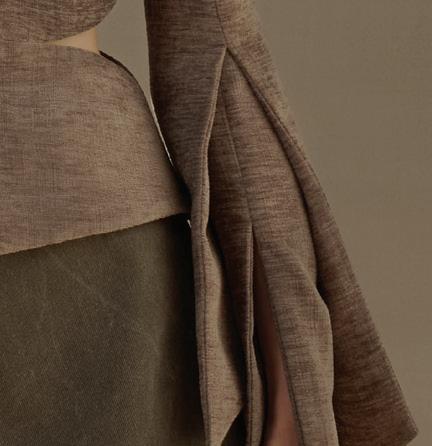
Equestrian tradition takes on a new edge, merging power with refinement. Sharp tailoring, sculpted shoulders and sweeping capes reimagine the classic riding jacket with commanding presence. Corsetry channels Gothic romanticism, shaping silhouettes with an armor-like allure, while long coats with bold lapels evoke cinematic grandeur. High-necked blouses, lace accents and flowing capes add a touch of dark poetry, contrasted with leather harnesses and gleaming metallic hardware, striking the perfect balance between delicacy and strength.
Textures are highlighted, layering rich velvet, structured jacquard and luminous leather with sheer chiffon and delicate lace, balancing strength with grace and heritage with modern craftsmanship. Embroidery and metallic details, inspired by bridles and harnesses, bring equestrian heritage into every piece with precision and artistry.
The color palette deepens this narrative as midnight blue, obsidian black and noble burgundy stand boldly against stark ivory and shimmering silver, evoking the glow of moonlight on polished saddles and capturing the timeless elegance of equestrian nobility.
Menswear: Tradition Redefined
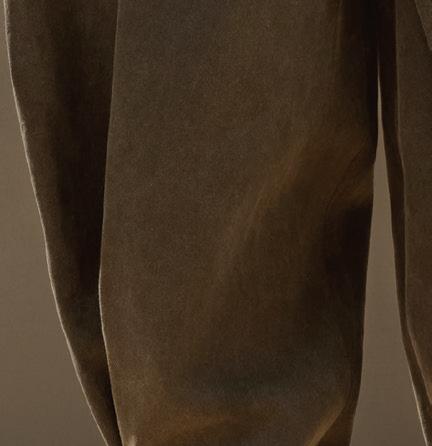
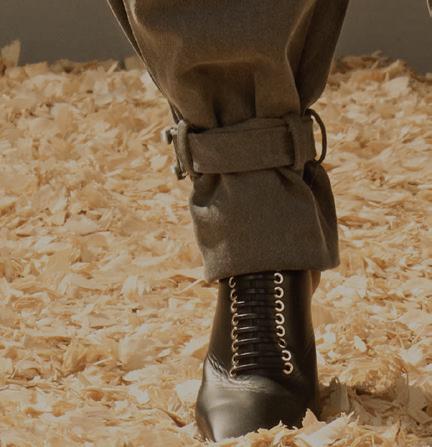
Paying homage to equestrian heritage, the menswear collection blends classic craftsmanship with modern sophistication. Tailored mantles, trenches, double-breasted blazers and gilets exude aristocratic ease, while slim-cut jodhpurs introduce a rebellious edge. Tartan wool ponchos and cashmere jackets add distinctive character, with reimagined check prints offering a fresh, contemporary take on tradition.
Every element showcases the brand’s dedication and commitment to craftsmanship and innovation, from saddle-inspired fastenings to bridle-influenced closures. Adding a bespoke, artisanal touch, the creative director’s handdrawn horse sketch is elegantly transposed onto a silk-cotton shirt, bringing exceptional craftsmanship to the forefront.
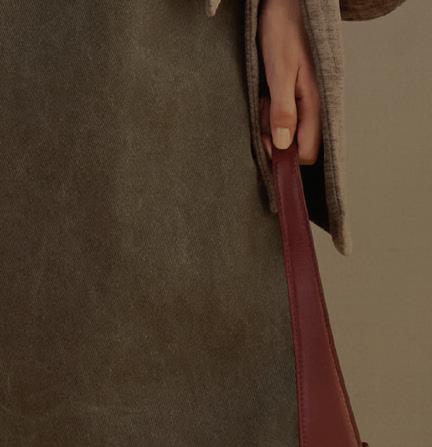
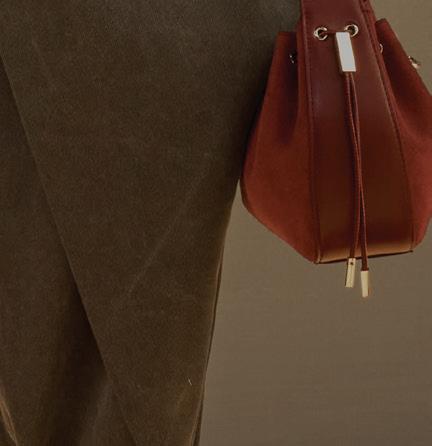
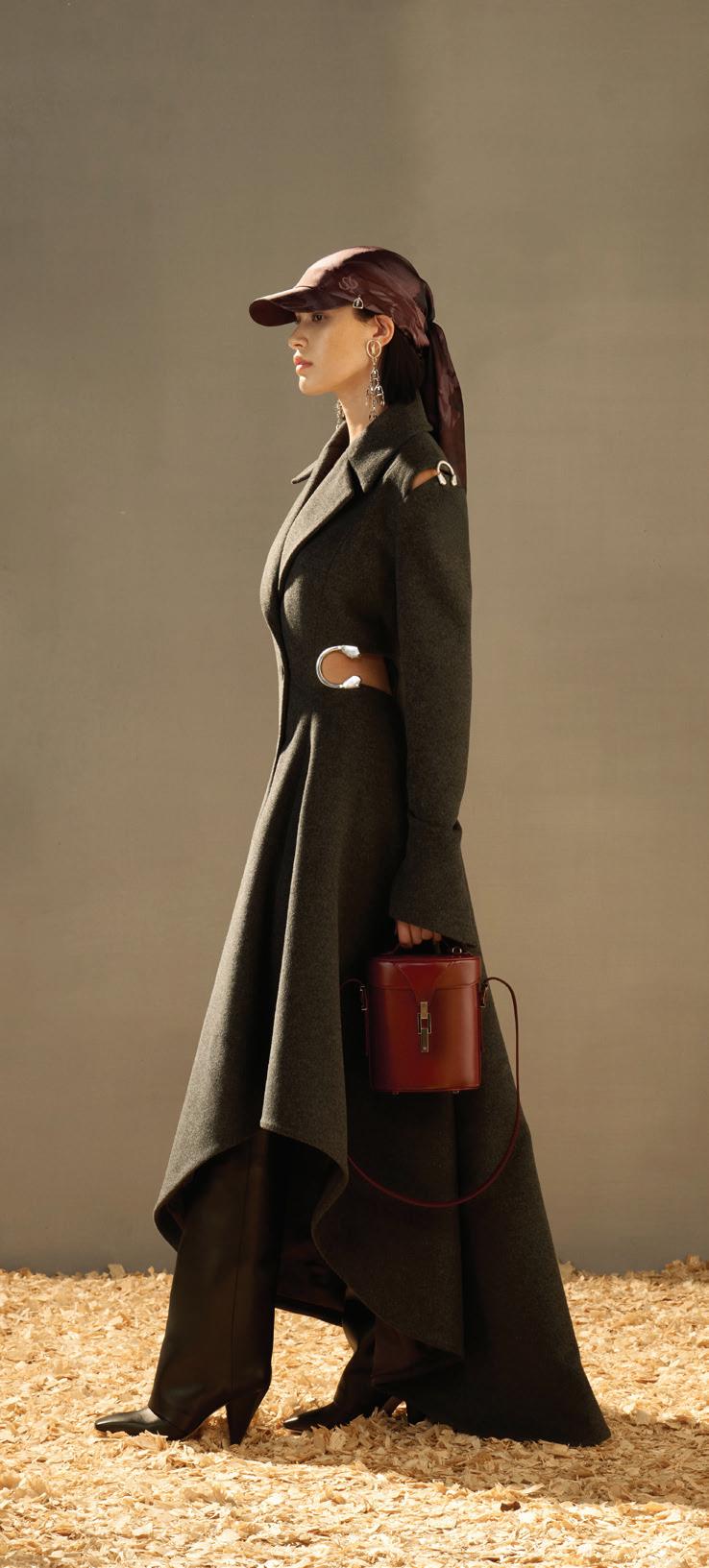
This season’s handbag collection reinterprets classic equestrian essentials, transforming functional riding gear into sophisticated statement pieces. Each design achieves a refined balance of structure and fluidity, crafted from plush suede and supple calfskin. Finished with the brand’s signature golden clasps, it draws inspiration from the intricate mechanics of “horse tack.”
Henry Drawstring: This supple leather bag is crafted for versatility, elegantly shifting from work to leisure. Its tubular silhouette, inspired by traditional saddle storage, blends heritage with modern functionality. The fluid drawstring closure showcases exquisite craftsmanship, combining refined elegance with everyday practicality.
Martingale Sac: This sleek, structured design takes inspiration from the curve of a saddle pommel. Its sculpted crescent form and refined lines reflect expert craftsmanship, while the contrast between soft suede and smooth calfskin adds depth and character. Thoughtfully designed, it brings a touch of heritage to modern versatility, making it a timeless companion for any occasion.
Dream Bucket: This cylindrical masterpiece is inspired by equestrian utility, designed to be both lightweight and perfectly structured. Blending form and function with precision, it features a secure top flap, a sturdy handle and a saddle-inspired strap, ensuring versatility without compromise. Signature equestrian hardware, from stirrup-shaped buckles to saddle belt-inspired straps, highlights the collection’s attention to detail.
Shoes and Accessories: The Finishing Touch Accessories elevate utilitarian riding elements into artistic expressions of refined luxury. Leather harnesses, sculptural belts and elongated gloves add a modern touch of armor. Knee-high riding boots merge practicality with high-fashion sophistication, bringing timeless equestrian style into a contemporary vision.
The shoe collection ranges from bold riding boots to architectural pyramid-heeled mules and handcrafted leather sandals. The signature
pyramid cone heel, made from transparent plexiglass and luxurious leather, blends timeless elegance with cutting-edge innovation. Pushing the boundaries of design, costume jewelry reinterprets the bold geometry of equestrian elements such as horse bits, reins, stirrups and bridle chains, transforming them into sculptural metalwork of exceptional artistry. Sterling silver is the main focus, enhanced with leather accents to add depth and complexity. The collection is further elevated by a wool cap and belt, both designed in the distinctive shapes of a saddle and stirrups, bringing the equestrian spirit to life.
Sirivannavari Autumn/Winter 2025-26 reimagines equestrian heritage with bold sophistication, bringing power and grace into perfect harmony. This season, the collection paints a timeless picture of the eternal bond between horse and rider, reflected in sculptural silhouettes, exceptional craftsmanship and cinematic allure. Each piece, blending conscious design with contemporary sophistication, is made for the modern woman, embodying the essence of confidence, elegance and command— captivating at every turn.

Guess’ Spring/Summer 2025 women’s and men’s campaigns, shot in Malibu, California, are all about bright and breezy season dressing that easily transitions from day to evening. Designed with new and exciting denim cuts, washes and colors, exclusive graphics and sustainable fabrics, these collections offers a myriad of fashion inspiration for any occasion.
The Dreamy delivery is made for the woman who moves through life with confidence and ease—she knows exactly where she’s going and what she wants. Her style is a reflection of that spirit, effortlessly shifting from bold and powerful to soft. This collection culminates a selection of wide-leg pants, fitted denim dresses, breezy skirts, chic blouses and timeless jackets. Every piece feels fresh, with soft shades of whites and blues, gentle greens and earthy moss tones, all further enhanced by premium quality fabrics and exclusive Guess details. It is a wardrobe that feels as good as it looks—designed to keep up with her, wherever she’s headed.
The Body and Soul delivery is made for the
woman whose style flows naturally as her day in the city and beyond. Flared jeans and sleeveless trenches bring a cool edge, while waistcoats and asymmetrical tops add a playful twist. Off-theshoulder dresses and relaxed gowns feel light and effortless, with breezy skirts and soft pleats that add an injection of femininity. Heady florals, animal motifs and hints of lace give each piece its own character, while a palette of warm peach, creamy yellows, earthy reds, soft pinks and rich browns add a rich yet balanced daub of color. It’s a collection that’s versatile, fresh and lively, designed to go wherever life takes her.
The Escape delivery drifts into a space of calm and carefree. Flowing fabrics and easy silhouettes set the tone, with hints of sheer details and soft lace. Silky dresses with side slits, breezy skirts and crisp white denim come together effortlessly, alongside bold floral prints and striking appliqués. Geometric tops and relaxed jackets round out the selection, all in a palette of soft pastels and ocean-inspired blues and greens. It is an elevated wardrobe designed for warm days that effortlessly drift into breezy nights.

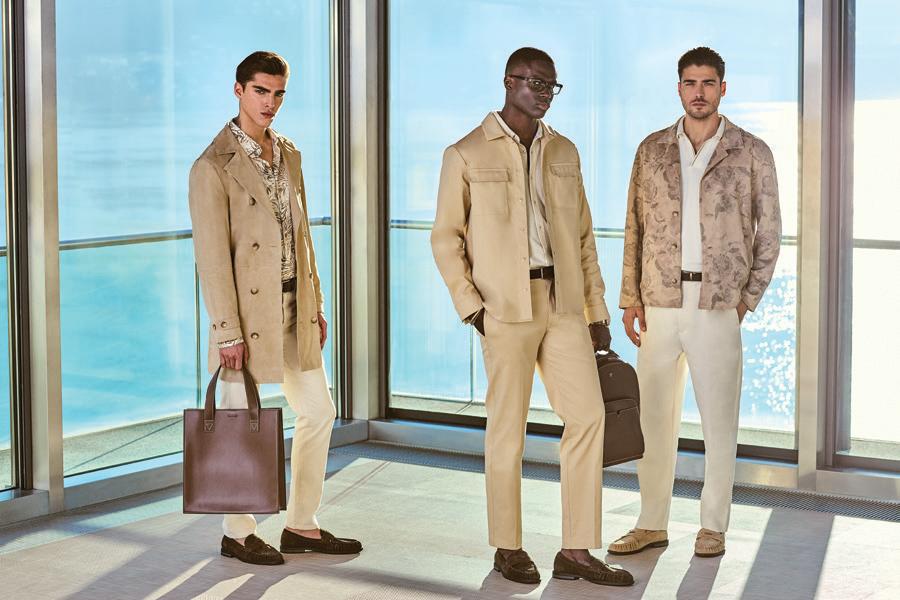

The Coastal Break delivery is all about easy style that works wherever the day takes you. Inspired by remote coastal retreats and rugged landscapes, these pieces bring a fresh, relaxed energy to your everyday selection. Nautical-inspired knits, reworked denim staples, comfy chinos and swim trunks set the tone, while pops of color and seasonal Guess patterns add a beach-ready vigor to embroidered shirts, jackets and pants. Unstructured tailored finishes blend a retro charm into both everyday essentials and more formal attire. Stripes and geometric patterns intermingle with pure boho inspiration, soft-touch essentials and linen, for fluid layering for any occasion. The palette is clean and light—classic neutrals meet crystalline greens—to embody a casual and effortless look.
The Earth Connection delivery is designed for the man who moves through life with curiosity. It is a sophisticated collection that embodies a desire for freedom and connection with nature. The ecru straight denim, relaxed utilitarian shirts, jackets and knitwear are everyday staples for outdoor adventures and everyday functionality. Tailored jackets and pants bring a hint of safari charm, while breezy mesh shirts, refashioned ribbed knits and fresh denim washes add a modern edge. Ancient-inspired prints add a special touch, blending seamlessly with the earthy palette—warm peach tones, soft pastels and greenblue hues. It is a wardrobe that feels relaxed but effortless.
The Tropical Craft delivery is for the man who urges his inner nomad. A collection brimming with artisanal boho vibes and meticulously crafted details, it’s a world of tropical motifs, patchwork accents, foulard prints, and rugged linen shorts and pants in natural, earthy tones. Hawaiian-inspired shirts with bold geometric graphics make a statement, while relaxed Harlem-style pants are paired with breezy, sheer tees for a refined yet casual finish. The collection captures the essence of relaxed sophistication, combining natural hues with vibrant bursts of sunset-inspired pinks, oranges, greens and peach hues. Infused with a spirit of adventure and global inspiration, it offers a fresh, refined take on comfort and style for the modern traveler.
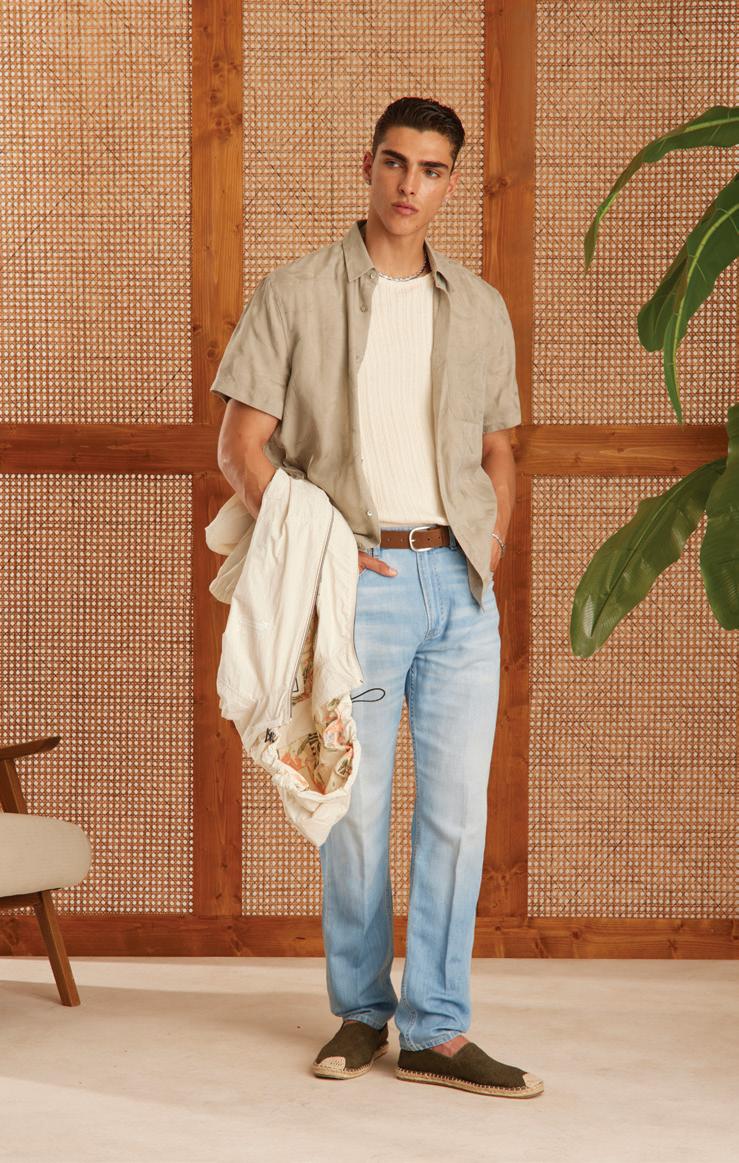
As a young creative, Designer Joe Millman traveled back and forth between his birthplace of New York City and his adopted hometown of Philadelphia. During these early trips, he found himself drawn to the streetwear styles that were heavily influenced by the music, art and entertainment of the day, yet was forced into wearing a strict, classic prep-school uniform to school each day.
Little did he realize at the time, but this style tug-of-war that was part of his daily routine was defining his style vocabulary—a vocabulary which he would later use to write the story of his current fashion collection.
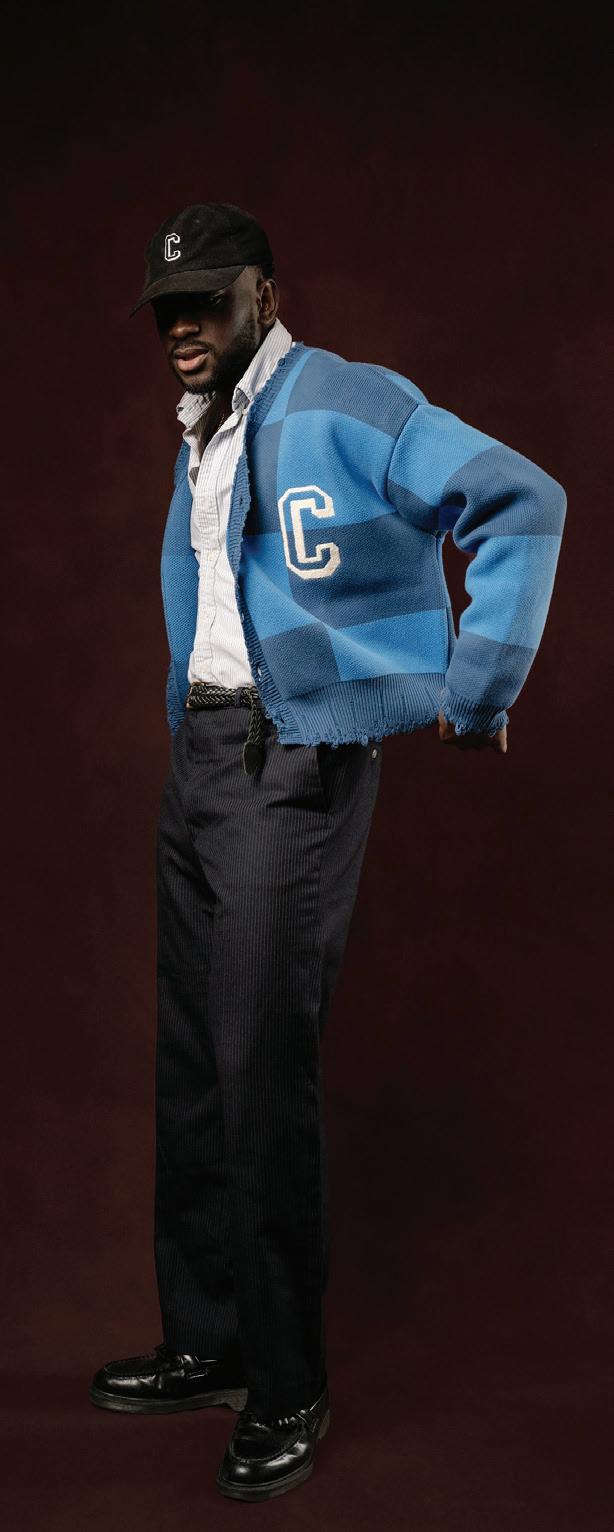
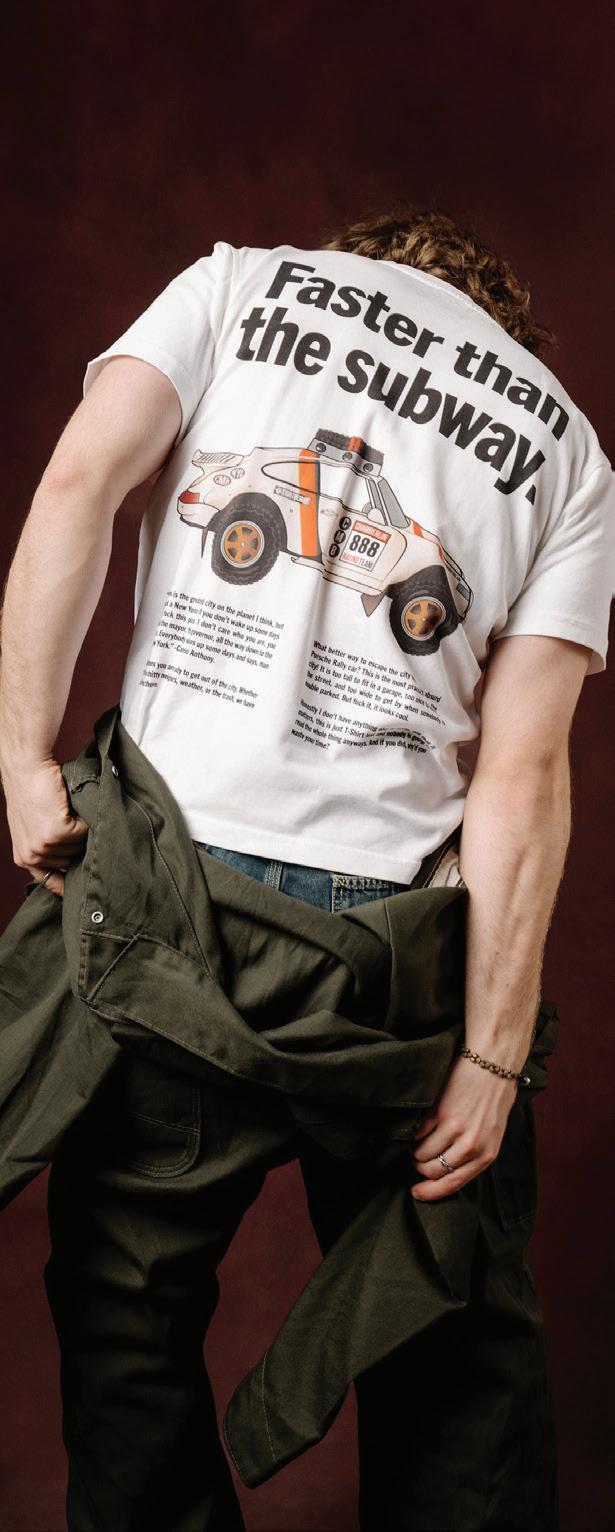
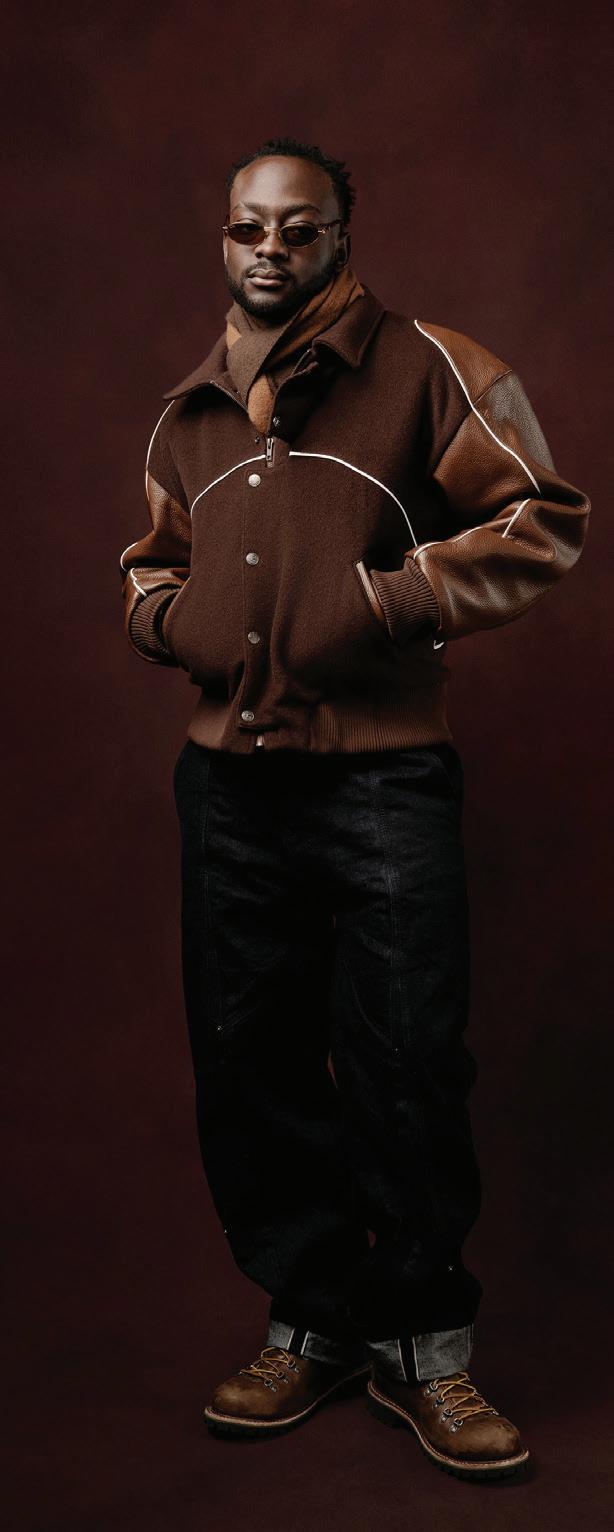

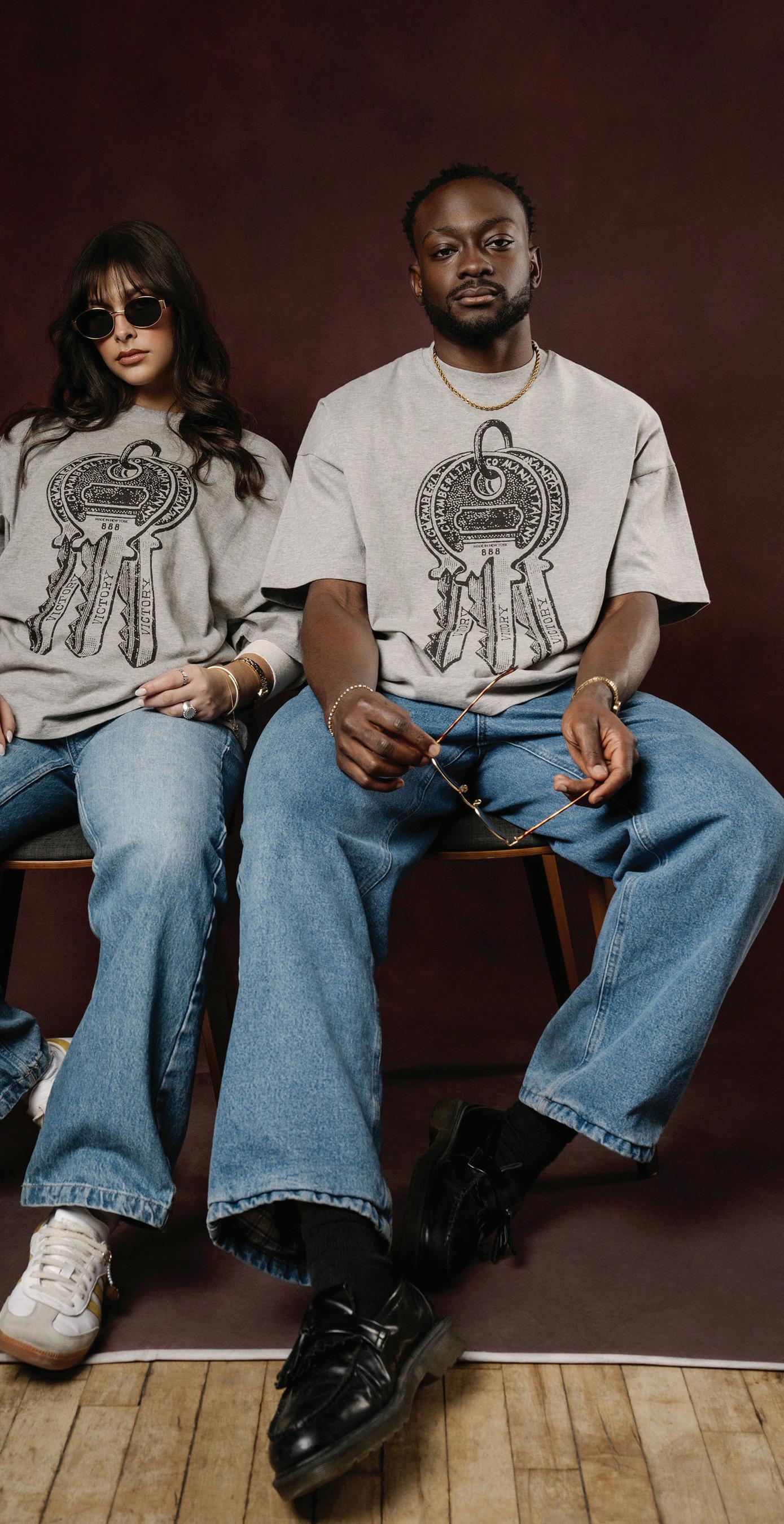
A graduate of the prestigious fashion merchandising program at Marist College, Millman founded Chamberlin during his sophomore year, at the height of the pandemic. He taught himself to design clothing and spent the last years of college refining the production process. It was during a semester abroad in Italy where Millman learned to truly appreciate the art behind fashion that is tantamount to the Italian fashion experience.
Each Chamberlin collection views NYC through a different lens. Chamberlin celebrates high-quality, locally and sustainably crafted clothing that is subtle in statement to seamlessly fit into an existing wardrobe while never being simply an “elevated basic.”
Millman has set out to redefine the way New York street style is sold. Instead of relying on the “right” store to find his collection and buy it, then wait for the “right” customer to come in the door and buy his collection, he has chosen to go directly to his core customers where they walk... the streets of New York City.
Every weekend, Millman and his team can be found selling the collection at tables on the sidewalks of the city that inspires him. Conventional wisdom holds that only a T-shirt or a hat or a pair of sunglasses can be sold this way. Millman has proven this belief to not be true in the least.
He explained, “My customers are on the streets of New York City and we decided to take Chamberlin to them. Each week, I have several tables set up around New York City, and I can move them each day to explore a new customer base.”
“Once I’m successful in a given spot, I return there again,” added Millman. “I routinely sell $888 leather jackets and $168 cardigans on the streets. But equally importantly to the sale, I meet my customer face-to-face. I hear from them firsthand. It’s a priceless exchange.”

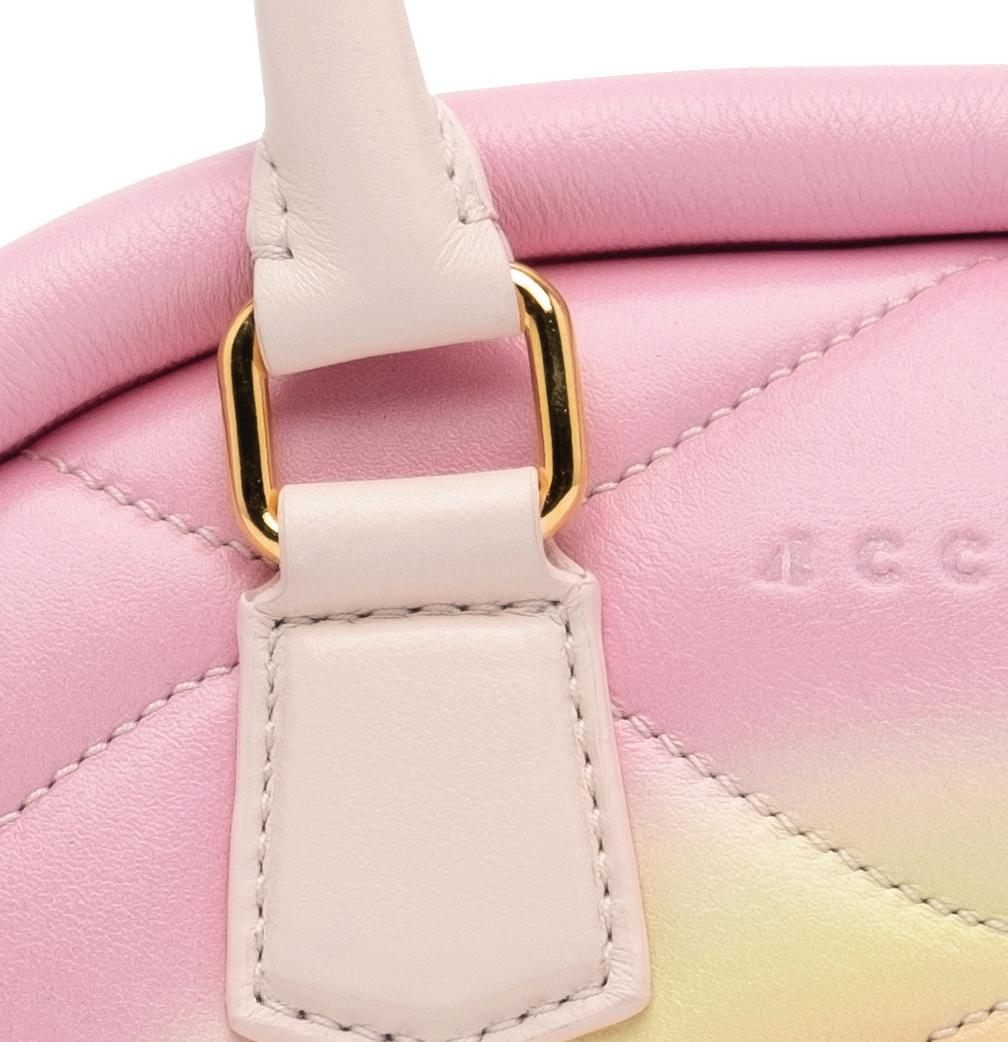
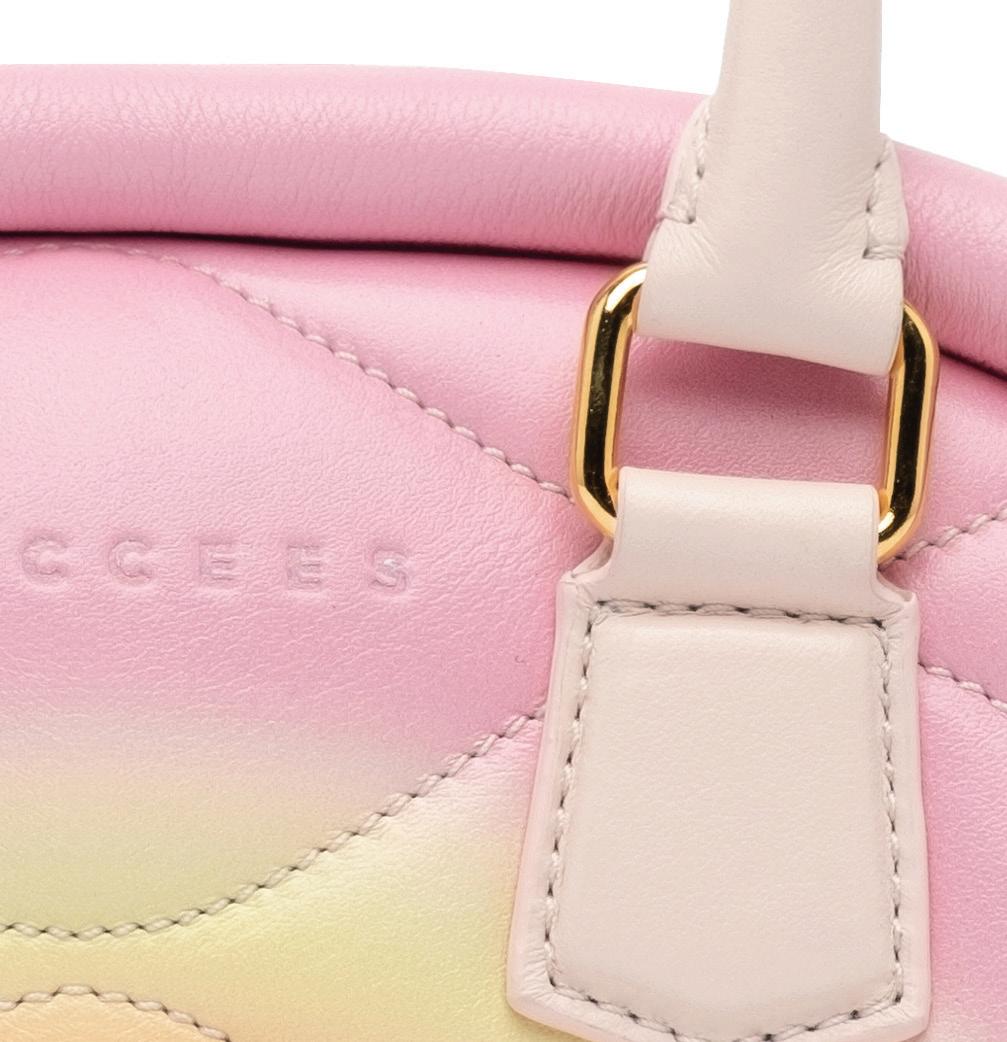





Innovative footwear label 4CCCCEES and Spanish luxury handbag brand Mietis have joined forces on a captivating capsule collection. This collaboration reimagines two signature styles in vibrant hues inspired by sunset and desert landscapes. Despite their different origins, the brands share a kindred ethos, aesthetic and customer base, making this partnership a genuine and meaningful match.
Driven by a shared visual language and the ambition to explore new markets, 4CCCCEES and Mietis have revisited two of their bestselling styles, taking inspiration from one another. Focusing on color blocking and contemporary shapes, the Plutito bowling bag and Mellow Me cross-strap sandals now feature radiant color gradients. Sunset combines pastel pink, yellow and red, capturing the magic time between day and night. Desert blends sky blue and orange, embodying the transition from earth to sky.
“At the beginning of this collaboration, we discovered a common philosophy and visual language,” explained Sang-Min Park, founder and creative difrector of 4CCCCEES. “Our products might differ in style yet share the same aesthetic codes and lasting quality.”
With its cutting-edge footwear designs, 4CCCCEES merges comfort, playfulness and desirability by focusing on the foot’s anatomy, rhythm and movement. Mietis, renowned for its high-quality standards and in-house production in a Barcelonabased family factory, brings three generations of leather craftsmanship to the table. Both brands emphasize heritage, innovation and versatility, empowering customers who don’t let themselves be influenced by trends and who shape opinions rather than follow them.

“At Mietis, we understand our audience—confident individuals who know who they are and what they want,” said Mietis Creative Director Maria Fontanellas. “Aligning with 4CCCCEES makes perfect sense because their customers share this philosophy, and our aesthetics converge through unique shapes, strokes and colors.”
Established in 2019, the footwear brand 4CCCCEES is known for its playful and cutting-edge designs, crafted from unconventional materials by using innovative technology and material manipulation. The four Cs outline Sang-Min Park’s personal mission to bring something new to the footwear market, centered around the need to empower women in their everyday lives. The founder of 4CCCCEES, Park, a Korean designer and Royal College of Art alumnus, has worked for renowned fashion names such as Alexander McQueen and joined United Nude as a head designer. She has also collaborated with Issey Miyake among multiple other fashion icons. Instead of only making stylistic choices, Park predicts the behavior of the wearer, thus crafting materials and shapes that are tailored to everyday needs.
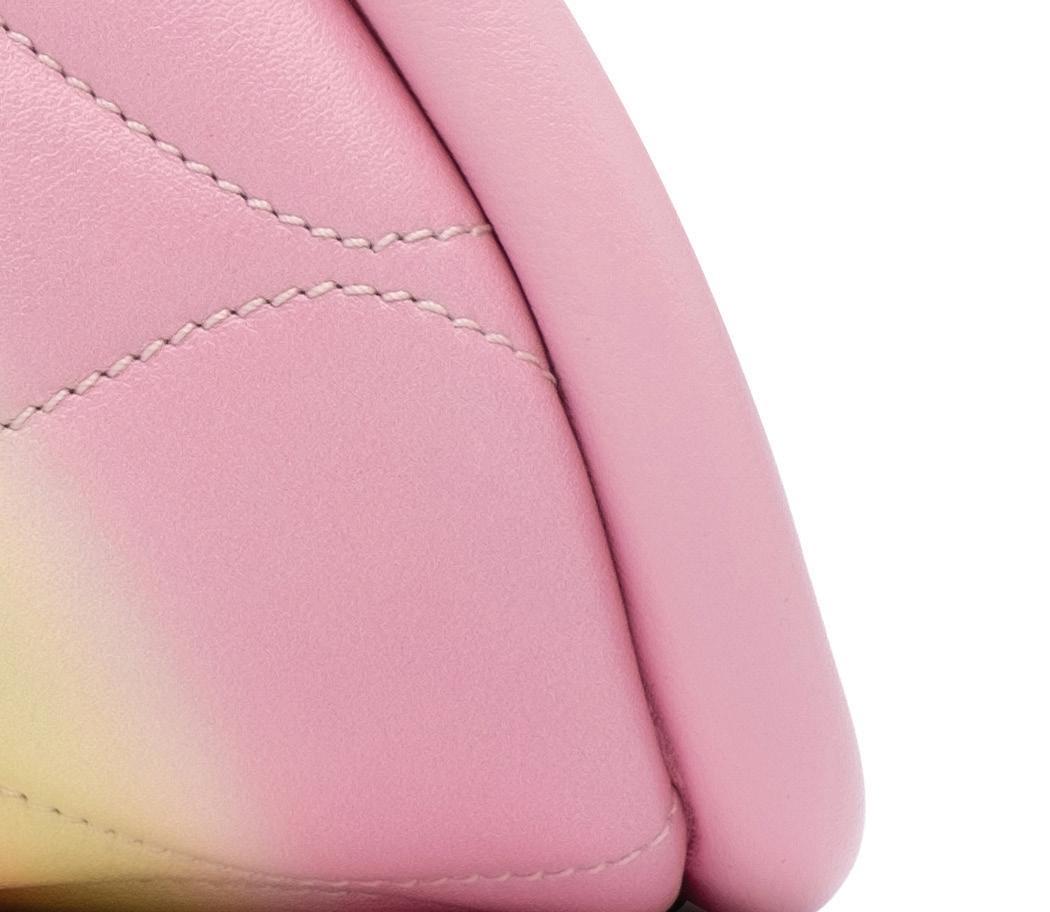
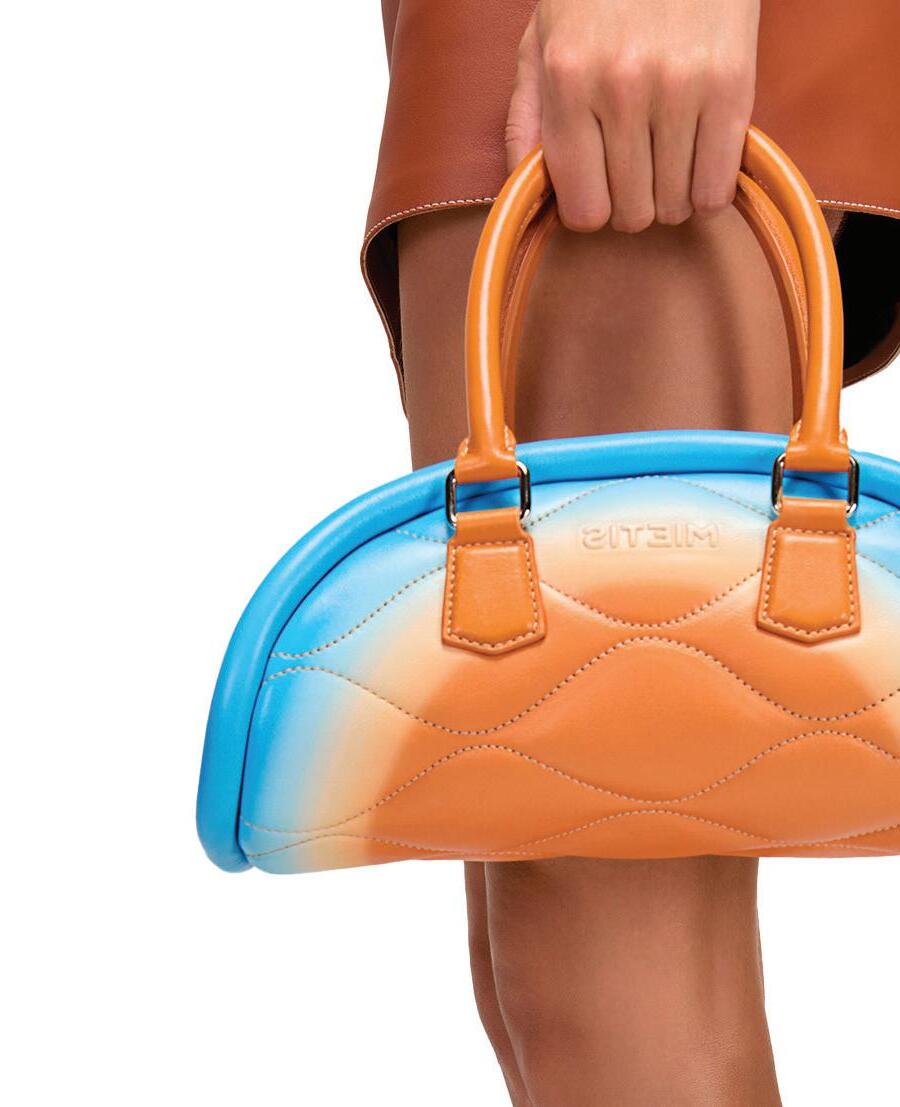

Founded by Maria Fontanellas in 2017, Mietis is a young luxury brand based in Barcelona. Mietis translates cinematic and retrospective inspirations into contemporary and colorful designs, with the aim of curating a timeless wardrobe full of pieces with soul and designed to last. Coming from a recognized leather-tanning Spanish manufacturer, the highest leather quality is ensured, allowing Mietis to have full control of its key material. Mietis believes true luxury resides in the traceability and the quality of its products, manufacturing its collections with highly skilled Spanish manufacturers. With the purpose to give women the power to design their own piece, Mietis offers versatile and customizable designs that truly reflect their personality.
The collection will be available to shop on 4ccccees.com and mietis.com:
Mietis Plutito Bag in Sunset or Desert: $705
4CCCCEES Mellow Me
Sandals in Sunset or Desert: $320

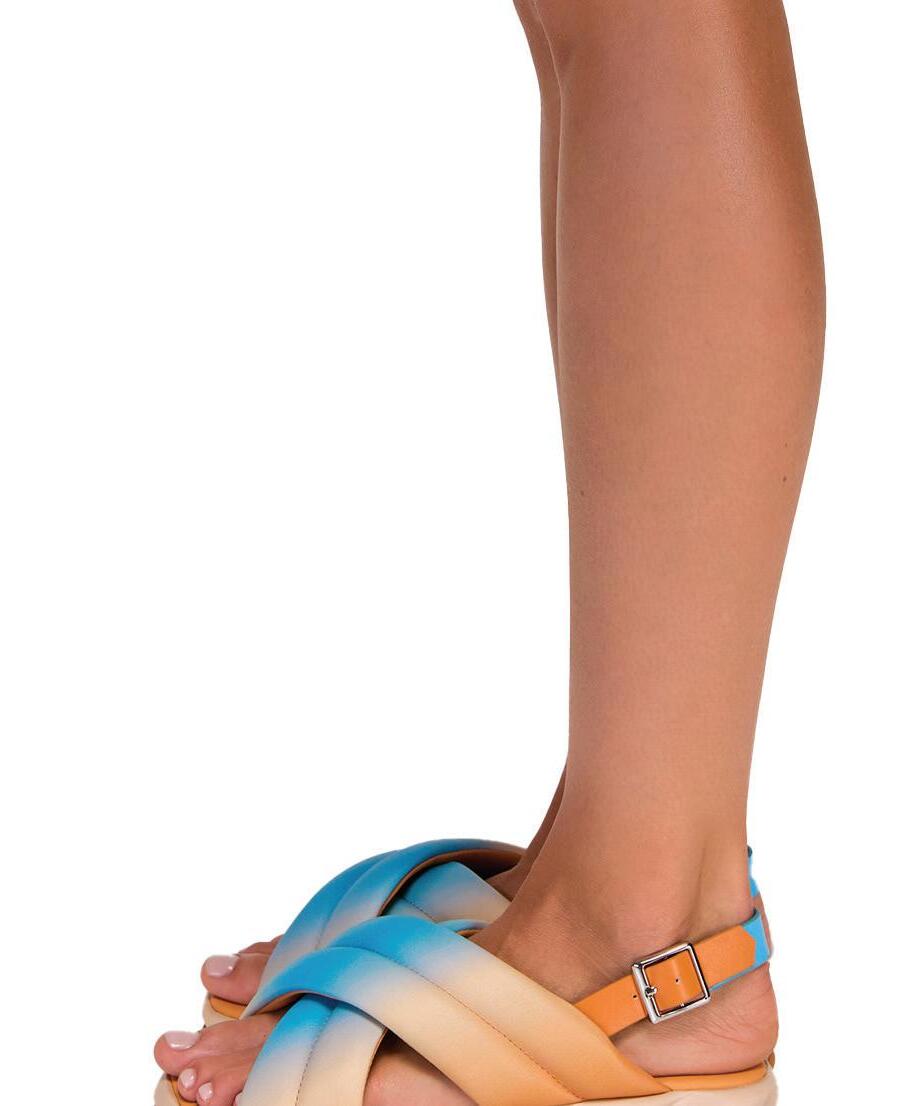



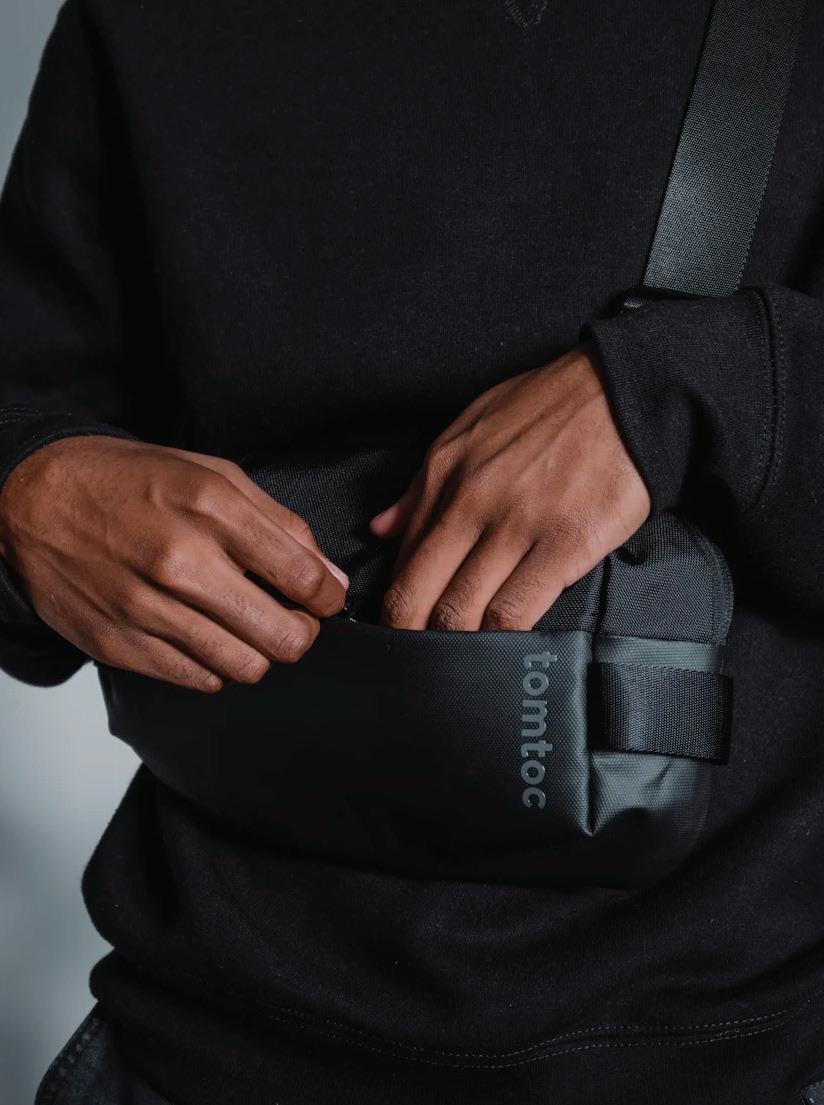
Bringing you the latest breakthroughs in software, I.T. and fashion technology. From creative solutions to insights from experts, we are the source for all things fashion tech.
courtesy
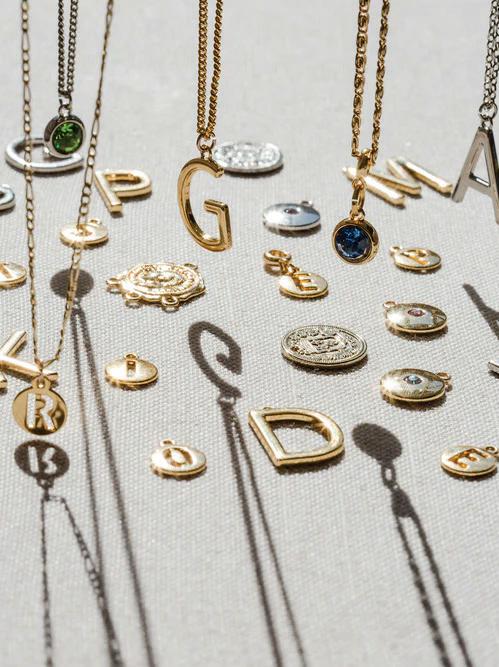
By Merilee Kern, MBA
What if your jewelry didn’t just shine, but it functioned financially for you, too? Sonalore is an e-tailer transforming the fine jewelry sector with a “Lifetime Buyback Promise,” allowing consumers to sell back their gold jewelry for cash or credit anytime at market value—with just one click. Unlike designer duds that don’t trade as a commodity, Sonalore pieces are crafted to appreciate, blending beauty with asset accumulation.
Sonalore jewelry is crafted to be passed down generations, but is designed with freedom and fiscal ingenuity at its core. Choose to cherish your jewelry forever, or sell it back with one click for your choice of cash or store credit anytime you want, calculated based on the stock market value price of gold.
“Gold is beautiful to wear, but also a great investment to keep ... be it a gold bar, a stunning bracelet or even a broken chain, each gram of gold is precious,” said Sonalore CEO Nidhi Singhvi. “Unlike designer bag, sneakers and other style staples, gold is traded as an asset across the world and its value increases steadily over the years.”
A Golden Opportunity for Savvy Consumers
• Sustainable, asset-minded shopping: Sell back your jewelry as easily as you buy it so it can be recycled and reborn with Sonalore’s buyback guarantee. Get instant and fair buyback valuations, so you can refresh your collection anytime. Monitor your jewelry portfolio and see how it grows in value over time. At any time, sell it back with a click of a button.
• Get the most gold for your dollar: Traditionally, fine jewelry prices are mostly made up of markups, with only 25%-30% going toward gold and gemstones. At Sonalore, 65%-70% of what you pay goes toward these precious materials, giving you the most value for your money.
• Transparent pricing: Sonalore gives an honest breakdown of its pricing policies and product details.
• Ethically made: Sonalore uses responsibly sourced precious stones and ensures fair wages for its workers.
• Artisan quality: Sonalore offers high-quality jewelry crafted by global artisans from India and Italy.
“We find the industry pricing standards shockingly unfair. At Sonalore we reverse the trend. So 65%-70% of our prices go toward gold and precious materials, instead of the standard 25%-30%. We focus on crafting jewelry with a high value of gold for every dollar you spend. We are proud of our efforts to combine jewelry with building assets at inspiringly low prices.” — Nidhi Singhvi
The Sonalore Difference
Same ring, vastly different consumer experiences.
With transparent pricing, ethically sourced materials and 65%-70% of each purchase going directly into gold and gemstones (instead of the egregious industry-standard markups), Sonalore is combining luxury accessories with financial freedom, well-suited for savvy shoppers that appreciate the utmost flexibility, sustainability and value.
Merilee Kern, MBA, founder of TheLuxeList.com, is a brand strategist and analyst who reports on industry change makers, movers, shakers and innovators: field experts and thought leaders, brands, products, services, destinations and events. Merilee is also founder, executive editor and producer of “The Luxe List.” Connect with her at theluxelist.com.

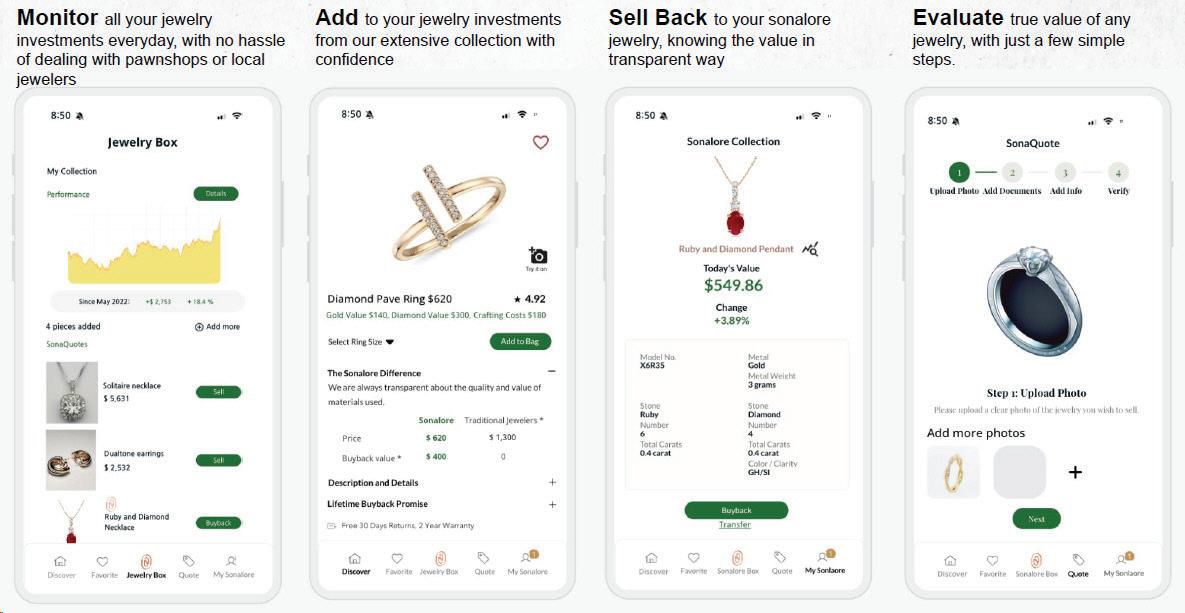
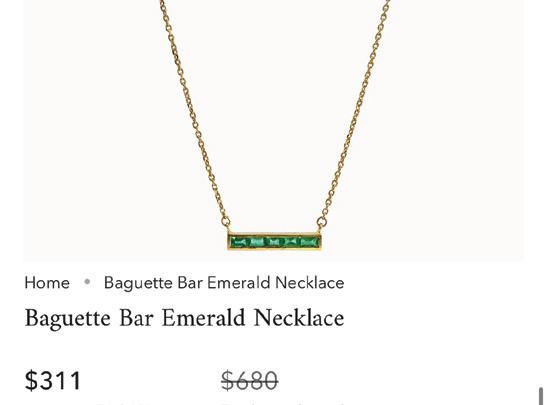
Spanx, the global women’s lifestyle brand and leader in shapewear launched the Spanxshape Invisible Supima Cotton. The collection features a curated assortment of the brand’s best-selling shapewear styles reimagined in Supima cotton, a luxurious fabric with extra-long fibers that are softer, smoother, more durable and retain color better than traditional cotton.
“As the inventors of modern shapewear, the category is a key focus for us and we will continue to introduce new innovative designs to our assortment, all while staying true to our core offering,” said Kiana Miree, chief merchandising officer at Spanx. “Our customers have been asking for cotton shapewear for some time, and with the launch of Spanxshape Invisible Supima Cotton, we’re excited to offer even more options.”
Just in time for awards season and wedding season, this collection is designed to be the ultimate foundation for any major moment—whether it’s a Hollywood red carpet, a walk down the aisle or any occasion that demands next-level confidence. The collection includes a range of tops and bottoms in both core neutrals and fresh, airy hues that highlight the innovation behind the fabrication. With this launch, Spanx continues to push the boundaries of the category it pioneered— modernizing shapewear for what today’s consumers actually want.
Spanx’s five new pieces, which are all available in sizes XS-3X, include:
Spanxshape Invisible Supima Cotton Brief | $52
Spanxshape Invisible Supima Cotton Thong | $52
Spanxshape Invisible Supima Cotton Tank | $72
Spanxshape Invisible Supima Cotton Cami | $72
Spanxshape Invisible Supima Cotton Mid-Thigh Short | $62
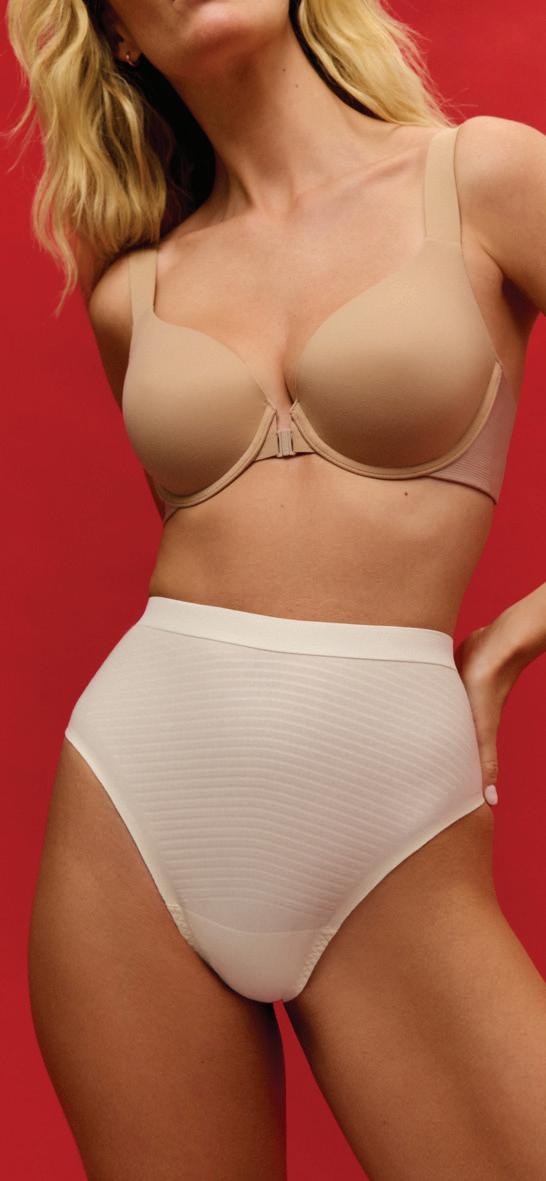
BlueCherry 2025 “State of Supply Chain and Technology” report highlights the results of a market survey of 300 top fashion supply chain executives conducted in November/December 2024. Respondents include leading voices from the apparel, footwear, accessories, consumer lifestyle and home goods industries, including professionals from C-suite, operations, finance, sourcing and supply chain management, product development, retail operations, IT and e-commerce.

Computer Generated Solutions Inc. (CGS), a leading global provider of supply chain management software solutions for fashion businesses through its BlueCherry platform, released its 10th annual BlueCherry “State of Supply Chain and Technology” report. It provides a decade-long analysis of trends, challenges and opportunities in the fashion supply chain landscape and reveals two top technology priorities in 2025: cultivating AI-driven insights and optimizing merchandise demand planning.
Over 300 executives across the global apparel, footwear, accessories, consumer lifestyle goods, retail and manufacturing industries contributed to the new report. BlueCherry reveals how industry priorities have dramatically changed in a decade characterized by shifting technologies, consumer behaviors and trade environments. Top 2025 priorities include:
AI and advanced analytics: Data-driven decisionmaking has been a high priority over the past 10 years and is now a must-have capability in 2025. Ninety-one percent of businesses view AI-driven insights as critical to growth.
Merchandise demand planning: Seventy-seven percent of respondents cite implementing demand planning technology solutions as a top priority—the highest in four years. This is due, in part, to objectives for mitigating unforeseen supply chain disruptions.
Nearshoring and reshoring: Forty-five percent of businesses are prioritizing nearshoring/reshoring, up significantly from a 14% average over the past four years.
Top growth strategies remain unchanged: Although the past 10 years have seen dramatic economic, social and consumer behavior changes, prioritizing new customer acquisition, e-commerce and deploying digital process improvements have each been constant priorities.
The BlueCherry report also highlights top industry concerns for 2025:
Economic and political uncertainty: More than three-quarters (76%) of industry leaders cited economic and political uncertainty as a serious or moderate challenge, up from 68% in 2024. By contrast, just 6% viewed trade policies (including tariffs) as a major risk back in 2020.
Supply chain visibility: While overall confidence in supply chains remains steady, most respondents (85%) still say visibility is a key area for improvement.
To learn more about BlueCherry, visit bluecherry.com.

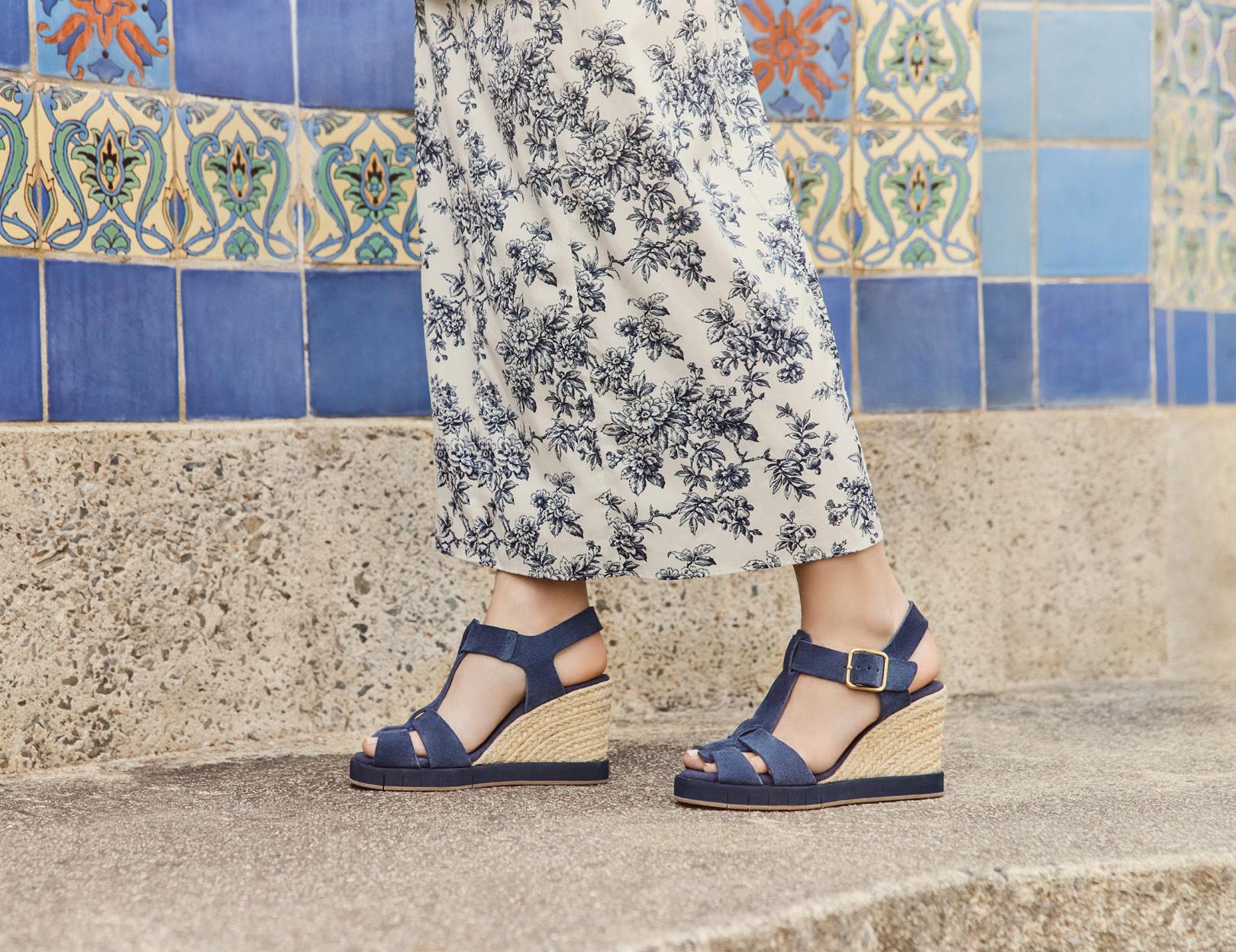
Vida Shoes International Inc., a leader in the women’s, children’s and men’s footwear industry, announced that its luxury contemporary footwear brand, André Assous, is introducing its first-ever Flex Comfort Technology women’s collection: Sole Motion.
Comfort and style is of top priority at André Assous. The Sole Motion capsule introduces espadrilles and sandals for women, which are hand-sewn in Spain, just like the inline collections the brand is best known for. The launch consists of four unique styles featuring this new technology: the Farami, Filo, Foxa and Pepper, offering a variety of color and height options.
“We are excited to introduce the Sole Motion collection to the André Assous customer,” said Solomon Dabah, president of Vida Shoes International. “We recognize the growing need for footwear that prioritizes comfort above all. With the Sole Motion collection, we aimed to create a sandal that delivers exceptional comfort while seamlessly fitting into the modern woman’s wardrobe. This launch reflects our commitment to providing highperformance, stylish footwear designed to support
and enhance her everyday life.”
Sole Motion featuring Flex Comfort Technology boasts timeless silhouettes with an André Assous twist. With cloud-like cushioning and flexibility, lightweight ethylene-vinyl acetate (EVA) midsoles and outsoles, and a ribbed outsole for traction and stability, each shoe promises extreme comfort all day and night.
The Flex technology is inspired by André Assous’ lightweight and flexible Featherweights line. For this collection, Assous used the same EVA material to preserve the signature lightweight feel while incorporating a new innovation that enhances flexibility. After collaborating with industry partners to explore cutting-edge alternatives, Flex technology was born, offering the ideal balance of lightness and flexibility that consumers are asking for.
The André Assous Sole Motion capsule is available at andreassous.com and online/in-store with various retail partners. The Farami and Foxa are priced at $250, the Filo is priced at $225 and the Pepper is priced at $199. Each shoe is available in whole U.S. women’s sizes 5-13.
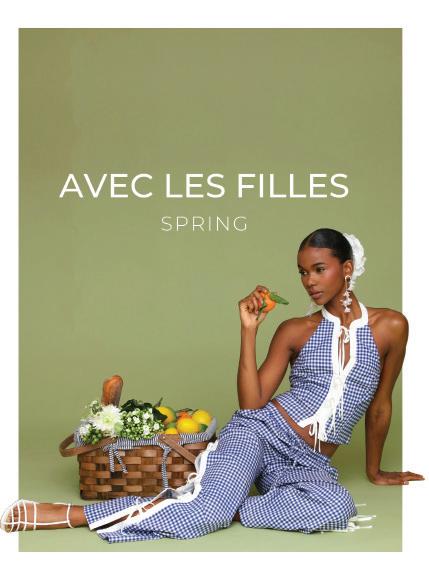


According to businesswaste.co.uk:
• 100 billion new garments are produced annually around the world.
• The worldwide fashion industry is responsible for 10% of all greenhouse gas emissions.
• The United Nations (UN) Environment Programme estimates that today people buy 60% more clothes and wear them for half as long.
• Around 20% of worldwide industrial wastewater pollution is from the fashion industry.
• It takes around 2,700 liters of water to make one cotton shirt.
• Of all the clothing thrown away across the world, 57% is sent to landfill.
• With global clothing waste, 25% is incinerated.
• Clothes made using synthetic fibers such as polyester and acrylic are responsible for more than 60% of global apparel purchases.
• Synthetic fibers take 80-800 times longer to decompose than natural fibers like cotton.
The solution to the problem—if we want to face it—lies within the facts above.
Not done yet. There’s more:
• About 5% of landfill space is taken up by textile waste.
• Textile production releases 2 billion tons of greenhouse gases into the atmosphere annually.
• Producing textiles creates 42 million tons of plastic waste each year.
By Michael Serwetz
• Ten percent of microplastics that enter the ocean every year are from textiles.
• Around 15% of fabric used to manufacture garments is wasted.
• Less than 13% of textile waste is recycled in the European Union (EU).
• Seventy-two percent of bedding ends up in landfill.
• Textiles are the third largest category of waste in landfill sites across India.
• Natural fibers break down fastest— cotton takes around three months to decompose, linen takes a few weeks and silk takes 1-2 years.
• Synthetic textile waste takes much longer to decompose—polyester can take between 20 and 200 years to break down, nylon takes anywhere from 30-40 years and rubber takes 50-80 years.
And how about fast fashion? It is atop the most unwanted list:
• How many times an item of clothing is worn before being discarded has fallen by 36% in the last 15 years.
• Fast fashion brands produce 50% more items today compared to the year 2000.
• An average American throws out 37 kilograms of clothes every year.
• Buying a single white cotton shirt produces the same emissions as driving 35 miles in a car.
• Extending clothing life by nine months would reduce carbon, water and waste footprints by 20%-30%.
• Using clothes for an extra nine months would also save £5 billion (about $6.5 billion) in resources used to supply, launder and dispose of clothes.
Now, let’s look at fiber production:
• Global fiber production per person has increased from 8.3 kilograms in 1975 to 14.6 kilograms per person in 2022.
• Polyester production volumes increased from 61 million tons in 2021 to 63 million tons in 2022. Polyester continues to be the most widely produced fiber, making up 54% of the global market in 2022.
• Recycled textiles’ market share slightly decreased from around 8.5% in 2021 to 7.9% in 2022. Pre- and post-consumer recycled textiles accounted for less than 1% of the total global fiber market in 2022. (source)
So, is recycling the answer? Let’s see. More facts:
Textiles collected via clothing containers consist of 55% reusable textiles and an average of 37% suitable for recycling (Boer Group figures). But how much of this is actually recycled? In reality, only 1% of all post-consumer textiles are recycled into new clothing. 12% is downcycled into something of lesser value and 87% of textile waste is pure loss. The amount of clothes that is recycled is, thus, much lower than the marketing campaigns of the big fast fashion chains would suggest.
Recycling is not the ‘magic bullet’ for textile environmental erosion. More facts from businesswaste.co.uk:
• Recycled clothes are recycled mechanically and chemically. Those with more than one fiber are recycled chemically, with one of the fibers being lost in the process
• Even clothes that are 100% polyester can’t be recycled forever. There are two ways to recycle polyethylene terephthalate (PET): mechanically and chemically. Mechanical recycling is taking a plastic bottle, washing it, shredding it and then turning it back into a polyester chip, which then goes through the traditional fiber making process.
• The polyester chips generated by mechanical recycling can vary in color: Some turn out crispy white, while others are creamy yellow, making color consistency difficult to achieve. Some dyers find it hard to get a white, so they’re using chlorine-based bleaches to whiten the base. Inconsistency of dye uptake makes it hard to get good batch-to-batch color consistency and this can lead to high levels of re-dyeing, which requires high water, energy and chemical use.
• According to a study by a team from Plymouth University in the U.K., each cycle of a washing machine could release more than 700,000 plastic fibers into the environment. To help prevent microplastic pollution when washing items, you can place them in a filter washing bag to prevent shedding.
• So it seems that recycling synthetics like polyester, as stated above, were 54% of global production, may be causing more harm than good.

How about donating my old clothes? Is that the answer?
Sadly, no. Only a small percentage of those gently used clothes that you donate actually get worn by those who need them. More facts from businesswaste.co.uk:
• Consider: Only between 10% and 30% of secondhand donations to charity shops are actually resold in store. The rest disappears into a machine you don’t see: a vast sorting apparatus in which donated goods are graded and then resold on to commercial partners, often for export to the Global South.
• The problem is that, with the onslaught of fast fashion, these donations are— too often now—another means of trash disposal and the system can’t cope. Consider: Around 62 million tons of clothing is manufactured worldwide every year, amounting to somewhere between 80 billion and 150 billion garments to clothe 8 billion people.
• The only way that donating is a solution is for you to give unwanted garments DIRECTLY to someone who needs them, or find an organization who does so.
In the above I have presented the facts. Now what should we do and not do? My conclusions:
• DON’T stop recycling your old clothes by sending them to a reputable recycler. It is better than throwing them away. BUT it is not the solution to the problem.
• DON’T think that selling your clothes to a secondhand shop or web store is resolving the problem. You may be making money, but in the end you are transferring the problem to someone else.
• DON’T BUY SYNTHETICS—NONE, NEVER, EVER, NO MATTER
WHAT THE AD OR THE COMPANY SAYS. They are a ticket to nowhere.
• DON’T be swayed by the promise of discounts and unbelievably cheap prices. Losing your planet will be expensive.
• DO face the facts. You may be only one person, but you ARE part of the problem, unless you:
• DO buy less and buy better— practice wabi-sabi as your lifestyle.
• DO buy only what you need. ONLY buy clothes you can use for many occasions (multifunctional) and that are sustainable once they do die.
• DO stop buying crap because its “cute” or “so cheap” or both.
• DO look at your closet and take a serious inventory of what you can wear where and when.
• DO stop buying until you’ve figured that out.
One Amsterdam company, Cosh!, Has a ‘Wear for Life’ pledge on its website. It looks like this:
Will you take this pledge? For life? Hopefully, that’s a long time, but not practical. How about for several years? By how much would the Ghana landfill shrink if all your clothing could last for years?
• People should be so happy with their clothes that they want to wear them all the time;
• Nothing should harm our planet—NO plastic in any phase of our supply chain;
• Plant dye fabrics to eliminate chemical pollution;
• If you make product people love, and is of high enough quality to last, we have contributed to a solution for a catastrophic issue.
How about a wabi-sabi pledge? Buy less, buy better, NO polyester or synthetics. Buy only multifunctional clothing. If your closet and drawers are not full, but you have something great to wear all the time, we are on the road to recovery!
Michael is a veteran of the fashion industry: ex-Federated, ex-Levi, Ex-Joe Boxer, ExGoldToe;10-plus years living and owning business in China; NYU professor; now cofounder of Lotus & Michael—value luxury that embraces sustainability, health, beauty and nature with natural embroidery as its unique statement.


Having written first about launching a brand, I now turn to growing and sustaining the brand.
In my second article, I wrote about my unsuccessful efforts to convince the Sergio Valente jeans company to reach out to the then-unknown Madonna to do television commercials to promote the brand. I am going to talk about Madonna yet again but for an entirely different reason. To my mind, she is a prime example of what it takes to keep a brand, in this case, a personal brand, alive and well. Madonna has done that for 40 years when virtually all the others have faded away. How do we account for that longevity? First, talent. But talent is not enough. Having her own special niche and emotional connection to the market and fan base is vital. But being able to change and stay at once fresh and relevant but true to her DNA has also been critical. Fashion brands must be able to go down that road if they are to succeed in the long run.
I am going to share some thoughts about sustaining fashion brands through my take at why some companies and brands I have represented at various times enjoyed longstanding success and why others have not.
Sergio Valente: Long gone. The company made great jeans and had great brand recognition. Like the bar in “Cheers,” everyone knew its name. I think Sergio went out of business for two reasons. The Hong Kong factory owners and New York merchants that together owned the company ultimately couldn’t get along. The brand also seemed to run out of steam. The company retained a hot advertising agency to come up with a brand refresh plan. I was advised that the ad agency came up with an exciting plan but that the company chose not to follow through with it.
Though Sergio disappeared, its main competitor, Jordache, continued to thrive, even though Sergio, to my mind, made the better product.
By Charles Klein
Williwear: Long gone. The business was built around the design and marketing genius of Willi Smith. After Willi died, his talented partner, Laurie Mallet, carried on the business with a team of business and creative talent, the likes of which have never been seen before or since in a company of this size: In addition to Laurie... Om Batheja, Mindy Grossman, Andrew Grossman, Mark Bozek and, at various times, James Mischka and John Bartlett. If you don’t know who they are, look them up. Despite all that talent, the company disappeared a few years after Willi’s death. Apparently, this great team couldn’t sustain his magic.
Nicole Miller: A huge, long-term success. The fashion equivalent of Madonna. The business marriage of a supremely talented designer with Bud Konheim, a legendary business operator counterpart. I recently asked Nicole what she thought accounted for her long-term success (apart from talent and the aforementioned business marriage). Her response echoed my thoughts—being open and adaptive to change while being true to your DNA.
I am going to coin a new phrase for this process—“gentle reinvention.”
Fubu: Still out there in a reinvented form that is very different from the exciting years of its heyday. In my third article, I recounted how I came to represent Fubu in its license agreements all over the world and in its many co-branding deals. Fubu had a great, multitalented, visionary team behind it. And it created a strong, emotional connection with its customers. Daymond John, Fubu’s founder and “Shark Tank” star, has written that its business closure was principally the result of two factors, excessive inventory and spending. Although I am sure those factors played a role in its longago closure, I believe that picture is incomplete. I believe three other factors played significant roles in its downturn.
1. LL Cool J, the long-time celebrity face of the brand, decided to end that role. The brand had the opportunity to replace him with an up-and-coming hip-hop super star. It chose not to do so.
2. Fubu became faced with strong competition from many other urban brands, including Rocawear, which was fronted by Jay-Z.
3. Excessive co-branding and the launch of a Fubu Platinum line, when taken together, said to the consumer that the brand could not stand on its own.
I am so glad that the Fubu family has gone on to many great subsequent successes.
One Step Up: Still thriving. This moderate ladies apparel company was founded and is still run by Harry Adjmi, a pillar of the Sephardic Jewish community and one of the smartest people I know. Harry is a hands-on manager and intimately involved in every aspect of the company’s business. The company has always been run with the long term in mind. Harry has never been afraid to recognize the talent of young people and to elevate them when deserved of positions of substantial responsibility in the company. In handling a deal for this company, I learned about an important factor in making money in the moderate sector where margins are often small—the money is often made on the buy side of the process—sourcing products well and economically. One Step Up has done just that. And most importantly, it has treated its employees, customers and suppliers honestly and ethically, traits sometimes not given sufficient attention.
It is good to end on a positive note. I am always pleased to see how many young people continue to come into the industry and bring with them their energy and talents.











































Debra Hazel Communications North Las Vegas, Nevada 201-618-5247
By Debra Hazel
The first quarter of 2025 ended with major leasing activity—and the coming of a new department store!
All About Apparel and Accessories
French department store Printemps made its longawaited debut at One Wall Street. Ray-Ban announced plans for a flagship at 62 Prince St.
Food, Glorious Food
The Domain Companies announced new retail leases with Gowanus Marketplace and Hey Clay at 420 Carroll, the first mixed-income building developed through the 2021 Gowanus neighborhood rezoning. Gowanus Marketplace, a premier grocery store owned and operated by Shogy Saleh, has signed a lease for approximately 2,250 square feet. Hey Clay, which has signed a lease for approximately 1,750 square feet, is a modern pottery studio with a mission to promote community well-being by expanding access to the mindful practice of pottery.
Wining and Dining
Rubenstein Partners’ 25 Kent mixed-use office, retail and light manufacturing building, located in Williamsburg, Brooklyn, celebrated the grand opening of Pura Vida Miami, the Miami-born all-day café and wellness lifestyle brand, making its Brooklyn debut. Following its Dumbo flagship, Time Out Market will open another food hall later this year at Zero Irving in Union Square.
That’s Entertainment
Meow Wolf, the immersive arts and entertainment company known for its mix of art, storytelling and interactivity, will make its East Coast debut in nearly 75,000 square feet at Pier 17 across multiple floors. Construction will begin in the third quarter of this year. At press time, Regal was to open a 10-screen cinema in late March at 200-238 E. 161st St., in the heart of the Bronx.
To Your Health
Housework, the Pilates-based, online, full-body workout method, launched its first-ever flagship studio in New York City at 12 E. 18th St. Founded by Sydney Miller, the app blends low-impact Pilates-based exercises with high-intensity cardio and strength training, all choreographed to the beat of the music. Life Time fitness will come to downtown Brooklyn at The Brooklyn Tower. The Floating Hospital, a New York Citybased non-profit organization that has been providing healthcare services since 1866 to homeless families and
families living below the poverty line, has debuted a full-service optometry practice at its main clinic at 2101 41st Ave. in Long Island City. The program offers comprehensive eye examinations, vision testing with prescription services, diabetic eye examinations and monitoring, and treatment for infections and injuries. The new practice will also diagnose and arrange referral care for such serious eye conditions as glaucoma, cataracts and macular degeneration. In addition, durable prescription eyewear will be available on-site at the clinic, including child-specific frame options.
California Dreamin’
Prestige skincare brand Clarins has opened a Clarins Spa within Air France’s lounge in the Tom Bradley Terminal at the Los Angeles International Airport (LAX). Located near the Air France boarding gates, the Air France Lounge hosts a French travel and cuisine experience and now offers two Clarins cabins dedicated to Skin Spa treatments. Saks Fifth Avenue is partnering with The London West Hollywood at Beverly Hills hotel to bring the retailer’s luxury personal shopping and styling service, The Fifth Avenue Club, to the hotel, located at 1020 N. San Vicente Blvd. The Fifth Avenue Club West Hollywood expands Saks Fifth Avenue’s service in Los Angeles and extends its existing Fifth Avenue Clubs, which have historically been housed within Saks Fifth Avenue stores. Available to both local customers and hotel guests, The Fifth Avenue Club West Hollywood is a by-appointment destination, providing every customer the chance to customize the store to their unique shopping preferences.
Designer Roberto Cavalli has opened his first Los Angeles boutique at the luxury Beverly Center mall near Beverly Hills. The 230-square-meter boutique hosts the brand’s men’s and women’s ready-to-wear collections, accessories, eyewear, fragrances and couture creations.
Around the U.S.
In a rare bit of good news for San Francisco’s Union Square area, Ralph Lauren will open a shop at 441 Jackson St. Specialty candy retailer It’Sugar launched a 2,000-square-foot candy store in the Mall at Rockingham in Salem, New Hampshire. Dine Brands Global Inc., the parent company of Applebee’s Neighborhood Grill + Bar, IHOP and Fuzzy’s Taco Shop restaurants, has opened its first dual-brand Applebee’s/IHOP restaurant in the United States in partnership with its franchisee, Ramzi Hakim Group, in Seguin, Texas, just outside of San Antonio.

CEO
and Co-Founder
Veesual
By Maxime Patte
These are trying times for all things related to diversity, equity and inclusion (DEI). We’re witnessing businesses walk away from their previous corporate-level commitments en masse. Some are doing so as a sort of political maneuvering, while others may be succumbing to shareholder pressure and other economic concerns. Then there’s another group for which the lack of ongoing public outcry feels like a permission slip to revert to the way things were before.
The future of “DEI” as a formal function or publicly stated goal may be uncertain, but the fact that we don’t live in a homogenous world isn’t. This is something that any company that sells to consumers needs to keep in mind, and even more so, reflect in their product offerings.
The fashion industry is no exception. In fact, one could argue that one of the industry’s biggest problems, producing more than what sells, traces back to the disconnect between a two-dimensional idea of “the customer” versus the multi-dimensional reality of the addressable audience, all who could be customers if their wants and needs were being addressed.
Perhaps the most glaringly apparent way that clothing brands are ignoring the majority of the buying public is size. In 2016, an oft-cited report comparing available standards for clothing sizes versus actual body measurements found that the average American woman is a size 16-18. That same year, Plunkett Research reported that over two-thirds of women in the United States wear a size 14-34. Numbers aside, since clothing is historically un-standardized, this means that what we frequently refer to as “plus” or “extended” sizes are actually the norm. You certainly wouldn’t know it by looking at what’s offered at the vast majority of stores.
In 2023, the plus size clothing market was valued at $288 billion. By 2033, it’s expected to exceed $500 billion. This is potential revenue that brands are simply forgoing when they neglect what is, in reality, the majority of the population.
Not producing in the sizes that most people wear is just one incredibly obvious area where the fashion industry is shortchanging itself with a lack of inclusivity. Another that’s big yet possibly not as immediately apparent is age.
The average age of a clothing model is around 23 years old, yet the greatest share of total fashion spend is by people aged 59 and up. At 37% of total retail sales in 2023, the power of their purses far exceeds that of millennials with just a 23% share.
Despite the fact that these are consumers with good money to spend, they are all but ignored by fashion.
Sure, we may see someone over 50 on the cover of Vogue or gracing the runways during fashion week, but it’s usually someone like Christie Brinkley, Naomi Campbell and others who won the gene-pool lottery at birth. I could be making a false assumption, but I’d think most AARP members don’t consider themselves peers to supermodels.
If not ignored, consumers of a certain age are often insulted by the choices with which they are presented. In a 2018 report by the International Longevity Centre (ILC), researchers found that consumers over 50 felt like fashion products seemingly targeted to their age failed to take aesthetics into account. Instead of presenting products that are fashionable, they’re showcasing styles in muted colorways, shapeless silhouettes and bodycovering lengths. It’s almost as if they want the wearer to disappear altogether. That’s not exactly a message that fosters positive sentiment or nurtures long-term customer relationships.
The final critical area where fashion brands consistently leave large portions of the population feeling unseen is ethnicity. The industry is infamous for its ongoing adherence to European standards of beauty, and we’ve all seen occasions where attempts at diversifying end up just promoting racial stereotypes.
Even the conversations around ethnic diversity in fashion tend to focus narrowly on Black skin versus white skin. There’s very little consideration of the multitude of shades in between, let alone recognition of how ethnicity contributes to body shape and general proportions. When most fashion is produced for an idealized European body, those whose forms don’t conform are challenged to find clothing that fits. This often reinforces feelings of isolation and otherness, which hardly promote long-term customer relationships.
Fashion is a tough business, so it makes no sense for brands to shut out large segments of the population— especially when they wield significant economic power. Studies consistently show that brands that embrace inclusivity and diverse body types are perceived more positively by consumers, leading to greater brand loyalty and long-term customer value. There is no quick or easy solution, however a good start is to be more conscious about featuring diverse images in consumer-facing contexts. Longer-term, businesses should reevaluate size standards, recognizing that the current approach isn’t one-size-fits-all, it’s more like one-size-fits-no-one.
Maxime Patte is the CEO and co-founder of Veesual, a Parisbased virtual try-on platform changing the way consumers experience digital retail. A serial entrepreneur, Maxime has a proven track record of launching and growing innovative tech companies, as well as building high-performance teams. He holds prestigious degrees from CentraleSupélec and Sciences Po.
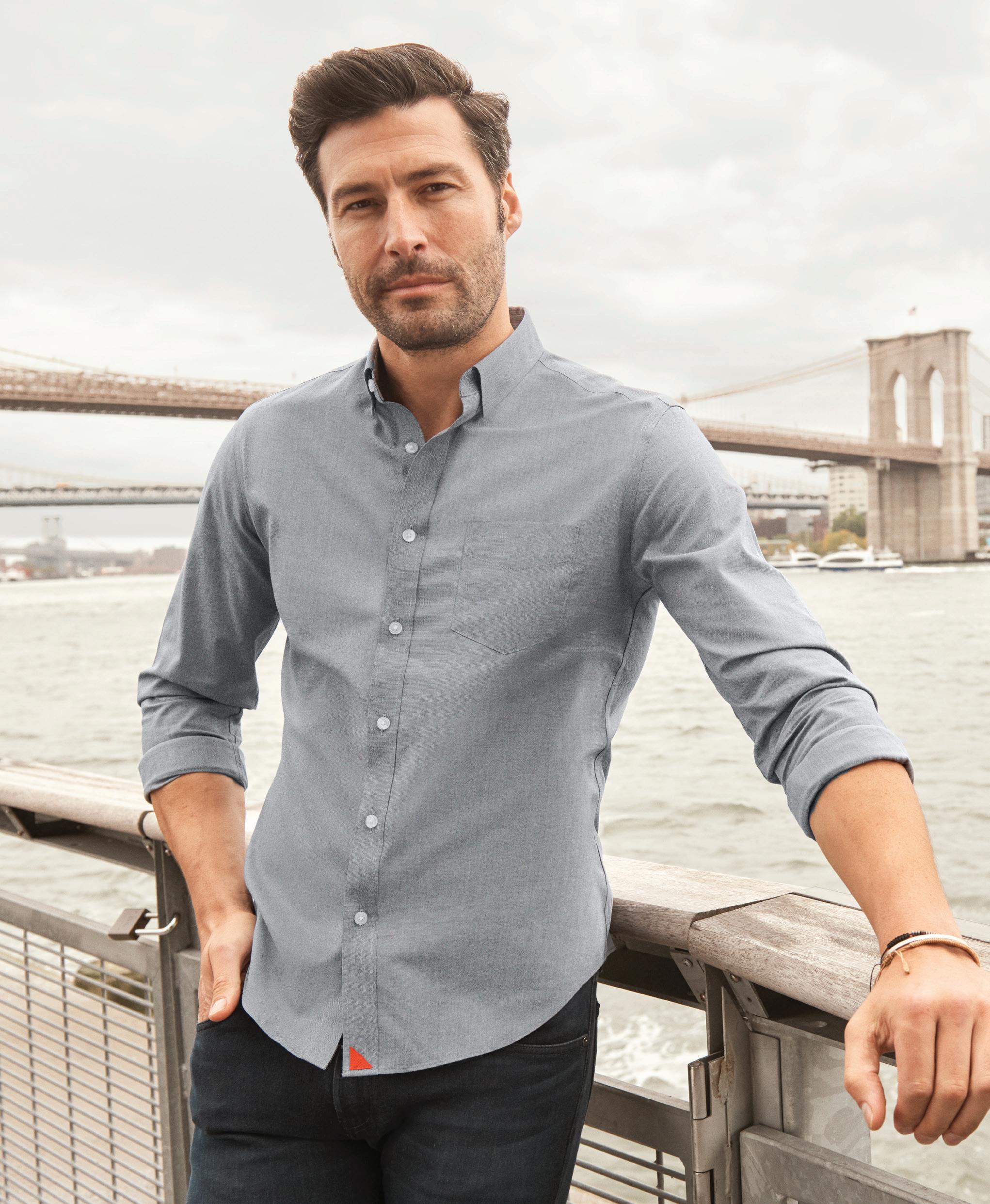





DAVID HAROUCHE
Founder, CEO, CTO
Multimedia Plus
By David Harouche
Retailers have always had to adapt to change, but the current landscape feels particularly challenging. With escalating tariffs driving up costs and shoppers becoming more selective about their spending, businesses are being forced to rethink how they operate. While adjusting pricing strategies and cutting costs may seem like obvious solutions, the real differentiator in today’s market is about execution, customer engagement and frontline expertise. If retailers aren’t preparing their teams to meet these expectations, they’ll find themselves losing ground quickly.
There’s no way around it: Tariffs are increasing costs, and retailers are feeling the squeeze. Whether it’s apparel, electronics or other consumer goods, the price of doing business is going up. That leaves retailers with tough choices. Do they absorb the costs and take a hit on margins? Do they raise prices and risk alienating customers? Or do they find ways to maintain profitability without simply cutting costs?
For many, the immediate instinct is to lean on discounting to keep customers engaged. But that approach comes with risks. When retailers train customers to expect lower prices, they’re effectively devaluing their own products and eroding brand equity. Instead, the real opportunity lies in selling beyond price. To do this they must emphasize quality, exclusivity and the overall shopping experience.
The key to making that shift? A well-prepared frontline workforce.
Retailers have always had to follow consumer trends, but the shifts we’re seeing today feel more dramatic. Economic uncertainty, inflation and a shift toward “value-based shopping” have made customers more deliberate and selective in their purchases.
Shoppers are also doing more research than ever before. Many of them walk into stores already knowing the specs, reviews and online pricing of the products they’re considering. But they’re still looking for inperson validation. They need a reason to commit to the purchase. That’s where an engaged, knowledgeable associate makes all the difference.
The challenge? Many retailers still aren’t investing in ongoing training for their store teams. If associates aren’t confident in product details, competitive differentiators and in-store offers, they’ll struggle to provide the level of service that today’s customers expect.
Most retail leaders agree that execution is everything, but ensuring consistency across hundreds or thousands of stores is tricky. Without a structured approach to training, communication and frontline engagement, even the best strategies can fall apart.
One of the biggest obstacles is high turnover. Retail has always had higher-than-average turnover rates, but right now, it’s a serious problem. Every time an associate leaves, retailers lose valuable product knowledge and have to start from scratch with a new hire. And let’s be honest, traditional onboarding methods often aren’t enough to get new employees up to speed quickly.
Training needs to be built into the fabric of day-to-day retail operations—quick, engaging and accessible in the moments that matter most. Whether it’s rolling out new pricing strategies in response to tariffs or ensuring store teams are aligned with online promotions, retailers who invest in continuous learning will always have the edge.
Retailers can’t control tariffs, inflation or broader economic shifts. But what they can control is how well their teams adapt, execute and engage customers. Here’s what should be top of mind:
1. Prioritize product knowledge over promotions: Customers don’t just want discounts—they want to understand what makes a product worth the price. Training associates to sell beyond price is essential for protecting margins and strengthening brand loyalty.
2. Align store teams with digital strategies: Omnichannel retailing isn’t just about technology—it’s about execution. If store associates aren’t aware of online promotions, fulfillment options or pricing differences, the experience breaks down, and so does the sale.
3. Make training an ongoing process: Training shouldn’t just happen during onboarding. Associates need real-time access to updates, product knowledge and customer engagement strategies, especially as economic conditions and consumer behaviors continue to evolve.
Retailers are facing more challenges than ever, but those who invest in their people will always have the upper hand. Success in retail is about pricing strategy and execution, engagement and ensuring that every customer interaction adds value. Retailers who embrace this mindset will be the ones that thrive, no matter what the economy throws their way.

Founder, President
Dora L. International
By Dora Lau
For a long time, intimate apparel was all about lift, support and beauty. Almost every bra in this category relied on an underwire to provide structure and shape. Then came a shift. Women prioritized comfort above all else, often sacrificing aesthetics for a feel-good fit. As life returned to the office and going out, the demand evolved again, with consumers seeking bras that combined the best of both worlds: comfort, support and style. Now, a new factor has entered the equation: price sensitivity.
The Lightweight Revolution: Foam, Spacer Cups and Single-Layer Wings
The lingerie industry is embracing a new era of innovation with weightless bras designed for ultimate comfort, breathability and support. Consumers no longer want to feel weighed down by their undergarments, and advancements in fabric technology are making it possible to create bras that feel nearly invisible while still delivering the structure and lift needed.
Spacer cups offer a lightweight alternative to traditional foam cups. Made from a breathable, three-dimensional knit fabric, they provide shape and modesty without the density of standard padding. This unique construction allows air to flow through the fabric, keeping wearers cool while maintaining a natural contour. Unlike heavy molded cups, spacer cups adapt to the body’s movements, creating a flexible fit that enhances comfort throughout the day.
We also see single-layer wings trending. This process is redefining how bras provide support while maintaining a sleek, lightweight feel. Instead of relying on thick, elastic-laden bands, designers are turning to innovative materials that offer both hold and comfort. We’re seeing clean-cut edges for invisibility and silicone printing replacing traditional elastic, which is a major shift in wing construction.
Smooth one-layer scuba wings are now being used in single-layer wings to provide a soft, supportive feel without adding weight. Silky handfeel and shaperweight power nets combine luxury and function, offering softness while reinforcing shape and support. These high-tech fabrics bring structure without bulk, enhancing the overall fit and longevity of modern bras.
for Comfort, Beauty and Affordability
As price sensitivity becomes a greater factor in consumer choices, lingerie design is evolving to balance cost with quality. The rise of weightless bras, those that feature ultra-light foams, spacer cups and single-layer wings, deliver a barely-there feel while minimizing material usage, often helping to lower production costs. Wirefree designs now incorporate the lightest pads to provide both shape and lift, but innovation comes at a price.
While thinner pads can reduce costs, precisionengineered shaping and support may require advanced techniques that drive prices up. The key is expertise. Less construction doesn’t mean cutting corners. It takes deep knowledge of materials, fit and manufacturing to craft a bra that remains supportive and stylish while staying within an accessible price point. Smart design choices and efficient production methods allow brands to meet modern consumer expectations without sacrificing comfort or beauty.
One of the most intriguing trends right now is the use of silicone glue to create prints that are “sandwiched between layers,” adding dimension and texture without compromising softness or flexibility. This technique allows for intricate patterns and design details to be embedded within the fabric, offering a seamless look and feel while enhancing durability. Unlike traditional embroidery or surface prints, which can sometimes cause irritation or wear over time, silicone glue prints maintain the integrity of the fabric’s stretch and comfort. This innovation provides a modern, high-end aesthetic and allows for creative applications, from subtle tonal textures to bold graphic designs.
The future of lingerie is about striking the perfect balance between comfort and support, style and affordability, innovation and wearability. As trends continue to evolve, we see exciting advancements that challenge traditional construction while enhancing the overall experience for the wearer. Whether it’s the rise of weightless bras, the reinvention of wire-free support or the bold infusion of color and texture, one thing remains constant: Women will not compromise on what they want. And with innovation, they shouldn’t have to.

By Rabbi David Laine
Passover 2025 will be celebrated from April 12-20.
The first Seder will be on April 12 after nightfall, and the second Seder will be on April 13 after nightfall.
Passover is celebrated by eating matzah (unleaven bread) and maror (bitter herbs).
For the duration of the eight days of Passover, which celebrates the emancipation of the Hebrews from Egyptian slavery, chametz (leaven) is strictly avoided.
Passover History in a Nutshell
As told in the Torah, after many decades of slavery to the Egyptian pharaohs, during which time the Israelites were subjected to backbreaking labor and unbearable horrors, G-d saw the people’s distress and sent Moses to Pharaoh with a message: “Send forth My people, so that they may serve Me.” But despite numerous warnings, Pharaoh refused to heed G-d’s command. G-d then sent upon Egypt 10 devastating plagues, afflicting them and destroying everything from their livestock to their crops.
At the stroke of midnight of 15 Nissan in the year 2448 from creation (1313 BCE), G-d visited the last of the 10 plagues on the Egyptians, killing all their firstborns. While doing so, G-d spared the children of Israel, “passing over” their homes—hence the name of the holiday. Pharaoh’s resistance was broken, and he virtually chased his former slaves out of the land. The Israelites left in such a hurry, in fact, that the bread they baked as provisions for the way did not have time to rise.
How Is Passover Celebrated?
Passover is divided into two parts: Holiday candles are lit at night, and sumptuous holiday meals are enjoyed on both nights and days.
No Chametz
Chametz means leavened grain—any food or drink that contains even a trace of wheat, barley, rye, oats, spelt or their derivatives, which includes bread, cake, cookies, cereal, pasta and most alcoholic beverages.
Bedikat Chametz: The Search
On the night before Passover, we conduct a search for any remaining or forgotten chametz. If Passover begins on a Saturday night, this is done on the Thursday night before Passover.
Matzah
Instead of chametz, we eat matzah—flat unleavened bread. It is a mitzvah to partake of matzah on the two Seder nights (see below for more on this), and during the rest of the holiday it is optional.
The Seders
The focal points of the Seder are:
• Eating matzah
• Eating bitter herbs—to commemorate the bitter slavery endured by the Israelites
• Drinking four cups of wine or grape juice—a royal drink to celebrate our newfound freedom
• The recitation of the Haggadah, a liturgy that describes in detail the story of the Exodus from Egypt. The Haggadah is the fulfillment of the biblical obligation to recount to our children the story of the Exodus on the night of Passover. It begins with a child asking the traditional “Four Questions.”


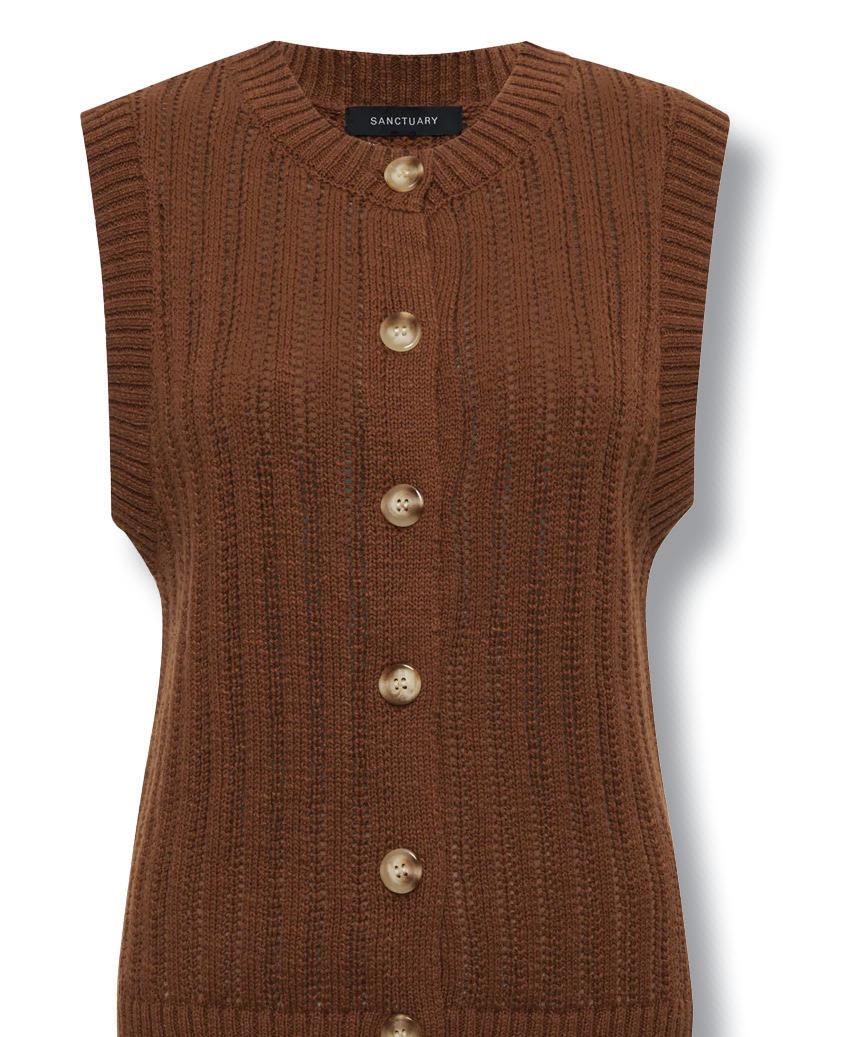












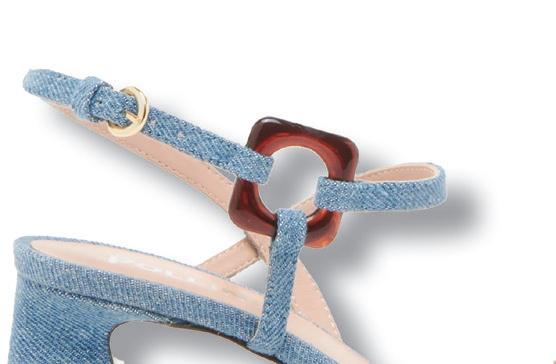




1. Sanctuary, Pointelle Shell Sweater in Sepia: Sanctuary’s Pointelle Shell Sweater is the perfect closet staple for spring. Ideal for cooler spring days as well as warm, sunny days, this top is made with 100% cotton, blending quality and versatility.



$59 | sanctuaryclothing.com






2. Pollini, Between The Lines Denim Sandals: Pollini’s Between The Lines sandals are crafted of denim and adorned with a chic buckle. This pair is secured by a delicate goldtone buckle and features a curved 55-millimeter block heel.
$430 | pollini.com
$325 | staud.com





















3. Staud, Wells Floral Minidress in Blue Rose: Crafted of lightweight poplin cotton, Staud’s Wells fi t-and-fl are minidress is styled with a floral print and a fitted bodice.
4. Everlane, The Way-High Sailor Jean 2.0 in Blue: With these jeans, Everlane proves that you don’t need to choose between style and comfort. The high-rise fit is secure yet comfortable, and the A-line, wideleg silhouette makes these jeans perfect for looking and feeling good on even the busiest days.
$128 | everlane.com


5. Commense, Lace Trim Ruched Floral Peplum Top: This top brings feminity to the forefront with a fl attering, lace-trimmed neckline and delicate embroidered details. Pair it with jeans for a cute and casual look, or dress it up to set a romantic mood.
$29 | commense.com

6. Sanctuary, Gia Flat in Natural: The Gia Flat from Sanctuary reimagines a classic silhouette with a focus on sustainability. With a crochet-woven upper and memory foam insole, these fl ats are designed for comfort.
$109 | sanctuaryclothing.com






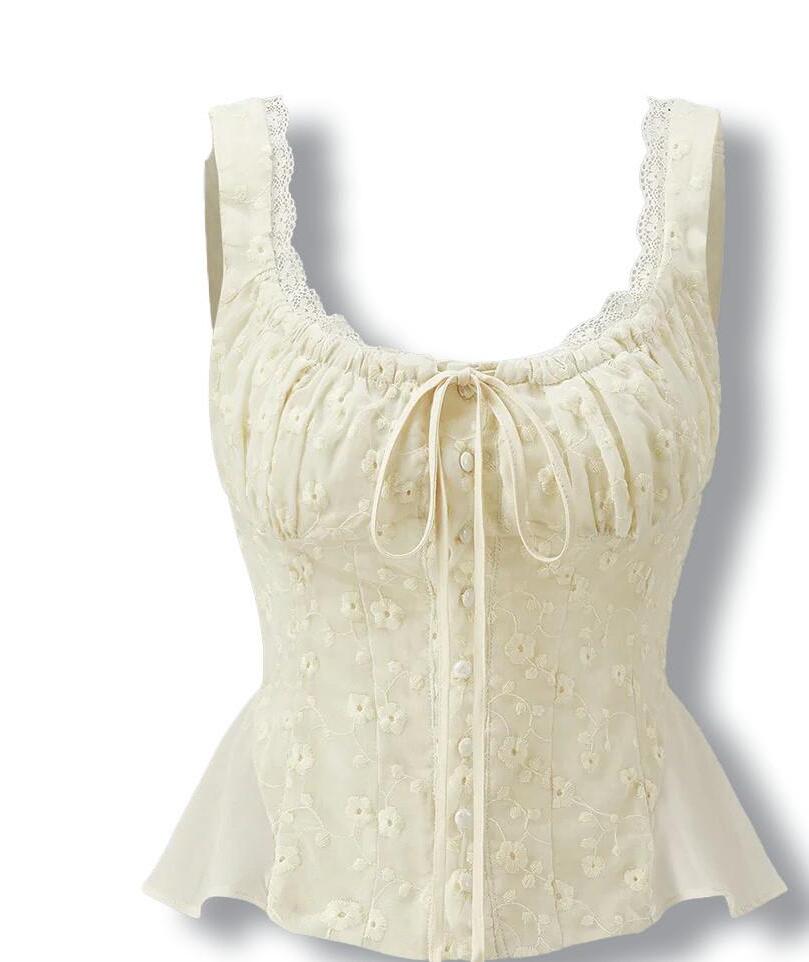








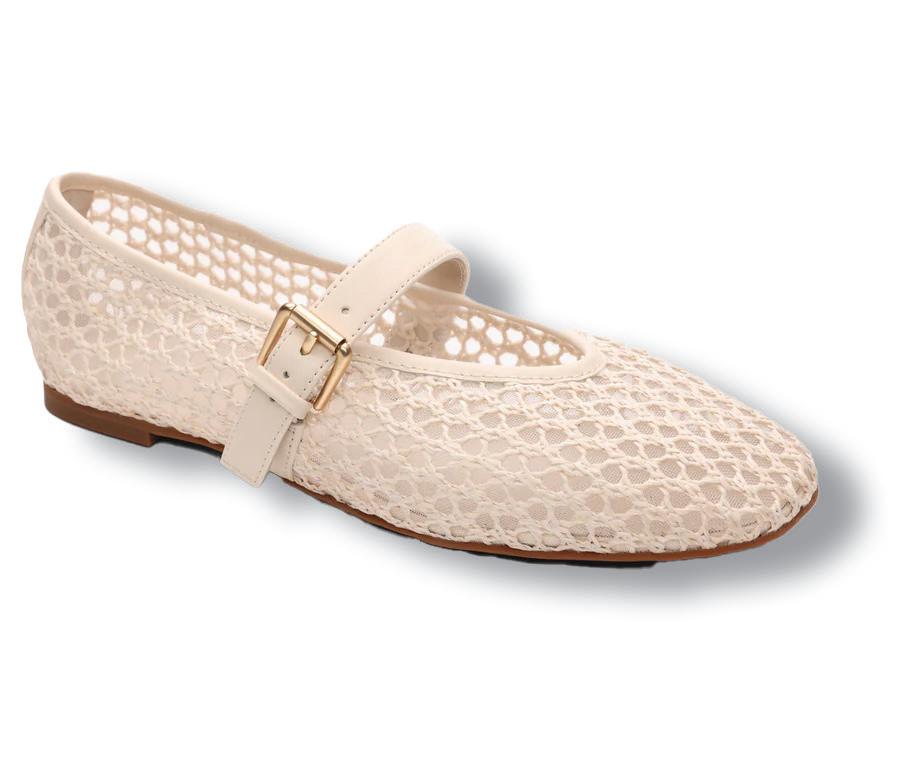






Alyssa Kristin’s minimalistic and effortlessly refined bridal collection embodies the essence of accessible luxury. Designed and handcrafted in the heart of Chicago, this collection is the brainchild of Founder Alyssa Hoersten, who transitioned from a career in public accounting to the world of bridal design after an eye-opening search for her own wedding gown. With no formal training, Hoersten’s passion drove her to create, drape and fit her wedding gown on her own body!
Now, over a decade since the inception of Alyssa Kristin, she continues to personally drape and fit each design on herself, ensuring the perfect fit with each design. The collection features a diverse array of skirts and bodices, primarily crafted from luxurious stretch crepe and mikado, allowing brides to mix and match for a customized look that celebrates their individuality. With sizes ranging from 0-28, including plus sizes, Alyssa Kristin is dedicated to embracing all body types and offering an effortlessly refined aesthetic.
In October 2024, the brand introduced a buildyour-own Little White Dress collection. This
collection draws upon the same principles of offering a variety of bodices and skirts to create a customizable style unique to the bride.
The Alyssa Kristin bridal collection retails for $2,850-$3,650 and is carried in approximately 70 boutiques across the U.S. and internationally.


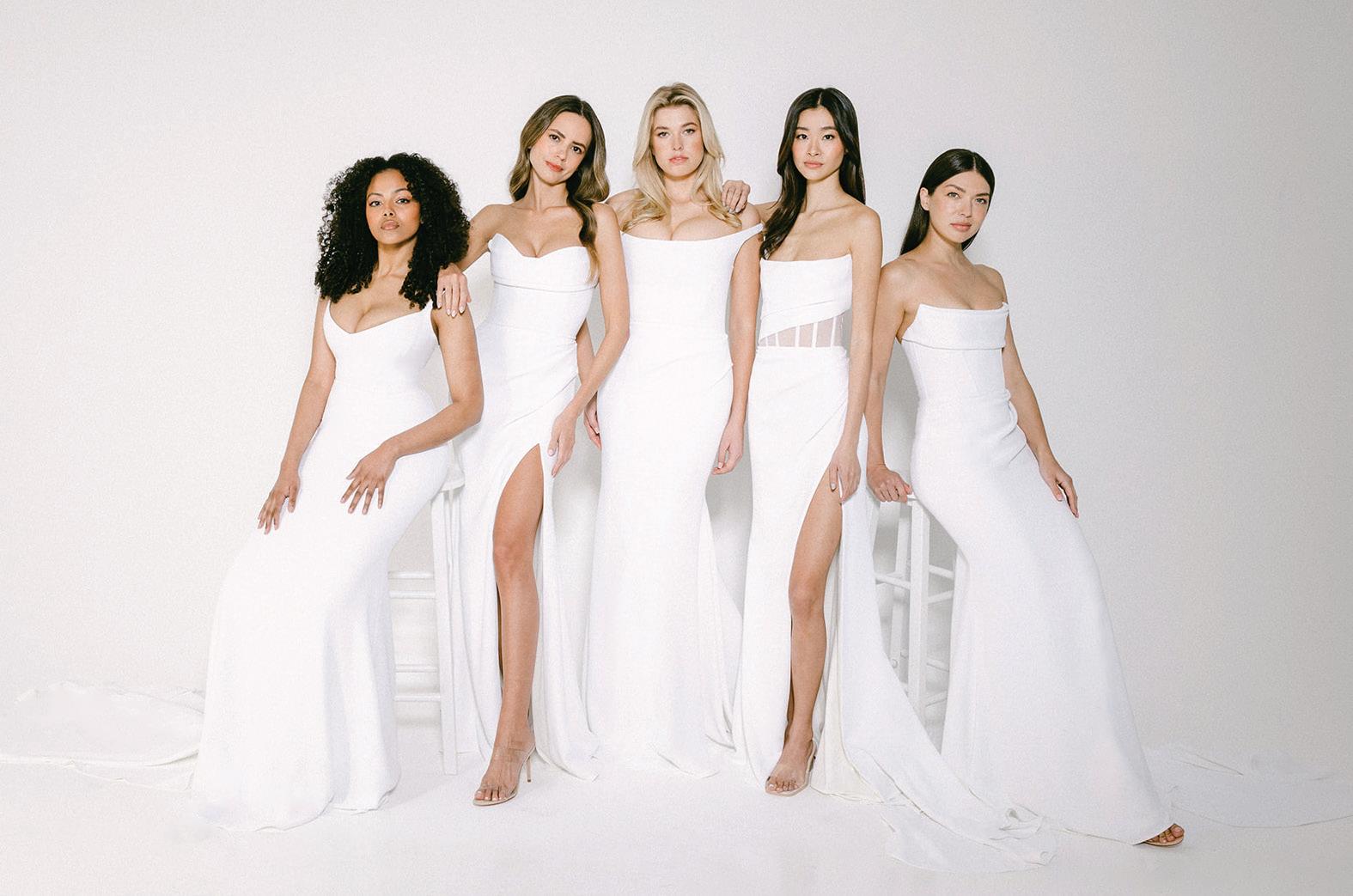
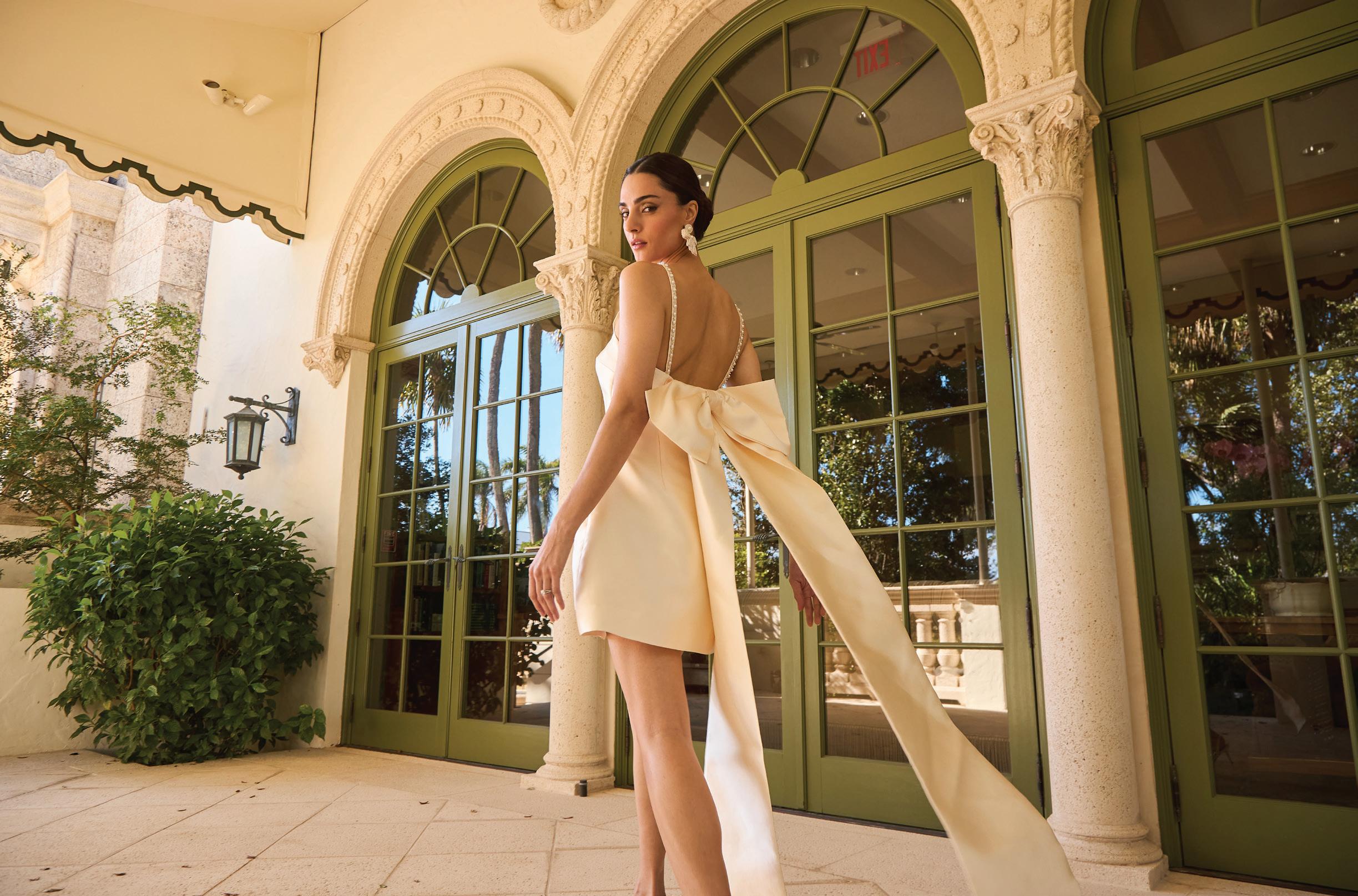
Mestiza New York, the luxury clothing brand known for its feminine blend of timeless style with bold prints and innovative design techniques, announced the launch of its firstever Bridal collection in celebration of its 10-year anniversary. The category expansion comes at a momentous time for the brand as it reflects on a decade of success featuring its trademarked Convertible styles, seasonal collections, collaborations and more.
Since starting the brand in 2015, Founders Alessandra Loverde and Louisa Takacs have remained true to their mission of offering versatile and elegant pieces to the woman who does it all. They have pioneered a new category for everyday and occasion wear by introducing their trademarked Convertible collection, which gives the customer multiple looks within a single garment through removable elements, reversible pieces and zippers that transform silhouettes. As the founders looks ahead, they are eager to continue meeting women where they are at in life, now including the altar.
Mestiza New York’s bridal collection showcases a curated capsule of little white looks, statement
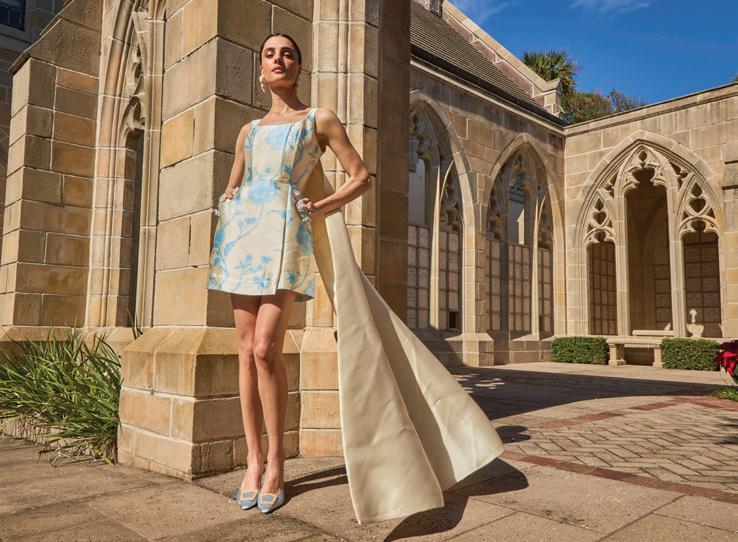
gowns and elegant accessories, designed for every occasion surrounding a bride’s big day. Mestiza New York reimagined its best-selling silhouettes, offering elevated bridal versions of beloved fits and styles. Of the 24 looks in the collection, seven dresses feature the innovative Convertible element, allowing brides to seamlessly transform their outfits mid-celebration. Within the collection, you will discover Mestiza’s signature bows, refined floral prints, pearl adornments and removable watteaus that make a memorable entrance. Inspired by vintage silhouettes, Mestiza’s newest collection provides timeless pieces that transcend trends and offer endless styling opportunities for the modern bride.
The new bridal collection is available at mestizanewyork.com. Prices range from $78$1,995.
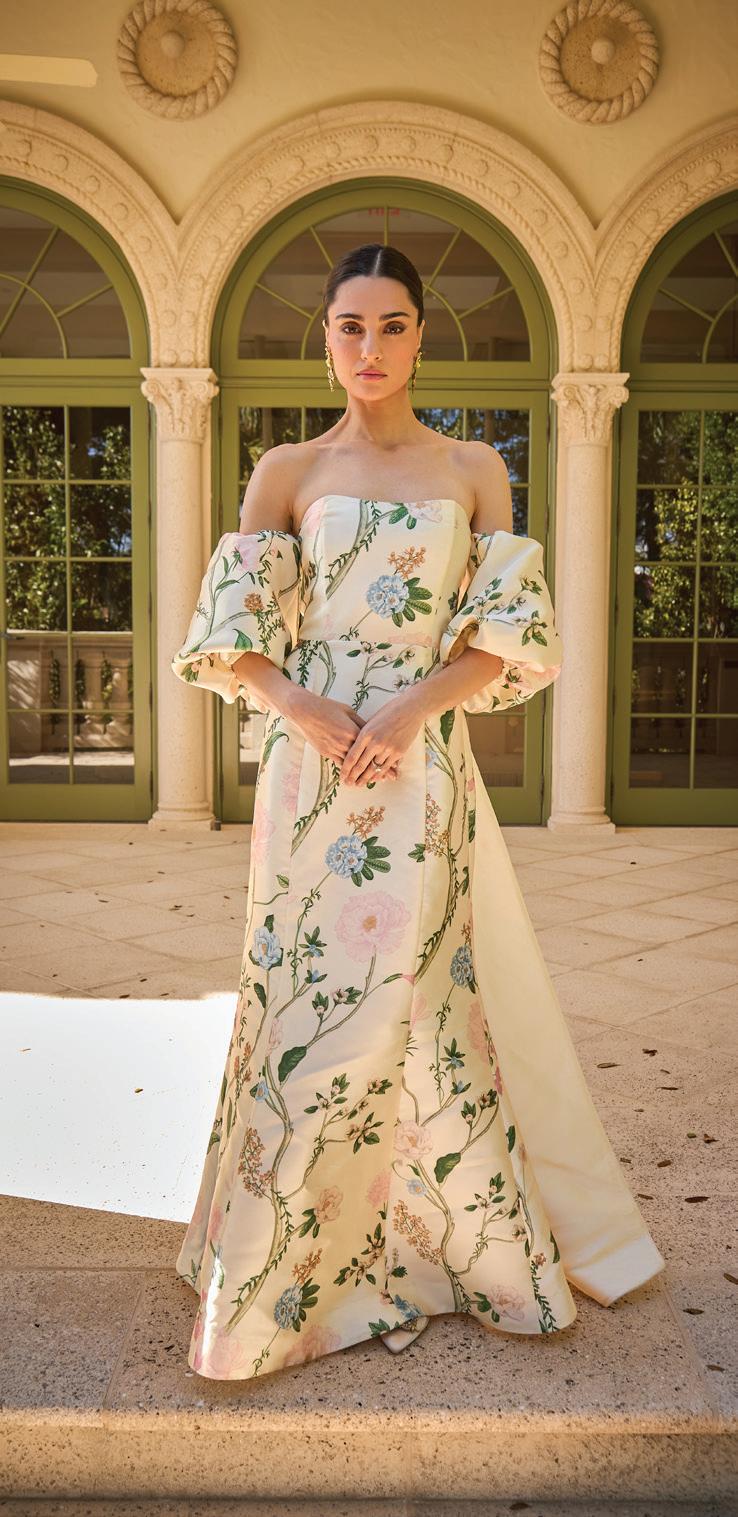
To learn more about Mana Fashion Services, visit manafashion.com.
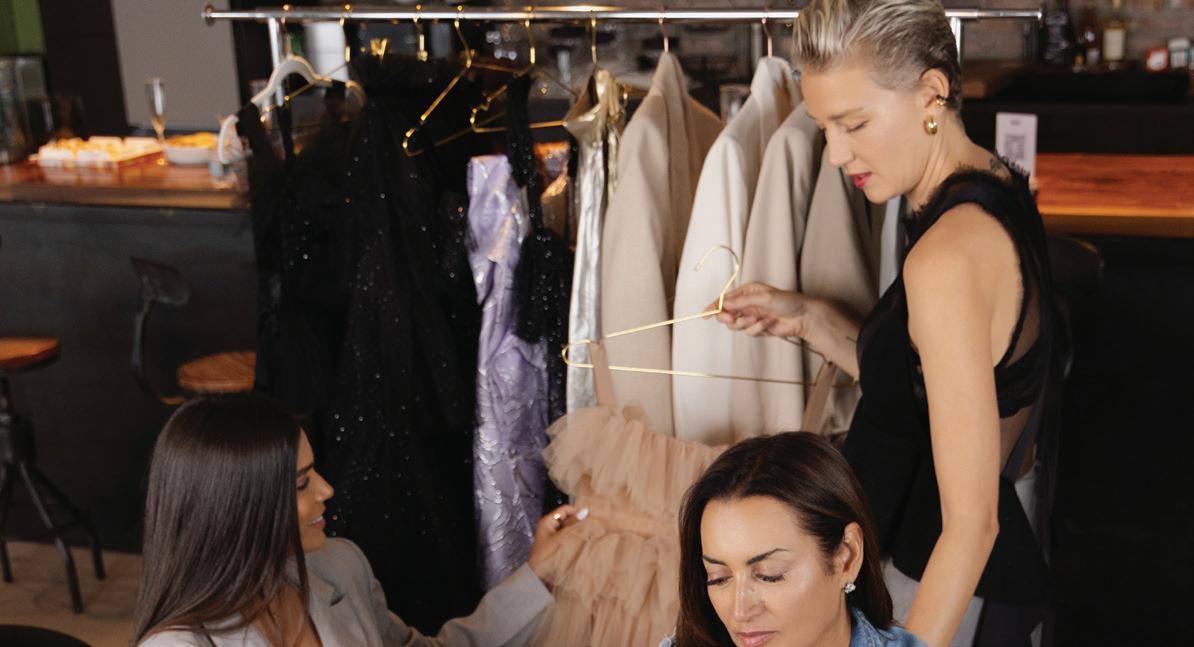


















Mana Fashion empowers both emerging and established brands by cultivating Miami’s fashion scene. From a series of events to aff ordable creative spaces, Mana Fashion Services is conquering how the city’s fashion industry is on the rise and why brands, retailers and other industry tastemakers should keep an eye on the magic city.























A leading hub for fashion-forward events and services is emerging in Miami and quickly becoming the driving industry force. Mana Fashion Services, a division of Mana Common founded by Moishe Mana, positions its platform as a creative hub and place for industry creatives to gather, learn and grow.
Founded in 2022, Mana Fashion has built a dynamic environment where fashion entrepreneurs like designers, stylists, patternmakers, buyers and brands can thrive and grow their businesses in the magic city. Offering newly renovated, affordable office and showroom spaces in the heart of downtown Miami at Mana Fashion’s HQ building, located at 15 W. Flagler St., creative fashion entrepreneurs are coming together under one roof, a place where community thrives! With a full roster of events, Mana Fashion hosts a multitude of monthly networking and educational panels—all while playing a pivotal role in shaping the city’s fashion future.
One of the most important offerings of Mana Fashion is its affordable office suites and creative showroom spaces starting at just $500 a month. These spaces are designed to serve as spaces and platforms for creativity and collaboration, fostering business growth. Some emerging brands that are current tenants of Mana Fashion are Gustavo Cadile, Dress To, Judith Cabrera, Miami Shoe Museum, Ochie Swim, Showroom 305, StyleExpo Photography, Paolo Regis and Faith Connexion. Notable brands include:
• Judith Cabrera is an up-and-coming Miami-based designer known for her bespoke pieces that fuse modern design and luxury with timeless elegance. Her creations reflect a bold femininity that is gaining traction in Miami’s growing fashion market. The access to resources and visibility provided by Mana Fashion has been instrumental in her brand’s growth.
• Gustavo Cadile is an internationally acclaimed designer whose
sophisticated, high-fashion collections cater to confident women. His designs have been showcased at global events, and his brand’s collaboration with Mana Fashion has allowed him to expand his reach and stay connected with the local fashion community.
• Miami Shoe Museum is a unique, forward-thinking concept that blends art and fashion, dedicated to celebrating the cultural and historical significance of footwear. Their showroom at Mana Fashion provides them the ideal platform to share their curated collections and expand their influence in the Miami fashion scene.
These brands are just a few examples of how Mana Fashion is helping Miami’s fashion talent by providing not only affordable spaces but also letting creatives connect with a community of like-minded individuals who are committed to growth, innovation and collaboration.
Beyond providing physical spaces, Mana Fashion hosts a variety of seminars, panels and networking events throughout the year to bring the Miami fashion community together. Mana Fashion fosters valuable connections among designers, stylists, influencers and industry professionals. These events provide a platform for creatives to learn, share ideas and grow their businesses while connecting with key players in the industry.
One of the highlights of Mana Fashion’s community-building efforts in March 2025 was the platform’s “Business of Luxury: Women at the Helm” panel, which, in honor of Women’s History Month, brought together influential women shaping the luxury fashion industry to explore strategy, market positioning and leadership in an evolving global landscape. The panel featured women who represent luxury fashion brands like Tiffany & Co., and Burberry, offering unique perspectives on what it takes to lead in today’s competitive luxury market.
In celebration of Earth Day in April, Mana Fashion will continue its efforts in championing sustainability in fashion. Together with partners like Waste Management, Mana will bring the community together to share a variety of ways to get involved—from a tree planting initiative to seminars discussing innovative technologies and solutions that are benefitting brands and consumers alike.
“We are proud to be a driving force behind Miami’s rapidly growing fashion industry. While the city has immense potential to be recognized as a global fashion capital, it requires the right infrastructure, resources and community support to reach that status. By fostering a strong fashion ecosystem, we create opportunities for designers, brands and creatives to grow, connect and succeed—ultimately positioning Miami as a premier hub for fashion innovation and business,” said Aleksandra Sivokoneva, creative director of Mana Fashion.
“Throughout the year, we host a variety of events, including workshops, pop-ups, networking happy hours, panel discussions and informational summits. These gatherings educate and promote the community— ranging from students at local design schools to entrepreneurs and seasoned fashion industry executives—and provide a central meeting ground where the industry comes together, right in the heart of downtown Miami. As a melting pot of creatives, Miami attracts talent from fashion capitals like New York, Los Angeles and Paris—many of whom seek to establish and cultivate a thriving community here. We actively support this by offering accessible creative studios available to our tenants 24/7, as well as a digital portal with over 20,000 members and growing. Additionally, we provide key industry services, such as access to fabric and notions sourcing and apparel wholesale showrooms, equipped with go-to-market strategies designed to help brands successfully penetrate and navigate the industry. By bridging the gap between creative vision and business success, we continue to shape Miami’s future as a leading force in fashion,” continued Sivokoneva.

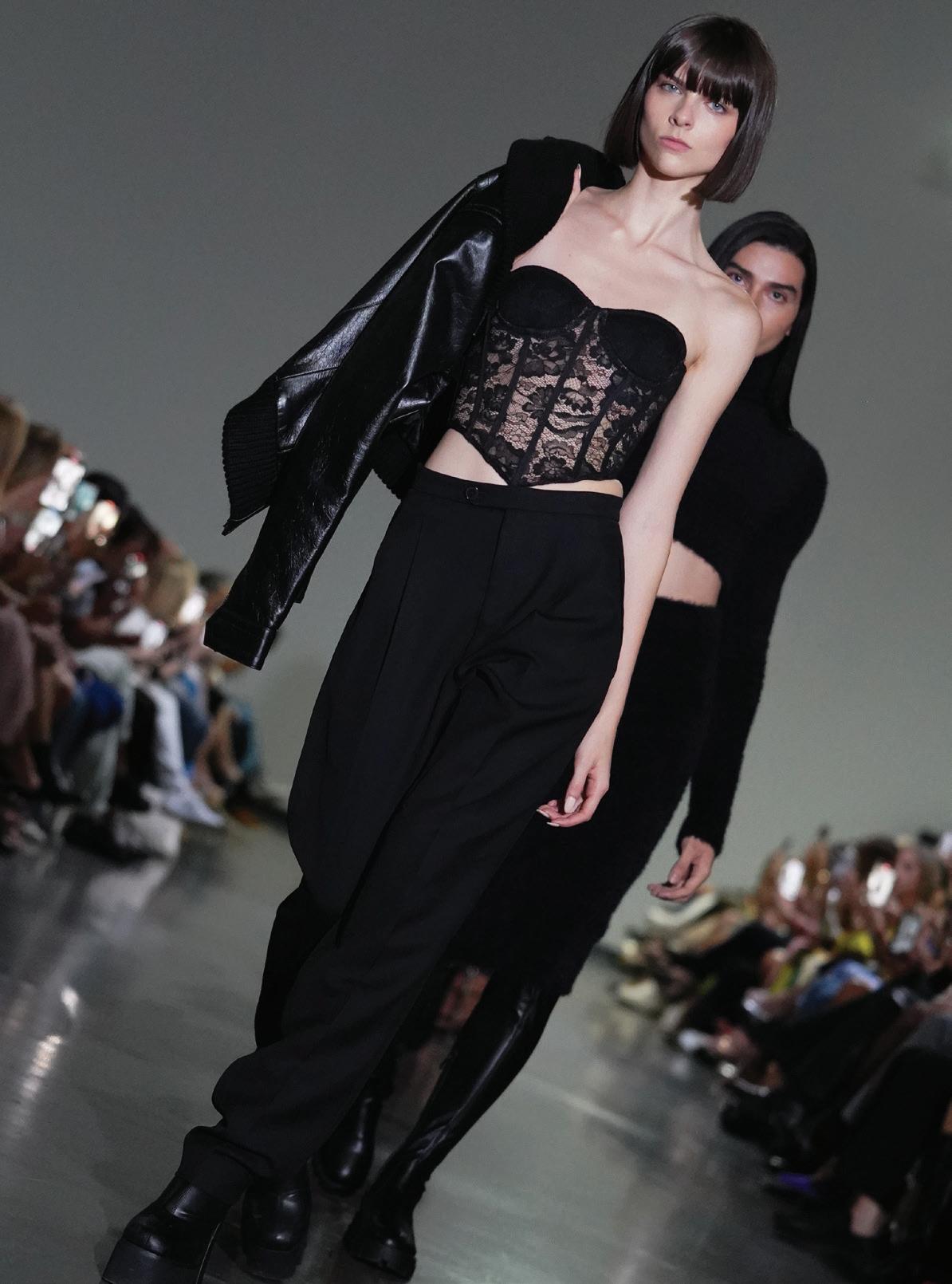

EXCLUSIVE DETAILS FOR SHOWS IN:
• Dallas
• Denver
• Las Vegas
• Los Angeles
• Nashville
• Orlando
• New York


CONNECTING THE FASHION INDUSTRY WITH THE WORLD OF TRADESHOWS
The third semi-annual edition of the co-located Womenswear in Nevada (WWIN) Show and Las Vegas Apparel (LVA) market wrapped up its latest Las Vegas Fashion Week event, Feb. 9-12, 2025, at the Expo at World Market Center Las Vegas. This year’s event featured an enhanced show-floor layout, the debut of The Men’s Edit and signature premier amenities—offering buyers a seamless and productive buying experience.
“WWIN has always been about creating a dynamic ecosystem where brands and buyers can connect in meaningful ways, and this year’s event reinforced that vision,” said Mel Montes, vice president of WWIN. “The synergy across categories, the energy on the show floor and the strength of our exhibitor and retailer community continue to flourish. As we evolve, we remain committed to fostering an environment where business gets done, relationships are strengthened and opportunities are abundant.”
The markets, which showcased a combined 1,500-plus lines across the show floor, welcomed buyers from 43 states and 19 international countries, with most visiting from the West and Midwest regions.
“The feedback after the markets always speaks for itself. Buyers and exhibitors continue to express their gratitude for the friendliness, hospitality and easy-to-navigate market format that LVA fosters,” said Caron Stover, Andmore SVP, apparel. “While Las Vegas Fashion Week can be a hectic sourcing experience, LVA stands out by offering a seamless, stress-free and productive environment tailored for every attendee.”
As LVA and WWIN continue to grow, exhibitors are seeing new opportunities, and buyers are taking note. With an expanding marketplace and standout hospitality, both shows are proving The Expo at World Market Center Las Vegas to be an essential stop during Las Vegas Fashion Week.
“In an economy where many markets are shrinking or staying the same size, Las Vegas Apparel is a market that is growing for us every show,” said Michael Shim, vice president of Timing and Lumiere.
Albert Chi, president of Spin USA, added, “Las Vegas Apparel has been growing every single show. With the addition of WWIN, we are noticing even more positive growth and have even opened new accounts with buyers attending for WWIN!”
While brands noted the market’s growth, buyers reiterated their appreciation of LVA and WWIN’s hospitality.
“This venue takes such good care of its buyers, from breakfast and lunch, to snacks and waters around the floor to make sure we are hydrated,” said Lu Knueven, owner of Artistic Works by Lu in Levenworth, Kansas, and Springfield, Missouri. “LVA is leading in fashion, and with so many of the largest brands we work with at LVA, we are sure to continue coming back!”

New buyer, Chelsey Jones, owner of CJ Lines in Millry, Alabama, added, “This was our first trip to Vegas and we will definitely be back. Our market experience was great, we loved the layout of the show and we appreciate all the amenities to make it easier for buyers. This is our new favorite market!”
In addition to hallmark women’s contemporary, young contemporary and accessories categories, the highly anticipated debut of The Men’s Edit exceeded expectations, proves that there is a strong demand for a men’s market within Las Vegas. The launch was met with enthusiasm from both exhibitors and buyers, demonstrating that this new category has the potential to reposition Las Vegas as a key destination for menswear. With immediate interest from new brands and requests for expanded floor space, The Men’s Edit is poised for significant growth, further strengthening WWIN’s ecosystem.
The next co-located edition of WWIN and LVA returns Aug. 17-20, 2025, at The Expo at World Market Center Las Vegas. For more information about WWIN and LVA and to stay updated on future events, please visit wwinshow.com and lasvegas-apparel.com.
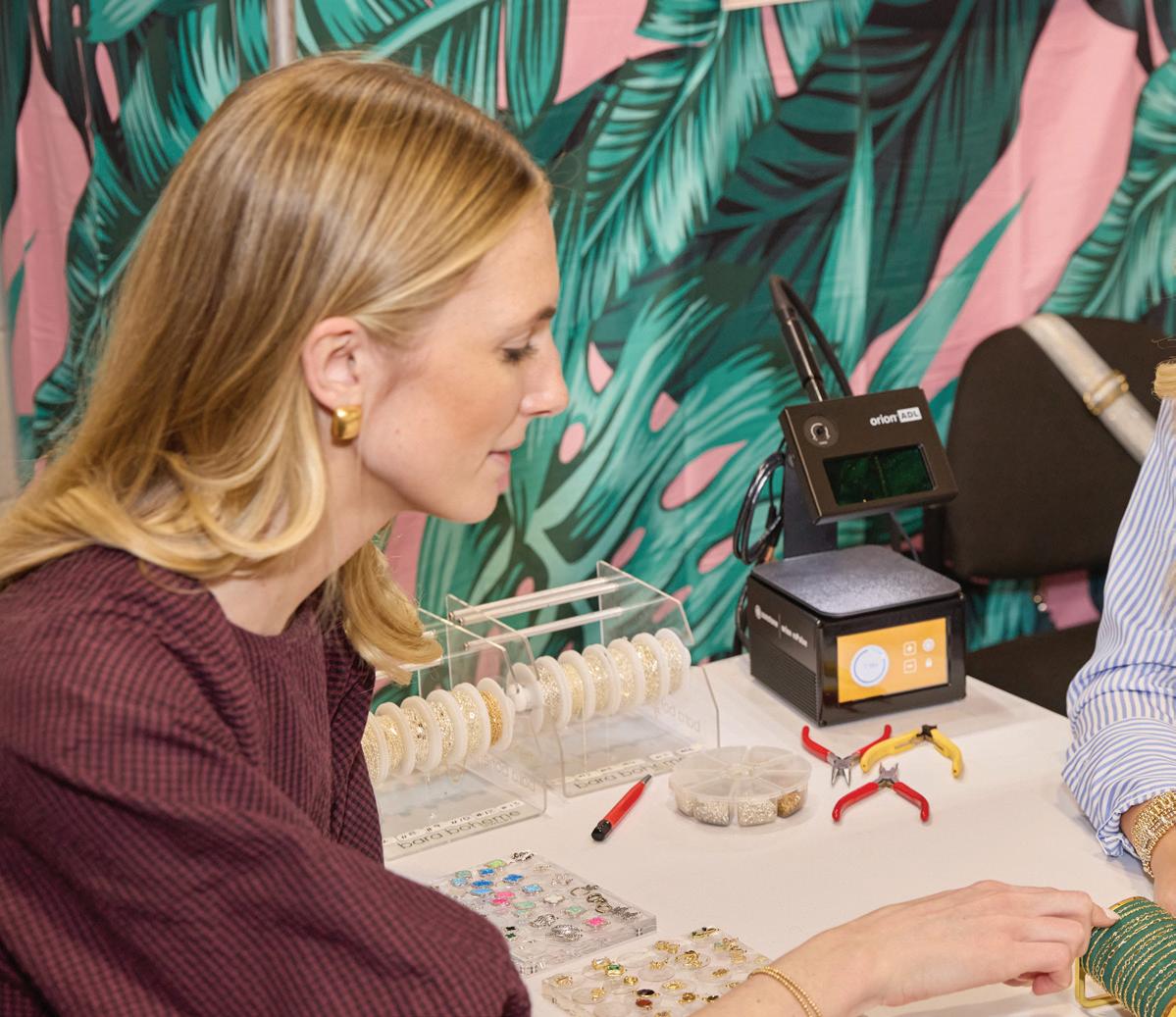
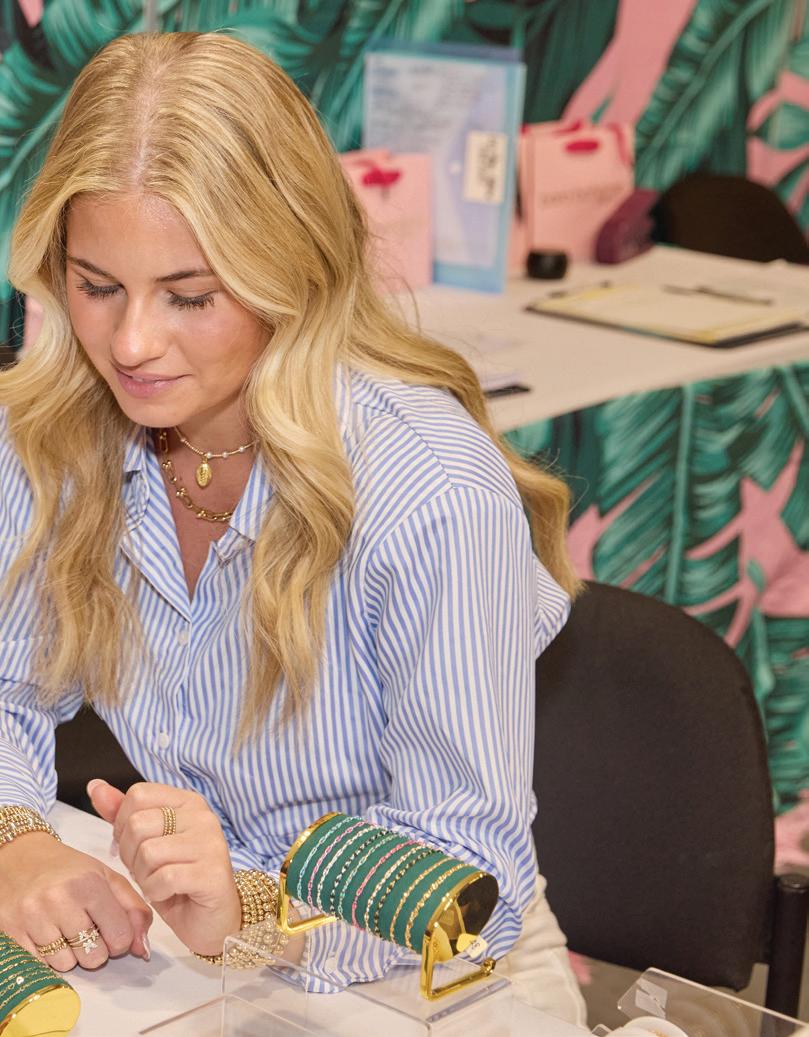
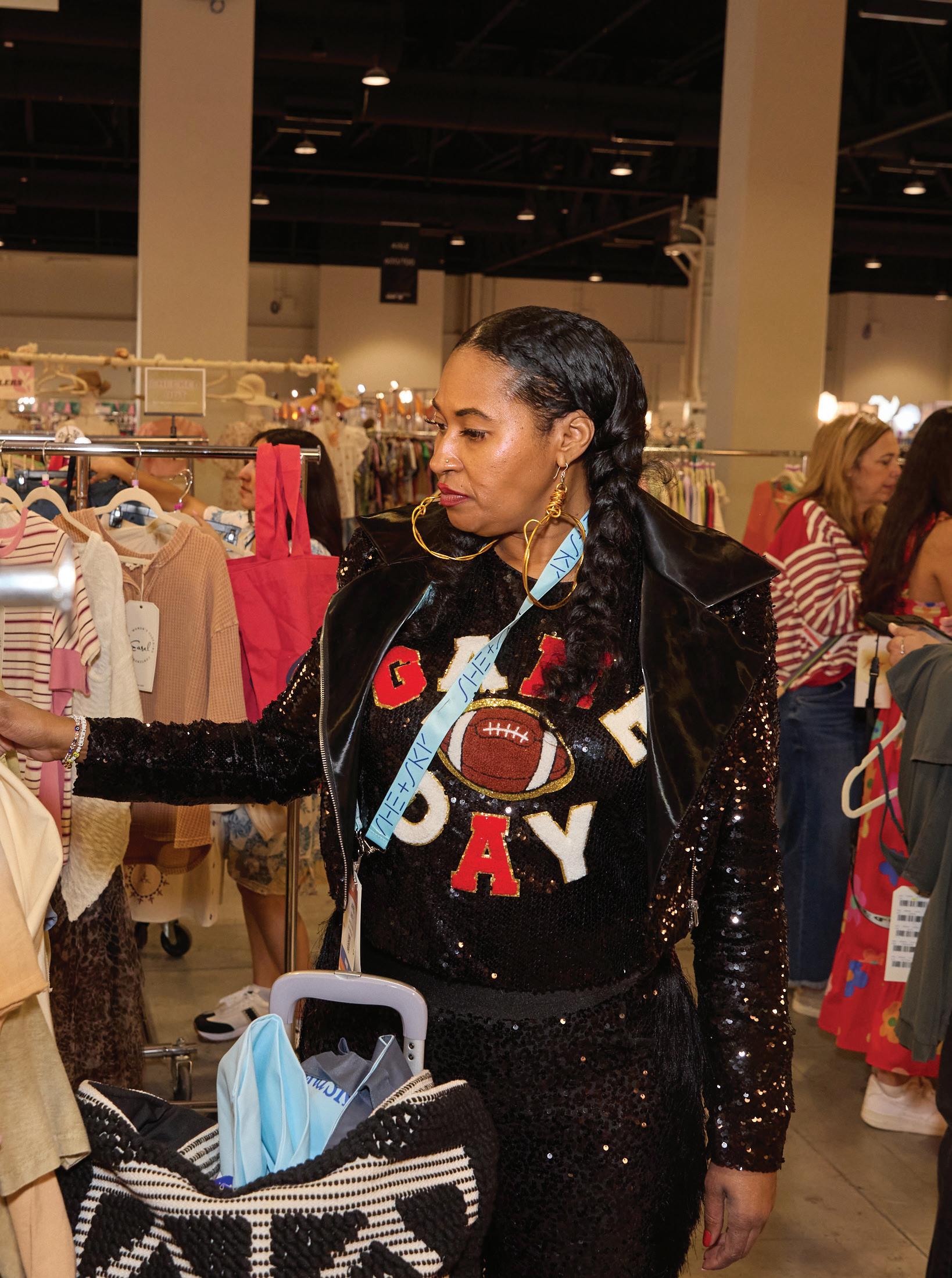
Andmore is gearing up for the first-ever April Buying Week, offering three markets— Atlanta Apparel, Formal Markets, and Spring Gift and Home Market—together as one cohesive sourcing destination, April 1–4, at AmericasMart Atlanta.
“With demand high for mid-market restocks of home and gift items and the debut of Autumn/ Winter ’25 and footwear collections, along with the seasonal demand for homecoming and formalwear, April Buying Week was a purposebuilt opportunity to highlight all categories that AmericasMart Atlanta has to offer,” said Jon Pertchik, Andmore CEO. “By bringing together three complementary markets, we’ve created an efficient, all-in-one sourcing experience that maximizes buying opportunities across categories.”
Throughout the four-day wholesale buying event, attendees can explore products across 950-plus open showrooms and 300plus temporary exhibits, presented over AmericasMart Atlanta buildings 1, 2 and 3. In addition to exhibits, expertly curated events, amenities and installations will showcase and celebrate the A/W ’25 apparel season break, semi-annual formal sourcing and recent product introductions across home and gift categories.
Showrooms and Temporary Exhibits Activate All Three AmericasMart Atlanta Buildings
Over the course of the three-market event, AmericasMart Atlanta will present nearly 1,300 resources across gift, home, casual and outdoor furnishings, apparel, accessories and formal categories.
Atlanta Apparel will provide access to 475-plus apparel showrooms and 275-plus temporary exhibits across building 3, floors 1, 2, 3, 4, 6, 7, 8, 9, 11 and 13, showcasing top A/W ’25 categories. New and notable Atlanta Apparel exhibitors include All Black, All That Glitterz, Antelope, ATL Diamond District, Bed Stu, Charleston Shoe Co., Chinese Laundry, Las Surenas, LH Curated, Dolce Vita, Gola, Gretty Zueger, Jennifer Thames Original, Johnston & Murphy, Matisse, Mia Shoes, Olem, River, Shu Shop and Yellow Box.
Formal Markets will present an additional 60-plus showrooms and 30-plus temporary exhibits across floors 10, 12 and 14 of building 3. Highlights include: BCBGMaxAzria, Chic & Holland, Emily Shalant, Halston, Helsi, Janique, Justin Alexander, Mon Cheri, Morilee, Sachin & Babi, Teri Jon and The Dessy Group.
Spring Gift and Home Market, showcased in buildings 1 and 2 at AmericasMart Atlanta, will feature some 400-plus home, casual and outdoor living, gift and lifestyle permanent showroom resources. Top gift and lifestyle showrooms include Accent Decor, Creative Co-Op, Glitterville, Ivystone, Kurt S. Adler, Melrose International, Mud Pie, Raz Imports, Schauben & Co., Simply Southern, Transpac and Two’s Company. Notable home showrooms include Classic Home, Currey & Co., Furniture Classics, Gabby, Jamie Young Company, Lloyd Flanders, Loloi, Napa Home & Garden, Sagebrook Home, Telescope Casual Furniture, Uttermost and Wendover Art Group.
April Events and Amenities Enhance AtMarket Experience for Attendees
Throughout April Buying Week, attendees can draw inspiration from both the A/W ’25 trend vignette and the New and Now vignette, showcasing top new and notable brands across the market, in the registration lobby of building 3. In addition to installations, April Buying Week will offer a full slate of 20-plus events and amenities throughout the four market days.
Kicking off April Buying Week, buyers were able to learn practical skills and tools for building profit, boosting margins, increasing close ratios, managing inventory effectively and more in the pre-market Mon Cheri Academy, presented by Steve Lang, CEO of Mon Cheri Bridals, and Nayri, the “Wedding Fashion Expert,” on Monday, March 31, from noon-8 p.m. in the building 3, floor 15 Fashion Theater. Also of note this April, registered buyers can take advantage of free parking next door to AmericasMart Atlanta, Tuesday-Friday, at 112 Baker St. NW. For more information, visit americasmart.com/year-round/parking-andtransportation.

Tuesday
• Mini quiche and hash browns: 9-10 a.m., building 1, floor 4
• Industry insights discussion with The Boutique Hub—What Retailers Gain From Crossover Sourcing: 2-3 p.m., building 3 atrium
• Springtime sangria: 3-4 p.m., building 2, floor 11, Lifestyle Lounge
• The Market Polo Club Party: 6-7 p.m., building 3 atrium
Wednesday
• French toast bites: 10-11 a.m., building 1, floor 3
• Oddi spiked strawberry lemonade cart: 2-3 p.m., building 3, floor 2
• Mint juleps: 2-3 p.m., building 1, floor 17
• New buyer happy hour: 3-4 p.m., building 3, floor 5, Buyer’s Lounge
• Bubbles at The Collective: 4-5 p.m., building 3, floor 12
• Revolving Runway and Reception with Formal Markets: 6-7 p.m., building 3, floor 15, Fashion Theatre
• New buyer orientation: 9 a.m., building 3, floor 2 atrium
• Complimentary breakfast/coffee: 9-10 a.m., in buildings 1 and 3
• Complimentary cappuccino station: 9-11 a.m., building 3, floor 2 atrium
• Skies Are Blue and Current Air mimosa station: Tuesday and Wednesday, 11 a.m.-noon, building 3, floor 2
Thursday
• Yogurt parfaits and Bellinis: 10-11 a.m., building 1, floor 2
• Get dressed with Dressed 2 Kill: 11 a.m.-noon, building 3, floor 9
• Paloma party with Rewined Candles: 2-3 p.m., building 3 atrium
• Aperol spritz bar: 3-4 p.m., building 2, floor 18
• Bubbles at The Collective: 4-5 p.m., building 3, floor 12
• Complimentary lunch: Daily from noon-1 p.m., building 3, floor 5; and Tuesday and Wednesday from 11:30 a.m.-1 p.m., building 1, floor 15, Designer Workspace
• Permanent jewelry with Bara Boheme: Noon-3 p.m. (2 p.m. on Friday), building 3, floor 2
• Stellow Coffee: Tuesday-Thursday, 2-4 p.m., building 3, floor 3 and building 3, floor 14
For overall April Buying Week information, visit americasmart.com/markets/aprilbuying-week.
Functional Fabric Fair, powered by Performance Days, announced its new educational Day 0 Sustainability Workshop and Expert Talks program for the Spring 2025 edition, taking place April 14-16 at the Oregon Convention Center in Portland, Oregon. The expanded event will feature a dedicated sustainability workshop and comprehensive Expert Talks series, addressing crucial developments in the outdoor and active textiles industry.
Functional Fabric Fair kicks off on April 14 with the return of the Day 0 Sustainability Workshop, a comprehensive full-day program facilitated by Jill Dumain of Fractal CSOs. The workshop will deliver practical insights, featuring valuable sessions including:
• Monday, 9:45 a.m. presentation on “Reducing the Health Impacts of Solvents in Manufacturing” with Kevin Myette, director of Global Brand Services at bluesign; Scott Echols, chief impact officer at ZDHC; and Wilbes Mbiya, independent consultant of toxicology
• Monday, 3:15 p.m. presentation on “Sustainability Impacts in Apparel and Footwear” with Todd Copeland, owner and founder at Copeland Consultancy and Eric Brody, founder and principal at Shift Advantage
This year’s Expert Talks program will take place April 15-16 once the exhibit hall opens and will feature a dynamic lineup of enriching sessions, including:
• Tuesday, 11:00 a.m. presentation on “Colors and Trends with Performance Colors” by Nora Kühner, covering the
update on Winter 2026-27 and Kickoff of Summer 2027
• Wednesday, 11:00 a.m. panel discussion on “Post-PFAS Consumer Communication: Redefining Textile Care and Expectations,” featuring Jeremy Stangeland, waterproof breathable development at Patagonia; Jan Beringer, senior technical director at Hohenstein; and Tim Sherry, sustainability technical manager at Hohenstein
The focus topic for 2025 is “Certifications: Which Ones Matter?” It will address the critical role of certifications at all the events in ensuring transparency and accountability within the textile industry.
The program will help manufacturers and brands navigate the complex landscape of sustainability standards and certification processes, with particular emphasis on meeting current product sustainability requirements.
“Functional Fabric Fair is recognized as North America’s premier and most curated textile trade show for high-performance functional fabrics and industry advancements. Attendees will also
be able to network with other professionals, get inspired and learn about the latest advancements from industry experts,” said Steve McCullough, event director of Functional Fabric Fair. “With sustainability at the forefront of our priorities, our enhanced educational programming reflects our commitment to driving meaningful change and innovation in textile development.”
In addition to education, the exhibit hall will feature over 300 sustainable-certified suppliers showcasing functional fabrics, finishes, trims and accessories for the 2026-27 Spring/Summer seasons.
The trade-only event is free for verified designers, product developers, purchasing agents, material managers and students in the outdoor, performance and lifestyle apparel sectors. The Day 0 Sustainability Workshop requires separate registration and has limited seating availability.
Register for a media badge and visit functionalfabricfair.com for additional information—including exhibitors, events, travel, education and more.
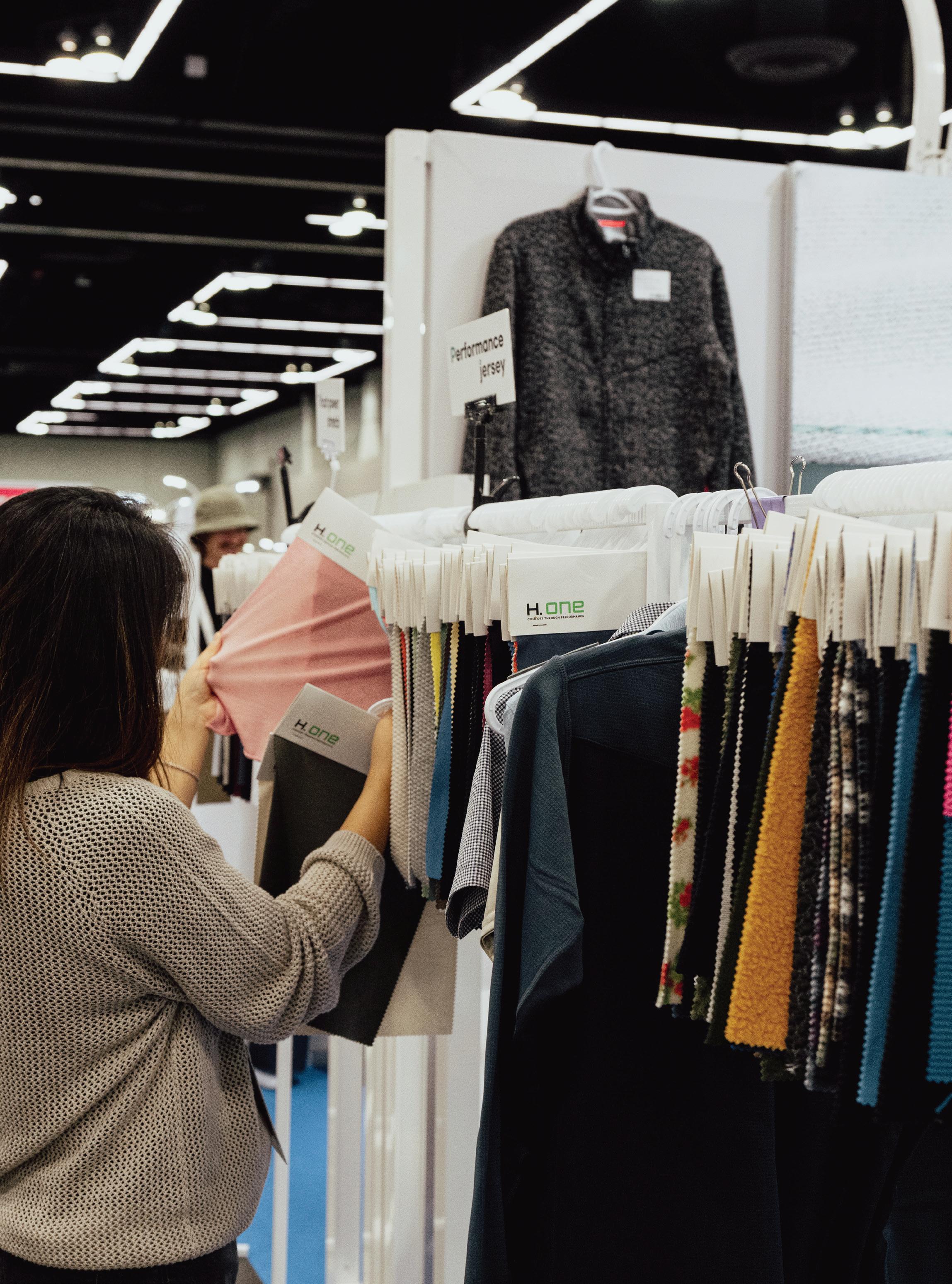
Filium, the cutting-edge technology brand revolutionizing performance fabrics, announced its partnership with 1764 Golf to launch two exclusive capsule collections from Graham Luxe and Adair Active. The first drop featured the men’s “Hawk” Raglan Hoodie and women’s “Harlow” Lightweight Hoodie, bringing a blend of style, functionality and Filium’s advanced fabric technology to the forefront of golf apparel.
Filium’s technology is seamlessly integrated into both the Graham Luxe and Adair Active collections, enhancing each garment with liquid, stain and odor-repellent properties. This unique technology turns regular fabrics into high-performance materials while maintaining comfort, breathability and sustainability— making it ideal for the modern golfer who demands both style and function. The result is apparel that withstands the elements, keeps you fresh throughout the day and lasts longer without sacrificing design.
“All of us at Filium Corp. are pleased to partner with 1764 Golf to bring Filium-activated technology to the forefront of performance apparel. This collaboration with Graham Luxe and Adair Active reflects our commitment to offering premium, eco-friendly garments that don’t compromise on style or functionality. With Filium, golf enthusiasts can now enjoy the highquality collections of Adair Active and Graham Luxe with technology that resist stains, odors and
liquid while maintaining a luxurious feel,” said Doug Lynch, president of Filium Corp.
Graham Luxe takes traditional golf attire to new heights, offering high-quality and breathable apparel without compromising on style. As a brand known for breaking away from the stuffy, old country club aesthetic, Graham Luxe delivers a perfect balance of statement pieces and everyday go-to looks. With a bold, modern approach, the brand adds just enough flair to ensure you look “Luxe AF” on and off the course. Graham Luxe is redefining golf fashion for the next generation, ensuring golfers feel confident and stylish with every swing.
Adair Active was created to fill a significant gap in the women’s golf apparel market, delivering timeless and classic designs that cater to the modern golfer. With a focus on high-quality construction and long-lasting neutral tones, Adair Active offers versatile, mix-and-match pieces that never go out of style. Whether you’re on the course or transitioning to post-game activities, Adair Active’s apparel ensures that women look and feel their best wherever the day takes them.
“We’re thrilled to partner with Filium to revolutionize the golf industry by integrating cutting-edge fabric technology that enhances performance,” said Bobby DiMeo, CEO of 1764 Golf. “This collaboration not only elevates the quality and durability of our apparel but also aligns with our commitment to innovation and

sustainability. The future of golf attire is here, and it’s engineered to help athletes perform their best on and off the course.”
The Hawk Raglan Hoodie and Harlow Lightweight Hoodie are available in Spring 2025 on the 1764 Golf website under the Graham Luxe and Adair Active collections, as well as Short Par 4, the largest golf subscription service in the USA, which will include these items in their exclusive curated boxes.
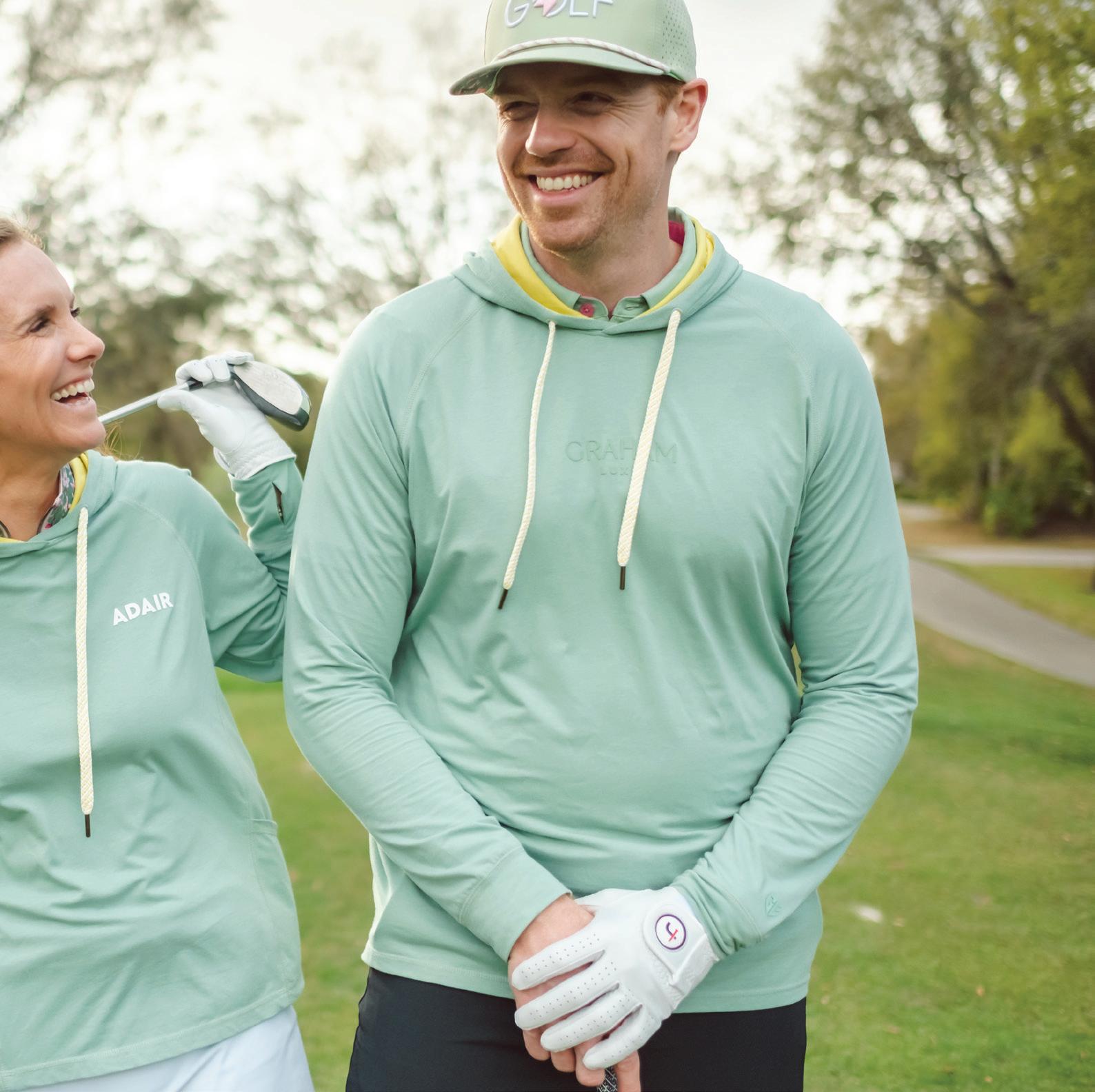

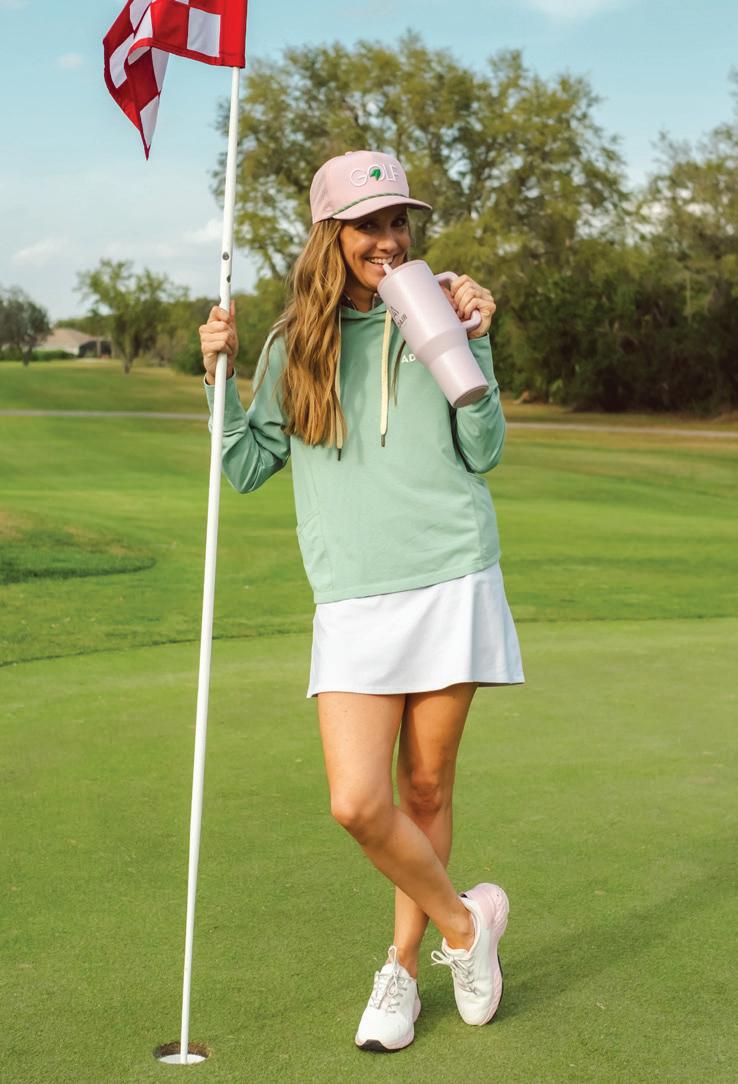





Dynamic’s latest online platform, DYNAMIC TMS, automates the tendering of a shipment to the preferred carrier based on your criteria. The system automates the routing, optimization, and real-time visibility of each transaction resulting in a more efficient cost saving solution.

Retailers are successfully using our new user-friendly technology and experiencing great results. Contact us today to learn how our new platform can improve your shipping experience.