Agricultural Crown Lands in Manitoba – Survey Extended Until December 15
Feedback is sought on: redesigning the lease allocation process, implementing restrictions on leaseholder limits, and revisting the right of renewal for modern leases.
Supporting stakeholders through final phase of the Feeds Regulations
The Feeds Regulations, 2024 were published on July 3, 2024, with a staggered coming into force period. Many flexibilities came into effect immediately upon registration ...
Farm Product Price Index, September 2025
In September 2025, the cattle and calves index rose 34.7% over September 2024. Strong demand for beef products supported this increase.
The intake period for this SCAP program is open until December 8. Financial assistance is available for construction of predator resistant fences and dead compost pens to help reduce ...
Resilient Agricultural Landscape & Sustainable Agriculture Manitoba Programs
There are cost-shared funding streams related to agroforestry, grasslands and grazing management, cropland management, manure and livestock management and water management ...
Manitoba Invests more than $2 Million for Interlake Infrastructure
The Manitoba government is investing more than $2 million in infrastructure projects across the Interlake region, supporting local municipalities ...


FCC report highlights productivity as key to Canada's agricultural future
Canadian farmers could see significant income gains and new opportunities if agricultural productivity growth returns to historic highs ...
RCMP urge Manitobans to plan ahead and stay safe in snowy, icy conditions
As the snow falls and temperatures plunge, Manitobans are being reminded to take the necessary precautions to remain safe when travelling out on the highway.
Resolutions Suggestion Form for 47th Manitoba Beef Producers AGM


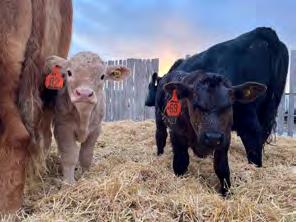
Manitoba Agriculture and Manitoba Beef and Forage Initiatives invite you to join us for a workshop featuring multiple aspects of calving management, including nutrition, vaccinations, common calving challenges, and calf resuscitation.
Date: Thursday, December 11, 2025
Time: 9:45 a.m. – 3:00 p.m.
Place: Steppler Farms, Miami, MB
Scan QR code for directions or
From Miami, travel 6 miles West on HYW 23.
Turn South at Deerwood Rd (41W). Steppler Charolais sign at turn off.
Go 1 1/2 miles South. Steppler Farms is on the east side of the road
Agenda

Success Starts Before Birth: The Power of Late-Gestation Nutrition
– Dr. Gleise Medeiros da Silva, University of Alberta
Discover how maternal nutrition in the final trimester of gestation shapes calf development, health and lifelong performance.
Vaccines That Work: Setting Calves Up for Success from Day One
– Dr. Ryan Koetke, Morden Vet Clinic
Give your calves the best start with vaccine strategies that build strong immunity right from birth.
Hands-On Calving Solutions: Recognizing & Managing Calving Issues with “Clover & Fluffy”– Dr. Shania Jack, Morden Vet Clinic
Get hands on practice correcting calving issues and tubing calves using Clover the Cow and Fluffy the Calf in a risk-free environment.
There is no cost to attend this workshop, but registration is requested for meal planning. Lunch is provided by the Miami 4-H Beef Club.
Please call or email to register by December 9, 2025, 1-844-769-6224 or agriculture@gov.mb.ca



Manitoba Beef Producers (MBP) is the exclusive voice of the beef industry in Manitoba. It represents roughly 6,000 beef producers across the province. Based in Winnipeg, MBP is a non-profit organization with four staff and a producer-elected board consisting of 14 district directors, each representing cattle producers in a specific region of Manitoba.
MBP’s mission is to represent all Manitoba beef producers through communication, advocacy, research, and education within the industry to governments, consumers and others; to improve prosperity; and to ensure a sustainable future. Funded by producers through the collection of a cattle check-off, MBP is committed to ensuring a sustainable future for the province’s beef industry for the benefit of our beef producer members and all Manitobans.
Manitoba Beef Producers’ membership has given direction to see an expanded livestock inspection service implemented in the province. The contract Project Manager will lead the coordination of this effort with direction provided by the multi-stakeholder Manitoba Livestock Inspection Services Working Group (MLISWG). The development and implementation of a mandatory identification inspection system for cattle in Manitoba will help facilitate livestock tracking and help mitigate potential financial losses to producers and other stakeholders related to theft and fraud.
KEY RESPONSIBILITIES AND ACTIVITIES:
• Lead in the development and coordination of the Strategic Plan for implementation.
• Responsible for the planning, implementation, and tracking of specific short-term and long-term goals for the project, which have a beginning, an end and specified deliverables.
• Working with the proponents, provide input into the development of modernized legislative, regulatory and policy frameworks to support expanded inspection services.
• Assist in the creation and provision of tools needed to support expanded inspection, such as information management systems like digital manifests, communications strategies to inform producers and other stakeholders about the implementation of expanded inspection (including its value to the beef industry), etc.
• Liaise with other stakeholders on matters such as the creation of a Manitoba-based RCMP Livestock Investigation Unit, the modernization of the provincial brand registry system, etc
• Coordinate meetings for the MLISWG to ensure the project remains on track.
• Postsecondary education in agriculture, preferably animal science, or a suitable combination of education and experience;
• Strong understanding of the agriculture/agri-food sector, including beef production;
• Understanding of beef industry supply chain;

• Knowledge of legislative and regulatory processes, including the ability to review and analyze legislation and regulations is a definite asset;
• Experience in writing documents for government and industry an asset;
• Strong oral and written communication skills and attention to detail are essential;
• Skilled in writing and editing research or project reports, including financial reporting;
• High comfort level for public speaking and giving presentations;
• Ability to work on multiple projects simultaneously in a fast-paced environment;
• Experience with organizing and participating in trade shows, extension events, etc.;
• Experience in dealing with producers and the general public;
• Strong technical abilities, i.e. experience with Microsoft Office suite, virtual meeting platforms, etc.;
• Able to build solid relationships with teammates, project partners and other specialists by fostering teamwork, partnership and collaboration in virtual or face-to-face settings.
• A highly motivated self-starter able to work both in a self-directed manner, and as part of a small team.
• Valid driver’s license.
Note: Some occasional travel is required, mostly within Manitoba. Occasional evening work may be required.
COMPENSATION:
This position will be a contracted, part-time term position for 24 months. Compensation will be determined in the interview process.
REPORTING STRUCTURE:
The term position of Project Manager-Livestock Inspection reports to MBP’s General Manager.

A large proportion of cow-calf producers’ total cost of production is associated with winter feed costs. In 2024, approximate feed costs (of purchased and homegrown feed) made up 63% of cash costs and 37% of total costs (cash, depreciation and opportunity costs). This is up from 56% and 33%, respectively, in 2020 as feed costs have driven cow-calf cost of production over the last five years. Typically, to be a competitive cow-calf producer you need to be a competitive producer of winter feed.
Within the COP Network, on average only 11% of feed is purchased with 18 benchmark farms purchasing more than 5% of their feed. These are typically in regions with surplus feed production. However, in general farms with a higher proportion of purchased feed tend to have higher feed costs. Risks associated with a high reliance on purchased feed include cash flow in drought years, when feed costs surge. This makes the cost competitiveness of homegrown feed a key differentiator between profit and loss.
The Canadian Cow-calf Cost of Production Network (COP Network) uses standardized data collection which allows for comparison both within and between provinces, and internationally. Since launching in 2021, the COP Network has collected data from over 235 producers contributing to 64 cow-calf benchmark farms that represent various management systems. Each benchmark is based on data from 3-7 producers. Data collection occurs every 5 years with annual indexing of input and output prices, as well as crop and forage yields, in subsequent years. Individual benchmark farm summaries, can be found at: https://canfax.ca/resources/cost-ofproduction/cop-results.html
When machinery cost and fuel are considered, the average approximate feed cost1 was $690/cow in 2024, up 5% from 2023 This was up 3% or $20/cow in the West and up 9% or $64/cow in the East. Overall, 33% of the benchmark farms have approximate feed costs below $600/cow with the top-third most profitable benchmarks averaging $559/cow with 204 days on feed and daily feed costs of $2.76/head/day While days on feed were not much different between the
1 Approximation of Feed Cost is calculated as feed cost (purchase feed + fertiliser, seed and pesticides for feed production) + machinery cost (machinery maintenance + depreciation + contractor) + fuel, energy, lubricants and water (such as irrigation)
average and top-third, the daily feed cost was 26% lower, contributing to the 19% lower cost for the entire winter.
2024 Top 3rd Benchmark feed costs are:
The daily feed cost is calculated by dividing approximate feed cost by the number of total winter-feeding days, based on the assumption that most of the costs for feeding and feed production are incurred during the winter-feeding period for most benchmark farms, except for year-round grazing operations. Daily feed cost for year-round grazing operations, is likely overestimated due to a short (60 days) winter-feeding period.
• $2.76/head/day
• $559/cow/year
Benchmark farms were categorized by primary type of forage fed in the winter diet. These were:
- Annuals: including greenfeed, straw, swath graze, corn graze, crop residues
- Hay (perennial forages): including dry hay, haylage, baleage
- Silage (annual forages): including oat silage, barley silage, pea silage, corn silage
Approximate Feed Cost per Cow per Year
Annuals +Hay
Annuals+Hay+Silage
Annuals+Silage
Hay
Hay+Silage
MB-4SK-8aBC-3MT-5MB-1SK-3BC-5BC-1BC-4SK-13MB-3aSK-9SK-12SK-4AB-11BC-6BC-2SK-1aAB-13AB-6LL_01AB-4BC-7LL_02 MB-2AB-5AB-2AB-1AB-3SK-11aLL_06SK-5SK-11bAB-8 SK-8bMB-3b AB-9MT-3QC-1AB-10SKAB-1LL_03QC-2QC-5ON-1SK-10MT-4QC-6MT-6AB-14MT-1QC-4ONMB-1MT-2SK-1bQC-3 SK-7SK-6LL_05QC-7LL_04ON-2AB-12ON-3
Source: Canfax Research Services, COP Network
feed costs ($/cow) by primary feedstuff on benchmark farms in 2024
There is a wide range of costs observed across different feed types (Figure 1). Farms can be either highcost or low-cost using any of the feedstuffs. This suggests that it is not the feedstuff itself that determines whether a farm is high or low cost, but rather how effectively the management and utilization is within
the overall operation. Efficient management practices, rather than feed type alone, play a crucial role in controlling feed costs.
As input costs rise, it has raised questions about the relative competitiveness of different feedstuffs. Over the last five years Hay/Silage has seen the largest increase in cost structure at 53%; while Annuals/Silage has seen the smallest at 43% and has maintained its position as the lowest cost on average.
Daily Feed Costs
While relatively higher productive regions have a yield advantage that supports competitiveness it is possible for lower productive regions to be cost competitive.
• Forage Yield per Acre - select species and varieties appropriate for your soil type, moisture conditions and growing season Soil test to manage fertility and pH if needed Cut at optimal maturity to balance yield and quality.
It is not because things are difficult that we do not dare; it is because we do not dare that things are difficult.
~ Seneca
• Reduce Harvest Costs and Losses - minimize machinery passes. Optimize bale size and density to reduce labour, transport and storage costs.
• Reduce Storage Losses - use net wrap or plastic wrap to reduce leaf loss. Store bales off the ground and cover/tarp to avoid weathering.
• Feed Efficiency - test forage quality to match cow nutritional requirements and avoid overfeeding protein or energy. Use lower-quality feed for dry cows and save higher-quality for lactating cows and heifers. Reduce waste during feeding, providing only what is needed for 1-2 days.
:
• You can be high or low cost with any feedstuff. Cost control is more about management than feed choice.
• Input cost inflation has impacted each feedstuff differently over the last five-years with some increasing more or less than others.
• Controlling homegrown forage production costs is key to being a competitive cow-calf producer.

Canfax is funded by Memberships: Subscribe Now! Or Scan the QR Code for details how

Disclaimer / Copyright Notice: Canfax Research Services (CRS) tries to provide quality information, but we make no claims, promises, or guarantees about the accuracy, completeness, or adequacy of the information. CRS does not guarantee and accepts no legal liability arising from or connected to, the accuracy, reliability, or completeness of any material contained in our publications. Reproduction and/or electronic transmission of this publication, in whole or in part, is strictly forbidden without written consent from CRS.
(October 8, 2025 Province of Manitoba media release) The Manitoba government is extending the rent freeze for Agricultural Crown Lands (ACL) forage leases into the 2026 growing season, continuing its commitment to making life more affordable for producers, Agriculture Minister Ron Kostyshyn announced today.
“Manitoba producers are the backbone of the provincial economy and our government is committed to keeping life affordable for the hard-working Manitobans who put food on our tables,” said Kostyshyn. “Continuing this rent freeze provides financial stability for producers and reflects our commitment to affordability”
The current rate of $3.66 per animal unit months remains the lowest ACL rental rate in Western Canada.
“This announcement is a relief for Crown land users and gives us some certainty after a year of severe challenges,” said Brent Benson, cattle producer. “From extreme weather to the uncertainty of trade markets and feed supplies, some producers struggled to keep their family ranches operational without having to make decisions that could affect their sustainability or viability. We look forward to working with the Manitoba government as we move toward a system of fair and predictable rental rates as well as policies that encourage young producers to enter the industry, an important component to ensuring the long-term sustainability of the family ranch.”
The ACL program supports approximately 1,750 leaseholders across Manitoba who rely on Crown lands for grazing, haying and cropping activities. These lands are a vital public asset, supporting the livestock sector, advancing sustainable land use, and respecting treaty and Indigenous rights, the minister noted.
“Alongside the rate freeze, the Manitoba government has launched the first phase of a public engagement process to help shape the future of the ACL program. Through an online survey on EngageMB, Manitobans can provide feedback on three areas: lease allocation methods, limits on the total amount of land a single leaseholder can hold, and renewal options for modern leases.
Manitoba Beef Producers appreciates the consultations about various aspects of the Agricultural Crown Lands Leasing Program to ensure it is responsive to the needs of the cattle sector,” said Matthew Atkinson, president, Manitoba Beef Producers.

“We strongly encourage beef producers to make their views known during this important engagement process as it will help shape the future of the program.”
This survey represents the first phase of public engagement in the ACL program review. Feedback gathered will help inform proposed regulatory updates and program improvements. Further consultation with stakeholders, including leaseholders and Indigenous communities, will follow before final decisions are made, the minister said.
Feedback collected through the survey and consultations will inform final program adjustments and regulatory updates, anticipated for implementation in 2027, the minister added.
Manitobans interested in sharing their views are encouraged to visit https://engagemb.ca/ag-crown-lands to complete the survey by December 15.
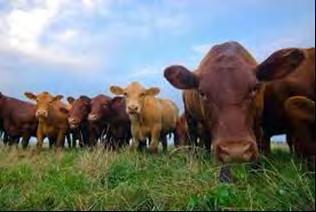
Manitoba Agriculture is offering a series of interesting livestock and forage presentations, packed with information and featuring innovative leading specialists, aimed at helping Manitoba beef producers best manage their cattle operations. Find out the latest news on research and production for beef and forage management by participating in these virtual sessions.
Date(s):
Time:
Place: Dec.11, Jan.8, Feb.5, March 12 & April 9 12:30 –1:30 p.m.
Your computer, smartphone or tablet
Register for StockTalk webinar: https://us06web.zoom.us/webinar/register/WN_HlmPWqFSJelloMpy5H5zg

Please add the webinar series to your calendar once you are registered.
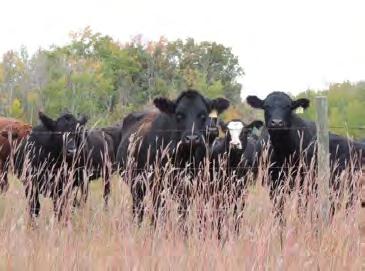
Presentations and topics will cover Cattle Nutrition & Rations, Beef Cost of Production, Agri-Stability, Cattle Marketing, Beef and Forage Days Highlights, Ask the Vet, Forage Production & Management, Pasture Forage & Water Survey Results & a chance to ask questions to the speakers and Livestock & Forage Specialists.
For more information, call Manitoba Agriculture 1-844-769-6224
Or visit our website at manitoba.ca/agriculture/online-resources/stock-talk.html

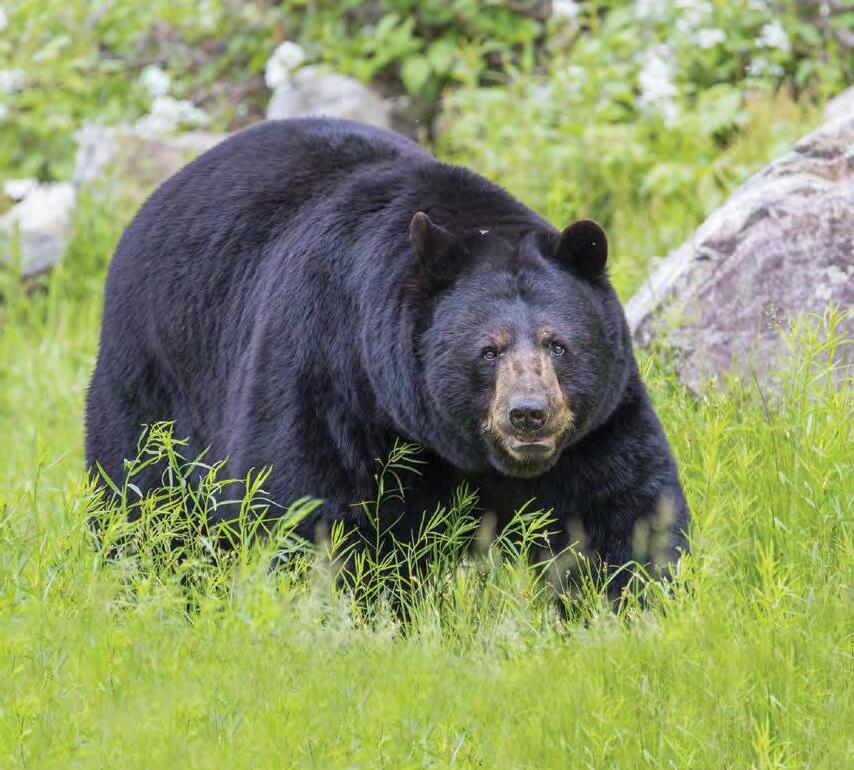
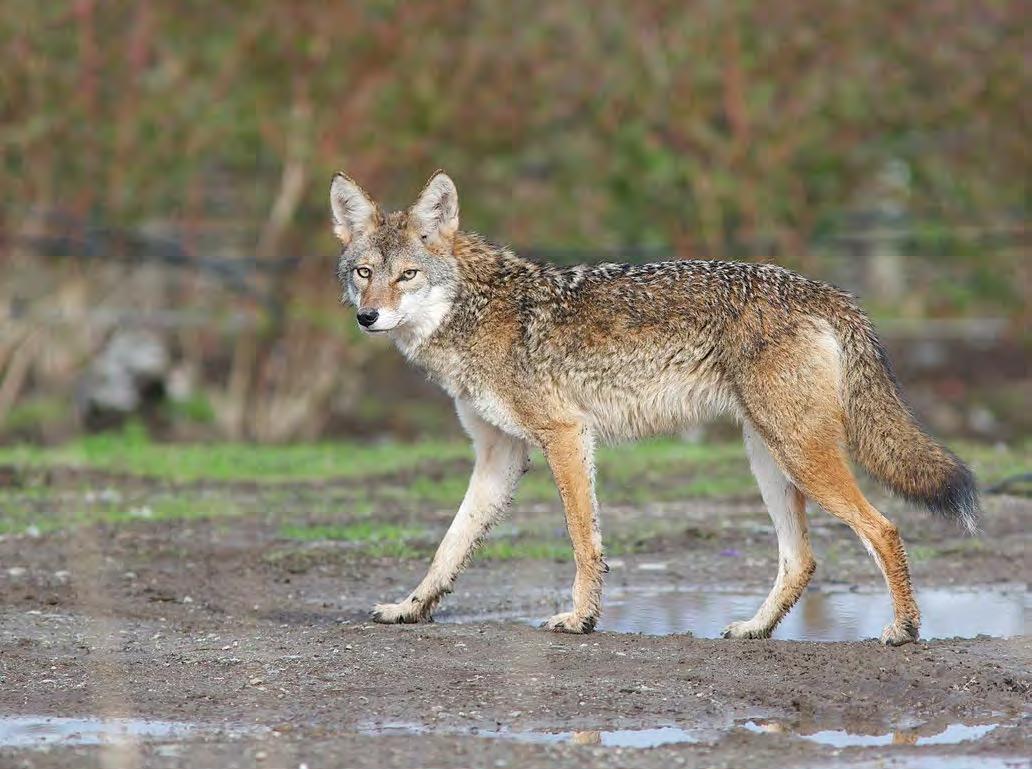
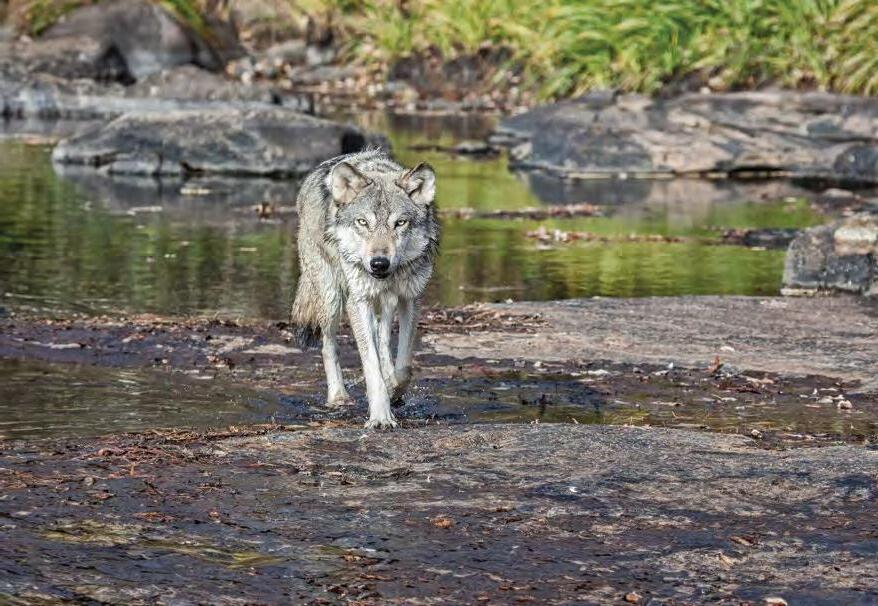
The Livestock Predation Prevention Program supports adoption of non-lethal, on-farm measures that reduce the risk of livestock predation by wolves, coyotes, bears and other predators. Reducing livestock predation promotes the co-existence of wildlife and livestock in agricultural regions of Manitoba.
Livestock producers who have both:
• A paid livestock predation claim under the Manitoba Wildlife Damage Compensation Program in 2021 or later.
• A Manitoba Premises Identification Number.
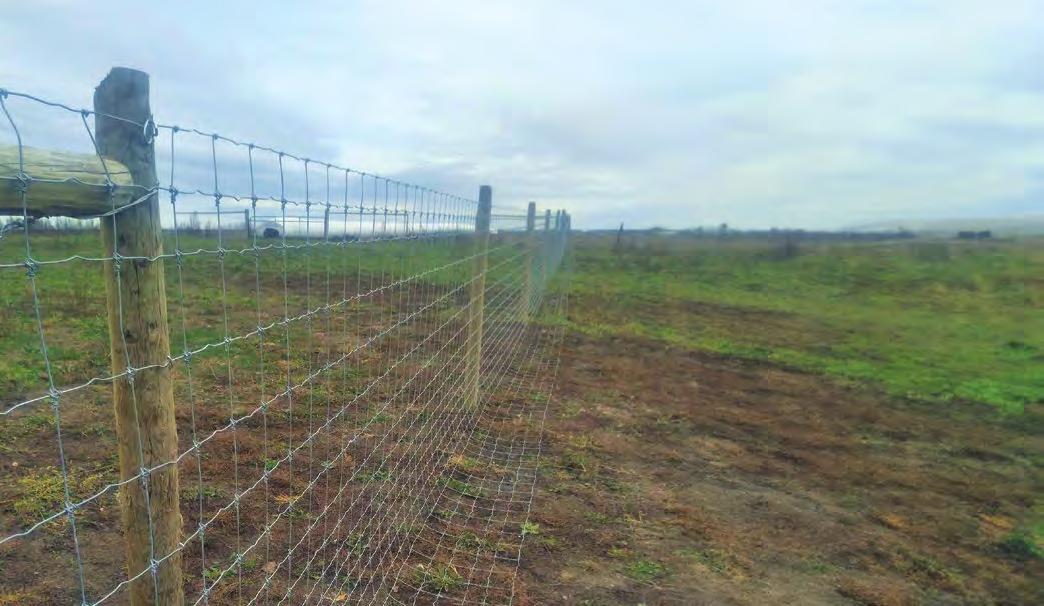
Eligible expenses include constructing predator resistant fencing to deter attacks on livestock by coyotes, wolves, and other predators. The objective of a project must be to deter predation of livestock located on Manitoba farms. More details of eligible expenses can be found in the program guide.
Predator Resistant Fence Construction
Eligible producers can apply for funding to support construction of fencing that deters predators from entering calving and lambing areas, pastures, extended grazing areas, and deadstock compost sites. Producers will receive a funding decision letter indicating the approved budget for eligible projects.
December 8, 2025: Deadline for fence construction applications.
October 30, 2026: Complete fence construction.
November 27, 2026: Complete fence inspection and risk assessment.
December 18, 2026 Deadline for submitting claims for completed fence projects.
Eligible applicants can be reimbursed for up to 75 per cent of total approved eligible expenses, to a maximum of $40,000.
Maximums also apply based on the size, type and purpose of the fence constructed.
Retrofit addition of apron
$1.50 per linear foot
An applicant’s total funding for fence construction is capped at $40,000. Based on 75 per cent government cost share, this cap is reached with total eligible expenses of $53,333.33 (or more). Depending on fence length and type, funding approved may be less than $40,000.
Total Incremental personal labour and equipment use that can be claimed is capped at $3/foot for building fences and $1/foot for adding an apron to an existing fence. Based on 75 per cent government cost-share, the payment for total incremental expenses will be up to $2.25/linear foot for building a fence and $0.75/linear foot for adding an apron.
· Incremental personal labour at $30/hour and incremental personal equipment use at fixed, program rates.
· Subcontracted services related to custom labour and custom equipment use.
· Equipment rental for completion of the project.
· Materials and supplies such as gates, lumber, wire, and energizer (0.7 joules or more).
· Provincial Sales Tax (PST).
Further conditions for a fence project:
· Fences are inspected to verify work completed and that they will deter predators.
· A livestock predation risk assesment must be completed before payment is issued.
· Specific ineligible items include barbed wire fences, hard-wired power sourcing, temporary or mobile fences, infrastructure and land preparation inside the fence, and fences around feedlots, feed storage areas and non-grazed crops.
· Eligible expenses must have occurred on or after April 1, 2026, and be supported by an invoice and proof of payment. All invoices for eligible expenses must be issued in the applicant’s name, and payment must be made by the approved applicant.
Fences constructed to contain cattle, sheep and other livestock are often ineffective barriers to predators. To be effective, fences must be constructed to deter predators from climbing over, passing through, or burrowing under them. All fence projects are inspected to verify that the work has been completed and the fence will deter predators. See the program guide and the Sustainable CAP website for fence standards as well as guidelines and examples for fence construction.
A livestock predation risk assessment must be completed prior to payment being issued. It helps to understand the risks on a farm but does not change the fence payment. The assessment normally takes about two hours to complete. Approved applicants will be contacted by a livestock, wildlife or other specialist to arrange the assessment.
An inspection of the finished fence can be arranged by calling the Program Information Line at 1-800-811-4411 or emailing agriculture@gov.mb.ca. The applicant will then be contacted by an inspector from their local MASC Service Centre. The completed inspection report will be submitted by MASC on the applicant’s behalf.
The documents needed to apply can be found on the Manitoba Agriculture website:
· Applicant information form
Application worksheet for fence construction
Go to manitoba.ca/scap/resiliency/livestock/fencing.html to find these forms and the program guide.
Claim statements will be forwarded to applicants with approved fence projects. Once all fence construction is completed, submit all invoices and proof of payment, along with the claim worksheet for processing.
An applicant can submit one fence claim worksheet over the 2026 program year. The documents can be emailed to: agriculture@gov.mb.ca