DRIVERS CLUB
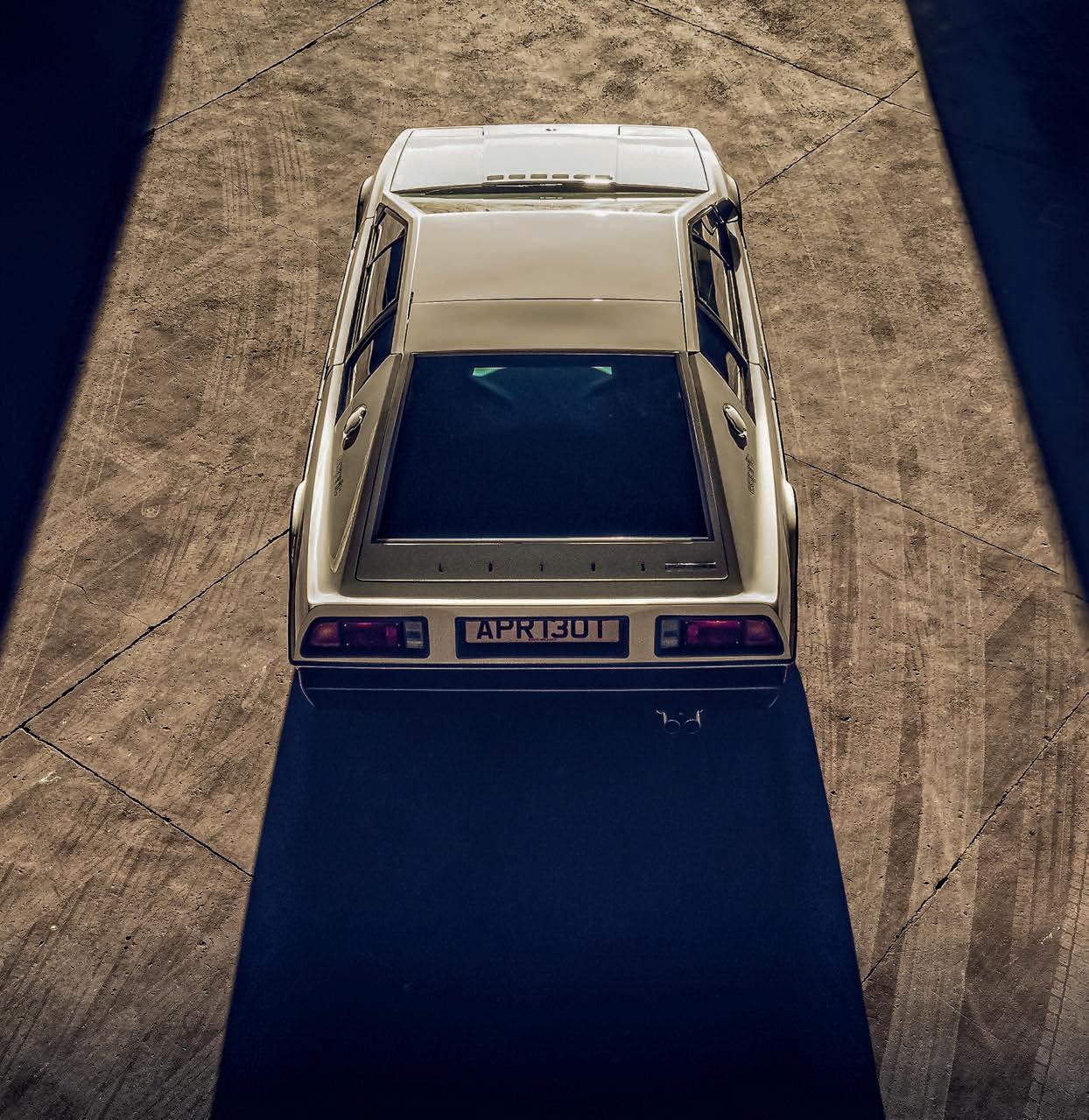
50 years of the UK’s greatest-ever supercar, from S1 to Turbo
Seven of the best fast classic estate cars
Steve Parrish on bikes, racing and superstars
Your guide to car and motorcycle batteries
How to buy a rust-free Datsun 240Z or 260Z
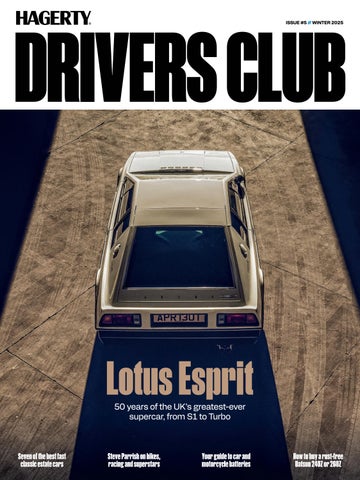
50 years of the UK’s greatest-ever supercar, from S1 to Turbo
We have to introduce young people to classics. Here are some ways it’s being done
By Mark Roper
THE MANTRA ACROSS OUR WORLD of classic cars and motorbikes has long been to keep the younger generation interested. But how do we do that?
At the recent Historic and Classic Vehicles Alliance (HCVA) Heritage Matters Day, a group of under-30s stood up on stage to explain to the many industry professionals in attendance how to engage with their generation and younger. Of course there was plenty of talk about the use of social media, particularly TikTok and YouTube, but it goes much deeper than that. Young people have less disposable income than previous generations, but they’re also far less likely to have had classics – or the skills needed to look after those vehicles – passed down to them by parents or grandparents.
As a result, we’re not only in danger of losing potential new owners of classic cars and bikes, we could also lose the knowledge of how to maintain and restore them –unless we help and nurture the younger generation now, by ensuring they experience the historic vehicles that we love and cherish. There’s plenty of reason to be hopeful: at
the recent International Historic Motoring Awards, one of the most compelling winners’ speeches came from Rising Star award winner Ethan Blake-Jones, who launched and runs the Paddock Speedshop TV channel. Similarly, the Industry Supporter of the Year award went to the Heritage Skills Academy, for its work teaching restoration skills to young people.
Meanwhile, at the following week’s Royal Automobile Club Awards in London, Young Achiever of the Year was presented to Samantha Ruff, an apprentice-turnedexpert automotive trimmer. The award was sponsored by StarterMotor, a charity that introduces young people to careers in the classic vehicle industry.
Our neighbour at Bicester Motion, HERO-ERA, runs Rally For The Ages to encourage new and younger participants into Historic rallying. And now, Historic motor sport organiser Motor Racing Legends has introduced the Generations Trophy series, which allows two-person family teams to race near-identical FIAspec MGBs against each other, with pitstop penalties that encourage the greatest age differences between team members. We’ve reported on the inaugural race in this issue of the magazine.
Here at Hagerty, we work hard to attract all generations of enthusiast, particularly with events such as the Festival of the Unexceptional and RADwood. No one is more passionate about this than company head McKeel Hagerty.
We can all do our bit, though, just by showing our cars and bikes to young neighbours, for example, and remaining open to their questions and interest.

HAGERTY DRIVERS CLUB
MEMBERSHIP
hdc@hagerty.co.uk
www.hagerty.co.uk/drivers-club 0333 323 1138
REV UP YOUR REWARDS
Scan the QR code to track an interaction!

EDITORIAL ENQUIRIES
David Lillywhite david@hothousemedia.co.uk
ADVERTISING ENQUIRIES
Sue Farrow sue@flyingspace.co.uk
Rob Schulp rob@flyingspace.co.uk
ADVERTISING PRODUCTION
Elaine Briggs elaine@hothousemedia.co.uk
ACCOUNTS
Jonathan Ellis accounts@hothousemedia.co.uk
PRODUCED BY Hothouse Media on behalf of Hagerty Drivers Club
PUBLISHING DIRECTOR Geoff Love
EDITORIAL DIRECTOR David Lillywhite
MANAGING EDITOR Sarah Bradley
CREATIVE DIRECTOR Peter Allen
DESIGN Mal Bailey
PRINTING Buxton Press
© Hothouse Publishing Ltd. Hagerty Drivers Club and associated logos are registered trademarks of Hagerty. All rights reserved. All material in this magazine, whether in whole or in part, may not be reproduced, transmitted or distributed in any form without the written permission of Hagerty Inc and Hothouse Publishing Ltd.
MARK ROPER Managing director of Hagerty International and chairman of the Historic and Classic Vehicles Alliance.
The Hagerty Drivers Club UK magazine is published four times a year by Hothouse Publishing Ltd on behalf of Hagerty. Great care has been taken throughout the magazine to be accurate, but the publisher cannot accept any responsibility for any errors or omissions that might occur. The editors and publishers of this magazine give no warranties, guarantees or assurances, and make no representations regarding any goods or services advertised in this edition.
Jon Sanderson’s longterm love affair with ‘Sally-Anne’ – a 1987 Citroën 2CV6 Special
Bringing an old 3-Series back from the brink was a life-affirming challenge for enthusiast Jake Walton
cartoons
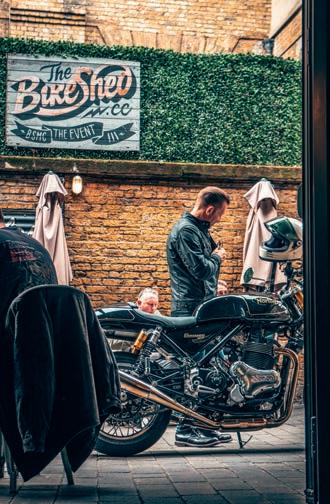
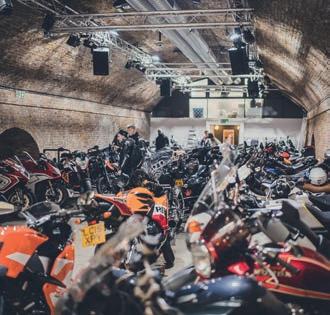
The Bike Shed is a riders’ mecca in the heart of London – but you don’t need a motorcycle to
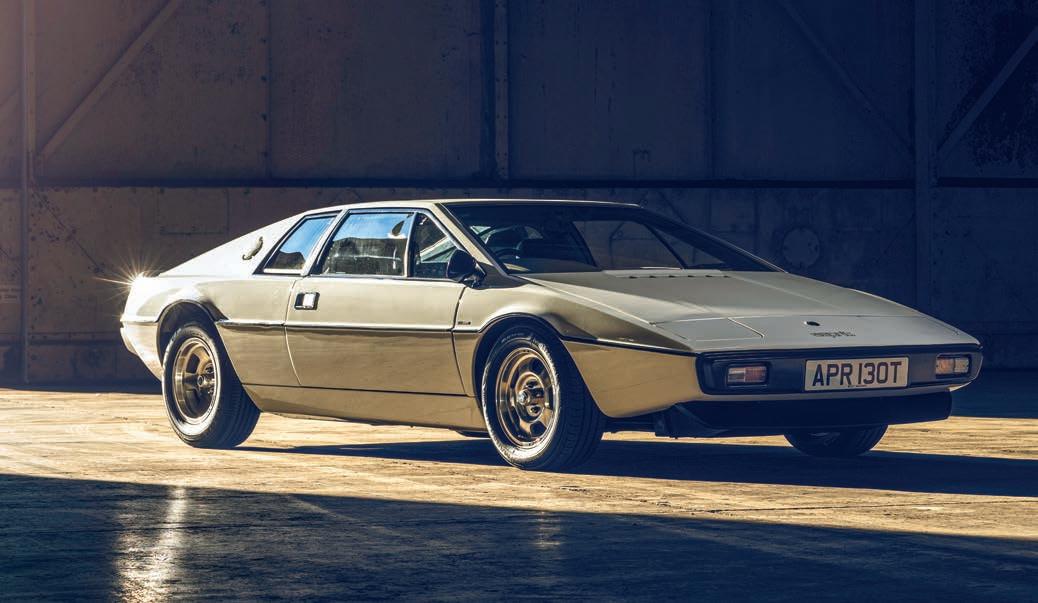
22 Why Paul Cowland is a big fan of Colin Chapman’s ‘Fenland Ferrari’ Esprit
24 Charlotte Vowden’s imminent arrival looks set to carry on family traditions
26 Henry Catchpole on Giampaolo Dallara – still creating great cars at 89
28 50 years on, we shine a light on the audacious Lotus Esprit supercar
YOUR HDC
We couldn’t get enough of classic gatherings this year – and neither could you! Here are some highlights
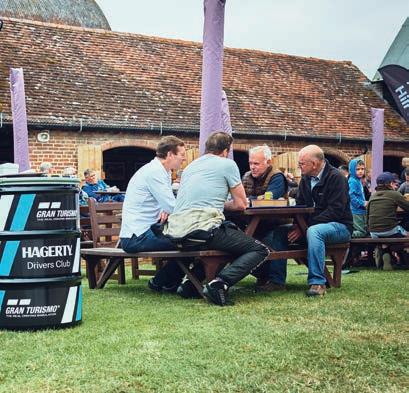
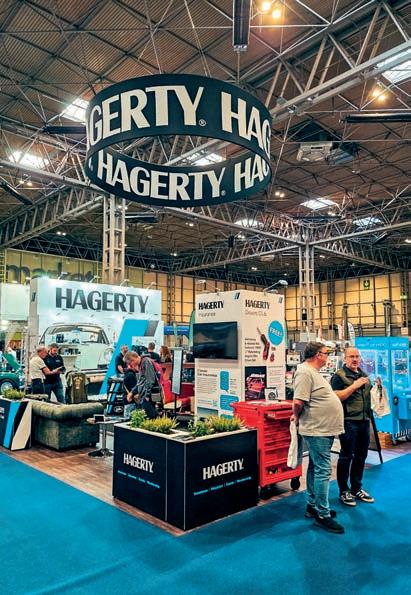
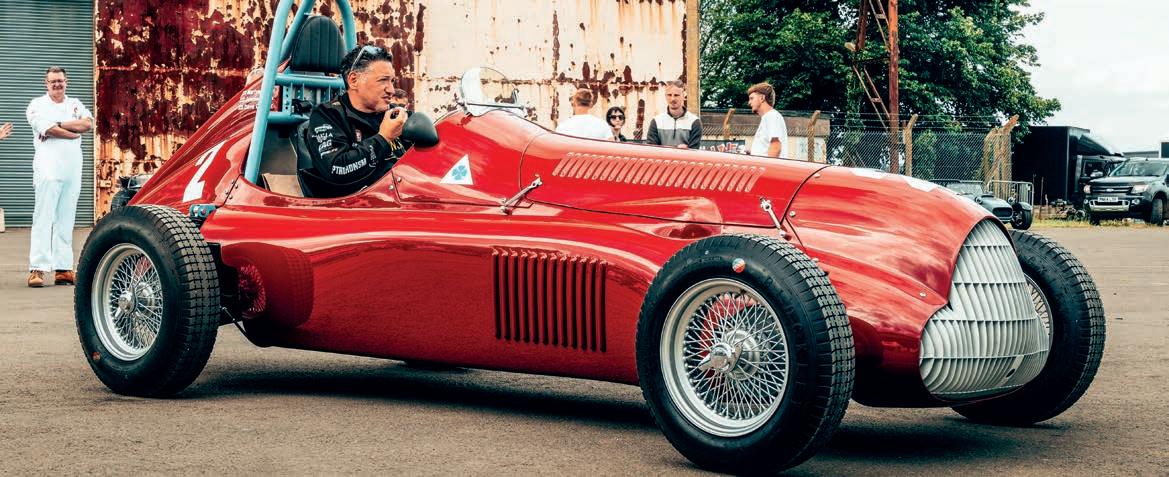
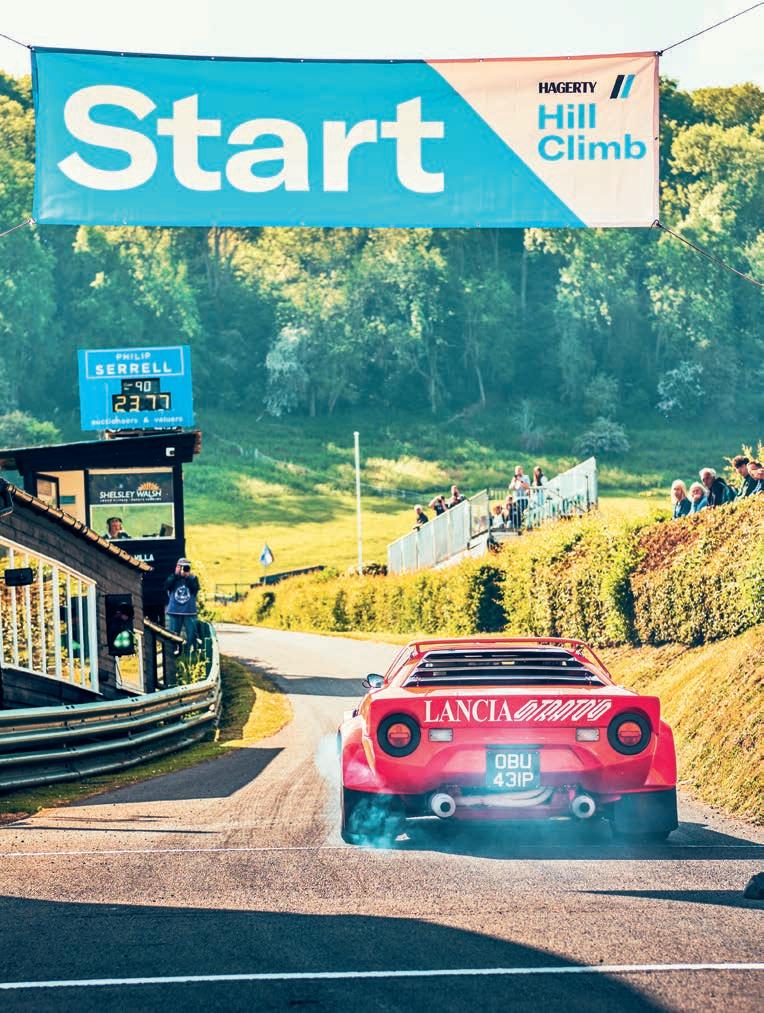
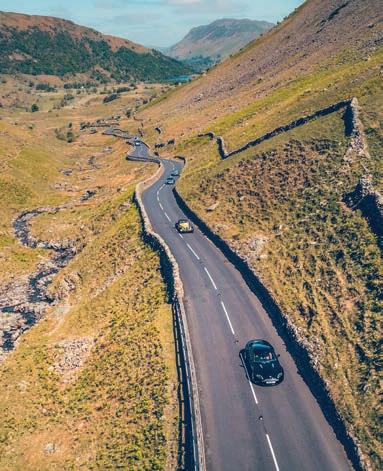
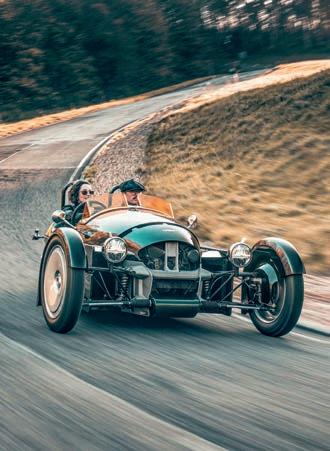
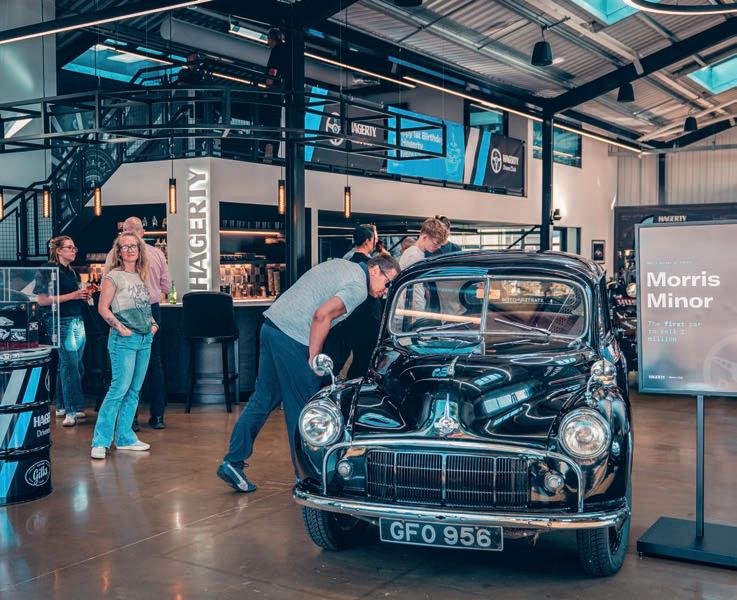
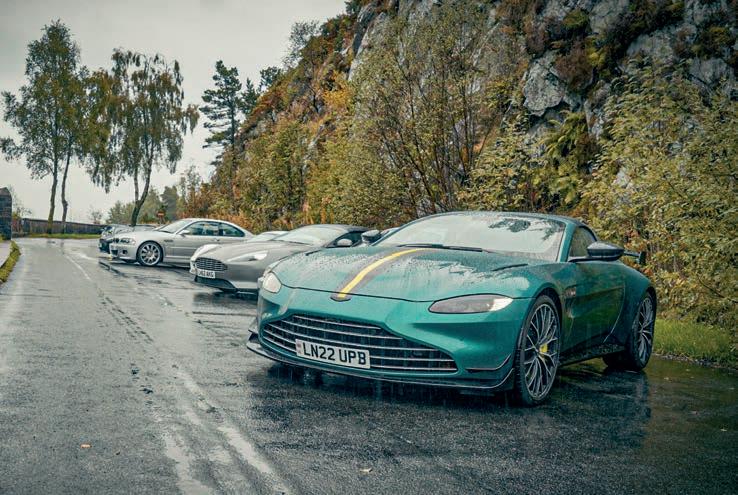
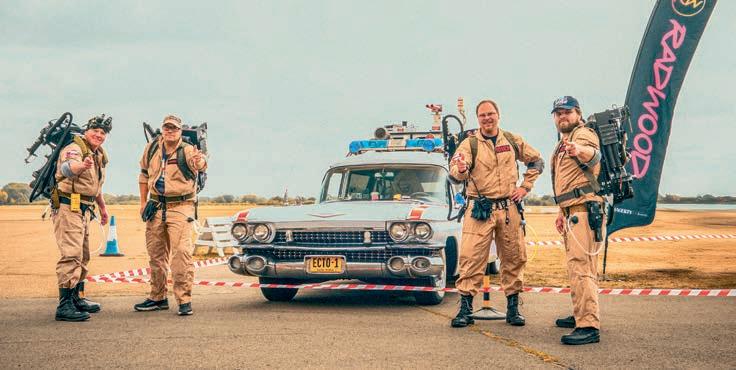
THIS SPREAD What a packed year it’s been for HDC, with driving tours to Wales and the Lakes, the Hagerty Hill Climb at Shelsley Walsh, RADwood and the Festival of the Unexceptional plus a major presence at Wheeler Dealer Live and the Classic Motor Show – not to mention regular Hangouts at our Bicester Motion clubhouse.


Scan here to Ask Hagerty anything to do with the classic car and bike world.
Scan here to give us your HDC feedback – what you love and what you don’t.





When was the last time you lo ed into the HDC portal?
Not since you activated your membership? You have activated your membership portal haven’t you…
You could be missing out
Join our members that are earning their membership fee back by taking advantage of the huge number of offers we have in the HDC portal.
There’s discounts on motoring magazine subscriptions from Octane to Classics World and from The Road Rat to Car Mechanics. Offers from motoring brands like Euro Car Parts, Halfords and Motul. And money off high streets names like AirBnB, Holiday Extras and Costa Plus, this year alone we’ve given away Goodwood Revival tickets, a tool kit worth £900, a Dodo Juice cleaning kit and much more!
How do I access theHDCportal? Go backinto anyemail from HDC and click ‘MyPortal’ at the top – eitherlog in orresetyourpassword. Ifyou have anyissues at all, email hdc@hagerty.co.uk
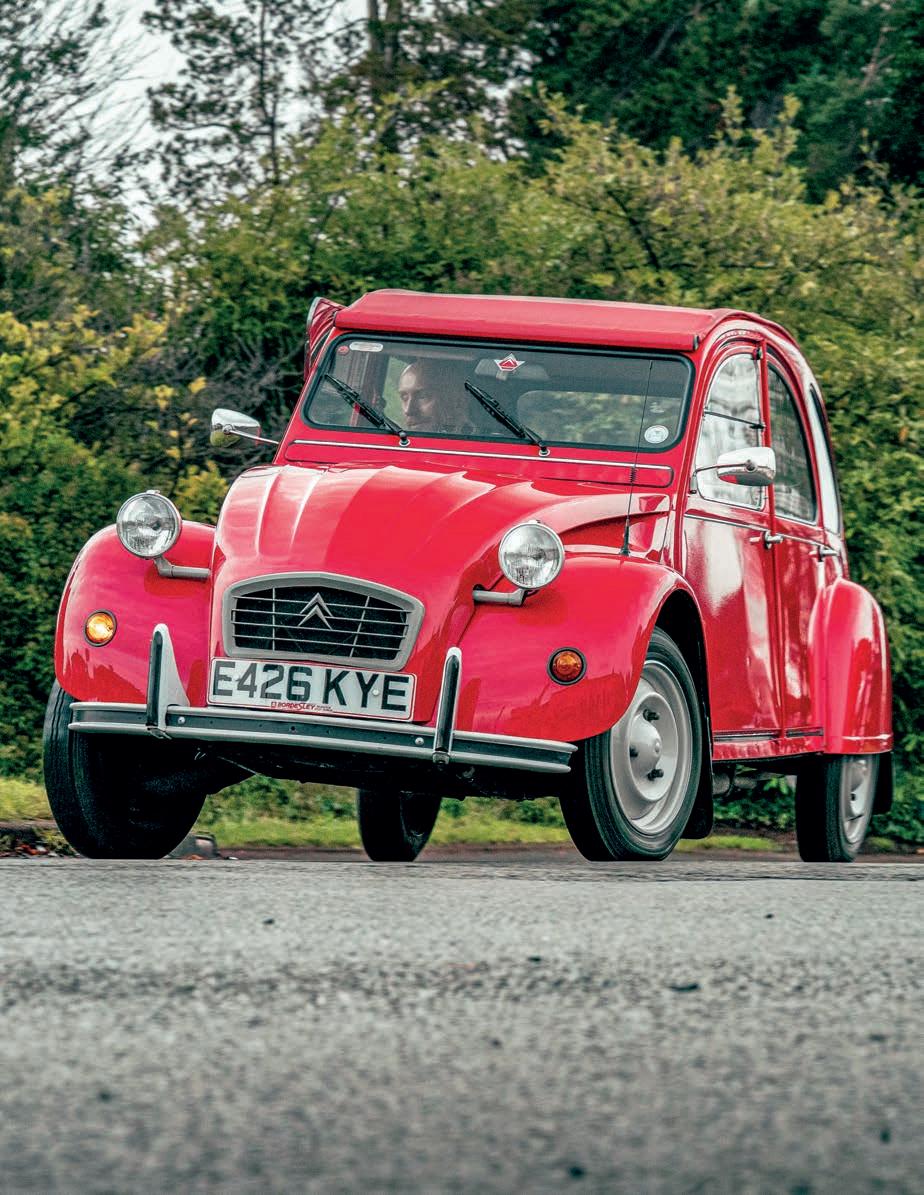
How a showroom swoon at the tender age of 16 turned into a lifelong ownership story
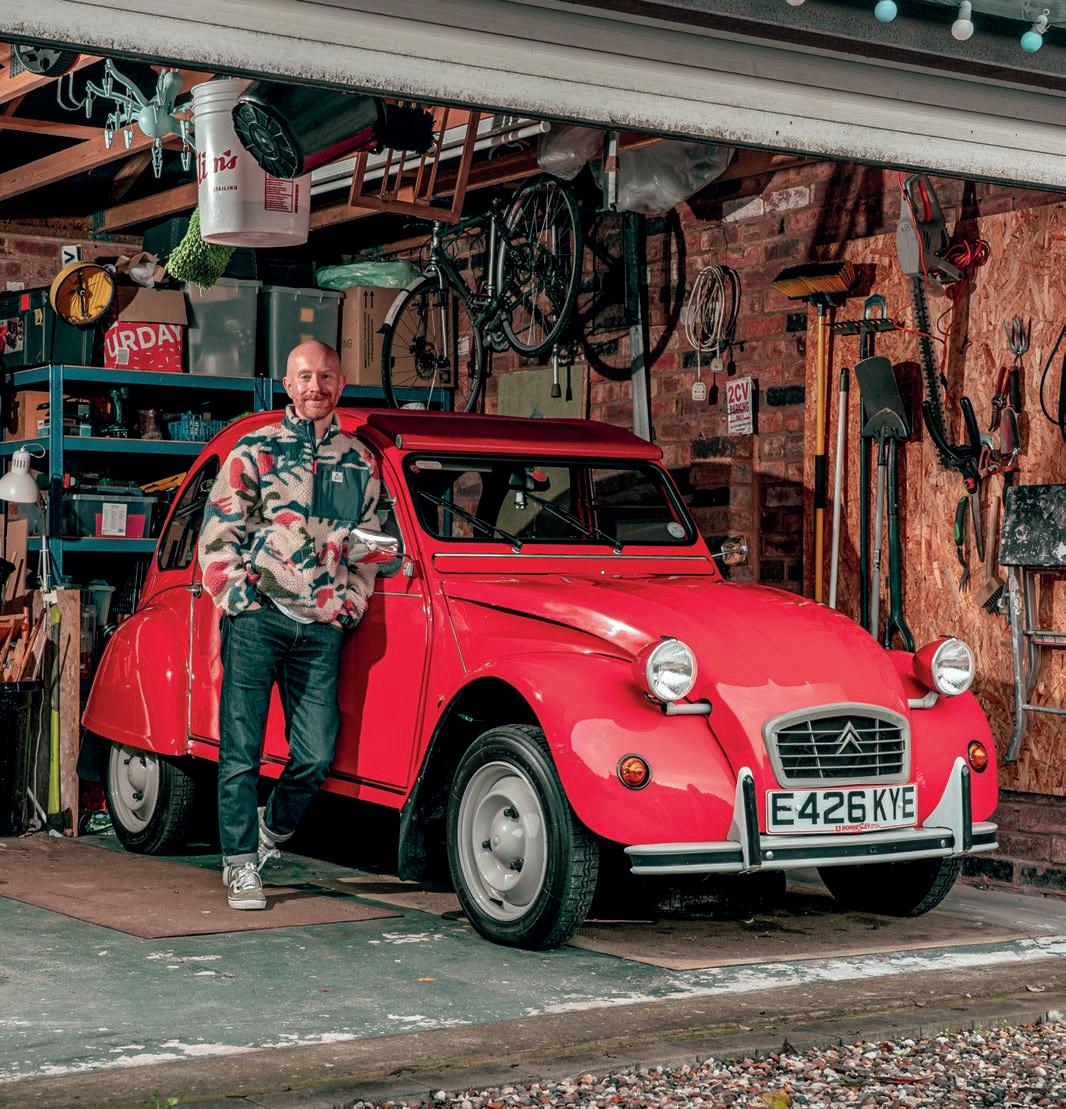
YOUNG ROMANCE – THE STARTING point for films, books, paintings, music and all forms of art in between, and something that can last a lifetime. For Jon Sanderson, such pulse-quickening desire came via a Kidderminster Citroën showroom and what would become the love of his life – Sally-Anne.
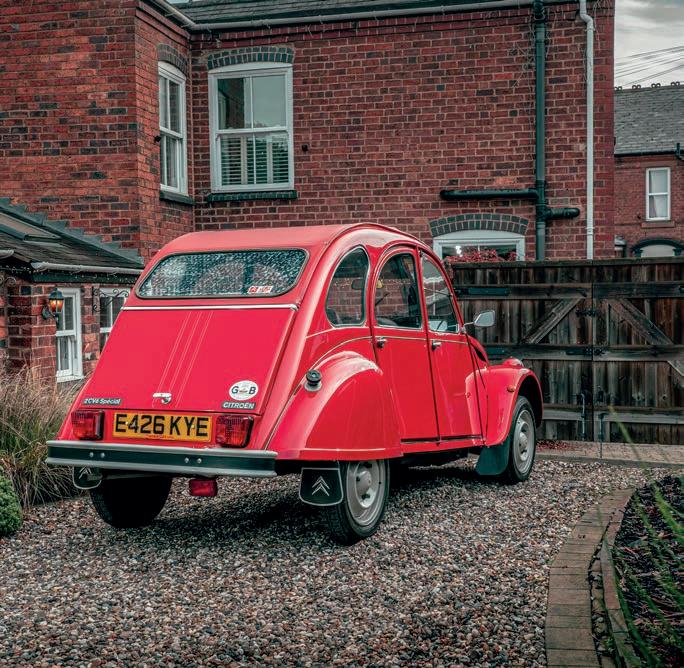
Sally-Anne is a 1987 Citroën 2CV6 Special, one he’s owned and dutifully cared for over three decades. “It all began by chance,” Jon reflects. “I had been obsessed with cars since childhood. My life up to that point revolved around learning to drive and getting a car. I’d wanted a VW Beetle for years, then a campervan, but my dad was only willing to lend me a certain amount of money for my first car. I wanted something interesting but within budget – and the Citroën 2CV seemed perfect.”
Jon’s fascination for Citroëns stemmed from a neighbour’s CX. “I was fascinated by how it rose off the ground,” he explains. “I also loved the sound of 2CVs.”
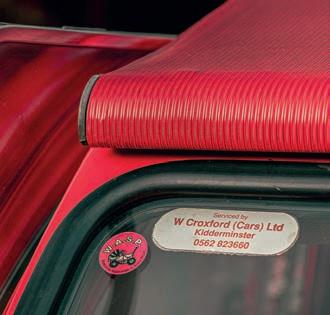
As with all great love affairs, it began with a stolen look. One day back in 1994, Jon’s parents announced that the family would be visiting Kidderminster, and for the 16-year-old the allure of a visit to said Citroën dealership couldn’t be ignored. He reasoned that with production long since being over, there might be some 2CVs that
‘I drove it everywhere – to college, then to university in Birmingham’
THIS SPREAD Having bought the Citroën before he even learned to drive, Jon Sanderson has never lost his love for its quirky character and charming simplicity.
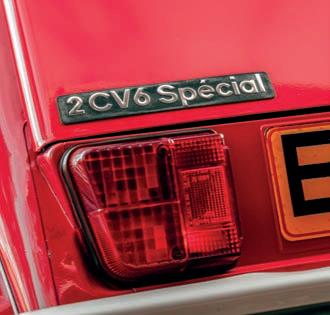
had been part-exchanged. “We pulled up outside and there it was – a gleaming red 2CV6 Special in the showroom,” Jon beams. “I fell in love with it instantly. My dad looked at me and said, ‘Do you want it?’ I replied, ‘Yes, absolutely.’”
Jon’s dad loaned him the money, and the car was delivered ten days later. There was just one slight problem – Jon hadn’t actually started his driving lessons yet. “Learning in a 2CV is unlike learning in any other car – but when you have never driven anything else, you don’t know any differently,” he says. “You are completely connected to it; you feel every vibration and hear every sound. It’s very mechanical, very engaging.”
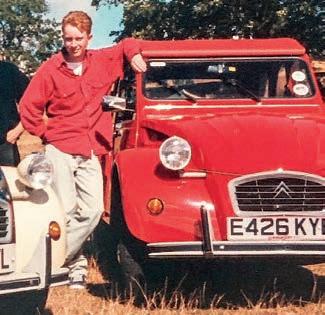
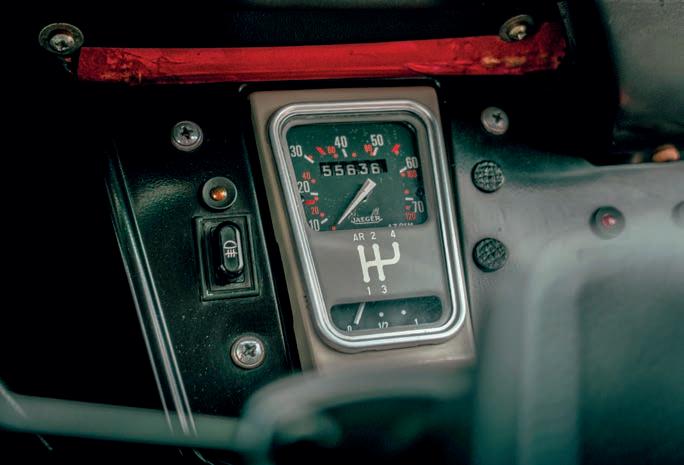
He set about practising his skills behind the wheel with his parents, although his instructor used a Rover Metro. “Oddly enough, his own car was a 2CV, so he understood,” Jon recalls. “The only issue was I kept reaching for the gearlever where it would have been on the dashboard, as in the 2CV, rather than down by the floor.”
Test duly passed, the 2CV6 was pressed into service for daily trips to sixth-form. “There were still a few 2CVs on the road, so we’d wave to each other. It felt special,” Jon reflects. “It was effectively a convertible, so I felt quite cool – even if it wasn’t an XR3i.”
He says the roof spent most of its time
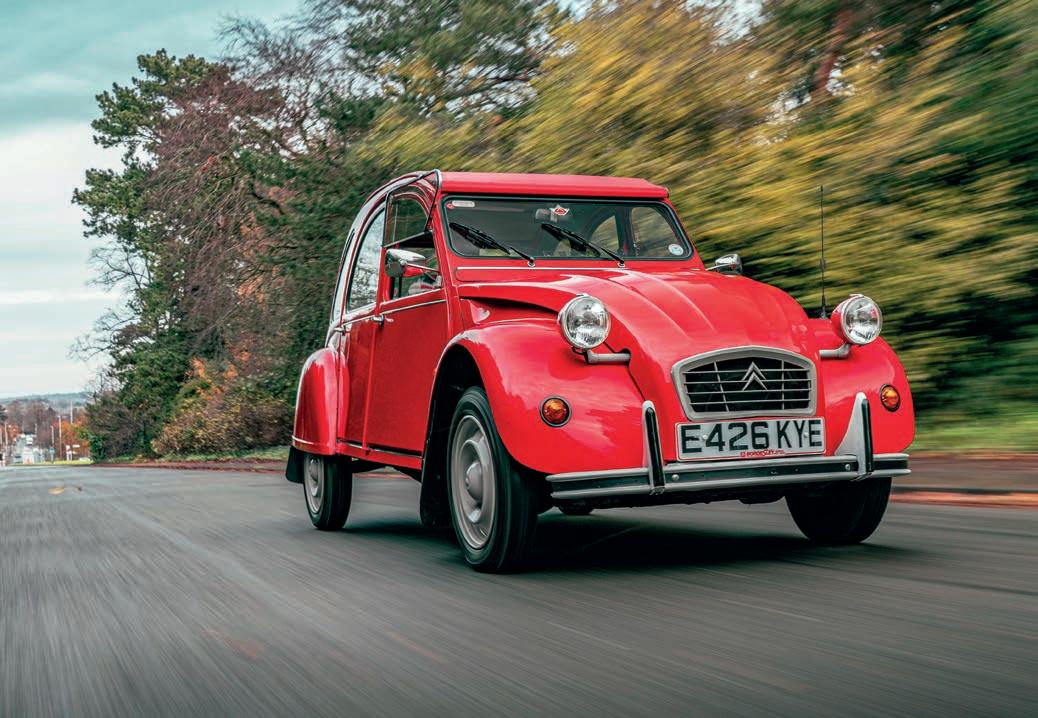
rolled back, with the seats removed for picnics: “I drove it everywhere – to college, then to university in Birmingham.”
However, the car’s remarkable condition would see daily duties recede. “I joined the 2CV Club of Great Britain and soon realised how original and well preserved mine was. People were surprised I used it daily, especially leaving it parked in Birmingham,” Jon says. “That’s when I decided it was time to look after Sally-Anne more carefully.”
He acquired another car, saving the 2CV6 for high days and holidays as a cherished classic – always garaged and well kept. “When I bought it, the car was seven years old with 27,000 miles. It’s now at 55,000, so I’ve done about the same mileage in 31 years as the first owner did in seven,” Jon says.
That first owner is the inspiration for the 2CV6’s name: Sally-Anne Citroën. “The first owner was Miss Sally-Anne Klink. It’s such a great name and felt fitting,” Jon explains. “The car spent time in Belgium early on, judging by the service records. Clearly it was well looked after, which is why it ended up displayed in the dealership showroom.”
Jon has tried to catch up with Miss Klink
‘It’s about the experience – the smell, the sound, the character’
over the years, but never got a reply. “It’s a shame because I’d love to fill in that part of its history,” he says. “I often think about how the car has been part of my life for over three decades now – far longer than it was ever with her. It feels very much mine.”
The 2CV6 has been ever-present as Jon’s driving experience has grown. “I drove it everywhere – to work, up North, to car meets. It was my world,” he recalls.
“My first experience driving in snow was in that car. I’ll never forget overtaking a stuck Vauxhall Frontera in deep snow, just trundling past as if nothing was wrong. Those narrow tyres cut straight through – it was unstoppable.”
Over the years, Sally-Anne has let him down only three times. “Once the gearbox jammed after I reversed too quickly, and twice I lost my brakes due to seized calipers,” he says. “Oh, and I ran out of petrol once – that was my fault.”
Jon also had an eye-widening experience when he lost the electrics mid-journey –including the indicators. “We had to take a sharp left turn without warning the car behind. My aunt, riding in the back, went
pale as we tipped round the corner,” he laughs. “We made it, but it was hair-raising.”
The 2CV6 has never been restored, although minor work has been undertaken here and there. “I had the wings resprayed early on – albeit not very well, so I plan to have them redone properly soon,” Jon says. “Otherwise, it’s remarkably original – even the chassis has never been welded, which is almost unheard of for a 2CV. The bonnet hinge, another rust-prone area, is still perfect. The 2CV Club magazine editor once made me pose for a photo pointing at it.”
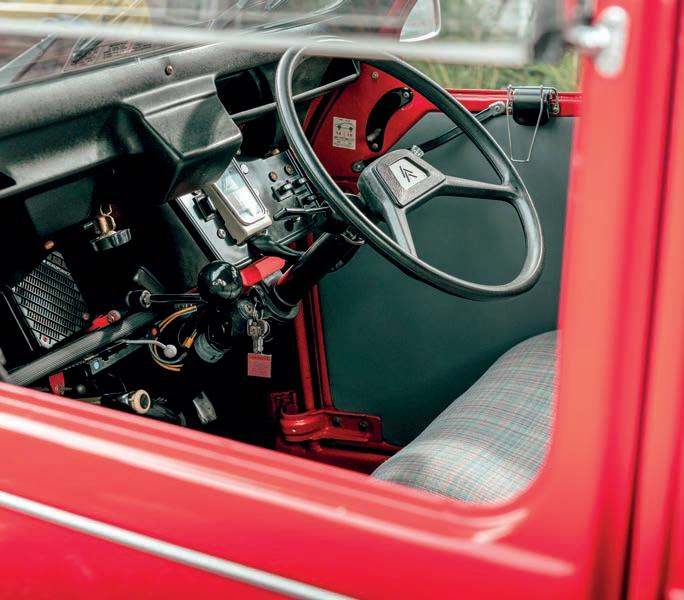
Time, however, does leave its mark. The still-original roof is starting to shrink. “The seats will soon need new foam, too, because it’s crumbling with age, but that’s just time passing, not neglect,” he adds.
Although Sally-Anne has been driven across the UK, Jon has never taken the Citroën abroad. In fact, it’s never even been to France – this 2CV6 was built in Portugal. “I’d love to take it across the Channel one day, but it’s not exactly comfortable on long motorway runs,” he admits.
There have been a few long adventures – and one in particular showed just how versatile a 2CV can be. “A few years back I was studying for a qualification in traditional upholstery. The training centre was in the depths of Cornwall – and I thought, given the narrow country lanes and the fact that I had never taken the 2CV6 to the coast, it might be fun to go in Sally-Anne,” Jon says.
The only issue was that his upholstery project was a large 1930s armchair. “With the car being a saloon, the chair wasn’t
THIS SPREAD Still showing remarkably low mileage for a car of this period, the 1987 2CV6 remains in very straight and original condition.
going in through the boot, and the rear doors were a no-go, too. That left the roof as the only option,” he recalls. “Seats out, roof off, and the chair was carefully lowered in (with some help). Getting it out was a little more challenging, however.”
Sally-Anne may not be fast, but for Jon that’s not the point – he loves the simplicity. “Everything about it just works exactly as it should,” he says. “You feel every movement and hear every sound. The little air-cooled engine is wonderful – it buzzes away happily and sounds like nothing else.”
This means Jon is not afraid to use it, despite its impeccable condition: “A well known 2CV specialist told me mine is one of only two he knows of in such original shape, so I feel a sense of responsibility. I don’t want it to become a museum piece, though – it’s meant to be driven.”
So what keeps the passion going after 30-plus years? “It’s about the experience –the smell, the sound, the character,” Jon says. “Sitting in it takes me straight back to being 17. On summer evenings, I take it out for a quiet drive in the countryside, and everything feels right with the world.”
THE OWNER
Words Charlotte Vowden
Photography Matthew Pitts / owner
“A PLASTER AIN’T GONNA FIX THIS,” Jake Walton said to his brother, Kian, six years ago. He was just minutes away from death. While the siblings had been out on a bike ride, Jake had spectacularly lost control. After he’d been catapulted into the air, the handlebar penetrated his right thigh on the way down and severed the femoral artery. He was rapidly losing blood.
“There’s nothing you can do to help yourself,” the 24-year-old from Halifax, West Yorkshire, recalls. “Adrenalin shuts your mind off, and your body does what it can to stay alive.” A mechanic by trade and car restorer by devotion, Jake, whose projects have included a VW Polo, knew this was a predicament beyond his own resource. He couldn’t patch it up with tools or new parts.
Applying pressure to the wound as they waited for an ambulance, Kian, 21, noticed his brother was drifting in and out of
consciousness. “He kept telling me to focus on things to keep me awake,” says Jake, who’s still in awe of his sibling’s calmness and quick thinking. “If he hadn’t been there, I wouldn’t be here. He saved my life.”
After a blood transfusion and surgery, Jake then had to relearn how to walk. Surviving the incident, he says, changed his outlook. “It set my mind straight; you’re lucky to be born, but you don’t realise until you come that close to death,” he reflects. “It’s made me appreciate everyone around me, everything I’ve got, and the things you can achieve with drive and motivation. We only get one life, you’ve got to do what you wanna do.” For him, this manifested in the rescue of a 1990 BMW E30 from a bush.
Still a motor vehicle apprentice at the time of purchase in summer 2020, Jake knew he’d need to expand his skill set in order to get the car back on the road. Untouched and left outside for almost a decade, it had weathered its fair share of storms.
Surveying the E30 in situ, he thought, “if it’s knackered, it doesn’t matter”. He was “buzzing” and up for the task. “I really didn’t know what I was doing. It was a bit daunting, but I always say that unless you give yourself the problem, you won’t learn how to solve it.”
For £1800, Jake had acquired a BMW saloon he’d coveted for a long time. In the E30 he saw potential, perhaps, because he too had been given a second chance at life.
Initially hiding the 3-Series from his parents, Jake tucked it in a friend’s garage. A rusty just-about-runner with a cracked cylinder head and patches of corrosion, the BMW was a casualty of abandonment as
‘Road-tripping is all about memory making – you either get it, or you don’t’
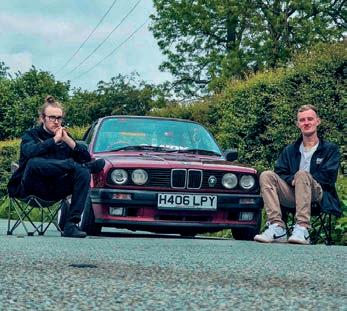
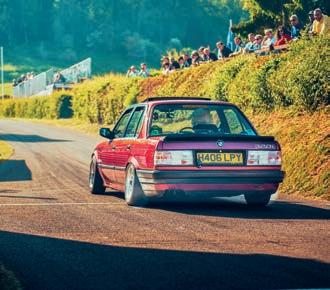
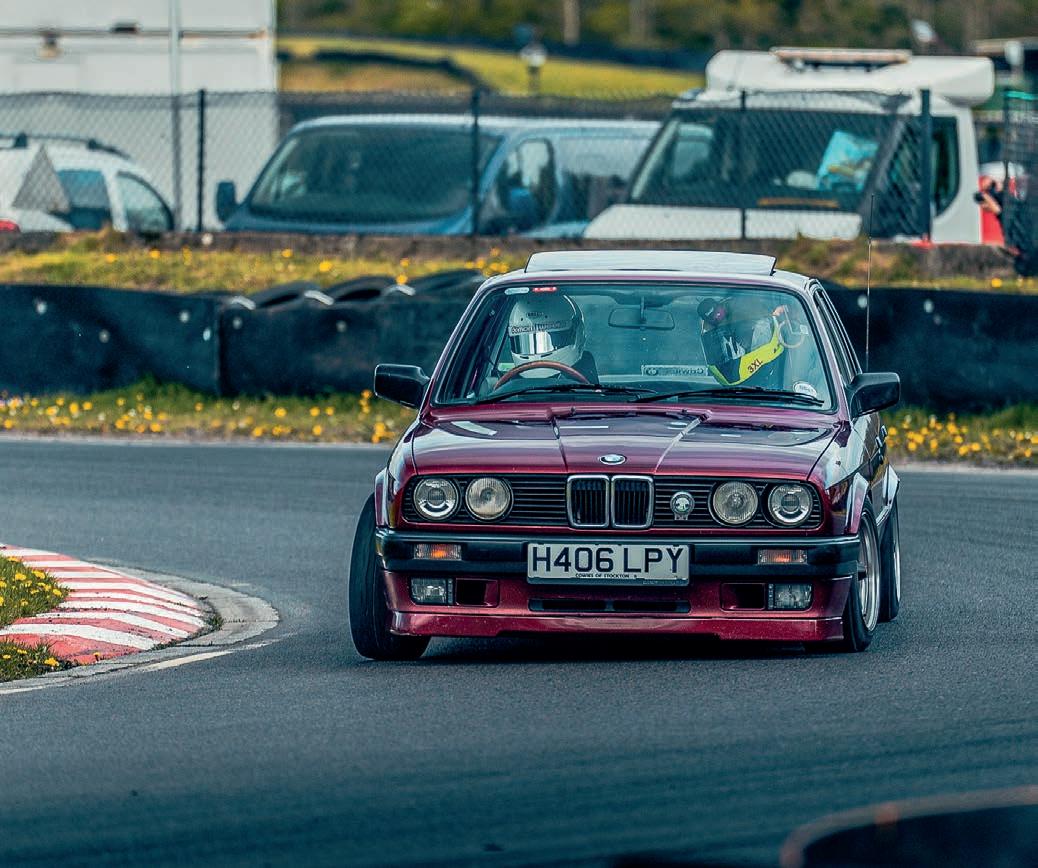
THIS SPREAD Restoring the 3-Series gave Jake a focus as he recovered from a serious accident. From hillclimbs to road trips, he, brother Kian and the BMW have had a lot of good times ever since.
well as its 150,000 miles. Yet these were mere teething problems, he says.
With a twinkle in his eye, he goes off like a firework when he expounds the merits of being tested by the restoration.
“I was well scared,” he admits, as he regales the moment his boss took an angle grinder to the BMW to remove some rot. “I couldn’t bring myself to do it.” Jake then had to learn how to weld...
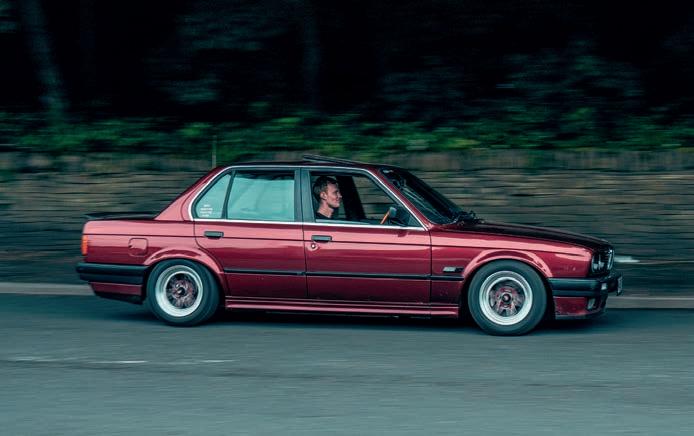
Upgraded to run on a 2.8-litre M52B28 engine with an M50 manifold ‘The Bimmy’ “has become everything I wanted it to be”. Less “1990s businessman motorway cruiser”, more “B-road basher”. Fitted with a six-speed Getrag 420G gearbox, BC racing coilovers and E36 purple-tag steering rack, it’s now a peppy, super-slammed car – complete with a Recaro driver’s seat and rare Dunlop LeMans T-E wheels.
When asked how The Bimmy makes him feel, Jake replies “quite accomplished” before taking a considered pause. “I’m not in the best of health,” he continues [he has a condition called vasculitis of the lungs]. “But I can’t do ’owt about it, so I crack on.”
He is at his happiest when on the road: “With the car being boxy and low, you feel so connected to the Tarmac.” Using a roof tent to convert his Calypso Red ride into a mobile home, he’s pitched in many varied locations. A sleeping bag, pillow and portable stove complete his nomadic set-up.
With the Swiss Alps in his sights, Jake says the E30 has inspired him to head for horizons further afield: “I want to see those views out of that windscreen, with that Nardi steering wheel in front of me.” Roadtripping is all about memory making, he believes – you either get it, or you don’t.
“It is hard to explain to the average person why you’d want to travel thousands of miles in a 35-year-old car instead of jumping on a plane,” he says. “A lot of people would prefer to rent a luxury motorhome, but at least I have got something fun to drive. That’s special.”
And that’s how a car can help make the gift of every sunrise you’re given, count.

From his F1 cartoons at 15, to his recent work for Aston Martin and Porsche, creator Guy Allen’s love of cars has always shone through in his art
Words Richard Heseltine
GUY ALLEN IS ON A ROLL. HE HAS been ever since he departed secure employment as a designer, for life as a freelance artist, illustrator and cartoonist. That was back in 2004.
His love of cars shines through in his work, which is always striking and often witty. “I suppose I am a cliché, in that I grew up near Silverstone and went to lots of race meetings there,” he says. “I liked Formula 1, but I was more interested in Group C sports cars. I also loved rallying. I spectated on the RAC Rally every year during my teens, and I got to see the Group B cars in action. They left quite an impression.”
He also became a published artist early on. “I was 15, in 1986. Ayrton Senna and Johnny Dumfries were driving for Team Lotus, and I did caricatures of them. I sent them off, and they were sent back with autographs. Lotus also ran the illustrations in its in-house magazine. Dumfries phoned one morning as I was getting ready for school. He wanted a larger version of his cartoon. Having an F1 driver call me was pretty surreal. From there, it was into the commercial realm. When I went freelance, I had devised a cartoon character, Felix Petrol, which Octane magazine adopted.
“I had also produced maybe four or five pieces of artwork that I pitched to a few magazines. I received some publicity off the back of mentions in one or two big titles, and, to begin with, I took on commissions from car owners; one-off cartoons or illustrations. I then gradually got into doing

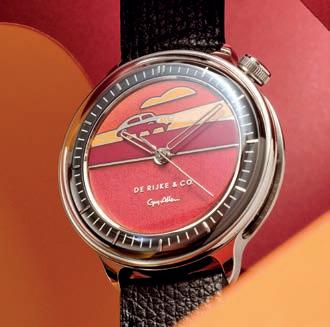
‘There’s a nice synergy between watches and cars’
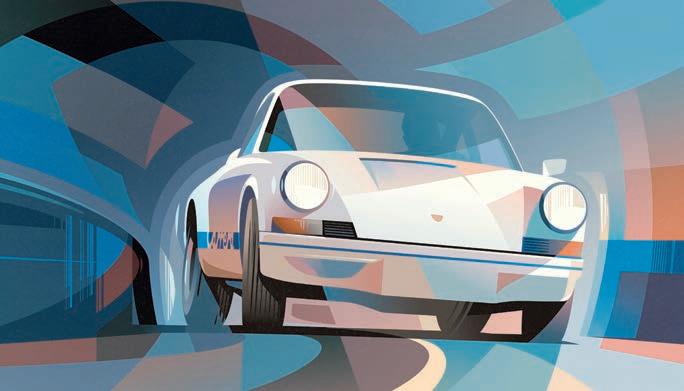
prints, which has been a constant for much of my freelance career. It’s been a significant part of my business. I’d be lying if I said I did much in the way of market research, but you soon learn which makes and models sell OK, and which don’t. Porsche, Alfa Romeo, BMW and so on have always done well.”
Guy wears his influences on his sleeve. “The work of Max Huber has always been an influence on people working in this area. He was a giant of graphic design, but then things such as the Porsche Achievement Posters, and 1960s magazine covers from the likes of Domus, also offer reference points. Anything mid-century modern, too. I don’t slavishly copy anything, but other works may subconsciously inspire an idea. They are there in the background, yet my stuff has always evolved. I look back on things I did 20 or even ten years ago, and it has changed quite a lot since, as it should.”
In recent years the focus has shifted slightly, print sales mingling with corporate work for OEMs. “That started with Mazda and Toyota; little jobs such as cartoons for stickers. Then, in 2018-19, the approaches went from ‘we have this much money, we want you to do this’ to ‘would you consider working for us and how much do you charge?’ That’s a big deal when you’re selfemployed. I’ve worked for Aston Martin, Porsche and Ford Performance among others, and the likes of the Petersen Museum. I also do cover illustrations for Phillips’ watch auction catalogues.”
Warming to the theme, he adds: “I can see me getting more involved in watches. I did three designs for De Rijke & Co with transport themes: a Riva speedboat, a vintage seaplane and a Lancia Aurelia. More are in the pipeline. There’s a nice synergy between watches and cars.”
Find out more at www.guyallen.co.uk.
THIS SPREAD Cars, watches, corporate work for major OEMs... Guy’s graphic art takes its influences from a wide variety of sources.
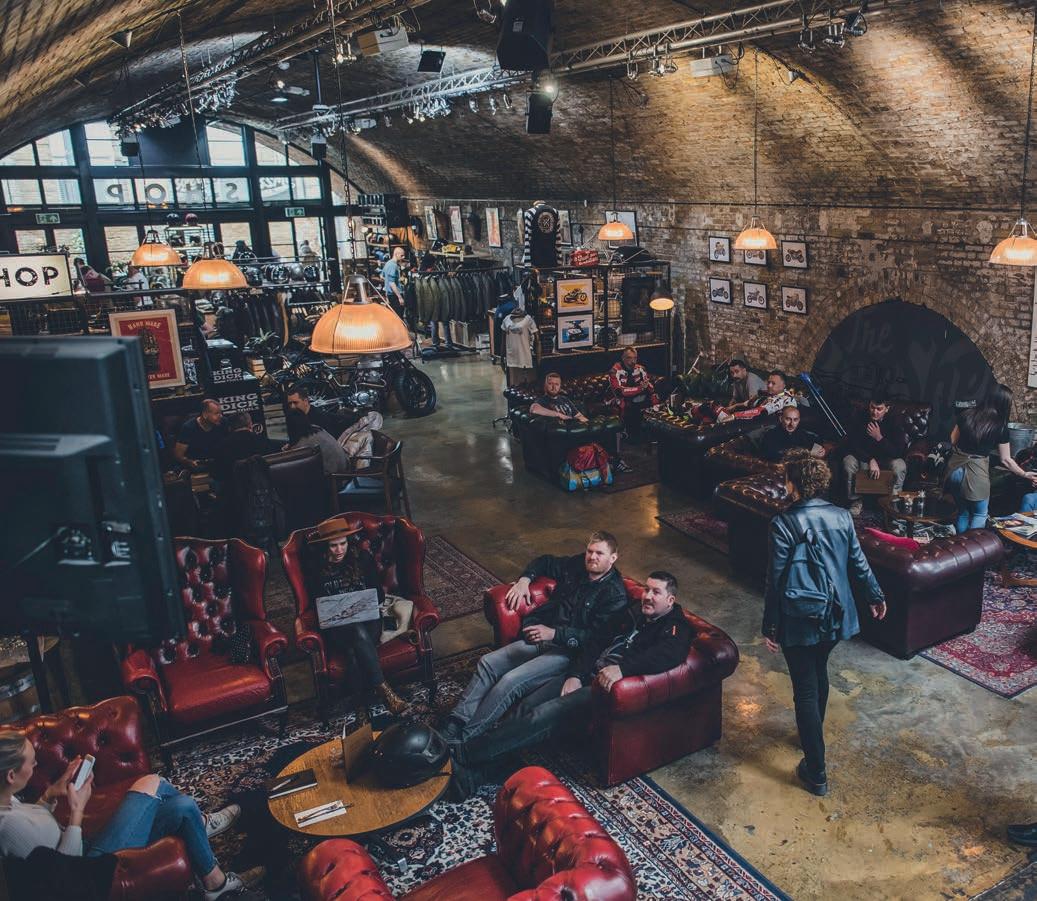
From one man’s blog to major motorcycling venue – this welcoming London spot offers an alternative take on the traditional bikers’ café
TALK ABOUT A MAJOR SUCCESS story. What began as a motorcycle-centric blog in the early 2010s has grown and developed into the Bike Shed Moto Co –a major riders’ destination in central London, with an outpost in Los Angeles and plans for more venues around the world. Love motorcycles? You’ll have a great time at the Bike Shed, where people from all walks of life come together to hang out and share their passion for two wheels. Even if you don’t ride, you will find a welcoming, authentic and inclusive space with plenty to keep you interested and entertained. It all began back in 2011, when lifelong London biker Anthony ‘Dutch’ van Someren was among the earliest bloggers to combine a love of speed, excitement, individuality and freedom with a desire to hook up with fellow riders online. Digitally connecting
with enthusiasts far and wide, his Bike Shed blog soon gained momentum, to the extent that Dutch and his equally motorcycle-mad wife Vikki realised there was plenty more potential in the concept. Building on this global virtual community, the next logical step was to stage popup bike, art and style exhibitions in various London venues. Then, what started as a conversation in a pub evolved into a Big Idea: creating a permanent location for riders to meet up in person.
With their minds set on their mission to preserve and celebrate moto-culture, Dutch and Vikki, along with a team of petrolhead investors that eventually included the likes of Charley Boorman, Nick Mason, Woody Harrelson, Tom Hardy and Mark Webber, secured an appropriate venue: four disused Victorian railway arches in the Shoreditch area of Hackney. The plan was for a quality indoor/outdoor café, restaurant and bar, comfortable break-out lounges and event spaces, not to mention invaluable (and secure – rare in the frenetic, edgy East End) indoor motorcycle parking for customers.
With the help of friends, family, partners and volunteers, and after plenty of hard renovation work, the 12,000sq ft venue opened in November 2015 to great fanfare. It offers all of the above facilities as well as galleries for bikes and art, a barbershop, a tattoo artist and an on-site store selling
‘All are welcome, from 80-yearold classics to the latest sports machines’
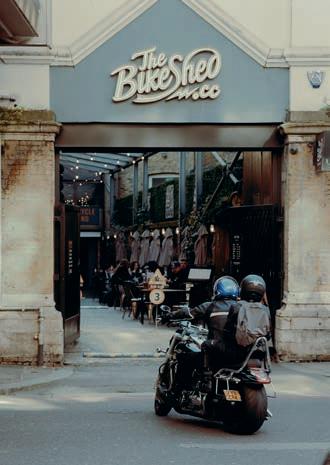
THIS SPREAD With great bikes, people and hospitality, London’s Bike Shed Moto Co has established itself as a must-go-to venue for fans of all things two-wheeled.

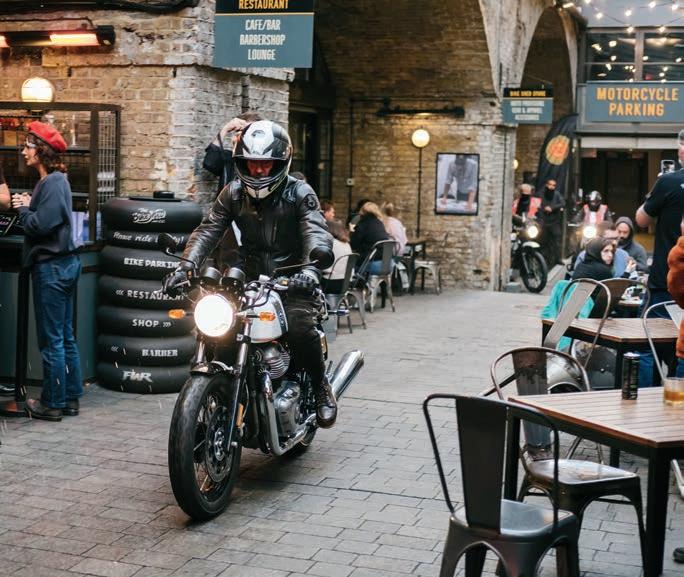
riding clothing and accessories. Big screens ensure that MotoGP fans can watch live race footage throughout the entire season of motorcycling’s equivalent of Formula 1. Meanwhile, a unique ‘ride-thru’ entry and exit set-up makes customers’ bikes a major part of the visitor experience, too.
As news of this stylish new rider-friendly hub spread, people from all over the UK began turning up in their masses, eager to check out the purpose-built venue, grab a coffee or beer, and sample frankly fantastic signature dishes such as the BLAT Sandwich and the Bike Shed Burger. All motorcycles are welcome: 80-yearold classics, shed-built customs, workaday commuter scooters, the latest high-end sports machines and anything in between.
The Bike Shed’s appropriately evocative event spaces have since played host to everything from major Triumph model launches to parties, gigs and private functions, not to mention the odd charity fund-raiser. In fact, a desire to both help others and boost the admittedly sometimesless-than-positive image of bikers led to a truly worthy initiative during Covid, when Dutch and Vikki mobilised their rider fraternity to establish Bike Shed Community Response. This nationwide network of many hundreds of volunteer motorcyclists provided free courier-style services to deliver food, medicine, testing kits, medical
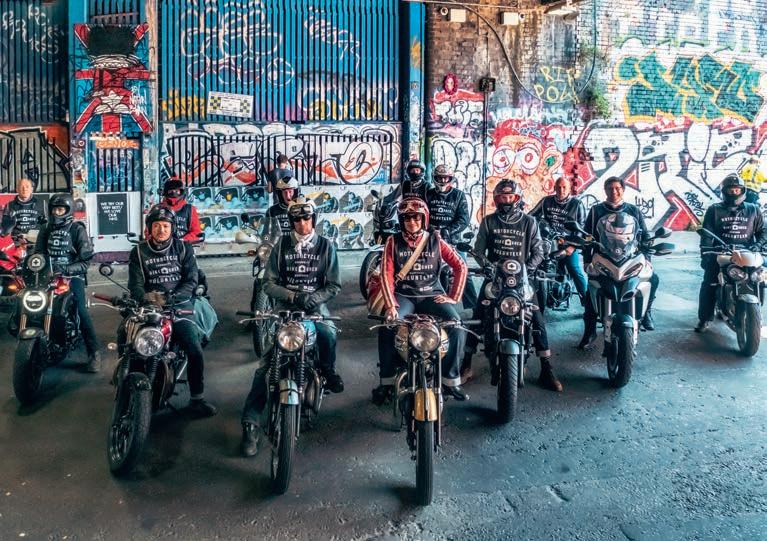
equipment and PPE to individual patients, surgeries, care homes and pharmacies throughout the pandemic.
Wanting to do their bit to encourage and accommodate the camaraderie of motorcycling even further afield, the Bike Shed Moto Co team subsequently set their sights on expanding the concept overseas.
In April 2022, a sister Bike Shed venue opened on America’s West Coast, calling the rejuvenated LA Arts District its home and doing the same for US riders as it has for their counterparts in the UK –albeit with the bonus of more motorcyclefriendly year-round sunny climes.
Both venues are run along similar lines, providing a relaxed, safe environment for riders from all backgrounds to indulge their love of everything two-wheeled. The evercheerful and professional hospitality teams ensure everyone feels welcome and properly looked after – bikers, non-bikers, wouldbe bikers and the general public alike.
For those who want to get further involved, the Bike Shed Motorcycle Club in both London and LA lays on regular members’ nights as well as plenty of exclusive privileges and experiences, from ride-outs, track days, off-road events and road trips to exclusive dinner-talks with racers, overland adventurers and more.
Meanwhile, there’s the Bike Shed Moto Show at Tobacco Dock, a 200-year-old Grade I-listed warehouse in the East End’s
‘Bike Shed Moto Co stands as a beacon to moto-culture and community’
THIS PAGE From the on-site barbershop and indoor parking-comeimpromptu motorcycle show, to the Bike Shed Community Response initiative during Covid, the venue fosters a real sense of fraternity.
historic Wapping. The well established annual event is touted as “a motorcycle exhibition like no other, celebrating the creative culture around motorcycles and motorcycle people, open to all, whether they ‘live to ride’ or simply enjoy motorcycles as art, engineering, creators of adventures or symbols of independence”.
With a huge array of hand-built custom bikes, support from major manufacturers, hundreds of traders and exhibitors, plus bars and food, bands, ShedTalks, stunt riders and much more, what’s not to love –and the 16,000-odd visitors to the weekendlong Bike Shed Moto Show every last weekend in May would readily agree. The next event takes place on Friday May 22 through Sunday May 24, 2026, by the way.
In 2025 the Bike Shed celebrated ten years since its Shoreditch spot opened, while continuing to grow its operation in LA and announcing the 2026 opening of a franchise in Dubai. Plans are being made for further global venues, too. But with its characterful East End location, the London Bike Shed Moto Co stands as a beacon to moto-culture and community. And Dutch also somehow still finds time to contribute to the Bike Shed blog that started it all…
The Bike Shed is at 384 Old Street, London. Find out more at www.bikeshedmoto.co.uk. For details about the annual Bike Shed Moto Show, see www.bikeshedlondonshow.com.




PAUL COWLAND
Why Cowland is a huge fan of the ‘Fenland Ferrari’
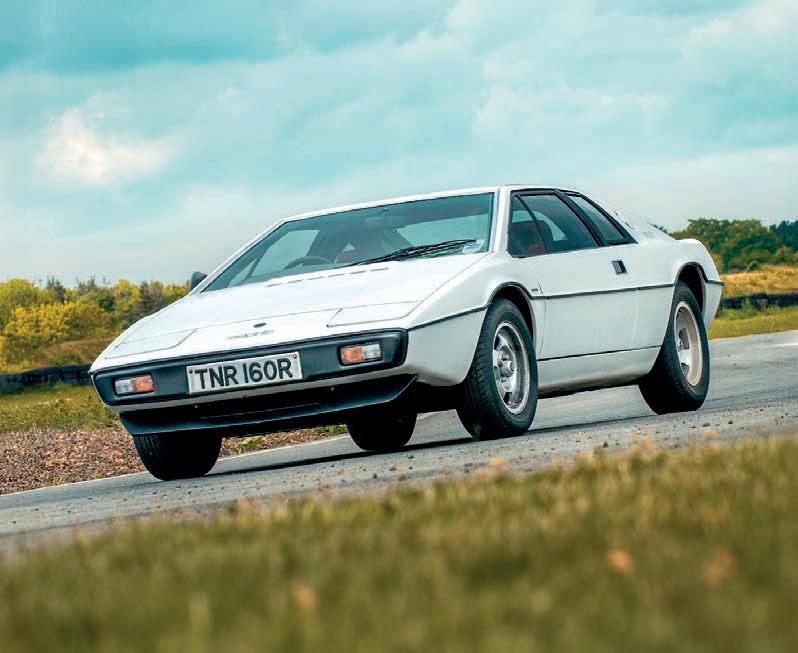
ABOVE Touched by three design geniuses, and driven by the greatest Bond. What’s not to love?
I THINK IT’S FAIR TO SAY THAT EACH of us who writes for and, hopefully, most of you who read this fine publication will have a mid-engined supercar poster idol on our wishlist. It may by the epoch-defining masterpiece that is the Lamborghini Miura, or perhaps you’re more into the steampunk elegance of a Pagani Huayra. Depending on age and cultural influences, we all have our ‘lottery win’ car.
For me it’s the Lotus Esprit, which is great on a number of levels. Not least that the lottery win required may only be a fairly lowly scratch-card or a limp into a fivenumber scoop. Because despite a lineage that boasts some of the finest design minds of the past 60 years, and a pop-culture association for which most automotive marketing departments would give body parts, a sorted, serviced and shiny example of an Esprit S3 could be sitting on your drive for a smidge under £25,000. Or, to channel the late, great and hugely missed Quentin Willson, the price of a new Mini… It all started so well, of course. Penned by Giugiaro in the mid-1970s, and launched in 1975 at the Paris Motor Show, the Esprit didn’t merely perfectly capture the hardedged origami aesthetic of the time, but it did so in a way that was cleverly optimised for production at a half-sensible cost. The distinctive rubbing strip running down the flank cleverly hides the moulding join as well as preventing someone taking a chunk out of your glassfibre in the Tesco car park. Were those early models supercars in
the purest sense? One could argue that the S1, as shapely as it was hunkered down on its Wolfrace slot mags, wasn’t overencumbered with power from its 1973cc motor. But it was tuned to a crisp 160bhp, and with less than a tonne to push along it probably felt pretty swift for the time. Anyway, none of that really mattered by 1977, when the car’s place was cemented firmly in cinematic history (and my heart) as the true hero of The Spy Who Loved Me. With Roger Moore at the wheel, firing missiles and evading ordinance, the car may as well have been equipped with a Chapmantuned DFV. And as for the conversion to ‘Wet Nellie’ for the sub-aquatic scenes, well, four-year-old me had never disappeared to Woolworths so fast for a Corgi diecast…
One could argue that the subsequent S2 and S3 never quite matched that original design’s purity and cleanliness. But I didn’t care. I loved them just as much anyway –and when Bond appeared in the ski-racked, split-rimmed Turbo Esprit in 1981’s For Your Eyes Only, I was sold. To my then eight-year-old eyes, this was the finest supercar on the planet. And British to boot.
Nobody wants to have to be the guy who draws a moustache and glasses on the Mona
‘To my then eight-year-old eyes, this was the finest supercar on the planet. And British to boot’
Lisa, but in 1988 my good pal Peter Stevens did just that – and rather successfully, too. He not only removed the moulding split and tidied many of the surfaces, bringing the car bang up to date for the time, but he also drastically improved wind-tunnel aero performance and the shell’s torsional rigidity. With a design brief that didn’t allow him to move any of the glasshouse or major body points, it was understandably a tricky task – but, once again, Norfolk had bloodied the nose of Maranello for a fraction of the price. Well, flicked the end of it and run away, at the very least.
The final gloss came from Julian Thomson in 1994, further finessing Peter’s remarkable work and making perhaps the prettiest of all the iterations, allowing that basic 1975 shape to solider on until 2004. Talk about getting it right in the first place.
Although I’ve never owned an Esprit, we did have the good fortune to restore a beautiful S1 on the telly, with the help of Lotus itself – even extending to taking the car ‘home’ for a shakedown on the hallowed Hethel Tarmac. It was a genuinely emotional moment that underlined every time I’d lusted after the Esprit on screen or at motor shows. Perhaps I should consider one in its 50th year for my own mid-life crisis? As the old, old joke goes, owning one might not make me James Bond, but it might make me roger more…
Restorer, writer and co-star of TV’s Turbo Pickers and Salvage Hunters: Classic Cars, Paul Cowland is also an HDC ambassador.





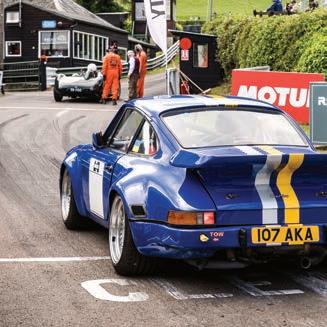





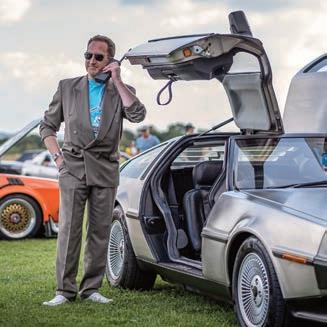
Shelsley Walsh 9th May


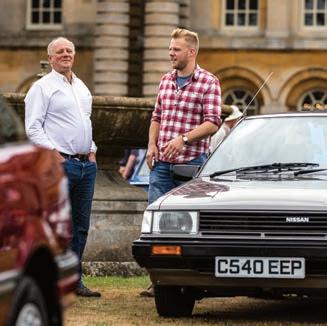
Grimsthope Castle 25th July


Loading...
As a HDC member, you get 25% off Hagerty Events in 2026!
You’ll also get exclusive access to our members area for you and a plus one! There’s comfy seating, free soft drinks and complimentary snacks. Don’t forget to bring along your membership coin for two free drinks at the bar, too!




Imminent arrival looks set to carry on family traditions
FEELING OUR BABY MOVE INSIDE ME for the first time, I was told, would be akin to a fluttering sensation. Yeah... if butterflies knew how to headbutt, and had elbows and knees instead of wings. I was behind the wheel of my MGA when it happened – when I experienced that very first distinctive kick. The slight and delightful tickling from within that I had anticipated turned out to have more than a fair share of oomph.
Overjoyed, relieved and a bit weirded out – it’s like having one of those uncontrollable muscle twitches in your eyelid, except it’s an aggressive one in your gut – I looked to my late grandfather for reassurance; I’ve got a tatty and water-damaged photograph of him taped to the windscreen. Bearing the hallmarks of the adventures he has accompanied me on, in spirit, around the world, his loving words “drive safely, sweetheart” are written in what’s now almost indecipherable ink on the reverse. Feeling sentimental, which happens a lot when I’m travelling in the MGA, my thoughts turned to finding meaning in the timing of experiencing my baby mobile for the first time. Of the bittersweet moment, I pondered: why now? Driving without my husband James, and so unable to share this rite-of-passage occasion with him, I felt guilty. He’d even predicted that it would happen when I was on the road. It’s what’s commonly known as sod’s law.
I found compensation in the conclusion that, as with many things in life when the stars don’t align in quite the way you’d like
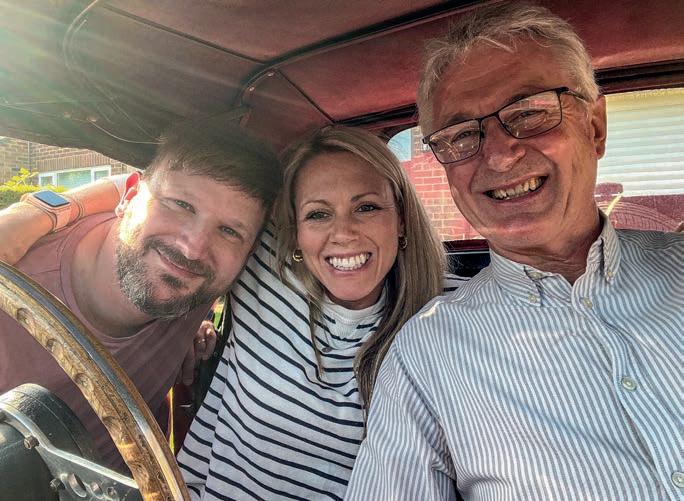
ABOVE Frisky’s cabin was the perfect place for James and Charlotte to tell Steve their big news.
them to, this was simply meant to be. You see, for my grandfather, the MGA had been a place of happiness, of high jinks, of joy and abandonment. It’s where he’d loosen his collar and allow the wind to ruffle his perfectly coiffed hair. Calling her Frisky, a name that pays tribute to the car’s numberplate as well as her vibe, the MGA cast a spell on him that’s evidently enduring from one generation to the next. I succumbed to her magic many years ago, and it seems that my unborn passenger is already getting kicks out of going for a drive.
Breaking this moment of quiet reflection, I turned to my dad Steve. As my co-pilot on this particular journey, I informed him the baby was also on the move. A man who rarely lets emotion get the better of him, his response was considered but his choice of words sufficiently upbeat. With neither a glass-half-empty nor -half-full disposition, his comfort zone sits in the middle. He’s cautiously optimistic, you could say.
Just over 48 hours into a trailblazing trip, which you can read about elsewhere in this issue, we were on a proof-of-concept expedition. The objective? To road test sustainable fuel. I’d planned this trial long before I knew I’d be bringing another person
‘There are going to be three people on our dadventure this weekend. It’s actually going to be a grandadventure’
into the world, because I am passionate about finding ways I can help make the planet a better place, with or without a vested interest. We should all be looking at ways we can protect the environment as well as the future of our classic vehicles.
It was in the MGA’s cabin that James and I had staged our big reveal. Our chosen moment to let dad know we are expecting took place just before 7:30am on a Sunday morning – he was yet to have a cup of tea. In fact, he and I were about to depart on a shakedown test drive after carrying out substantial works on the MGA, and the pressure of that combined with the lack of caffeine could have conspired to make his response even more subdued.
Attempting to be cryptic, I said: “There are going to be three people on our dadventure this weekend. It’s actually going to be a grandadventure.” There was a pause before the penny dropped. “Oh sweetie,” dad replied, before leaning across to give me, I mean us, a hug.
Waving goodbye to James, it felt like something had shifted. However planned a journey, you never quite know how it’s going to pan out – but now, I had the added responsibility of ensuring the comfort and safe passage of my unborn child. Although there’s a subtle sense of vulnerability that comes with that, at least they’ve let me know they’re happy to come along for the ride. Follow automotive writer, presenter and adventurer Charlotte’s #adventureswithfrisky on Instagram @charlottevowden.


Now 89, Giampaolo Dallara is still creating amazing cars
“DO YOU STILL ENJOY COMING TO work?” Given that Giampaolo Dallara is 89 years old, it seems like a fair question. Has he perhaps been kind enough to make the journey into the office today just for our benefit? Is he putting on a good show for the journalist making a film about both the company that has his name above the door and the car that wears his name on its nose?
The answer is crystal clear even before he has uttered a word in response. His features light up, the eyes twinkle behind the glasses, the eyebrows jump and a huge smile splits his face. “Yes!” he says – and it’s uttered with the delight of a child who has been offered an unexpected ice cream.
I’ve been lucky enough to spend an hour interviewing Giampaolo for a new Hagerty film, and it feels like a huge privilege. I just keep thinking, “this is a man who not only met, but worked with, Enzo and Ferruccio”.
“Ferrari wanted to win, first,” is Dallara’s instant response when I ask about Il Commendatore. But he then goes on to talk about how incredibly quickly the Prancing Horse, the company that he joined in 1959, rose to the top of the automotive tree…
“I remember when I was in Ferrari there was the King of Belgium, or Ingrid Bergman with Roberto Rossellini, or people like this coming to see their car on the production line. It is not well evaluated how Enzo was able in a very short time to grow so much his image to have everyone coming to Modena to meet him and to have from him this ‘Ferrari’ that was something no one was
able to do. There were people in England doing something, but he was absolutely of another class. Ferrari, he was unique.”
And what about Lamborghini?
“He wanted to make cars better than Ferrari,” replies Dallara, before recalling that, although Ferruccio wasn’t a racer, he had the mechanical knowledge and wanted to do things ahead of his rival in Maranello…
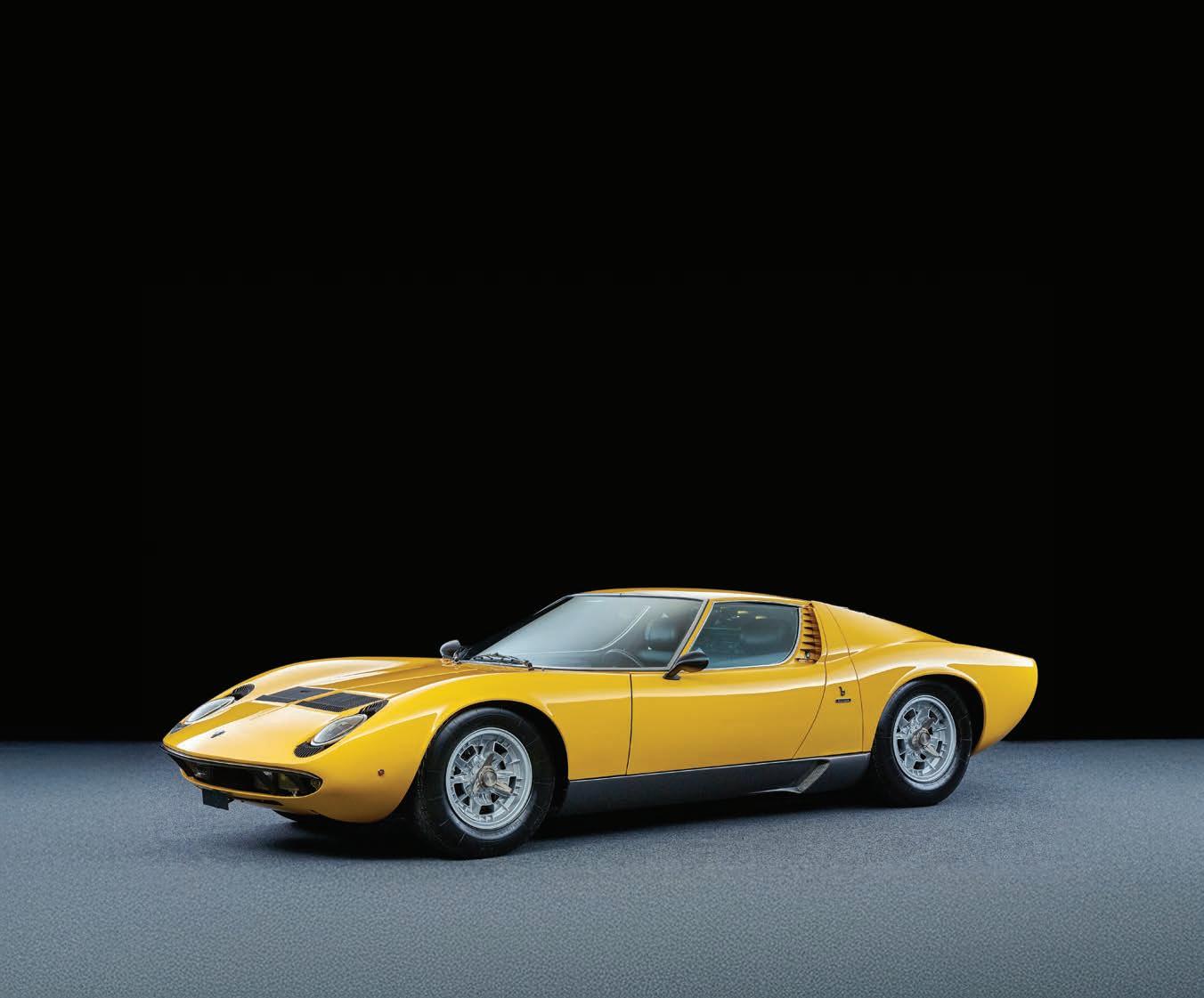
“He did, for the road car, independent suspension before Ferrari. He did the Miura before Ferrari – Enzo had the knowledge to do it, but he only used it for racing.”
Of course, it was a young Giampaolo, working with the equally young Paolo Stanzani and Bob Wallace, who actually designed the world’s first mid-engined supercar. And what’s more, they had to do it largely in their spare time, because Ferruccio preferred GTs and didn’t really see the value in the Miura beyond some marketing for the company.
But for all the reminiscing about these two incredibly famous Italians, it is the creator of this issue’s cover star for whom Dallara seems to have the greatest praise.
“A lesson I tried to learn is ‘make it simple’. My reference point? Always Colin Chapman,” says Giampaolo with reverence,
‘I just keep thinking, “this is a man who not only met, but worked with, Enzo and Ferruccio”’
before going on to cite as an example the innovation of the engine as a stressed member of the chassis.
“He solved the problem with four bolts –two on the top of the engine and two on the lower part… Every time he came up with something new it was always simple, simple, simple. It’s impossible to be like him because he was another class, another world – but I try to imagine what he would do when we have an important problem to solve.”
I certainly think the Dallara Stradale road car is something that Chapman would have approved of. It weighs just 855kg, generates 820kg of downforce and is so simple that it doesn’t even have doors. This absence obviously has engineering benefits, but Giampaolo explains that it also served a simple purpose when convincing Dallara’s many important road-car clients (Ferrari and Lamborghini among them) that he wasn’t producing a competitor to their supercars, despite comparable performance.
And if any potential customers complain about ease of access? Well, apparently Giampaolo has a simple answer for that as well. He just takes them to his own Stradale (chassis no. 1, no windscreen, manual ’box) and hops over the side into the driver’s seat. After all, if an 89-year-old can get in and drive it, what has anyone else got to complain about? I can just picture the smile on his face as he does it.
Journalist and Hagerty YouTuber Henry began his road-testing career on Evo and has competed in the British Rally Championship.

HalfacenturyhaspassedsinceLotus unveiledthemost dramaticBritishcar sincetheJaguarE-type–theEsprit.We shinealightontheaudacioussupercar
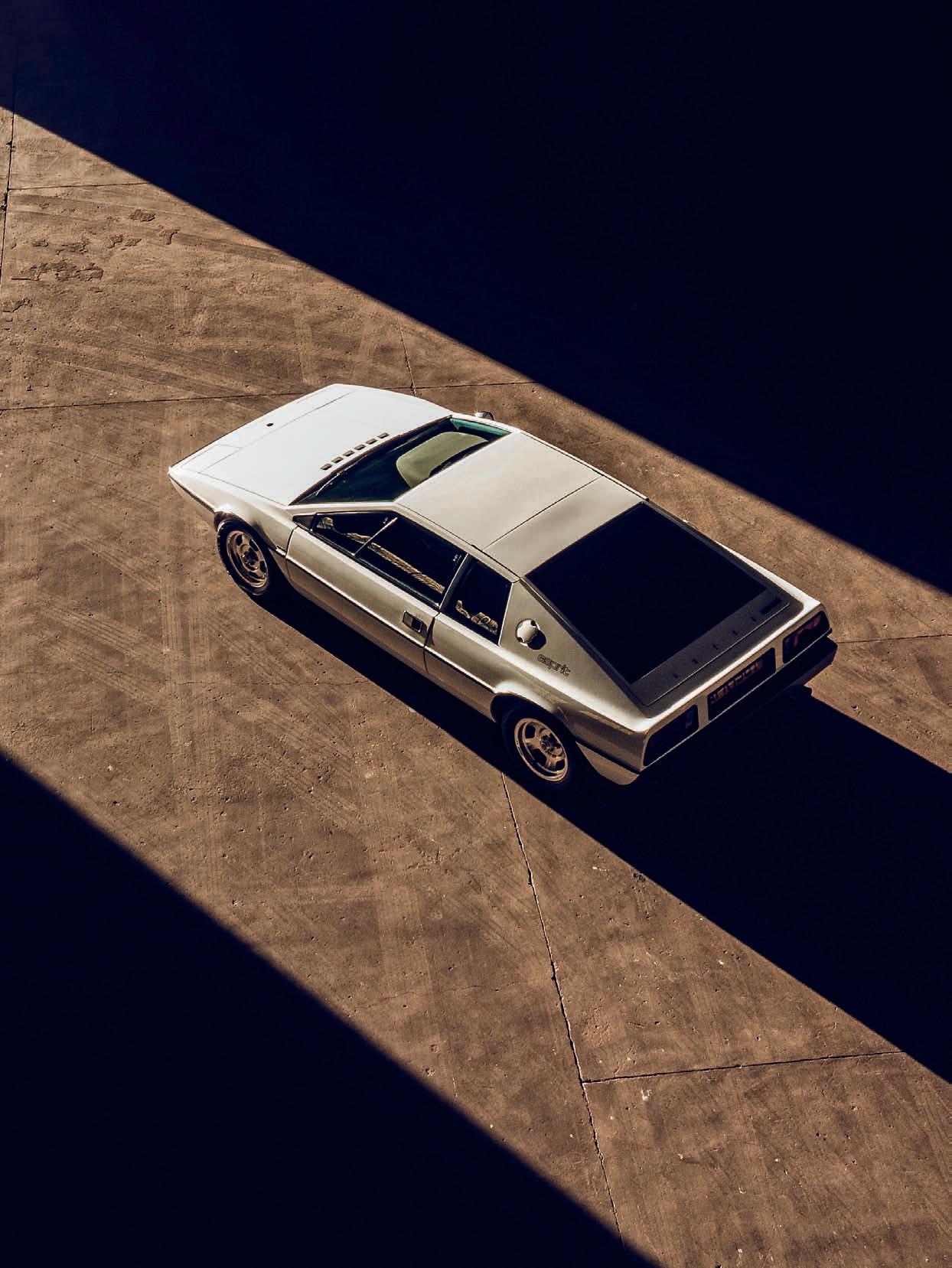
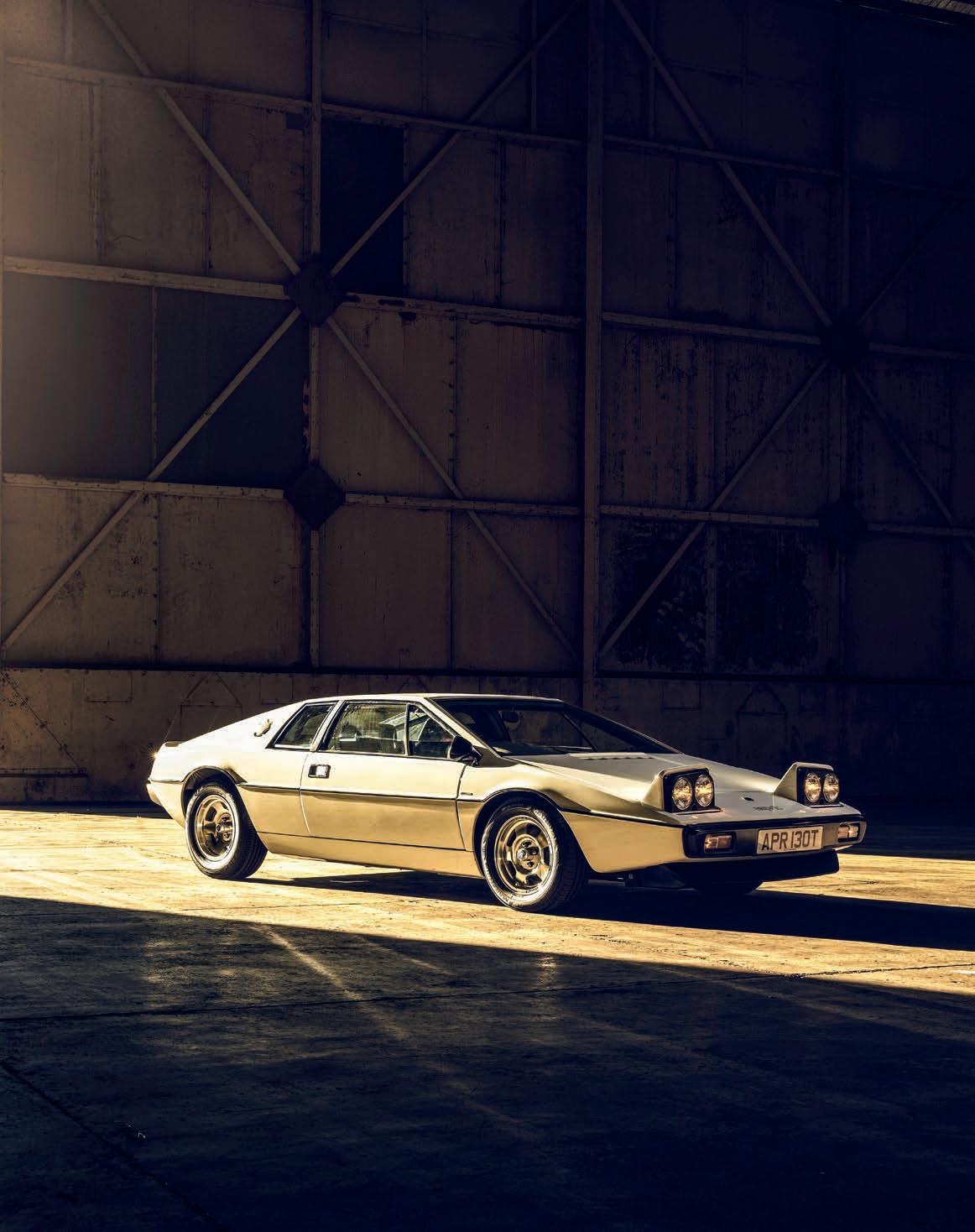
‘Giorgetto Giugiaro’s wedge-shaped design remains as sharp as ever’

SSOMETIMES THE BEST IDEAS ARE the simplest. The story goes that when the head of Lotus PR heard that the Bond producers were seeking a new car, he drove a prototype Esprit to Eon Productions at Pinewood Studios and parked it outside.
Within the hour, the film-makers were on the phone to Lotus’ Hethel HQ, asking to borrow the only prototype for filming.
Five decades may have passed since the first Esprits left Norfolk, yet the car’s sheer simplicity still surprises. Today’s machines have grown much larger and heavier –developments that would have appalled Colin Chapman, the master of lightness. Giorgetto Giugiaro’s wedge-shaped design, however, remains as sharp as ever.
By the late 1960s, Chapman realised that in order to compete with his rival Enzo Ferrari, Lotus would have to evolve. Although his cars were highly regarded, there was little profit in selling kits or racing machines to privateers. As with Ferrari, Colin needed road-going models that could channel profits into his Formula 1 ambitions.
In 1969 he appointed ex-BRM man Tony Rudd to head the engineering department.
While Rudd had a long history in motor sport, the F1 team remained Chapman’s
preserve. Instead, Rudd developed a plan to take Lotus to the next level, delivering a two-model strategy in 1970.
The first car would be a front-engined GT, Project M50 – which would appear in 1974 as the Elite – while Project M70 was lined up to replace the tiny, flighty and fighty Europa with a mid-engined two-door. However, the project would take a different step when Italdesign unveiled the Maserati Boomerang at the 1971 Turin Motor Show.
Lotus designer Oliver Winterbottom suggested Giugiaro’s sharpened concept be the inspiration for the new car, and he and Chapman met up with Giorgetto at 1972’s Geneva Motor Show. Giugiaro had shown interest in building a show car for Lotus –and having seen his work for Maserati, BMW, Alfa Romeo and others, Chapman could see the benefits. Soon after the expo, work began on a 1:4-scale model – but a drag co-efficient of 0.34 caused Chapman to call a halt to proceedings.
Giugiaro pressed on regardless, producing a full-scale model that debuted at the 1972 Turin show. The rapturous reception prompted Chapman to reconsider – and thus the Esprit was born. Winterbottom promptly lengthened a Europa Twin Cam
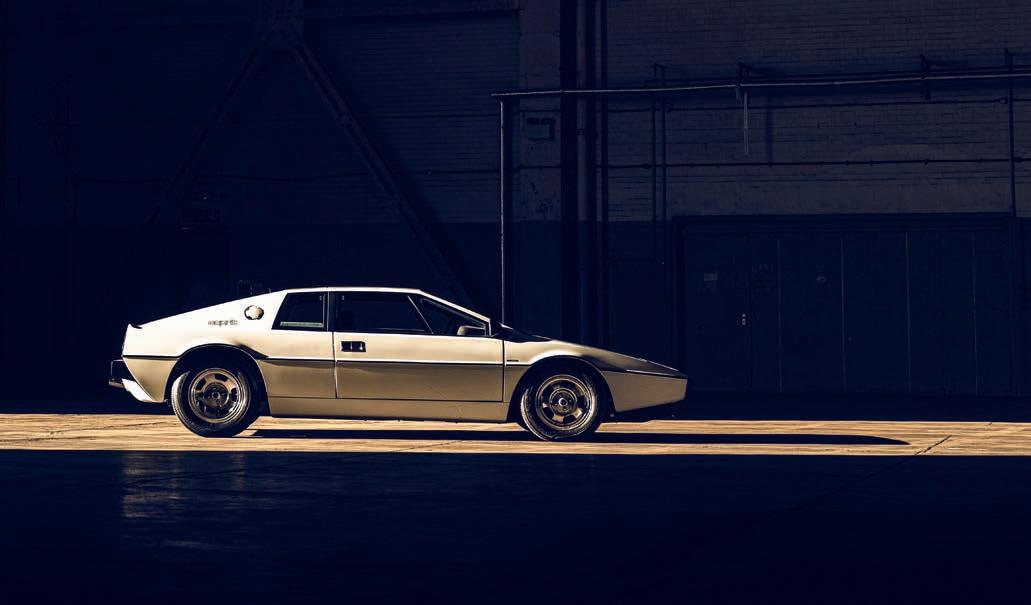
THIS SPREAD The
has never lost its appeal, not least thanks to superb grip and finely balanced handling.
chassis, installed an engine and shipped it to Italdesign in Moncalieri, Italy.
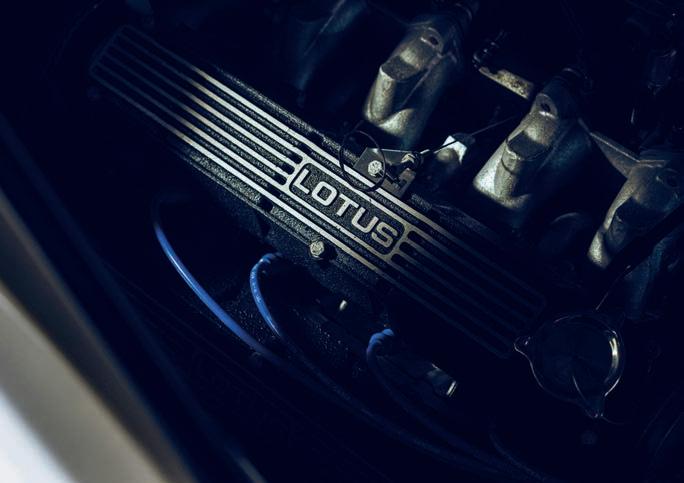
Although the newcomer looked every inch the supercar, it would not be the Lotus way to simply install a big, heavy V12 or V8 – or even a V6. Instead, the Esprit used the in-house-developed Type 907 unit. Derived from Vauxhall’s slant-four, but built entirely from aluminium, with 16 valves and dualoverhead camshafts, it first appeared in the Jensen-Healey. In 1976 Esprit form it produced 160bhp from 1973cc – on paper.
Problem is, cars don’t actually perform on paper. On the road, the touted 0-60mph time of 6.8 seconds was more like 8.0, while the 138mph top speed was a long way from the lofty claims of its Italian rivals – and that was just for the European models. Tighter emissions controls in the US robbed the engine of as much as 20bhp. It wasn’t just peak power where the Lotus was found deficient, either – it was dubbed the torqueless wonder, because unless you were in the high peaks of the rev range, you could easily think you were in the wrong gear.
Through the corners, however, the Esprit proved far more sophisticated than many of its more powerful competitors, thanks to pioneering use of composites and Chapman’s unwavering commitment to lightness. Its glassfibre body, moulded in two sections over a steel-backbone chassis, produced a car weighing just 898kg. It was also impressively rigid – although not everyone admired its final appearance.
The cost of developing bespoke lights, trim and other components was far beyond Hethel’s modest budget, meaning that items such as Fiat X1/9 rear lights and door handles had to be sourced externally –much to Giugiaro’s frustration. He once remarked that he wished his name were not attached to the Esprit, although he later purchased two S1s himself.
Further items were bought in, most notably the Citroën C35 five-speed manual transaxle also used on the SM and Maserati
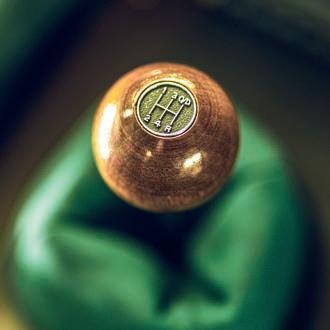
Merak. The focus of Lotus’ investment lay in the car’s handling. The front suspension featured upper wishbones and lower lateral links, triangulated by an anti-roll bar. At the rear, tapering box-section trailing arms were paired with lower lateral links, while the halfshafts, without plunge joints, helped to absorb lateral forces. Coil-over dampers and disc brakes were fitted at each corner – inboard at the rear, as on a racing car – and steering was via an unassisted rack-and-pinion set-up.
‘Five decades may have passed, yet the car’s sheer simplicity still surprises’
The result was a car that astonished reviewers – and even the Bond stunt team. As the story goes, during filming of The Spy Who Loved Me, the Esprit’s immense grip proved so tenacious that the regular stunt drivers struggled to execute the dramatic chase manoeuvres. Frustrated, the production crew asked for the car to be returned to their base for another go. The stunt driver was nowhere to be seen, so Lotus engineer Roger Becker stepped up to take it back. Sliding neatly to a halt in front of producer Cubby Broccoli, he was asked to repeat the move immediately – this time with the cameras rolling. Becker ended up driving the entire chase sequence himself.
The Esprit S1 was quick but fragile, and relatively few examples survive today. The 1978 S2 brought subtle improvements, including new intake and cooling ducts plus upgraded trim, much of it sourced from other makers. This time the Rover SD1
donated its rear lights, while switches and buttons were from the Morris Marina.
A major step forward came in 1980 with the arrival of the 2.2-litre engine and the Essex Turbo Esprit, equipped with the drysump Type 910 motor. Finished in the blue, red and chrome livery of Essex Overseas Petroleum – sponsor of Team Lotus in F1 – the Turbo delivered 210bhp, a 0-60mph time of 6.1 seconds and a top speed of 150mph. Giugiaro designed a muscular new bodykit to improve stability, while the chassis and rear suspension were revised with an additional upper link to preserve the halfshafts. Although not the first turbocharged Esprit – UK dealer Bell & Colvill had been fitting turbos since 1978 – it set the template for the cars that followed.
A year later, the S3 arrived, and the Turbo Esprit became a model in its own right. It now used the wet-sump Type 912
‘Wedge with an edge still turns heads. And then comes the best part – driving it’
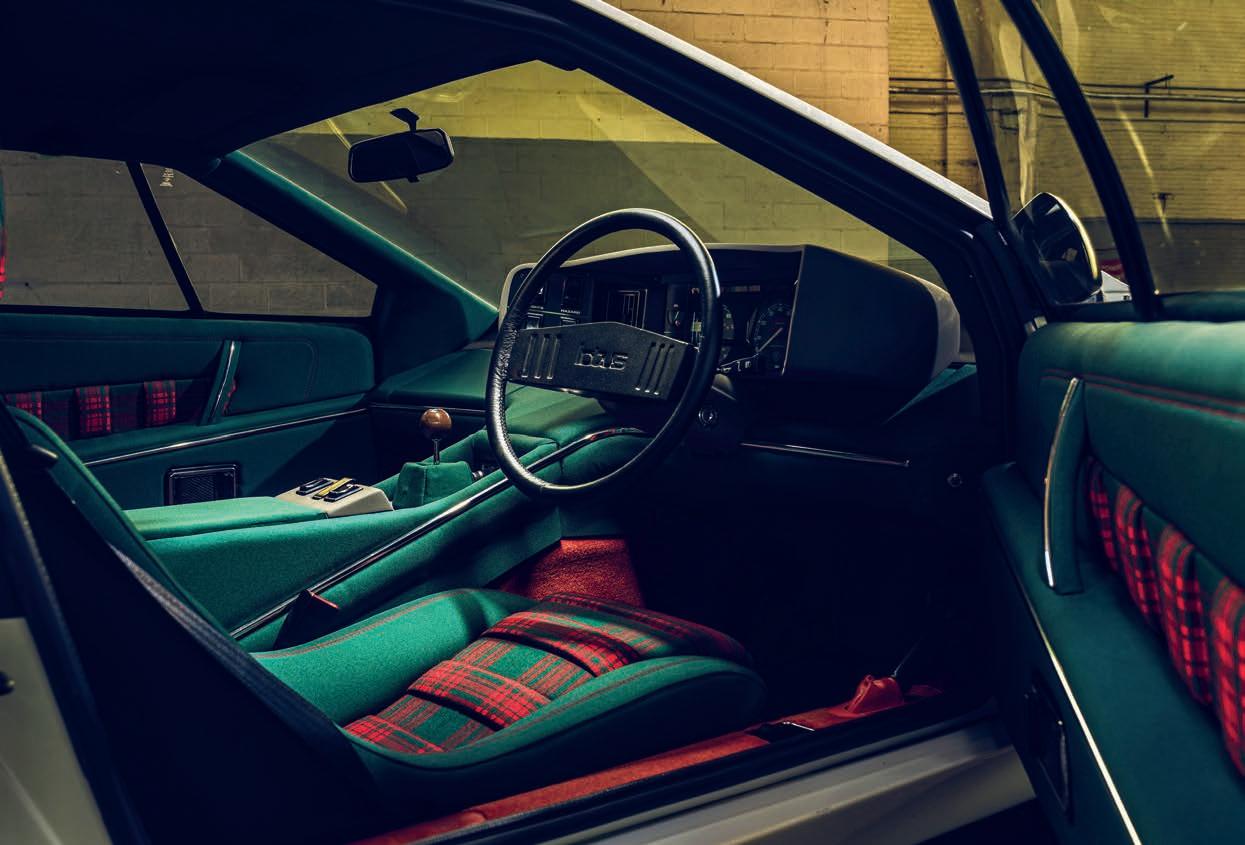
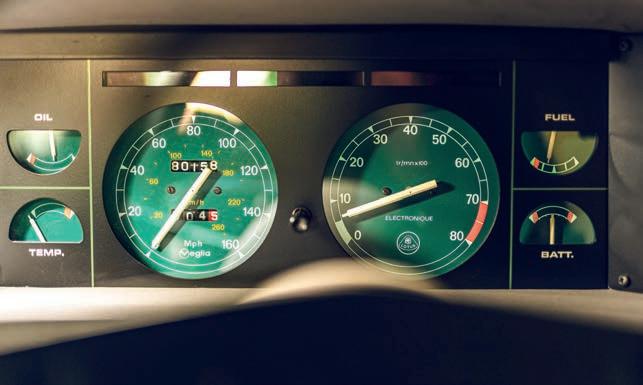
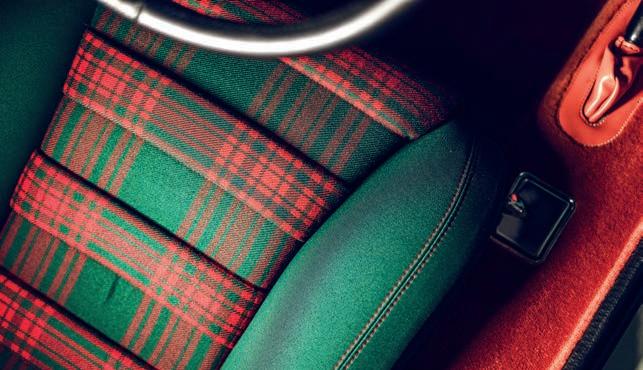
THIS SPREAD This well presented example’s evocative period design details include classy tartan upholstery as well as analogue (and slightly optimistic) – clocks.
2.2 motor, which delivered performance comparable to its dry-sump predecessor, while the naturally aspirated 2.2 continued alongside it. As a final evolution of the Giugiaro cars, higher compression ratios were introduced in 1986, raising output to 170bhp for the naturally aspirated models and 215bhp for the Turbo. By 1988, Peter Stevens had totally restyled the car – the sharp wedge was replaced by a more rounded, aerodynamic profile.
By the time the final S3 left Hethel, Lotus had built just under 5000 Esprits in a little over a decade – far fewer than Ferrari’s 308 production. Reservations about Lotus’ kitcar origins, parts-bin trim raids and fourpot engines, coupled with early reliability issues, did much to hold back sales.
The car stayed on sale until 2004 – long after the 308 had evolved into the 328, 348, 355 and 360. A loyal core of owners returned time and again for the Esprit’s finely balanced handling and superb grip, although its enduring appeal lay as much in its design as its dynamics. Despite promises to revive the name during the Dany Bahar era, no true successor appeared. Instead, McLaren has arguably inherited the Esprit’s legacy of lightweight construction, sophisticated suspension tuning and steering finesse.
The Esprit is a celebrated chapter in Lotus history – embodying the British notion of the plucky underdog making the most of every opportunity, much like that PR man’s audacious stunt at Pinewood. Yet one needn’t be a Bond producer to feel its magic: park up anywhere from Margate to Monaco, and the wedge with an edge still turns heads. And then comes the best part – driving it. Buy the Esprit shown at www.hangar136.com.
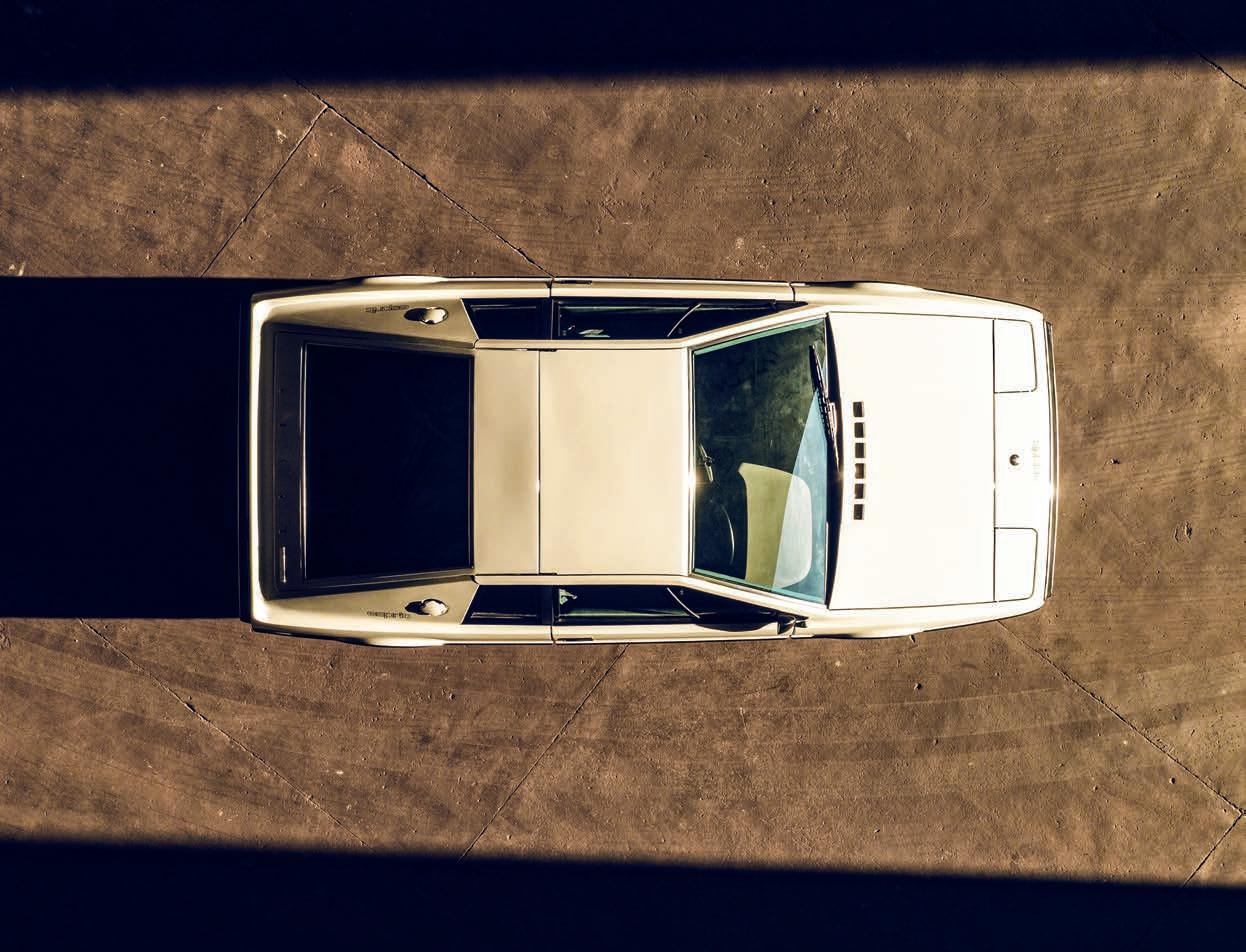
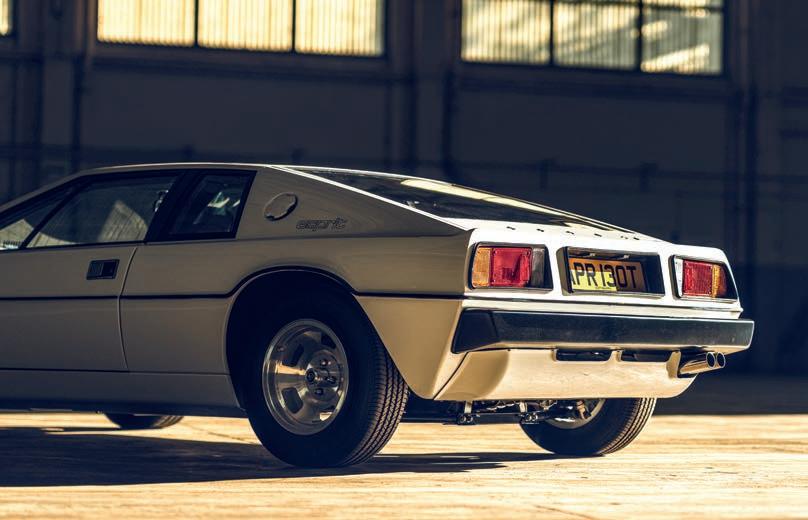
Engine 1973cc inline-four, naturally aspirated, DOHC
Transmission Five-speed manual, RWD
Power 160bhp @ 6200rpm
Torque 140lb ft @ 5000rpm
0-60mph 8.0sec
Top speed 133mph
Weight: 898kg
Hagerty Valuation Guide
Fair £14,800
Good £23,600
Excellent £38,800
Concours £64,900
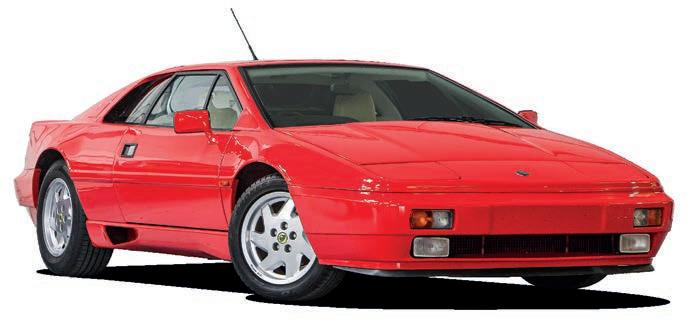
THE INTRODUCTION OF THE PETER Stevens-designed X180 for the 1988 model year marked a significant step forward for the Esprit. Despite a degree of parts-bin sourcing – the rear lights, for instance, came from the Toyota Corolla AE86 – it moved the Lotus stalwart into true supercar territory. The Turbo version could reach 0-60mph in just over 5.0 seconds, while the 280bhp Chargecooled SE trimmed that to 4.7 seconds – brisk even by today’s standards.
The quickest of the X180 generation was the Sport 300. With a Garrett T4 turbocharger, upgraded Chargecooler and larger inlet valves, output rose to 302bhp. Only 64 examples were built. It served as a dramatic curtain-raiser to the car’s final major redesign, which was led by Julian Thomson. The resulting S4 featured extensive bodywork revisions and, notably, became the first Esprit to gain power steering. Muscle continued to increase with the S4s, while the final four-cylinder
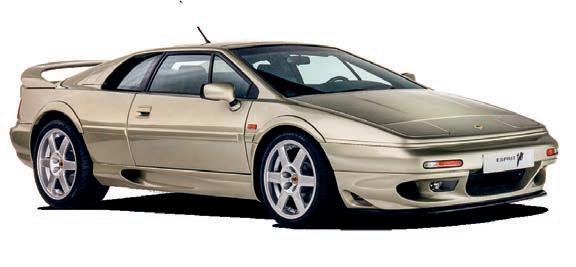
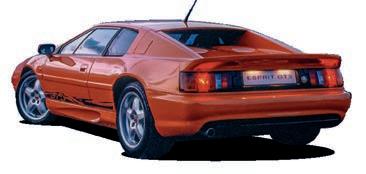
version – the GT3 – used the 2.0-litre engine previously reserved for the Italian market, producing 240bhp and achieving 0-60mph in 5.3 seconds.
However, the story did not end there: in 1996, Lotus introduced the Esprit V8. Powered by the in-house Type 918 engine, it featured four valves per cylinder, a flatplane crankshaft and a brace of Garrett T25/60 turbochargers – for comparison, the Ford Escort RS Cosworth managed with just one. On the test bench the engine was capable of 500bhp, but the Renault transaxle could not withstand the torque, so output was limited to 350bhp simply to preserve reliability.
The ultimate road-going V8 was the limited-production Sport 350. It featured lighter bodywork, AP Racing brakes, stiffer springs and a prominent carbonfibre rear
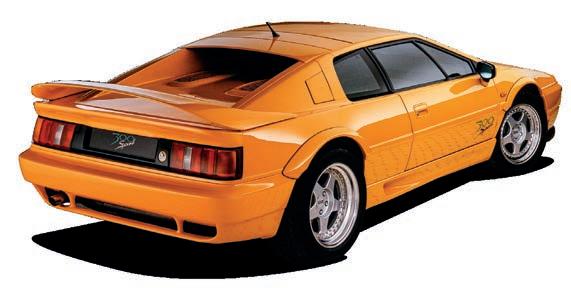
wing, while the engine was retuned for sharper turbo response. Only 50 were built. The final Esprit left the production line in 2004, making it one of the last cars to feature pop-up headlamps – yet the story wasn’t quite over. Russell Carr, who had styled the 2002 facelift, began work on a successor in 2006. A ‘new’ Esprit concept eventually emerged in 2010, during Dany Bahar’s notorious tenure as Lotus CEO. Unveiled at the Paris Motor Show, the reborn Esprit featured a 612bhp 5.0-litre Lexus V8 engine, a seven-speed dualclutch gearbox and a kerbweight of 1495kg. Yet it was not to be: the project was cancelled in September 2014 amid financial difficulties. Some of its spirit arguably lived on in the Lexus LC 500 – a car that shares more than a few design cues – but the Esprit dream appears finally to have faded. In its place stands the Eletre SUV; somehow, it’s difficult to imagine that having quite the same impact parked outside a Bond producer’s office.



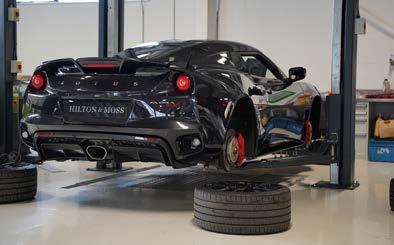
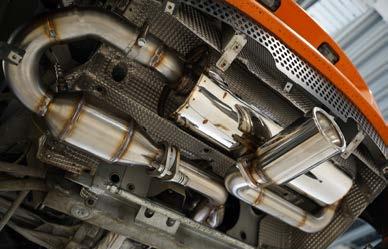

Hilton & Moss are proud to be the UK’s leading used Lotus specialists, offering a complete ecosystem of services for owners and enthusiasts. From sourcing and selling the finest pre-owned Lotus models to providing expert servicing, maintenance and full restorations, our in-house team supports every stage of ownership.
We also supply genuine and high-quality performance parts, provide expert support for track days and competition, and offer secure, climate-controlled storage at our state-of-the-art facility. With decades of Lotus expertise under one roof, Hilton & Moss is your trusted home for all things Lotus.
We’re deep into Christmas shopping season – so what better way to make a quick visit to the mall (and an even quicker exit) than a family hold-all with extra vim and vigour? Here are seven performance estates that’ll have you seeking out any excuse to take the fun way home

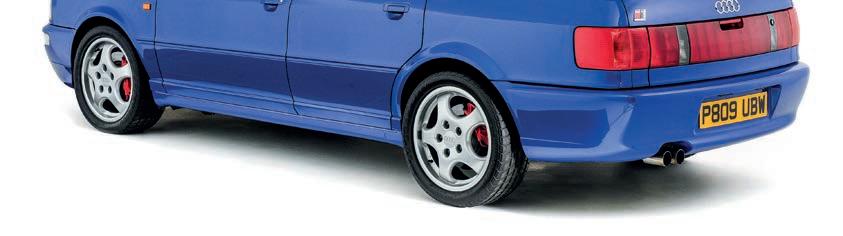
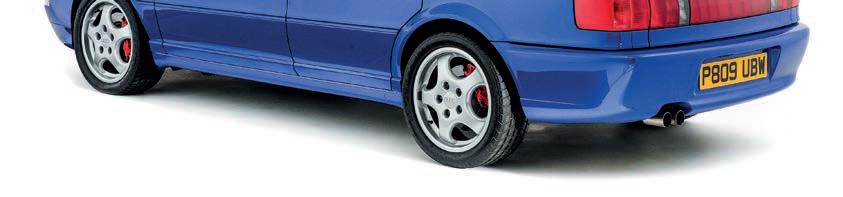
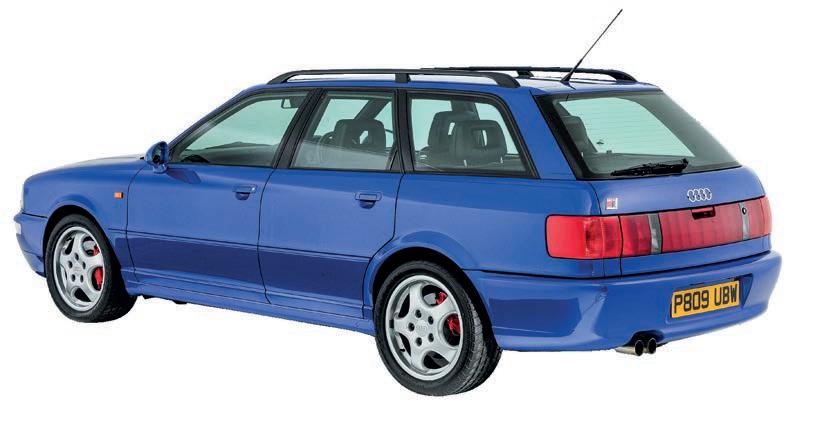
A workaday German estate enhanced with Porsche credentials and all-wheeldrive. What’s not to love?
IT IS HARD TO IMAGINE SUCH A perfectionist as Ferdinand Piëch tolerating Christmas shopping battles, but perhaps this inspired his idea of the ultimate power grab: a Porsche-built, turbocharged estate that could out-sprint a McLaren F1 to 30mph.
The story began with a simple challenge. Audi wanted an estate to rival BMW’s M cars without losing practicality, but the 80 Avant, solid though it was, lacked the punch to compete. It needed an engine with real bite, a chassis that could handle it, and Audi’s own Quattro all-wheel-drive system to keep the power under control.
Piëch turned to family – he was, after all, Ferdinand Porsche’s grandson – and with Porsche struggling financially, the contract
came at the perfect time for all. The RS2 retained the MacPherson strut front layout of the 80/90 B4 platform, but underwent significant engineering tweaks.
Spring rates were stiffened, Bilstein dampers fitted and anti-roll bars enlarged. Geometry tweaks improved camber control, while a Porsche-developed independent rear axle replaced the stock unit. The RS2 sat around 25-30mm lower than a normal 80 Avant, and the bushings and subframes were upgraded to deal with the rampant engine. Ah yes, that powerplant…
The 2.2-litre five-cylinder was reworked by Porsche to use a single KKK K26/6 turbocharger with intercooling to deliver 315bhp at 6400rpm and 302lb ft from
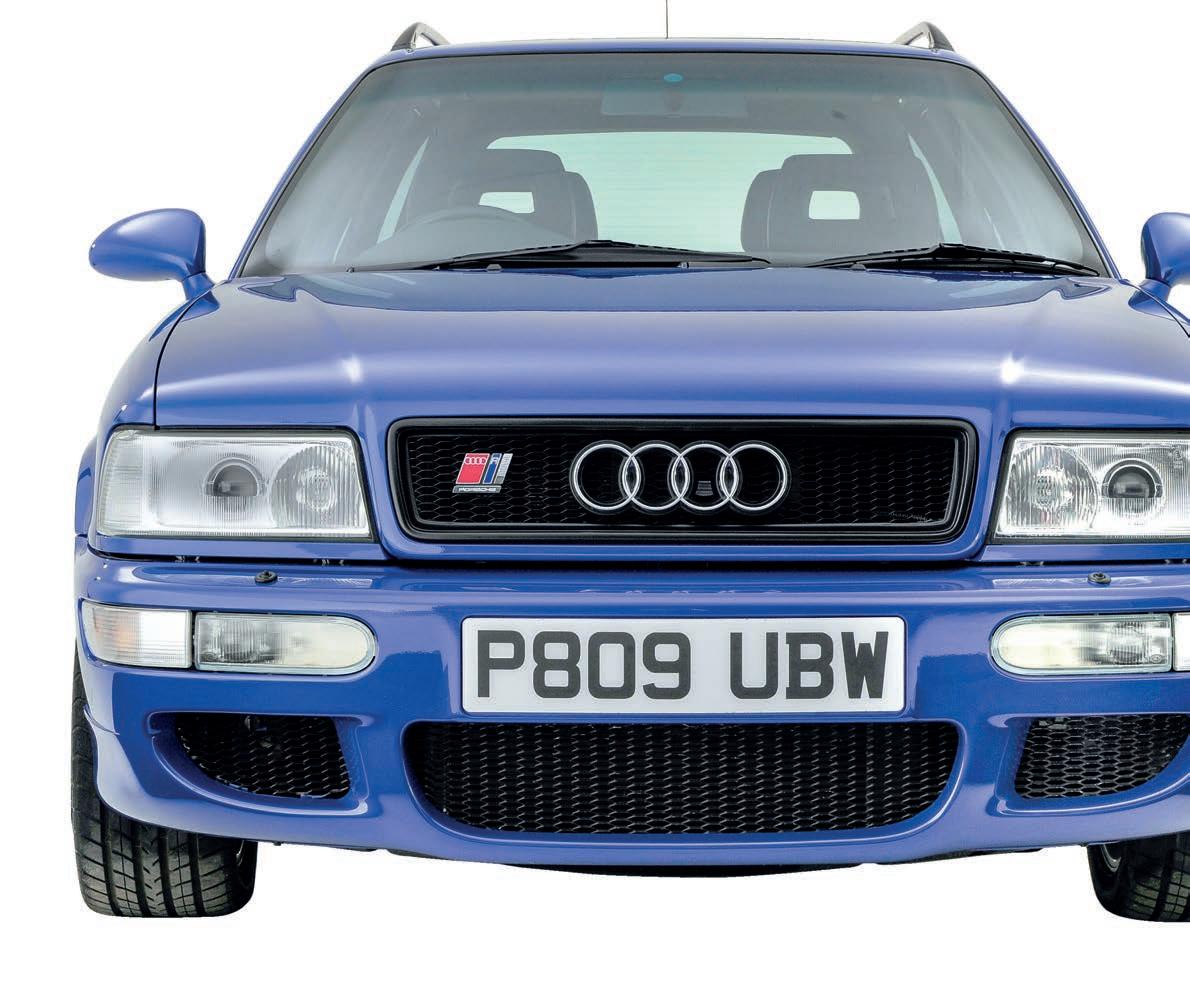

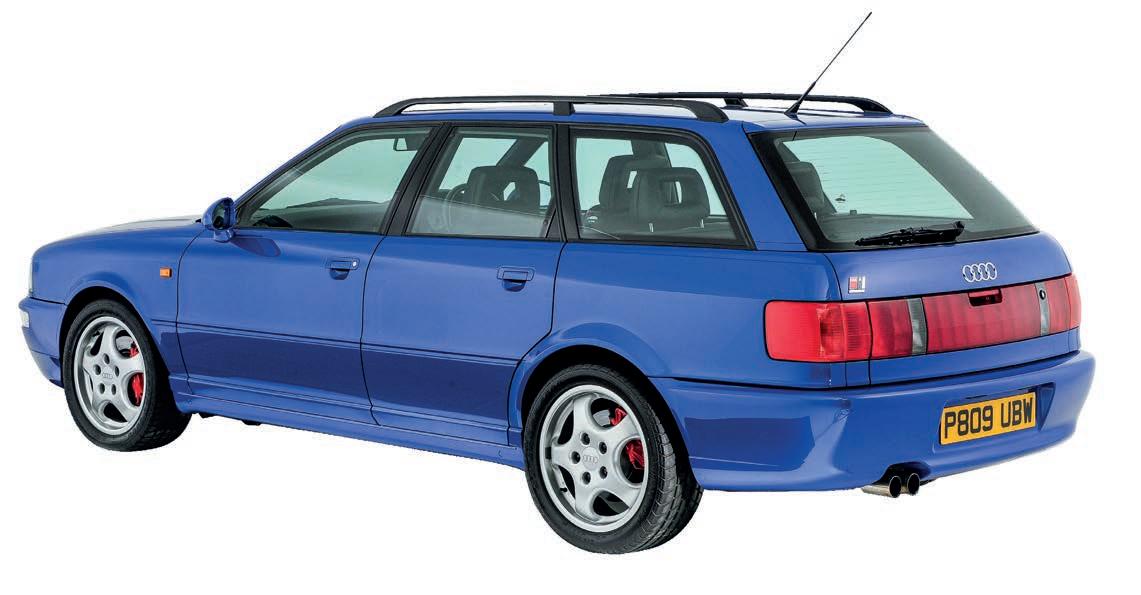
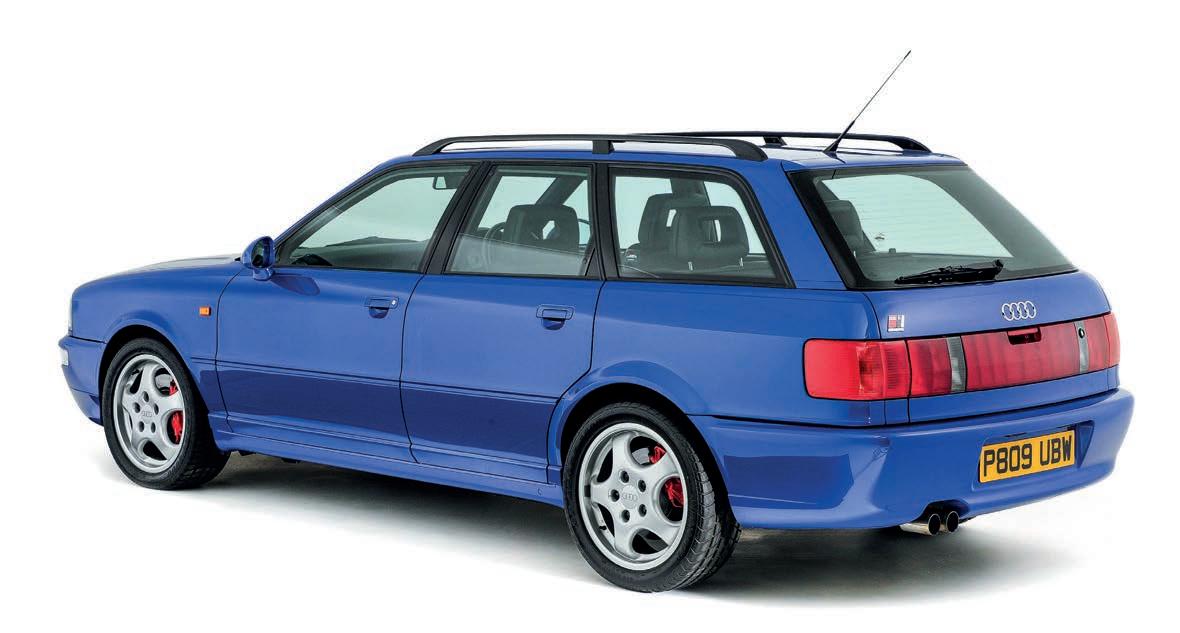

‘The Audi RS2 is about turning slivers of Tarmac into physicsdefying, eye-widening adrenaline injections’

3000-4200rpm. A modest compression ratio of 8.0:1 and strengthened internals helped it withstand high boost, while a baffled sump ensured consistent oil pressure under hard cornering. And the car was certainly capable of that when fully lit…
You don’t so much drive an RS2 as experience it. Plant the throttle and it feels mild – until the turbo hits, turning the calm Avant into a 911 Turbo with luggage space. There is little steering feedback and no tail-out antics; the Audi is about turning slivers of Tarmac into physics-defying, eye-widening adrenaline injections.
Happily for such a high-performance car the engine is robust, but it can suffer from high-mileage wear, particularly on the turbo. Look for smoke from the exhaust, unusual turbo whine or delayed boost, which can indicate worn turbo bearings. The RS2’s cambelt must be changed at 80,000 miles to avoid catastrophic engine damage, and spark plugs are known to come loose if not correctly serviced; they should be replaced at 20,000 miles. Fuel pumps and coil packs can wear out, too.
The six-speed manual ’box is generally strong, but check for clutch wear, rough engagement or noisy synchros. The Quattro system and Torsen diff are durable, yet the centre diff can wear; listen for unusual whining or binding in corners. Old rear subframe bushes lead to handling issues. Check for worn bushes, balljoints and
dampers, because these are costly to replace. Brakes may need expensive attention, too. Rust can appear around arches and sills, and inside wear, particularly on the leather seats and Porsche-sourced trim, is common. Only around 180 RS2s came to the UK, and just a handful survive – often with high mileages, proof of their durability. The model redefined Audi and created a bloodline of fast estates. However quick these were, though, they never quite matched the original’s addictive allure.
Engine 2226cc, inline-five, DOHC, turbocharged
Transmission AWD, six-speed manual
Power 315bhp @ 6500rpm
Torque 302lb ft @ 3000rpm
Weight 1595kg
0-60mph 4.8sec
Top speed 163mph
Valuation
Fair £40,000
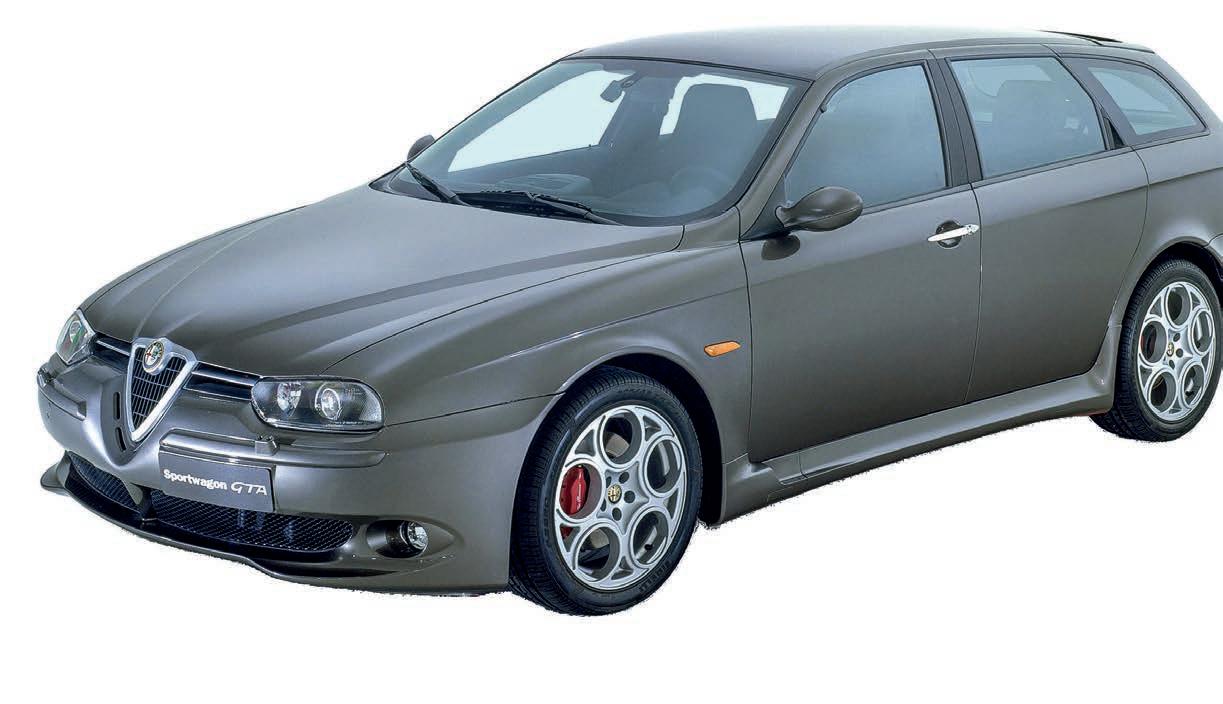
IT’S NEARLY 30 YEARS SINCE THE 156 first broke cover – and what a revelation it was. Here was an Alfa Romeo that not only looked beautiful and sounded glorious, but finally handled properly and had ergonomics that worked.
Fast, fun and flawed, this could arguably be the most brand-defining car Alfa has made – and all the more fabulous for it
It was a sensation – critics loved it and soon there were months-long waiting lists in showrooms. It did, however, miss two things; an estate and a truly hot version.
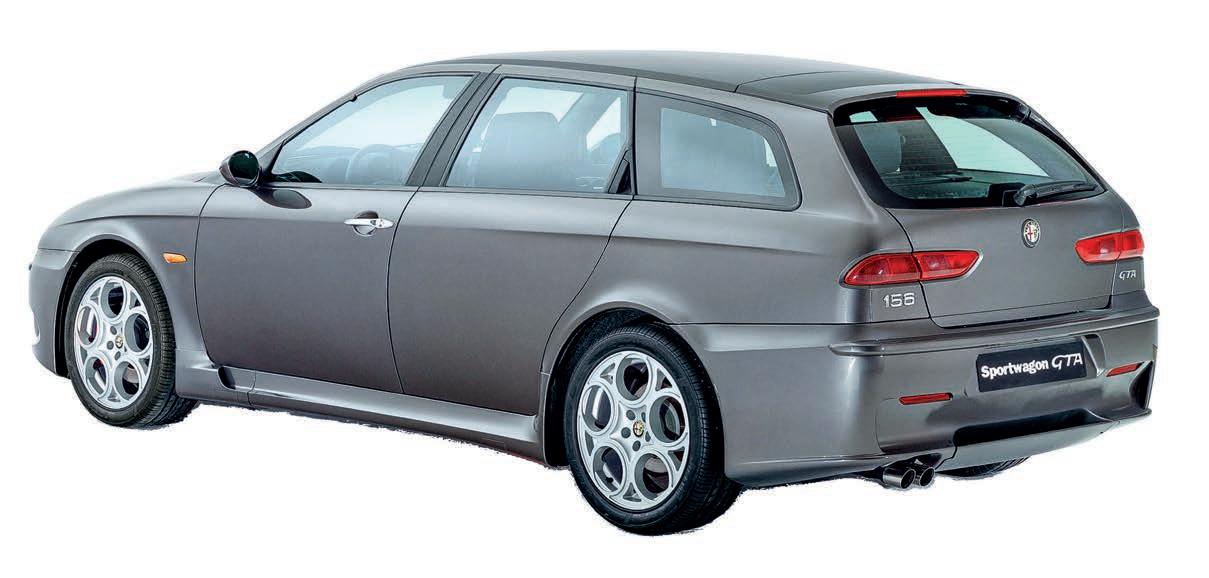
The former turned up in 1999, and this Sportwagon was about as ‘Alfa’ as you could get. Stunningly pretty, it looked more like a shooting brake than an estate – but unsurprisingly it was also somewhat impractical. With the rear seats up, it had less space in the back than the saloon.
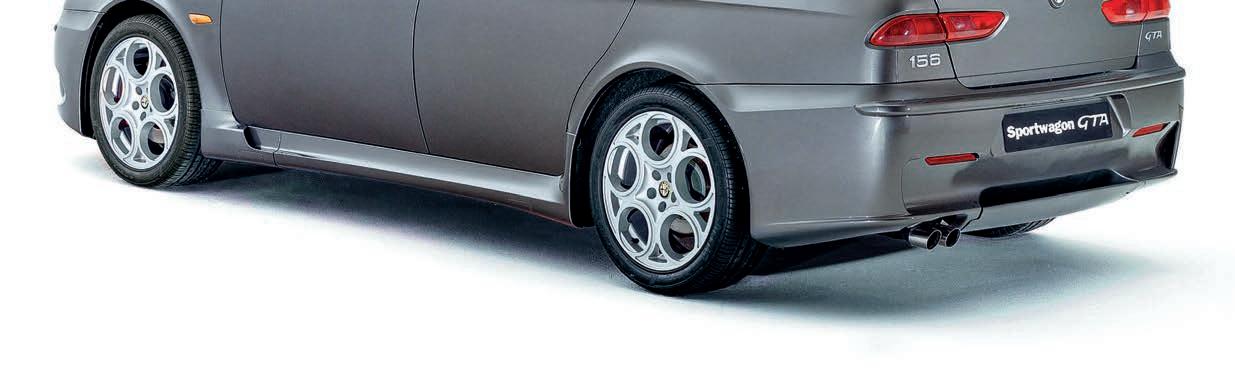
When the hot 156 GTA landed in 2002, it felt like an event. The front and rear tracks were widened, the wheelarches subtly flared and the bumpers deepened. Twin exhausts
poked proudly from the rear valance, while the 17-inch teledial alloys filled the arches perfectly. It was subtle enough to fly under the radar, but with a stance that suggested this was no ordinary Alfa.
Under that sculpted bonnet lay the real magic: the legendary Busso V6, in its final and most potent form. Displacing 3.2 litres, it made 247bhp at 6200rpm and 221lb ft of torque at 4800rpm. Its architecture was pure old-school Alfa – a 60º V6 with twin overhead camshafts per bank and variable-intake geometry, plus six polished intake runners that looked as good as the car sounded. The throttle response was instantaneous, and the soundtrack… operatic. The GTA’s barks, howls and snarls shamed even a BMW straight-six.
Power was sent to the front wheels via either a slick six-speed manual or an optional Selespeed semi-automatic. Alfa


‘The aftermarket community has long embraced this car; you’ll find plenty of lovingly fettled examples in the UK’
stiffened the suspension and fitted beefier anti-roll bars, giving wonderfully direct steering and sharp cornering. But the Busso’s weight over the nose and the absence of a limited-slip differential meant torque steer and understeer were never far away if you pushed too hard.
However, fit an aftermarket LSD and upgrade the dampers, and the chassis finally lives up to the engine’s brilliance. The aftermarket community has long embraced this car; you’ll find plenty of lovingly fettled examples in the UK, with suspension kits and exhaust systems that sharpen its edges without spoiling its character. These days you’d be hardpressed to find a totally standard GTA – a torque-biasing diff really changes things.
The V6 is strong if maintained correctly: change cambelt and tensioners every four years, use a water pump with a metal impeller and regularly check for oil leaks
Engine 3179cc, V6, DOHC, naturally aspirated
Transmission FWD, six-speed manual/ six-speed automated manual
Power 247bhp @ 6200rpm
Torque 221lb ft @ 4800rpm
Weight 1410kg
0-60mph 6.3sec
Top speed 155mph
Hagerty valuation
Fair £10,200
Good £13,400
Excellent £19,800
Concours £26,000
and overheating. Listen for tappet noise or bottom-end rumble – these engines should sound silky, not clattery. Check for oil leaks around the cam covers and sump gasket; they’re common but usually manageable. Overheating or rising temperatures can hint at a failing radiator or thermostat, so ensure the cooling system is in good order.
Gearboxes are tough but clutches soon wear if driven hard; a heavy pedal signals replacement, and the Selespeed can be temperamental. Meanwhile, suspension is a weak spot. The wishbones, drop links and anti-roll bar bushes wear quickly, leading to clunks and vague steering. The rear suspension can also develop play in its trailing arms and hub bushes, upsetting handling. Budget for a full system refresh if not recently done. Most cars have now got uprated dampers or Eibach springs, which can improve the car’s feel if properly set up.
Even the youngest GTA Sportwagons are now 20 years old, so inspect arches, sills and undersides carefully; front wings can rust and replacements are costly.
It is all worth it, however – this is a car that goes beyond the rational. Every time you feel the wave of torque at 4000rpm, and then the howl at 7000rpm, all the negatives disappear – it may be ‘wrong’-wheel drive, but every trip out becomes an event. And isn’t that what you want from an Alfa?
This big, boxy brawler redefined Volvo in the 1990s, and its potent blend of turbocharged thump and soothing comfort still appeal 30 years on
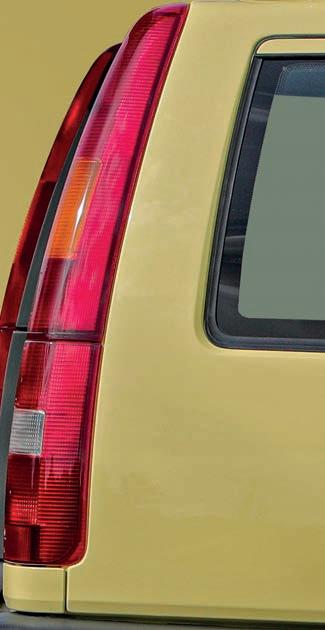
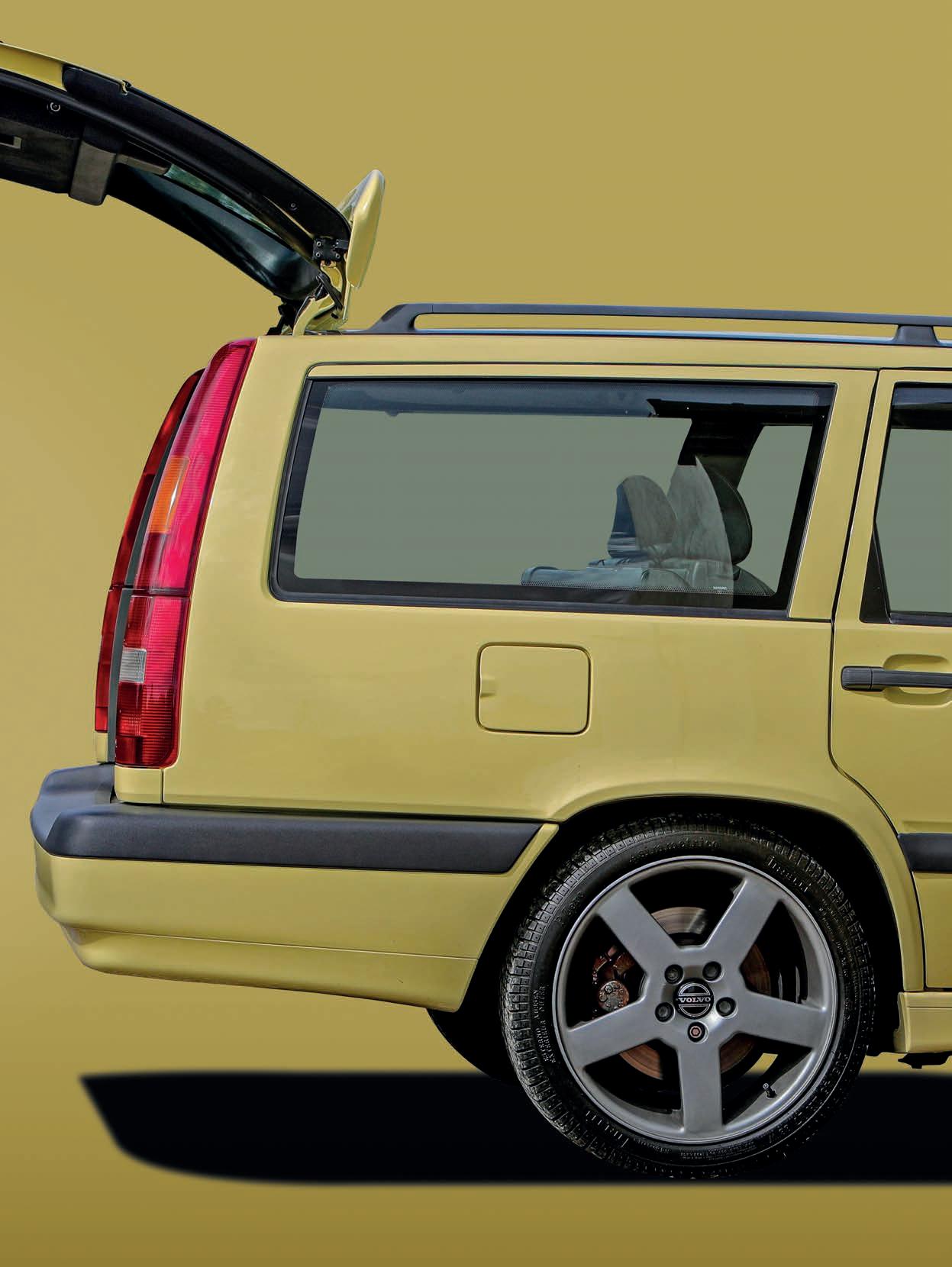
THERE ARE MOMENTS IN CAR history that make you do a double take –almost as if someone in the boardroom slipped something mischievous into the corporate coffee pot. For Volvo, that point came in 1995. The same company that had made its name with boxy estates suddenly unveiled a banana-yellow missile with a spoiler big enough to hang washing from. The 850 T-5R wasn’t only fast for a Volvo; it was fast, full stop.
At the time, the brand was desperate to shake off its ‘pipe and slippers’ image. The 850 had already shown flashes of life –its five-cylinder engine, front-wheel-drive layout and sophisticated multi-link rear suspension were all thoroughly modern. But it needed more attitude. Cue Porsche. Yes, that Porsche. Stuttgart’s engineers were roped in to help tweak the chassis and gearbox, while Volvo’s own team bolted on a Mitsubishi turbocharger and wound the boost up until the 2.3-litre fivecylinder barked out 237bhp and 243lb ft of torque. Officially the 850 T-5R was limited to 155mph, but period testers reported it would nudge 160 given enough Autobahn. Although offered as a saloon, this Volvo is best remembered as an estate, helped by
the 1994 British Touring Car Championship effort. While the racers weren’t T5-Rs (turbos were banned), the sight of an 850 estate hustling through Druids turned Volvo from cardigan to cult in one lap.
Slip behind the wheel today and the T-5R still feels like a glorious contradiction. The cabin is pure early-1990s Volvo – big, square buttons, air vents that look like they were designed with mittens in mind and super-supportive seats. Yet prod the throttle and the car’s split personality emerges. There’s a deep warble from the five-cylinder that turns into a furious snarl as the turbo spools, followed by a proper shove in the back. Torque steer? Oh yes. That’s all part of the fun, though.
The steering is weighty, and not bristling with feedback, the brakes firm and the ride

‘The T5-R proved that Volvo could build something genuinely exciting: fast, safe and hilariously unexpected’
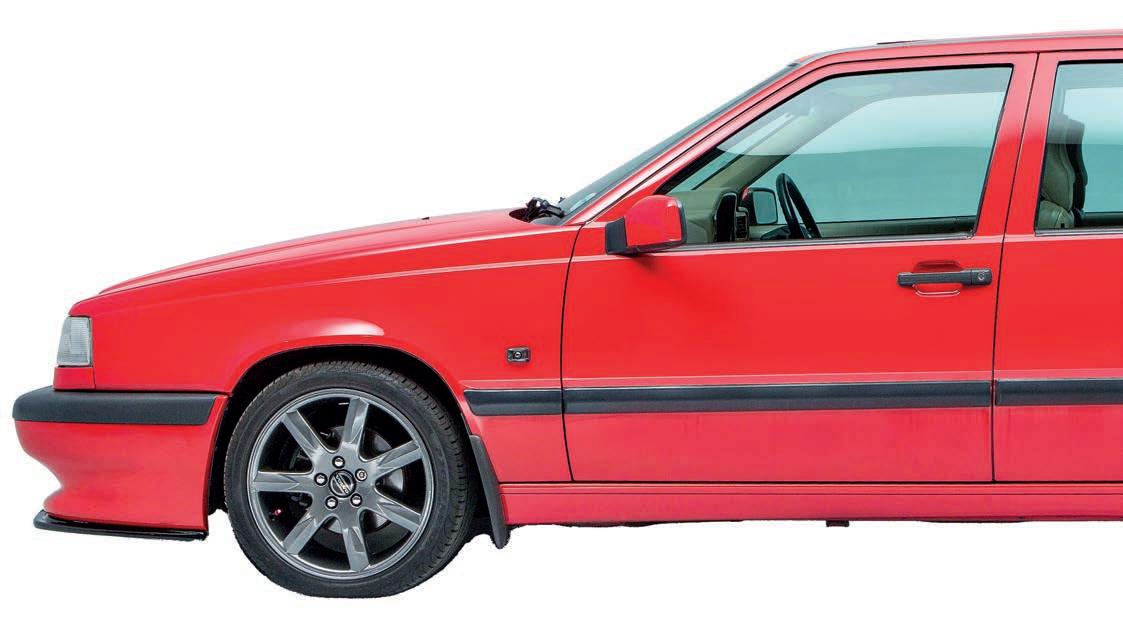
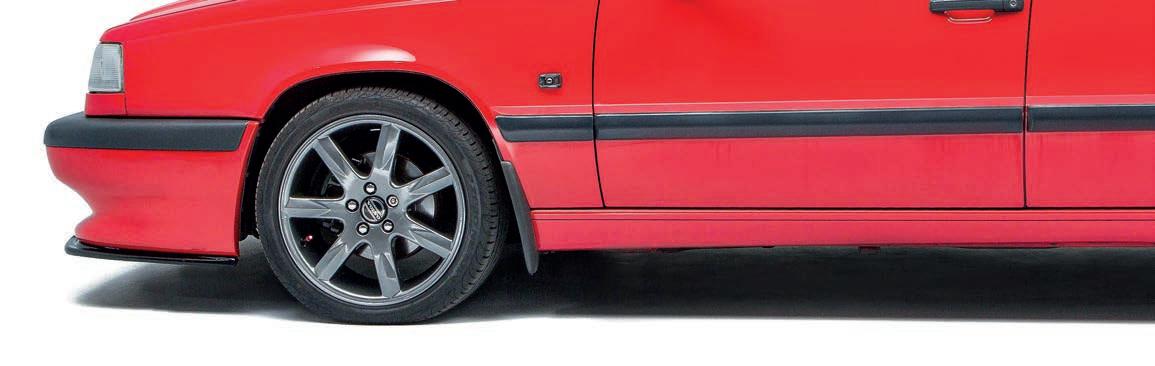

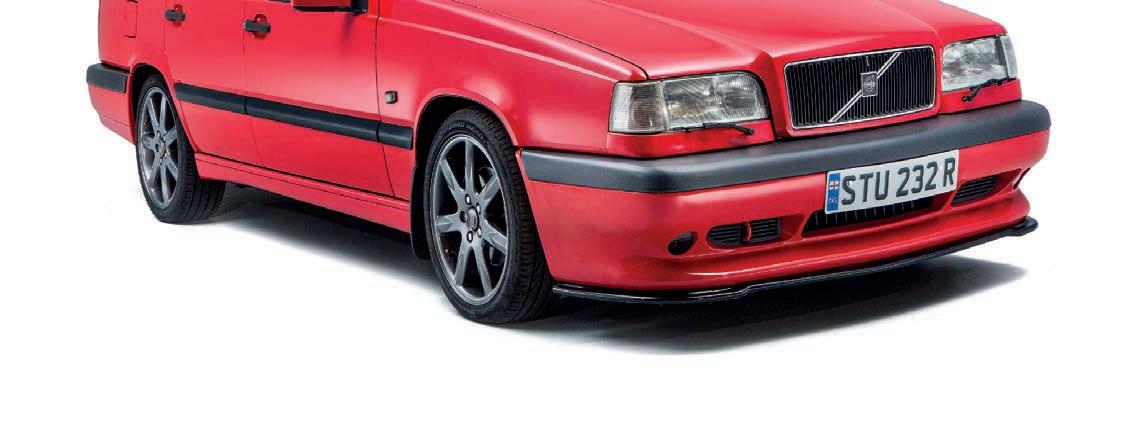
Aero, but it’s more entertaining than you would ever expect from something that could double as a removals van.
Mechanically, its bulletproof reputation is mostly deserved. The B5234T5 engine will happily cover 200,000 miles if serviced properly, but it hates neglect. Oil changes every 5000 miles with fully synthetic are a must; if not, you risk sludged turbos or worn valve seals. Look for blue smoke on boost and idle, which points to tired
UK cars) can feel lazy and will overheat if the transmission fluid hasn’t been changed regularly. Manuals are stronger but rarer. Suspension bushes, especially on front wishbones and rear delta links, wear quickly, leading to clunks and vague steering. Replacements are available but fitting can be a faff. Check the ABS module, too – failed solder joints are a known issue, and warning lights are common. Inside, the leather cracks and dashboard
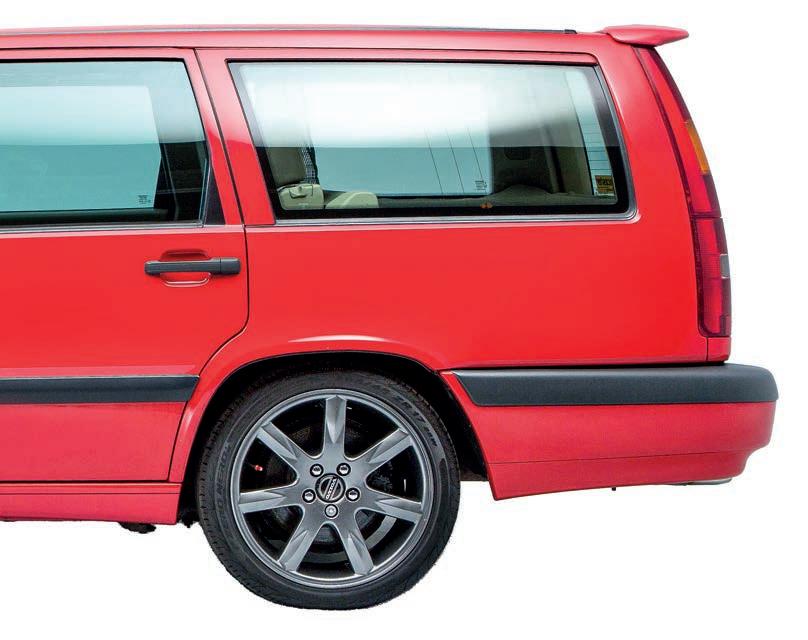
plastics squeak, but the electrics are largely reliable. Body-wise, rust doesn’t tend to be rampant, but check rear wheelarches, door bottoms and tailgates. Finding a good T-5R might be your main challenge – it’s believed that around 40 still remain on UK roads. The car’s legacy runs deeper than its lurid paint schemes and boxy charm. It proved that Volvo could build something genuinely exciting: fast, safe and hilariously unexpected. Even now, it still feels like the moment the brand stopped apologising for being sensible – and started having fun.
Volvo 850 T5-R Estate
Engine 2300cc, inline-five, DOHC, turbocharged
Transmission FWD, five-speed manual/four-speed auto
Power 237bhp @ 5300rpm
Torque 243lb ft @ 3000rpm
Weight 1451kg
0-60mph 7.0sec
Top speed 155mph
Hagerty valuation
Fair £4600
Good £8100
Excellent £12,300
Concours £16,500
BMW wasn’t the sole brand to squeeze a V10 into an estate – but only this one screams like a Formula 1 car on the way back from the garden centre
IT’S STRANGE TO THINK OF A FIVEdoor estate as a performance icon, yet here we are. The M5 E61 Touring is exactly that: a car that looks ordinary in a Tesco car park but has the soul, noise and pace of a full-blooded supercar. Introduced in 2006, it was BMW M’s answer to a question nobody had really asked – could you take the screaming V10 of the M5 E60, stick it in an estate and still live with it day to day? The answer, happily, was yes.
BMW was among the first to build a performance estate, with the 1990s M5 E34 Touring. The last hand-built M car, it wasn’t a huge sales success, so BMW left the M5 E39 as a saloon only. However, by the 2000s the corporate gamesmanship in
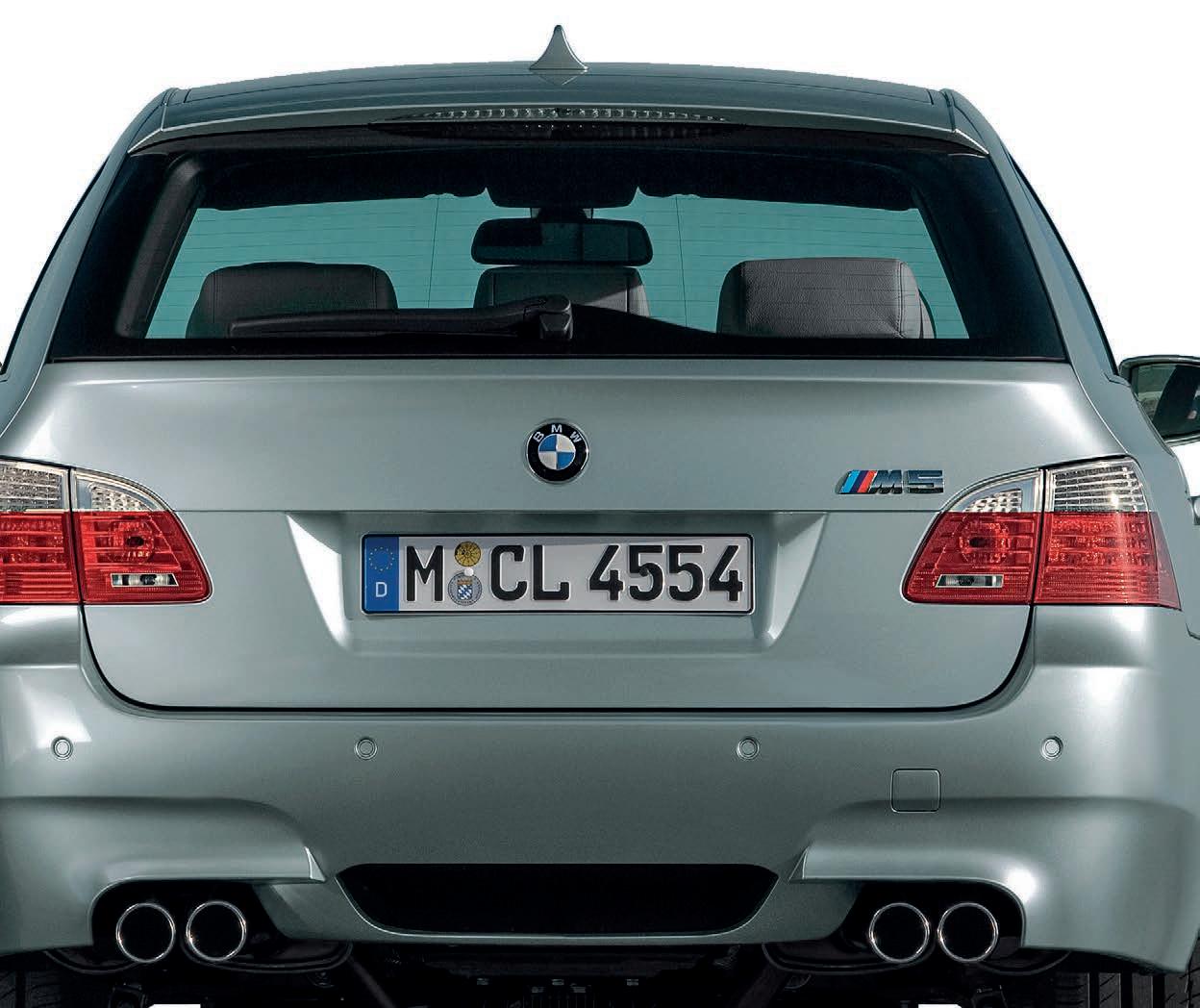

the German car industry was at its peak –Audi had the RS models, while MercedesBenz had absorbed AMG completely and was pumping out V12s and V8s of eververtiginous performance figures. BMW felt the need to respond with a statement car: something that would make headlines. A four-door saloon with a screaming V10? With BMW investing heavily in V10-era F1 at the time, it made perfect sense. Ish.
The resultant E60’s naturally aspirated 5.0-litre S85 V10 delivered 507bhp, a screaming soundtrack and a chassis that felt alive at every corner. Yet there was a small but very vocal audience of estate fans.
Just under 900 Tourings were built, and only a fraction were right-hand drive, meaning UK examples are rare. To make it work, engineers strengthened the chassis, refined the suspension and ensured it handled with the poise expected of an M car.
Get behind the wheel and the magic is immediate. From idle, the V10 emits a low, throaty rumble, but bury your foot and it comes alive like an awakening beast. Torque hits at low revs, pulling you along with a confidence that belies the estate’s bulk. On a twisty B-road, the E61 holds its line with superb composure; the M-tuned suspension and rear subframe mounts keep body roll in check, while the steering is precise enough to feel connected yet forgiving.
Owning one is not entirely carefree. The V10 is robust if cared for, but ignore oil
‘Driving an E61 Touring is intoxicating. The combination of speed, space and relative stealth is hard to beat’
changes, VANOS service or rod-bearing checks and you’ll be in trouble. The VANOS variable valve timing solenoids can fail, leading to rough idle, poor throttle response and warning lights. Cleaning or replacement are generally straightforward but necessary.
BMW M5 E61
Engine 4999cc, V10, DOHC, naturally aspirated
Transmission RWD, sevenspeed semi-automatic
Power 507bhp @ 7750rpm
Torque 384lb ft @ 6100rpm
Weight 1955kg
0-60mph 4.6sec
Top speed 155mph/189mph
Hagerty valuation
Big-end bearings are the Achilles’ heel, and worn units can cause catastrophic failure. Early signs include metallic ticking noises at idle or knocking under load. BMW recommends tolerance inspections at 60k-80k miles. Replacement is expensive but essential for high-mileage cars. The engine loves regular servicing; oil changes every 5k-6k miles with top-quality synthetic are critical. Watch for leaks around valvecover gaskets, oil pan or rear main seal. The SMG gearbox, brilliant in sequential mode, can be awkward in traffic, and fluid changes are non-negotiable; hydraulic pumps may fail over time. Suspension wear is worth checking: front wishbones and rear subframe bushes can go, and cooling components such as radiators and expansion tanks have been known to fail. Rust is uncommon, but keep an eye on the arches and sills. Electrical niggles are usually minor yet worth checking, particularly for window mechanisms and boot locks.
Despite these maintenance caveats, driving an E61 Touring is intoxicating. The V10’s scream is addictive, overtaking is effortless and the combination of speed, space and relative stealth is hard to beat.
A rare remnant from MG’s last stand, this rousing V8 machine offers American punch with British reserve
EVERY NOW AND THEN, A CAR MAKER throws its rulebook out the window in a blaze of glorious, slightly unhinged defiance. For MG Rover, that moment came in 2003, when the company best known for mildmannered hatchbacks decided to shoehorn a thumping 4.6-litre Ford Mustang V8 into its genteel Rover 75 shell. The result was the MG ZT 260 – and, even better, the ZT-T estate, a car so daft, so deeply British, that it somehow made perfect sense.
The story of how it came to be is one of sheer bloody-mindedness. By the early 2000s, MG Rover was fighting for survival. Cash was tight, but the engineers at Longbridge had ideas. Led by Rob Oldaker, formerly of Lotus and TVR, they decided to reinvent the 75’s front-wheel-drive platform as a rear-driven muscle saloon. That meant a completely new floorpan, bespoke rear
propshaft. Ford’s 4.6 Modular V8 from the Mustang GT was chosen for its torque and availability, and then detuned slightly to 260bhp and 302lb ft to preserve driveline longevity. It was mated to a Tremec fivespeed manual and a limited-slip diff. In an era of turbocharged BMWs and lightweight Japanese rockets, this was delightfully oldschool – lazy power, loud but not uncouth and proudly over-engineered.
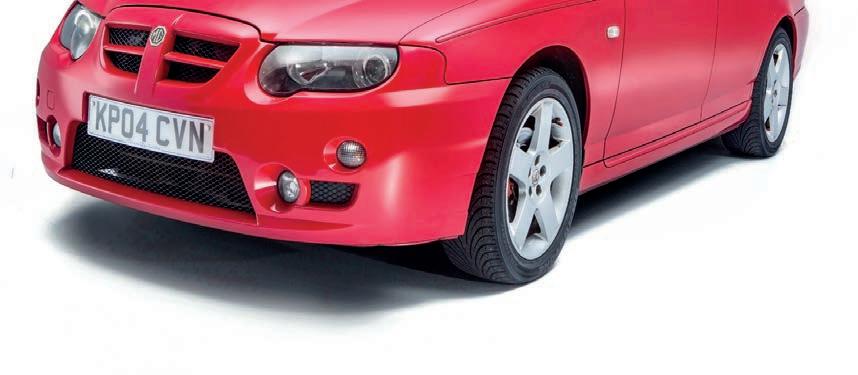
MG gave it chunkier bumpers, quad exhausts and a stance that made even the Germans look bashful. Yet it still had the practicality of a proper estate, with folding seats, a big boot and a dog-friendly tailgate – albeit with an engine note that could rattle your teacups. Only around 150 V8 load-luggers were built, making it one of the rarest MGs ever made.
Climb inside, and the first impression is

Engine 4601cc, V8, SOHC, naturally aspirated
Transmission RWD, five-speed manual
Power 260bhp @ 5000rpm
Torque 302lb ft @ 4000rpm
Weight 1640kg
0-60mph 6.3sec
Top speed 155mph
Hagerty valuation
Fair £5500
Good £7300
Excellent £10,900
Concours £16,100
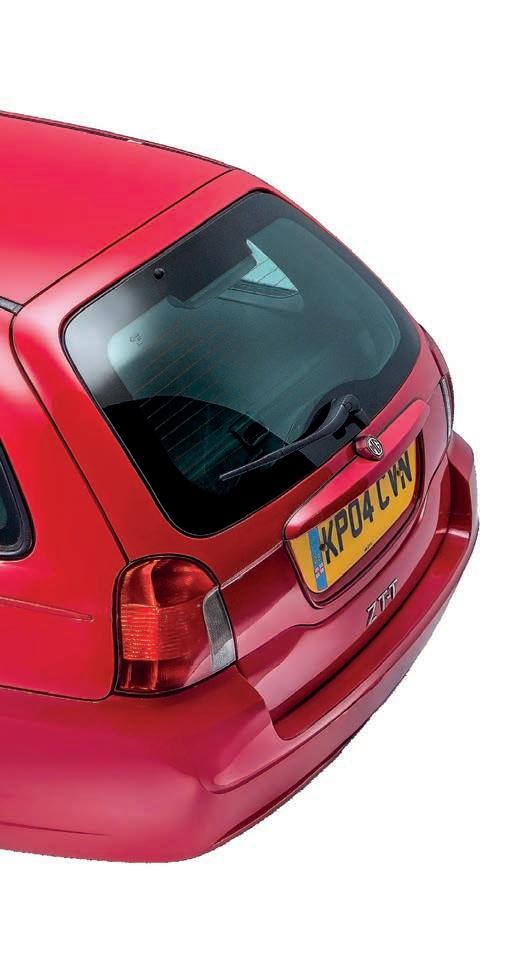
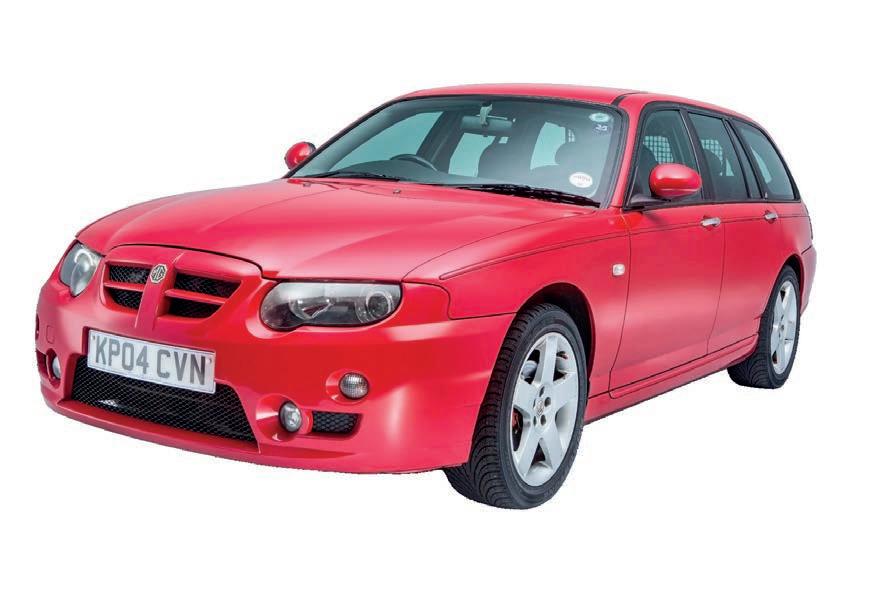
bears Rover’s genteel curves, but everything feels weightier. Twist the key and the Mustang V8 thunders into life with a deep, rolling burble that makes no apology for its American origins. On the move, this car is all about effortlessness. The steering is heavy at low speeds, the clutch firm, but it settles beautifully on a flowing A-road. There’s real muscle here, a tidal wave of torque from barely 1500rpm. Plant your foot in third and the bonnet rises, the rear squats and the world turns into a blur of sound and vibration. It’s not fast in the modern sense; 0-60mph takes about 6.3 seconds. However, it feels immense, mechanical and gloriously alive.
The ZT-T is not perfect – the suspension can crash over potholes – but when you find a clear stretch of road, it flows with a grace you’d more often associate with Jaguar. It’s a true muscle car, though – only with some polite British breeding.
Buying one today means embracing its quirks. The good news is that the V8 is tough, and capable of huge mileages if properly serviced. Oil changes every 6000 miles with quality semi-synthetic are vital, and check for weeping rocker gaskets or rusted exhaust manifolds. The Tremec is agricultural but durable; feel for notchy shifts or clutch slip. Cooling systems need attention because radiators and thermostats can fail, leading to overheating if ignored. The rear subframe bushes and suspension
‘MG Rover’s last hurrah proved Brit engineers still had the famous stiff upper lip, and the gumption to see it through’
mounts take a pounding from all that torque, and the bespoke brakes (shared with the Mustang) aren’t cheap to replace.
Electrics exceed Rover’s reputation, but do check window regulators, boot locks and instrument backlights. Rust tends to appear around the sills, arches and bootlid lip, especially on early cars. Inside, expect worn leather bolsters and sagging headliners, although trim parts are still findable via specialist forums.
Running one isn’t cheap, with mpg in the high teens, but the grin-per-gallon ratio is unbeatable. Parts are still available thanks to the Mustang connection, and the owners’ community is one of the friendliest around.
The ZT-T V8’s legacy is bittersweet. It was MG Rover’s last hurrah – a swansong that proved Brit engineers still had the famous stiff upper lip, and the gumption to see it through. In a world of sterile efficiency, the V8’s rumble reflects plucky British rebellion.

FORGET BRITPOP AS THE SOUND OF the 1990s – if your abiding sonic memory of the era was the whoosh of a synthesised dump valve emanating from Gran Turismo, then Skyline dreams are hard to beat.
For those who have Skyline dreams but familytransportation realities, this could be just the answer – if you can find one
The RB26DETT is an engineering legend. The 2.6-litre twin-turbocharged engine powered the Skyline to motor sport success in Australia and Europe against the mighty Blue Oval and Porsche – and it ended the same decade as a true icon for a new era of enthusiast thanks to its epic tuning abilities and video-game impact.
Three decades on, the reality is that Skyline GT-R ownership is not especially conducive to family life. However, there is a solution, and it’s called the Stagea 260RS.
Autech, Nissan’s tuning subsidiary, saw the potential. The Stagea used the nonGT-R’s Skyline’s underpinnings, so Autech
then dropped in the RB26DETT motor, fitted a five-speed manual transmission and retained both the ATTESA E-TS allwheel drive from the R33 GT-R and an LSD.
Equipped with Brembo performance brakes and lightweight 17-inch forged BBS alloys, this model also featured a reinforced chassis, front strut-tower brace, enhanced suspension set-up, bespoke rear stabiliser and underbody guard. It was finished with exclusive Autech touches – distinctive badging and a full body kit comprising unique side skirts, a redesigned front bumper and a custom tailgate spoiler.
Inside, the cabin received a thorough performance-inspired makeover; an R33 GT-R steering wheel, GT-R-style dials, leather-wrapped shifter and handbrake plus bespoke seat trim set the tone. Between November 1997 and March 2001, just 1734
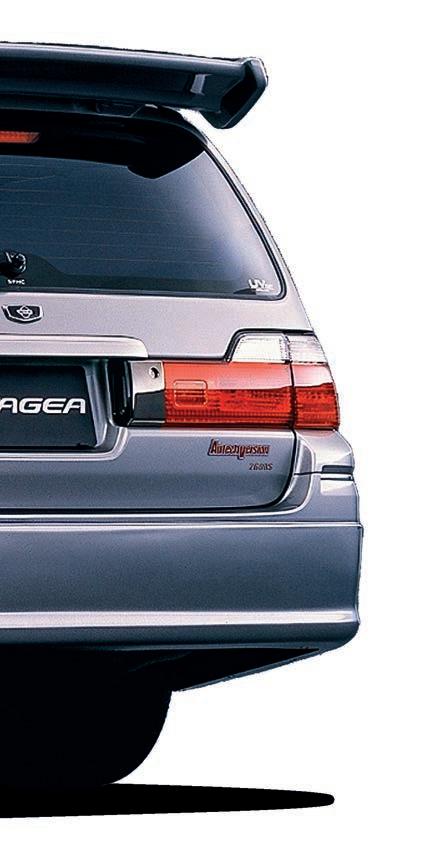
Engine 2568cc, straight-six, DOHC, twin turbocharged
Transmission AWD, five-speed manual
Power 276bhp @ 6800rpm
Torque 271lb ft @ 4400rpm
Weight 1660kg
0-60mph 5.5sec
Top speed 155mph
Hagerty valuation
Fair £22,000
Good £30,000
Excellent £38,000
Concours £55,000-plus
‘A number have come in as grey imports, and values can vary widely –but it’s still far cheaper than an R34 GT-R’
examples of the 260RS (spanning the Series 1.5 and Series 2 models) were built.
The car was never officially imported into the UK, unlike a small number of R33 and R34 GT-Rs. A number have come in as grey imports, and values can vary widely –but it’s still far cheaper than an R34 GT-R. Sounds tempting? Your first job is to ensure you’re buying the real deal. Verify the Autech chassis no. (WGNC34-04**)**, check for the Autech build plate and confirm the car has the correct drivetrain and body kit. A proper service history, Autech documents and original VIN tags are worth their weight in gold.
The RB26DETT is strong, but only if it’s been properly maintained. Listen for rattles on cold start, check for blue smoke and inspect for oil leaks around the cam covers and turbo lines. The twin turbos can suffer from worn seals or shaft play if the car has
seen repeated hard use. Look for regular oil changes with high-quality synthetic, too. Modification is common, of course, but make sure that upgrades have been installed by recognised names.
At this age, radiators, water pumps and hoses can be tired. Ensure the cooling system is healthy and the temperature gauge doesn’t creep up in traffic. Oil coolers and intercoolers should be clean and leak free – aftermarket upgrades are common but should be installed neatly and safely.
The Brembo brakes are powerful yet expensive to rebuild, so check for judder, squeal or pitted discs. Original 17-inch forged BBS wheels are a big selling point; look for cracks, kerb rash or signs they’ve been replaced with replicas.
As with many 1990s Japanese cars, rust can be a silent killer. Pay special attention to the wheelarches, sills, rear subframe area and suspension-mounting points. Years of use in salty climates if you are buying an already-imported car can take their toll. Inside, the Autech trim, GT-R-style gauges and leather accents should all be intact; replacements are increasingly hard to find.
If you have watched Skyline prices disappear over the horizon just as the realities of being a millennial parent have arrived, the Stagea 260RS could just be the dump-valve music to your ears...
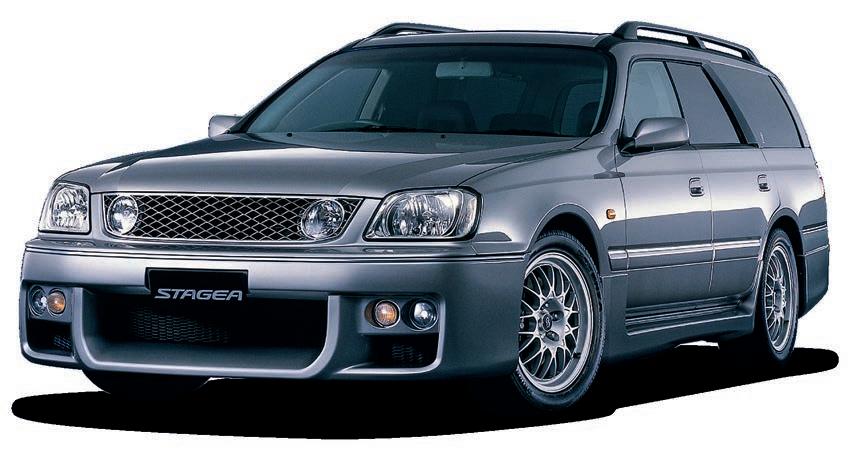
New AMGs just a bit too ‘shouty’? The W211-series cars are elegant, roomy and bombastically quick
IT IS FAIR TO SAY THAT BMW’S aforementioned M5 is the hooligan’s favourite. But if you prefer to munch miles in a more modest manner, and with far heftier mid-range wallop, may we point you in the direction of the Three-Pointed Star?
We are looking at the W211-series E55 Kompressor in particular; yes, the naturally aspirated E63 came later, but as marvellous as that motor is, the supercharged gumption from the E55’s 5.4-litre M113K unit trumps the newer car for torque by 50lb ft. True, the E63 has more peak power, but you probably won’t clock the difference on the average run to the tip – 469bhp is hardly meagre. You may well notice that extra torque on the way home, however...
That’s because the E63 is a high-revving engine, whereas the E55 delivers its punch
from low down, in traditional AMG form. Mercedes kept the M113K as a SOHC layout rather than using a DOHC set-up, because the three-valve/twin-spark head produced excellent low-end torque, faster combustion and better emissions, and it also proved extremely reliable.
In corners the E55 won’t thrill like the M5, and it won’t cling onto apexes like an AWD Audi – all that supercharged fury is delivered to the rear wheels alone. It’s very much a slow-in, fast-out kind of car – but when that torque hits, not much can keep up with it. The steering is light but precise, too – it’s a very Germanic muscle car.
As such, driving an E55 is one of life’s treats. Owning one can be much trickier – Mercedes-Benz was only just starting to regain its reputation for solidity after the

Engine 5439cc, V8, SOHC, supercharged
Transmission RWD, five-speed auto
Power 469bhp @ 6100rpm
Torque 516lb ft @ 2650rpm
Weight 1915kg
0-60mph 4.8sec
Top speed 155mph
Hagerty valuation
Fair
£6200
Good £10,500
Excellent £13,100
Concours £20,800

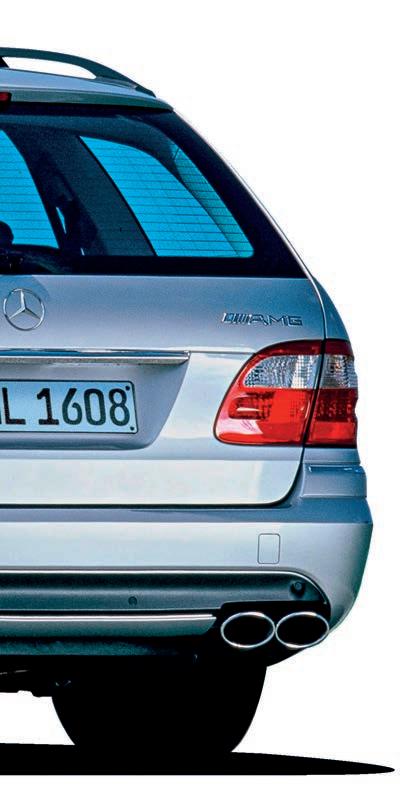
rust problems encountered on the W210 E-Classes. The good news is that the W211 is far more resilient to tin worm, but the newest E55 is now going to be 20 years old, so it’s well worth taking a good look in the arches, sills and elsewhere just in case.
Check for any grinding, whining or irregular noise from the supercharger – worn clutch springs or bearings can cause failures, and if the intercooler pump has failed or was removed, intake air temperatures will rise and performance will suffer after hard driving. Take a look around valve-cover gaskets, oil-cooler seals and the sump area – leaks are common and, unchecked, can lead to bigger issues.
Meanwhile, the 5G-Tronic transmission can leak – especially around wiring connectors – which may lead to shifting issues or longterm damage if not addressed.
The E55’s huge torque is impressive, but it can prove problematic – engine and transmission mounts, and driveshaft flex discs, may wear or fail, leading to vibration, clunks or harsh drivetrain behaviour.
The Airmatic air suspension can develop faults: leaking or failing struts, faulty sensors and old compressors can result in sagging, an uneven ride height and poor damping. What with all the weight over it, the front suspension has a lot of work to do –control-arm bush and balljoint wear, and other ageing signs, will affect its behaviour,
‘Forced-induction nature made the E55 a modifier’s favourite. Ensure any upgrades have been done by a specialist’
so check for unevenly worn tyres, vague handling and noises over bumps.
However, electronics are the main issue. The big one for the E55 in particular is the crankshaft-position sensor, which may fail with age or heat stress, causing misfires, stalling or even total breakdown. General E-Class gremlins include ABS/ESP faults – don’t dismiss these, because they are an MoT failure and not cheap to rectify.
The E55’s forced-induction nature made the car a modifier’s favourite. Ensure any upgrades have been done by a specialist, and that if the power rivals a hypercar’s (700bhp-plus has been known...), all the drivetrain has been upgraded to match.
In fairness, with all that power on tap it’s not as if you’ll be missing out on any blood and thunder. The W211 is arguably the last of the elegant, understated AMG E-Classes, and the E55 holds true to the Affalterbach tradition of mid-range torque obliteration.
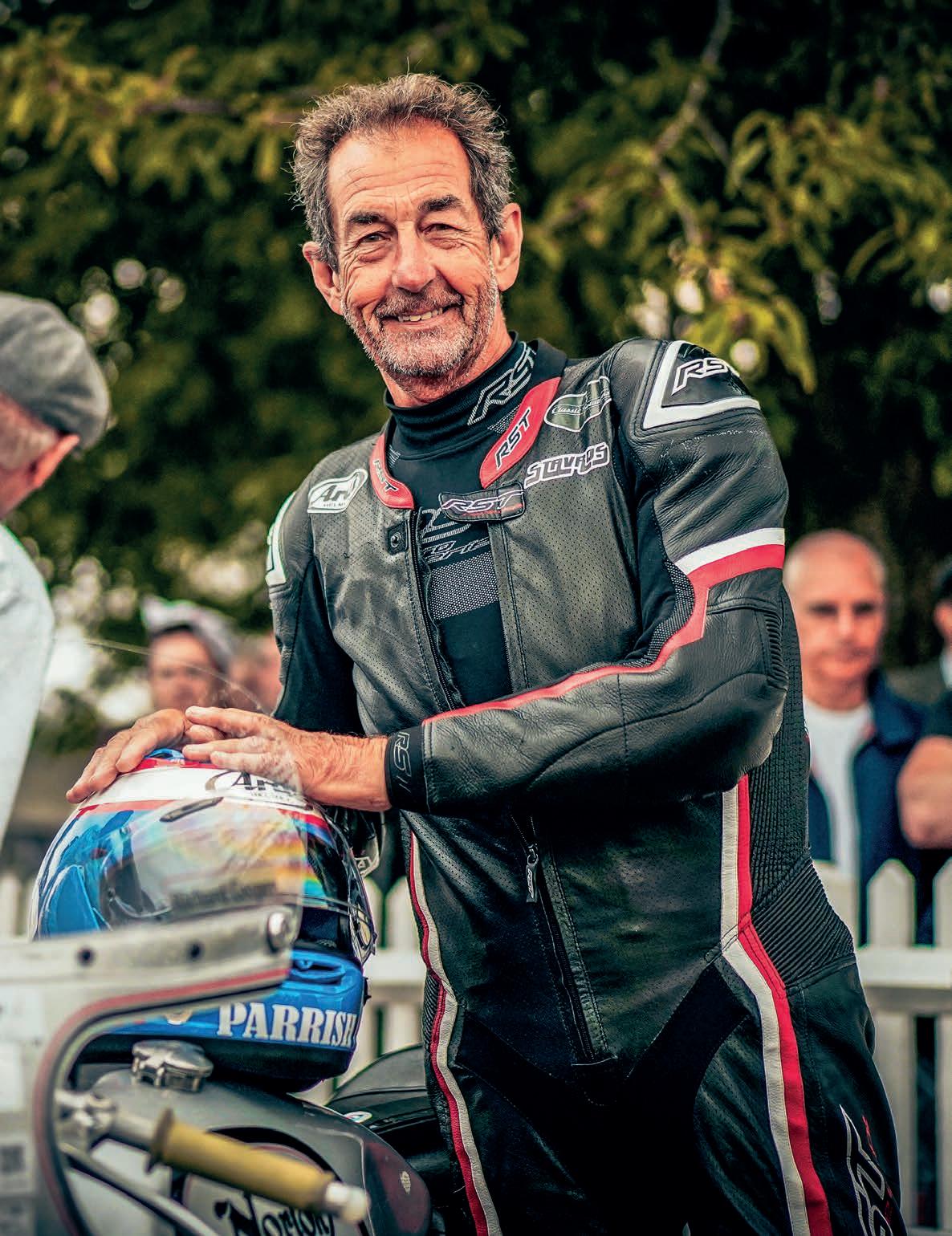
CHARLOTTE VOWDEN CAUGHT UP with legendary motorcycle and truck racer, commentator and prankster Steve Parrish for an exclusive Hagerty Drivers Club video. Here are a few highlights – and you can see the full interview by scanning the QR code on the right…
Start as you mean to go on
I really was a hooligan. Most of the parents in the village would not let their children come and play with me. Not much has changed – Mark Blundell, who of course you will know from car racing, lives just up the road from me, and even now his wife will not let him come and play with me. Same story at this age.
A passion for classic Brit iron
Over the years I have had all sorts of bikes such as BSA Bantams, James Captains – all the old machines from the 1950s and ’60s that I loved. If you put me on one of them, I’d just keep going until it ran out of petrol.
Picking up an unusual hobby
Someone suggested we start a race team – as you do. We didn’t like darts, we didn’t like snooker, we didn’t like football or any of the usual pub pastimes, so we decided a race team made far more sense.
Striving for self-belief
Motorbikes gave me a way to build confidence. I think they helped me find friends as well, because I was doing something other kids wanted to do but probably didn’t dare. It gave me more and more belief in myself.
Scary – but such fun!
The way motorbikes gave me confidence was that they excited me and they scared me – and even now, at 72 years old, I still like scaring myself. Ridiculous really, but I enjoy doing things that push me. Motorbikes have always pushed me.
Finding common ground
I used to go round to George Harrison’s house in Henley-on-Thames and visit his recording studio. I once had dinner with Rod Stewart, too. All these things kept happening, and I couldn’t quite believe it – but all the guys ever wanted to talk about was motorbikes.

SCAN FOR VIDEO LINK – USE YOUR HDC25 ACCESS CODE TO VIEW
THIS SPREAD From motorbikes to trucks, Steve has huge racing experience –as he tells Charlotte Vowden in exclusive video for HDC.
Turning it around
I went from lying under tractors, fixing them and hating it, to racing against famous riders I had only ever seen on posters on my bedroom wall: Percy Tait, Dave Croxford, John Newbold... Suddenly I was out on track with them – and incredibly I started to beat some of them.
Racing with the stars
In just three and a half or four years, I went from blasting around on little bikes with a Mini pick-up, to racing against Barry Sheene, Giacomo Agostini and people like that.
Keep it simple
I never had any racing tuition. These days they have rider coaches, psychologists, dietitians... all sorts. I had none of that. It was just me, my mechanic Big Martin Brookman, who still lives up the road, my girlfriend – and that was the whole team.
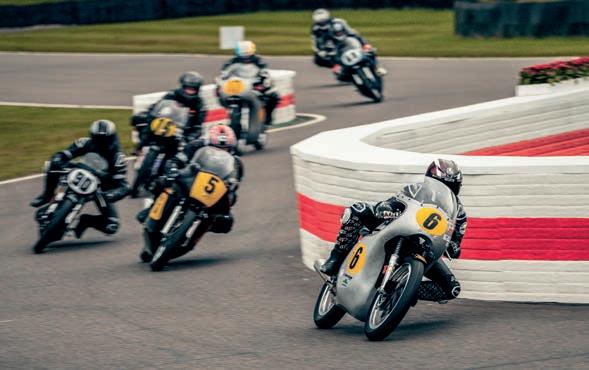
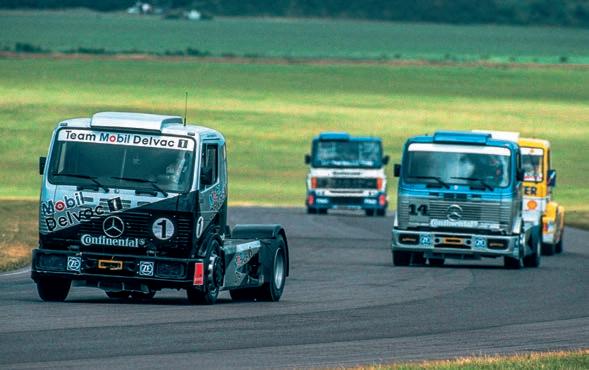
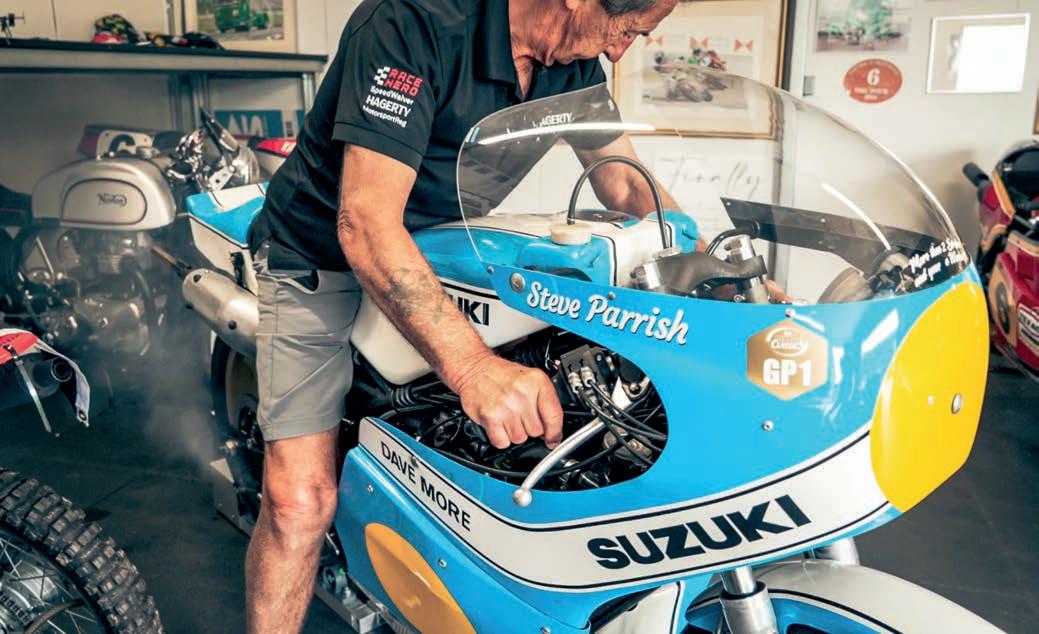
Leaving a mark
A two-stroke engine is probably the ultimate way of making power – just not very friendly to the planet. And as you can probably tell, I am not the most environmentally friendly person. I have probably got quite a large carbon footprint.
Keep on keeping on
I like pushing the boundaries of what I think I am capable of, because I think that is how you improve. Some people prefer to stay in their own little bubble without challenging themselves, but I have always been the opposite. I tell my kids: “Push on. Push on.” If it goes wrong, get it right next time.
Fun times with Bazza
Start of the last lap: I looked back – maybe 5.0 seconds clear. But it had just started to drizzle, and I was a bit nervous. I rode past the pit board, and instead of my mechanic holding it, it was Barry Sheene. And on the board, in chalk, he had written: “GAS IT, WANKER.” I started laughing. I went into the next corner and fell off.
‘I like pushing the boundaries of what I think I am capable of’
Make do and mend
My first set of leathers were bought from Exchange and Mart, and my mum used to stitch them up for me.
Always thinking about the next thing I’ve never retired. I’m a workaholic. I love doing what I do, and to this day I am thinking 24/7 about the next project.
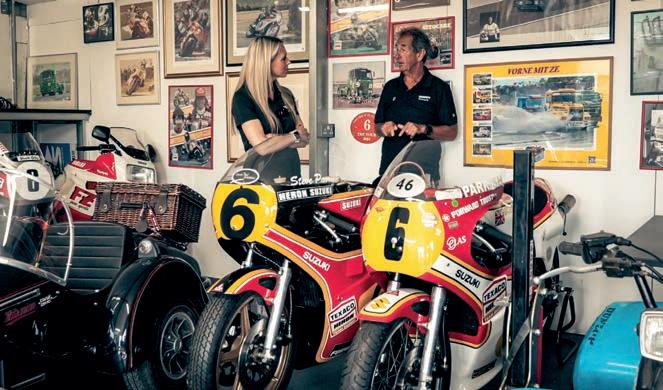
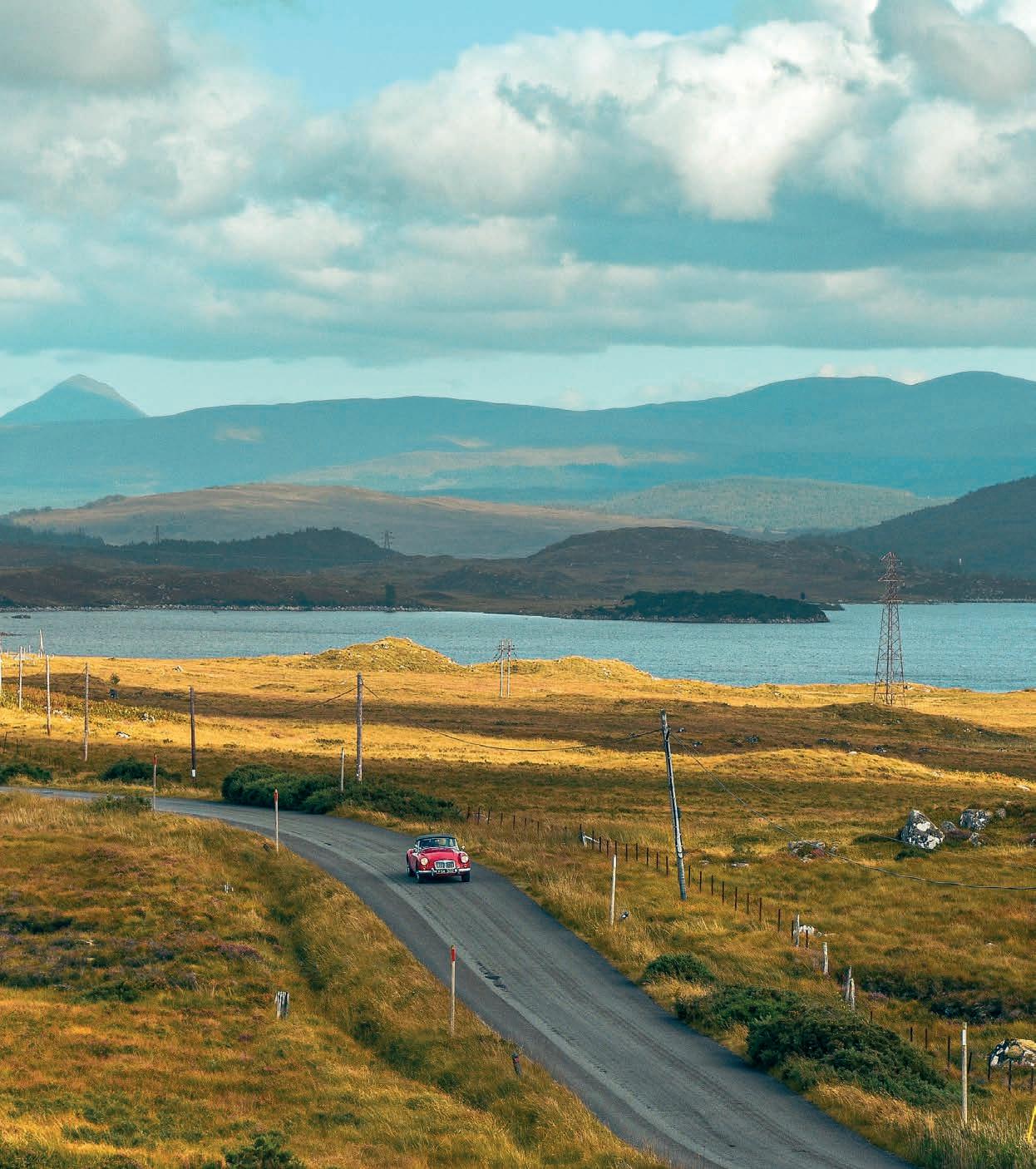
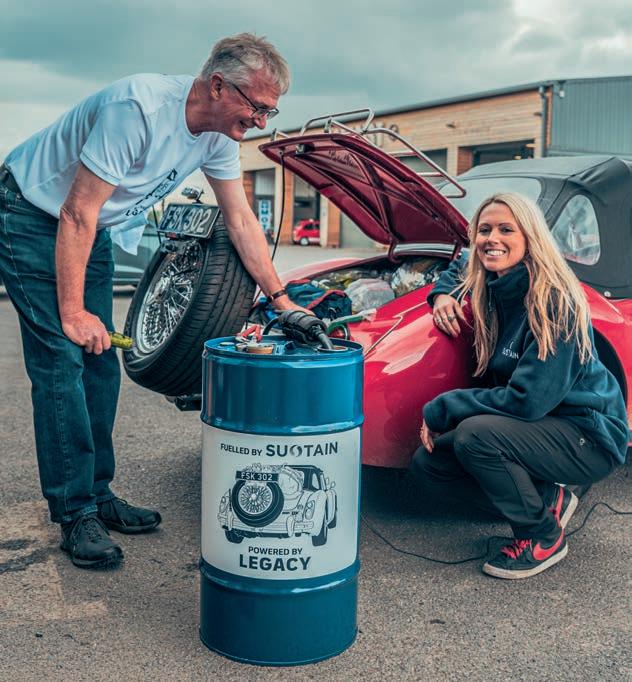
In search of a greener future, mother-to-be Charlotte Vowden set off on a 1000-mile trial of sustainable fuel
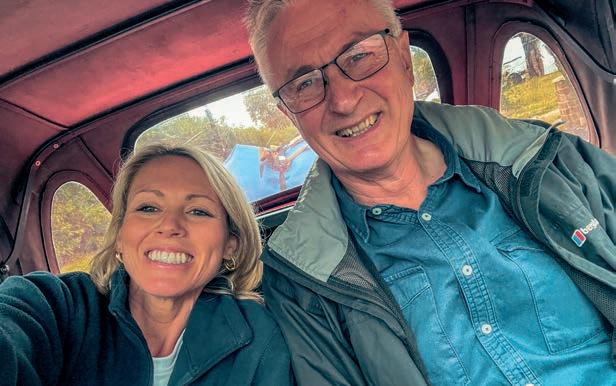
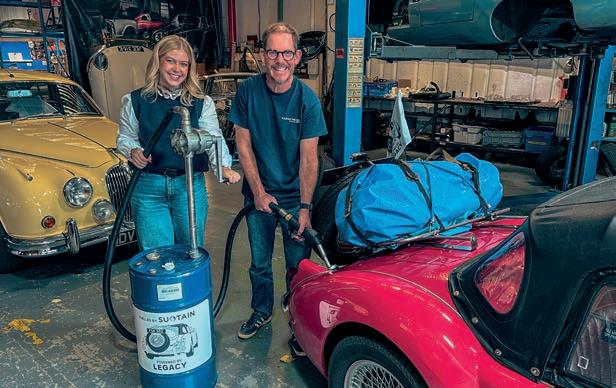
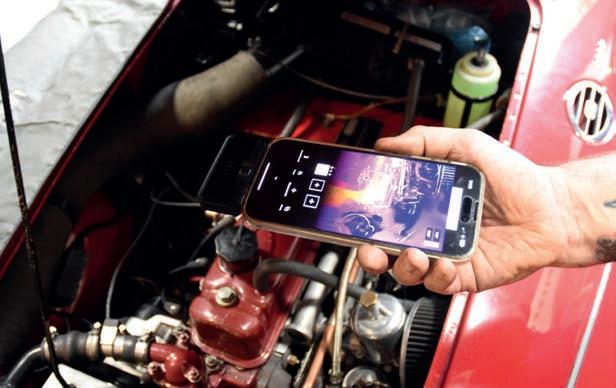
THE NEXT GENERATION; YOU AND I were part of that halcyon collective of young people once. The wider world as we knew it was discovered through the pages of an encyclopaedia, and our access to it was more limited than it is today. The horizon stretched as far as a tank or two of fuel could take us; a holiday in the Lake District, or a day trip to Southend-on-Sea perhaps. We had the privilege of making those journeys without global-warming-induced guilt.
When I was growing up, my grandad taxi’d me to and from school Monday to Friday, and on Saturday he’d chauffeur me and my nan to our favourite café. In the late 1990s, a greasy-spoon breakfast was considered dirtier than the miles we’d covered to get there in the car. We were naive, but we were happy, because we were largely ignorant to the facts. A situation as potentially cataclysmic as climate change could be avoided by switching off the six o’clock news. It wasn’t until I was in my 20s, and working as a journalist at The Sunday Times, that the topic became widely discussed. I was, at first, a bit of a sceptic, but sadly the evidence stacks up.
Youngsters today don’t need persuading, they’re aware of the damage climate change can cause; their enlightenment comes from social media, or is taught in the classroom at school. Access to an infinite amount of information, though, comes with a bounty of pros and cons. That a child would refuse to visit their grandparents because to get there requires the use of a car is heartbreaking. It’s one of the reasons why I embarked on a journey that might encourage optimism and a dash of hope.
The causes of global warming are wideranging, but we also know the internalcombustion engine (ICE) is a significant polluter. A ‘needs must’, but also an item of lust, combustion vehicles account for over 50 percent of CO2 emissions produced by domestic transport in the UK. The boffins say we are fast approaching a ‘point of no return’, and so the thought that a dalliance in Frisky, my late grandfather’s 1960 MGA, will get us there more quickly makes me question whether or not I
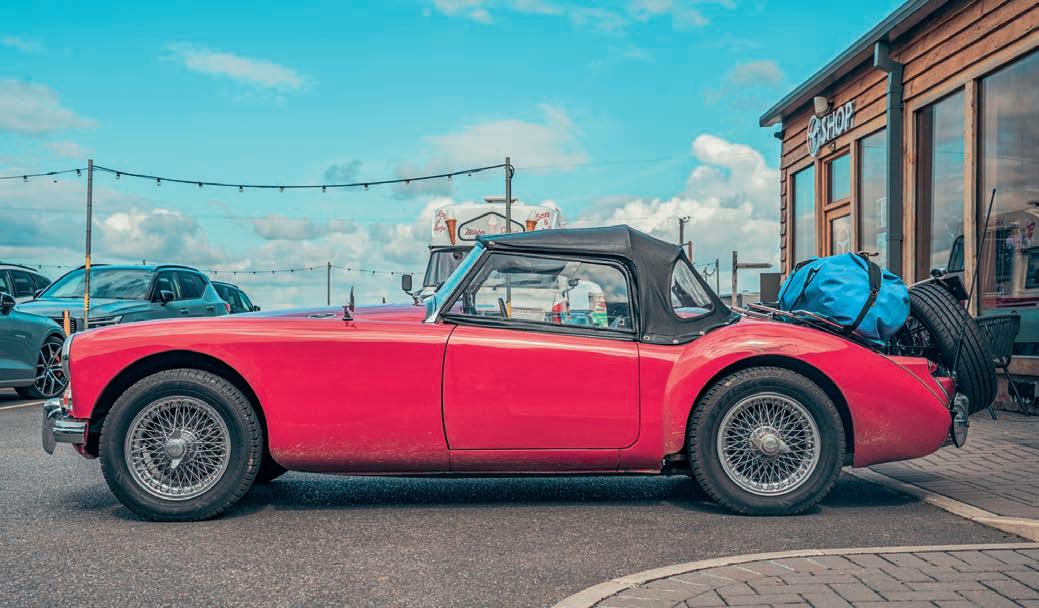
should even be turning on the ignition. It would be easy to fall into the trap of apathy, but those same boffins have been working on a possible fix; that is, sustainable fuel. An umbrella term used to describe any liquid fuel that’s made from renewable materials, there are already a number of them on the market. British specialist Coryton launched the UK’s first.
Named SUSTAIN Classic Super 80, it’s specifically formulated for use in classic vehicles. It is made from agricultural waste such as straw and crops, which would never have made it into the food chain, and it’s known as a bio-fuel. It’s a field-scrapsto-fuel-tank science, if you will.
By recycling carbon that already existed in the atmosphere – in this case, it was absorbed by the crops and plants as they grew – Classic Super 80 is classified as a carbon-neutral fuel because it doesn’t release any additional CO2 when it is burnt. According to the Government’s own statistics, fuels such as this could reduce emissions by more than 80 percent.
Intrigued by, curious about and sceptical of this seemingly silver-bullet blend, I had to find out if there was a catch. Inspired by the 1000-Mile Trial of 1900, an early road test that was devised to show the potential
‘This would be a principled expedition, but symbolic and poignant, too’
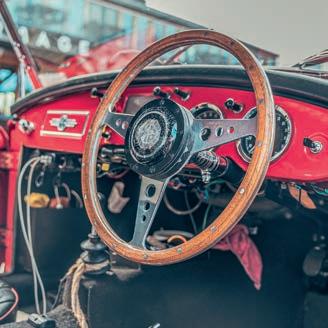
of the newfangled horseless carriage that was propelled by a cutting-edge internalcombustion engine, my aim was to conduct a 21st-century version by fuelling my classic with SUSTAIN’s next-gen fuel. It would be a principled expedition, but symbolic and poignant, too, because with my father Steve as co-pilot and my unborn baby onboard, it was a multi-generational endeavour.
For the purpose of my venture, SUSTAIN supplied the fuel without charge. It also covered the costs of the Classic Super 80’s despatch to suitable locations en route –and no promise of positive coverage was given in return. Available at the pump for £4.65 per litre from Motor Spirit at Bicester Motion in Oxfordshire, or in a 54-litre drum for £40, sustainability comes at a price; Classic Super 80 averages three times the cost of regular fuel. If demand were to increase, costs would reduce and a wider roll-out could be achieved, but scalability requires support from policy-makers in high places, as well as the public. Let’s keep our fingers crossed more stockists are established, while home deliveries are on the brand’s masterplan, too.
A mechanic by trade and cautious by nature, my dad wasn’t easily convinced. “In the 1970s, when I started working on cars,
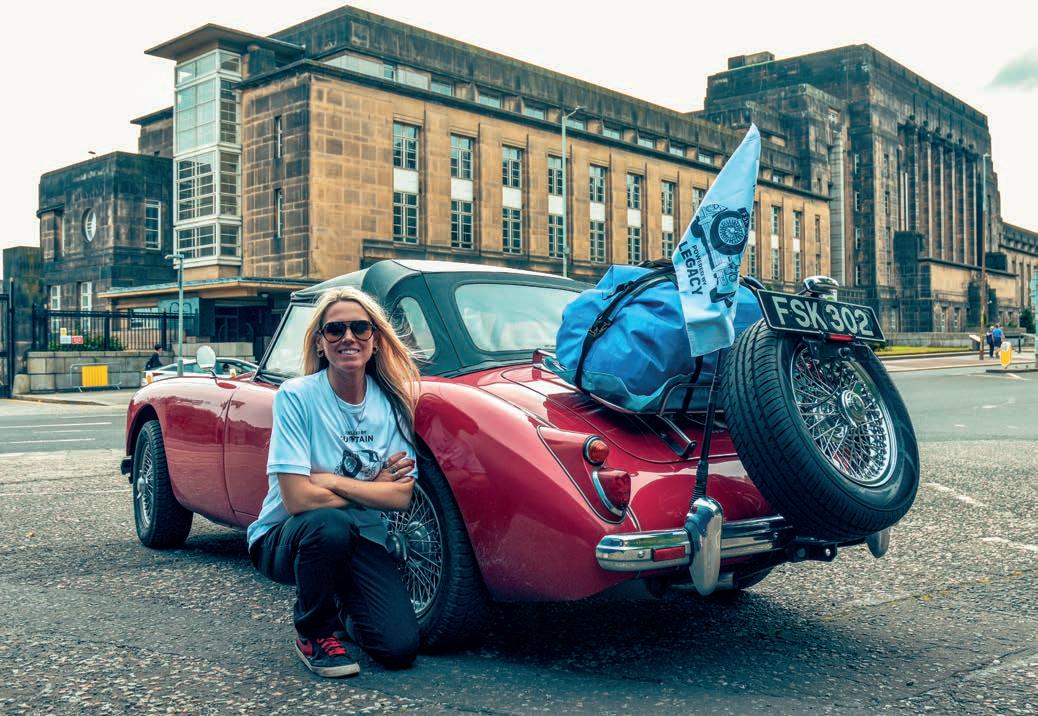
the industry was more focused on speed, power and where we could get more oil,” he said. “We didn’t give a second thought to the planet.” Troubled by the diesel emissions scandal, his trust is hard to win. “In reality, sustainability messaging often outpaces substance. Companies use buzzwords such as ‘sustainable’ and ‘responsible’ without any evidence or clear definition of what they mean. So yes, I had my concerns.”
As a relatively new sector, the legislation is still evolving. To be classed as sustainable, the fuel must meet specific criteria around land use, water footprint, biodiversity and economics. SUSTAIN’s compliance with such standards, as well as recognised bodies, including the Historic and Classic Vehicles Association, offers reassurance. To earn International Sustainability & Carbon Certification, for example, the sustainable materials in the company’s products are tracked and audited. The scrutiny extends to suppliers, whose socioeconomic standards, including fair labour and ethical conduct, are assessed.
To unpick the technical nitty-gritty, I sought help from Coryton’s business development director David Richardson. He has more than 20 years of experience in the industry of specialist fuels. “Classic Super 80’s chemical structure is very close
‘It can be used in any vehicle that runs on standard unleaded without modification’
to that of traditional fossil-based fuel, only without ethanol,” he said. “It is designed to be a ‘drop-in’ alternative –which means it can be used in any vehicle that runs on standard unleaded petrol (EN 228) without modification.”
The recipe, David explained, delivers a 65 percent greenhouse-gas saving compared with traditional fuel: “Every sustainable technology has its strengths and limitations, but ICE vehicles are going to be on our roads for decades to come, so anything we can be doing now to reduce emissions is a positive step.” Also, in theory, Classic Super 80 hasn’t got an appetite for plastic, rubber and metal components. A formulation of additives helps to stabilise and extend its life.
The MGA might have been a bit too tasty for Classic Super 80 to resist, however – and it’s got nothing to do with her voluptuous curves. Within hours of filling the fuel tank for an inaugural run out, the sender unit sprung a leak. With impeccably coincidental timing, the component had probably reached the end of its service life naturally, but Coryton is investigating whether the fuel could have contributed to its demise. I am impressed by the firm’s due diligence; it was a minor tribulation in the grand scheme. Our delayed first drive took place without
incident; no faults, no need for adjustments.
“We are ready to go,” dad said. Following, roughly, in the intrepid tyre marks of the pioneers who set forth on that 1000-mile round-trip from London to Edinburgh 125 years ago, the congested streets of the capital called. Famed as the slowest city in the world to drive through – congestion is now worse than when the Ultra Low Emission Zone (ULEZ) launched six years ago – it was an unpleasant stop-start, start.
Our zero-mile mark was located on a roundabout near the Museum of London; where the A1 officially begins. One of the oldest roads in the UK, it’s also the longest – but the fact that its existence extinguishes in Edinburgh gave it functional appeal.
We had a tank capacity of approximately 45 litres, and 20 litres stored onboard in bladders. That meant the MGA’s 1600 engine, which can achieve around 30mpg, could guzzle Classic Super 80 comfortably for an estimated 420 miles before needing to stop for a drink. Finding free-flowing traffic as we passed through the home counties of Hertfordshire and Bedfordshire – lands of bucolic rolling countryside and village greens – we observed a slight improvement in the roadster’s efficiency.
With a barrel of go-juice waiting for us at Panache Classic in Oundle, we pointed the MGA’s chrome-trimmed nose towards Northamptonshire. When we arrived at the family business with a passion for cool oldschool cars, dad and I felt immediately at home. The coffee and posh cookies helped.
It transpired that company director Oliver Winbolt is a keen advocate of cleaner fuels and offers customers the opportunity to sample Classic Super 80 in their car. Showing young people that the industry is rising to the challenge of climate change is key to winning the combustion vehicle’s fight for survival, he believes.
“Classics already carry the advantage that their carbon cost was spent decades ago,” he said. “With fuels such as SUSTAIN’s, they can be run cleanly. It can flip a young person’s perception.” For him, it’s personal, too. “Watching my daughter discover the buzz of the workshop, and understand that classics don’t have to conflict with the environment, makes me feel proud.” We shared an informative heart-to-heart.
Meanwhile, my dad, trusty caretaker of the MGA, carried out a thermal-imaging
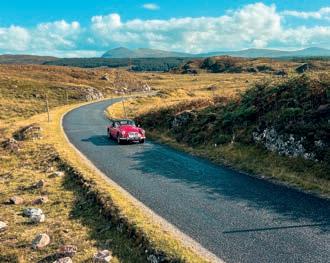
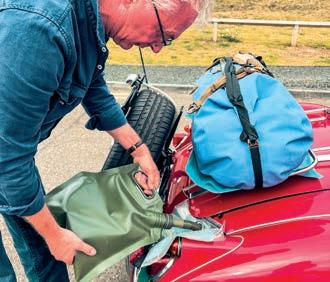
analysis of the engine with the Panache Classic engineers. He was most impressed by the device they used to do so (an iPhone attachment that plugs directly into the phone’s port); it was as though he was finally privy to a long-held secret in the mechanic’s sacred art. I know what I will be getting him for Christmas...
The non-invasive technique uses a camera to visualise temperature distribution – the lighter the colour, the higher the heat. This can help identify issues such as overheating, misfires and leaks that aren’t necessarily visible to the naked eye. At operating temperature, the results raised “no cause for concern”. The cylinders were firing nicely and the carbs running in sync. The introduction of ‘alien’ fuel, it seemed, had no impact on the system’s ability to deliver smooth and predictable performance. ‘Happy engine’ diagnosed, and fuel tank replenished, it was time to move on. After a biscuit, for the road...
THIS SPREAD Taking in St Andrew’s House – Edinburgh’s seat of Scottish Government – Knockhill and the Highlands, Charlotte and Steve’s MGA road trip focused on sustainability.
Not wanting to run our supply down to dregs until we’d be forced to do so in the Highlands – a suitable delivery location proved impossible to plot – I kept our refuel network within a comfortable tolerance. A pitstop and a top-up at The Motorist in Leeds marked the quarter-way point of our endeavour; it was situation so far, so good.
Having crossed the Scottish border beneath a perfect blue sky, we reached the A1’s end in Edinburgh, a city that greets you with full black-granite glory. In the mood to do something iconically Scottish, we found a fire beside which dad could
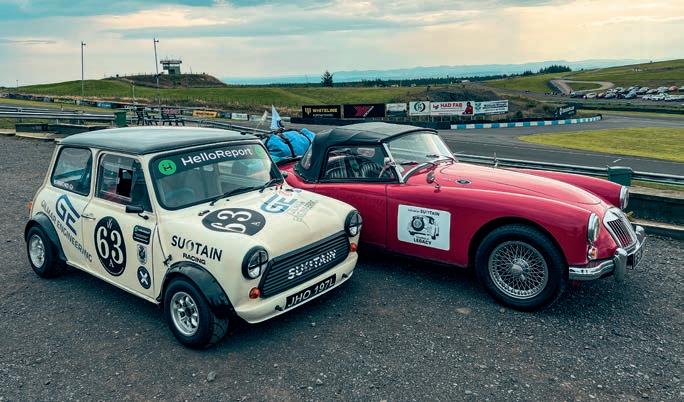
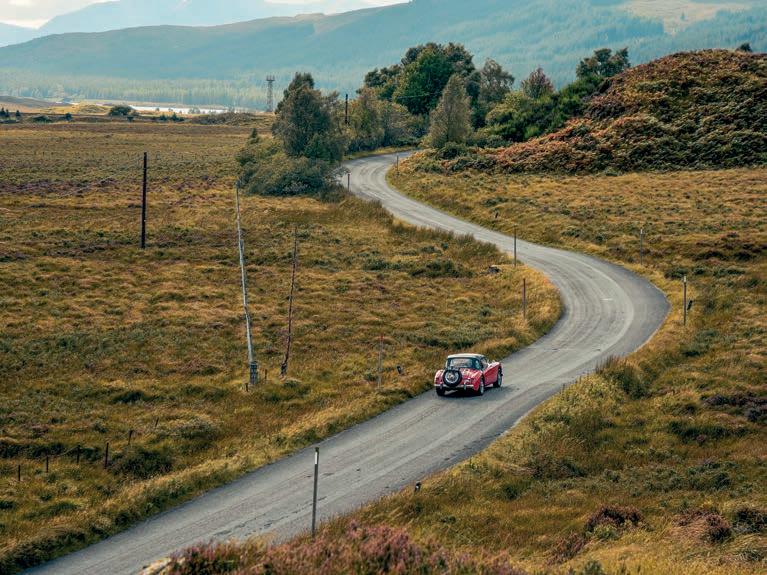
enjoy a celebratory dram. As the pregnant designated driver, I got into the spirit of the moment with a mocktail.
The next morning, we made a break for the wilderness. Set within a sweeping amphitheatre of hills, Knockhill circuit in Fife felt like a stark contrast to Scotland’s craggy, compact capital. Our rendezvous with John Kinmond, who runs the classic division of the Scottish Motor Racing Club and races his 1960s Austin Mini on SUSTAIN fuel, began with Lorne sausage and bacon butties in the campus cafe.
An early adopter of sustainable fuel, John believes it could save Historic racing from extinction. “I’m leading the way by showcasing it in my Mini to encourage other drivers to take it up,” he said. “The results have been really good.” The first time John competed on a tank of SUSTAIN Racing C50, he secured a double class win. Response in the paddock, he said, has been positive but tentative. “Maybe a little envious as well,” he revealed. “I’m pretty sure we are seeing an improvement in performance, and the other drivers are seeing evidence of that, but they’re worried the new fuel might have a detrimental effect on their vehicle. It’s good to be suspicious –these cars are precious and not cheap to run – but I’ve got nothing negative to report.”
Away from the metropolis we were glad to be out in the greener beyond, where a breath of fresh air is something to savour. I, however, hankered for a whiff of John’s Racing C50 fuel. “You can smell
‘We calculated that 315kg of CO 2 was saved by running on SUSTAIN’
mine, if I can smell yours,” I proposed. It was an offer he didn’t refuse.
Dad and I had been pleasantly surprised by the sweet aroma of Classic Super 80 –we didn’t stink as much as we normally did after a few days in the MGA – but John warned me of the race blend’s more volatile bouquet. I liked it, though – so much so that I indulged in a second, third and fourth sniff. Mildly intoxicated but mostly amused, we refuelled and parted ways with a handshake.
Feathered by Scots pine, the terrain became more rugged, mountainous and sprawling further north. The nature of the roads evolved into prolonged inclines and hairpin bends; we had to be sure the fuel could be relied upon when the MGA was put to work. Glens, rivers, lochs and woodlands; what we saw through the windscreen was glorious, but the realisation that the MGA was content on a tank of Classic Super 80 was pretty glorious, too. “Cold starts and a
THIS PAGE Stunning mountains proved a perfect test for SUSTAIN’s new fuel – which passed the 1000-mile trial with flying colours.
smooth drive under all load conditions, it did what it needed to do,” concluded dad.
We completed our 1000-mile trial on a remote road in the heather-clad Highlands, brimming with new-found hope. It felt as though we’d driven into an oil painting brought to life. Putting our trip into context, we calculated that 315kg of CO2 was saved by running on SUSTAIN; that is, we created around four times less than if we’d used conventional fuel. Imagine the difference it could make if more motorists followed suit.
Of an estimated 1.3 billion combustionpowered vehicles in use around the world, nearly 40 million exist in the UK – but only a handful of the drivers we met on our journey were aware of sustainable fuel. “If our trip can help to move this product forward,” said dad, “even if we’ve just encouraged someone to Google it, then that’s something to be proud of.” And to him, just this once, I’ll give the final word.
“Being out on the road with my daughter, and another little traveller that’s about to begin their own journey in this world, made our trip even more significant. Having the next generation of our family on board really emphasised the importance of finding ways to reduce our impact on the planet; one drop, one litre, one tank of fuel at a time.”
Find out more about SUSTAIN, as well as your local stockist, at www.sustain-fuels.com.
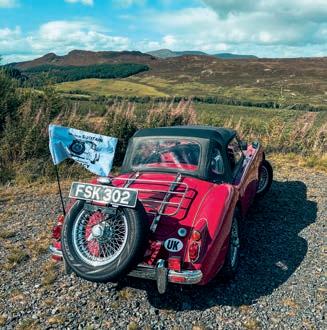
over twenty years, the Goodwood Revival has reigned as the world’s premier celebration of classic motoring. It’s more than an event—it’s a time-travel experience, immersing guests in the golden age of 1940s–60s motor racing at one of the most evocative and historically authentic circuits on earth. From the glamour of vintage fashion to the thunder of period racing machines, every detail is lovingly steeped in nostalgia and style.
over twenty years, the Goodwood Revival has reigned as the world’s premier celebration of classic motoring. It’s more than an event—it’s a time-travel experience, immersing guests in the golden age of 1940s–60s motor racing at one of the most evocative and historically authentic circuits on earth. From the glamour of vintage fashion to the thunder of period racing machines, every detail is lovingly steeped in nostalgia and style.

For enquiries, please contact Paul Trill at Drive Away e paul@driveaway.co.uk
Register today at www.drive-away.co.uk/goodwood-revival-tour 12 page brochure and full itinery available
www.drive-away.co.uk/goodwood-revival-tour 12 page brochure and full itinery available
hotel is located just six miles from the Goodwood Circuit—no coaches, no rigid timetables. arrive and depart entirely on your own terms. With deep local knowledge, years of experience, membership in the Goodwood Road Racing Club, we’ve crafted a rich and varied itinerary showcases the very best of Chichester and its surrounds. Highlights include the Portsmouth Historic Dockyard, the Mary Rose Museum, and a scenic 50-mile drive into the South Downs, complete with an optional photo competition.
hotel is located just six miles from the Goodwood Circuit—no coaches, no rigid timetables. arrive and depart entirely on your own terms. With deep local knowledge, years of experience, membership in the Goodwood Road Racing Club, we’ve crafted a rich and varied itinerary showcases the very best of Chichester and its surrounds. Highlights include the Portsmouth Historic Dockyard, the Mary Rose Museum, and a scenic 50-mile drive into the South Downs, complete with an optional photo competition.
For classic enthusiasts - tour designed and organised by Paul Trill
14 - 21 SEPTEMBER 2026 (8 DAYS, 7 NIGHTS)
14 - 21 SEPTEMBER 2026 (8 DAYS, 7 NIGHTS)
14 - 21 SEPTEMBER 2026 (8 DAYS, 7 NIGHTS)
14 - 21 SEPTEMBER 2026 (8 DAYS, 7 NIGHTS)
Register today at
For over twenty years, the Goodwood Revival has reigned as the world’s premier celebration of classic motoring. It’s more than an event—it’s a time-travel experience, immersing guests in the golden age of 1940s–60s motor racing at one of the most evocative and historically authentic circuits on earth. From the glamour of vintage fashion to the thunder of period racing machines, every detail is lovingly steeped in nostalgia and style.
For over twenty years, the Goodwood Revival has reigned as the world’s premier celebration of classic motoring. It’s more than an event—it’s a time-travel experience, immersing guests in the golden age of 1940s–60s motor racing at one of the most evocative and historically authentic circuits on earth. From the glamour of vintage fashion to the thunder of period racing machines, every detail is lovingly steeped in nostalgia and style.
For over twenty years, the Goodwood Revival has reigned as the world’s premier celebration of classic motoring. It’s more than an event—it’s a time-travel experience, immersing guests in the golden age of 1940s–60s motor racing at one of the most evocative and historically authentic circuits on earth. From the glamour of vintage fashion to the thunder of period racing machines, every detail is lovingly steeped in nostalgia and style.
For over twenty years, the Goodwood Revival has reigned as the world’s premier celebration of classic motoring. It’s more than an event—it’s a time-travel experience, immersing guests in the golden age of 1940s–60s motor racing at one of the most evocative and historically authentic circuits on earth. From the glamour of vintage fashion to the thunder of period racing machines, every detail is lovingly steeped in nostalgia and style.
For over twenty years, the Goodwood Revival has reigned as the world’s premier celebration of classic motoring. It’s more than an event—it’s a time-travel experience, immersing guests in the golden age of 1940s–60s motor racing at one of the most evocative and historically authentic circuits on earth. From the glamour of vintage fashion to the thunder of period racing machines, every detail is lovingly steeped in nostalgia and style.
For over twenty years, the Goodwood Revival has reigned as the world’s premier celebration of classic motoring. It’s more than an event—it’s a time-travel experience, immersing guests in the golden age of 1940s–60s motor racing at one of the most evocative and historically authentic circuits on earth. From the glamour of vintage fashion to the thunder of period racing machines, every detail is lovingly steeped in nostalgia and style.
17:00 Check-in from 3pm. Avisford Park Hotel, Fontwell.
17:00 Check-in from 3pm. Avisford Park Hotel, Fontwell.
19:00 Pre-dinner drinks in the lounge.
Three-day tickets with roving grandstand tickets. Monday 21 September 8:30 Breakfast. 10:30 Check-out.
19:00 Pre-dinner drinks in the lounge.
19:30 Private dinner and briefing.
19:30 Private dinner and briefing.
Three-day tickets with roving grandstand tickets. Monday 21 September 8:30 Breakfast. 10:30 Check-out.
Our hotel is located just six miles from the Goodwood Circuit—no coaches, no rigid timetables. You arrive and depart entirely on your own terms. With deep local knowledge, years of experience, and membership in the Goodwood Road Racing Club, we’ve crafted a rich and varied itinerary that showcases the very best of Chichester and its surrounds. Highlights include the Portsmouth Historic Dockyard, the Mary Rose Museum, and a scenic 50-mile drive into the South Downs, complete with an optional photo competition.
Our hotel is located just six miles from the Goodwood Circuit—no coaches, no rigid timetables. You arrive and depart entirely on your own terms. With deep local knowledge, years of experience, and membership in the Goodwood Road Racing Club, we’ve crafted a rich and varied itinerary that showcases the very best of Chichester and its surrounds. Highlights include the Portsmouth Historic Dockyard, the Mary Rose Museum, and a scenic 50-mile drive into the South Downs, complete with an optional photo competition.
Our hotel is located just six miles from the Goodwood Circuit—no coaches, no rigid timetables. You arrive and depart entirely on your own terms. With deep local knowledge, years of experience, and membership in the Goodwood Road Racing Club, we’ve crafted a rich and varied itinerary that showcases the very best of Chichester and its surrounds. Highlights include the Portsmouth Historic Dockyard, the Mary Rose Museum, and a scenic 50-mile drive into the South Downs, complete with an optional photo competition.
Private dinner. Friday 18Sunday 20 September 8:30 Gates open Goodwood Revival.
15 September 9:30 50 miles into the South Downs and photo competition with a coffee stop. Option to visit the Weald and Downland Museum.
Wednesday 16
Our hotel is located just six miles from the Goodwood Circuit—no coaches, no rigid timetables. You arrive and depart entirely on your own terms. With deep local knowledge, years of experience, and membership in the Goodwood Road Racing Club, we’ve crafted a rich and varied itinerary that showcases the very best of Chichester and its surrounds. Highlights include the Portsmouth Historic Dockyard, the Mary Rose Museum, and a scenic 50-mile drive into the South Downs, complete with an optional photo competition.
Our hotel is located just six miles from the Goodwood Circuit—no coaches, no rigid timetables. You arrive and depart entirely on your own terms. With deep local knowledge, years of experience, and membership in the Goodwood Road Racing Club, we’ve crafted a rich and varied itinerary that showcases the very best of Chichester and its surrounds. Highlights include the Portsmouth Historic Dockyard, the Mary Rose Museum, and a scenic 50-mile drive into the South Downs, complete with an optional photo competition.
Our hotel is located just six miles from the Goodwood Circuit—no coaches, no rigid timetables. You arrive and depart entirely on your own terms. With deep local knowledge, years of experience, and membership in the Goodwood Road Racing Club, we’ve crafted a rich and varied itinerary that showcases the very best of Chichester and its surrounds. Highlights include the Portsmouth Historic Dockyard, the Mary Rose Museum, and a scenic 50-mile drive into the South Downs, complete with an optional photo competition.
19:30 Private dinner. Friday 18Sunday 20 September 8:30 Gates open Goodwood Revival.
Pre-dinner drinks in the lounge. 19:30
19:00 Pre-dinner drinks in the lounge.
Pre-dinner drinks in the lounge.
19:00
15 September 9:30 50 miles into the South Downs and photo competition with a coffee stop. Option to visit the Weald and Downland Museum.
Chichester Cathedral, Chichester Harbour, Arundel, Petworth
19:00
Monday 14 September
Monday 14 September
19:30 Private dinner.
19:00 Pre-dinner drinks in the lounge.
Chichester Cathedral, Chichester Harbour, Arundel, Petworth
17:00 Check-in from 3pm. Avisford Park Hotel, Fontwell.
Private dinner at Amberley Castle, Great Hall, local AMOC Thursday 17th September 10:00 Drive options in tour book for Chichester area day - Roman
19:30 Private dinner. Wednesday 16 September
17th
19:30 Private dinner at Amberley Castle, Great Hall, local AMOC Thursday 17th September 10:00 Drive options in tour book for Chichester area day - Roman
Monday 14 September
Monday 14 September
17:00 Check-in from 3pm. Avisford Park Hotel, Fontwell.
Monday 14 September
17:00 Check-in from 3pm. Avisford Park Hotel, Fontwell.
19:00 Pre-dinner drinks in the lounge.
Monday 14 September 17:00 Check-in from 3pm. Avisford Park Hotel, Fontwell.
17:00 Check-in from 3pm. Avisford Park Hotel, Fontwell.
17:00 Check-in from 3pm. Avisford Park Hotel, Fontwell.
19:00 Pre-dinner drinks in the lounge.
19:00 Pre-dinner drinks in the lounge.
9:30 Portsmouth Historic Dockyard, Mary Rose Museum, coach trip.
19:00 Pre-dinner drinks in the lounge.
19:00 Pre-dinner drinks in the lounge.
19:00 Pre-dinner drinks in the lounge.
19:30 Private dinner and briefing.
19:30 Private dinner and briefing.
19:30 Private dinner and briefing.
9:30 Portsmouth Historic Dockyard, Mary Rose Museum, coach trip.
19:30 Private dinner and briefing.
19:30 Private dinner and briefing.
19:30
Private dinner. Wednesday 16 September 9:30 Portsmouth Historic Dockyard, Mary Rose Museum, coach
19:30 Private dinner and briefing.
Tuesday 15 September 9:30 50 miles into the South Downs and photo competition with a coffee stop. Option to visit the Weald and Downland Museum.
19:30 Private dinner. Wednesday 16 September 9:30 Portsmouth Historic Dockyard, Mary Rose Museum, coach
19:30 Private dinner at Amberley Castle, Great Hall, local AMOC members invited.
19:30 Private dinner at Amberley Castle, Great Hall, local AMOC members invited.
Tuesday 15 September 9:30 50 miles into the South Downs and photo competition with a coffee stop. Option to visit the Weald and Downland Museum.
Tuesday 15 September 9:30 50 miles into the South Downs and photo competition with a coffee stop. Option to visit the Weald and Downland Museum.
Tuesday 15 September 9:30 50 miles into the South Downs and photo competition with a coffee stop. Option to visit the Weald and Downland Museum.
Tuesday 15 September
10:00 Drive options in tour book for Chichester area day - Roman Palace, Chichester Cathedral, Chichester Harbour, Arundel, Petworth etc.
Tuesday 15 September 9:30 50 miles into the South Downs and photo competition with a coffee stop. Option to visit the Weald and Downland Museum.
9:30 50 miles into the South Downs and photo competition with a coffee stop. Option to visit the Weald and Downland Museum.
19:00 Pre-dinner drinks in the lounge.
10:00 Drive options in tour book for Chichester area day - Roman Palace, Chichester Cathedral, Chichester Harbour, Arundel, Petworth etc.
19:00 Pre-dinner drinks in the lounge.
19:00 Pre-dinner drinks in the lounge.
19:30 Private dinner.
19:00 Pre-dinner drinks in the lounge. 19:30 Private dinner.
19:30
19:00 Pre-dinner drinks in the lounge.
19:30 Private dinner.
19:00 Pre-dinner drinks in the lounge.
19:30 Private dinner.
19:30 Private dinner.
19:00 Pre-dinner drinks in the lounge.
Option to visit the Weald and Downland Museum. 19:00 Pre-dinner drinks in the lounge.
19:30 Private dinner.
19:30 Private dinner.
19:00 Pre-dinner drinks in the lounge.
19:00 Pre-dinner drinks in the lounge.
Wednesday 16 September 9:30 Portsmouth Historic Dockyard, Mary Rose Museum, coach trip.
Private dinner and briefing. Tuesday 15 September 9:30 50 miles into the South Downs and photo competition with
19:30 Private dinner.
19:30 Private dinner at Amberley Castle, Great Hall, local AMOC members invited.
Wednesday 16 September 9:30 Portsmouth Historic Dockyard, Mary Rose Museum, coach trip. 19:30 Private dinner at Amberley Castle, Great Hall, local AMOC members invited.
Wednesday 16 September 9:30 Portsmouth Historic Dockyard, Mary Rose Museum, coach trip. 19:30 Private dinner at Amberley Castle, Great Hall, local AMOC members invited.
Wednesday 16 September
9:30 Portsmouth Historic Dockyard, Mary Rose Museum, coach trip.
Wednesday 16 September
September
Wednesday 16 September 9:30 Portsmouth Historic Dockyard, Mary Rose Museum, coach trip. 19:30 Private dinner at Amberley Castle, Great Hall, local AMOC members invited.
8:30 Gates open Goodwood Revival. Three-day tickets with roving grandstand tickets.
September 8:30 Gates open Goodwood Revival. Three-day tickets with roving grandstand tickets.
Thursday 17th September 10:00 Drive options in tour book for Chichester area day - Roman Palace, Chichester Cathedral, Chichester Harbour, Arundel, Petworth etc.
Thursday 17th September
Thursday 17th September
19:00 Pre-dinner drinks in the lounge. 19:30 Private dinner and briefing. Tuesday 15 September 9:30 50 miles into the South Downs and photo competition with Option to visit the Weald and Downland Museum.
19:30
Thursday 17th September 10:00 Drive options in tour book for Chichester area day - Roman Palace, Chichester Cathedral, Chichester Harbour, Arundel, Petworth etc. 19:00 Pre-dinner drinks in the lounge. 19:30 Private dinner.
Thursday 17th September 10:00 Drive options in tour book for Chichester area day - Roman Palace, Chichester Cathedral, Chichester Harbour, Arundel, Petworth etc.
10:00 Drive options in tour book for Chichester area day - Roman Palace, Chichester Cathedral, Chichester Harbour, Arundel, Petworth etc.
19:30 Private dinner at Amberley Castle, Great Hall, local AMOC members invited.
9:30 Portsmouth Historic Dockyard, Mary Rose Museum, coach trip. 19:30 Private dinner at Amberley Castle, Great Hall, local AMOC members invited.
Thursday 17th September 10:00 Drive options in tour book for Chichester area day - Roman Palace, Chichester Cathedral, Chichester Harbour, Arundel, Petworth etc. 19:00 Pre-dinner drinks in the lounge. 19:30 Private dinner.
10:00 Drive options in tour book for Chichester area day - Roman Palace, Chichester Cathedral, Chichester Harbour, Arundel, Petworth etc.
19:00 Pre-dinner drinks in the lounge. 19:30 Private dinner.
Monday 14 September 17:00 Check-in from 3pm. Avisford Park Hotel, Fontwell. 19:00 Pre-dinner drinks in the lounge.
19:00 Pre-dinner drinks in the lounge.
19:00 Pre-dinner drinks in the lounge. 19:30 Private dinner.
Monday 14 September 17:00 Check-in from 3pm. Avisford Park Hotel, Fontwell.
21 September 8:30 Breakfast. 10:30 Check-out. enquiries, please contact Paul Trill at Drive Away e paul@driveaway.co.uk t 01243 942100
14:00 Lunch at Ashling Park Wine Estate
19:00 Pre-dinner drinks in the lounge.
19:30 Private dinner.
19:30 Private dinner.
Friday 18Sunday 20 September 8:30 Gates open Goodwood Revival. Three-day tickets with roving grandstand tickets.
Friday 18Sunday 20 September 8:30 Gates open Goodwood Revival. Three-day tickets with roving grandstand tickets.
Friday 18Sunday 20 September 8:30 Gates open Goodwood Revival. Three-day tickets with roving grandstand tickets.
Friday 18Sunday 20 September 8:30 Gates open Goodwood Revival. Three-day tickets with roving grandstand tickets.
Friday 18Sunday 20 September 8:30 Gates open Goodwood Revival. Three-day tickets with roving grandstand tickets.
Friday 18Sunday 20 September 8:30 Gates open Goodwood Revival. Three-day tickets with roving grandstand tickets.
Monday 21 September 8:30 Breakfast. 10:30 Check-out.
Monday 21 September
Monday 21 September
21 September 8:30 Breakfast. 10:30 Check-out. enquiries, please contact Paul Trill at Drive Away e paul@driveaway.co.uk t 01243 942100
You arrive and depart entirely on your own terms. With deep local knowledge, years and membership in the Goodwood Road Racing Club, we’ve crafted a rich and varied that showcases the very best of Chichester and its surrounds. Highlights include the Historic Dockyard, the Mary Rose Museum, and a scenic 50-mile drive into the South complete with an optional photo competition.
8:30 Breakfast. 10:30 Check-out.
Monday 21 September 8:30 Breakfast. 10:30 Check-out.
Monday 21 September 8:30 Breakfast. 10:30 Check-out.
8:30 Breakfast. 10:30 Check-out.
Monday 21 September 8:30 Breakfast. 10:30 Check-out.
Register today at www.drive-away.co.uk/goodwood-revival-tour
Register today at www.drive-away.co.uk/goodwood-revival-tour
12 page brochure and full itinery available
12 page brochure and full itinery available
itinery
itinery
Our hotel is located just six miles from the Goodwood Circuit—no coaches, no rigid
every detail is lovingly steeped in nostalgia and style. Our hotel is located just six miles from the Goodwood Circuit—no coaches, no rigid You arrive and depart entirely on your own terms. With deep local knowledge, years and membership in the Goodwood Road Racing Club, we’ve crafted a rich and varied that showcases the very best of Chichester and its surrounds. Highlights include the Historic Dockyard, the Mary Rose Museum, and a scenic 50-mile drive into the South complete with an optional photo competition.
For enquiries, please contact Paul Trill at Drive Away e paul@driveaway.co.uk t circuits on earth. From the glamour of vintage fashion to the thunder of period racing every detail is lovingly steeped in nostalgia and style.
For enquiries, please contact Paul Trill at Drive
For enquiries, please contact Paul Trill at Drive Away e paul@driveaway.co.uk t 01243 942100 paul@drive-away.co.uk
For enquiries, please contact Paul Trill at Drive Away e paul@driveaway.co.uk t 01243 942100
enquiries, please contact
We
circuits on earth. From the glamour of
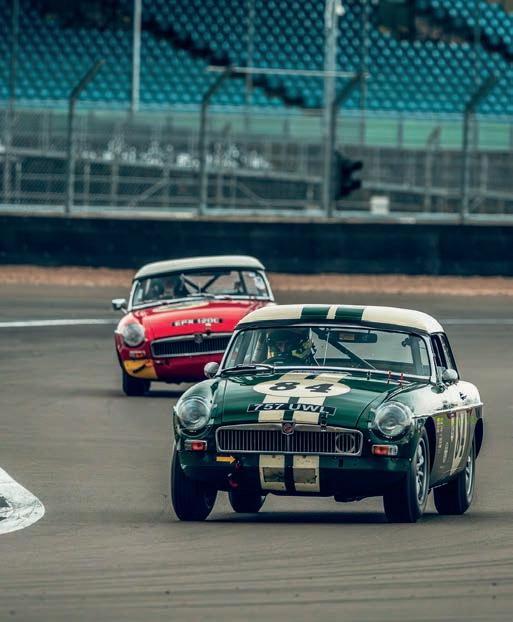
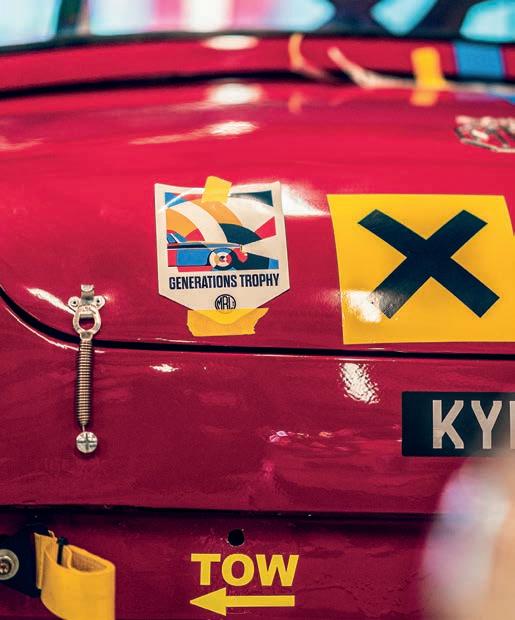
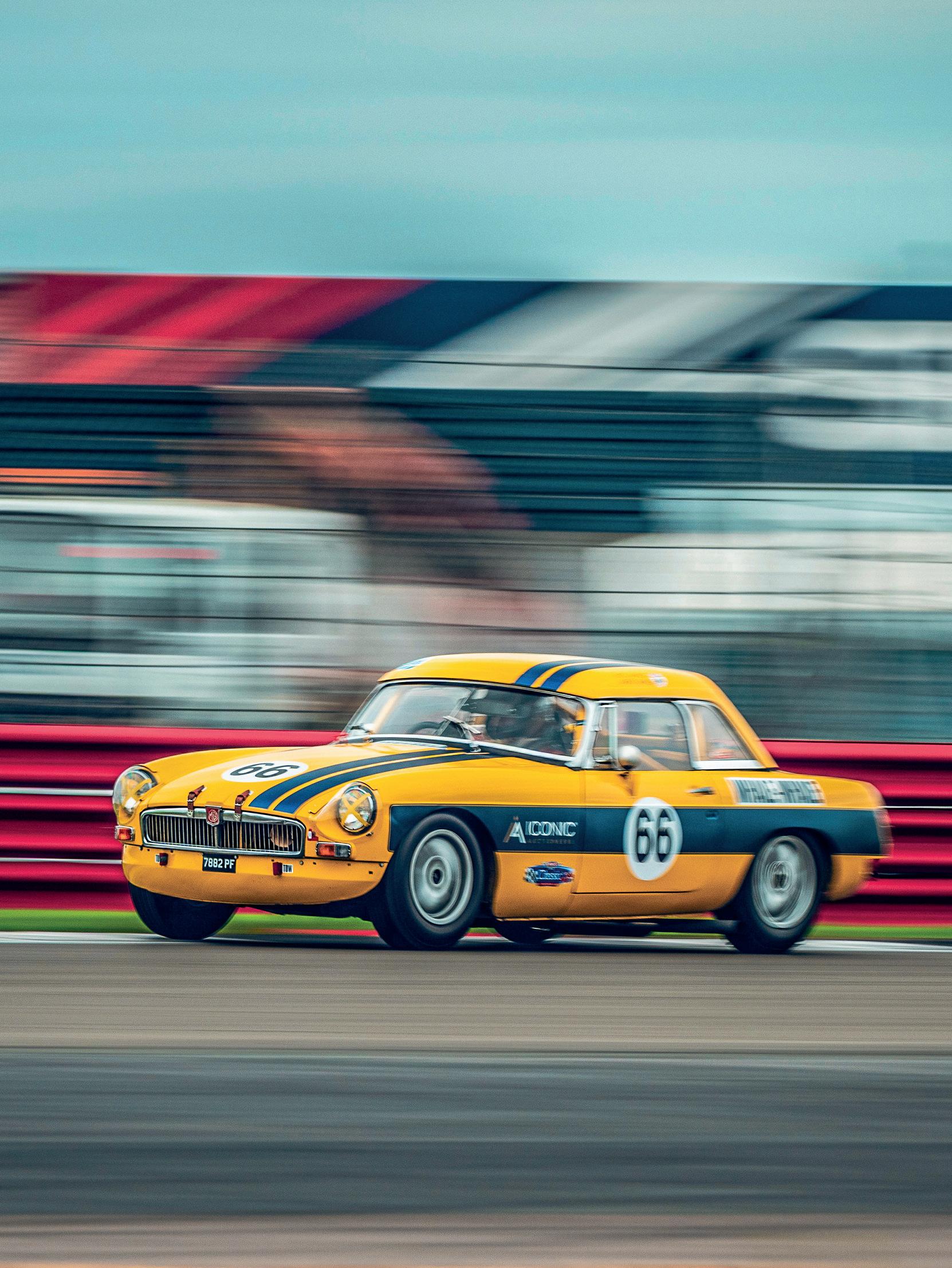
MRL’s new Generations Trophy finally opens the door to young racers of all levels, driving relatively affordable MGBs
“IZZY AND I BOTH CAME HERE TO learn,” admitted a happy Richard Hammond at the end of the chilly autumn day at Silverstone. “We just wanted to finish the race in one piece, and we did. We’re not yet ready for a ‘real’ Historic race, and the Generations Trophy seems like a great entry point for people like us. We will do more.”
What was TV star Richard talking about? The new Generations Trophy series from race organiser Motor Racing Legends (MRL), which stipulates that each driving team is made up of two generations of the same family – and each one pilots a pre-1966 FIA-specification MGB.
MRL owner Shaun Lynn shared his MGB with daughter Jemima. “As a motor-racing enthusiast, I have been indoctrinating my children for a very long time,” he said. “The many races I have done alongside my sons, Alex and Maxwell, have helped to bring us closer together. These are special moments.
“Jemima often followed us to the circuits, but she never dared to put on a helmet. It’s actually thanks to her that I came up with the idea for a series dedicated to those who need a welcoming and safe environment to take that first step into racing.”
Now, we’re not claiming that this series suddenly makes motor sport attainable for all. But what a way to go racing if you do have the budget, sharing the experience with family members rather than having to excuse another precious day away. And of all the race cars out there, an FIA-spec MGB is one of the most affordable of all.
‘FIA spec’ refers to the FIA’s Appendix K regulations, which ensure that the cars comply with the mechanical specifications set out when they were new, but with the addition of a modern, FIA-approved roll cage, fire-extinguisher set-up, race seat, harnesses and fuel tank. Typically, you’ll find that an FIA-spec MGB will use a 196265 narrow-transmission-tunnel Roadster bodyshell, with a glassfibre hard-top, up to an 1850cc engine (standard is 1798cc), straight-cut, close-ratio, four-speed gearbox and usually a limited-slip differential.
Motor Racing Legends selected the MGB as the Generations Trophy race car of choice for its accessibility, mechanical simplicity
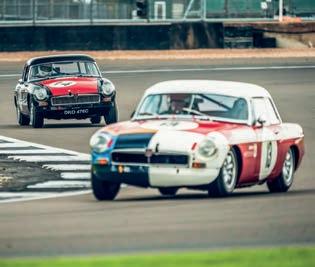
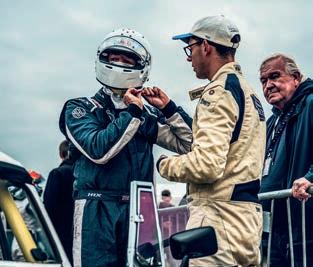
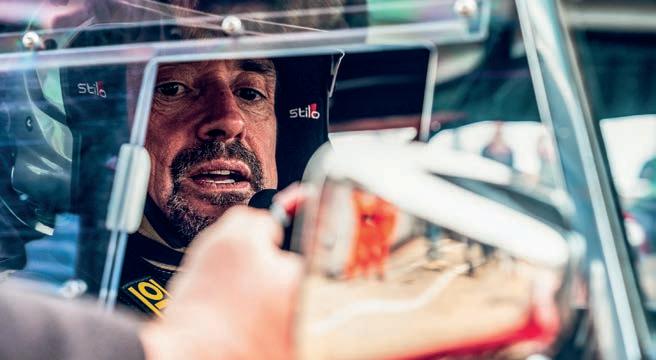
THIS SPREAD Richard Hammond, above, fielded one of 20 family teams trying MRL’s Generations Trophy; it was set up by Shaun Lynn, below, who raced for the first time with daughter Jemima.
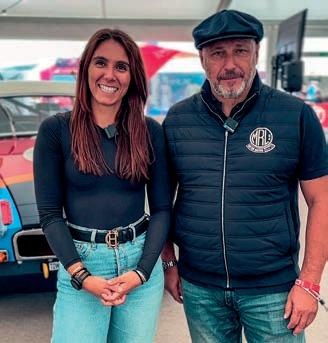
and relatively low cost. A decent one with a race history and an HTP eligibility passport will start at around £25,000-£30,000; a new-build will be significantly more.
They typically weigh about 850kg and can produce up to around 160bhp. Of course, there’s always a danger that a competitor will try to bend the rules a bit, so in the Generations Trophy each car’s power is measured on a dyno before the race.
You’d be amazed how good they are to drive like this, but don’t believe us. Alice Locke, who drove with her dad in the first Generations Trophy race at Silverstone, said: “The MGB is great because it really lets you know what it’s going to do next. You can feel a slide or spin starting before it happens, which gives you time to correct it. It’s also not too fast, so nothing happens too quickly – you have time to respond when it starts moving around. You feel like you’re sliding about and whizzing along, but still completely in control.”
She’s right. These MGBs are as good and as enjoyable as many far more expensive Historics, and they are eligible for any number of race, sprint and hillclimb series. Just as importantly, they are tough
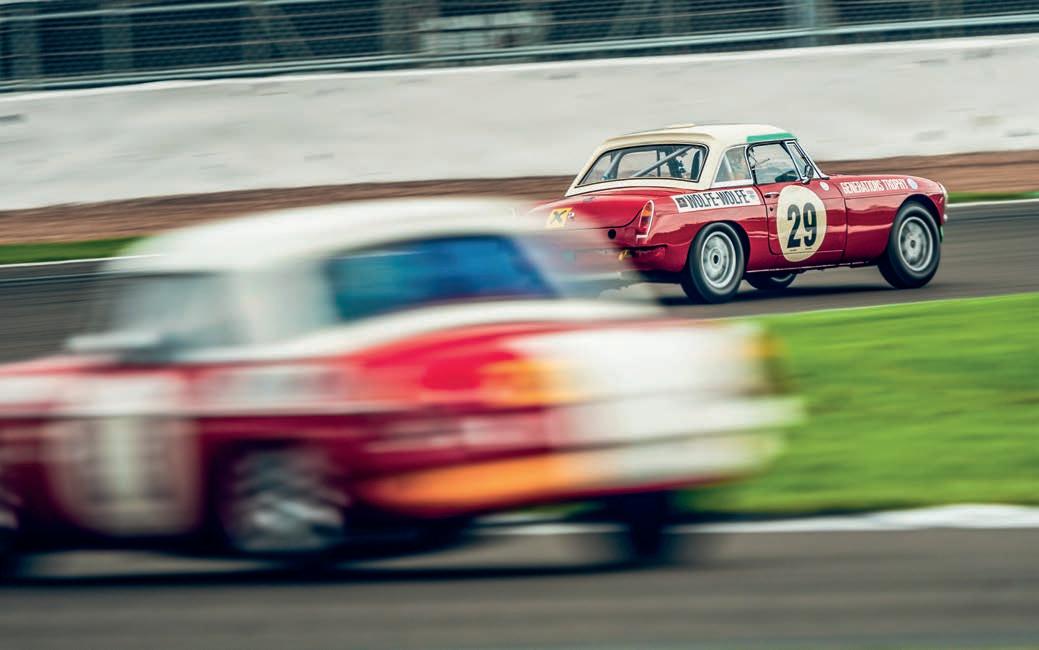
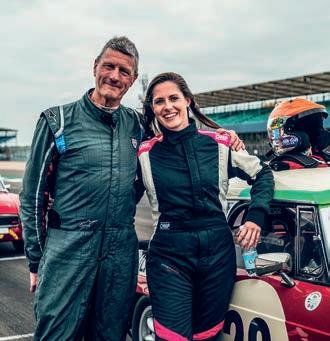
‘I was nervous, but everything went really well. I had some great battles on track’
and parts are ridiculously easy to find.
This first Generations Trophy race had 20 teams, and around 30 are already lined up for the next one, at the Donington Festival on May 1-3. Each will feature a 60-minute race, preceded by free practice and qualifying sessions of 30 minutes each, totalling two hours’ driving time. Mandatory driver changes will occur between the 25th and 35th minute, but the clever bit is that the length of the pit stop will vary based on the combined age of the driver pairing –from two minutes for more than 100 years to 2 min 45 sec for 60 years or less – and 4 min for a crew that includes an elite driver.
There are four classes: Next Gen for one generation apart; Dynasty for two generations apart; Mixed Gen for mixedgender crews; and Elite for crews featuring a professional or highly experienced driver.
As hoped for, many of the Silverstone drivers were rookies, from 18-year-old Evie Russell to John Kent, who was making his racing debut at the age of 73.
“My grandad’s been racing for 57 years,” explained Evie. “I’m used to following him as a spectator at Goodwood and elsewhere, so when MRL announced the Generations
Trophy, we jumped at the chance to compete together. I was a bit nervous, but everything went really well. I had some great battles on track, and I was genuinely emotional when I handed over the wheel to my grandfather. I can’t wait to do it again.”
It wasn’t all newcomers, though: touring car star Patrick Watts was competing with daughter Aimee. They started the race on the front row, swapped the lead with polesitting father and son Rick and Joseph Willmott, and finished second. They also won the Mixed Generations class for teams made up of both a male and a female driver.
“Great fun!” said Patrick. “It was lovely talking to all these people. Some are very experienced; for others it’s their first race.”
What a way to start racing, alongside a former BTCC champ. MRL isn’t the first to try to tempt youngsters into Historic motor sport, but most have been rallying organisations, such as HERO-ERA (Rally For The Ages), Happy Few Racing (several father-and-child events) and Rally The Globe (Generations Rally). MRL’s Generations Trophy looks like a circuitracing success story in the making.
More details at www.motorracinglegends.com.

From a role as PA for F1’s BAR, communications expert Nicole has risen to motor sport’s top echelons. Here she tells us about her career – and her future plans
AT THE BEGINNING OF A NEW YEAR, the glossy allure of a reset or reinvention can be a powerful and motivational force. Particularly if you’ve recently been made redundant. It was January 1998 when Nicole Bearne, then 30, embraced the potential of such a scenario.
As she turned to the back pages of London’s Evening Standard, the words “PA to the team principal” and “New Formula 1 team” jumped out. Not merely a way to make a living, this might just be her dream job. “Seeing the advert was fate,” Nicole believes. “It was my sliding doors moment.”
At a time when pixels were preferable to ink, she wrote her application letter by hand. She then sealed it in an envelope and popped it in the post.
Previously dismissing a career in motor sport – “I didn’t think it was a place for me” – Nicole, a former British diplomat and personal assistant to high-net-worth individuals, had grown up watching the Grand Prix on television with her dad.
“This was the 1970s and ’80s, the era of James Hunt and Mansell mania,” she says. “I’m not a racing driver – I’ve always been quite definite about that – so I immersed myself in the fan material. I would buy all the magazines, but all I could see was a bunch of guys in a garage, and I didn’t look like a grid girl.” When Nicole got her break, though, she excelled.
“I found out I got the PA job over the phone,” she recalls. “I was in the doorway of a fancy shop on Bond Street, jumping up and down with excitement.” She adds that her dad “was made up”. The role was with British American Racing (BAR). Initially working out of founder and original team principal Craig Pollock’s rented apartment in London – “the dining room was my office, and Jacques Villeneuve would quite often be strumming on his guitar in the next room” – Nicole “loved every minute” of the team’s formative days. “There was a lot to do, and I had a real sense that I could help.”
With a driver line-up that included Ricardo Zonta and Jenson Button, BAR ran in F1 from 1999 to 2005. It achieved its best result in 2004, taking second place in the Constructors’ Championship. Nicole
remained with the team through its reincarnations with Honda, then Brawn and Mercedes; she was a respected founding member. “There were 12 of us when I started, and more than 2000 when I left,” she says. “It was a brilliant journey.”
Not one to rest on her laurels, Nicole thrived in the flat-out F1 environment. Her career kept a similar pace. From her role as a public-facing press officer in the paddock, to her position as executive assistant to Ross Brawn and Paddy Lowe, she found fulfilment in supporting people who shared
‘I want to get out there and try something different, follow my own dreams’
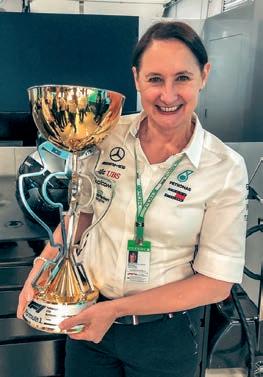
her dedication to the team. It was about helping them “work to the best of their ability”. With colleagues such as the “lovely” Niki Lauda – “he was incredible, he always made me laugh” – and the “down-to-earth” Lewis Hamilton, she was part of a high-functioning family indeed.
Tending to the needs of a team principal, the tasks varied from the mundane, such as preparing documents and diary management, to making the impossible happen. When a volcanic ash cloud grounded global air travel in 2010, the team got stranded in China, yet remarkably Nicole managed to get Ross Brawn back to the UK.
A multitasking mastermind who wasn’t in the business of saying no, she also dealt with fan mail – often featuring declarations of love – and hosted Hollywood movie stars on factory tours. There was a fine line between the quirks and perks of the job: “If the drivers needed anything, they knew they could come to me and I’d get it sorted.” After a hug and a catch-up over a cup of coffee, that is. “Those relationships were meaningful.”
Between 2014 and 2021 the Mercedes F1 team won the Constructors’ Championship eight consecutive times, and the Drivers’ Championship a total of seven. It was during this peak that Nicole served as head of internal communications. This was a role she created herself, and the pressure was on to do her bit to maintain the run of form. “I took a very strategic approach to make sure people didn’t get complacent,” she says. Establishing goals and being clear about expectations encouraged trust and commitment in return.
“The drivers understood that the stronger the team was around them, the better they would be able to perform,” she points out. “They [Michael Schumacher, Valtteri Bottas, Lewis Hamilton and George Russell] were really focused on connecting with members of the team on a more personal level, and giving something back. Hanging out with different departments gave them the opportunity to say thank you, as well as gain insight as to how much effort was going into getting them out on the track in the best possible car.”
Candid Q&A sessions with seven-time
World Champion Lewis proved particularly popular: “It was an ‘ask me anything’ situation.” From the serious to the borderline silly – such as “what’s your favourite peanut butter?” – the openness established a comfortable rapport. Hamilton preferred crunchy over smooth, by the way.
In 2023, Nicole made her departure. “I’d spent 25 years with one team in one factory, so I was deeply embedded and you do get a bit institutionalised,” she says. It had been more a way of life, than a job: “I think some people wondered why I wanted to leave – it’s easy to judge from the outside.” The decision came from a place of curiosity. “Lewis left after I did, and our reasons for doing so were the same,” she muses. “I’ve got a few years of my career left, and I want to get out there and try something different, follow my own dreams and say yes to stuff.”
Now the boss of her own communications consultancy, Nicole is paving a new path as well as helping put motor sport on a fresh track. As an independent non-executive director for Motorsport UK, she is working to make meaningful change. “We need to create a space where anybody can find a way to be involved, and we need to make the industry more sustainable,” she says. “We can’t just keep doing things the way we have always done them.”
In collaboration with Lewis Hamilton’s charity, Mission 44, Motorsport UK established the Inclusion Hub – a digital platform that provides resources for young people that will help them break into the world of motor sport. Whether they aspire to be a fan in the grandstand with a deeper understanding of how different disciplines work, or want to be a driver, mechanic, medic, engineer or volunteer, the goal is to ensure that nobody is left out. “There are some great organisations, programmes and clubs out there, but it’s difficult to find them unless you know where to look,” Nicole says.
Opening eyes and minds to opportunities, the Girls on Track UK initiative is a proven success. Offering workshops, talks and school visits, the scheme is supported by impressive female talent including driver Jamie Chadwick and broadcaster Nicki Shields. “We hosted events in the Mercedes

factory,” Nicole says. “It gave girls a chance to talk to professionals, learn more about how the industry works and get pointers on taking their first steps. This opened doors to getting work experience, and now we’re seeing them working in F1.” Nurturing the role models she didn’t have as a girl, she is part of a movement for lasting change.
THIS PAGE As boss of a communications consultancy, Nicole also now uses her vast experience in motor sport to help those who are just starting out.
Rolling back the gears, she extols the virtues of Historic motor sport: “To watch cars that are 100 years old being driven at top speed is phenomenal – it takes care and commitment to keep them going.” Enchanted though she is to see classics in a competitive setting, she still prefers to do her driving away from the circuit and out on the open road. Proof indeed that a need for speed isn’t essential for getting ahead in motor sport.
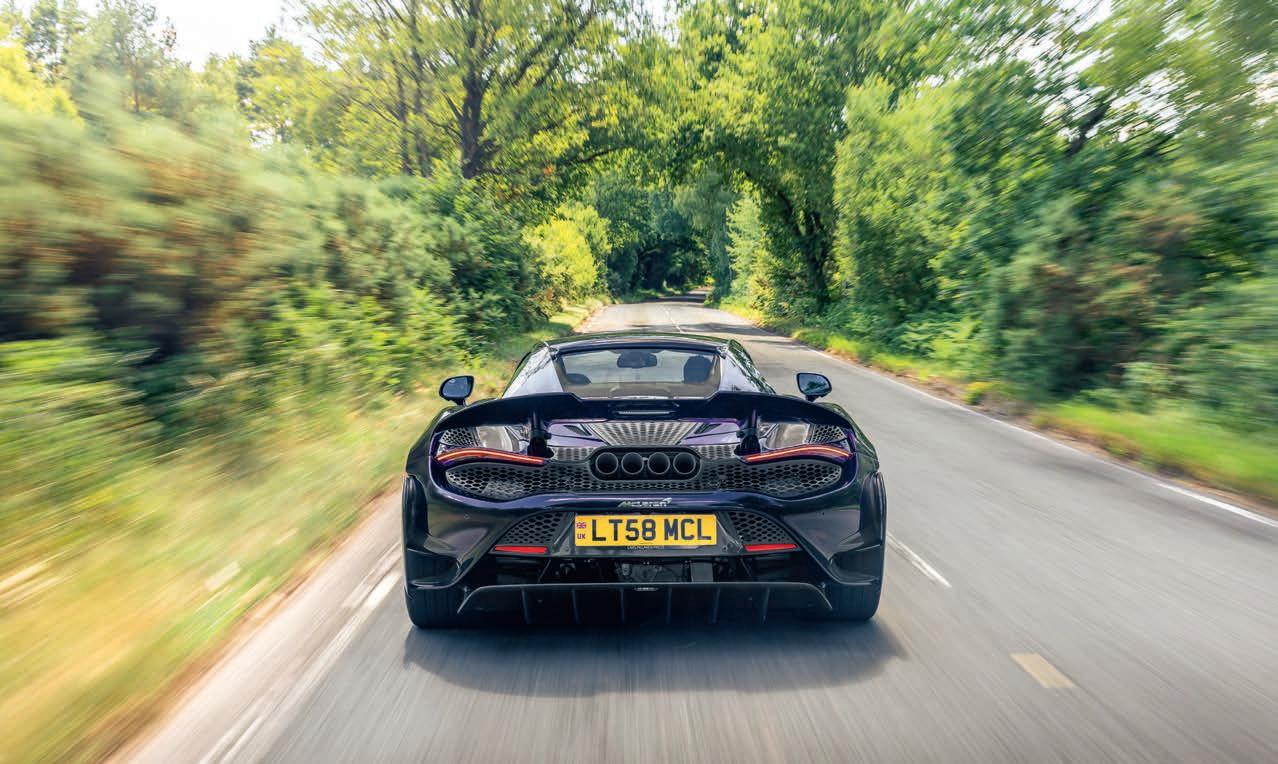




WHY SUBSCRIBE TO OCTANE NOW?
• Pay just £1.66* each for your first three issues
• All subscriptions now include access to the magazine archive via the Octane digital app
• Never miss an issue
• Money-back guarantee –cancel and we will refund your remaining issues
• Unique subscriber-only covers
Please note our updated website (below).
Order and manage your subscriptions online, or call our helpline on +44 (0)20 3966 6695


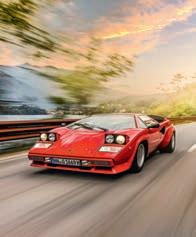


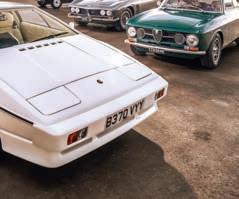


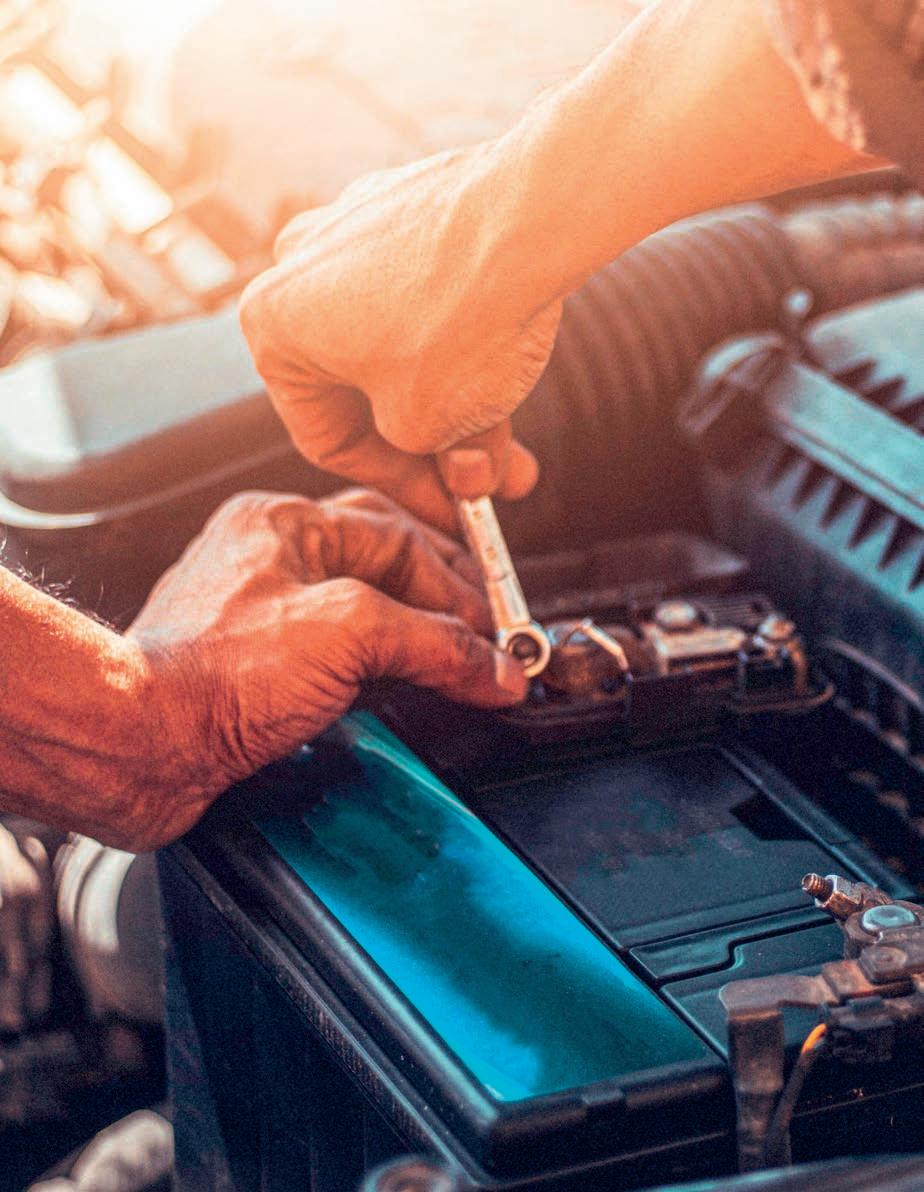
Get your classic car kicks this winter with these fun – and often frantic – events, both indoors and outdoors
Brooklands New Year’s Day Classic Gathering
January 1
Weybridge, Surrey
Pre-1966 cars, motorcycles and everything in between for the yearly season kick-off. brooklandsmuseum.com
Bicester Scramble
January 11
Bicester Motion, Oxfordshire
50 years of Tom Walkinshaw Racing and 40 years since end of Group B. Also, UK Bull Market List 2026 will be announced in the Hagerty Clubhouse. bicestermotion.com/scramble
Interclassics Maastricht
January 15-18
Maastricht, Belgium
300 exhibitors will showcase 800 pre-war cars, classics, youngtimers and contemporary vehicles. Spotlight on Japanese sports and racing cars. interclassics.events
Rétromobile
January 28-February 1
Paris, France
One of the world’s best indoor shows, with glitterati galore and distinctly French quirkiness, too. retromobile.com/en
Rallye Monte-Carlo Historique
January 29-February 7
Monaco
Historic rally cars from across Europe converge on the principality in an epic duel against the elements. acm.mc/en/epreuves/rallyemonte-carlo-historique
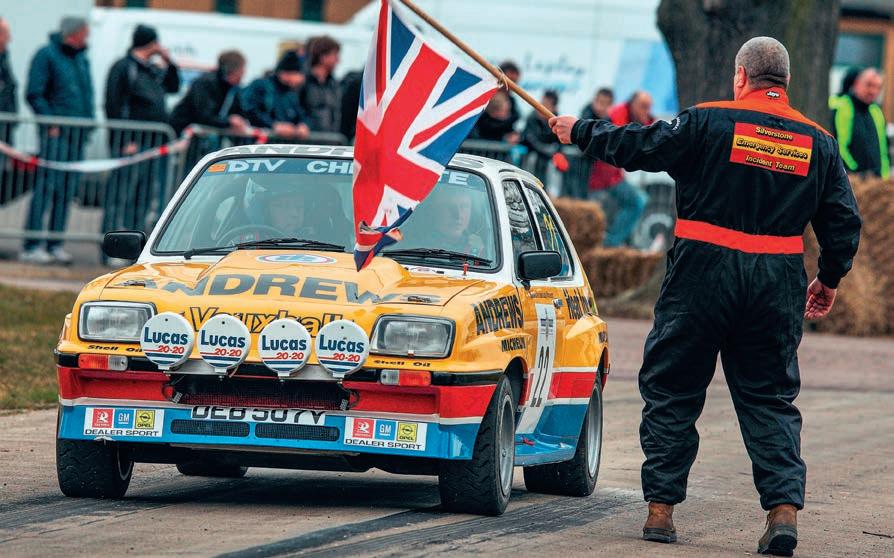
The ICE St Moritz
January 30-31
St Moritz, Switzerland
The world’s finest cars enjoying a concours on the middle of a frozen lake? It’s a lot of fun. theicestmoritz.ch
Bremen Classic Motorshow
January 30-February 1
Bremen, Germany
More than 730 international exhibitors, dealers and private sellers present a wide range of offerings – including cars, bikes, spares, automobilia and more. classicmotorshow.de/en
FEBRUARY
Brooklands Vintage Sports Car Club Driving Tests
February 8
Weybridge, Surrey
See pre-1955 cars tackle a dozen different tests on complicated courses laid out around the Brooklands site. brooklandsmuseum.com
Normous Newark Autojumble
February 15
Newark, Nottinghamshire
Looking for a rare part to finish off your winter project? This draws a huge selection of sellers from across the UK. Plenty of automobilia, too. newarkautojumble.co.uk
Retro Classics
February 19-22
Stuttgart, Germany
One of Europe’s biggest shows, slap bang in the hometown of Mercedes-Benz and Porsche. retro-classics.de
Race Retro
February 20-22
Stoneleigh Park, Warwickshire
Historic motor sport heaven with an indoor show backed up by live rally demonstrations, plus an ever-useful autojumble. raceretro.com
The Amelia Concours d’Elegance
March 5-8
Florida, US
One of the US’s keystone concours, this stunning event has a Broad Arrow auction and Dario Franchitti as its honouree. ameliaconcours.com
AutoMotoRetro
March 7-8
Parma, Italy
Long-lived classic show in the heart of Italy’s Motor Valley runs alongside a huge antiques fair. automotoretro.it/en
Classic Car and Restoration Show
March 20-22
NEC, Birmingham
Looking for that rare part, expert advice or inspiration for your restoration project? The Restoration Show has it all and more besides. necrestorationshow.com
Brooklands Mini Day
March 22
Weybridge, Surrey
See hundreds of Minis, old and new, with food stalls, music, Test Hill ascents and more. brooklandsmuseum.com
‘Motor sport heaven with an indoor show backed up by live rally demos’
Hagerty Hill Climb
May 9
Shelsley Walsh, Worcestershire
Imagine roaring up the world’s oldest motor sport track –Shelsley Walsh’s historic hill –surrounded by a paddock filled with eclectic cars from centuryold classics to modern marvels. hagerty.co.uk
Hagerty Festival of the Unexceptional
July 25
Grimsthorpe Castle, Lincs
Are you ready to celebrate automotive quirks from the past? This year sees the cars eligible for the Concours de L’Ordinaire cross into the 21st century, as models from 1970 to 2000 can now apply. brooklandsmuseum.com
RADwood
Autumn (date and venue TBC)
Blends the best of 1980s and ’90s pop culture with the iconic cars and bikes of two totally awesome decades. Don’t forget, it is as much about culture as it is the vehicles. Into cosplay? You might even walk away with the Best Dressed award. hagerty.co.uk
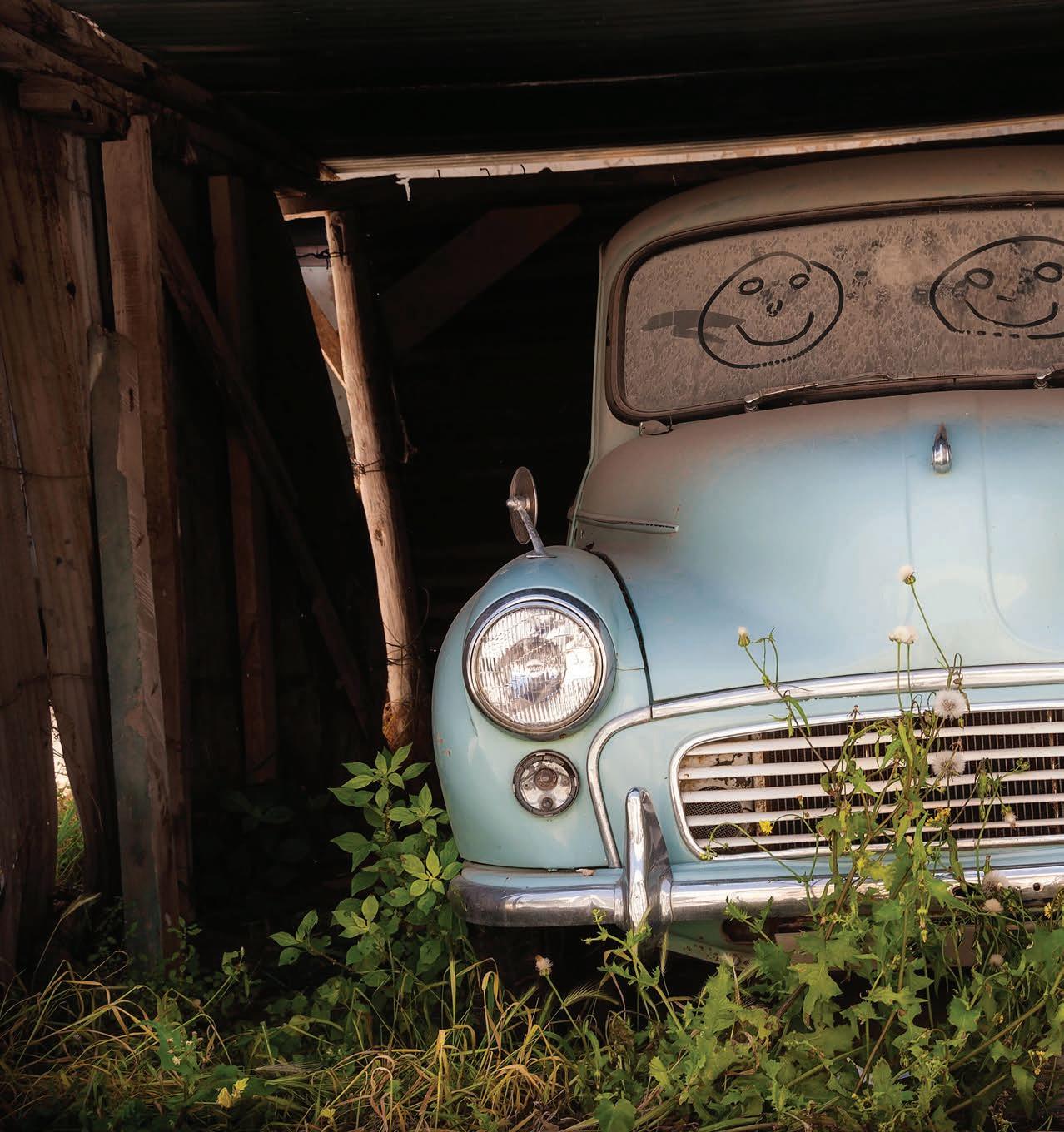


Round-up of the latest automotive-inspired products and books
In 1969 Sir William Lyons addressed the Institute of the Motor Industry about Jaguar’s history and the future of the specialised car industry. This speech, on the eve of the XJ6’s launch, forms most of this 128-page volume, which provides a fascinating take on both Lyons’ firm and wider matters. Beautifully designed by Julian Balme with evocative period imagery, and aided by Giles Chapman’s insightful commentary, this £50 book is a great insight into the type of industry magnate we’re unlikely to see again. HDC members get ten percent off, too. www.evropublishing.com
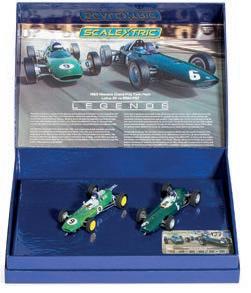
This limited-edition set recreates one of Monaco’s finest duels – Lotus 25 vs BRM P57, Jim Clark vs Graham Hill. It’s £109.99, plus 15 percent off for HDC members. http://uk.scalextric.com
Record and showcase your car’s full story. Easy to update and edit, the discs can then be displayed for others to scan and explore. £17-£25: code HDCXMAS gets an exclusive 20 percent discount until January 31, 2026. www.factsdisc.com

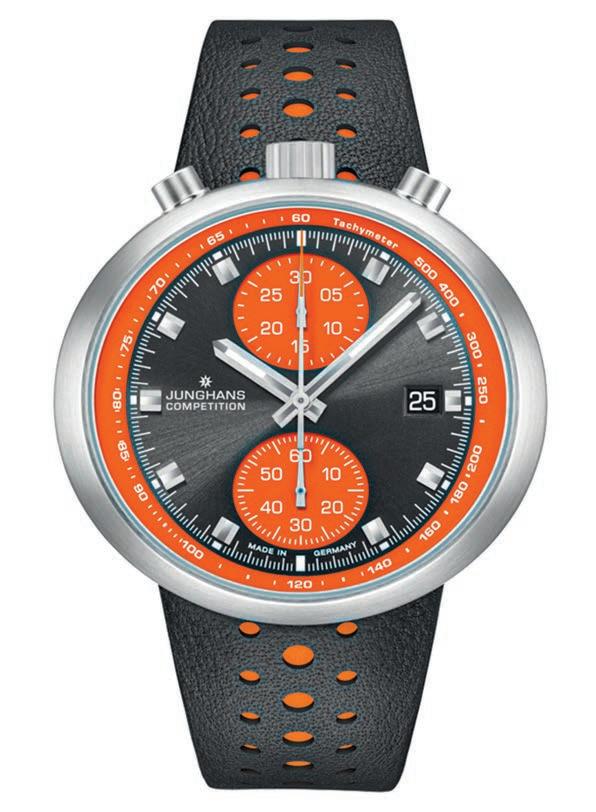
Limited to 1972 pieces, this has a 1970sstyle design with an anthracite dial and orange accents. The 45.5mm ellipsoidal stainless case houses the self-winding J880.5 movement. It costs £2590. www.junghans.de
This pays tribute to the blue and orange of Le Mans, crafted in Italian suede. The handles and padded shoulder strap are made from orange seatbelt webbing. www.jordanbespoke.com
F1TV’s Alex Jacques takes a broad look at the defining moments over F1’s 75 years. This 320-page, £10.99 book is great value for F1 newcomers and older hands, too. www.mombooks.com

This 1:18-scale model beautifully recreates BMW’s boosted 1970s wild child, with opening parts plus detailed interior and exterior trim. It costs £125. http://lifestyle.bmw.com
Not
all
batteries are equal, so how do you pick the right one for your classic? Here’s everything you need to know
Words Craig Cheetham
Photography Alamy
YOUR CAR OR MOTORBIKE BATTERY is often one of the things that you most take for granted, yet it’s also a highly important component, responsible for kicking your vehicle into life every morning. Alas, it’s also a part you often only think about when it packs up and you need to replace it.
Whereas, historically, older models used very simple electrical systems, modern classics are more sophisticated. Most will use battery power even when they’re not being driven, which can create what’s known as a parasitic drain – a small amount of power required to keep items such as the immobiliser and clocks all operational. This is a primary reason why, if your vehicle is being laid up for a while, you should look at using a trickle charger or battery conditioner.
Here, we’ll take you through everything you need to know, including how batteries work, what the different types are, what the numbers and letters on them mean, and how to choose the best battery for your classic.
In simple terms, vehicle batteries are no different to the type you put in your TV remote control or Xbox controller – just like those, they work by converting chemical energy into electricity.
Vehicle batteries are, however, mostly of the lead-acid type, because they need to generate greater amounts of power. They produce their electricity from an exchange of ions between lead and lead dioxide plates, submerged in an electrolyte solution made of sulphuric acid and deionised water.
A battery typically contains six cells,
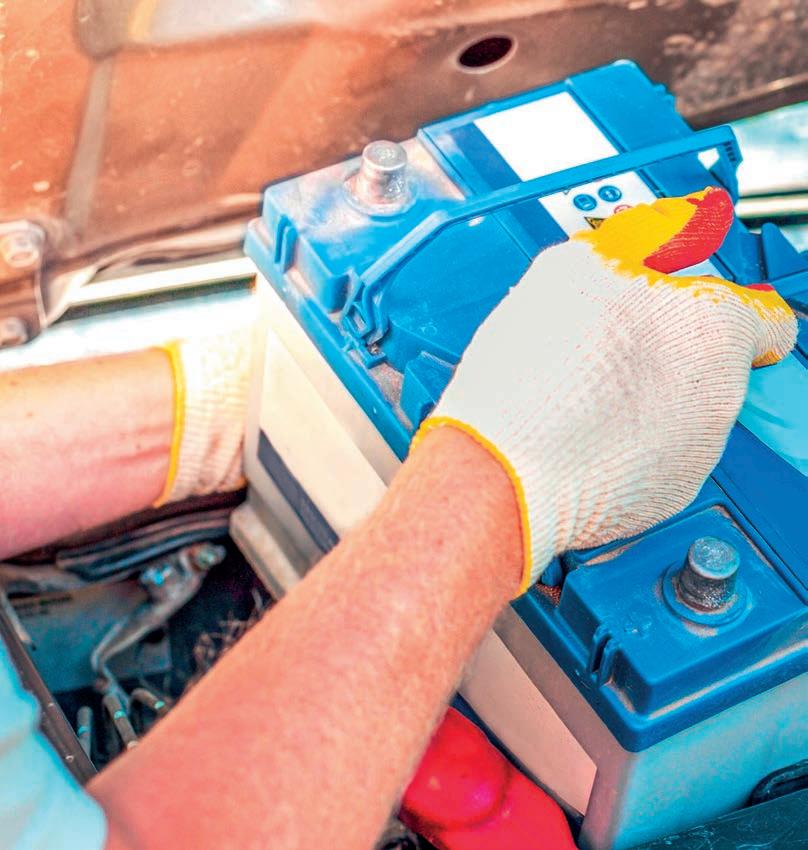
THIS SPREAD A strong battery is essential for reliable, consistent running. Follow best practice when caring for yours, to ensure you get the maximum life out of it.

each housing the lead and lead dioxide plates in the electrolyte solution. Each cell produces approximately two volts of electricity, which is why most vehicle batteries are rated as 12 volts. That’s usually enough of a boost to get the engine started, or to power the electrical systems.
If it doesn’t, then your battery is likely no good. As with other types, vehicle batteries have a finite lifecycle – normally three to five years, but dependent on usage, climate and whether the unit is ever left to fully discharge, which isn’t a great idea because it will never fully recover.
You can check your battery’s age from either a label on the side that will show the month and year of its manufacture (0821, for example, means August 2021), or from a similar reference stamped into the casing.
Driving for a short period with a bad battery is unlikely to cause any major issues, and most weak units will function sufficiently, once jump-started, to sustain a
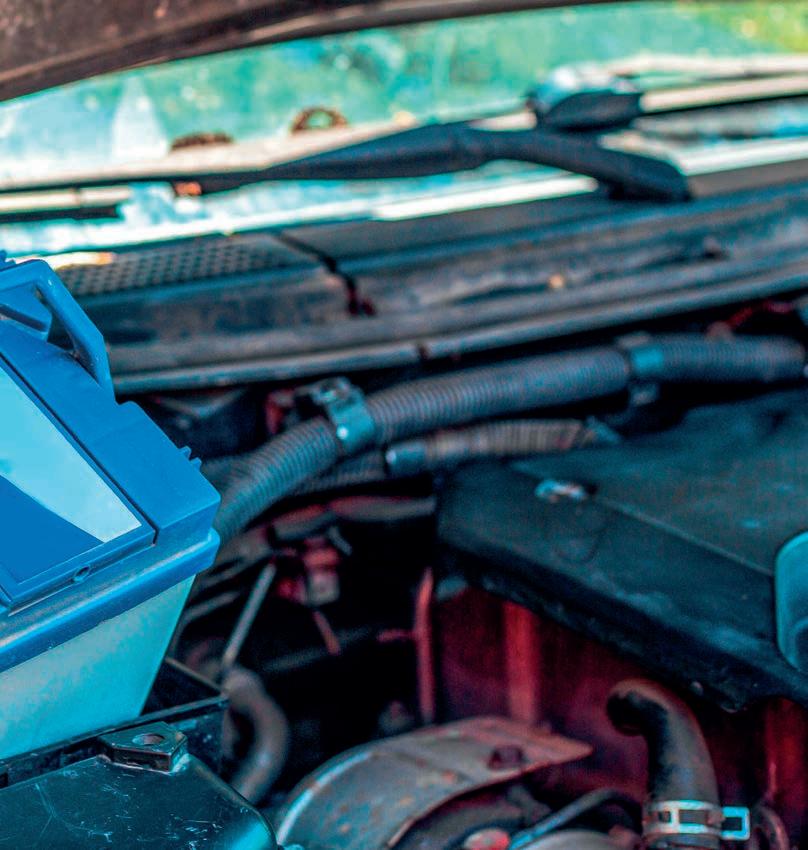
vehicle’s electrical system via the alternator. If left undercharged, however, a poor battery can cause other issues.
One that isn’t producing enough voltage may cause your alternator to continuously run at full output, for example, and that can then overheat, potentially damaging the regulator. Similarly, a low battery may affect your starter motor by making it turn more in order to generate a start, also affecting longevity.
How do I know I have a bad battery?
Often when a vehicle won’t start, people default to reaching for the jump leads –but this isn’t always best practice and it won’t necessarily get you going. If it cranks quickly but won’t start, it’s unlikely to be the battery and more likely to be an ignition problem, or a crank sensor on a later classic. If it doesn’t crank at all, then there may be an earth or starter-motor issue.
A quick way to check is to turn the headlights on and see if they dim when you turn the key. If they do, power is being sent
‘People reach for the jump leads – but this isn’t always best practice’
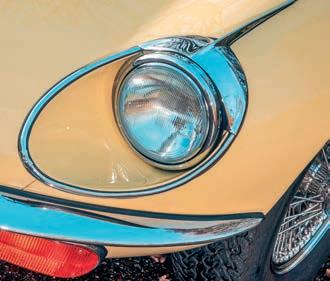
to the starter and it’s likely your battery is poor. If they don’t, then power isn’t being taken from the battery to the starter.
It makes sense to get a voltmeter. A good battery will show between 12.5V and 12.7V at rest, but anything from 12.1V upwards should start your vehicle. Anything below this, and your battery is on the way out. Once running, you should see between 13V and 14.5V, which shows your alternator or charging system is functioning properly.
Lead-acid batteries are the most common automotive batteries, and they come in two varieties: standard or calcium. A standard lead-acid battery should last for around 20,000 starts – but they are susceptible to neglect and can suffer a build-up of sulphates that causes the internal plates to corrode. If you use your vehicle regularly, though, a standard leadacid battery will be perfectly fine.
Calcium lead-acid batteries contain a calcium alloy that reduces water loss and prevents corrosion. They’re usually around 25-30 percent more expensive to buy, but they will last for about 30,000 starts and provide around 18 percent more boost when firing up. They are a better bet for larger car engines or vehicles with advanced electrical systems.
You might also find an ‘AGM’ battery in the right size for your motor. AGM stands for Absorbent Glass Mat, and uses glassfibre mats that absorb the electrolyte solution in each cell. They are faster recharging and have a longer life, but can often be twice the price of a lead-acid unit.
More recently, 12V lithium batteries have become an alternative option to traditional lead-acid types. Although more suited to modern vehicles and motor sport (where their lighter weight makes them popular), they offer higher energy density and more consistent power delivery, while they also hold a charge better. Lithium batteries boast a longer lifespan, too, typically enduring more charge cycles before performance drops – just like your mobile phone, which uses the same tech.
However, lithium batteries can be a lot more expensive upfront, and not all vehicles’ charging systems are compatible without modification. Expect to see a lot
more of them as the technology develops.
You can also buy new batteries in the black hard rubber cases used until the late 1960s. They’re more expensive but look period correct. The compromise is to buy a standard battery with a black plastic case.
The specific size for your vehicle should be listed in the owner’s manual. If you don’t have one, the best bet is to measure the battery tray, note which way around the terminals are and source one that will fit.
For example, a 1970s or 1980s Mini was originally designed to have an 038-type battery, but a larger 063 fits in the tray and will do just fine. Those numbers, incidentally, just define a battery type and there’s no science behind them – it’s a common part number, or group size in battery jargon, that tells you the battery has a casing and terminal layout of set dimensions.
The most common batteries in vehicles built up to the mid-2000s are 038, 063, 075, 096, 027, 019 and 110 – and that’s in size order, so the smaller the number doesn’t mean the smaller the battery.
Before buying a new battery, check your manual and make sure it meets the needs of your make and model. Some cars will accept more than one group size – an MGF, as an example, will take an 063 or an 075, with the bigger 075 recommended for colder climates. A Jaguar XJ8 is similar – an 019
‘You can’t just throw batteries in the bin – you can be fined up to £5000’
THIS PAGE Sourcing and fitting a battery should be relatively easy, with a wide variety available. Just be careful to dispose of your old one carefully.

is the recommended fit but a smaller 096 will do in warmer regions, and the battery tray has bracket mounts for both types.
The next thing to check is the capacity in amp-hours, or Ah, as displayed on the casing. This is the battery’s reserve capacity, or the total amount of power it will hold. A good-quality 019 battery (for large cars) will have around 100Ah capacity, whereas a budget one will have 80Ah. For an 063 (as commonly found in smaller models), high-quality batteries will have around 50Ah capacity, mid-range will have 4045Ah and budget ones will have 35Ah.
If you’re doing reasonable-length drives, a lower-capacity battery will be fine because the alternator will replenish any capacity used by starting. For frequent stopping and starting, or for stop-start-equipped cars, a higher-capacity one is more important.
Next, the battery casing will show its CCA. This stands for Cold Cranking Amps and is a measure of the battery’s ability to start the engine at 0ºF (-18ºC) without dropping below a specified voltage. The higher the CCA, the better the battery will perform in low temperatures. This is useful for colder climates or larger engines.
Some batteries will also show the reserve capacity – this is the amount of time, in minutes, that it can deliver consistent voltage (around 25 amps) before it can no longer power your vehicle and needs to be recharged. A good 019 battery will run for 120-150 minutes in reserve – worth knowing if your alternator packs up; if you’re only an hour from home, you might just make it.
Vehicle batteries contain lead and acid, so you can’t just throw them in the bin – and if you’re found doing so, you can be fined up to £5000. Nobody wants that…
Most local recycling centres will take them for free, as will scrap-metal yards. Alternatively, look for scrap collectors –they will sometimes even pay as much as £5 each for old batteries, because they can weigh them in en masse.

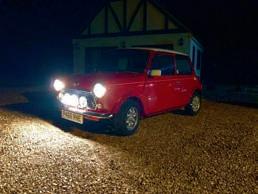



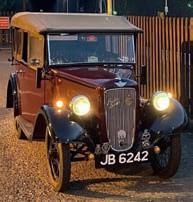


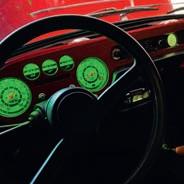
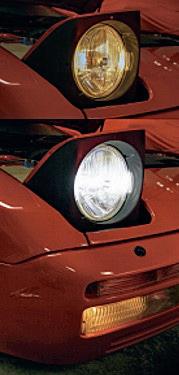

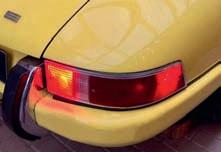
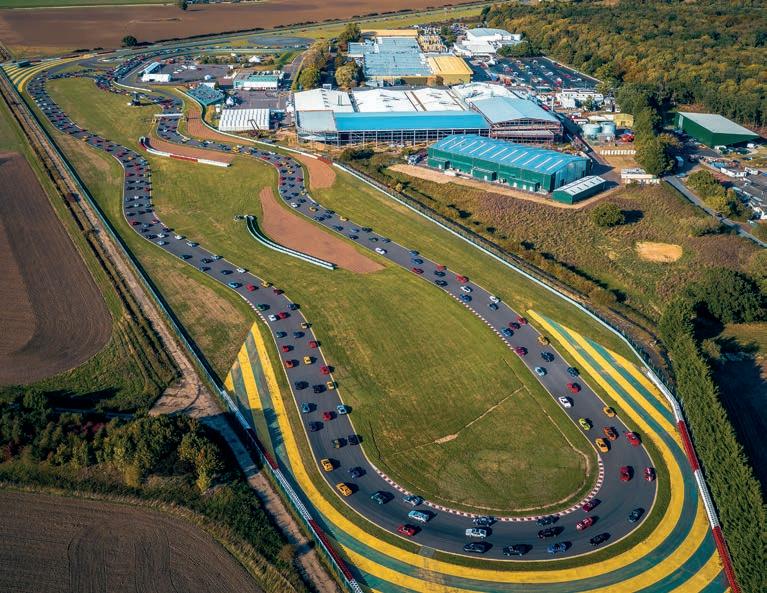
and flow’
Paul recalls how he honed his skills as a senior driver trainer at Lotus
I’VE BEEN MORE THAN FORTUNATE in my career to have driven many great cars – and I’ve also had the pleasure of training the talented engineers who develop and make them as well as drive them to within an inch of their dynamic capabilities. It’s a coincidence that this issue’s cover story is based on such an icon as the irrepressible Lotus Esprit – surely an all-time classic in design, performance and driving nostalgia. But this car was more than that. It was
about the Lotus brand, the icon it became and the history behind it. Launched in 1975, the Esprit was a Brit-built masterpiece of futuristic styling and upmarket feel, with ride and handling dynamics to match.
Certain things in my life have created truly magical memories, and getting the job as senior driver trainer at Lotus proved to be a huge stepping stone in my high-performance coaching career. As I was to learn, the opportunity was beyond immense.
When Lotus first called me, it wasn’t a given that I’d get the job. To ensure I was up to demanding internal standards, I was subjected to an intensive four-day ‘driving audition’ by the manufacturer’s legendary Alistair McQueen. He taught me so much about circuit driving, advanced car control, vehicle assessment, driving dynamics and chassis development. His capabilities behind the wheel of a Lotus were the aspiration that spurred me on to achieve my own driving goals.
Since then, I have always had a big soft spot for the brand and its hugely important history in building some great road cars (notably the original Elan, the immense Lotus Carlton and the more recent Emira). I worked with the truly brilliant engineering team at Hethel for a few years. When driving through those factory gates in
LEFT The Lotus HQ in Hethel, Norfolk is truly hallowed ground, as Paul recalls.
Norfolk, you enter hallowed ground. I think back to those times, and to being situated in the incredible presence of one of the most dynamic ride-andhandling teams the UK has ever produced. The legendary Roger Becker was in charge, and under his watchful eye was a crew of brilliant engineers – all incredibly gifted drivers with world-beating dynamic vehicle-assessment and -development skills – known as Lotus Engineering.
Included were such iconic people as John Miles, Tony Shute, Dave Minter, Murray White, George Howard-Chappell and, last but not least, the aforementioned, staggeringly talented Alistair McQueen. He took me under his wing and showed me the ropes of fast ‘on the limit’ circuit driving in an Esprit, where his abilities bordered on astounding. His cool and relaxed manner was a paradigm in creating a harmonious bond between driver and machine. His delicacy of control, his feel for the car, his flowing style and smoothness were magical, and the grace and fluidity with which he drove the Esprit were beyond breathtaking.
It was as if everything was in slow motion, yet the car was covering ground at an amazing pace. But that’s how all experts make it look – no effort, no drama and certainly no sweaty palms.
I learned this ‘chemistry of fluidity and flow’ from Alistair, and I’ve used it ever since. He made that Esprit feel like a brilliantly balanced car with sublime chassis dynamics, and he taught me a lot. The Esprit is among some truly excellent Lotus road models, and it’s a tempting purchase if you want an iconic British-built sports car with a famous pedigree plus enjoyable driving dynamics and ownership capabilities. What’s not to love?

PAUL RIPLEY Award-winning drivingsafety expert shares his knowledge from the high-performance training industry.
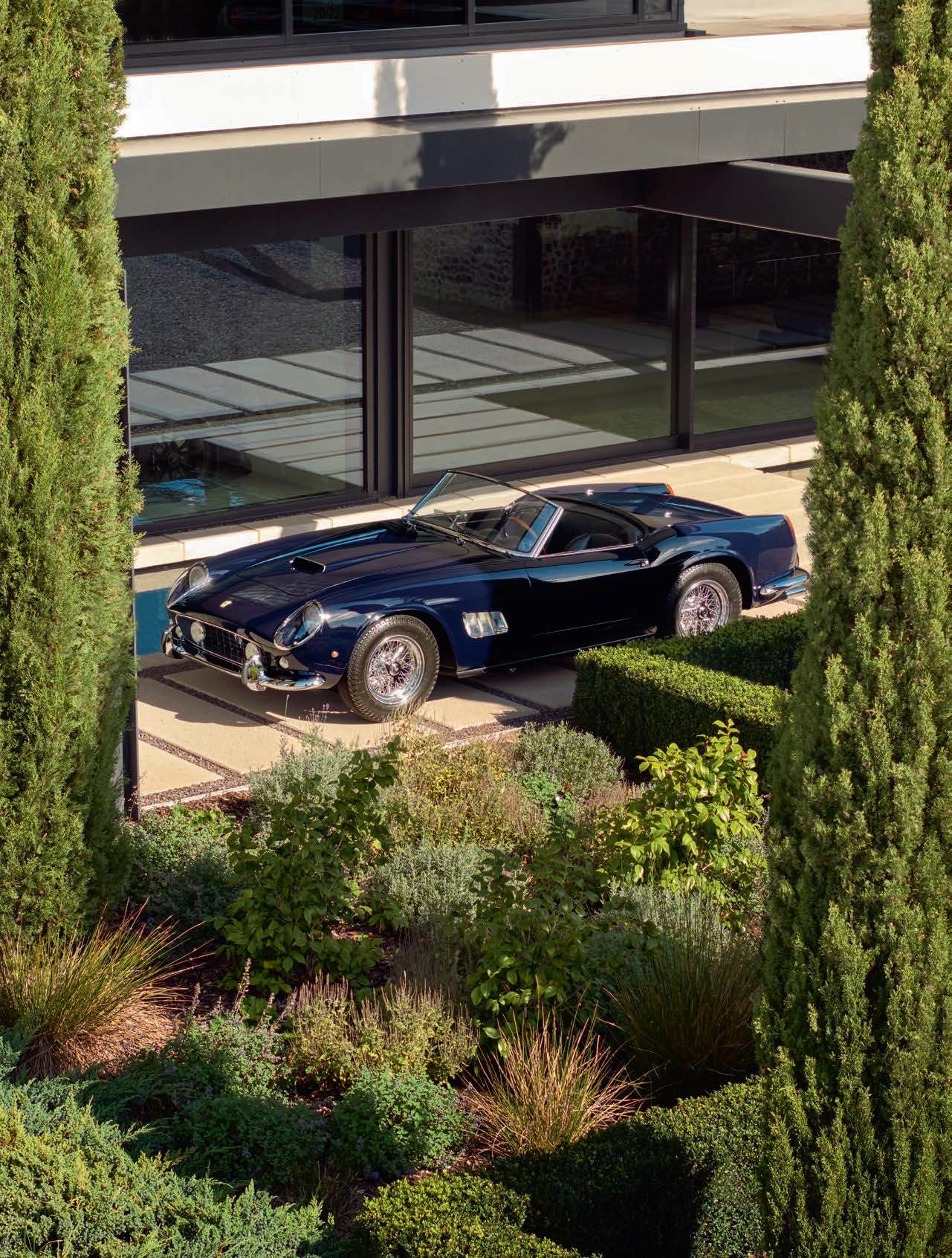
Government’s latest Budget could well prove positive for the overall classic car market
WHEN THE BUDGET WAS FINALLY delivered in November, it transpired that many of the automotive fears that had proliferated in the preceding months were proven to be unfounded. Importantly, there was no change to the rolling 40-year Historic vehicle taxation class, while the ‘chattel’ status of cars and bikes (meaning increases in value aren’t taxed as gains) was unaffected. That’s good news, because the UK market has suffered a crisis of confidence this year. Some of that is just good old-fashioned economic reality hitting home, and prices stabilising after a sustained period of value increases to which everyone had become accustomed. As I’ve written before, the postCovid spike pushed prices up too high in many cases, and they needed to come back to a sensible level. That has now happened: around 80 percent of models covered by the UK Hagerty Price Guide have either fallen or remained static since December 2024.
Confidence, or a lack of it, seems to have hit auction results, too: the top British sale of the year was a 2015 Ferrari FXX-K Evo (above), sold by RM Sotheby’s in London
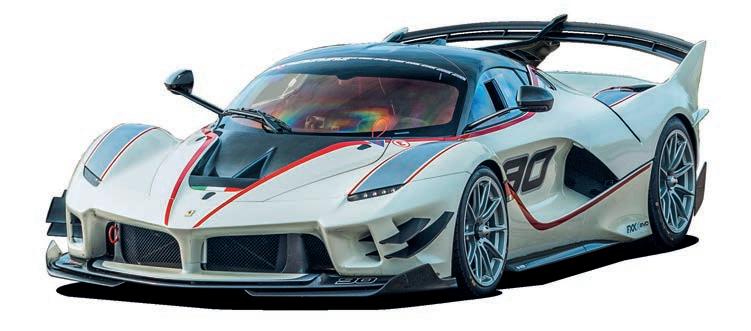
on November 1 for £4.73 million – a long way short of the top ten global list that starts at $9.465m (£7.24m) and was topped by the €51.155m (£45.1m) 1954 Mercedes-Benz W196R Stromlinienwagen (Streamliner) sold, again by RM Sotheby’s, in Stuttgart on February 1. The top two results were in the EU, the remainder of the top ten in the US – and that follows a trend: just one car has sold for over £7m at a UK public auction in the past five years. A 1960 Ferrari 250 GT Competizione crossed the block at Gooding & Company (now Gooding Christie’s) at Hampton Court in 2022 for £7.762m. The fact that at least two of the cars on the 2025
‘Many Budget fears were proven to be unfounded’

top ten list were British registered but sold overseas suggests that the sellers expected higher prices in the EU or US.
Studying in more detail different market sectors, it’s clear that some are performing better than others, and they tend to be more modern classics. Hagerty’s UK Index chart illustrates this well: the Hot Hatch (average year of first manufacture 1987) and RADwood (1988) indices have grown year on year, while the Classic Index (1971) and Best of British (1962) are both down –the latter now at 80 percent of its value when it was established in 2018, even without accounting for inflation.
Looking at the table of those makers that have lost most value in the UK Hagerty Price Guide over the 12 months to December 2025 explains this further: nine of the ten on the list are Brit brands. Jaguar is the biggest faller, although the marque was hit hard by drops in the values of its three big hitters: the XKSS, C- and D-type.
Despite the gloom, the outlook isn’t that bad. Value drops for some superb traditional classics may impact owners who expected prices to keep rising, but it’s good for those who wish to buy, especially people entering the market or on a more limited budget. That could mean younger owners buying older cars – excellent news for the hobby.
Sales at the top of the market that are affected by export issues and fluctuating exchange rates may be interesting, but these aren’t likely to impact the average classic owner – and now that the Government has set the Budget for another year, a little more confidence may return in the spring.




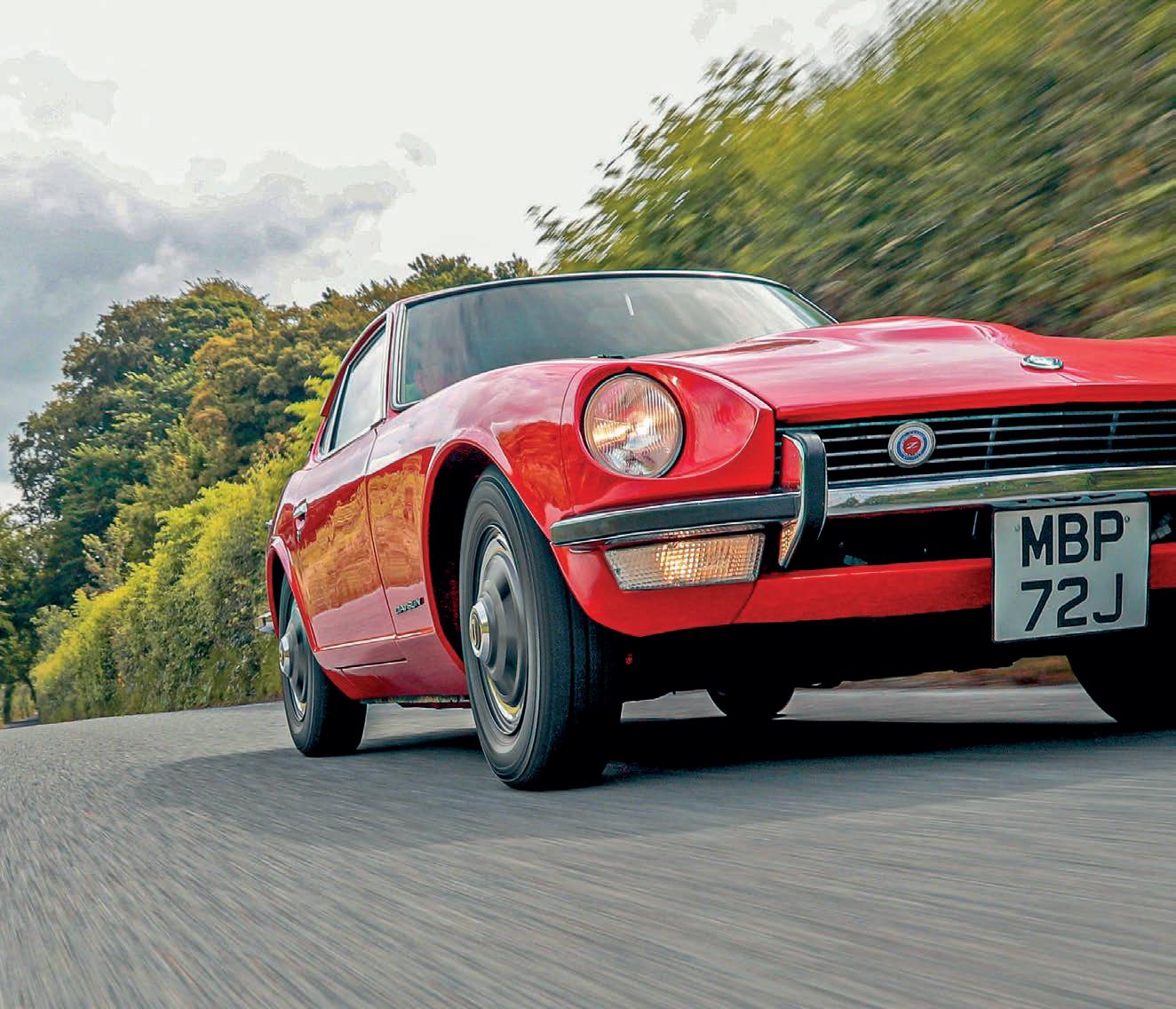
Datsun 240Z and 260Z
These Z cars delivered a sexiness rarely seen in Japanese machinery – and they’re still serving up fun
BUOYED BY THE SUCCESS OVERSEAS of its Fairlady 2000 roadster, Datsun knew that a small, six-cylinder sports car would take the US by storm. British marques, including MG and Triumph, had the fourcylinder market sewn up, while six-pot offerings were the preserve of Jaguar and Porsche (with price tags to match).
Domestic sales, unfortunately, weren’t that impressive for either the Fairlady or the exquisite Silvia. Teiichi Hara, head of Nissan’s engineering and development team, knew that US dealers were crying out for a faster six-cylinder coupé to undercut European marques – and that senior exec Yutaka Katayama, head of the firm’s North American import and sales division,
wanted a sports car tailored to US tastes.
Katayama and Hara created a new Sports Car Design Studio in 1965, installing arch sports car fan Yoshihiko Matsuo as its head. By 1967 Matsuo had started to produce clays that were winning fans within the company – and management approved the new model for production in November that year. After a gruelling 12-month test programme in the US, the Datsun 240Z –otherwise known as the Datsun Fairlady Z – went on sale from October 1969.
Pitched against tough home-grown competition in the UK, the 240Z, despite its sophistication, was not the bargain it was in the US. Import taxes pushed its price beyond £2000, while the likes of the
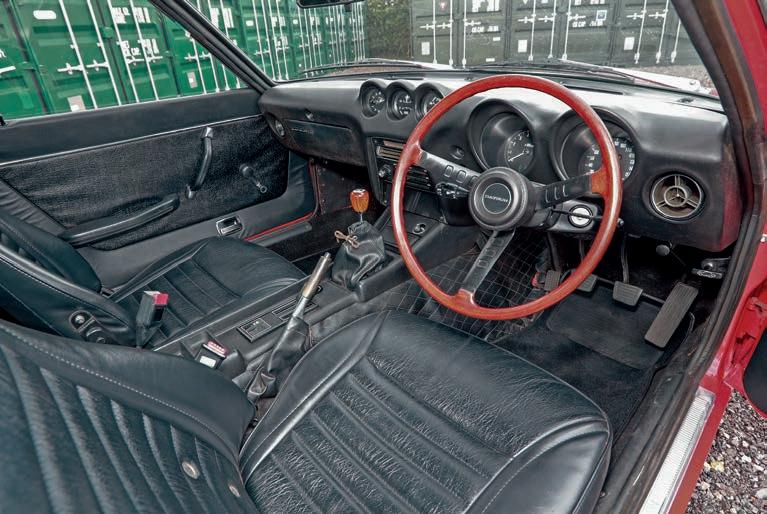
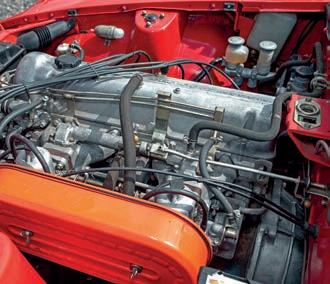
Datsun 240Z
Fair £26,000
Good £35,000
Excellent £45,000
Datsun 260Z
Fair
£23,400
Good £32,100
Excellent £43,000
* Prices from Hagerty Price Guide
MGC, Ford Capri 3000GT, Reliant Scimitar GTE and MGB GT V8 already made for a pretty packed marketplace.
Safety legislation, and demands for more space from US buyers, caused the 240Z to pile on the pounds; by 1973, the heavier and more powerful 260Z had taken over across the Atlantic and in Japan. It would be the following year before UK buyers got this wider-tyred, stiffer-sprung model, which was available not only as a two-seater but also as a 2+2 coupé for the first time. With a foot-longer wheelbase than the 240Z, and a modified roofline, the 2+2 offered rear passengers 33 inches of headroom – but the sleek lines of the Matsuo 240Z had gone.
The Z also inspired ex-Broadspeed
THIS SPREAD The 240Z pictured is the purist’s choice, but later 260Z is better dynamically. Note the carburettors – they look like SUs but were actually made by Hitachi.
engineer Spike Anderson to begin tuning the 240Z (and latterly the 260Z) for fast road, race and rally use. His modifications were sold under the deliberately misspelled Super Samuri nameplate to avoid litigation; Samuri Motor Company converted around 74 cars in period.
Z specialist Fourways Engineering (www. fourwaysgroup.co.uk), based in Kent, is well versed in keeping the 240Z and 260Z on the road. “It depends what market the car is from,” says technician James Carter. “An imported US model will have a fourratio ’box [the five-speeder didn’t go there until 1977, when it was fitted to the 260Z],
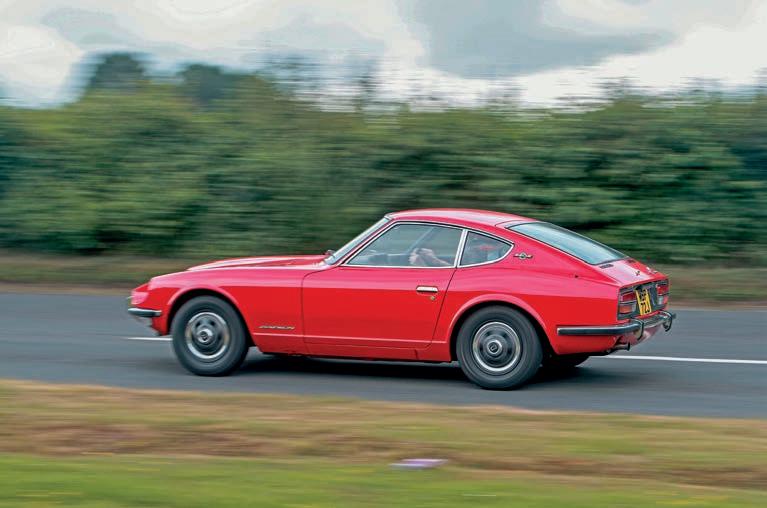
2.4-litre inline-six (240Z)
Power 151bhp
Top speed 125mph
0-60mph 8.0 seconds
Economy 25mpg
2.6-litre inline-six (260Z)
Power 162bhp
Top speed 125-130mph
0-60mph 7.6-8.0 seconds
Economy 25mpg
1969 Datsun 240Z/Fairlady Z HS30 launches in US and Japan
1970 UK-spec 240Z launched at Earls Court Motor Show. Tackles RAC Rally, finishing seventh
THIS SPREAD
Squarely aimed at undercutting European sixcylinder coupés, the attractive Japanese sports car impressed on both the road and the rally stage.
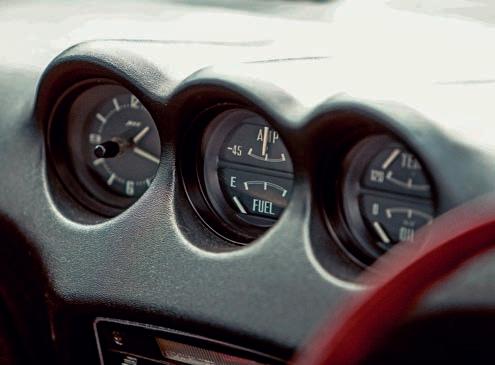
whereas a British or Australian car will have a five-speeder, which are better.”
As with the 2.4-litre L-series engine, both four- and five-ratio units have few weaknesses, and develop problems only if used without maintenance, or abused. Make sure decent coolant or antifreeze has been added; the Z’s alloy head does not appreciate being run on plain water alone. “We do rebuild these motors, but it’s mostly down to age,” James says. “The powerplants have no inherent problems and they’re very tuneable.”
Stateside Z models rapidly got more complicated with emissions controls; UK cars kept their licensed SU carburettors, built by Hitachi, which give few issues apart from requiring regular maintenance and adjustment. Parts are hard to source,
so many owners upgrade to Weber equivalents, with better spares support.
It’s also not uncommon for 240Zs to be fitted with later, torquier engines from the 260Z and 280Z (“blocks are a nut-and-bolt swap,” says James) or Skyline series – but make sure the work carried out has been declared to the insurance company and done to a good standard.
The twin-pot-caliper front disc brakes give few issues in service; again, upgrades are common, with Z32 300ZX and Skylines being donors. “Upgrade kits are also available off the shelf,” says James. “They are softly sprung and damped as standard, but coil-over upgrades are easily available.” Try to drive both a standard and a
1971 UK sales from August; c.£2000 car has five-speed ’box, three-ratio auto is optional. Places first and second on East African Safari Rally. Seats, centre console and diff revised in October. New badging
1972 Larger bumpers for safety reasons
1973 240Z wins East African Safari Rally. Last year of sales in UK; Japanese production finishes in September
1974-76 2.6-litre 260Z arrives in UK; twoseater Sports and roomier 2+2
1977 260Z revised – Sports now called 2-Seater; 2+2 remains on sale
1979 HS30 series 240Z/260Z finishes; 280ZX 2+2 (S130, ‘Datsun by Nissan’) succeeds 260Z
modified car to see which you prefer; if you want to keep the suspension and brakes as Datsun intended, rebuild kits and spares can be tracked down. Bushes and dampers wear out in the course of service, but again, these are available. Carefully check to make sure mounting points, especially around the front crossmember, haven’t succumbed to rust.
“They rust everywhere,” James says. “Yet because of car values now, restoration isn’t uneconomic.” While Fourways makes some body panels of its own, such as floors, radiator supports, rear valances and sills, front wings are near impossible to source new today, save for a new-old-stock discovery in a dealership or warehouse.
As with front wings, bonnets, tailgates
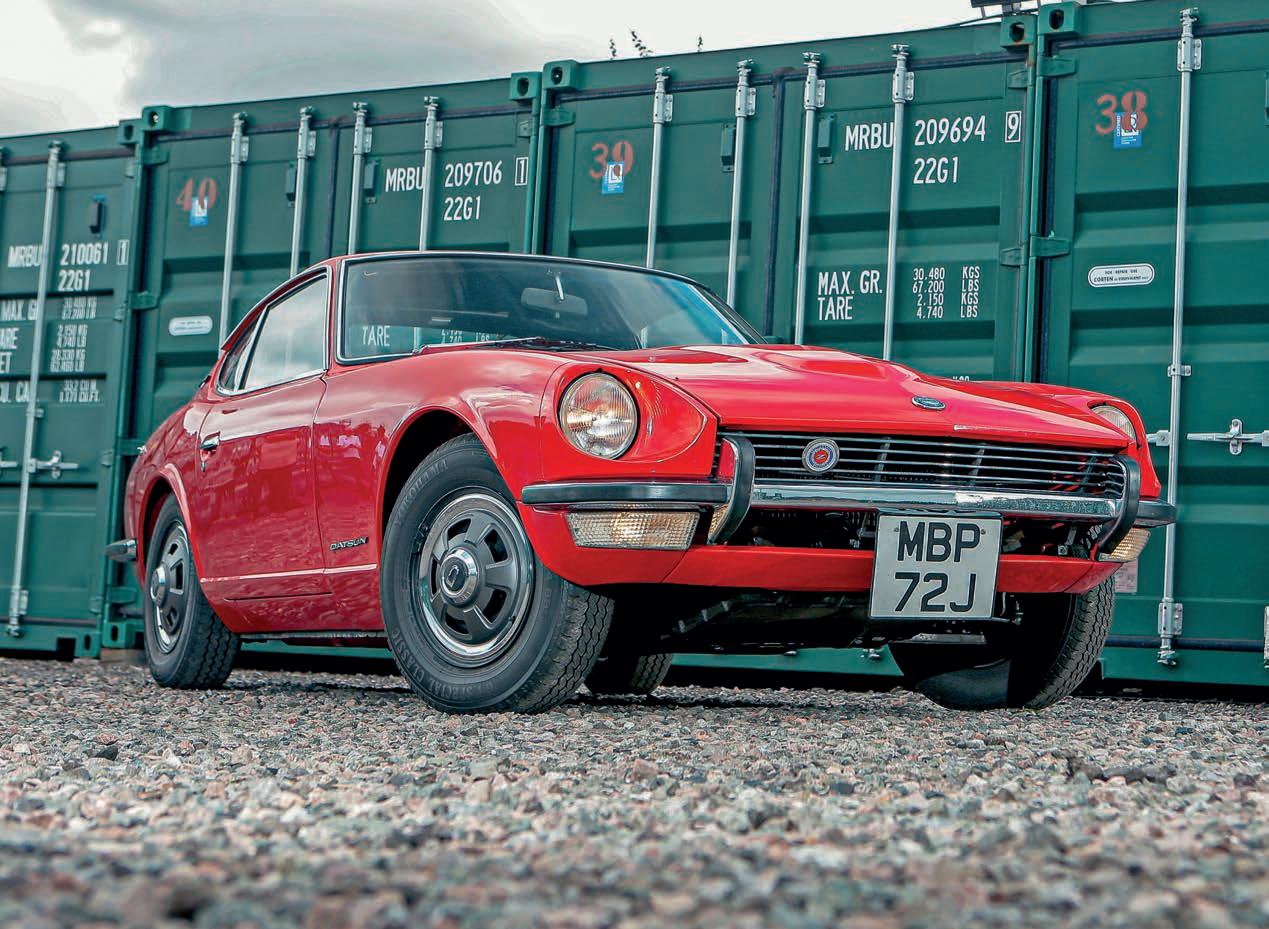
and doors will have to be sourced used – but there is a reasonable market for replacement panels, particularly in the US: “We have probably got eight or nine bonnets in stock,” James says. “But getting larger parts over from the US can get quite painful [in terms of postage].”
Other rot-spots worth checking are around the arches, the front crossmember (a downfall of many a UK-based 240Z at MoT time), inner wings, suspension turrets, tailgate-closing aperture and corners of the hatch bootlid itself. “These cars had the bare minimum done to keep them roadworthy when they were worthless,” says James. “Now that they’re valuable, we are having to undo a lot of this work.”
He continues: “You can buy most of the interior new from the US, including door
‘Try to drive both a standard and a modified car to see which you prefer’
cards, seat foam and seat covers, as well as transmission-tunnel vinyls.”
Dashboards, particularly on US imports, can crack, but these can be repaired or replaced; repro left-hooker items can be bought off the shelf, yet RHD equivalents will need to be revived or changed.
James would plump for a 240Z over any other HS30-chassised model: “It’s the earliest incarnation of the Z car, and is the most desirable. The 260Z, however, had those few more years of development, and you could argue that it’s a better car.”
Magazine road tests, while admonishing the 260Z for putting on weight, praised its extra roadholding borne of wider, stickier tyres. They added that the 2.6-litre motor produced a greater spread of torque over a wider rev range than the earlier 2.4 unit.
Don’t discount the 260Z 2+2, either, if you’re planning to carry family and friends. While the market views these as the least desirable (within the remit of this guide) they have two rear seats; the 240Z and 260Z Sports/2-Seaters are just for those up front.
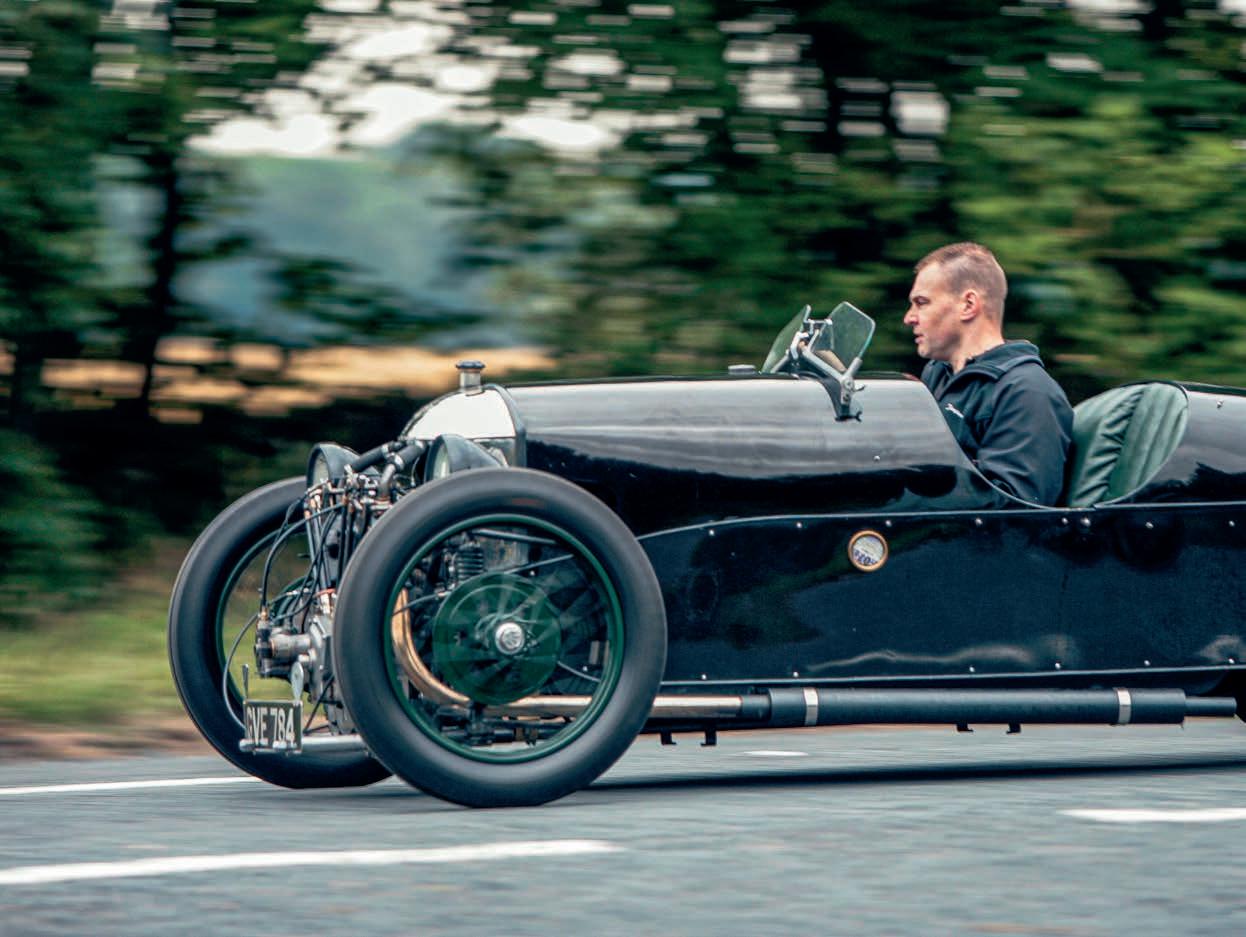
Having three wheels on your wagon isn’t a hindrance. It opens up an entirely different driving experience, and will keep you – and any onlookers – suitably entertained
Words Nathan Chadwick
THREE-WHEELERS OCCUPY AN ODD place in the British motoring psyche. For most, automotive ‘tripods’ fall into two categories: cars for oddballs, and national jokes. The latter often refers to the Reliant Robin – an unfairly maligned machine that served a distinct purpose for cash-strapped motorists. The former applies to Morgan’s magnificent three-wheelers – a lineage formed in 1911 and still going strong today. Better to be an oddball than boring.
In the early automotive years, when manufacturers were still testing what a ‘car’ really ought to be, HFS Morgan dared to think differently. The story began in 1909 when he built a single-seat, three-wheeled runabout powered by a small Peugeot engine. By 1911, he had kicked off series production, ushering in the V-Twin era.
At its heart was a snarling motorbikederived V-twin engine (from manufacturers
THIS SPREAD Don’t expect luxury from your three-wheeled Morgan, whether early (left) or new Super 3 (below).
such as JAP, MAG, Anzani and Matchless) mounted up front, sending power to the lone rear wheel through Morgan’s clever backbone chassis. This was light, innovative and, most importantly, capable: one even conquered the 1913 Cyclecar Grand Prix at Amiens. Through the 1920s capacities crept toward 980-1100cc, with successive tuning improvements pushing late-20s Super Sports models to around 45bhp.
By the late 1930s, however, the V-Twin era was nearing its end as buyers demanded more sophistication: three ratios with a reverse gear and a conventional fourcylinder engines. Morgan responded with the F-Series, first appearing in 1932.
Instead of a V-twin poking out of the front, the F-Series used a proper Ford fourcylinder sidevalve, starting with the 933cc 8bhp Y-unit and later uprated to 1172cc/ 10bhp. A pressed-steel ‘Z-section’ chassis
‘Morgan’s threewheeler lineage was formed in 1911 and is still going strong’
replaced the old backbone, letting the engine sit conventionally.
The F4 (a four-seater version) appeared in 1933, followed by the two-seater F2 in 1935 and the sporting F-Super in around 1937. Although hardly comparable to a Rolls-Royce, the F4 was surprisingly usable, with proper gears, a reverse plus a touch more luggage space. It could bowl along at 60mph, even if hills still tested its mettle.
However, by July 1952 it was curtains for three-wheelers, as Morgan turned to four wheels. That was until 2012, when the Malvern marque dusted off the three-wheeler blueprint. This was not just nostalgia, either – the prosaically named 3 Wheeler could keep more conventional, and much more modern, sports cars looking over their shoulder.
Morgan didn’t merely bolt a motorcycle engine on a frame and call it done. The

3 Wheeler uses a steel tubular chassis married to aluminium bodywork, so keeping weight extremely low, while under the bonnet lies a 1983cc V‑twin engine from American specialist S&S, tuned to produce around 82bhp and approximately 103lbft of torque. That might not sound a lot in the era of hyper horsepower hypercars, but with the entire 3 Wheeler weighing in at about 525kg, it can hit 0 60mph in around six seconds. It’ll top out at around 115mph – although from behind the wheel it’ll feel about twice that.
There’s independent front suspension, coil springs all round and a Mazda‑ derived five‑speed manual transmission –although as with its illustrious forebears, this is not a luxury proposition. Across its production run (2012‑21) the car remained largely the same in concept. The recipe was improved slightly over the years: stiffer chassis, revised suspension and steering tweaks, plus optional extras such as heated seats and power outlets.
However, as brilliant as it was, the 3 Wheeler simply couldn’t dodge evolving emissions and safety standards indefinitely. So rather than merely update the old car, Morgan went back to the drawing board: the latest Super 3, launched in 2022, is a clean‑sheet design built around a
‘Any threewheeled Morgan is deliberately and delightfully anachronistic’
THIS PAGE The 2012-21 Morgan 3 Wheeler (left) and the current Super 3 (below) have been a huge hit for Morgan.
brand‑new aluminium monocoque chassis. Gone is the dramatic, protruding motorcycle V‑twin hanging off the front. In its place? A 1.5‑litre naturally aspirated Ford three‑cylinder engine, mounted more conventionally (behind the front axle) for improved balance and packaging. There is extra power (118bhp), which means the Super 3 will crack 130mph and hit 0 60mph in around seven seconds.
In an automotive world dominated by SUVs, hybrids, driver aids and screens, any three wheeled Morgan, whatever the original production year, is deliberately and delightfully anachronistic. It trades refinement for rawness, comfort for connection. It’s a throwback to motor cars as spectacle, to the idea that driving should be physical and emotional. These are loud, while the open cockpit means wind and weather are guests at all times – but every trip out will be a memorable event.
However, Morgans are not the only three wheeled thrill givers. Looking for something chilled out, or maybe even more challenging? We’ve picked out a few...
From city cars to roadsters, there’s a classic three-wheeler for everyone. As long as you don’t have much luggage...

The 1959-60 T60 was Britain’s first production three-wheeler with a glassfibre monocoque. Weighing under 300kg and designed to be driven on a motorcycle licence, it was powered by a 18bhp 328cc Excelsior two-stroke twin-cylinder engine. With front-wheel drive and independent suspension all round, it could reach about 65mph. Fewer than 1800 were made, and you’ll need £5k-£12k to buy one today.
This was originally created by Italian firm Iso, but BMW licensed the design in 1955 and re-engineered it with a single-cylinder four-stroke bike engine and better German build quality. With just 12bhp from a 247cc engine, the Isetta could hit 50mph while returning exceptional fuel economy. After the 503 and 507 disaster, it arguably saved BMW from ruin. Priced from £20k for good examples to £45k-plus.
At 1.37 metres long and 59kg, the 1962-65 P50 was a 38mph oneperson city car. It had a 4.2bhp 49cc DKW single-cylinder engine, a three-speed ’box and no reverse gear; drivers simply picked it up and turned it around. Minimalist motoring at its most eccentric. Around 50 were built, and fewer than 30 survive today. Good examples start at £45k, but we’ve heard of concours models going for £100k-plus.

Designed by aircraft engineer Fritz Fend and built by aeroplane firm Messerschmitt between 1955-64, the KR200 featured a distinctive bubble canopy, tandem seating and a lightweight steel frame, giving it a futuristic, airplane-like appearance. Powered by a 10bhp 191cc two-stroke engine, it could reach about 56mph. You’ll be looking at £15k for a good one, and upwards of £30k for brilliant examples.
The Minicar was a series of small, economical British vehicles produced by Bond Cars Ltd from 1949-66. Initially three-wheeled, they featured motorcycle engines and simple glassfibre or aluminium bodies. You could expect around 10bhp and a top speed of 55mph, although 0-50mph could take 20-30 seconds depending on load. Good cars start at £2k, rising to £7k-plus for excellent examples.
A British folk hero. Built from 1973-2002, the Robin could be driven on a motorcycle licence. With a glassfibre body and a steel chassis, it used Reliant’s 40bhp 750cc-850cc alloy four-cylinder engine and weighed less than 500kg. Performance was modest but, thanks to its low mass, it could reach nearly 90mph and return 60mpg-plus. A good one now is £1500; an excellent one is three times that.
Launched in the early 2000s, the One featured a narrow tandem cockpit and a clever Dynamic Vehicle Control system that allowed the body to lean up to 45º in corners, while the rear wheel and drivetrain stayed upright. Power came from a 659cc turbocharged Daihatsu engine producing 68bhp, good for 0-60mph in less than nine seconds and a top speed near 115mph. Now costs £25k-£35k.
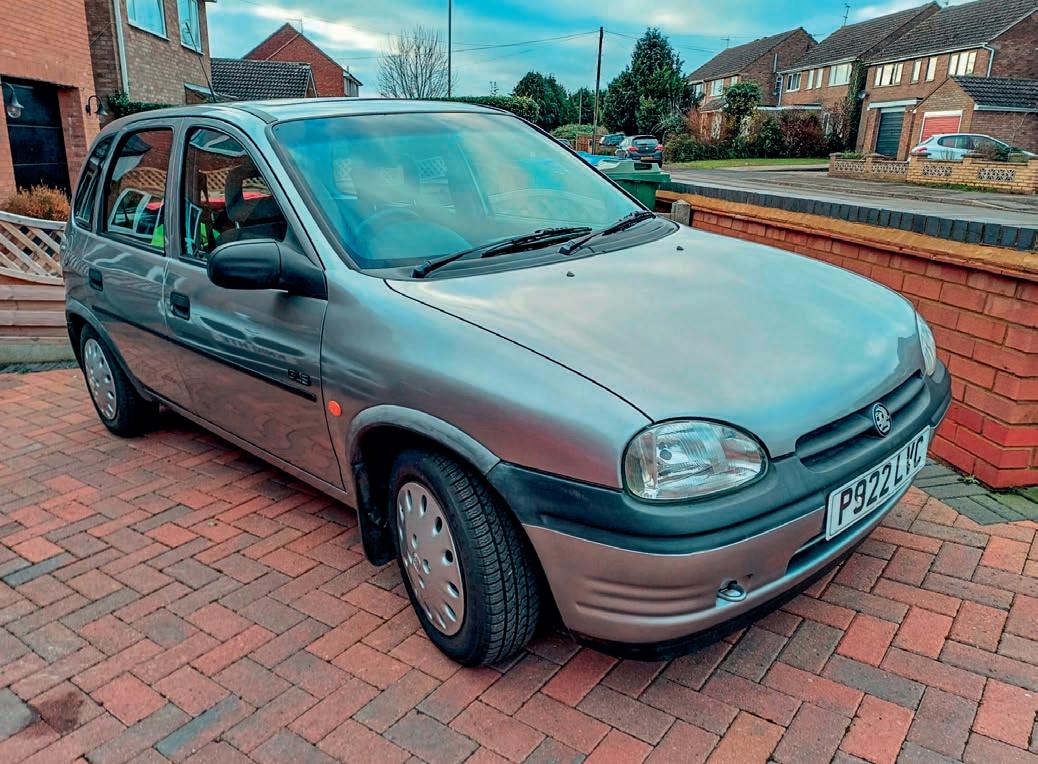
Humble Vauxhall might not have the oomph of more modern hot hatches, but for Dan Goff it goes from zero to nostalgia faster than anything else
Dan Goff
1997 Vauxhall Corsa GLS 1.4 16v
Hagerty role UK service centre manager
Car owned for Two years
Best driving road Skalkaho Pass, Montana, US (the Corsa has NOT been up it!)
Best driving album Diva, by Annie Lennox
Dream car Ferrari 288 GTO
First car Yugo 45A
Favourite parents’ car Austin Princess 2200 HLS – my dad’s first big car with a straight-six engine, which took us on some great family caravan holidays
I DON’T NORMALLY GO LOOKING for late-1990s hatchbacks with tiny engines – but, for me, finding my Corsa was a real trip down memory lane, not least because I have got good memories attached to that particular generation. I spent a decade in the car trade between 1996-2006, and for nearly half of it I was selling Vauxhalls. They were the brand I learned the business with, so they’ve always felt a bit like ‘home’ to me.
My dad even bought a brand-new Astra from the dealership where I later worked, and growing up I was surrounded by friends running Cavaliers and the odd
Opel Manta. Vauxhalls were simply part of the landscape, so finally getting a job selling them felt like the natural next step.
The Corsa B I own now is virtually identical to my first company car. Back then, as a trainee, I had to put in three months’ work before I got wheels – and when they finally handed me the keys, it was for a 1.2 Trip, so basic it didn’t even have a tape deck. I was the young sales lad, so I drove loads of Corsas. I even had a pretty bad accident in one, which wasn’t my fault – the car looked after me well for what it was back then.
Fast forward to modern times, and I
ended up with my car when I spotted it for sale about 20 miles away. My wife and I went to see it, and it was a bit like looking at a puppy. It still had the original radio and tape deck, plus (we think) the exhaust it left the factory with – and even the original plastic wheel trims, although a couple were a bit battered. Everything was as authentic as it could be, and it was such a blast from the past. I drove the Corsa down the road and thought that, if I squinted a bit, I could almost pretend I was in my early 20s on my way to work. I couldn’t say no...
The seller’s aunt bought it as a three-yearold Network Q car, and she used it gently for shopping runs well into the 2010s. After she passed away, it went to her nephew; he wanted to keep it for sentimental reasons, but it ended up sitting idle on his drive. Eventually he decided it deserved someone who would actually use it.
By modern standards you don’t get much with your GLS badge, but back then it was a lot. Compared with the LS, there was power steering – a luxury that required the 1.4 16v engine – plus central locking, velour seats, heated electric mirrors and a better four-speaker cassette unit. A driver’s airbag came later with a facelift. Above the GLS you had the CDX, which gave you very little more – basically alloys and maybe front foglights. Air-con was an extra on the CDX.
I’m determined to use the Corsa and not let it sit there wasting away. My wife and I are both insured on it, and occasionally we go out for a pleasure drive at the weekend. If we’re heading to a country pub for lunch, we will take the Vauxhall and get a few looks. My wife has a huge company car, so it seems odd to see us in a late-90s fivedoor hatchback – but we enjoy it.
I’ve taken it to a couple of local shows, such as Lamport Hall in Northampton and another near Sywell. I’ve driven it to work, which is a 100-mile round trip to Hagerty’s Bicester office. It doesn’t go often, because it revs quite high at motorway speeds and the stereo isn’t loud, but it has done the trip. It’s incredibly comfortable with those soft period seats. It just needs a sixth gear.
The only real job is the tailgate, which has been painted in the past. It wasn’t bad when I got it, but it’s gone a bit ‘sandpapery’ – although oddly I quite like the slightly ratty look. The numberplate had dropped a bit and is now slightly lopsided – I’ve left it

‘If I squinted a bit, I could almost pretend I was in my early 20s on my way to work. I couldn’t say no...’
because it looks so rubbish it’s almost good. The exhaust’s been patched more times than a 30-year-old jumper, so it will need replacing soon. What I’m really looking forward to, though, is taking the Corsa to July’s Festival of the Unexceptional. I might even enter it for the concours – I’ve had cars in it before, and one even won an award. If not, I’ll happily stick it in the classic car park, maybe dressed up with period Vauxhall showroom material.
When the Corsa eventually moves on, I quite fancy getting a Mk4 Astra. I remember the launch vividly. For the big reveal I had to drive one through a smokefilled screen, which was excellent fun. I have got a soft spot for them, and I would love a three-door SXi or SRi because they still look great – or even an Astra Coupé Turbo, because they are underrated, brilliant and cheaper than the GSi with the same engine. The slogan back then was ‘quality is a right, not a privilege’, which we rather cheekily twisted to ‘quality is a privilege, not a right’. Still, the Vauxhall nostalgia keeps flooding back…
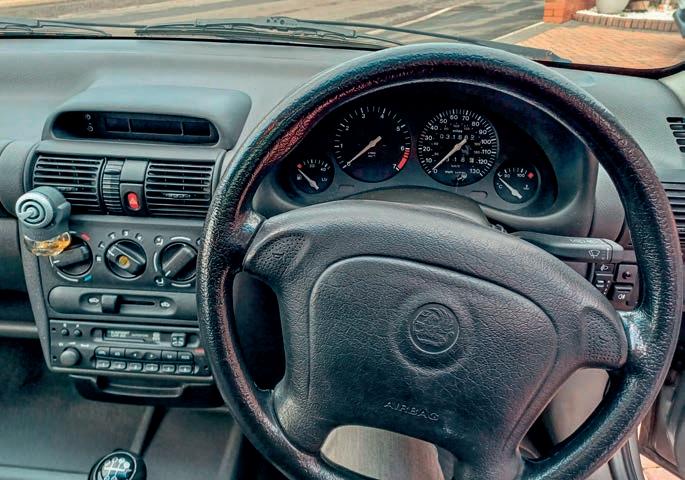
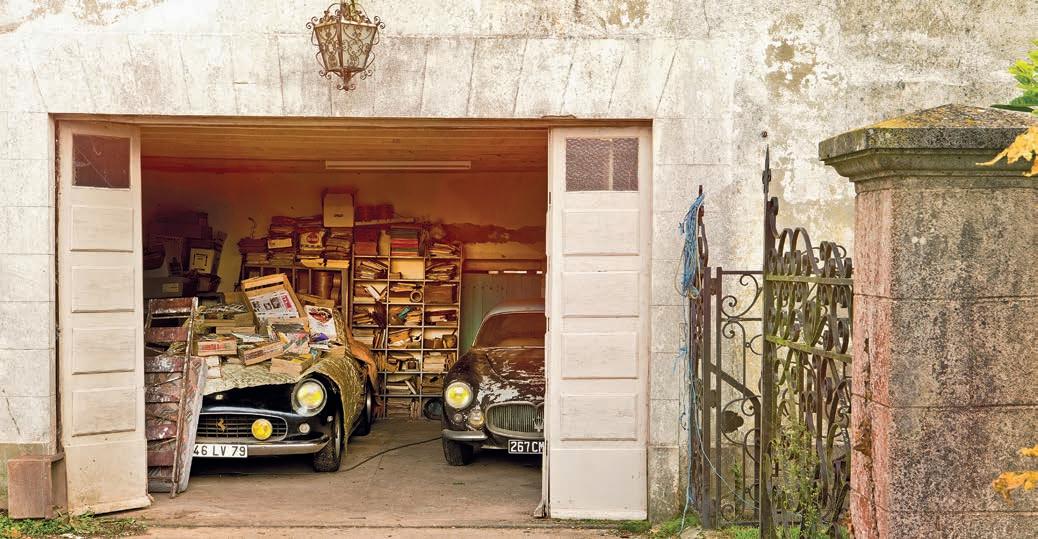
WHETHER TO CONSERVE, PRESERVE or restore an historic vehicle has always been a hot topic among collectors. When FIVA, the international federation for historic vehicles, recently asked for my perspective on the matter for an important project, I was happy to help. Here’s what I was asked.
Q Is there a meaningful distinction between preservation and conservation?
A Yes. Preservation is the overarching commitment to maintaining a vehicle’s originality and historical integrity. It says this object has value precisely because of what time and experience have done to it. Conservation is how you implement that philosophy – the active work of maintaining what exists without fundamentally altering its character. It’s an ongoing action, not a passive decision to ‘leave it alone’.
Q Which types of vehicles or specific conditions warrant preservation?
A Philosophy’s Ship of Theseus is a good guide: to honour the mythical king’s heroic deeds, the ship’s decaying boards were all replaced over time. Was it really the same ship? I’d say yes, in that specific instance, but it’s not a blanket answer. In life, many
times, ‘you know it when you see it’. And so it is with historic cars. These are material witnesses to human ingenuity and cultural moments. It’s not whether replacing every part makes it ‘the same car’, but whether enough of its story remains legible.
Some reach a point where preservation becomes futile – too little original material survives to tell a coherent story. But the threshold is higher than many assume. I’m drawn to patina, honest wear that speaks of a life lived. Americans traditionally prefer restoration to better-than-new condition, but there’s profound beauty in the authentic marks of time and use.
Q Which cars warrant conservation?
A This applies whenever enough original material exists to tell an authentic story, but it needs active protection to survive. It’s about recognising that we’re temporary custodians of objects that should outlive us. Does the vehicle still possess what made it significant? Can we maintain its functional integrity without compromising its historical integrity? Sometimes, conservation means accepting that a car will never run again but preserving it as a teaching tool. Other times,


it means keeping it mechanically sound but resisting the temptation to ‘improve’ it.
Q Under what circumstances is full restoration appropriate – or necessary?
A When preservation would mean losing the vehicle entirely: when structural integrity is compromised, safety becomes a concern or previous modifications have obscured the original intent so thoroughly that restoration serves as preservation.
Sometimes the most respectful thing is to restore a car to original spec, accepting that this means sacrificing later modifications that might themselves have historical value. The wisdom lies in recognising that these decisions can be irreversible. Once restored, it can never truly be preserved again.
In March, FIVA will ask UNESCO – the United Nations Educational, Scientific and Cultural Organization – to formally recognise historic cars and the people behind them as a form of ‘intangible cultural heritage’. I consider the automobile to be one of mankind’s greatest achievements, so I think this is entirely appropriate. And long overdue. Agree? Write to secretary@ fiva.org. Until next time, keep on driving.