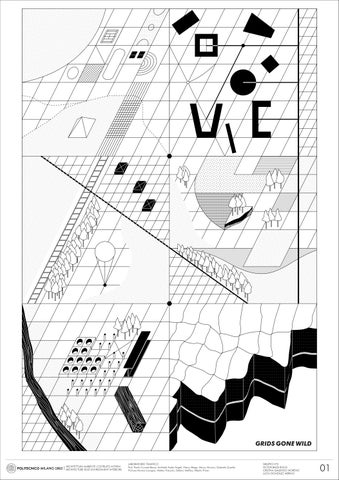

GRIDS GONE WILD
progetto di rigenerazione e connessione dei quar tieri di Greco-Bicocca
The goal of this project was to reconnect two neighborhoods: Greco and Bicocca. Bicocca, once farmland, was transformed into industrial sites by the Pirelli factories and later redeveloped into a modern district with a university designed by Vittorio Gregotti, organized on a 4x4-meter grid. In contrast, Greco developed more organically as a small village that expanded naturally.
The project site is divided by a railway line, creating a physical barrier between the two neighborhoods. The proposed design introduces a pedestrian bridge to reunite them. To strengthen this connection, Bicocca’s grid was used to define the green spaces on the site, which are left wild and natural, making them less accessible.
All buildings are elevated with entrances on the first floor, while the green spaces remain usable for various activities. The bridge and buildings deliberately break away from the rigid grid, introducing movement and contrast. Residential buildings are positioned along the bridge, designed for long-term living, while community-oriented buildings are linear and placed at the ends of the bridge.
The railway is also reimagined as a potential asset, serving to deliver goods to a market housed in the rehabilitated former train station on the site.
RESIDENZIALE GRANDI FUNZIONI URBANE VOLUME LINE
- place to stay - connection to the passerella - place to pass - connection between passerella and neighbourhood
RESIDENZIALE SERVIZI DI VICINATO
































































































The residential building is designed to accommodate 133 residents, including 129 studios and 4 three-bedroom apartments. All apartments are oriented south to maximize sunlight, while the remaining areas are used for circulation and communal spaces.
The building has three key sections:
• Ground floor: parking and service rooms (bins, electrical and water facilities...).
• First floor: Includes parking, a bike garage, a gym, a workshop, a gardening area, a large café-canteen, and shared spaces, with direct access to the courtyard. Links to the bridge and courtyard.





• Residential floors: Four levels organized with double-height spaces, internal walkways, and dynamic communal areas.
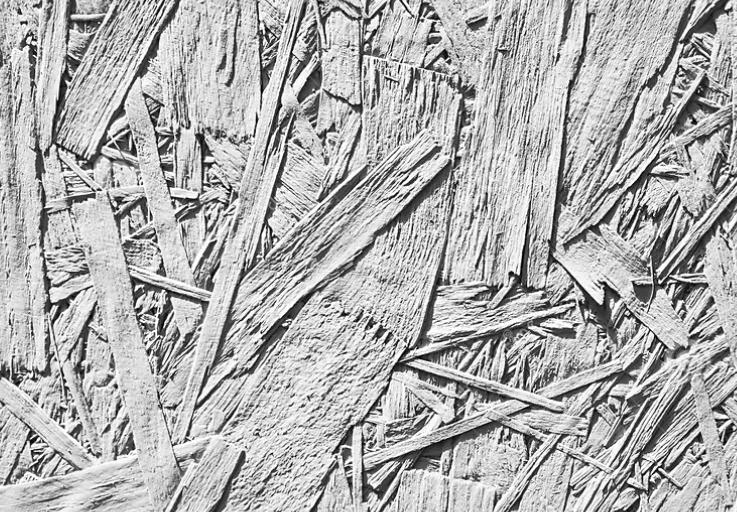
The apartments feature modular timber-framed walls insulated with cork, ensuring adaptability for future uses, such as office spaces. Each unit is finished with OSB and includes multifunctional wooden furniture for storage, dining, and workspaces. Wet areas (bathrooms and kitchens) are separated by sliding doors.


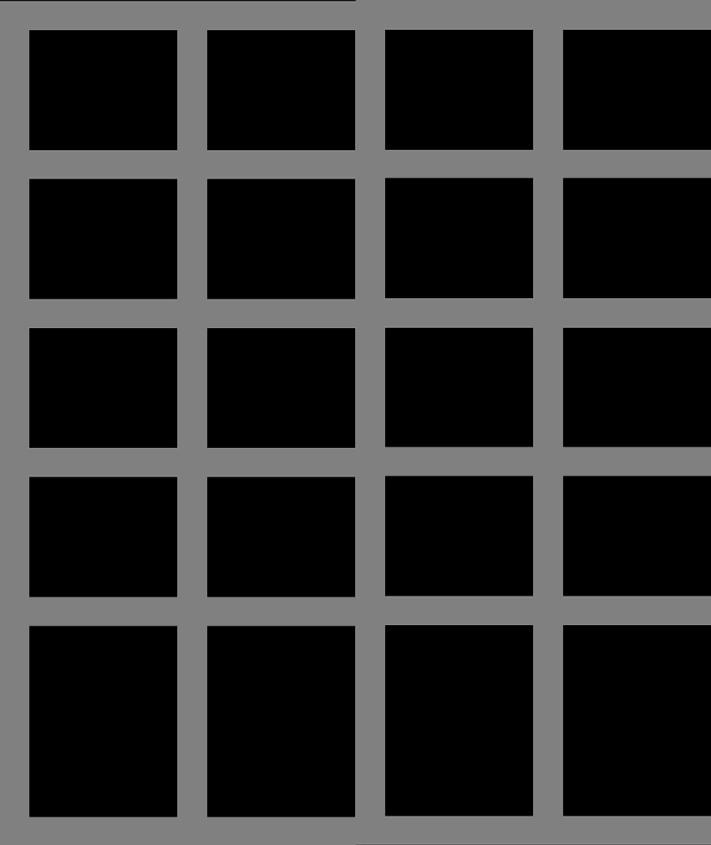




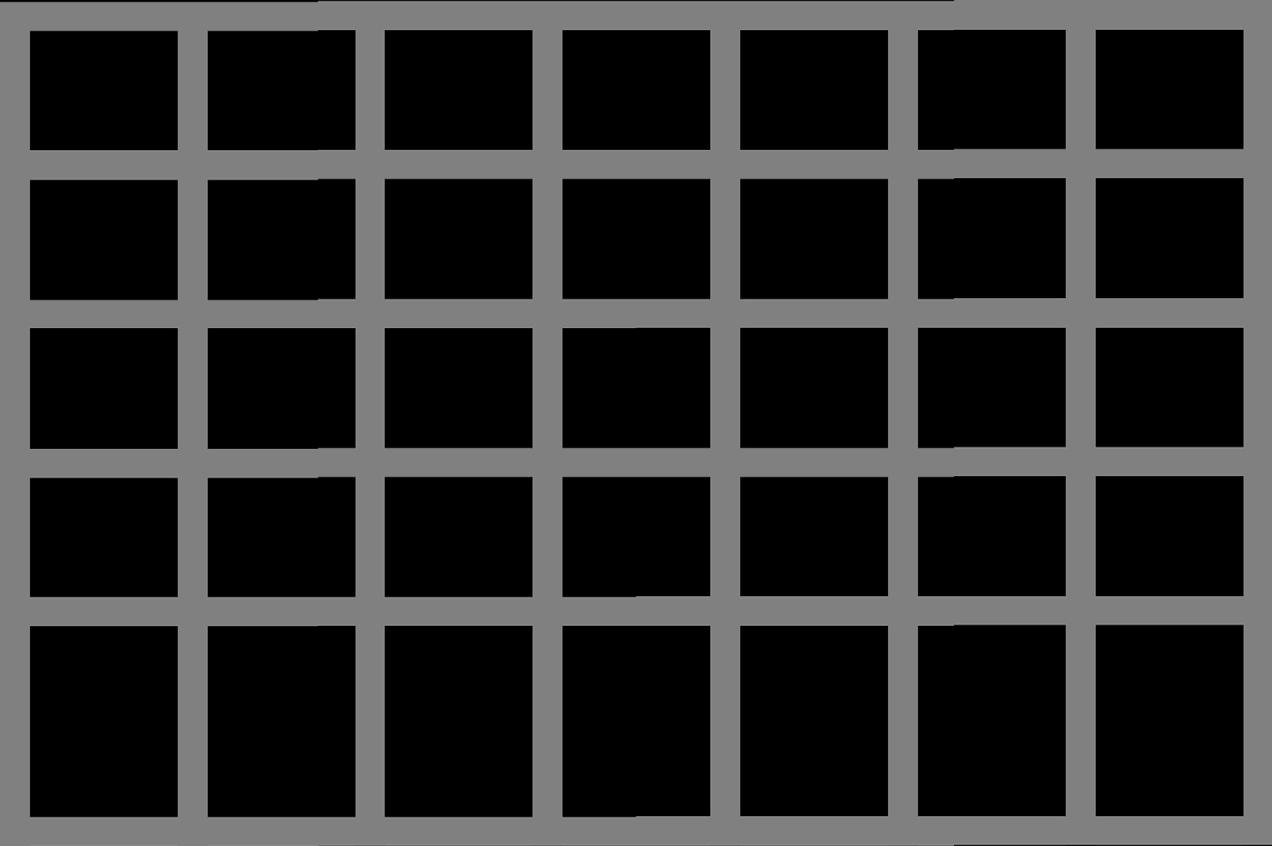

The façade is made of celosias—15x15x5 cm ceramic tiles (solid, semi-perforated, or fully perforated)—used as structural covers, finishing elements, or sliding shutters to provide ventilation, shade, and light diffusion. This modular design promotes sustainability, adaptability, and connection.
The residential building spans 1,725 m² per floor, with a total of four residential floors above the ground floor and first-floor levels, amounting to 6,900 m² of residential space.
Key spatial breakdown:
• Studios (128 units): Provide private, compact living spaces optimized for individuals, such as students or single occupants. Collectively, the studios occupy 3,584 m² of the total residential area.
• Three-bedroom flats (4 units): These family-sized apartments total 320 m² and are designed to foster multi-resident living, catering to families or shared housing for professionals.
Shared areas, such as hallways, social spaces, and internal walkways, occupy approximately 20% of each floor’s surface area.
The organisation of the flats in the building allows with its patio to ensure south exposure for all flats. The remaining spaces are dedicated to circulations and common areas.
SOLAR PANELS
The use of solar panels on the roof allows the building to be part electricity self-effecient. 190 panels are installed and produce 59.800Wp.
BLUE "PASSERELLA"
A long passarel links the buildings in the park, situated 4m high it allows vegetation to grow naturally and expand.
WATER CANALS
The water from the roofs of the buildings of the project is collected and redistributed in canals in the park, allowing green areas to be watered.
GREEN AREAS
Different soil treatments allows diverse vegetation and functions. They are primarly, permeable pavement, grass, graves and sand treatments.
A tree barrier along the railtracks enables a quiet environnment to take place in the park.
Use of sustainable/rapidly renewable materials. Cork and OSB are derived from wood, which is a sustainable material because of its rapid renewal potential. In addition, they come from small scraps that are then agglomerated to form the panels. Cork provides good thermal and acoustic insulation and is lightweight, a much more sustainable option than plastic insulation panels such as XPS. OSB, being made from shavings, is also more suitable for the use of waste material.
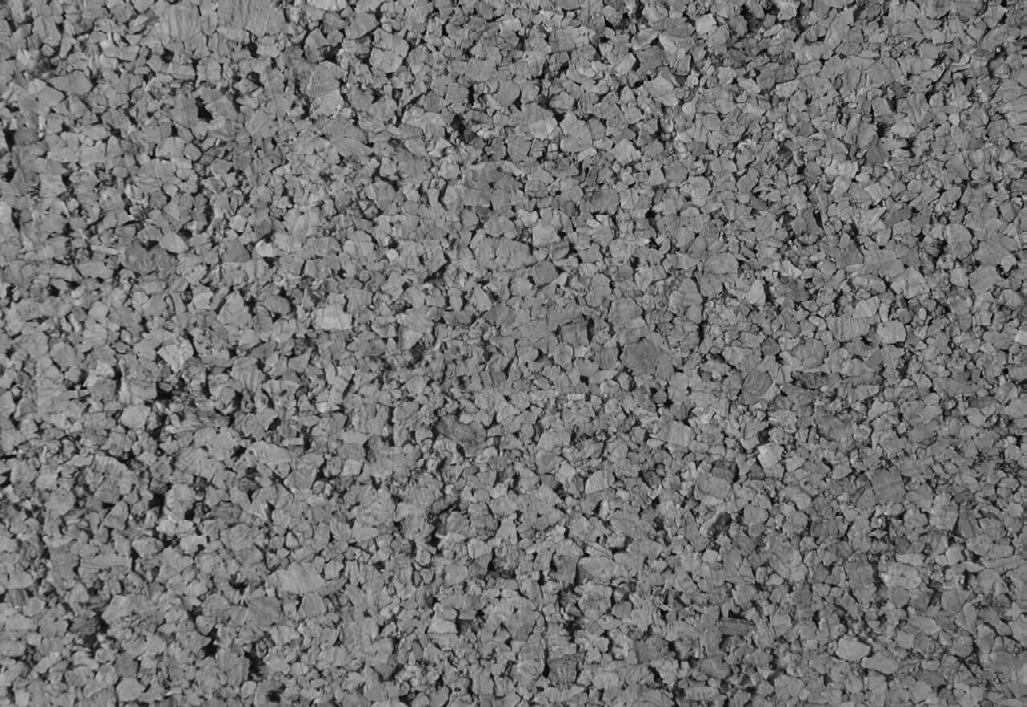
uses, making it a versatile