L’ÉGLISE MAIRIE L’ÉCOLE PRIMAIRE
OBIEJESI ARCHITECTURE · LANDSCAPE · WORKSITE
LUDIVINE
PORTFOIO L
2023 · SELECTED WORKS
o.ludivine@live.fr · +49 17632605452
I am a Berlin-based architect with a diverse range of experiences. My work combines research on sustainable living, architectural and landscape competitions, and construction management. I specialize in ecological building using local resources and can take your project from conception to execution. By hiring me, you’ll have an imaginative and dedicated architect for your sustainable projects. I also have a keen eye for aesthetic and innovative building techniques.

01/2023 - 04/2023
Bafatà, Guinea-Bissau Site Manager
Un Refugio Colectivo Architects, ARUP Engineer, Ana Bella Foundation
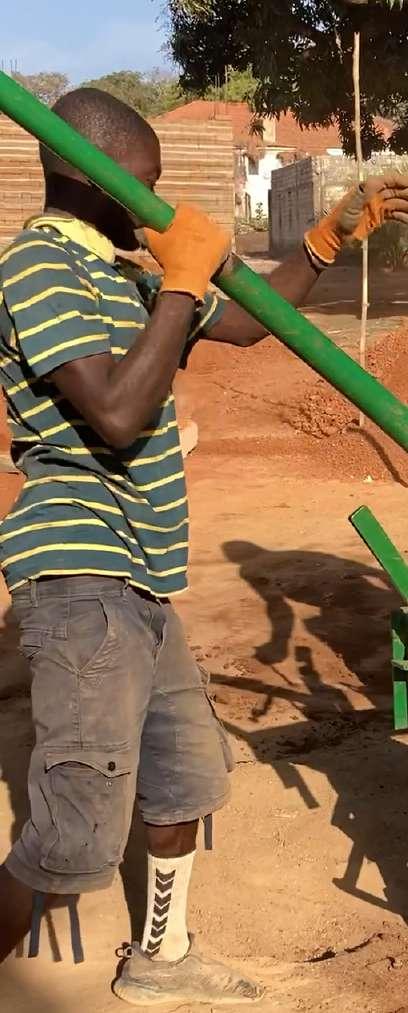
• Construction of a reception center for women subjected to gender violence
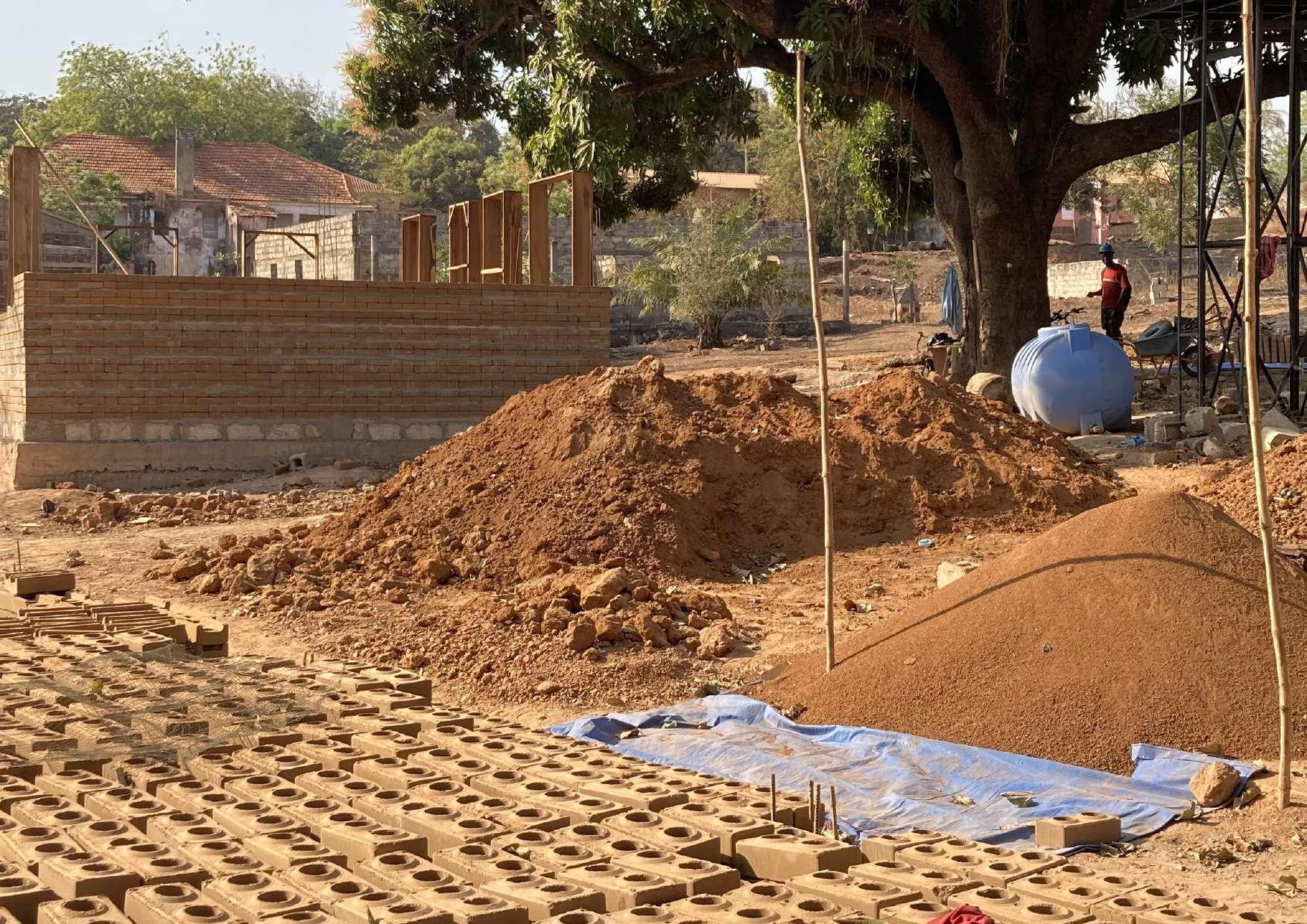
• Supervising a 400m² construction site divided into 3 buildings made of compressed earth brick-CEB
• Responsible for the proper implementation of the technical details according to the available resources
04/2021 - 12/2022
Okija, Nigeria Ph.D. research proposal
Earthen architecture in West Africa: study of its social acceptance from construction site to sustainable living.
• Architectural keywords : vernacular to contemporary analysis, innovative earthen building techniques
• Keywords at a larger scale : demographic pressure, climate change and cultural landscapes
09/2020 - 12/2020
Moshi, Tanzania Architect
C-RE-AID, Change Research Architecture Innovation and Design, NGO.
• Follow-up on school renovation projects in Moshi, Shimbwe, and Majimoto.
• Pre-selection for the Adobe building competition ‘Design+Build: a nursery school for orphans.
• Training in mud bricks and lime paint
12/2018 - 05/2019
Berlin, Germany
Landscape architect
TOPOTEK 1, landscape architecture office
• Development of bioclimatic concepts for the landscape part of an international competition
[Topotek1 + OXO architectes + AR.X arquitectos]
• Collaboration on ongoing landscape projects in France
• Research and pre-design of a private command: an ecotourism project in Morocco
07/2016 - 09/2018
01/2020 - 02/2020
Marseille, France Exhibition Guide
GALERIE 54 - Friche de l’escalette, Architecture & Sculpture Open Air Gallery
• Presentation of the 6x9 Pavilion and the Cameroon Bungalow by Jean Prouvé
• Presentation of the industrial history of the site
Online-MOOC Building with raw earth methods today
Amàco, Atelier Matière à Construire
• General knowledge of earth material and its various applications
09/2012 - 06/2018
Marseille, France
Master’s degree in architecture
ENSA-M, École Nationale Supérieure d’Architecture de Marseille
• Specialisation in ecological building and sustainable architecture
• Building with raw earth methods today
• Training on Straw Insulation & Coated Earth
08/2014 - 08/2015
Adobe Suite [Ps-Id-Ai]
AutoCAD / Revit
Vectorworks
SketchUp
Qgis

Soziales Netzwerk
São Paulo, Brazil
IAU-USP, I nstituto de Arquitetura a Urbanismo, Universidade de São Paulo
• Exchange programme for students
• German..................................B2
• Englich...................................C1
• French.....................................Muttersprache
• Portuguese...........................B2
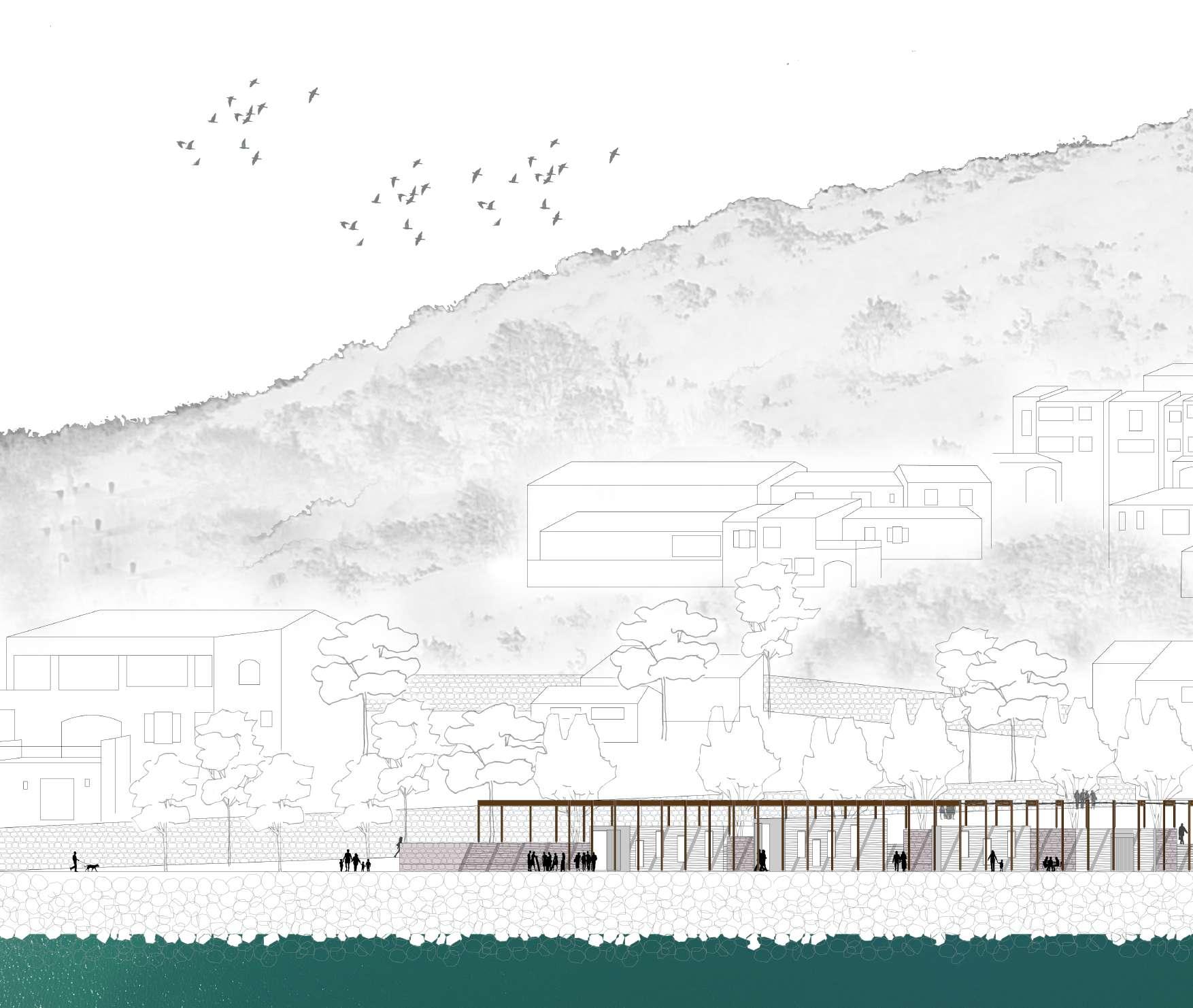
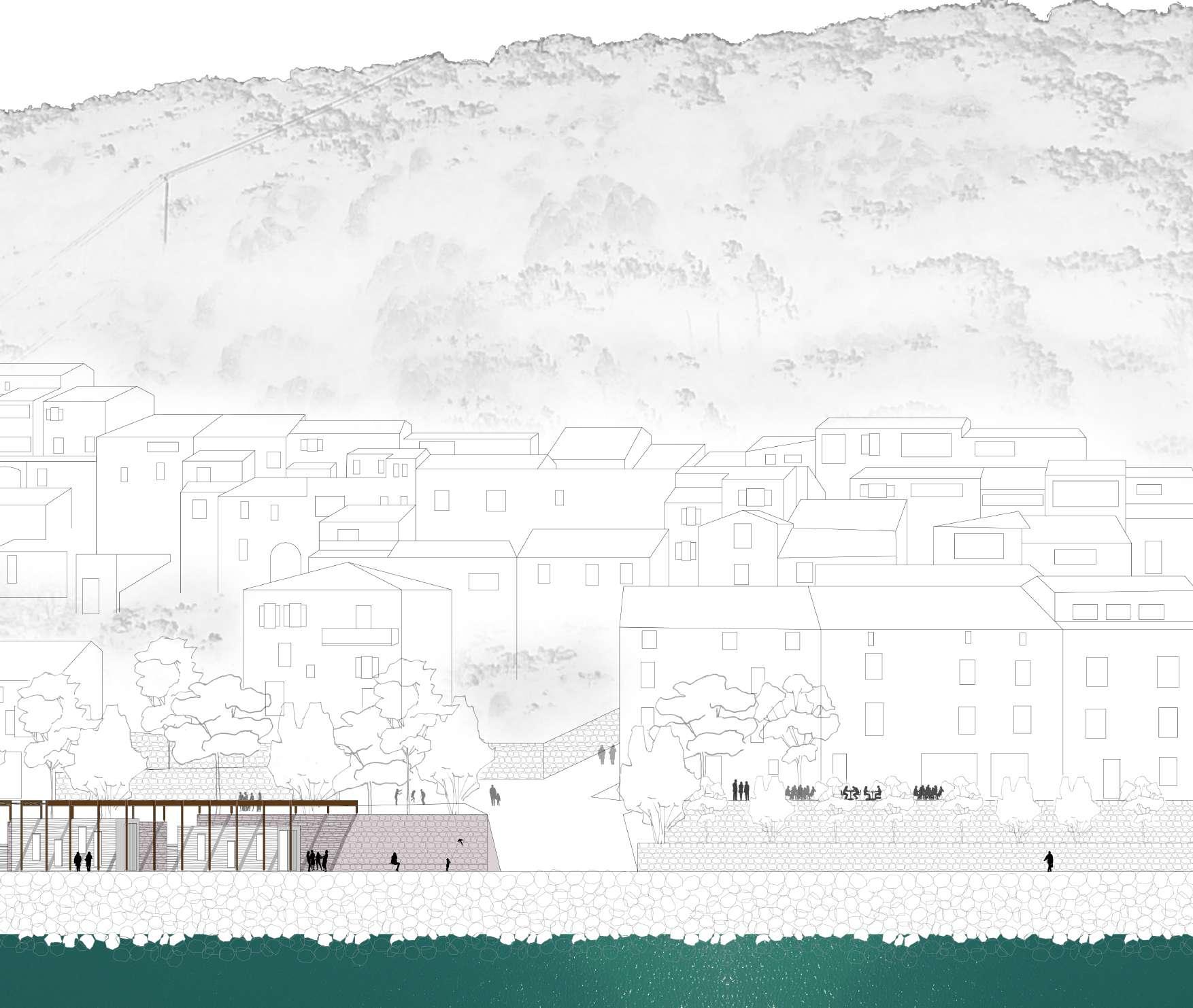
· Revitalizing the lakebank for community living and gathering ·
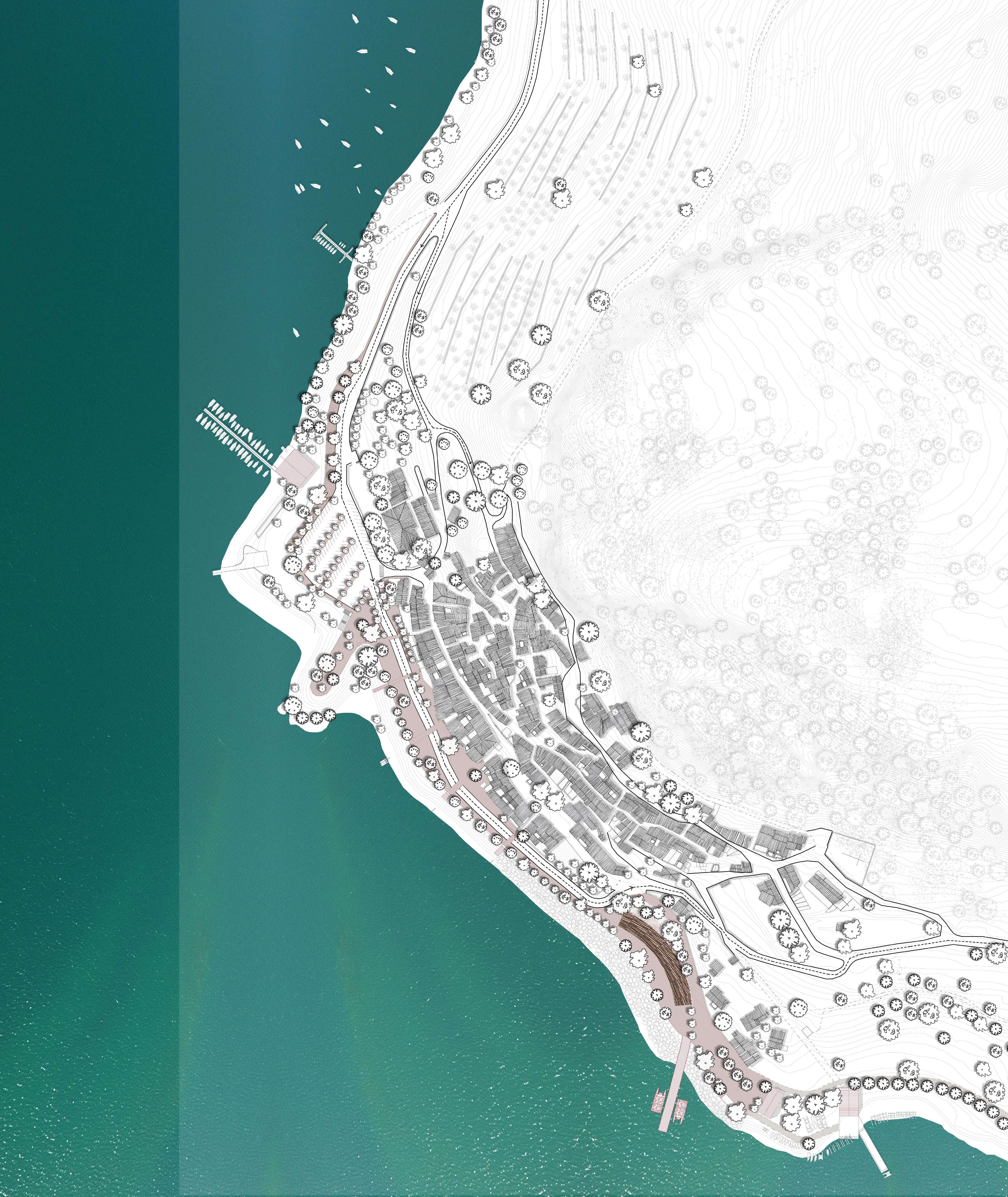
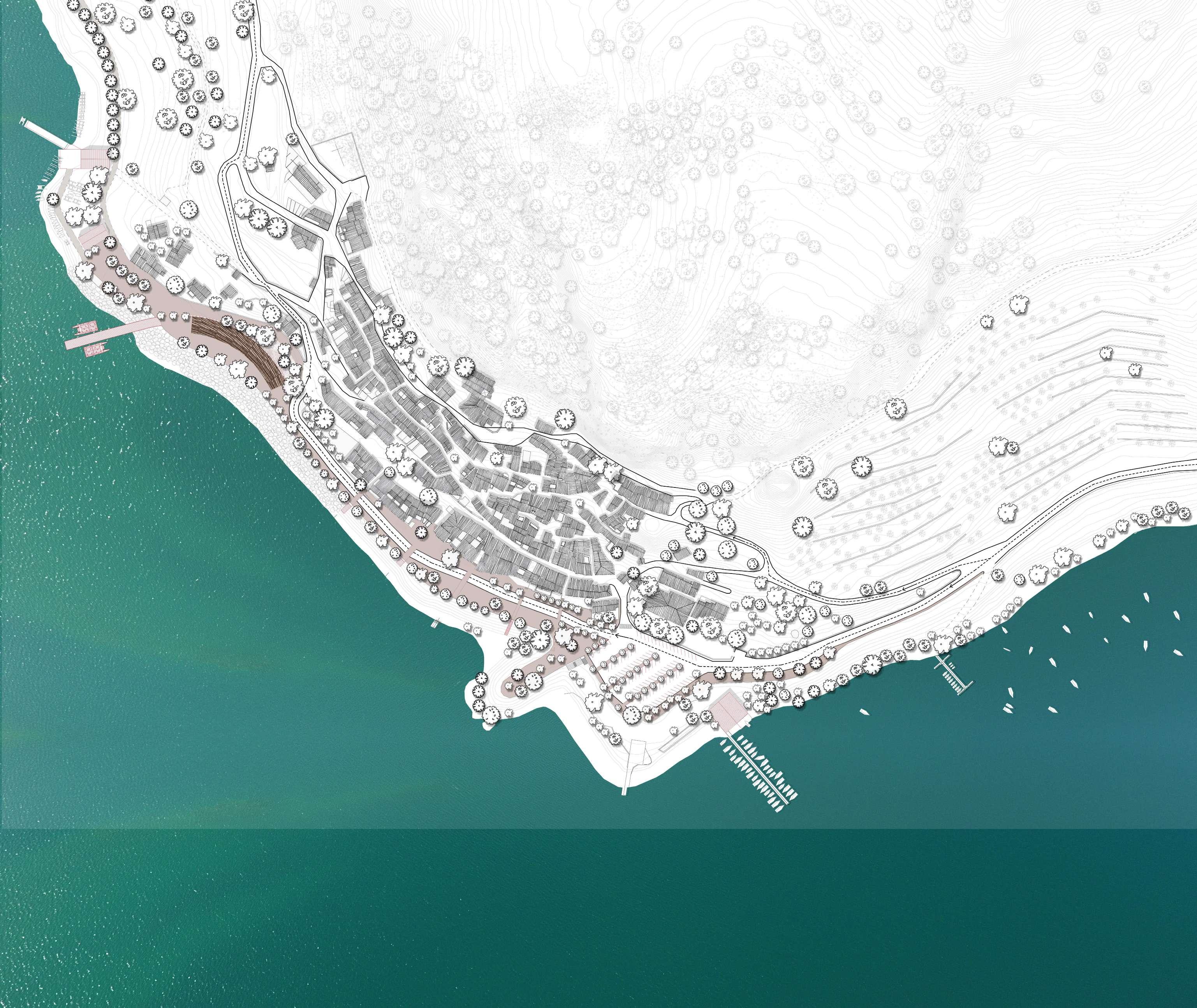
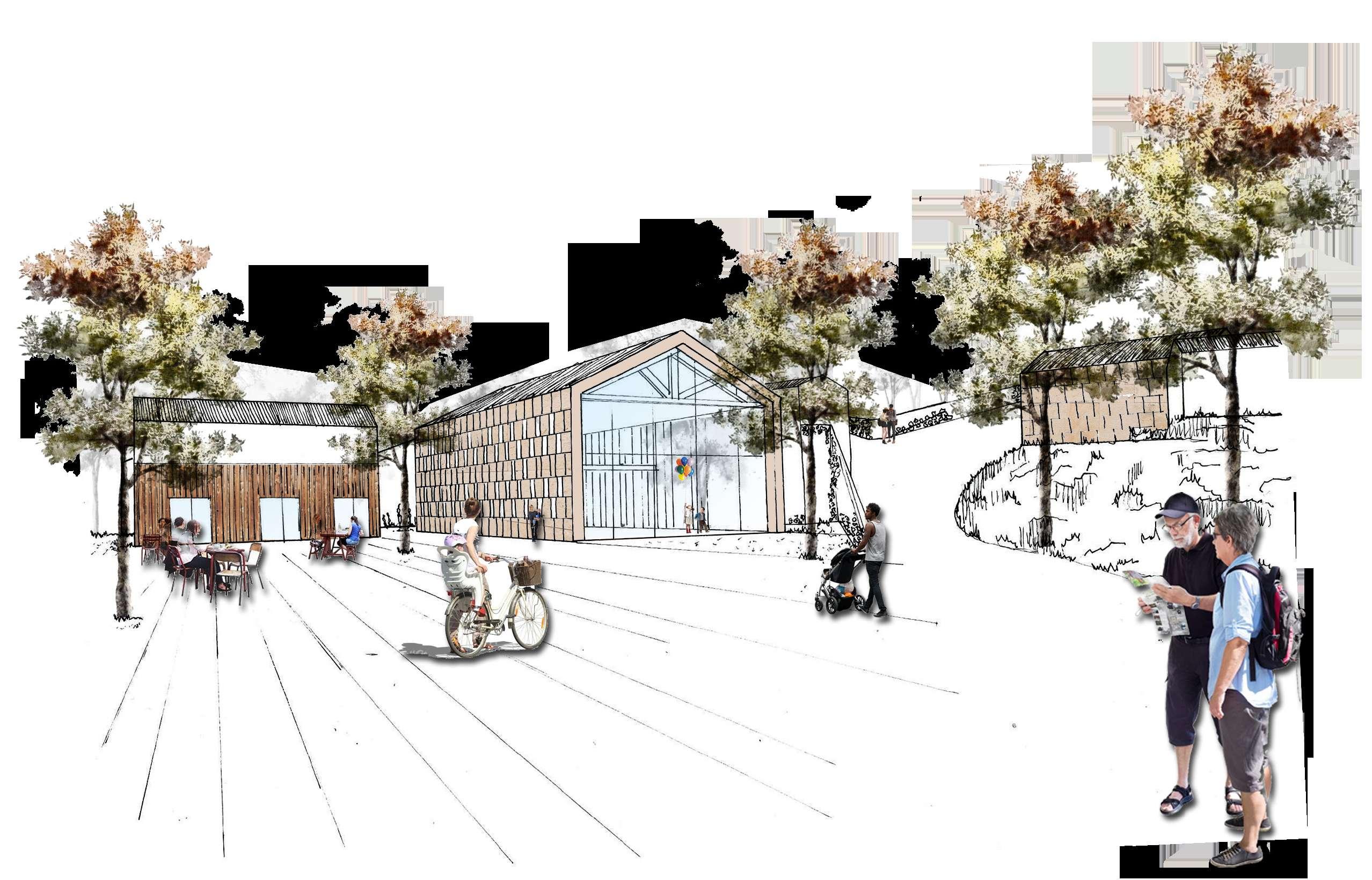
The objective of the project is to establish a new entry point to the village of Bauduen by creating a lakeside station. The aim is to promote a sense of community and collaboration among residents, tourists, and visitors, and to cater to their changing needs with respect to the seasons. The project encompasses a range of scales, extending from the wider Verdon area to the village of Bauduen.
1. sailing club facilities
1. contain to allow
espaceaménageable
2. provide shade
3. reversible spaces
restanque promenade arboré vers la place
4. flexible paths
promenade arboré vers la place
promenade arboré vers la place
verslevillage vers le parc
verslevillage restanque ombrière verslelac verslevillage
vers le parc
vers le parc
verslevillage espaceaménageable
restanque ombrière verslelac verslevillage
4. stroll along the pedestrian path
5. parking for active & alternative mobility
6. sail maker’s shop for nautical activities
2. l’ Escale : concept of the lakeside station 3. reconnect the village to the lake
The two main challenges to achieve resilience in the territory of Verdon are to improve mobility and hospitality. These challenges can be broken down into three levels:
1. The Regional Nature Park
Discover and enhance the value of the territory thanks to sustainable mobility that generates social dynamics.
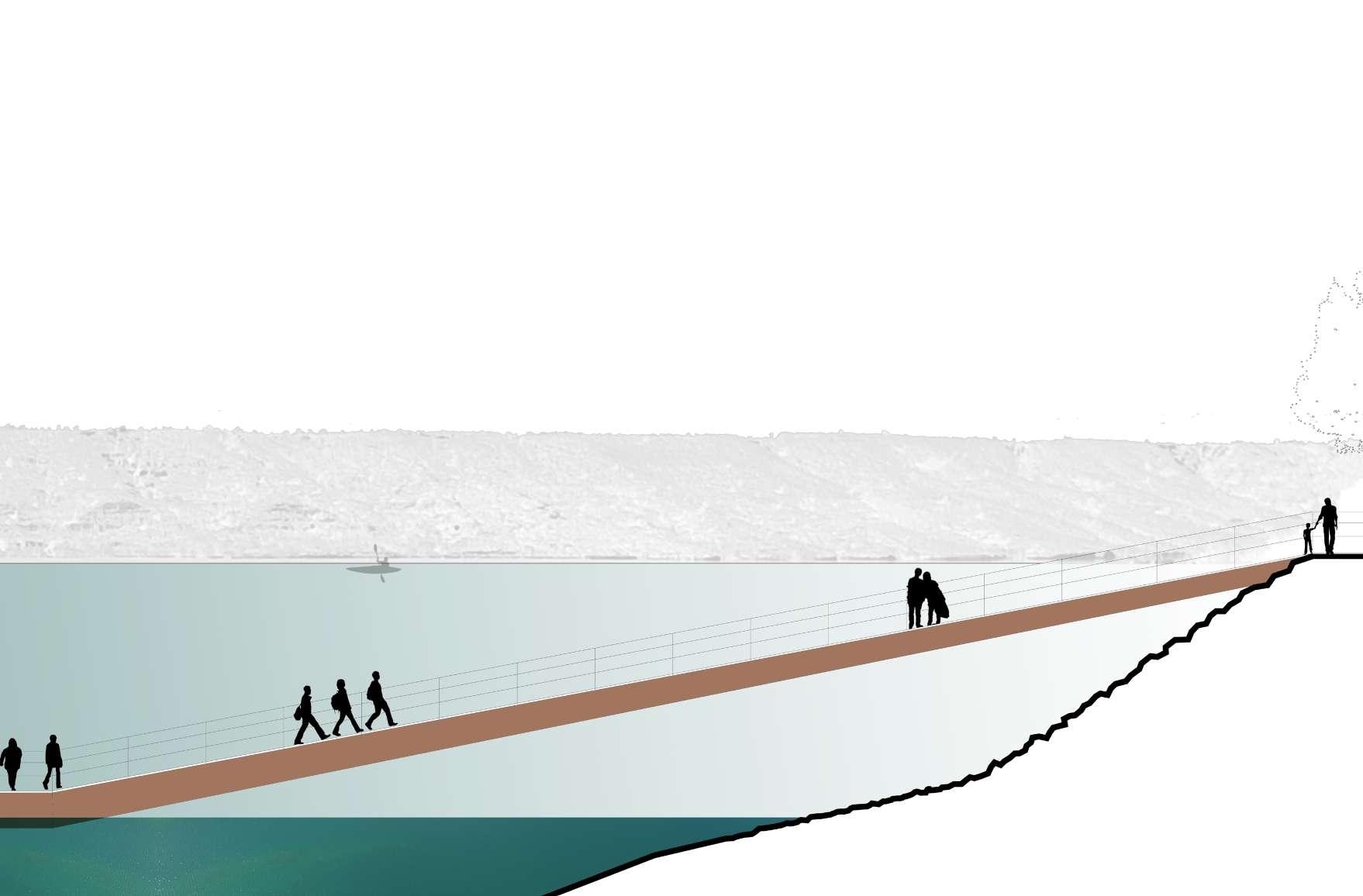
2. The Lake of Sainte-Croix
Reinterpret and reveal the place of water as a vector of sociability and a support for mediation.
3. The village of Bauduen
Adapt the uses for a contemporary and sustainable way of living in all seasons and all year round.
To ‘‘stop over’’ is the action of stopping momentarily in a journey. Because a stopover is at the same time a place of convergence, pause and transition, this implies, on the village scale, two types of intervention which are :
1. The global requalification of the village’s river banks.
2. A lake station as part of the village’s identity.
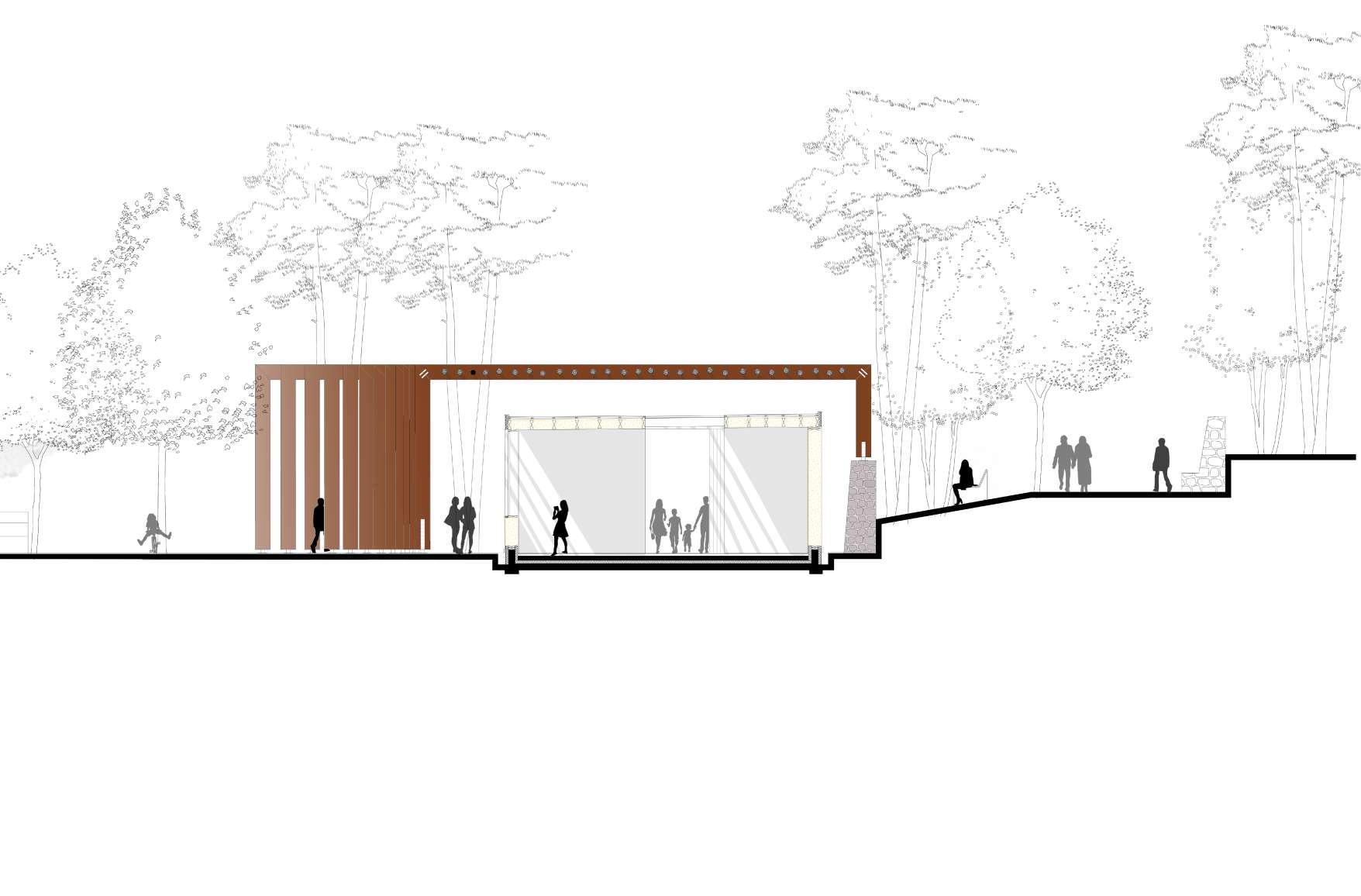
37 PORTIQUES EN BOIS LOCAL LAMELLÉ-COLLÉ (MÉLÈZE OU DOUGLAS) ISOLATION
· When sustainable architecture meets social commitment ·
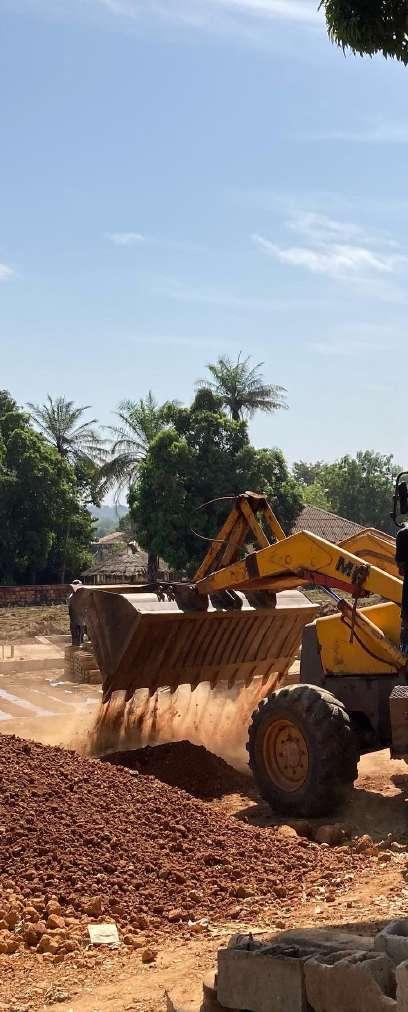
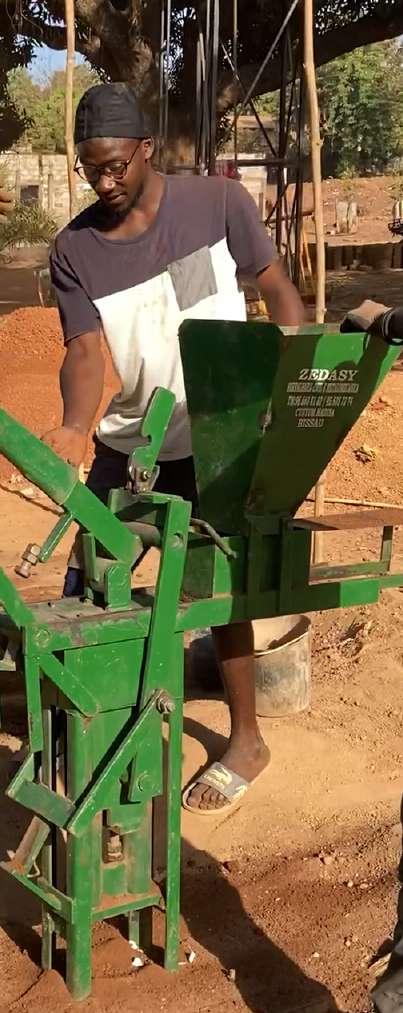
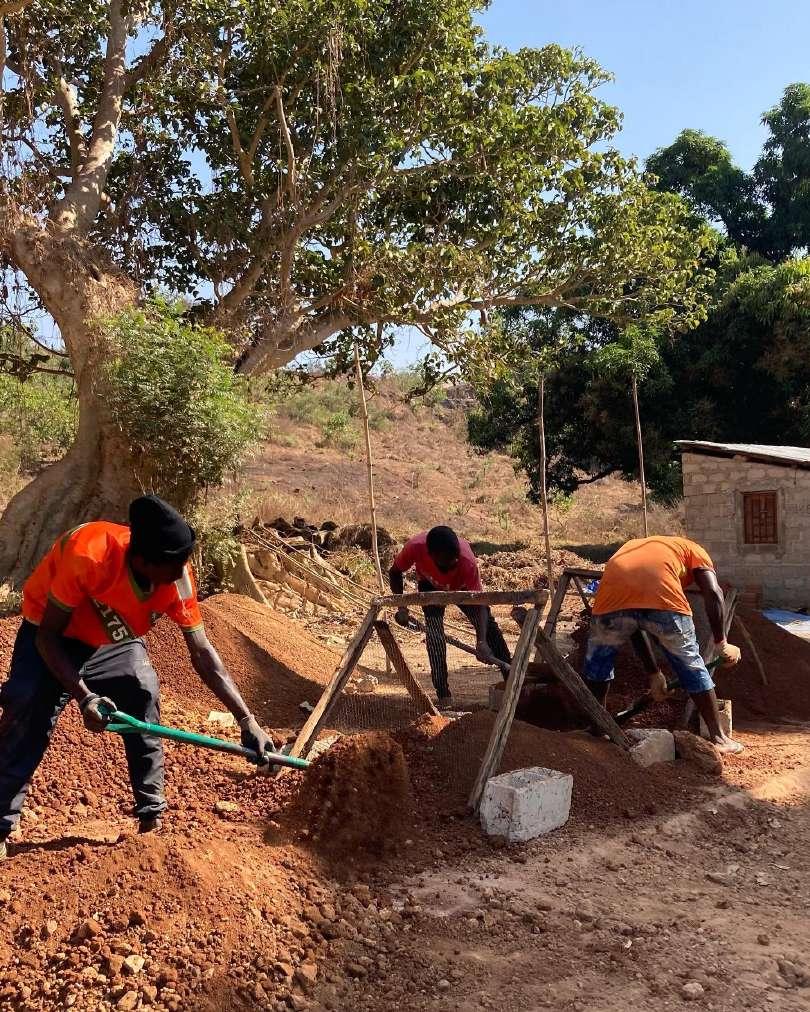
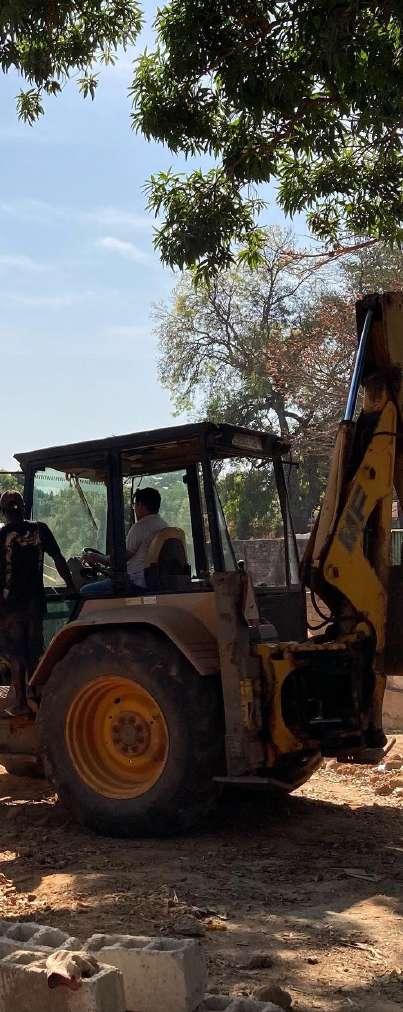
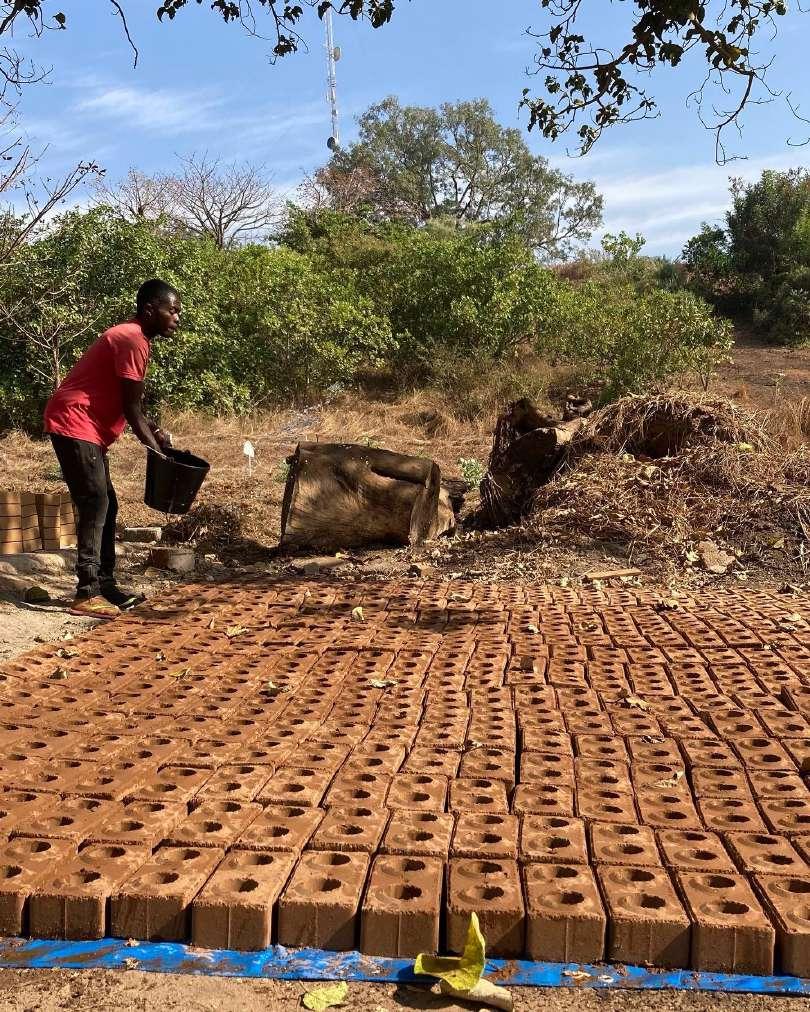
I am excited to share my remarkable experience as a site manager with Un Refugio Colectivo for an ongoing construction project in Guinée Bissau. From mid-January to mid-April 2023, we worked tirelessly to build a women’s shelter using an innovative and sustainable construction method—compressed earth bricks (CEB). This project aims to provide a safe haven for women who suffer from gender-abused situations and seeks to empower them through the Associação Mulheres Superviventes
Full article on : Building a sustainable future
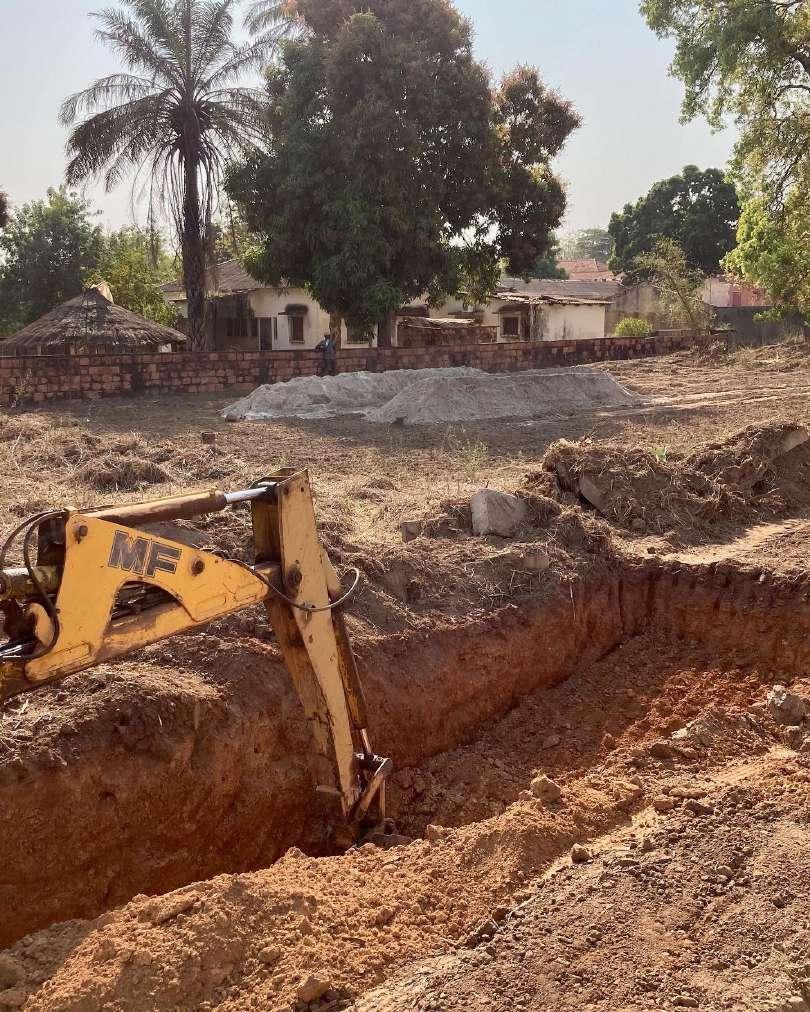
1. Dig on your plot to get soil
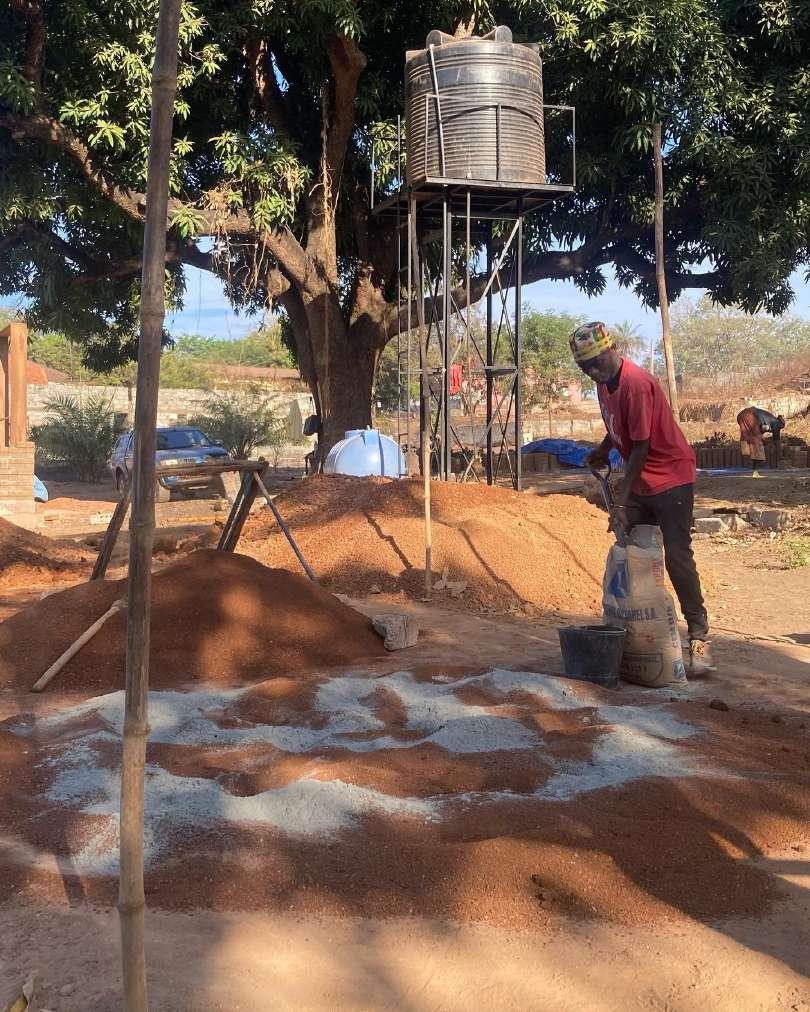
2. Gather in one spot what
 4. Mix the sieved earth with a % of cement and water
5. Pour the mix and operate
4. Mix the sieved earth with a % of cement and water
5. Pour the mix and operate
3. Sift the earth to take out big rocks and gravel
Cours d’eau
Cours d’eau
Bassin de collecte des eaux
Zone riparienne
Zone riparienne
Cours d’eau
Bassin de collecte des eaux
Bassin de collecte des eaux
Niveau d’eau
Niveau d’eau
Niveau d’eau
Infiltration écoulement
Infiltration écoulement
Infiltration écoulement
Zone riparienne
écoulement
écoulement
écoulement
Zone riparienne
Zone humide
Zone humide
Zone humide
Zone riparienne
Concept
système hydraulique
système hydraulique
Tage Studios
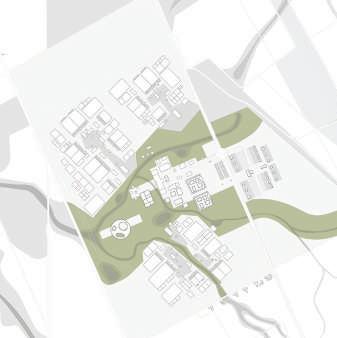
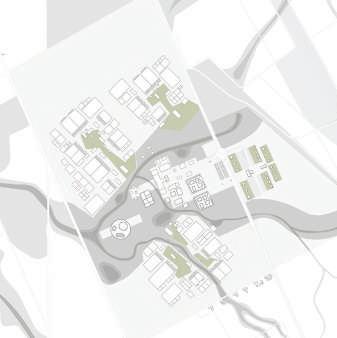
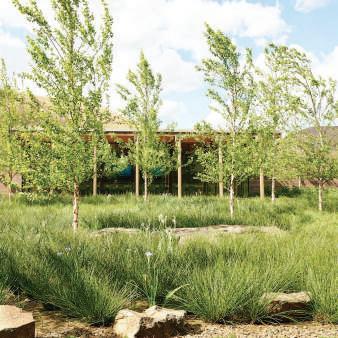
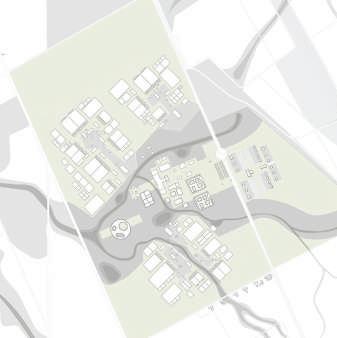
The aim is to create a new campus dedicated to cinema where nature and landscape are at the heart of the project. It is conceived as a compact mini-city, where each entity is active and linked to the other. This organisation is oriented towards values related to sustainability, resilience and the socio-ecological environment. Thus, an ‘‘open campus’’ is created, allowing a social dynamic where various activities are interconnected.
©oxo.architectes
Oasis
Oasis
Oasis
Infiltration
écoulement
Infiltration
Infiltration
Zone humide
Zone humide
Zone humide
Zone humide
Zone humide
écoulement
écoulement écoulement
Niveau d’eau
Niveau d’eau
riparienne Cours
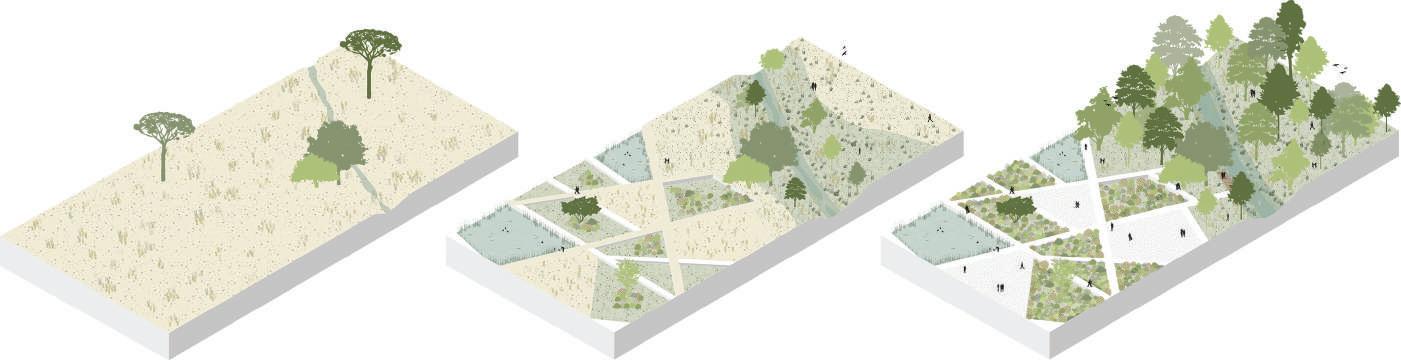
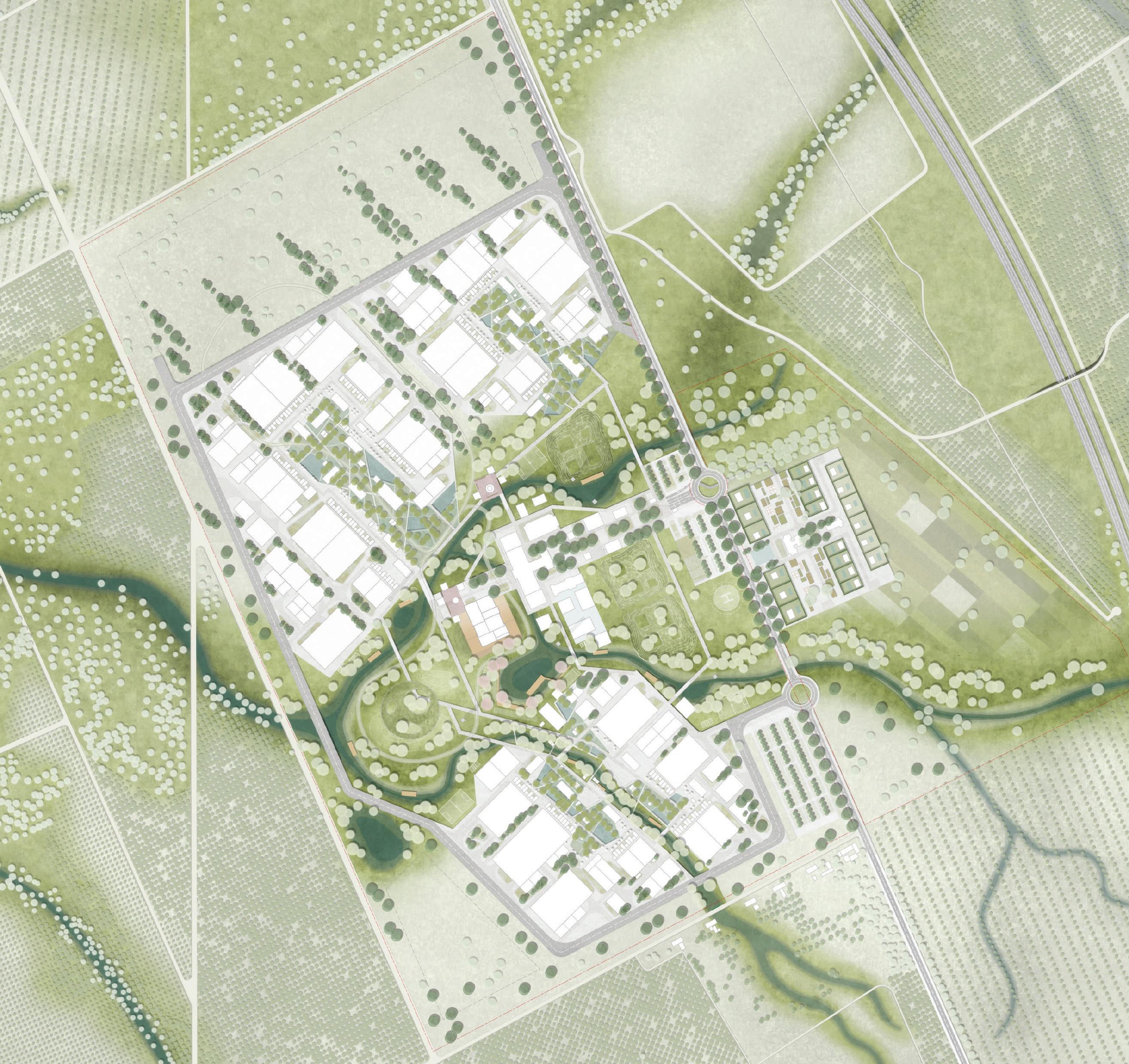
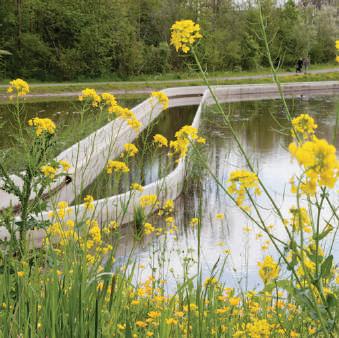
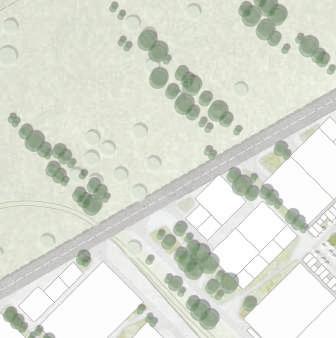
To define a bioclimatic and evolutionary ecosystem through three landscape typologies:
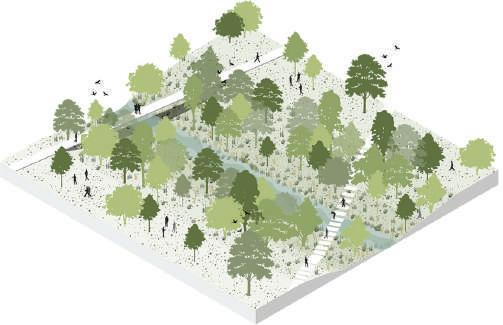
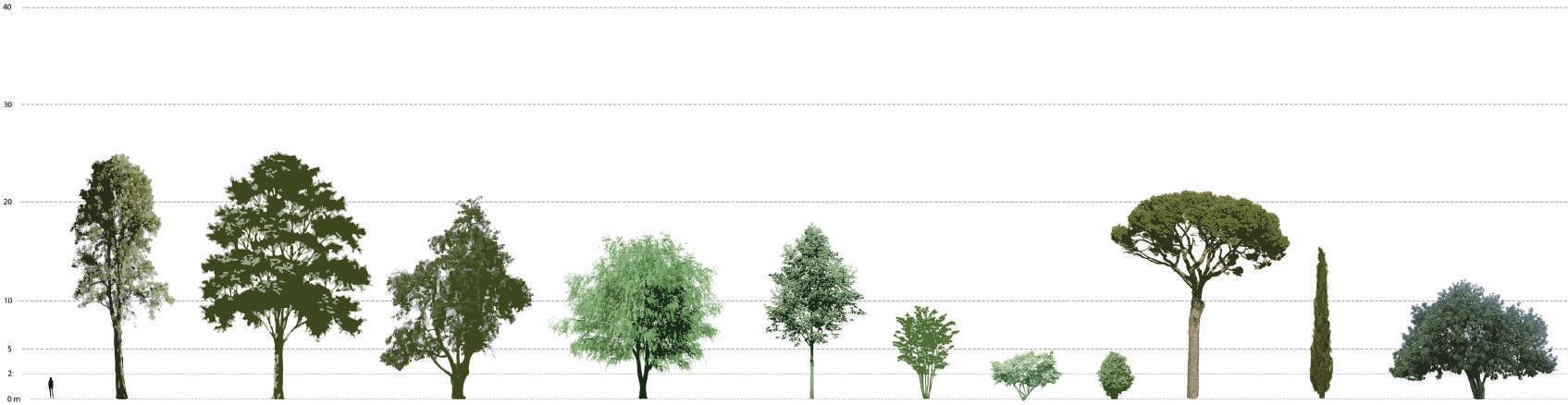
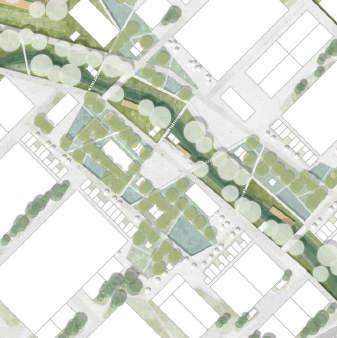
1. the riparian landscape is a forested park that follows the watercourses crossing the site.
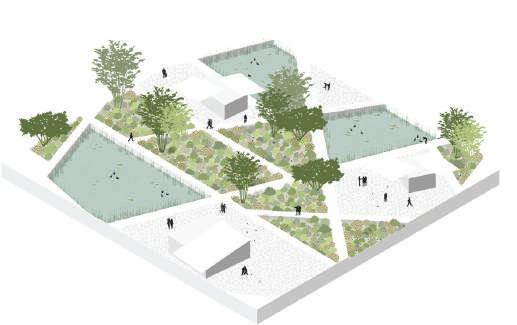
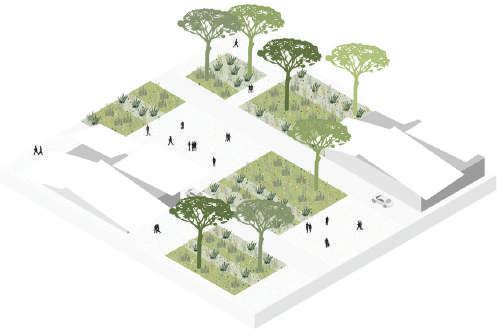
2. the oasis punctuate the built-up areas with landscaped ponds contributing to climate comfort.
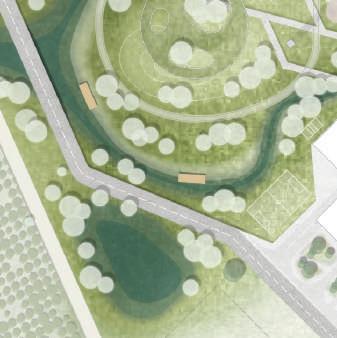
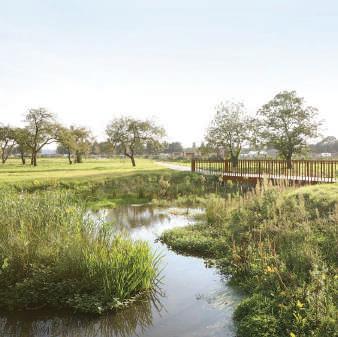
3. the arid landscape located at the extremities of the site is a flexible space that can be adapted to different programmes.
The landscape evolves little by little with the phases of the project.
During the wet season rainwater, condensation water and grey water are collected on the riverside park creating a landscape of streams. At the beginning of the dry season only grey water and condensation water formed on the sails is collected.
The different types of crossings are divided between the riparian park and the oasis. They ensure the crossing between the different spaces and studios. These crossings make it possible to manage the passage between public and private areas.

· The little Agora ·
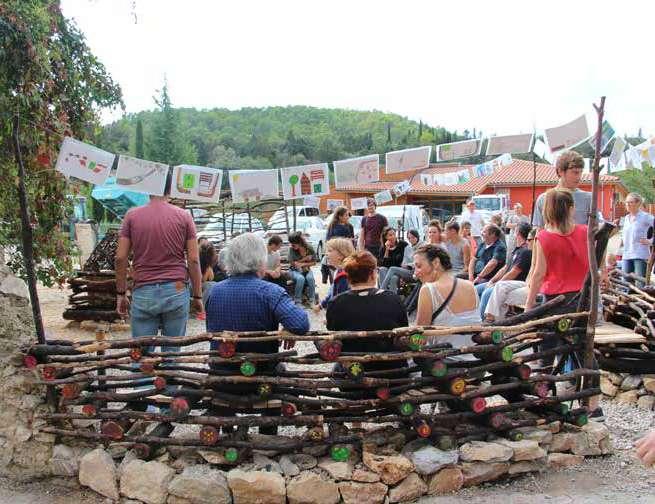
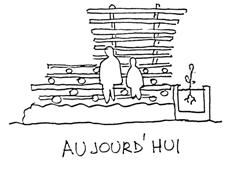
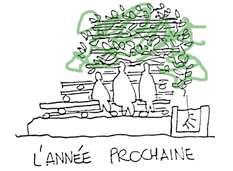
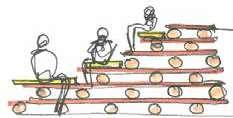
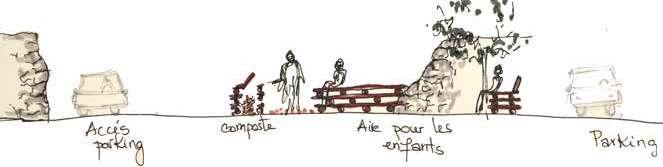
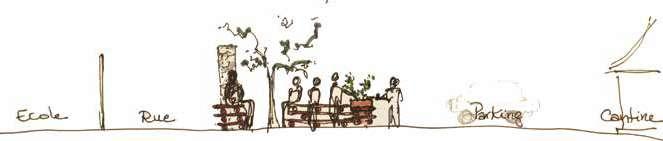
Correns, a small village located in the lush green region of Provence, holds a special reputation since 1997 for being the first «organic village» in France. The village’s agriculture heavily relies on viticulture, and its transition to organic farming has impacted the entire community’s way of life. Our project aims to establish a gathering space for parents and children after school, which we hope will create a sense of community among the residents. The compost bin will promote to bring people together around the idea of recycling, gardening, and learning about citizens’ actions.
de palettes du groupe «Papillon». En effet, nous avions seulement de petites chutes (entre 50 et 60cm).
L’idée d’établir une place nous a semblé intéressante, puisqu’elle est le résultat d’une observation du site ainsi que d’échange avec les habitants. Au delà du fait qu’elle constitue un espace pour se regrouper et patienter durant la sortie des élèves, elle établit un regroupement pour les piétons, permettant de freiner et rétablir une hiérarchie avec les véhicules.
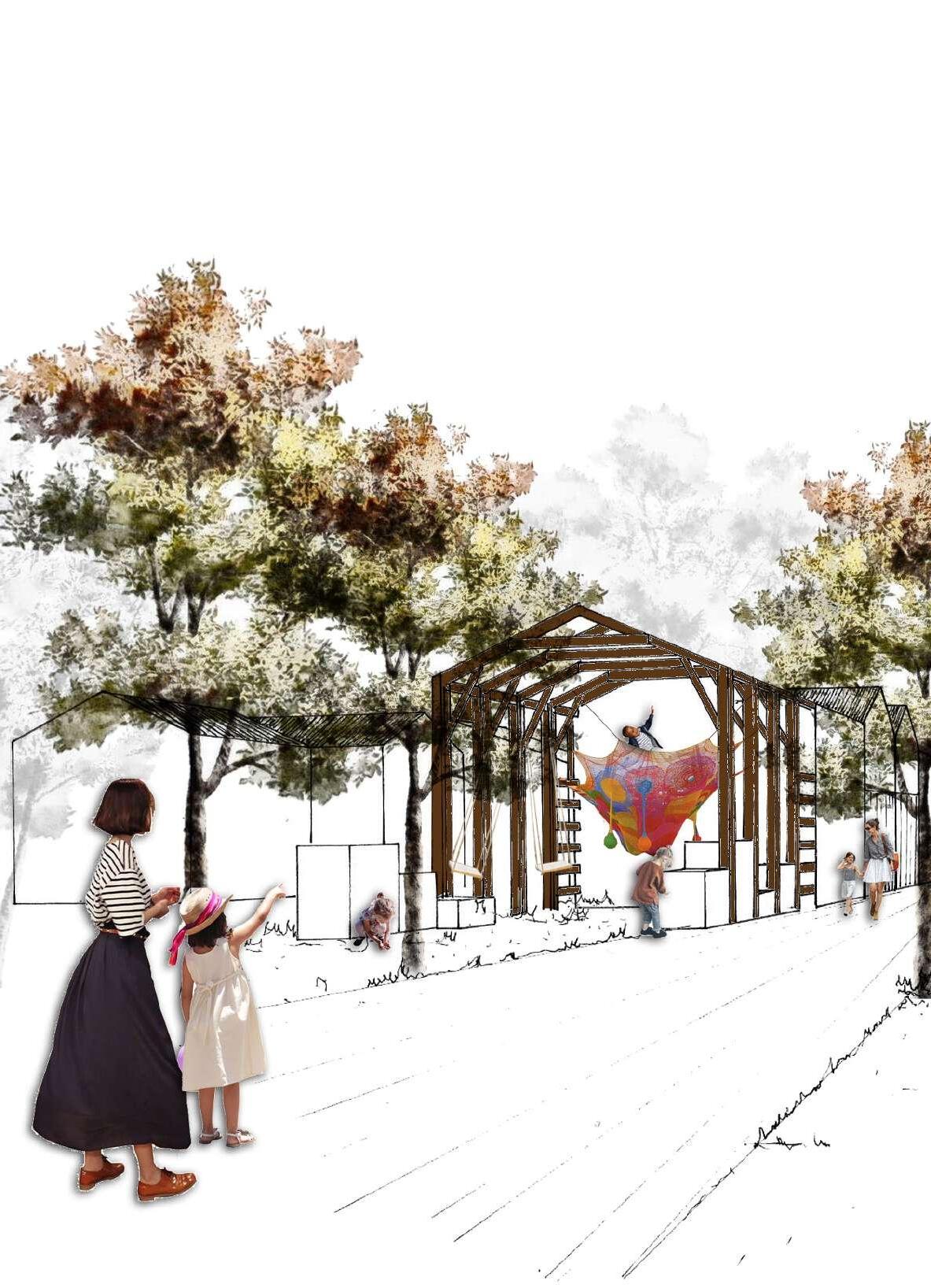
PERGOLA
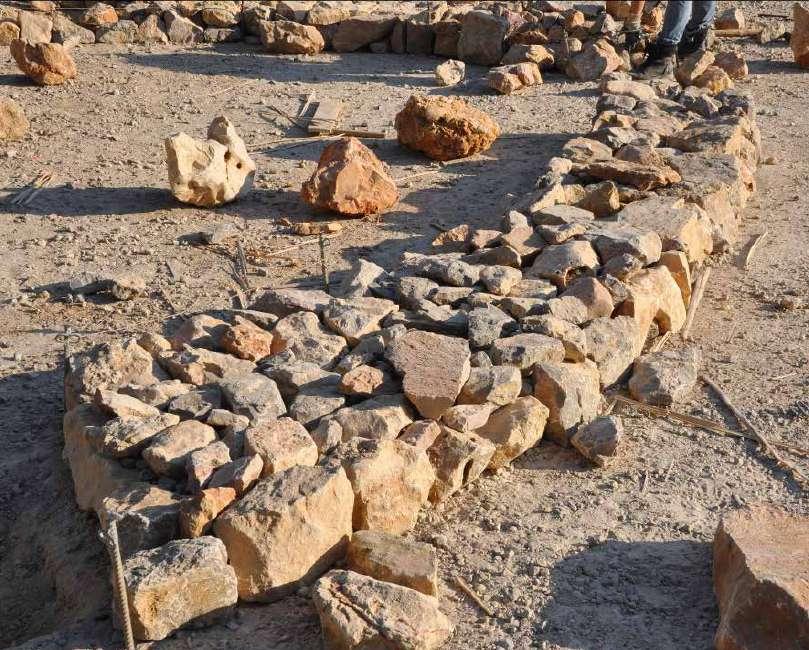
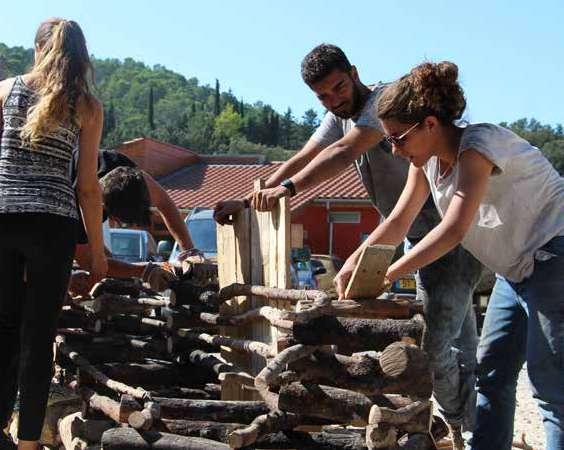
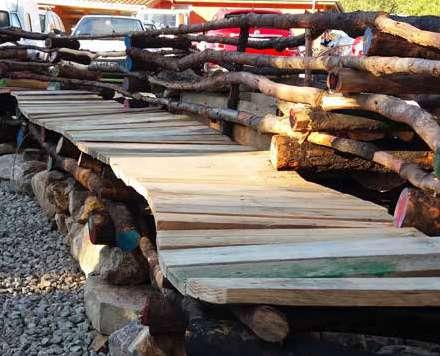
Ensuite, nous les avons trié par taille pour venir les placer sur toute l’assise. Une fois toutes les planches mises en place, il suffisait de les visser, une par une. Nous avons ensuite tracé la courbe, à l’aide d’une corde formant le rayon de la courbure, pour découper les morceaux en trop.
remarqué pendant les heures de travail sous le soleil qui tapait fort sur la place, c’était devaient être protégés du soleil. Cette nécessité était un point de départ pour intégrer la conçue auparavant pour le confort acoustique et lumineux de l’amphithéâtre. Le distransformé en un système de protection solaire. Sa structure poreuse et flexible, permettrait d’une vigne sur elle-même. En calibrant toujours le diamètre des troncs par rapport structurelle, on a vissé la pergola sur la structure principale. de la vigne fût le geste symbolique durant l’inauguration comme ouverture de notre
Enfin, chaque planche fut fixée par deux vis aux rondins sur lesquels elle reposait. Cela créé un ensemble bien rigide. Cette technique nous a permis d’avoir des joints aux bonnes dimensions entre les planches mais également de venir former une jolie courbe sur le bancs . INTEGRATION DES
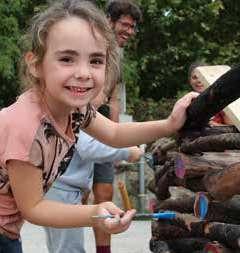
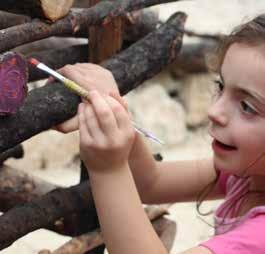
INTERVENTION DES ENFANTS
Afin que les usagers s’approprient cet espace, enfants de l’école. Pour cela, chaque enfant a pu réaliser rondin.
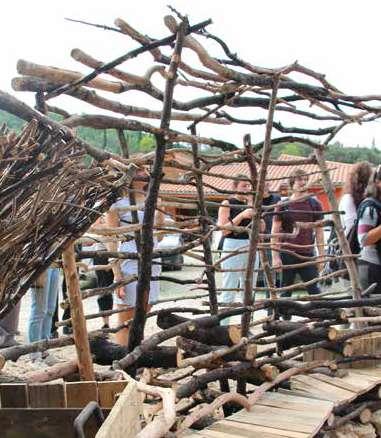
Ce qu’on a remarqué pendant les heures de travail sous le soleil qui tapait fort sur la place, c’était enfants devaient être protégés du soleil. Cette nécessité était un point de départ pour intégrer la structure à coque conçue auparavant pour le confort acoustique et lumineux de l’amphithéâtre. Le diss’est transformé en un système de protection solaire. Sa structure poreuse et flexible, permettrait croissance d’une vigne sur elle-même. En calibrant toujours le diamètre des troncs par rapport fonction structurelle, on a vissé la pergola sur la structure principale. La plantation de la vigne fût le geste symbolique durant l’inauguration comme ouverture de notre
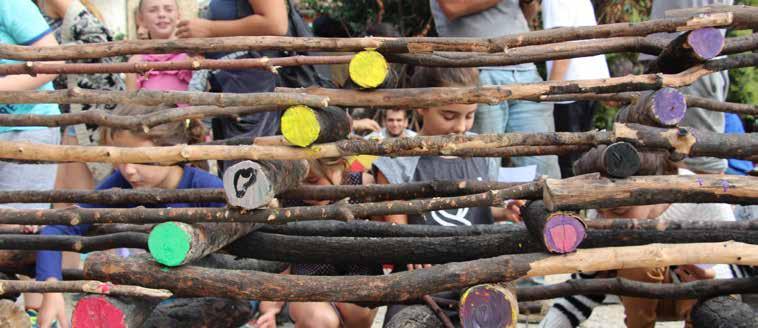
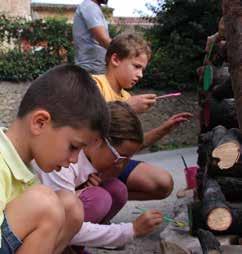
INTERVENTION DES ENFANTS
Afin que les usagers s’approprient cet espace, enfants de l’école. Pour cela, chaque enfant a pu réaliser rondin.
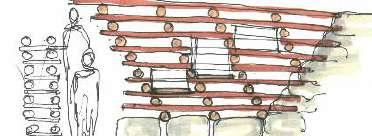
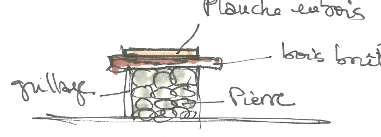
Les rondins de bois de plus gros diamètre viennent se positionner sur l’assise en pierre. Ils permettent une meilleure stabilité ainsi que du lestage pour la structure. Ensuite, une rangée de bois plus fine et plus souple vient s’intercaler entre chaque gros rondins transversaux.
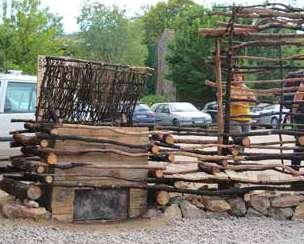
Nous avions pour objectif de lier tous ces rondins ensemble par une technique de goupilles en bois. Seulement nous avons rencontré certains problèmes qui nous ont amené à utiliser des vis. En effet les goupilles, trop fines, ne permettaient pas une rigidité suffisante pour as surer la sécurité des utilisa teurs. Cette technique nous a permis d’obtenir une struc ture stable à laquelle nous avons pu donner une forme courbe grâce à la flexibilité des branches.
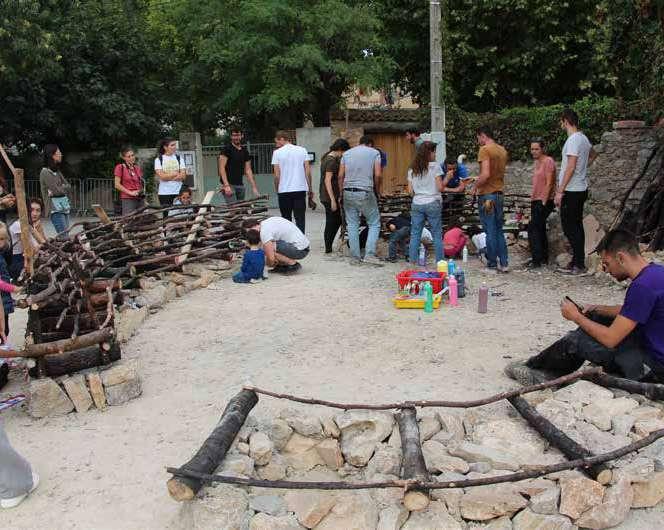
Le bac s’insère et termine la structure en bois brûlé de la nouvelle place. Dans un souci d’esthétique, le couvercle du bac est un tissage à base de bois, permettant au compost, une fois fermé, de s’intégrer complètement à la strucutre. Une trappe (plaque de fer) à été installée en partie basse du bac afin de pouvoir récupérer facilement le compost macéré.
· Balancing hospitality and diversity in a village under transition ·
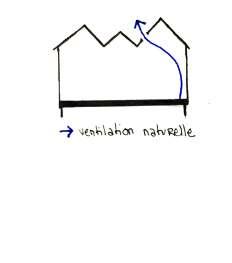
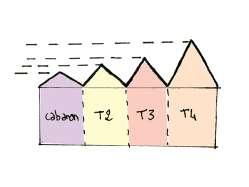
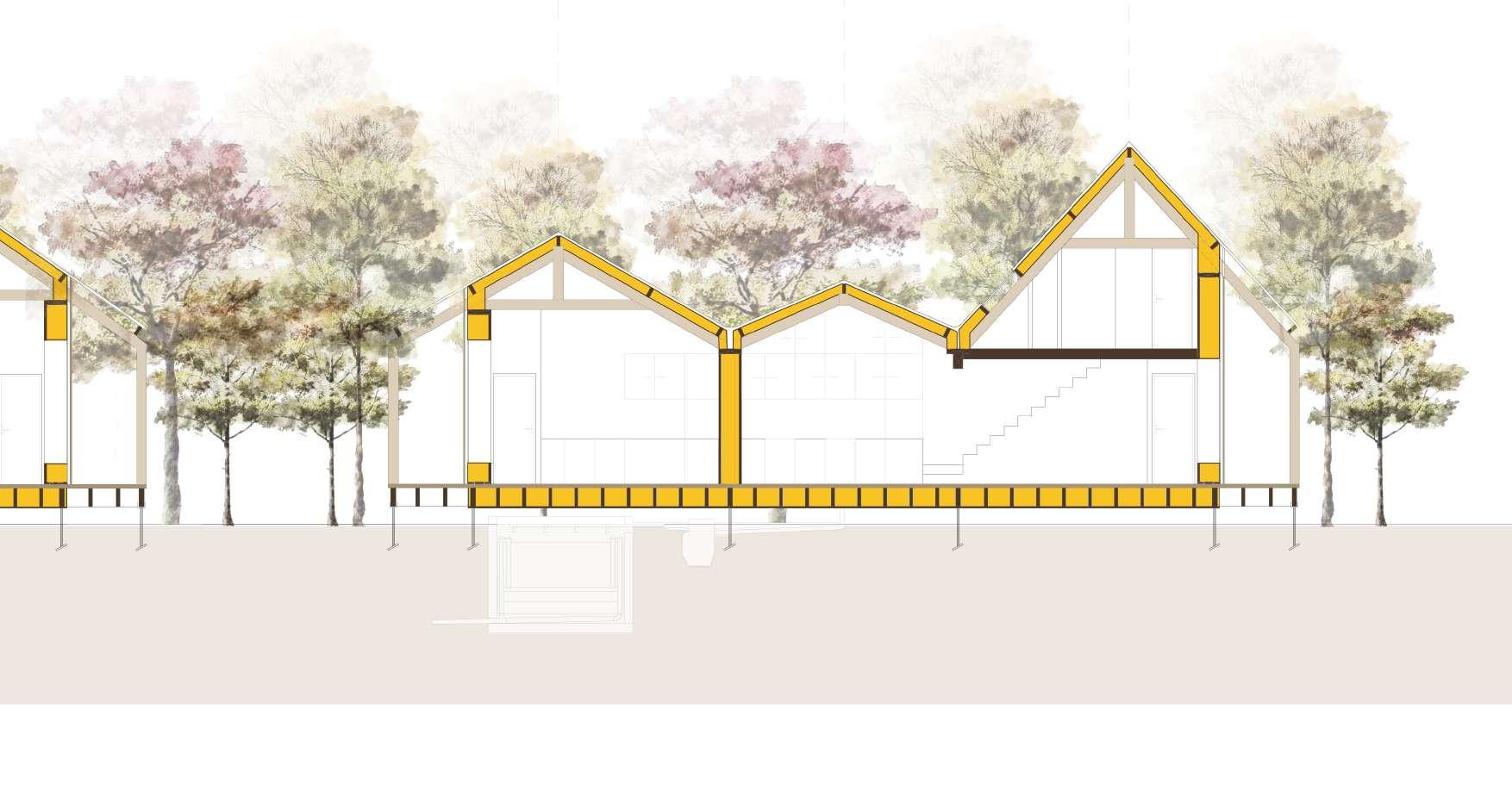
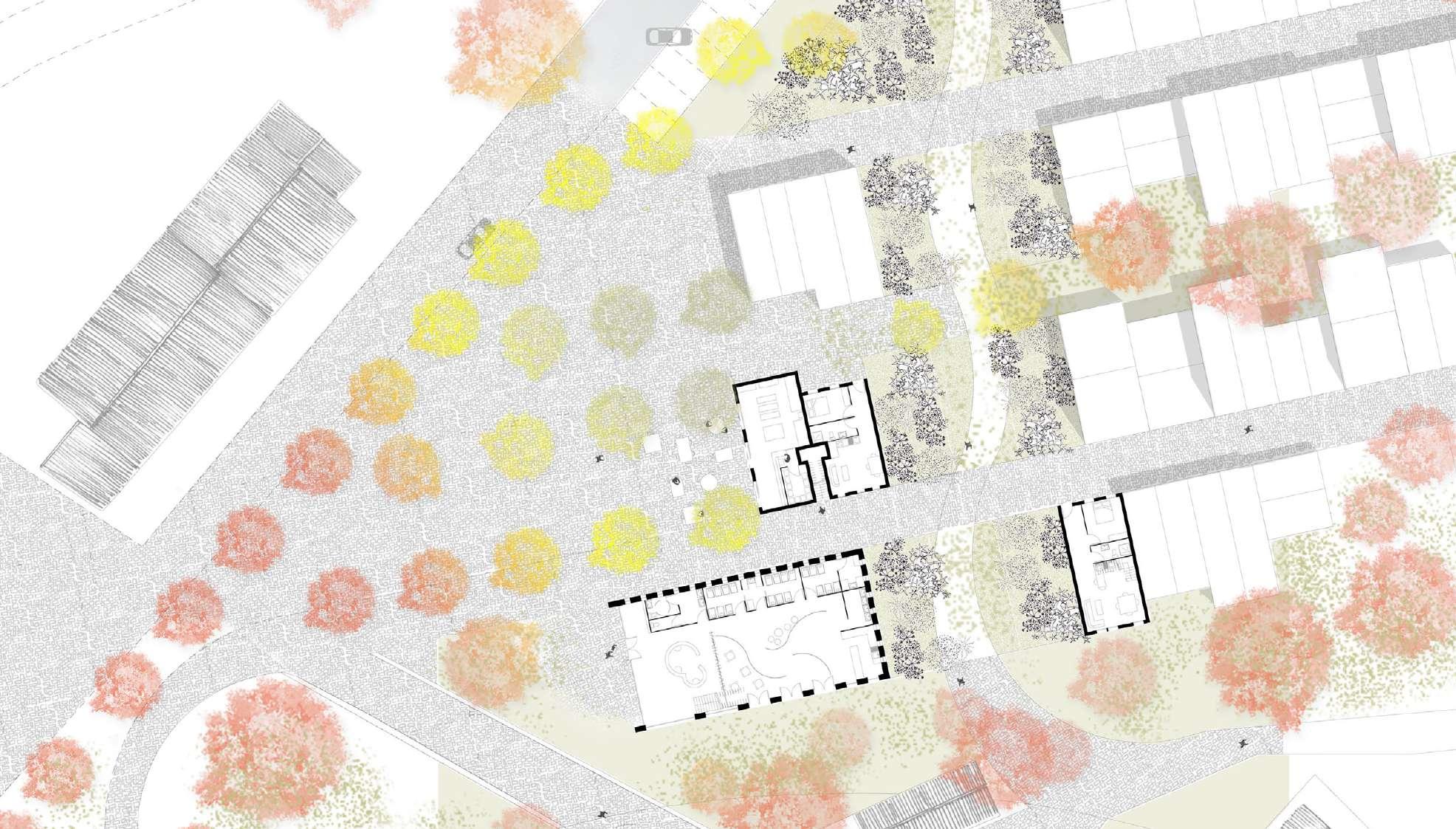
The objective of the project is to implement a novel way of living that is adaptable and sustainable, where residential, tourism, and sports activities are carried out with consideration for the existing built and natural environment. This entails a village in a state of transition, wherein the community is actively engaged in communal affairs, promoting energy conservation through the use of eco-friendly transportation methods, and constructing buildings that utilize locally-sourced, bio-based materials with a bioclimatic design
· requalify to diversify
T0. tourism influence of the medieval village
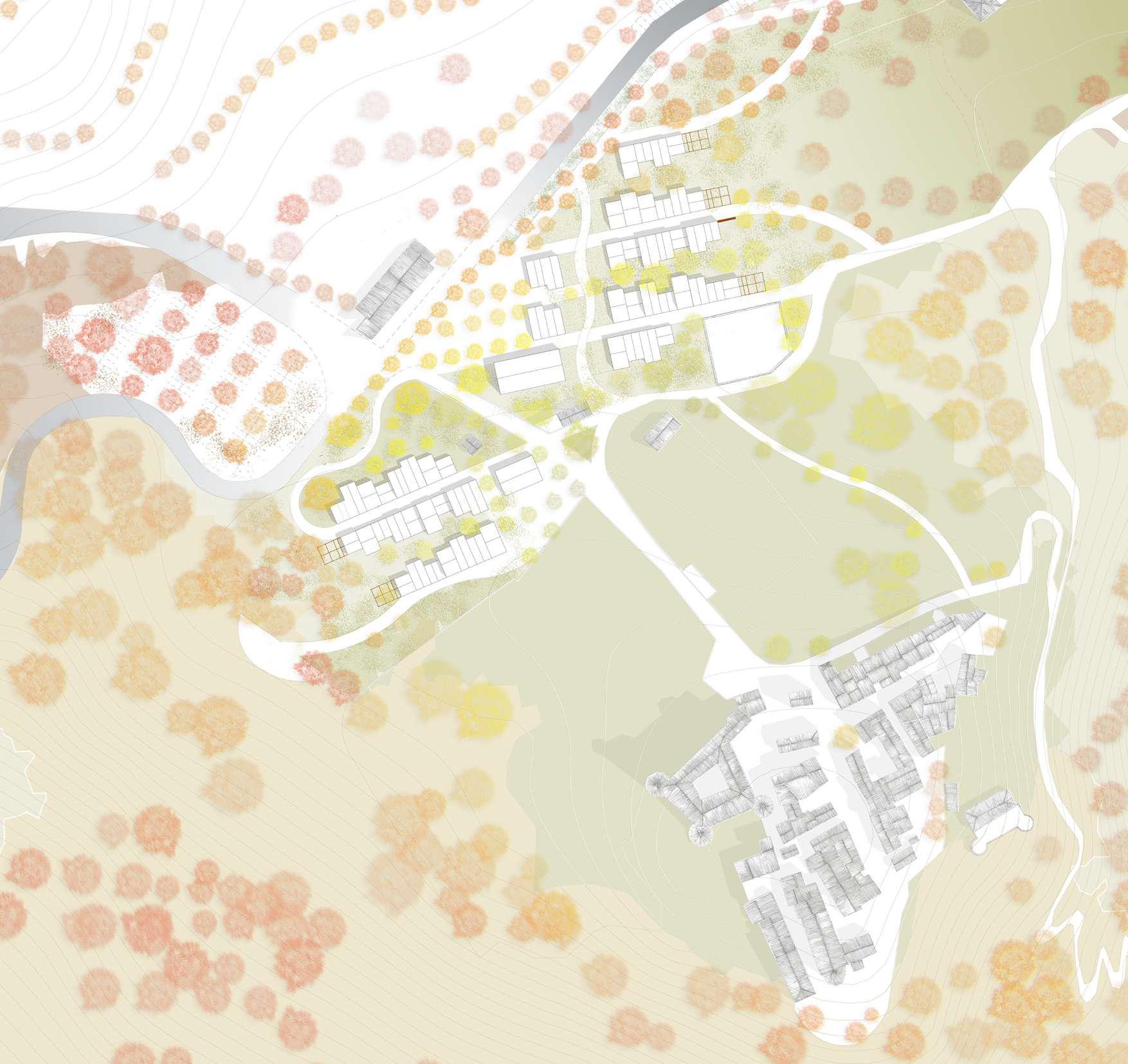
T+1. mixed requalification of the gateway’s village
T+2. radiance of resilience
CAFÉ ATELIER
CIMETIÈRE
CHAPELLE
CRÈCHE MAIRIE
SAVONNERIE
MONTÉE DU VILLAGE
BELVÉDÈRE SUR LE LITTORAL AZURÉEN
CHEMIN DU PARADIS
The three main challenges to achieve a resilient territory in Gourdon are:
1. To define and develop a quality of life consistent with the territory and its specificities.
2. To offer several types of hospitality across different types of population.
3. To develop awareness of the interrelationships between the living, the geography and the history of the territory.

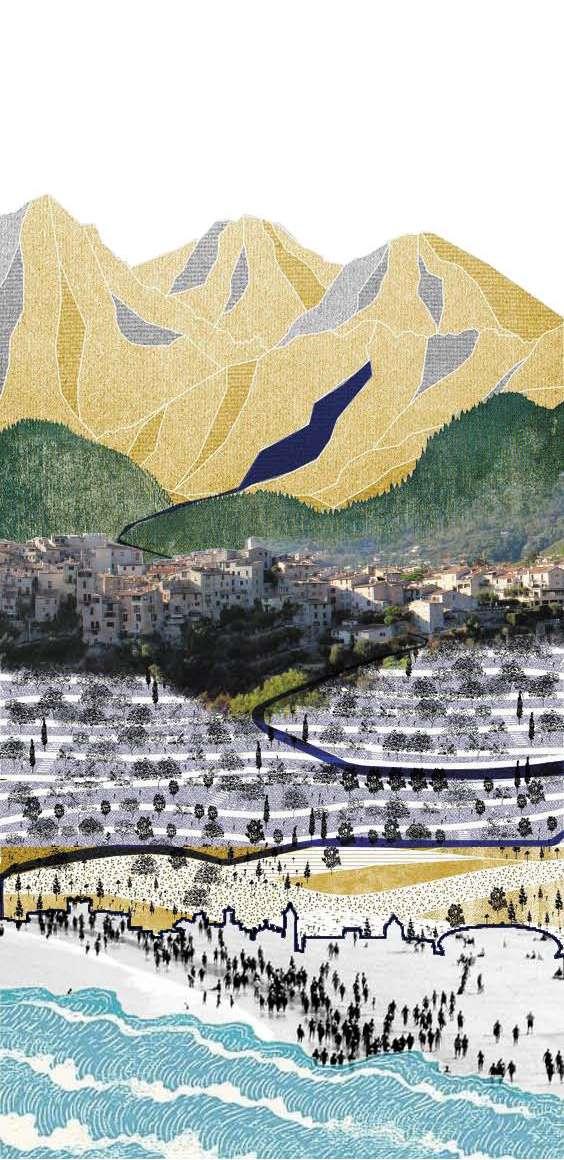
Impulse a new village dynamic, which is intergenerational, by enhancing the identity of the territory, extending its hospitality to a more diversified population, all in a respectful awareness of the area and its history. The strategy adopted to respond to this challenge is to rethink the village of Gourdon as a system of life in transition. In other words, to propose a resilient village organisation that initiates a new dynamic based on a way of consuming, producing, working and living together that is more thoughtful and responsible regarding the major issues at stake.
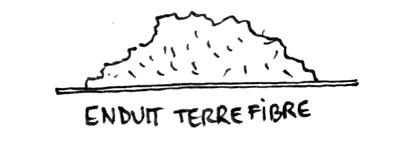
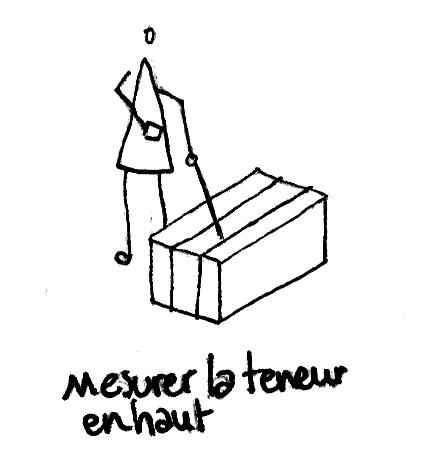
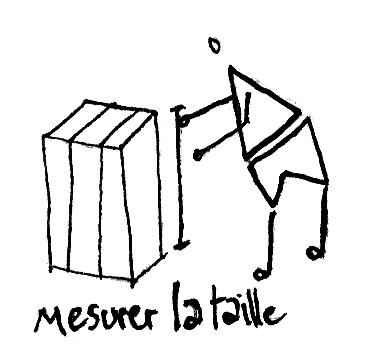
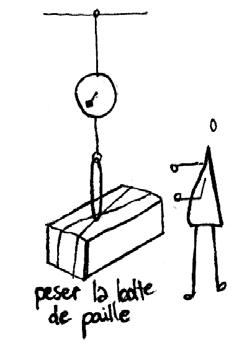
· Insulation and alternative plasters ·
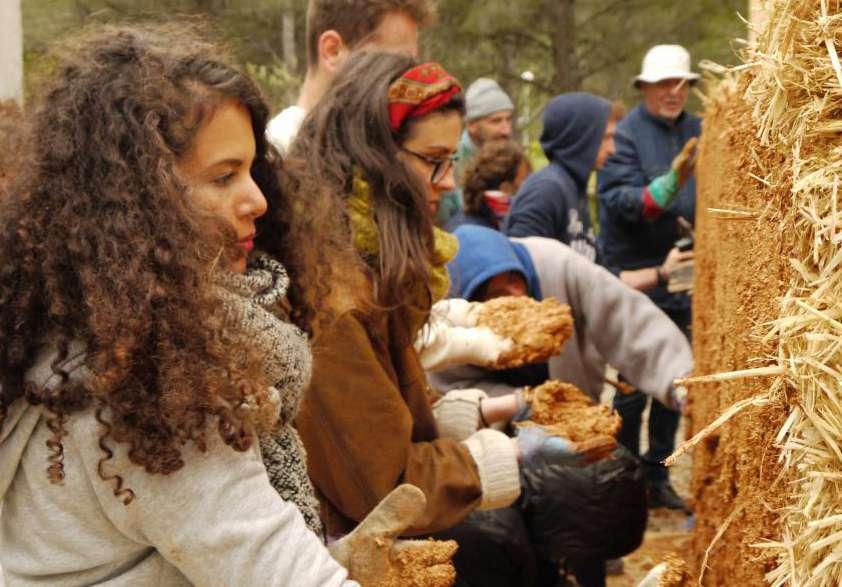
Straw is a readily available resource in the agricultural world, and France is a major producer of cereal straw, generating over 50 million tonnes of it annually. This local resource could be used to insulate around 500,000 housing units each year. The RFCP has established a «Prostraw» standard based on CP 2012 regulations for using straw as a filler and coating support. Through this training, I gained both practical and theoretical knowledge about the benefits and drawbacks of using straw as an insulation material, which is crucial for successful and sustainable construction.
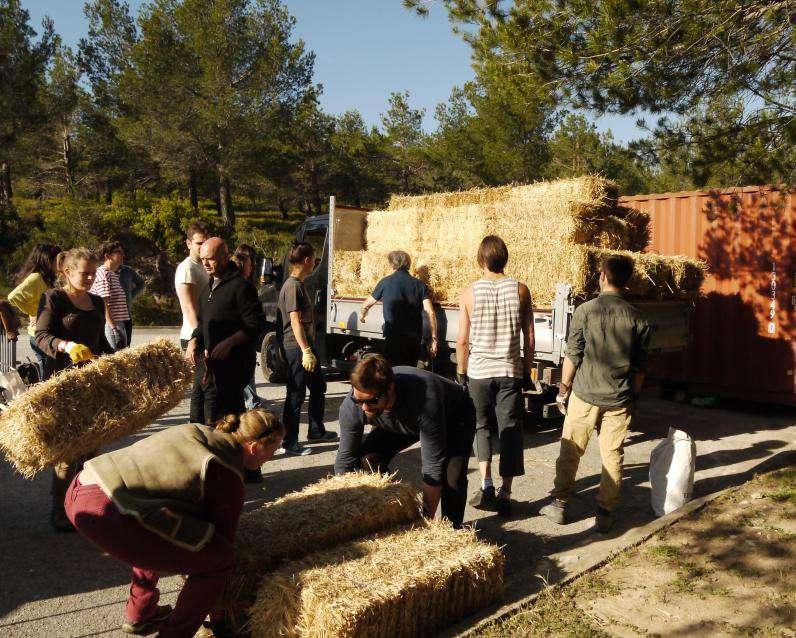
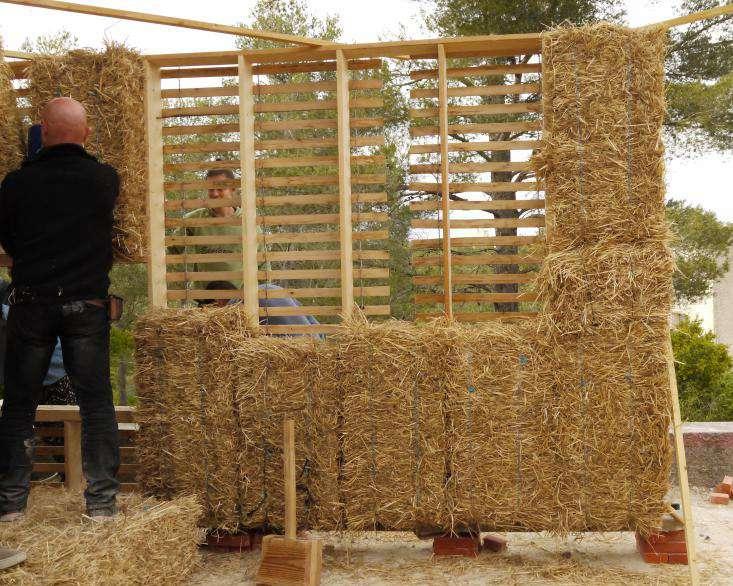
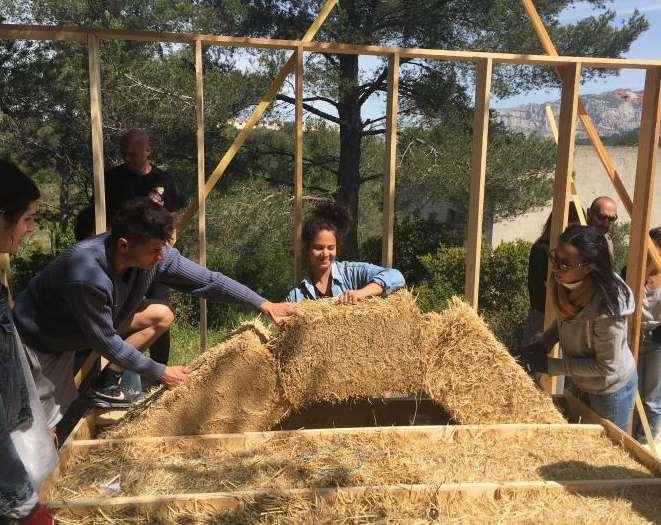
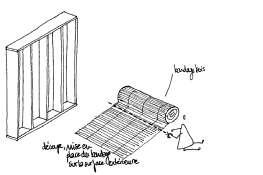
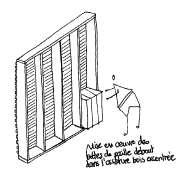
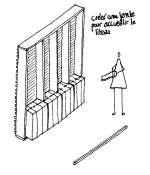
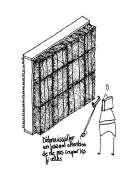
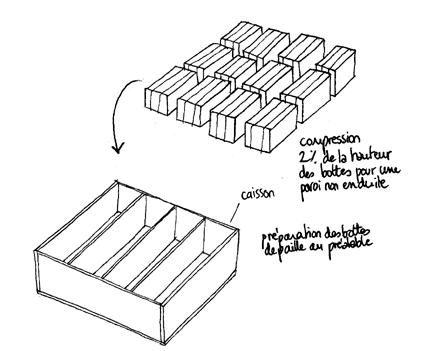
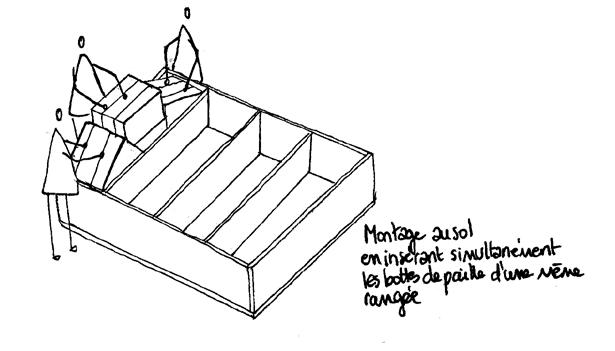
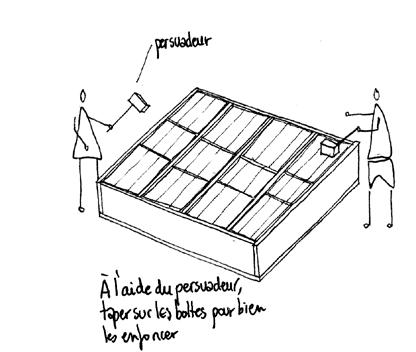
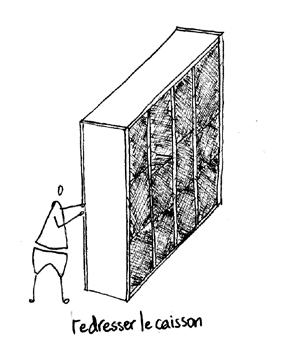
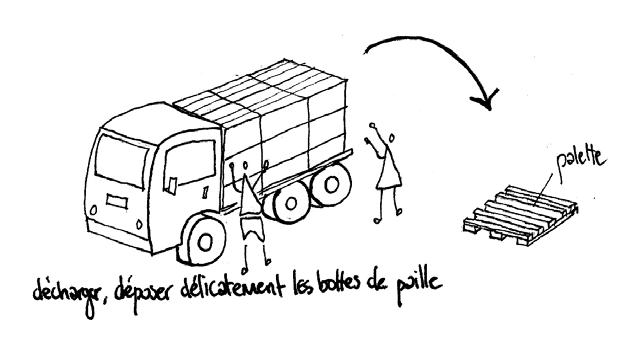
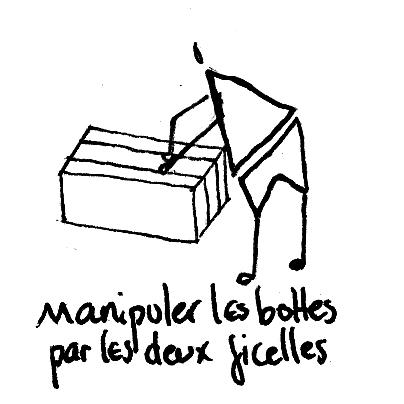
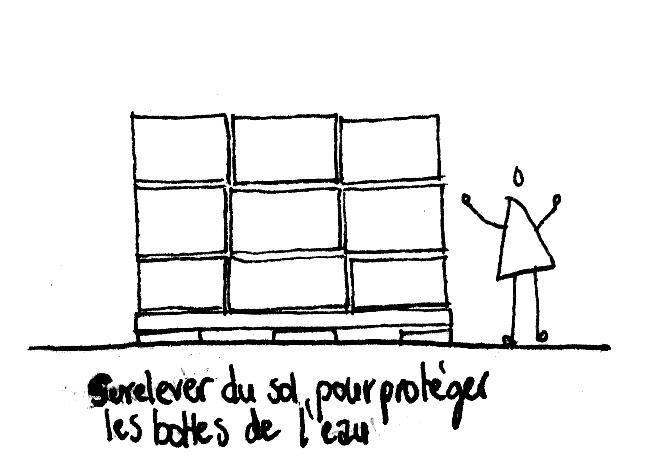 1. Setting up the construction site
3. Off-centre filling in timber frame
5. Filling in wooden box
1. Setting up the construction site
3. Off-centre filling in timber frame
5. Filling in wooden box
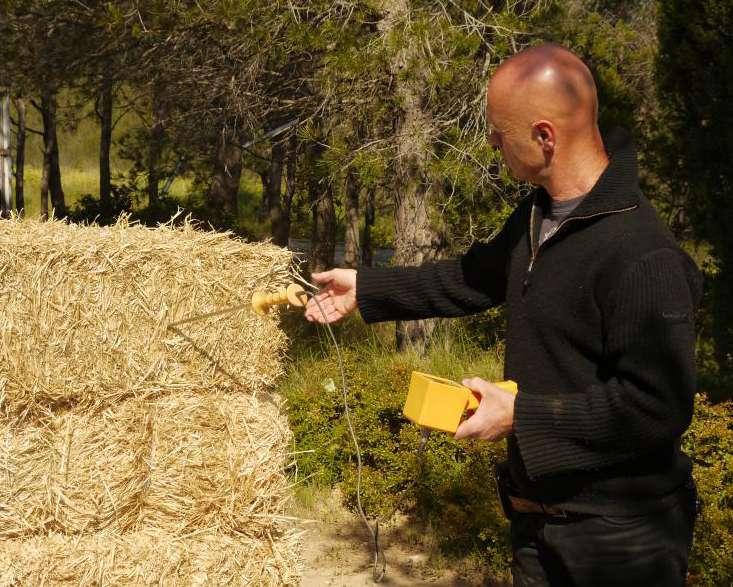
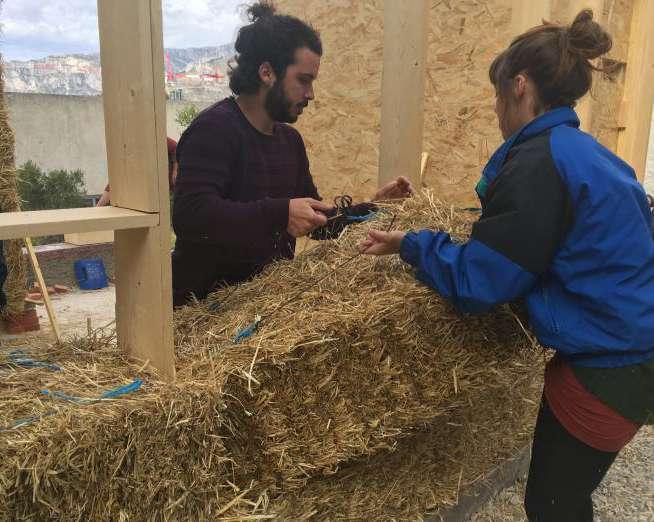
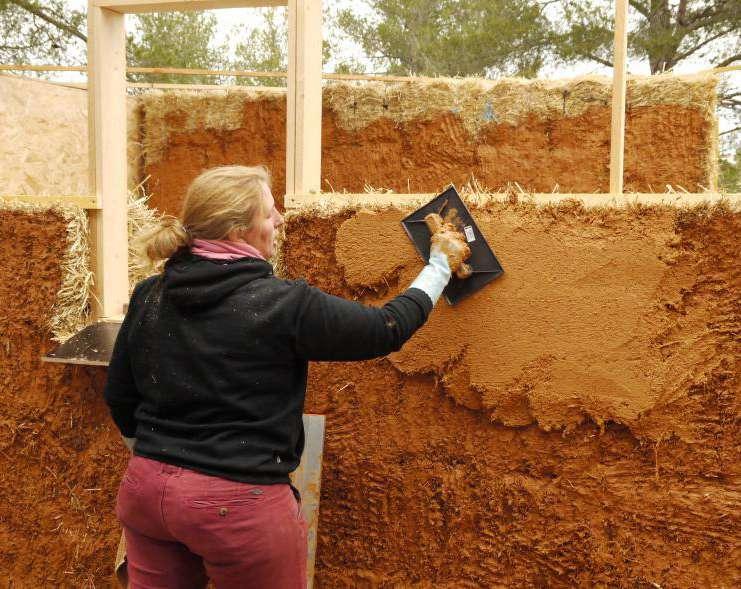
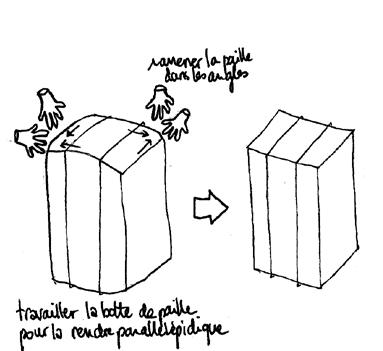
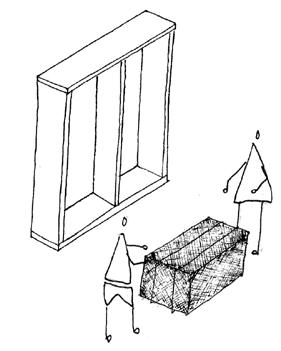
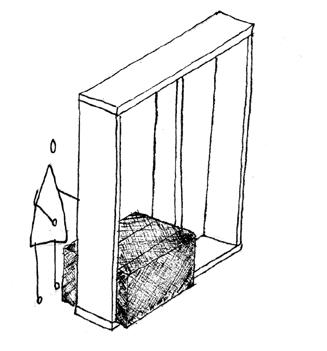
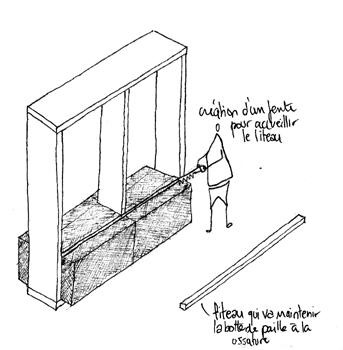
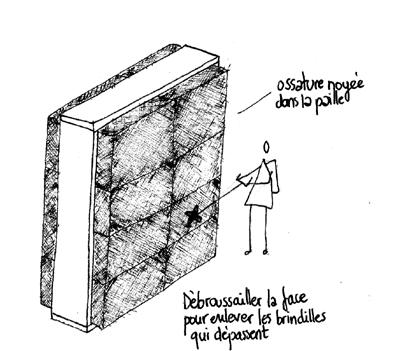
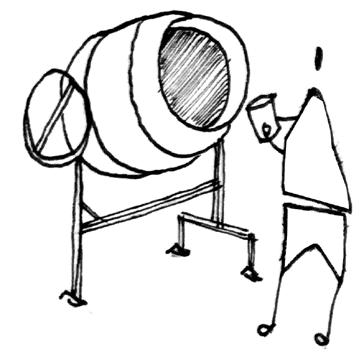
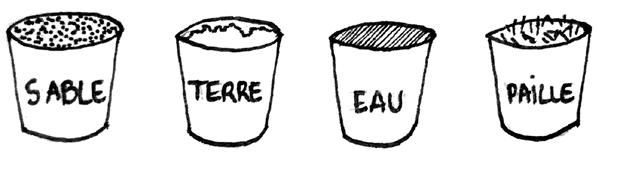
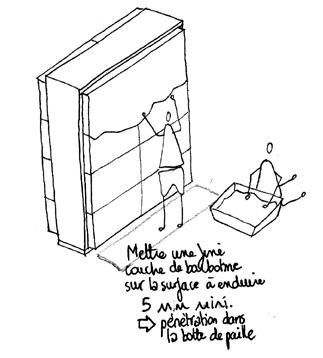
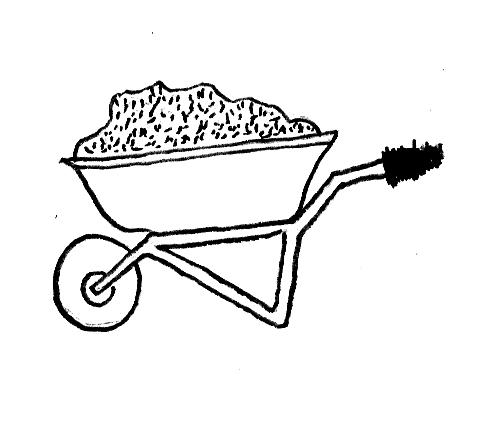
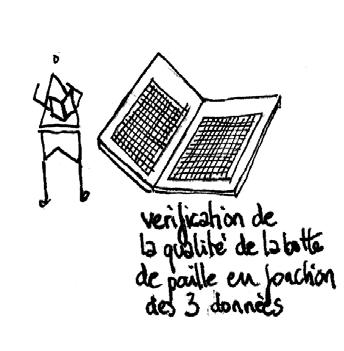 2. Checking the straw bales’ density
4. Centre filling in timber frame
6. application of earthen plaster
[croquis réalisés par Léa Camoin]
2. Checking the straw bales’ density
4. Centre filling in timber frame
6. application of earthen plaster
[croquis réalisés par Léa Camoin]
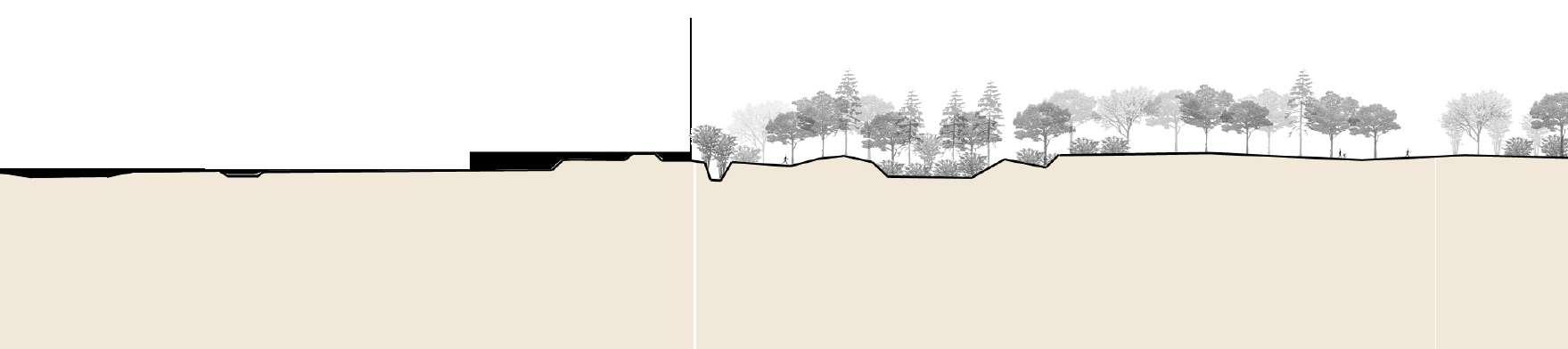
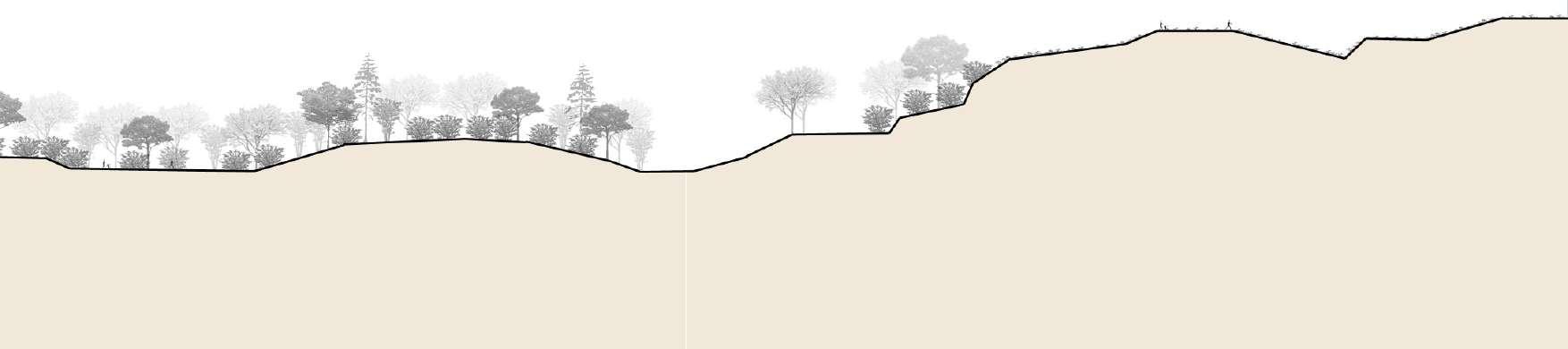
· It’s evolution from urban countryside to inhabited park ·
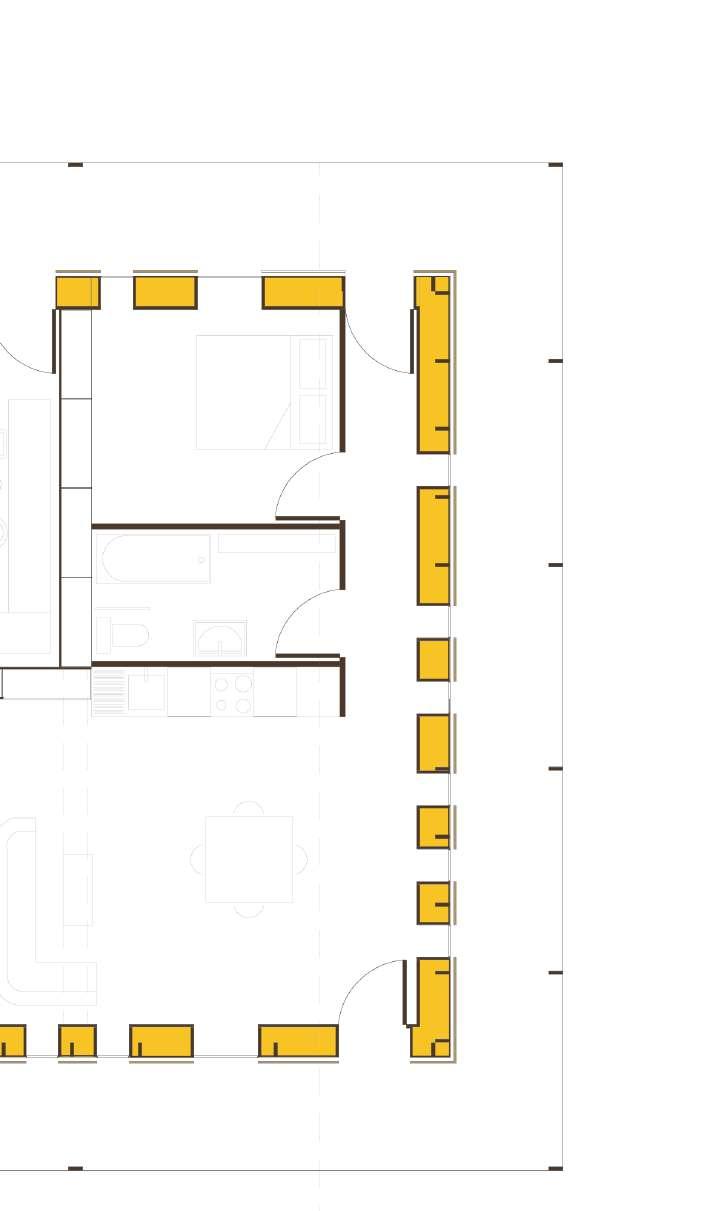
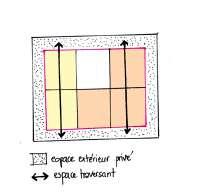
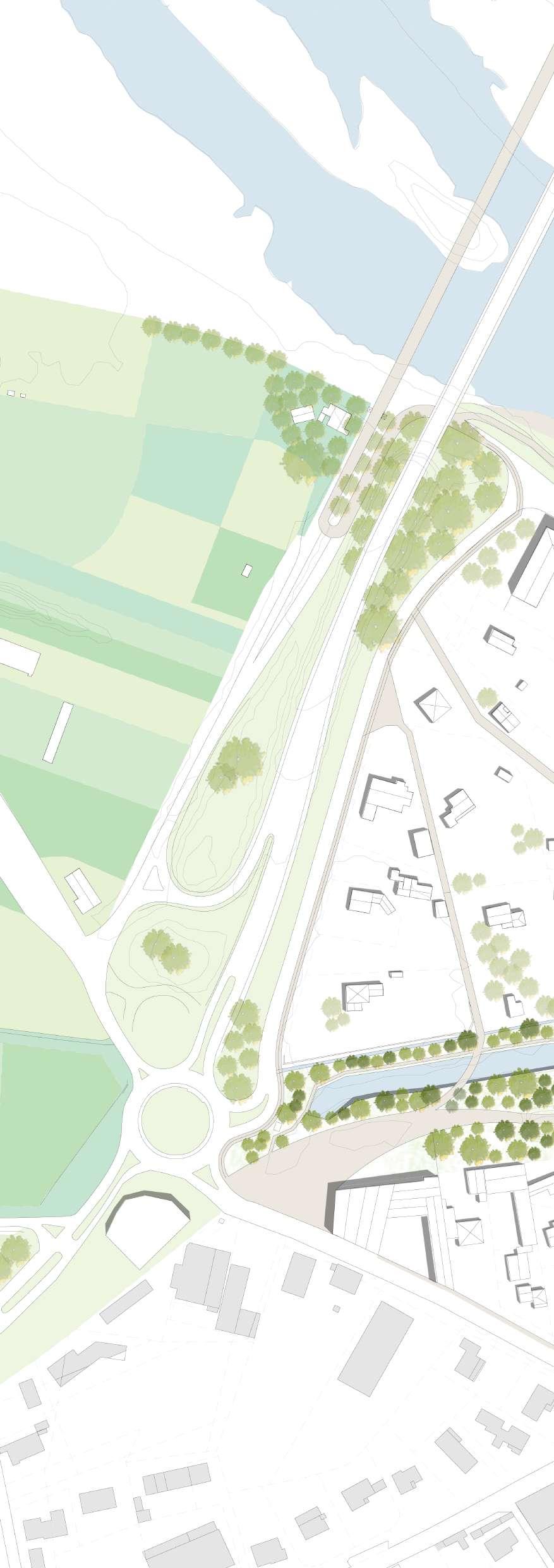
The project is structured around four seasons, each comprising distinct yet interconnected phases. In light of the project’s partially self-constructed nature, it is imperative to sequence each phase of the project in a way that allows for effective implementation of individual programs (housing, gardens, festive space, park), and their ongoing operation through community-based associations in Mallemort.
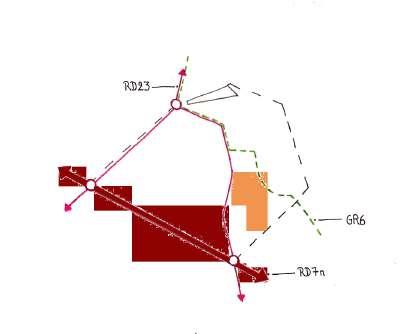
Major traffic routes
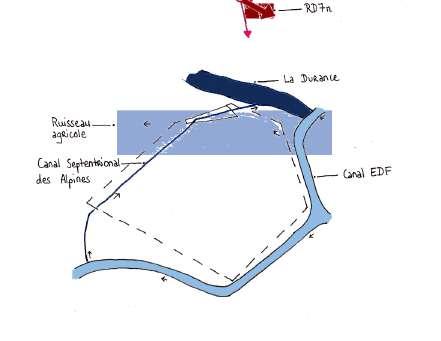
Main water channels to reveal
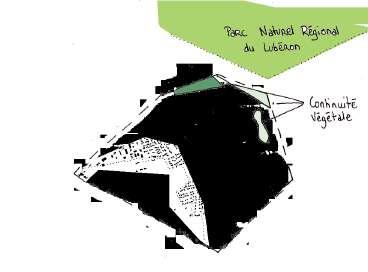
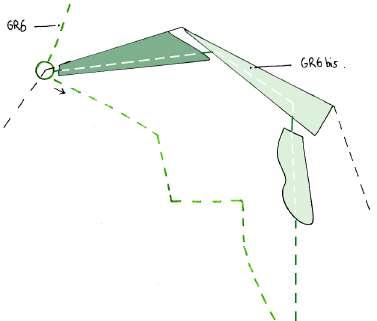
Vegetation continuity to establish
Slow mobility to develop
Village and new hamlet to bind
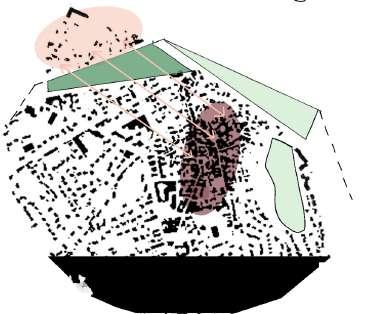
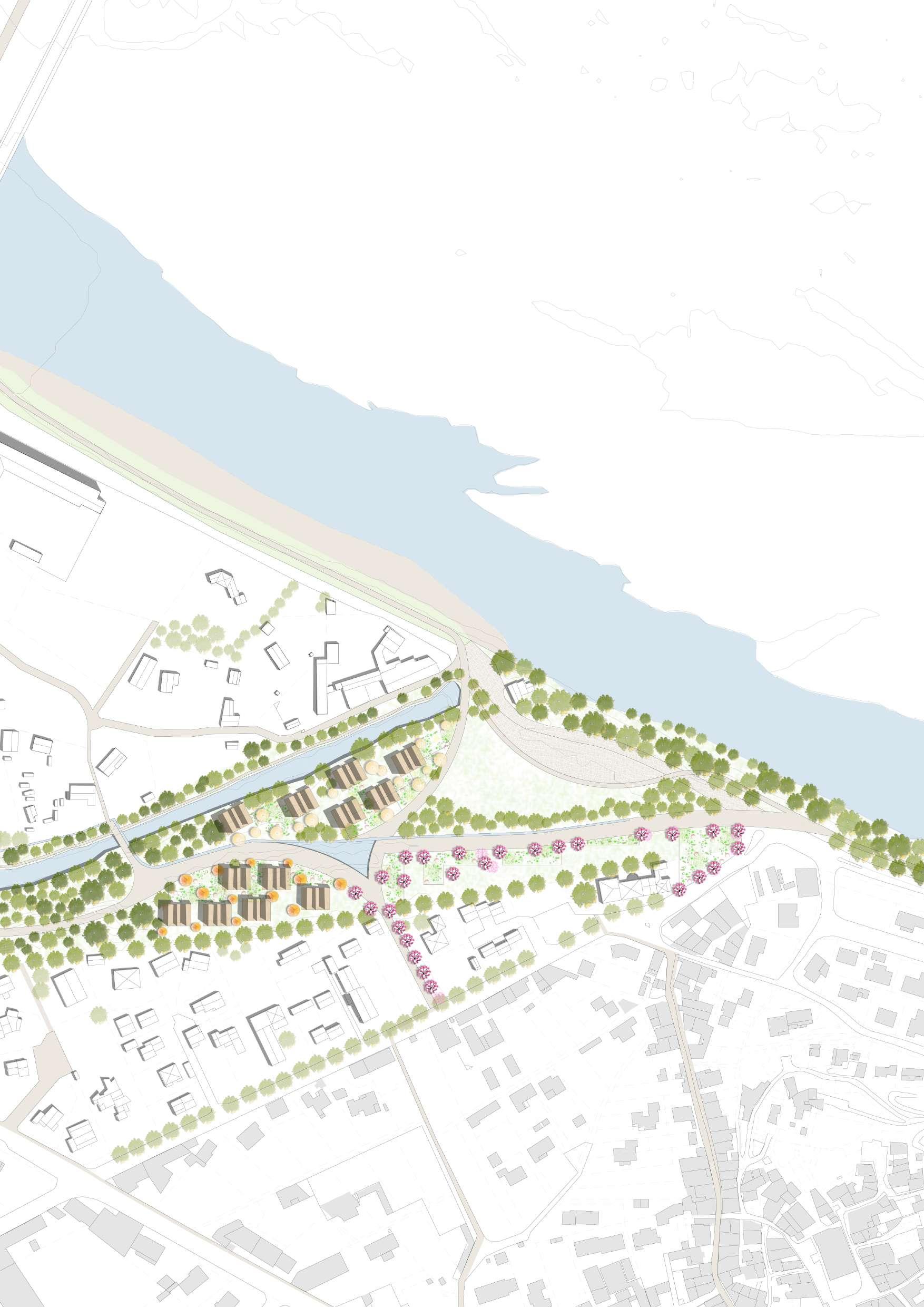
The challenges correspond to the following four seasons:
1. to requalify the site as a shared & gardened park
2. gather around a building site house
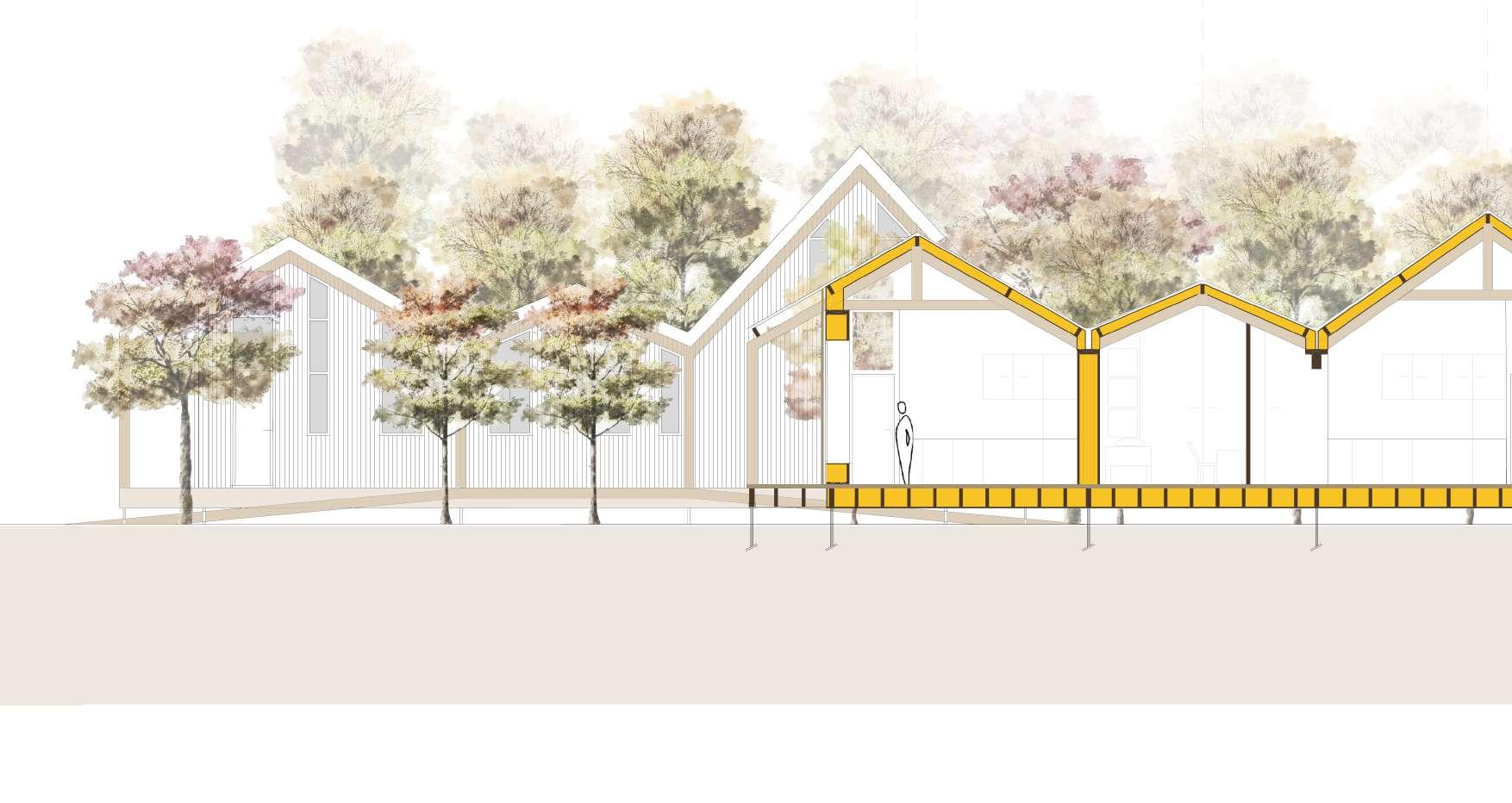
3. (im)planting of dwellings in gardens
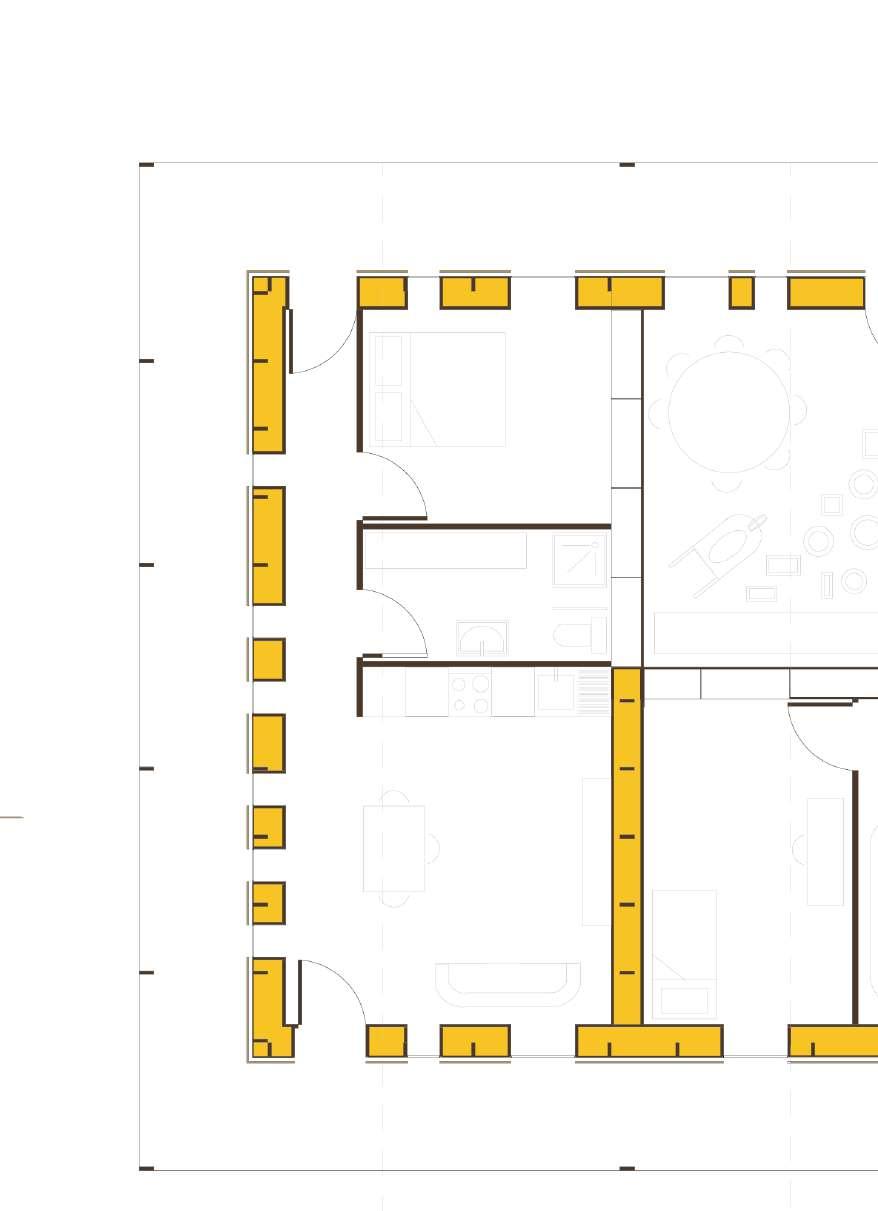
4. responsible and continuous future densification
The site presents itself as a major interface of Mallemor’s development, but it is currently disconnected from the whole municipality. While responding to the demand for social housing, shared gardens and the creation of a festive space, how should this interface between urban, natural and agricultural areas be managed?
The general intention of the project is to reinforce and reveal the remarkable natural spaces by creating a park inhabited on the northern periphery of the municipality of Mallemort. This approach is complemented by a positioning which tends to enhance the landscape structures linked to the river of Durance, as well as the promotion of soft mobility through the principle of ‘‘10 minutes on foot’’ from the Durance Bridge to the village centre.