LUKA JOVANOVIC ARCHITECTURE PORTFOLIO
2023

ARCHITECTURE STUDENT
Phone:
US: 914-441-2762
Italy: +39 346-358-4152
E-mail: lukajovanov01@gmail.com
SKILLS
SOFTWARE
Rhinoceros 3D
AutoCAD
Revit
V-Ray
Adobe Illustrator
Adobe Photoshop
Adobe Indesign
FABRICATION
Woodworking
3D printing
Laser cutting
LANGUAGES
English (native)
Serbian (conversational)
Croatian (conversational)
SOFT SKILLS
Collaborative Worker
Active Listener
Detail-Oriented
2019-2024
2022
2022
2021-2022
2020
2022
Pennsylvania State University State College, Pennsylvania
• Honors: Deans List (Fall 2019 - Fall 2022)
3.73 GPA
Involvement/Clubs:
• American Institute of Architecture Students
• Student representative- 4th Year Architecture
Intern | The Port Authority of New York & New Jersey New York City, New York
• Designed schematics for relocation of construction trailers in World Trade Center site.
• Consulted building code and performed occupancy calculations on the WTC PATH station to determine feasibility of altering means of egress.
Research Assisstant | Pennsylvania State University State College, Pennsylvania
• Produced drawings of 100 untitled sculptures designed by Donald Judd and worked with professor on analyzing how they were built.
Resident Assisstant | Pennsylvania State University State College, Pennsylvania
Enforce campus residence policies, and provided counseling and information to first year students.
Project Assisstant | The Living Chapel Project State College, Pennsylvania
Aided in dismantling and packing of chapel building components to be shipped to Italy.
The 21st Annual Hajjar Memorial Competition Honorable Mention
• One of 14 finalists in a class of 67 students.


ARCH 431 Architectural Design V
DURATION/ 14 Weeks
INSTRUCTOR/ Rahman Azari
PARTNER/ John T. Martin
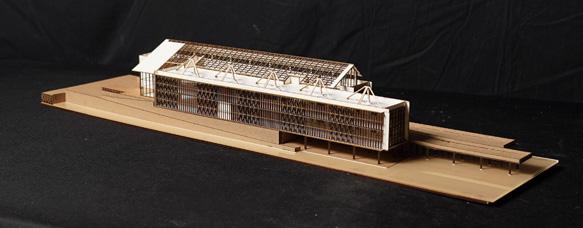
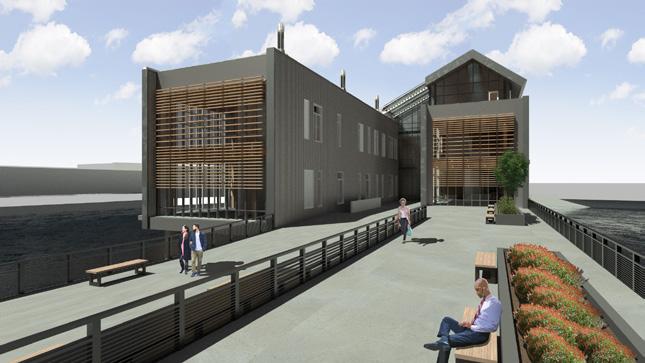
Designed as a library on a pier to serve the Old City neighborhood of Philadelphia, the Learner’s Wharf is designed to be as efficient as possible while also paying homage to it’s industrial past.
From performing embodied carbon analysis in the use of materials to studies of passive methods of heating and cooling, the goal of the project is to minimize the environmental impact of the building in its construction and day to day maintenance. In addition to being environmentally sustainable, the Learner’s Wharf also has the goal of serving the community through analysis of demographics and transit options to the site to see how best the library can serve the city.
As part of a two-person group, my main focus within the project concerned water management and analysis on the building’s interaction with the community.
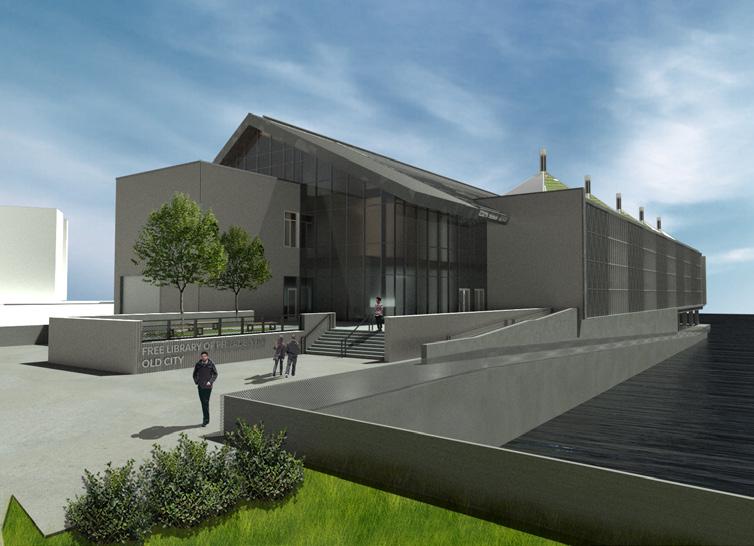

The library reaches out to the community from the moment you come across the property. The library is failry easy to access with several public transit routes in the vincinity. In addition, the library expands on the existing Delaware River Waterfront, providing bike racks and seating areas for pedestrians visiting the library or just passing by. Inside the library, there are various resources provided on the ground floor that will assist the most vulnerable memebers of the community like people with disabilities.
Martin & Luka Jovanovic
library reaches out to the community from the moment come across the property. The library is failry easy to with several public transit routes in the vincinity. addition, the library expands on the existing Delaware Waterfront, providing bike racks and seating areas for pedestrians visiting the library or just passing by. Inside the there are various resources provided on the ground that will assist the most vulnerable memebers of the community like people with disabilities.
Building program is broken into three segments with community-related and stacks are divided by a atrium in the center.
Building segments are shifted to create public space in front of the library. Segments further altered to meet code and enhance program arrangements.
Extensive research was done to asses the demography and accessibility of the neighborhood the site is located in. By making these assessments, it helped inform the amenities that will be of use to visitors to the library and create a welcoming addition to the community.
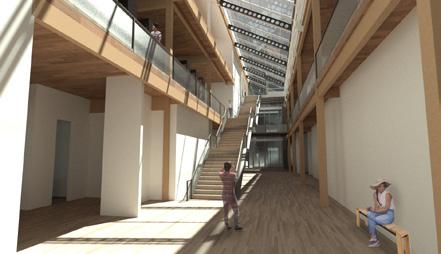
ATRIUM VIEW
As visitors enter the library, they will first come across the library’s atrium. This is the main space where they will ascend through the library and branch off into different program spaces.
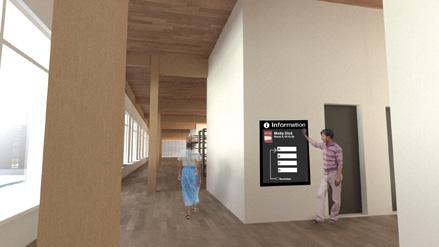
HALLWAY VIEW
Coming out of the stairs or elevators, visitors will be able to use touchscreen info screens for wayfinding through the library and searching for specific library collections.
Credit: John T Martin
SECOND FLOOR PLAN
THIRD FLOOR PLAN
Credit: John T Martin
Credit: John T Martin
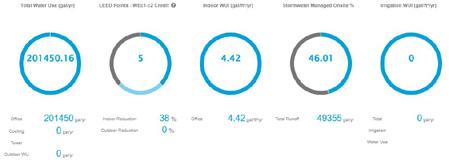
It is crucial for a high performing building to have an efficient water management system. The main water management strategies used in the building features stacked bathrooms to reduce plumbing runs in the building. Furthermore, a rainwater collection system is being implemented to recycle rain water for use in watering the building landscaping and for providing water for select plumbing fixtures.

The design of the library supports and improves the ecological health of the site by utilizing the landscapign around the building. The lansdscaping is populated with plant species native to Philadelphia region and are selected for their ability to take in a lot of water in the event of heavy downpour or flash flooding. In addition to water management, the chocie of vegetation will contribute to to the creation of pleasant outdoor spaces for the library’s users.
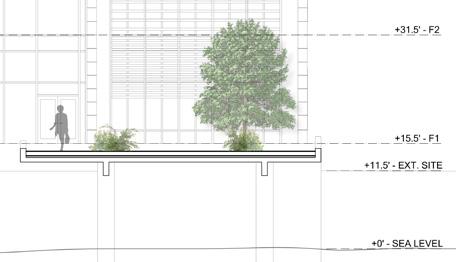
Swamp White Oak (Quercus bicolor)

• Height: 60 to 80 ft tall
• Water Need: Moist
• Hardiness Zone: 3-9
• Sun: Direct sun, partial shade
Maidenhair (adiantum pedatum)

• Height: 4-8 ft
• Water Need: Moist
• Hardiness Zone: 3-9
• Sun: Partial shade, full shade
Summersweet (clethra alnifolia)

• Height: 1-3 ft
• Water Need: Weekly
• Hardiness Zone: 3-8
• Sun: Direct sun, partial shade

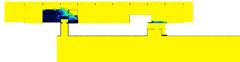
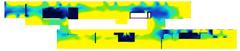
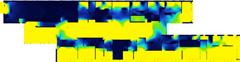
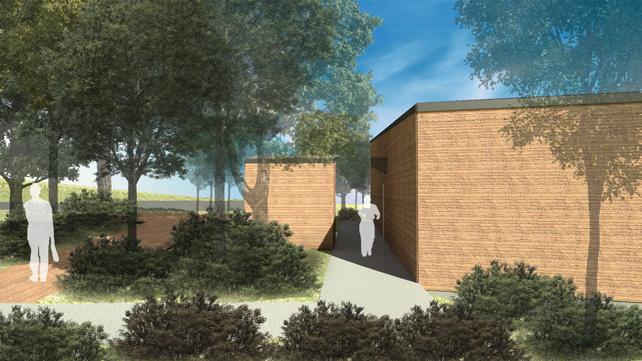
Designed as a space for scientists to further their study and archive of fossils in the nearby Freisenhahn Cave, this proposed research center seeks to take the occupants of the site on a journey consisting of a long switchback path which zig-zags down the slope of the site. As visitors arrive at the site, they are enveloped into a wooded area which serves as a transition from the urban loacale they came from into a more natural environment. As visitors proceed down the path, their views of the site are limited by the trees around them with the exception of the buildings in front of them. At the each turn of the path as it moves down the slope, visitors will come across the buildings of the site which serve as the axial loci where the path switches back. The buildings and the structures on the site reflect the nature of the path conforming to wedge-shaped floor plans and slanted roofs which slope down either to the switchback or reflect the sloping down of the path through the site.
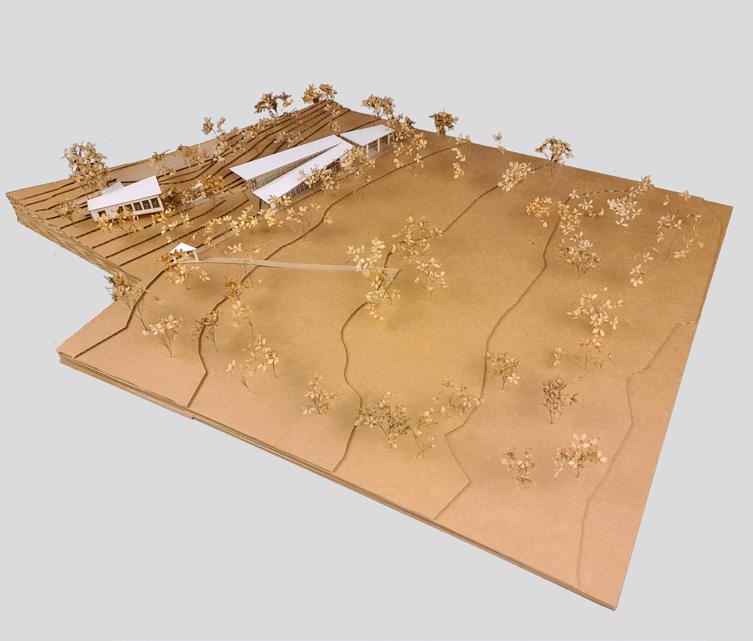
Zigzag path adopted to allow gradual descent through slope of site
Buildings act as axial loci at the turning point of each switchback
Buildings adopt wedge shape in relation to the shape of the path moving through the site
Roofs are slanted to slope down either down to loci or relate to sloping down of path
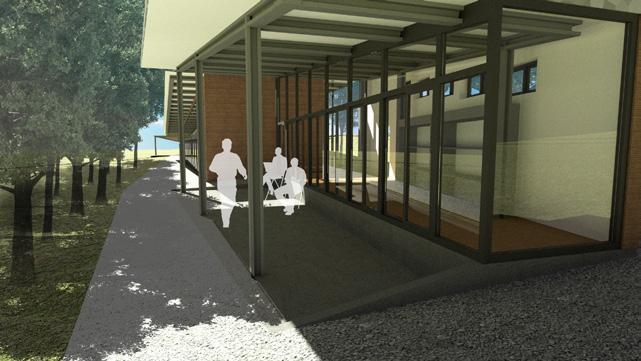
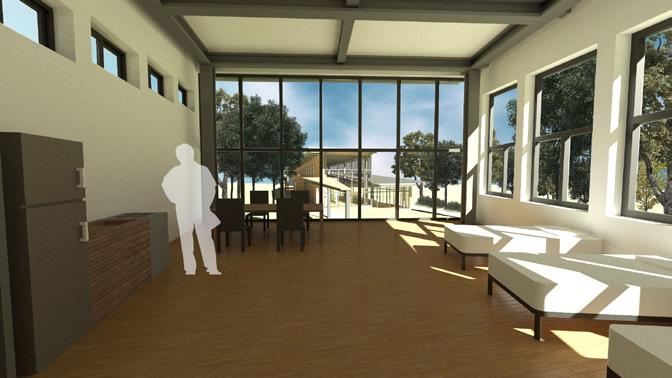
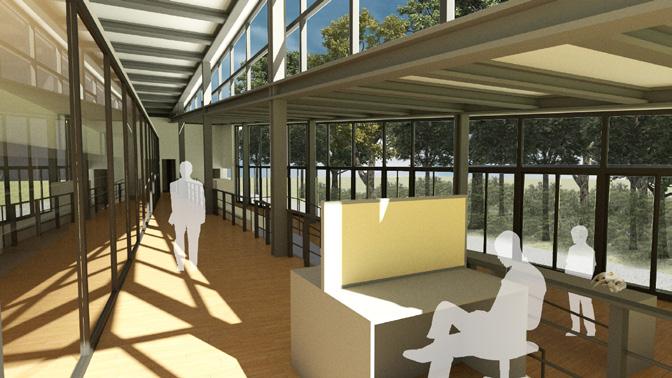
All of the buildings in the site feature cross-ventilation consisting of larger windows oriented towards the direction where wind is most prevalent, and smaller windows on the opposite side to allow air to pass through as well as create a stack effect.
ROOF FINISH
STEEL I-BEAM ROOF FRAMING
STEEL I-BEAM COLUMNS
WALL AND WINDOW FINISH
CONCRETE SLAB
STEEL I BEAM FLOOR FRAMING W/ CONCRETE PILONS
FIELD HOUSE AXON
ROOF FINISH
STEEL I-BEAM ROOF STRUCTURE
STEEL I-BEAM COLUMNS
WALL AND WINDOW FINISH
CONCRETE FOUNDATION
RESEARCH CENTER AND LIBRARY AXON
NEW YORK CITY, NEW YORK
Spring 2020/ Academic Project
ARCH 232/ Architectural Design II
DURATION/ 8 Weeks
INSTRUCTOR/ Heather Ligler
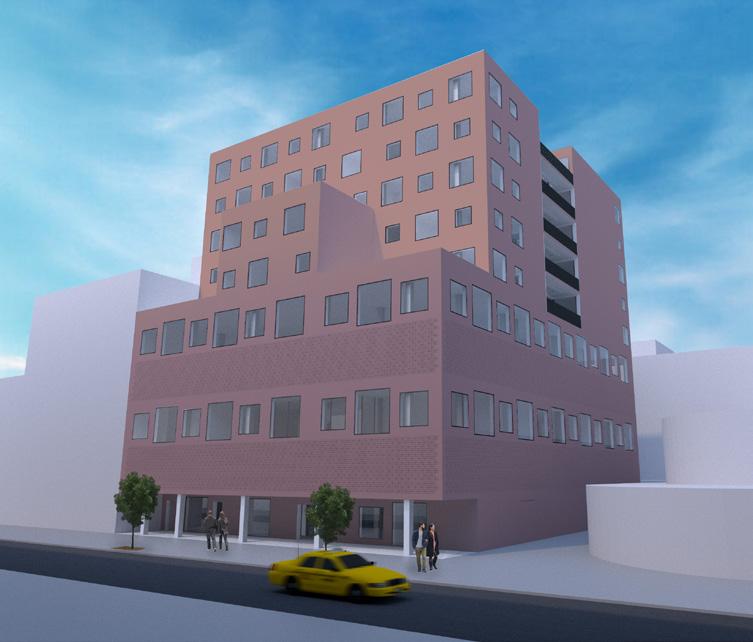
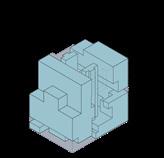
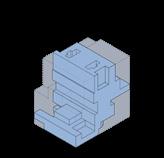
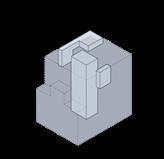
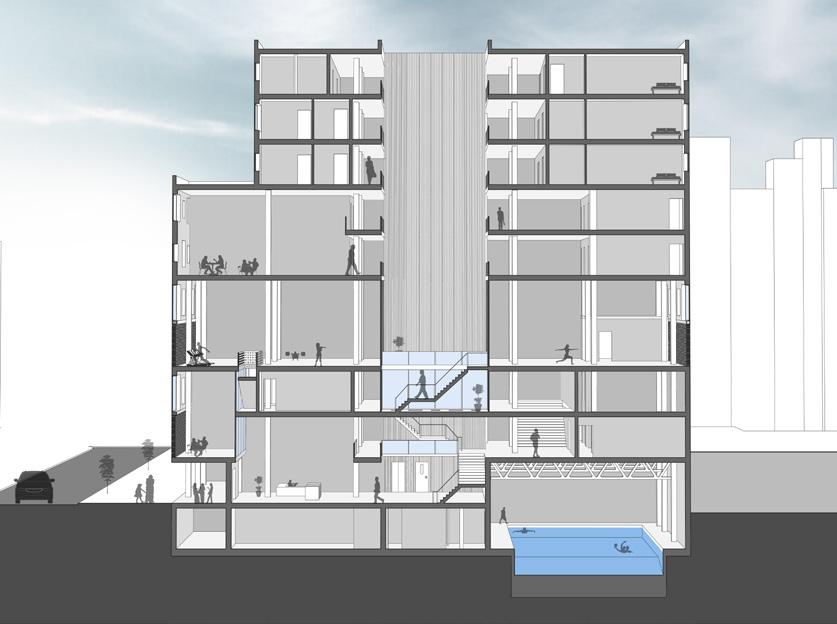
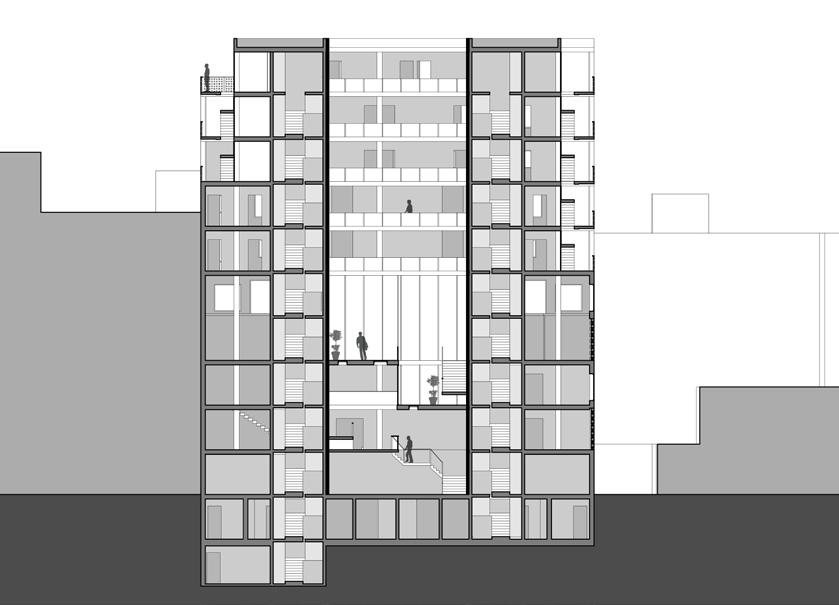
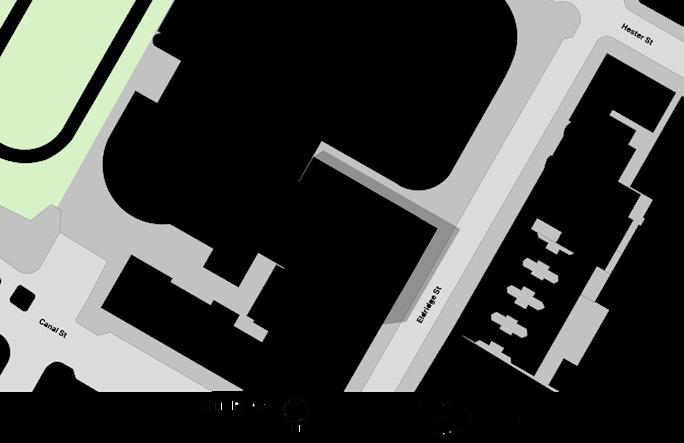
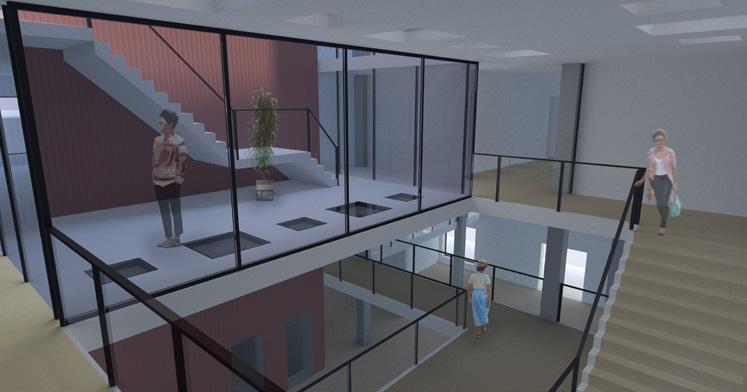
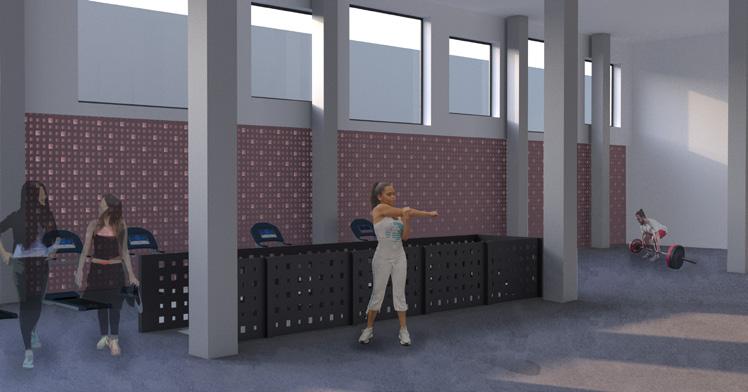
Located in the Lower East Side, the new Chinatown YMCA is based on the concept of creating a sense of sanctuary. While it looks simplistic and seemingly impenetrable on the exterior, the building becomes more dynamic and open as one enters inside. Many of the building’s activities are situated along the perimeter, which leaves an open central circulatory space which opens out to an outdoor courtyard.
Regardless if people come to the YMCA for exercise, housing, or community events, the organization of space provides many opportunities for different groups to come across and interact with one another in an enclosed space.
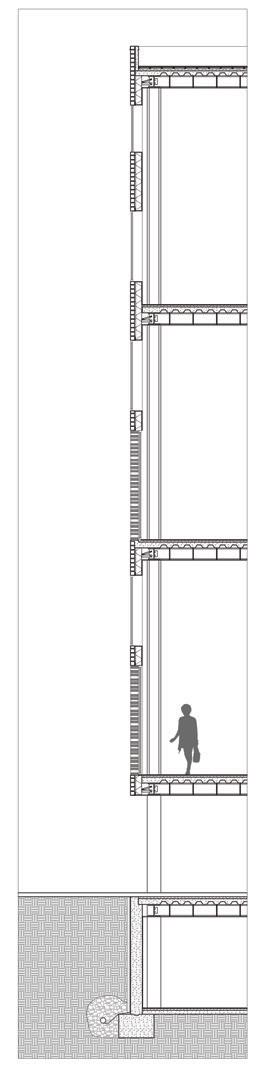
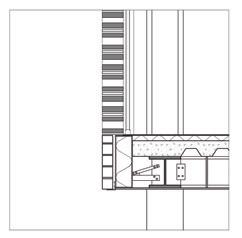
ARCH 204/ NCMA WALL SECTION DRAWING
LUKA JOVANOVIC
CHINATOWN YMCA, 41 ELDRIDGE ST, NEW YORK, NY
PARAPET CAP
BRICK VENEER
1” CAVITY
AIR BARRIER
6” GLASS FIBER INSULATION
W/ STEEL STUDS
VAPOR RETARDER
WIRE MASONRY TIE
STEEL SHELF ANGLE
ALUMINUM MULLION
DOUBLE-PANED WINDOW
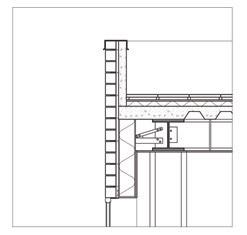
SETBACK ROOF DETAIL
SCALE: 1/2” = 1’-0”
1’x1’ TILE FLOOR FINISH
WATERPROOF ROOF MEMBRANE
2” RIGID INSULATION
6” CORRUGATED CONCRETE SLAB
STIFFENER PLATE
W12 STEEL GIRDER
CEILING STRUCTURE
GYPSUM BOARD
COLUMN
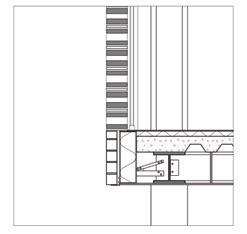
2ND FLOOR DETAIL
SCALE: 1/2” = 1’-0”
WALL SECTION SCALE: 3/16” = 1’-0”
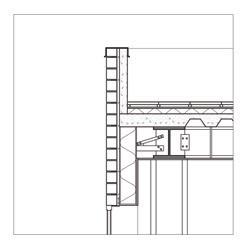
MORTAR
UNREINFORCED CUSTOM SCREEN BLOCK
DOUBLE-PANED WINDOW
ALUMINUM MULLION
6” GLASS FIBER INSULATION AND STEEL STUDS
STIFFENER PLATE
W12 STEEL GIRDER
BRICK VENEER
1” CAVITY
AIR BARRIER
STEEL SHELF ANGLE
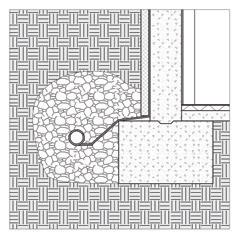
FOUNDATION DETAIL
SCALE: 1/2” = 1’-0”
COLUMN
FLOOR FINISH
2” RIGID INSULATION
6” CORRUGATED CONCRETE SLAB
CEILING STRUCTURE
GYPSUM BOARD
FILTER LAYER
WATERPROOFING MEMBRANE
PEBBLE FILL W/ GEOTEXTILE MAT
PERFORATED DRAINAGE PIPE
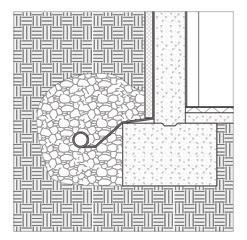
CONCRETE FOOTING
FLOOR FINISH
2” RIGID INSULATION
4” CONCRETE SLAB
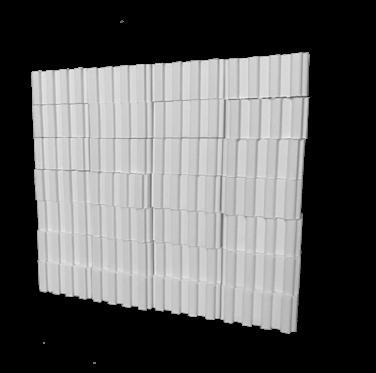
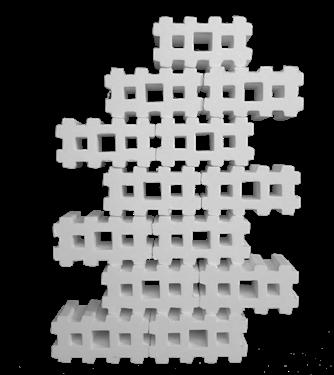
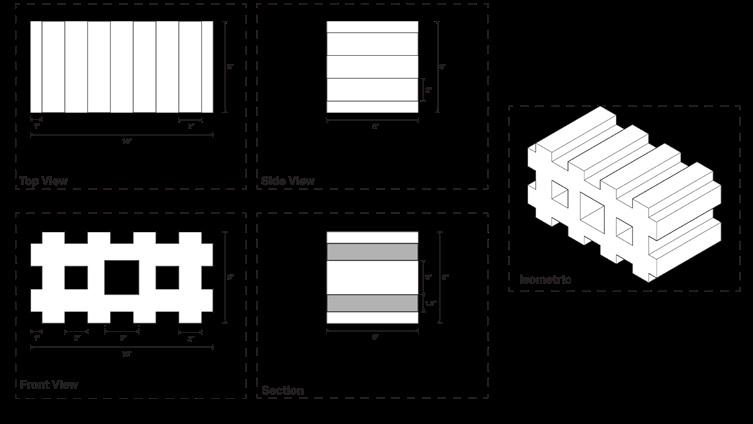
The building features a custom CMU screen block which complements the concept by providing the visual appearnace of impenetrability from afar while providing porosity to those who work in the spaces within.
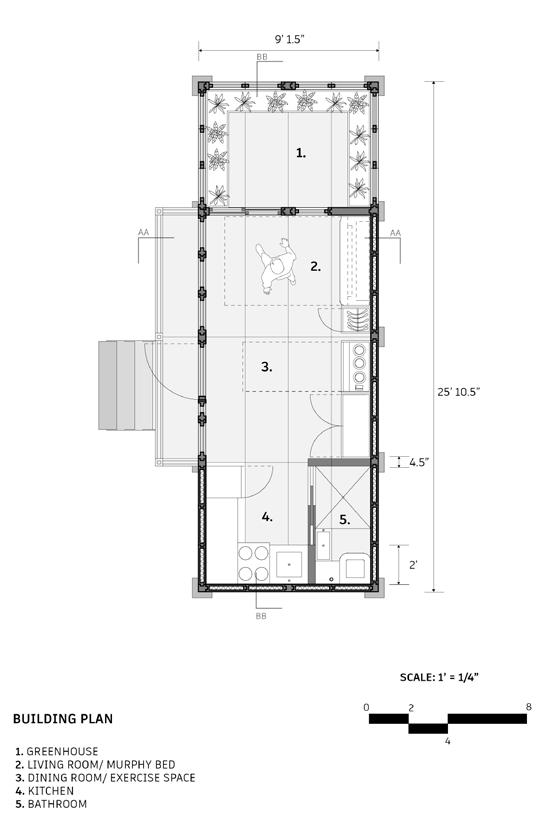
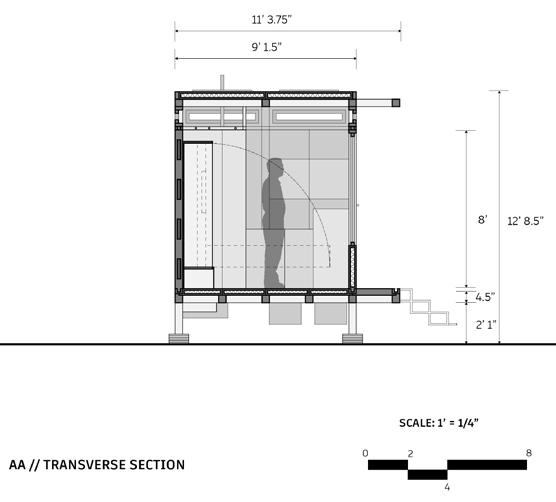
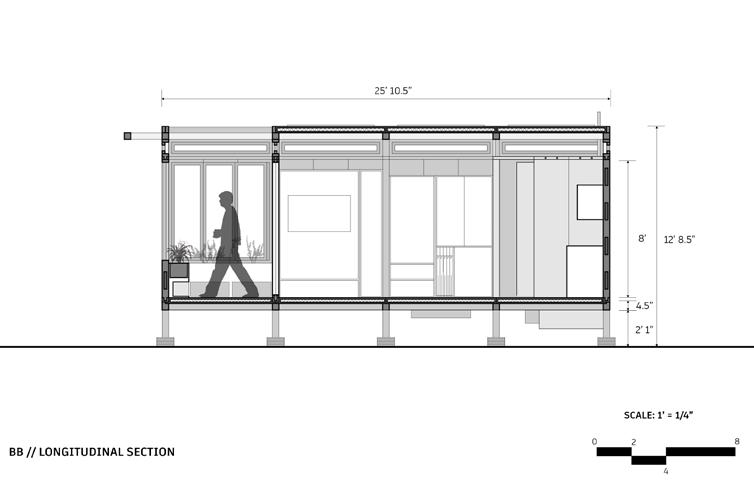
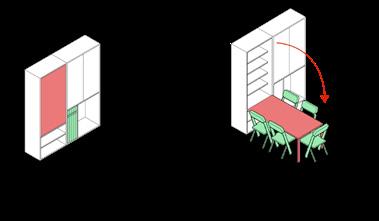
Good living can be defined as living in a space that is large enough to provide comfort and facilitate the desires and needs of its inhabitant. In the context of this hypothetical client, who is a fitness instructor who likes to grow their own food and have large groups of friends over for meals, the need for large spaces cannot be understated. While the task may seem impossible to facilitate in a tiny house with conventional furniture, the FlexHome may provide a possible solution. Featuring a flexible space with reconfigurable, custom furniture and components, the FlexHome folds, slides, pulls down, and pulls out to accommodate the activities of the client while being contained within a rigid rectangular space.
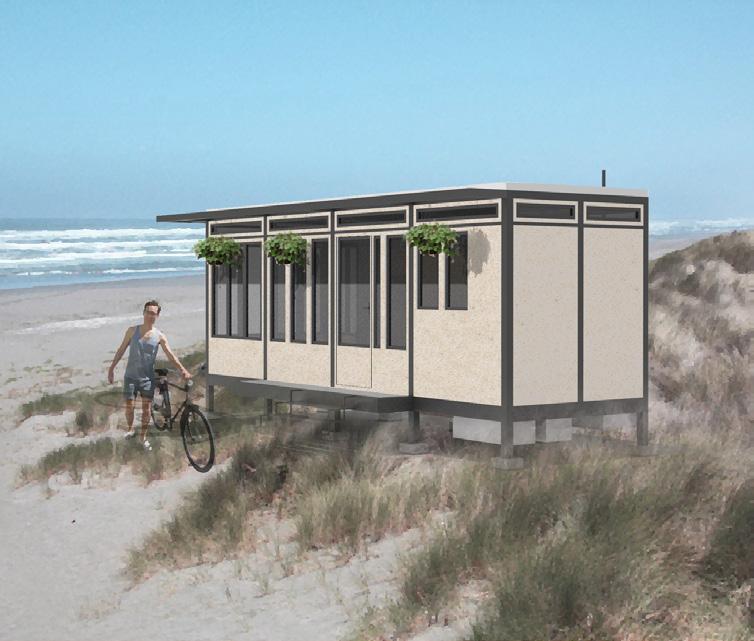
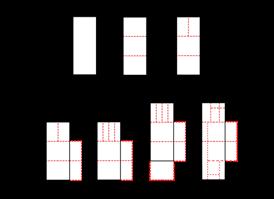
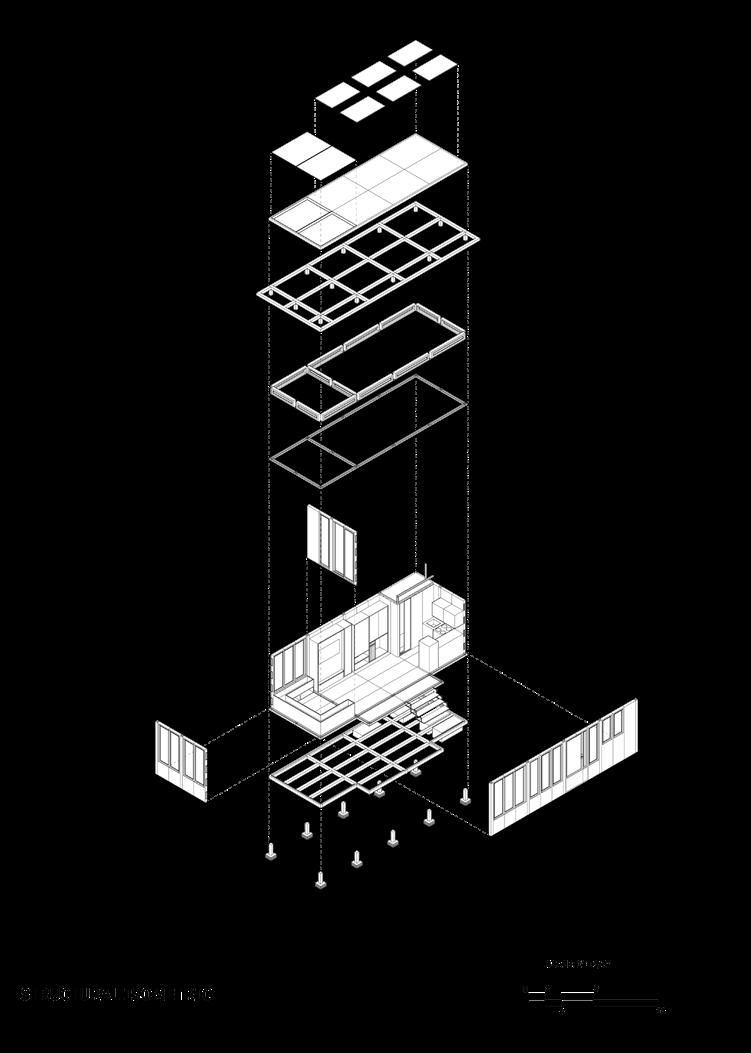
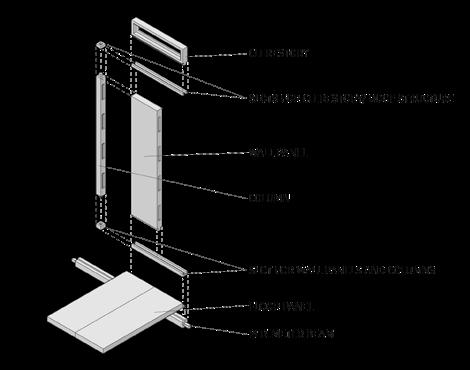
The spatial arrangements of the tiny home are broken down proportionally according to the prefabricated 2’x6’ floor panels. The placement of furniture and programs can take up from half a panel to 4 panels in a row.
PULL DOWN DINING SET
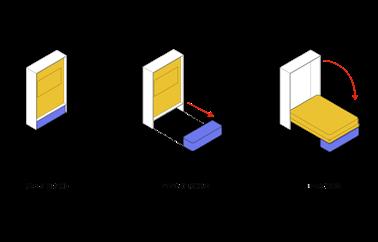
MURPHY BED CONFIGURATIONS
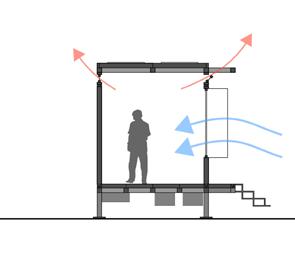
AIR CIRCULATION
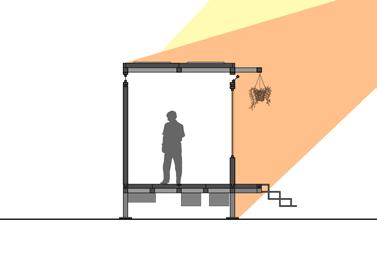
PASSIVE HEATING/ COOLING