Penn State University University Park, Pennsylvania
Bachelor of Architecture (B.Arch)
GPA: 3.74 / 4.00
Experience
May. 2023Aug. 2023
Intern | Dahn & Krieger Architects Planners P.C. Rochelle Park, New Jersey
• Produced schematic and construction drawing sets of small to medium sized commercial and civic projects
• Performed site surveys on commercial and office units
• Revised construction drawings per design changes
May. 2022Sept. 2022
Research Assistant | Penn State University University Park, Pennsylvania
Produced study drawings of 100 untitled sculptures designed by Donald Judd and worked with a professor to analyze the construction methods used in the project
Jun. 2022Aug. 2022
Intern | The Port Authority of New York & New Jersey New York City, New York
• Shadowed site visits to World Trade Center Site to record construction progress
• Designed proposals for trailer relocations within WTC campus to clear the site for 5 WTC
• Utilized building code and performed occupancy calculations on the WTC PATH station to study the feasibility of temporarily altering means of egress to allow construction to proceed
Aug. 2021Dec. 2022
Resident Assistant | Penn State University University Park, Pennsylvania
• Enforced campus residence policies, and provided counseling and information to first-year students
English (native)
Serbian (intermediate)
Languages Soft Skills
Collaborative Worker
Active Listener
Detail-Oriented
Competitions
2022 The 21st Annual Hajjar Memorial Competition Honorable Mention
2023
House of the Future Design Competition by Buildner Top 40 Shortlisted Project
Penn’s Woods Music Center
pg. 20-27
28-33
34-35
Hampden Oncology Center
Enola, Pennsylvania
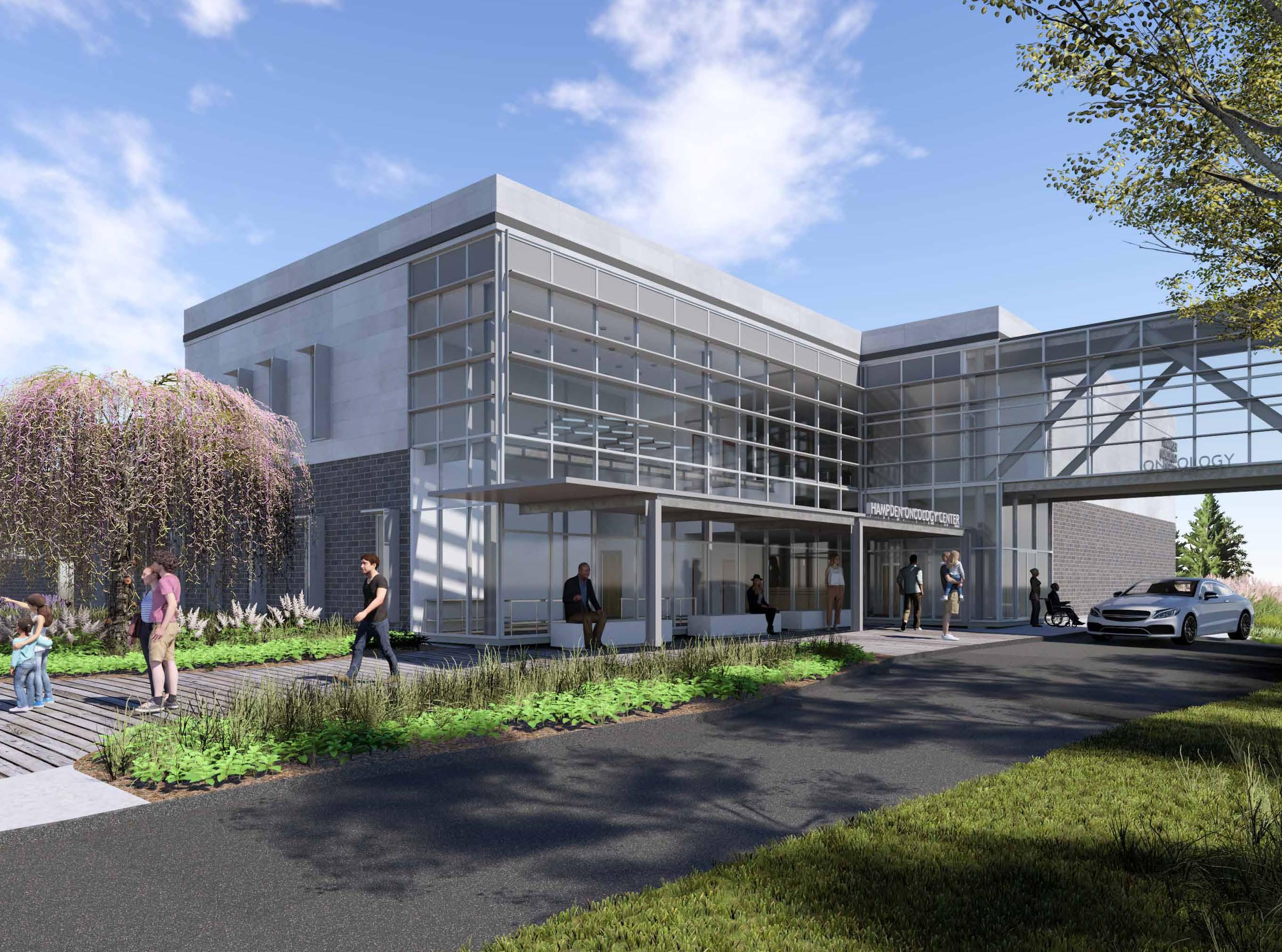
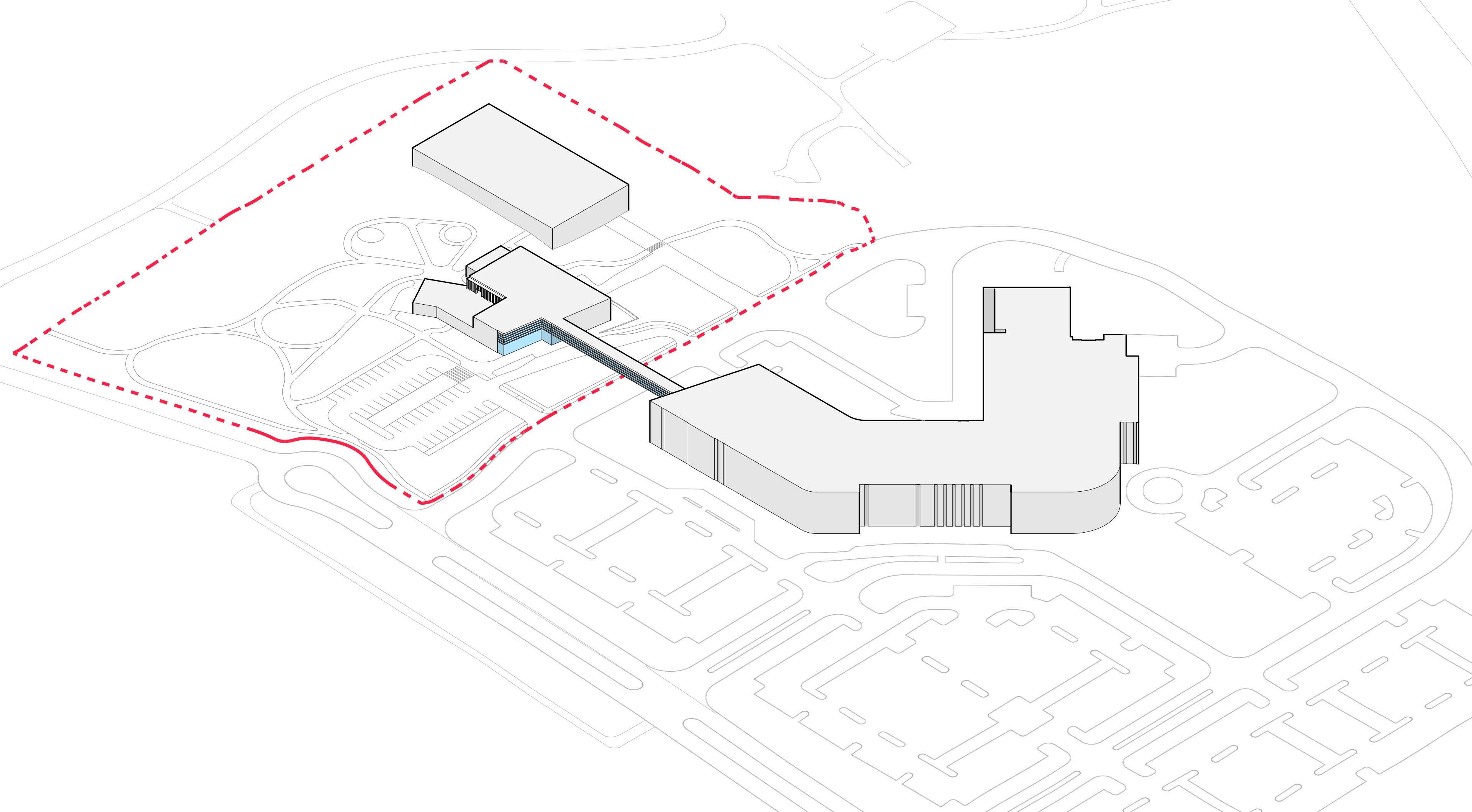
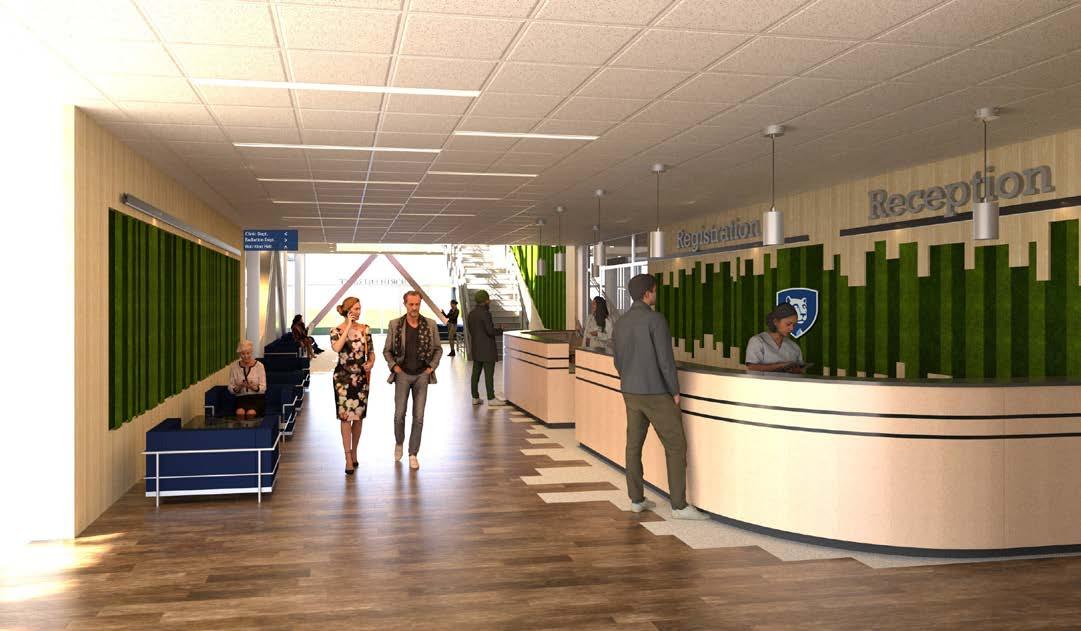
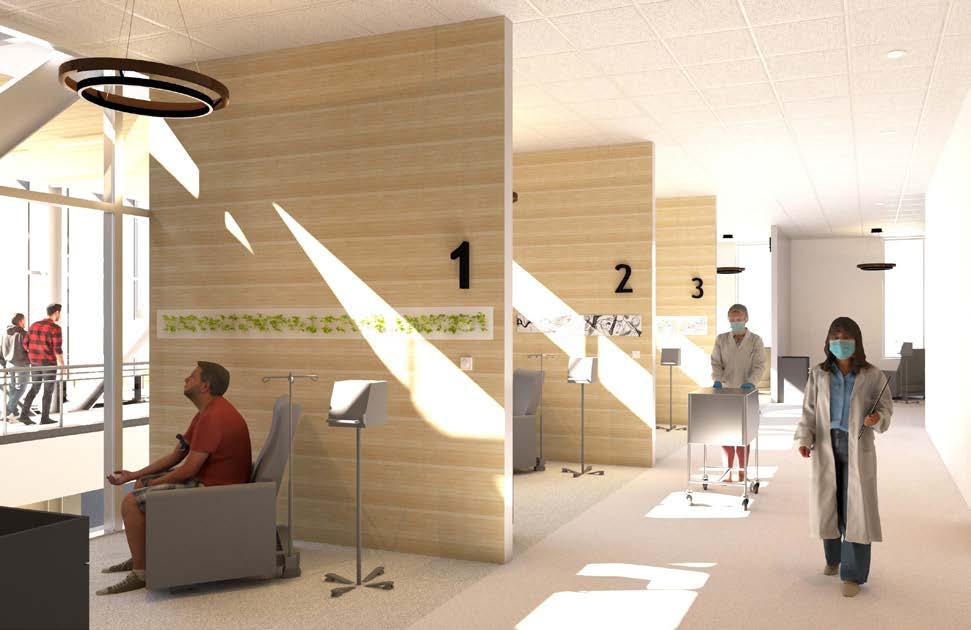
An extensive project done in collaboration with student peers from landscape architecture, and architectural engineering, the Hampden Oncology Center is a proposed extension to the existing Hampden Medical Center operated by Penn State Health.
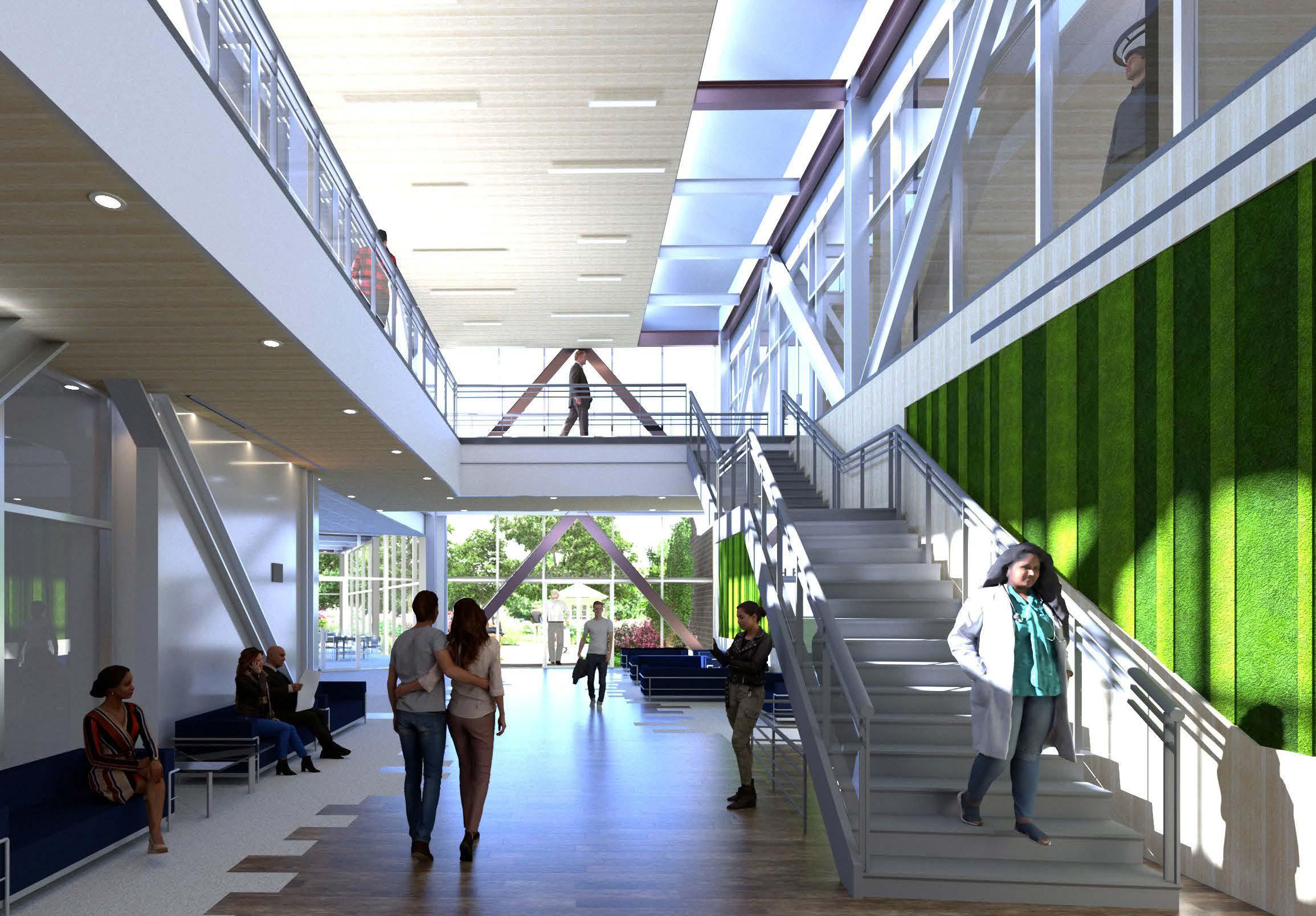
Our team’s intent for the project is to design an oncology center that provides a welcoming atmosphere to patients and staff through the implementation of biophilia in the building, as well as creating connections to the existing hospital and surrounding community.
As part of this multi-disciplinary team, I coled the design of the oncology center and collaborated with my team members to integrate our various systems and features into a cohesive design.
Project Information
Spring 2024/ Academic
Duration/ 15 Weeks
Team
Luka Jovanovic (Architecture)
Marisa Calbi (Architecture)
Melanie Zhang (Landscape Architecture)
Adam Deemer (Landscape Architecture)
Steven Borgia (Structural Engineer/ CM)
Noah Waldinger (Structural Engineer/ CM)
Sophia Carter (Mechanical Engineer)
Madison Plesh (Electrical Engineer)
Software
Rhino 3D
Revit
Auto CAD
Lumion
V-Ray
Adobe Photoshop
Adobe Illustrator
Jovanovic
Concept
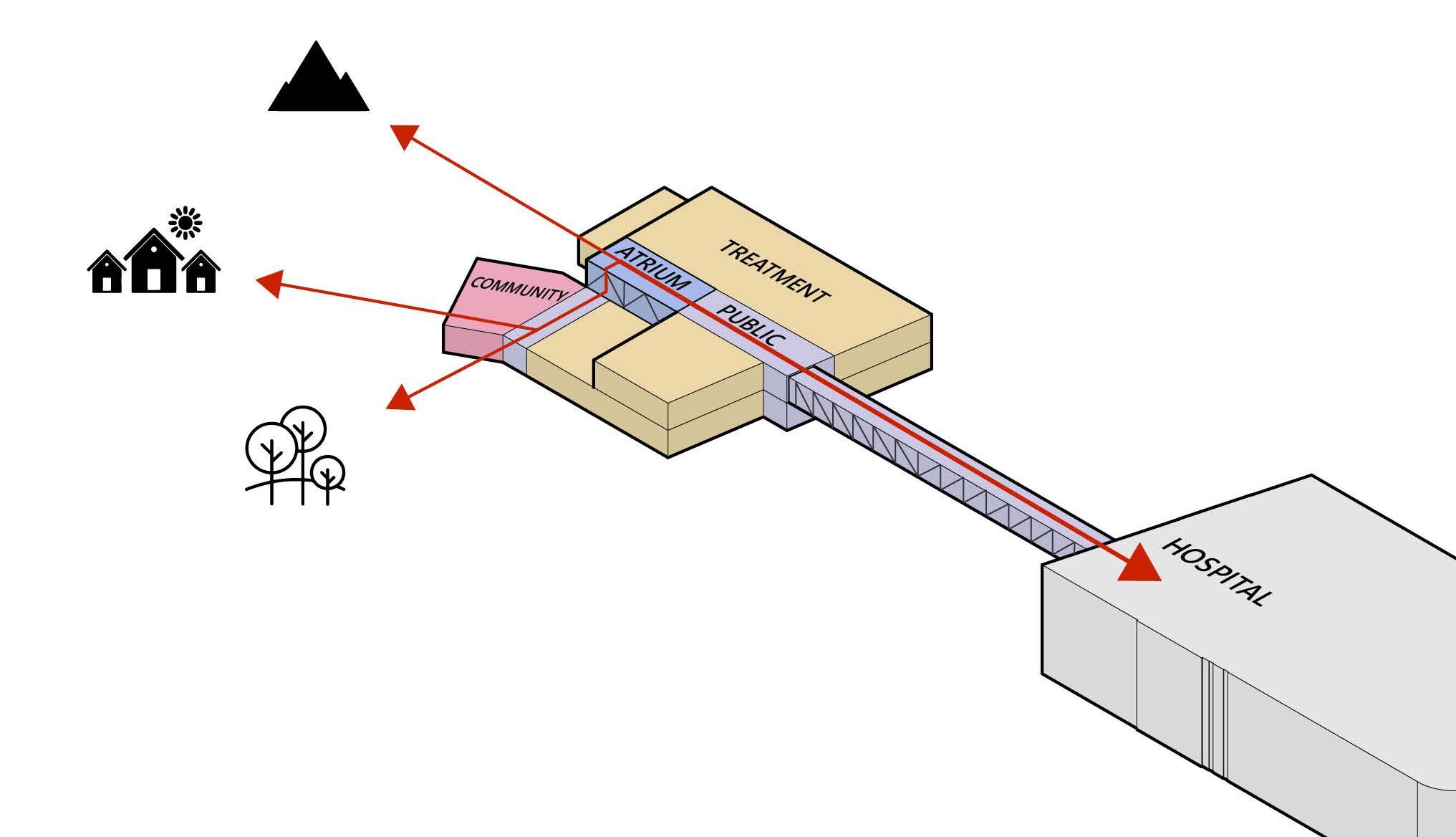
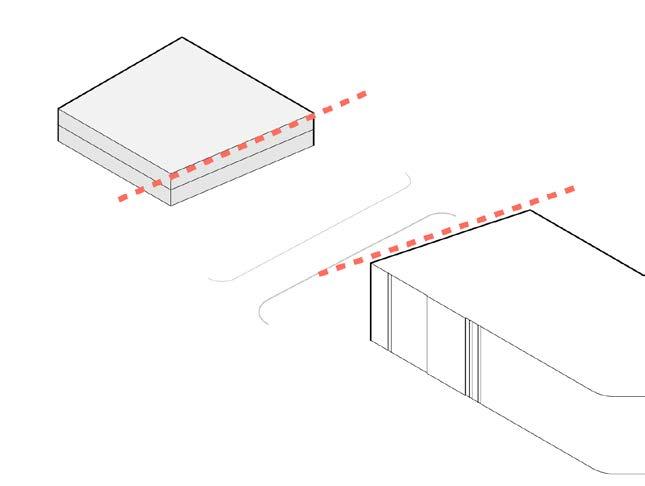
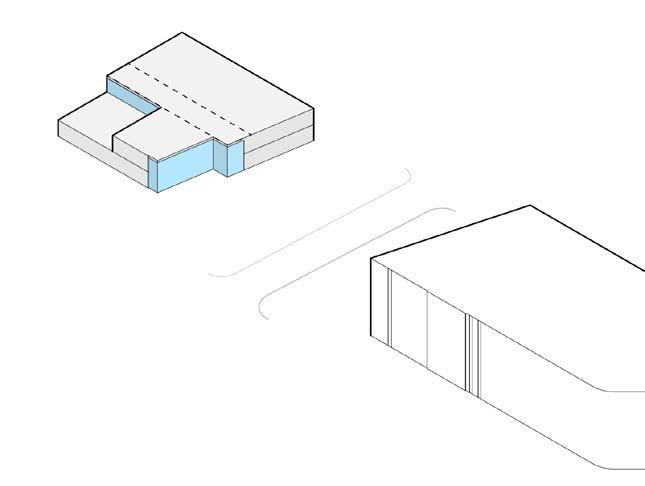
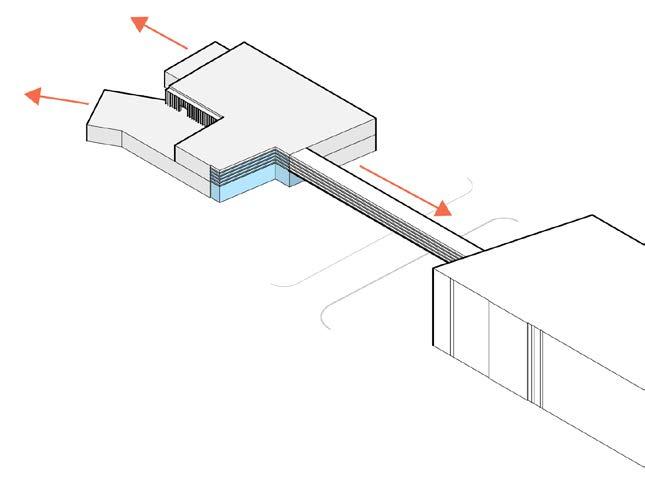
Conceptually, the Hampden Ocology Center aims to reach out and connect to the existing medical center campus and surrounding community through physical and gestural means. This concept was achieved in collaboration with our landscape architects to create a seamless transition where biophilia is brought into the building while its intended connections are extended beyond through the site work.
1. ALIGN
REDUCE/ OPEN
EXTEND/ CONNECT
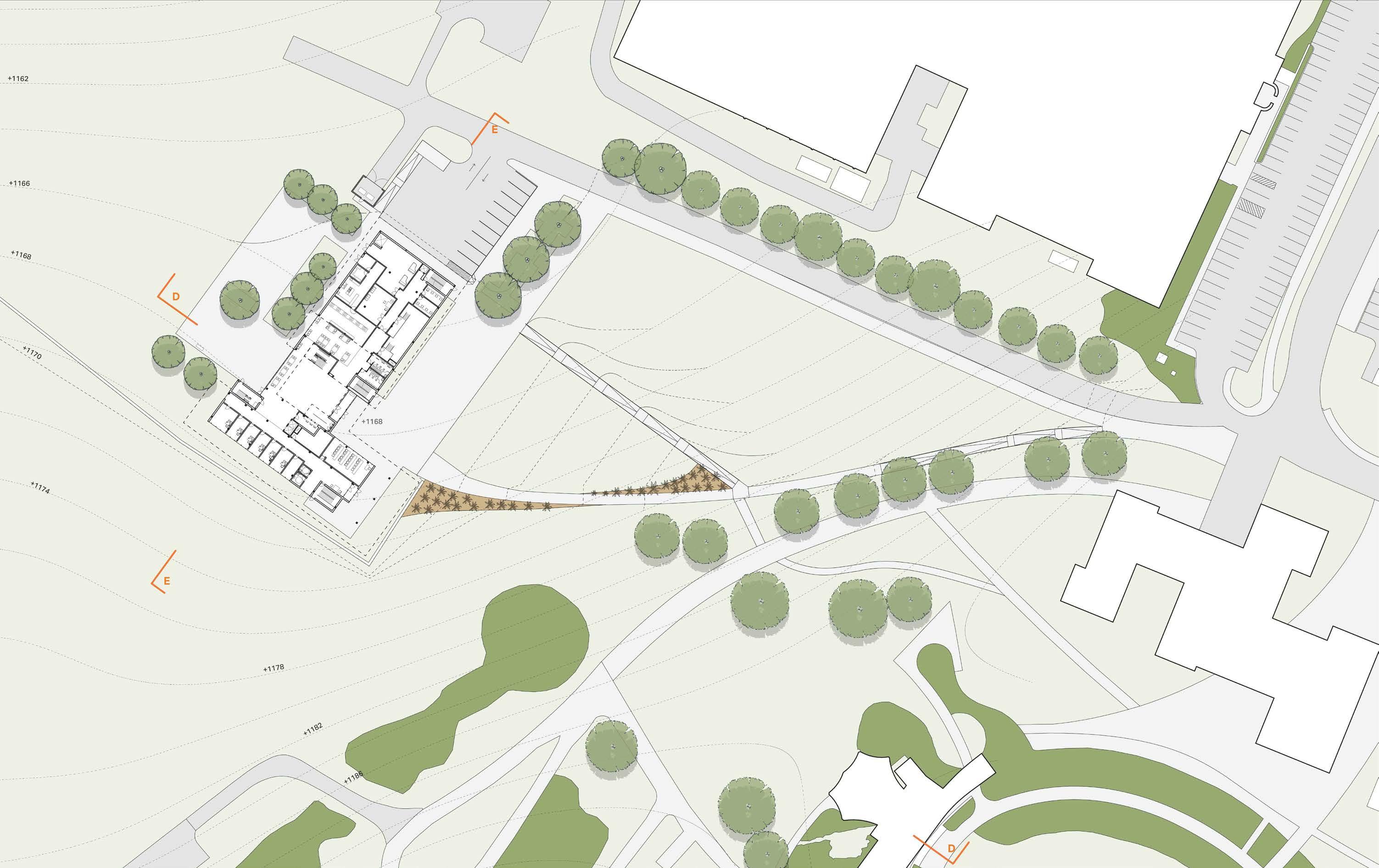
ONCOLOGY PARKING
HAMPDEN ONCOLOGY CENTER
SKYBRIDGE (230 FT)
HAMPDEN MEDICAL CENTER
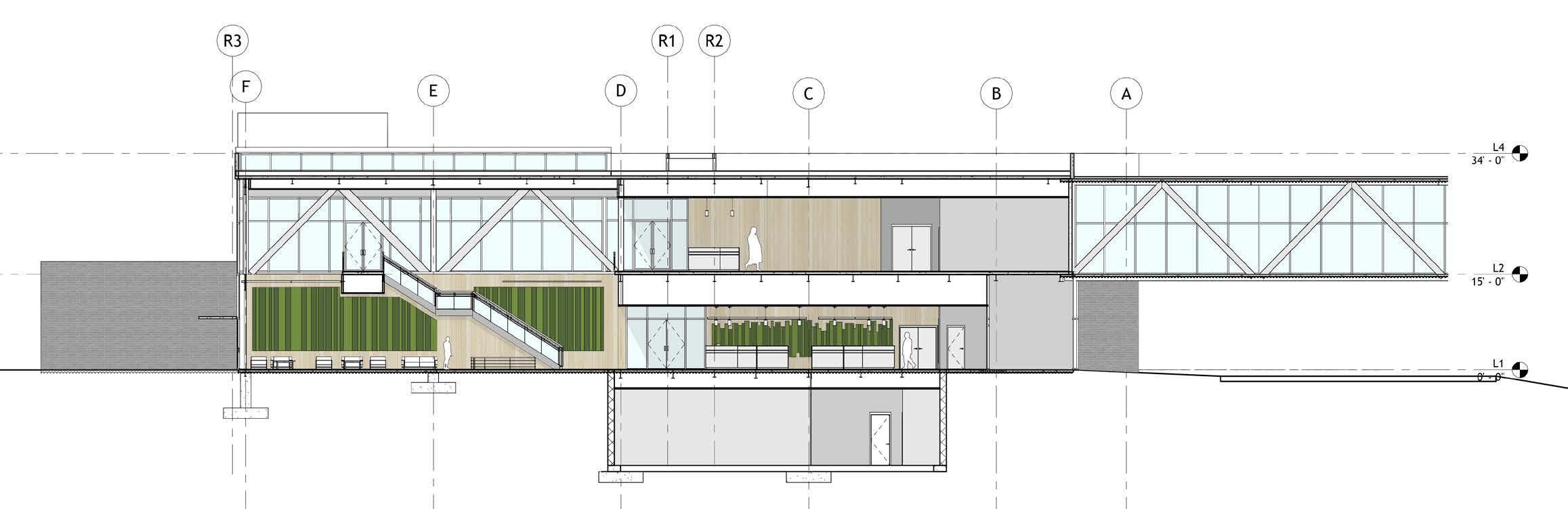
Site Section
Created by Adam Deemer (L.Arch) and Luka Jovanovic (Arch.)
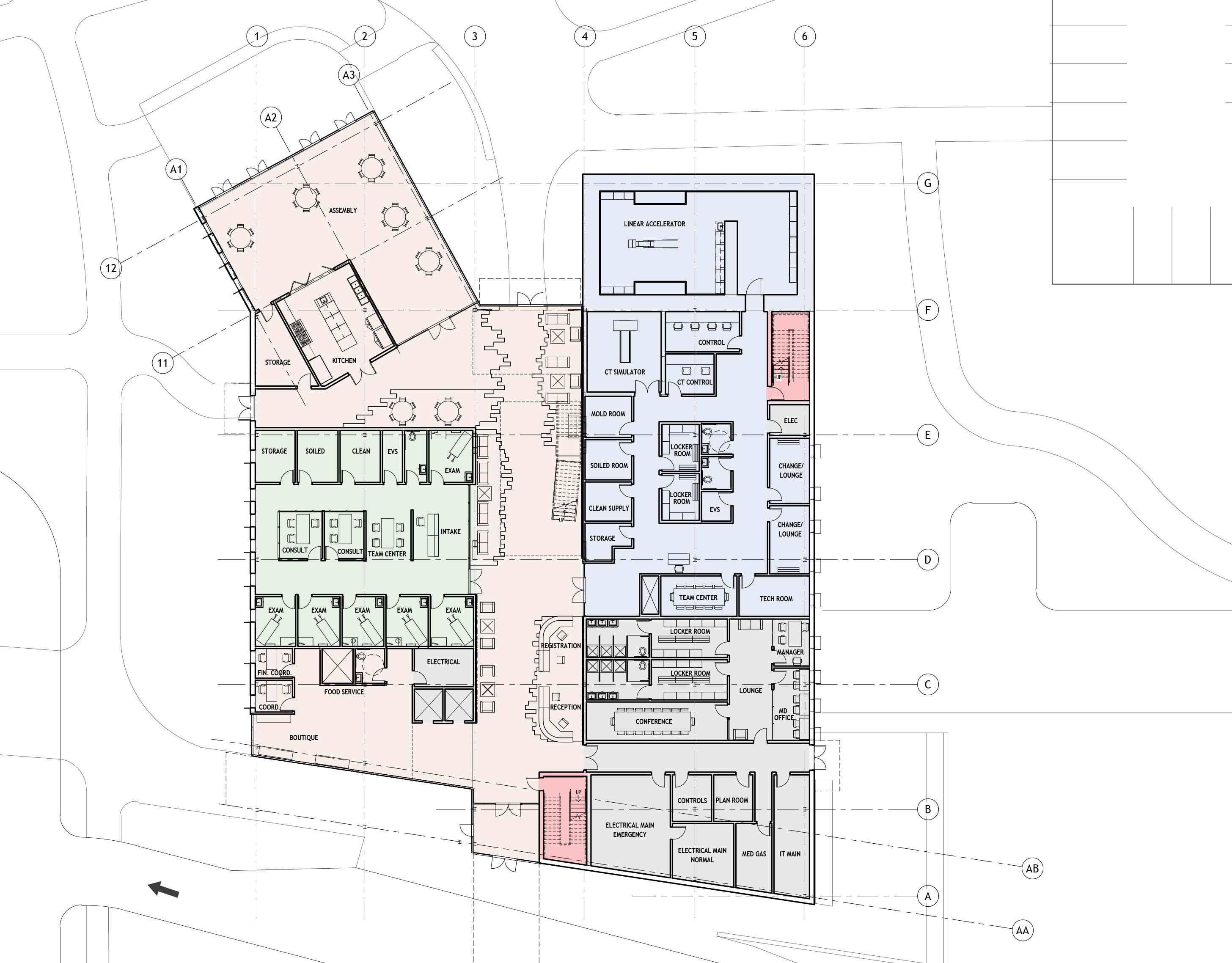
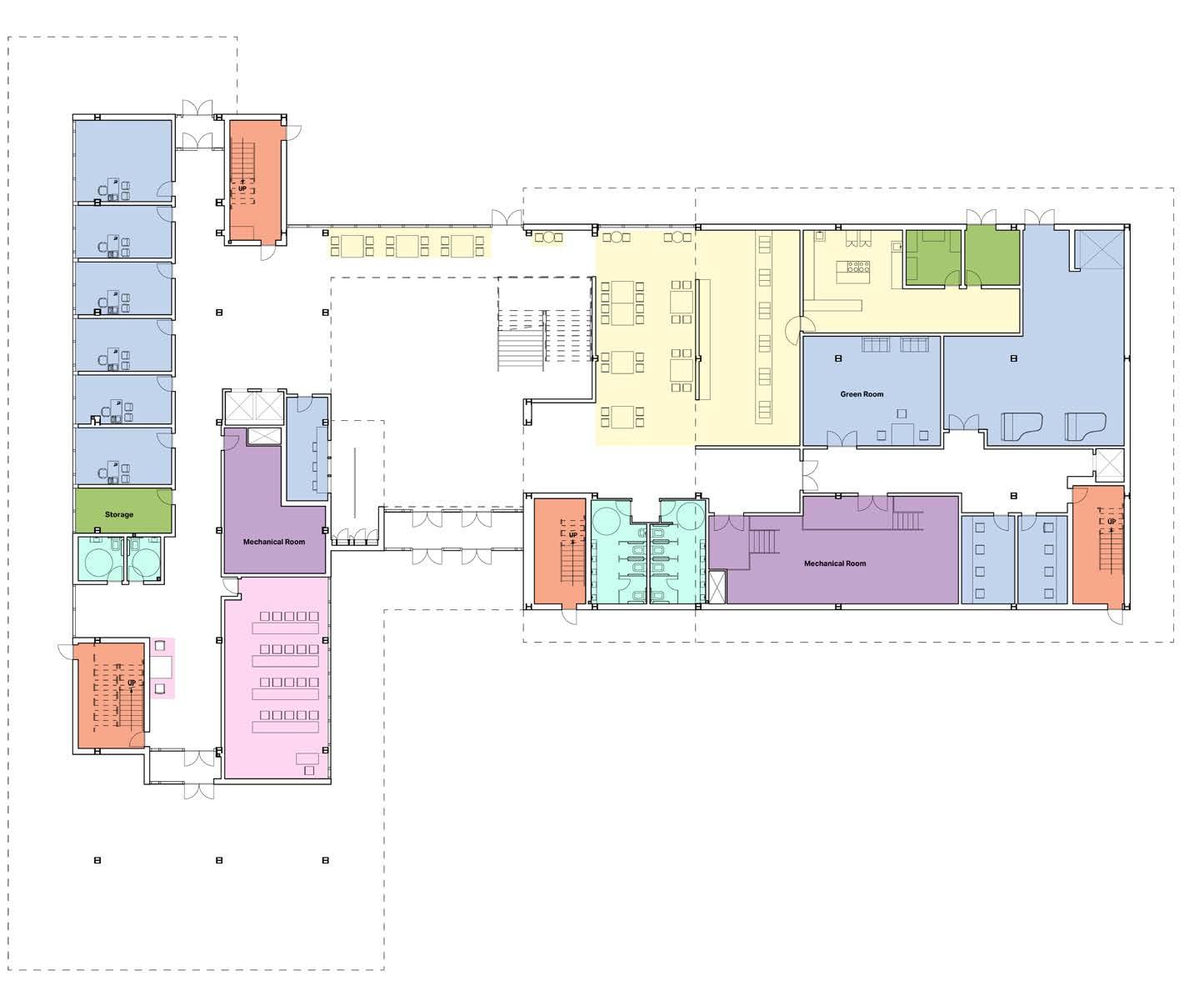
First Floor Plan
Created by Luka Jovanovic (Arch.) & Marisa Calbi (Arch.)
Program Organization
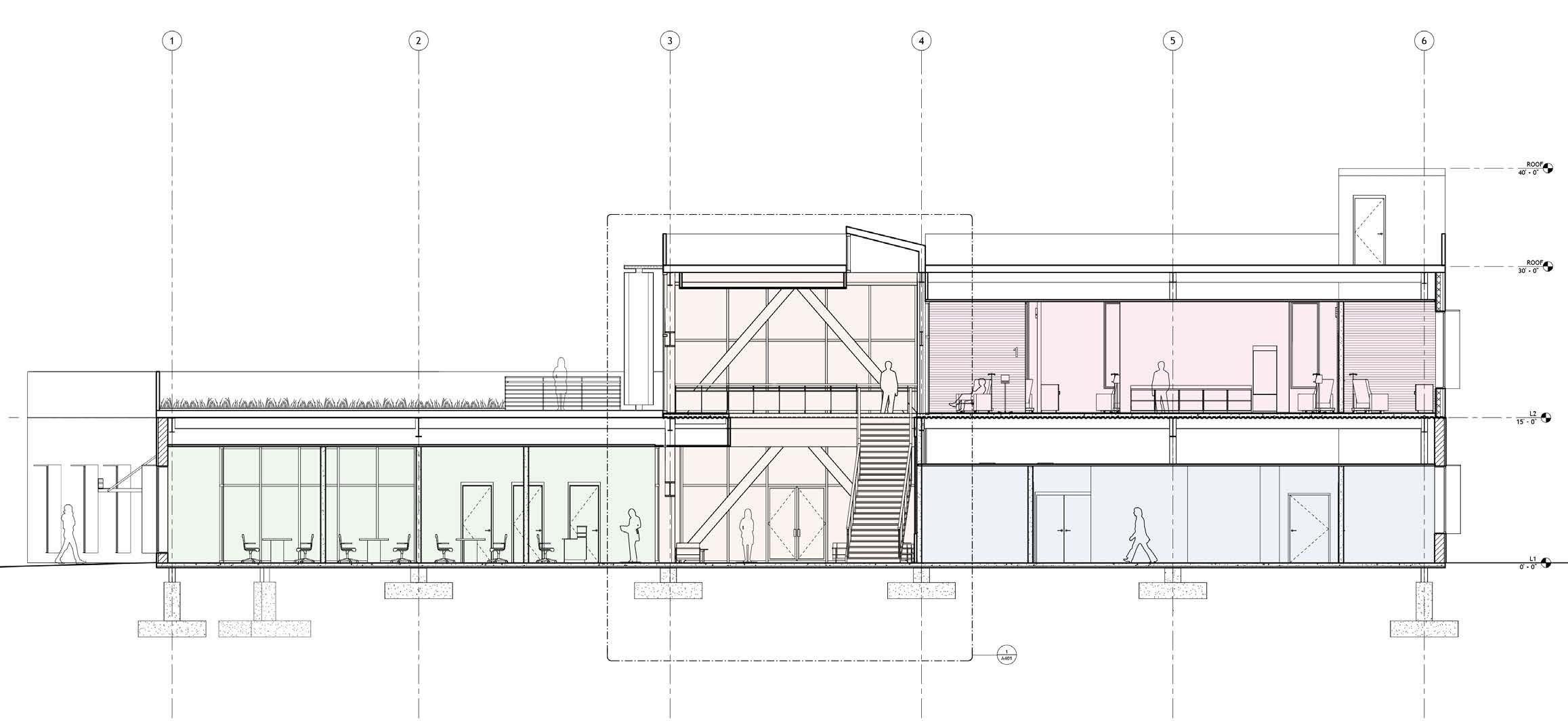
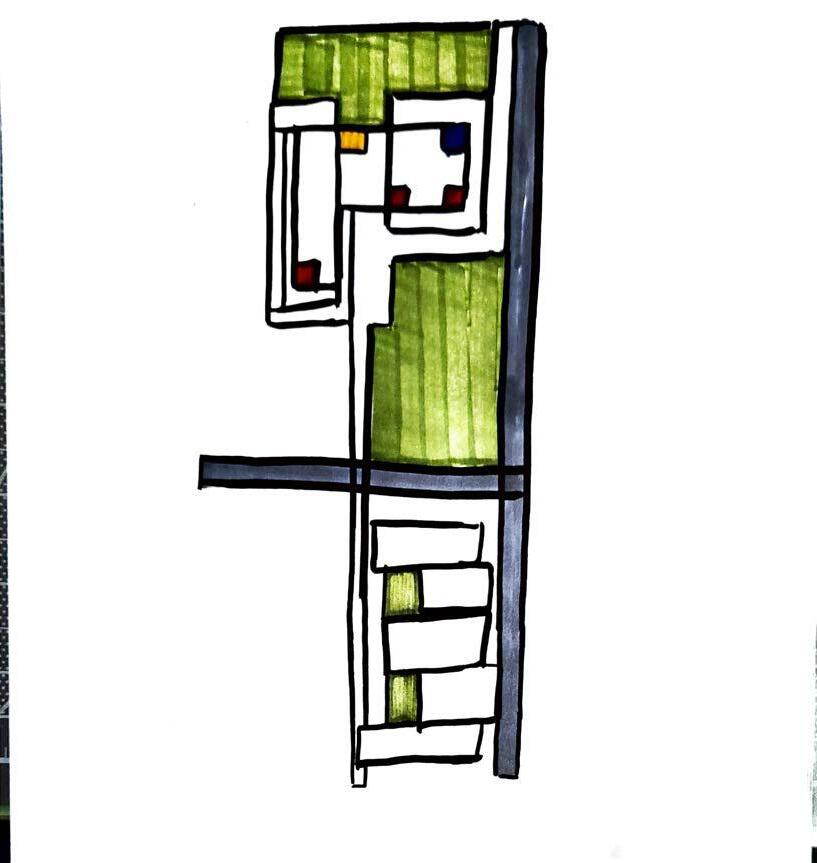
Programmatically, the various medical wings of the Oncology Center are arranged around a central corridor. In the middle of this corridor is a central atrium which acts as a large waiting room as well as a means for vertical circulation.
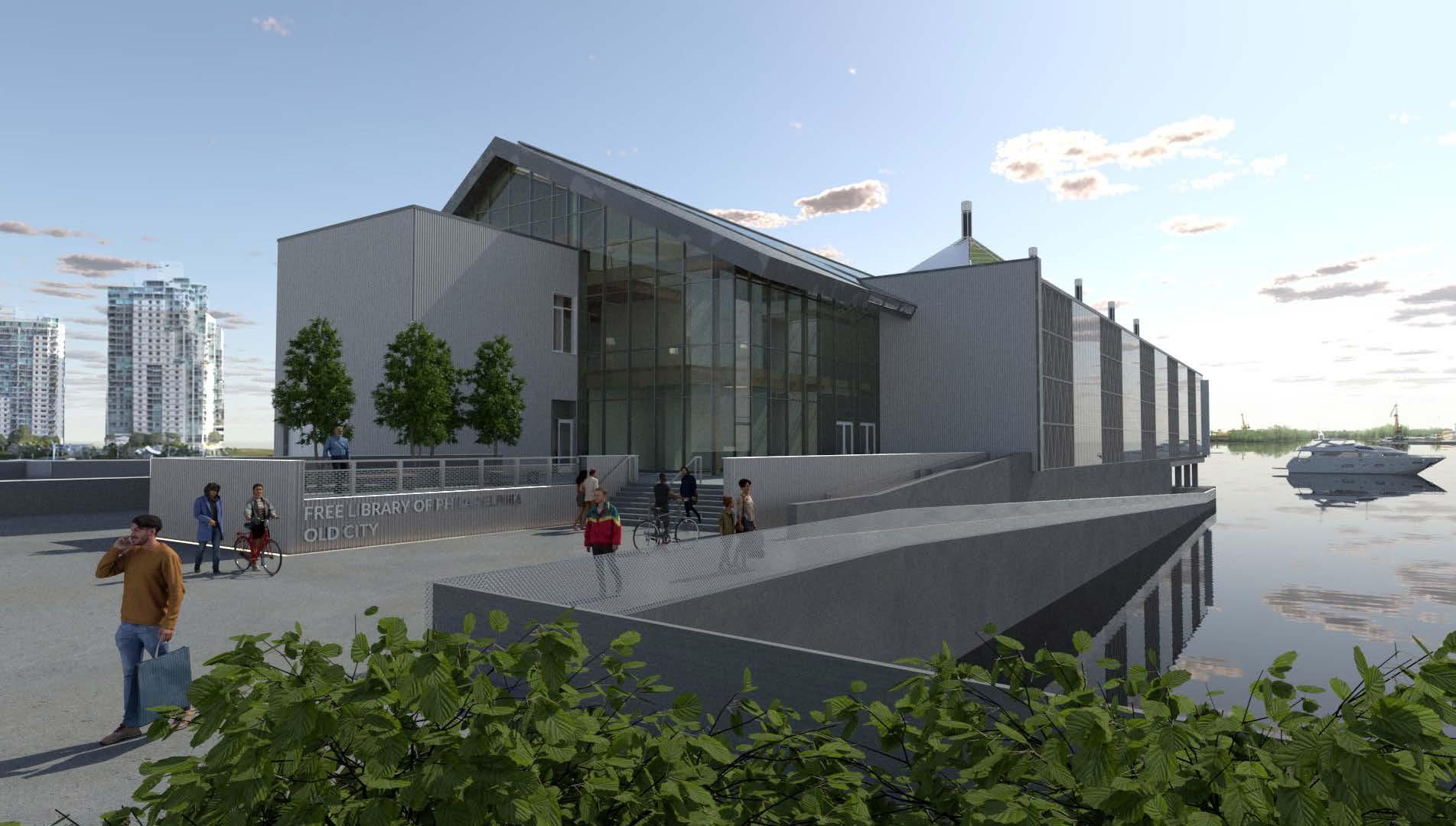
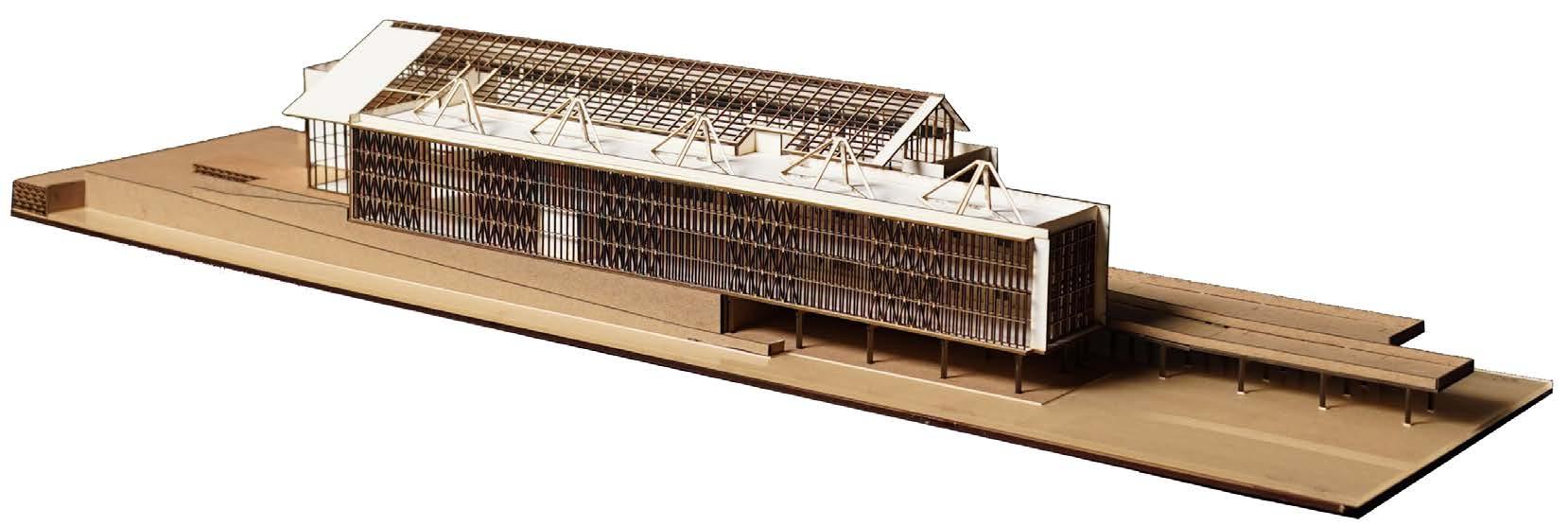
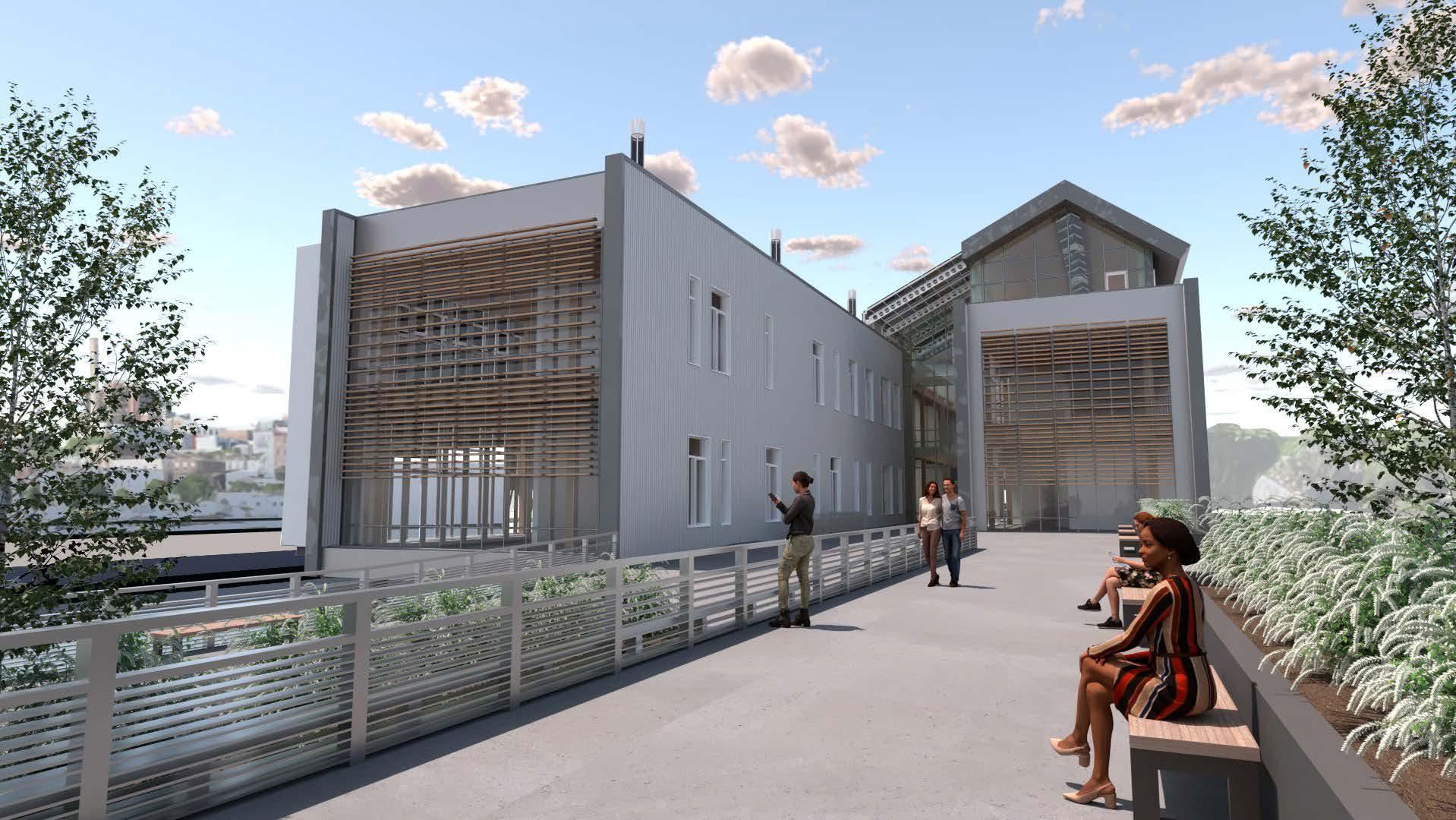
Designed as a library on a pier to serve the Old City neighborhood of Philadelphia, the Learner’s Wharf is designed to be as efficient as possible while also paying homage to its industrial past.
From performing embodied carbon analyses of materials to studies of passive design methods, the project aims to minimize the environmental impact of the building in its construction and daily operations. In addition to being environmentally sustainable, the Learner’s Wharf aims to serve the community through analysis of demographics and the surrounding urban fabric to see how best the library can serve the city.
As part of a two-person group, my main focus within the project concerned passive design analyses into solar heating and water management, as well as assessments into community impact. In addition, my responsibilities included model construction and renderings of the library and its site.
Project Information
Fall 2022/ Academic
Duration/ 15 Weeks
Team
Luka Jovanovic
John Martin
Software
Rhino 3D
SketchUp
V-Ray
Adobe Photoshop
Adobe Illustrator
Cove. Tool
Sefaira
DIVIDE
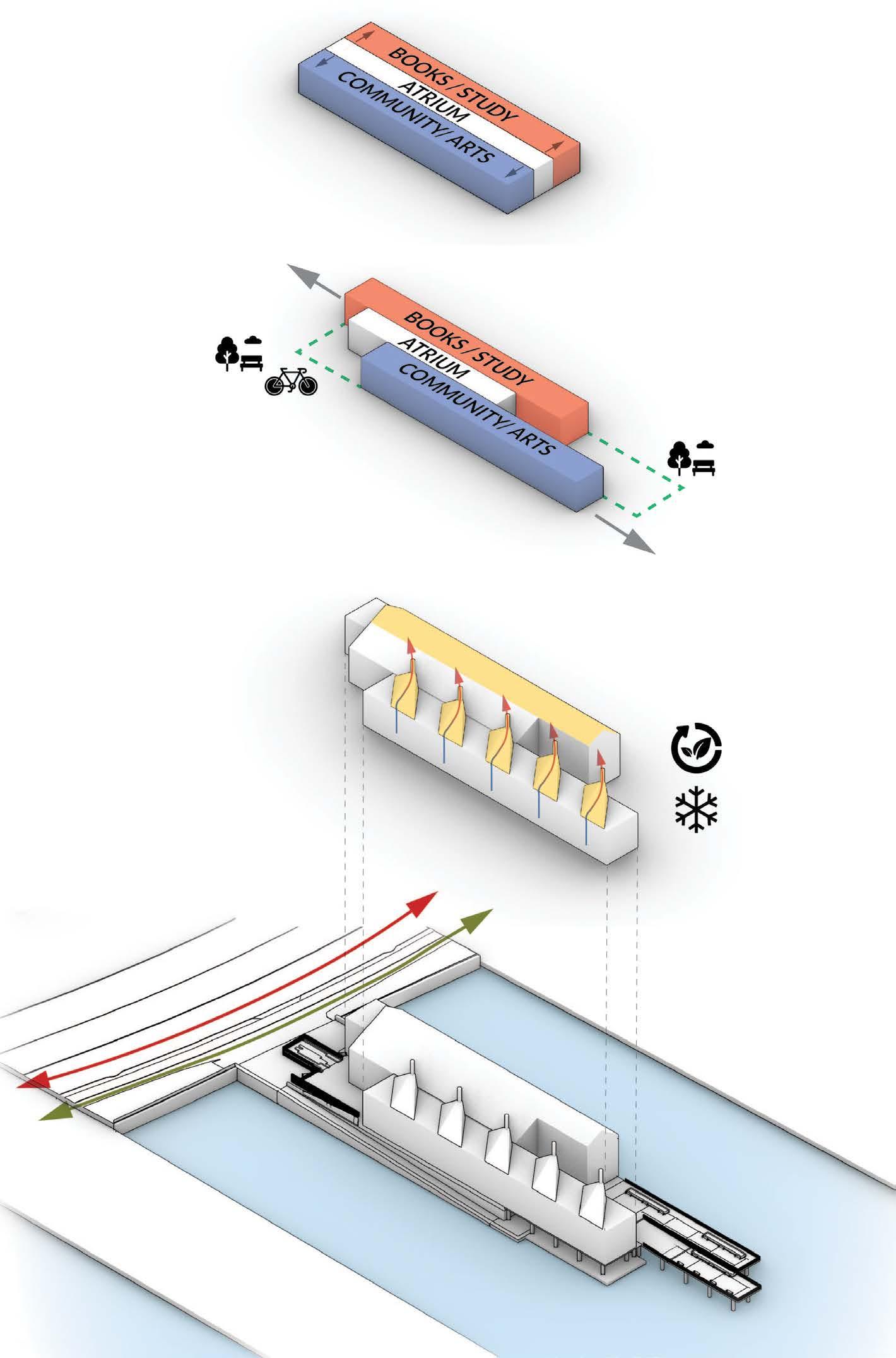
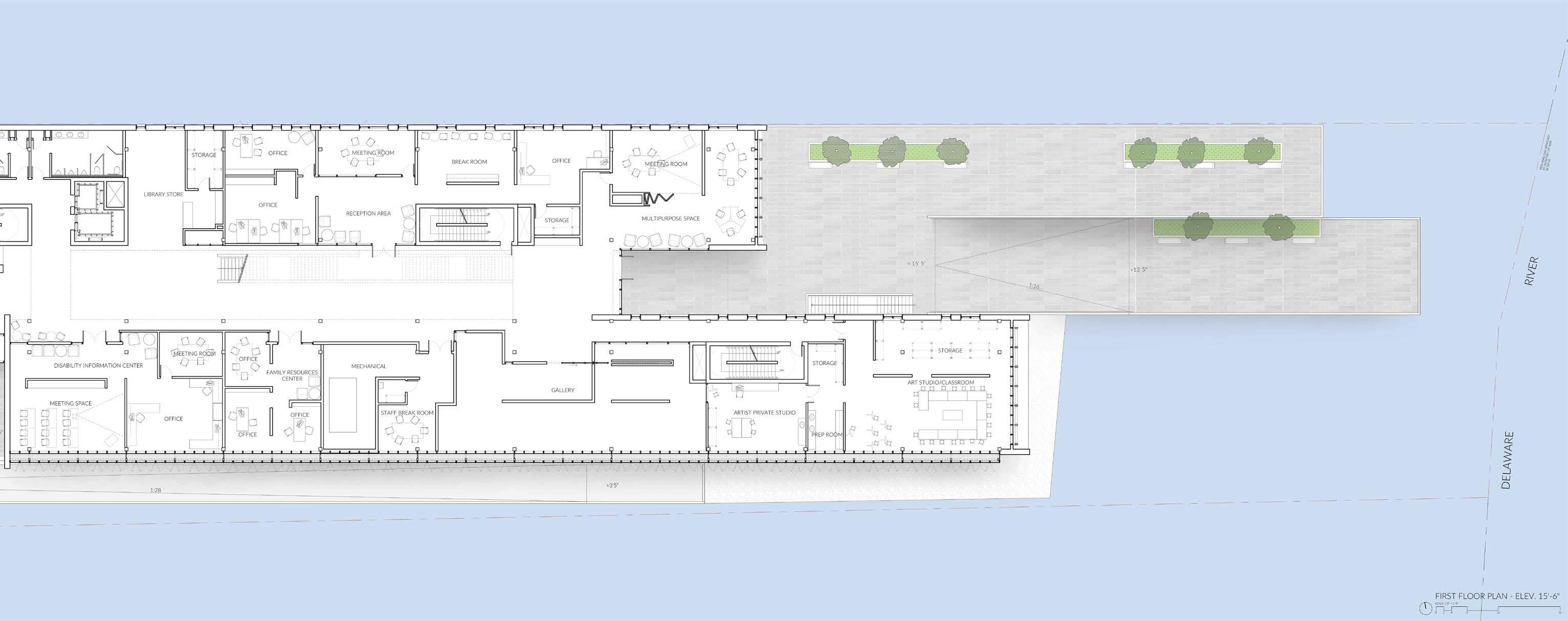
Building is broken into three segments with community and book programming bridged by a central atrium corridor
SHIFT
Segments are shifted to create unique pockets of space for recreational programming
ENHANCE
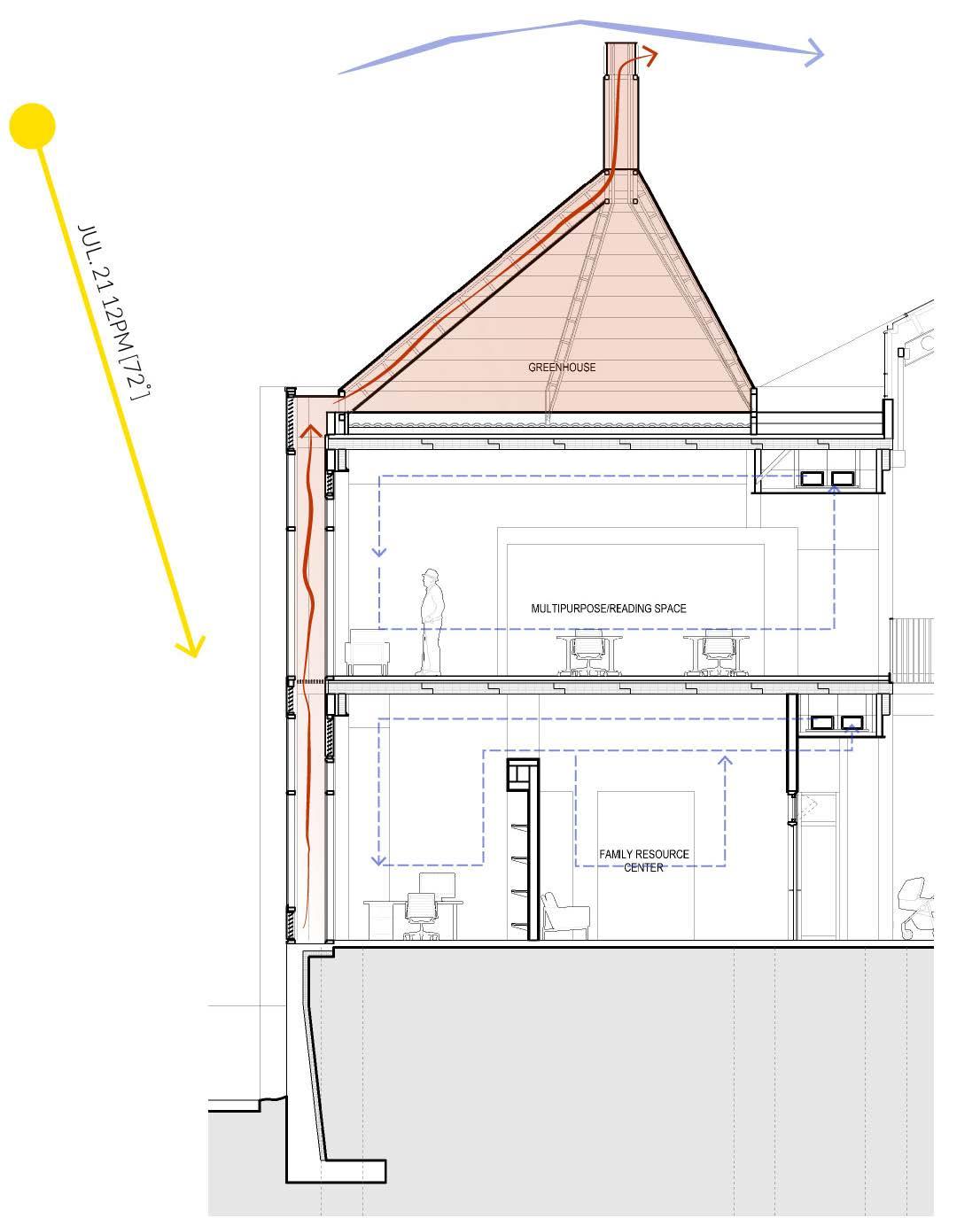
Implementation of solar chimneys to facilitate passive cooling while nodding to the sites past through industrial motifs
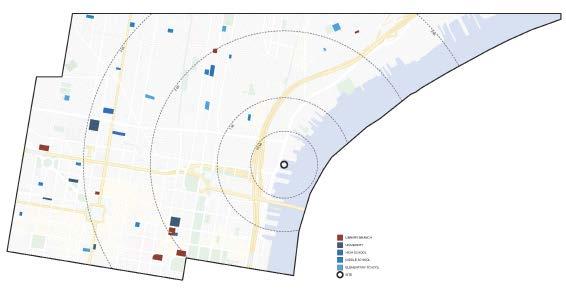
Site Context & Research
Extensive research was done to asses the background of the community and its nearby resources. This information helped us determine that the programming of the library should lean more towards community based uses such as meeting spaces and gallery spaces for local artists.
Concept
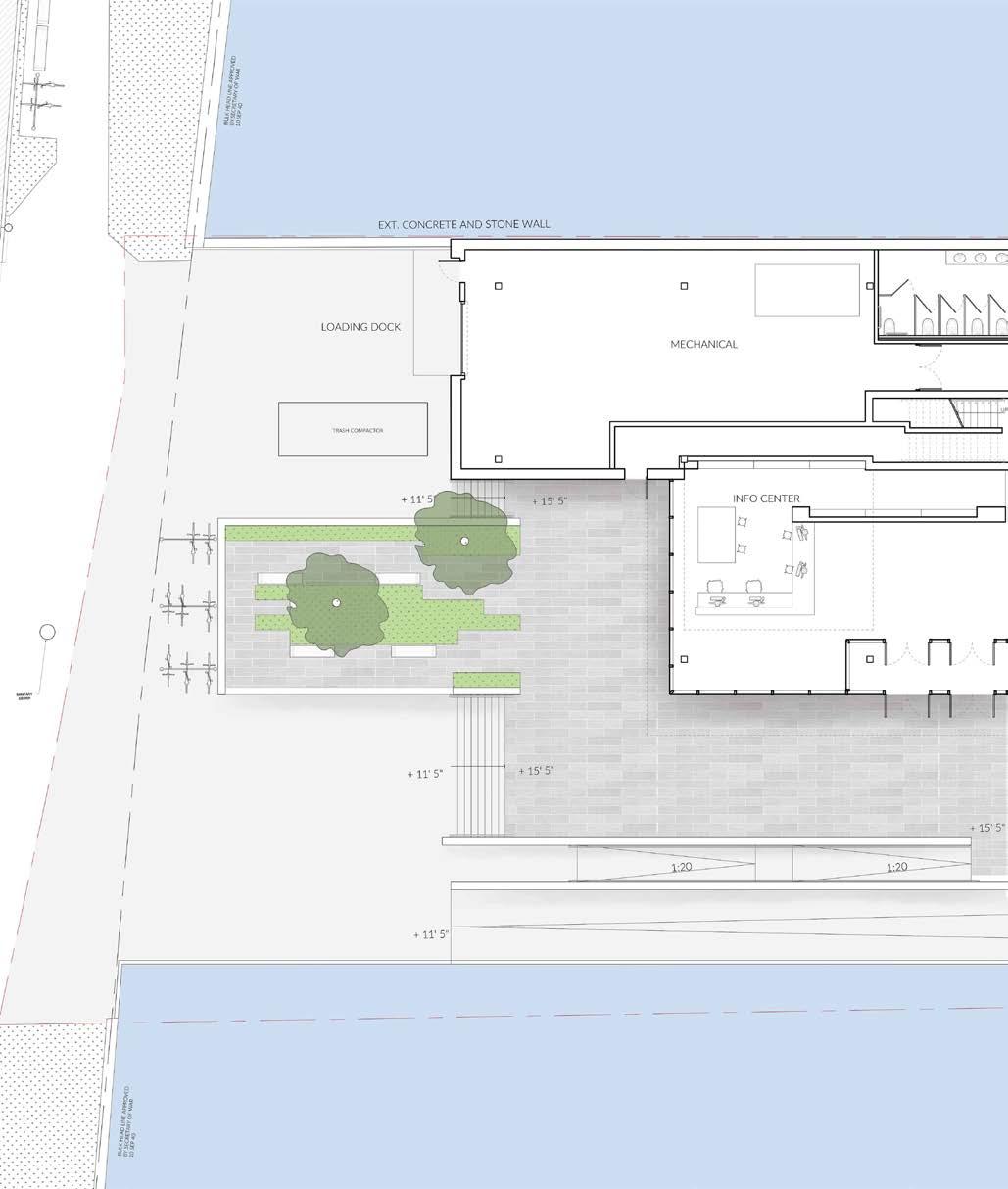
First Floor/ Site Plan
Created by Luka Jovanovic and John Martin
Neighborhood Map
Created by John Martin
Solar Chimney
Physical Model - 1/16” Scale
Created by Luka Jovanovic
Passive Cooling Strategy
Diagram and Solar Chimney by John Martin
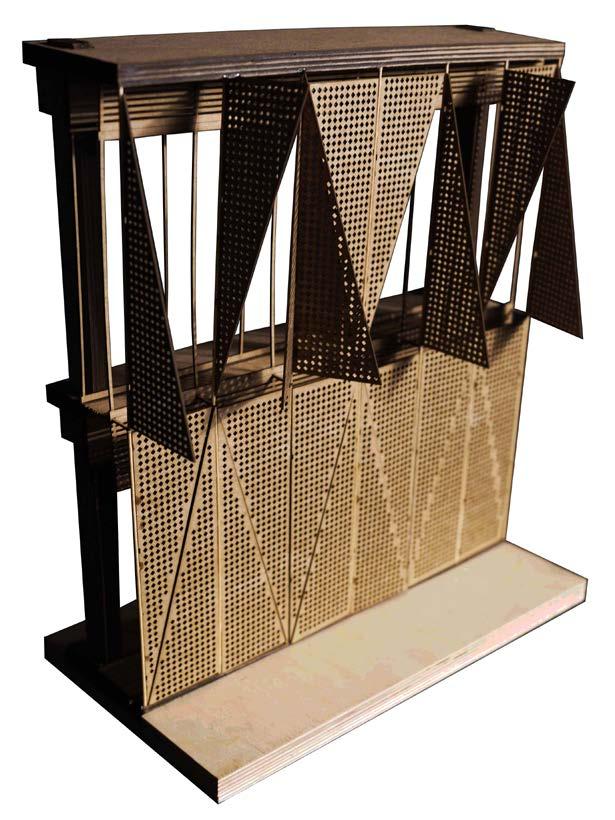
Double Skin Facade by Luka Jovanovic
Double Skin Facade Study Model
It is crucial for a high performing building to have an efficient water management system. The main water management strategies used in the building features stacked bathrooms to reduce plumbing runs in the building. Furthermore, a rainwater collection system is being implemented to recycle rain water for use in watering the building landscaping and for providing water for select plumbing fixtures.
Section/ Water Management Metrics
Section by John Martin
Diagram and Metrics by Luka Jovanovic
Wharf
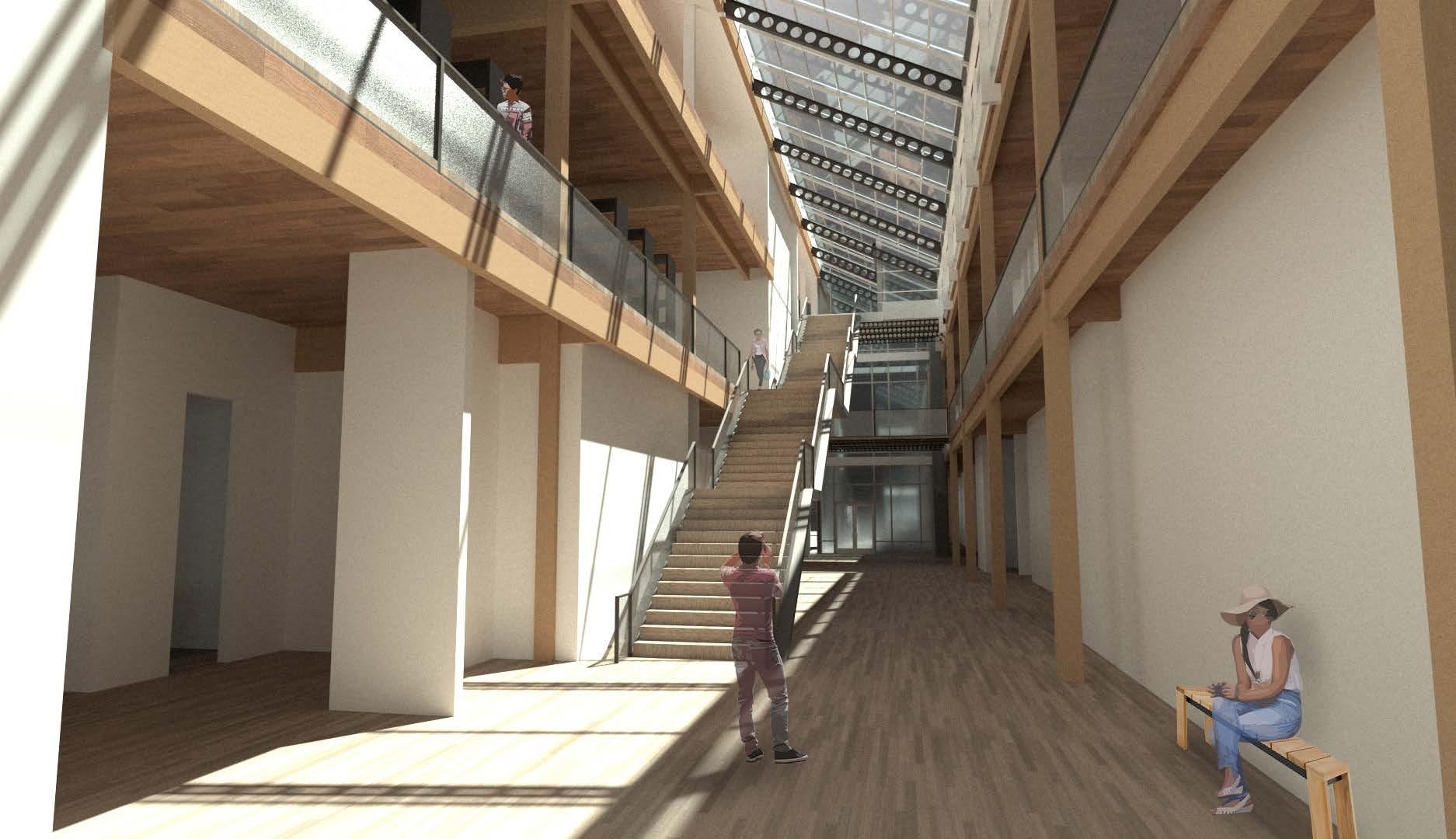
Atrium View
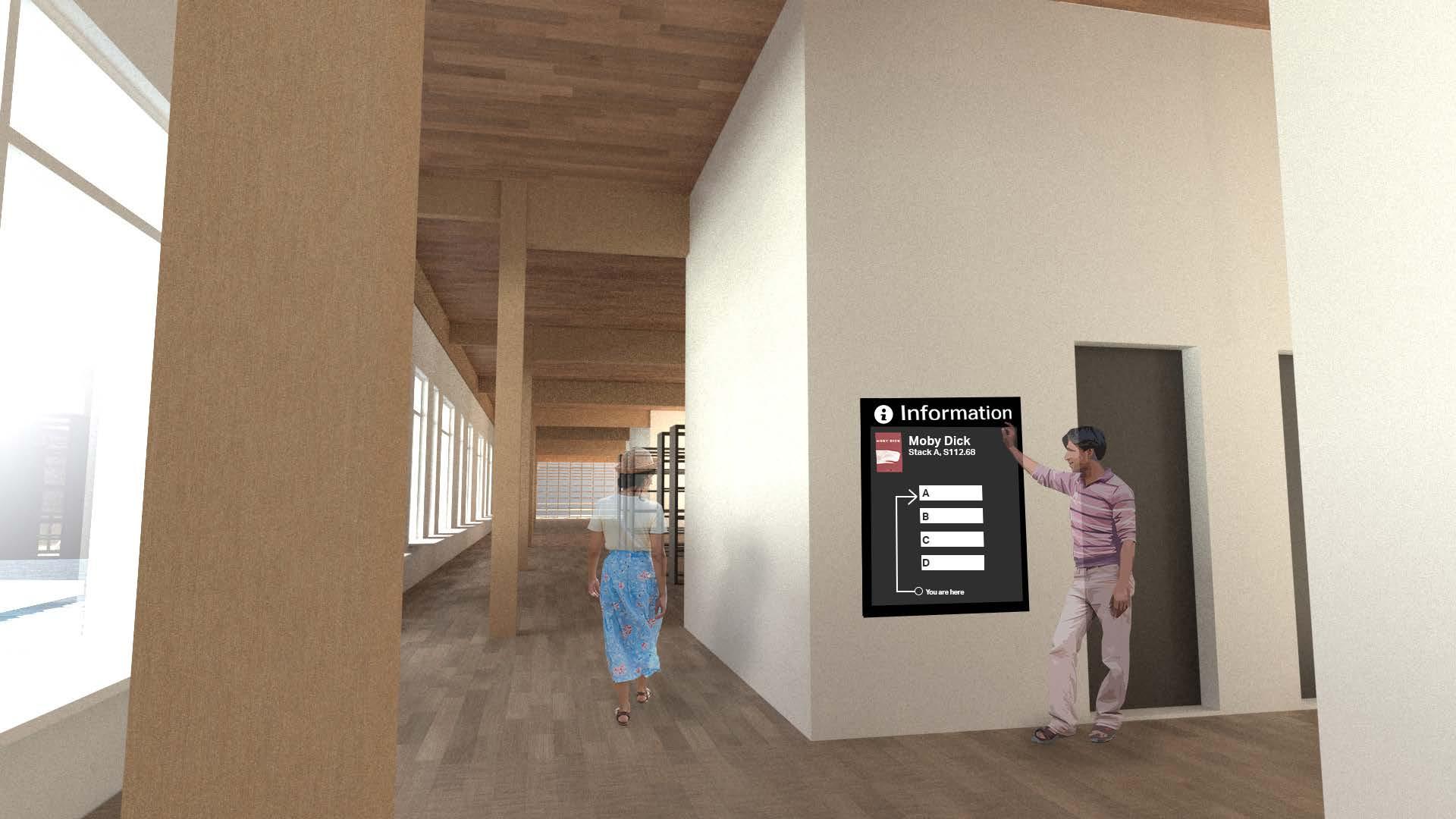
Second Floor Hallway
Building Rear View
Rendering by Luka Jovanovic
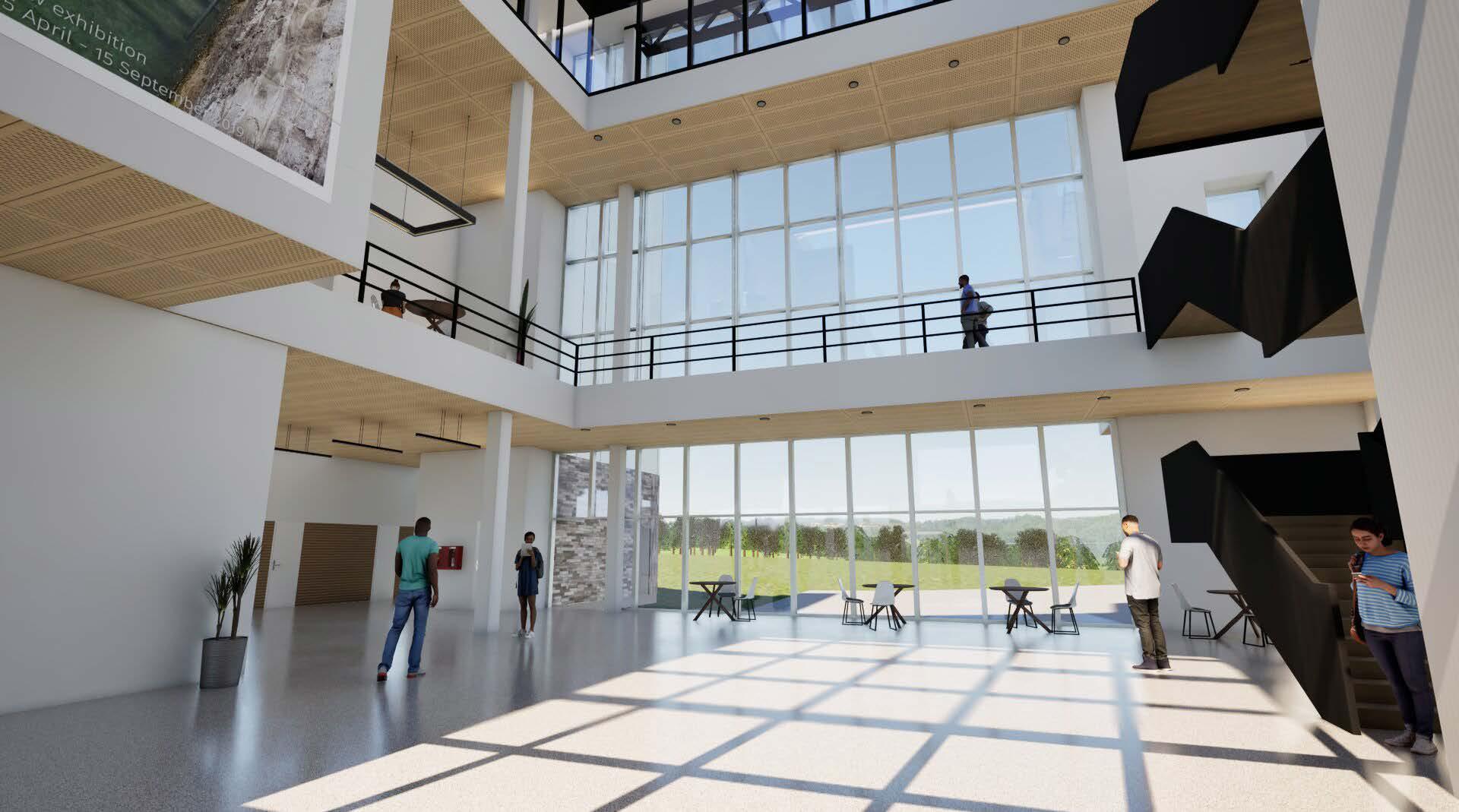
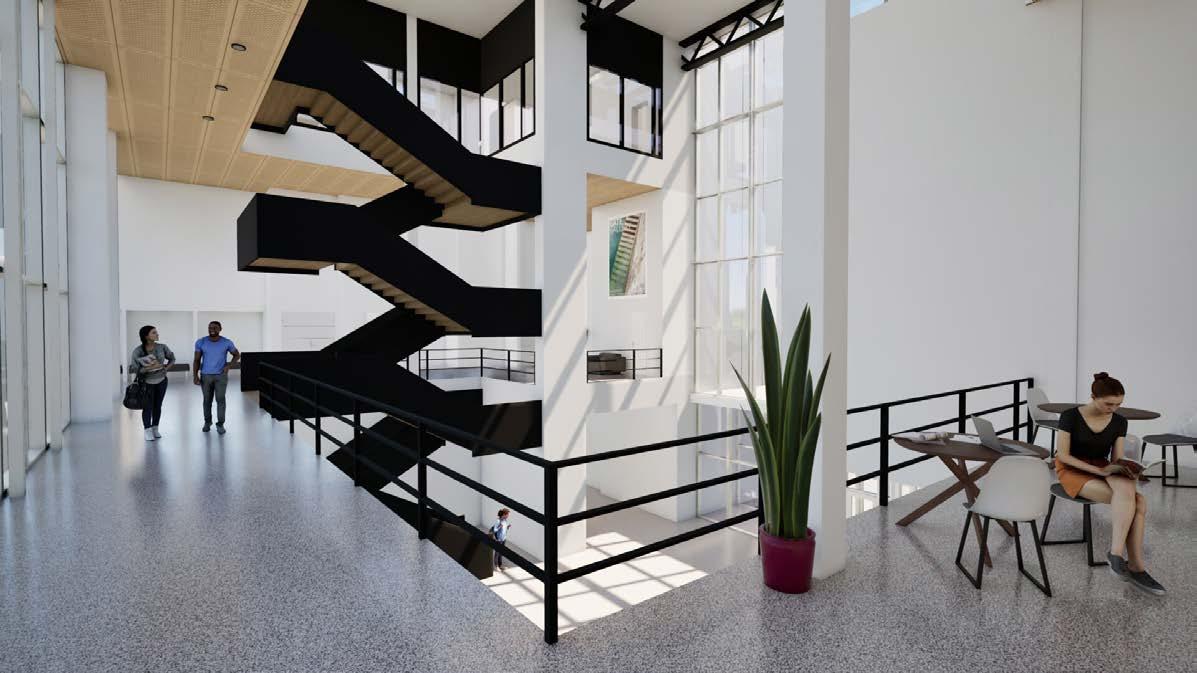
Penn’s Woods Music Center
State College, Pennsylvania
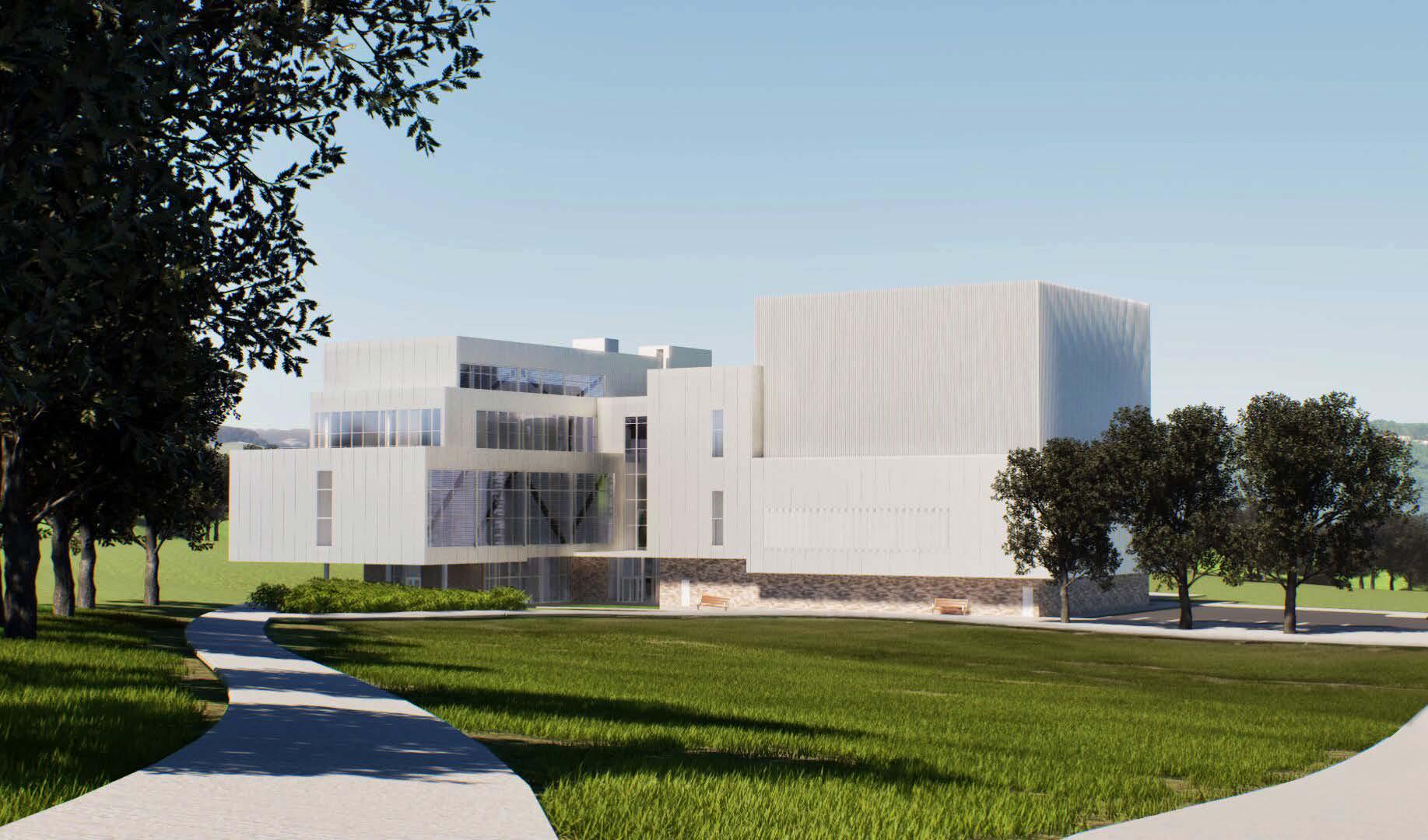
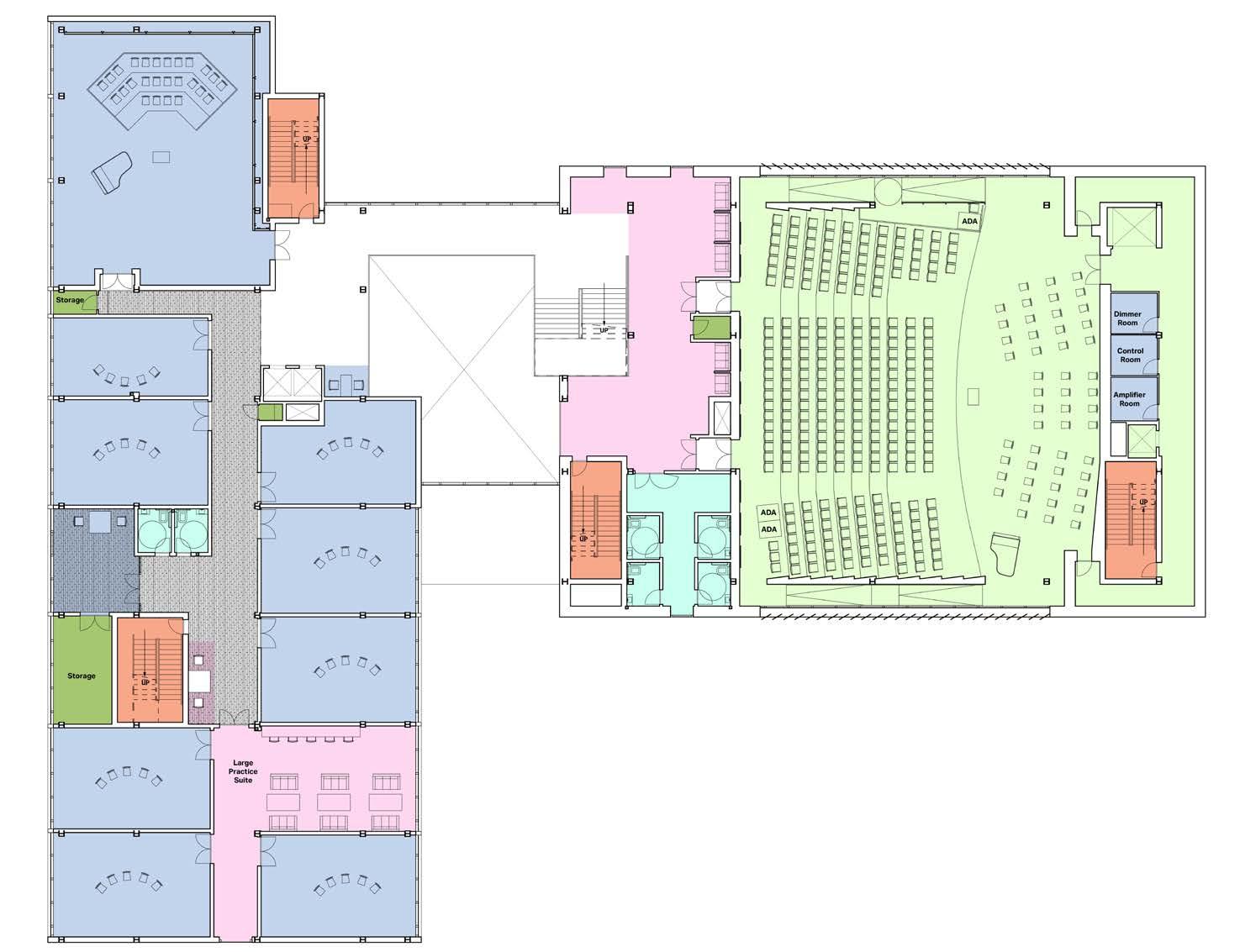
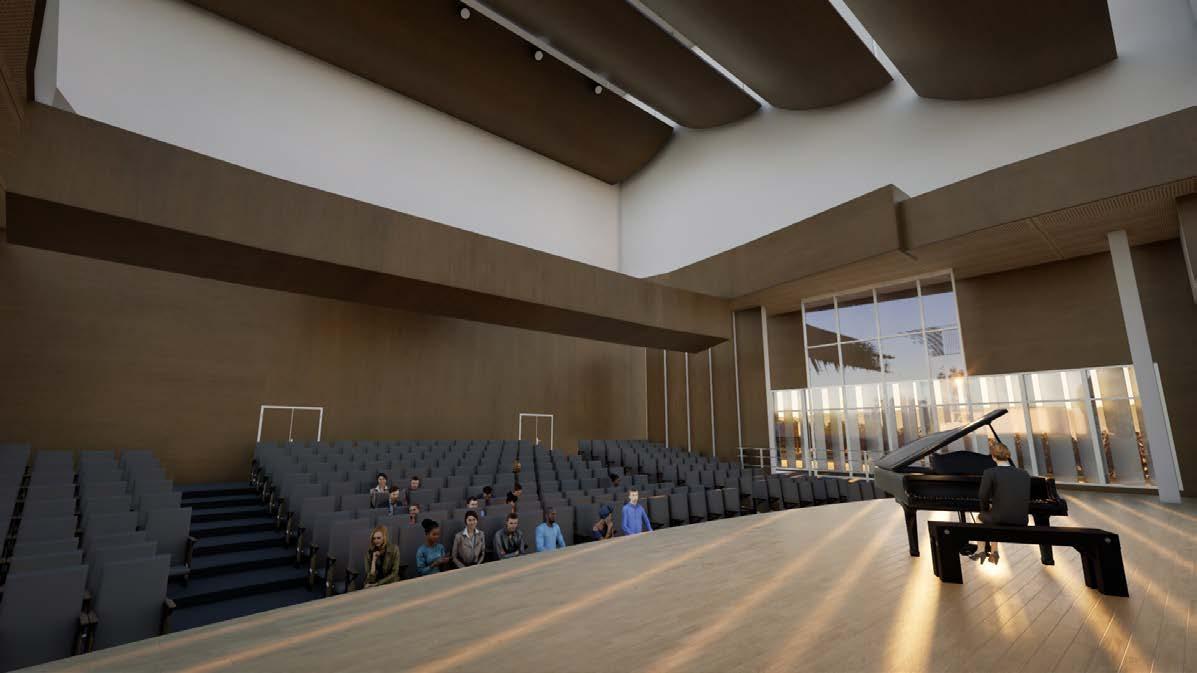
Located within Penn State’s Arboretum, this music center serves the dual purpose of providing a larger space for students at the School of Music as well as a brand-new recital hall for the public.
The biggest challenge of the project was to create a building that contextually fits the open space of the Arboretum – which has evolved as a confusing hybrid of various master plans - while also incorporating an extensive list of programming on a limited plot of land.
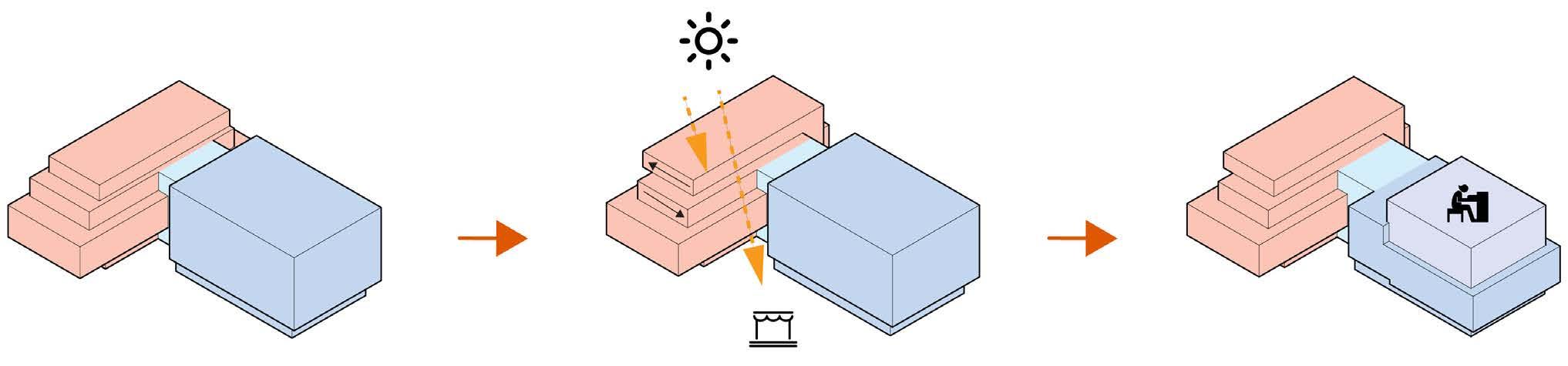
To satisfy these needs, the Penn’s Woods Music Center comprises of a series of stacked masses which expand and contract to satisfy the variety of rooms big and small. Furthermore, the masses shift to create recesses and overhangs which allow for passive shading for the occupants inside while letting light reach everywhere outside.
Project Information
Spring 2022/ Academic
Duration/ 22 Weeks
Team
Luka Jovanovic
Software
Rhino 3D
V-Ray
Twinmotion
Adobe Photoshop
Adobe Illustrator
Cove. Tool
Concept
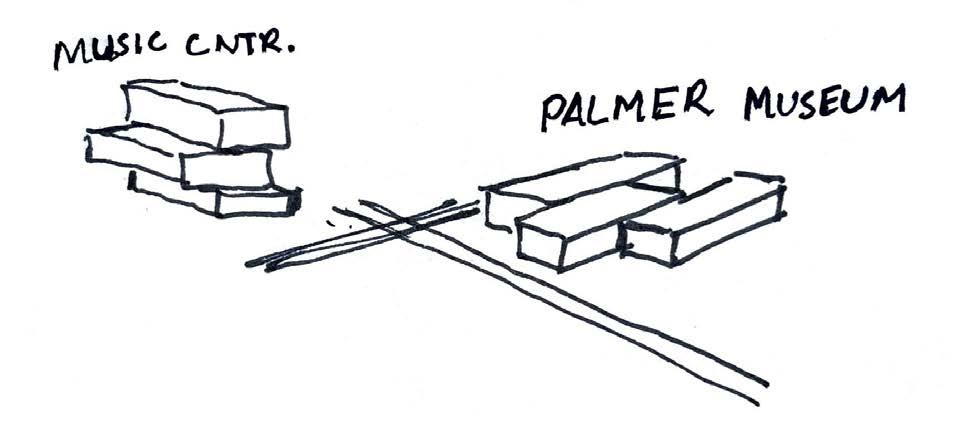
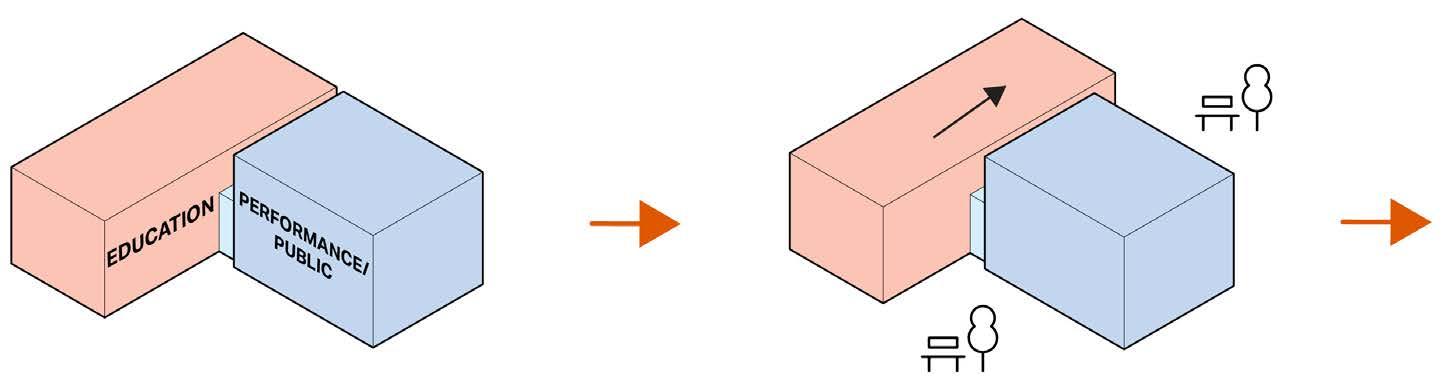
The Music Center expands, contracts, and shifts its floors to meet most program requirements while complying with plot limits. The shifting masses is also a nod to the nearby Palmer Museum, establishing a consistency between arts-based buildings located in the Arboretum.
Massing Development
Parti Diagram
Performace & Public Wing
Education Wing
Atrium
Recital Hall
PALMERMUSEUM
Occupancy Classification / Programs
First Floor Plan
A-1 / Main Recital Hall
A-2 / Cafe
A-3 / Lecture Rm. & Misc. Assembly
B / Offices & Music Practice Spaces
S-1 / Storage Maintenance
Second Floor Plan
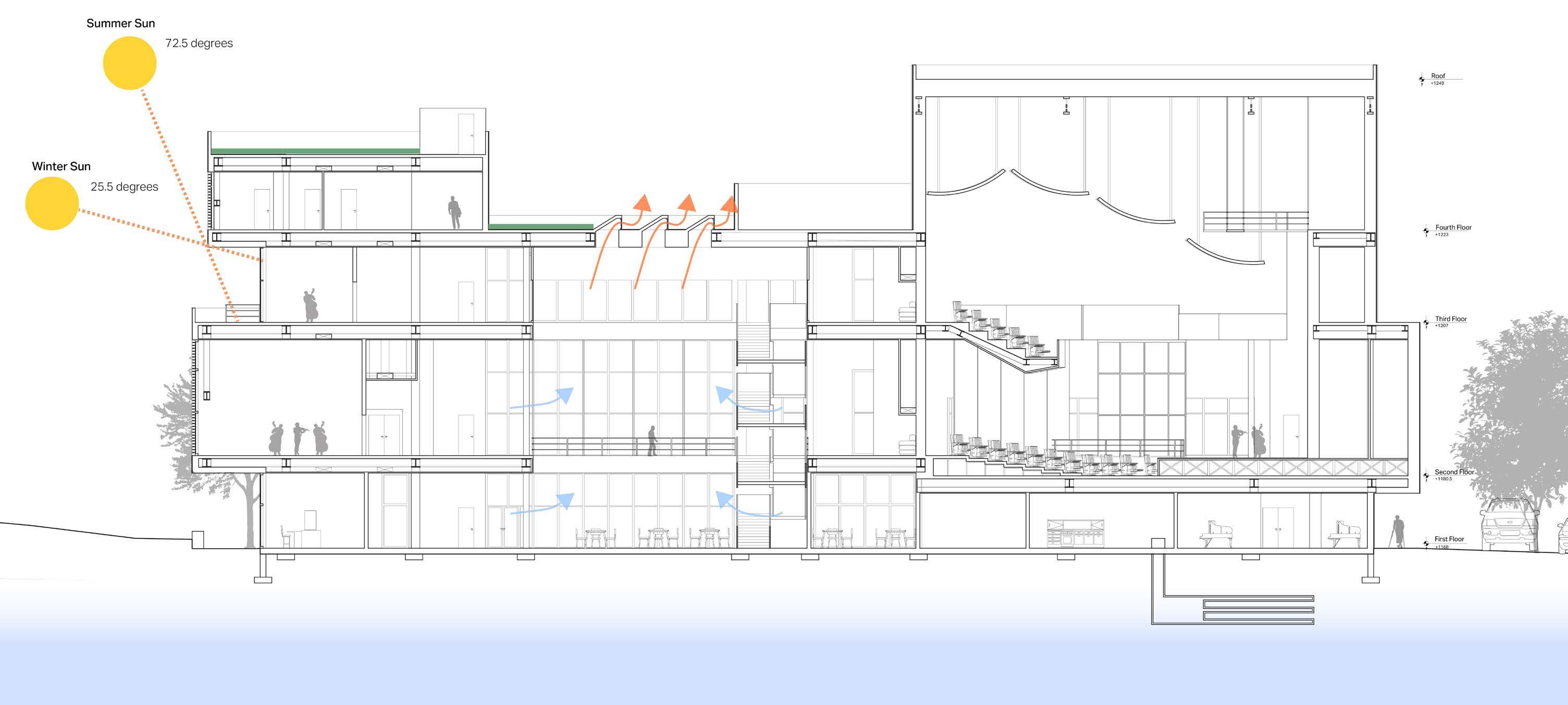
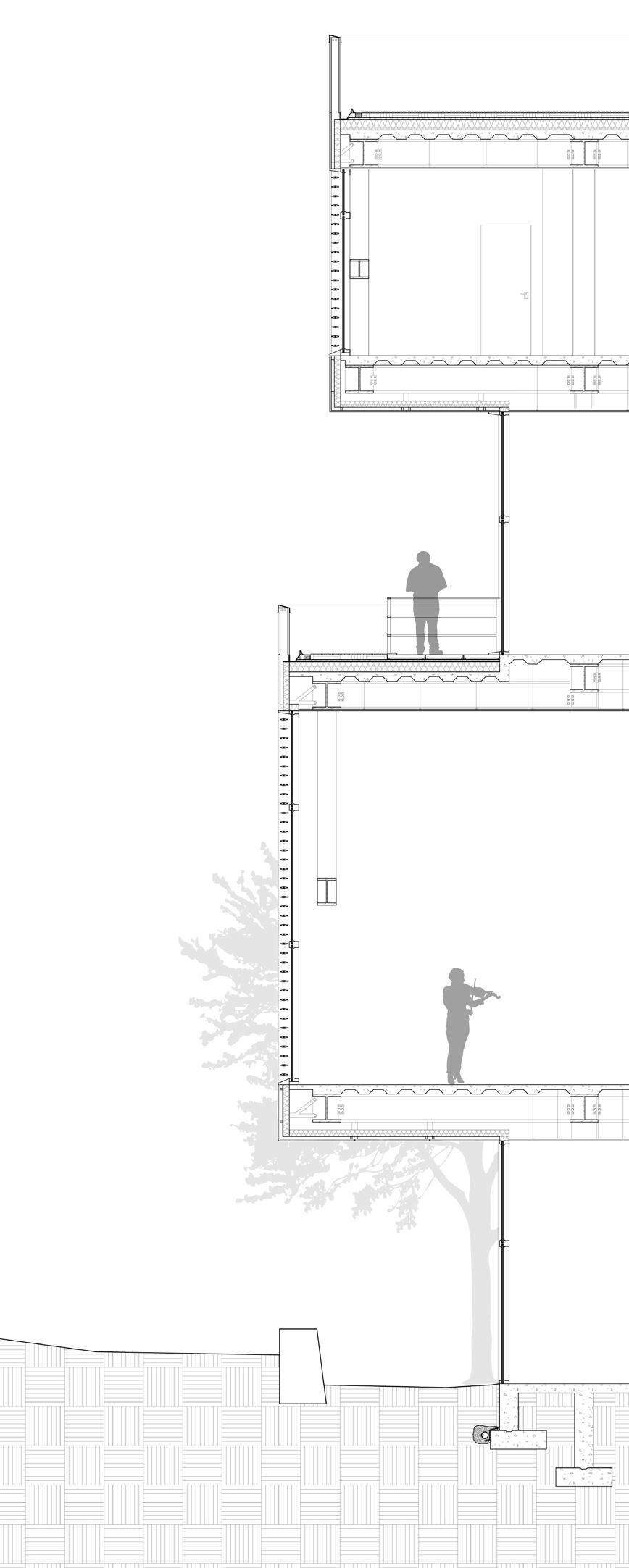
Due to the stacked-box form, the floors of the Music Center cantilever over each other, providing passive shading to the occupants. Floors that do not have a cantilever over them have a screen of horizontal louvers instead.
Above the main lobby, there is a ventilation system as well as operable windows. These two features help create a stack effect, allowing passive cooling in the space.
The majority of the roof will be covered with small vegetation. The green roof acts as an insulator and water barrier for the roof and provides pleasing views for occupants looking out.
The building is connected to a closed loop geothermal system. The system aids in the heating and cooling by pumping water through the ground which is generally cooler in the summer and warmer in the winter.
1. Passive Shading 2. Ventilation 3. Green Roof
4. Geothermal Heating/ Cooling
Longitudinal Section/ Passive Design Strategies
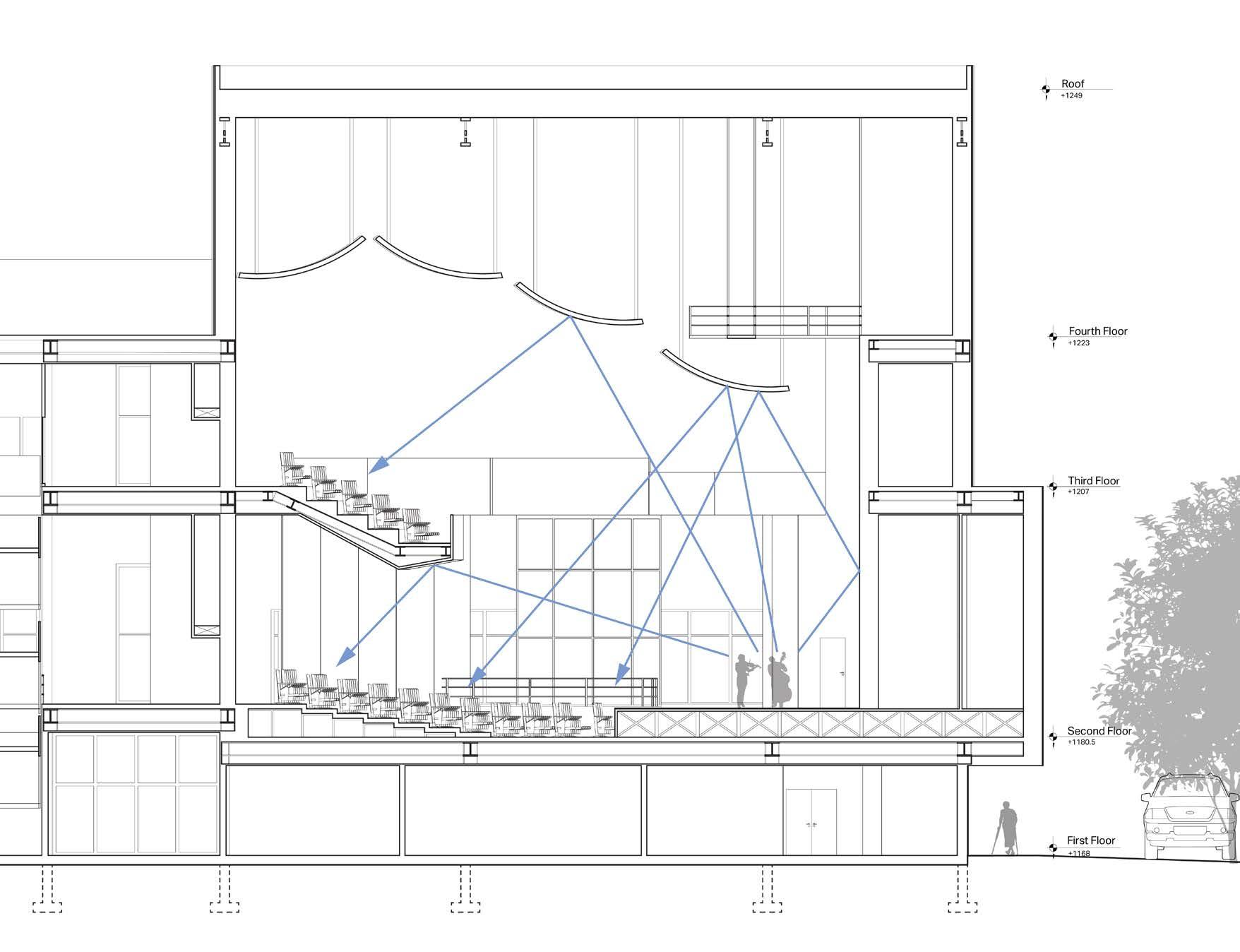
Recital Hall Acoustics Study
First Floor Atrium
Second Floor Atrium
Recital Hall
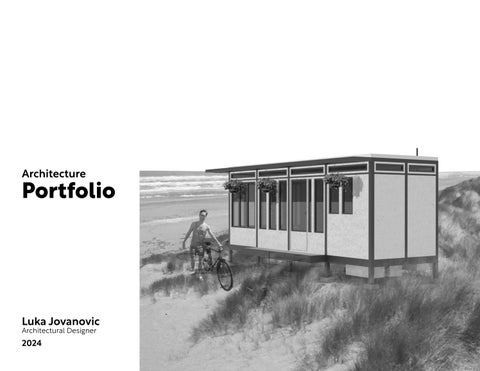
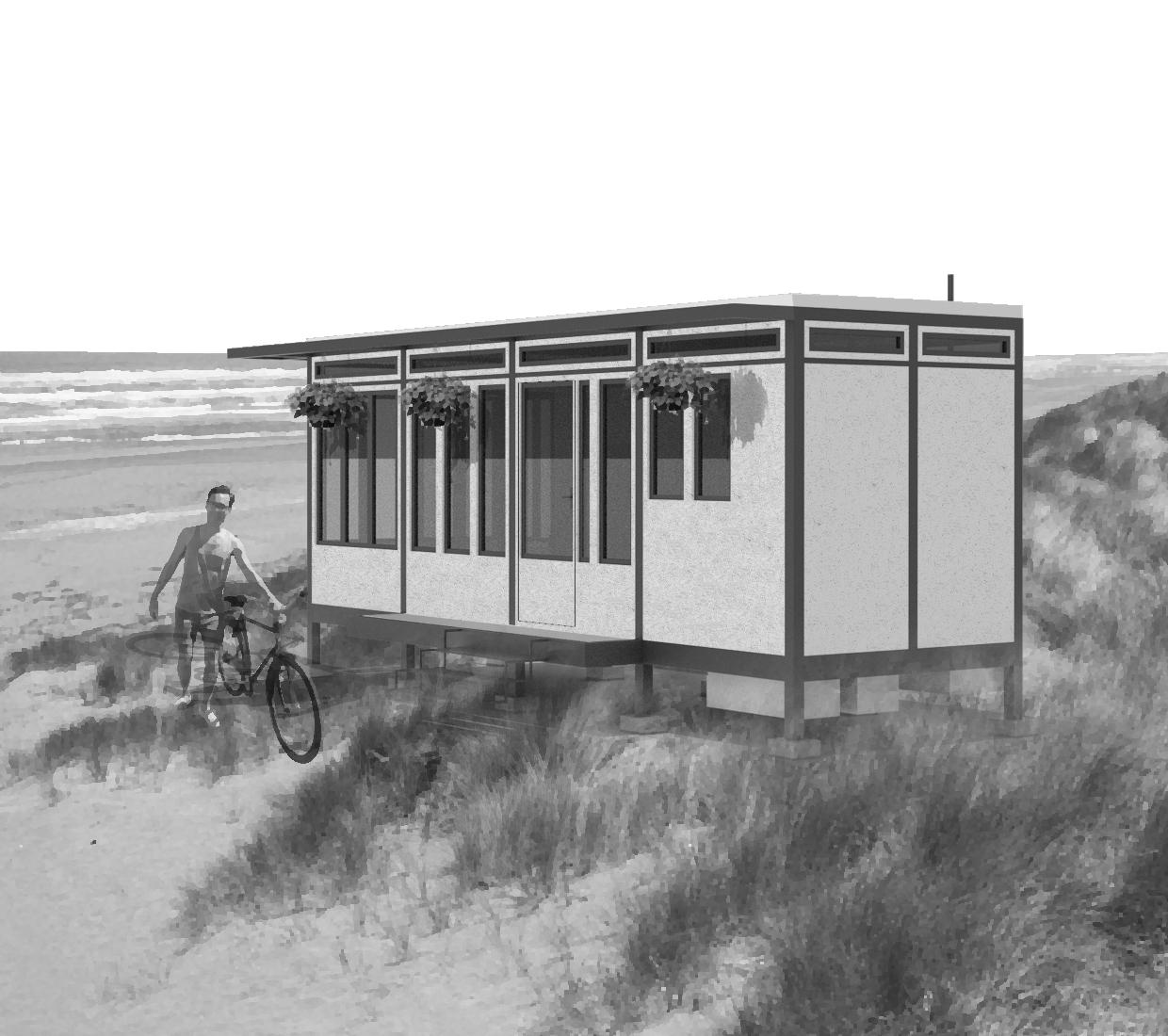
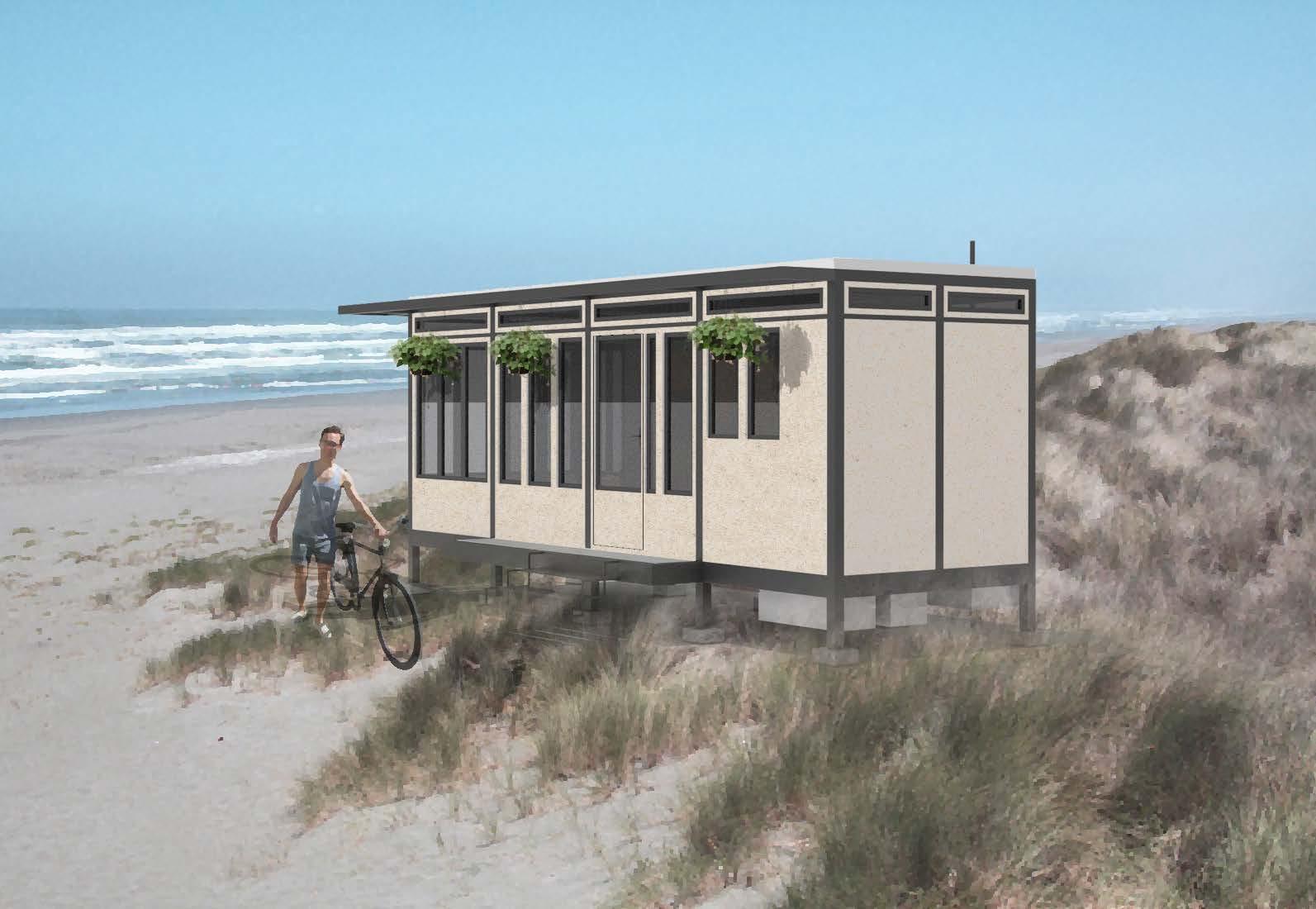
Flex Home Portable
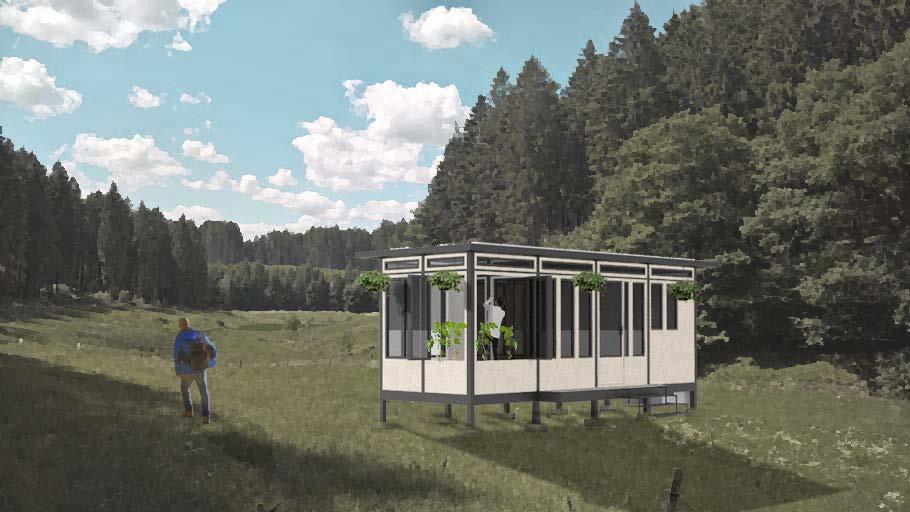
Good living can be defined as living in a space that is large enough to provide comfort and facilitate the desires and needs of its inhabitant.
In the context of this hypothetical client, who is a fitness instructor who likes to grow their own food and have large groups of friends over for meals, the need for space cannot be understated.
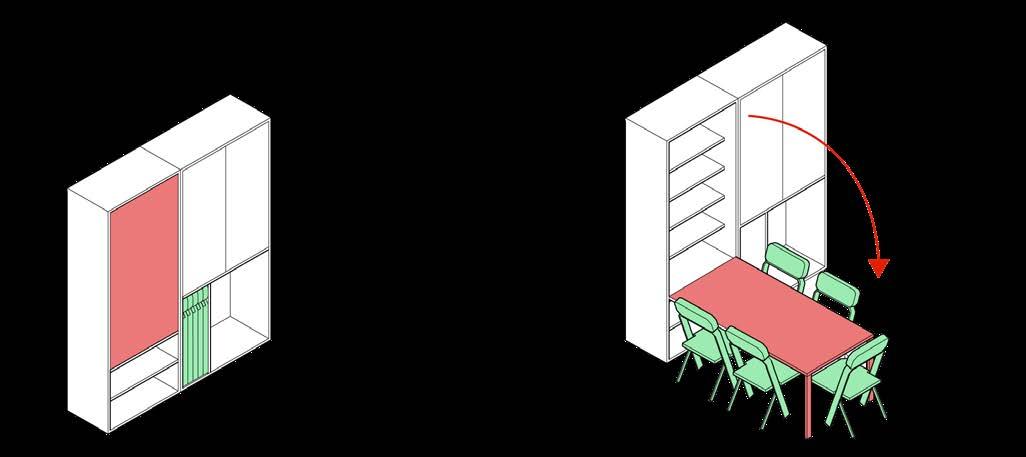
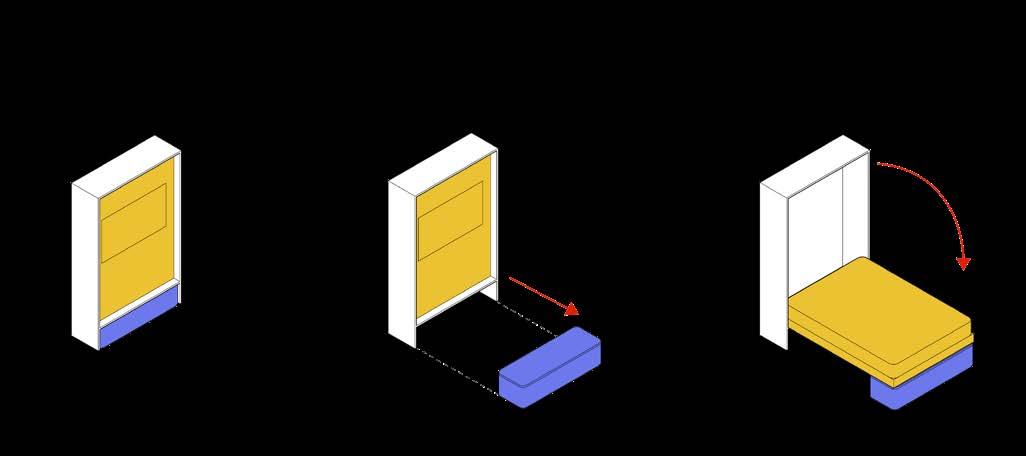
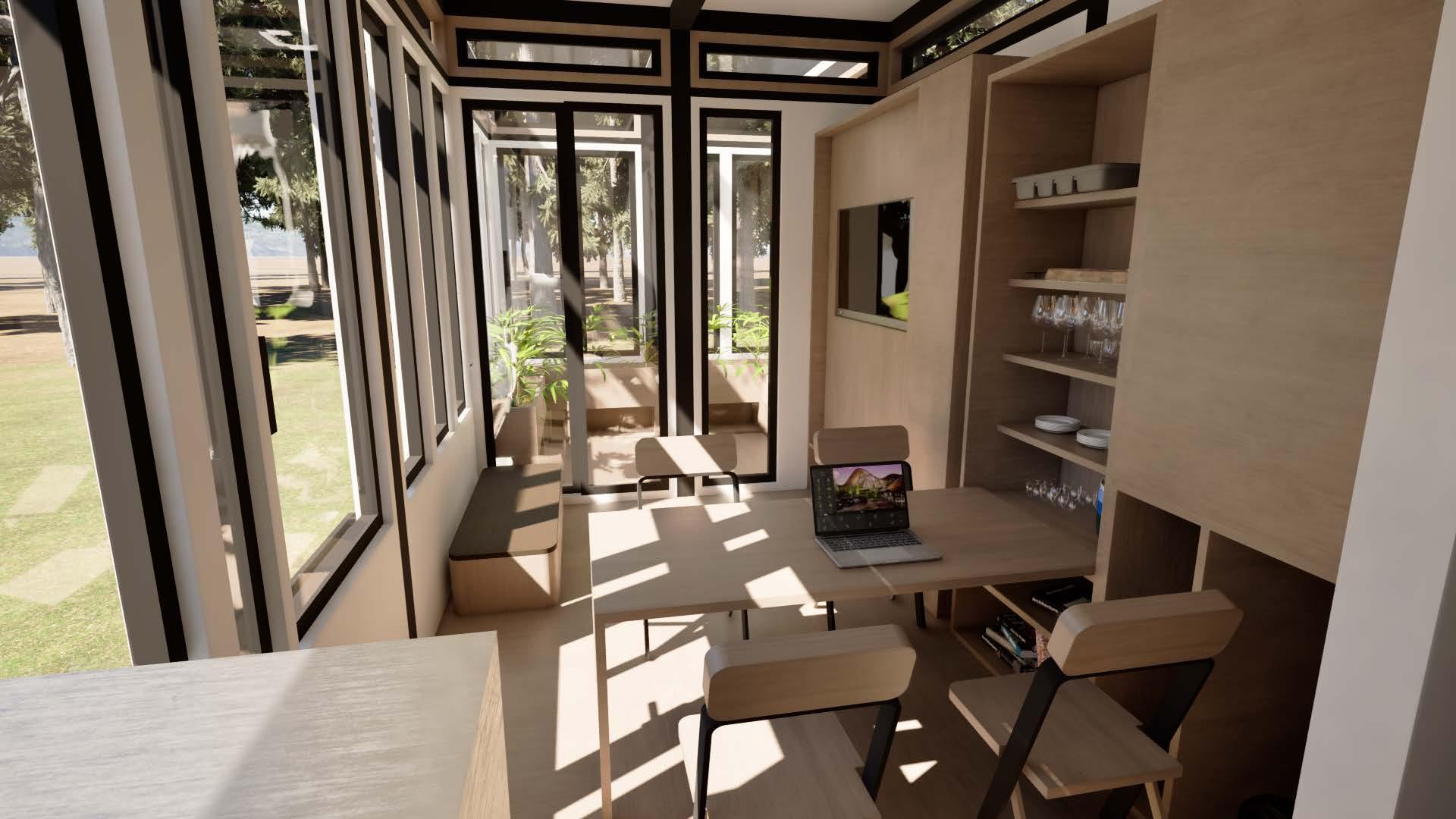
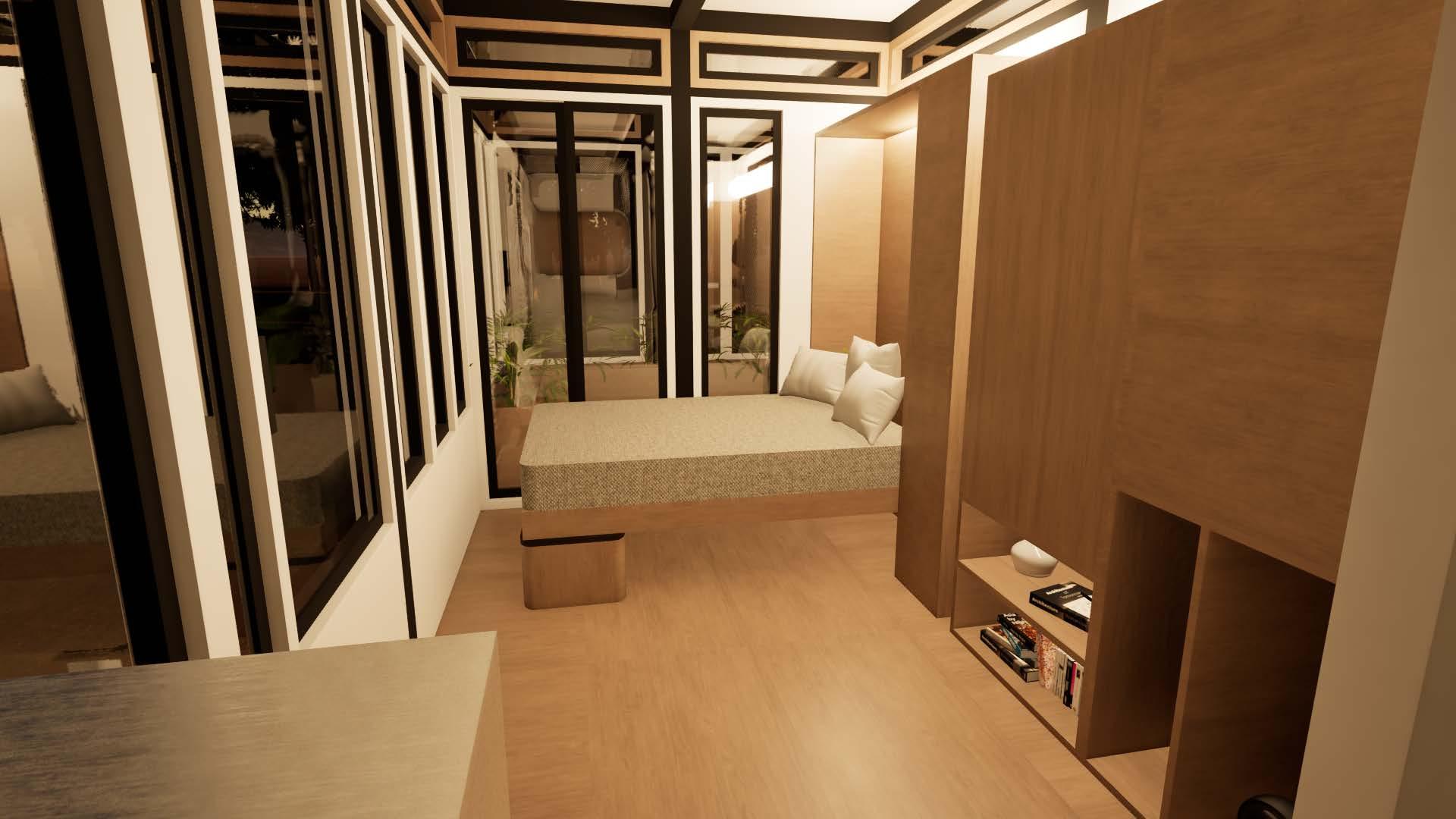
Featuring a flexible space with reconfigurable, custom furniture and components, the Flex-Home folds, slides, pulls down, and pulls out to accommodate the activities of the occupant while being contained within a rigid rectangular space.
Through its use of custom furniture, Flex-Home explores what is considered “comfortable space” and how such a space can be most efficiently used.
Project Information
Spring 2021/ Academic
Duration/ 7 Weeks
Team
Luka Jovanovic
Software
Rhino 3D
Twinmotion
Adobe Photoshop
Adobe illustrator
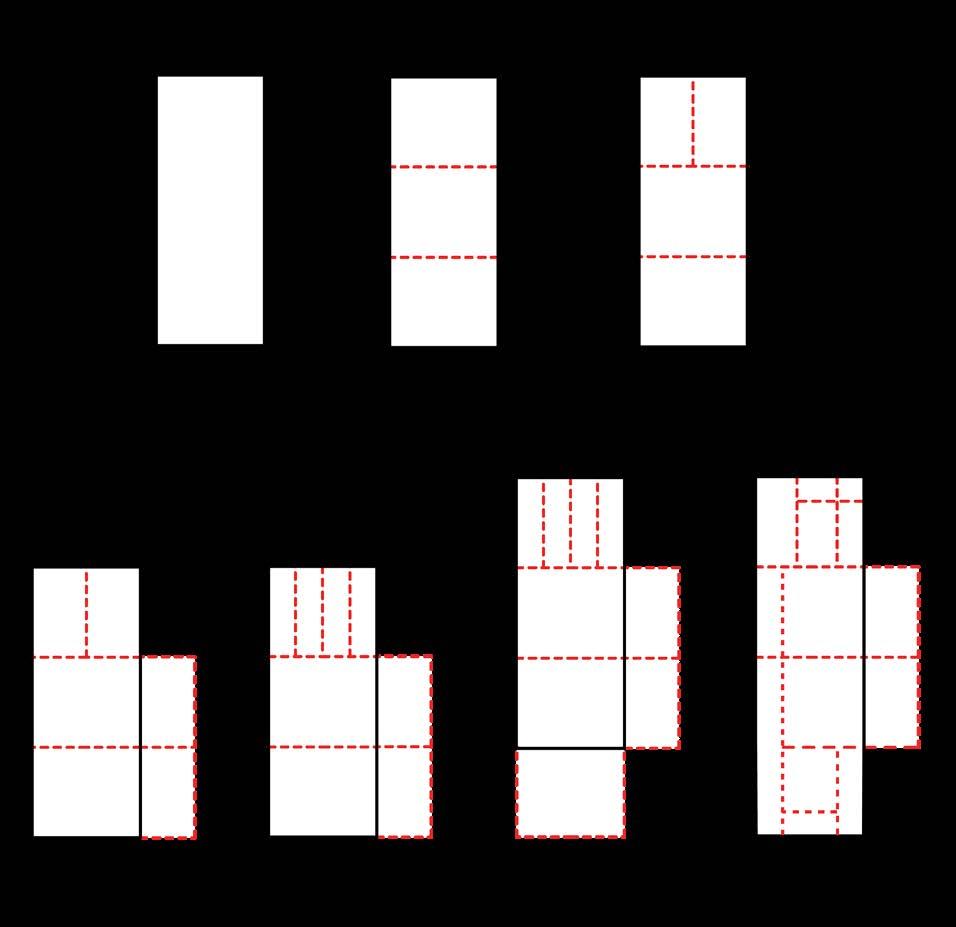
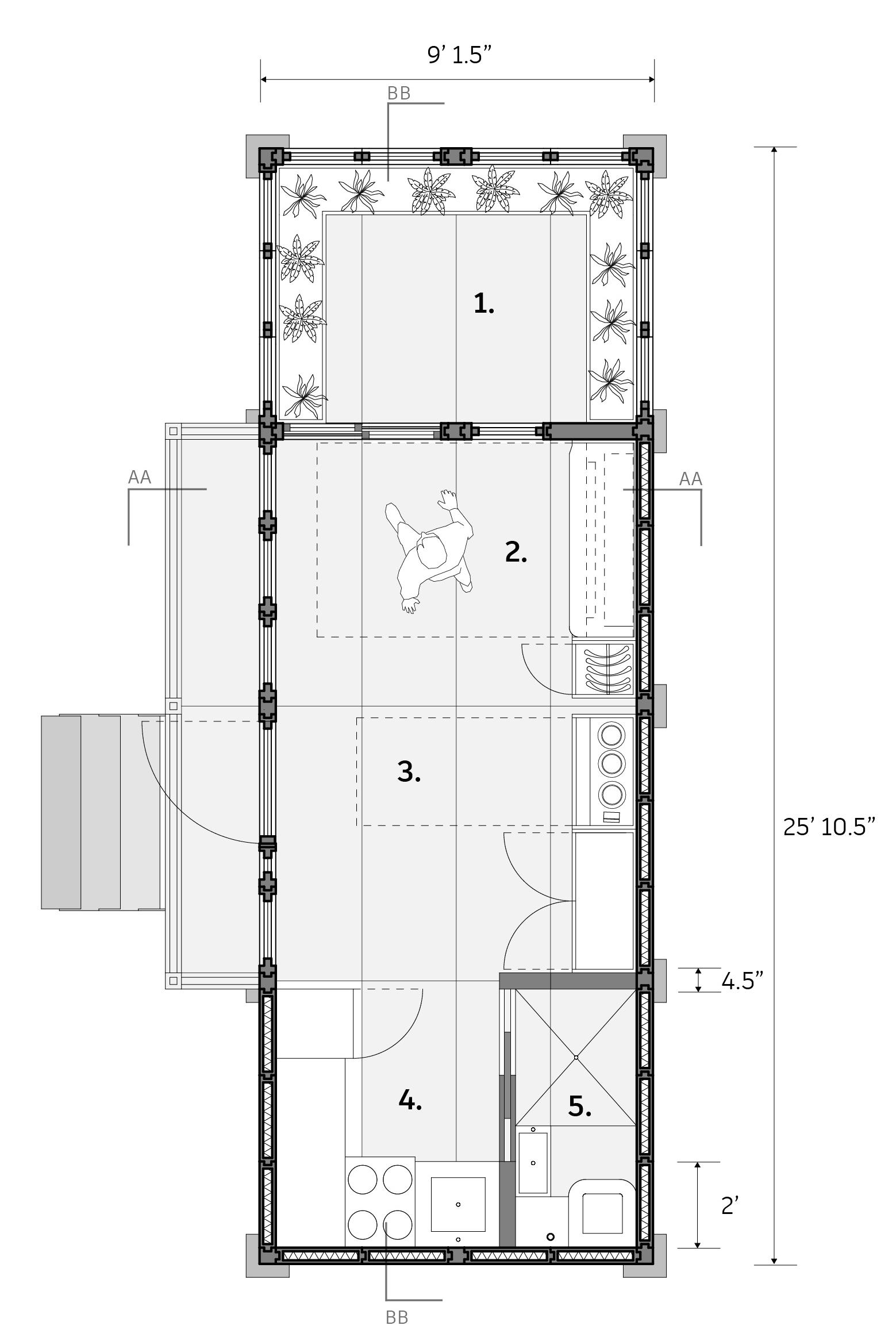
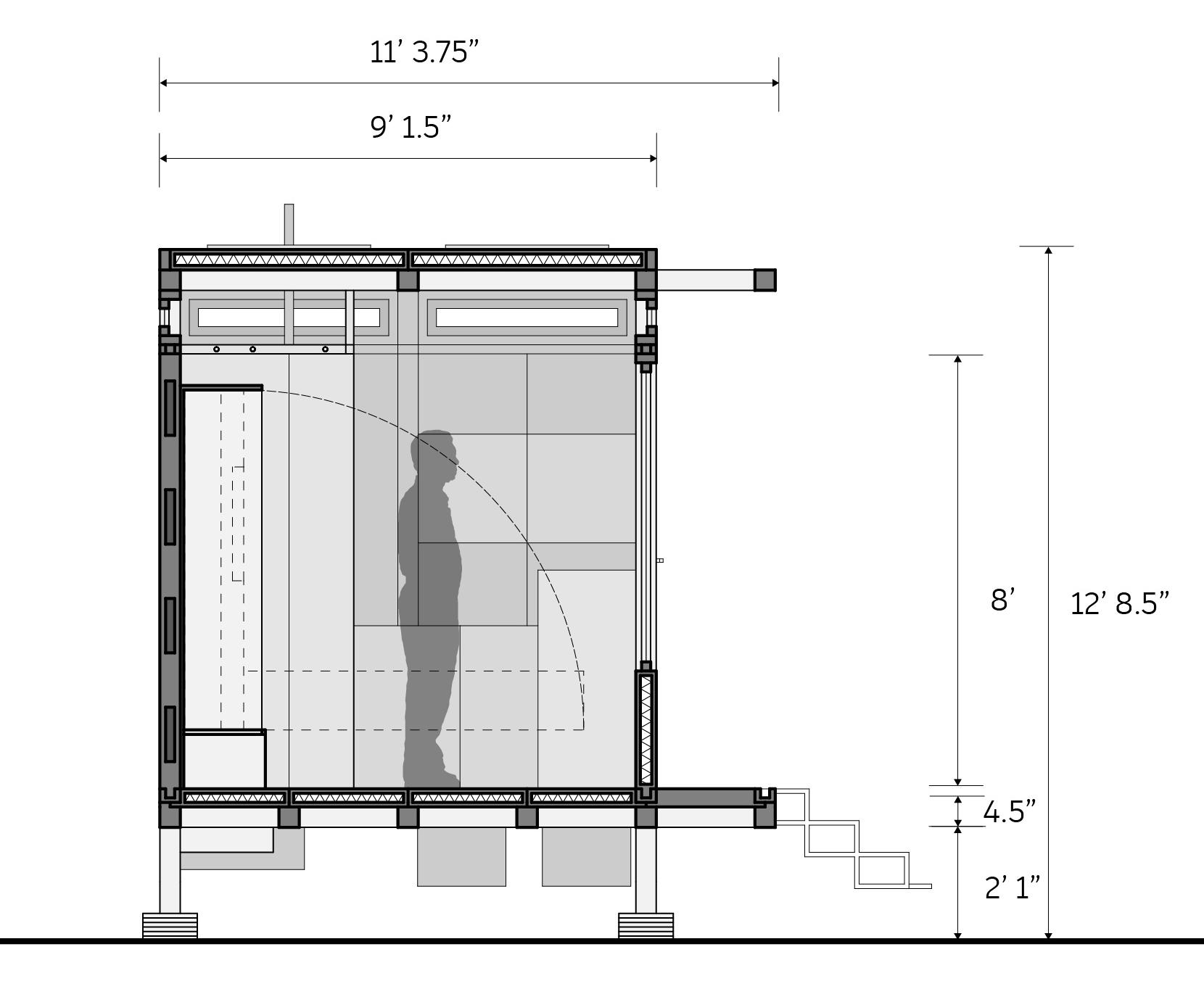
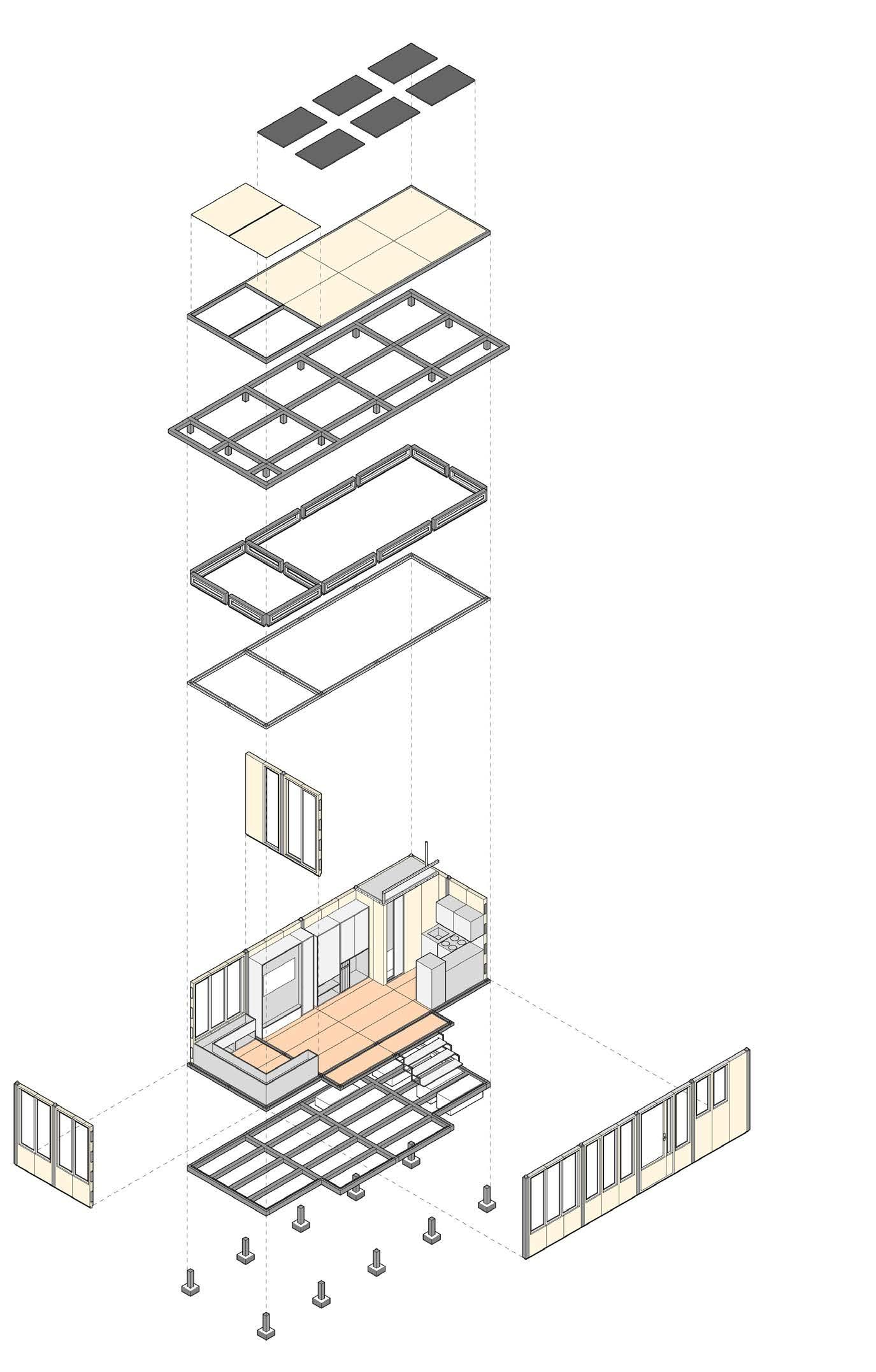
Inspired by the dimensioning of Japanese rooms based on the proportion of tatami mats, the spatial arrangements of the tiny home are broken down proportionally to prefabricated 2’x6’ floor panels. The placement of furniture and programs can take up from half a panel to 4 panels in a row.
Greenhouse 2. Living Room/ Murphy Bed
Dining Room/ Exercise Space
Kitchen
Bathroom
Transverse Section
PRE-FABRICATED ROOF PANELS
ROOF FRAMING
Exploded Axonometric
CLERESTORY WINDOWS
PRE-FABRICATED WALL AND FLOOR PANELS
Reconfigurable Furniture Sets
Pull-Down Dining Set
OPEN SPACE LIVING ROOM BEDROOM
Murphy Bed Configurations
Interior - Day Time View
Interior - Night Time View
Additional Works
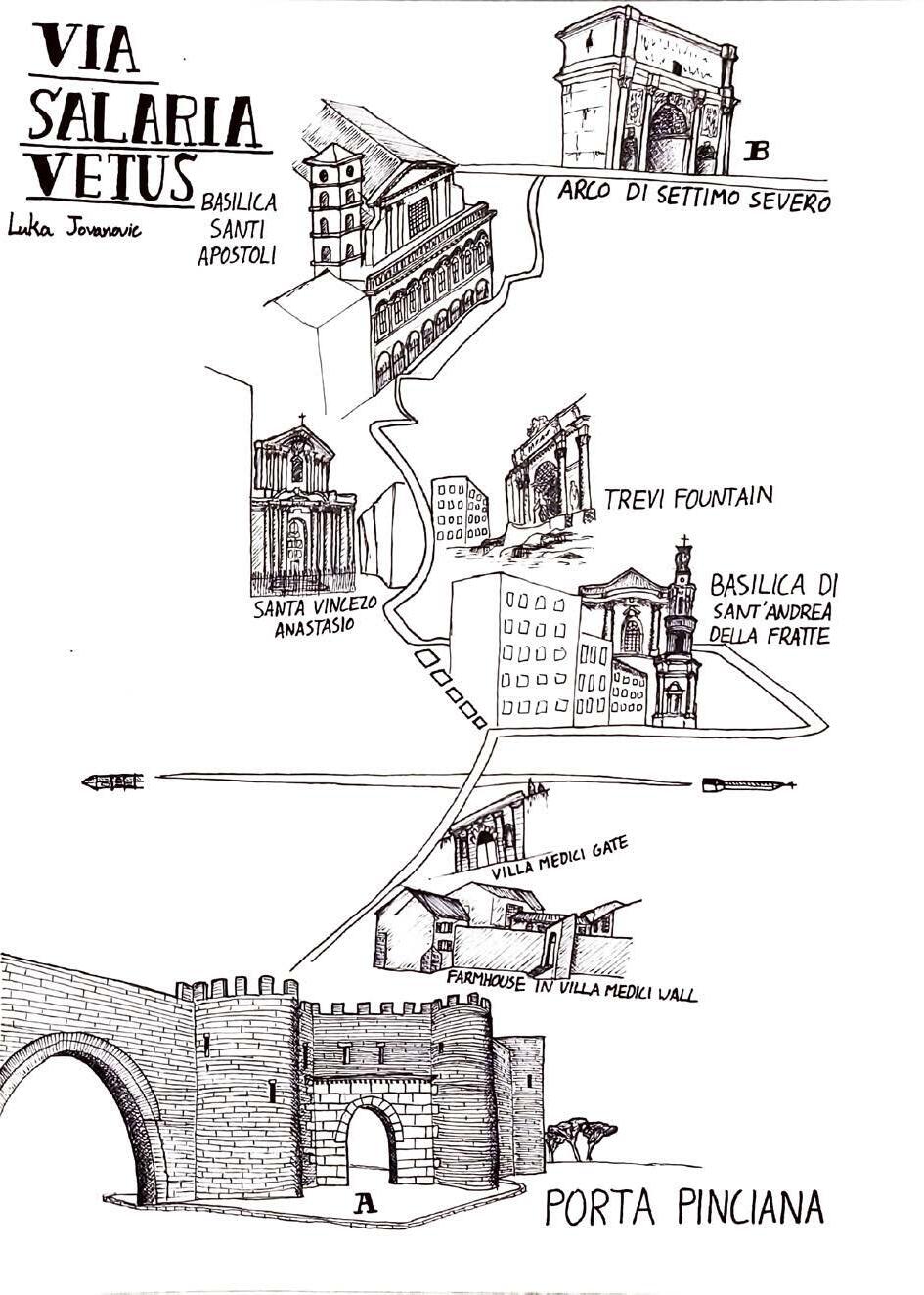
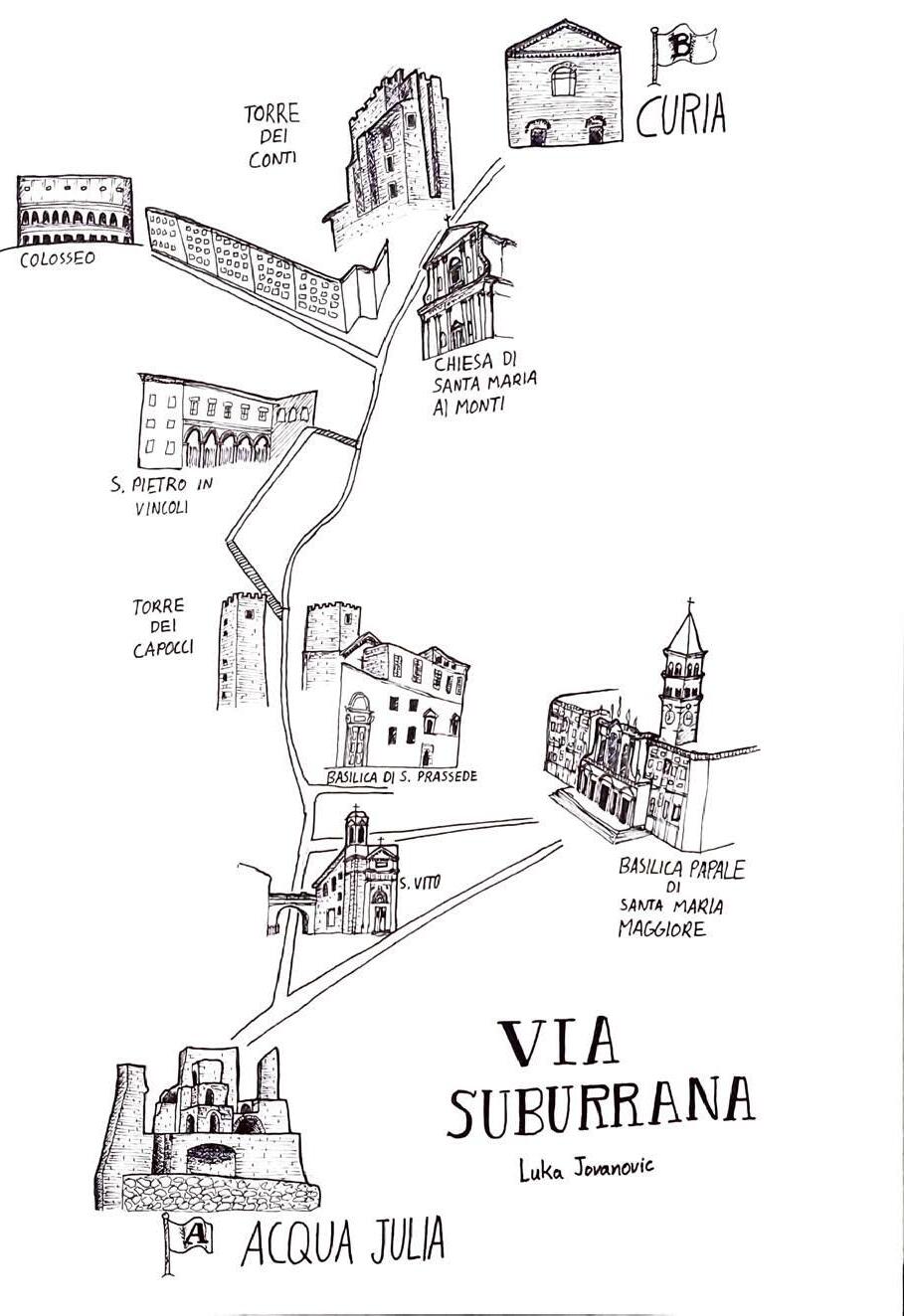
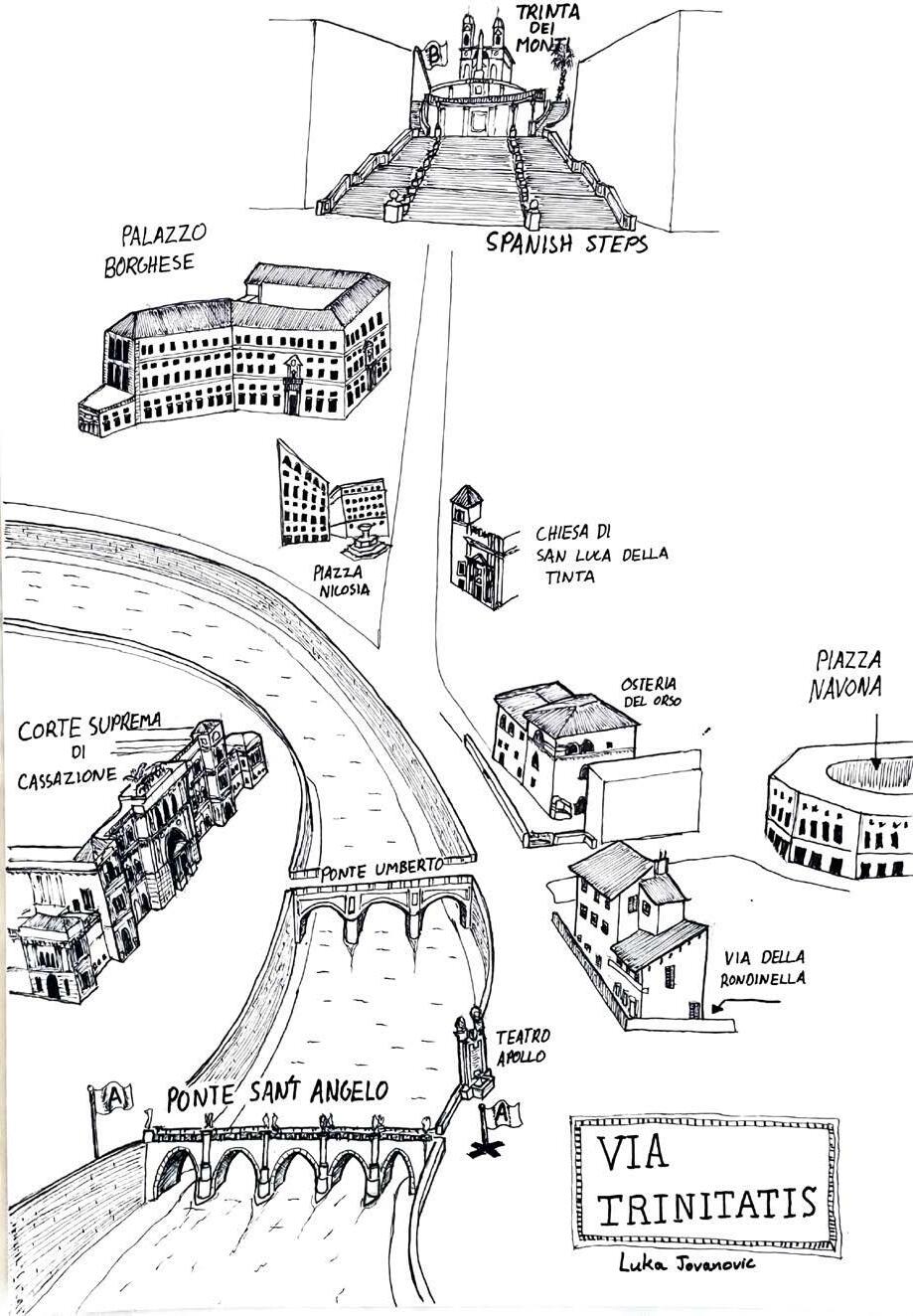
Rome “Route Map” Assignments, 2023
Experiential Route Maps documenting path through Ancient Roman streets and the landmarks encountered along the way.
Drafted axonometric based on the plans and sections of