Zagaleta® Life Magazine is published by La Zagaleta S.L.U. La Zagaleta A-397, km. 38,5 CP: 29679 Benahavís – Málaga (España) Tel: +34 952 855 450 CIF B-29533932 - Depósito Legal n° MA 517-2008
Facebook: Zagaleta
Instagram: @Zagaleta
Youtube : Youtube.com/OfficialLaZagaleta
Twitter: @Zagaleta
www.lazagaleta.com
Zagaleta® Life Magazine is a registered trademark with the Spanish Patent and Trademark Office. All rights reserved. In accordance with Articles 8 and 32.1, second paragraph, of the Spanish Copyright Act, the reproduction, distribution and public communication — including the making available of all or part of the contents of this publication for commercial purposes — is expressly prohibited without prior written authorisation from the publisher, La Zagaleta® SLU.
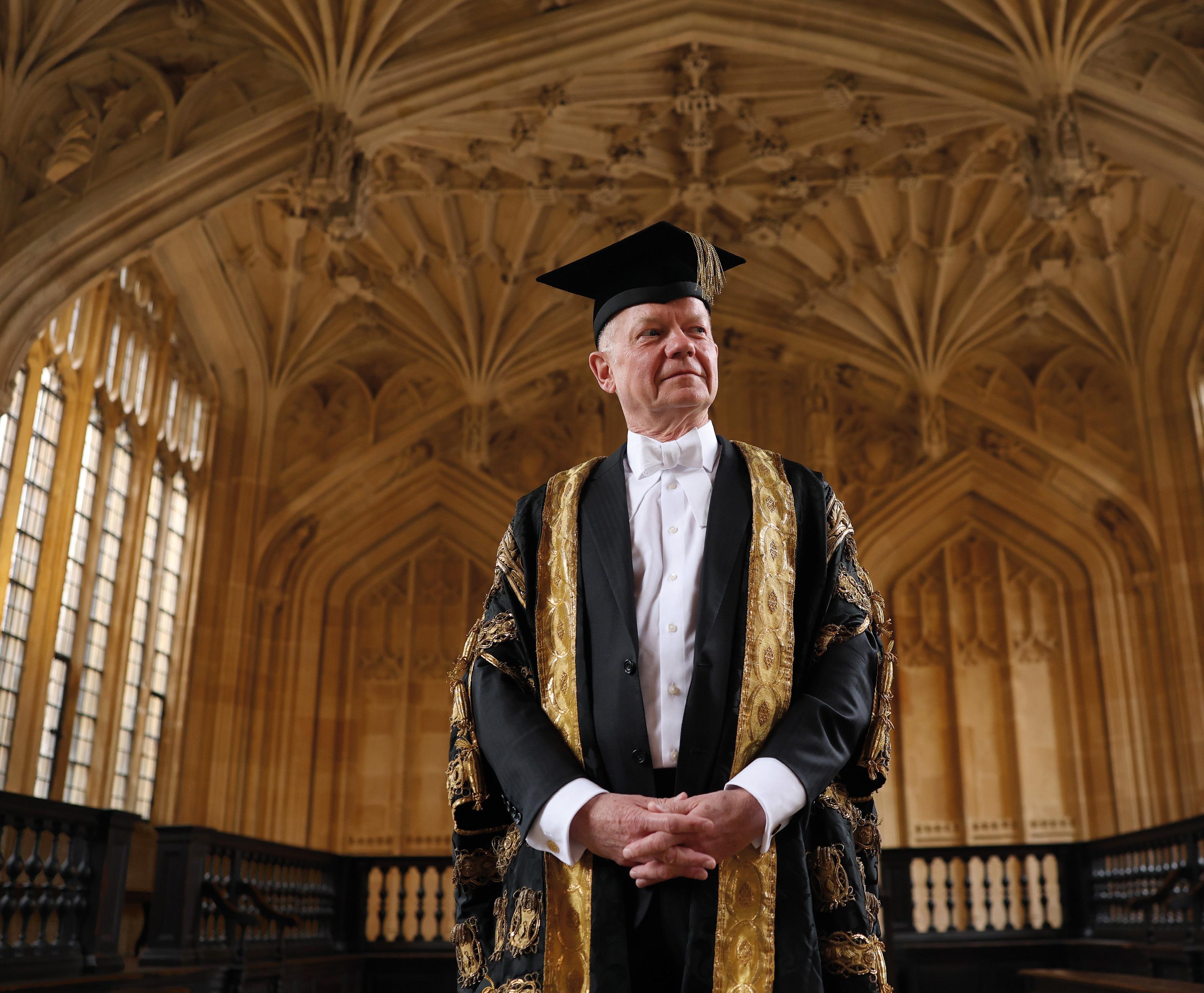
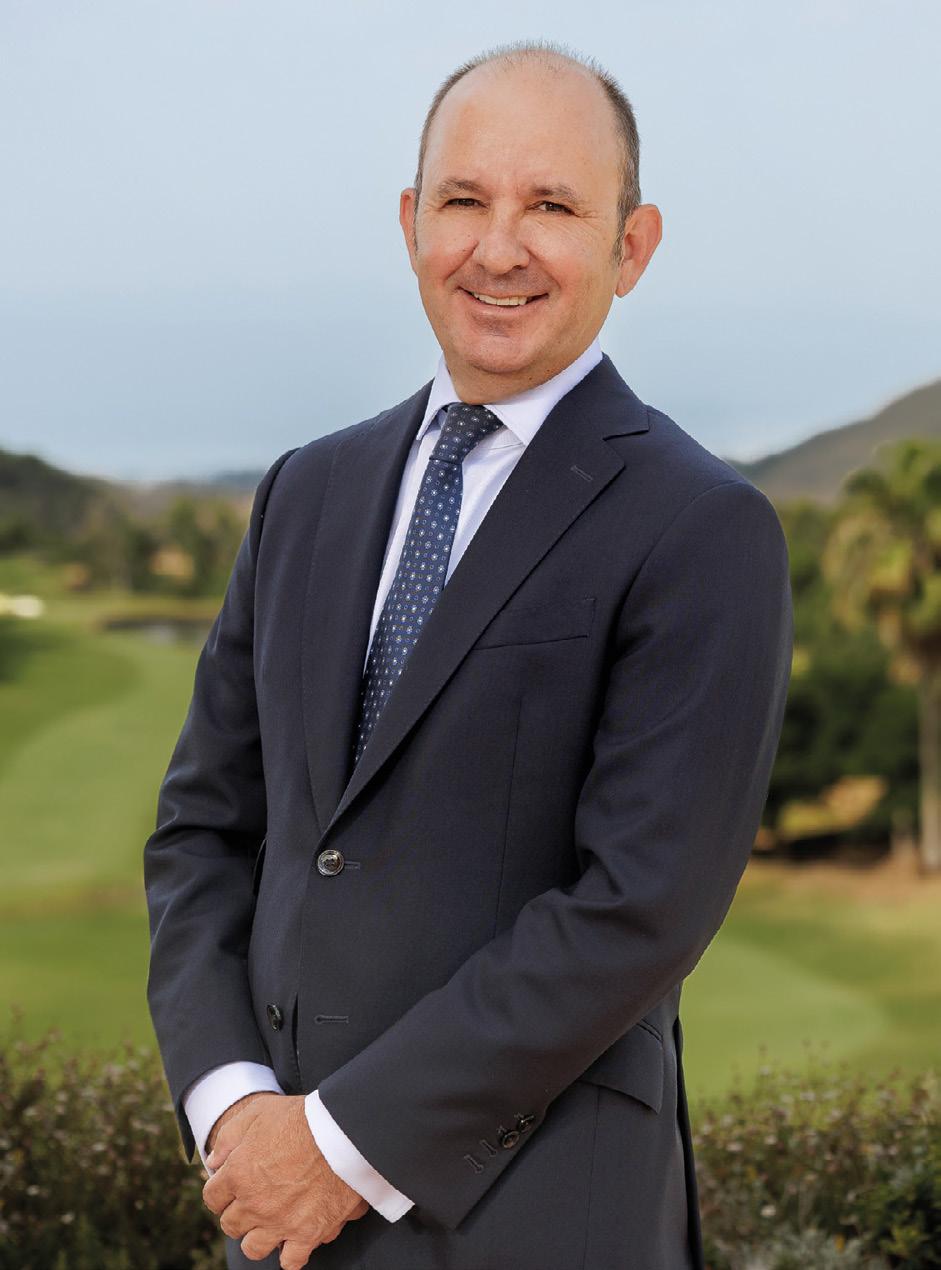
Bill
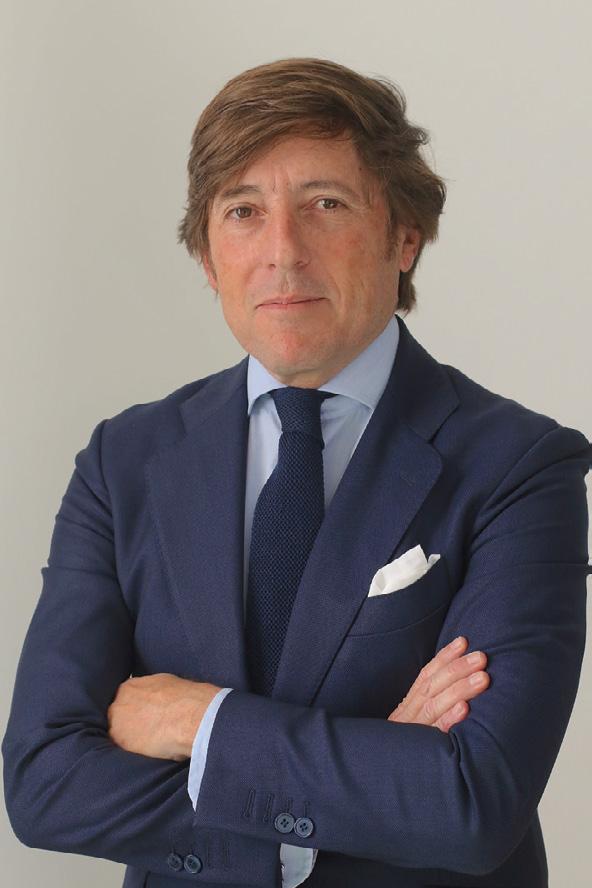
O’Regan Chairman of Zagaleta and GCEO of Modon Holding
MESSAGE FROM BILL O’REGAN CHAIRMAN OF ZAGALETA
It gives me great pride to write these words of introduction as La Zagaleta embarks on its next chapter – building on an extraordinary legacy to pave the way for new possibilities. This visionary retreat, renowned across Europe and beyond for its world-class design, unrivalled privacy and exceptional stewardship of the natural environment, is now part of the Modon family. We appreciate the deep responsibility this brings, maintaining the vision of such an iconic location.
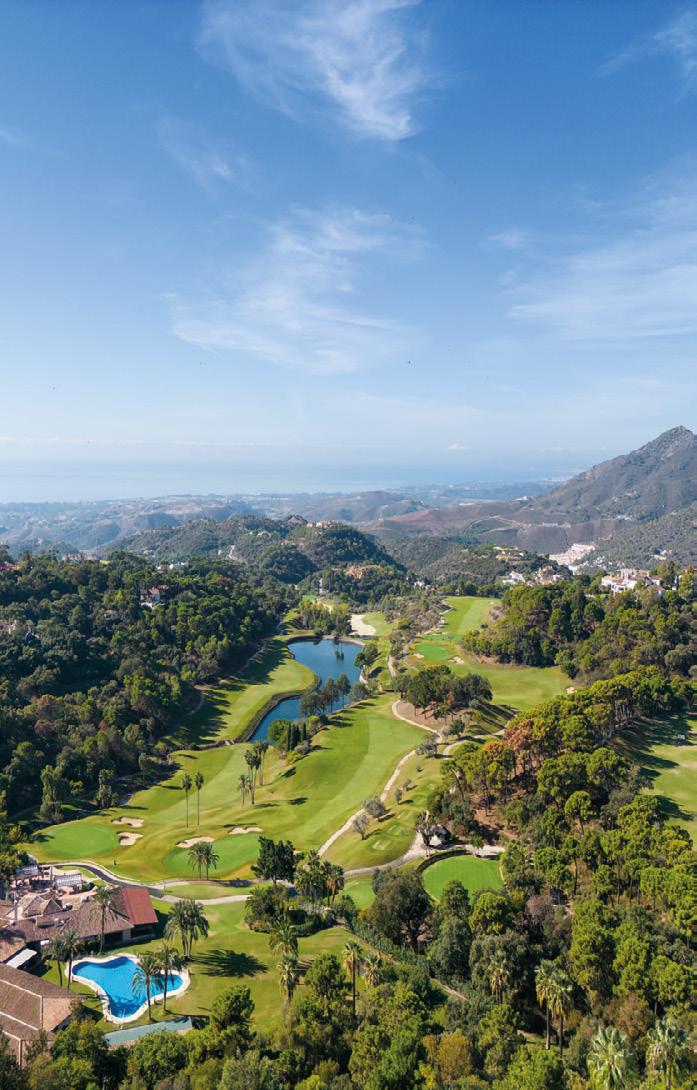
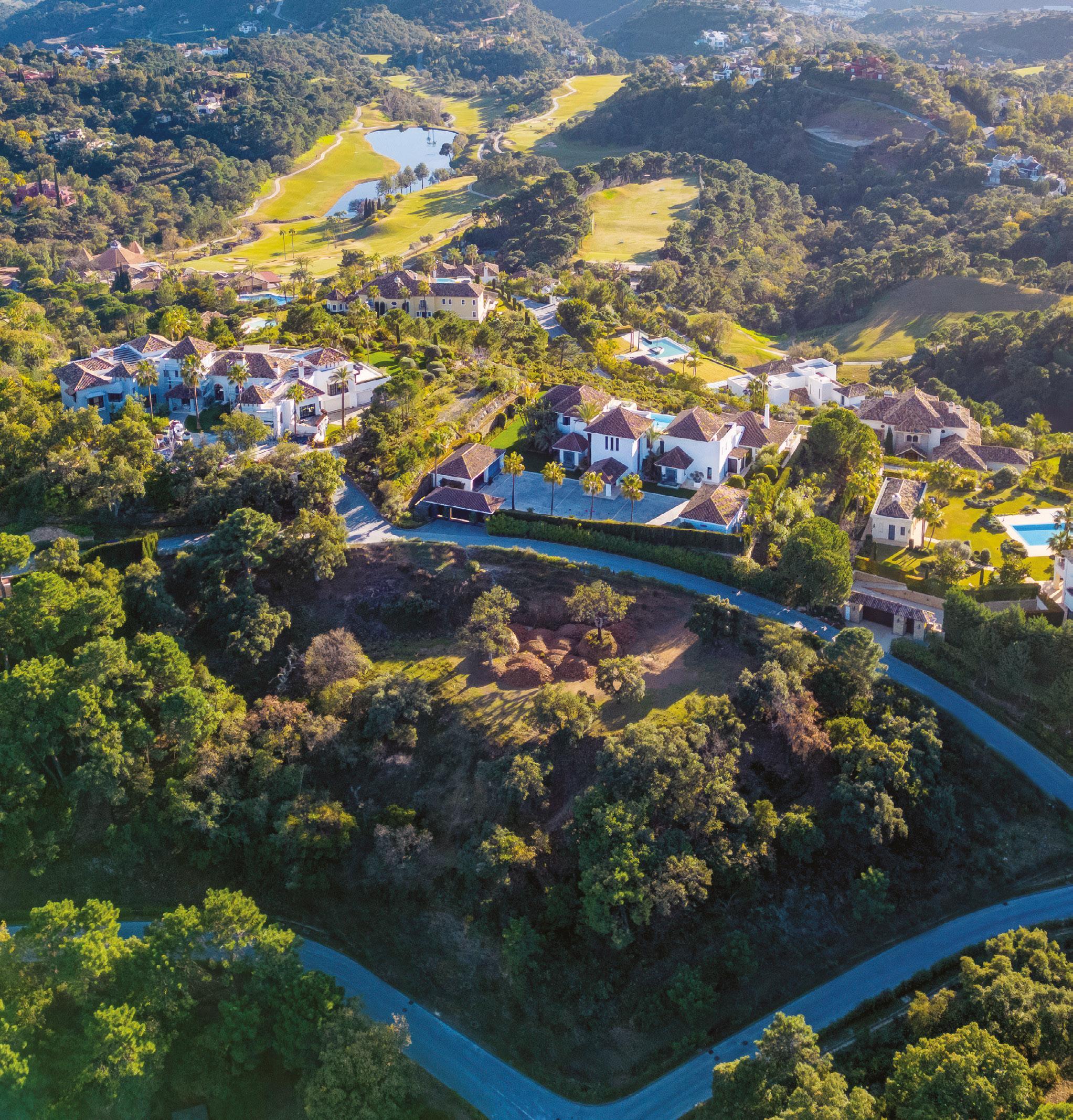
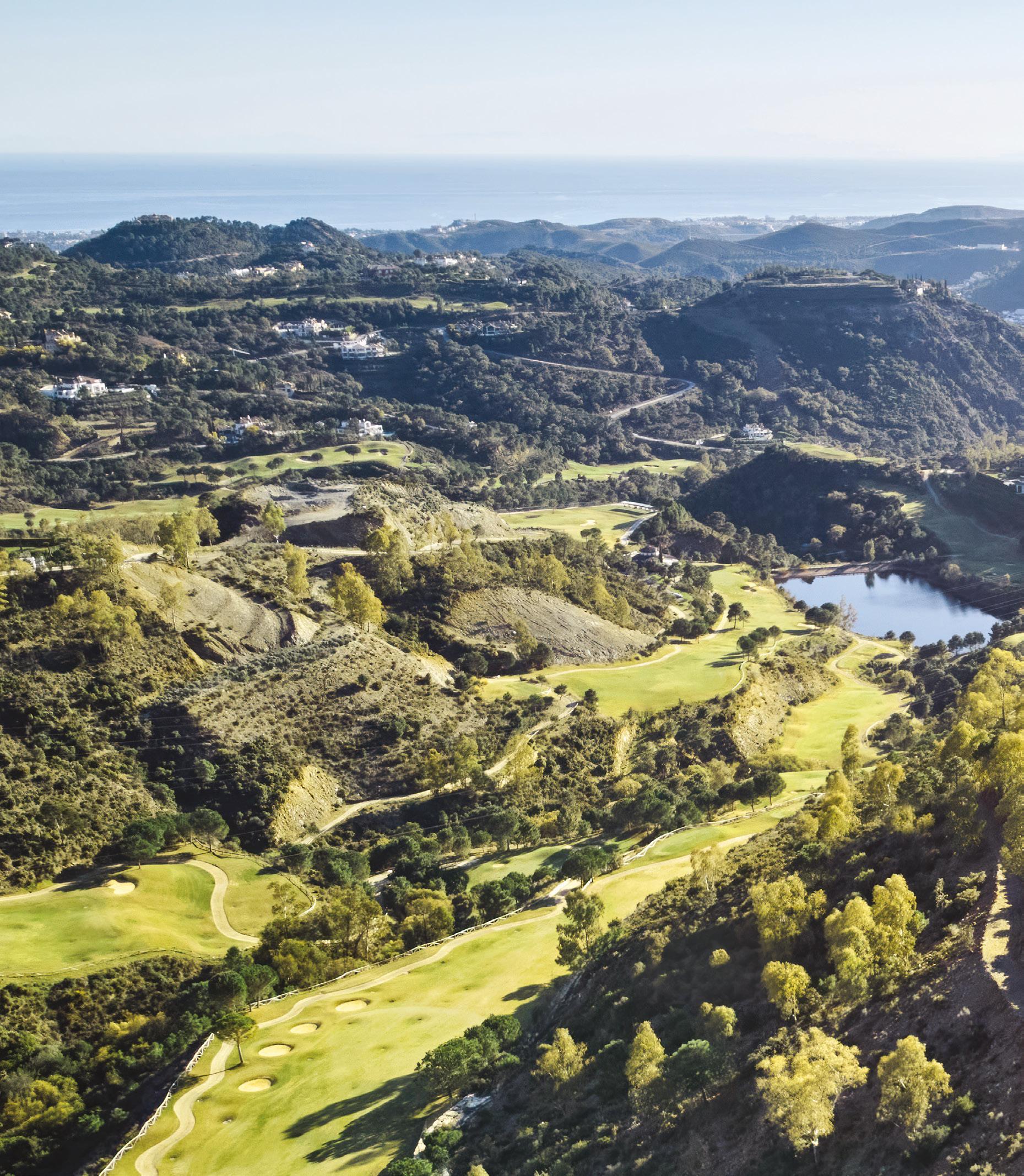
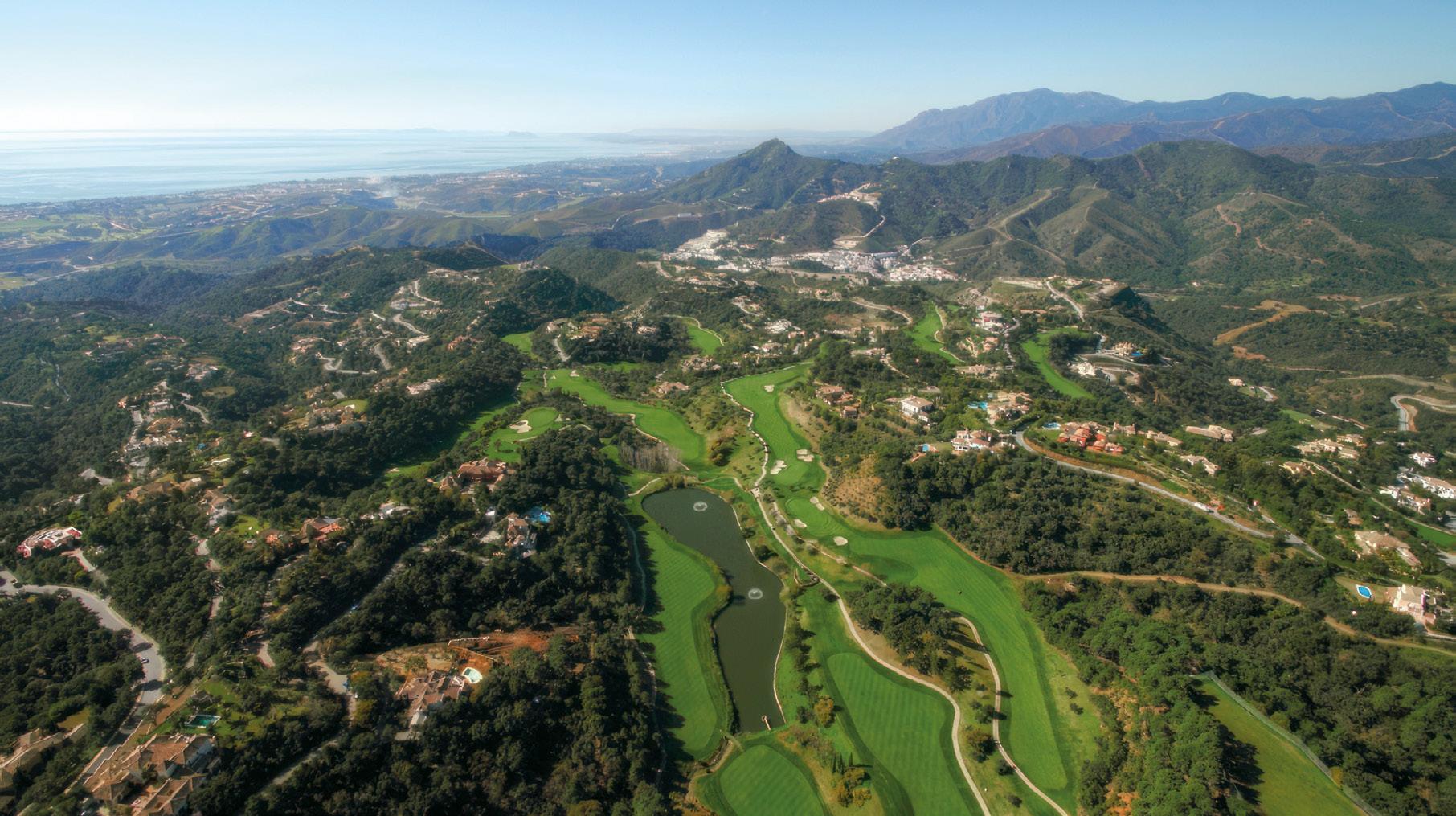
La Zagaleta is an inspiration for the values we are bringing to life. At Modon, we are shaping destinations of unrivalled quality and meaning, defined by intelligent, connected living. La Zagaleta exemplifies this. Extending across nearly 900 hectares, with its private and protected setting, and a community shaped by long-term vision and refinement, La Zagaleta sets the benchmark for exclusivity. This distinctive reputation is something that we are committed to honouring and strengthening.
What defines La Zagaleta today – its tranquillity, natural beauty and profound connection to the landscape – will endure. We will protect that identity and preserve what makes La Zagaleta special, while ensuring it evolves with care and purpose for future generations to enjoy.
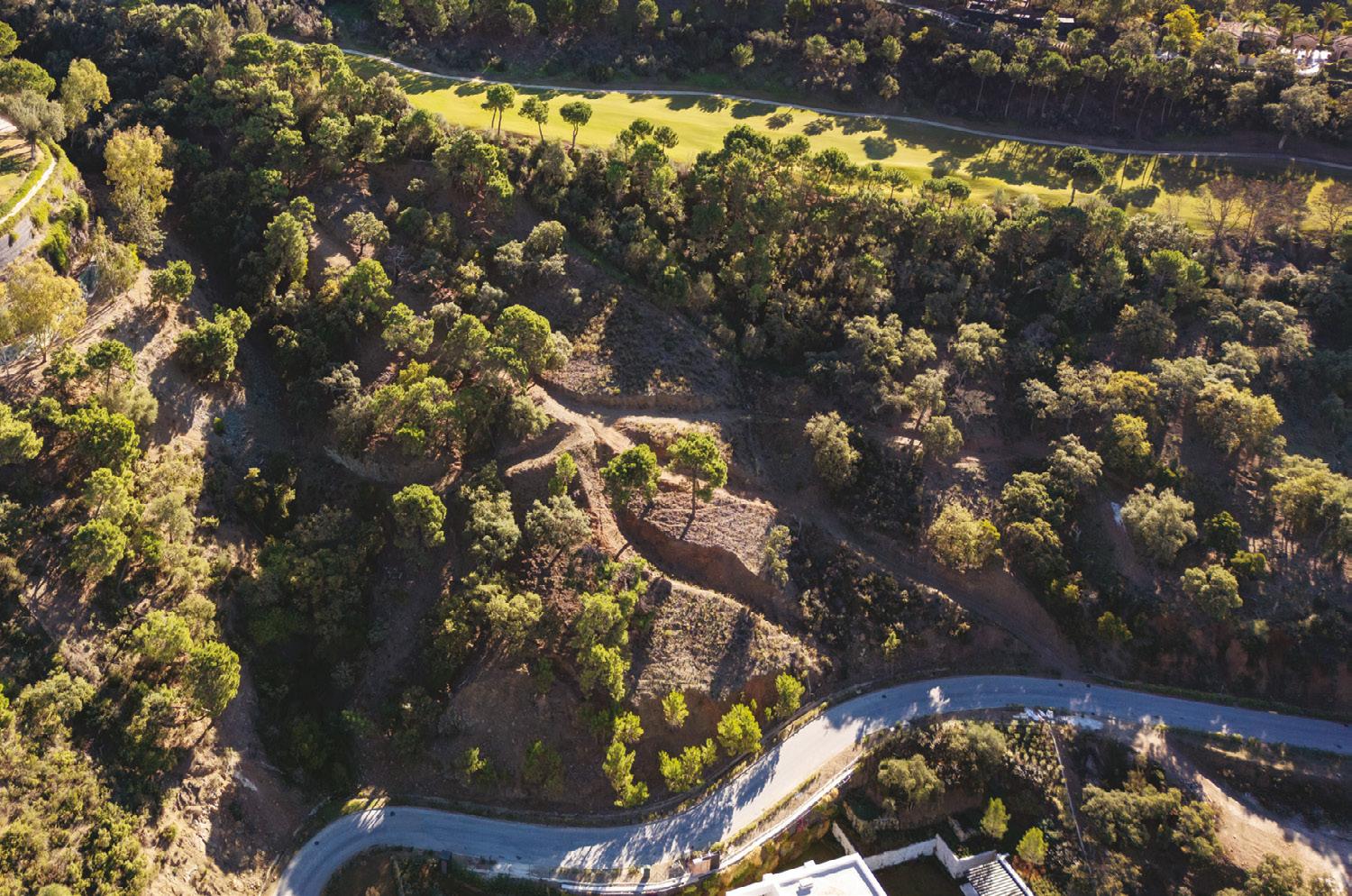
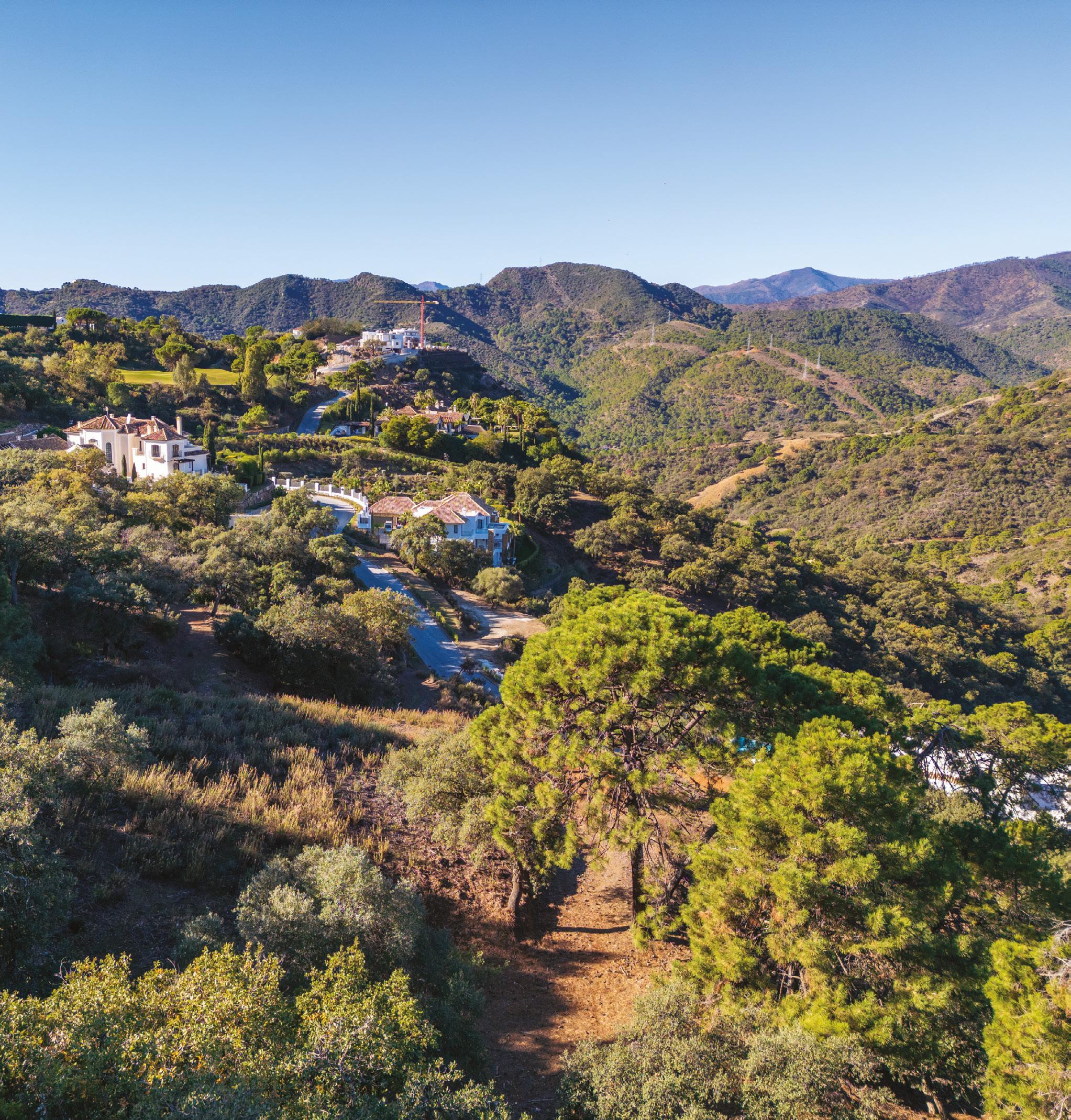
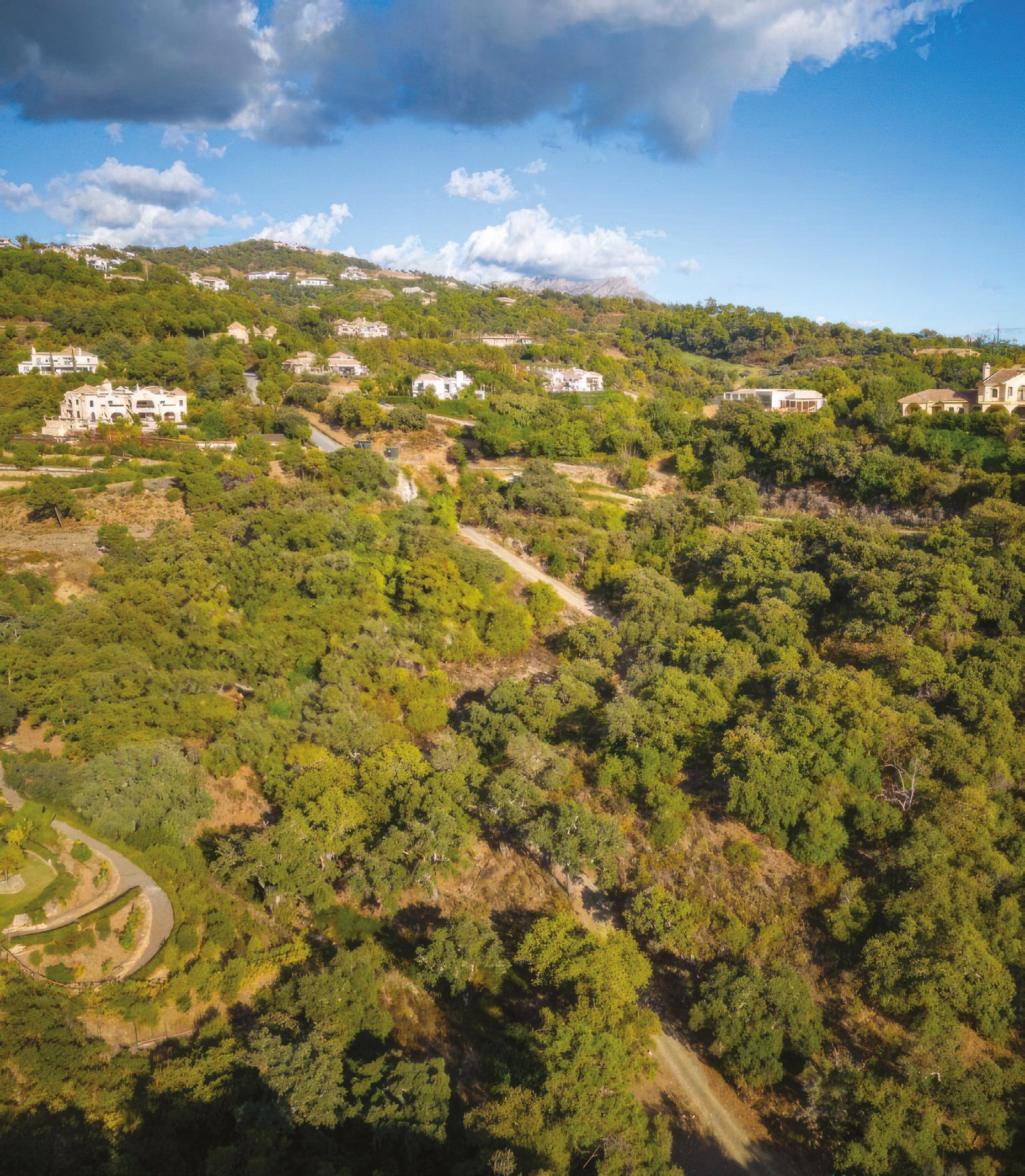
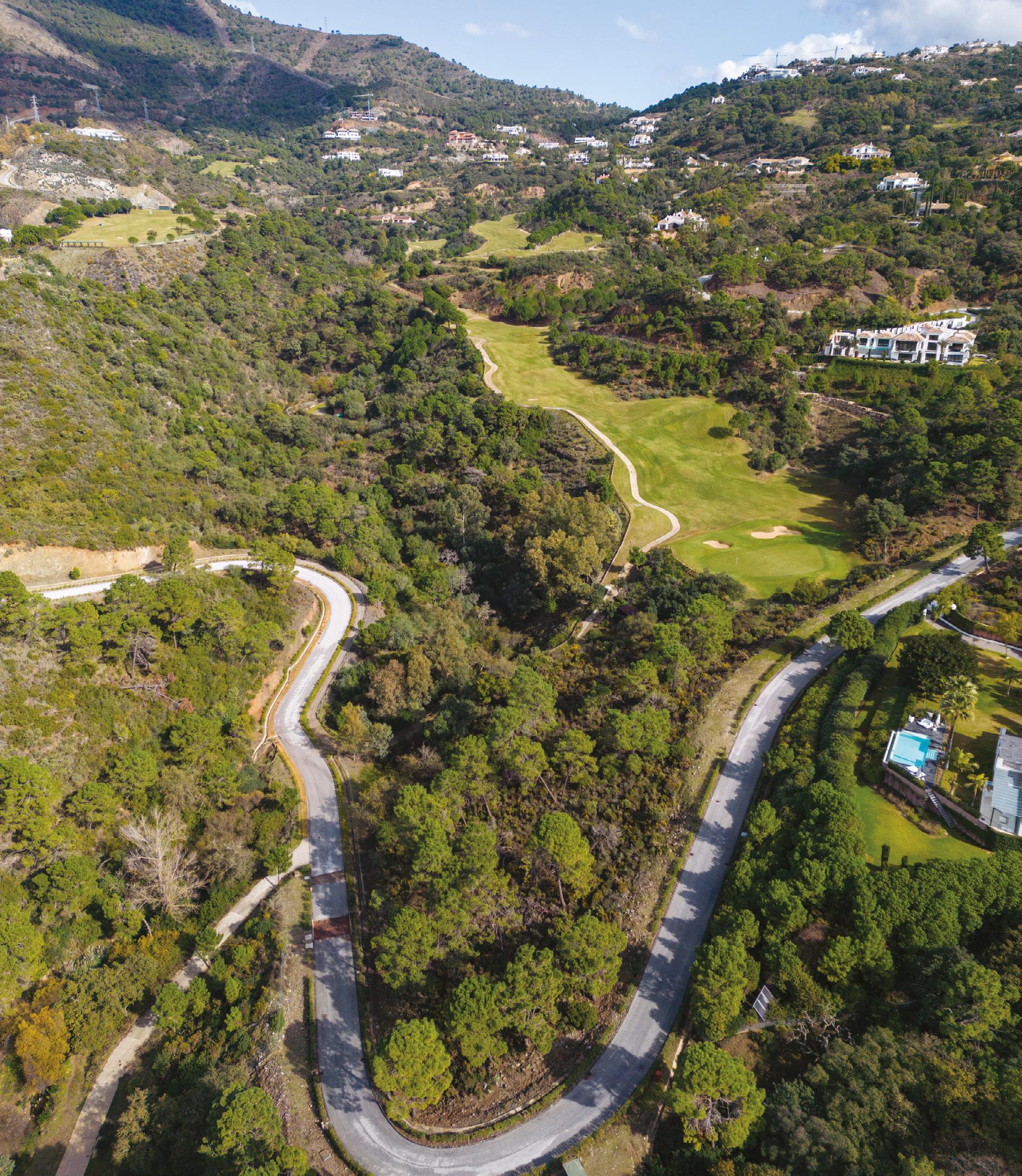
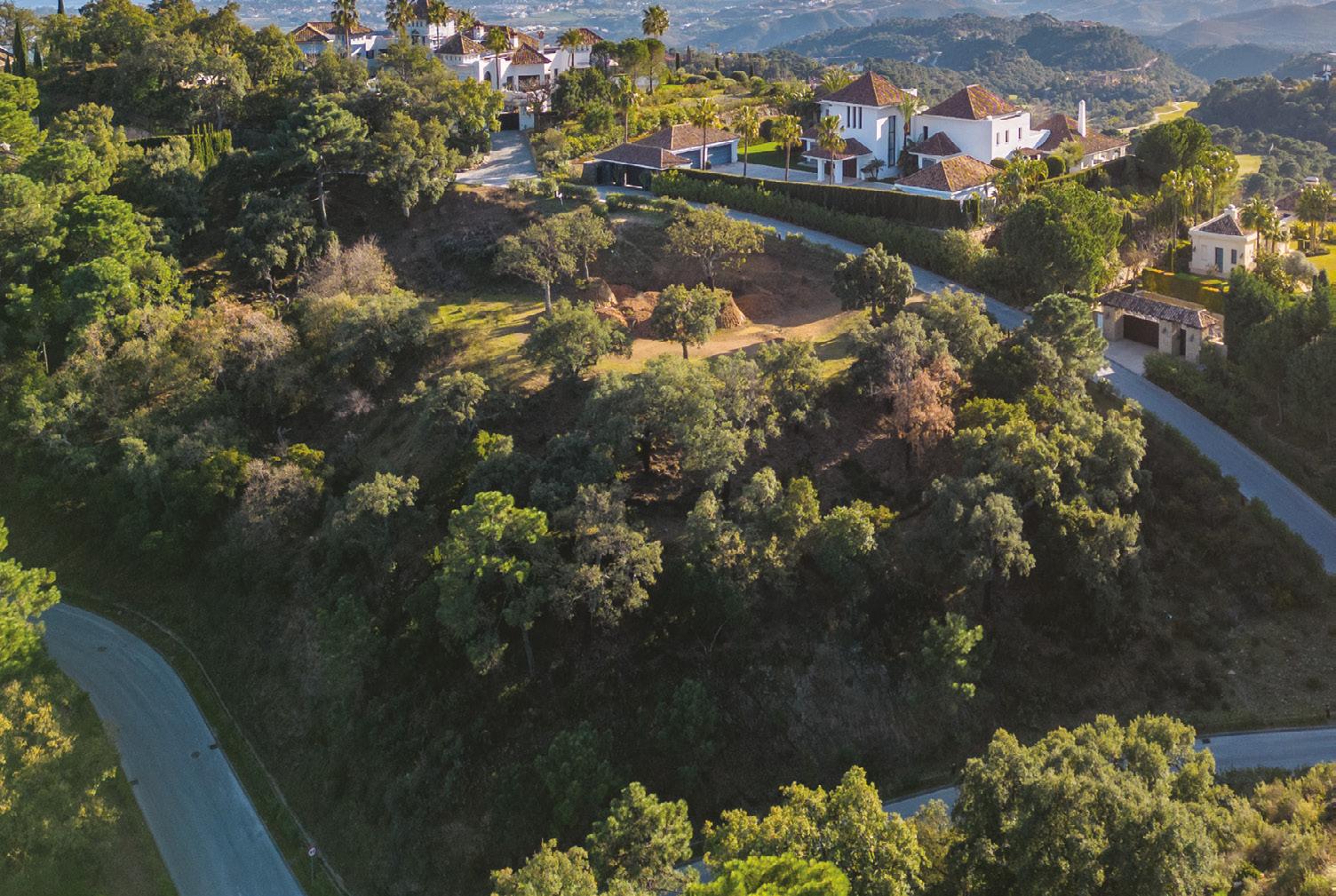
We will also enhance what already exists by introducing new ideas around connected living, wellness and bespoke service, all thoughtfully tailored to the location’s unique character. These additions will be discreet, not disruptive, reinforcing the lifestyle and values that have always set this community apart. Preserving La Zagaleta’s character will also be at the heart of plans for long-term evolution. North Sector J presents the opportunity for a limited number of new, high-quality residences and amenities that complement your existing homes. Every detail will be considered –guided by the land, attuned to its surroundings and aligned with the spirit of La Zagaleta.
Beyond the established boundary, the Majarambuz project, offers the space to extend La Zagaleta’s philosophy across a broader landscape. Located just beyond Sotogrande, this development will reflect the same principles of luxury, harmony with nature, and long-term value
Crucially, this next phase will be led by those who know La Zagaleta best. The estate’s reputation is the result of the Zagaleta team’s deep expertise, precision and an uncompromising commitment to excellence. That team remains central to everything ahead. With Modon’s support, the Zagaleta name is now poised to realise its full potential – not by changing what has come before, but by building on it with greater scale, new capabilities and shared ambition. La Zagaleta’s future will be defined by both consistency and ambition, carrying its legacy forward and building on it with purpose. Our vision is clear. We will ensure La Zagaleta continues to set the global standard for private estate living, while evolving into a model of responsible, future-focused development.
We look forward to shaping this future with you.
Silent Luxury: A New Standard in Hospitality, Real Estate, and Leisure.
If there is one thing that can be said about a truly luxurious product, it is this: at its origin, there was always an artisan—somewhere quiet and removed—meticulously creating a work of art. True luxury, craftsmanship, and art are, in essence, one and the same.
Luxury today is no longer just about opulence— it’s about resonance. We’re witnessing a growing divide between two expressions of affluence. On one side is mainstream luxury: bold, brandheavy, designed to be seen and shared. On the other, silent luxury: discreet, elevated, rooted in authenticity, artistry, and timeless values. This contrast is increasingly evident across the worlds of high-end hospitality, resort real estate, and lifestyle pursuits like golf—where the most discerning individuals are turning away from performance toward presence.
Mainstream luxury thrives on visibility and scale. In hospitality, it manifests in branded mega- resorts with eye-catching design, celebrity restaurants, and retail extensions of fashion empires. In real estate, it’s the penthouse marketed through influencers or the development promising smart apps and rooftop pools. Even golf has followed suit in some markets, where the focus has shifted to spectacle: dramatic course visuals, celebrity tournaments, and branded architecture that prioritizes hype over heritage.
Silent luxury, by contrast, is intimate, restrained, and meaningful. It’s the low-slung villa bordered by the luminous geometry of a Fernando Caruncho garden—where space, light, and shadow engage in a dialogue of timeless harmony. Caruncho, one of the most admired contemporary landscape designers, does not simply design gardens; he shapes sanctuaries of reflection. His work captures the very essence of elevated living: serenity, proportion, and spiritual depth.
In hospitality, silent luxury is found in properties like Aman, Six Senses, Cheval Blanc, or the most refined Four Seasons outposts—resorts that disappear into the landscape rather than dominate it. There, luxury lies not in size or display, but in silence, service, and the sensory richness of intentional design. Every material is chosen for its feel, every gesture delivered with quiet precision.
In residential real estate, this ethos takes form in homes that privilege architectural integrity, landscape coherence, and emotional comfort. Discreet enclaves such as La Zagaleta, Palm Beach, Surrey, or coastal Long Island harbor homes of profound refinement—without noise, without logos. A limestone floor worn by time, a handplastered wall, a grove of ancient olive trees— these say more about value than any chrome-clad kitchen. The influence of Caruncho’s philosophy— gardens as lived spaces of metaphysical clarity—is unmistakable in these havens.
EDITOR’S LETTER
Golf, a traditional pillar of luxury living, is also undergoing a quiet renaissance. For decades, the trend favored spectacle: grand openings, signature holes, oversized clubhouses. But designers like Coore & Crenshaw and Tom Doak have led a return to golf as aland-first, soul- first experience, deeply inspired by the Golden Age of course architecture from the 1920s and ’30s. Their designs emphasize natural movement, minimal intervention, and a spiritual connection to terrain. It’s not about visual drama—it’s about how the land speaks.
The world’s most revered golf clubs Pine Valley, Cypress Point, Sunningdale, Hirono, Shinnecock Hills, Merion, Oakmont, National Golf Links of America, Muirfield, and of course, The Old Course at St Andrews—share this same DNA. These are not clubs designed to be seen from afar or splashed across magazine covers. They are built to be felt. The drama of Cypress Point’s Pacific embrace, the Japanese quietude of Hirono, Sunningdale’s timeless woodland, and Pine Valley’s otherworldly seclusion all point to something elemental: a reverence for land, history, and atmosphere.
Membership in these places offers not just access, but identity. There are no oversized logos, no monthly influencer events. You might play a round with a Nobel laureate or a head of state— and no one would mention it afterward. The luxury is in belonging, not broadcasting.
This broader appetite for “less, but better” reflects a cultural shift. Today’s truly highend client does not want to be dazzled— they want to be moved. Whether through the golden light across a Caruncho landscape, the touch of antique oak beneath their feet, or the rhythm of walking a Doak-designed fairway at dawn, silent luxury is about emotional return, not just financial investment.
It’s a mistake to confuse this philosophy with simplicity. In truth, silent luxury is the most curated form of all—a distillation of intent, mastery, and meaning. It doesn’t shout. It doesn’t need to. In this world, true luxury is not being seen—it’s being understood. As global tastes evolve, silent luxury is no longer a niche. It is the emerging gold standard for those who seek to live not louder—but deeper.
To honour a living architect whose built work demonstrates talent, vision and commitment, contributing significantly and enduringly to humanity and the built environment through the art of architecture.
International, independent
2024 – Riken Yamamoto (Japan)
2023 – Sir David Chipperfield (UK)
2022 – Francis Kéré (Burkina Faso/Germany)
2021 – Anne Lacaton & Jean-Philippe Vassal (France)
2017 – Rafael Aranda, Carme Pigem & Ramon Vilalta (RCR Arquitectes, Spain)
1983 – Ieoh Ming Pei (USA/China), designer of the Louvre Pyramid
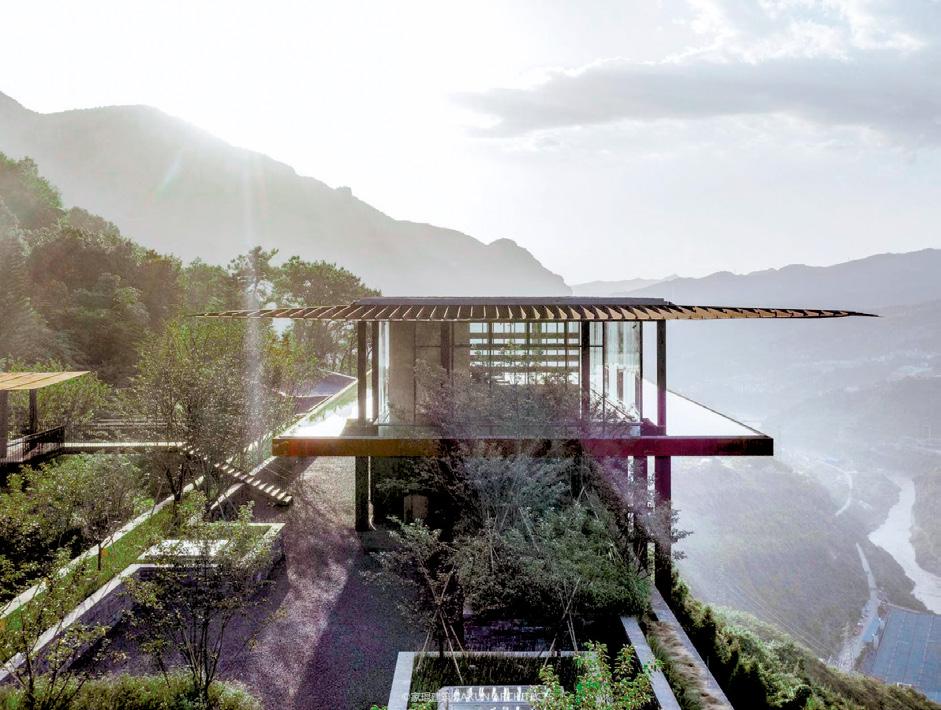
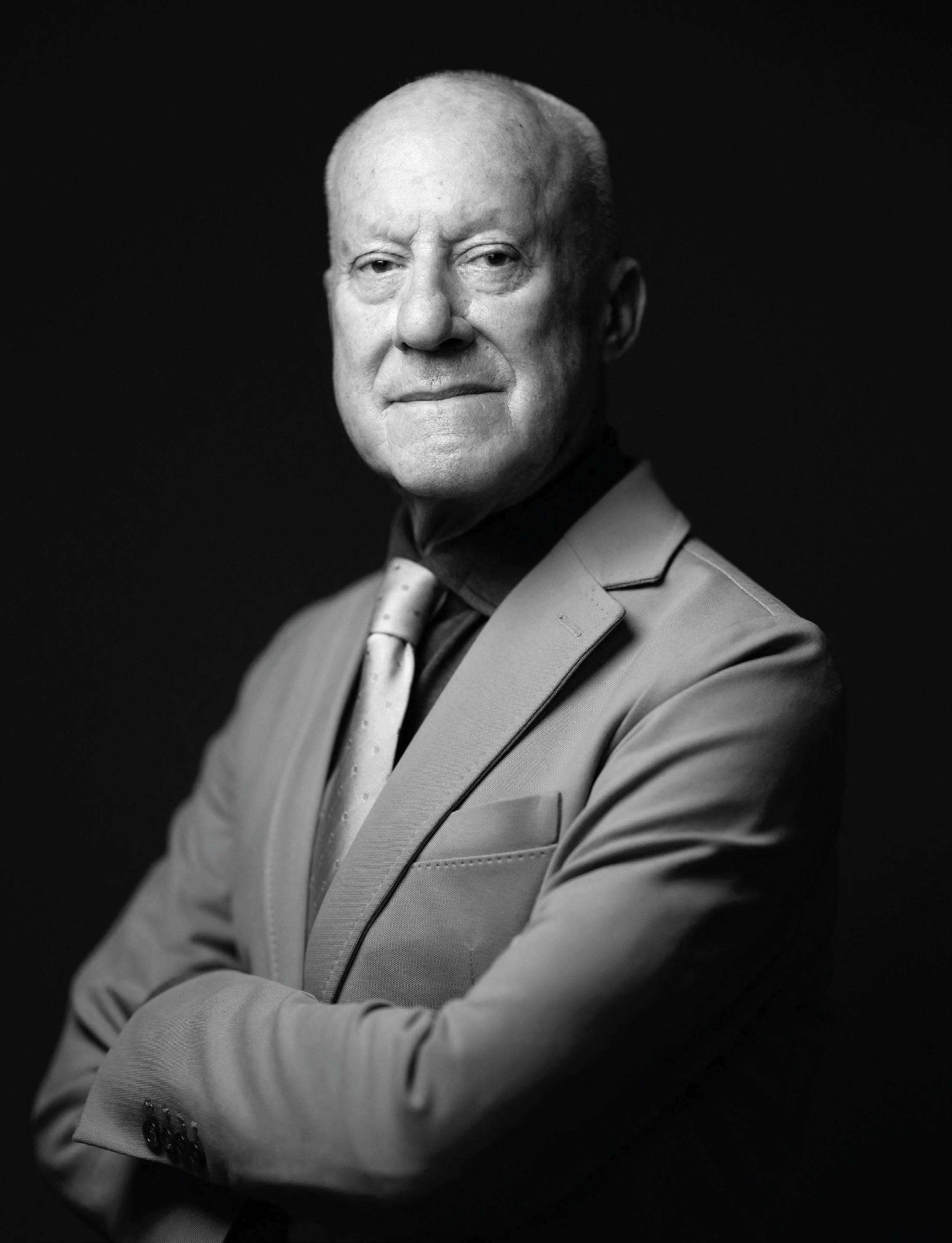
Liu Jiakun receives this year’s Pritzker Architecture Prize, endowed with $100,000 and widely regarded as the profession’s highest honour. The nine-member international jury, chaired by Alejandro Aravena, recognises the Chinese architect from Chengdu for a body of work that bridges social resilience, vernacular craft and contemporary civic identity. Since its founding in 1979 by the Pritzker family through the Hyatt Foundation, the Prize has stood as architecture’s benchmark for consistent and significant contributions to humanity and the built environment. Often described as “architecture’s Nobel”, the award does more than acknowledge design excellence; it actively shapes discourse, commissions and emerging practice models worldwide. Liu’s projects— ranging from post-earthquake reconstruction in Sichuan to sensitive urban insertions—demonstrate how architecture can address local realities while resonating globally. For clients, institutions and investors navigating complex development contexts, the Pritzker remains a reliable barometer of architectural leadership that balances technical integrity, cultural continuity and evolving environmental demands.
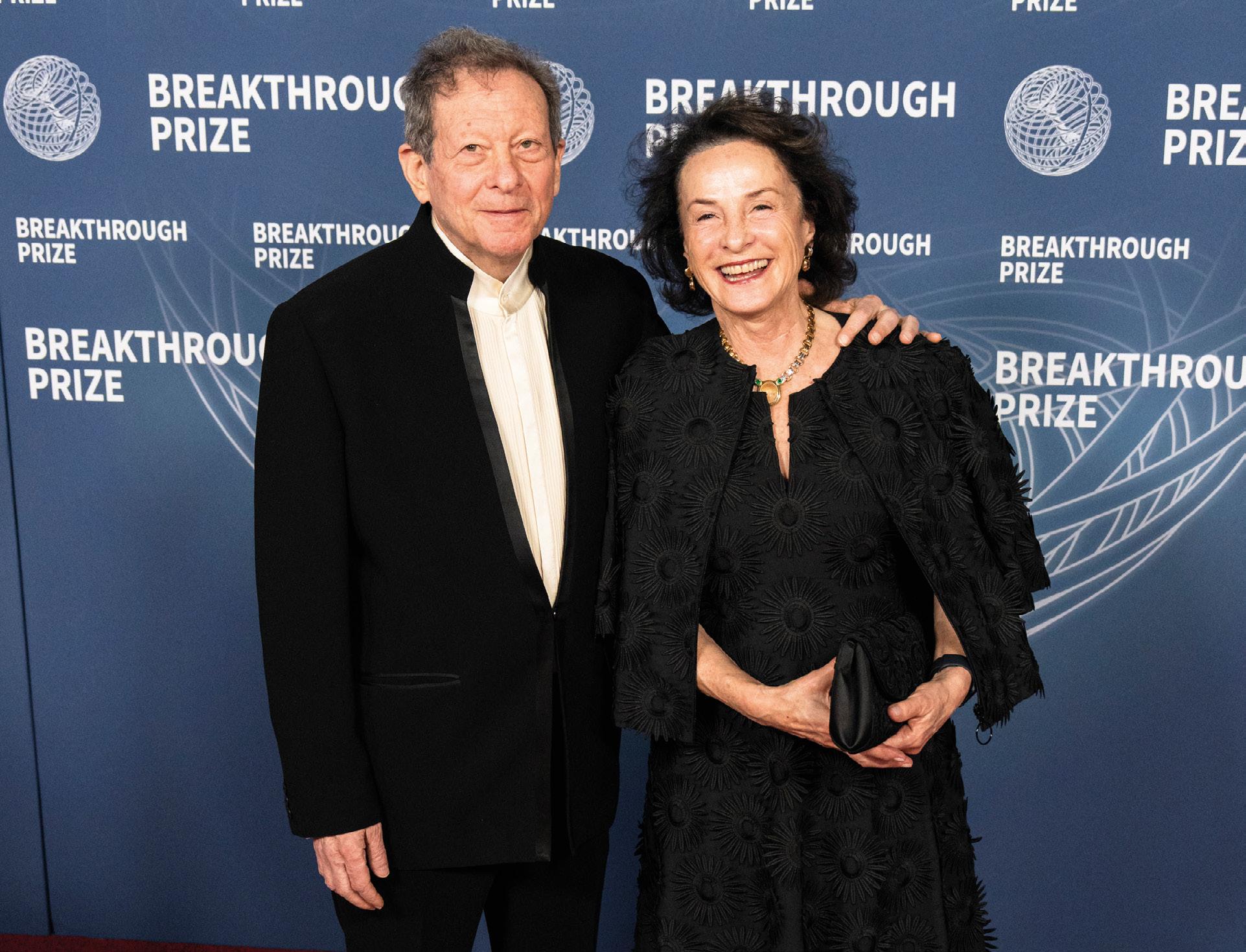
Thomas Pritzker and Margot Marshall attend the 11th Breakthrough Prize Ceremony at Barker Hangar on April 05, 2025
THE PRITZKER ARCHITECTURE PRIZE: ENDURING IMPACT AND EVOLVING NARRATIVES
Since its inception in 1979, the Pritzker Architecture Prize has remained the discipline’s most influential accolade, honouring architects whose built work combines talent, vision and commitment to the broader human context. Founded by the Pritzker family of Hyatt Hotels, the prize is often called the “Nobel Prize of Architecture” not for its $100,000 award and bronze medallion alone, but for the cultural capital it confers.
From Philip Johnson’s Glass House to Riken Yamamoto’s community-based housing, the Prize charts architecture’s evolving response to shifting climates, social needs and resource constraints. Early laureates were predominantly modernists from North America and Europe—Louis Kahn, I.M. Pei, Aldo Rossi— yet its reach has broadened: Balkrishna Doshi (2018) and Francis Kéré (2022) exemplify its commitment to architecture serving local communities with limited resources.
David Chipperfield’s 2023 award reflected the growing emphasis on adaptive reuse and civic stewardship, seen in his Neues
Museum and the James Simon Galerie. Nearly 40% of laureates have shaped landmark public cultural spaces—Nouvel’s Institut du Monde Arabe, SANAA’s Rolex Learning Center, Shigeru Ban’s Paper Church—demonstrating material and climatic experimentation.
Firms led by laureates often nurture new talent: Zaha Hadid’s 2004 recognition fostered a generation of digitally fluent designers. Critiques endure—gender imbalance remains (only six women laureates) and the need for greater clarity on sustainability persists. Under Alejandro Aravena’s chairmanship, the jury highlights ecological and social accountability as central.
The Prize’s archive and itinerant exhibitions extend its influence beyond celebration, positioning architecture as a tool for urban equity, cultural resilience and carbon-conscious design. In an age of fleeting spectacle, the Pritzker affirms that true relevance endures in work anchored to place, community and responsible material practice—an ethos reaffirmed by Liu Jiakun’s 2025 recognition.
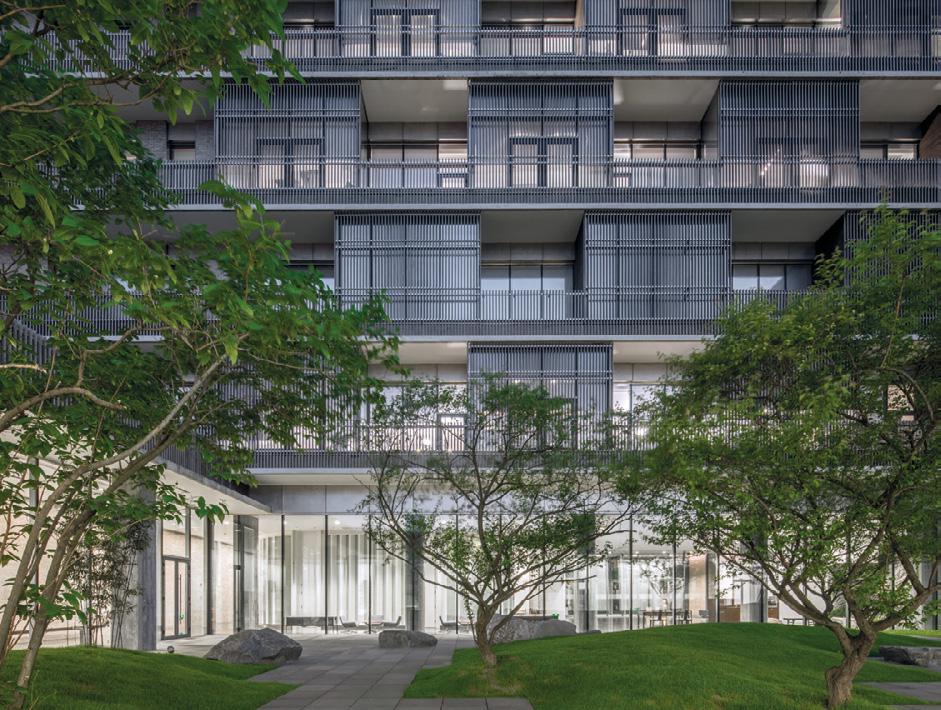
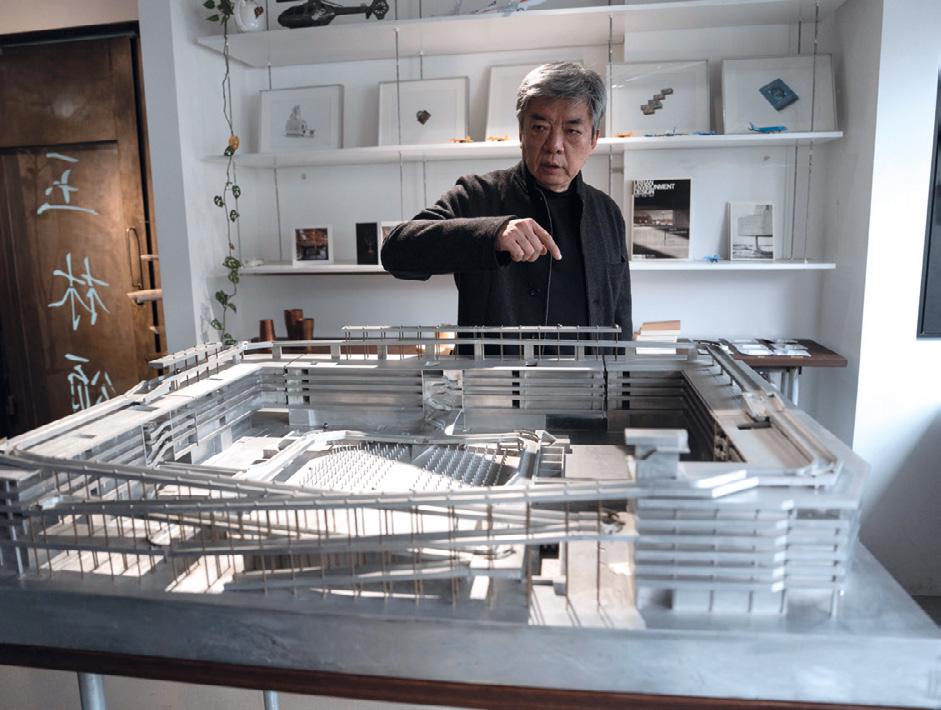
Liu Jiakun, 2025 Laureate of the Pritzker Architecture Prize.
MASTERPIECES AS CAPITAL
Art and collectibles remain a critical focus for UHNWIs seeking assets that blend cultural capital with resilient returns. From TEFAF Maastricht to Sotheby’s and Christie’s, the global market demonstrates that fine art is no longer just adornment—it is a calculated financial strategy.
In the constellation of luxury asset classes, few hold the multifaceted allure and historical resilience of art and collectibles.
For UHNWIs, fine art, design objects and rare collectibles form a tangible hedge against volatility, while offering symbolic capital and intergenerational prestige. According to the latest Art Basel & UBS Global Art Market Report, global sales of art and antiques surpassed $65 billion in 2024, with more than 35% of transactions driven by buyers with investable assets above $50 million.
Fairs such as TEFAF Maastricht, the world’s most rigorous platform for vetted masterpieces, continue to anchor the market’s trust. Exhibitors here transact everything from early Flemish paintings to contemporary installations commanding eight-figure sums. Alongside, auction houses like Sotheby’s, Christie’s and Bonhams have adapted rapidly to digital bidders and new wealth geographies. In 2023, Sotheby’s Private Sales alone topped $1.2 billion, while Christie’s recently orchestrated single-owner collections exceeding $500 million in a single evening.
Less visible but equally telling is the expansion of Artcurial and Phillips, which have leveraged specialist departments in design, classic cars and jewellery to capture cross-category buyers. Collectibles now encompass not just paintings or sculptures but
also watches, rare manuscripts, and vintage cars—each segment governed by niche connoisseurship and authentication standards.
The investment dimension is not merely speculative. Knight Frank’s Luxury Investment Index shows that blue-chip art appreciated 91% over the past decade, outperforming several traditional asset classes. Yet liquidity remains selective: only works with impeccable provenance and curatorial relevance consistently realise top-tier returns. For UHNWIs, art is often structured within family offices alongside real estate, equities and philanthropic vehicles.
Curiously, the demographic has shifted. New buyers in Asia-Pacific and the Middle East have transformed evening sales, commissioning culturally resonant works that also double as status signals. Provenance and exhibition history have become currency, with collectors vying for pieces that deliver narrative as much as value retention.
From the vaults of Geneva to discreet freeports in Singapore, the storage, insurance and inheritance planning around fine art underscore its status as luxury’s ultimate portable wealth. In an age of digital volatility and geo-political shifts, the enduring canvas remains, paradoxically, the most stable: a bridge between aesthetic pleasure, legacy and calculated financial stewardship.
MARBELLA. N-340. Salida Torre Real.
Colección Bombom, diseño Joana Vasconcelos. Asesoramiento en decoración y proyectos 3D en tienda.
THE PRINCESS OF ASTURIAS AWARDS
The Princess of Asturias Awards represent one of Europe’s most intellectually rigorous and symbolically rich recognitions. Rooted in Spain’s enduring monarchical tradition yet unmistakably global in scope, they stand as a testament to the power of ideas and human endeavour to shape societies across borders. These awards honour individuals, organisations and movements whose work transcends nations, disciplines and ideologies — affirming culture, science, diplomacy and ethics as the enduring currencies of meaningful influence in the modern world.
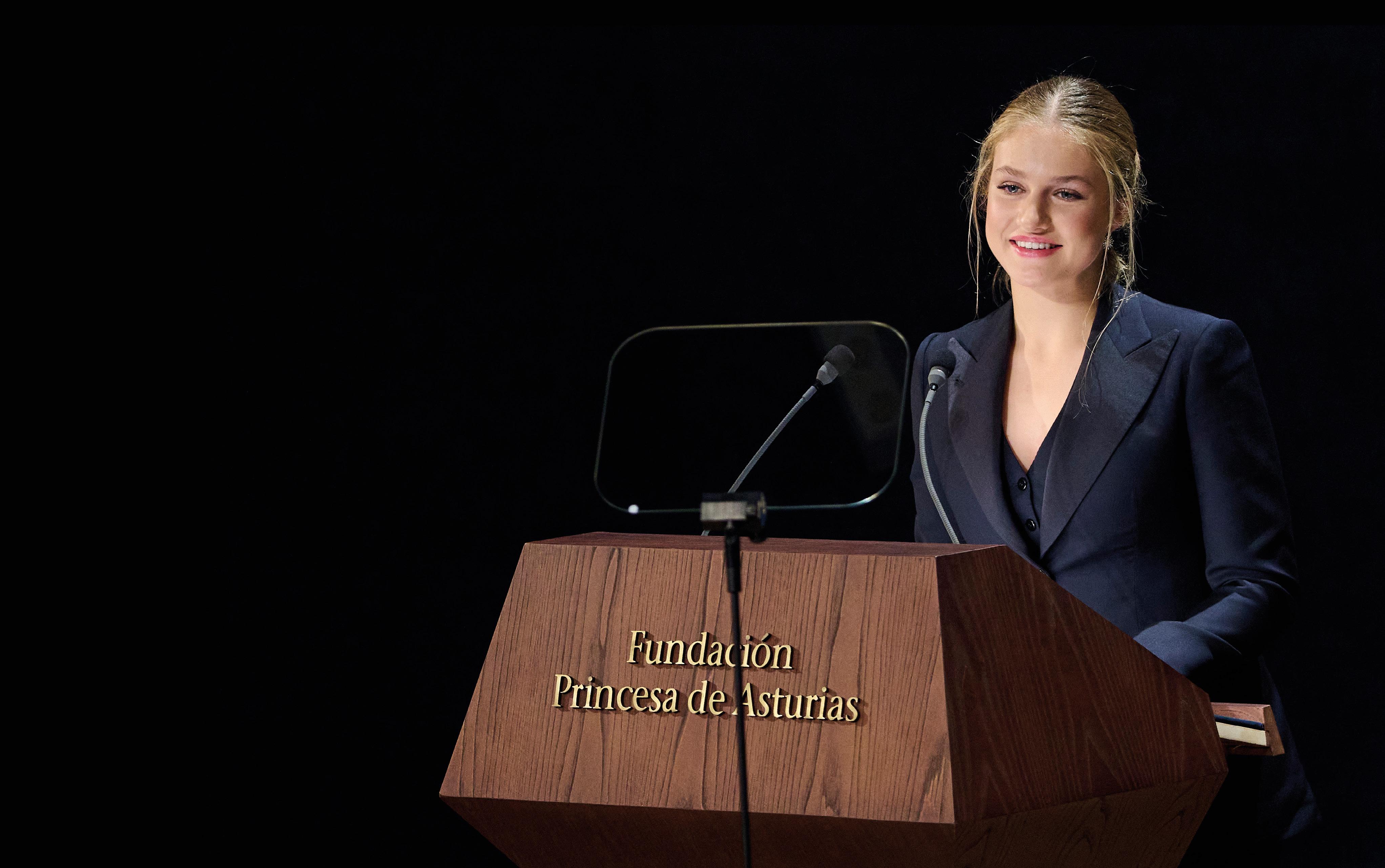
Crown Princess Leonor of Spain talks during the 2024 Princess of Asturias award ceremony at Teatro Campoamor
From literature and the arts to scientific research, social commitment and international cooperation, each laureate reflects a remarkable capacity to connect the local and the universal, the timeless and the contemporary. In an age often marked by fragmentation, the Princess of Asturias Awards remind us that intellectual excellence and moral leadership remain vital pillars of collective progress, echoing the Spanish Crown’s commitment to fostering dialogue and celebrating the best of our shared humanity.
Held every October in Oviedo, in presence of Princess Leonor
Each prize includes a monetary award, diploma, sculpture by Miró, and honorary pin
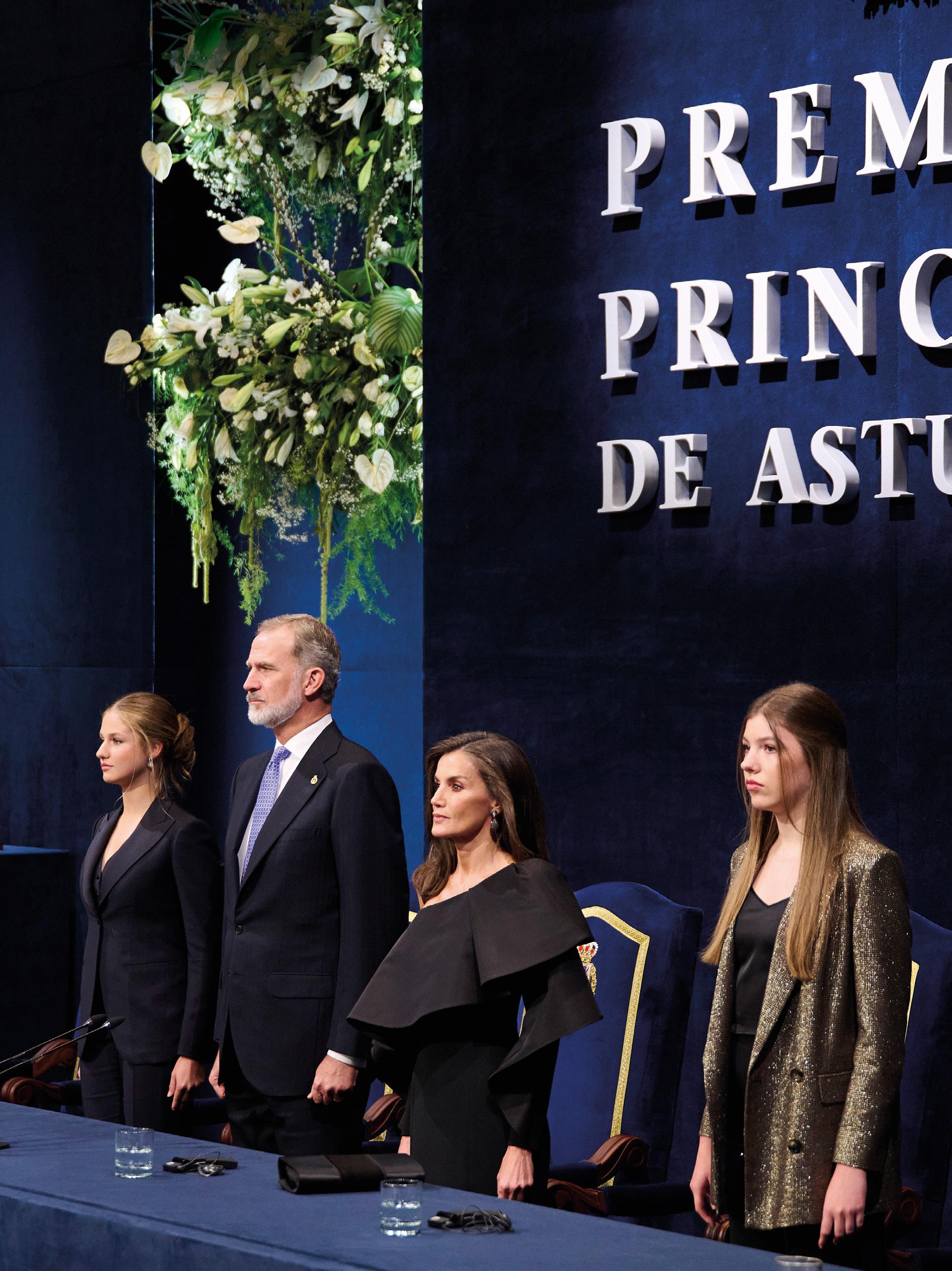
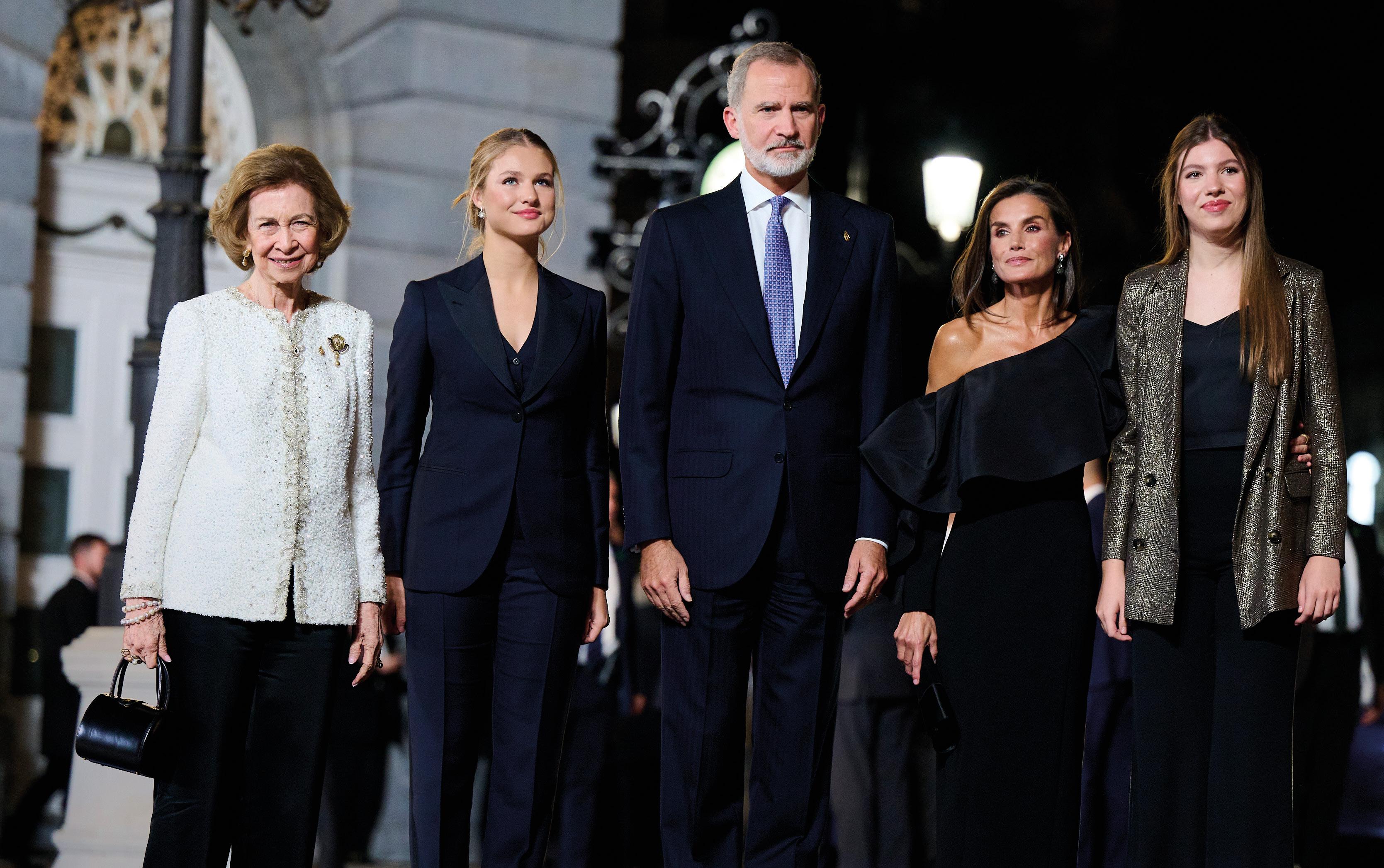
Crown Princess Leonor of Spain, King Felipe VI of Spain, Queen Letizia and Princess Sofia attend the “Princesa De Asturias” Awards
Arts – Graciela Iturbide
Over five decades of poetic photography
Communication – Byung-Chul Han
Reflections on tech and modern society
Cooperation – Mario Draghi
Key role in euro stability and multilateralism
Literature – Eduardo Mendoza
Celebrated for wit and narrative innovation
Sports – Serena Williams
Grand Slam legend and voice for gender equality
Social Sciences – Douglas Massey
Research on migration and inequality
Science – Mary-Claire King
Breakthrough work on genetics and cancer
Concord – Mexican Museum of Anthropology Cultural diversity defender
Conceived as a civic institution with royal association, the Princess of Asturias Awards are administered by a charitable foundation headed by the heir apparent. Since 2023, Princess Leonor has been formally invested as Honorary President, signifying a deliberate generational transition. Each prize sits within one of eight meticulously curated categories: Arts; Literature; Social Sciences; Technical & Scientific Research; Communication & Humanities; International Cooperation; Concord; and Sports.
Nominations are solicited internationally—from embassies, former laureates, cultural organisations, and academic bodies—while deliberately excluding self-nominations or political figures, reinforcing intellectual independence. Each category is judged by a jury of 15–20 respected professionals, with the Concord prize governed by a larger panel, ensuring representation of civil society. Deliberations span from April to September in Oviedo, following a strict ethical code, and culminate in a final vote hosted by the Foundation’s board.
The awards bestow a Joan Miró sculpture, diploma, insignia, and a €50,000 prize—divided where laureates are shared. The Sculpture itself is more than trophy; it is an emblem of cultural lineage and cross-disciplinary resonance. This structural rigor, combined with royal ceremony, positions the awards as hybrid entities: ceremonially royal, substantively civic, and globally oriented. Few distinctions impart such a delicate interplay between ceremony and consequence as the Princess of Asturias Awards. Founded in 1981 and rebranded in 2015 to honour the heir apparent, they stand at the juncture of Spain’s historical institution and its contemporary international posture. Reflecting a democratic monarchy, the awards reject hereditary privilege in favour of intellectual merit, acknowledging achievement across eight fields: Arts; Literature; Social Sciences; Technical and Scientific Research; International Cooperation; Concord; Sports; and Communication & Humanities.
Each autumn, Oviedo’s Teatro Campoamor becomes a locus of cultural diplomacy. Its neoclassical stage is populated not by royal bloodlines but by laureates whose work transcends borders. They
In an era of geopolitical tension and cultural dissonance, the Princess of Asturias Awards emerge as Spain’s subtle exercise in soft power. By honouring international figures in areas such as human rights, European integration, medical ethics and philosophical thought, the prizes position Spain as a conduit between intellectual rigour and humanitarian values. Rather than celebrating notoriety, the awards foreground those who shape global narratives through depth, nuance and civic relevance. In doing so, Spain signals its intent to remain central to pan-European and transatlantic dialogues—privileging knowledge diplomacy over mere symbolism.
Oviedo’s elevation to cultural epicentre each October extends this strategy. The city’s infrastructure, media visibility, and regional pride are reinvigorated annually, embedding Asturias into Spain’s cultural diplomacy. This is prestige deployed with discretion—an affirmation that cultural capital can flow from the principality outward, with enduring global resonance.
receive, apart from public acclaim, a €50,000 prize, a diploma, an insignia, and a Joan Miró sculpture—objects of symbolic and material value. UNESCO’s 2004 designation of the prizes as part of humanity’s cultural heritage underscores their global reach and moral ambition.
The 2025 iteration reinforces this international trajectory. Beyond worthy individuals, the awards function as lexicons of contemporary challenge: visual anthropology, digital alienation, civic resilience, scientific justice, continental governance, and athletic advocacy. Such categories reveal a conscious alignment: each domain engages with present-day vectors—identity, empathy, equity, integration, and cultural memory.
What distinguishes these awards is their shape-shifting dignity: at once regal and populist. King Felipe VI opens the ceremony with measured address; Princess Leonor’s contributions now rival those of her father in ceremonial gravitas, signifying a monarchy that seeks cultural relevance. Nominees emerge from diplomatic communities, academic institutions, cultural bodies, but are intentionally international—to avoid national bias. Indeed, no domestic bias is permitted: nominations exclude sitting heads of state, judges, Foundation trustees, and even jury members. The process is defined by rigor, impartiality, and transparency.
Moreover, the week encircling the ceremony extends its impact: laureates speak in schools, universities and cultural centres across Asturias. A gala concert and university masterclasses broaden public engagement. This scaling—intimate ceremony and community outreach—encapsulates the awards’ ethos: they aspire to be civil heritage as much as royal spectacle.
In 2025, the awards reaffirm Spain’s strategic positioning within European and global discourse. They uphold transnational values— narrative complexity, scientific truth, social justice and inclusive memory. In an age of digital tribalism and geopolitical fragmentation, their appeal lies in sustained cultural instrumentality: honouring not the heroic past but the architectonic future. In sum, the Princess of Asturias Awards embody cultural soft power executed with moral refinement.
Each October, the Carretera del Campoamor Theatre fills with dignitaries, scholars, and citizens. The ceremony opens with Renaissance fanfares and concludes with regional music, bridging Spain’s historic and present-day identities. Speeches—from King Felipe VI, Princess Leonor, and urban and international leaders—navigate themes of resilience, empathy, and knowledge. Though scripted, the atmosphere is spontaneous; laureates sometimes interject in Catalan, Arabic, or German, reflecting Spain’s linguistic diversity.
Yet the scope extends beyond the Teatro. Award week includes civic events: round-tables at Oviedo university, dialogues with schoolchildren, open rehearsals, and academic masterclasses. One evening, the Symphonic Orchestra gives a free concert. These activities foster experiential learning and cultural participation, turning the ceremony into a civic ritual rather than exclusive pageantry.
Local businesses, cultural foundations, and educational bodies coordinate the extension of the event’s footprint across Asturias. Journalists, students, and diplomatic corps participate. The awards thus function both as soft-power diplomacy and social-cultural equipment. They are not only bestowed—they are lived, collectively, by a community that extends well beyond the audience of October’s gala.
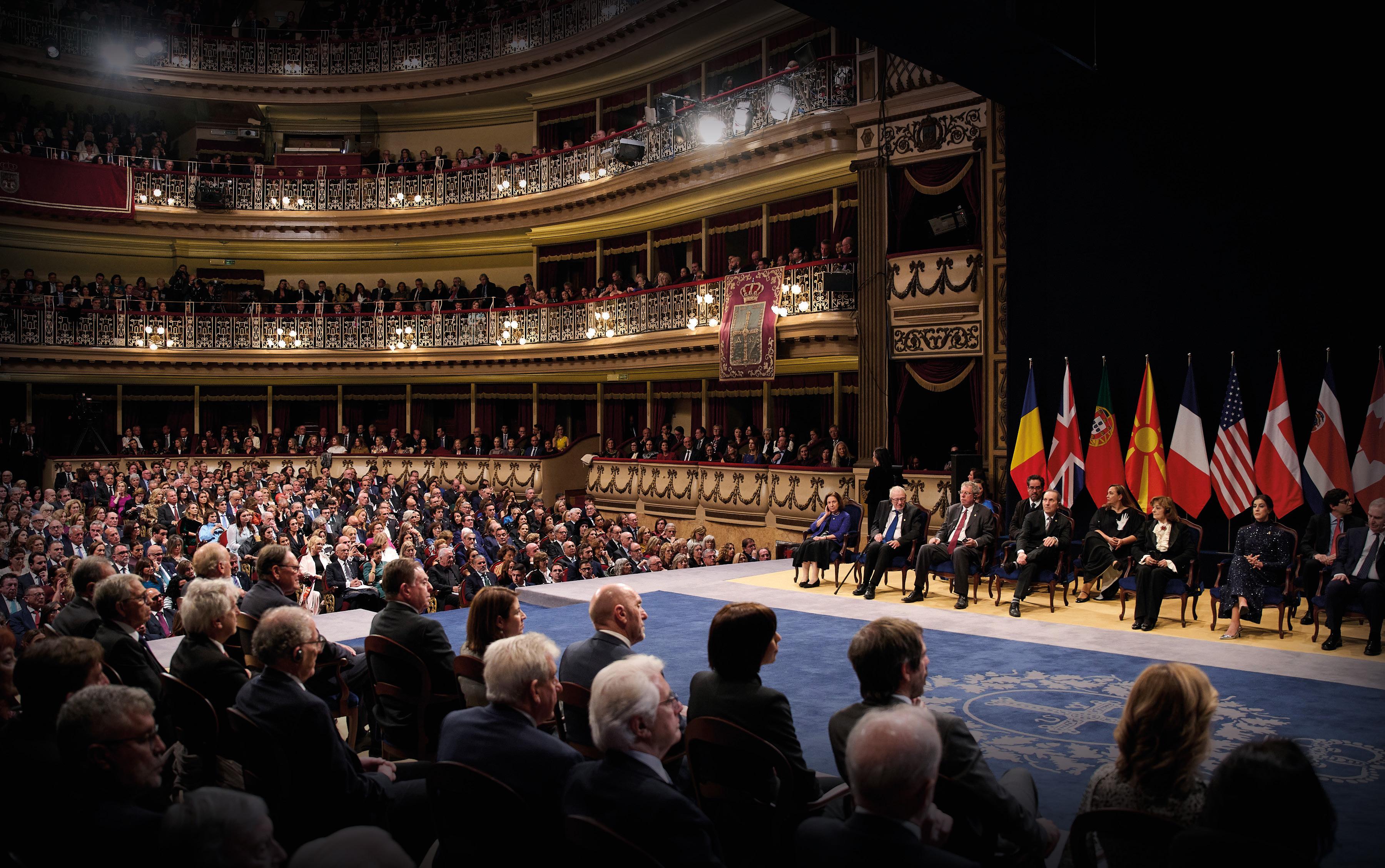
The Campoamor Theatre, where the Princess of Asturias Awards are bestowed, stands as a jewel of Oviedo’s cultural heritage. Inaugurated in 1892 and named after the poet Ramón de Campoamor, its gilded balconies, neoclassical façade and sumptuous interiors evoke the grandeur of Europe’s historic opera houses. Over the decades, its stage has become synonymous with intellectual prestige and civic pride, offering an exquisite setting that dignifies every moment of this celebrated gathering.
“Princesa De Asturias” Awards stage at Teatro Campoamor, Oviedo ( SPAIN )
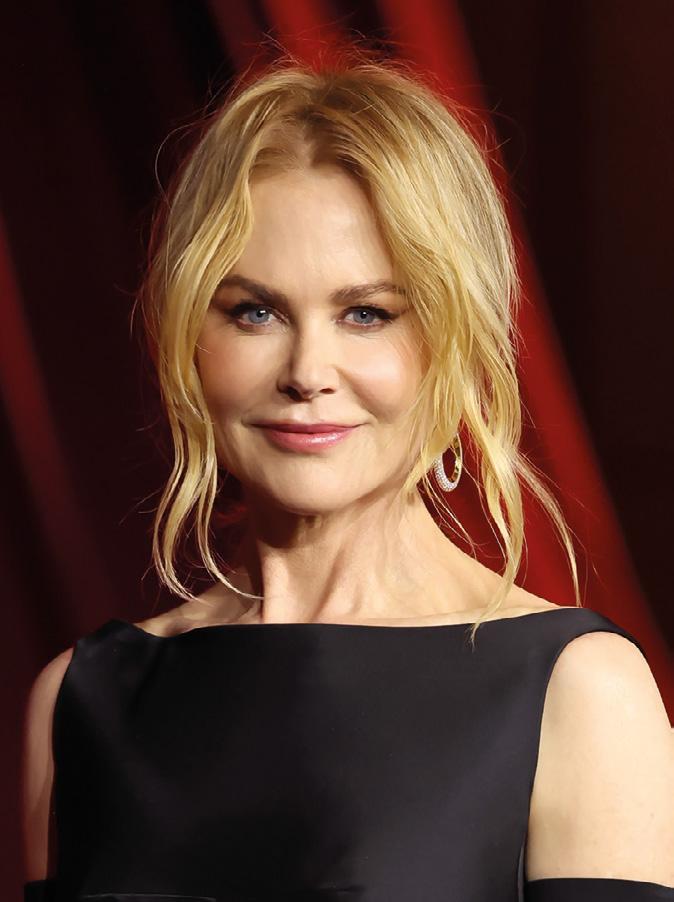
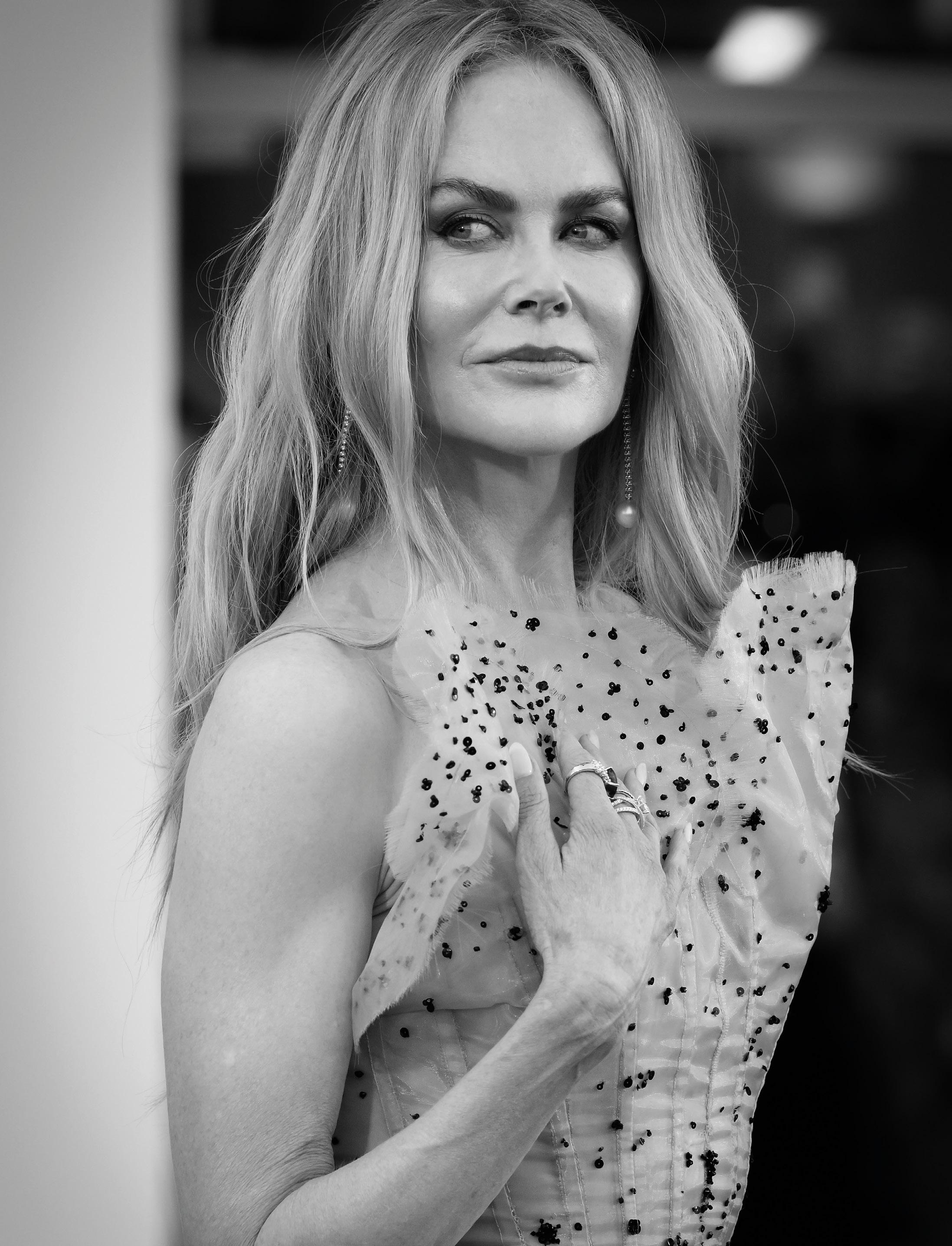
Nicole Kidman at the 82 Venice International Film Festival
“I believe that as much as you take, you have to give back. It’s important not to focus on yourself too much.”
Nicole Kidman
There are few actors whose careers trace the cultural and aesthetic tensions of contemporary cinema as elegantly, and as rigorously, as Nicole Kidman’s. Born in Honolulu, raised in Sydney, and long since adopted by the world stage, Kidman defies the usual logic of Hollywood stardom. Her choices—often daring, sometimes divisive—speak to a sensibility more literary than mercantile, more attuned to risk than reward. In an industry where image often calcifies into brand, she has remained elusive: a presence that is always exacting but never fixed, simultaneously glamorous and unsettling.
Over four decades, Kidman has worked with auteurs such as Stanley Kubrick, Lars von Trier, Jane Campion, and Yorgos Lanthimos, while also anchoring blockbuster franchises and prestige television. She has played courtesans and haunted mothers, abused wives and icy aristocrats, Southern Gothic heroines and Virginia Woolf. Each role seems not a departure, but a continuation of a larger, cerebral trajectory—a kind of personal cinematography. This is not the story of a star merely navigating fame. It is the anatomy of an artist curating time itself.
AN AESTHETIC OF PRECISION
From the beginning, Nicole Kidman displayed a disarming control over tone, posture, and voice. Trained initially in ballet before enrolling at the Phillip Street Theatre and the Australian Theatre for Young People, she made her screen debut in 1983, at the age of 16, in Bush Christmas. Yet it was Dead Calm (1989), Philip Noyce’s psychological thriller, that revealed the full register of her talent: composed, brittle, unshowy—and impossible to look away from. Hollywood took notice.
Her early career in the United States was marked by commercial vehicles (Days of Thunder, Far and Away, Batman Forever), but even within these productions she refused to succumb to decorative passivity. There was always an internal architecture to her performances—something slightly removed, perhaps unknowable— that resisted the flattening of the female lead into cliché.
KUBRICK AND THE CRUCIBLE OF INTIMACY
If there is a single performance that marks the turning point in Kidman’s career, it is undoubtedly Eyes Wide Shut (1999). Stanley Kubrick’s final film, steeped in Freudian ambiguity and erotic dread, cast her alongside then-husband Tom Cruise, in a manner that deliberately destabilised their public image. The raw, extended monologue she delivers—an excavation of fantasy, infidelity, and the irrational—remains one of the boldest gestures of her career. Kidman did not merely act: she exposed, disarmed, and reassembled herself.
Kubrick, notoriously exacting, is said to have conducted dozens of takes, each demanding minute variations in tone. The resulting performance is a masterclass in containment and rupture. That she emerged from the experience not diminished but transformed speaks volumes of her artistic stamina.
“What’s the point of doing something good if nobody’s watching?”
REJECTING THE COMMODITY OF STARDOM
The years following Eyes Wide Shut were among the most eclectic of any actor in contemporary cinema. Rather than consolidating her fame, Kidman undertook a sequence of experiments in form and genre: playing the fragile mother in The Others (2001), a role that reinvigorated the gothic tradition; the tormented writer in The Hours (2002), for which she received the Academy Award; and the silent sufferer in Lars von Trier’s Dogville (2003), arguably one of the most harrowing performances of the decade.
These were not roles designed for audience sympathy or box office security. Instead, they reflected an increasingly European understanding of the actor as a medium for philosophical exploration. In Dogville, shot on a bare sound stage with chalk outlines in place of walls, she submitted to theatrical minimalism and moral cruelty with unnerving composure. Von Trier described her as “a masochist of the mind,” willing to endure discomfort for artistic truth.
THE CRAFT OF DISAPPEARANCE
One of the enduring paradoxes of Nicole Kidman’s work is her ability to disappear into roles while remaining unmistakably herself. Her portrayal of Virginia Woolf in The Hours, with prosthetic nose and clipped accent, is perhaps the most cited example, but it is only one of many. In Birth (2004), under Jonathan Glazer’s elliptical direction, she plays a woman convinced that her deceased husband has been reincarnated in the body of a ten-year-old boy. The film hinges on Kidman’s restraint: a series of glances, hesitations, and barely perceptible shifts in breath that convey more than pages of dialogue ever could.
This style—interior, modulated, stripped of sentimentality—would become her signature. It is not the method acting of immersion, but something cooler, architectural. She builds her characters not through mimicry, but through patterns of thought and time. Watching her work is akin to observing someone assemble a cathedral from light and silence.
A GLOBAL CINEMATIC LANGUAGE
Kidman’s collaborations over the past two decades suggest an actress deeply invested in international voices. From Park Chanwook’s Stoker (2013), where she plays a venomous stepmother with operatic relish, to Werner Herzog’s Queen of the Desert (2015), she pursues stories beyond the Anglophone mainstream.
Even in less successful films, she often remains the most compelling element on screen. In Grace of Monaco (2014), a biopic marred by historical liberties, Kidman manages to convey something wounded and private beneath the sheen of regal fantasy. She does not seek to humanise through sentimentality, but through solitude—an emotional quiet that invites the viewer into a space of contemplation rather than spectacle.
Her fluency in this cinematic language—part European austerity, part American psychodrama—has earned her accolades from Cannes to Berlin. She has served on juries, received honours from the Australian Academy, and maintained a rigorous relationship with theatre through her work on stage in London’s West End.
TELEVISION AS CHAMBER THEATRE
In the era of prestige television, Kidman has redefined the limits of what a screen performance can achieve. Big Little Lies (2017–2019), where she played Celeste Wright, a woman trapped in an abusive marriage, was nothing short of revelatory. The series, produced in part by Kidman herself, allowed for a sustained, nuanced portrait of trauma, denial, and power. Her scenes with a raw, volatile Alexander Skarsgård were electric in their honesty, often painful in their psychological realism.
The role earned her an Emmy, a Golden Globe, and, more crucially, a position as one of the most fearless interpreters of female interiority in long-form storytelling. She followed this with The Undoing (2020) and Nine Perfect Strangers (2021), confirming her ability to command not just the big screen but the slow, immersive arc of serialised narrative.
Nicole Kidman attends
The Fourth Annual Academy Museum Gala at Academy Museum of Motion Pictures
Nicole Kidman attends the European Premiere “Destroyer” at the BFI London Film Festival
In each, Kidman’s interest in ambiguity—never offering full answers, never telegraphing moral conclusions—remained intact. She treats the viewer not as a passive consumer, but as an interlocutor.
CURATING HER OWN MYTHOLOGY
There is a meta-cinematic quality to Kidman’s career: she is both participant and curator. Her public persona—elegant, slightly distant, impeccably styled—echoes the classical image of the film star, yet she actively subverts it through her roles. She does not grant easy access to her private life. Interviews are courteous but measured; social media presence is minimal. What emerges instead is a body of work that speaks louder than any soundbite or red carpet appearance.
Her marriage to Keith Urban, now almost two decades long, is treated with discretion. Her adoption of two children with Cruise, and her two biological daughters with Urban, remain largely off the public stage. This cultivated privacy allows her performances to exist without distraction. We are invited into the character, not the persona.
THE ALCHEMY OF TIME
What distinguishes Nicole Kidman from many of her contemporaries is the sense that her career is not simply long, but layered. She
“I’m not interested in playing it safe. That’s not why I became an actor.”
has aged on screen with an almost painterly precision—never hiding from time, never caricaturing it. In Lion (2016), she played a woman marked by grief and maternal devotion; in Being the Ricardos (2021), she inhabited Lucille Ball not through mimicry but through rhythm and cadence.
There is no single “Nicole Kidman role”. Instead, there is a continuum—each part in dialogue with the others. She has become, in effect, a living archive of femininity in cinema: its burdens, its reinventions, its refusal to be defined once and for all.
CONCLUSION: THE ACTOR AS MEDIUM
Nicole Kidman’s legacy is not reducible to awards, though she has many; nor to fame, though hers is global. It lies in her refusal to be safe, in her capacity to think through performance. Whether in experimental theatre or multi-million-dollar productions, she exhibits the same commitment to risk, to nuance, to the poetry of contradiction.
She is not simply an actress, but a medium through which cinema interrogates itself. In an age of acceleration and algorithm, of algorithms curating taste and reducing identity to brand, Kidman remains stubbornly, brilliantly analogue. She asks us to slow down, to listen, to feel the dissonance between beauty and pain. And in that, she has become not just a star, but an essential voice in the art of moving images.
Rafał Brzoska stands among Europe’s most visionary business leaders — a self-made entrepreneur who transformed Poland’s logistics landscape through bold thinking, technological acumen, and unwavering resilience. As the founder and CEO of InPost, Brzoska spearheaded a revolution in last-mile delivery with a parcel locker network that now stretches across the continent. Yet beyond corporate triumph, his dedication to philanthropy — in tandem with his wife, the renowned Omenaa Mensah — speaks to a deeper ethos of civic responsibility and human dignity. Together, they established the TOP CHARITY, a platform that champions education, tolerance, and social progress across borders, promoting systematic assistance that transcends divisions. In this rare and candid conversation, Mr Brzoska reflects on the moments that shaped his career, the values that drive his decisions, and the long-term vision that guides both his entrepreneurial and humanitarian work — a dual legacy of innovation and purpose that continues to inspire across industries and generations.
Mr Brzoska, your trajectory as a business leader has been marked by bold decisions, long-term vision and an unwavering sense of purpose. Looking back, which personal experiences or intellectual influences have most shaped your way of thinking and your approach to both enterprise and impact?
RB: Asked about their inspirations, CEOs of large companies, politicians, and celebrities often love to cite great figures from history or renowned thinkers. For me, it’s different. I think if there is someone who really shaped me it were my parents. They were amazing people. They spent their professional life working in a factory in southern Poland. They brought home with them pride but also lessons to respect hard work. That way they convinced me that everything starts with it. You put in the effort and diligence, and results will follow, they have to. I know those values are important in Spain as well. After all, those values were behind the success of people who came from humble beginnings, like Pedro Almodóvar, Penélope Cruz, or Spain’s all-time top scorer, David Villa Sánchez. Well, fate didn’t bless me with acting talent or any football genius, but I have my own little domain where I find fulfilment — I want every customer to have the right to lightning-fast, convenient, and eco-friendly delivery straight to one of our InPost parcel lockers or delivery points. But seriously. These values like personal commitment and honesty, hard work - in a factory like my parents or running a business that provides jobs to others, like I do — should be met with respect, they truly deserve. These are our roots, and that is our future as well.
You’ve both long navigated the intersection of business, innovation and civic responsibility. How have your personal experiences — as a founder, as a husband, and as a citizen — influenced your understanding of leadership
beyond the confines of commerce?
RB: We are extremely proud that we are seen as someone who gives back to society beyond just doing business. It’s the charity work that we undertake together that gives real meaning to our daily efforts and working at full throttle.
OM: Leadership, to me, has always meant more than just business performance — it’s about responsibility, identity, and impact. My personal journey has shaped this belief deeply.
It truly began in Ghana. I went there more 10 years ago to reconnect with my family and explore my Ashanti roots, expecting a cultural experience — but what I found was a reality that shook me. Children living in conditions no child should endure. That moment was a turning point. It sparked something much greater: the founding of the Omenaa Foundation, and later the OmenaArt Foundation.
Through education, art, and philanthropy, I discovered how powerful these tools can be in changing lives — especially when used together.
As the first Afro-European and Polish woman on Tate Modern’s African Acquisitions Committee, and as a passionate promoter of socially engaged African art, I believe deeply in art’s ability to heal, to educate, and to connect.
Whether we’re supporting children from orphanages in Poland, refugee mothers and children from Ukraine at our RiO Edu Center in Warsaw or helping talented young people from disadvantaged backgrounds access top global universities — I see leadership as a form of service.
Together with Rafał, our work through initiatives like TOP CHARITY and the Philanthropic Consortium aims to scale that impact. But at its core, it’s always been personal — a reflection of who I’m, and what I believe I owe to the world.
As Nelson Mandela said, “Education is the most powerful weapon which you can use to change the
world.” That single sentence guides everything I do.
3. InPost has played a transformative role in redefining last-mile delivery across Europe, pioneering a tech-driven, decentralised model. How do you reconcile technological acceleration with the imperatives of environmental sustainability and long-term societal impact?
RB: I’m deeply convinced that the greatest value InPost offers customers is freeing them from having to choose between convenience and sustainability. They get the ease of picking up their online orders along with the knowledge that those deliveries are made in the most eco-friendly way possible. All the available research shows that the “last mile” — as you mentioned — is the part of the delivery process with the biggest carbon footprint. By delivering parcels to a pick-up point or a locker, we cut that footprint to a minimum. At the same time, no matter what our day looks like — our work hours or responsibilities — being able to collect a parcel that’s waiting right next door makes online shopping even faster and more convenient. It used to be that we waited around for the courier; now the parcel waits for us. It sends us a text message and gives us a wink when it’s nearly time for pick-up. It’s an eco-friendly and, honestly, quite a charming relationship.
4. Looking back at InPost’s most pivotal milestones, were there moments of risk, hesitation, or visionary clarity that marked a definitive turning point for you as an entrepreneur?
RB: People that I work with on a daily basis, entrepreneurs, they just love to talk about their successes. But I think, and I am not going to hide it, that the failures were the milestones that had shaped me just as much as the successes did,
and maybe even more. It’s not some quote from motivational poster when I tell my team that it’s worth picking yourself up, moving forward, and fighting on. I speak from my life and from my personal experience. But there are different kinds of failures in life. Some are due to indecision, fear of the unknown, or – most commonly – from doing things half-heartedly. They were not my kind of failures. On the contrary. I always wanted and managed to sail out into the open ocean. I took risks. Sometimes I failed because I unfurled your sails to fast and to early. If you do it too soon, you’ll be fighting reefs and hostile winds — but there’s no other way. I’m using this sailing analogy here in Spain very deliberately, because sailing is a part of your national DNA. It’s no accident that my social media profiles feature the motto: “If everything is under control, it means we’re going too slow.” Would I advise my kids to live strictly by that motto? Maybe not, haha.
5. The success of InPost seems to rest not only on infrastructure but also on predictive analytics, user behaviour modelling, and system resilience. In a digital economy where the intangible is often more decisive than the physical, how do you conceptualise value creation?
RB: That’s a great and very insightful question — thank you for asking it. Not everyone notices on day-to-day basis that it is the duality that’s built into InPost’s nature and our DNA. We already discussed how InPost and our last-mile logistics system perfectly combine two key aspects that are often very hard to reconcile. On one hand there’s convenience and ease, and on the other — ecofriendliness and protecting our local communities from pollution and traffic. The same kind of duality applies to what InPost really is as a company and what it’s built on. InPost today is a tech company — it’s built on
ultra-modern solutions, artificial intelligence, and automation. But on the other hand, its success wouldn’t be possible without the thousands of people working with their hands: the couriers, the sorting centre workers, the machine maintenance teams. It’s worth remembering that. As its CEO.. I always do.
6. Omenaa – you founded the Omenaa Foundation — an initiative that has earned deep respect for its commitment to education, intercultural dialogue, and humanitarian relief. In a world where philanthropy is often symbolic, your foundation stands out for its substance and reach. What inspired this shared mission, and how does it reflect your personal convictions as a couple and as citizens?
OM: Yes, throughout the year we dedicate ourselves to philanthropy — but everything culminates in TOP CHARITY, our flagship three-day event, surrounded by a series of carefully curated side events dedicated to art, culture, business and purposeful giving. We have created one of the biggest communities in central Europe. The community is being built by the largest company owners in Europe; I am pleased that we are managing to build a new model of philanthropy.
This year, for the first time, we had the pleasure of offering our guests exclusive educational courses in collaboration with the Sotheby’s Institute of Art, part of one of the world’s most prestigious auction houses, Sotheby’s.
Since its inception four years ago, TOP CHARITY has grown into an internationally acclaimed initiative. It has been honored with the Luxury Lifestyle Award and named the Best Event in Poland (2023) and Best Event in Europe (2024). Across just four editions, we have raised nearly 40 million euros for charitable causes — a reflection not only of generosity, but also of the deep trust placed in our mission. As I mentioned earlier, my journey to Ghana in search of my Ashanti roots changed everything. What began as a personal exploration quickly became a call to action. With the trust of extraordinary people — and the unwavering support of my beloved husband, who believed in my vision — we built the Kids Haven School in Ghana for children who had none. That was the beginning. Many more chapters followed.
Later, I established the OmenaArt Foundation, dedicated to supporting socially engaged artists, revitalization projects, and educational initiatives in both Poland and Africa. One of our proudest accomplishments has been helping to restore cultural spaces that were long neglected due to lack of funding. Thanks to these efforts, the beautiful Galeria Północna has regained its former glory and is now open to the public at the Museum of King Jan III in Wilanów.
Four years ago, shortly after Russia’s attack on Ukraine, Rafał and I co-created TOP CHARITY as a way to merge our shared passions for art, humanitarian purpose, and systemic philanthropy. Today, through the Philanthropic Consortium — an initiative born out of TOP CHARITY — we collaborate with some of the world’s most respected foundations, including the Obama Foundation, Rafa Nadal Foundation, and Andrea Bocelli Foundation, while also supporting a wide range of local causes across Poland. This includes structural support for cultural institutions and aid for Ukrainian women and children affected by the war. What makes this model truly unique is that every
guest at our TOP CHARITY initiative becomes a part of this mission. They’re not just donors — they become partners and friends of the initiative, with the opportunity to co-create impact and benefit from the collective resources we raise together. None of this would be possible without the passion, vision, and courage of the extraordinary teams behind the Omenaa Foundation, OmenaArt Foundation, and Rafał Brzoska Foundation. Their commitment turns ambitious ideas into meaningful, lasting change.
And at the heart of it all is art — the force that inspires me every single day. It is the soul of our TOP CHARITY auction and TOP CHARITY Art exhibition, but more than that, it is a symbol of hope, dignity, and imagination. Art gives us the language to speak across cultures and the power to heal — and for me, that is where true philanthropy begins.
This is not just charity. It’s a life philosophy — one I’m proud to live out each day as a woman, a founder, and a citizen of the world. And I am pleased that together with my husband we can create such an exceptional initiative to which we invite you.
RB: It pays off — it comes back to us even stronger and gives us the strength to take on the next business challenges.
7. From building schools for children displaced by war, to promoting diversity and tolerance in Polish society, your philanthropic vision spans continents and causes. How do you identify the initiatives that deserve your most direct engagement — and how do you measure their impact over time?
RB: She had her education, and she had her resources. I just love that she decided to use them and her strength and resilience to make a difference. She felt she had to act — to do something to remain true to her roots.
OM: I have always believed that philanthropy should be deeply personal—but never impulsive. Every initiative we pursue—whether in Poland, Africa, Ukraine, or beyond—must bring about long-term, meaningful change. Our work begins with listening: understanding the communities we aim to support, identifying real needs, and determining where our involvement can truly make a difference. We actively seek out individuals with firsthand experience who can offer valuable insights and help guide our efforts. Education remains a central focus. From founding the Kids Haven School in Ghana to establishing the RiO Edu Center in Warsaw—which now supports not only Ukrainian refugee mothers and children but also Polish youth—we prioritize access to knowledge and opportunity. At the TOP CHARITY Auction, we invite our guests to propose philanthropic projects they know personally, ensuring we respond to verified needs in trusted environments. The emotions stirred during the gala—combined with the joy of giving—are unforgettable. Whether it’s bidding on rare Dolce & Gabbana jewelry, an encounter with Richard Branson or Shaquille O’Neal, or extraordinary artworks like those by Jeff Koons (whose piece, donated by Opera Gallery, comes from the most expensive living artist with a record sale of $91 million)—each moment reflects the spirit of generosity. A standout highlight was a sculpture by Pablo Atchugarry, which sold for €720,000—exceeding its estimated value of €133,000 to €155,000 by approximately 362%. But we measure our impact not just in numbers.
We see it in the lives we help transform— children returning to school, families regaining stability, and young people finding new direction. Independent experts help us track these outcomes over time, ensuring transparency, accountability, and continuous improvement. Through the Philanthropic Consortium, we collaborate with global partners such as the Obama Foundation, extending our reach to support both international and local projects—from education and culture to the revitalization of neglected spaces. To me, true philanthropy is about building lasting foundations—rooted in empathy, sustained by knowledge, and driven by human connection. I still recall when Omenaa shared her first visit to Africa—specifically Ghana—and how that journey connected her with her father’s homeland. It was a deeply transformative experience that shaped her vision and led her to address the heartbreaking reality of street children forced into labor because their families couldn’t afford to care for them. She refused to turn away—and I couldn’t be prouder of the action she took.
8. Your partnership, both personal and philanthropic, offers a rare example of purposedriven alignment. How does your dynamic as a couple shape the tone and priorities of your social commitments?
RB: The heart and foundation of my relationship with Omenaa, and of everything we’ve achieved together, is conversation. It’s a conversation that has been ongoing from the moment we met. I remember that day — it was an extremely hectic, difficult day — when she came to meet me for the first time, as driven as ever despite the challenges, and said, “There’s this wonderful initiative to help people in need that I’ve thrown my whole heart into. I’ve heard about you Rafal and I know you absolutely have to be a part of it.” And that’s what happened, and its happening ever since.
OM: Our conversation is something that happens every single day. It starts with our first morning coffee and continues late into the night, when we share our thoughts, our successes, our frustrations — and most importantly, our ideas. Those daily exchanges have become the creative ground for many of the things we do together, including the idea that eventually became TOP CHARITY.
What started as a conversation between two people deeply passionate about art and philanthropy grew into one of Europe’s most impactful charitable events. The upcoming edition of TOP CHARITY will take place on June 12–14, 2026, with exclusive, invitation-only access for leaders of major companies and philanthropic funds from across Europe, and around the world.
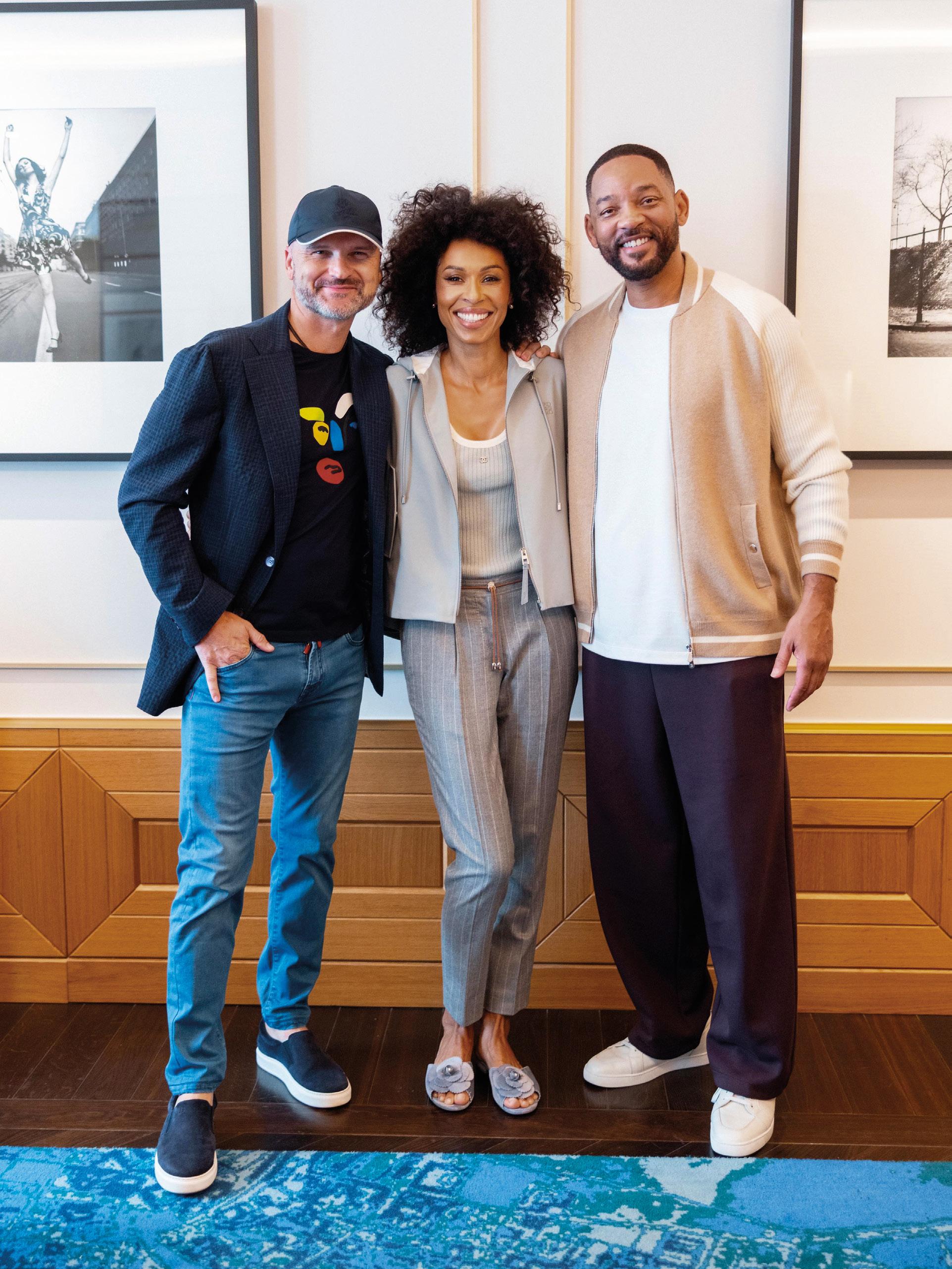
At our most recent gala, we raised nearly 14 million euros in one evening for charitable causes — a number that humbles and motivates us deeply. Among the guests this year were Dr. Jill Biden, Will Smith (artistic director of Dictador), and representatives from the Obama Foundation, Re:wild, and Shoulder Up. The presence of such people tells us that our mission resonates far beyond our own circle.
As a couple, we bring different strengths and sensibilities to the table — and that diversity is our greatest advantage. We challenge each other, we listen, and we trust. That’s what shapes not just our decisions, but also the tone of our initiatives: bold, intentional, and deeply human.
We are now also focused on building relationships with local communities, including La Zagaleta,
where we hope to foster long-term philanthropic engagement. As part of that vision, we’re planning a private dinner in 2025 for philanthropists, entrepreneurs, and sports enthusiasts from the area — designed to foster meaningful connections and spark new ideas through shared values.
In the end, I believe the strength of our partnership lies in the fact that our private life and our mission in the world are not two separate stories — they are one.
RB: We often speak also about giving to others. When it comes to our charity work, she always starts with the human perspective. She asks herself, her team, and me: Who will this project actually affect? That’s her style of leadership. I, on the other hand, will sometimes throw in spreadsheets and processes — those are needed even in charity. When we were planning to build a school in Ghana, Omenaa made sure the classrooms were colourful and safe, while I made sure the budget added up. Sometimes we switch roles - she’ll step into the project manager role, and I’ll ensure we don’t lose the fun and sense of community. This constant swapping of roles means that every idea we have contains both heart and effectiveness. One without the other just wouldn’t work.
9. As InPost continues to grow across markets, it also becomes a more visible actor in Europe’s economic and civic landscape. How do you define corporate responsibility today, and what role do you believe business leaders should play in shaping the public sphere?
RB: For me, corporate responsibility in 2025 boils down to a simple question: Am I making someone’s life easier or harder? And if I’m making it harder, then what do I need to change, and how? Companies today have access to data, capital, and technology, which give them both the power but also the responsibility to speak up on public issues, rather than just waiting for politicians — we know how that usually goes. We all should look at society through the eyes of our children and grandchildren. That encourages us, at InPost, to invest in green energy, and reduce our carbon footprint. We are proud to push the whole industry to follow our lead. We implement eco-friendly solutions in our warehouses and in our electric vehicle fleet. But we never lose sight of people — our employees.
OM: Rafał is absolutely right — entrepreneurs should raise their voices in public debate. But to speak with real credibility beyond the boundaries of their own business, they must first give something of themselves — and of their companies — to society. To the communities in which they live and operate. In today’s world, I believe corporate responsibility means more than ESG reports or philanthropy on the side. It means embedding values into the DNA of the company — acting not only as a market player, but as a social partner. Public debates are just as essential as earnings calls. Yes, numbers can convince analysts and investors — but it’s values, lived and practiced, that build long-term trust with society and loyalty among customers. The companies that thrive in the future will be those that don’t just talk about purpose — they live it
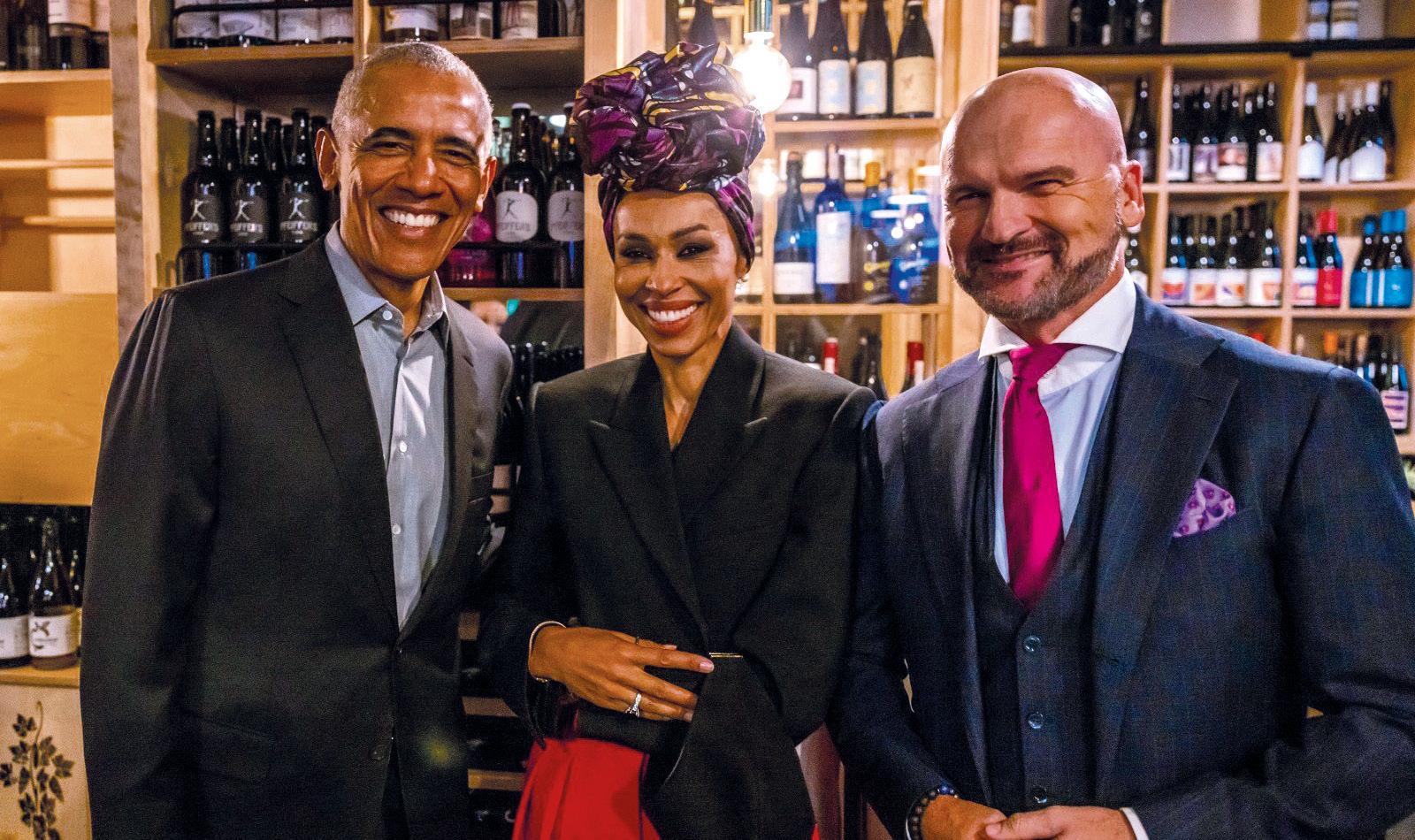
10. Your socialmedia posts showed you meeting with Barack Obama, and it looked like more than a friendly gettogether. Does this mean you have an ongoing partnership?
RB: President Obama is a fantastic, very down to earth person. He’s quick-witted and doesn’t take himself too seriously. He told us a lot about his family and about Poland. This was his fourth visit with us, and he remembered every single one.
OM: That meeting was truly special — it marked an important stage in the collaboration between the Omenaa Foundation, our TOP CHARITY initiative, the Philanthropic Consortium, and the Obama Foundation. It wasn’t just a symbolic gesture — it was a meaningful exchange of ideas, experiences, and shared values.
Working with such an influential and visionary foundation — and being able to learn from its founders — is a huge milestone for us and, I believe, for the growth of Polish philanthropy as a whole. During our private meeting, a select group of TOP CHARITY guests had the opportunity to engage in thoughtful dialogue about systemic giving and innovative solutions in global philanthropy. They expressed their support for our work and told us that our mission reflects the same goals they pursue. Imagine how someone like me — with my cultural roots and personal journey — felt hearing that from President Obama himself. It was one of those moments that stays with you forever. A moment of validation, inspiration, and hope.
11. What exactly does your cooperation involve?
OM: Our conversations about potential collaboration began almost two years ago. There were many meetings, including a key one with Valerie Jarrett, CEO of the Obama Foundation, during last year’s IMPACT Conference. Today, I’m proud to say that the Omenaa Foundation and the Philanthropic Consortium are the only Polish philanthropic partners supporting the creation of the Obama Presidential Center in Chicago — an inspiring educational and cultural hub dedicated to leadership, civic engagement, and social change. We’ve also pledged support to the Girls Opportunity Alliance, a project very close to Michelle Obama’s heart, aimed at empowering adolescent girls around the world through education. Over the years, through consistency and credibility, we’ve earned a reputation in the global philanthropic community — one that now allows us to stand shoulder to shoulder with the world’s most respected foundations. And that, for me, is both an honor and a responsibility.
12. You do charity work year round, and it all culminates in the annual Top Charity gala, always staged in a dazzling setting, though each year somewhere new.
OM: We’re social beings — we all need inspiration, encouragement, and the opportunity to show that we care. Events like TOP CHARITY offer more than just a dazzling setting; they create space for meaningful engagement. They allow entrepreneurs who once worked quietly in the background to step forward and become visible through their generosity. A touch of philanthropy doesn’t just enhance reputation — it elevates ambition. It adds purpose to success, and that, I believe, is the most powerful motivation of all.
At the same time, we’re deeply mindful of how we create these experiences. Nearly 50% of our scenography is reused from previous years — refreshed, repurposed, and reimagined. We design according to the principles of reuse, recycle, and
upcycle — because beauty and responsibility can, and should, go hand in hand.
RB: Our galas are unique on a European scale. A production like that costs money, but it’s a means to an end—helping others. This year we raised €6.5 million, and as usual I matched the amount from my own funds. We always invite amazing special guests. This year it was Will Smith, who celebrated right alongside our guests and partners. Such staging is a matter of respect; when someone gives their own money, we want to thank them with a gala worthy of the gesture.
13. Were Spanish entrepreneurs at the gala as well?
OM: Yes, we had a few wonderful guests from Spain this year, and they were truly delighted by the experience. We’re expecting even greater Spanish participation next year — TOP CHARITY is quickly becoming a truly international event, and we’re excited to welcome more voices from across Europe and beyond.
RB: For several years now, thanks to this lady beside me, I’ve seen far more point in doing business not just to earn money but to help others. I want to pass that mindset on to my foreign friends and partners, including those from Spain.
OM: It took us four years to make the TOP CHARITY the biggest event of its kind in Europe. Out of 500 guests, around 120 were from abroad, and next year we’re aiming for roughly 200.
14. If you could project your legacy into the future — as an entrepreneur, a philanthropist, and a European citizen — what values or achievements would you hope endure in your name?
RB: InPost is and will always be a company that not only earns money but also shows how to use the free market responsibly. It also proves that you can be a champion while playing fair and working as a team. As a philanthropist, I’d like the foundations that Omenaa and I run to be a place where young people learn to take matters into their own hands and believe in their ability to make a difference — whether it’s in technology, education or humanitarian aid. And on a personal note? For my children, I just know that our family name stands for a readiness to help and to bring joy, not for the rustle of stock market reports.
OM: If I could project my legacy into the future, I’d hope it reflects a life lived with purpose — where success was never separate from responsibility. As an entrepreneur, I’d like to be remembered as someone who used her platform to create opportunities for others — especially for those who didn’t start with the same advantages. As a philanthropist, I hope I’ve shown that giving can be strategic, bold, and deeply human — that it’s not just about writing checks, but about building systems that uplift, educate, and include. And as a European citizen with African roots, I’d be proud if my work helped expand the definition of identity, diversity, and belonging in Europe. I want the next generation of girls — wherever they come from — to believe that their heritage is a strength, their voice matters, and their dreams are valid. If anything endures in my name, I hope it’s the belief that art, education, and empathy can change the world — and that it’s our duty to act on that belief every single day.
“One
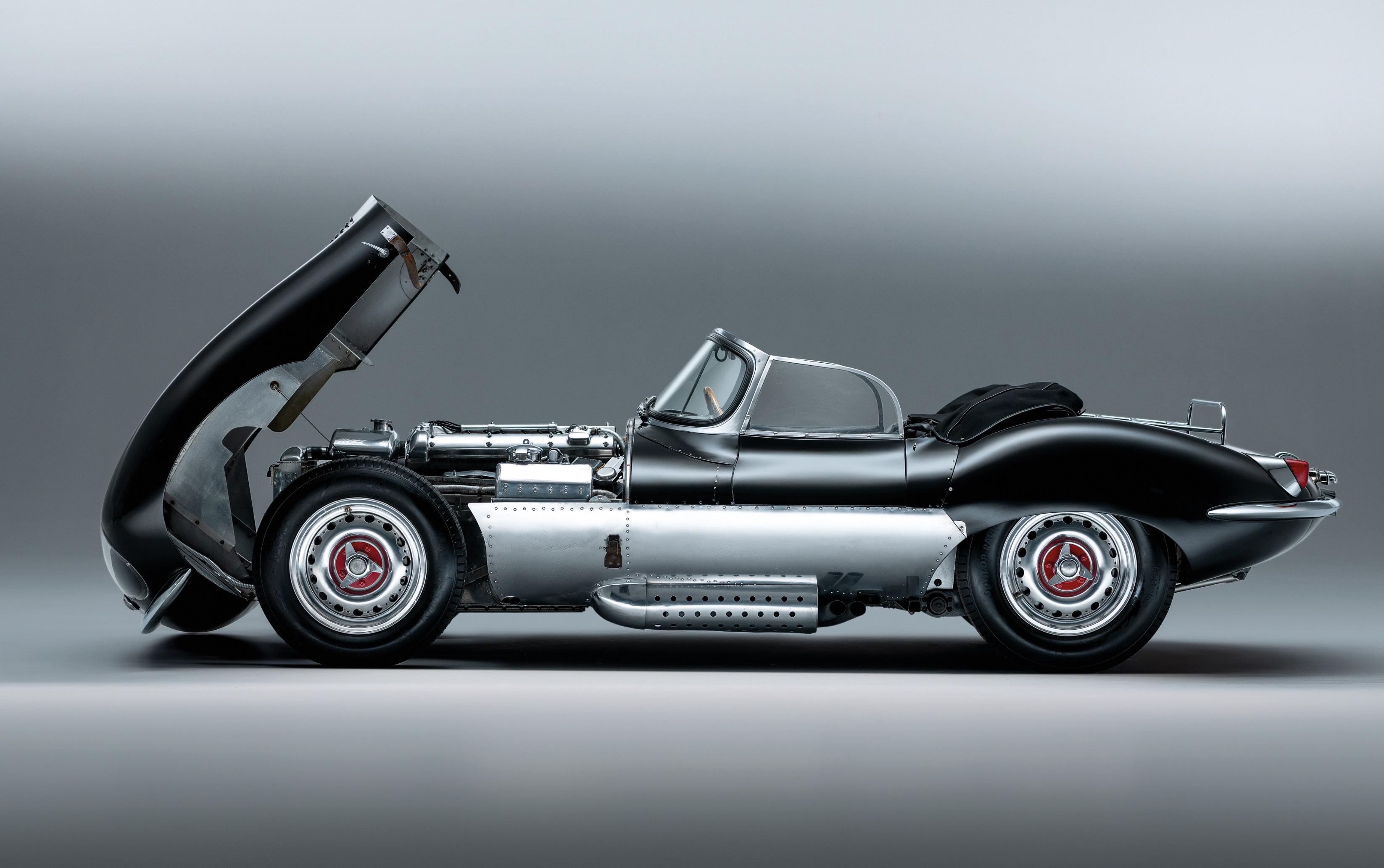
thing we noticed very quickly: these cars were not symmetrical. They’re all quite unique.”
Kev Riches, Jaguar Classic Engineering Manager
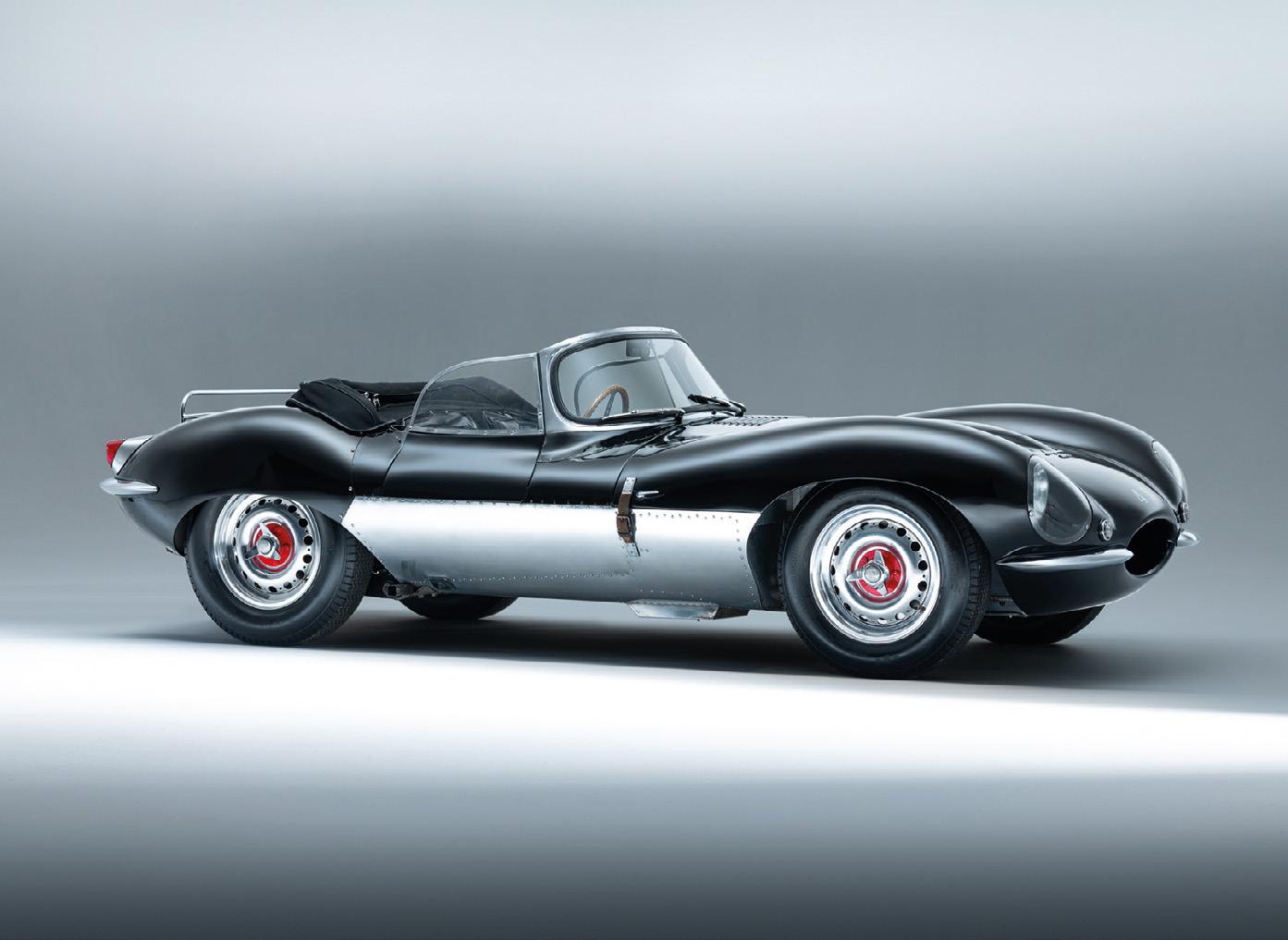
XKSS: THE ROAD-LEGAL RACER THAT TIME REFUSED TO FORGET
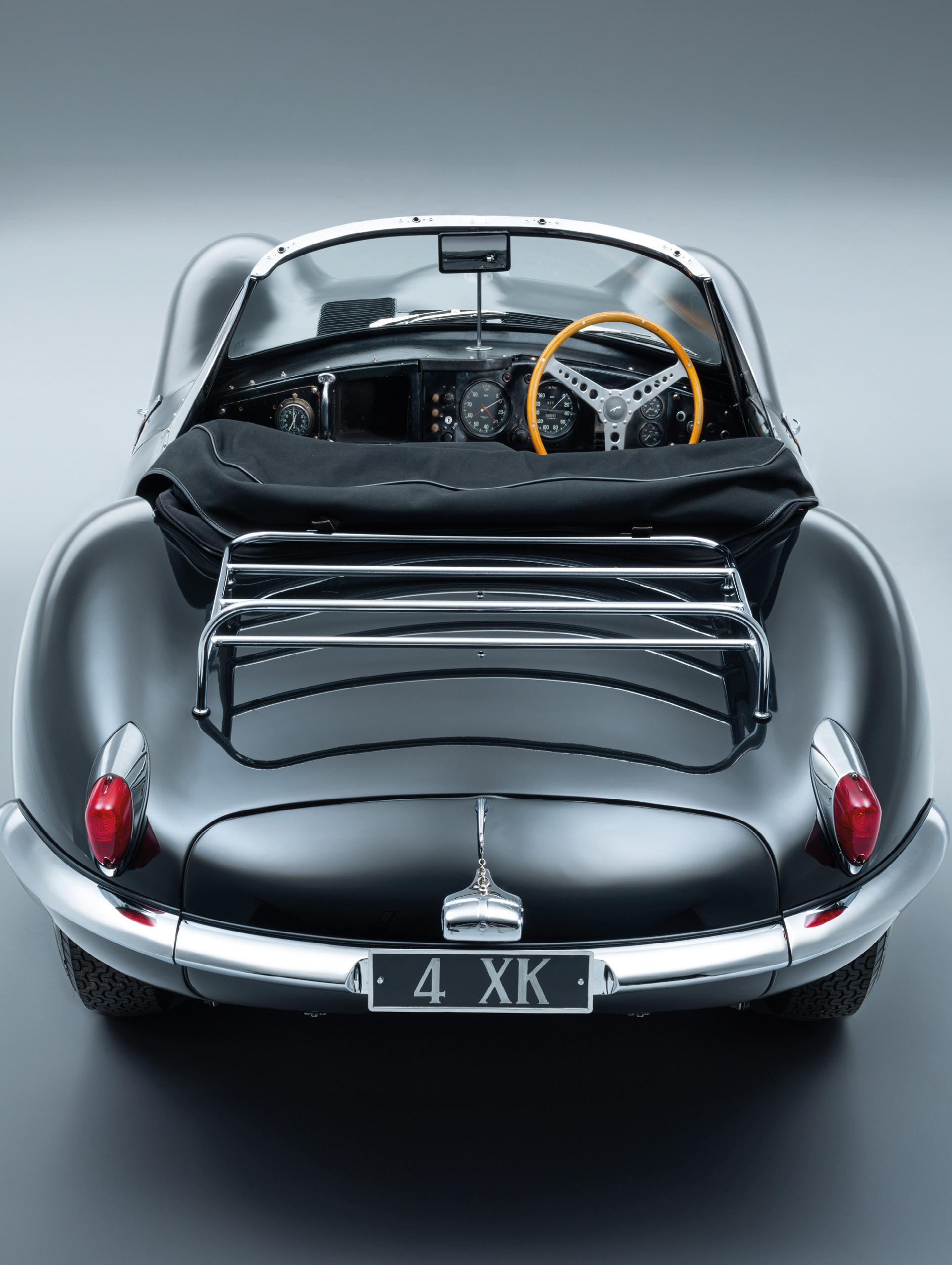
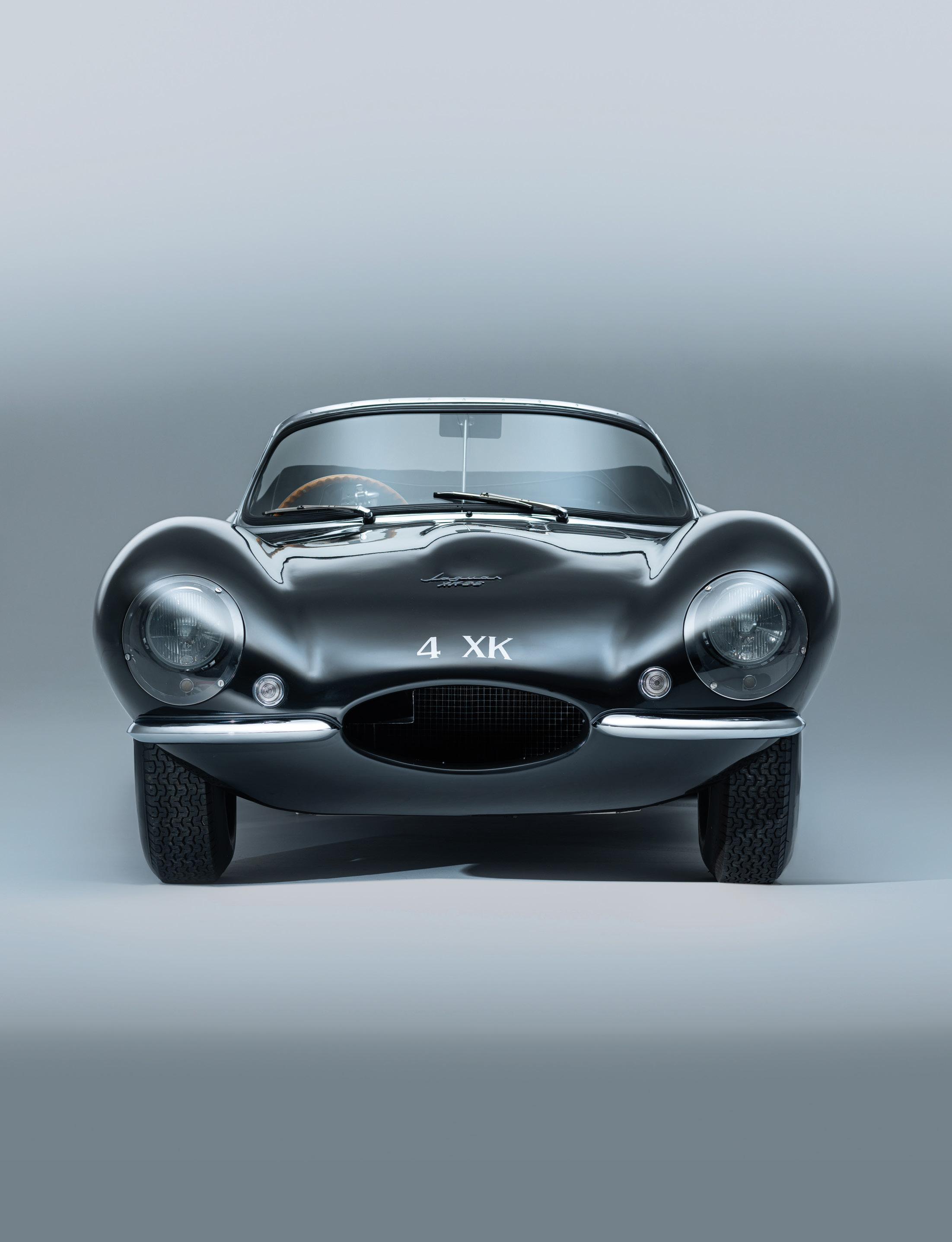
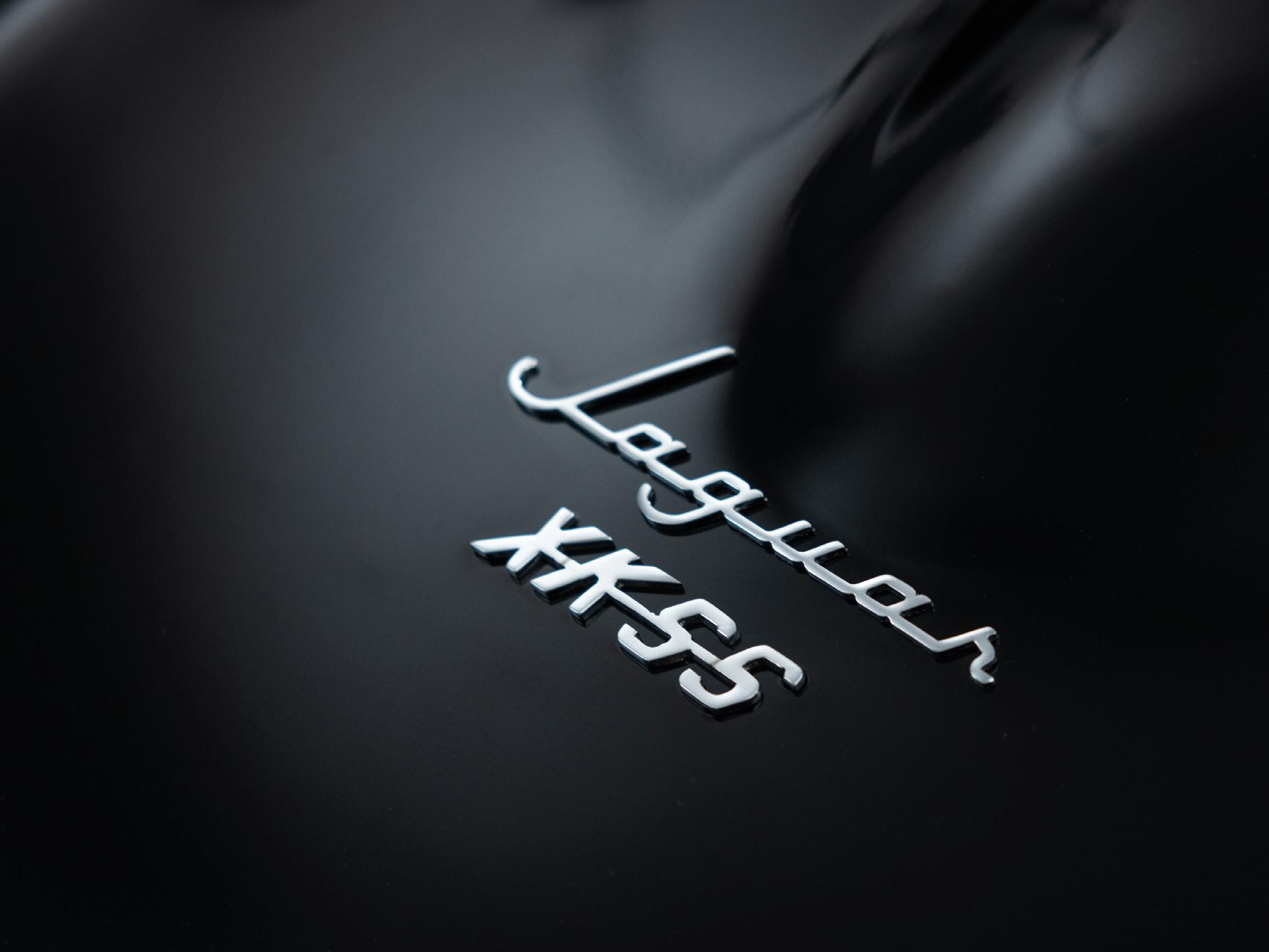
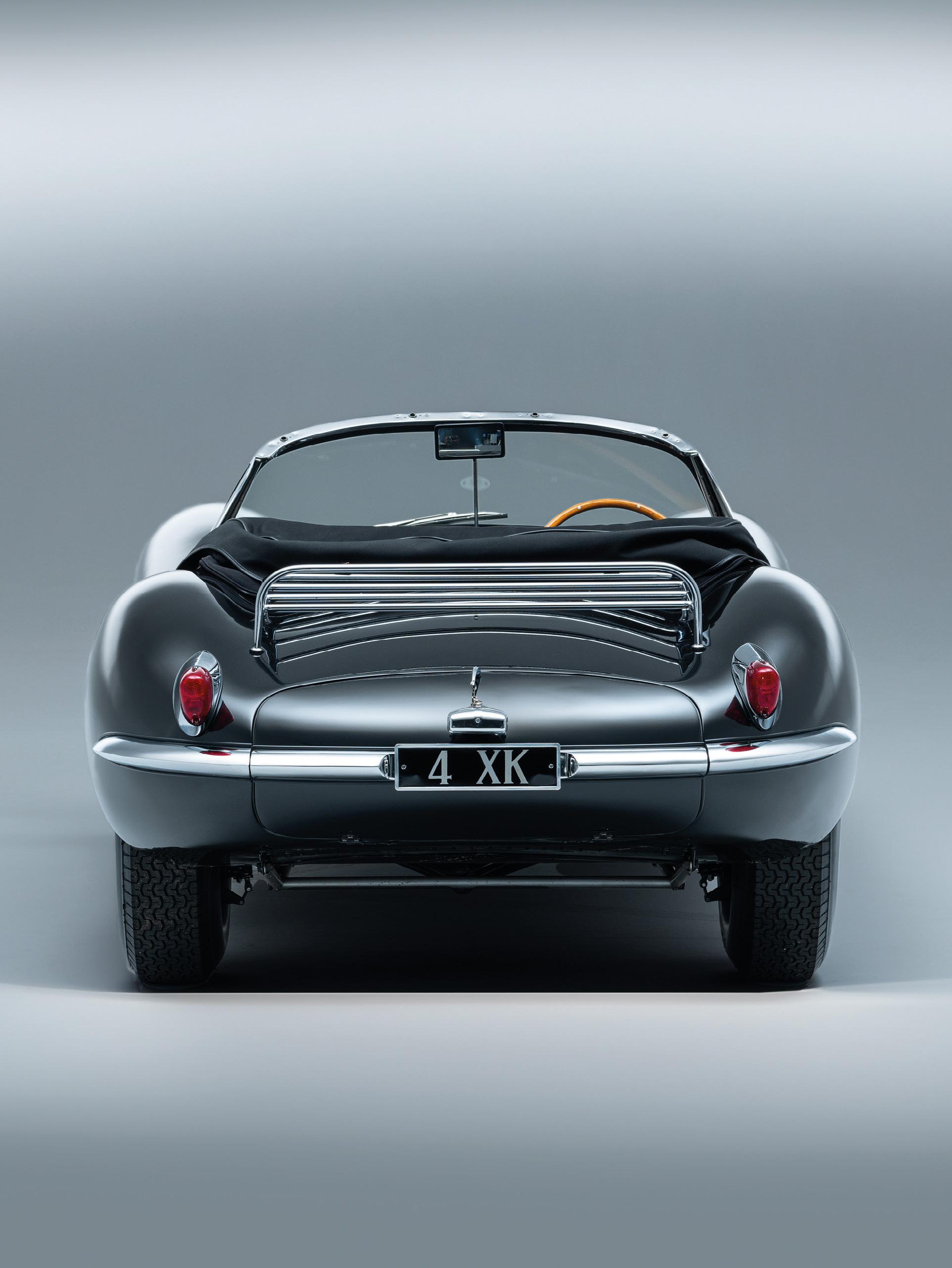
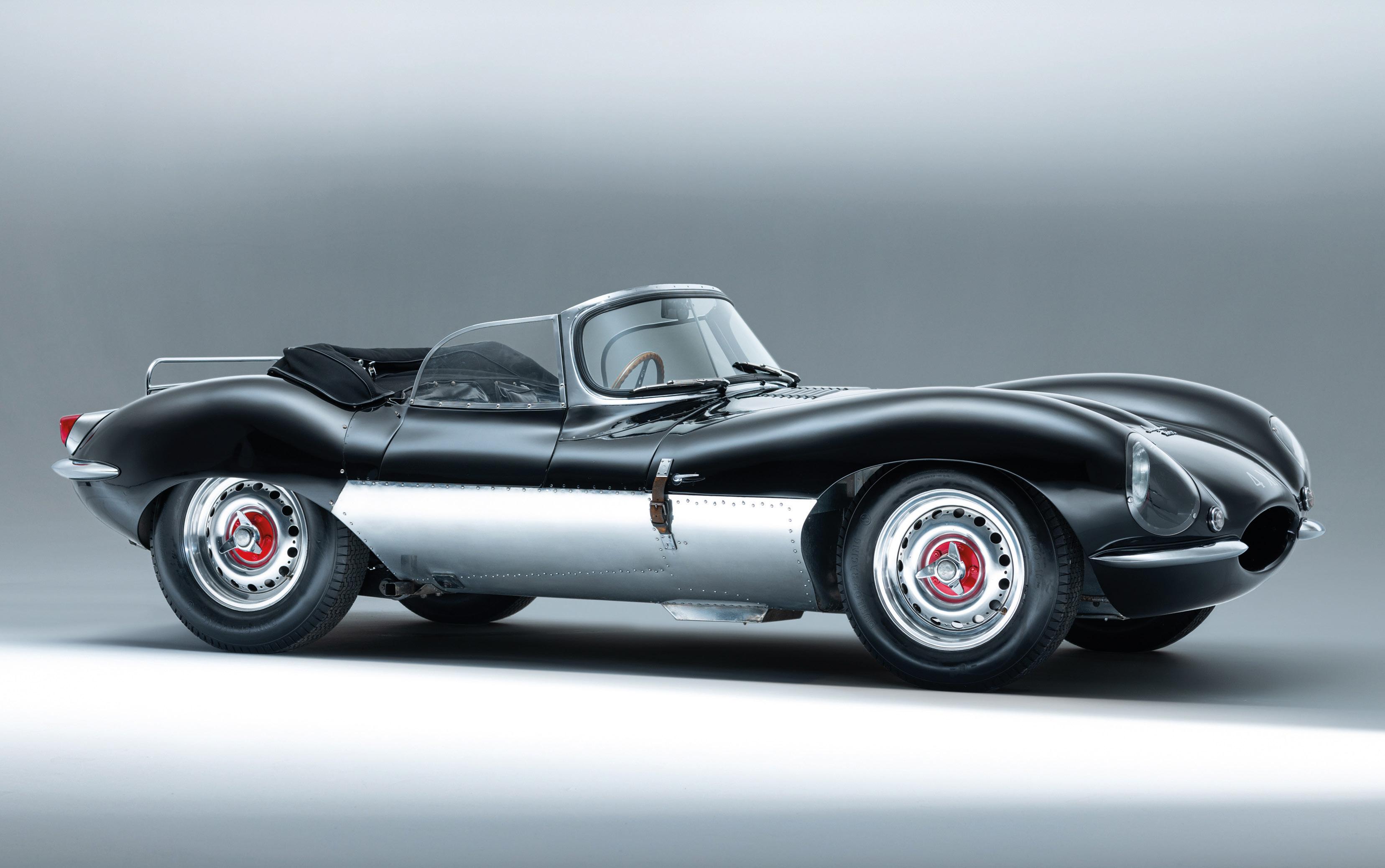
Among the pantheon of post-war automotive legends, few names command the reverence of the Jaguar XKSS. Born from the ashes—quite literally—of the Le Mans–winning D-Type, this 1957 model embodies a rare synthesis of motorsport heritage and road-going civility. With only sixteen units ever completed before a devastating fire ended production, the XKSS is one of the most elusive and desirable collector cars in existence. The recent appearance of chassis XKD 540 at RM Sotheby’s not only reignited interest in this mythical vehicle but reaffirmed its place at the summit of automotive connoisseurship: engineering, provenance and scarcity in a single aluminium form.
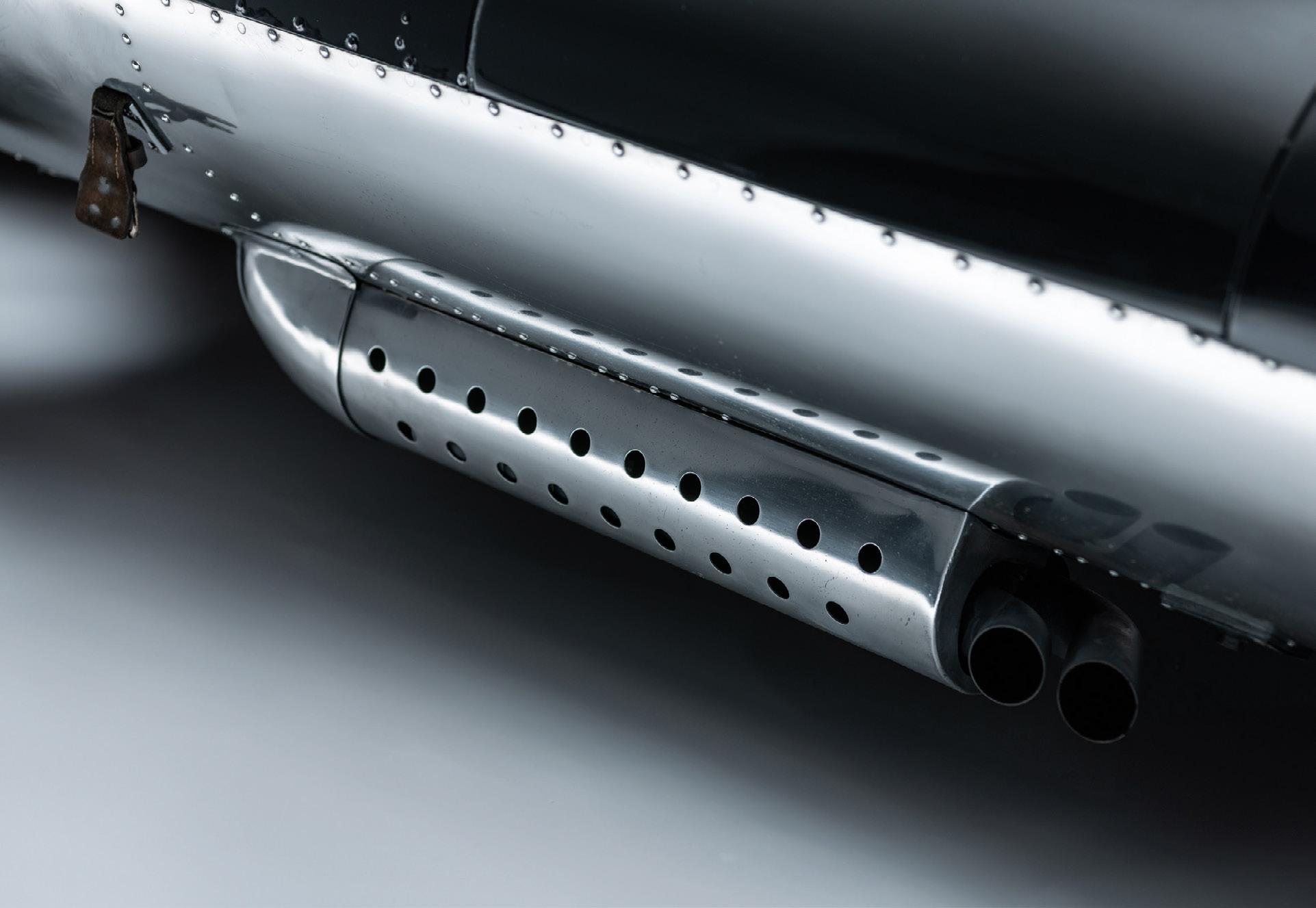
The Jaguar XKSS is not merely a road car. It is a motorsport artefact repurposed for civilian hands—a machine whose story is written across pit lanes, factory floors, and concours lawns alike. Originally conceived as a commercial afterlife for the Le Mans–dominant D-Type, the XKSS retained much of its predecessor’s mechanical DNA: the same riveted aluminium monocoque chassis, the dry-sump straight-six engine, and Dunlop disc brakes that had rewritten racing physics in the mid-1950s.
But in early 1957, tragedy struck. A fire engulfed Jaguar’s Browns Lane factory, destroying nine of the 25 XKSS chassis in production. Only sixteen survived. What might have been a marketing exercise became, overnight, a legend forged in scarcity.
One of the finest of these, chassis XKD 540, emerged recently at RM Sotheby’s in London. Not only is this car complete with its original monocoque and matching engine (upgraded in period by Jaguar
to 3.8 litres, with the original head retained), but it also boasts a fascinating dual life—part gentleman’s express, part competitive weapon. Its early years included both spirited road use and competitive appearances in Australia, where it was campaigned in hillclimbs and circuit events. Later restored and maintained by marque specialists, XKD 540 has continued to participate in rallies and heritage gatherings, maintaining mechanical integrity alongside provenance.
From a technical standpoint, the XKSS sits at a fascinating juncture in automotive history. Jaguar’s engineers made minimal concessions to road comfort: a passenger-side door, windscreen, bumpers, and a folding canvas top were added. But under the skin, this was still a racing car. The dry-sump 3.8-litre engine delivers a raw, mechanical urgency—pushing 250 bhp and spinning up to 7,200 rpm. Performance figures remain formidable even by modern standards, with a 0–60 mph time in under six seconds and a top speed approaching 150 mph.
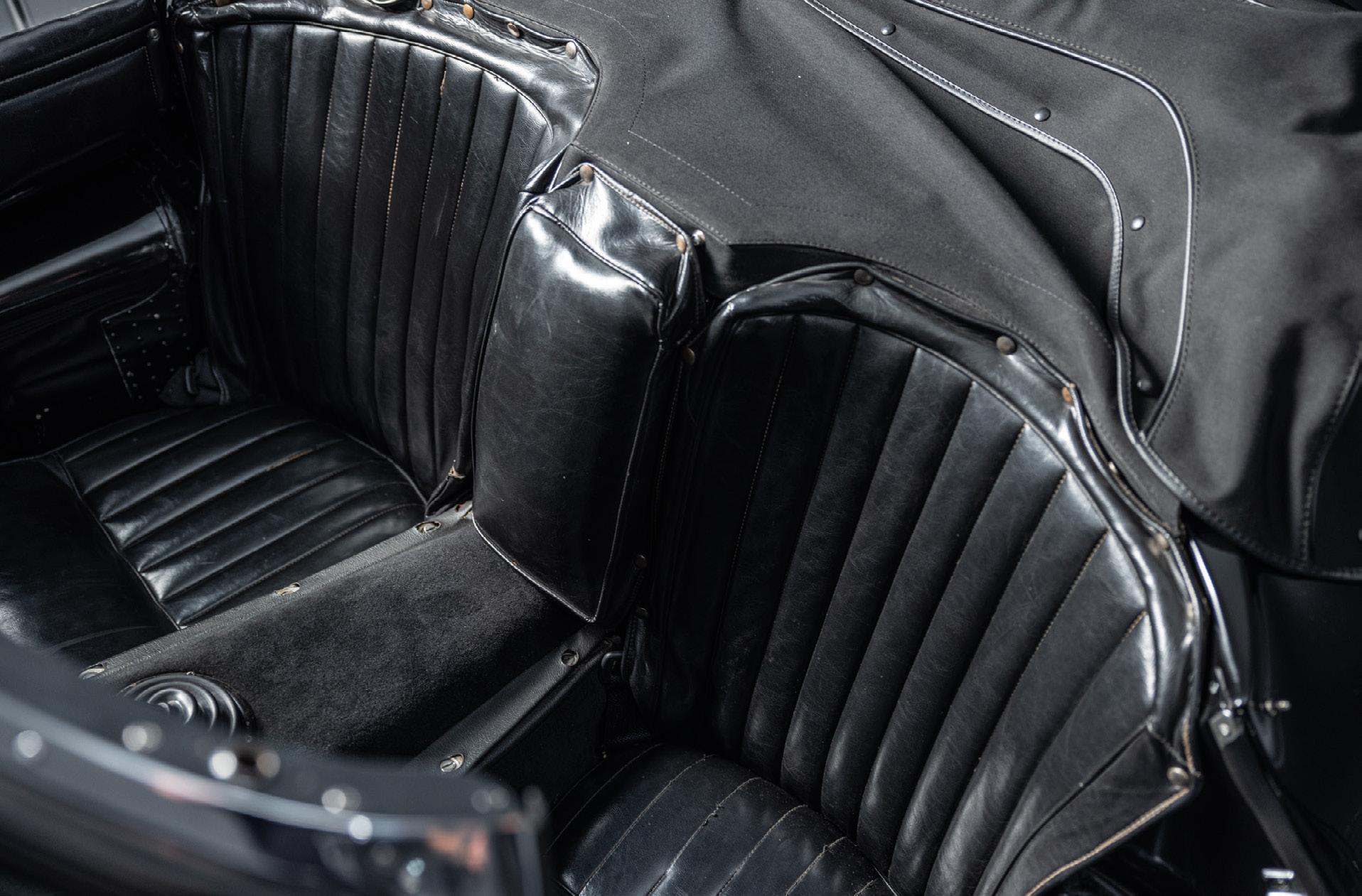
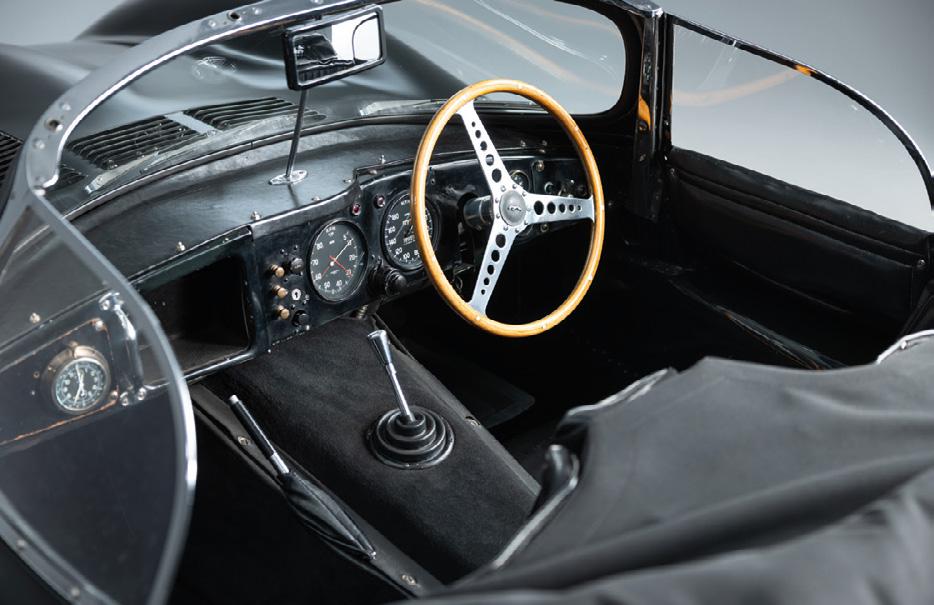
The XKSS’s aesthetic is equally uncompromising. The swooping curves of the bodywork—hand-formed in aluminium—speak the visual language of speed. There is no extraneous ornamentation; even the modest leather-trimmed interior retains the spartan ergonomics of its racing origin. Its cockpit is a place of business: Smiths gauges, toggle switches, drilled pedals. The steering is heavy, the brakes unforgiving, the ride unapologetically direct. And yet, therein lies the appeal. This is not a GT car softened for transcontinental comfort. It is a relic of pure intent.
For collectors, the XKSS represents something more than technical achievement. It is a symbol of transition—the moment when racing technology began to infuse road-going design, when elite performance ceased to be confined to the track. With only sixteen originals ever made, ownership is not merely a matter of capital, but of access to an exceedingly narrow historical corridor. That a European auction would present one— the first in decades—underscores the model’s growing rarity on the open market.
Live axle with radius arms, coil springs, and Girling dampers.
Transmission:
4-speed manual gearbox, non-synchronised first gear.
Weight:
Approx. 921 kg (dry), thanks to lightweight aluminium bodywork.
Chassis:
Bodywork:
Open two-seater roadster in aluminium-magnesium alloy.
Brakes:
Riveted aluminium monocoque with steel subframe
Hydraulic Dunlop disc brakes all round.
Its hammer price—undisclosed, but understood to be within the £9–11 million estimate—reflects a shifting sensibility among collectors: one that increasingly favours authenticity, provenance, and mechanical clarity over ostentation. In a world of electronically synthesised driving, the XKSS offers an analogue connection to the era when victory was carved in cast aluminium and hammered steel.
What endures, ultimately, is not just the XKSS’s performance or its aesthetics, but its narrative density. It is an object where history, engineering, and human ambition intersect—and where every rivet and every curve tells part of a story that is far from over.
A road car in silhouette only—beneath its curves lies a purebred racer, unfiltered, untamed, and built for drivers, not passengers.
As Loïc Duval, a former winner, once said: “Le Mans is a great race that evokes so many emotions and is so tiring. Now I’ve really got to restrain myself to keep from shedding tears.”
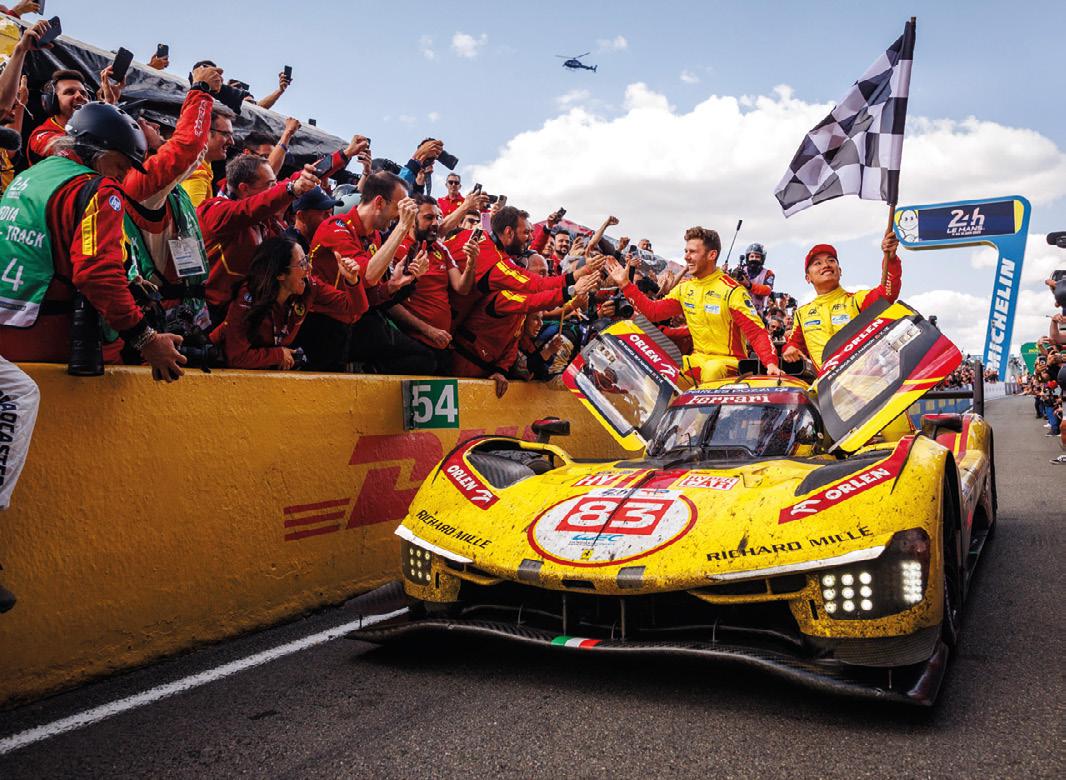
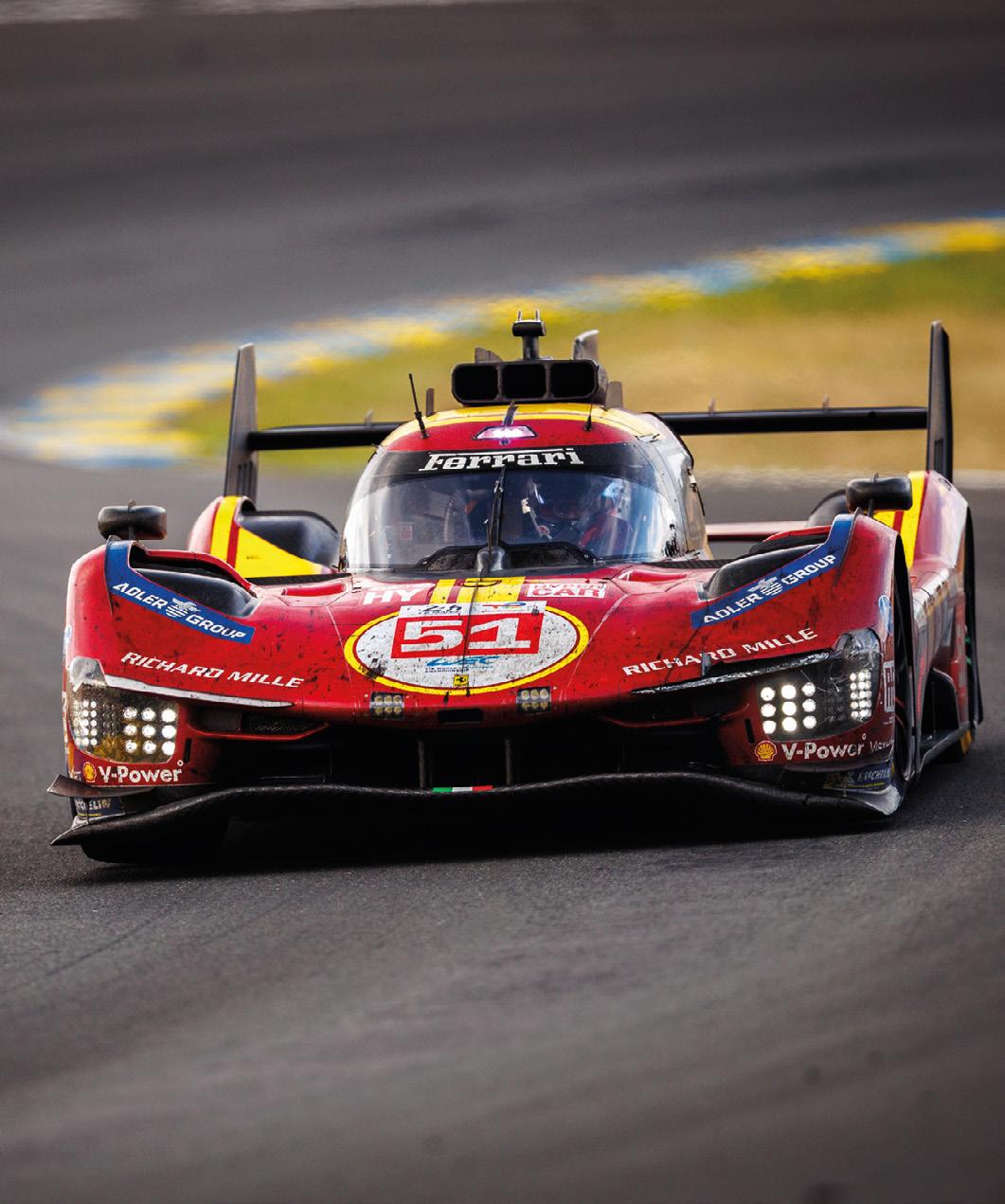
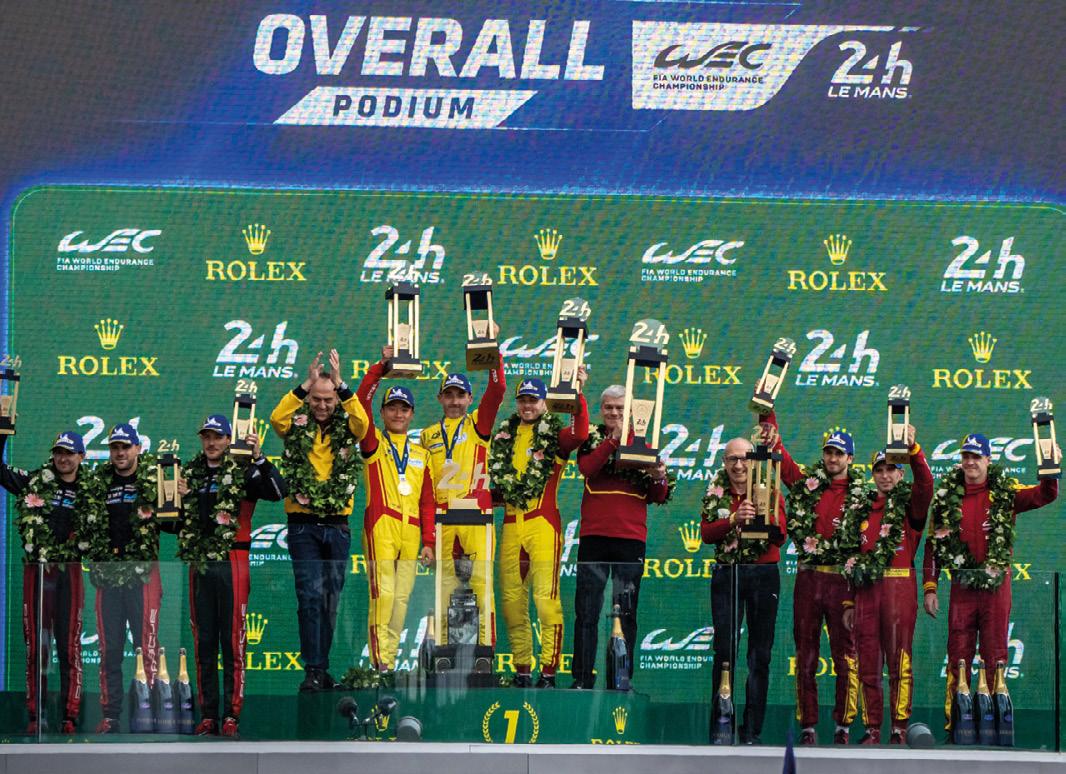
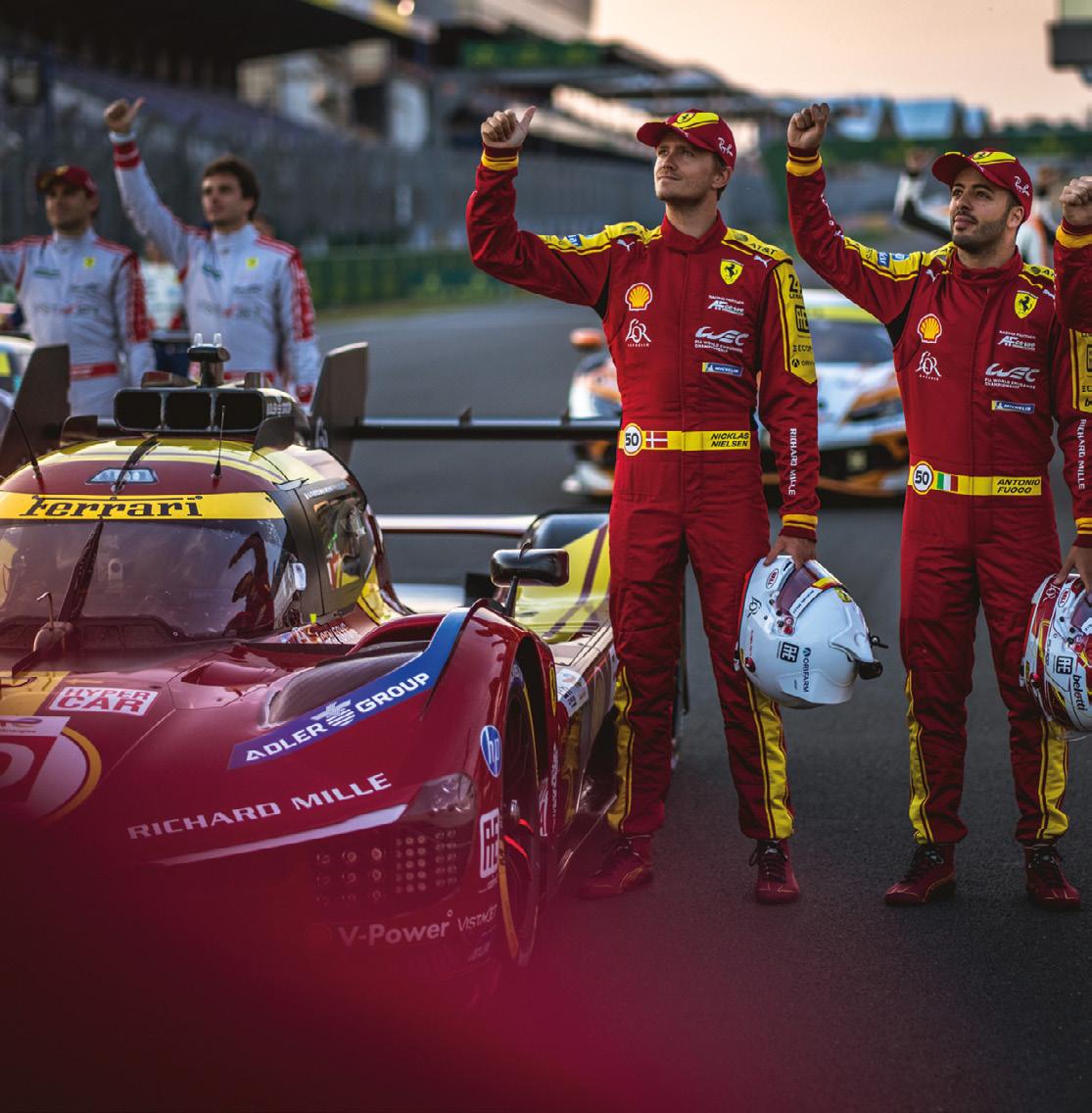
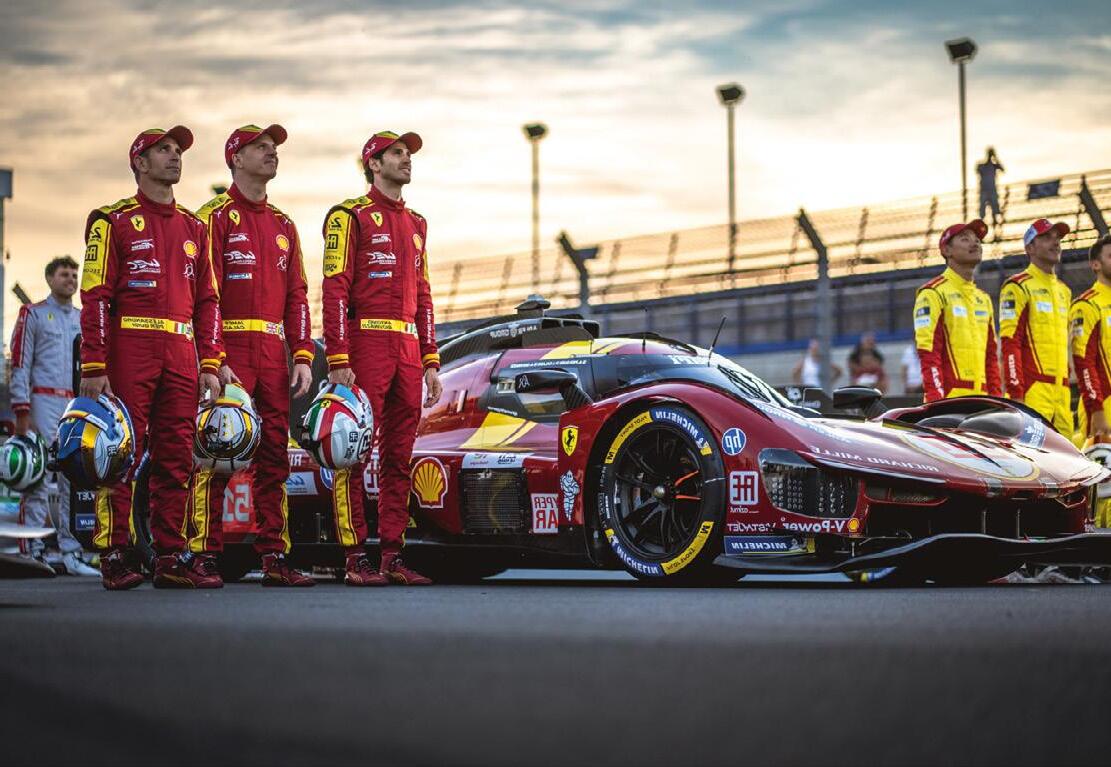
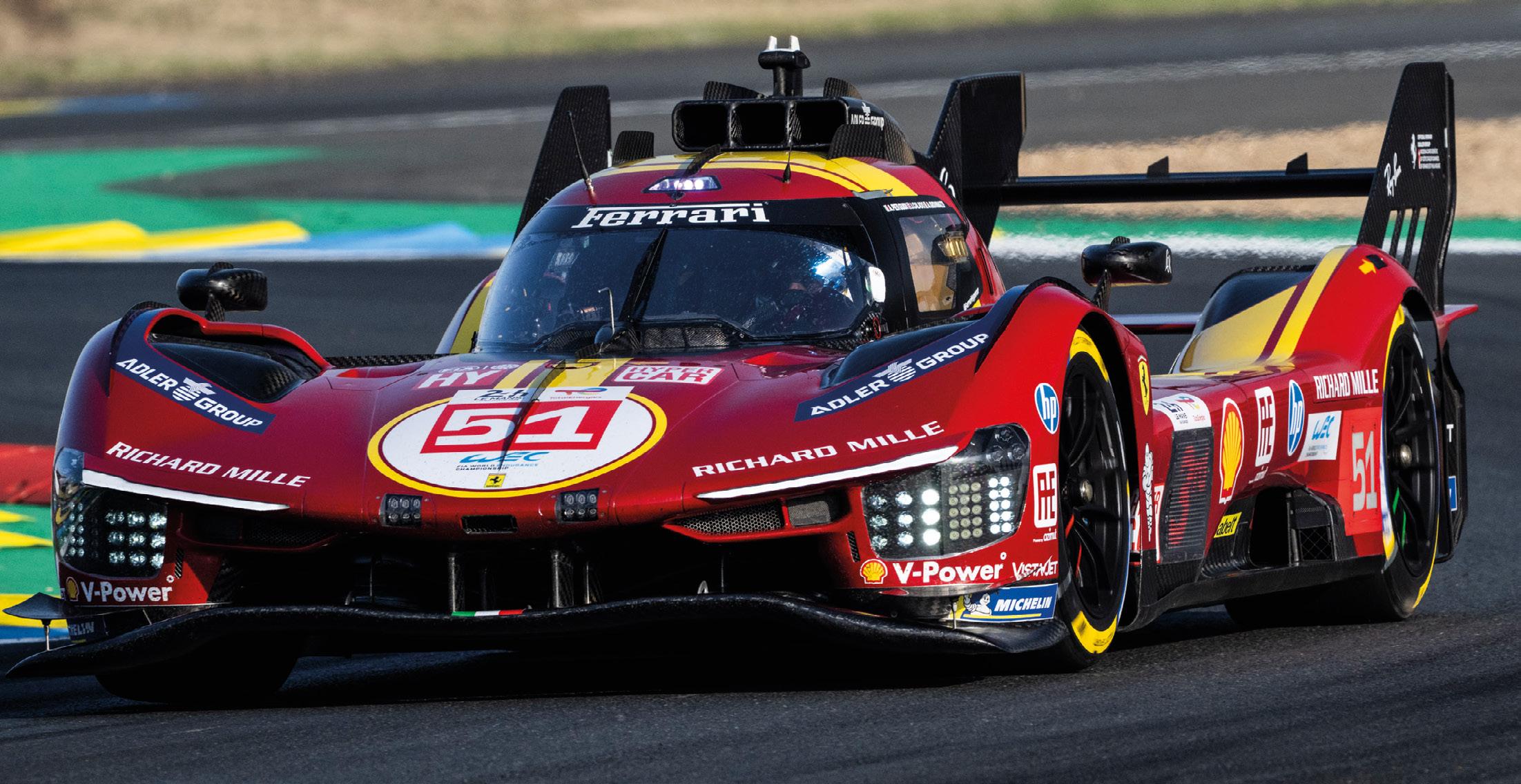
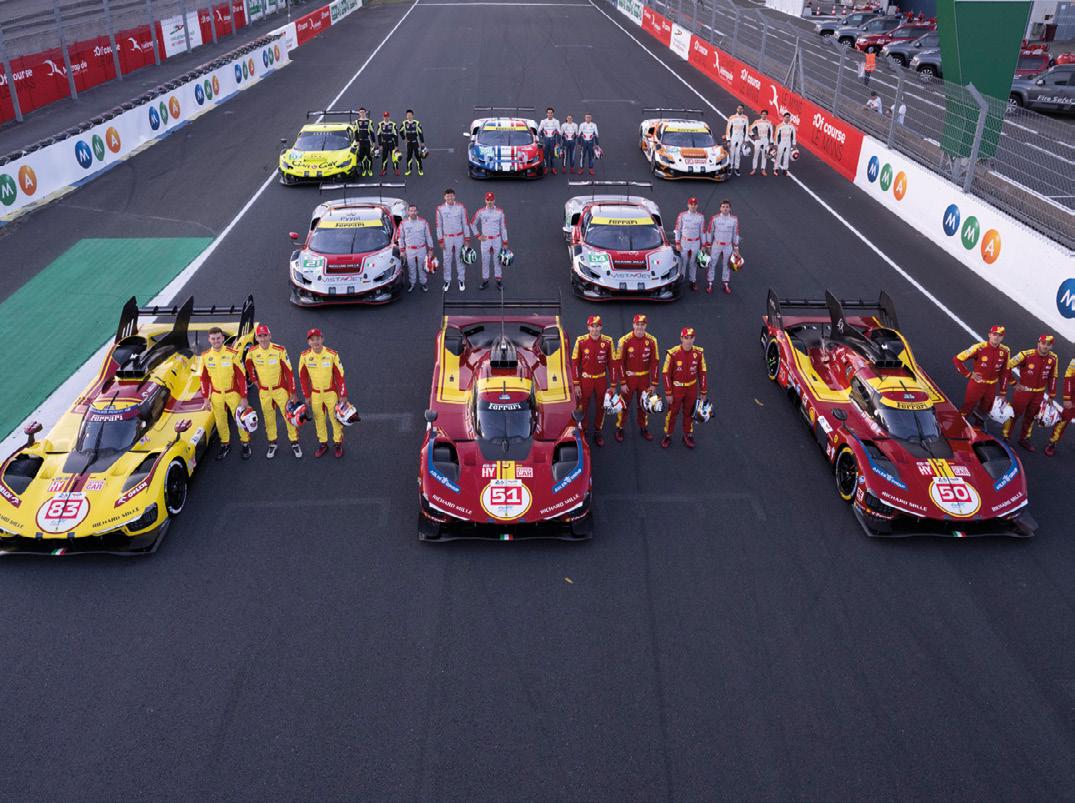
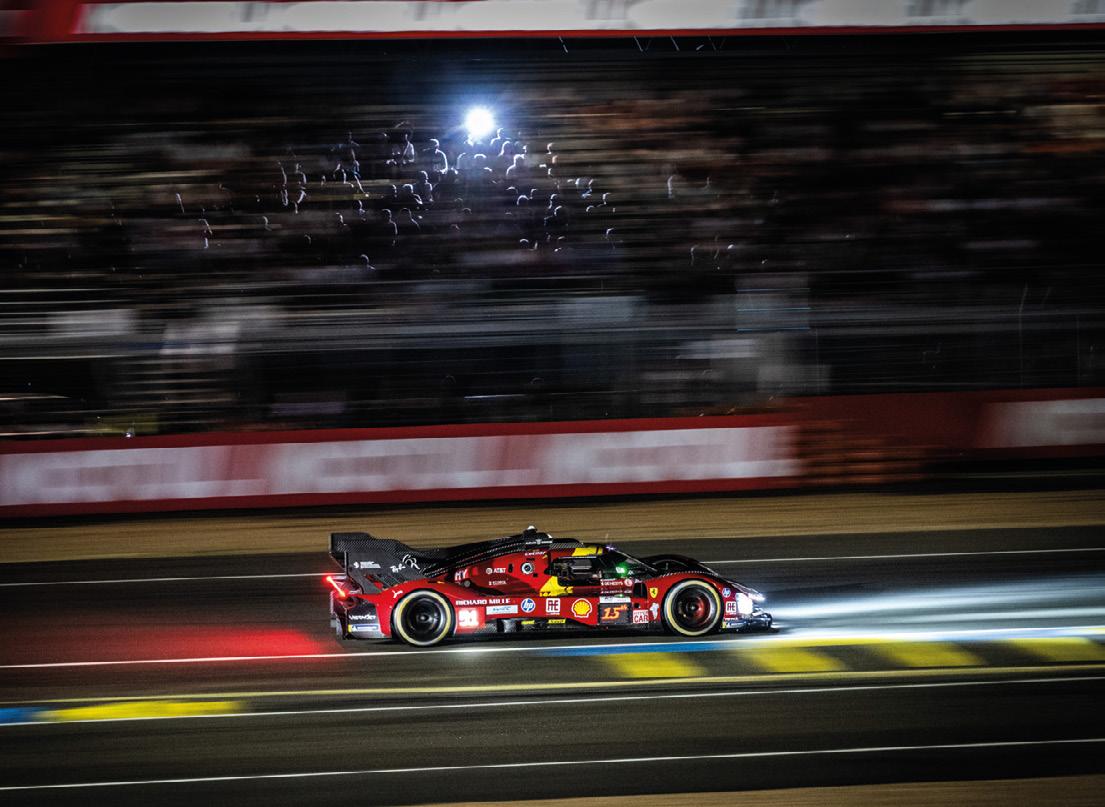
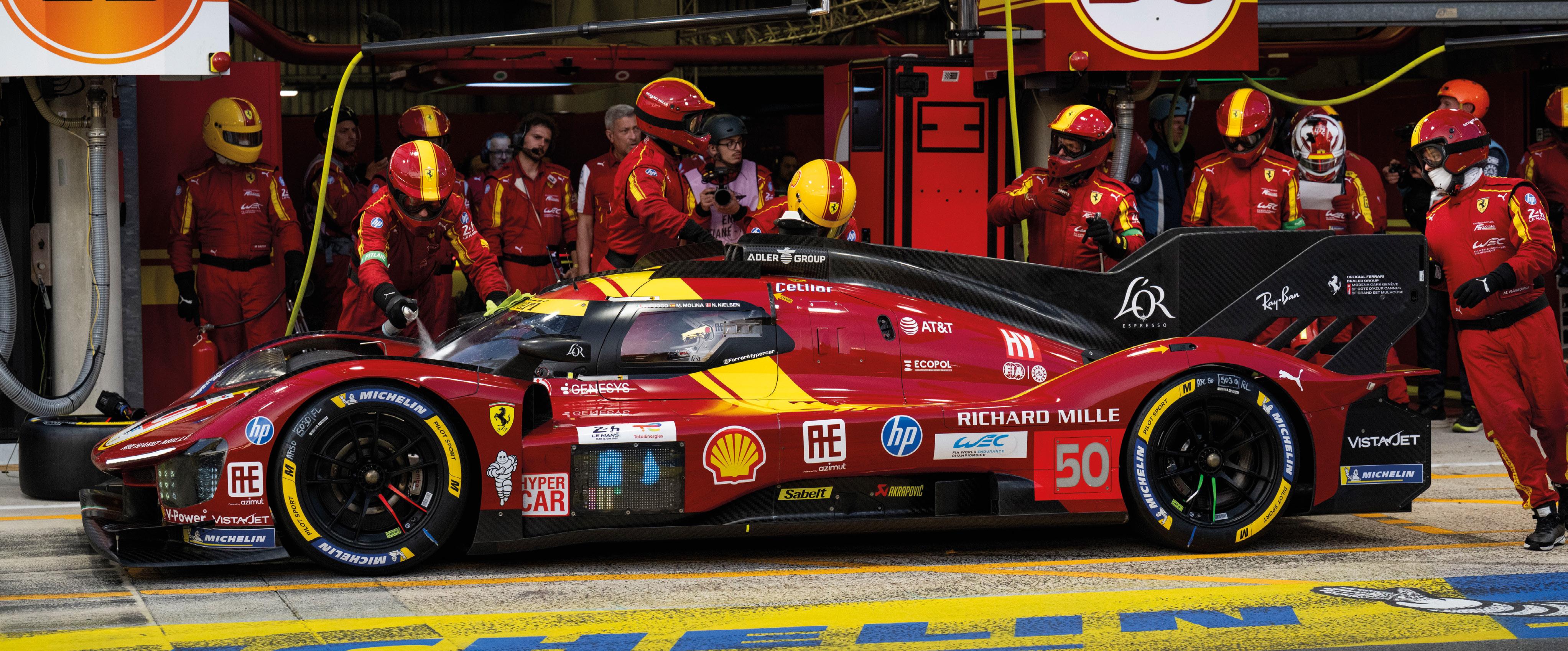
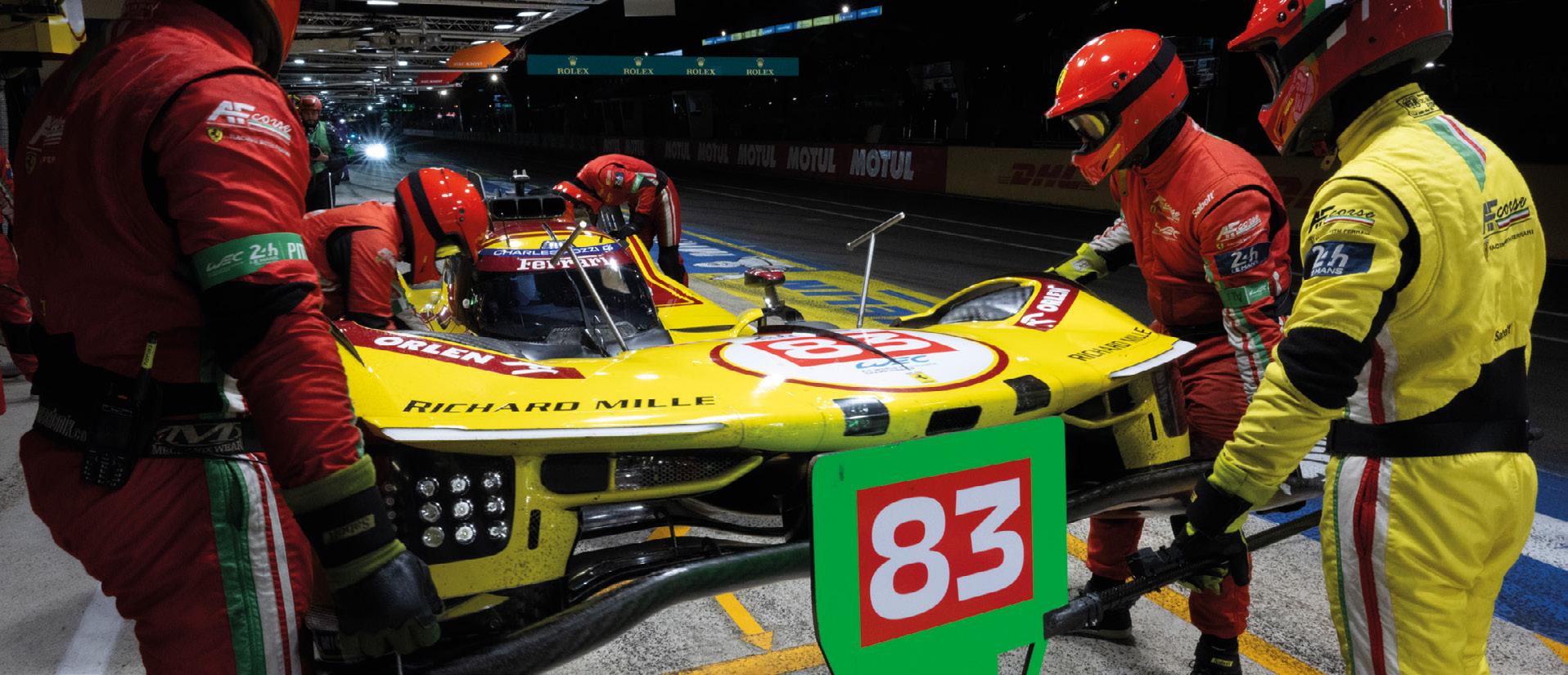
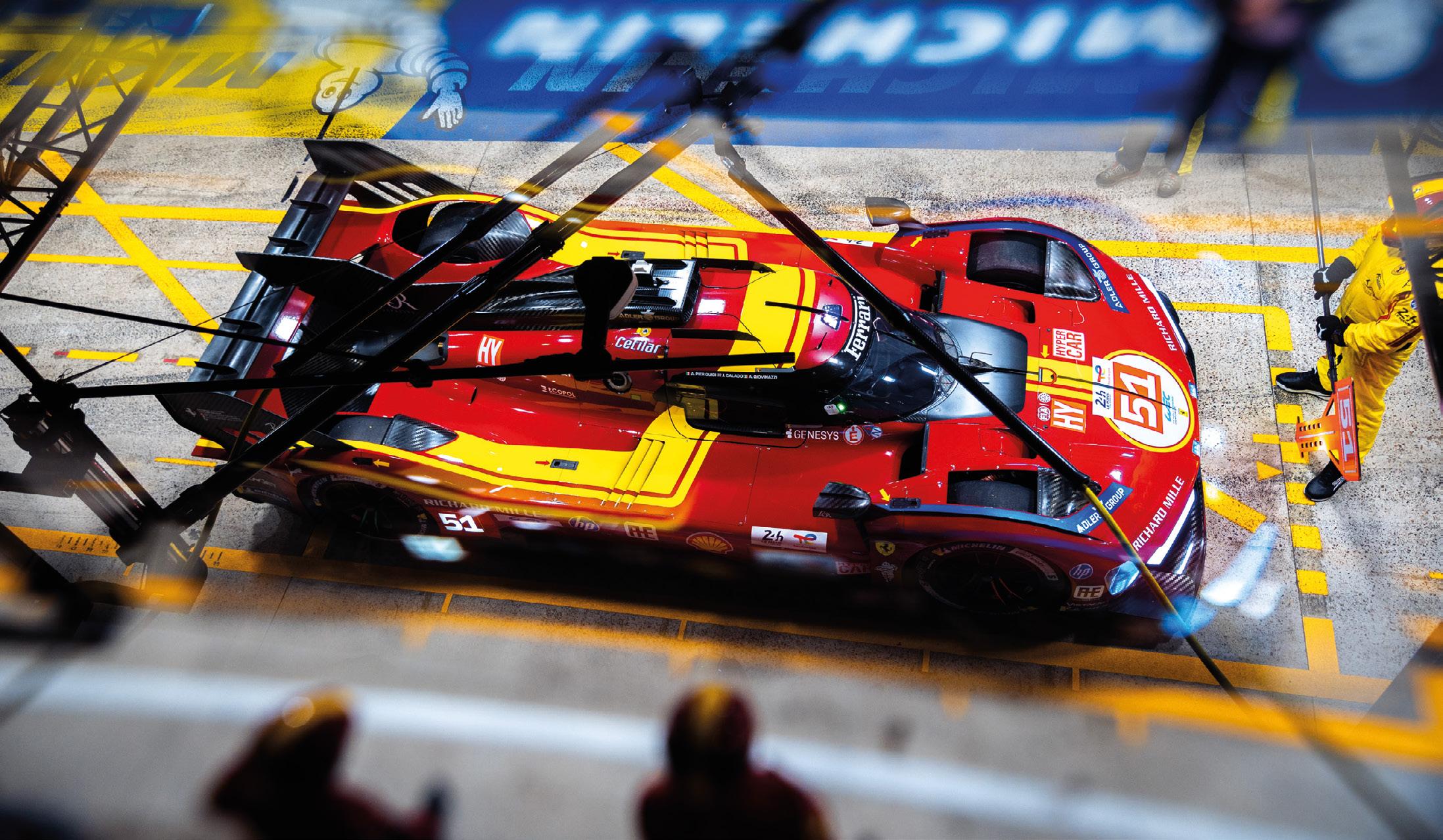
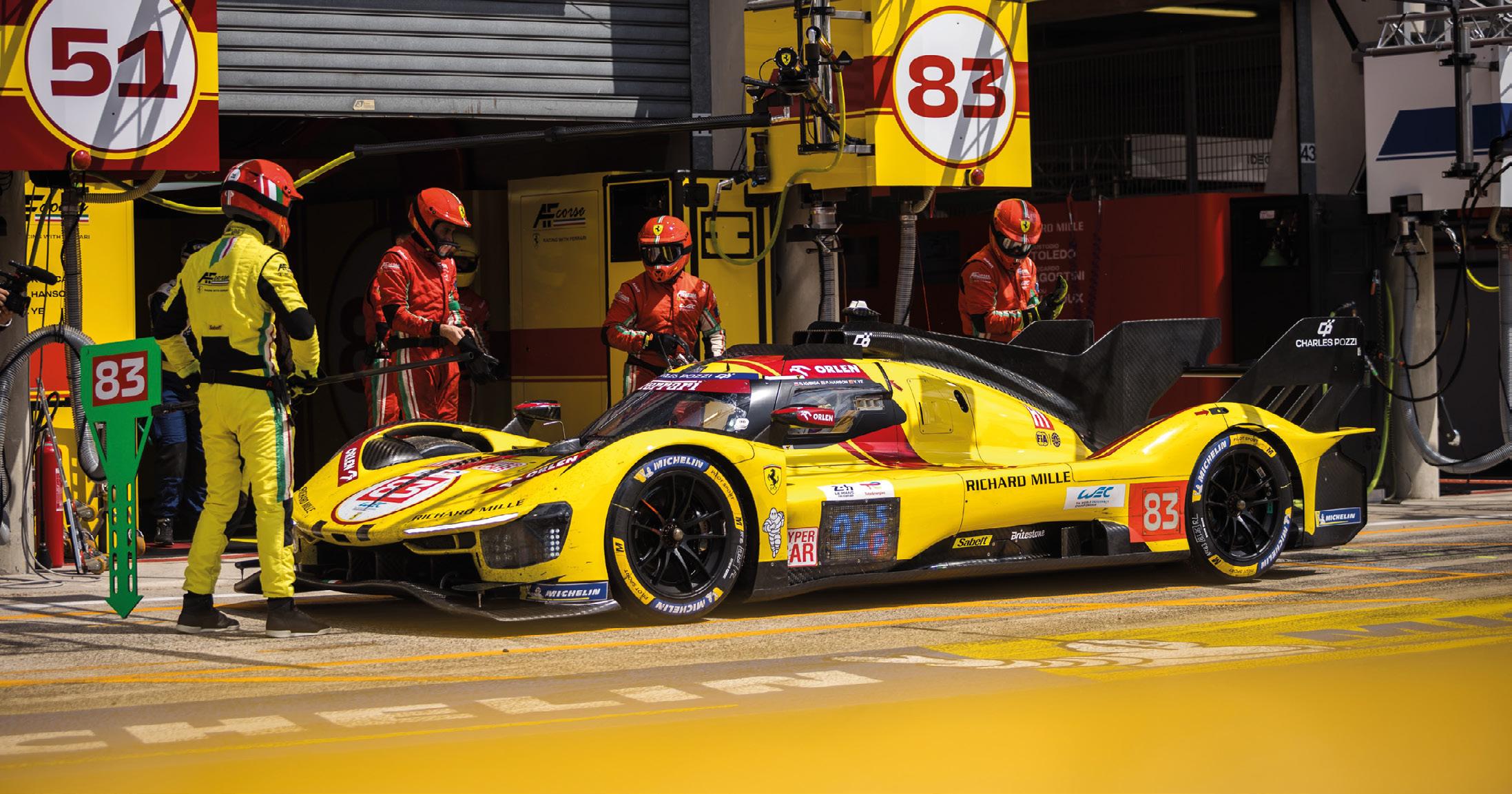
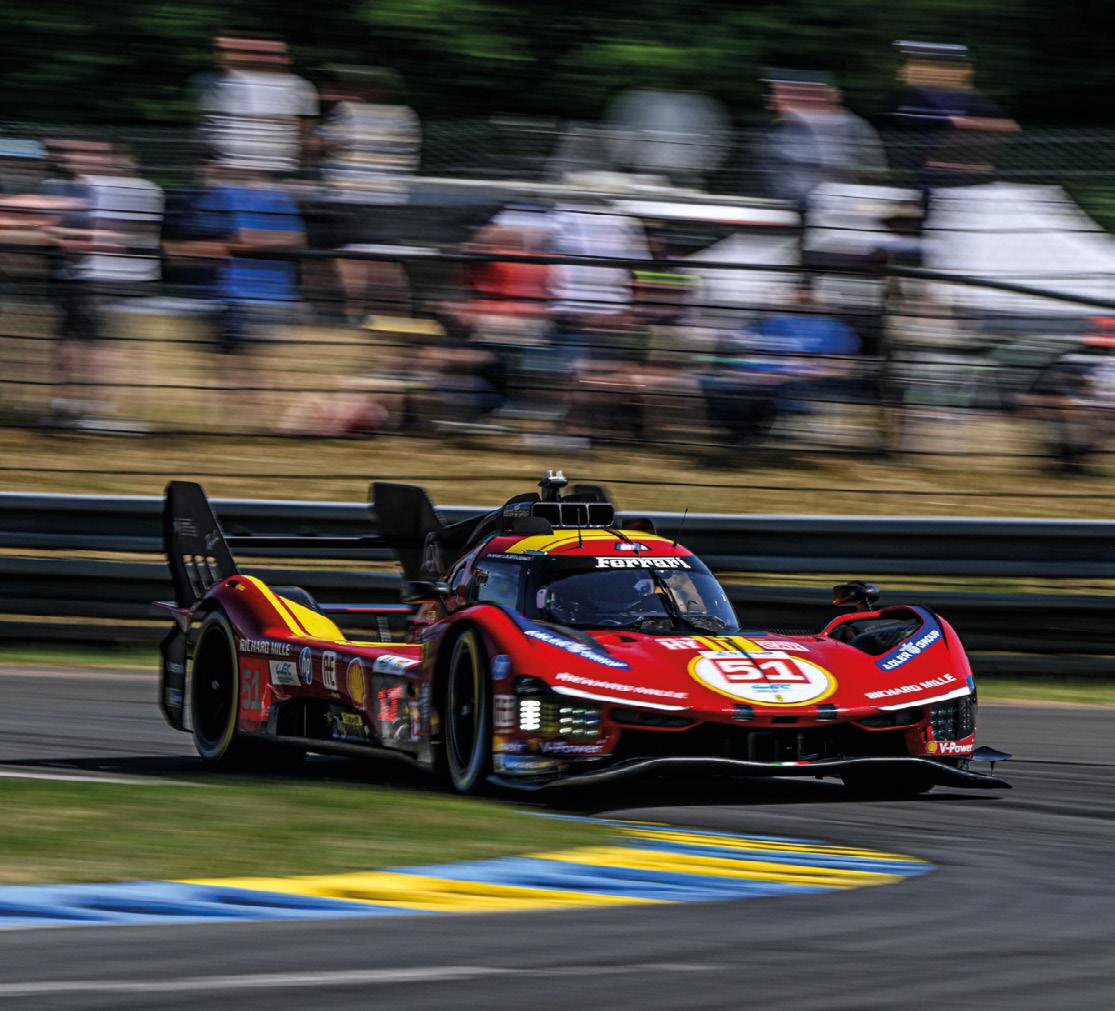
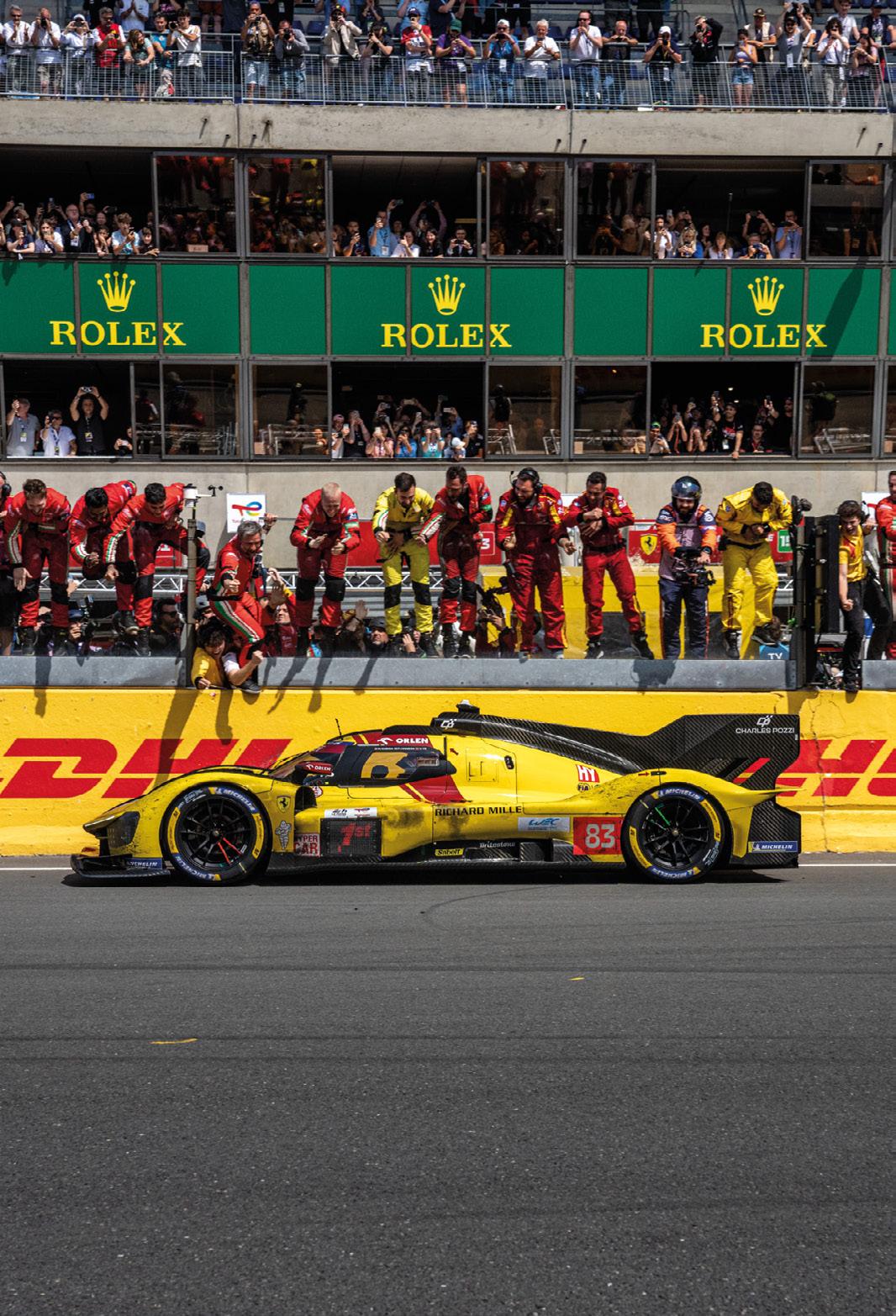
The 2025 edition of the 24 Hours of Le Mans delivered one of the most dramatic and finely balanced races in recent memory. The overall victory went to the privately run AF Corse Ferrari 499P Hypercar, driven by Robert Kubica, Yifei Ye, and Phil Hanson—marking the first time a customer team clinched overall honours in the modern Hypercar era. Their relentless pace and error-free execution allowed them to complete 387 laps, edging out the factory Toyota by a mere 14 seconds after a full day of racing.
Weather conditions added complexity, with intermittent rain disrupting tyre strategies and forcing teams into split-second decisions under high-pressure conditions. Porsche, Cadillac, and Peugeot also showed formidable performance throughout the night, underscoring the growing parity within the Hypercar class.
In LMP2, the competition remained fierce, with United Autosports claiming a hardfought win, while in the LMGT3 category, Aston Martin’s Vantage GT3 EVO made a compelling debut, besting a field of 23 entries.
Le Mans 2025 confirmed a new narrative: privateer excellence is no longer a romantic anomaly but a tangible reality. In a race where precision and resilience shape destiny, this year’s victors proved that ingenuity and unity can still defy the might of factory-backed goliaths.
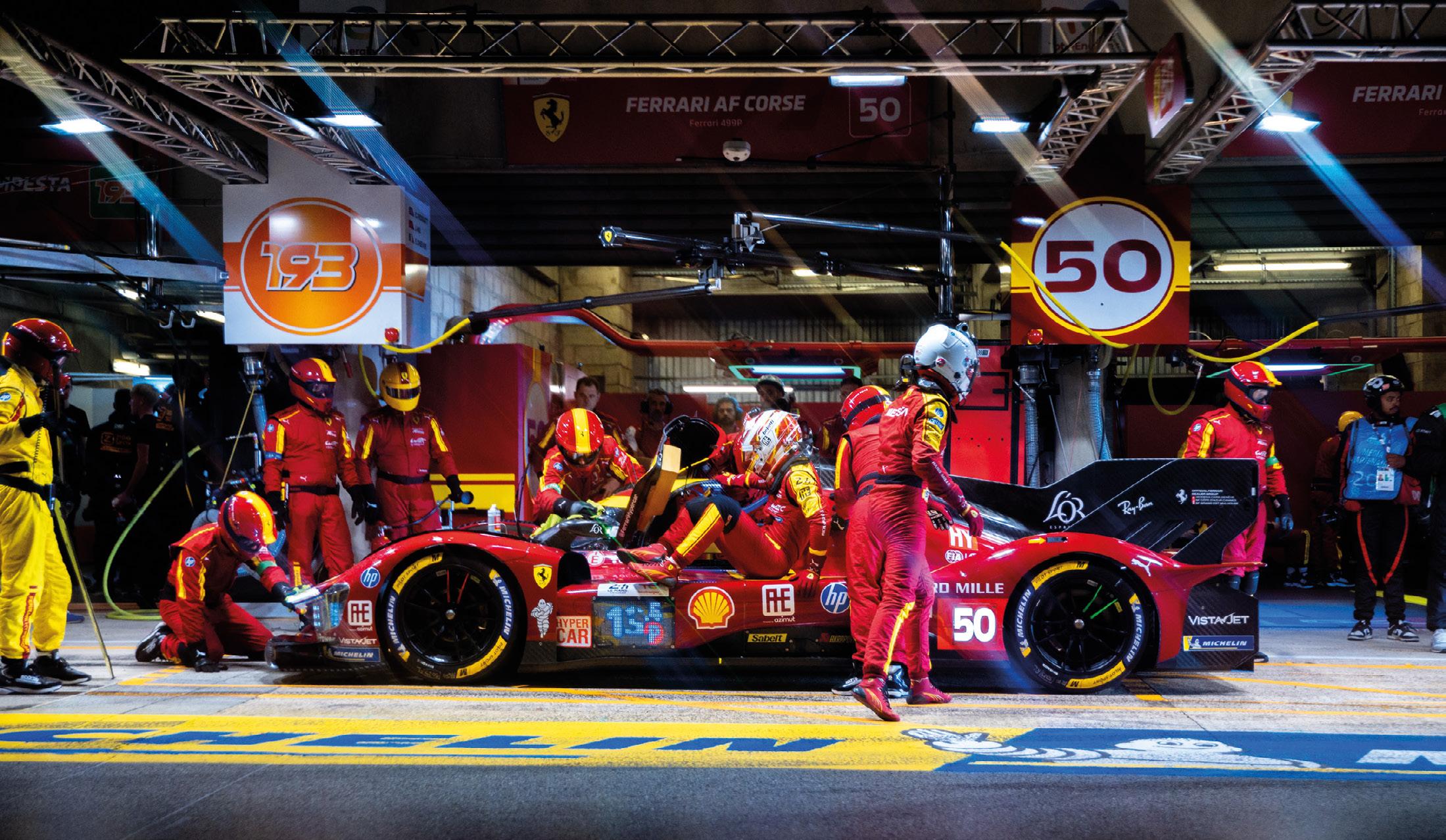
MOMENTS OF MOTION: LE MANS IN PORTRAIT
“Le Mans takes the best out of everyone. Winning is important but it’s not everything.”
Tom Kristensen, nine-time Le Mans winner.
The 24 Hours of Le Mans remains motor racing’s most demanding stage: a relentless duel of mechanical endurance, strategic clarity, and human willpower. Since 1923, it has defined not only automotive excellence but the spirit of sustained competition, where the finish line belongs not to the fastest, but to the most enduring.
Le Mans is not merely a race; it is a theatre of resolve, where man and machine contend with physics, fatigue and the tyranny of time. Unlike sprint races obsessed with split-second precision, Le Mans is measured in survival—won not in a moment, but across a full planetary rotation of motion and noise.
The 24 Hours of Le Mans, held annually on the Circuit de la Sarthe, fuses over 13.6 km of closed public roads and permanent track. It is an unforgiving canvas: long straights, technical chicanes, treacherous cambers, and the perpetual shifts between light
and dark, rain and sun, exhaustion and ecstasy. A successful campaign is less a sprint than a composed ballet of calculations and adaptation.
A Laboratory of Speed and Innovation
Since its inception, Le Mans has driven critical technological milestones. In 1953, Jaguar’s C-Type debuted with pioneering disc brakes—an innovation that changed stopping power forever. By the late 1960s, the emphasis had shifted to aerodynamic drag, with cars like the Ford GT40 and Porsche 917 rewriting the rulebook
on form following function. In more recent decades, diesel and hybrid engines have ruled, from Audi’s groundbreaking R10 TDI to Toyota’s Hypercar hybrids dominating the current field.
Today’s Hypercars are paragons of multienergy engineering, with hybrid electric drivetrains, energy recovery systems, and computational aerodynamics honed through relentless simulation. Cars reach top speeds above 320 km/h despite the chicanes now interrupting the once-lethal Mulsanne Straight, where in 1988 a WM-Peugeot clocked a blistering 407 km/h.
Strategy Beyond Speed
by regulations: refuelling can only occur with the engine shut off and is strictly decoupled from tyre or driver changes, making choreography and timing paramount.
A Legacy Forged in Fire
Le Mans has witnessed it all—heroism, heartbreak, technological leaps, and loss. It endures not because it resists change, but because it demands it. Each edition rewrites what machines and people are capable of over 24 unrelenting hours.
Pace alone never suffices at Le Mans. Strategy is the true cornerstone. Modern race management demands balancing tyre degradation, fuel consumption, driver stints, and energy recuperation—while navigating variable track conditions over a full day and night. Each team must field three drivers, each permitted a maximum of 14 hours of driving in no more than four-hour stretches. Pit stops are restricted
A typical winner may cover more than 5,200 kilometres—over 380 laps— equivalent to driving from Paris to Moscow and back, without a pause. Under such conditions, mechanical reliability and team coordination become decisive. One unscheduled stop, one minor miscalculation in traffic, and a race-long lead can vanish into the night air.
The Human Challenge
There is no race that tests drivers more completely. The circuit’s transitions through nightfall and into dawn introduce not just temperature shifts but visibility challenges and mental exhaustion. Each driver must hold concentration for triple stints at racing speed, while conserving the car’s systems, watching for slow zones, and navigating backmarkers. The emotional cost is high.
It’s a test of stoicism as much as it is of skill. The best endurance drivers are those who know when not to attack, when to conserve brakes, tyres, and themselves.
The 2025 Edition: Precision and Redemption
In 2025, the 93rd edition of the race proved once more how narrative and engineering intertwine. Robert Kubica, alongside Yifei Ye and Phil Hanson, secured an overall victory in a customer Ferrari Hypercar—a feat resonating far beyond sport. It marked the first Polish and first Chinese driver to win outright at Le Mans. The car completed 387 laps, with a margin of just 14 seconds to its closest rival—a figure
almost absurd after 24 hours of competition.
For Kubica, the victory was also a personal redemption arc. After a devastating rally crash in 2011 that nearly cost him his life and career, he returned not only to racing, but to conquer its most demanding summit. His achievement underlines Le Mans’ rare alchemy: it is where tragedy and triumph often inhabit the same breath.
A Heritage of Impact
Le Mans has long been the vanguard of progress. Safety initiatives born of necessity—such as pitlane speed limits and energy-absorbing
barriers—originated here. Its Garage 56 initiative now supports hydrogen and alternative propulsion systems, setting the stage for carbon-neutral endurance racing.
But its cultural impact endures too. It remains the only race that genuinely captivates engineers, spectators, and philosophers alike. It is the crucible where dreams are worn down over time, yet somehow emerge purer—shaped not by acceleration alone, but by attrition, intellect and restraint.
Le Mans is not just a race. It is a statement.
BUSINESS AVIATION: LONG-RANGE, LOW-CARBON, CLIENT-CENTRIC
Insights from EBACE 2025 and NBAA show the business aviation sector accelerating its shift towards ultralong-range capability, measurable sustainability targets and next-generation cabin design. OEMs like Gulfstream, Bombardier, Dassault, Textron (Cessna), Embraer, Airbus Corporate Jets and Leonardo Helicopters are recalibrating portfolios for a client base demanding agile, discreet travel with credible ESG credentials. This delicate balancing act defines the sector’s path as fractional ownership and bespoke charter continue their upward trajectory.
At the forefront of EBACE 2025 was Gulfstream’s G800, demonstrating non-stop legs up to 8,000 nautical miles, outpacing competition for transcontinental itineraries. Bombardier’s Global 8000, Dassault’s Falcon 10X, and Embraer’s Praetor 600 reinforce a trend towards flexible range combined with lower noise footprints and advanced avionics for singlepilot optimisation.
Textron Aviation’s Cessna Citation Longitude and XLS Gen2 remain resilient choices in the mid-size market, with incremental aerodynamic refinements and competitive operating economics. Meanwhile, Airbus Corporate Jets (ACJ) highlighted its ACJ TwoTwenty and ACJ320neo as platforms bridging private comfort with commercial airliner robustness, appealing to corporations seeking hybrid fleet solutions.
Rotary-wing growth is equally notable. Leonardo Helicopters’ AW139 and AW169 sustain a commanding presence in VIP and corporate shuttle segments, while urban air mobility pilots explore hybrid eVTOL integration alongside traditional twin-
engine helicopters for dense urban corridors.
Sustainability emerged as a non-negotiable. SAF adoption commitments, carbon offset programmes and lightweight composite interiors featured prominently in presentations by all major OEMs. VistaJet, NetJets and Flexjet confirmed expanding fractional and on-demand charter demand, supported by digital fleet management and AI-driven scheduling.
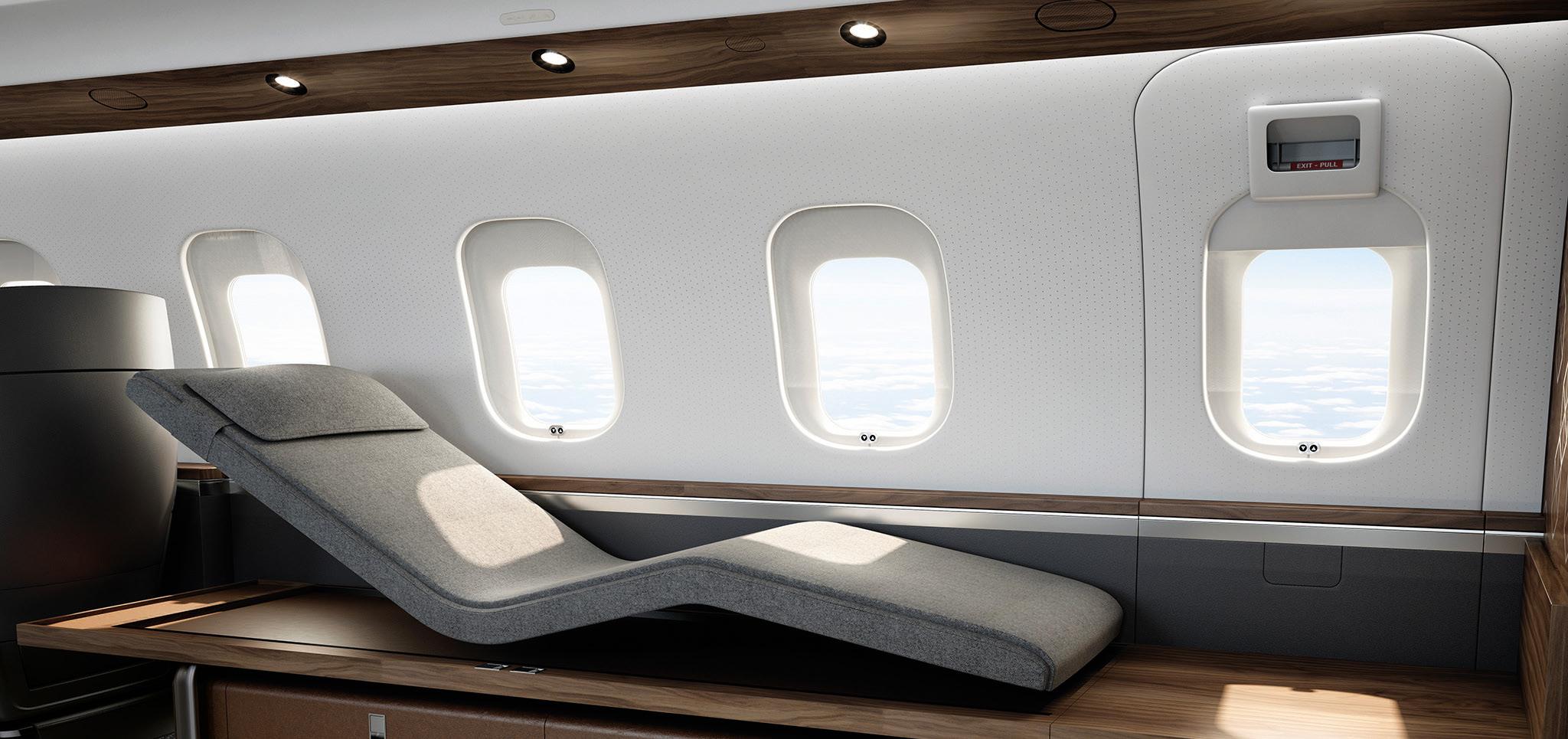
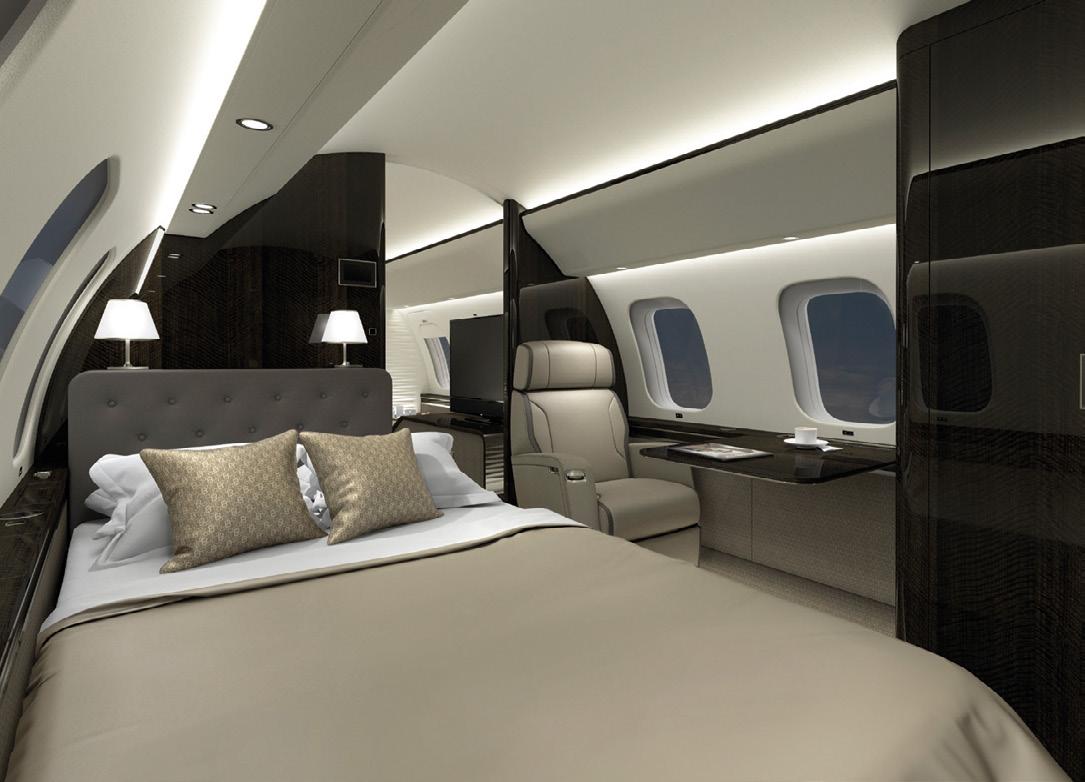
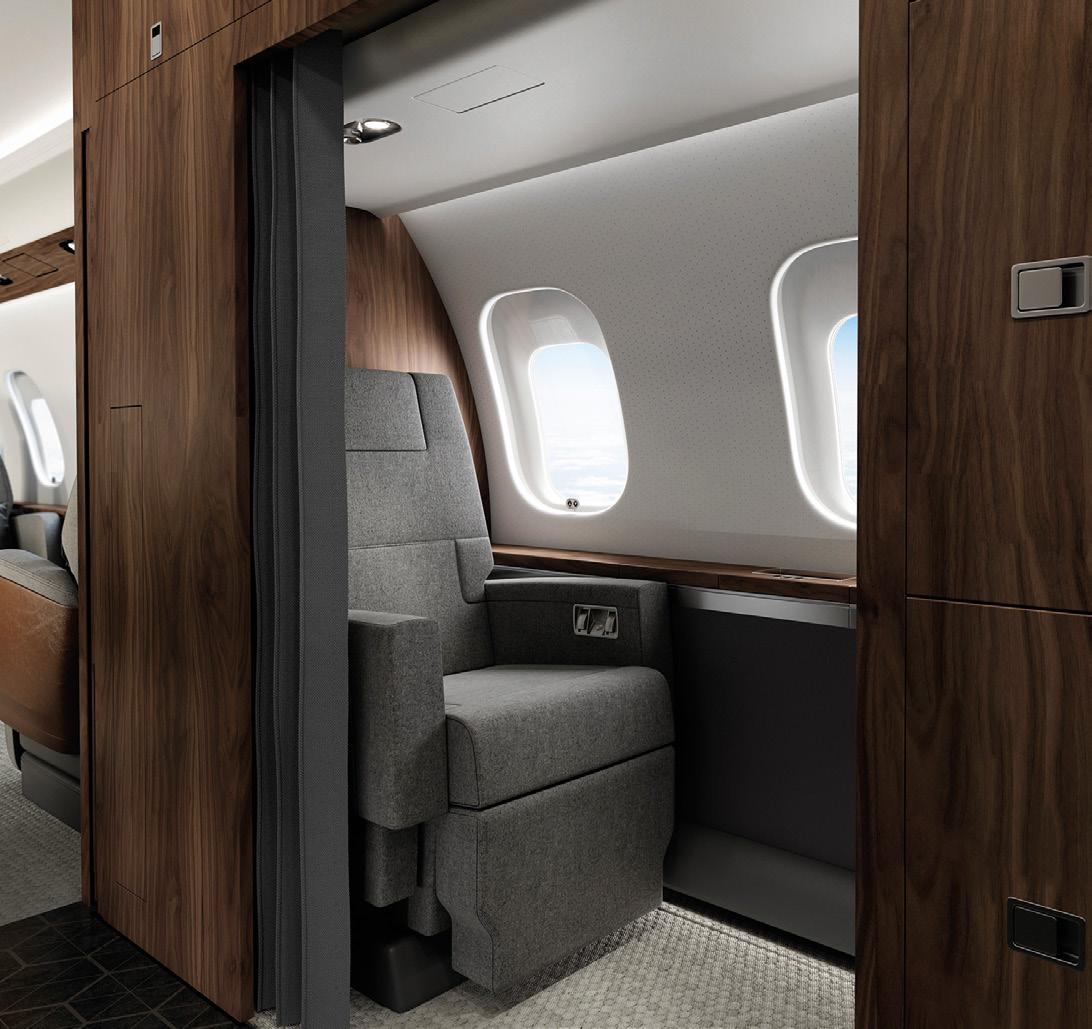
Cabin trends point towards multi-zonal wellness areas, immersive connectivity and bio-based upholstery, with completions specialists like Jet Aviation and F/List showcasing recyclable panels and modular furnishings.
For operators, supply chain resilience, local MRO capacity and next-gen pilot training pipelines remain pivotal. The sector’s credibility will rest on delivering long-range point-to-point freedom with authentic, audited carbon mitigation—defining business aviation’s licence to grow in a more scrutinised global landscape.
Falcon 8X - Dassault
BOMBARDIER: PRESTIGE IN FLIGHT
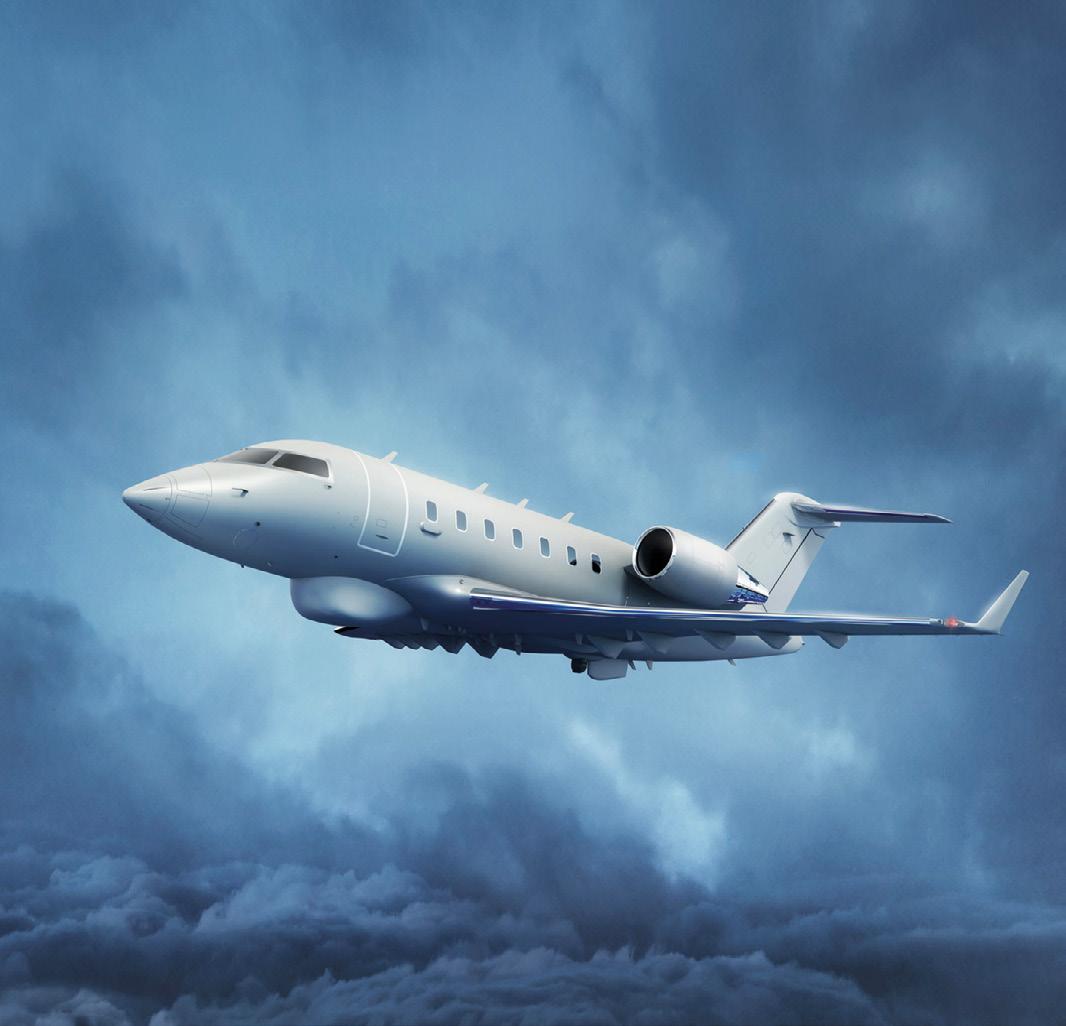
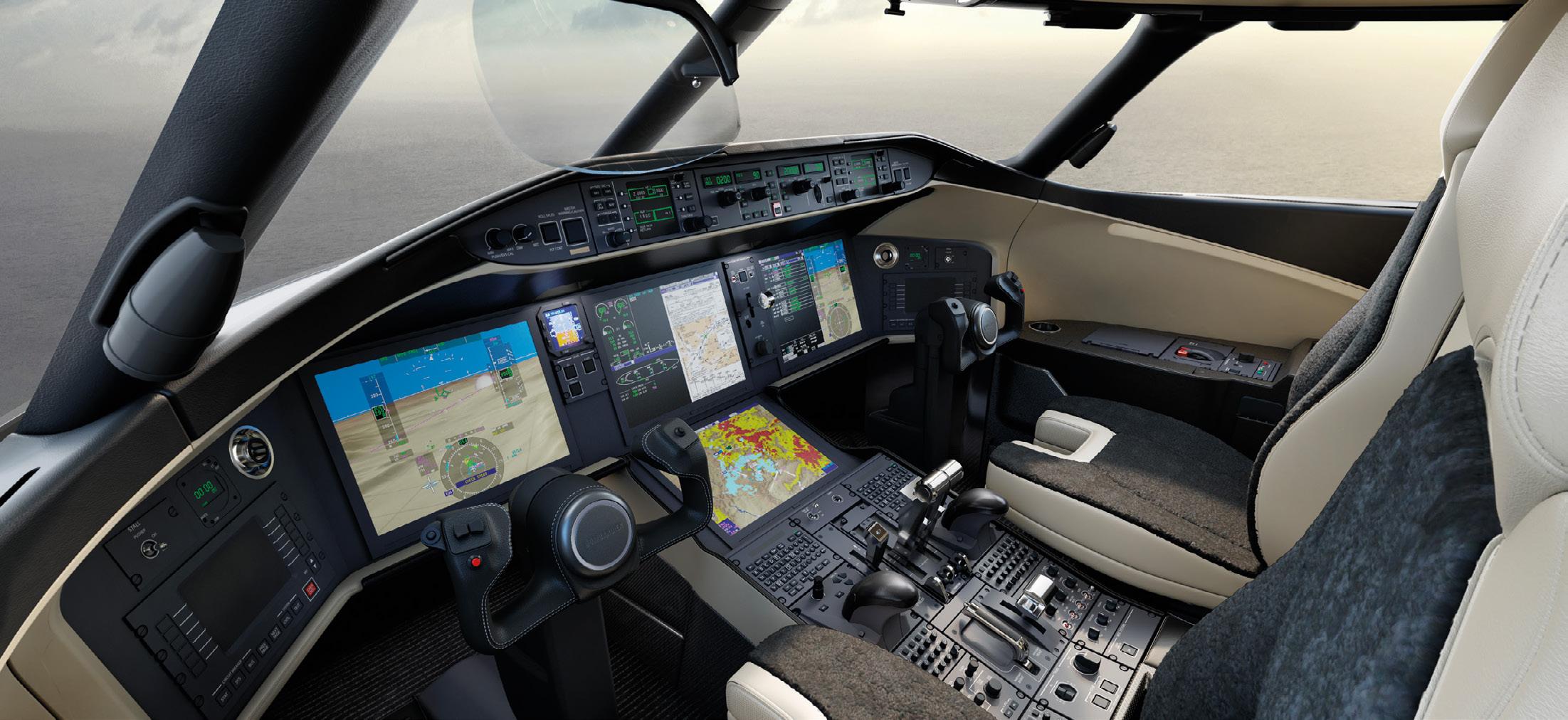
Bombardier’s Challenger and Global series epitomise the cutting edge of business aviation, uniting advanced range capabilities, cabin comfort and refined design. Each aircraft reflects a commitment to technical excellence and a bespoke travel experience for discerning global travellers.
BOMBARDIER — KEY NUMBERS
Founded: 1942
HQ: Montreal, Canada
Employees: ~15,000
Business Jets in Service: 5000+ worlwide
Production Facilities: 7 sites globally
Global 8000 Principal Suite
Challenger & Global: A Study in Elevated Performance.
The Challenger 650 seats up to 12 passengers with a range of roughly 4,000 NM, prized for its robust airframe and short-field performance. The newer Challenger 3500 enhances this legacy with a redesigned cabin featuring voice-controlled systems and the first eco app solution for real-time optimised flight planning. In the Global family, the Global 6500 delivers non-stop London–Hong Kong capability, thanks to its Rolls-Royce Pearl engines and reprofiled wings for better aerodynamics. The Global 8000, meanwhile, redefines the ultra-long-range segment with a top speed of Mach 0.94 and a stand-up cabin divided into tailored living zones, including a master suite and shower option. With cabin altitude kept under 3,000 feet at cruising level, passengers arrive more rested. Across all models, Bombardier’s attention to noise reduction, bespoke interiors and cutting-edge avionics makes each journey not just a flight but a statement of considered, contemporary luxury.
Global
6500 crew rest area
In the highly discerning world of business aviation, Bombardier remains a benchmark for long-range performance, refined cabin design and operational reliability. From the super midsize Challenger series to the ultra-long-range Global fleet, each model demonstrates the Canadian manufacturer’s commitment to pushing the envelope. The Challenger 650 combines intercontinental reach with the widest-in-class cabin, favoured for its smooth ride and ease of maintenance. Its younger sibling, the Challenger 3500, refines the midsize concept further with advanced cabin tech, a flat floor, and new sustainable materials, ideal for operators seeking efficiency without compromising comfort. The Global 6500 extends the brand’s range prowess to 6,600 nautical miles, pairing a reimagined Nuage seating concept with class-leading fuel efficiency. And at the summit, the Global 8000 stands as Bombardier’s flagship ultra-long-range jet, offering a remarkable 8,000 NM range and the industry’s fastest top speed for a purpose-built business jet. For many, this is the apex of airborne luxury.
Challenger 650
Graduates celebrates during Harvard University’s 374th Commencement on May 29, 2025.
Reputation remains the academy’s most elusive and consequential currency.
EDUCATION WORLD REPUTATION RANKINGS
In an era dominated by algorithmic quantification and data visualisation, the very notion of academic excellence remains, at its core, deeply rooted in human perception. Reputation—elusive, subjective, yet undeniably powerful— continues to shape the trajectories of the world’s leading universities in ways that defy mere statistical inference. Among the myriad rankings that attempt to capture institutional performance, the Times Higher Education (THE) World Reputation Rankings stand apart for their methodological singularity: they do not measure outputs, inputs, or performance proxies, but rather the informed regard of the global academic elite. Constructed exclusively from a targeted, invitation-only survey of senior published scholars, the Rankings offer a rarefied glimpse into the intellectual consensus regarding which institutions are perceived to be the most authoritative in teaching and research.This is not a popularity contest in the conventional sense, nor a reflection of transient media visibility; it is a portrait of academic standing as painted by those who contribute most substantially to knowledge production. In doing so, the Reputation Rankings illuminate enduring hierarchies, regional disparities, and the consolidation of prestige, raising fundamental questions about what it means to be “world-class” in higher education. This article undertakes a technical dissection of their construction, significance, and implications.
In the complex ecosystem of global higher education, where quantifiable metrics dominate league tables and funding decisions, the Times Higher Education (THE) World Reputation Rankings assert themselves with an almost subversive simplicity. Unlike the broader World University Rankings published by THE, which rely on a weighted matrix of thirteen indicators—from research productivity to internationalisation ratios—the Reputation Rankings are built on a single, unrepentantly subjective pillar: expert perception.
The THE Academic Reputation Survey, conducted annually in partnership with Elsevier’s Scopus database, invites a carefully stratified global cohort of senior academics— each selected based on publication history and disciplinary prominence—to identify, unprompted, the universities they consider the most prestigious in research and teaching. Typically, over 10,000 respondents from more than 130 countries participate, providing what may be considered an intellectual consensus of the global academy. These are not casual respondents: they are high-impact scholars, editors, reviewers, and policy influencers whose aggregated judgement shapes institutional legacies.
Crucially, the survey is discipline-specific: respondents are asked to name up to 15 institutions within their own academic field, and only in the domains of teaching and research. There are no metrics related to infrastructure, student satisfaction, or industry income. What emerges, therefore, is a rare distillation of perceived intellectual authority—one that cannot be gamed by marketing campaigns or temporary spikes in media visibility.
At the top of the rankings, a kind of reputational oligopoly has taken shape. Harvard University consistently occupies the first position, a status it has retained for over a decade. Its dominance is not merely the result of historical privilege, but of strategic consolidation across disciplines, a colossal endowment, and sustained contributions to global research in medicine, economics, and law. Following Harvard, MIT
and Stanford University regularly occupy the top three. MIT’s reputation in engineering and applied sciences is bolstered by an innovation ecosystem centred around Kendall Square and its close ties to industry. Stanford, meanwhile, leverages its Silicon Valley adjacency and interdisciplinary research culture to attract global academic capital.
The United Kingdom continues to assert its soft power through Oxford and Cambridge, whose positions among the top five fluctuate only marginally. Oxford’s recent biomedical prominence—heightened by the development of the AstraZeneca vaccine—has enhanced its global image in public health and life sciences. Cambridge remains a bastion of mathematical and physical sciences, with a tradition that includes Newton, Darwin, and Hawking. These institutions exemplify how legacy, when combined with research excellence and global visibility, perpetuates reputational ascendancy.
The Rankings also reveal important regional dynamics. Tsinghua University and Peking University have risen steadily, reflecting the strategic ambitions of the Chinese state to position its universities as global research leaders. Massive government investment, an expanding doctoral education base, and rising publication outputs have rendered Tsinghua a dominant force in engineering and computer science. The University of Tokyo and Kyoto University continue to serve as anchors of Japanese academic excellence, despite demographic and funding challenges that have constrained their recent momentum.
In Southeast Asia, the National University of Singapore (NUS) has emerged as a reputational lodestar, symbolising the city-state’s ambitions to become an academic hub in the Asia-Pacific. Its bilingual faculty, transnational research partnerships, and meritocratic governance have enabled NUS to punch well above its historical weight, entering the top 20 in recent editions of the Rankings.
On the European continent, however, a more fragmented
Perception, not performance, shapes the hierarchy of global academia
picture emerges. ETH Zurich is the only consistently high-ranking non-Anglophone institution in Europe, renowned for engineering and natural sciences. The challenges facing other European universities— such as the University of Copenhagen, LMU Munich, and Sorbonne University—are often systemic: decentralised governance, linguistic isolation from the Anglophone publishing world, and national funding structures that prioritise egalitarianism over excellence. While these institutions perform strongly in citation metrics and international collaborations, their reputational ascent is often inhibited by limited global brand projection.
The underrepresentation of universities from Africa and Latin America is equally telling. Institutions like the University of Cape Town, University of São Paulo, or Pontificia Universidad Católica de Chile rarely appear in the upper tiers, not because of intellectual mediocrity, but due to structural barriers in international visibility and persistent global North-South asymmetries. The Reputation Rankings thus serve not only as a mirror of excellence but also as a map of global academic marginalisation.
From a methodological perspective, the Rankings have attracted both acclaim and criticism. On one hand, their focus on qualitative peer judgement confers a degree of epistemic authority unmatched by algorithm-driven rankings. On the other, they risk reinforcing reputational inertia: once an institution achieves elite status, it tends to be named consistently, creating a self-reinforcing cycle that may marginalise emergent institutions. For instance, newer universities such as HKUST in Hong Kong or KAUST in Saudi Arabia, despite strong performance metrics and significant research output, struggle to penetrate the upper levels due to limited alumni networks and brand maturity.
Yet it would be reductive to dismiss the Reputation Rankings as merely reflective of academic conservatism. In practice, they serve as a strategic barometer for university leaders, policymakers, and funding agencies. A decline in reputational standing can prompt interventions ranging from international recruitment drives to research investment in high-visibility areas. Conversely, a rise in the rankings can be leveraged for increased governmental support, donor engagement, or international partnerships.
Moreover, these rankings influence student mobility. International students—particularly at postgraduate level—are acutely aware of institutional prestige. The perception of being affiliated with a globally renowned university can influence decisions as much as tuition cost or programme structure. Thus, reputation is not just an abstract label; it has direct consequences on applications, admissions, and the global flow of academic talent.
The THE World Reputation Rankings also pose deeper philosophical questions. Can academic excellence exist without recognition? Is reputation an antecedent to merit or its derivative? These are not academic musings alone—they shape funding decisions, career trajectories, and even national research strategies. As long as higher education continues to be influenced by prestige economies, the Reputation Rankings will remain one of the most consequential yet contested instruments in global academia.
Ultimately, what sets the THE Reputation Rankings apart is their unapologetic embrace of academic perception as a metric of value. In an age that valorises data, this return to expert judgement reaffirms a timeless truth: in the academy, as in society, reputation is not a shadow of performance, but often its most enduring legacy.
Lord Hague poses for a photograph inside The Divinity School at Oxford University on February 19, 2025 in Oxford, England. Lord Hague is the 160th recorded Chancellor in the University’s history, a role that dates back at least 800 years. The Chancellor is the titular head of the University of Oxford and presides over key ceremonies as well as undertaking advocacy and advisory roles, fundraising work and acting as an ambassador for the University.
FACTS & DATA
METHODOLOGY
Based on informed peer opinion, not quantitative metrics
10,000+ senior published scholars invited annually
Respondents nominate up to 15 institutions per field
Covers 133 countries, stratified by discipline and geography
Rankings derived from three pillars :
• Vote count
• Pairwise comparisons
• Voter diversity index
TOP TEN
Harvard University
MIT & University of Oxford
Stanford University & University of Cambridge
University of California, Berkeley
Princeton University
Tsinghua University
Yale University
University of Tokyo
GEOPOLITICAL TRENDS:
US & UK dominate top rankings
Tsinghua (China) and NUS (Singapore) rising steadily
ETH Zurich leads non-Anglophone Europe
Africa & Latin America underrepresented due to systemic barriers
WHY IT MATTERS:
Influences student choice, faculty mobility, funding, and international partnerships
Used as a reputational benchmark by governments and institutions worldwide
With a vivid, intense hue, the sapphire is a classic and timeless gemstone. Transcendent in its beauty, it has long been celebrated as a regal stone, bringing bold depths and vibrancy to Graff’s high jewellery creations.
Sapphire High Jewellery
For 65 years, Graff has been the custodian of many of the most revered diamonds and gemstones ever discovered. Graff’s breathtaking high jewellery masterpieces celebrate the transcendence of a jewel, radiating an otherworldly beauty and showcasing the House’s leadership in exceptional stones, craftsmanship and design.
GRAFF. A FABULOUS WORLD
Where the world’s rarest diamonds become eternal masterpieces
For connoisseurs of high jewellery, the name Graff occupies a sanctum of its own—a realm where human mastery converges with nature’s most miraculous creations. For over fifty years, Graff has not merely traded in diamonds; it has authored their destinies. Every facet, every gleam, every whisper of light refracted through their crystalline hearts tells the story of obsessive precision and generational devotion.
The house remains unique in its absolute oversight: from mine to masterpiece, not a single stage is outsourced, abbreviated or diluted. Every Graff gem begins as a riddle hidden within the earth’s crust—a relic of time, formed under pressure over millennia. Extracting it is a venture that borders on the metaphysical, a pilgrimage of patience and persistence. Only the finest are chosen, often by members of the
“The Graff way means no shortcuts, no inferior bypassing. Perfection is the goal, and it’s achieved every time.”
— LAURENCE GRAFF
Graff family themselves, their discerning gaze honed by decades of intimate acquaintance with brilliance.
And yet, the true alchemy begins not with extraction, but with interpretation. A rough diamond is unknowable: it can either dissolve into a constellation of minor stones or emerge as a singular, monumental artefact. Graff’s gemologists act as oracles, communing silently with the mineral, spending months to divine the cut that will unlock its inner radiance. It is an enterprise that demands as much restraint as vision.
This reverence for perfection continues in the hands of Graff’s master cutters and polishers, whose skill borders on the superhuman. Each stroke, each turn, each calibrated polish, is both mechanical and meditative. They do not merely shape diamonds; they coax them into revealing their truest selves. In an age obsessed with velocity, Graff upholds slowness as a virtue. A single masterpiece can take years.
But what of the design? In the atelier, where the earth’s most precious fragments are gathered like celestial bodies, Graff’s jewellers practice an art that defies fashion’s ephemerality. Their pieces are never ostentatious, never enslaved by trend. Instead, they draw from a wellspring of classical elegance, where symmetry, proportion and femininity converge in quiet splendour. The result is adornment that breathes with its wearer—sensual, powerful, and eternal.
Graff’s London workshop is an enclave of this devotion. Here, heritage and innovation are not in tension but in dialogue. Becoming a Graff master craftsman is not unlike being initiated into a secret guild, where knowledge is inherited, not taught; where tools and techniques are passed down like family heirlooms. What emerges from this sanctum are not merely jewels, but myths in the making.
Indeed, Graff is not only a house of jewels, but of legacies. Among the myriad diamonds that have passed through its hands are some of the most fabled stones in history. Their names adorn museum walls and auction catalogues, but their stories begin in Graff’s atelier— etched not merely into the gem, but into collective memory.
To own a Graff piece is not only to possess material excellence, but to become a custodian of something rarer still: transcendence shaped by human hands.
History & Heritage: The Making of a Diamond Dynasty
The Graff story is not merely one of jewellery, but of metamorphosis — of raw brilliance drawn from the depths of the earth and transformed, through human devotion, into legend. For over six decades, the House of Graff has pursued not novelty, but perfection: a quiet yet relentless quest for mastery, anchored in the belief that beauty, when truly understood, is eternal. It began in 1960, in London’s venerable Hatton Garden, where a young Laurence Graff OBE first bent over a jeweller’s bench with the gaze of a visionary and the steadiness of a craftsman. The bench, humble in appearance, would become an altar of sorts: the birthplace of a new order in high jewellery. From those early days, Graff’s fascination was never merely with ornamentation, but with the soul of the stone — its clarity, its inner light, its narrative potential.
“I have always been fascinated by diamonds,” Graff once reflected. “I remember looking at them, studying them closely to understand their purity, and the way they had been cut.” It was, he said, a feeling — not learned, but innate. And from that instinct was born a lifelong devotion: a brand that would come to define not only the pinnacle of diamond craftsmanship, but the very grammar of desire.
Ruby High Jewellery
Timeless symbols of love, passion and romance, rubies are increasingly elusive, even within the rarefied realm of high jewellery – a testament to the Graff family’s unwavering pursuit of the world’s most exceptional gemstones. Sharon Ralls Lemon
Graff’s legacy for designing and crafting the world’s most fabulous jewels is born from an innate appreciation for the impeccable, natural beauty of diamonds and gemstones. Embark upon a journey of discovery and lose yourself in our extraordinary world.
White Diamond High Jewellery
Radiant Colour
A ruby and diamond high jewellery necklace embodies an exploration of modern silhouettes, set with an unrivalled collection of rare Mozambican rubies.
Cushion cut and round brilliant rubies emanate from a central 5.19 carat unheated cushion cut Mozambican ruby; each gemstone suspended from angular lines of round pavé diamonds interspersed with single round brilliant diamonds, extending up and around the neckline.
Unrivalled Craft
An impeccably crafted high jewellery necklace is set with 604 rare Graff diamonds totalling 65.89 carats, in a contemporary interpretation of a classic fringe design.
‘I have always been fascinated by diamonds, I truly believe that working with diamonds is what I was born to do.’
JACK VETTRIANO
Jack Vettriano (1951–2025) occupies a singular and often controversial position within the landscape of British figurative painting. Entirely self-taught, he rose from working-class origins in post-industrial Fife to become one of the most commercially successful and publicly recognised artists of his generation. His works—marked by cinematic tension, noir atmospheres, and a lexicon of anonymous yet erotically charged figures—evoke both nostalgia and unease, drawing comparisons to Edward Hopper while diverging in narrative intent. Despite extraordinary popularity among collectors and the general public, Vettriano’s reception within academic and institutional circles remained lukewarm for much of his career. For some, he embodied a populist challenge to the elitism of the contemporary art world; for others, a stylistic anachronism. This essay revisits his oeuvre with critical nuance, exploring the technique, iconography and cultural resonance of an artist whose legacy continues to provoke debate across aesthetic and sociological lines.
“I paint what I can’t have.”
Jack Vettriano’s journey from miner’s son to nationally recognised painter embodies an extraordinary trajectory of autodidactic achievement. Born Jack Hoggan in 1951, he left school at fifteen to work in the mines before discovering his vocation at twentyone, when a set of watercolours prompted a fervent, self-directed pursuit of painting. Vettriano absorbed classical and impressionist traditions, meticulously copying Monet and Caravaggio, before presenting his first successful works under his mother’s maiden name in 1988 at the Royal Scottish Academy, where two canvases sold on day one.
Stylistically, Vettriano blended film noir aesthetics—stark silhouettes, atmospheric lighting, and spatial tension—with narratives of romance, yearning, and urbane melancholy. The Singing Butler (1992), his most iconic painting, epitomises this fusion: a couple dances upon a wind-scoured beach, sheltered by butlers under umbrellas. Its original canvas fetched £744,500 at auction in 2004, and its image, through countless reproductions, became the UK’s best-selling art print. This populist appeal earned him the moniker “People’s Painter”, even as critics derided his work as “dim erotica” or “brainless.”
Vettriano’s commercial acumen was as pronounced as his visual style. He established Heartbreak Publishing and the Heartbreak Gallery, commanding an estimated £500,000 annually in print royalties. Major commissions included Terence Conran’s Bluebird Gastrodome (1996) and the Yacht Club de Monaco (2009), with combined auction returns surpassing £1 million.
Technically, his paintings demonstrate remarkable facility with glaze and tonal modulation, creating depth and narrative ambiguity. Each scene invites viewers into a suspended moment, rich in narrative possibility. His self-portrait The Weight (2010), now displayed at the Scottish National Portrait Gallery, marks his critical rehabilitation.
Vettriano’s legacy lies in his visual storytelling—at once autobiographical and archetypal—bridging the worlds of public affection and academic inquiry.
The new 77-metre sailing yacht will be the first platform to feature the legendary Falcon Rig. Equipped with two masts, the vessel offers significant advantages in terms of both sailing efficiency and safety. An electro-hydraulic mast and sail management system ensures exceptionally easy handling. Uniquely, this will be the first sailing yacht to incorporate a true spa-beach club, complete with fold-down terraces seamlessly connected to the aft swim platform.
IN THE WAKE OF ELEGANCE
Perini Navi returns with two all-new vessels—56m and 77m—that redefine large sailing yacht design through structural innovation, automated rigging, and architectural clarity. A synthesis of heritage and precision engineering, built for true autonomy across long-range bluewater routes.
The relaunch of Perini Navi under The Italian Sea Group marks a strategic return to form in the world of large sailing yachts, not as a nostalgic gesture but as a clear statement of technical and stylistic intent. With the introduction of the 56-metre and 77-metre models, the yard brings forward a new design language that reinterprets Perini’s DNA through advanced naval architecture and automated sail management. The result is not simply a rebranding of classic forms, but a recalibration of what a contemporary bluewater sailing yacht can and should be. Structural elegance, mechanical efficiency, and performance-oriented hull lines now coexist with the craftsmanship and spatial intelligence that long defined the Perini aesthetic. These are yachts that speak fluently the language of the sea—without rhetoric.
The 56m and 77m Perini Navi yachts represent a holistic re-engineering of the yard’s philosophy, where naval performance, system automation and spatial sophistication are balanced with discretion. Both yachts feature aluminium hulls, chosen for their lightness-to-strength ratio and responsiveness under sail. Naval platforms have been refined to reduce pitching and heeling moments while maintaining hydrodynamic efficiency across a range of conditions.
The rigging systems mark a significant technological leap: the 77m introduces a Falcon Rig with twin masts and electro-hydraulic actuation, allowing simultaneous deployment and trimming with minimal crew input. The 56m, designed in close collaboration with Malcolm McKeon, adopts a modern ketch configuration with a full-carbon mast package optimised for variable load distribution. Both platforms integrate digital sail-trim monitoring and responsive sheet tensioning.
Interior layouts are conceived for extended passages with variable guest configurations, while exterior spaces feature integrated beach decks and direct sea access. The result is motoryacht-level comfort within a true sailing framework.
On deck, layouts preserve Perini’s hallmark clarity of line and function. Open sterns and protected guest cockpits frame wide flush decks and panoramic superstructures, facilitating movement while respecting onboard hierarchy. Below deck, volume is maximised through a modular logic that allows longrange autonomy without compromising performance.
Each vessel offers a unified architectural language— where technical ambition supports lived experience. This next-generation Perini series is not about spectacle; it is about the exacting refinement of sailing as a self-sufficient, enduring form of maritime travel.
Both yachts integrate fully automated sail plans engineered for optimal load management and responsive trim. The 77m’s twin-mast Falcon Rig and the 56m’s carbon ketch reflect a strategic focus on performance, redundancy and reduced handling complexity.
The new 56-metre sailing yacht, Perini Navi’s most iconic vessel, has been reimagined by Malcolm McKeon Yacht Design. With a distinct focus on sailing performance, the studio is developing both the naval platform and sail plan, while also shaping the exterior styling. The all-carbon rig features an advanced sail handling system, ensuring optimal comfort and seakeeping under sail.
For the discerning yachtsman, Puerto Banús is far more than a glamorous mooring along the Costa del Sol — it is a vital maritime waypoint in the grand passage between the Atlantic and the Mediterranean. Strategically positioned just west of Marbella, this purpose-built marina has become a nautical crossroads for superyachts transiting from the Caribbean or the Eastern Seaboard of the United States to the storied waters of the Western Med, and vice versa.
Within the high echelons of luxury yachting, Puerto Banús is regarded as an indispensable stopover — a must woven into the seasonal routes that connect the winter havens of the Caribbean with the summer playgrounds of the Mediterranean. From St. Barths and Antigua, captains plot their eastbound passages to touch upon Puerto Banús before continuing towards the Balearic Islands, Porto Cervo, Monte Carlo, and even as far afield as Mykonos. Its prime location and trusted facilities make it a natural staging post for these sought-after itineraries.
From a captain’s perspective, Puerto Banús offers exceptional shelter and reliable berthing conditions yearround. Its orientation, with protective breakwaters and a calm inner basin, makes it a dependable haven during transits when the Strait of Gibraltar’s unpredictable currents and winds can challenge even the most seasoned crew. The port’s depth and dockside infrastructure accommodate vessels exceeding 50 metres, ensuring that even the largest superyachts find safe harbour with all requisite shore power, fuel bunkering, freshwater supply, and technical support. For many transatlantic captains, the port’s skilled linesmen, 24-hour surveillance, and bilingual marina staff are invaluable assets when managing tight passages or last-minute itinerary changes.
Over the decades, Puerto Banús has achieved a symbolic status for the international yachting community, becoming an icon that holds its own alongside the Côte d’Azur or the Italian Riviera. Its quayside is as renowned for its collection of gleaming hulls and towering masts as it is for its vibrant promenade. The sight of a line of 60-metre motor yachts stern-to along the main quay is emblematic of the port’s appeal: a spectacle that blends technical seamanship with the unmistakable glamour of the Mediterranean lifestyle. For captains and owners alike, this dual identity — functional excellence combined with social allure — makes it a perennial choice for return visits.
For those plotting ocean crossings, Puerto Banús serves as a logical pause before or after the Atlantic leg. Crews value the well-integrated chandlery services, shipyards within range, and the ease of provisioning for long passages. Spare parts can be sourced locally or expedited through nearby Málaga or Gibraltar, which adds a layer
Latitudine: 36.4850° N
Longitudine: -4.9520° W
Puerto Banus
A Nautical Confluence of the Atlantic and the Mediterranean
“Puerto Banús … was not a place for skyscrapers, but a sophisticated Andalusian village and marina.”
of operational security for transatlantic legs. The marina’s proximity to Málaga International Airport — less than an hour’s drive — further facilitates crew rotations, technical fly-ins, and discreet guest arrivals, particularly during the peak Mediterranean season when itineraries demand utmost precision.
Beyond its physical infrastructure, Puerto Banús distinguishes itself through the unique esprit de corps that animates its docks. Even amid the polished veneer of designer boutiques and upscale waterfront restaurants, the marina retains an unmistakable camaraderie among captains, engineers, and crew who treat it as a trusted base. Weather charts are compared over dockside coffees, recommendations for local mechanics are exchanged, and word-of-mouth intelligence on upcoming ports is passed along — all in the timeless tradition of seafaring communities.
Its strategic value is further enhanced by its connectivity within the Western Mediterranean. From Puerto Banús, a vessel’s next port might be the Balearics — Ibiza, Mallorca, Menorca — each within a comfortable day’s passage, or the Sardinian coastline, Porto Cervo’s famed marina, the Ligurian gems of Portofino and La Spezia, or the quintessential anchorages along the Côte d’Azur from Saint-Tropez to Monaco. Some itineraries even continue onward to the Greek islands, where Mykonos and Santorini await. For charter vessels, this continuity is key to meeting the exacting demands of guests who expect flawless logistics and pristine cruising conditions.
In an era when the superyacht industry increasingly values ports that combine operational reliability with cultural cachet, Puerto Banús stands out as a rare constant. Its enduring popularity stems from this finely calibrated balance: a safe, technically sound harbour that never neglects the social dimension of yachting. Its quays remain a gathering place for industry veterans and newcomers alike, a stage where the global fleet converges before fanning out once more across the Atlantic or east into the azure expanses of the Med.
In the grand scheme of transatlantic and Mediterranean cruising, Puerto Banús remains more than a picturesque waypoint — it is a true linchpin for any superyacht captain mapping the seasonal arc between the Americas and Europe’s most legendary coasts. For many, it is this unique combination of nautical substance and cosmopolitan spirit that elevates Puerto Banús to a status shared only by the great marinas of the Riviera and the Côte d’Azur: a must, a beacon, and an icon of the modern yachting world.
ICASTAÑER YACHTS
“The Sea Challenge Storie” Iñaki’s way of life. Iñaki Castañer is one of Spain’s greatest sailing legends. His journey began in the 1989-90 Whitbread Round the World Race, placing fifth aboard Fortuna Extra Light. He repeated that feat twice in the America’s Cup (1992, 1995). From 1990 to 2000, he dominated offshore racing, winning five 3/4 Ton World Championships and one Half Ton title. Castañer claimed five Copa del Rey titles, multiple Trofeo de la Reina and Conde de Godó victories, also he has done podium in 2024 Regata Loro Piana Giraglia and Solaris Cup, won the Les Voiles Saint-Tropez Won the Trofeo Palma Vela, and was a consistent champion in events like Palma Vela and Semana Náutica. Sailing aboard icons like ONO, Bribón, Sirius, Six Jaguar and Ciudad de Melilla, his story is one of endurance, precision, and passion. More than a sailor—he’s a sea-bound hero.
“The sea is the only place where success depends on you, the team, and what you cannot control. That is where I am truly myself.”
—
Iñaki Castañer
Inaki Castañer
Where the Sea Begins and Legends Are Born
There are life paths that require no explanation, only wind. That of Iñaki Castañer has been forged in the heart of the world’s most demanding waters, in the foam of victories that define the truly great, and in the eyes of those who understand what it means to lead with intelligence, determination, and tactical beauty.
With nine world titles and over thirty national trophies, Castañer is not just one of Spain’s greatest sailors: he is an iconic figure in international yachting, a direct witness and key player in historic moments such as the America’s Cup, the World Championships, and the prestigious Copa del Rey, which he won alongside His Majesty King Juan Carlos I aboard the legendary Bribón.
For more than three decades, he has designed and led racing teams across five continents, crossed the Atlantic twelve times, and captained vessels that now form part of the high-level sailing imagination. From the Maxi Yachts of the 1990s to the MedCup circuit and today’s most competitive TP52s and Mini Maxis, his experience is not explained — it is demonstrated with every perfectly executed maneuver.
But beyond titles, victories, and the boats he’s brought to triumph, Iñaki Castañer represents a way of being at sea that blends knowledge, respect, intuition, and art. A way of sailing that cannot be taught: it must be lived.
The Young Royals: A New Generation of Monarchical Influence
Across a continent steeped in crowns and ceremony, a new generation of royals is quietly redefining monarchy. All under thirty-five, these heirs blend inherited tradition with the language of the modern world—walking a fine line between legacy and relevance.
From environmental advocacy to humanitarian work and diplomatic engagement, they are shaping roles far beyond titles and protocol. Whether in Europe’s royal courts, the palaces of the Middle East, or the imperial serenity of Japan, these young royals carry the weight—and the potential—of symbolic continuity.
Their inheritance is not static but consciously reimagined. As monarchies respond to shifting societal expectations, these custodians of heritage also stand as agents of renewal—maintaining their institutions not by resisting change, but by embracing it with purpose. In doing so, they affirm that monarchy, when evolved with care, can continue to inspire and resonate in the modern age.
Queen
of
The Spanish Royal Family: Tradition and Duty in a Changing Spain
Under the dignified guidance of King Felipe VI and Queen Letizia, the Spanish royal family embodies a renewed vision of monarchy—anchored in tradition yet attuned to the pulse of a modern democracy. At its heart stands Princess Leonor, Princess of Asturias and heir to the throne, whose education at UWC Atlantic College and fluency in multiple languages signal a future sovereign prepared to lead with grace, intellect, and global awareness.
Alongside her, Infanta Sofía plays a complementary yet meaningful role, sharing in official engagements and reinforcing the image of a united, forward-looking institution. Together, the two sisters represent a generational shift: one that distances the Crown from past shadows while affirming its relevance through service, diplomacy, and a deepened commitment to Spain’s plural identity.
Sofia
Spain, Crown Princess Leonor of Spain, King Felipe VI of Spain, Queen Letizia of Spain and Princess Sofia of Spain pose after the “Princesa de Asturias” Awards
The Grand Ducal House of Luxembourg: Continuity and
Prestige
The Grand Ducal Family of Luxembourg stands among Europe’s most respected reigning houses, embodying a unique balance of modernity, discretion and dynastic tradition. Grand Duke Henri and Grand Duchess Maria Teresa have long upheld the Grand Duchy’s diplomatic and cultural ties, while Hereditary Grand Duke Guillaume and Hereditary Grand Duchess Stéphanie represent the future of this sovereign microstate at the heart of Europe. Celebrated for their dedication to philanthropy, education and European unity, they maintain an understated yet influential presence on the international stage. Their role is not merely symbolic: the Grand Ducal House continues to strengthen Luxembourg’s reputation as a stable, prosperous and forward-looking nation. Each public appearance, including the solemn Te Deum Mass on National Day, reinforces a legacy built on service, continuity and deep respect for the nation’s constitutional monarchy.
Hereditary Grand Duke Guillaume of Luxembourg, Grand Duchess Maria Teresa of Luxembourg, Grand Duke Henri of Luxembourg, Hereditary Grand Duchess Stephanie of Luxembourg at the Te Deum Mass in the Cathedral during National Day ceremony at the Philarmony on June 23, 2025 in Luxembourg,
The British Royals: Global Icons and the Future of the Crown
Few families command such enduring global attention as the British royals, and at the heart of this fascination lie the children of the Prince and Princess of Wales—Prince George (b. 2013), Princess Charlotte (b. 2015), and Prince Louis (b. 2018). Raised within the delicate framework of heritage and modernity, the young royals represent not only continuity, but a recalibrated vision of monarchy in the 21st century.
Under the thoughtful guidance of Prince William and Catherine, their children are gradually introduced to public life with dignity and care, while being shielded from the excesses of scrutiny. Prince George, now third in line to the throne, is expected to one day shoulder considerable constitutional and ceremonial responsibilities. Yet his upbringing, like that of his siblings, is marked by a deliberate balance: one that honours tradition while acknowledging the evolving expectations of a more open, egalitarian Britain.
Educated in nurturing environments that emphasise empathy, curiosity, and global awareness, the young Waleses are being prepared not merely for royal roles, but for meaningful engagement with a changing world. As such, they embody a monarchy that remains deeply rooted, yet ever more attuned to the future.
Prince George of Wales, Prince William, Prince of Wales (Colonel of the Welsh Guards), Prince Louis of Wales, Princess Charlotte of Wales and Catherine, Princess of Wales watch an RAF flypast from the balcony of Buckingham Palace after attending Trooping the Colour
Japan: The Future of the Chrysanthemum Throne Princess Aiko and the Changing Role of Japanese Royals
Born in 2001 to Emperor Naruhito and Empress Masako, Princess Aiko occupies a poignant place within the Japanese imperial family—deeply respected, highly educated, and emblematic of a generational shift quietly unfolding within the world’s oldest hereditary monarchy. Though the Imperial Household Law currently precludes her from ascending the Chrysanthemum Throne, her role as a public figure continues to gain symbolic and cultural significance.
Long known for its formality and reticence, the Japanese imperial institution has traditionally remained distant from the rhythms of public life. Yet figures like Princess Aiko signal a gradual evolution. Poised, scholarly, and increasingly visible at national and international events, she represents a more engaged and modern face of Japanese royalty—one that resonates with contemporary conversations about gender, legacy, and the expectations of imperial service.
Educated at Gakushuin University, and often seen supporting her parents at ceremonial functions, Aiko reflects the growing relevance of imperial women in shaping Japan’s cultural and diplomatic presence. As the nation reconsiders the role of monarchy in the 21st century, Princess Aiko’s quiet dignity and public engagement may well serve as a bridge between ancient tradition and a more inclusive future.
Japan’s Emperor Naruhito (R), Empress Masako and their daughter Princess Aiko (L) wave to well-wishers on the balcony of the Imperial Palace in Tokyo
The Dutch Royals: A Role Model of Modernity
The Dutch royal family has long distinguished itself through a progressive, understated approach to monarchy—one that blends tradition with accessibility and relevance. At its helm stands Princess Catharina-Amalia (b. 2003), heir to the throne and a compelling figure for a generation attuned to authenticity and purpose. Affectionately known as “Amalia,” she has already signalled a new kind of royal leadership: principled, engaged, and unafraid to challenge precedent.
In 2021, she made headlines by voluntarily declining her €1.6 million annual allowance until such time as she assumes full royal duties, citing the sense of privilege her position entails. The gesture resonated across the Netherlands and beyond, underscoring her awareness of the public role she will one day inherit.
Educated at a prestigious international institution and raised within a family committed to social and environmental responsibility, Amalia reflects a monarchy attuned to the times. With poise and thoughtfulness beyond her years, she embodies the values of a nation that prizes both continuity and progressive thinking—offering a glimpse into a future where royalty is not simply inherited, but earned through service and principle.
Queen Maxima of The Netherlands and Princess Amalia of The Netherlands attend a dinner for the Council of State at Palace Noordeinde
The World’s Leading Royal Families: Custodians of Heritage and Soft Power
Across continents and centuries, royal families have endured as living symbols of identity, continuity and cultural stewardship. In an era of rapid change, political volatility and shifting social contracts, these dynasties stand as a unique bridge between the weight of history and the demands of modern governance. Far from being ornamental vestiges of a bygone age, they often serve as guardians of institutional stability, subtle soft power actors and unexpected catalysts for national unity.
In Europe, some of the world’s most recognisable royal houses — Windsor, Grimaldi, Orange-Nassau, Bernadotte, and Saxe-Coburg and Gotha among them — have weathered revolutions, wars, and waves of social upheaval. Their longevity has required constant reinvention, yet they remain remarkably intact, still commanding public fascination and, in many cases, genuine affection. Their heirs — Prince William, Prince Jacques, Princess CatharinaAmalia, Crown Princess Victoria and others — grow up under the double burden of upholding tradition while modernising it for a new century. This is evident in the way Europe’s younger royals are educated: military academies cultivate discipline and service, while elite universities and diplomatic training prepare them for the nuanced role of constitutional head of state in an interconnected world.
Nowhere is this balancing act more apparent than in the United Kingdom, where the House of Windsor continues to adapt to changing public expectations while sustaining its role as a cornerstone of national identity. Prince William’s future kingship is framed not only by the memory of his grandmother’s remarkable reign but by the need to remain relevant to younger generations for whom monarchy must earn its place. His growing engagement with social issues, environmental causes and mental health initiatives illustrates how modern heirs craft a new brand of accessibility without sacrificing the mystique that sustains their enduring allure.
Elsewhere in Europe, the Scandinavian monarchies stand as admired examples of how constitutional royalty can thrive in highly egalitarian societies. In Sweden, Crown Princess Victoria is a popular figurehead whose genuine warmth and open style resonate with a nation that prizes both tradition and inclusivity.
The Danish Royal Family: Youth, Legacy, and a Global Outlook
As one of the world’s oldest monarchies, the Danish royal family carries a profound legacy—yet its youngest members navigate their roles with a natural modernity that reflects the times. Crown Prince Frederik and Crown Princess Mary’s children, notably Prince Christian (b. 2005), Princess Isabella (b. 2007), and the twins Prince Vincent and Princess Josephine (b. 2011), represent a new chapter of poised continuity and thoughtful progress.
Prince Christian, heir to the Danish throne, is already stepping into the public eye, attending official engagements and demonstrating a quiet confidence befitting his future station. Educated in prestigious institutions that foster both academic excellence and cultural awareness, the royal children embody a blend of tradition and forwardthinking values. Like many of their European counterparts, they are being raised not only as heirs to a throne, but as citizens of the world—attuned to diplomacy, service, and the responsibilities of leadership in an interconnected age.
Princess Isabella, Crown Prince Christian, King Frederik X of Denmark, Queen Mary of Denmark, Princess Josephine and Prince Vincent wave after the proclamation of HM King Frederik X and HM Queen Mary of Denmark at Christiansborg Palace
The Monaco Royal Family: Glamour
and Responsibility
Few dynasties blend spectacle and substance as seamlessly as the House of Grimaldi. Steeped in Riviera elegance and cinematic allure, Monaco’s royal family continues to capture the world’s imagination—none more so than Charlotte Casiraghi. Philosopher, accomplished equestrian, and discerning patron of the arts, Charlotte stands as a luminous expression of the principality’s cultivated identity. Her involvement with institutions such as the Rencontres Philosophiques de Monaco reflects a rare union of intellect and heritage, elevating Monaco’s cultural presence far beyond its famed glamour.
While the future of the throne rests with the young Prince Jacques and Princess Gabriella, it is Charlotte who increasingly shapes Monaco’s image abroad. Her work in humanitarian and environmental spheres affirms a commitment to meaningful modernity—one that honours her family’s legacy while engaging with the pressing concerns of the present. In her, the Grimaldi name continues not only to enchant, but to lead with quiet, enduring purpose.
Beatrice Borromeo, Stefano Casiraghi, Balthazar Rassam and Charlotte Casiraghi attend the Monaco National day celebrations in the courtyard of the Monaco palace
Her dedication to public health, sustainability and mental well-being aligns perfectly with the Nordic ethos of understated yet committed leadership. Norway’s Princess Ingrid Alexandra, poised to become only the second female monarch in Norwegian history, has already embraced a public role that emphasises environmental stewardship and national unity — embodying the Scandinavian ideal of a monarchy that is ceremonial but credible, traditional yet progressive.
In the Low Countries, the House of Orange-Nassau in the Netherlands and the Belgian royal family exemplify a similar blend of modern relevance and historic continuity. Princess Catharina-Amalia, the Dutch heir apparent, is growing up in a society that expects transparency and approachability, yet still finds deep comfort in the pageantry and symbolism the royal family represents. In Belgium, King Philippe’s children, especially Princess Elisabeth, are being groomed for a future in which the monarchy’s value will rest on its ability to unify a linguistically and culturally diverse nation.
Japan’s royal family reveals yet another dimension of modern monarchy: spiritual and cultural stewardship. Japan’s Imperial House, the world’s oldest hereditary monarchy, maintains its authority through a dignified presence that transcends politics. Emperor Naruhito embodies a refined symbolism that reinforces Japan’s sense of national identity and historical continuity. His role — far removed from direct political power — instead anchors the nation’s collective memory and moral compass.
Even the smaller principalities of Europe demonstrate the lasting relevance of monarchy as a symbol of identity and balance. Prince Sébastien of Luxembourg, while living largely outside the spotlight, reflects the Grand Duchy’s values through his military service with the Irish Guards, showcasing a quiet dedication to public duty. In Liechtenstein, Prince Alois serves as regent of Europe’s smallest principality, overseeing a constitutional framework that marries dynastic tradition with fiscal prudence and direct democracy — a rare equilibrium that has kept the principality remarkably stable and independent.
Taken together, these young heirs and working royals remind us that monarchy in the 21st century is anything but monolithic. Instead, it has adapted into a mosaic of roles — ceremonial, constitutional, cultural, and diplomatic — each shaped by its unique national context. While the gilded trappings and ancient titles endure, the substance of these roles lies in how deftly they navigate modern expectations: reconciling heritage with progress, pageantry with purpose.
This evolving landscape challenges the idea that monarchy is merely symbolic. For many nations, these figures wield significant influence as champions of heritage, agents of soft power, and bridges between tradition and innovation. Their educational paths, multilingual abilities and global networks position them as cultural ambassadors in an age hungry for authentic identity amid rapid globalisation.
In a time when many institutions struggle for public trust, royal families that remain relevant do so by embodying values their citizens recognise: service, continuity, and a sense of belonging. They are not perfect nor immune to controversy, but their ability to persist — and in many cases flourish — suggests an enduring appetite for institutions that anchor us to a narrative larger than the present moment.
Representing diverse and personal reflections of tradition, elegance, glamour, and a deep sense of responsibility, these heirs are living testaments to monarchy’s capacity for reinvention. Their stories prove that crowns and coronets alone do not guarantee legitimacy; it is earned daily through conduct, engagement and a delicate understanding of when to remain aloof and when to lean in.
Perhaps that is monarchy’s most potent secret in our fragmented age: the promise that, for all its splendour and privilege, it can still act as a unifying thread — a human face woven into the fabric of national memory, adapting just enough to keep the past alive as the future rushes on.
Crown Princess Elisabeth, Duchess of Brabant (accompanied by her parents
King Philippe of Belgium and Queen Mathilde of Belgium and siblings Prince Emmanuel of Belgium and Princess Eléonore of Belgium) arrives to attend her Oxford University Graduation Ceremony
Belgium’s Princess Elisabeth: A Diplomatic Heir
Poised to become Belgium’s first queen regnant, Princess Elisabeth (b. 2001), daughter of King Philippe and Queen Mathilde, embodies a new model of royal preparation— one grounded in service, intellect, and internationalism. Multilingual in Dutch, French, German, and English, she stands as a symbol of Belgium’s linguistic and cultural diversity, and of a monarchy in step with the demands of a globalised age.
Her education has been both rigorous and symbolic: military training at the Royal Military Academy in Brussels has instilled a sense of discipline and national duty, while her studies at Oxford University reflect a commitment to thoughtful leadership on the world stage. In her, diplomacy and duty converge, offering a vision of monarchy that is both contemporary and deeply rooted in public service.
Princess Elisabeth’s formation mirrors a wider trend among Europe’s young royals—one in which heirs are shaped not only by tradition, but by engagement with the real-world complexities of modern leadership. With quiet poise and measured presence, she is already crafting a role that promises to blend grace with gravitas.
The Dutch Masters: Equestrian Excellence under the Vaulted Roof of ’s-Hertogenbosch
Renowned for its technical sophistication and atmosphere of discreet prestige, The Dutch Masters is the Netherlands’ premier indoor showjumping competition, and one of the most revered equestrian events in the world. Held each March in the Brabanthallen exhibition centre in ’s-Hertogenbosch, the tournament has grown steadily in stature since its inception in 1967, attracting the crème de la crème of global equestrian talent.
In 2018, it was elevated to the elite circle of the Rolex Grand Slam of Show Jumping—joining the CHIO Aachen in Germany, the Spruce Meadows ‘Masters’ in Canada, and CHI Geneva in Switzerland. This affiliation places The Dutch Masters among the four so-called Majors of the discipline, with a shared mission to reward consistency, courage and perfection at the highest level of international sport. Winning two of the Grand Slam Majors consecutively yields a €500,000 bonus, while a clean sweep of all four secures an unprecedented €1 million—an incentive that demands not only brilliance but sustained excellence across continents and surfaces.
The tournament’s crowning jewel is the Rolex Grand Prix, a class of exceptional difficulty in which even the smallest miscalculation in stride or tempo can derail a victory. Riders such as Steve Guerdat, Martin Fuchs, Daniel Deusser, Scott Brash and Henrik von Eckermann are frequent contenders, bringing with them worldclass mounts such as Clooney, Tobago Z and King Edward. Course design is entrusted to leading architects of the sport—such as Louis Konickx—who craft technical challenges that test not only jumping scope but also trust, rhythm and precision.
Audience composition is no less notable. Owners, breeders, Olympic veterans, nobility and members of the royal houses of the Netherlands and neighbouring countries regularly attend, creating a refined yet knowledgeable atmosphere that reflects the show’s position at the crossroads of heritage and elite sport.
Beyond competition, The Dutch Masters offers a curated experience: luxury hospitality suites, fashion and art exhibitions, exclusive lounges for VIP guests, and strong partnerships with global brands such as Rolex, BMW and Hermès. It is, in every aspect, a synthesis of equestrian culture, athletic excellence and understated glamour.
Jumping Prestige: Dutch Masters
The Dutch Masters, a Pinnacle of Showjumping Excellence. Held annually in ’s-Hertogenbosch, The Dutch Masters stands among the most revered equestrian events in the international calendar. As one of the four elite fixtures of the Rolex Grand Slam of Show Jumping—alongside CHIO Aachen, CSIO Spruce Meadows ‘Masters’ and CHI Geneva—it draws the finest riders and horses in the world, each pursuing the rare and coveted Grand Slam title. The tournament unfolds in an indoor arena renowned for its precision-built courses, testing the limits of both technical mastery and emotional composure.
The atmosphere is one of quiet intensity and dignified passion, where spectators include equestrian aficionados, aristocracy, and seasoned professionals alike. With Rolex lending its hallmark of precision and prestige, the Dutch Masters is not merely a sporting event, but a celebration of horsemanship at its most refined. Tradition, innovation, and equine excellence converge seamlessly, making this Dutch fixture a quintessential expression of showjumping at its zenith.
Hublot – Big Bang Unico Water
Blue Sapphire
Vacheron Constantin
Les Cabinotiers Solaria
HOROLOGY IN THE PRESENT TENSE
Watches & Wonders remains the most significant horological gathering in the modern calendar—a crucible where heritage maisons and independent ateliers unveil their latest mechanical propositions. Beyond spectacle, the fair sets the tone for innovation, material experimentation and design language, offering collectors and connoisseurs a rarefied lens into the evolving codes of contemporary haute horlogerie.
F.P. Journe – Chronomètre Furtifs
Jacob & Co. Astronomia Solar Zodiac
Patek Philippe’s Quadruple Complication
Greubel Forsey Balancier Convexe S²
DATES
Held from 1 to 7 April 2025 in Geneva’s Palexpo
RECORD PARTICIPATION
Attracted a recoard over 55,000 visitors, marking a 12 % increase from the previous year
HOTEL OCCUPANCY
Over 43,000 hotel room-nights recorded (+17 %) during the fair week
EXHIBITORS
Featured 60 brands, up from 54 in 2024, including newcomers such as Bulgari and independent names like Christiaan van der Klaauw
Watches & Wonders assembles the most esteemed names in haute horlogerie—Patek Philippe, Rolex, Vacheron Constantin, Cartier, Jaeger-LeCoultre, A. Lange & Söhne, and IWC among them. Each presents not merely novelties, but ideological statements: innovations in form, material and mechanical language that shape the direction of contemporary watchmaking for collectors, historians and the industry at large.
A. Lange & Söhne Minute Repeater Perpetual
This year’s most sophisticated complications push the boundaries of mechanical expression: minute repeaters with cathedral gongs, perpetual calendars with instantaneous jumps, orbital tourbillons, and multi-axis regulators. Houses like Greubel Forsey, Patek Philippe and Vacheron Constantin continue to reimagine complexity—not as excess, but as intellectual craft— where engineering meets poetry in the most rarefied traditions of fine watchmaking.
At La Zagaleta, we understand that sustainability is not an option but a responsibility. It is a principle that guides every decision and shapes a way of living in which comfort, nature, and technology coexist in balance.
NABILITY COMMITMENT
From water management to electric mobility, biodiversity to responsible architecture, everything is conceived to create an environment where luxury does not impose itself on the landscape but merges with it.
01 Water : a self-sufficient and pioneering cycle on the Costa del Sol.
Sustainability begins with the responsible management of the most valuable resource: water. In a privileged environment such as ours, water efficiency is a guiding principle that we apply from infrastructure design to daily maintenance.
We have developed an integrated water cycle, being pioneers on the Costa del Sol, which guarantees efficient use from catchment to reuse.
We are one of the few developments on the Costa del Sol with a separate drinking and irrigation network. We also have a third network for recycled water, obtaining advanced infrastructures that allow us to manage each use independently, optimizing resources.
The drinking water supply comes from external reservoirs - La Concepción (Istán) and Guadalmina (Benahavís) - and our wells distributed throughout the estate. This water is stored in tanks strategically located in the higher altitude areas of the development, ensuring continuous service to all homes.
The irrigation water comes from artificial dams strategically located in low areas of the estate, which collect rainwater from wells. Due to
the orography of the estate and the fact that, for technical reasons, these dams must be at low points, we have pumping centers that allow the water to reach all points.
For the irrigation of the golf course, we have a recycled water network that runs from Guadalmansa WWTP to the development itself. Due to the difference in elevation between the Guadalmansa WWTP -at sea level- and the urbanisation, there are two pumping centers located along the more than 10 km of this pipeline.
To complete the integrated water cycle, the development has 27 wastewater treatment plants that treat the wastewater from the residential estate, discharging this fully treated water into the riverbeds.
As part of our prevention system, La Zagaleta has its own fire vehicle, with trained personnel and a network of fire hydrants installed every 150 metres.
Within the urbanisation, we have our own weather station, thanks to which we can have accurate information on the weather over the years, while also providing a service to AEMET by sharing this data with them.
02 Solar energy and electric mobility: a 21st century energy model.
We are firmly committed to clean energy as part of our commitment to a responsible and technologically advanced future. Some of the public car parking areas have already been equipped with photovoltaic solar panels, enabling adjacent facilities to be partially self-sufficient, and there are plans to extend this to the remaining areas.
Our more than 56 kilometres of interior roads are lit with lowintensity LED technology, designed to combine energy efficiency, low consumption and respect for the environment.
In addition, we have a growing network of charging points for electric vehicles, and we are completely renewing the fleet of operational vehicles - both community and service companiesto move towards a 100% electric mobility model, a goal we have already achieved with our fleet of golf buggies.
03 Waste
management : efficiency, self-sufficiency and commitment.
At La Zagaleta, every detail counts. Our waste management is designed to be self-sufficient, efficient and environmentally friendly. We have our own collection fleet that operates door to door, thanks to waste disposal rooms discreetly located next to each plot.
Each house has a designated space to accumulate plant waste, which is collected by specialized vehicles and taken to treatment plants where it is transformed into compost, biomass or mulch. Before collection, controlled drying is allowed, which serves as natural food for wildlife.
The waste is taken to a recycling station next to the urbanisation, equipped with a self-compactor to facilitate the classification and recycling of materials such as cardboard, paper or plastics. But our management goes beyond urban waste management.
In addition, the maintenance team is also responsible for feeding the native animals in designated areas, thus integrating the natural cycle into daily management.
04 Forest management and ecological harmony.
Our specialized technical team carries out annual pruning, fire prevention and controlled fumigation plans for the woodland. These tasks are done during half of the year and are essential to maintain the safety and health of the ecosystem.
The vegetation is carefully selected, as in the case of the road verges, where only oleanders are planted, which are hardy and inedible for wildlife, thus respecting the balance between aesthetics and ecology.
05 Wildlife management.
La Zagaleta was originally a historic hunting estate. Since the acquisition of this estate, a radically different development model was adopted: hunting activities were banned, with the firm conviction of preserving the native fauna and consolidating a living ecosystem that would coexist in harmony with the homes. The aim was not to build a housing estate in nature, but to create a community that would live alongside it, in balance and mutual respect.
Today, more than three decades later, that vision is still alive and evolving. At La Zagaleta, the animals including a variety of bird species, frogs, carps, turtles, deer, buck, wild boar, wild sheep, Hispanic goats, some of which that were once hunted are now a symbol of identity and an essential part of the landscape. The wildlife is carefully cared for throughout the year: natural grazing areas are maintained, supporting feed is provided according to seasonal needs, and water troughs are carefully maintained to ensure access to water, especially in the drier months.
In addition, La Zagaleta has specialized staff dedicated exclusively to animal welfare, in charge of carrying out periodic censuses of the different species and closely monitoring their state of health. This preventive control makes it possible to anticipate potential outbreaks of disease and prevent them from spreading, thus
protecting the biodiversity of the environment and reinforcing the ecological balance.
This careful attention to wildlife is not just a matter of conservation, but part of a wider philosophy: biophilia as the basis of the lifestyle. Living in La Zagaleta means sharing space with deer that cross the roads at dawn or walking along paths where nature has not been displaced, but respected.
06 A low-density model that preserves nature.
Since its foundation, La Zagaleta has embraced a model of low-density, luxury residential and vacational development, where integration with the natural environment is not only an architectural priority, but a philosophy of life. Inspired by the principle of biophilia - the inherent connection of human beings with nature - the project seeks to create an environment where living in harmony with the landscape is not an added luxury, but the starting point.
In its almost 900 hectares of total surface area, more than 37% of the land, some 330 hectares, are devoted to green areas, both public and private, which reinforces the commitment to the conservation of the environment and the well-being of those who live there.
The residential land occupies 270 hectares, carefully parcelled into a maximum of 400 units for detached single-family homes and a hotel development. This low-density model ensures privacy and spaciousness, with 85% of the land, some 230 hectares, devoted to private gardens and green spaces. The buildable area, limited to 406,000 m², represents only 15% of the residential land and only 4.5% of the total estate. Thus, the buildings blend in with the landscape and respect the ecological balance.
Each house is separated from its neighbour by a green strip of between 8 and 10 metres, allowing not only privacy between properties, but also the free circulation of local fauna. This landscape planning reflects a deep understanding of natural rhythms and promotes a life in constant dialogue with the environment.
The sporting facilities, conceived as spaces for active connection with nature, reinforce this philosophy. With two 18-hole golf courses, two clubhouses, an equestrian club and nearly 150 hectares devoted to active leisure - 17% of the estate - they are complemented by numerous hiking, horse riding and cycling routes, all perfectly integrated into the landscape.
Overall, the construction footprint of the resort, including housing, infrastructure and facilities, represents only 10% of the original estate. This is evidence of the resort’s respect for the environment and its desire to live in harmony with it.
In recognition of this commitment to sustainability and respect for the environment, La Zagaleta was awarded the Ford Conservation and Environment Award, a Ford Motor Company initiative that honours innovative projects dedicated to environmental protection, sustainable resource management and ecological education.
07 Responsible building: architecture in dialogue with
La Zagaleta has a demanding topography, and instead of imposing invasive structures, we have opted for sustainable solutions such as ecological walls, built with the land’s own earth, without the need for concrete. This allows for exceptional visual and environmental integration.
We are committed to the use of natural materials and are currently studying the possibility of incorporating sustainability certifications such as LEED or BREEAM into our developments. We are also actively working on a pioneering project: an exclusive sustainability seal for the entire development, which would be a benchmark in sustainable urban planning at a European level.
We know that the building sector is responsible for up to 40% of global CO2 emissions. That is why every building decision at La Zagaleta responds to a resilient and forward-looking vision.
the earth.
08 Construction of the golf courses: design with the landscape,
not against it.
The La Zagaleta golf courses were not built despite the terrain, but in constant dialogue with it. Far from major earthworks or aggressive interventions, the design was carefully adapted to the natural orography of the estate, which has a complex and demanding topography. This approach allowed the character of the original landscape to be preserved, integrating the countryside as an extension of the surroundings, without artifice or visual breaks.
Each hole has been laid out respecting the existing morphology, without major clearing or filling, which not only minimizes the environmental impact, but also contributes to a unique playing experience, in harmony with the terrain and with incomparable views. This design philosophy, based on respect for relief and biodiversity, is consistent with the principles of biophilia that inspire the entire La Zagaleta project.
In technical terms, the courses have a high-quality silica layer in the rooting zone. This sandy base allows optimal control of soil behaviour, precisely regulating the moisture in the root zone. As a result, the irrigation system can operate at maximum efficiency, supplying only the water needed at any given time, reducing water consumption without compromising turf quality.
This balance between engineering, sustainability and respect for the landscape makes the golf courses a work of integration, not alteration: an example of how technical excellence can be at the service of nature.
tainability and respect for nature.
At La Zagaleta, every detail matters. The maintenance of our golf courses is not an isolated technical task, but an extension of our philosophy: a way of caring for the environment, respecting natural cycles and promoting truly sustainable luxury. In line with our commitment to biophilia, golf management is based on responsible, intelligent practices that are deeply connected to the environment.
We have one of the most advanced irrigation systems on the market, managed from a central computer that is connected to the local weather station and humidity sensors distributed throughout the land. This intelligent system allows us to irrigate only what evaporates, avoiding any excess and optimising the use of water to the maximum. A technology that turns irrigation into an ecological precision tool.
The selected grass, Bermuda 419 hybrid, is highly resistant and perfectly adapted to the Mediterranean climate, thus minimising water requirements without compromising the quality of the pitch. This choice responds not only to technical criteria, but also to our commitment to responsible maintenance.
In terms of pesticides, we maintain a strict zero chemical policy, except in the case of herbicides, where there are not yet fully
effective alternatives. Turf nutrition is 100% organic, and pest and disease control is carried out exclusively with natural products, respecting biodiversity and promoting a healthy ecosystem.
In addition, there is a pioneering system for reusing the water used to clean the machinery. Through an advanced recovery process, this resource is re-integrated into the maintenance cycle, closing the circle of sustainability with innovative solutions.
Furthermore, we are moving towards energy self-sufficiency by installing solar panels in our maintenance areas, reusing this energy for night-time irrigation of the golf course, thus reducing external electricity consumption significantly and efficiently.
Looking to the future, we have initiated a comprehensive renewal plan for our fleet, with the aim that, within a maximum period of five years, all maintenance machinery will be hybrid or electric. This decision is in line with our commitment to sustainable innovation and respect for the environment.
Taken together, these actions make the maintenance of the course an example of a balance between technology, sustainability and excellence.
“Design must challenge, provoke and question—not just adorn.”
— Philippe Starck
Milan Design Week is more than an event; it is a living ecosystem that distils the methodologies, ideologies, and poetics of contemporary interiors. This singular confluence of institutional presentation and guerrilla ingenuity shapes not just trends, but future narratives in design. The week is defined not by mere volume, but by intelligence: material intelligence, spatial intelligence, and cultural intelligence.
Anchoring Excellence: The Salone del Mobile
At the Fiera Milano, Salone del Mobile remains the institutional anchor. Its meticulously arranged zones—Classic, Design, and xLux—run in parallel with SaloneSatellite, which this year featured over 700 young practitioners interrogating technology, tradition, and process. Salone is a theatre of typology: chairs as formal study, tables as reflections on hierarchy, lighting as refracted instrument. Within it, porcelain-makers reclaim the glow of craft, textiles reveal complex weaves of narrative, and lighting designers explore ephemeral geometry. Each object is placed in critical conversation, engaging professionals rather than consumers. This is not display, but discourse.
Exhibitors like Molteni&C, Minotti, Poltrona Frau, and Flexform presented their latest explorations with architectural rigour. Boffi and De Padova unveiled modular systems that adapt to the shrinking metropolis, while Flos and Vibia showcased lighting that responded to both biological circadian rhythms and programmable ambience. Cassina celebrated its collaboration with Philippe Starck and launched archival re-editions curated with forensic fidelity.
Arclinea elevated the kitchen to the status of performative architecture: concealed systems, knife-edge stainless steel islands, and hyper-functionality met in a narrative of elegance and utility. Valcucine continued its exploration of dematerialised aesthetics, presenting tactile kitchen modules designed for visual silence and ergonomic precision. These are no longer functional zones—they are temples to domestic choreography.
“Design Week event is where design becomes philosophy.”
The New York Times
Es Devlin’s luminous installation, Library of Light, graces the Honour Courtyard of the Pinacoteca di Brera Conceived by the renowned British artist and stage designer, the work forms part of a Salone initiative in collaboration with the Pinacoteca di Brera and La Grande Brera project.
Design Week
World’s Design Epicentre . Milan Design Week stands as the global epicentre of interior design—a unique convergence of curated elegance and creative ferment. With the Salone del Mobile at its core and the Fuorisalone radiating across the city’s most evocative venues, it sparks a worldwide dialogue on interiors, materials, and spatial poetics. ZAGALETA LIFE MAGAZINE offers a dedicated lens on the entire manifestation, capturing its most refined moments, pioneering concepts, and the cultural vibrations that shape the future of design.
SaloneSatellite hosted 700 + emerging designers focusing on innovative process and material systems. Outside the fair, district installations—from immersive Porta Venezia labs to performative Brera sets—elevated design to urban dialogue, inverting spectacle into engaged practice.
Colour as Cultural Grammar
A notable shift surfaced through chromatics this year: saturated greens, terracotta reds, and ultramarine blues appeared not as decor but as text. Colour has matured into an emotional lexicon. In Rossana Orlandi’s pavilion, chromatic globes of resin challenged viewers to consider the impact of tone as spatial punctuation. This is colour as argument, not ambiance.
Loro Piana Interiors continued their exploration of sensory tonality with tactile wall panels and woven drapery in earthy ochres and deep celadons. Dedar and Rubelli refined palettes toward nature-derived pigments, while Kvadrat and Raf Simons introduced a chromatic system that integrated acoustics with colour cognition.
LAGO’s installation spoke a distinct language of colour therapy, presenting interiors not as static compositions but as emotional maps. Their suspended platforms and transparent furnishings operated as mediators between personal psychology and spatial syntax.
Material Experimentation and Biophilia
The material poetics on display revealed an evolution towards biomorphic hybrids. Clay-textile composites, brass-laced wood, and embroidered timber surfaces adversarially engage the sterile minimalism of digital fabrication. These tactile interventions imbue surfaces with proximity, warmth, and narrative density. Designers such as those from Alcova paired weaving traditions with parametric assembly, constructing furniture that reads more as artefacts than commodities.
At Alcova’s new venue at Villa Bagatti Valsecchi, Patricia Urquiola and cc-tapis curated a labyrinth of installations that emphasised tactility over image. Works by Nifemi MarcusBello, Studiopepe, and Sabine Marcelis each explored friction—between culture and tech, natural and synthetic, tradition and projection.
Pigment-rich limewash, mushroom-based panels, and volcanic stone inlay emerged as quiet protagonists—materiality as manifesto. Japanese designers, particularly from Kyoto-based
Fuorisalone: Milan’s Urban Stage of Design. Each spring, Milan transcends its role as a city and becomes a living stage for creativity during Fuorisalone. Running parallel to the Salone del Mobile, this unofficial yet world-renowned circuit transforms historic courtyards, deconsecrated churches, noble palazzi and hidden ateliers into ephemeral showcases of design ingenuity. From Brera to Tortona, thousands of installations, vernissages, talks and soirées unfold across the city, attracting a global audience of designers, collectors and cultural connoisseurs. More than an event, Fuorisalone is a phenomenon—where Milanese elegance meets international innovation, and the city’s architectural heritage becomes both backdrop and protagonist.
studios, displayed handcrafted paper-lacquer surfaces that shifted with light and breath, a tribute to transience as core aesthetic principle.
Fuorisalone: Spatial Activism
Beyond the fairgrounds, Milan’s urban fabric is reimagined. Fuorisalone transforms districts into stages where design speaks contextually. Porta Venezia hosted interventions that disrupted normative usage—installation as site-specific critique, layered with performative programming. In 5Vie, Nilufar Depot debuted works that deconstruct furniture through the lens of gender and ritual.
In Brera, the Hermès home collection was presented with archeological restraint, positioning everyday objects on plinths in brutalist rooms. Dimore Studio reoccupied Palazzo Serbelloni
with a mise-en-scène of interrupted timelines and nostalgic tension. Marni crafted a sensory safari on the threshold of ethnography and aesthetic provocation.
Curated Provocation by Heritage Brands
Within the marketplace of calibre, high-end maisons repurposed their presence into provocations. Loewe’s teapot project reframed domestic ritual through curated objects—each prototype a statement on the poetics of routine. Dior Maison’s collaboration with Philippe Malouin created a dialogue between brutalism and tableware. Hermès circulated its homeware under gallery lighting, prompting examination of form, craft, and material hierarchy.
Bottega Veneta and Maison Margiela inserted themselves
more subtly—installations in quiet corners that spoke to conceptual weight rather than aesthetic seduction. These commissioned presences transcend commerce, embracing curatorial discipline.
Performance as Exhibitionary Mode
Teatro Lirico served as Cassina’s stage for ‘Staging Modernity’, an installation where furniture was activated through choreography and dramatic lighting. At Loro Piana, an homage to 1970s cinema manifested in immersive sets, where fabric, light, texture, and narrative merged. Each installation became a microtheatre of interiors—sensory dramaturgy at human scale.
Meanwhile, Gufram’s punk-futurist presentation at Spazio Maiocchi reanimated the absurd and surreal. Their provocative Pop objects, from the Bocca sofa to new irreverent prototypes, merged irony and icon.
Emerging Voices and Global Perspectives
Milan’s week saw a refined global discourse. Rising voices from Spain, India, and Latin America brought vernacular poetics into international frames. Jorge Suárez-Kilzi’s sculptural surfaces and Malva Office’s spatial dialogues reframed traditional craft as speculative futures. From the Indian pavilion, weaving
Ferm Living, India Mahdavi, and Cristina Celestino were among those extending the vocabulary of softness—where form follows gesture, not function.
Temporal Architecture
One of Milan’s subtler themes lay in temporality. Static installation
evolved into light, ephemeral structures that shifted perception over time. Folding timber sums, modular walls, and tensioned fabric interventions enacted interiors as events. The narrative became seasonal, responsive, site-specific—not permanent, but instructional. This architecture of temporality reframes interiors for transience and transformation.
The Sustainability Discourse
Eco-consciousness manifested beyond tokenism. Wood certification, practices were elevated into collectible objects, asserting nonWestern craft as primary design language.
Raw Countryside collection
Oluce Mini Spider - Joe Colombo
“Design Week turns Milan into a thinking machine of form and function.” Financial Times
Armani casa
upcycling, biomaterial compounds, and circular narratives were manifest. Andreu World’s bee-home prototypes exemplified ecological design responding to broader systems—where furniture becomes ecosystem. Companies presented takeback programmes, re-sourcing protocols, and transparency statements. Sustainability here is not postscript; it is embedded in logic and production.
Arper, Moroso, and Pedrali were among those aligning process transparency with formal ambition. Sustainability is no longer an appendix but the premise.
The Week as a Design Barometer
Salone defines product frameworks; Fuorisalone forecasts intellectual currents. Together they produce the only meaningful index of where interiors are heading. Next year’s grammar will likely feature emotion-led colour palettes, adaptive scenography, material tactility, and cross-cultural exchange. The week reinforces that objects are not passive but implicated— participants in narratives of place, memory, ecology.
Design as Thought
For the interiors expert, Milan Design Week remains a critical interface—not a market, but a seminar. From forensic minimalism to elaborate ethnic fusion, each event functions as argument or counterpoint. The week enacts design-as-thought; orients what a home might do; poses what future environments could hold. The visitor becomes reader, interpreter, participant. And Milan, for one glorious week, becomes a syllabus for design intellect.
Why the Design Week Matters: A Global Epicentre of Aesthetic Intelligence. Milan Design Week, encompassing both the Salone del Mobile and the widespread Fuorisalone events, has become the single most significant appointment in the global design calendar. What began in 1961 as a trade fair for Italian furniture manufacturers has evolved into a week-long phenomenon that draws the world’s foremost architects, interior designers, real estate visionaries, and fashion maisons. This extraordinary convergence is not merely about product launches or aesthetic experimentation—it is a complex symbiosis of heritage and innovation. Milan, with its layered palimpsest of Renaissance architecture and radical modernism, becomes an open-air stage where historic palazzi and cloisters dialogue with digital installations and avant-garde conceptual art. What sets this week apart is the intellectual density of its offering. From academic panels to immersive scenography by visionaries like Es Devlin and OMA, the Design Week fuses thought and matter. Aesthetics meet anthropology; sustainability enters the discourse not as trend but as praxis.
Real estate developers scout not only materials but entire narratives. Fashion houses unveil furniture collections that echo their seasonal mood boards. Collectible design, once a niche, becomes mainstream—nourished by the dialogues between craft and computation.
It is this intersectionality—between commercial, cultural and critical—that has elevated the Design Week from an industry event to a barometer of contemporary taste. To attend Milan in April is not only to observe design, but to witness how global creativity envisions life itself.
Artemest Expo
Artemest Expo
Artemest Expo
“In Milan, design doesn’t follow trends, it defines them.”
AD
(Architectural Digest)
MILAN DESIGN WEEK
(Salone + Fuorisalone) drew over 500,000 visitors, hosting around 300 city-wide events, with 2,100 exhibitors
SALONE SATELLITE
700 young designers; 37 international schools participated during the fair
FUORISALONE.IT
1,100 events; 660,000 unique users; 4 million page views
“As an architect, you design for the present, with an awareness of the past, for a future which is essentially unknown.”
Photo by JOEL SAGET/AFP
SIR NORMAN FOSTER: A LIFE IN MASTERPIECES
The Art of Precision: Norman Foster’s Enduring Legacy. To speak of Norman Foster is to evoke a lineage of modernism tempered by restraint, and a vocabulary of space defined by light, structure, and moral clarity. His is not merely the architecture of spectacle, but of intention—where engineering is poetry, and innovation is ethical. Over the course of more than six decades, Foster has redrawn the global skyline with a language that is simultaneously futuristic and deeply humane: the Reichstag Dome in Berlin, the glassy transparency of the Gherkin in London, the luminous canopy of Apple Park in California—all bear witness to a singular mind attuned to the civic dimension of form. Yet beyond these icons lies a far more intricate web of ideas: a belief that design must serve not only the eye, but also the environment, the citizen, and the future. Trained in the rigour of Manchester and the radicalism of Yale, ennobled by a peerage and countless honours, Foster remains—at 89—not a figure of the past, but a critical presence in contemporary discourse. His architecture is not merely built; it is argued, tested, and resolved. It carries within it a dialogue between optimism and realism, transparency and weight, permanence and lightness. In an age often marred by noise, his work offers equilibrium—a rare, lucid harmony of intellect and beauty.
Gregory Gibbon / Foster + Partners
Norman Foster: A Towering Legacy of Thought and Steel
Few living architects have reshaped the visual and ethical vocabulary of contemporary design quite like Norman Foster. Over the past six decades, Lord Foster and his architectural practice, Foster + Partners, have established a canon that is not only defined by formal elegance and structural mastery, but also by a resolute commitment to sustainability, civic responsibility, and technological innovation. From the curved futurism of London’s 30 St Mary Axe to the solemn transparency of Berlin’s Reichstag Dome, Foster has consistently demonstrated that architecture, at its best, is both a public service and a philosophical endeavour.
Foster was born in Manchester in 1935, raised in modest circumstances that instilled in him a deep respect for discipline, efficiency, and craftsmanship. After studying at Manchester University and Yale under Paul Rudolph, he co-founded Team 4 in the 1960s before establishing Foster Associates in 1967, the firm that would eventually become Foster + Partners. His early works, such as the Willis Faber & Dumas Headquarters in Ipswich (1975), already showcased his flair for transparency, public access, and a high-tech aesthetic. These were not merely buildings; they were spatial essays on openness and modernity.
Yet it is perhaps with two of his most emblematic projects that Foster’s philosophical and technical ambitions reach their apogee. The first, 30 St Mary Axe in London (2004) — colloquially known as “the Gherkin” — is a triumph of organic form and environmental
strategy. Rising elegantly from the financial district, its spiral geometry not only creates visual lightness but also enables natural ventilation and reduced energy consumption. Far from being an eccentric shape, it is a rational form rooted in aerodynamics and daylight optimisation. The Gherkin is not just a London icon; it is a manifesto in glass and steel.
The second, the transformation of Berlin’s Reichstag (completed in 1999), exemplifies Foster’s gift for imbuing architecture with historical and political meaning. The project did not merely refurbish a parliament building; it reimagined Germany’s relationship to its democratic past and future. The glass dome, open to the public and rising above the debating chamber, symbolises transparency and accountability. Visitors walk a spiral ramp that allows them to look down upon their representatives in session: a literal and symbolic inversion of power structures. In Foster’s hands, architecture becomes democracy made visible.
These landmarks are but two in a constellation of works that span continents and cultures. In Hong Kong, the HSBC Main Building (1985) pioneered prefabrication and modularity, with a skeletal structure that speaks of the firm’s high-tech heritage. In France, the Carré d’Art in Nîmes harmoniously integrates contemporary minimalism within a Roman cityscape. In Spain, the Bodegas Portia in Ribera del Duero reinterprets winemaking as a spatial and experiential journey. In the United Arab Emirates, the Masdar City masterplan reflects Foster’s commitment to zero-carbon urbanism long before it became a mainstream concern. And in
Norman Foster collection
Nigel Young / Foster + Partners
Technical Masterpieces in Steel and Glass. The 30 St Mary Axe in London, colloquially known as “The Gherkin”, exemplifies Foster’s mastery of aerodynamic form and structural rationalism. Its diagrid system eliminates the need for internal columns, maximising light and space across its 41 storeys. In Berlin, the Reichstag Dome reinterprets democratic transparency through spiralling ramps and a mirrored cone that channels daylight into the parliamentary chamber below—an engineering marvel as much as a civic symbol. Meanwhile, the Millau Viaduct in southern France, co-designed with Michel Virlogeux, remains the tallest bridge in the world. Its slender piers and cable-stayed spans reflect Foster’s commitment to elegance through structural economy.
Cupertino, California, the Apple Park Headquarters — designed in collaboration with Apple’s own team — is a futuristic campus that reconciles technological prowess with biophilic ideals.
What unites these disparate projects is a forensic attention to context, program, and material. Foster is never interested in imposing a signature style. Rather, he interrogates the essence of a place and its function, responding with rigour and poetry. His use of glass, steel, and lightweight materials is not simply aesthetic; it is a pursuit of performance, of ethical efficiency.
Foster’s oeuvre is also marked by a refusal to dichotomise tradition and innovation. In the Great Court of the British Museum, a neoclassical institution becomes the backdrop for a soaring glass
canopy that transforms the space into a democratic agora. In the Millennium Bridge, linking St Paul’s Cathedral to Tate Modern, Foster turns infrastructure into an urban promenade. In these gestures, architecture transcends utility and becomes a form of civic theatre.
Foster + Partners today is among the most influential and interdisciplinary design studios in the world, with a portfolio that encompasses architecture, urbanism, product design, and transport. From the design of airports in Beijing and Amman to lunar habitation modules for NASA, the practice continues to blur boundaries between disciplines and between earth and space.
At the heart of this vast operation remains Foster himself: an
Nigel Young / Foster + Partners
Credit Dennis Gilbert
Nigel Young / Foster + Partners
“Foster is not just an architect , he is a poet of space and light.” Sir David Attenborough
architect who sketches daily, who prizes collaboration, and who continues to question the moral dimension of form. He is a peerless synthesiser, bridging engineering and art, past and future, monumentality and modesty. In his Pritzker Prize acceptance speech in 1999, Foster reminded his audience that “as an architect you design for the present, with an awareness of the past, for a future which is essentially unknown.” Few have embodied that ethic with such consistency and grace.
Norman Foster is not merely a builder of cities; he is a builder of thought, of values, of possibility. His architecture is not content to fill space; it seeks to define it, elevate it, and give it meaning. In an era increasingly obsessed with novelty and noise, Foster offers something far more enduring: clarity.
In an era increasingly defined by flux, Norman Foster stands as a lodestar of architectural clarity and conviction. His buildings do not merely populate skylines; they shape cultural consciousness and redefine what the built environment can achieve. Foster’s oeuvre is a legacy of resilience, innovation, and poetic precision— where technology and humanity find equilibrium. As Foster + Partners continues to expand its global influence, it does so with a profound respect for context, a mastery of material, and a devotion to purposeful form. In the canon of contemporary architecture, Lord Foster’s name remains not only relevant—but essential.
Over seven decades of architectural practice
Studio founded in early thirties, still active in his nineties
Global firm with interdisciplinary reach and vast team
Multiple honours, including three RIBA Stirling Prizes
Creator of landmarks like Millau Viaduct, Reichstag dome, Apple Park, and The Gherkin
Projects across major global cities: airports, infrastructure, university campuses
Foundation awarded for pioneering sustainable housing design
Credit Dennis Gilbert
Credit Frederic Aranda
BIRTH
1 June 1935 FIRM ESTABLISHED 1967
MAJOR AWARDS
Pritzker Prize (1999)
3× RIBA Stirling Prize (1998, 2004, 2018)
NOTABLE BUILDINGS
Apple Park (2017), Gherkin (2004), Reichstag dome (1999), Millau Viaduct (2004)
NUMBER OF EMPLOYEES
~1,900 (2024)
LANDMARK TRANSIT HUBS
Hong Kong Intl Airport (1998), Stansted Terminal (1991), Bilbao Metro (1995)
ANNUAL FEES > US $500 million (2024)
FOUNDATION FOUNDED
Norman Foster Foundation, June 2017)
GLOBAL OFFICES ≥ 13 worldwide
RECENT RESEARCH PRIZE
“Essential Homes” wins 2024 Green Good Design Awards
FOSTER + PARTNERS RIVERSIDE STUDIO
Riverside Studio, nestled along the southern bank of the Thames in Battersea, London, stands not only as the creative headquarters of Foster + Partners but also as a manifesto of Norman Foster’s architectural philosophy. Conceived in the late 1990s and completed in 1999, the studio exemplifies transparency, collaboration, and industrial clarity. Housed within a former warehouse that was radically transformed, the building combines exposed steel, glass façades, and natural ventilation systems to create a flexible, light-filled workspace that embodies Foster’s commitment to sustainable design and technological integration. Overlooking the river, the space fosters visual connectivity both within the working environment and with the urban landscape beyond.Today, it remains the intellectual and operational heart of one of the world’s most influential architecture firms, accommodating a multidisciplinary team of architects, designers, engineers, and model-makers in an open-plan environment that dissolves hierarchy in favour of synergy and shared vision.
Credit Nigel Young_Foster + Partners
Approximately 1,500 professionals work within the Riverside Studio, encompassing a wide range of disciplines: from architects and interior designers to structural engineers, sustainability experts, industrial designers, and digital fabricators. The entire floorplate is open-plan and column-free, enabling seamless collaboration across teams and fostering a fluid exchange of ideas. Project workstations are arranged around central “spines” that facilitate circulation and quick communication, while bespoke model-making facilities and digital prototyping labs anchor the rear zones of the building.
A significant feature is the studio’s integrated environmental strategy: natural lighting floods the workspace via expansive north-facing glazing, and displacement ventilation minimises energy use. A rooftop terrace doubles as a social and reflective space, offering panoramic views across London and reinforcing the studio’s ethos of well-being in the workplace.
Weekly reviews and pin-up presentations take place in dedicated communal areas, preserving the atelier spirit despite the scale. Foster himself maintains a desk amidst the team— an embodiment of his belief in egalitarian design culture. The building, constantly evolving through in-house innovations, is not only a workspace but a prototype: a living organism that reflects the practice’s forward-thinking identity, driven by research, rigorous design logic, and an enduring dialogue between technology and human need.
Credit Rudi Meisel
Nigel Young / Foster + Partners
Credit Nigel Young_Foster + Partners
ZAGALETA
IN THE SHADE OF HOLM OAKS: TRACING THE QUIET MAJESTY OF LA ZAGALETA’S NATURAL HERITAGE
La Zagaleta’s natural legacy reveals itself in quiet nuance—where rare flora, silent fauna and centuries of stewardship shape a landscape both preserved and untamed.
MEDITERRANEAN FOREST MOSAIC
The verdant foothills of La Zagaleta form part of a rich Mediterranean forest mosaic, dominated by holm oak (Quercus ilex), cork oak (Q. suber), and maritime pine (Pinus pinaster). These woodlands, rooted in calcareous and peridotitic geology, support a structurally complex understory including wild olive (Olea europaea var. sylvestris) and carob (Ceratonia siliqua), fostering resilience, soil stability, and ecological connectivity across mountain valleys.
KARSTIC HILLS AND SERPENTINE ENDEMISM
The karst terrain and peridotitic substrates around La Zagaleta foster shrubland communities with endemic specialists such as gall oak and laurel. Recent botanical surveys in Sierra de las Nieves revealed novel high‑altitude laurels and mixed cork‑oak communities—a testament to the region’s phyto syntaxonomic complexity and evolving vegetation schema.
AVIFAUNA: BIRDS OF PREY AND WOODLAND SONG
Avian communities include apex raptors—golden eagle (Aquila chrysaetos) and Bonelli’s eagle (Aquila fasciata)—alongside forest songbirds and migrating passerines utilising the Strait corridor. Woodland edge corridors offer habitat heterogeneity essential for breeding and migratory stop overs, augmenting the regional ornithological richness.
GOLF GREEN FRAMED BY OLEANDERS AND WOODLAND EDGE
This transitional ecotone merges ornamental oleander (Nerium oleander), riparian shrubs and mature Quercus spp. forming a buffered green corridor. The landscape fosters both avian and invertebrate movement between mown grasslands and undisturbed montane woodland—a model of hybrid biodiversity in recreational land use.
FAUNAL CONNECTIVITY AND UNGULATE DYNAMICS
Ungulates—red deer (Cervus elaphus), roe deer (Capreolus capreolus), wild boar, and the reintroduced Iberian ibex—roam the mosaic of woodland, scrub, and landscaped courses. Their browsing influences woodland succession, while predators like golden and Spanish imperial eagles patrol the skies, underscoring functional trophic connectivity between estate and hinterland.
A PRIVILEGED MICROCLIMATE AT LA ZAGALETA
Situated between Marbella and Benahavís at 300–400 metres above sea level, La Zagaleta benefits from the Sierra Blanca’s sheltering effect and its proximity to the Mediterranean Sea. The area records an average annual temperature of around 18 °C, with mild winters averaging 12–14 °C and pleasant summers rarely exceeding 28–30 °C. Annual sunshine exceeds 320 days, while rainfall remains moderate at 600–800 mm per year, mostly concentrated between November and March. This unique climatic stability makes La Zagaleta one of the most temperate and desirable microclimates in the entire Mediterranean region.
RIPARIAN REFUGIA AND AQUATIC DIVERSITY
Streams draining toward the coast host riparian belts of willow (Salix spp.) Streams draining toward the coast sustain riparian belts of willow (Salix spp.), tamarisk and oleander, providing habitat for frogs, turtles, ducks and carp. These aquatic refugia, set within a rural urban mosaic, serve as keystones for biodiversity and ecological resilience.
SPANISH FIR RELICT FORESTS
Towering among the local vegetation are stands of the endemic Spanish fir (Abies pinsapo), relics from the Tertiary era. These insular fir-pine-oak woodlands represent the world’s most extensive pinsapar, with around 2,000 hectares safeguarded in the Sierra de las Nieves. Their survival offers invaluable insight into post glacial refugia and climatic buffering roles.
CISTUS ON ROCKY TERRAIN
Amid sun‑scorched Mediterranean scrub, Cistus species thrive on rocky, nutrient poor soils, their crinkled white blossoms opening in the warmth of early light. These drought tolerant shrubs are emblematic of maquis ecosystems, offering pollen and shelter to a host of native insects. Their ephemeral beauty belies their ecological toughness—resilient, aromatic, and indispensable to dryland biodiversity.
SNOW-CAPPED PEAKS
From Zagaleta’s hills, clear winter days reveal distant views of the Sierra de las Nieves snow‑clad summits — a rare sight on the Mediterranean coast.
A FIELD OF VIOLET-BLUE ASTERACEAE FLOWERS
Likely belonging to Felicia amelloides or Erigeron karvinskianus, these composite asters flourish in semi-managed dry meadows. Their extended anthesis provides continuity for foraging insects, especially solitary bees, while their shallow rooting allows coexistence with sclerophyllous perennials in anthropised woodland margins.
TWO COURSES, ONE ESTATE
Zagaleta’s Old Course offers an 18 hole, par 72 championship layout with mature fairways and subtle elevation shifts demanding precision. The New Course, par 70, weaves tighter doglegs and natural hazards into the terrain, rewarding strategic shot making and adaptability amid varied green complexes and vistas.
CLOSE-UP OF A BUMBLEBEE NEAR CERCIS SILIQUASTRUM BLOSSOM
The Iberian bumblebee (Bombus terrestris lusitanicus) approaches Cercis siliquastrum, a leguminous geophyte whose early‑spring bloom supports emergent pollinators. The species exhibits cauliflory, with flowers emerging directly from lignified wood, enhancing accessibility for robust hymenoptera with short foraging ranges.
COMPOSITE FLORAL BIODIVERSITY IN MEDITERRANEAN TRANSITION ZONES
This composite tableau reflects the seasonal synchronicity of Erigeron karvinskianus, Bellis perennis, Centaurea spp., and scattered Malus domestica blossoms. Layered across montane substrates, these blooms illustrate the floral stratification typical of Mediterranean ecotones, sustaining multiple pollination guilds while showcasing the resilience of indigenous and horticulturally integrated species under coastal Sierra microclimatic regimes.
King Giorgio’s Summer Edict: Elegance in its Purest Form
In his Summer Privé collection, Giorgio Armani reaffirms his quiet sovereignty over elegance. A refined language of fluid silhouettes, celestial palettes, and whispered luxury shapes a season ruled by discretion and grace.
There are designers who create fashion, and there are those who create atmosphere. Giorgio Armani, with his unflinching devotion to precision and discretion, belongs unequivocally to the latter. For Summer, his Privé collection does not so much arrive as it unfurls—quietly, deliberately, like the petals of a camellia in a shaded Milanese garden. This is not a seasonal statement, but a codified gesture of refinement.
Staged within the neoclassical solemnity of the Palais de Tokyo, the show unfolded as a procession of controlled luminescence. Models glided like apparitions, wrapped in a choreography of iridescent silks, weightless chiffons, and elusive organza—each fabric cut with the subtlety of a brushstroke and sewn with a scholar’s discipline. There was a kind of hush throughout the presentation, as though the garments themselves discouraged applause, seeking instead the silence of reverence.
King Giorgio, as he is affectionately—and rightly—called, has long understood that true elegance makes no demands. His Privé line, couture’s most whispering articulation, continues to carve out space for gentleness, poise and sculptural intelligence in a world oversaturated by spectacle. The collection evoked not the Mediterranean heat, but its memory: cool marbles, distant cicadas, a breeze behind closed shutters. And in doing so, it became more than a couture show—it became a liturgy of elegance.
King Giorgio’s Summer Reign. Armani Privé Summer is less a fashion collection than a symphony in muted light. The garments do not shout their presence, but rather cultivate an aura—one constructed through textile choice, garment architecture, and a command of silhouette that borders on the philosophical. To study the collection is to enter into dialogue with a sartorial grammar where every pleat, drape, and dart speaks fluently of intention.
The prevailing palette—pearled greys, mineral blues, pale jade, and moonlight ivory—seemed drawn from natural elements refracted through memory. Armani’s atelier employed silk gazar for its ability to hold volume while reflecting light in a manner almost architectural. Bias-cut satin was used to create liquid surfaces that moved with the wearer’s gait, never clinging, always flowing. Double organza layers formed semi-transparent membranes, crafting silhouettes that hovered between presence and apparition.
Central to the collection was the designer’s unrivalled sense of tailoring. Jackets—some cropped, others softly elongated— were sculpted with anatomical precision. Yet even here, the line was never aggressive. Shoulders were rounded, seams were concealed, and linings whisper-thin. This is tailoring as emotional armature: garments that lend strength not through structure but serenity. The couturier’s fabled unstructured jacket returned here in fil coupé silk, woven with shadow motifs of coral branches and sea flora, suggesting a submerged world without literalism.
Trousers, often neglected in couture, were offered in diaphanous shantung and high-twist crepe, their lines exacting yet soft. When paired with crystalline vests or beaded boleros, they formed ensembles at once regal and modern, suitable for the quietly powerful woman who rejects spectacle yet demands reverence.
Eveningwear—if such a reductive term applies—was conceived as an exploration of translucency. Tulle embroidered with sequins in watercolour gradients transformed the wearer into a kinetic canvas. Elsewhere, paillette-covered gowns in mauve and topaz mimicked the shimmer of dusk on Venetian waters. Armani’s restraint with embellishment remains his genius: no embroidery was gratuitous, no sparkle vulgar. Beading followed the natural flow of the garment, augmenting rather than disrupting its rhythm.
Accessories were minimal but meticulous. Silk satin sandals with sculpted heels, clutch bags in lacquered mother-of-pearl, and earrings of carved rock crystal echoed the mineral themes running through the collection. Hairstyles were held in place with transparent combs, recalling antique dressing rituals, while makeup was ethereal, focused on luminosity rather than colour.
What sets Armani Privé apart is its absolute refusal of trend. There is no pandering to generational aesthetics, no contortion into digital relevance. Instead, there is a clear lineage of form, function, and feeling—a couture that invites contemplation rather than consumption. In a world increasingly designed to shout, this collection chooses to murmur.
Notably, the Summer 2025 presentation also underscored Armani’s rare gift for harmony between East and West. Silk jacquards inspired by antique Japanese screens were paired with obi-like sashes that cinched organza robes. Chinese brush painting inspired abstract floral patterns applied via devoré technique. Yet never did these gestures feel appropriative or decorative. They were citations, reverent and considered, woven into Armani’s language rather than borrowed.
Equally important was the collection’s attention to movement. As each model walked, the garments responded: a flutter of
a hem, the rotation of light across a beaded shoulder, the breathing of fabric around the body. This is clothing designed not for the mannequin, but for the woman in motion—for the life lived between appearances.
A further layer of richness came from the interplay between masculinity and femininity. Armani’s ability to traverse that spectrum with subtlety remains unmatched. A silk faille tuxedo with a pearl-trimmed lapel, worn over a sheer blouse embroidered with micro-crystals, suggested a dialogue between strength and vulnerability. The look carried both gravity and grace, and stood as a reminder of the maison’s mastery of nuance.
The atelier’s commitment to sustainability, though never ostentatiously declared, could be read in the choice of deadstock fabrics and low-impact dyeing techniques. These decisions, invisible to the casual eye, reflect Armani’s belief that responsibility need not compromise refinement. They are actions undertaken with the same discretion that defines the aesthetic.
Beyond craftsmanship, what Armani Privé continues to champion is the quiet dignity of enduring design. The Summer 2025 collection reflects a profound understanding that luxury lies not in excess, but in the distillation of essentials. In this spirit, even the most intricate gowns retained a sense of ease. An illusion tulle dress, seemingly weightless, bore an understructure of hand-finished corsetry so discreet it appeared as if the fabric floated unaided. Another featured hundreds of hand-cut silk petals sewn individually onto a sheer bodice, creating the illusion of windblown blossoms clinging gently to the skin.
Noteworthy also was the textural experimentation. Matte and gloss, soft and structured, sheer and opaque—these contrasts were orchestrated with a deliberate rhythm. One look juxtaposed a matte silk moiré cape with a glimmering bodice in metallic thread embroidery, suggesting a tension between permanence and transience. In another, a chalk-hued crêpe column dress bore a single, sinuous line of silver bugle beads running from shoulder to hem, a minimalist gesture rendered monumental through precision.
The show space itself amplified the quiet power of the collection. Models walked in near-silence save for the gentle rustle of fabric, across a pale terrazzo floor that reflected light upward. Each step became a choreography of shadow and texture. It was not a runway, but a meditation.
With Summer 2025, Armani does not merely present fashion— he proposes a philosophy. One in which restraint becomes richness, and every garment carries the resonance of intention.
In total, the show was a masterclass in the power of quiet. In its stillness, it articulated complexity; in its simplicity, it revealed mastery. Armani Privé Summer 2025 is not couture for spectacle but for the soul. It is fashion not as distraction, but as distillation.
As Giorgio Armani continues to steer his maison with the calm authority of a maestro, this collection stands as testimony to a career built not on provocation, but on purpose. In a landscape often dominated by noise, King Giorgio offers stillness—and in that stillness, we hear everything.
More than a showcase, Armani Privé was a reaffirmation of couture’s meditative potential. It reminded us that elegance is not a style but a state of mind—and that when crafted with sincerity and restraint, clothing becomes not only beautiful, but meaningful.
BEYOND THE STAGE: BALLET’S ENDURING GRACE AND CULTURAL RESONANCE
Ballet, with its centuries-old lineage of ritual, refinement and revolutionary reinvention, stands as one of civilisation’s most rarefied expressions of artistic aspiration. To speak of ballet at its highest level is to invoke a world where human bodies become vessels of the sublime, carrying traditions born in the gilded courts of Europe into the global cultural imagination. Yet this rarefied art does not exist in a vacuum. It flourishes within a delicate ecosystem shaped by patrons, visionary choreographers, and audiences who crave the catharsis of movement distilled to its purest form. The conversation between ballet and business is but one facet of a larger phenomenon: how this demanding discipline exerts an influence far beyond the stage, inspiring leadership, reinforcing cultural identity, and reminding the corporate sphere that true excellence is born not of compromise, but of relentless pursuit. Here, we trace ballet’s luminous journey as a mirror to our highest collective ideals.
From the imperial splendour of St Petersburg’s Mariinsky Theatre to the avant-garde daring of contemporary troupes in Paris, ballet has always evolved at the intersection of tradition and transformation. Its masters — from Petipa to Balanchine to Forsythe — have challenged the physical limits of the body while expanding the boundaries of narrative and abstraction. This constant reinvention is, paradoxically, what makes classical ballet timeless.
For the seasoned patron or the thoughtful executive, ballet offers more than a polished spectacle: it is a metaphor for discipline, resilience, and the pursuit of grace under pressure. Boardrooms, in turn, borrow this symbolism, finding in ballet’s vocabulary a language for elegance and
rigour that brands can subtly embody. But it is the dancers themselves — their unwavering dedication, injuries endured, and fleeting moments of perfection — who remain the heart of this art form’s enduring power.
In an age obsessed with speed and disruption, ballet reminds us of the value of mastery achieved through repetition and trust in the invisible continuum that connects past, present and future. Patronage — whether royal, corporate, or individual — simply sustains this fragile continuum. And while modern funding structures may shift, the art itself transcends the ledger. Ballet’s enduring grace speaks not only to those in the velvet seats, but to the world at large: a living testament that true artistry, once released into motion, is impossible to confine.
I NTERVIEW WITH JOSÉ GAVIRA, DIRECTOR OF SECURITY, LA
ZAGALETA
A strategic mind at the helm of discretion: José Gavira on risk, culture and preparedness
Among the gentle slopes and verdant enclaves of La Zagaleta, where serenity is a defining virtue, safety must remain unseen but absolute. At the heart of this vision is José Gavira, the newly appointed Director of Security, whose career spans over two decades at the confluence of operational leadership, strategic planning, and tailored security architecture. Having served the estate for the past six years through his previous role at Security Zagaleta, Gavira now steps into a position of expanded oversight, charged not merely with surveillance but with the stewardship of an entire culture of safety. His credentials include formal certification as a Security Director, and advanced training in crisis management and leadership. With clarity of purpose and a refined sense of duty, he embodies the estate’s philosophy: that security is not only a right, but a collective responsibility. In this interview, Gavira reflects on the current challenges facing La Zagaleta, from wildfire risk to intrusion attempts, and shares his vision for a security model grounded in both human experience and technological precision.
Mr. Gavira, congratulations on your appointment. Could you tell us what sets La Zagaleta apart from other high-end residential communities from a security perspective?
Thank you. La Zagaleta is unique—not only in its scale, with almost 900 hectares of protected natural landscape, but also in its consistency. Unlike many luxury enclaves with seasonal occupancy, our community enjoys year-round stability. This generates a dynamic environment, where residents enjoy two championship golf courses, two clubhouses, tennis and padel facilities, equestrian activities, and a heliport, all complemented by a rich private social life. It requires us to maintain a security infrastructure that is simultaneously discreet and ever-present.
What are the principal risks you and your team must anticipate and mitigate on a daily basis?
Broadly speaking, our main focus includes maintaining the highest level of preparedness for two key areas: the protection of private residences from outsiders and the management of wildfire risk, particularly during the summer months. Our strategy hinges on early warning systems, technical detection, and above all, the immediacy of our
response. Security at La Zagaleta is proactive and integrated into every aspect of the community.
How would you define your role as Director of Security in such a multifaceted setting?
The role is as much strategic as it is operational. It involves the deployment and coordination of both human and material resources, constant risk evaluation, detailed security planning, supervision of our personnel, and ongoing collaboration with external agencies—Policía Local, Guardia Civil, the regional Fire Consortium and INFOCA. My mission is to maintain awareness of all relevant security factors.
What can you tell us about the team under your leadership?
I consider it a privilege to lead a team of such calibre. Many of them have been safeguarding La Zagaleta for over three decades. They are continuously trained in advanced systems— ranging from technical detection and fire prevention to crisis response, first aid, and the use of DESA defibrillators. As of now, we have six defibrillator units permanently available across the estate, including within the Security Chief’s vehicle and the Fire Brigade unit.
What role do residents and service providers play in maintaining the estate’s security ecosystem?
A decisive one. As President John F. Kennedy once said: “Ask not what your country can do for you— ask what you can do for your country.” I believe the same applies to security. It is not merely a service delivered to residents; it is a shared responsibility. When owners, caretakers, staff, and providers engage proactively, the entire system becomes exponentially stronger. Security is not an isolated function—it is a shared mindset.
In your view, how do technology and culture intersect in the future of residential security?
Technology alone is never enough. The most sophisticated tools are ineffective without a security culture rooted in vigilance and behavioural responsibility. With the rise of digitalisation and artificial intelligence, cybersecurity now occupies a central position. But even in an increasingly digital age, it is the human factor that must interpret and act upon information. That’s why our approach blends cutting-edge systems with continuous training and cultural reinforcement.
You mentioned preparedness as a core value. How do you ensure readiness for both foreseeable and unforeseen scenarios?
Ongoing development is a core focus. From technical drills and equipment checks to inter-agency simulations and staff workshops, readiness is not a concept—it is a routine. Our Fire Brigade vehicle and trailer, for instance, remain fully equipped and staffed, ready to respond within moments. We also carry out detailed operational reviews and continuous improvements, ensuring that all systems and protocols remain aligned with the highest standards of security and emergency response.
FIRE RESPONSE UNITS – EQUIPMENT OVERVIEW
Equipment Description Unit
FIRE BRIGADE VEHICLE
SUPPORT TRAILER
Our fire brigade vehicle is fully equipped for rapid intervention, featuring a 400-litre water tank with foam agents, a rapid-response hose reel, and essential tools such as a chainsaw, bolt cutter, and floating motor pump. As well as first-aid equipment, including a DESA defibrillator, ensuring our team is ready to respond swiftly and effectively.
Our support trailer enhances response capability with a 600-litre water tank, a flood drainage motor pump, and a floating supply pump. It carries ABC extinguishers, a rapid-response hose reel with nozzles, and key safety gear.
LA ZAGALETA’S QUIET VIGILANCE: A DISCREET FIRE BRIGADE IN ANDALUSIA’S VERDANT HEART
Nestled within the serene landscapes of Benahavís— where privacy and natural beauty converge, lies La Zagaleta, a gated sanctuary spanning nearly 900 hectares. Behind its calm exterior lies a highly structured and precisely coordinated network of security and emergency readiness. Every element of the community, from infrastructure to protocols, is designed to ensure safety without compromising discretion and comfort.
Prevention and protection at La Zagaleta rely on a well-established system backed by experienced professionals, specialised equipment, and close coordination with external agencies. Quietly embedded into the day-to-day running of the community, these measures are designed to support a safe and seamless environment at all times.
These provisions reflect a deep commitment to autonomous safety and rapid response, ensuring La Zagaleta’s ability to act decisively in emergencies— independently, professionally, and with foresight— preserving both human life and the environmental heritage of this privileged enclave.
Two specialized emergency vehicles stand as key elements of La Zagaleta’s fire response system: the Fire Brigade Vehicle and its fully equipped trailer. Permanently positioned at the North Gate, they are maintained in a constant state of readiness. The unit operates under the support of an experienced former firefighter of the Algeciras fire service, ensuring that rapid, professional response remains an integral part of La Zagaleta’s quiet strength.
For our security team, being prepared for any unexpected event is more than protocol, it’s a deeply held commitment. The duty to act swiftly and responsibly, whenever possible, reflects not just training, but values.
The security fleet is designed with adaptability in mind. Each vehicle is equipped to support rapid interventions when needed, reinforcing a seamless and coordinated response. While some areas of the estate operate under specialised teams, the core principle remains the same: quiet efficiency, expert coordination, and commitment.
Investing in a property within a resort that upholds the highest global standards of security offers not only peace of mind but enduring value. It ensures personal safety, asset protection, and discreet stewardship—essentials for those who seek excellence, privacy and long-term confidence in their investment.
A NETWORK OF DEFIBRILLATORS: DISCREET READINESS ACROSS THE ESTATE
Few elements are more critical—and less celebrated—than silent preparedness.
La Zagaleta’s security protocol includes a discreet but vital network of externally accessible defibrillators (DESA units), each registered with ARIADNA, the national defibrillator geolocation app powered by the Fundación Española del Corazón. The system allows for life-saving equipment to be located swiftly by first responders or bystanders alike.
Security Zagaleta currently maintains six strategic DESA units: at the North Gate, at the South Gate, in the vehicle of the Head of Security Operations as well as in the Fire Brigade Vehicle among other locations. Additional units are stationed at the Club de Campo, reinforcing the estate’s commitment to decentralised emergency access.
La Zagaleta regularly collaborates with the UME (Unidad Militar de Emergencia) in joint training exercises, strengthening operational readiness through shared expertise and trust. These discreet drills ensure that the estate’s commitment to safety remains dynamic, forward-thinking, and aligned with the highest national standards.
All personnel receive professional training in the use of these devices. Their knowledge is part of a wider operational framework that prioritises clarity, competence and calm action in every scenario. Behind the scenes, systems are in place, procedures are followed, and nothing is left to chance.
Range Technology employs multi-camera triangulation and proprietary ball-flight algorithms calibrated to tournament standards, enabling sub-metric shot analysis, spin decay modelling, and trajectory curve mapping across variable environmental conditions without disrupting swing tempo or natural range behaviour.
ADVANCING GOLF ANALYTICS: RANGE TECHNOLOGY COMING TO LA ZAGALETA’S NEW COURSE PRACTICE RANGE BY LATE SUMMER
In modern golf, precision is no longer optional — it is foundational. At La Zagaleta, the integration of Toptracer Range represents a decisive step towards analytical excellence. This advanced ball-tracking system, originally engineered in Sweden and now deployed globally in elite settings, transforms conventional range practice into a data-driven performance environment.
Using a network of high-speed, high-resolution cameras, Toptracer captures the full trajectory of each shot with forensic accuracy. Realtime data includes ball speed, launch angle, apex, carry and total distance, side deviation, and shot curvature. Unlike subjective estimation, this telemetry provides objective insight, essential for serious amateurs and professionals alike.
NEW TECHNOLOGY ON THE DRIVING RANGE
Data-Driven Practice: Receive real-time feedback on ball speed, launch angle, distance, and accuracy.
Structured Practice & Training: Engage in targeted drills, games, and virtual challenges (e.g., closest to the pin).
Gamification & Fun: Participate in interactive games and challenges designed to make practice sessions enjoyable for all skill levels.
Shot History & Performance Tracking: Analyze your progress over time to identify areas for improvement.
Virtual Golf: Play renowned courses worldwide without leaving the range.
Year-Round Training: Maximize your practice regardless of weather conditions.
La Zagaleta’s implementation maintains the tranquillity of the range while delivering elite feedback capabilities. The system’s intuitive interface allows players to review sessions, set performance goals, and access historic data. For residents working with professional coaches, Toptracer enhances the instructional process, providing a quantified framework to complement swing video or biomechanics.
Crucially, Toptracer integrates seamlessly with player profiles stored in the cloud. This continuity enables long-term tracking and trend analysis — ensuring every session contributes to measurable progress. Whether refining shot dispersion or benchmarking launch conditions, each strike is translated into meaningful metrics.
At La Zagaleta, the presence of Toptracer is not mere embellishment. It reflects the estate’s philosophy: innovation without disruption, excellence without noise. By embedding such precision technology within its serene practice environment, La Zagaleta affirms its place at the forefront of private golf in Europe — where the pursuit of mastery meets the art of refinement.
• • • • •
Communication Hub: Stay informed with the latest club news, updates, and announcements.
Event Management: View tournament schedules and results, and conveniently register for upcoming events.
Booking Convenience: Easily reserve or cancel tennis, paddle, and restaurant bookings directly from your device.
Course Details: Access comprehensive information about the course such as slope tables, strokesavers, scorecards, and other useful resources.
Push Notifications: Receive timely alerts about bookings, special offers, and club updates.
We are committed to enhancing our member experience and look forward to welcoming you to enjoy these new facilities and services.
CLUB HOUSE
The entrance hall has been entirely redesigned and elegantly furnished to evoke a warm and sophisticated atmosphere. New decorative touches include curated artworks, a captivating stone mural called “Sierra de Ronda”.
The Old Course driving range has undergone a complete upgrade
CLUB MOBILE APP FOR MEMBERS
LA ZAGALETA COUNTRY CLUB: RAISING THE STANDARD IN EQUINE CARE AND EXCELLENCE.
La Zagaleta Country Club is proud to share a significant evolution in our equestrian offering — one that goes far beyond exceptional training. We are now home to one of the most advanced and attentive equine care teams in Spain, setting a new benchmark for horse welfare and performance support.
While our facilities and training programs remain top class, it’s the depth and quality of our support team that truly sets us apart. Our farrier, a world champion in his field, brings elite expertise to ensure every horse is moving with balance, comfort, and precision.
But the commitment doesn’t stop there. We are proud to count among our team the chiropractor and the dentist who work with Olympic equestrian teams, both in Spain and internationally. Alongside them, our veterinary care network includes local specialists and internationally renowned vets who are available to consult on complex or high-level cases.
At Zagaleta, we believe peak performance begins with well-being. Every horse is treated as an individual — monitored closely for their physical and emotional needs. Whether it’s customized nutrition, carefully chosen bedding, turnout routines, or tailored training schedules, we adapt to what each horse needs to feel their best. Morning welfare checks and ongoing observations ensure that nothing goes unnoticed.
Because here, it’s not just about riding — it’s about understanding. About knowing what makes each horse happy, comfortable, and willing to give their best.
La Zagaleta Country Club is more than a stable. It’s a sanctuary of equine excellence where welfare and performance go hand in hand.
Join us and embark on an extraordinary journey into the world of horsemanship.
Under the warm Andalusian sun, a calm exchange at the Zagaleta Equestrian Center captures the trust that comes from expert care and connection.
ABOVE:
La Zagaleta’s round pens provide a controlled environment ideal for foundational training, allowing trainers to work effectively on basic skills,
LEFT:
The Pure Spanish Horse represents more than elegance, it reflects structure, discipline, and presence. Its form and movement are naturally at ease in quiet surroundings, where quality is expressed through detail.
ABOUT SAILGP | The most exhilarating racing on water, the Rolex SailGP Championship sees national teams battling it out in identical high-tech, highspeed 50-foot foiling catamarans at iconic venues around the world. Racing faster than the wind, at speeds approaching 100 km/h (60 mph), SailGP is driven by the sport’s top athletes, with national pride, personal glory, and a total prize purse of US$12 million at stake. Powered by nature — wind, sea and sun — and driven by purpose, SailGP races for a better future. ZAGALETA LIFE MAGAZINE has long followed this spectacular circuit, capturing its feats and sharing the stories behind its most memorable moments. Visit SailGP.com to find out more.
SAIL GP 2026
SailGP’s 2026 Season is set to raise the spirit of this cutting-edge championship, uniting fan-favourite venues, key multi-year hosting agreements and a streamlined regional format to captivate athletes and fans alike. Kicking off in Perth, the tour spans Asia-Pacific, the Americas and Europe, culminating in the Middle East. Highlights include the Enel Rio Sail Grand Prix’s debut in Brazil and returns to iconic ports like New York and Saint-Tropez. The strengthened partnership with KPMG Australia signals SailGP’s ongoing global growth, while the regional approach ensures greater sustainability and consistency — cornerstones of Sir Russell Coutts’ vision for delivering thrilling racing worldwide.
ROLEX SAILGP CHAMPIONSHIP – 2026 SEASON CALENDAR
17–18 Jan – Oracle Perth Sail GP, pres. by KPMG
14–15 Feb – ITM New Zealand Sail GP | Auckland
28 Feb–1 Mar – KPMG Sydney Sail GP
11–12 Apr – Enel Rio Sail GP
9–10 May – Apex Group Bermuda Sail GP
30–31 May – Mubadala New York Sail GP
20–21 Jun – Canada Sail GP | Halifax
July TBC – Emirates Great Britain Sail GP | Portsmouth
Sep/Oct – European Sail GP | TBC
12–13 Sep – ROCKWOOL France Sail GP | Saint-Tropez
21–22 Nov – Emirates Dubai Sail GP, pres. by DP World
28–29 Nov – Mubadala Abu Dhabi Sail GP 2026 Grand Final, pres. by Abu Dhabi Sports Council
ZAGALETA CORNER
Meet the staff
José Ramón del Río Bourman - Administrator of owner’s community
With over 30 years of combined experience as a property administrator and lawyer, I have the privilege of representing the fourth generation of a family-run firm with a nearly century-long legacy, specializing in property and community management. Beyond my career, I am passionate about sports, particularly mountain and snow activities, and I am a certified alpine ski instructor, which reflects my dedication to discipline, focus, and outdoor pursuits.
Having served as the administrator of La Zagaleta for nearly nine years, my mission is clear: to provide owners with peace of mind by ensuring their investments and quality of life are entrusted to trustworthy hands.
La Zagaleta is a distinguished gated community spanning 900 hectares with over 55 kilometres of roads. My responsibilities encompass comprehensive community management, including security, budgeting, supplier coordination, overseeing maintenance and improvement projects, and meticulous financial oversight—all aimed at maintaining efficient operations and enhancing residents’ well-being.
A key pillar of my approach is transparency and open communication. I am committed to delivering clear, organized, and accessible information to property owners, fostering informed decision-making and reinforcing trust.
Additionally, I emphasize long-term planning, proactively addressing future needs and implementing strategies to preserve and enhance property values.
My ultimate goal is to ensure La Zagaleta remains a premier community where residents enjoy safety, stability, and a superior quality of life, while continuously striving to improve our services and uphold the community’s esteemed reputation.
A thriving community is built on trust, transparency, and commitment. Together, we uphold La Zagaleta’s legacy of excellence.
Sara Escobar - Administration department
Born in Alcalá del Valle, a charming village in the mountains of Cádiz. She studied Accounting and Finance at the University of Granada and complemented her training with a diploma in Human Resources Management. Her professional career began in Malaga, in the financial sector, where she worked for several years in various functions.
Two years ago, she had the opportunity to join the Zagaleta world, a chapter she began with great enthusiasm and in which she has been taking on new responsibilities.
At Zagaleta’s Administration Department, we manage the various companies that make up the group and offer an exclusive consultancy service oriented to optimise the management of our clients’ companies.
This role presents an ongoing and rewarding challenge. Integrity, responsibility, and transparency are the cornerstones of our team’s values, and they guide us in everything we do.
Within the financial division, our team plays a crucial role in planning, controlling, and analysing the group’s economic performance. We are committed to delivering efficient, thorough management and supplying essential data to support strategic decision-making. Lastly, I would like to mention the nice environment where we work and how important it is for us, as it creates a positive atmosphere that motivates us every day and strengthens our commitment to excellence.
On a personal level, I consider it a true privilege to be part of Zagaleta Group. This experience has enabled me to grow not only professionally, but also personally—a journey I continue with pride and dedication.
“Great things are never done by one person. They’re done by a team of people.”- Steve Jobs.
Francisco J. Ortega – Information Technology Officer
Born in Ronda, known as the ‘Dream City’, and raised in San Pedro de Alcántara in Marbella, he has a technical degree in computer networks and systems administration, which he acquired while working as an electrician. He has additional training in DPO and programming languages, among others.
A tech lover and a curious person by nature, he is also responsible and a hard worker. Since he joined Zagaleta in 2015, he is always willing to help all departments and members of the group by contributing his experience and skills acquired over the years.
In the digital age, collaborative tools and digital marketing have become essential for all types of businesses, as has the adoption of new technologies and communication channels, which are constantly being updated. However, striking the right balance between security, privacy, ease of use, and connectivity for each new technology is even more important in a workplace that is not limited to traditional offices. Achieving this requires more than just large infrastructures, services, or restrictive policies.
At Zagaleta, our staff is an important part of the equation. Through ongoing training in the proper use of tools, awareness of the risks we face in this globalized world, and communication with the IT department, we ensure that our team is aligned with the demands of the digital age. All of this is, of course, supported by the corresponding reinforcement systems and policies, which must be transparent to the user, to achieve our company’s standard of excellence.
Since Zagaleta’s incorporation into Modon Holding, the IT department has grown exponentially. We now have departments dedicated to specific areas, such as artificial intelligence and cybersecurity. These promise a future of growth and endless possibilities by providing our teams with more tools, security and capabilities, for Zagaleta and for future developments.
He who is afraid to ask is ashamed of learning. Danish Proverb.
Carlos Alcaraz of Team Europe poses for a photograph in the photobooth during the Opening Night Gala of the Laver Cup
CARLOS ALCARAZ
In the centuries-old theatre of lawn and clay, where the physics of spin collides with the metaphysics of pressure, a rare occurrence captivates both technician and aesthete alike: the arrival of a player who does not merely win, but redefines. Carlos Alcaraz, born in El Palmar in 2003, has emerged not as the heir apparent to the Big Three, but as a sui generis phenomenon—one who negotiates the interstices of power and finesse, instinct and calculation, youth and command—with a fluency unseen since the precocity of a teenage Rafael Nadal stormed Roland Garros in 2005. And yet, Alcaraz is not Nadal redux. He is not a continuation, but a rupture—an inflection point in men’s tennis that forces a reappraisal of where the sport is going, and how its elite performers are constructed, physically and philosophically.
To the informed observer, Alcaraz’s rise is not simply a tale of titles and rankings—though he has collected both with disconcerting speed—but an ontological provocation: what does it mean to be a complete player in the 21st century? Within a span of months, he conquered Grand Slam and Masters 1000 courts across surfaces, displaying the versatility once reserved for players deep into their athletic prime. He does not merely hold ground on grass, hard, or clay—he transcends it. His movement is balletic yet muscular, his timing uncanny, his shot selection a testament to a preternatural tennis IQ. The drop shot, weaponised with impudence and art, has returned to the sport’s centre stage under his hand—not as a novelty, but as a fundamental strategic grammar.
Technically, his forehand is violent and organic, reminiscent of Fernando González with greater disguise; his backhand is linear, precise, and accelerative, inviting comparisons with Novak Djokovic in its balance of aggression and control. But it is his mental elasticity—the capacity to absorb pressure, to remain fearless without folly—that elevates him from prodigy to paradigm. He plays not only with intensity, but with clarity, responding to high-stakes moments not with conservatism, but with instinctual invention. His victory over Djokovic at Wimbledon, in what many have called one of the greatest finals in the tournament’s history, was emblematic not of a challenger toppling a monarch, but of a new sovereign being crowned.
In the analytics era, where data informs both coaching and commentary, Alcaraz is an analogue soul in a digital game: expressive, unpredictable, irreducible to spreadsheets. He is, paradoxically, both a student of modern sports science and a reincarnation of the tennis romantic—a figure whose charisma and creativity recall the flourish of Gustavo Kuerten and the theatre of Marat Safin. He speaks to the present, but also to the memory of what the sport once was: uncoached genius, gladiatorial theatre, and artistry without apology.
To write about Carlos Alcaraz, then, is not merely to profile a young man with a powerful game. It is to witness the reanimation of tennis as spectacle, science, and story. He is not just playing matches—he is carving a new lineage.
Return Positioning Intelligence
Alcaraz adjusts his return stance dynamically: further back for kick serves on clay, closer in on grass to attack the second serve. This modulation in return depth disrupts server rhythm and reflects a high-level tactical awareness seldom seen in players under 25.
Drop Shot as Tactical Lever
Far from being a novelty, Alcaraz’s drop shot is an integrated tactical weapon. Used most frequently on slow courts, it opens vertical angles and shortens rallies. In 2025, he converted over 68% of forehand drop shots when used in rallies under five shots.
Wimbledon 2025
Roland Garros 2025
Carlos Alcaraz of Spain holds the Coupe des Mousquetaires trophy following his victory over Jannik Sinner of Italy during the Men’s Singles Final match on Day Fifteen of the 2025 French Open at Roland Garros on June 08, 2025 in Paris, France.
Carlos Alcaraz and the New Grammar of Men’s Tennis
In an era where the sport has long oscillated between baseline attrition and net-rushing opportunism, Carlos Alcaraz has emerged not merely as a generational talent, but as a tectonic shift. He does not play “like Federer” or “with Nadal’s intensity” or “Djokovic’s precision.” These comparisons, frequent in popular media, miss the essence of what Alcaraz represents: a recalibration of tennis grammar itself.
Alcaraz, at 22, has already constructed a résumé that belies his age. Grand Slam titles on clay and grass, a world No. 1 ranking, and match records that echo the trajectories of the Big Three. But what sets him apart—what draws the attention of coaches, analysts, and ex-players—is not merely success, but how he is achieving it. The kinetic elasticity of his footwork, the improvisational risk-taking on big points, and the functional aggression in neutral rallies all point to a hybridisation of tennis languages rarely seen in the modern era.
A Footwork System Beyond Baseline Geometry
Alcaraz’s footwork warrants particular attention. His split-step timing is immaculate, but what makes him unique is the multidirectional explosiveness after contact. On clay, this translates into a lateral coverage reminiscent of peak Nadal, but with a more vertical transition game—his capacity to shift from defence to offence in a single step, often following a deep sliding backhand with a sudden sprint to the net.
Data from the 2025 Roland Garros semi-final against Sinner shows an average recovery time of 1.12 seconds between lateral sprints and the split position for the next stroke—nearly 0.2 seconds faster than tour average. That micro-difference is enough to transform defensive balls into neutral, and neutral into attacking, in ways that destabilise even top-tier baseliners.
On grass, his adjustments are equally striking. He shortens the backswing on his forehand, increases his knee flexion to lower the centre of gravity, and often engages in half-volleys off return points—an approach seen more in Becker’s era than in today’s game. This versatility is not improvisation; it is trained adaptability. Juan Carlos Ferrero’s camp reportedly drills three-surface footwork drills year-round, even during hard court seasons.
Forehand Mechanics: Kinetic Chain as Weapon
If the modern game is won in the forehand exchange, then Alcaraz’s weapon is not merely powerful but linguistically layered. His forehand speed has been clocked consistently above 135 km/h, with an average RPM (revolutions per minute) exceeding 3,200—placing it in the upper echelon alongside Nadal and Berrettini. But what makes it disruptive is the disguise.
He frequently employs a semi-open stance to mask direction and incorporates wrist lag at the last fraction of the kinetic chain, delaying commitment until the opponent has shifted weight. In the 2024 Wimbledon final, his inside-out forehand earned him 64% of the points in which it was deployed as the third shot in the rally—essentially making it the backbone of his early-court strategy.
Moreover, his transition forehand—especially the on-the-run crosscourt—has a flatter trajectory and is hit with a lower net clearance, a deliberate contrast to his topspin-heavy rally ball. The implication is clear: he’s weaponised forehand variability, not just force.
The Serve: Not an Ace Machine, but a Constructor’s Tool Alcaraz’s serve has often been the least discussed component of his game—unfairly so. While not a top-five ace leader, his firstserve placement is among the most sophisticated on tour. In
particular, he has refined the slider out wide on the deuce side and the T-serve on the ad side to initiate point constructions that favour his aggressive forehand third ball.
In the 2025 Monte Carlo Masters, his first-serve in percentage was 68%, with a 78% win rate on those points. But what’s worth noting is his use of the serve-plus-one pattern: over 84% of his service points ended in five shots or fewer, a clear reflection of tactical efficiency.
The second serve, hit with 4,000 RPM topspin, neutralises many aggressive returners. It is not built for aces but for dissuasion— reducing the returner’s confidence to take the ball early or redirect pace.
Net Play and Transition: Reintroducing Verticality
Perhaps no element defines Alcaraz’s game more than his willingness to close at the net—something long considered extinct in the era of poly strings and relentless baseline exchanges. In 2025, he led the tour in net approaches per match (24.7) and maintained a 74% success rate—on par with classic serve-andvolley metrics.
Yet his approach shots are not textbook approach shots. Often, he will approach behind a drop shot or a sliced, short-angle backhand—shots designed not to penetrate but to draw in the opponent, then beat them with anticipation and feel.
His volley technique is compact and pragmatic. He rarely angles excessively, choosing instead the body volley or the deep punch into open space. As Ivan Ljubičić noted in a post-match analysis: “He doesn’t volley to finish. He volleys to dictate.”
The Psychological Architecture: Pattern Disruption as Philosophy Mentally, Alcaraz does not simply manage pressure—he inverts it. In five-set matches, his pattern is to escalate rather than contain. Coaches have observed a rise in his return position as matches progress, an unusual trait that suggests not just stamina, but tactical courage.
Against Djokovic in the 2023 Wimbledon final, his second-serve return positioning in the first set was an average of 2.8 metres behind baseline. By the fourth set, it had crept to just 0.9 metres. This shift speaks to a psychological architecture not built on conservatism, but on seizing tempo when it matters most.
He also interrupts rally rhythms—not merely by shot choice, but by tempo and movement. A sudden drop shot at 30–15, a serve-andvolley at 40–0, or a backhand slice after ten topspin exchanges: these are not eccentricities, but disruptions. Alcaraz wins not only by hitting better, but by making the opponent think more.
The Future of the Men’s Game?
What Alcaraz represents is not just brilliance, but permission—a breaking of orthodoxy. His presence invites other players to consider the full geometry of the court, the full range of shot variety, the full emotional spectrum of competition.
In a sport where players were increasingly becoming specialists— grinders, servers, counterpunchers—Alcaraz is a generalist of the highest order. A player fluent in every dialect of tennis, able to construct sentences in clay grammar, hard court rhythm, and grass intonation. His game is multilinguistic, a collage of eras, and an invitation to the future.
For coaches and analysts, the arrival of Alcaraz poses both a challenge and an opportunity. The analytics must evolve. The scouting reports must account not just for strokes, but for ideas. And opponents must prepare not for “patterns” but for a kind of creative disorder—calculated, trained, and relentlessly alive.
Carlos Alcaraz of Spain plays a backhand against Jannik Sinner of Italy during the Men’s Singles Final match on Day Fifteen of the 2025 French Open at Roland Garros on June 08, 2025 in Paris, France.
READING ROOM
POGGY STYLE: DRESSING FOR WORK AND PLAY – POGGY AOKI
Celebrated Japanese tastemaker Poggy Aoki curates an irreverent, inspired look at the crossroads of menswear, street style and sartorial tradition. Through vibrant visuals and engaging commentary, he reveals how style transcends convention. Essential reading for those who see fashion not merely as clothing but as a cultural statement and playful art form.
CULTURE: THE LEADING HOTELS OF THE WORLD – MONACELLI PRESS
A tribute to the heritage and contemporary allure of The Leading Hotels of the World, this book reveals a tapestry of exceptional properties across the globe. Through exquisite photography and compelling narrative, it explores how luxury hospitality continues to evolve, honouring tradition while setting new benchmarks of sophistication and cultural connection.
HOW PAINTING HAPPENS (AND WHY IT MATTERS) – MARTIN GAYFORD
Renowned critic Martin Gayford dissects the mysteries behind the creative process. Exploring pivotal moments in art history and the minds of great painters, he weaves intellectual insight with accessible prose. This book illuminates why painting continues to captivate the human spirit, making it indispensable for thoughtful collectors and connoisseurs alike.
A VERY PRIVATE SCHOOL CHARLES SPENCER
Charles Spencer’s poignant memoir reflects on a childhood shaped by the rigours of an elite British boarding school. With unflinching candour, Spencer recounts moments of isolation, privilege and resilience, offering readers a glimpse into an upbringing both gilded and unforgiving. A remarkable reflection on education, class and the complex ties of heritage.
THE WAGER – DAVID GRANN
Master storyteller David Grann unravels a harrowing 18th-century maritime saga of shipwreck, mutiny and survival. With forensic attention to historical detail, he reconstructs the fateful voyage of the HMS Wager. This true tale of endurance and human frailty is rendered with cinematic immediacy, affirming Grann’s reputation as a giant of narrative non-fiction.
ARCHITECTURAL DIGEST AT 100: A CENTURY OF STYLE
This stunning volume commemorates a century of Architectural Digest’s defining influence on interiors and design. Featuring iconic residences, visionary designers and unforgettable rooms, it celebrates the publication’s legacy as a tastemaker for the world’s most stylish homes. An essential reference for aficionados of enduring elegance and interior mastery.
THE BRITISH ARE COMING – RICK ATKINSON
Italian journalist Tommaso Ebhardt explores the history and future of Prada through a nuanced lens. The book reveals how Miuccia Prada’s vision elevated the brand from leather goods maker to global powerhouse. Insightful anecdotes and rich context make this a compelling chronicle for anyone fascinated by fashion’s power to shape modern culture.
Pulitzer Prize-winner Rick Atkinson revisits the opening chapter of the American Revolution with precision and verve. His gripping narrative recounts the early battles and strategies, portraying the human cost behind the birth of a nation. This work stands as an indispensable volume for history aficionados who appreciate meticulous research and vivid storytelling.
MARK TWAIN – RON CHERNOW
Pulitzer Prize-winning biographer Ron Chernow delivers a masterful portrait of Mark Twain, delving into the contradictions of the legendary wit and satirist. Richly detailed yet highly readable, Chernow’s narrative reveals Twain’s cultural impact and personal struggles, framing him as a quintessentially American figure whose words still echo with timeless relevance.
DEAR VINCENT – MICHAEL BIRD, ILLUSTRATED BY ELLA BEECH
In this delicately illustrated book, Michael Bird writes an intimate epistolary homage to Vincent van Gogh. Letters blend factual history with poetic musing, tracing Van Gogh’s enduring legacy. Ella Beech’s artwork brings warmth and charm, making it a beautiful, contemplative read for art lovers who cherish narrative depth and visual delight.
PRADA – TOMMASO EBHARDT
A UNIQUE WAY OF LIVING
VILLA OLYMPIA
Prepare to discover a home designed to befit the stunning panorama from one of the highest spots on our estate.
You’ll step through the sweeping hallway, past pools and patios, into a double-height lounge open to a dreamy terrace and large infinity pool that embraces the breathtaking vista.
The master suite on the first floor will enjoy the same unimpeded view – as will several of the seven ensuite bedrooms and the stunning rooftop gym and spa, with hammam, sauna and jacuzzi. The property will offer ample parking options with a garage and carport for at least nine vehicles, including a rotating display platform to highlight your collection.
Platform already prepared | Construction ready to start
*Includes staff bedroom and possibility for 6 bedrooms in total
PLOT 4.413 m² | TOTAL BUILT 1.199 m² | COVERED AND UNCOVERED TERRACES 466 m² BEDS 5* | BATHS 5 ( +2 ) | ORIENTATION West | VIEWS Nature and valley The
AQUA ET NATURA
Soothing, calming, restorative: using water as the signature note, ZAGALETA DESIGN ® have devised a unique home of blue space and innovative elegance.
The breeze drifts across the vast high ceilings of the ground floor living-dining area which - like the sublime master suite - opens on to a large covered terrace overlooking the heated pool, with stunning views and a sunken chillout zone.
Downstairs, glass-bottomed pools serve as a roof, bathing the area in a calming natural light befitting the use for further sophisticated bedrooms and a wellness area.
A one-of-a-kind home, ready for buyers to shape the final details.
The designs, plans, features, amenities and renderings depicted are subject to change
VILLA MIRAI
Shape a beautiful future at Villa Mirai.
This stunning contemporary home is designed to accommodate the latest technology, yet will have a timeless feel. Natural light can flood in, even to the indoor spa, while the glass walls open all the way to allow air and birdsong to flow around the house.
Colours and textures are in perfect harmony, from the crisp exterior to the opulent living areas and serene bedrooms, ready for you to add your stamp.
And while the infinity pool will be a sociable focal point, the hectare plot ensures ample privacy and tranquillity.
Find your future home, at Villa Mirai.
*Includes staff and guest apartments with separate entrance
VILLA SAVANE
The most traditional of natural materials. The most contemporary of designs. Villa Savane will be a place of dramatic contrasts, with views across the New Course.
With stone on the interior as well as forming the elegant exterior, the borders blur between inside and out.
Sweeping living spaces with high ceilings will open on to the many terraces, accentuating the sensation of being part of nature, enriched by the manicured lawns that will overlook a wild garden area.
This effortless style finds its apogee in the vast master suite, where from a hot tub on the private terrace, you will be able to gaze towards the majestic mountain views.
PLOT 4.938 m² | TOTAL BUILT 1.289 m² | COVERED AND UNCOVERED TERRACES 302 m² BEDS 6* | BATHS 6 ( +2 ) | ORIENTATION West | VIEWS Mountains and valley
Platform already prepared | Construction ready to start
*Includes guest/staff apartment
EQUILIBRIA
The warmth and light – the yang – swathe the open terraces, the stunning heated pool and pristine lawn. The interior embraces the yin, providing shade from the Mediterranean sun and featuring rich dark wood in the window frames and elegant contemporary panelling.
This will be a place of order, among the untamed nature beyond. An immaculate garden, across multiple levels; a large dressing room in the master suite; a basement with games room, gym and spa.
The result: a place of total calmness and serenity, even when all six bedrooms are full with house guests.
Live in balance, at Equilibria.
THE PLEASURE OF GOOD COMPANY
VILLA KANOPEA
For those who love to entertain, Villa Kanopea will be a perfect match. The infinity pool with its sociable terrace and outdoor kitchen offers a natural daytime focal point.
As evening arrives, imagine enjoying drinks in the inner courtyard before dinner, then retiring to one of the impeccably fitted guest bedrooms, each with en suite bathroom and dressing room.
Whether days feature a round on the Old Course – the home overlooks the fourth fairway – movies in the fullyequipped cinema room, or simply relaxing in the garden, Villa Kanopea promises to be a destination visitors will love almost as much as its owners will.
WHERE WARM MEETS COOL
VILLA MALIBÚ
The bright hues of natural wood exterior gleam in the Andalusian sun. The neutral tones of the remodelled interior create an air of cosiness in each of the seven en suite bedrooms as well as the gorgeous open plan living space with well-delineated dining area.
Outside, the flourishing garden is tailor-made for relaxation, including in the family-friendly large pool and inviting covered terrace.
Yet as homely and inviting as Villa Malibú feels, it retains an inimitable aura of cool: the sleek lines of the building, the chic bespoke furnishings and lighting, the striking entrance hall and the basement wellness zone with sauna and hammam.
A PHILOSOPHY FOR LIVING
VILLA KAIZEN
Located conveniently close to the North entrance of our estate, this move-in ready home is meticulously designed for daily life with unparalleled ease.
Where the impressive space is perfectly laid out for optimal use, whether relaxing as a family or, hosting memorable gatherings with friends.
Where every area has a purpose: from the basement bar, bodega, cinema room and spa with heated indoor pool, to the main living-dining area, elegantly divided by a feature fireplace.
And where the south orientation ensures stunning views across the pool to the North African coast.
Embrace a philosophy for better living at Villa Kaizen.
PLOT REF. 1153
Ref. 1153 5.020 m 2
PLOT 5.020 m 2 | BUILDABILITY 15% | MAXIMUM HEIGHT 7,5 m ORIENTATION Southeast | VIEWS Sea and mountains
PLOT REF. 824
PLOT 8.973 m 2 | BUILDABILITY 15% | MAXIMUM HEIGHT 8 m ORIENTATION West | VIEWS Golf and nature
PLOT REF. 630
PLOT REF. 852
PLOT 6.335 m 2 | BUILDABILITY 15% | MAXIMUM HEIGHT 8 m ORIENTATION West | VIEWS Golf and valley Ref. 852 6.335 m 2
Ref. 847 4.394 m 2
PLOT REF. 847
PLOT 4.394 m 2 | BUILDABILITY 15% | MAXIMUM HEIGHT 8 m
ORIENTATION West | VIEWS Golf and valley
Ref. 1050 3.732 m 2
PLOT 3.732 m 2 | BUILDABILITY 15% | MAXIMUM HEIGHT 8 m
ORIENTATION West | VIEWS Sierra de las Nieves mountains
PLOT REF. 1050
PLOT 6.410 m 2 | BUILDABILITY 15% | MAXIMUM HEIGHT 8 m ORIENTATION West | VIEWS Golf and nature
Ref. 1031 4.444 m 2
PLOT REF. 1031
4.444 m 2 Ref. 1031 4.444 m
Mountain Ref. 1031
Concha
PLOT REF. 1118
Ref. 1118 9.714 m 2
PLOT 9.714 m 2 | BUILDABILITY 15% | MAXIMUM HEIGHT 7,5 m ORIENTATION Southeast | VIEWS Golf and valley
Marbella - Ronda Road,
Benahavís (Spain)
YOUR LIFE. IN STYLE.
As the sun rises, do you start your day with a dip in your pool, a workout in a gym with a view, or enjoy a quiet round of golf, on one of two spectacular courses?
Lunch could be on your elegant terrace, gazing out to sea, or in the fabulous eateries of Puerto Banus, just 20 minutes from your door. The afternoon offers time to take in the quiet beauty of this 900 hectare estate on horseback.
Then as the sun sets, it’s another decision: head to the Old Course Clubhouse for dinner, entertain guests at your own breathtaking villa, or relax with your family in the fabulous surroundings.
LA ZAGALETA® offers a lifestyle like no other.
To find out more, contact us on (+34) 952 855 450 or visit lazagaleta.com.