LA CASA LA CASA LENGUAS LENGUAS


I S S U E N O . 1 2 • M A R C H 2 0 2 4
THEROLEOFTHEMEDIAIN SHAPINGPUBLIC
PERCEPTIONOFWAR: EXPLORINGTHEIMPACTOF WARCOVERAGEONPUBLIC OPINION
REDISCOVERINGSYRIA: IMAGININGAFUTUREOF TOURISMBEYONDTHE CONFLICT
DISHOFTHEMONTH: MACHBOOS
THEDECLINEANDFALLOF THEROMANEMPIRE: UNRAVELINGANAGE-OLD MYSTERY
COUNTRYFACTFILE:OMAN
THE LAWATI LANGUAGE
HOW TO LEARN LAWATI
HINGLISH: A VIBRANT FUSION OF HINDI AND ENGLISH
THE LINGUISTIC MARVEL: CLICKS IN AFRICAN LANGUAGES
THE BILINGUAL BRAIN: UNLOCKING THE SCIENCE

Amidst the prolonged conflict that has gripped Syria for more than a decade, it is easy to overlook the rich history and cultural heritage that this ancient land possesses Once a thriving hub of tourism Syrias landscape is marred by the devastation of war but its potential for revival as a global tourist destination beyond the conflict should not be underestimated As peace and stability gradually return to the region, it is crucial to envision a future where Syrian tourism can flourish once again contributing to the countrys healing process and economic rejuvenation
Across the vast and diverse African continent, one can stumble upon a linguistic phenomenon that has continually intrigued researchers and fascinated language enthusiasts for centuries – the use of clicks From the Xhosa language of South Africa to the Khoisan languages spoken in several southern African countries, these intricate vocal articulations are an integral part of many African languages Such clicks have not only shaped the linguistic landscape but have also exemplified the vibrant cultural diversity found within this fascinating continent
UNRAVELING AN AGE-OLD MYSTERY
The Roman Empire, undoubtedly one of the most influential civilizations in history, experienced a remarkable rise and eventual fall that shaped the course of Western civilization Spanning more than 500 years from 27 BC to 476 AD the empire transformed from a small Italian city-state to a vast dominion, covering three continents This article aims to unravel the intricate narrative of the Roman Empire, exploring the key events, conquests, and internal conflicts that led to its ultimate demise

UNLOCKING THE SCIENCE BEHIND LANGUAGE LEARNING AND ALZHEIMER S PREVENTION
Learning a new language has often been touted as a great mental exercise But did you know it has additional benefits beyond enhancing communication skills and cultural understanding? Recent scientific studies have shown that learning another language may help to ward off or delay the onset of Alzheimer's disease a progressive brain disorder that affects memory, thinking, and behavior
The role of the media in shaping public perception of war is undeniable. In today's digitally-driven world, the media holds immense power in influencing how the general public views and understands conflicts happening around the globe. War coverage, in particular, plays a crucial role in shaping public opinion because it serves as a primary source of information for most individuals.
When a conflict erupts, it is the media's duty to provide accurate and timely updates to the public However, in doing so, the media plays a significant role in shaping public perception of the war The way a conflict is presented can influence public opinion, either by promoting a particular narrative or by providing a balanced view of events
One way in which media coverage shapes public perception is through the selection and emphasis of certain stories and images Media outlets often focus on specific events or individuals that fit their narrative or agenda, framing the entire conflict in a particular light This selectivity can lead to an imbalanced representation of the war, which can sway public opinion one way or another.
Moreover, the media's ability to continuously replay graphic imagery or convey powerful emotional stories has a profound impact on
how wars are perceived Emotional appeal can be a persuasive tool, eliciting empathy and support for one side over another. By strategically presenting stories that evoke strong emotions, the media can influence public opinion and rally support or anger against a particular cause or enemy.
Another aspect of the media's influence lies in the analysis and interpretation it provides Journalists and experts offering commentary on war coverage can shape public perception through their analysis Media pundits may offer their own opinions or interpretations of events, which can further sway public opinion in a certain direction This commentary can reinforce or challenge existing biases and beliefs, further polarizing public perception of the war.
Furthermore, the media has the power to influence public perception by either expanding or limiting the scope of coverage.
More comprehensive reporting, including multiple perspectives, can provide a well-rounded understanding of the conflict, allowing the public to make informed opinions Conversely, selective reporting that focuses solely on a few key aspects of the war can lead to a narrow perception
Social media has also transformed the role of the media in shaping public perception of war. With the advent of platforms like Twitter, Facebook, and Instagram, news coverage has become more decentralized and accessible. However, the fast-paced nature of social media can sometimes lead to the spread of misinformation, further complicating the public's understanding of conflicts.
Considering these factors, it is crucial for media outlets to maintain ethical standards and strive for balanced reporting. Journalists must strive for objectivity and present
multiple perspectives to ensure that the public is well-informed Media literacy also plays a vital role in enabling individuals to critically analyze information and recognize potential biases within war coverage
BY LUCÍA GOMEZ Society & CultureIn conclusion, the media plays a profound role in shaping public perception of war The selection and emphasis of stories, emotional appeal, analysis, and the scope of coverage all contribute to the formation of public opinion As consumers of news, it is important for individuals to critically evaluate the information presented to them and seek out diverse perspectives to gain a balanced understanding of conflicts. Only then can public opinion truly reflect the complex reality of warfare

 BY LUCÍA GOMEZ
Amidst the prolonged conflict that has gripped Syria for more than a decade, it is easy to overlook the rich history and cultural heritage that this ancient land possesses. Once a thriving hub of tourism, Syria's landscape is marred by the devastation of war, but its potential for revival as a global tourist destination beyond the conflict should not be underestimated. As peace and stability gradually return to the region, it is crucial to envision a future where Syrian tourism can flourish once again, contributing to the country's healing process and economic rejuvenation.
Syria has an unparalleled historical significance, with a cultural tapestry woven over millennia From the ancient ruins of Palmyra to the narrow alleys of the Old City of Damascus, the country is a treasure trove of archaeological wonders and architectural marvels The restoration and preservation of these sites should be at the forefront of Syria's post-conflict agenda, providing essential jobs and fostering local pride in cultural heritage
Damascus, known as the oldest continuously inhabited city in the world, can once again become a magnet for tourists seeking to wander through its labyrinthine streets, discover its bustling markets, and explore its countless historical landmarks Just as visitors flock to Jerusalem's Old City, similar interest can be revived in Damascus, its neighboring towns, and the many other historically significant sites across Syria
The coastal region, with cities like Latakia and Tartus, possess stunning beaches and natural beauty that can be developed sustainably for tourism The pristine coastline and crystal-clear waters of the Mediterranean Sea have the potential to attract beachgoers, water sport enthusiasts, and lovers of sun-soaked holidays
Encouragingly, Syria's diverse landscapes and climates are perfectly suited for various forms of tourism The country is home to awe-inspiring deserts, such as the expansive expanse of the Syrian Desert Here, tourists can experience camel treks, stargazing, and immerse themselves in Bedouin culture Similarly, the mountainous areas, like the Qalamoun Mountains, offer opportunities for eco-tourism, hiking, and retreats away from urban chaos
Rebuilding Syria's tourism sector will necessitate significant investment, both from domestic and
international sources However, the returns can be substantial. Tourism can act as a catalyst for economic growth, creating employment opportunities and stimulating related industries such as hospitality, transportation, and crafts. By actively engaging local communities in the rejuvenation process, tourism can empower and uplift Syrians, offering hope for a brighter future.
To successfully promote postconflict tourism in Syria, the international community must play an indispensable role. Aid organizations, international bodies, and NGOs can collaborate with local partners to provide expertise, funding, and know-how to aid in rebuilding efforts. This collective endeavor will facilitate the development of sustainable tourism practices, ensuring that the natural and cultural heritage of Syria is preserved for future generations.
Importantly, the safety and security of tourists will be paramount The government needs to prioritize the rebuilding of infrastructure, strengthen security protocols, and establish effective communication with international tourist bodies to assure visitors of their well-being. Synergy between local and international agencies is essential in promoting Syria as a safe destination, gradually dispelling any lingering doubts about its stability
The rediscovery of Syria as a tourist destination is a complex process that requires time, resources, and patience. However, envisioning a future beyond the conflict, where visitors can immerse themselves in the rich history, vibrant culture, and breathtaking landscapes of this once prosperous country, Syria could regain its place on the global tourist map
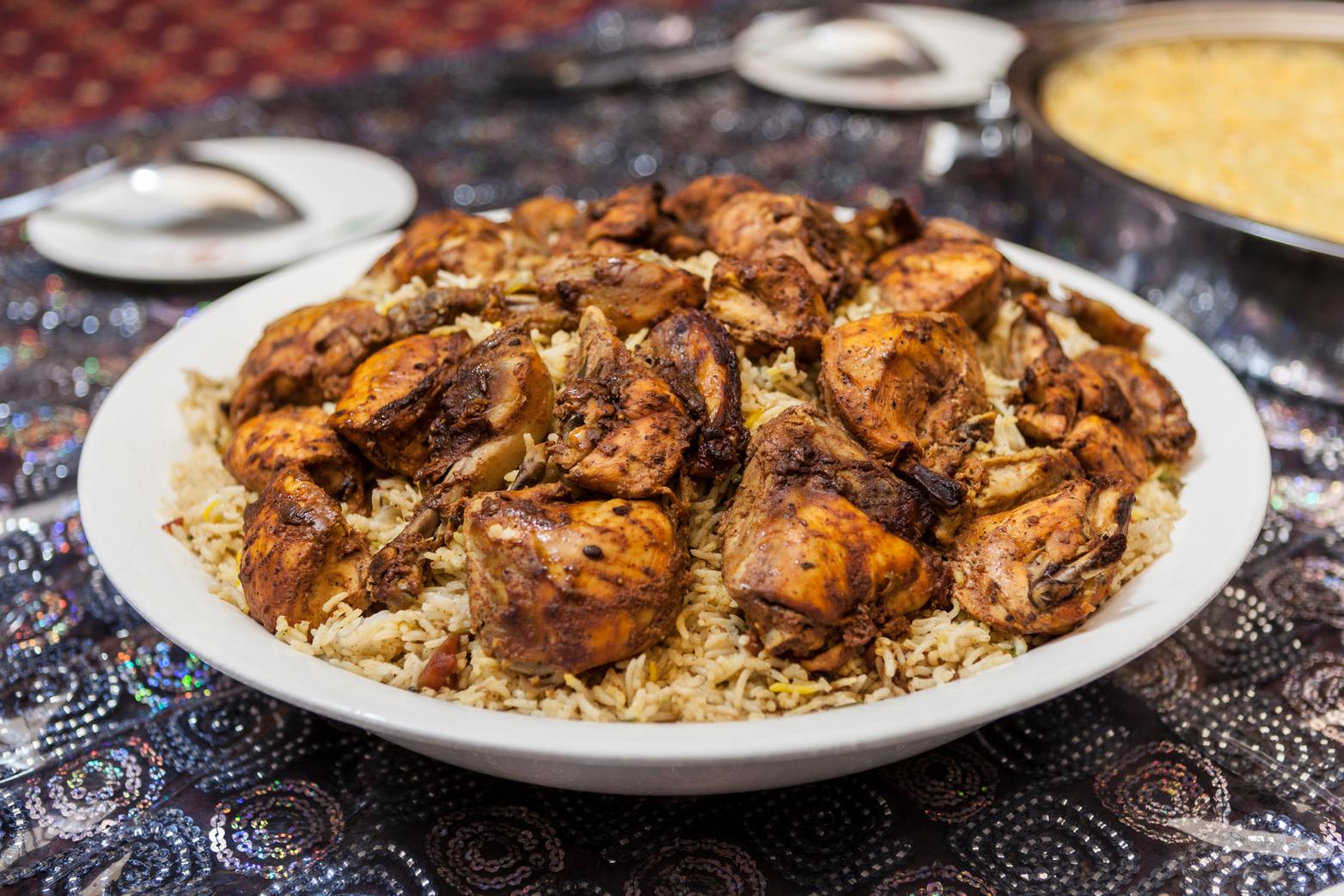
Machboos is a traditional Middle Eastern rice dish flavored with aromatic spices and typically prepared with meat, vegetables, and sometimes dried fruits.
Machboos, also known as Kabsa, is a traditional dish that originated in Saudi Arabia but is popular across the Arabian Gulf region The origins of Machboos can be traced back to Bedouin tribes who used to rely on simple ingredients readily available in desert surroundings
Originally, Machboos was a simple rice dish cooked with meat, typically lamb or chicken, and flavored with spices like saffron, turmeric, and black lime Over time, as trade and cross-cultural interactions increased, Machboos absorbed influences from neighboring countries such as Yemen, Iraq, and Iran
Through these cultural exchanges, the dish began to incorporate different ingredients like vegetables, dried fruits, and nuts Additionally, spices like cinnamon, cardamom, and cloves were introduced, enhancing the flavor profile and giving Machboos its distinctive taste.
Today, Machboos is considered a staple dish in Arabian Gulf cuisine and is often served on special occasions and family gatherings. It demonstrates the merging of flavors and culinary traditions from various cultures, showcasing the rich history and diverse influences of the region
Ingredients:
500g basmati rice
500g chicken, lamb, or beef (cut into cubes)
2 large onions, finely chopped
4 cloves of garlic, minced
2 tablespoons vegetable oil
2 tomat, diced
2 tablespoons tomato past
2 tablespoons machboos spice mix (available in Middle Eastern stores)
4 cup chicken or beef broth
1 teaspoo saffron threads, soaked in 2 tablespoons warm water
1 tablespoon dried lemon powder (loomi) or juice of 1 lemon Salt to taste
Fresh coriander leaves, for garnishing
Instructions:
1 Rinse the basmati rice under cold water until the water runs clear. Soak the rice in water for 30 minutes, then drain well
2 Heat the vegetable oil in a large pot over medium heat. Add the finely chopped onions and cook until golden brown
3 Add the minced garlic and cook for an additional minute until fragrant.
4 Add the diced tomatoes and tomato paste to the pot, stirring well Cook for 23 minutes until the tomatoes soften
5. Add the meat cubes to the pot and brown them on all sides. This will help seal in the flavors and keep the meat juicy
6 Sprinkle the machboos spice mix over the meat and mix well to coat. Cook for another minute to allow the spices to release their aroma.
7 Pour the chicken or beef broth into the pot, along with the saffron and its water Stir everything together.
8 Bring the mixture to a boil, then reduce the heat to low Cover the pot and simmer for about 60-70 minutes until the meat is
In many Middle Eastern countries, it is customary for people to sit around a large tray or plate called a "soufra" and eat together, using their hands or pieces of bread to scoop up a variety of dishes This tradition fosters a sense of unity and togetherness, as everyone partakes in the same meal, regardless of social status Additionally, it encourages a spirit of generosity and hospitality, as hosts often ensure that guests are well-fed and have plenty of food to enjoy.
 BY LUCÍA GOMEZ Society & Culture
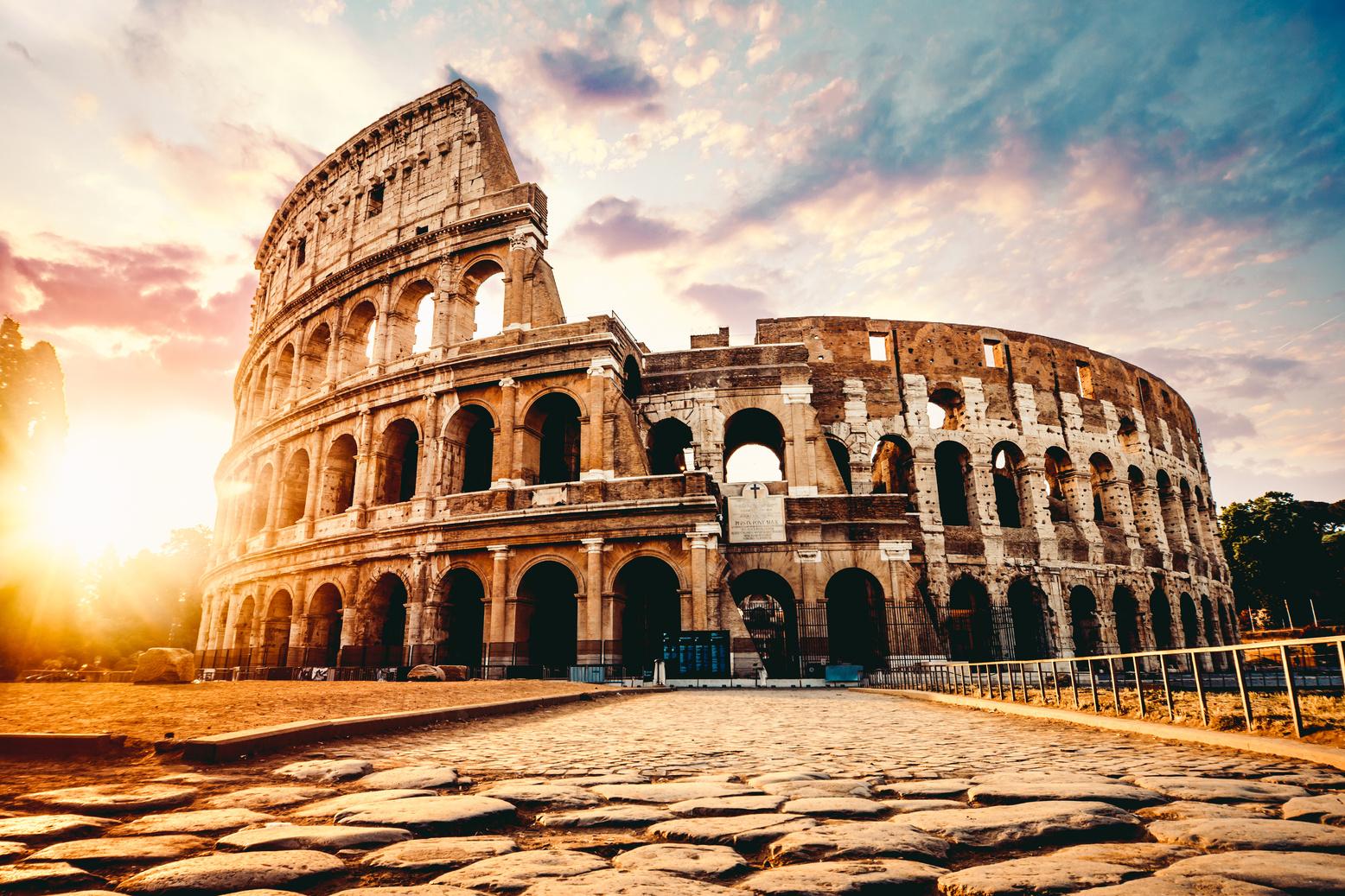
The Roman Empire, undoubtedly one of the most influential civilizations in history, experienced a remarkable rise and eventual fall that shaped the course of Western civilization. Spanning more than 500 years, from 27 BC to 476 AD, the empire transformed from a small Italian city-state to a vast dominion, covering three continents. This article aims to unravel the intricate narrative of the Roman Empire, exploring the key events, conquests, and internal conflicts that led to its ultimate demise.
The Roman Empire began its ascent under the leadership of Gaius Octavius, who became the first Emperor of Rome, taking on the name Augustus. During his reign, he ushered in an era of stability and prosperity, known as the Pax Romana Augustus meticulously organized the empire, establishing a professional army, improved infrastructure, and a centralized administration This period witnessed an unprecedented period of cultural flourishing, with Rome transforming into the epicenter of art, architecture, and literature.
The empire expanded rapidly through military campaigns Julius Caesar, Augustus's great-uncle, experienced great success, conquering Gaul and expanding Roman territories into Britain In subsequent years, the likes of Trajan and Hadrian added vast stretches of land to the empire, incorporating regions such as Dacia and parts of Arabia The Roman Empire became a sprawling entity, with diverse populations and cultures assimilated under Roman rule
However, the empire's prosperity and territorial gains came at a price. The dynamics of expansion exposed Rome to external threats and internal power struggles Barbarian invasions along the borders became a persistent concern, placing immense pressure on the empire's ability to defend its vast frontiers Additionally, as Roman power grew, a divide between the rich and poor widened, leading to social unrest and political upheals
As the empire reached its zenith, its internal challenges began to erode the very foundations Roman civilization The third century AD saw a period of military anarchy known as the Crisis of the Third Century. Multiple emperors rose and fell within a short span, as the empire witnessed frequent uprisings, secession movements, and economic difficulties The decline of the Senate's authority and the subsequent dominance of the military further weakened Rome's political stability
Throughout the fourth and fifth centuries AD, the Roman Empire was engulfed by a series of invasions by various Germanic tribes, including the Visigoths, Vandals, and Ostrogoths These invaders, initially considered as barbarians, eventually succeeded in occupying territories within the empire The sack of Rome in 410 AD by the Visigoths sent shockwaves across the Mediterranean, marking a symbolic blow to Roman pride
The final blow came in 476 AD when Odoacer, a Germanic military leader, deposed Romulus Augustus, the last Roman emperor This event is generally regarded as the official end of the Western Roman Empire Rome, once the seat of power and civilization, fell into a state of disarray, as the Germanic kingdoms assumed control
The rise and fall of the Roman Empire marked an epic chapter in human history Despite its eventual downfall, the empire's legacy lives on in contemporary Western civilization. Roman architecture, law, and language continue to influence modern-day society The tale of Rome serves as a poignant reminder of the transience of power and the enduring lessons of strength and resilience
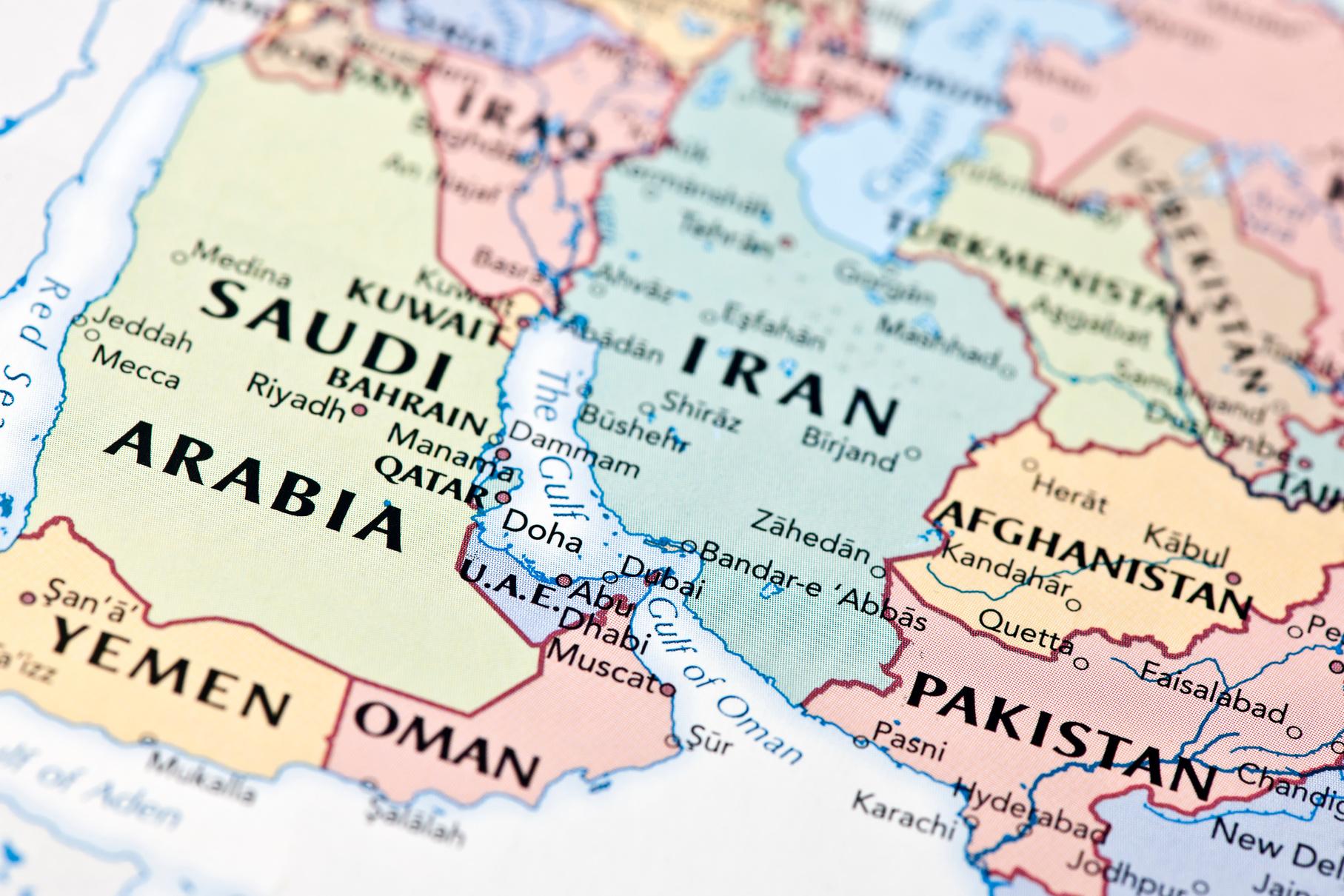
Oman is a peaceful and picturesque country located on the southeastern coast of the Arabian Peninsula, known for its rich history, stunning landscapes, and warm hospitality.
Flag: The national flag of Oman consists of three horizontal stripes of white, red, and green, with a vertical red band on the left side bearing the national emblem in white
Capital: Muscat
Population: Approximately 5 million (2021 estimate)
Area: 309,500 square kilometers (119,500 square miles)
Oman's history spans several centuries beginning with ancient civilizations such as the Majan and Uman The country played a significant role in the maritime trade routes attracting various influences from Arab Persian and European powers In the 20th century Sultan Qaboos bin Said Al Said modernized the nation, leading to rapid development and international engagement Today Oman proudly preserves its rich heritage while embracing modernization and fostering diplomatic relations globally
Official Language: Arabic
Government: Absolute Monarchy
Monarch: Sultan Haitham bin Tariq Al Said
Religion: Islam (Predominantly Ibadi)
Currency: Omani Rial (OMR)
Climate: Arid, with hot summers and mild winters
Oman's culture is rich and diverse influenced by its geographical location and historical connections Traditional Omani customs emphasize hospitality generosity and respect for elders The country celebrates its cultural heritage through vibrant festivals, traditional music and dance, and culinary delights like dates and aromatic spices Oman's culture reflects a deep-rooted sense of pride in its history and traditions
Football is the most popular sport in the country with the national team participating in regional and international tournaments Oman also excels in motorsports, particularly rallying, with an annual international rally event attracting top competitors The government's support for sports has contributed to the growth and development of various disciplines and has seen Omani athletes achieve success at both national and international levels


Tourism in Oman is a growing industry with the country s rich cultural heritage and stunning natural landscapes attracting visitors from around the world The Sultanate's diverse attractions include ancient forts pristine beaches, and the stunning Hajar Mountains Oman s government has invested in infrastructure and promoting the country s tourism offerings resulting in an increase in tourist arrivals Popular activities in Oman include desert safaris diving in crystal-clear waters and exploring traditional souks bustling with local handicrafts and spices
Oman is that it is home to one of the oldest known civilizations in the Arabian Peninsula The UNESCO World Heritage site of Al-Balid Archaeological Park reveals the remains of the ancient city of Zafar, dating back to the 3rd century BCE This indicates that Oman has a rich history spanning over several millennia

Chief Seattle


The Lawati language is primarily spoken in Lawati communities, located in a secluded region between two mountain ranges. The language's origin can be traced back to ancient times, with strong influences from neighboring ethnic groups. These neighboring influences laid the foundation for the formation of the Lawati language, shaping its phonetic and grammatical structure.

The colonial period introduced significant changes to the Lawati language due to the arrival of European powers. Foreign influence resulted in the borrowing of words from English, French, and Portuguese, to name a few. As European powers exerted their control over the region, their languages began permeating the local Lawati dialects.
However, these foreign influences were often retained with modifications to accommodate the unique linguistic features of Lawati.
In the 19th and 20th centuries, efforts were made to standardize and modernize the Lawati language. Linguists, scholars, and language enthusiasts worked collectively to create standardized grammar, dictionaries, and writing systems. This development contributed to the preservation of Lawati cultural heritage and facilitated education and literature in the language.
Lawati communities have long been centers of trade, facilitating interactions between different cultures and languages. The language developed significantly during this era, as traders from diverse ethnic backgrounds interacted with the Lawati people. This linguistic exchange enriched the Lawati language with loanwords, introduced new vocabulary, and influenced its grammar.
As Lawati civilization flourished, so did the production of literary works in the language. Medieval Lawati literature played an important role in the standardization and expansion of the language. Prominent poets and scholars emerged, creating a body of work that formed the basis of Lawati literature, simultaneously enhancing the cultural and linguistic status of the language.
In recent years, there has been a resurgence of interest in preserving endangered languages, including Lawati. Dedicated efforts are underway to document and revitalize the language, especially among younger generations who are increasingly inclined towards the dominant languages of the region. Initiatives range from language schools to digital platforms that promote Lawati language and culture.

Lawati is a dialect of the Arabic language spoken primarily in Oman, specifically in the Dhofar region. Learning Lawati can be an exciting and enriching experience, whether you plan to visit Oman or have a genuine interest in the language and culture. This guide will provide you with tips, resources, and a step-by-step approach to help you learn Lawati effectively.
Step 1: Get Familiar with Arabic Basics
Before diving into Lawati, it's essential to have a basic understanding of Arabic Lawati shares many similarities with Arabic, and learning the foundation will give you a solid starting point. Familiarize yourself with the Arabic alphabet, pronunciation, basic grammar, and common phrases Several online platforms offer free Arabic courses, such as Duolingo, BBC Languages, or Memrise.
Step 2: Find a Language Partner
To practice Lawati effectively, finding a language partner who can help you understand and converse in the dialect is invaluable Try connecting with native Lawati speakers through language exchange websites, social media groups, or language-learning apps
Conversing with a language partner will not only improve your vocabulary but also give you insights into Lawati culture and customs
Step 3: Utilize Online Resources
Take advantage of various online resources designed specifically for learning Arabic dialects and Lawati. Here are some websites and platforms that can aid your language-learning journey:
1. Transparent Language: Offers a comprehensive and structured approach to learning various Arabic dialects, including Lawati Provides lessons, vocabulary, and listening exercises to enhance your skills.
Website:
https://www transparent com/learnarabic/lawati html
2 Italki: An online platform where you can find Lawati tutors or language partners for personalized practice sessions via video chat Get feedback, improve your pronunciation, and work on specific language goals
Website:
https://www italki com/home
3 Lawati Language Courses: Explore options for online or offline courses specifically tailored for learning Lawati. Some language schools or universities may offer tuition-based courses that provide a structured curriculum to guide your progress.
Step 4: Supplement with Language Learning Apps
Using language learning apps is a convenient way to practice Lawati on the go. Incorporate these apps into your daily learning routine:
1 Duolingo: Offers Arabic courses that cover introductory lessons and vocabulary While it focuses on Modern Standard Arabic, it can provide a foundation for your Lawati learning journey
Website: https://www.duolingo.com/
2 Memrise: Contains user-generated Arabic dialect courses, including Lawati, that cover vocabulary, common phrases, and pronunciation The app ' s spaced repetition system aids memorization
Website: https://www.memrise.com/
The best way to gain proficiency in Lawati is through immersion in the culture. Surround yourself with Lawati-speaking environments by watching Lawati movies, listening to Lawati music, and reading books or articles in the dialect Engage with Lawati-speaking communities on social media platforms to stay connected, ask questions, and further enhance your understanding

Hinglish, also known as Hindi-English or Indlish, is a language that blends elements of Hindi and English. It has gained popularity and become an integral part of the everyday language in India and other parts of the world. With a unique mixture of vocabulary, grammar, and slang, Hinglish has emerged as a vibrant and expressive fusion of two diverse languages.
Origins and Evolution:
The roots of Hinglish can be traced back to the colonial era when British rule influenced India's language landscape. English was introduced as a medium of education and administration, leading to a gradual assimilation of English words and phrases into Hindi, Urdu, and other regional languages Over time, the two languages started overlapping, resulting in the creation of Hinglish
The Influence of Media and Pop Culture:
One of the main reasons for the surge in Hinglish's popularity is its extensive use in the media, entertainment, and advertising industries Numerous Bollywood movies, television shows, and songs seamlessly incorporate Hinglish dialogues and lyrics, attracting a wide audience This integration of Hindi and English not only reflects contemporary linguistic trends but also adds a touch of relatability and humor to the content
The Rise of Hinglish on Social Media:
Social media platforms have become virtual playgrounds for Hinglish speakers, where they can freely express themselves and connect with others using this language Twitter, Facebook, Instagram, and WhatsApp are flooded with Hinglish posts, captions, and comments This linguistic adaptation helps users effortlessly communicate, maintain cultural identity, and cater to the diverse linguistic audience online.
Vocabulary and Grammar:
Hinglish vocabulary is a blend of Hindi, English, and local slang. It borrows words from English that have become deeply rooted in Indian society, including "timepass" (meaning killing time), "chill" (meaning relaxed), and "cool" (meaning good or excellent) Some Hinglish speakers creatively combine English verbs with Hindi nouns, resulting in phrases like "bike chala le" (meaning ride a bike)
Grammar in Hinglish often follows Hindi syntax but utilizes English grammar rules, leading to unique sentence structures like "Mujhe Sunday ko outing jaana hai" (meaning I want to go for an outing on Sunday)
The Role Hinglish Plays in Identity Formation:
Hinglish is not just a linguistic phenomenon; it also plays a significant role in shaping cultural identity For individuals who have grown up in multicultural settings, Hinglish reflects their hybrid cultural backgrounds. It becomes a tool for self-expression, enabling them to comfortably navigate between Hindi and English while connecting with their peers
Looking Forward:
Hinglish's emergence and widespread usage represent a fascinating evolution of language in a globalized world. It allows for greater flexibility and inclusivity in communication, embracing both traditional and contemporary cultural referents. As India continues to thrive on its diversity, Hinglish's rich tapestry of Hindi and English will undoubtedly become an essential part of its linguistic landscape, bridging the gap between different communities and fostering a sense of unity
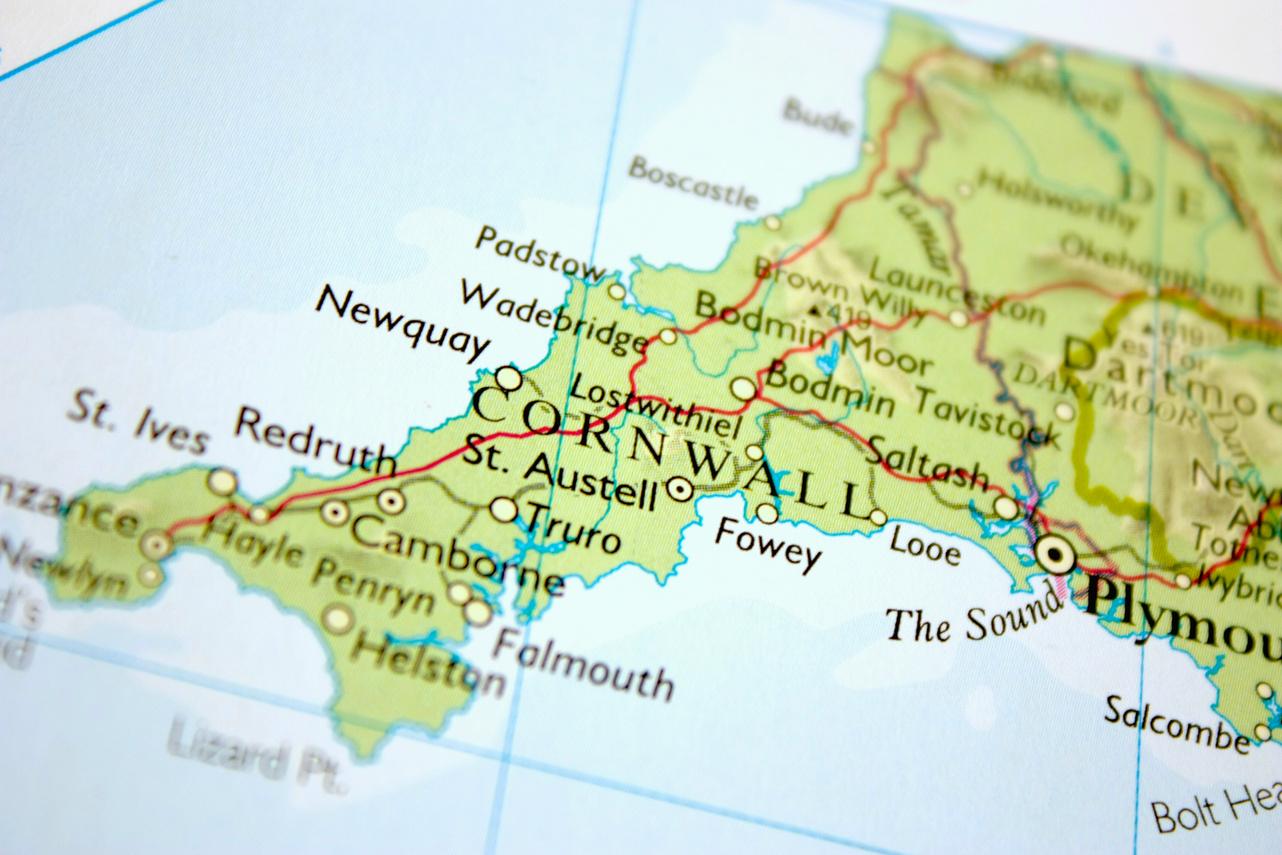
Across the vast and diverse African continent, one can stumble upon a linguistic phenomenon that has continually intrigued researchers and fascinated language enthusiasts for centuries – the use of clicks. From the Xhosa language of South Africa to the Khoisan languages spoken in several southern African countries, these intricate vocal articulations are an integral part of many African languages. Such clicks have not only shaped the linguistic landscape but have also exemplified the vibrant cultural diversity found within this fascinating continent.
Perhaps the most well-known African language featuring clicks is Xhosa, a Bantu language spoken by approximately 8 million people Xhosa is a tonal language, in which pitch variations are used to differentiate word meanings
However, in addition to tonality, Xhosa incorporates three distinct click sounds, represented in writing by the letters c, q, and x. Each click is produced by a sudden release of air, resulting from a complex combination of tongue and palate movements within the mouth.
While Xhosa may be the most widely recognized language with clicks, it is not alone in this fascinating linguistic feature. The Khoisan languages of southern Africa, including languages like !Xóõ and ǂHoan, use a remarkable array of clicks Remarkably, different clicks can convey various meanings, similar to how specific tones or sounds differentiate words in other languages

TThese clicks, although unique and mesmerizing to outsiders, are a vital part of communication for native speakers For those who grow up speaking a language with clicks, producing these sounds is as natural as pronouncing any other phoneme From early childhood, African children master the challenging task of click pronunciation, incorporating these distinctive sounds effortlessly into their everyday speech
The use of clicks in African languages is not only linguistically intriguing but also historically significant It is believed that these click consonants were once more widely spread across the African continent but have gradually diminished over time. Today, they are mainly preserved in southern African languages, providing a linguistic link to the ancient roots of African cultures and their diverse linguistic heritage.
Research into the origins and development of clicks in African languages has shed light on the broader relationships between various language families in Africa Linguists have found that the presence of clicks in both the Khoisan and Bantu language families suggests a long history of interaction and language exchange in the southern African region
While clicks have historically been viewed as a distinguishing feature of African languages, they have recently gained broader recognition and admiration worldwide. The iconic clicks of Xhosa gained international fame when, in 2009, Nelson Mandela’s grandchild, Zaziwe Dlamini-Manaway, named her reality TV show "Being Mandela," incorporating these unique sounds into the title Similarly, the fictional language of Wakanda, featured in the blockbuster movie "Black Panther," draws inspiration from various African languages, including the use of clicks
The prominence and cultural value of clicks in African languages exemplify the rich tapestry of the continent's linguistic diversity The unique sounds, although challenging for non-native speakers, are a testament to the ingenuity and complexity of human communication
As the world becomes increasingly interconnected, it is essential to celebrate and preserve the linguistic treasures found in African languages, such as the captivating clicks that continue to shape and define these remarkable linguistic traditions

Learning a new language has often been touted as a great mental exercise. But did you know it has additional benefits beyond enhancing communication skills and cultural understanding? Recent scientific studies have shown that learning another language may help to ward off or delay the onset of Alzheimer's disease, a progressive brain disorder that affects memory, thinking, and behavior.
Alzheimer's disease is a neurodegenerative disorder characterized by the accumulation of protein plaques and tangles in the brain, leading to the deterioration of brain cells As the disease progresses, individuals experience memory loss, confusion, and difficulties with language and problem-solving skills It is estimated that nearly 50 million people worldwide are living with Alzheimer's or other forms of dementia, making it a significant public health concern
Several studies have investigated the potential cognitive benefits of bilingualism and its impact on Alzheimer's disease One of the early ground-breaking studies, conducted by Dr Suzanne Tyas and her team at the University of Waterloo, Canada, examined the medical records of 325 Alzheimer's patients and found that those who spoke two or more languages experienced a later onset of symptoms by an average of 4.5 years compared to monolingual patients
o, what is the underlying mechanism that makes bilingualism a potential protective factor against Alzheimer's disease? Scientist
believe that the brain's ability to adapt and reorganize itself, a phenomenon known as brain plasticity, plays a crucial role. Learning and regularly using a second language challenges and engages the brain, leading to increased neural connectivity and more efficient communication between brain regions
Furthermore, bilingual individuals often display better executive functioning skills, such as attention control, working memory, and switching between tasks These cognitive abilities are closely linked to the brain's ability to compensate for neuronal damage and develop alternative neural pathways Researchers believe that these enhanced executive functions may help delay the cognitive decline associated with Alzheimer's disease.
In addition to brain plasticity and executive functioning, bilingualism may provide a cognitive reserve – a reservoir of mental resources that allows individuals to better withstand the effects of brain aging and pathology The concept of cognitive reserve suggests that individuals with higher levels of
education, engagement in cognitively demanding activities, and exposure to different languages have a greater capacity to cope with brain changes and maintain cognitive function
While the exact mechanisms behind the protective effects of bilingualism remain somewhat elusive, studies have consistently shown a positive correlation between language learning and delayed onset of Alzheimer's symptoms Their findings indicate that it is never too late to start learning a new language – even in midlife or later
So, how can individuals embrace and incorporate language learning into their lives to potentially reduce their Alzheimer's risk? First and foremost, it's important to choose a language that genuinely interests and motivates you This enjoyment and enthusiasm will increase your commitment to learning and practicing the language regularly.
Taking language classes, using language learning apps, or finding language exchange partners are all great ways to immerse yourself in the language and culture Consistency and persistence are key, as the long-term benefits of language learning will likely arise from continued engagement over time