


Aims of the programme:
● To raise career aspirations. Develop understanding of employment and careers.
● Organise virtual work experience, find out about employment and apprenticeship opportunities
● Update CVs and cover letters
● How to apply for apprenticeships
● Students are informed about the UCAS process
● Log on to UCAS
● How to write a personal statement for UCAS
Throughout the year we will send out resources to support you in finding out about the following. At this stage we continue to encourage you to engage with information about both universities and apprenticeships Please keep an open mind and listen to all the information available During a PD lesson we will encourage all students to take the time to set up a UCAS account, even if you do not plan to apply in the Autumn Term. The reason or this is that many students have a change of heart at a later date and this puts them in a more prepared position
Resources will be released in a variety of formats – powerpoint, videos, information sheets and links to website / opportunities


Higher Education usually refers to Universities, but also includes Colleges of Higher Education, Higher Education Institutions (HEI) and other specialist colleges (such as those offering Art Foundation courses) leading to degrees, Higher National Diplomas (HNDs) or Diplomas of Higher Education.
You are able to apply to over 37,000 courses, which vary greatly in character, location, size and competition for places
League tables are published which rank universities overall, and also by subject You will need to examine these carefully and ask lots of questions about how they are compiled Points are earned for research, teaching quality, facilities and graduate employment. Make sure that you read the section of this booklet about league tables for hint and tips.
There are also institutions to which you need to apply to directly, through their own applications programme, for example most music, dance and drama conservatoires and art foundation courses at art colleges Make sure that you read the literature for each institution carefully, as some will have chosen to use the UCAS system. All the information that you need will be available in the ‘admissions’ section of any prospectus or website for each institution
You can also apply to universities abroad, for example in Ireland, France, Holland, Australia or the USA, independently of, and in addition to, any application through UCAS. Make Mrs Curling aware if this applies to you.
Before you embark on the long, complicated and expensive higher education process, you will need to examine your motives These might be:
● You have a genuine interest in a subject, and you would like to spend a further three/four years studying it before making a career choice Many people would consider intellectual curiosity the key reason for reading for a degree
● A degree is essential to enter some chosen career paths (e g teaching, engineering, medicine, architecture etc )
● A good degree could be a good starting point for some profitable careers Be sure to discuss your motives with your Form Tutor, Personal Tutor and parents/guardians.
● In general, higher education remains one of the best preparations for life Hopefully you will thrive on your chosen course whilst also having the opportunity to try new and exciting things. Very few people regret the time they spent at university or college
If you are unsure about applying to university, please discuss alternatives such as employment or a Gap Year with your Head of Careers
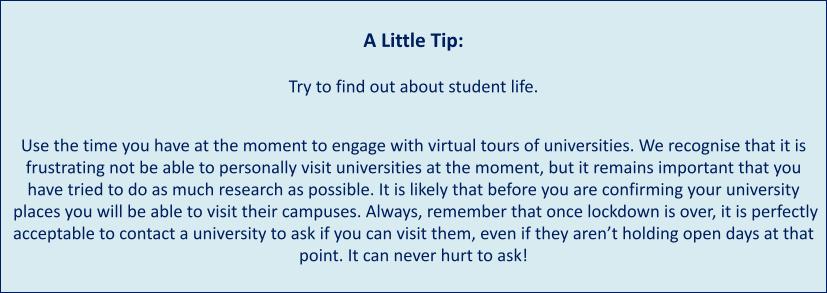
If university open days begin again next academic year, we will grant you time to attend these If you wish to visit an Open Day during term time you need to complete a Leave of Absence Form. We strongly recommend that you do not take more than 3-4 school days off to visit universities because you will miss valuable teaching and your A Level grades are to key to securing your University place, but it is vital that you do experience the Universities you wish to apply to first hand.
Over 40% of graduate vacancies do not require a specific degree discipline and specialised on-the-job training is given Therefore, it is perfectly acceptable to start a degree course with no clear idea of a career at the end.
A large number of professions have total or almost total graduate entry (e g Accountancy, Law, Medicine, Paramedical areas and Psychology); many more have accelerated training and/or promotion schemes for graduate entrants
Employers expect their graduate trainees to have gained a number of personal transferable skills during their education In some cases, these skills are considered to be as important as the degree itself
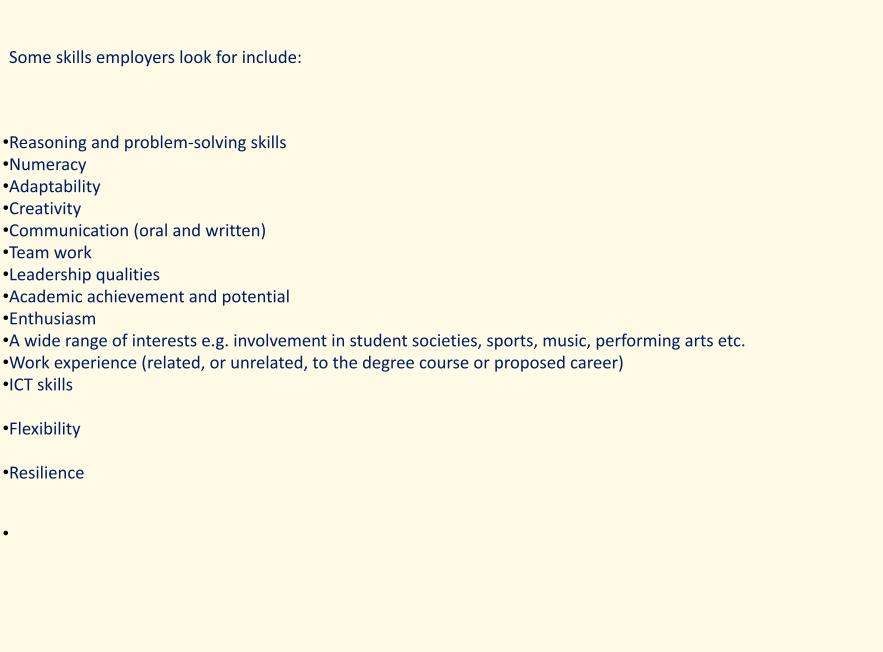
If you are looking to build these skills or have evidence of them for applications, please follow the link to the Young Professional Programme which would be an excellent opportunity to be able to showcase on your applications: https://www.youthemployment.org.uk/young-professional-training/
The UCAS forms allows a maximum of five course choices
The only exceptions to the above are medical, dentistry and veterinary science applications which are restricted to four choices You are strongly advised to still apply for five courses ensuring that your fifth choice is a course related to your area of interest e g Biomedical Science
Note: Admissions Tutors do not know which other courses/institutions you are applying for Deadlines
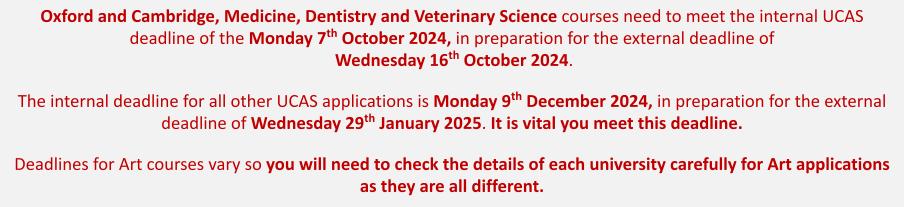
The internal RVHS deadline will be Monday 9th December 2024. By this date all processes, including your personal statement and UCAS application form must be completed
Admissions tutors often deal with applications as soon as they are received and may call applicants for interview and make offers from mid-October. Hence, the number of available places may well be diminishing from this time onwards.
● Admissions tutors will be able to spend less time on each application form during their busiest period from late November through to March
● Early application is especially important for the most popular courses
● For an increasing number of courses, including some Medicine, Dentistry, Veterinary Science, Law, History, Physics, English and Oxbridge courses candidates also need to register for subject specific tests
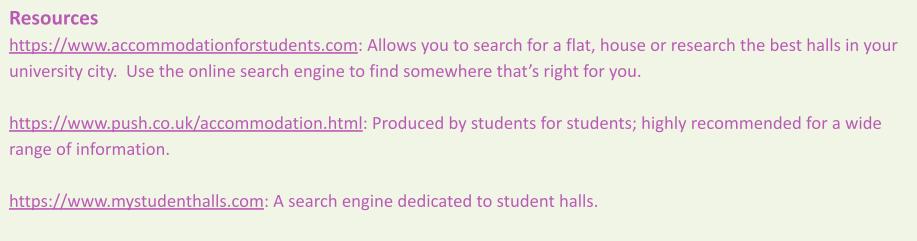
Resources
You can use the HEAP guide available from Mrs Curling’s and Mrs Mason’s offices and the UCAS website to search for courses. There are also a huge range of prospectuses in the study centre.
You can access online versions of prospectus, or you can register on the university website to be sent a printed copy of any prospectus Looking at the module breakdown of each course and comparing them with other institutions could be useful for your personal statement and may be valuable if you are called to interview. Entry profiles for each course are also available on the UCAS website
Be sure to check out the exact entry requirements for any courses you are considering applying for and compare with your subject predicted grades.
Competition for places on the most popular courses will be extremely fierce, particularly for Law, Medicine, Veterinary Science and Architecture at the most popular universities Even having the required predicted grades is no guarantee of an interview, let alone a place It is well worth finding out how many applications the course receives for each place This information is available in the HEAP guide and this ratio is a good guide to how competitive the course is likely to be
Your Form Tutor, Head of Careers, Director of Sixth Form and subject staff are all available to help you to decide if your initial choices are realistic so remember to talk to us, we are here to help you
The UCAS form includes:
● Personal Information
● Declaration of both your GCSE and any A Level Exams that you have completed.
All of the information that you include about yourself will be checked If you have taken examinations outside school, you will need to provide evidence of the result that you gained
● Your five university course choices
● Your personal statement
● An academic reference and predicted grades
Your Form Tutor will compile a reference based on comments from your subject teachers about your work in Year 12 and your potential for success at A Level Included in your reference will be your Form Tutor’s comments on reliability, punctuality and attendance, willingness to participate, commitment etc as well as your suitability as a student and for the courses for which you are applying. It will also include comments on your role in any extra-curricular activities This reference will then be read by both yourself and the Director of Sixth Form at your final checking meeting

You are probably already aware that the whole process of making a higher education application is extremely time consuming and potentially very stressful, if you leave it to the last minute!
YOU are the one who will benefit from your research The more research you carry out, the more likely it is that your choices will be the right ones.
Some ideas for research sources are below:
Website Address
https://www.theguardian.com/education/series/university-guide-2020
www universityhelp co uk
Details
A guide produced by the Guardian Newspaper for students
A useful starting point
www push co uk/index htm Guide written by students
www he courses-careers com
www.timesonline.co.uk
www coursefinder com
www qaa ac uk
Careers information
The Times Good University Guide
Course finder
Quality Assurance Agency for Higher Education
www eurydice org Information about European universities
www ucas com
www.universityoptions.co.uk/students
http://www thecompleteuniversityguide co uk
www.thestudentroom.co.uk
https://www.unitasterdays.com/
The UCAS Website
Courses available across the institutions
A comprehensive guide to UK courses
Personal forum for students to review courses and intuitions
Open events and taster days/sessions
Remember:
If you are unsure where to attend for open days, these research websites are a good place to start.
These are an excellent way of finding out if a particular course, or career, is likely to be right for you
Details of opportunities are emailed to you throughout the year by Mrs Curling and Mrs Mason it is therefore important that all students are checking your emails on a daily basis
Website Address Details
https://debatechamber.com/project/summer-law-school/ Law Debate Chamber Summer School
https://debatechamber.com/project/medicine-summer-school/ Medicine Debate Chamber Summer School
https://www.etrust.org.uk/headstart-courses
Science, Engineering and Technology courses.
https://www villierspark.org.uk/our-programmes-and-courses Tailored programmes and courses that raise academic, personal and employability skills.
https://www.suttontrust.com
Experience university life, explore academic study and receive support with your UCAS application at our Summer Schools.
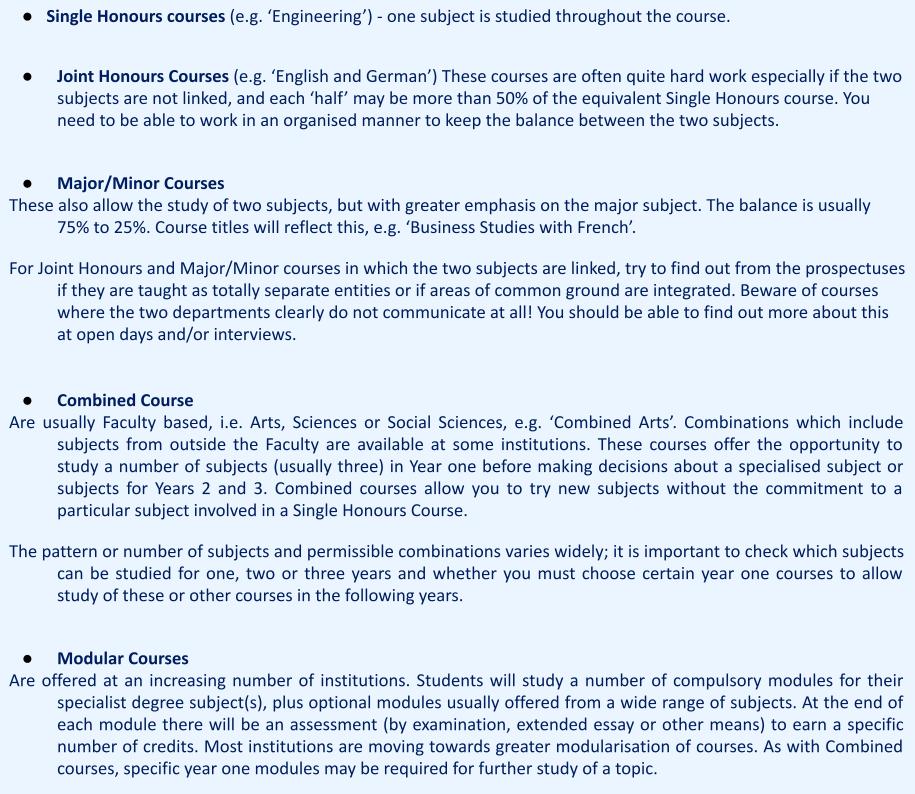
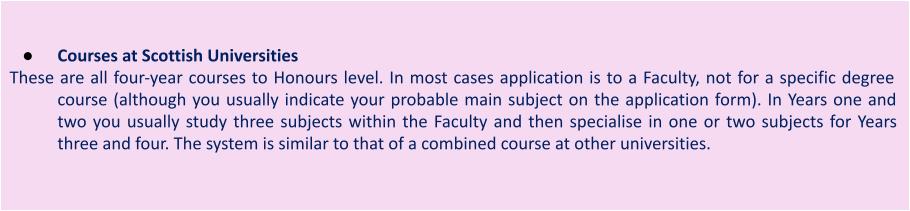
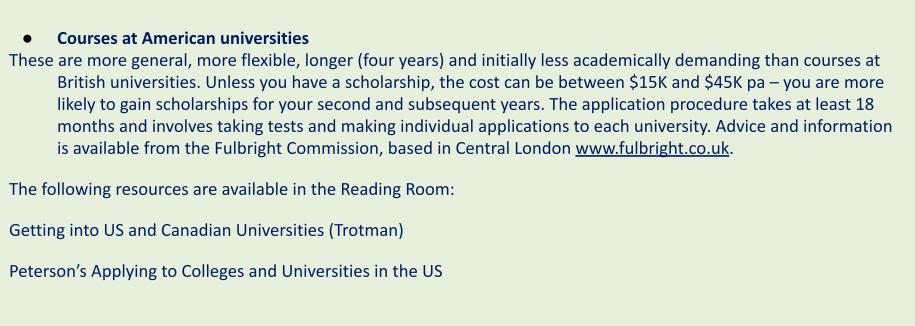
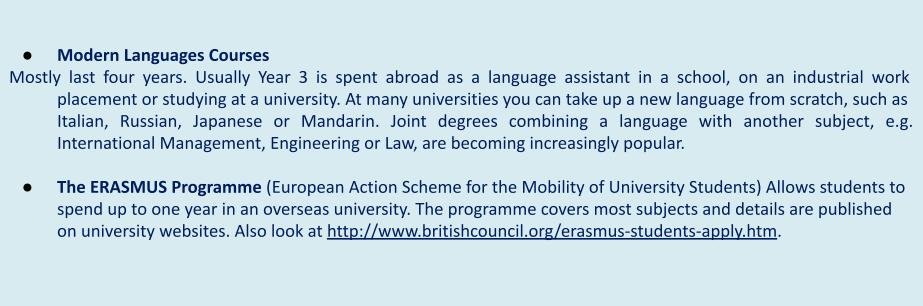

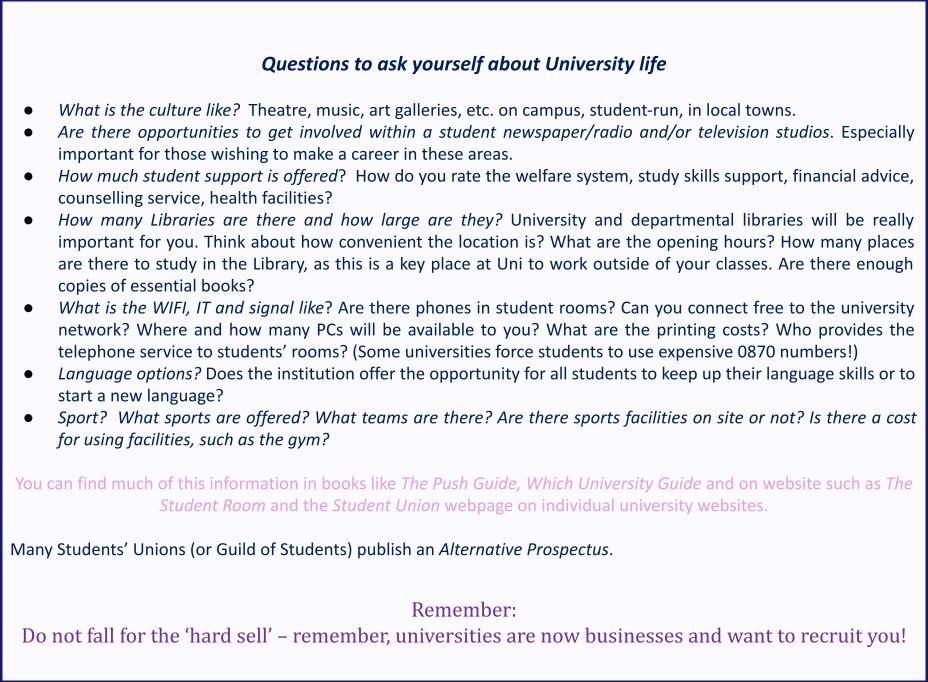
Teaching and examination methods at university are very different from school and so it is worth looking at how you will be taught and assessed to see if it is the right course for you.
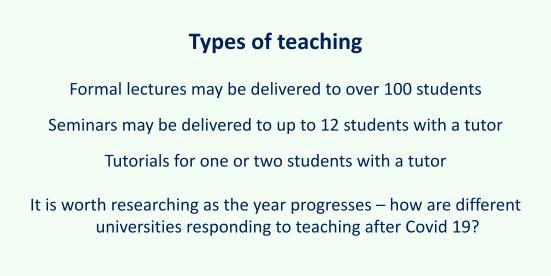
What teaching method is most appropriate for you?
Do you enjoy a more independent learning environment with a large group of learners? Or, do you prefer a smaller learning group, with questions and tasks?
Check the course website for information about the teaching methods used at the institutions that you are interested in
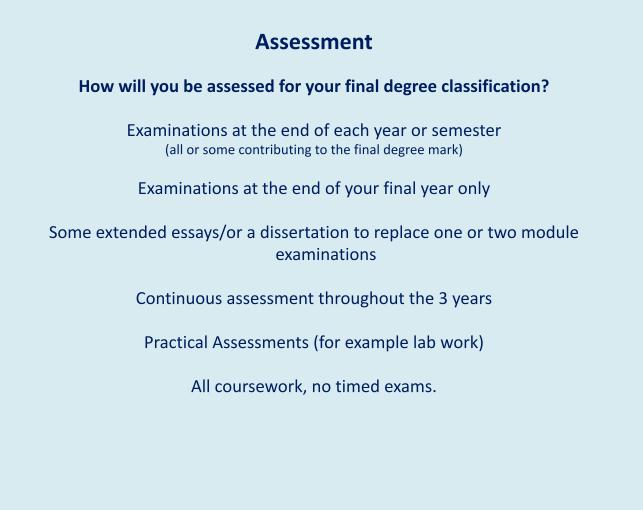
Which assessment method would suit you best?
Are you good at exams or are you better at working steadily throughout the course?
Check the course website for information about the assessment methods used for the institution that you are
Remember you are choosing a place as well as a course, but do not let considerations of the place override the choice of the course which best suits you Try to visit the institutions you are seriously considering at some point this academic year – first impressions are important
City/town: Choosing an institution in a large city or town gives the opportunity for wider social activities such as concerts, theatre, clubs, etc However, it can also be more impersonal
Campus: A campus university has all or most of its facilities on one site. Does the campus offer the facilities that are important to you? How far is it from the nearest town?
Away from home, or not? How far away? (consider travelling expenses) If close to London, do the students all go to London at the weekends? If in London, will you be eligible for University accommodation?
Expense of area: Rent and accommodation charges (cities like Bristol are almost as expensive to live in as London). By and large, the cost of living will be lower in the North than in the South
Accommodation: Most universities offer guaranteed places for first year students in Halls or University-owned accommodation, some can accommodate students for two years (usually years one and three). What is the cost of accommodation? Is there a choice between catered and self-catering?
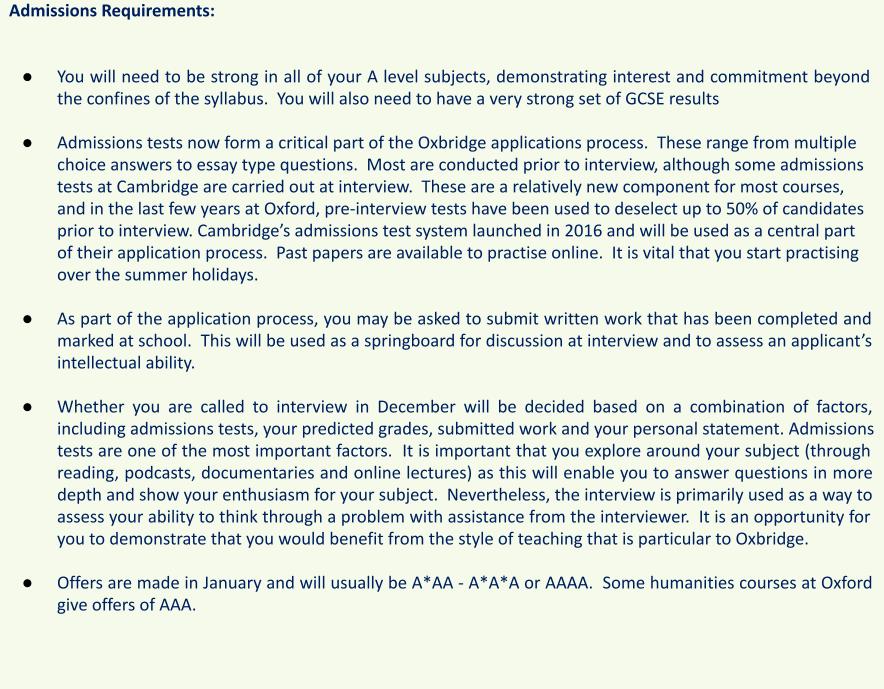
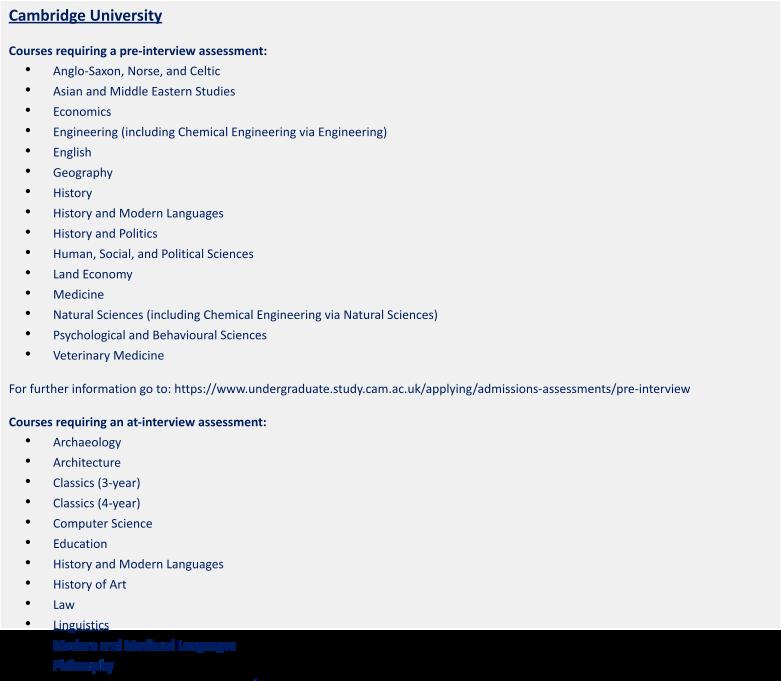
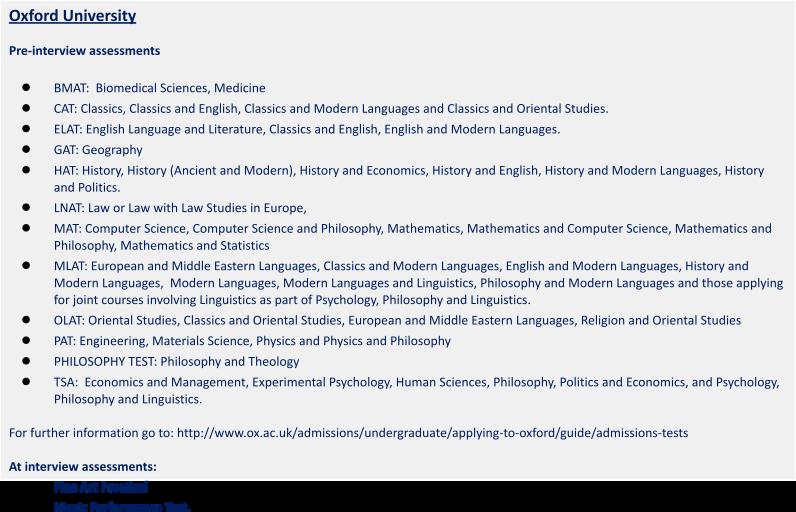
An increasing number of universities are requiring applicants to sit additional tests Make sure you look at entry requirements very carefully to see whether or not you will need to register for an admissions test. The list below is by no means exhaustive and requirements can change year to year
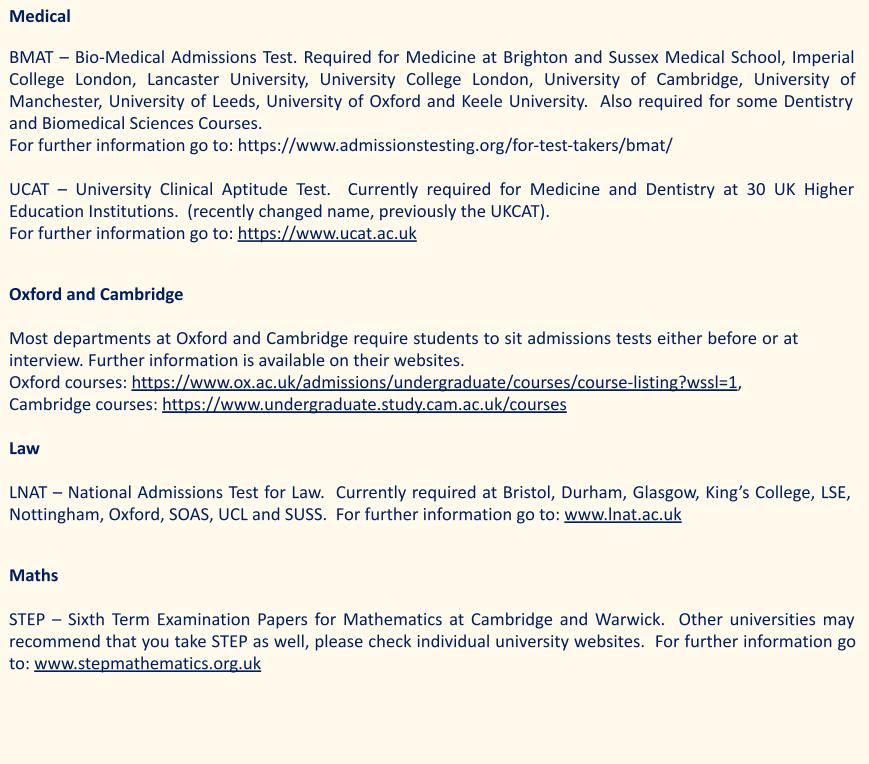

For further information: www.ucas.com/students/beforeyouapply/admissions/
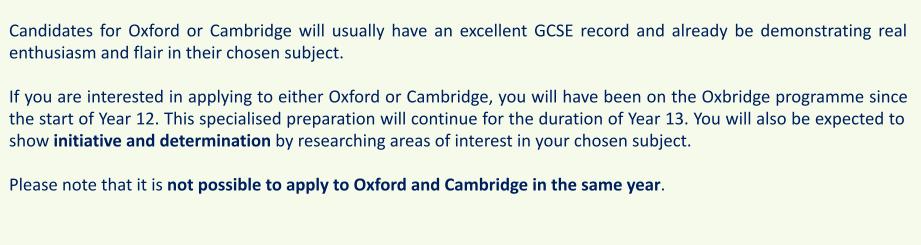
How is studying at Oxbridge different?
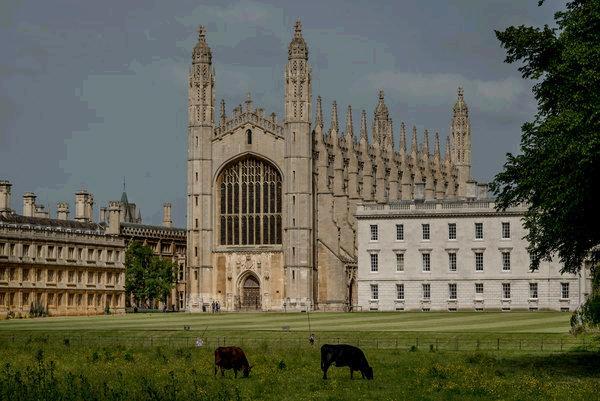
Applying to Oxford or Cambridge
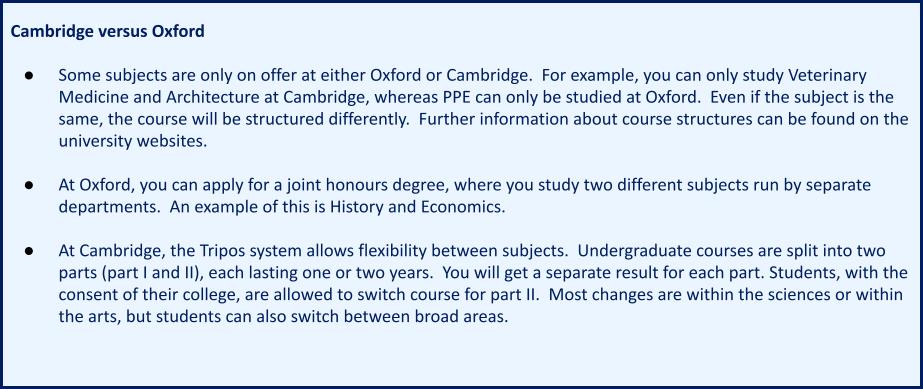
● When applying to Oxford, you can put a preference college, but you will most likely be interviewed by a number of colleges over a couple of days in December
● When applying to Cambridge, you apply to one college and will only be interviewed at that college in December (excepting a couple of courses with fewer applicants) unless they choose to put you in the ‘pool’ This means that the college you applied to have chosen to fill their spaces with other candidates, but think you performed well enough that another college may want you You may then be invited back to interview at another college in January
● You may make an ‘open application’ whereby you are allocated to a suitable College by computer. (See website for details)

This list is not exhaustive. Please ensure that you research the specific exams required by the course that you are interested in.

The Foundation Year Course:
The most commonly used route to studying art and design at degree level is:
A Levels one-year Foundation Diploma (foundation year) Undergraduate Degree Course (3 years)
The ‘foundation year’ has traditionally been a necessary part of the process of getting onto the best Art & Design degree courses. There are, however, some degree courses which accept students directly following A Levels. Therefore, the picture can be a confusing one and students who are considering making art applications should talk to Mrs Bastienne or Mrs Curling
The ‘foundation year’ (one-year Foundation Diploma) can be an extremely stimulating and useful experience for students It can provide the opportunity for studying a wider range of art disciplines than at A Level and help students make an informed choice over which discipline to study at degree level
Portfolio
Entry onto an Art & Design foundation Diploma or degree course is heavily dependent on the student’s portfolio of artwork. This could take the form of a digital portfolio (for example dropbox) or an A1 sized display portfolio filled with 20-25 A1 sheets of the student’s life-drawings, paintings, designs, photographs, etc
Please be aware that interviews can be called within 10 days of the application being submitted. You must make sure you are organised
If you are interested in applying to any Art and Design course, it is important you speak with the sixth form team and the Art dept for support with this.

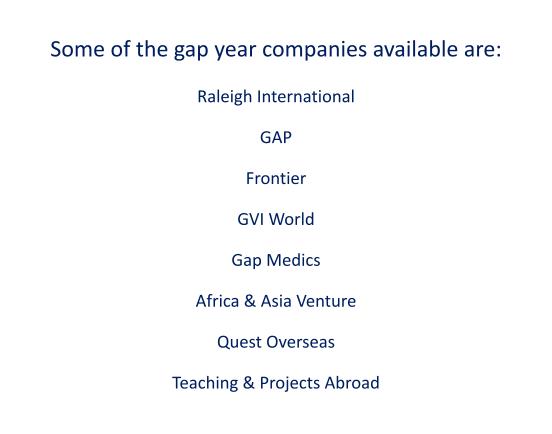
If you want to undertake a gap year you can apply for deferred entry on results day or before. On results day it is not guaranteed. If you plan to take a gap year, we recommend that you continue to apply to university this academic year, but for a deferred place. This means you will have the support of the sixth form team with making your application. You can always withdraw your application from UCAS at a later date.
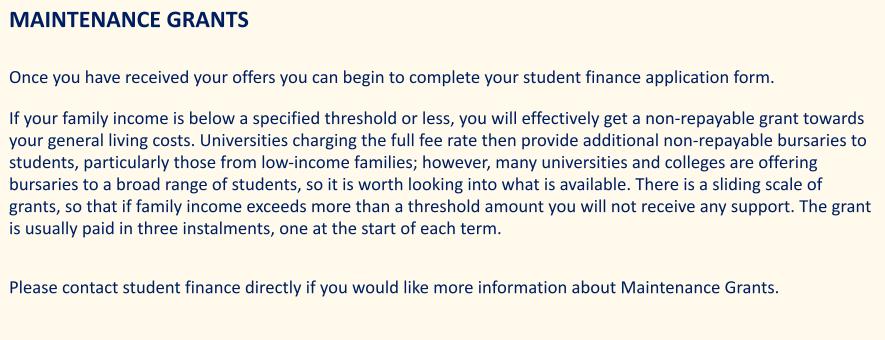
Please complete your application at www.gov.uk/student-finance-register-login
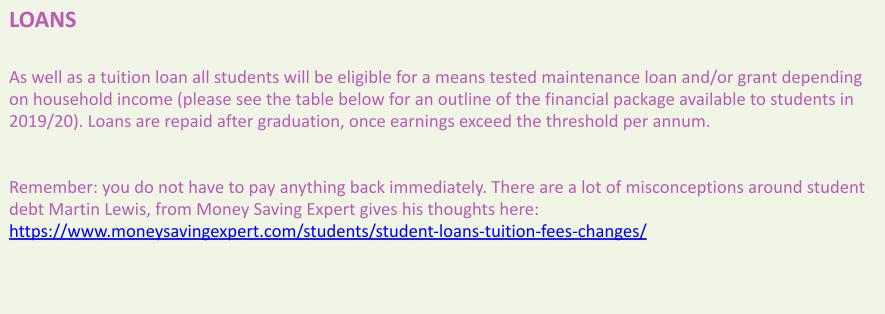
Students may take out a non-commercial loan from the Government to pay these fees and start repaying the loan once they have left university and are earning over a certain threshold amount per year.
If you do not wish to take out a tuition fee loan you can make arrangements with your university or college to pay the tuition fees directly to them
You can also take out student loans to pay for your maintenance (living costs) and these will also have to be repaid once you graduate


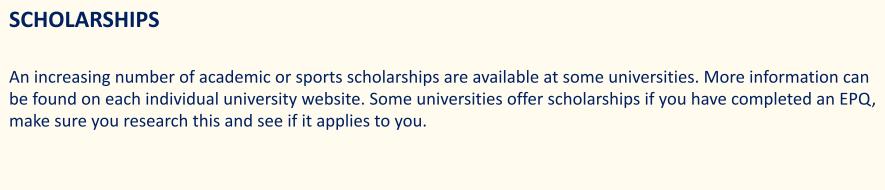
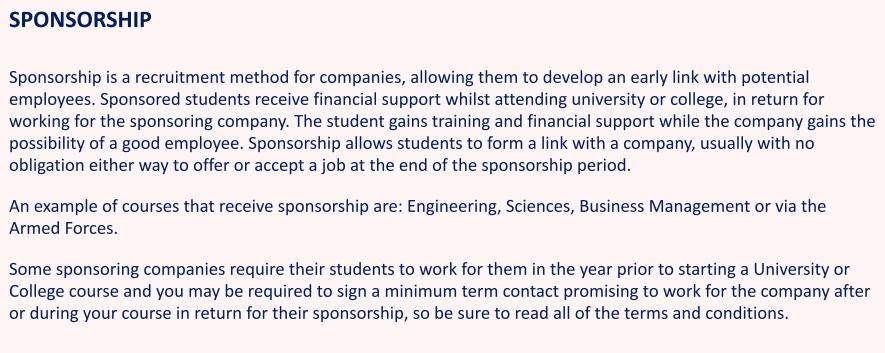
Recommended Books
Heap’s University Scholarships and Bursaries Awards Trotman
Publisher
Everything You Wanted to Know About Sponsorship, Placements and Graduate Opportunities (but were afraid to ask) (Amoeba Publications)
Please be aware that the completion of any student finance documentation will need to be completed by yourself and your parent/carer.
If finances are hindering you at any point in the application process, please do come and speak with Mrs Curling
We hope that the following opportunities will students can see first hand their university choices. Students should stay engaged with adapting landscape.

Open Days are an opportunity for you e or four years They usually include a campus tour, information sessions and the opportunity to look at student accommodation It is important to remember that universities view these occasions as key marketing opportunities, and you will certainly not receive an unbiased view! You need to use all your critical faculties and ask lots of pertinent questions
Make sure you choose Open Days at weekends or in the holidays as it is vital that you do not jeopardise your chances of success at A Level by missing lessons.
Recommended Search Tools www.ucas.com/ucas/events/find/type/open-day www opendays com
Personal Visits
It is not well advertised however, there is no need to go on official Open Day, as it is perfectly possible to arrange a visit at another time and you quickly get a feel of whether a place seems right for you
Applicant Days
Once a university makes you an offer, you may be invited to meet with subject staff and view the facilities, accommodation and take a look round on an Applicant Day
Remember that during school time you are allowed 3 days of absence for University visit days, so remember to select them wisely. You will need to complete and return a Leave of Absence Form for any open day visits Copies of this form are available in the Sixth Form office
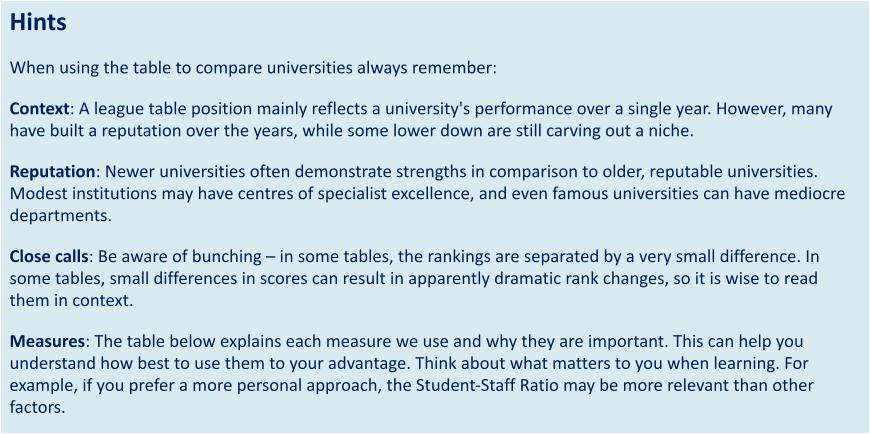
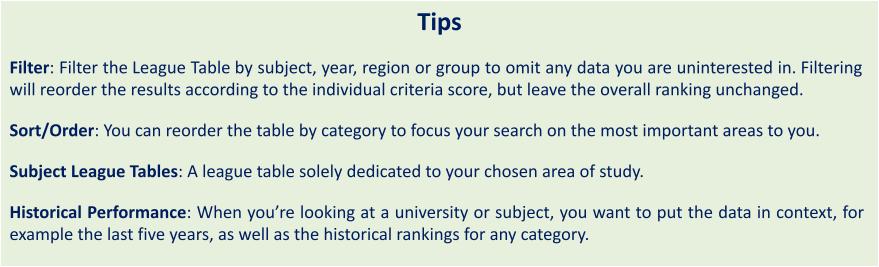
League Tables can be really useful however, you need to be aware of how to use them to ensure that you are getting the information that you need.
You need to find league tables that focus on the criteria that matter to you to enable you to find your perfect university. For Example:
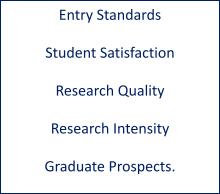
We recommended The Complete University Guide website for comprehensive and easy to use league tables. www.thecompleteuniversityguide.co.uk/league-tables
Remember, where a university stands in the league tables is relevant, but the quality of the course is an important factor to consider
What is an apprenticeship?
An apprenticeship is a genuine job and under all circumstances you should be employed from day one Apprenticeships combine practical training in a job with study.
As an apprentice, you’ll: – work alongside experienced staff – gain job-specific skills – earn a wage and get holiday pay – be given time for study related to your role (the equivalent of one day a week)
Earn a real wage; – Be trained in the skills employers want; – You will set yourself up for the future –apprentices enjoy marked salary increases when they complete their training
What levels are there?
All apprenticeships include elements of on the job and off the job training, leading to industry recognised standards or qualifications Some apprenticeships also require an assessment at the end of the programme to assess the apprentice`s ability and competence in their job role.
Apprenticeships start from level 2, this would usually be what Year 11s would apply for, however if you see a vacancy and it is the perfect role, have an open mind as this could be your way into that company
Apprenticeships, especially degree apprenticeships are very competitive and usually high grades at A level are required For some Higher Level apprenticeships 3 A levels are required, with specific grades also required at GCSE.
& 7
& 7
or Master’s degree
You can get apprenticeships in some of the biggest companies now and in a whole variety of careers
When searching for apprenticeships a good starting point is to create an account on the national apprenticeship service Once you have created an account you can search and apply for current apprenticeships https://www.gov.uk/apply-apprenticeship
Lots of resources can be found here https://amazingapprenticeships.com/
Searching for Apprenticeships
The following sites are a great way to do research about apprenticeships and sponsored degree programmes as well as looking at graduate programmes, internships and helpful resources to aid careers research
My advice would be to create an account on the sites listed below and register for alerts so when an apprenticeship is advertised in the field you are seeking you will get an email direct to your inbox. These sites offer a wealth of information about careers, including information about apprenticeships, graduate programmes, work experience, internships and tips on CV writing and the job application process.
www.investment2020.org.uk
www ratemyapprenticeship co uk
www.allaboutcareers.com
www.notgoingtouni.co.uk
www getmyfirstjob co uk
https://www.ucas.com/apprenticeships
www apprenticeships qa com
www.justit.co.uk
Be prepared in advance many companies will start advertising their vacancies from September of Year 13 ready for the following September start
Research the company thoroughly, know their ethos and what they expect from a candidate Get your CV and covering letter/email updated ready to upload onto open vacancies and ensure a quick application, many companies will close the vacancy once a certain amount of applications have been received
Research the companies who offer the jobs you are interested in Look at their careers page and where possible create an account so you are alerted when a vacancy becomes open.
If you have a company in mind but you don’t see a vacancy, then send them a speculative email and tell them what you are seeking There are lots of useful resources in the sixth form study centre and on the sixth form bulletin.
Set yourself apart and give yourself the edge!
You can never have too much work experience, get as many placements as you can during school holidays. If this is not possible do some online virtual courses to evidence your enthusiasm and understanding of the careers you are applying for
UCAS also have lots of information about alternatives to university and also show the universities offering degree apprenticeship courses.
https://www ucas com/apprenticeships
https://careerfinder.ucas.com/
If you require any further careers advice,
want a CV review, or some help to apply for apprenticeships
see Mrs Mason