Nitride Heat Treatment
What is nitride heat treatment?
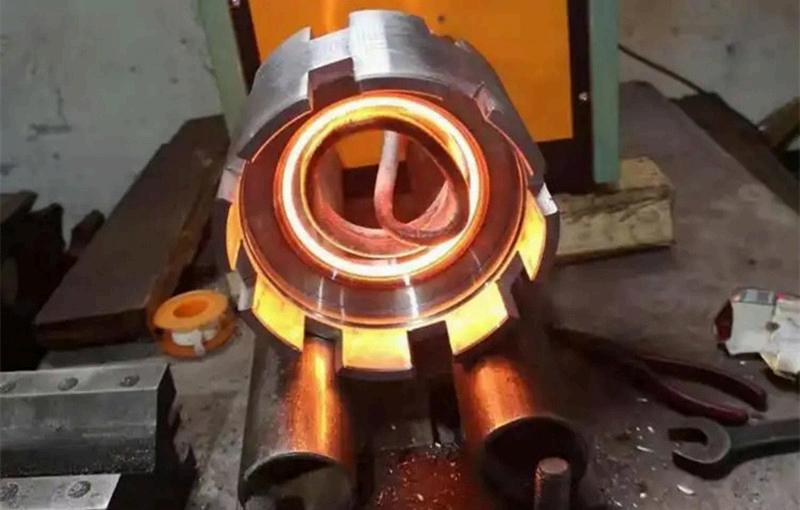
Nitride heat treatment or nitriding is a surface hardening process.
In this process nitrogen is diffused into a metal, in most cases steel, at a controlled temperature, mostly around 500 to 550°C. This results in a hard, wear-resistant surface layer while keeping the core of the material tough.
What are the advantages of nitride heat treatment?
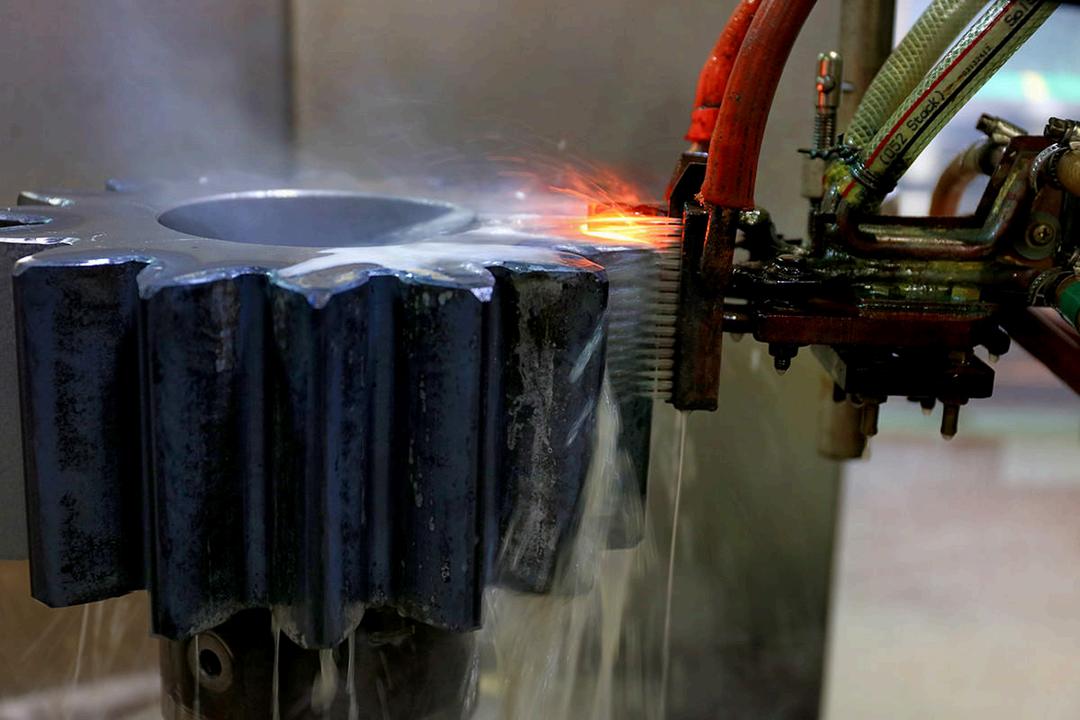
Due to stable nitrides this process forms a very hard, and wear resistant surface. It improves wear resistance, and protects parts from abrasion, scuffing and surface damage. It provides better protection against corrosion, especially in alloy and stainless steels.
Are there
any disadvantages in nitride heat treatment?
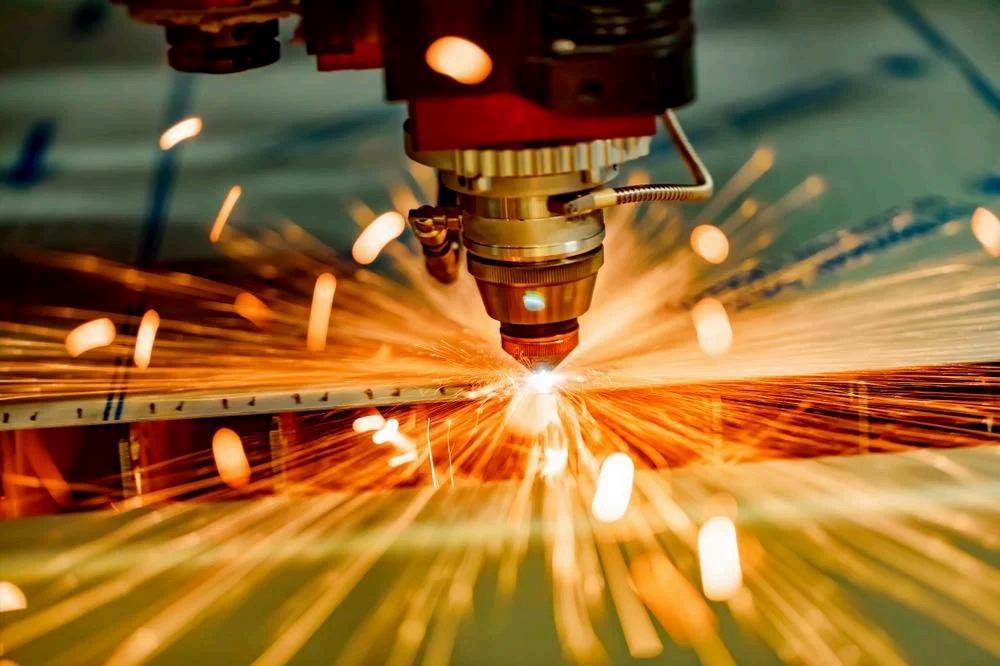
Nitriding is a slow process, and it can last from 10 to 100 plus hours, depending on the case depth and material.
Also only alloy steels with nitride forming elements like chromium, vanadium or aluminium responds well to this process.
The hardened layer is relatively thin (typically 0.1 to 0.5 mm), which may not be enough for heavy duty applications that require deeper hardening.
Industries
where nitride heat treatment is used
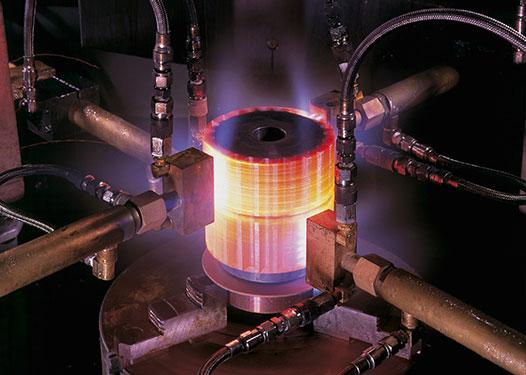
Nitride heat treatment is used in a range of industries due to its surface hardness ability, wear resistance. Here the nitride heat treatment is mostly used for making parts like crankshafts, camshafts, gears, and valve components. Used on valve stems, drill pipe connectors, and couplings to resist corrosion and wear in harsh environments.