Architectural Portfolio
Antoni Kostrzewa



Antoni Kostrzewa
Warsaw, Poland
antekk1@gmail.com
+48 512 128 127
ABOUT ME:
I have graduated from IAAC in Barcelona with architectural Master’s degree in Ecological Buildings and Biocities, which tought me to live and design for greener future. I am currently working in the AMBIENT sustainable architecture studio in Warsaw.
SOFTWARE SKILLS:
AutoCAD
Revit
Rhinoceros
SketchUp
Photoshop
Illustrator
Indesign
LANGUAGE PROFICIENCY:
Polish
English
Spanish
ADDITIONAL INFORMATION:
Born 27.02.1999
Driving licence category B
native
C2
B1
EDUCATION:
Master in Advanced Ecological Buildings and Biocities
Institute for Advanced Architecture of Catalonia Barcelona, Spain
2 Społeczne Liceum im. Pawła Jasienicy Warsaw, Poland 09.202209.2023 09.202109.2022
BA (Hons) Architecture
Central Saint Martins – University of the Arts London London, United Kingdom
Civil Engineering Warsaw University of Technology Warsaw, Poland
06.2021 11.201903.2020
Architect AMBIENT Architects
Warsaw, Poland
Architectural Intern
APA Wojciechowski Warsaw, Poland
Architectural Intern H2 Architekci Warsaw, Poland
RIBA Architectural Intern
Falconer Chester Hall London, United Kingdom
Exibition Guide
London Museum of Achitecture London, United Kingdom
Architectural Intern Konior Studio Warsaw, Poland
I hereby give consent for my personal data included in my application to be processed for the purposes of the recruitment process.
project duration
project type
location
mobile home Barcelona, Spain
student group work constructed
type of work status may - september 2023
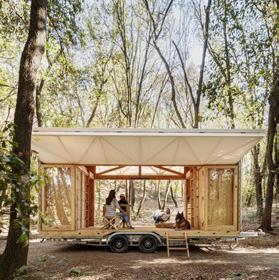
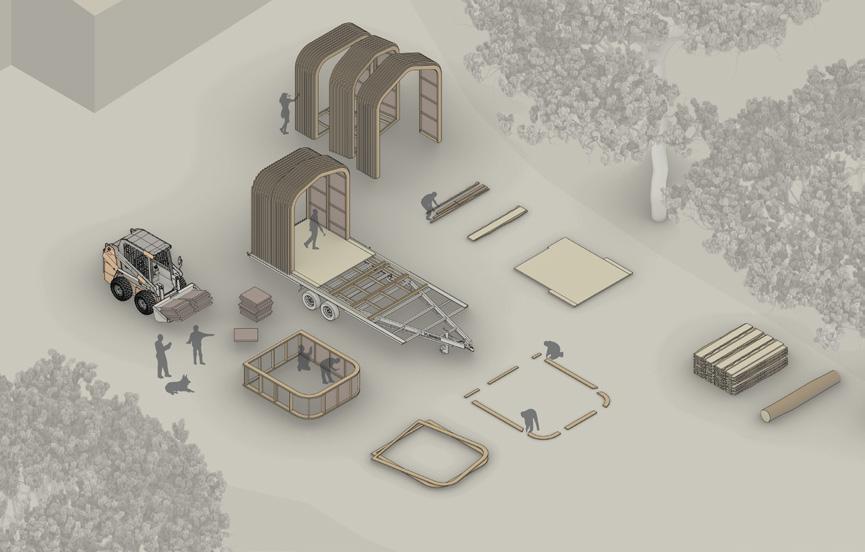
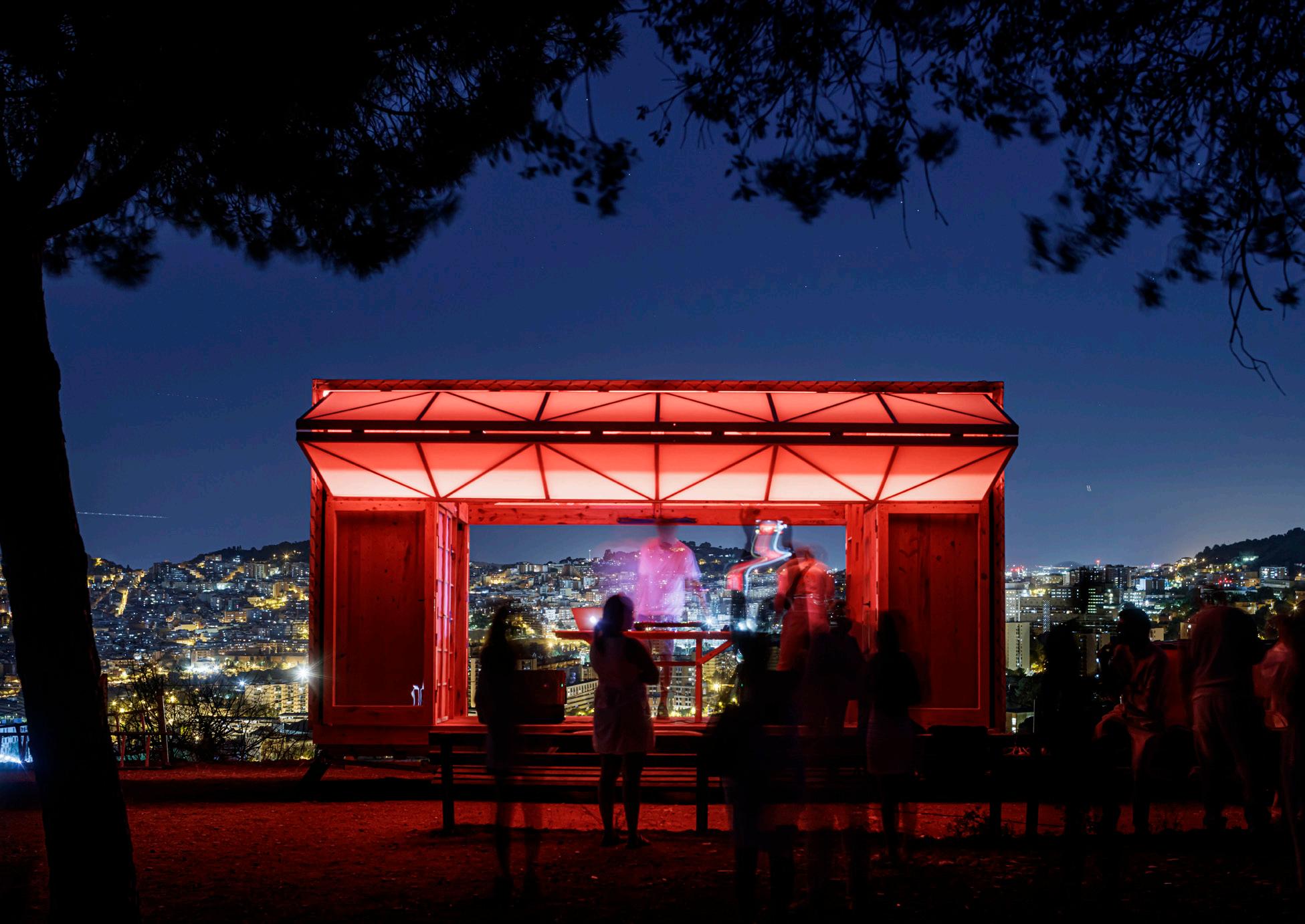
The brief for the MAEBB program of 2022-23 was to design and construct an advanced ecological mobile home prototype to give shelter to two individuals for a few days; a proposal for an off-grid electricity and water supply system and provision of basic domestic amenities of a tiny home.
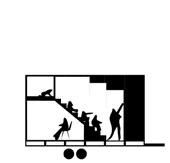
To answer the brief we proposed a regenerative design that would connect, collect and share resources and knowledge within networks. The brief was extended and what initially was a home, became a facilitator- a Mobile Catalyst.
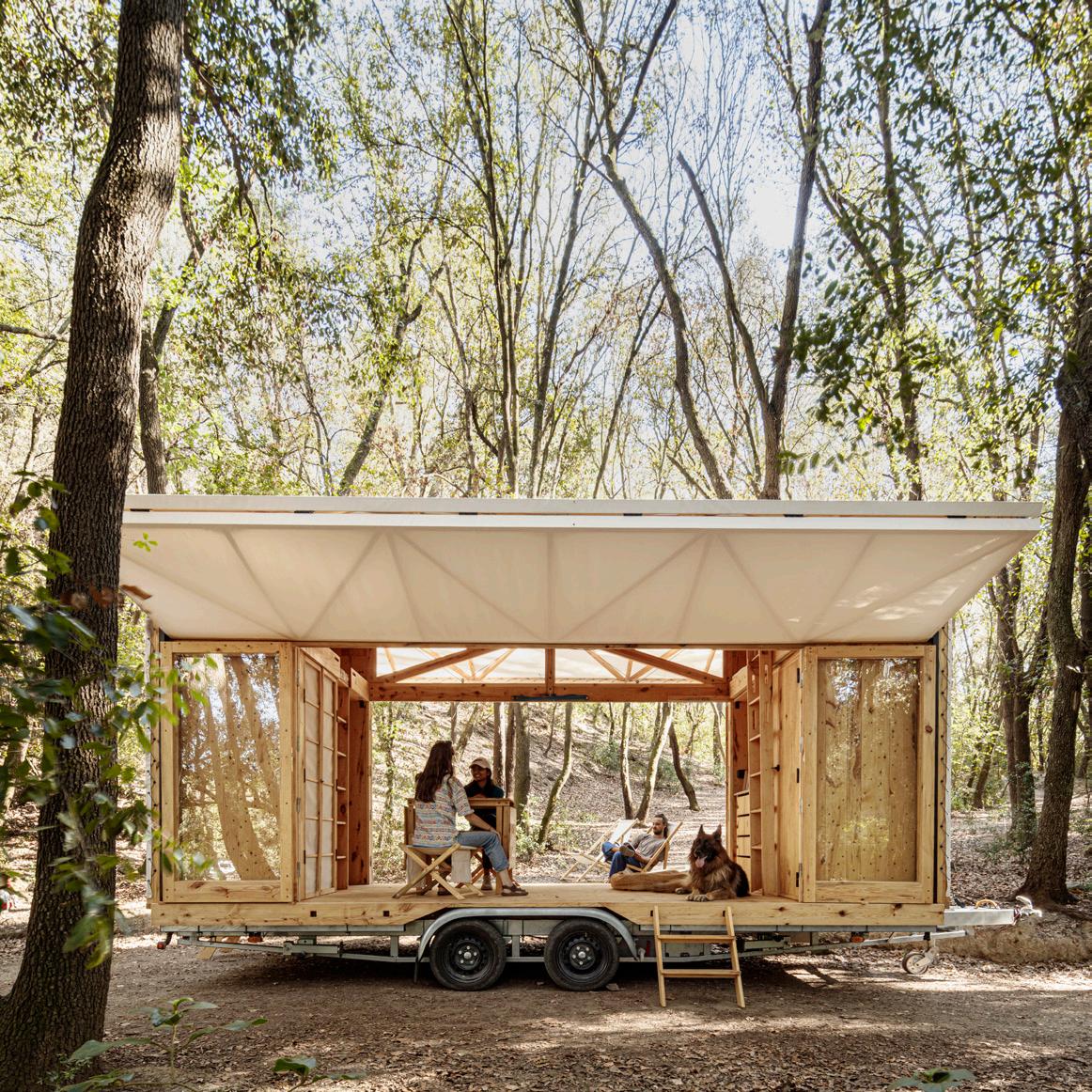
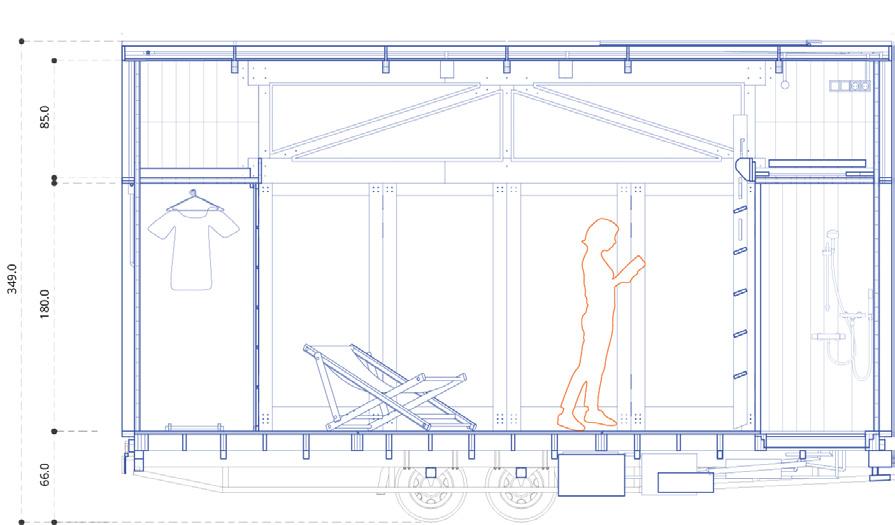
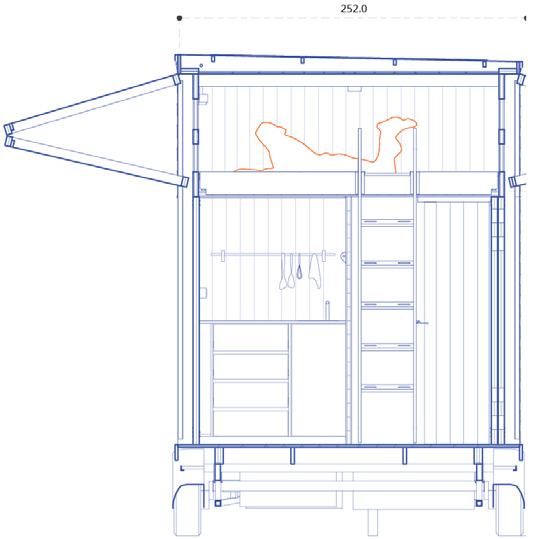
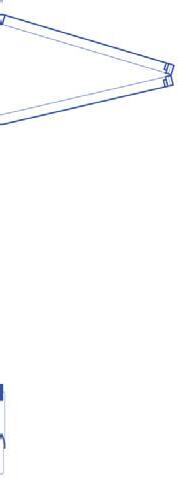
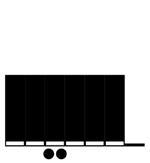
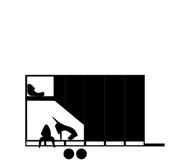
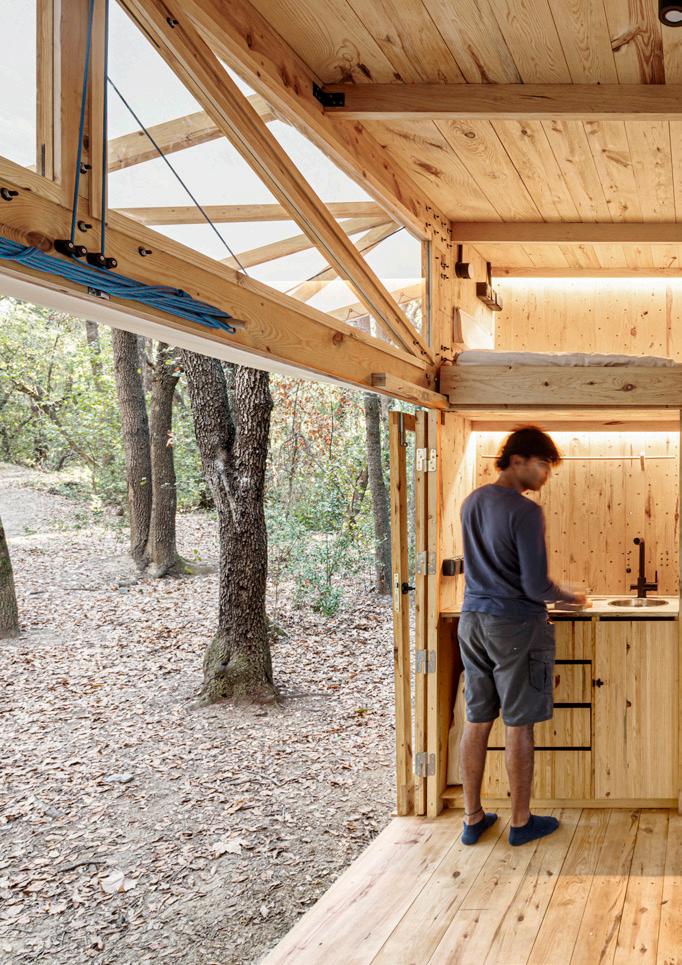
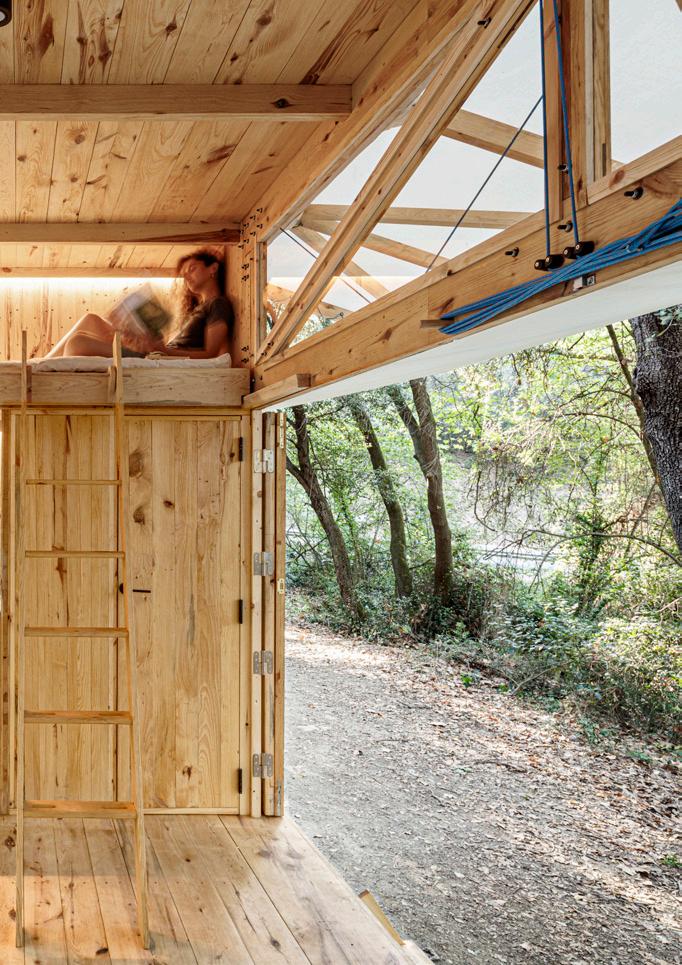
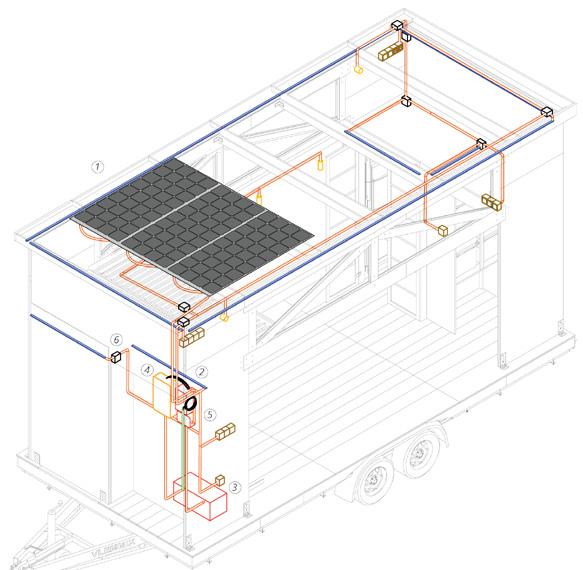
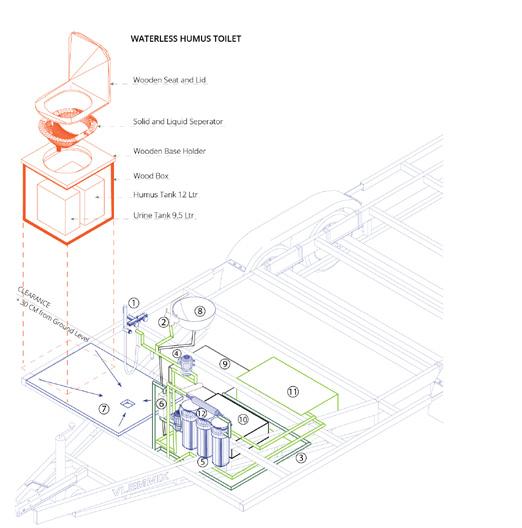
The design of Mo.Ca consists of two anchoring, solid toolboxes. The Toolbox A or Utility Toolbox is towards the front of the trailer and is the heavier toolbox. It includes all necessary utilities for a home; a kitchen, a shower area, a toilet, and a utility cabinet for electric and water metabolic systems. The Toolbox B or Activity Toolbox contains surfaces and tools that aid in activating the central space.
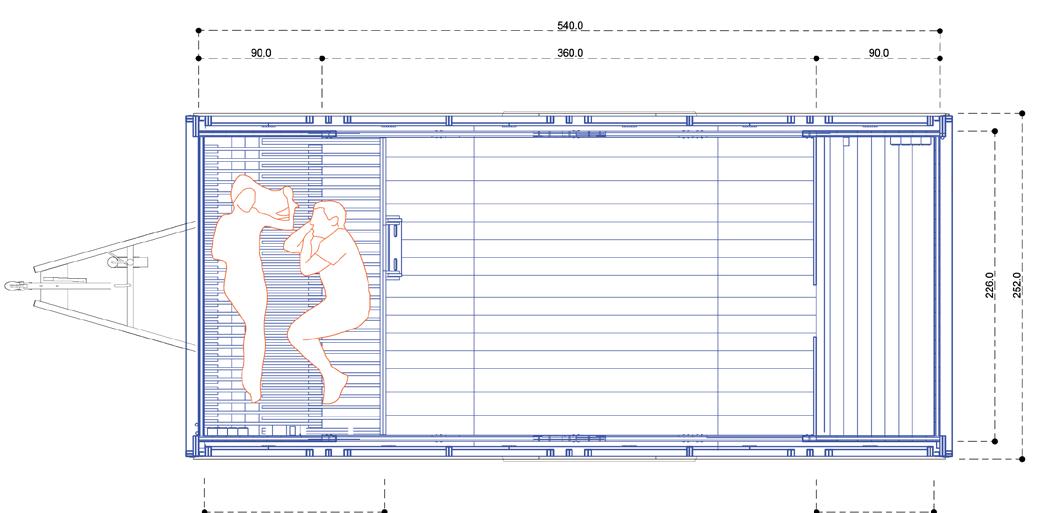
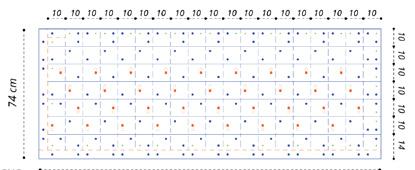
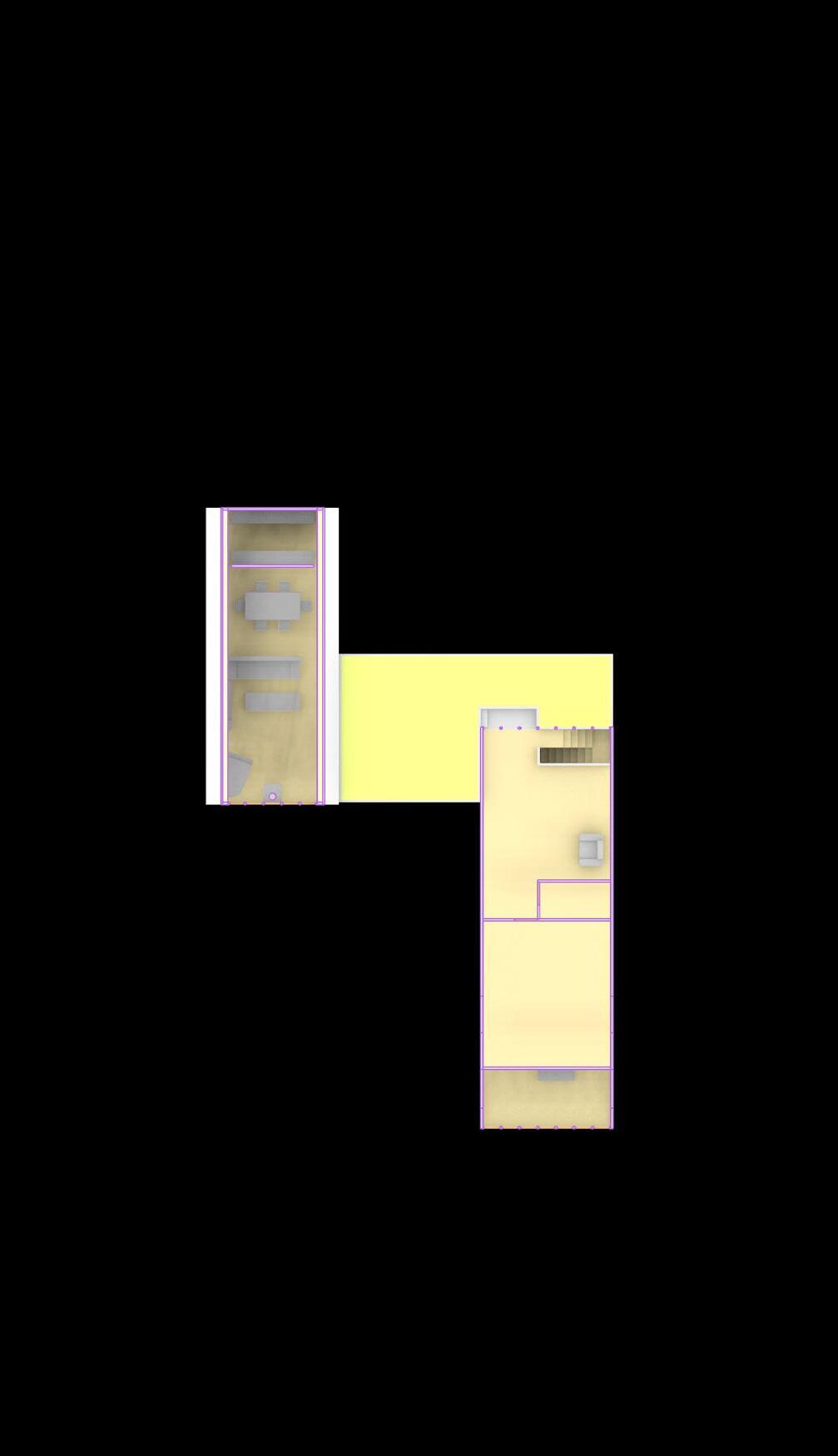
higher deck plan, scale 1:40
lower deck plan, scale 1:40
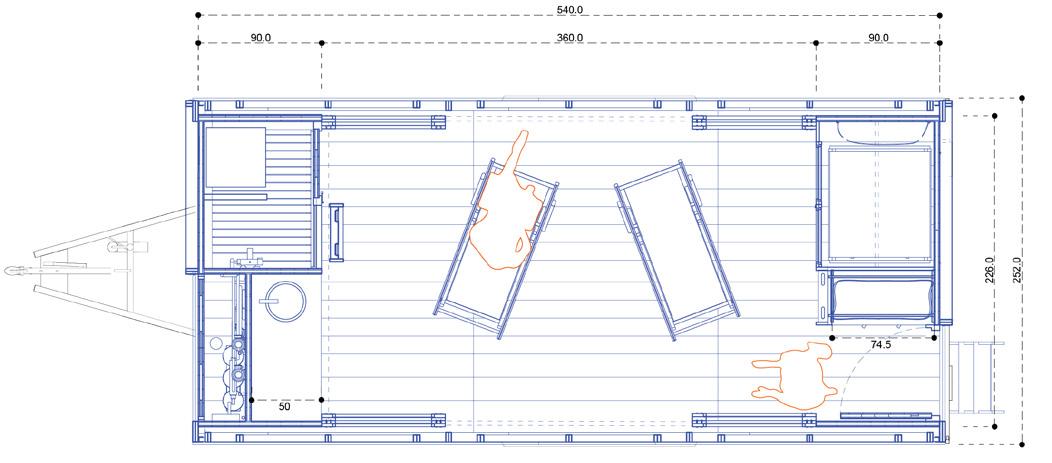
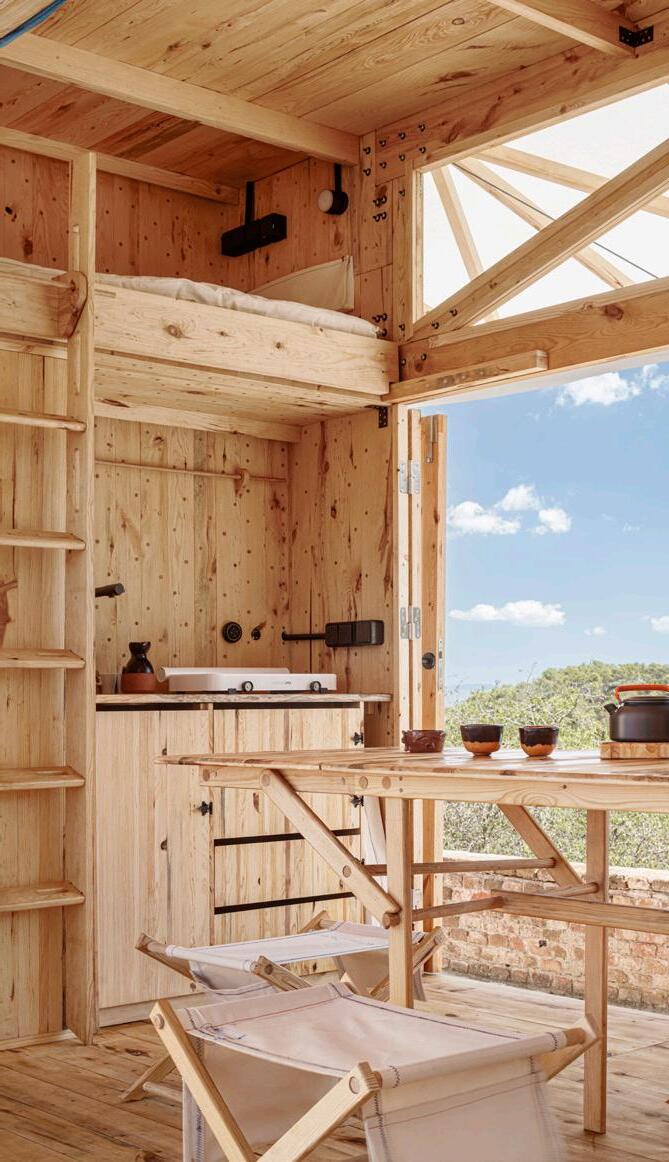
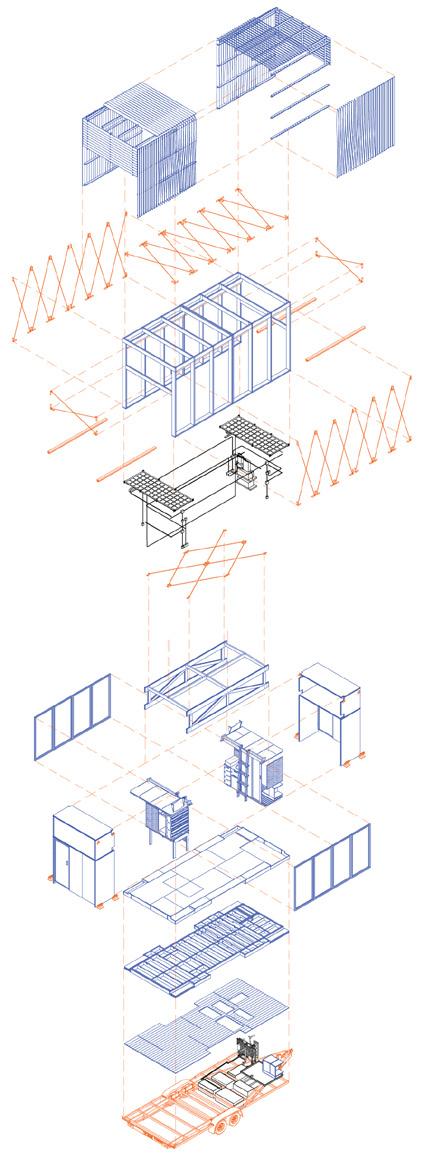
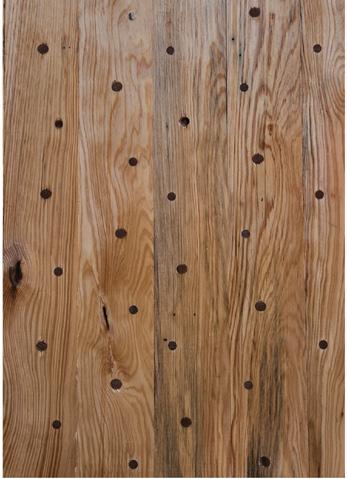
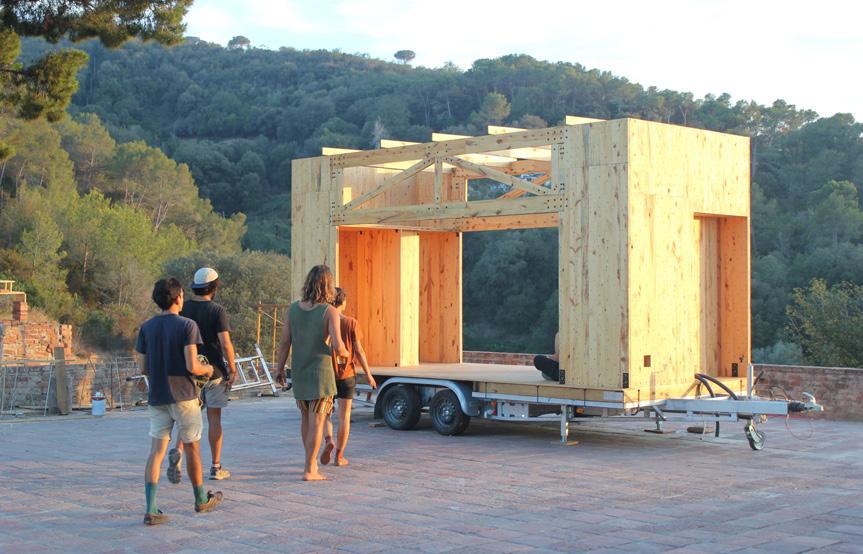
The entirety of Mo.Ca is made from 0km timber, sourced from the Collserola Natural Park. The structure is based on dowel-laminated timber (to reduce the use of glue), while all the furniture is produced from ofcuts from the main production.
A movable facade makes it possible to adapt the the central space to the outside conditions. The outer layer is designed as a light framework and covered with a water resistant cotton fabric, tied to the framework with ropes. On the two long sides, the facade slides and folds up vertically with the help of wheels and pulleys.
project duration
project type location
type of work status april 2024 goverment office
Toruń, Poland profesional group work competition proposal
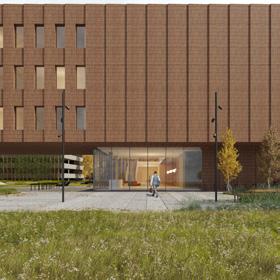
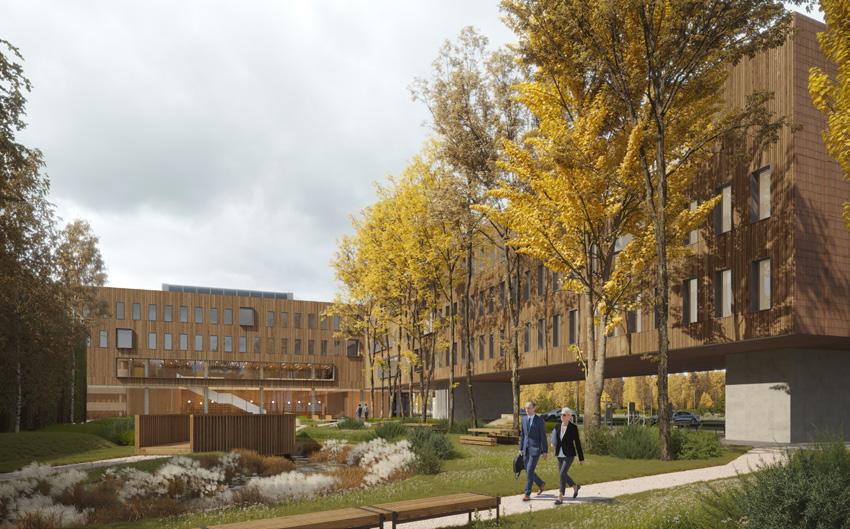
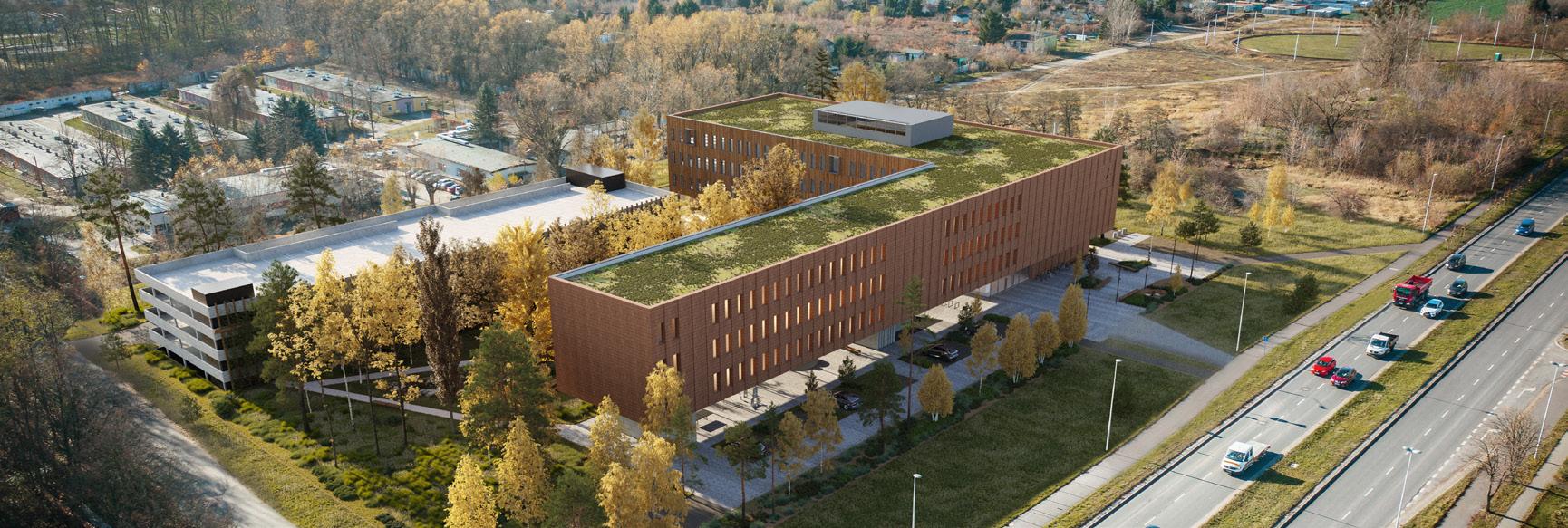
The new County Office in Toruń design was guided three principal values: opennes to all citizens, protection of the local community and care for the environment. The designed building is the beginning of spatial order in an environment devoid of a dense urban fabric. The central
point of the Office is a green courtyard created by the two wings of the building. The Office is manufactured in mass timber technology, which shortens the construction process and drastically lowers CO2 emmision of the final design.
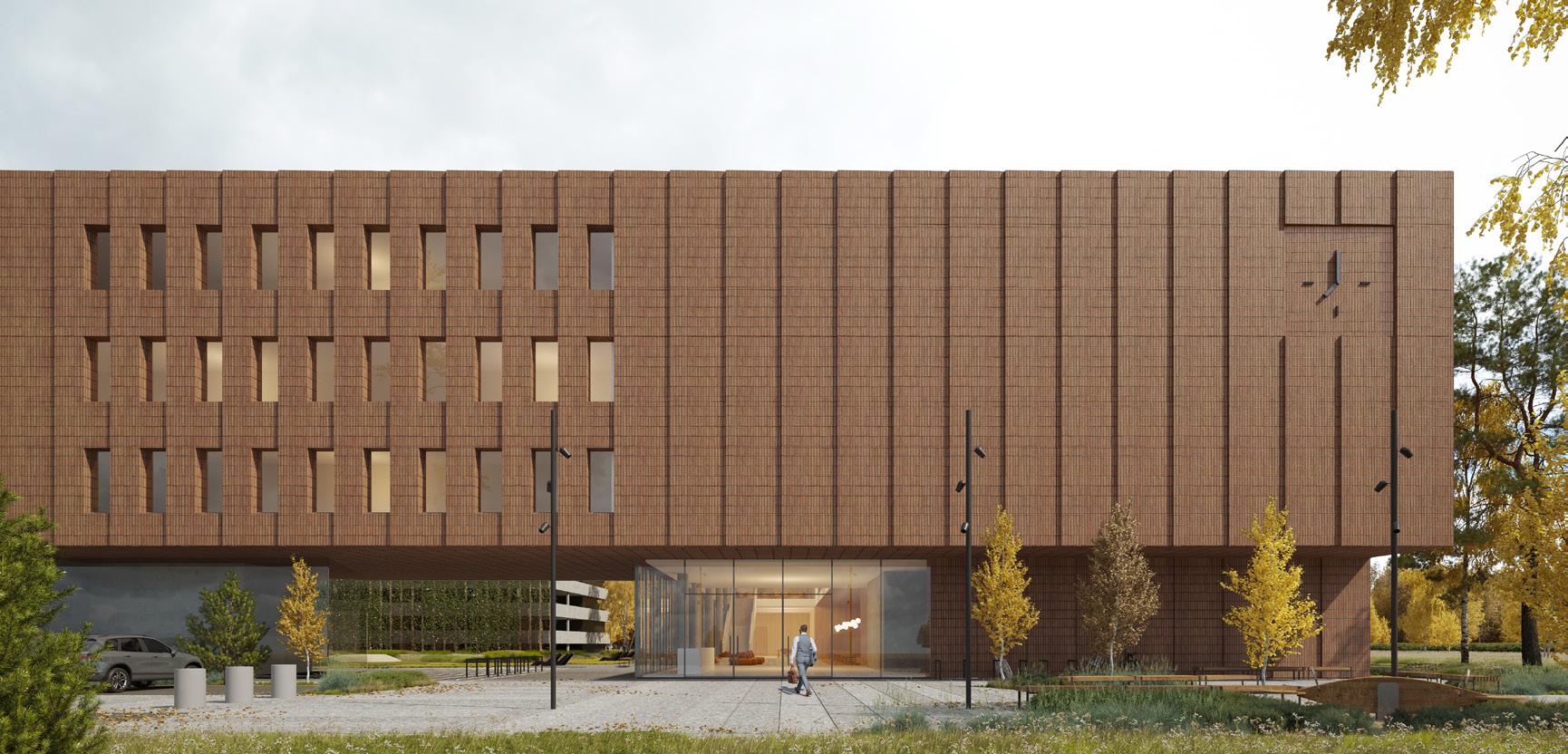
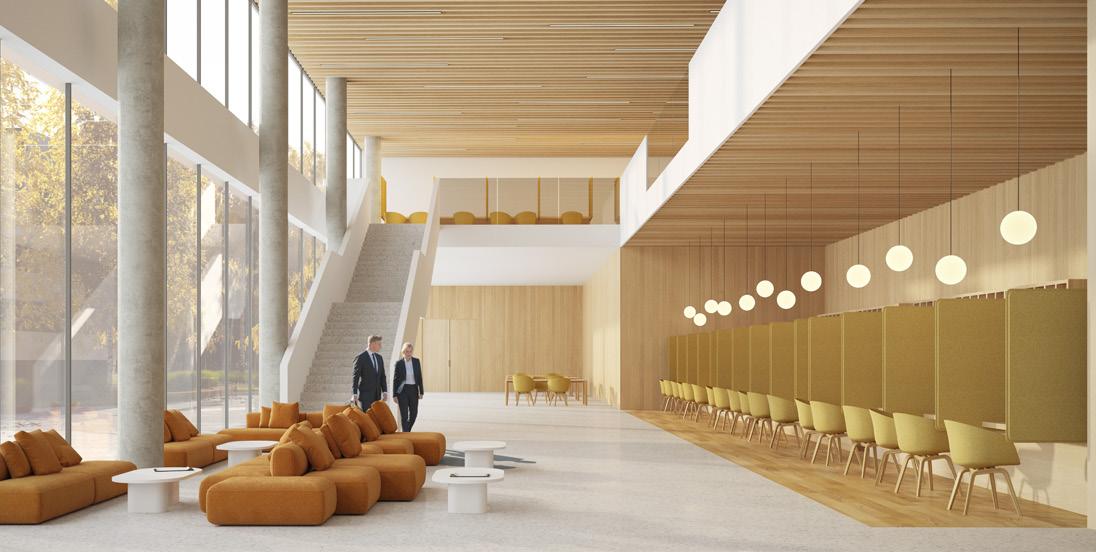
The front elevation with its ordered divisions and regular composition expresses the idea of sta bility and order. Thanks to the material used - red
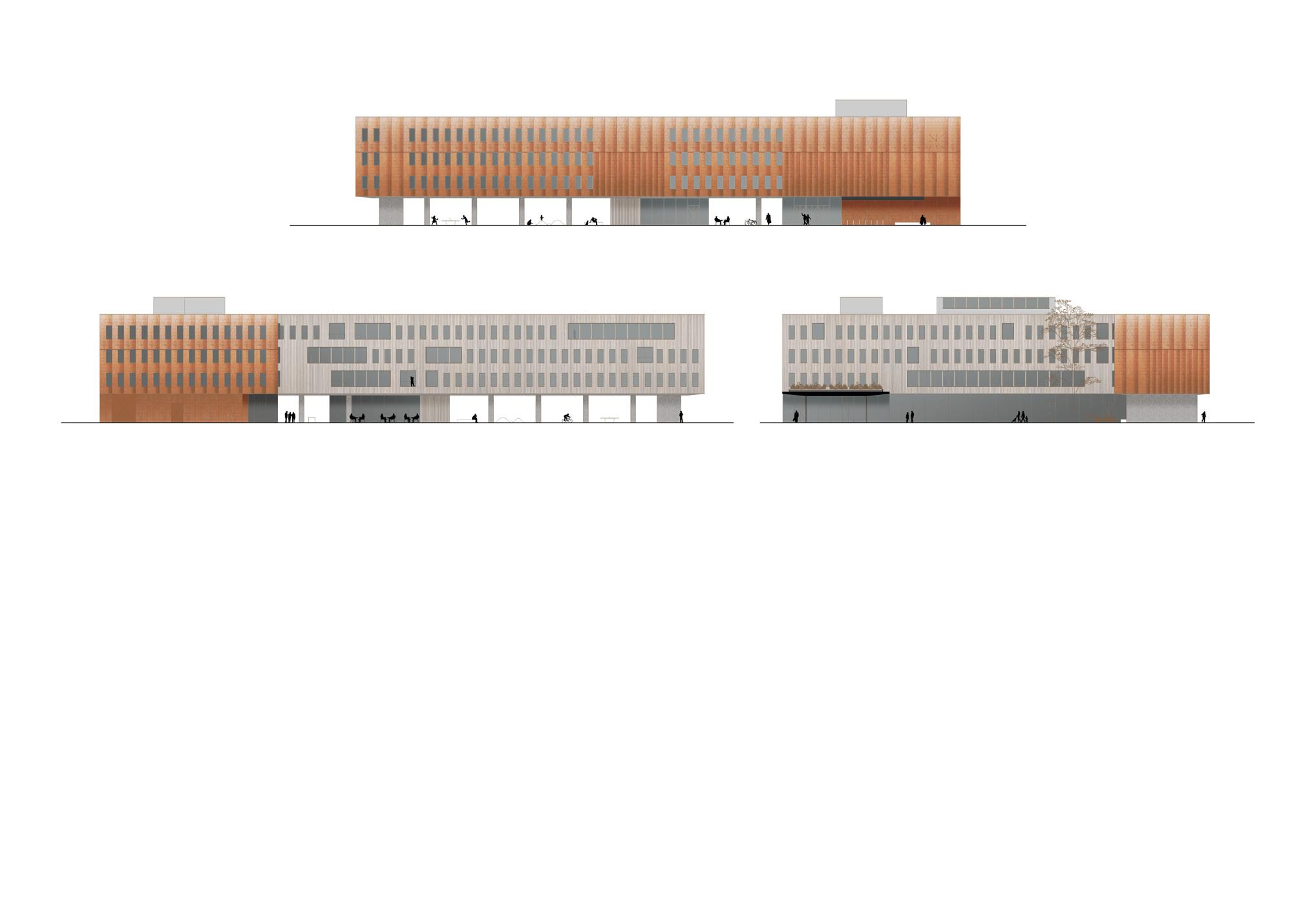

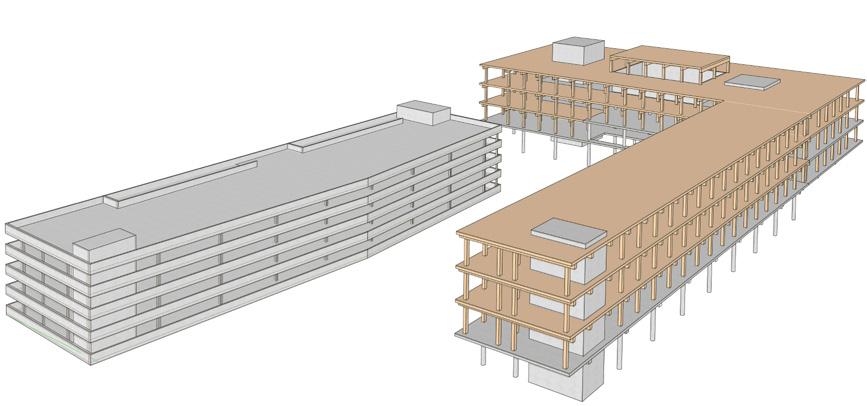
The building is enviromentally friendly, powered by renewable energy sources and energy-efficient. A large part of the building will be constructed using timber construction, which will reduce the carbon footprint of the investment. The building incorporates potable water efficiency solutions. Rainwater is managed on the site, and the designed greenery refers to the native plant communities - pine forests and Vistula riparian forests.
project duration project type location
type of work status
october - december 2022
tactical architecture
Barcelona, Spain
student group work constructed
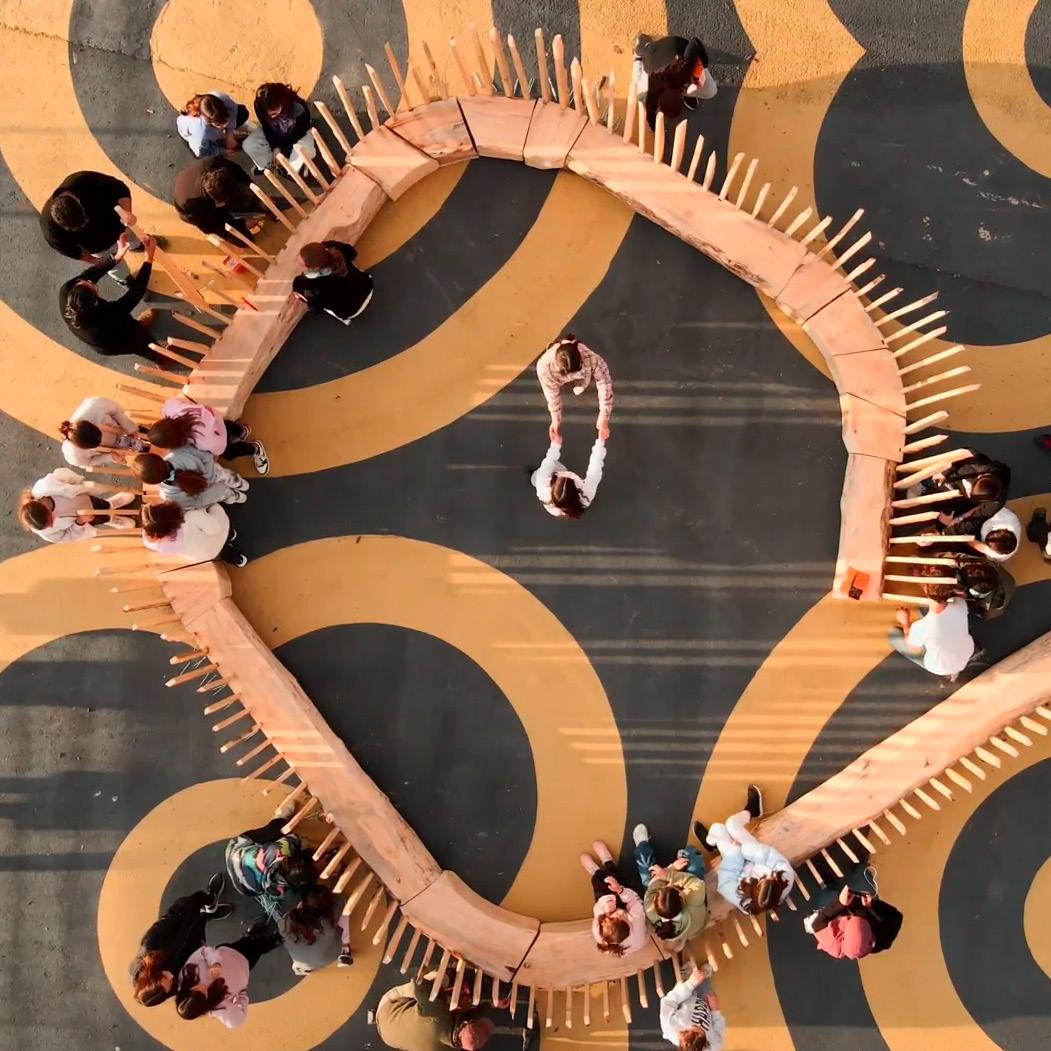
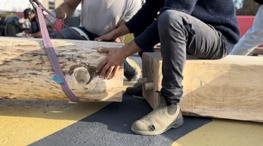
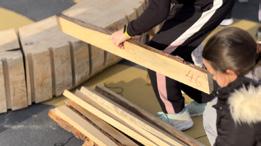
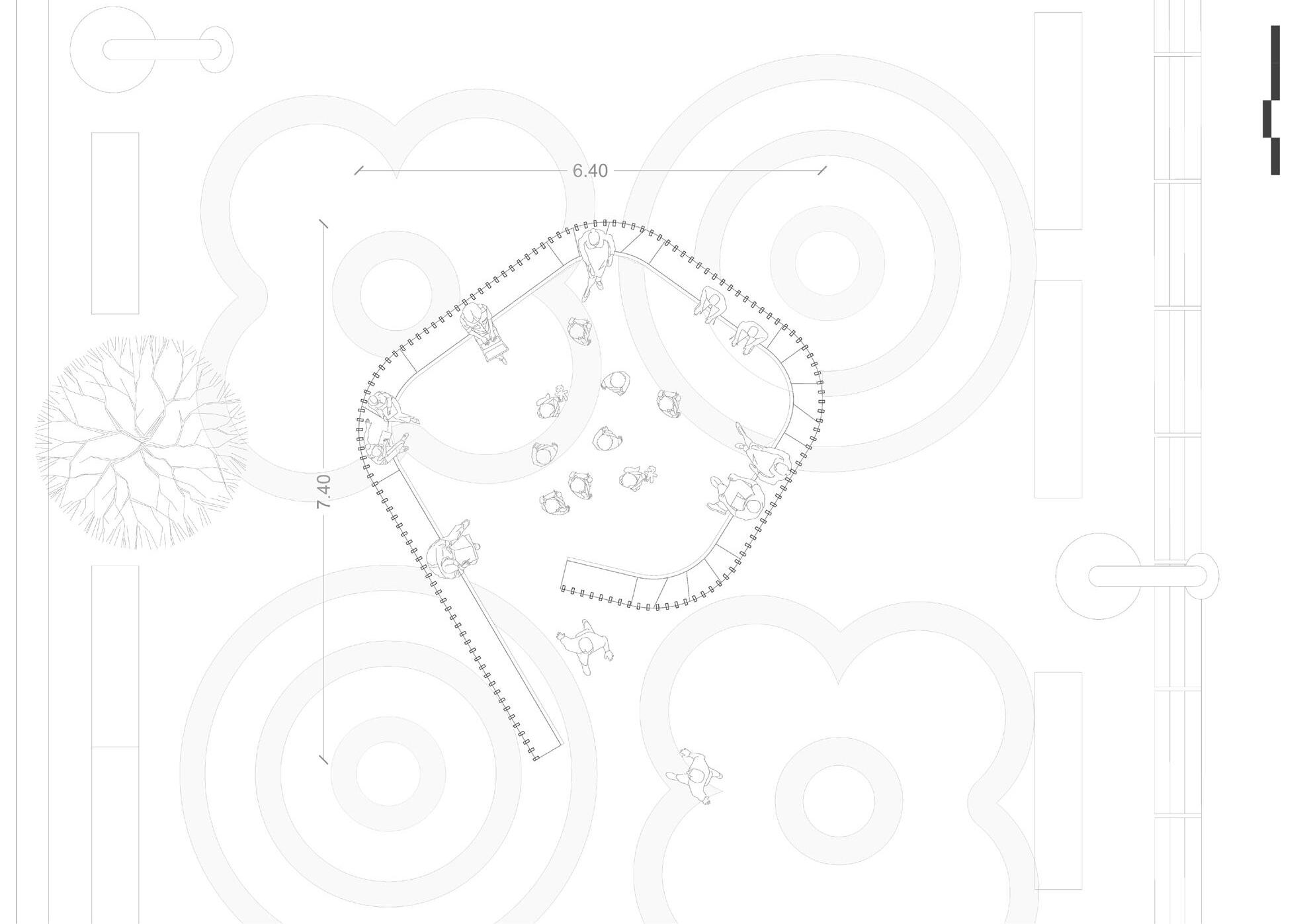
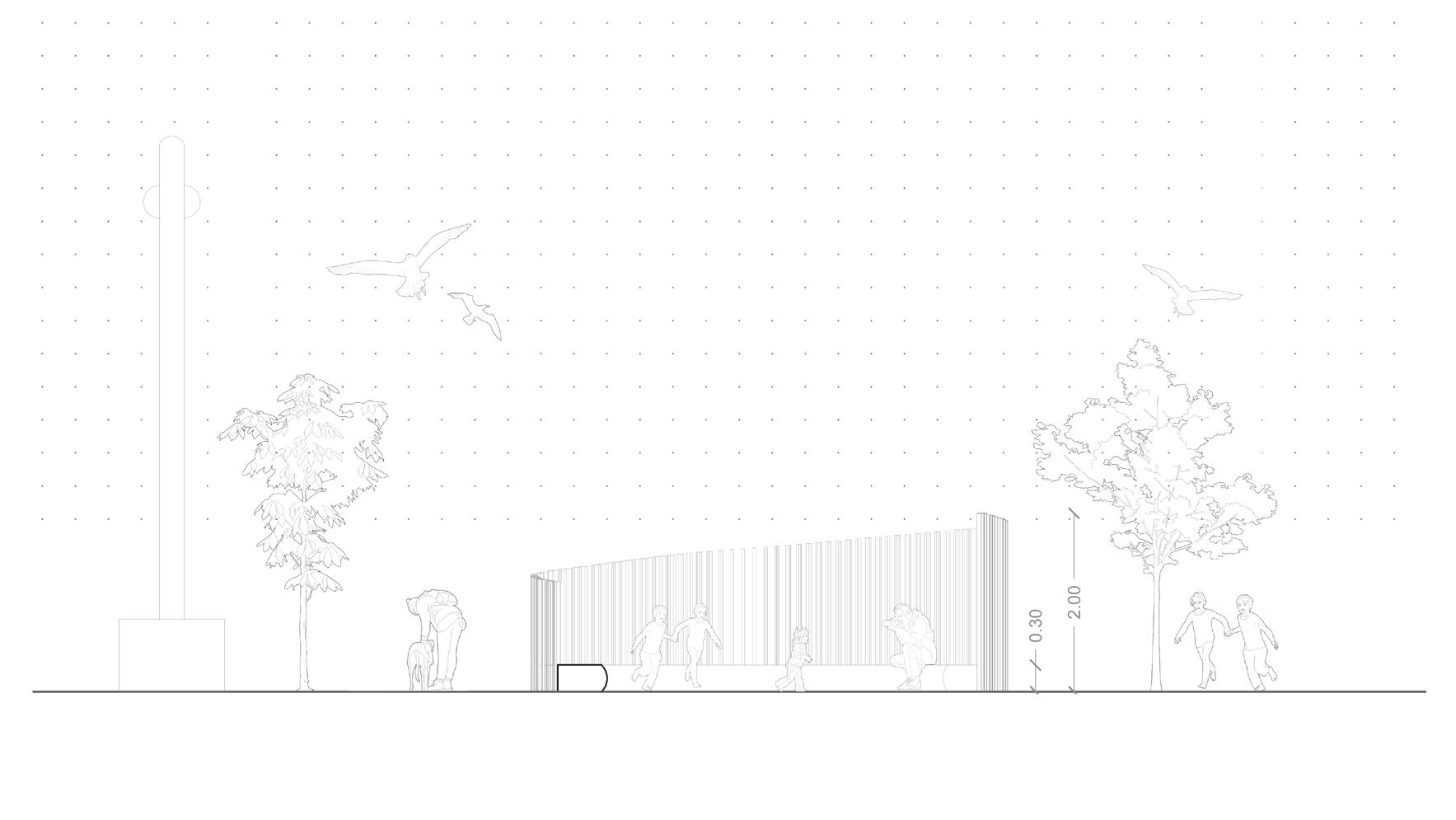
The Furnish Kids program aims to improve public space through design interventions of tactical architecture. The chosen site presented a compelling challenge of urban regeneration. Through a series of workshops with kids from nearby schools, we have designed a structure where a whole class could enjoy outdoor, educational activities. Children, inspired by the shape of the seating nicknamed it ‘El Cargol’ (The Snail). The project was a temporal public intervention, and is now dismantled.
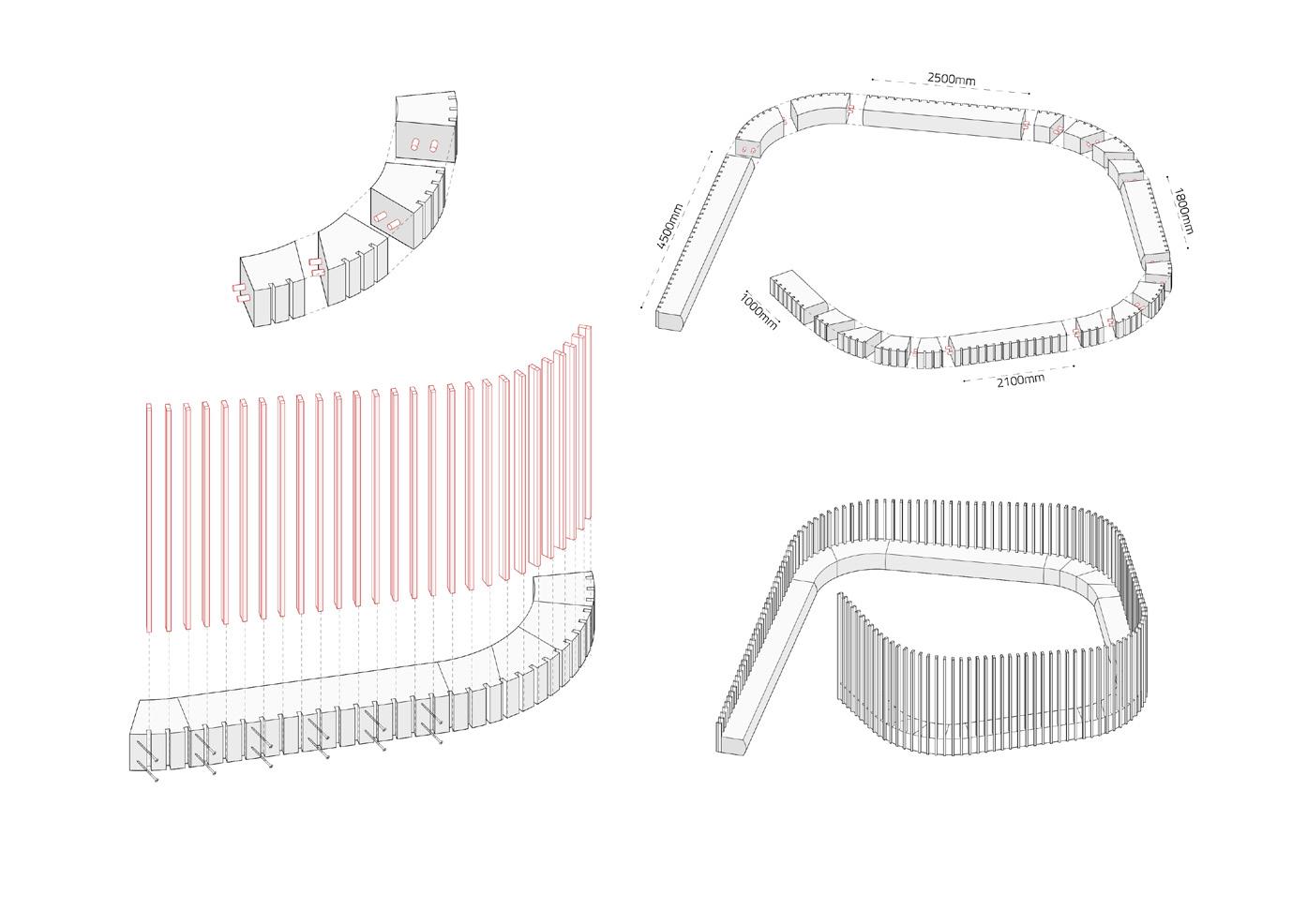
Design and assembly process:
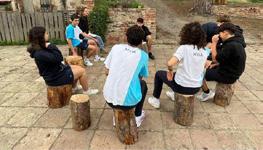
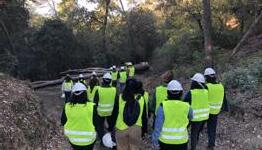
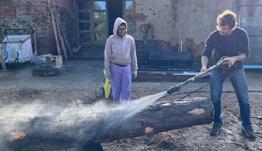
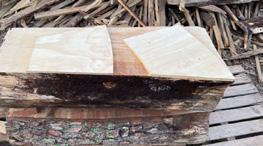
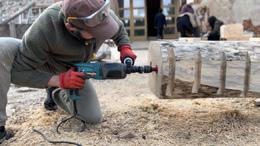
The design has been further developed to utilize natural materials such as Pine logs unused for previous projects and off-cuts from wooden plan production. The materials have been cataloged, measured, and scanned for improved digital modeling. A specialized grasshopper script has been used to further optimize the shape of the vertical structure. Scaled and real-size models have been used to test and choose the appropriate dimensions for the seating, methods of module connections, and the material’s aesthetic impression.
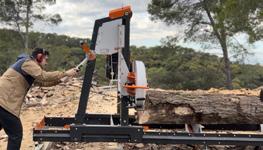
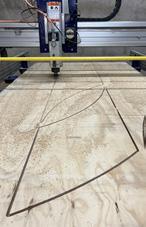
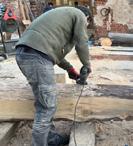
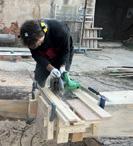
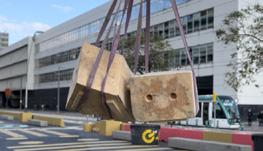
For production, Fab Lab’s mechanical tools have been used, supported by specialized jigs and laser-cut guideline forms. All the elements of the finalized structure have been transported on-site and assembled with the use of a crane. Schoolchildren have been invited to participate in the assembling process.

project duration
project type
location
type of work
ststus
april - june 2020 urban farm
London, UK student personal work conceptual project
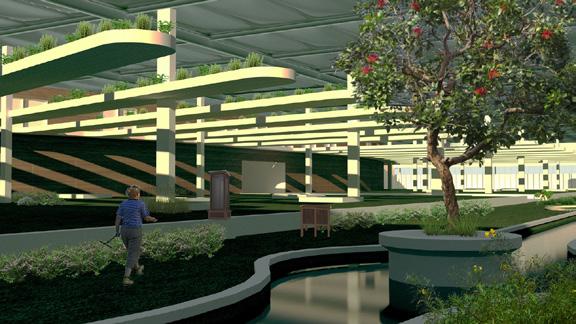
On top of the London Euston Train Station lays an old Parcel Deck, now largely unused. What if this vast secluded space became something else that would serve the people? The long tradition of London’s community gardens was a convincing sign that a urban farming project of this
scale is not only possible, but it fits perfectly into the larger cultural landscape and efforts to limit CO2 emission connected with the food industry. The Victory Gardens combine space for communal action and ecological education to set an example for modern metropolises.
ilit, si aut volorum, qui consequ atatemp oritaquiam hariaectinum laboremporio illabo. Tem resti quid ma culpa porro ducipsum, aut apic tempore henesen im iunte serovid quia sae. Consedi am, que porese quam quis erum rererovit lam nem dolorrores sunto

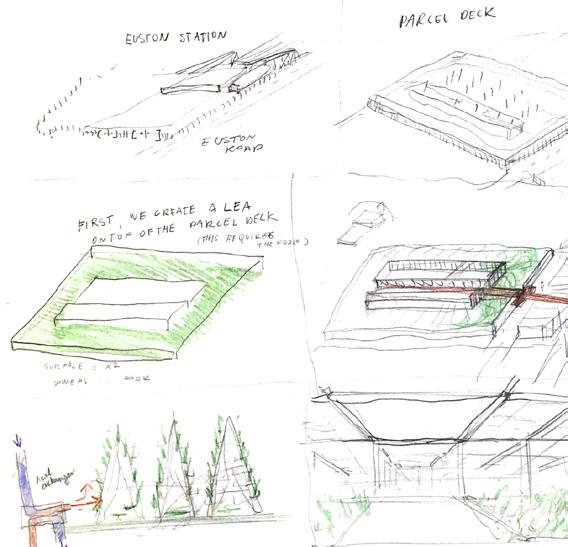
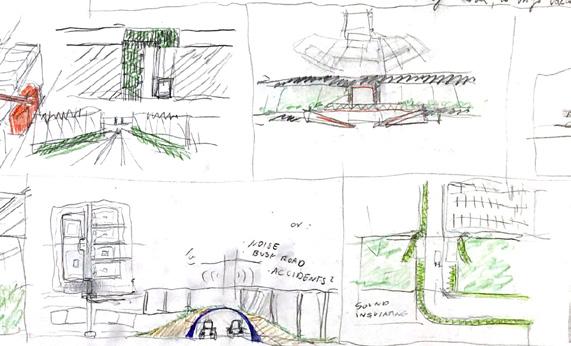
Initial scetches of design and land use.
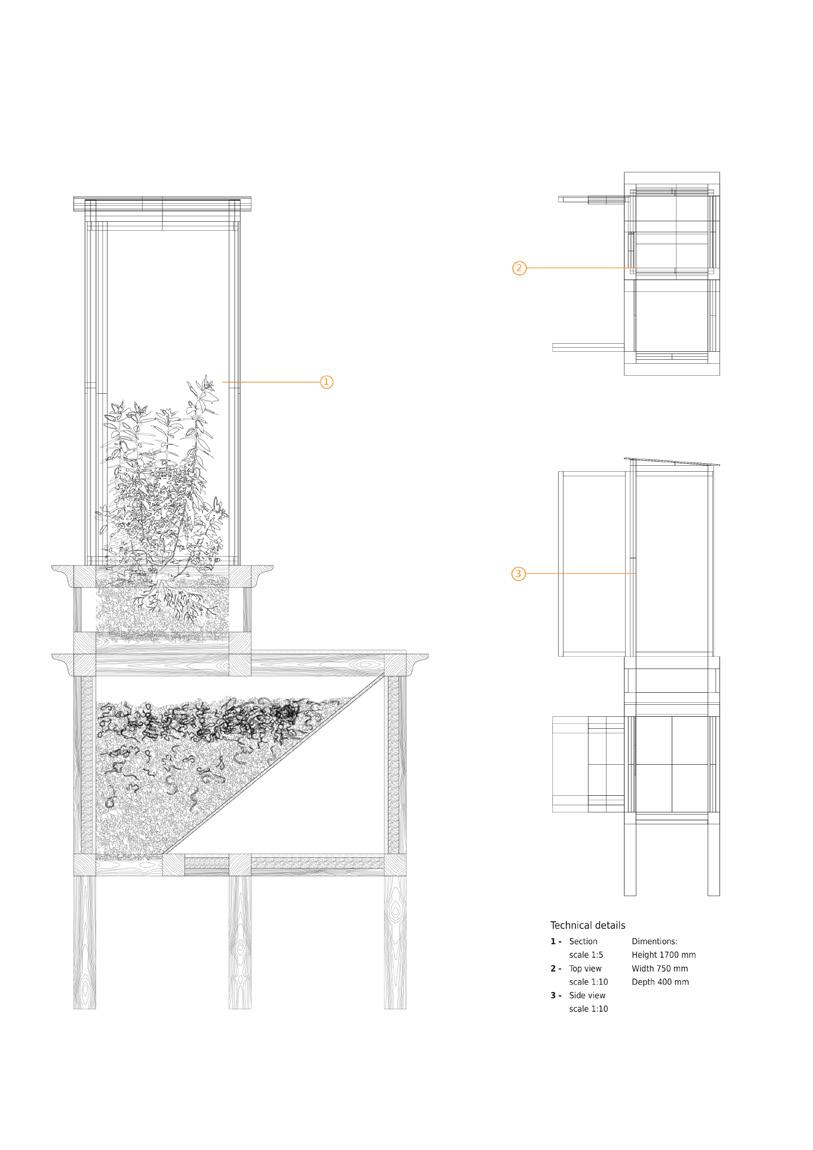

Prototyping for smaller controlled ecosystems. A compost bin hosts california red worms and a lemon verbena plant. The cohabitation benefits both species, as worms enrich the soil with useful microbes, and the plant’s root system provides moisture
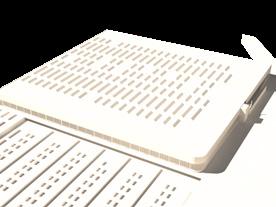
1. Euston Parcel Deck nowadays remains mosly unused.
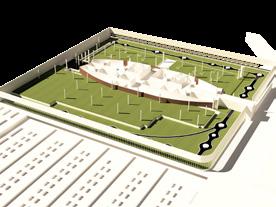
3. Main building consists of two levels; the lower one serves for food storage and processing.
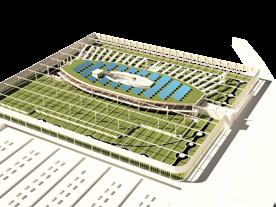
5. Solar panels are installed on the roof.
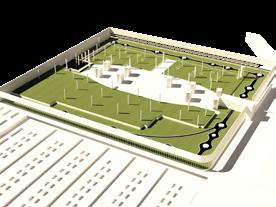
2. Soil and water filtration system begin the vegetation process. Tilapia pond provides natural nutrition for plants.
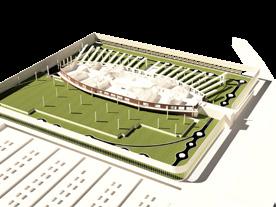
4. Higher level hosts community spaces, restaurants and aquaponic production.

project duration project type location
type of work status may - december 2023
single-family house Milsko, Poland profesional personal work conceptual project
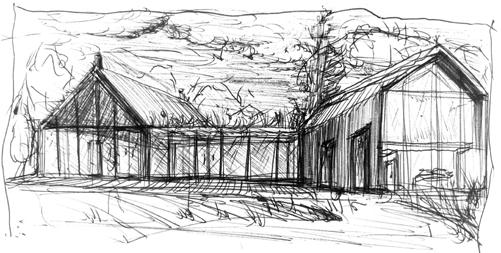
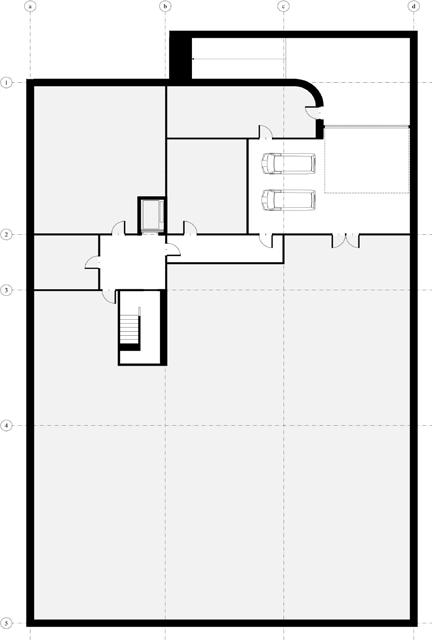
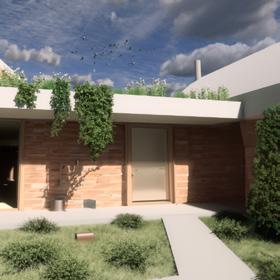
Polish tradition of constructing cottage houses outside of busy cities reaches further then popular „dacha”houses popular in all coutries that once was under the influence of the USSR. Polish cultural identity is reflected in a „dworek”, a large house for nobel families in the countryside. For good or bad, once someone reaches the financial status to afford their dream cottage house, a „dworek” typology is a source of good (and bad) architectural practices. This cottage house is my personal ambition to design a building suitable for a family of modern city dwellers that want to reconnect with their roots.
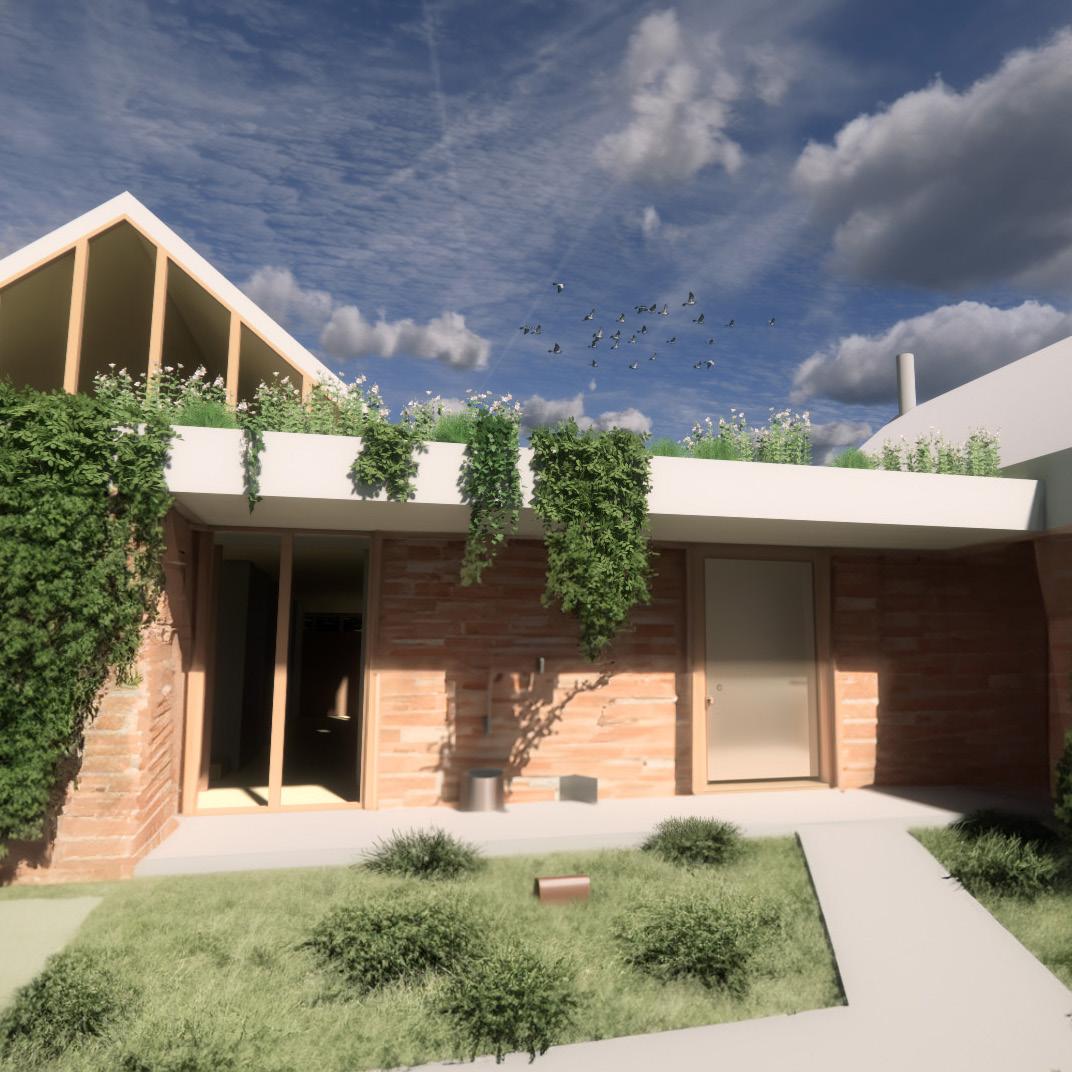
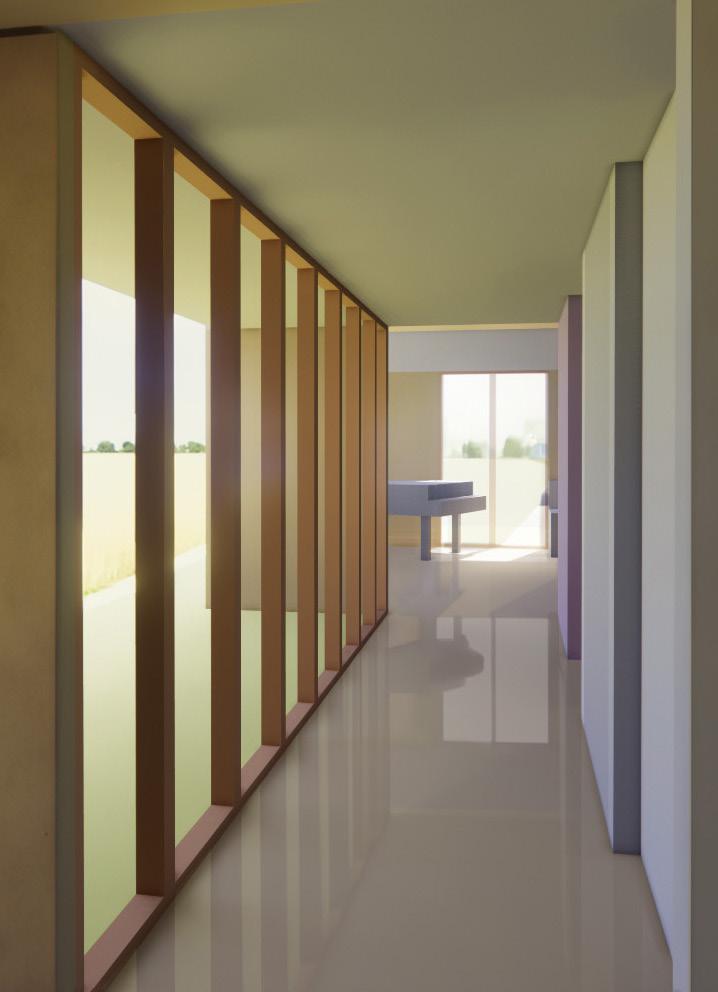
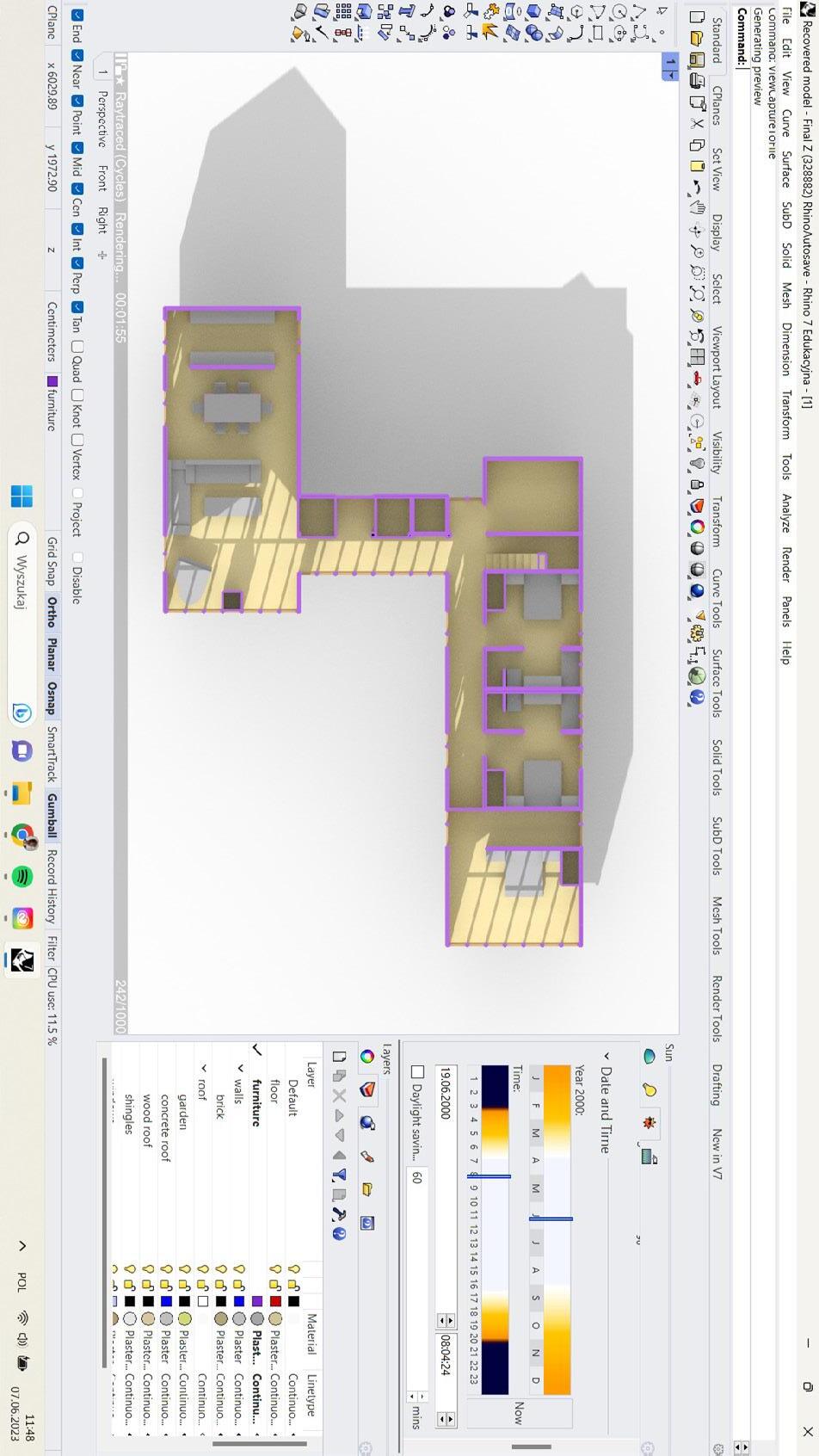
Dividing spaces into regular modules, similar to the japanese practise of measuring rooms with tatami boards, has helped me to better control the size of the cottage. It should be exactly enough for efficient and comfortable use. For the purpose of this project, I have defined a unit of 160x80 cm and designed all spaces accordingly.
project duration project type
location
type of work awards
march 2022
sports centre
Starogard Gdański, Poland profesional group work competition proposal
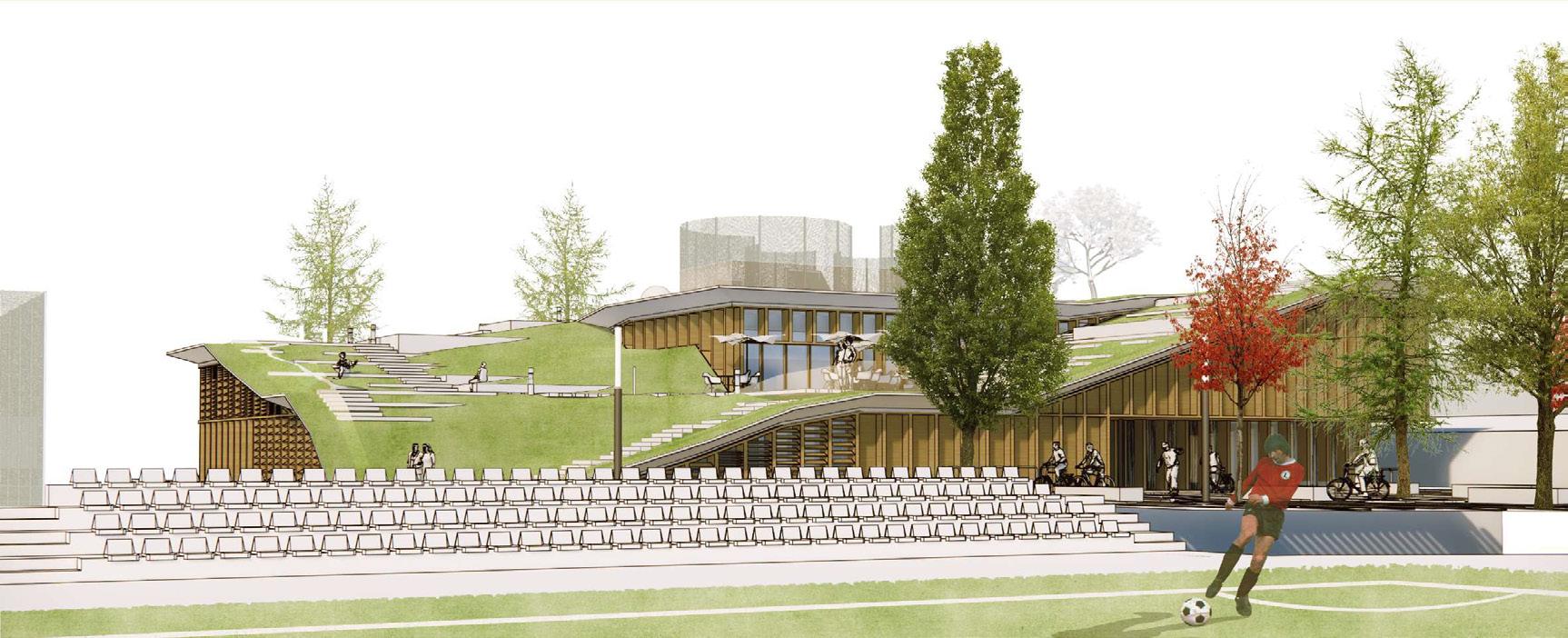
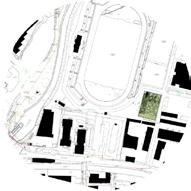
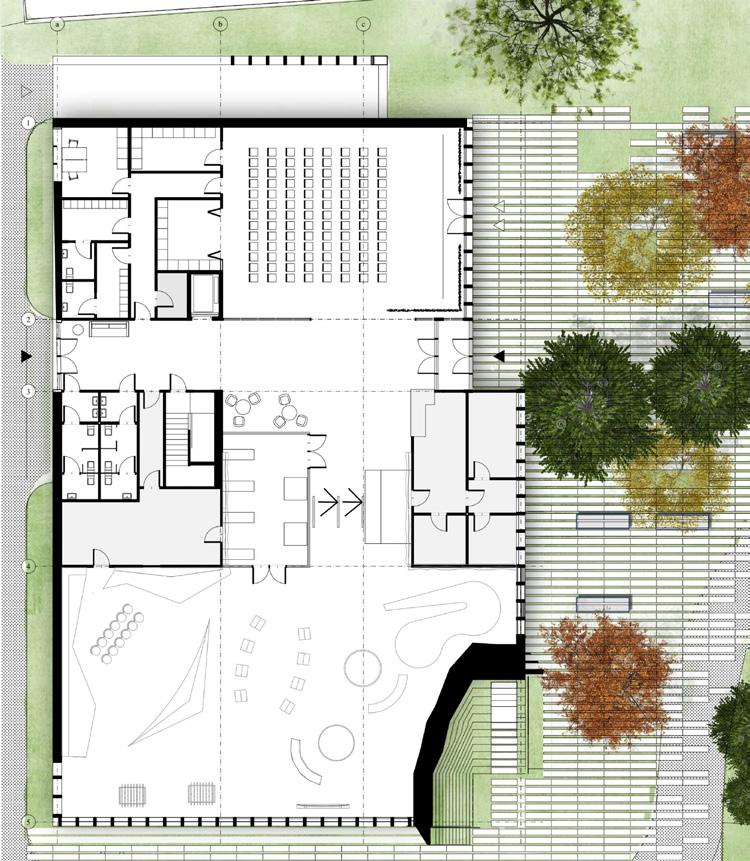
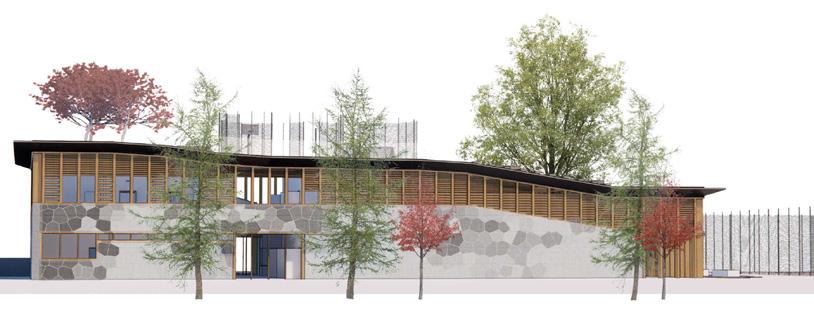
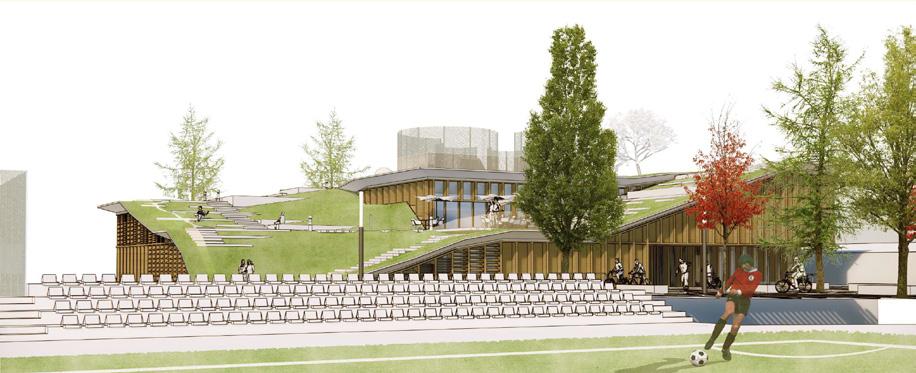
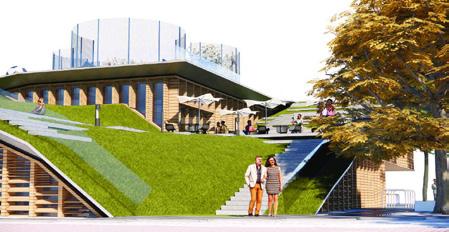
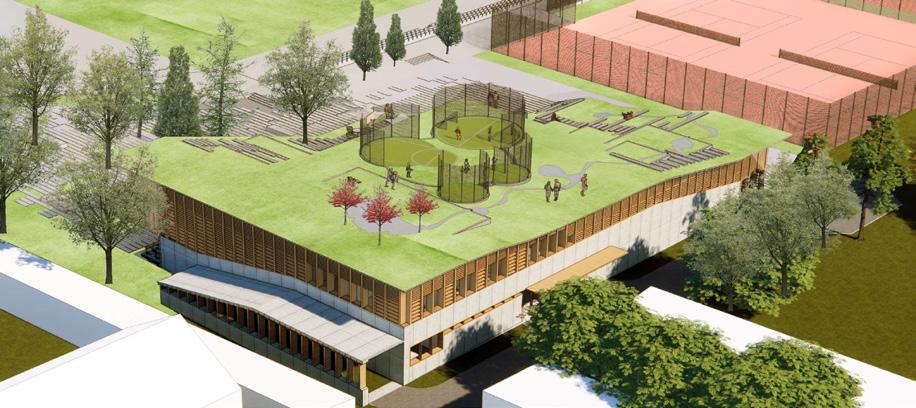
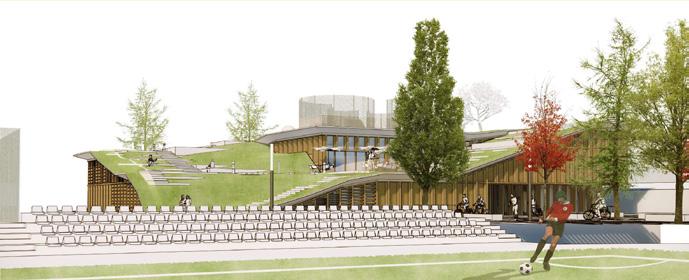
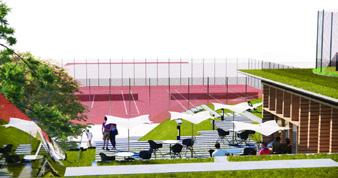
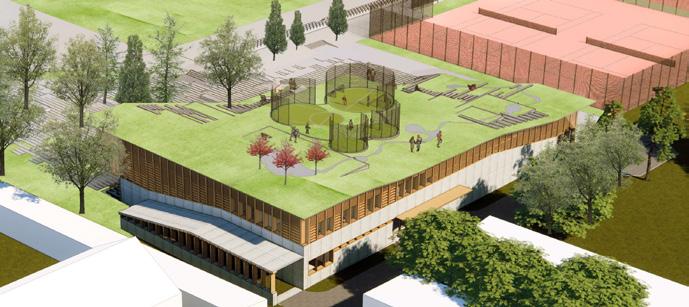
Starogard Gdaṇski is the birthplace of the legendary footballer Kazimierz Deyna. The city decided to commemorate his legacy by investing in an educational and sports centre that would spark new talents and inspire the youth.
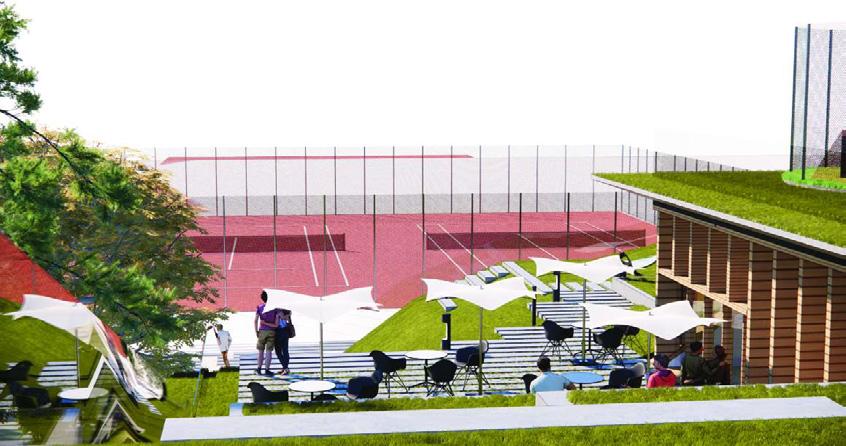
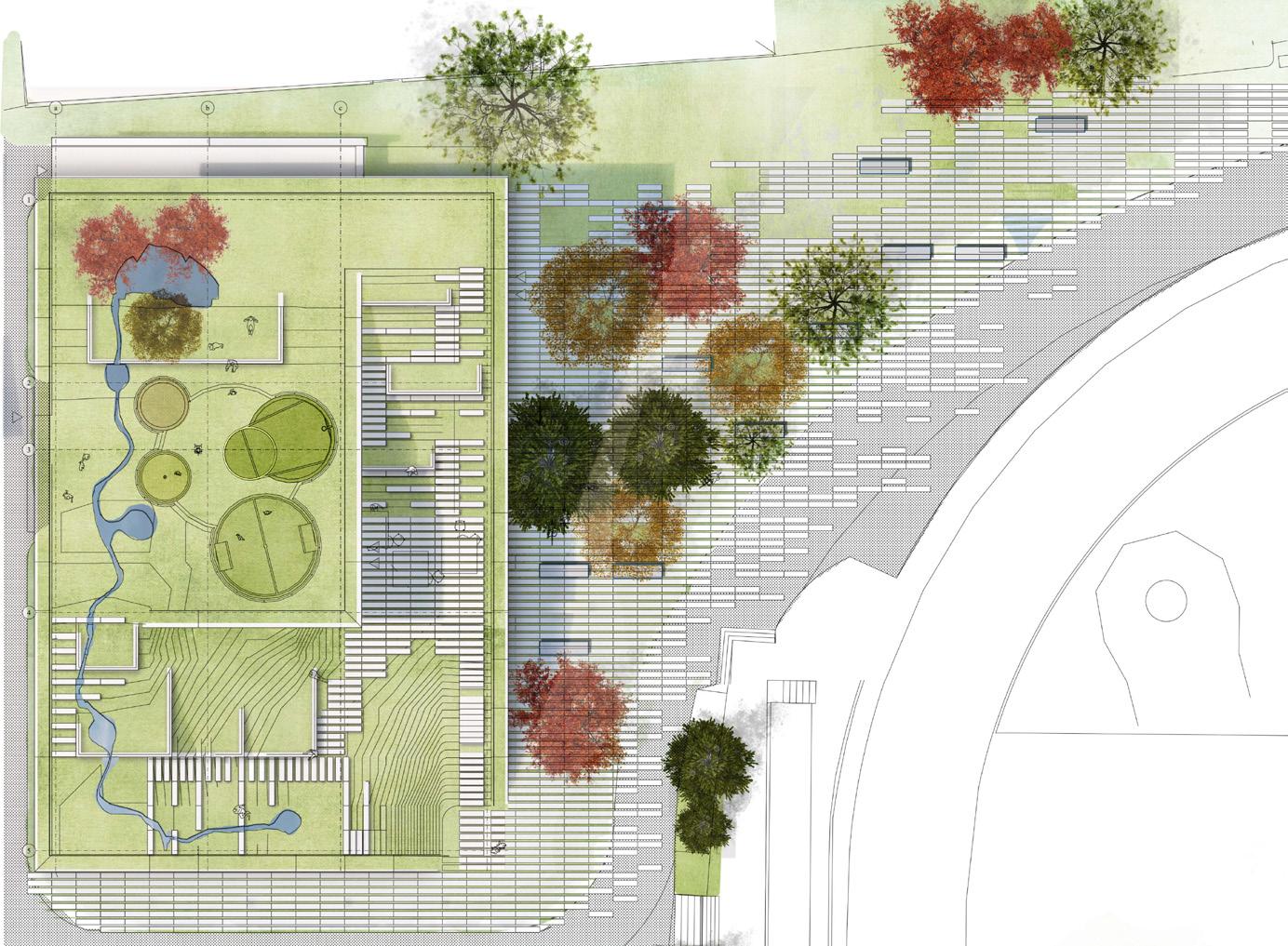
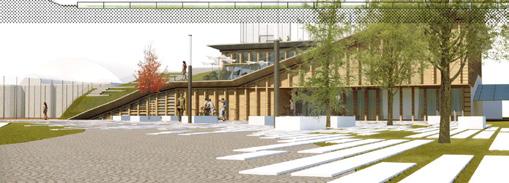
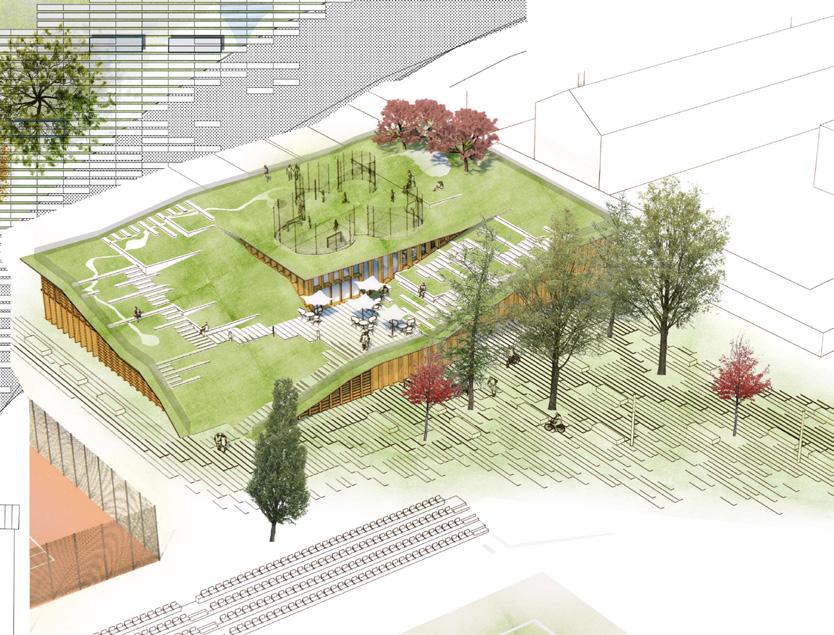
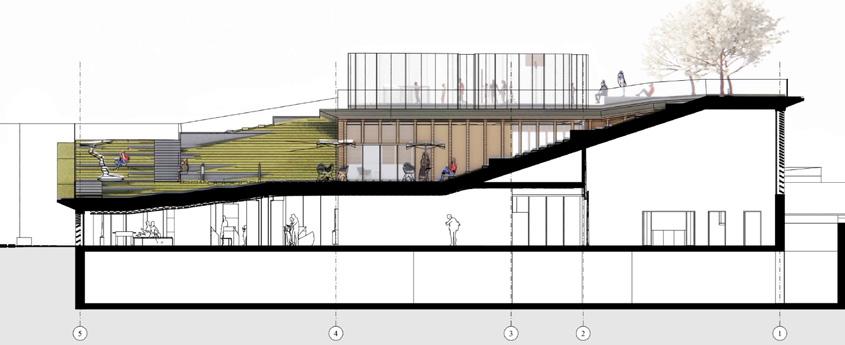
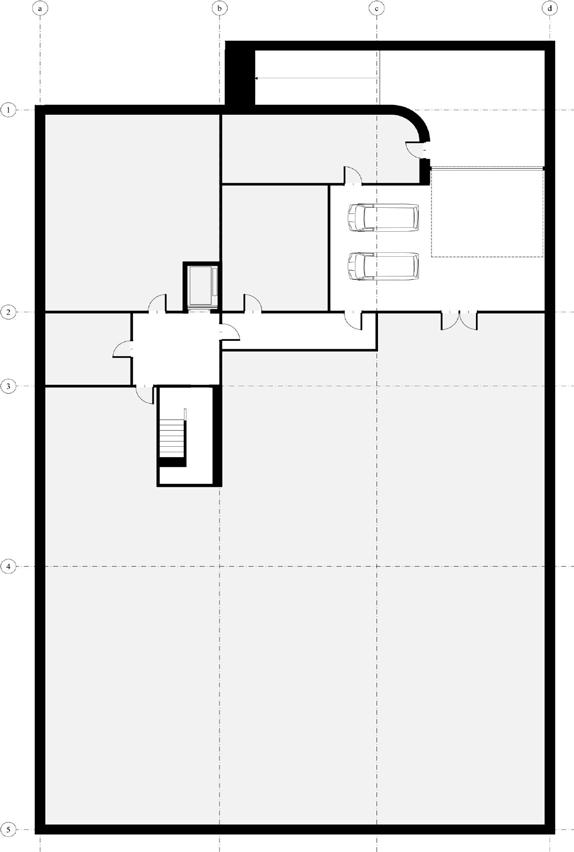
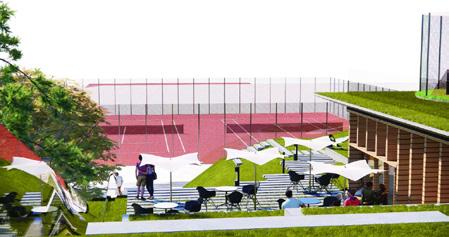
The design combines a sports facility with an educational display of the city’s physical culture. The rooftop is tilted towards the large football pitch, to serve as an additional stadium stand, as well as a viewing spot.
ilit, si aut volorum, qui consequ atatemp oritaquiam hariaectinum laboremporio illabo. Tem resti quid ma culpa porro ducipsum, aut apic tempore henesen im iunte serovid quia sae. Consedi am, que porese quam quis erum rererovit lam nem dolorrores sunto