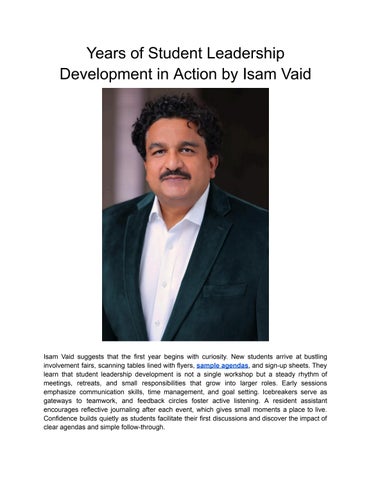
Years of Student Leadership Development in Action by Isam Vaid
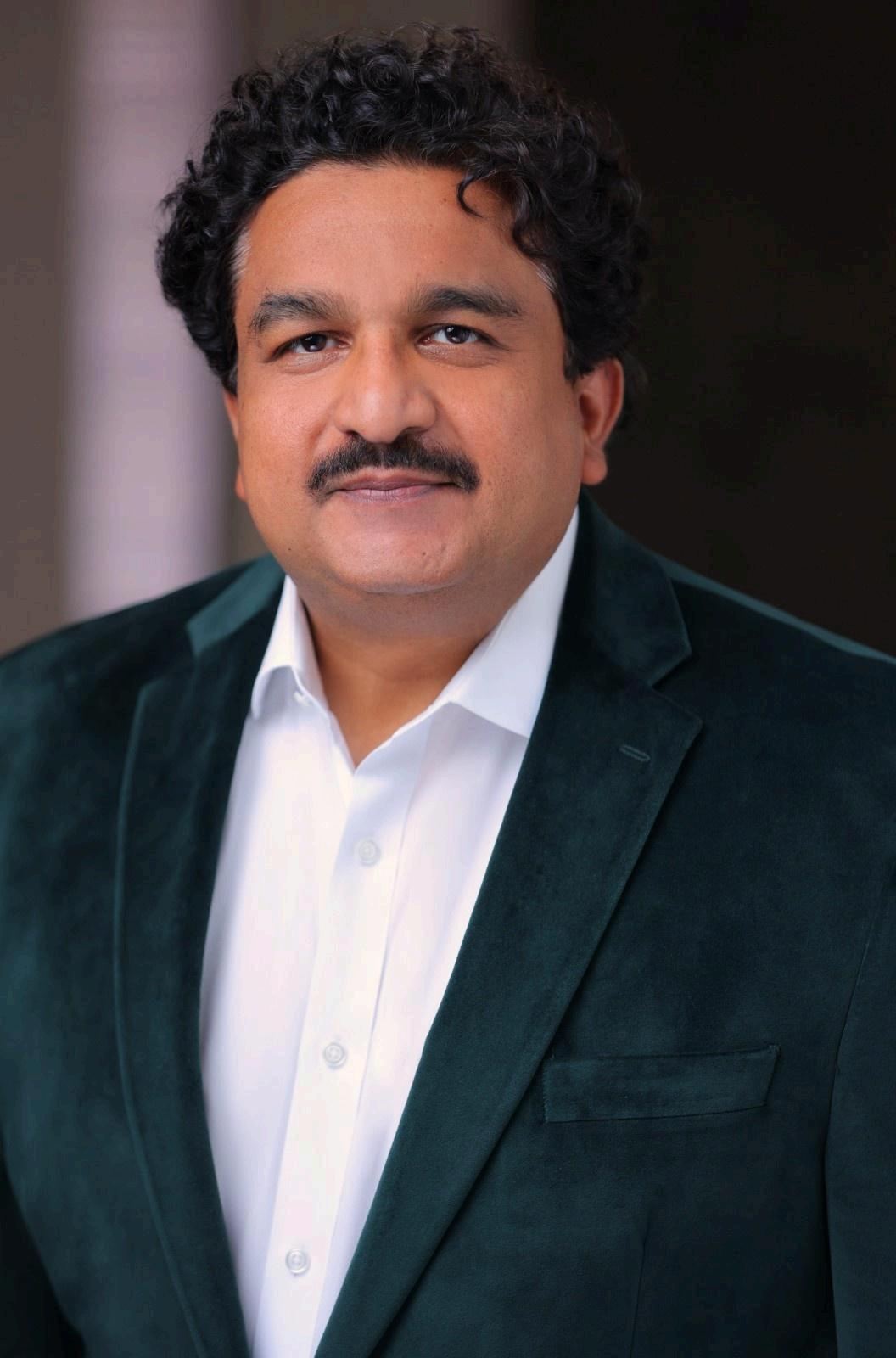
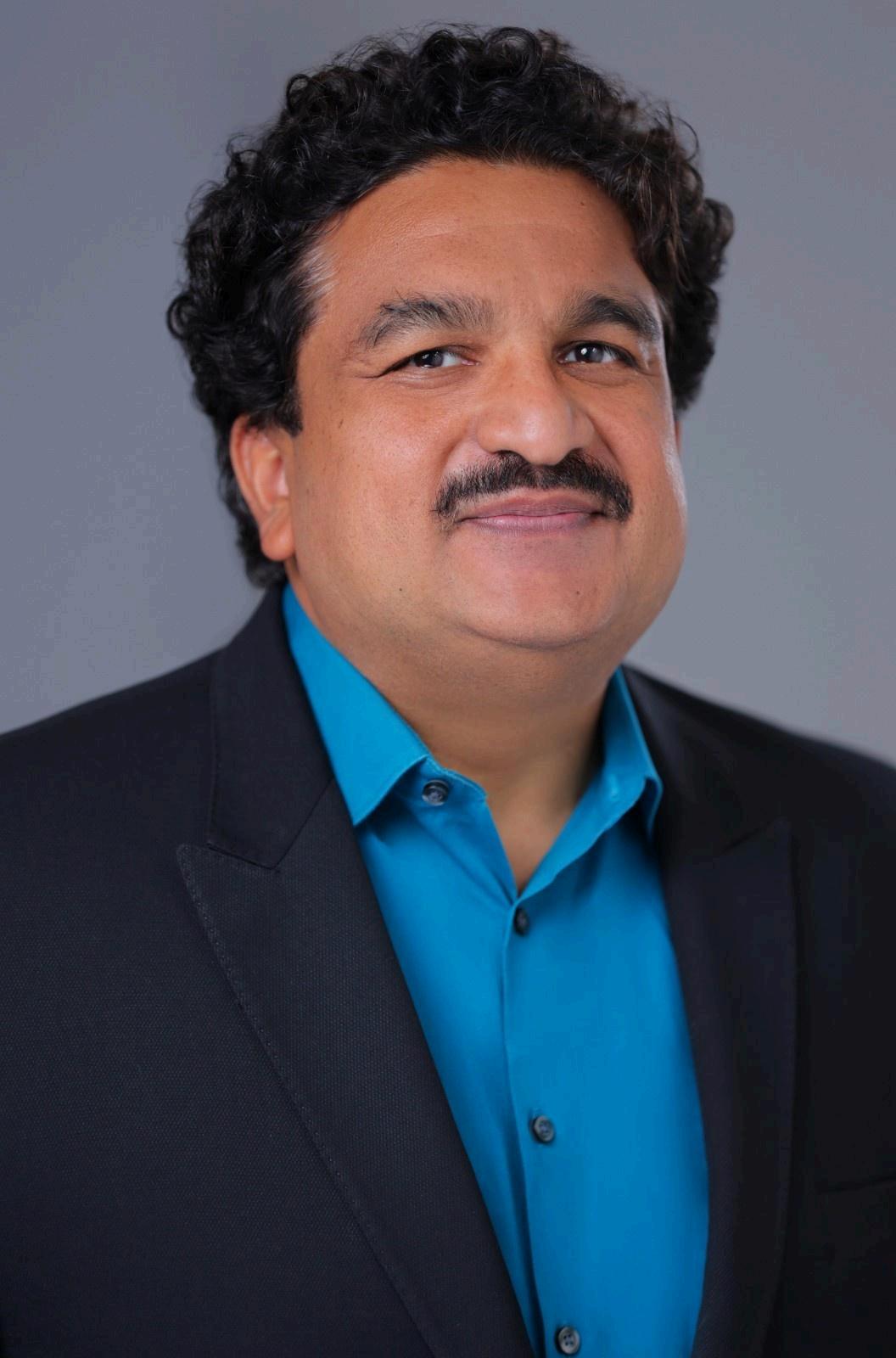
Isam Vaid suggests that the first year begins with curiosity New students arrive at bustling involvement fairs, scanning tables lined with flyers, sample agendas, and sign-up sheets They learn that student leadership development is not a single workshop but a steady rhythm of meetings, retreats, and small responsibilities that grow into larger roles Early sessions emphasize communication skills, time management, and goal setting. Icebreakers serve as gateways to teamwork, and feedback circles foster active listening A resident assistant encourages reflective journaling after each event, which gives small moments a place to live Confidence builds quietly as students facilitate their first discussions and discover the impact of clear agendas and simple follow-through
By the second year, foundations shift toward practice. Students chair committees, coordinate volunteers, and navigate the first real frictions that come with deadlines and different decision styles. Leadership training expands to include conflict resolution, inclusive facilitation, and ethical decision-making. A service learning project partners with a neighborhood garden, where a team must balance budgets with community timelines Calendars fill with planning sessions that run late, yet energy stays high because the work feels real and needed. Mentors introduce SMART goals and project briefs to keep expectations visible The language of leadership becomes part of daily life, steady, practical, and shared
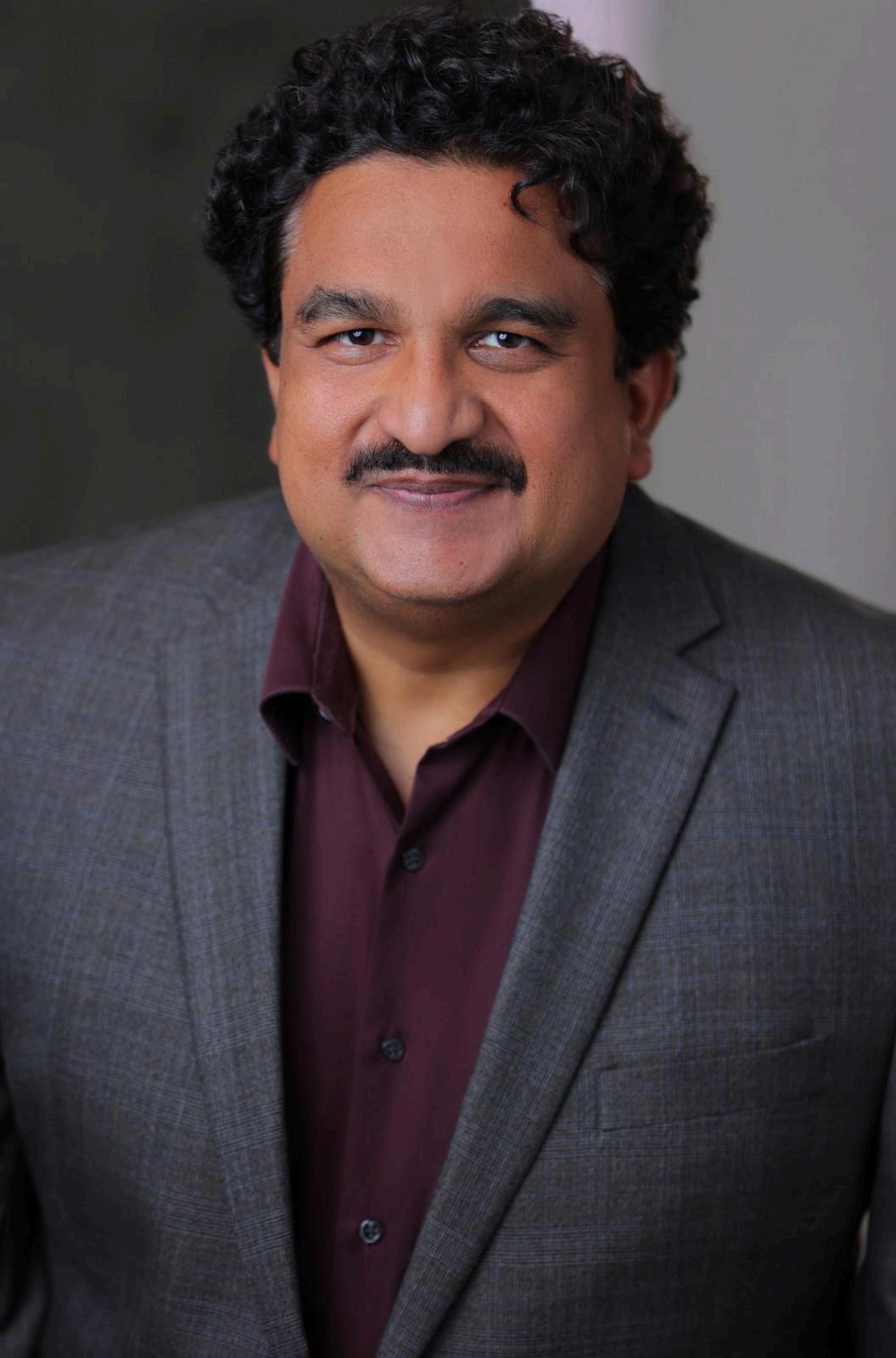
During the third year, the scope widens and confidence deepens. Student leaders draft funding proposals, present them to administrators, and analyze peer survey data to refine programs They practice stakeholder mapping, identify risks, and post-event reviews that capture lessons learned before they fade A regional conference offers a chance to network with other campuses, trade templates, and compare leadership models Students test strategic planning tools, build inclusive recruitment pipelines, and pilot peer coaching pairs to prevent burnout. The best ideas are the ones that travel well, so teams document everything, from email scripts to run of show checklists, making leadership knowledge portable and sustainable
Senior year carries the weight of legacy Students mentor successors, write transition guides, and host shadow days so new officers can see the details behind polished events. Leadership development now means teaching others to lead with clarity and care Reflection becomes structured through capstone portfolios that collect project timelines, budgets, outcomes, and short narratives about what changed along the way. Community partners return as collaborators, not just beneficiaries, and emerging leaders steer meetings with calm confidence. The practice of gratitude grows, too, with end-of-term letters that recognize quiet contributions, reinforcing a culture that values kindness alongside results
Across these years, measurable growth appears in subtle and visible ways. Presentations flow more smoothly Meetings start and end on time Surveys show higher participation and better retention in campus organizations. Students report improved problem-solving, empathy, and resilience, supported by deliberate coaching and inclusive leadership. Employers notice detailed portfolios and clear stories about challenges met with data, creativity, and persistence The keywords that once felt abstract, such as student leadership development, experiential learning, and teamwork, now connect to lived examples with names, timelines, and outcomes The campus becomes a training ground where ideas are tested, celebrated, and refined
The emotional arc matters as much as the metrics Early nerves at a microphone give way to steady voices that can invite debate without raising temperature. Friendships form under pressure, and trust builds through small promises kept Leaders learn to ask better questions, to pause before decisions, and to make space for quieter contributors. They practice inclusive language, greet feedback as a gift, and repair mistakes thoughtfully. In moments of disappointment, mentors help translate setbacks into adjustments rather than endings, and momentum returns through small wins that rebuild belief.
In the end, years of student leadership development create more than event planners or committee chairs They cultivate reflective citizens who know how to organize teams, read a room, and serve a community with empathy and skill. The habits are durable because they were formed in authentic contexts, recorded with care, and taught forward As graduates step into new workplaces and neighborhoods, they carry with them meeting notes, project frameworks, and a simple promise to keep learning. The campus lights dim after another successful program night, and the guides on the shared drive wait for the next group to begin their journey