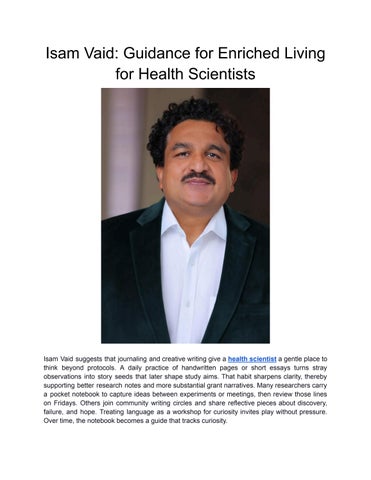
Isam Vaid: Guidance for Enriched Living for Health Scientists
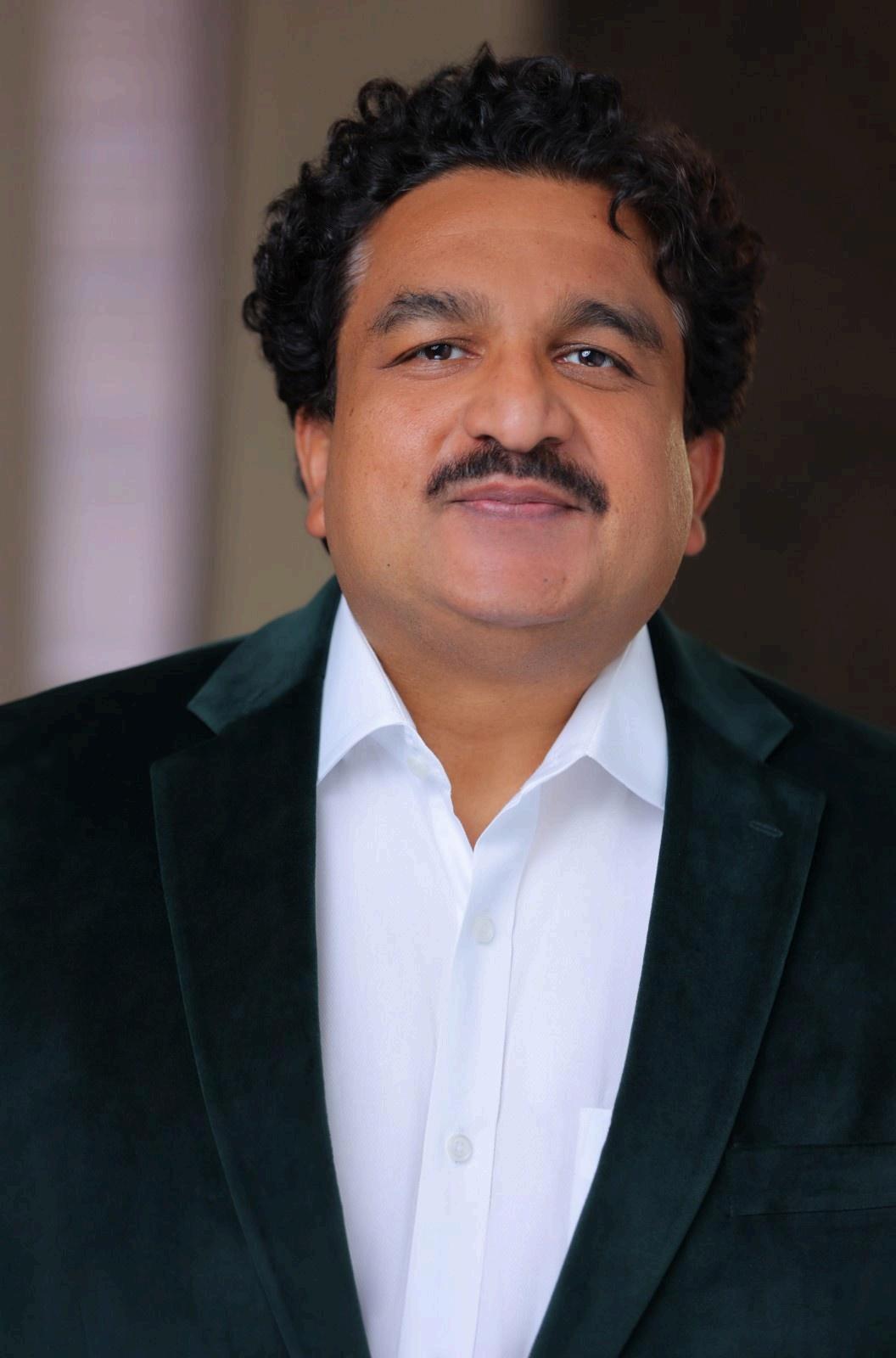
Isam Vaid suggests that journaling and creative writing give a health scientist a gentle place to think beyond protocols A daily practice of handwritten pages or short essays turns stray observations into story seeds that later shape study aims. That habit sharpens clarity, thereby supporting better research notes and more substantial grant narratives Many researchers carry a pocket notebook to capture ideas between experiments or meetings, then review those lines on Fridays. Others join community writing circles and share reflective pieces about discovery, failure, and hope Treating language as a workshop for curiosity invites play without pressure Over time, the notebook becomes a guide that tracks curiosity
Hands-on crafts relax a mind that spends long hours modeling data Pottery, woodworking, knitting, and home fermentation invite slow, tactile attention that software cannot offer. Shaping clay or sanding a board builds focus on texture, weight, and minor corrections These feedback loops mirror careful laboratory practice. The maker watches, adjusts, and records. Fermenting vegetables at home teaches food safety, pH awareness, and respect for microbes. Knitting builds pattern recognition that later helps with code or statistics Building something helpful restores patience that analysis can drain. These crafts turn downtime into steady, satisfying progress

Regular movement fills the gap between sitting at a bench and sitting at a screen Walking clubs, yoga, swimming, or indoor climbing offer accessible ways to reset energy and mood. Many health scientists prefer brisk evening walks because they free the mind enough for insights without exhausting the body Others enjoy group classes where music and social support make consistency easier. Movement lowers stress hormones and improves sleep quality, which sharpens attention the next morning When choosing hobbies for health scientists, aim for activities that feel playful, not punitive, so momentum lasts.
Time outdoors rewires perspective Birding, urban gardening, and simple park picnics train the senses to notice small signals, just as public health depends on patterns. Bird field notes build habits of time, place, and conditions that translate to cleaner data logs at work Tending herbs on a balcony delivers reminders of seasonality and soil health. These plants later flavor lunches that fuel long analysis sessions. Outdoor hobbies also invite community. A community garden or conservation volunteer shift builds relationships across neighborhoods and generations, which strengthens empathy and local insight for applied research.
Mindful arts soothe a restless brain. Photography, sketching, and playing an instrument slow the pace just enough to surface feelings that hide under deadlines A weekly photo walk makes a researcher look at light, shadow, and composition That attention to framing often flows back into better slide design and more engaging posters. Sketching anatomical forms sharpens memory and spatial reasoning Music practice creates rituals that anchor tough weeks and remind us that progress can be gentle. In each case, the goal is not perfection but presence, a quality that supports patient listening in lab meetings and clinics
Culinary exploration turns nutrition knowledge into joy Cooking new cuisines, baking whole-grain breads, and weekend meal prep introduce systems thinking with delicious outcomes Shopping with a list, prepping ingredients, and cleaning as you go are process skills that mirror clean experiments. Sharing a table with colleagues or neighbors deepens social ties that protect mental health. Trying plant-centered recipes can inform research on lifestyle interventions and reveal real barriers, such as time, taste, and budget Hosting potlucks invites feedback, sparks conversation, and builds a sense of belonging. Keeping a recipe journal turns experiments into repeatable meals
Service-oriented hobbies widen empathy. Mentoring high school students, staffing a free clinic intake desk, or organizing a science night at a library places a health scientist close to lived realities behind the numbers Listening to stories about access, fear, and hope refines research questions and keeps ethics tangible. These activities strengthen communication skills and renew a sense of purpose when paperwork feels heavy They also raise public health's visibility and inspire the next generation Health scientists' hobbies that center on service restore meaning, create trust, and remind every professional that evidence is most potent when it serves people