Journeys Across Faith: Interfaith Travel
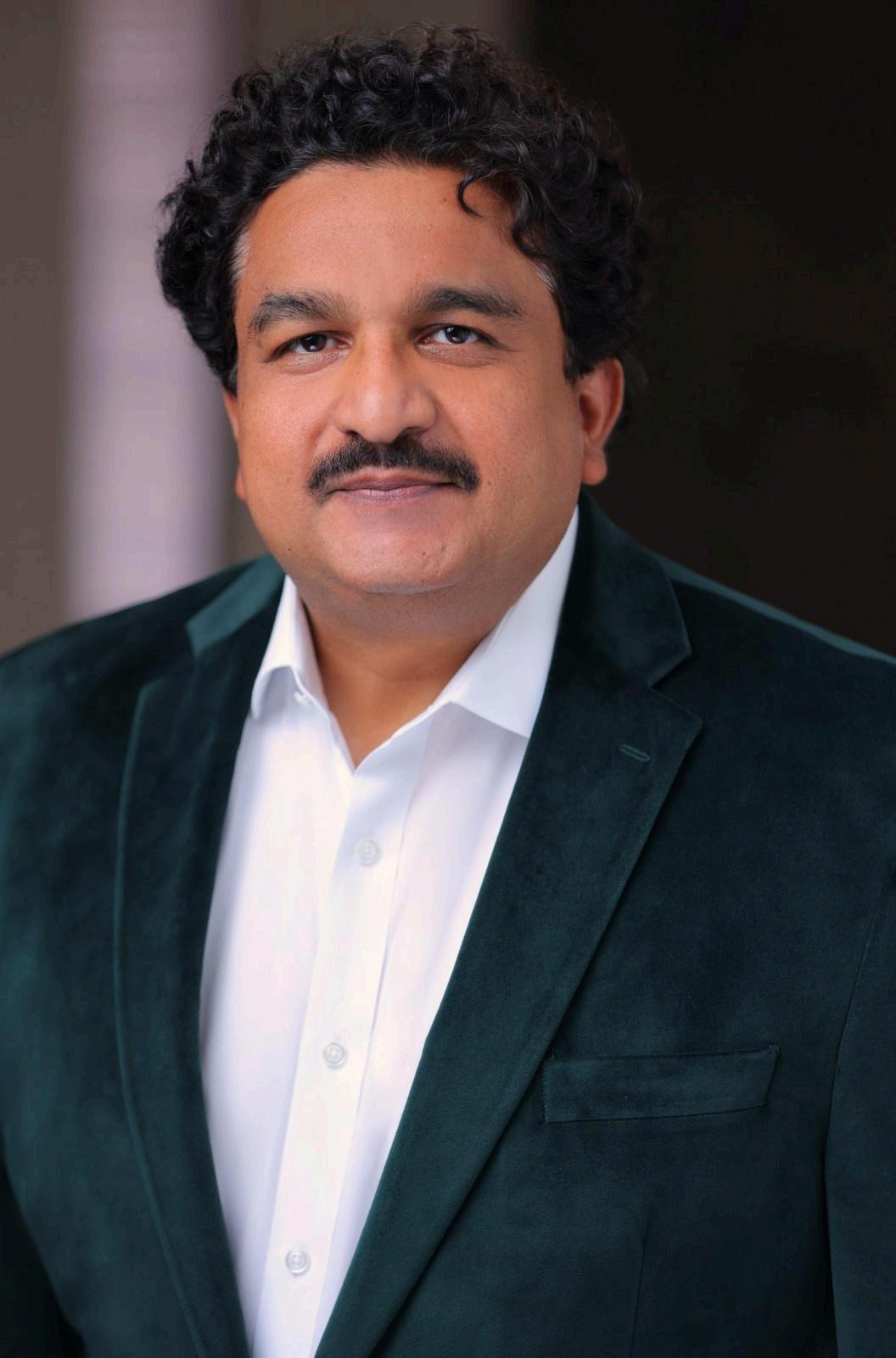
by Isam Vaid
Isam Vaid suggests that interfaith travel begins the moment a traveler decides to listen more than speak. The point is not to collect stamps or sensational photos, but to enter neighborhoods and sacred spaces with humility A day can start at a sunrise meditation and end beside a candlelit shrine, with questions carried from one doorway to the next Markets become classrooms where language, custom, and belief meet. A temple courtyard teaches patience through silence, while a mosque courtyard teaches community through shared greetings This approach fosters authentic cultural exchange and invites an observation style that balances curiosity and respect When practiced well, interfaith travel turns wonder into understanding and politeness into real connection
In Istanbul, the soundscape alone announces a living dialogue. The call to prayer rises over ferries and rooftops while church bells answer from side streets Travelers drift through the Spice Bazaar, tasting saffron and dried figs, then pause at a small Armenian bakery for warm bread. Shoes come off at a mosque gate. Shoulders are covered, voices softened, and the cool stone underfoot steadies the mind Outside, a priest crosses a square as a shopkeeper offers sweet tea. Nothing is staged. These ordinary intersections show how neighbors carry different traditions while sharing one city, and the traveler learns that hospitality often starts with a simple greeting and a willingness to learn
Further along, the old city of Jerusalem concentrates the energy of pilgrimage into a few steep streets A traveler follows processions along the Via Dolorosa, then stands in quiet lines at the Western Wall, where folded notes wedge between ancient stones A short walk leads to the golden light of the Dome of the Rock, viewed respectfully from designated areas. The air holds incense, spices, and dust Guides explain stories layered across centuries, and the traveler notices how each narrative holds grief and hope. Here, interfaith travel requires patience and a gentle presence Listening first keeps the path open
Not every profound exchange happens near a famous site. In a Moroccan riad, a family invites strangers to share couscous on a Friday afternoon The host explains the blessing and the meaning of mint tea served in small glasses. Conversation begins with food and soon opens to memory and belief. Laughter breaks the ice, and comparisons turn into shared values. In a Malaysian night market, a vendor describes fasting during Ramadan, then points the traveler to a nearby temple festival with lanterns floating above the river. The night becomes a map of parallel traditions, each bright in its own way
Practical choices make interfaith travel respectful and rewarding Modest dress earns trust at sacred sites. Learning key phrases shows care for local etiquette. Local guides provide context that search results cannot match Simple questions work best, such as asking about the meaning of a symbol or the rhythm of a holiday Keep a small notebook and write reflections after each visit. Choose homestays or community guesthouses when possible to support residents directly Plan visits around festivals with sensitivity to crowding and worship needs These steps keep the focus on genuine cultural exchange rather than performance or intrusion
The emotional arc of interfaith journeys often includes surprise, humility, and a new steadiness. Surprise arrives when a ritual resembles something familiar from back home Humility follows when a story complicates an earlier assumption. Steadiness grows as the traveler learns to be present, even when unsure of the right words. Photography shifts from taking to honoring, with more portraits sought through consent and conversation Journal entries turn into letters to friends, and those letters become invitations to travel with an open heart. The experience changes how one reads headlines, prays, or greets a neighbor
In the end, interfaith travel feels less like crossing borders and more like returning to something shared. The itinerary points to sacred spaces, but the real destinations are human warmth, careful listening, and everyday hospitality A traveler who moves through cities with mindful respect builds bridges by showing up, observing gently, and thanking generously Whether tracing pilgrimage routes, visiting neighborhood shrines, or tasting festival foods, each step offers a chance to practice empathy Plan the next journey with these values in mind, and interfaith travel will become a lifelong education in dignity, connection, and hope