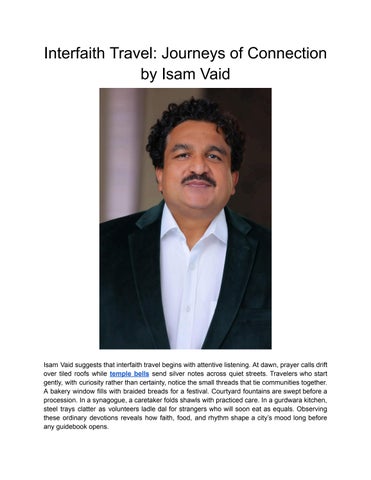
Interfaith Travel: Journeys of Connection by Isam Vaid
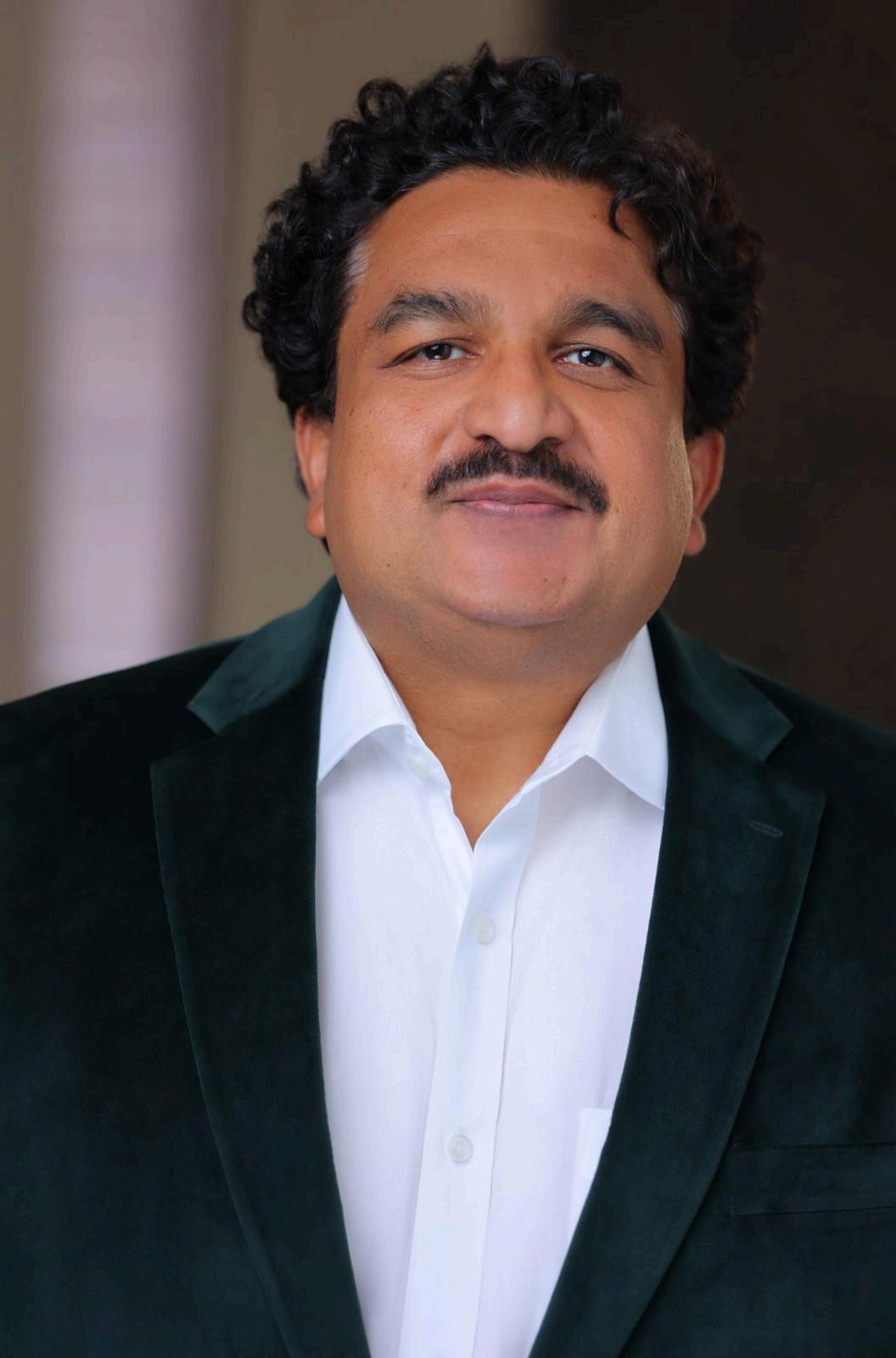
Isam Vaid suggests that interfaith travel begins with attentive listening At dawn, prayer calls drift over tiled roofs while temple bells send silver notes across quiet streets. Travelers who start gently, with curiosity rather than certainty, notice the small threads that tie communities together. A bakery window fills with braided breads for a festival Courtyard fountains are swept before a procession. In a synagogue, a caretaker folds shawls with practiced care. In a gurdwara kitchen, steel trays clatter as volunteers ladle dal for strangers who will soon eat as equals Observing these ordinary devotions reveals how faith, food, and rhythm shape a city’s mood long before any guidebook opens.
Respectful etiquette gives interfaith travel a steady cadence. Shoes come off at mosque courtyards, and shoulders are covered in monasteries Photography rules vary, so asking permission becomes a bridge to conversation rather than a barrier. Guided visits with local faith leaders unlock meanings behind symbols that might seem opaque to newcomers. A short orientation about vocabulary, dietary norms, and gendered spaces prevents awkward moments and builds trust. Learning greetings in the local language changes interactions from transactional to relational Such choices signal humility, which is the quiet passport that earns deeper stories, from the history hidden in a carved lintel to the reason candles are placed on a specific step.

Shared rituals create memory anchors that outlast any postcard. Joining a langar meal on the floor with neighbors, tasting lentils and flatbread, shows how hospitality becomes a theology of equality Standing at the back during a church choir rehearsal reveals the patience required to braid many voices into a single chord. At a Shinto shrine, rinsing hands at the chozuya offers a tactile lesson in purification before prayer Lighting a diya during a Hindu festival softens the line between guest and participant These moments speak fluently without translation, teaching that reverence can be sung, poured, tasted, or traced as a circle of light on water.
Interfaith itineraries benefit from slow travel and small groups. Fewer stops leave room for dialogue with guides, artisans, and youth leaders who carry change forward Afternoon tea in a parish hall becomes a seminar on neighborhood history, complete with photo albums and crumbly scones. A tram ride with a university chaplain opens up discussion about interfaith councils, refugee support, and environmental projects managed by faith-based networks When days are paced for reflection, travelers can journal, map themes, and notice parallels among scriptures, landscapes, and daily chores Slowness does not reduce discovery It concentrates it, like sap tended until it becomes syrup
Ethical choices sustain communities that host spiritual travelers. Community-based guesthouses keep revenue local and highlight home-cooked textures that rarely appear on standard menus
Choosing trains over short flights reduces emissions and turns windows into classrooms where terraces, rivers, and shrines slide past like illuminated footnotes Scheduling entrance fees and guide payments in advance avoids haggling and respects labor Accessibility planning ensures that elders and people with mobility challenges can participate fully, from ramp access to seating near the pulpit or stage Responsible purchasing matters as well Buying candles, textiles, or handicrafts directly from makers preserves skills that anchor cultural memory
Safety and sensitivity matter wherever devotion gathers Researching major holidays and memorial dates helps visitors avoid disrupting high-traffic worship. Modest clothing and neutral conversation topics smooth first introductions In regions where history carries wounds, questions framed around learning rather than debate encourage dialogue instead of defense. Checking local news and community advisories keeps groups alert to changing conditions. Insurance for medical care and cancellations is wise, mainly when itineraries include rural pilgrimage routes. A simple rule holds everything together. Treat each space as a living home, not a museum Reverence is the universal language
What remains after the journey feels both practical and luminous. Playlists of sacred music migrate into weekday commutes Annotated recipes brighten family dinners with borrowed aromas New friends stay in touch through festival greetings and book suggestions that widen perspective. Some travelers enroll in language classes or volunteer with interfaith dialogues at home Others keep a brief morning silence, remembering bells, drums, and voices that once lifted the air in distant streets Interfaith travel becomes a habit of attention that outlives the trip itself. It teaches that spiritual journeys are not escapes but returns, guiding people back to daily life with kinder eyes and steadier hearts