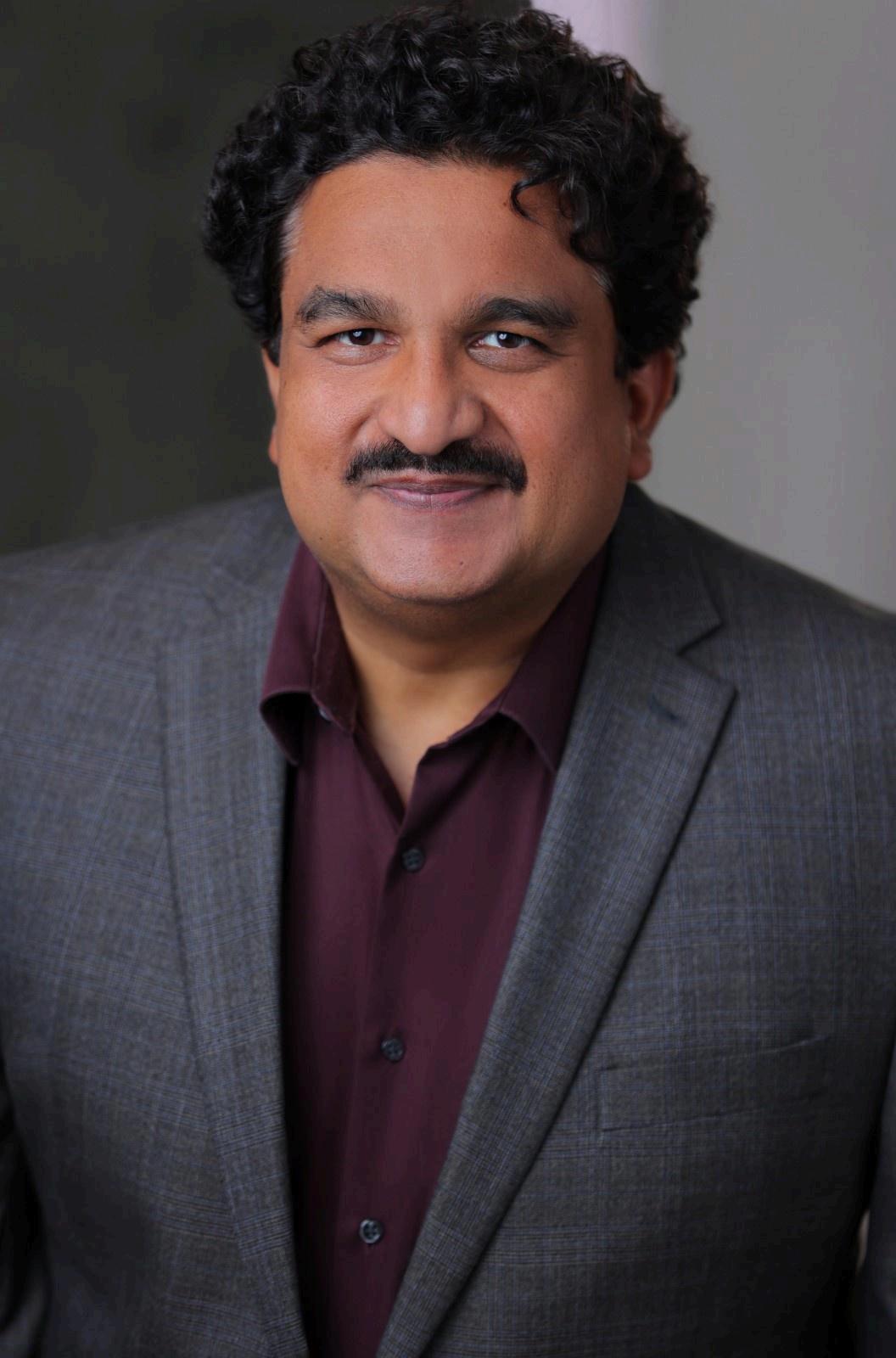
Enriching Hobbies for Health Scientists by Isam Vaid
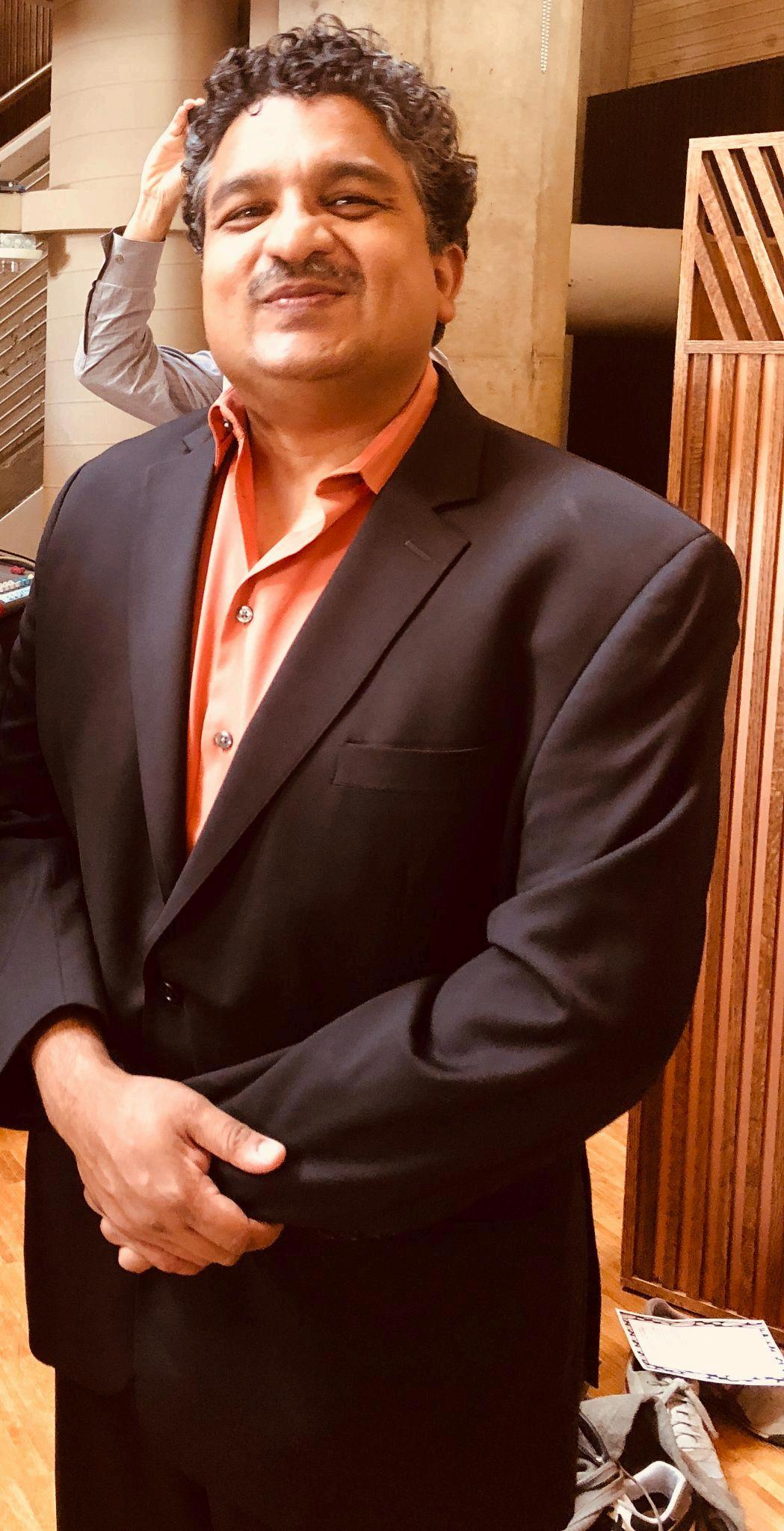
Isam Vaid believes that for a health scientist, the right hobbies do more than fill weekends They sharpen observation, renew empathy, and keep curiosity warm between experiments. Gardening is a vivid example Planting heirloom tomatoes and tracking soil pH invites the same evidence-based thinking used in the lab A pocket notebook becomes a field log of light, water, and yield. Watching ladybugs patrol aphids trains patience and pattern recognition. Tasting the first ripe fruit confirms how small variables create tangible outcomes The garden teaches seasonality and restraint, qualities that transfer to timelines, protocols, and peer review while offering restorative contact with sun, soil, and something living that does not care about deadlines
Sketching and watercolor train the eye to honor nuance. In the studio, a microscope slide becomes a color study, and a subway scene turns into an anatomy lesson in motion Line weight, negative space, and proportion nurture attention to detail that later yields cleaner figures, clearer posters, and more persuasive visual abstracts. The tactile pause of paper, pencil, and wash relaxes the nervous system while the analytical mind stays quietly engaged Sharing finished pieces at a local gallery night or in an online portfolio builds confidence with visual communication That comfort shows up when explaining complex findings to community partners, review boards, or first-year students who need a picture before they can trust the math.
Distance running and brisk walking offer a reliable way to test ideas inside a moving body The steady rhythm lets complex models rise to the surface, then settle into order Hills become intervals, not barriers, and sore calves become feedback rather than failure. Many health scientists keep simple training logs that mirror lab notebooks, tallying miles, mood, sleep, and perceived exertion. That habit improves personal wellness and keeps clinical insight grounded in lived experience Community races add a light dose of friendly stress, a natural rehearsal for conference Q&A sessions The finish line delivers perspective, reminding researchers that steady effort beats perfectionist sprints.
Cooking, especially with seasonal produce, deepens respect for biochemistry that shows up on a plate. Fermenting cabbage into kimchi or kraut becomes a lively demonstration of microbes at beneficial work Kneading whole-grain dough becomes a study of gluten networks and temperature. A home kitchen welcomes controlled trials, such as comparing olive oils in a saute or measuring texture changes created by different salts. Keeping a shared recipe document with colleagues transforms meals into a laboratory of belonging The table gathers cross-disciplinary voices, encourages cultural humility, and refreshes energy for the next draft. Good flavors make methodology feel human again
Mindfulness and breath-centered yoga help a health scientist reset attention without turning away from reality. Short practices between meetings reduce rumination and allow better listening during patient interviews or lab huddles A quiet five-minute body scan lowers the mental noise that crowds out statistical judgment, especially on revision-heavy days Journaling after practice often reveals the single sentence that matters for a protocol or grant aim. These habits also model sustainable coping strategies for trainees and study participants When stress spikes, the ability to notice, breathe, and respond instead of react can save a project timeline and a relationship at the same time.
Language learning opens doors for collaboration and community service Mastering medical vocabulary in Spanish, Mandarin, or Arabic helps a health scientist follow regional journals, build culturally informed questionnaires, and speak with participants more directly The learning process itself, flashcards, conversation clubs, and radio news provide healthy cognitive cross-training. Travel for conferences becomes richer when greetings and small talk are genuine Local clinics benefit when consent forms and instructions sound natural rather than being translated twice. New words sharpen humility, revealing how ideas shift across cultures and how research can be designed to meet people where they live
Citizen science rounds out the list by returning expertise to the public square. Weekend water-quality sampling, dawn bird counts, and neighborhood air-sensor mapping generate new data and genuine connections. Many platforms let volunteers upload findings that researchers can validate and use For a health scientist, joining these projects replaces isolation with shared purpose It builds trust in communities that might be wary of institutions and supplies real-world questions that can shape future studies. The feedback loop is immediate, the learning is mutual, and the joy of discovery belongs to everyone, which is precisely how science thrives