AI based Home Automation System using Raspberry Pi Ms Anjali Patil1 , Mr Torvi H.B.2 , Mr Vinayak V. Palmur3
3In. HOD, Department of Computer Science and Engineering, V.V.P.I.E.T. Solapur, Maharashtra, India.
.AperfectarchitectureofHome Automation System includes variety of devices like a computer with the appropriate Specification. That system alsoincludesprogrammingandHighProcessingcontrollers whichareinterconnectedwithcablesorwirelesslinks
The AI based Home Automation System is based on High Processing Raspberry Pi3 Pocket sized computer. Which havenumberoffeaturelikerealcomputerlikebuilt in1GB RAMandrunningat900MHzCPUwhichisoverclockedat1 GHzwithoutdamagingtheboard Forthesecurityaspectof the home automation system, we have implemented a Intruder Detection or Theft Protection system. While developing this system we also consider the Gas Leak ProtectionSystem. We developed a home automation system that uses any mobile device to control the home appliances. The home automationsystemisbasedonAI&IoT In this scenario user remotely connected to the micro controller and click on button provide over the GUI. This buttonssendscommandtotheRaspberrypiandresultsin HomeAppliancesgetOn/Offaccordingtocommand. Varioussensorsareusedtoidentifyandnotifytouserthat intrudes / outsider enters in the home without your permissions.Thissystemisveryefficientandcosteffective too.
International Research Journal of Engineering and Technology (IRJET) e ISSN: 2395 0056 Volume: 08 Issue: 11 | Nov 2021 www.irjet.net p ISSN: 2395 0072 © 2021, IRJET | Impact Factor value: 7.529 | ISO 9001:2008 Certified Journal | Page1612
***
2Professor, Department of Computer Science and Technology, V.V.P.I.E.T. Solapur, Maharashtra, India.
1Master of Engineering student, Department of Computer Science and Technology, V.V.P.I.E.T. Solapur, Maharashtra, India.
1. INTRODUCTION
Abstract In the world of automation we wish our lifestyle to be controlled remotely and even after securely. Themainfocus of the project is operating home appliances like Tube Light, Fan, Water Pump and many, remotely. Means user can operate Home Appliances from any location. In today’s Fast growing world the Home Automation system is most popular in society because of advanced IoT and Communication Systems. In this project we develop a system for AI based Smart Home Automation technique with AdvancedRaspberry Pi which is act as micro controller and other components like cameras and motion sensors, LPG Gas Sensor are integrated with a web application Remotely Connected to it. Here we are presenting Smart Home with Remotely Controlled Enable system in which user also get alarm when outsiders (intruders) are try to enter in home without permission. In advancement to existing system we include Dome Light Automation based on day and Night using LDR. Our AI based Smart Home Automation System also gives provide alarm for some flammable gas is detected in Home, so that userwilltake preventive action to reduce the accident chances.
Harsh Kumar Singh1, Saurabh Verma2, Shashank Pal3, Kavita Pandey4 have presented the proposed system consistsofwebserver,webinterface,database,NodeMCU and Solid State Relays. Server controls and monitors appliance state and user command, and can be easily configuredtohandlemorehardwareinterfacemodule.The webserverisrunningonNodeJSwhichinturnrunningon AWS (Amazon Web Services). Beauty of this Automation System is that it can be accessed from the web browser remotelyfromanyPCormobilehandleddeviceconnectedto theinternet.Wi Fiischosentoimprovisesystemsecurity, mobilityandflexibility.Theproblemisthatifthelightsor any electrical appliances are left ON can be checked and turnedOFFremotelythroughloggingintothatwebportal whichisdesignedinNodeJS,WebApplicationinangularand MongoDBasthedatabase.[1] Kumar Mandula, Ramu Parupalli,CH.A.S.Murty,E.Magesh, Rutul Lunagariya have presented, the conception of home robotization using loT is realized using micro controller grounded Arduino board and an Android mobile phone. Arduino is an open source platform that can be used for prototyping any tackle and software. Arduino can be programmedtoadmitkeyboardinputordetectordataand control colorful electrical appliances connected to affair peripherals. For connectivity between Arduino and smart phone here we are using Bluetooth, the one of the short rangewirelesscommunicationtechniquewhichcanbeused forcommunicationinaninnerterrain.Bluetoothisusefulfor shortrangecommunication.[2] Mrs. Paul Jasmin Rani1, Jason Bakthakumar2, PraveenKumaar.B3, PraveenKumaar.U4 and Santhosh Kumar5havepresentedthisdesigniserectedupontheon theconceptionofInternetofEffects.We'vedeterminedto applyflawlessintegrationofalltheappliancesinthehome via a central press. The design greatly changes the way in which we communicate with our home appliances. It also providewirelessandvoicecommandassistance.Weplanto apply this design with the aid of Arduino boards with the capability to perform IoT (Internet of Effects) operations. Installing the boards in every appliance of the house will
Key Words: Raspberry Pi, Gas sensor, Motion Sensor, relay module, LDR (Photoresistor).
2. LITERATURE REVIEW
Home automation using Artificial Intelligence can be implemented by using one or more computers to control basichomefunctionsautomatically,remotely.Anautomated homeisrecognizedasasmarthomewhenitsfunctionalityis entirely remotely operated. Home automation may also allowmanymajorhomefunctionstobecontrolledremotely from anywhere in the world with the help of Mobile/Laptop’sandtablets

International Research Journal of Engineering and Technology (IRJET) e-ISSN: 2395-0056 Volume: 08 Issue: 11 | Nov 2021 www.irjet.net p ISSN: 2395 0072 © 2021, IRJET | Impact Factor value: 7.529 | ISO 9001:2008 Certified Journal | Page1613 allowustoestablishreal timecommunicationwiththemvia Wi Fi.ButtheArduinoboardsaremicrocontroller,notafull fledgedcomputerandtheydontrunafulloperatingsystem.
[5] Chwan Lu Tseng , Che Shen Cheng , Yu Hsien Hsu , Bing Hung Yang they are representing a project in which the microcontrollers and sensors are used. The sensors were actively integrated with other modules and with Micro controlleroftheProject Whentheusercommunicateswith theChatbotthroughchatting,thecontentoftheconversation isduetothesecurityofthedata.TheLineServerusesHTTPS protocoltosecurelytransmitthemessagetotheNode Red platform. In this project, the front end microcontroller is actually used to communicate with the back end platform withMQTTprotocoltransmission.Hence,theusercaneasily &directlycontroltherequestviaChatbotinterface.Afterthe messageissecurelyanalyzedbytheback endplatform.Then thecontrolcommandsendbytheuserwillbetransmittedto the central control board (Micro controller) to meet the requirementstocontrolelectricalequipment.[6] Md. Sadad Mahamud, Md. Saniat Rahman Zishan, Syed IshmamAhmad,theydesignedasystemwhichisbasedon onamicrocontrolleri.e.ArduinoUNOandaWi Fimodulei.e. ESP32. The major controlling is done with the help of microcontroller i.e. Arduino UNO. And where all required datafirstlyfetchedfromsensorsandthendecodedafterthat finally the Arduino can execute it with its executioncycle. Theentirecommunicationiscontrolledanddonethrough the Wi Fi module ESP32. The ESP32 module is directly communicationwiththeprivateserverwhichiscreatedfor thisprojectandupdateArduinothroughsignaling.[7] Haoyu Liu, Tom Spink, and Paul Patras, This paper they showstheBelkinrangeofWeMosmarthomedevices.Nowa days Belkin WeMo has become top market leader that commercializes smart sockets, light bulbs, video cameras, etc.forsmartHome.Andthatdevicescanbecontrolledwith just smartphone apps, or via personal assistants like as AmazonAlexa.[8]
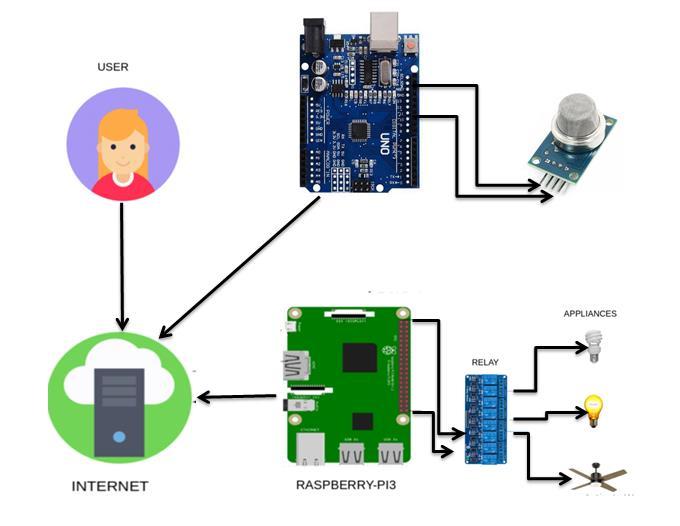
Fig 1:ArchitectureofHomeAutomationSystemUsing RaspberryPi
3. PROPOSED SYSTEM
The user friendly and interactive GUI is used to switch ON/OFFtheappliances.Inthatuserjusthavetoconnectthe internet and type the dedicated IP address of it, click on button.AlsoMQ3Gassensorisusedtodetecttheflammable gasesinhomesuchasLPGgasisusedtonoticethechangein leakageofthegas.ItwillgivealarmtousertoshowtheGas isleakinginhouse. ThisSystemhelpusertobesafeinHome alsothissystem sends notification to user whenever the issue or problem occurs. TheDomelightsareoperatedautomaticallywithout anyinterfacewithuser.ForthisweusedLDRsothatitcan beonandoffaccordingtoLightintensity.
Power supply of 3.3v is given to Raspberry pi 3. Several sensorsareinusedinthissystem.IRsensorisusedtodetect theentryoftheuseratthewindowtostoptheunauthorized entryinhouseitwilldetectthepresenceandgivealarmto avoidthethiefenterinhouse.
Waheb[3]A.Jabbar,MohammedHayyanAlsibai,NurSyairaS. Amran, and Samiah K. Mahayadin have presented a new system that can be overcome the limitations of the previouslyexistinghomeautomationsystems.Thissystem can be implemented by using relatively Low Cost Micro controlleri.e. Arduinoand forcommandinguser interface theyuseSmartPhone ThistaskcanbeachievedbyusingIoT concepts . The Arduino boards are microcontroller, not a full fledgedcomputer.[4] WahebA.Jabbar*,MohammedHayyanAlsibai,NurSyairaS. Amran, and Samiah K. Mahayadin have presented This articleinwhichtheyweredesignedandfabricatedalowcost Wi Fi based Automation System for demonstrating Smart Home prototype with the help of Arduino board and Android based smart phone. That smart phone is used to controlalltheelectricalappliancesinSmartHomesuchas thebulbandfaneasilyandeffectivelythroughWi Fi.Andfor making the Home Smart they uses different sensors like sensorcanmonitorthemotion,humidityandtemperatureof thehouse.Forimprovingthesecurityandqualityoflifethey uses Buzzer which will be ON when there is a motion detected in the house. With the help of this smart home automationsystem,electricbillcanbereducedbecausethe usercancontroltheelectricalapplianceswhicharewasting theenergy.
The Architecture diagram of the AI based Smart Home Automation system has been shown in fig. 1. This system consistsofRaspberrypi3whichisusedasamicrocontroller.
4.4 LDR Fig 5:LDR
FigMQ24
PIFig 2:RaspberryPi
4. IMPLEMENTATION DETAILS Inourprojecti.e.AIBasedhomeautomationsystemusing Raspberry Pi we are practically implementing AI and IoT technologywiththehelpofSoftwareandvariousHardware componentslikesensors,micro controllers.Thehardwareis consistingofdifferenttypesofcontrollerslikeRaspberrypi microcontrollerandArduinoUnomicrocontroller. HereweareconsideringvariousdifferenttypesofSensorsto achievingourgoal likeGasSensor,LDR sensor,IR Sensor, TemperatureandHumiditysensor AndinthesoftwarepartofthisprojectconsistofInteractive GUIbased on dedicated webserver designed with Python programming language embedded with Raspberry pi. Following are the detail working of our used hardware components: 4.1 RASPBERRY
The LDR is nothing but photoconductivity. The working principle of LDR is; when the light is absorbed by the material then after the conductivity of the material get enhanced As we can say that , when the light falls on the LDR,thentheelectronsinthevalencebandofthematerial areeagertotheconductionband.But,thephotonswhichare in the incident light ray must have energy superior to the bandgapofthematerialtomaketheelectronsjumpfrom onebandtoanotherband(valancetoconduction).
TheArduinoUNOisamicrocontrollerbasedonATmega328 asacontrollerinit.TheArduinoUNOboardisveryeasyto use and it is used for most of the beginners to electronics world.Thisboardcontains14digitalinput/outputpinsonit inwhich6areanaloginputpinandonepowerjackoneUSB connector, one reset button is also available. The board is chargedthroughUSBportorcanbedirectlychargedbythe DCsupplytotheboard.
The Raspberry Pi is a small sized computer Which is availableinmarketwithrelativelyalowcost.Notjustithas fewer prices also it is small in size too. This small sized computeroffersmanyplugandplayfacilitieslikemonitor,tv keyboardandmouse.Itisthemostpowerfulandhighend devicewhichofferstolearndifferentthingsonit.
International Research Journal of Engineering and Technology (IRJET) e-ISSN: 2395-0056 Volume: 08 Issue: 11 | Nov 2021 www.irjet.net p ISSN: 2395 0072 © 2021, IRJET | Impact Factor value: 7.529 | ISO 9001:2008 Certified Journal | Page1614
:GasSensor MQ 2
4.3 GAS SENSOR
MQ2 gas sensor is an electronic sensor which is basically used for sensing the concentration of gases in the air i.e. environment. It can sense number of gases like LPG, propane, methane, hydrogen, alcohol, smoke and carbon monoxide.Etc.MQ2gassensorishasanothernamealsoi.e.it is known as chemiresistor. Because It contains a sensing materialwhoseresistancewillgetchangedwhenitcomesin contactwiththegas.Thischangeinthevalueofresistance willhelptoidentifythepresenceofGas.
4.2 ARDUINO UNOFig 3:ArduinoUno
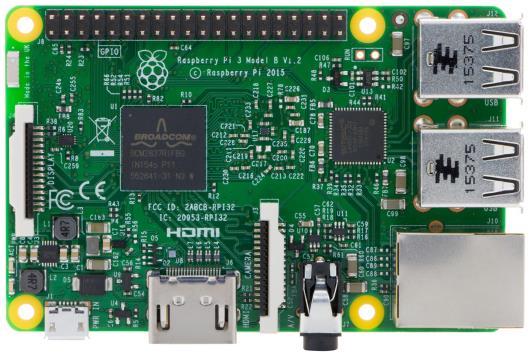
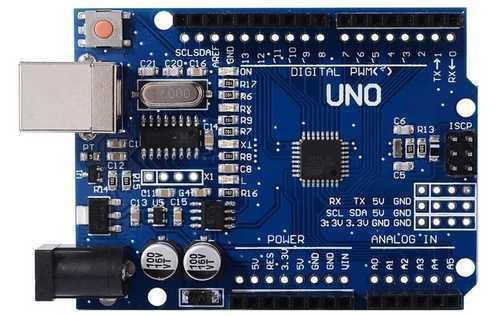
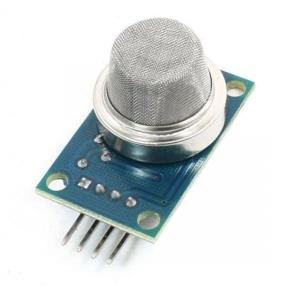
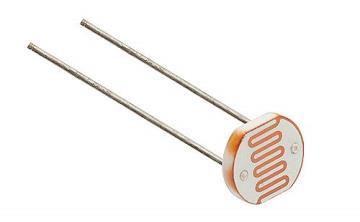
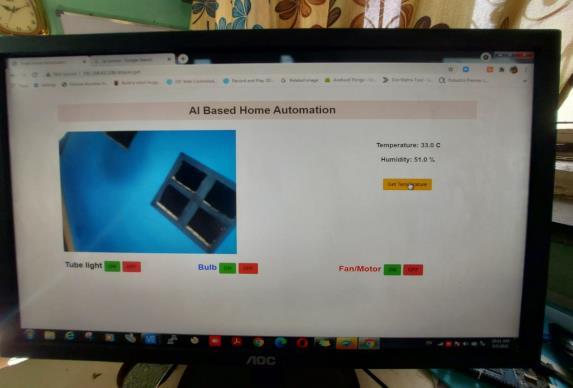
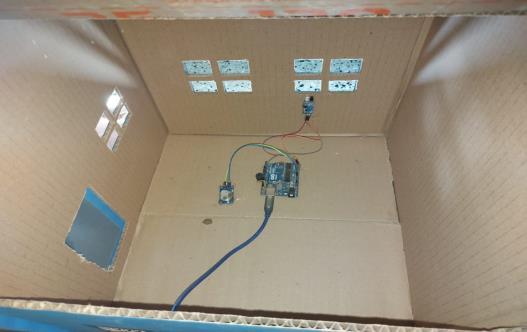
Fig -9:InteractiveGUI The micro controller is used i.e. Arduino Uno for the ArtificiallyIdentificationofIntruders/Unauthorizedentry inHouse.Inthat,IRsensorisplacedinthewindowsideand connected to the arduino and one alarm / buzzer is connectedtothemicro controller.
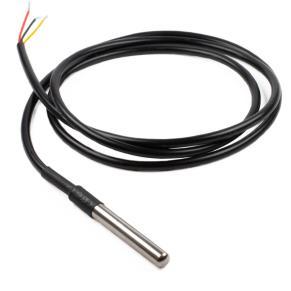
Fig 7:DS18B20Sensor Maxim integrated provides DS18B20 temperature sensor whichishavingjustonewireanditisprogrammablesensor This sensor can be used in environment like chemical solutions,minesorsoiletc,thissensorofferslargescaleof temperaturesensingrangei.e. 55°C to +125° withamost accuracyof ±5°C
Fig 10:SensorandMicro controller
4.6 TEMPARATURE & HUMIDITY SENSOR
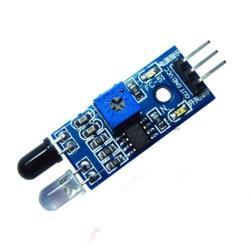
International Research Journal of Engineering and Technology (IRJET) e-ISSN: 2395-0056 Volume: 08 Issue: 11 | Nov 2021 www.irjet.net p ISSN: 2395 0072 © 2021, IRJET | Impact Factor value: 7.529 | ISO 9001:2008 Certified Journal | Page1615 4.5 IR SENSOR Fig 6:IRSensor IRLEDsensorisonelikeatransmitterwhichemitstheIR radiations.TheseLED’sonsensorarelooksverysimilartoa standardLED.ItgeneratedIRradiationwhichisnotvisible to human eyes. Different types of infrared receivers are availablewhicharebasedonvoltage,wavelength,package, etc.Inthissensor,boththeLEDwillactas,thetransmitter is IR LED and the receiver is IR photodiode. The infrared photodiode is responsive to only infrared light that is generatedthroughaninfraredLED.
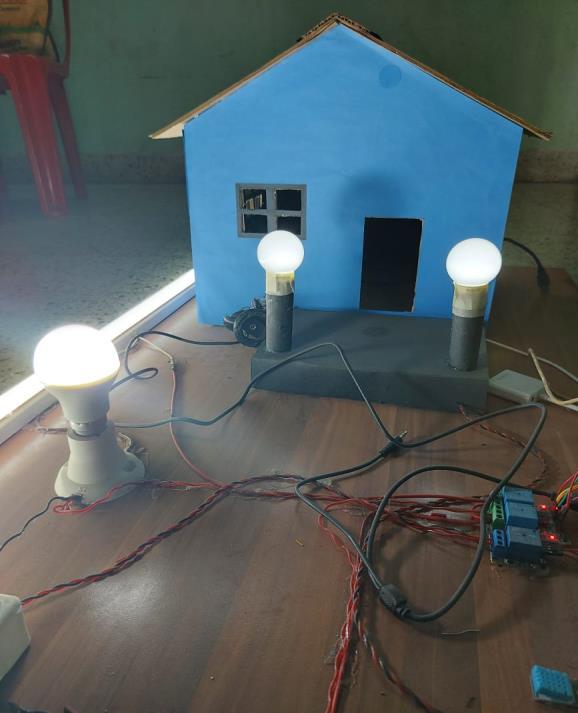
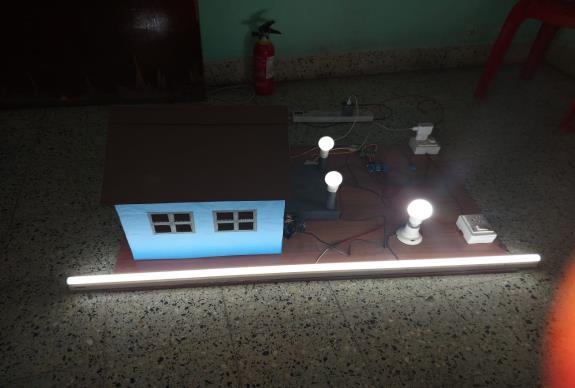
DomeLightsareplacedinfrontofprototypedHousethatare controlled automatically based on light intensity of the environment.HereweusedthetemperatureandHumidity sensors to indicate the accurate and current temperature andHumidityofenvironmenti.e.Room
5. RESULT Here,aftersuccessfullyimplementationofAI basedHome automation system using Raspberry Pi. We developed & successfullytestedourprototypefromhardwareaswellas software perspective Two separate micro controllers are used to process the user request and one common GUI is designedtoshowtheresult. Fig 8:AIbasedHomeAutomationWorkingPrototype We Designed one interactive & user friendly GUI using PythonandFlaskframework.WiththehelpofthatGUIuser and get the clear visionary surveillance of home and can easilyoperatetheappliances.
6. CONCLUSION Here,wearedesigning&implementingthemostadvanced Homeautomationsystemwhichprovidesmultiplebenefits like, it offers surveillance system and effectively reduces humaninteractions,withthehelpof InternetofThings(IoT) and Artificial Intelligence (AI). Finally, it is absolutely an affordable system. It can be associated with various other options like energy monitoring systems etc., soon, as an extensiontothisprojectasystemmaybedevelopedwhich warnstheuserabouttheexcessusageofenergy.
[7] WahebA.Jabbar*,MohammedHayyanAlsibai,Nur SyairaS.Amran,andSamiahK.Mahayadin,”Design and Implementation of IoT Based Automation SystemforSmartHome”,2018,November.
[8] WahebA.Jabbar*,MohammedHayyanAlsibai,Nur SyairaS.Amran,andSamiahK.Mahayadin,”Design and Implementation of IoT Based Automation SystemforSmartHome”,2018,November.
International Research Journal of Engineering and Technology (IRJET) e-ISSN: 2395-0056 Volume: 08 Issue: 11 | Nov 2021 www.irjet.net p ISSN: 2395 0072 © 2021, IRJET | Impact Factor value: 7.529 | ISO 9001:2008 Certified Journal | Page1616 Fig 11:AutomaticDomeLights
[5] Mrs. Paul Jasmin Rani1*, Jason Bakthakumar2, Praveen Kumaar., Praveen Kumaar. and Santhosh Kumar,”VOICECONTROLLEDHOMEAUTOMATION SYSTEM USING NATURAL LANGUAGE PROCESSING(NLP) AND INTERNET OF THINGS (IoT)”,2017
REFERENCES
[6] Third International Conference on Science Technology Engineering & Management (ICONSTEM),2018,January.
[2] K.Y.Durga Prasad , S.Alekhya , A.Naresh , K.V.N Rajesh,”VoiceRecognitionBasedHomeAutomation using Raspberry Pi “,2018, July, International Journal of Innovative Science and Research Technology.
[9] Chwan LuTseng,Che ShenCheng,Yu HsienHsu, Bing HungYang,”AnIoT basedHomeAutomation System Using Wi Fi Wireless Sensor Networks”, 2018 IEEE International Conference on Systems, Man,andCybernetics,2019,January.
[1] P.B.Jarande,UsharaniB.Patil,MinalS.Gosavi,Kajal G. Mehta, “IOT based Smart Home Automation System”,2020,February,JETIR.
[3] Harsh Kumar Singh1, Saurabh Verma2, Shashank Pal3, Kavita Pandey4,” A step towards Home AutomationusingIOT”,2019,September.
[4] Kumar Mandula, Ramu Parupalli, CH.A.S.Murty, E.Magesh,RutulLunagariya,”MobilebasedHorne AutomationusingInternetofThings(IoT)”,2015 International Conference on Control, instrumentation, Communication and ComputationalTechnologies(lCCICCT),2016,May.
[10] Md. Sadad Mahamud, Md. Saniat Rahman Zishan, Syed Ishmam Ahmad,” Domicile An IoT Based Smart Home Automation System”, 2019 InternationalConferenceonRobotics,Electricaland Signal Processing Techniques (ICREST), 2019, February.