Cosentino Facades
Functional and timeless beauty
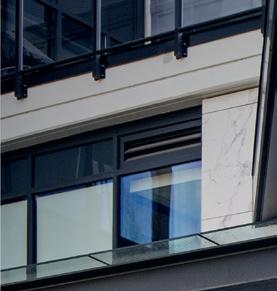
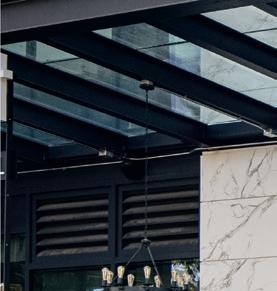
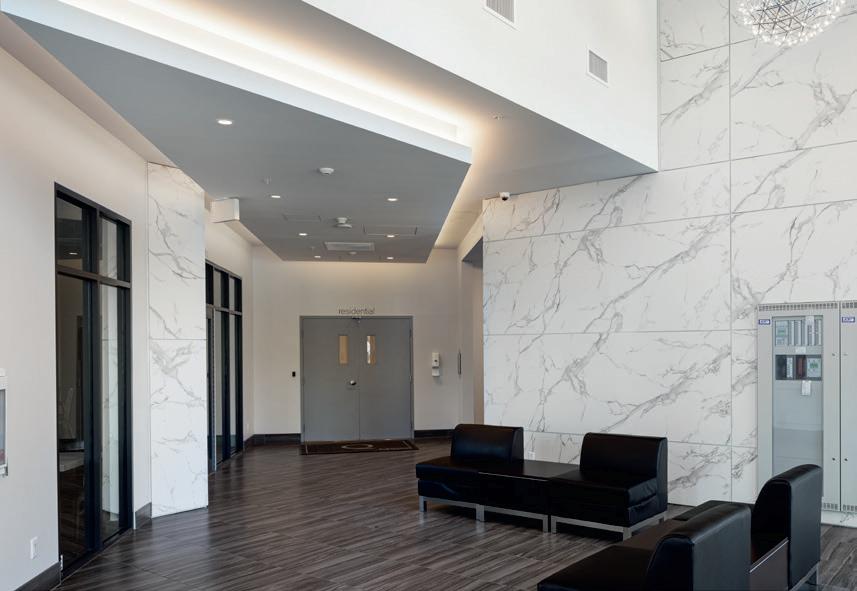
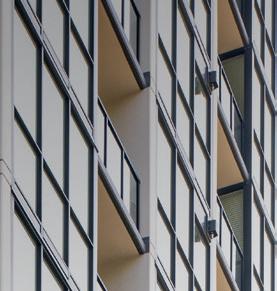
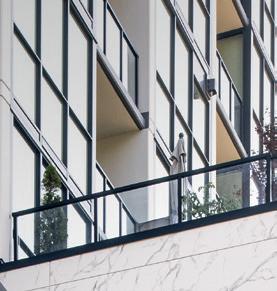
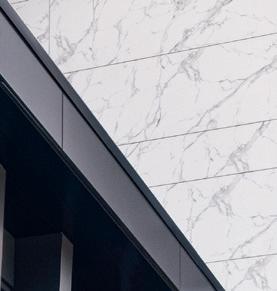
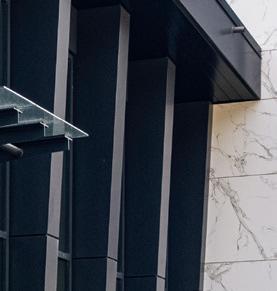
Cosentino, through its cu ing-edge ultracompact stone, Dekton, provides comprehensive, customized, and sustainable façade solutions. Dekton meets the most complex technical requirements and o ers unmatched beauty, durability, and resistance.


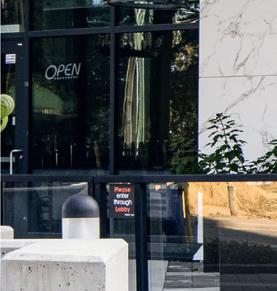
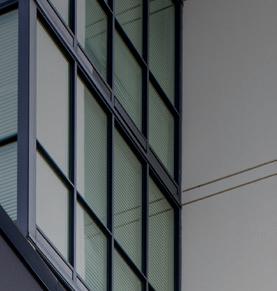
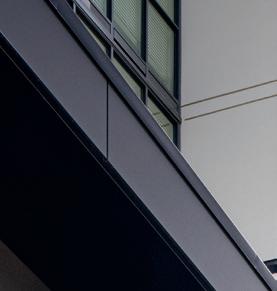
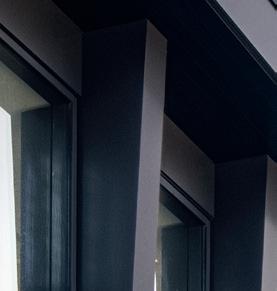
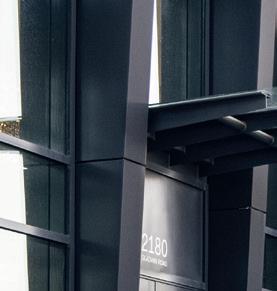
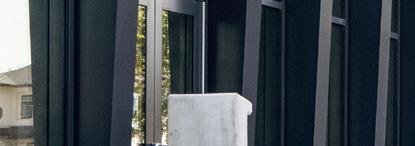
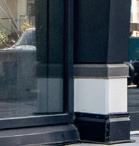





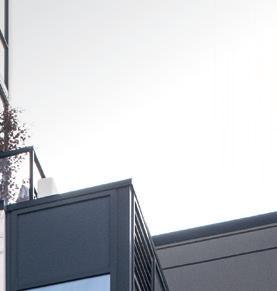
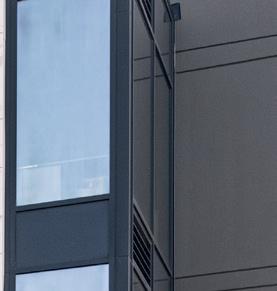


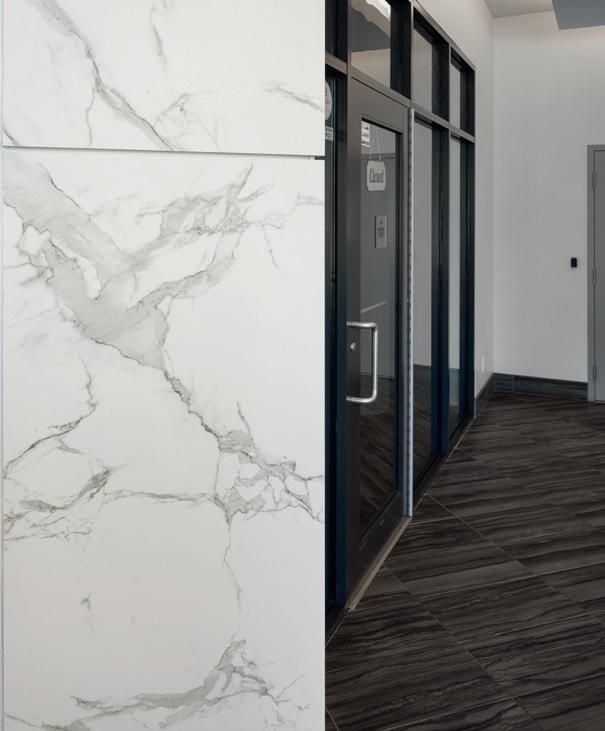
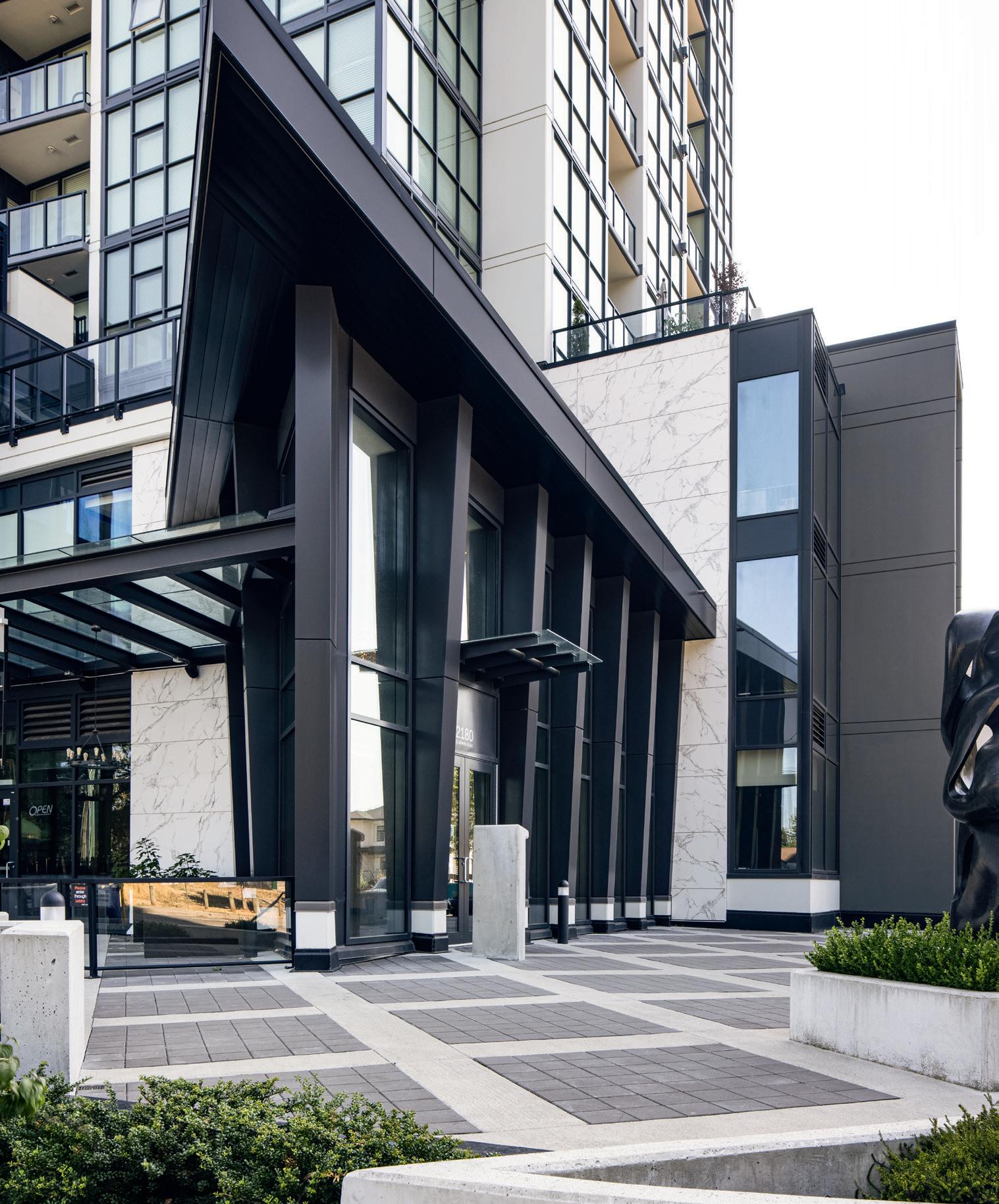
Project:
Design:
Site Lines Architecture
Location:
British Columbia
Dekton Aura 15 Bookmatch Find inspiration at cosentino.com/en-ca
Product: The Mahogany at Milk Lake
A CARBON NEUTRAL PRODUCT BY COSENTINO
2025 CANADIAN ARCHITECT AWARDS OF EXCELLENCE
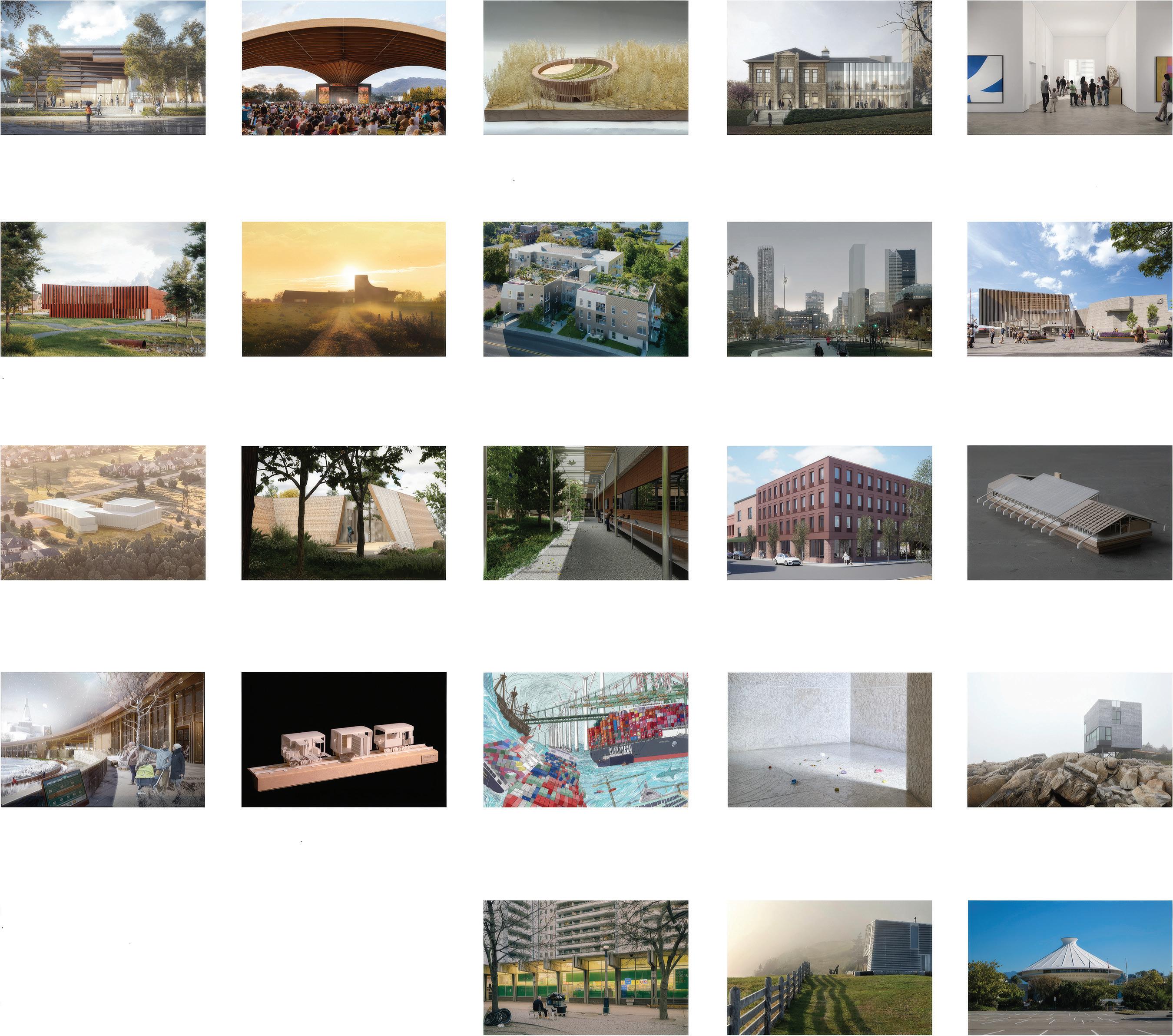
Volta Estate Winery, PEC
Tamil Community Centre
72 Sponge by the Forks
VIEWPOINT
AN ALL-WOMAN JURY
For the first time in the 58-year history of the Canadian Architect awards, this year’s jury was composed solely of women: Alison Brooks, Kelly Buffey, Sonia Gagné, and photo juror Salina Kassam. It’s a milestone that is overdue but that nonetheless gives me great personal pride. Why did it take us so long to get here?
When the Canadian Architect Awards were initiated in 1968, architecture was almost exclusively a male profession. The first 23 years of the awards program included, accordingly, all-male juries featuring the luminaries of the day Eb Zeidler, Ron Thom, Barton Myers, Peter Hemingway, and so forth. The first woman juror, Ruth Cawker, participated in the jury in 1991, two years after winning a province-wide competition to design the Ontario Association of Architects headquarters. Odile Hénault, Kim Storey, and Francine Houben would join juries in the following few years.
In retrospect, there are some notable absences: why was Blanche Lemco van Ginkel, who with her husband Sandy masterplanned Expo 67 and saved Old Montreal from a destructive surface-level expressway, not invited to be a juror? Or Phyllis Lambert, who was instrumental in Mies van der Rohe’s commission for the Seagrams Building in the 1950s, and founded the CCA in 1979? I would have loved to see Eva Vecsai a partner at Arcop and a significant contributor to Place Bonaventure on an early jury.
In 1985, women made up just 6.6% of licensed architects. By 2011, women represented 28.9% of architects nationwide. By 2021, the national representation of women had risen to 37.9%. Despite these improvements, a glance around the room at any architecture conference confirms that men still dominate in senior leadership and partnership roles.
Apart from the obvious equity issues, why does this matter? Building Equity in Architecture (BEA), an organization I’ve been part of for half a decade, articulates that having architects with diverse lived experiences enriches the practice of architecture and the quality of the resulting built environment.
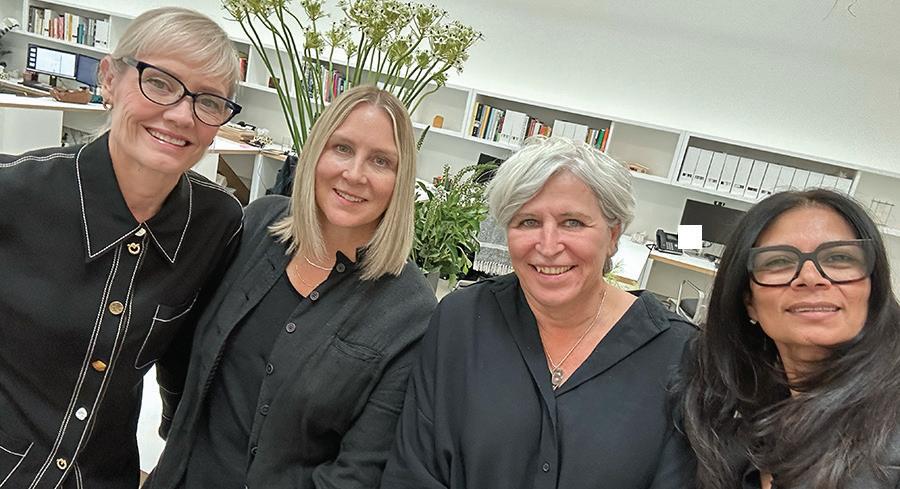
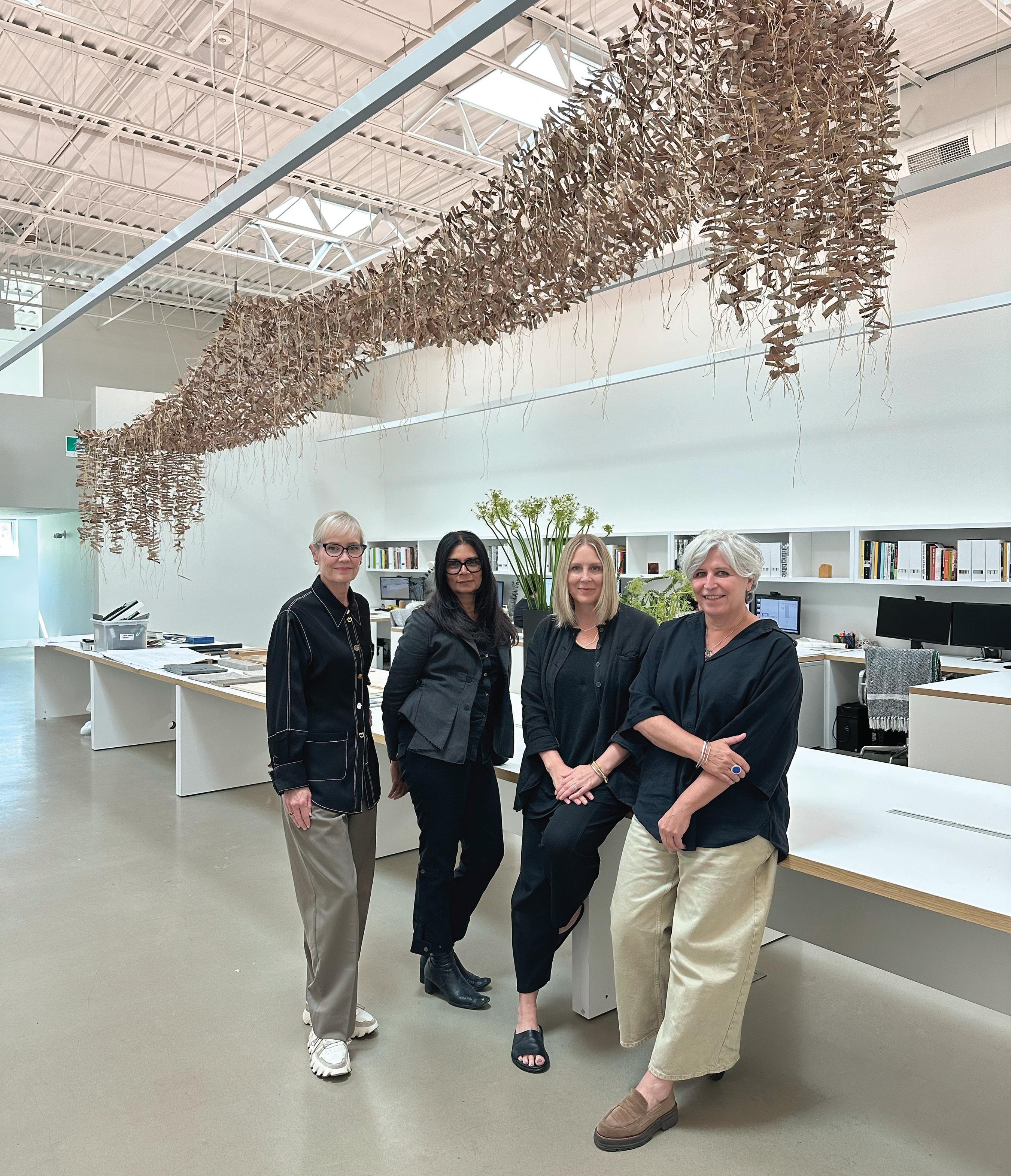
LEFT Alison Brooks, Kelly Buffey, Sonia Gagné and Salina Kassam juried this year’s awards at Akb Architects’ offices in Toronto.
Different perspectives also enrich the teamwork at the core of both design and jurying. At this year’s jury meeting, having an allwoman jury contributed to a particularly collaborative tone of meeting. Mutual respect has always characterized Canadian Architect jury meetings, but this year, it felt like there was a particular willingness to shift from initial positions taken during the individual pre-evaluation of entries, towards collective decisions based on shared expertise and discussion.
Subtle differences were also present in those moments when the group wasn’t actively jurying over coffee breaks, lunch, a formal jury dinner, and a post-jurying toast (the latter suggested by Kelly Buffey, who generously hosted the jury meeting at Akb’s offices in west Toronto). These brought moments of sharing about the challenges and opportunities of current architectural practice but also discussions of issues particular to women, such as integrating motherhood and family-caring roles with the pressures of leading a business. There was also value seen in the relationships that grew between the jury members over the two-day jurying process. The group mused openly about possible future collaborations together, something I’ve never heard another jury speak about.
I was reminded of a conversation with Indigenous architect Kelly Edzerza-Bapty. She noted that in the extensive consultation processes that she leads with Indigenous communities, she asks for separate meetings with community leaders, youth, men, and women. Women will say different things when they’re not in the same room with men, she explained and ditto for the other groups.
While we’ve made a lot of progress on equity in the profession in the last few years, there is still much to be done. And one marker of this progress is that, increasingly, an all-woman jury shouldn’t be a special reason for celebration, but simply a normal possibility.
CONTRIBUTING
VICE PRESIDENT & SENIOR PUBLISHER
WILSON 416-441-2085 x3
SWILSON@CANADIANARCHITECT.COM
ASSOCIATE PUBLISHER
AHMED 416 441-2085 x5 FAHMED@CANADIANARCHITECT.COM
PRESIDENT & EXECUTIVE PUBLISHER
CONTEXTUAL INNOVATION
ABOVE This year’s jurors included, from left to right, Alison Brooks of Alison Brooks Architects, photographer Salina Kassam, Kelly Buffey of Akb Architects, and Sonia Gagné of Provencher_Roy.
This year’s Canadian Architect Awards was one of the most competitive in the past decade. Jurors Alison Brooks, Sonia Gagné, and Kelly Buffey met in Toronto to consider 184 project submissions to the professional Awards of Excellence program. Over two days of deliberation, they selected nine Awards of Excellence winners and five Award of Merit winners. They also reviewed the top graduating work as nominated by schools of architecture from across Canada to select four Student Award winners. Photographer Salina Kassam joined the jury to assist in selecting three Photo Award winners and two Student Photo Award winners.
This year’s winning projects embody the virtues of Canadian design: they are grounded in context without defaulting to neo-traditionalism; they are innovative without relying on trends that may soon look dated; in short, they value quality, thoughtfulness, and a certain degree of modesty.
Housing prototypes
In light of Canada’s housing crisis, the jury selected several projects that point to productive directions for housing. In downtown Montreal, a highrise at 900 Saint Jacques, designed by Chevalier Morales and Brian Elsden Burrows, Architecte - Le Groupe Architex, combines a hotel on the lower levels with rental apartments above. In contrast to glass towers ubiquitous throughout Montreal and other cities, the tower’s precast concrete façade panels are subtly shaped to produce a woven, sculptural effect making a positive impact on the city and its skyline. “It’s really beautiful,” says juror Sonia Gagné, who expressed the jury’s admiration for how the project’s visual expression developed from “just one small detail.” “This was a dry area [of downtown],” she adds, “and this building is making it live again.”
Midrise housing was a focus for two other selected projects. A Village in Lachine, by Sid Lee Architecture, is the city’s first cohousing project. The 58-unit midrise is arranged in three- and four-storey pavilions, framing a shared courtyard, with a “common house” that encourages collective living with shared laundry, lounge, kitchen, playroom, and guest spaces. The choice of metal cladding, wrapping from mansard roofs down through the façades, adapts a vernacular building technique to a contemporary idiom.
On the East Coast, 67 Inglis Place, designed by Bishop McDowell, is carefully proportioned to reference the historic streetscape of Truro, Nova Scotia, and includes a pass-through that gives additional amenity to its residents. The four-storey, L-shaped building offers a prototype for how to develop elegant, carefully considered housing in smaller town contexts. “Many nice things are happening,” says juror Alison Brooks. “The scale, the proportions, the pass-through are quite nice. The [ground floor commercial] units are wide with lots of frontage and lots of windows; it’s doing a good job on the street corner.”
While it did not win an award, the jury also made note of Bond Redux for its ambitious approach to an infill site in Winnipeg. Although they were uncertain about the financial feasibility of the project, they were intrigued by 5468796 Architecture’s formal exploration, including a detailed investigation into how to best achieve an efficient wood structure on the tight site.
Indigenous innovation
In the past few years, some of the most innovative projects recognized in our awards have been cultural structures for Indigenous clients. This year was no exception, with the jury selecting two projects with strongly Indigenous themes among the winners.
On Portage College’s Lac La Biche campus, northeast of Edmonton, the Museum of Aboriginal Peoples’ Art and Artifacts (MOAPAA) will house the world’s most extensive collections of art by the Professional Native Indian Artists Inc., a group founded in 1973 and known as the “Indigenous Group of Seven.” Designed by SPECTACLE Bureau for
Architecture and Urbanism, the museum is set in a replanted forest of aspen trees. The round building is surrounded by a dynamic veil made of wood slats hinged at their top point, in order to swing gently back and forth in the breeze alongside the swaying trees.
In the Laurentides district of Quebec, the Kina8at Cultural Centre by KANVA reinterprets the turtle shell an Indigenous symbol strongly linked to Mother Earth, land, and water using canted wood planes to form a protective wall around a courtyard-centred building. “There’s a beautiful abstraction to the conceptual inspiration and a reverence for nature; it’s modest and light on the land,” says juror Kelly Buffey. “It expresses a poetic quality with very limited means,” adds juror Alison Brooks.
Sensitive additions
One of the highest profile projects among the winners, the Dani Reiss Modern and Contemporary Gallery at Toronto’s AGO, was selected for its ability to both craft its own identity and carefully integrate alongside a complex existing building. The new addition, by Diamond Schmitt, Selldorf Architects and Two Row Architect, adds significant gallery space, while maintaining a distinct, yet almost understated presence. “It feels graciously deferential, integrated yet distinct, a respectful compliment [to the AGO’s Frank Gehry addition],” says juror Kelly Buffey.
In a similar manner, RDHA’s renewal of the University of Guelph’s Day Hall employs minimalist means to significantly boosts the functionality of the existing space. Glass-box additions are carefully slid alongside a heritage structure, creating new accessible connections between campus buildings. Formal relations between the new and existing components emerge from a careful study of proportion and geometry. “This project is working really hard and doing a lot, quietly, which I thought was admirable,” says juror Alison Brooks.
Accessibility is also a core theme of GGA-Architecture and KPMB Architects’ adaptive reuse of Calgary’s Centennial planetarium, a 1967 building by McMillan Long & Associates. To transform the brutalist landmark into a permanent home for Contemporary Calgary’s exhibitions of modern and contemporary art, they are removing its tiered stair-connected plazas and half of its surface parking, and replacing them with new public landscapes that form a barrier-free approach. The revamped
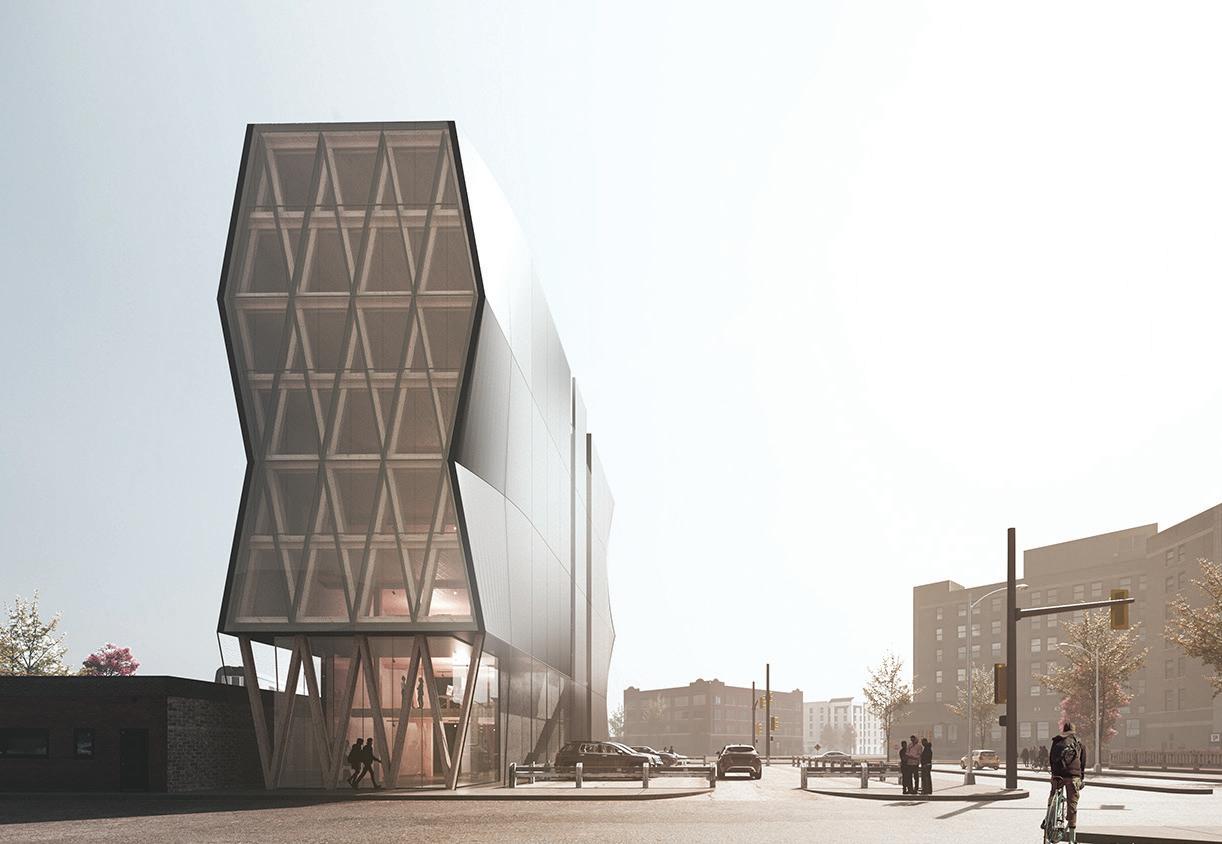
ABOVE Bond Redux, by 5468796 Architecture, explores the use of an exposed timber structure to develop a multi-unit residential building on a tight site in central Winnipeg.
JURY DISCUSSION
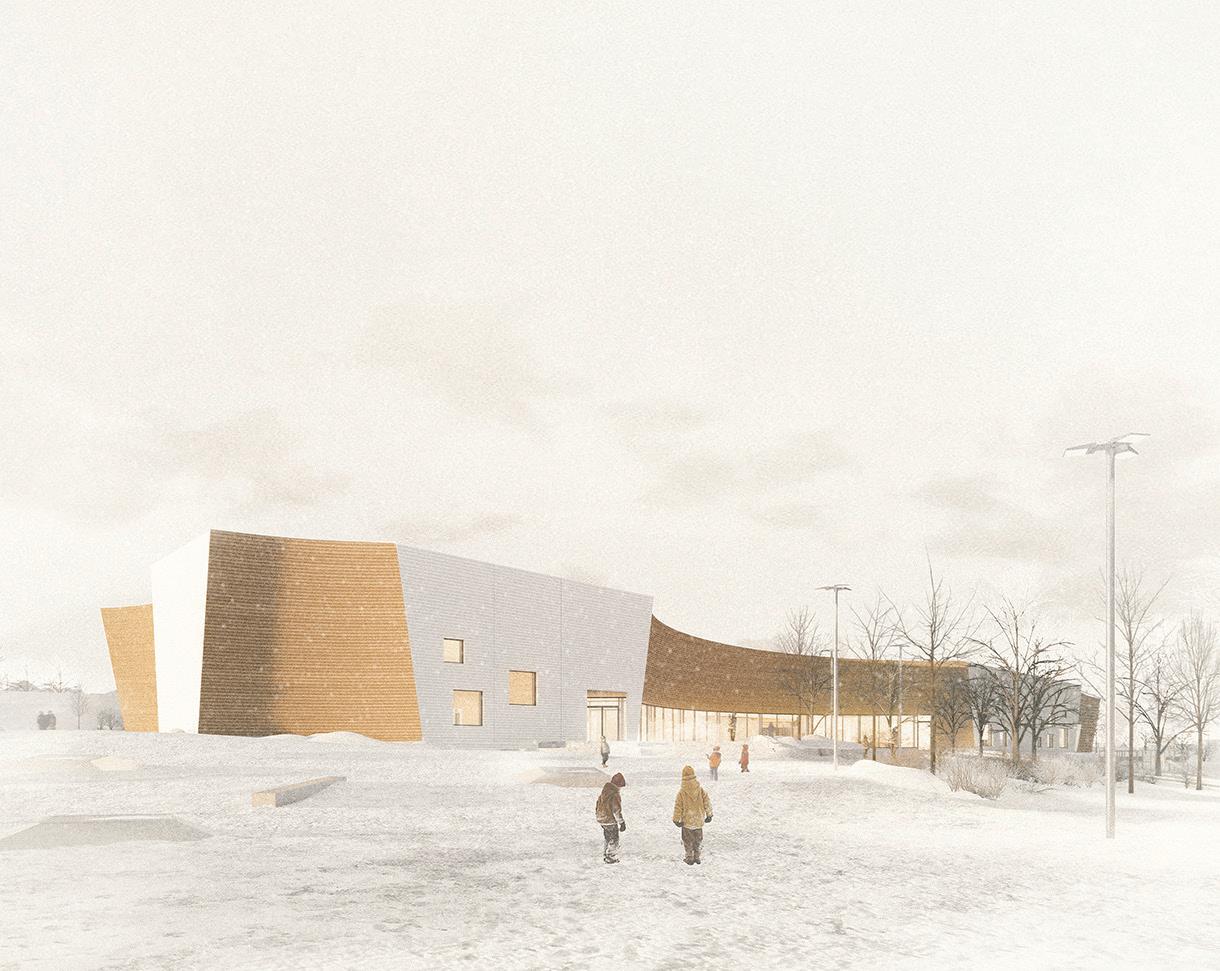
Located on Cape Breton Island, Teeple Architects’ Glace Bay Youth and Family Centre features cylindrical scoops that loosely refer to the roundhouse that once stood on the site.
interior showcases the original structure, and is complemented by a pair of respectful architectural additions. “It makes the original building better,” says juror Kelly Buffey. “It provides a quiet counterpart to a strong form and invites public engagement.”
Platform 19 is an addition that transforms its context with a light touch. To revitalize a legacy garden designed to simulate a boreal forest at the University of Ottawa, KANVA is proposing a designedfor-disassembly platform with a 19-metre-diameter central oculus. The platform creates partially sheltered outdoor teaching and research spaces below, and new spaces for socializing above. Juror Sonia Gagné describes the resulting courtyard as allowing for “holistic, restorative, and inclusive” experiences.
Culture and context
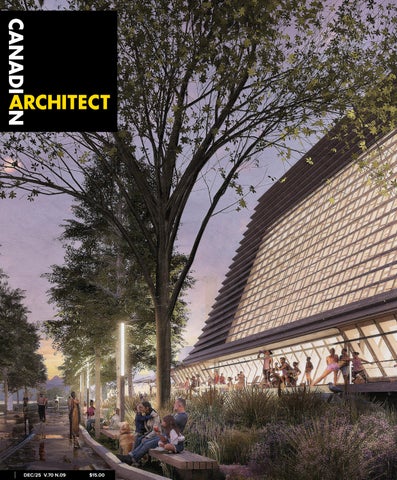
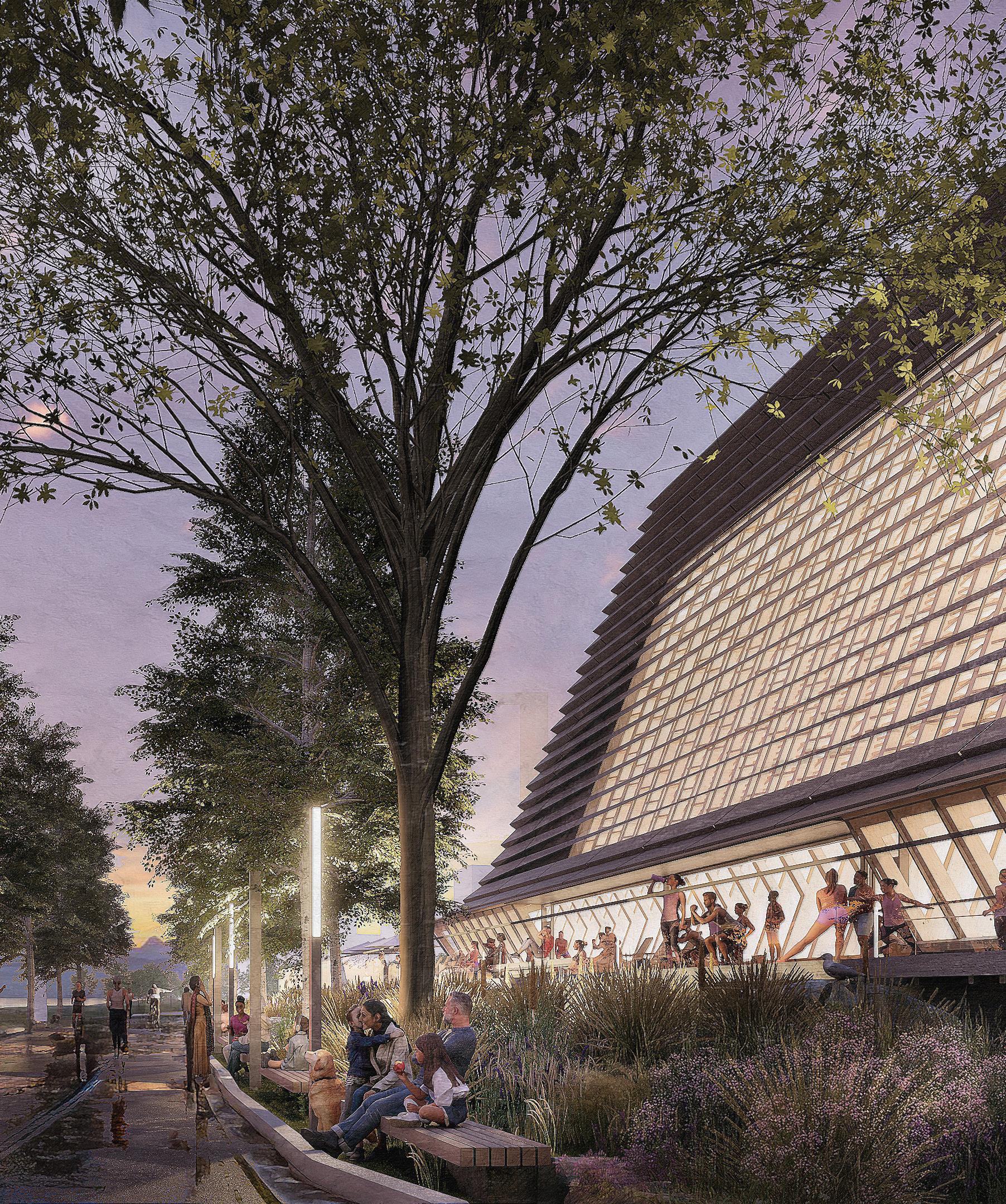
The Vancouver Aquatic Centre could be mistaken for a renovation MJMA Architecture & Design + Acton Ostry Architects’ new structure is strongly inspired by the massing and sculptural presence of the modernist swimming centre that once stood on the site. But the new building is better in every way: meeting ambitious sustainability criteria and interweaving Indigenous themes in a manner that could not be accomplished within the existing building. The original concrete structure is reinterpreted in mass timber, the lapped cladding references Coast Salish plank houses, and the building as a whole aims to become North America’s first Passive House aquatic centre. “This project is so epic,” says juror Alison Brooks. “If you didn’t have a swimming pool there, it could be a cathedral. It’s reaching for a sort of sublime, and I think it’s good for Canadian architecture to do that.”
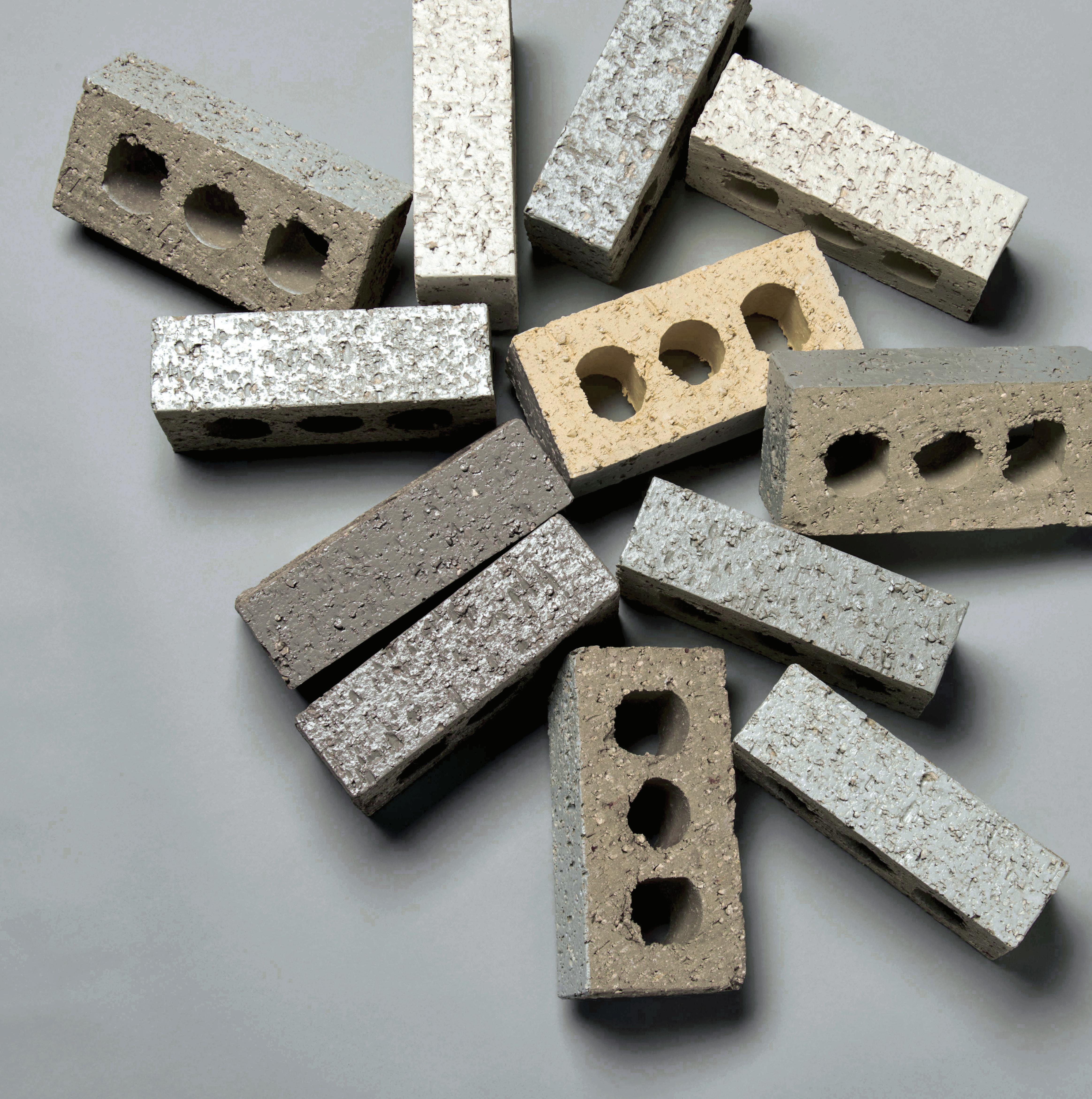
In Toronto, a community centre by gh3* and Lemay deftly navigates the challenge of translating cultural references into contemporary form. The pleated surfaces and deep overhangs of the Tamil Community Centre reference Tamil textiles and stone architecture while being welcoming to all. While there were some unresolved aspects, the design “speaks to both Canadian and Tamil architectural forms,” said juror Kelly Buffey, “including innovative brickwork that links Toronto to Tamil Nadu,” such as a zigzag form on the exterior that carries through the ceiling of the interior.
ABOVE
The Volta Estate Winery, designed by Giannone Petricone Architects, is also a cultural hybrid: it aims to adapt Old World winemaking practices and rituals to Ontario’s Prince Edward County. The result is a Corten-clad volume with pavilion-like elements that radiate out from around a circular tasting bar, recalling a traditional farm’s freestanding farmhouse, barns, and silo. To target net zero, it incorporates geothermal and solar systems, presenting a robust environmental sustainability profile.
Glace Bay Youth and Family Centre, designed by Teeple Architects and located on the eastern edge of Cape Breton Island, also drew the jury’s attention, although it did not win an award. The wedge-like form is carved with cylindrical scoops loose references to the roundhouse that once stood on the former rail terminus site. Prefabricated lightwood trusses, each profiled to meet curved geometries, and locally cast tilt-up concrete panels made with limestone cement showcase the abilities of locally available trades to deliver a low-carbon, architecturally ambitious result within a modest budget.
The jury also remarked on Architecture Microclimat’s Pointe-auxAlouettes visitor centre, overlooking the St. Lawrence River. While the project was not awarded, the jury appreciated the pavilion’s spatial organization a square building around a circular courtyard as a wellconsidered rendition of the archetypal atrium house form.
Infrastructural ambition
Canada has a long history of turning necessary infrastructure into landmarks, dating back to Clifford Wiens’ 1967 Heating and Cooling Building at the University of Regina. In this year’s awards, this legacy is upheld most clearly in gh3* and Stantec’s Barrie Waste Water Innovation Centre, a design that uses fluted weathering steel cladding
panels to recall large-scale industrial steel pipes, telling the story of the building’s operations.
Out west, Revery Architecture’s Freedom Mobile Arch is an iconic structure that emerges directly from the mandate of creating a largescale amphitheatre without obstructing the site’s views. The triangular roof spans 105 metres, making it one of the world’s largest free-span
25_011817_Canadian_Architect_DEC_CN Mod: November 3, 2025 10:30 AM Print: 11/03/25 3:15:20 PM page 1 v7
Uline
Protect your precious cargo! From peanuts to padding, Uline has hundreds of cushioning items to fill your void. Order by 6 PM for same day shipping. Best service and selection –experience the difference. Call 1-800-295-5510 or visit uline.ca
ABOVE Architecture Microclimat’s Pointe-aux-Alouettes visitor centre is a contemporary take on the archetypical atrium house form.
JURY DISCUSSION
timber structures, and an unmistakably Canadian landmark. “There’s something really great about a very simple arc that evokes the dome of the sky,” says juror Alison Brooks. “It looks effortless it’s not trying too hard, and it’s doing it in mass timber.”
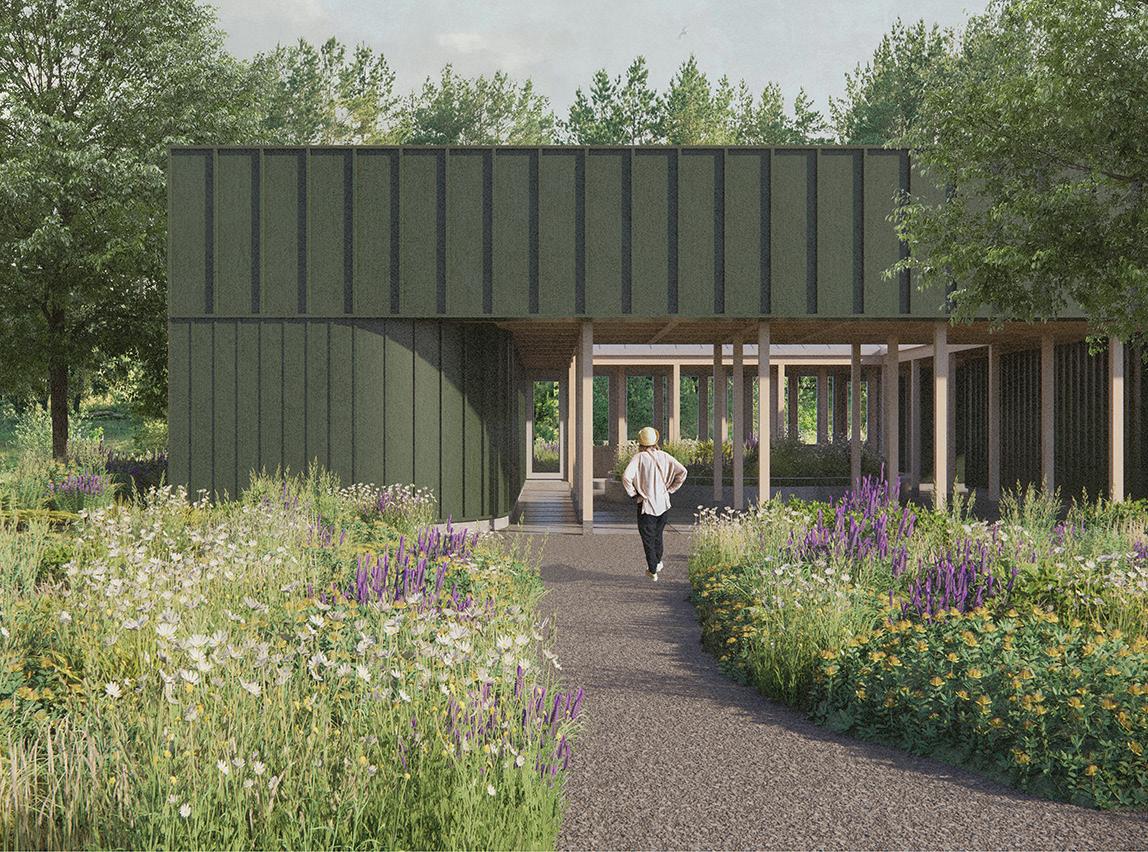
Turning from the macro to the micro-scale, while it did not award the project, the jury commended 1x1 architecture’s Minowukaw Service Centre for the care that it lavished on the humble program of creating a public washroom. The first of several standardized campground service centres to be constructed throughout the province of Saskatchewan over the coming years, the project provides a scaleable, accessible washroom and shower facility. A channel glass wall creates a sense of openness inside, and transforms the building into a glowing lantern at night, while a generous canopy offers a sheltered place for formal programming and informal gatherings.
Grounded concepts
Turning to student work, the jury was drawn to projects that combined the ambition of tackling larger issues with a well-resolved architectural project. Emilie Rooke of the University of Montreal exemplified this in Building Otherwise, her exploration of how to create placebased architecture in a remote coastal village. She proposes an experimental nettle-lime brick as the basis for an architecture that draws on abundant local resources.
The University of Manitoba’s Thy Nguyen tackled the issue of urban resiliency with Sponge by the Forks, a proposal for green-blue infrastructure to help naturally filter water and protect against flooding in Winnipeg. Rail-based Regionalism, a project by Janson Chan at Dalhousie University, suggests how disused rail infrastructure could be repurposed to service and reconnect local communities.

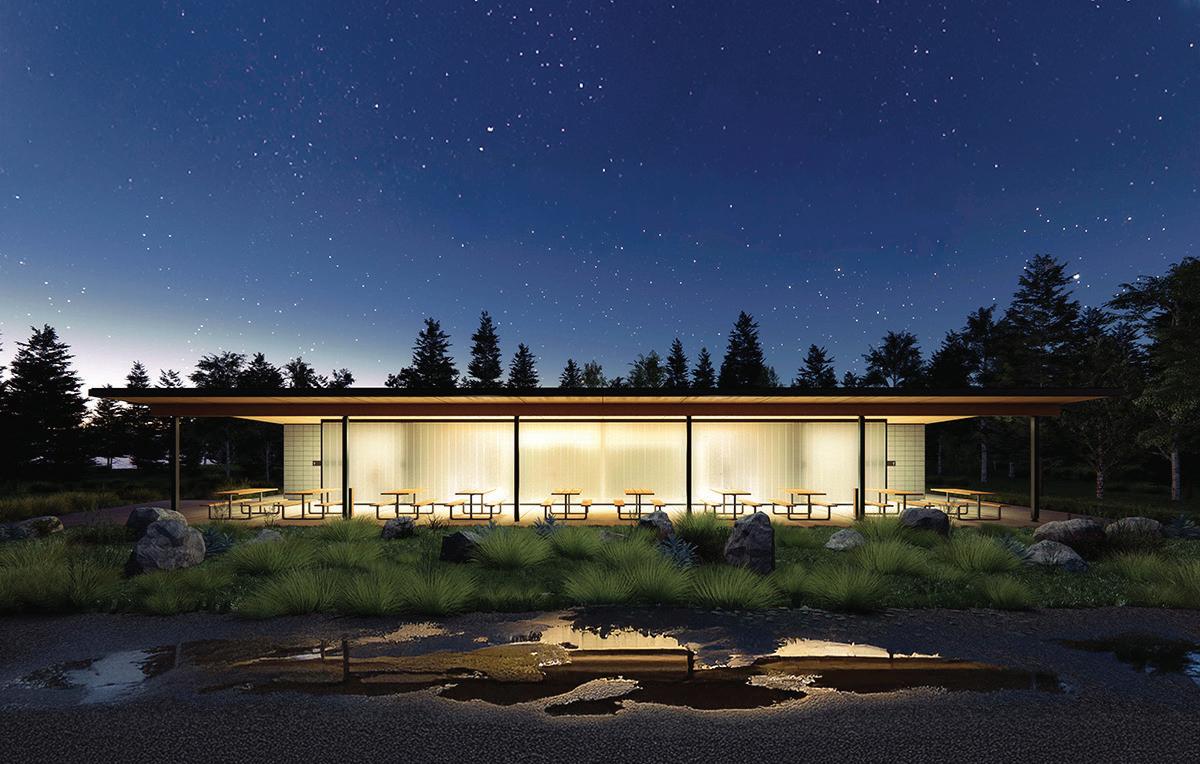
ABOVE Designed by 1x1 architecture, the Minowukaw Service Centre will be the first of several standardized campground service centres to be constructed throughout Saskatchewan.
Finally, the jury recognized New Territories, a proposal by Xiaoyu Shi of the University of Toronto’s Daniels Faculty of Architecture, Landscape, and Design that takes a narrative approach to examining the cultural and environmental consequences of the creation of artificial islands. “You could say that architecture is about bringing human stories to life, and revealing the ways in which society operates and our infrastructure operates that profoundly affect people’s lives,” says juror Alison Brooks of the 10 large-scale graphics at the core of Shi’s thesis. “It’s a project to tell the story in this illustrative way.”
Photographic visions
The Canadian Architect Awards of Excellence are about the conceptual development of projects before they are fully realized. The Photo Awards of Excellence look at the other end of the continuum: the visions created by architectural photographers, sometimes well after projects are completed.
This year, the jury was drawn to Lisa Stinner-Kun’s painterly view of Gustavo da Roza’s Winnipeg Art Gallery, shown with the remains from a wedding the night before. The colourful cupcake wrappers and napkins contrast with the building’s minimalist Tyndall stone floors and walls, telling the story of how architecture welcomes different kinds of inhabitation.
They also recognized James Brittain’s photo of Brian MacKay-Lyons’ El Aleph Guesthouse, a perfect cube perched on a rocky outcrop. In non-commissioned work, they were drawn to Rémi Carreiro’s St. James Town Solitude, an image that points to both the promise and precarity of modernist urban planning.
Among student entries to the photo awards, the jury selected Camila Lima’s atmospheric depiction of Brian MacKay-Lyons’ studio in Upper Kingsburg, Nova Scotia, and Caralyn Jeffs’ portrait of Vancouver’s UFO -like Science Centre.
As a whole, this year’s awarded professional projects, student projects, and photographs paint a promising picture, even amidst uncertain times. What is possible even when economic means may be limited? How can we combine the imperative for environmental sustainability with architectural ambition? And how can Indigenous ways of thinking and processes of consultation deepen and strengthen the work of Canada’s architects? We hope that you find the pages ahead to be both a celebration of Canadian architectural thinking’s current best achievements and an inspiration for the future of our profession.
OUR JURORS
MANY THANKS TO OUR 2025 JURORS:
Alison Brooks (RIBA, Hon. FAIA, FRSA, RDI, Doc.Eng [Hon Causa]), founder and creative director of Alison Brooks Architects, is one of the UK ’s most highly awarded and internationally acclaimed architects. A native of Ontario, she studied at the University of Waterloo before moving to London in 1988. Since she established her practice in 1996, it has garnered over 100 professional accolades including three of the UK’s most prestigious awards: the RIBA Stirling Prize, the Manser Medal, and the Stephen Lawrence Prize.
Alison Brooks’ architectural philosophy is rooted in cultural research. Fusing the familiar with the experimental, her approach reflects a commitment to generous, inclusive city-building with a uniquely sculptural design language. This is exemplified by Cohen Quadrangle at Oxford University and Cadence, a landmark arched tower at King’s Cross. She has taught at the Architectural Association (AA), Cornell University, and Harvard GSD. She is currently Visiting Professor at the University of Madrid, serves on the Faculty of the British School at Rome, and is a Member of AA Council.
Sonia Gagné (OAQ, OAA, FRAIC) has been a partner at Provencher_ Roy since 2010, and part of its team of managing directors since 2021. She sees architecture as a powerful tool for conveying nuanced realities and reinforcing the identity of a place, while stimulating dynamic and enduring citizen engagement. Sonia has led the design of winning architectural competition proposals, including for the Port of Montreal Tower, and has been at the helm of civic projects including the revitalization of Montreal’s Sainte-Catherine Street West. Her expertise spans healthcare, cultural, education, transportation, commercial/office, and sporting sectors.
Sonia was recognized at the 2021 Female Frontier Awards. She joined the honorary committee for the annual Gala of La rue des Femmes in 2021, and currently sits on the Board of Directors for Montréal Centreville and the East Montreal Chamber of Commerce.
Kelly Buffey (OAA, FRAIC) is an internationally celebrated Canadian architect known for the experiential depth and quiet artistry of her work. As co-founder and creative director of Toronto-based Akb Architects, Kelly is known for her conceptual rigour and sensory approach to design. Grounded in a profound respect for people and place, her architectural process transcends typology, giving form to the ephemeral and intangible qualities of light, space and time.
Since founding Akb in 2004 with her partner, Robert Kastelic, the bespoke studio has become widely recognized for its thoughtful residential work across both urban and rural settings, earning numerous awards and professional accolades.
Kelly holds a Master of Architecture degree from the University of Toronto, a Bachelor of Applied Arts in Interior Design from Toronto Metropolitan University, and a Baccalaureate from Queen’s University.
Salina Kassam is an architectural photographer based in Toronto. She studied documentary photography at the International Center for Photography, and brings a story telling perspective to her images. Salina’s niche centres around illustrating the building process, highlighting the creative journey of constructing architecture that often goes untold. Salina was the recipient of the Canadian Architect Photo Award of Excellence in 2020 and 2023. Her work has been exhibited widely, and was recognized as a finalist in the Architizer A+ Awards, as well as by the Loop Design Awards and Architecture MasterPrize.

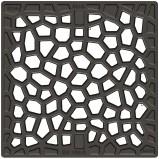
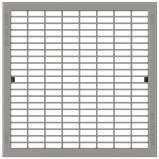
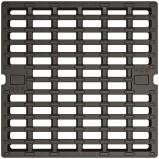
Design with distinction using

Slot iron
x12” square top
Voronoi iron Mesh galv Mesh iron
WINNING TEAMS
Founded in 1988, MJMA Architecture and Design is an interdisciplinary design firm based in Toronto with work across Canada and internationally, focused on projects in the recreational, community, and academic sectors. Composed of architects, landscape architects, interior designers, sustainability and engagement specialists, and experiential graphic designers, our studio has been at the forefront of evolving these building typologies, working to create vibrant community hubs. Using a multidisciplinary and deeply collaborative approach, we strive to ensure that building and site work in harmony, with sustainability and enhanced community participation at the core of our civic-focused ethos. By means of bold and transparent forms, we create buildings that are simple, direct, and durable. Our work is characterized by abundant use of natural light, rich materiality, vibrancy, and universal accessibility. We use innovative planning to maximize social interaction throughout, to connect and overlap various program spaces, and to establish cohesion between indoor and outdoor spaces. This results in buildings and their surrounding contexts that are greater than the sum of their parts. With buildings representing 40% of the world’s carbon emissions, we recognize the importance of transforming the construction industry into a low carbon economy. Our studio is currently working on over ten zero carbon projects, eight mass timber buildings, and North America’s first Passive House aquatic centre: the Vancouver Aquatic Centre.
We look to balance the environmental cost of building with a design approach that’s centred on maximizing benefit for communities, creating spaces that increase civic engagement and that people can be proud of.
Acton Ostry Architects designs eloquent, engaging and inspiring buildings that create a sense of place. Our projects are grounded in extensive research into the historical, social and cultural context of their surroundings. Every site possesses its own unique character and spirit of place that we seek to build upon and accentuate.
Our architecture and planning work reflect a unique relationship to every site with a strong sense of connection to the surrounding landscape and context. Our designs for educational, community, residential, faith-based and tall wood projects value clarity of purpose and creative problem solving with a fine balance of innovation, sustainability and experience-based pragmatism.
Our team of architects, planners and designers are dedicated to the making of architecture that reflects the aspirations of the clients and communities we serve. The values of our practice embody a consideration to design that is without willful extravagance. Through innovation, we seamlessly integrate new and evolving technological and sustainability advancements into the design of buildings rooted in a considered, modernist idiom.
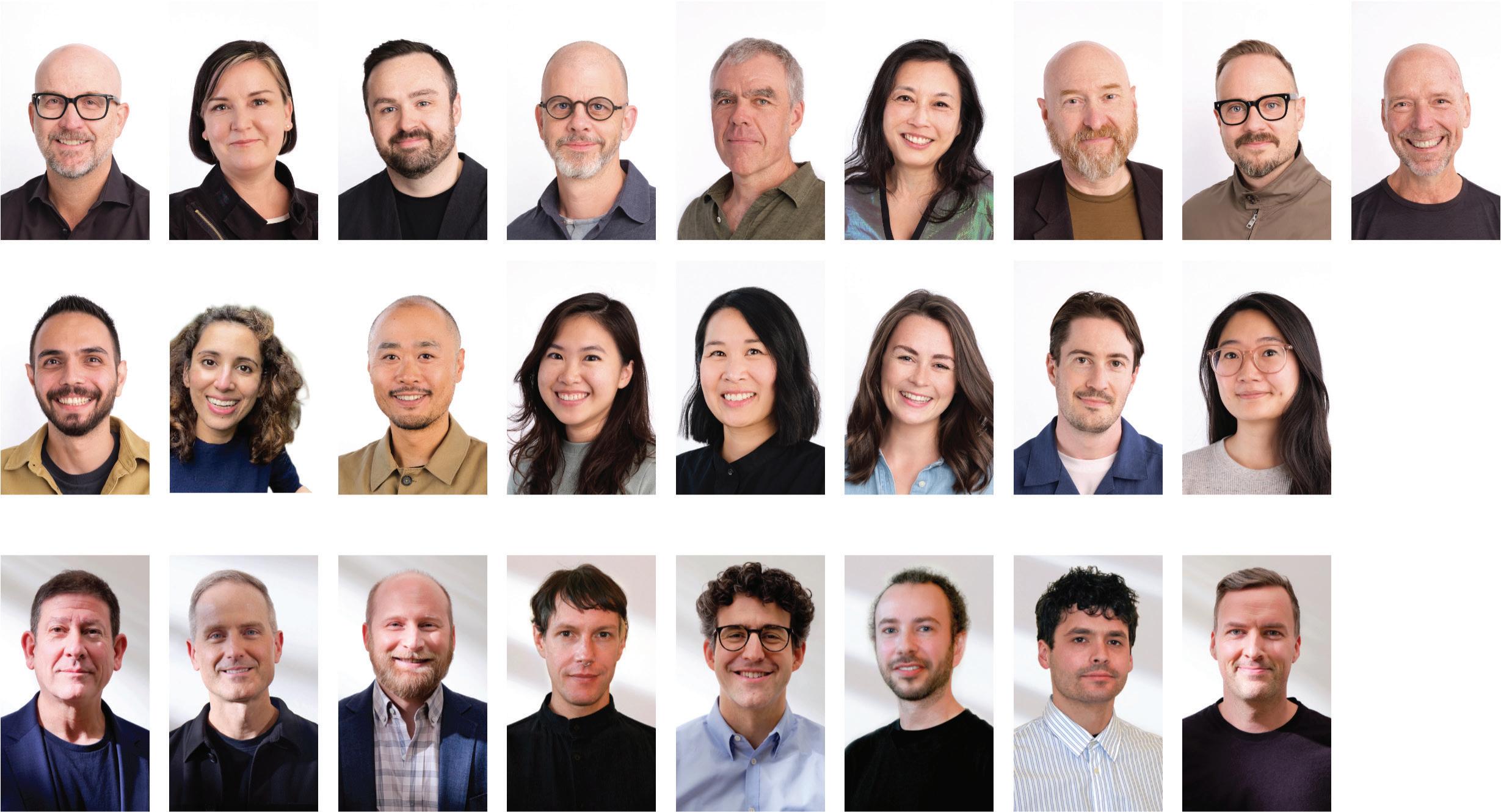
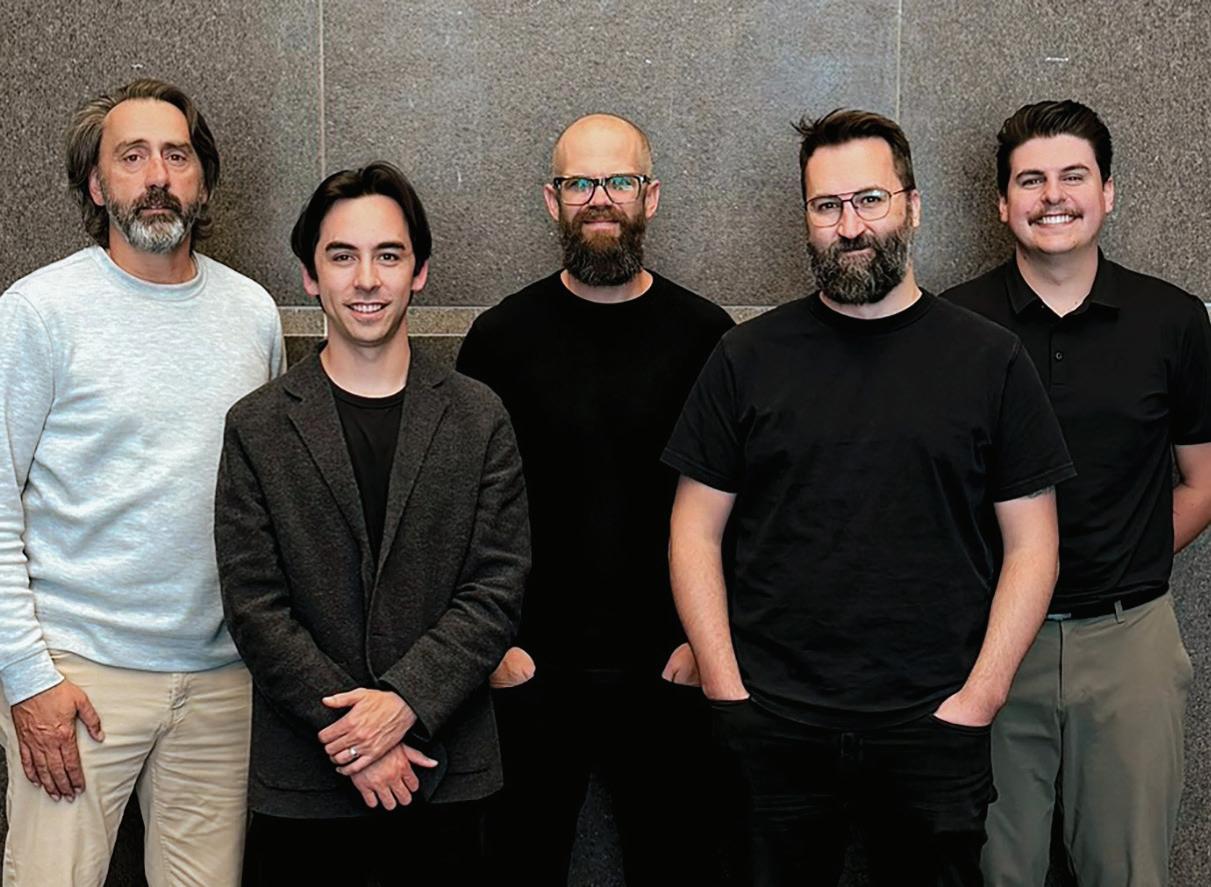
LEFT TO RIGHT, TOP TO BOTTOM: MJMA—Ted Watson (FRAIC), Tarisha Dolyniuk (FRAIC), Chris Wanless, Leland Dadson, Andrew Filarski (FRAIC), Jeanne Ng (MRAIC) , Robert Allen (FRAIC) , Tim Belanger, Viktors Jaunkalns (FRAIC) , Farhang Alipour, Zoe Razaq, Kyung Sun Hur, Tiffany Cheung, Melissa Lui, Melanie Taylor, Francis May, Evelyn Chin
Acton Ostry—Mark Ostry (FRAIC) , Derek Fleming (MRAIC) , Mark Simpson (MRAIC) , J-R Marion, Gregory Aunger (MRAIC) , Caio Martinho, Nicholas Perseo, Anthony Roach
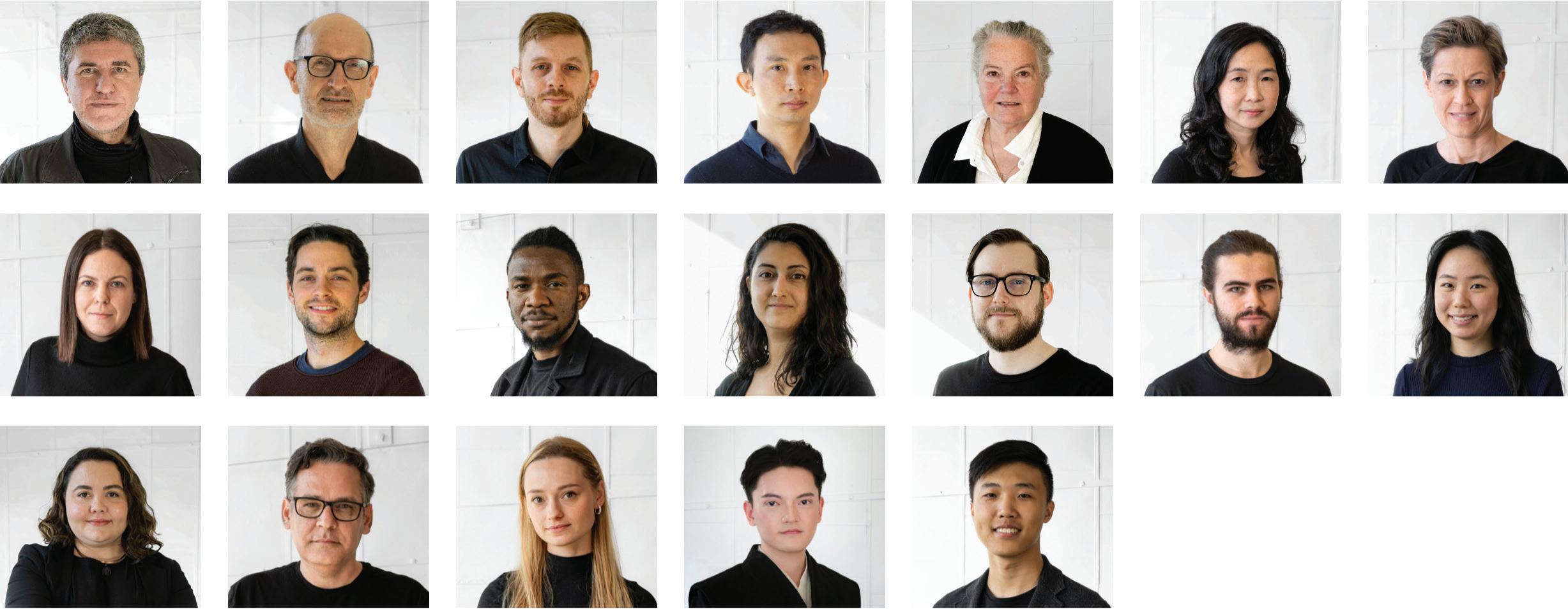
Revery Architecture is committed to a philosophy of ‘Building Beyond Buildings’, coupling architecture with broader community initiatives, and cultivating thoughtful spaces that are contextually sensitive, intriguing, and spirited. Revery’s transformative designs inspire a deeper connection between people and place, setting a new precedent for excellence across the industry.
Under Venelin Kokalov’s design leadership, the Vancouver-based studio has garnered global recognition for its extraordinary craft. Revery’s
work is lauded for its elegance, innovation, and functionality. Skillfully aligning urban design, architecture, and interiors, the studio transforms inspired visions into sustainable, memorable, and engaging built spaces that uplift and embrace their communities.
Devoted to realizing iterative, refined, and purposeful designs, Revery aspires to create generous and practical spaces that awaken the senses, improve quality of life, and bring joy.

SPECTACLE works across the fields of architecture, urbanism, landscape, and object design. We search for the gaps between the sublime and the everyday, strategic tactics and intuitive reactions, theory and execution, high and low culture, opportunistic maximization and longterm strategies, the study of history and the pursuit of progress, the discipline of architecture and its professional practice. Without differ-
entiating between the playful and the professional, or seeing a contradiction between lateral architectural thinking and proficiency, SPECTACLE seeks opportunities to create works of architecture that critically examine and influence our cities towards a more inclusive, dignified, sustainable, and beautiful future.
MOAPAA (Museum of Aboriginal Peoples’ Art and Artifacts)
LEFT TO RIGHT, TOP TO BOTTOM: Venelin Kokalov (MRAIC), Earle Briggs, Culum Osbourne, Bronson Fung, Lynn Pilon, Kyle Chan, Bibi Fehr, Kailey O’Farrell, Cody Loeffen, Obinna Ekezie, Nassim Sani, Mark Melnichuk, Myles Hardy-Kavanagh, Jennifer Zhang, Marina Rosa, Paulo Queiroz, Alisa Dantseva, Dexter Lu, Leo Wang
LEFT TO RIGHT: Philip Vandermey (MRAIC), Jessie Andjelic, Jordan Livermore, Teegan Heinricks, Veronique Ulrich
WINNING TEAMS

RDH Architects Inc. (RDHA) is a Toronto-based studio specializing in architecture for the public realm. The firm has a wide-ranging body of work encompassing public libraries, recreation, post-secondary education, industrial, office, embassy, transit and secure facility design. The firm of 30 professionals is led by principals Tyler Sharp, Bob Goyeche and Geoffrey Miller. RDHA aspires to produce intelligent, legible, con-
cept-driven architecture of the highest caliber. As a result of this focus, RDHA have emerged as one of Canada’s most acclaimed design firms, with over 100 provincial, national and international awards most notably five Governor General’s Medals for Architecture, the 2014 Royal Architectural Institute of Canada Young Architect medal for design partner Tyler Sharp, and the 2018 RAIC Architectural Firm Award.

Diamond Schmitt is a Canadian firm with an international presence that designs transformative, purpose-driven, and highly sustainable buildings. Delivering innovative architecture that empowers people, communities, and organizations to harness change for the greater public good, Diamond Schmitt employs a collaborative research process to create architecture that is known for exceptional performance and meticulous craftsmanship. Current and recent arts and culture spaces include David Geffen Hall at Lincoln Center in New York, Buddy Holly Hall in Lubbock, the National Arts Centre and the Ingenium Centre in Ottawa, the Emily Carr University of Art + Design in Vancouver, La Maison Symphonique de Montréal, and the New Brunswick Museum in St. John. Diamond Schmitt has offices in Toronto, Vancouver and New York.
Selldorf Architects is a 65-person practice founded by Annabelle Selldorf in New York City in 1988. The firm creates public and private spaces that manifest a clear and modern sensibility to enduring impact. Since its inception, the firm’s design ethos has been deeply rooted in the principles of humanism. Selldorf Architects has particular expertise in the needs of art spaces and cultural projects, having completed numerous museums, art foundations, and galleries, as well as exhibitions and artists’ studios. Clients include The Frick Collection, Smithsonian American Art Museum, Hirshhorn Museum and Sculpture Garden, National Gallery London, Museum of Contemporary Art
San Diego, Luma Arles, Clark Art Institute, and Neue Galerie New York. In addition, the firm has completed galleries for David Zwirner, Hauser & Wirth, and Gladstone Gallery, among others, and designed exhibitions for the Jewish Museum, the Corning Museum of Glass, Frieze Masters, Gagosian, and the Venice Art Biennale.
Two Row Architect (TRA), founded in 1992 by Brian Porter (On yota’a), is based on Six Nations of the Grand River with offices in Toronto, Calgary, and Ottawa. The firm was established from a commitment to create architecture that reflects Indigenous knowledge, values, and worldviews. Design at TRA is a form of storytelling, blending traditional Indigenous knowledge, art, and craft with contemporary design and building technologies to create places that are sustainable, innovative, and deeply meaningful. Each project is an opportunity to strengthen communities, foster cultural pride, and advance representation within the profession. The team of nineteen includes three licensed Indigenous architects and more than half of the staff are of Indigenous descent, reflecting a commitment to mentorship and inclusion. TRA’s portfolio spans healthcare, education, housing, and cultural projects, with work such as the First Peoples House of Learning at Trent University, Odeyto at Seneca College, and partnerships with Native Child and Family Services of Toronto each honouring heritage while inspiring future generations through design.
DANI REISS MODERN AND CONTEMPORARY GALLERY, AGO
LEFT TO RIGHT: Tyler Sharp, Sanjoy Pal, Tori Hamatani, Bob Goyeche, Jim Shi, Luca DiGregorio, Kodi-Ume-Onyido, Sara Ghorban Pour
LEFT TO RIGHT: Donald Schmitt (Diamond Schmitt), Michael Leckman (Diamond Schmitt), Annabelle Selldorf (Selldorf Architects), Kristine Makwinski (Selldorf Architects), Brian Porter (Two Row Architect), Erik Skouris (Two Row Architect). Not shown: Diamond Schmitt—Amir Azadeh, Nilsa Calvo, Michelle Chan, Martin Gauthier, Laura Hutchinson, Dan Klinck (MRAIC), Garth Zimmer; Selldorf Architects— Sara Lopergolo, Oliver Link, Susan Parapetti, Beatrix Casiano.
gh3* is an internationally recognized practice based in Toronto. Our office works in the increasingly complex realm where architecture, urbanism and landscape overlap. gh3* is defined by a unique capability to take on complex and demanding projects and to distill these into conceptually straightforward, architecturally significant, civic-minded places and buildings. We do this with a researchbased, iterative, and inquisitive approach that challenges the status quo, examines long-held assumptions, and proves that there is always space for innovation and improvement.
Since its founding, the practice has delivered award-winning projects at every scale, from small park pavilions and private houses to large civic and transit infrastructure. Recent and ongoing projects include the final phase of Toronto’s Regent Park Revitalization, the Olympic Plaza Transformation in Calgary, Project Bench in the Niagara Benchlands, and two Paramedics Facilities.
Stantec collaborates across disciplines and industries to bring buildings, energy, resource, and infrastructure projects to life. Our work professional consulting in planning, engineering, architecture, interior design, sustainable solutions, landscape architecture, surveying, environmental sciences, project management, and project economics begins at the intersection of community, creativity, and client relationships. Since our founding in 1954 in Edmonton, Alberta, our local strength, knowledge, and relationships, coupled with our world-class expertise, have allowed us to go anywhere to meet our clients’ needs in creative and personalized ways. Stantec is committed to being the best-in-class for our industry by creating strong and lasting client relationships and providing service excellence. Our approach combines technical expertise, collaborative teamwork, and a deep understanding of context to deliver solutions that have a lasting impact on the communities we serve.
Lemay has been imagining new ways to create spaces that engage users and bring people together since 1957. Over 550 architects, designers, industry leaders, and change-makers work tirelessly to cultivate innovation in their own backyards, and in communities around the world. Inspired and strengthened by transdisciplinary creativity, the firm has also developed its very own NET POSITIVE™ approach to guide teams towards sustainable solutions that shape a better future. With the people’s experience at its heart, Lemay strives to design with empathy and create spaces to grow.
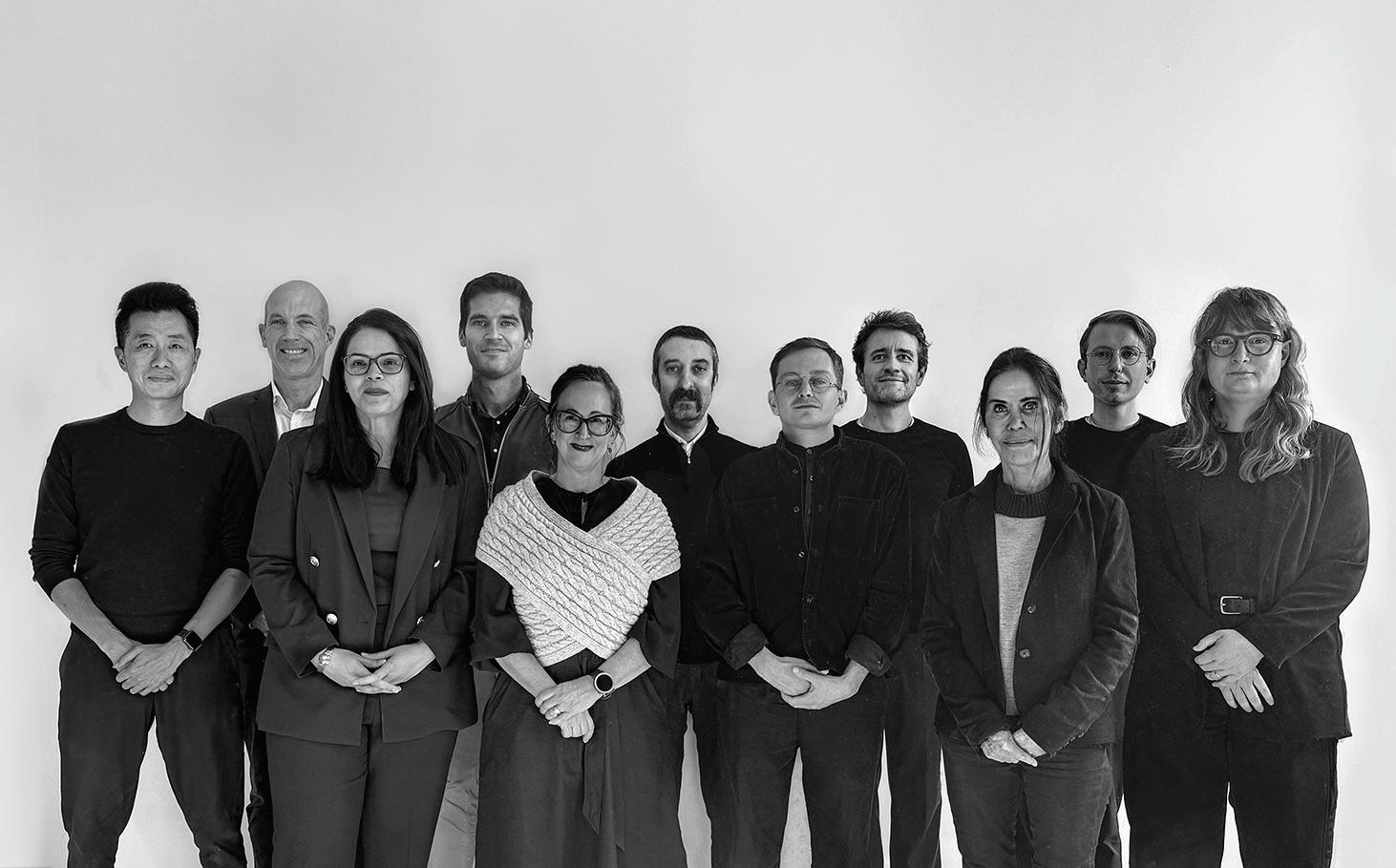
LEFT TO RIGHT: Raymond Chow (gh3*), Tom Kyle, Afaf Naseem, Michael Goncalves (Stantec), Elise Shelley (gh3*), Mojtaba Shafaee (Stantec), Marc Dainow, John McKenna, Pat Hanson, Nicholas Callies, Charlotte Keskinen-Keith (gh3*).
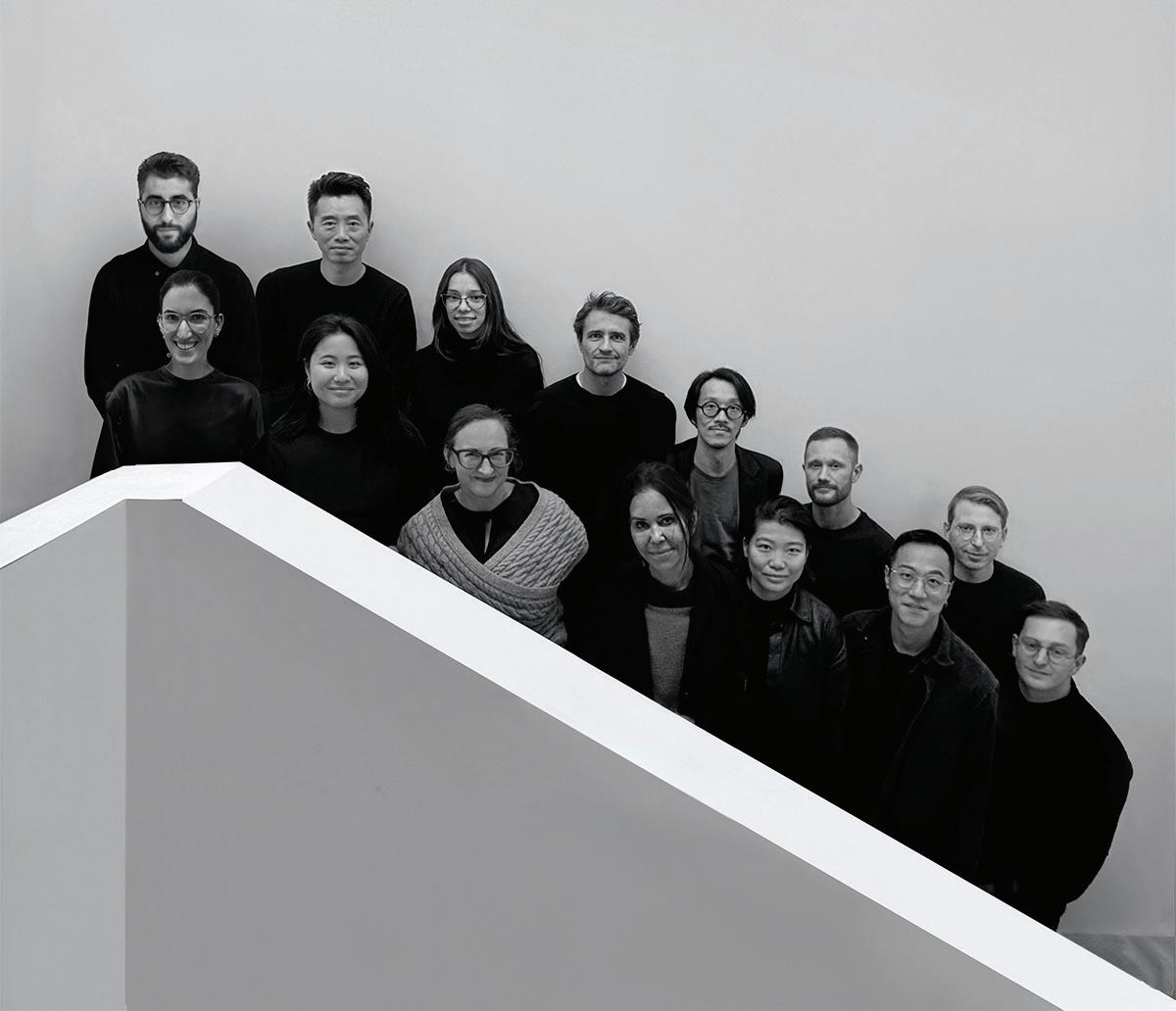
BACK ROW, LEFT TO RIGHT: Charles Hajj (Lemay), Raymond Chow (gh3*), Anastasiia Nasinska (gh3*), John McKenna (gh3*), Jeff Ma (Lemay), Kyle Tousant (gh3*), Nicholas Callies (gh3*)
FRONT ROW, LEFT TO RIGHT: Laura Di Fiore (Lemay), Erin Jeong (gh3*), Elise Shelley (gh3*), Pat Hanson (gh3*), Alison Huo (gh3*), Ben Chang (gh3*), Marc Dainow (gh3*)
NOT SHOWN: Cian Hrabi (gh3*), Grace Coulter Sherlock (Lemay), Patricia Lussier (Lemay), Andrew King (formerly Lemay), Jasper Silver King (formerly Lemay)
WINNING TEAMS

Giannone Petricone Architects (GPA) is a Toronto-based architecture practice that bridges time, place, and community by instrumentalizing design as a form of cultural and environmental stewardship. At every scale, the firm’s award-winning projects seek harmony between durability and delight, between structure and spontaneity, and between progress and poetry elements that can coexist in every corner of a layered city. The firm is known for environments that are nuanced and evolving, rooted in the history of place yet infused with contemporary vitality. From interiors to buildings, to large-scale urban developments, resilient architectures stem from their context and are designed to adapt and transform over time. Projects range from the suburban intensification of Toronto’s 1950s Don Mills Centre, to the adaptive reuse of Picton’s 19th-century Royal Hotel, to the stitching of the creek bank to the city
A VILLAGE IN LACHINE
with a creatively crafted collection of buildings at Toronto’s historic 2 Tecumseth, to the recently completed resuscitation of North Toronto’s 1828 Snider House. Regardless of scale and typology, GPA’s work is recognized internationally for its sartorial approach that fashions both big-picture strategy and signature design details that shape the culture of a place, making it greater than the sum of its parts.
Recent awards include the Paul Oberman Award for Adaptive Reuse by the Architecture Conservancy of Ontario, AN Design Excellence Awards, Architecture MasterPrize Winner, Grands Prix du Design Platinum Winner, IIDA Gold Winner, Interior Design BoY Honoree, American Institute of Architects Design Award, and AZ People’s Choice Award. GPA was recently honored with the 2023 Architecture and Design Firm of the Year Award by the ICCO, Canada.
Sid Lee Architecture (SLA) is a multidisciplinary firm based in Montreal, founded in 2009 by Jean Pelland and Martin Leblanc following the integration of architecture firm NOMADE (founded in 1999) to creative agency Sid Lee.
Today, the team unites nearly sixty professionals specializing in architecture, urban design, urban planning, and interior design. Together, they create projects rooted in a new vernacular that is inspired by an analytic approach, driven by behaviour, context, history, and the urban fabric.
SLA is recognized for the methodical quality of its projects and for its user-centric approach. The firm works at every scale, from master
and strategic planning to real estate asset enhancement and the transformation or adaptive reuse of existing buildings. Its portfolio spans a wide range of typologies, from residential and mixed-use developments, to multi-purpose projects, hospitality, cultural and leisure facilities, mobility, and corporate and commercial spaces.
SLA is committed to innovation and to creating meaningful environments. Most recently, the firm has led major urban planning initiatives in downtown Montreal, helping to revitalize the area’s built heritage and to foster inspiring, sustainable places focused on wellbeing.
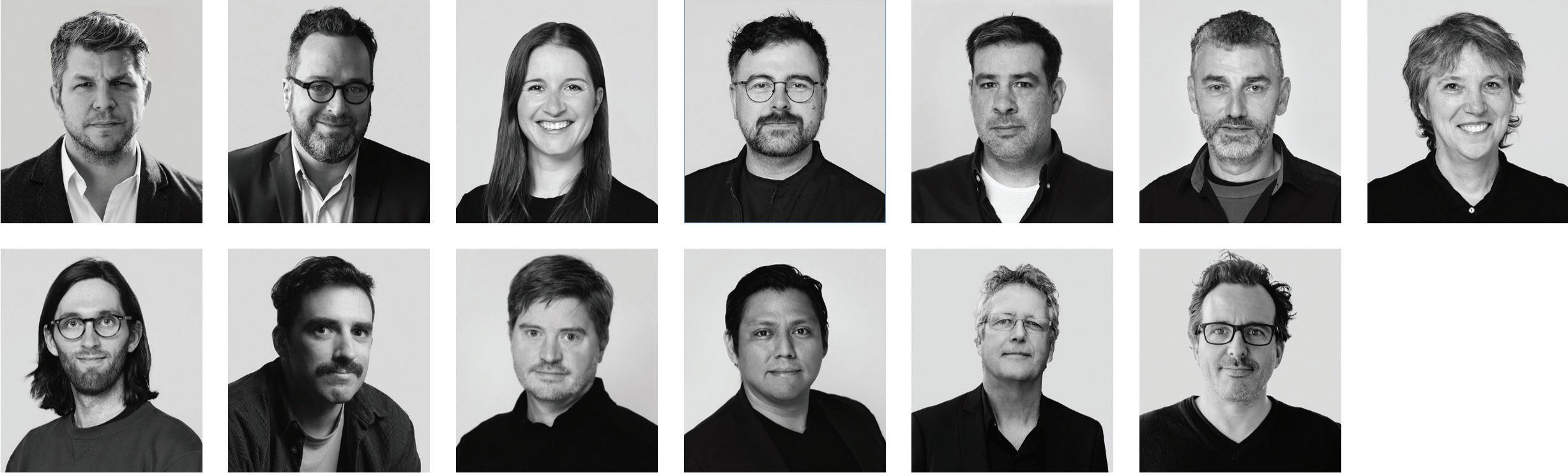
LEFT TO RIGHT: Ralph Giannone (FRAIC), Pina Petricone (FRAIC), Andria Vacca (MRAIC), Liane Werdina, Emily Guo, Tess Macpherson. Not shown: Andrea Bickley, Serafima Korovina, Grace Leong, Olivia Carson
LEFT TO RIGHT, TOP TO BOTTOM: Jean Pelland (MIRAC), Martin Leblanc (MIRAC), Valérie Beaudin, Jeffrey Perron, Nicolas Therrien, Nicolas Maalouf, Sylvie Leblanc, Jonathan Trottier, Martin Mongeau, Yves Ferdais, Manuel R. Cisneros, Yves Demers, Pascal Harvey

Chevalier Morales is a Montreal-based architecture and design firm founded in 2005 with work in Quebec and throughout Canada. Founders Stephan Chevalier and Sergio Morales embrace a contemporary vision of architecture that carries social and environmental responsibility while ensuring a connection to the surrounding context.
Known for their sensitive and imaginative vision, Stephan, Sergio, and their team strive to reflect contemporary ambitions and concerns regarding social, cultural, and environmental issues. Committed to innovation, they continually explore new ways to address these challenges through building construction and design.
Chevalier Morales’s portfolio focuses primarily on culture, higher education, workspaces, and both social and private-sector housing. The firm also offers specialized expertise in built heritage restoration and rehabilitation.
Chevalier Morales has been featured in national and international publications and has received numerous accolades, including the 2018 Emerging Architectural Practice Award awarded by the Royal Architectural Institute of Canada (RAIC), two Grand Prix from the Ordre
CONTEMPORARY CALGARY
des architectes du Québec, two Governor General’s Medals in Architecture, and several Canadian Architect Awards. Most recently, the firm was a finalist to officially represent Canada at the 18 th International Architecture Biennale in Venice. Through the dedication of its partners and team members, Chevalier Morales actively contributes to both professional architecture and academia, fostering the next generation of ideas through their engagement in higher education.
Le Groupe Architex is an independent professional architectural firm active over the past 40 years in the areas of project programming, planning, design, and implementation.
The firm’s portfolio spans commercial, hospitality, residential, industrial, and interior projects, reflecting extensive experience in a wide variety of environments. Its collaborative approach to problem solving, design, and coordination, combined with in-house interior design and LEED expertise, ensures a dynamic, interdisciplinary approach to design development. This expertise results in a high level of creative design within well-coordinated, sustainable, and cost-effective projects.
For over four decades, GGA-Architecture has been transforming skylines, building communities, and enriching lives through the built form across Western Canada. Inspired by the region, the firm’s designs reflect the surrounding natural environment and are intentionally crafted to achieve timeless, classic, and modern architecture, with a focus on functional sustainability and accessibility. This dedication is highlighted by recent landmark projects such as The Oliver, the Airdrie “Inspire” Library & Multi-Use Facility, and the soon-to-be-completed WinSport Day Lodge.
The firm, with more than 100 professionals, is registered to practice in Alberta, Saskatchewan, and British Columbia. From its Calgary headquarters, GGA-Architecture provides Prime Consultant architectural, interior, and urban design services across these provinces and beyond. The firm values true collaboration, partnering with top innovators and visionaries across all project sectors.
GGA-Architecture has a history of consistently exceeding client expectations, delivering efficient and effective design solutions that continue to add value over a project’s life. Its strong relationships with local authorities enable the negotiation of planning and building permit approvals to optimize client objectives. Known for attentive listening and collaborative work with clients and consultants, the firm has
LEFT TO RIGHT : Chevalier Morales—Stephan Chevalier (MIRAC) , Sergio Morales (MIRAC) , Alexandre Massé, Ève Beaumont-Cousineau, Gabriel Coughlan, Henri Lachance. Brian Elsden Burrows Architecte - Le Groupe Architex—Brian Elsden Burrows (MIRAC) , Vera Karaklas
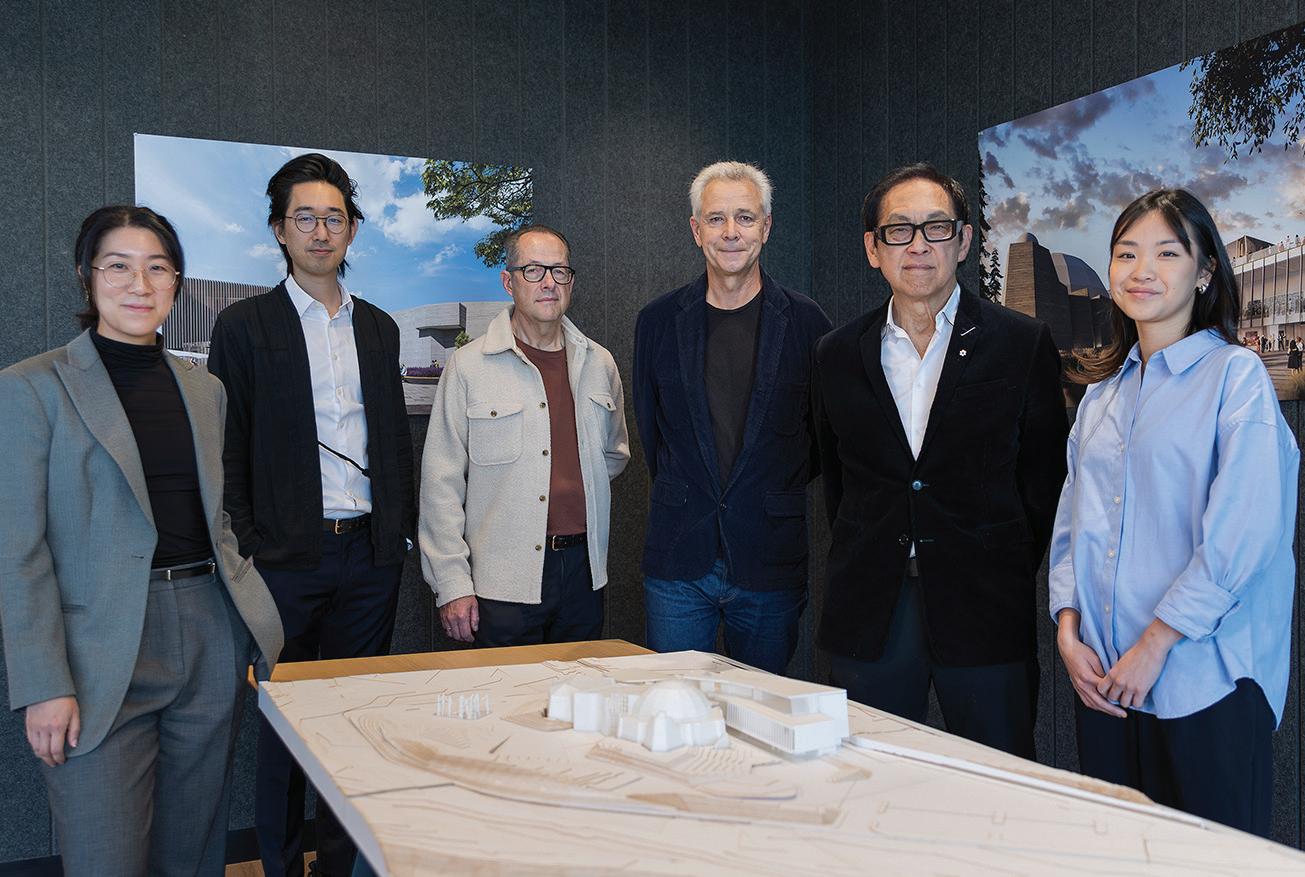
LEFT TO RIGHT: GGA-Architecture—Todd van der Burgh, Blake Costley, Jonny Hehr, Cam Danylchuk, Chris Hawkins. Not shown: Chito Pabustan
WINNING TEAMS
KINA8AT CULTURAL CENTRE AND PLATFORM 19
Founded in 2003, KANVA is a multidisciplinary architecture firm based in Montreal. The multicultural team, led by Rami Bebawi, Tudor Radulescu and Killian O’Connor, is committed to promoting sensitive architecture through an open and innovative design method that reimagines and transforms the built environment. Each project is approached as an opportunity to tell a story, imagine a place, and broaden the dialogue between art and architecture.
KANVA’s practice is rooted in the desire to design and build collective spaces that resonate with human experience. Inspired by place-based narratives, the team strives to understand how users interact with their environment, guided by the belief that architecture, art, and science are powerful tools for learning and for transforming both the built environment and those who inhabit it.
The firm assumes the responsibility of being a social actor, uniting design and construction technology to produce architecture that addresses contemporary complexities of culture, economy, sustainability, and innovation. Its methodology emphasizes sensitivity to site, storytelling, and materiality, resulting in built forms that articulate meaning and provoke dialogue.
KANVA has earned local, national, and international recognition through numerous awards, publications, and competitions. From major institutional projects to public art installations touring globally, the team demonstrates design excellence and socio-cultural relevance. Many projects explore the fragile balance between humans and nature, engaging users through immersive experiences that integrate science and technology.
KANVA’s work is innovative, engaging, and memorable creating spaces that elicit emotion, spark curiosity, and foster a deeper connection between people and their environment.
earned a reputation for achieving superior results. GGA-Architecture is fully owned by six partners: Chito Pabustan, Jonny Hehr, Vince Dods, Stephen Mahler, David Wittman, and Stephanie Yeung, each of whom is actively involved in the firm’s day-to-day operations.
KPMB Architects crafts design solutions that catalyze positive change. With uncompromising rigour and close attention to the increasingly complex needs of the world, our diverse team devotes their expertise, passion, and creativity to solve today’s challenges and unlock new opportunities for our clients and the communities we serve. As a fullservice practice, we provide award-winning experience in building design, interior design, master planning, workplace strategy, engagement, and sustainable design.
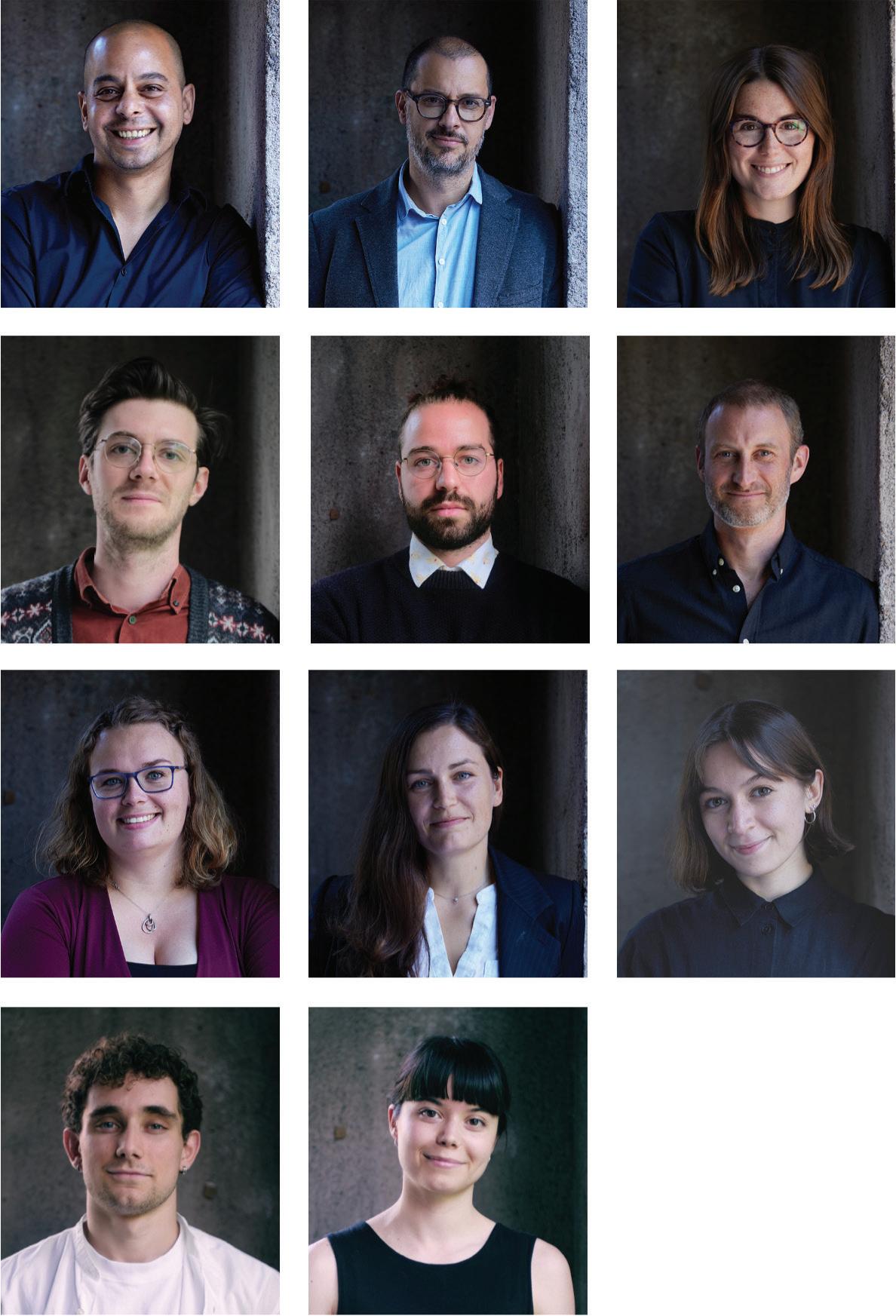
LEFT TO RIGHT, TOP TO BOTTOM: Rami Bebawi (MRAIC), Tudor Radulescu (FRAIC), Brigitte Messier-Legendre, Andrei Nemes, Olivier Fillion, Killian O’Connor, Éloïse Ciesla, Dina Safonova, Myriam Rostom, Théo Burelle, Simone Mauro
LEFT TO RIGHT: KPMB—Karen Hsieh, Nick Choi, Chris Couse, Matthew Wilson, Bruce Kuwabara, Gloria Zhou. Not shown: Glenn MacMullin

Thy Nguyen is a Vietnamese architect based in Winnipeg, currently completing her pathway toward architectural licensure in Manitoba. Inspired by her observations of the close relationship between water and human life in her tropical home country, her Master’s thesis, Sponge by the Forks, explores how water-sensitive design approaches could create greater resiliency in Winnipeg’s climate. During her two years of studies at the University of Manitoba, Nguyen received eight scholarships and awards for academic excellence, including the AIA Medal for the highest GPA Her work was recognized nationally with First Prize in the AIA Canada Student Design Awards and internationally as a finalist for the GROHE Water Award at the World Architecture Festival.
Before relocating to Canada, Nguyen completed nine years of professional experience in Vietnam, leading large-scale hospitality and residential projects in Vietnam, the US and Asia and the Pacific. Her current work at Number TEN Architectural Group includes work on public and residential projects. Balancing work, motherhood, and drawing, she continues to build a life that feels calm, creative, and kind.
RAIL-BASED REGIONALISM
Bishop McDowell is a Halifax-based architecture practice founded in 2024 by Matthew Bishop and Lucas McDowell. The studio works across a range of project types, including private residences, commercial developments, and custom furniture.
Before launching their own practice, Matthew and Lucas were associates at MacKay-Lyons Sweetapple Architects. Matthew previously interned with Studio Rick Joy in Tucson, Arizona, and Lucas at Bing Thom Architects (now Revery) in Vancouver, British Columbia. Both hold a Master of Architecture and a Bachelor of Environmental Design Studies from Dalhousie University.
BUILDING OTHERWISE

Emilie Rooke is a Canadian architectural designer based in Montreal.
She completed her Master of Architecture at the Université de Montréal, including a year of study at ENSA Paris-Malaquais, where she deepened her interest in the dialogue between theory and material practice.
Her work explores how architecture can engage responsibly with its environment through thoughtful design and experimentation with local materials.
Emilie is currently part of the team at Sid Lee Architecture in Montreal, contributing to projects that combine creativity, context, and craft. Her practice continues to question how architecture can shape meaningful relationships between place, matter, and the act of building.
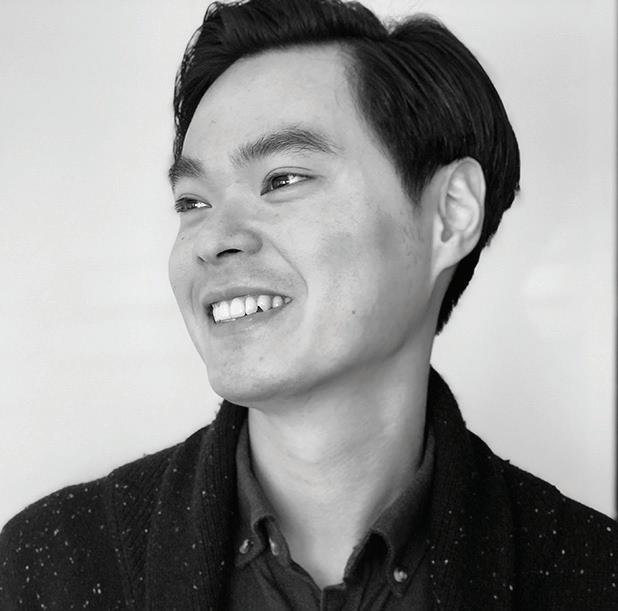
Janson Chan trained in woodworking and joinery, discovering and pursuing architecture later in his career. Through architecture school, he gained a better understanding of how design and making connected, and what made design meaningful. His background gave him an early appreciation of the use of sketching and modelling as design tools, and the architecture program at Dalhousie University allowed him to explore how space can gain significance through thoughtful design, and create meaningful connections between people and the built environment. His thesis explores a passion for adaptable infrastructure, and for developing designs that respond to ever-changing needs. Chan is currently an intern architect at MacKay-Lyons Sweetapple Architects.
NEW TERRITORIES

Xiaoyu Shi was born in 1999 in Shenzhen, at the subtropical southern tip of China. He belongs to a generation of people that spent their childhoods amid rapid urban modernization an experience he credits with sparking an early interest in design. Prior to studying architecture at the University of Toronto, Shi attended a jointly operated wood science program in Beijing and Vancouver, an experience that led him to pursue professional architectural education in Canada. Shi’s thesis explores an interest in how infrastructure and the extent of artificiality it brings shapes contemporary cities.
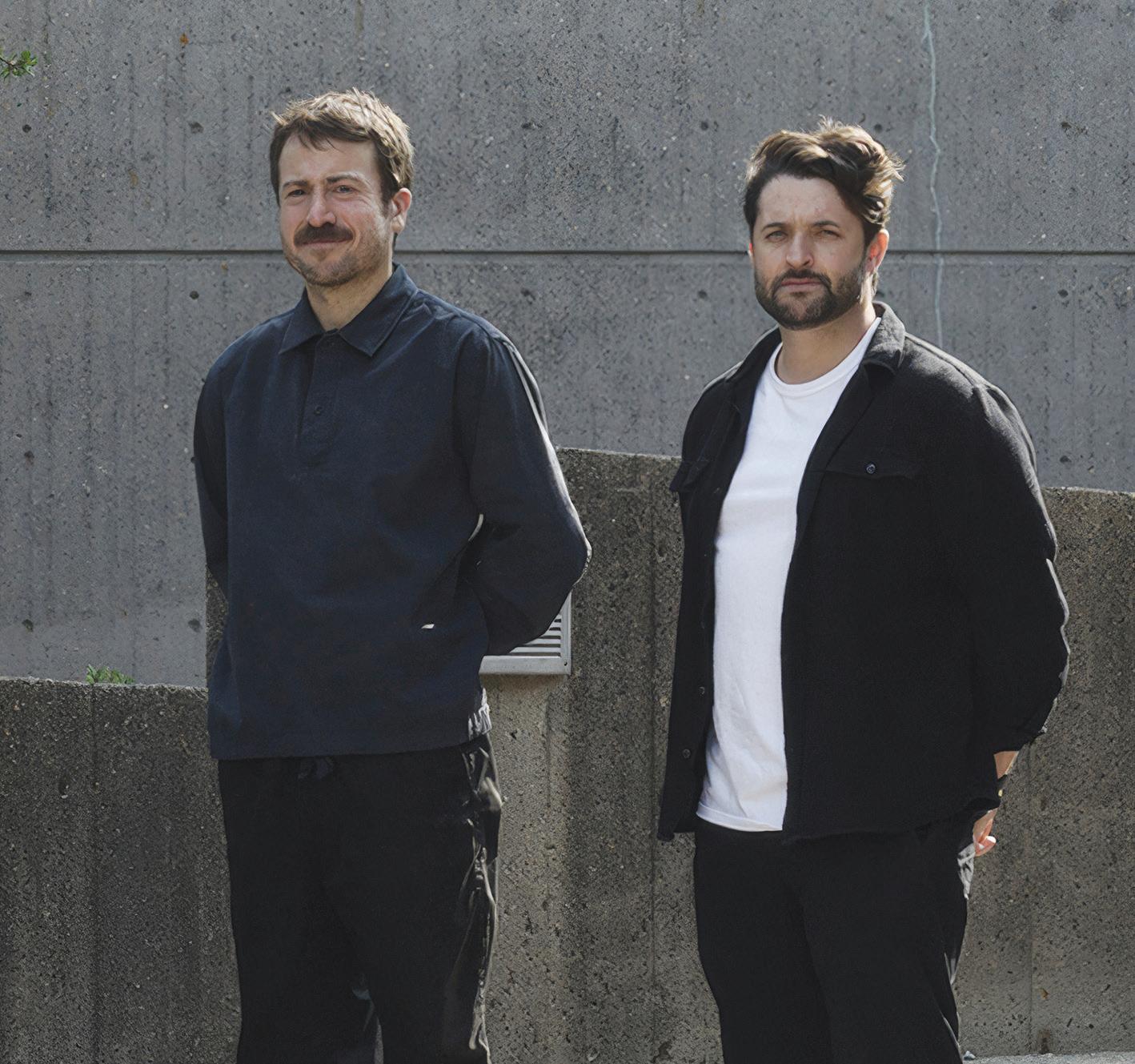
LEFT TO RIGHT: Matthew Bishop (MRAIC), Lucas McDowell (MRAIC)
WINNING TEAMS

Lisa Stinner-Kun is a photographic artist, architectural photographer, and educator living in Treaty 1 territory (Winnipeg). Her work is concerned with the photographic reconstruction of the built environment. Since graduating with an MFA from the School of the Art Institute of Chicago, Stinner-Kun has shown her work in exhibitions nationally and internationally. Her recent solo exhibition “Built Persuasion” was shown at the Centre for Cultural and Artistic Practices (C-Cap) this year, and has a resulting exhibition review published in the most recent issue of Border Crossings magazine. Stinner-Kun’s “Construct” series was recently featured in Medium Format magazine, and her recent projects “Mid-Century Modest” and “Theme Parks” have been supported by the Canada Council for the Arts, Manitoba Arts Council and Winnipeg Arts Council.
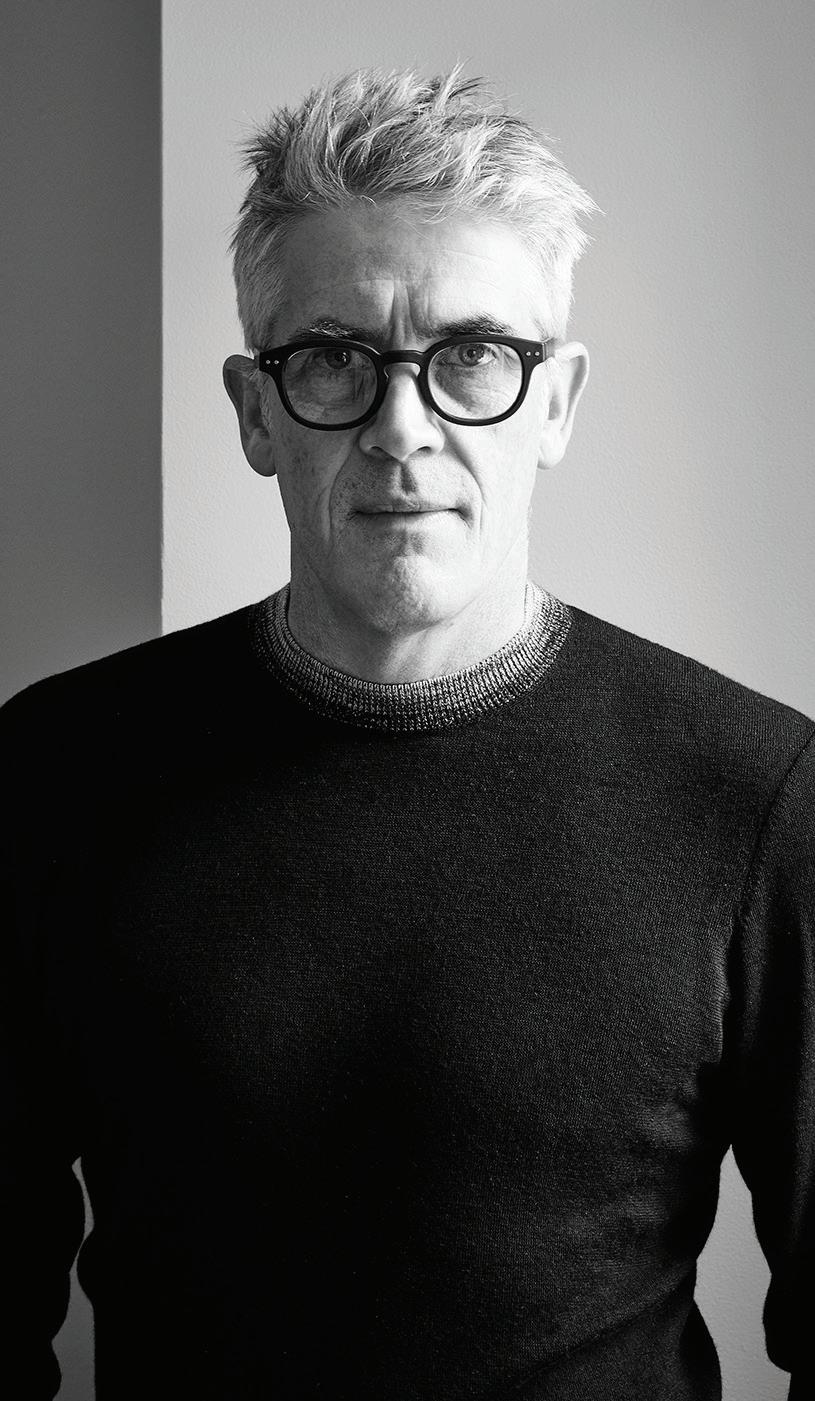
James Brittain is an award-winning photographer working from studios in Montreal and London, UK . Over 23 years of commissioned practice he’s established an international reputation for pictures grounded in the experience of architecture. His work is widely published online and in books and magazines around the world. Brittain uses his commissioned work to support his own photographic practice. His personal work has been shown at the Contact Photography Festival in Toronto and at the Architectural Association in London. He regularly provides talks about photography and architecture, most recently for the Daniels Faculty of Architecture, Landscape, and Design at the University of Toronto and the Peter Guo-hua Fu School of Architecture at McGill University in Montreal. Brittain has been the principal photographer for a number of recent books about architecture, including platform.MIDDLE: Architecture for Housing the 99% by Canada’s 5468796 Architecture (Arquine, 2024), and a new volume about the art and architecture of the UK’s Kensington Palace (Yale University Press, 2018). He lives with his family in Montreal.

Rémi Carreiro is an architectural photographer and architect from Toronto. He creates precise yet poetic images that aim to illuminate the soul of the built environment. Trained as an architect, he approaches photography with a deep sensitivity to proportion, light, and texture, distilling structures into moments where form and atmosphere meet. His work invites viewers to linger, and to experience spaces not just as designs, but as living, breathing places shaped by time, humans, shadow, and context.

Camila Lima was born and raised in Brazil, and later immigrated to Canada to pursue post-secondary education. She earned an Architectural Technology Diploma from George Brown College and spent five years working as a project coordinator. To further her professional development, she returned to school at Dalhousie University, where she completed a Bachelor of Environmental Design Studies and is currently a MArch candidate. While at Dalhousie, Camila became involved with the Canadian Architecture Student Association (CASAACÉA) and now serves as Chair of the Student Work Showcase Committee. Most recently, she completed an eight-month co-op placement at MacKay-Lyons Sweetapple Architects, where she had the opportunity to visit and document Shobac, the site that is central to the firm’s work and featured in her winning photo.

Caralyn Jeffs has a background in architecture (M.Arch, TUNS) and ceramics. She is studying photography at Emily Carr University of Art and Design. Her current focus is finding the strange beauty and humour in Vancouver’s overlooked places.
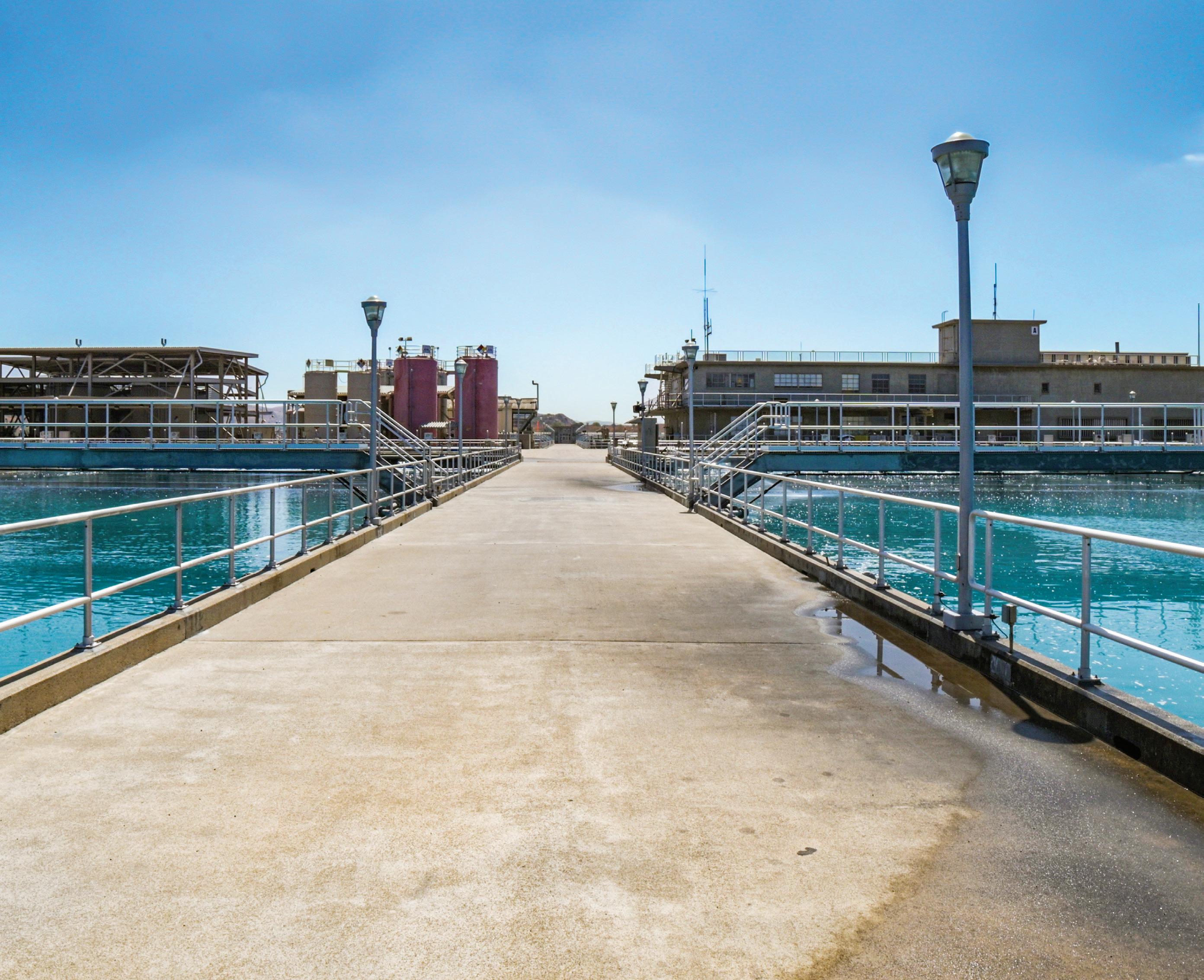
WINNIPEG ART GALLERY
ST. JAMES TOWN SOLITUDE
SHOBAC: FIELD & FOG
SPACE CENTRE
EL ALEPH
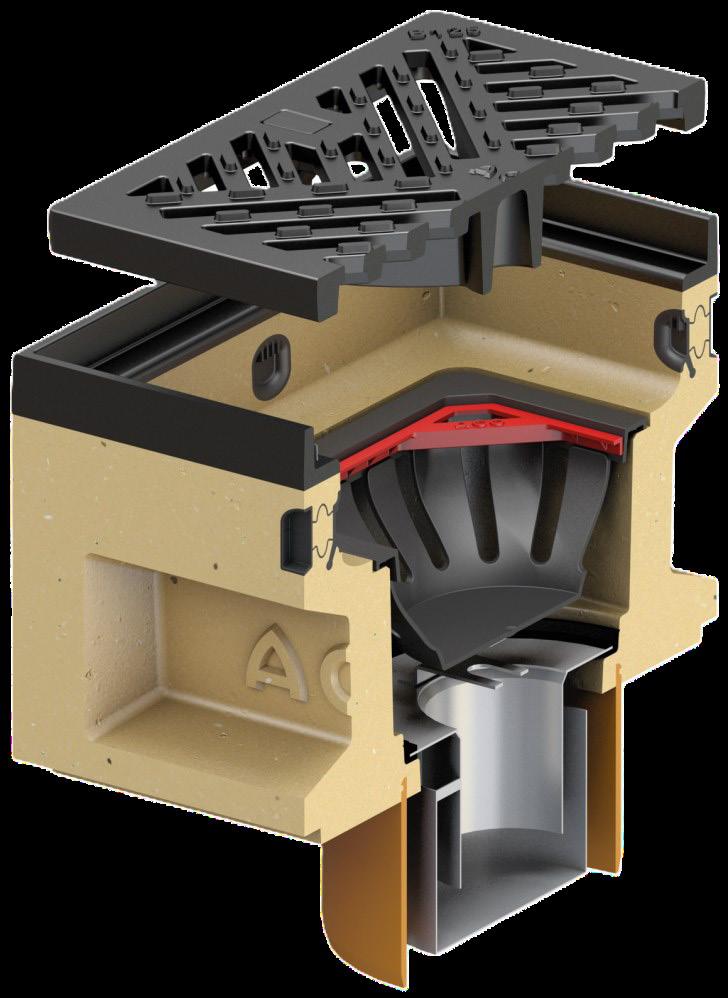
Flood Tight Floor Access Door
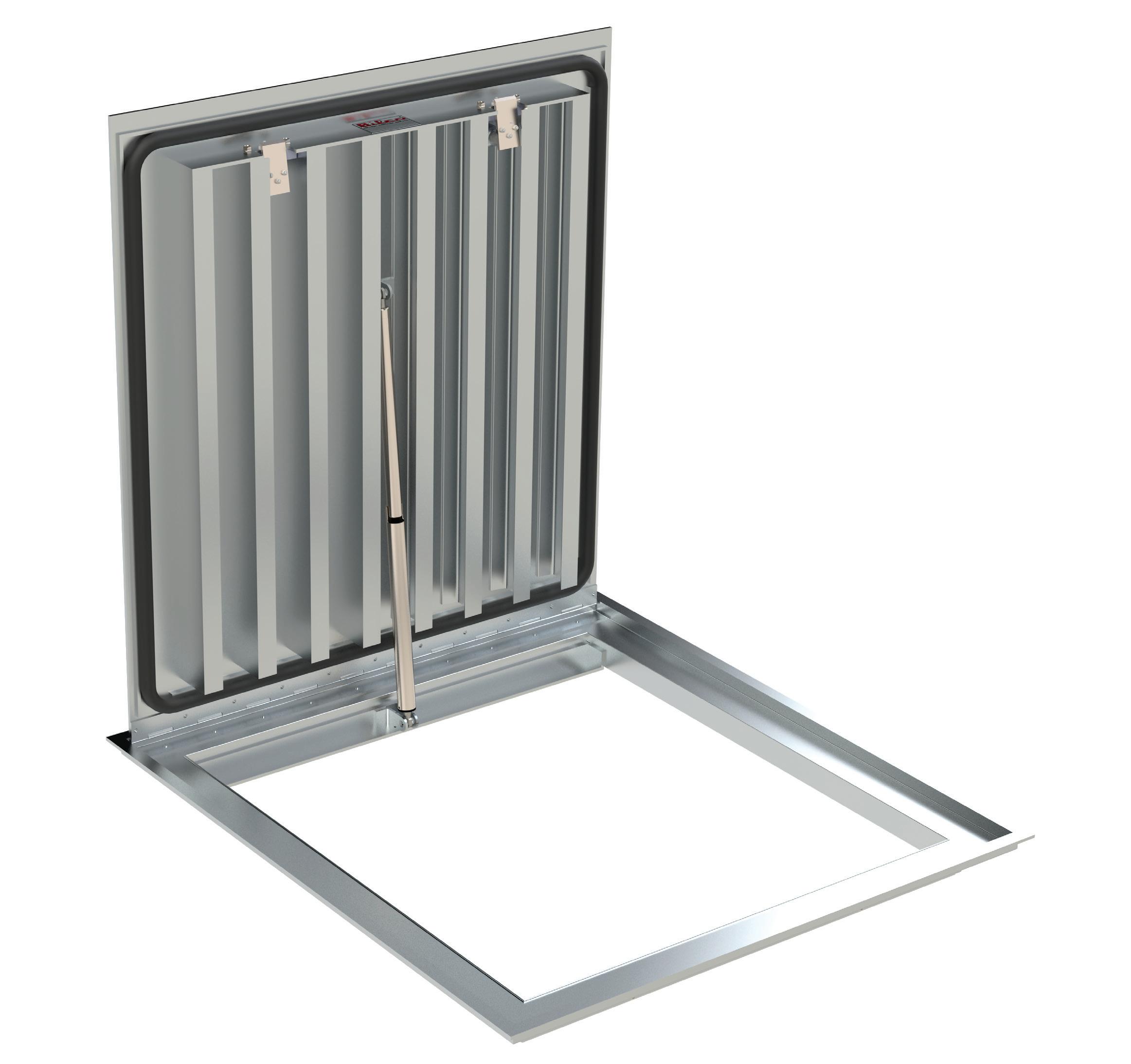
Type FT-30 flood tight floor access doors are constructed for use in applications where there is concern of water or other liquids entering the access opening. Type FT-30 doors are rated to withstand a 30-foot (9.14m) head of water from the topside without leakage and up to a 5-foot (1.52m) head of water from the underside (when specified) and will resist low-pressure gases and odors. Doors are reinforced for AASHTO H-20 wheel loading and feature aluminum construction, type 316 stainless steel hardware, and engineered lift assistance for easy one-hand operation.
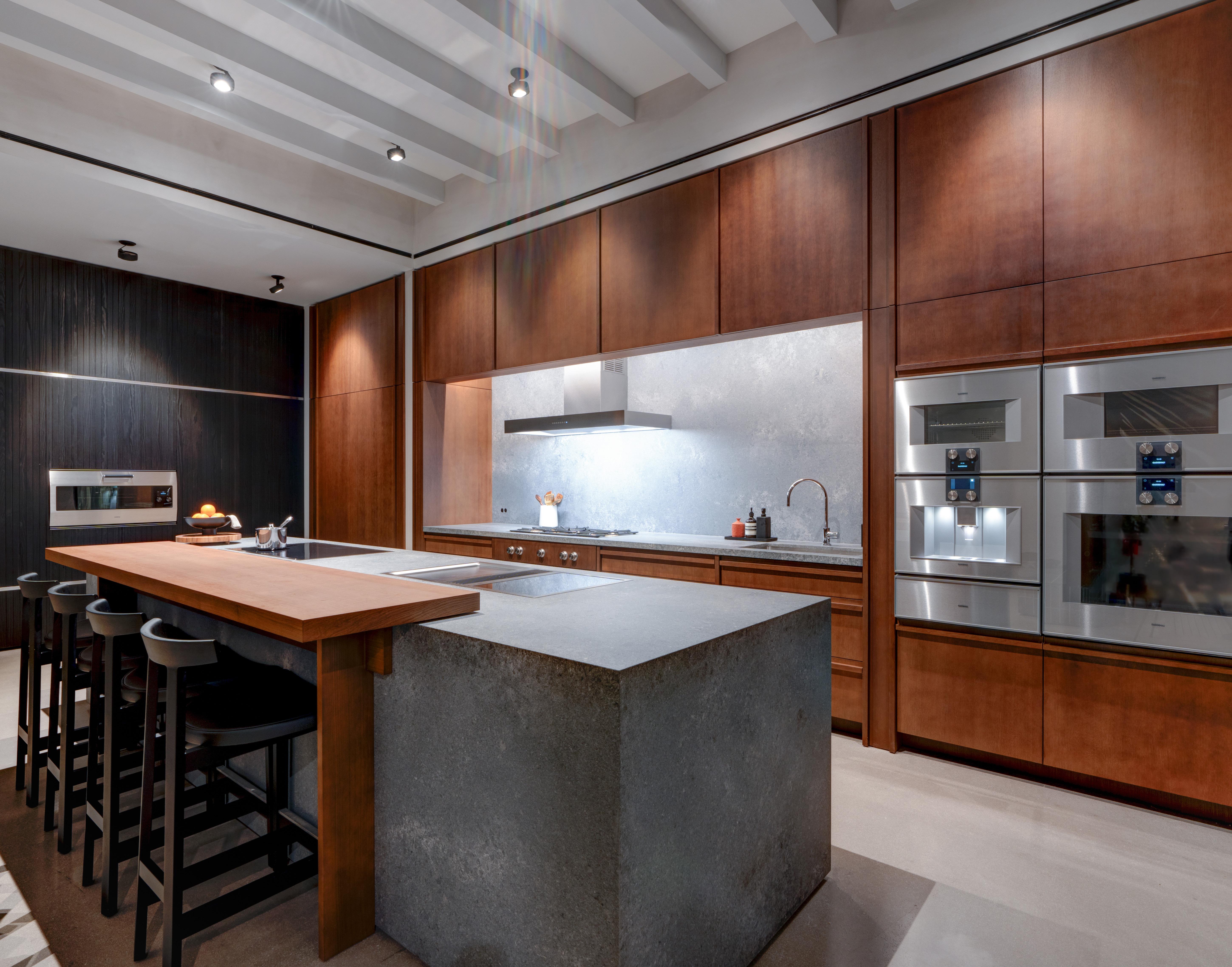
Our Gaggenau showrooms invite you to embrace the intersection of quiet luxury and culinary excellence.
Our Gaggenau showrooms invite you to embrace the intersection of quiet luxury and culinary excellence.
For those who know the extraordinary.
For those who know the extraordinary.
Vancouver
Vancouver
Toronto
Toronto
Montreal
Montreal

Learn more about our showrooms.
Learn more about our showrooms.
The difference is Gaggenau
The difference is Gaggenau
AWARD OF EXCELLENCE
VANCOUVER AQUATIC CENTRE
Columbia
MJMA Architecture & Design + Acton Ostry Architects
This monumental project signals a new relationship between Vancouver’s diverse communities, its Indigenous Peoples and its waterfront histories.
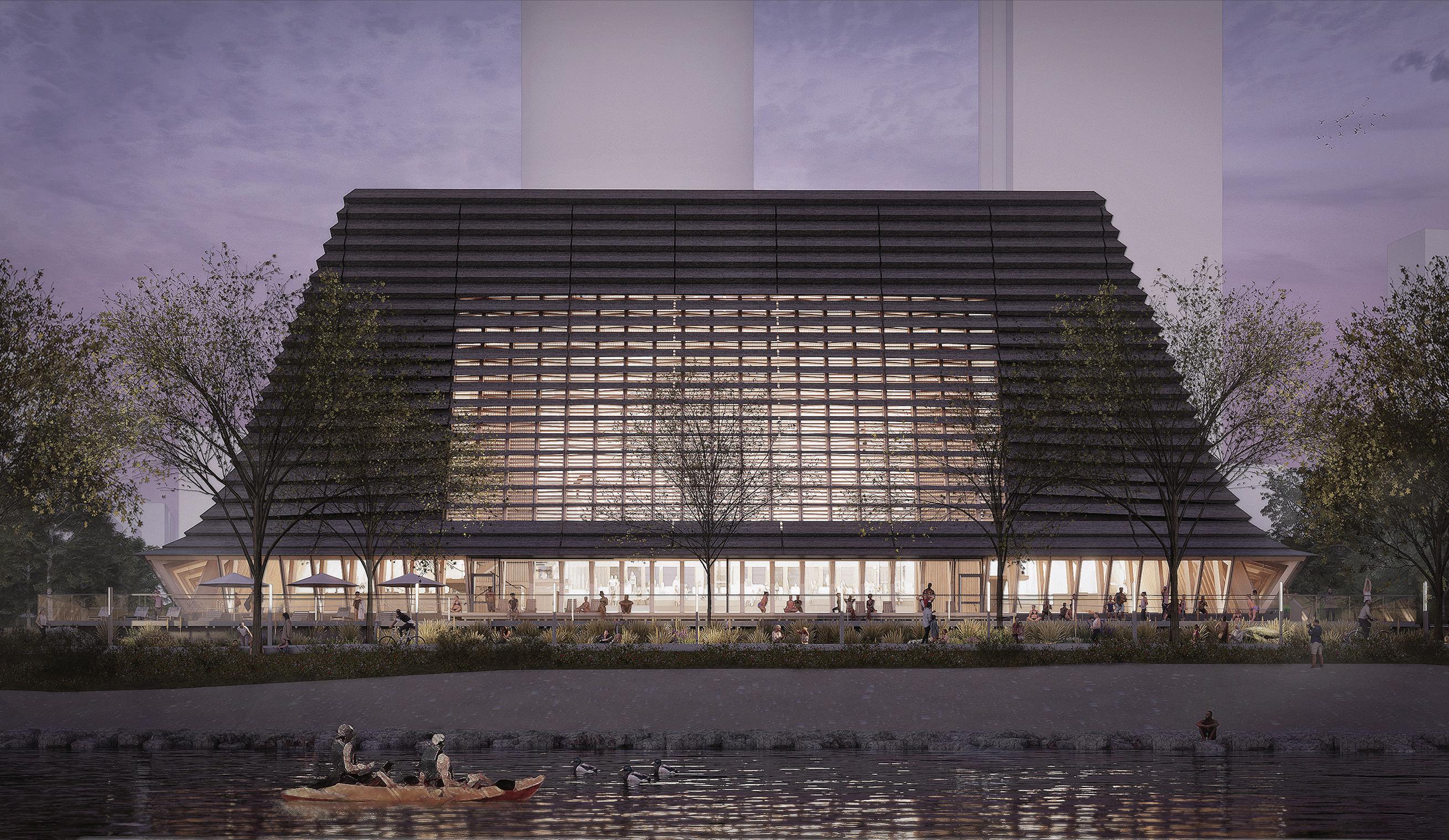
The building’s three dimensional form essentially a vast roof firmly anchors it on the shoreline, its eaves lifted to bring light and warmth to its vast interior hall. We applaud this project for its generosity, ambitious hybrid construction, and quiet material palette, all of which speak of Canada’s distinctive coastal geography and cultures. – Alison Brooks, juror


Vancouver’s English Bay is one of Canada’s densest neighbourhoods, and a place of rich history. For millennia, the area known as a-agulchun was the centre of cultural and ecological life in the Salish Sea for the (Musqueam), Skwxwú7mesh (Squamish), and (Tsleil-Waututh) peoples. Later, it became a recreational hub for the growing settler city, with the 1929 Crystal Pool, and later, the modernist Vancouver Aquatic Centre.
Designed by West Coast Modernist Duncan McNab with Thorsen & Sons Engineers, the 1974 aquatic centre was a bold expression of Vancouver’s civic ambition. The iconic monolithic form trapezoidal and rising toward the bay was achieved through a single, massive horseshoe-shaped steel box truss, supported on only four concrete
columns (including the two dive towers). The walls, made from ubiquitous precast double-T beams, were simply tipped up and leaned gently inward efficient, simple, elegant.
However, the aging 1974 Aquatic Centre is literally crumbling, and no longer meets standards for competition, seismic safety, efficiency, or comfort. MJMA and Acton Ostry initially explored renewing the existing structure, but a new-build was ultimately deemed more costeffective and capable of delivering on ambitious sustainability and community goals.
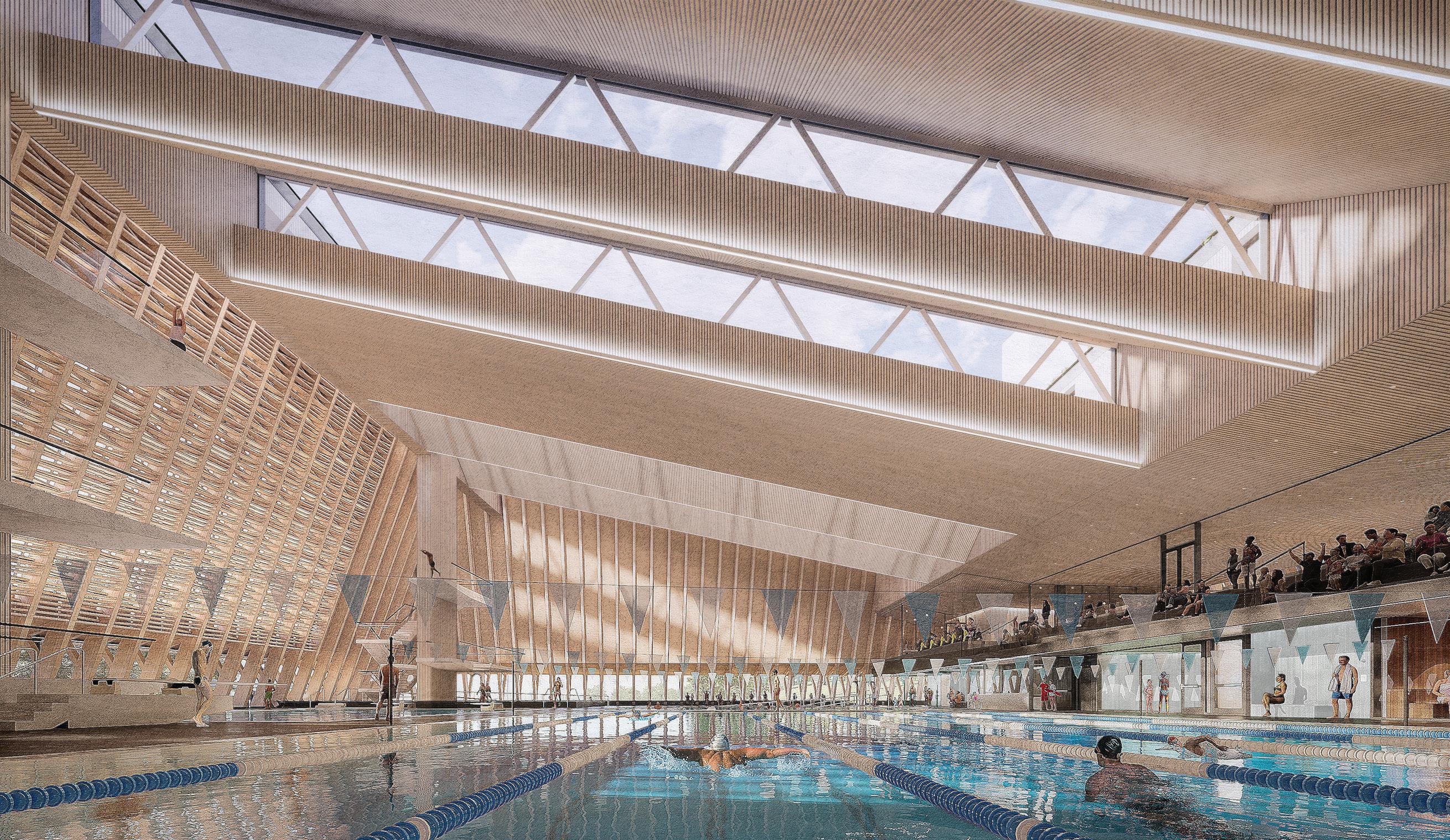
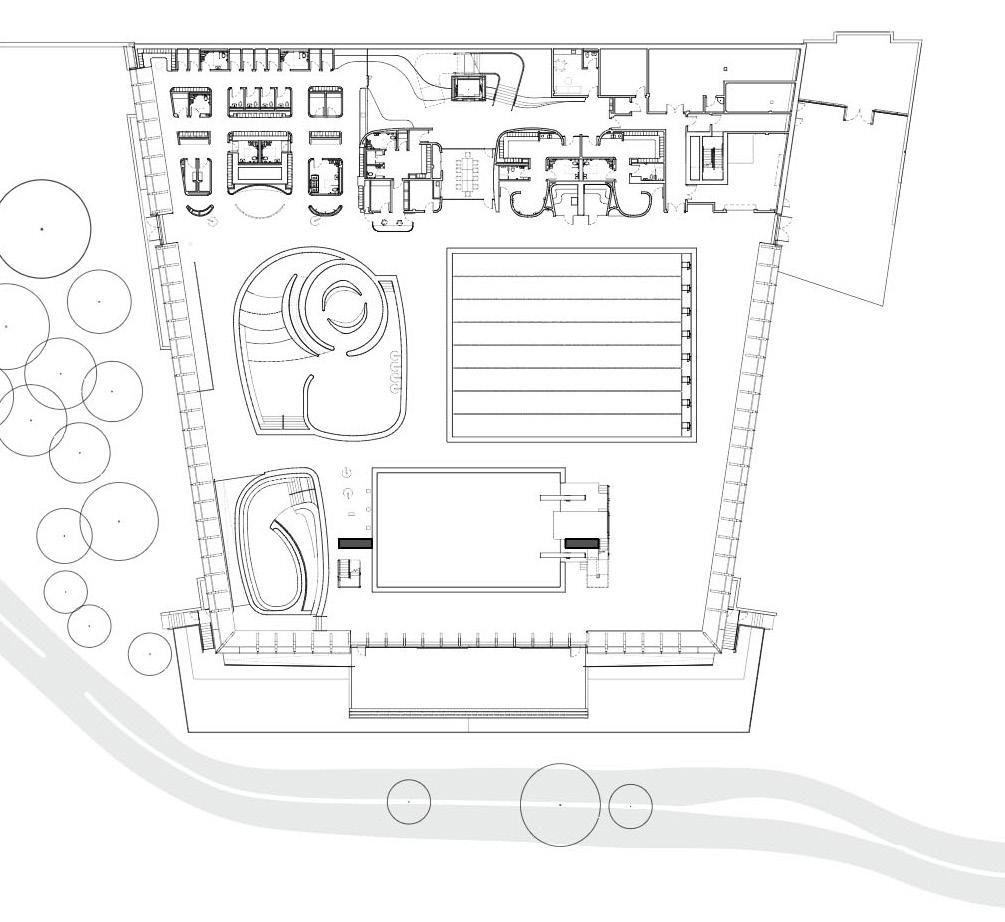
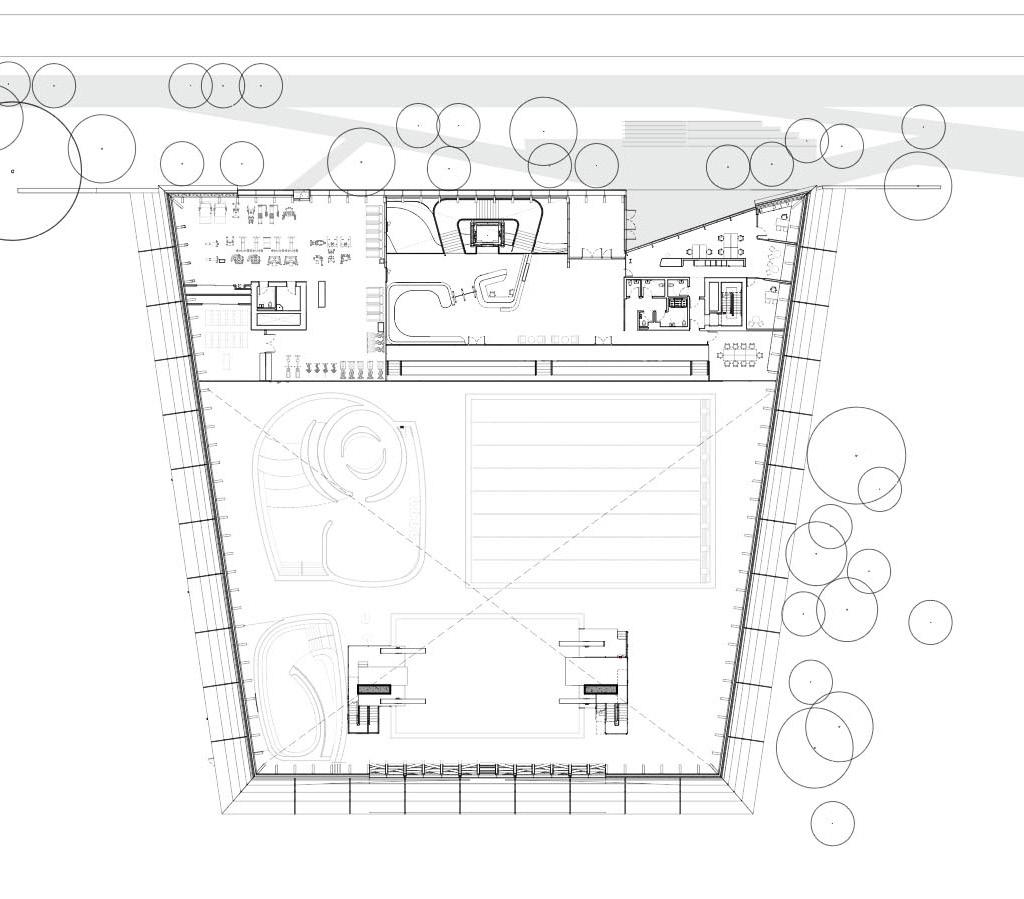
The new building preserves its predecessor’s footprint and sloping form. But now, six heroic steel trusses span nearly 50 metres from the lobby to the diving tower, linked by timber-clad sawtooth roofs that filter daylight deep into the plan like a set of gills. The original concrete walls are reinterpreted as inward-leaning mass timber beams, laced together with cross-laminated timber panels. A gently flared lower roofline allows water to softly cascade from the roof to nourish raingardens flanking the building. Transparency is introduced where once there was opacity generous glazing along the pool deck offers sweeping views to Sunset Beach and English Bay, while a woven, textile-like timber screen along the south façade filters light and views.
LOCATION Vancouver, British
ARCHITECTS
OPPOSITE The design’s lapped glass-fibre reinforced panels reference the traditional Coast Salish plank house form, and the overall trapezoidal form nods to the legacy Vancouver Aquatic Centre on the same site. ABOVE The original aquatic centre’s concrete walls are reinterpreted as inward-leaning mass timber beams, laced together with cross-laminated timber panels. To the south, a woven, textile-like timber screen filters light while allowing views to English Bay.
BEACH
AWARD OF EXCELLENCE
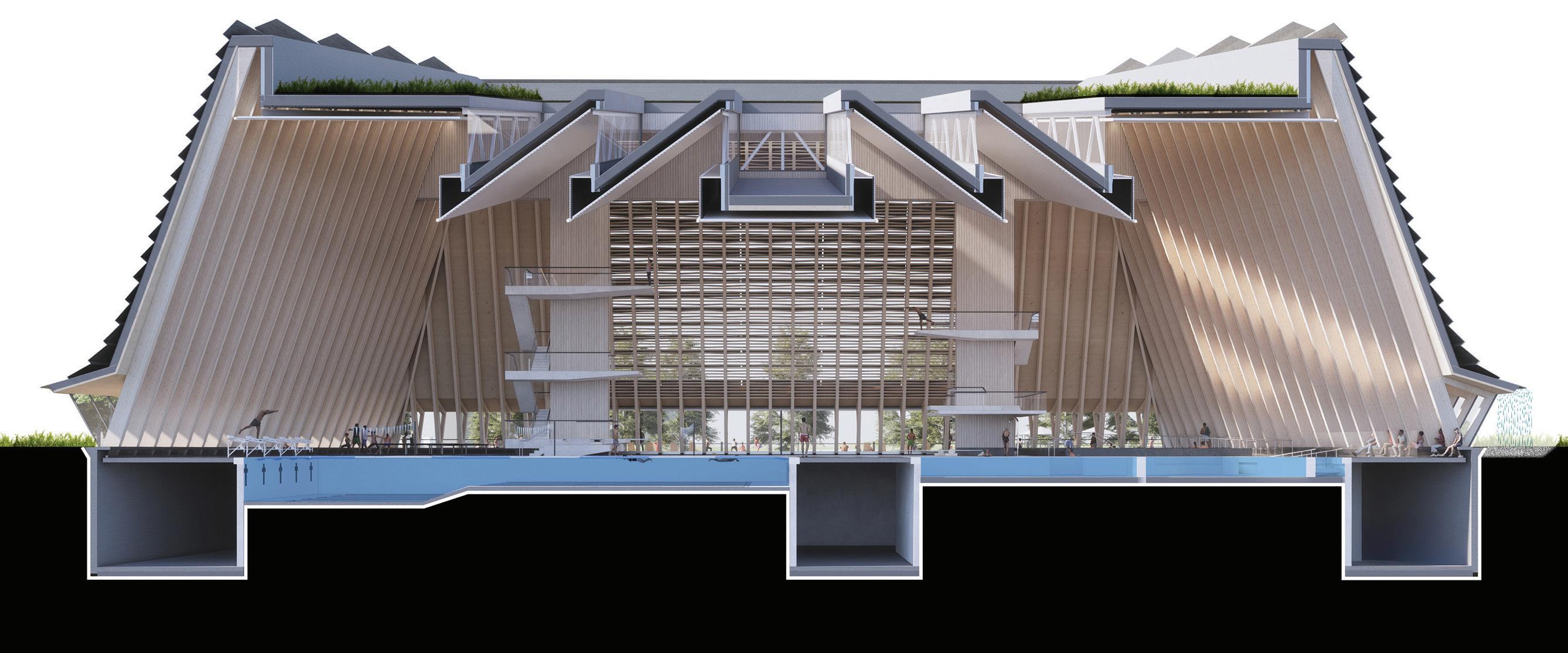
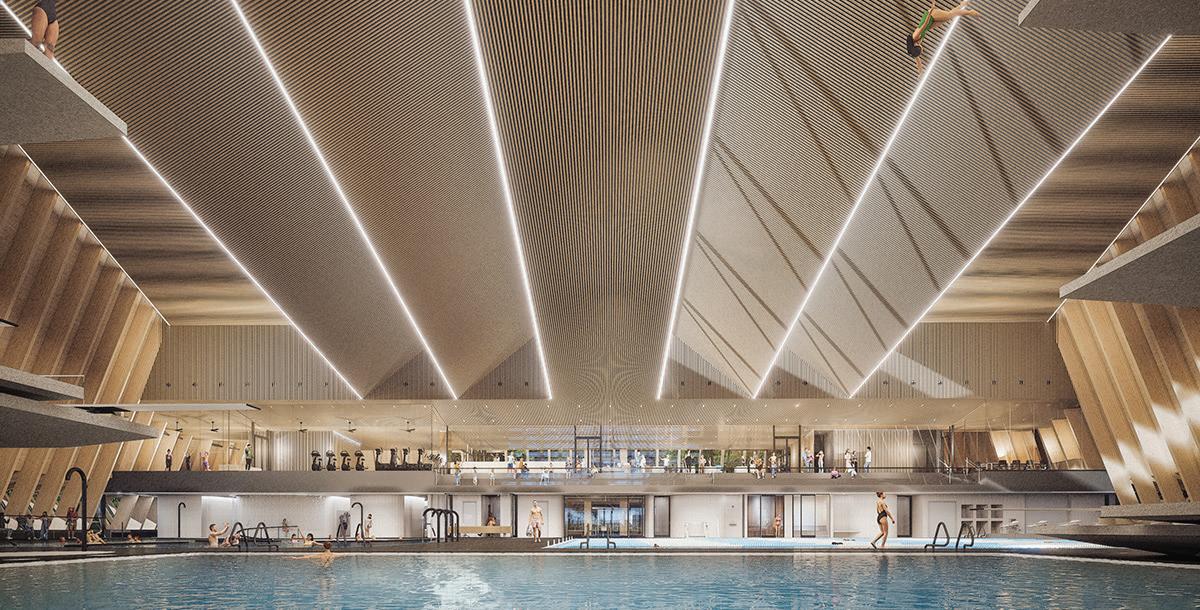
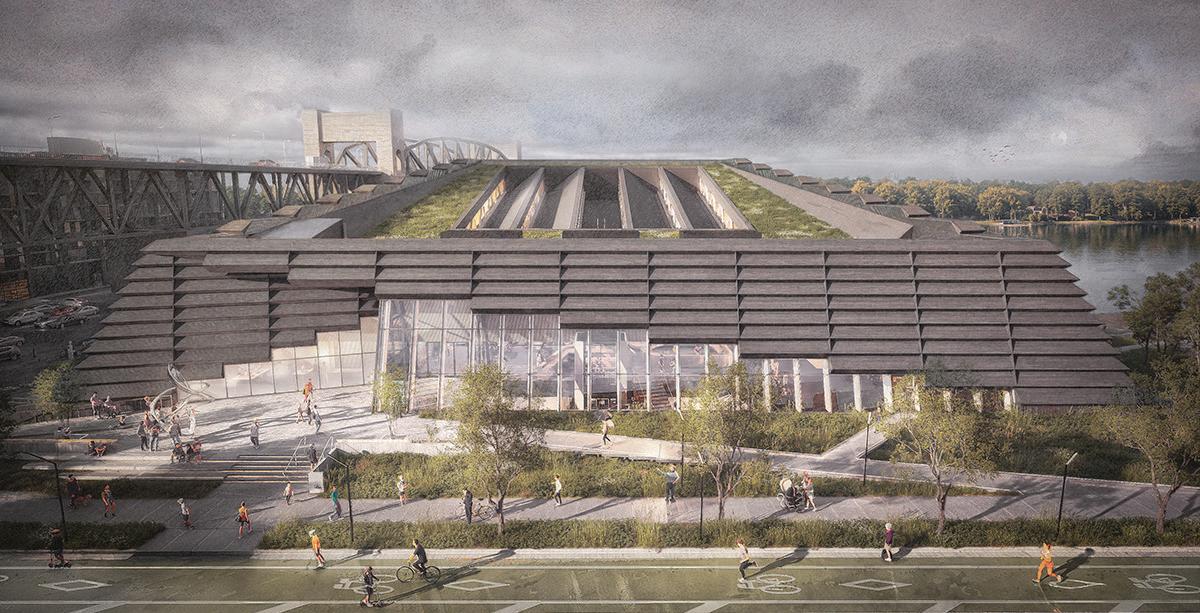
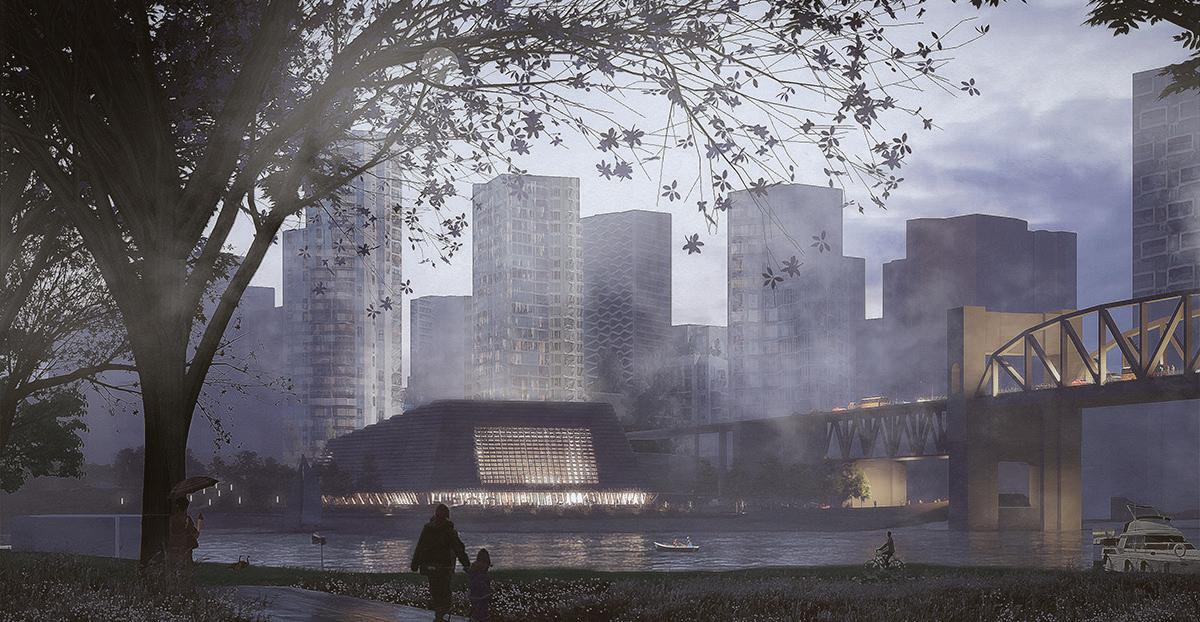
ABOVE The steel beams topping the structure are linked by timber-clad sawtooth roofs. LEFT, TOP TO BOTTOM The renewed Vancouver facility aims to be North America’s first Passive House aquatic centre, and the world’s first to include Olympic platform diving; the flared roofline allows rainwater to cascade down into raingardens flanking the building; the facility draws visitors from the shore towards the waters of English Bay and the Salish Sea.
The design’s lapped glass-fibre reinforced panel cladding and exposed mass timber interior reimagine the traditional Coast Salish plank house form, which featured massive cedar planks secured over heavy interior timber frames. Inside, movement unfolds as a choreographed passage from city to shore, echoing the ancient path from village to water.
As North America’s first Passive House aquatic centre, the renewed Vancouver Aquatic Centre aims to achieve exceptional energy efficiency and operational cost savings. Paired with advanced InBlue drum filtration, the facility will also deliver world-class air and water quality. De-carbonization is achieved via a fully electrified design that taps into British Columbia’s renewable hydroelectric grid, achieving zero operational emissions as well as delivering on the City of Vancouver’s 40% embodied carbon reduction mandate an ambitious goal for a building typology traditionally marked by significant embodied carbon. The path to best-in-class embodied carbon relies on the use of ultralow emissions concrete mixes, reuse of key carbon-intensive elements from the existing structure, and a bold expression of locally produced exposed mass timber structure.
CLIENT CITY OF VANCOUVER | ARCHITECT TEAM MJMA—TED WATSON (FRAIC), TARISHA DOLYNIUK (FRAIC), CHRIS WANLESS, LELAND DADSON, ANDREW FILARSKI (FRAIC), JEANNE NG (MRAIC), ROBERT ALLEN (FRAIC), TIM BELANGER, VIKTORS JAUNKALNS (FRAIC), FARHANG ALIPOUR, ZOE RAZAQ, KYUNG SUN HUR, TIFFANY CHEUNG, MELISSA LUI, MELANIE TAYLOR, FRANCIS MAY, EVELYN CHIN. ACTON OSTRY—MARK OSTRY (FRAIC), DEREK FLEMING (MRAIC), MARK SIMPSON (MRAIC), J-R MARION, GREGORY AUNGER (MRAIC), CAIO MARTINHO, NICHOLAS PERSEO, ANTHONY ROACH | STRUCTURAL RJC | MECHANICAL AME | ELECTRICAL MCW SUSTAINABILITY AME | CIVIL APLIN MARTIN | LANDSCAPE PWL | TRAFFIC BUNT & ASSOCIATES | ACOUSTIC RWDI BUILDING ENVELOPE EVOKE CODE THORSON CONSULTING CERTIFIED PROFESSIONALS | COST BTY PRE-CONSTRUCTION MANAGER HEATHERBRAE ENGAGEMENT KIRK & CO. CULTURAL PLANNERS GINGER GOSNELL-MYERS AND CORY DOUGLAS | AREA 7,500 M2 BUDGET $136 M | STATUS CONSTRUCTION DOCUMENTS | ANTICIPATED
Cosentino Facades
Functional and timeless beauty
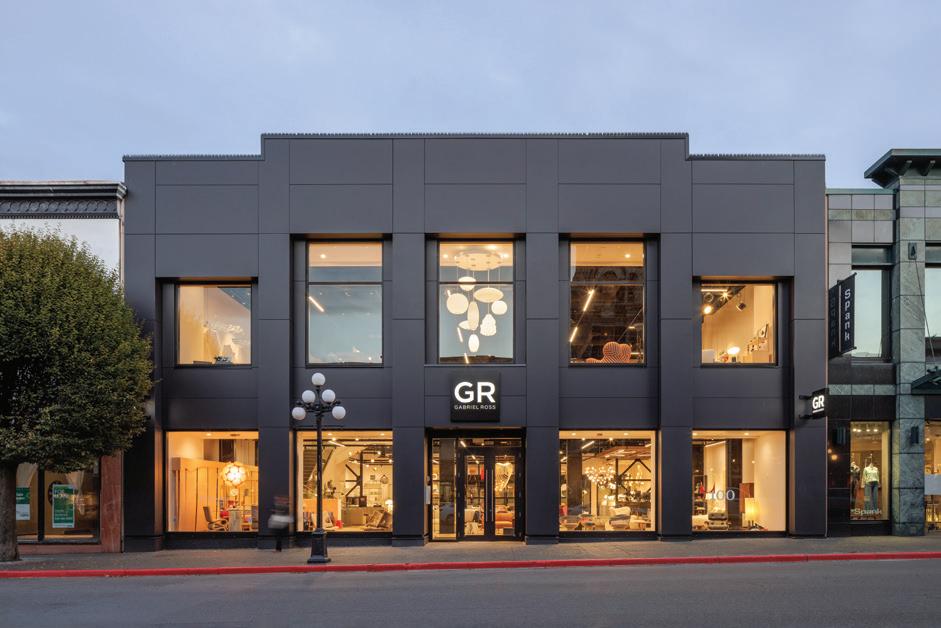
ultracompact stone, Dekton, provides
comprehensive, customized, and sustainable façade solutions. Dekton meets the most complex technical beauty, durability, and resistance.
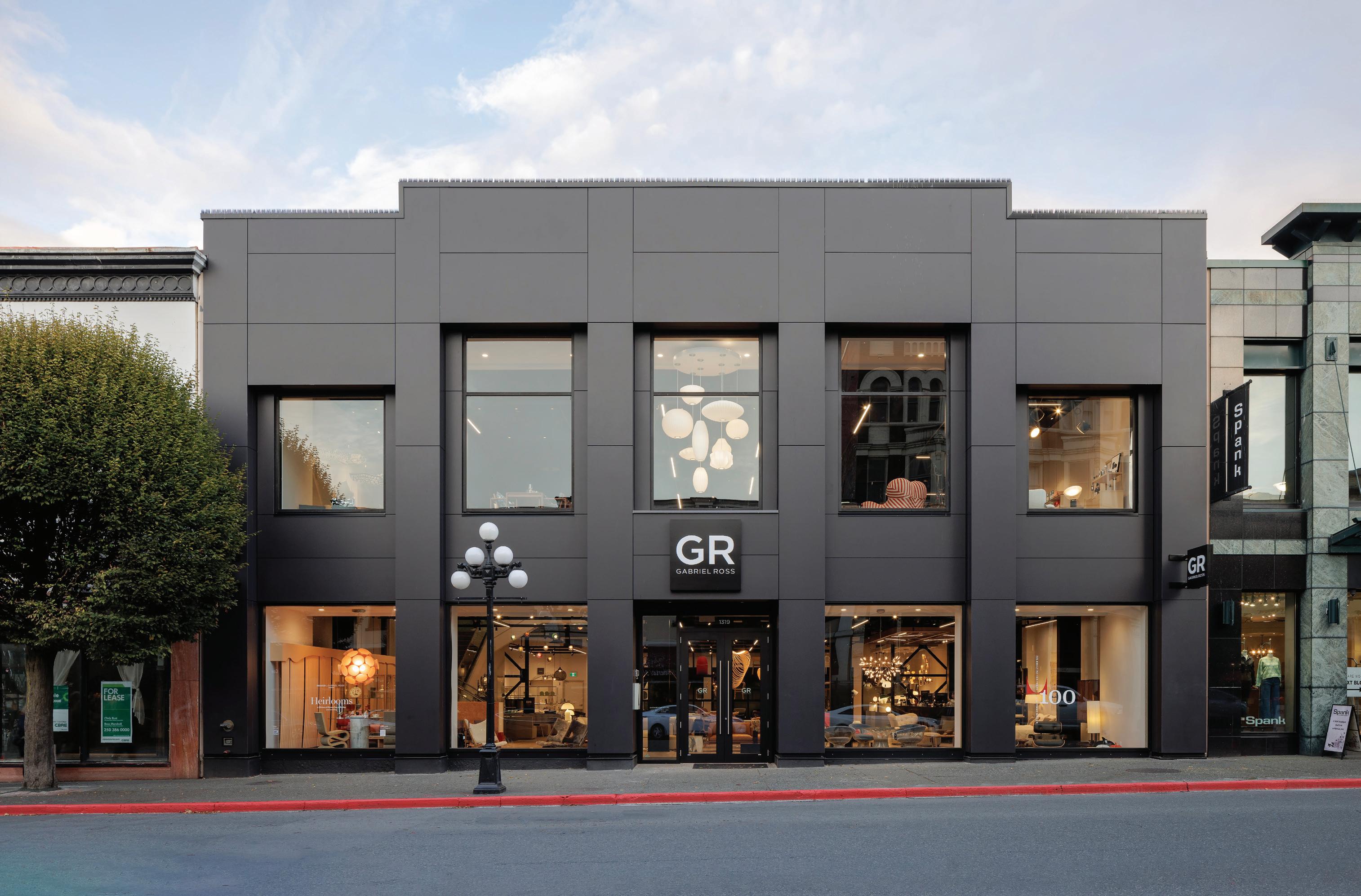


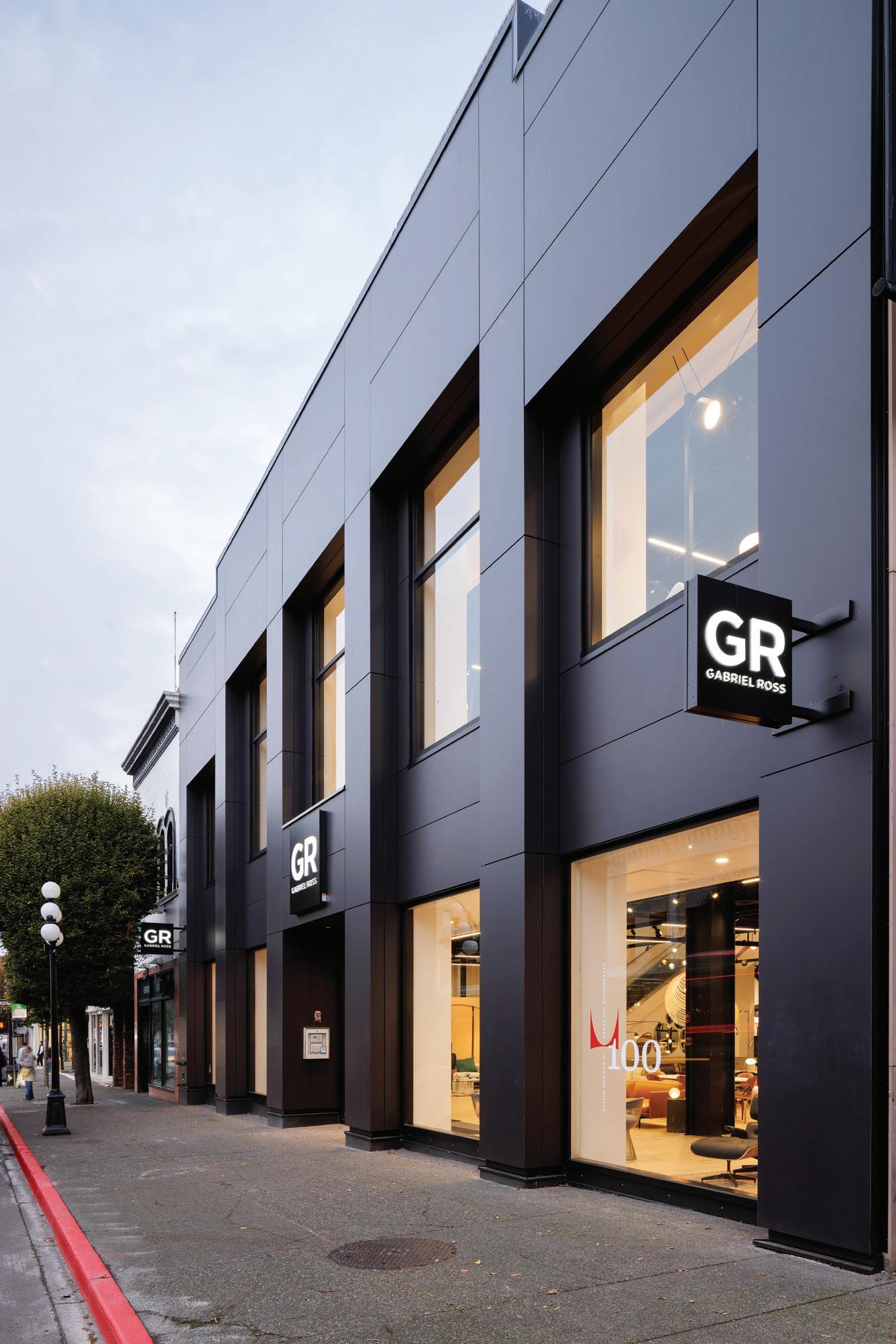
Design:
Location:
Product: Hillel Architecture & Gabriel Ross
Victoria, British Columbia Dekton Domoos
AWARD OF EXCELLENCE
FREEDOM MOBILE ARCH
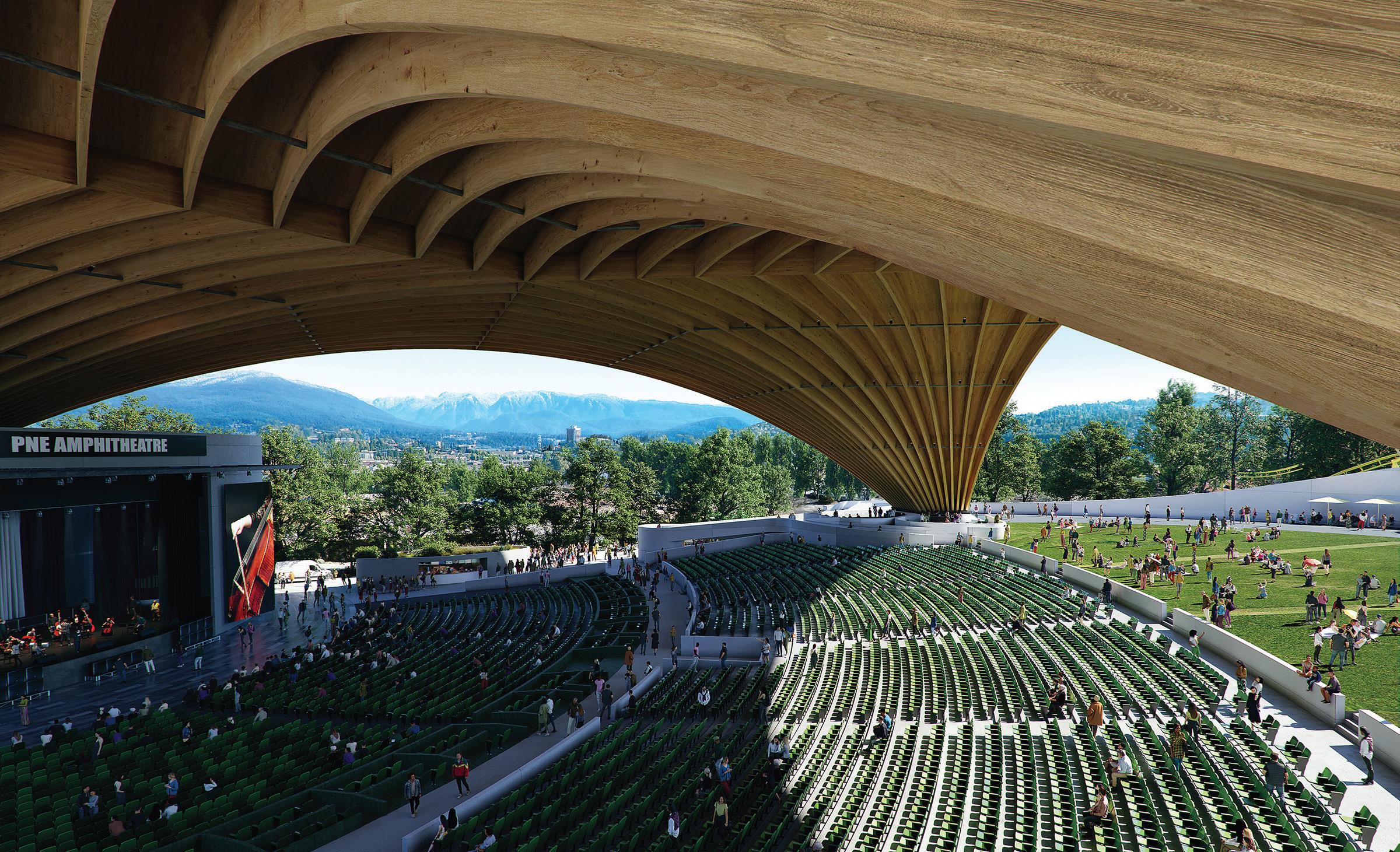
The jury commends the formal and material choices, which meet both the acoustic and structural criteria of the program. The civic and communitybuilding dimension of the project is its greatest strength. The attention paid to the landscaping around the structure’s three support points allows every detail of the proposal to be integrated with the public space, while also providing universally accessible areas at different levels of the amphitheatre. With its elegant simplicity, the large wooden structure both protects and welcomes. Its inviting form naturally guides visitors toward the stage and reinforces the civic and community-building impact of the intervention. The arch, with its open geometry, frames both the stage and the surrounding mountain landscapes, creating a focal point for the community. The three anchor points in the ground mark the main entrances and collect rainwater in large integrated basins. Combining functionality and aesthetics, the carefully designed entrance plaza and ramps offer an inclusive and immersive experience. The iconic triangular shape of the roof evokes Indigenous weaving while representing a simple, effective, and deeply inclusive form. – Sonia Gagné, juror
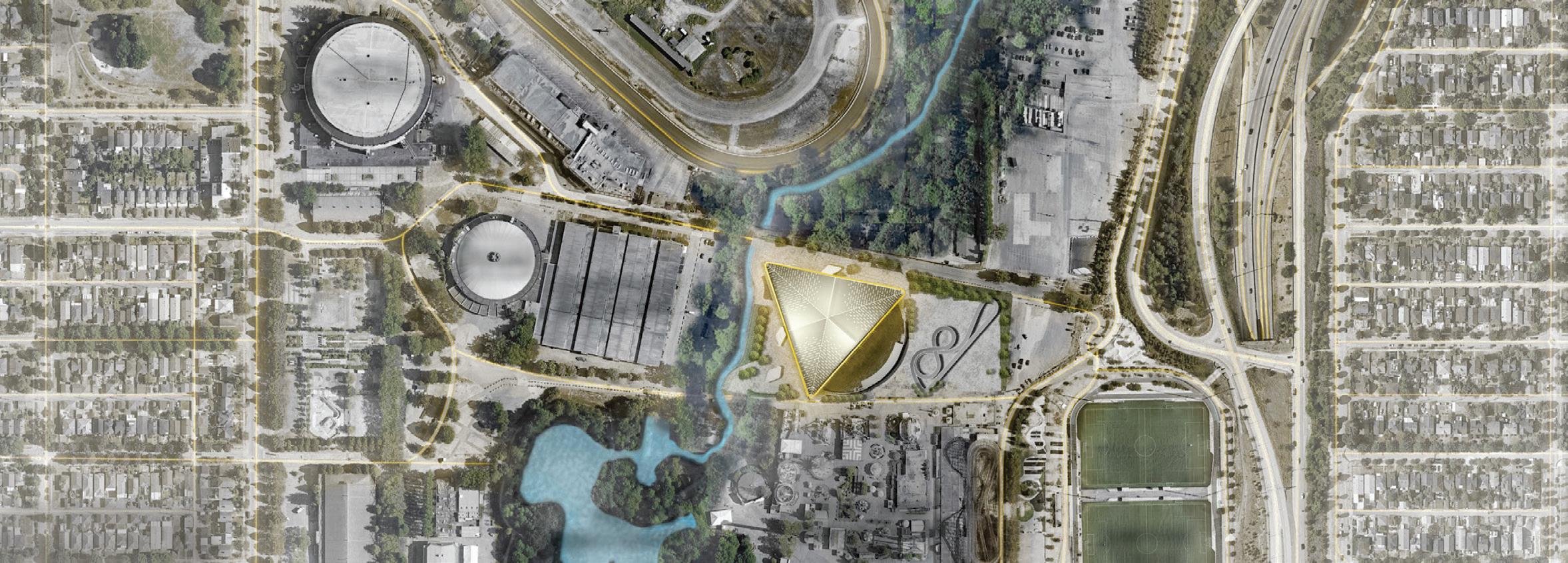
Freedom Mobile Arch, a new 10,000-seat amphitheatre located at Vancouver’s Pacific National Exhibition (PNE), will create a world-
class, open-air event venue in the heart of one of the city’s most beloved public amenities.
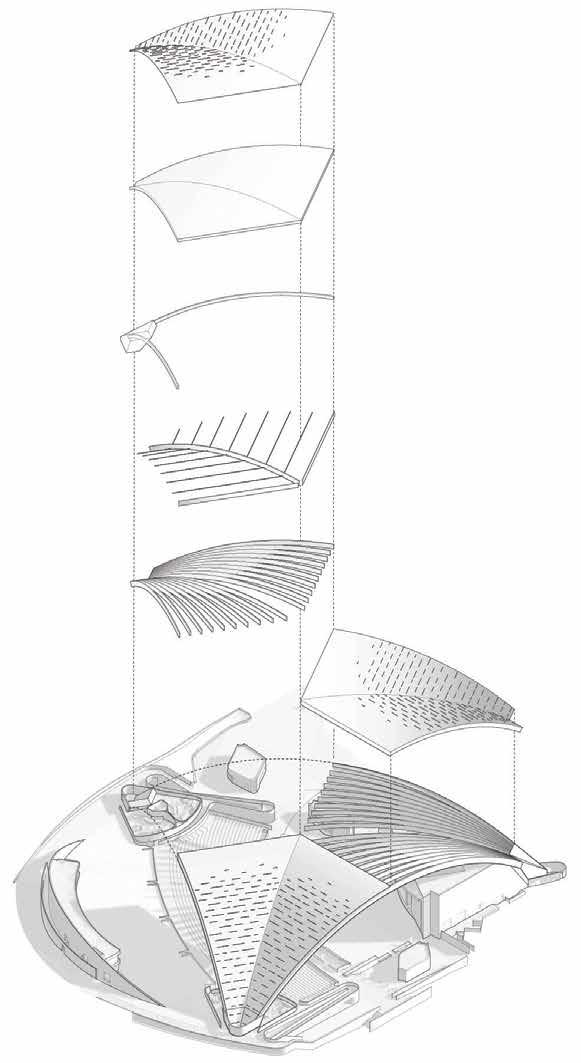
Inspired by the unique challenge to create a large-scale venue that offered weather protection without obstructing the site’s panoramic natural surroundings, Revery designed a precedent-setting mass timber roof that arcs elegantly over the audience while perfectly framing views of Vancouver’s North Shore Mountains. Spanning 105 metres, the roof will be one of the world’s largest free-span timber structures, leveraging mass timber’s carbon-sequestering capacity and unique character to create an iconic venue that is unmistakably Canadian.
Minimizing noise pollution to the surrounding residential neighbourhoods is a critical priority for this project. The use of mass timber a high-density material with excellent acoustic properties allows the roof to significantly contain event sound, reflecting it back to the audience instead of allowing it to spread outside the venue.
The roof’s triangular form evokes Coast Salish weaving, where triangles are a popular motif representing mountain ranges and rippling waters. The architectural and structural engineering teams worked closely together to optimize the design, arriving at a final form that arranges 60 arches in six barrel-vaulted segments, with three steel king
LOCATION Vancouver, British Columbia ARCHITECT Revery Architecture
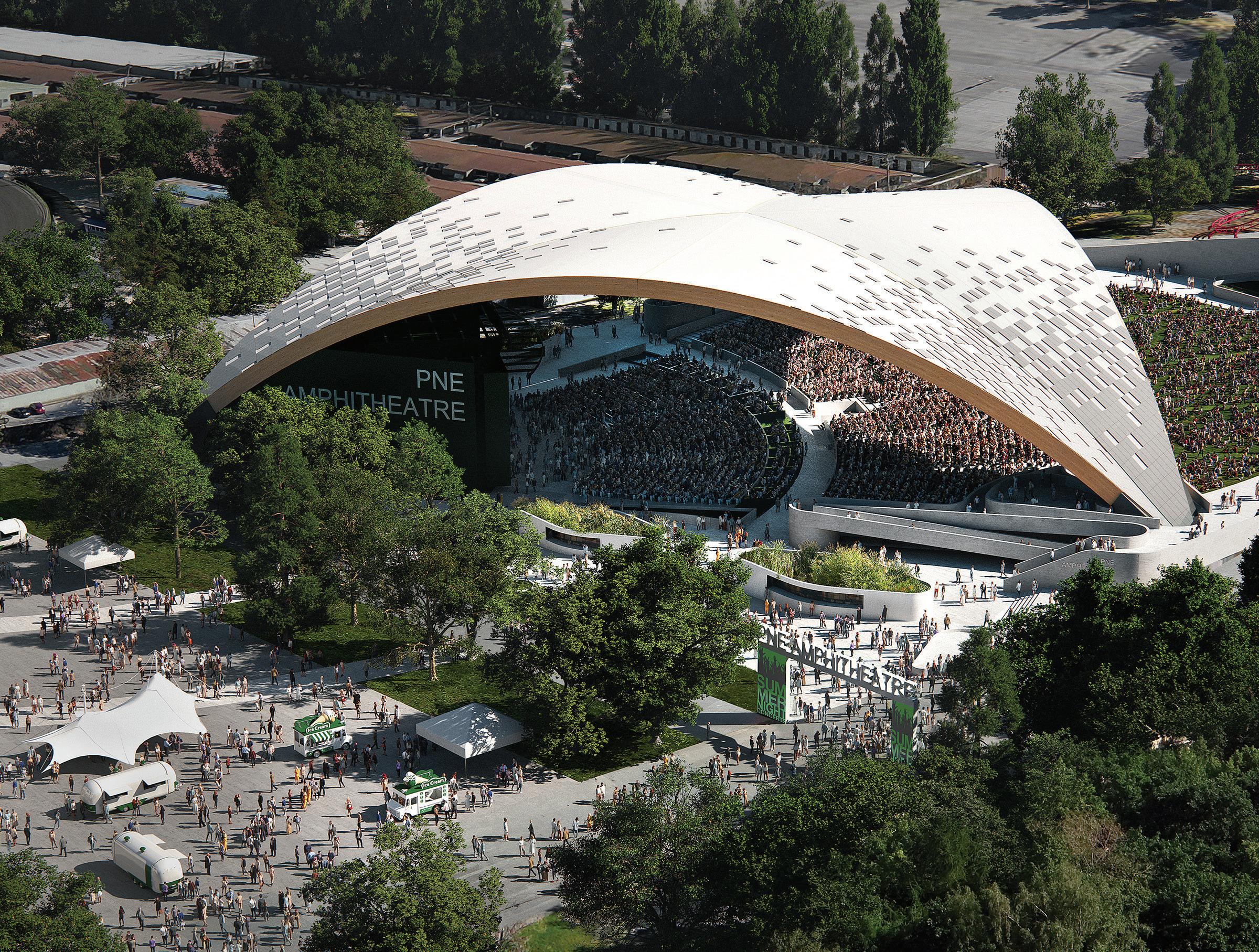
The mass timber roof spans 105 metres, making it one of the world’s largest free-span timber structures. TOP
from the roof is collected at the base of each buttress, then filtered, treated, and used to irrigate the venue’s landscaping. Excess water is stored in a detention tank and gradually released into the district stormwater management system. ABOVE The venue is an anchor in the upgraded Revel District, which will include the future daylighting of Hastings Creek.
OPPOSITE
Rainfall
AWARD OF EXCELLENCE
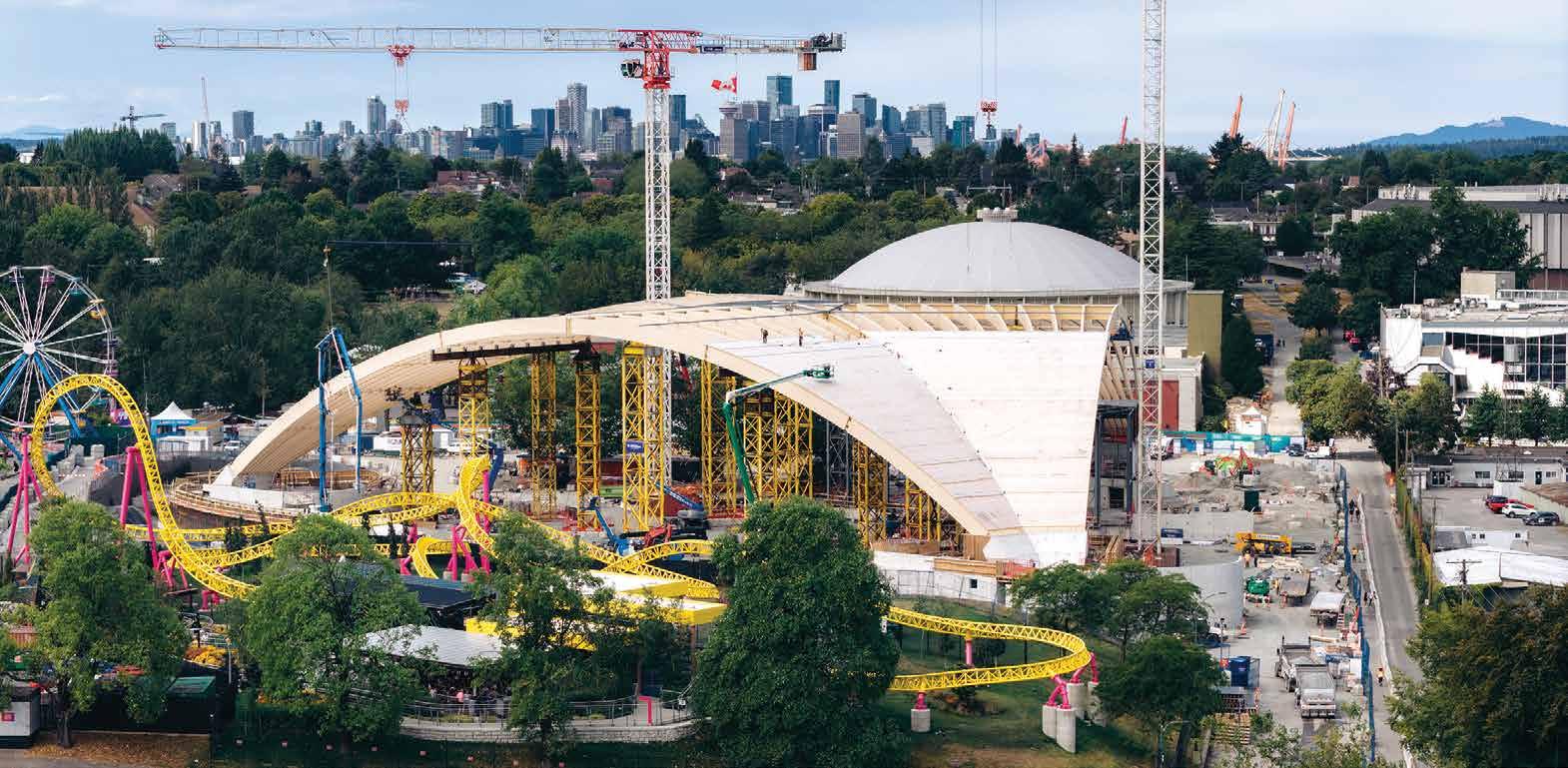
arches that intersect at a central keystone and three monumental concrete buttress supports. The arches leverage the superior strength-to-weight ratio of Spruce-Pine-Fir glulam, while a cross-laminated timber deck provides a structural diaphragm for stability. The design minimizes shoring and erection time by reducing the amount of scaffolding needed, achieving efficiencies in schedule and budget.
With flexible, state-of-the-art rigging, custom lighting and AV, a variety of seating types with multiple configuration possibilities, and a three-storey back-of-house building, the amphitheatre is designed to accommodate both marquee touring acts and community events that will benefit from the plug-and-play systems. Elevated mid-tier fixed seating ensures optimal sightlines so that every audience member has a clear view of the stage. Lawn seating expands the capacity, creating a festival-like atmosphere that maximizes the effect of the site’s natural setting. The project is targeting Rick Hansen Gold certification, supported by a thoughtfully designed ramp system that flanks the seating area, offering glimpses of the stage as one nears the audience area to provide engaging and equitable access.
The amphitheatre which will be complete in time to welcome the 2026 FIFA World Cup in Vancouver will be a vital contributor to the city’s cultural ecosystem, amplifying the richness of the community’s creative, cultural, natural, and social setting under one roof.
CLIENT CITY OF VANCOUVER | ARCHITECT TEAM VENELIN KOKALOV (MRAIC), EARLE BRIGGS, CULUM OSBOURNE, BRONSON FUNG, LYNN PILON, KYLE CHAN, BIBI FEHR, KAILEY O’FARRELL, CODY LOEFFEN, OBINNA EKEZIE, NASSIM SANI, MARK MELNICHUK, MYLES HARDY-KAVANAGH, JENNIFER ZHANG, MARINA ROSA, PAULO QUEIROZ, ALISA DANTSEVA, DEXTER LU, LEO WANG
INDIGENOUS CULTURAL ADVISOR ANGELA GEORGE STRUCTURAL FAST + EPP MECHANICAL
INTROBA | ELECTRICAL AES ENGINEERING | ACOUSTICS/THEATRE PLANNING STAGES CONSULTING
LANDSCAPE PFS STUDIO | BUILDING ENVELOPE/SUSTAINABILITY STANTEC CODE LMDG CODE
CONSULTANT CIVIL KERR WOOD LEIDAL ASSOCIATES LTD.| TRANSPORTATION R.F. BINNE + ASSOCIATES FUNCTIONAL PROGRAMMING/ENGAGEMENT INFORM PLANNING | AREA 12,350M2 | BUDGET
WITHHELD | STATUS UNDER CONSTRUCTION ANTICIPATED COMPLETION JUNE 2026
THERMAL ENERGY DEMAND INTENSITY (TEDI) 133 KWH/M2/YEAR
ABOVE The 10,000-seat mass timber venue is currently under construction and will be completed in time to welcome the 2026 FIFA World Cup in Vancouver.
Walls Reinvented

Low carbon. High circularity. No compromise.
Sustainable Insulation TM
A brighter solution for a better tomorrow
Sustainable Finishing Products
GREENGUARD Gold certified for low VOC-emissions.

Scan the QR code to learn more
AWARD OF EXCELLENCE

MOAPAA (MUSEUM OF ABORIGINAL PEOPLES’ ART AND ARTIFACTS)
LOCATION Portage College, Lac la Biche, Alberta ARCHITECT SPECTACLE Bureau for Architecture and Urbanism
The MOAPAA is conceived holistically as a space for dialogue and reconciliation. The collaborative approach and the organization of the site’s components through controlled contrast are the proposal’s main strengths. The legibility of the spaces allows each element to be highlighted, and presented in a structured and unifying way.
The materials emphasize the site’s raw resources; the structure, cladding, flooring, and ceilings all use the same local wood. The rhythm and movement of the nested elliptical pathways guide the visitor’s path through the landscaped area, towards the exhibition space. The dialogue between nature and the history of the communities creates a sensory
journey, enriched by an olfactory experience, which highlights the site’s biodiversity and natural components.
Outside, the wooden sunshade protects the building while enriching the visitor experience through its movement. A sloping ramp accentuates this sensation and is amplified by the interplay of light and shadow. The integration of artworks reinforces the ambition of the museum from its earliest phases, constituting a major asset for the project. – Sonia Gagné, juror
Positioned on Treaty 6 territory northeast of Edmonton near the shores of Lac La Biche, the new Museum of Aboriginal Peoples’ Art and
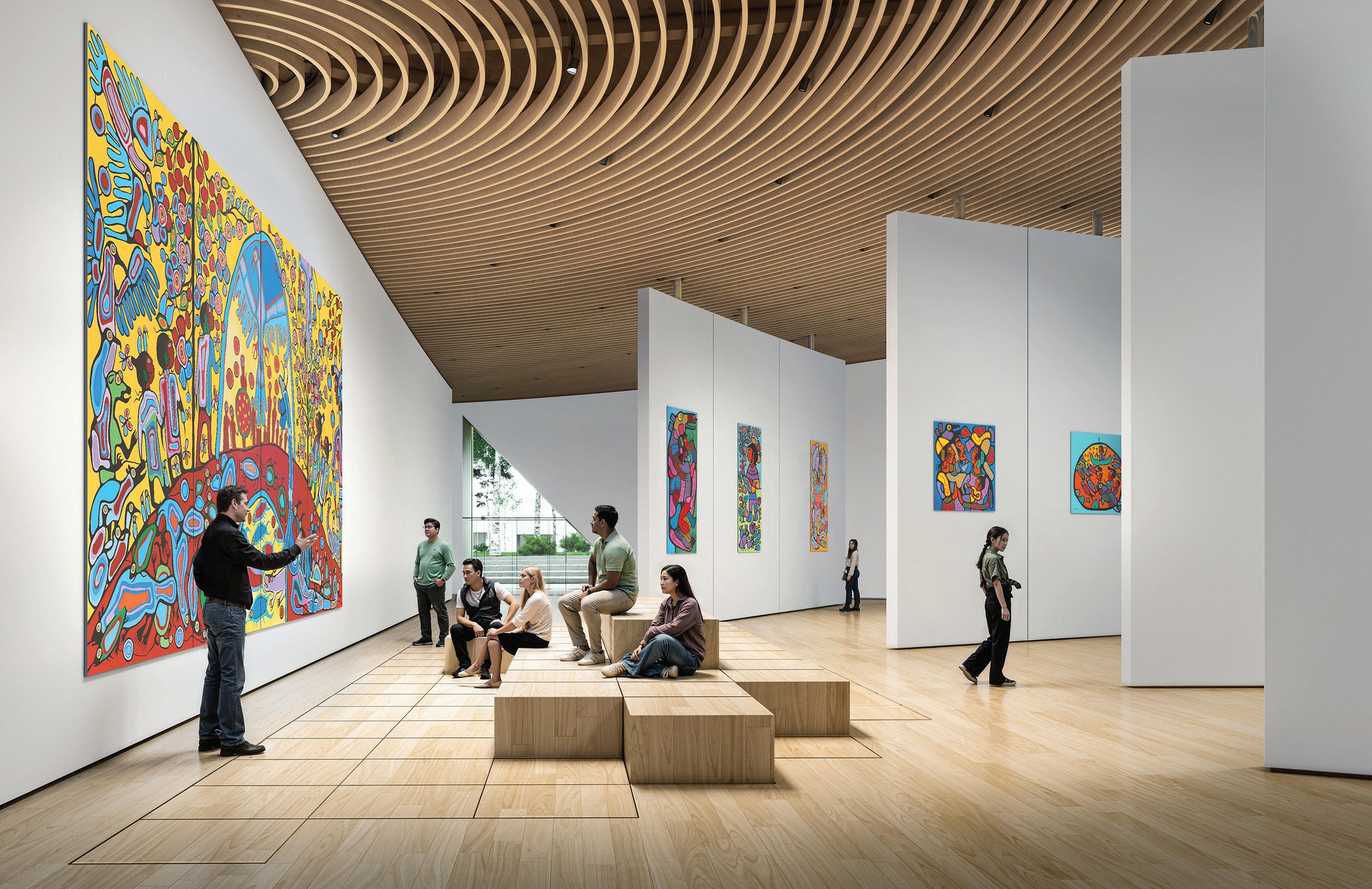
ABOVE The vertical slats surrounding the museum are hinged at the top, allowing them to swing back and forth in the breeze. OPPOSITE TOP Seven elliptical paths, each representing one of the seven members of the PNIAI, wrap around the building. Atop the museum, a roof garden introduces a prairie meadow of healing and ceremonial plants. OPPOSITE BOTTOM At the centre of the gallery, a retractable system of platforms can transform to become a raked seating auditorium, benches, and sculptural plinths. Artworks included in the images throughout were generously provided by Joseph M Sánchez and by the Estate of Norval Morrisseau for the promotion of the MOAPAA . All images provided by the Estate of Norval Morrisseau were taken by photographer Alina Ilyasova (Sova Photography, www.sovaphoto.com). Shown here from left to right are Norval Morrisseau’s Androgyny (1983), 402 A / 402 B (Diptych), Boy Flowers Blue (Diptych), Shaman Fish Hat Yellow (Diptych), Family Blue, and Canoe Fish Orange Portal Blue

AWARD OF EXCELLENCE
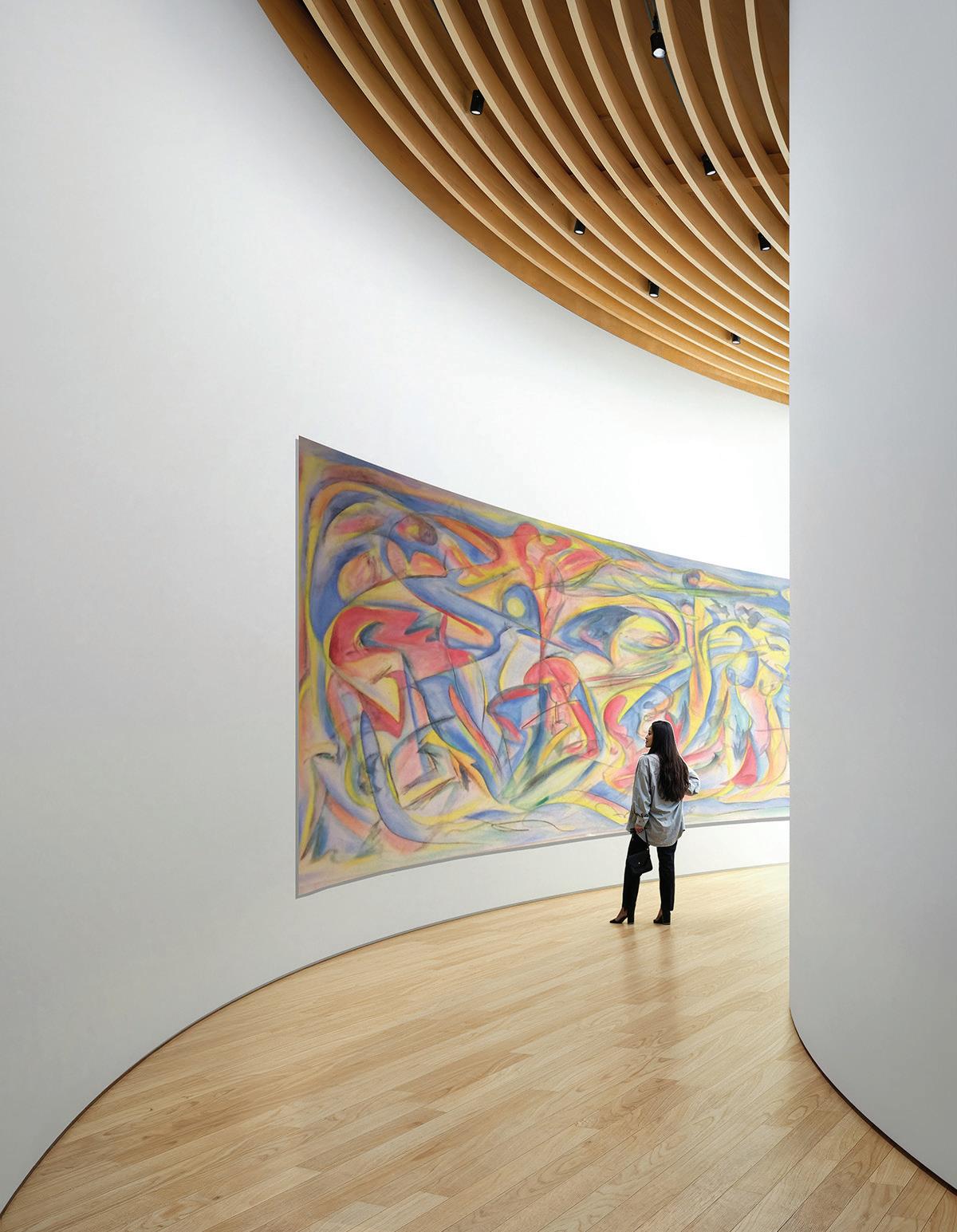
ABOVE Wrapping the vault area, the 360 Gallery’s curved wall gently pulls visitors through the exhibition. Shown in this rendering is Joseph M Sánchez’s 7th Generation Baby
Artifacts (MOAPAA) will house the world’s most extensive collections of art by the Professional Native Indian Artists Inc. (PNIAI)
Founded in 1973, the PNIAI was one of the first independently organized, self-managed Indigenous artists’ collectives and cultural advocacy groups in Canada. It included founding members Jackson Beardy, Eddy Cobiness, Alex Janvier, Norval Morrisseau, Daphne Odjig, Carl Ray, and Joseph M Sánchez. The design process for this project was guided by a client team including Joseph M Sánchez (Chief Museum Curator), Donna Feledichuk (Museum Director), and Elder and Pipe Holder Ruby Sweetman.
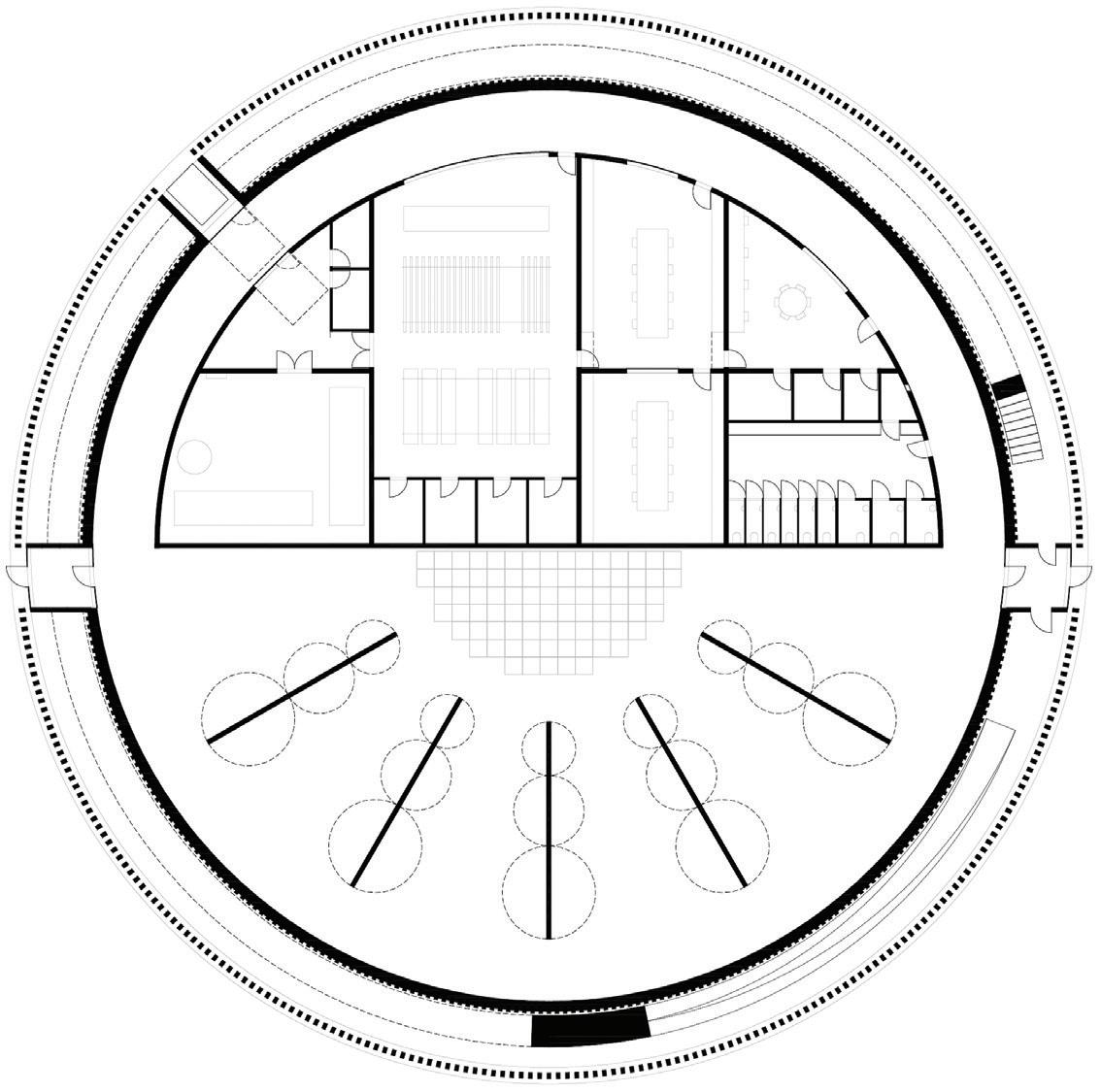
Seven elliptical paths, each representing one of the seven founding members of the PNIAI, wrap around the building, weaving through a replanted forest of trembling aspen trees that reclaims the existing sports field site. This nested series of pathways, which converge at the building’s main entrance, provides space for the display of permanent sculptures and temporary art installations. An Indigenous artist will be commissioned to create a sculpture on each path to memorialize the members of the PNIAI , oriented to the place they called home or where their art found inspiration.
The building’s elegant wood veil echoes the verticality of the surrounding aspens. The vertical slats are hinged at the top in order to swing gently back and forth in the breeze, responding to nature and the elements, and moving gracefully together with the trees.
Inside the museum, the foyer extends into the centre of the museum, with staff and volunteers available to meet visitors in a more informal
and friendly way compared to being stationed behind conventional welcome desks. A flexible landscape of exhibition walls introduces possibilities for interconnections, overlaps, flows, and relations between materials on display. At the centre of the gallery area, a retractable system of platforms can transform to become a raked seating auditorium, benches, and sculptural plinths. When not in use, the entire auditorium retracts and provides additional floor space for events and exhibitions. The roof and ceiling both have a subtle curved shape in order to amplify the effect of the variation in ceiling heights throughout.
A gentle sloped walkway wraps around the building behind the exterior wood screen, leading to a rooftop gathering space. The roof garden introduces a prairie meadow of healing and ceremony plants, including prairie grasses, prairie flowers, sage, and sweet grass.
CLIENT PORTAGE COLLEGE ARCHITECT TEAM PHILIP VANDERMEY (MRAIC), JESSIE ANDJELIC, JORDAN LIVERMORE, TEEGAN HEINRICKS, VERONIQUE ULRICH | UNIVERSITY OF CALGARY SCHOOL OF ARCHITECTURE, PLANNING AND LANDSCAPE WORK-INTEGRATED LEARNING DESIGN RESEARCH STUDIO MARVIT AHANONU, PRERNA BHATIA, KLARA BIERNACKI, JORDAN BUSSIERE, CAITLIN CAMPBELL, JOSHUA CLARKE, CATHRYN JOHN, STEVEN LAMOTHE, CHRIS LIN, BHUPINDER NAHAL, KYLIE WILSON, JULIAN ZWACK COST ALTUS | MODEL ADAM SCALES | ARTISTIC AND INDIGENOUS GUIDANCE JOSEPH M SÁNCHEZ AND RUBY SWEETMAN ART ART WORKS INCLUDED IN THE IMAGES THROUGHOUT WERE GENEROUSLY PROVIDED BY JOSEPH SÁNCHEZ AND BY THE ESTATE OF NORVAL MORRISSEAU FOR THE PROMOTION OF THE MOAPAA. ALL IMAGES PROVIDED BY THE ESTATE OF NORVAL MORRISSEAU WERE TAKEN BY PHOTOGRAPHER ALINA ILYASOVA (SOVA PHOTOGRAPHY, WWW.SOVAPHOTO.COM)




AWARD OF EXCELLENCE
DAY HALL RENEWAL PROJECT, UNIVERSITY OF GUELPH
LOCATION University of Guelph, Ontario
ARCHITECT RDH Architects (RDHA)
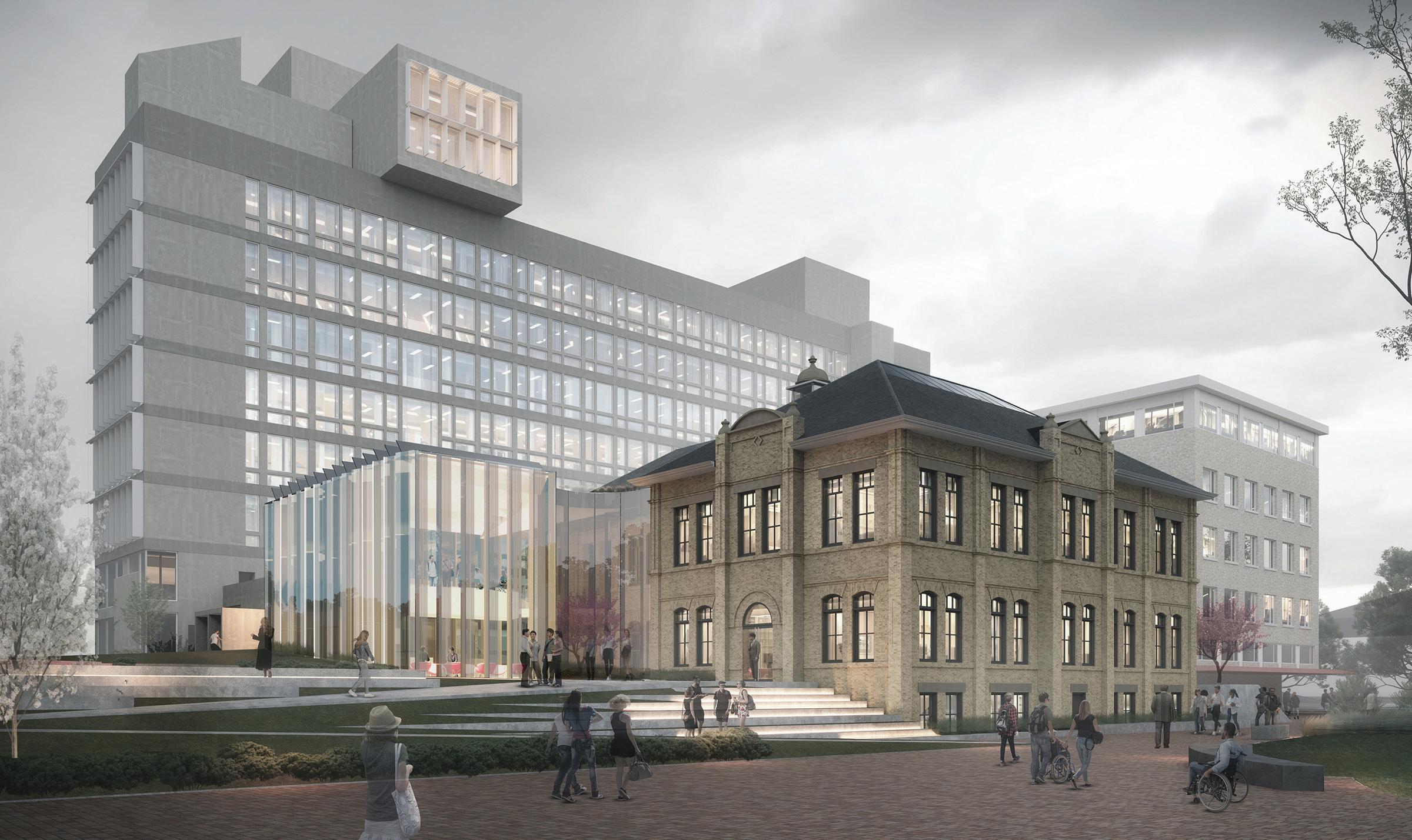
This highly performative, multi-faceted campus intervention at the University of Guelph is exemplary in its response to its context and heritagelisted ‘host’, Day Hall. The scheme includes landscape, new gathering and teaching spaces, labs and numerous carbon-reducing measures across the project. However, its architectural triumph is the diaphanous, translucent glass veils of the Hall’s new extensions whose proportion and atmosphere will quietly enhance their context. – Alison Brooks, juror
This net zero-targeted project involves integrating a new two-storeyplus-basement addition with an existing listed heritage building in the heart of the University of Guelph Campus. The original Day Hall building, constructed in 1895, will be largely preserved, restored, and transformed through this expansion to provide space for the university’s Master of Engineering program and other programs.
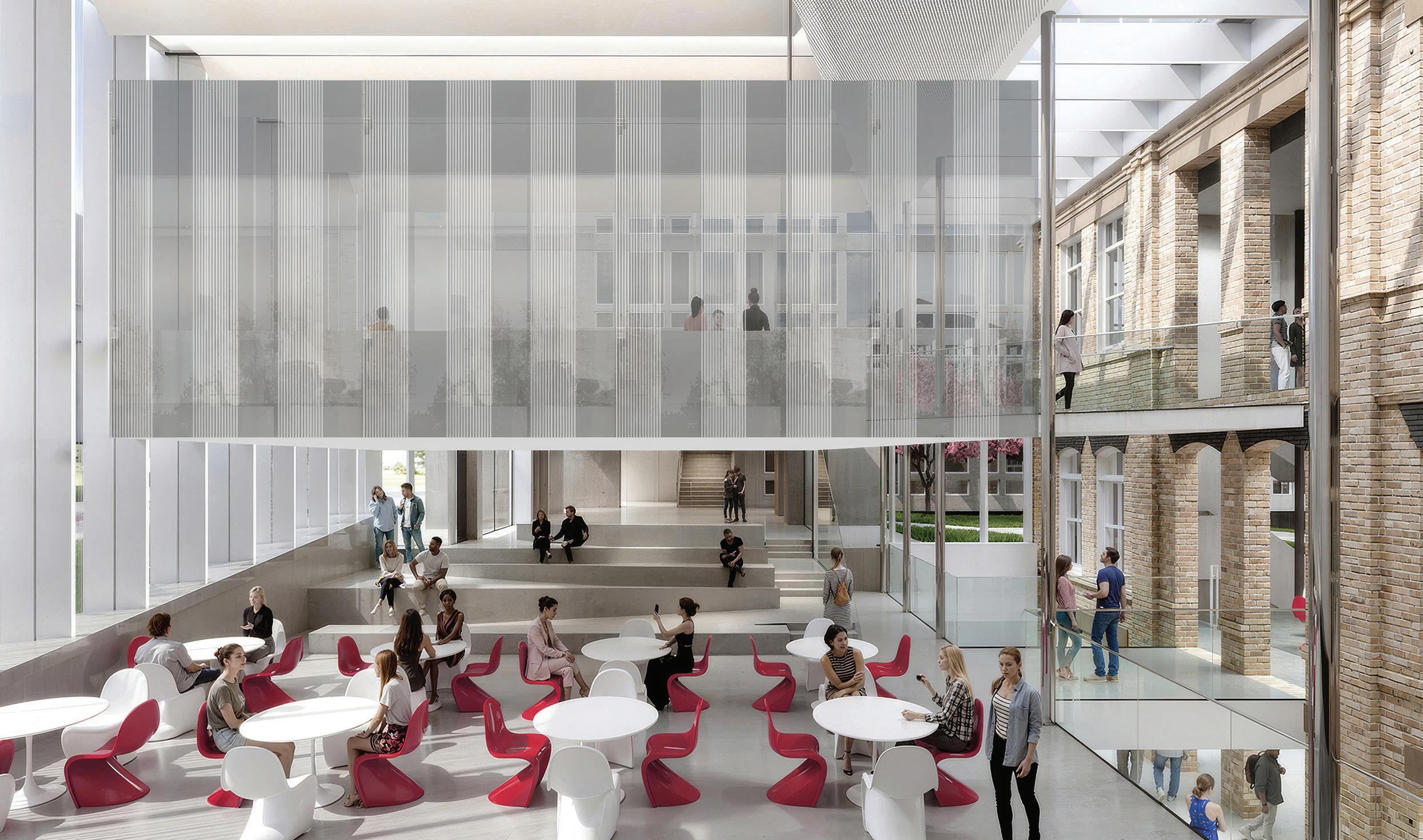
In addition to a computer lab, workstations and classrooms, the Day Hall Renewal will provide significant quantities of social and collaborative space. A link to the adjacent MacKinnon Building ensures that Day Hall’s main student and faculty congregation area, which accommodates up to 120 occupants, is accessible to students in multiple programs.
The transparent above-ground new construction flanking the east and west sides of the heritage stone-and-brick building strikes a fine balance between deferring to the older structure and providing an engaging contemporary counterpoint to it. These volumes nestle under the hipped roof of the 1895 building, and the older building remains the principal point of entry. Day Hall’s vertical and horizontal datums determined the bay width and floor height of the addition’s façades, and near the main entry, the concave arc of the west addition echoes the semicircular curve of the half-moon window above the older building’s doorway.
ABOVE The two-storey glass box addition tucks behind the heritage Day Hall building, and creates a new link to the adjacent MacKinnon Hall. OPPOSITE TOP A new student and faculty congregation space is at the heart of the addition. Above, a suspended study lounge includes bookable workstations and table seating.
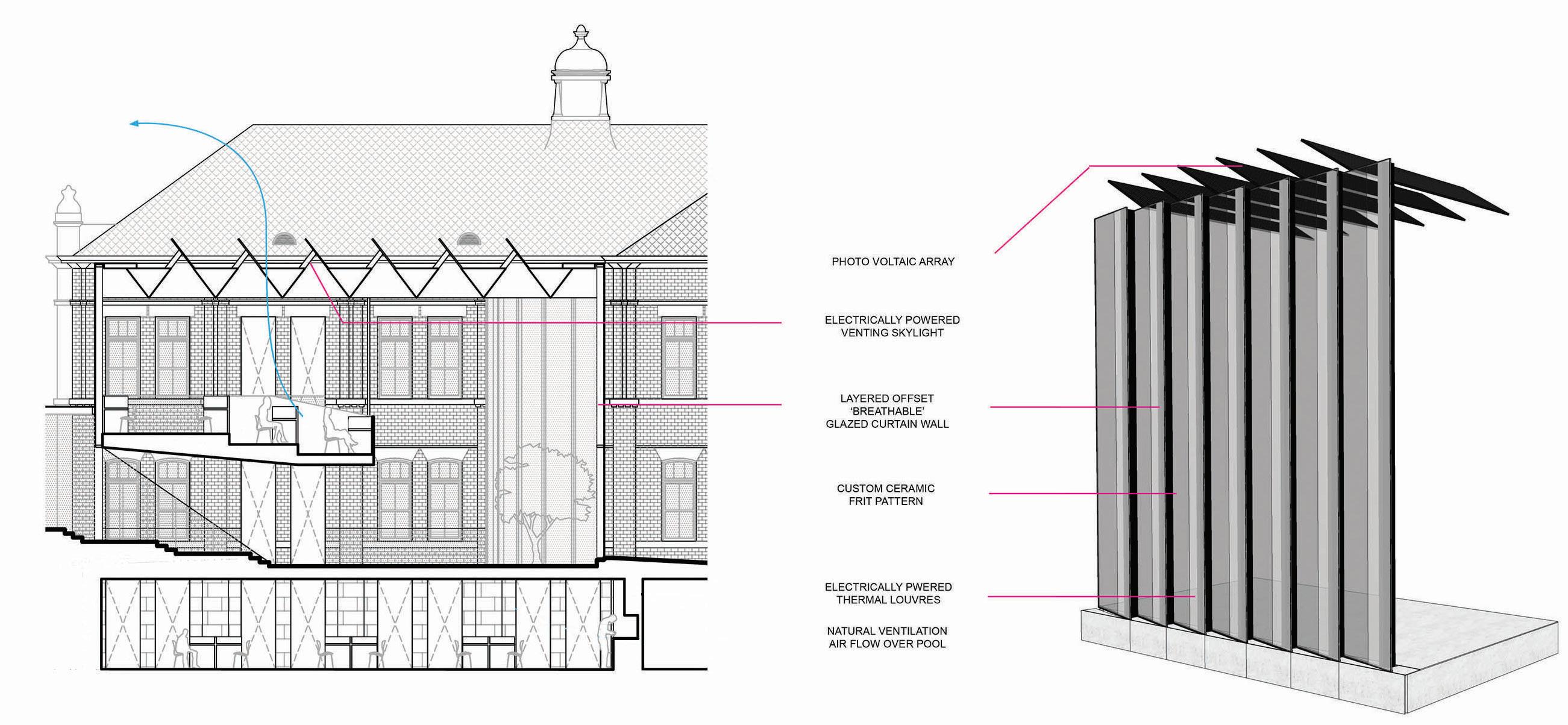
PHOTOVOLTAIC ARRAY
ELECTRICALLY POWERED
VENTING SKYLIGHT
LAYERED OFFSET ‘BREATHABLE’
GLAZED CURTAIN WALL
CUSTOM CERAMIC FRIT PATTERN
ELECTRICALLY POWERED
THERMAL LOUVRES
FAÇADE AND ROOF CONCEPT: BREATHABLE CURTAIN WALL AND POWER GENERATION
AWARD OF EXCELLENCE
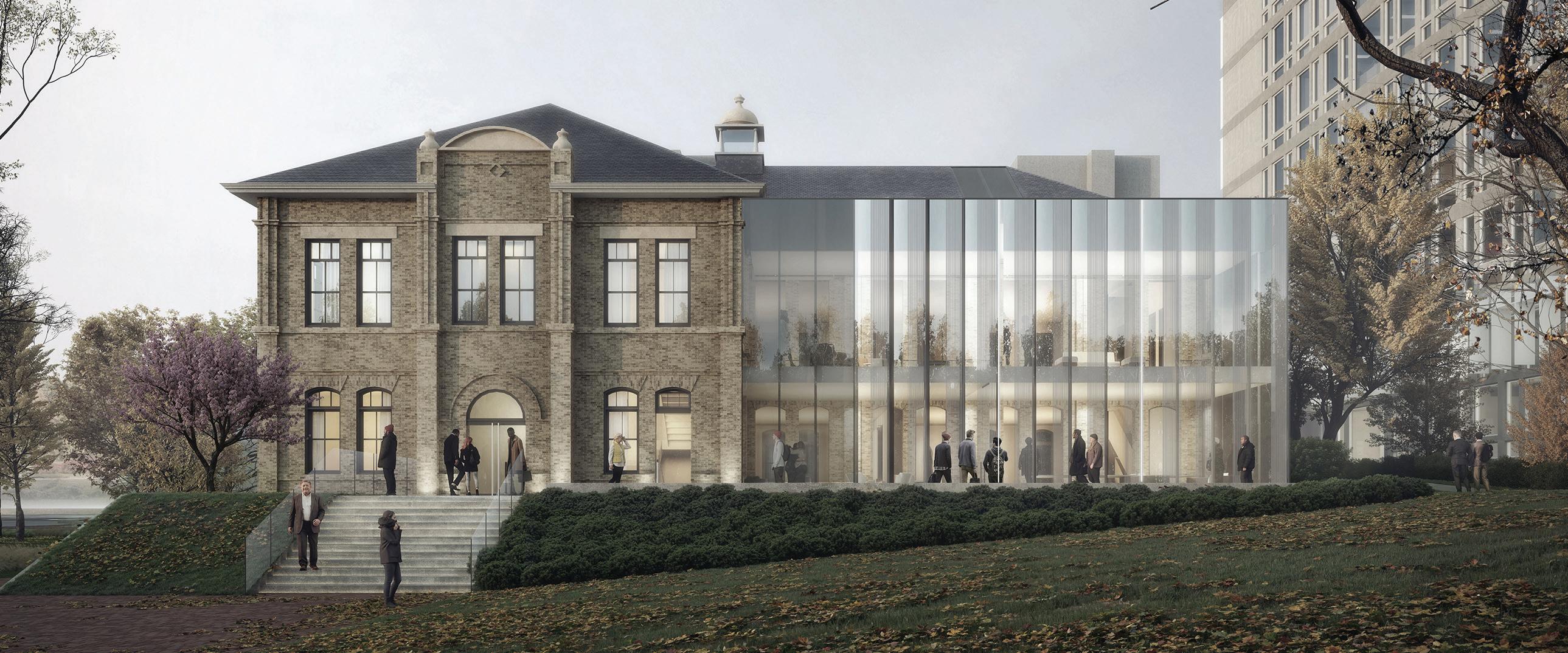
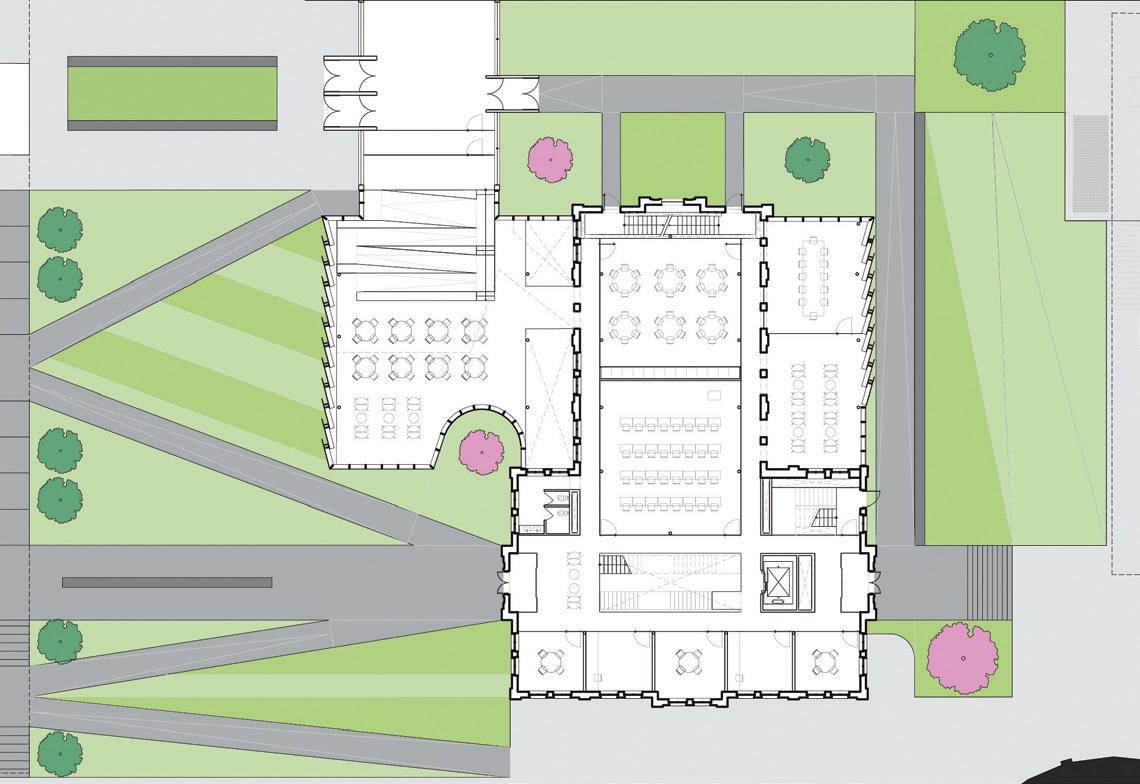
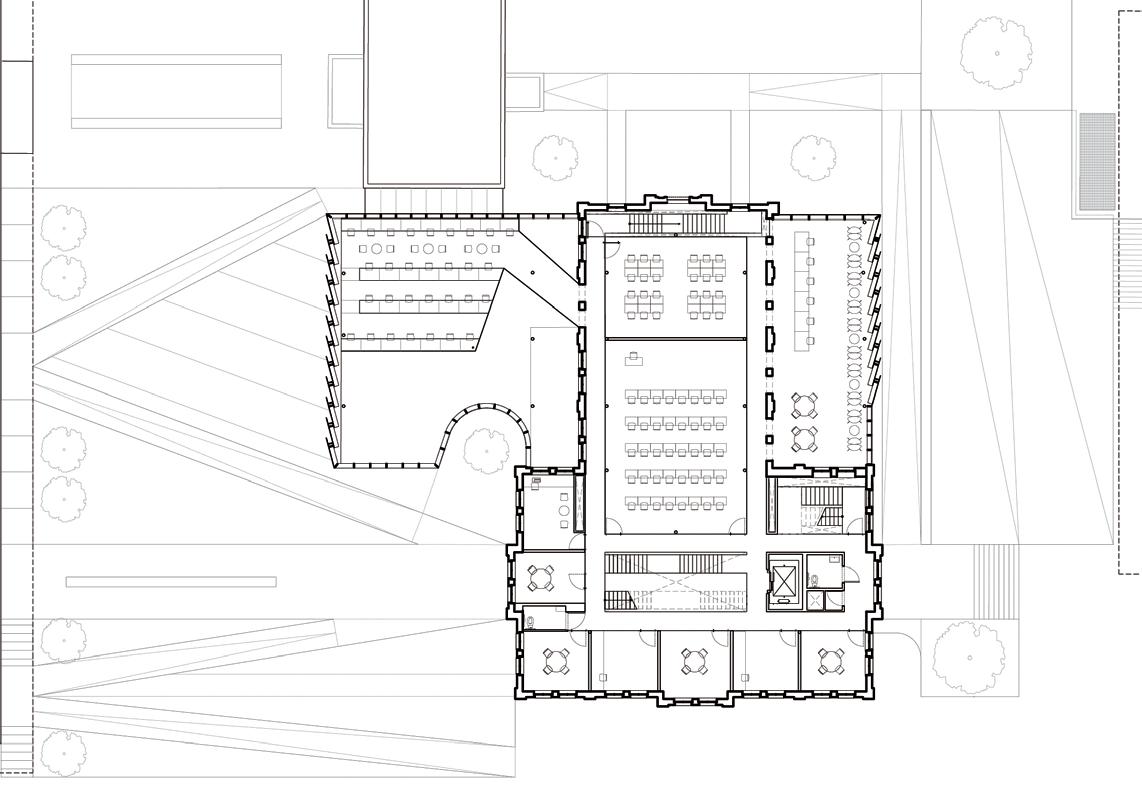
The new east and west façades are clad primarily in glazed, customfritted curtain wall. On the west side, electrically powered venting skylights integrate into the counter slope of rooftop PV panels. On both sides, electrically powered thermal louvres are slotted between the façades’ slightly saw-toothed glazed panes, creating a breathable curtain wall that allows for through-wall ventilation. Other sustainable features include solar shingles on some new and heritage roof faces, extensive and intensive green roofs, a cross-laminated timber structure, a rainwater collection system, and mechanical tie-in to the university’s de-carbonized central plant.
TOP The east and west façades of the addition are clad primarily in glazed curtain wall. The design aims to create an interplay between the diagonally offset black-glass solar panels on the roof, and vertical offsets between the curtain wall panels. These offsets create a space between the panes that allows for natural ventilation.
Within and without, accessibility is seamlessly integrated into the project. The new landscape’s sloped walkways unobtrusively connect the heritage building’s elevated main entry to surrounding destinations. Similarly, on the ground floor of the main, double-height gathering space, ‘stramp’ seating threads a zigzagging ramp through informal, stepped seating. Near the main entry a feature stair links all levels. At the top, the renovation transforms the attic space under the heritage building’s hipped roof into a design studio.
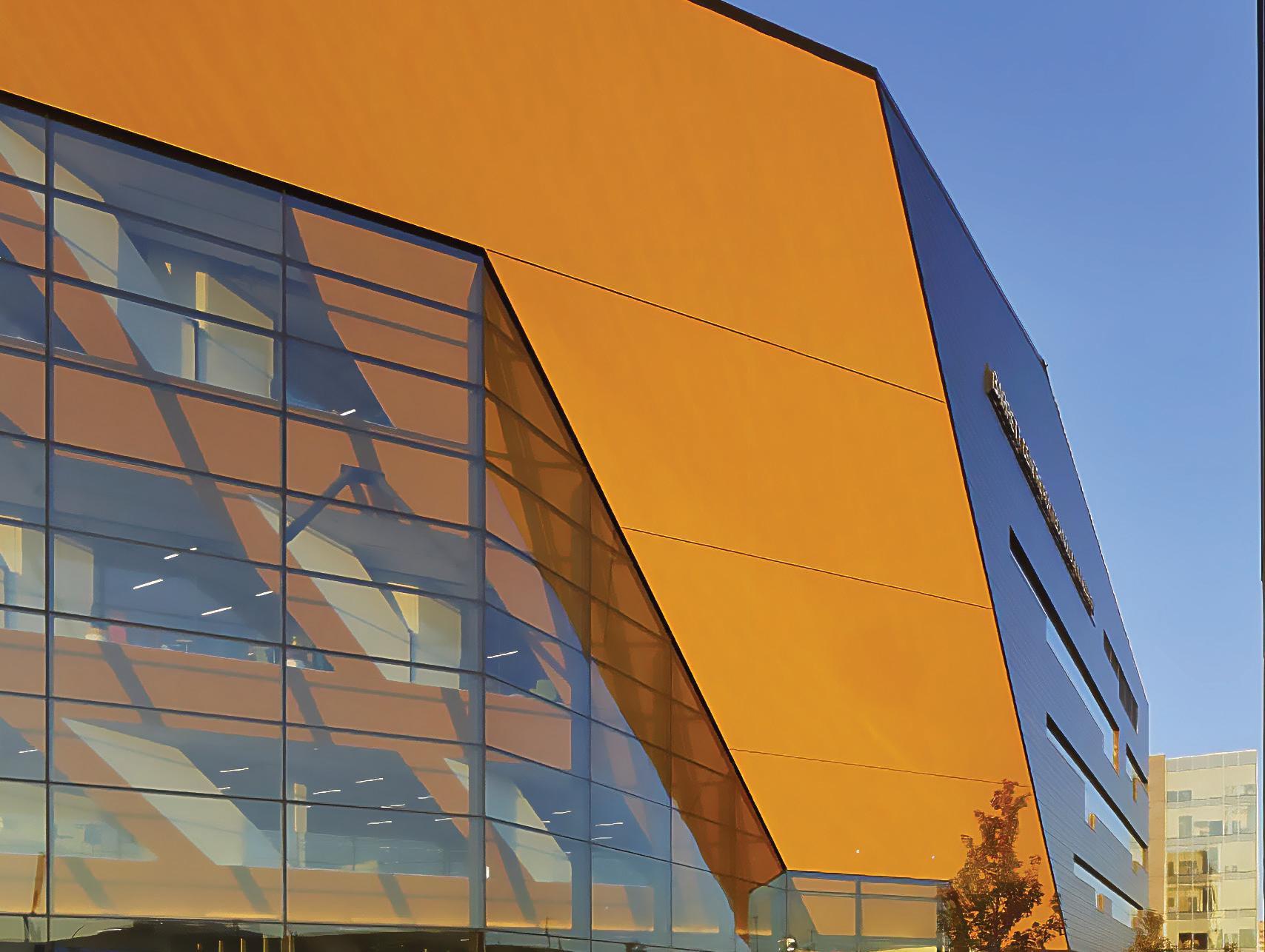

AWARD OF EXCELLENCE
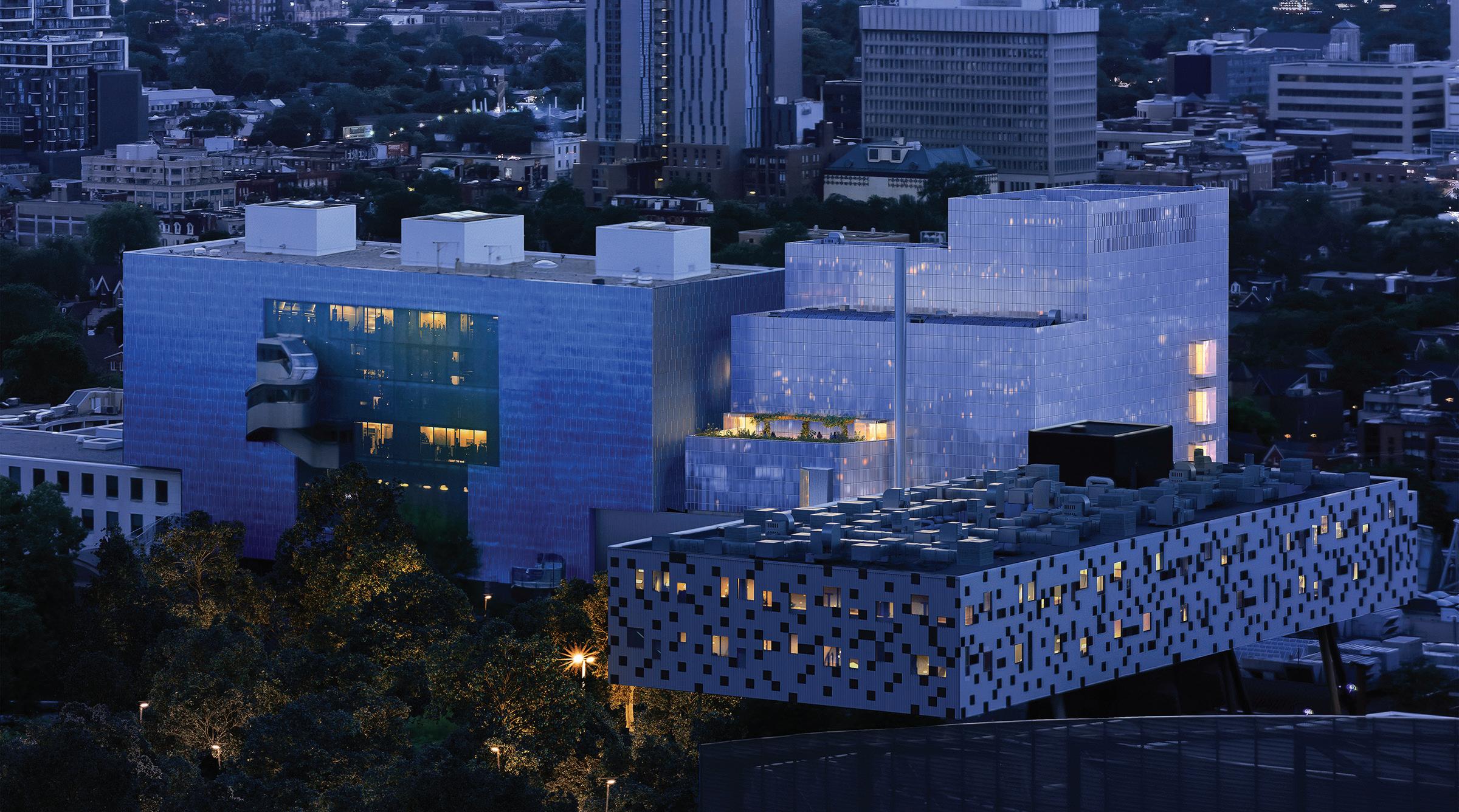
DANI REISS MODERN AND CONTEMPORARY GALLERY
LOCATION Art Gallery of Ontario, Toronto, Ontario
ARCHITECTS Diamond Schmitt, Selldorf Architects and Two Row Architect
The expansion of this iconic gallery already defined by multiple additions and an expressive façade demonstrates exceptional composure and restraint. The jury commends the new addition for establishing a distinct architectural identity, while engaging the existing structures in a complimentary dialogue. Despite its substantial scale, the disciplined massing is contextually responsive while its innovative terracotta cladding both advances the project’s ambitious environmental performance and draws intelligently on Indigenous cultural references. – Kelly Buffey, juror
The AGO Dani Reiss Modern and Contemporary Gallery is a 3,700square-metre expansion to the Art Gallery of Ontario (AGO) Designed to be inclusive and accessible, the addition increases the AGO ’s total gallery space available to display art by 30%.
From the exterior, the expansion quietly complements the AGO ’s existing built environment, respecting the scale of the surrounding neighbourhood. The addition sits one storey above the AGO’s existing loading dock, nestled between the AGO and OCAD University. It is accessed by the AGO’s existing galleries from four locations, improving
visitor circulation throughout the museum. Its exterior is clad with a clay-based terracotta façade, developed in partnership with Indigenous-led architectural firm Two Row Architect. The pattern of the cladding is inspired by the intricate patterns of Wampum belts.
Inside, the Dani Reiss Modern and Contemporary Gallery includes 13 new exhibition spaces of varying scale and ceiling height, located across five floors. Designed as column-free galleries, they can function either as large open spaces or be divided into a series of more intimate galleries. These highly functional and very flexible spaces are dynamic enough to display the works of today’s great modern and contemporary artists, and adaptable to the needs of future generations of artists working across all media. A new south-facing terrace will offer views of the Toronto skyline, while serving as an outdoor sculpture gallery and event space, allowing for new kinds of artistic and community engagement at the museum.
The museum’s mechanical plant is all-electric, and will be built to Passive House standards, with exceptional insulation and minimized thermal bridging. The addition is seeking CAGBC Z ero Carbon Building Design certification, which would make it one of a very small
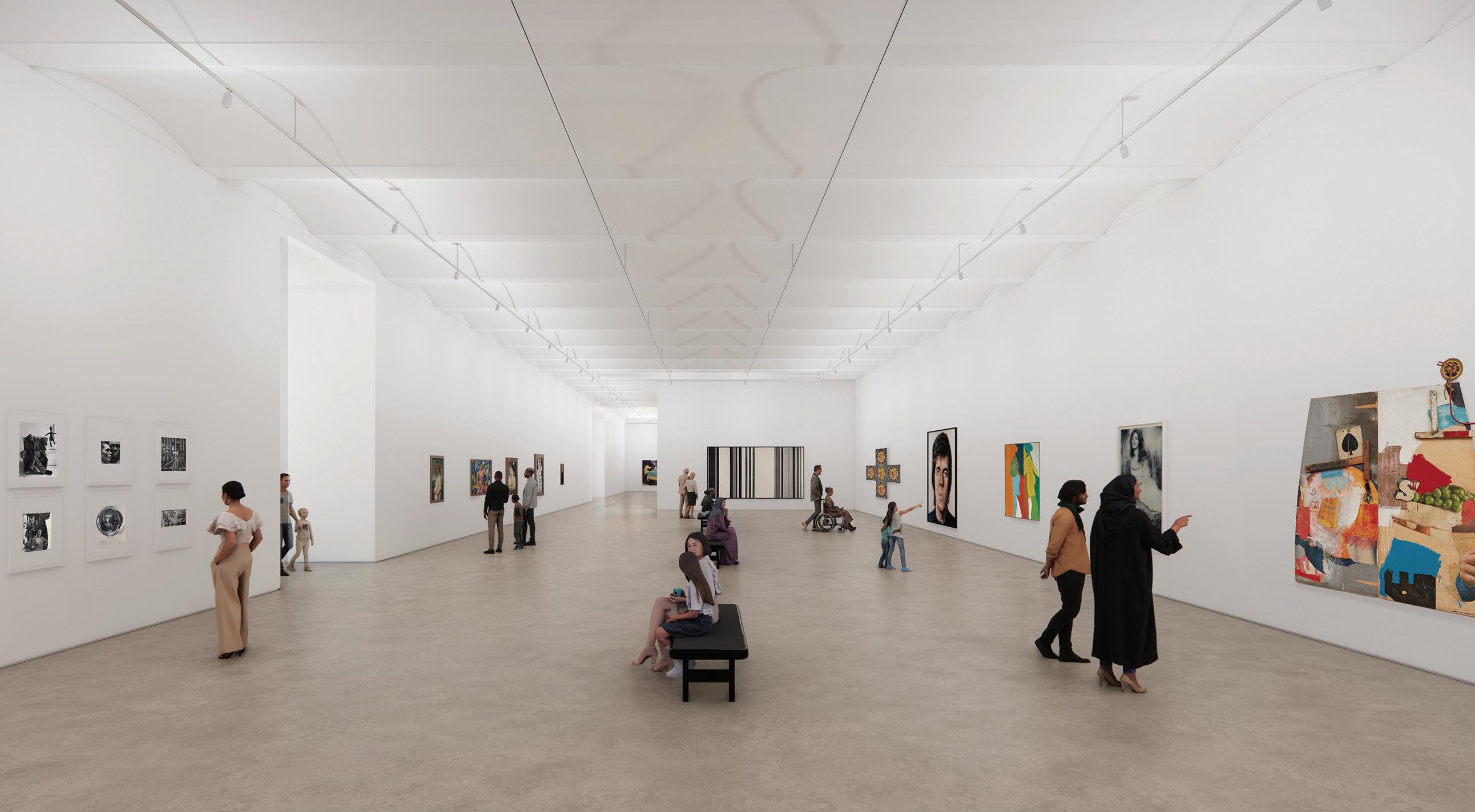
OPPOSITE The clay-based terracotta façade of the new addition was developed in partnership with Two Row Architect to nod to the intricate patterns of Wampum belts. Principles of Indigeneity are also present in physical elements such as curved gallery spaces that echo natural forms, medicinal and ceremonial plantings on the terrace to enable outdoor learning, and an oculus-topped main stair that establishes a vertical connection between the skyworld and underworld. ABOVE Large, open, clear-span floorplates have a raw quality with clean, durable, and simple finishes.
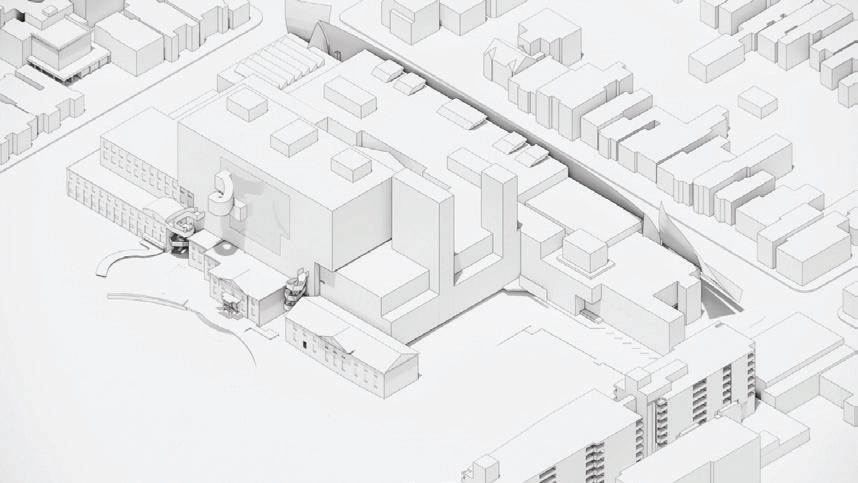
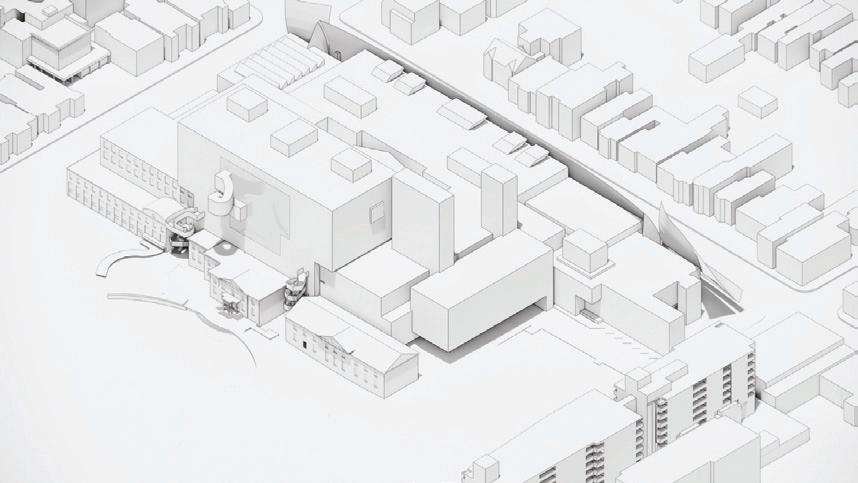
AWARD OF EXCELLENCE
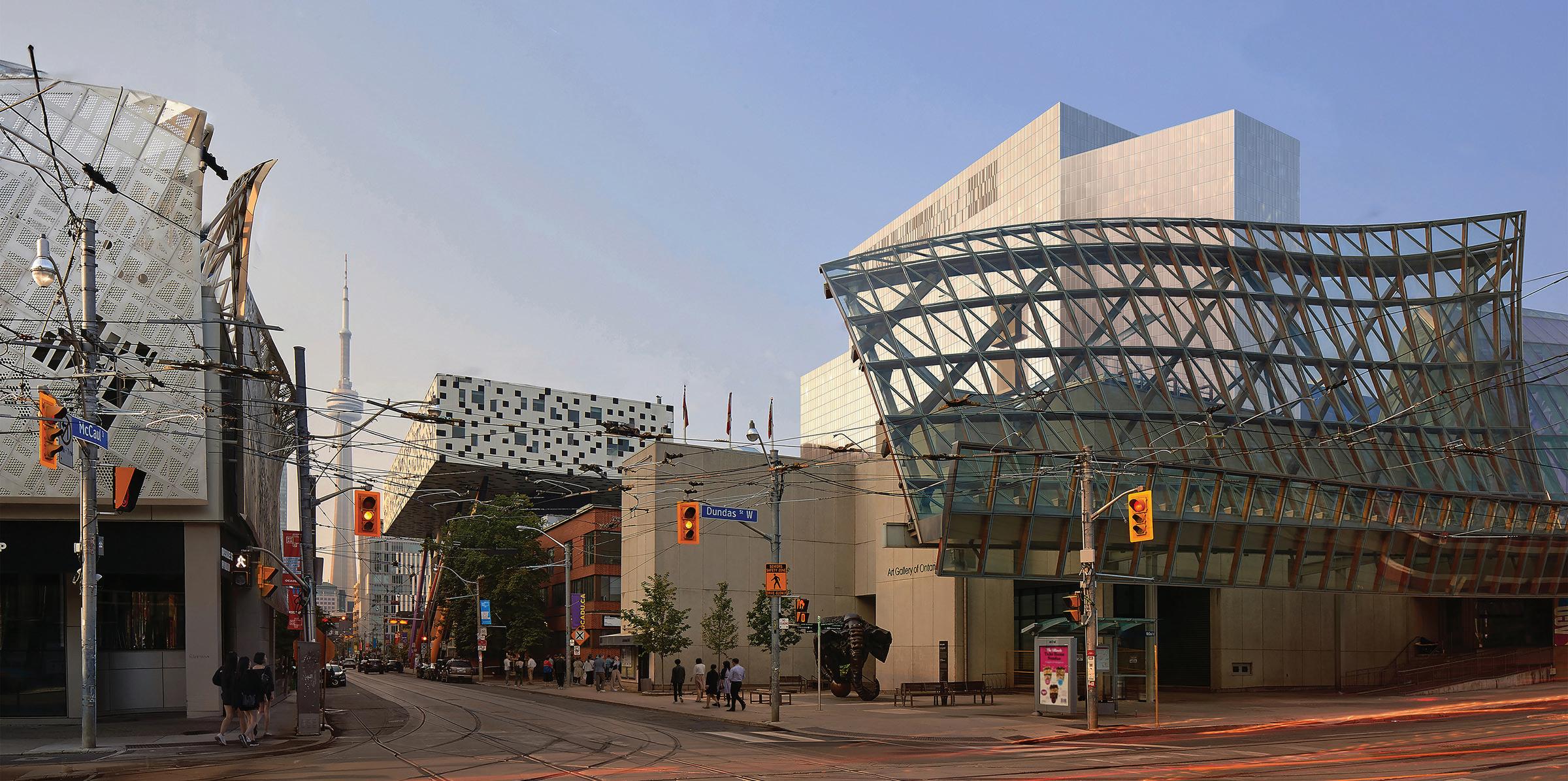
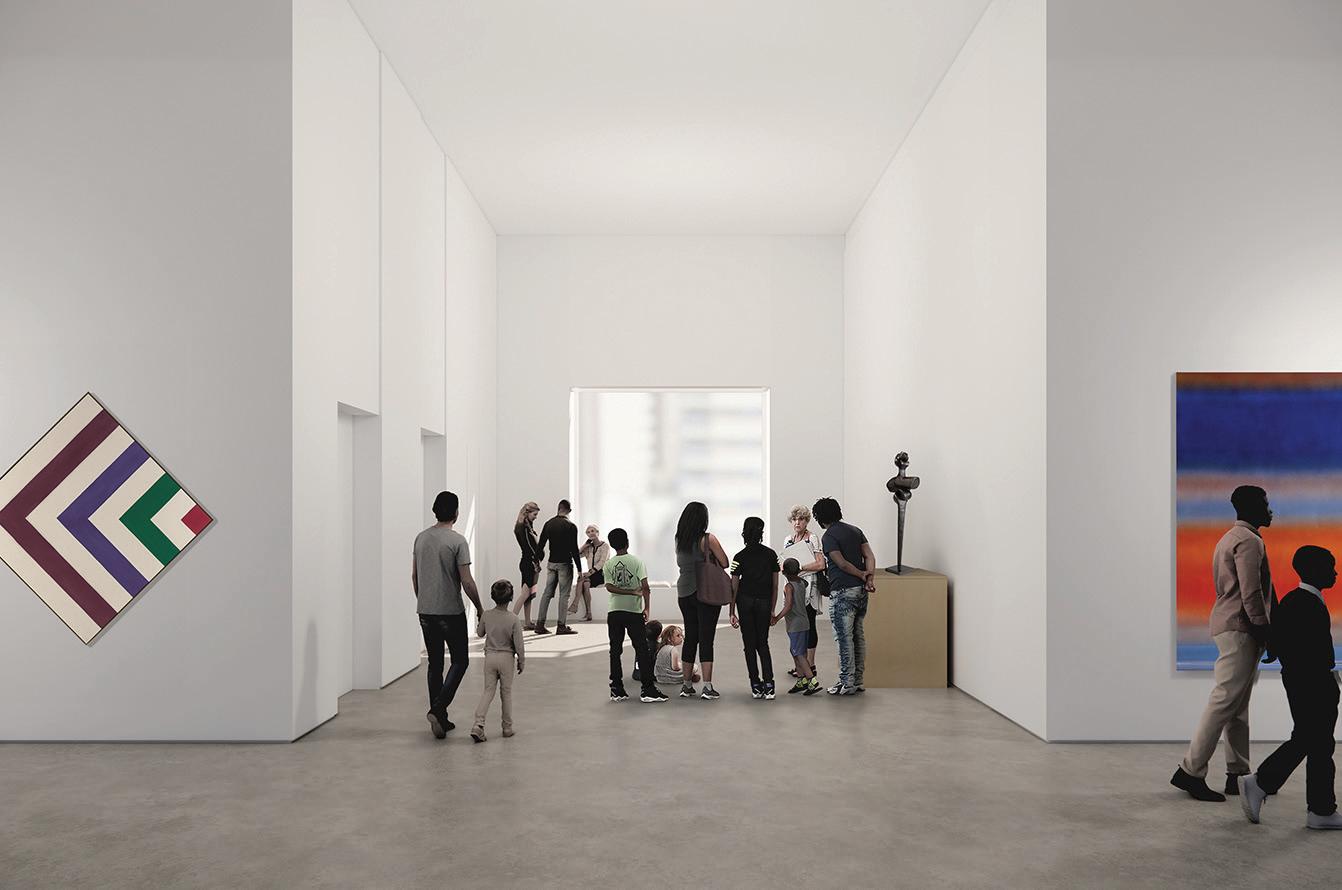





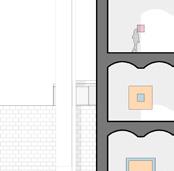
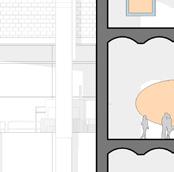
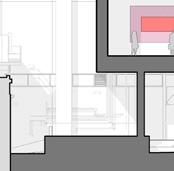

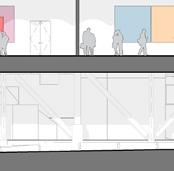



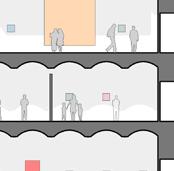
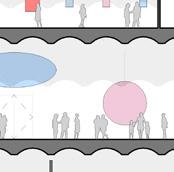
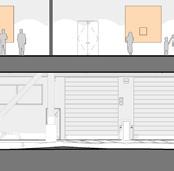
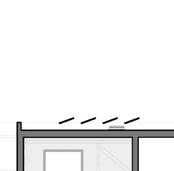

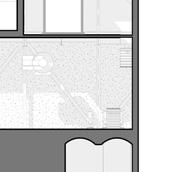
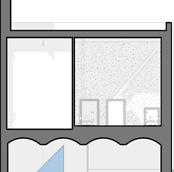
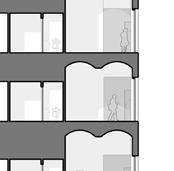
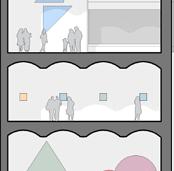
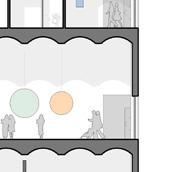
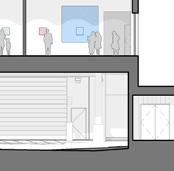






number of museum spaces to accomplish this. To achieve significant reductions in its carbon footprint, the design employs low-embodied carbon terracotta cladding and reduced concrete thicknesses in floor slabs and footings, specifies low-carbon concrete and electric arc-furnace structural steel, and includes low-carbon insulation.
The design of the Dani Reiss Modern and Contemporary Gallery is being informed by ongoing consultation with Indigenous leaders and
TOP The addition is set back from the intersection of Dundas and McCaul Streets, and aims to achieve an understated presence to complement the existing structure with its Frank Gehry-designed canopy.
ABOVE The addition introduces new elevators that open onto generous lobbies with room for displaying art. As well, existing vertical circulation cores are extended, and at several levels the new galleries tie in to the existing AGO building.
communities. These conversations and others are instrumental in leading the team to adopt adaptability, accessibility, relevancy, zero-carbon design and inclusivity as guiding principles.
CLIENT ART GALLERY OF ONTARIO ARCHITECT TEAM DIAMOND SCHMITT—DONALD SCHMITT (FRAIC), MICHAEL LECKMAN (MRAIC), AMIR AZADEH, NILSA CALVO, MICHELLE CHAN, MARTIN GAUTHIER, LAURA HUTCHINSON, DAN KLINCK (MRAIC), GARTH ZIMMER. SELLDORF ARCHITECTS— ANNABELLE SELLDORF, SARA LOPERGOLO, OLIVER LINK, KRISTINE MAKWINSKI, SUSAN PARAPETTI, BEATRIX CASIANO. TWO ROW ARCHITECT—BRIAN PORTER, ERIK SKOURIS | STRUCTURAL BLACKWELL MECHANICAL THE MITCHELL PARTNERSHIP (NOW BPA) ELECTRICAL SMITH + ANDERSEN LANDSCAPE PFS STUDIO | CODE AND ACCESSIBILITY LMDG | CIVIL CF CROZIER ACOUSTIC RWDI | SUSTAINABILITY AND BUILDING ENVELOPE
AWARD OF EXCELLENCE
BARRIE WASTE WATER INNOVATION CENTRE
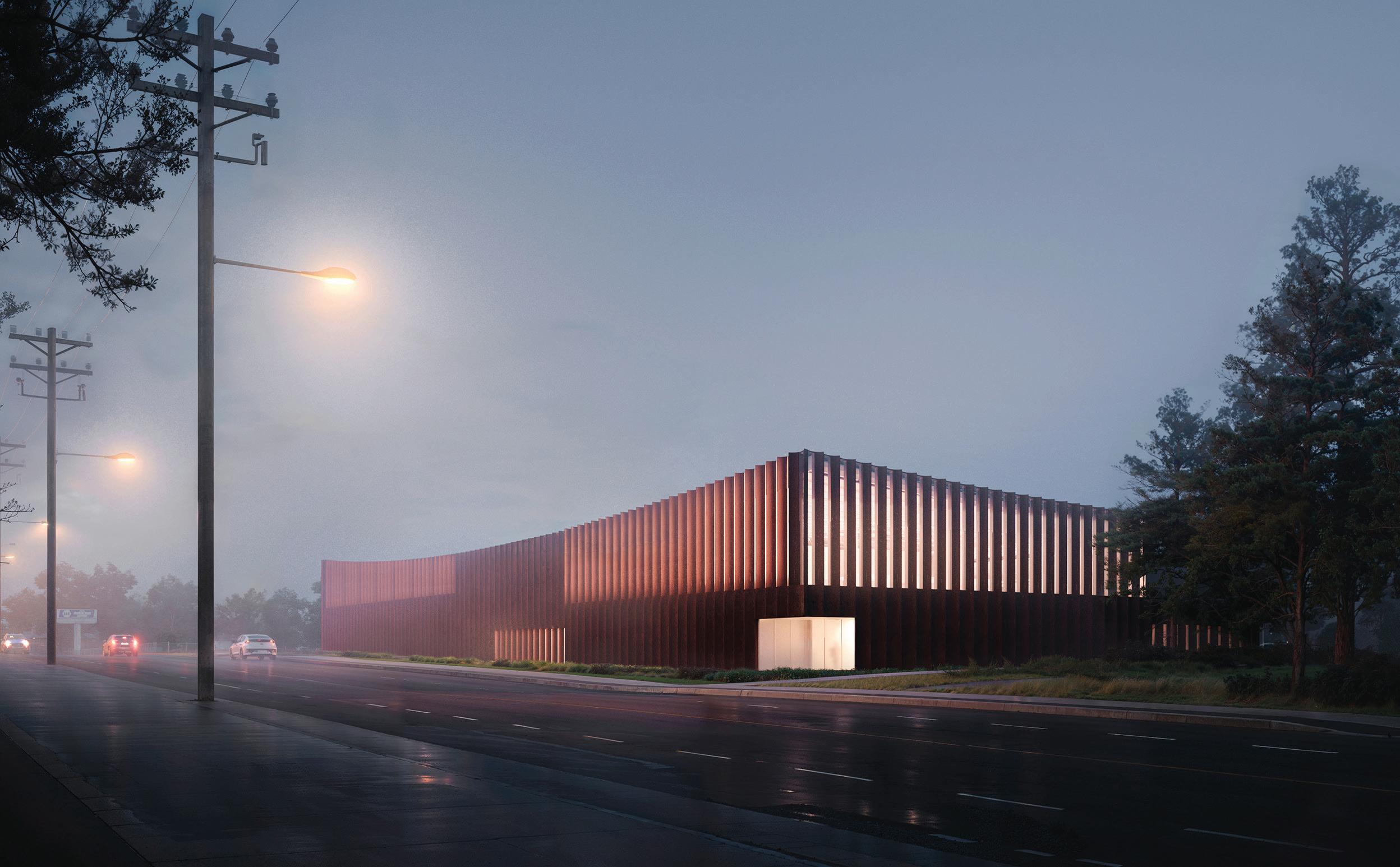
LOCATION Barrie, Ontario
ARCHITECTS gh3* and Stantec
This addition to a public-works facility decisively rejects the notion that architectural beauty is a luxury. As a water treatment plant, it achieves remarkable architectural poise, elevating a once unseen utilitarian operation into an evocative building with a delightful civic presence. The design’s response to program is conceptually clear, rigorous, and engaging. We applaud its commitment to public education and community connection as well as its impressive environmental stewardship—both in its purpose-driven functions and its anticipated Net-Zero Energy performance. – Kelly Buffey, juror
The Barrie Wastewater Innovation Centre (WWIC) gives architectural presence to one of the city’s most vital yet unseen systems, expressing a civic vision grounded in sustainability, resilience, longevity, and stewardship. An extension and public face of the existing treatment plant, the new WWIC serves both as a precisely planned public works facility and as an interpretive centre, educating the public about the city’s innovative treatment processes. In this dual capacity, the WWIC stands at the threshold between civic infrastructure and civic life, simultan-
eously serving the workers who sustain the system and inviting public awareness of this network on which the city depends.
While the primary driver is function, several highly intentional moves give the building a clear civic presence. Emerging from the ground like an infrastructural landscape element, the building’s materiality and scale express the industrial sublime. Fluted Canadian-made weathering steel cladding panels are shaped to recall large-scale industrial steel pipes, telling the story of the building’s operations. These flutes also help to regulate daylight, reducing glare and solar heat gain to ensure comfortable working environments for staff.
The building is elongated on its 100m x 100m site to maximize the frontage along Bradford Street, and to allow for a mid-block service spine. The front corners of the volume are lifted to acknowledge the urban significance of the site, and to announce the point of public entry. Clerestory glazing in the maintenance shop and full-height glazing in the office areas, along with increased glazing at these lifted corners, bring natural light deep into the floor plate.
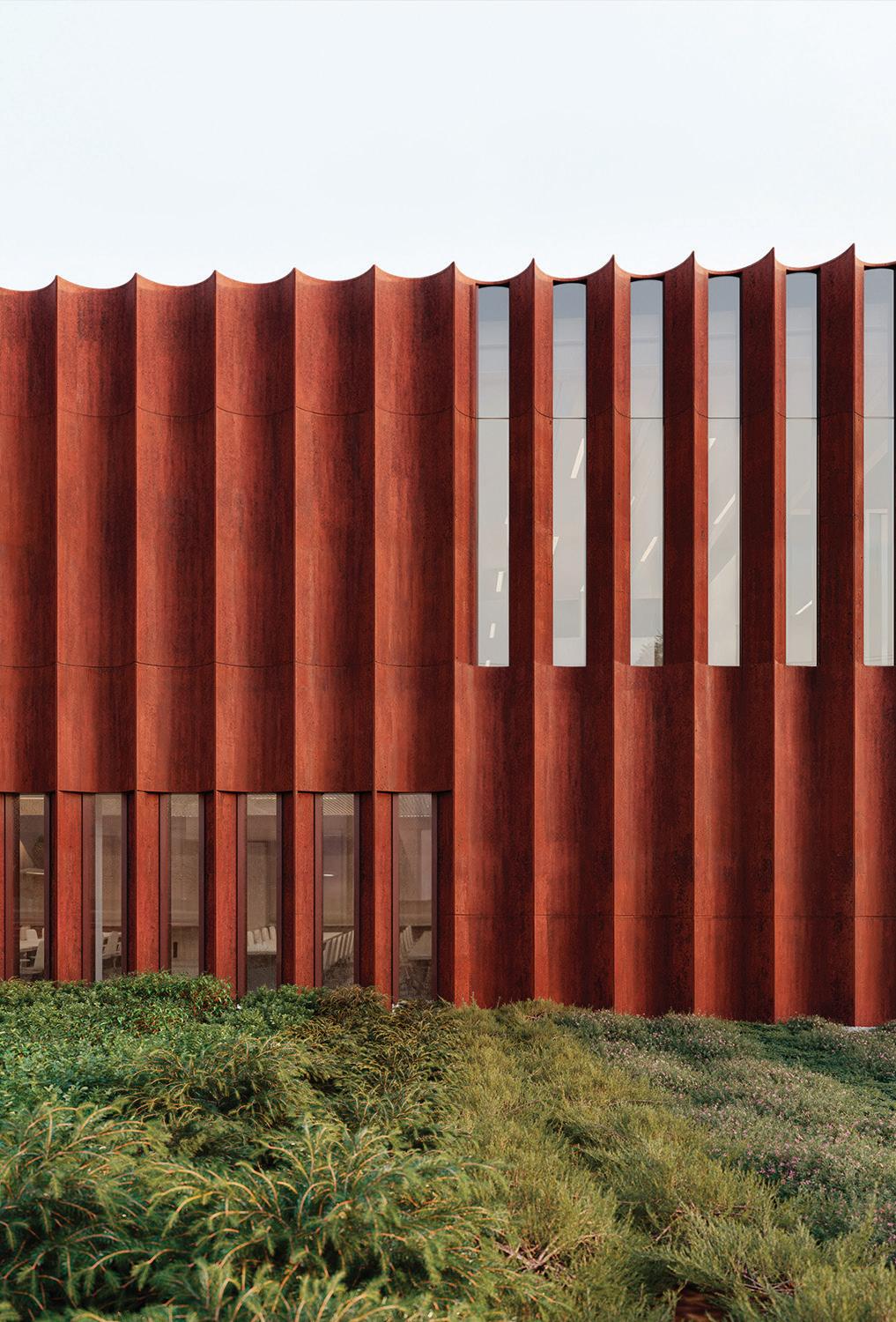
@ OFFICES / ADMIN (EFFECTIVE R VALUE R-22.82)

HORIZONTAL BAND SAW
PARTS CLEANER
PRESSURE WASHER (PERM)
BELT/SANDER
SAND BLASTER
RECEPTACLES
METAL SHEAR
METAL ROLLER
METAL BRAKE
HEATER
GENERATORS PRESSURE WASHER
VAC TRUCK
EXCAVATOR
COLLECTIONS TRAILER
CONFINED SPACE TRAILER
300 KW GENERATOR
GATORS/GOLF CARTS
CAMERA TRUCK
TRUCK
1 TON PLOW/DUMP BODY
FLAT DECK TRAILER ROLL OFF TRUCK
GATORS 1/2 TON PICKUP
JANITOR ROOM
GARBAGE ROOM
AWARD OF EXCELLENCE
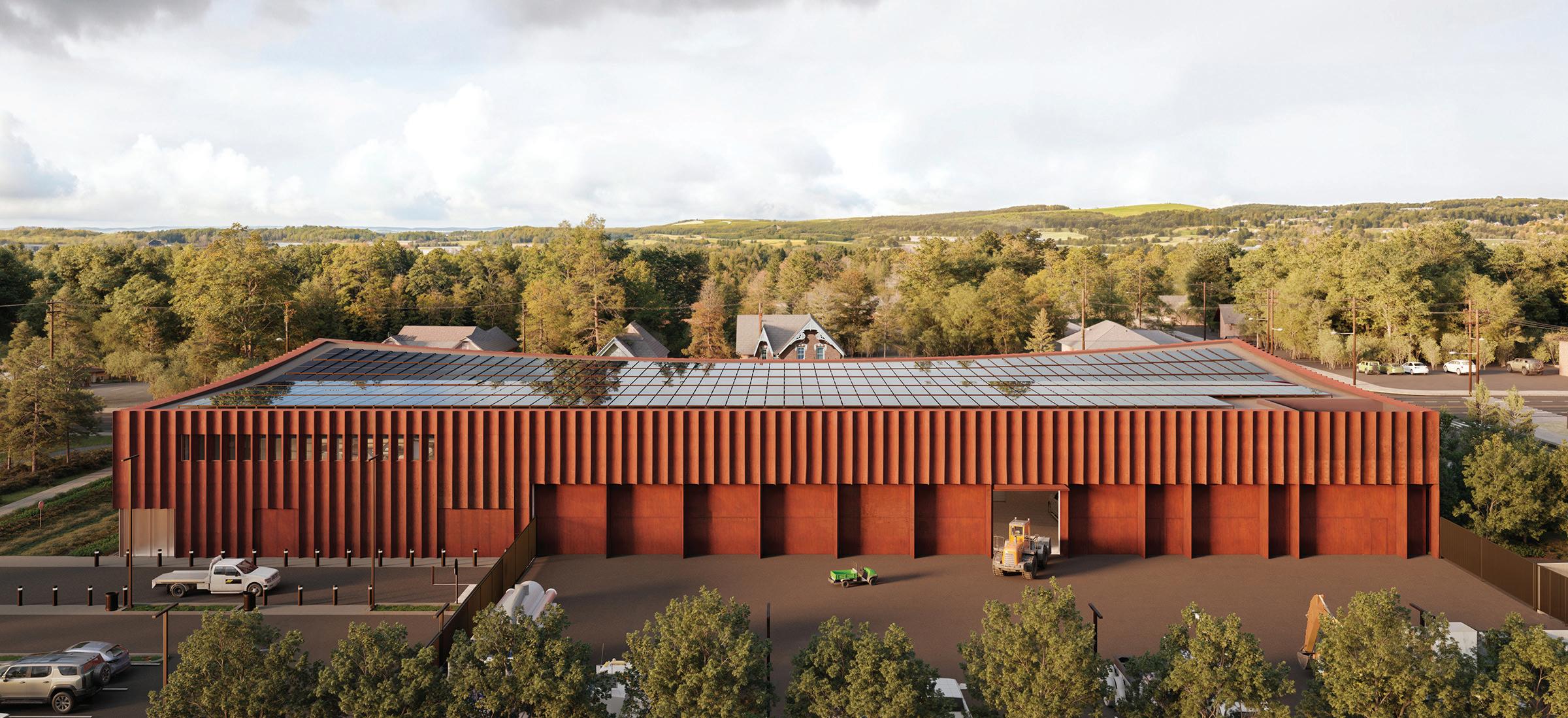
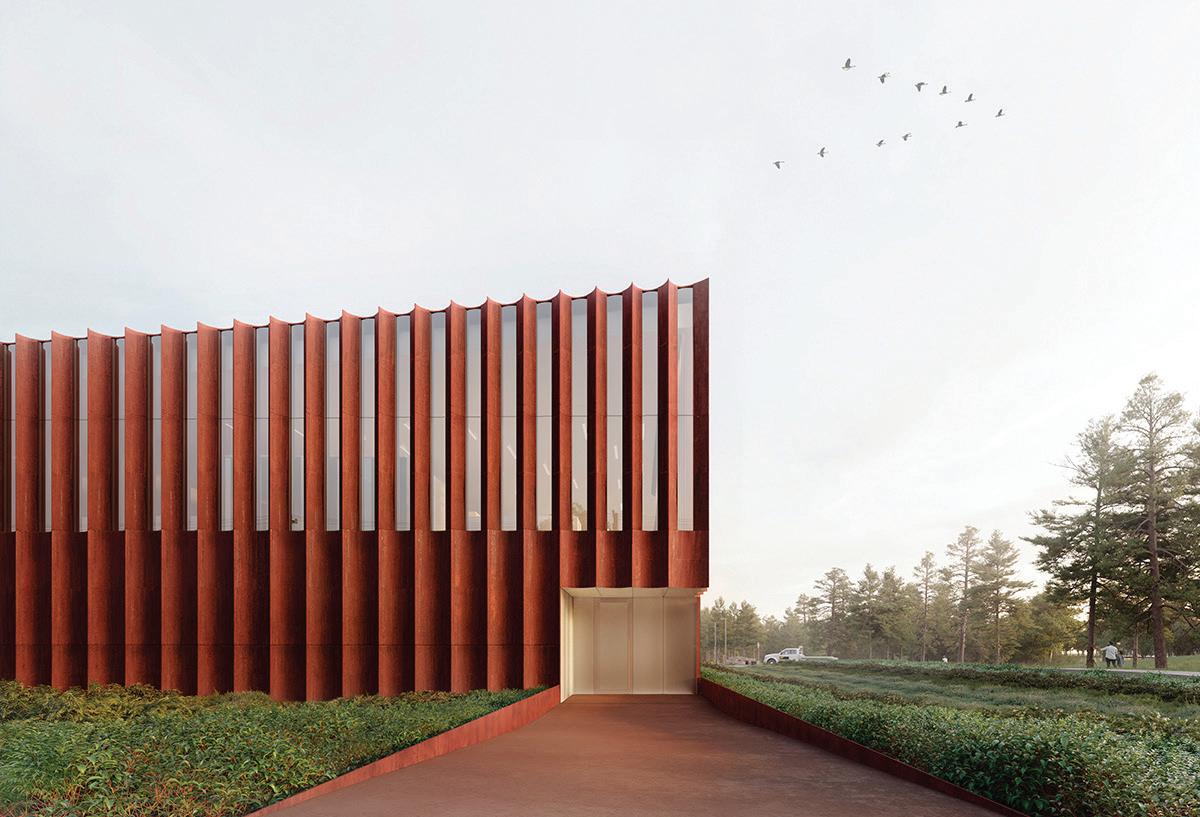
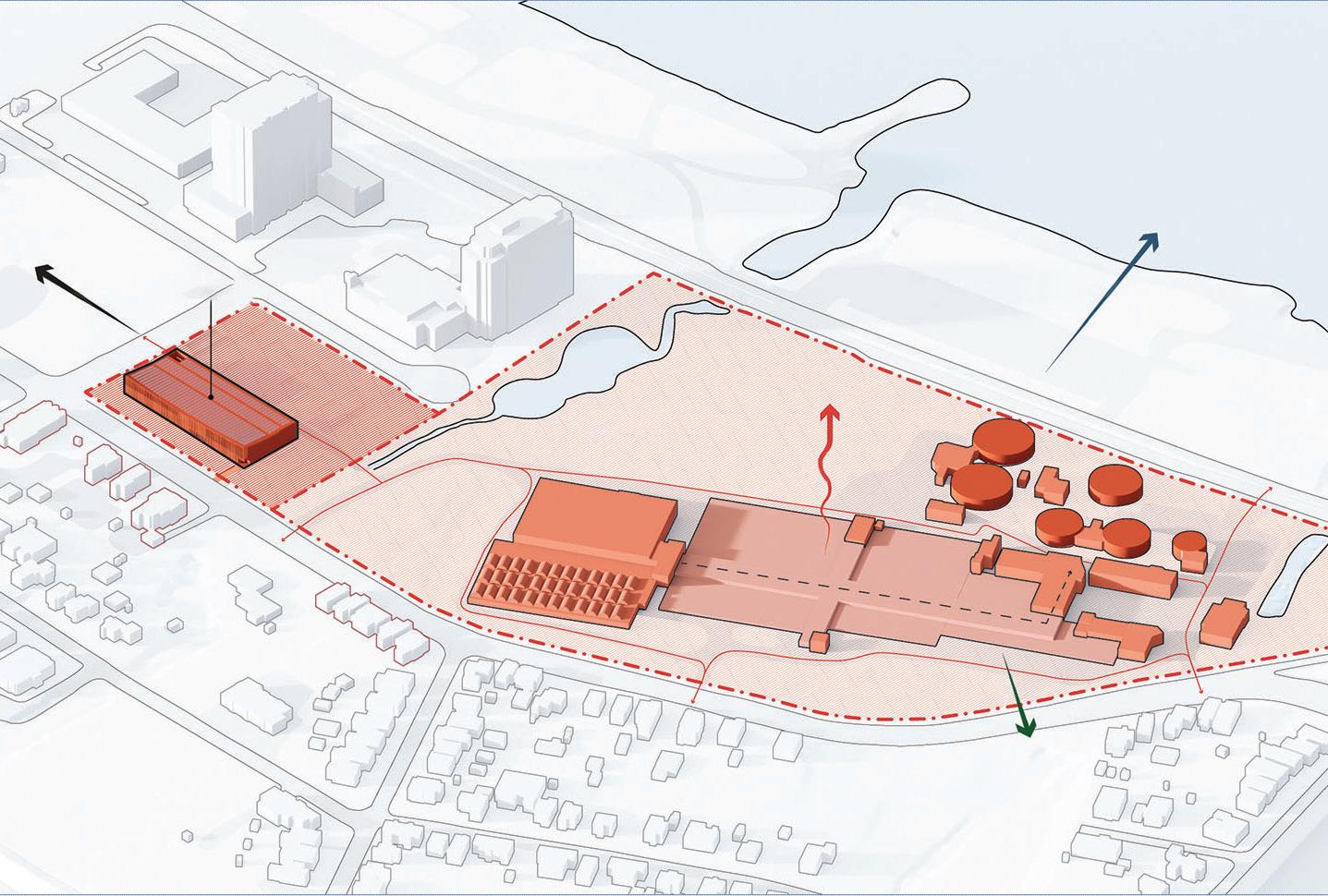
Ecological stewardship is a top priority at Barrie’s Waste Water Facility. The facility receives domestic, commercial and industrial wastewater that is treated to remove contaminants, pollutants, and other undesirable materials to minimize negative effects on Lake Simcoe. Through this process, beneficial resources are recovered, including energy in the form of bio-gases and bio-solids for fertilizer. In 2024, the city launched a pilot program to optimize bio-solid production for neighbouring farming communities through a unique centrifugal treatment process. Reflecting a focus on ecology, WWIC is designed as an all-electric, Net-Zero Energy facility, powered by a rooftop photovoltaic array that offsets its annual operational energy use. A high-performance envelope,
TOP The site planning allows for a large array of rooftop solar panels to offset the plant’s annual operational energy use. A works yard and parking occupy the back half of the site. ABOVE A lifted corner announces the public entry to the facility, which is designed to double as an interpretive centre with education programming.
passive daylighting, heat-recovery systems, and advanced building controls support this goal. When complete, it will stand as Barrie’s first net-zero municipal building.
More than infrastructure, the WWIC is a civic instrument. It makes a hidden process visible, elevating essential services to the level of shared public identity. With rigour and care, it reflects the confidence and permanence traditionally associated with civic architecture, continuing a lineage of public buildings conceived to endure for generations.
CLIENT CITY OF BARRIE | ARCHITECT TEAM GH3*—PAT HANSON (FRAIC) RAYMOND CHOW (FRAIC), JOHN MCKENNA, ELISE SHELLEY, MARC DAINOW, CHARLOTTE KESKINEN-KEITH, NICHOLAS CALLIES. STANTEC—TOM KYLE (MRAIC), AFAF NASEEM, MOJTABA SHAFAEE, MICHAEL GONCALVES |
SITE
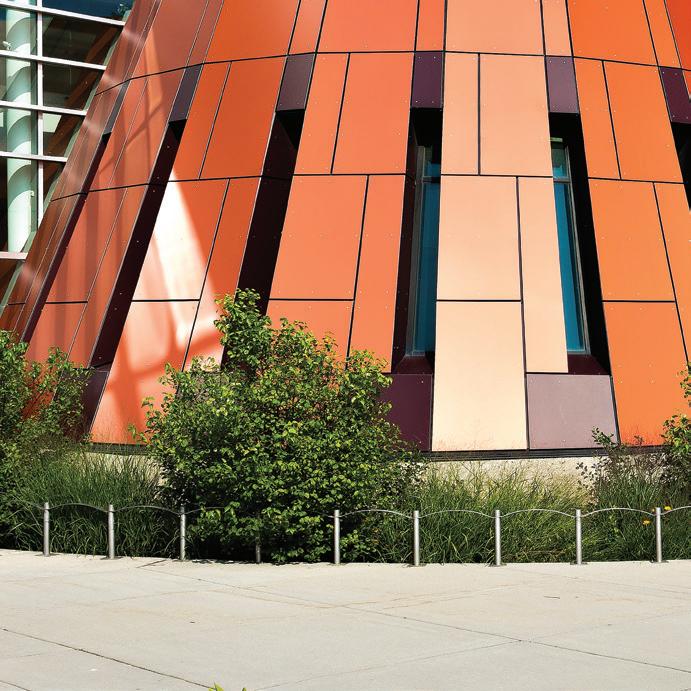
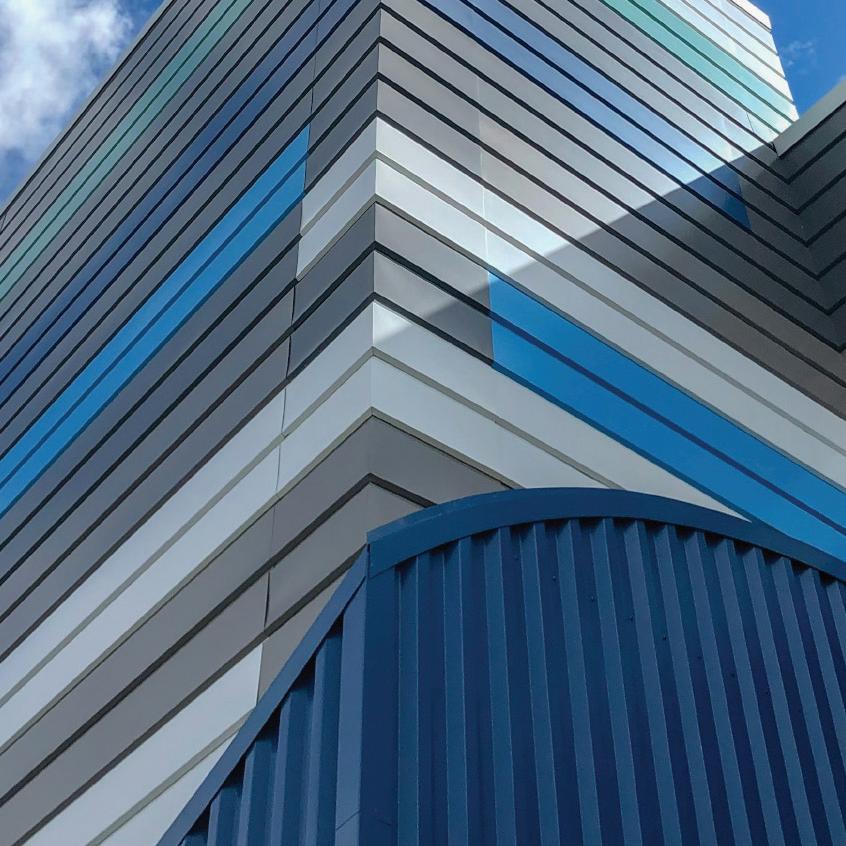
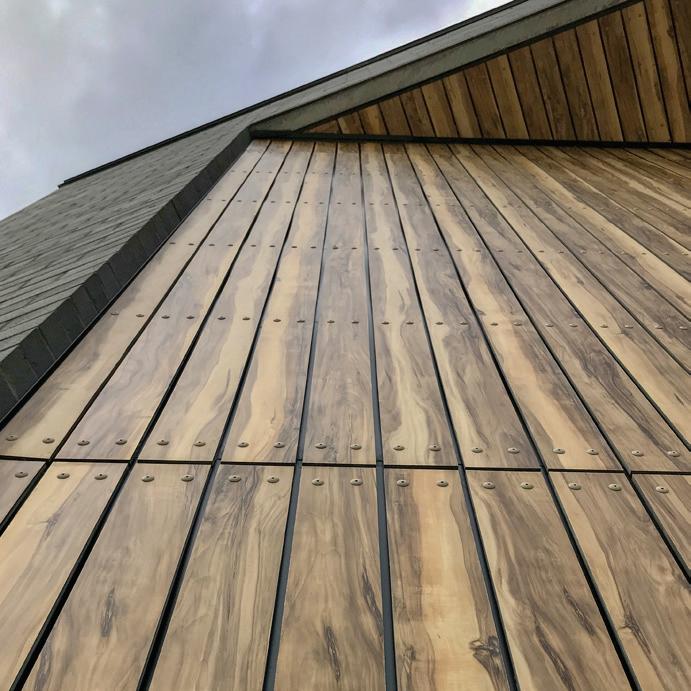
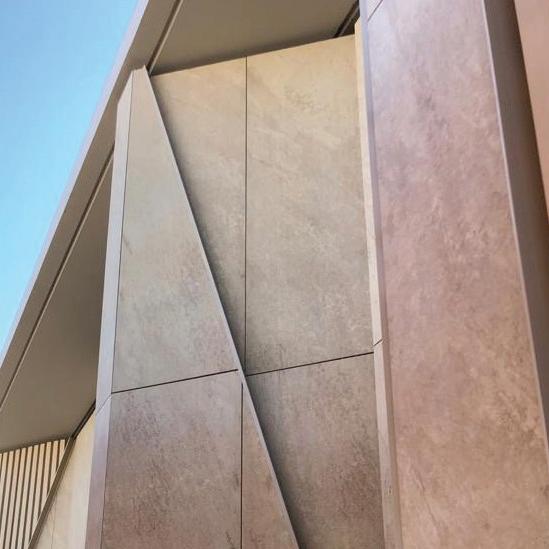


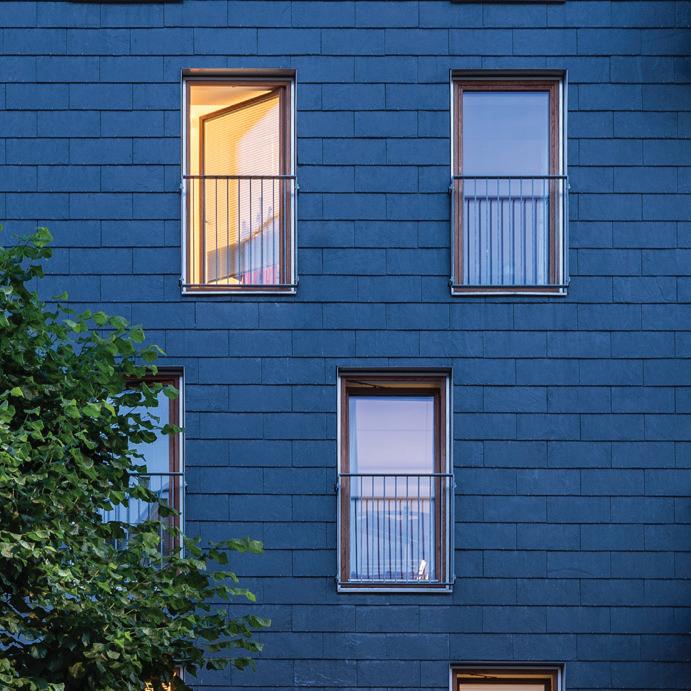
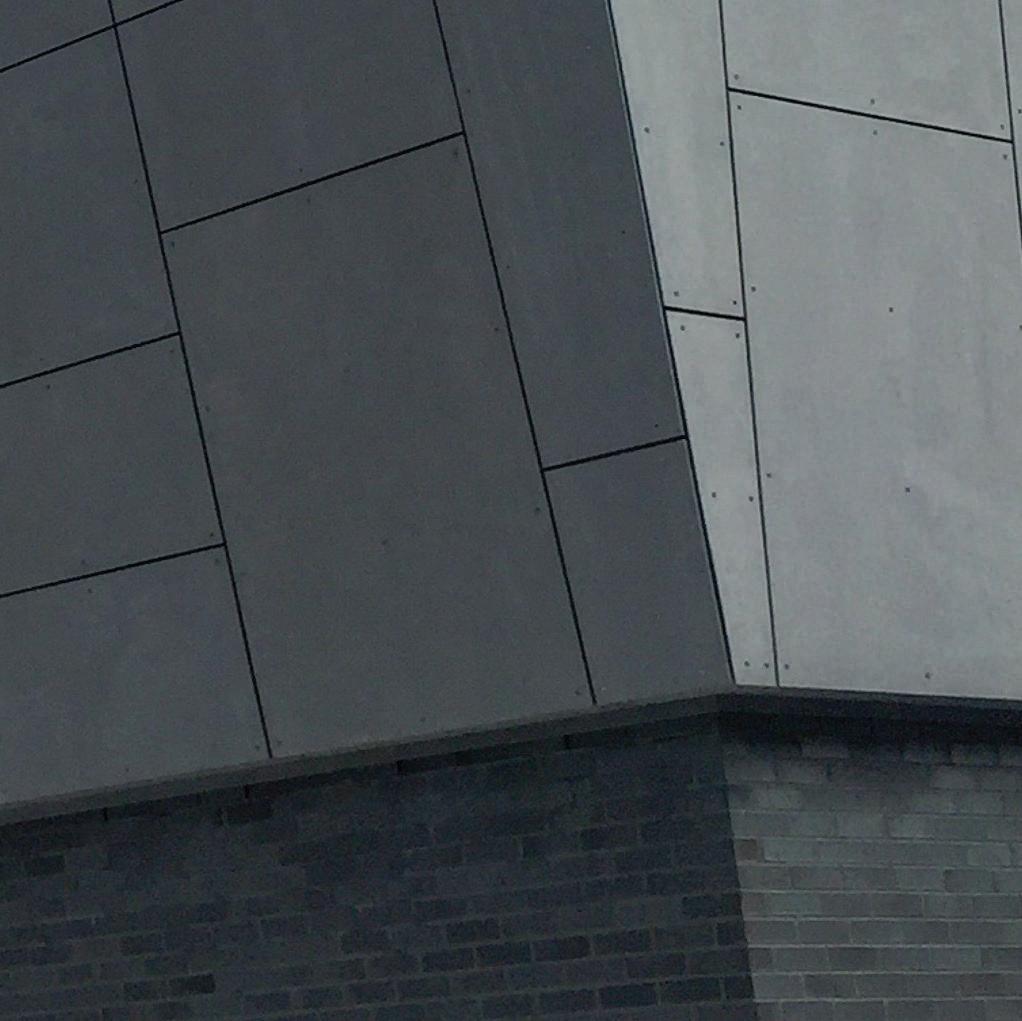

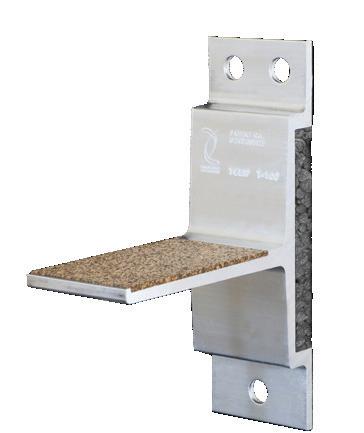
VOLTA ESTATE WINERY, PEC
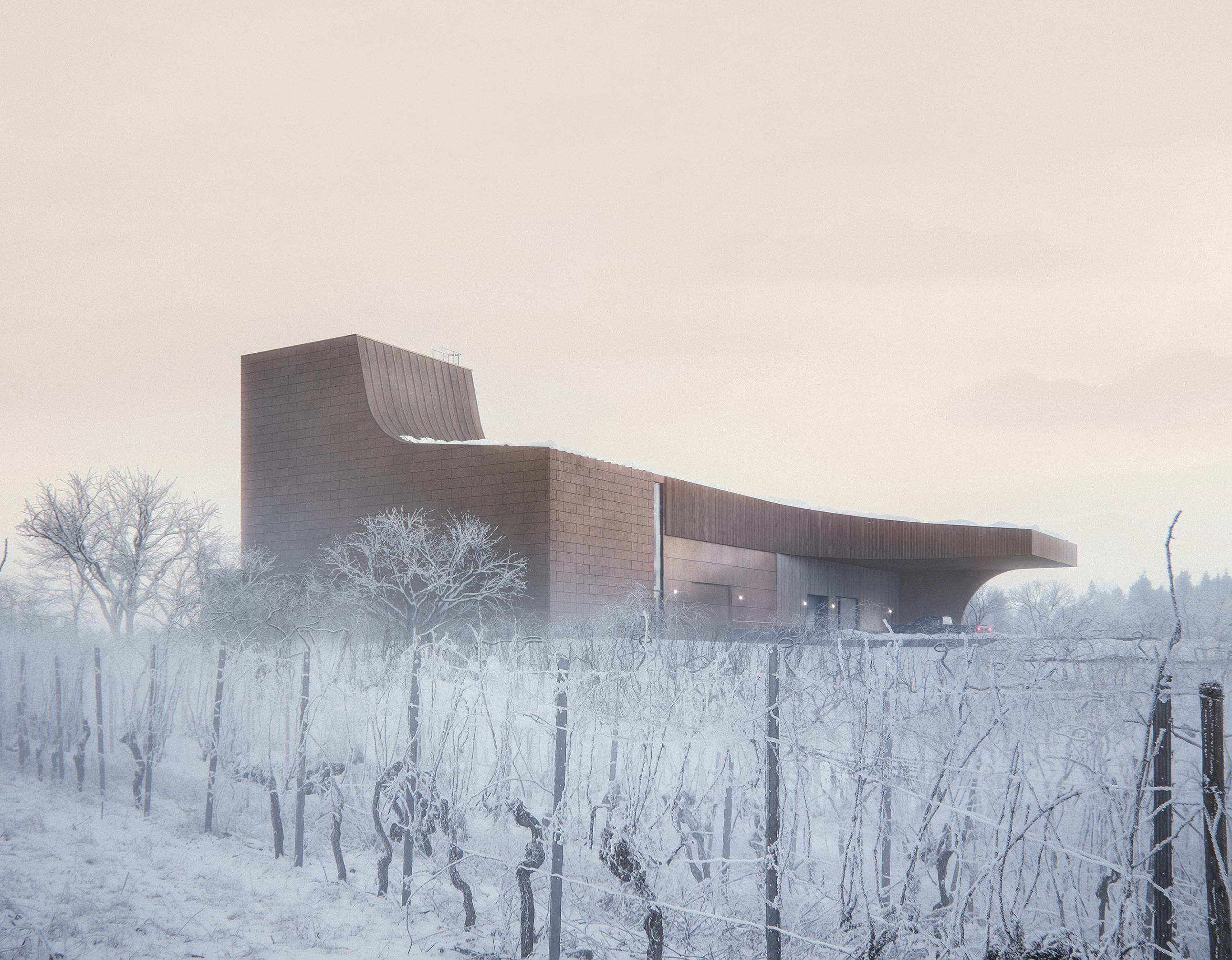
LOCATION Prince Edward County, Ontario
ARCHITECT Giannone Petricone Architects
This project operates inventively at the intersection of industrial function, landscape, cultural identity and experiential design. It reinterprets regional architectural precedents with sophistication, transforming familiar forms and materials into a compelling architectural vision that expands the possibilities of a winery. Its formal gestures respond innovatively to site, regional typologies, a complex program, and rigorous sustainability principles. The jury was impressed by the project’s ability to balance bold architectural expression with contextual sensitivity while fostering engagement. – Kelly Buffey, juror
The family-owned Volta Winery aims to adapt exacting, Old World winemaking practices to the terroir and agrarian landscape of Ontario’s Prince Edward County. Giannone Petricone Associates has designed a four-season production-and-hospitality facility for this client that takes
cues from the rugged informality of Ontario farm architecture, while reflecting the family’s commitment to sustainable winemaking practices and emphasis on providing an exceptional gastronomic experience to visitors.
In their organization and orientation, the facility’s architectural elements respond to the specifics of climate, program, and industrial function. Two small structures a gate house and a residence for winery workers are positioned close to the site entrance off the Loyalist Parkway. The winery itself is set well back from the road, on land planted with twenty acres of vines in 2022. The building’s three main volumes, webbed together by a courtyard-covering wood roof, radiate out around the circular tasting bar.
Clad primarily in Canadian Corten steel and ‘pulled apart’ in a manner recalling a traditional farm’s freestanding combo of farmhouse, barns/sheds, and silo, the winery’s forms offer a contemporary
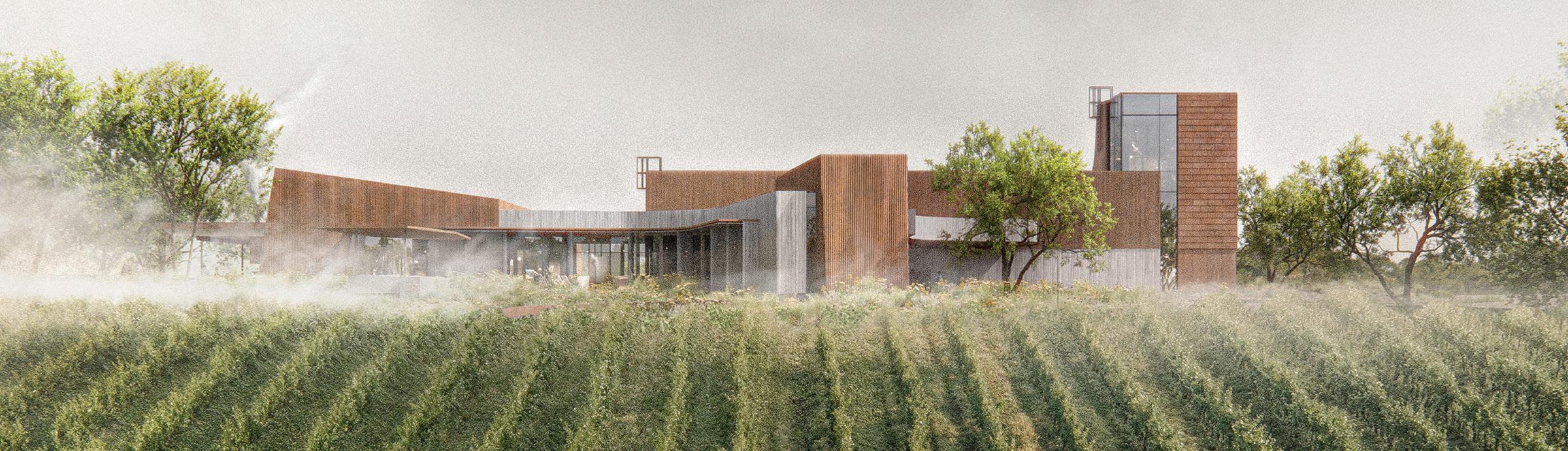
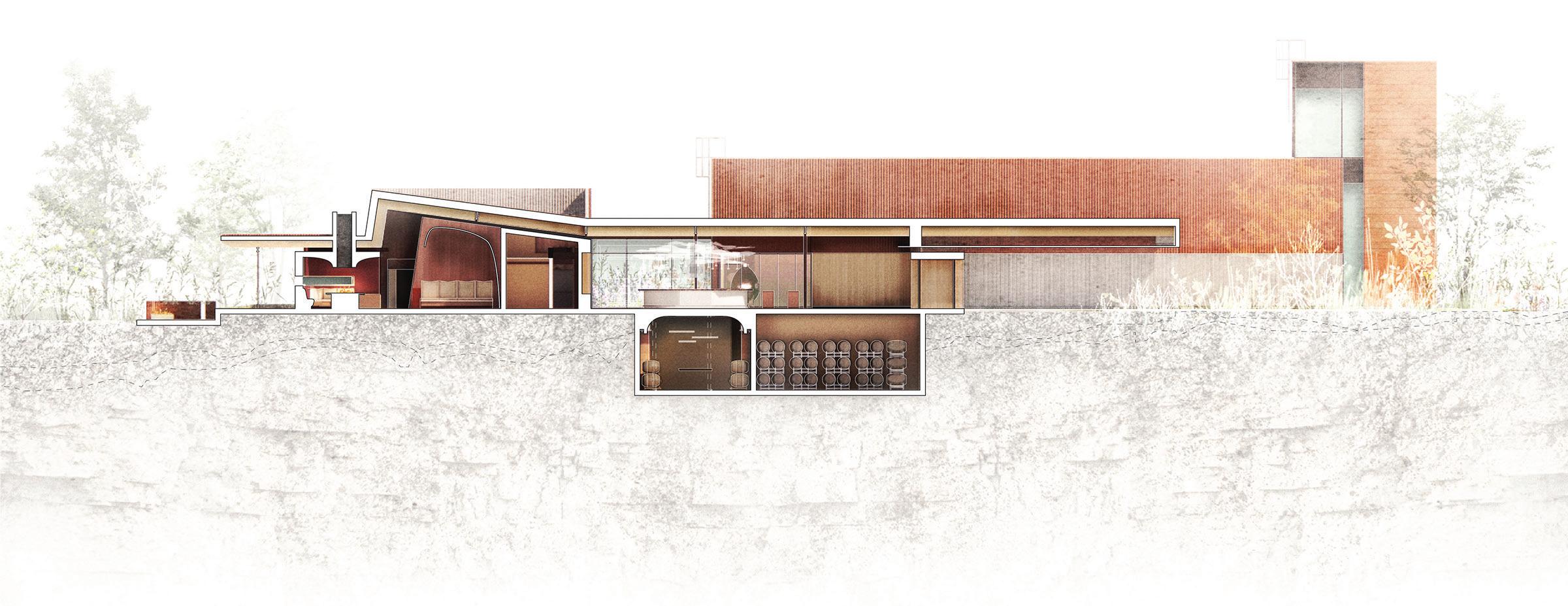
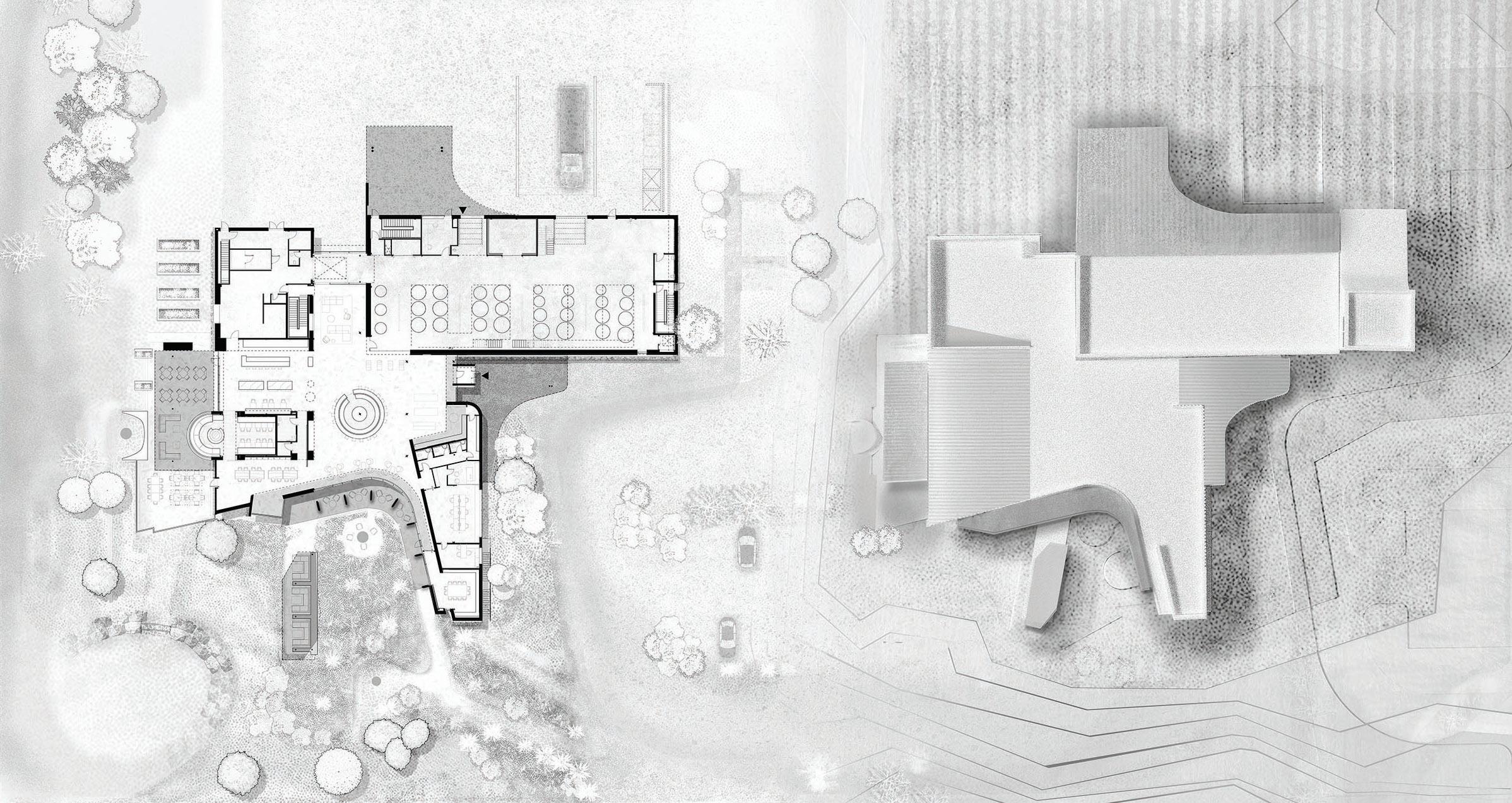
AWARD OF EXCELLENCE
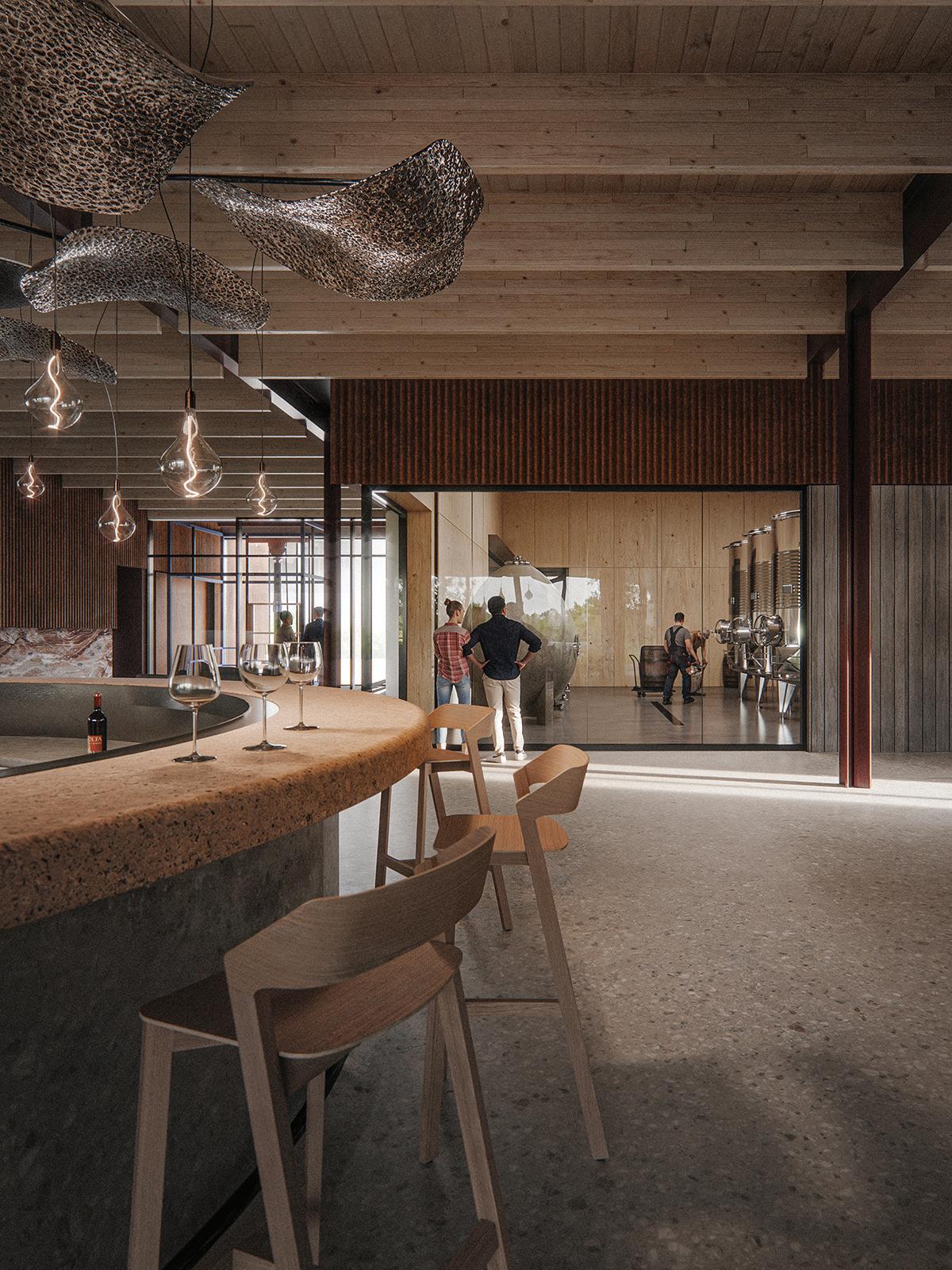
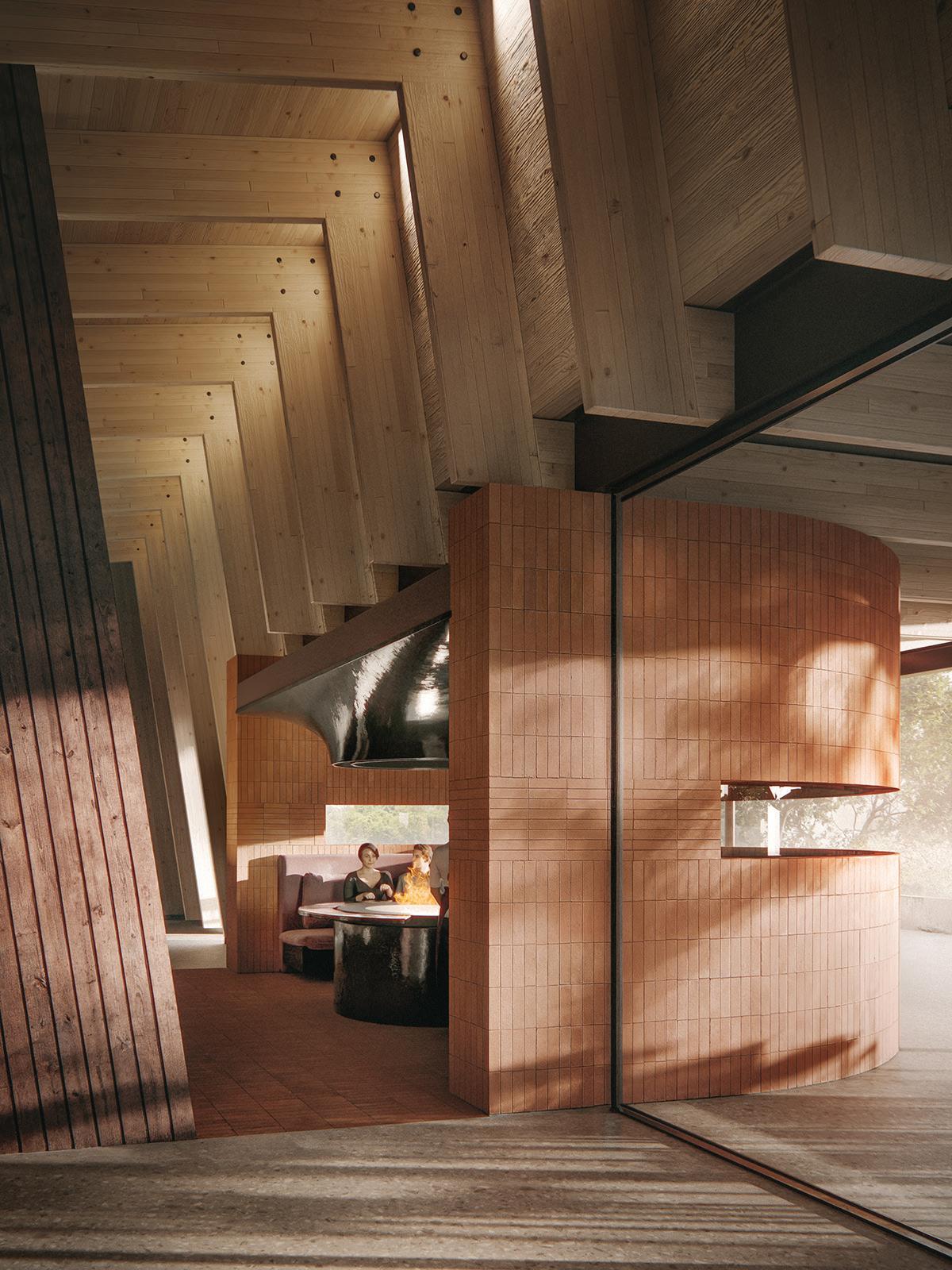
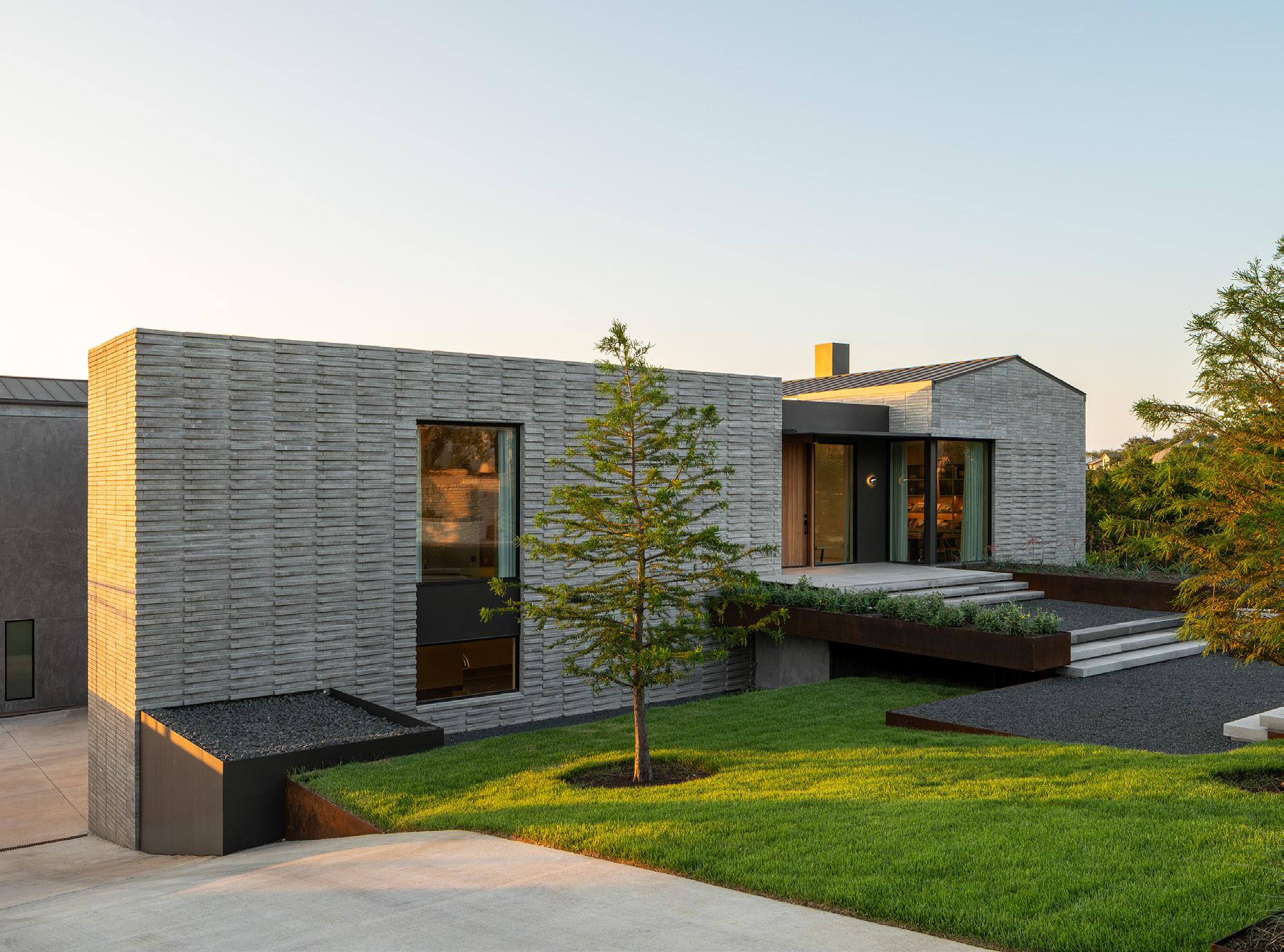
re-interpretation of Prince Edward County’s vernacular architecture. Extending out from and around the building are various elements designed to mitigate the extremes of the region’s weather namely, wind, rain, and annual temperature fluctuation. In addition to what the design team describes as “hard-working canopies,” these elements include deep overhangs, pergolas, and an amphitheatre that nestles into a grade change southwest of the winery facility.
Fittingly for a client committed to organic farming, this net zerotargeting project incorporates a host of sustainable design strategies. A productive geothermal system provides heating and cooling, and photovoltaics supplement building power. These systems, in tandem with design devices including deep overhangs, wind buffers, and outdoor fire pits, contribute to the viability of shoulder-season use and help minimize the volume of environmentally controlled interior spaces. The structural system contains structural steel with high recycled content, responsibly sourced timber products, and low-carbon insulation.
The winery complex is serviced by a well-water system, and ground water is absent seasonally because of the shallow overburden and upper fractured bedrock. To support the responsible use of water on the site, the
drainage management system includes a retention pond for stormwater management and fire extinguishing, and cisterns have been provided to ensure adequate water is stored for manufacturing and hospitality activities. Some aspects of the design allude to the cultural traditions of northern Italy’s Friuli-Venezia Giulia region, the owners’ ancestral home. In an alcove within the restaurant, for example, the freestanding fogolar, or cooking fireplace, evokes the central gathering place in a Friulian home. The design team appears to have achieved its stated objective of creating architecture that “will reflect the wine in its quiet grandness and unexpected beauty while embracing and warming the palette.”
(FRAIC), PINA PETRICONE (FRAIC), ANDRIA VACCA (MRAIC), LIANE WERDINA, EMILY GUO, TESS MACPHERSON, ANDREA BICK-
ABOVE LEFT The circular tasting bar sits at the centre of the building, offering tasters views of the wine-making process. ABOVE RIGHT The fogolar—a traditional terracotta cooking fireplace—is the focal point of a restaurant alcove that projects out onto the dining porch.
Linear Brick
Elegant + versatile. For iconic designs.
Achieve unforgettable designs with our award-winning Architectural Linear Series Brick. A calcium silicate product, ALSB doesn’t have core holes, so it can be offset to create striking patterns. This artful design by Hugh Jefferson Architects showcases this distinct feature and was selected for a recent Austin AIA Homes Tour.
ALSB delivers many advantages unique to calcium silicate brick. Its absorption rate facilitates faster installation. Plus, its lack of core holes saves significantly on mortar requirements and allows for deeper joints to accentuate the linear style. Choose from a versatile colour range, with custom colours available (minimum order applies).
Architectural Linear Series Brick
ALSB Charcoal Builder: Oakman Building Co. Architect: Hugh Jefferson Architects Photographer: Rob Gómez
AWARD OF EXCELLENCE
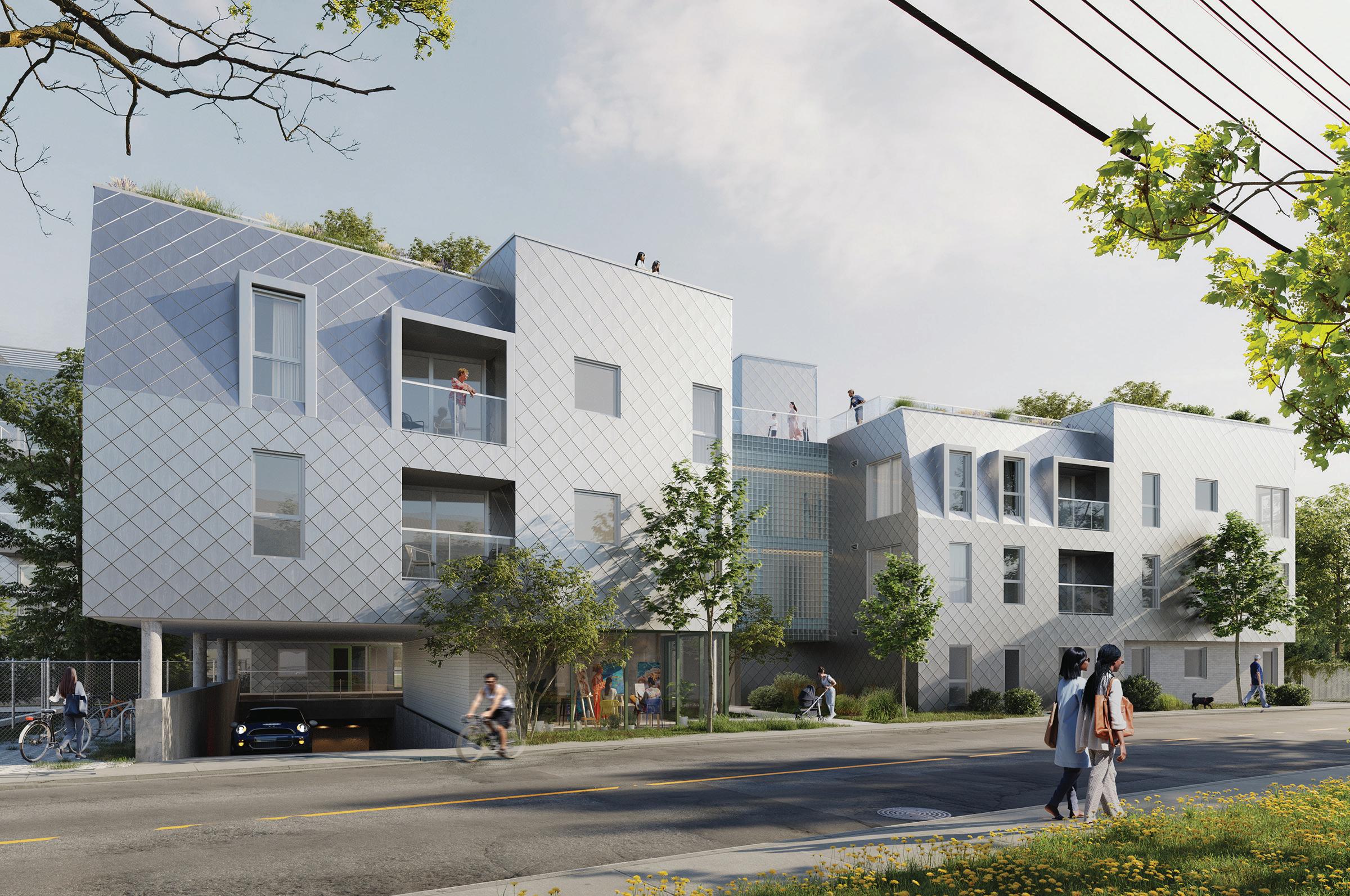
A VILLAGE IN LACHINE
LOCATION Montreal, Quebec
ARCHITECT Sid Lee Architecture
This sustainable, inclusive co-housing project stands out for its intergenerational and participatory approach. It integrates a large part of its programming into shared and furnished communal spaces, designed to offer a welcoming atmosphere. These spaces encourage interaction, strengthen the social fabric, and improve the residents’ quality of life. The architecture is understated and contemporary, with a successful integration of natural elements as well as traditional residential materials, such as French-Canadian-style metal siding. The building blends harmoniously into its urban environment.
A Village in Lachine embodies a vision of housing where community, sustainability, and inclusivity are central to the design. – Sonia Gagné, juror
A Village in Lachine is a mixed-income cohousing project designed to combine compact but adaptable private dwelling space with shared space that fosters interaction, conviviality and mutual support among its
diverse residents. The project, which received funding from three levels of government, a pension plan, and a private foundation, includes 58 units, with 16 of them available for purchase at cost and the remaining 42 conceived as below-market-rental apartments.
Modest, low-rise older homes and some newer, suburban-style residential developments comprise the existing streetscape. A Village in Lachine takes advantage of its unusual, z-shaped site to insert itself unobtrusively into this context: its pavilion-style layout consists of two relatively small three-storey blocks facing onto Notre-Dame Street and a longer four-storey block jogged eastward in behind them, overlooking Lake Saint-Louis. Walkways lined with a mix of glazing and glass block link the volumes, frame a courtyard, and bring natural light deep into the complex, while maintaining visual separation between communal and private areas. The silvery metal cladding of all three pavilions and the mansard roofs along portions of the
ABOVE The 58-unit cohousing project is clad in silvery metal and includes mansard roofs, nodding to vernacular building techniques common in Quebec. OPPOSITE The pavilion-style layout creates a semi-private courtyard for residents. To the left, the common house offers shared lounge, laundry, playroom, and guest areas.
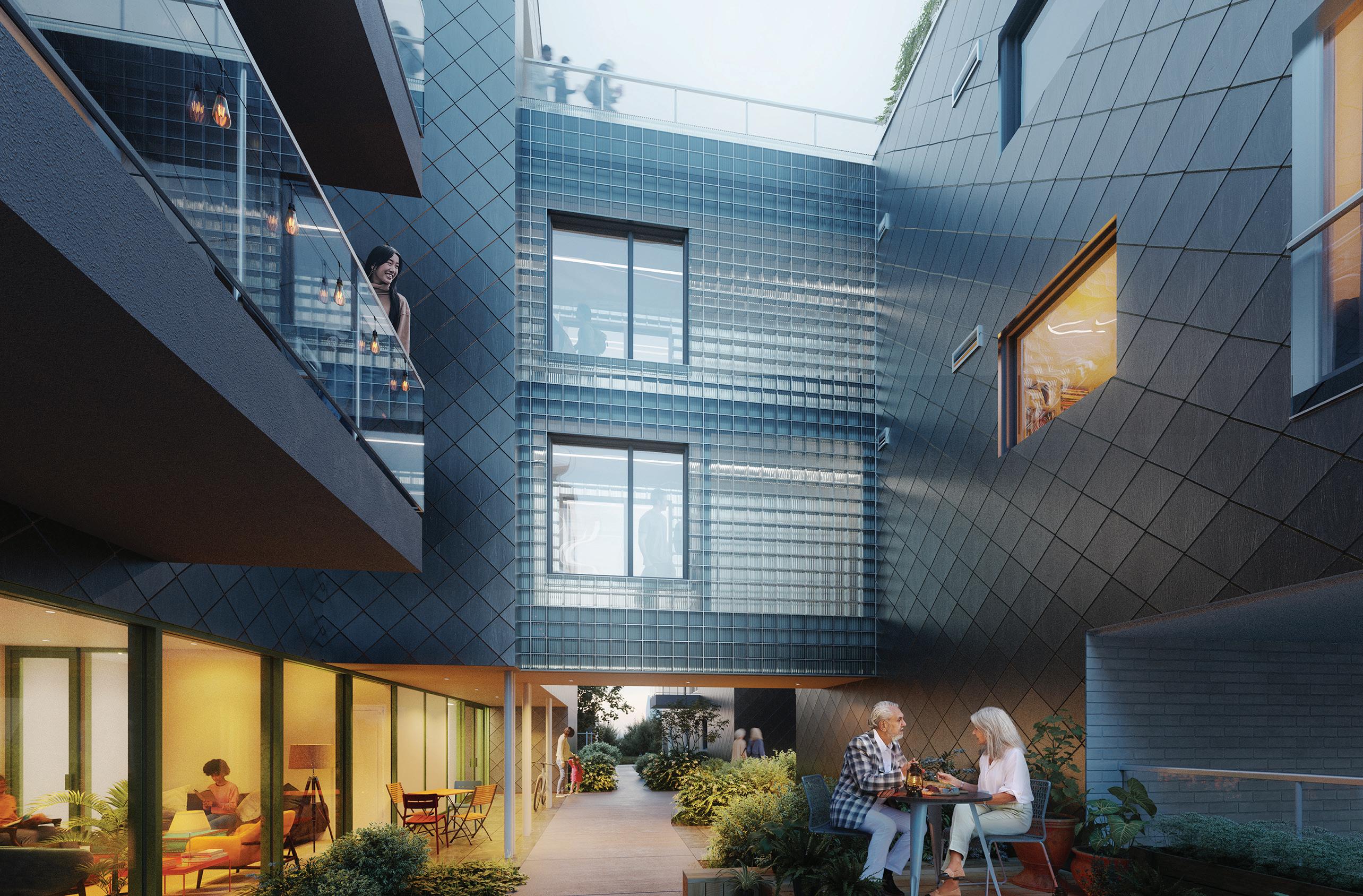
AWARD OF EXCELLENCE
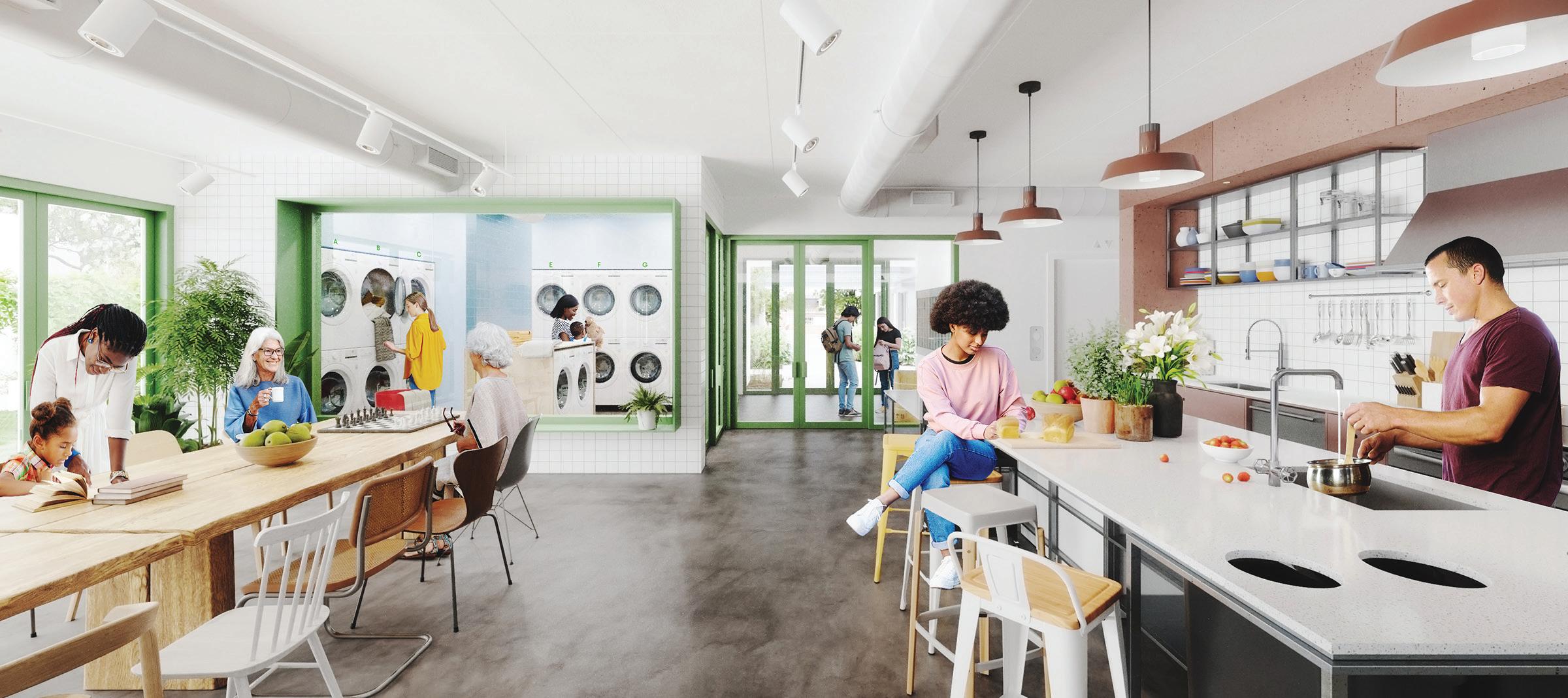
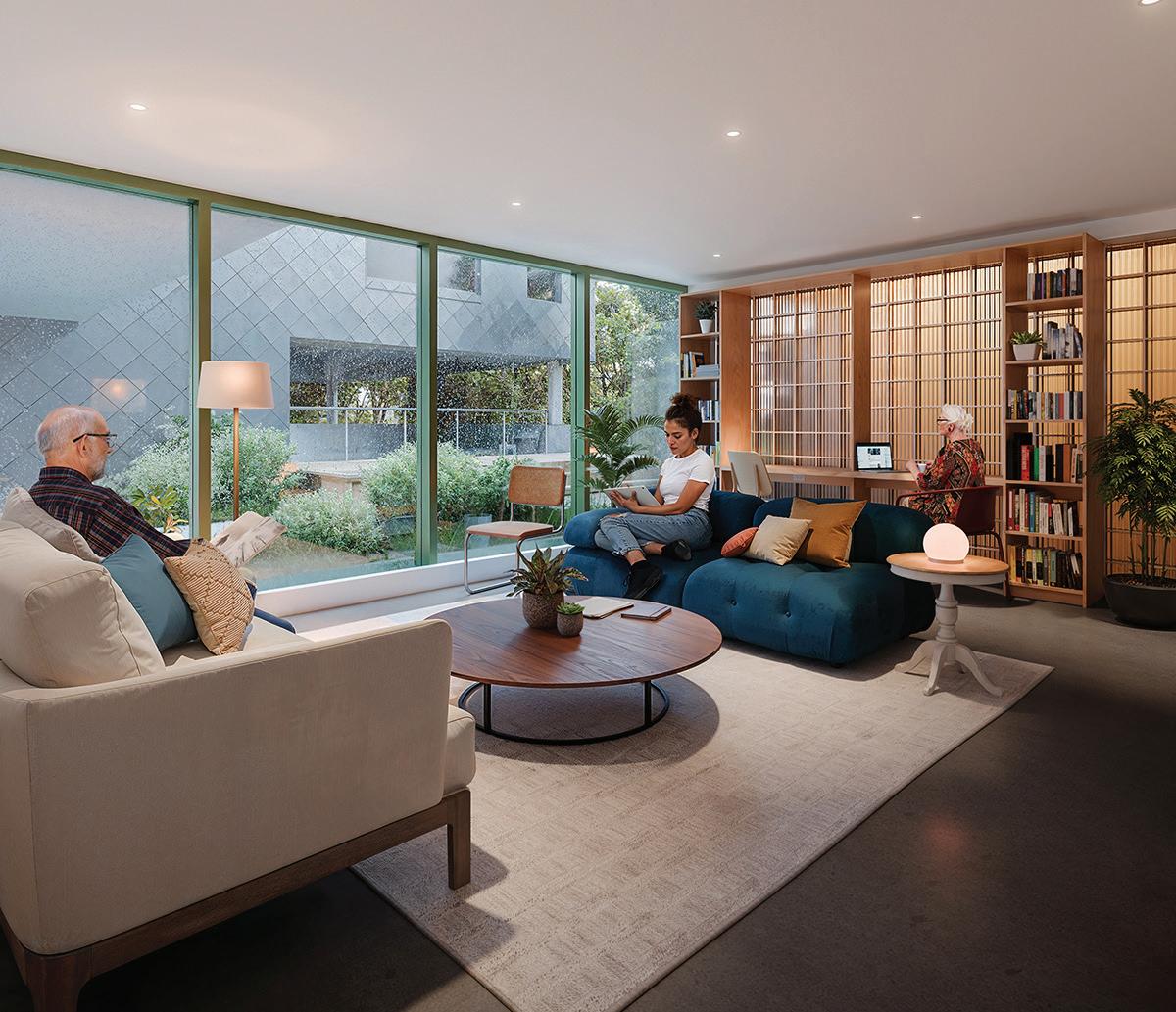
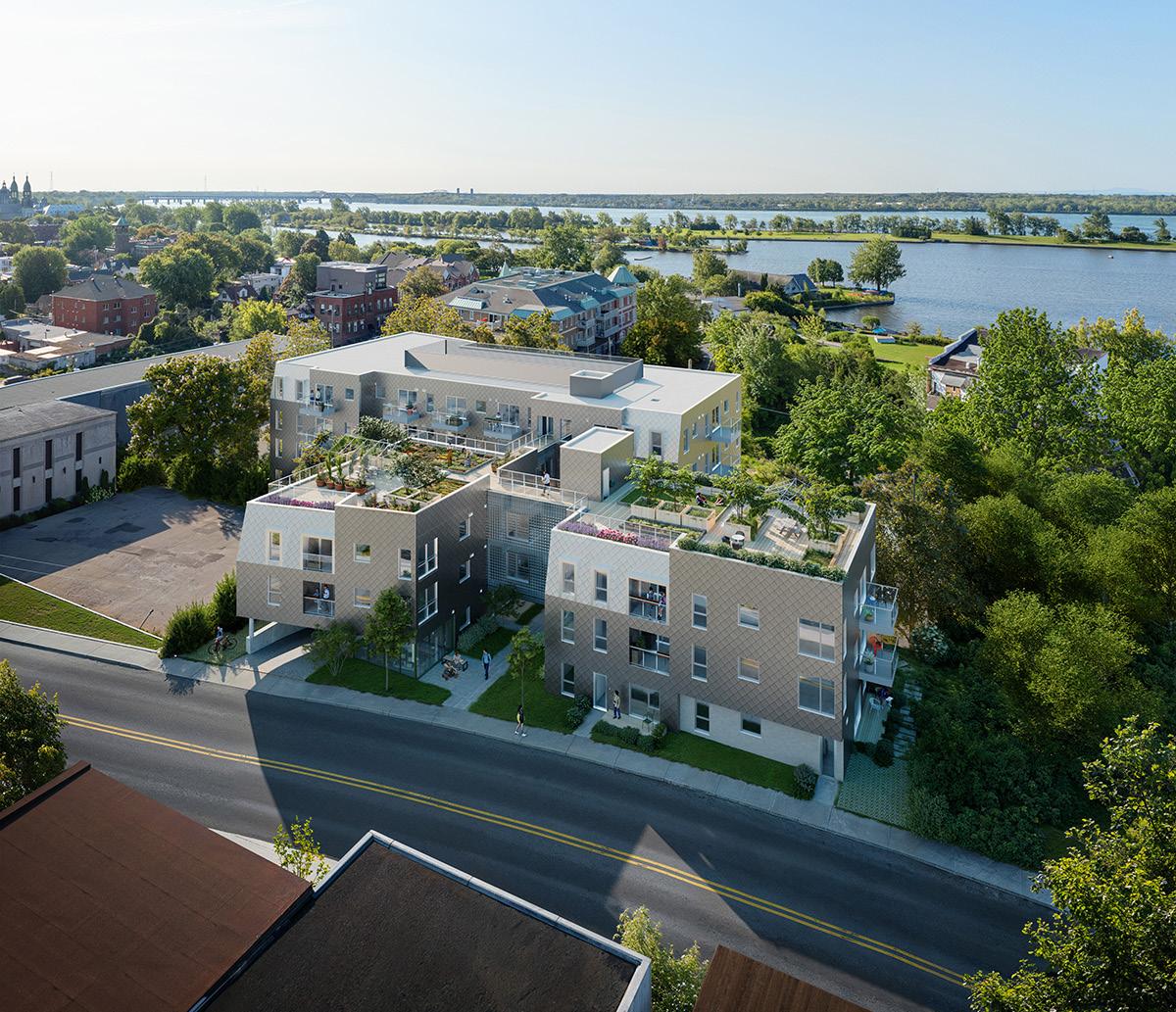
Notre-Dame façades translate two of the district’s key vernacular elements into a contemporary design idiom.
Unit types range from one-bedroom to four-bedroom layouts, and are designed to adapt to family growth and residents’ other changing needs over time. Flexible partitions enable households to create extra rooms or open up living areas, without structural modifications.
At the heart of the project is the common house, which hosts a variety of activities and services that encourage collective living. These include a lounge, playroom, and shared guest room. A large, glazed opening connects the laundry room to the common house’s main
socialization space. Facilities such as a repair workshop, communal kitchen, and shared library further strengthen social ties and create opportunities for collaboration.
CLIENT VILLAGE URBAIN ARCHITECT TEAM JEAN PELLAND (MIRAC), MARTIN LEBLANC (MIRAC), VALÉRIE BEAUDIN, JEFFREY PERRON, NICOLAS THERRIEN, NICOLAS MAALOUF, SYLVIE LEBLANC, JONATHAN TROTTIER, MARTIN MONGEAU, YVES FERDAIS, MANUEL R. CISNEROS, YVES DEMERS, PASCAL HARVEY
TOP The common house includes a large kitchen and dining area for dinners with extended family and friends. ABOVE LEFT A shared lounge invites residents to spend time together; an adjacent playroom creates opportunities for families to socialize. ABOVE RIGHT The massing takes advantage of an usual z-shaped site.
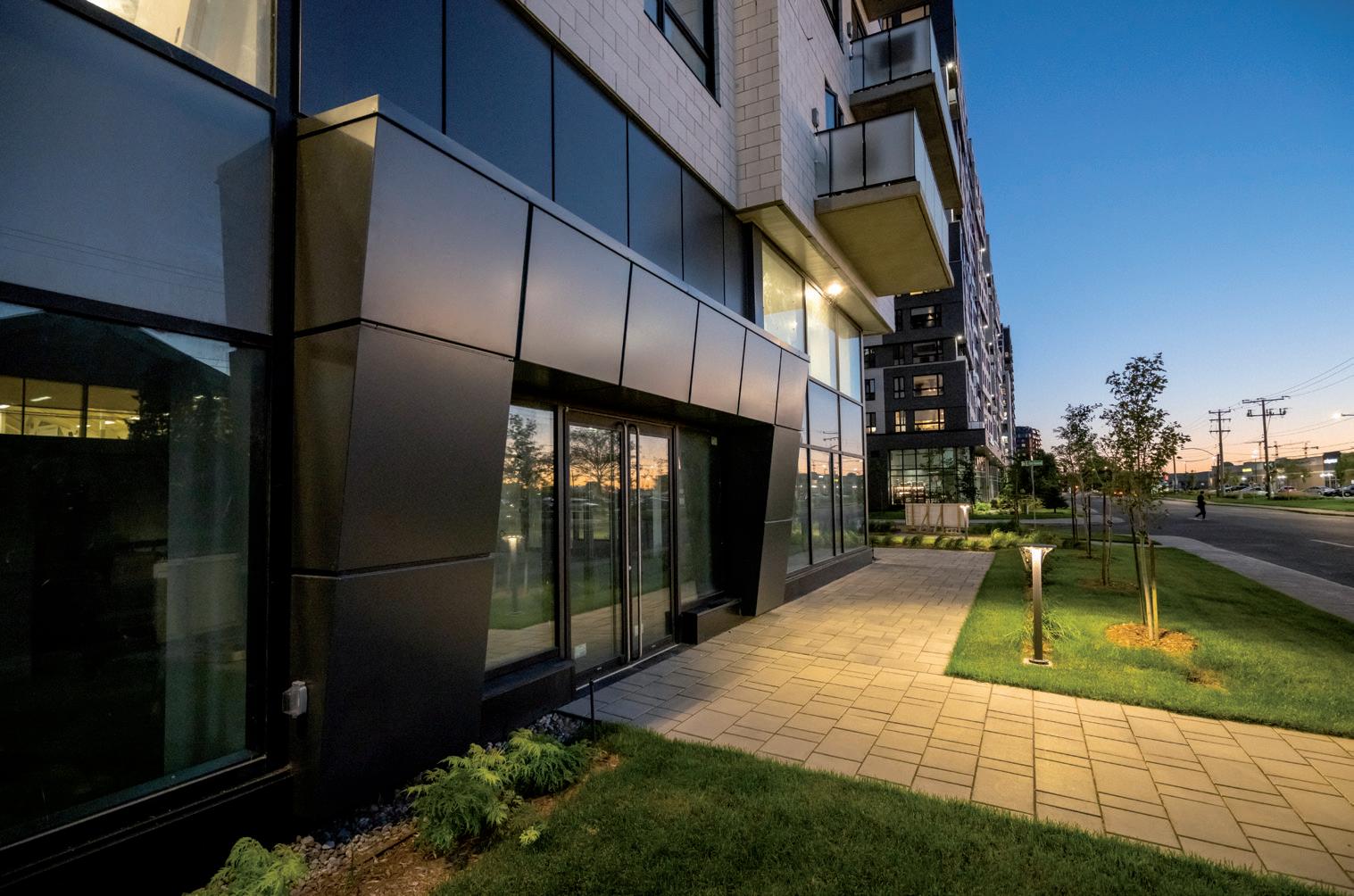
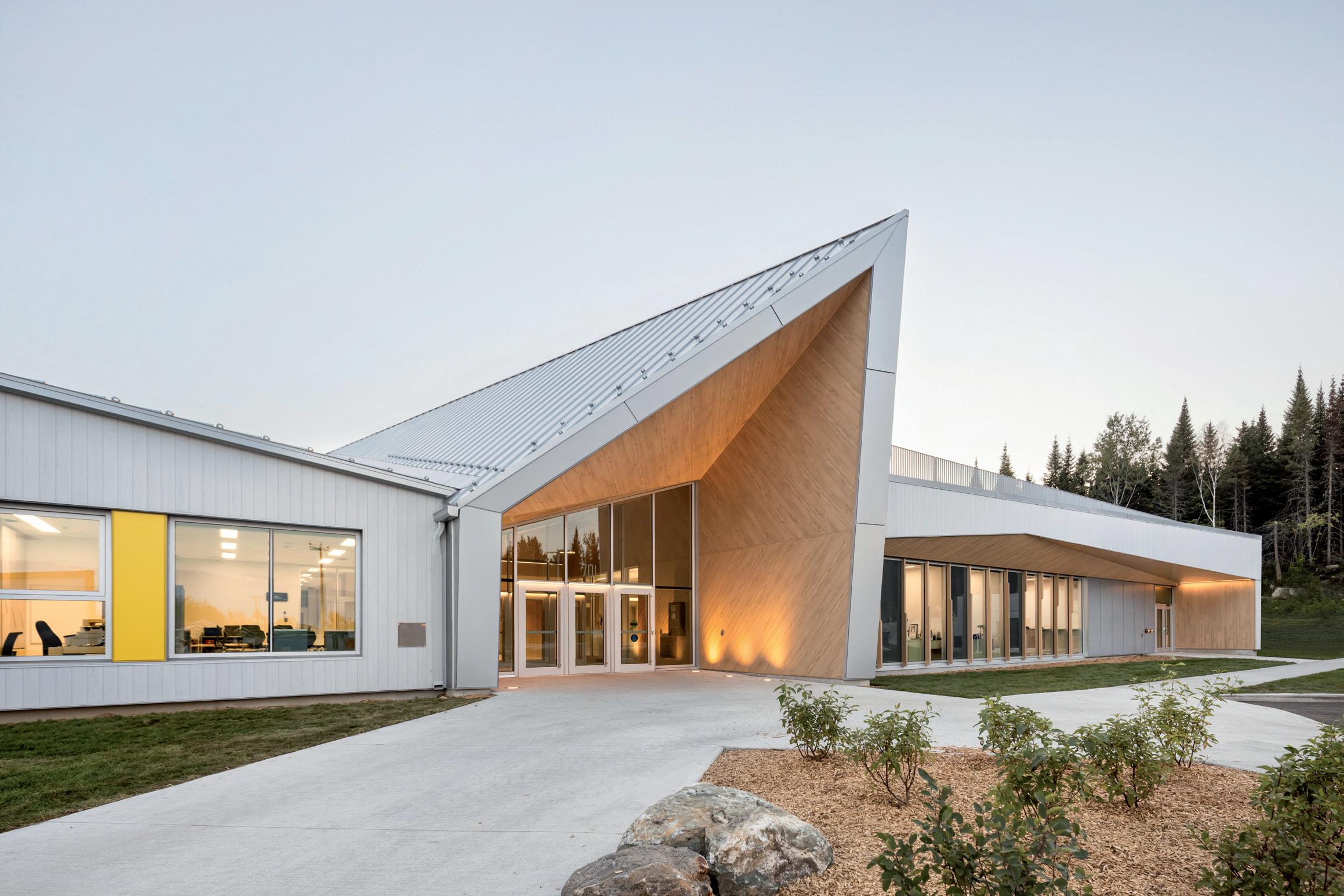
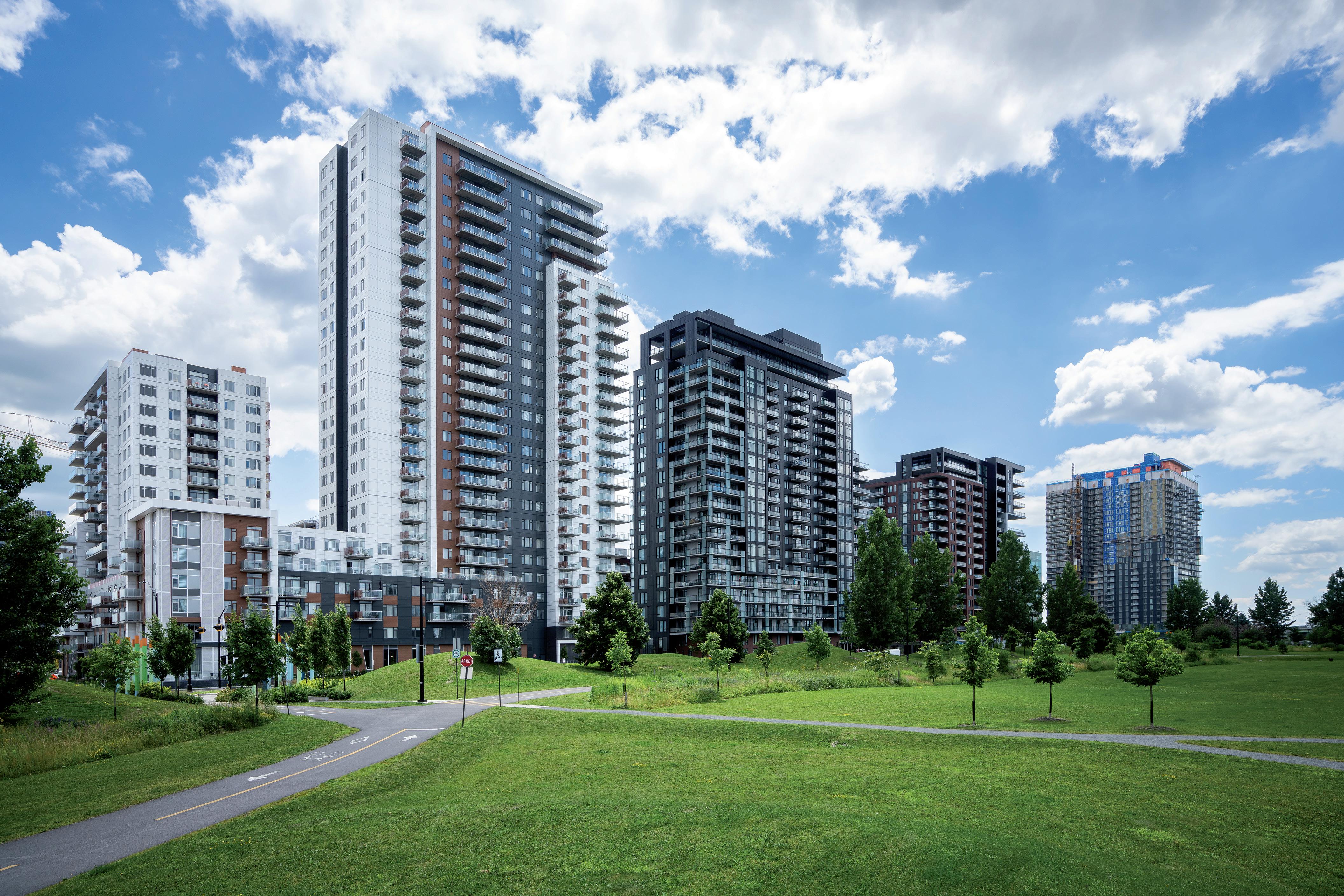
900 SAINTJACQUES
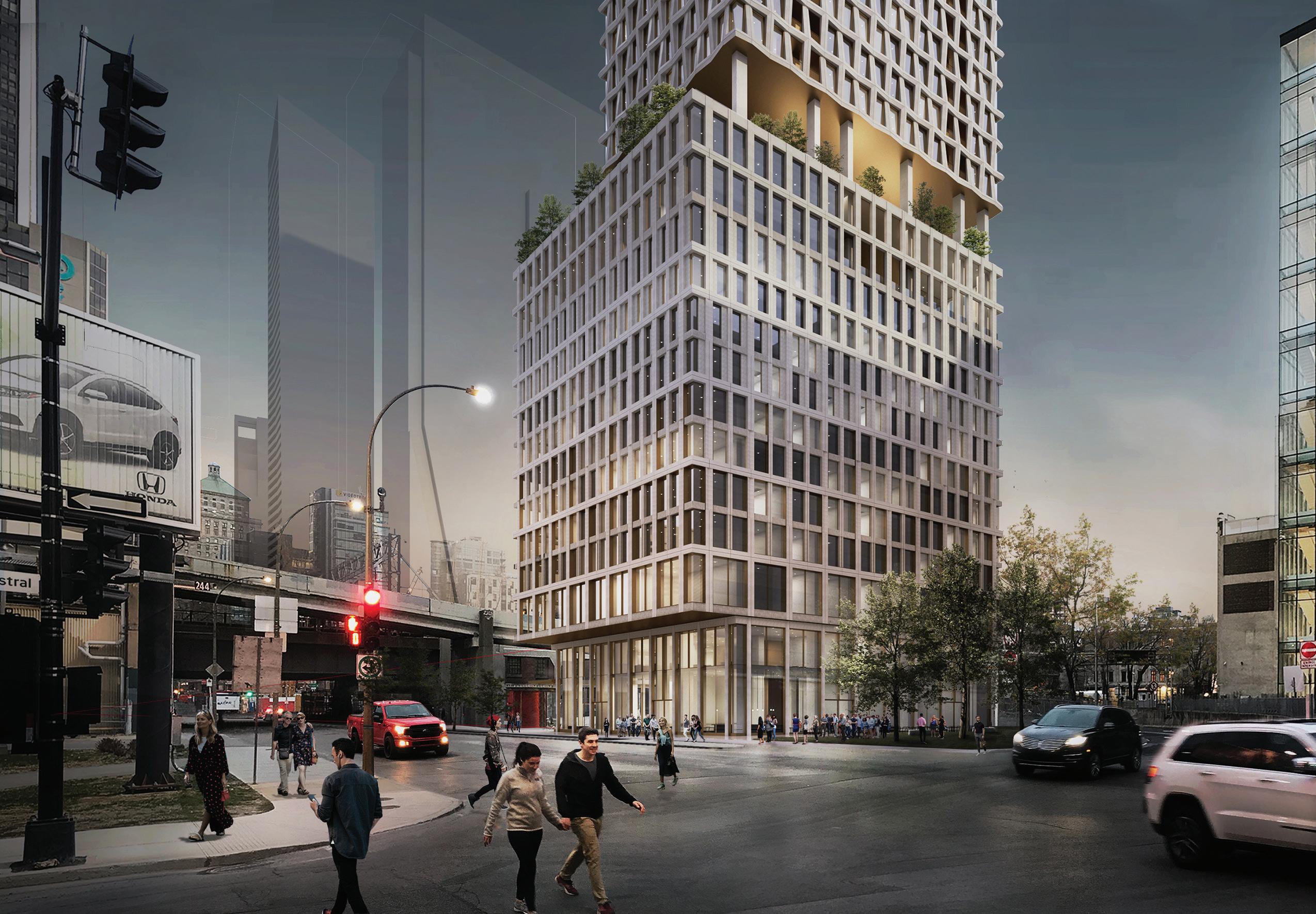
LOCATION Montreal, Quebec
ARCHITECTS Chevalier Morales and Brian Elsden Burrows, ArchitecteLe Groupe Architex
This new tower engages with Montreal’s identity through its concrete panel envelope, whose complex and dynamic assembly recalls iconic landmarks such as the Château Champlain and the Radio-Canada tower. The prefabrication of the façade modules contributes to a sculptural and animated expression of the envelope. The use of a visually “heavy” and solemn material underscores the counter-gravity effect of this slender, over-60-storey tower a remarkable architectural feat that presents a striking contrast to the surrounding glass towers.
Meticulous attention to the modulated façade treatments and the interplay of volumes creates an impression of lightness. The shared spaces are distinguished by their open and transparent design, visually dividing the structure while highlighting the community life within. – Sonia Gagné, juror
Montreal’s Quartier des gares has long been the sort of place people typically pass through when their objective is to get somewhere else. It’s a nexus of rail, transit, and highway transportation, long on infrastructure and short on public realm amenity. But that’s changing. A City of Montreal Special Planning Program is capitalizing on the district’s combination of transit proximity and numerous vacant lots, with the aim of transforming the quarter into a walkable and cyclist-friendly high-density neighbourhood with a lively mix of residential, business, and hospitality space.
Stacking an apartment tower above a hotel, the 62-storey 900 SaintJacques development is a major piece in this redevelopment puzzle. At minimum, 8 percent of its apartment units will be designed to accommodate families, which will contribute to the demographic diversity of the district.
ABOVE A keystone in Montreal’s newly developing Quartier des gares, the 62-storey 900 St. Jacques stacks a rental apartment tower above a hotel.
OPPOSITE The tower’s sculptural form is derived from a careful modulation of the concrete façade panels, which form a woven effect when placed together.
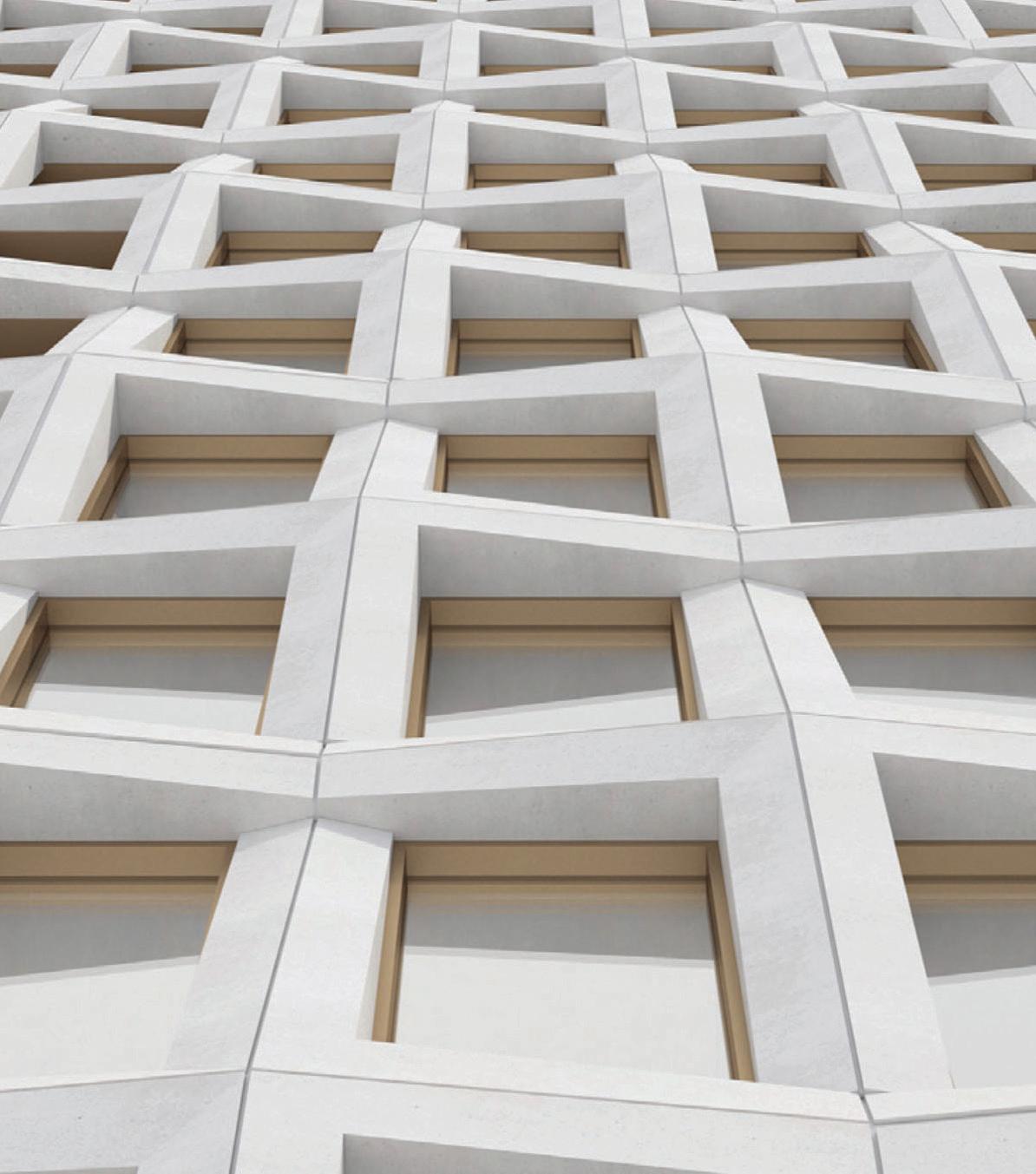
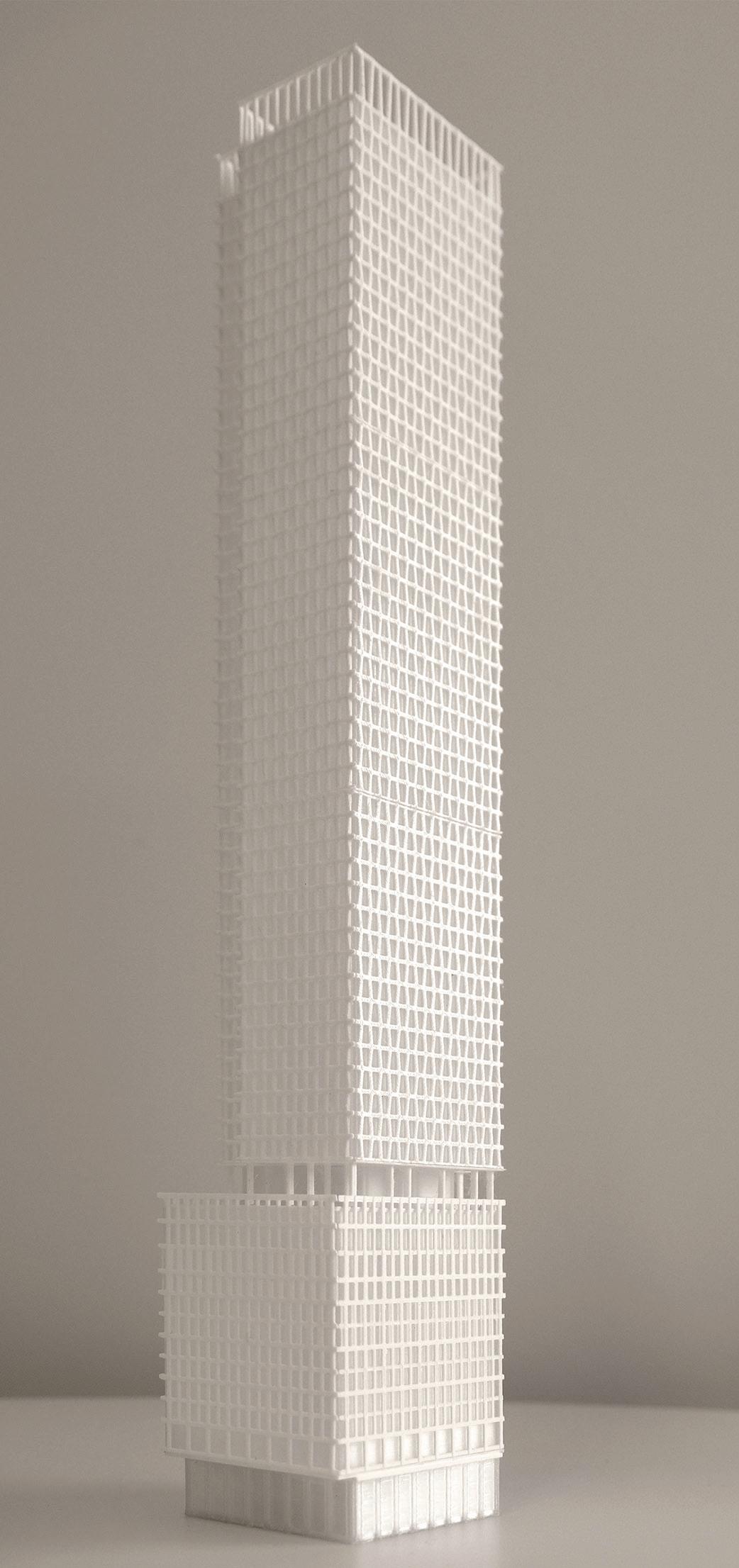
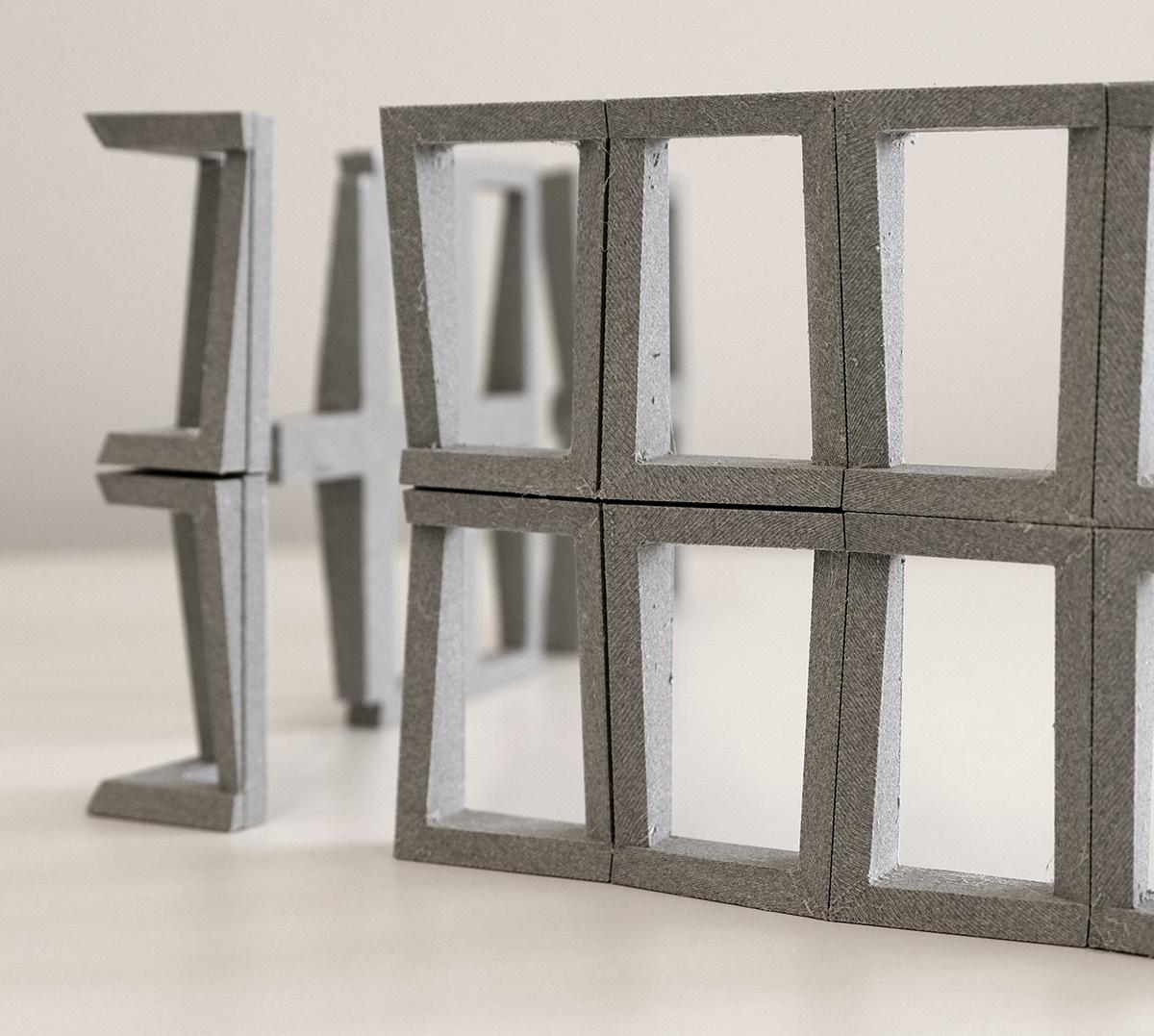
AWARD OF EXCELLENCE
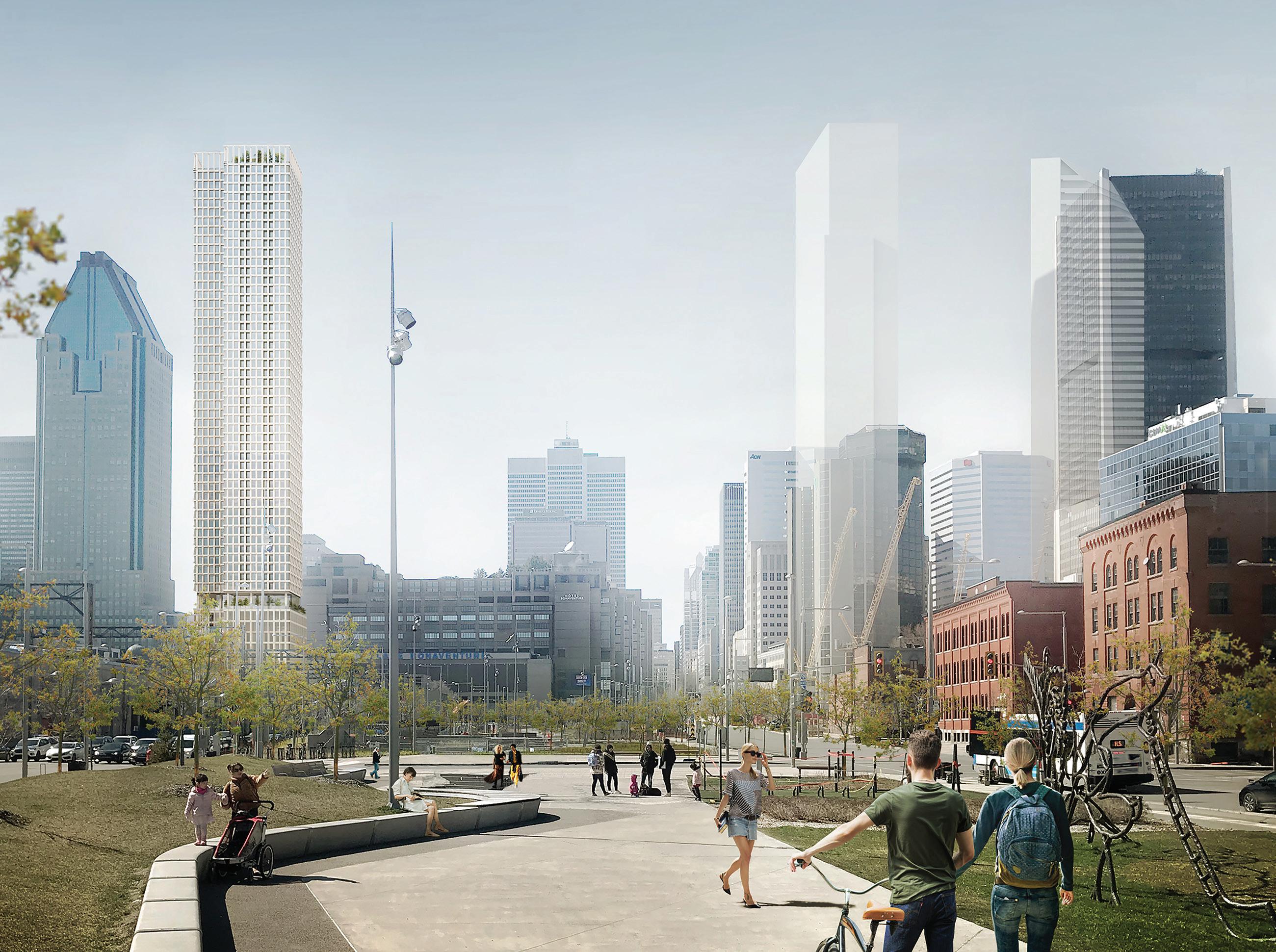

The site fronts onto Saint-Jacques Street, just southeast of the railway viaduct connecting to Place Bonaventure station. Visibly separating 900 Saint-Jacques’ Moxy Hotel podium from the narrower shaft of apartment units that rises above it, a terrace-ringed level has an exterior pool and enclosed lounge and game room space. Similarly, the tower’s ‘cornice’ contains shared rooftop kitchen, dining room and lounge spaces set back within a treed terrace. The design team describes these open, transparent layers as “the breathing cells of the building” inviting environments for community-fostering socialization.
The tower’s precast concrete panels echo the materiality of local landmarks ranging from old greystone buildings to brutalist-era landmarks such as Place Ville-Marie and the Olympic Stadium. While the hotel’s panels have relatively conventional ‘flat’ profiles, those of the apartment tower angle in and out, animating the facades with a dimensional, ‘woven’ look. That texturing, combined with the envelope’s relatively high solid-to-glazed ratio, gives this building a distinctive pres-
ence in a predominantly glass-walled skyline. The ratio also improves performance: energy modelling indicates that this building’s envelope is 25% more efficient than a generic curtain wall.
In keeping with the City’s emphasis on making pedal power a more attractive mode of getting around in a district long dominated by cars, trains, and buses, 900 Saint-Jacques includes indoor and outdoor bicycle parking areas and a cyclist rest area. Charging stations for electric vehicles and allocated spaces for car-sharing services are also part of the project.

CLIENT RIMAP DEVELOPMENT ARCHITECT TEAM CHEVALIER MORALES—STEPHAN CHEVALIER (MIRAC), SERGIO MORALES (MIRAC), ALEXANDRE MASSÉ, ÈVE BEAUMONT-COUSINEAU, GABRIEL COUGHLAN, HENRI LACHANCE. BRIAN ELSDEN BURROWS, ARCHITECTE - LE GROUPE ARCHITEX— BRIAN ELSDEN BURROWS (MRAIC), VERA KARAKLAS
ABOVE The textured tower echoes the materiality of historic greystone and brutalist landmarks, and has a distinct presence that contrasts with the steel-and-glass towers that dominate Montreal’s skyline.
Better than the original. Unilin Master Oak.





Love veneer? You’ll love this even more. Unilin Master Oak performance veneer enhances the timeless warmth and texture of rift white oak with today’s innovations. More sustainable. More durable. More within reach. And the best part? Unilin Master Oak stands up to scratches, stains and sunlight and it’s made with 100% recovered wood.
The Mars House by Canadian architect Winda Lau.
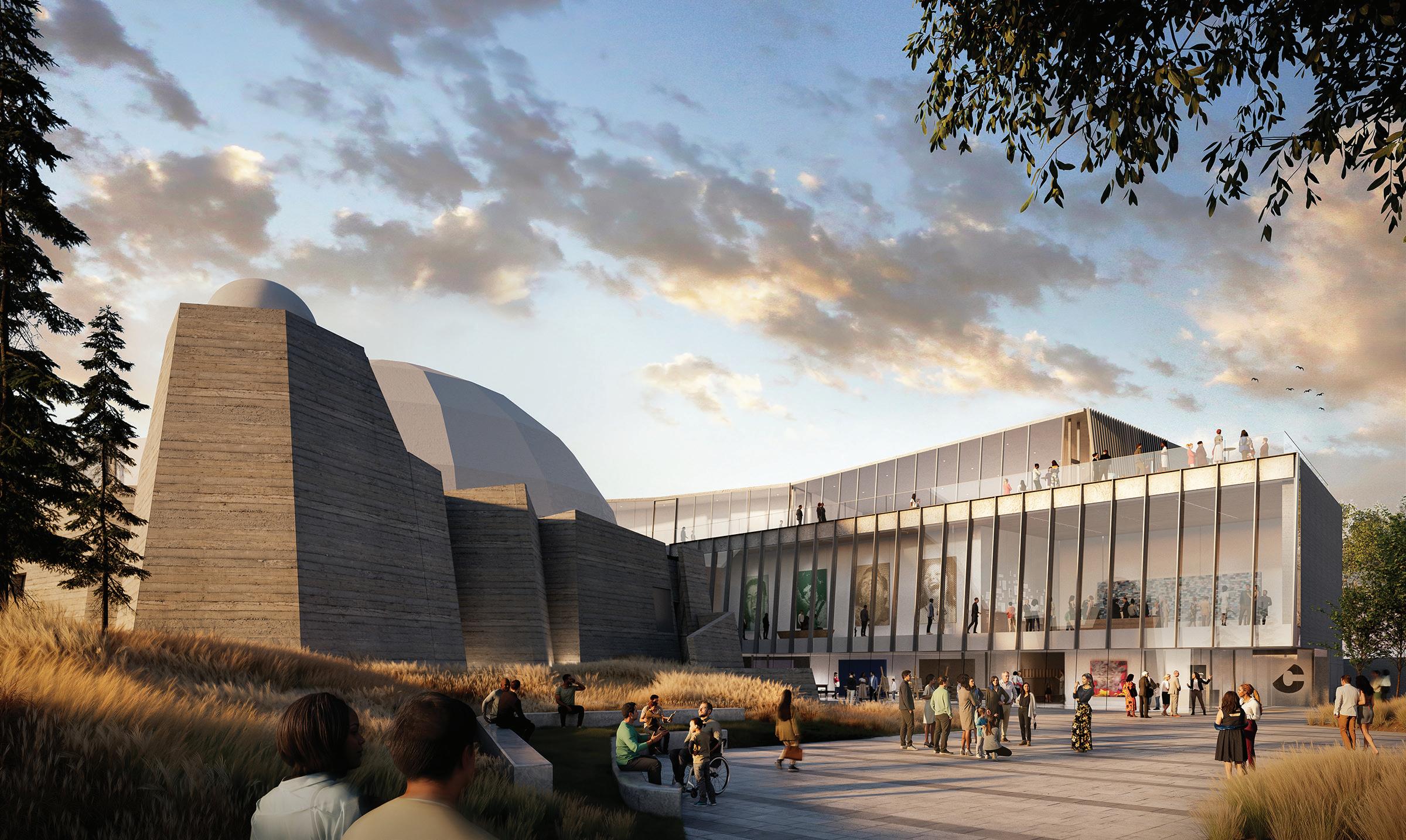
CONTEMPORARY CALGARY
LOCATION Calgary, Alberta
ARCHITECTS GGA-Architecture and KPMB Architects
Transforming Canada’s significant brutalist icons to serve society with openness and generosity is one of the many architectural challenges of our time. This art gallery project for Contemporary Calgary weaves a transparent meander of foyers, landings and art spaces through and around the existing concrete structure. While honouring the original gallery’s sculptural gravitas, this project holds the promise of brutalism as artful civic landscape. – Alison Brooks, juror
In 2019, the art institution Contemporary Calgary moved into the former Centennial Planetarium, a brutalist landmark designed by McMillan Long & Associates. Now, they’re readying for a full revamp that will transform the former planetarium into the city’s premier modern and contemporary art destination. The adaptive reuse will restore the building’s original design vision, which has been obscured by numerous alterations since its 1960s construction, while improving operational performance and accessibility.
The planetarium’s grand and stridently inaccessible original multilevel entry featured an open, below-grade parking pit, with a tiered set
of stair-connected plazas leading up and over the cars to the main entrance. The Contemporary Calgary project infills the parking-area depressions to create a single-level, barrier-free entry, aligned with the 11th Street sidewalk. 50 percent of the existing surface parking will be replaced with new public landscapes that form a pedestrian arc, linking the C-Train entrance at the southeast to the Bow River Trail at the northwest, and reconnecting the site with the Bow River.
Major spaces within the planetarium are reinterpreted as distinctive platforms for exhibiting art. A pair of respectful architectural additions, located east and west of the original structure, establish welcoming, transparent new entries and expand gallery program offerings with a range of exhibition, event, and educational spaces.
The strategic placement, scale and expression of the new additions along the site’s southern edge showcase the original structure’s opaque sculptural forms when viewed from 6th Avenue and the Bow River Trail.
The original building organized program elements around a central atrium. At the atrium’s core, a new reception node is visible from all entries, marking a clear beginning to the gallery experience. The additions ABOVE The revamp of McMillan Long & Associates’ 1967 Centennial Planetarium adds two new wings to introduce accessible, welcoming entries and to increase gallery space for showcasing modern and contemporary art. OPPOSITE The transformation showcases and honours the materiality and vision of the original brutalist landmark.
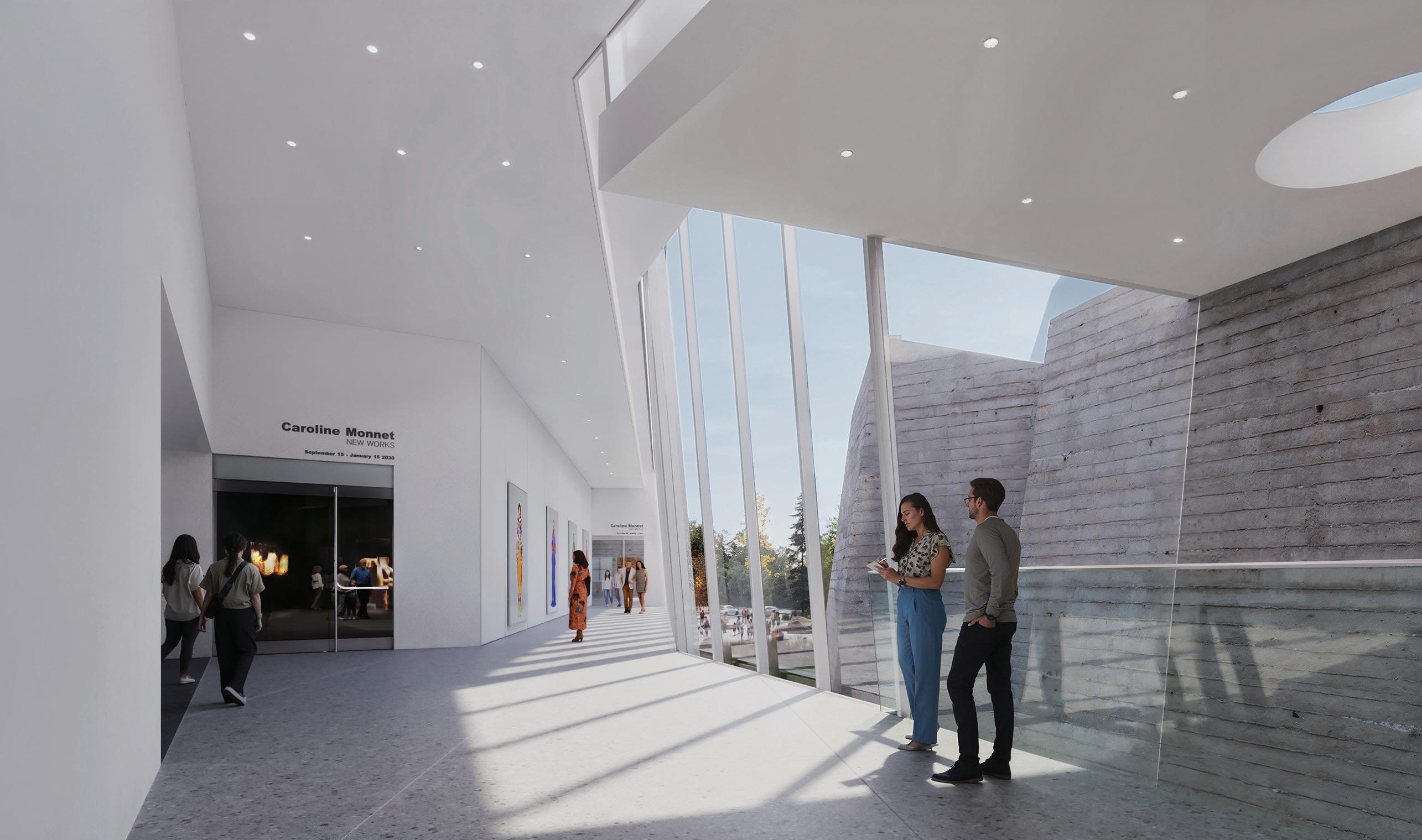
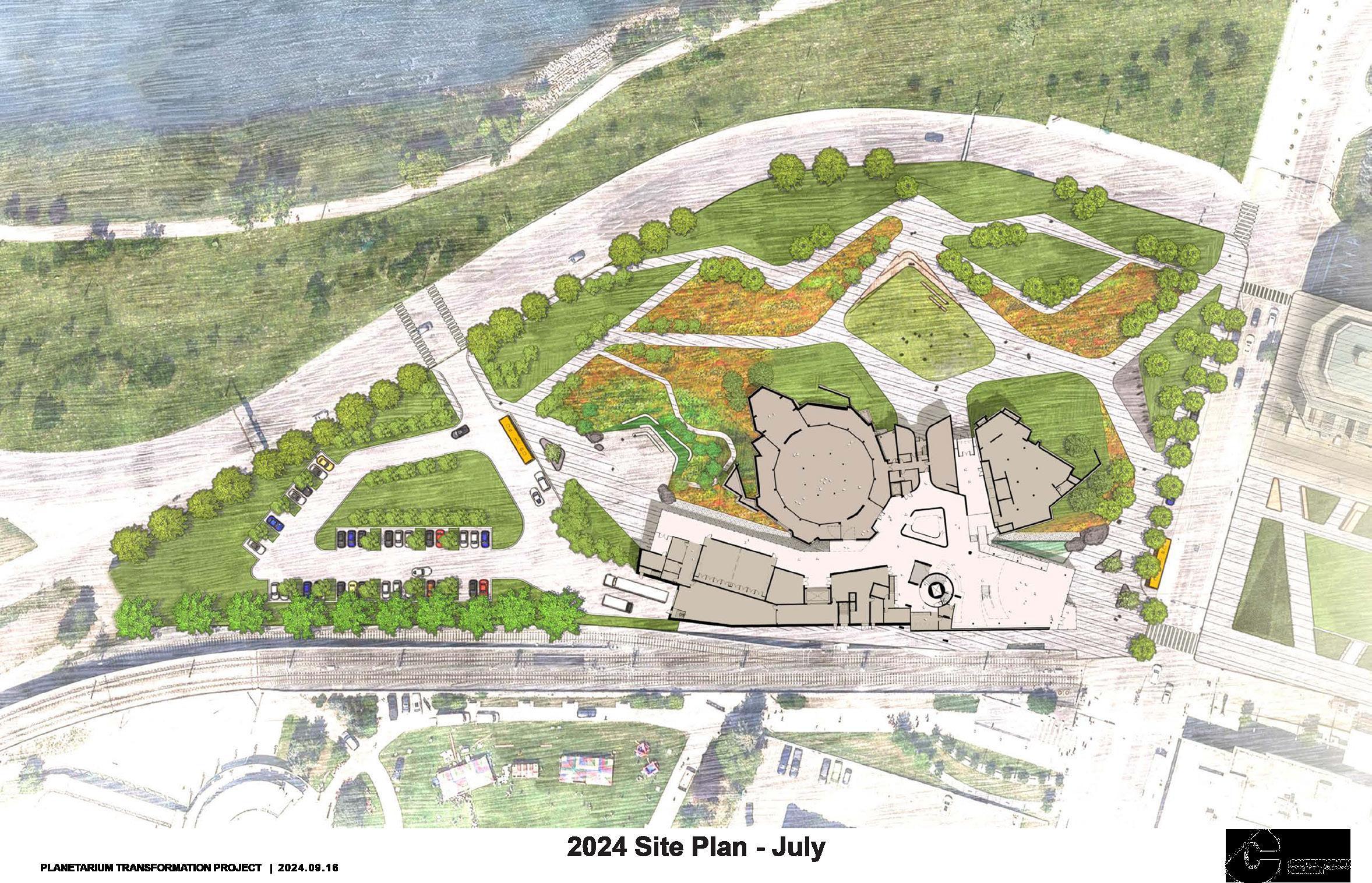
formance), halls where art will be displayed in the context of the expressive brutalist architecture, and new, more conventional “white cube” galleries.
This project is targeting Zero Carbon Building Design Standards (V3). The existing structure will undergo significant envelope enhancements to reduce heat loss and improve thermal efficiency. Geothermal piles will reduce the existing building’s reliance on natural gas by 80 percent, and new photovoltaic panels will offset electricity use and reduce overall carbon consumption by as much as 38 percent.
CLIENT CONTEMPORARY CALGARY ARCHITECT TEAM GGA-ARCHITECTURE—CHITO PABUSTAN, JONNY HEHR, BLAKE COSTLEY, CAM DANYLCHUK, TODD VAN DER BURGH, CHRIS HAWKINS. KPMB—BRUCE KUWABARA, MATTHEW WILSON, CHRIS COUSE, NICK CHOI, JONATHAN SANTAGUIDA, LILY HUANG, GLORIA ZHOU, GLENN MACMULLIN, KAREN HSIEH | STRUCTURAL ENTUITIVE |
MECHANICAL REMEDY ENGINEERING ELECTRICAL/SECURITY/IT SMP ENGINEERING | CIVIL WATT
CONSULTING GROUP LANDSCAPE PFS STUDIO | LIGHTING TILLOTSON DESIGN ASSOCIATES | CLIMATE JOSH MONK VANWYCK AND TRANSSOLAR | BARRIER FREE LEVEL PLAYING FIELD | FIRE & LIFE
SAFETY JENSEN HUGHES | AREA 8,640 M2 BUDGET WITHHELD | STATUS DESIGN DEVELOPMENT
ANTICIPATED COMPLETION FALL 2029
THERMAL ENERGY DEMAND INTENSITY (TEDI) 91 KWH/M2/YEAR TOTAL ENERGY USE INTENSITY (TEUI) 137 KWH/M2/YEAR
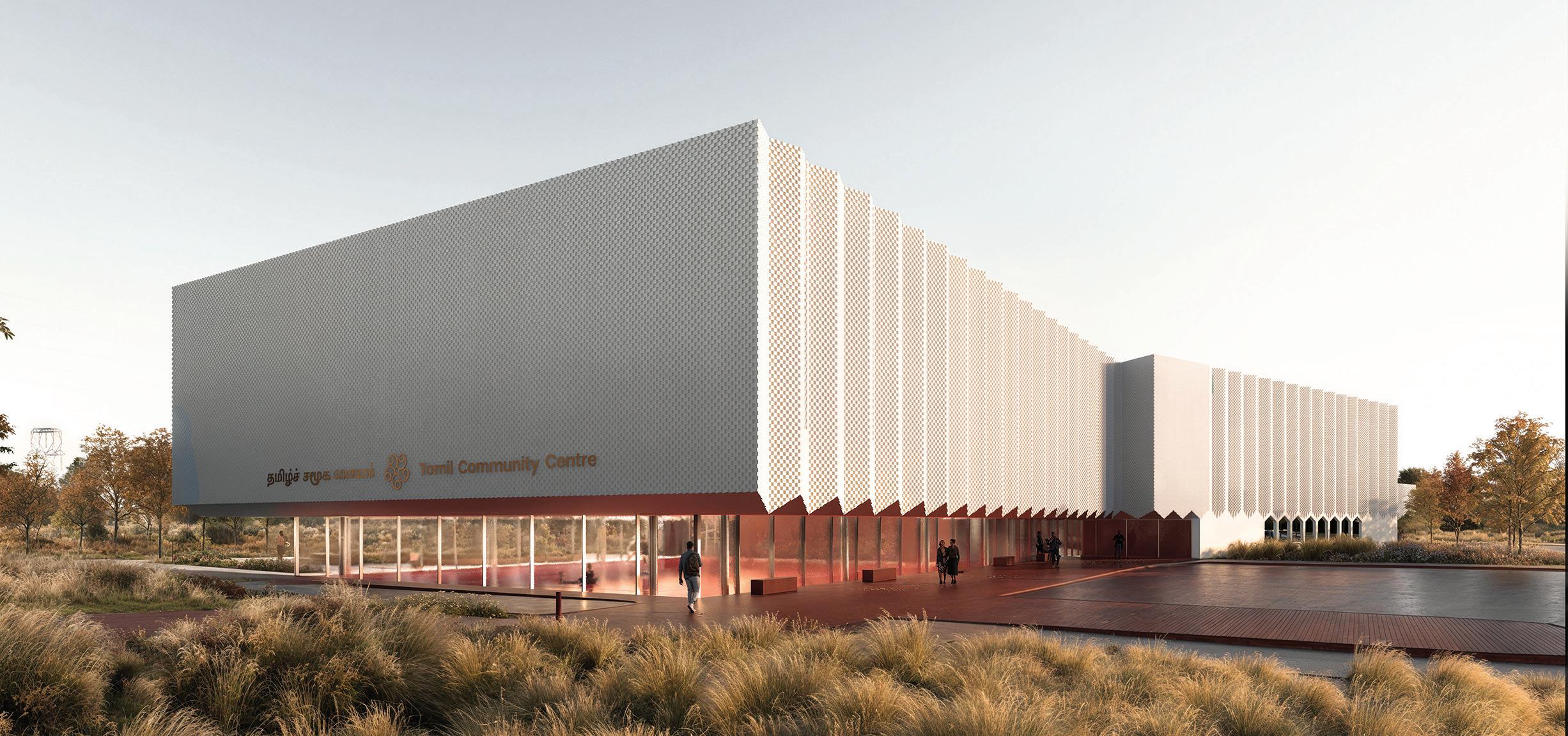

TAMIL COMMUNITY CENTRE
LOCATION Scarborough, Ontario
ARCHITECTS gh3* and Lemay
This project convincingly translates Tamil cultural identity into contemporary form through confident massing, plan organization, and textured materiality. Its pleated façades and fissure-like openings convey weightiness, yet at the same time, seem to defy gravity. Together, this community centre and serene landscape promise to serve as a robust, dignified setting for the multi-faceted cultural practices of its Tamil-Canadian constituents. – Alison Brooks, juror
Many Tamils in Toronto arrived as refugees, displaced by civil conflict and cultural erasure. Scarborough, home to one of Canada’s largest Tamil population groups, has become both refuge and foundation. The Tamil Community Centre built on land leased from the City at $1 per year is intended to be unmistakably Tamil, yet open to all.
To achieve this balance, gh3* and Lemay developed an architectural approach that avoids religious symbolism or cultural appropriation, but instead draws inspiration from deeper traditions of Tamil stone craftsmanship. The forms are conceived as singular, primal, and honest: large, grounded masses with intentional negative spaces carved out,
where articulation and embellishment emerge from the material itself rather than being applied as decoration.
The traditional colonnade is abstracted into an exaggerated deep overhang, establishing a sheltered threshold that is simultaneously civic and performative. It creates space for gathering, protects from rain and snow, and contributes to the building’s passive environmental performance. Similarly, the strategy of pleating generates surface texture and breaks down the scale of the large program volumes. As in Tamil textiles, where pleating provides flexibility, insulation, and ventilation, here it produces a self-shading façade and allows for deeply recessed windows.
Brick is chosen as the primary cladding material for its monolithic, masonry qualities. This links Toronto’s longstanding brick-making tradition with that of the Indian state of Tamil Nadu, grounding the centre in both contexts simultaneously.
The community centre’s plan is organized into three distinct wings, each housing a major program grouping: sports and recreation to the west, dance and music to the northeast, and culture and language to the southeast. The wings crank outward, creating wedges of space that visually and
ABOVE The building’s deep overhangs and pleated exterior refer to Tamil traditional craftsmanship, while avoiding cultural appropriation.
OPPOSITE TOP The pleated effect is envisioned to continue to the interior, where three program wings crank out from a central interior courtyard.
OPPOSITE BOTTOM Brick cladding links the brick-making histories of Toronto with that of the Indian state of Tamil Nadu.
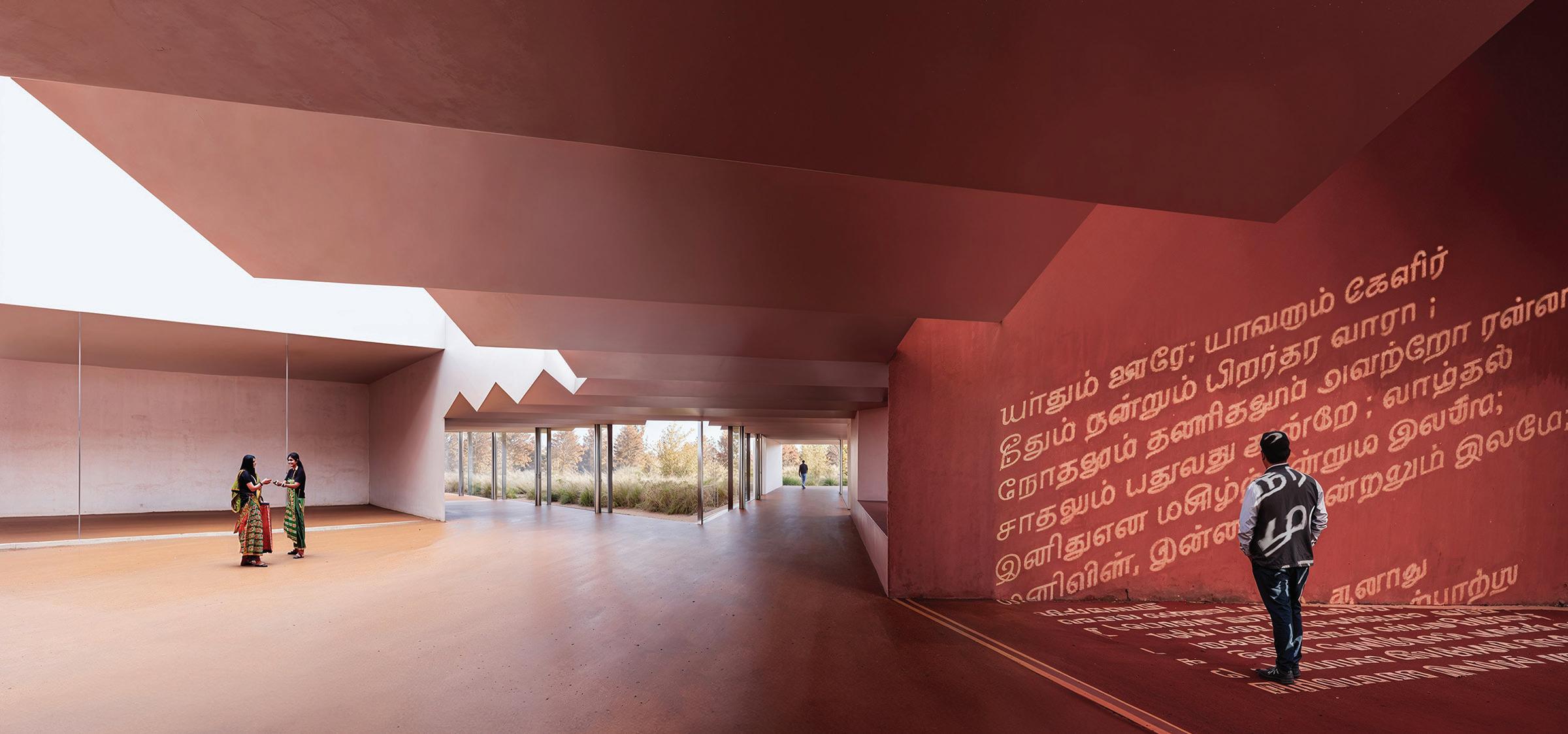
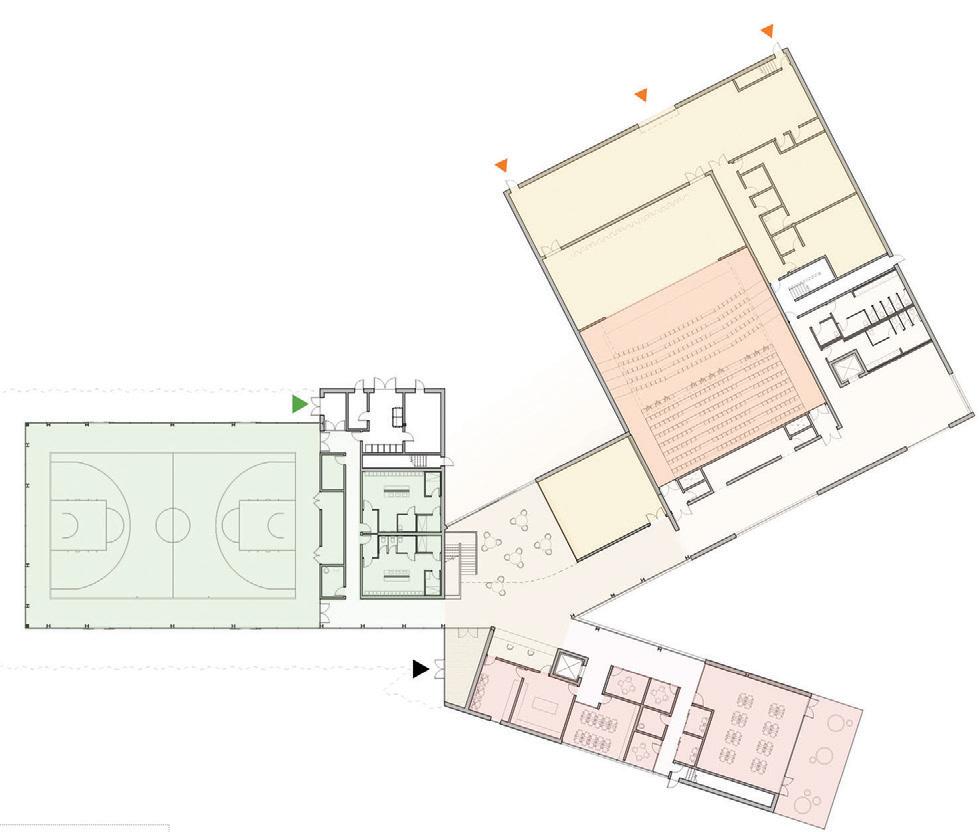
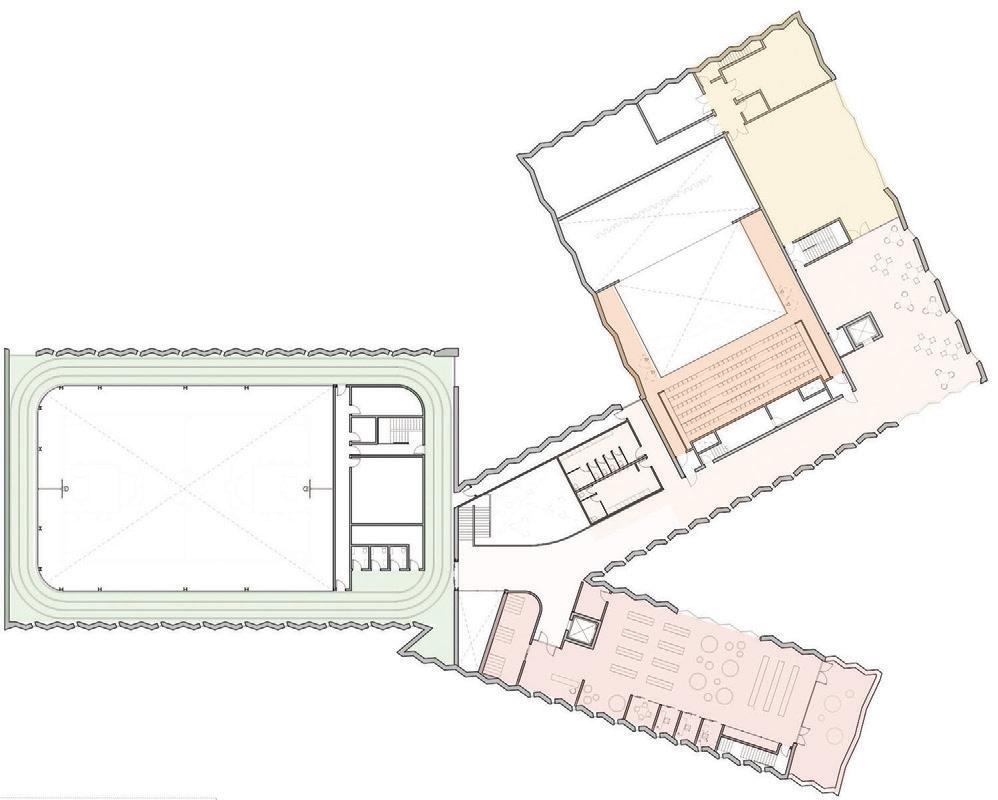
physically draw the surrounding landscape into the building. This strategy ties the centre to its site, at the edge of Rouge National Urban Park. It also reinforces the principle of Inner/Outer, one of five Tamil design principles Landscape, Language, Vessel, Inner/Outer, and Courtyard which are both explicitly and figuratively articulated in the plan.
A central courtyard, at the heart of the building, acts as an orienting device but also a shared community room that encourages gathering and exchange, and embodies collective identity.
This economy of means is essential: realized through the Tamil community’s volunteerism, passion, and financial support, every design decision becomes an act of stewardship.
CLIENT TAMIL COMMUNITY CENTRE | ARCHITECT TEAM GH3*—PAT HANSON (FRAIC), RAYMOND CHOW (FRAIC), JOHN MCKENNA, ELISE SHELLEY, MARC DAINOW, BEN CHANG, KYLE TOUSANT, ALISON HUO, ERIN JEONG, ANASTASIIA NASINSKA, CIAN HRABI. LEMAY—JEFF MA, CHARLES HAJJ, LAURA DI FIORE, GRACE COULTER SHERLOCK (MRAIC), ANDREW KING
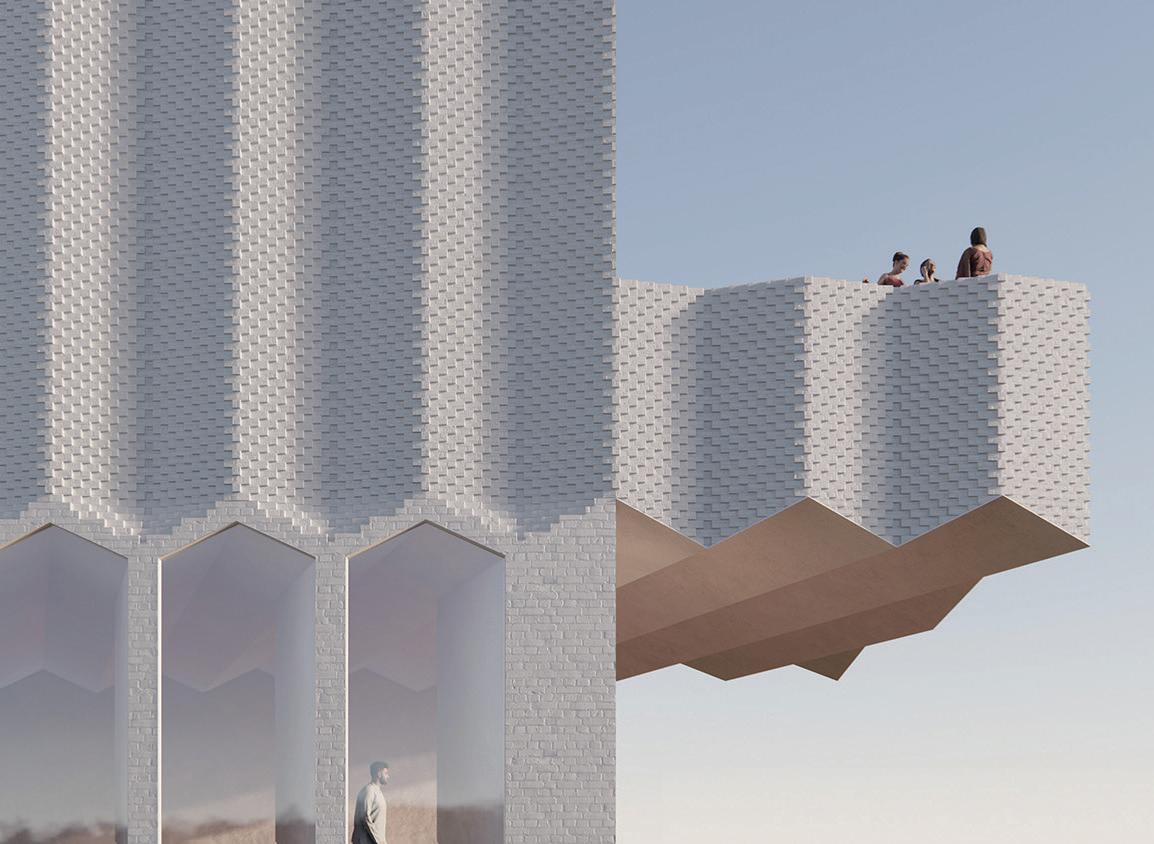
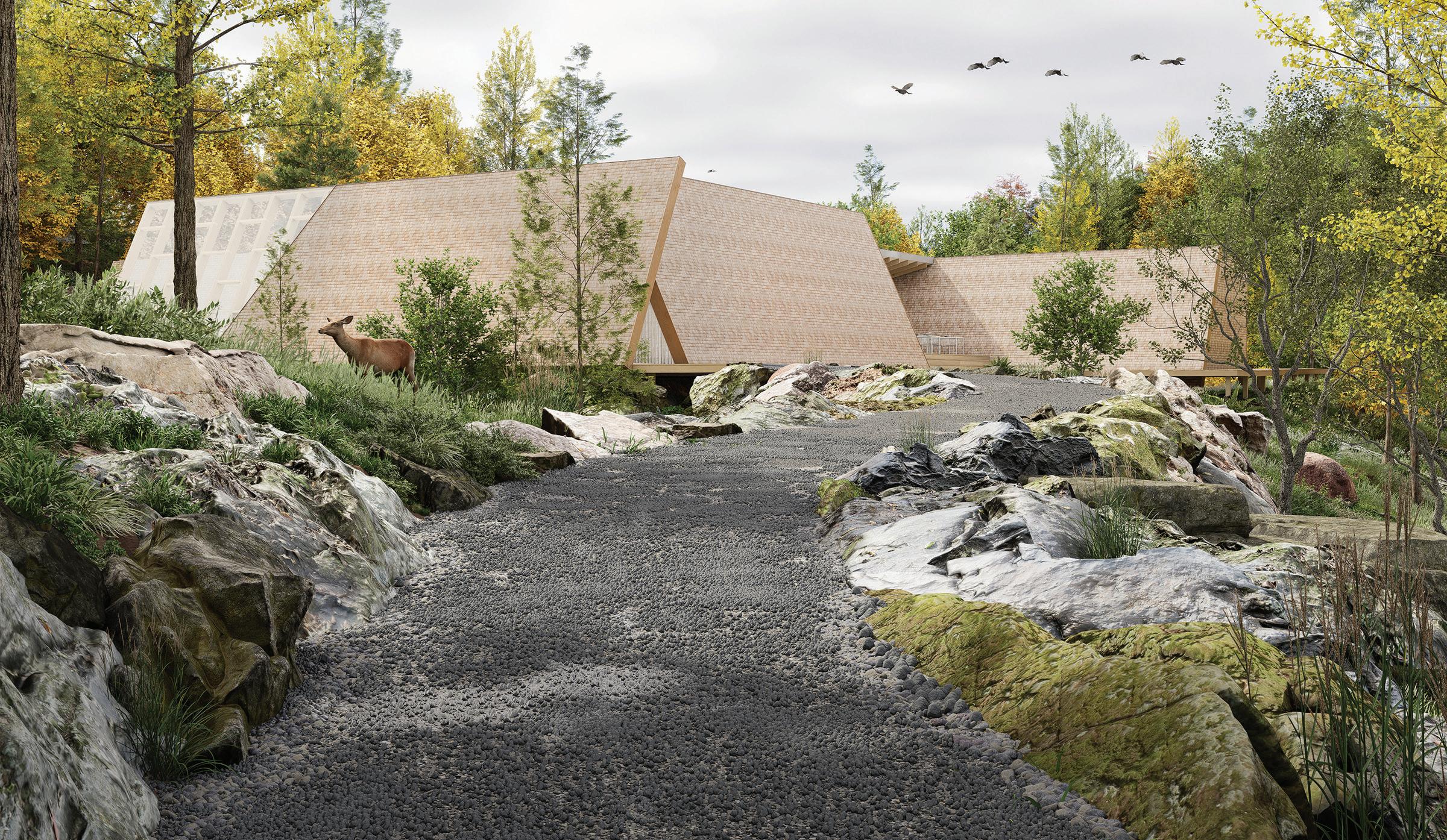
KINA8AT CULTURAL CENTRE
LOCATION La Conception, Quebec ARCHITECT KANVA
This cultural centre offers a new and thoughtful expression of Indigenous values and structural traditions, creating a bridge to healing through experiential design rather than literal representation. Open-air courts linking a series of pavilions dissolve the boundary between building and nature, while prefabricated systems and light-weight timber framing minimize site disturbance and reduce carbon impact. We value the project’s poetic humility and appreciate its respectful engagement with the land. – Kelly Buffey, juror
For over a decade, the Indigenous non-profit organization Kina8at meaning “together” in the Anicinape (Algonquin) language has addressed a growing need in the Laurentides region of Quebec for spaces rooted in Indigenous knowledge, supporting cultural transmission, healing, and intercultural dialogue.
The Kina8at Cultural Centre provides permanent, sustainable, and accessible infrastructure aligned with Indigenous spiritual and ecologic-
al values. It offers a vital anchor for regional Indigenous communities and partners in reconciliation, bridging Indigenous and non-Indigenous peoples, sharing traditions with openness, fostering collective healing, and promoting inclusive, transformative coexistence.
A welcome pavilion marks the entry to the site from Route 117. Leading to the cultural centre proper, an interpretative pedestrian path transforms the site into an open-air museum. The welcome pavilion and cultural centre rest lightly on the ground, offering freedom of movement between built space and nature, and embodying a design vision linked to the territory.
The architectural concept for the cultural centre offers a contemporary take on vernacular architecture, blending traditional knowledge with current principles of sustainability and social cohesion. The design centres on a symbolic core—an open-air courtyard—surrounded by programmatic blocks. The building is protected by inclined wood planes forming a turtle shell— an Indigenous figure strongly linked to Mother Earth, land, and water.
ABOVE The visitor centre is sheltered by inclined wood planes that evoke a protective turtle shell. OPPOSITE TOP Inside the exhibition and program spaces, circulation and views are arranged to connect back to the surrounding forest. OPPOSITE MIDDLE At the centre of the building, an open-air courtyard offers a space for learning and gathering.
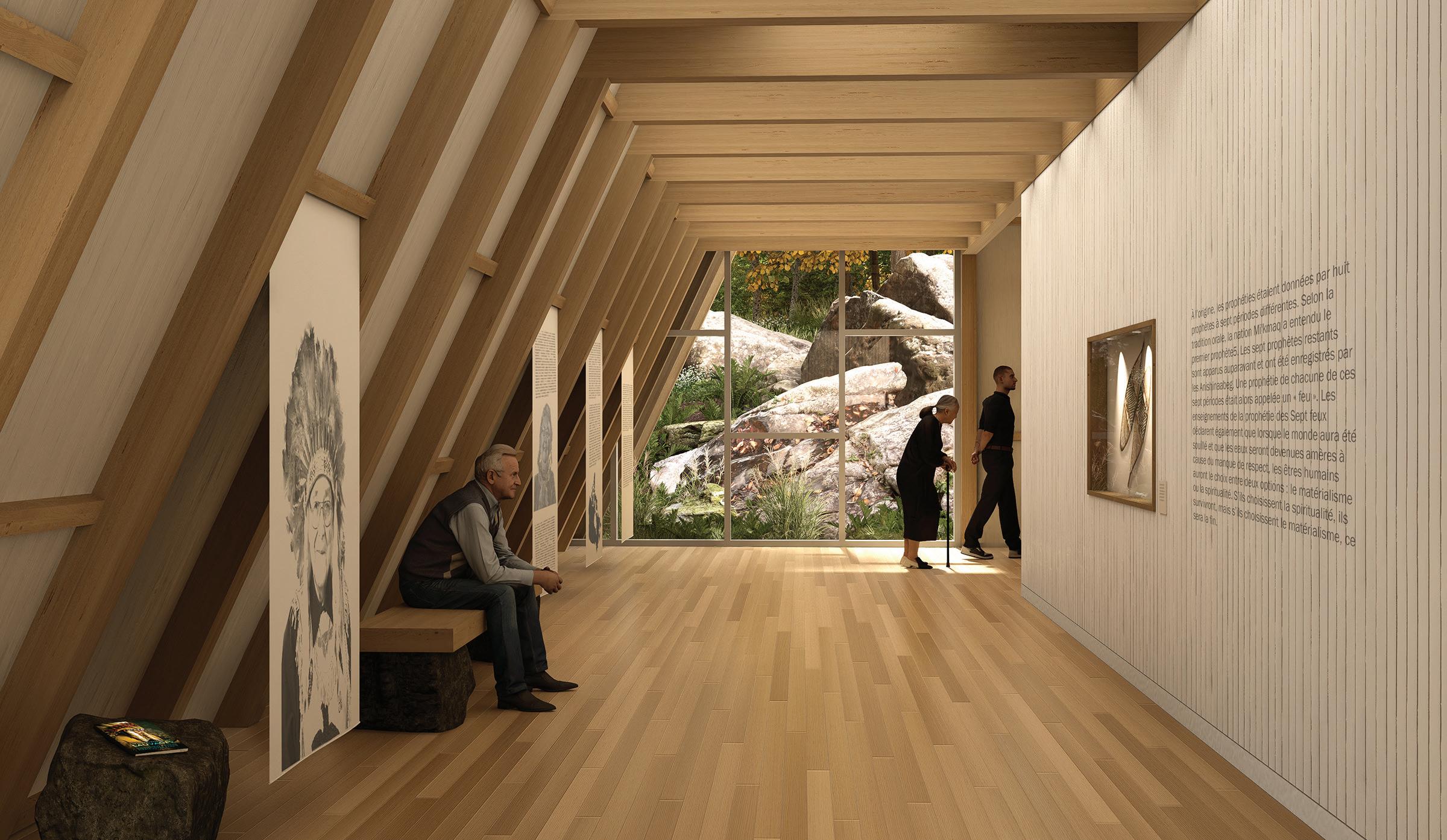
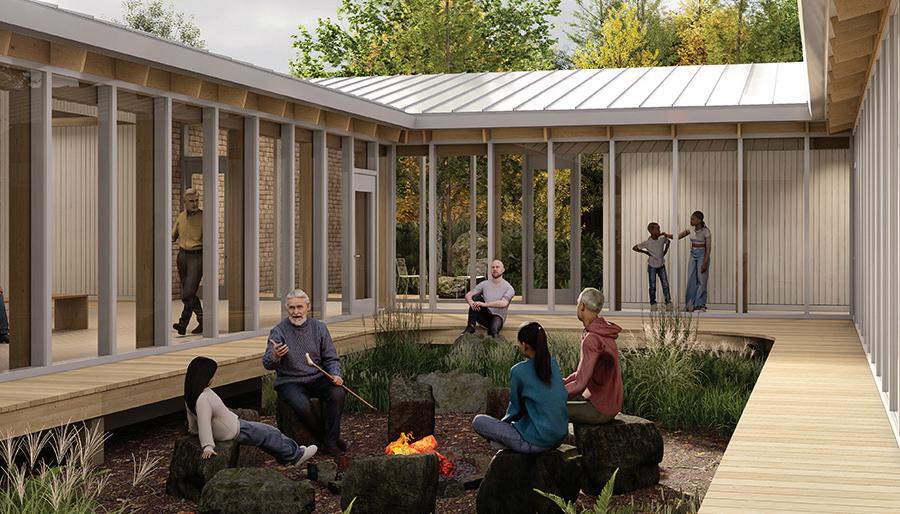
Visitors are invited to walk beneath the folds and tensions of the form, immersing themselves under the turtle’s shell. The centre’s diverse activities invite visitors to benefit from ancestral knowledge, fostering exchanges between communities and the transmission of traditions. The pathways connecting the pavilions become themselves a journey through Indigenous stories and knowledge, inviting discovery and understanding of the deep relationships between land, nature, and Indigenous traditions.
The Kina8at Cultural Centre ensemble is entirely designed in timber. It uses prefabricated modules combining heavy timber and light timber framing to provide fire resistance, while allowing for exposed structure within the building interior. These prefabricated modules are integrated with conventional light timber framing for certain areas interior walls, roof trusses, and engineered timber beams and lintels. This approach reinforces the biophilic character of the project
by maximizing the visible use of natural materials, improving indoor air quality, and reducing the need for chemical finishes.
The building is equipped with a geothermal system paired with zoned air conditioning, tempering only the necessary spaces and significantly reducing energy consumption and operational GHG emissions. Natural ventilation is incorporated in other areas, contributing to passive and efficient thermal comfort management.
CLIENT KINA8AT-ENSEMBLE ARCHITECT TEAM RAMI BEBAWI (MRAIC), TUDOR RADULESCU (FRAIC), BRIGITTE MESSIER-LEGENDRE, OLIVIER FILLION, KILLIAN O’CONNOR, ÉLOÏSE CIESLA, DINA SAFONOVA, MYRIAM ROSTOM, THÉO BURELLE,
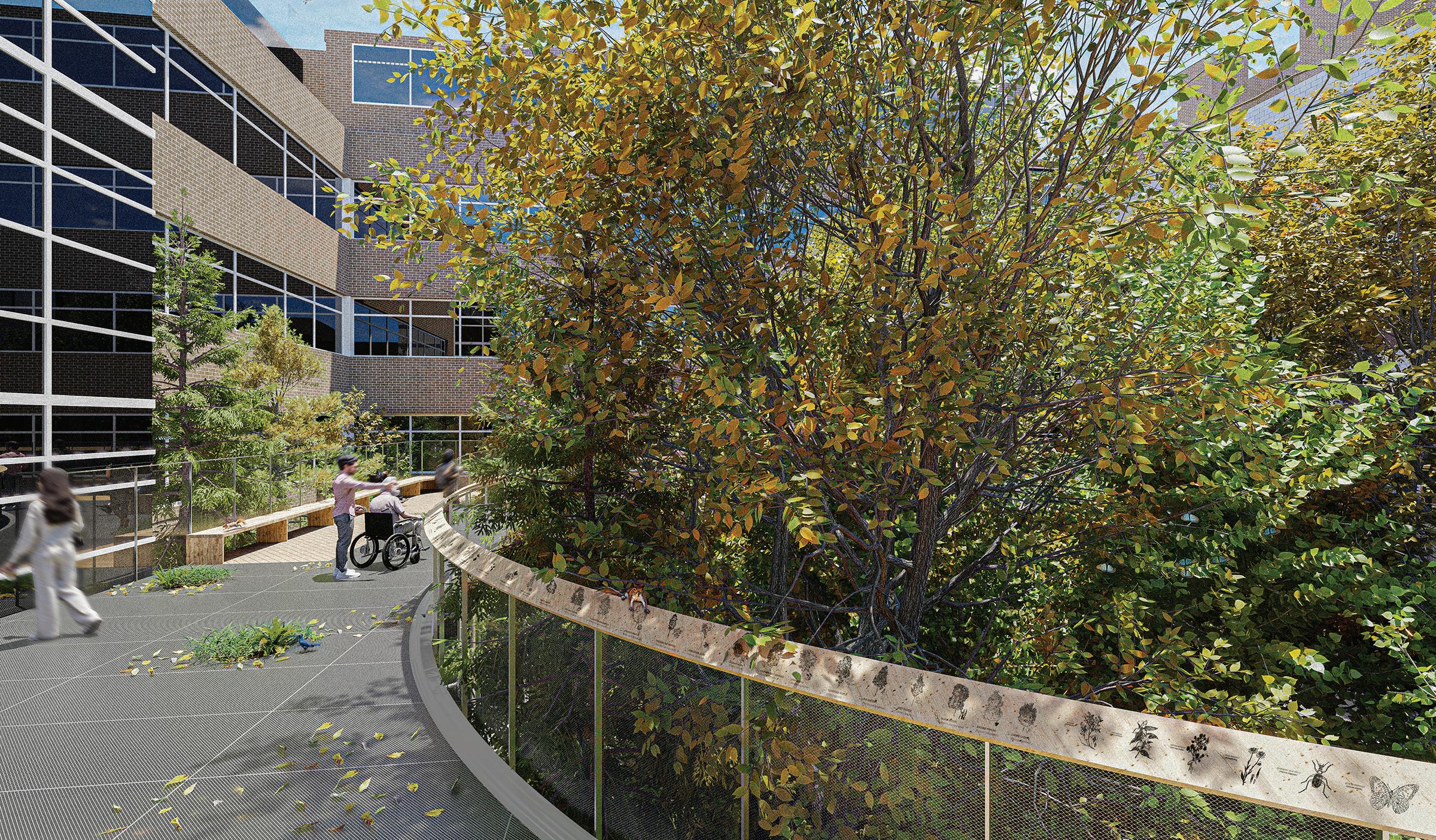
PLATFORM 19
LOCATION University of Ottawa, Ottawa, Ontario
ARCHITECT KANVA
Reimagining Cenovus Courtyard, an existing outdoor space on the University of Ottawa campus, involves restoring the courtyard through inserting an educational pathway focused on climate change and ecosystems. The interplay of scale and levels, combined with the choice of materials, creates a playful, educational, and unobtrusive experience. Biodiversity is central, complemented by the architecture. The overall effect is a holistic, restorative, and inclusive experience.
Platform 19 revitalizes the formerly dilapidated garden and restores its active role within the campus, while respecting its natural evolution. Through the use of demountable structures and an ecological approach, the project integrates landscape and users. The platform becomes a vibrant space that fosters learning, research, and recreation around the central garden. The layering of planted areas adds an innovative and enriching dimension. – Sonia Gagné, juror
The Cenovus courtyard, also known as the Husky Energy Courtyard, is the University of Ottawa’s legacy “living classroom,” located at the
heart of the university’s biosciences complex. Originally designed to simulate a Canadian boreal forest, with over 20 species of trees and over 85 species of plants, the intended use of the courtyard was as a hybrid research and teaching space.
Today, the courtyard has become overrun by nature: the pavers which once delimited the forest floor have been pushed up by roots and are cracked and unstable, the concrete slabs have collapsed. In its current state, the courtyard lacks maintenance, is inaccessible, and is concealed from the campus. KANVA was mandated to both restore and reimagine the courtyard to improve functional operation and accessibility, while ensuring viability and resilience.
The new design develops the existing ecosystem to create natural buffers between programs, and simplifies maintenance by encouraging continued growth of the vegetation. A network of raised paths allows for increased circulation around the garden, while circular openings including a central 19-metre-diameter oculus make room for the ecosystem to grow vertically.
ABOVE The raised platform includes a 19-metre oculus surrounding the central garden, as well as smaller openings that invite the growth of individual trees. An educational railing surrounding the garden provides a visual index to the courtyard’s species. OPPOSITE At ground level, areas for teaching and research are sheltered by the platform above.
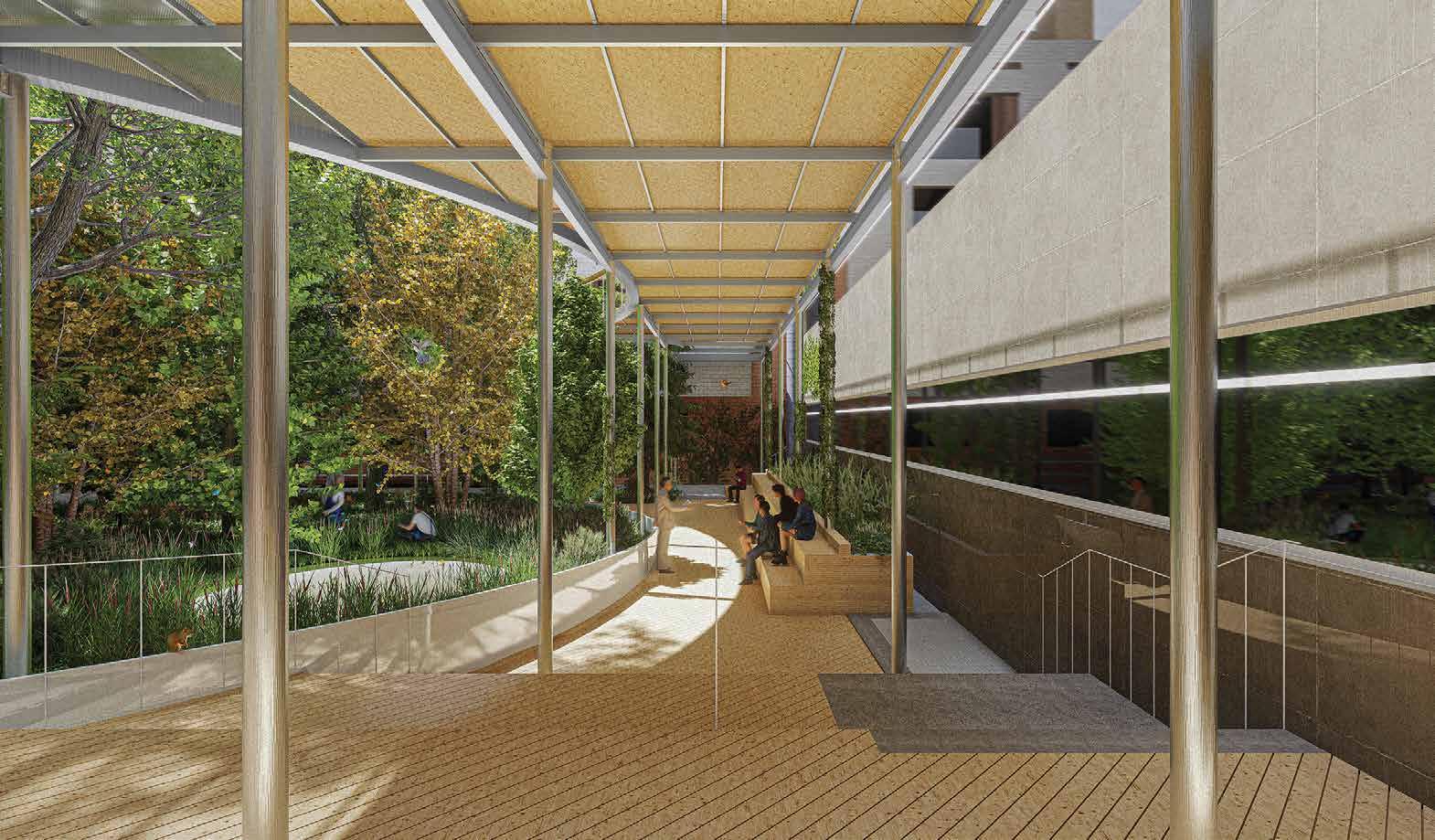
The ground plane provides sheltered spaces for outdoor learning, teaching and research, with dedicated areas that include built-in workstations and storage, as well as soft, permeable surfaces that can be used for sitting beneath the forest canopy. The platform provides supplemental areas for socializing and meandering around the central garden. Around the large oculus, an educational handrail provides a visual index to the courtyard’s species.
The platform’s configuration draws from considerations of how a lively periphery is critical to the meaningful occupation of a space. Designed for inclusivity, it allows the courtyard to work well for different scales of gathering, enabling collective as well as individual moments. The lightweight platform structure is designed to be easily dismantled and reused elsewhere, inviting the further evolution of the space over time.
The design aims to give back to the land, rewilding the new courtyard with people, research and curation in mind.

CLIENT UNIVERSITY OF OTTAWA ARCHITECT TEAM RAMI BEBAWI (MRAIC), TUDOR RADULESCU (FRAIC), ANDREI NEMES, MYRIAM ROSTOM, KILLIAN O’CONNOR, BRIGITTE MESSIER-LEGENDRE, DINA SAFONOVA, OLIVIER FILLION, KILLIAN O’CONNOR, ÉLOÏSE CIESLA, THÉO BURELLE, SIMONE
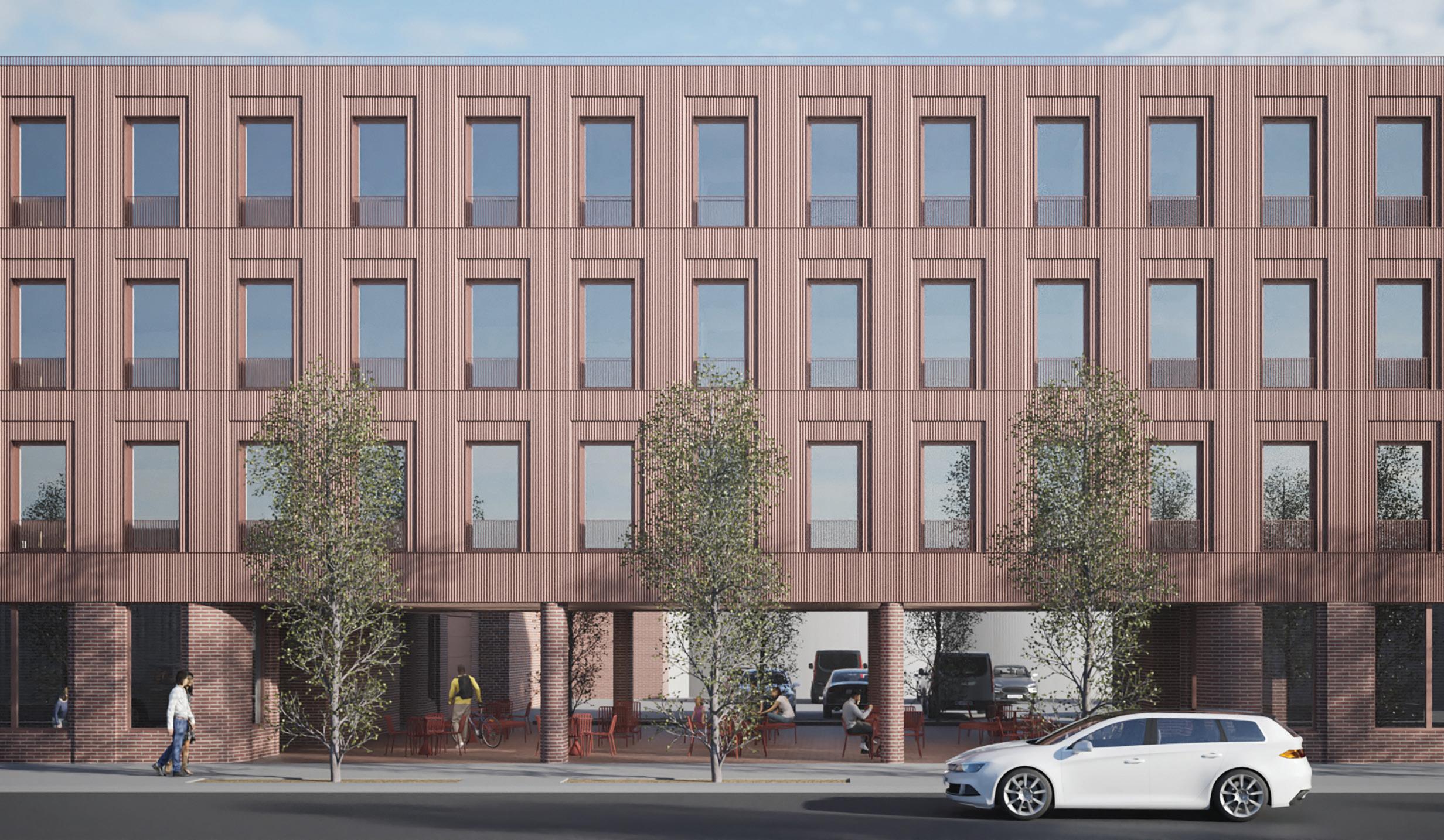
67 INGLIS PLACE
LOCATION Truro, Nova Scotia
ARCHITECT Bishop McDowell
Civic quality is largely due to the characteristics that great urban housing offers to our shared spaces: human scale, façade and window proportions, materials, and the way they meet the ground. Learning from Truro’s historic ‘street architecture’, this project’s limited material palette, beautiful window proportions, use of depth and shadow, and generous covered portico together offer significant quality to its context. The jury also commends this scheme’s apartment layouts and light-filled interiors that convey ideal qualities of home. With careful detailing, this project offers a promising prototype for a future era of Canadian mid-rise housing. – Alison Brooks, juror
This proposed mixed-use development infills a contextually sensitive, four-storey L-shaped building onto a prominent, undeveloped corner site currently a parking lot in Truro’s historic downtown commercial district. The short leg of the ‘L’ extends a row of red brick buildings along the south end of Inglis Place, completing the street wall. The long leg extends east along Esplanade Street for an entire block to Havelock Street, reinforcing the urban edge.
At street level, the new building contributes to a vibrant public realm by extending the block’s commercial frontage: this level is constructed with locally made red brick, laid in a running bond pattern that echoes the materiality of adjacent buildings. Curved brick detailing at the storefronts, outside corners, and columns softens the building’s edges.
A 24-unit mix of market and affordable apartments occupies the three upper floors. The generous pass-through along Esplanade Street provides a sheltered entry and shared amenity space that functions as a sort of collective ‘front porch’ for residents.
Above the base, the residential floors are clad in vertically oriented red corrugated metal, an economical and durable material that is clearly distinct from the masonry base, yet unified with it by colour. The façade on the three residential levels has regularly spaced, inset windows that take cues from the established pattern and detailing of the openings on neighbouring buildings.
Inside, the apartments are organized along a double-loaded corridor with a shallow floor plate. This configuration allows natural light into
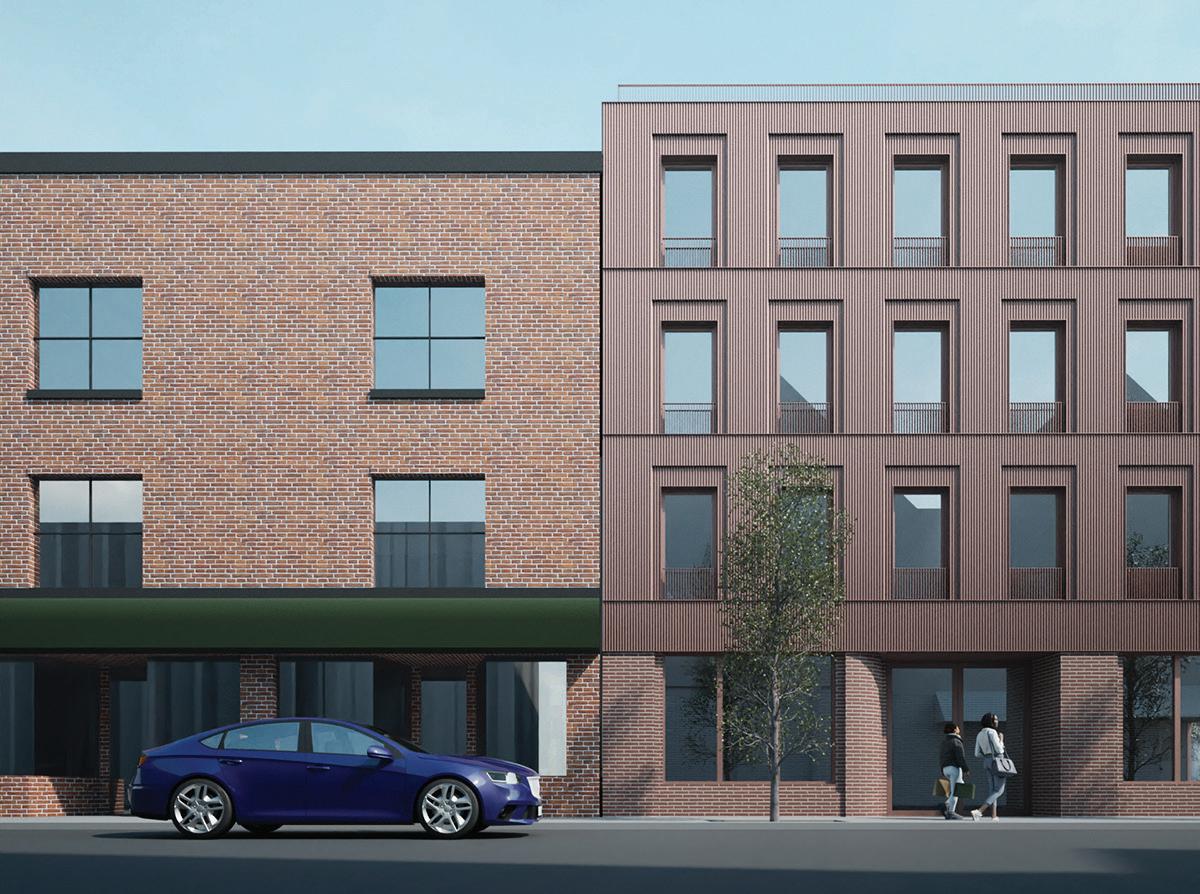
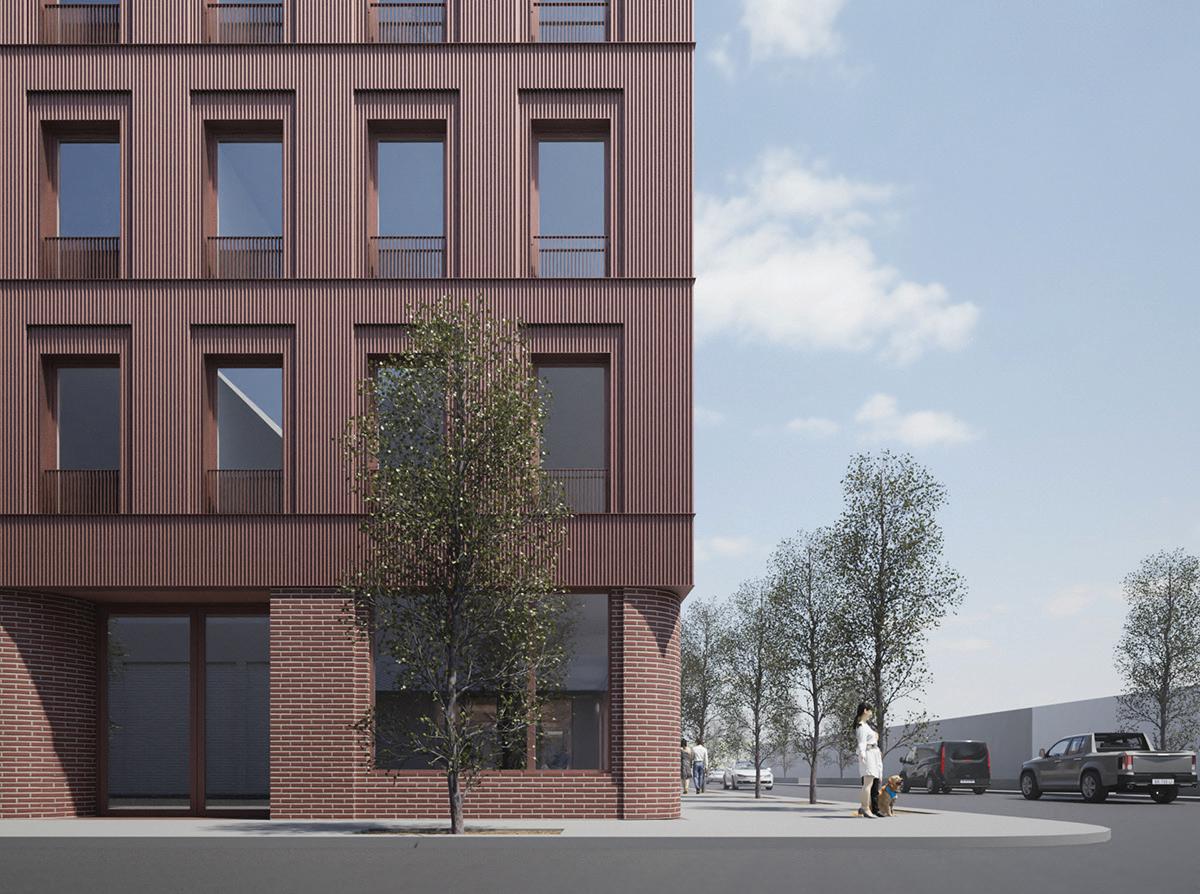
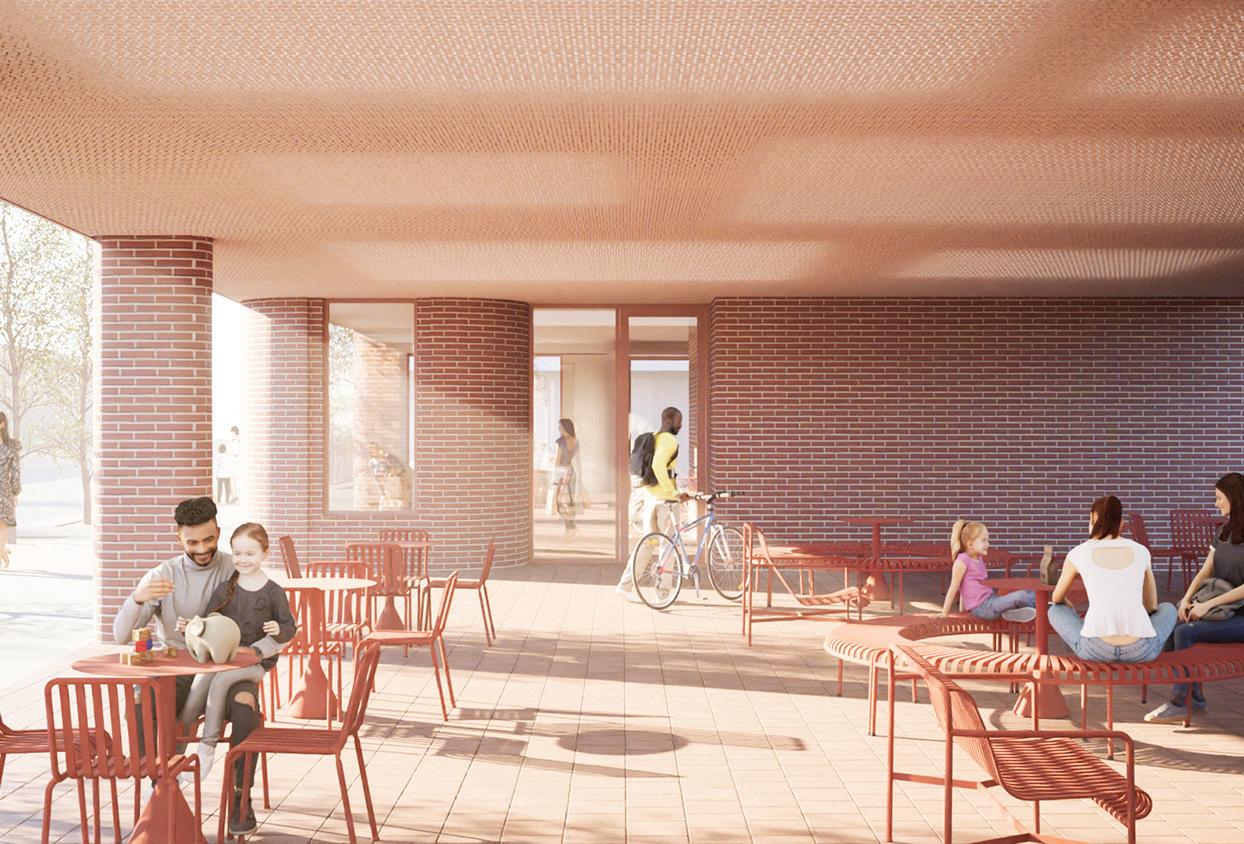
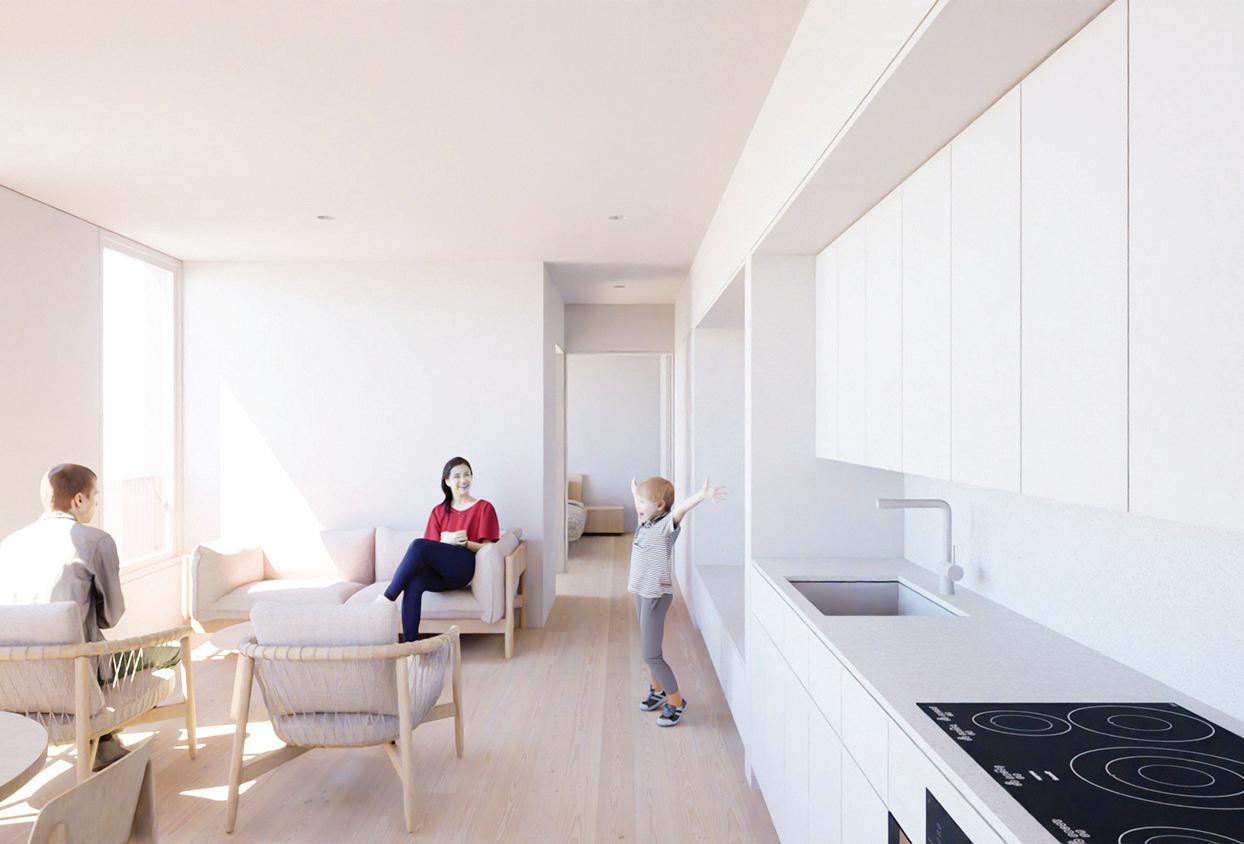
all living and sleeping areas. The variety of unit types bachelor, one bedroom and two bedroom supports a diverse resident community.
Currently in design development, 67 Inglis Place will be constructed primarily with conventional wood framing, and highly insulated to provide long-term operational savings and enhanced occupant comfort. To enhance privacy and liveability for residents, interior assemblies will prioritize acoustic performance. Each unit will be equipped with a highefficiency ducted mini-split system to provide zoned heating and cooling, and a heat recovery ventilator for continuous fresh air.
Bishop McDowell is a young, Halifax-based design practice, founded in 2024 by former MacKay-Lyons Sweetapple Architects associates Matthew Bishop and Lucas McDowell. This is their first Canadian Architect Award-winning project.



BUILDING OTHERWISE
LOCATION Blanc-Sablon, Quebec
STUDENT Emilie Rooke, University of Montreal
FACULTY ADVISOR Stephan Kowal, accompanied by Alessandra Ponte, Alessia Zarzani, and Gabriel Payant
This project proposes a new way of thinking about construction in remote locations by exploring a place-based material culture. In Blanc Sablon, Quebec, experimental nettle-lime brick is conceived as the source material of not only a prototype dwelling, but a local agriculture, brick manufactory and settlement. Beautiful drawn and illustrated, this project is simultaneously modest and expansive, a poetic ‘other’ way of working with nature to make architecture. – Alison Brooks, juror
This work takes place in Blanc-Sablon, an isolated coastal village on Quebec’s Lower North Shore, disconnected from provincial roads. Materials, food, and even prefabricated houses arrive here by sea. As a result, the village’s architecture is indifferent to the contours of the ground, the wind, and the unique environmental and cultural legacy of this place. The project explores the possibility of an alternative architecture made from local nettle. After traveling to Blanc-Sablon for a studio field trip, Rooke experimented with mixing nettle leaves, stems, and roots with lime to yield a concrete-like brick, similar to hempcrete. The breathable bricks are well-suited to cold and humid climates, and revalue a local plant often seen as an invasive nuisance. A system is envisaged in which the bricks interlock without mortar, and rest on connectors integrated into the building envelope. The brick assem-
blies are then paired with pressed nettle that acts like rammed earth to create dense walls with significant thermal mass. The material could also be formed into roof tiles, and dried nettle leaves used for insulation.
The project first imagines a prototype house, built on the footprint of a former fishing structure, to test the material’s resistance to salty air, frost, and storms. Scaling up to create a local economy, the exploration expands to envisage a greenhouse to maximize the harvest of nettle, and adjacent to it, a factory that would process the plant into building materials. Finally, a naturally vented drying tower would allow the bricks to cure. The campus would allow for training workshops, shared experiments, and for the transmission of techniques shaping both bricks and knowledge.
Beyond technical innovation, the project seeks to redefine the conditions for an architecture of subsistence one that draws on local and abundant resources, involves simple gestures, and offers a response to the ecological crisis of overextraction and overconsumption. It explores architecture as an act of minimal transformation, rather than massive production. The work redefines supply chains, favouring localized strategies, renewable materials, and a sustainable relationship with ecosystems.
Writes Rooke, “This may be the contemporary challenge of the discipline: no longer building more, but building differently.”
ABOVE LEFT The growth cycle of nettle, a plant available locally in abundance, was studied as the basis for creating nettle-lime bricks with properties similar to concrete. ABOVE RIGHT A prototype house is a first proposed step to test the material’s performance in the local climate. OPPOSITE A largerscale proposal envisages a nettle-brick production campus with a greenhouse, factory, and naturally vented drying towers.


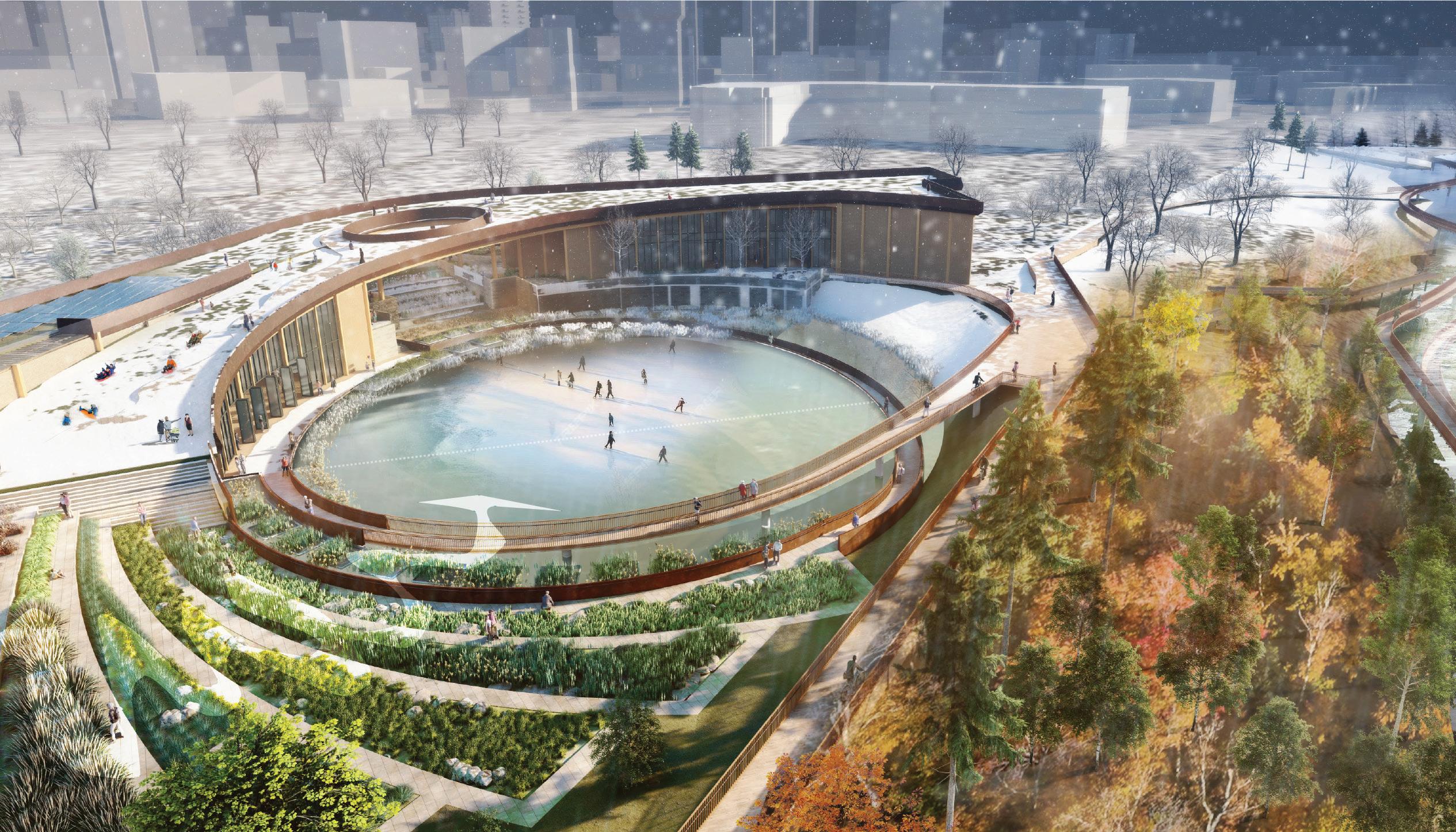
SPONGE BY THE FORKS
LOCATION Winnipeg, Manitoba
STUDENT Thy Nguyen, University of Manitoba
FACULTY ADVISOR Brian Rex
Sponge by the Forks addresses a current issue that concerns not only the region, but all coastlines. It highlights landscape strategies by valuing features that are usually secondary or hidden, making them the heart of the public experience. The layout and orientation of the pathways create a pleasant space, articulating landscape and habitable infrastructure. The emergence of underground infrastructure, generally concealed, is integrated into the composition of the public space and contributes to raising awareness of the issues they represent. The public space thus becomes a tool for mediating these environmental issues.
The proposal stages and organizes a set of systems for managing and controlling underground resources and networks, integrated into the pathway and the experience of the public space. The attention paid to the landscape and the use of architecture for this purpose distinguishes the project and anchors it in a broader vision of urban renewal. – Sonia Gagné, juror
Winnipeg, situated in one of the world’s largest watersheds, faces increasing water challenges including spring thaws, urban flooding, water pollution and aging infrastructure. The city exemplifies the urgent need for sustainable stormwater solutions.
This thesis proposes a transformative approach inspired by the “sponge city” concept of integrating nature-based solutions with existing grey
infrastructure. The design focuses on green/blue infrastructure, including bioswales, permeable pavements, riparian buffers, green roofs, constructed wetlands, and artificial floating wetlands. Together, these systems work to reduce runoff, recharge groundwater, remove pollutants, and enhance public space.
The proposal is centred at The Forks, a pre-historic gathering place at the confluence of the Red and Assiniboine Rivers. It envisions part of the site as a pilot sponge park, home to the Water and Climate Impacts Research and Learning Centre. The site features a series of sponge strategies that collect and filter both neighbourhood stormwater runoff and polluted river water before discharging clean water back into the Red River or reusing it for irrigation. This helps to slow runoff in Winnipeg’s high-density downtown, enhance groundwater recharge, relieve pressure on the combined sewer system, and improve water quality. The Research and Learning Centre is itself an architectural and landscape hybrid that combines water treatment, ecological restoration, and public education.
This thesis calls for a paradigm shift towards sustainable water management in cold climates advocating for solutions that are not only technical, but also ecological, educational, and experiential. It aims to foster a sense of urgency, responsibility, and hope in public discourse as we confront the environmental challenges ahead.
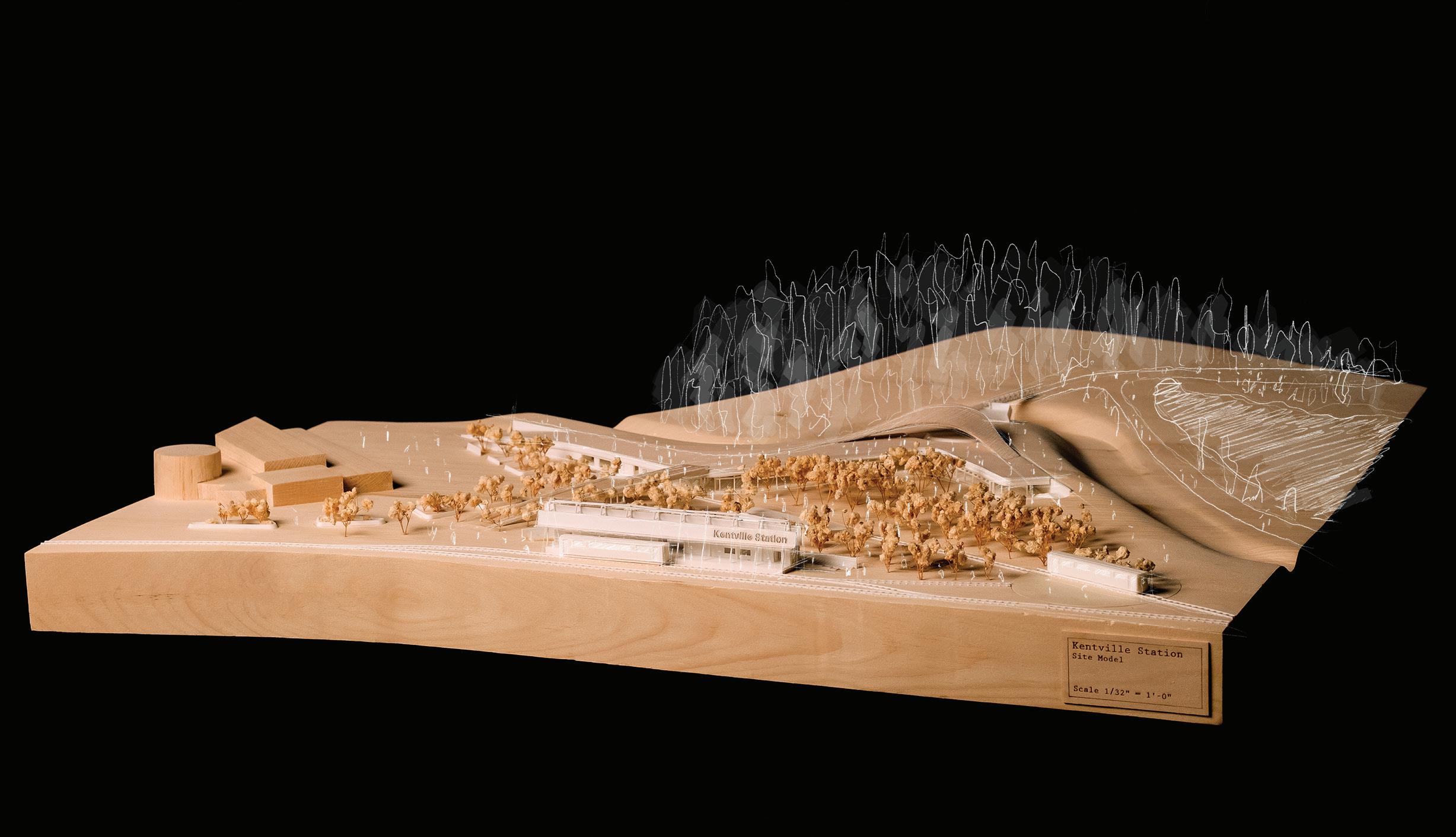
RAIL-BASED REGIONALISM
LOCATION Ellershouse and Kentville, Nova Scotia
STUDENT Janson Chan, Dalhousie University
FACULTY ADVISOR Talbot Sweetapple
A creative and compelling proposal, this project repurposes a dormant railway system to deliver essential resources to remote communities through adaptable rail cars and pop-up market carts. We were inspired by the prospect of this intervention in action and the tangible social benefits it would generate, transforming abandoned infrastructure into a dynamic conduit for community resilience and connection. – Kelly Buffey, juror
This thesis began with a simple question: what happens when infrastructure loses its original function, but the communities it once served remain?
In rural Nova Scotia, the Windsor and Hantsport rail corridor lingers as a dormant trace of a once-active network that connected agricultural towns to urban markets and global ports. As the infrastructure fell into disuse, so too did the spatial, economic, and social relationships it once enabled. As the car-centric highway system was prioritized, many small and remote towns and cities were left stranded alongside the declining railway.
This project reframes the railway not as a nostalgic relic, but as a flexible, responsive system that can be retooled to meet contemporary needs. It explores how underused rail lines might reconnect rural and urban communities through agriculture, mobility, and public programming. Two key sites anchor this design inquiry. In Ellershouse, a small but
growing rural town, a rail depot is adapted to receive both commuter trains and mobile program trains containing a farmer’s market, library, teaching kitchen, or afterschool programs. In Kentville, a larger development supports local agriculture with a community food workshop, co-op cidery and juicery, co-op kitchen, and market hall. By serving as both a commuter hub and an agri-tourism destination, the station addresses the decline in professional farmers by creating new opportunities for growers.
Critical regional adaptability drives the entire system. The architecture responds directly to local demands, adapting to context rather than imposing form. Large pivot openings, reconfigurable furniture, and expanding or contracting thresholds allow each space to shift with the seasons, weather, and patterns of community use.
The project sees infrastructure as an evolving framework that builds resiliency by remaining flexible and grounded. This thesis also reckons with the political legacy of the railway. Once a tool for extraction and export, the railway is reimagined as a mechanism of reciprocity. By linking rural producers to consumers and mobilizing social programs along the rail line, it supports those excluded from car-based systems, and enables cooperative frameworks that redistribute resources and opportunity.
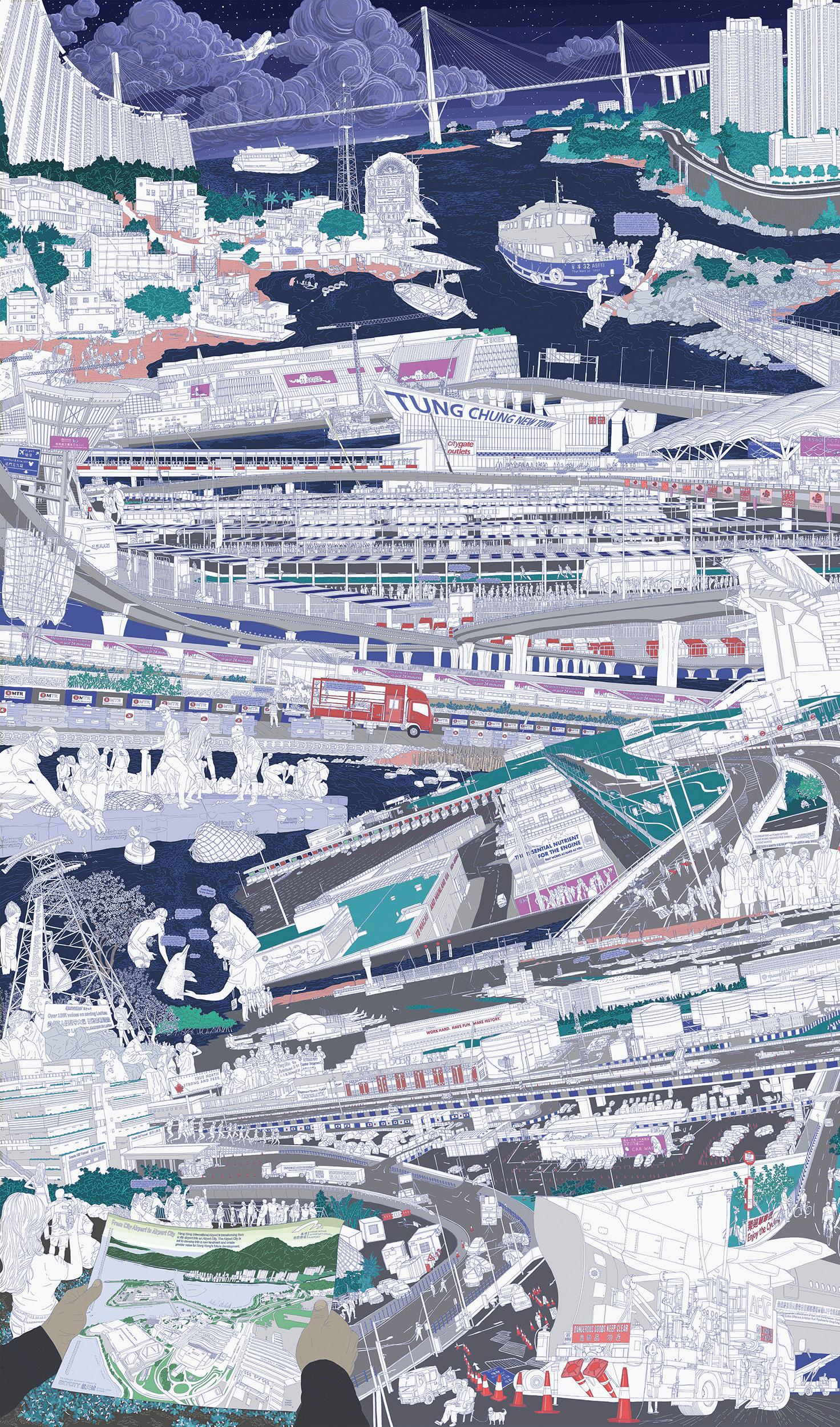
NEW TERRITORIES STUDENT
LOCATION Hong Kong
STUDENT Xiaoyu Shi, University of Toronto
FACULTY ADVISOR Jeannie Kim
Architecture begins with imagination, yet its material presence carries the potential for profound impact, both constructive and destructive. A thoughtful reflection that is beautifully represented as a dreamlike cacophony of visual expression and storytelling provocative, dizzying and captivating. Its intricate drawings and layered narrative posses a lyrical exuberance, each illustration revealing a richly detailed, inter-connected world that engages with and critiques fabricated landscapes, urban environments, and the natural realm. – Kelly Buffey, juror
New Territories is a geographical term referring to the land ceded from Hong Kong to the British Empire in the late nineteenth century. In this thesis, it is used to address the project site the Hong Kong airport’s artificial island as a “new territory” transferred from the natural to the human domain.
The thesis examines the cultural and environmental consequences of creating large-scale artificial islands, and how this relates to universal challenges such as preservation, repair, and migration. Adopting a narrative form, the project tells the fictional story of a Philippine fisherman whose quest for a new life in Hong Kong is besieged by the realities of an increasingly engineered landscape, when their fishing grounds narrow due to the expansion of the airport island and ancillary facilities. To survive in this deteriorated environment, the fisherman enters a precarious collaboration with an accidentally encountered baby pink dolphin an Indigenous species whose marine habitat is also threatened by artificial islands. Together, the fisherman and dolphin launch an illicit tourist program that briefly flourishes on the margins of the airport economy, attracting visitors arriving in Hong Kong. This informal entrepreneurship is shattered when authorities confiscate the dolphin.
Centering the fisherman and his dolphin companion, the thesis subverts the development landscape dominated by state and corporate powers. Here, individuals appropriate the infrastructural territory as their own experimental playground, and create an opportunity for collective pleasure. They use their ingenuity to navigate through the artificiality that has become pervasive in both the creation of cities and the management of nature itself.
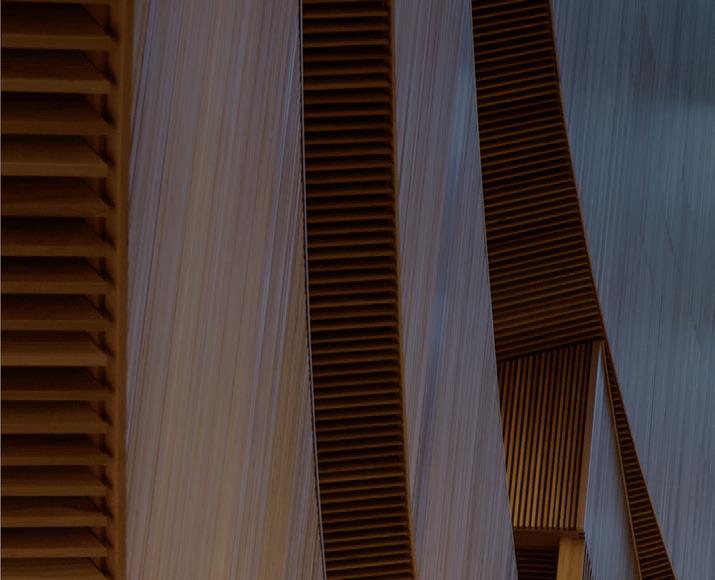
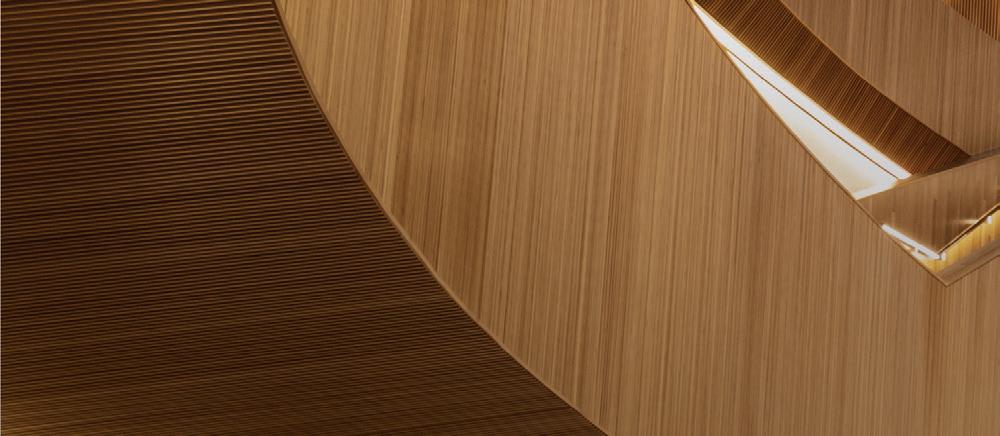


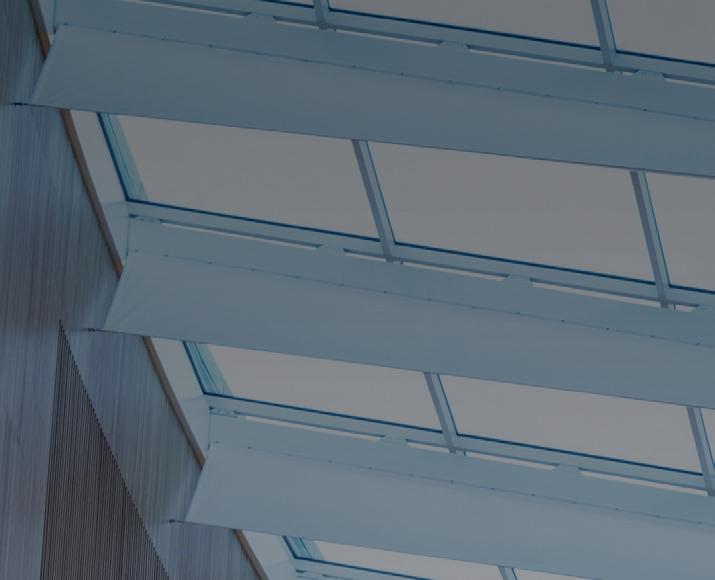

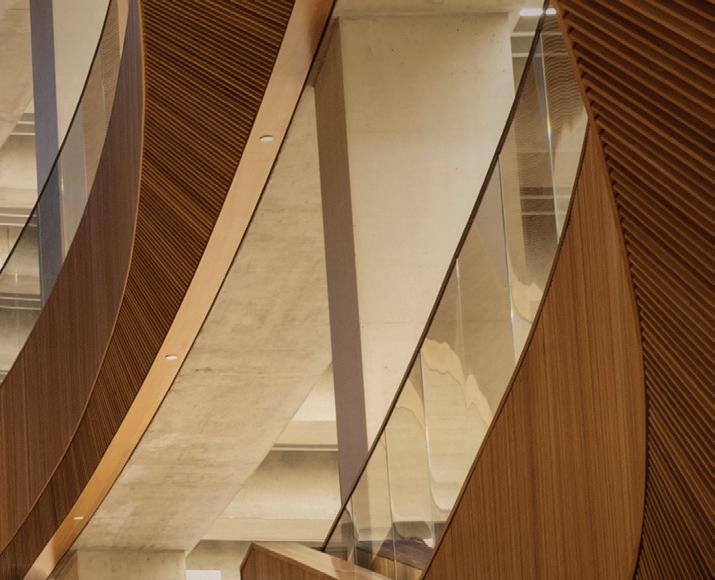
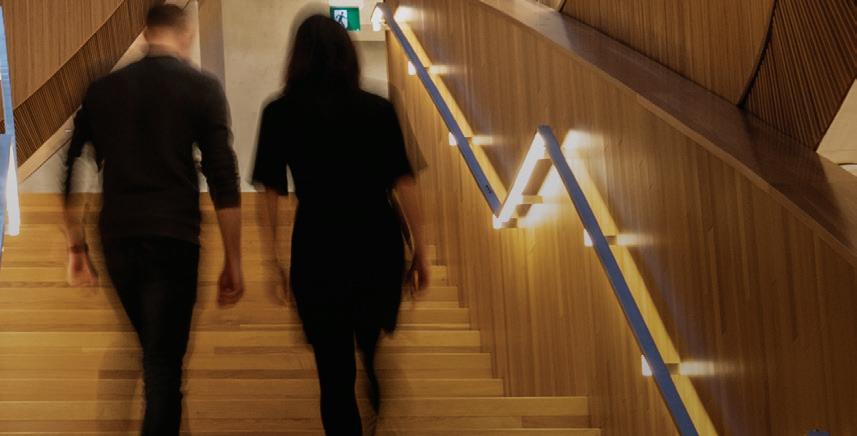






WINNIPEG ART GALLERY
PHOTOGRAPHER Lisa Stinner-Kun
CLIENT Winnipeg Art Gallery-Qaumajuq
This image has an enigmatic quality to it. The soft light subtly highlights the textures, and the fragments on the floor evoke a sense of mystery.
– Salina Kassam, juror
This photograph was taken in the main atrium of the Winnipeg Art Gallery’s seminal mid-century modern building, completed in 1971, and designed by Gustavo da Roza in collaboration with Number Ten Architectural Group. In late 2023, I was commissioned by the Winnipeg Art Gallery to photograph the interior spaces of both this influential structure and the new Qaumajuq building a striking addition completed in 2021 by Michael Maltzan Architecture with Cibinel Architects. The commission allowed me to approach the interiors with an artistic perspective and provided several months to complete the work. I was also granted the freedom to photograph at any hour, including rare opportunities to capture the spaces in quiet, unguarded moments. For this image, I arrived early on a Sunday morning before the cleaning crew. A wedding had taken place the night before, and I found traces of the event wilted flowers, cupcake liners, and other remnants scattered through the space. These ephemeral details contrasted with the enduring solidity of the Tyndall stone architecture.
- Lisa Stinner-Kun (COMMISSIONED WORK)
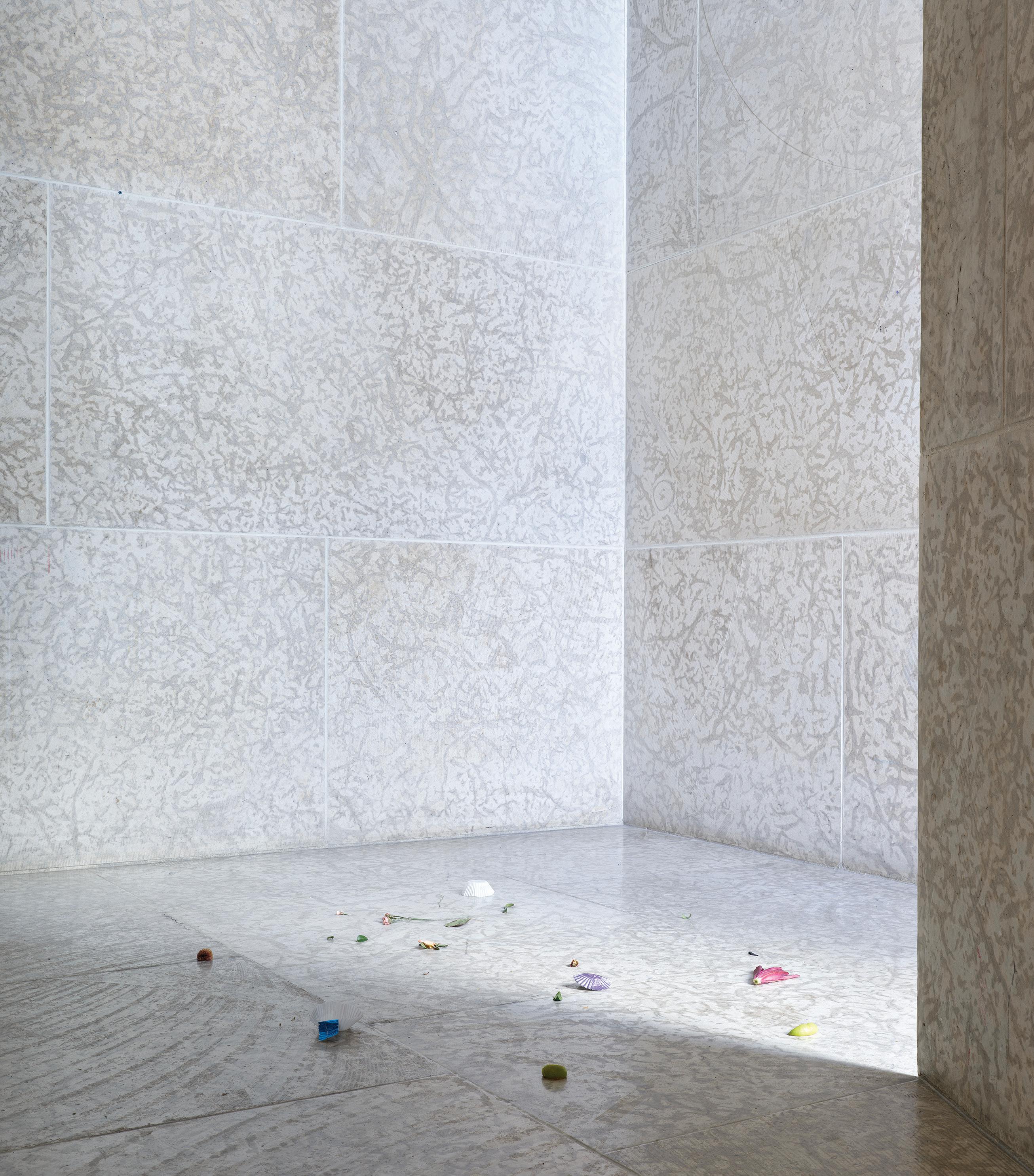
PHOTO AWARD OF EXCELLENCE
(COMMISSIONED WORK)
EL ALEPH GUESTHOUSE
PHOTOGRAPHER James Brittain
CLIENT MacKay-Lyons Sweetapple Architects
The photograph beautifully conveys a sense of space. One almost feels the environment surrounding you; you can imagine stepping into the photograph and feeling the sea breeze and fog. It’s a beautiful composition balancing the structure in its geographic setting. – Salina Kassam, juror
The El Aleph guesthouse sits on a remote and wild rocky outcrop on Nova Scotia’s southern shore. It’s a 28-foot cube clad with a rugged copper shingle skin, drawing on the language, craft and construction techniques of Nova Scotia’s vernacular architecture fish sheds, boat houses and others that have been a constant muse for the studio of MacKay-Lyons Sweetapple Architects.
The weather in coastal Nova Scotia is notoriously tricky for photography: sea fog often rolls in to obscure the view. But with time and patience, a photographer can work with fog to capture an evocative light that’s special for pictures.
I’m interested in grounding pictures in the experience of architecture and in specific moments of capture. This is true now more so than ever with the march of digital wizardry and the temptation it brings for an over-polished version of the built world around us. - James Brittain

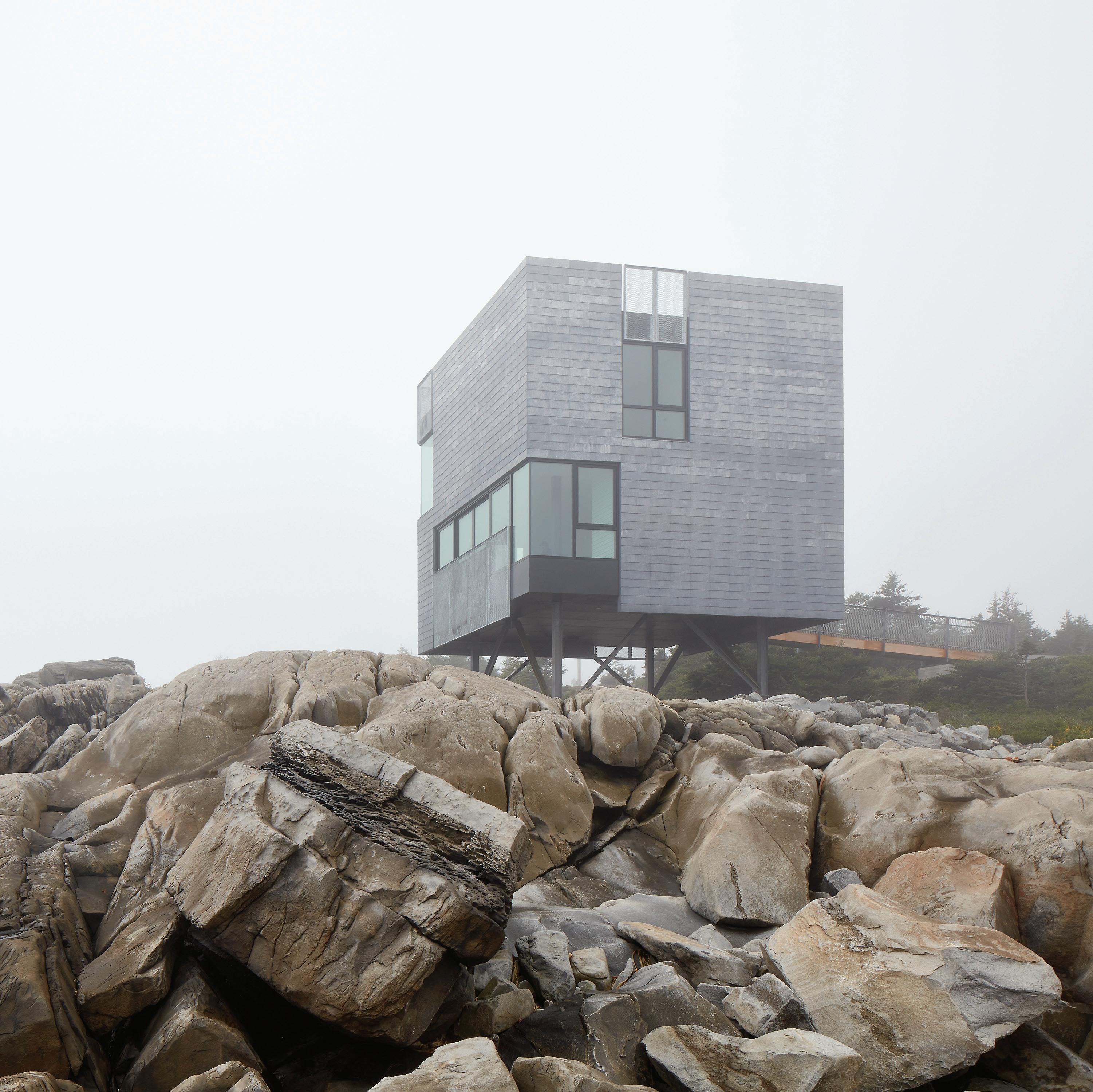
80 PHOTO AWARD OF MERIT
(NON-COMMISSIONED WORK)
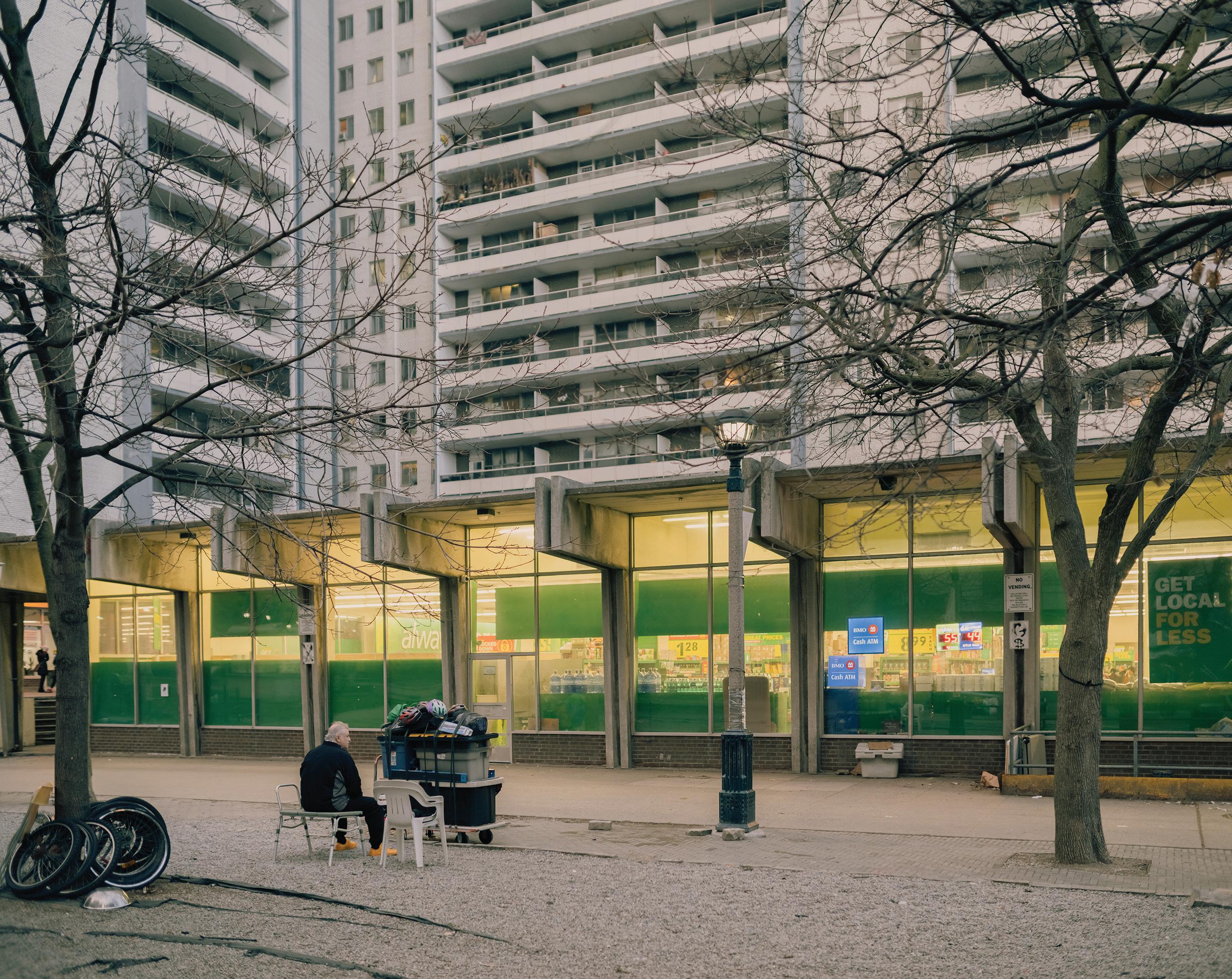
ST. JAMES TOWN SOLITUDE
PHOTOGRAPHER Rémi Carreiro
The paradoxical nature of this photograph is quite compelling. The photograph feels as if the environment is in a state of decay, even though it once promised a hopeful solution for housing large communities. – Salina Kassam, juror
St. James Town, Canada’s largest high-rise community, reflects both the promise and precarity of modernist urban planning. Conceived in the 1960s as a vision of vertical living for middle-class workers, its towers now stand as monuments to density, resilience, and the lived realities of immigrant life in Toronto. Inspired by Le Corbusier’s Towers
in the Park, the planning produced striking forms but also irregularities: abrupt street endings, limited green spaces, and a fragmented urban fabric, all of which challenge connection among residents. This photograph captures one of the main corridors into the neighbourhood where concrete, commerce, and human presence converge in quiet, uncertain tension surrounding the neighbourhood’s sense of community. It was captured during a warmer week in February when it was somewhat easier to linger outdoors. This image is part of an ongoing series about the neighbourhood. - Rémi Carreiro
STUDENT PHOTO AWARD OF EXCELLENCE
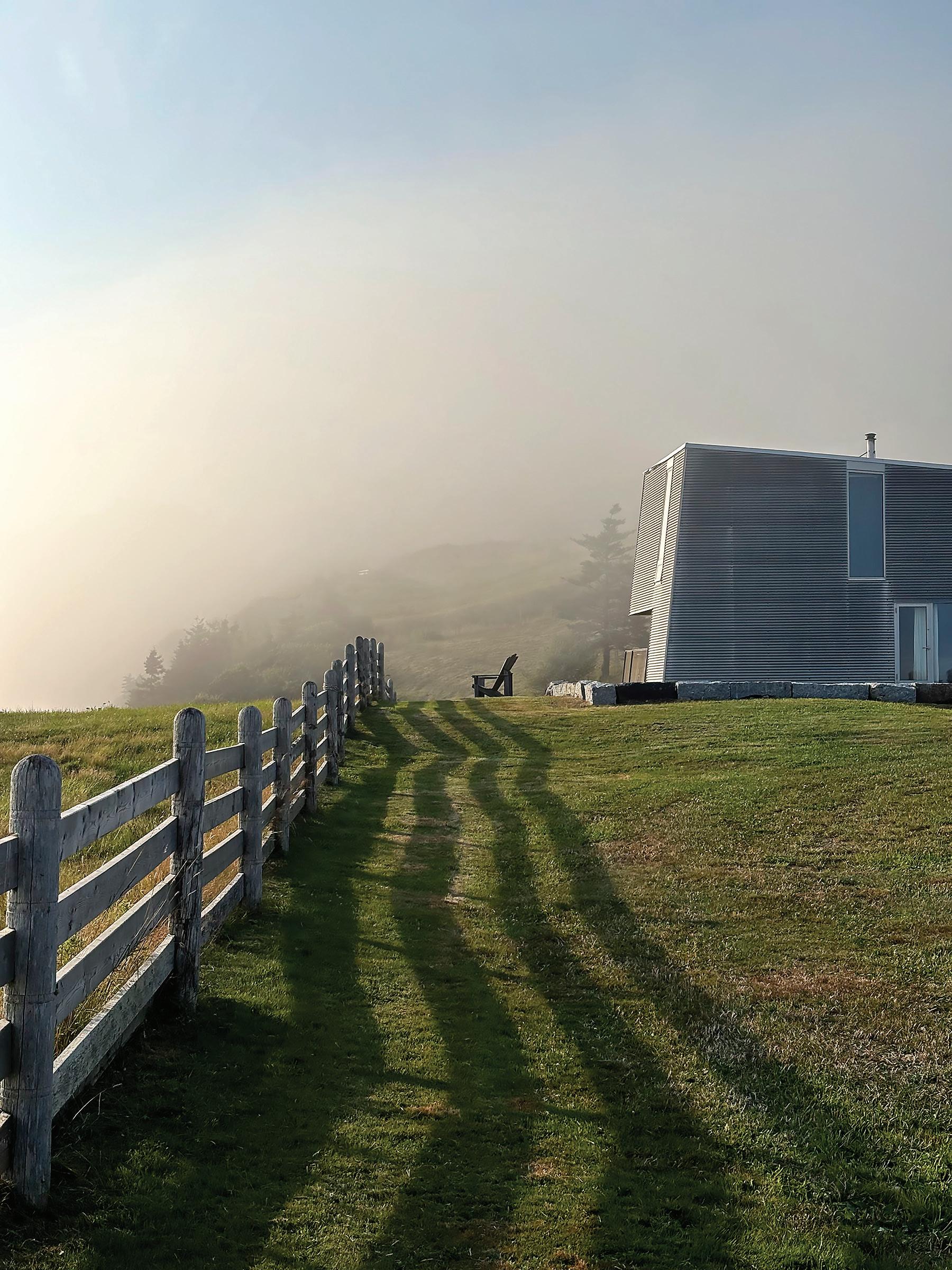
SHOBAC: FIELD AND FOG
A beautiful play of light and shadow strikingly conveys the scale and textures of this scene. The zigzagging compositional lines draw your eye through the scene, towards the house and chair that looks out to the landscape. – Salina Kassam, juror
Taken at sunset on a summer evening, this photo aims to capture the soft light and warmth of dusk on the South Shore of Nova Scotia. In the foreground, the fence casts long shadows that subtly guide the viewer’s eye across the open field to reveal Brian MacKay-Lyons’ wedge-shaped studio, which appears partially veiled by a layer of fog,
effectively situating the building within its coastal setting. The photo highlights the ongoing dialogue between natural and built forms: here, the architecture is not treated as the main subject, but as an integrated element, part of the greater context. Rather than being seen in isolation, the studio quietly becomes part of a larger landscape. Together, the various elements in this composition express the distinct character of Shobac: an architecture of place. The studio is surrounded by the ephemerality of weather, reminding us that the landscape holds just as much presence and importance as the buildings themselves. - Camila Lima
PHOTOGRAPHER Camila Lima
82 STUDENT PHOTO AWARD OF MERIT
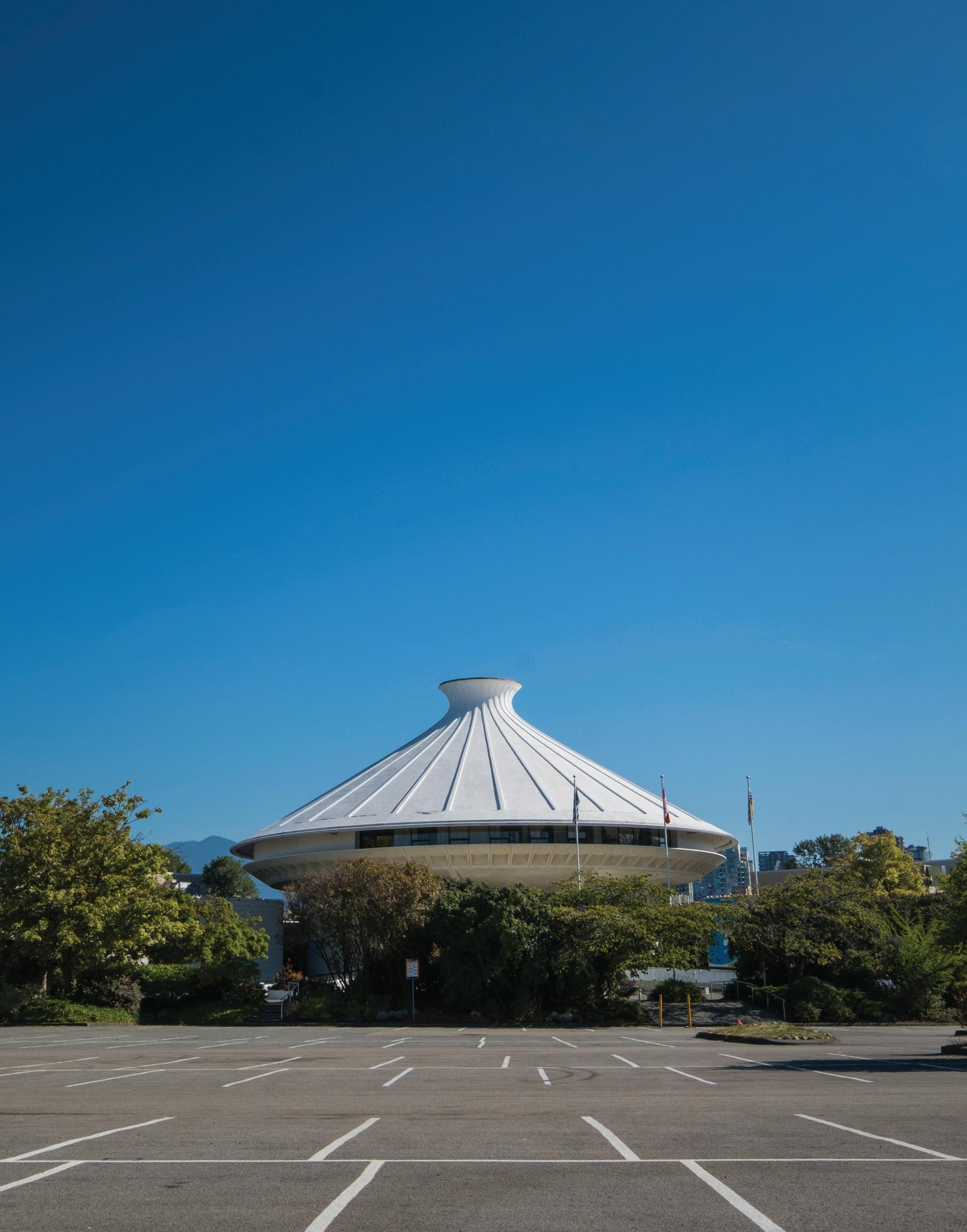
SPACE CENTRE
PHOTOGRAPHER Caralyn Jeffs
PHOTO INSTRUCTOR Kathryn Mussallem
This photograph gives a feeling of isolation. The empty parking lot and its lines draw your eye to the Space Centre. The building was conceived in an era of idealism and optimism, and the photo seems to comment on the structure’s enduring presence as almost a time capsule within the urban landscape of Vancouver. – Salina Kassam, juror
This iconic Vancouver landmark confidently perches on and grows from an empty parking lot, scattering its lines. - Caralyn Jeffs
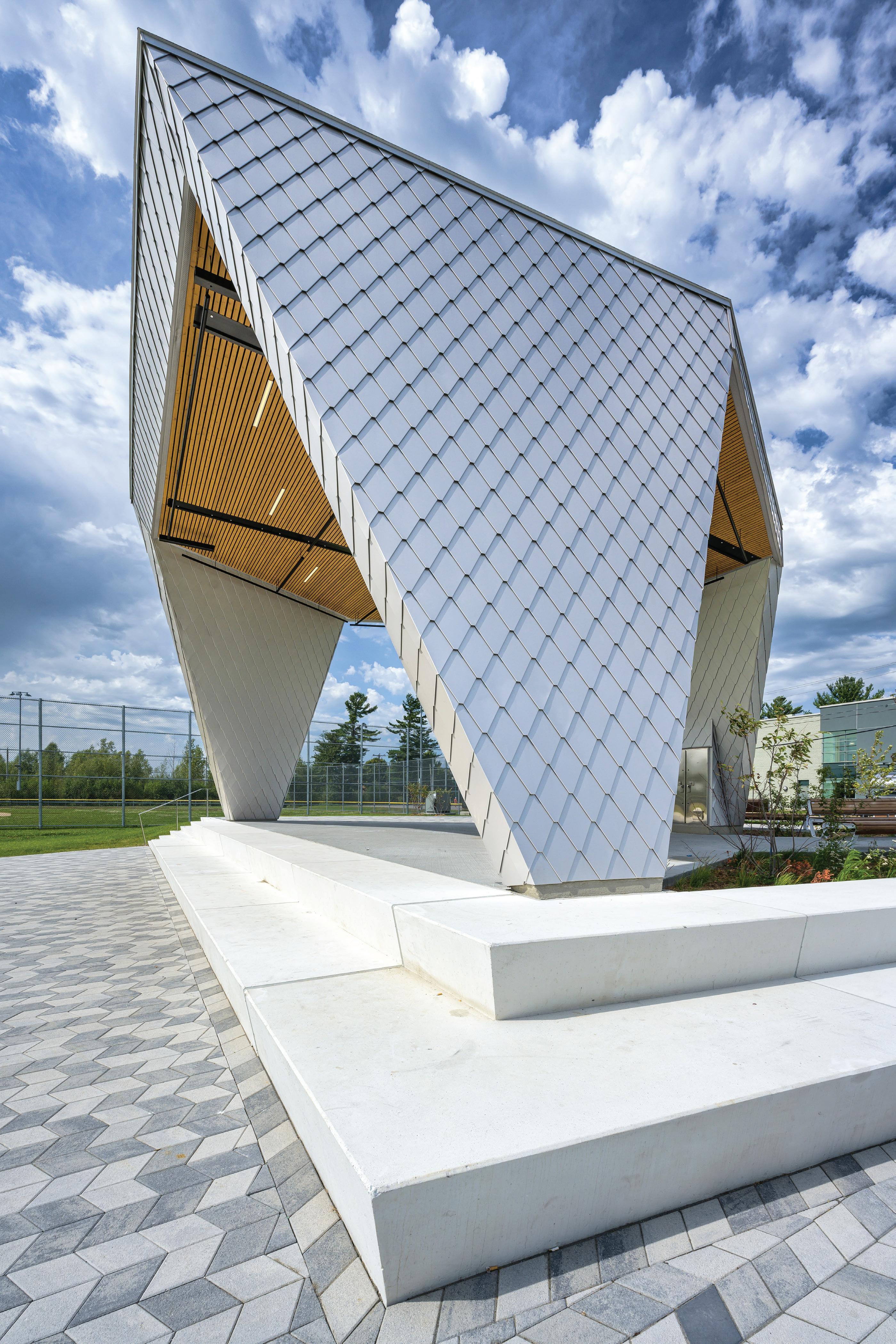
Create contemporary spaces by arranging our assortment of diverse tiles. Vary the shades, the geometric shapes, as well as the orientation and bring your inspirations to life.
A whole new edge in building
The industry’s newest profiles and trims
Expect more. For the most complete line of high-quality, durable, color-complementary profiles and trims – with more than 4,500 pieces to match your creative design – visit www.mapei.ca