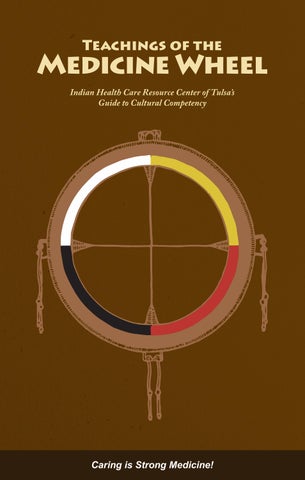

Teachings of the Medicine Wheel
Indian Health Care Resource Center of Tulsa’s Guide to Cultural Competency


Teachings of the Medicine Wheel
Indian Health Care Resource Center of Tulsa’s Guide to Cultural Competency
We gratefully acknowledge the use of content from “The Sacred Tree: Reflections on Native American Spirituality.” This foundational text provided invaluable insights and guidance as we developed our cultural competency manual. All rights are reserved to the original authors and publishers.
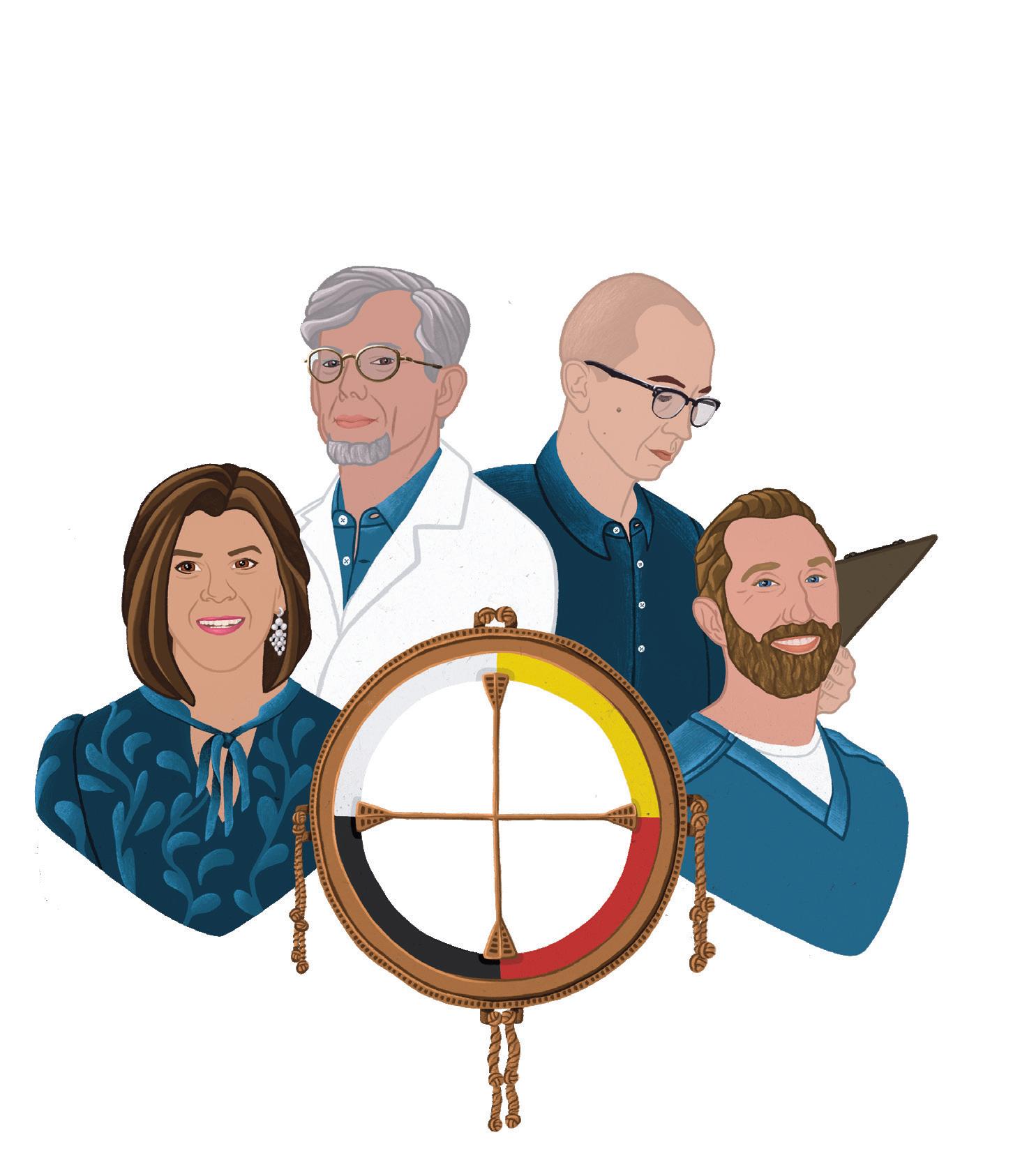
Illustrated by Emily Alspaugh
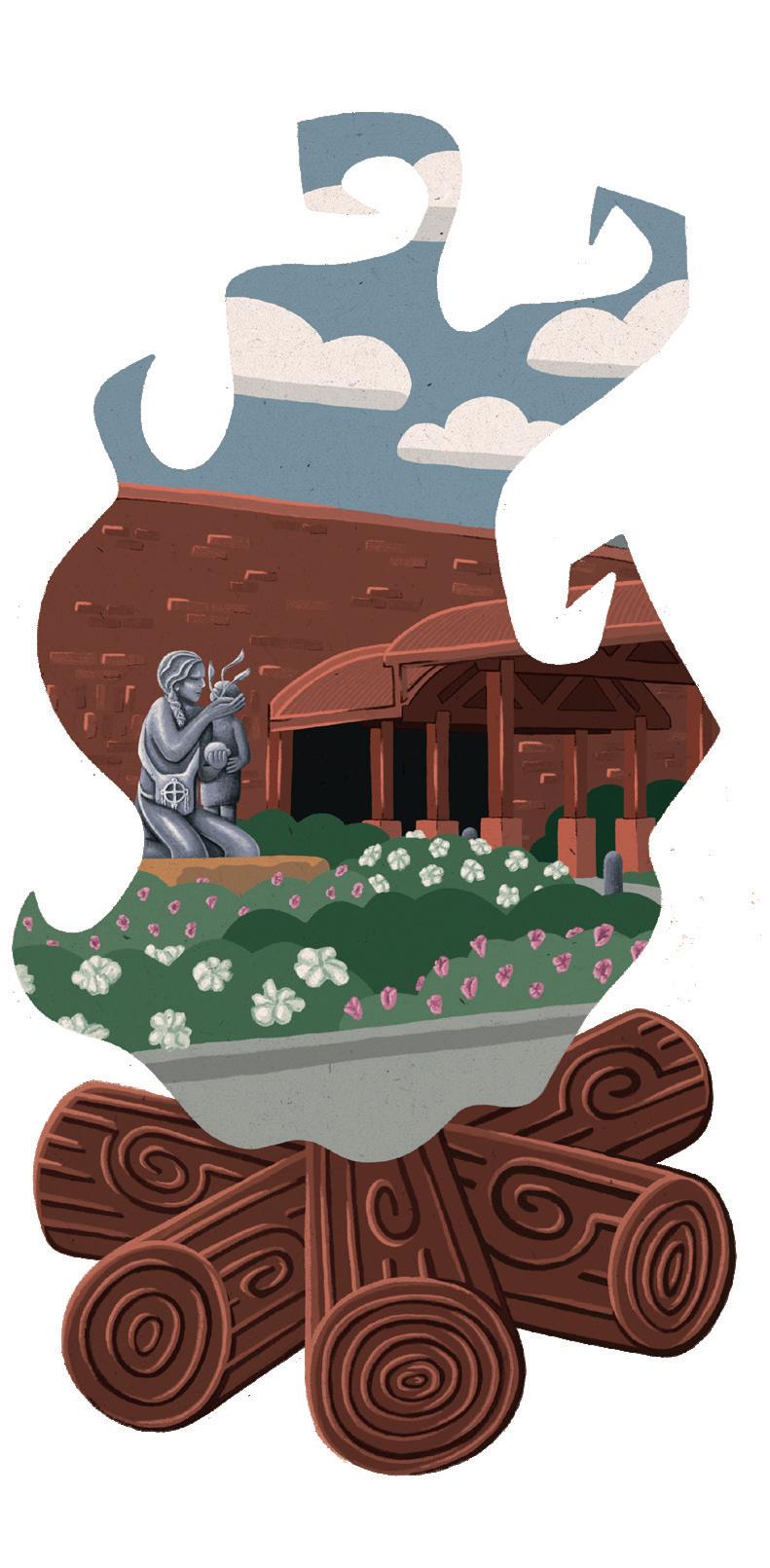
For Our Firekeeper
Dedicated to Carmelita Wamego Skeeter, whose insight, vision, and dreams have guided the growth and success of Indian Health Care Resource Center of Tulsa for nearly 50 years. Her devotion to the advancement of American Indian health has been vital to the well-being of American Indian people across the United States.
Our Story
Since 1976, Indian Health Care Resource Center of Tulsa (IHCRC) has been an important part of the local American Indian community. Our organization is the primary source of outpatient care services for American Indians living in Tulsa and the surrounding areas. IHCRC is dedicated to providing the best services possible in a way that is understanding of American Indian culture.
Mission
To empower the American Indian through exceptional healthcare!
Our Values
Vision
We will be the recognized leader in redefining primary healthcare for the American Indian.
• Community: Creating a supportive and inclusive environment. Community emphasizes creating a supportive environment where everyone feels connected and valued. It prioritizes teamwork, inclusiveness, and mutual support, aiming to make every member feel part of a cohesive whole.
• Accountability: Being responsible and transparent in actions. Accountability means taking responsibility for one’s actions and their outcomes. It involves transparency, honesty, and a commitment to upholding standards and delivering on promises.
• Respect: Valuing and honoring individual dignity. Respect is about acknowledging and valuing the inherent worth of every individual. It involves treating others with dignity, listening actively, and embracing diversity in thoughts and perspectives.
• Excellence: Striving for outstanding quality and continuous improvement. Excellence is the pursuit of outstanding quality and continuous improvement in all endeavors. It involves setting high standards, striving for innovation, and demonstrating commitment to achieving the best results.
• Stewardship: Overseeing and protecting resources ethically. Stewardship is the responsible overseeing and protection of something considered worth caring for and preserving. It involves a commitment to ethical use of funds, transparent reporting, and making every decision with the future of our mission and the community in mind.





The Medicine Wheel
To IHCRC, cultural competency means looking to the medicine wheel as a continuum of growth.
The medicine wheel is an ancient symbol used by almost all the Native people of North and South America. There are many different ways that this basic concept is expressed: the four grandfathers, the four winds, the four cardinal directions, and many other relationships that can be expressed in sets of four. Just like a mirror can be used to see things not normally visible, the medicine wheel can be used to help us see or understand things we can’t quite see or understand because they are ideas and not physical objects.
The medicine wheel teaches us that the four symbolic races are all part of the same
human family. All are brothers and sisters living on the same Mother Earth (yellow, red, black, and white). The medicine wheel teaches us that the four elements, each so distinctive and powerful, are all part of the physical world. All must be respected equally for their gift of life (earth, fire, water, and air).
The medicine wheel teaches us that we have four aspects to our nature: the physical, the mental, the emotional, and the spiritual. Each of these aspects must be equally developed in a healthy well-balanced individual through the development and use of volition (i.e. will) (physical, mental, emotional, and spiritual).
MentalCedarWinterElder SpiritualTobacco
The circle represents balance, connection, and the continuous nature of all creation.
Potential
Potentially the seed has a mighty tree within it. The four aspects of our nature (physical, mental, emotional, and spiritual) are like seeds. They have the potential to grow into powerful gifts.
Volition
We can use our volition (our will) to help us develop the four aspects of our nature. Volition is the force that helps us make decisions and then act to carry out those decisions. We can learn to exercise our volition by carrying out each of its five steps:
1. Attention (concentration)
2. Goal Setting
3. Initiating the Action
4. Perseverance
5. Completing the Action
Since volition is a primary force in developing all of our human potentialities, it is placed at the center of the medicine wheel.
Growth and Change
All human beings have the capacity to grow and change. The four aspects of our nature (physical, mental, emotional, and spiritual) can be developed when we have a vision of what is possible and when we use our volition to change our actions and our attitudes so that they will be closer to our vision of a happy, healthy human being. A person’s identity consists of:
• Body Awareness: How you experience your physical presence.
• Self-Concept: What you think about yourself and your potential.
• Self-Esteem: How you feel about yourself and your ability to grow and change.
• Self-Determination: Your ability to use your volition (will) to actualize your physical, mental, emotional, and spiritual potentialities.
Values
Values are the way human beings pattern and use their energy. If there is not a balance between our values concerning ourselves and our values concerning others, we cannot continue to develop our true potential as human beings. Indeed, if there is an imbalance, individuals and whole communities suffer and even die.
Code of Ethics
In addition to the sacred teachings concerning the nature of things, and of the gifts of our four directions, the teachings of the Sacred Tree include a code of ethics to which all should conform their lives if they wish to find happiness and well-being. This code describes what wisdom means in the relationship between individuals, in family life, and in the life of the community. These are the sparkling gems of experience practiced by Native peoples everywhere. They represent the path of safety leading around the medicine wheel, and up the great mountain to the sacred lake. What follows is a summary of some of the most important of these teachings that are universal to all tribes.
1. Give thanks each morning upon rising, and each evening before sleeping, give thanks for the life within you and for all life, for the good things the Creator has given you and others and for the opportunity to grow a little more each day. Consider your thoughts and actions of the past day and seek for the courage and strength to be a better person. Seek for the things that will benefit everyone.
2. Respect means “to feel or show honor or esteem for someone or something; to consider the well-being of, or to treat someone or something with deference or courtesy.” Showing respect is a basic law of life.
• Treat every person with respect at all times.
• Special respect should be given to elders, parents, teachers, and leaders.
• Do not make anyone feel put down or hurt.
• Touch nothing that belongs to someone else without permission.
• Respect the privacy of every person. Never intrude on someone’s personal space.
• Never walk between people who are conversing.
• Never interrupt people who are conversing.
• Speak in a soft voice, especially when you are in the presence of elders, strangers, or others to whom special respect is due.
• Do not speak unless invited to do so at gatherings where elders are present.
• Never speak about others in a negative way, whether they are present or not.
• Treat the earth and all of her aspects as your mother.
• Show deep respect for the beliefs and religions of others.
• Listen with courtesy to what others say, even if you feel that what they are saying is worthless. Listen with your heart.
3. Respect the wisdom of the people in council. Once you give an idea to a council or a meeting it no longer belongs to you, it belongs to the people. Respect demands that you listen intently to the ideas of others in council and that you do not insist that your idea prevail. Once a council has decided something in unity, respect demands that no one speak secretly against what has been decided. If the council has made an error, that error will become apparent to everyone in its own time.
4. Be truthful at all times, and under all conditions.
5. Give your best. Always treat your guests with honor and consideration.
6. The hurt of one is the hurt of all, the honor of one is the honor of all.
7. Receive strangers and outsiders with a loving heart and as members of the human family.
8. All the races and tribes in the world are like the different colored flowers of one meadow. All are beautiful. As children of the Creator they must all be respected.
9. To serve others, to be of some use to family, community, nation, or the world is one of the main purposes for which human beings have been created. Do not fill yourself with your own affairs and forget your most important task. True happiness comes only to those who dedicate their lives to the service of others.
10. Observe moderation and balance in all things.
11. Know those things that lead to your well-being and know those things that lead to your destruction.
12. Listen to and follow the guidance given to your heart. Expect guidance to come in many forms; in prayer, in dreams, in times of quiet solitude, and in the words and deeds of wise elders and friends.
Lessons From the East
The East is the direction from which the new day comes into the world. It is the direction of renewal. It is the place of innocence, guilelessness, spontaneity, joy, and the capacity to believe in the unseen.
In the East of the medicine wheel, a good leader learns to see things as they are connected to all other things, to be self-reliant, to have hope for the people, and to trust in his vision.
In the East we will learn the warmth of spirit, purity, trust, hope, and the uncritical acceptance of others.
Like the eagle we must have the capacity to watch over and guard the wellbeing of others.
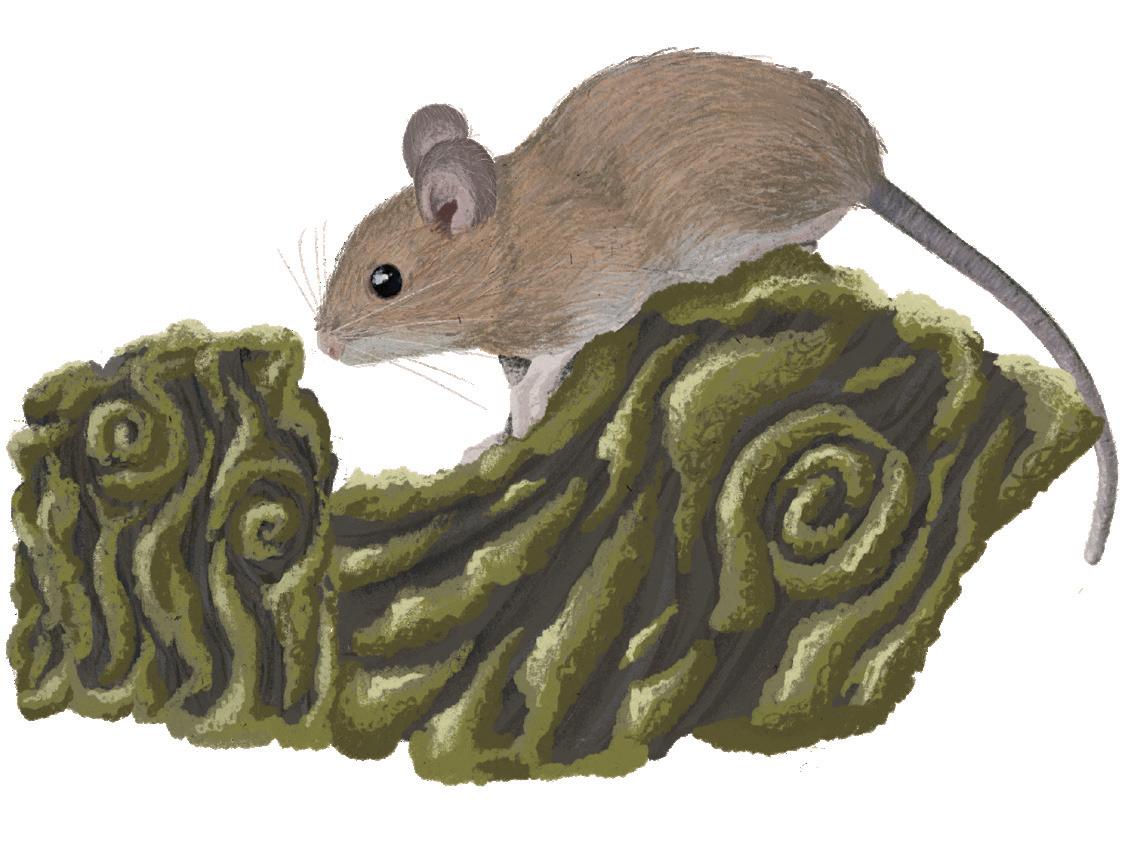
Like the mouse we must do everything with all of our being. We submerge total awareness into what we are doing.




Courage
Purity
Trust
Hope
Guidance
Leadership
The humblest creature (the mouse) and one of nobility (the eagle) are twin teachers of the East. For greatest of spirit and humility are opposite sides of the same reality. The essence of trust and leadership is service to the people. The essence of what it is to be human is to be found in service to others. This is the greatest lesson of the medicine wheel.
It would take more than one thousand lifetimes to tell all of the gifts of the East, or any of the directions of the medicine wheel. The horse that carries the traveler on the journey to search for the gifts of the four directions is named Patience. Without him the traveler could not continue the journey.
Lessons From the South
The South is the direction of the sun at its highest point. It is the place of summer, of fullness, of youth, of physical strength, and vigor.
The South is also the place of the heart, generosity, sensitivity to the feelings of others, loyalty, noble passion, and love.
The most difficult and valuable gift to be sought in the South of the medicine wheel is the capacity to express feelings openly and freely in ways that do not hurt other beings.
The practical value of this is that we will then have the ability to set aside our feelings of anger, hurt, or grief in order to counsel, or in other ways assist people.

Generosity
Sensitivity
Loyalty
Self-Control
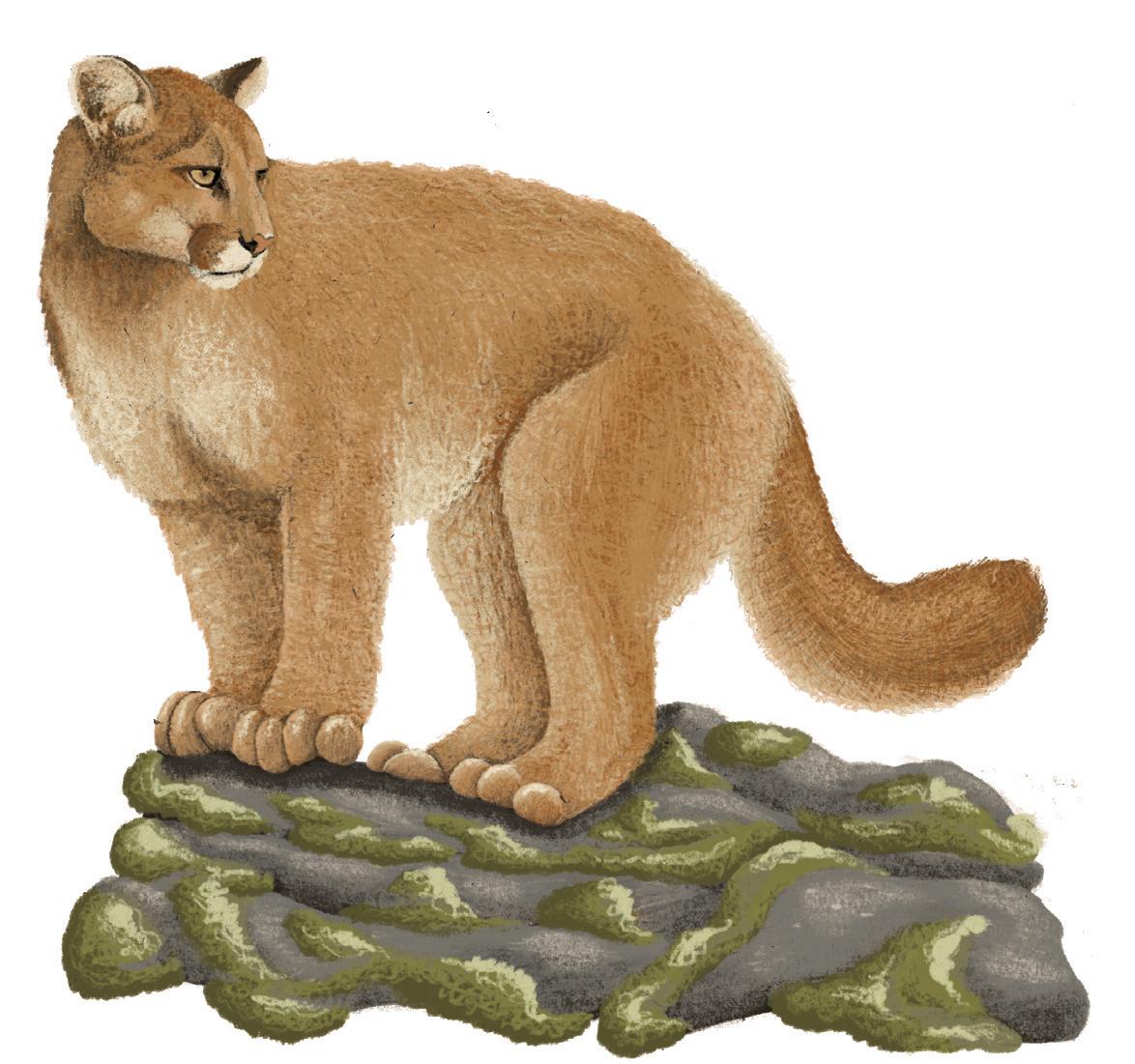
Like the cougar we must train our senses to serve ourselves and others.
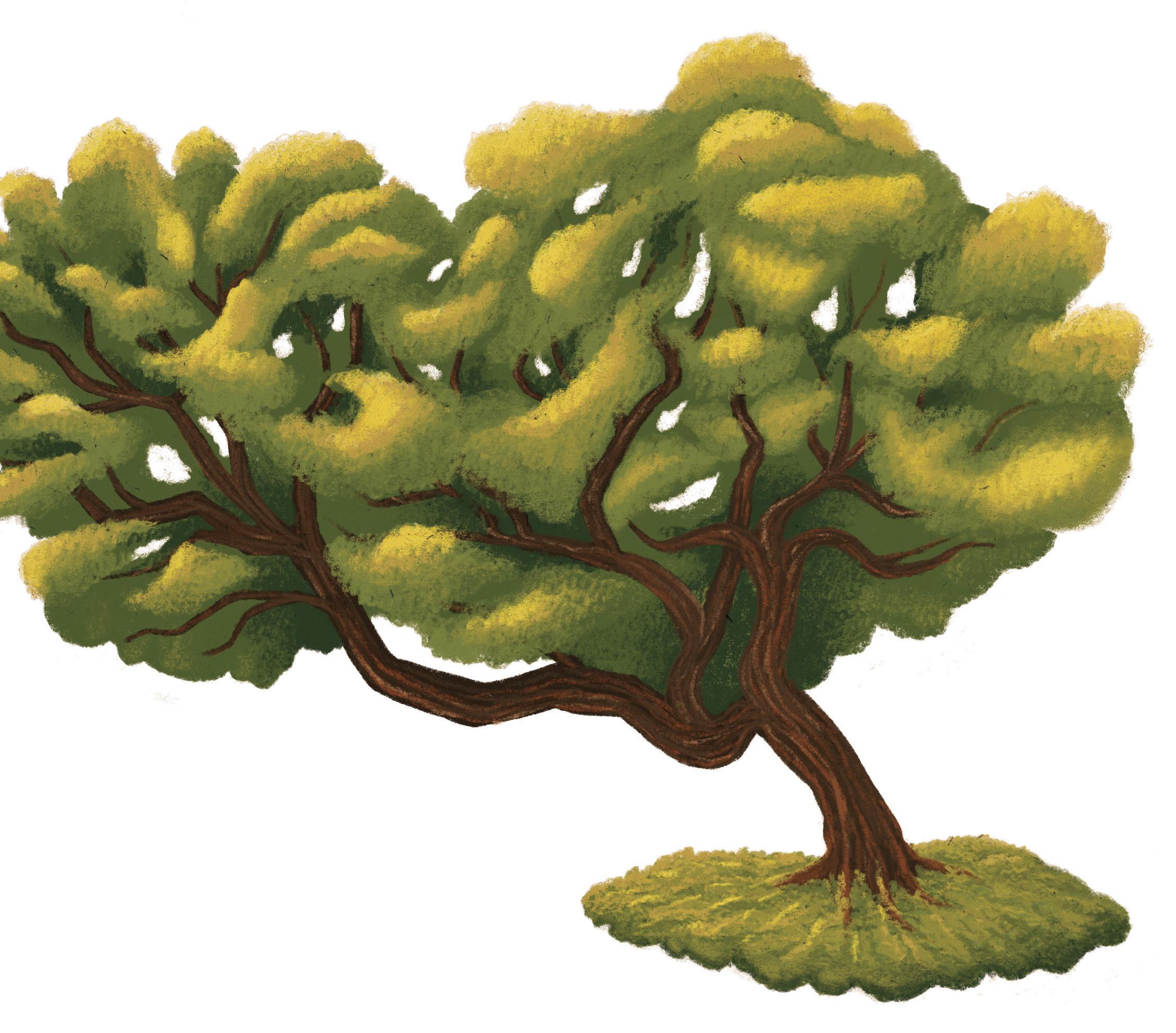
Like the red willow tree we must be flexible yet strong. It yields to forces that would destroy others, but always bounces back.
Lessons From the West
The West is the direction from which darkness comes. It is the direction of the unknown.
Because thunder and lightning often come from there, the West is also the direction of power,
including the power to heal, power to protect, and power to defend. It is the power to see and to know.
Like the black bear we must possess great strength. The strength will come deep from within the person.


Perseverance
Balance Understanding
Ceremony
Vision
Like the turtle, having the ability to go inside and examine yourself and persevere when challenged.
The West is a place of learning that requires daily effort and personal reflection.
The greatest lesson to be learned from the teachers of the West is to accept ourselves as we really are; both spiritual and physical beings, and to never again cut ourselves off from the spiritual part of our nature.
The West is the place of sacrifice. When we stand in the West we learn that nothing may be taken from the universe unless something is given. The mystery of sacrifice is that there is no sacrifice.
Lessons From the N orth
The North is the place of winter, of white snows, that remind us of the white hair of our elders.
The mind can be trained until it is a highly developed instrument. We must climb the slopes of the great mountain. The higher we climb its slopes, the steeper and more difficult the way becomes. And yet the higher we go, the more we can see and the stronger we become.
Capacities of the mind are the birthright of every human being. We have only to journey to the North, and there to struggle. For nothing is gained without a price.
Detachment means freedom from hate, jealousy, desire, anger, and fear. It means a complete letting go of all things, even that which we love the best. It means being able to put behind us all the knowledge we have acquired on our journeys, for even knowledge itself can be a burden too heavy to carry to the summit of the great mountain and to the shores of the sacred lake.

To let go of something is not to throw it away. It is to step outside its shadow so that things may be seen in a different light.
The capacity to finish what we have started is of tremendous importance to our well-being.
In order to acquire the art of standing apart from our strong feelings and thoughts, we must learn to look at ourselves from the center of the medicine wheel. From the center, we will be able to see how we fit together with everything else. We will experience ourselves to be a small but infinitely sacred part of a very large process.
We can watch our feelings, our thoughts, our insights and know them to be reflections in the mirror of the sacred lake.
Wisdom
Freedom from Hate, Jealousy, Desire, Anger, and Fear

The Final Gift
The medicine wheel is an ancient and powerful symbol of the universe. It is a silent teacher of the realities of things. It shows the many different ways in which all things are interconnected. Beyond that, it shows not only things that are, but also things that could be.
Human beings create many of the necessary conditions for the development of their own potential. They do this through the operation of their will. They decide to do so.
The medicine wheel can be used as a model of what human beings could become if they decided and acted to develop their full potential. Each person who looks deeply into the medicine wheel will see things in a slightly different way. This is because the Creator has made each of us to be a unique human being, and given to each of us a special combination of gifts to be used to further develop ourselves and to serve others.
No two people will see exactly the same things when they look deeply into the mirror of the medicine wheel. Yet everyone who looks deeply will see the tree of their unique lives with its roots buried deep in the soil of universal truths.
Because many tribes and peoples have used the medicine wheel to look at themselves, there are many different ways of explaining those universal truths that human beings share in common.
It is possible for the individual to be so enamored with the gifts of any one of the directions that they may forget the journey and attempt to dwell forever with the teachings that have captured their heart.
Each of the gifts of each of the directions is balanced by the other gifts.
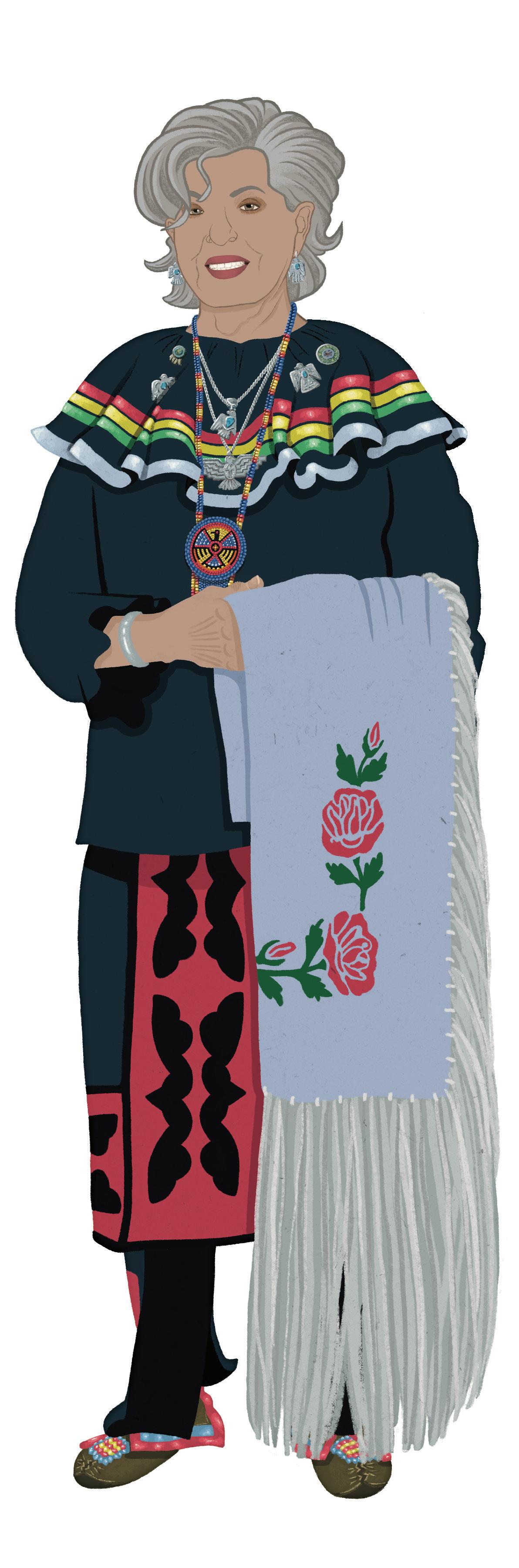
“Embracing the teachings of the Medicine Wheel, we honor the past and nurture the future of Native American health.”
Carmelita
Wamego Skeeter, Chief Executive Officer
The mystery of all endings is found in the birth of new beginnings. There is no ending to the journey of the four directions. The human capacity to develop is infinite. The medicine wheel turns forever.