From Alumni Legacy to Elite Training, A Landmark Season of IC Athletics
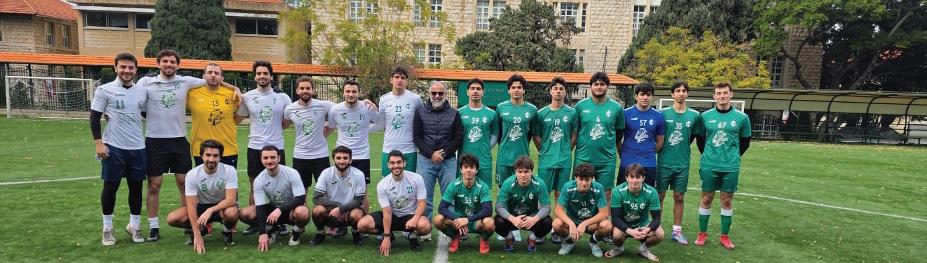
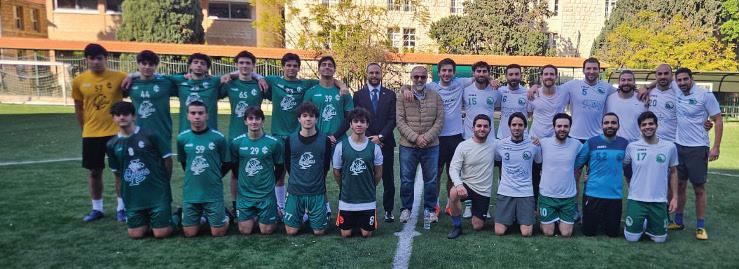
In celebration of our alumni, where legacy truly comes full circle, IC Athletics hosted seven alumni games over the Christmas break across the Ras Beirut and Ain Aar facilities. It was a privilege to welcome our IC alumni back home, returning to the courts and fields where their journeys first began. While the facilities may have evolved, the spirit remained unchanged. Seeing former Cougars back in IC colors was a powerful reminder of the legacy we continue to carry forward, one that our varsity teams proudly pledged to uphold.
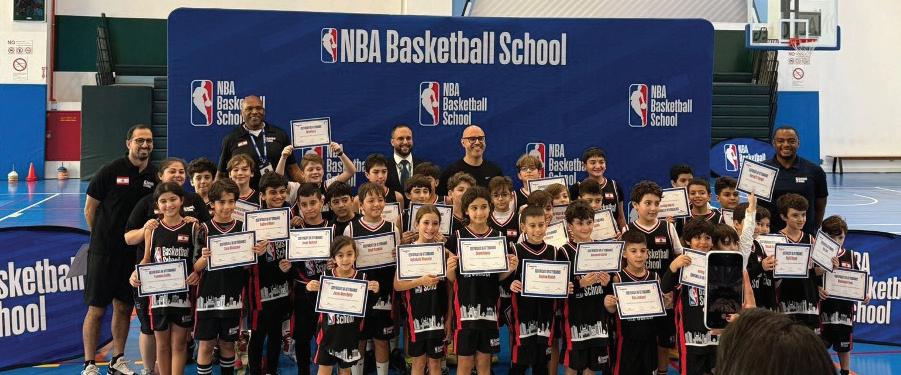
During the same period, IC Athletics also hosted the NBA School for a five-day NBA Basketball Camp, offering athletes an experience that extended far beyond drills and plays. Each day featured structured four-hour training shifts designed to develop the right skills for growth and performance.
Under the direct guidance of the NBA Basketball School coaching staff, led by Hernando Planells, Technical Director of Youth for the Boston Celtics, athletes were challenged both mentally and physically. They learned how to read the game, make smarter decisions under pressure, and understand what it truly takes to compete at a high level—living the full NBA experience throughout those five days.
As the season continues, IC teams remain highly active across multiple competitions. With more than 500 athletes, our teams are currently competing in:
1. USJ Tournament (with IC fielding the highest number of student-athletes across all sports except handball)
2. LES
3. MOE Ministry of Education Tournaments
4. Shada Nasr × ACS
5. CPF (High School)
6. Jr. NBA × LAU
7. UA
Alongside these commitments, our calendar is carefully aligned with NESAC Tournaments – Season 2, taking place during the first two weeks of February.
To stay connected with our student-athletes and upcoming events, follow IC Athletics through our official channels:
• WhatsApp Channel
• Instagram: @IC.ATHLETICS
• Athletic Calendar
Little Hands, Big Ideas: Exploring Creativity Through Materials in Pre-K & KG1
In both Pre-K and KG1, our young learners went on a creative adventure using everyday materials in exciting and unexpected ways! While each grade explored materials differently—just right for their age—both experiences were filled with imagination, thoughtful choices, and plenty of “What if…?” moments.
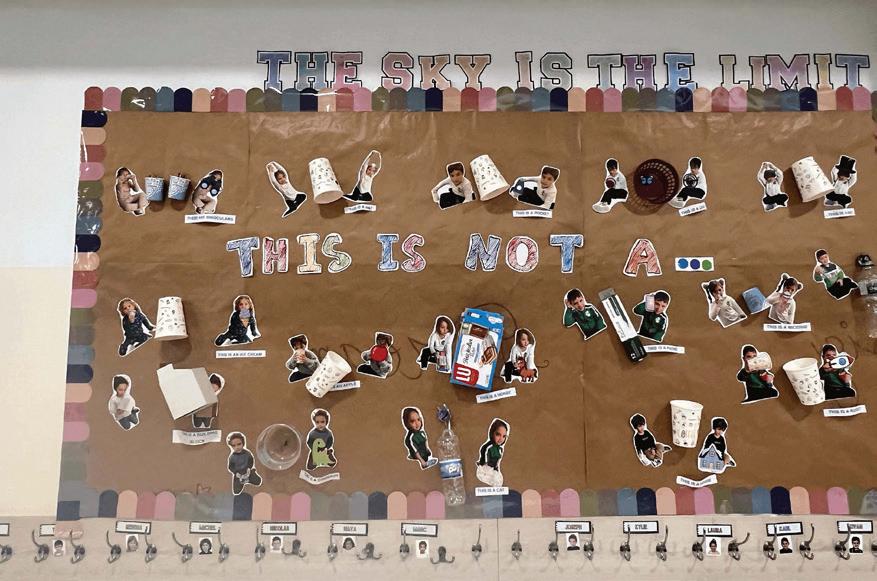
Pre-K: “This Is Not a Box!”
Under the transdisciplinary theme How We Express Ourselves, Pre-K students explored the big idea that we discover ourselves and express our creativity through play.
Their journey began with the playful provocation “This Is Not a Box.” Using recyclable materials, children decided for themselves what each object could become. A box turned into something magical, simple materials transformed into imaginative creations, and role-play quickly took over!
As they played, students made choices, shared ideas, and talked about their creations, building their thinking and communication skills naturally through joyful exploration.
KG1: From Wondering to Creating
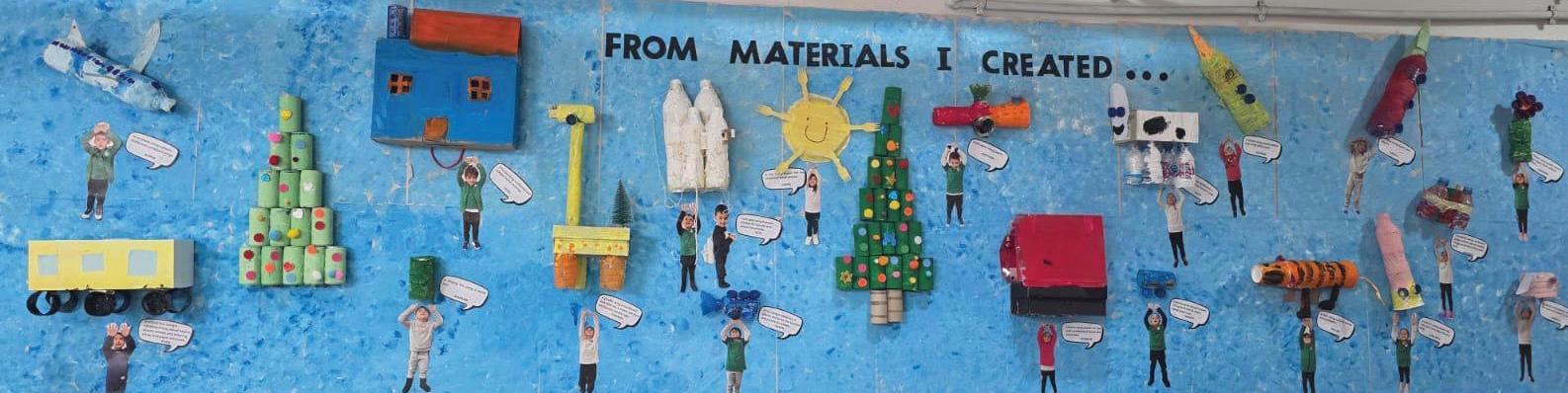
In KG1, learning took a slightly more purposeful turn under the theme How the World Works, with the central idea that materials can be manipulated to serve a range of purposes.
The inquiry began when a pile of recyclable materials appeared on the classroom floor. At first, students suggested sorting and recycling them—but then came the big question: “What else can we do with them?”
This curiosity sparked a wave of ideas! Acting as Inquirers, students decided to reuse the materials to create something new. They discussed whether their ideas were a need or a want, planned their designs, chose and named materials, explored how they could be used differently, built their creations, and added a final artistic touch with paint.
To wrap it up, students reflected on their work, making small improvements and proudly sharing their finished products.
Growing Creativity Across the Early Years
Across both grades, students discovered that materials can be used in many different ways. In Pre-K, this understanding grew through playful imagination, while in KG1 it expanded into thoughtful planning and purposeful design.
Together, these experiences beautifully show how creativity grows step by step in the early years— moving from expressive play to intentional inquiry, all powered by curiosity, creativity, and lots of little hands with big ideas
Quand les CE1 explorent les cycles de la Terre et partagent leur savoir
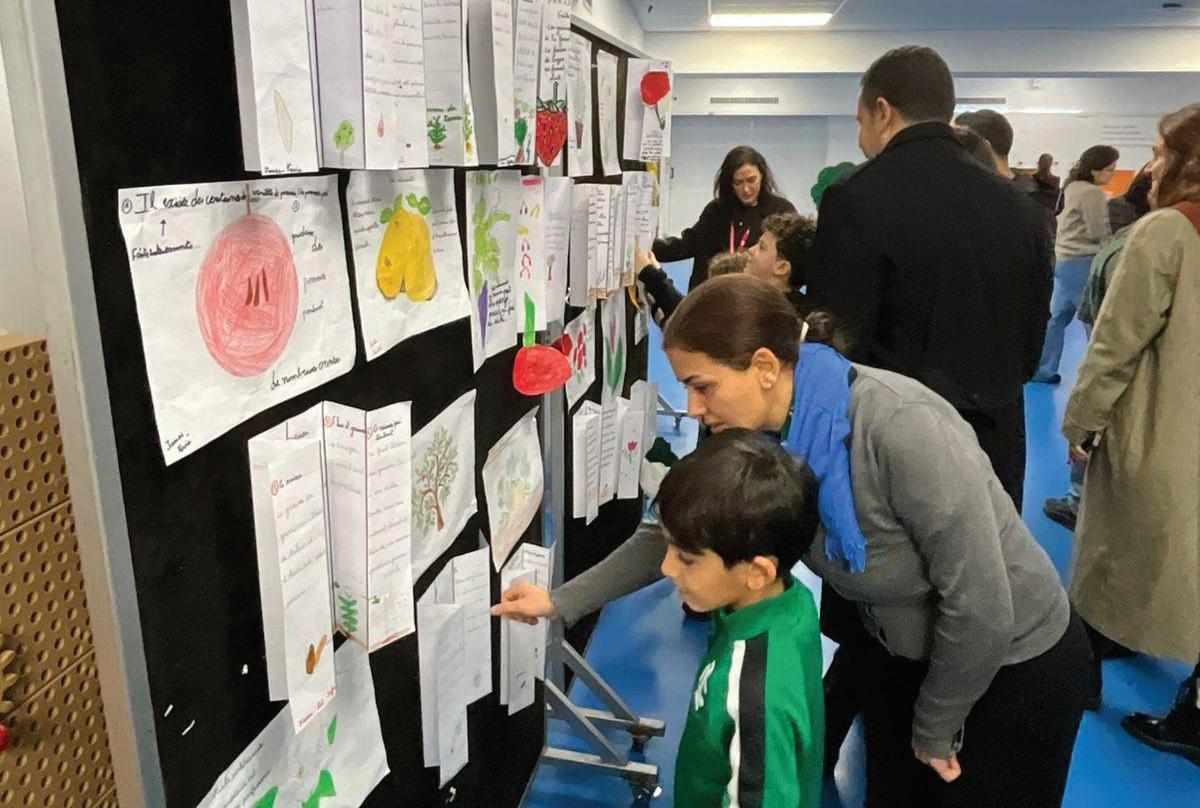
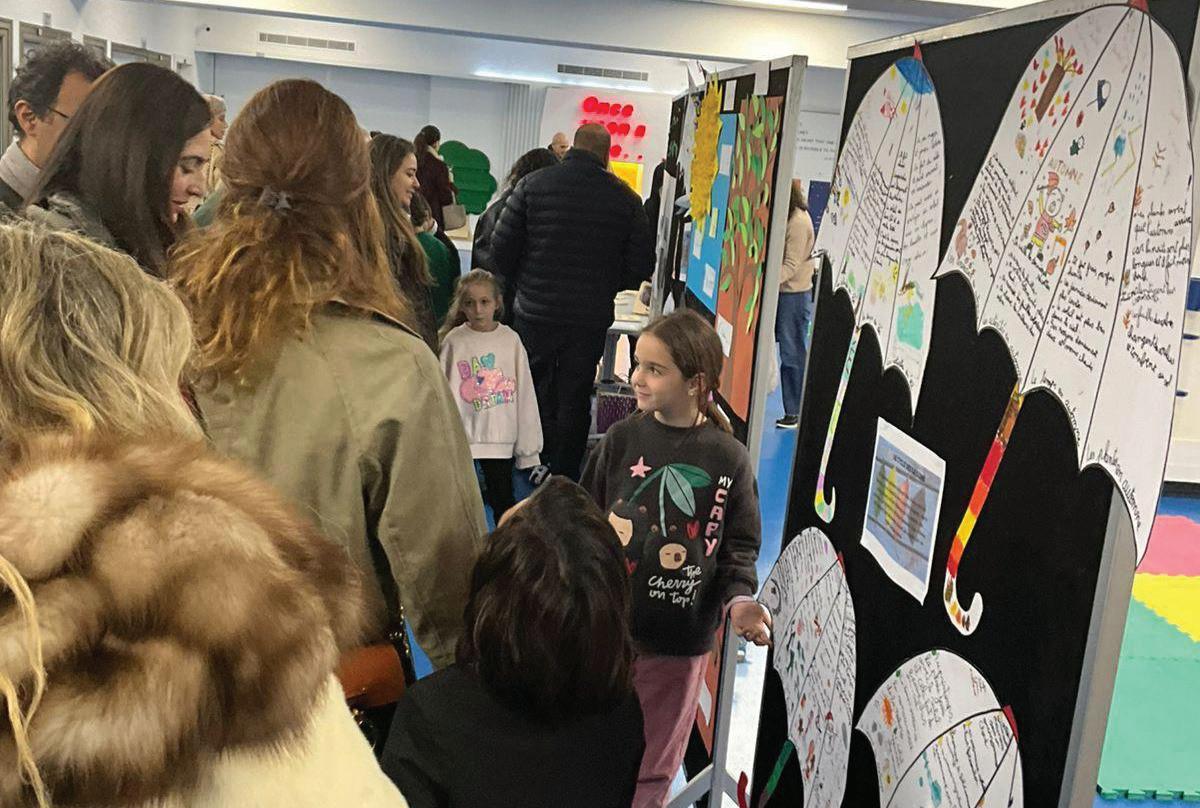
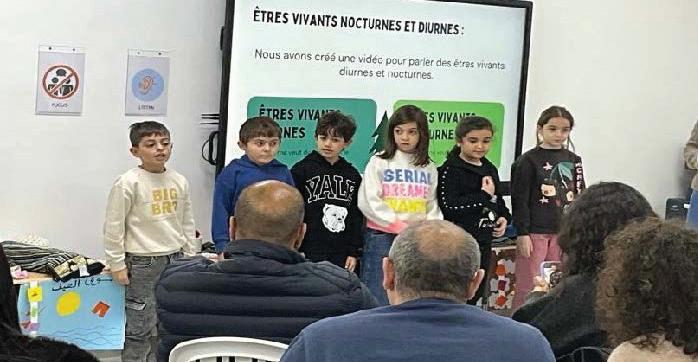
Les élèves de CE1 ont vécu un moment fort en mettant en lumière l’aboutissement de leur unité de recherche « Comment le monde fonctionne », consacrée aux cycles naturels de la Terre. Entièrement menée par les enfants, cette rencontre a permis aux familles de découvrir les apprentissages à travers des mots d’élèves clairs et engagés : idée maîtresse, pistes de recherche, concepts clés, profils de l’apprenant et approches de l’apprentissage.
À travers leurs recherches et leurs productions variées — affiches, livres documentaires et vidéos — les élèves ont expliqué avec fierté les liens entre les cycles naturels, les changements observés et les réactions des êtres vivants. Ce temps de partage a également mis en valeur une belle action de service solidaire, reflet de leur sens des responsabilités, de leur esprit de collaboration et de leur engagement citoyen.
Un moment riche de sens et de découvertes, témoignant de la curiosité, de l’autonomie et de la maturité de jeunes apprenants pleinement acteurs de leurs apprentissages.
Grade 6/6ème Field Trip to Jabal Moussa – Save the Forest
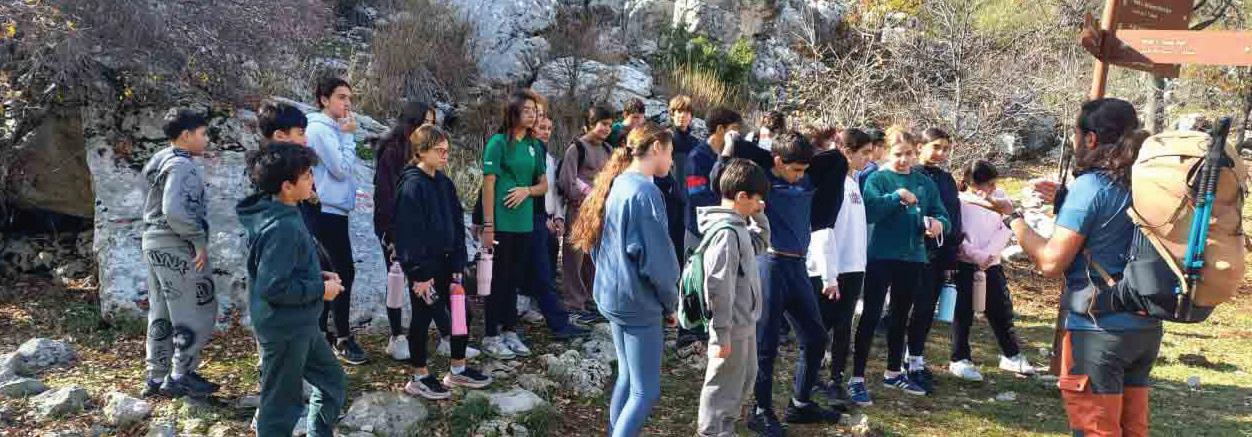
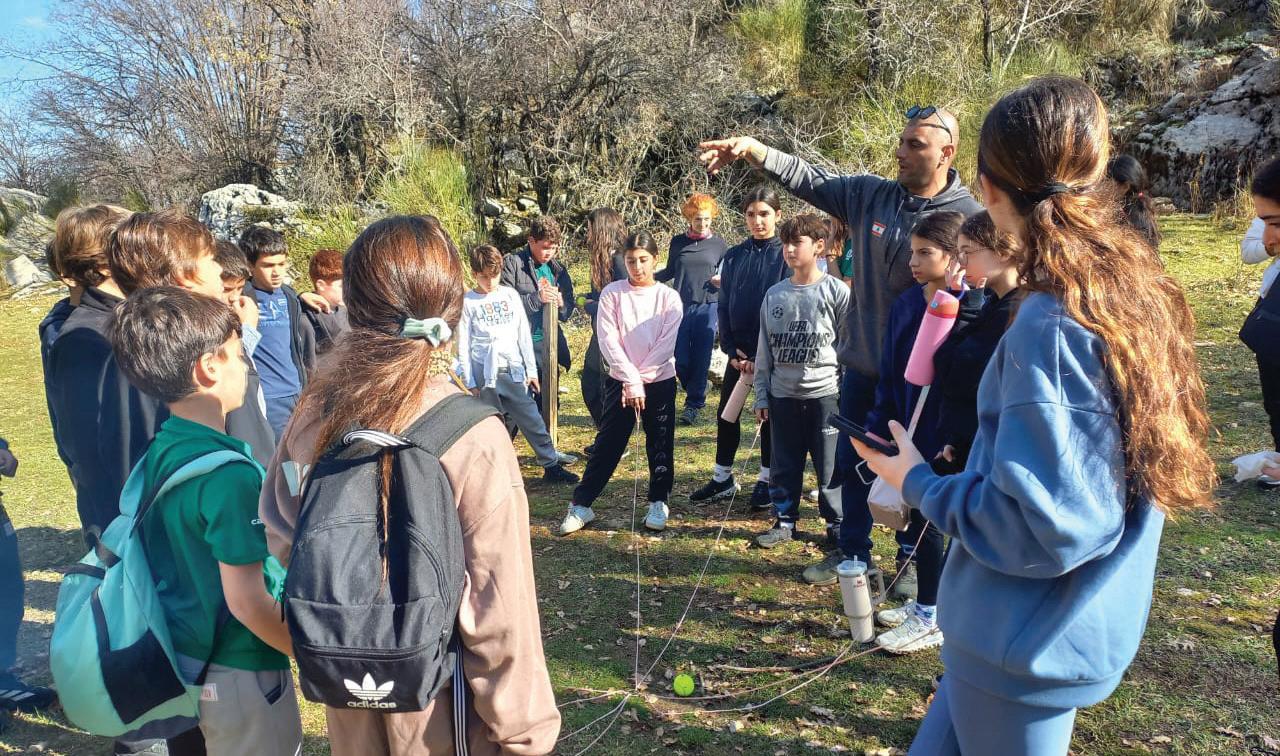
As part of their interdisciplinary project “Save the Forest,” Grade 6/6ème students took part in a meaningful field trip to Jabal Moussa Biosphere Reserve. This visit served as an exploration phase, allowing students to experience the forest firsthand and deepen their understanding of biodiversity, ecosystems, and environmental protection.
Walking through the forest, students observed natural habitats, discussed human impact on the environment, and reflected on the importance of conservation. This authentic learning experience will support students as they move into the next phase of their project, which pushes them thinking critically about concrete actions they can take to help protect and preserve this forest.
The trip beautifully connected learning, environmental awareness, and civic responsibility, reinforcing the idea that meaningful action begins with understanding and connection to place.
Middle School - Ain Aar
DIVAS: From Oum Kalthoum to Dalida
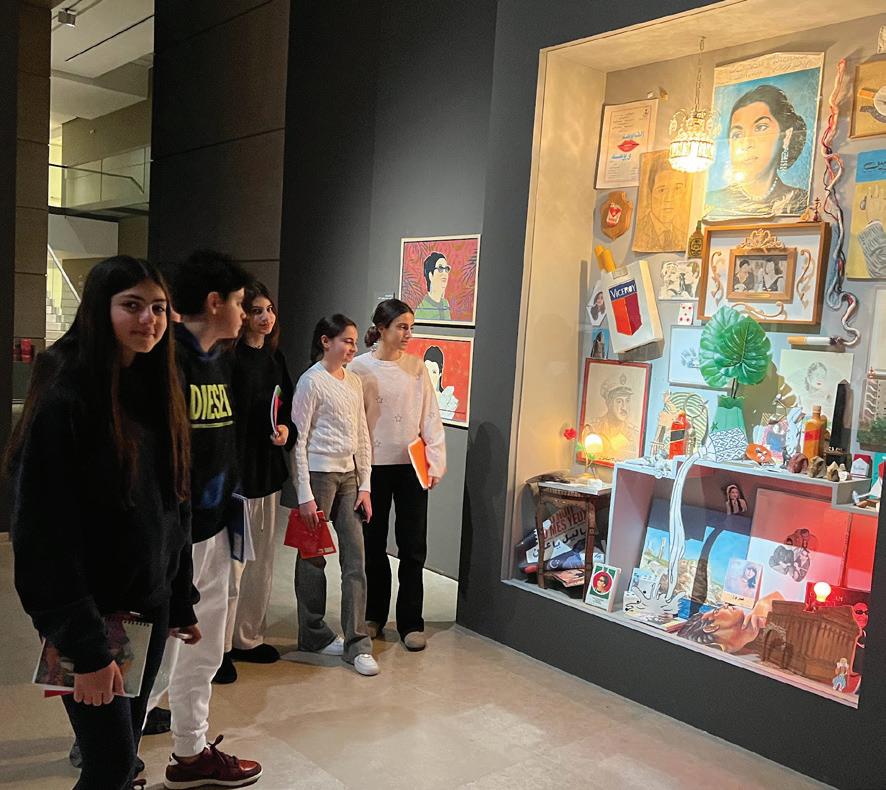
As part of their unit on Art and Creativity in the Arabic As a Foreign Language class, a group of students from Grade 8/ 4ème B went on an educational visit to the Sursock Museum on Thursday, January 8, to deepen their understanding of artistic expression and cultural identity and the creative process explored in class. We have chosen the exhibition DIVAS: From Oum Kalthoum to Dalida, conceived by the Institut du Monde Arabe (IMA), because it aligns closely with the themes of their unit. Through this exhibition, students discovered the artistic journeys of Arab female performers and explored how creativity shapes cultural heritage and engages with authentic materials that enrich their language learning.
A Valuable Learning Opportunity for Grade 9B Students
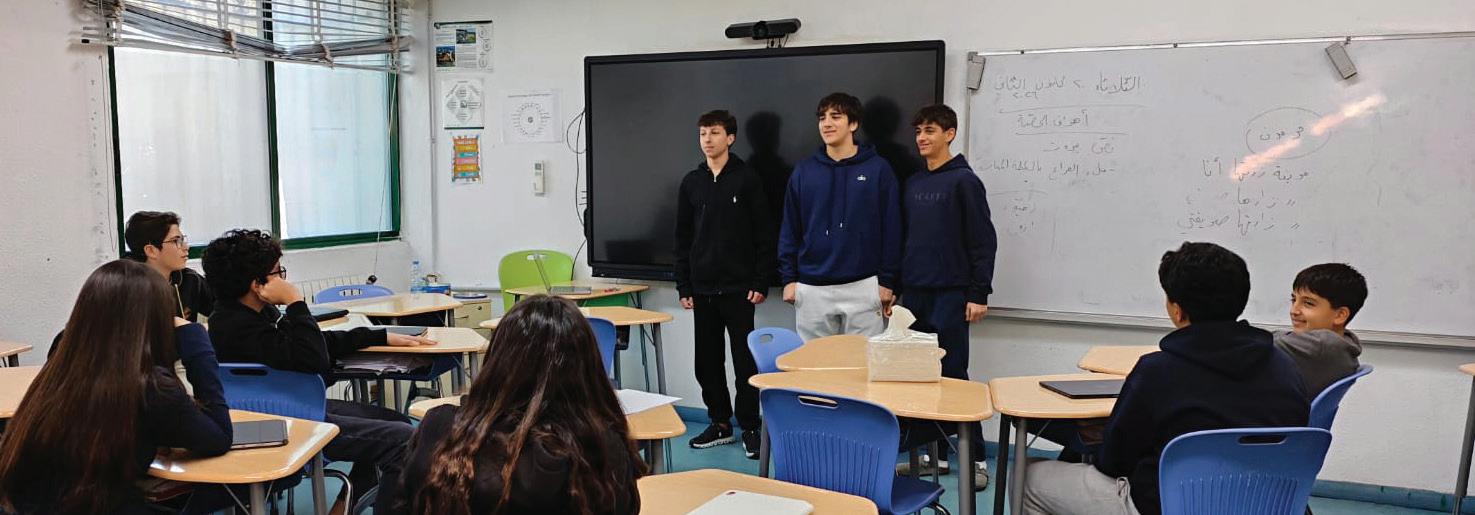
A spontaneous visit from a group of Grade 10 students, former MSAA students, turned into a valuable learning opportunity for Grade 9B.
The students were able to ask questions and hear firsthand about computer science in high school, including course expectations, activities, and challenges. This discussion helped them better
understand how the skills and concepts they are learning now directly connect to their academic journey in the coming years.
It was an authentic and motivating exchange and a great reminder of how meaningful these real-world connections can be for our students.
KG1 STEAM Challenge: “Tall Towers” – Exploring Engineering, Balance, and Design Thinking
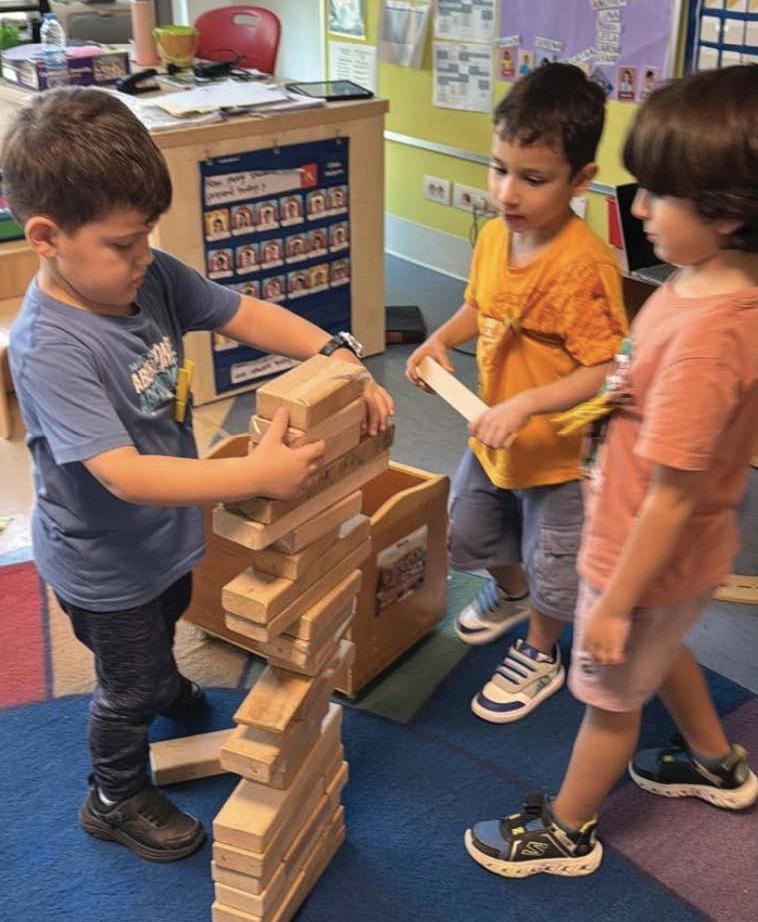
Our KG1 students engaged in STEAM challenge, “Tall Towers,” stepping into the role of young engineers and problem solvers. The experience began with a shared reading inspired by Up! Up! Up! from the story Skyscraper by Anastasia Suen, which sparked curiosity about builders, cranes, and towering city structures. As they explored the story, students posed thoughtful questions such as, “What makes a tower stand tall and strong?”
Working collaboratively in small groups, the children used Magnatiles and blocks to design and construct their own towers. Through hands-on experimentation, testing, and rebuilding, they began to understand that a wide base and careful balance are essential for stability. When structures fell, students demonstrated perseverance and flexibility in their thinking, revising their designs and applying what they had learned. As one student shared, “My tower fell, so I made the base bigger!” Another reflected, “We have to balance it, so it doesn’t fall!”
Throughout the challenge, students were introduced to and confidently used new vocabulary such as builder, base, structure, and balance. Through purposeful play, they explored foundational engineering concepts while developing collaboration,
problem-solving, and resilience. This rich learning experience highlighted how inquiry and hands-on exploration nurture both conceptual understanding and a strong sense of learner agency in our Early Childhood classrooms.
Spotlight on Leadership in Our Youngest Learners
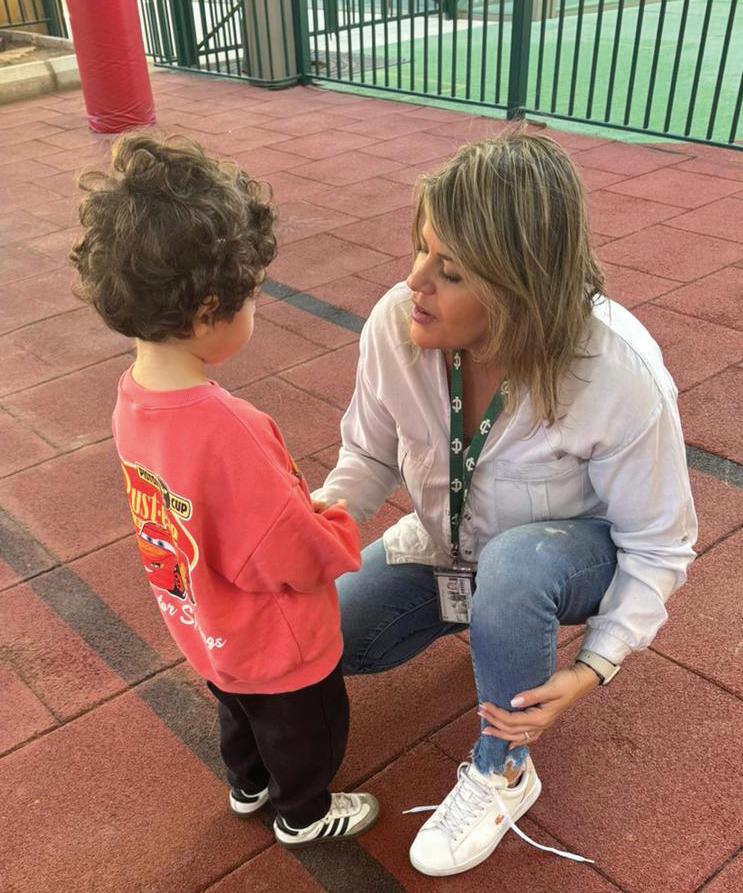
This simple act captures the essence of leadership— being attentive, showing care, and taking thoughtful action. It reflects how our children are learning to notice the needs of others and to act with responsibility and consideration within their community. These moments, though small, are powerful indicators of developing social awareness and a growing sense of agency in our youngest learners.
Such behaviors are not accidental. They are the result of intentional teaching practices in which educators consistently model empathy, independence, and confidence through their interactions, language, and expectations. By embedding these values into daily routines and learning experiences, teachers create environments where children feel safe to act, speak up, and take initiative.
When children’s voices are respected and their actions are acknowledged, they begin to see themselves as capable and compassionate contributors to their surroundings. In our Early Childhood, leadership starts with noticing and caring for others. These foundational lessons are lived out each day, laying the groundwork for responsible, empathetic, and confident learners who understand that even small actions can make a meaningful difference.
A small but powerful moment captured how our youngest students are developing leadership and empathy. As a teacher was walking across the playground, one of our Pre-K students noticed that her shoelace was untied. With genuine care, he approached her and said, “You need to tie your shoes.”
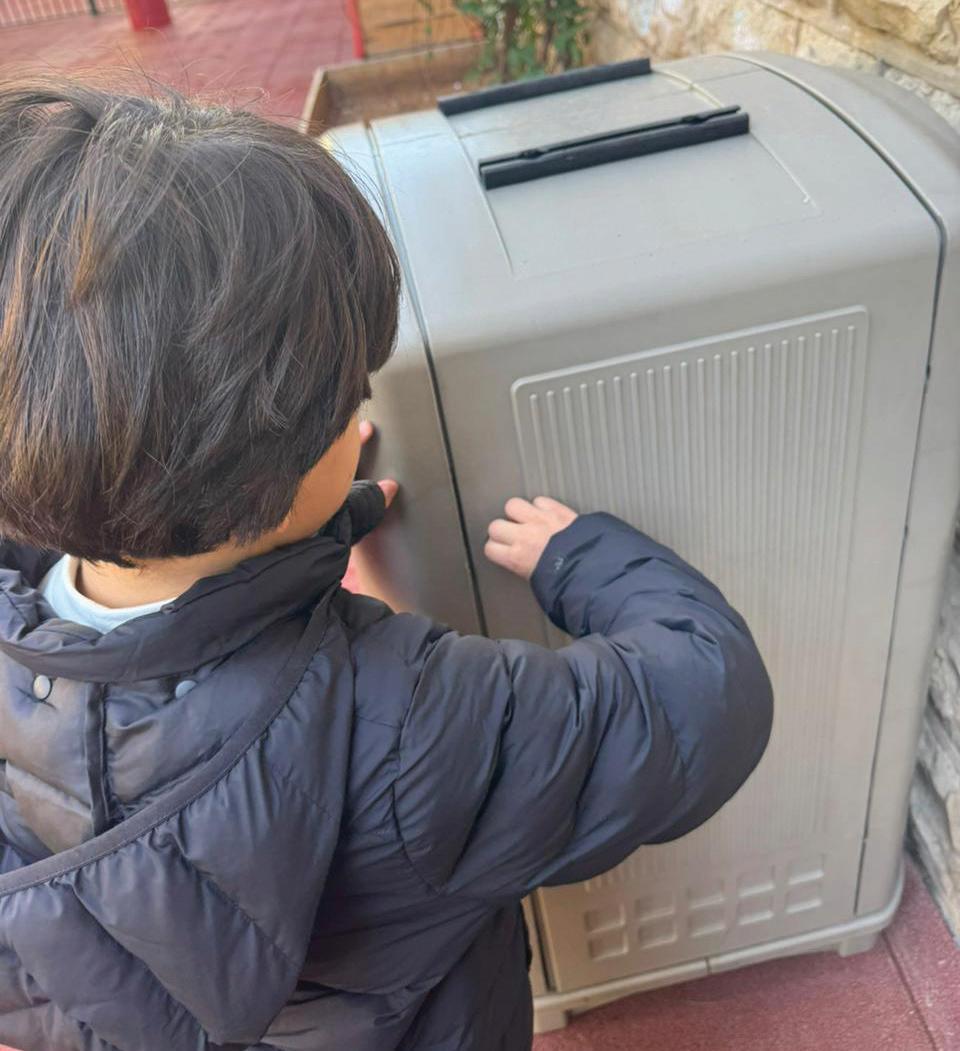
Another child in GS class demonstrated similar leadership and responsibility during recess. When he noticed that the trash bin cover was open, he quietly and independently closed and locked it — keeping the playground safe and clean for everyone. His thoughtful action required no reminder or adult direction; it came from a place of genuine care and integrity.
These moments remind us that leadership is defined by action, empathy, and the courage to take
responsibility. As teachers, when we notice, name, and celebrate these acts, we nurture a culture where every child believes they can make a difference, and inspires our students to see themselves as capable, caring contributors to their world.
Book Donation Initiative at IC ESRB
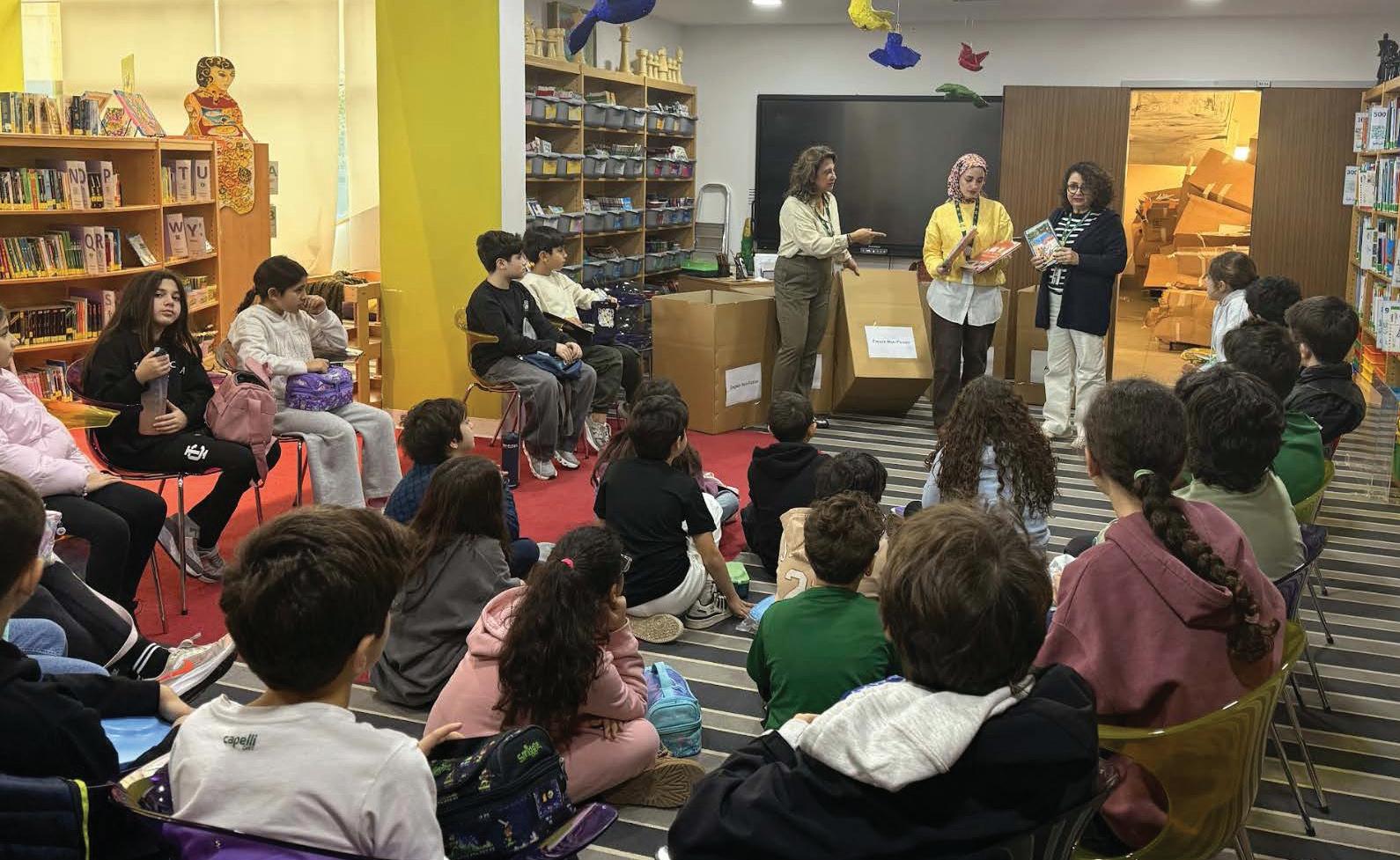
At ESRB, student initiative and leadership continue to soar. When the school identified numerous boxes of books to be donated to public schools, it quickly became clear that the task was far too extensive to be handled without the support of many helping hands. In a true demonstration of responsibility and leadership, the Council of Student Representatives promptly stepped forward to offer their assistance.
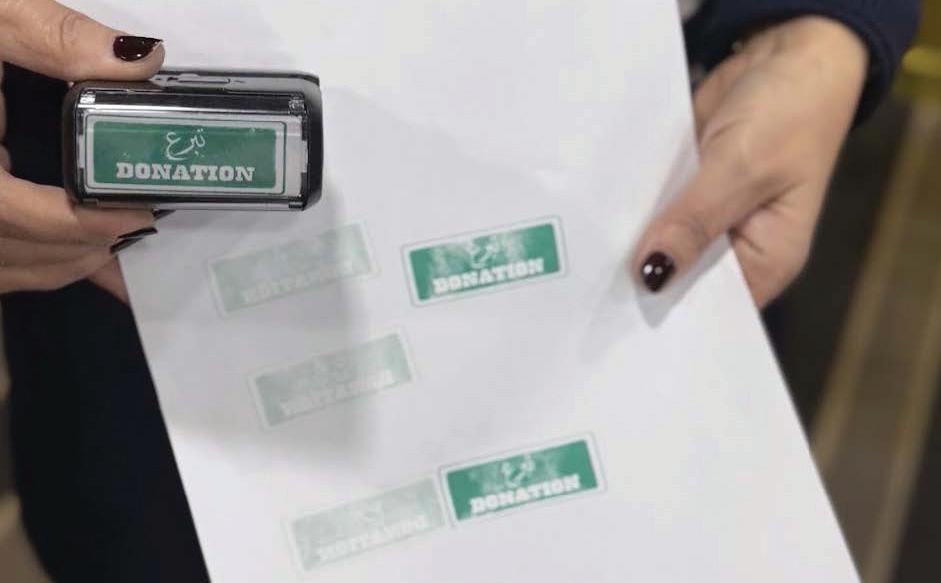
The initiative involves approximately 1,000 books currently stored in boxes in the Library storage room. To prepare them for donation, students are actively engaged in a structured and purposeful process that includes sorting the books by language (Arabic, French, and English), stamping each book with the “Donated by IC” seal, categorizing them as fiction or non-fiction, and carefully repacking them into clearly labeled boxes: Arabic books, French fiction, French non-fiction, English fiction, and English non-fiction.
The process began on Thursday, January 15, with an introduction to the task and expectations, and will continue throughout the week of January 19 to 23 until completion. This meaningful initiative reflects the strong spirit of collaboration and service within our school community. May our learners of today always be empowered to grow into compassionate, responsible, and engaged global citizen leaders.
Hands-On Learning at ESRB: Inquiry in Action
At ESRB, learning comes alive when students actively explore, question, and make sense of the world around them. As a PYP school, we believe that deep conceptual understanding is built through meaningful, hands-on experiences that connect learning to real-life contexts. Across grade levels, our Units of Inquiry are designed to engage students as thinkers, researchers, and collaborators—and recent science explorations are a wonderful example of this in action.
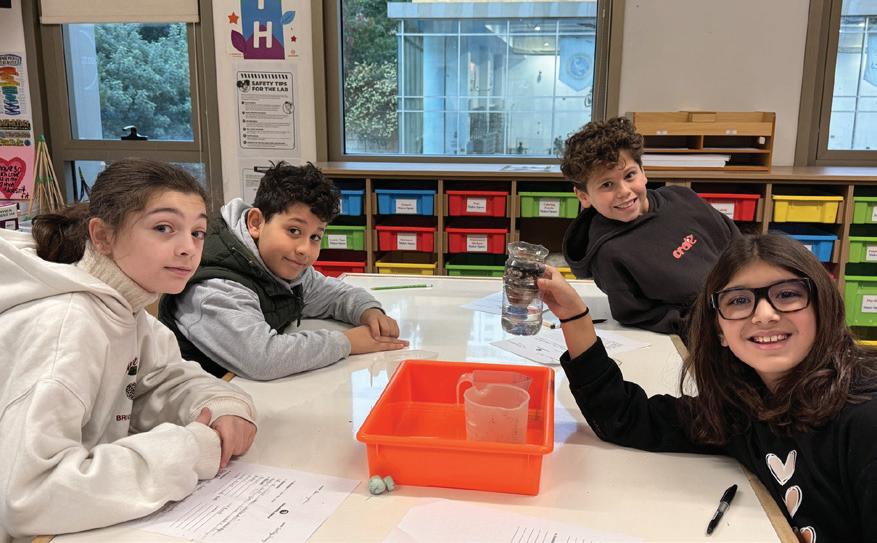
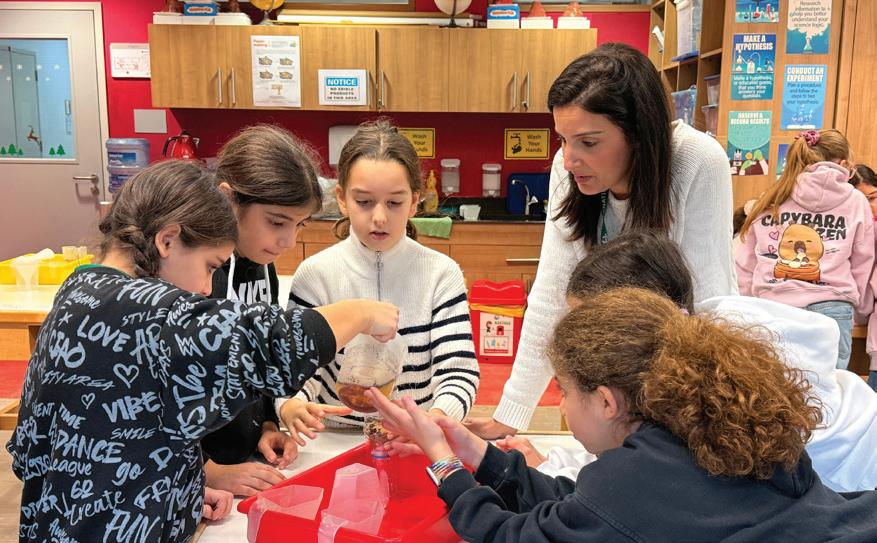
In Grade 4/CM1, students stepped into the role of scientists as they investigated how dirty water can be cleaned. By identifying dirty water as a mixture and following the scientific process, students developed hypotheses, planned investigations, and tested different filtration materials such as cotton, charcoal, sand, and gravel. Through observation and reflection, they analyzed results, identified filtrate and residue, and
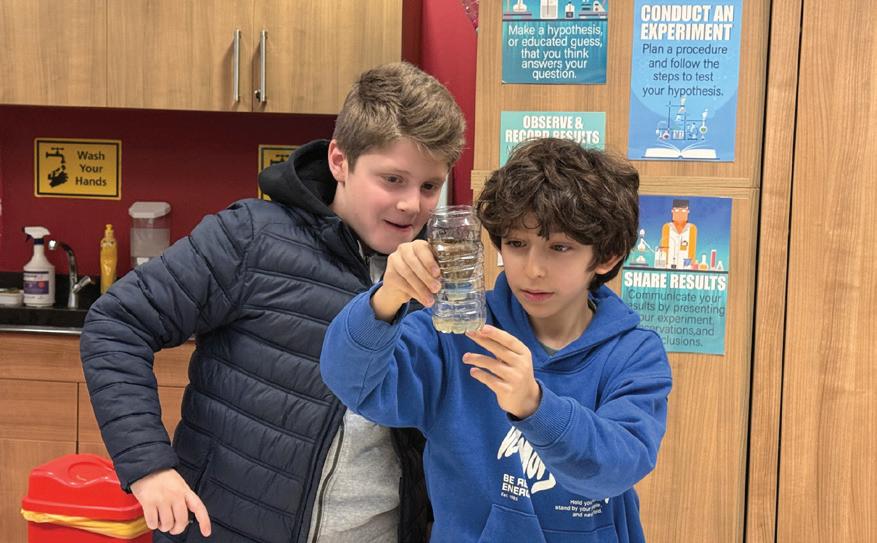
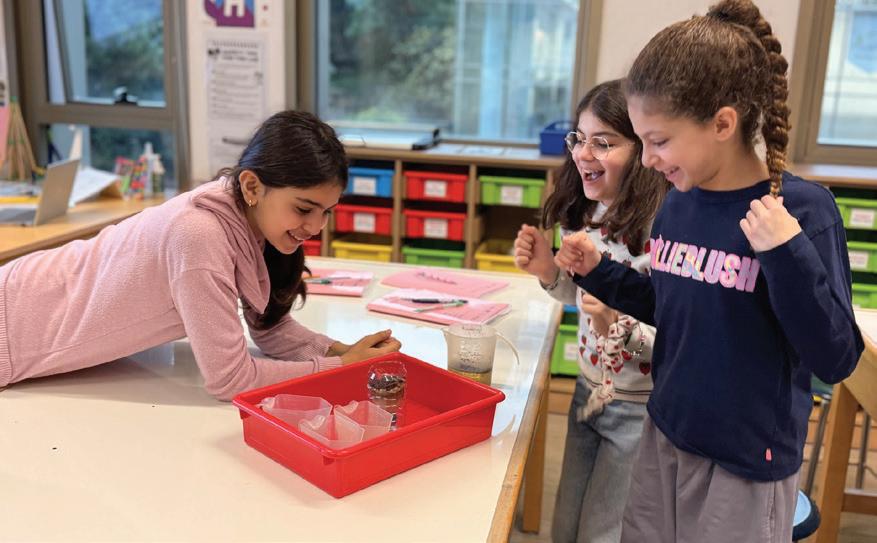
evaluated which filtration order was most effective. This inquiry not only strengthened scientific understanding but also fostered thinking skills, research skills, and social skills as students collaborated, discussed evidence, and reflected together—while exploring the real-world importance of clean water for people and the environment.
Elementary School - Ras
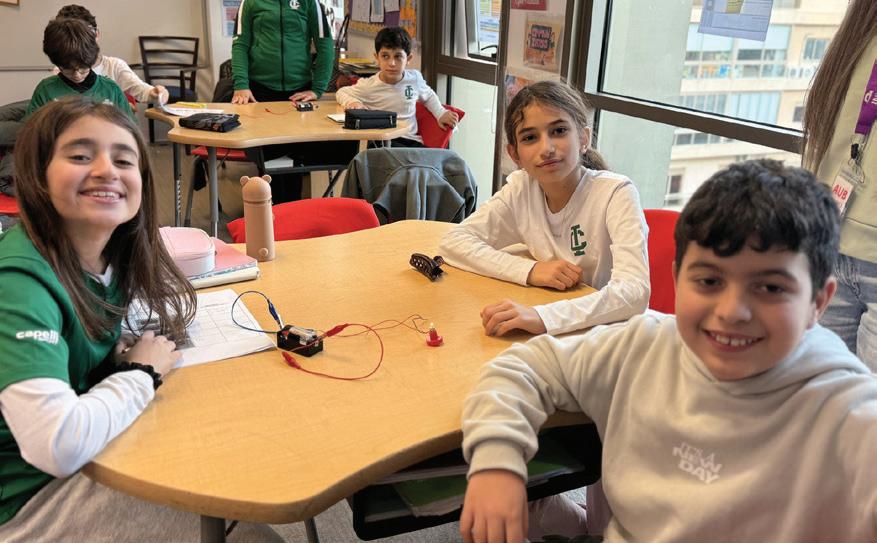
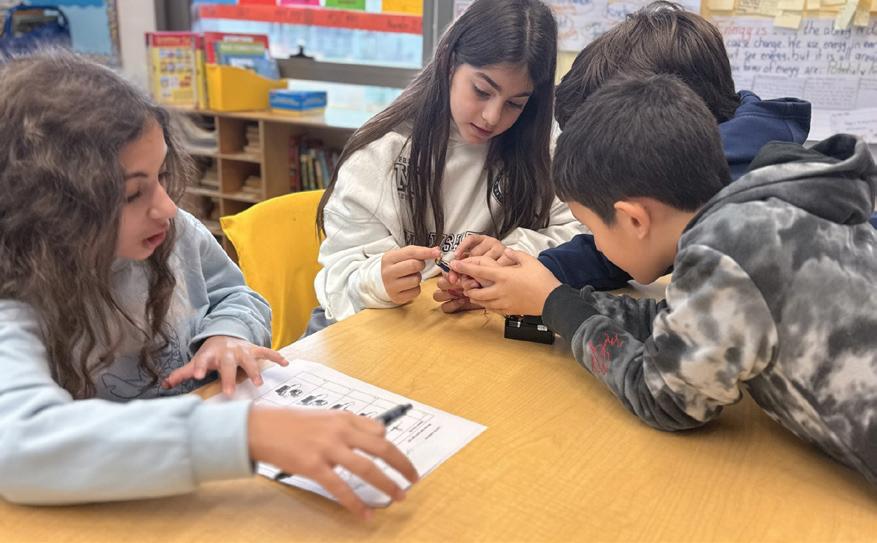
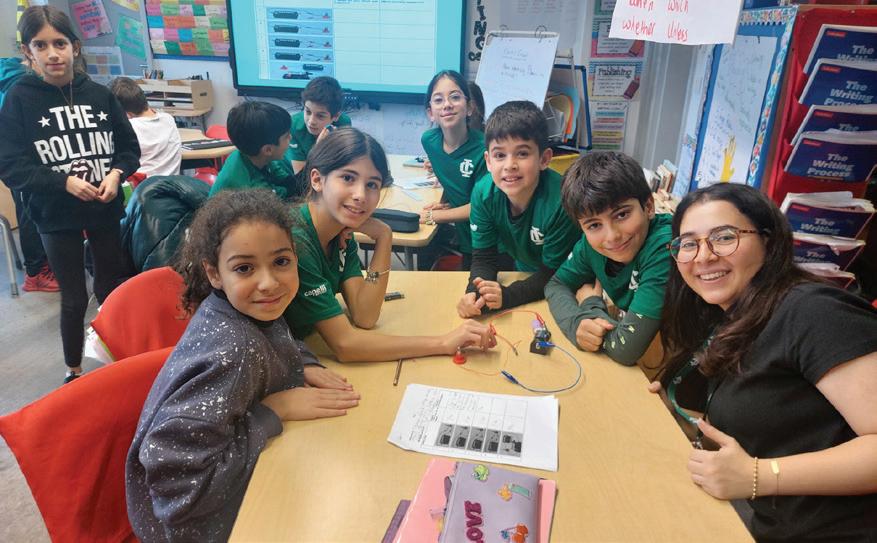
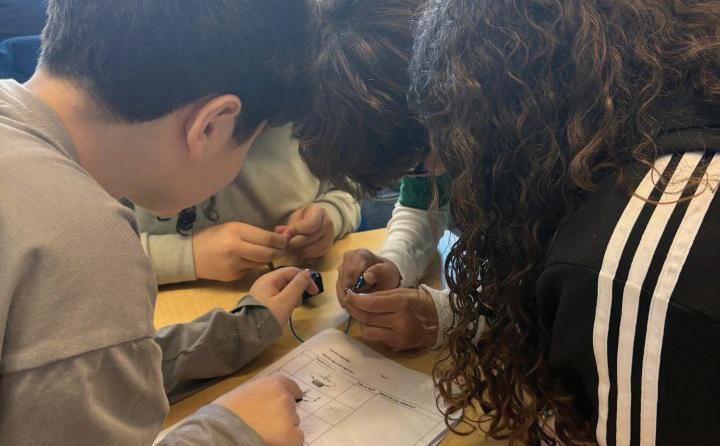
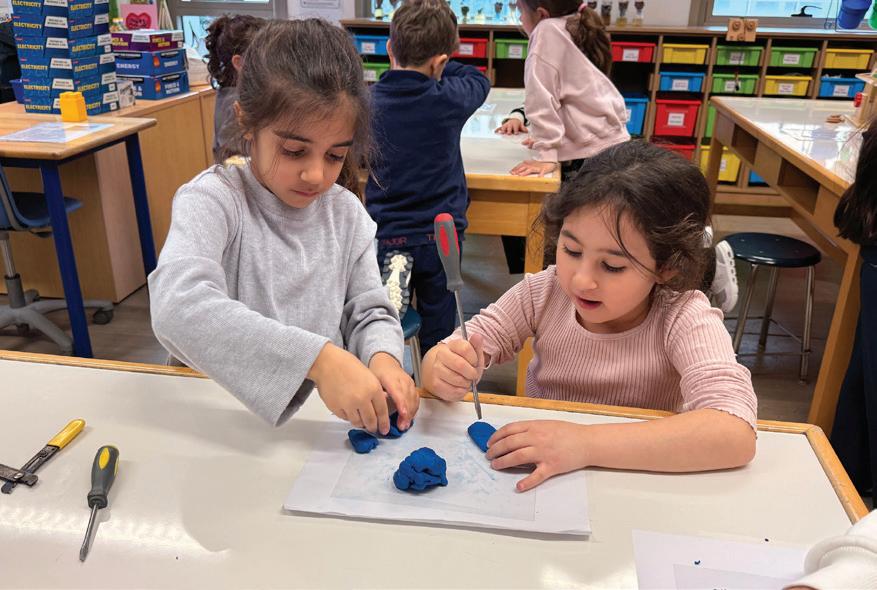
Our Grade 5/CM2 students were equally engaged as they explored electrical circuits through hands-on experimentation. Working in small teams, students tested batteries, wires, and bulbs, learning through trial, error, and discovery. These moments of curiosity and problem-solving encouraged critical thinking, careful
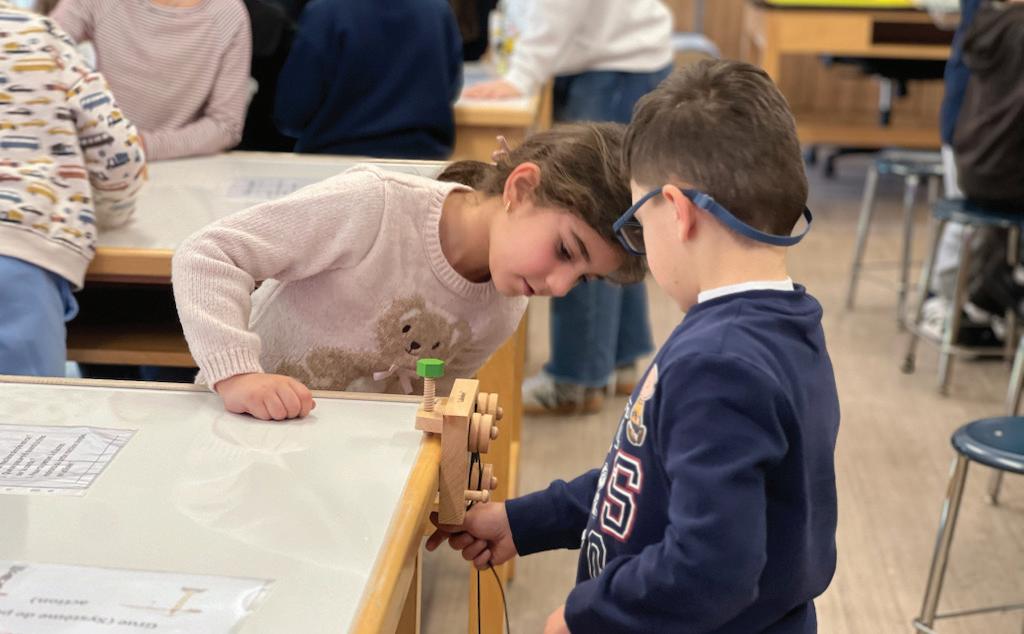
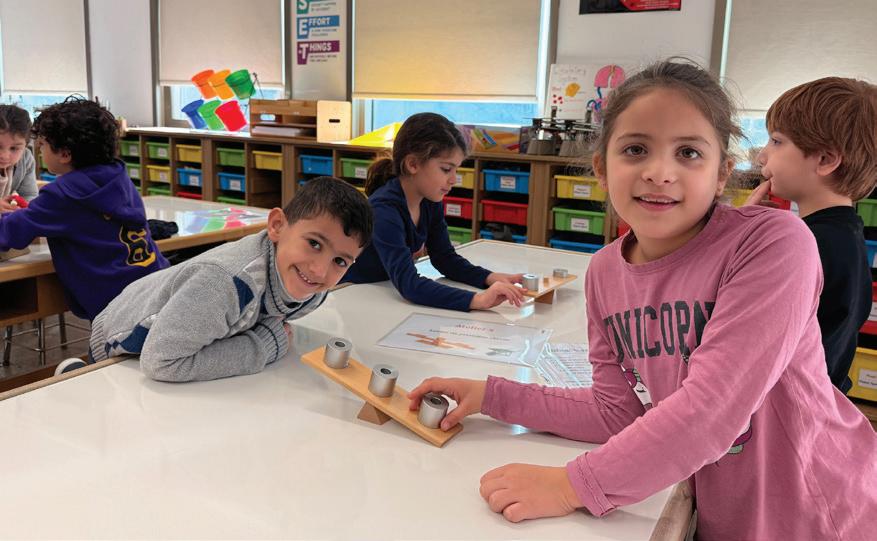
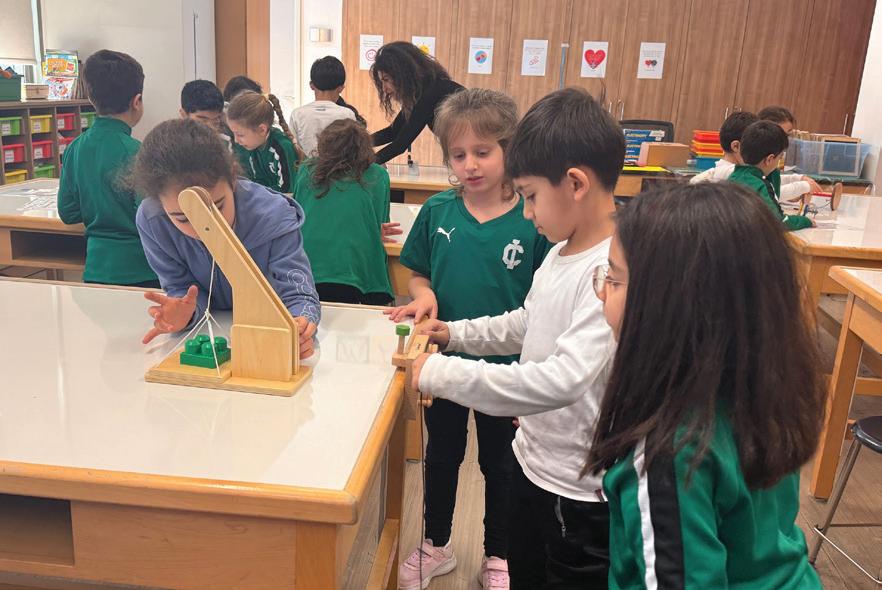
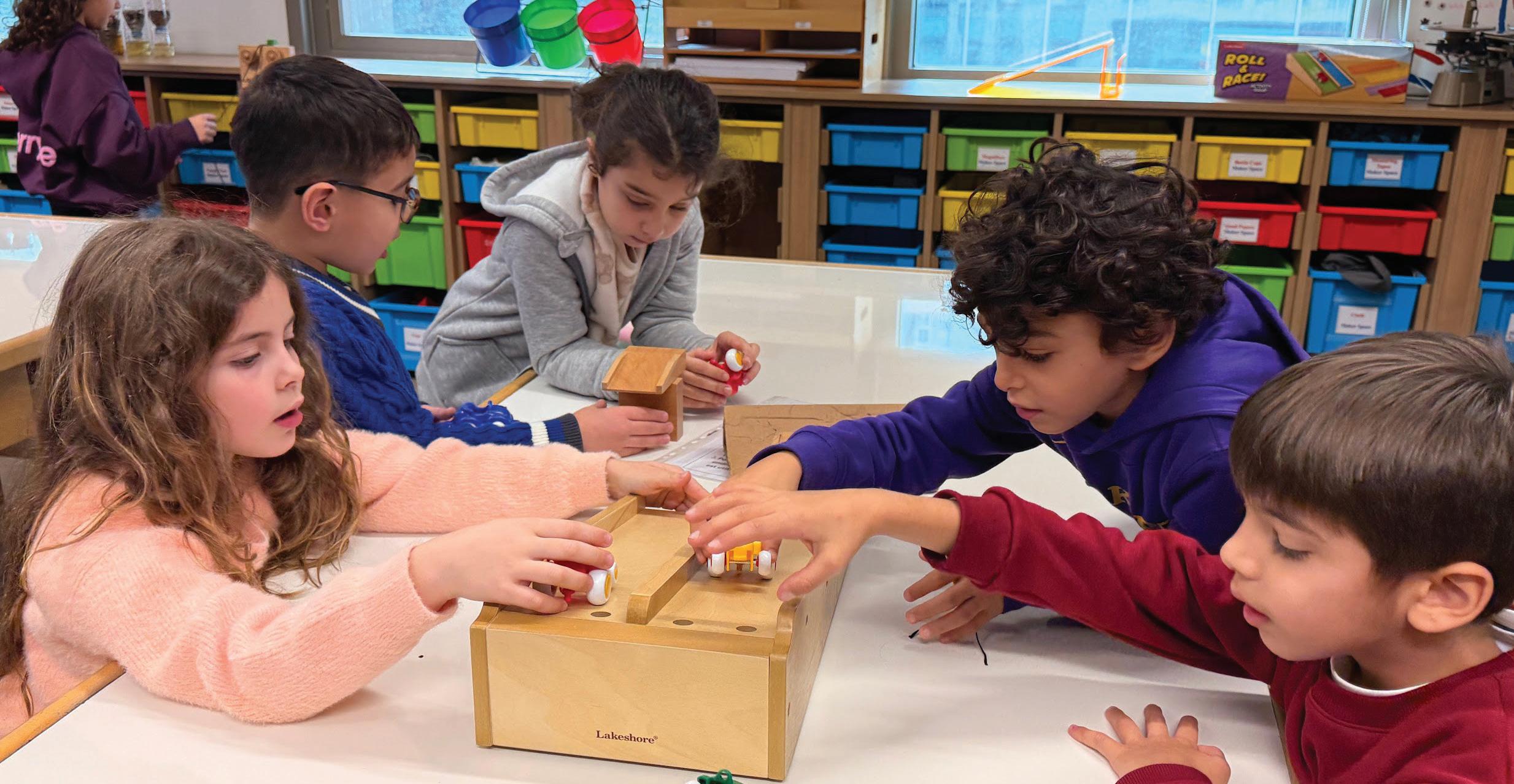
Meanwhile, in Grade 1/CP, our youngest inquirers explored simple machines and how they make everyday tasks easier. Through discussion, real-life connections, drawings, and hands-on Makerspace stations, students actively investigated how different machines work. The learning concluded with reflection and sharing, reinforcing understanding through communication and thoughtful thinking.
observation, and perseverance—key Approaches to Learning that support students across all areas of the PYP. Students learned that in science, each attempt brings new understanding and that learning is a process of inquiry.
Across all grade levels, these learning experiences reflect our commitment to the PYP philosophy: empowering students to take ownership of their learning, build strong conceptual understanding, and develop essential skills such as thinking, researching, communicating, and collaborating. Through inquirybased, hands-on learning, our students are not only learning about the world—they are learning how to engage with it meaningfully.
Elementary School - Ras
Middle School - Ras Beirut
Les élèves apprennent autrement
À travers différentes disciplines, ces articles racontent une même aventure : celle d’élèves qui apprennent autrement. La classe devient un lieu d’expérimentation et de coopération, où chacun est acteur de ses apprentissages. En vivant des situations concrètes, les élèves donnent du sens aux savoirs et apprennent ensemble, par l’action et la réflexion.
En science : les élèves de la 6e toujours en mouvement
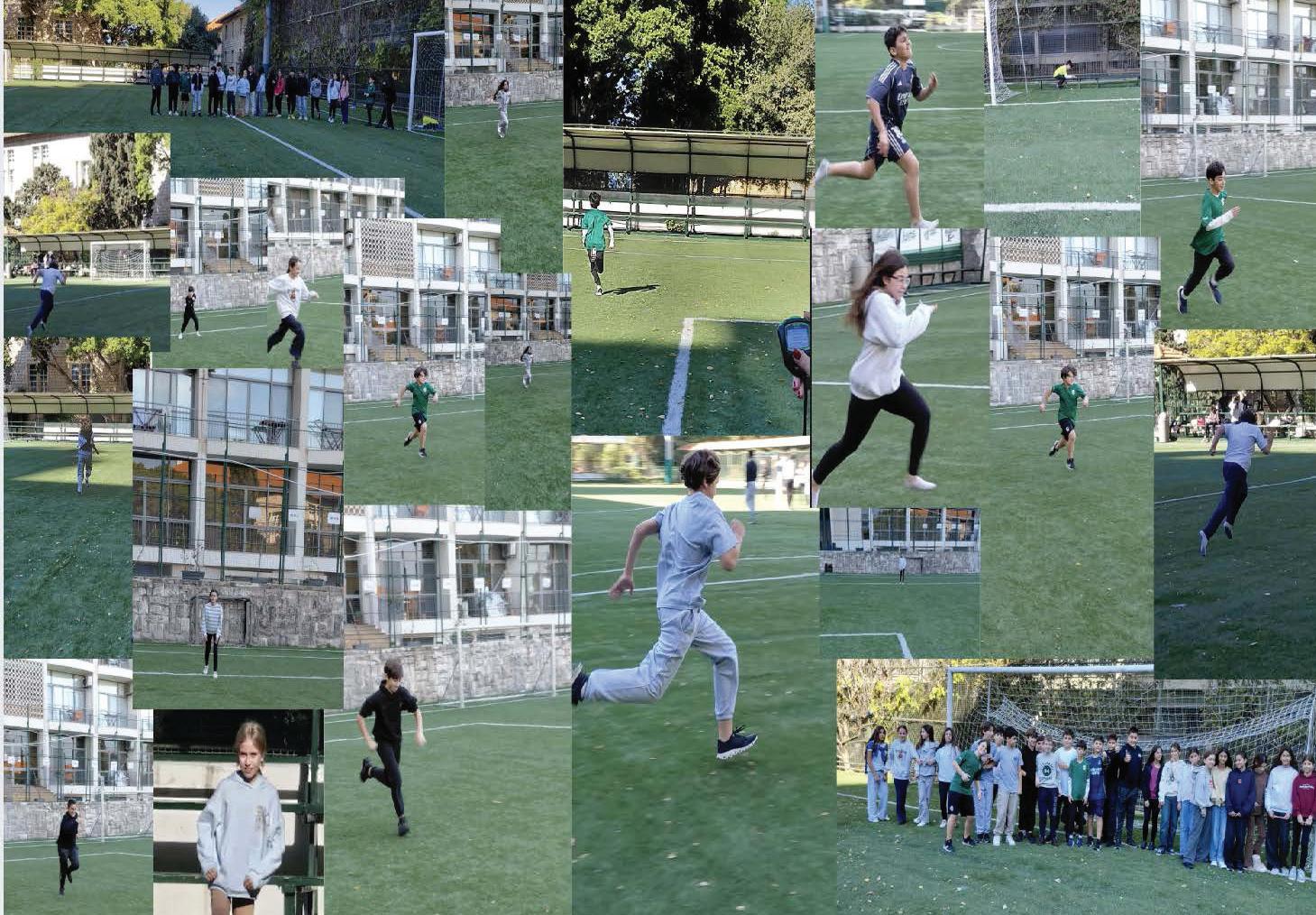
En classe de 6e, l’apprentissage de la notion de vitesse dépasse le cadre du calcul théorique pour devenir une véritable expérience scientifique vécue sur le terrain. Cette activité pratique place les élèves au cœur de l’apprentissage et leur permet de comprendre concrètement le lien entre distance parcourue, temps mesuré et vitesse de déplacement.
Sur le terrain sportif de l’école, chaque élève a parcouru une distance définie tout en mesurant le temps nécessaire pour l’effectuer. À partir de ces données réelles, les élèves ont calculé leur propre vitesse, prenant ainsi conscience de l’importance de la précision des mesures et de la rigueur du raisonnement scientifique. Les résultats, différents d’un élève à l’autre, ont été exploités en classe afin de comparer
les performances et d’analyser les facteurs pouvant influencer la vitesse.
Cette démarche s’inscrit pleinement dans le développement des compétences transversales. Les élèves ont mobilisé leurs compétences de réflexion scientifique en interprétant leurs résultats, leurs compétences de calcul en appliquant correctement les formules, ainsi que leurs compétences de communication en expliquant leur démarche et en échangeant avec leurs camarades.
L’activité a également favorisé les compétences sociales, notamment l’entraide, l’encouragement et le respect du rythme de chacun, renforçant ainsi l’empathie et l’esprit d’équipe.
Au-delà des apprentissages scientifiques, cette expérience a permis d’installer un climat de classe positif fondé sur la coopération, l’empathie et la motivation. En encourageant l’apprentissage actif, la collaboration et la confiance en soi, cette démarche pédagogique contribue à exceller académiquement et à promouvoir le bien-être, en donnant aux élèves le goût d’apprendre, d’expérimenter et de progresser ensemble.
Par Grace Badine
Mission SVT accomplie : quand la classe devient une Escape Room.
En cours de SVT, la classe de 3ème A a vécu une expérience originale et stimulante : une Escape Room pédagogique. Le temps d’une séance, la salle de laboratoire s’est transformée en véritable espace de réflexion et de coopération, où apprendre rimait avec jouer, chercher et collaborer.
Répartis en petits groupes, les élèves ont circulé entre plusieurs stations, chacune proposant un défi différent. Leur objectif était commun : résoudre des énigmes, collecter des indices et construire ensemble une réponse finale. Cette organisation a encouragé les échanges, l’entraide et la participation active de tous, dans une ambiance à la fois dynamique et bienveillante. Les activités proposées étaient variées : visionnage de supports vidéo, réalisation de schémas, observations microscopiques, lecture de documents, exercices interactifs et activités d’analyse et de réflexion. Cette diversité a permis à chaque élève de s’engager selon son intérêt et ses préférences, tout en développant de nouvelles compétences.
Au-delà des connaissances, cette Escape Room a surtout permis aux élèves de développer des compétences essentielles : travailler en équipe, communiquer efficacement, gérer le temps, réfléchir de manière critique et s’organiser pour atteindre un objectif commun. Le format ludique a renforcé la motivation et a donné du sens aux apprentissages, en rendant les élèves pleinement acteurs de leur travail.
L’ambiance en classe était très positive : curiosité, enthousiasme et concentration étaient au rendez-vous. Les élèves se sont montrés impliqués, sérieux et fiers de leur réussite collective. Cette activité a également favorisé la confiance en soi et le plaisir d’apprendre ensemble.
Un grand bravo à la 3ème A pour son engagement et son esprit d’équipe.
Par Georgette Francis
Middle School - Ras Beirut
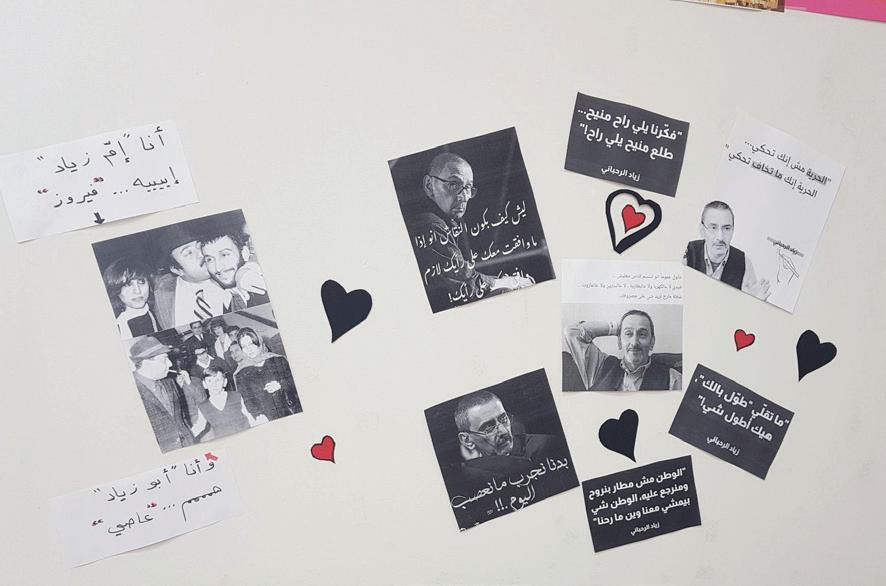
Le lien indissociable entre l’ Histoire et la littérature . Lorsqu’il s’agit de textes littéraires engagés, il existe un lien indéniable avec le contexte historique pour la simple raison que le texte n’est que l’écho littéraire de l’Histoire. L’auteur engagé est celui qui joue un rôle essentiel dans la société en s’impliquant dans la vie sociale et politique de son époque. Le mot auteur est à prendre au sens large puisqu’il englobe les artistes comme peintres , sculpteurs, caricaturistes …
C’est ce que les classes de 3èmes ont appris à l’occasion de la séquence sur la poésie engagée qui s’est déclinée en 3 parties :
1- Introduction : Le contexte historique de la 2ème Guerre Mondiale ( PP. joint)
2- Analyse d’un poème engagé : Ce coeur qui haïssait la guerre- R. Desnos
Liberté-P. Eluard
3- Clôture de la séquence : Travail de groupe sur un corpus de textes.
Pour introduire la séquence, une présentation du contexte historique rappelle les événements de la 2ème Guerre Mondiale, et plus spécifiquement le cas de la France. La première diapositive montre la défaite de la France avec la visite d’ Hitler à Paris en 1940 et la dernière, la remontée des Champs-Elysées par le Général De Gaulle qui célèbre la libération de Paris en 1945. Il s’agit d’un rapport d’opposition entre ces deux diapositives. Ainsi, cette introduction apporte un éclairage qui permet d’aborder les textes et de les comprendre puisqu’ils sont les enfants de l’Histoire. Paris durant la 2eme guerre mondiale.pptx
Par Elie Hayek

Quand l’excellence s’exporte
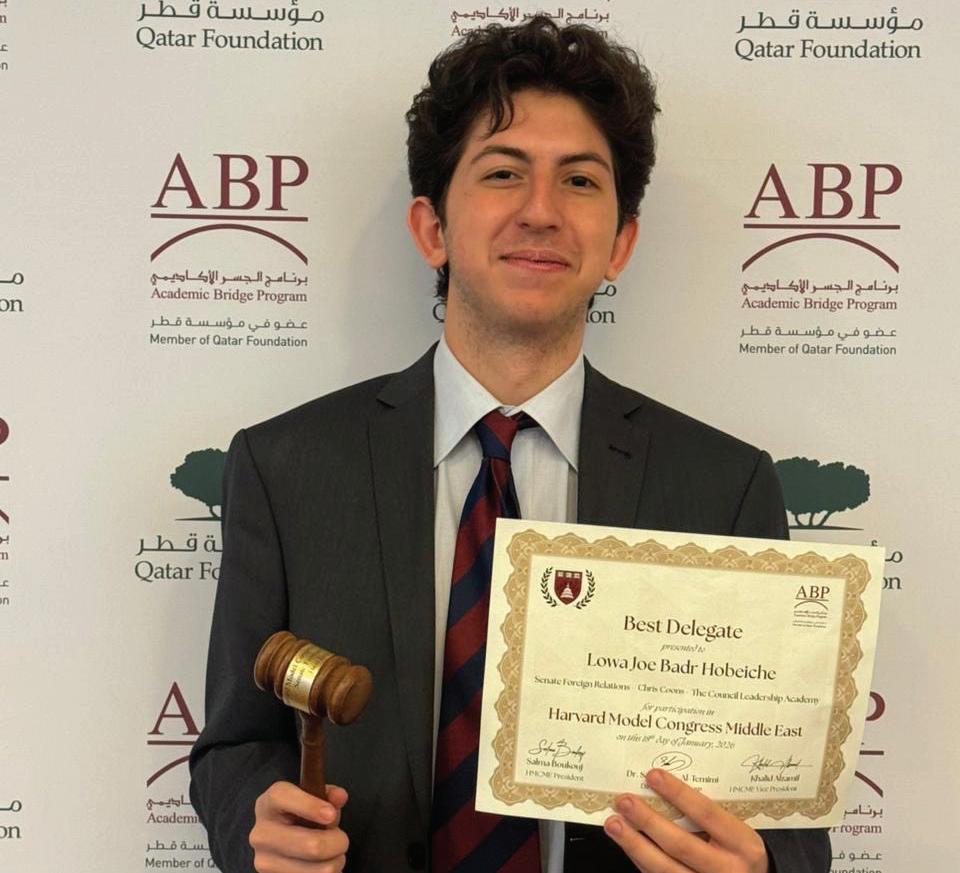
Lowa Joe Hobeiche, élève de Terminale, Baccalauréat Français, a remporté la 1re place dans sa catégorie lors de sa participation au Harvard Module Congress à Doha, Qatar.
Cette distinction prestigieuse témoigne de son engagement, de son excellence et de la qualité de son travail, tout en honorant l’institution qui l’accompagne et le soutient au quotidien.
Toutes nos félicitations pour cette réussite remarquable.
IC Student Featured in Ban Ki-Moon Foundation
Global Citizenship Handbook
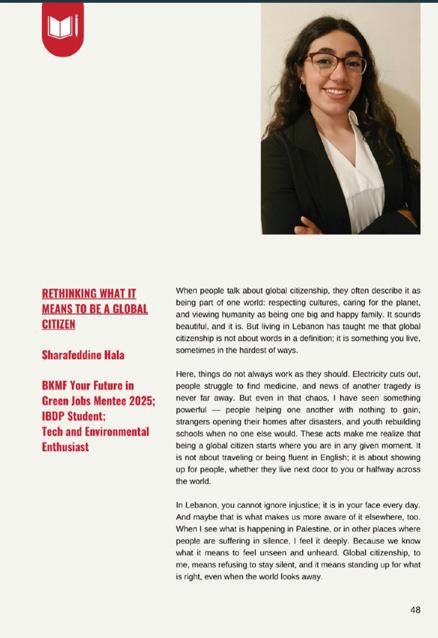
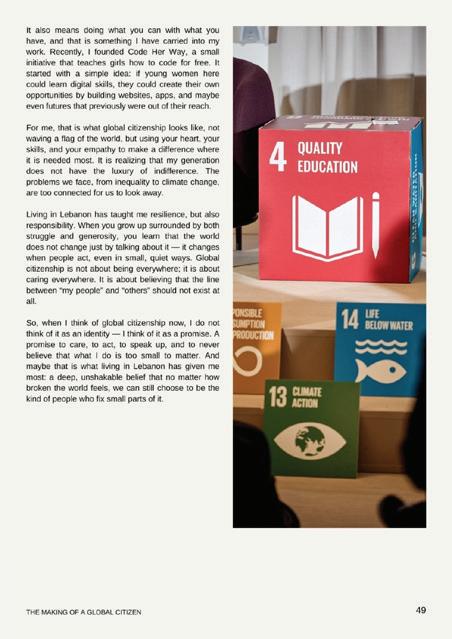
On the occasion of International Education Day, IC proudly highlights the achievement of Hala Sharafeddine, IBDP1 student whose essay has been featured in the Ban Ki-moon Foundation’s “The Making of a Global Citizen” handbook. Selected among contributions from young voices around the world, Hala’s work reflects the values of global citizenship, critical thinking, and leadership that IC strives to instill in its students. This recognition stands as a meaningful example of how IC students extend their impact beyond the classroom and onto international platforms.
Jeux de l’AEFE/UNSS-ZPO:
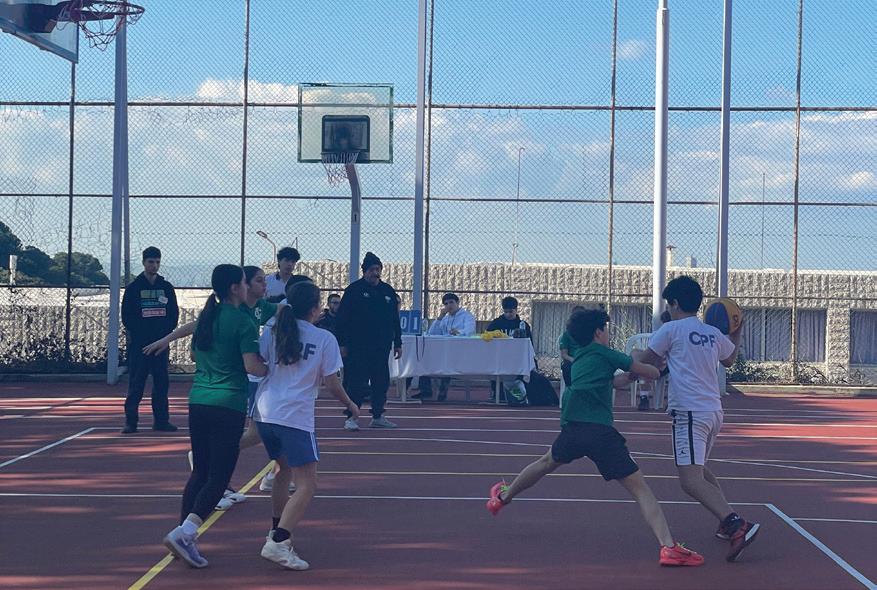
It was a true privilege to witness the outstanding participation of our Middle School AA students in the Jeux de l’ AEFE / UNSS-ZPO Cycle 4, organized by College de la Sainte Famille fanar. Their involvement reflected a high level of sporting engagement, discipline, and school spirit, and they represented our institution with pride throughout this inter-schools sporting event.
Inter-House Games:
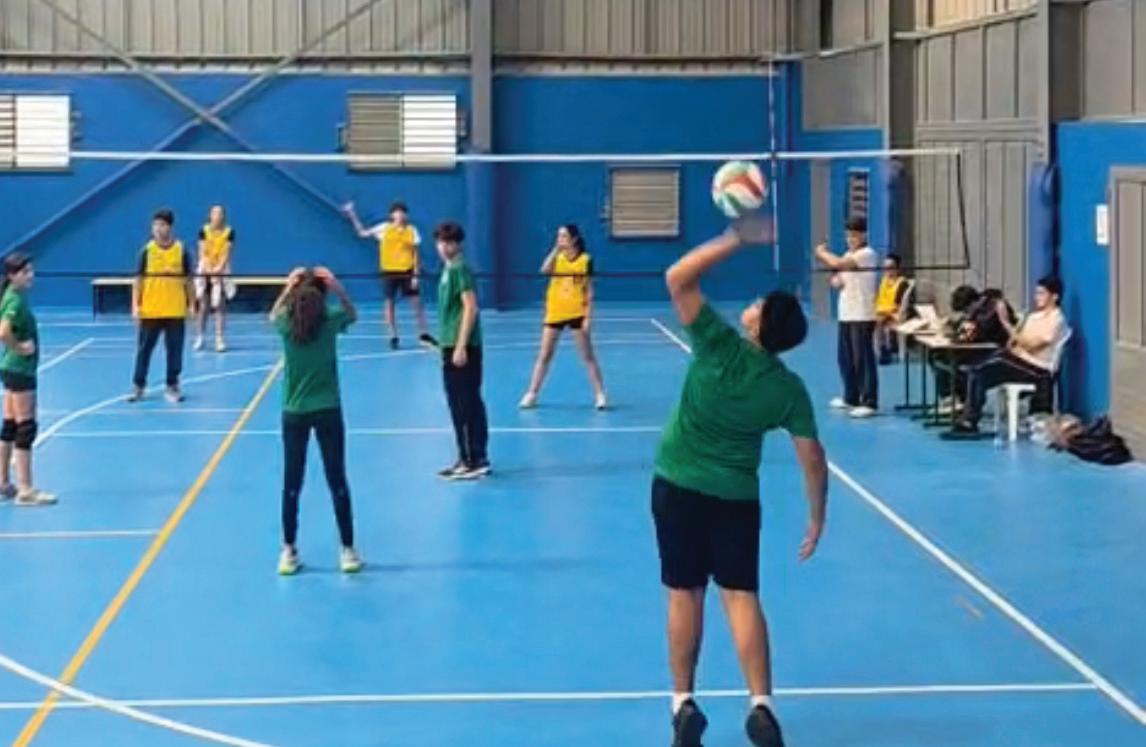
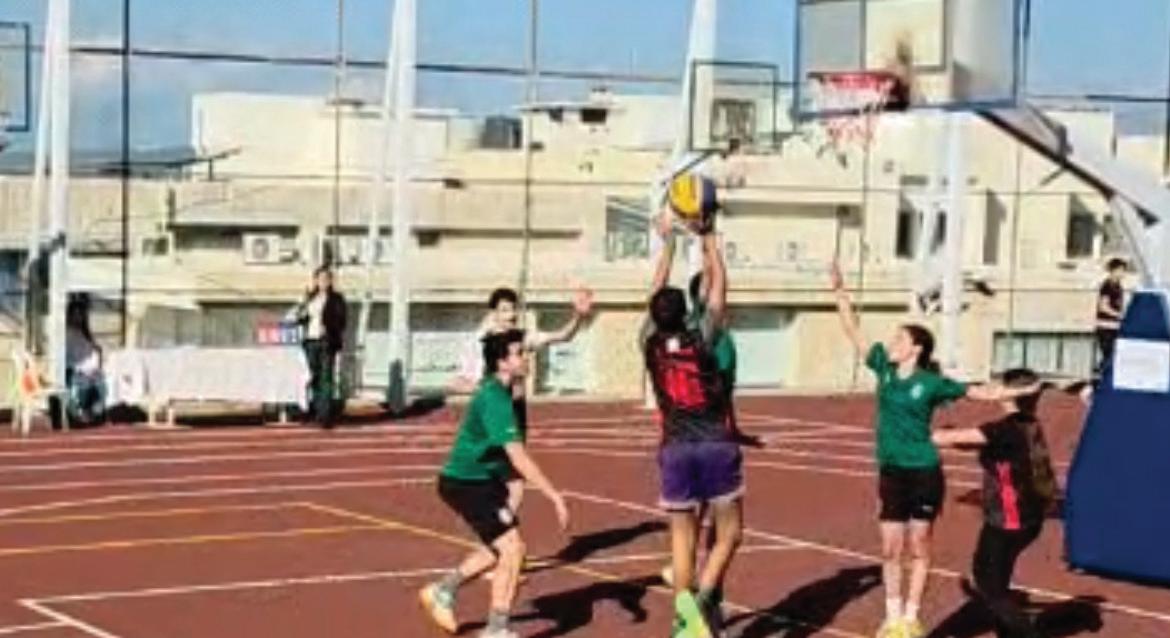
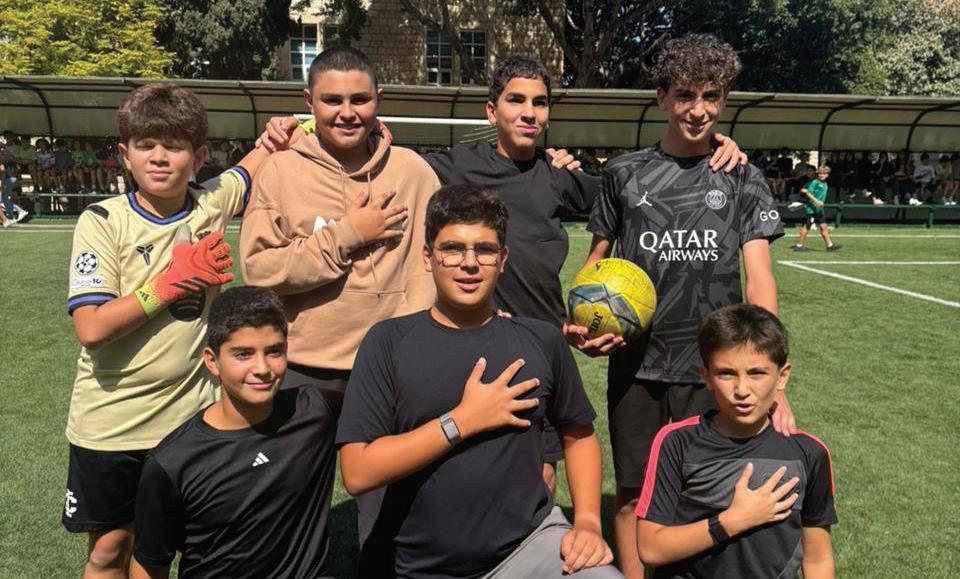
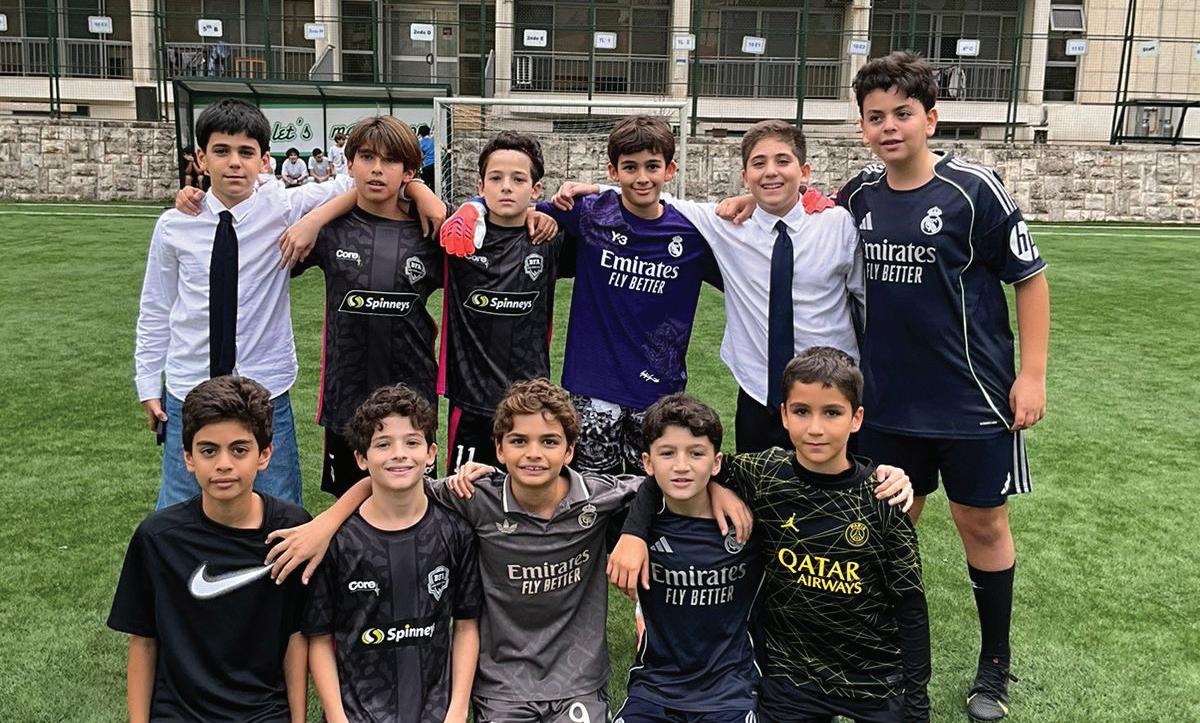
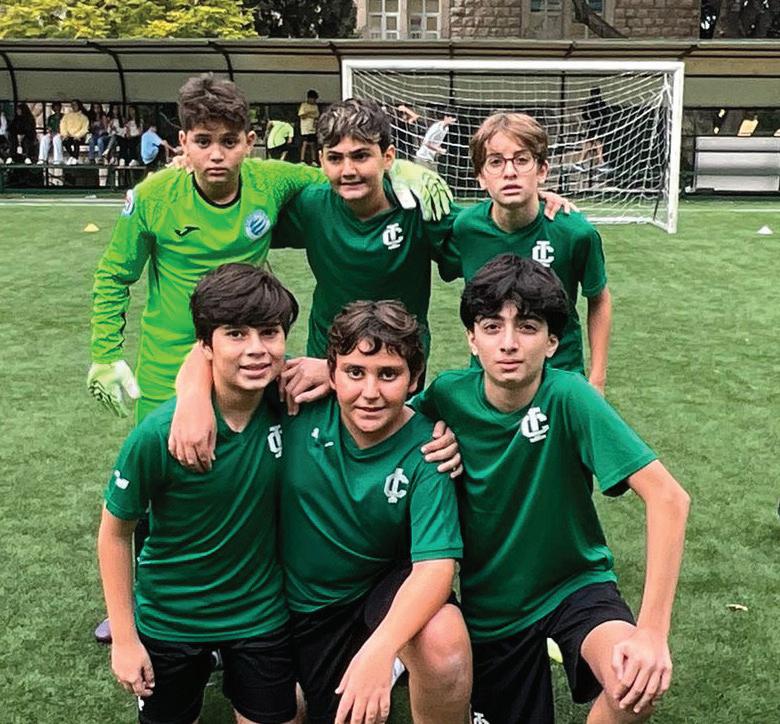
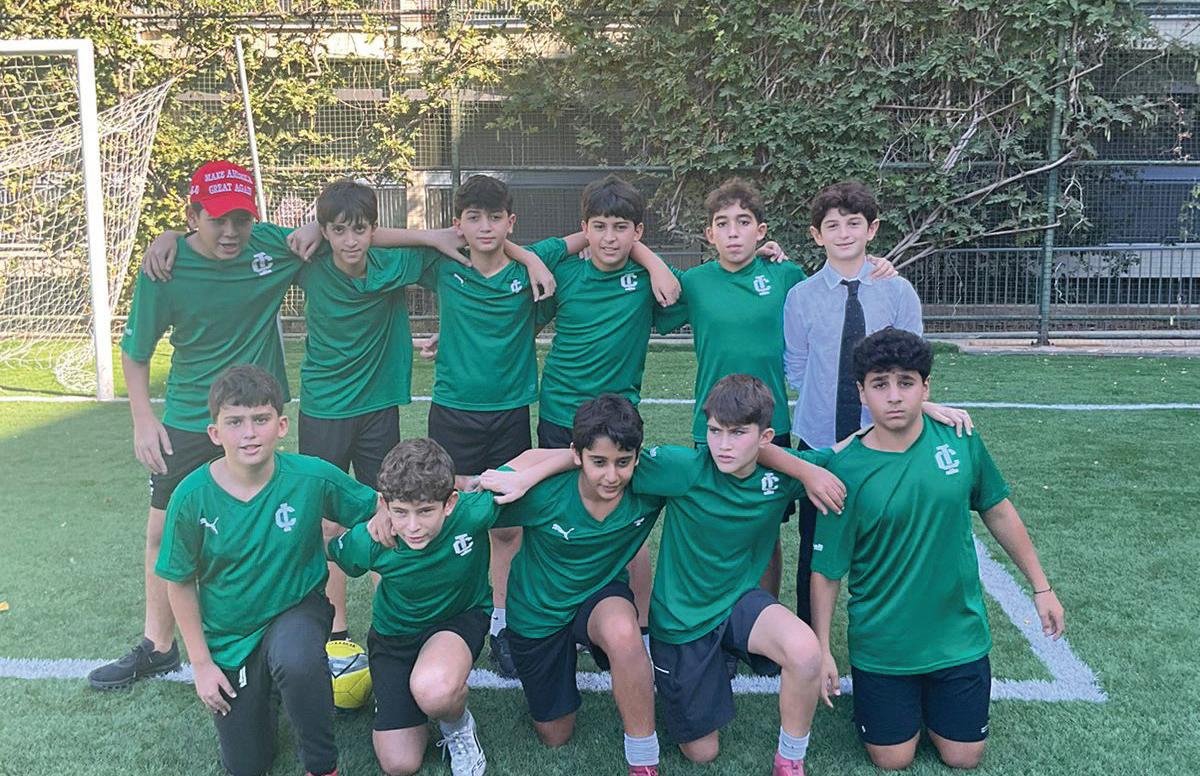
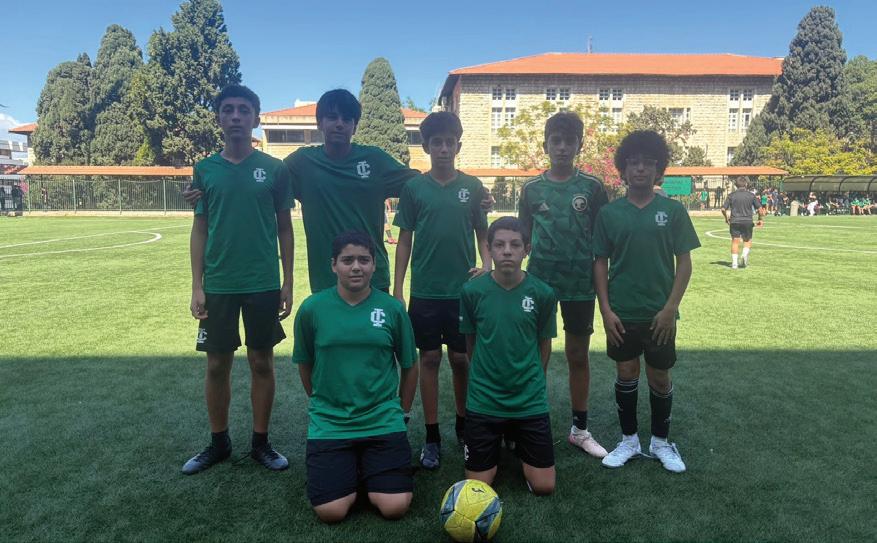
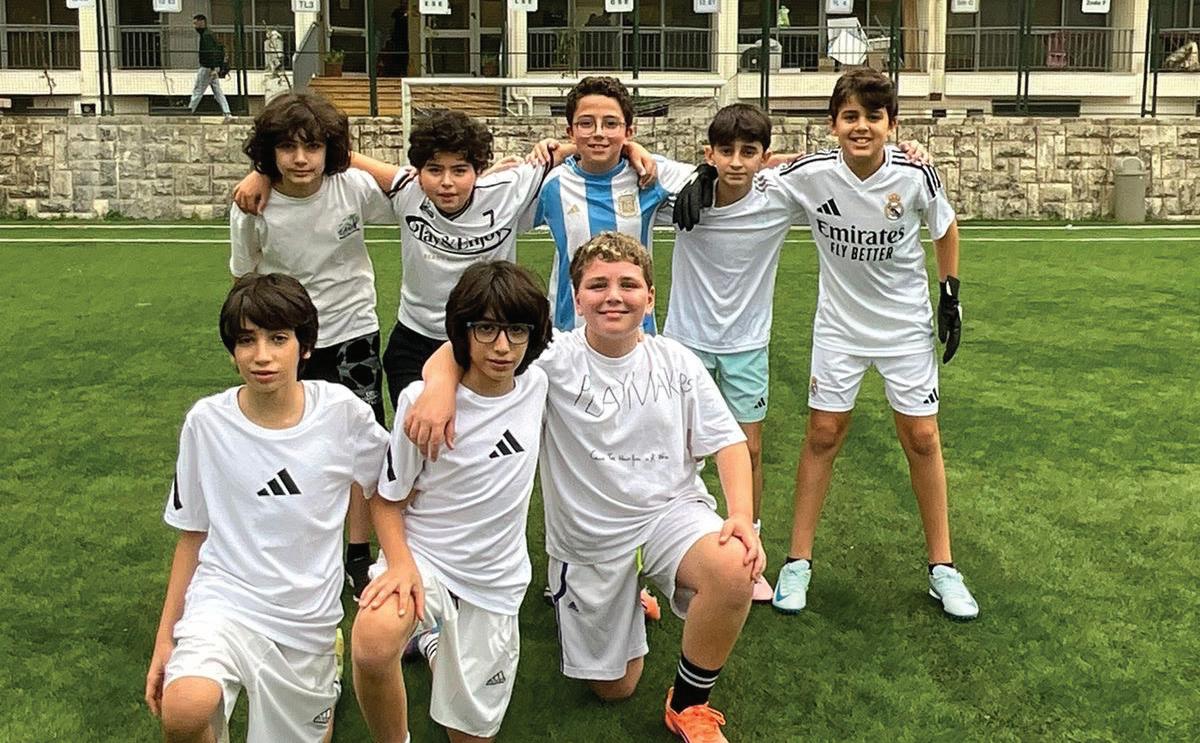
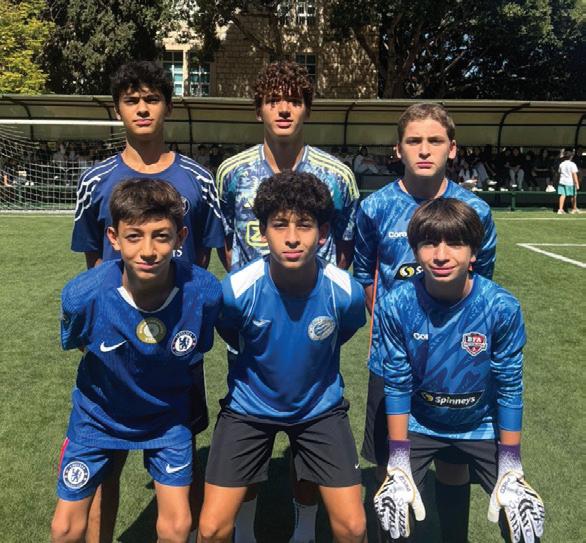
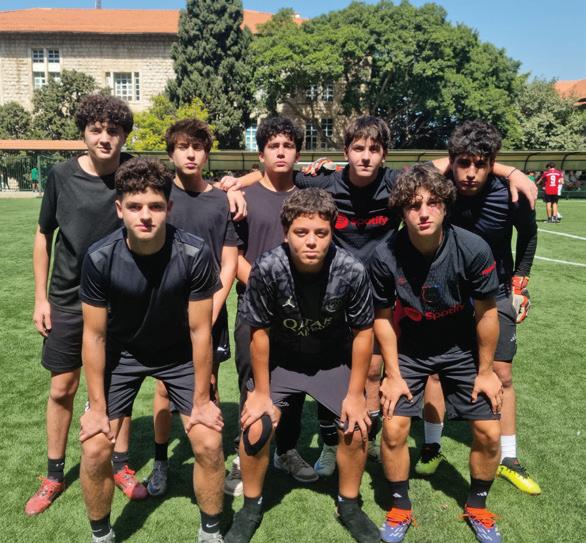
Following the successful organization of the Soccer Inter-House Tournament for Grades 6 to 9, our Middle School students are once again demonstrating their enthusiasm and commitment to school sports. They are now ready to take part in the Basketball InterHouse Tournament, which will be held daily except on Wednesdays, during the second recess at the Tayeb Gymnasium.
This event continues to promote teamwork, fair play, and active participation within our school community.
AGC Changemakers Circle
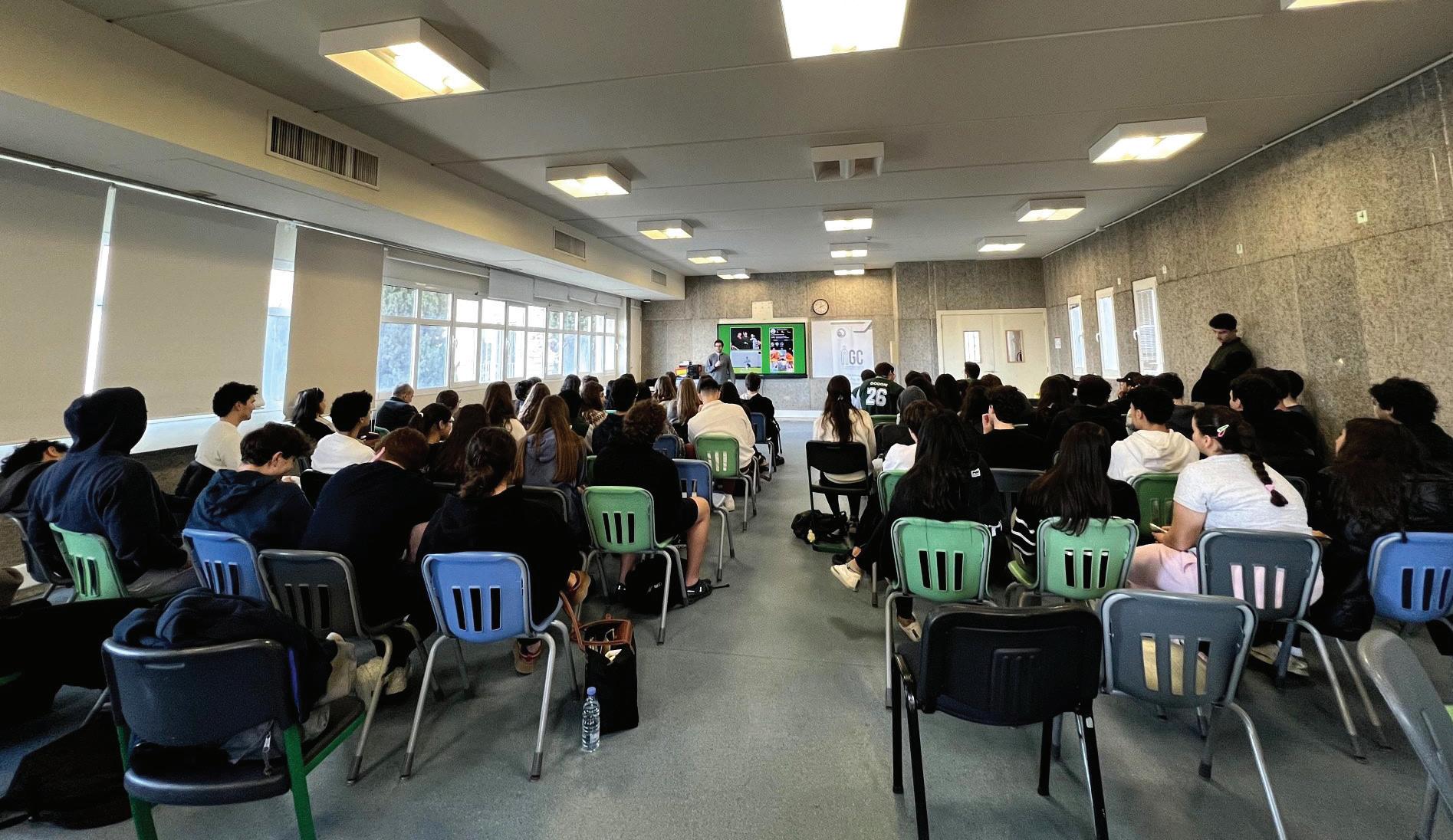
As part of the AGC Changemakers Circle, an ongoing speaker series designed to inspire curiosity, real world engagement, and active citizenship, open to all IC high school students, the AGC was glad to host IC alumnus Karim Barake, Class of 2022, on Wednesday, January 14th, 2026.
Currently studying Ophthalmology at Boston University, Karim shared his journey from IC to Boston University, highlighting the skills and values he developed during his time at IC and how they shaped his social awareness and adaptability. He reflected on how his learning at IC helped him explore his passion and purpose, encouraging him to apply his interests toward creating meaningful impact within his community.
Motivated by this purpose, Karim has collaborated with AGC students over the past two years through his project, Ouyouna, which aims to increase access
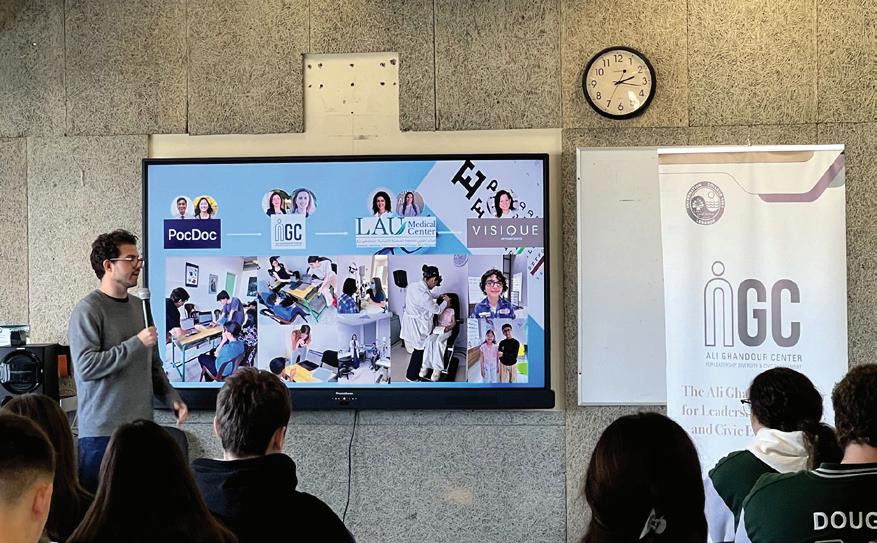
to vision care for students in Lebanese public schools using the PocDoc web-based screening tool. Through discussion and reflection, students engaged with the realities of implementing community initiatives and the possibilities of alumni giving back to IC through collaborative projects.
The AGC Alumni Network
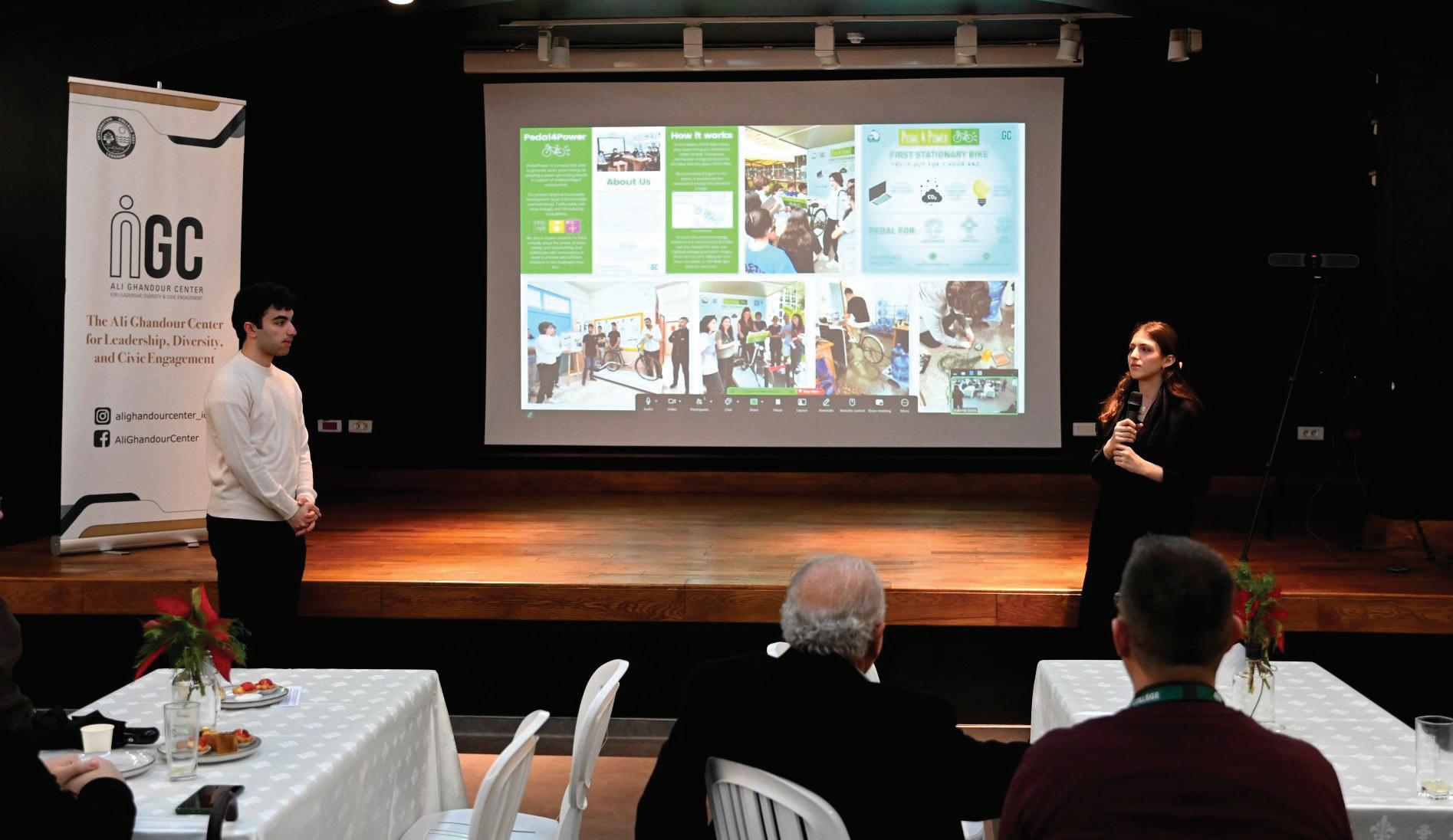
The AGC Alumni Network was officially launched on Friday, January 9th, 2026, marking an exciting milestone in strengthening lifelong connections among AGC alumni, between alumni and current students, and across the wider IC community. The launch brought alumni together in a dynamic setting to explore the network’s vision, exchange reflections, and imagine how connections formed at IC/AGC can continue to shape collective impact beyond graduation.
The evening also included addresses by the President, Mr. Tobin Wait, Mr. Rabih Shibli, IC Board Trustee Member and AGC Advisory Board Member, and Mr. Moufid Beydoun, Vice President of Major Gifts and Interim Director of Alumni and Advancement, and Ms. Rindala Abdel Baki, Head of AGC. In their address, speakers highlighted the importance of collective ownership, sustaining momentum beyond the launch, and disseminating the AGC ethos through an alumni led network that serves as a platform for connection, collaboration, and long term impact.The evening brought together informal networking and a reflective walk down the lane revisiting community support projects, defining AGC moments, and the impact, skills, and takeaways that shaped alumni
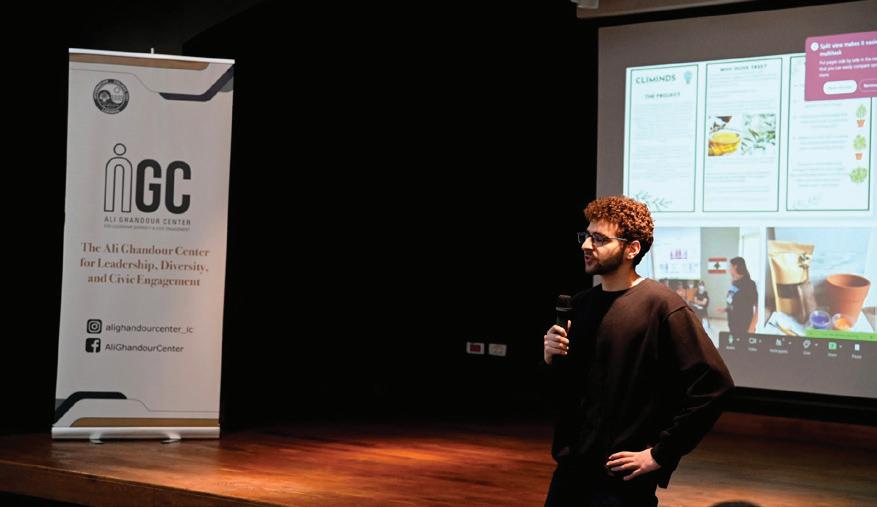
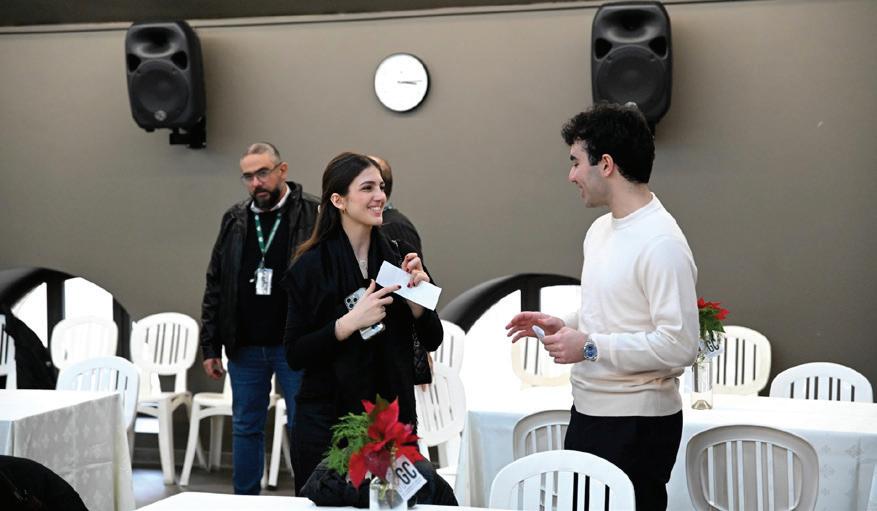
journeys. It concluded with an interactive planning session that transformed ideas into the foundation of a flexible, alumni led network built for long term engagement and meaningful contribution.
Civic Commitment in Action –5ème Students Give Back
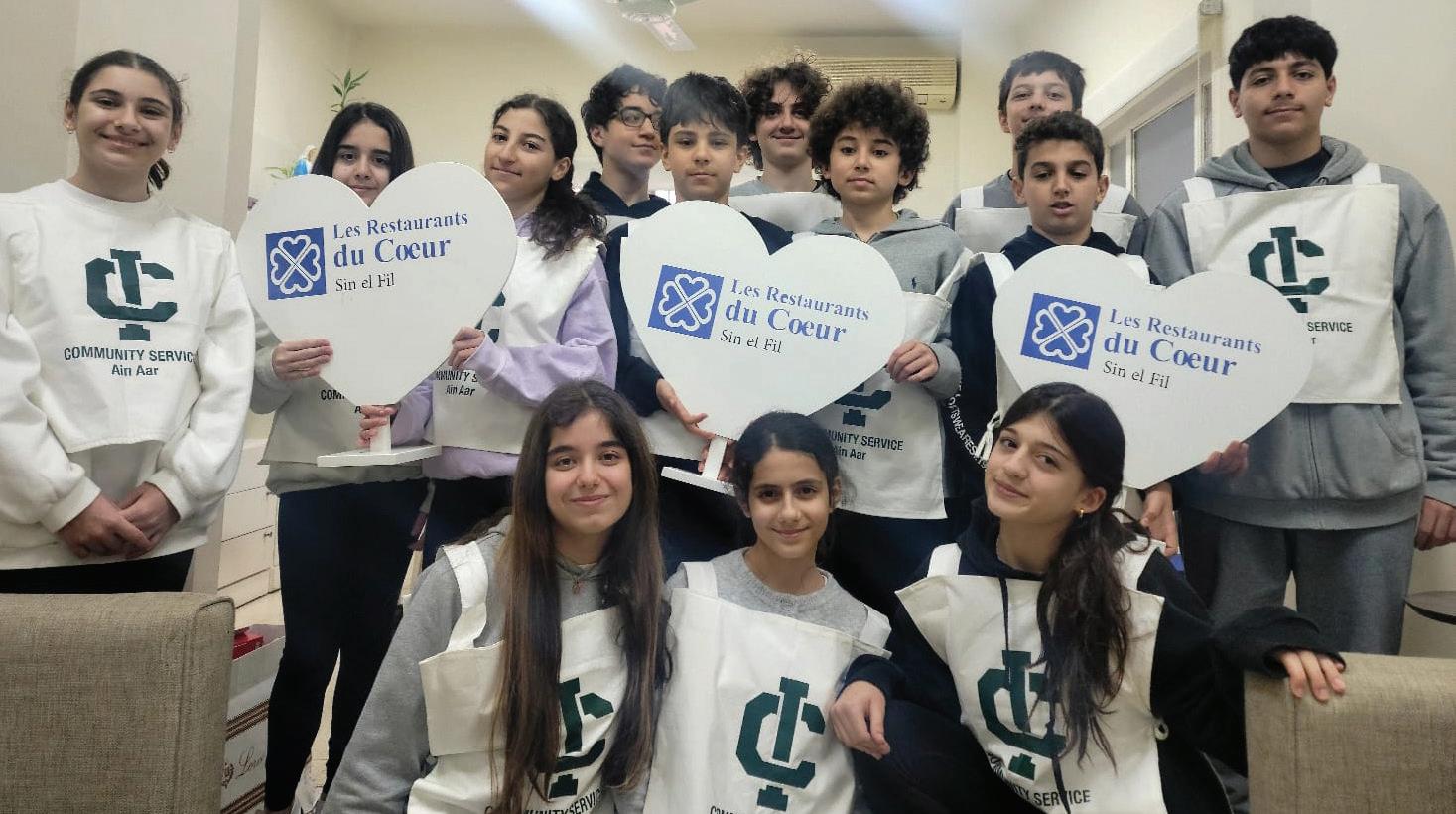
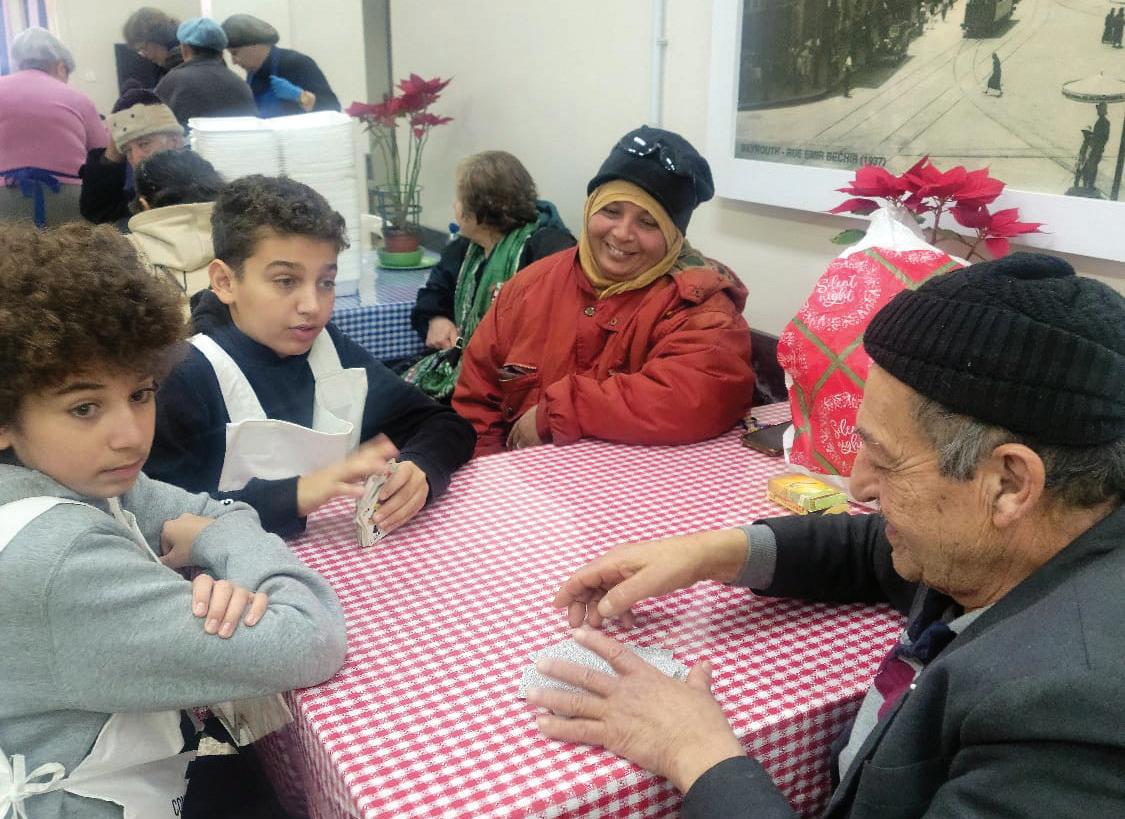
As part of our ongoing Civic Commitment Initiative, 5ème C Ain Aar students recently visited Resto du Cœur for a meaningful service-learning experience. During the visit, students helped serve meals and spent quality time playing games and engaging in conversations with elderly community members. This experience allowed students to put empathy, respect, and social responsibility into practice, while understanding the importance of solidarity and care for others. We are proud of our students for representing our school values and demonstrating that learning extends beyond the classroom and into the heart of the community.
IC Educates Against Bullying: Our Newest Training Goes Live….
Bullying has become a world-wide problem. UNICEF reports that 1 in 3 students ages 1315 experience bullying on a regular basis. In a 2024 Lebanon Global School-based Student Health Survey, it was reported that 32.5% of students from ages 13-17 were bullied faceto-face. Cyberbullying is also on the rise and is affecting more and more students daily.
Knowing that punishment doesn’t work or change the behavior, and often leads to retaliation and violence, IC decided to tackle the problem head on and research effective programs.
Therefore, in the past year, administrators and other school personnel have been participating in training by Power of Zero. In November, this training culminated in learning how to respond effectively to bullying and harassment using the NoBully System.
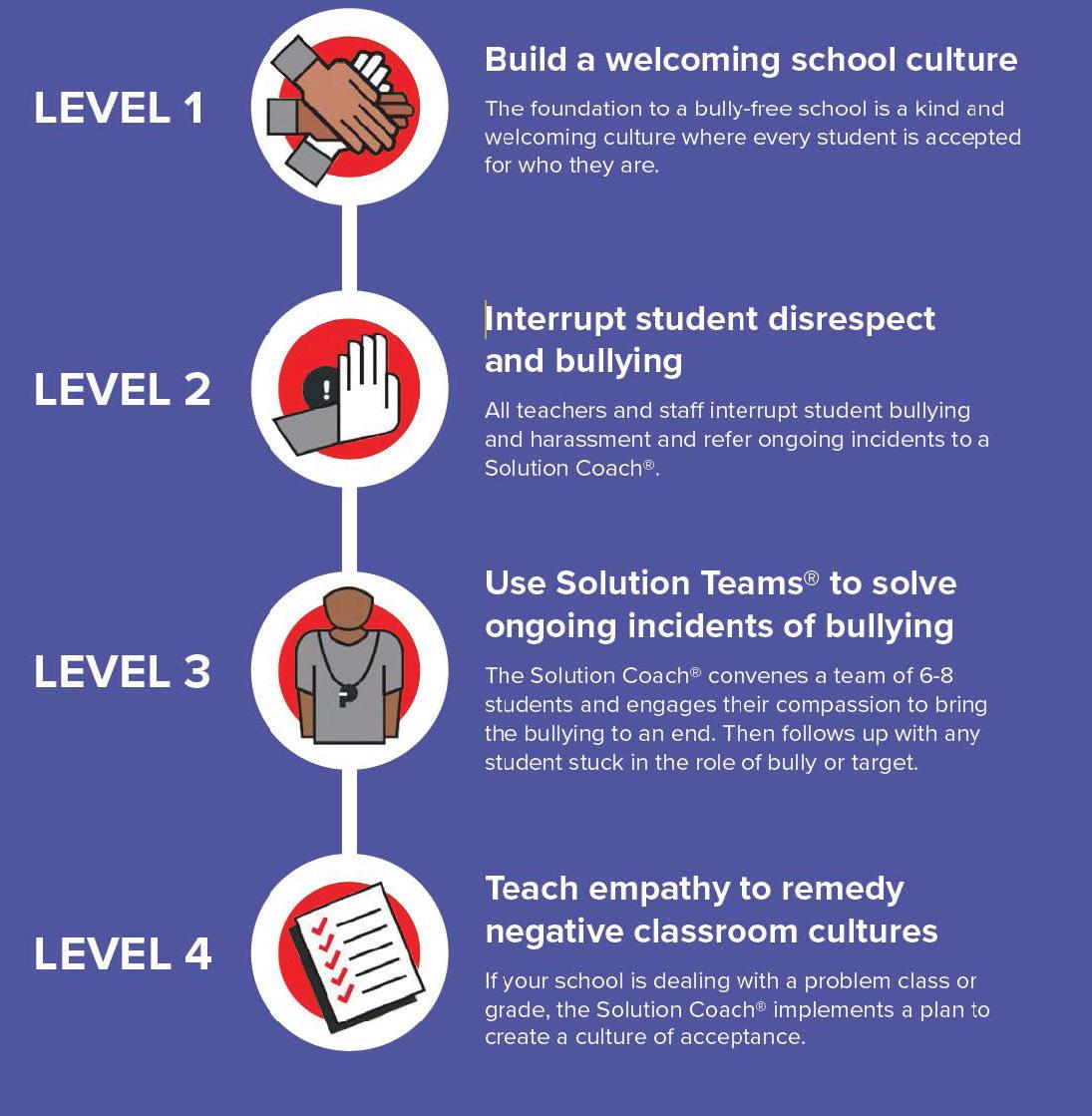
IC is implementing the Positivity Project schoolwide as the first step of prevention. We believe that “At IC, everybody matters.” Our students are receiving daily instruction around character strengths that exist is all of us and are being taught how to create positive relationships.
Secondly, teachers and staff have received training on how to disrupt bullying. Through modeling, intervening and referring on-going incidences, school employees can help the school take action.
This action results in the Solution Team method. A Solution Team combines empathy with action. The Solution Coach gathers a team of 7-8 students and leverages their empathy to end the bullying of one of their peers. The Coach assures the team that no one is in trouble, they describe how it feels to be in the target’s shoes and asks the team what they can do or stop doing to stop the bullying. They have two followup meetings in two weeks while also checking in with the target. The final meeting includes the target and involves resolution.
This approach is revolutionary for two reasons:
1. Biology supports that humans are wired for cooperation and compassion from age two onward. Most students will show kindness and
empathy when school conditions support these behaviors.
2. By involving positive peers, the approach builds self-confidence and agency within the group, promotes problem solving, and supports the findings that real change happens through engaging the larger peer group.
Since November, our school personnel have facilitated around 20 Solution Teams. We are excited to announce that they have all been extremely successful! They are evidence that when students initiate changes, they create long-term success.
What can you do as parents?
1. Support the school and the process
2. Report any bullying you become aware of
3. Realize that the Solution Team process is separate from the consequences of breaking school policy.
4. Attend parent workshops to learn more about this program and all the exciting things happening at IC!
Thank you for your partnership in the education of your whole child.
Nurturing Confident Children. Early Childhood Launches Parent Book Club
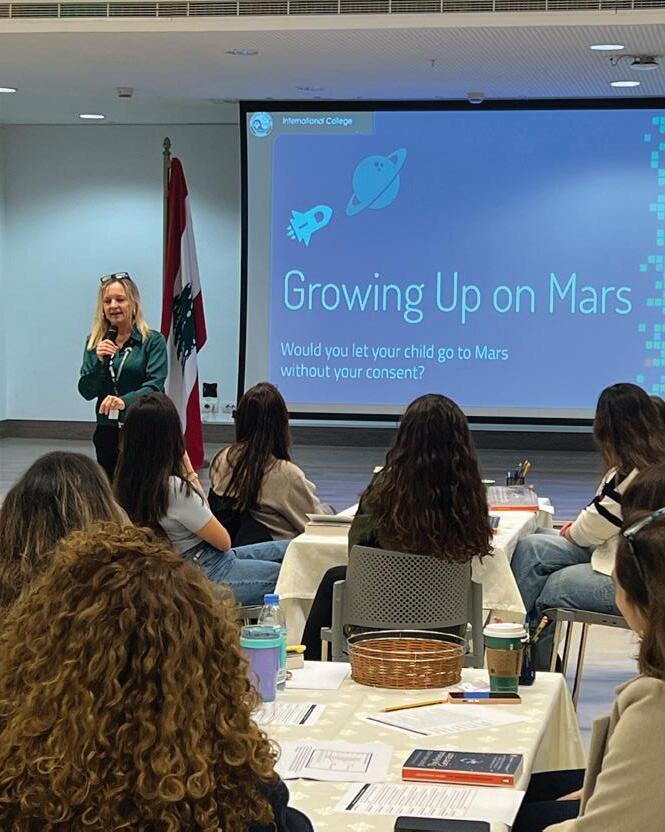
In an effort to strengthen the partnership between school and home, the Early Childhood Division has launched a Parent Book Club, a thoughtful initiative designed to create a shared space for reflection, learning, and meaningful dialogue around today’s most pressing parenting topics.
The Book Club offers parents a platform to come together around a carefully selected book that addresses common concerns or provides guidance on navigating the journey of raising children in a rapidly changing world. Over the course of four structured sessions, participating parents read, reflect, and engage in guided discussions, allowing them to exchange perspectives, share experiences, and support one another.
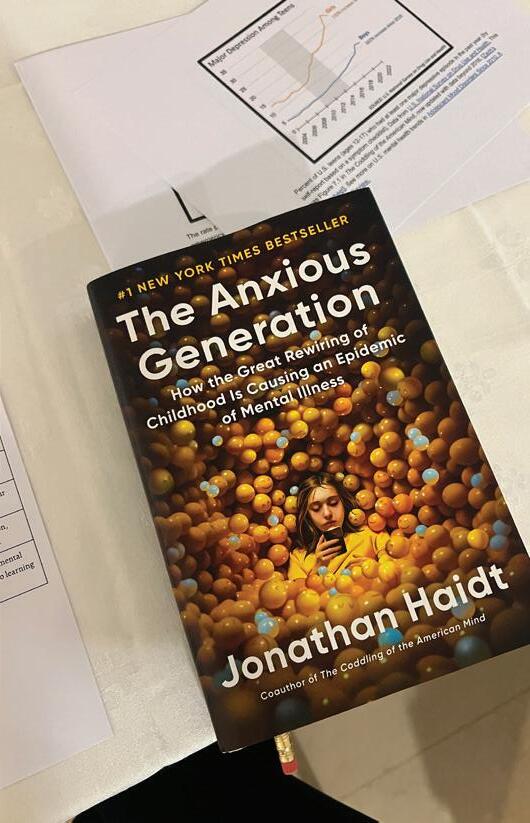
The club officially kicked off with “The Anxious Generation”, a timely and thought-provoking book that explores the rising levels of anxiety among children and adolescents, particularly in relation to technology, social pressures, and modern parenting challenges. Through the sessions, parents are invited to unpack key ideas from the book, reflect on their own parenting practices, and discuss practical strategies for fostering resilience, emotional well-being, and healthy development in young children.
Reflecting on the purpose of the initiative, IC’s Wellbeing Coordinator, Ms. Stephanie Wait, highlighted the importance of creating spaces for shared learning among parents:
“When parents come together to reflect, question, and learn, they gain reassurance that they are not alone in navigating today’s parenting challenges. This Book Club allows us to connect research with
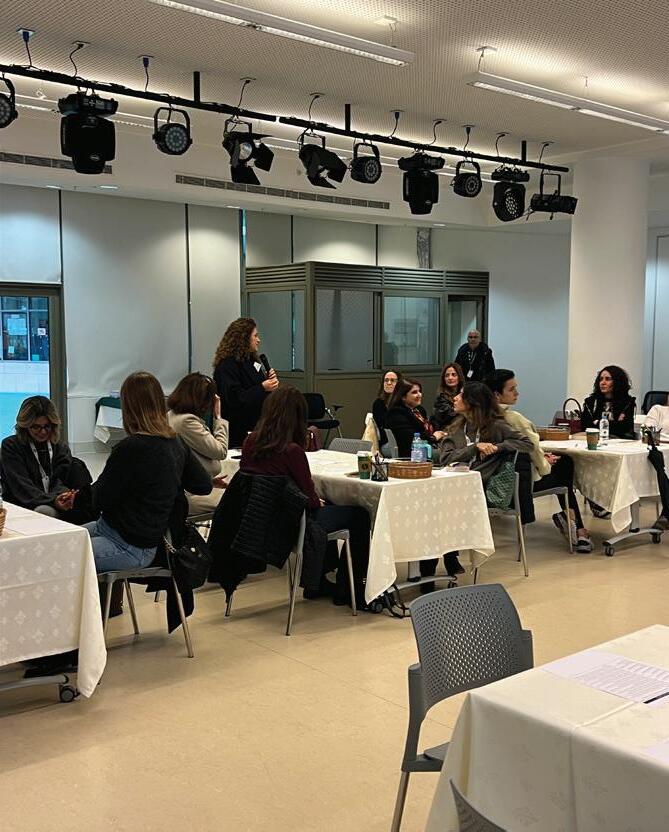
real-life experiences, and to translate understanding into meaningful support for our children’s wellbeing.” What makes this initiative especially impactful is its cyclical and sustainable nature. Once a book is completed, a new title is selected, ensuring that the Book Club remains responsive to the evolving interests and needs of families. This approach transforms the club into an ongoing learning community rather than a one-time event.
Early Childhood Principal, Dr. Ghada Madhoun, emphasized the value of this initiative in reinforcing the school’s commitment to partnership and holistic development:
“At the heart of early childhood education is collaboration with families. This Book Club reflects our belief that when schools and parents learn together, we create a stronger, more consistent environment for children to grow with confidence, balance, and emotional security.”
Following the successful launch in Early Childhood, the Parent Book Club will be implemented across the rest of the school divisions throughout the year. Each phase will be tailored to the developmental stages of students, while maintaining the same core objective: empowering parents with knowledge, encouraging open conversation, and reinforcing a strong, valuesdriven school community.
By creating a space where parents can learn together, reflect together, and grow together, the Book Club reinforces the belief that educating a child is a shared journey, one that flourishes when schools and families walk side by side.