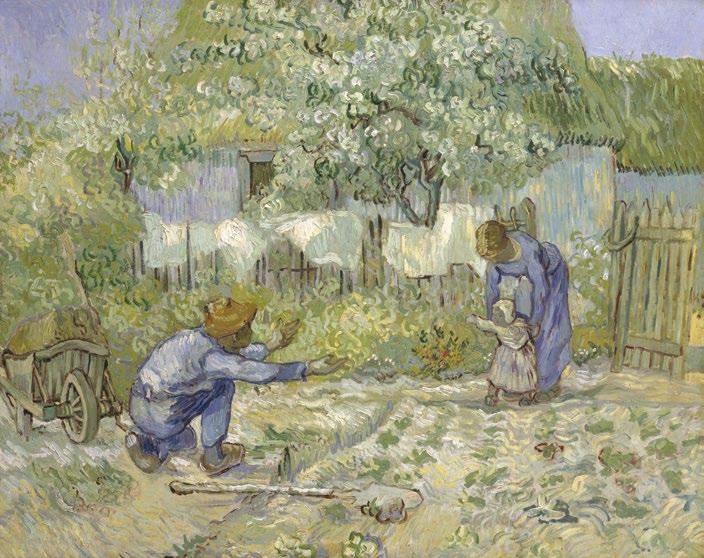
GREAT MINDS WIT & WISDOM® 1 GRADE MODULE 4 CINDERELLA STORIES
Great Minds® is the creator of Eureka Math® , Wit & Wisdom® , Alexandria Plan™, and PhD Science® .
Published by Great Minds PBC greatminds.org
© 2023 Great Minds PBC. All rights reserved. No part of this work may be reproduced or used in any form or by any means—graphic, electronic, or mechanical, including photocopying or information storage and retrieval systems—without written permission from the copyright holder.
Printed in the USA A-Print
979-8-88588-721-2
Handout 2A: Fluency Homework
Handout 3A: Story Map
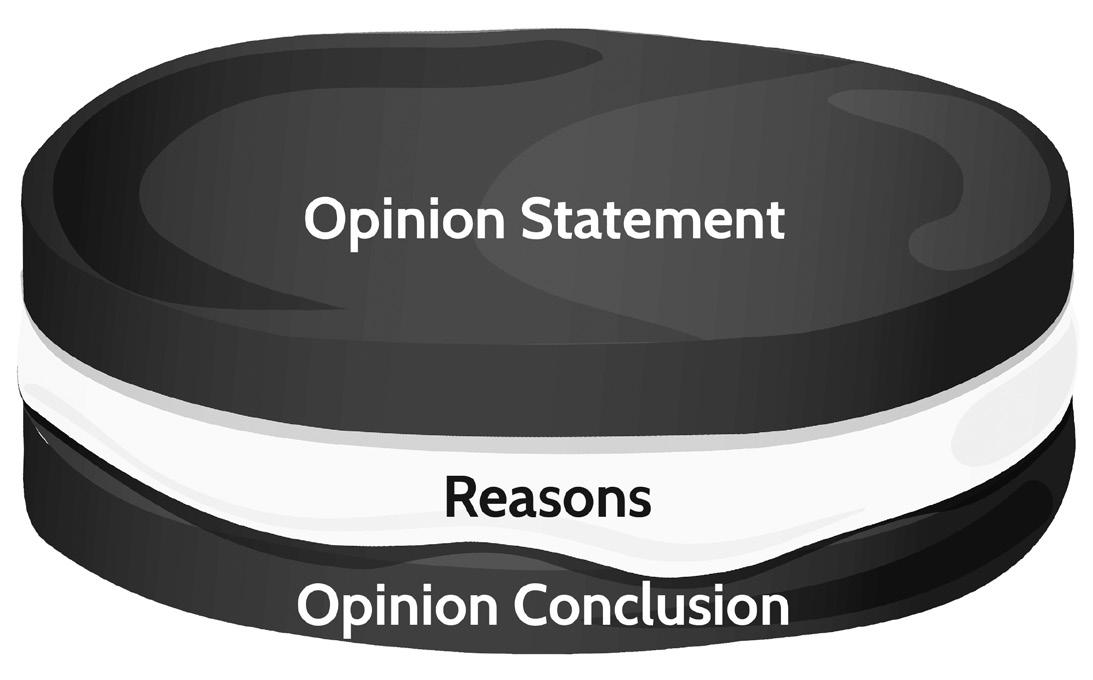
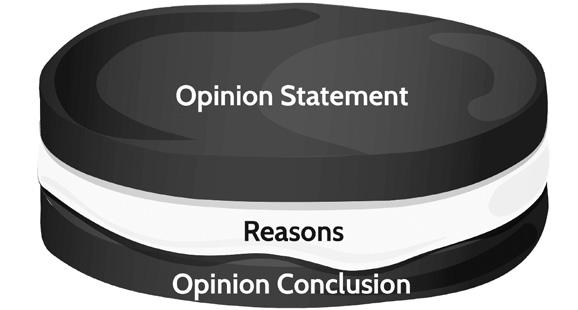
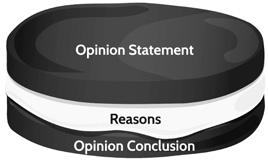
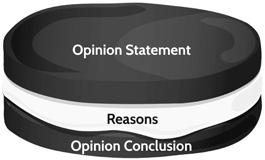
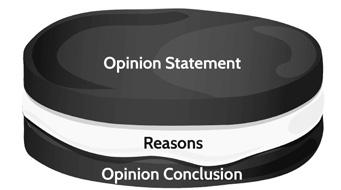
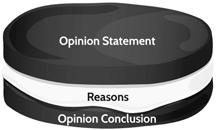
Handout 6A: Opinion Sandwich Chart
Handout 7A: Objects for Retelling
Handout 7B: Cendrillon Opinion Paragraph
Handout 8A: Focusing Question Task 1 Evidence Organizer
Handout 9A: Cinderella and Cendrillon Experience Cards
Handout 9B: Opinion Writing Checklist
Handout 10A: Objects for Retelling Handout 11A: Fluency Homework Handout 11B: Commas in a Series
Handout 13A: Story Map Handout 13B: The Beary Godfather Handout 14A: Word Cards
Handout 15A: Focusing Question Task 2 Evidence Organizer
Handout 16A: Cinderella and Ella Experience Cards
Handout 16B: Opinion Writing Checklist
Handout 17A: Fluency Homework Handout 17B: Word Cards
Handout 18A: Story Map
Handout 18B: Pronoun Practice Handout 19A: Adelita Action Cards
Handout 19B: Pronoun Practice
Handout 21A: Venn Diagram
Handout 21B: Ella and Adelita Experience Cards
Handout 21C: The Rebozo
Handout 22A: Fluency Homework
Handout 23A: Story Map
Handout 24A: Pear Blossom Action Cards
Handout 24B: Focusing Question Task 3 Evidence Organizer
Handout 25A: Illustration Scavenger Hunt Handout 25B: Content Word Sort
Handout 26A: Opinion Writing Checklist
Handout 26B: Sentence Frames
Handout 27A: “900 Cinderellas”
Handout 28A: Word Cards
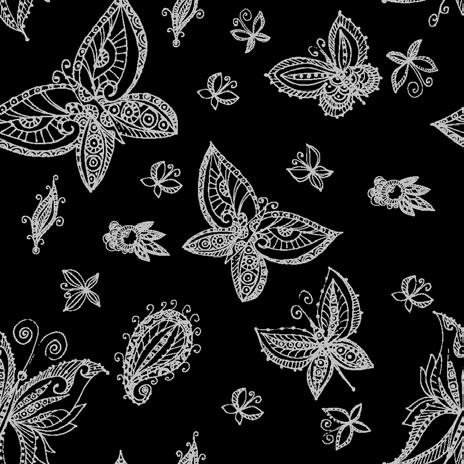
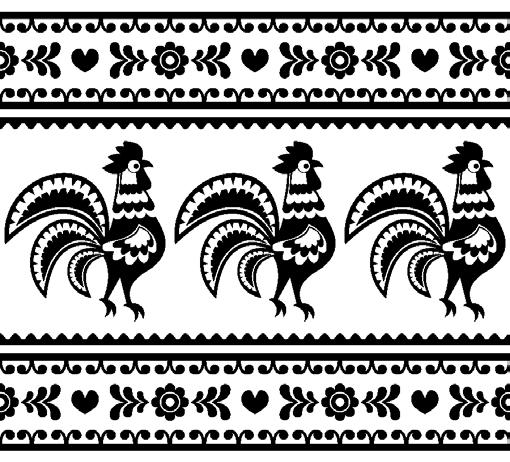
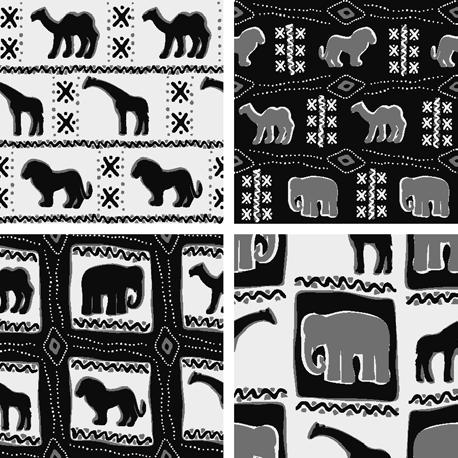
Handout 30A: Textile Patterns
Handout 30B: End-of-Module Task Evidence Organizer Chart
Handout 32A: Opinion Writing Checklist
Handout 34A: Socratic Seminar Self-Reflection
Volume of Reading Reflection Questions
Wit & Wisdom Family Tip Sheet
Name:
Directions: Choose one of the text options to read for homework. Read the entire passage. Have an adult or peer initial the unshaded boxes each day that you read the passage.
Option A
Adapted from Cinderella by Marcia Brown
Characters:
Narrator
Cinderella
Stepsister 1
Stepsister 2
Narrator: Cinderella is helping the stepsisters get ready for the ball.
Stepsister 1: Cinderella, now wouldn’t you just like to go to the ball?
Cinderella: Oh, you are making fun of me. A ball is not for such as I!
Stepsister 2: You are right. Cinderseat at a ball! How people would laugh!
Narrator: Both stepsisters laugh. 51 words
Brown, Marcia. Cinderella. 1954. 2nd Aladdin Books Edition, Simon & Schuster, 1988.
Narrator: Cinderella arrives home from the ball first. Her two stepsisters knock on the door. Cinderella runs to let them in.
Cinderella: How late you are.
Stepsister 1: If you had come to the ball, you would not have been bored, I can tell you. A most beautiful princess came.
Cinderella: What was the name of this princess?
Stepsister 2: No one knows. The King’s son ... would give anything to know who she is.
Name:
Cinderella: She was then so beautiful? Mademoiselle Javonte, lend me your yellow outfit that you wear every day.
Stepsister 1: Really, I like that! Lend my clothes to a filthy Cinderseat like you? 101 words
Brown, Marcia. Cinderella. New York: Simon & Schuster, 1954. 2nd Aladdin Books Edition, Simon & Schuster, 1988.




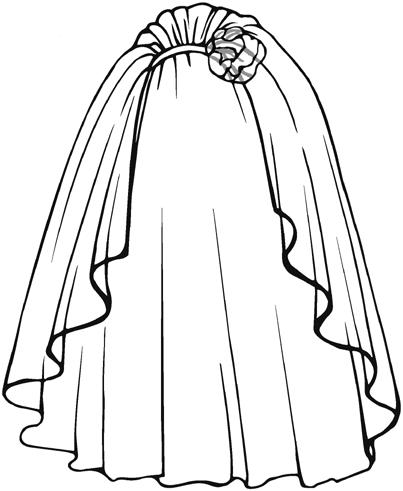

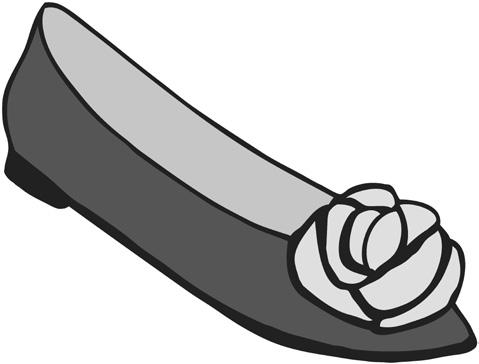
Directions: Cut on the dotted lines. Put the parts of the opinion paragraph in the correct sequence.
That is why the ball scene is the best.
Cendrillon has fun dancing with Paul.
I think the ball scene in Cendrillon is the best scene in the story.
Directions: Cut apart the experience cards. Vote whether the experience is Cinderella’s, Cendrillon’s, or both.
has an evil stepmother who is mean to her fits the glass slipper

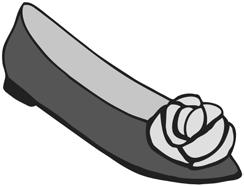
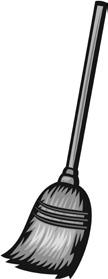
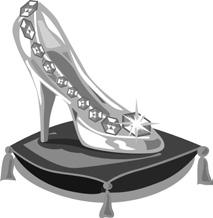
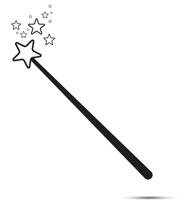

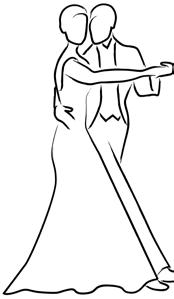
has Nannin’ who uses her magic wand to help her fits the pink slippe marries the man © 2023 Great Minds PBC
has to do all the cleaning at home goes to a ball where she meets a man and dances with him G1 M4 Handout 9A • WIT & WISDOM® Page 1 of 1
Name:



Directions: Circle Yes or Not Yet to answer each prompt.
Structure Self Peer Teacher

I respond to all parts of the prompt.
Yes Not Yet Yes Not Yet Yes Not Yet
I introduce the topic I am writing about.
Yes Not Yet Yes Not Yet Yes Not Yet
I write an opinion statement.
Yes Not Yet Yes Not Yet Yes Not Yet

I write one or more reasons to support my opinion statement.
Yes Not Yet Yes Not Yet Yes Not Yet
I write a conclusion that reinforces my opinion.
Yes Not Yet Yes Not Yet Yes Not Yet
Name:
I use capital letters at the beginning of sentences and proper nouns. Yes Not Yet Yes Not Yet Yes Not Yet I use end punctuation. .?! Yes Not Yet Yes Not Yet Yes Not Yet
I write complete sentences. Yes Not Yet Yes Not Yet Yes Not Yet
I use my best spelling.
Yes Not Yet Yes Not Yet Yes Not Yet
Total number of

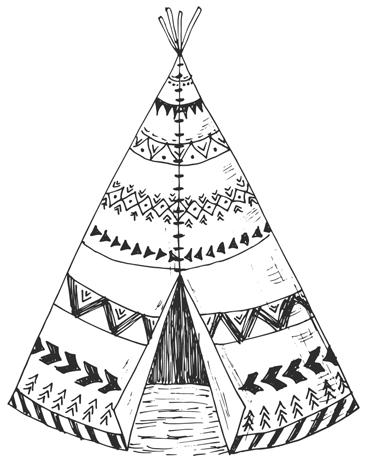
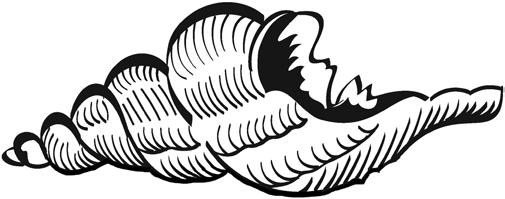
Directions: Use the following images to retell the story The Rough-Face Girl.
Name:
Directions: Choose one of the text options to read for homework. Read the entire passage. Have an adult or peer initial the unshaded boxes each day that you read the passage.
Adapted from Bigfoot Cinderrrrrella by Tony Johnston
Characters: • Narrator • Ella
• Beary Godfather
Narrator: How Rrrrrrela longed to go! Sadly, she stared at the river. She saw a fish jump. She made a wish on the fish.
Ella: Me wish go fun-fest. Me wish dunk prince.
Beary Godfather: Heartfelt wish is true wish. And so, you go.
Narrator: Rrrrella spun around. She was staring at the bear, the very one she had given the fish.
Ella: Who you? Beary Godfather: Me your beary godfather. 70 words
Johnston, Tony. Bigfoot Cinderrrrrella. Illustrated by James Warhola, 1998. Puffin Books, 2000.
Name:
Option B
Adapted from Bigfoot Cinderrrrrella by Tony Johnston
Characters: • Narrator • Bigfoot Prince • Ella
Narrator: The day grew late. Everyone had tried to win. Everyone had failed.
Bigfoot Prince: Rrrrrrats! No brrrrride! Ella: Me dunk prince!
Narrator: Grunting with all her might, she spun the log like a big twig. Then she gave it a twist and––flop!––the prince flopped into the river.
Johnston, Tony. Bigfoot Cinderrrrrella. Illustrated by James Warhola, 1998. Puffin Books, 2000.
Directions: Combine these three simple sentences to create one sentence using the correct conjunction and comma placement.
• The Rough-Face Girl made a necklace.
• The Rough-Face Girl made a cap.
• The Rough-Face Girl made a dress.
Directions: Read the opinion statement. Then write a reason in the box underneath that supports the opinion statement. I feel that the Beary Godfather is kind. That is why the Beary Godfather is kind.
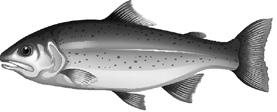

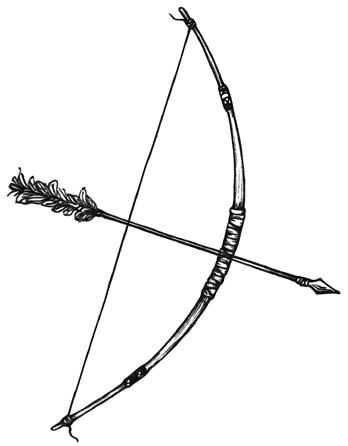
Directions: Cut apart the experience cards. Sort the cards according to whether the experiences are Cinderella’s, Ella’s, or both. has to fish for her family has an evil stepmother who is mean to her
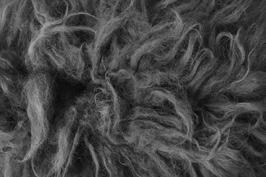

has a Beary Godfather who uses magic to help her has combed hair and fancy clothes marries the prince has tangled fur and no fancy clothes © 2023 Great Minds PBC

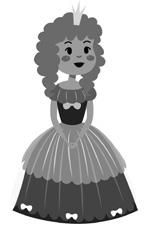
has to do all the cleaning at home G1 M4 Handout 16A • WIT & WISDOM® Page 1 of 2
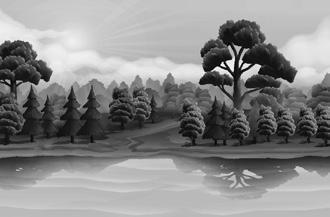
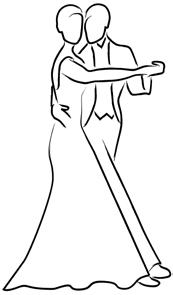
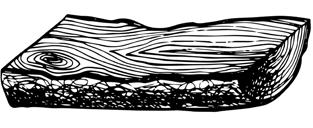
dunks the prince into the water at the fun-fest bark clog
Name:
Directions: Circle Yes or Not Yet to answer each prompt.
I respond to all parts of the prompt.
Yes Not Yet Yes Not Yet Yes Not Yet
I introduce the topic I am writing about.
I write an opinion statement.
Yes Not Yet Yes Not Yet Yes Not Yet
Yes Not Yet Yes Not Yet Yes Not Yet
I write one or more reasons to support my opinion statement.
I write a conclusion that reinforces my opinion.
Yes Not Yet Yes Not Yet Yes Not Yet
Yes Not Yet Yes Not Yet Yes Not Yet
I use conjunctions. and, or, but, because
Yes Not Yet Yes Not Yet Yes Not Yet
I use capital letters at the beginning of sentences and proper nouns. Yes Not Yet Yes Not Yet Yes Not Yet I use end punctuation. .?!
I write complete sentences.
I use my best spelling.
Yes Not Yet Yes Not Yet Yes Not Yet
Total number of
Yes Not Yet Yes Not Yet Yes Not Yet
Yes Not Yet Yes Not Yet Yes Not Yet
Directions: Read the entire passage. Have an adult or peer initial the unshaded boxes each day that you read the passage.
Adapted from Adelita by Tomie dePaola
Characters:
• Javier
• Doña Micaela
• Adelita
• Narrator
Javier: Yes, ladies, I remember you, but it’s another that I’m looking for.
Doña Micaela: There’s no one else here.
Adelita: Yes, there is. Are you looking for me, Señor?
Narrator: There was Adelita, standing at the top of the stairs in her mother’s dress and rebozo.
Javier: My Cenicienta.
Narrator: Javier asked Adelita to marry him.
Javier and Adelita: We shall live happily ever after.
Everyone: And they did. 59 words
dePaola, Tomie. Adelita. 2002. Puffin Books, 2004.
Read the passage three to five times. Read with appropriate phrasing and pausing. Read with appropriate expression. Read at a good pace, not too fast and not too slow. Read to be heard and understood.
Directions: Circle the correct pronoun to replace the underlined noun or nouns in the sentence.
• My sister went to school yesterday. (he, she)
• Karen and I had fun at the park. (we, they)
• Lisa’s dog was lost. (her, his)
• Miguel’s dad came to school to eat lunch. (her, his)
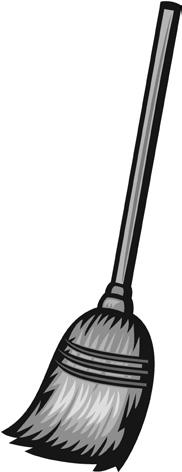

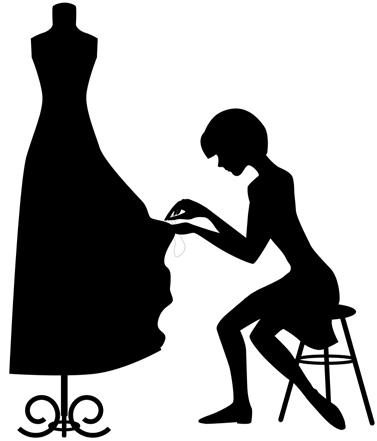
Directions: Cut out the action cards. Use the actions on the cards to Link Up with other students with similar actions.
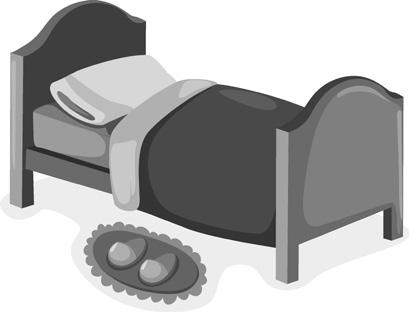
Directions: Circle the correct indefinite pronoun to complete the sentence.
• We could not go because it was raining. (everywhere, anywhere)
• was going to school because it was a snow day. (anybody, nobody)
• I couldn’t find my backpack . (anywhere, nowhere)
• My sister looked for her pencil. (nowhere, everywhere)
Directions: Sort the experience cards into the correct spot on the Venn diagram.
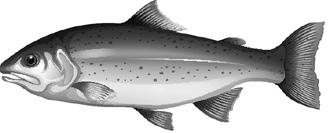


Directions: Cut apart the experience cards. Sort the cards into a Venn diagram to identify whether the experiences are Ella’s, Adelita’s, or both.

lives in a forest has an evil stepmother who is mean to her lives in Mexico has to fish for her family goes to a party where she meets a prince has to clean and cook for her family has a Beary Godfather who uses magic to help her marries the man has Esperanza who helps her find her mother’s rebozo
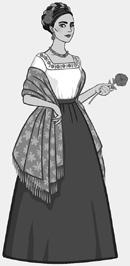
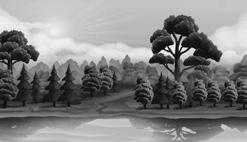
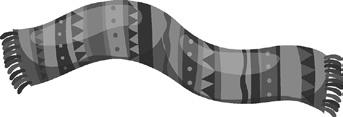
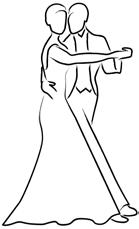
dances with Javier at the fiesta has a large foot that fits the bark clog wears the rebozo
wears nice clothes and a rebozo dunks the prince into the water at the fun-fest G1 M4 Handout 21B • WIT & WISDOM® Page 2 of 2
Directions: Follow along as your teacher reads a paragraph that responds to the question “Which proof of identity do you think is the best, the bark clog or the rebozo?” Write an introduction to the opinion paragraph on the lines below.
In my opinion, the rebozo is the best proof of identity. Javier saw the rebozo hanging in the window. He knew the girl was in the house. That is why the rebozo is the best proof of identity.
Directions: Choose one of the text options to read for homework. Read the entire passage. Have an adult or peer initial the unshaded boxes each day that you read the passage.
Adapted from The Korean Cinderella by Shirley Climo
Characters:
• Narrator
• Omoni
• Pear Blossom
Narrator: Omoni found fault as soon as she stepped into the kitchen.
Omoni: Too cold. The fire’s gone out. Fetch wood, Pear Blossom. Be quick!
Narrator: Pear Blossom gathered sticks and fed the stove until the lid on the kettle danced from steam.
Omoni: Too hot! The noodles are scorching. Get water, Pear Blossom. Be quick!
Narrator: Both Omoni and Peony were jealous of Pear Blossom, and the harder she worked the happier they were. Each day, Pear Blossom was up before the sun. She cooked and cleaned until midnight, with only the crickets for company.
Climo, Shirley. The Korean Cinderella. Illustrated by Ruth Heller, HarperCollins Children’s Books, 1993.
Read the passage three to five times. Read with appropriate phrasing and pausing. Read with appropriate expression. Read at a good pace, not too fast and not too slow. Read to be heard and understood. *Adult or peer
Adapted from The Korean Cinderella by Shirley Climo
Characters:
• Narrator
• Omoni
• Pear Blossom
Narrator: Omoni found fault as soon as she stepped into the kitchen.
Omoni: Too cold. The fire’s gone out. Fetch wood, Pear Blossom. Be quick!
Narrator: Pear Blossom gathered sticks and fed the stove until the lid on the kettle danced from steam.
Omoni: Too hot! The noodles are scorching. Get water, Pear Blossom. Be quick!
Narrator: Both Omoni and Peony were jealous of Pear Blossom, and the harder she worked the happier they were. Each day, Pear Blossom was up before the sun. She cooked and cleaned until midnight, with only the crickets for company.
Narrator: But nothing could hide Pear Blossom’s beauty. At night Omoni lay sleepless, searching for an excuse to get rid of her stepdaughter.
Climo, Shirley. The Korean Cinderella. Illustrated by Ruth Heller, HarperCollins Children’s Books, 1993.



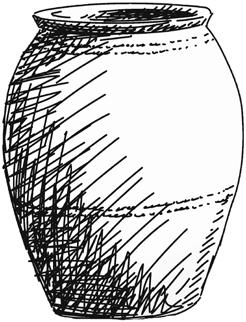
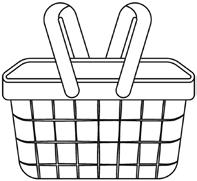
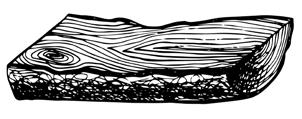
Directions: Cut out the action cards. Use actions to Link Up with other students with similar actions.
Pear Blossom cooks and cleans all day.
Pear Blossom tells the truth about the frog that helps her.

Pear Blossom packs food and sews clothes for her stepmother and stepsister.
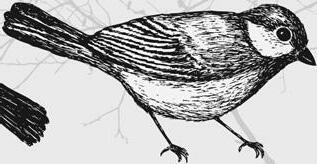
Pear Blossom tells the truth about the sparrows who help her.
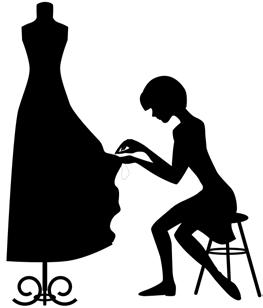
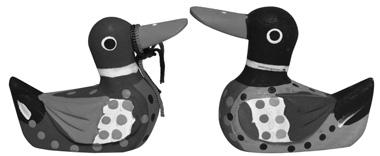

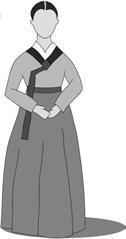

Directions: Write the category titles at the top of the chart. Cut out the word cards from the bottom. Sort the words into the correct categories on the chart.

Directions: Circle Yes or Not Yet to answer each prompt.
I respond to all parts of the prompt.
Yes Not Yet Yes Not Yet Yes Not Yet
I introduce the topic I am writing about.
Yes Not Yet Yes Not Yet Yes Not Yet
I write an opinion statement.
Yes Not Yet Yes Not Yet Yes Not Yet
I write one or more reasons to support my opinion statement.
Yes Not Yet Yes Not Yet Yes Not Yet
I write a conclusion that reinforces my opinion.
Yes Not Yet Yes Not Yet Yes Not Yet
I use conjunctions. and, or, but, because
I use capital letters at the beginning of sentences and proper nouns.
I use end punctuation.
I write complete sentences.
Yes Not Yet Yes Not Yet Yes Not Yet
Yes Not Yet Yes Not Yet Yes Not Yet
Yes Not Yet Yes Not Yet Yes Not Yet
Yes Not Yet Yes Not Yet Yes Not Yet
I use my best spelling.
Total number of
Yes Not Yet Yes Not Yet Yes Not Yet
Directions: Circle the correct verb to complete the sentences.
• The sun is today! It’s almost a hundred degrees outside.
(scorching, scorched)
• “I won!” the boy after hitting the final shot of the game. (exclaiming, exclaimed)
• The bird is on the fence post. (perching, perched)
• The swing in the wind.
(swaying, swayed)
• The squirrel is nuts and storing them for winter.
(gathering, gathered)
Directions: Listen carefully as your teacher reads an excerpt from the article “900 Cinderellas.” Signal when you hear information that connects to, or is the same as, other Cinderella stories you have read.
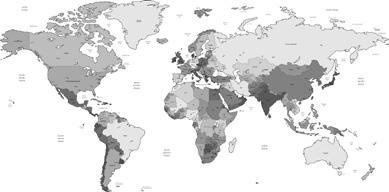
If someone asked you to name a fairy tale everyone knows, chances are you might say Cinderella. But did you know that the story of Cinderella is found all over the world in many different cultures? In China, she is known as Yeh-Shen. In Appalachia, she is called Ashpet. Some Native Americans know her as Little Burnt Face.
No matter what she is called, Cinderella is always beautiful and good. Sadly, other members of her family are jealous of her goodness and beauty. They are cruel to her. She is made to wear rags and do the worst chores in the household. But then a magical person comes to help her. Dressed in beautiful clothes, Cinderella meets a prince or a king who wants to marry her, but she is forced to run away from him and wear her rags again. In the end, he finds Cinderella, after she proves her identity through a special test (remember the glass slipper?). Then they marry and live happily ever after. Around the world, there are more than 900 different versions of this story, but they all follow this same basic plot.
Excerpt from Lusted, Marcia Amidon and Judith C. Greenfield. “900 Cinderellas.” Appleseeds, vol. 11, no. 5, Feb. 2009, pp. 9–11. Cricket Media, Carus Publishing Company.



Directions: Circle Yes or Not Yet to answer each prompt.
I respond to all parts of the prompt.
Yes Not Yet Yes Not Yet Yes Not Yet
I introduce the topic I am writing about.
Yes Not Yet Yes Not Yet Yes Not Yet
I write an opinion statement.
Yes Not Yet Yes Not Yet Yes Not Yet
I write one or more reasons to support my opinion statement.
Yes Not Yet Yes Not Yet Yes Not Yet
I write a conclusion that reinforces my opinion.
Yes Not Yet Yes Not Yet Yes Not Yet
I use conjunctions. and, or, but, because
I use capital letters at the beginning of sentences and proper nouns.
I use end punctuation.
Yes Not Yet Yes Not Yet Yes Not Yet
.?!I write complete sentences.
Yes Not Yet Yes Not Yet Yes Not Yet
Yes Not Yet Yes Not Yet Yes Not Yet
Yes Not Yet Yes Not Yet Yes Not Yet
I use my best spelling.
Yes Not Yet Yes Not Yet Yes Not Yet
Total number of
Directions: Use one of the letters below to describe how often you performed each action during the Socratic Seminar.
A = I always did that.
S = I sometimes did that.
N = I’ll do that next time.
I noticed the whole message.
I linked what I said to what others said.
I looked at the speaker.
I spoke only when no one else was speaking.
I used kind words.
1. Wonder: What do you notice when you look at the title and illustrations on the cover of this book? What are the clues about places discussed in this book?
2. Organize: What are the main ideas of this book? How do the illustrations help with showing more details?
3. Reveal: How does the author use capital letters in this text? Find one example of a capitalized place, a capitalized character name, and a capitalized beginning of a sentence or title.
4. Distill: What is the most important idea that you learned by reading this text? Draw a picture showing this idea and explain your drawing on the paper to the class or to your teacher.
5. Know: What new information do you now know after reading this book? Explain how this information compares to a different book about the same topic. Is it the same information, or is it different information? Explain.
6. Vocabulary: In the text, find a color word, a clothing word, or a place word. Try to find four new words to add to your word collection. For example, if the word is Mexico, come up with four other places to make a place collection. If the word is dress, come up with four other clothing words to make a clothing collection.
1. Wonder: Look at the illustrations on the cover. What do you notice and wonder about the setting of the story?
2. Organize: What happened in this story? Tell how the author and illustrator told the story through both pictures and words. Be sure to discuss the characters, settings, and events.
3. Reveal: Find a place in the story where there is dialogue. Tell who is telling the story as each character speaks. If you are able, take turns reading the dialogue with another person, reading the different parts in different voices.
4. Distill: Did this story teach you a life lesson? What lesson did it teach?
5. Know: How does this text add to your knowledge about Cinderella stories or fairy tales in general? How does this story compare to other stories you have read?
6. Vocabulary: In this set of lessons, we have talked about the word admire. In your opinion, which character do you most admire in this story? Support your choice with reasons from the text.
Wit & Wisdom is our English curriculum. It builds knowledge of key topics in history, science, and literature through the study of excellent texts. By reading and responding to stories and nonfiction texts, we will build knowledge of the following topics:
Module 1: A World of Books
Module 2: Creature Features
Module 3: Powerful Forces
Module 4: Cinderella Stories
In Module 4, Cinderella Stories, students discover that while there are thousands of versions of the Cinderella story, the stories are united by common elements and themes. Changes to the setting do not disrupt the magic of these tales or their ability to impart the importance of kindness, forgiveness, and belief in good triumphing over evil. We will ask the question: Why do people around the world admire Cinderella?
OUR CLASS WILL READ THESE BOOKS:
Picture Books (Literary) Cinderella, Marcia Brown
Cendrillon: A Caribbean Cinderella, Robert D. San Souci; Illustrations, Brian Pinkney
The Rough-Face Girl, Rafe Martin; Illustrations, David Shannon
Bigfoot Cinderrrrrella, Tony Johnston; Illustrations, James Warhola
The Korean Cinderella, Shirley Climo; Illustrations, Ruth Heller
Adelita, Tomie dePaola
Glass Slipper, Gold Sandal: A Worldwide Cinderella, Paul Fleischman; Illustrations, Julie Paschkis
OUR CLASS WILL WATCH THESE VIDEOS:
“Kudhinda Screen Printing”
“The Process of Making Batik—Artisans at work”
“Wycinanka/Paper Cutout”
OUR CLASS WILL READ THESE ARTICLES:
“900 Cinderellas,” Marcia Amidon Lusted and Judith C. Greenfield
OUR CLASS WILL EXAMINE THESE PAINTINGS:
First Steps, Jean-Francois Millet
First Steps, after Millet, Vincent van Gogh
First Steps, Pablo Picasso
OUR CLASS WILL VISIT THESE WEBSITES:
“Around the World,” TIME for Kids
“Talking Textiles,” The Children’s University of Manchester
OUR CLASS WILL ASK THESE QUESTIONS:
Why do people admire Perrault’s Cinderella?
Why do people admire Rough-Face Girl and Ella? Why do people admire Adelita and Pear Blossom?
As you read with your Grade 1 student, ask the following:
How does this text build your knowledge of Cinderella stories? Share what you know about Cinderella stories.
Mufaro’s Beautiful Daughters, John Steptoe
Sootface: An Ojibwa Cinderella Story, Robert D. San Souci
Cinderella/Centicienta*, Francesc Boada
Vincent van Gogh (Getting to Know the Artist), Mike Venezia
Pablo Picasso (Getting to Know the Artist), Mike Venezia
Cinderella Penguin, Janet Perlman
The Irish Cinderlad, Shirley Climo
A Cinderella from China, Ai-Ling Louie
Lon Po Po: A Red-Riding Hood Story from China, Ed Young
The Golden Sandal: A Middle Eastern Cinderella Story, Rebecca Hickox
Spotlight on South Korea, Bobbie Kalman
This is Ireland, Miroslav Sasek
Vincent’s Colors, Vincent van Gogh, The Metropolitan Museum of Art
*This text is written in both English and Spanish.
Visit a library together. Ask the librarian to recommend another book about Cinderella, or select one of the titles from the list above. As you read the text with your child, ask the following:
p What traits do you admire about the Cinderella character?
p What traits do you not admire about some of the other characters in the story?
p What elements of Cinderella stories do you recognize? Follow up with the following: What are the good and evil characters, magical element, and proof of identity in this story?
p What are some similarities and differences between the Cinderella character in this story and that character in another Cinderella story that we read?
p Who was telling the story in this part we just read? How do you know?
Great Minds® has made every effort to obtain permission for the reprinting of all copyrighted material. If any owner of copyrighted material is not acknowledged herein, please contact Great Minds® for proper acknowledgment in all future editions and reprints of this module.
All material from the Common Core State Standards for English Language Arts & Literacy in History/Social Studies, Science, and Technical Subjects © Copyright 2010 National Governors Association Center for Best Practices and Council of Chief State School Officers. All rights reserved.
All images are used under license from Shutterstock.com unless otherwise noted.
Handout 27A and Assessment 33A: “900 Cinderellas” by Marcia Amidon Lusted and Judith C. Greenfield from Tell Me a Story, Appleseeds February 2009. Text copyright © 2009 by Carus Publishing Company. Reprinted by permission of Cricket Media. All Cricket Media material is copyrighted by Carus Publishing d/b/a Cricket Media, and/or various authors and illustrators. Any commercial use or distribution of material without permission is strictly prohibited. Please visit http://www.cricketmedia.com/info/licensing2 for licensing and http://www.cricketmedia.com for subscriptions.
For updated credit information, please visit http://witeng.link/credits
The following writers, editors, reviewers, and support staff contributed to the development of this curriculum.
Karen Aleo, Elizabeth Bailey, Ashley Bessicks, Sarah Brenner, Ann Brigham, Catherine Cafferty, Sheila Byrd-Carmichael, Lauren Chapalee, Emily Climer, Rebecca Cohen, Elaine Collins, Julia Dantchev, Beverly Davis, Shana Dinner de Vaca, Kristy Ellis, Moira Clarkin Evans, Marty Gephart, Mamie Goodson, Nora Graham, Lindsay Griffith, Lorraine Griffith, Christina Gonzalez, Emily Gula, Brenna Haffner, Joanna Hawkins, Elizabeth Haydel, Sarah Henchey, Trish Huerster, Ashley Hymel, Carol Jago, Mica Jochim, Jennifer Johnson, Mason Judy, Sara Judy, Lior Klirs, Shelly Knupp, Liana Krissoff, Sarah Kushner, Suzanne Lauchaire, Diana Leddy, David Liben, Farren Liben, Brittany Lowe, Whitney Lyle, Stephanie Kane-Mainier, Liz Manolis, Jennifer Marin, Audrey Mastroleo, Maya Marquez, Susannah Maynard, Cathy McGath, Emily McKean, Andrea Minich, Rebecca Moore, Lynne Munson, Carol Paiva, Michelle Palmieri, Tricia Parker, Marya Myers Parr, Meredith Phillips, Eden Plantz, Shilpa Raman, Rachel Rooney, Jennifer Ruppel, Julie Sawyer-Wood, Nicole Shivers, Danielle Shylit, Rachel Stack, Amelia Swabb, Vicki Taylor, Melissa Thomson, Lindsay Tomlinson, Tsianina Tovar, Sarah Turnage, Melissa Vail, Keenan Walsh, Michelle Warner, Julia Wasson, Katie Waters, Sarah Webb, Lynn Welch, Yvonne Guerrero Welch, Amy Wierzbicki, Margaret Wilson, Sarah Woodard, Lynn Woods, and Rachel Zindler
We are grateful for the many educators, writers, and subject-matter experts who made this program possible.
David Abel, Robin Agurkis, Sarah Ambrose, Rebeca Barroso, Julianne Barto, Amy Benjamin, Andrew Biemiller, Charlotte Boucher, Adam Cardais, Eric Carey, Jessica Carloni, Dawn Cavalieri, Janine Cody, Tequila Cornelious, David Cummings, Matt Davis, Thomas Easterling, Jeanette Edelstein, Sandra Engleman, Charles Fischer, Kath Gibbs, Natalie Goldstein, Laurie Gonsoulin, Dennis Hamel, Kristen Hayes, Steve Hettleman, Cara Hoppe, Libby Howard, Gail Kearns, Lisa King, Sarah Kopec, Andrew Krepp, Shannon Last, Ted MacInnis, Christina Martire, Alisha McCarthy, Cindy Medici, Brian Methe, Ivonne Mercado, Patricia Mickelberry, Jane Miller, Cathy Newton, Turi Nilsson, Julie Norris, Tara O’Hare, Galemarie Ola, Tamara Otto, Christine Palmtag, Dave Powers, Jeff Robinson, Karen Rollhauser, Tonya Romayne, Emmet Rosenfeld, Mike Russoniello, Deborah Samley, Casey Schultz, Renee Simpson, Rebecca Sklepovich, Kim Taylor, Tracy Vigliotti, Charmaine Whitman, Glenda Wisenburn-Burke, and Howard Yaffe
The following early adopters provided invaluable insight and guidance for Wit & Wisdom:
Bourbonnais School District 53 • Bourbonnais, IL
Coney Island Prep Middle School • Brooklyn, NY
Gate City Charter School for the Arts • Merrimack, NH
Hebrew Academy for Special Children • Brooklyn, NY
Paris Independent Schools • Paris, KY
Saydel Community School District • Saydel, IA
Strive Collegiate Academy • Nashville, TN
Valiente College Preparatory Charter School • South Gate, CA
Voyageur Academy • Detroit, MI
Design Direction provided by Alton Creative, Inc.
Project management support, production design and copyediting services provided by ScribeConcepts.com
Copyediting services provided by Fine Lines Editing
Product management support provided by Sandhill Consulting