ACKNOWLEDGING OUR DONORS

ACTIVITY HIGHLIGHTS
Local Action Drives Real Change: Communities Take Charge of Their Development
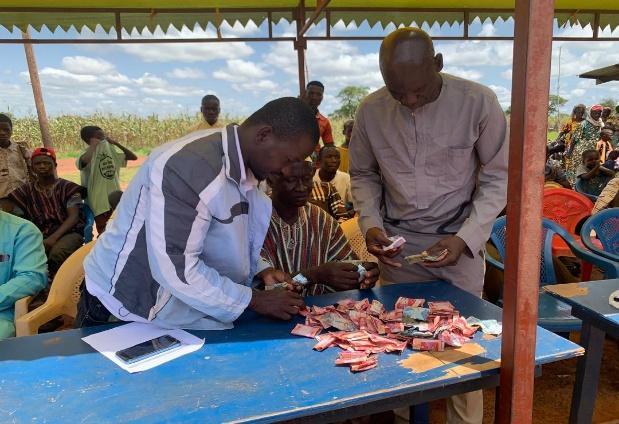
Change is most powerful when it starts from within. Through the Civil Society Strengthening Fund (CSSF), supported by the STAR-Ghana Foundation and the West Africa Civil Society Institute (WACSI), School for Life, in partnership with Hereafter Ghana, has demonstrated the transformative results of community-led action.
In October, as part of the local philanthropy activity, a series of community durbars were organised in Langa, Yilikpani, and Kpaligun within the Savelugu and Tolon districts. The local philanthropy initiative is a quest to sustain civil societies’ work by empowering communities to own projects and mobilise resources locally to address their challenges. These gatherings brought together parents, teachers, learners, and community leaders to discuss local challenges to quality education and to design their own practical solutions.
The results were remarkable. Without any external financial incentives, communities immediately mobilised their own resources to improve local schools. Funds, materials, and voluntary labour were all contributed to addressing key priorities such as:
• Providing much-needed classroom furniture
• Renovating dilapidated school structures
• Constructing new classroom blocks
• Ensuring reliable access to clean water for pupils
The impact has been both tangible and inspiring, with renewed community spirit of active citizenship. Men and women have vouched to take ownership of their development, reaffirming that sustainable progress comes from collective action and shared responsibility.
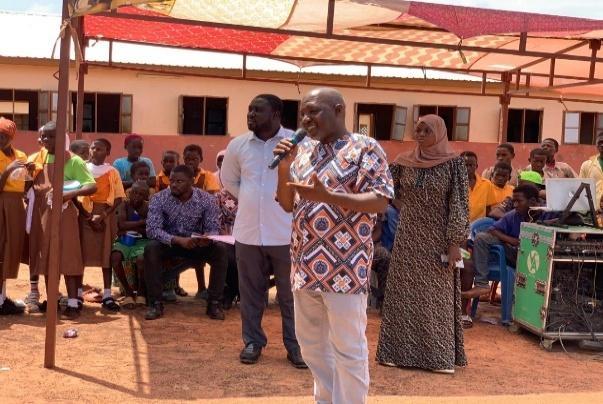
Strengthening Partnerships for Sustainable Impact: School for Visit HOPin Academy
In October, a team from School for Life Ghana undertook a learning and exchange visit to HOPin Academy in Tamale. The engagement delivered meaningful results, deepening collaboration and strengthening knowledge around sustainability, innovation, and social entrepreneurship.
The purpose of the visit was to explore strategic partnerships and social enterprise models to enhance the sustainable financing and the long-term impact of education and community development initiatives. Through in-depth discussions, both organisationsidentified opportunitiestointegrateinnovative, locallydriven approaches into their programmes to ensure lasting change.
Our team also toured HOPin Academy’s dynamic facility, engaging directly with staff and young entrepreneurs. This provided valuable insights into HOPin’s thriving ecosystem of co-working spaces, business incubation, and youth-led innovation, all of which demonstrate the potential of enterprise as a driver of sustainable development.
School for Life believes in building a collaborative framework for mutual growth and learning. We thank HOPin Academy for their hospitality and commitment to shared progress.
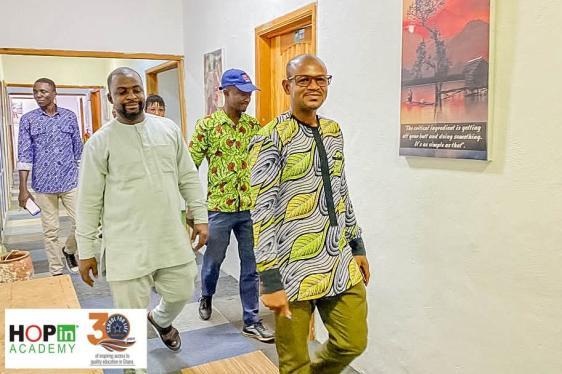
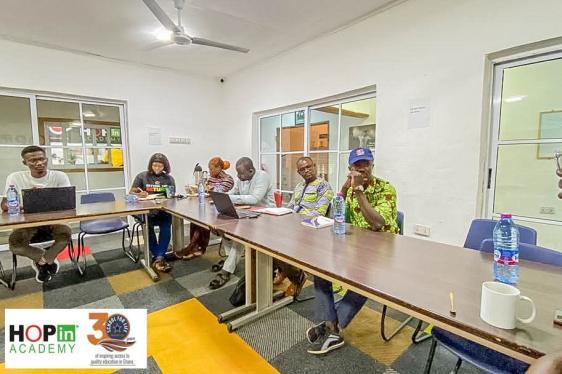
Photo credits: Hopin Academy
240 Local Champions Trained for Inclusion and Equality
The CLEAR Project successfully completed step-down trainings for 240 Gender Equality and Social Inclusion (GESI) Champions, including members of the Fulbe community and persons living with disabilities across six project districts. This milestone marks a major step forward in promoting inclusion and equity at the grassroots level.
The training equipped participants with practical skills to address gender and social disparities, advocate for child protection, and strengthen education delivery within their communities. GESI Champions are now actively identifying and reporting rights violations, engaging constructively with traditional authorities, and mobilising their communities to prioritise inclusive education.
The impact is already visible. One Fulbe trainee from Talensi shared, “I am now ready to be an ambassador of change. From here, I will go back to my community to talk to my people and mobilise our children, starting with my children, to enrol in school immediately. The time for us is now, and we will work progressively to transform Fulbe communities.”
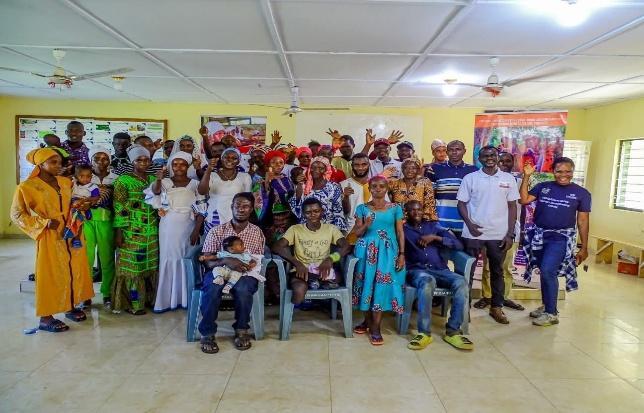
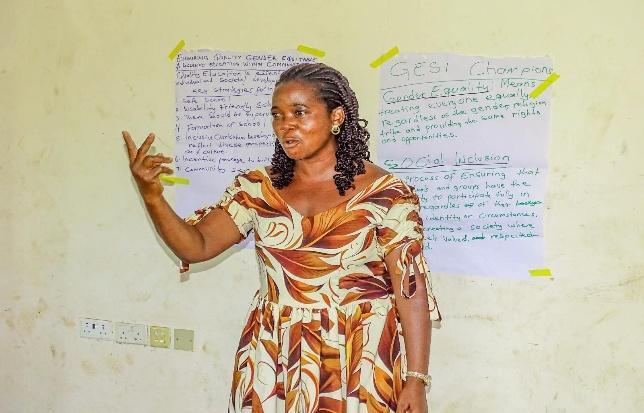
Through their collective action, these newly trained champions are fostering greater awareness, empowerment, and participation among marginalised groups, paving the way for more inclusive and equitable local development.
We extend sincere appreciation to Education Out Loud and the Global Partnership for Education for their unwavering support and funding, which continue to make initiatives like this possible.
School for Life Hosts Stakeholder Learning Session
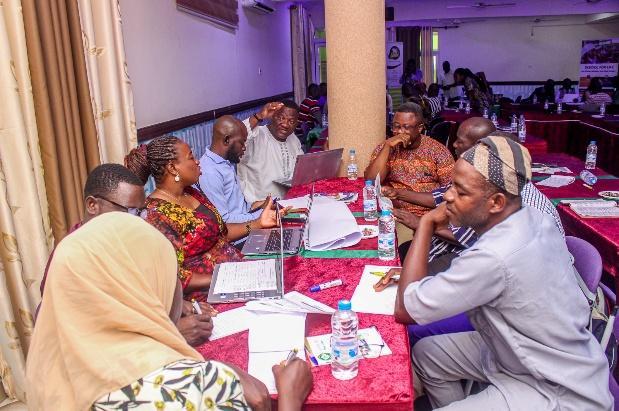
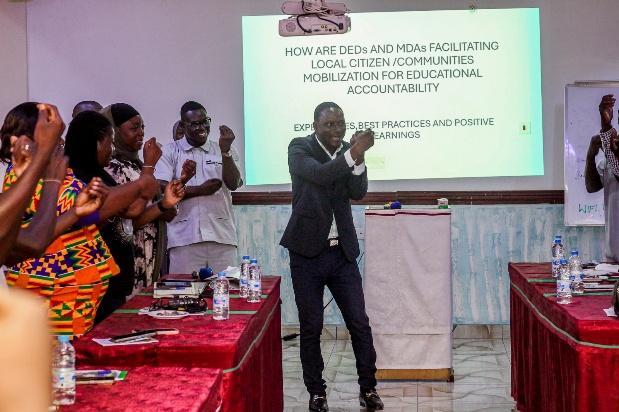
As part of the Education Out Loud (EoL) Programme, the CLEAR consortium convened a stakeholder learning session with participants from all implementing districts.
The session provided a platform to reflect on progress, share effective strategies, and strengthen collaboration. District stakeholders highlighted key achievements and outlined actionable plans to address gaps affecting the delivery of quality basic education.
The District Chief Executive for Talensi noted, “Our support to GES goes beyond fuel provision. We are collaboratively planning to tackle critical education gaps, including infrastructure. Together with my MP, we are exploring ways to provide motorbikes to the SISOs to enhance school supervision. Thanks to CLEAR for fostering strong collaboration at the district level.”
Through such engagements, CLEAR is building stronger education systems and promoting lasting impact across districts.
Celebrating Champions of Quality Education
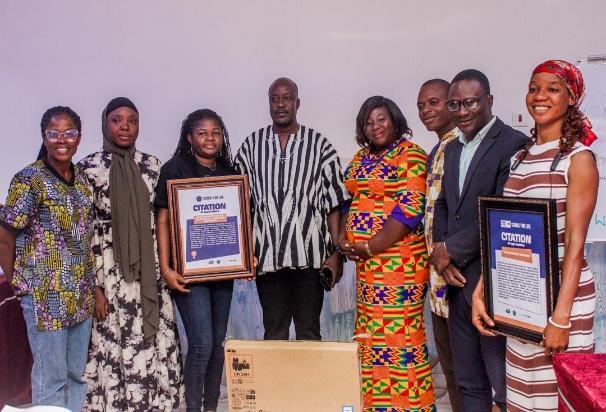
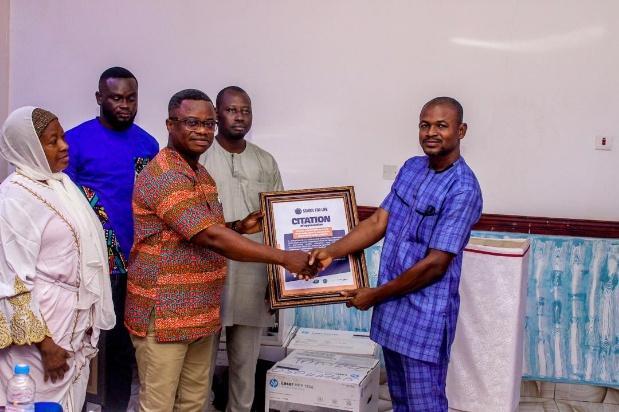
At a recent peer learning event for district-level stakeholders of the CLEAR Project, School for Life celebrated the outstanding contributions of partners championing quality education in marginalised communities.
Our work, alongside local and national government, continues to drive meaningful change, ensuring that every child has access to inclusive and effective learning opportunities.
School for Life remains committed to strengthening institutions and supporting stakeholders at the community level to deliver holistic quality education across the country.
Congratulations to all Assemblies and Education Directorates for their dedication and impact.
Five Hundred and Forty-Four (544) Fulbes enrolled in school School for Life successfully facilitated the enrolment of 544 Fulbes across 8 districts. This achievement marks a significant milestone in promoting inclusive education for one of the most marginalized groups within our operational areas. The enrolment campaigns were largely driven by Community Citizens’ Networks, whose leadership and commitment ensured that local voices guided the process. The Fulbe community, traditionally nomadic and often facing deep-seated social stereotypes, has historically encountered substantial barriers to education.
Recognizing these challenges, we prioritised the educational inclusion of Fulbe children, working closely with community leaders to address both mobility and cultural barriers. Without this intervention, many of the fulbes would have faced early marriage, a prevailing norm within Fulbe and other northern ethnic communities.
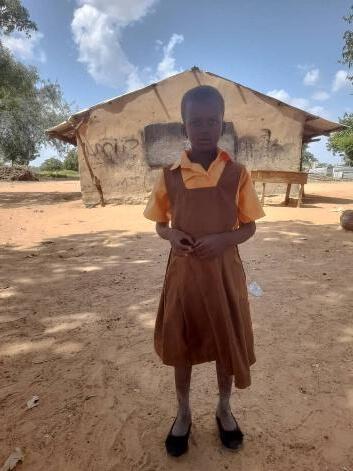
Today, these 544 learners stand as a proof of what can be achieved through community-led advocacy and targeted support, paving the way for a more equitable and educated future.
Driving Learning Outcomes Through Effective Monitoring and Teacher Support
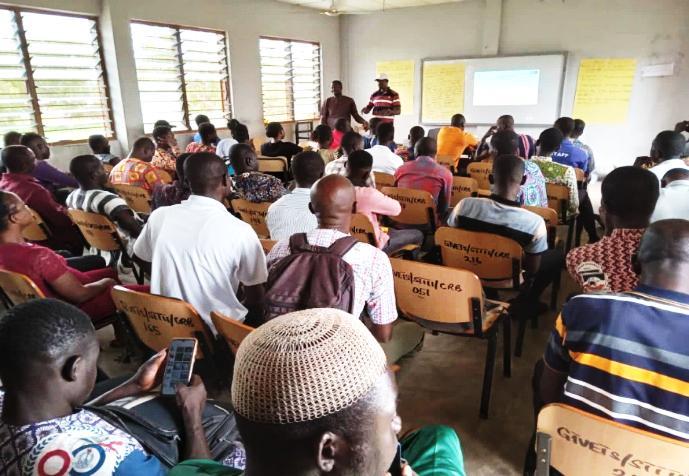
School for Life continued to make strong progress under the Ghana Education Outcomes Project (GEOP) throughout October 2025, delivering on core milestones aimed at sustaining learner retention, enhancing teacher performance, and strengthening school management systems across all nine operational districts.
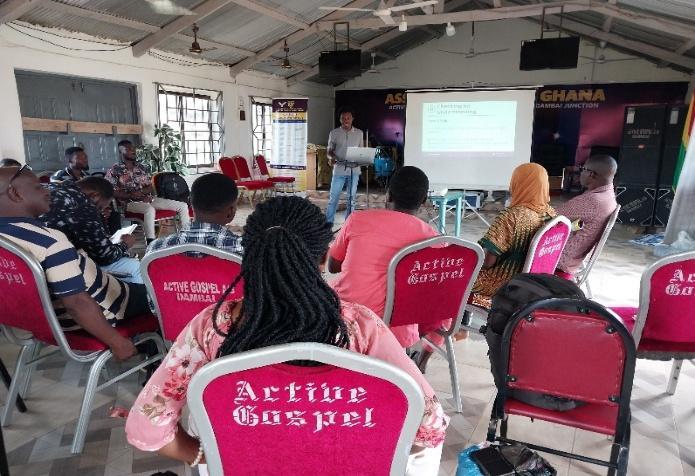
A total of 228 school visits were conducted across 85 mainstream sachools, resulting in 311 classroom observations and 301 teachers receiving tailored coaching sessions to enhance teaching quality. In addition, 166 school leader meetings were held to reinforce accountability, collaboration, and shared leadership at the school level. Field Supervisors also facilitated 200 deliberate practice sessions with intervention grade teachers, underscoring the project’s emphasis on hands-on professional growth.
The month also marked the successful completion of teacher orientation sessions across all nine districts. Led by the Monitoring, Evaluation,Accountability and Learning (MEAL) Unit, these sessions equipped 457 participants (37% female) including headteachers, SISOs, and focal teachers with the tools and strategies to manage transition learners effectively and promote psychosocial well-being within child-friendly learning environments.
On learning continuity, the MEAL Unit deployed digital tracking tools for Cohort 2 and Cohort 3 learner attendance. Data from Cohort 3 indicated that 95% of learners were accounted for, with an average attendance rate of 73%. For Cohort 2, 86% of learners were tracked in their second year in mainstreamed schools, though 7.7% (434 learners) had dropped out. In response, home visitations are planned to support at-risk learners and strengthen retention.
Between 13–15 October, the Staff Rising Institute hosted a professional development program for School Performance Managers, focusing on pedagogy, learning mindsets, and sustainability. This initiative, combined with the arrival of Rising Core Curriculum materials for Year 4 MSIP implementation, lays a strong foundation for the next phase of teaching and learning interventions.
School for Life remains committed to improving literacy, retention, and equitable access to quality education through
targeted field interventions and data-informed decision-making that drive sustainable educational outcomes.
110 Local committee members trained to support effective running of CBE classes
In alignment with the Strategic Objective 4 of School for Life, that seeks to promote community-driven approaches for uninterrupted schooling, School for Life has trained and established local management committees across all the forty (40) CBE ALPs established in Atebubu-Amantin and Savelugu Municipalities of Bono East and Northern Regions respectively,
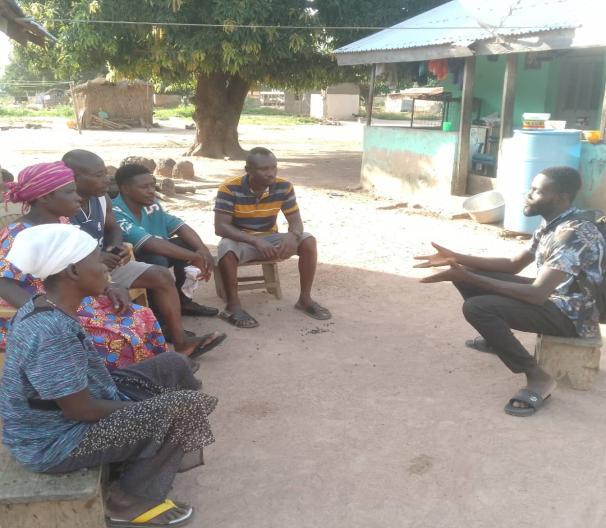
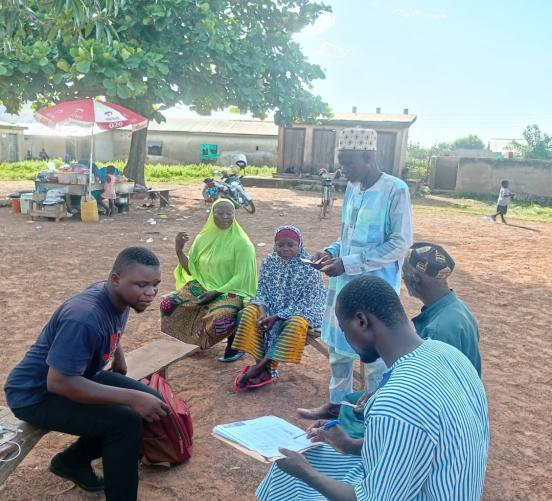
where the organization is implementing the CBE/SC Project. The objective is to strengthen the liaison role between the communities and the project. The committees are made up of one hundred and ten (110) members in Atebubu-Amantin and fifty (50) members in Savelugu Municipality.
Director Wedad Joins Prof. Akyeampong’s Book Launch
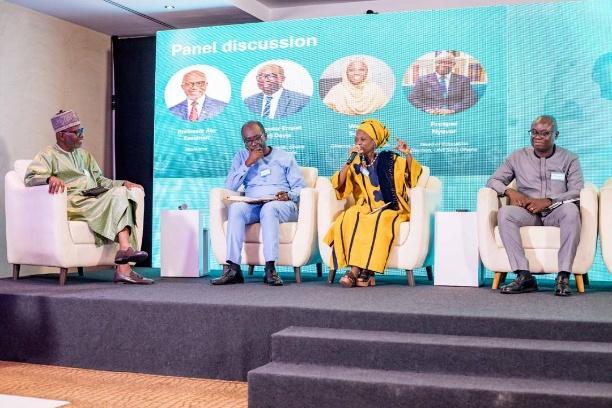
Distinguished Ghanaian educationist and global thought leader, Professor Kwame Akyeampong, launched his latest book in October, co-authored with Dr. Sean Higgins, titled “Reconceptualising the Learning Crisis in Africa: Multi-dimensional Pedagogies of Accelerated Learning Programmes.”
At the launch event, our Director, Hajia Wedad Sayibu, joined a panel of esteemed practitioners to delve into the learning crisis facingAfrica. The panelists shared diverse
perspectives drawn from their field experiences, offering rich insights into the challenges and opportunities in education across the continent.
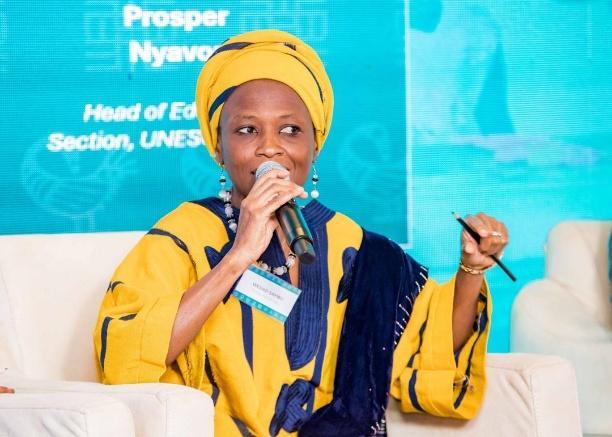
Speaking on the impact of the Complementary Basic Education (CBE) programme, Hajia Wedad highlighted how its innovative pedagogy, targeted, community-driven, and contextually relevant approach has significantly accelerated learning outcomes in marginalised communities in Ghana and made a passionate call to education policy makers and practitioners to move from the deficit narrative of the learning crisis to strength-based narratives of African children, teachers, and communities as the CBE model in Ghana proves Congratulations to Prof. Akyeampong and Dr. Higgins for the thought-provoking and the invaluable contribution to educational research and practice through this important publication.
The book is a must-read for every education policy actor and practitioner!
Photo credits: Pixel Eye Photography
PRESS STATEMENTS
School for Life Applauds Minister’s for Directive on Mother Tongue Education
In October, School for Life welcomed a significant policy development in Ghana’s education sector. The Minister for Education, Honourable Haruna Iddrisu, directed the Ghana Education Service (GES) to ensure that teachers across the country begin using local Ghanaian languages as part of the medium of instruction in basic schools.
This progressive move marks a milestone in Ghana’s educational journey and reflects the long-standing advocacy of School for Life and other civil society organisations promoting effective learning through mother tongue instruction in early education.
At the recent launch of “Reconceptualising the Learning Crisis in Africa: MultiDimensional Pedagogies of Accelerated Learning Programmes” by Professor Kwame Akyeampong and Dr Sean Higgins, School for Life and its partners again urged the Ministry ofEducation to strengthenGhana’slanguage-in-educationpolicy.The Minister’s directive is therefore a timely and welcome response.
School for Life also commends the decision to establish a five-member committee to review the current L1 (mother tongue) policy and recommend measures for effective implementation. This aligns with the Education Act and Language Policy of Ghana, which support the use of Ghanaian languages in lower primary education, though implementation has often lagged.
For over three decades, School for Life has championed mother tongue-based education through its Complementary Basic Education (CBE) Programme, providing foundational literacy and numeracy for hundreds of thousands of out-of-school children. This approach has consistently shown that children learn best in the language they understand.
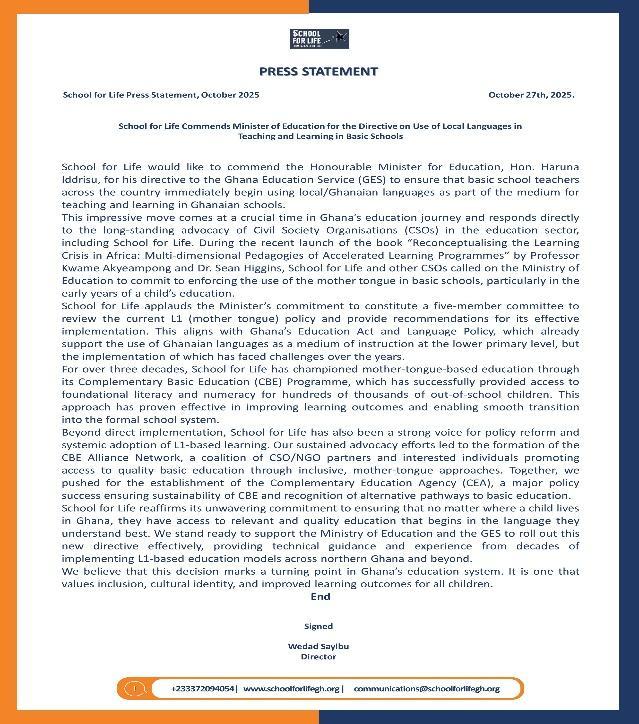
Beyond implementation, School for Life has driven policy reform, co-founding the CBE Alliance Network, which promotes inclusive, language-based learning and supported the creation of the Complementary Education Agency, ensuring sustainability of CBE nationwide.
As this directive takes effect, School for Life reaffirms its commitment to supporting the Ministry of Education and GES with technical expertise and decades of experience in L1-based education.
This policy represents a turning point in Ghana’s education system, one that values inclusion, cultural identity, and improved learning outcomes for every child, regardless of where they live or the language they speak.
School for Life Urges Decentralised Teacher Deployment for Education Equity
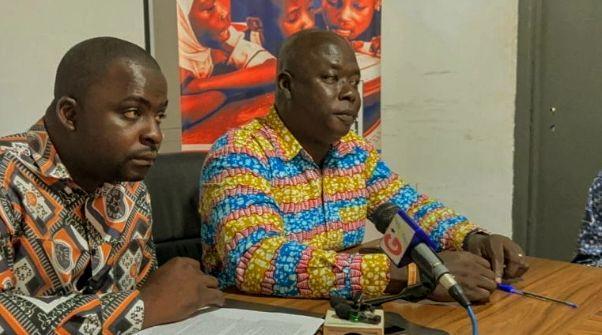
Also, in October, School for Life held a press conference with media houses in Tamale to share findings from its latest study on teacher deployment and distribution in Northern Ghana. The event, organised in partnership with the Northern Network for
Education Development (NNED), highlighted major disparities between rural and urban schools, drawing national attention to the urgent need for policy reform.
The 2023 research revealed that 68% of teaching vacancies in rural schools remain unfilled, leaving many schools to operate with one or two teachersmanaging all classes. This shortage has had a severe impact on learning outcomes, with data showing that four out of every six pupils in the study area scored an aggregate of 30 or above in their final assessments, indicating a steady decline in education quality.
The study also found that the current centralised teacher posting system contributes significantly to these challenges. Teachers are often assigned to communities where they do not speak the local language, limiting the effective use of Ghanaian languages (L1) in instruction and undermining national education policy.
At the press briefing, spokesperson for the Complementary Basic Education (CBE) Alliance and our CLEAR Project Manager, Mr Amadu Zulyaden, emphasised that a decentralised recruitment and deployment system would improve teacher accountability, retention, and performance. He noted that empowering district education offices to manage recruitment would ensure better placement of teachers who understand the local context and are more committed to serving their communities.
The findings have reinforced our advocacy for inclusive and equitable education, particularly in underserved northern communities. We continue to engage policymakers, civil society, and education stakeholders to ensure that teacher deployment reforms address these long-standing disparities.
This work forms part of School for Life’s ongoing commitment to promoting quality basic education for all children in Ghana, with a focus on locally led, data-driven solutions that strengthen the country’s education system from the ground up.
Photo credits: Murtala Issah, GBC.
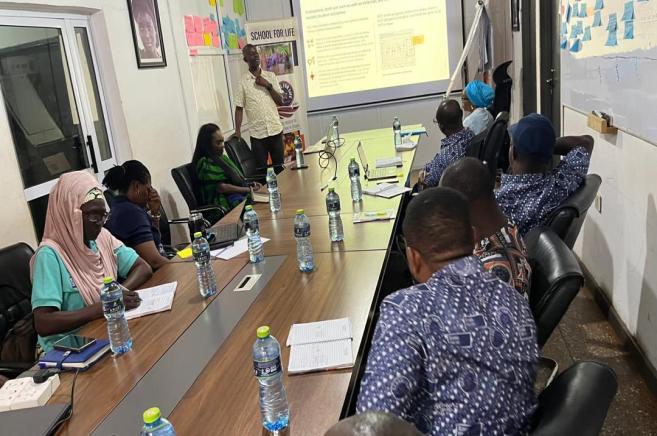
School for Life Hosts Kizazi team
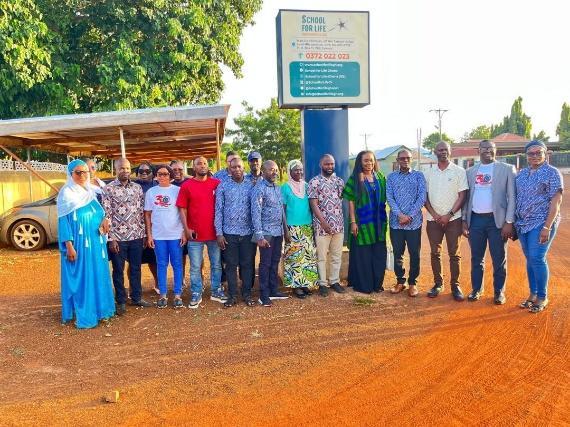
Ateam from Kizazi paid a working visit to School for Life. The visit forms part of Kizazi’s goal of learning from partners on innovative approaches to education delivery.
As part of the visit, the team interacted with a cross section of the Head Office staff to learn firsthand what school for Life does.
Also, the team visited some communities to see our work in motion. Interacting with our community champions, Kizazi was offered the opportunity to see how our collective work with the communities helps address the critical education needs.
COMMEMORATIVE DAYS
Celebrating World Teachers’ Day
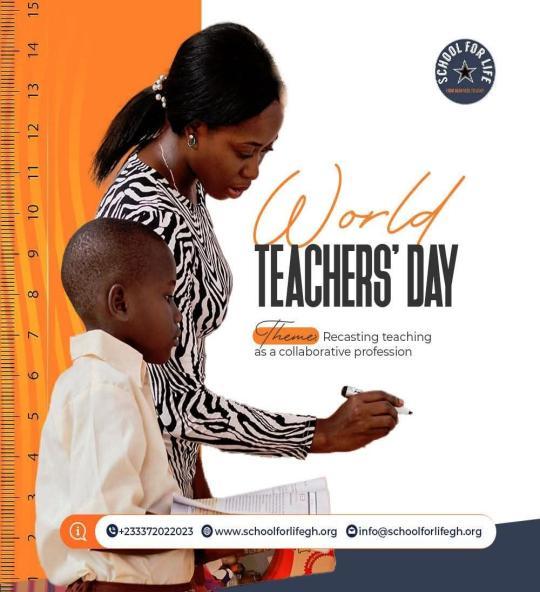
On 5th October, School for Life joined the world in celebrating World Teachers’Day, honouring the dedicated educators who light the path of knowledge for every child.
This year’s theme, “Recasting Teaching as a Collaborative Profession,” reminds us that education flourishes when teachers, learners, parents, and communities work together. At School for Life, we remain committed to empowering teachers to inspire, innovate, and impact lives through shared learning and collaboration. We salute all teachers shaping tomorrow’s world today!
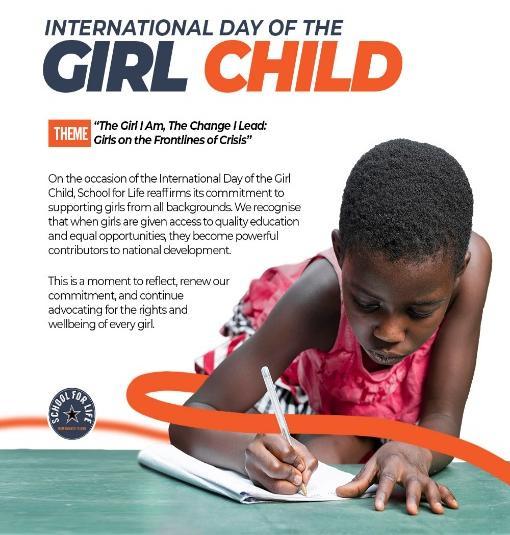
Commemorating International Day of the Girl
On 11th October, School for Life marked the International Day of the Girl Child, reaffirming our commitment to empowering girls from all backgrounds. We recognise that access to quality education and equal opportunities enables girls to become powerful contributors to national development.
This day serves as a reminder to reflect, renew our commitment, and continue advocating for the rights and wellbeing of every girl.
Child
CONTACT US
For enquiries reach out to School for Life via any of the channels below
Street address: Naa Luro estate, off the Nobisco main road, Tamale.
Postal address: P. O. Box TL 787, Tamale, N/R.
Telephone: +233 3720 94054
Website: www.schoolforlifegh.org
Email: info@schoolforlifegh.org
Alternative Email: communications@schoolforlifegh.org