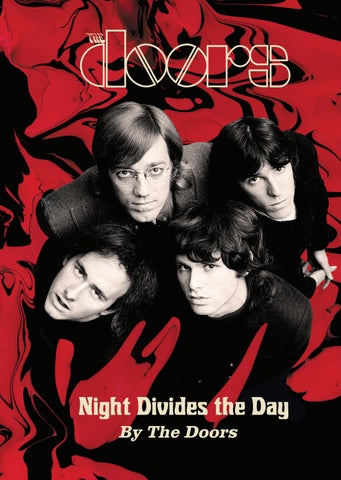
In 1979, I was 14 years old and discovering a lot of music. Eight years after The Doors effectively ended, I was part of a new generation of fans.
In 1980, my parents sent me to live with relatives in Croatia, which was then part of Yugoslavia. Zadar is an ancient city on the Adriatic Sea. While I was there, I continued to discover new music – Yugo-Rock bands and a lot of sounds coming from London at the time.
There was an older cohort in town, fanatically into The Doors. I did not associate with these people, mostly because they smoked hash, and that was out of my league. These were the kind of dedicated people who could make the pilgrimage to Paris and visit the grave of Jim Morrison. In fact, for many years there was a Morrison bust on the trashed grave that had been sculpted by a Yugoslavian fan. Just as it all of a sudden appeared, the tribute bust eventually vanished.
I too am dedicated to The Doors. I love the way their music synthesises rock with the esoteric. The band grooves, but in a way that hangs in the ancient gallery. There is gravitas, magic, but also grit. It’s the Hollywood bungalow with that freeway soot which seems to cover everyplace in LA. It’s like hanging out at the beach at the evening golden hour. Not to swim or get a tan, but fully clothed, with your shoes on in the sand, taking the last gulp from a can of beer, before walking east to a Venice dive bar. Because if we do not find that next whisky bar …
Let it roll, baby roll, at the bar counter. We then step outside into the late night, feel and smell the ocean air to catch the full moon above us. Let’s swim to the moon as traffic moves on the boulevard in the city tonight. The night progresses, and we get to the end of our elaborate plans, the end, my friend. However … eternity has no end. The scream of the butterfly is the chrysalis, the transformation. The Doors are not just a band, or rock music – we find an apotheosis. I witnessed this as a teenager.
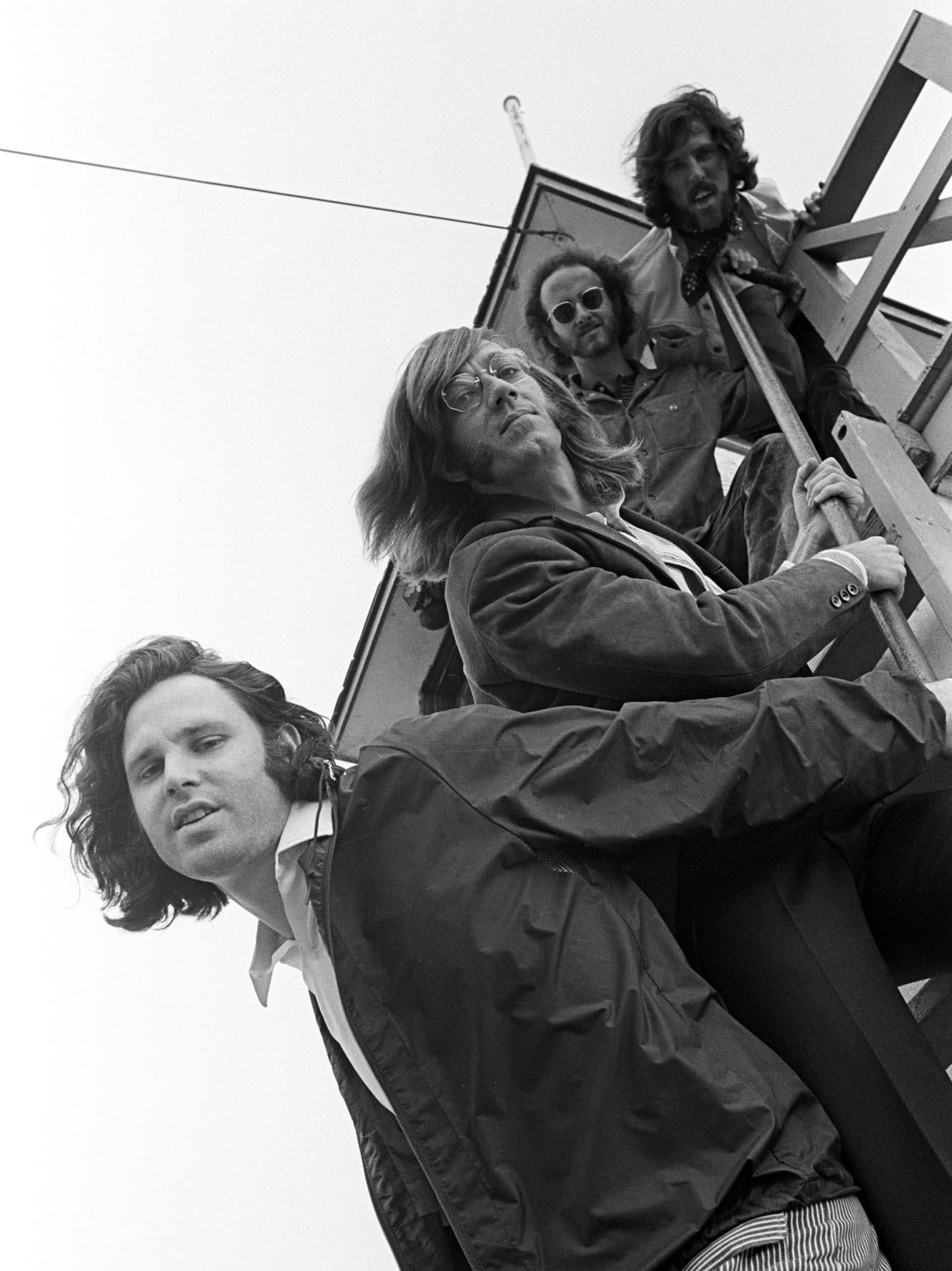
I know about this phenomenon. Nirvana has also captured the collective imagination in such a way. It must be about intense lead singers who left us at the age of 27. There is a lot more too, and this book offers insight into the music Jim Morrison, Robby Krieger, John Densmore and Ray Manzarek created together.
New generations of fans connect with the music. I know. I have been listening to The Doors for almost my whole life.
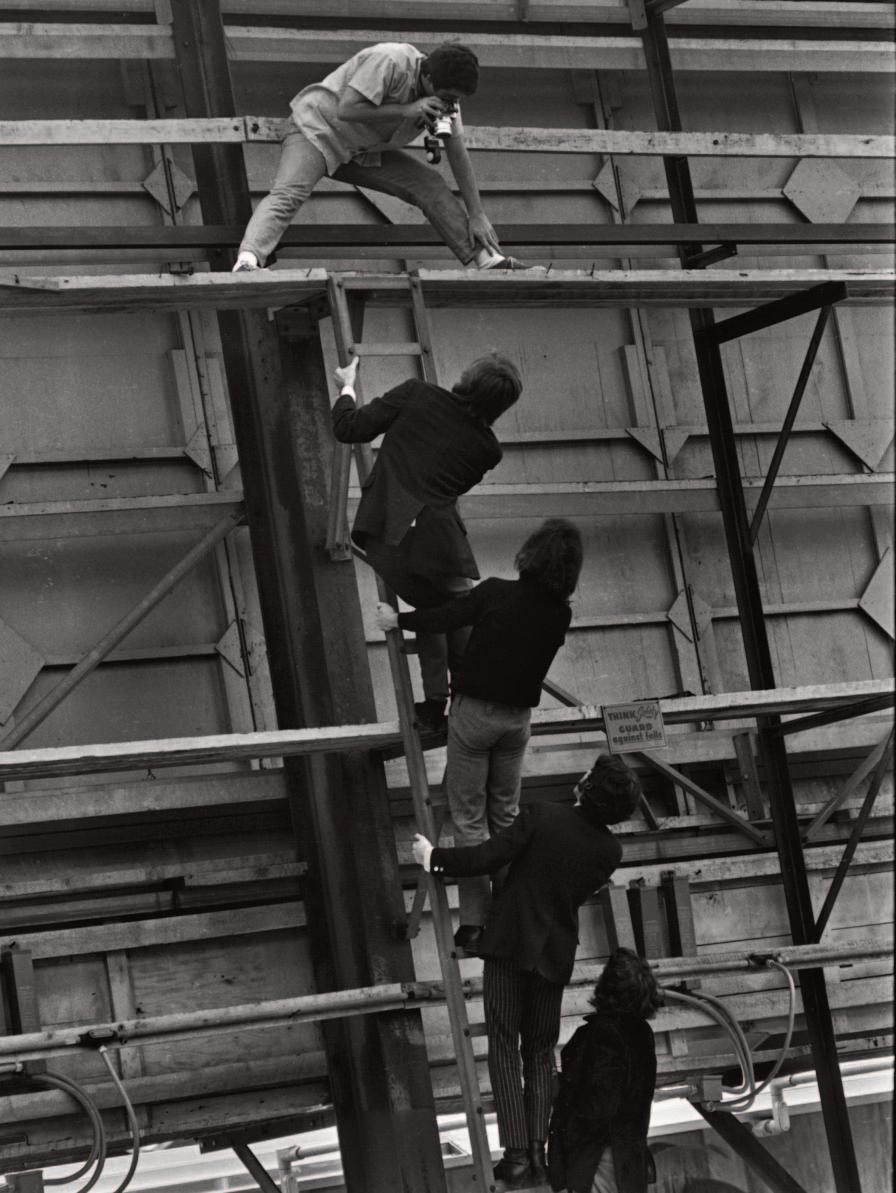
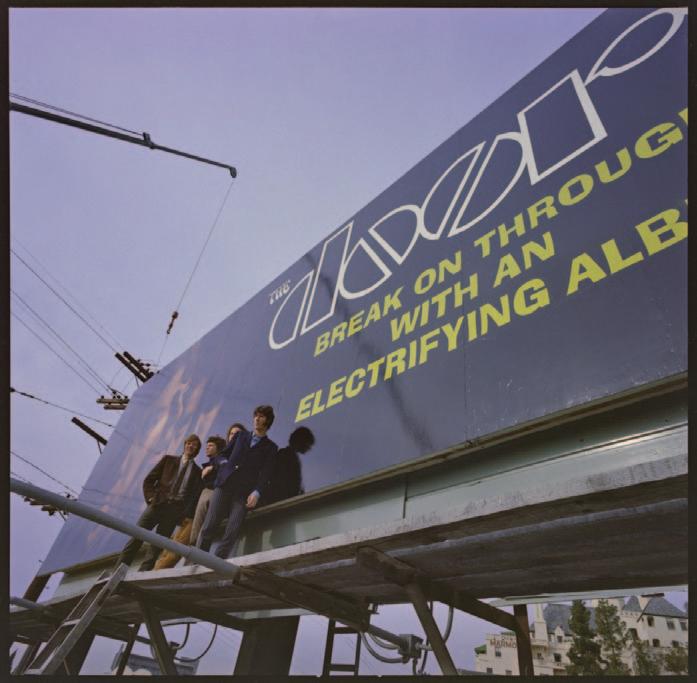
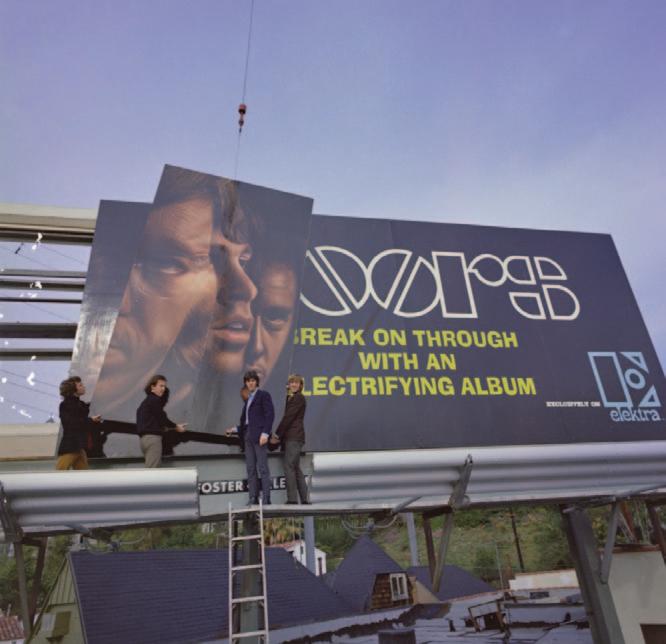
ROBBY Elektra had this silly idea that we should go down while they were putting up the billboard and have it look like we were helping to put it up. We wondered if it would be too commercial, but then we also thought no band had ever had a billboard like this.
JAC HOLZMAN This was a new idea for the record business. No one in music had tried it before, but it was my way of saying to everyone in the music community of Los Angeles that Elektra had arrived, and we were big-time serious about a band that had a tenacious following. It was a message to radio and our distributors that we were willing to spend to make it happen.
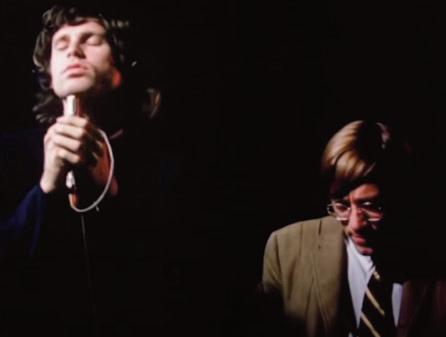
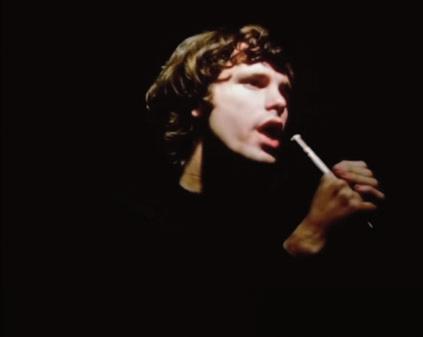
JOHN ‘Break On Through’ was chosen as the single, even though we were worried that the beat was too eccentric for the mass market. We had considered ‘Twentieth Century Fox’ as a single, but the chorus sounded too commercial, too cute, and we didn’t want it to represent our sound, which we considered more hard edged.
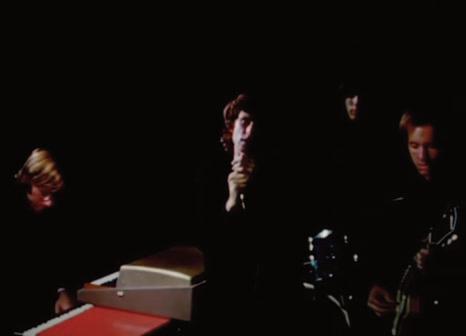
JAC HOLZMAN The short film Mark Abramson shot for ‘Break On Through’ helped us move The Doors around the country without transporting their bodies. It was one of the earliest pre-MTV clips aimed at the TV bandstand shows which were a staple of the late afternoon programming.
It was Jac Holzman’s idea to create a film to promote the The Doors’ self-titled first album and their first single, ‘Break On Through’. Seen by many as one of the first ever music videos, it was accompanied by a giant billboard on Sunset Boulevard to advertise the album, which was another of Jac’s promotional innovations.
The film, directed by Mark Abramson, is shot on a dark soundstage with colourful stage lighting using Jac Holzman’s 16mm camera. It features footage of the band playing live, which is then synced to the studio cut of ‘Break On Through’.
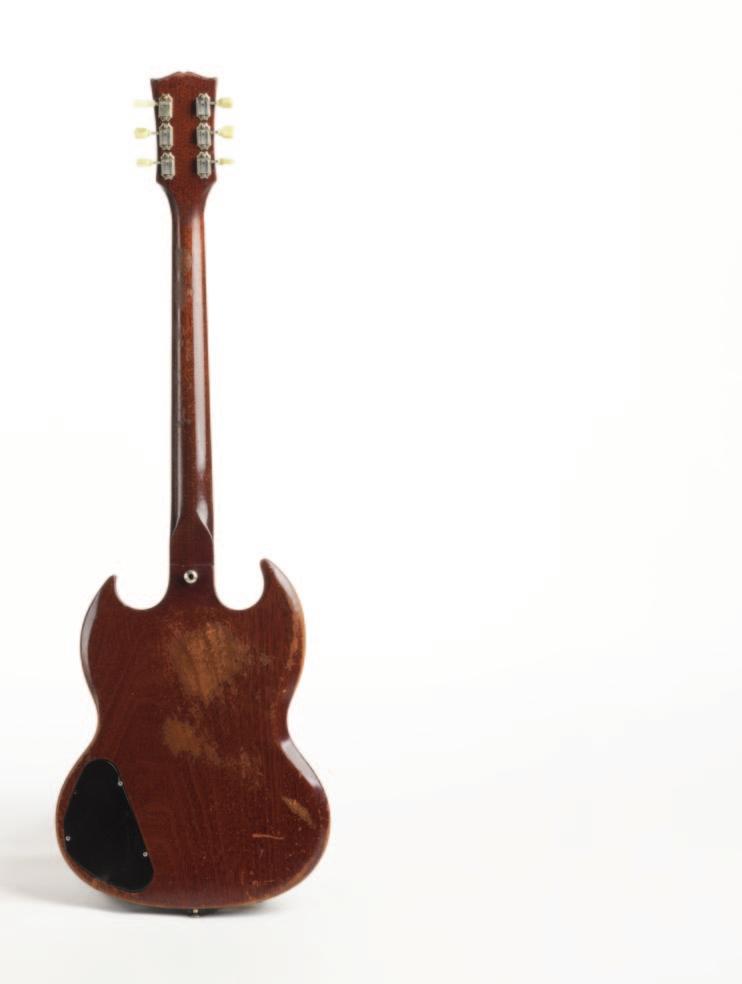
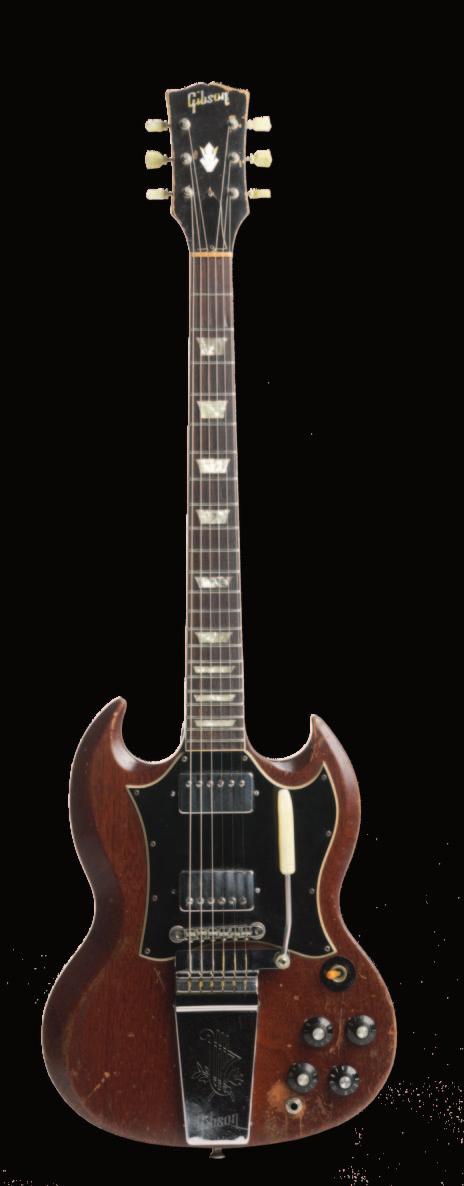
Robby’s lost Gibson (right) was a red ’63 or ’64 SG Special with the serial number 88779 and it had black P-90 pick-ups. He found a replacement – a red 1967 model (opposite and below) – soon after the original was stolen, but he began to think back to the magic of his first Gibson when writing his 2021 memoir Set the Night on Fire
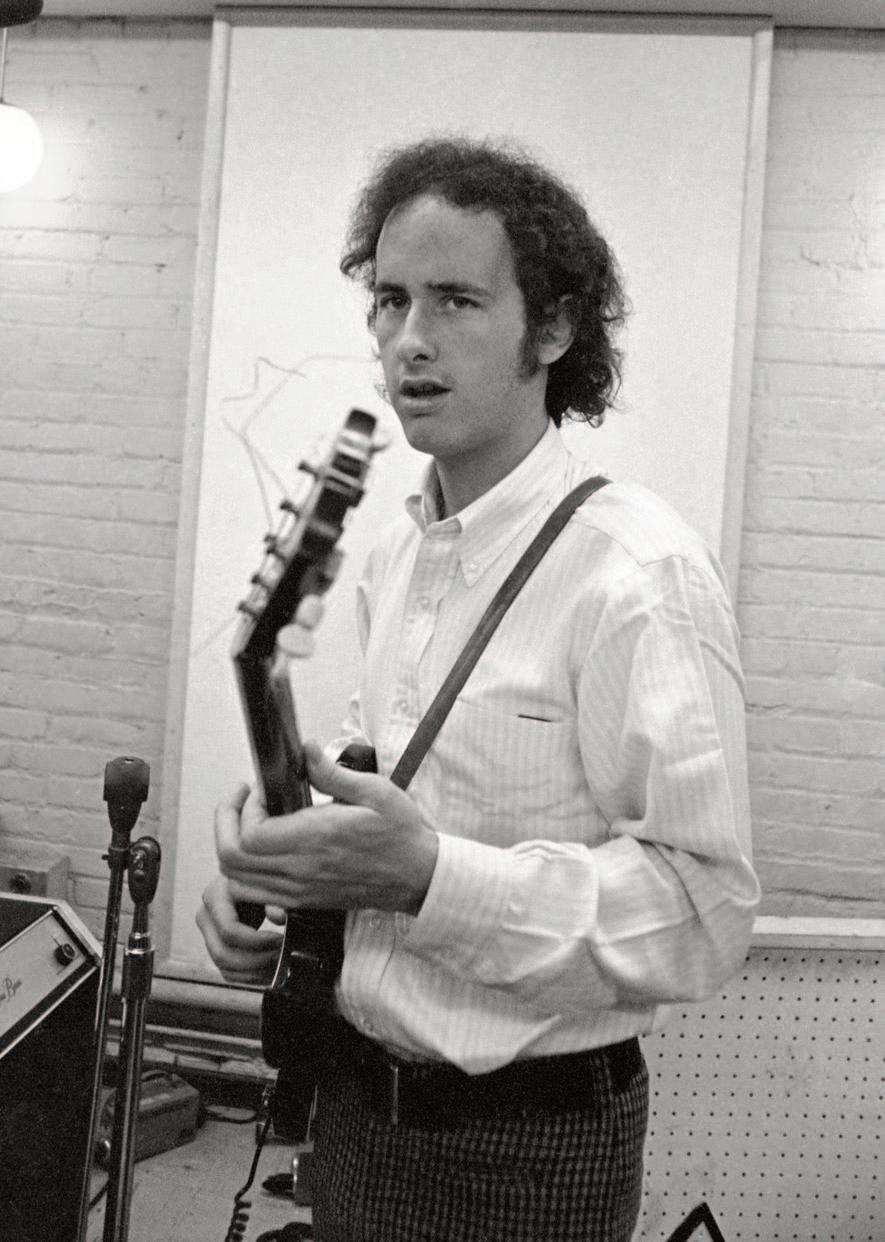
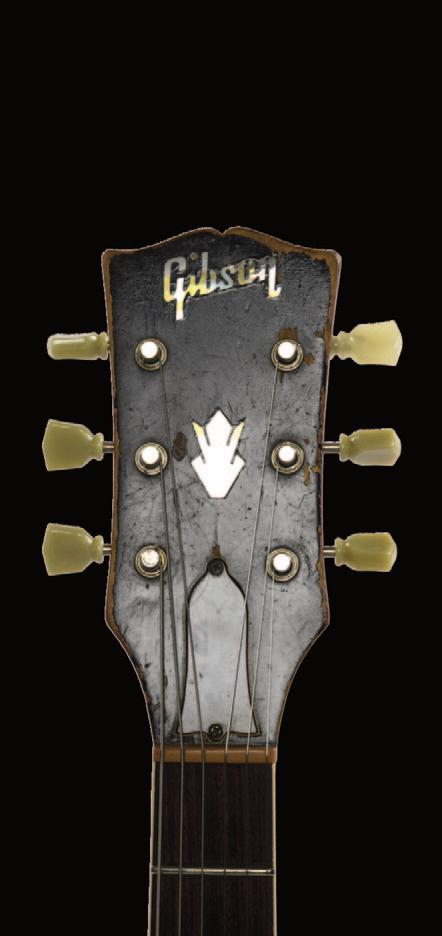
ROBBY I hope to find my first guitar. It’s the one I wrote ‘Light My Fire’ with and played on the first two albums. I don’t know what it is about the SG. It’s just a psychedelic looking guitar and it sounds great too. It’s got that double cutaway so it’s easier to play up high. There’s a lot of good things about it. I think the SG had a smoother sound compared to the Fender guitars of the day. The Fender stuff was twangier, and I never was a fan of that. I always have gone for smoother sounds, which I could get with the Gibson.
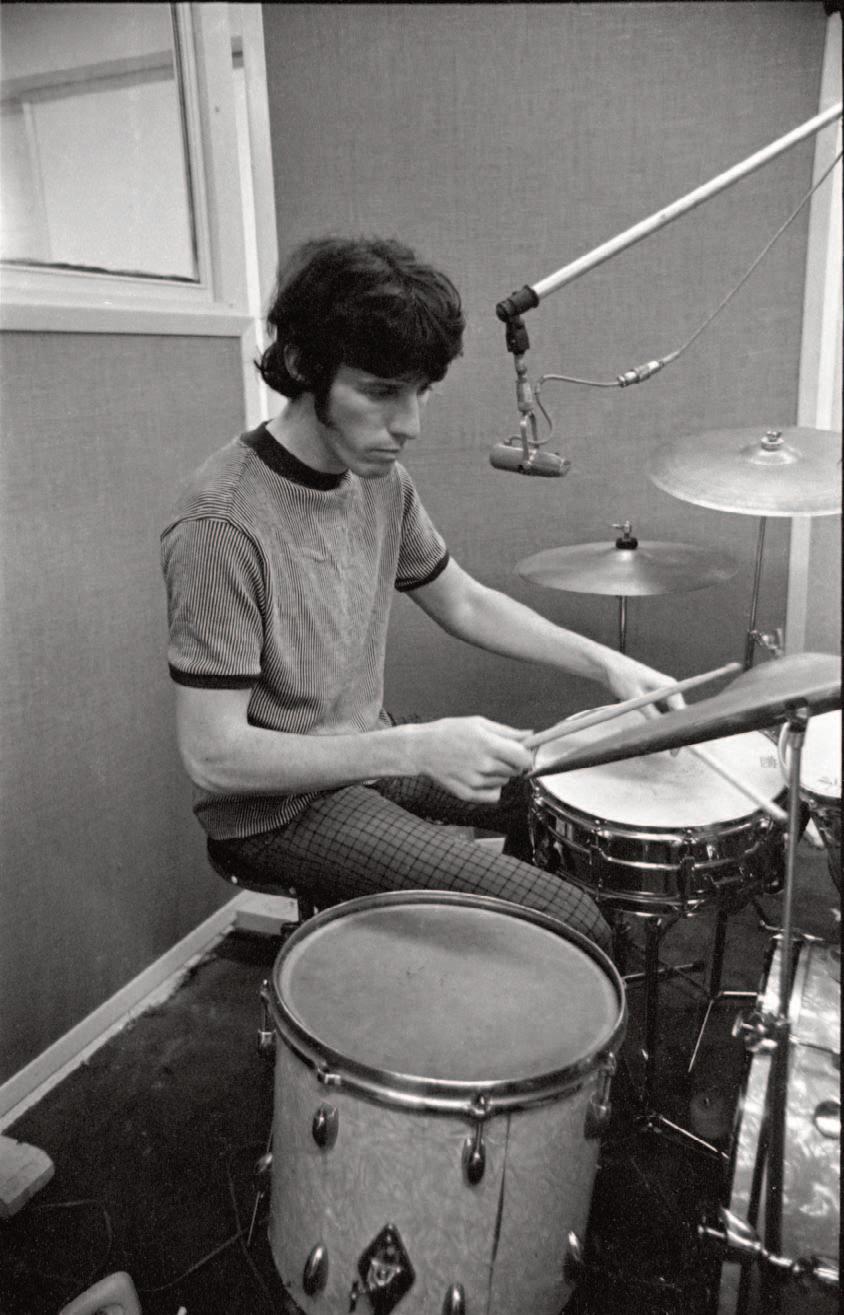
RAY Recording is entirely different to playing in person. In the recording studio it’s more like a laboratory. You can be much more selective about what you create, whereas in person there’s a greater degree of spontaneity.
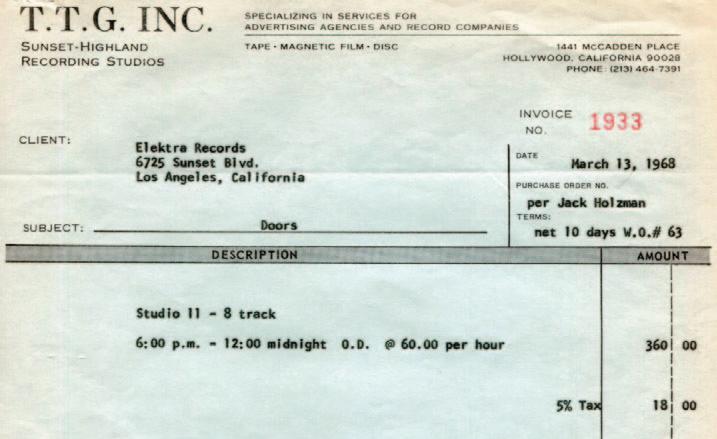
Strange Days is when we began to experiment with the studio itself, as an instrument to be played. It was now eight-track, and we thought, ‘My goodness, how amazing! We can do all kinds of things – we can do overdubs, anything, we’ve got eight tracks to play with!’ It seems like nothing today but those eight tracks to us were really liberating. It became a band of five: keyboard, guitar, drums, vocalist and the studio.
BRUCE BOTNICK In any good relationship between artist, producer and engineer, there is a meeting of the minds, and a lot of it is unspoken. It’s an understanding and there’s a chemistry there. The six of us made those records together; it was a team effort.
JOHN Paul Rothchild, our producer, was very open to listening to everyone’s input in the recording studio. If he had been an old-time producer, we probably wouldn’t have been invited to the mix, where the final sound is put together. But Paul was wise enough to know that the new groups were very concerned about every stage of recording.
The recording of the second album began very well. We polished up ‘My Eyes Have Seen You’, which was written in Ray’s parents’ garage before Robby even arrived, and rehearsed ‘People Are Strange’ for a couple of weeks. It turned into a catchy song with single potential.
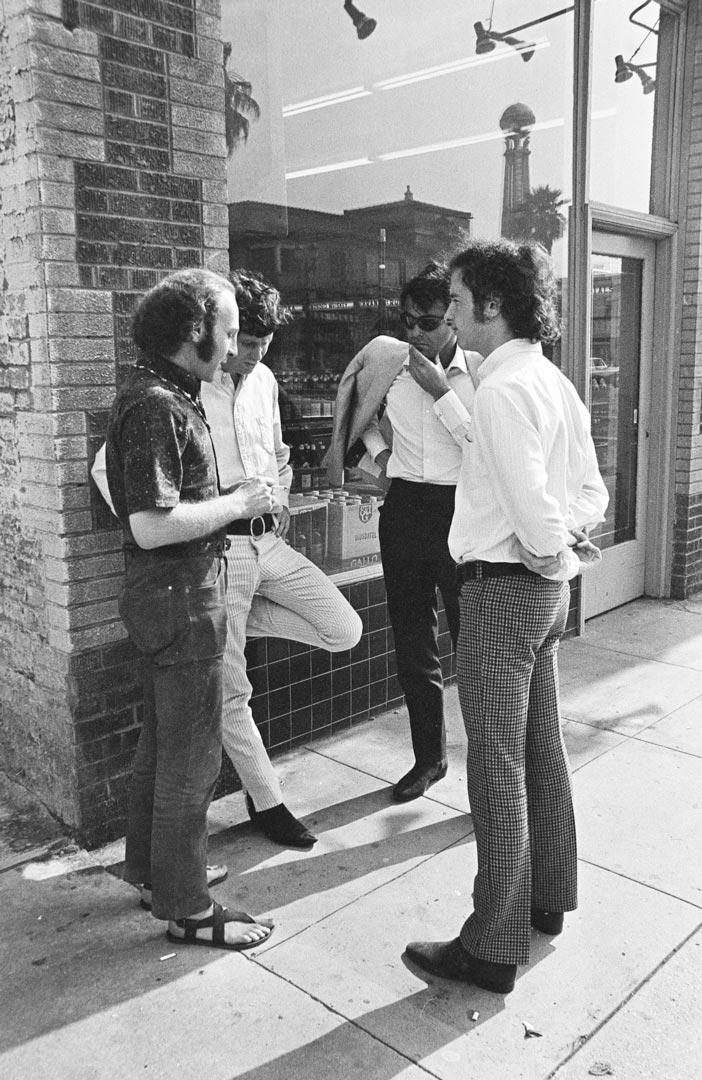

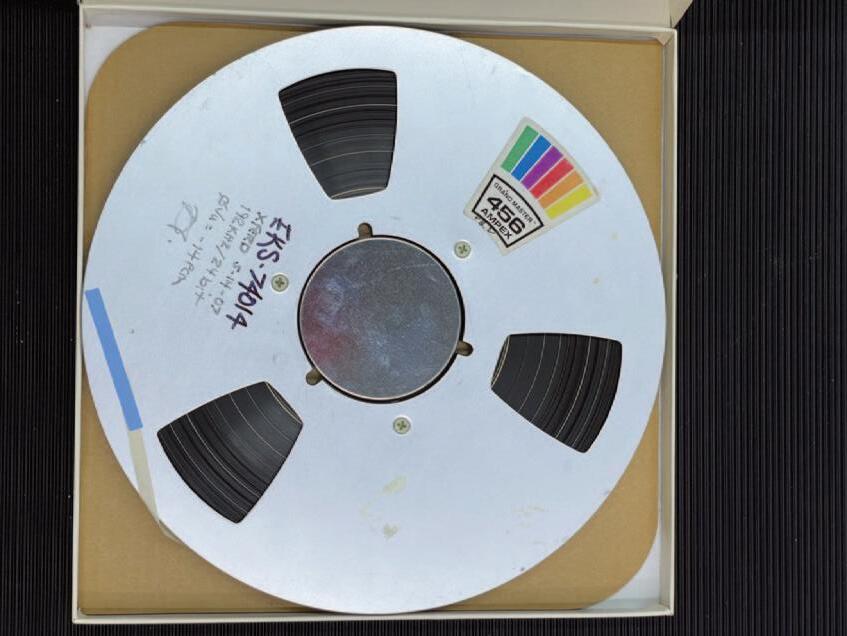
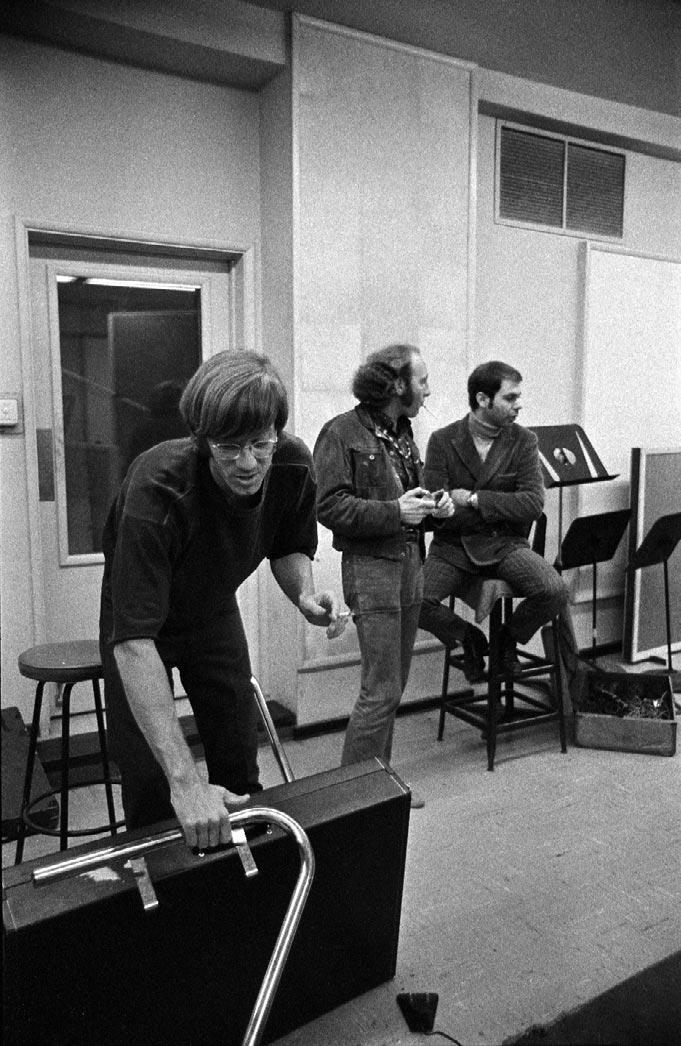
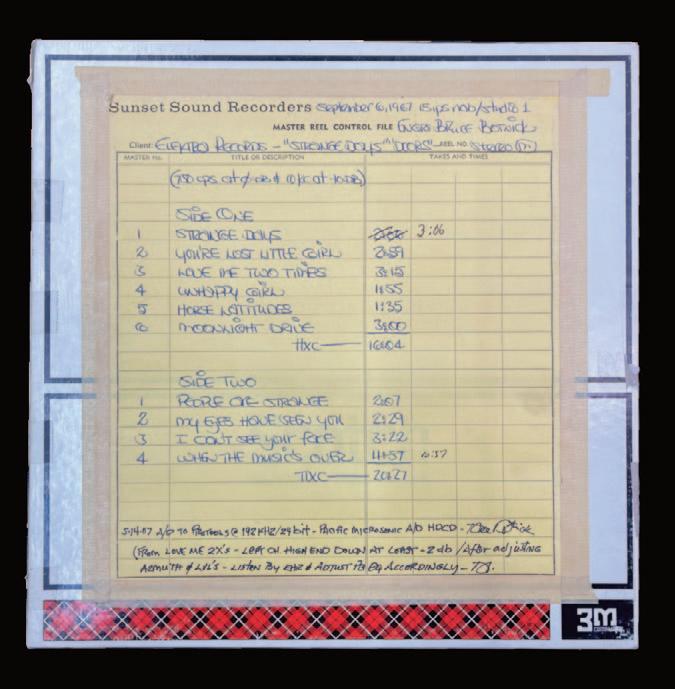
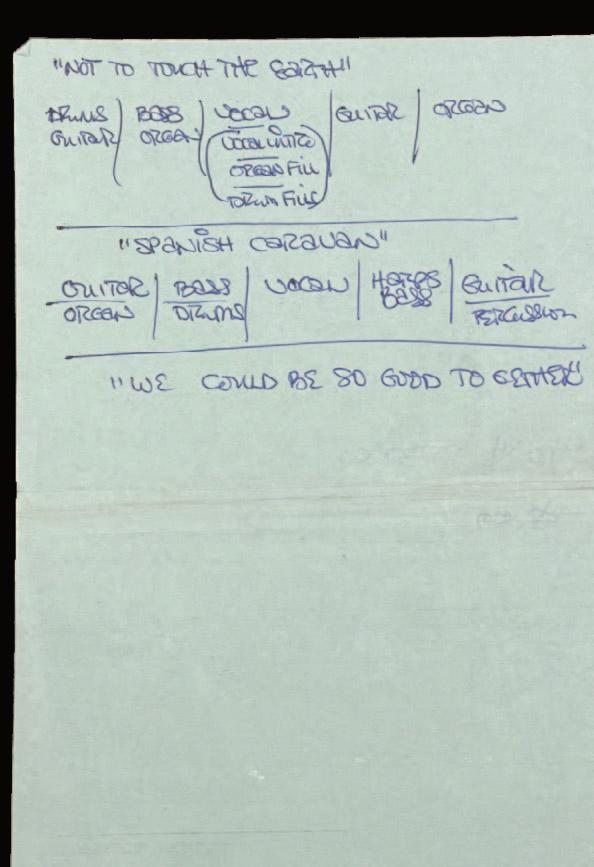
ROBBY ‘Not to Touch the Earth’ became most notable for its last line: ‘I am the Lizard King. I can do anything.’ Jim wasn’t speaking about himself; it was a proclamation from one of the characters he had created in the poem, but it became Jim’s eternal nickname. I chuckle inside a little every time I hear it. It always makes me think back to the green welder’s jacket with the sewn-on lizard skin that he was wearing when I first met him. I wish Jim could witness the unintentional cultural impact of that single whispered lyric. It has been referenced in everything from The Office to SpongeBob SquarePants.
RAY The press loved it. It was their new hook for him. Jim would now be known as ‘the Lizard King’. Hell, the people loved it too.
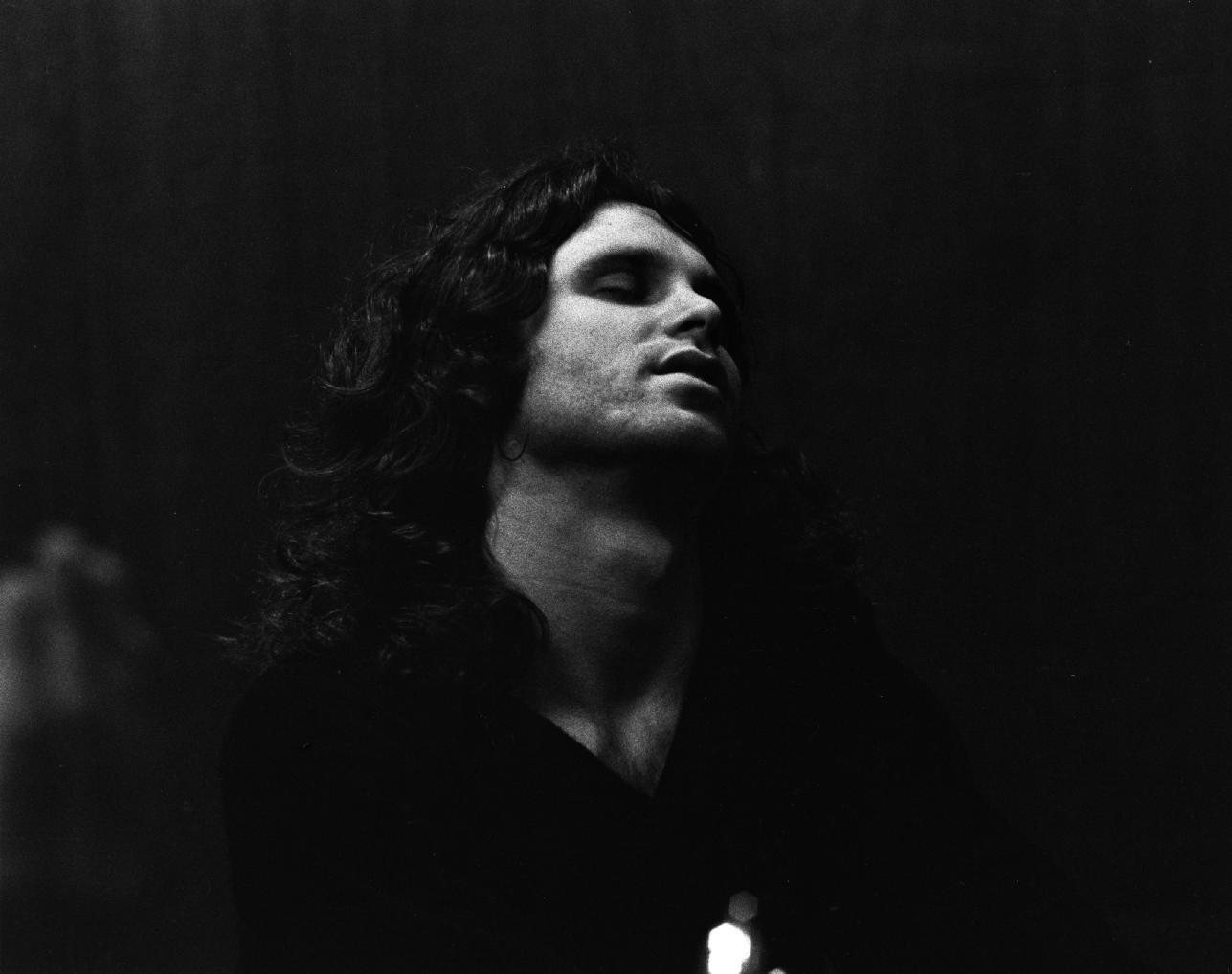

JIM I find the music gives me a kind of security and it makes it a lot easier to express myself.
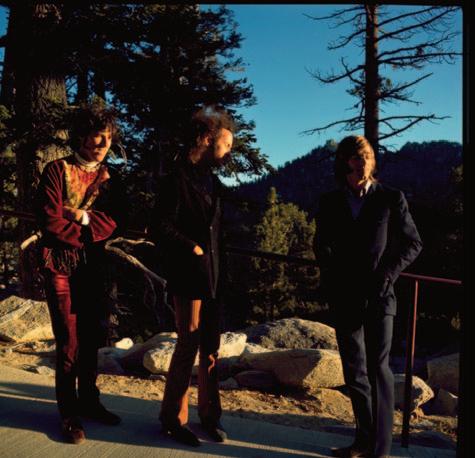
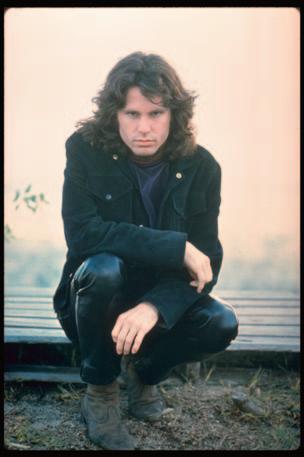
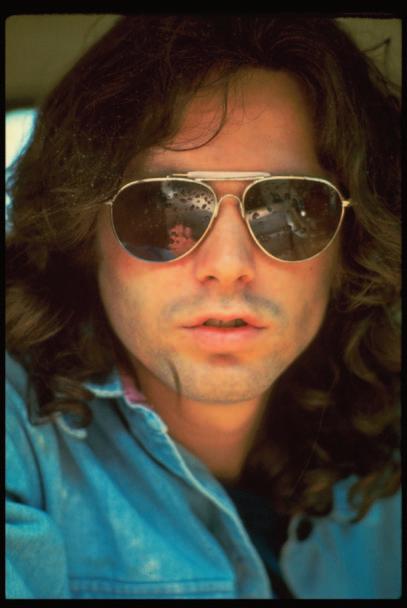
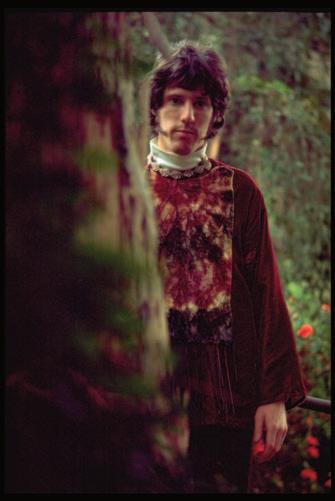
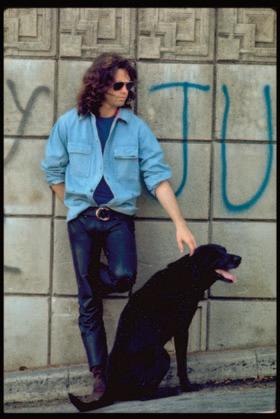
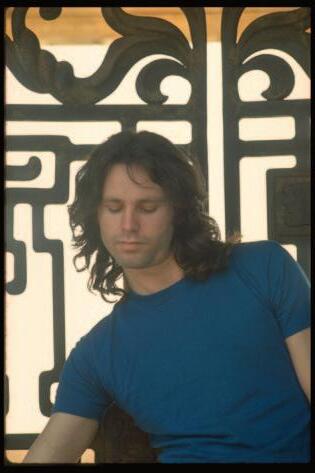

JOHN After the first round of trials was over, we were back on Santa Monica Boulevard in our rehearsal room, where we wrote another album’s worth of songs. I always got inspired when I thought of going into the studio and polishing new songs into gems. I didn’t hear any hits, but it was another group of tightly arranged numbers with Ray’s dependable trademark sound and Robby’s risky guitar flights into failure and magic. The rehearsals weren’t totally free of tension, though.
RAY The forced layoff caused by Miami resulted in a burst of creativity for Jim and Robby. We were loaded with hot new songs. The rehearsals were very productive. We were having fun again. Jimbo was nowhere to be seen. Jim was relaxed and as happy as a man facing possibly 13 years in the slammer could be. He simply put it out of his mind, as we all did – we never spoke of it. Instead, he threw himself into creativity. And the songs were hot!
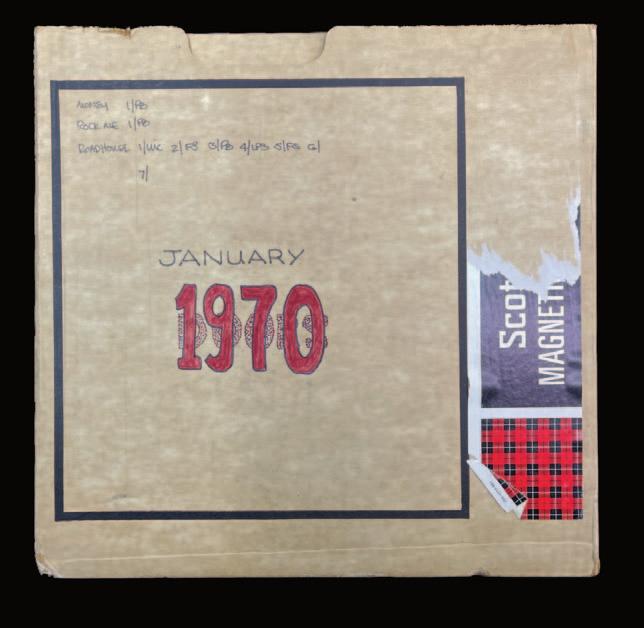
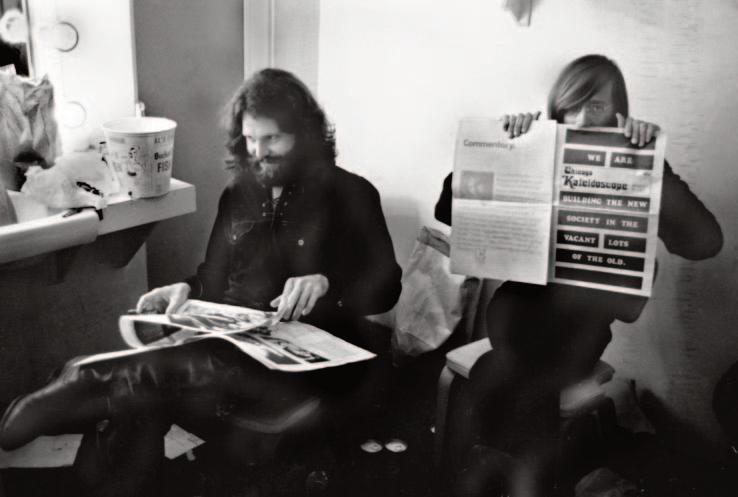
JIM Besides the live album, my favourite album is Morrison Hotel, in the respect that we didn’t use any other musicians, except for the bass player.
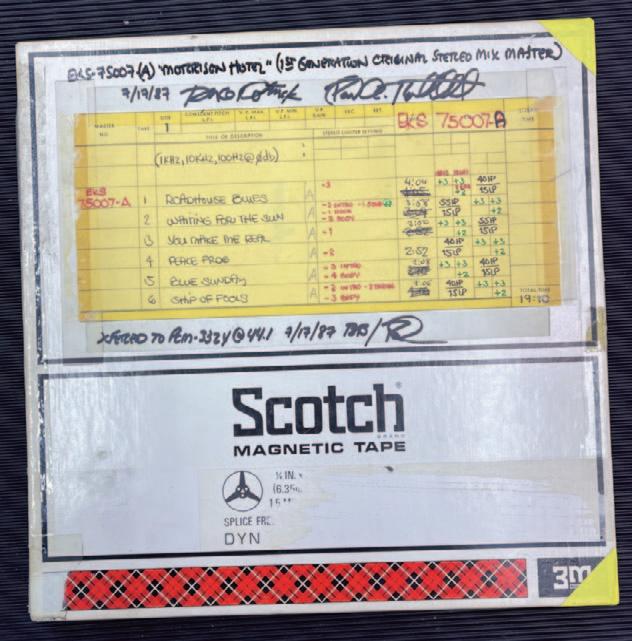
BRUCE BOTNICK The first song out of the box was destined to become the all-time American bar band song, ‘Roadhouse Blues’. It took two days to realise Paul Rothchild’s vision of recorded perfection. Through this, Jim was mostly out of it and going into blues-singer mode, repeating the line ‘Ladies and gentlemen, money beats soul every time,’ and then Robby kicked it off. On the first day Ray was on a Wurlitzer electric piano. On the second he moved to a tack piano, which happens to be the very same piano that Brian Wilson used on ‘Good Vibrations’.
RAY It was all good stuff. And all to be played within our basic Doors format. No horns, no strings, just pure Doors. Pure rock and blues and jazz and soul and love. We were going to lay it down, hard and fat. John Sebastian sat in on harp on ‘Roadhouse Blues’, as did Lonnie Mack on bass. Ray Neapolitan played bass on all the other cuts.