FALL FORECAST: AUTUMN ACTIVITIES FOR UNRELIABLE WEATHER
By Lilah Wheat
Just because the weather is all over the place doesn’t mean your health and happiness have to be.”
As Autumn arrives in San Antonio, don’t let the calendar fool you — hot weather hasn’t moved on quite yet. Texans are becoming all too familiar with the occasional 90 degree spike as late as October. This unpredictability reflects longer patterns of a changing climate, with Texas’s annual surface temperature projected to increase 1.8°F from the 19912020 average by 2036, according to Nielsen-Gammon et al.’s 2021 publication. While relaxing indoors is comforting in this sweltering season, remaining active is important – not just for our physical health but also for our mental wellbeing. Whether you’re looking to connect with friends, enjoy nature, or simply move your body, there are plenty of ways to stay active as we wait for temperatures to cool down.
Explore San Antonio’s Shady Trails
For those determined to spend time outside, there are many opportunities to enjoy the shade through San Antonio’s extensive city park network. Check out the Salado Creek Greenway trails, particularly the sections between Walker Ranch Park and Loop 1604, for a cool jog or stroll. Nearby, Hardberger Park offers shaded, paved trails on its eastern side, making it a great place to pause and explore on unseasonably hot days. A little closer to downtown, check out the trails at Brackenridge Park, particularly the Wilderness and Wildlife trail, for some nice tree cover. The 1.4-mile trail is paved with many offshoots to explore. Near Brackenridge, but less well-known, the Headwaters at Incarnate Word host many shady trail routes on 53 acres of springfilled land. Or if you’re down for a bit of a drive, the trails at Hendrick Arnold Nature Park provide nice shade while allowing you to observe the beautiful and unique riparian habitats of the park.
Even in shaded areas, it’s important to come prepared for any weather:
wear light, protective clothing, bring water, apply sunscreen, and consider heading out early in the morning or after sunset. Some parks, like Brackenridge, even offer extended hours until 11 pm.
Enjoy Free Evening Events & Entertainment
Evening hours are perfect for enjoying moderate weather while still engaging your body and mind. You can enjoy free evening yoga classes at Gardopia’s weekly Mindfulness Mondays event, and if that’s not enough, you can get an additional day of free yoga through For Her’s trauma-informed yoga on the 2nd, 4th, and 5th Tuesdays of each month. If you’re feeling creative, check out San Antonio’s longest-running monthly art event: First Fridays at Bluestar, featuring music, collaborative art, and local food vendors.
Stay Active Indoors
Looking for comfort without giving up activity? Museums across San Antonio offer a perfect indoor retreat with opportunities to walk, learn, and explore. Many of San Antonio’s museums have free or discounted admission for students and Bexar County residents. The San Antonio Museum of Art has free resident hours on Tuesdays from 4-7 pm and Sundays from 10am12 pm. Residents can also enjoy the McNay Art Museum for free on Thursdays from 4-9 pm and the Witte Museum on Tuesdays from 3-6 pm. Additionally, the DoSeum has free family nights on the first Monday of each month. Walking around a museum and learning about all of the exhibits is a great way to keep both your body and mind active while keeping cool in the A.C.. Bonus points if you bring a friend!
Just because the weather is all over the place doesn’t mean your health and happiness have to be. Whether it’s an early morning jog along a shaded trail, a creative evening out with friends, or a quiet afternoon spent wandering around a museum, San Antonio offers something for everyone. Explore what works for you and keep your mind and body active!
FASHION WITH A CONSCIENCE: HOW SUSTAINABLE STYLE IS SHAPING THE FUTURE
By Stephen Lucke
Fashion is glamorous, creative, and expressive, but it comes with a hidden cost. The clothing industry is one of the largest contributors to pollution and waste worldwide, from pesticide-heavy cotton farming to fast-fashion landfills overflowing with barely-worn garments. Luckily, a wave of sustainable fashion innovation is turning the tide, blending style with responsibility.
The Materials Making a Difference
Sustainable fashion starts with what the fabric is made of. Designers and brands are exploring eco-friendly alternatives that are gentle on the planet:
Organic Cotton:
Grown without synthetic chemicals, organic cotton uses far less water than conventional varieties.
Hemp:
Strong, breathable, and naturally pest-resistant, hemp grows quickly and enriches soil health.
Bamboo:
Processed mechanically into soft fabrics, bamboo is both renewable and biodegradable.
Recycled Fibers:
Clothing made from recycled nylon,
polyester, and even discarded fishing nets reduces waste and energy consumption.
Tencel/Lyocell:
Derived from sustainably harvested wood pulp in a closed-loop system, these fibers are soft, breathable, and fully biodegradable.
The Rise of Innovative Textiles
The frontier of sustainable fashion isn’t just natural fibers — it’s technology-driven materials. One of the most exciting developments? Mushroom leather, made from mycelium, the root structure of mushrooms. It mimics traditional leather without the environmental cost of cattle farming or chemical tanning. Other innovations include pineapple leather (Piñatex) and apple-based vegan leather, transforming food waste into high-fashion materials. These textiles allow designers to craft handbags, sneakers, and jackets while dramatically reducing the carbon footprint of production. As technology evolves, mushroom leather and other bio-fabrics are expected to become more affordable and widely available.
Upcycling and Thrifting: Fashion’s Most Stylish Secret
While new materials are exciting, upcycling and thrifting remain the most impactful ways to fight fashion waste. Over 11 million tons of textiles are discarded in U.S. landfills annually — much of it still wearable.
Thrift Stores:
Local favorites like Goodwill and Plato’s Closet offer affordable, pre-loved fashion while keeping clothes out of landfills. You can find everything from everyday basics to vintage treasures.
Free Stores and Clothing Swaps:
Some communities have free stores or seasonal clothing swaps where all items are given at no cost, perfect for refreshing your wardrobe sustainably.
Upcycling:
Creative minds transform old garments into new pieces — think jeans turned into tote bags or vintage dresses tailored into modern silhouettes. Upcycling not only reduces waste but also celebrates personal style.
Building a Wardrobe That Lasts
Sustainable fashion isn’t about sacrifice — it’s about intentional choices. Here’s how to make your closet eco-friendly and stylish:
Repair and restyle: Extend the life of what you already own.
Shop secondhand first: Check out thrift stores, resale apps, or clothing swaps before buying new.
Check labels: Look for certifications like GOTS or OEKO-TEX.
Invest in quality: Choose durable, timeless pieces over fleeting trends.
A Fashion Revolution
From mushroom leather jackets to thrifted finds at Plato’s Closet, sustainable fashion proves that style and ethics can go hand in hand. Every garment we wear is a chance to support a healthier planet and make a statement that fashion can indeed be beautifully responsible.
HEALTH & WELLNESS
STEEPED IN TRADITION: THE HEALING POWER AND SIMPLICITY OF HERBAL TEA
By Stephen Lucke
There’s something profoundly human about sitting down with a warm cup of herbal tea.”
There’s something profoundly human about sitting down with a warm cup of herbal tea. Across the ages and continents, people have turned to herbs and hot water as both nourishment and medicine — a ritual that soothes the body, clears the mind, and connects us to the natural world. From the Egyptian deserts to East Asian temples and modern urban gardens, herbal teas — or tisanes — have served as a gentle, daily form of healing.
A History Steeped in Healing
The use of herbs for wellness dates back more than 5,000 years. Ancient Egyptian physicians brewed mint and anise for digestion, while Chinese healers steeped ginseng and chrysanthemum to restore qi (life energy). The Ebers Papyrus (c. 1550 B.C.), one of the oldest known medical texts, documents hundreds of herbal infusions for ailments ranging from inflammation to anxiety. In Greece, Hippocrates, the father of modern medicine, prescribed warm herbal drinks to “cleanse and balance the humors,” aligning body and spirit.
Across cultures, tea became both cure and comfort — a way to harness the earth’s natural pharmacy.
The Science Behind the Sip
Modern research supports what ancient healers practiced intuitively: herbs are biologically active plants that can support human health. According to the 2020 Journal of Traditional and Complementary Medicine, “Herbal teas provide bioactive compounds with antioxidant, antiinflammatory, and antimicrobial properties that contribute to improved immune function and stress reduction.” Some of the most common herbs used in teas offer powerful health benefits:
Chamomile: Contains apigenin, a compound that binds to receptors
in the brain, promoting calmness and better sleep.
Peppermint: Helps ease bloating and relax digestive muscles; menthol’s cooling effect also relieves tension headaches.
Ginger: A natural anti-inflammatory, known to soothe nausea and improve circulation.
Lemon Balm: Enhances mood and concentration; studies show it can reduce anxiety and mild insomnia. Hibiscus: Rich in antioxidants and vitamin C, linked to lower blood pressure and improved heart health.
Tulsi (Holy Basil): Revered in Ayurvedic medicine as an adaptogen, helping the body manage stress and balance hormones.
As the National Institutes of Health explains, “Phytochemicals in herbal infusions may act synergistically to protect against chronic diseases while promoting general wellness.” In other words, each cup of herbal tea is a small act of preventive medicine — one rooted in thousands of years of empirical knowledge and now validated by modern science.
From Soil to Cup: Growing Herbal Wellness at Home
One of the most beautiful things about herbal teas is how easy they are to grow. Many of the world’s most beloved tea herbs thrive in small spaces, making them ideal for backyard gardens, balconies, or classroom planters. Mint, lemon balm, basil, chamomile, and lemongrass all grow readily in containers or raised beds with minimal care. Most require 6–8 hours of sunlight per day, well-drained soil and moderate watering, and regular harvesting to encourage new growth. Herbs are forgiving plants — resilient, aromatic, and eager to share their bounty. In urban agriculture, they serve a dual purpose: beautifying
spaces while teaching gardeners about biodiversity, pollinator support, and sustainability.
For school or community gardens, herbs offer a gateway into science and wellness education. Students can learn plant biology, cultural history, and nutrition all through tending, harvesting, and steeping their own teas. As Gardopia Gardens and other urban farms demonstrate, growing herbs empowers communities to take health — quite literally — into their own hands.
Cultural Connections: A Shared Human Ritual
Herbal teas reflect the biodiversity and traditions of every region. In Latin America, yerba mate represents friendship and unity. In West Africa, hibiscus (bissap or zobo) is served during celebrations. In Europe, wild nettles and elderflower are steeped as spring tonics to cleanse and renew the body. These cultural connections remind us that herbal tea is more than a drink — it’s a ritual of renewal, a moment of mindfulness shared across generations.
A Living Tradition of Wellness
In our fast-paced world, making a pot of herbal tea offers a rare opportunity to slow down, breathe, and reconnect with nature. Whether you grow your own herbs or buy them from a local farmer’s market, each sip carries the wisdom of centuries — a gentle reminder that healing often starts in the soil. So, plant a patch of mint, dry a few sprigs of lemon balm, and share your harvest with a neighbor. In every garden and every cup, the story of herbal tea continues — steeped in care, community, and the simple power of plants.
WINTER WELLNESS: FOODS TO HELP FIGHT COLDS AND FLU
By Stephen Lucke
As winter’s chill sets in, our bodies become more susceptible to colds and flu. While vaccines and hygiene practices are essential, nutrition plays a pivotal role in bolstering our immune defenses. By incorporating specific foods into our diets, we can naturally enhance our body’s ability to ward off seasonal illnesses.
Vitamin C: Citrus and Colorful Veggies
Vitamin C is renowned for its immune-boosting properties. It supports various cellular functions of both the innate and adaptive immune system. Citrus fruits like oranges, grapefruits, lemons, and limes are excellent sources. However, vegetables such as red bell peppers, broccoli, and Brussels sprouts contain even higher concentrations of vitamin C per serving. A study published in BMC Public Health found that vitamin C supplementation can reduce the severity and duration of common colds, particularly in individuals under physical stress.
Vitamin D: Sunshine and Winter Greens
Vitamin D is crucial for immune function. During winter, reduced sunlight exposure can lead to deficiencies. Fatty fish like salmon, fortified dairy products, and
egg yolks are rich in vitamin D. Additionally, mushrooms exposed to sunlight can provide a plantbased source. Ensuring adequate vitamin D levels can enhance pathogen-fighting effects of monocytes and macrophages and decreases inflammation.
Zinc:
Seeds, Nuts, and Legumes
Zinc is vital for immune cell development and communication. It plays a role in inflammatory response and is necessary for the development of acquired immunity. Foods rich in zinc include pumpkin seeds, sunflower seeds, lentils, chickpeas, and beans. A review in Nutrients highlighted that zinc supplementation can reduce the duration of the common cold and may prevent infections in the elderly.
Nature’s Antibiotics: Garlic, Ginger, and Turmeric
These herbs have been celebrated for their antimicrobial and antiinflammatory properties.
Garlic contains allicin, which has been shown to enhance immune function and reduce the severity of colds, according to Verywell Health. Ginger possesses antioxidant and antiinflammatory effects, aiding in
the relief of sore throats and congestion. Turmeric, with its active compound curcumin, has potent anti-inflammatory effects and can modulate the immune system. Incorporating these into teas, soups, or meals can provide both flavor and health benefits.
Probiotics:
Gut Health is Immune Health
A significant portion of the immune system resides in the gut. Consuming probiotics can enhance the production of natural antibodies and may boost immune cells like IgA-producing cells, T lymphocytes, and natural killer cells. Foods such as yogurt, kefir, sauerkraut, kimchi, and miso are rich in probiotics. A study in ScienceDirect discussed the immune-boosting effects of probiotics and prebiotics, noting their role in enhancing immune responses.
Hydration and Warm Foods
Staying hydrated is essential for maintaining mucosal linings in the respiratory tract, which act as barriers to pathogens. Warm liquids like herbal teas, broths, and soups not only hydrate but also soothe the throat and clear nasal passages. A study published in Nutrients found that chicken soup could provide modest benefits in
alleviating cold and flu symptoms, including reducing inflammation markers in the blood.
Seasonal and Local Produce: Winter’s Immunity Boost
Eating seasonal produce ensures the consumption of fresh, nutrientdense foods. Root vegetables like carrots, sweet potatoes, and beets are rich in beta-carotene, which the body converts to vitamin A, supporting mucosal barriers and immunity. Leafy greens like kale and cabbage, along with citrus fruits, are abundant in winter and provide essential vitamins and antioxidants.
Practical Tips for Gardeners and Home Cooks
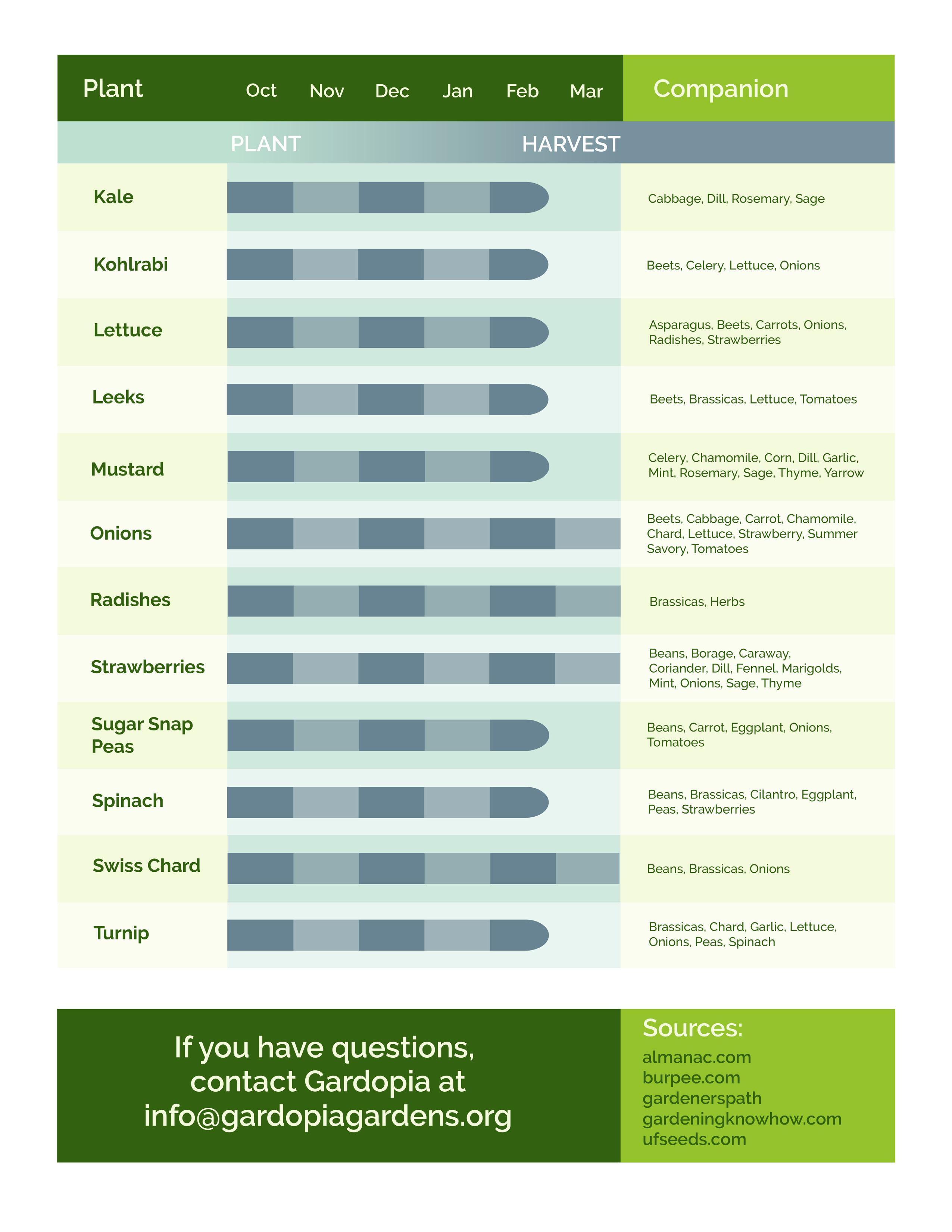
• Rotate leafy greens in your garden for continuous harvest.
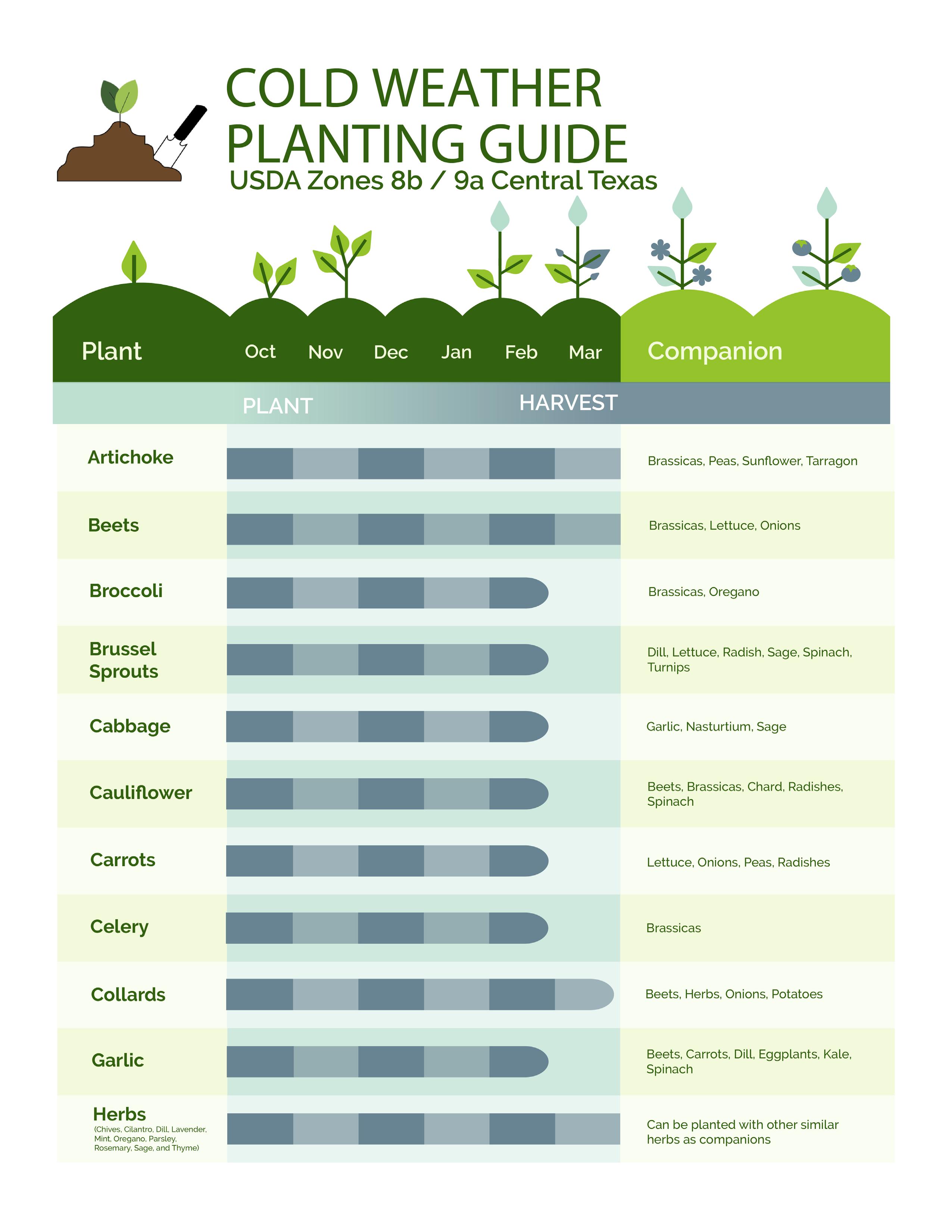
• Plant garlic and onions in the fall for a winter harvest.
• Keep dried herbs like ginger and turmeric on hand for teas and cooking.
• Make homemade soups and broths using seasonal vegetables and herbs.
Conclusion: Food as Medicine, All Winter Long
The winter months don’t have to mean constant sniffles or flu-related downtime. Nature provides the tools we need — fresh vegetables, immune-boosting herbs, and seasonal fruits. With a thoughtfully planted garden and a kitchen stocked with winter staples, nourishing your body and building resistance becomes not just practical, but pleasurable.
A bowl of soup, a warm cup of herbal tea, or a fresh harvest salad isn’t just food — it’s prevention, wellness, and a celebration of the season’s bounty.
THE STORY OF SOUP: A UNIVERSAL BOWL OF COMFORT AND HEALING
By Stephen Lucke
From the earliest clay pots simmering over open fires to the steaming bowls we share at our kitchen tables today, soup has nourished humanity for millennia.”
From the earliest clay pots simmering over open fires to the steaming bowls we share at our kitchen tables today, soup has nourished humanity for millennia. It is one of the oldest and most universal dishes known to humankind — a simple blend of water, heat, and local ingredients that evolved into a symbol of comfort, community, and healing across every culture.
The Origins: Fire, Water, and Necessity
Archaeologists trace soup’s beginnings to around 20,000 B.C., soon after humans began crafting waterproof containers from clay and animal hides. Once water could be boiled, early cooks discovered that bones, roots, and grains could be transformed into sustaining meals. According to a 2023 article in The Conversation, “Archaeologists speculate the first soup might have been made by Neanderthals, boiling animal bones to extract fat essential for their diet … stone-age soup was an important complement to primeval nutrition.”
The very word soup stems from the Latin suppa, meaning “bread soaked in broth.” In medieval Europe, it was customary to pour broth over stale bread to make it edible — a tradition that survives in classic dishes such as French onion soup and Italian ribollita.
Food historians consider soup humanity’s most democratic dish. As one culinary scholar put it, “It is the only truly universal dish — every culture in the world makes soup, and it is widely valued as a dish adaptable for any situation” (“Soup: A Global History”).
Soup as Medicine: Let Broth Be Thy Healing
Long before modern medicine, people believed soup could heal the body and spirit. Ancient Chinese texts describe bone broths prescribed to restore energy and
balance qi. The Greek physician Hippocrates encouraged the use of “hot liquid nourishment” to aid digestion and promote health — a belief that echoes his famous maxim, “Let food be thy medicine.” Even during the Middle Ages, soups made from bones and herbs were administered to the sick and elderly. Today, science supports what ancient healers knew intuitively. Modern nutritional research recognizes soup as a “food as medicine” intervention, providing hydration, essential nutrients, and anti-inflammatory properties that “may alleviate symptoms and support immune function” (National Library of Medicine, 2025).
A 2024 review found that “soup consumption was associated with modest reductions in symptom severity and illness duration … Two studies reported reductions in inflammatory biomarkers” (National Library of Medicine, 2025). This evidence reinforces why dishes like chicken soup — affectionately called Jewish penicillin — remain a trusted home remedy across generations.
A Global Language of Soup
Across continents, every culture has its own variation of this nourishing staple — a language spoken through ingredients and flavor.
In Asia, Japanese miso soup, Vietnamese pho, and Korean kimchi jjigae reflect philosophies of balance and wellness. In Africa, West African peanut stew and Moroccan lentil soups showcase nutrient-dense native crops. In Europe, French bouillabaisse, Italian minestrone, and Russian borscht blend local produce, fish, and herbs into hearty, communal meals. In the Americas, Indigenous peoples crafted corn-based stews such as pozole and succotash; these traditions continue today in Latin America’s sancocho and caldo de pollo.
In every corner of the world, soup symbolizes generosity and care — the dish offered to guests, the sick, and the hungry.
The Modern Revival: Soup for the Soul and the Soil
In recent years, soup has been rediscovered as a symbol of sustainability and shared humanity. Urban farmers, chefs, and community kitchens alike are embracing soup’s ancient role: transforming surplus produce and food scraps into nourishing meals that prevent waste and feed neighbors in need.
Soup kitchens and community dinners continue this legacy — serving not only sustenance, but connection. A bowl of soup still holds the same promise it did thousands of years ago: warmth, health, and unity.
Conclusion: A Timeless Recipe for Humanity
From bone broths in prehistoric caves to global kitchens today, soup has never gone out of style. It is a living reminder that the simplest ingredients — water, fire, and care — can sustain both body and soul. Whether served from a street vendor in Hanoi, a family kitchen in Mexico, or a community garden in San Antonio, soup remains humanity’s shared recipe for resilience and healing.
So, when you stir a pot, remember: you are part of an unbroken human story — one that began with survival, grew into culture, and continues today as an act of love.
HOW TO EXTEND YOUR FALL HARVEST IN SAN ANTONIO
By Stephen Lucke
San Antonio gardeners know the drill: one week you’re in shorts enjoying 75-degree sunshine, and the next, a surprise cold snap has the backyard looking like winter arrived overnight. According to the Farmers’ Almanac, the city’s average first frost date is around November 18, though it can come earlier or later depending on the year. The trick is that these early frosts rarely stick around. As the USDA’s Natural Resources Conservation Service notes, light freezes are short-lived events that you can work around with the right protective strategies.
That means you don’t have to say goodbye to those lush tomato vines or productive pepper plants just yet. With a little planning, your garden can keep producing well into December before the deeper freezes of January and February set in.
The Case for Season Extension
The USDA defines season extension as “any technique that modifies the environment around plants to lengthen the growing season.” In other words, it’s about creating a buffer against the extremes. By protecting your crops during those brief dips into the 30s, you can enjoy weeks — sometimes months — of bonus harvests.
Three Tried-and-True
Tools
Hoop Houses:
Think of these as mini greenhouses. Built from bent PVC or metal hoops
covered in clear plastic, hoop houses trap warmth and block wind. Even a simple setup can raise nighttime temperatures by several degrees. On chilly evenings, that makes the difference between frostbitten leaves and thriving plants. Just remember to vent them during warm afternoons — San Antonio’s sunshine can turn them into saunas fast.
Frost Blankets:
Lightweight and breathable, frost blankets (a.k.a. Agribon Row Covers) are like a warm jacket for your plants. USDA field guides report they can protect crops from 2–4°F of cold, and doubling up provides even more. Drape them loosely over plants, pin down the edges, and remove them when the sun returns. These covers let light and water through, so your plants won’t miss a beat.
Deep Mulching:
Soil holds onto heat, and mulch helps it hang on a little longer. A thick blanket of straw, shredded leaves, or wood chips around the base of plants insulates roots from sudden temperature swings. As a bonus, it keeps weeds at bay and locks in moisture — a win in any season.
Timing Is Everything
The Weather Channel notes that Texas winters often bring a mix of mild stretches and sharp cold snaps. Your job as a gardener is to be ready when the forecast dips. Start mulching in late October,
keep your frost blankets within arm’s reach, and set up your hoop house before that first November chill arrives.
By December, when longer and deeper freezes settle in, it may be time to switch gears to coolseason crops like kale, carrots, and broccoli. But until then, your summer favorites can keep on giving.
A Final Word
Gardening in San Antonio means working with unpredictability. But that’s also what makes it rewarding — you get the thrill of beating the odds, savoring a ripe tomato in December when neighbors assume the season is long gone. With a hoop house, a few frost blankets, and a thick layer of mulch, you’re not just protecting plants; you’re extending the joy of the harvest.
With a hoop house, a few frost blankets, and a thick layer of mulch, you’re not just protecting plants; you’re extending the joy of the harvest.”
A COALITION ACROSS BORDERS AND DISCIPLINES
By Sol Roberts-Lemus
What is CREA?
Since 2023, the Coalition for Regenerative Ecologies and Agriculture (CREA) has offered students opportunities to learn and engage with regenerative practices. Using a transdisciplinary and transnational approach, CREA has highlighted and supported the ecological, cultural, and historical layers of food and the environment here in San Antonio, Texas and in Veracruz, Mexico. With the goal of establishing a collective that can support regenerative ecological and agricultural practices across borders, students have participated in fellowship programs, internships, and study abroad programs, educating themselves, building relationships in various communities, and assisting this important work.
Three Programs
In the fellowship, CREA takes students to a variety of regenerative agricultural and ecological projects in and around San Antonio. This includes projects like The Texas Tribal Buffalo Project, where Lipan-Apache women are helping restore the Buffalo; the San Antonio Food Bank, fighting
hunger in 29 counties; and us here at Gardopia, growing healthy communities through gardenbased education.
During the internship, students participate in a prolonged engagement with one of these projects, creating deeper connections and getting handson experience. As we believe collaboration is key for building healthier communities, some of those interns come work for Gardopia. Maybe one day the collaboration between CREA in the field of higher education and Gardopia serving communities will open new pathways for gardenbased learning.
The study abroad program is the final opportunity CREA offers its students. Through their founder’s relationships with regenerative ecological and agricultural partners in Veracruz, Mexico, CREA offers students a way to make connections in this work across borders. Food and the planet are important everywhere.
Through each of these programs, the students learn and participate in a multitude of ways that land stewardship, healthy communities,
While the battle seems to have no there are ways for everyday people to work to combat the environmental issues caused by
and cultural practices are linked through our food and ecosystems.
Transnational & Transdisciplinary
The students involved in CREA come from a variety of backgrounds and disciplines, like art, biology, English, and others, and then engage with a variety of projects. They might learn about the cultural significance of Buffalo, make art on sustainably-made paper, or help plant a garden used as an education space. CREA champions a transdisciplinary approach to ecology and agriculture, understanding that we are all, with our varied lived experiences and knowledge, participants of our ecosystems and food.
CREA focuses on how ecologies are not only the falcon and the field mouse or the juniper tree and the cardinal but are also our communities and neighbors here in San Antonio and across the border. When they talk about regenerating an ecology, they don’t only mean stewarding the land or reforesting. They also mean supporting cultures pushed to the margins and knowledge passed on to future generations.
To learn more about their work or partners, check out their website at sciences.utsa.edu/bhe/crea. CREA is funded by a grant from the U.S. Department of Agriculture’s Hispanic-Serving Institutions program.
COMMUNITY
MEGAWATTS VS. MICRO FARMS
By Jodi Flores
What is a Data Center?
To understand the effects that data centers have on urban agriculture, we must first understand what they are. Data centers can be described as facilities where technological services are built and run. More importantly, it is a place where data is managed and stored. There has been an exponential increase in the way that we seek and consume data in the last few years. The rise of AI has been one of the biggest factors to contribute to this demand. In America today, there are well over 5,000 data centers nationwide.
The Importance
It’s important to understand the upward demand for these centers to help us conceptualize the impact that is being made in urban spaces. In San Antonio alone, there are currently 61 data centers according to research conducted by Baxtel. This does not include the 11 centers that are under construction.
Baxtel also reported that Microsoft owns the largest facility in the city. The center is named SAT15 and uses 50 megawatts of power to run efficiently. For context, the Wisconsin Farm Bureau Association reported that it cost $7-12 million per megawatt to build a data center. The 50 megawatts used in this center alone could power about 12,000 San Antonio homes. Oftentimes, these facilities
are paid for from contributions from taxpayer dollars. On top of use of monetary resources and energy consumption, these facilities produce immense amounts of heat that must be cooled by excessive amounts of water daily.
In August 2025, Theo Burman of Newsweek reported that two data centers in San Antonio used 463 million gallons of water over the past two years, despite the ongoing drought conditions. The data centers belonged to Microsoft and the Army Corps. These numbers help us to start to paint a picture of which resources are being diverted from growing food in our urban communities.
The Upside
Is there a way where urban agriculture can benefit from data centers? Yes, but the damage may not be worth the reward. In colder climates, the waste heat being produced by data centers could be used to heat greenhouses or indoor farms to contribute to food production through winter time or year round.
While this concept still seems to be hypothetical in America, several countries have created plans to collaborate and even executed them in some places. An example of this is Green Mountain Data AS, located in Norway, where heat waste is being directed from data centers to lobster and trout farms.
This has allowed them to discard the expensive water heating and recycling method they initially had in place. According to a 2022 Vertiz case study, one of Green Mountain’s facilities, DC1Stavanger, is built methodically inside a mountain in a former high-security NATO ammunition storage facility. Natural cooling is used from a nearby fjord, and the center is powered by 100% renewable energy. This is an example where sustainability was high on the priority list.
The Future
It is projected that by the end of 2025, there will be over 400 data centers in Texas. It is vital that urban farmers and others in the agricultural realm stay persistent in voicing that local and state policymakers ensure that data centers are being built in accordance with sustainable practices.
Ways You Can Help
Contact your local representative to voice your concerns over the environmental impact data centers are having in your area.
Reduce your carbon footprint by deleting unused applications, old photos, and emails that are no longer needed on your devices.
Educate the people in your life about the impacts of excessive AI usage.
Plant native plants to help combat the heat emitted from the data centers and cool your area.
While the battle for resources seems to have no quick solution, there are ways for everyday people to work to combat the environmental issues caused by data centers.
CULTIVATING COMMUNITY: AGRIHOODS AND WWOOF’ING TRANSFORM SAN ANTONIO’S EAST SIDE
By Stephen Lucke
In the heart of San Antonio’s East Side, a transformative project is taking root — one that blends sustainable living, community engagement, and workforce development. Gardopia Gardens, a nonprofit organization dedicated to promoting healthy living and environmental stewardship through gardening, is pioneering the city’s first agrihood. This innovative initiative aims to integrate affordable housing with urban agriculture, creating a model for resilient communities.
Understanding Agrihoods: A Fusion of Agriculture and Neighborhoods
The term agrihood was most recently coined by the Urban Land Institute (ULI) in 2018 to describe residential communities centered around working farms or community gardens. These developments prioritize sustainable living, local food production, and community
engagement. According to ULI Americas, agrihoods offer proven financial, health, and environmental benefits to stakeholders and surrounding communities.
Agrihoods are designed to foster a sense of community by providing residents with access to fresh, locally-grown produce and opportunities for handson agricultural involvement. They often feature shared green spaces, community gardens, and educational programs focused on sustainable farming practices.
WWOOF: Connecting Volunteers with Organic Farms Worldwide
Complementing the agrihood model is the World Wide Opportunities on Organic Farms (WWOOF) program. Founded in 1971, WWOOF is a global network that connects volunteers (WWOOFers) with organic farms. In exchange for food, accommodation, and learning
experiences, volunteers assist with various farming tasks, from planting and harvesting to composting and animal care.
WWOOFing offers individuals the unique opportunity to immerse themselves in sustainable agriculture practices while contributing to the global movement toward organic farming. It also serves as a platform for cultural exchange, as volunteers often come from diverse backgrounds and countries.
Gardopia Gardens: Bringing Agrihoods to San Antonio
Gardopia Gardens is at the forefront of integrating the agrihood concept into San Antonio’s urban landscape. The organization was donated a property on the East Side where it plans to develop a six-unit housing project centered around urban agriculture and workforce development
The proposed development includes:
• One on-site housing unit for agricultural apprentices and a resident garden steward.
• Six rooms designed for efficient, sustainable living, with four allocated for urban agriculture apprentices and two for short-term rentals.
• Edible garden spaces for residents to grow their own food.
• Educational programs in gardening, nutrition, and sustainable agriculture.
• Opportunities for residents to earn garden apprenticeships and learn valuable skills.
This project aims to address multiple community needs, including affordable housing, access to fresh produce, and job training in sustainable agriculture. By integrating these elements, Gardopia Gardens is creating a model for urban resilience and community empowerment.
Conclusion: A Vision for Sustainable Urban Living
The integration of agrihoods and programs like WWOOF represent a shift toward more sustainable and community-oriented urban living. By combining affordable housing with urban agriculture, these initiatives promote food security, environmental stewardship, and economic opportunity.
Gardopia Gardens’ project on San Antonio’s East Side exemplifies how urban agriculture can be a catalyst for positive change. As this model continues to evolve, it offers a blueprint for other cities seeking to build resilient communities through sustainable living practices.